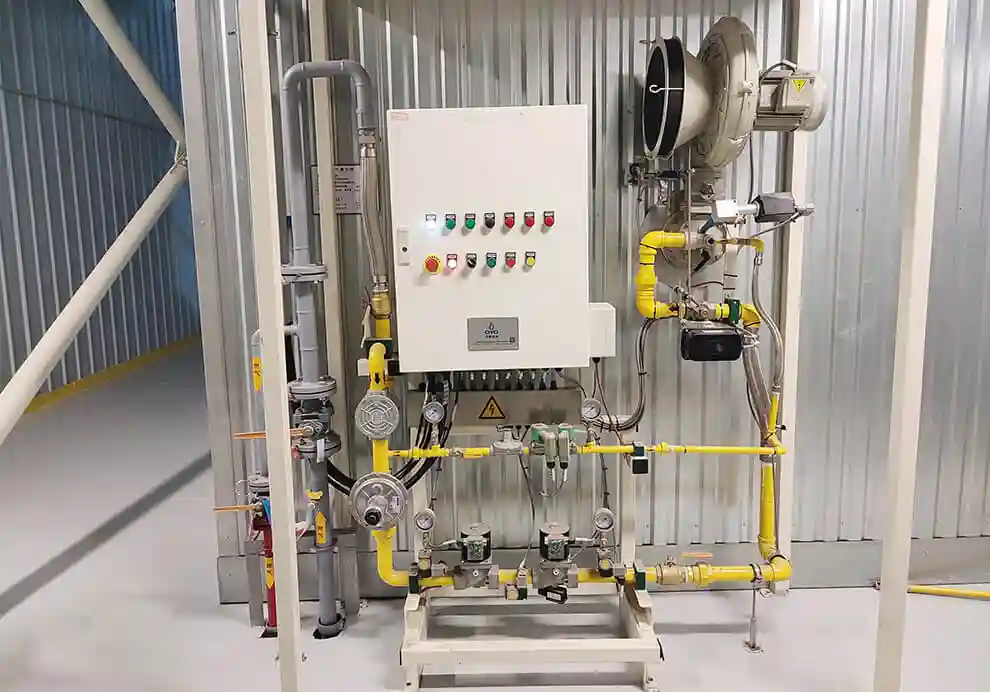
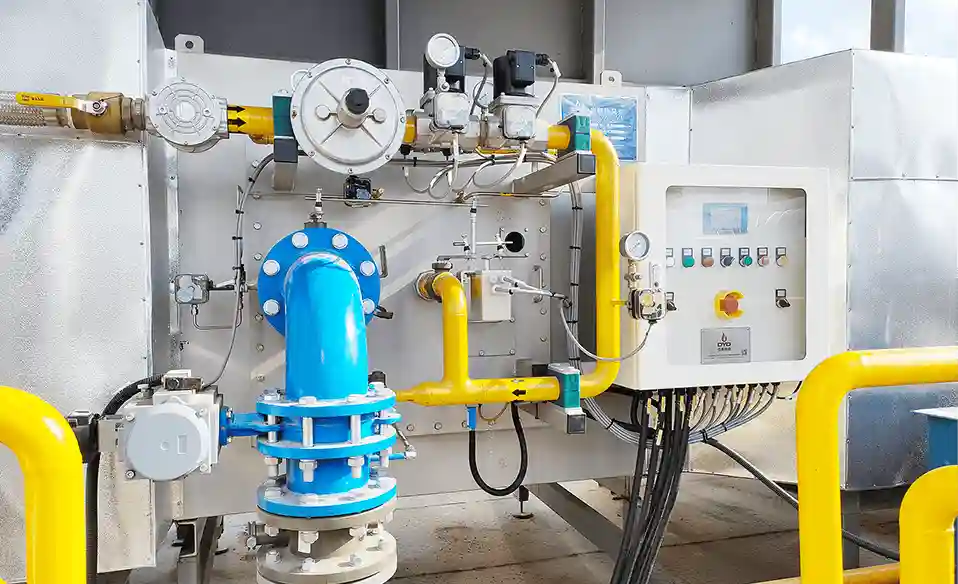
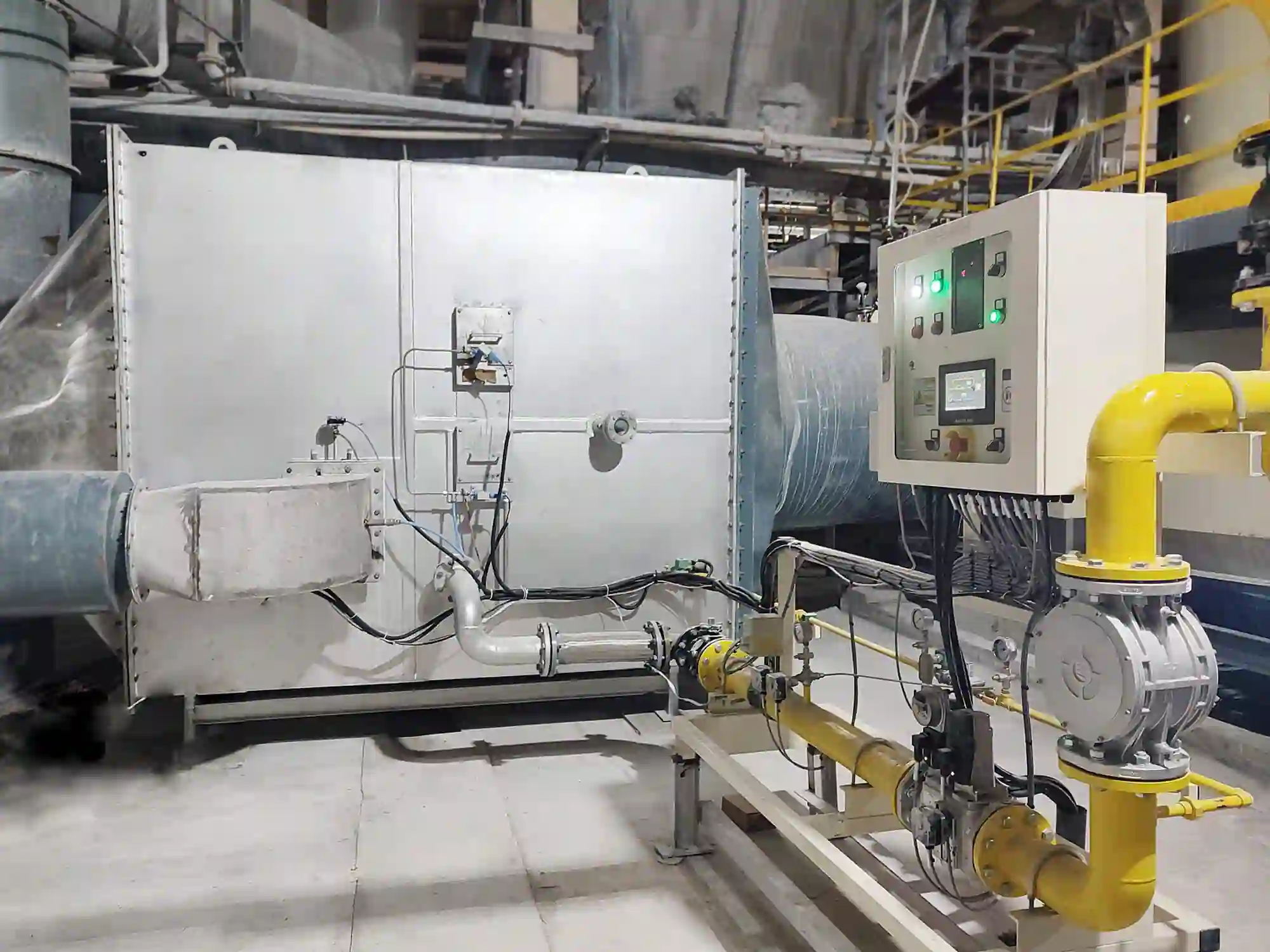
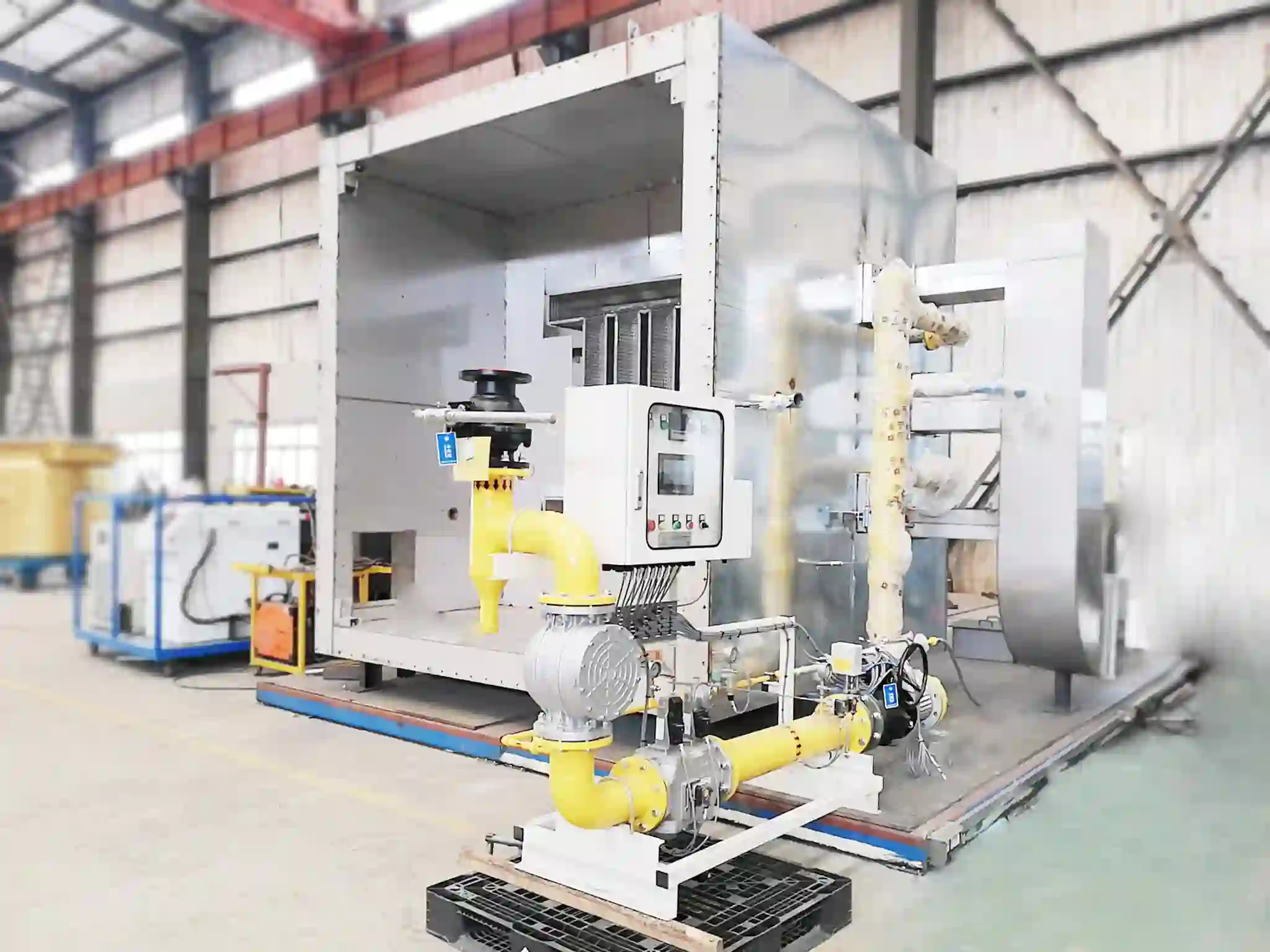
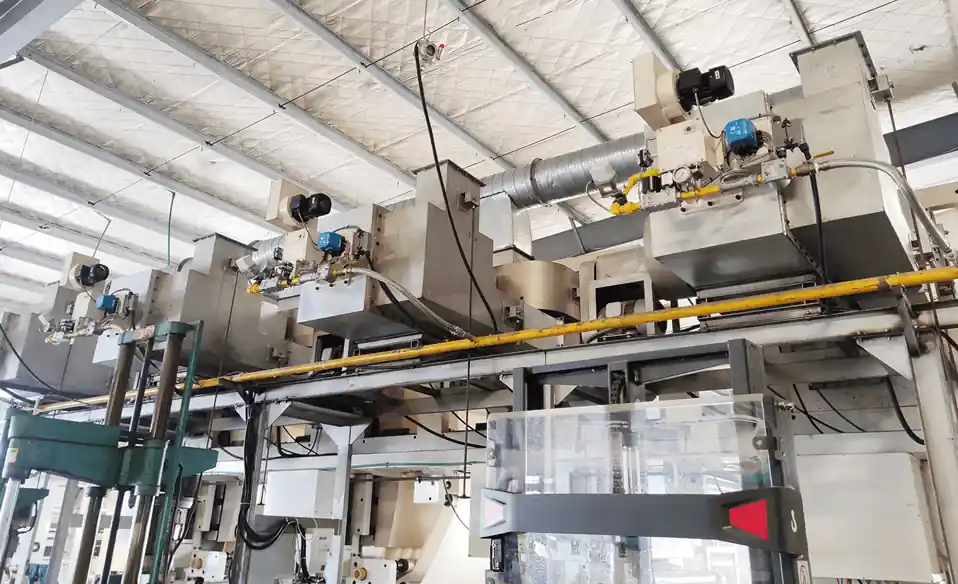
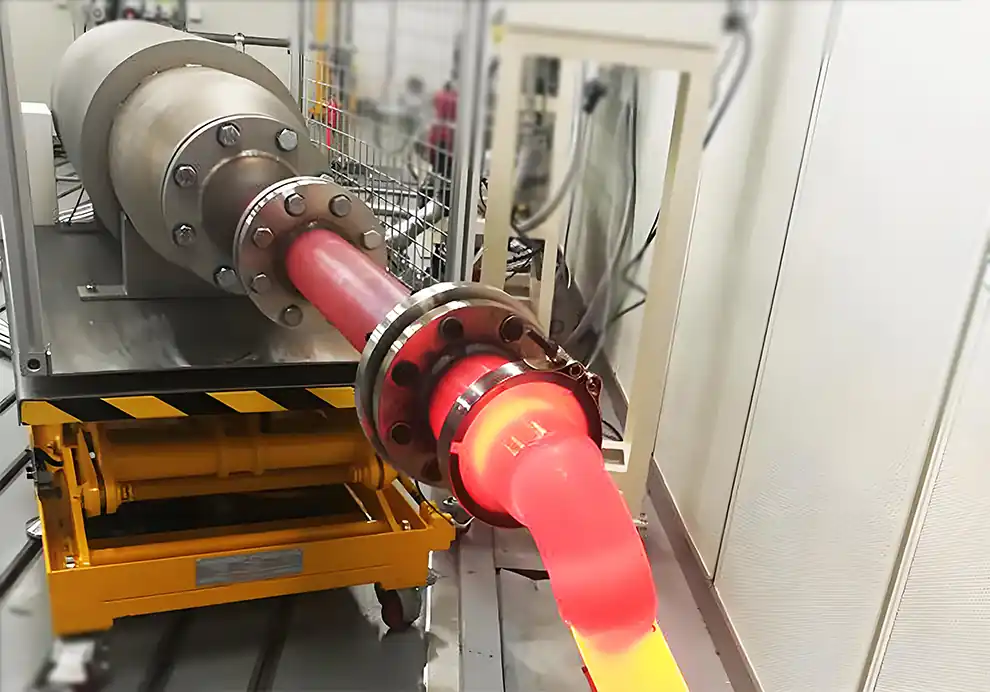
In the modern glass manufacturing industry, the combustion technology of glass furnaces directly determines production efficiency, energy consumption, and environmental standards. With increasingly stringent environmental regulations and rising energy costs, more and more enterprises are focusing on efficient, low-emission combustion solutions. Oxy-fuel combustion technology, as an advanced combustion method, significantly increases flame temperature and thermal efficiency while drastically reducing harmful gas emissions such as nitrogen oxides by using high-purity oxygen instead of air for combustion. For glass furnaces, selecting suitable oxy-fuel burners is not only key to improving product quality but also an important pathway to achieving green manufacturing.
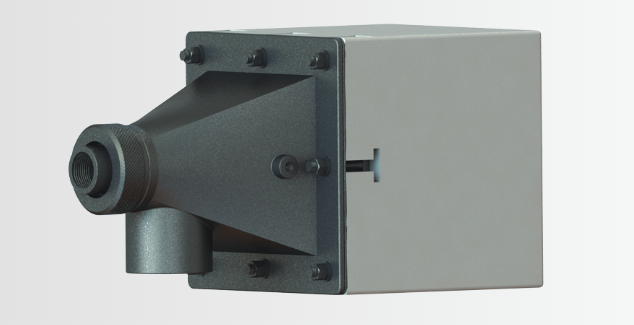
(oxy-fuel burners)
I. Working Principle and Advantages of Oxy-Fuel Burners
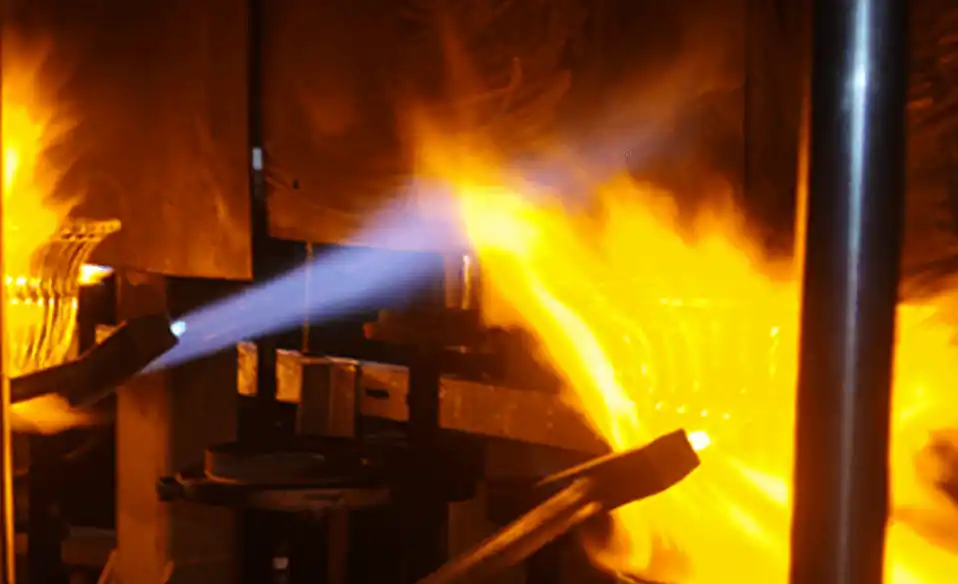
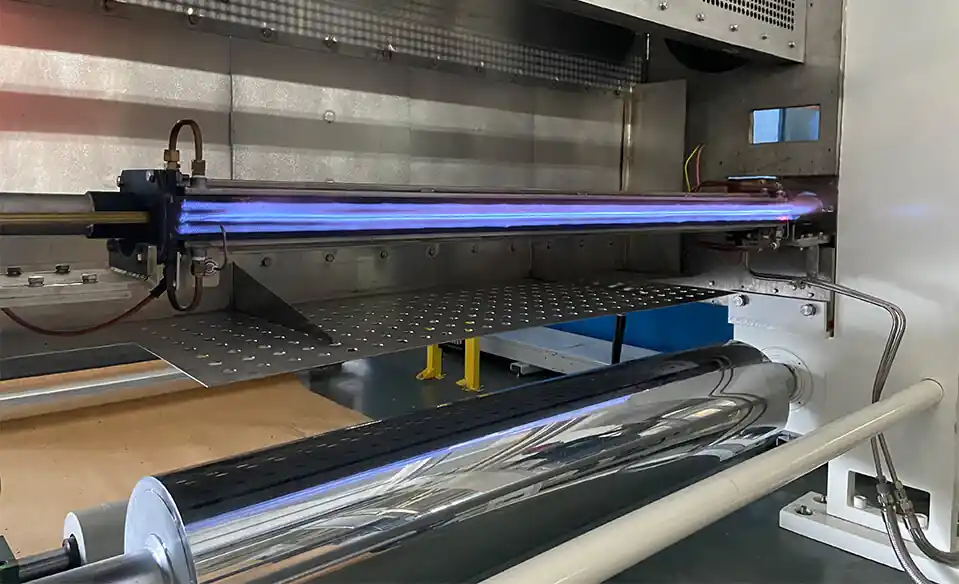
Oxy-fuel burners generate high-temperature, high-energy flames by mixing fuel (such as natural gas) with high-purity oxygen for combustion. Compared to traditional air-fuel combustion, oxy-fuel combustion avoids the involvement of nitrogen, reducing heat waste and harmful gas generation. In glass furnaces, this technology enables more uniform heating, shortens melting time, and improves the stability of glass melt quality. Furthermore, oxy-fuel burners feature a high turndown ratio and adjustable flame shape, allowing adaptation to different process requirements.
II. Application of Natural Gas Oxy-Fuel Burners in Glass Furnaces
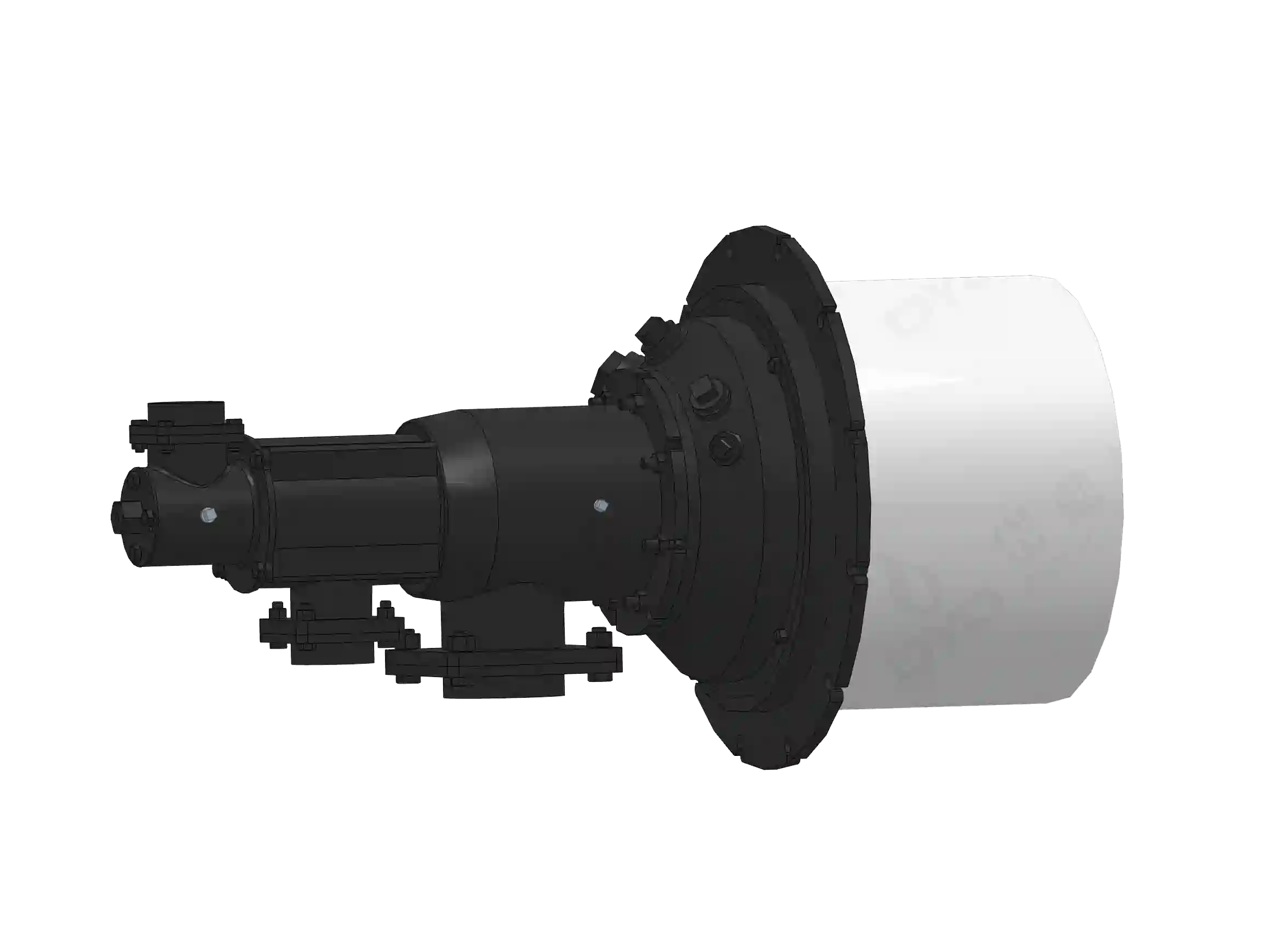
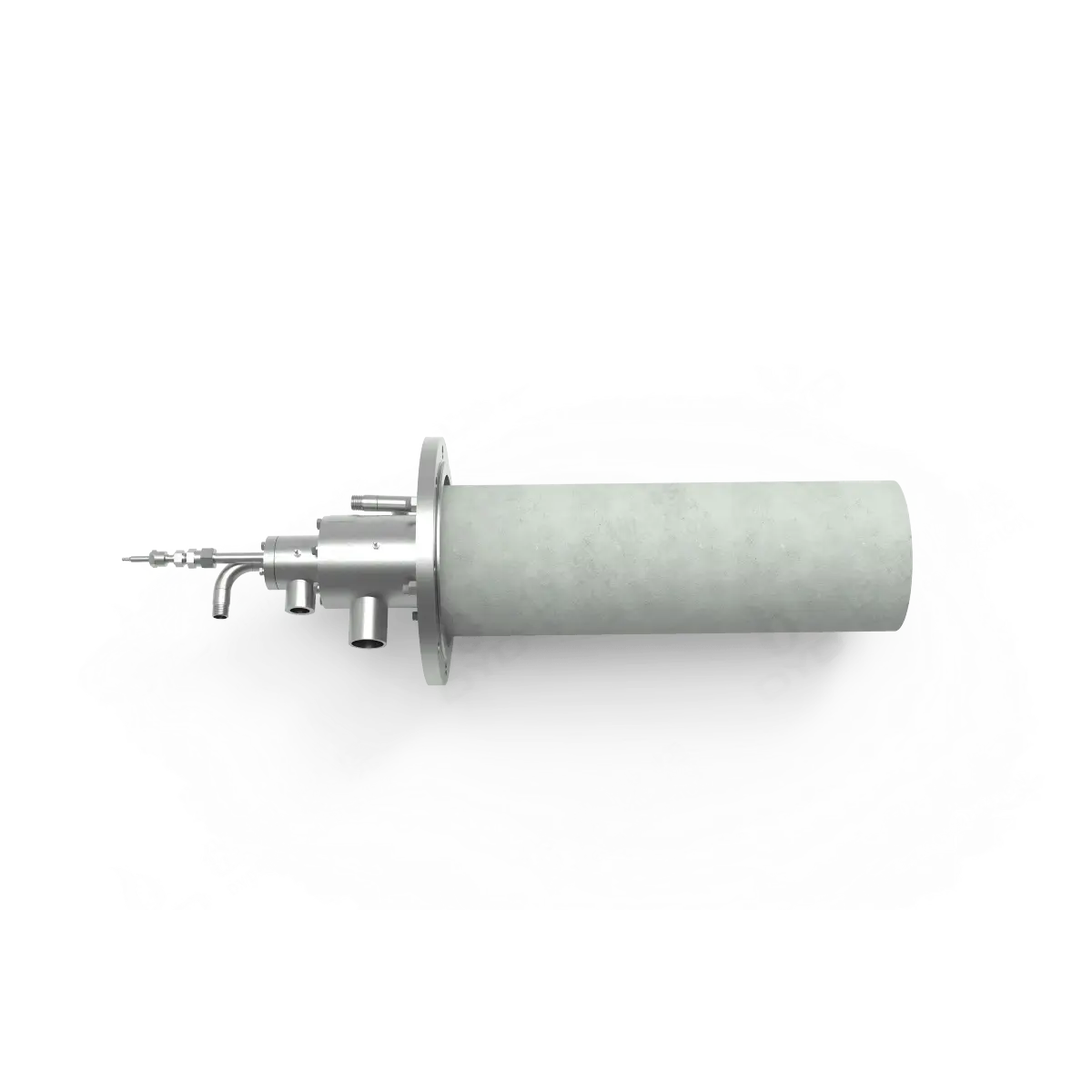
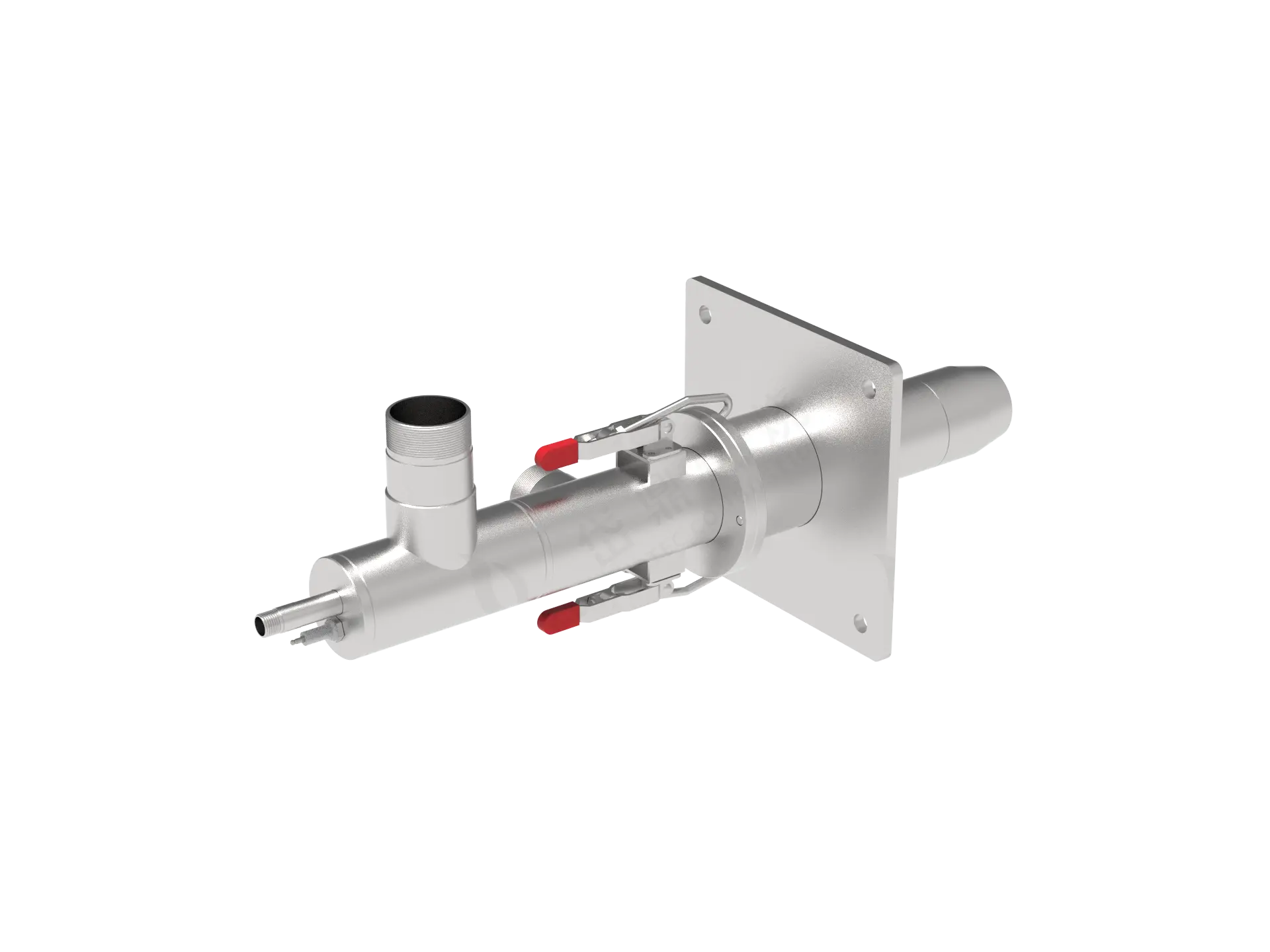
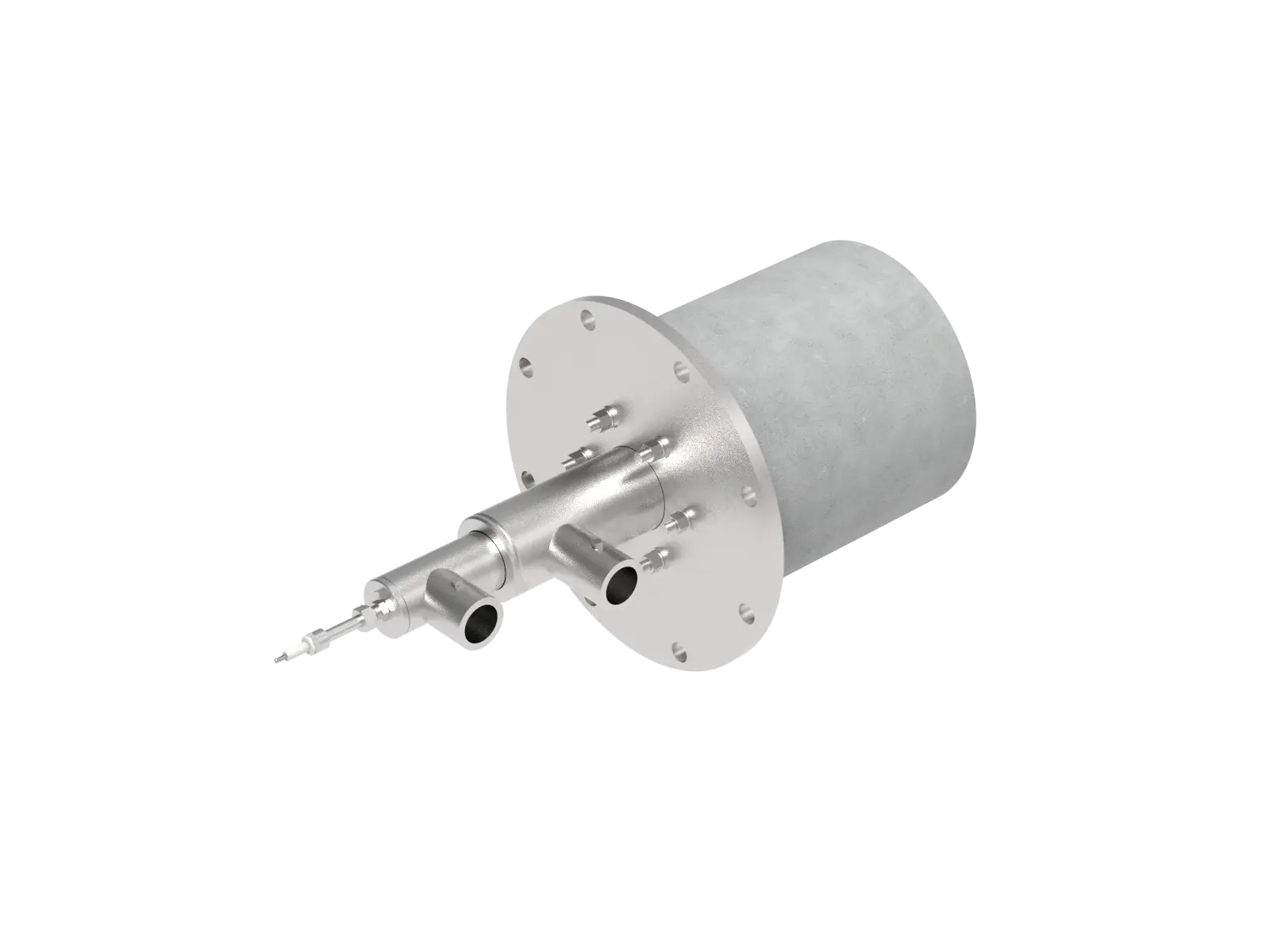
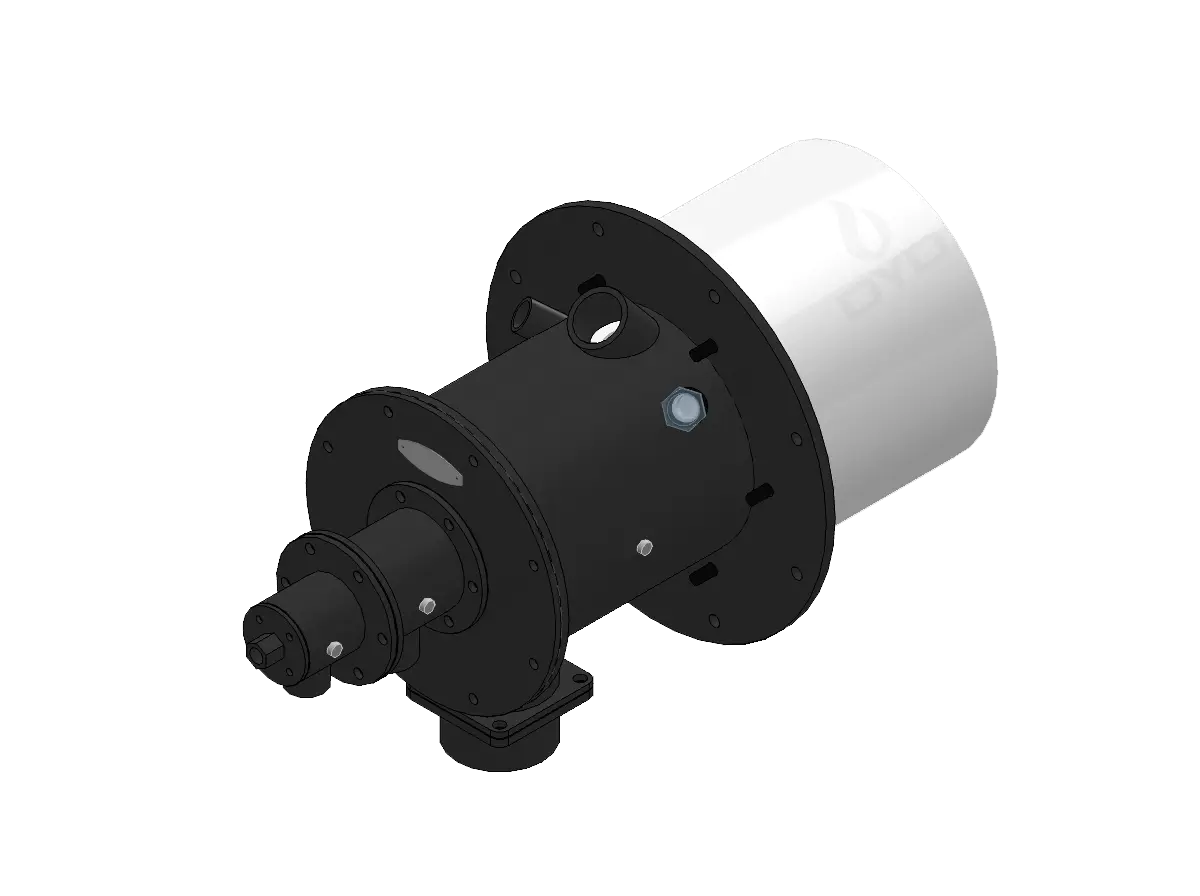
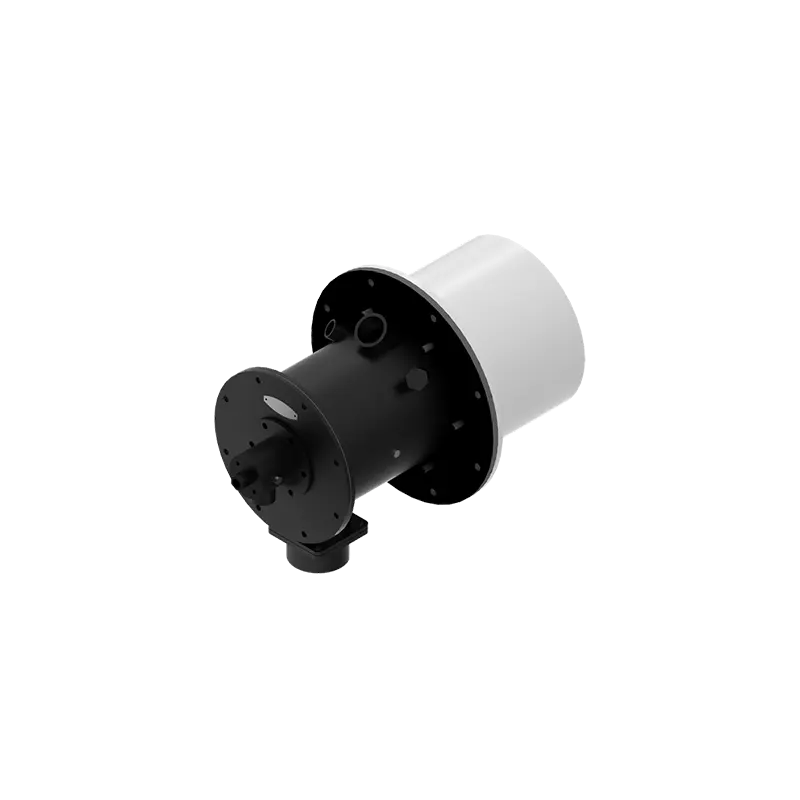
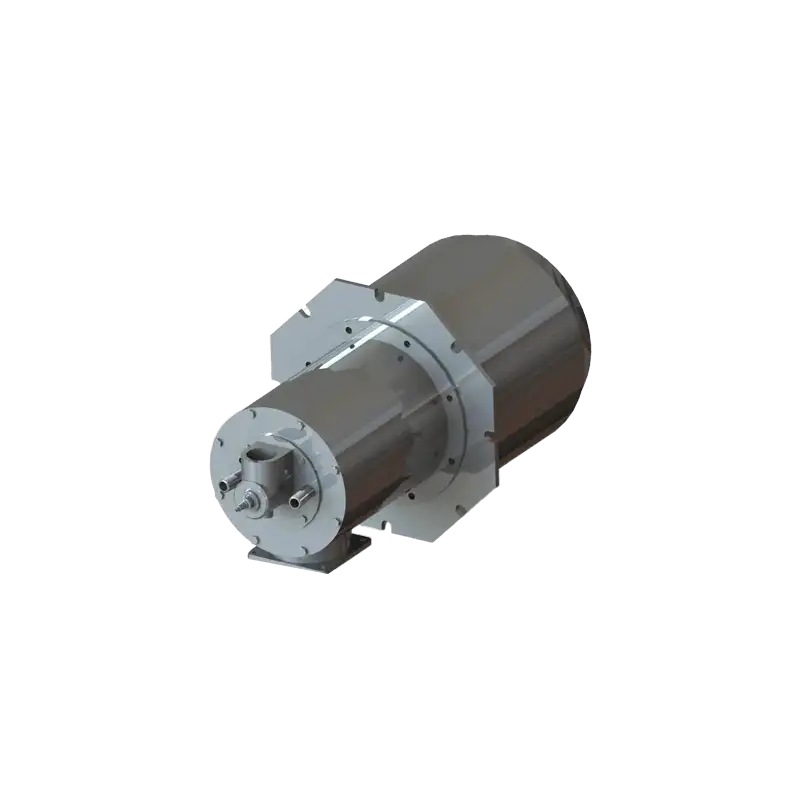
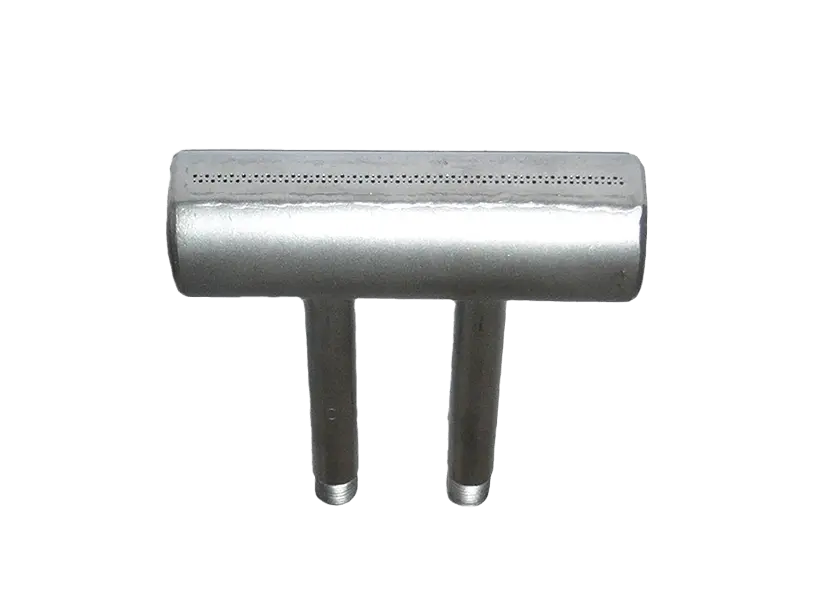
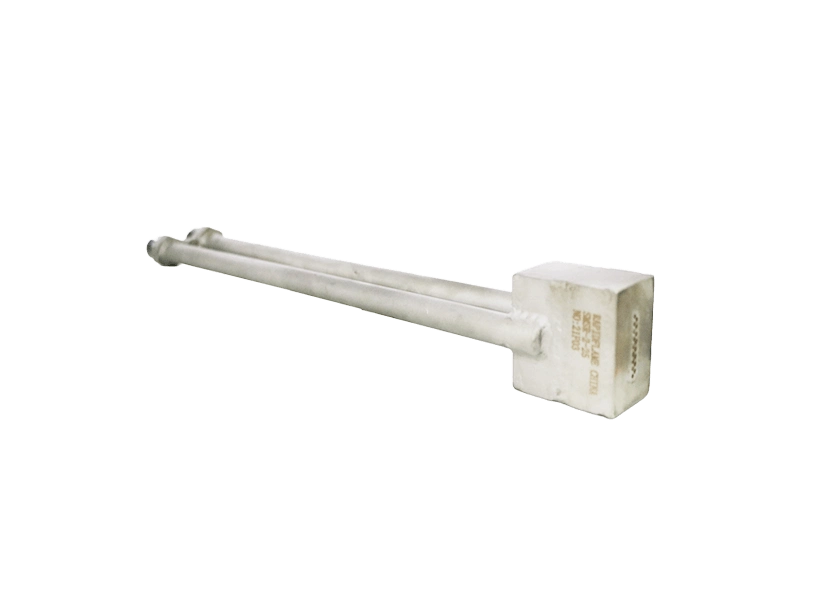
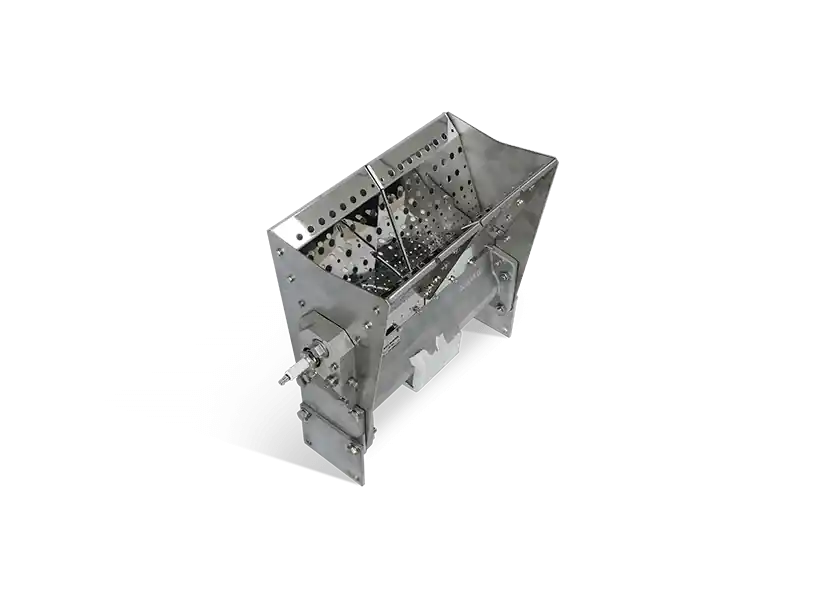
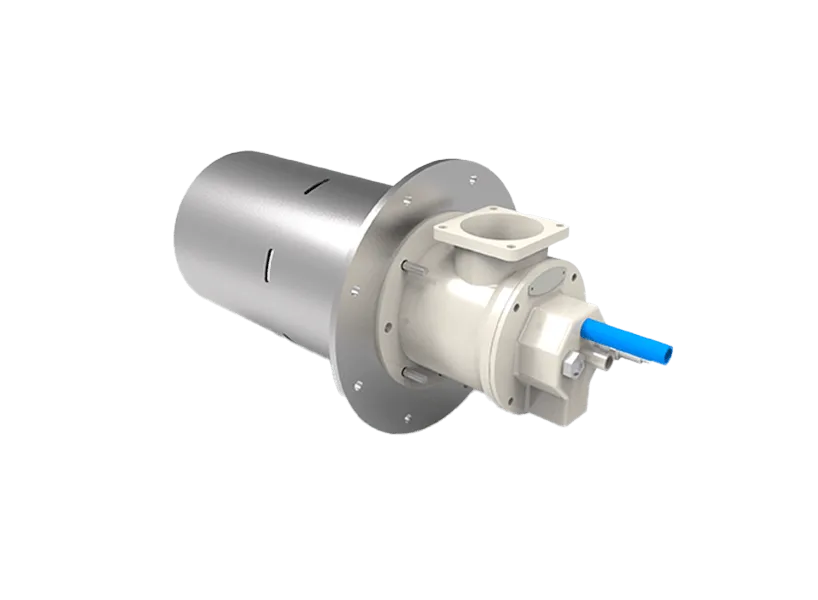
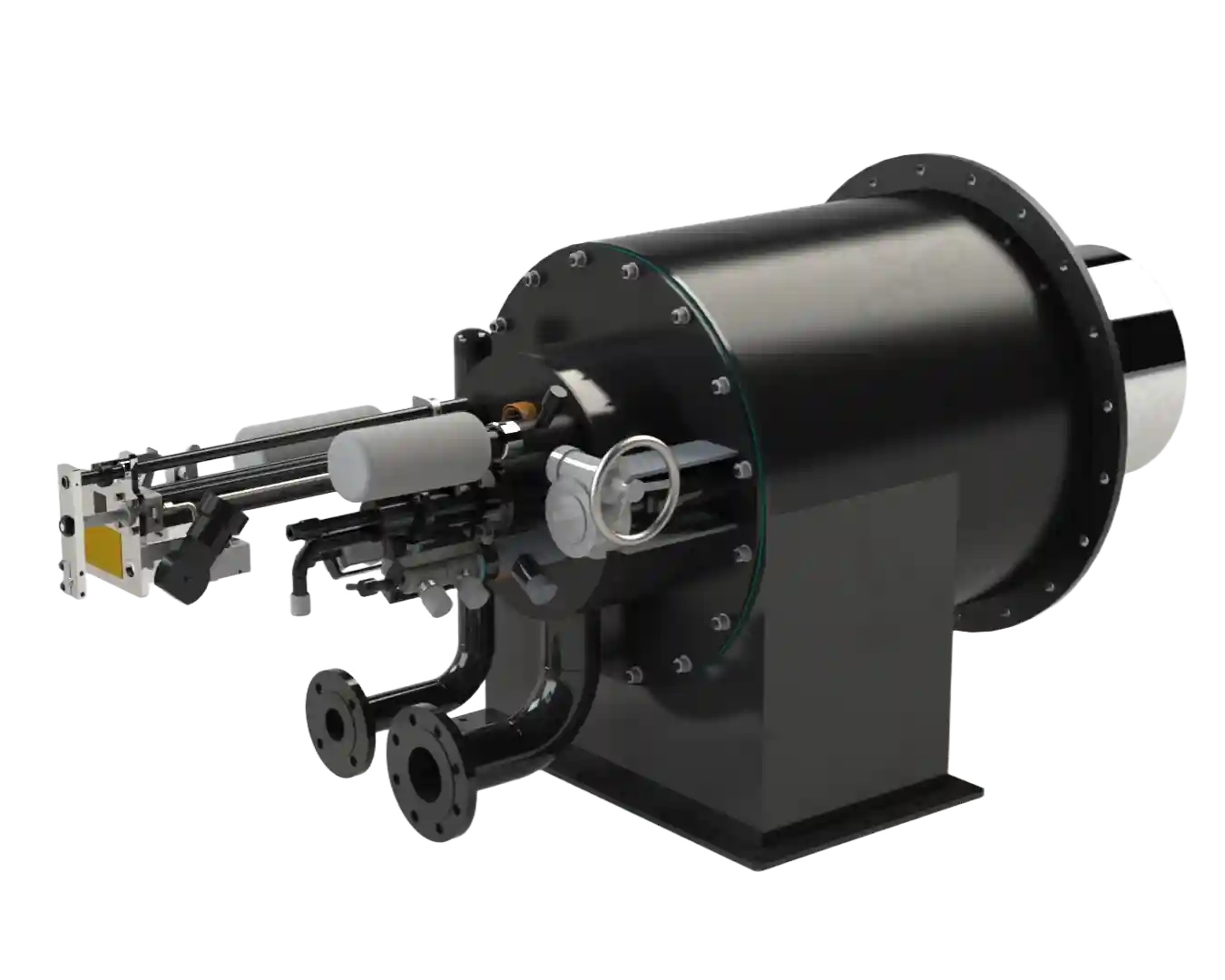
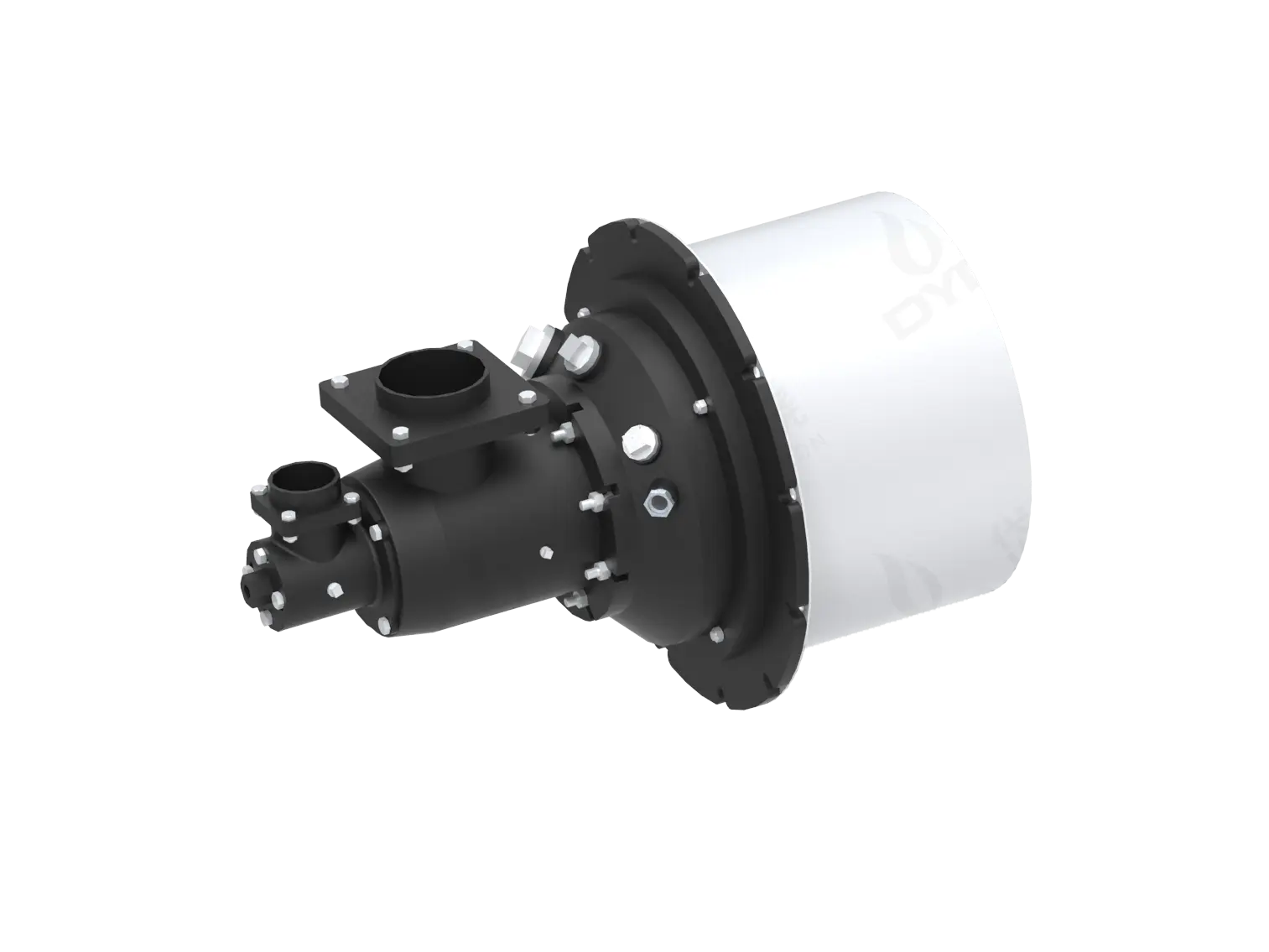
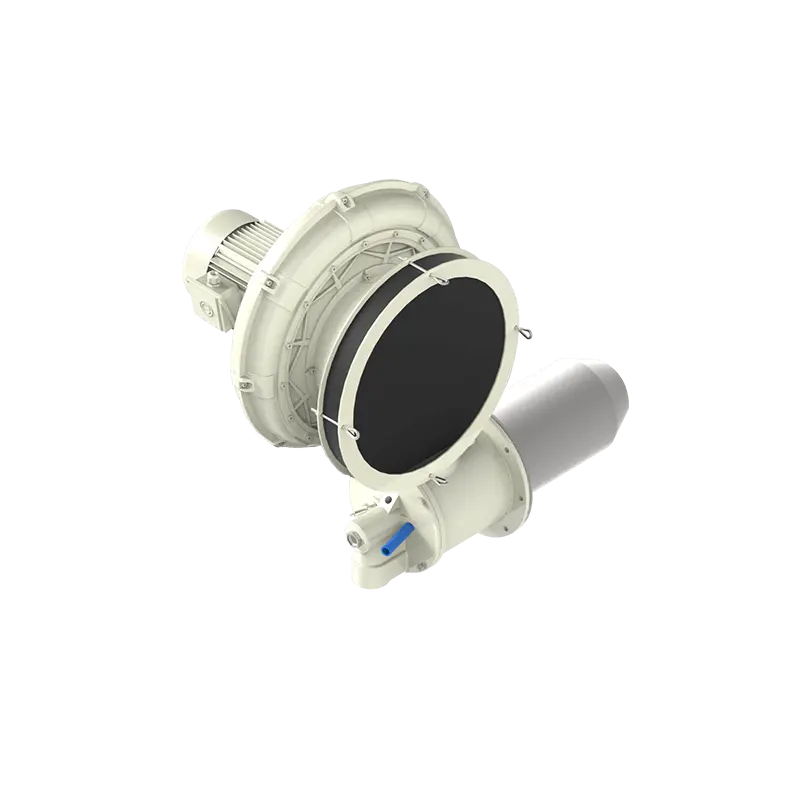
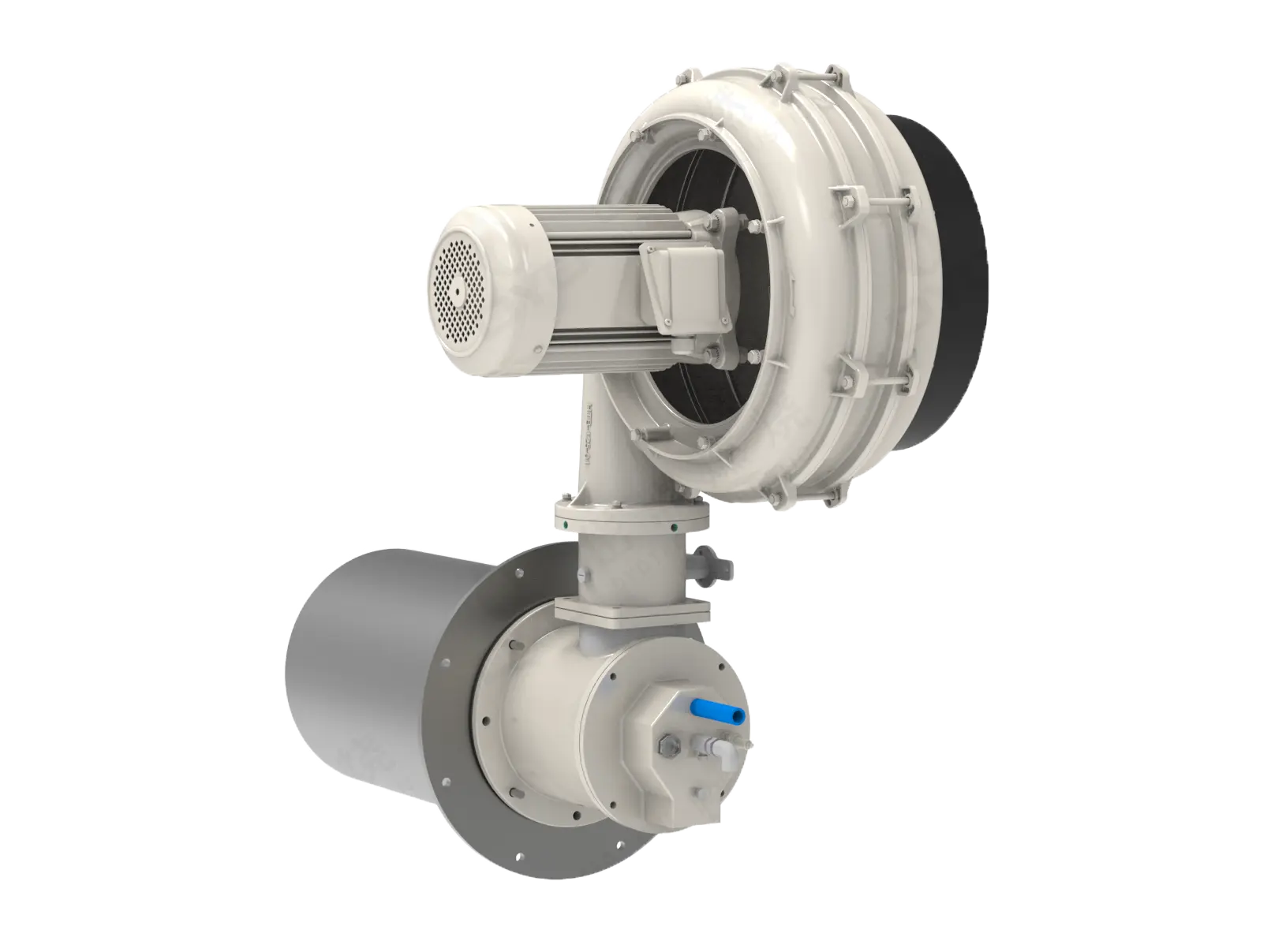
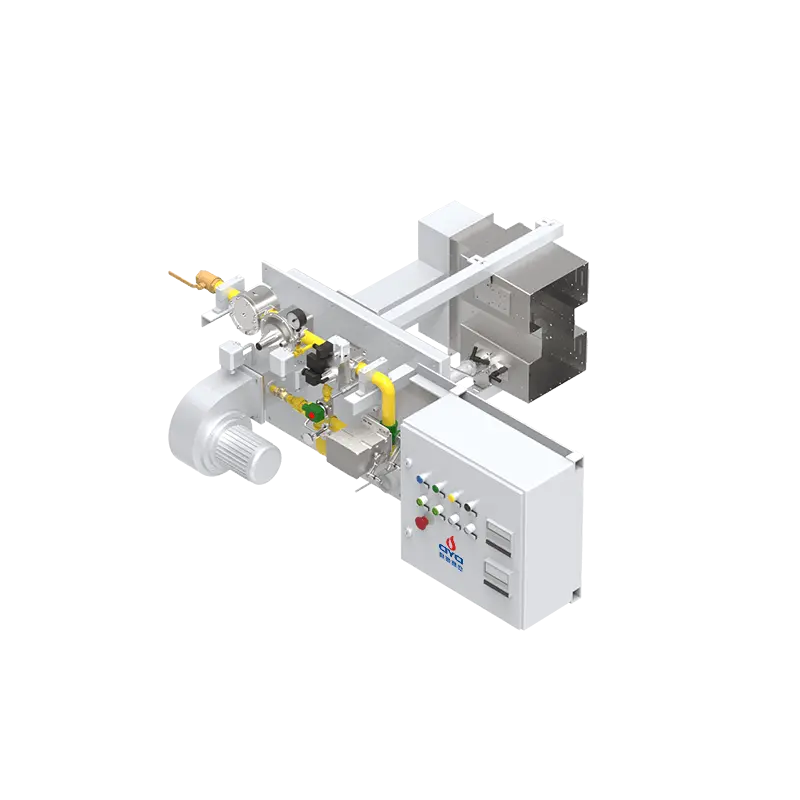
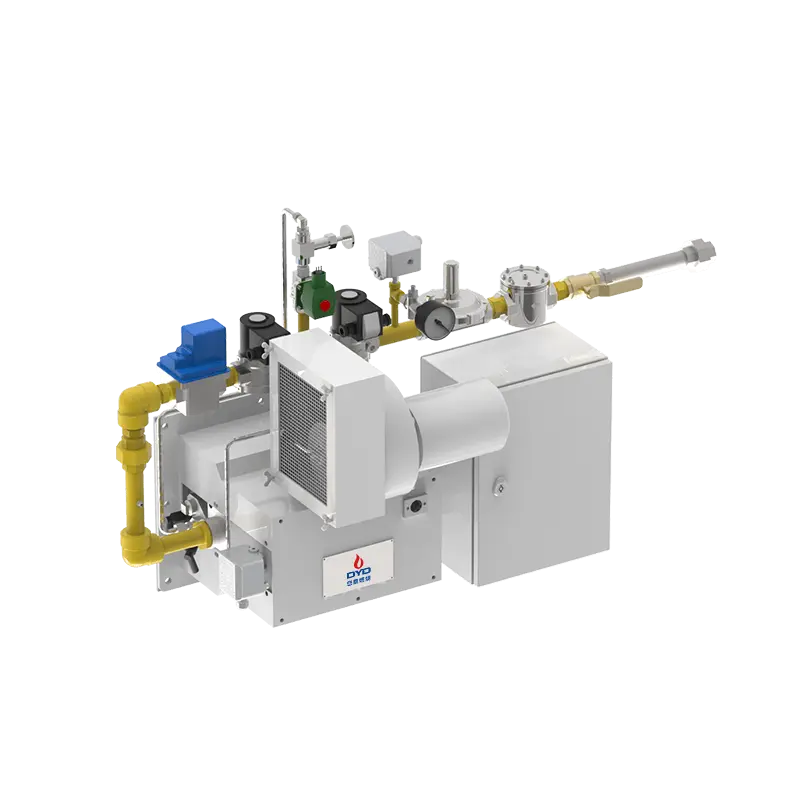
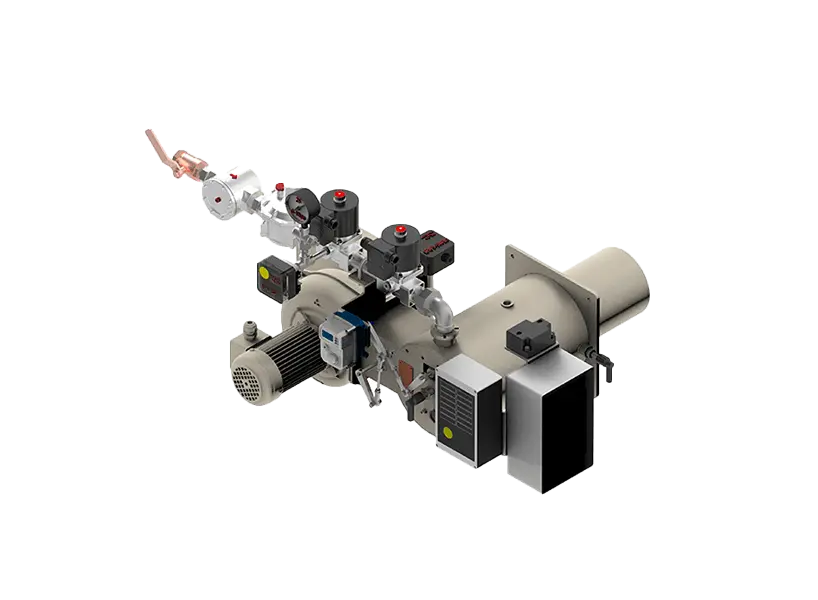
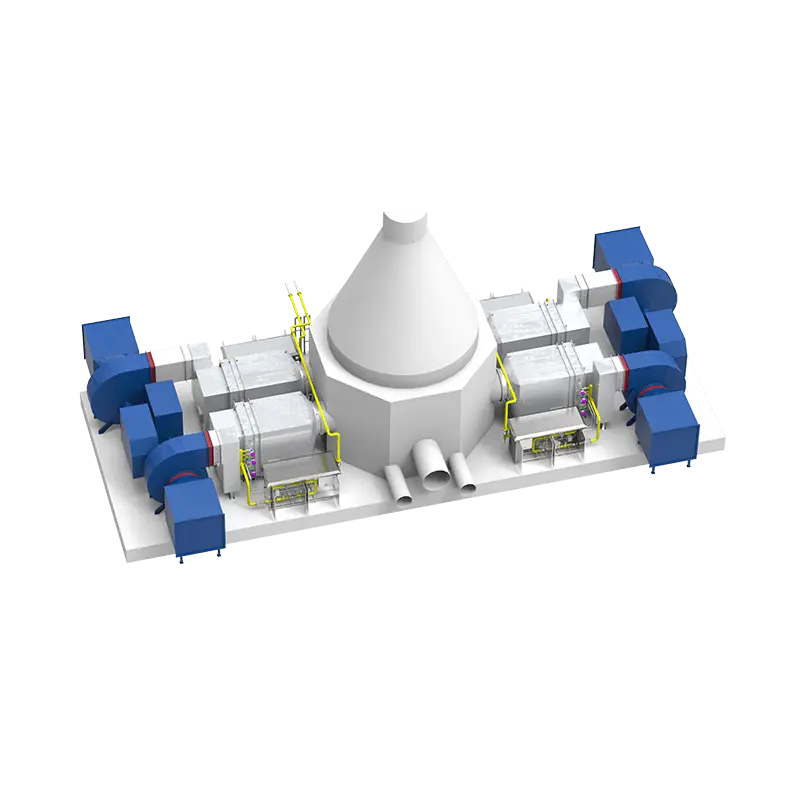
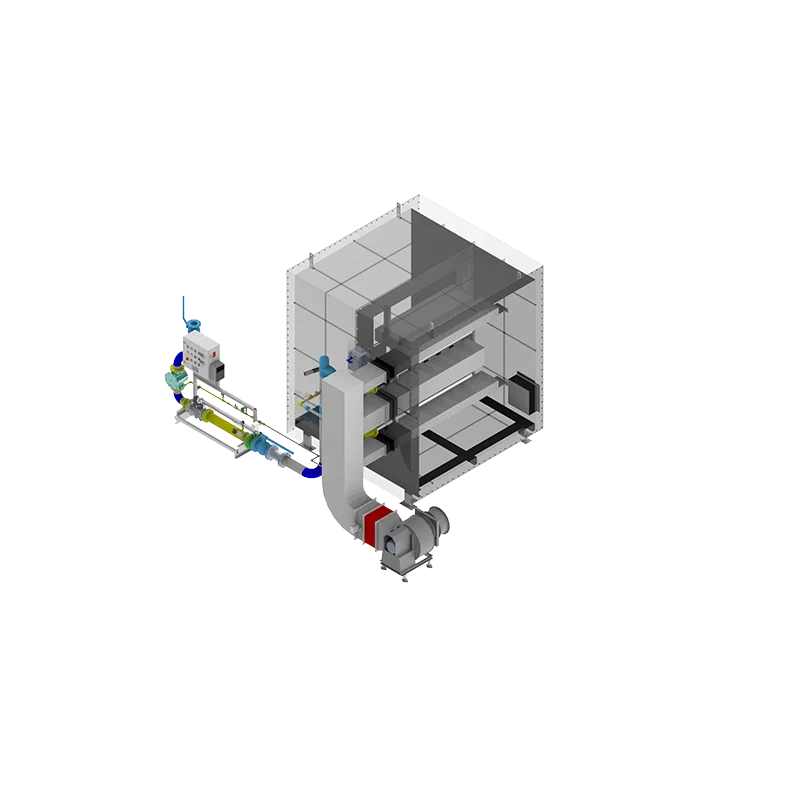
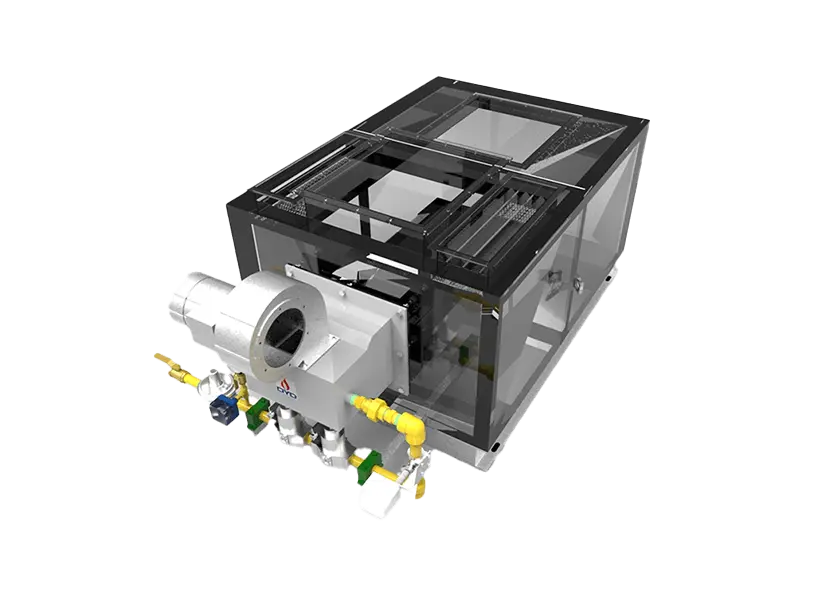
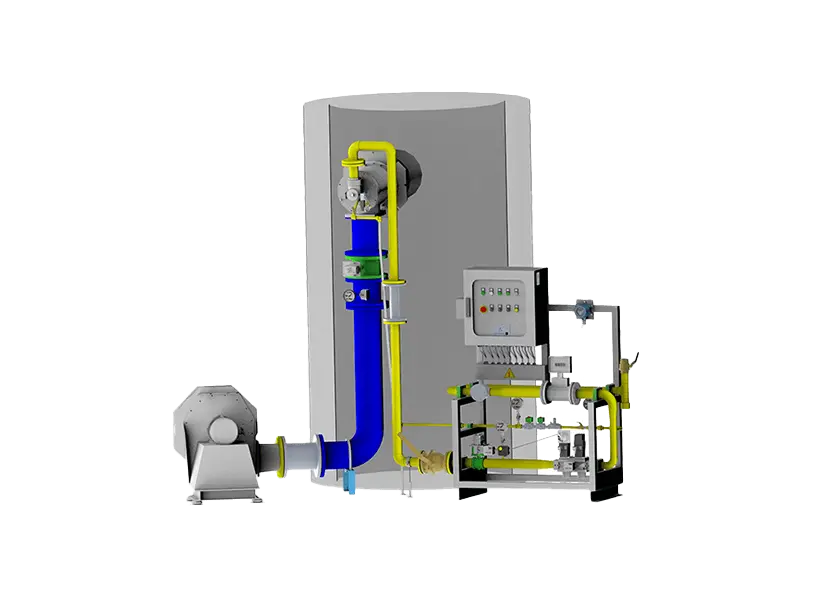
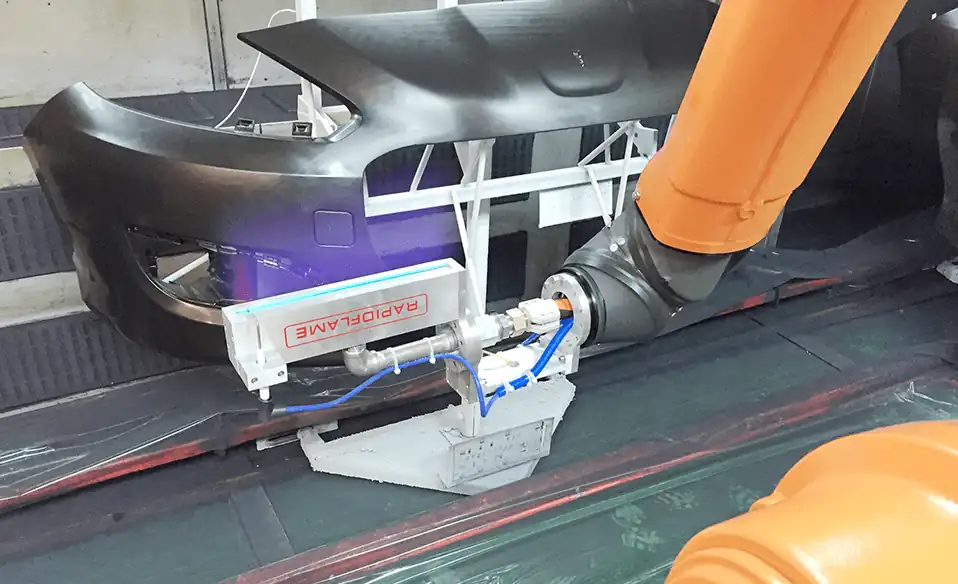
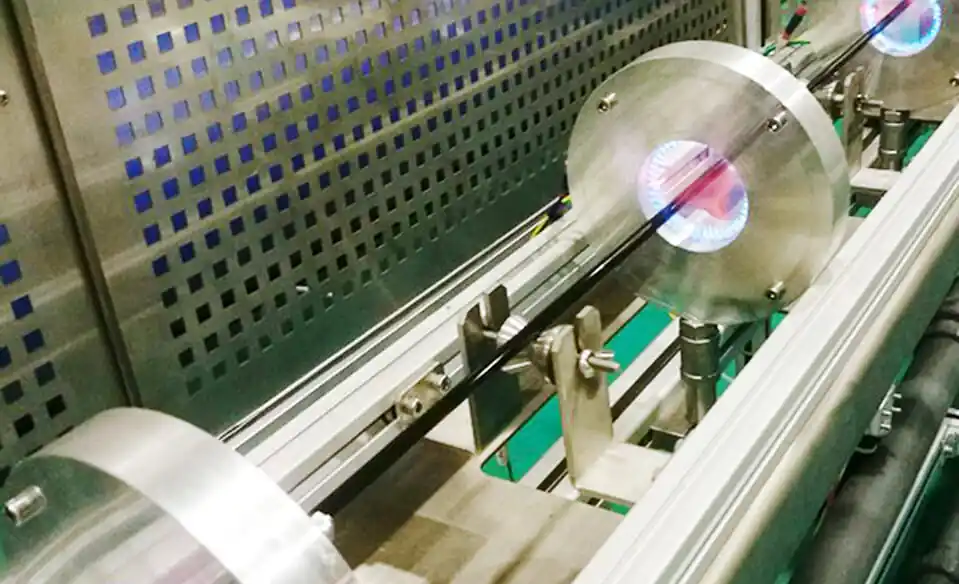
Natural gas, as a clean energy source, combined with oxy-fuel combustion technology further enhances the environmental and economic performance of glass furnaces. Natural gas oxy-fuel burners achieve higher thermal efficiency and lower pollutant emissions by optimizing the mixing ratio of fuel and oxygen. In practical applications, such burners can significantly reduce fuel consumption while decreasing the generation of carbon dioxide and nitrogen oxides. For example, the Oatomflame-R oxy-fuel burner, designed specifically for glass furnaces, offers a power range from 60kW to 4400kW, can be customized according to customer needs, and is suitable for industries such as glass fiber furnaces, non-ferrous metal smelting, and glass containers.
III. Key Considerations for Selecting Glass Furnace Burners
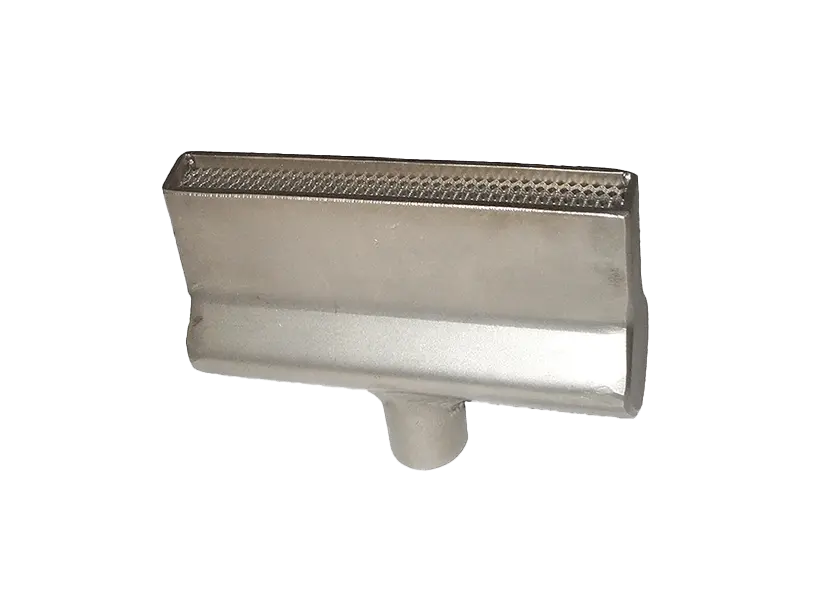
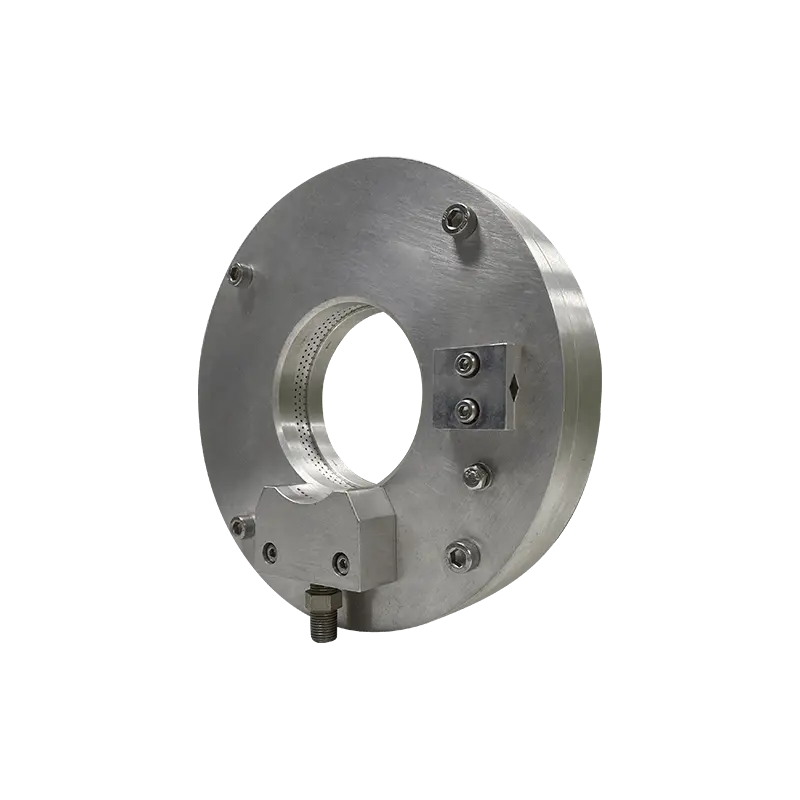
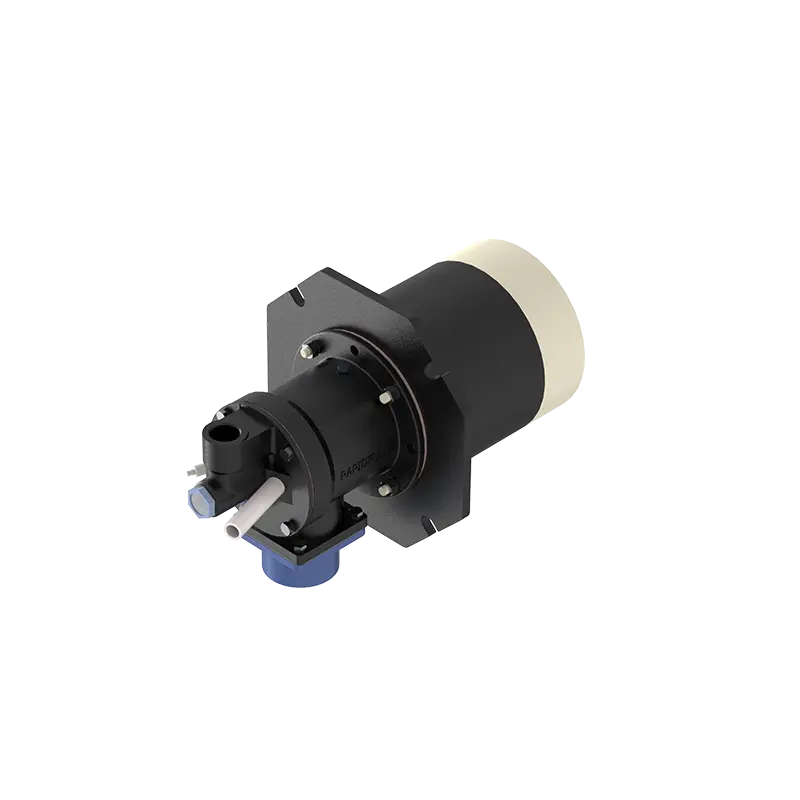
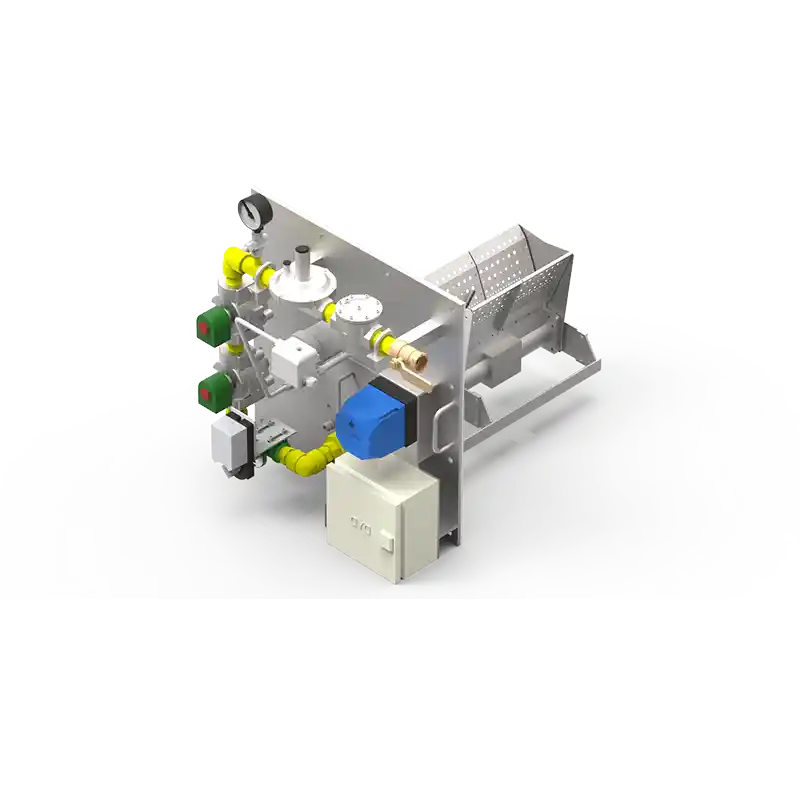
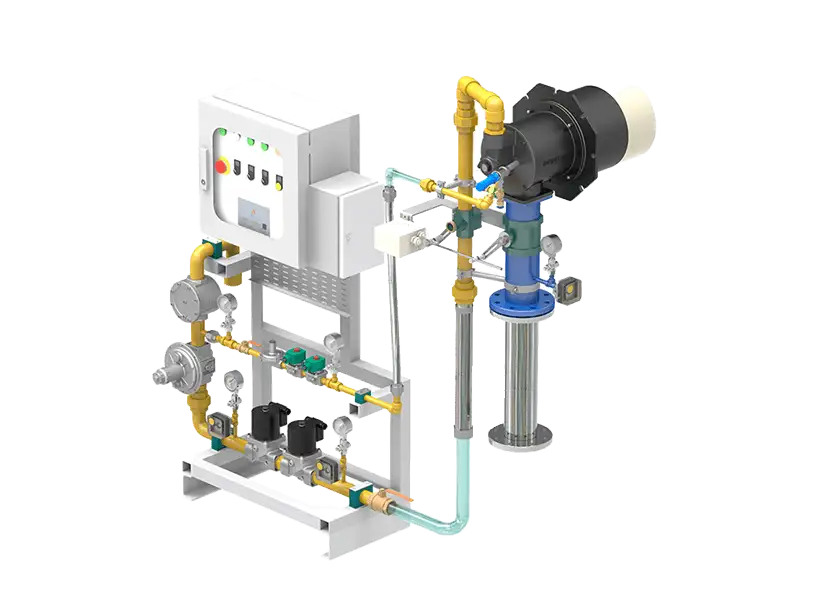
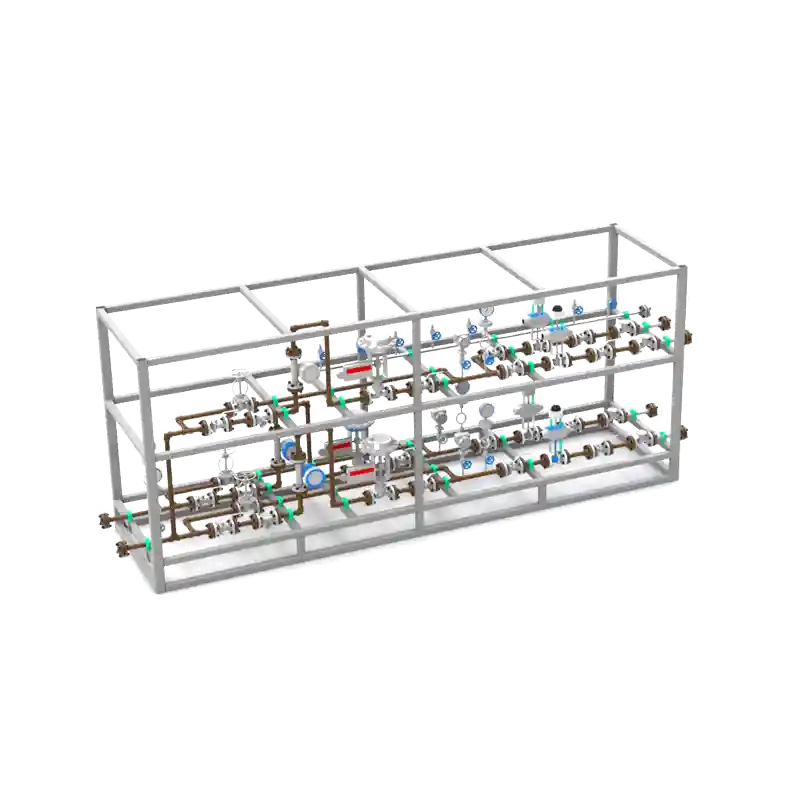
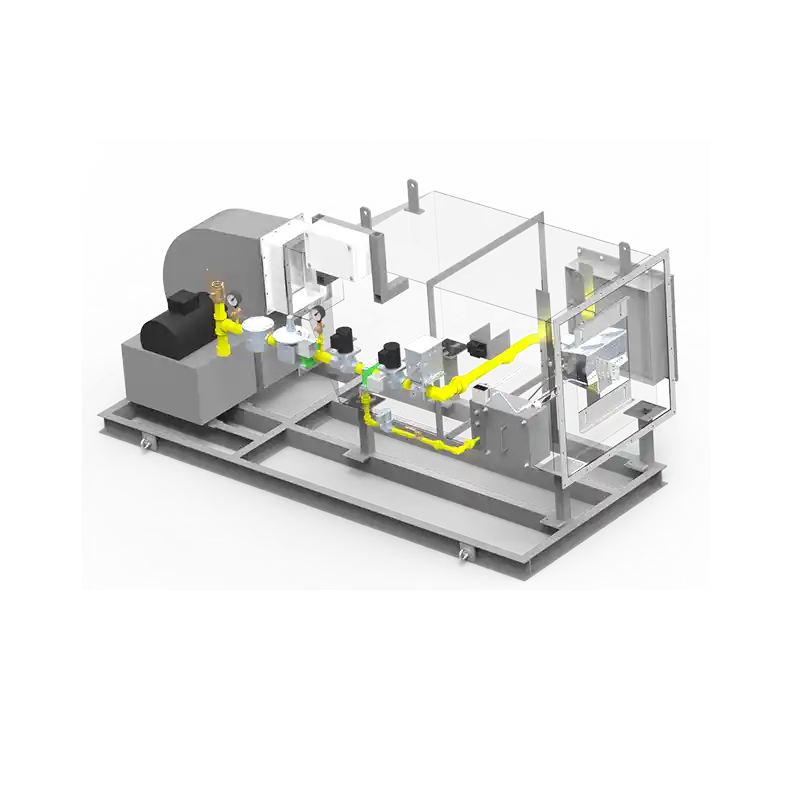
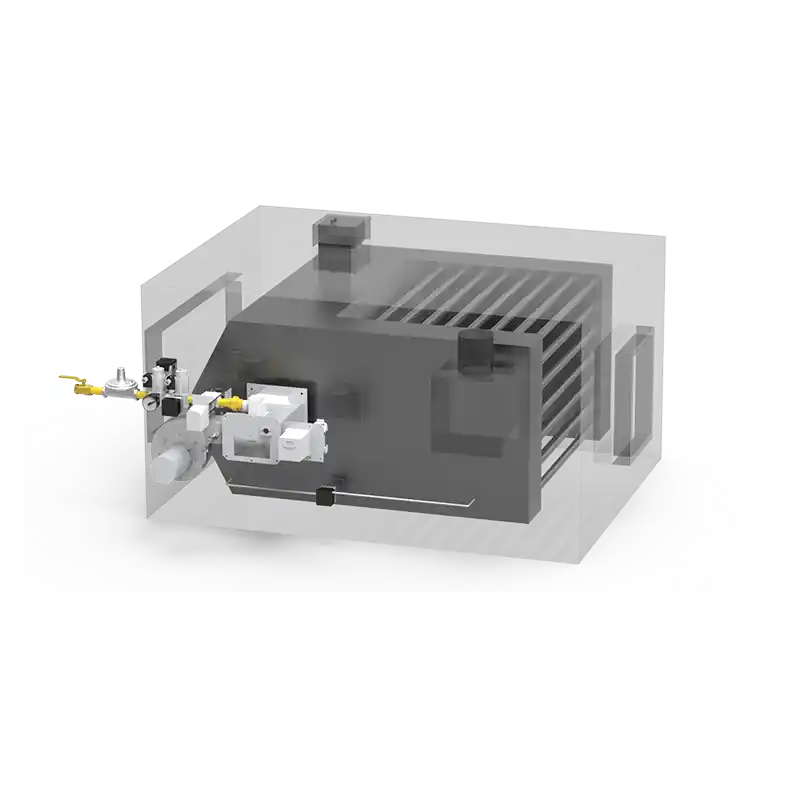
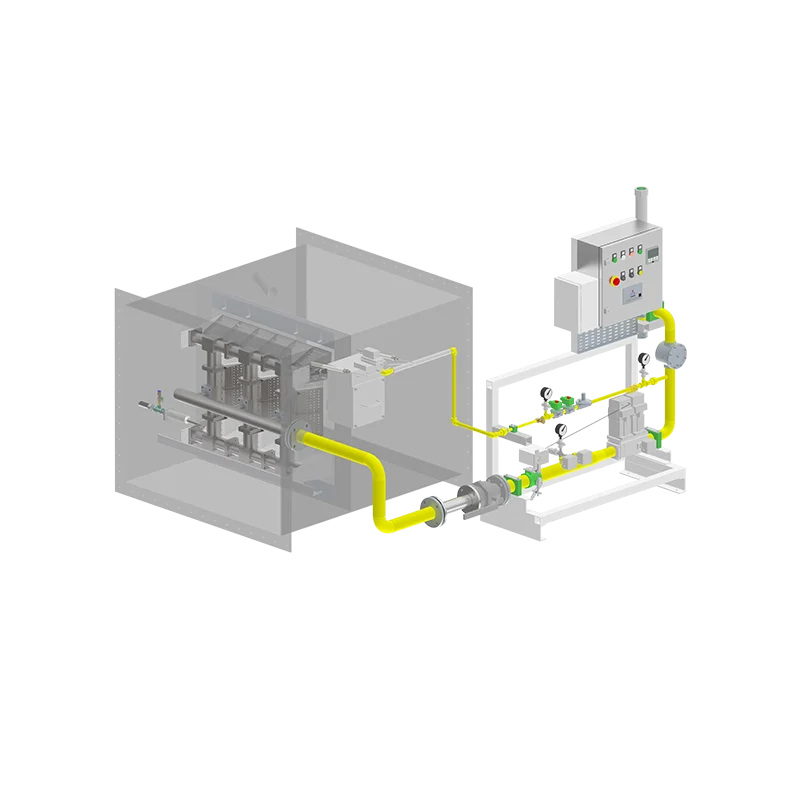
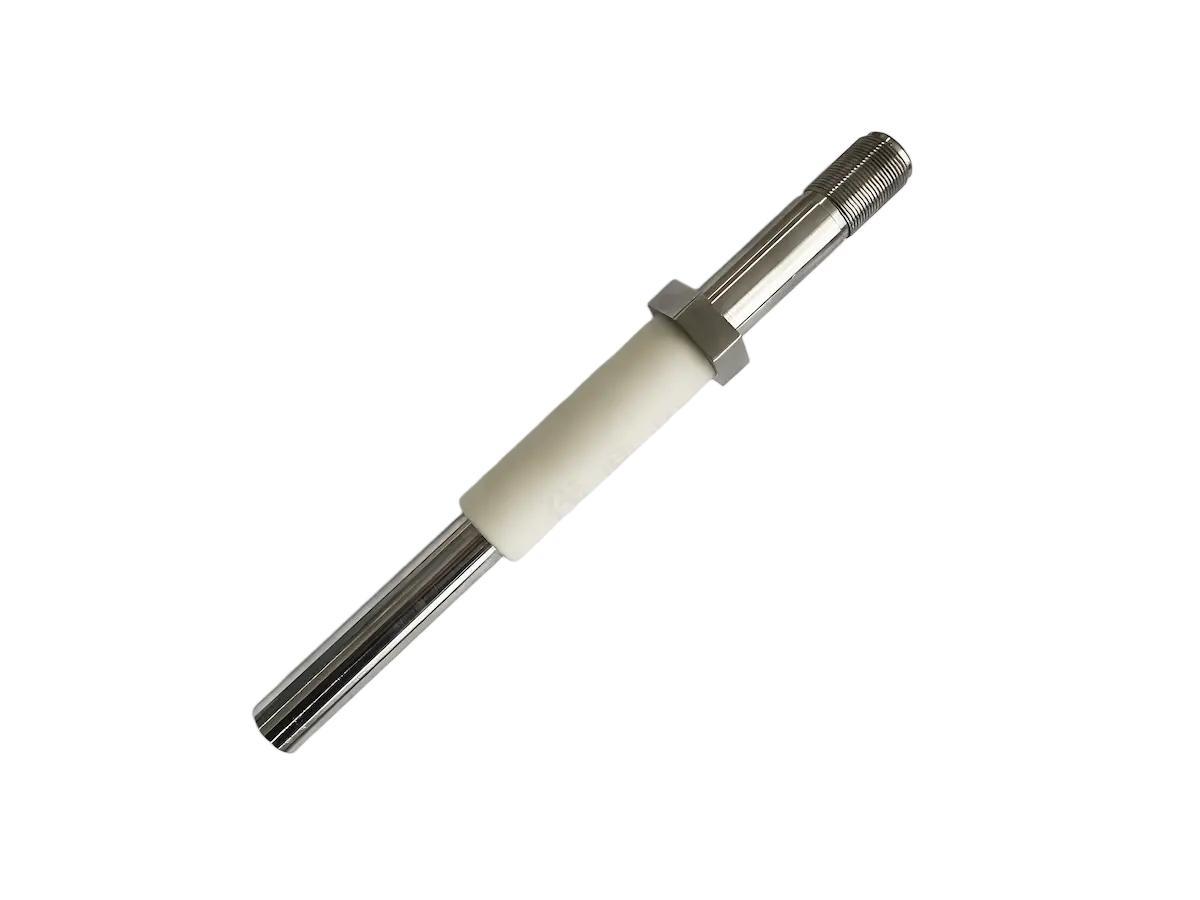
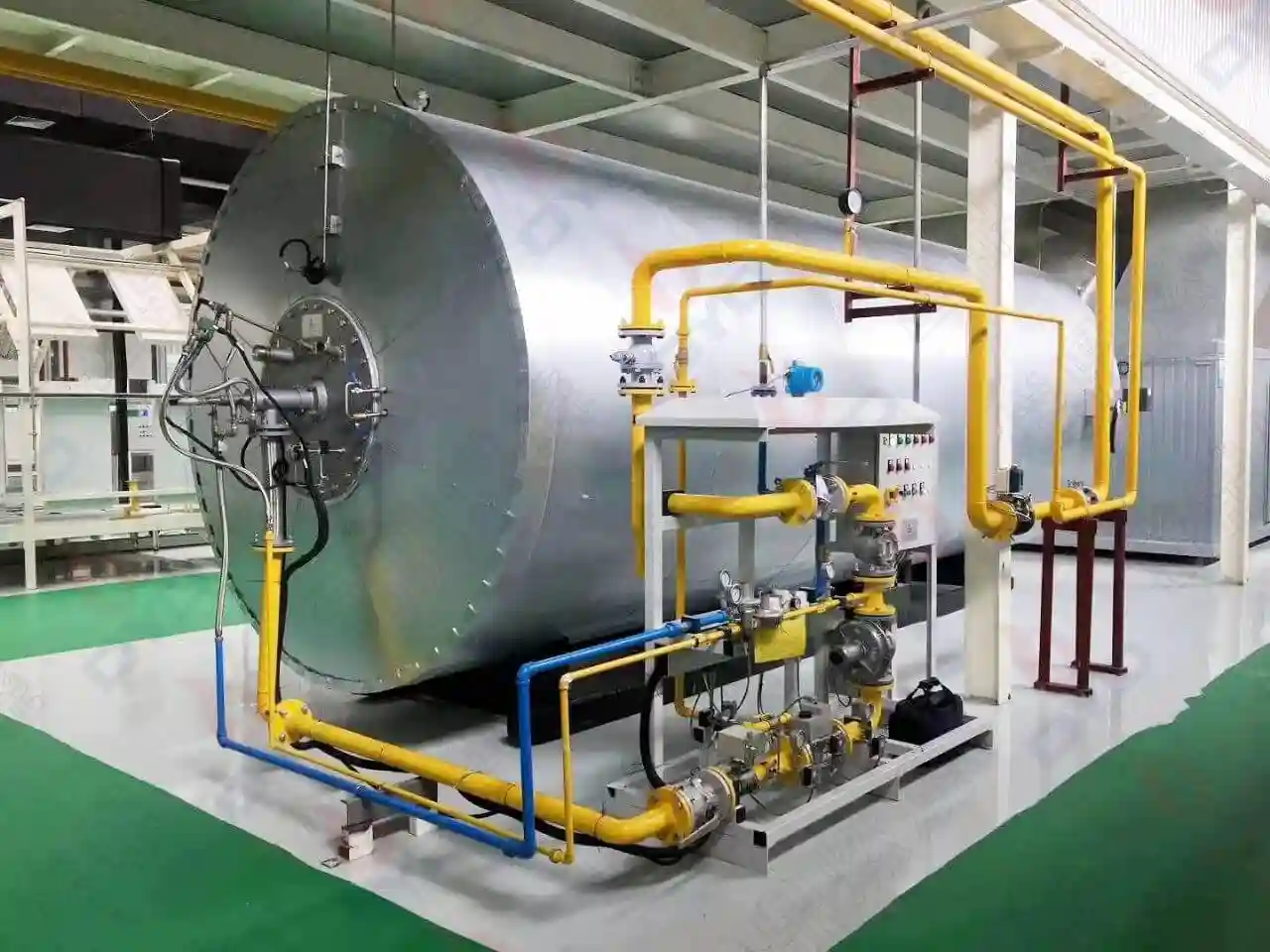
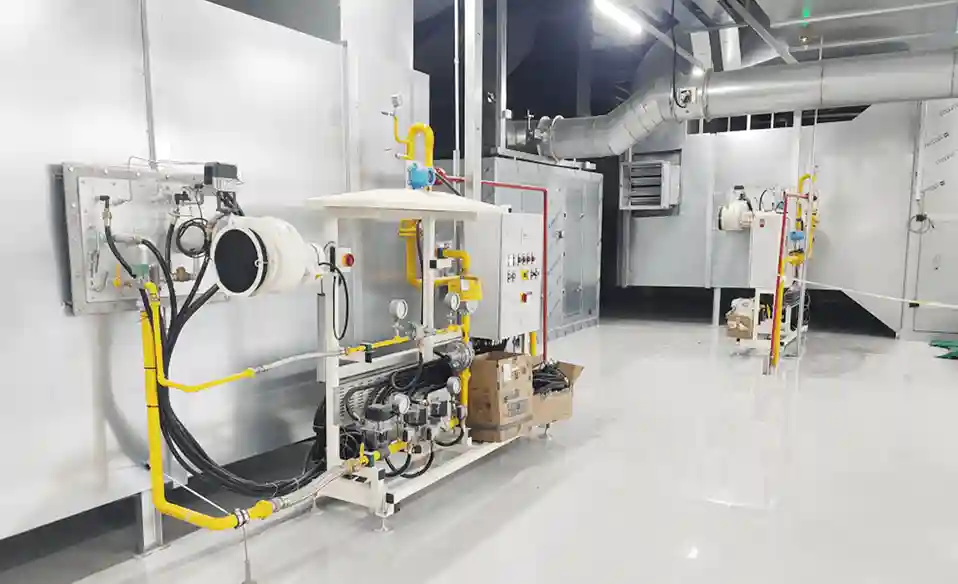
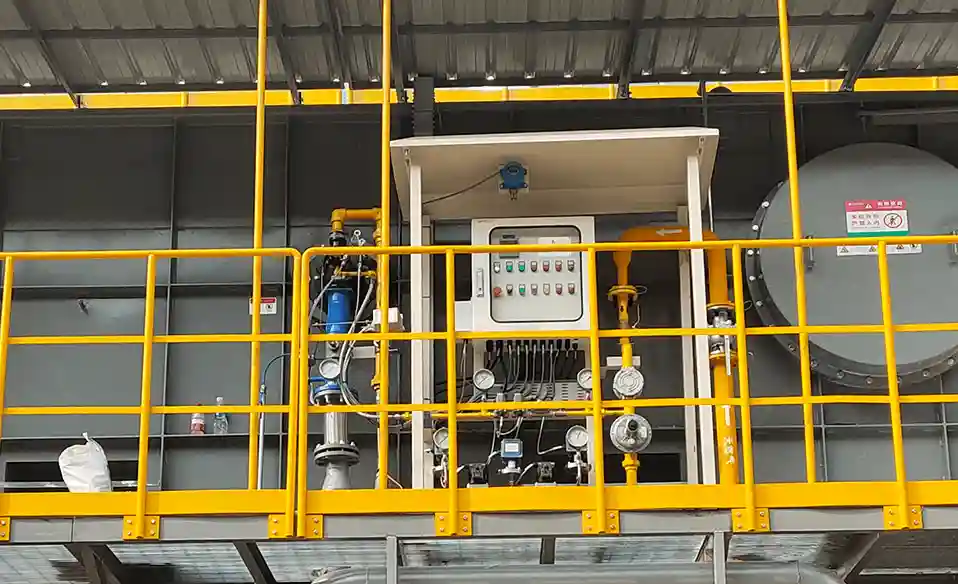
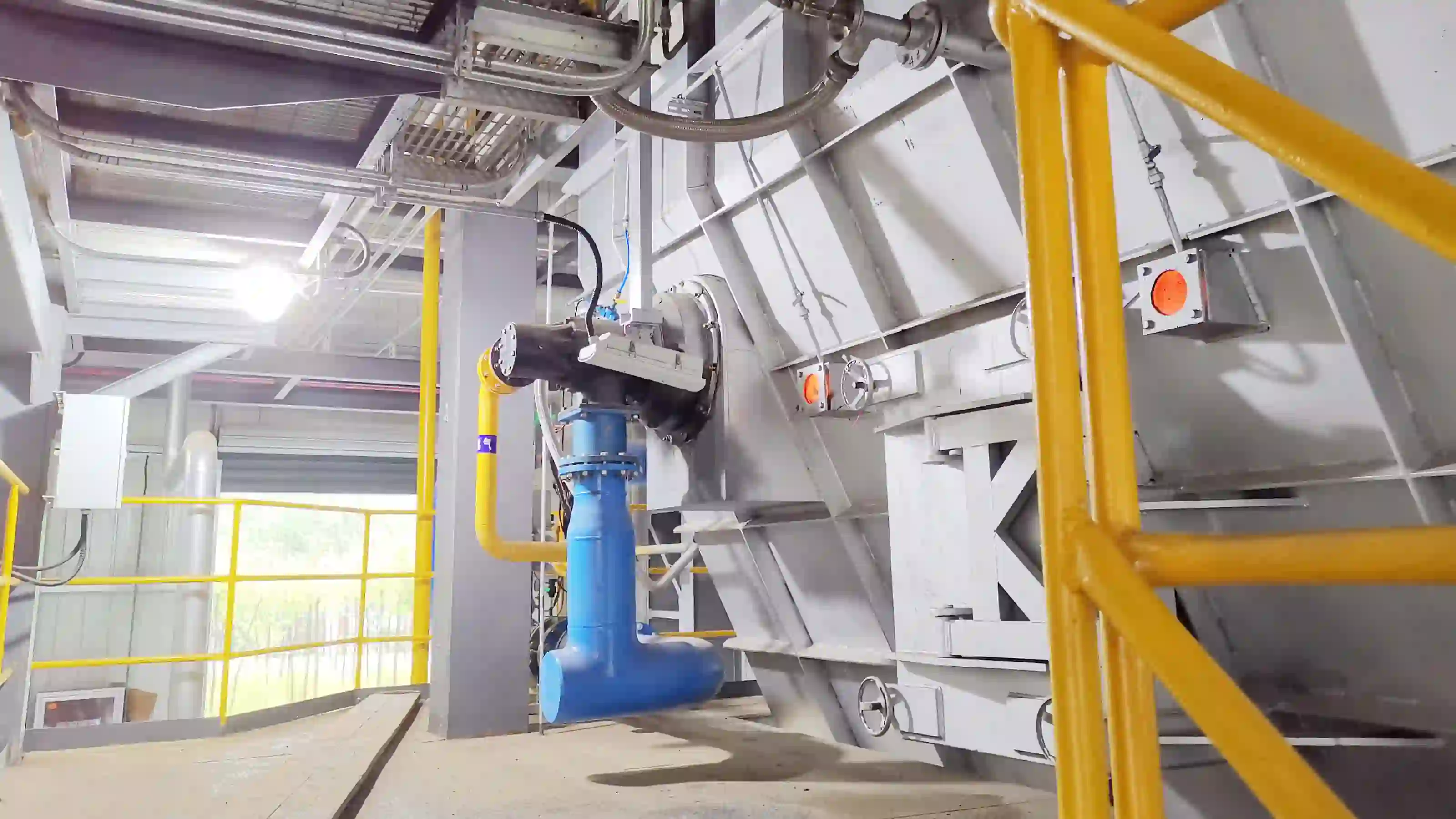
When selecting suitable burners for glass furnaces, multiple factors must be considered comprehensively, including power range, turndown ratio, flame characteristics, and environmental performance. The Oatomflame-R burner consists of a main burner gun and burner block, connected and fixed via a flange, featuring a long flame length, wide coverage, and easy installation. Its turndown ratio can reach 5:1, allowing flexible response to load changes during production. Additionally, its low CO and NOx emissions make it an ideal choice for meeting strict environmental standards.
IV. Technical Support and Services from Glass Furnace Oxy-Fuel Burner Manufacturers
A professional manufacturer of glass furnace oxy-fuel burners must not only provide high-performance products but also possess strong technical support and after-sales service capabilities. For example, Daiding Combustion, as a leading burner manufacturing enterprise in the industry, has a comprehensive R&D, production, and service system, enabling it to provide customized solutions for customers. Through collaborations with universities such as Shanghai Jiao Tong University and Tsinghua University, Daiding Combustion has achieved multiple breakthroughs in oxy-fuel combustion technology, ensuring product reliability and advancement.
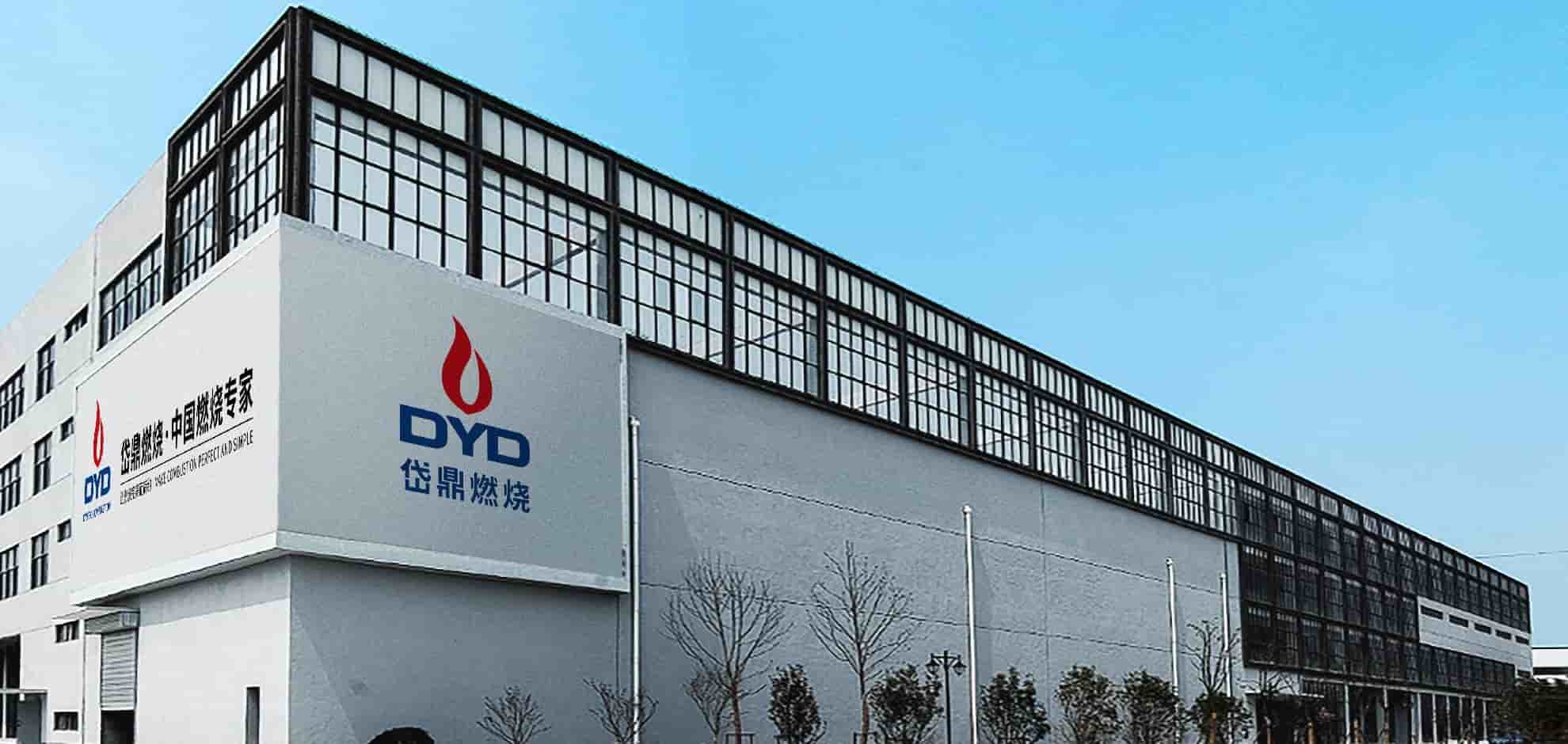 (Glass Furnace Oxy-Fuel Burner Manufacturer)
V. Future Development Trends and Industry Outlook
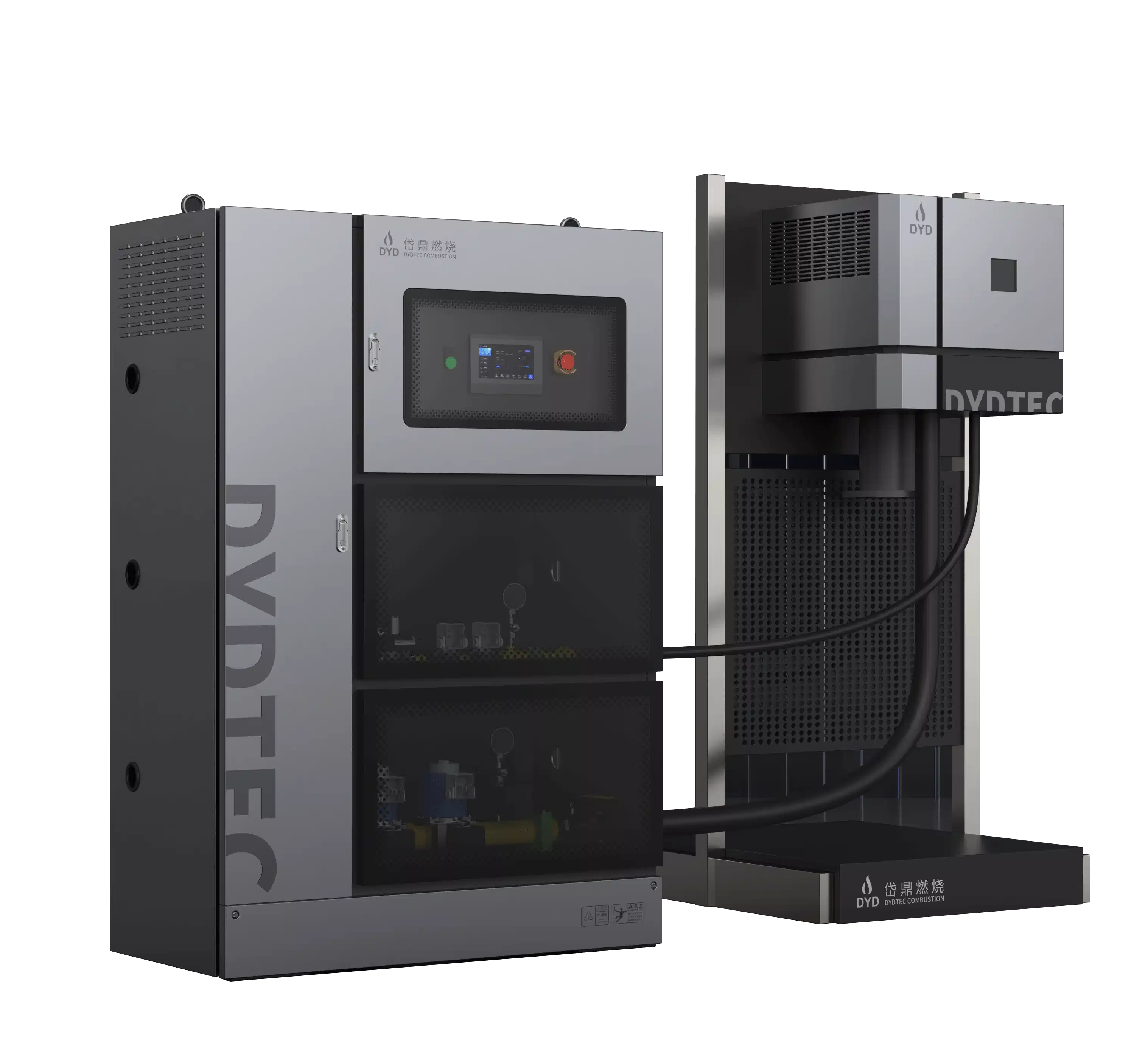
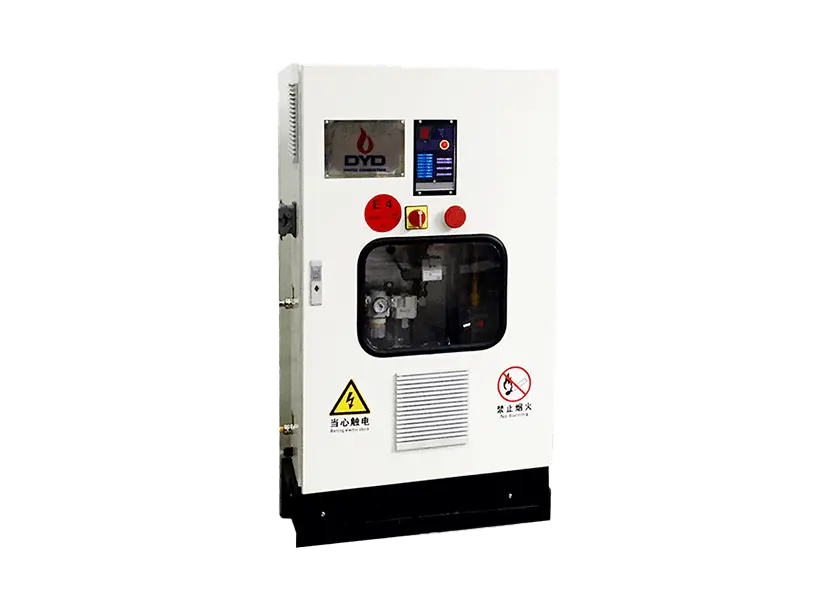
As the glass industry's requirements for energy conservation and environmental protection continue to increase, oxy-fuel combustion technology will play an increasingly important role in glass furnaces. In the future, burners will focus more on intelligence and integration, such as implementing remote monitoring and energy efficiency analysis through IoT platforms, further enhancing the refinement of production management. Simultaneously, the application of new technologies such as hydrogen energy and oxy-fuel combustion will bring more possibilities to the glass manufacturing industry.
Since its establishment in 2008, DYDTEC Combustion has focused on combustion technology for 17 years and has become a leading burner manufacturing enterprise in the industry. The company has an 11,000㎡ R&D and production base and over 150 technical personnel, possessing a comprehensive R&D, production, and service system. As a high-tech enterprise, DYDTEC holds over 30 core patents, collaborates with universities such as Shanghai Jiao Tong University and Tsinghua University, and has established a CFD thermal simulation laboratory. It strictly adheres to the ISO9001 quality management system to ensure product reliability. Its product line covers gas burners, low-NOx environmental burners, and special burners (such as hydrogen and oxy-fuel burners), with a wide power range and nitrogen oxide emissions as low as 30mg/m³.
DYDTEC emphasizes technological innovation, having developed an IoT platform for remote monitoring and energy efficiency analysis, and achieved breakthroughs in fields such as hydrogen energy and oxy-fuel combustion. The company has 46 service outlets globally, providing 24-hour response and customized solutions. It is committed to promoting green development in the industry through technology and service. Tel: 400-606-8918.