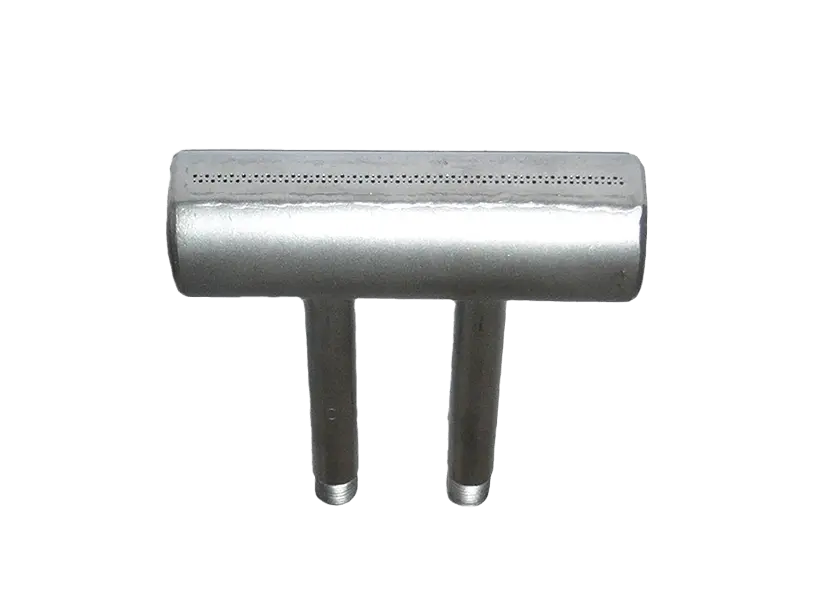
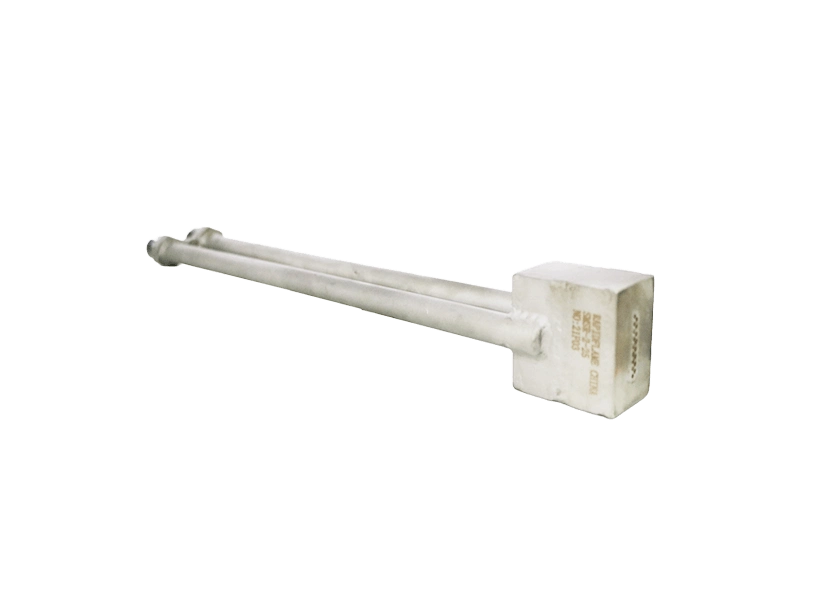
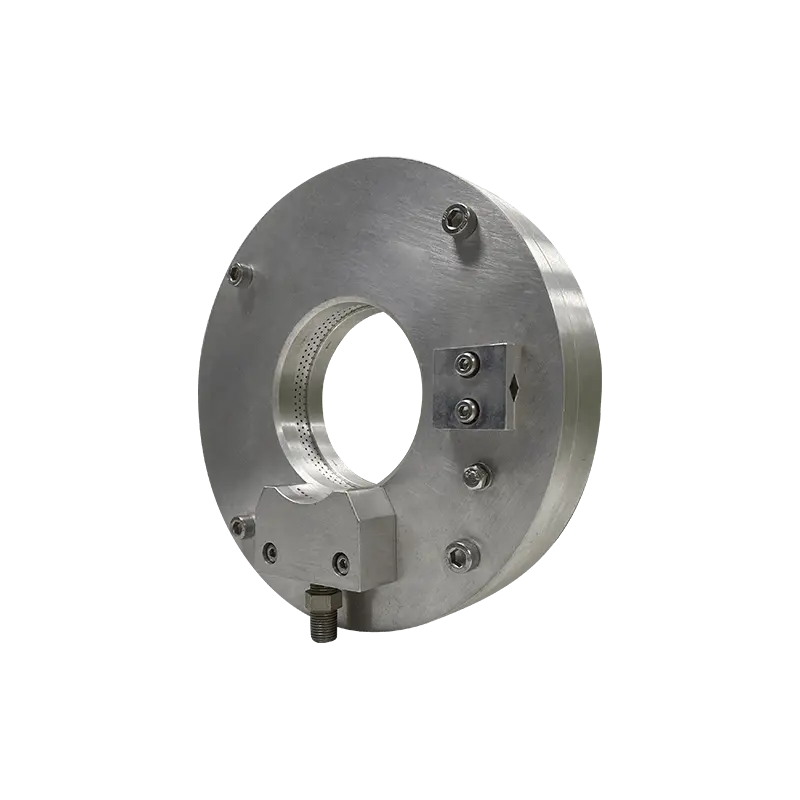
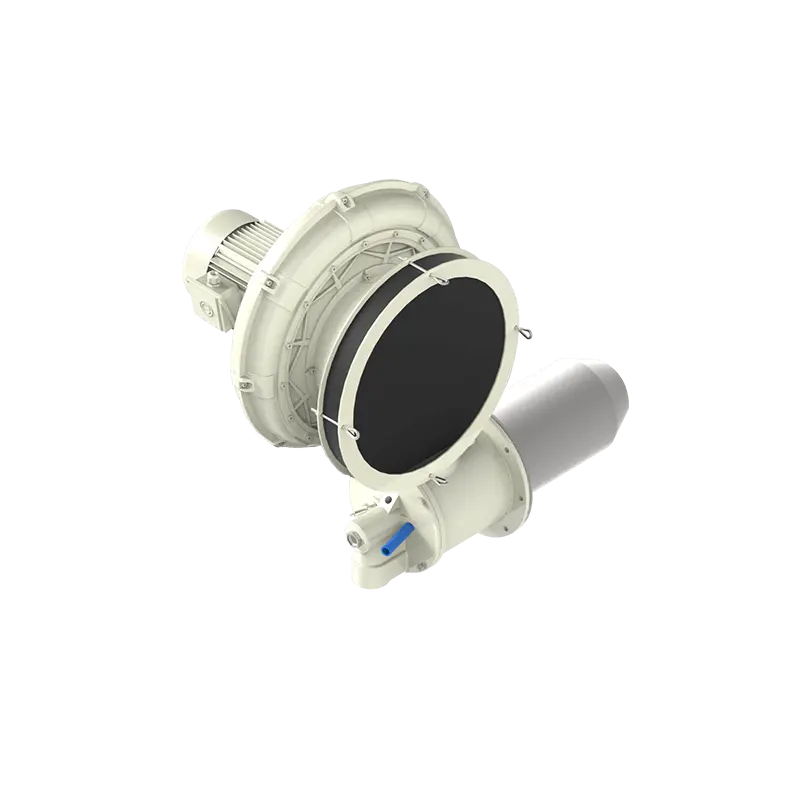
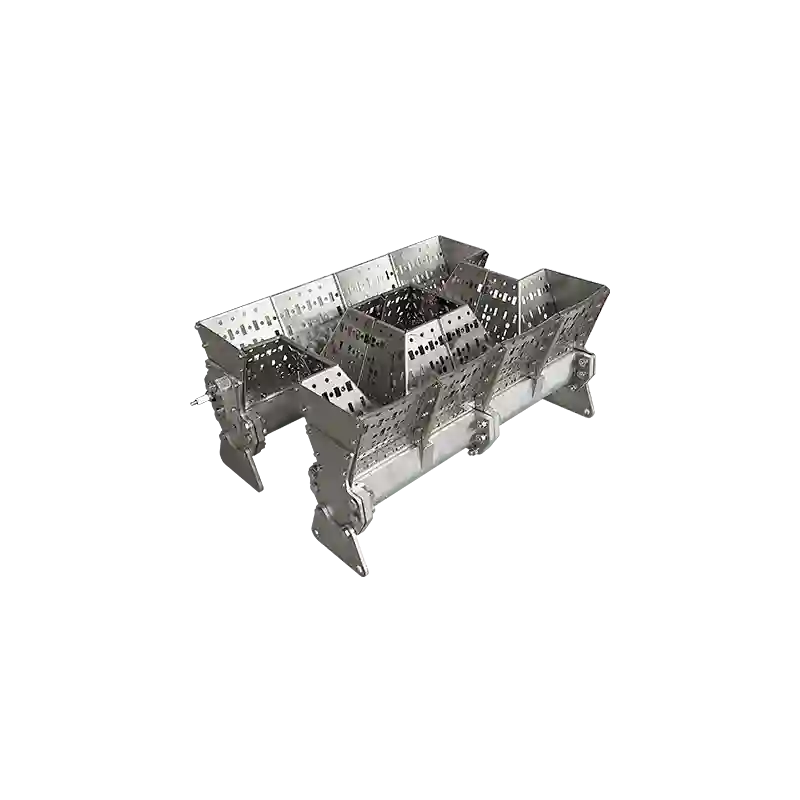
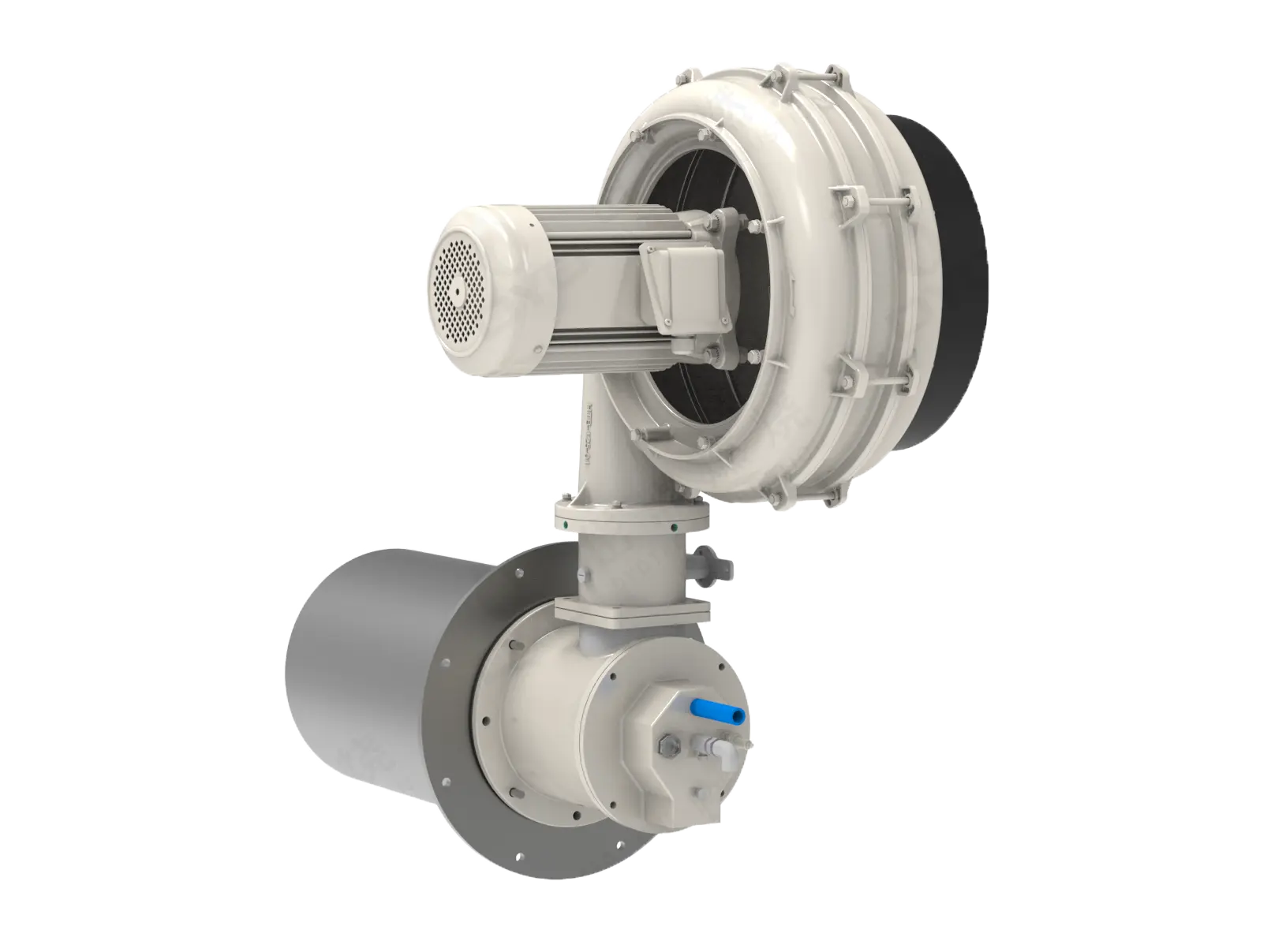
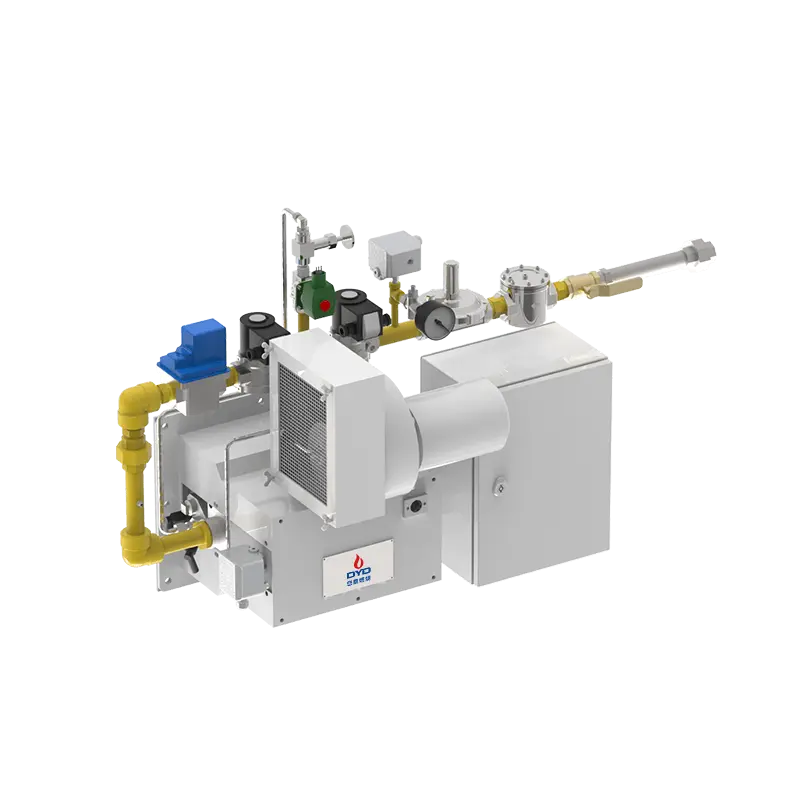
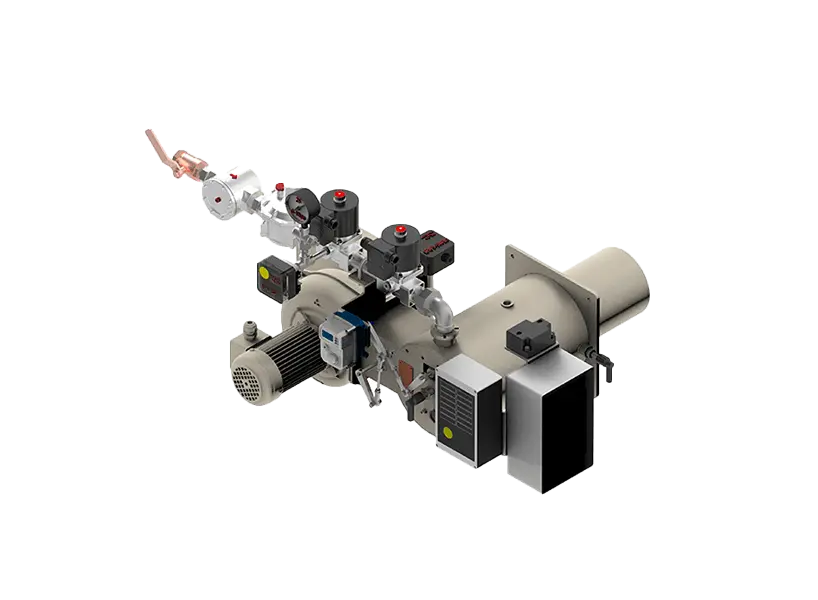
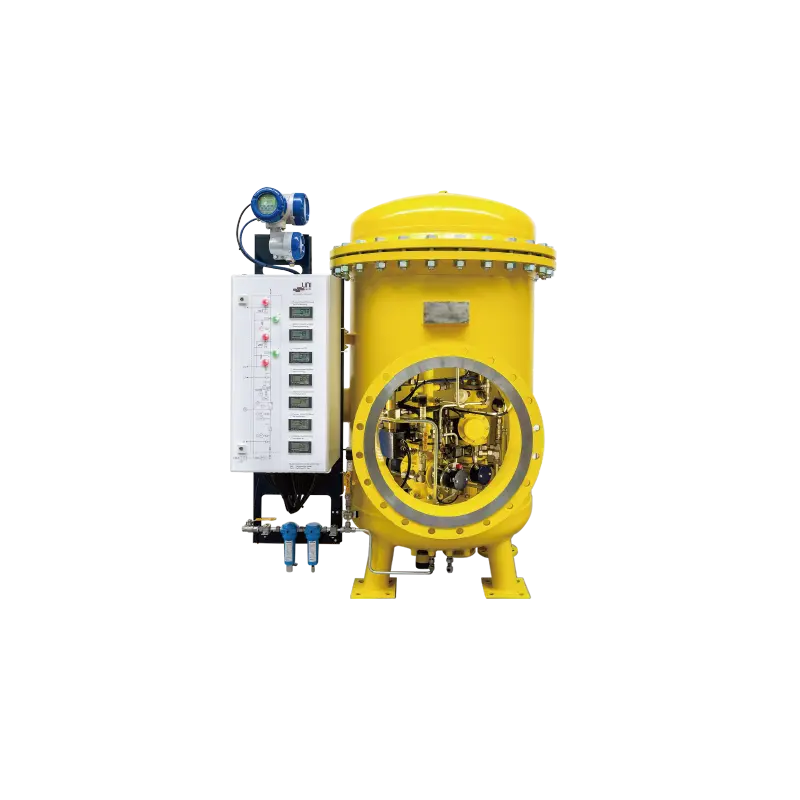
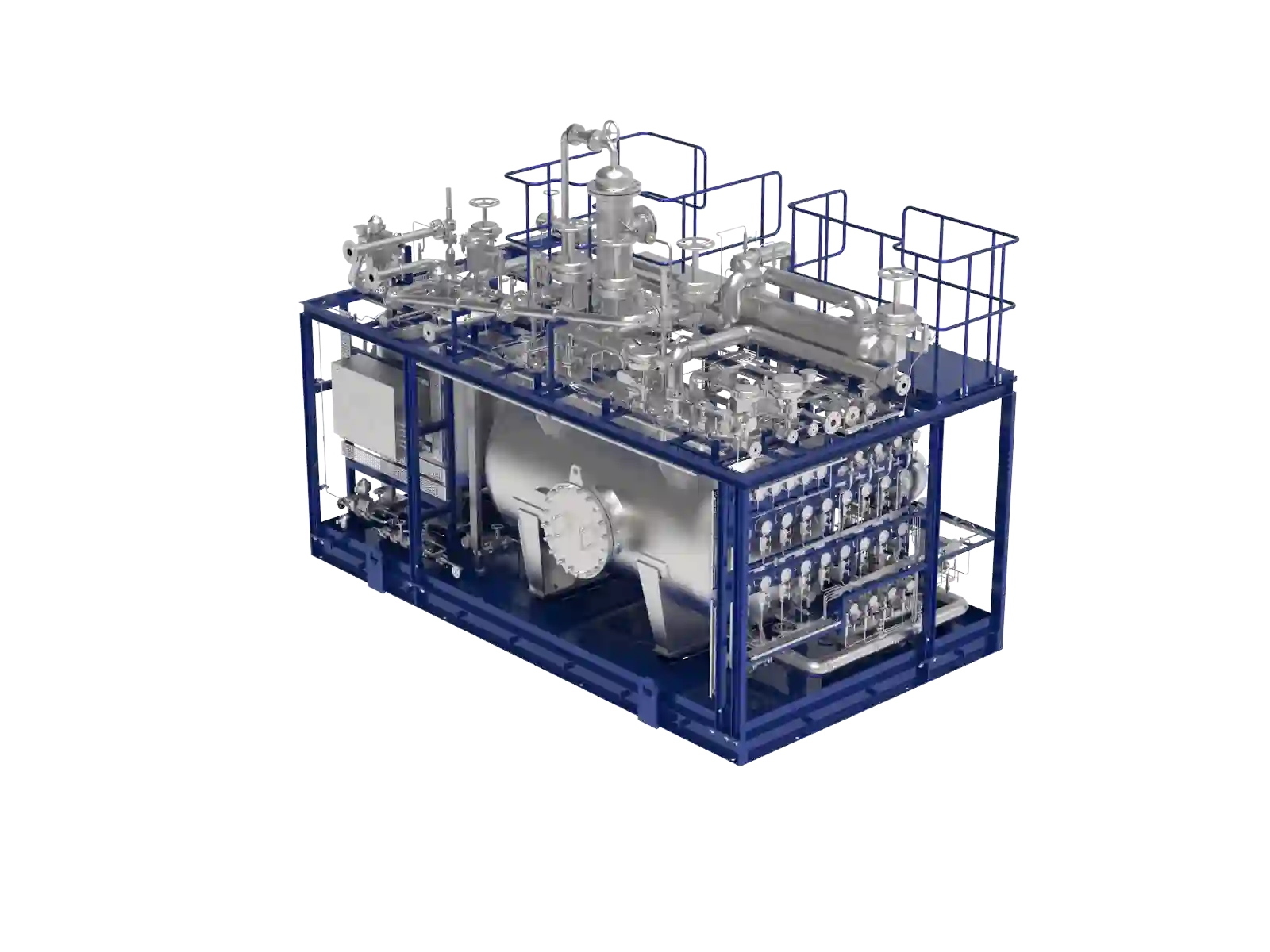
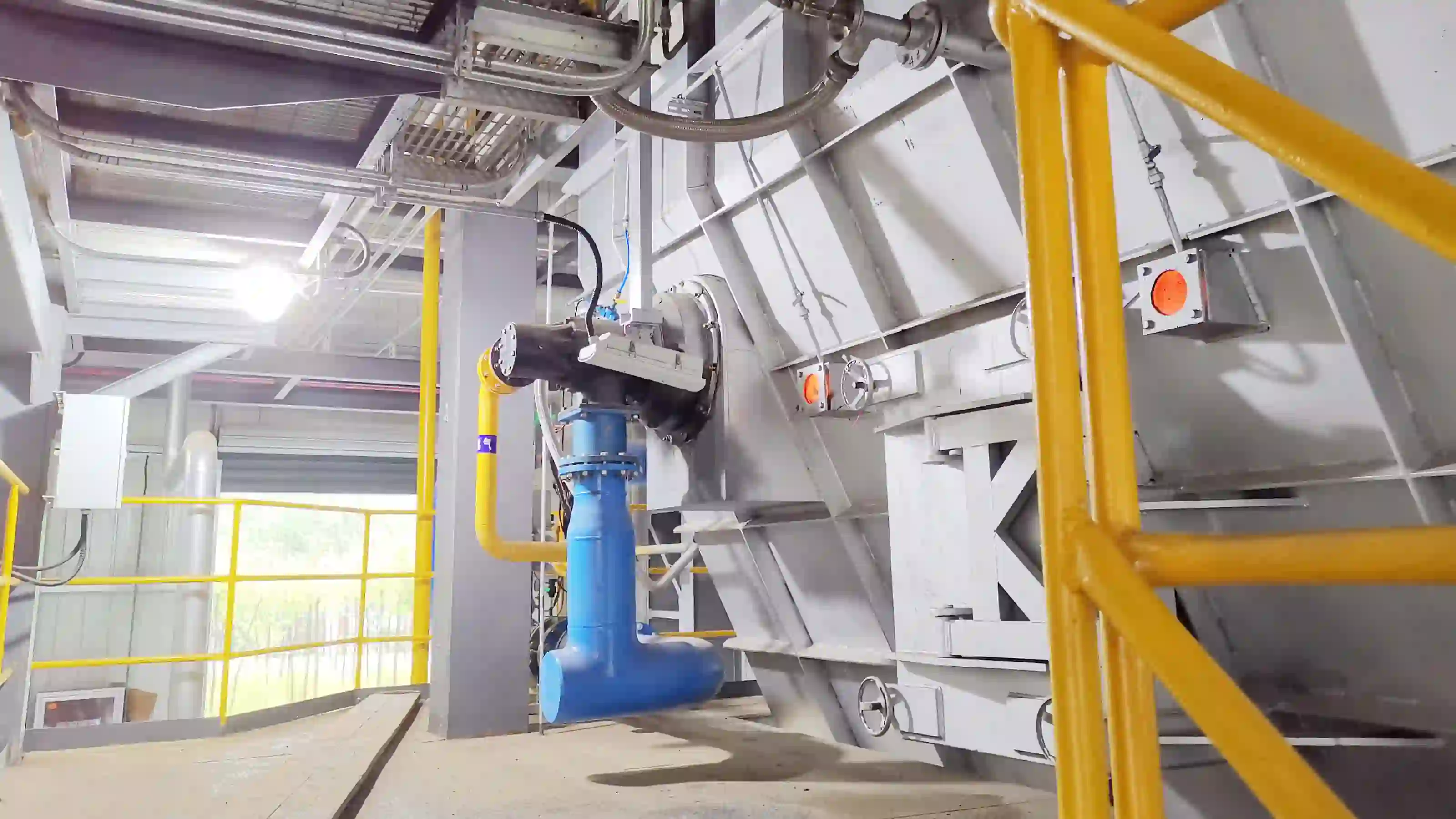
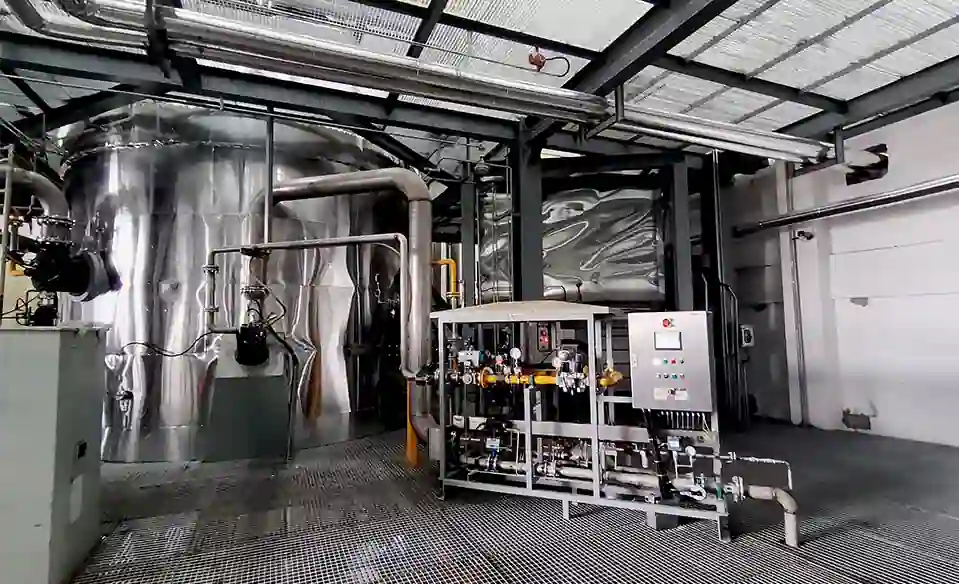
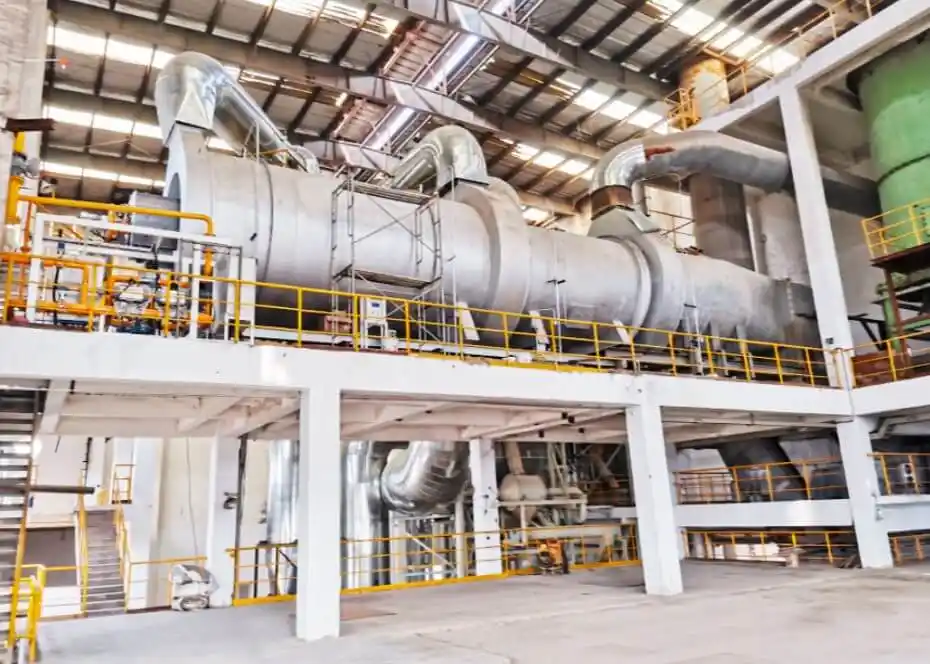
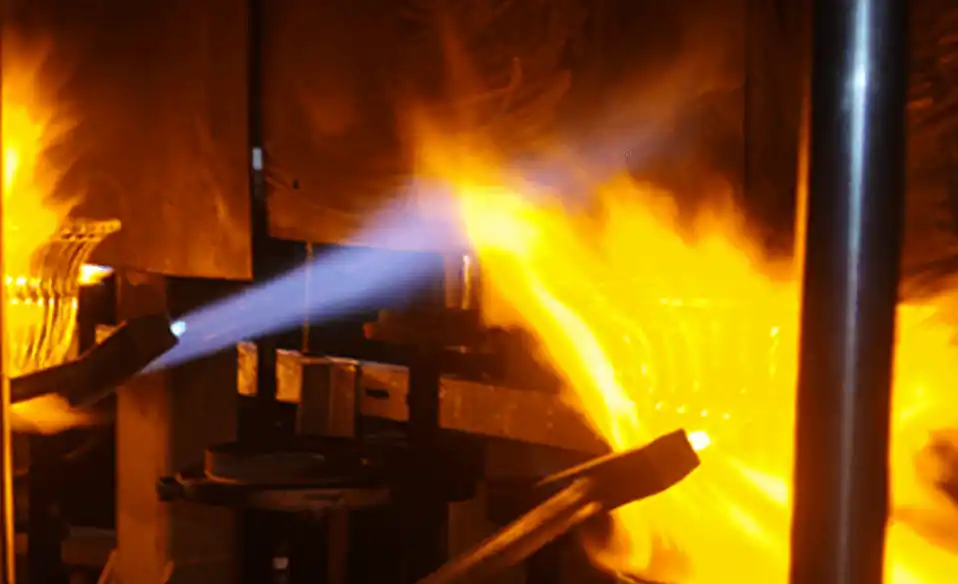
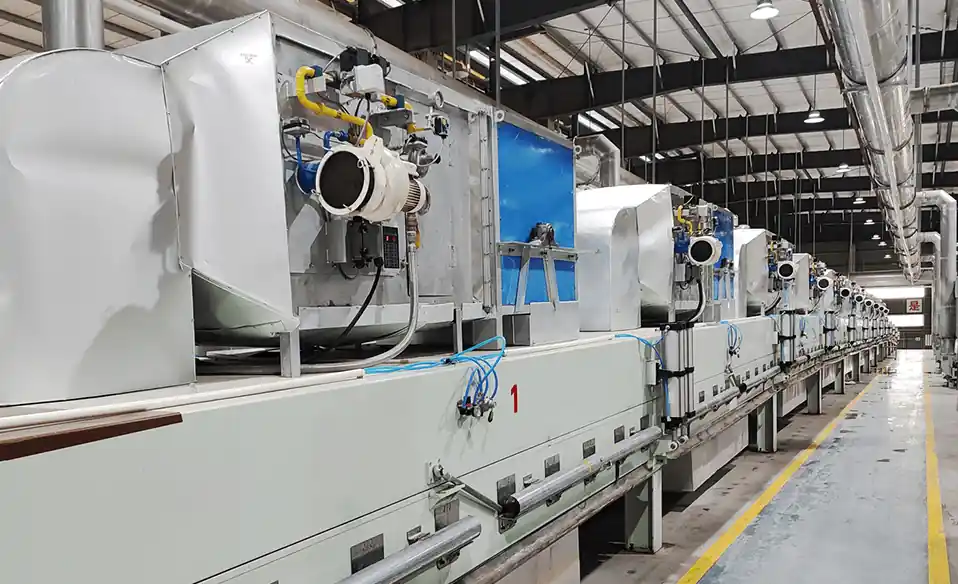
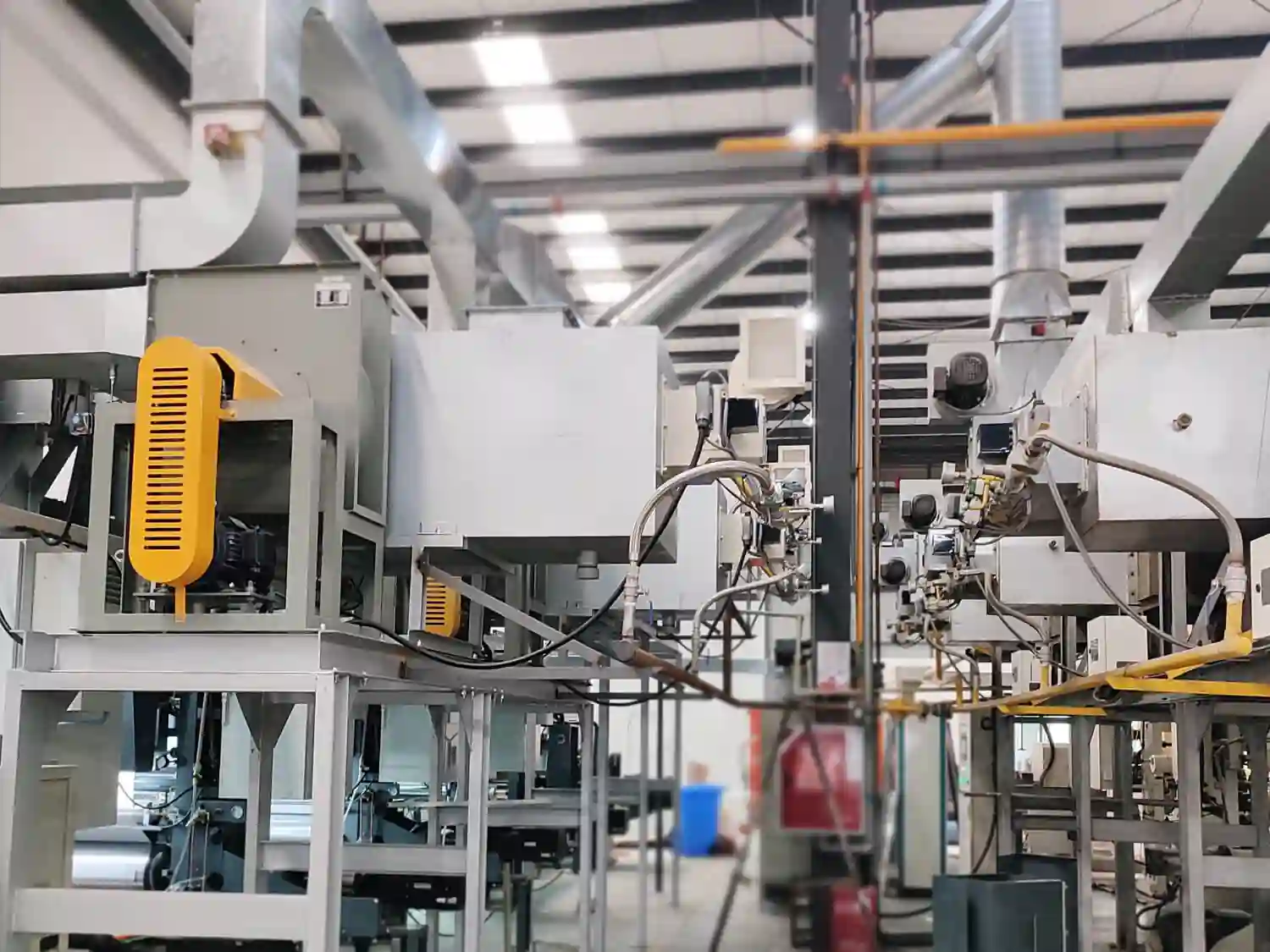
Grain drying is a critical step in agricultural production, directly impacting grain quality and storage safety. Traditional drying methods often suffer from high energy consumption and imprecise temperature control. With technological advancements, the duct burner has emerged as an efficient solution in the grain drying sector. Specifically, natural gas duct burners, known for their cleanliness and high efficiency, are being increasingly adopted by grain processing enterprises. Selecting the right duct burner manufacturer can significantly enhance drying efficiency, reduce operational costs, and help achieve energy-saving and environmental protection goals.
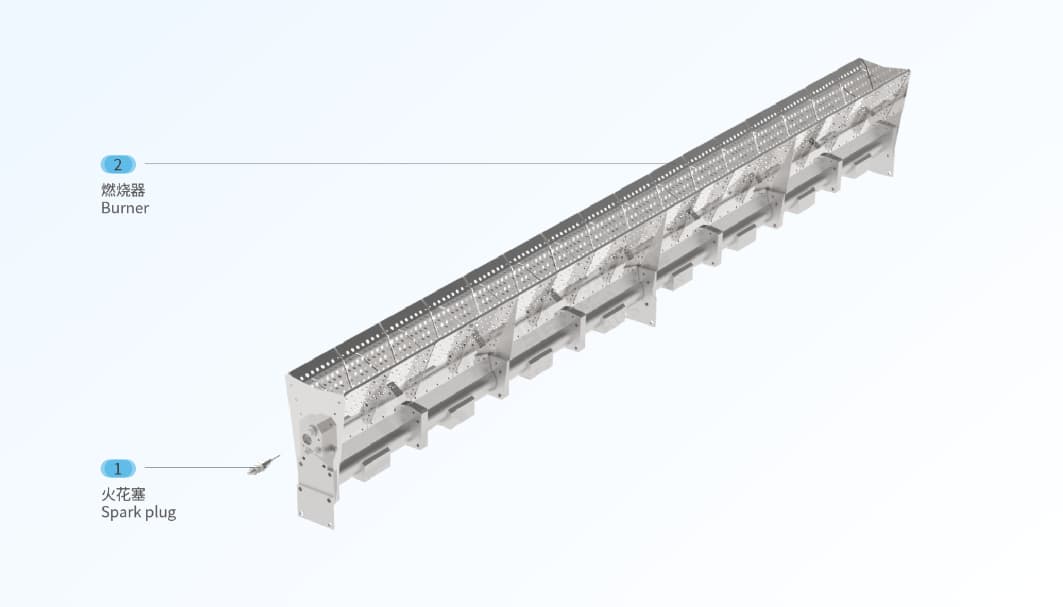
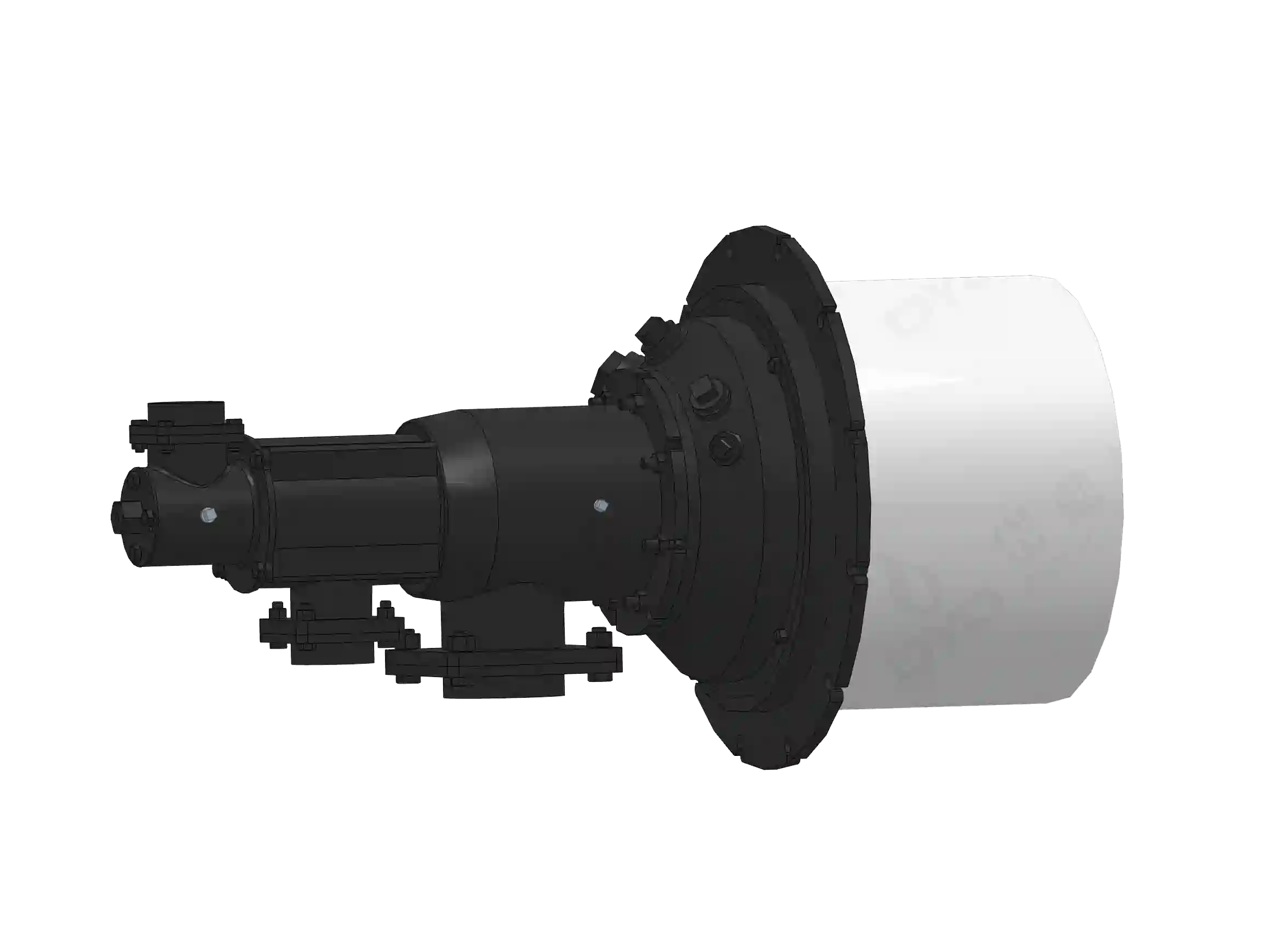
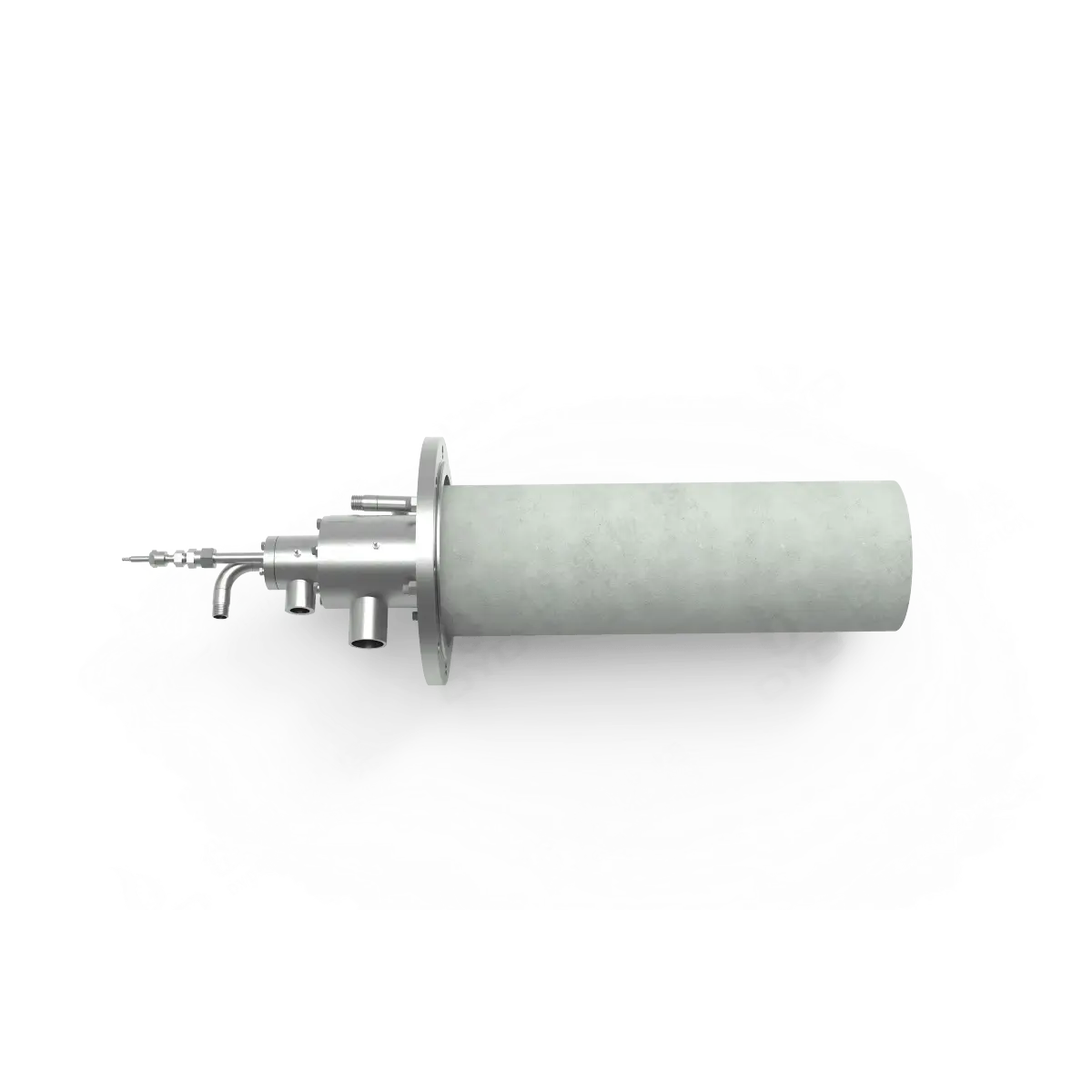
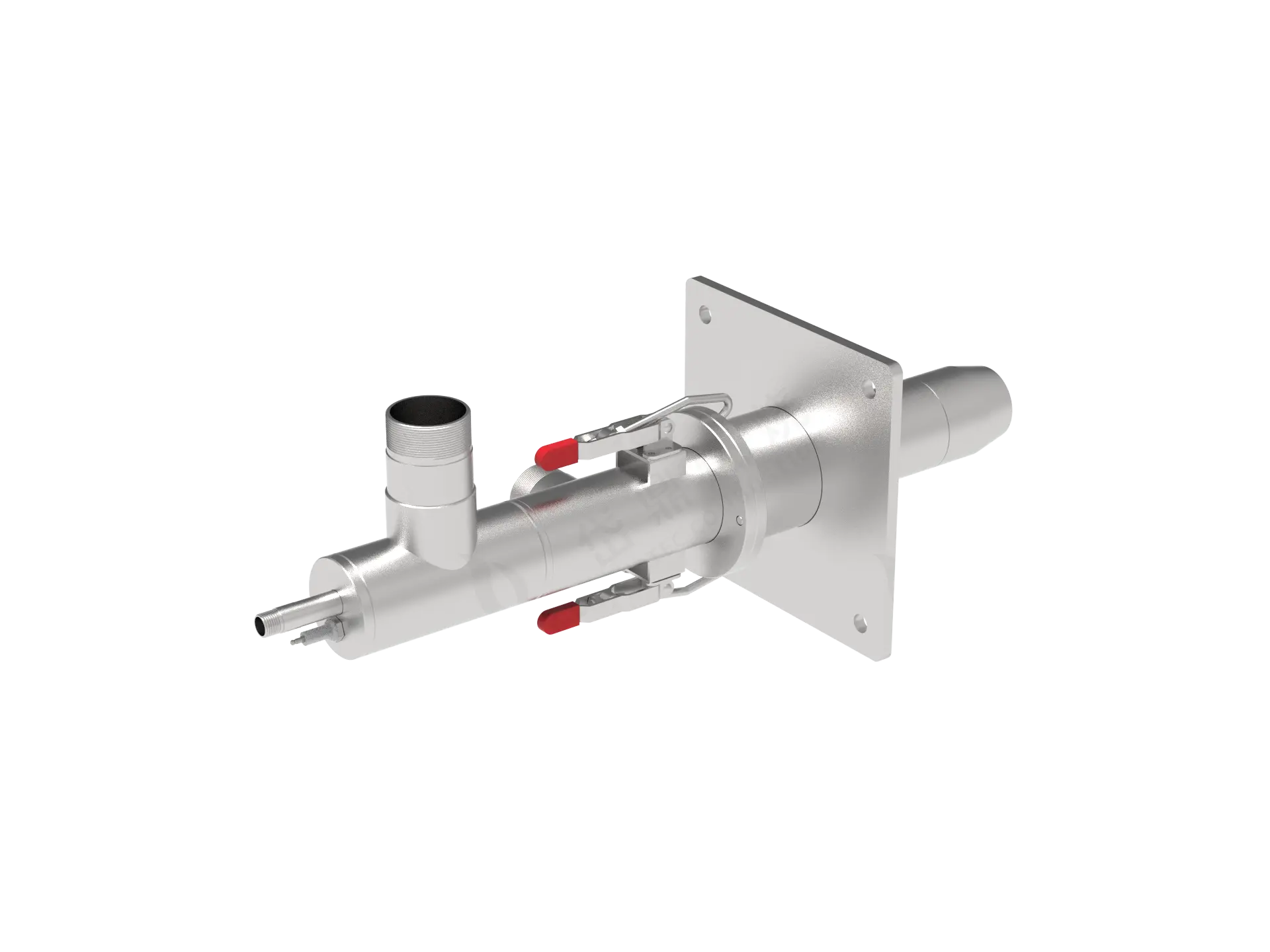
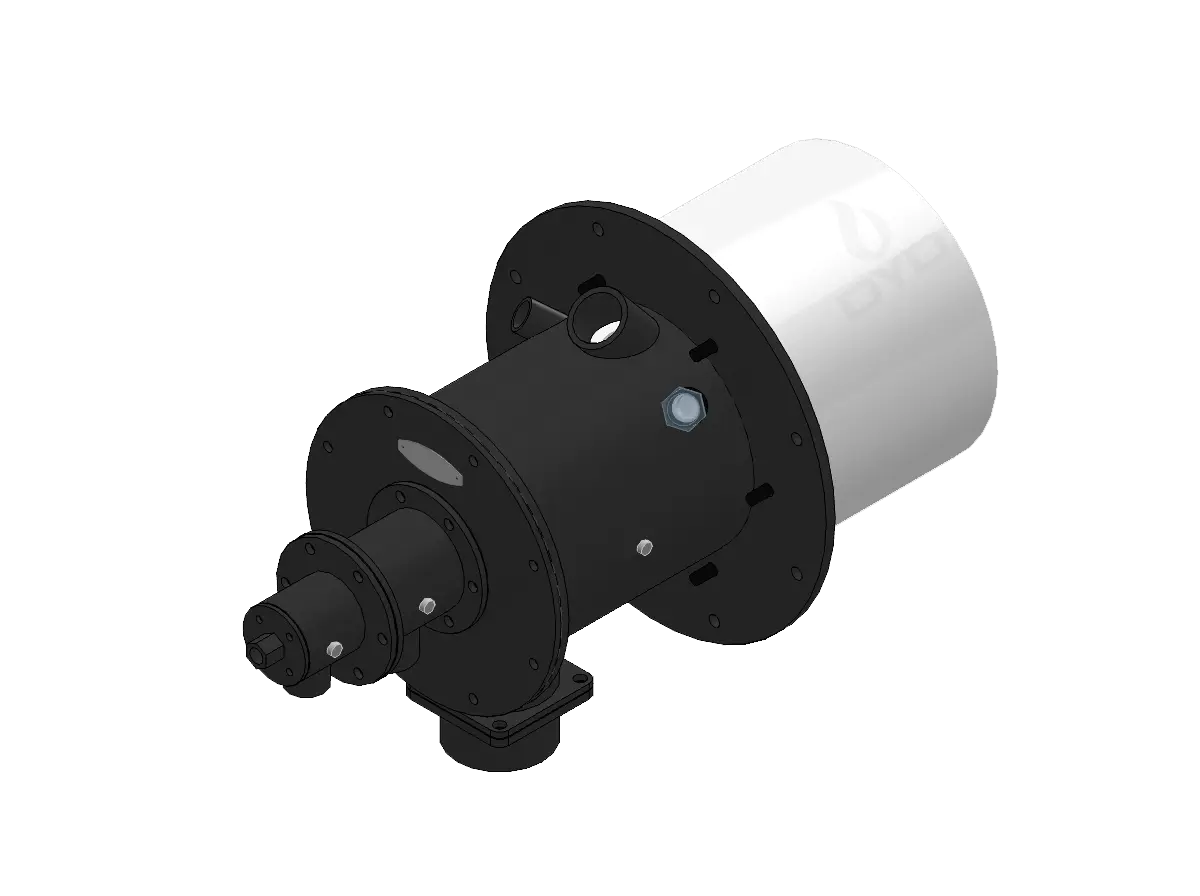
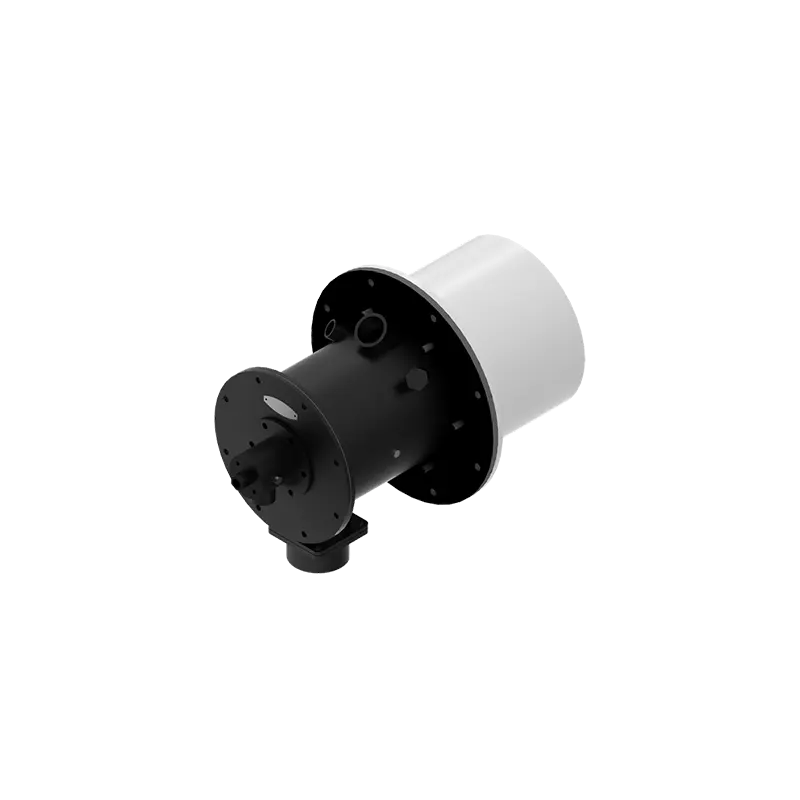
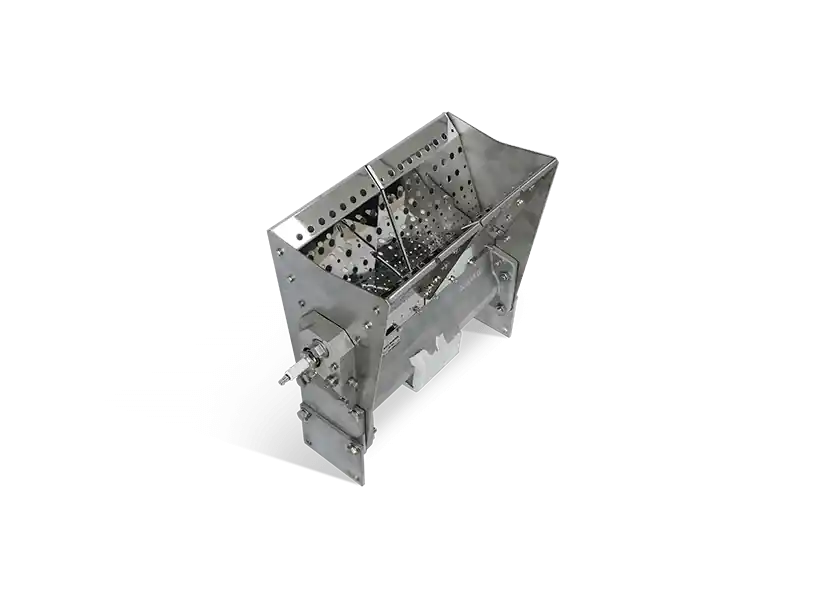
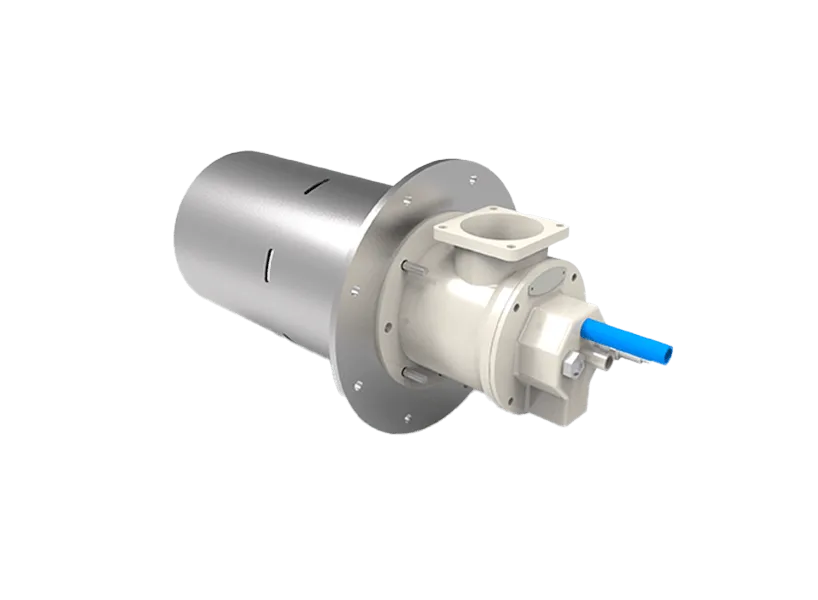
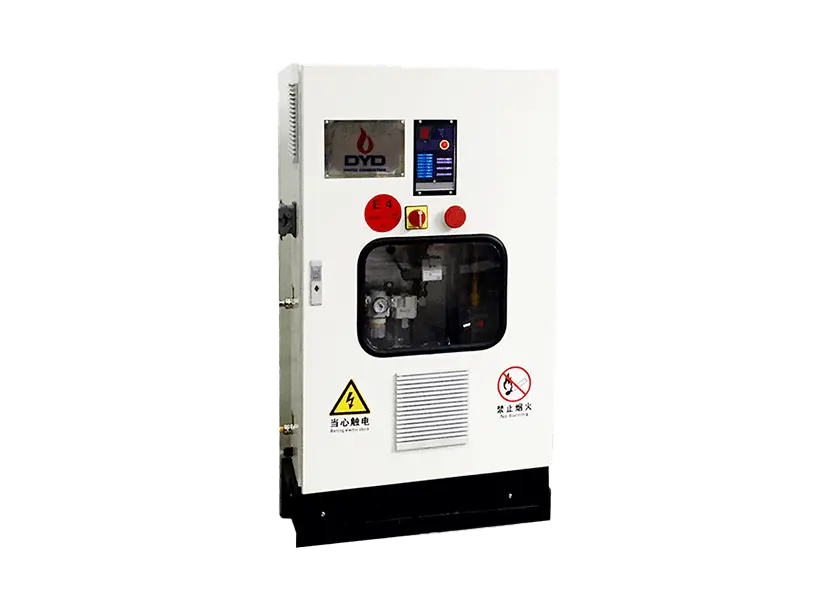
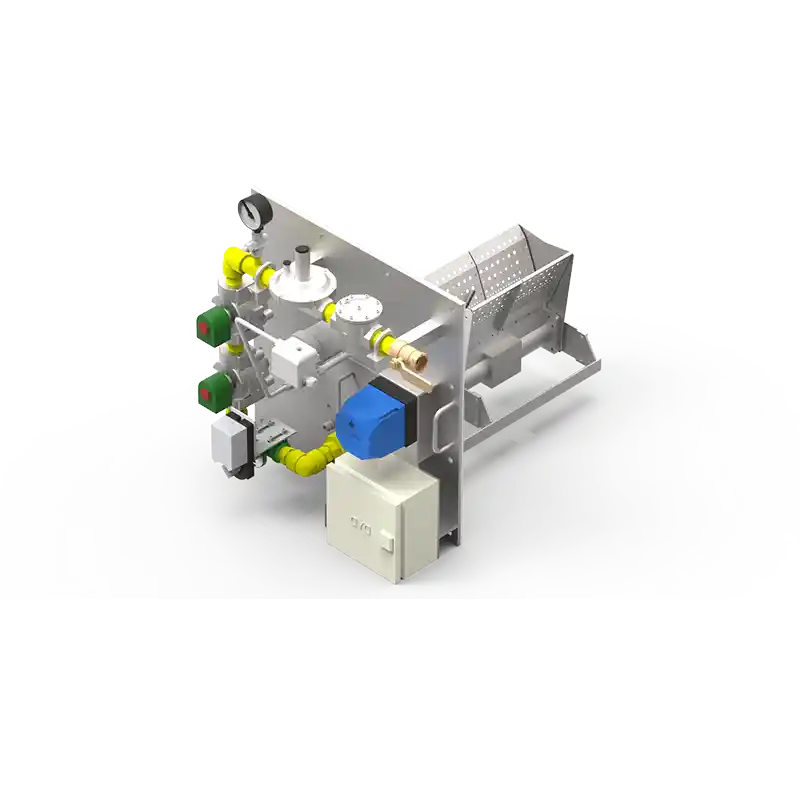
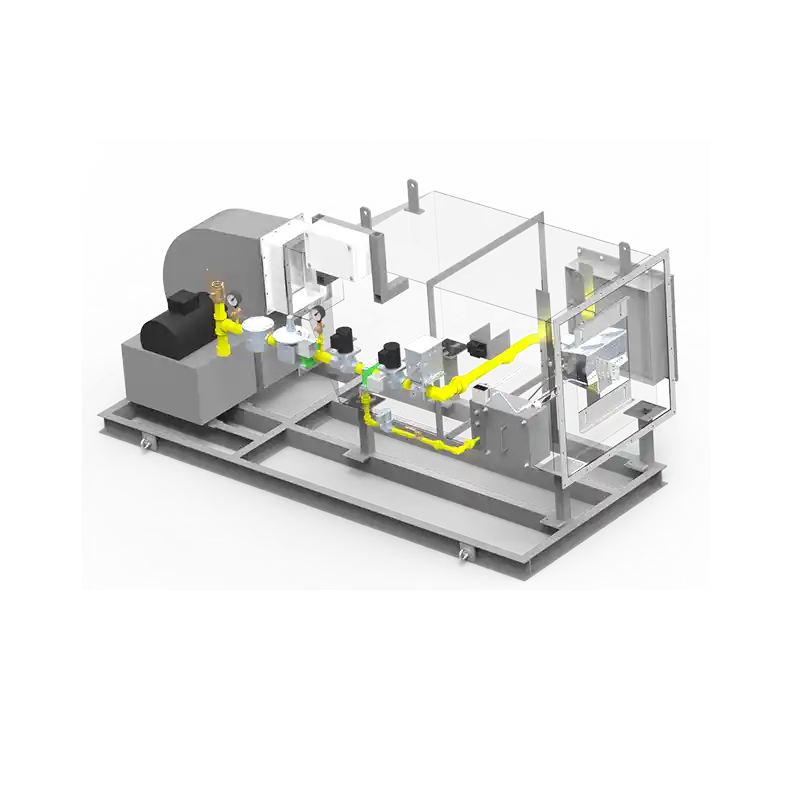
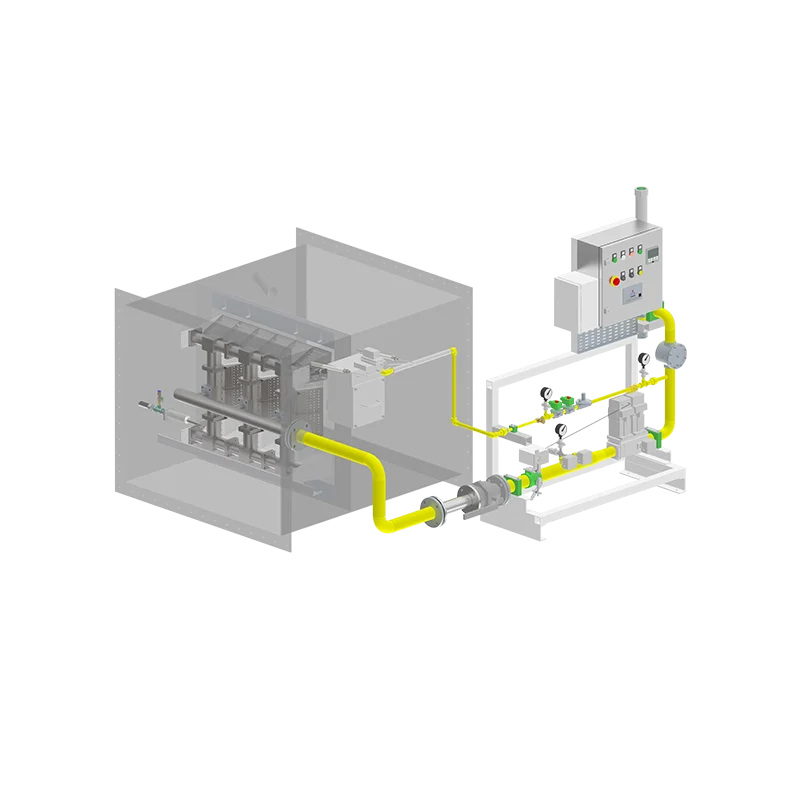
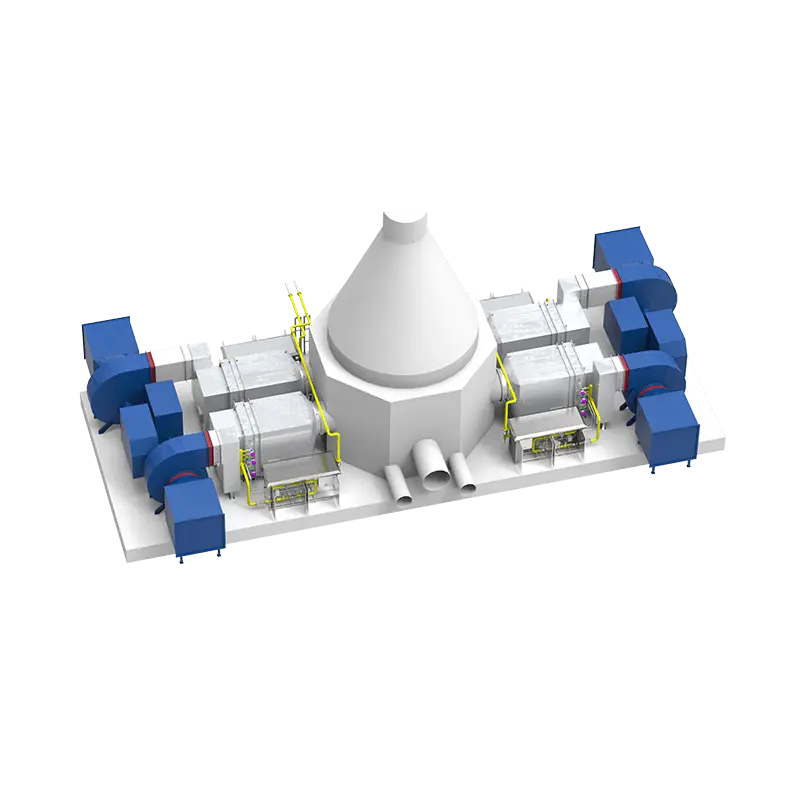
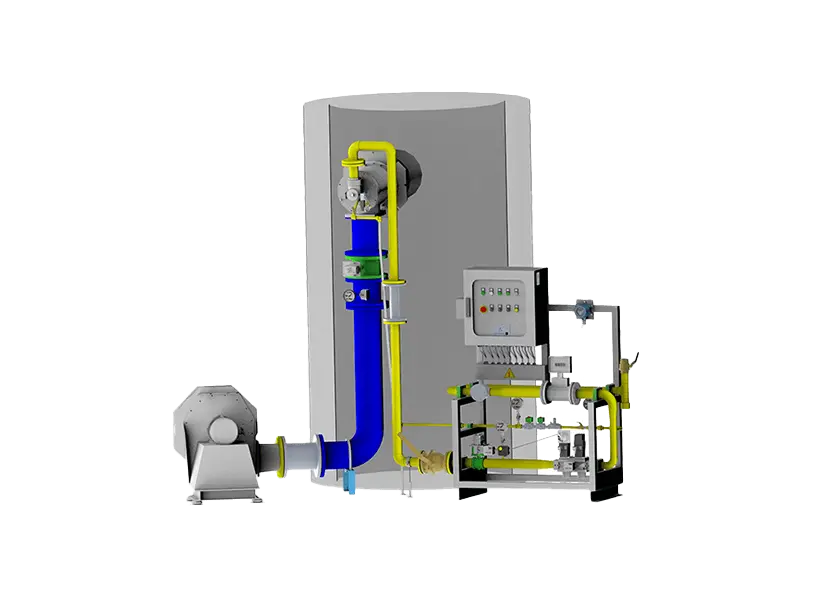
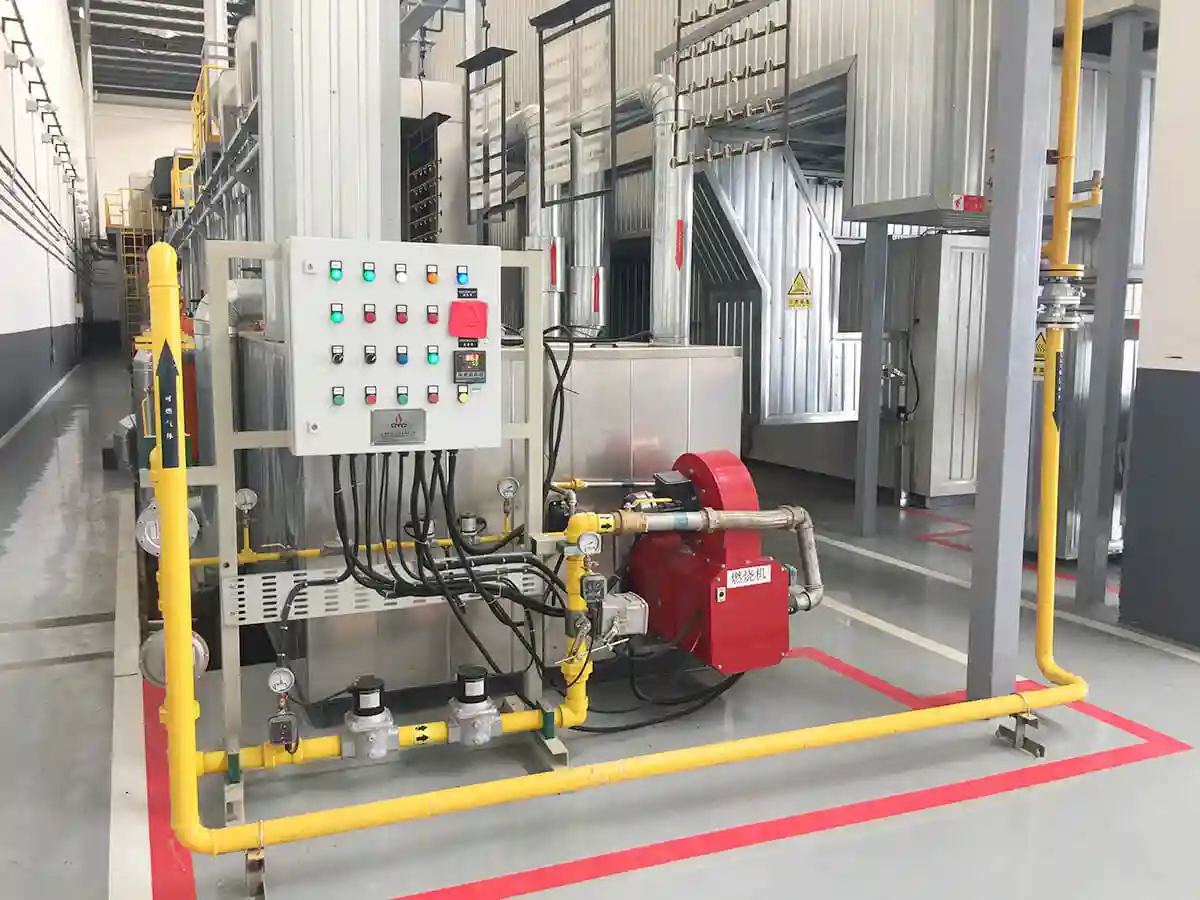
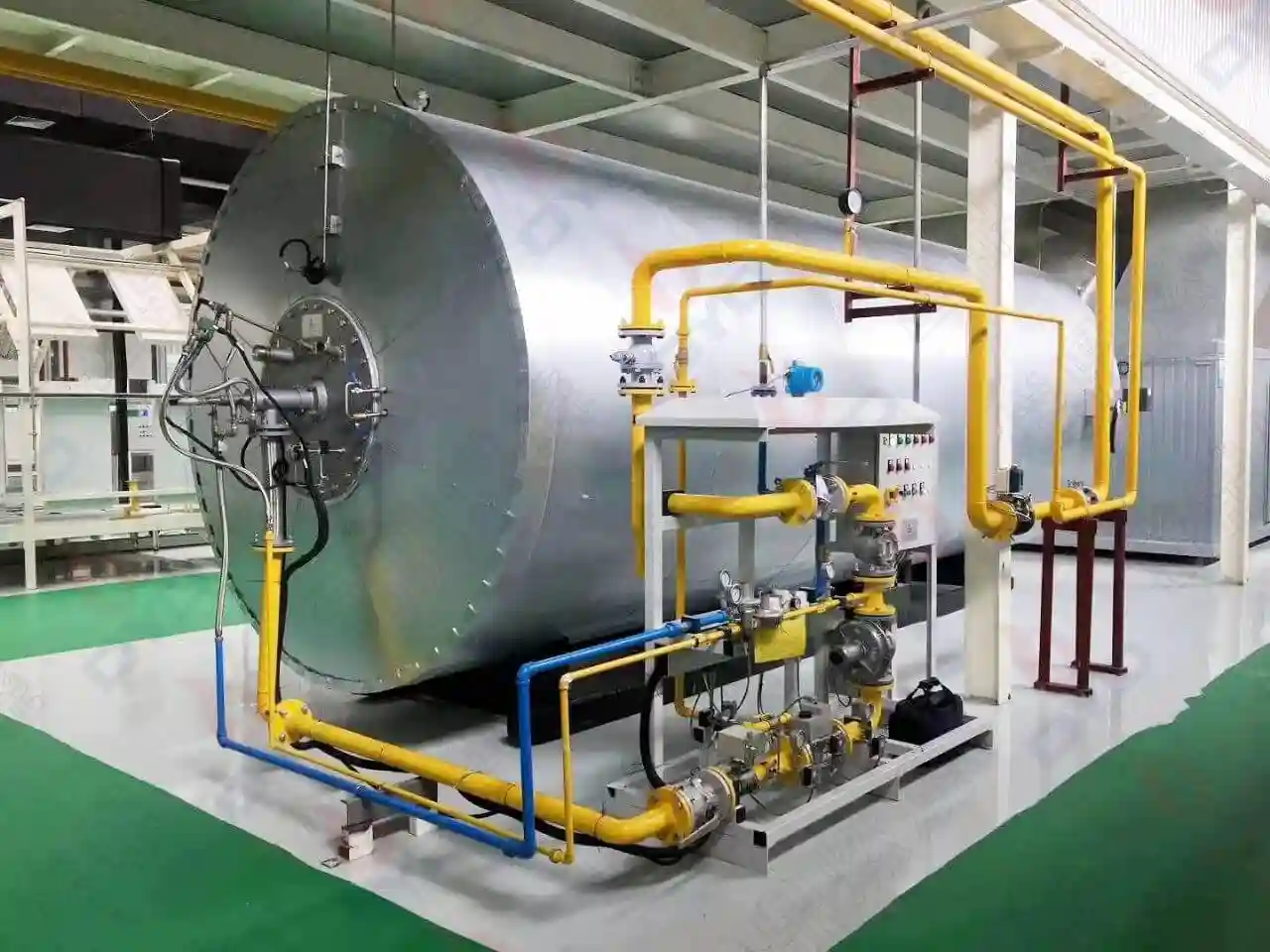
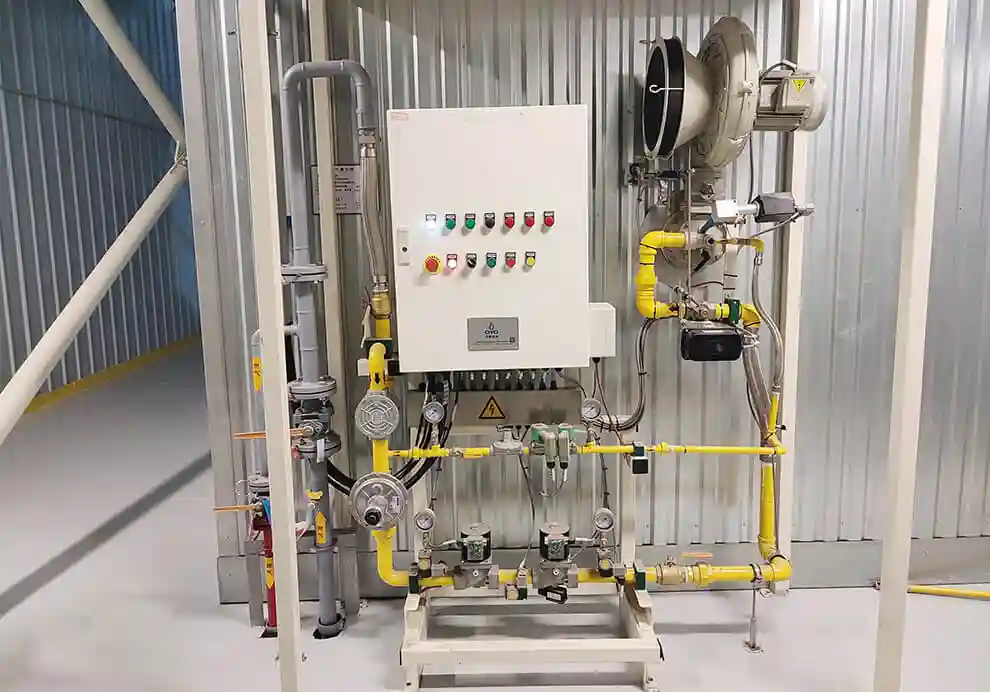
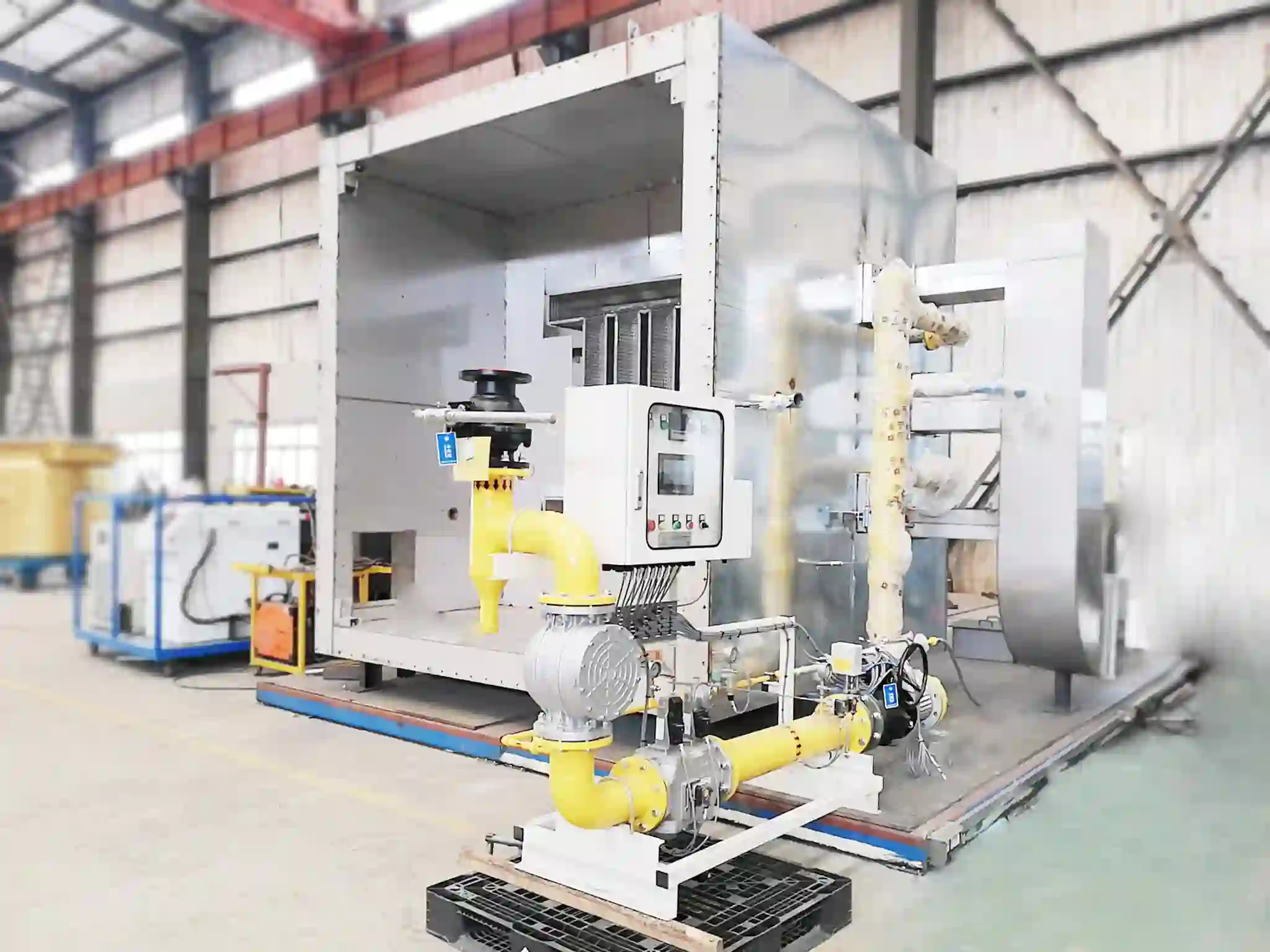
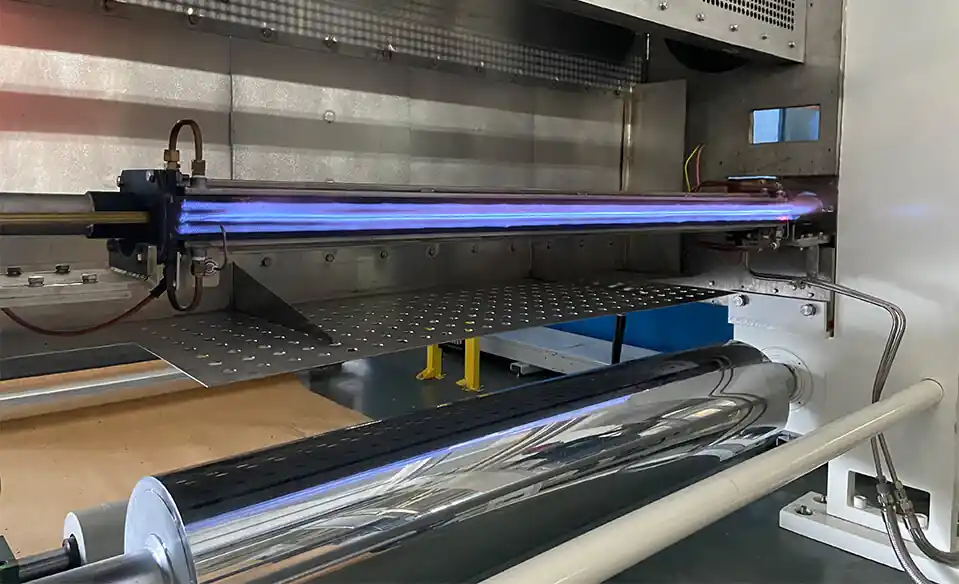
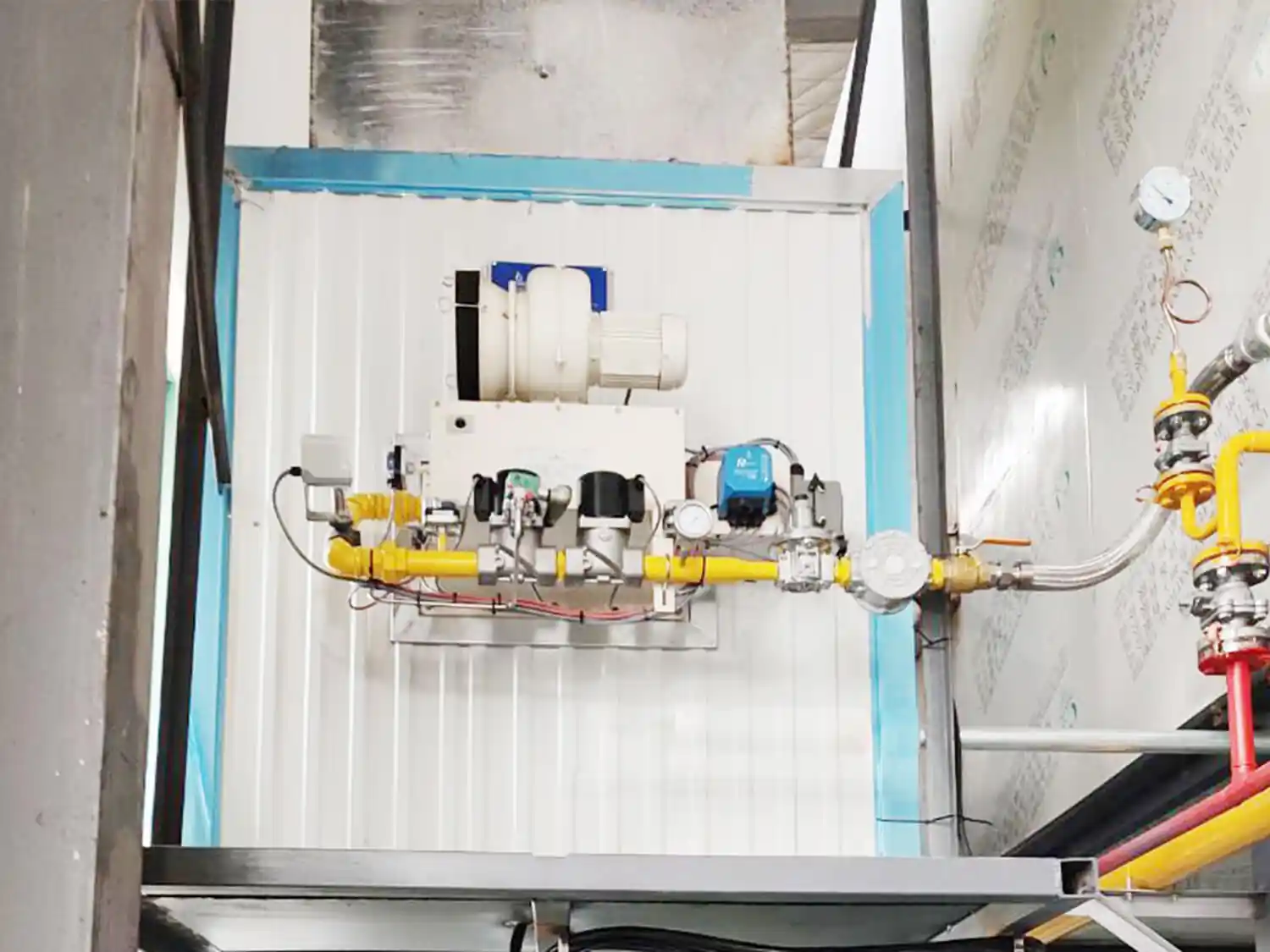
(Natural Gas Duct Burner)
1. Technological Advantages of Duct Burners in Grain Drying
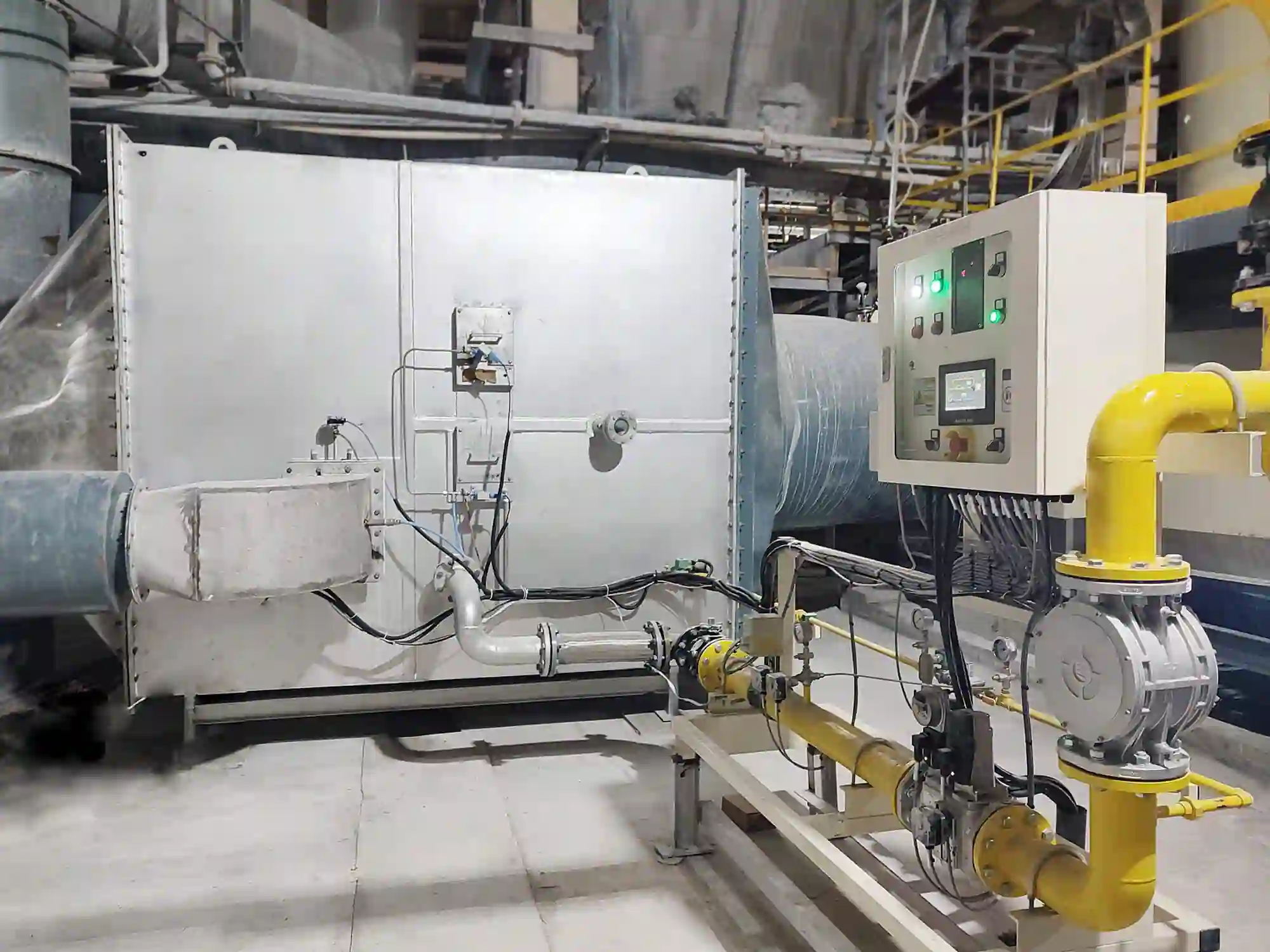
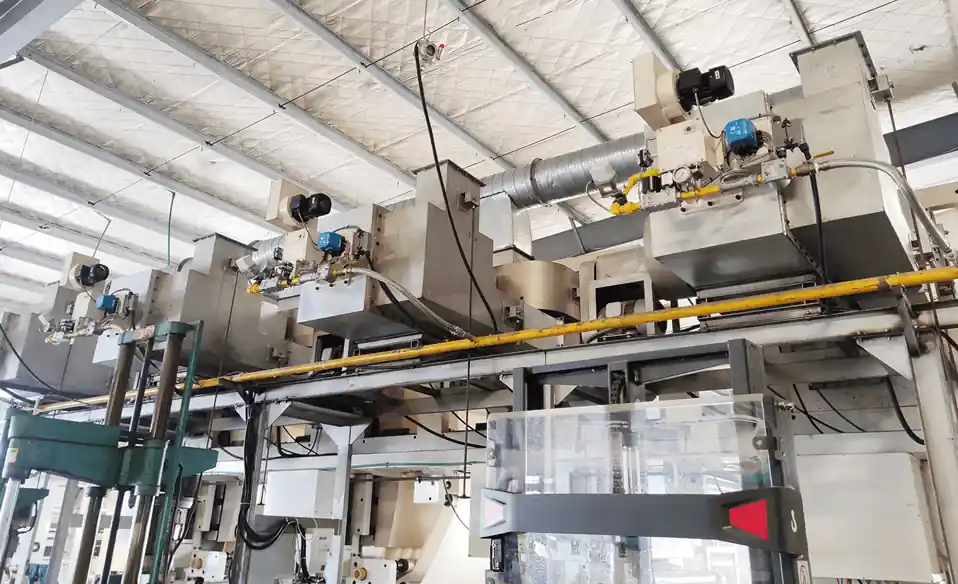
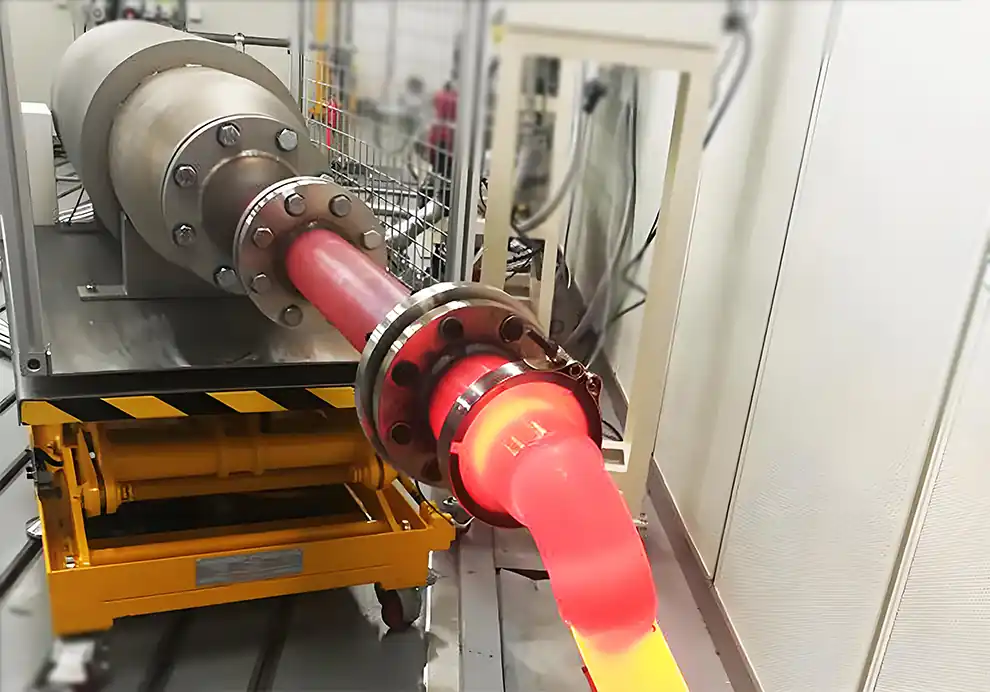
The application of duct burners in grain drying is primarily reflected in their efficient heat output and precise temperature control. Compared to traditional burners, duct burners feature a modular design that allows for flexible power adjustment, making them adaptable to drying needs of various scales. For instance, certain high-end models can achieve a power rating of up to 240kW/ft, providing a rapid and stable heat source. This ensures uniform heating during the drying process, preventing issues like localized overheating or insufficient drying. Additionally, duct burners produce a short flame, with a maximum length of only 700mm. This results in more concentrated heat distribution, reduces thermal energy waste, and improves overall drying efficiency.
2. Environmental and Energy-Saving Features of Natural Gas Duct Burners
Another significant advantage of natural gas duct burners in grain drying is their environmental performance. As national emission standards become increasingly stringent, low-nitrogen combustion technology is becoming an industry trend. For example, some advanced duct burners are designed for low CO and NOx emissions, complying with ANSI/CSA standards and capable of controlling nitrogen oxide emissions to low levels (e.g., below 30mg/m³). This not only reduces environmental pollution but also helps enterprises meet regulatory requirements. Furthermore, natural gas, as a clean energy source, boasts high combustion efficiency and relatively low costs, further decreasing the operational expenses of grain drying.
3. Recommendations for Selecting Duct Burners for Grain Drying
When choosing a duct burner for grain drying, it's essential to consider factors such as power, emission standards, and manufacturer support. First, determine the required power range based on your drying scale to avoid inefficiency or insufficient capacity. Second, prioritize products that meet international standards (like ANSI/CSA) to ensure safety and reliability. Additionally, the after-sales service and technical support provided by the manufacturer are crucial. Reputable manufacturers often offer customized solutions to help users optimize their drying processes and improve overall efficiency.
4. Comparison: International Brands vs. Domestic Duct Burners
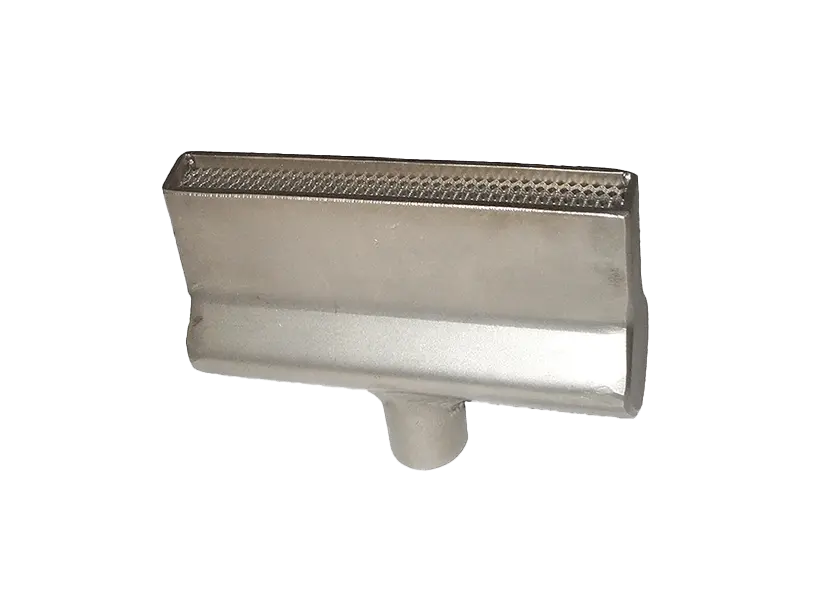
The current market offers both domestic duct burners and products from international brands. International brands typically offer mature technology and a wealth of application cases. The Linofire series, for instance, is specifically designed for direct-fired air heating and low-to-medium temperature drying applications, suitable for heating, drying, and curing processes in industries like medical, food, and chemical. Domestic duct burners, on the other hand, often have advantages in cost-effectiveness and localized service. Users can choose the most suitable solution by weighing technical performance against cost based on their specific needs.
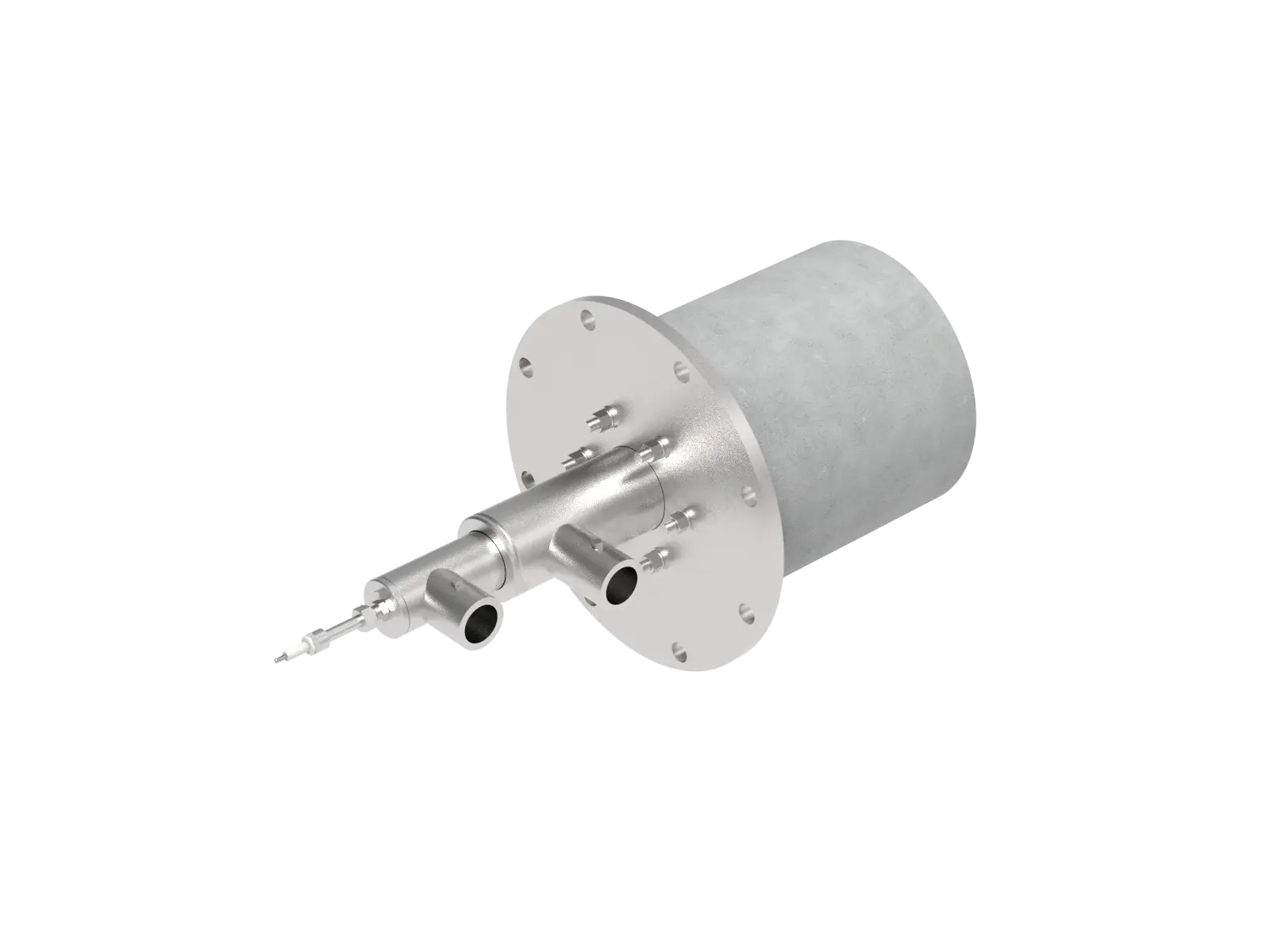
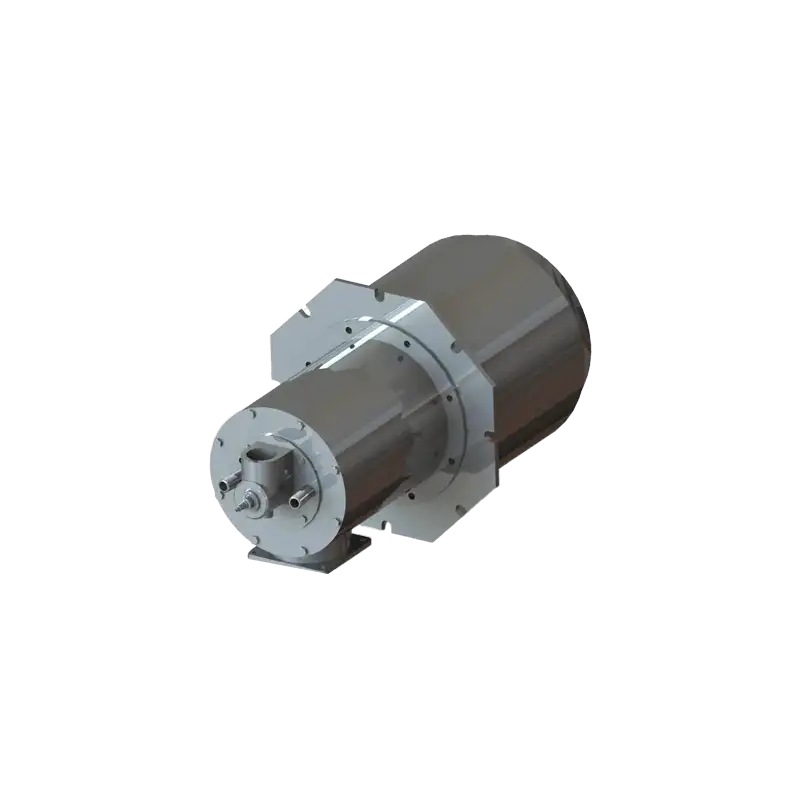
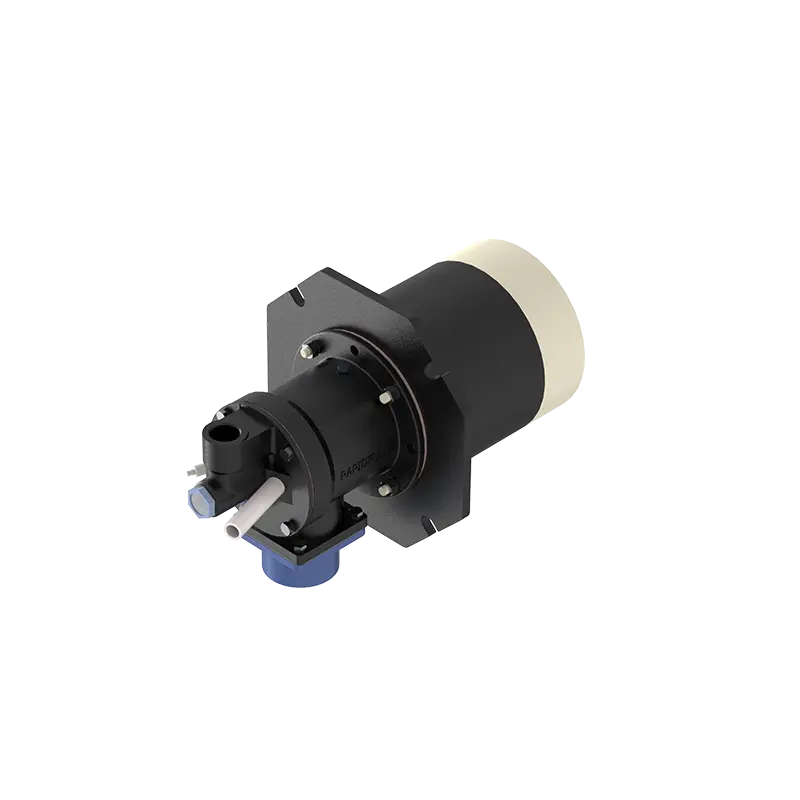
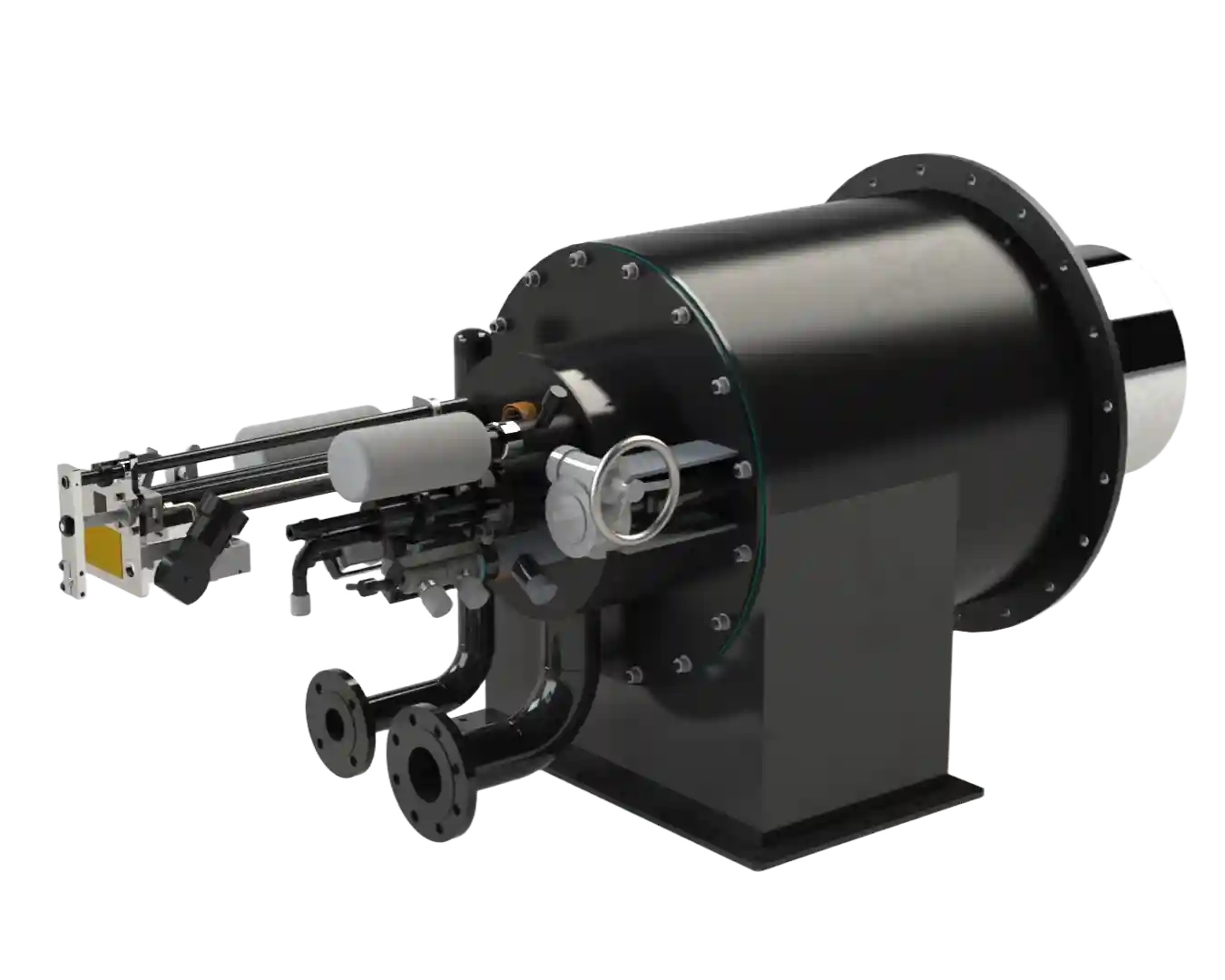
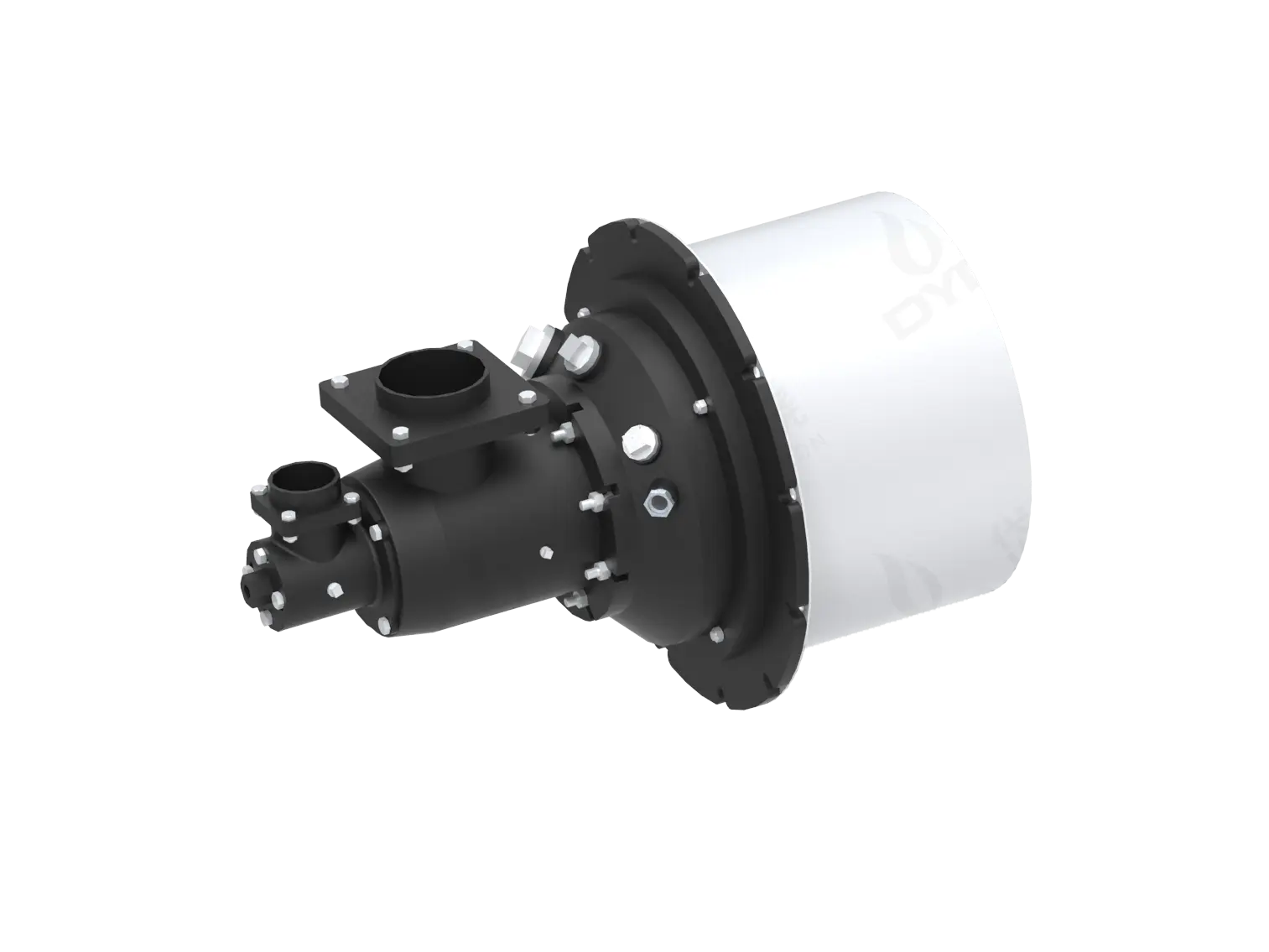
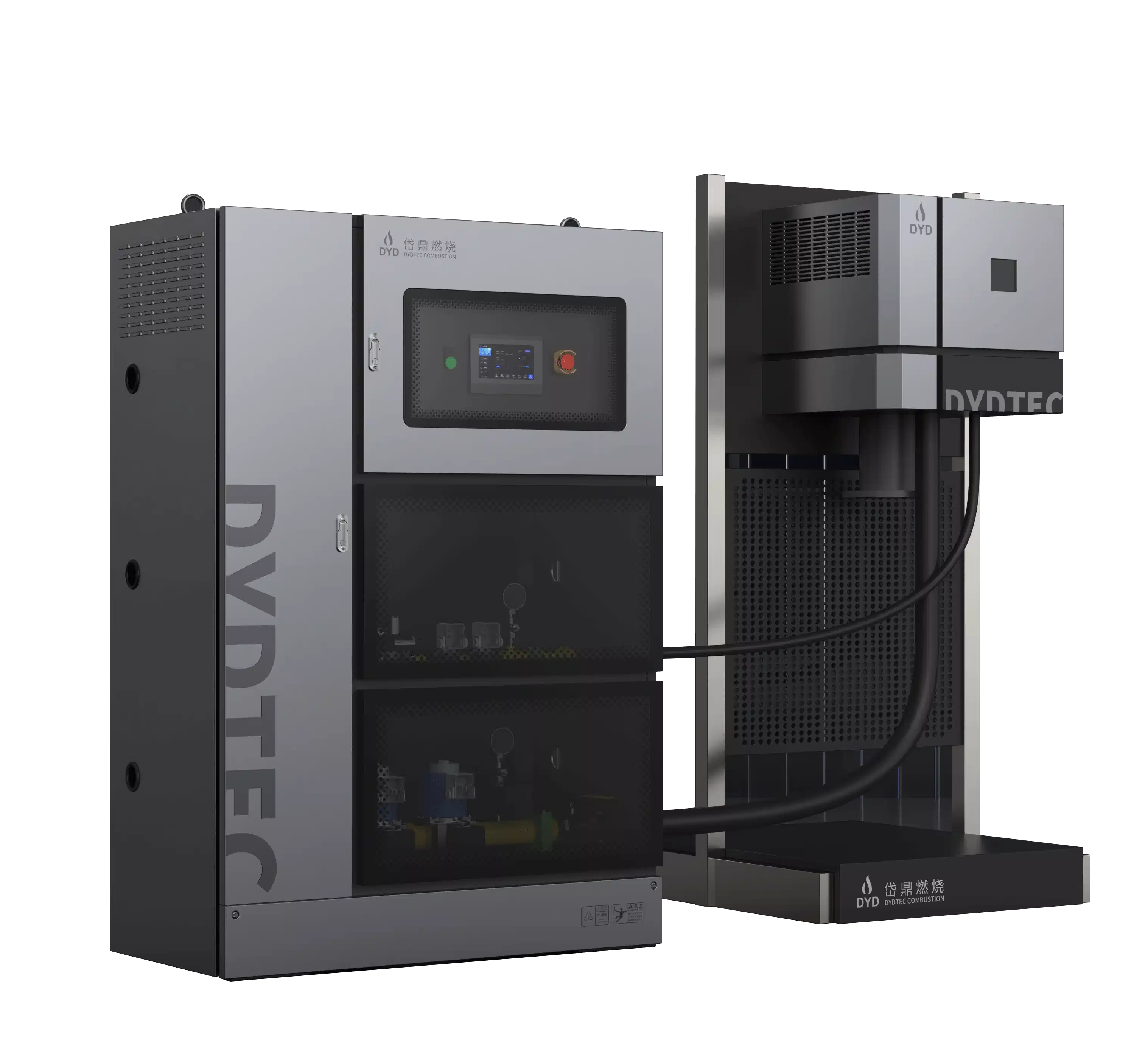
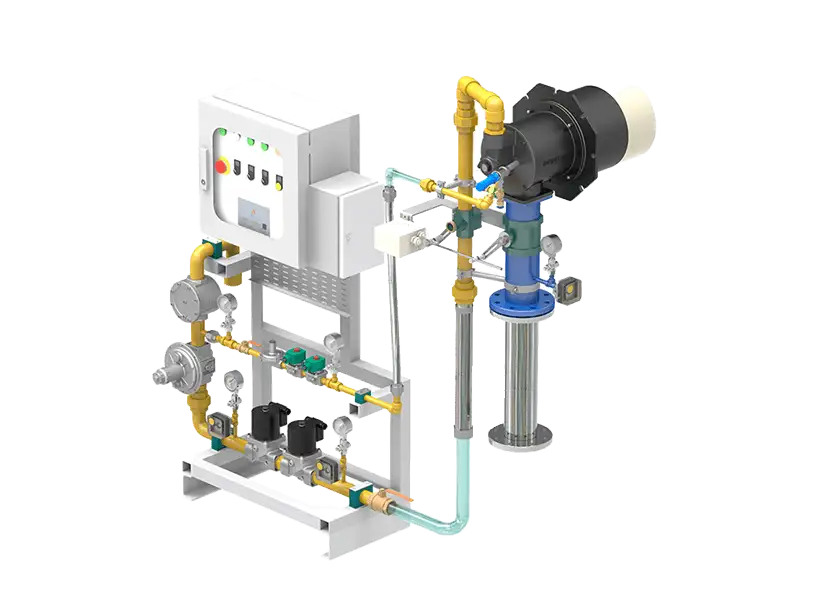
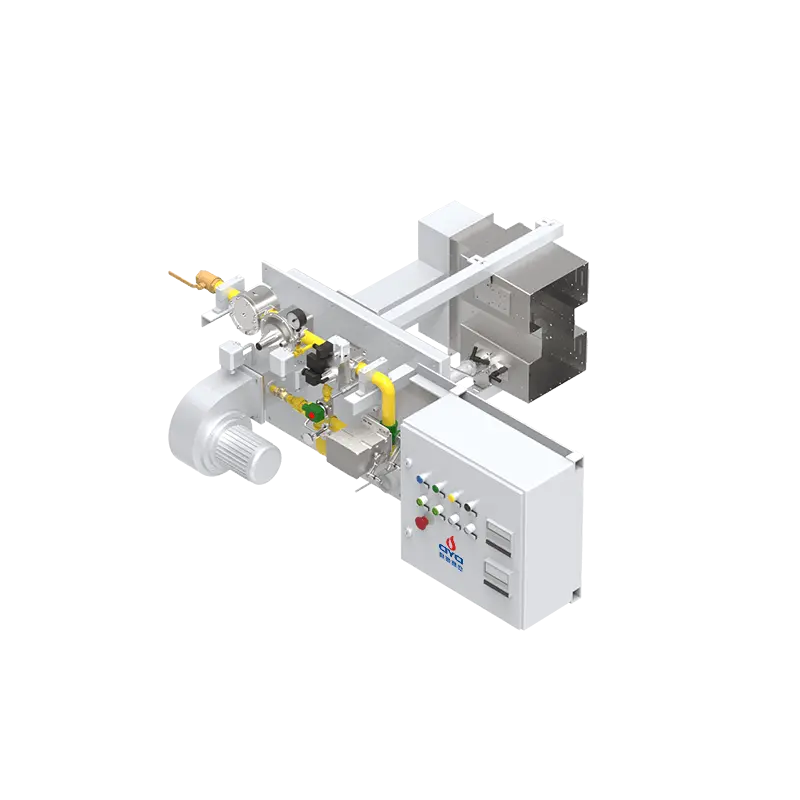
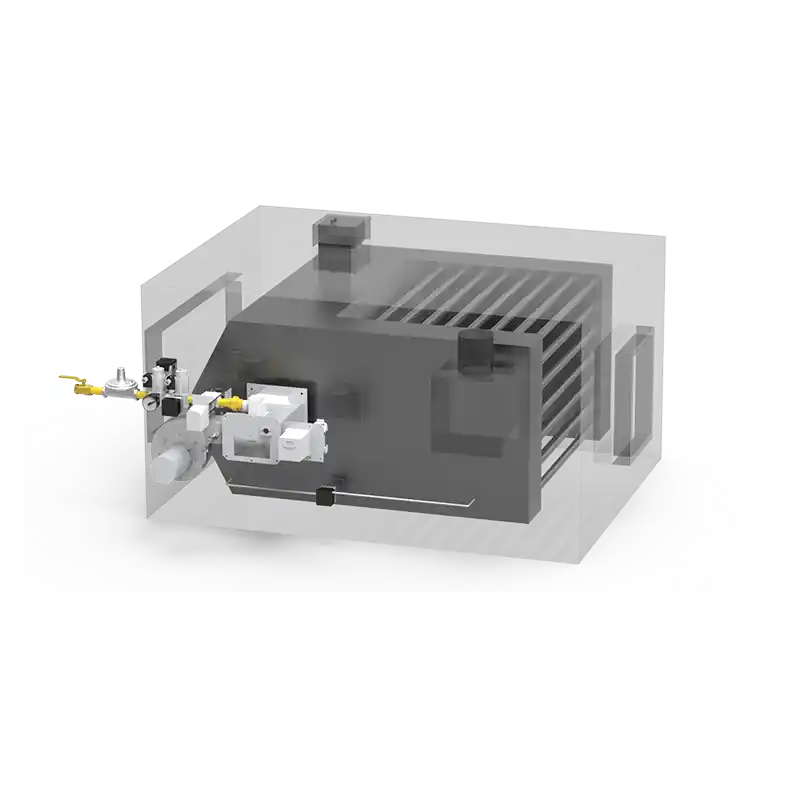
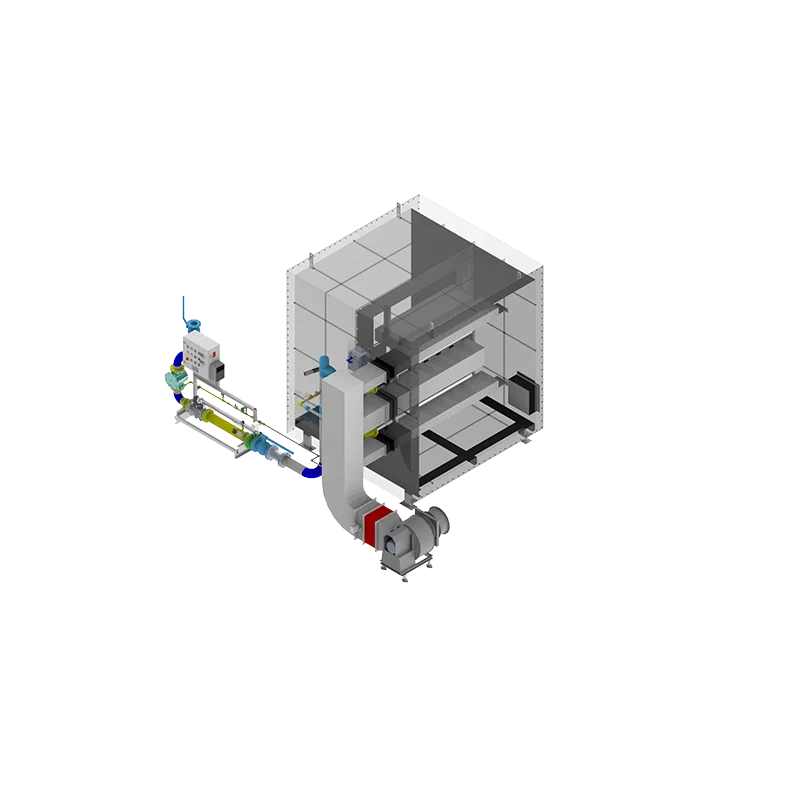
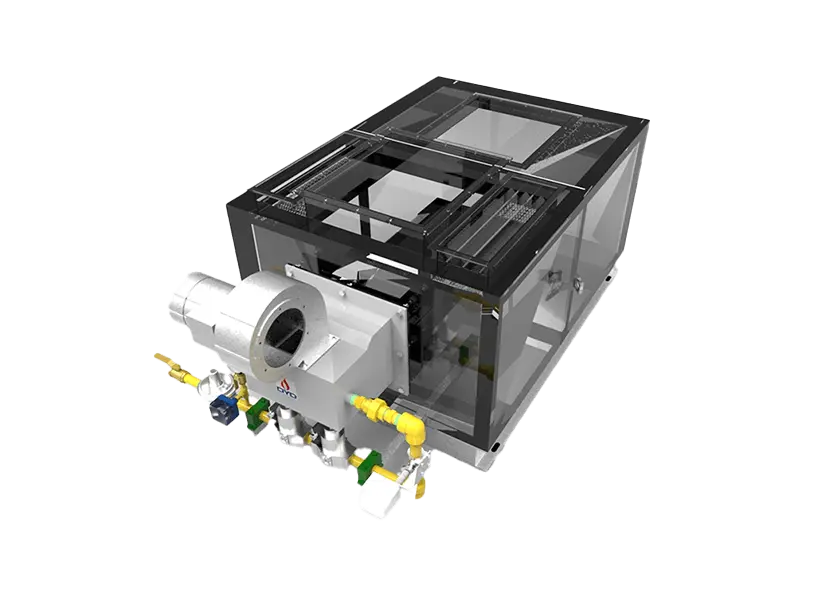
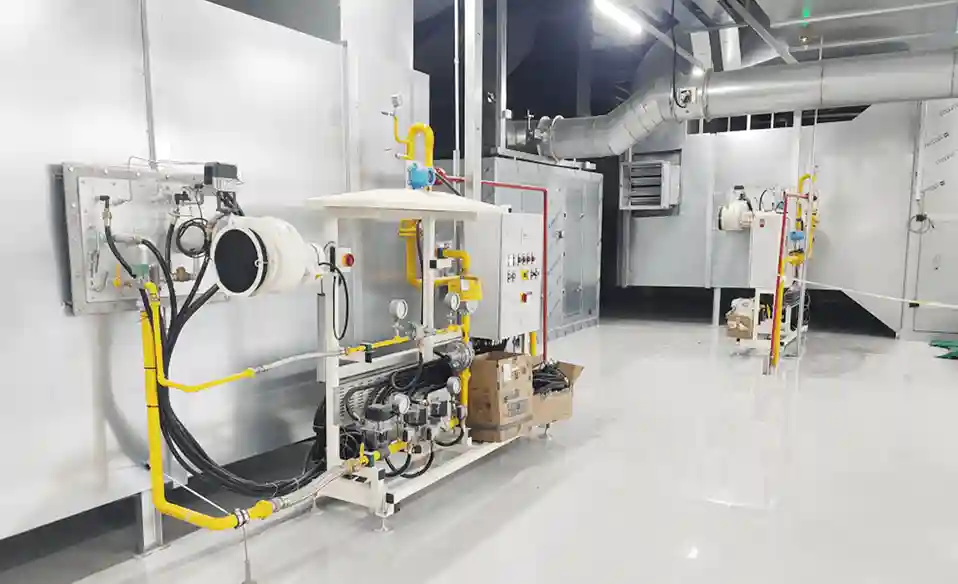
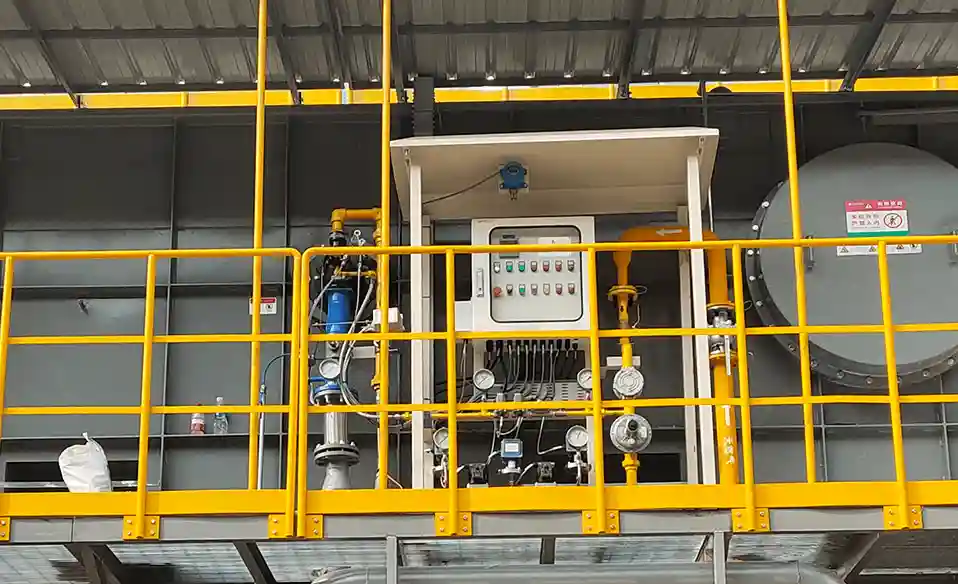
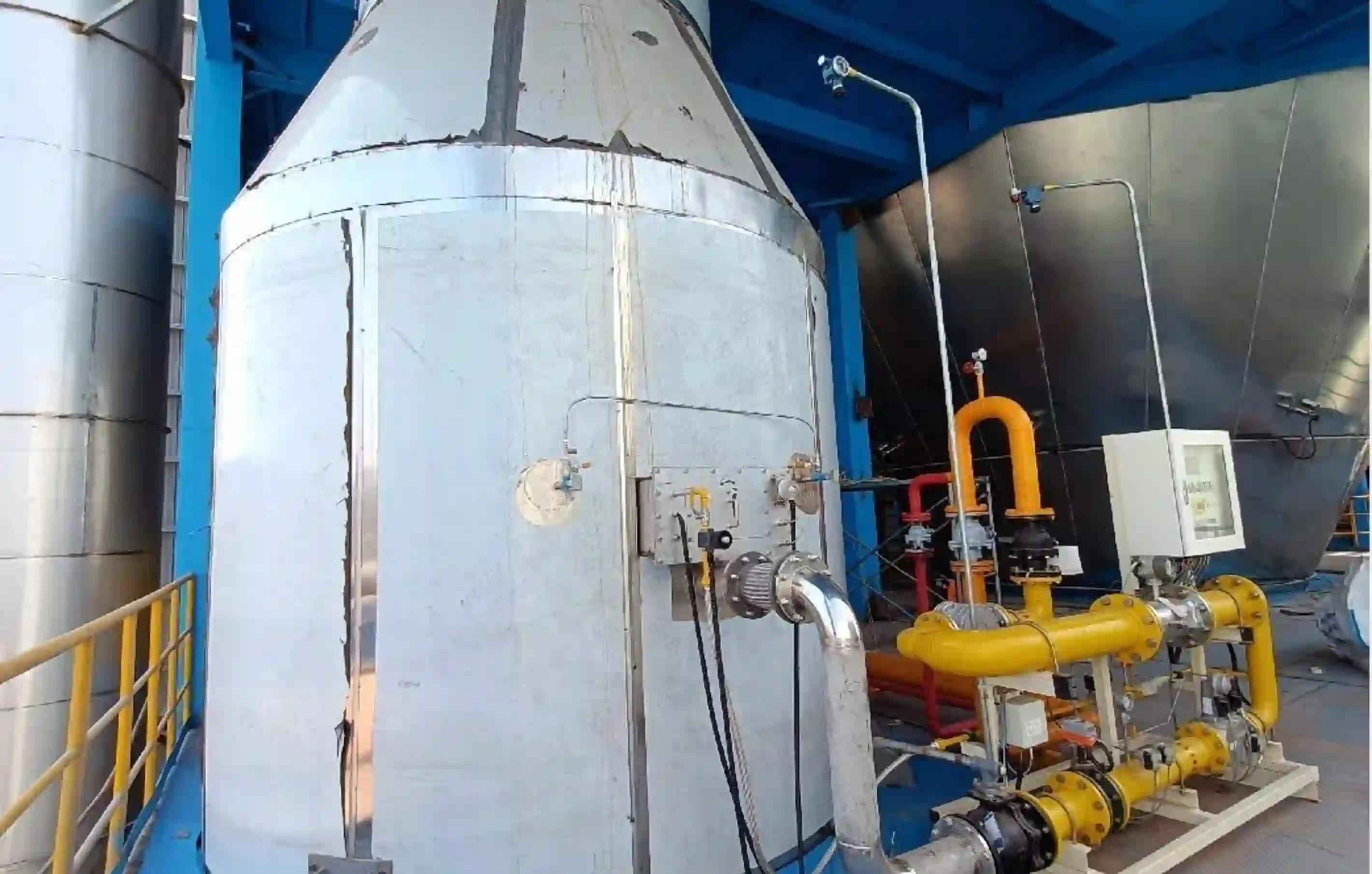
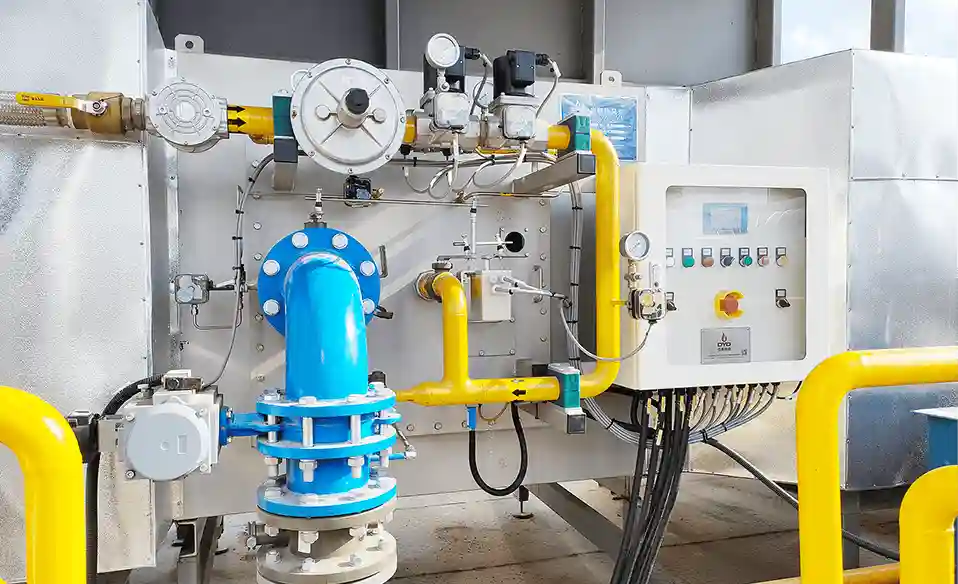
(Natural Gas Duct Burner Manufacturer)
5. Future Trends and Industry Outlook
With the development of smart technology and green energy, the application of duct burners in grain drying is set to deepen further. For example, the integration of IoT technology enables remote monitoring and energy efficiency analysis, assisting businesses in achieving refined operations. Moreover, breakthroughs in new technologies like hydrogen and pure oxygen combustion offer more possibilities for the advancement of duct burners. In the future, manufacturers will need to continually innovate, developing more efficient and environmentally friendly products to meet market demands.
About DYDTEC Combustion
Founded in 2008, DYDTEC Combustion has been specializing in combustion technology for over 17 years and has become a leading burner manufacturing enterprise. The company operates an 11,000 m² R&D and production base with over 150 technical staff, boasting a complete system for R&D, production, and service. As a high-tech enterprise, DYDTEC holds more than 30 core patents, collaborates with prestigious institutions like Shanghai Jiao Tong University and Tsinghua University, and operates a CFD thermal simulation laboratory. It strictly adheres to the ISO9001 quality management system to ensure product reliability.
DYDTEC's product line covers gas burners, low-nitrogen environmental burners, and special burners (such as hydrogen and pure oxygen burners), with a wide power range and NOx emissions as low as 30mg/m³. The company also serves as an agent for international brands like UK's Sudflam and Kosen, catering to diverse needs. With 46 service outlets globally, Daiding provides 24/7 response and customized solutions, committed to driving green development in the industry through technology and service.