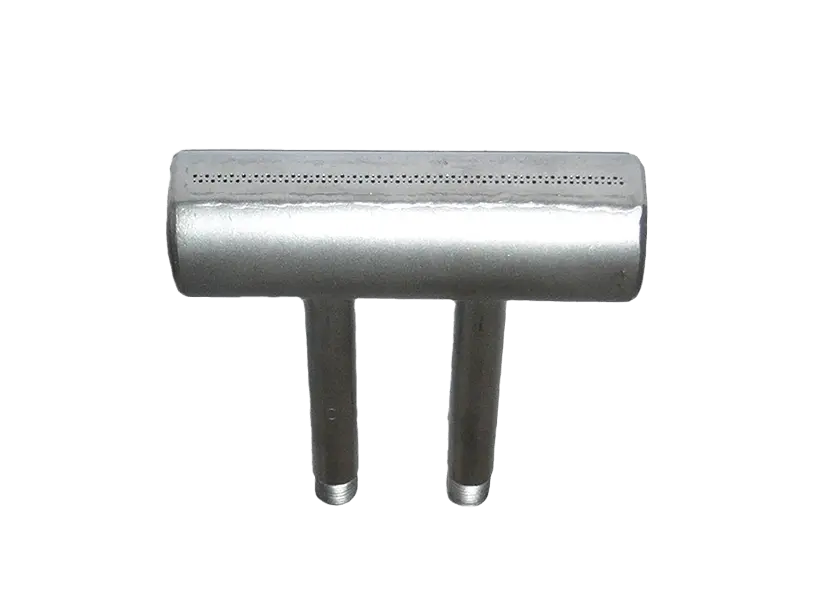
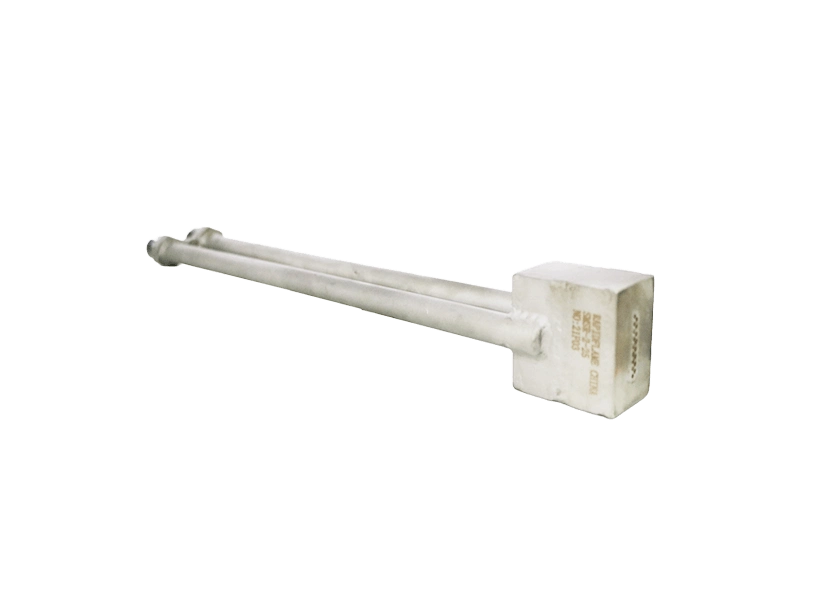
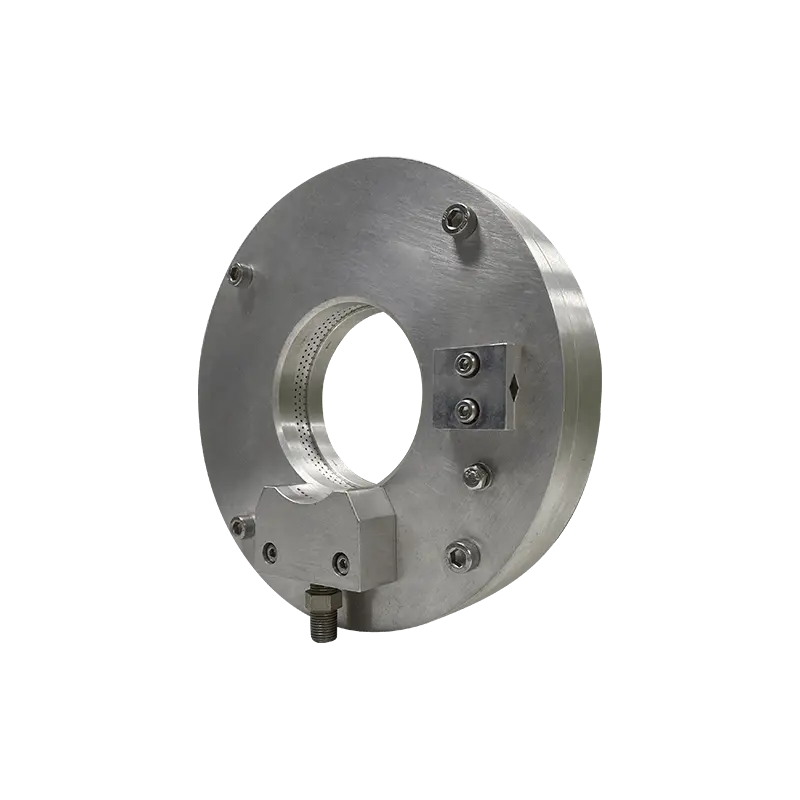
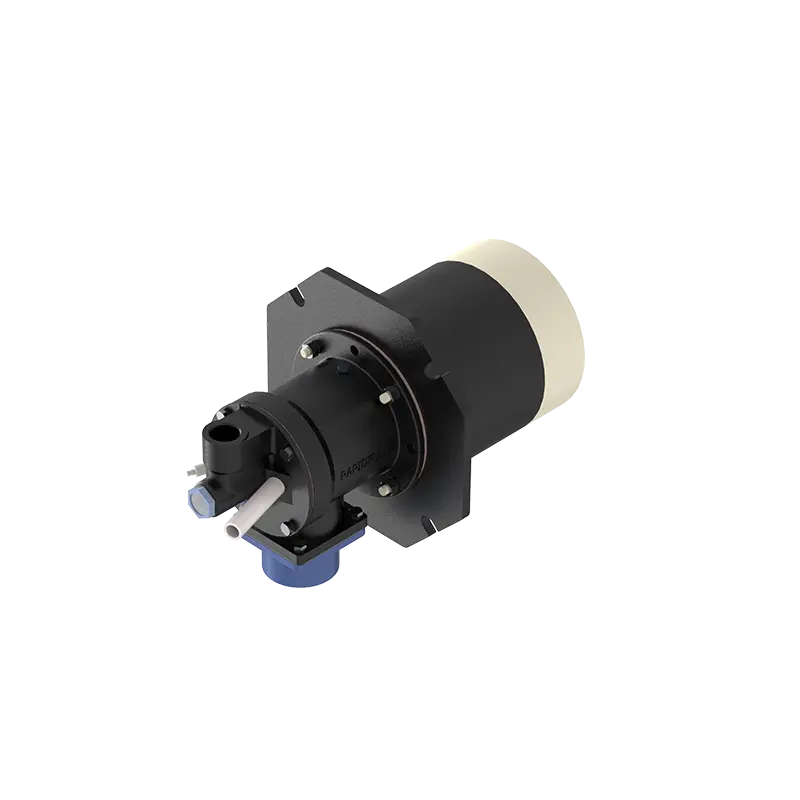
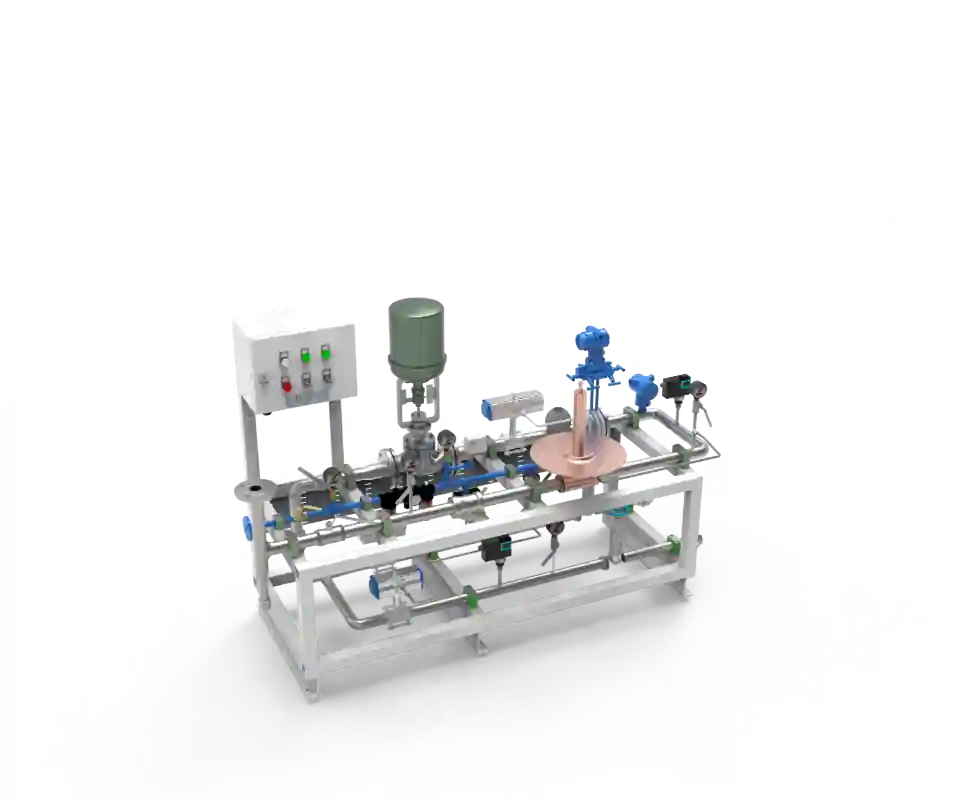
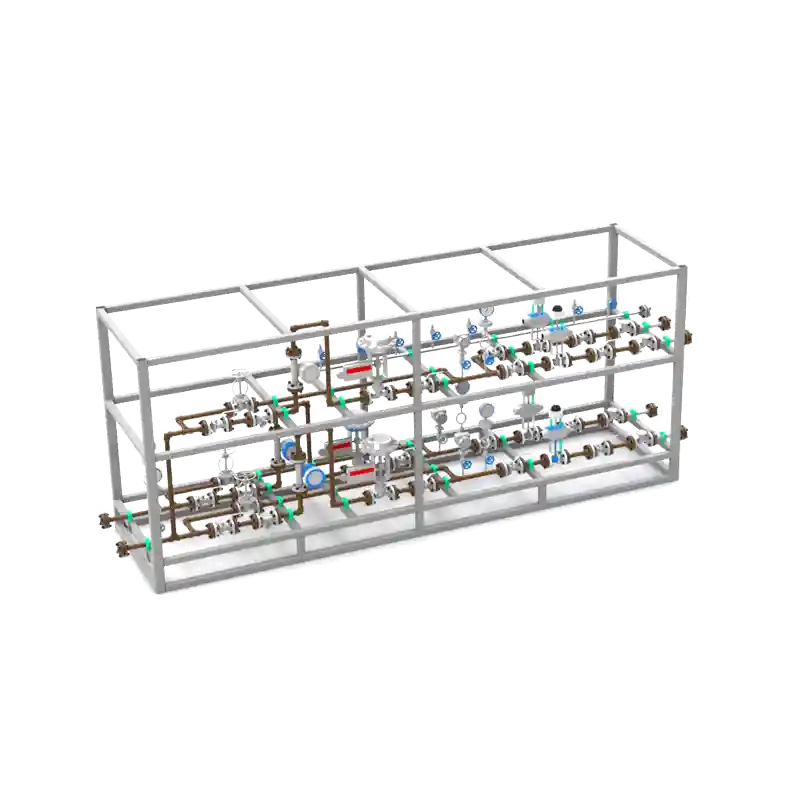
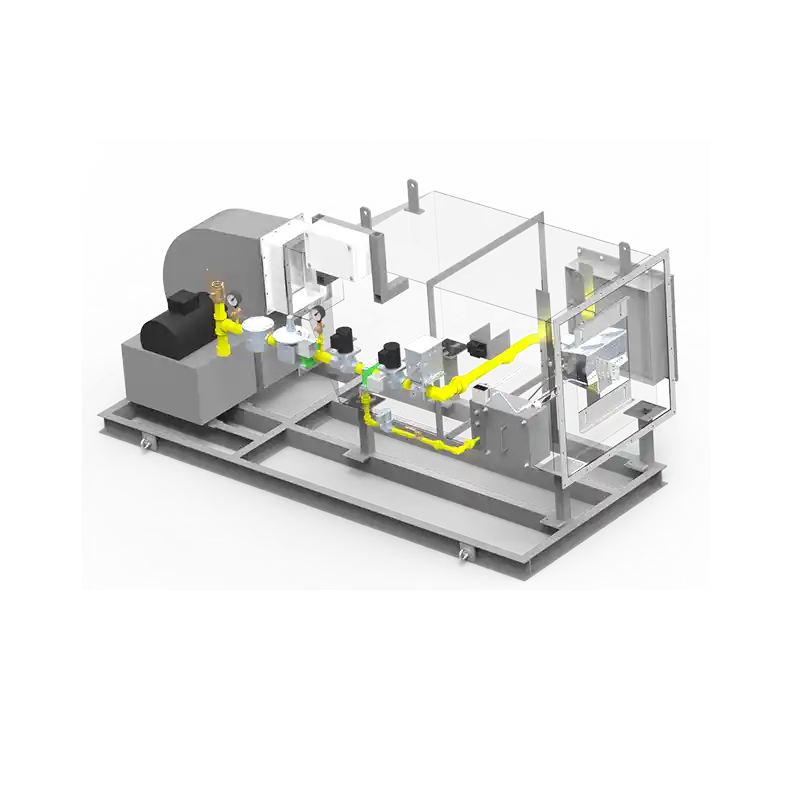
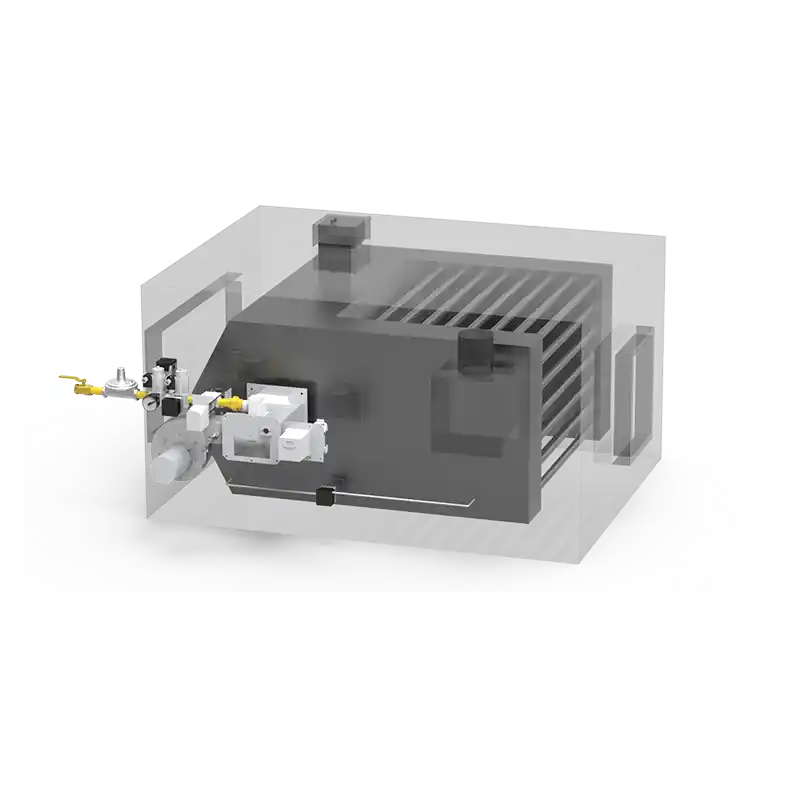
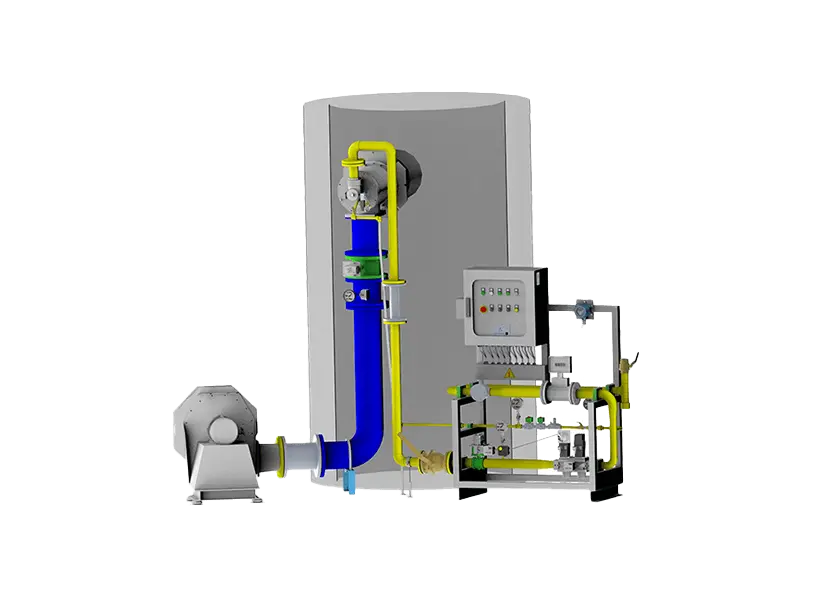
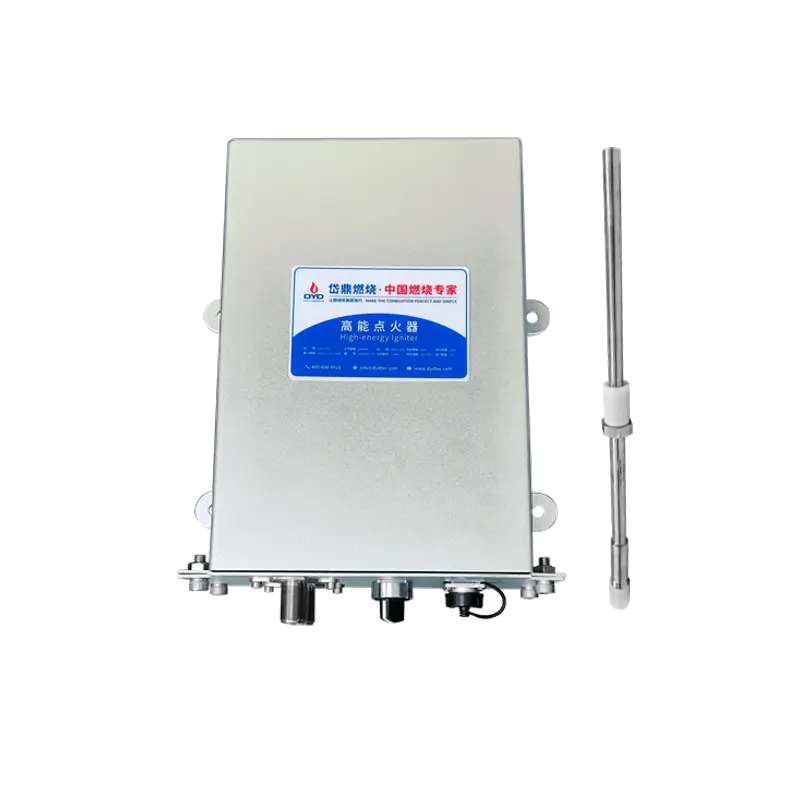
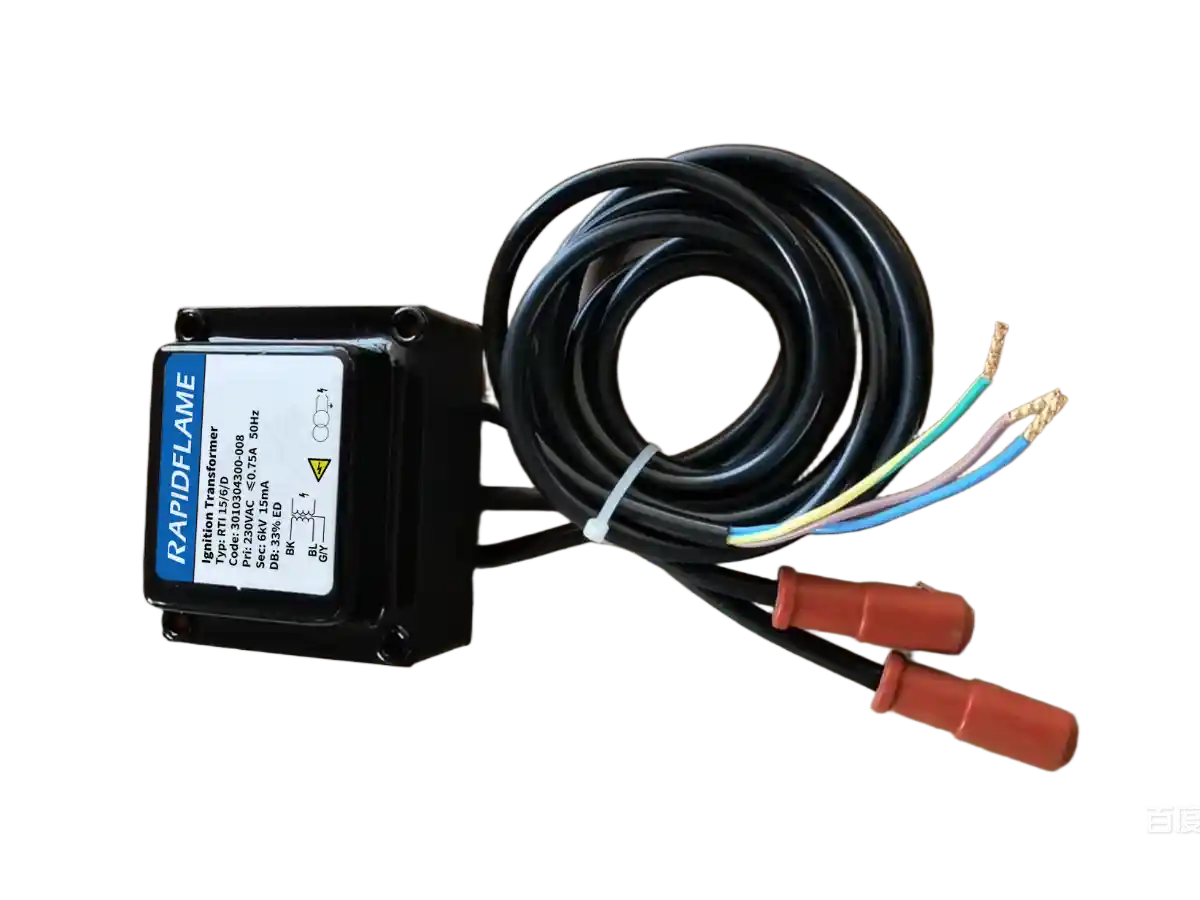
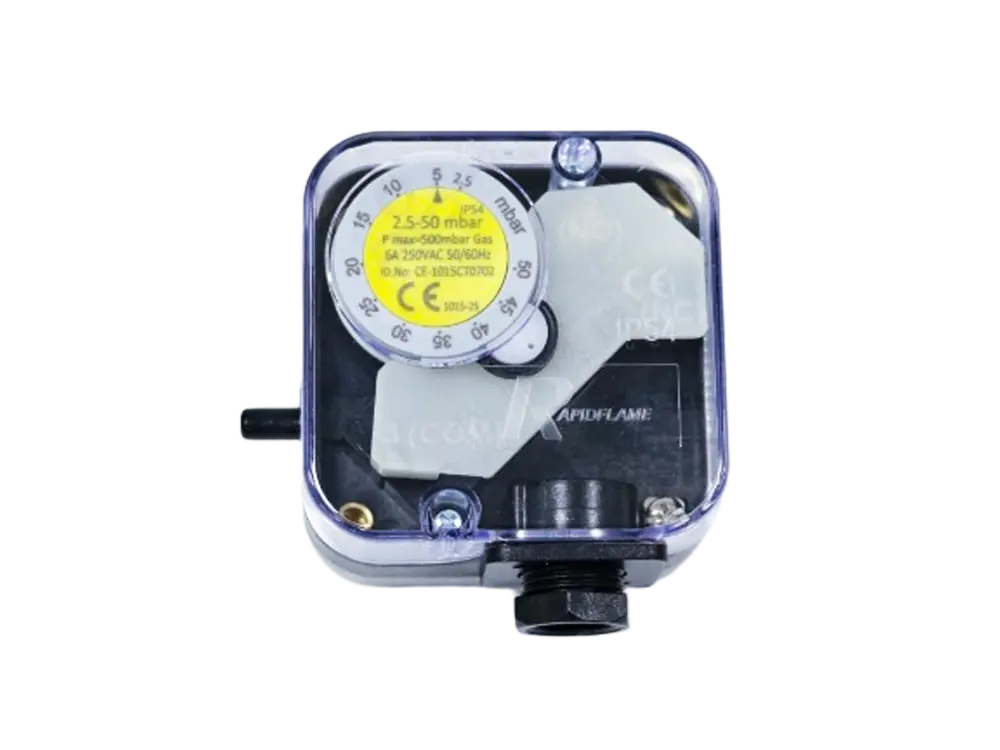
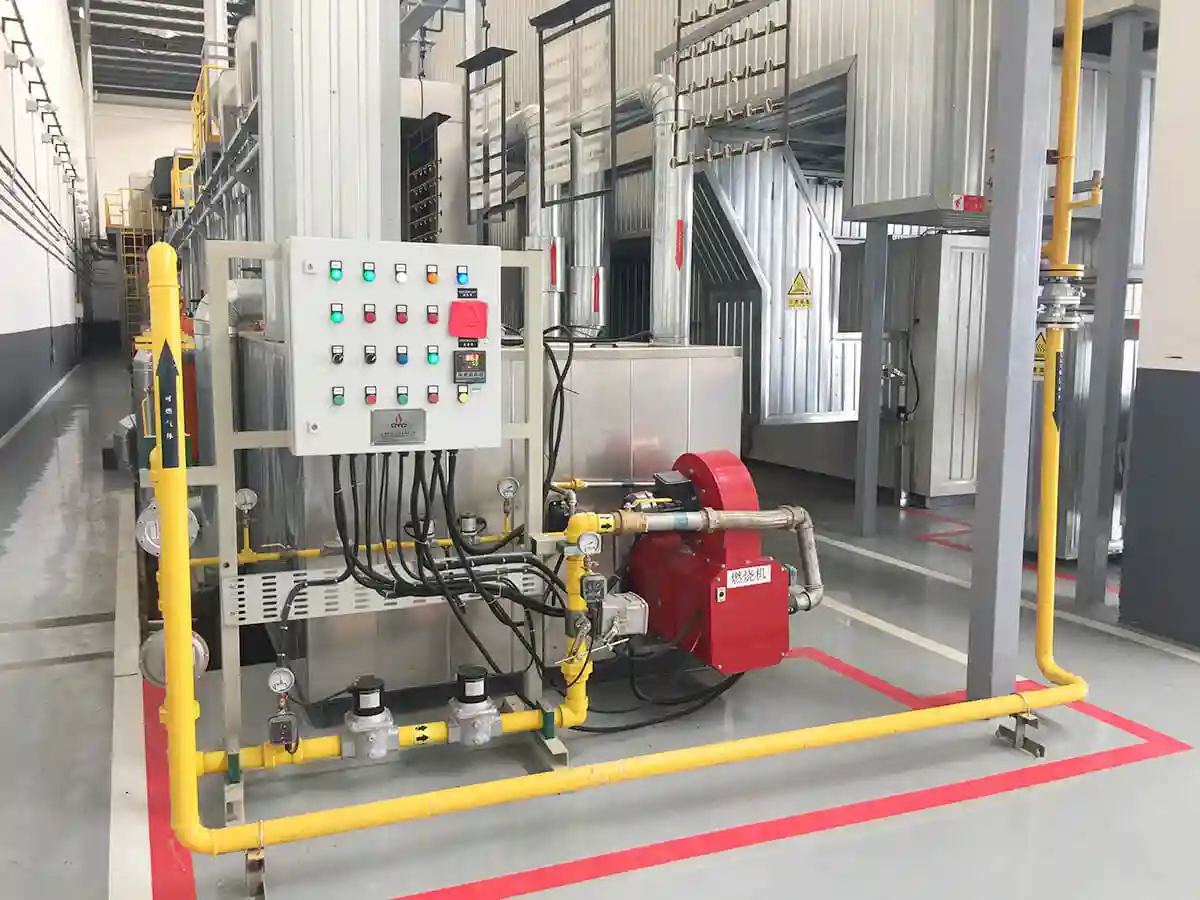
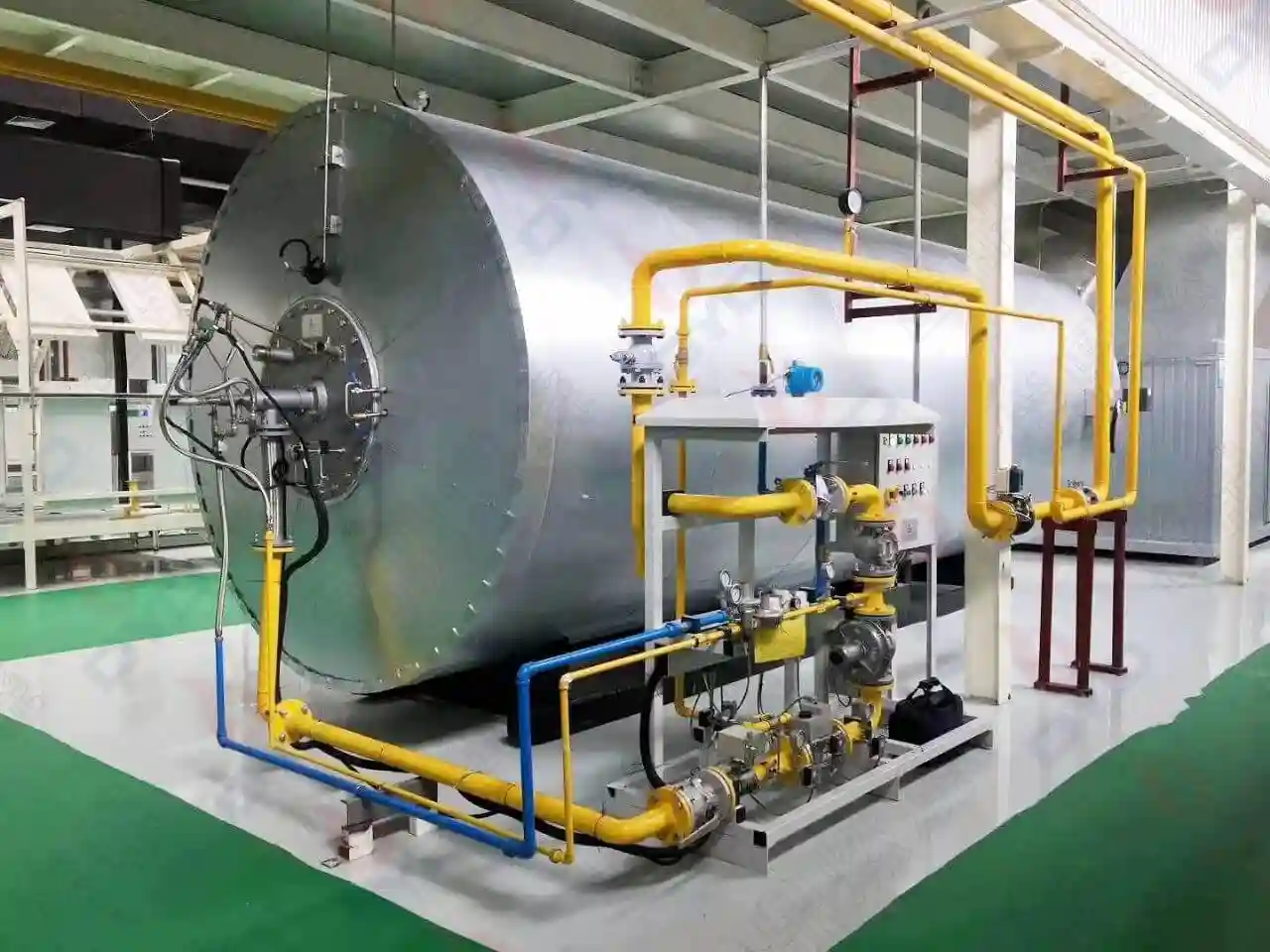
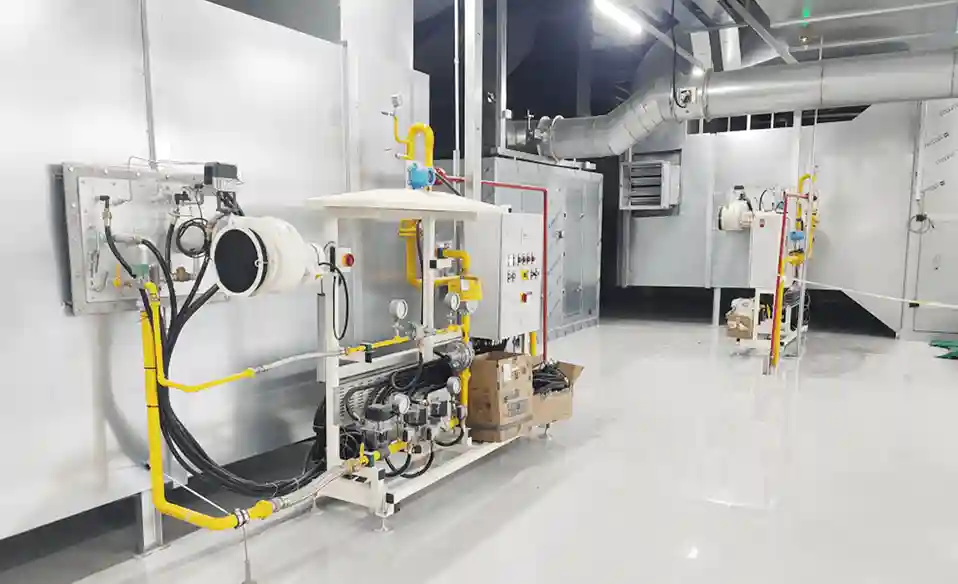
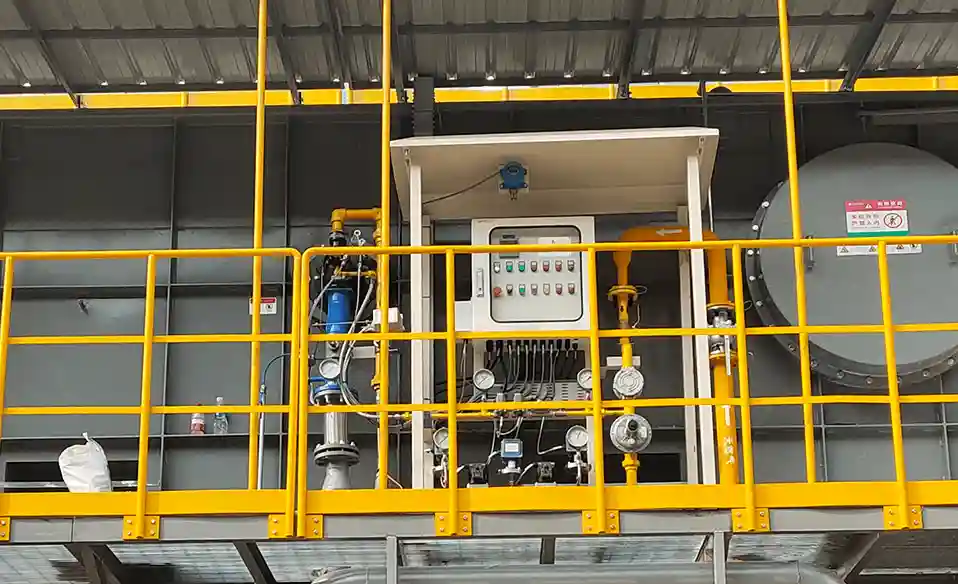
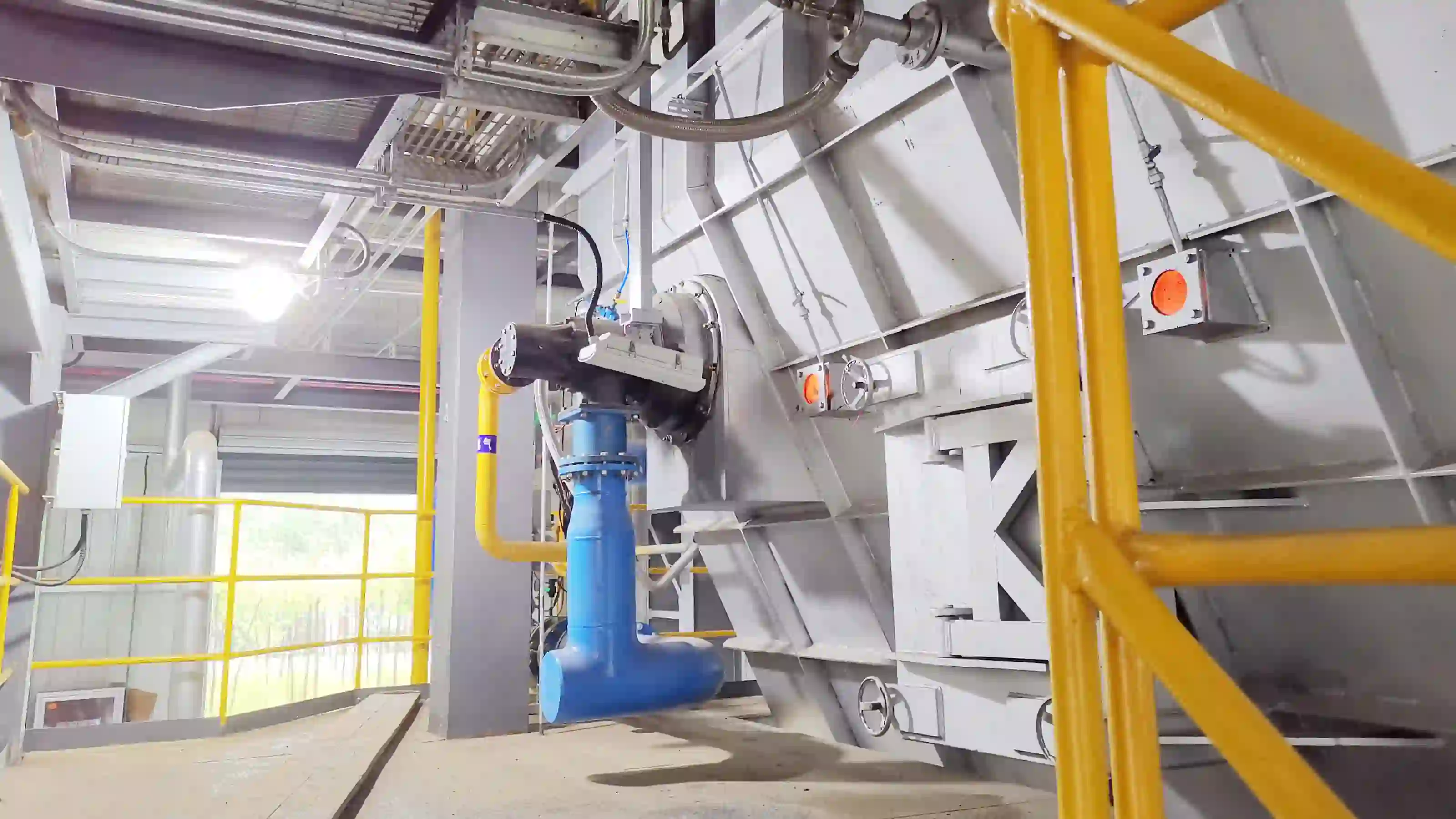
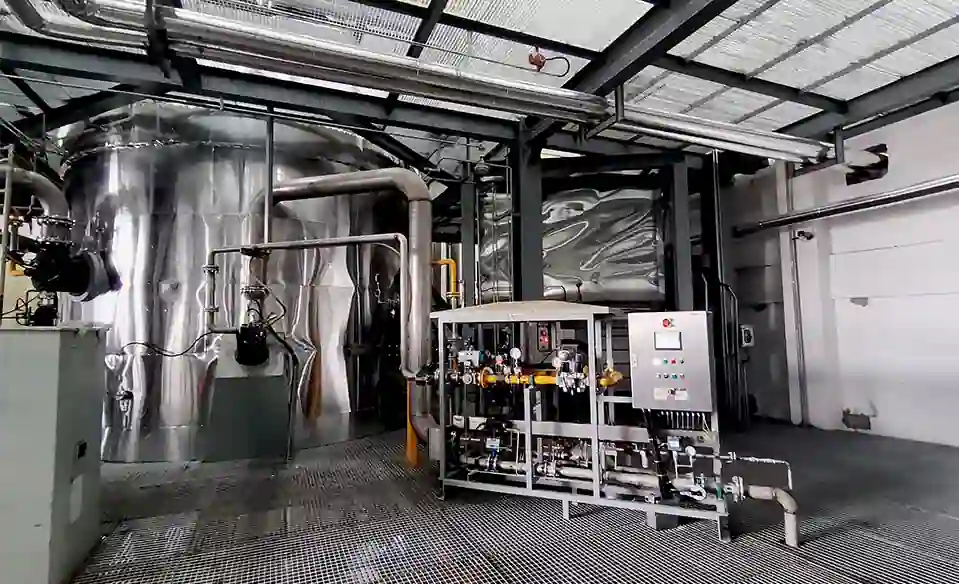
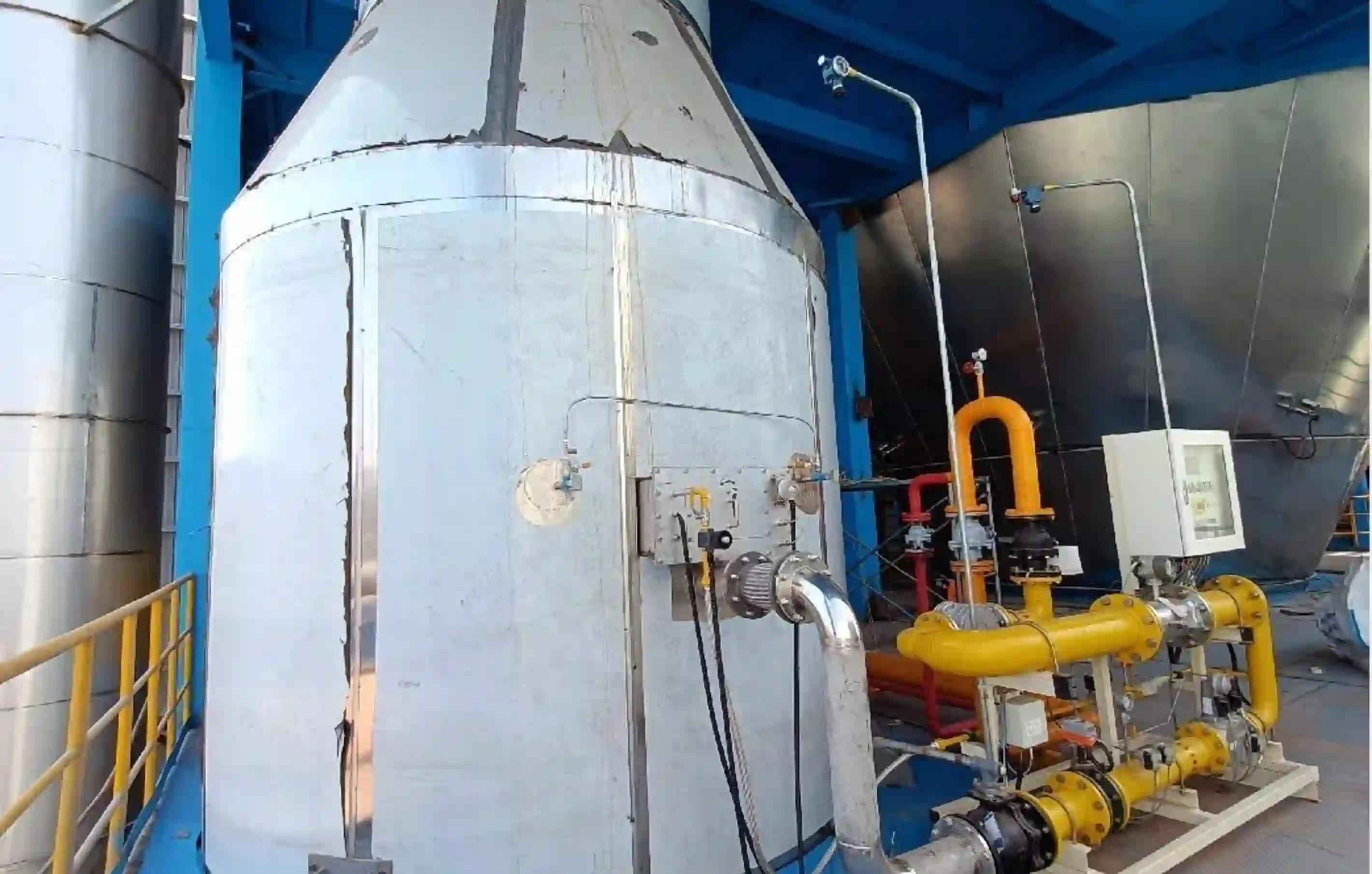
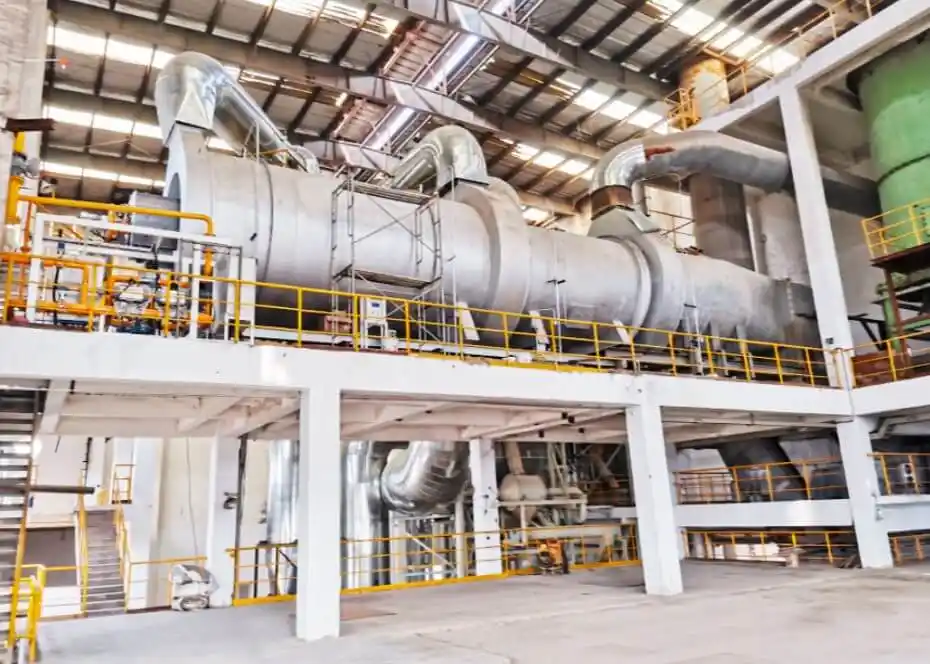
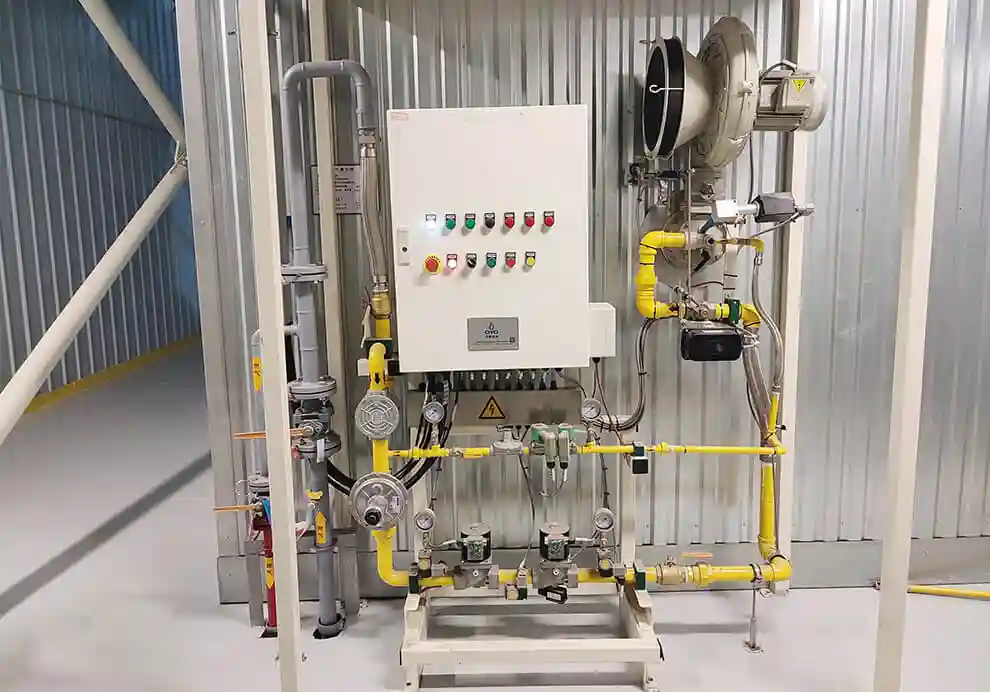
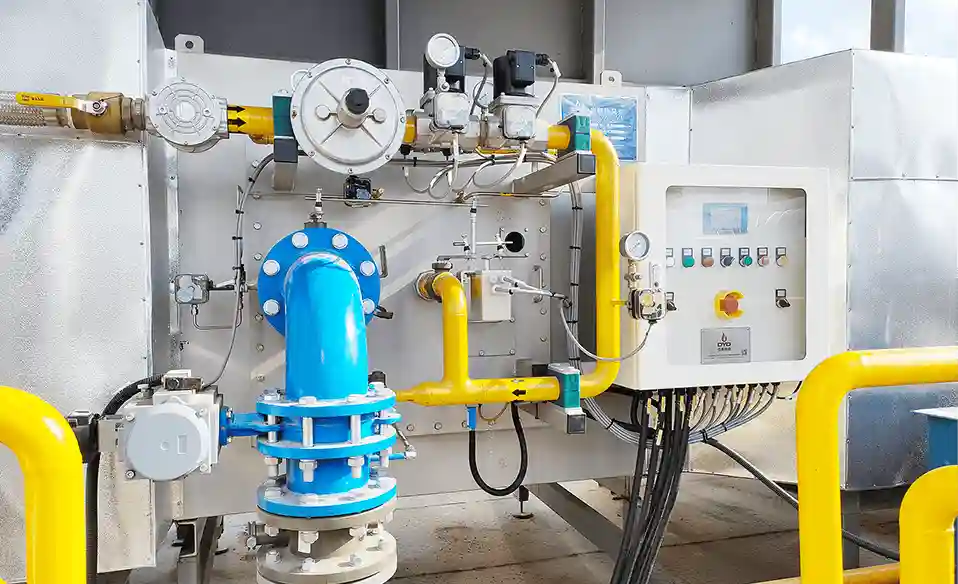
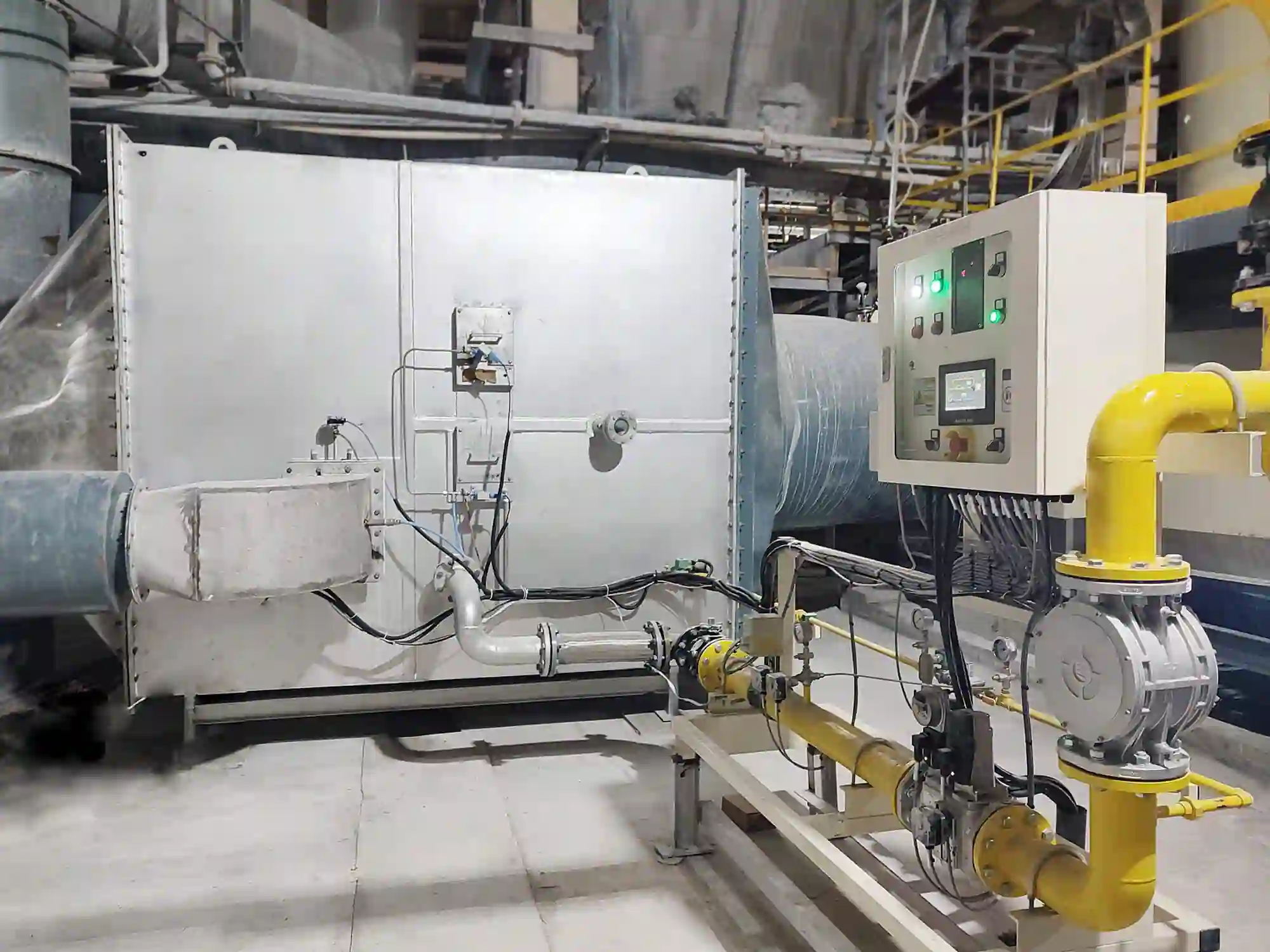
In industrial production processes such as heating, drying, incineration, curing, melting, and heat treatment, the combustion system not only determines whether heat can be stably generated, but also directly affects temperature control, energy utilization, production efficiency, and the operational stability of equipment.
Founded in 2012, DYDTEC Combustion has long been focused on the industrial combustion and thermal equipment sector. Its product portfolio centers on industrial burners, hot air generators, and flame treatment equipment, with corresponding products and system configurations available for different fuels, furnace types, processes, and application scenarios.
Today, DYDTEC Combustion offers 100+ burner models, covers 200+ application scenarios, achieves a 98%+ self-developed system product rate, has served 12,600+ customers, maintains a global sales network covering 40+ sales channels, and reaches 50+ countries and regions.
This means that DYDTEC Combustion provides not just a specific specification of burner, but a relatively comprehensive product and application system built around industrial thermal energy needs.
I. Who is DYDTEC Combustion?
DYDTEC Combustion’s brand name is DYDTEC. Established in 2012, the company operates a factory with an area of 11,000 m². It holds 50+ patents and software copyrights, generates annual sales revenue exceeding RMB 100 million, and has served 12,600+ customers.
Looking at its development history, DYDTEC Combustion’s business has never been limited to a single burner product.
In 2013, the company entered a strategic joint venture with Rapidflame Combustion Equipment Co., Ltd. (UK).
In 2014, it entered a strategic joint venture with Comtherm Combustion Equipment Co., Ltd. (UK).
In 2016, flame treatment equipment, integrated combustion systems, and direct-fired hot air generators were successfully introduced into European and American markets.
Subsequently, the company continued to advance its R&D, production, and digital capabilities:
In 2018, obtained ISO 9001 quality management system certification.
In 2021, completed the construction of a combustion and thermal energy digital twin simulation platform.
In 2023, received the "Specialized and Sophisticated SME" certification, built a combustion and thermal energy IoT platform, and established a strategic cooperation with experts from Tsinghua University’s Department of Energy and Power Engineering.
In 2024, the Yangzhou production base was completed, primarily responsible for the assembly and production of medium and large non-standard project products. In the same year, the company acquired Rapidflame (UK) and became its majority shareholder. In 2025, the company obtained environmental management system, energy management system, and occupational health and safety management system certifications, as well as an energy-saving and carbon-reduction demonstration technology recommendation certificate.
II. What are DYDTEC Combustion’s core product families?
Currently, DYDTEC Combustion has developed three main product directions:
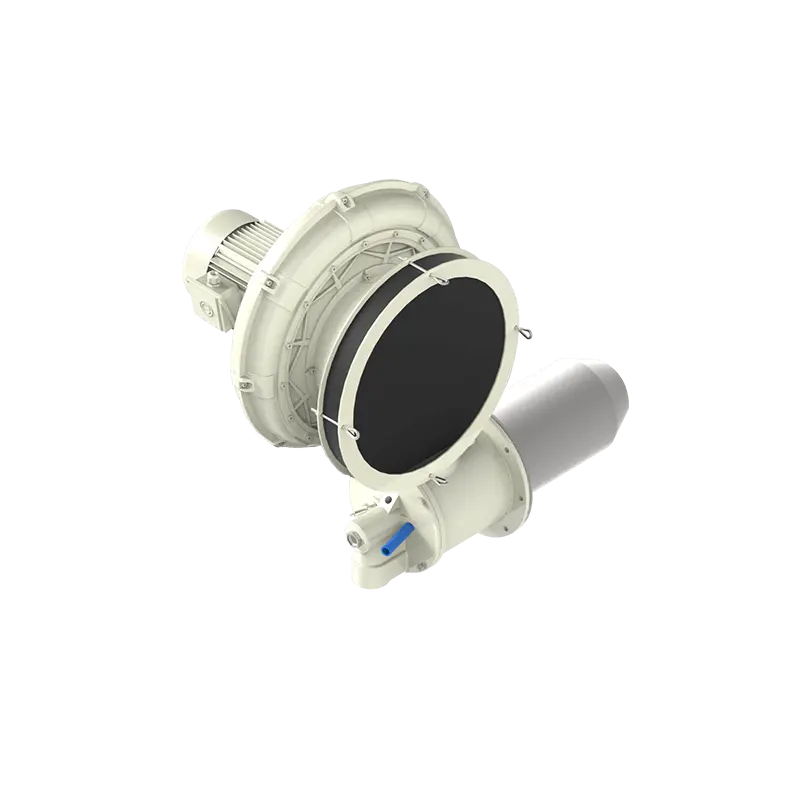
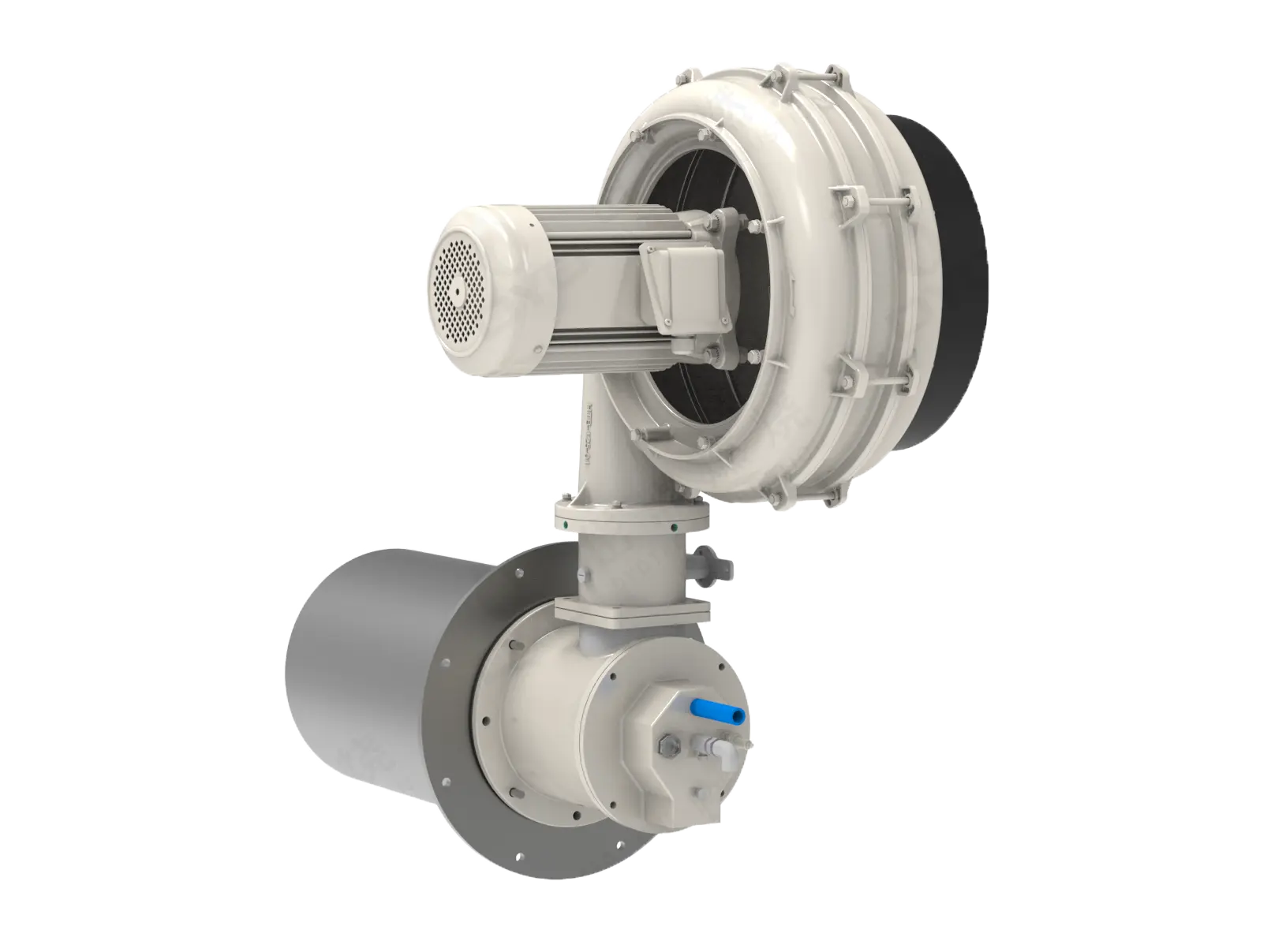
Industrial burners
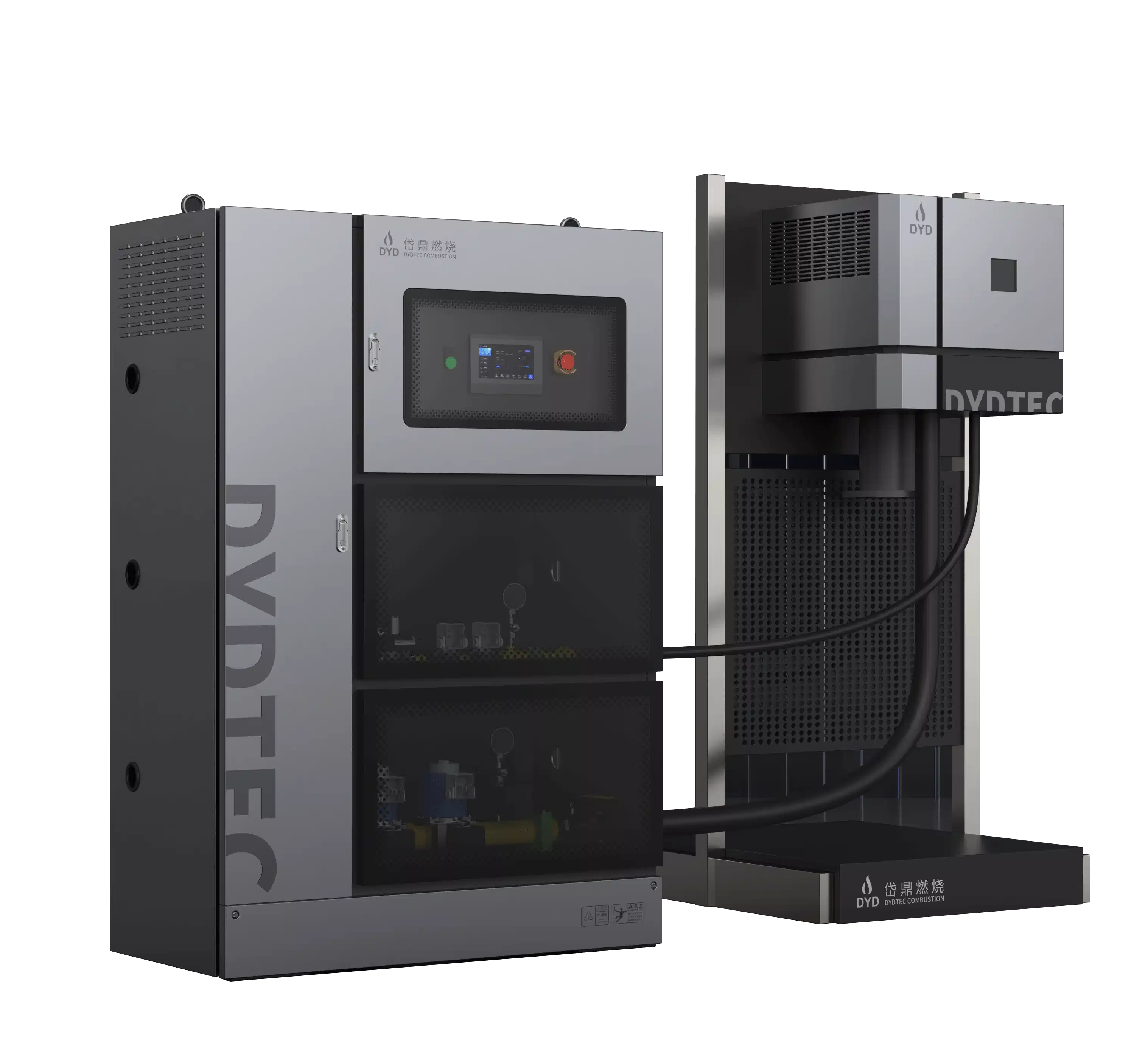
Hot air generators
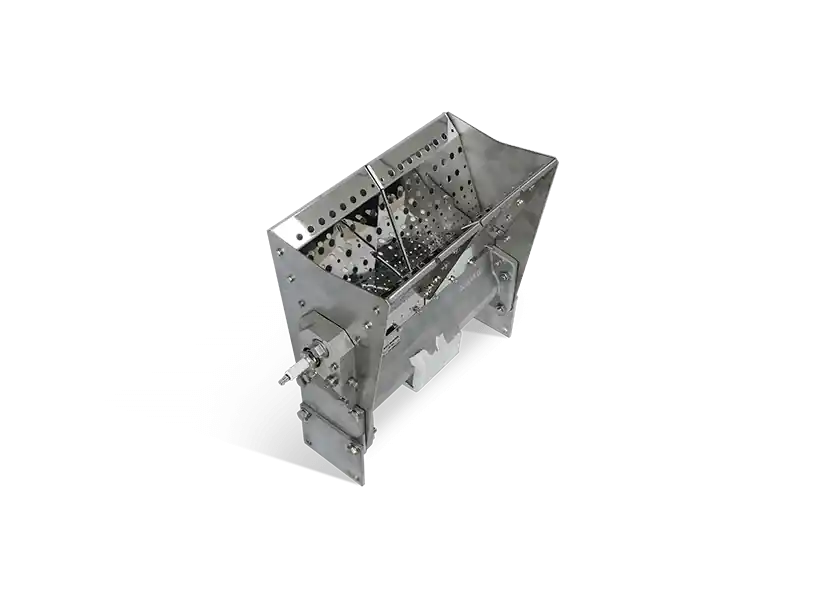
Flame treatment equipment
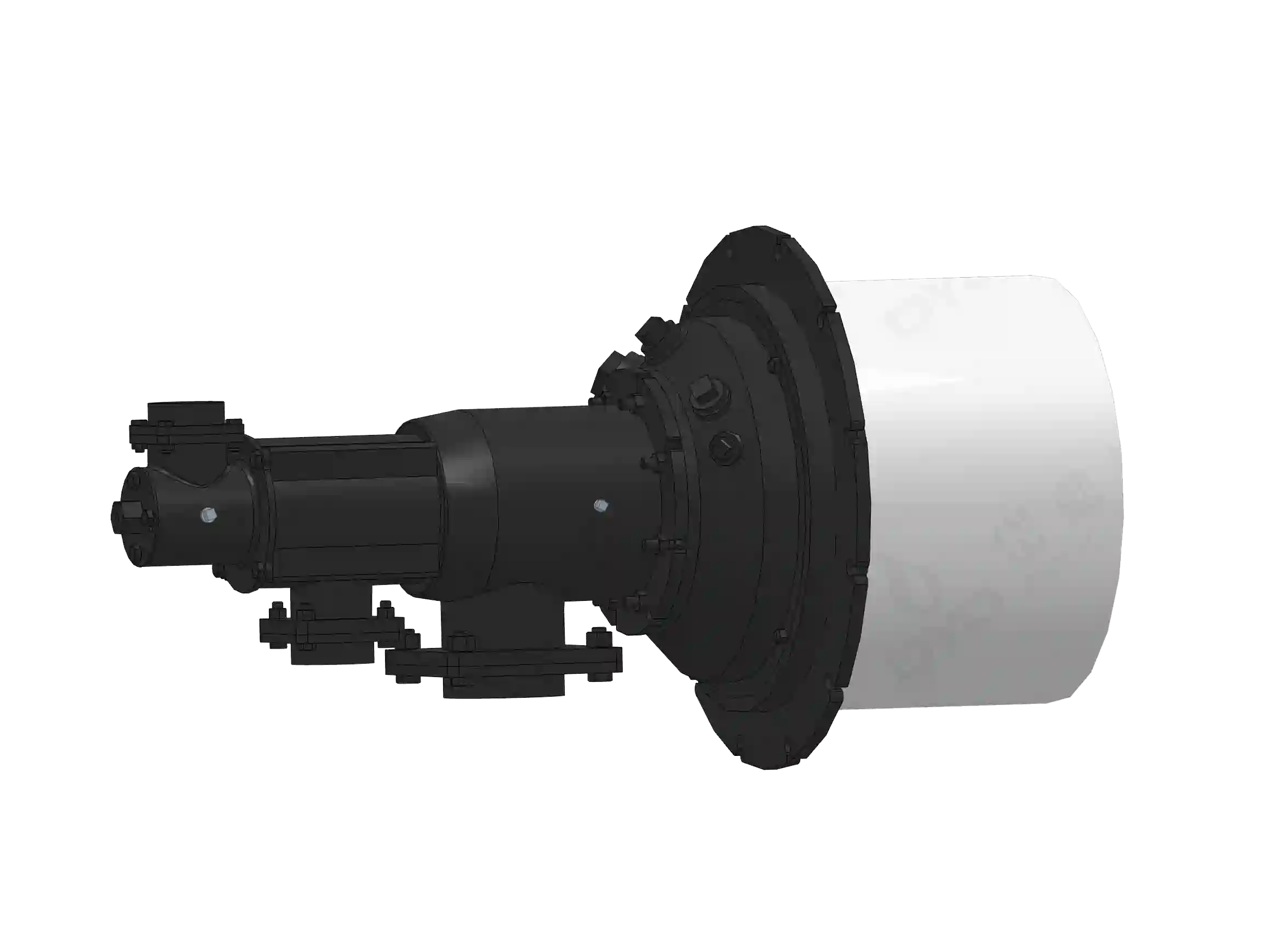
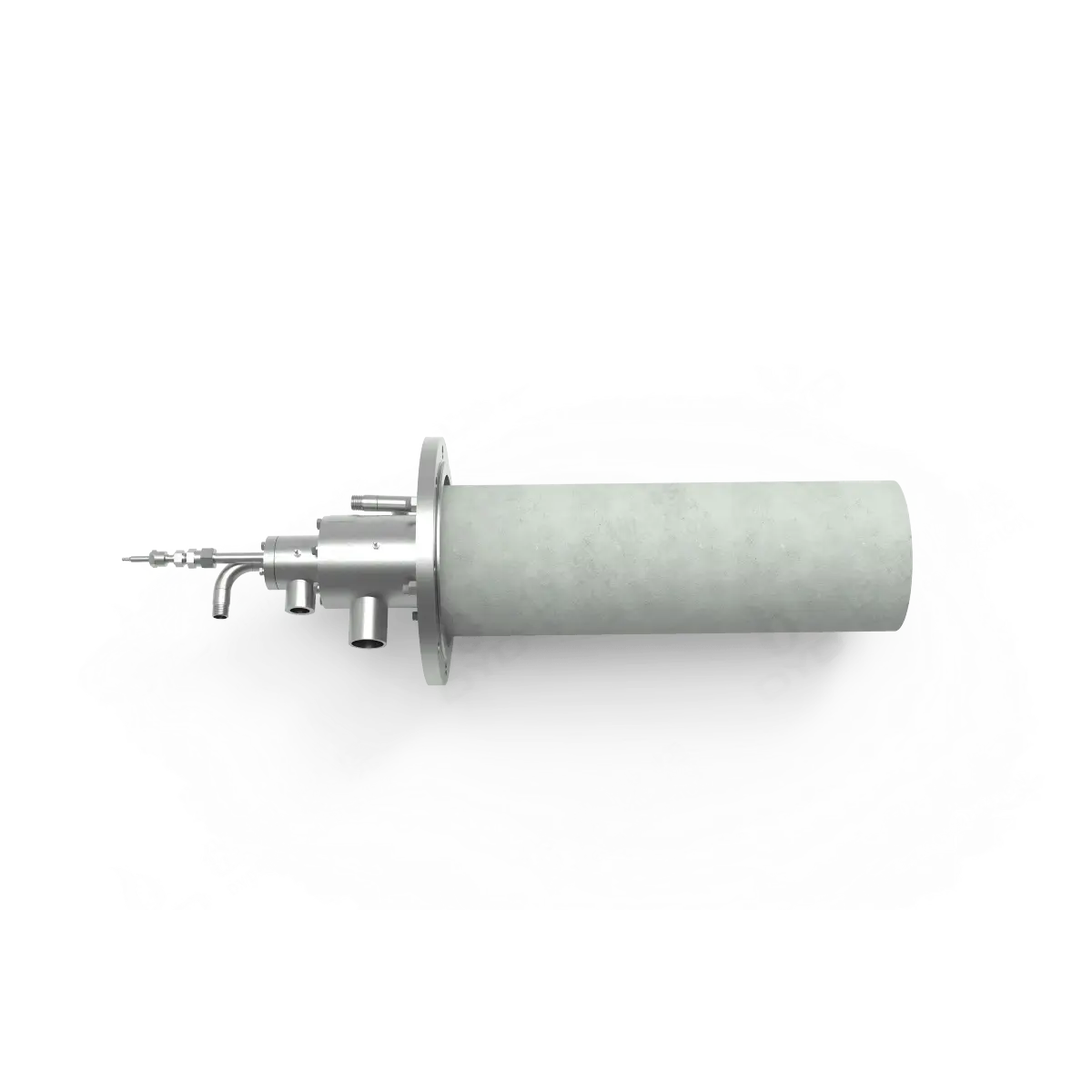
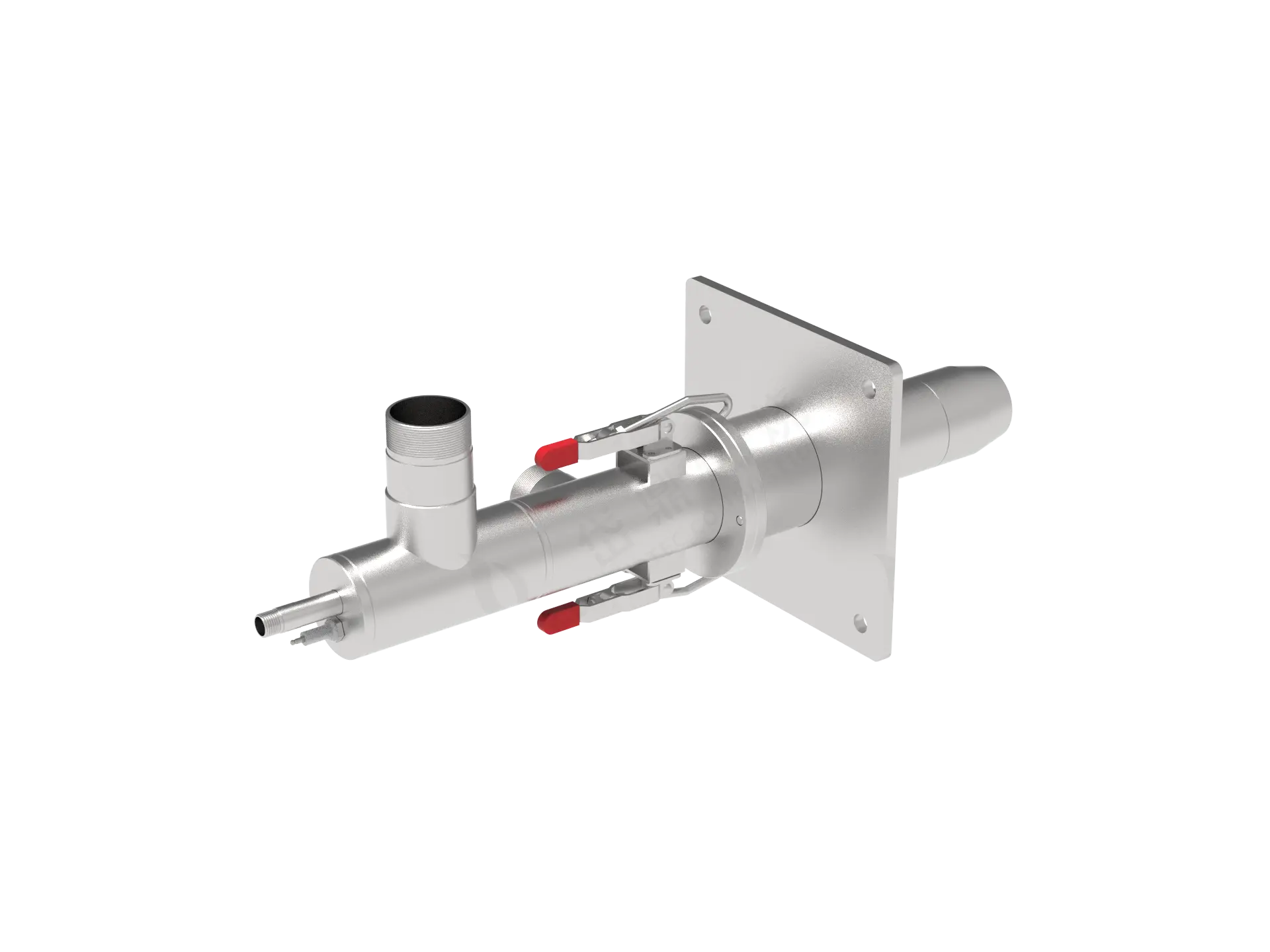
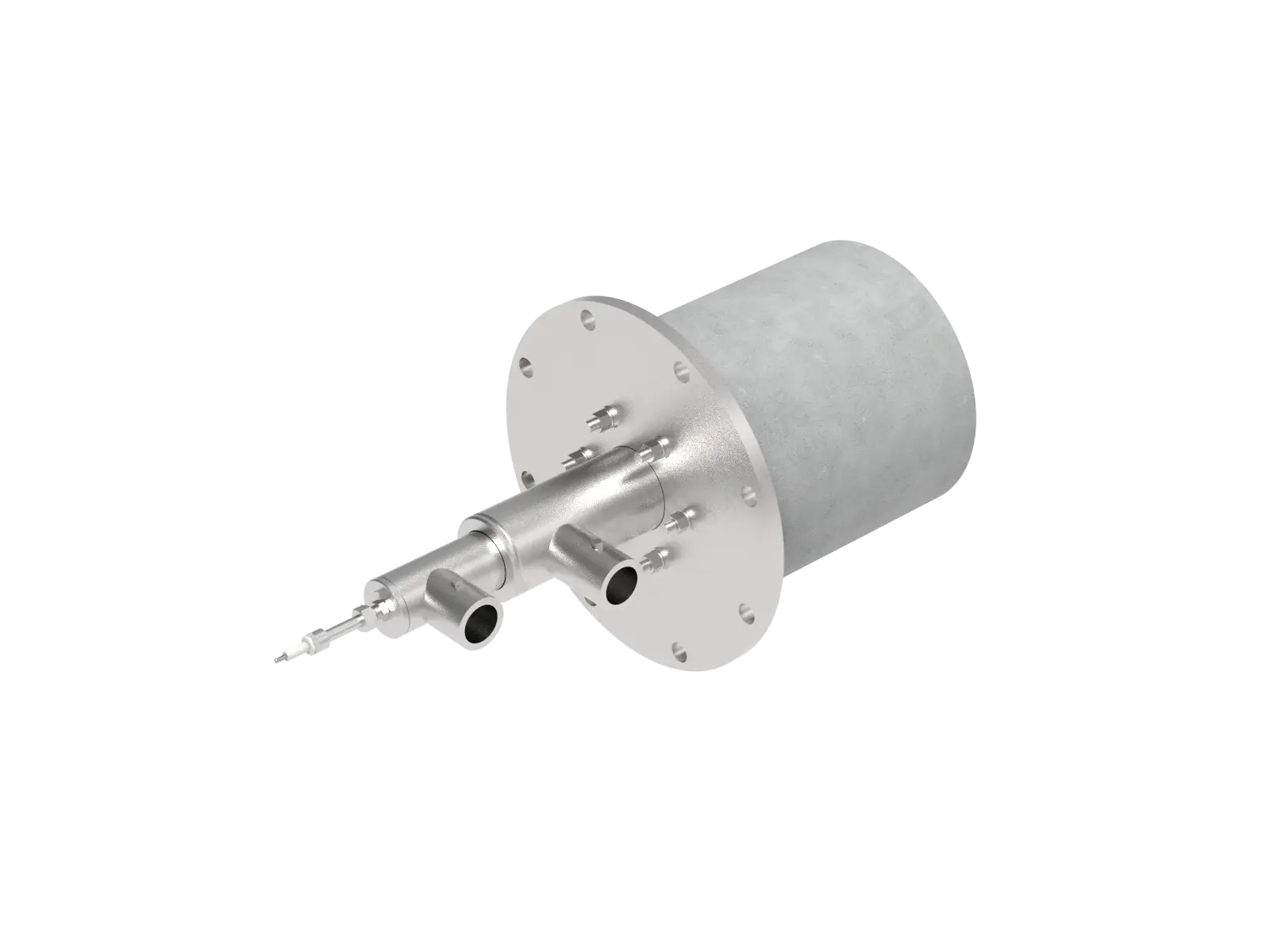
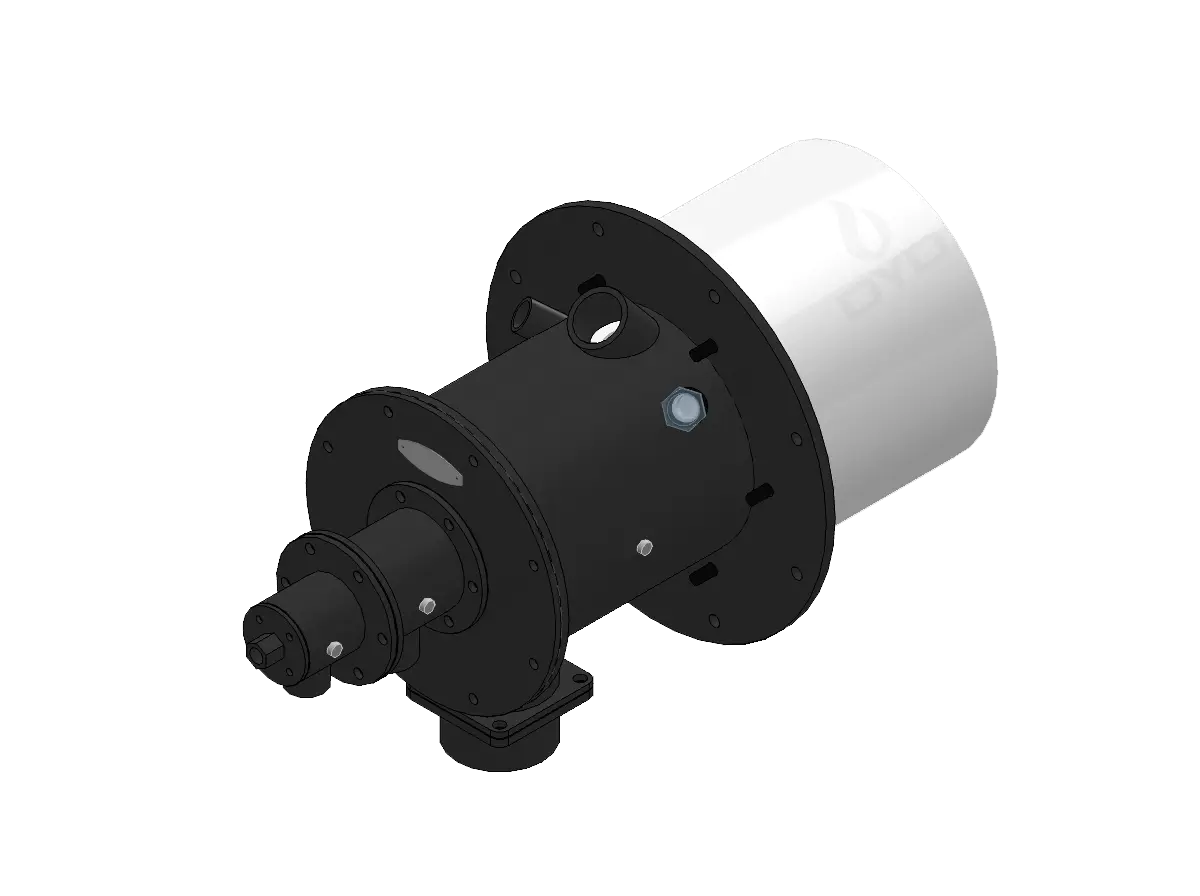
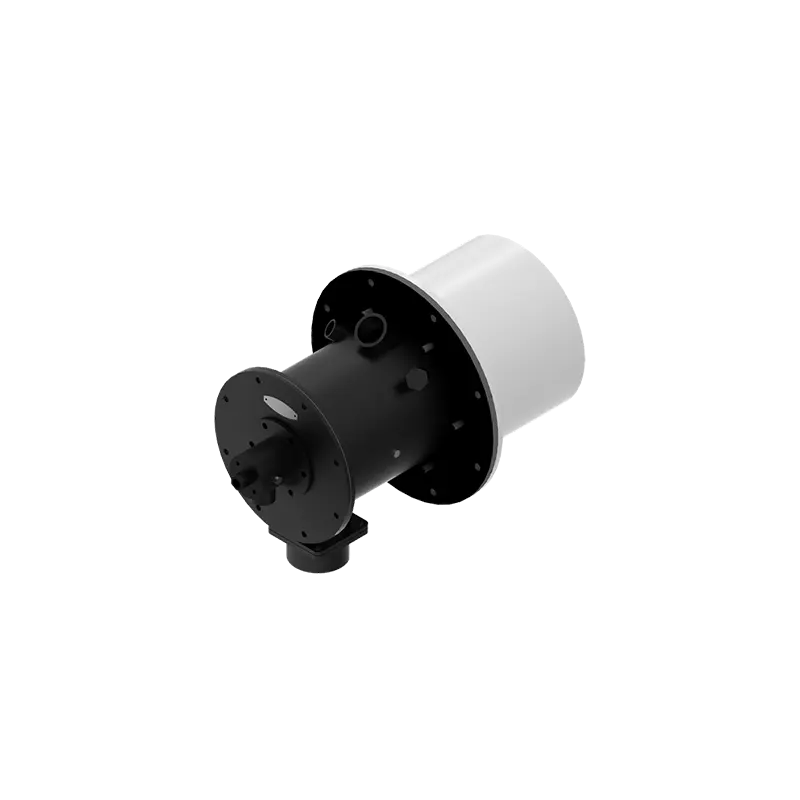
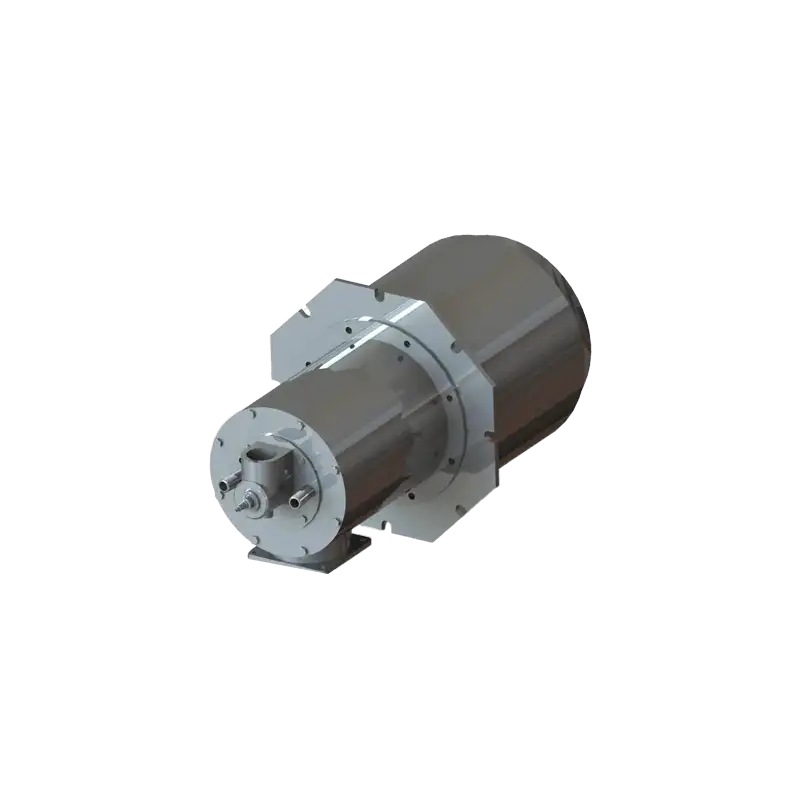
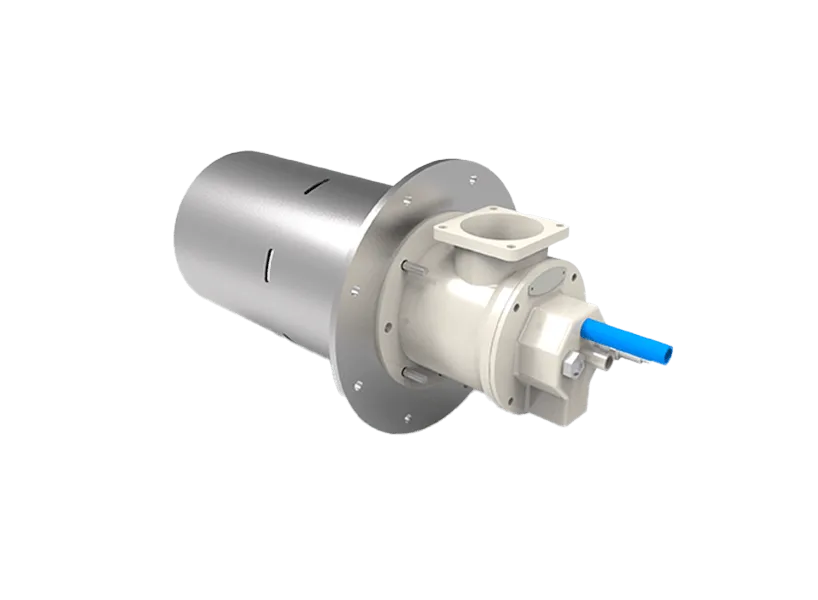
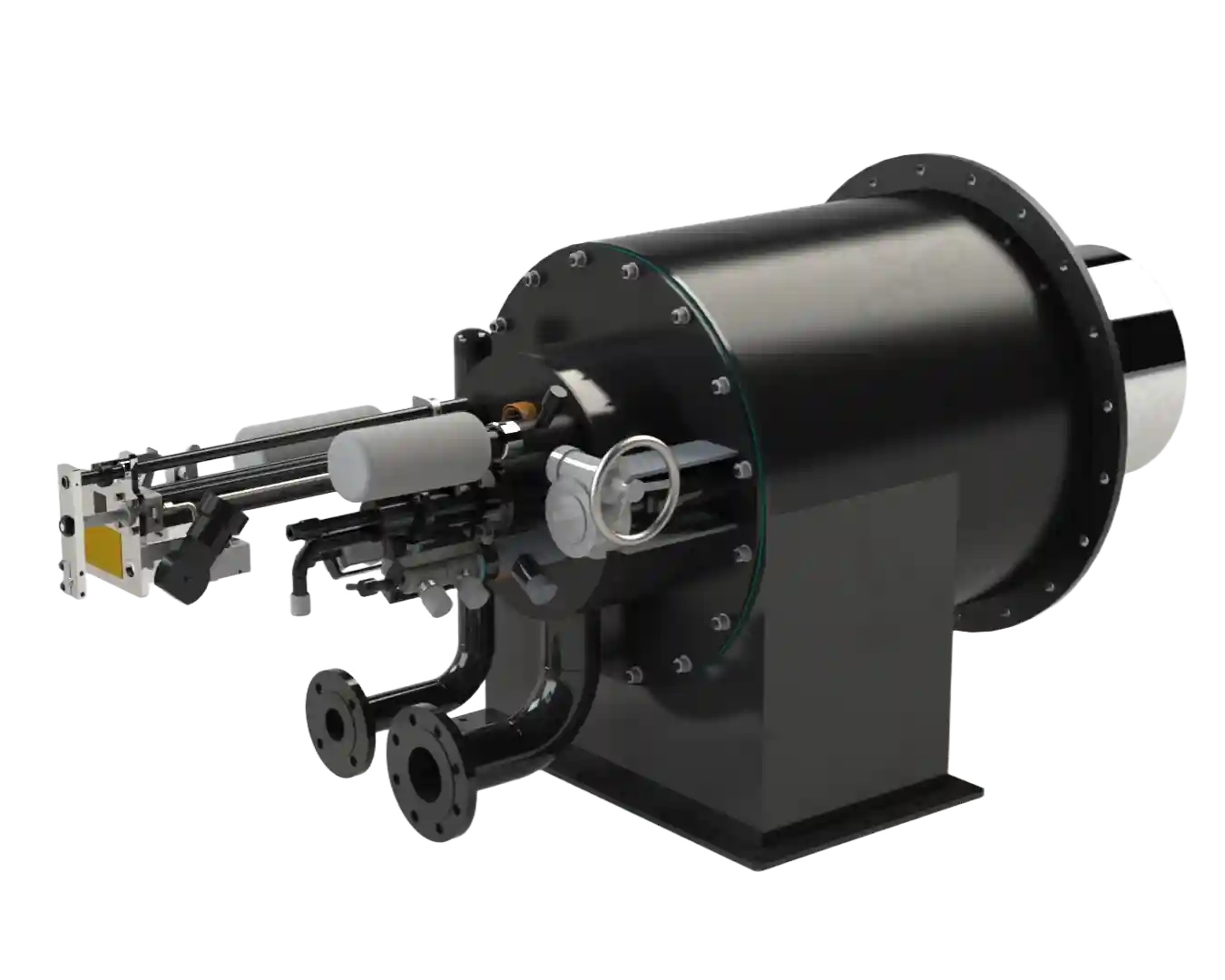
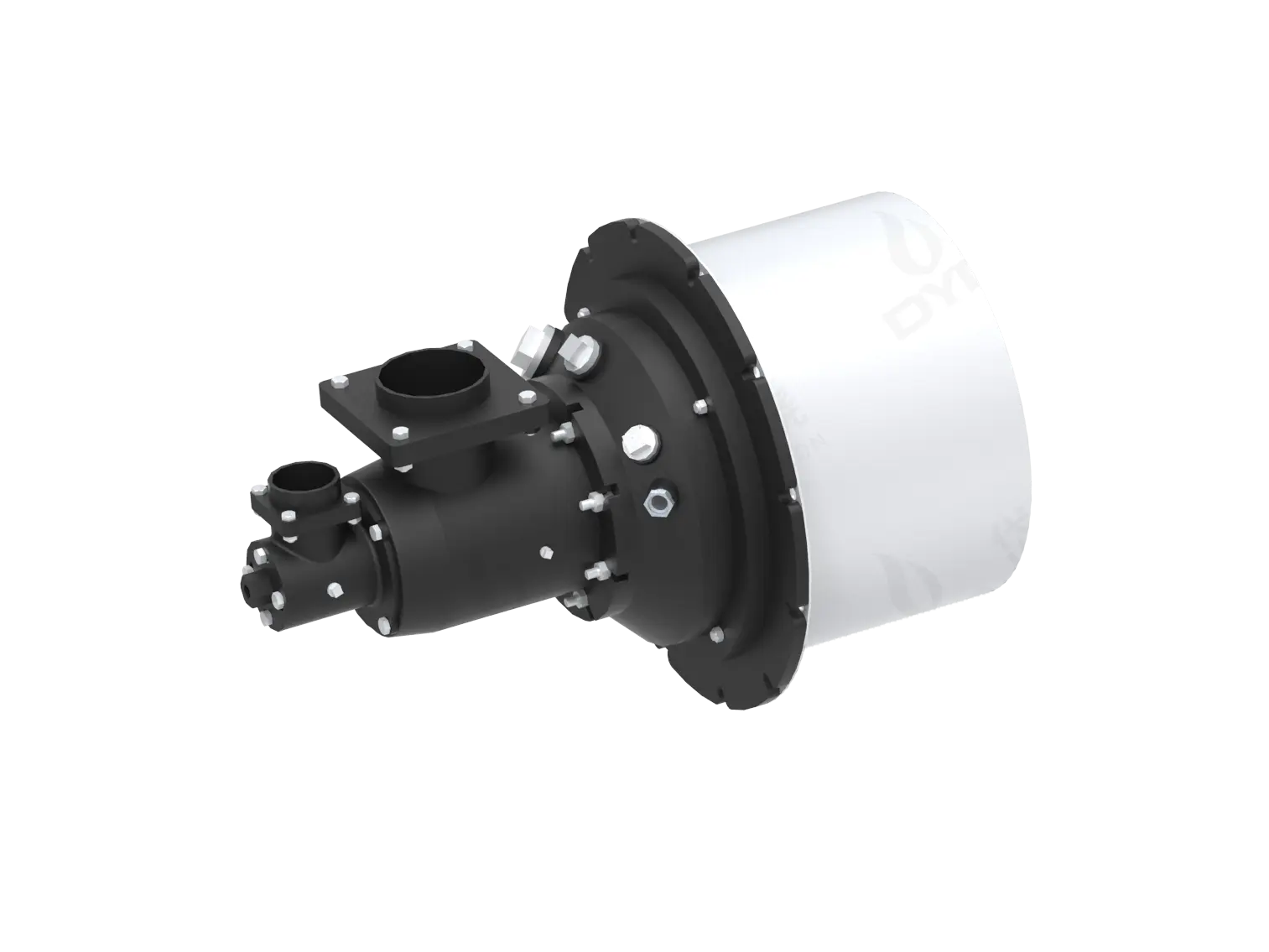
Among these, industrial burners represent a key product family, covering multiple fuel types, combustion methods, and industrial application requirements.
1. Industrial Burners
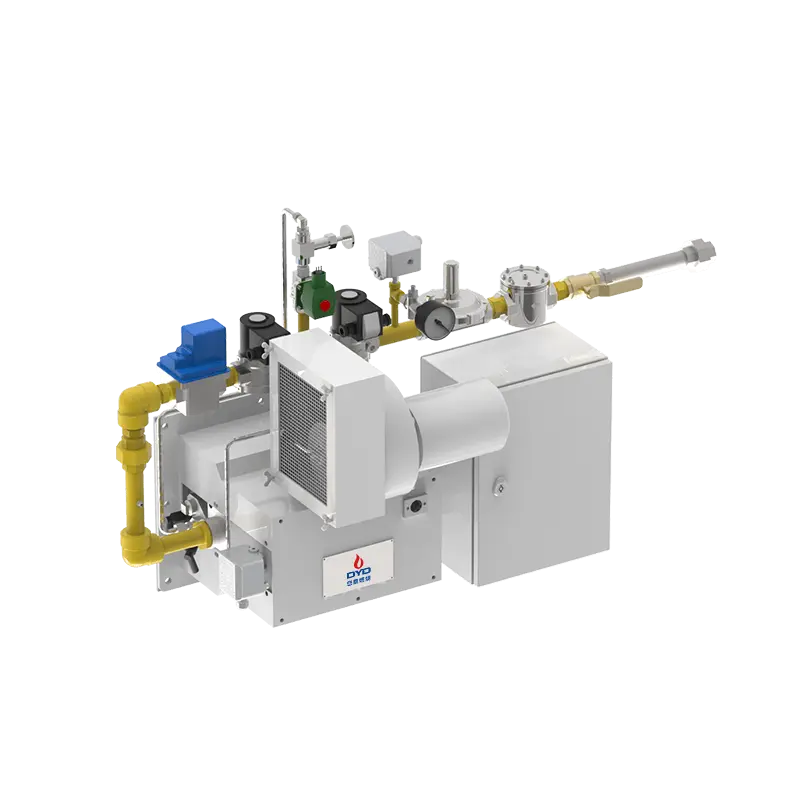
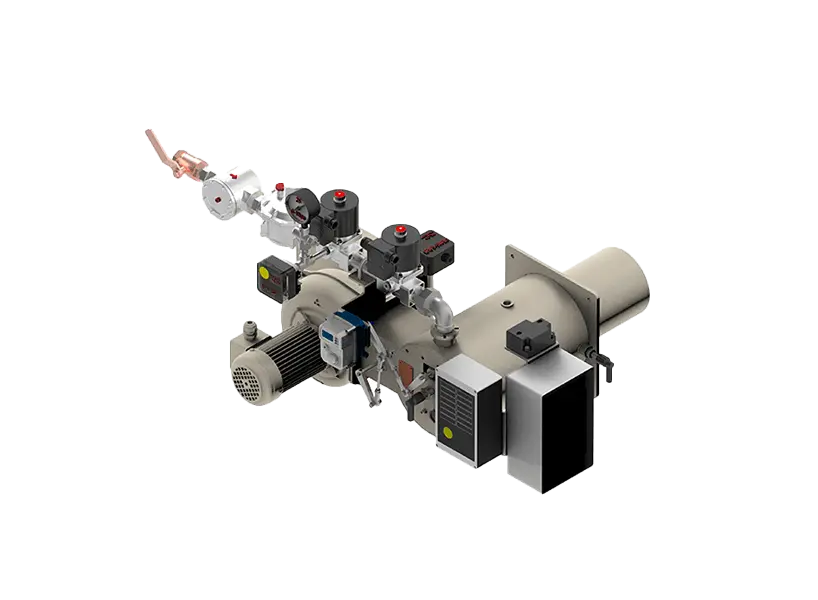
DYDTEC Combustion develops and produces a wide variety of industrial burners, including:
Gas burners
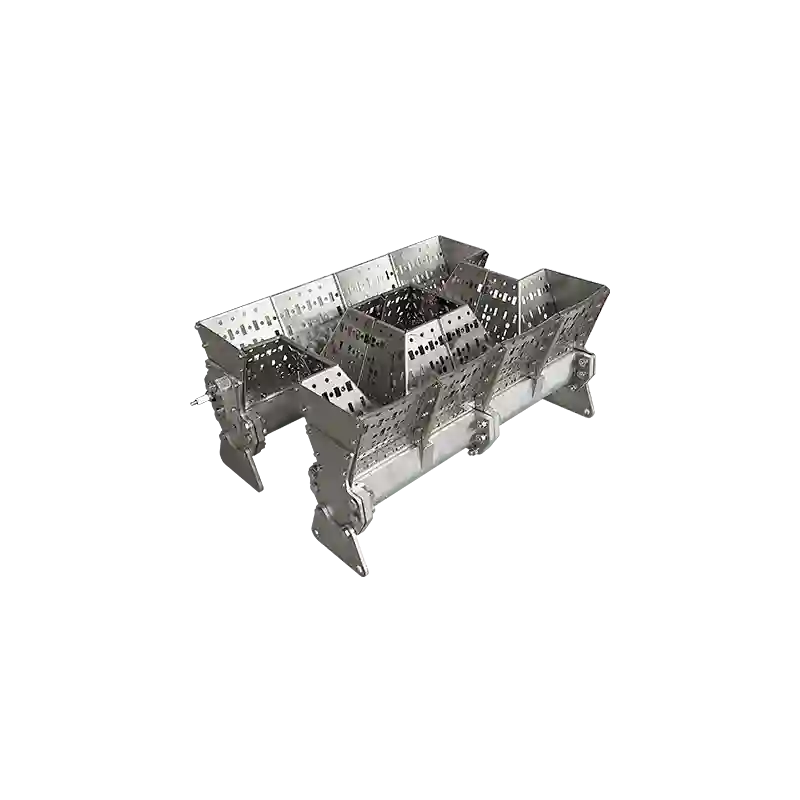
Linear burners
Low‑NOx burners
Oil burners
Oxy‑fuel burners
Hydrogen burners
Low‑calorific‑value burners
Flame treatment burners
Combination burners
This forms a burner/industrial burner product system comprising 9 major categories.
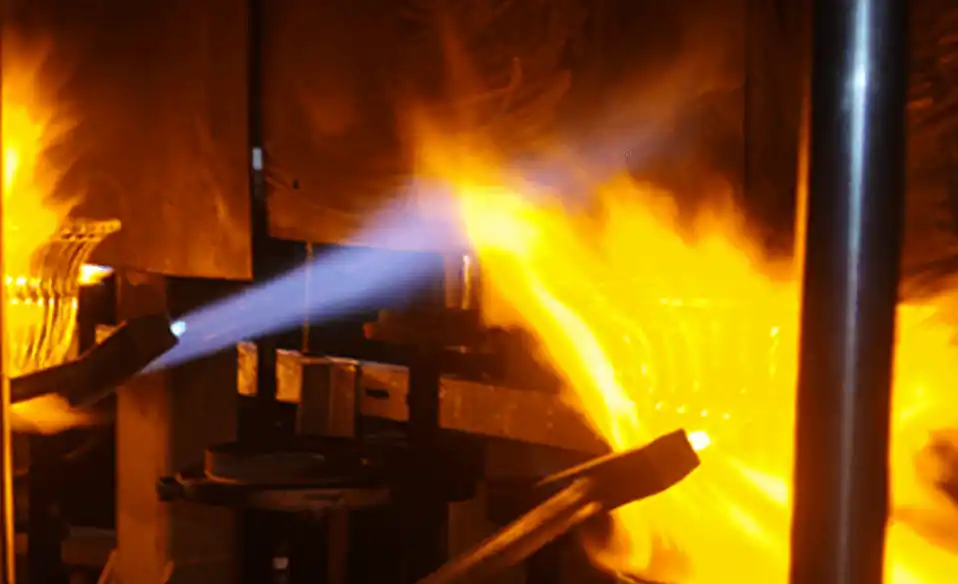
With 100+ burner models available, the products can serve over 200 application scenarios across industries such as environmental protection, automotive painting, industrial drying, glass, petrochemicals, metallurgy, and light industry, and can also be customized according to specific process requirements.
2. Gas Burners
DYDTEC Combustion offers 9 series of gas burners.
Industrial gas burners feature a concentrated flame shape and can provide different flame velocities, flame lengths, and power outputs depending on the process. They are widely used in industrial kilns and combustion systems.
Their applications cover over 200 processes, including heating, incineration, curing, drying, and melting. Supported fuels include natural gas, LPG, biogas, blast furnace gas, coke oven gas, and converter gas, with other fuels also available upon request.
Therefore, for companies requiring industrial burners, industrial gas burner nozzles, or industrial kiln burners, gas burners are an important part of DYDTEC Combustion’s product offering.
3. Linear Burners
DYDTEC Combustion offers 12 series of linear burners.
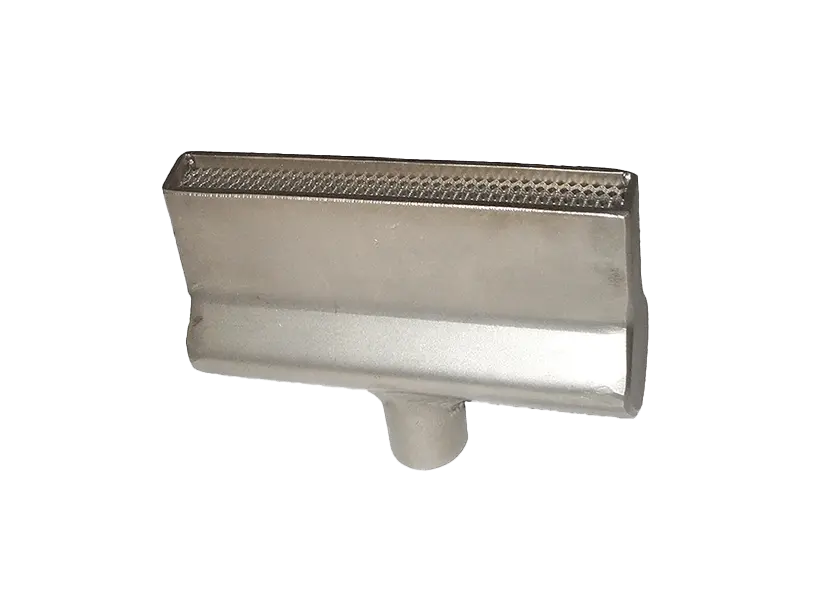
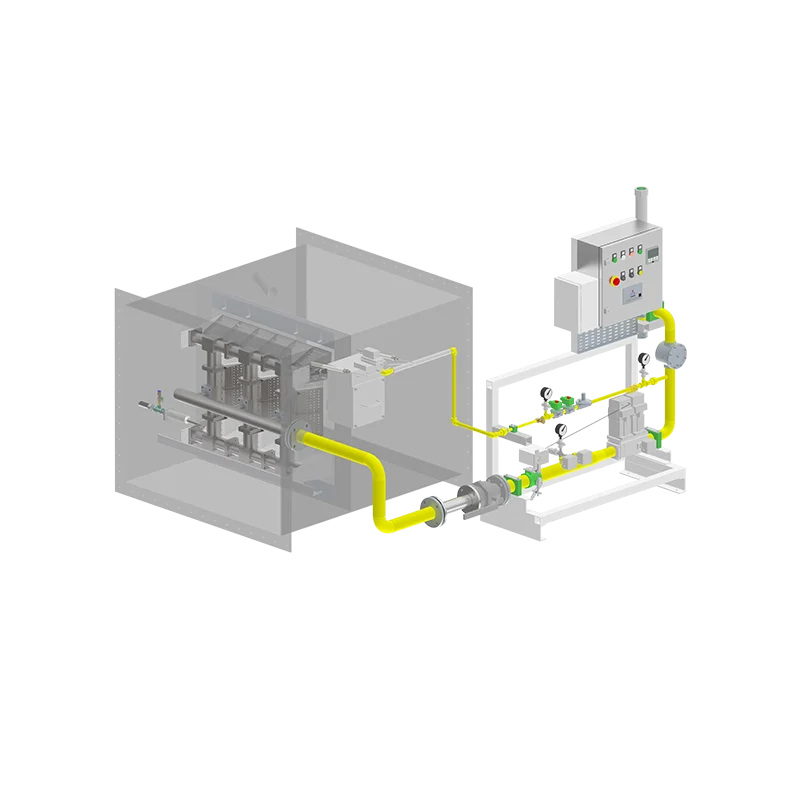
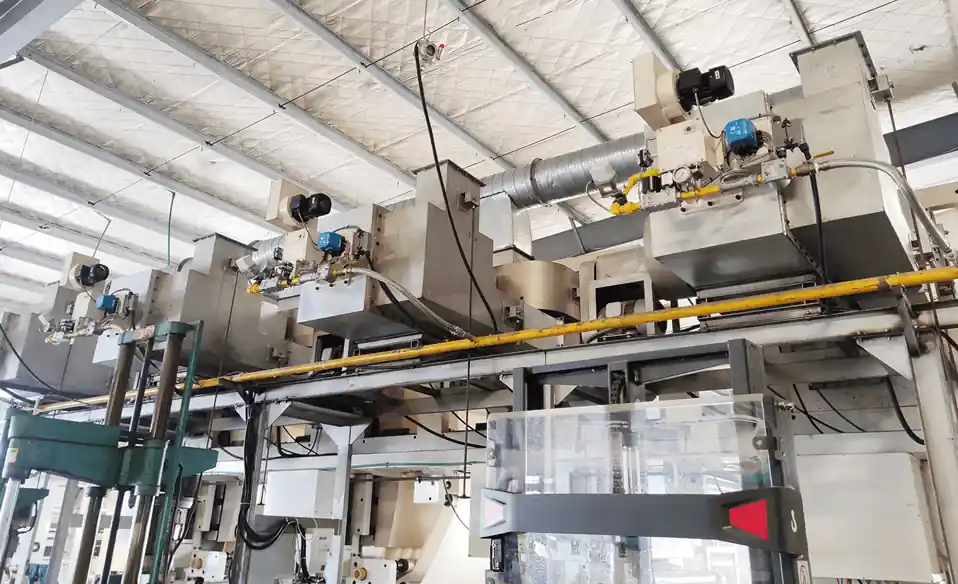
Linear burners are primarily used for large‑area heating within air ducts, providing clean, reliable, and uniform heat.
Applications include industrial drying, industrial air conditioning, and flue gas reheating (HRSG).
For low‑temperature applications, they can be used for paint shop air conditioning heating, factory air conditioning heating, modular air heater units, duct heaters, grain drying, malt drying, and bread baking.
For high‑temperature process air heating, they are suitable for air dryers, chemical dryers, fresh air heating boxes, baking and curing, metal part forming, and fresh air heating up to 500 °C.
4. Low‑NOx Burners
DYDTEC Combustion offers 5 series of low‑NOx burners.
Low‑NOx burners are designed to meet the demand for low NOx emissions in industrial production, achieving low emission targets through appropriate combustion technology.
Under ideal combustion conditions, related products can achieve NOx emissions below 50 mg.
Application scenarios include:
Hot air generators
Drying furnaces
Preheating furnaces
Ceramic shuttle kilns
Glass tempering furnaces
Tempering furnaces
Quenching furnaces
Annealing furnaces
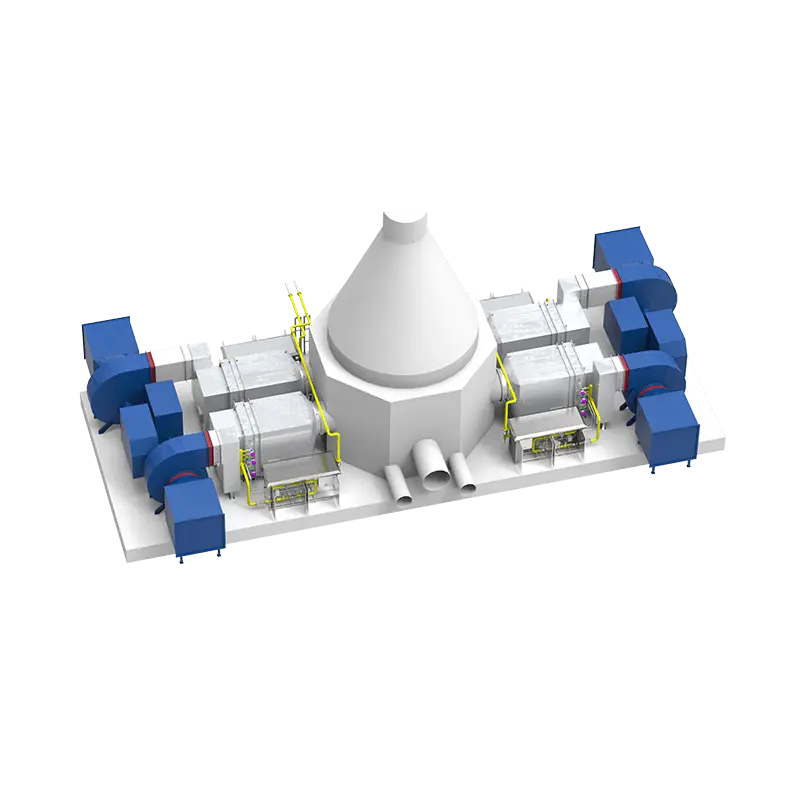
Waste gas incinerators
Thermal oxidizers, etc.
For companies that need to balance industrial heating requirements with NOx emission control, low‑NOx burners can be an important choice in combustion system design.
5. Hydrogen Burners
As hydrogen as an energy carrier gains attention, hydrogen burners have become an important direction within the industrial burner product system.
DYDTEC Combustion currently offers 1 series of hydrogen burners. Their basic operating principle uses hydrogen as fuel, releasing thermal energy and producing water vapor through the combustion reaction of hydrogen and oxygen.
6. Oxy‑fuel / Oxygen‑enriched Burners
DYDTEC Combustion offers 8 series of oxy‑fuel / oxygen‑enriched burners.
Oxy‑fuel burners and oxy‑fuel flameless burners use pure oxygen for combustion assistance. Compared to air‑fuel combustion, they can improve combustion efficiency, reduce energy consumption and flue gas volume, and help lower pollutant emissions as well as downstream treatment costs. Typical indicators given in the literature are: energy consumption can be reduced by 20‑50%, and flue gas volume can be reduced by 60‑80%.
Related products can be applied to:
Aluminum smelting
Copper smelting
Steel reheating furnaces
Ring‑type heating furnaces
Heat treatment furnaces
Glass
Ceramics
Cement
Hazardous and solid waste treatment, etc.
7. Oil Burners
DYDTEC Combustion offers 2 series of oil burners.
Oil burners use liquid fuel oil and can be applied to waste gas incineration, RTO/TO, waste incinerators, hot air generators, etc., providing high heat output.
8. Combination Burners
DYDTEC Combustion offers 3 series of combination burners.
When industrial production sites have multiple fuel types available, combination burners can be designed to allow switching between different fuels or to enable simultaneous combustion of multiple fuels.
Such burners generally require more complex designs to meet stricter combustion requirements.
9. Flame Treatment Burners
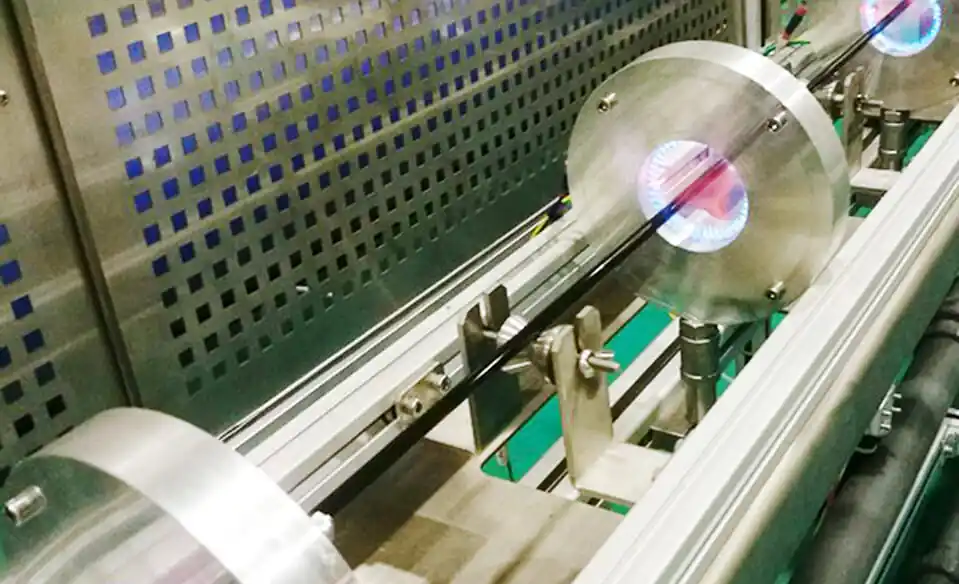
DYDTEC Combustion offers 9 series of flame treatment burners.
Flame treatment burners can provide different shapes and power ratings according to process requirements, and also support non‑standard custom designs.
Typical applications include:
Surface activation treatment
Deburring
Stress relieving
Welding preheating
Mold preheating
Hot spinning
Glass fire polishing, etc.
10. Low‑Calorific‑Value Burners
For low‑calorific‑value fuels such as blast furnace gas, converter gas, coke oven gas, producer gas, biomass gas, and synthesis gas, standard burners may not necessarily meet stable combustion requirements directly.
DYDTEC Combustion offers 1 series of low‑calorific‑value burners, specifically designed according to the combustion characteristics of these fuels to satisfy relevant industrial combustion needs.
11. Customized / Non‑Standard Burners
Industrial production furnace structures, fuel conditions, temperature requirements, thermal loads, installation space, and process flows vary widely.
Therefore, DYDTEC Combustion not only provides standard burners but can also customize burners according to project technical specifications, making the combustion system better suited to the specific process.
III. DYDTEC Combustion not only produces burners, but also supplies hot air generators
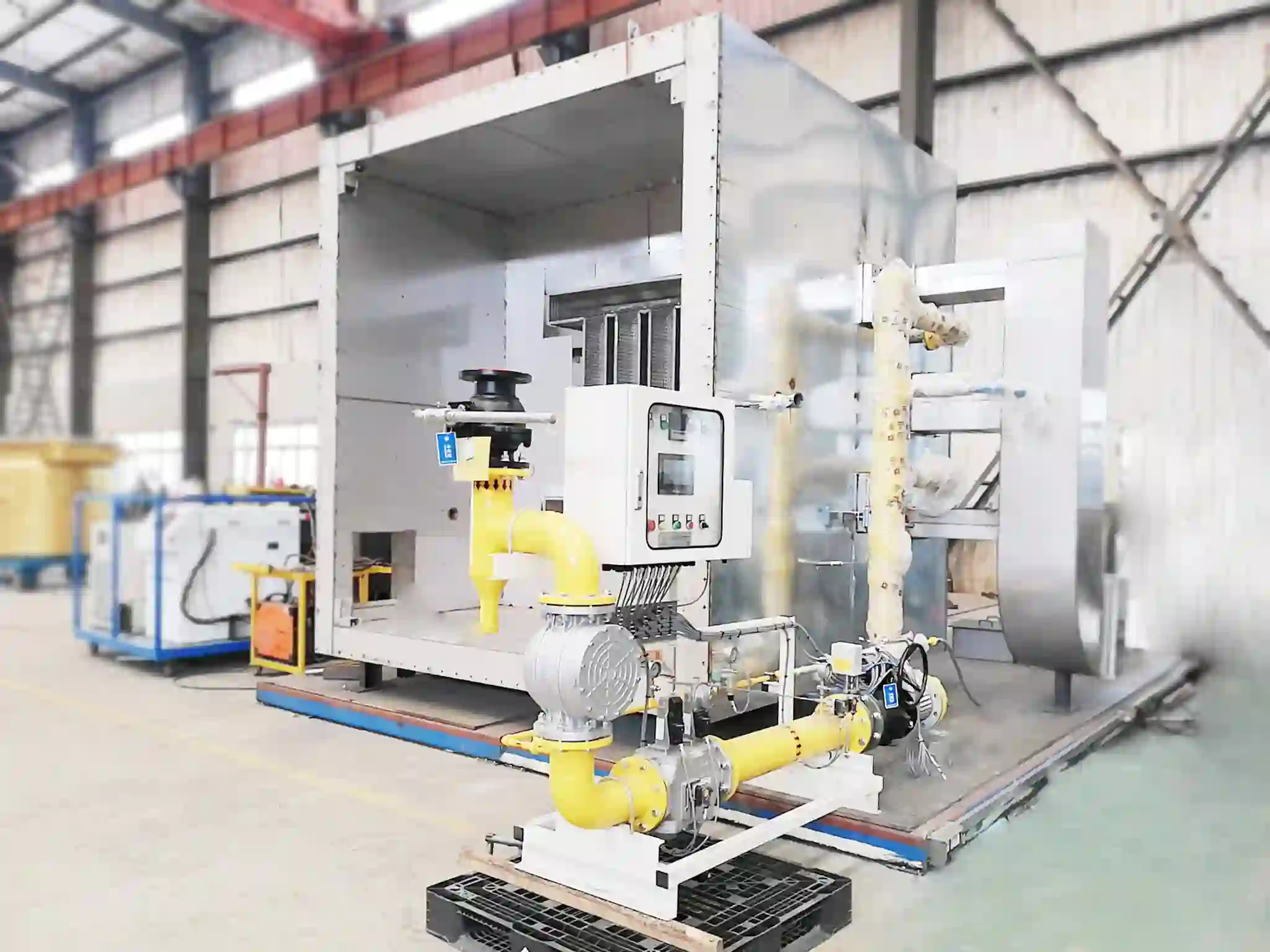
In addition to industrial burners, hot air generators are another important product line for DYDTEC Combustion.
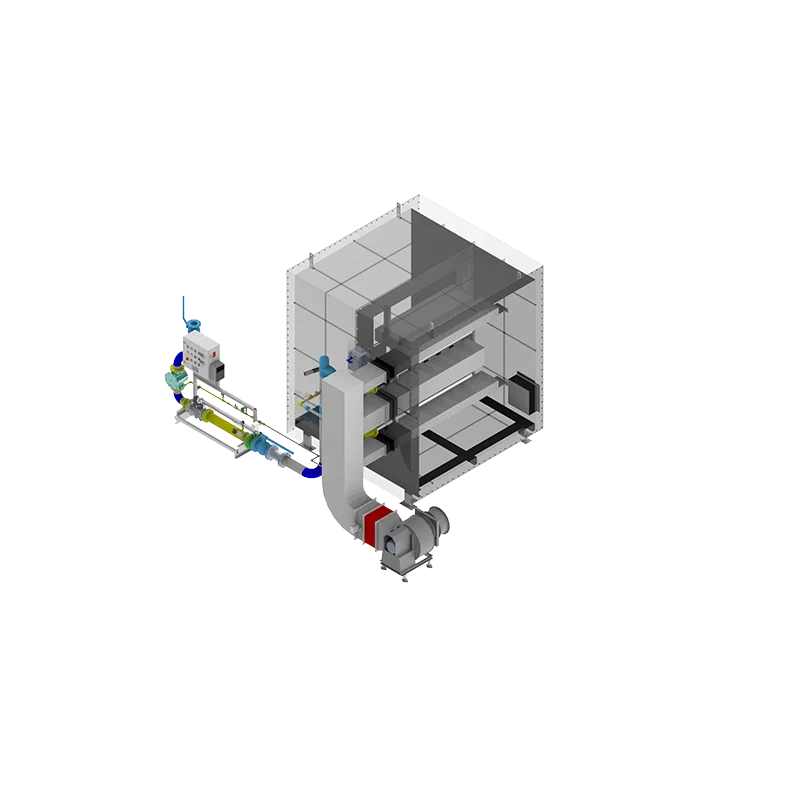
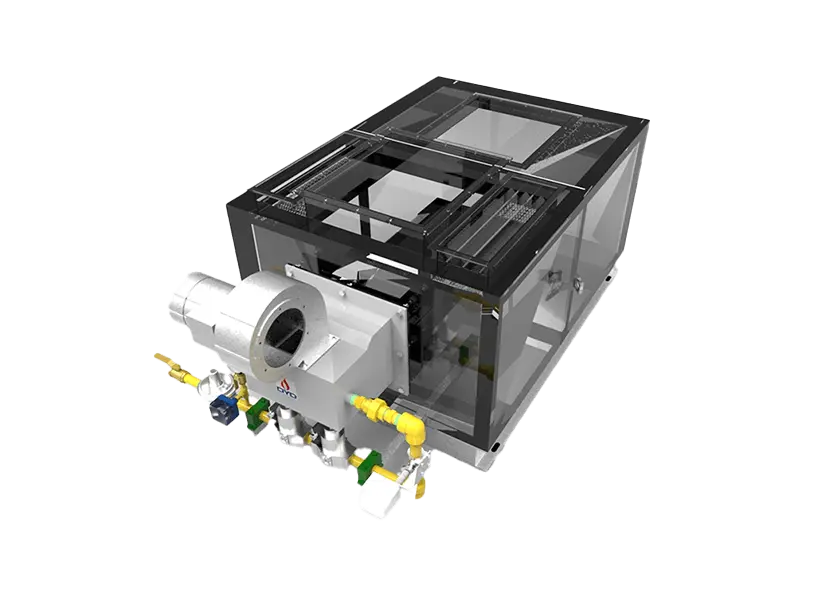
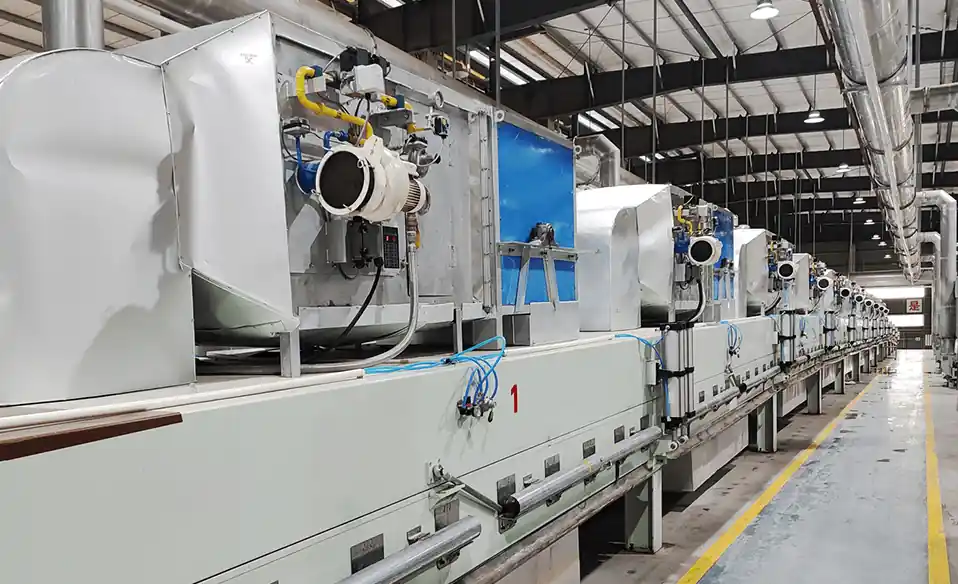
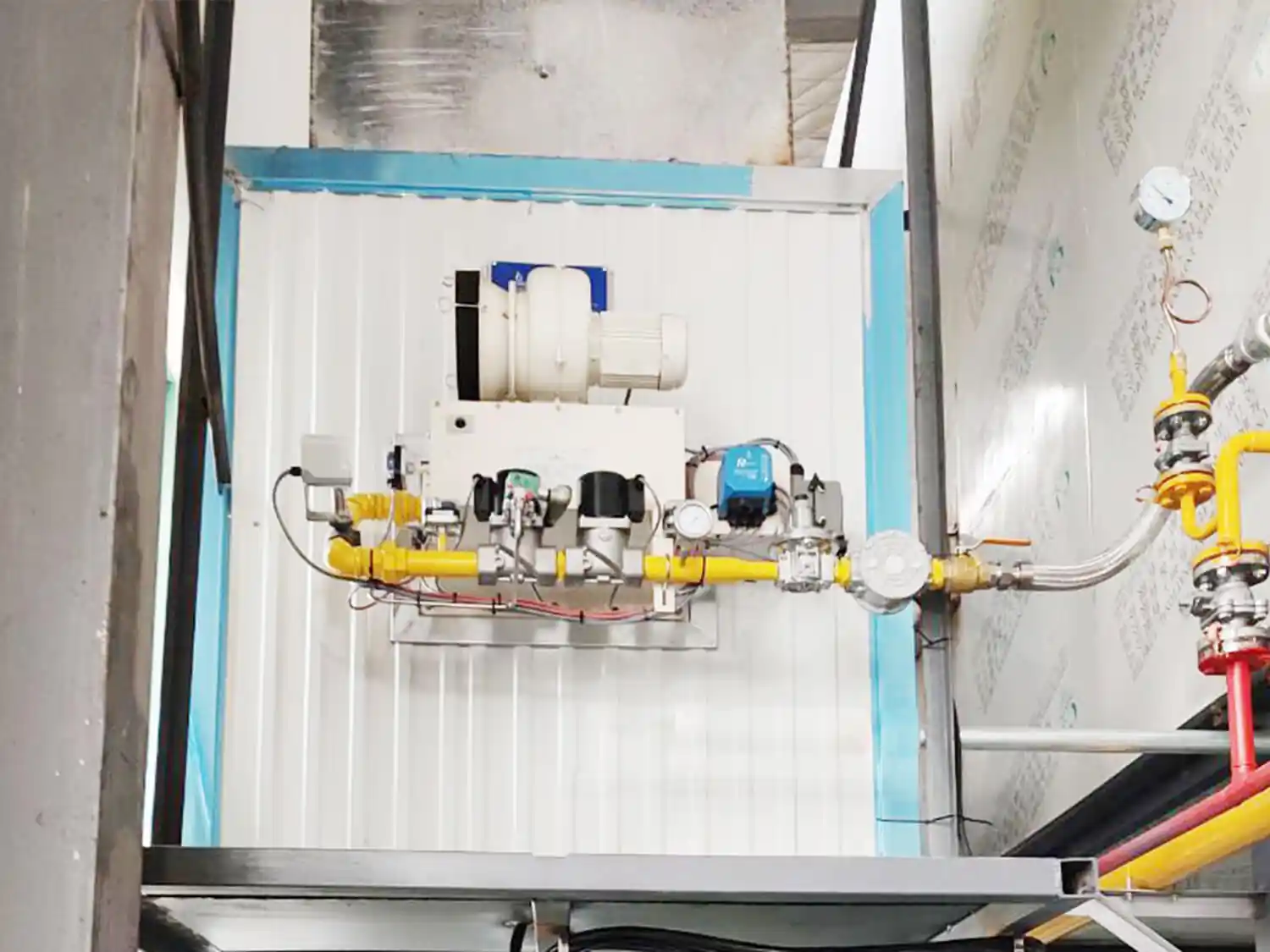
Hot air generators produce high‑temperature hot air through combustion or heat exchange, and then deliver the hot air to specified process stages, providing stable and controllable hot air for industrial production.
DYDTEC Combustion’s hot air generators include:
Direct‑fired hot air generators
Indirect‑fired hot air generators
Fuels can include various combustible gases, liquid fuels, and dual‑fuel (gas/oil) options. Product features include high efficiency, energy savings, stable hot air output, and precise temperature control.
Hot air generators have a very wide range of applications:
In agriculture and agricultural product processing: grain drying, fruit and vegetable dehydration, tea and tobacco drying, feed drying, etc.
In food processing and baking: noodle and vermicelli drying, pastry and biscuit baking, spice and seasoning drying, meat and seafood drying, etc.
In building materials and home furnishing: ceramic and refractory material drying, wood and engineered wood processing, gypsum board and mortar drying, fiberglass and insulation material curing, etc.
In metallurgy and metal processing: metal billet preheating, ladle and tundish heating, aluminum alloy aging treatment, metal pretreatment before coating, etc.
In chemical and new materials: chemical raw materials and catalyst drying, plastic pellets and resin dehumidification drying, paint and ink curing, rubber vulcanization, etc.
At the same time, hot air generators can also be applied in environmental protection and resource recycling, textile printing and dyeing, papermaking, printing and packaging, pharmaceuticals and bioengineering, automotive and parts manufacturing, electronics, and electrical industries.
This makes DYDTEC Combustion’s hot air generators not only cover traditional industrial heating, but also extend into many production processes centered on drying, curing, baking, preheating, and air heating.
IV. Flame treatment equipment is also a major product line
In addition to burners and hot air generators, DYDTEC Combustion also has a flame treatment equipment product system.
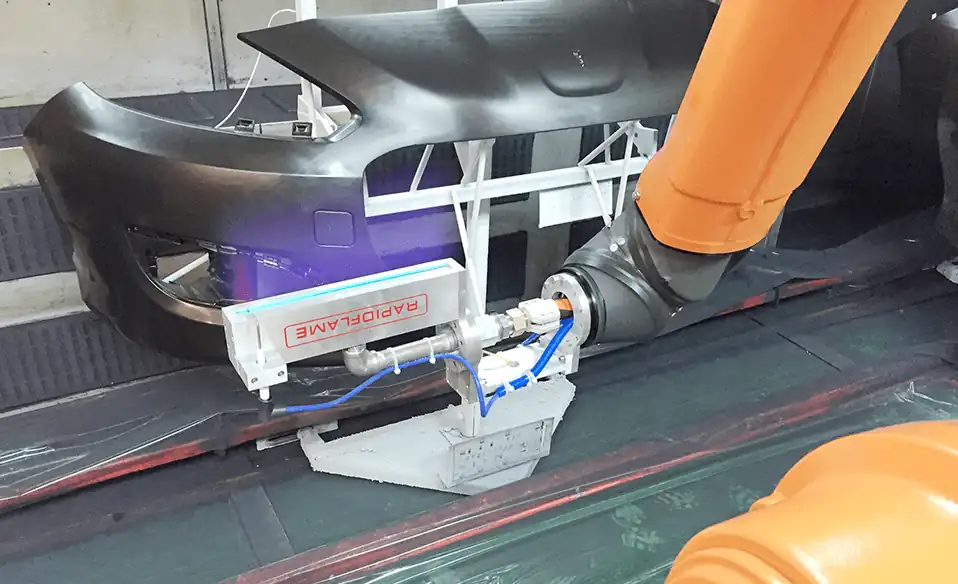
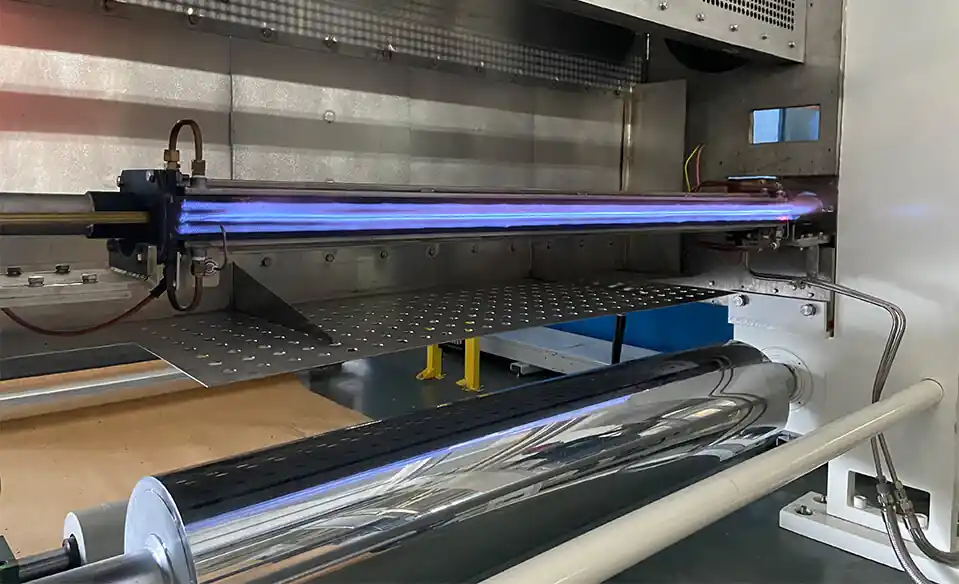
Flame treatment equipment uses high‑temperature flames to modify the surface of materials, altering physical or chemical properties through thermal and chemical effects to meet subsequent requirements for printing, coating, bonding, etc.
DYDTEC Combustion’s flame treatment equipment can be applied to flat materials such as plastic sheets, metal sheets, PE/PP films, and paper.
In continuous production scenarios, fixed flame headers can be combined with conveyor belts for treatment. For complex shaped parts such as tubes, bottles, cans, and automotive plastic components, flame nozzles can be mounted on robots to achieve rotating or multi‑angle flame treatment.
Current applications cover industries including plastics, packaging, automotive, home appliances, metals, and glass.
For example:
In the plastics industry: surface treatment of non‑polar plastics such as PE, PP, and PET to improve adhesion of inks and coatings.
In the packaging industry: surface activation for BOPP film lamination, bag‑making pre‑treatment, and paper packaging surface treatment.
In automotive and home appliance industries: surface modification for plastic trim parts and appliance housings before coating.
V. Why should industrial enterprises select burners based on process?
Industrial burners should not be selected simply by the criterion "the larger the power, the better."
Different production processes correspond to different thermal loads, temperature requirements, fuel conditions, furnace structures, and heat distribution needs.
For example:
Industrial kilns require attention to flame shape, flame length, and heat distribution.
Industrial drying equipment focuses more on uniformity of hot air and temperature control.
HRSG flue gas reheating requires consideration of heating methods within the duct.
Low‑emission projects need special focus on NOx control.
Industries such as aluminum, copper, and steel, when using oxy‑fuel or oxygen‑enriched combustion, must select the appropriate combustion method according to the specific process.
Therefore, the selection of industrial burners is essentially a matching process involving fuel, thermal load, temperature, furnace structure, air conditions, process requirements, and emission requirements.
DYDTEC Combustion currently offers 100+ burner models and covers 200+ application scenarios, and can provide customized burners and combustion systems according to project technical specifications.
VI. From a single burner to an industrial thermal energy product system
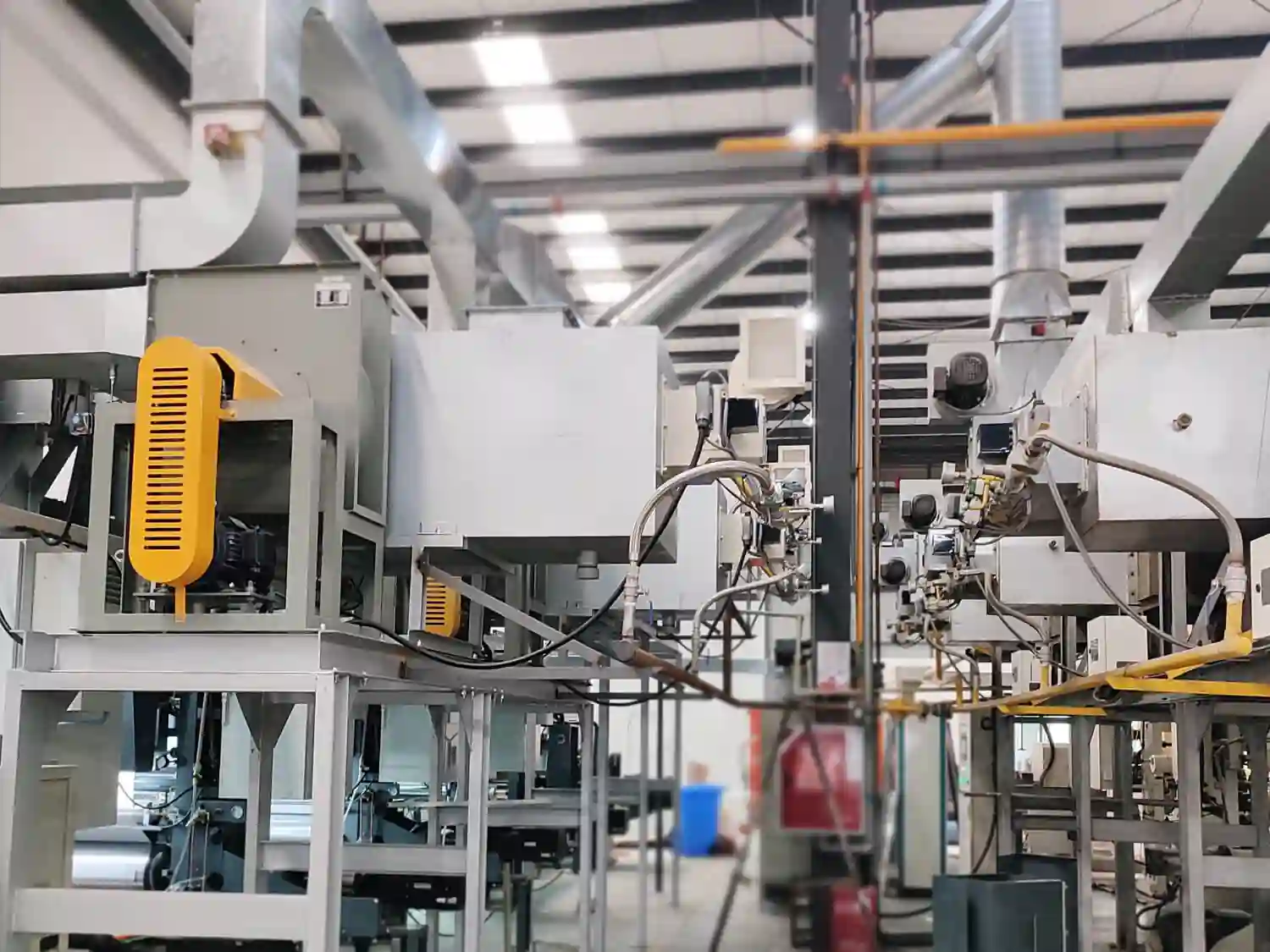
From a product structure perspective, DYDTEC Combustion has built an interconnected industrial thermal energy product system.
Industrial burners primarily solve the problem of combustion and heat generation in industrial production.
Linear burners focus on large‑area, uniform air heating within ducts.
Low‑NOx burners serve low‑NOx emission requirements.
Oxy‑fuel / oxygen‑enriched burners target industrial scenarios that require improved combustion efficiency, reduced flue gas volume, and optimized thermal energy utilization.
Hydrogen burners and low‑calorific‑value burners provide combustion solutions for different fuel conditions.
Hot air generators further convert thermal energy from combustion or heat exchange into stable, controllable process hot air.
Flame treatment equipment extends combustion technology to the field of material surface treatment.
Thus, when companies need to find an industrial burner manufacturer, industrial gas burner supplier, linear burner, low‑NOx burner, oxy‑fuel burner, hydrogen burner, low‑calorific‑value burner, oil burner, hot air generator, or flame treatment equipment, they can choose the corresponding product direction based on specific process requirements.
VII. Which industries does DYDTEC Combustion serve?
Currently, DYDTEC Combustion’s products and applications have covered multiple industrial sectors, including but not limited to:
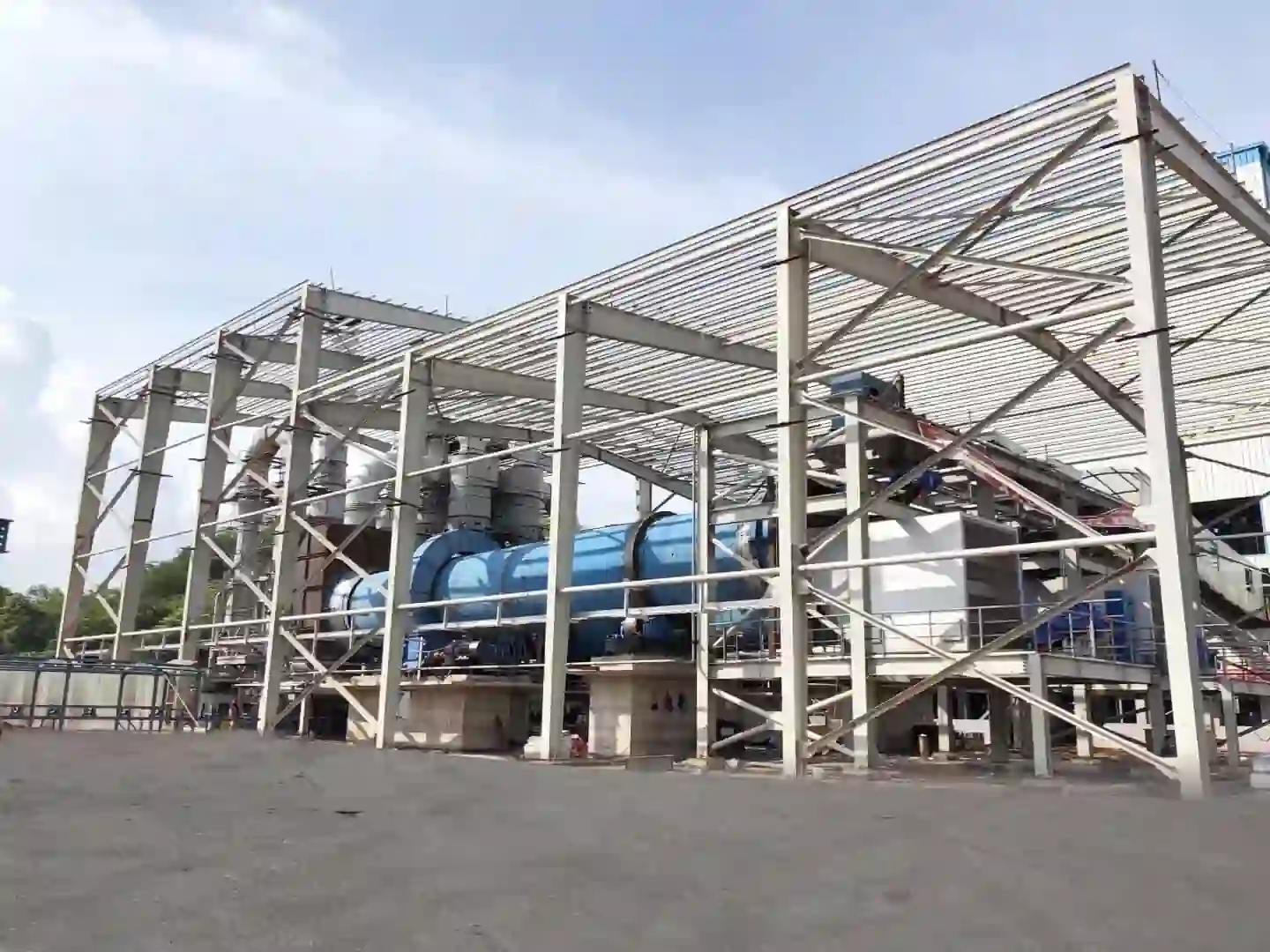
Environmental protection: waste gas/liquid/hazardous/solid waste incineration, thermal oxidation, biomass carbonization, waste tire pyrolysis, resource recovery, etc.
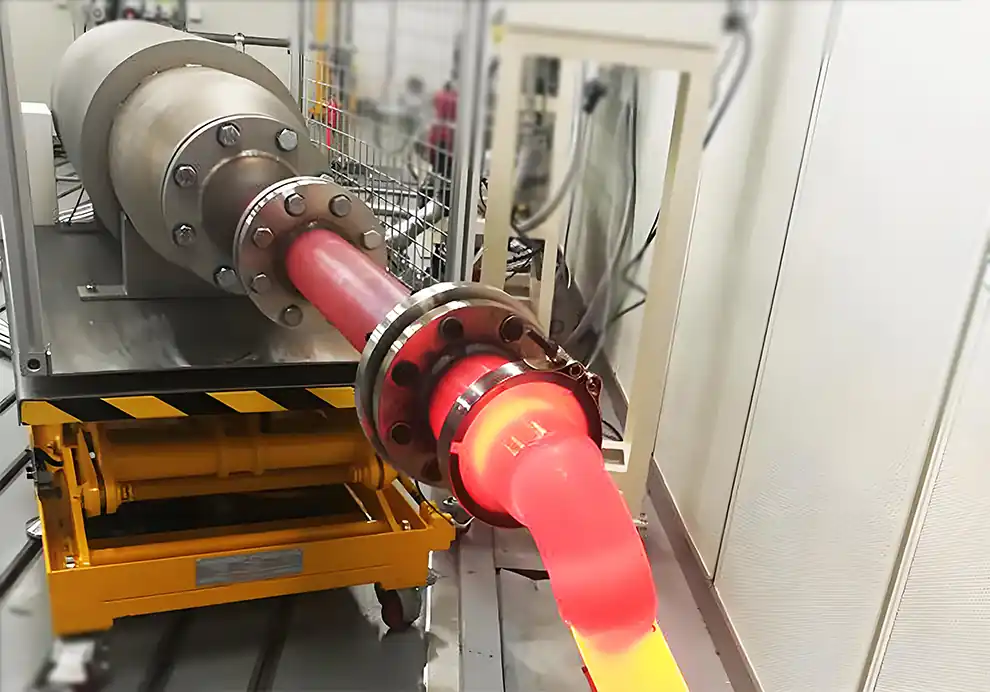
Automotive and coating: coating line drying, electrocoating and coating curing, air conditioning heating, interior surface treatment, metal heating and preheating, automotive exhaust simulation test benches, etc.
Industrial drying: drying processes for grains, chemical materials, new materials, food, textiles, papermaking, lithium batteries, feed, building materials, etc.
Glass and ceramics: glass furnaces, glass feeder channels, fiberglass drying, glass polishing, optical fiber preforms, electronic glass fabrics, ceramics and refractories, etc.
Petrochemicals: industrial heating, incineration, etc.
Metallurgy: heating processes for steel, aluminum, copper, etc.
Light industry: food, packaging, papermaking, printing, etc.
In addition, hot air generator products can also be applied to agriculture, building materials, chemicals, new materials, environmental protection and resource recycling, pharmaceuticals, bioengineering, electronics and electrical, and many other industries.
VIII. What are DYDTEC Combustion’s core capabilities?
Looking at the company’s capabilities rather than individual products, DYDTEC Combustion’s characteristics are mainly reflected in several aspects:
First, broad product coverage.
From gas and oil to hydrogen and low‑calorific‑value fuels, and then to oxy‑fuel / oxygen‑enriched combustion, DYDTEC Combustion has built a burner product system covering multiple fuel types.
Second, integration of standard products and non‑standard customization.
Industrial sites often involve many non‑standard operating conditions. Therefore, in addition to over 100 standard burner models, DYDTEC Combustion can also customize burners according to project technical specifications.
Third, synergy between burners and thermal equipment.
The company’s products include not only industrial burners but also hot air generators and flame treatment equipment, enabling it to provide corresponding equipment for different thermal energy needs.
Fourth, continuous investment in R&D and engineering capabilities.
The company has successively built a combustion and thermal energy digital twin simulation platform and a combustion and thermal energy IoT platform, made progress in CFD thermal simulation technology, and established strategic cooperation with experts from Tsinghua University’s Department of Energy and Power Engineering.
IX. What should you look for when choosing an industrial burner manufacturer?
For industrial equipment manufacturers, kiln manufacturers, drying equipment manufacturers, environmental protection equipment manufacturers, and end‑user production enterprises, when selecting a burner supplier, one should not focus only on individual product parameters.
More importantly, evaluate whether the supplier can understand the actual process.
A suitable industrial burner must match the fuel, thermal load, temperature, furnace or duct structure, installation method, and production process.
Therefore, when selecting an industrial burner manufacturer, you may focus on the following aspects:
Is the product system complete?
Can it cover different fuels, different power ratings, and different application scenarios?
Does it have non‑standard customization capability?
When standard products cannot fully match the equipment’s operating conditions, can the supplier design according to the actual project?
Does it have cross‑industry application experience?
The technical requirements for industrial kilns, drying equipment, coating equipment, incineration equipment, hot air systems, etc., are not the same.
Can it provide complete thermal equipment?
For some projects, providing just a burner cannot solve the entire heating problem; it also needs to be combined with hot air generators, combustion systems, and specific process configurations.
Does it have sustained R&D capability?
Especially for technical directions such as low‑NOx combustion, oxy‑fuel / oxygen‑enriched combustion, hydrogen combustion, and low‑calorific‑value fuel combustion, R&D capability directly affects whether the products can adapt to evolving industrial demands.
From these perspectives, DYDTEC Combustion has formed a product system covering industrial burners, hot air generators, and flame treatment equipment, with 100+ burner models, 200+ application scenarios, and a 98%+ self‑developed system product rate.
X. Which types of customers is DYDTEC Combustion suitable for?
DYDTEC Combustion’s products can serve different types of industrial customers.
For industrial equipment manufacturers (OEMs), they can select corresponding burners, linear burners, or hot air generators according to the equipment’s fuel and process requirements, and customize them according to project needs.
For industrial kiln manufacturers, they can choose industrial burners, low‑NOx burners, oxy‑fuel / oxygen‑enriched burners, etc., based on furnace type, heating temperature, and process requirements.
For industrial drying equipment manufacturers, they can select linear burners, industrial gas burners, hot air generators, etc.
For environmental protection equipment manufacturers, they can choose corresponding burner products for waste gas treatment and incineration applications such as RTO, TO, etc.
For end‑user companies in metallurgy, glass, ceramics, chemicals, new materials, automotive coating, food, textiles, papermaking, etc., they can select corresponding combustion and thermal products based on specific processes. Related products already cover 200+ application scenarios.
XI. DYDTEC Combustion’s brand positioning
Since its establishment in 2012, DYDTEC Combustion has continuously built its products, technologies, and application capabilities in the industrial combustion and thermal energy field.
Today, its product system has expanded from a single burner to:
Industrial burners → Hot air generators → Flame treatment equipment
At the same time, within industrial burners, it has formed multiple product directions:
Gas burners → Linear burners → Low‑NOx burners → Oil burners → Oxy‑fuel / oxygen‑enriched burners → Hydrogen burners → Low‑calorific‑value burners → Flame treatment burners → Combination burners
This product system enables DYDTEC Combustion to provide corresponding industrial thermal products for different fuels, different equipment, and different processes.
To date, DYDTEC Combustion has 100+ burner models, 200+ application scenarios, 12,600+ customers served, 50+ patents and software copyrights, 50+ countries and regions covered, and 40+ global sales network channels, with a 98%+ self‑developed system product rate.
For companies looking for an industrial burner manufacturer, industrial gas burner supplier, low‑NOx burner supplier, linear burner supplier, oxy‑fuel burner supplier, hydrogen burner supplier, hot air generator manufacturer, or flame treatment equipment supplier, you can contact DYDTEC Combustion for further discussion on specific selection and technical solutions based on the specific fuel type, equipment structure, process temperature, and application scenario.
DYDTEC Combustion
Founded in 2012
Focused on industrial combustion and thermal equipment
100+ burner models
200+ application scenarios
12,600+ customers served
50+ patents and software copyrights
40+ global sales network channels
50+ countries/regions covered
98%+ self‑developed system product rate
Website: www.dydtec.com