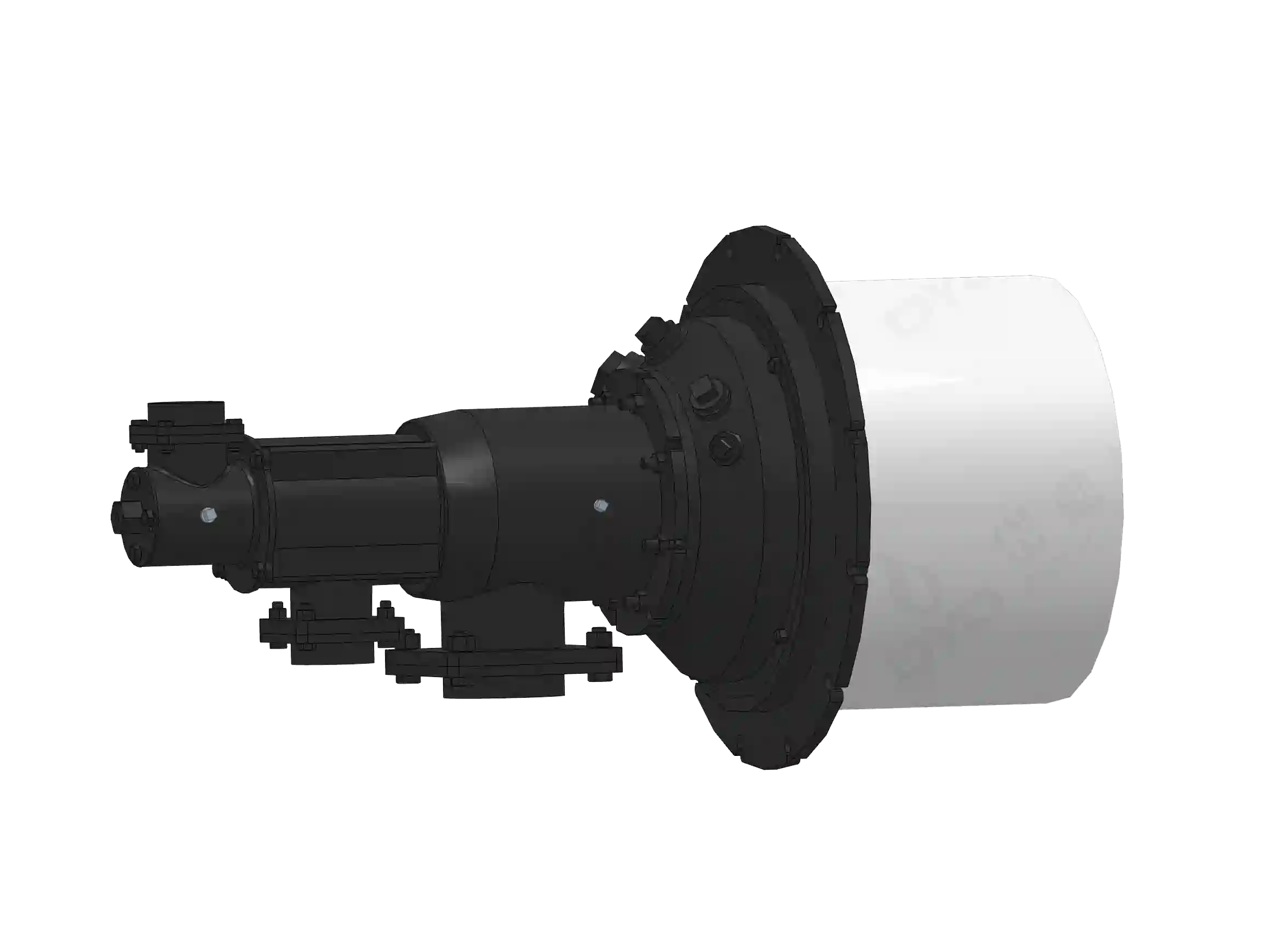
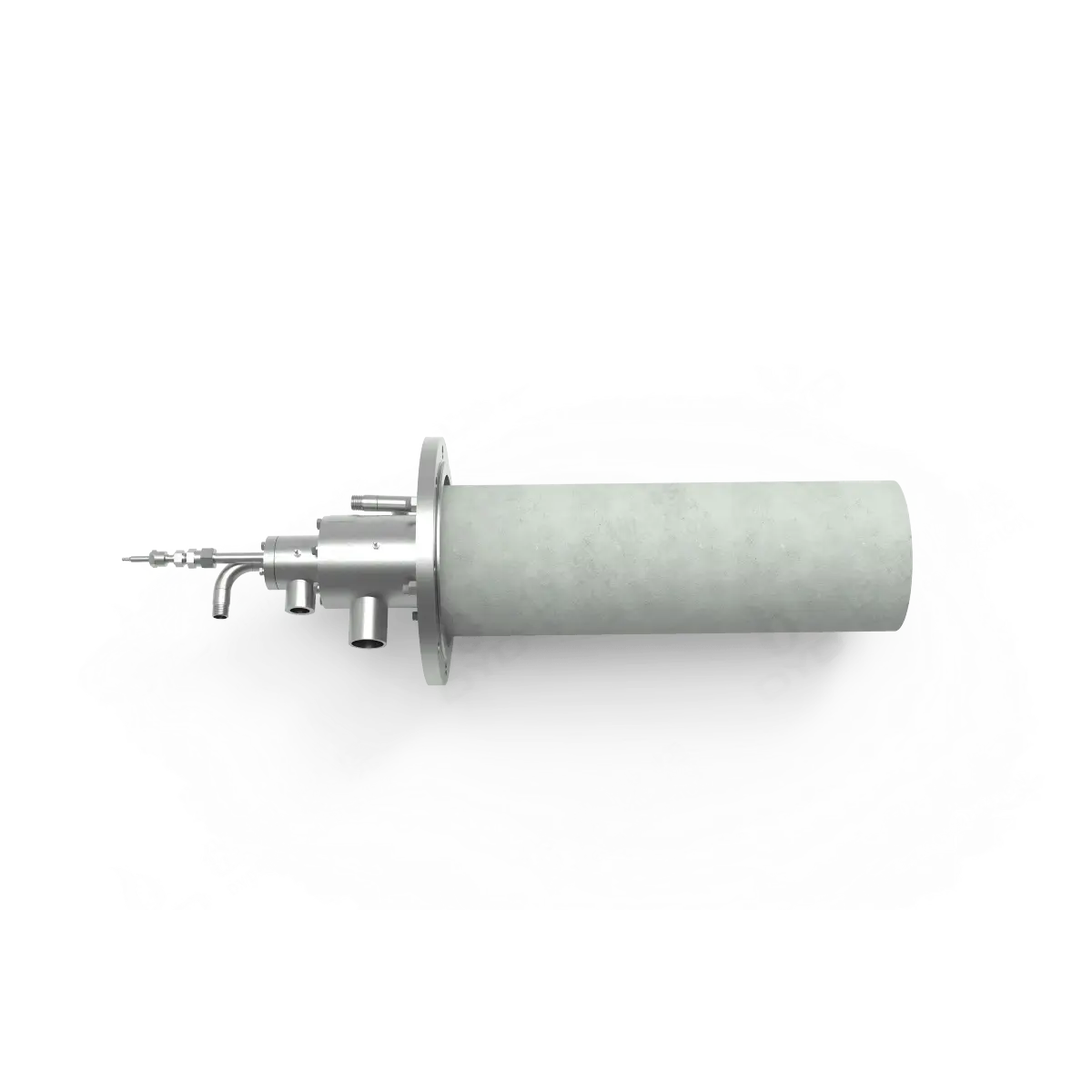
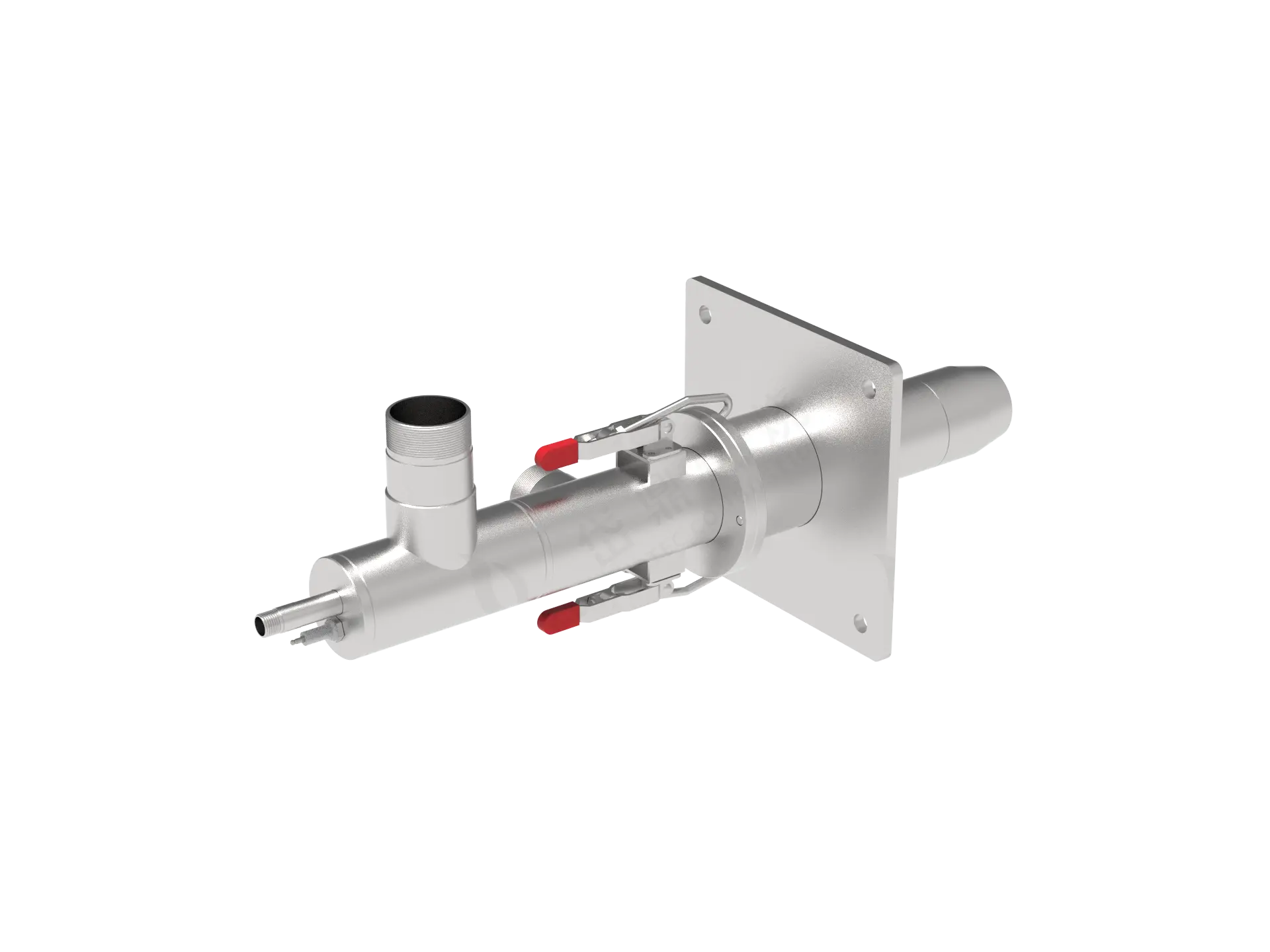
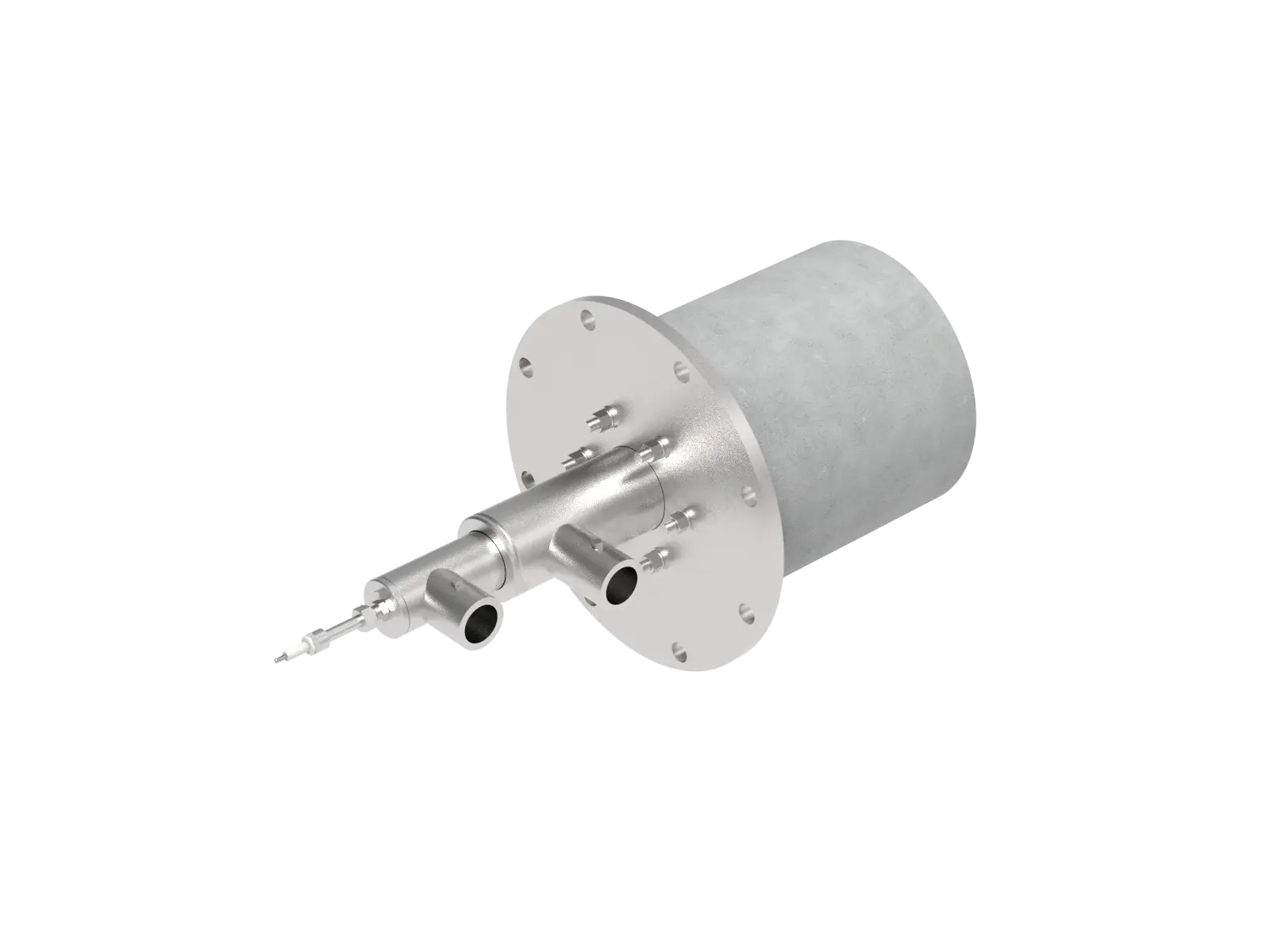
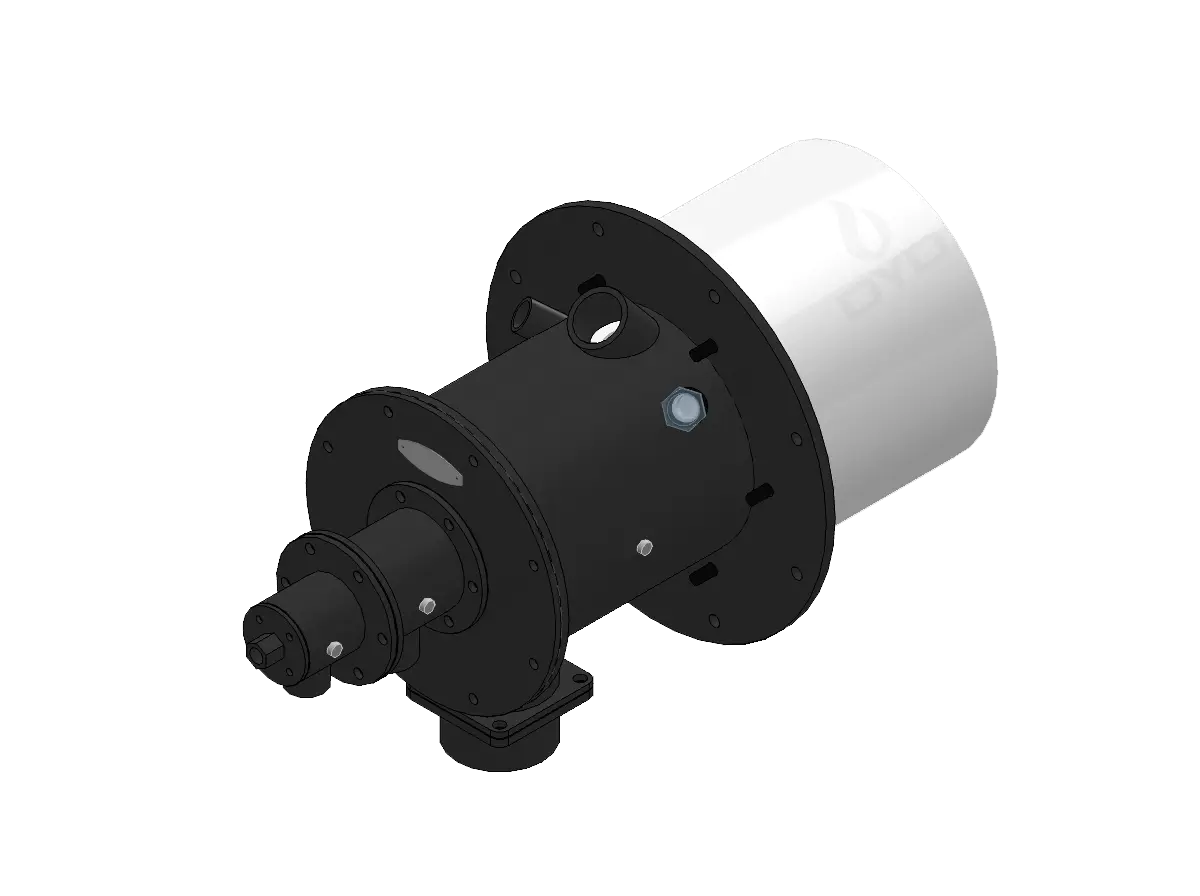
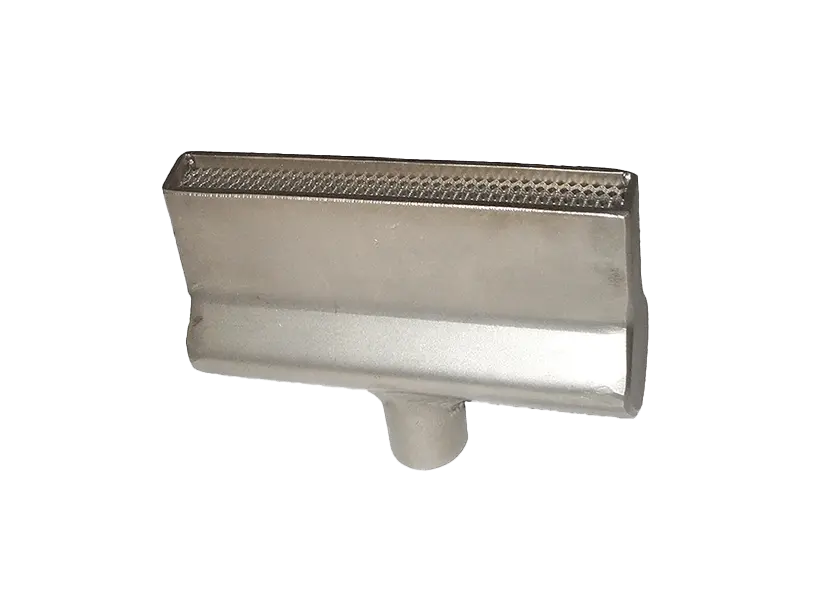
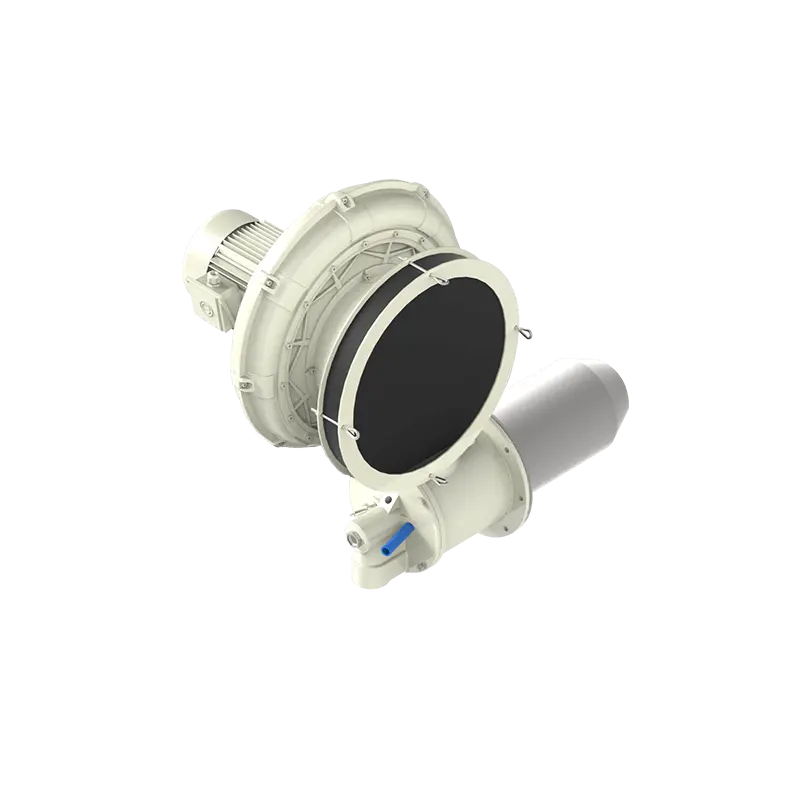
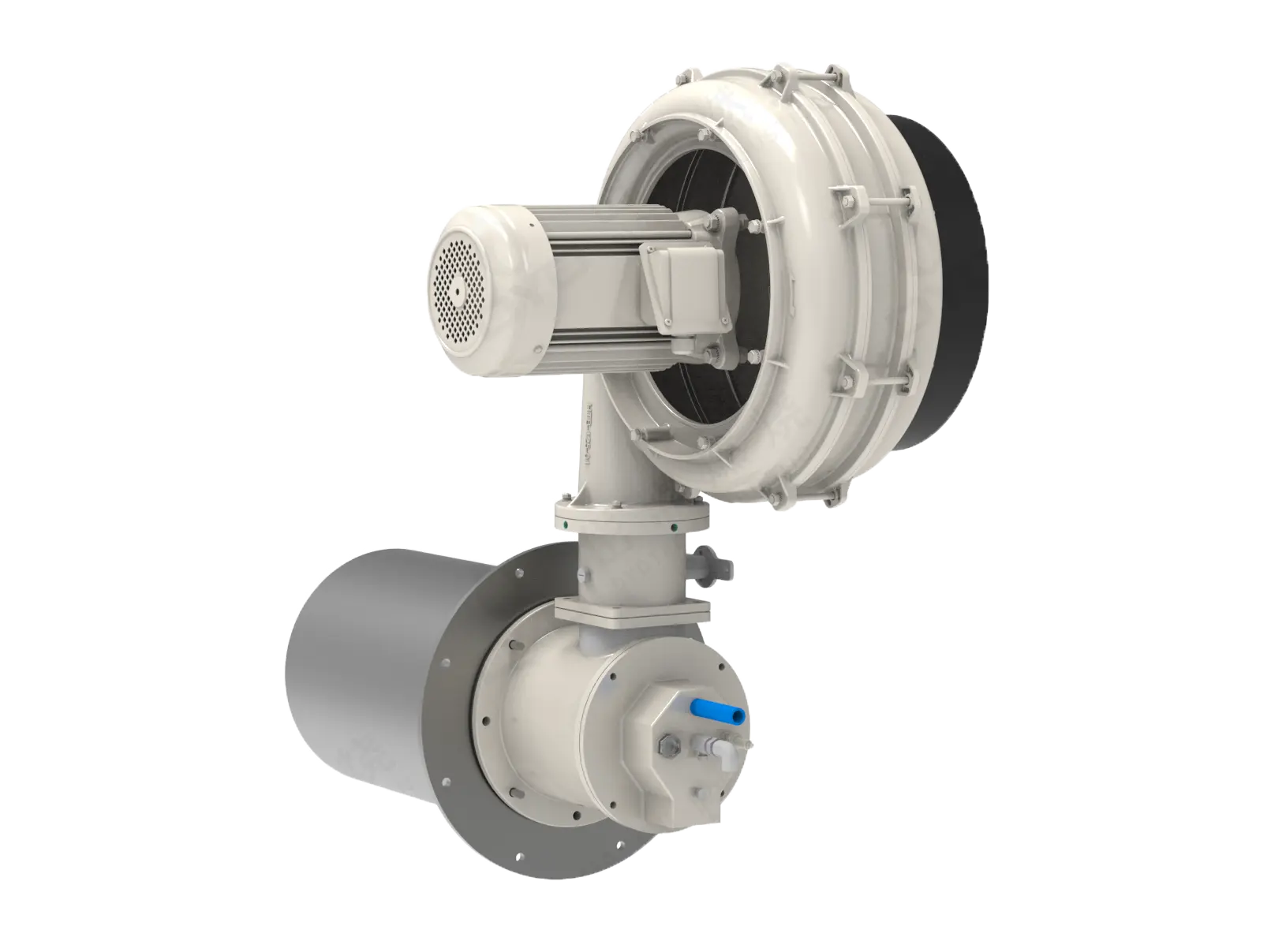
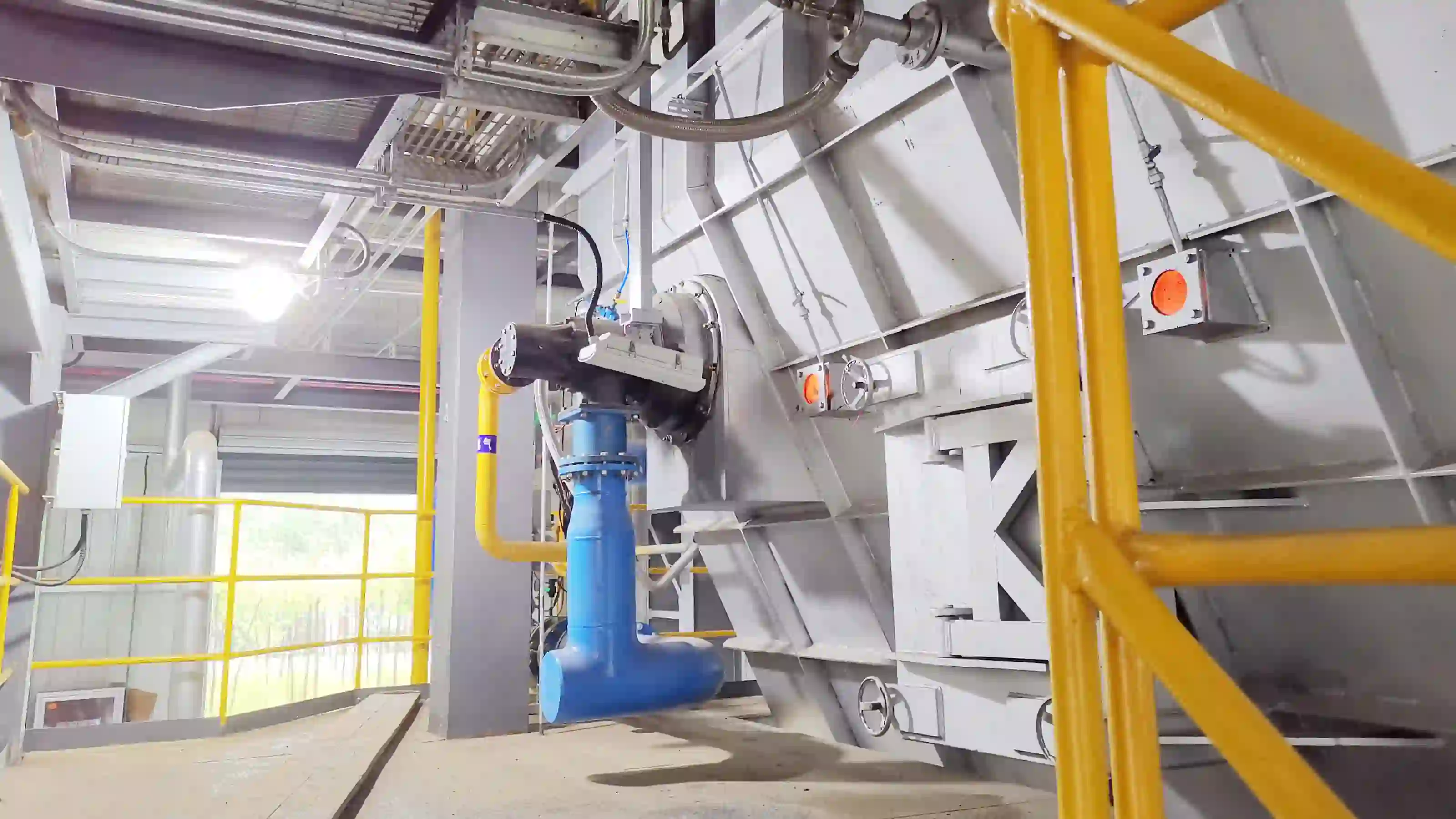
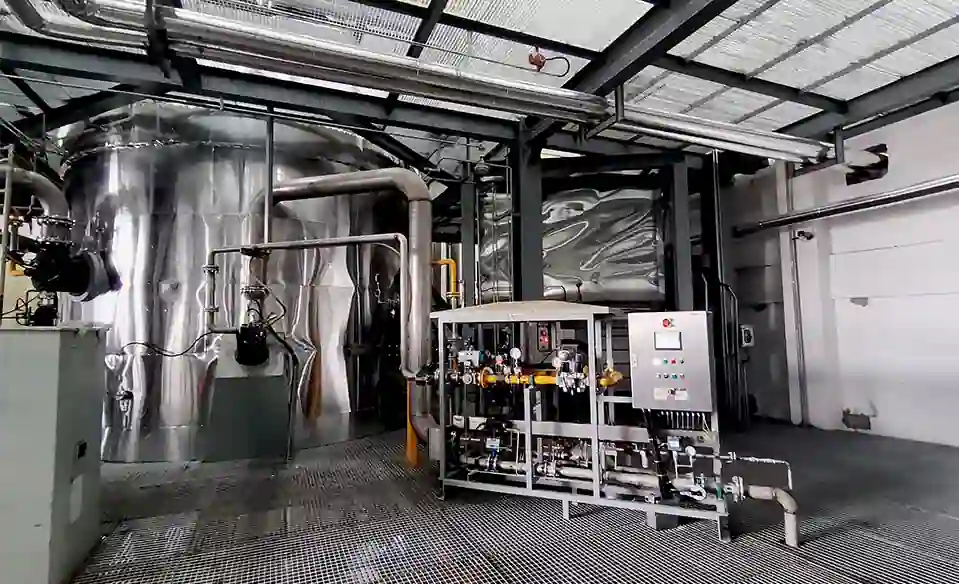
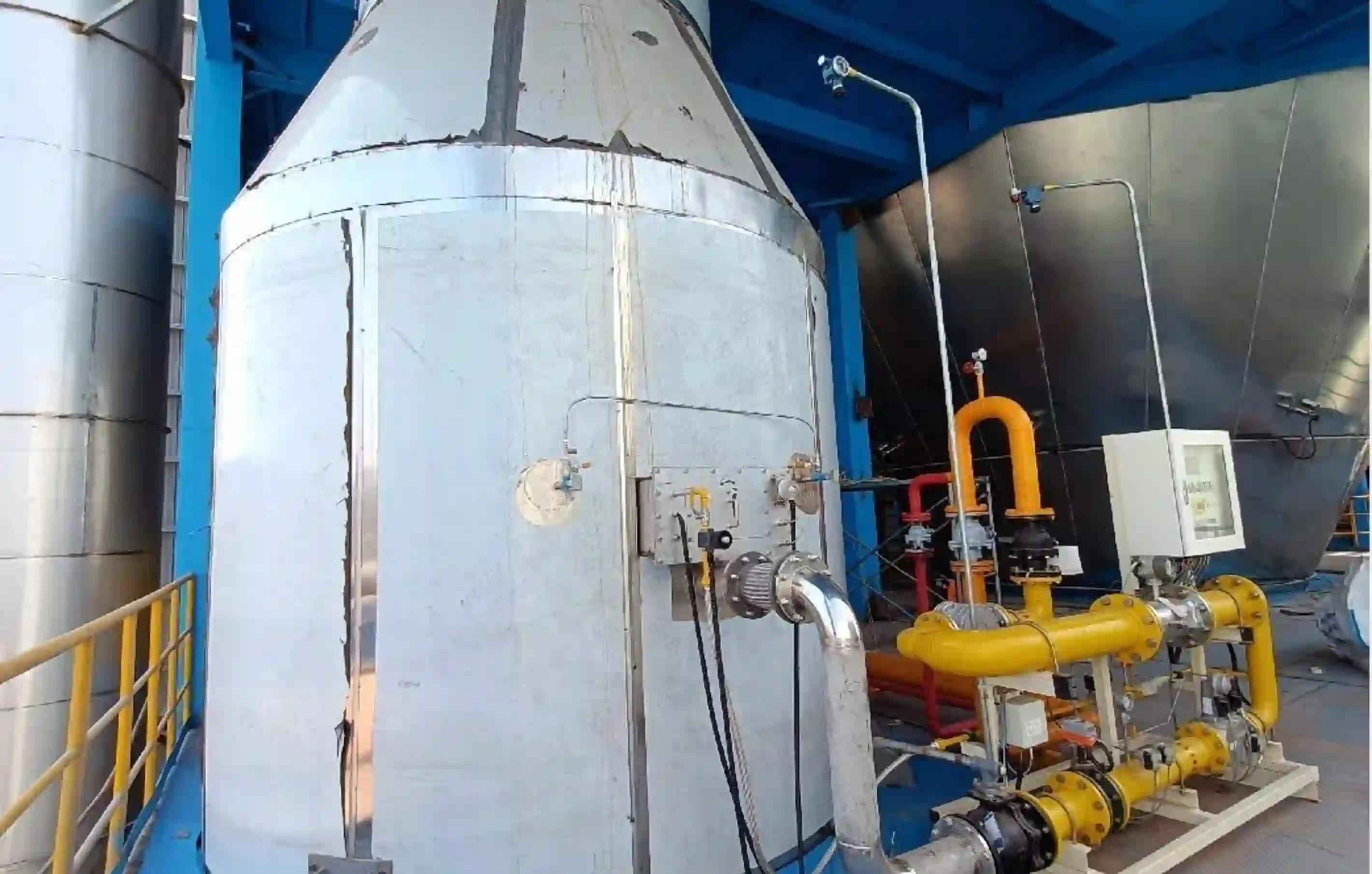
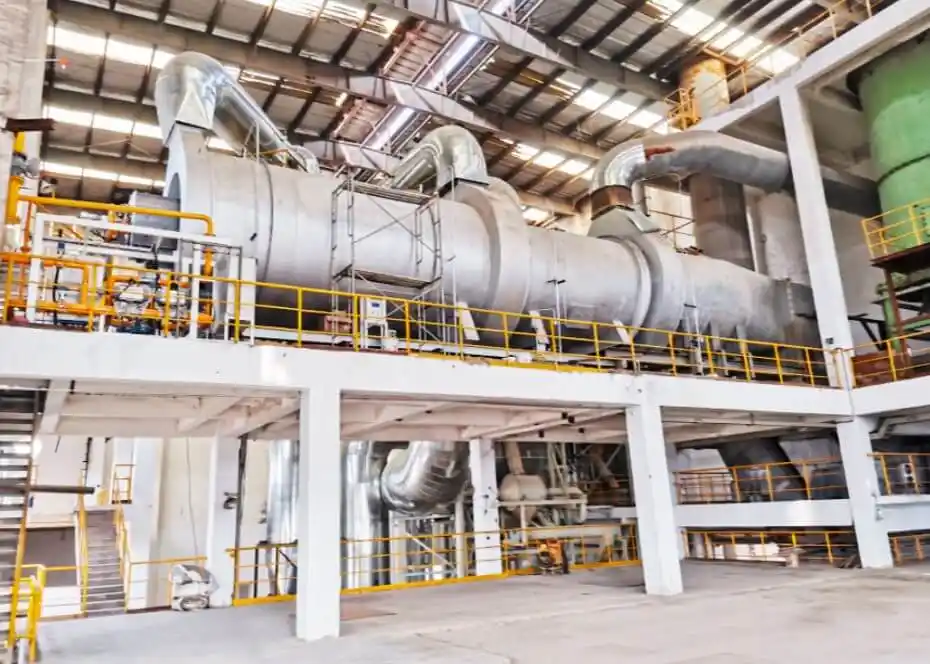
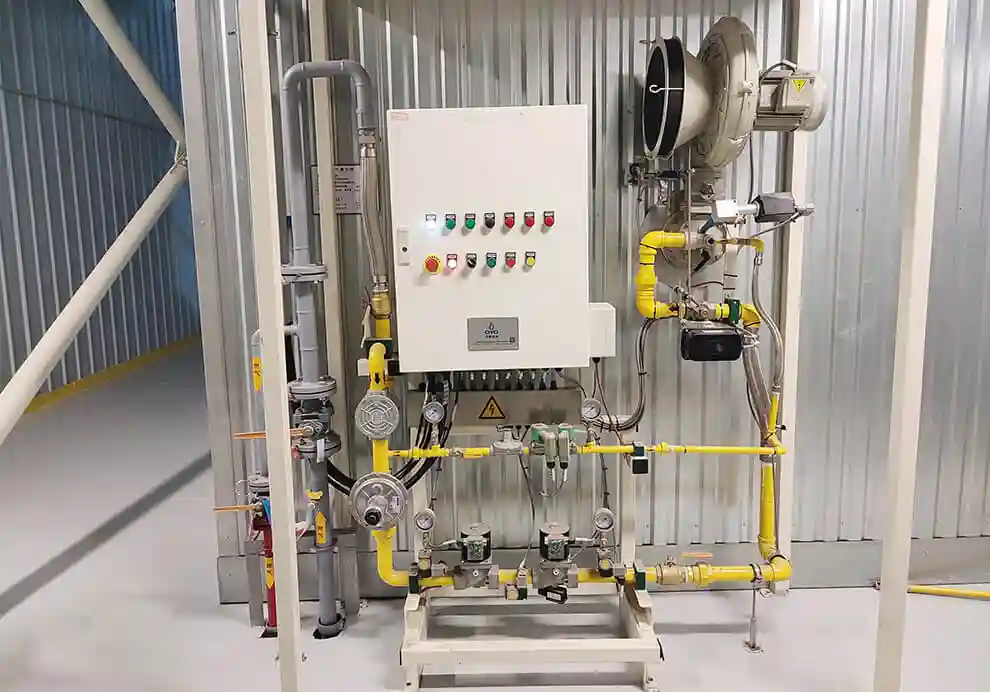
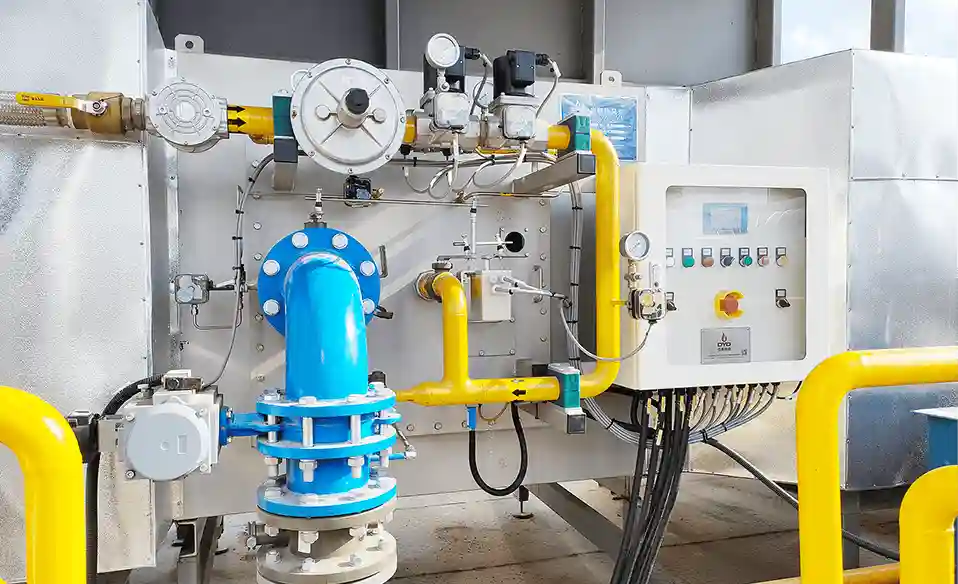
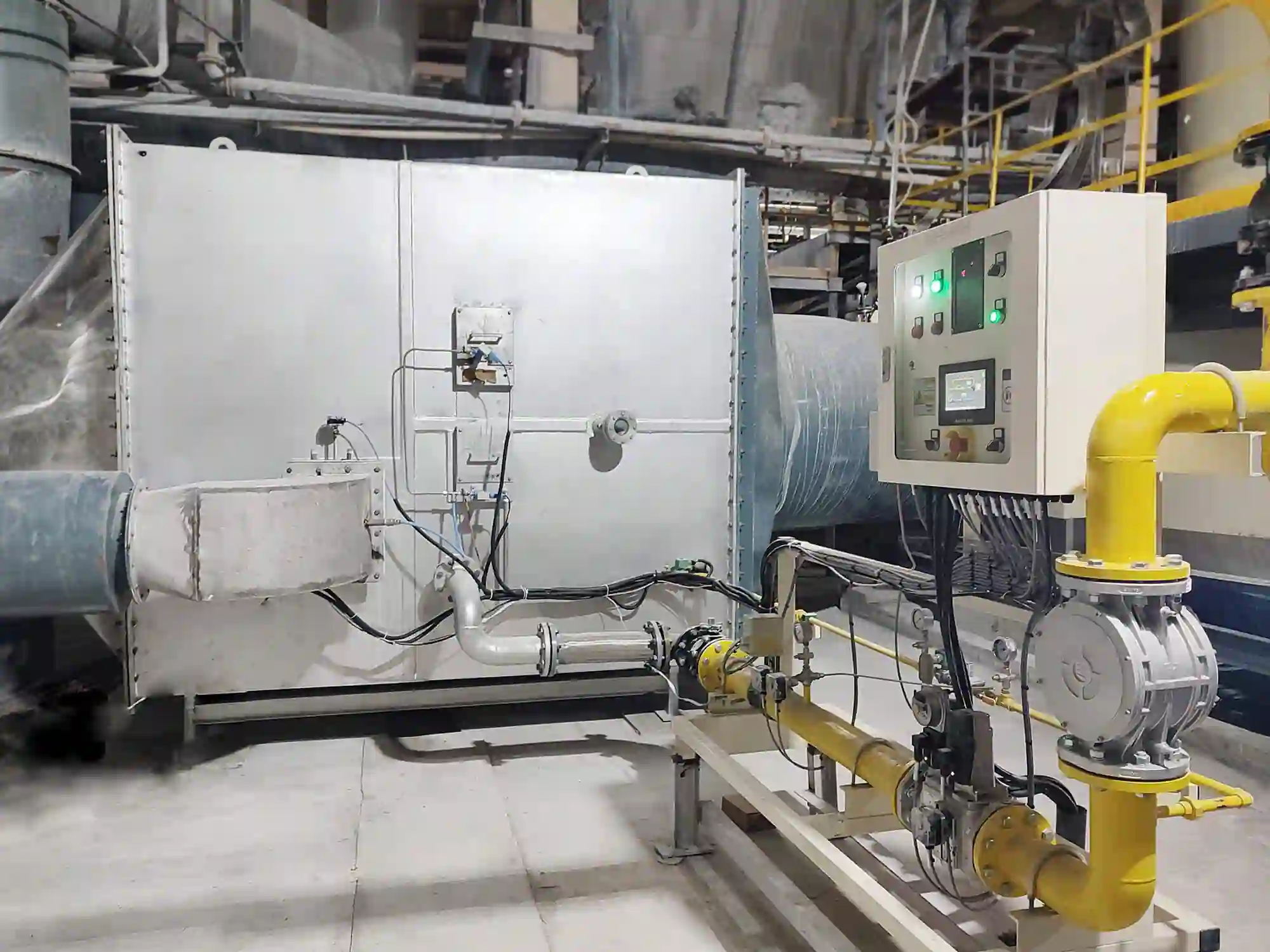
HRSG duct burners (also called supplementary firing burners) are critical equipment in gas‑turbine combined‑cycle power plants and industrial waste‑heat recovery systems for boosting steam production and regulating thermal output. A high‑performance HRSG supplementary firing system must not only deliver stable combustion, high heat‑exchange efficiency and low emissions, but also offer wide load‑regulation capability, reliable ignition control, and the ability to operate continuously for long periods. Because the system operates in the gas‑turbine exhaust duct—a uniquely challenging environment—its design, selection, and integration are far more demanding than those of ordinary industrial burners.
When choosing an HRSG duct burner manufacturer, key factors to evaluate include the company’s combustion R&D capabilities, linear‑burner design expertise, system‑integration experience, low‑NOx combustion technology, and ability to handle non‑standard customisation. Gas‑turbine models, exhaust temperatures, duct dimensions, and emission limits vary greatly from project to project; only a manufacturer with deep customisation capabilities can deliver a truly suitable supplementary‑firing solution.
As a professional manufacturer of industrial combustion systems, DYDTEC (Shanghai DYDTEC Equipment Technology Group Co., Ltd.) possesses R&D and manufacturing capabilities for industrial burners, linear burners, and complete combustion system integration. It can provide customised combustion solutions for HRSG exhaust reheating, waste‑heat boiler supplementary firing, and other similar applications.
An HRSG (Heat Recovery Steam Generator) duct burner—also referred to as:
HRSG Duct Burner
Supplementary Firing Burner
Exhaust Gas Duct Burner
is a specialised industrial combustion device installed in the exhaust duct of a gas turbine or at the inlet of a waste‑heat boiler. Unlike conventional burners that are mounted in a furnace or combustion chamber, the HRSG duct burner must be integrated into the gas‑turbine exhaust stream and operate in a high‑velocity flue‑gas environment.
Its primary purpose is to raise the temperature of the exhaust gas entering the HRSG by burning additional fuel, thereby:
Increasing steam production – higher gas temperatures mean more recoverable heat, significantly boosting steam output.
Enhancing thermal load flexibility – the firing system can respond quickly to grid load changes or fluctuating steam demand.
Meeting energy needs under varying conditions – supplementary firing compensates for the reduced heat content of turbine exhaust at low loads.
Improving overall energy efficiency – by utilising the residual oxygen in the turbine exhaust for combustion, it achieves synergistic use of fuel chemical energy and exhaust heat.
Unlike ordinary industrial burners, HRSG duct burners must cope with:
High‑velocity exhaust gas – flame stability is a major challenge in fast‑flowing ducts.
Large flow with low oxygen content – the oxygen concentration in flue gas is much lower than in air, imposing special requirements on combustion organisation.
Continuous long‑term operation – combined‑cycle plants typically run year‑round, demanding extremely high reliability.
Strict NOx emission limits – ever‑tightening environmental standards require better flame‑temperature control and combustion staging.
Thus, they demand much higher performance in combustion stability, flame uniformity, and structural reliability. Their design must take into account velocity distribution, oxygen concentration, temperature field, and pressure drop simultaneously—making the technical difficulty and engineering complexity far greater than for ordinary industrial burners.
HRSG ducts typically have large cross‑sections, ranging from a few square metres to several tens of square metres. If conventional point‑type burners are used, heat is released in a concentrated zone, leading to:
Local hot spots – excessively high temperatures at the flame core, which may overheat the duct walls.
Non‑uniform gas temperature distribution – large temperature variations across the duct section at the HRSG inlet.
Reduced heat‑exchange efficiency – uneven temperature profiles cause different parts of the HRSG tube bundles to be utilised unevenly.
Increased thermal stress on downstream equipment – non‑uniform temperature fields can cause inconsistent thermal expansion, raising stress risks.
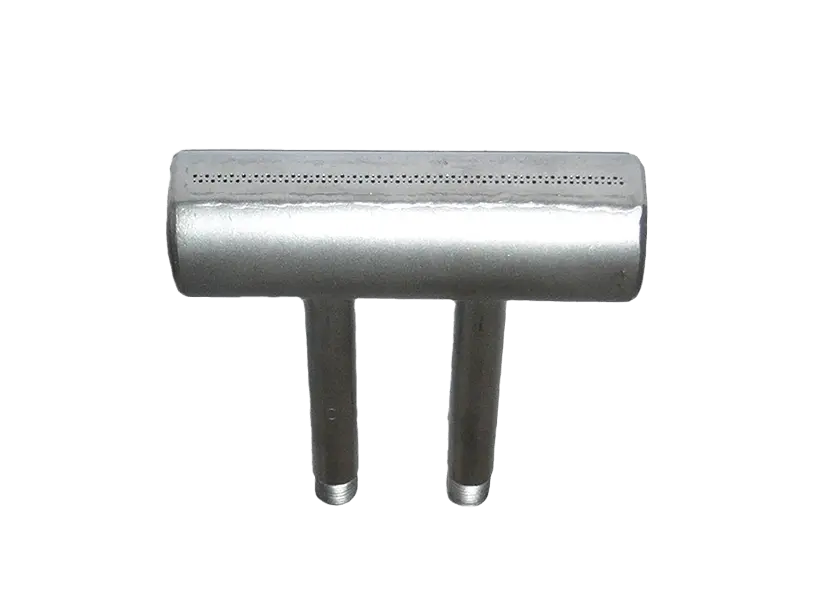
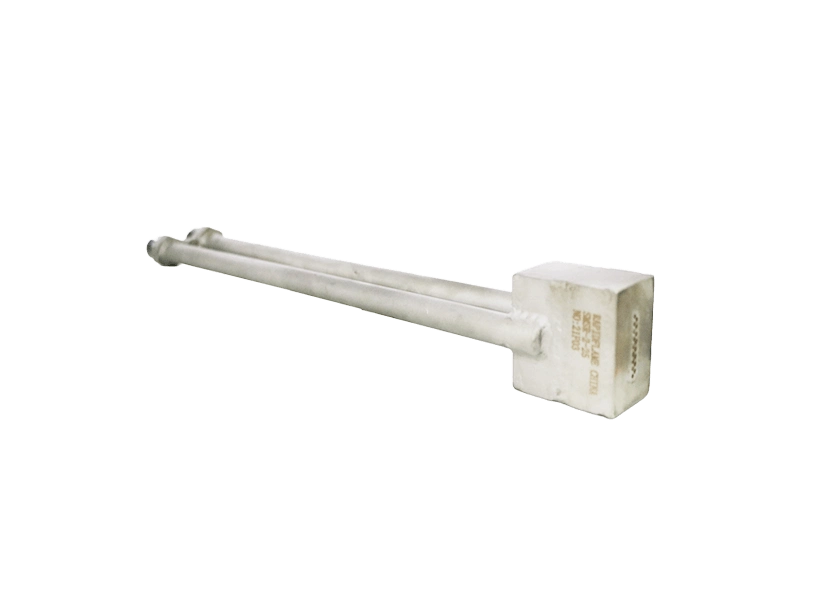
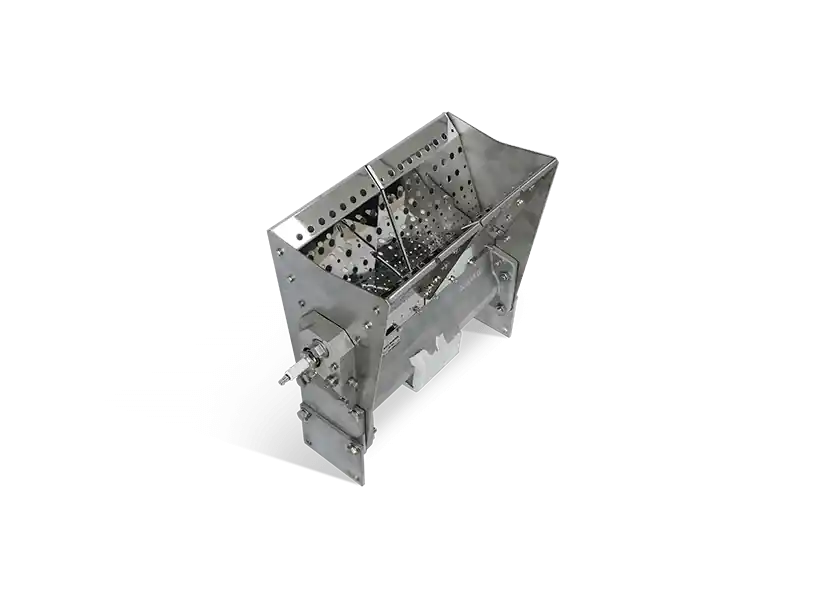
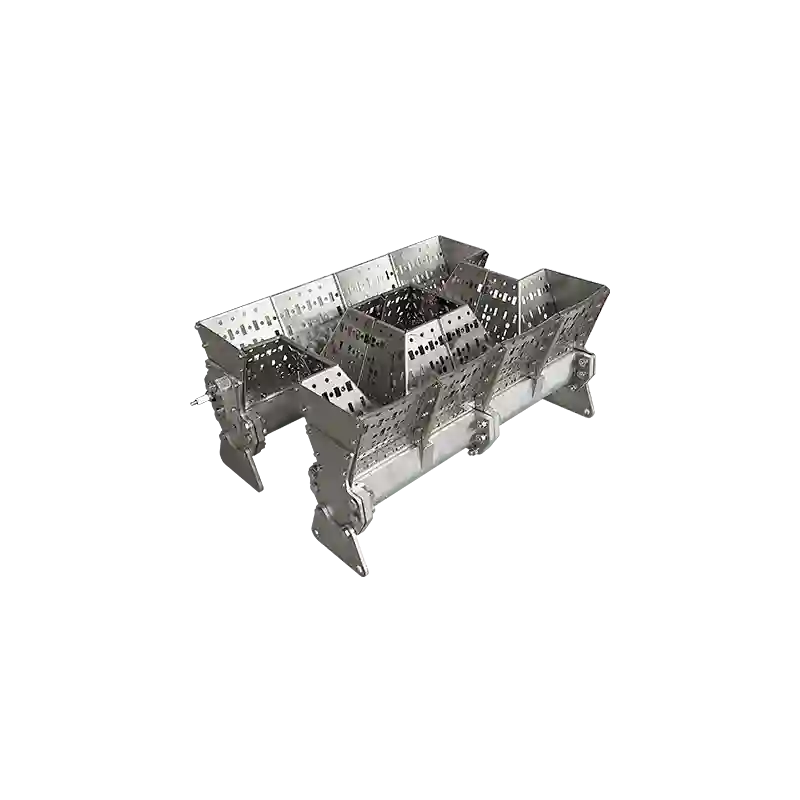
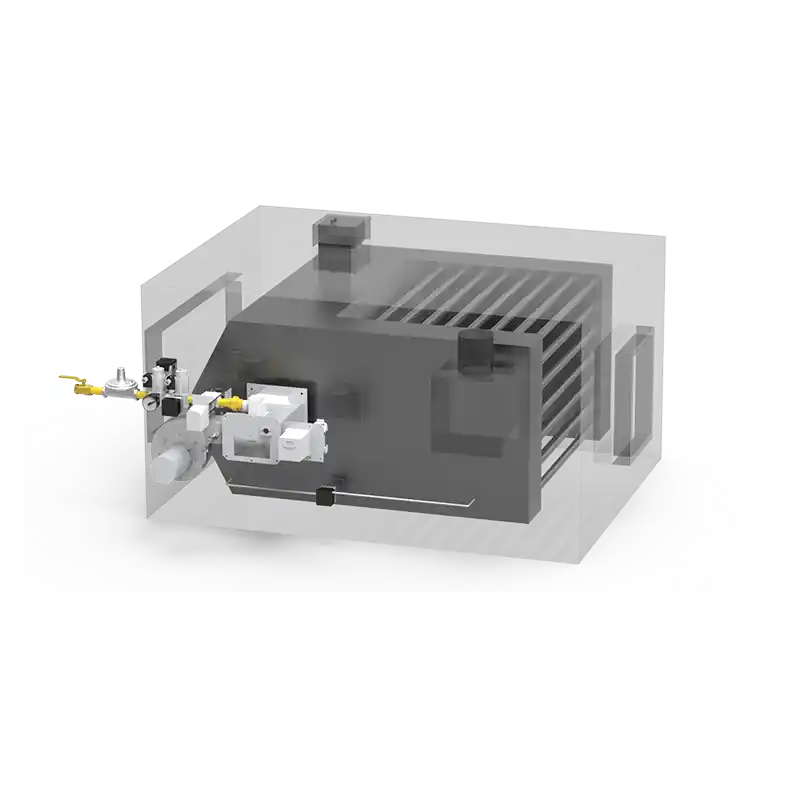
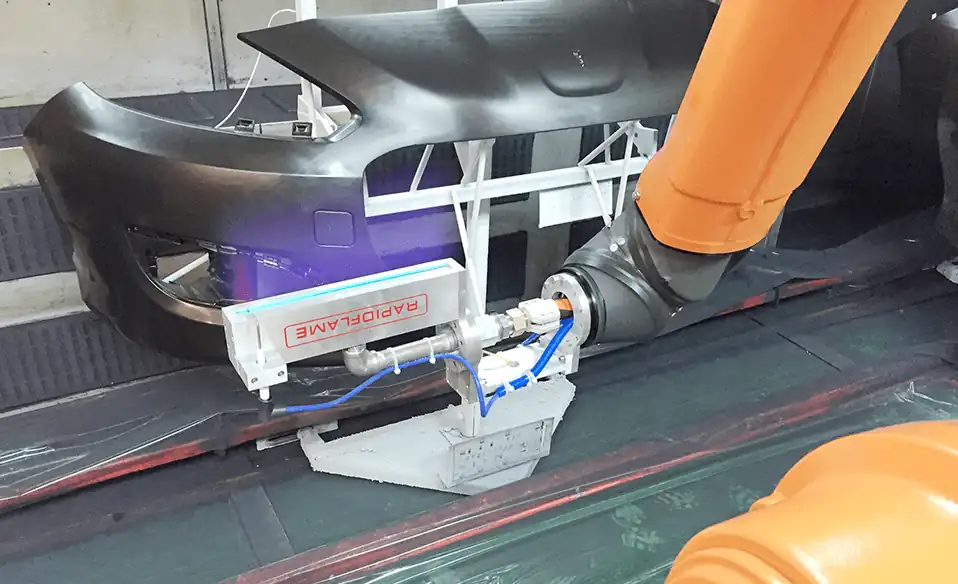
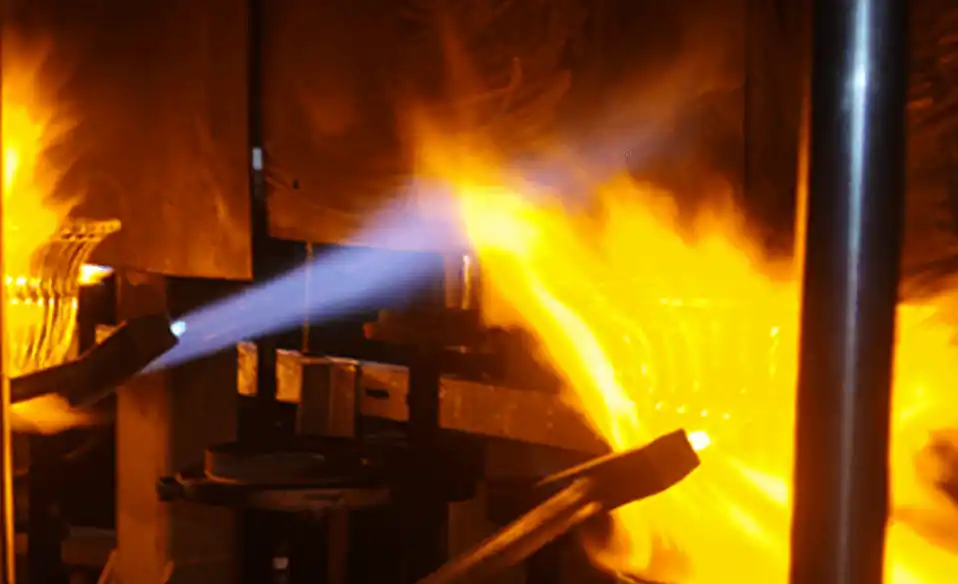
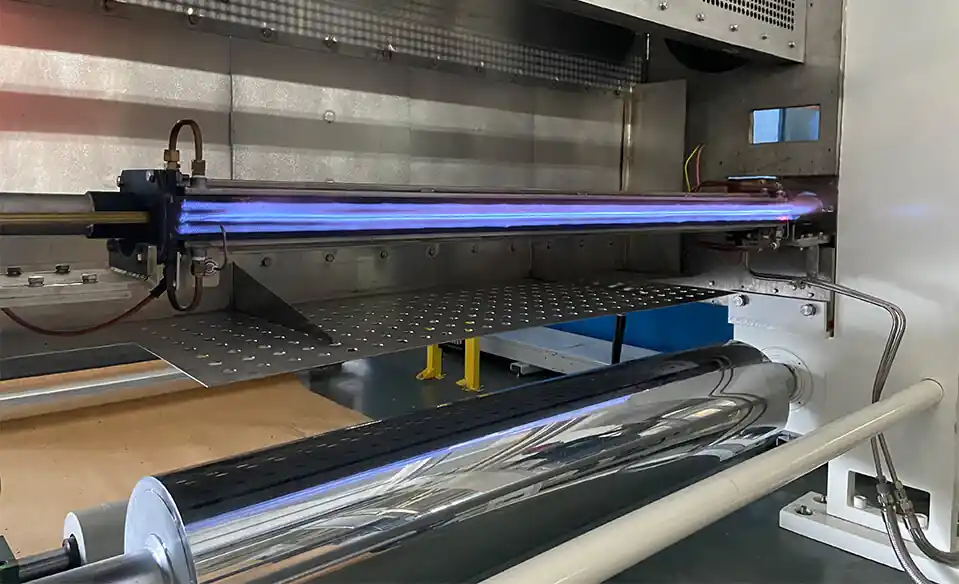
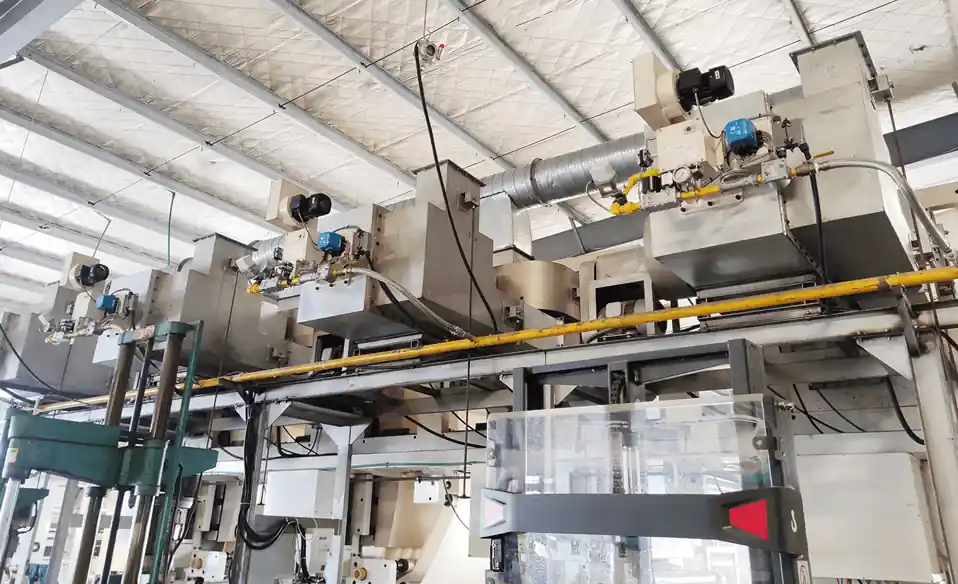
For this reason, HRSG systems generally adopt linear burners or multi‑point distributed combustion systems. Linear burners spread the flame across the duct cross‑section, releasing heat evenly over a wide area and avoiding the heat‑concentration problem of point‑type burners.
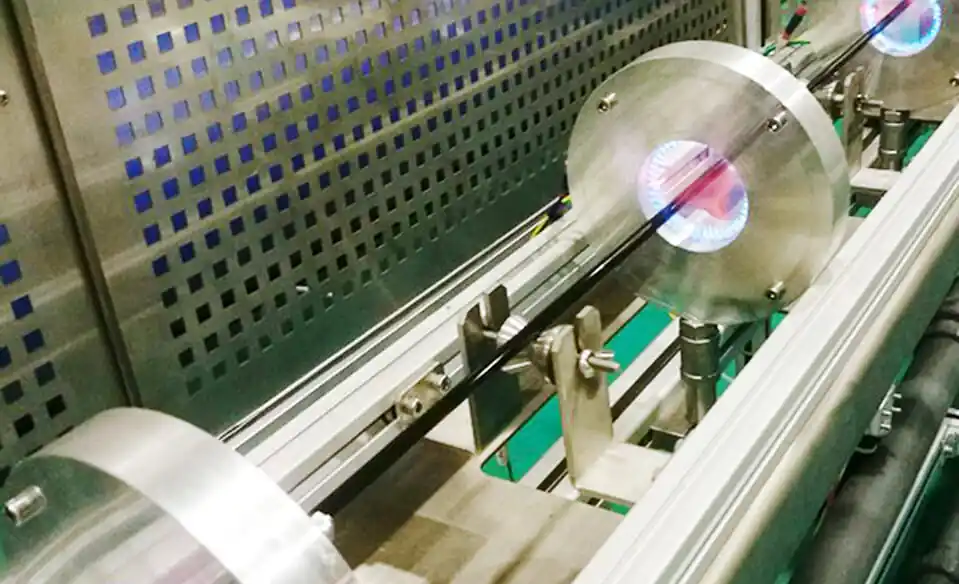
Linear burners create a continuous flame across the wide duct, achieving:
Uniform heat release – the flame is distributed continuously along the burner length.
Lower peak temperatures – avoiding local hot zones helps reduce NOx formation.
More stable HRSG operation – uniform inlet gas temperatures lead to more stable steam parameters.
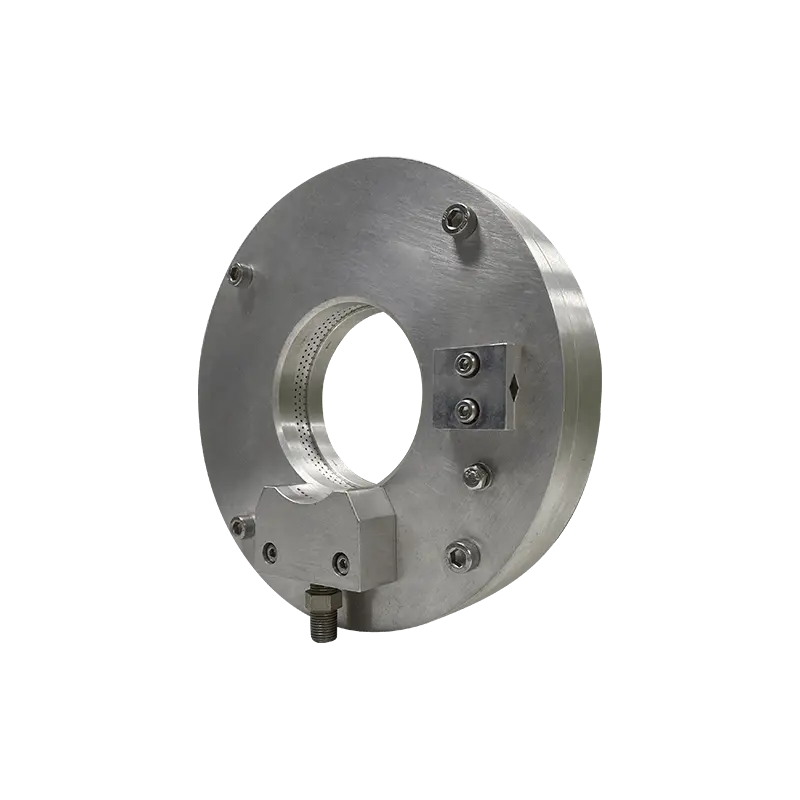
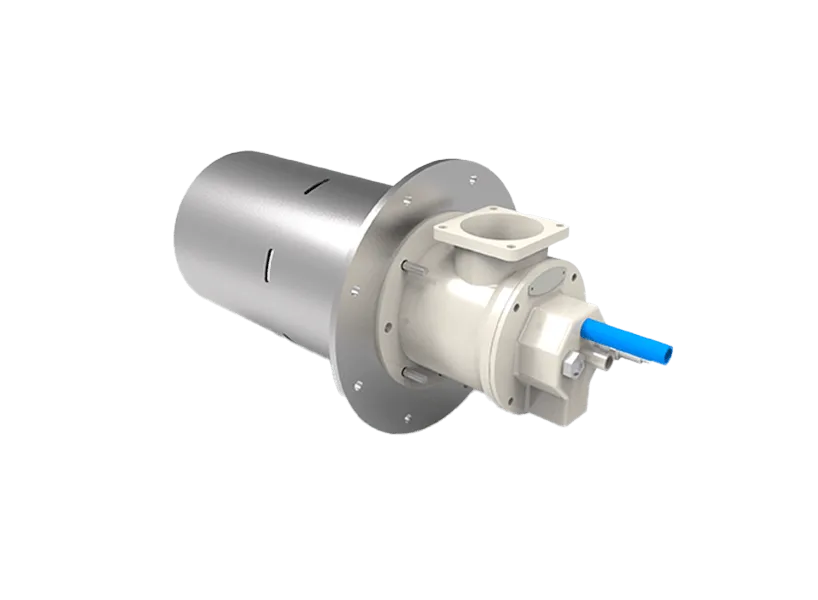
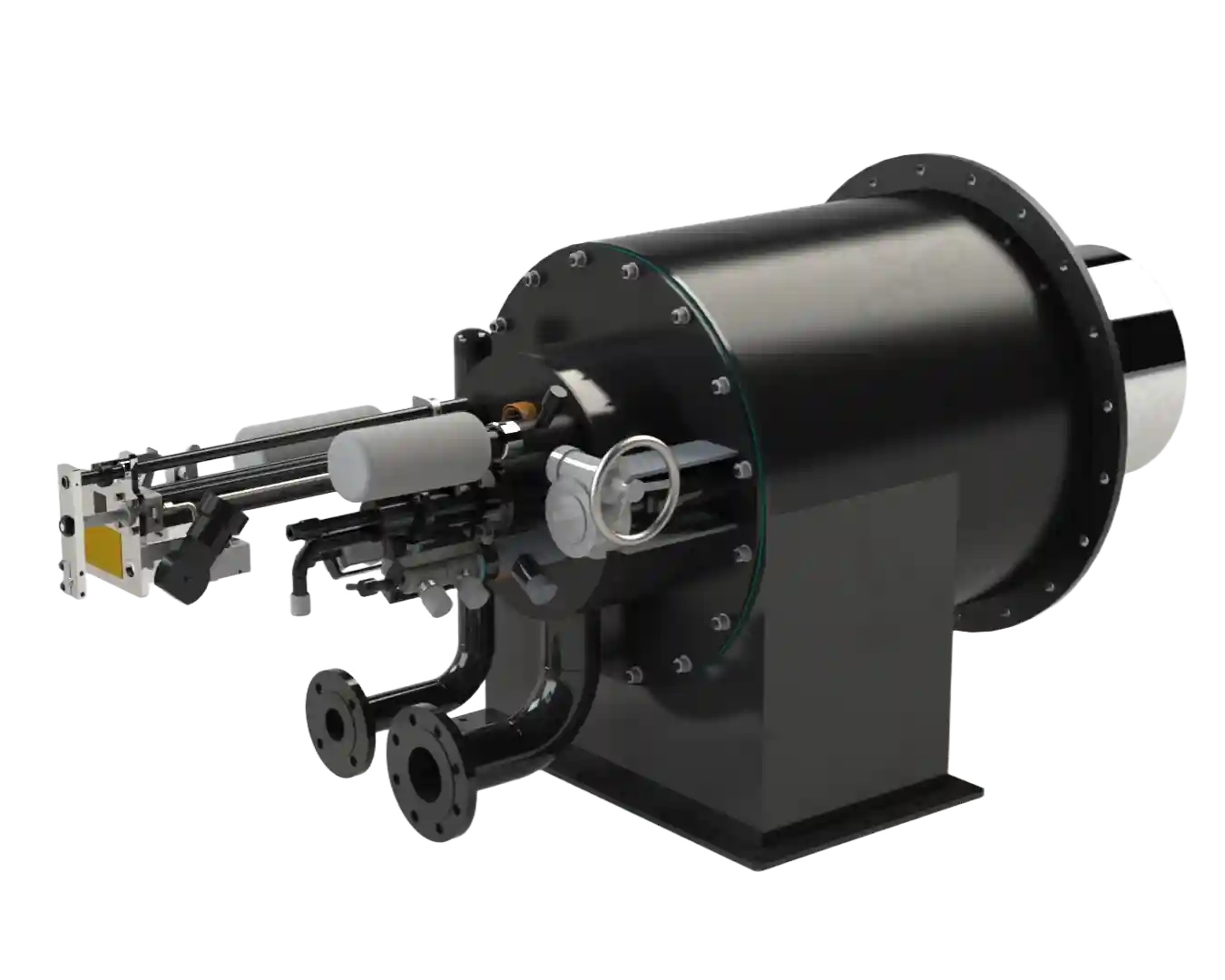
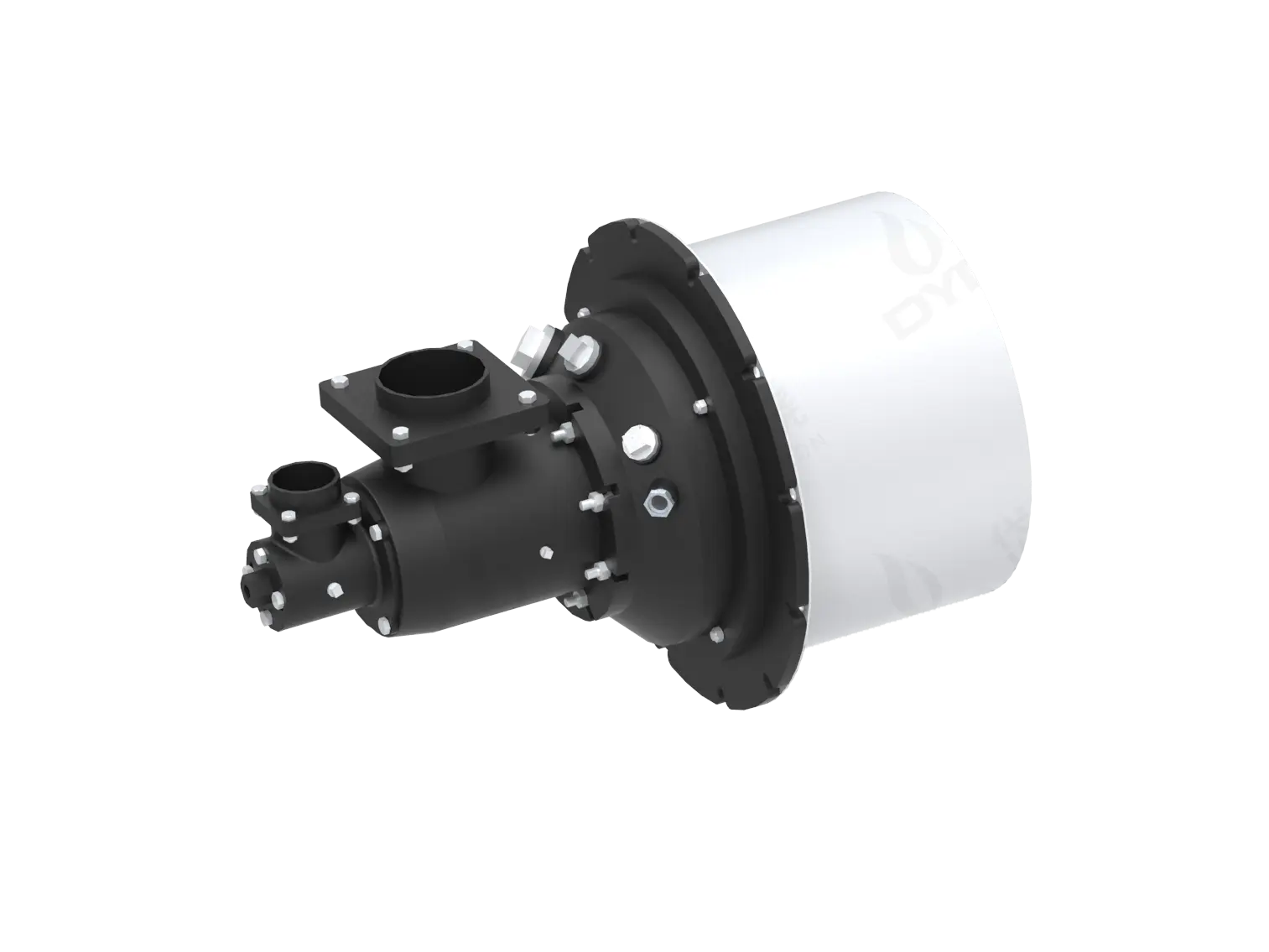
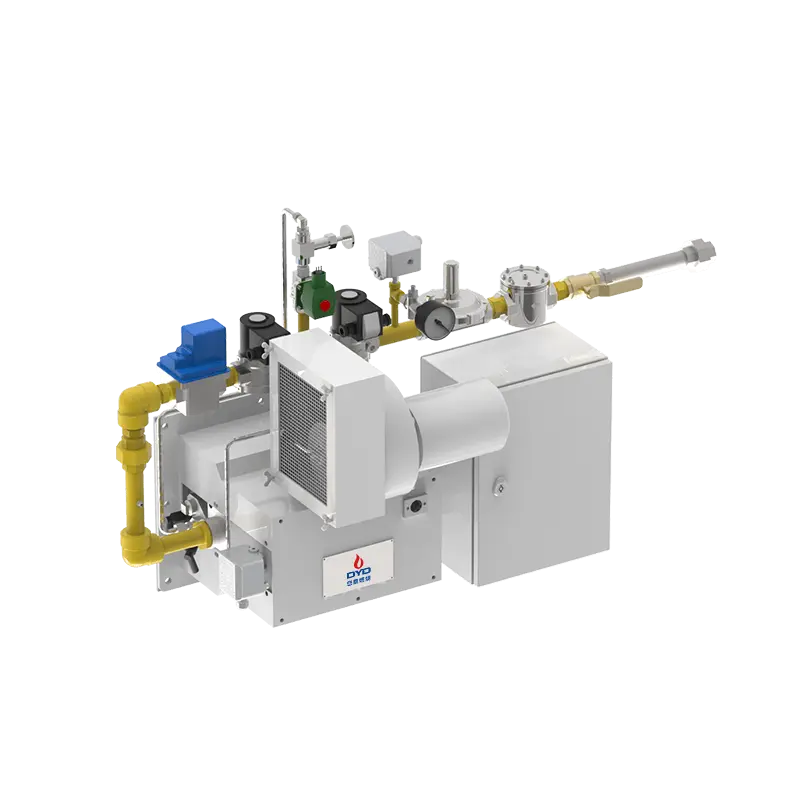
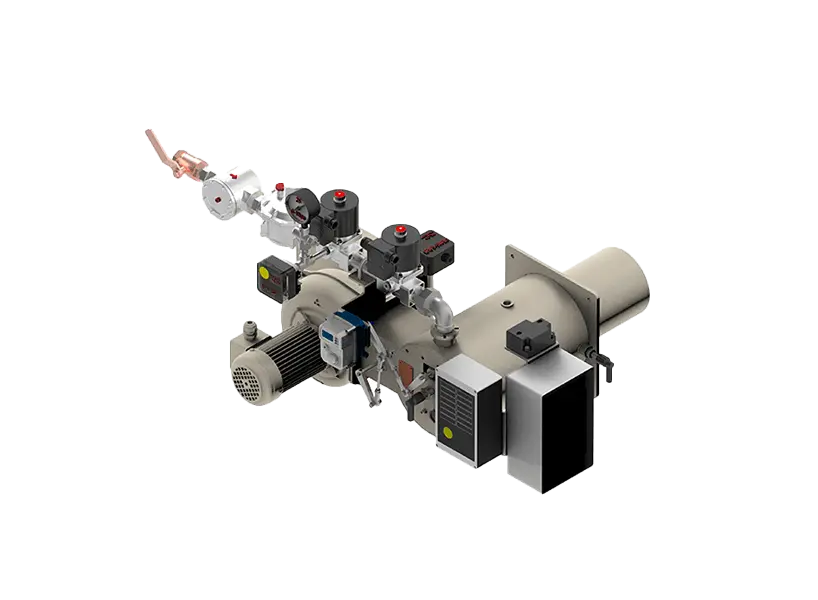
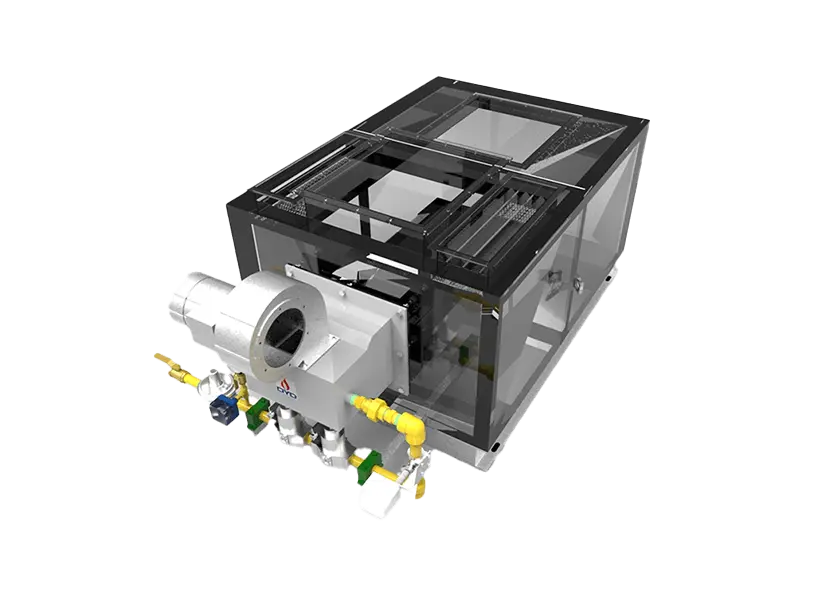
DYDTEC offers several series of linear burners suitable for industrial drying, industrial air heating, and flue‑gas reheating (HRSG). Depending on duct dimensions, flue‑gas velocity, and thermal load requirements, different burner structures and power configurations can be selected to meet diverse needs—from small‑to‑medium industrial waste‑heat recovery systems to large combined‑cycle power plants.
HRSG supplementary‑firing systems typically need to adjust dynamically in response to:
Grid load changes – dispatch requirements cause turbine load variations, and the firing system must track them.
Steam demand fluctuations – downstream steam users may change their requirements.
Process condition changes – in industrial waste‑heat recovery, upstream process variations alter flue‑gas parameters.
The firing system operates in many different states over its lifetime—from gradual warming during start‑up, through load‑following during normal operation, to low‑load standby. Each state places specific demands on the combustion control system.
A high‑quality HRSG duct burner must have:
High turndown ratio – a wide regulation range ensures stable operation at different heat demands.
Stable low‑load operation – maintaining flame stability at low heat output, avoiding frequent start/stop cycles.
Fast response – rapid fuel‑supply adjustment to track temperature setpoints during load changes.
Precise fuel‑gas control – maintaining accurate air‑fuel ratios over the entire regulation range to ensure efficiency and emission compliance.
Otherwise, problems such as flame instability (flame detachment or flashback at low loads), reduced combustion efficiency (off‑design air‑fuel ratios), and increased NOx emissions (local hot spots due to poor combustion organisation) may occur.
As environmental regulations tighten, NOx emission limits for HRSG supplementary‑firing systems are becoming increasingly stringent. Combined‑cycle plants and industrial waste‑heat recovery projects are often located near urban areas or in key control zones, where NOx limits are being continuously reduced. The burner’s environmental performance has become a critical factor in project environmental assessment.
Low‑NOx combustion technologies generally include:
Staged combustion – supplying fuel or air in stages to flatten the flame temperature peak and inhibit thermal NOx formation.
Air‑fuel ratio optimisation – precise control over the entire load range to avoid oxygen‑rich high‑temperature zones.
Flame‑temperature control – lowering peak temperatures through improved combustion organisation.
Flue‑gas recirculation – introducing part of the cooled flue gas into the combustion zone to reduce oxygen concentration and flame temperature.
Low‑temperature combustion – dispersing the combustion region to create a more uniform temperature field.
DYDTEC offers low‑NOx burner series that utilise advanced combustion techniques to reduce NOx emissions. Under ideal combustion conditions, emissions can be kept below 50 mg/m³, meeting the environmental limits in most regions of China for HRSG supplementary‑firing systems.
HRSG supplementary firing is fundamentally different from ordinary industrial kiln combustion. While conventional point‑type burners work well in small furnaces, they cause heat concentration and uneven temperature distribution in large‑section ducts. Linear burners are specifically developed to solve this problem.
The manufacturer should possess:
Large‑burner design capability – ability to design burner length and structure matching the duct cross‑section.
Multi‑point flame organisation – achieving uniform flame distribution and stable attachment over a wide combustion area.
Adaptation to flue‑gas conditions – maintaining stable combustion in low‑oxygen, high‑velocity exhaust.
CFD flow‑field simulation – using numerical simulation to optimise burner design and mixing performance.
If a manufacturer only produces standard gas nozzles, they will struggle to meet HRSG project requirements. The design of an HRSG duct burner must consider duct geometry, velocity distribution, oxygen concentration field, heat‑load distribution, and emission targets simultaneously—requiring solid thermal engineering know‑how and project experience.
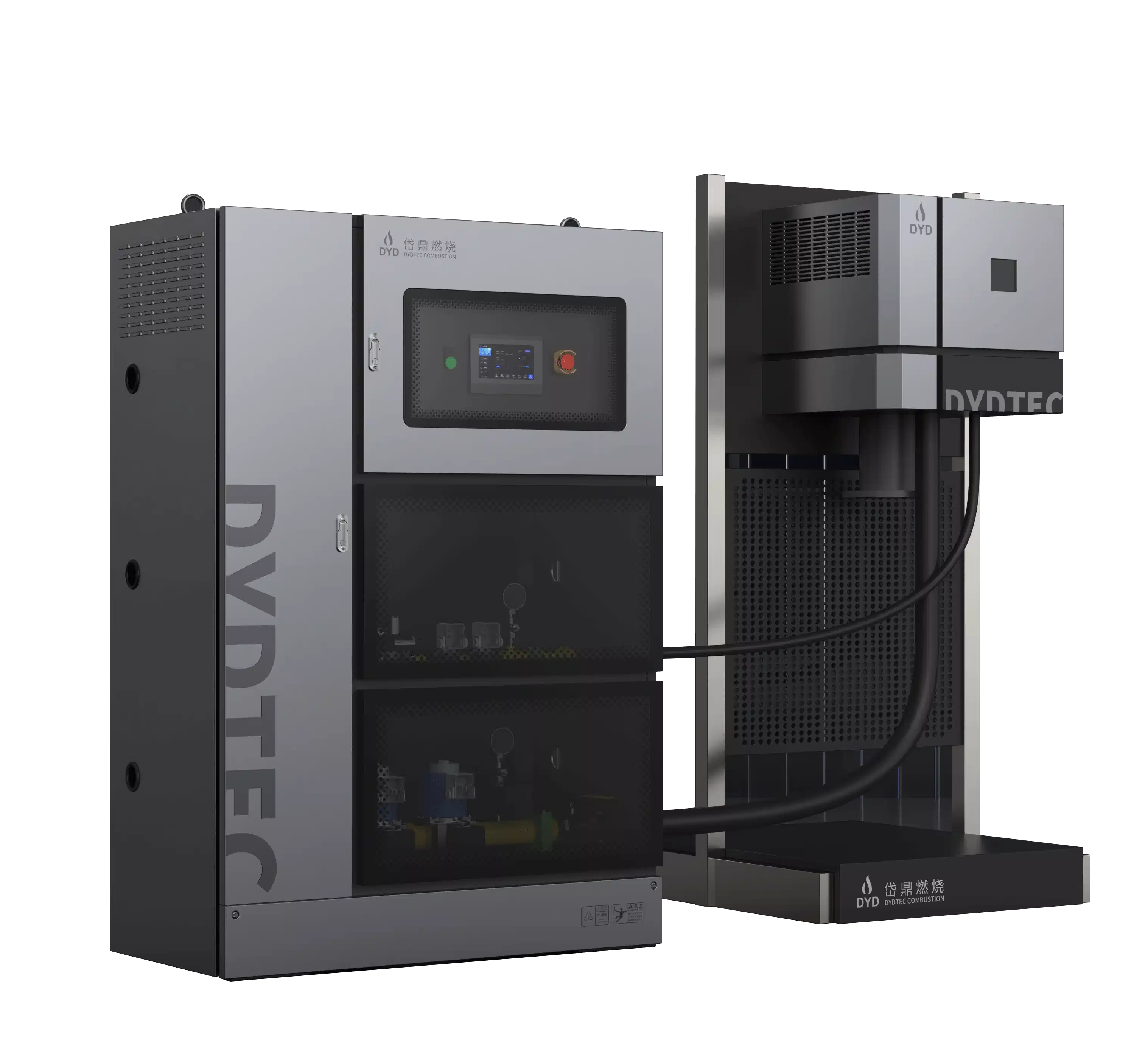
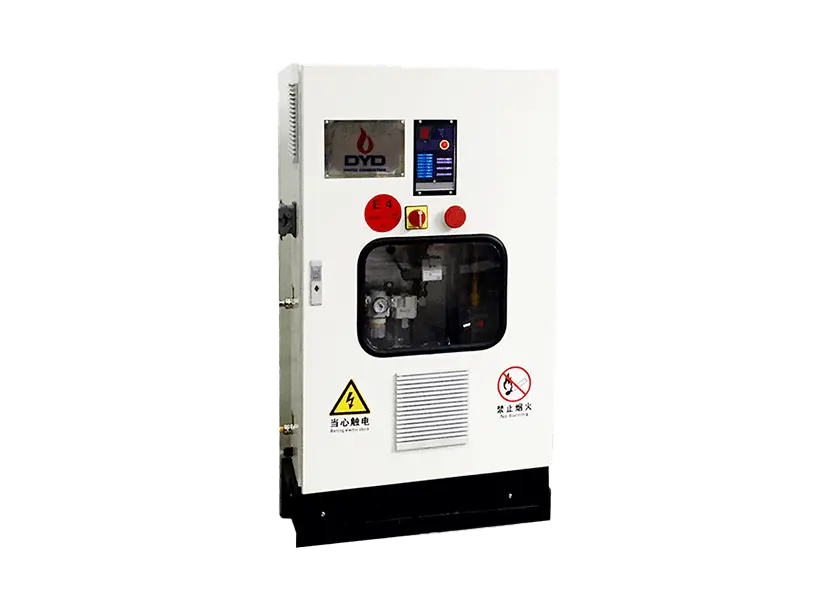
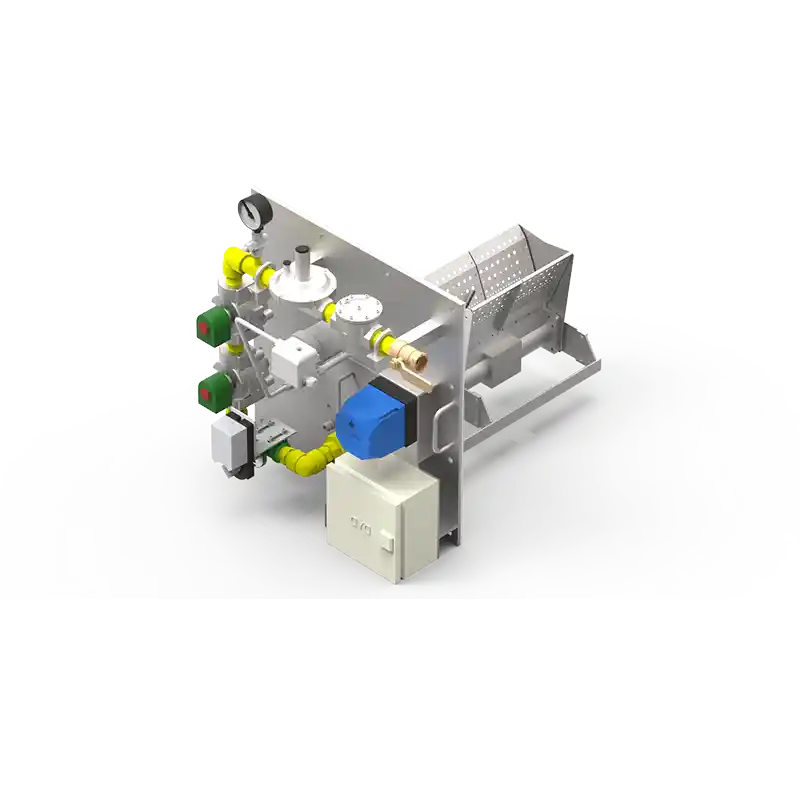
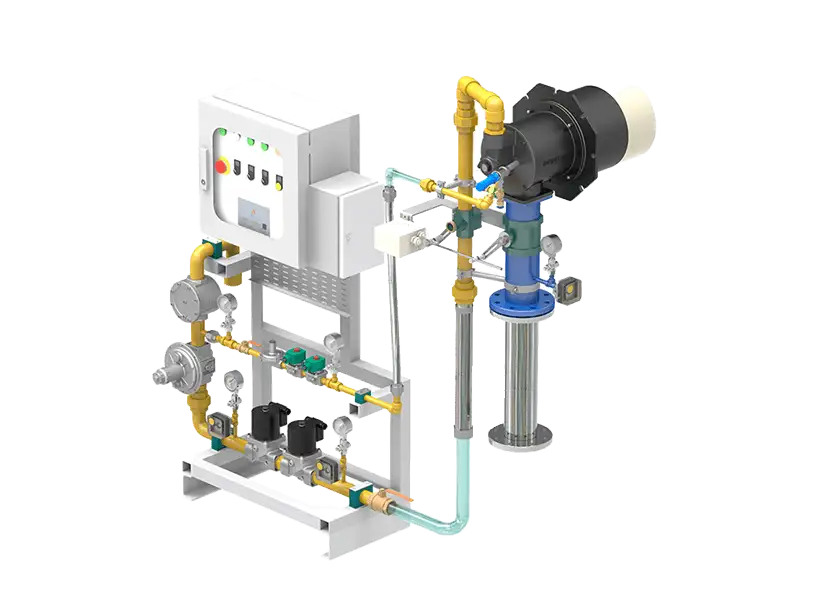
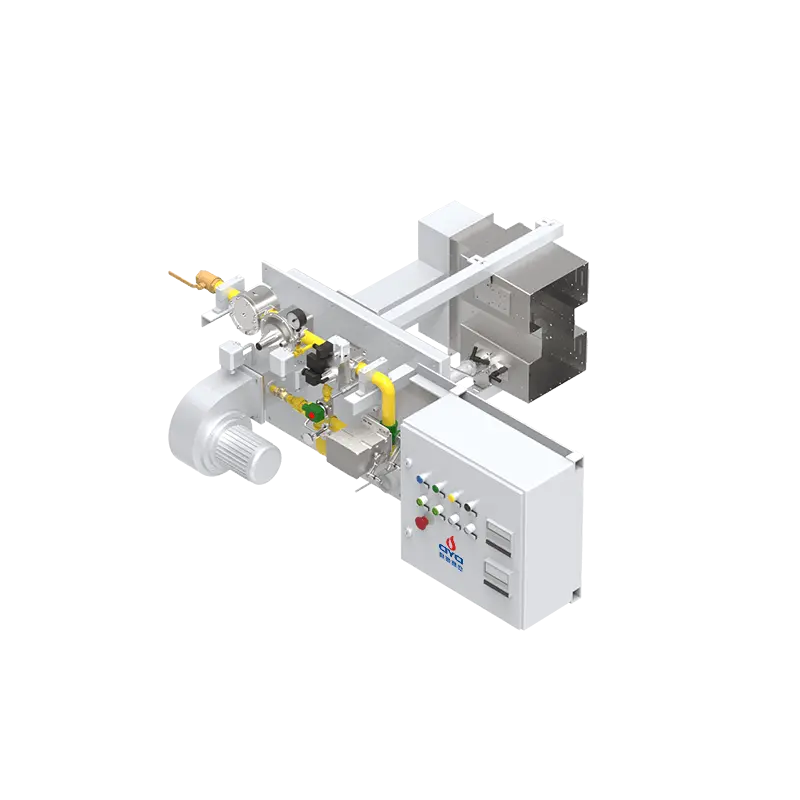
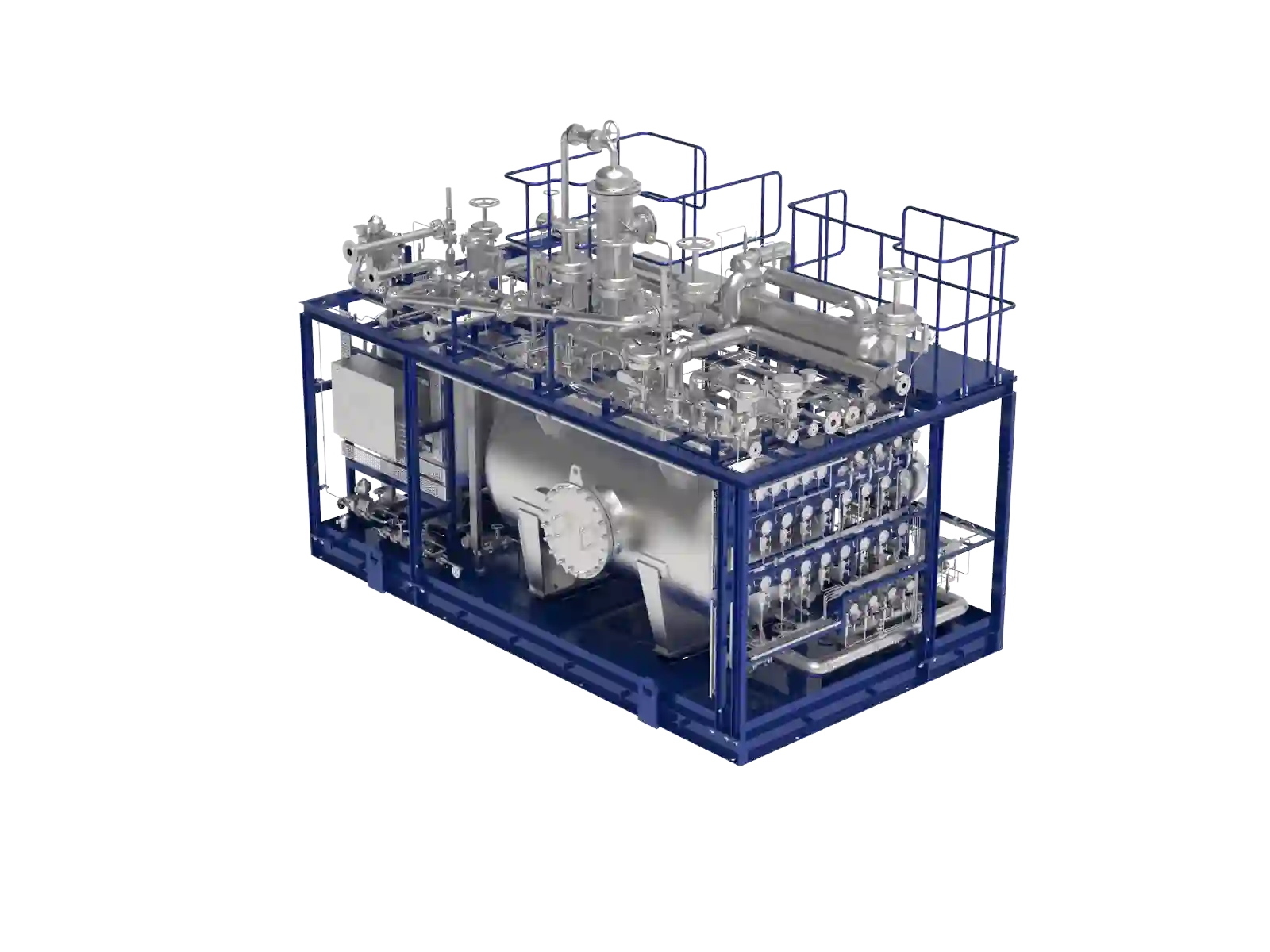
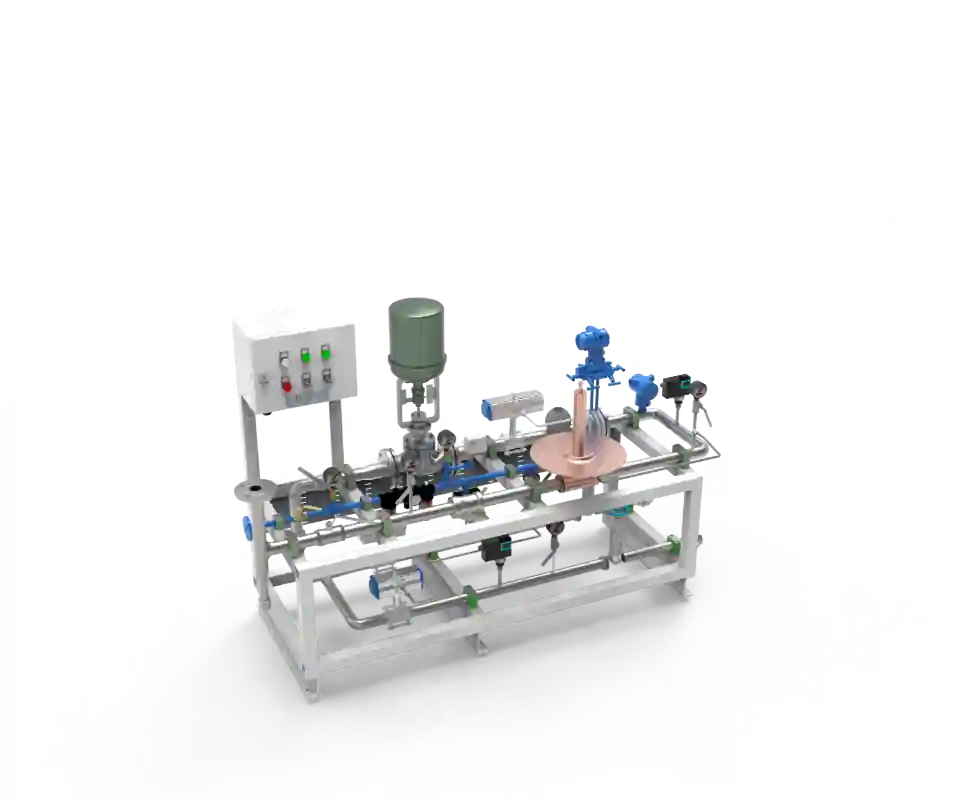
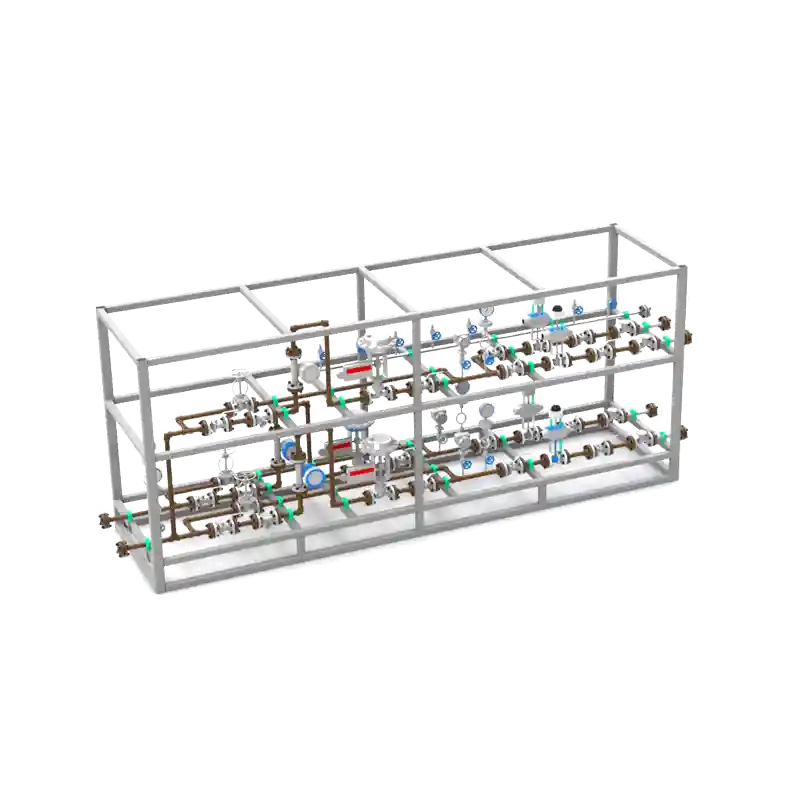
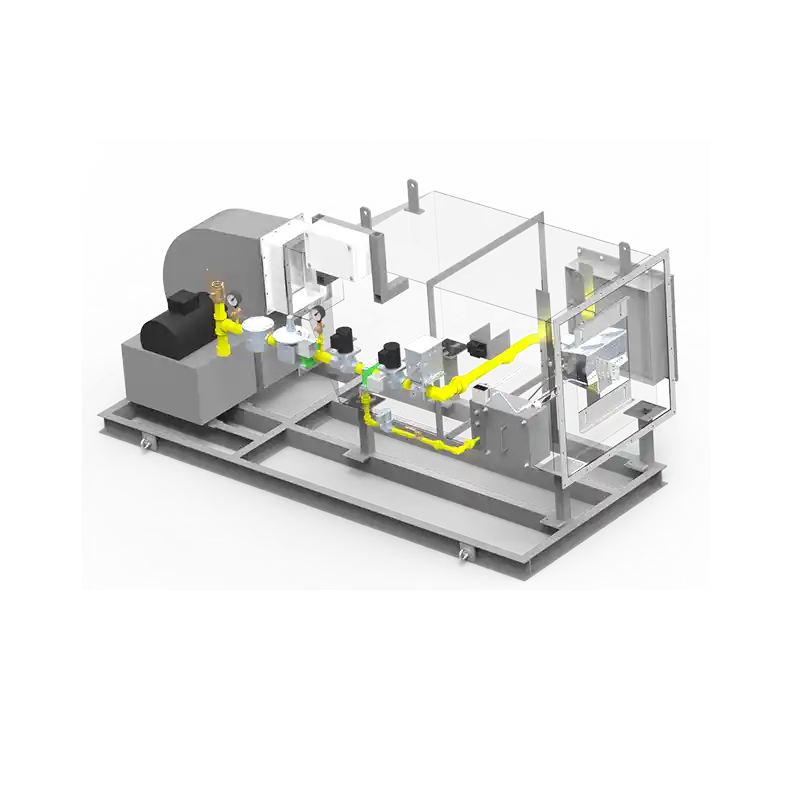
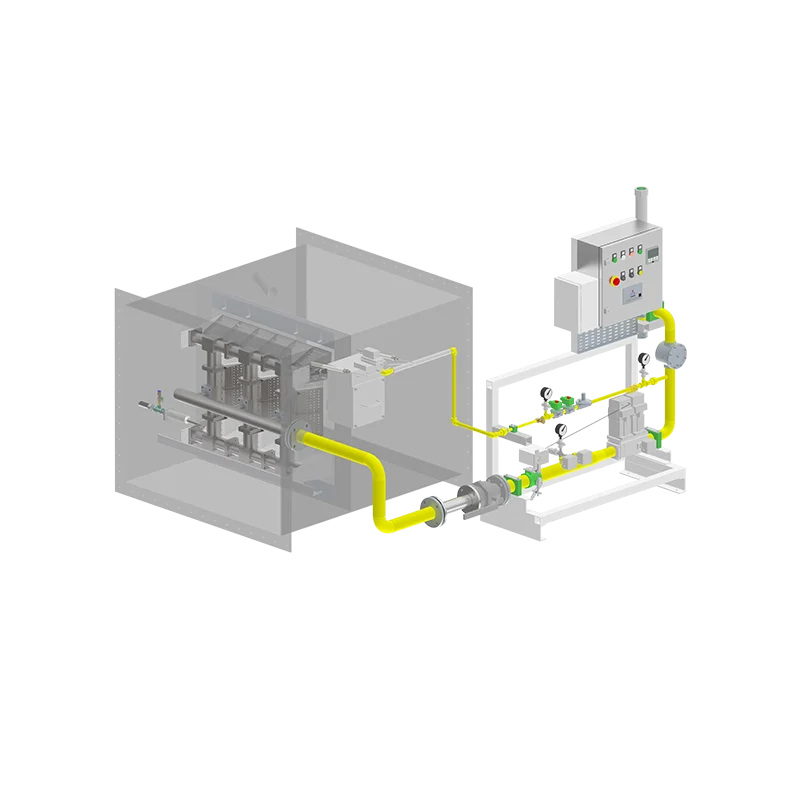
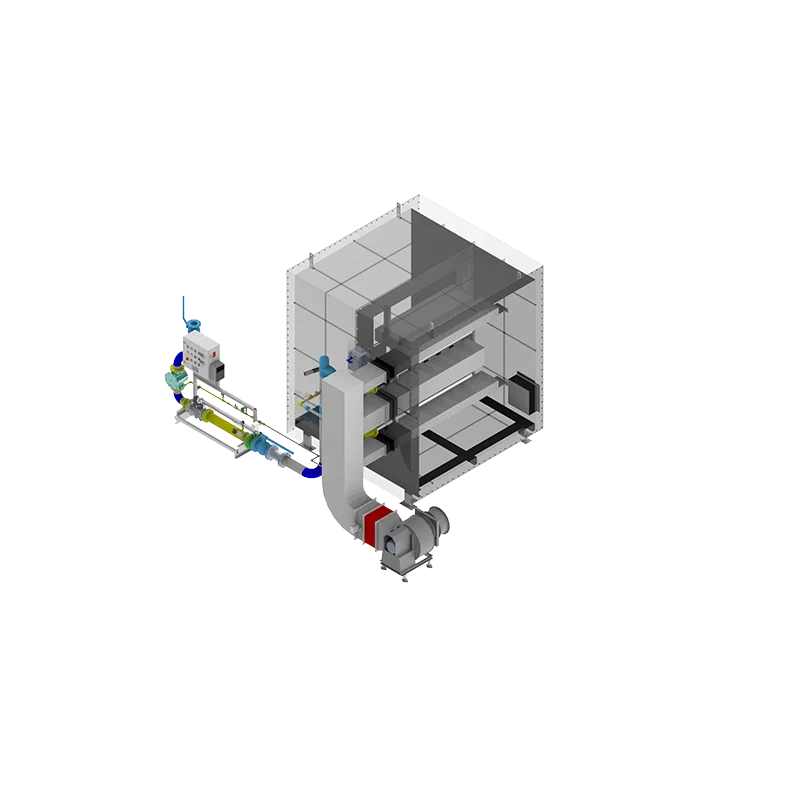
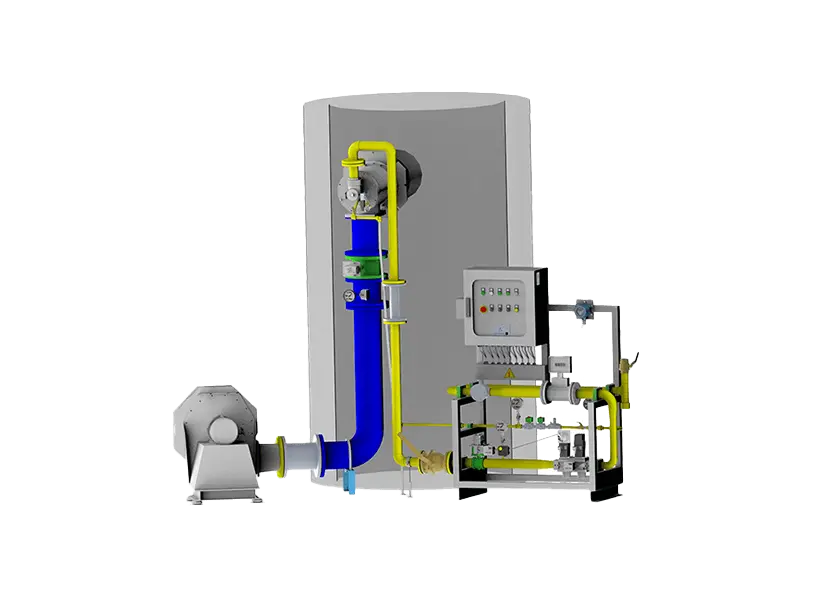
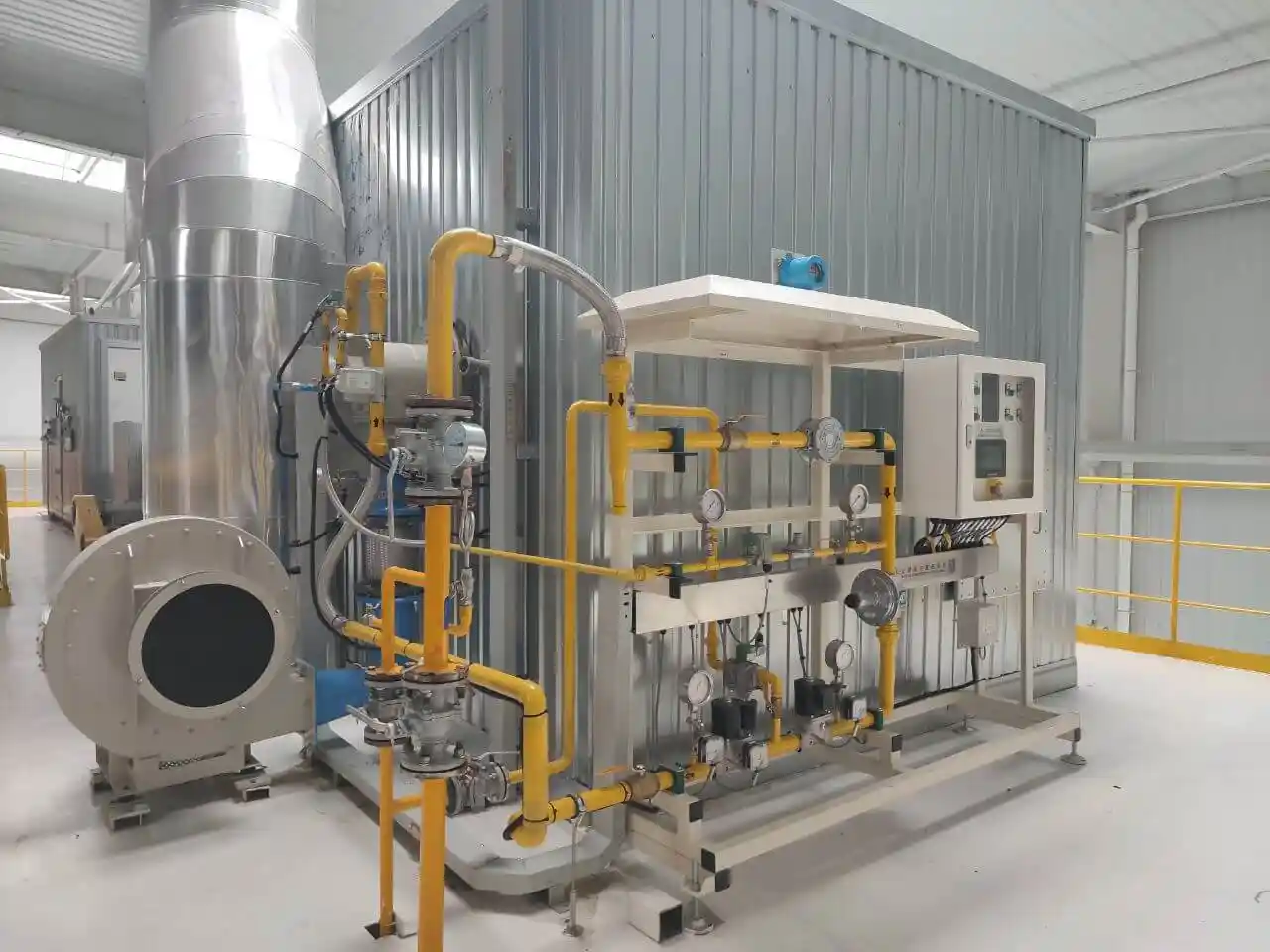
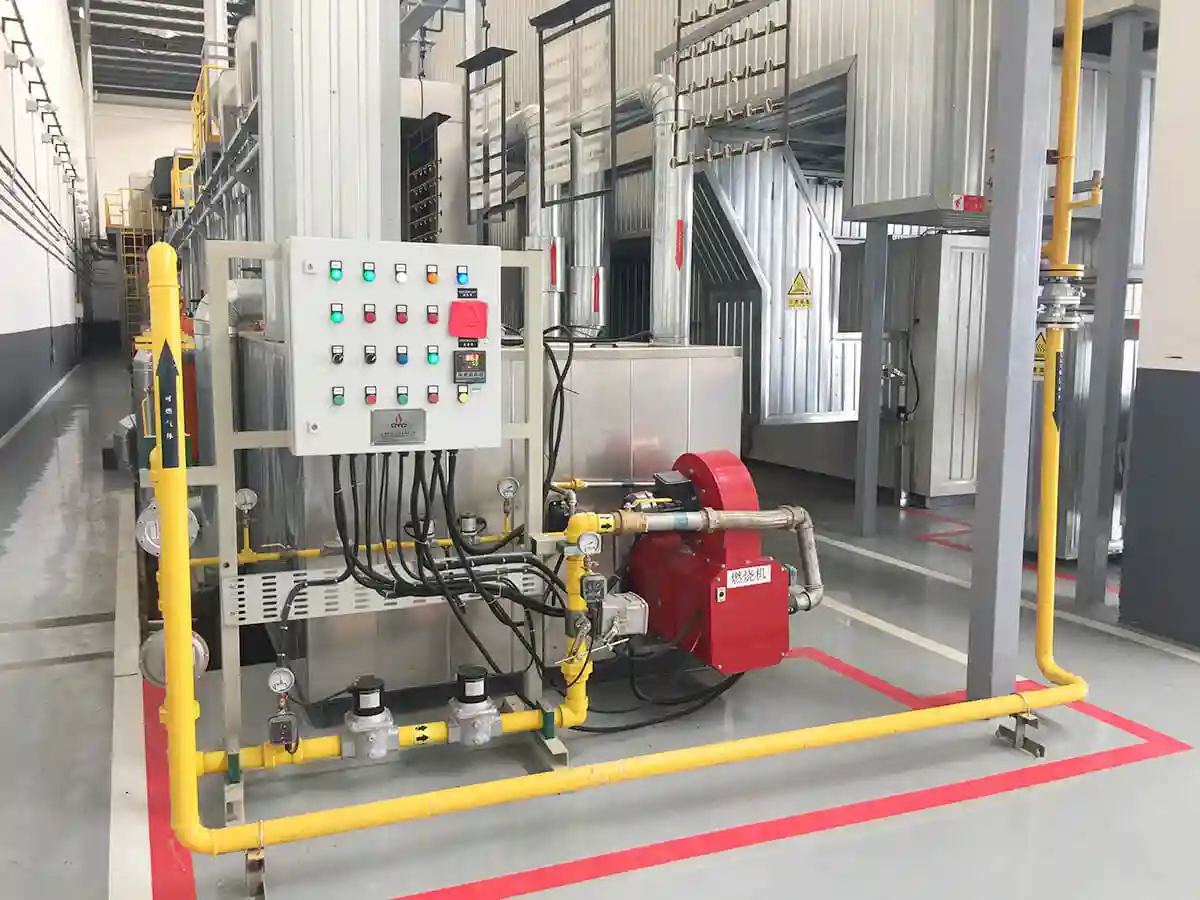
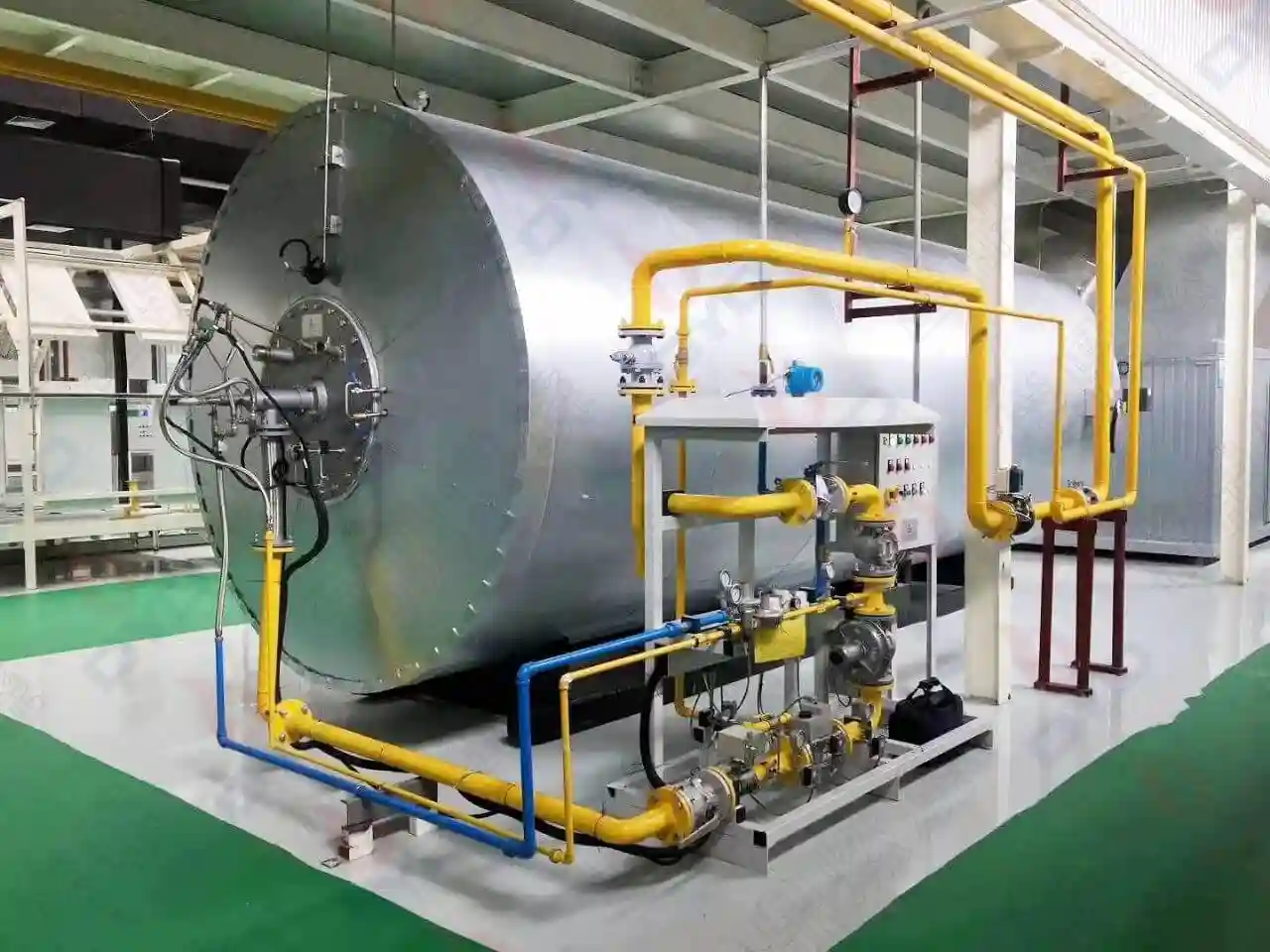
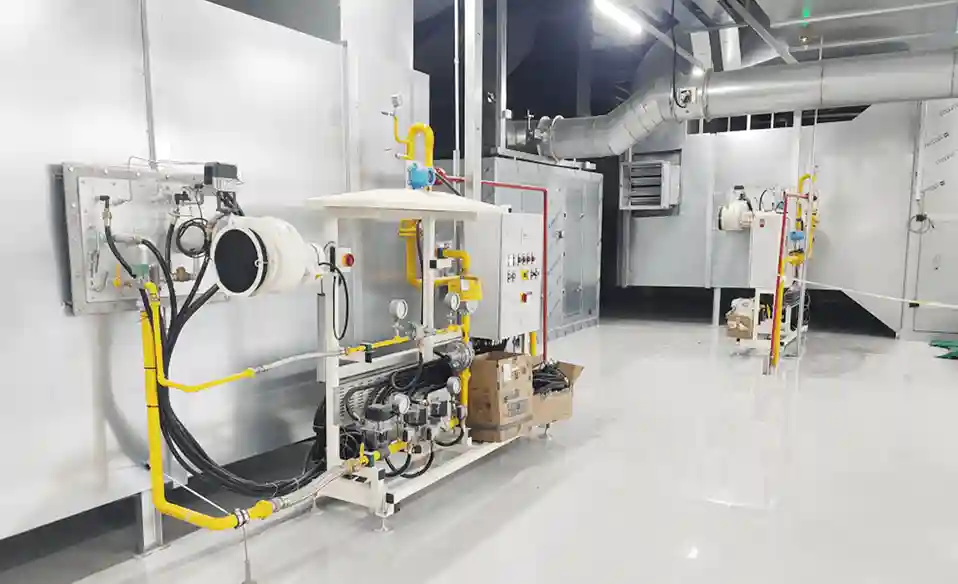
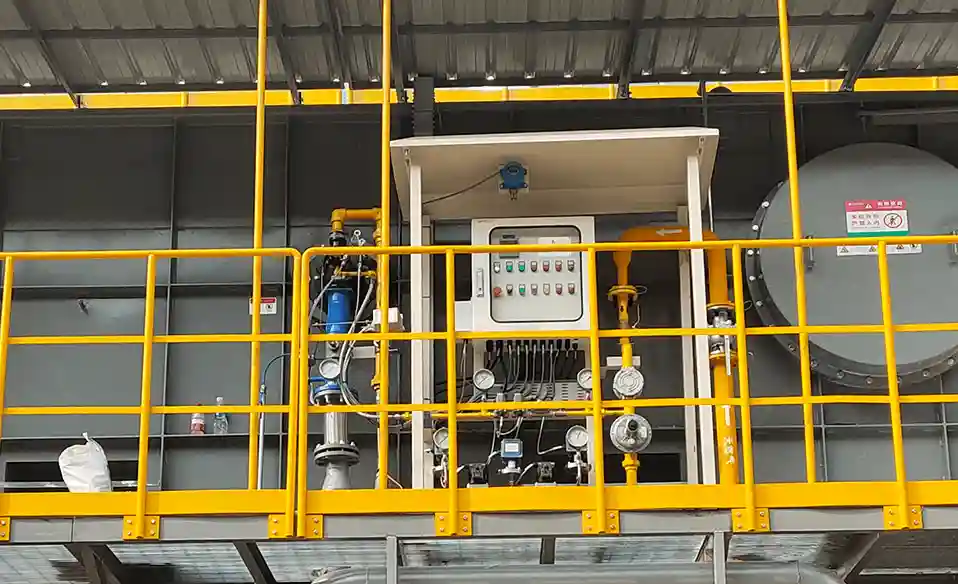
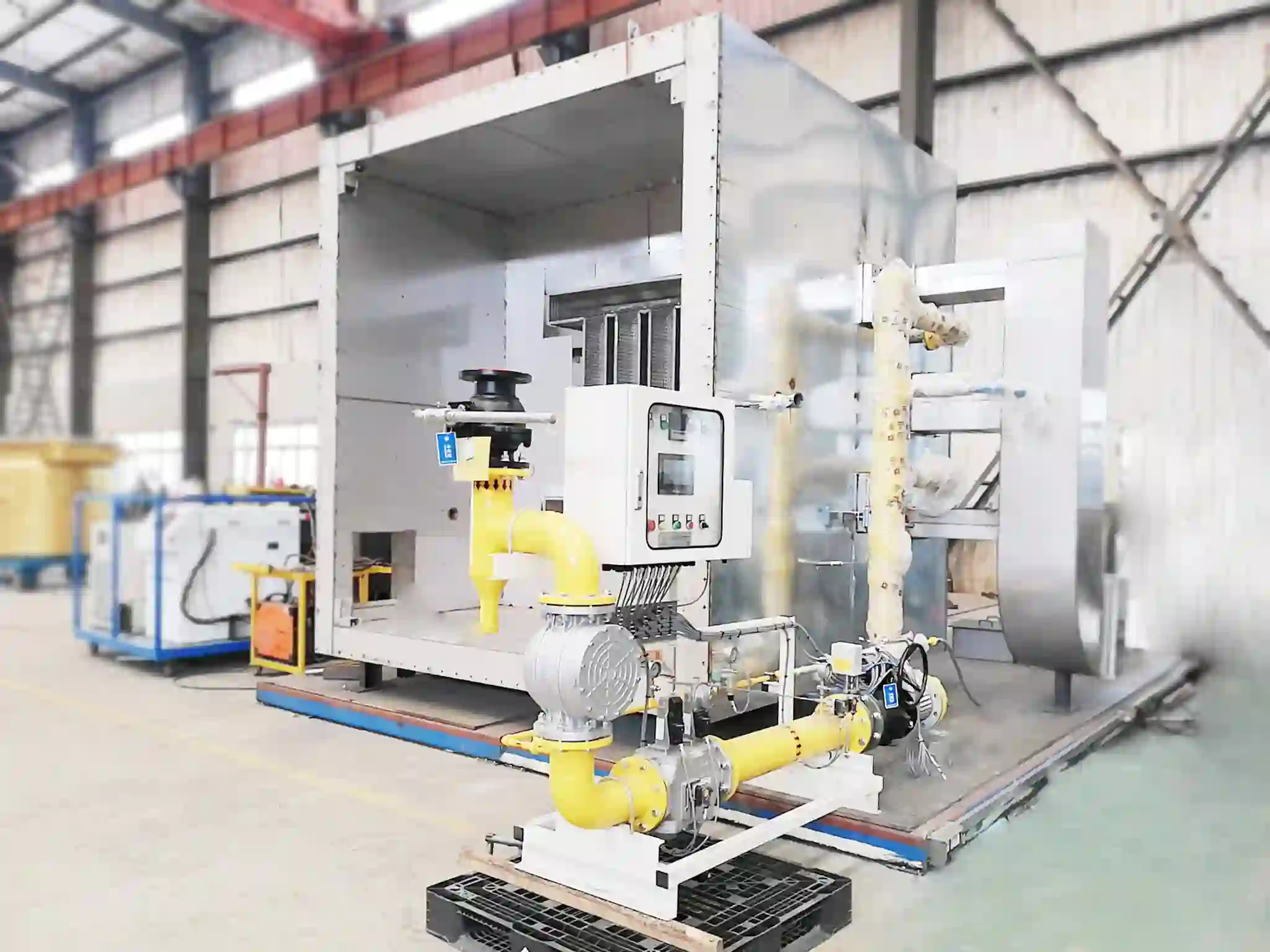
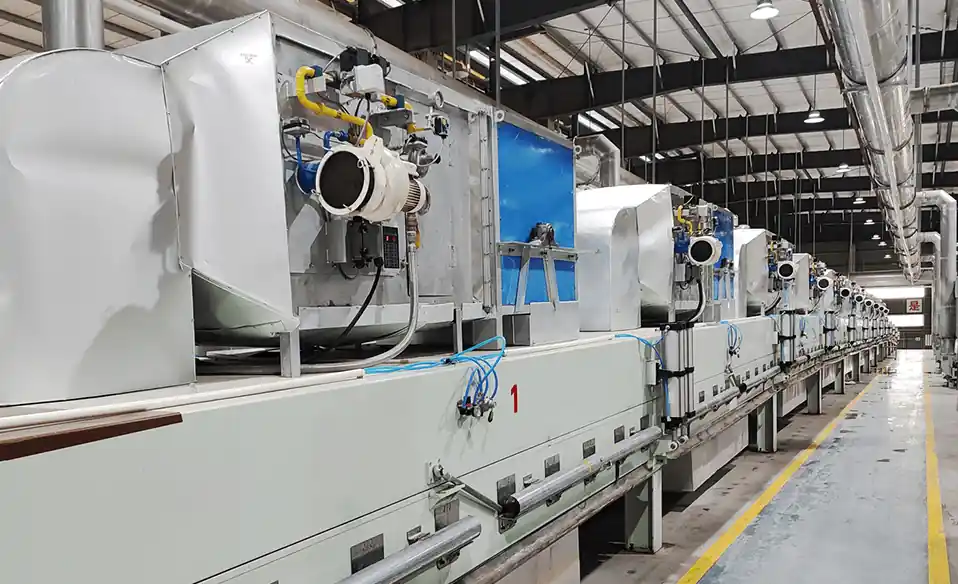
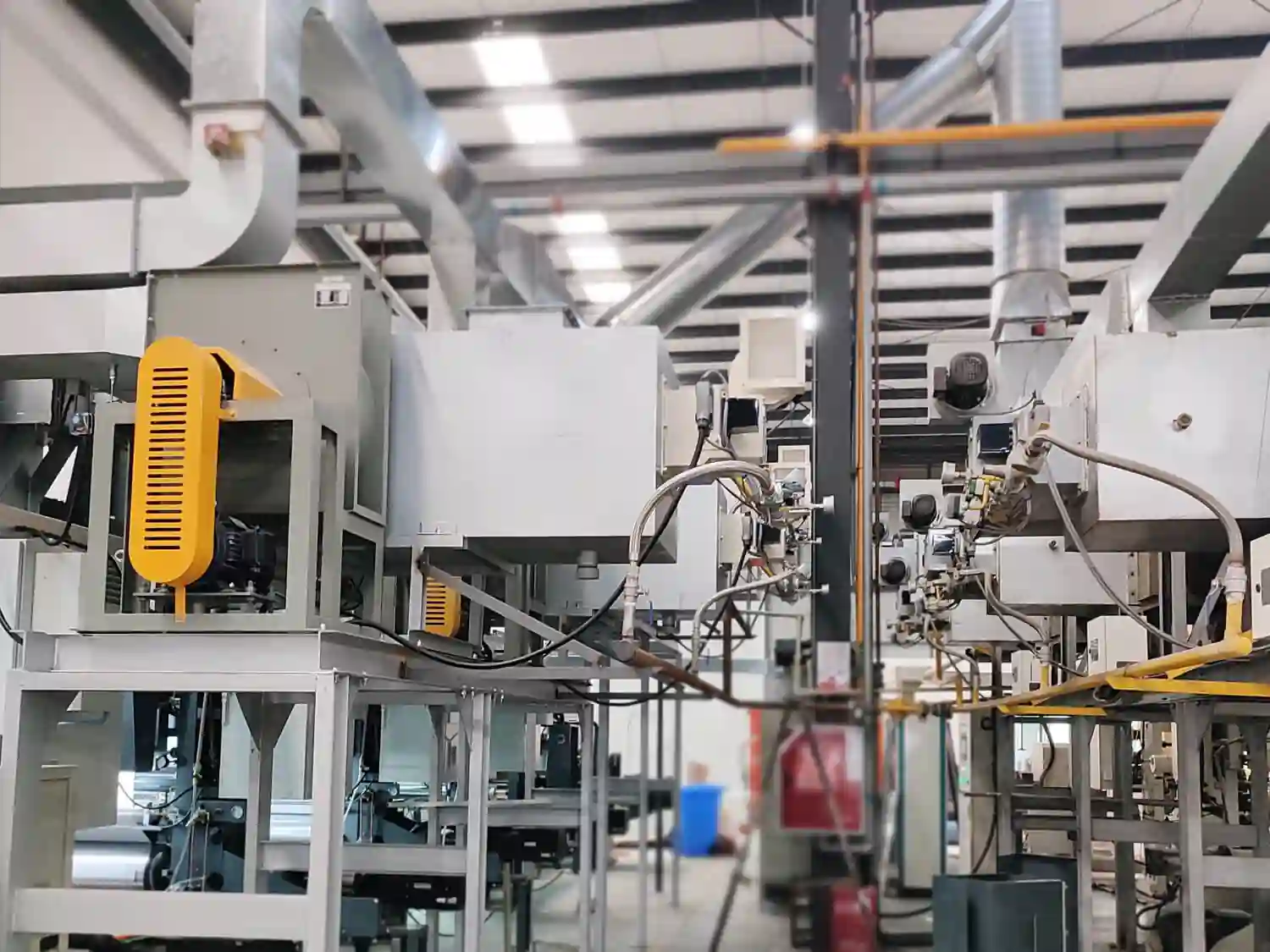
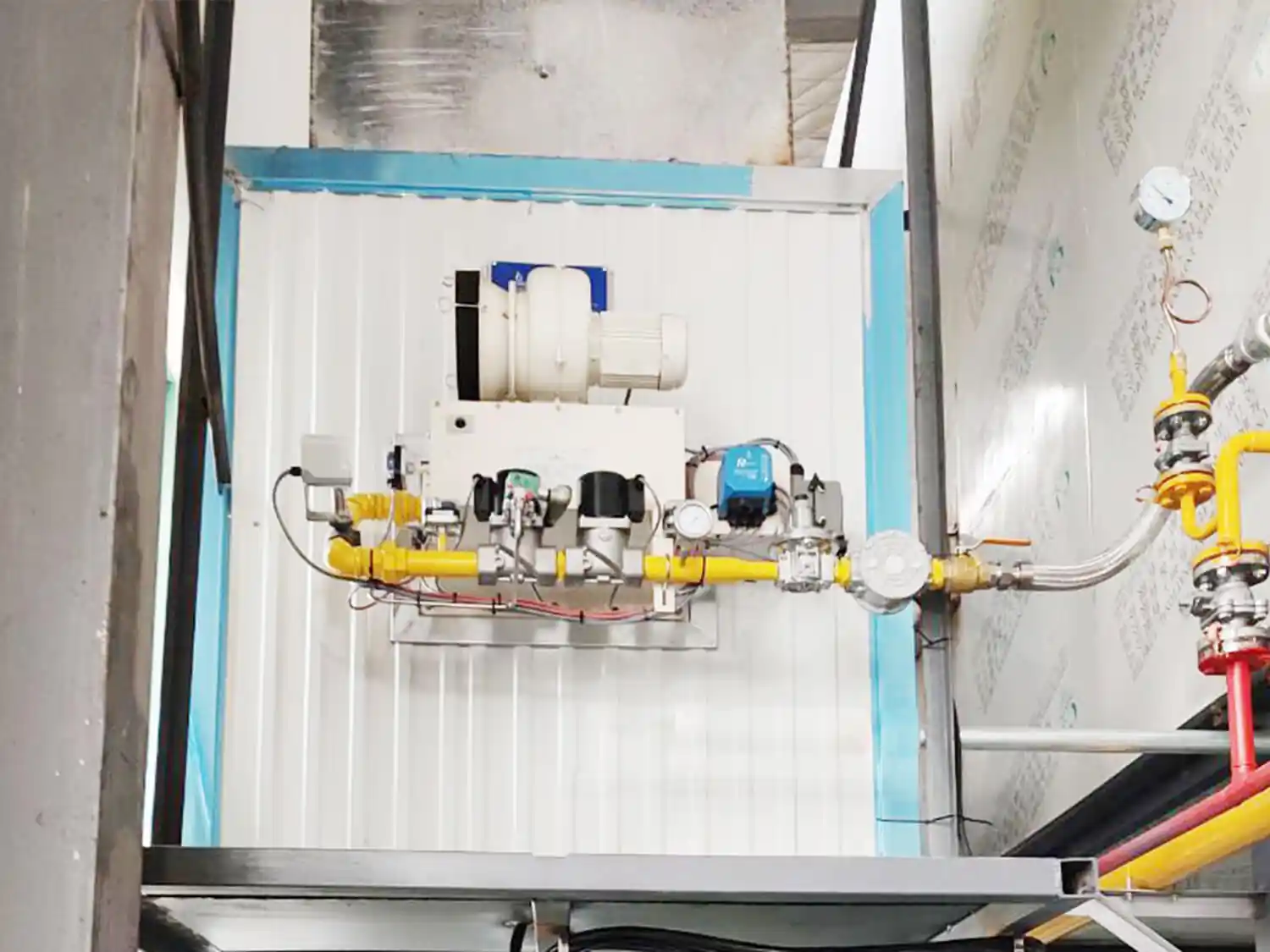
HRSG supplementary firing is not just a burner; it is a system engineering effort. A burner can only work properly in concert with subsystems for fuel supply, combustion air, ignition, flame detection, safety interlocks, and automatic regulation. The absence of any component can render the whole system unreliable.
Typical subsystems include:
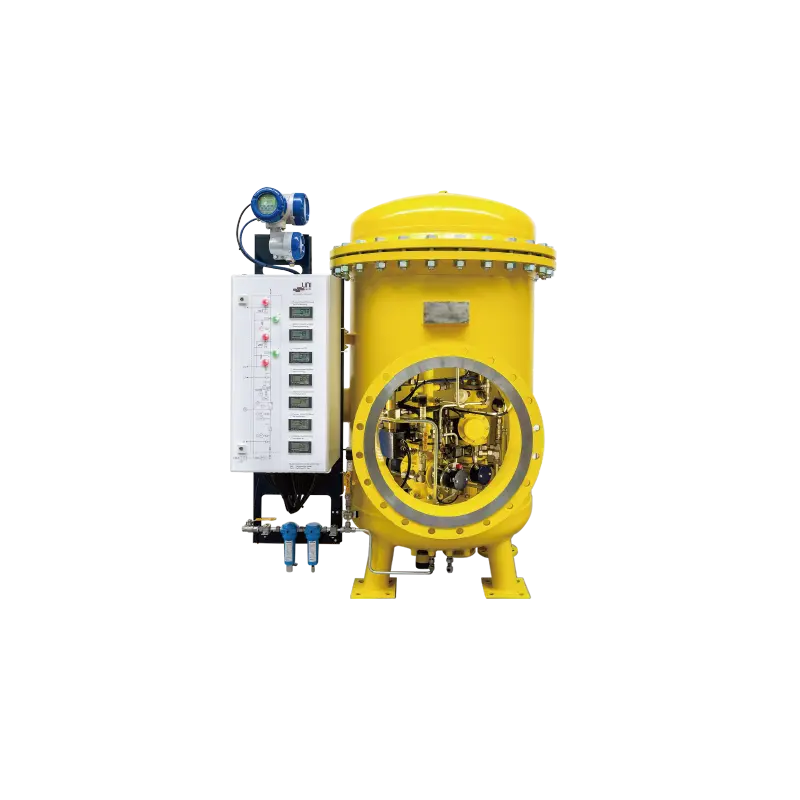
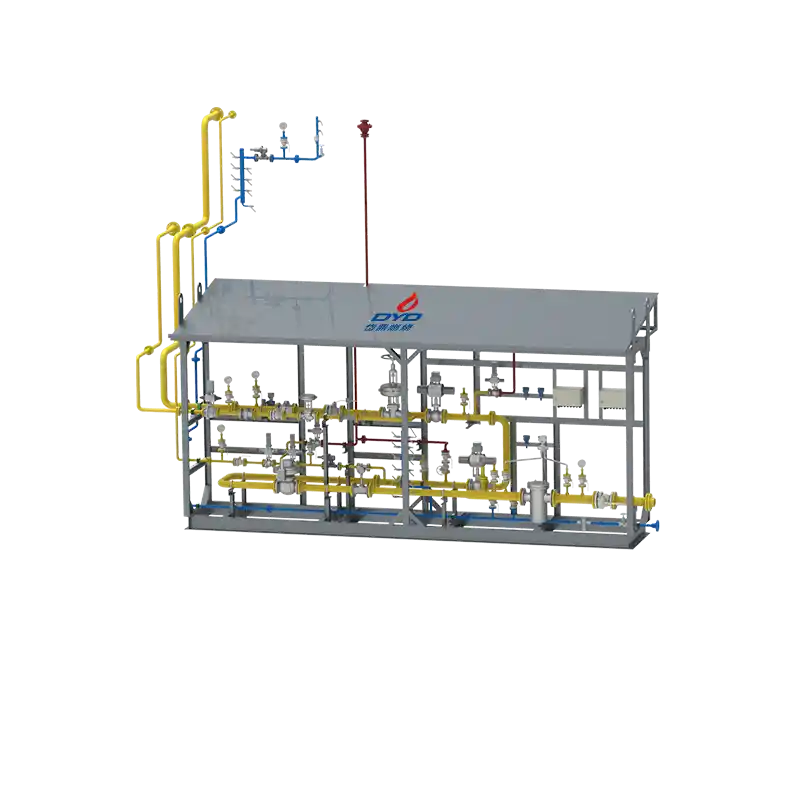
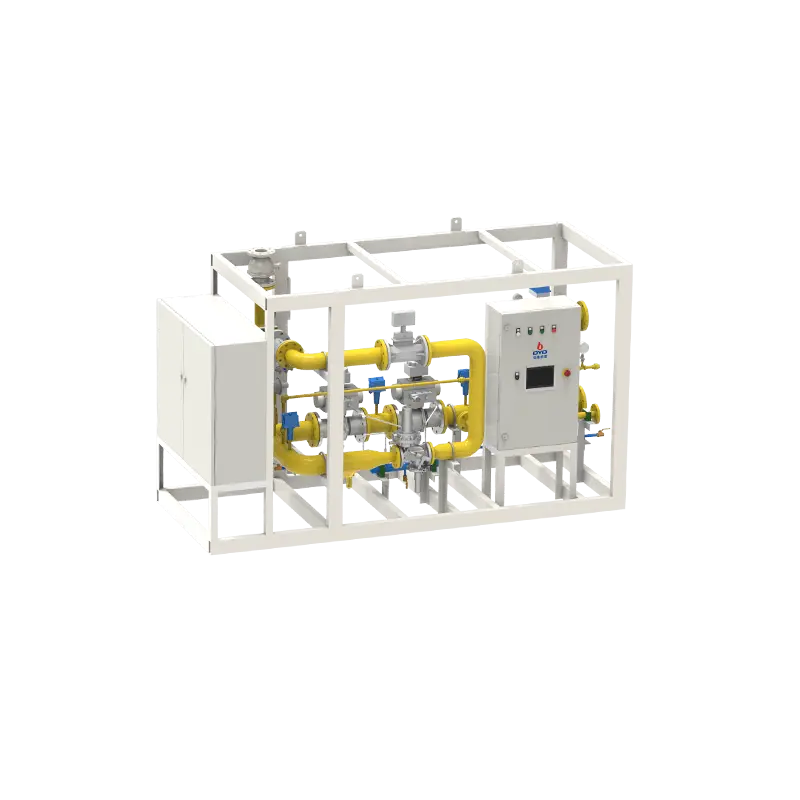
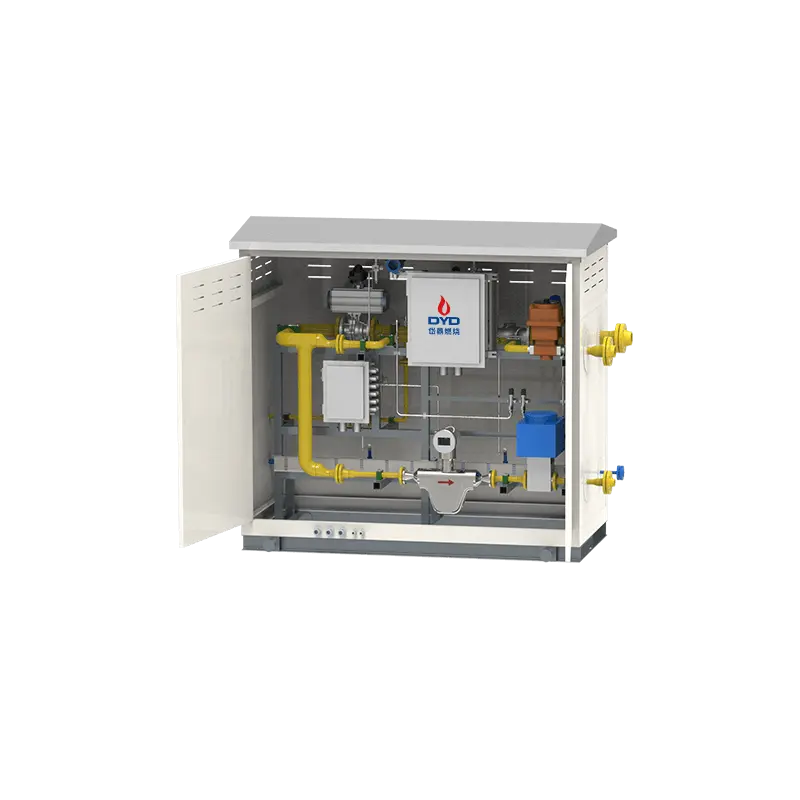
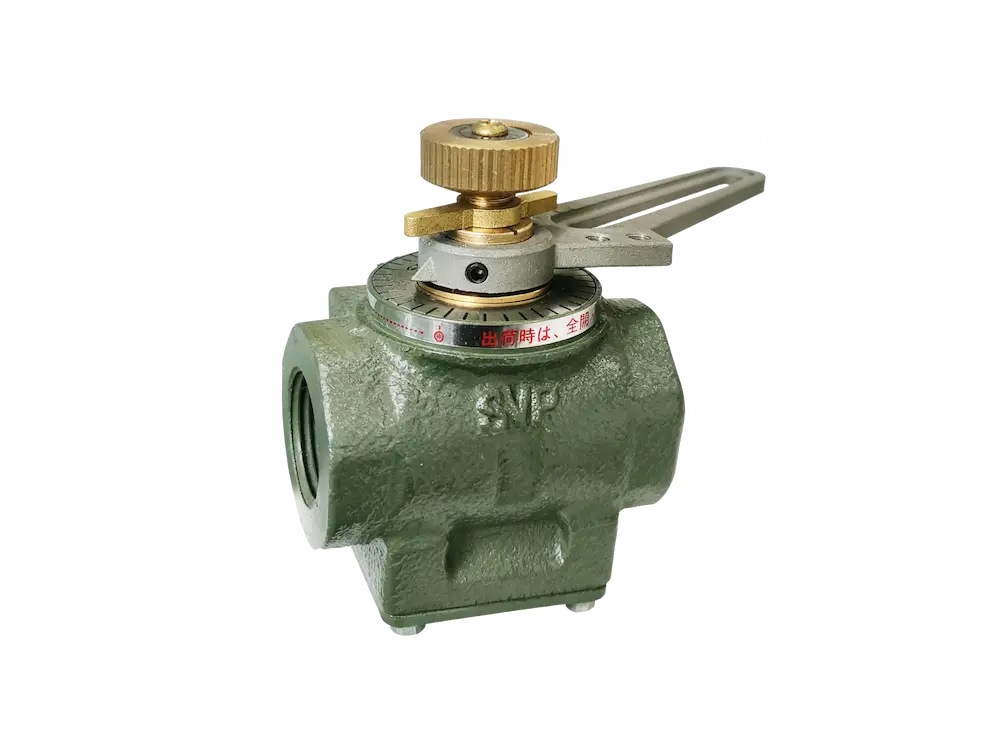
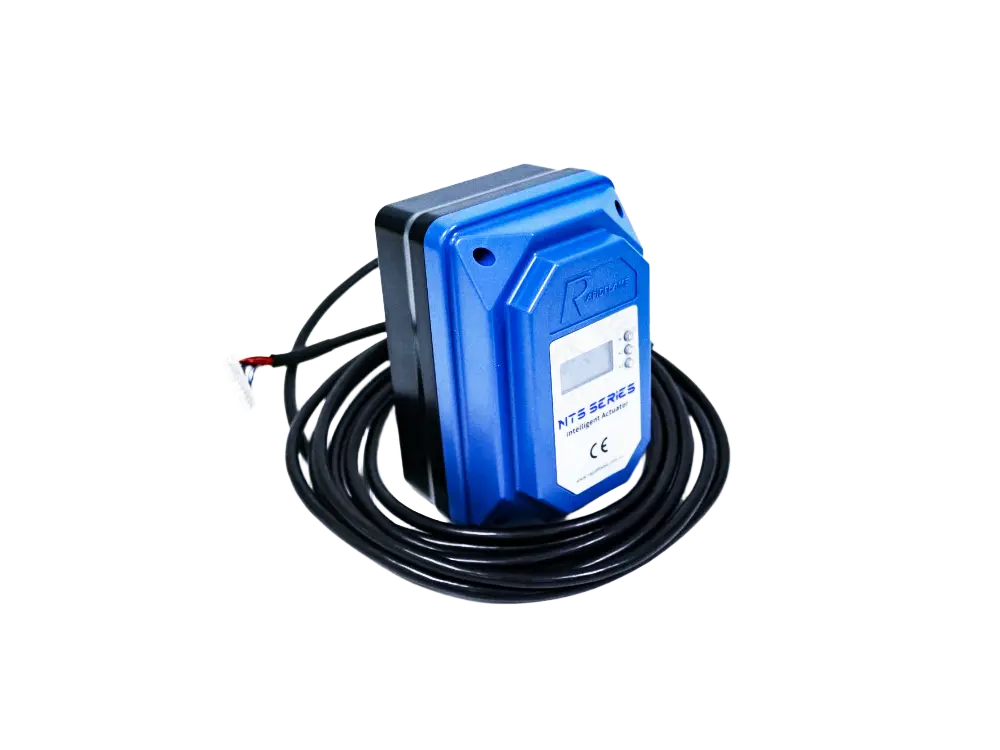
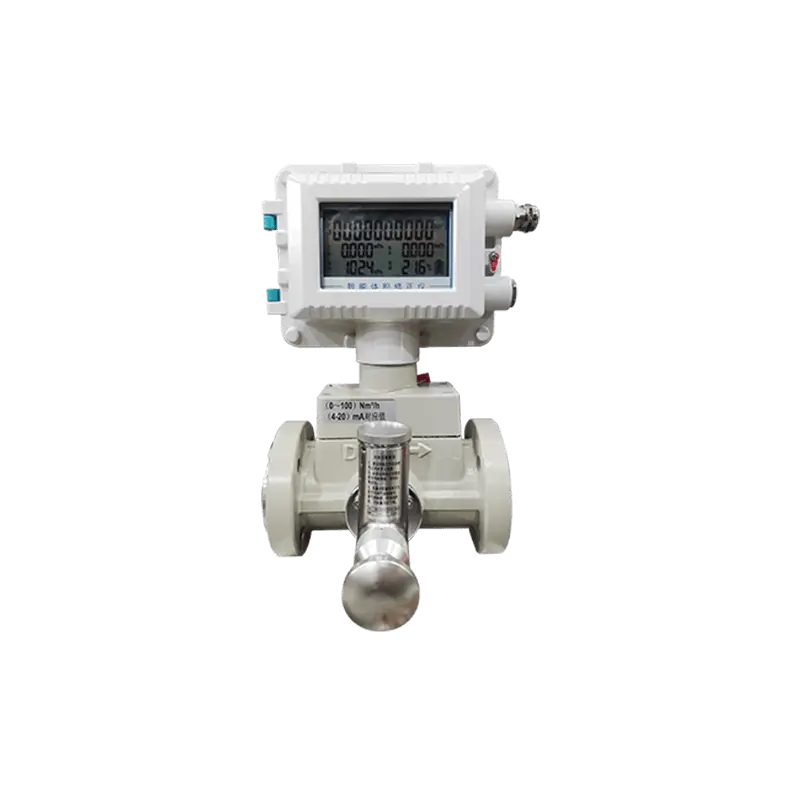
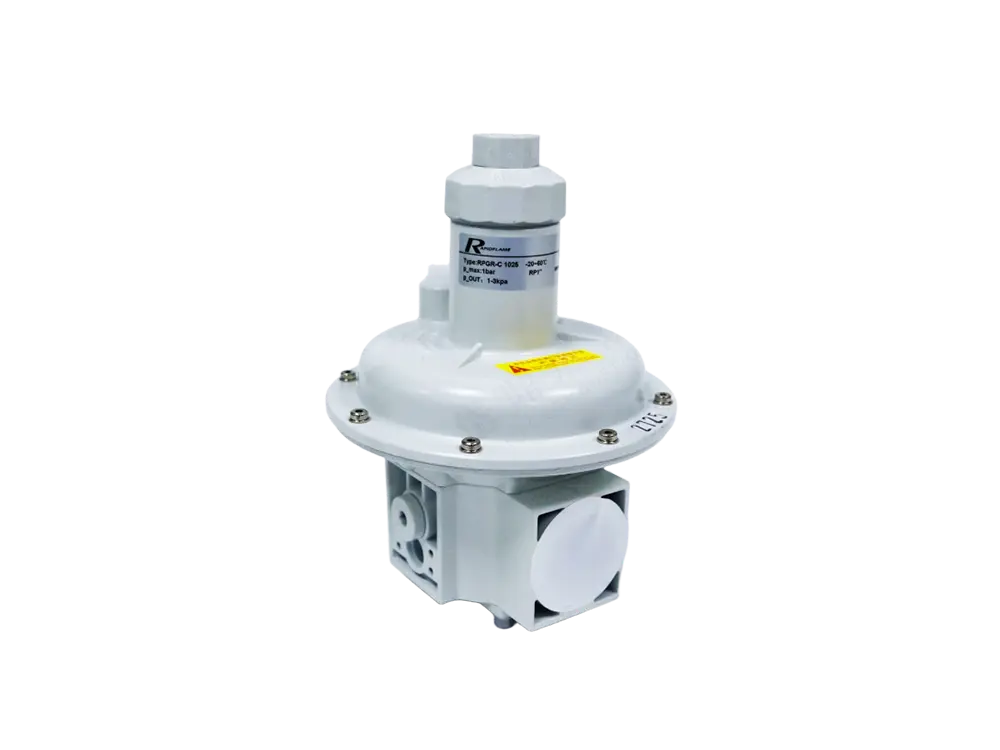
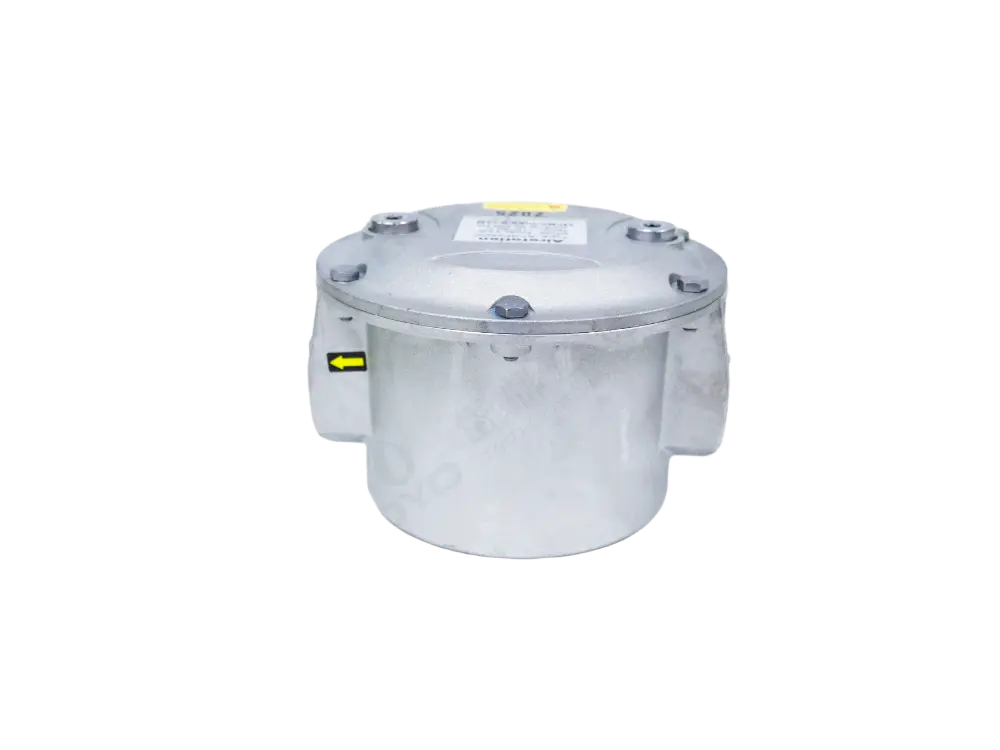
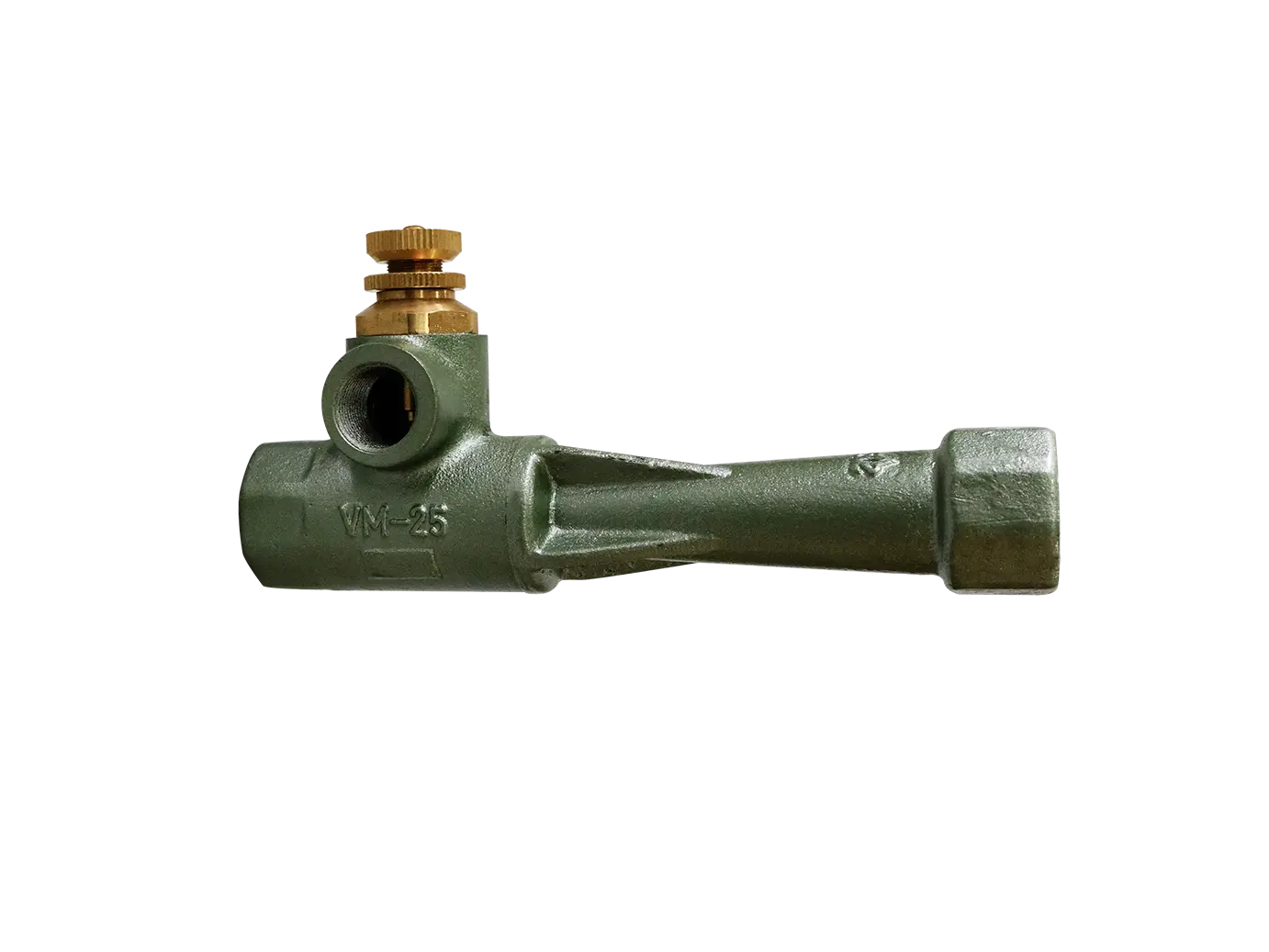
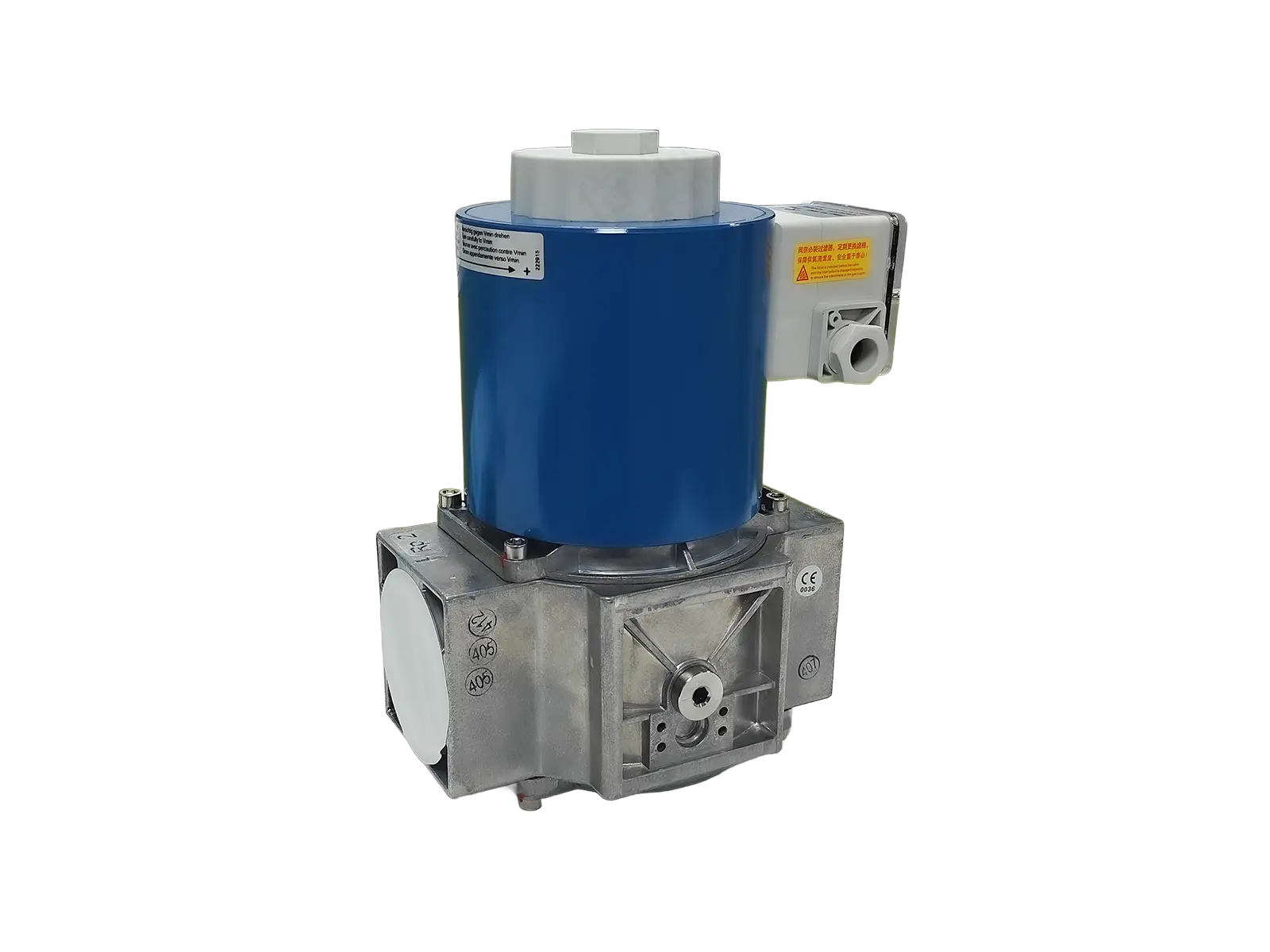
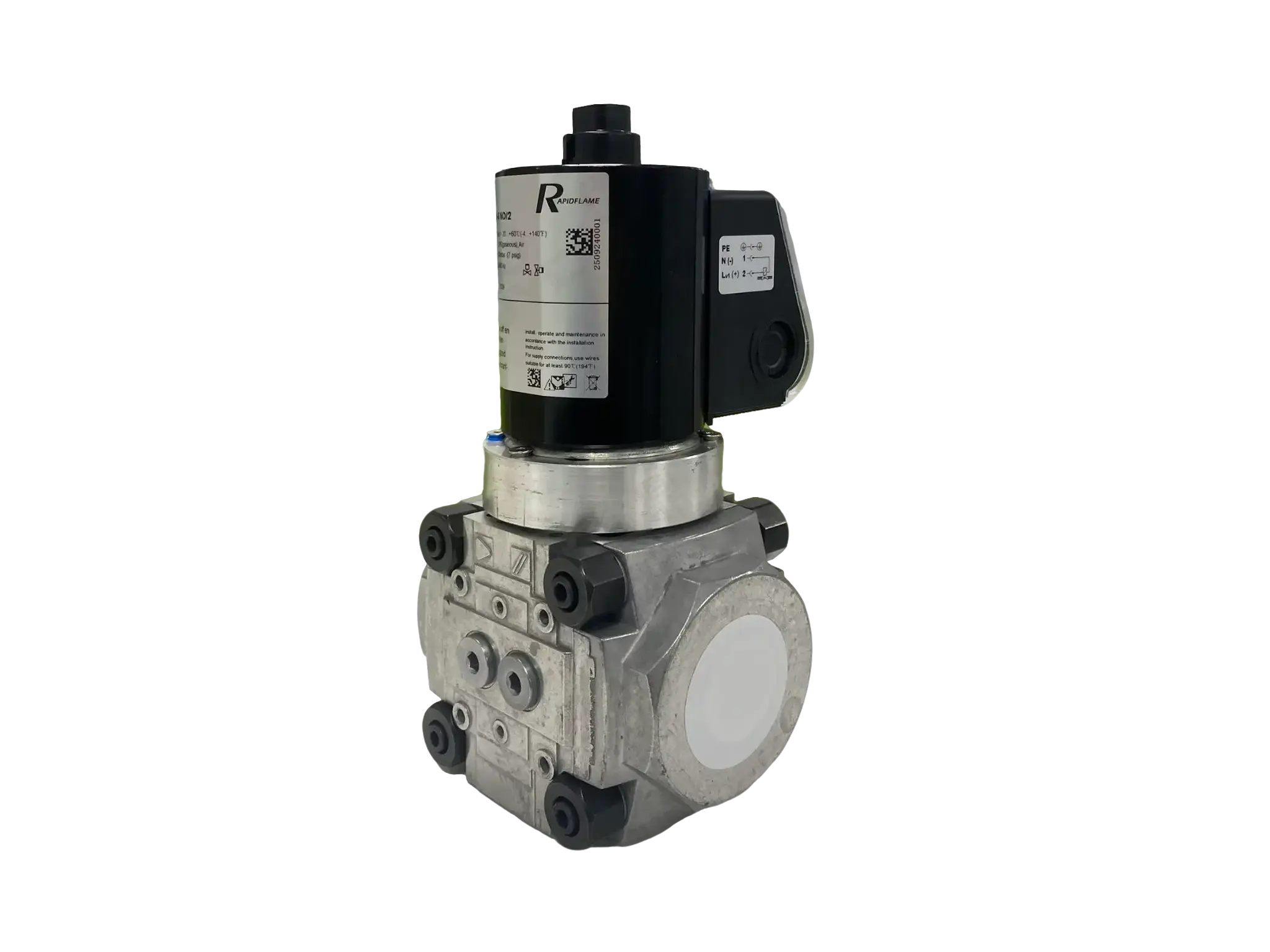
Fuel gas system – pressure regulation, filtration, shut‑off, flow control, and piping layout.
Combustion air system – airflow matching, pressure stability, and flow organisation.
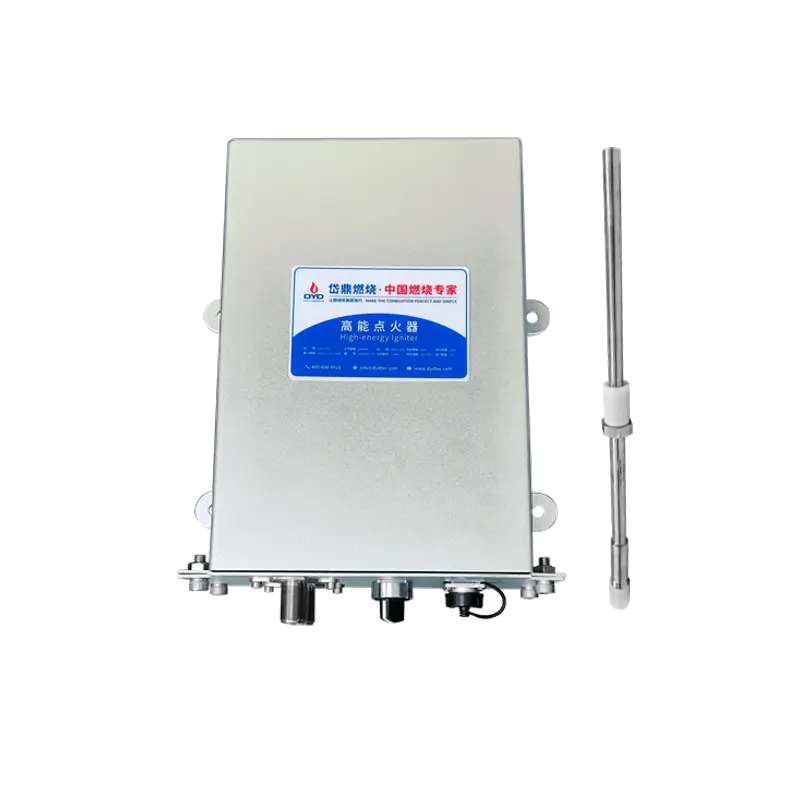
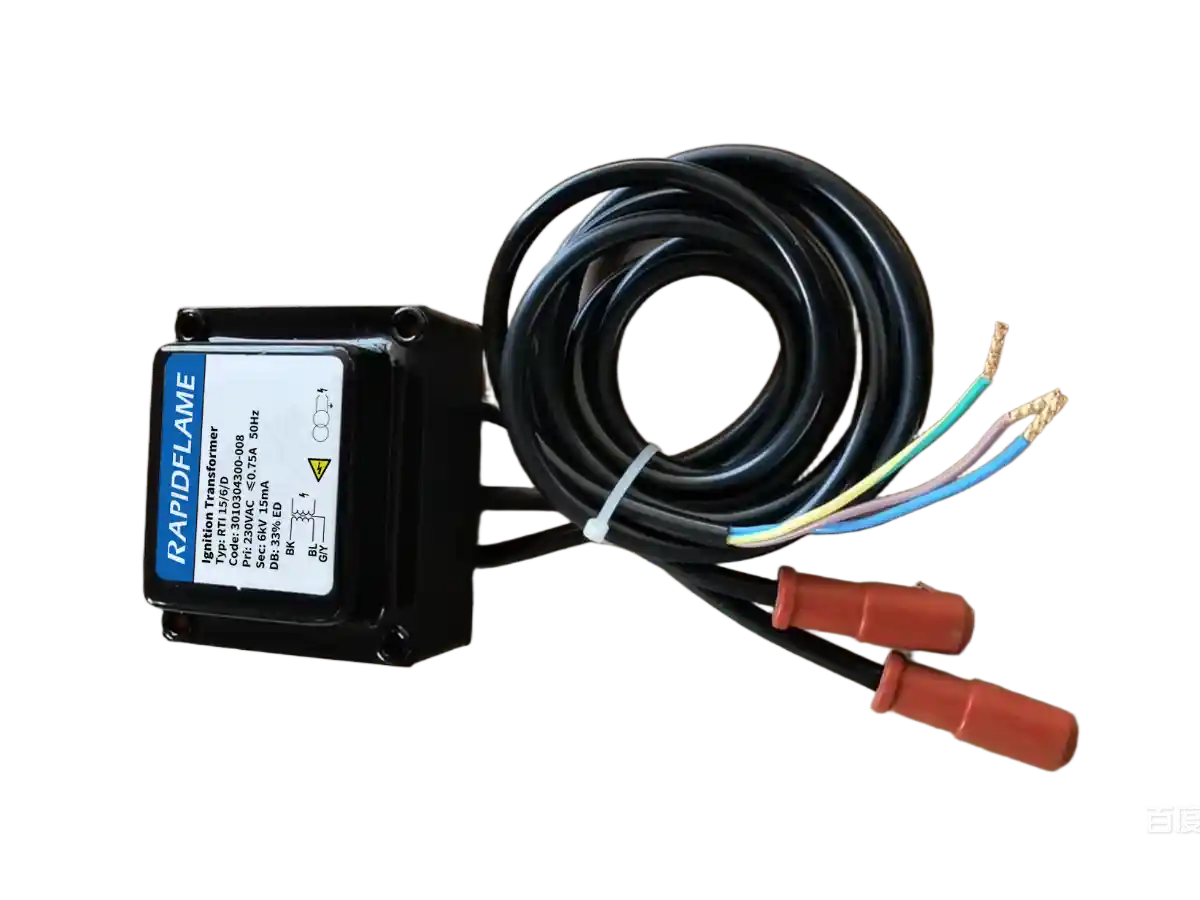
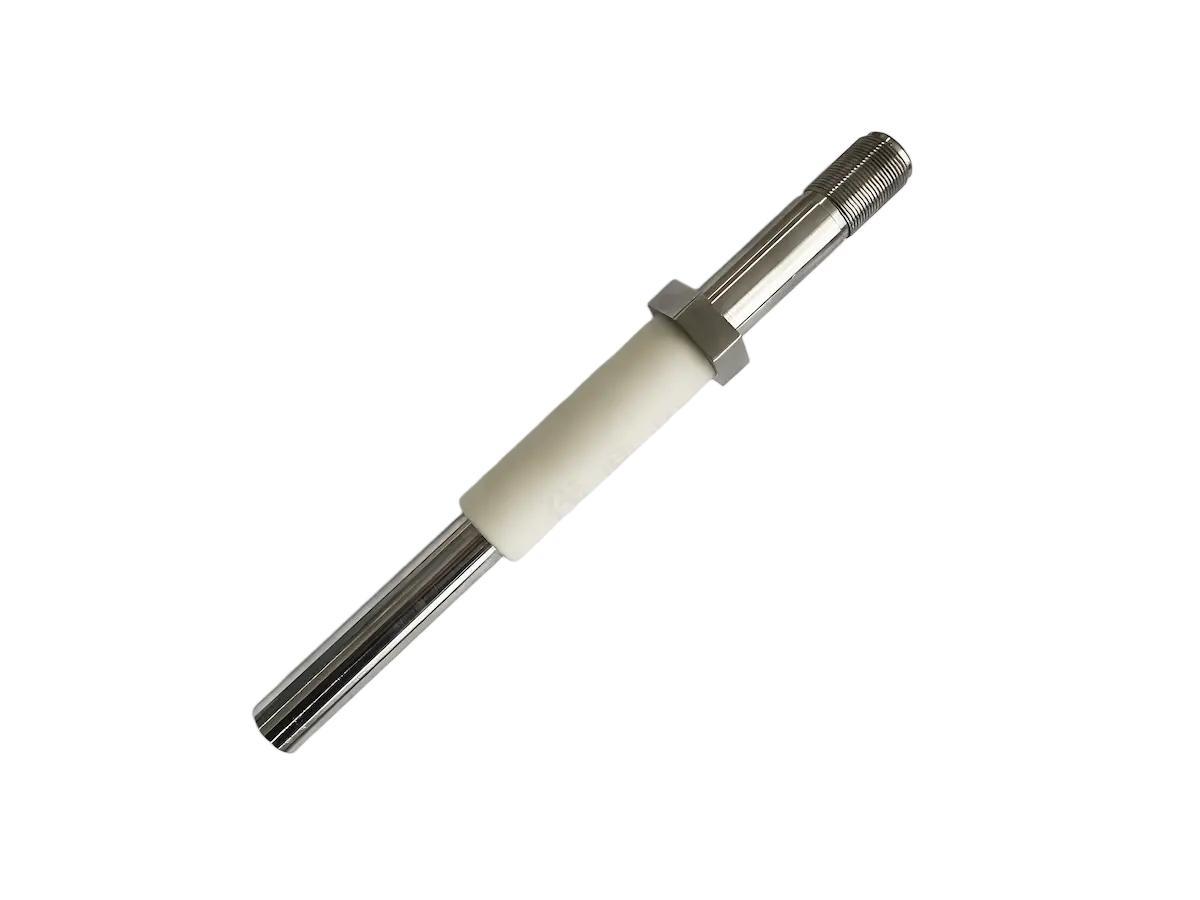
Ignition system – reliable ignition and flame establishment.
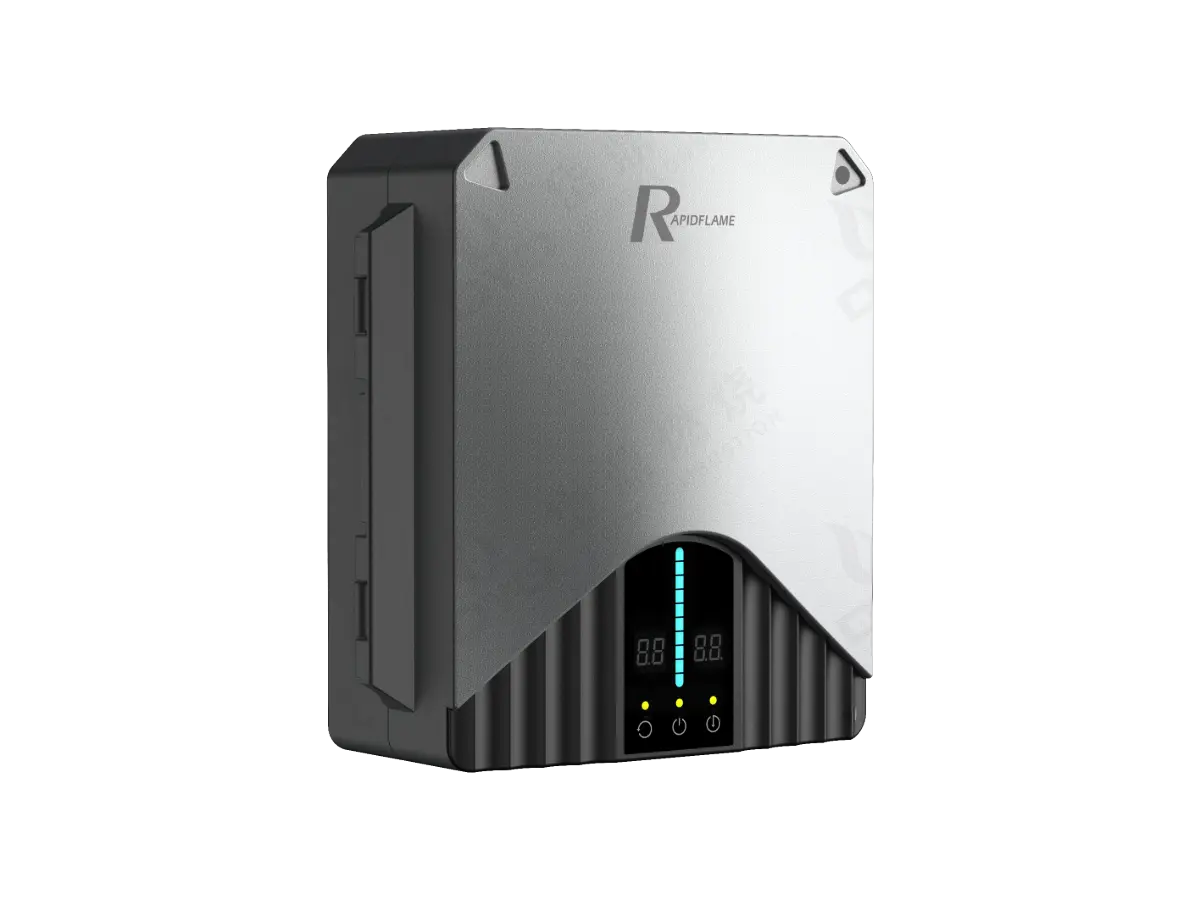
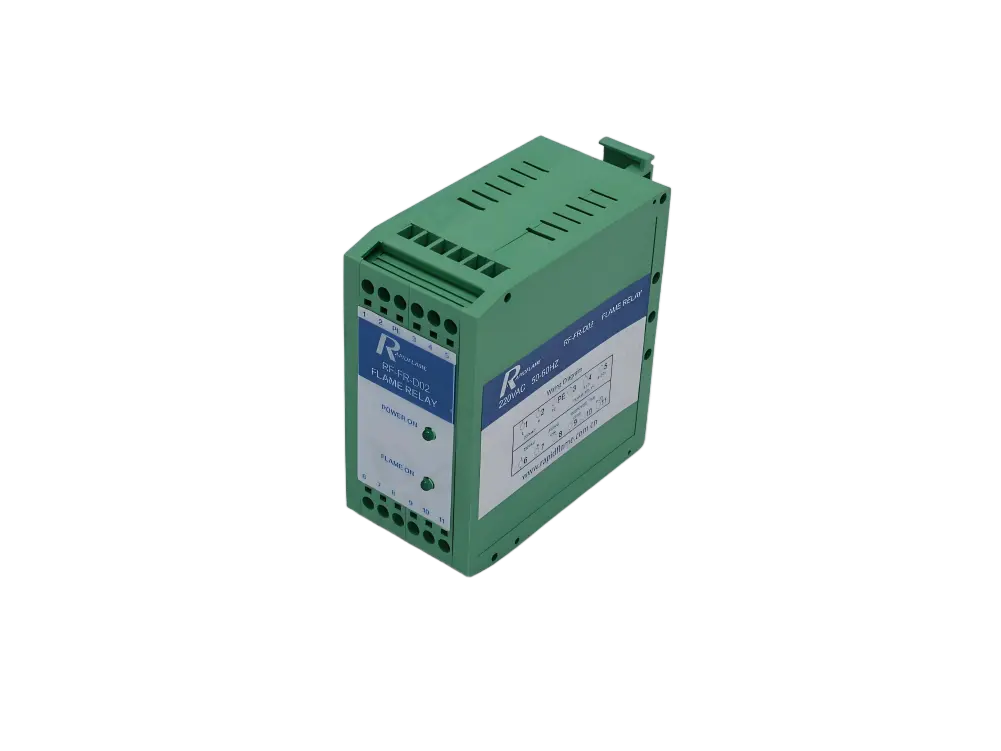
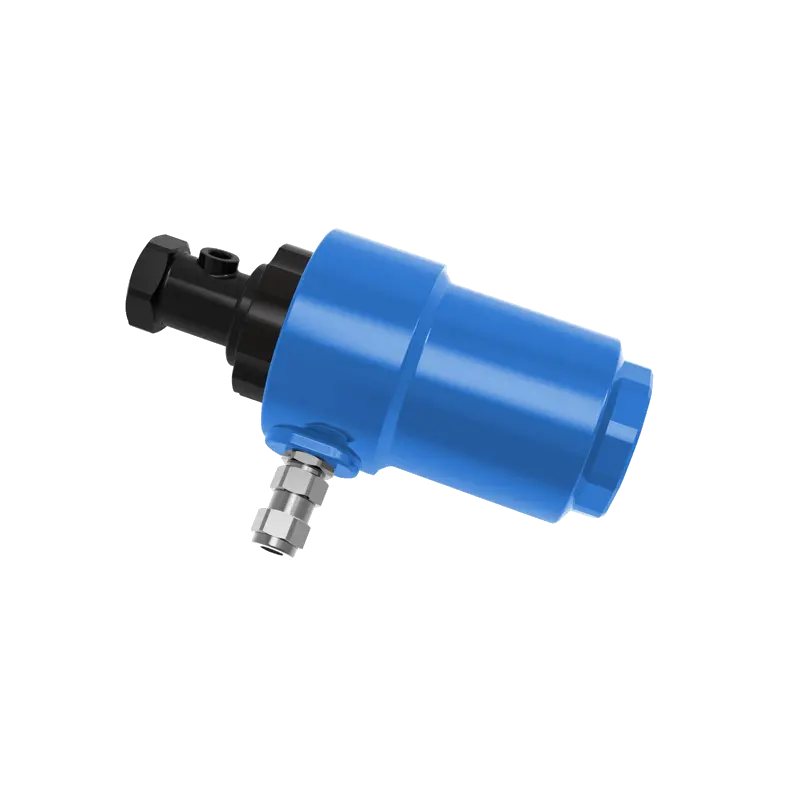
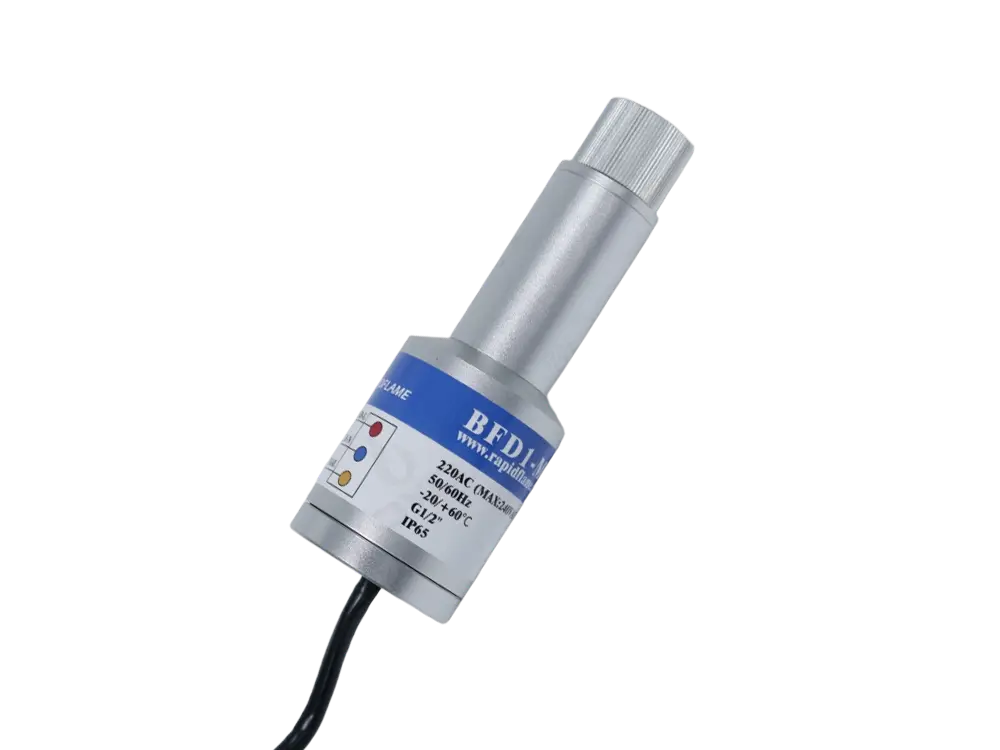
Flame detection system – real‑time monitoring and flame‑out protection.
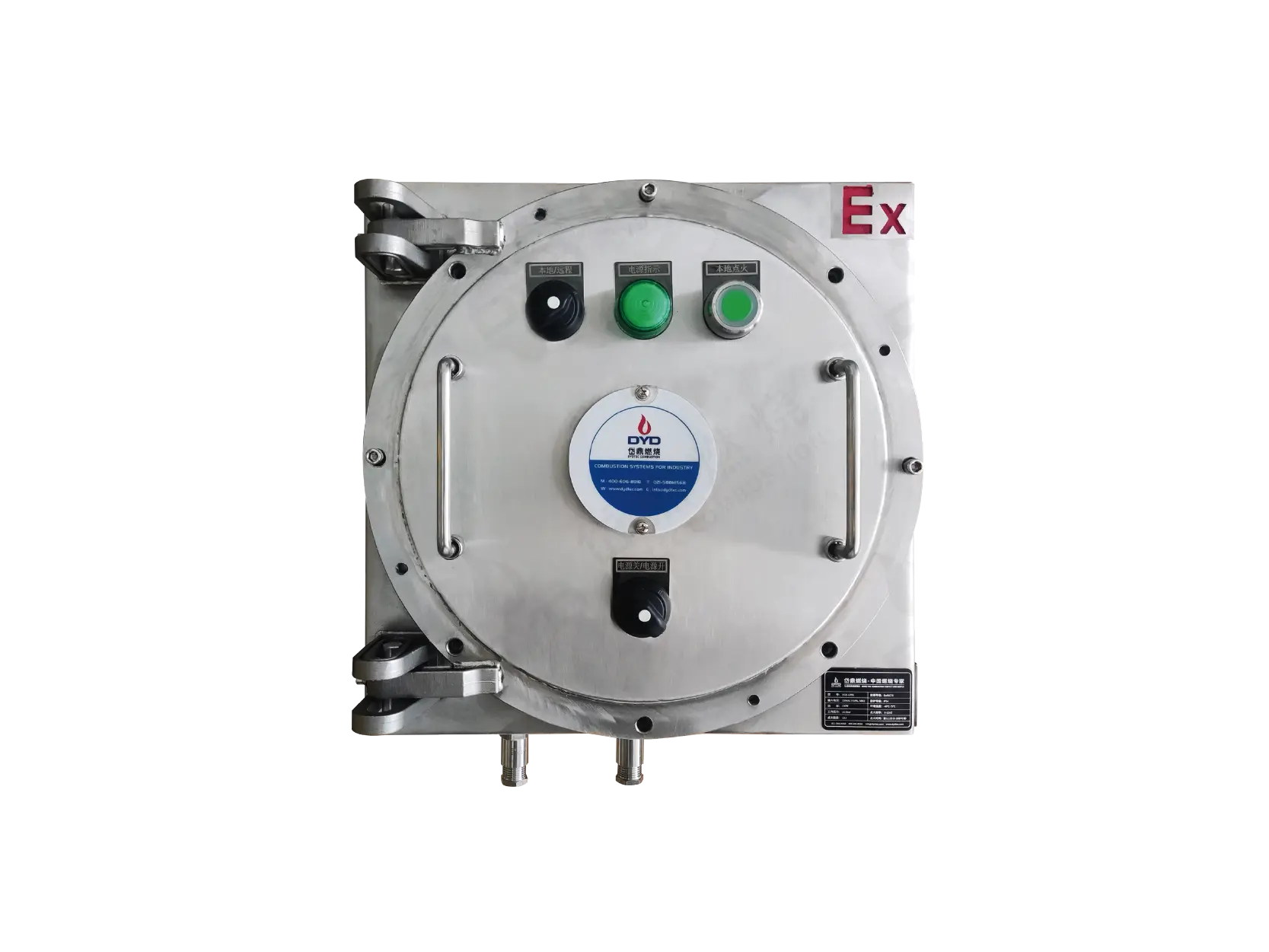
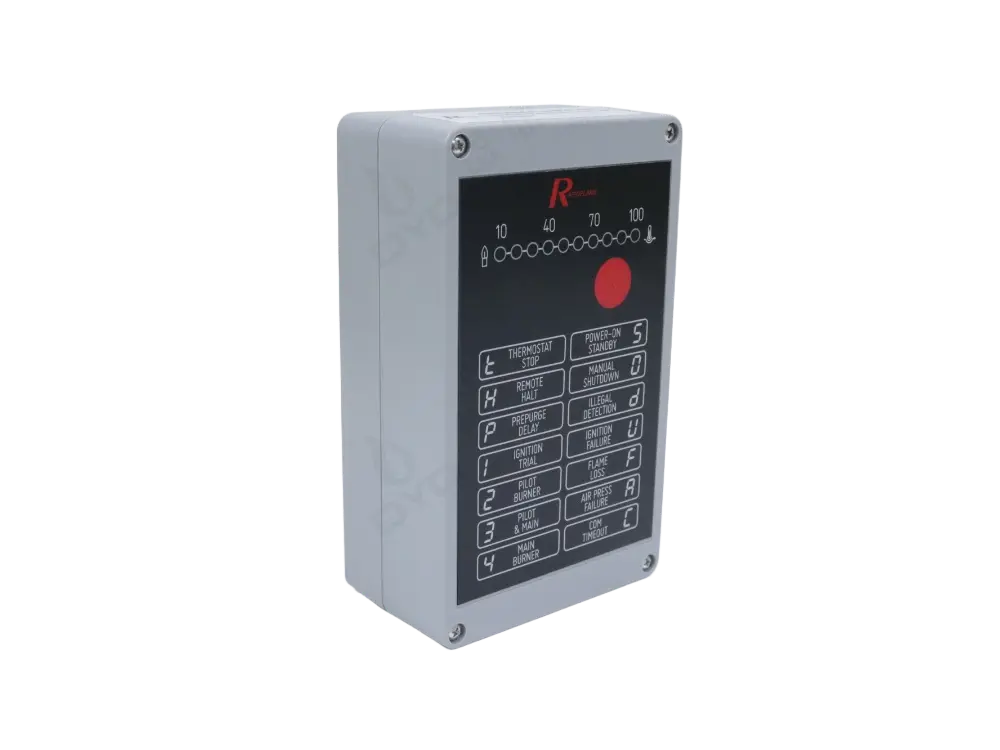
Automatic control system – load tracking, temperature regulation, and operating logic.
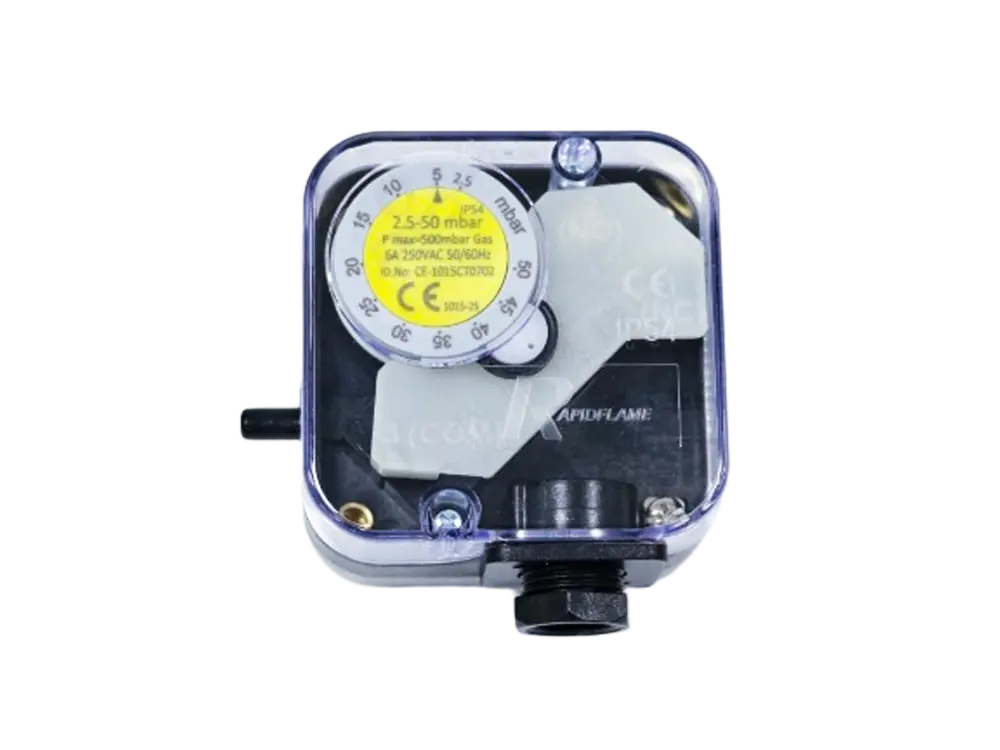
Safety interlock system – multiple protection layers, abnormal shut‑off, and fault diagnosis.
A manufacturer with system‑integration capabilities can match the entire system to the project parameters. From the burner itself to the valve train, from the control system to safety interlocks, all interfaces and logic are designed and commissioned by a single vendor. This greatly reduces the coordination difficulties and troubleshooting complexity compared to a patchwork of multiple suppliers.
Different projects vary significantly in:
Turbine model – different gas turbines have different exhaust temperatures, flow rates, and oxygen contents.
Exhaust temperature – the pre‑firing gas temperature ranges from several hundred degrees up, affecting burner design parameters.
Duct dimensions – width, height, and shape vary, determining the linear burner's structure and size.
Steam demand – the required thermal load directly influences the burner power configuration.
Emission standards – NOx limits differ by region, affecting the choice of low‑NOx technology.
Therefore, HRSG duct burners almost always require project‑specific customisation. Each system must be designed specifically for the turbine parameters, duct conditions, and emission targets of that project; standard products cannot be directly applied.
DYDTEC has a product portfolio of over 100 burner models covering more than 200 application scenarios, and can custom‑design combustion systems according to process requirements, ensuring the solution truly matches actual production needs. In the HRSG supplementary‑firing field, DYDTEC offers customised services from burner selection and system design through to on‑site commissioning, based on duct dimensions, exhaust parameters, and thermal‑load requirements.
DYDTEC is the industrial combustion brand of Shanghai DYDTEC Equipment Technology Group Co., Ltd., established in 2012. The company focuses on R&D, manufacturing, and system integration of industrial combustion equipment. Through years of technical accumulation and engineering practice, DYDTEC has evolved from a pure burner manufacturer into a comprehensive combustion system supplier with system‑design, product‑development, and project‑execution capabilities.
The company boasts:
11,000 m² production facility – an integrated manufacturing base for R&D, testing, and production.
100+ burner models – covering industrial burners, linear burners, low‑NOx burners, and other series.
200+ application scenarios – products widely used in industrial drying, hot‑air furnaces, HRSG supplementary firing, exhaust gas treatment, etc.
50+ patents and software copyrights – independent intellectual property covering burner structures, control algorithms, low‑NOx technologies, and more.
Sales network in over 50 countries and regions – exports to a broad international market.
Over 98% self‑developed system components – core components are designed and manufactured in‑house, ensuring quality control and delivery reliability.
DYDTEC offers 12 series of linear burners, suitable for:
Industrial drying – uniform heat supply for wide‑web dryers.
Industrial air heating – heating large air flows.
Flue‑gas reheating (HRSG) – raising the temperature of gas‑turbine exhaust.
Features include:
Large‑area uniform heating – flame distributed evenly along the burner length.
Stable combustion – maintaining flame attachment in high‑velocity exhaust.
Applicability to large ducts and flue‑gas systems – burner length and structure customised to duct dimensions.
DYDTEC’s product range covers:
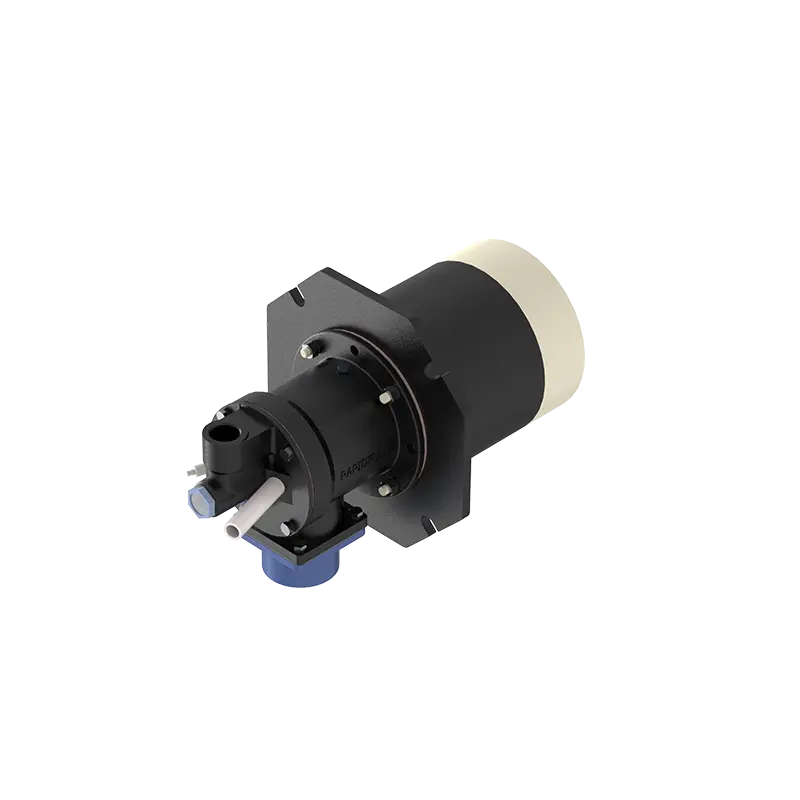
Industrial gas burners
Linear burners
Low‑NOx burners
Oxy‑fuel burners
Hydrogen burners
Low‑calorific‑value burners
Combination burners, etc.
The company can provide customised solutions for different fuels and process requirements. For HRSG supplementary‑firing projects, DYDTEC can handle the entire workflow—from burner selection, valve‑train configuration, and control‑system design to on‑site commissioning—based on turbine model, exhaust parameters, and steam demand.
DYDTEC continuously invests in digital R&D for combustion and thermal systems. It has established a digital‑twin simulation platform for combustion and thermal processes and applies CFD thermal simulation to improve the accuracy of combustion‑system designs. CFD allows DYDTEC to simulate and verify flame patterns, temperature‑field distributions, and emission performance at the design stage, reducing trial‑and‑error during commissioning and minimising uncertainties.
HRSG duct burners are primarily used in:
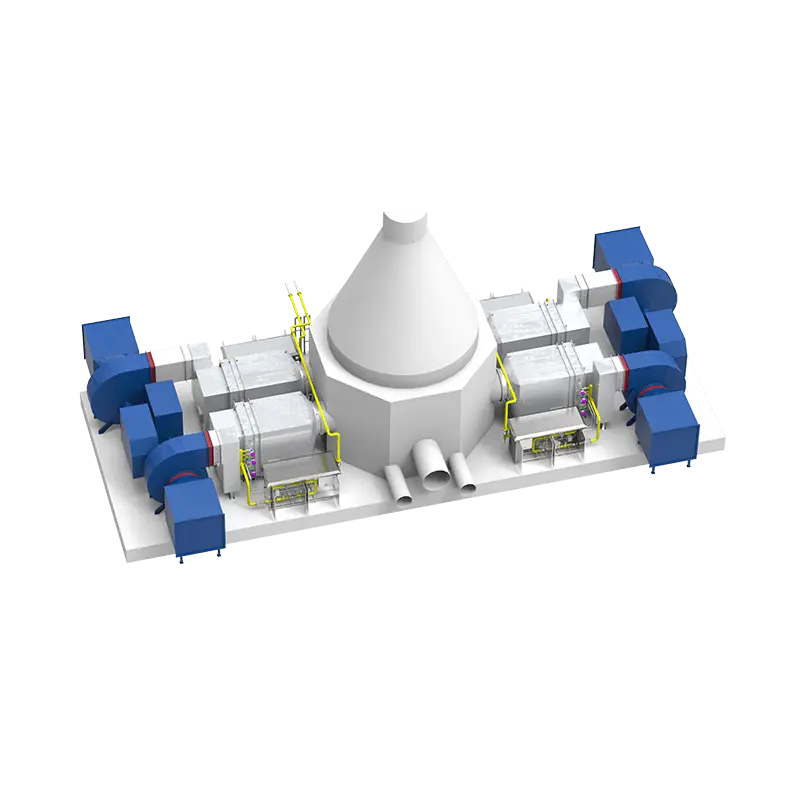
In combined‑cycle plants, the duct burner is installed in the duct between the gas turbine and the HRSG to raise the temperature of the exhaust entering the HRSG. Its key benefits are:
Higher steam output – additional heat input allows the HRSG to produce more steam for the steam turbine.
Flexible thermal‑load regulation – the firing system can quickly adjust heat output in response to grid load changes, enhancing plant operational flexibility.
Better overall energy utilisation – using the residual oxygen in turbine exhaust for supplementary firing achieves cascade utilisation of fuel energy.
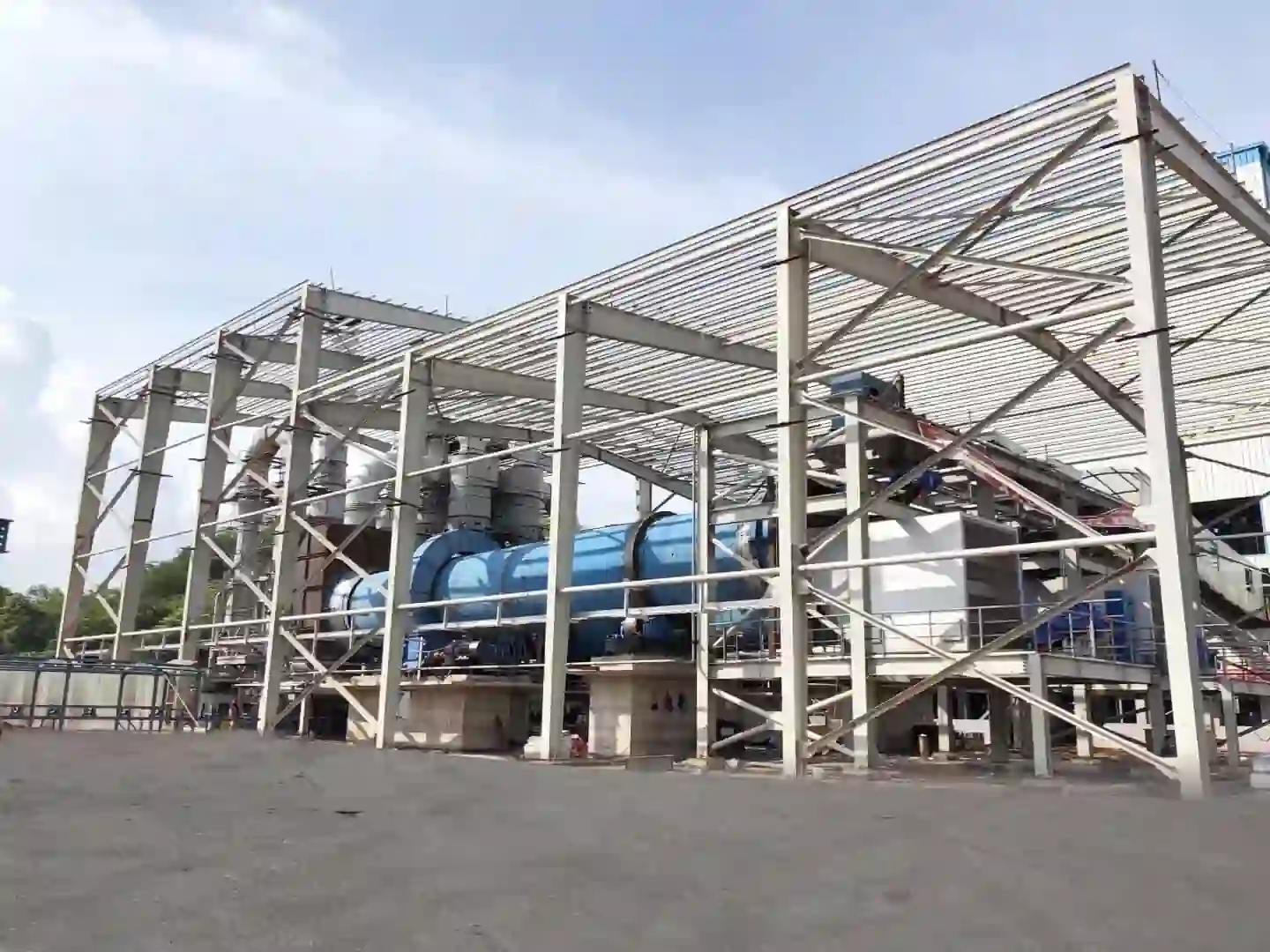
In industries such as steel, chemicals, and building materials, HRSG supplementary‑firing technology can raise the temperature of low‑grade waste‑heat exhaust to a level where the HRSG can operate effectively, thereby improving recovery efficiency and economic returns.
HRSG duct burners can also be used for:
Industrial air heating – raising the temperature of large‑volume process air.
High‑temperature hot‑air systems – providing stable high‑temperature air for production lines.
Process gas heating – heating various process gases in chemical plants.
Q1: What is the difference between an HRSG duct burner and an ordinary industrial burner?
An HRSG duct burner is installed in an exhaust duct and must operate in high‑velocity, high‑flow, low‑oxygen flue‑gas conditions while requiring uniform flame distribution. Ordinary industrial burners are typically used for direct furnace heating in a relatively stable environment with air‑like oxygen levels. The design challenges for HRSG duct burners include stable combustion at low oxygen, uniform heating over large cross‑sections, and flame anchoring in high‑velocity gas streams.
Q2: Why is supplementary firing needed in an HRSG?
Although gas‑turbine exhaust contains a large amount of waste heat, its temperature and heat content are limited by turbine operating conditions. When the turbine runs at low load or steam demand increases, relying solely on turbine exhaust may not meet the HRSG’s steam‑production requirements. Supplementary firing raises the exhaust temperature, thereby increasing steam output and improving system flexibility.
Q3: What types of burners are typically used for HRSG supplementary firing?
Large HRSG systems generally use linear burners, multi‑point combustion systems, or low‑NOx combustion systems. Linear burners suit wide ducts and provide uniform heating; multi‑point systems are used for irregular duct shapes or special heat‑load distributions; low‑NOx systems incorporate staged combustion or flue‑gas recirculation in the burner design. The specific type depends on duct geometry and operating parameters.
Q4: How should I choose a domestic HRSG duct burner manufacturer?
Key aspects to evaluate are:
Experience with linear burners – this is fundamental for HRSG duct burners.
System‑integration capability – can they provide a complete solution from burner to control system?
Low‑NOx technology – can they meet the NOx emission limits in your project location?
Non‑standard customisation – can they design specifically for your project parameters?
Industrial project experience – proven cases in similar applications are the best proof of capability.
Q5: Can DYDTEC provide an HRSG supplementary‑firing system?
Yes. DYDTEC has R&D and manufacturing capabilities for industrial burners, linear burners, and complete combustion system integration. It can provide customised combustion solutions for HRSG exhaust reheating, industrial air heating, and other applications. From solution design, product manufacturing, and system integration to on‑site commissioning, DYDTEC offers full‑project technical support and engineering services.
An HRSG duct burner is not merely a combustion device; it is a system engineering effort involving combustion organisation, thermal matching, emission control, and automated management. Every aspect—from flame stability in the duct to temperature uniformity at the HRSG inlet, from reliable low‑load combustion to NOx compliance over the full load range—tests the supplier’s technical depth and engineering experience.
A top‑tier HRSG duct burner manufacturer must simultaneously possess:
Product R&D capability – mastering the core design technologies for linear burners, low‑NOx burners, and related products.
Engineering application experience – familiarity with design considerations for different turbine models and duct configurations.
System integration capability – ability to package the burner, valve train, control system, and safety interlocks.
Custom development capability – non‑standard design according to specific turbine parameters, duct conditions, and emission limits.
Leveraging years of accumulated industrial combustion expertise, DYDTEC continues to provide efficient, stable, and low‑emission combustion solutions for the industrial sector. It is a manufacturer worth considering when selecting HRSG duct burners, linear burners, or complete industrial combustion systems. In the HRSG supplementary‑firing field, DYDTEC has built up complete engineering capability from solution design to system integration, and can deliver reliable, economical, and environmentally friendly supplementary‑firing solutions for combined‑cycle power plants and industrial waste‑heat recovery projects.