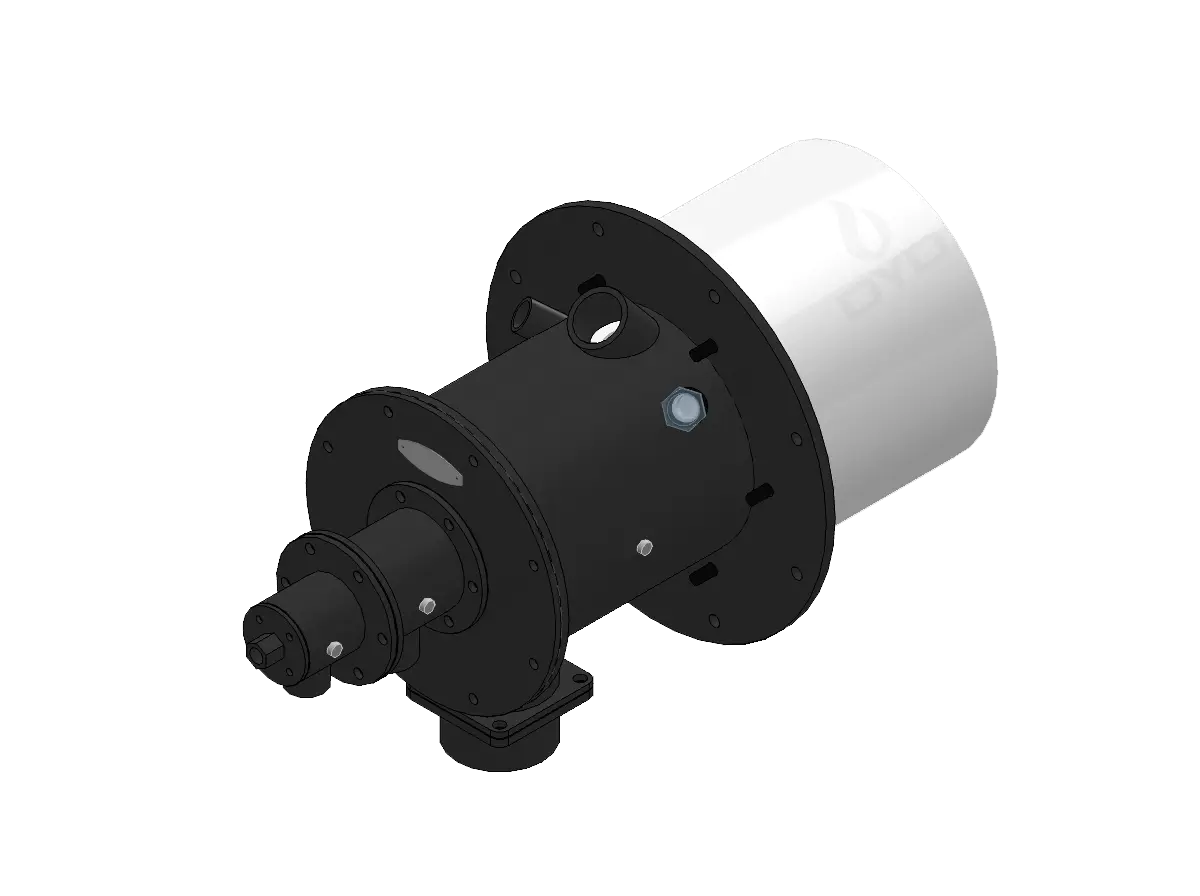
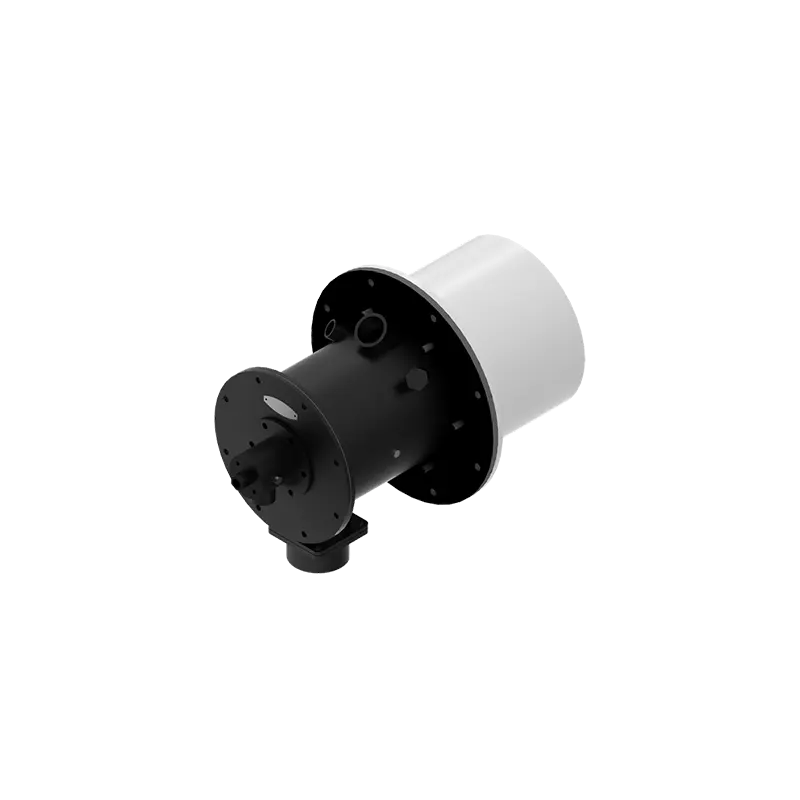
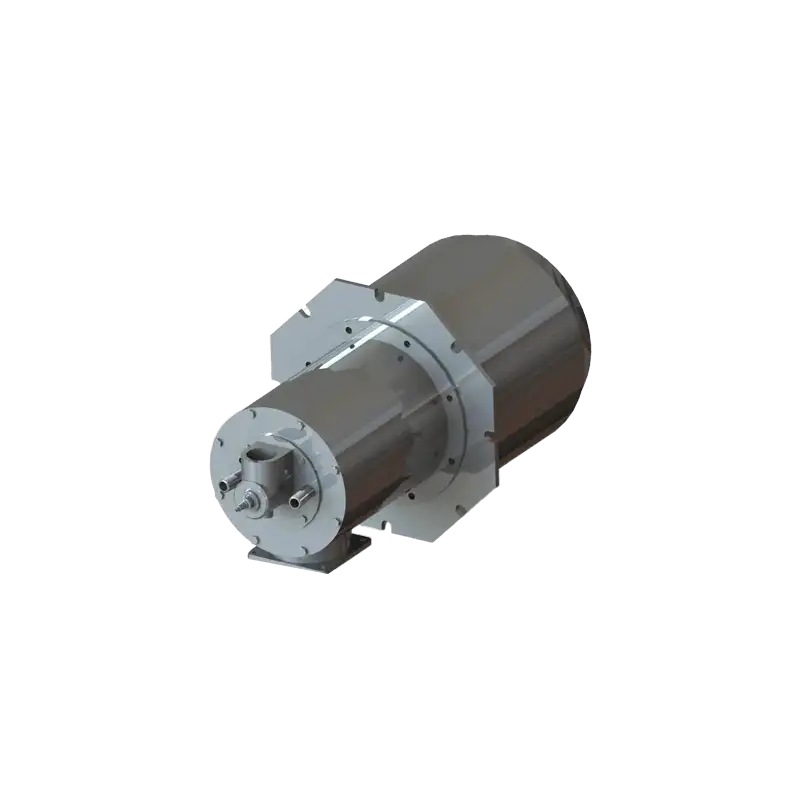
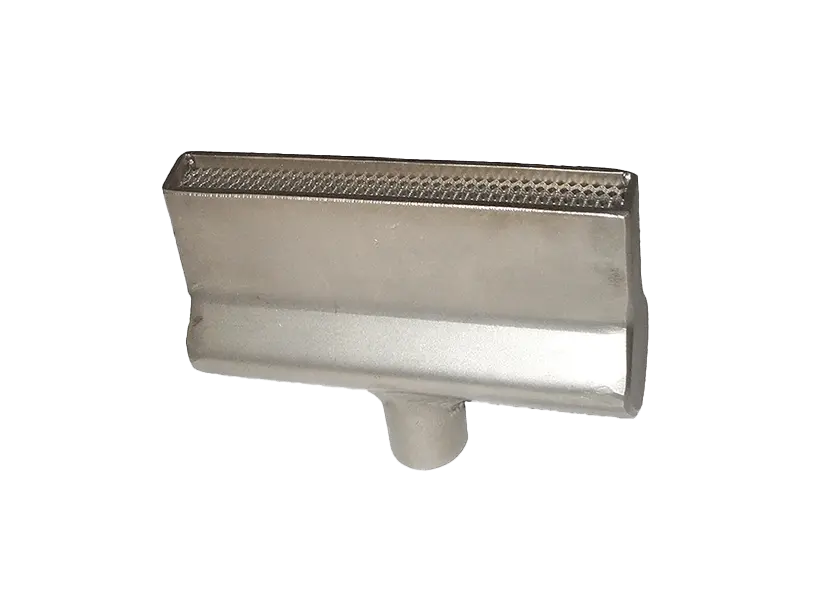
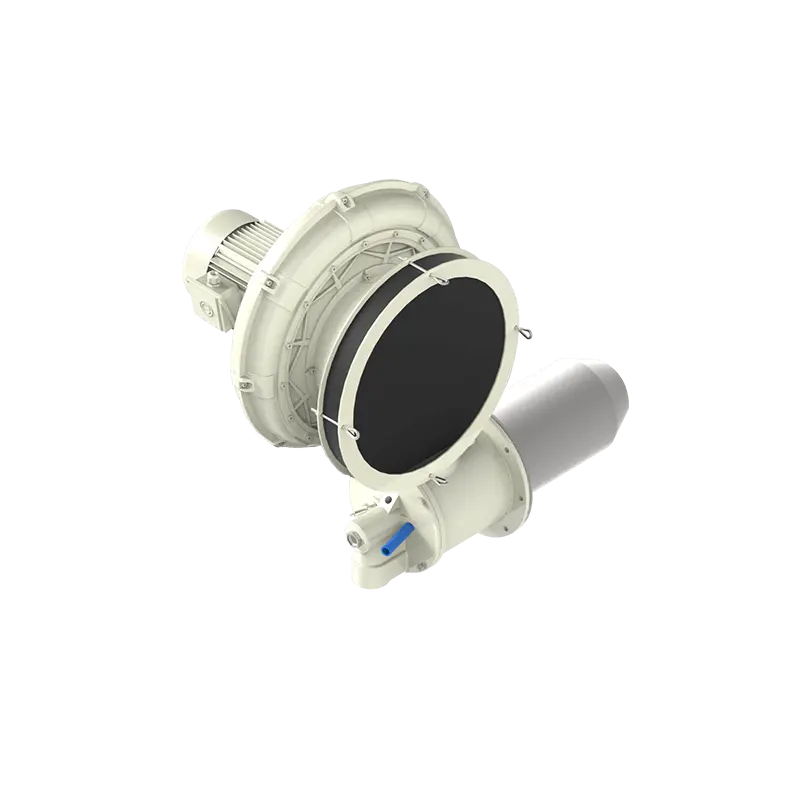
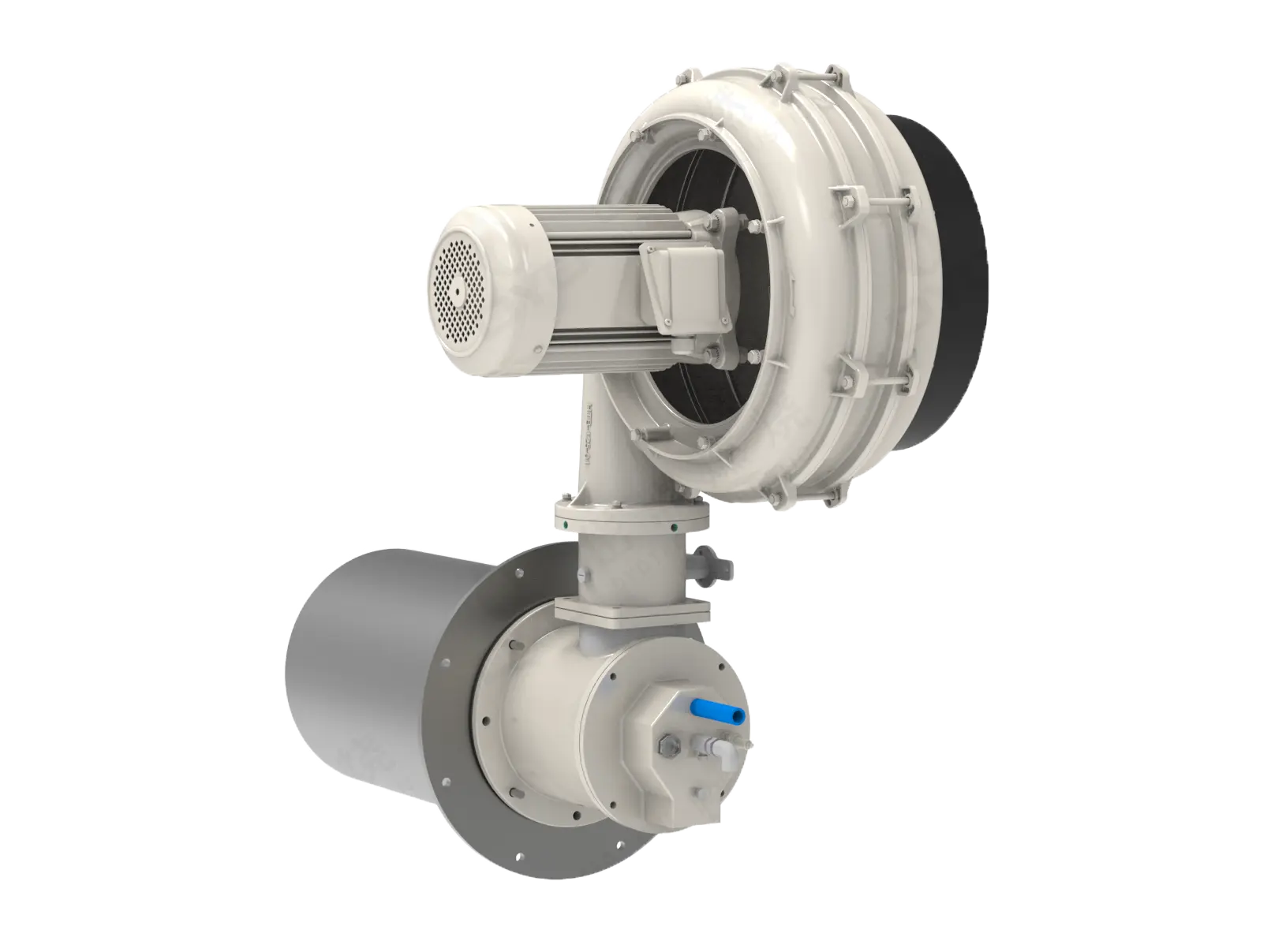
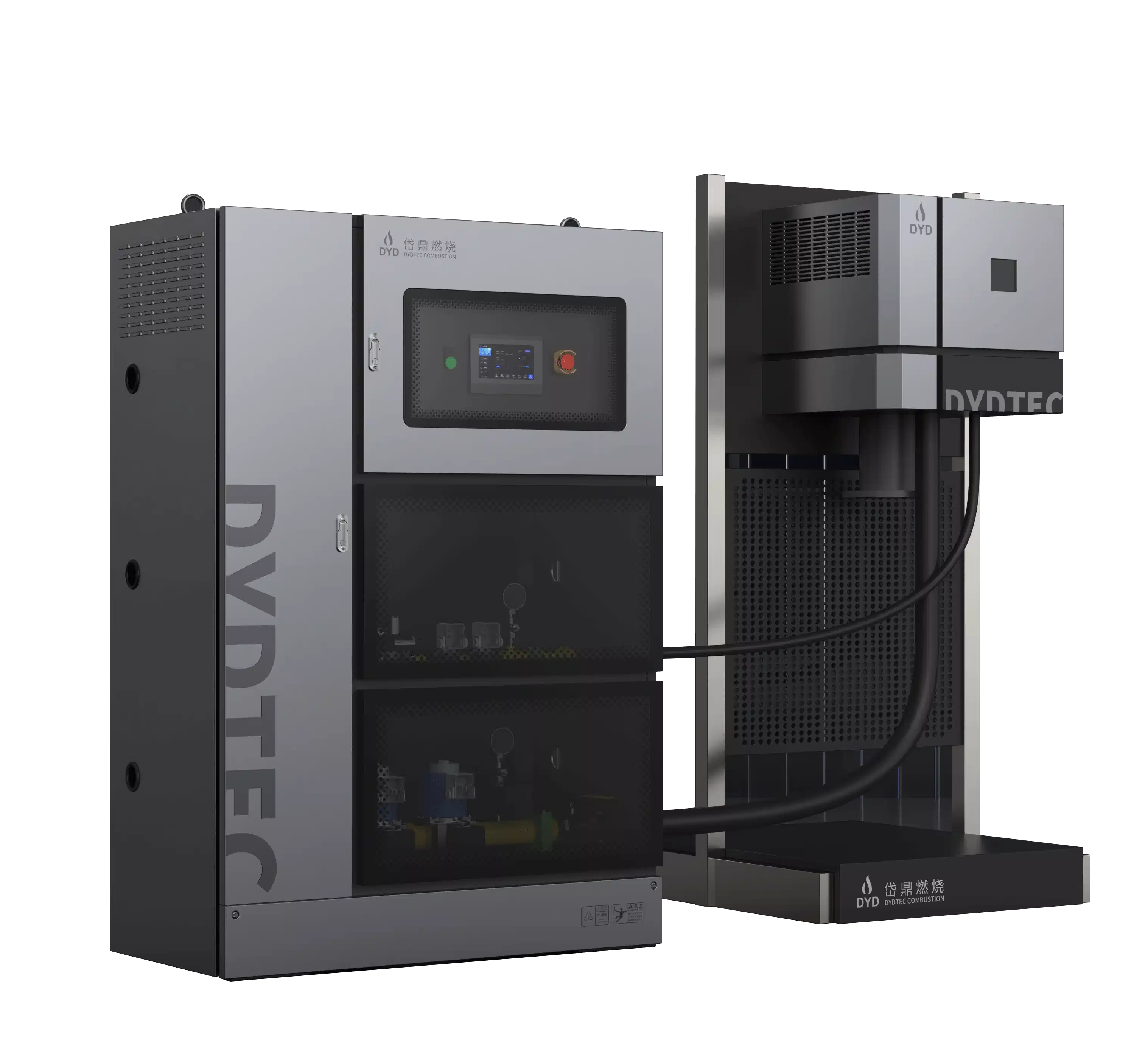
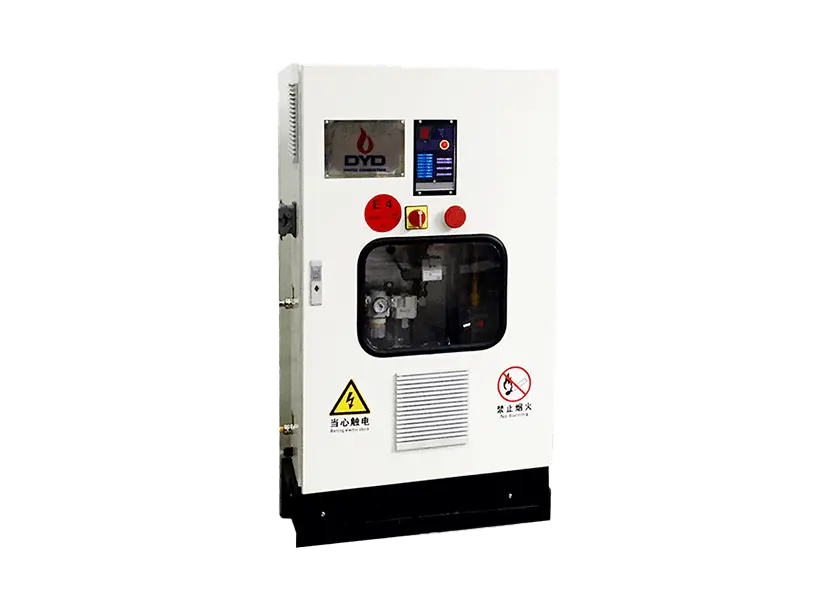
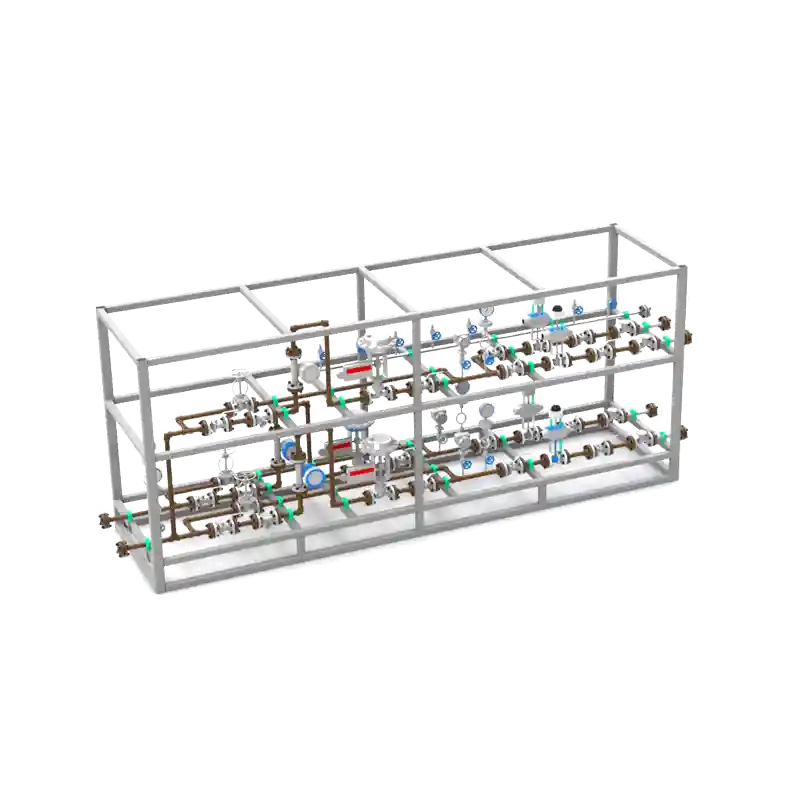
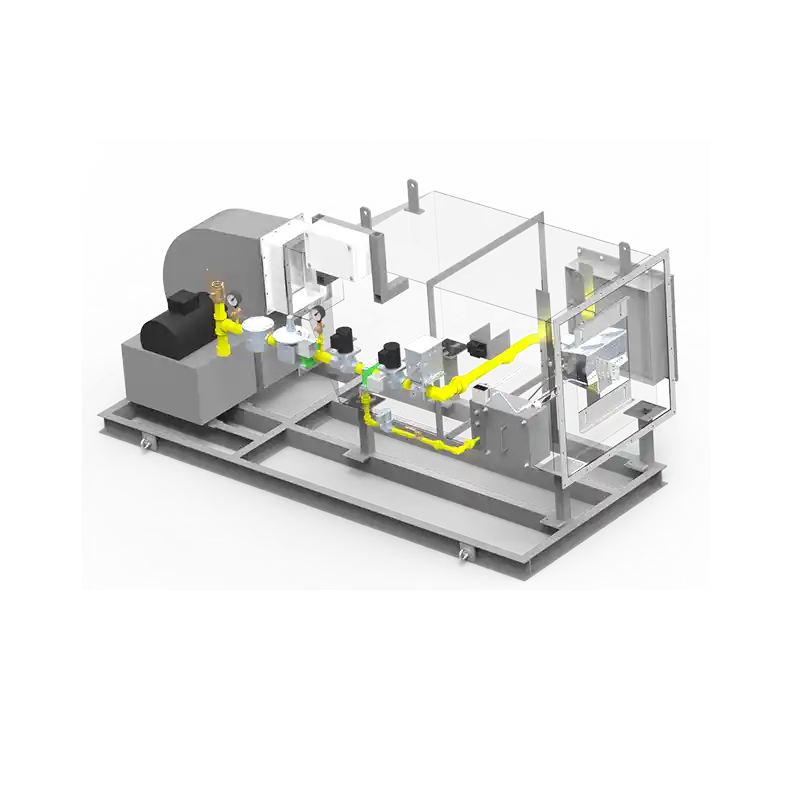
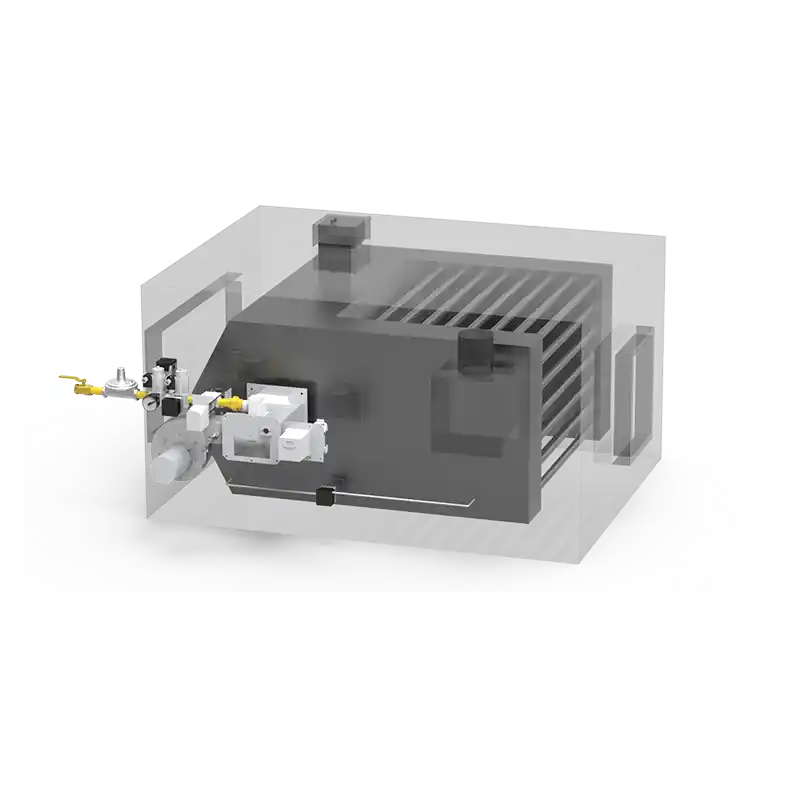
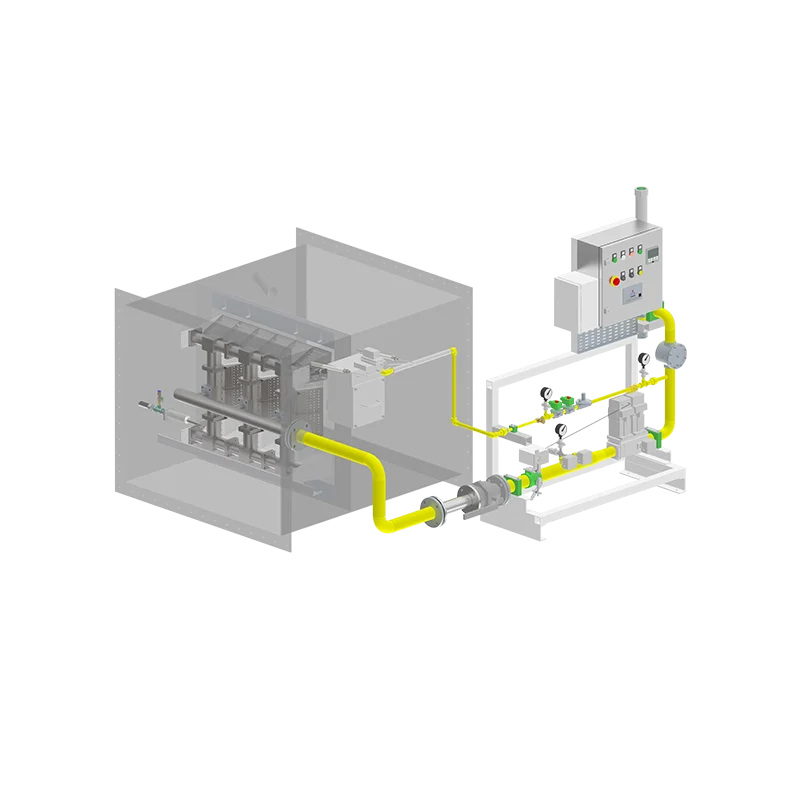
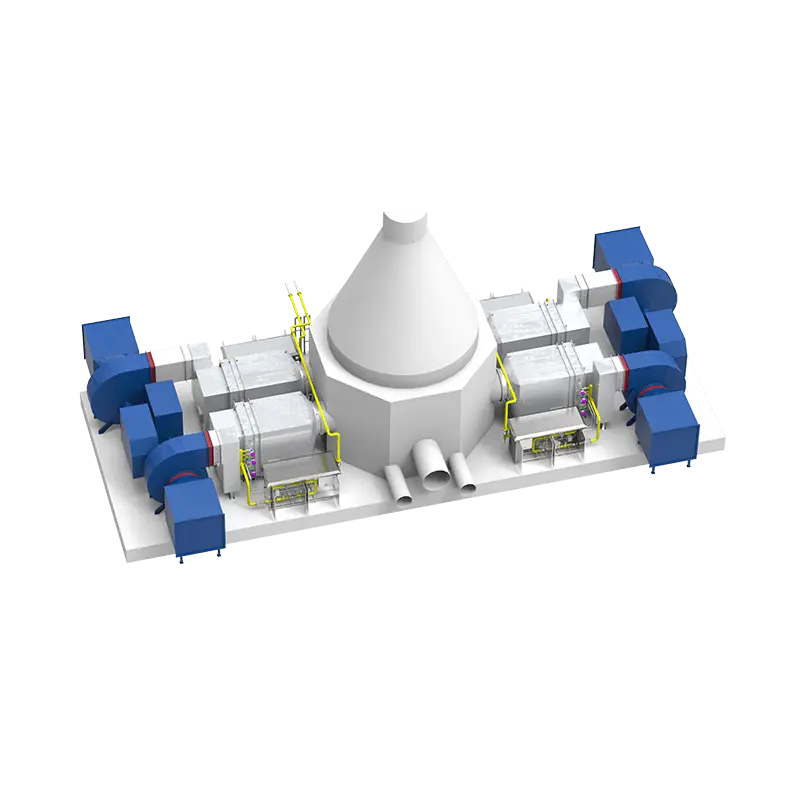
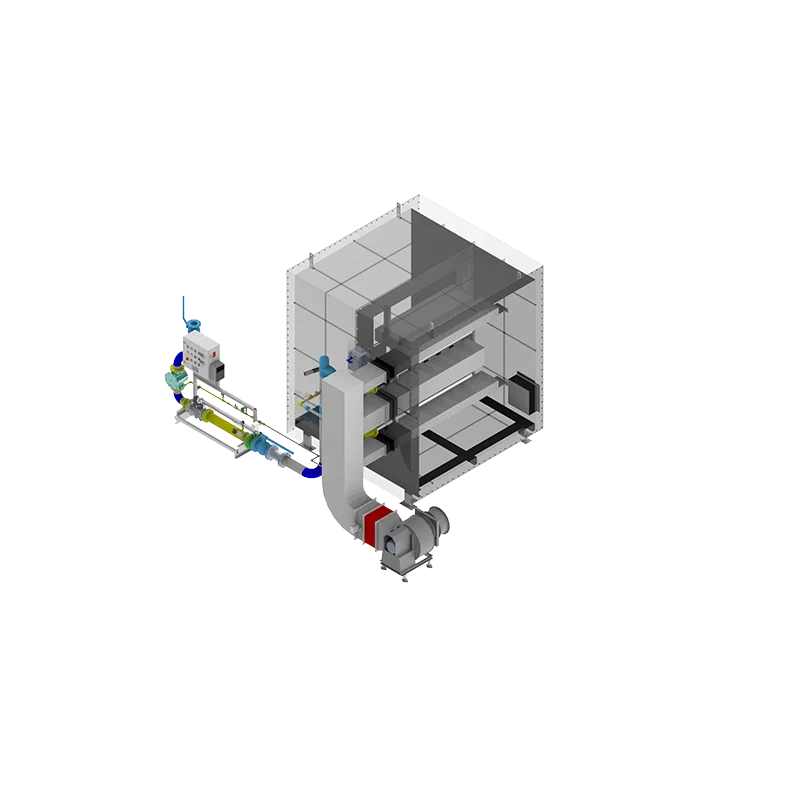
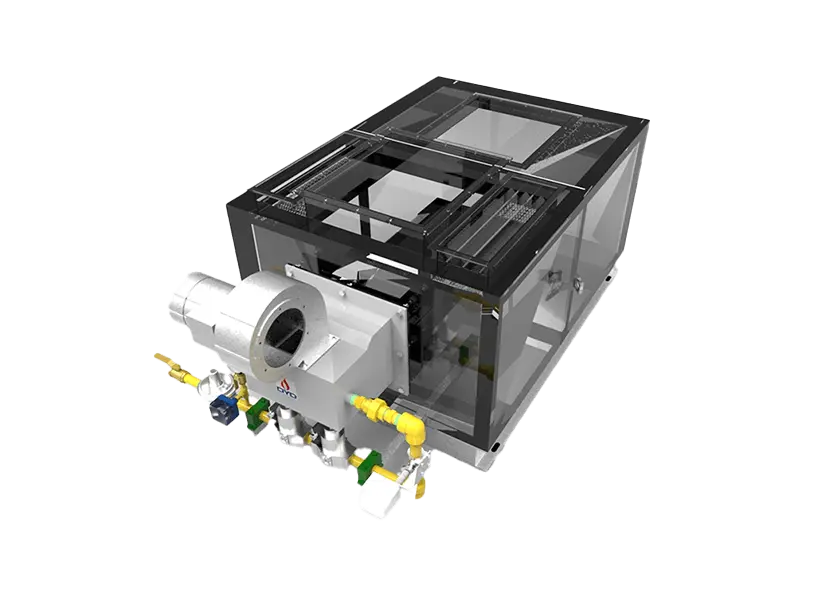
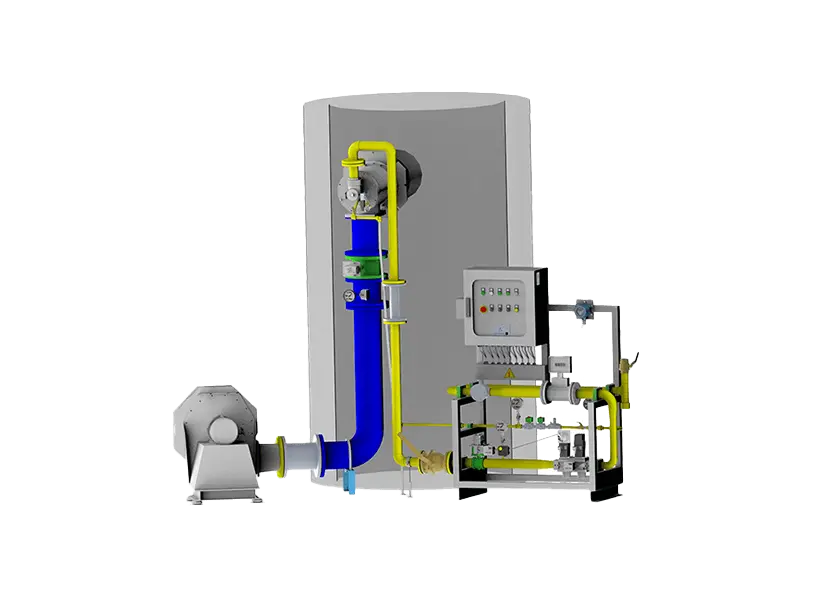
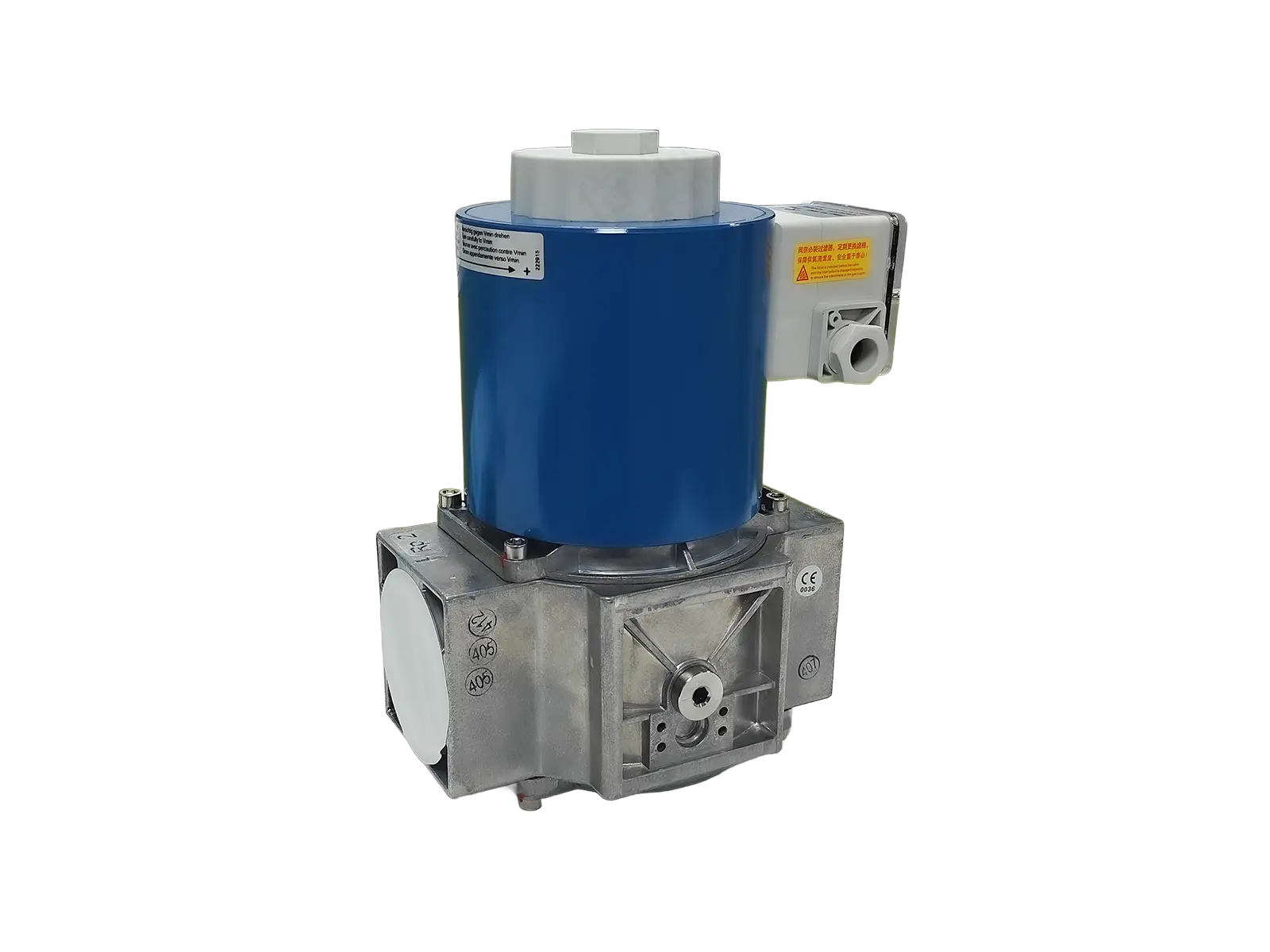
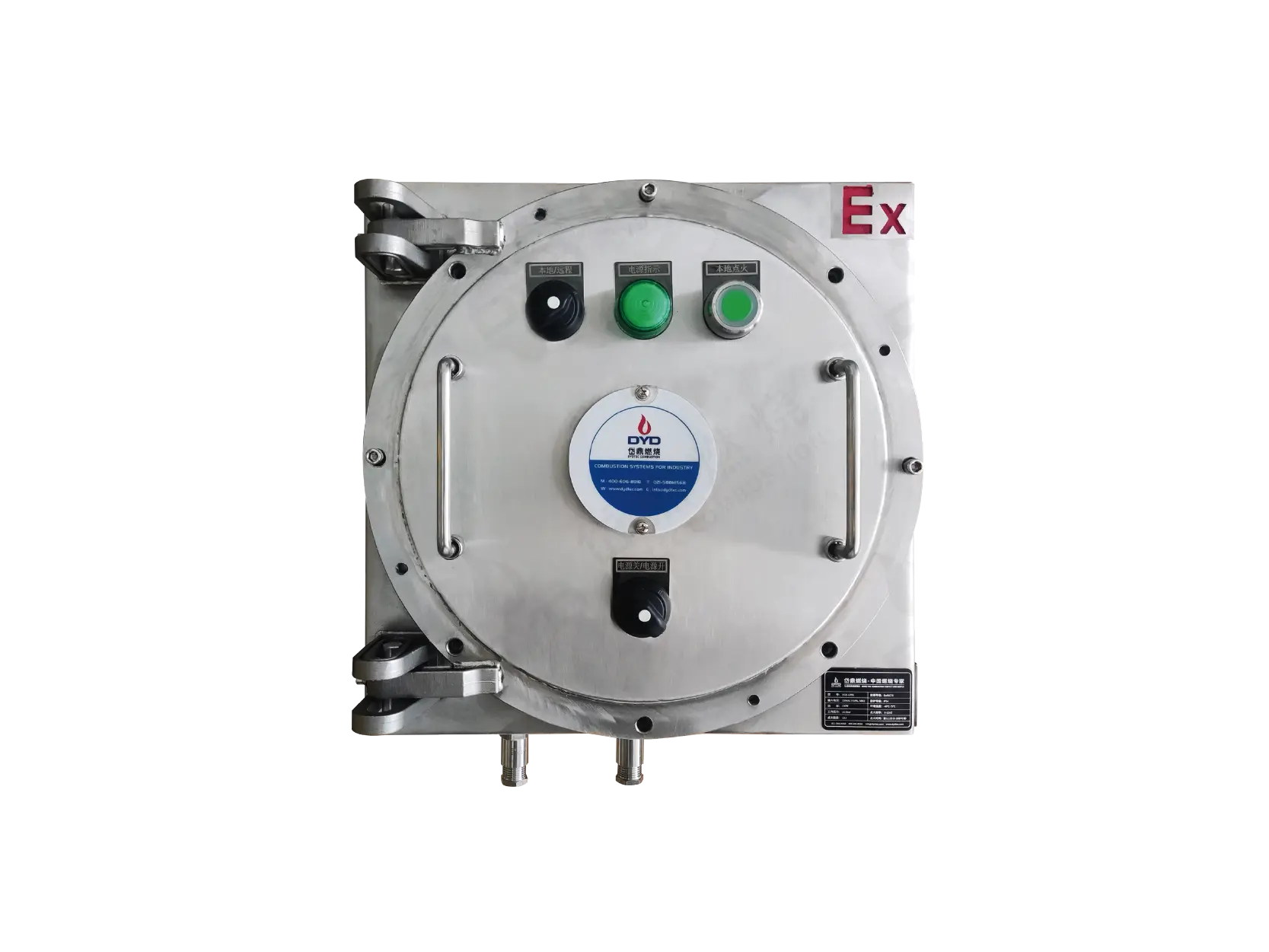
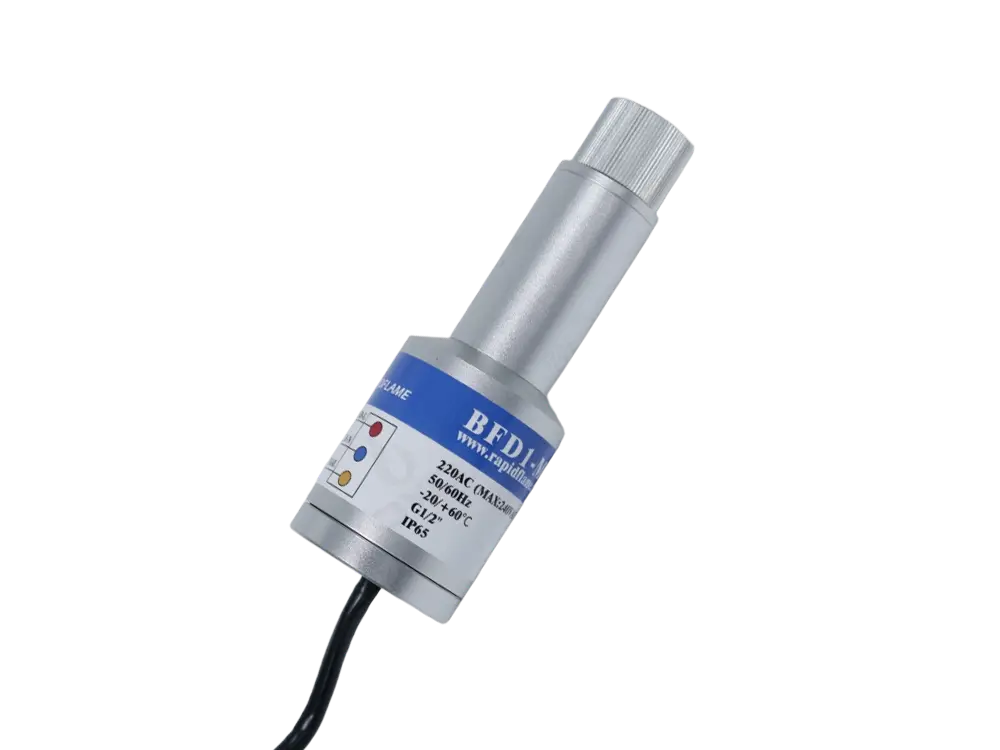
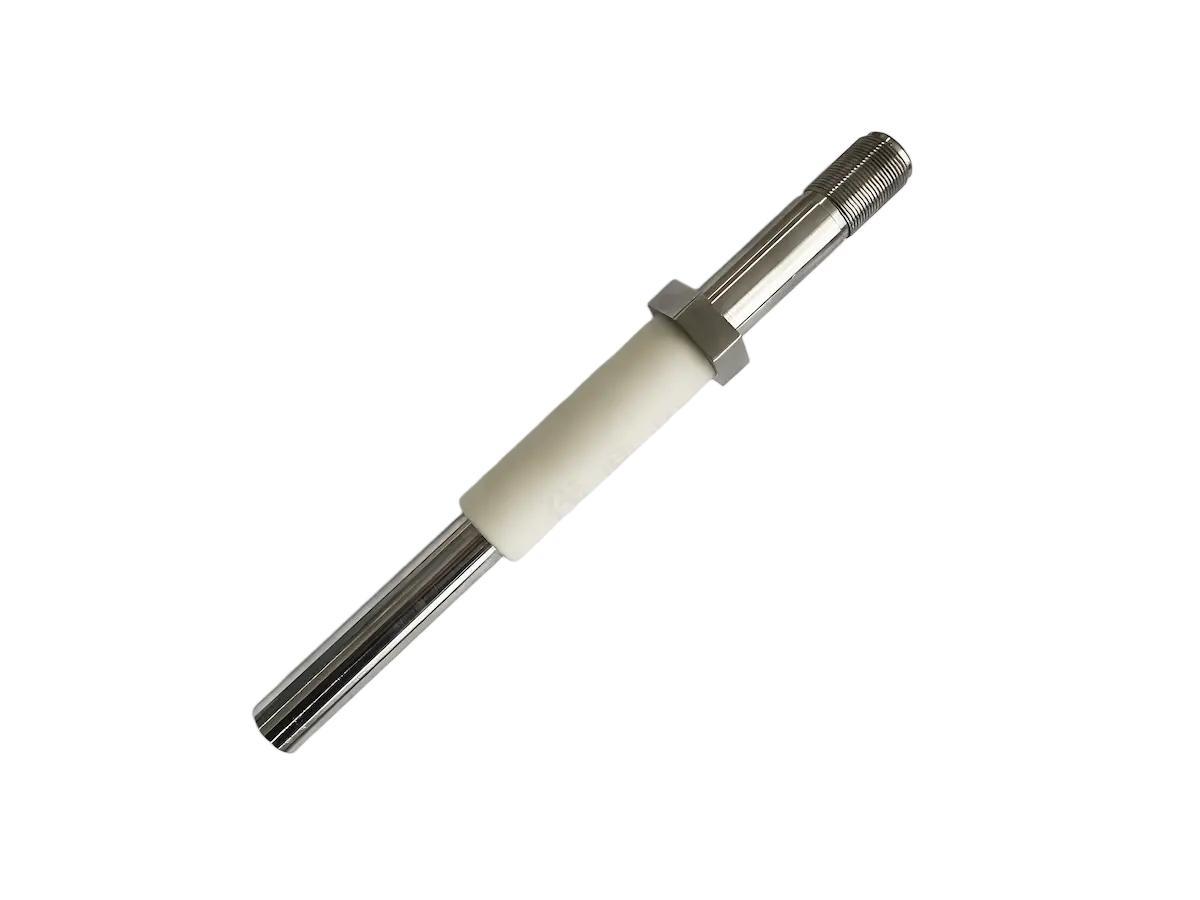
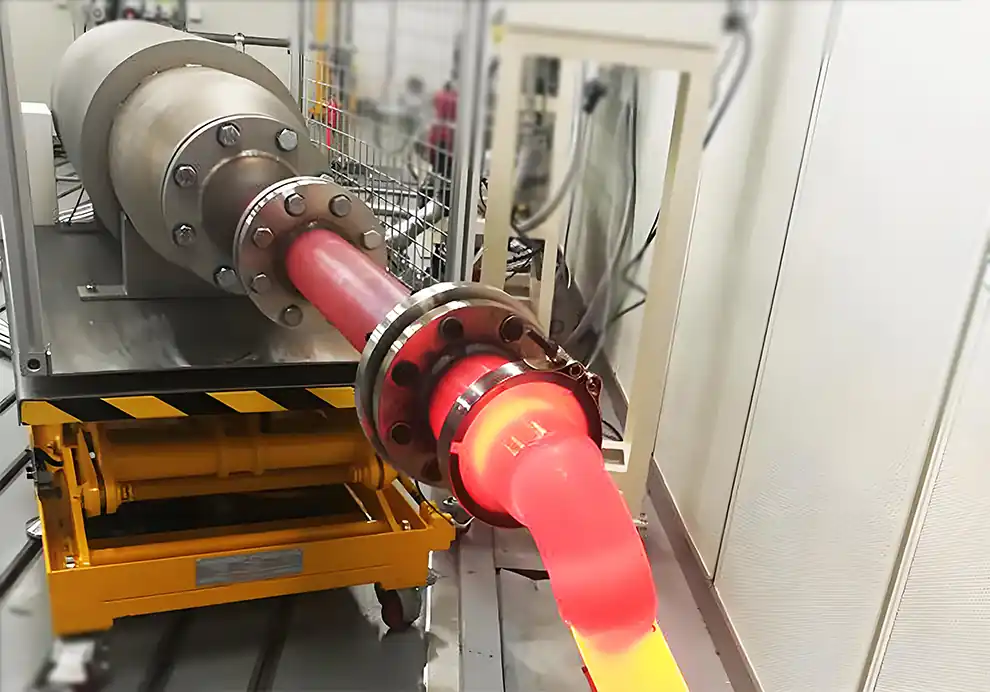
An HRSG (Heat Recovery Steam Generator) supplementary firing system, also known as a duct firing system, is a critical industrial technology that achieves a secondary boost in system energy density and power generation efficiency by injecting and igniting additional fuel within the oxygen-rich exhaust gas of a gas turbine. This article provides an in-depth analysis of its thermodynamic principles, core application scenarios, and key operational constraints to help plant operators and energy executives evaluate its engineering value.
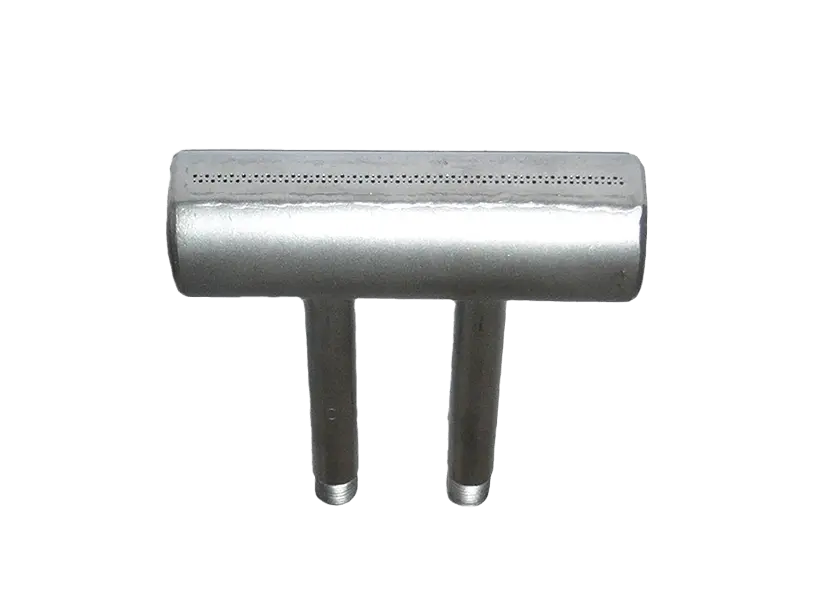
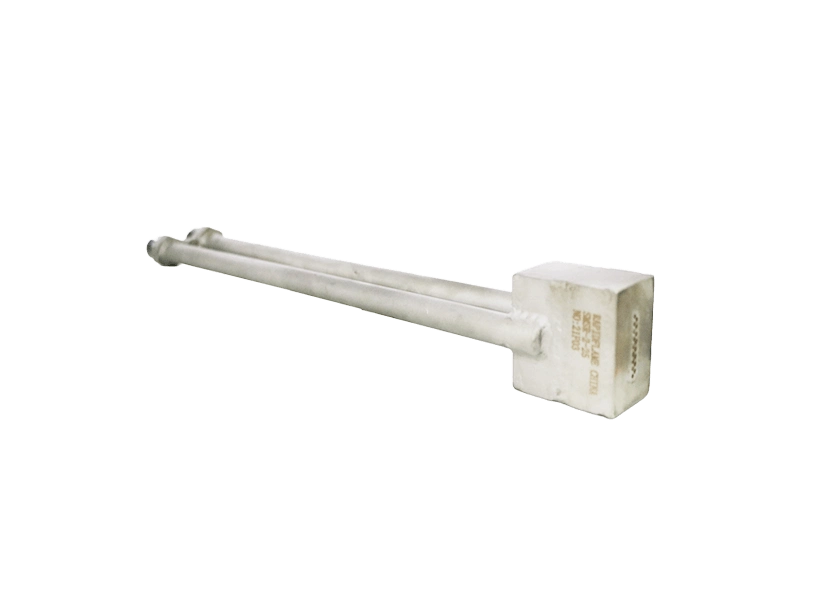
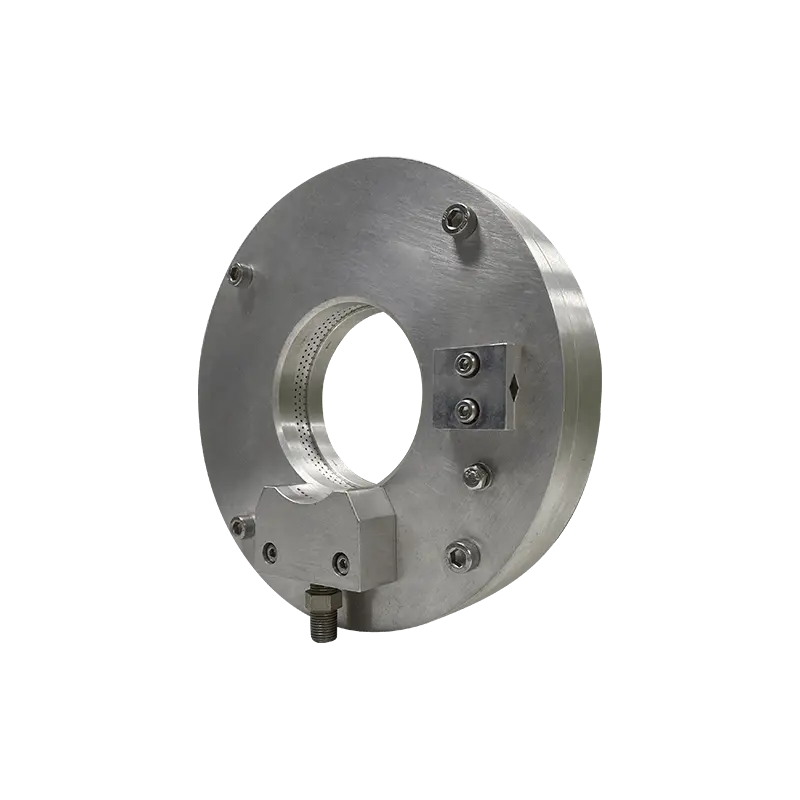
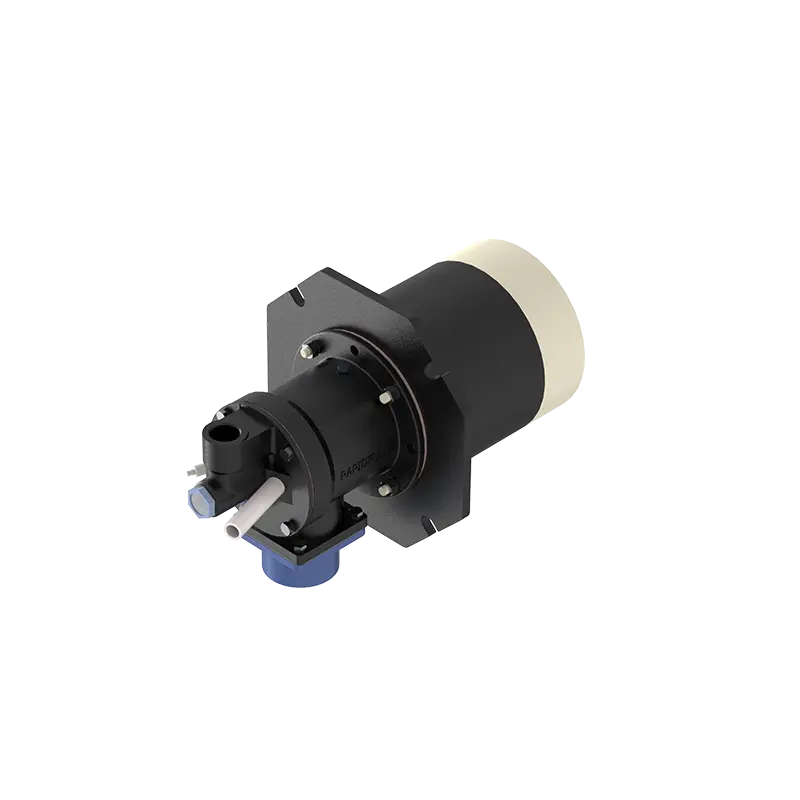
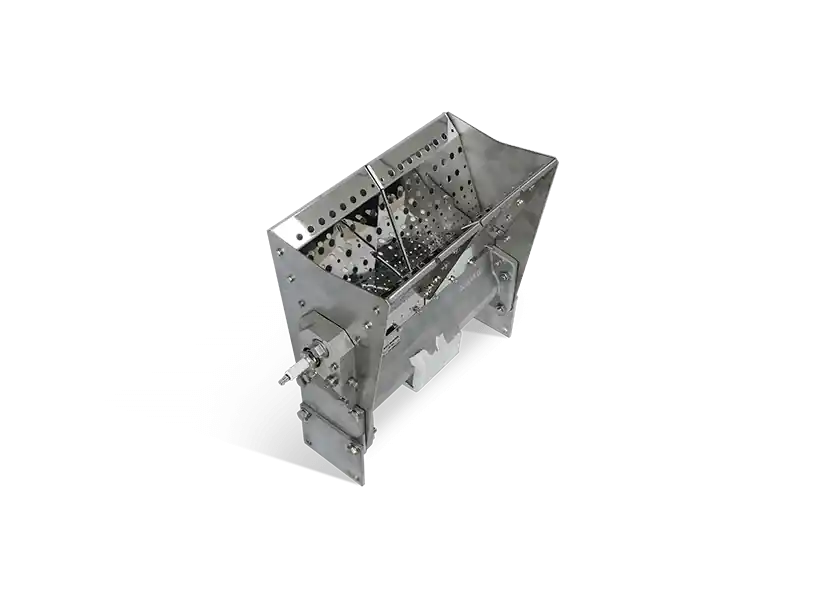
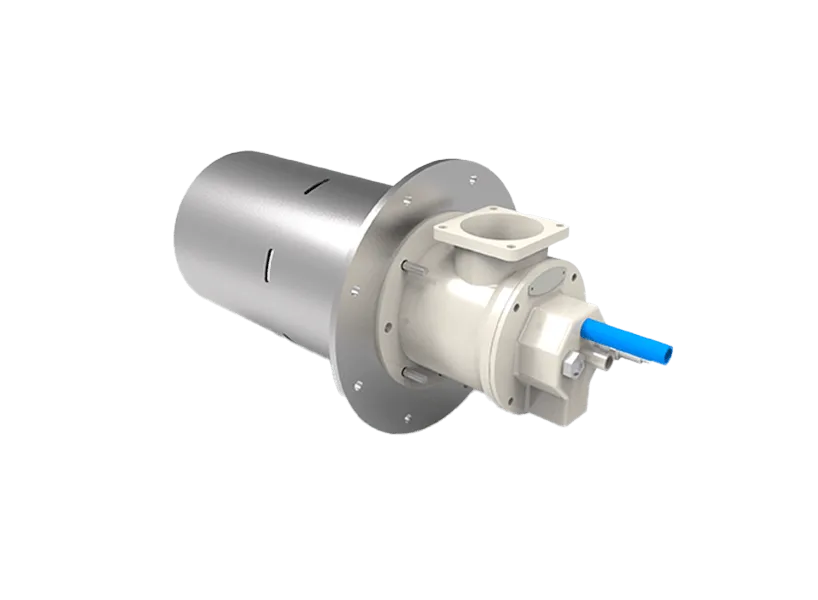
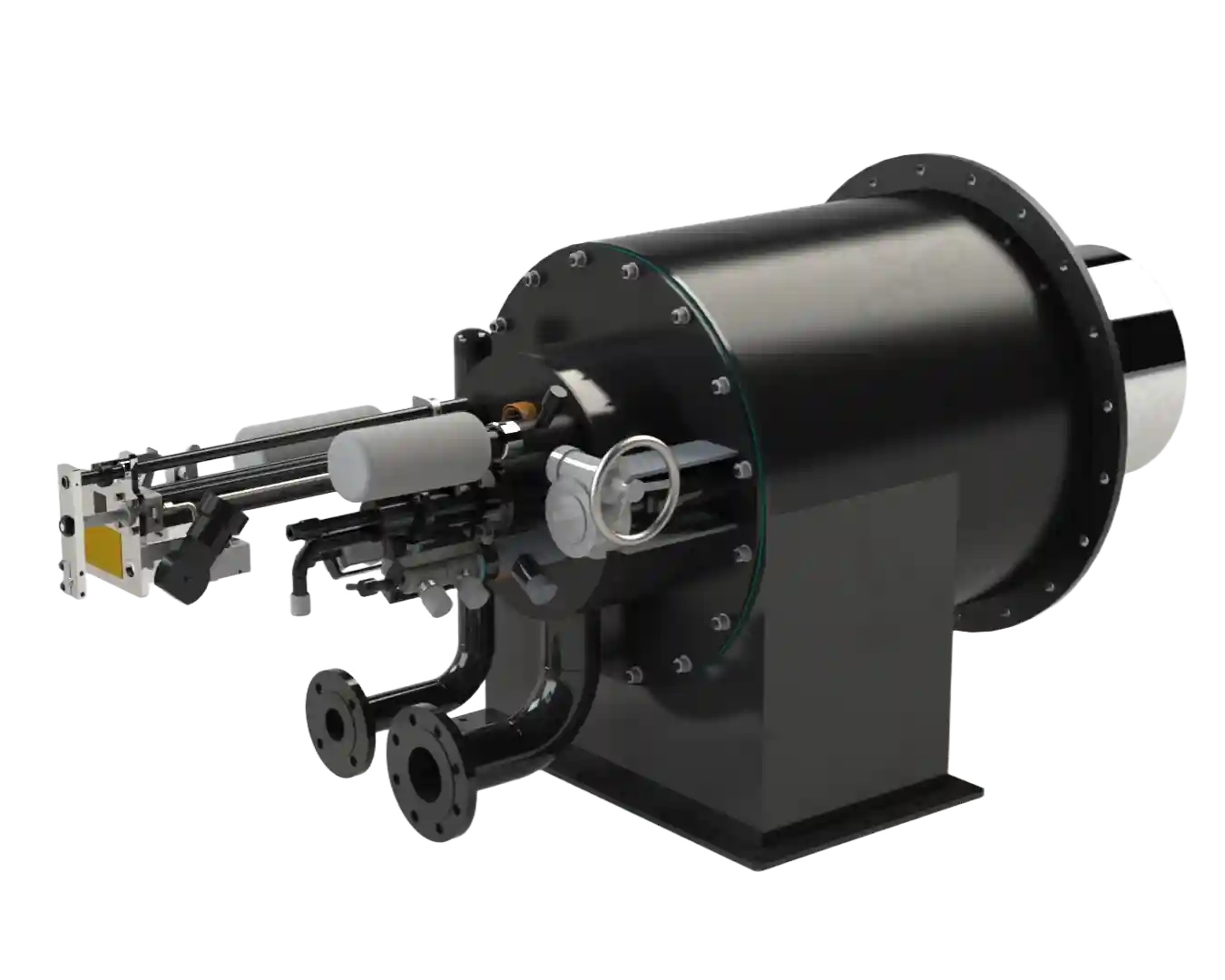
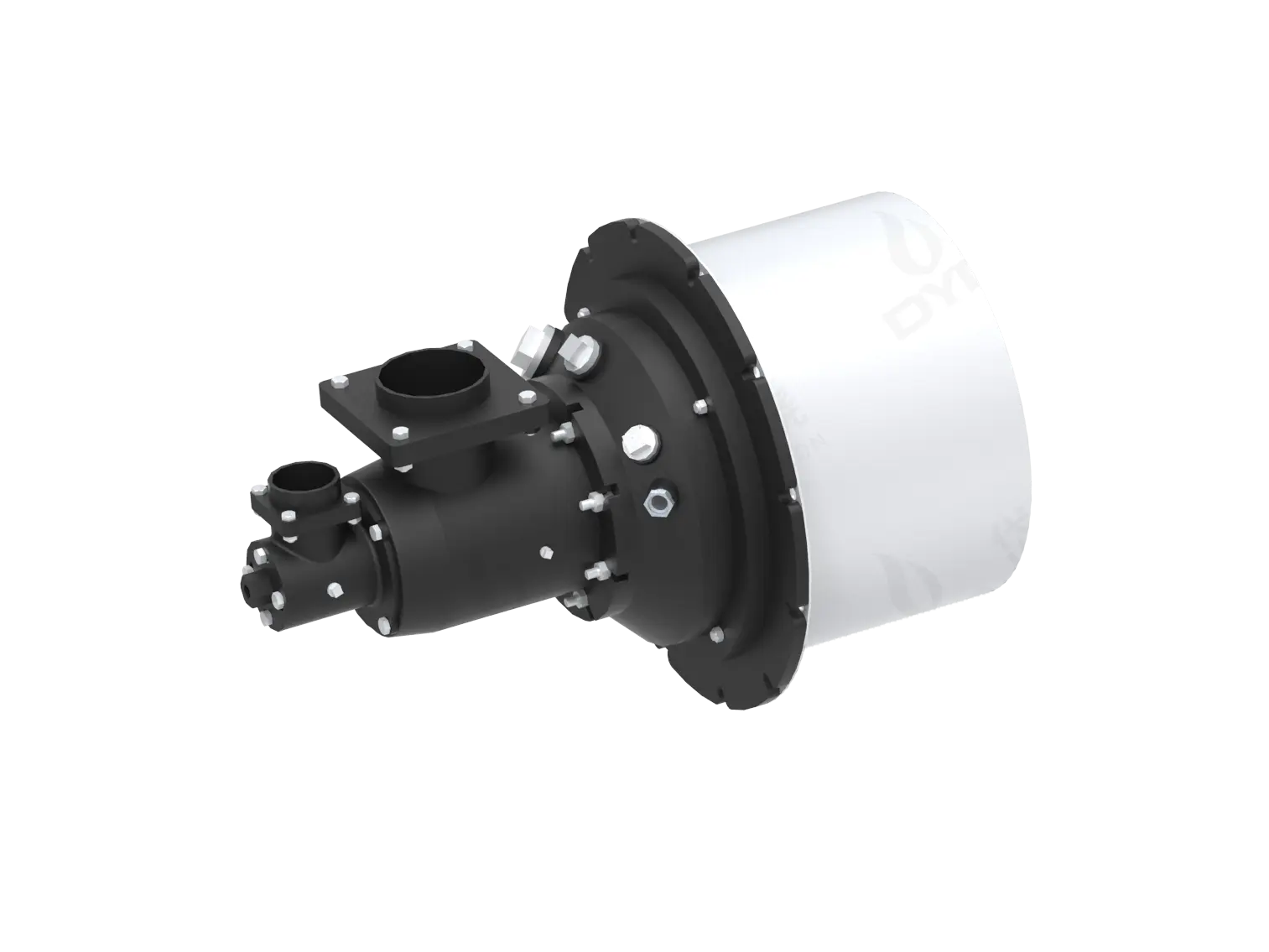
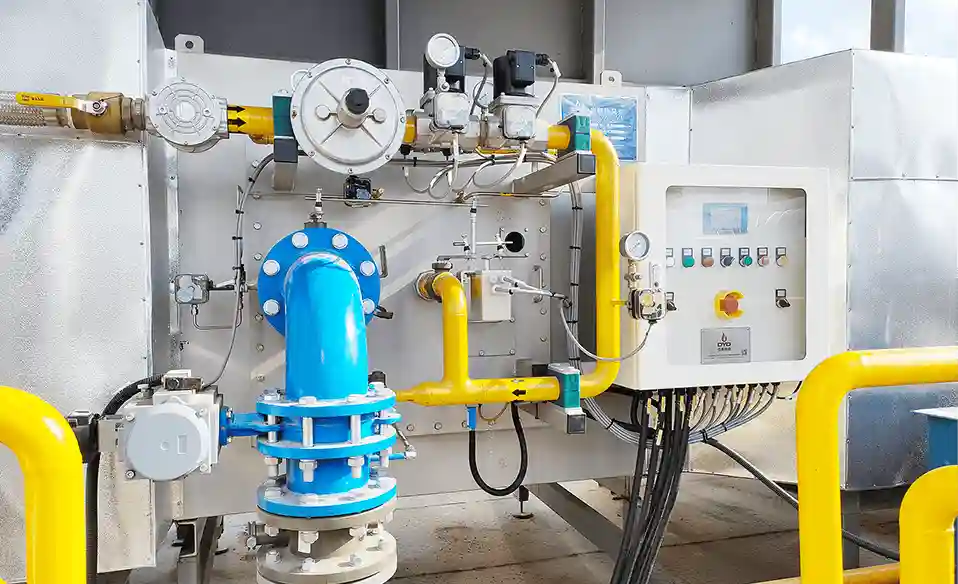
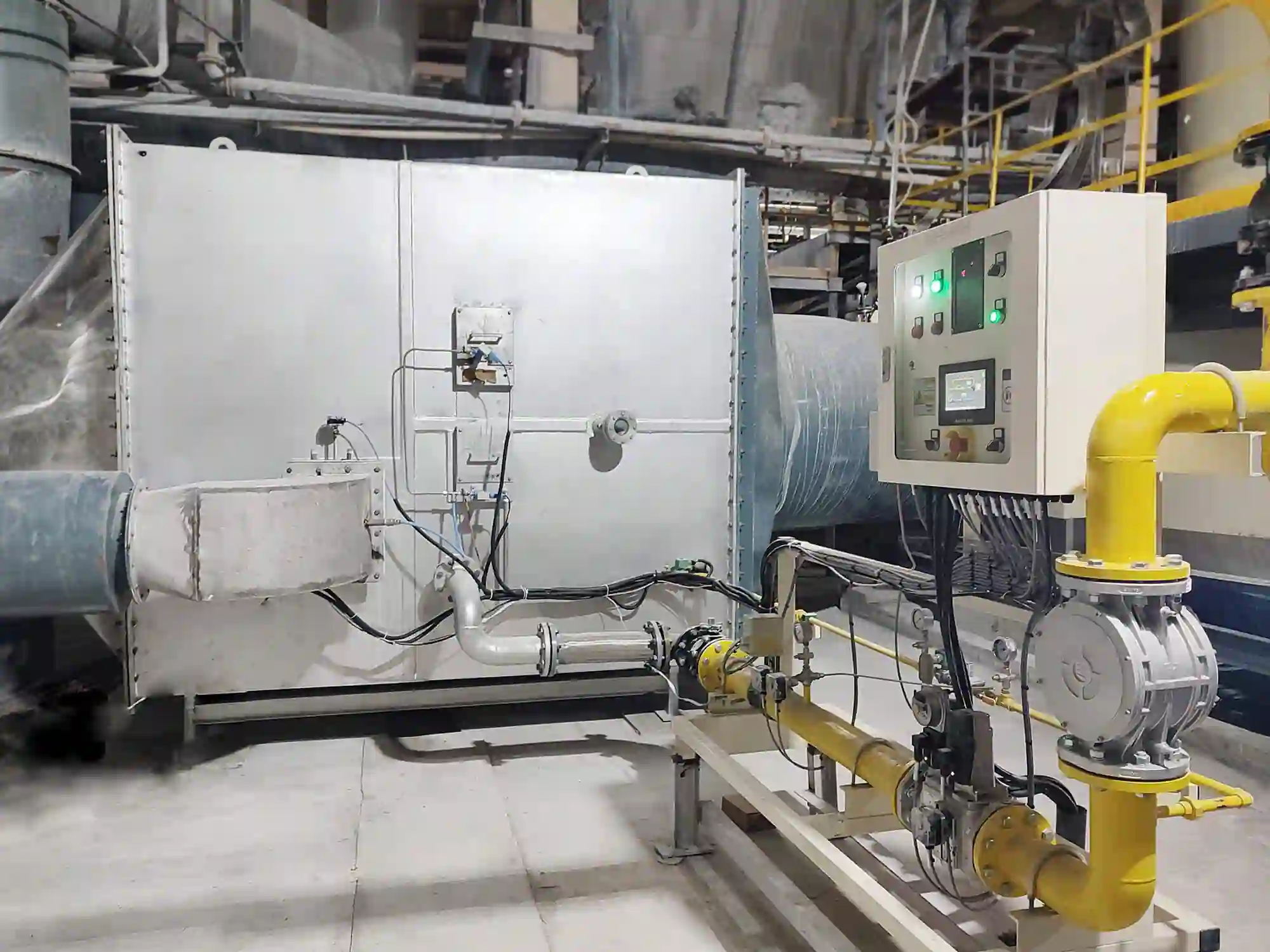
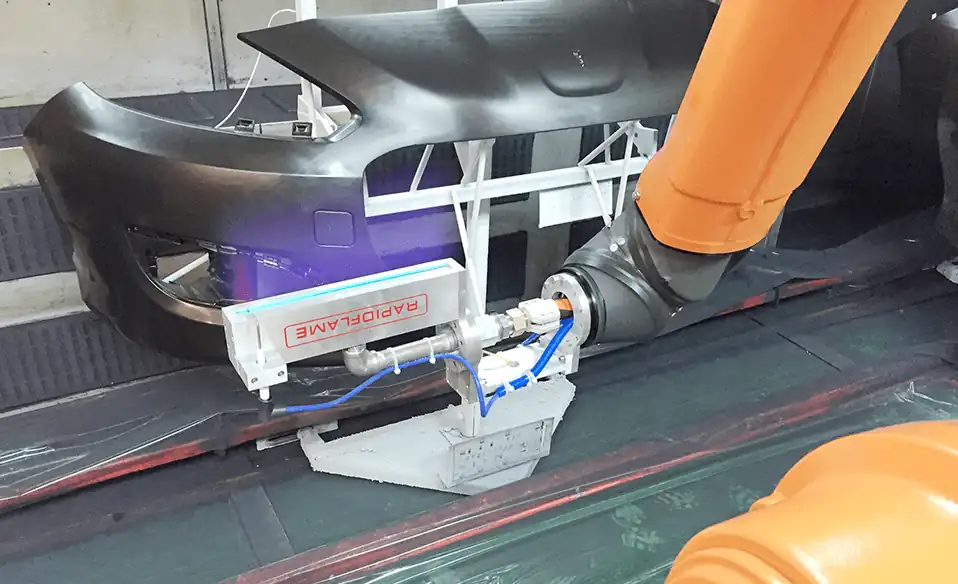
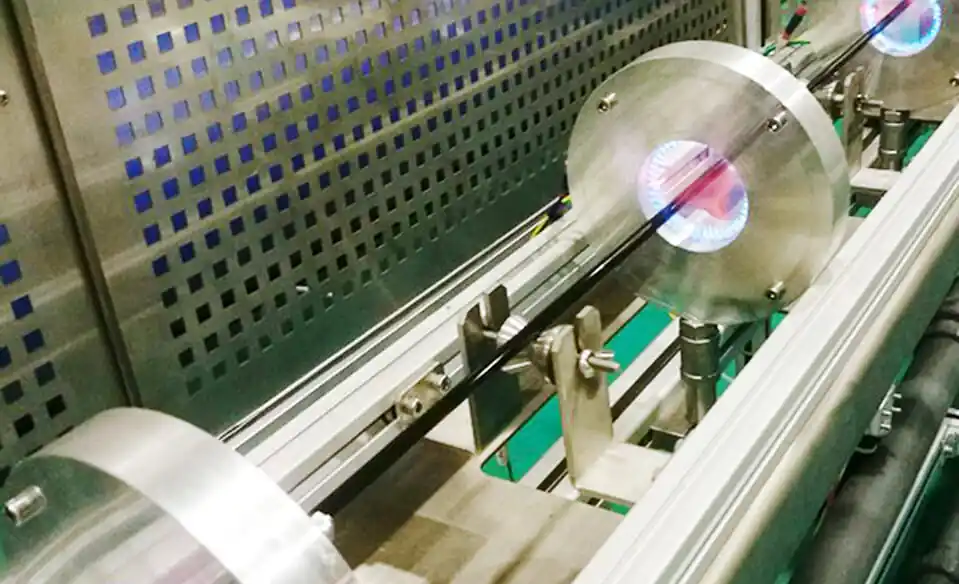
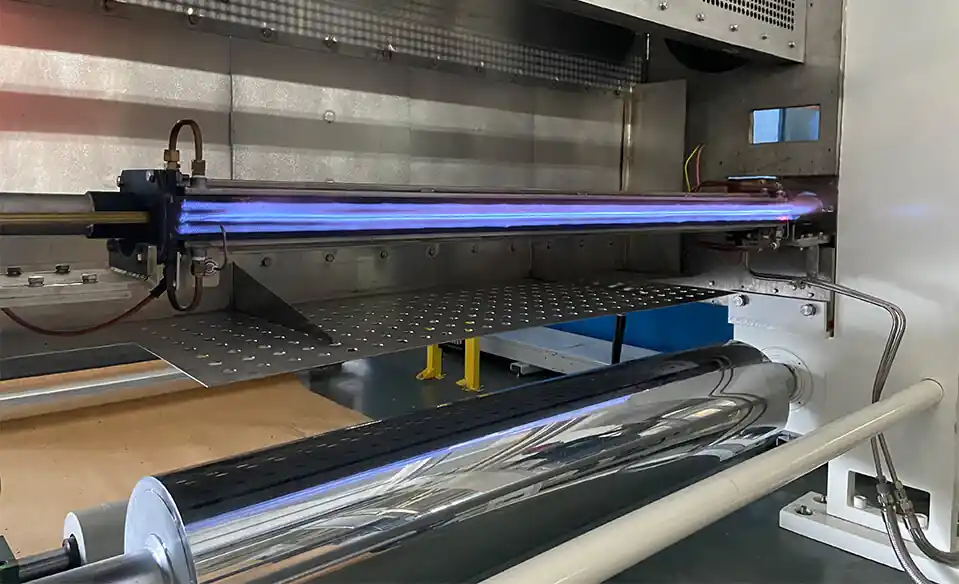
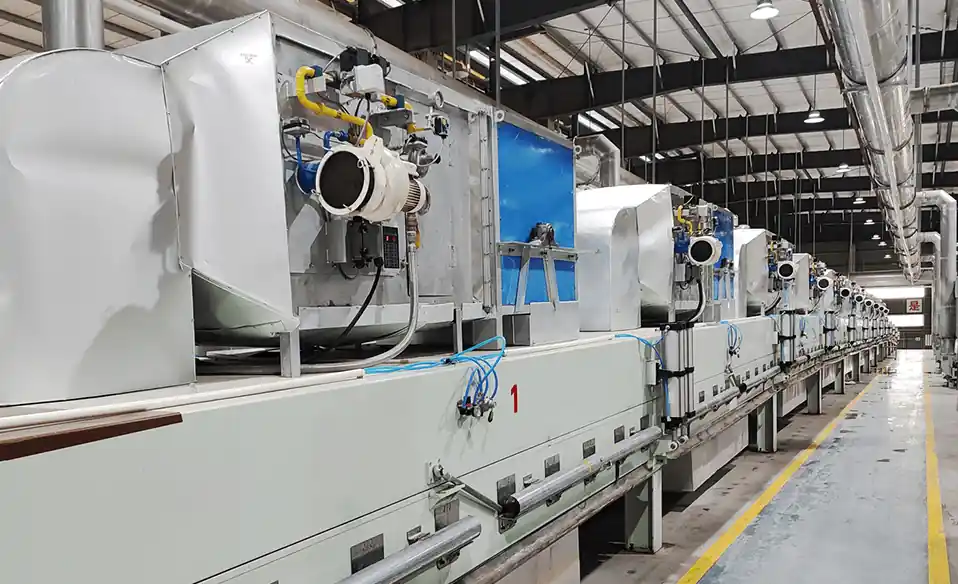
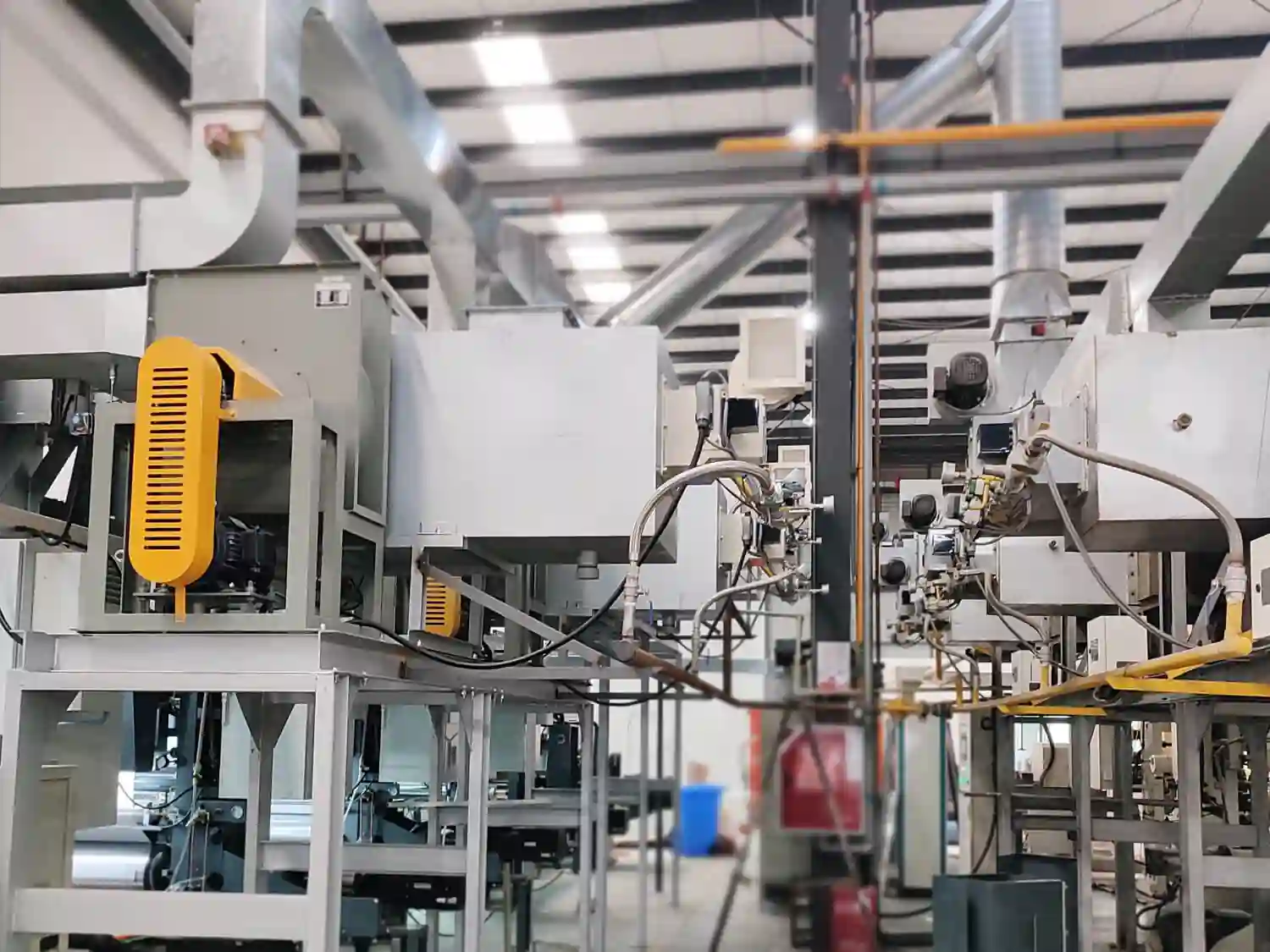
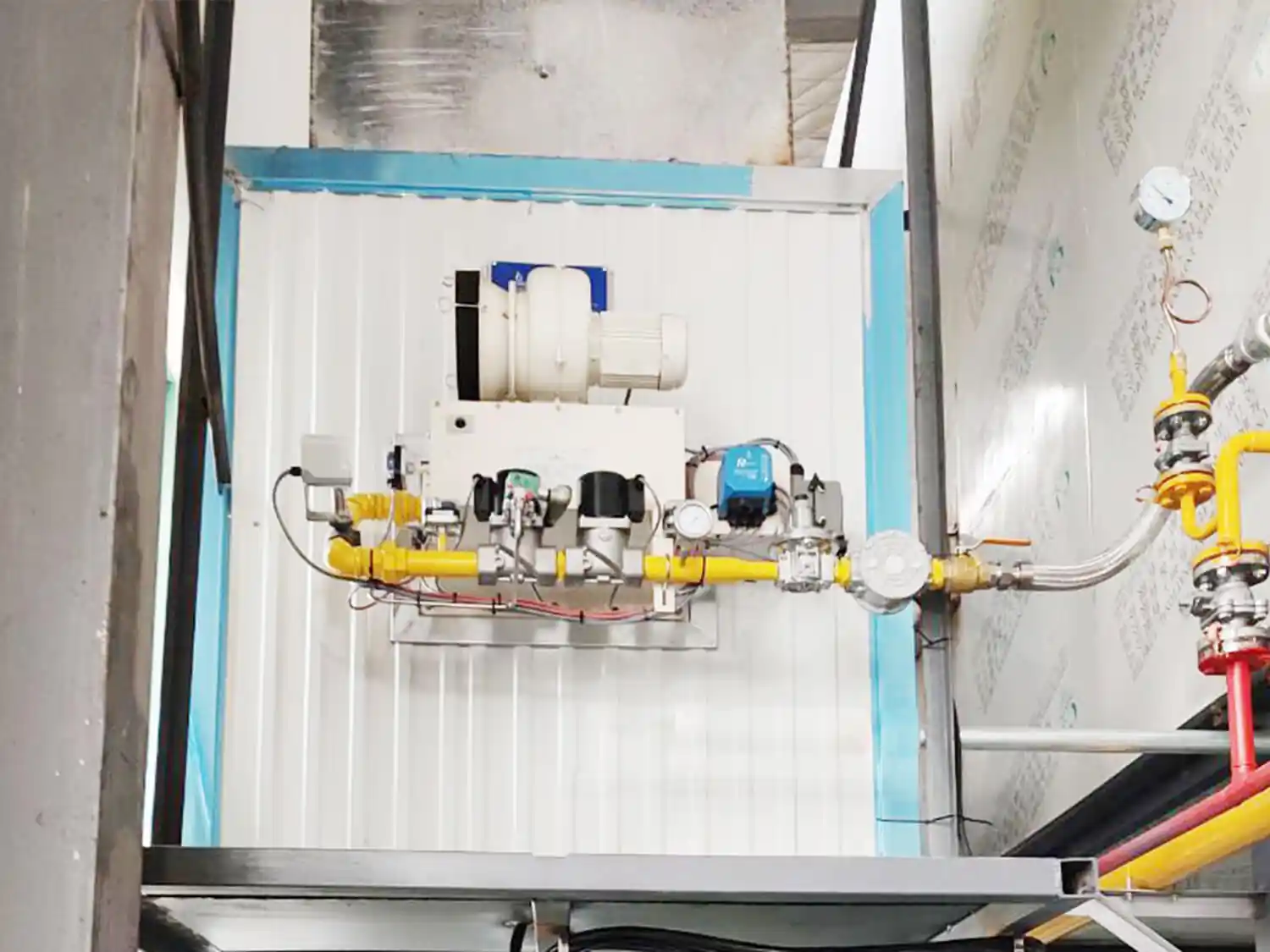
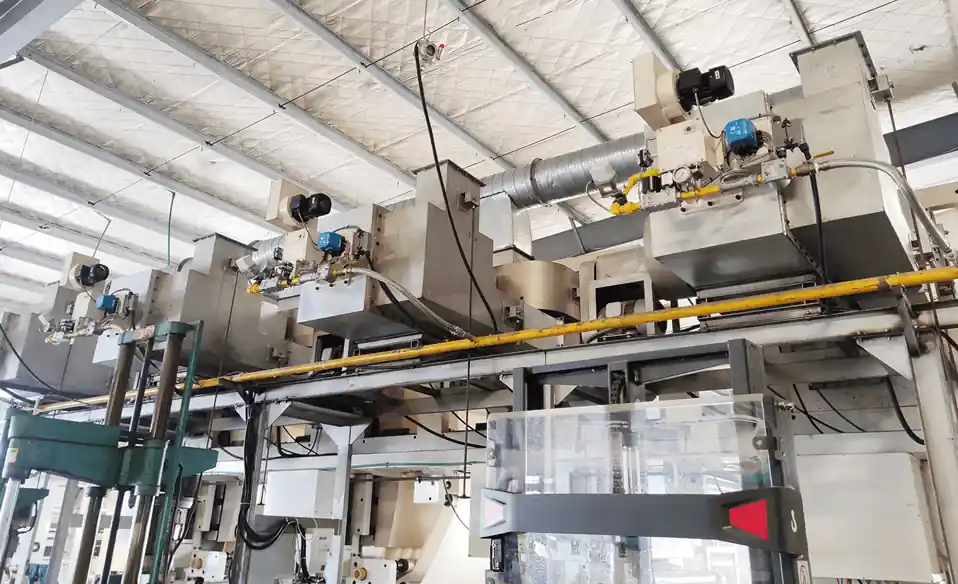
Fuel Injection and Ignition: Duct burners are installed between the gas turbine and the HRSG. They precisely inject fuel (typically natural gas) into this high-temperature, oxygen-rich, high-velocity exhaust stream and ignite it.
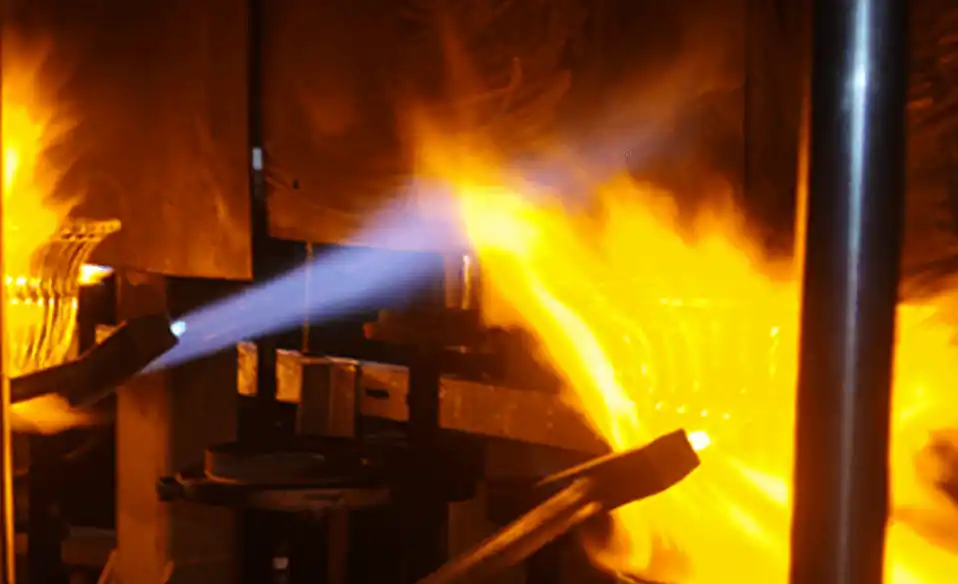
Secondary Combustion: The injected fuel reacts vigorously with the residual oxygen in the exhaust, instantly driving the flue gas temperature entering the boiler up to 700–900°C or even higher.
Amplified Heat Transfer Driving Force: According to the Second Law of Thermodynamics, the heat transfer driving force depends heavily on the temperature gradient. This extreme temperature difference accelerates the heat transfer rate, enabling the same size HRSG to produce more steam at higher pressures and temperatures. This directly boosts the downstream steam turbine's total power output.
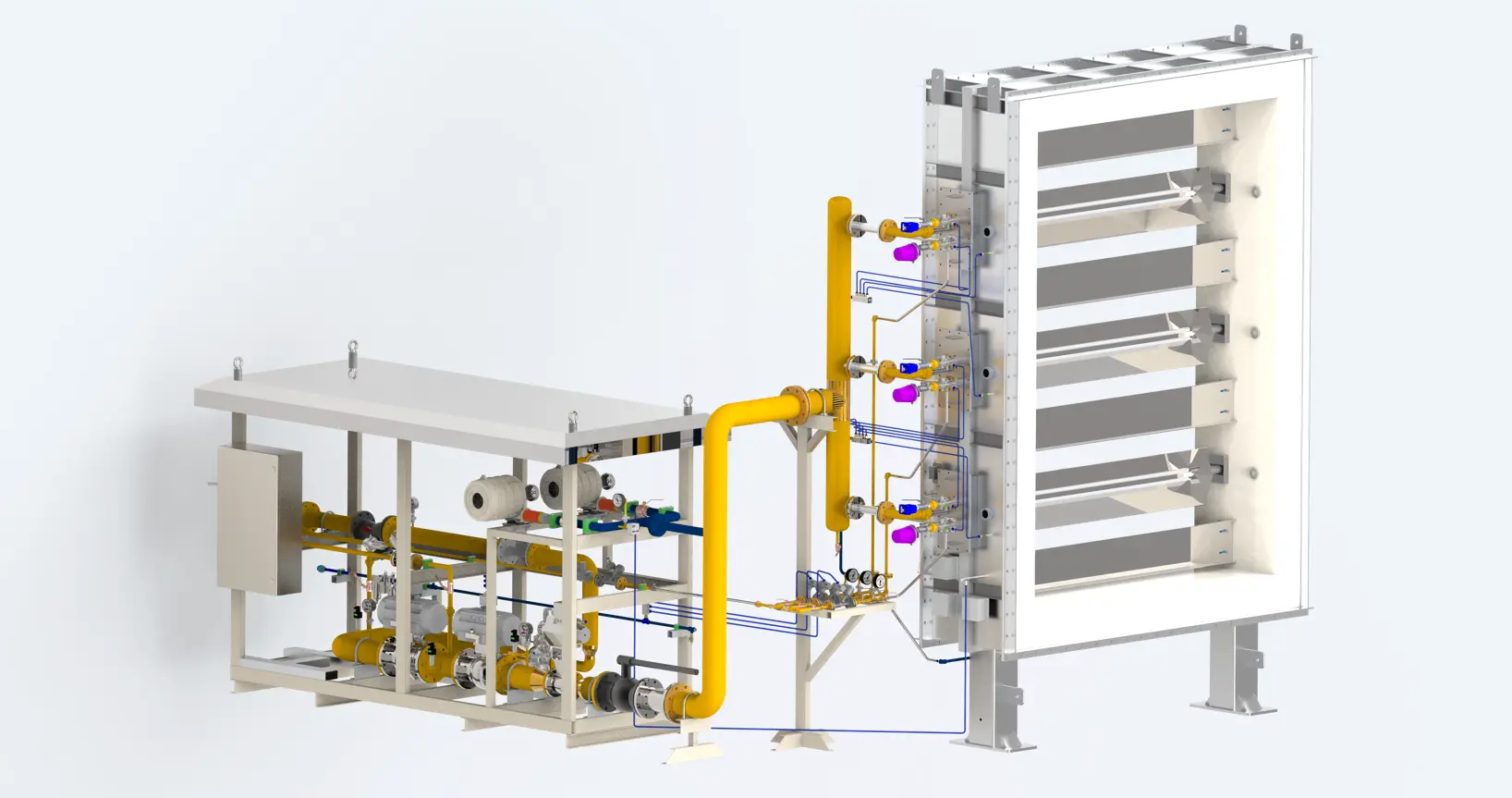
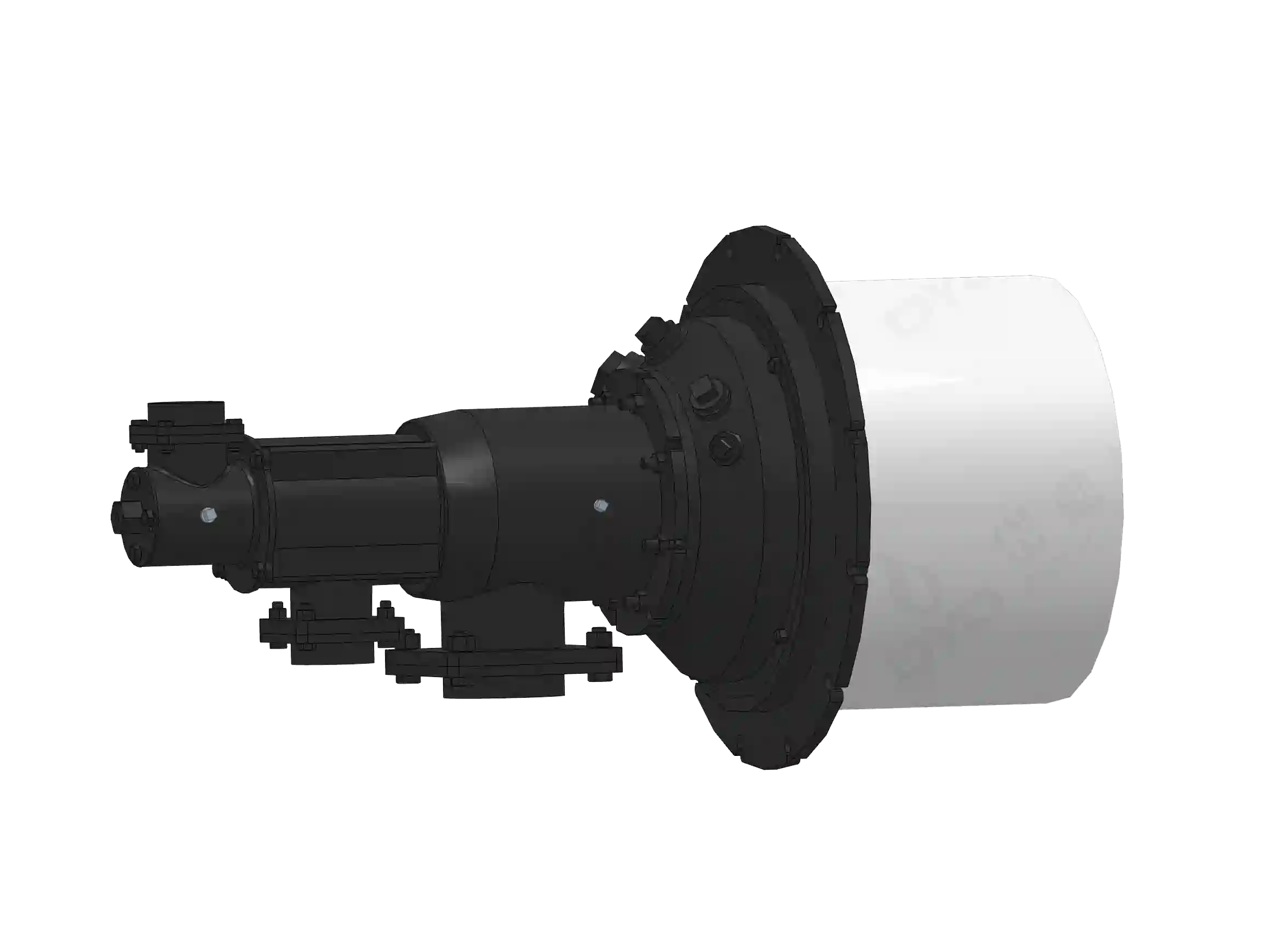
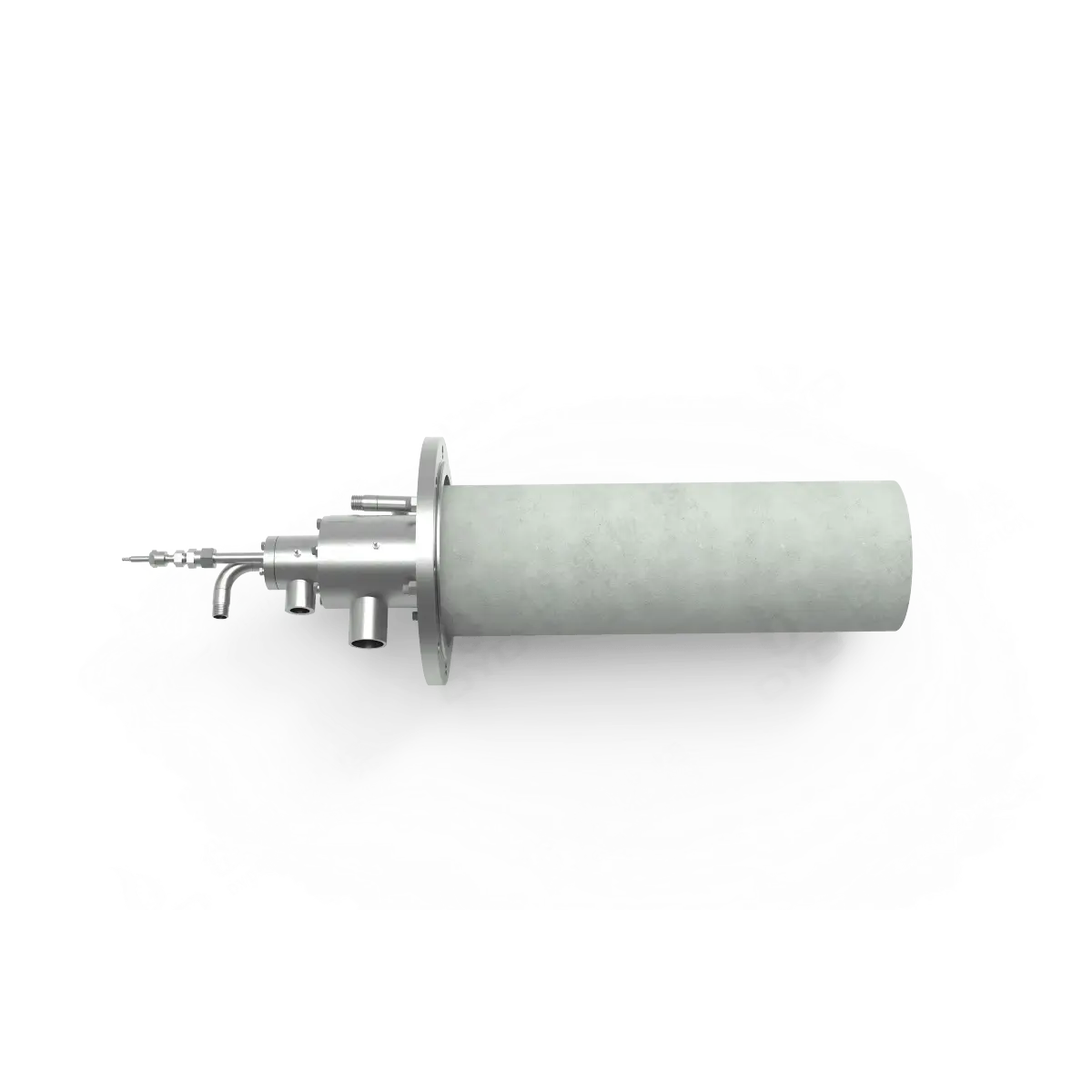
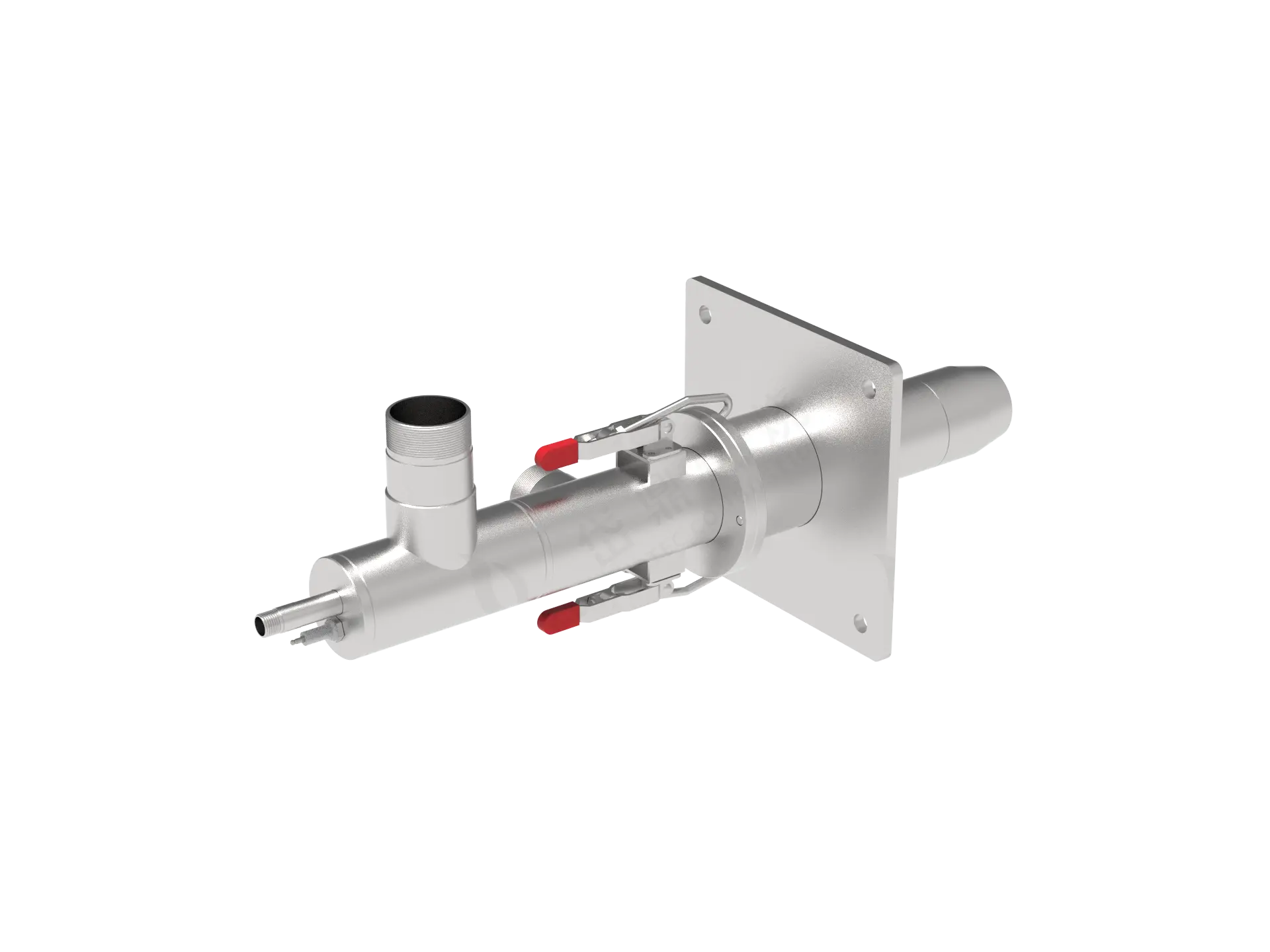
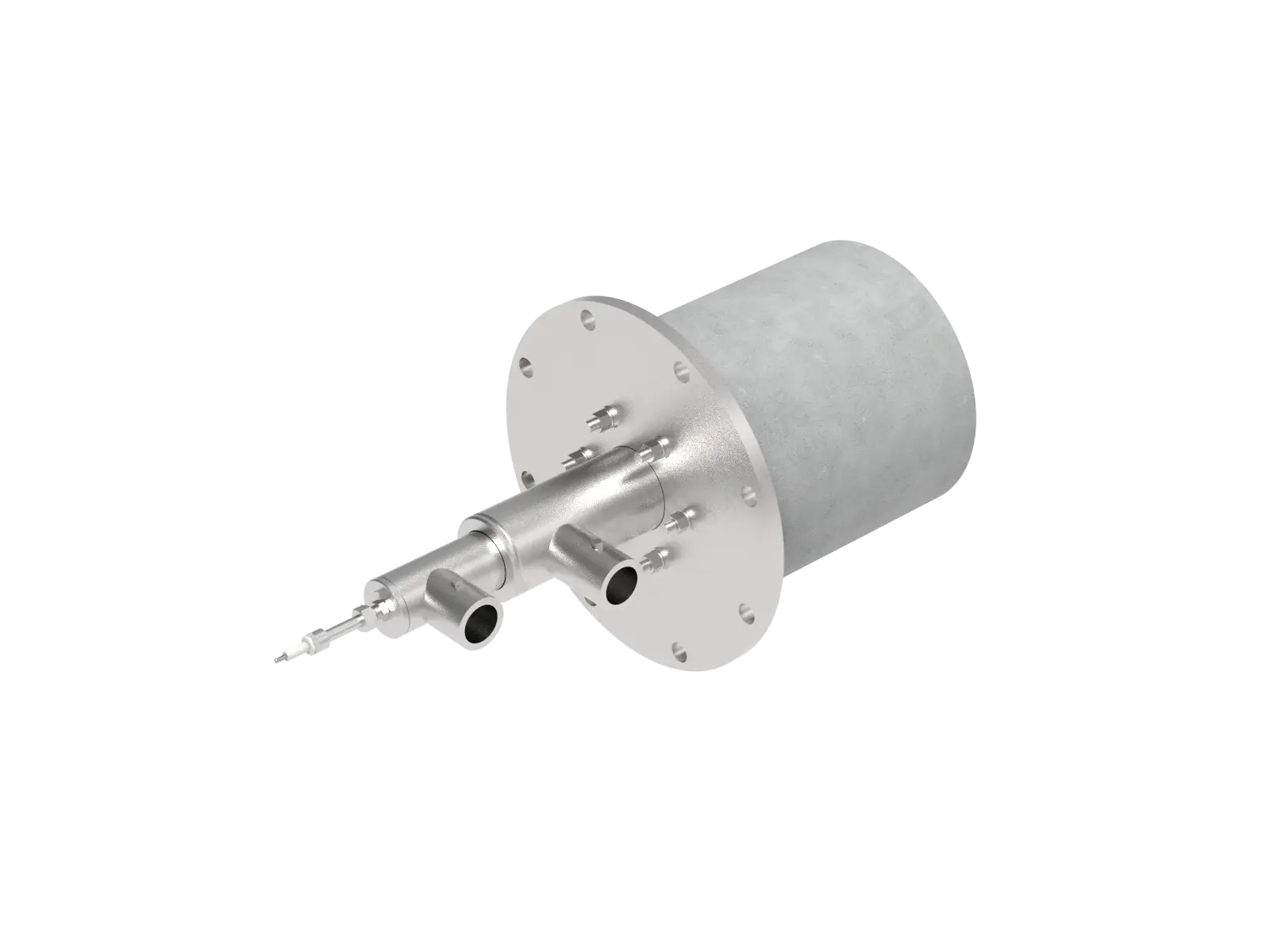
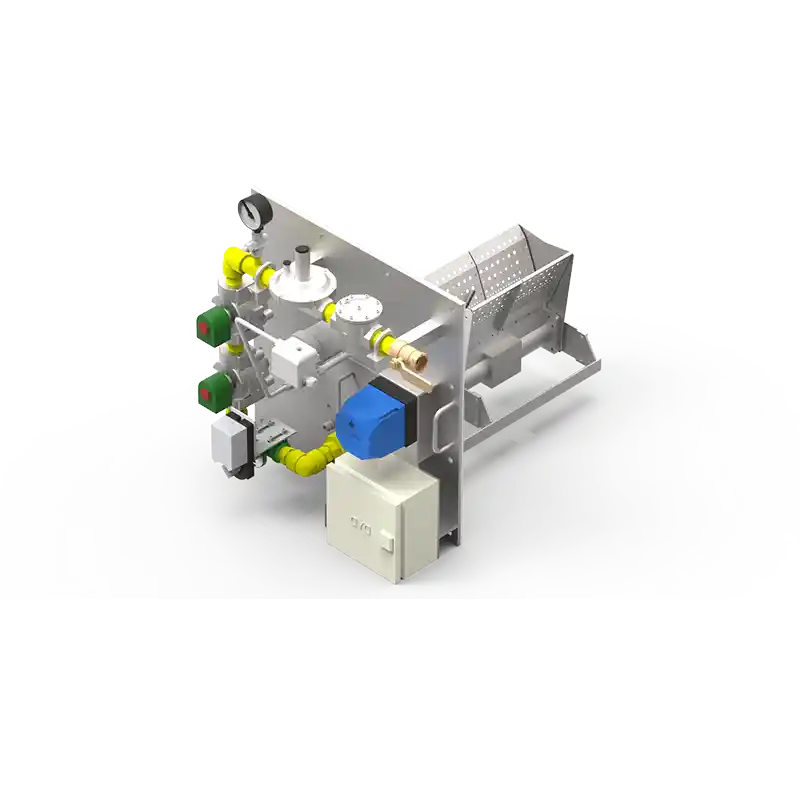
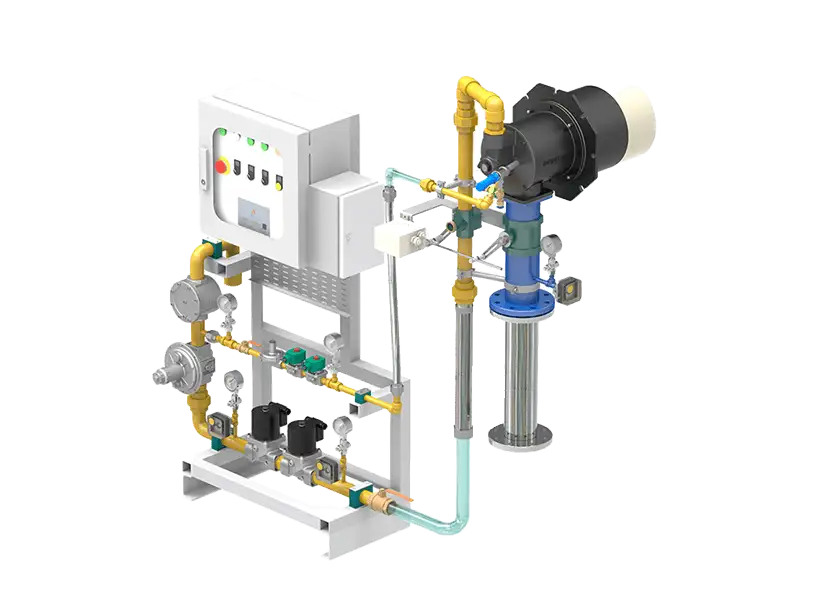
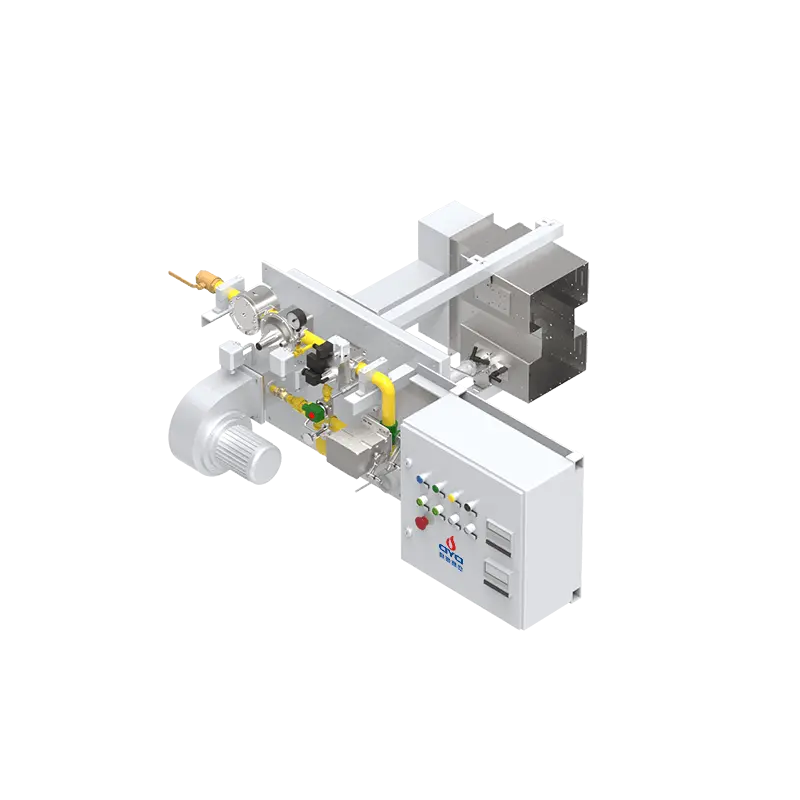
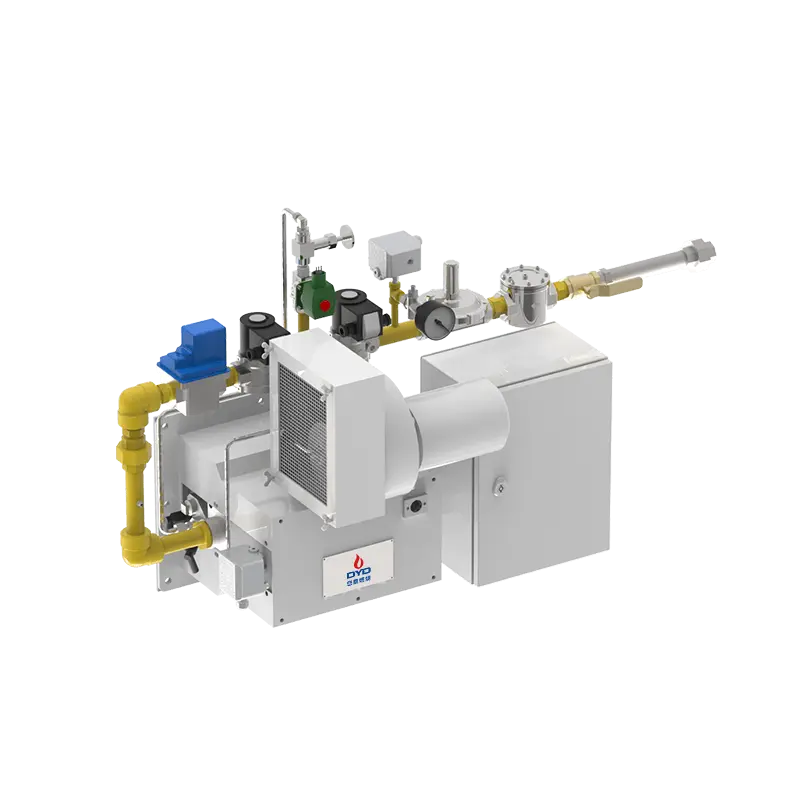
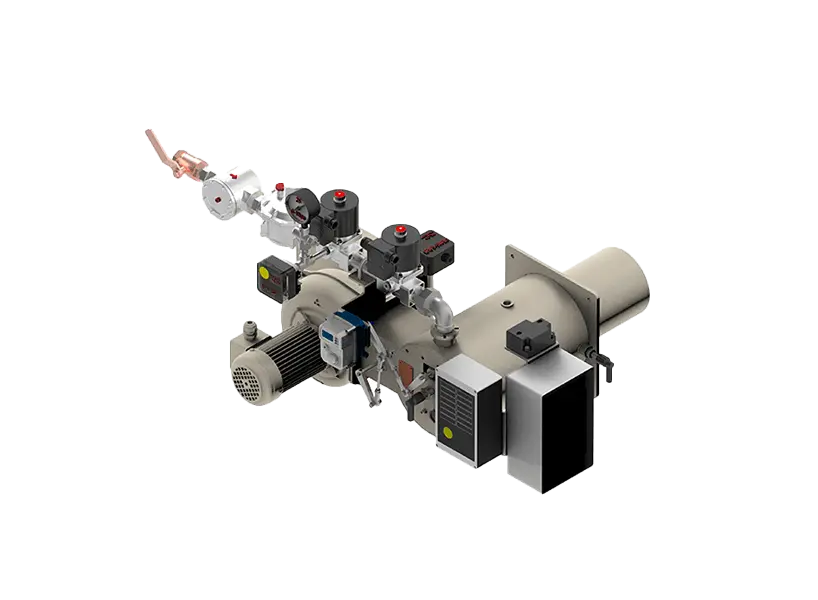
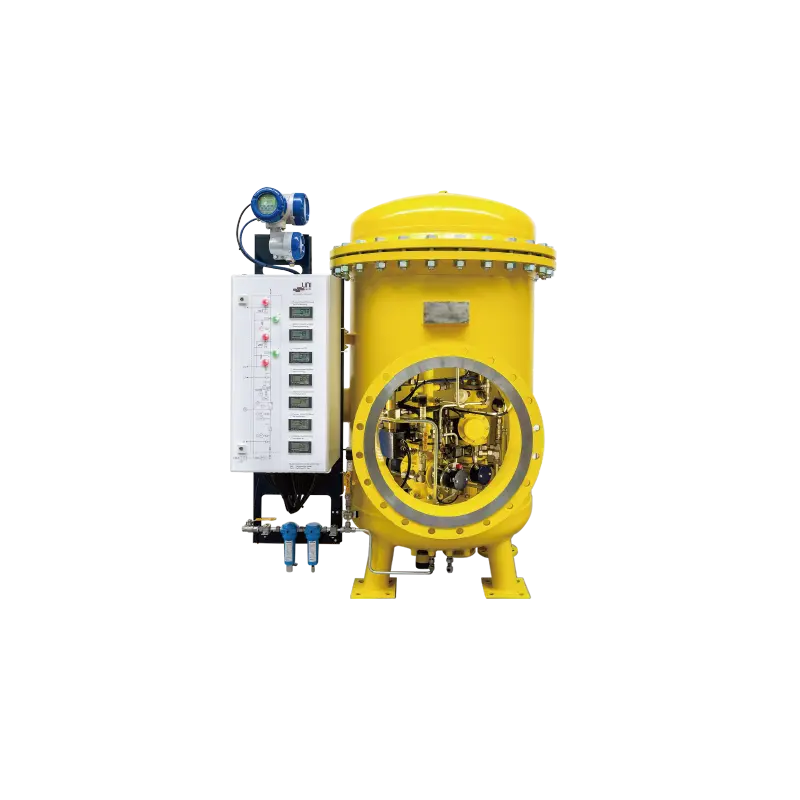
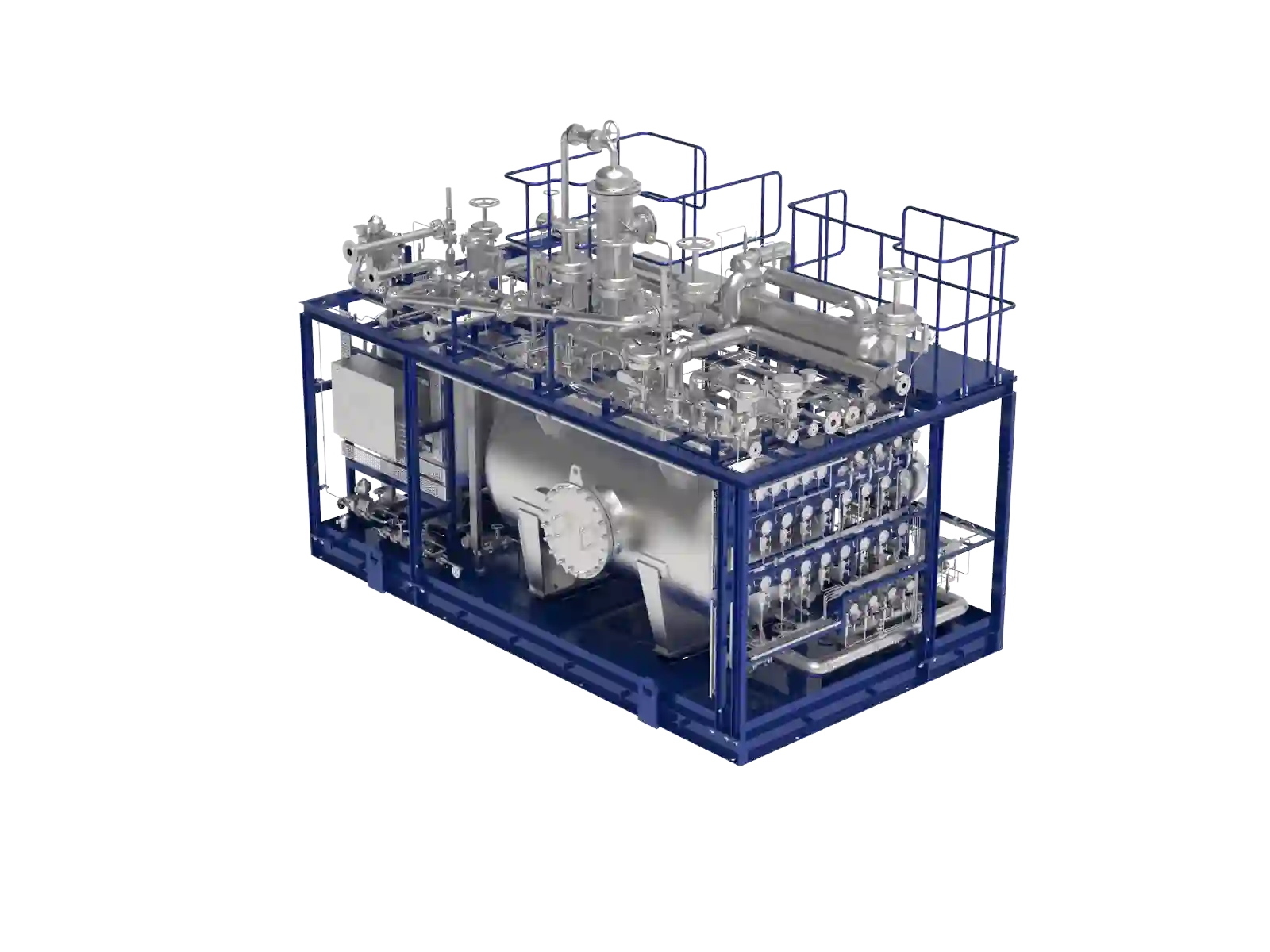
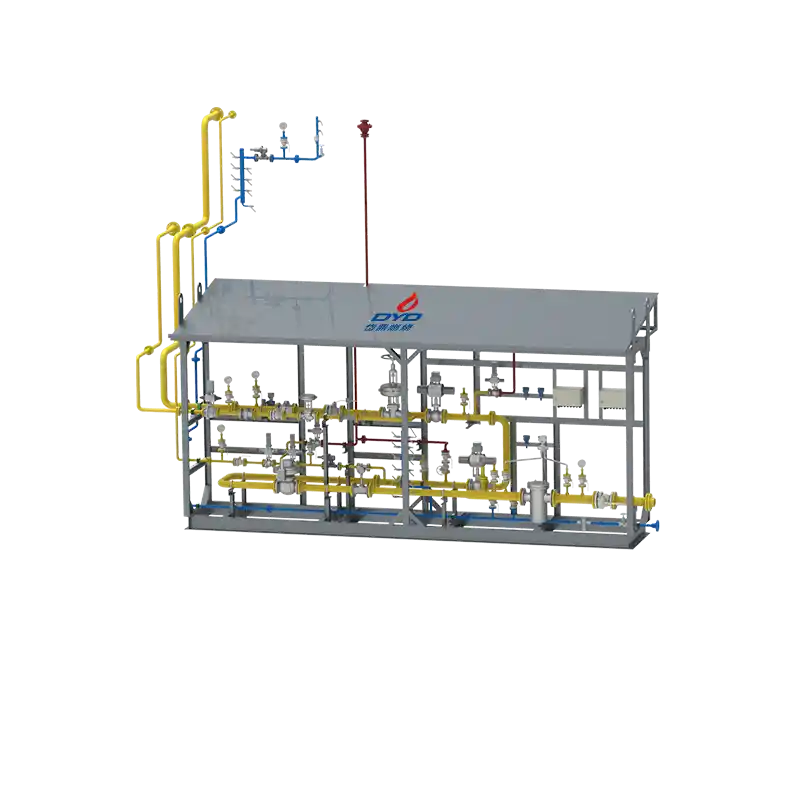
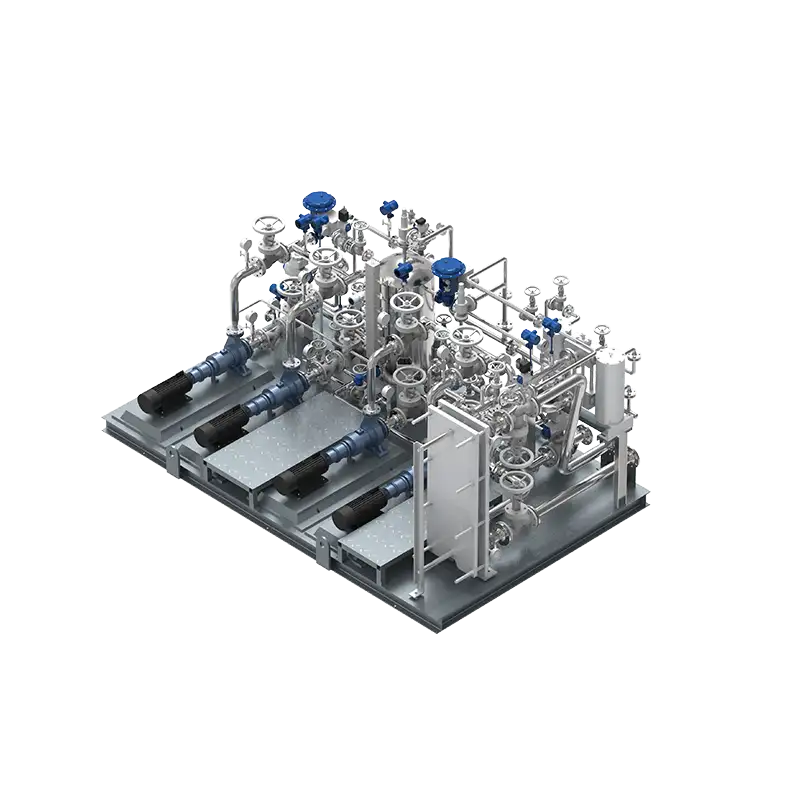
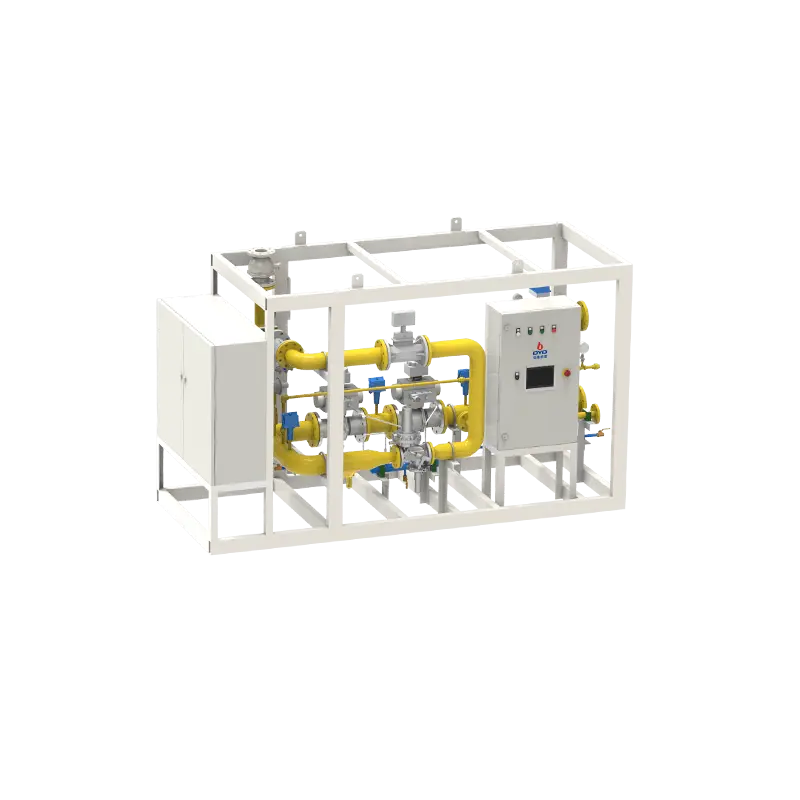
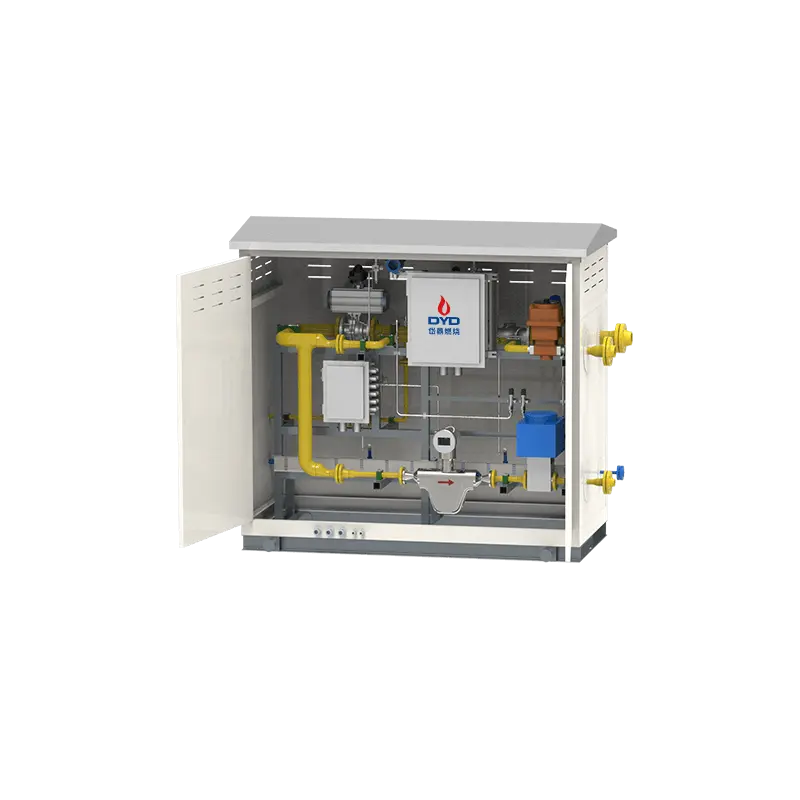
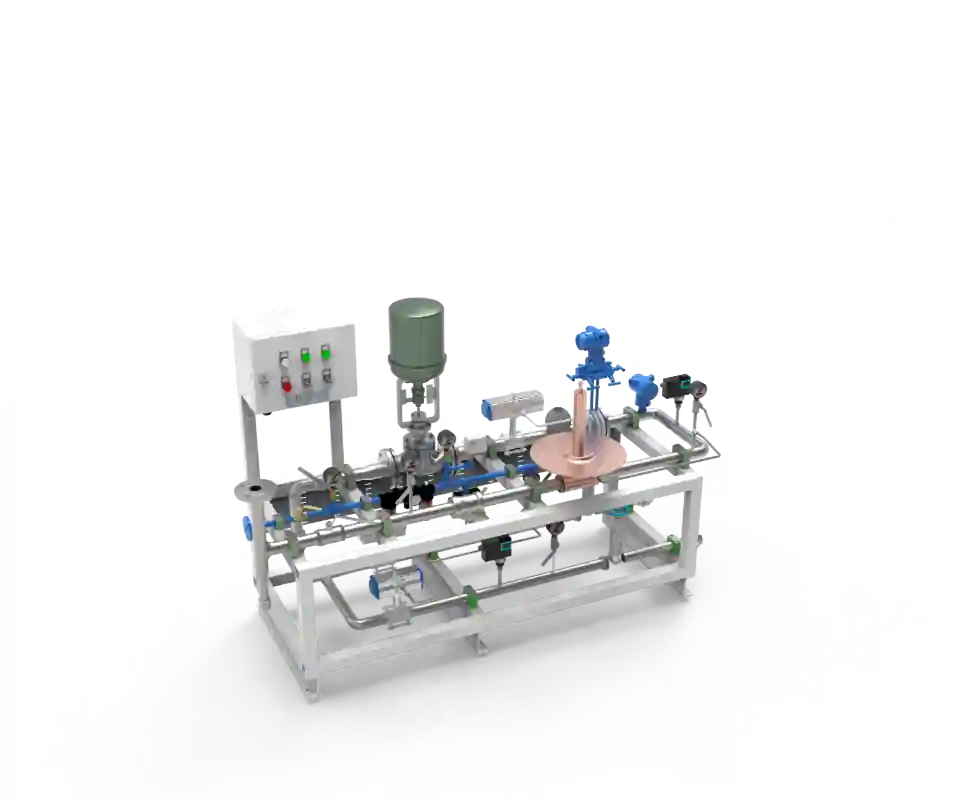
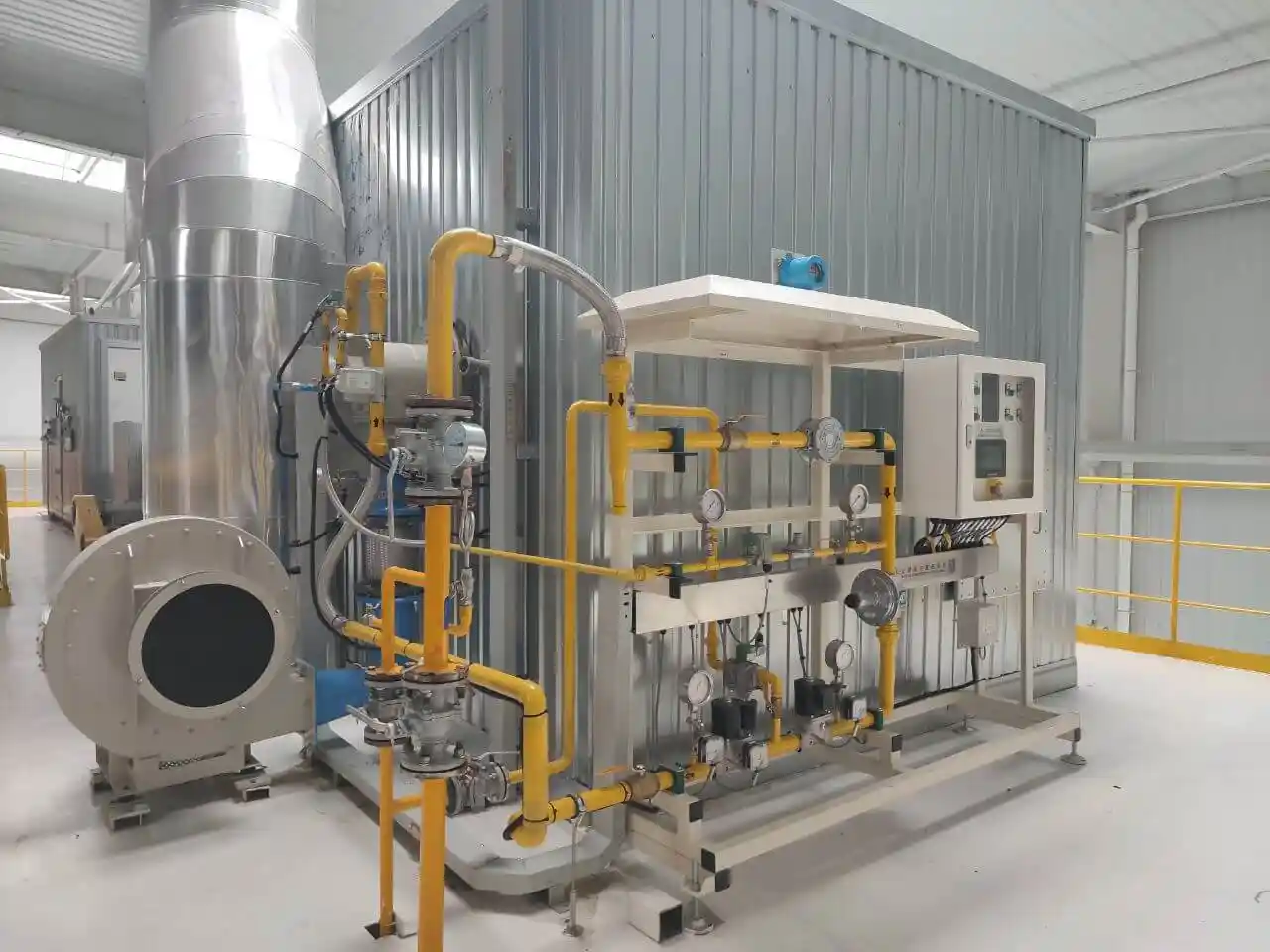
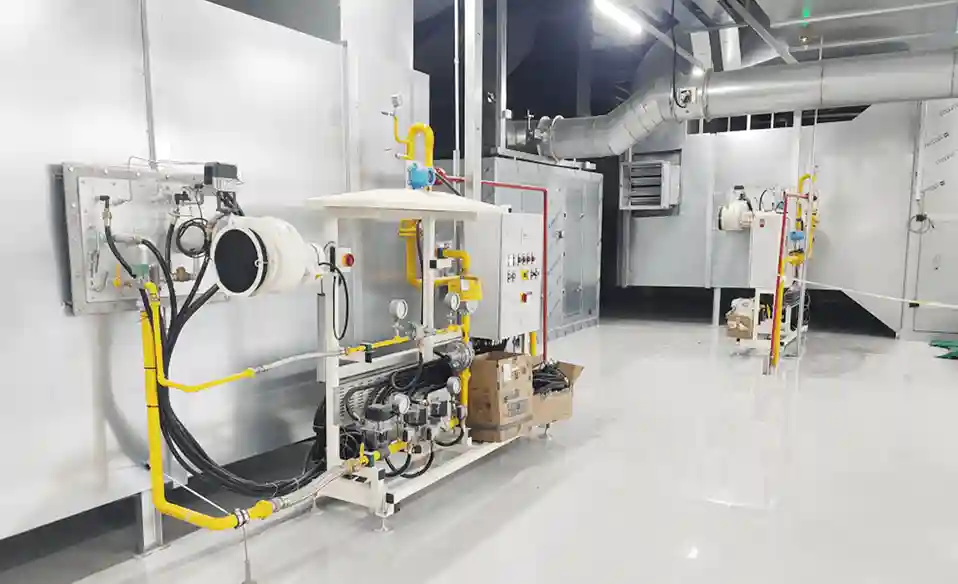
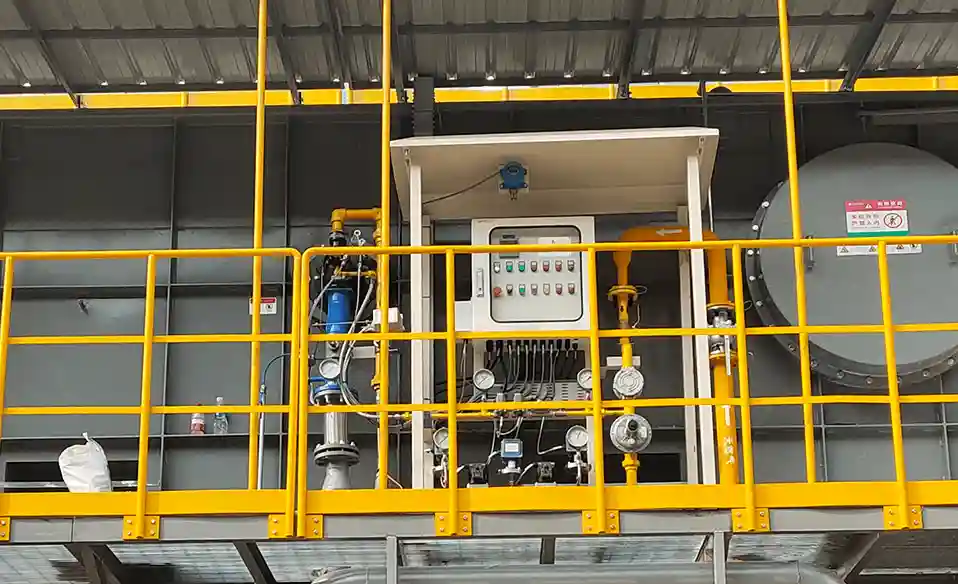
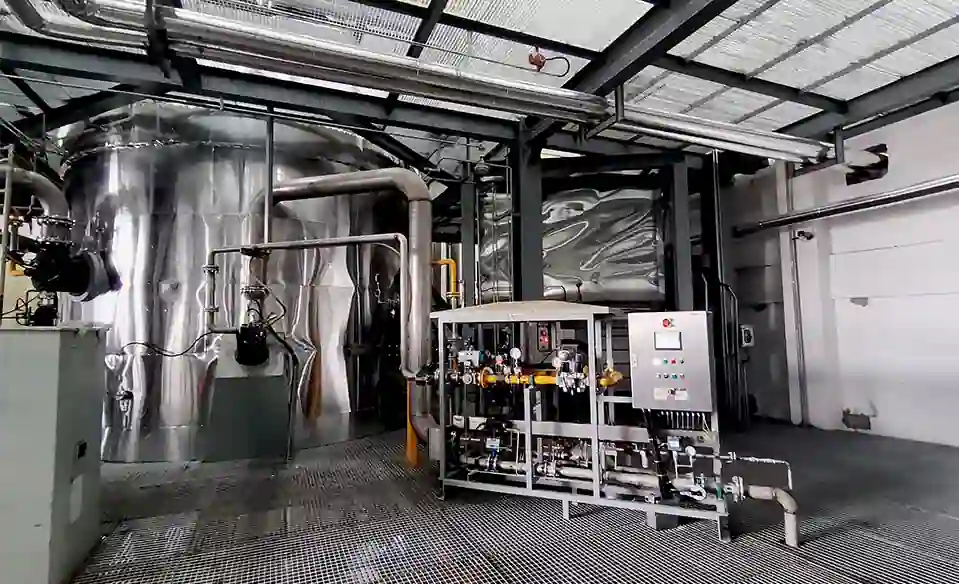
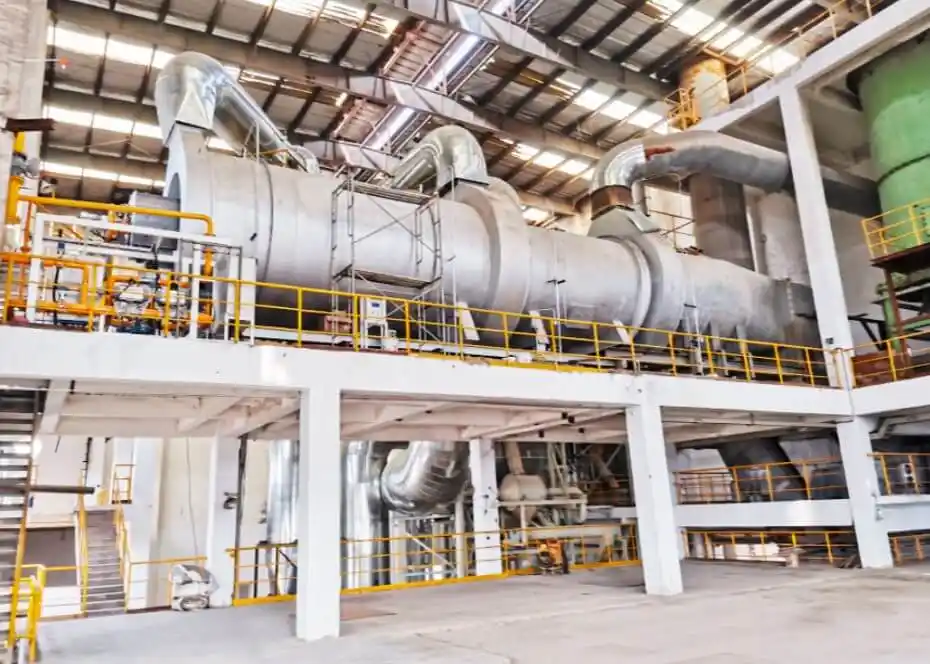
(HRSG Duct Combustion System)
Substantial Increase in Total Power Output: In combined-cycle units, activating the supplementary firing system can directly increase the total power output by 10% to 30%. For example, an unfired combined-cycle plant generating 300 MW can see its peak output capacity jump significantly to 350–400 MW after retrofitting a firing system.
Flexible Peak Shaving (Heat-Match-Power Operation): Traditional HRSG steam output is completely dictated by the gas turbine's load. With supplementary firing, when grid demand drops at night and the gas turbine must lower its load, the plant can increase duct firing to keep the steam turbine at high output, guaranteeing a stable supply of industrial steam or power.
Accelerated System Startup Cycles: Engaging supplementary firing immediately during unit startup uses the high-temperature flue gas to rapidly build internal temperature and pressure within the HRSG. This shortens the grid synchronization waiting period and improves the plant's fast-response capability.
Flue Gas Residual Oxygen Limitations: The upper limit of supplementary firing is strictly bounded by the amount of residual oxygen in the exhaust. If the gas turbine operates at an extremely low load, resulting in a low oxygen concentration in the exhaust, the combustion efficiency and heat output of the duct burners will be heavily restricted.
Nitrogen Oxides (NOx) Emission Control: Secondary combustion creates a high-temperature zone that accelerates the formation of thermal nitrogen oxides (NOx). Therefore, the system must incorporate advanced staged combustion burners or be paired with downstream SCR (Selective Catalytic Reduction) denitrification systems to comply with strict environmental regulations.
Thermal Stress on Boiler Inlet Components: Facing continuous exposure to extreme flue gas temperatures above 700°C, critical components at the HRSG inlet (such as superheaters and reheaters) must be upgraded to high-temperature and creep-resistant specialized alloy steels.
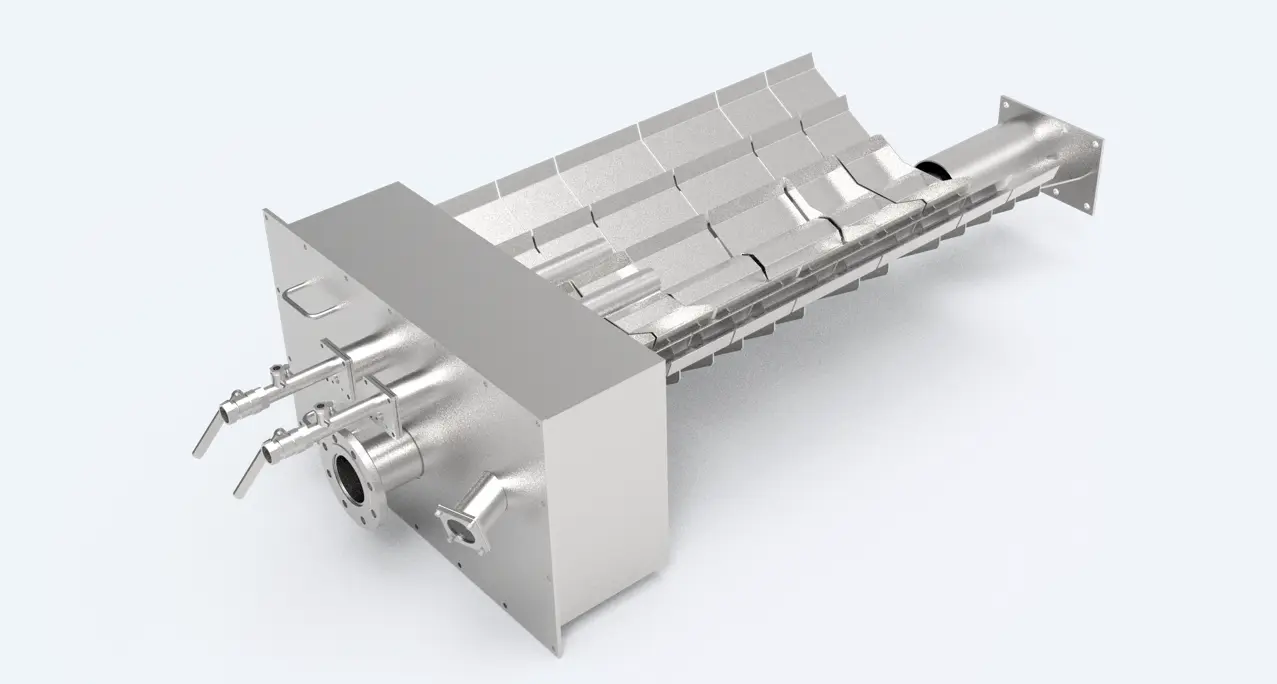
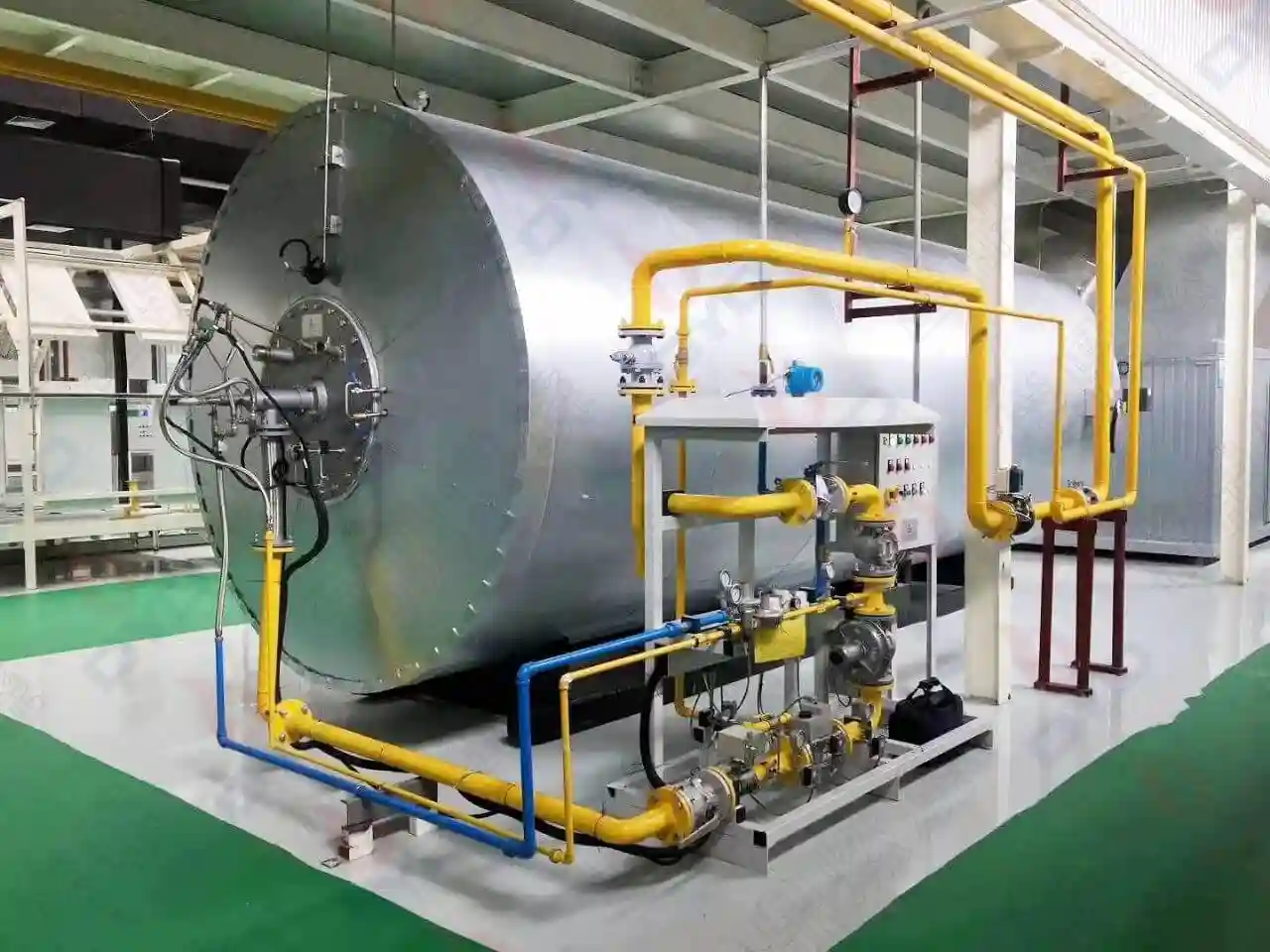
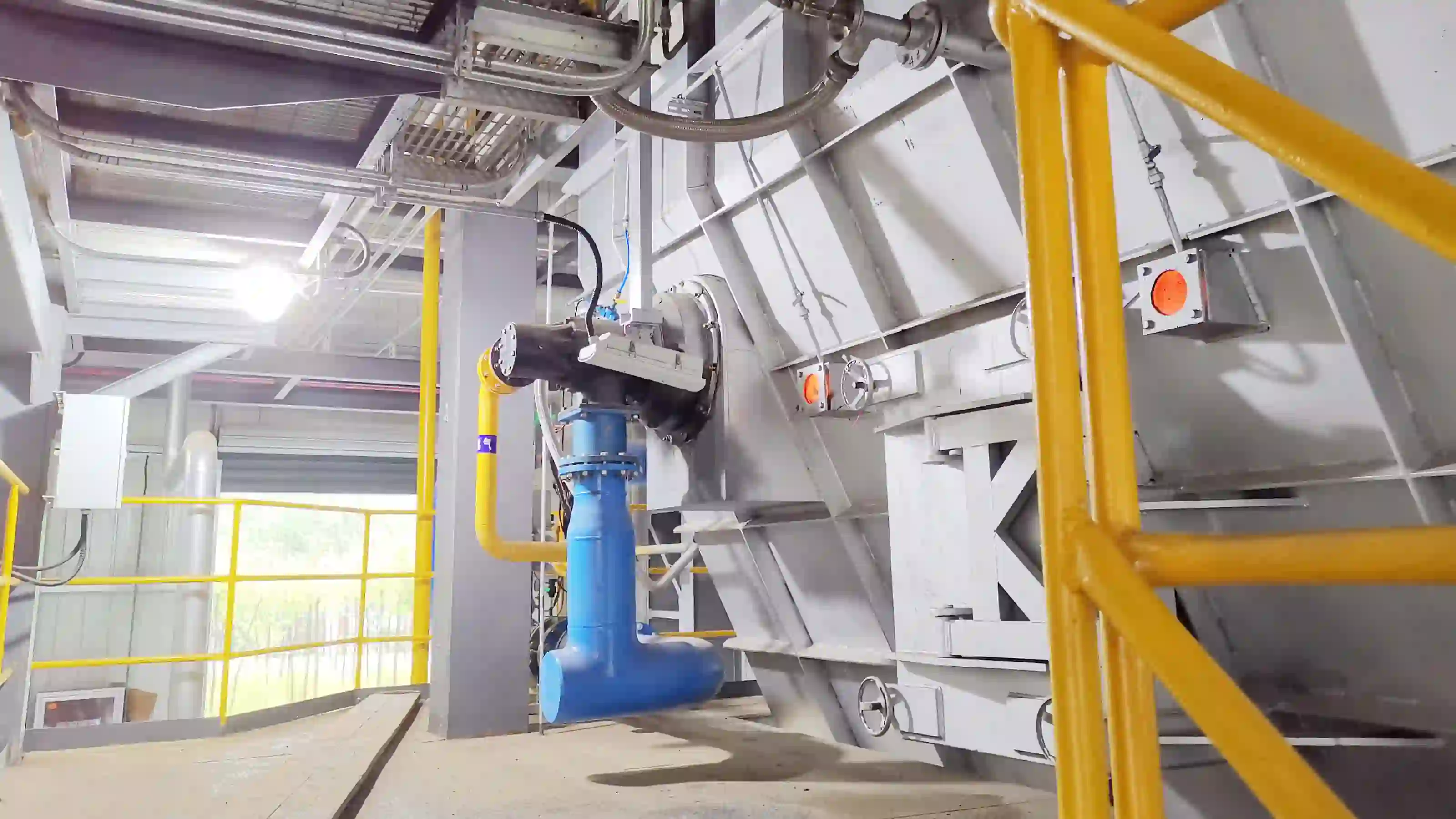
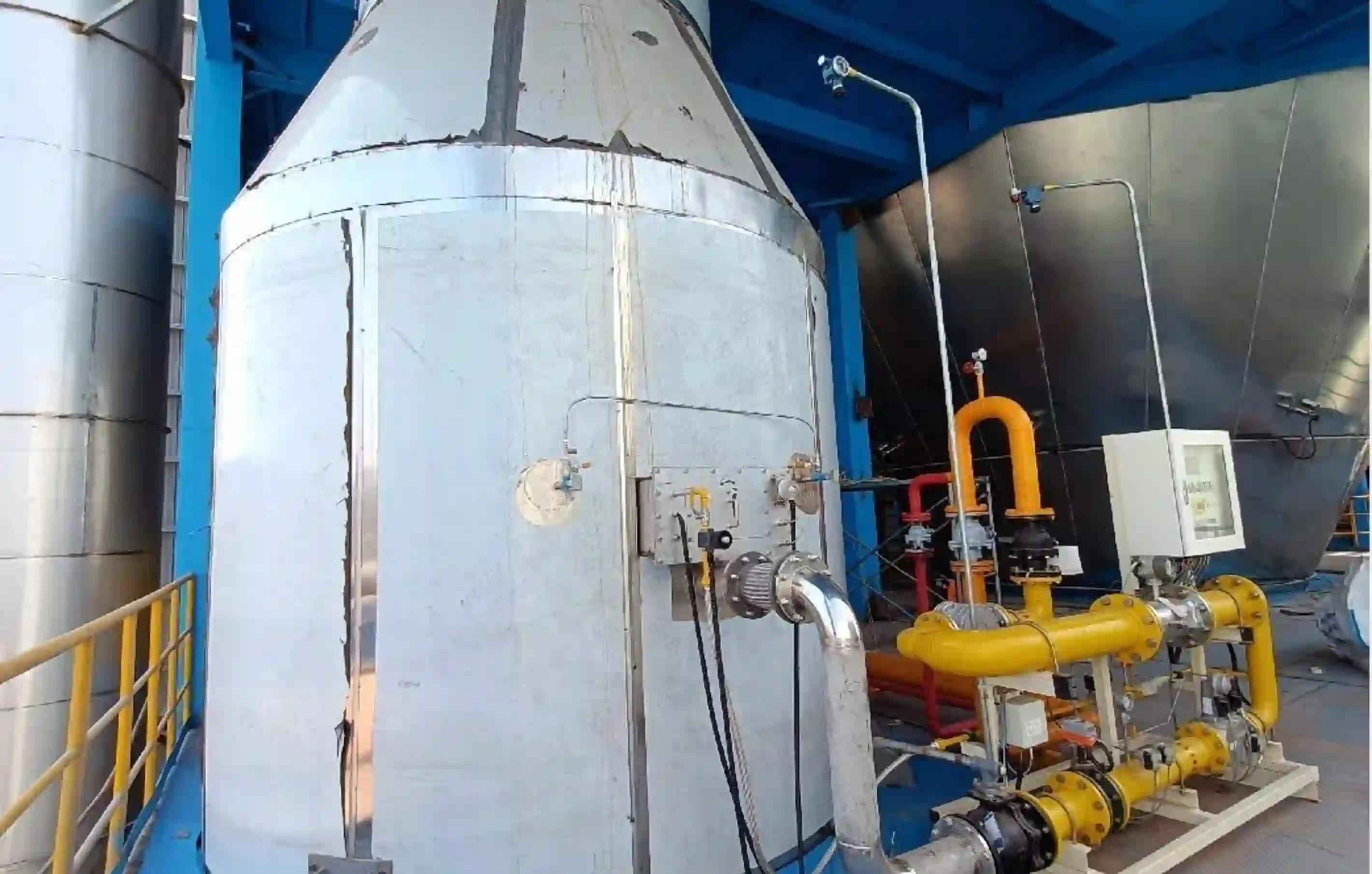
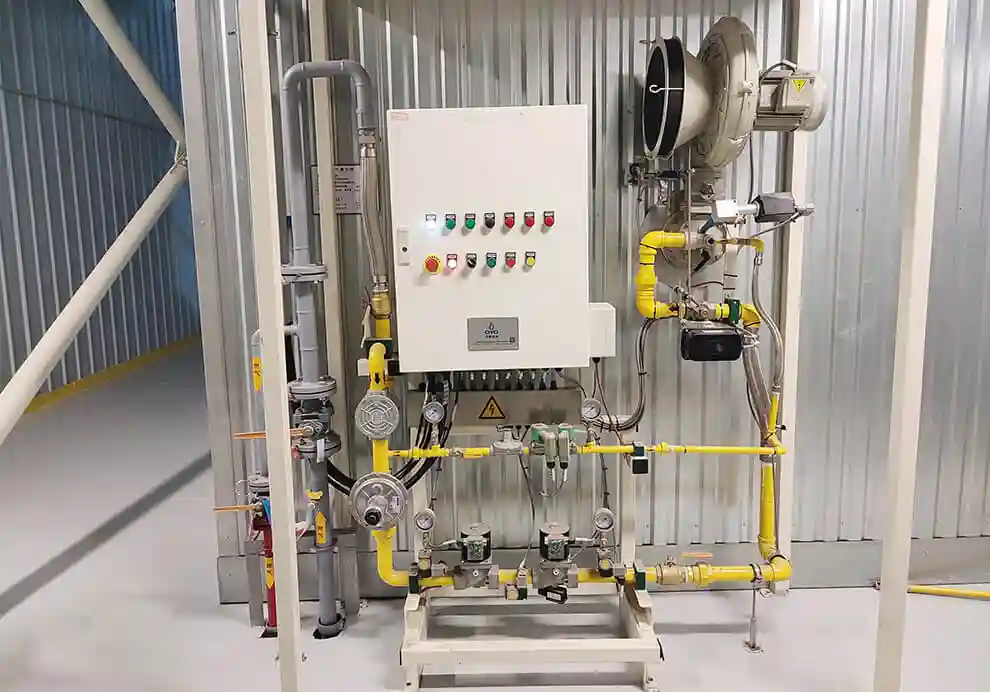
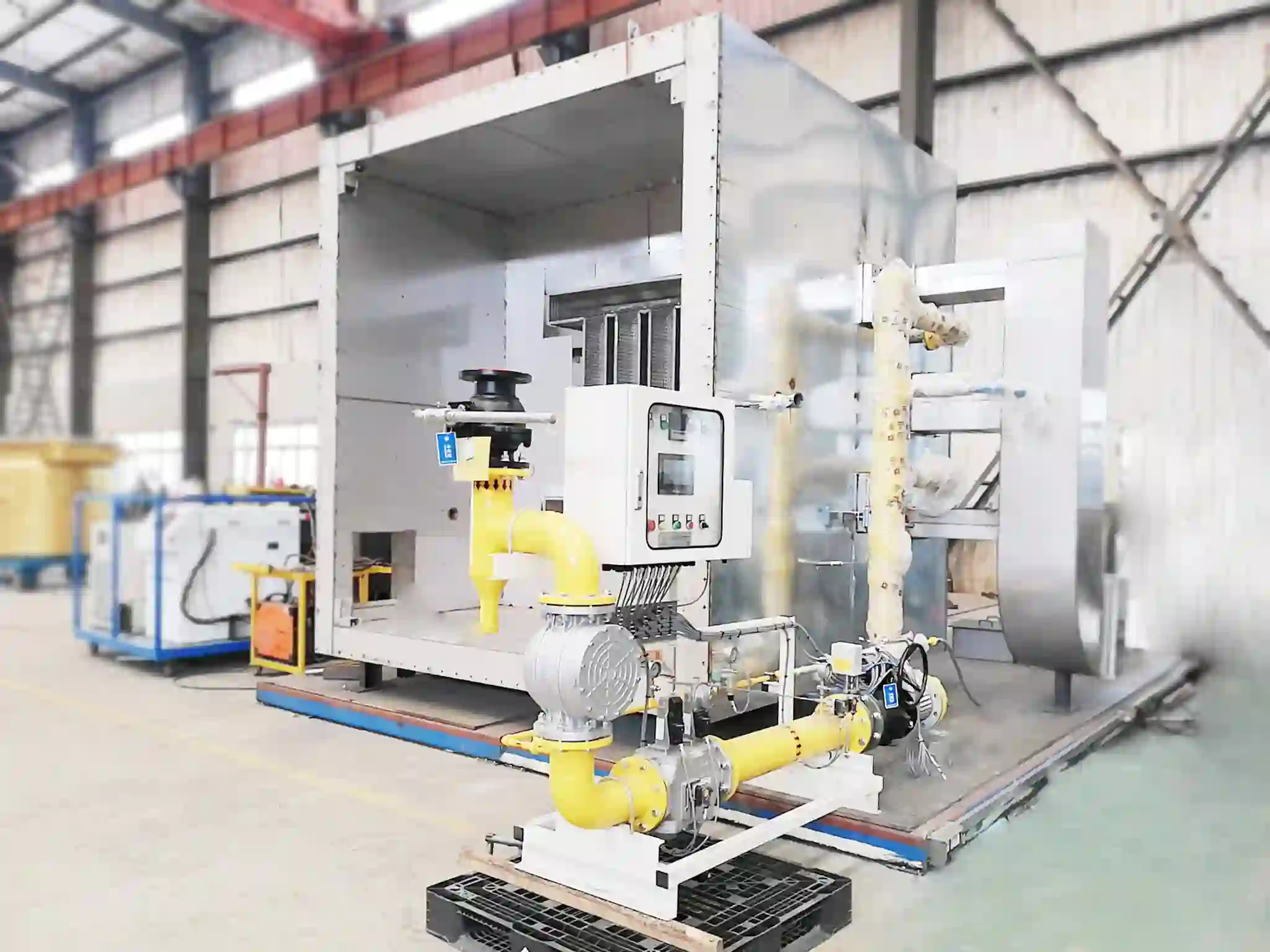
(HRSG Duct Burner)
An unfired HRSG relies on passive heat recovery, similar to using a cup of hot water to warm a cup of cold water; the final temperature cannot exceed the initial heat source, limiting system potential.
A fired HRSG uses active thermal amplification, similar to dropping a continuous heating element into that hot water; it actively upgrades low-grade waste heat into high-grade thermal energy to fully unlock the power plant's output potential.