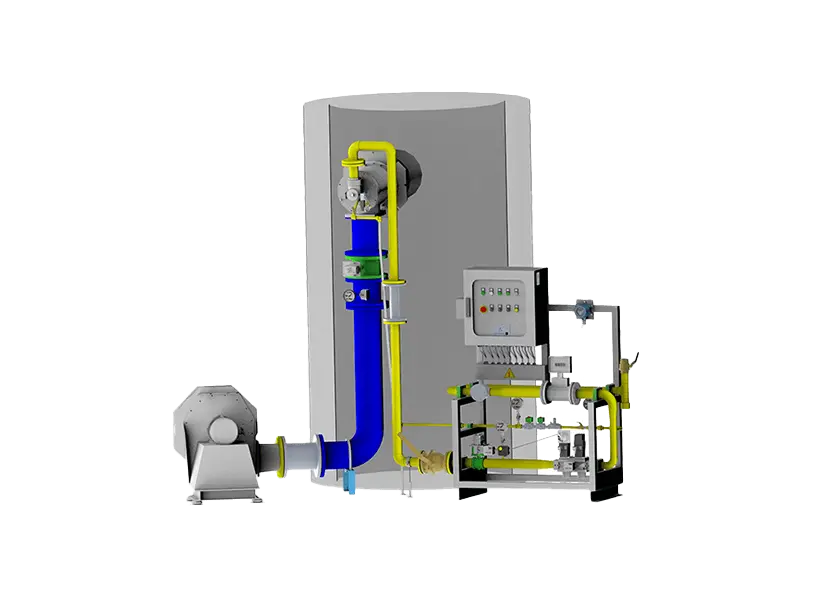
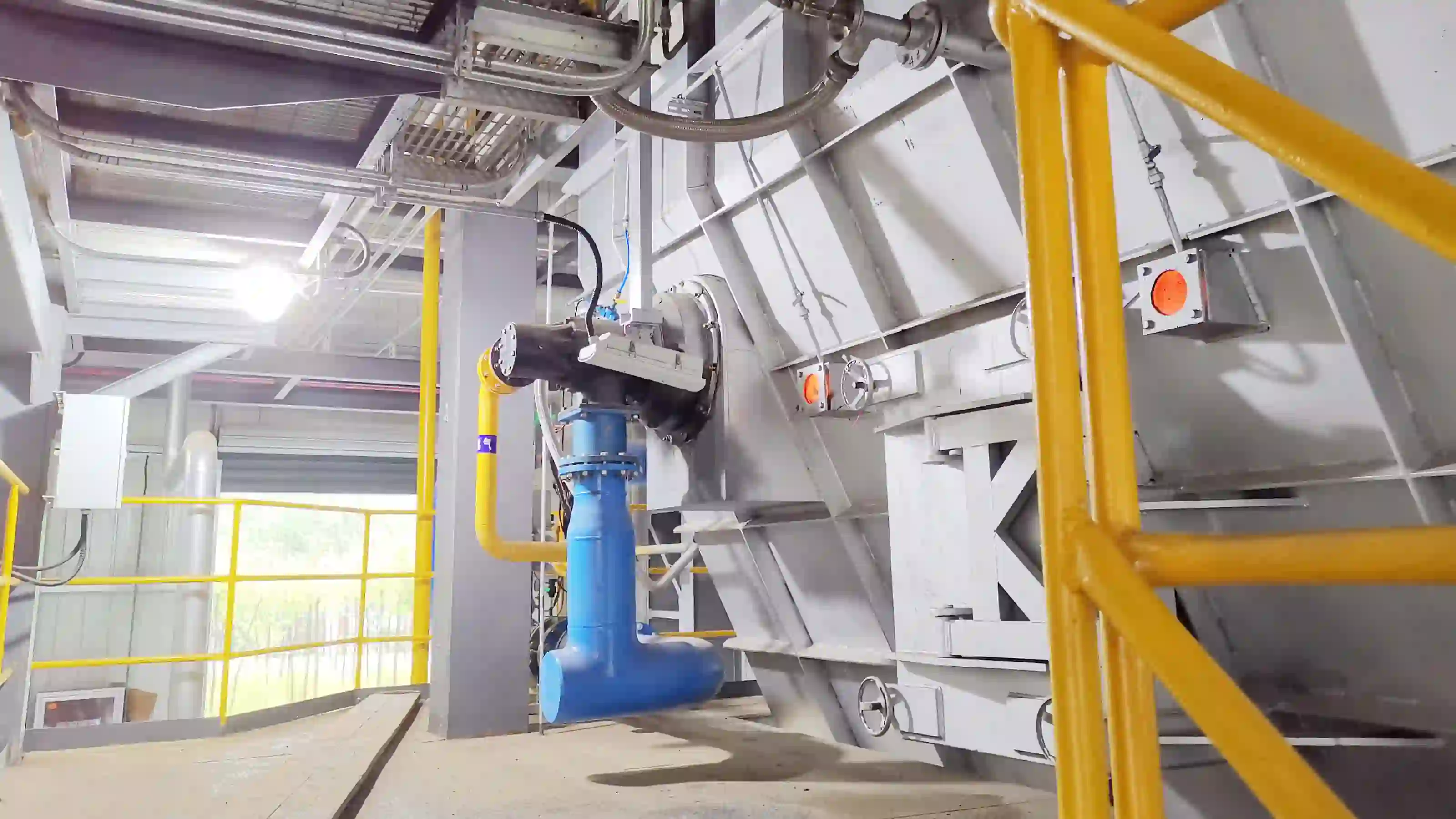
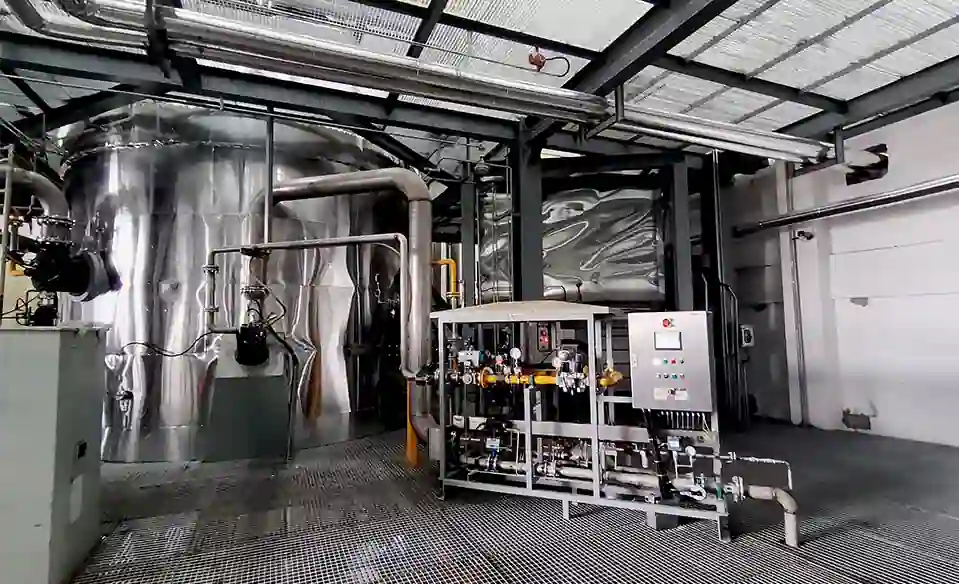
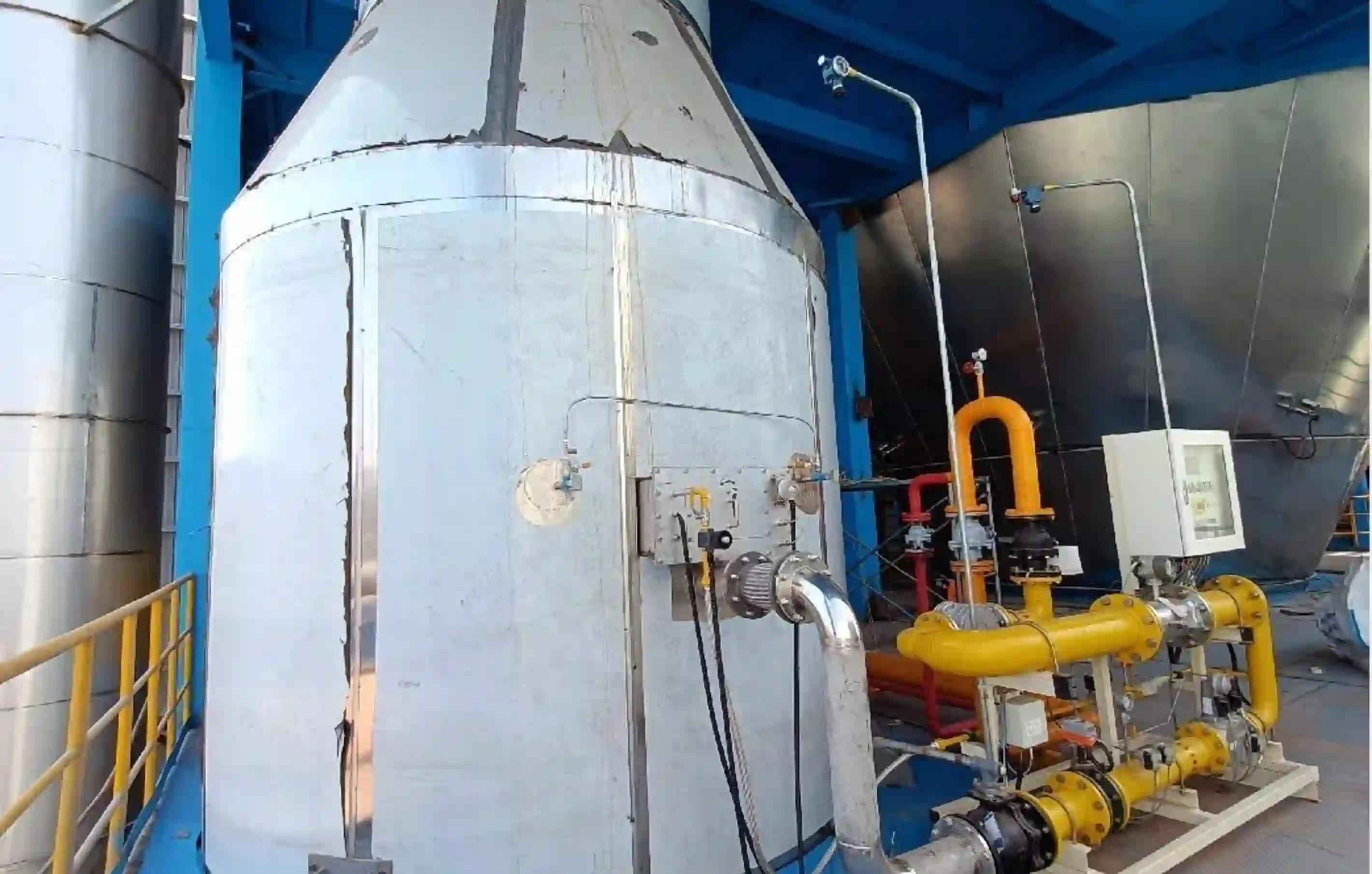
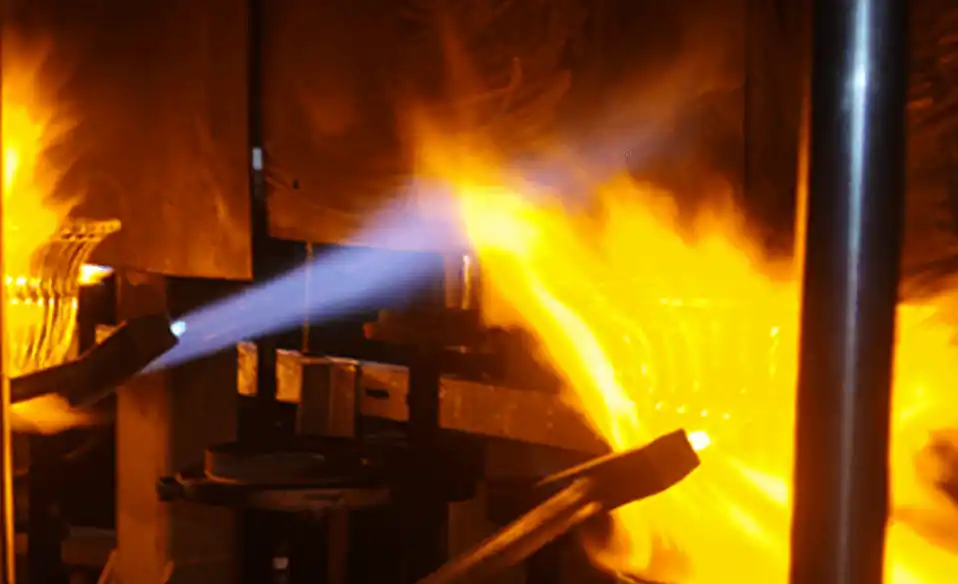
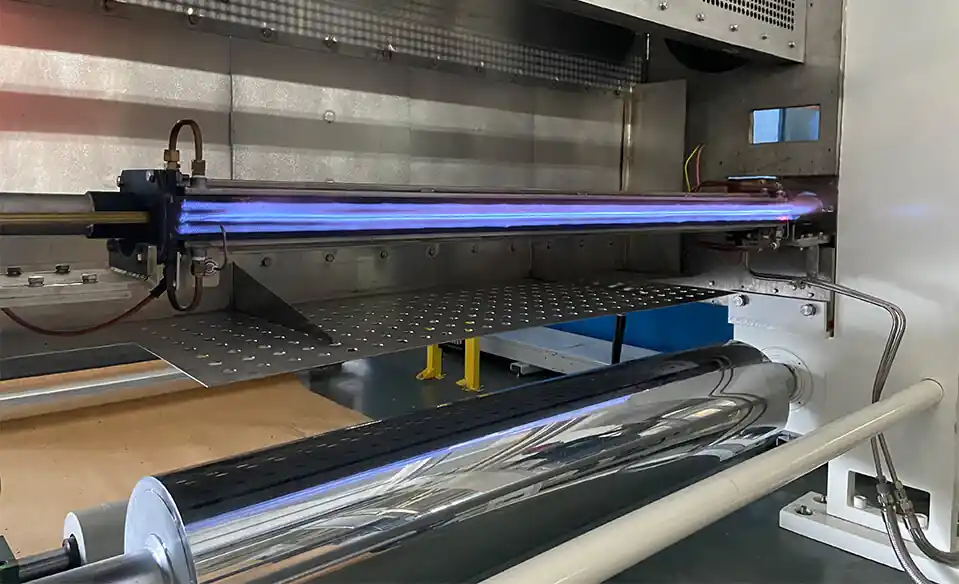
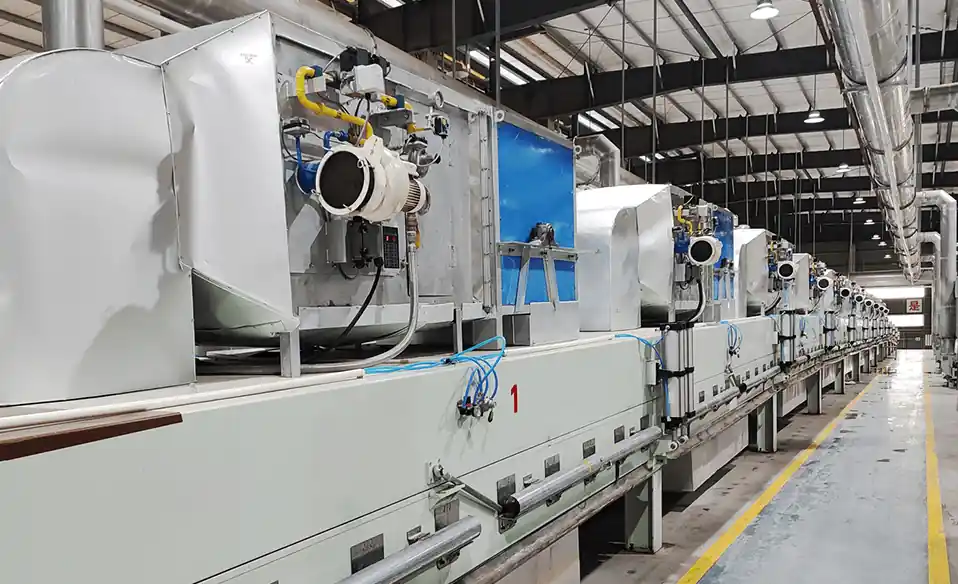
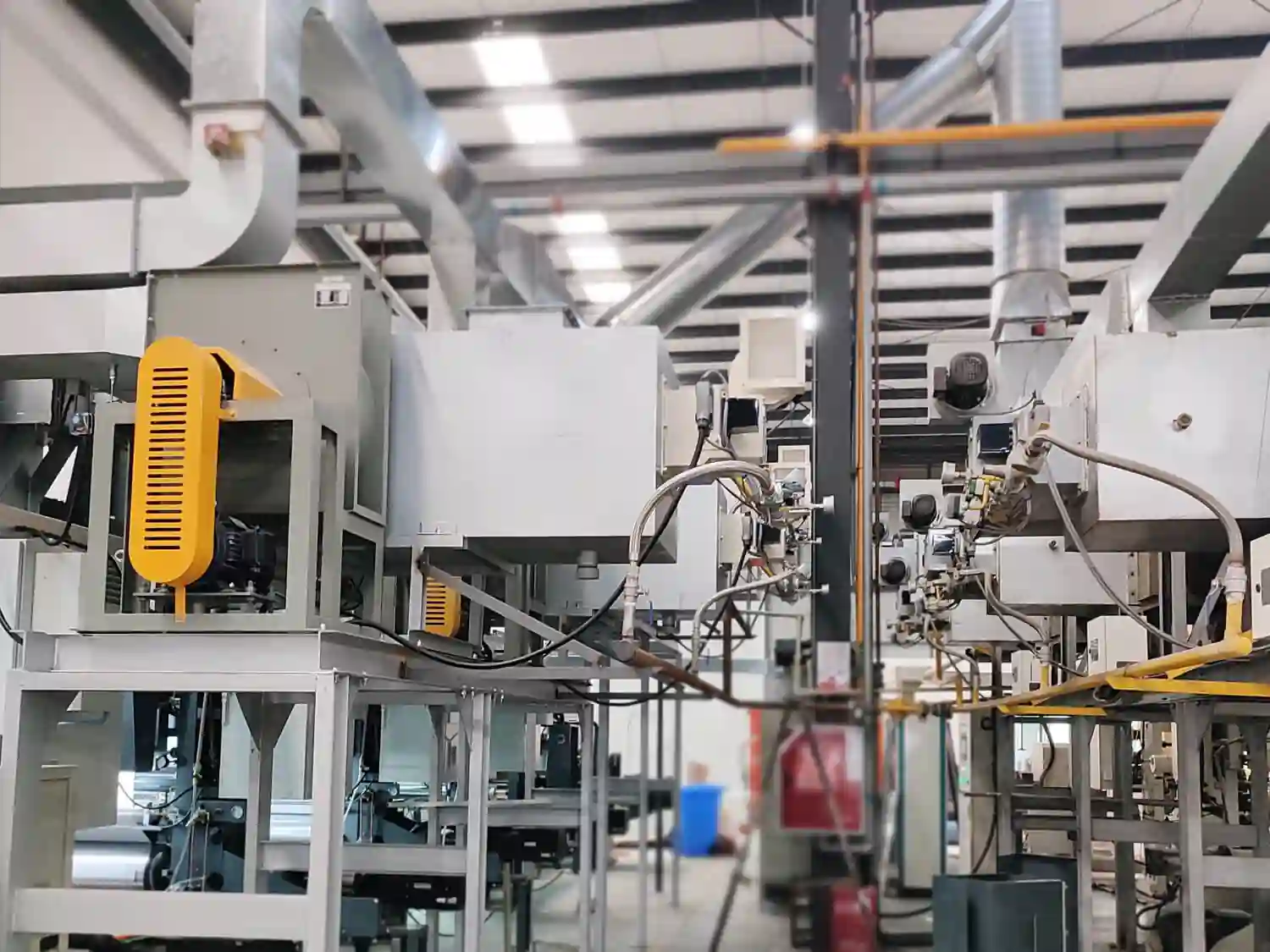
Flame instability occurs when a burner flame cannot maintain a steady, controlled combustion process. Instead of burning smoothly, the flame may lift off, flash back, pulsate, flicker, or extinguish, reducing combustion efficiency and increasing the risk of burner shutdowns or safety incidents. Flame instability is fundamentally a mismatch between the flame speed (the rate at which combustion propagates through the mixture) and the flow velocity of the fuel-air mixture. When these velocities are not properly balanced, the flame front cannot maintain a stable position.
The most common causes of flame instability include:
Incorrect air-to-fuel ratio – even a 5% deviation from optimum can cause instability.
Poor air-fuel mixing – non-uniform mixture creates local rich and lean zones.
Excessive or insufficient combustion air – affects flame temperature and velocity.
Fuel pressure fluctuations – variations of ±10% can visibly destabilize the flame.
Burner design limitations – inadequate flame retention or swirl.
Furnace pressure changes – affects air velocity and flame anchoring.
Low burner firing rates – reduced velocities make flame stabilization harder.
Dirty or damaged burner components – alters designed flow patterns.
Ignition or flame detection problems – delayed or false signals cause trips.
Inadequate combustion control – slow or inaccurate response to load changes.
Modern industrial burners are designed to maintain stable combustion through advanced burner engineering and intelligent combustion control systems, typically achieving stable operation across a 10:1 or greater turndown ratio.
A stable flame remains firmly anchored at the burner, burns with a consistent shape and intensity, and responds smoothly to changes in firing rate. The flame front is stationary relative to the burner, with the incoming mixture velocity precisely balanced by the turbulent flame speed.
A flame is considered unstable when it exhibits behaviors such as:
Flame lift-off – the flame detaches from the burner head and floats downstream.
Flashback – the flame propagates backward into the burner or mixing chamber.
Flame pulsation – rhythmic expansion and contraction of the flame, often accompanied by audible noise.
Flame oscillation – the flame continuously changes shape and position without a fixed pattern.
Flame blow-off – complete extinction of the flame due to excessive velocity or insufficient fuel.
Frequent flame failure – repeated loss of flame signal, triggering safety shutdowns.
Delayed ignition – a lag between spark activation and flame establishment, often causing a puffback.
Burner cycling – repeated start-stop operation due to inability to maintain stable combustion at low loads.
These conditions reduce process stability and can eventually trigger burner safety shutdowns. In severe cases, flame instability can lead to furnace explosions if unburned fuel accumulates.
Stable combustion is essential for industrial heating. The flame serves as the primary heat source for the furnace, and its consistency directly affects the entire production process.
A stable flame provides:
High combustion efficiency – complete fuel oxidation with minimal chemical and sensible losses; typically 95–99% for natural gas.
Uniform furnace temperature – consistent heat release pattern maintains setpoint within ±2–3°C.
Low fuel consumption – no wasted fuel from incomplete combustion or excessive excess air.
Reliable burner operation – minimal nuisance trips and consistent start-up performance.
Lower emissions – stable combustion keeps CO below 50 ppm and NOx within design limits.
Better product quality – uniform heating prevents defects, warping, or inconsistent metallurgy.
Longer equipment life – reduced thermal stress and carbon deposits extend refractory and component life.
Conversely, unstable combustion can lead to:
Production interruptions – unplanned shutdowns disrupt schedules and reduce throughput.
Increased maintenance – more frequent cleaning, component replacement, and repairs.
Poor temperature control – fluctuations of ±10°C or more affect product quality.
Higher operating costs – wasted fuel and increased labour for troubleshooting.
Safety hazards – CO formation, explosion risks, and flame roll-out.
The most common cause of flame instability is an improper air-to-fuel ratio. The ratio determines the flame speed (how fast the combustion wave propagates) and the flame temperature (which affects reaction rates). When the ratio deviates from the optimum, the balance between flame speed and mixture velocity is disrupted.
A fuel-rich mixture can cause:
Incomplete combustion – CO and unburned hydrocarbons form because there is insufficient oxygen.
Carbon monoxide formation – CO can rise from under 50 ppm to over 500 ppm.
Soot – carbon particles form in fuel-rich zones, creating yellow or orange flames.
Lazy flames – the flame becomes long, soft, and poorly defined.
Flame oscillation – the flame may pulsate or flicker as the mixture composition fluctuates.
Excessive combustion air may result in:
Flame lift-off – the increased velocity and cooling effect cause the flame to detach.
Reduced flame temperature – extra nitrogen and oxygen absorb heat, slowing the reaction.
Flame blow-off – at extreme excess air, the flame cannot sustain itself and extinguishes.
Difficult ignition – the mixture is too lean to ignite reliably.
Modern burners continuously regulate the air-to-fuel ratio to maintain stable combustion across different operating conditions, typically using electronic ratio control with accuracy within ±1–2% of the set point.
Even with the correct air and fuel quantities, poor mixing can destabilize the flame. If the fuel and air are not uniformly combined, the local mixture fraction varies across the flame cross-section, creating zones with different flame speeds and temperatures.
Insufficient mixing may create:
Fuel-rich pockets – local areas with insufficient oxygen, producing CO and soot.
Fuel-lean regions – areas with excess air, cooling the flame and reducing stability.
Uneven combustion – the flame front is irregular and may break into separate flamelets.
Local flame extinction – lean pockets may not ignite, creating holes in the flame.
Burner head design plays a major role in achieving uniform air-fuel mixing. Features such as swirl vanes, bluff bodies, and multi-jet gas nozzles promote turbulence and ensure intimate contact between fuel and air.
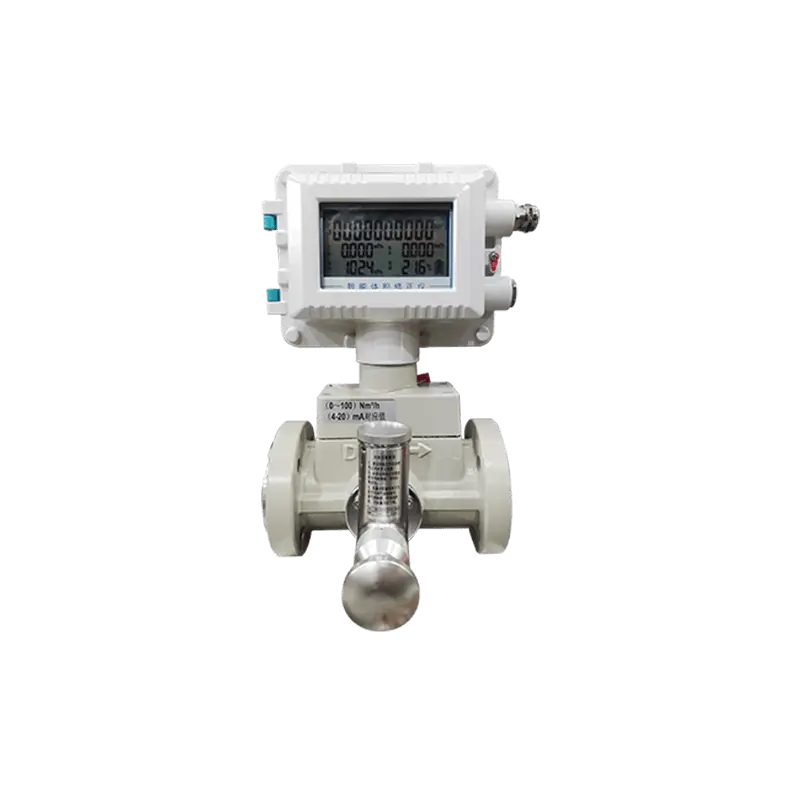
Industrial burners require stable fuel pressure. The fuel flow rate through a fixed orifice is proportional to the square root of the pressure drop, so pressure variations directly affect the amount of fuel delivered.
Pressure variations can alter:
Fuel flow rate – a 10% pressure drop reduces fuel flow by approximately 5%, leaning out the mixture.
Flame shape – changes in fuel momentum alter jet penetration and mixing.
Heat release – fluctuations in fuel flow cause corresponding variations in heat output.
Ignition reliability – low pressure may prevent reliable ignition; high pressure may cause flashback.
Common causes include:
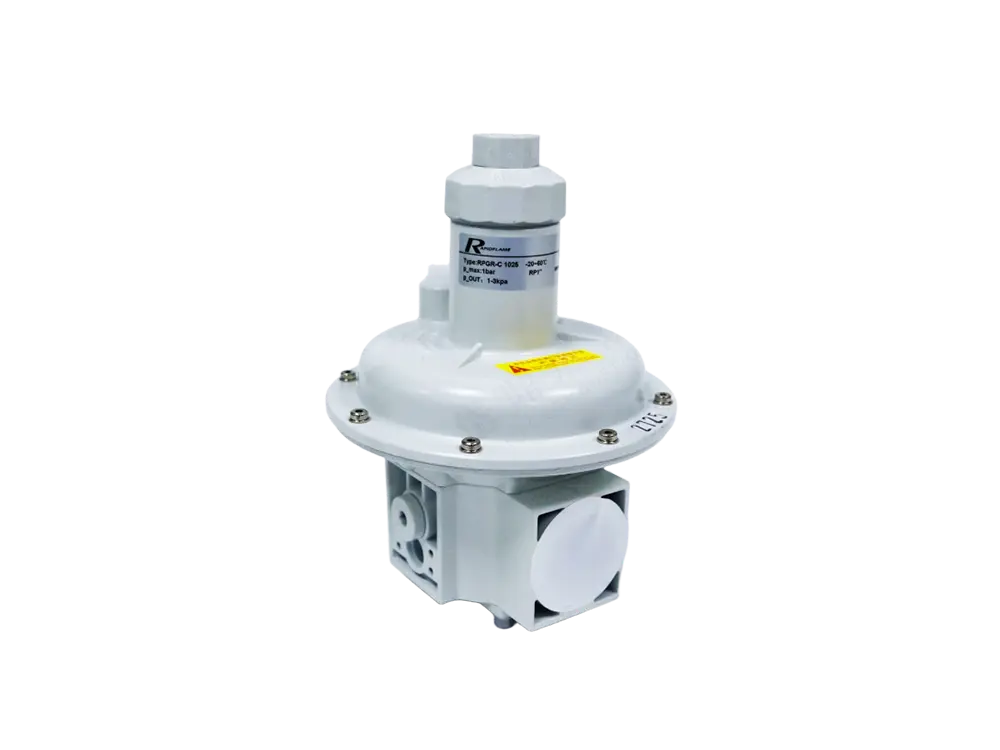
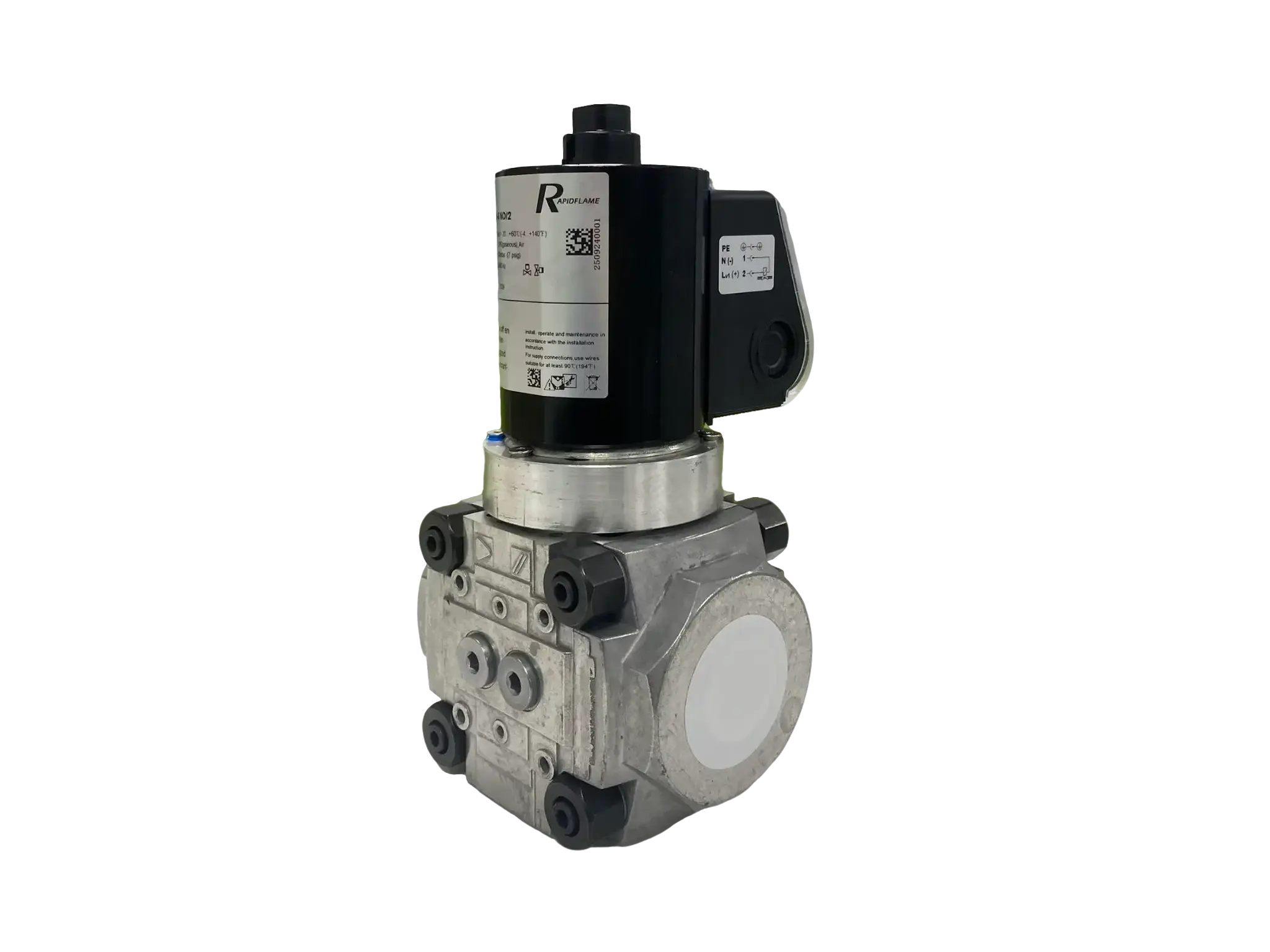
Gas regulator problems – worn diaphragms or incorrect set points.
Pipeline pressure changes – upstream demand fluctuations or supply interruptions.
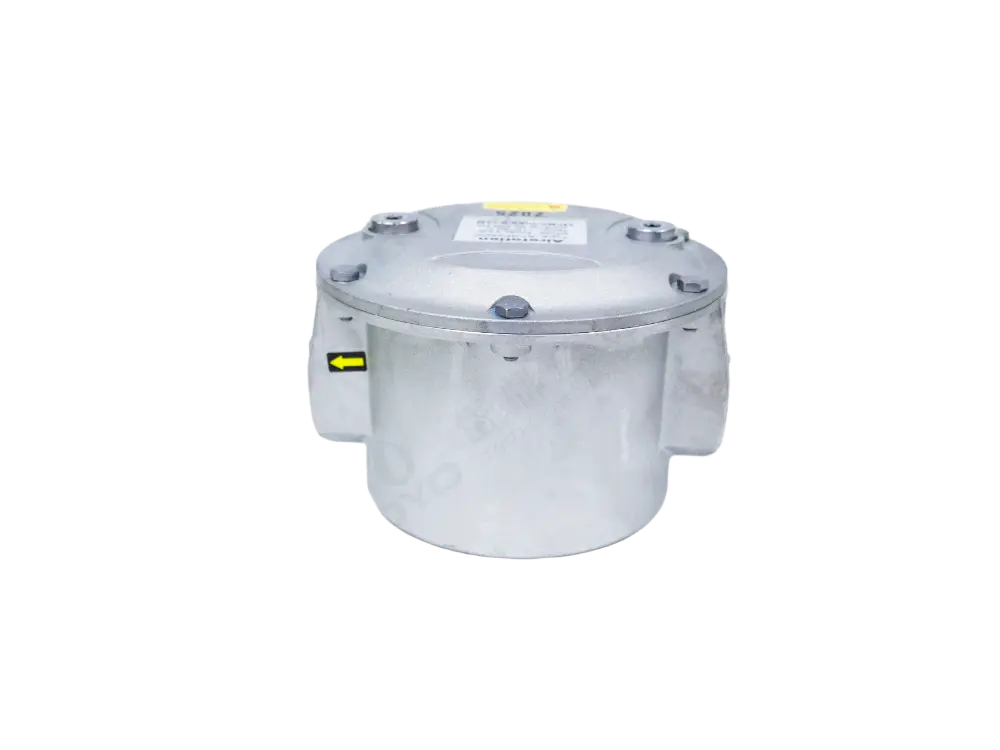
Dirty filters – blocked filters cause pressure drops under load.
Undersized gas supply systems – piping too small for the maximum flow rate.
Stable pressure—within ±5% of the set point—contributes directly to stable combustion. Pressure regulators with adequate capacity and fast response are essential.
Changes in combustion air supply can also affect flame behavior. The air velocity and volume must remain consistent for the flame to stay anchored and burn completely.
Examples include:
Fan speed fluctuations – from variable frequency drive instability or motor issues.
Dirty air filters – increased pressure drop reduces airflow at a given fan speed.
Damper malfunctions – sticking or backlash in damper linkages changes air delivery.
Variable furnace draft – changes in stack or induced-draft fan performance.
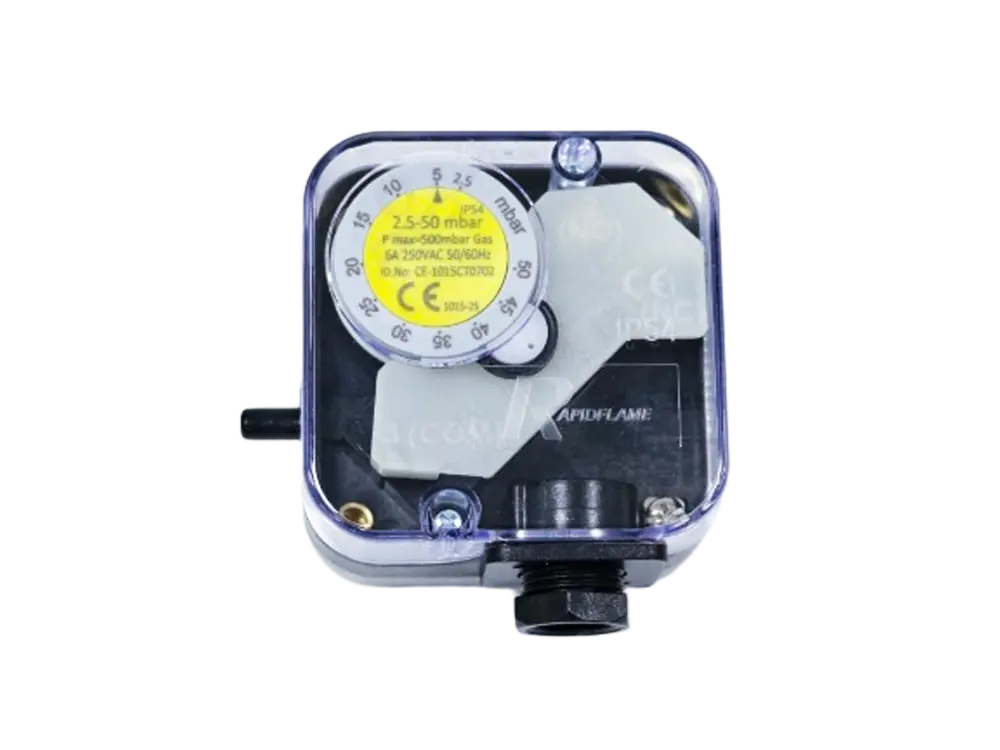
Airflow instability changes the air-to-fuel ratio and flame velocity, potentially causing unstable combustion. Installing pressure switches that monitor air pressure and trip the burner on low pressure is a standard safety practice.
Flame stability depends heavily on burner engineering. The burner head geometry determines how the flame is anchored, how effectively fuel and air mix, and how the flame responds to load changes.
Important design features include:
Burner head geometry – the shape of the flame port, diffuser, and retention ring affects stability.
Gas nozzle arrangement – the number, size, and angle of fuel jets influence mixing and flame shape.
Air swirl generation – swirl creates recirculation zones that anchor the flame and improve stability.
Flame stabilization zones – bluff bodies or retention rings create low-velocity regions that hold the flame.
Internal recirculation – hot combustion gases are recirculated to preheat incoming mixture and act as a continuous pilot.
High-quality industrial burners are specifically designed to stabilize flames across a wide operating range, typically 10:1 turndown or higher. Burners with inadequate stabilization features will become unstable at low loads or with minor process variations.
Industrial processes often operate at partial load. At very low firing rates:
Fuel velocity decreases – less momentum to penetrate the air stream and mix effectively.
Flame temperature falls – lower heat release reduces reaction rates.
Flame stabilization becomes more difficult – the recirculation zone weakens and may fail to anchor the flame.
Burners with a wide turndown ratio maintain stable combustion over a larger modulation range. A burner with a 10:1 turndown can operate at 10% of maximum capacity; one with only 5:1 turndown will need to cycle below 20% load. Specifying a burner with adequate turndown for the expected load range is essential for stability.
Furnace pressure influences airflow around the burner. The combustion air fan must overcome the furnace backpressure; if this pressure changes, the effective air velocity and flow rate change accordingly.
Pressure fluctuations may cause:
Flame movement – the flame may shift position as the pressure balance changes.
Air infiltration – negative pressure (excessive draft) pulls cold air into the furnace, cooling the flame.
Blow-off – sudden positive pressure surges can push the flame away from the burner.
Distorted flame shape – pressure changes alter the aerodynamics of the flame.
Automatic furnace pressure control—typically using an induced-draft fan with a variable frequency drive or damper—helps maintain stable combustion by keeping the furnace at a slight negative pressure (typically -0.5 to -1.0 mmH₂O).
Combustion performance gradually deteriorates when burner components become contaminated. Deposits alter the designed flow paths and distribution of fuel and air.
Examples include:
Blocked gas nozzles – carbon or debris restricts gas flow, changing the fuel distribution pattern.
Dirty burner heads – soot and dust accumulate on surfaces, affecting airflow and mixing.
Clogged air passages – dirt in the air swirler or diffuser changes the air velocity profile.
Carbon deposits – on flame retention rings reduce their effectiveness in anchoring the flame.
These problems alter the designed airflow and fuel distribution, reducing flame stability. Regular maintenance—cleaning burner heads and nozzles at scheduled intervals—helps prevent combustion drift and maintain stability.
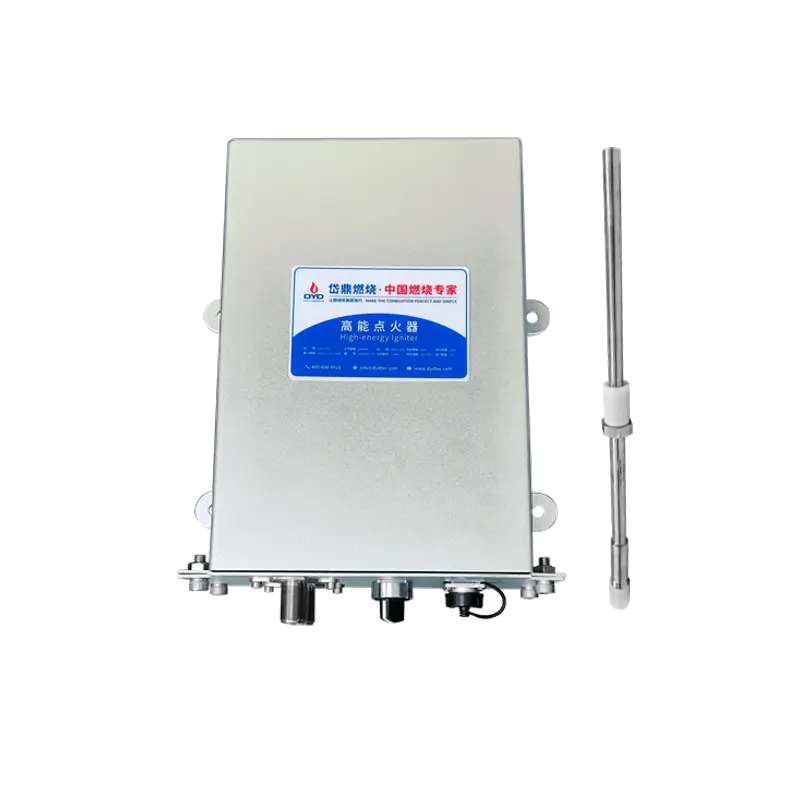
Reliable ignition is essential for establishing a stable flame. If the ignition event is weak or inconsistent, the flame may not establish properly, or it may only partially ignite, leading to instability.
Common ignition issues include:
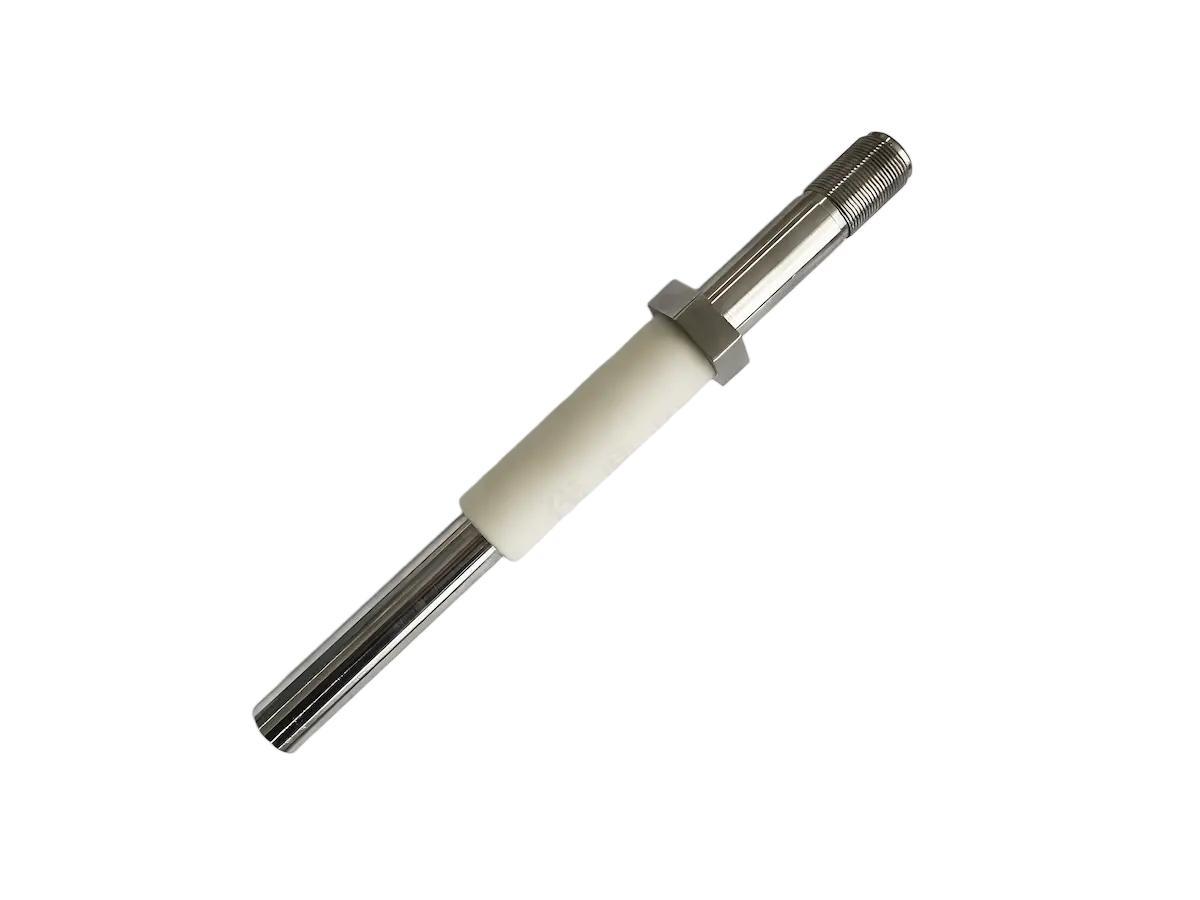
Worn ignition electrodes – eroded tips increase the spark gap, reducing spark energy or causing misfire.
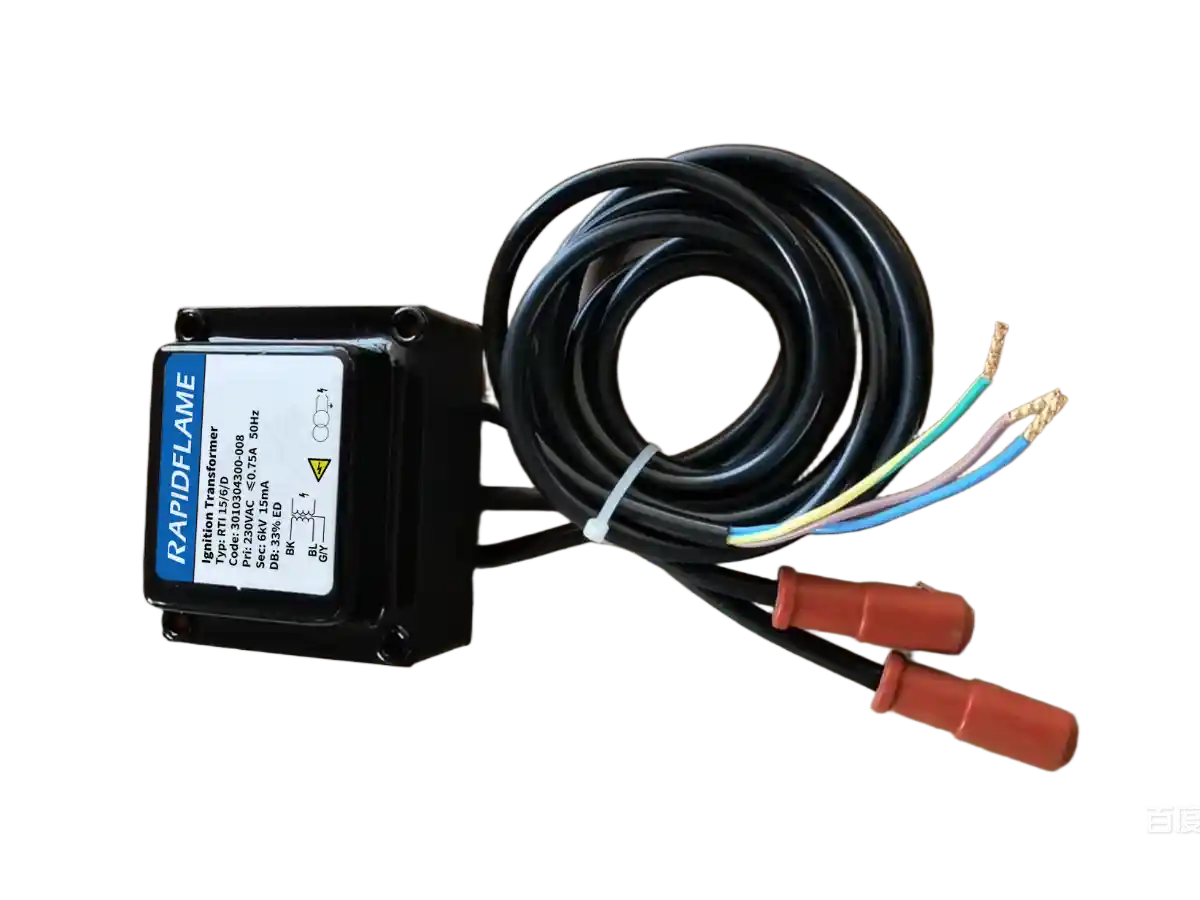
Weak ignition transformer – insufficient voltage or current to generate a reliable spark.
Incorrect spark gap – too wide and the spark may not jump; too narrow and the spark may be weak.
Faulty pilot burner – if a pilot is used, its flame must be stable and properly directed.
Electrical problems – loose connections, damaged cables, or interference from VFDs.
Poor ignition can cause delayed ignition or repeated flame failures. Regular inspection and replacement of electrodes (typically every 1–3 years depending on firing frequency) is recommended.
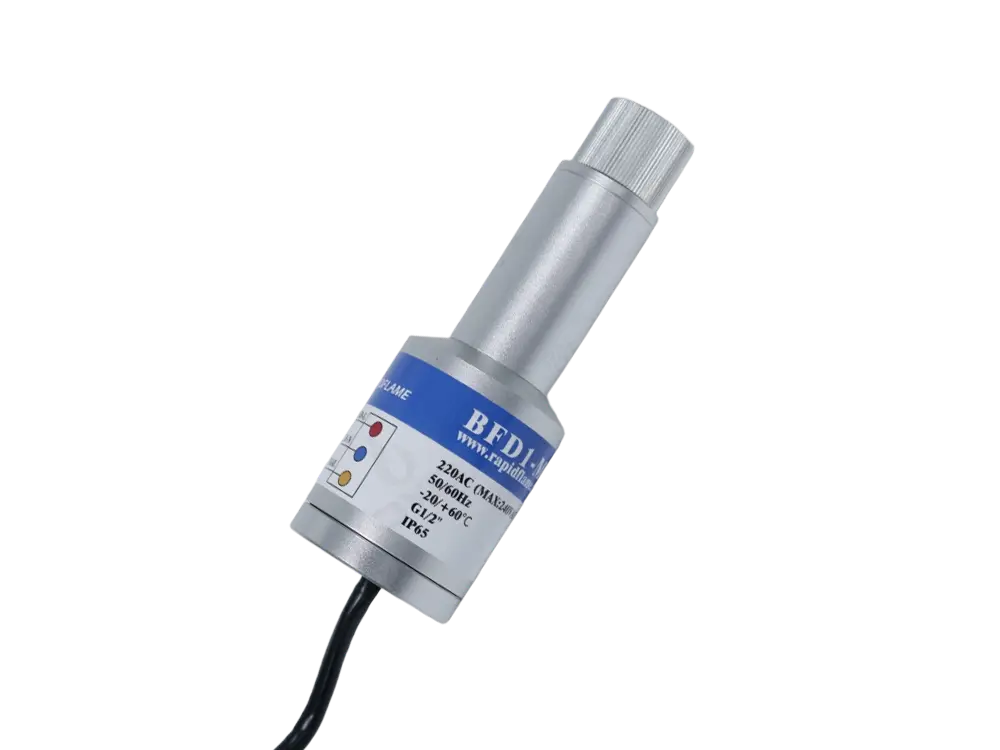
Industrial burners continuously monitor flame presence. The flame detector must accurately distinguish between the flame signal and background radiation (from hot refractory) and must respond quickly to flame loss.
Faulty flame detectors may incorrectly signal flame failure, causing unnecessary shutdowns, or may fail to detect a genuine flame loss, creating a safety hazard.
Common flame monitoring devices include:
UV flame detectors – sense ultraviolet radiation; can be affected by dirty lenses or UV-absorbing gases.
UV/IR flame scanners – combine two wavelengths for better discrimination; more expensive but more reliable.
Ionization flame rods – use the conductive property of the flame; require contact with the flame and can foul.
Routine inspection—cleaning lenses, checking sensitivity settings, and verifying response time—ensures reliable flame supervision. Most detectors should be tested during annual maintenance.
Changes in fuel composition affect combustion characteristics. Even natural gas from different sources can vary in heating value and Wobbe Index, which affects the stoichiometric air requirement and flame speed.
Examples include:
Heating value changes – a 5% drop in LHV requires 5% more fuel flow, leaning out the mixture if not compensated.
Hydrogen blending – hydrogen has a much faster flame speed than methane, increasing the risk of flashback.
Biogas composition variations – methane content can vary from 40–70%, causing significant AFR shifts.
Moisture content – water vapour in the fuel absorbs heat and lowers flame temperature.
Wobbe Index differences – affects fuel interchangeability and may require control system adjustment.
Burners must be properly adjusted when fuel characteristics change. For applications with variable fuel composition, online calorimeters or oxygen trim systems are recommended to maintain stability.
The flame moves away from the burner nozzle because gas velocity exceeds flame propagation speed. The flame lifts to a position where the velocities are balanced, but this often results in uneven heating and possible extinction. Lift-off is typically caused by too much combustion air or low fuel flow.
The flame travels backward into the burner when flame speed exceeds gas velocity. This occurs in premix burners when the mixture velocity is too low. Flashback can damage the burner, ignite the gas train, and cause explosions. Flame arrestors and velocity monitoring are used to prevent it.
Pressure oscillations produce rhythmic flame movement and combustion noise, often described as a "roar" or "hum." Pulsation may indicate poor mixing, combustion instability, or a mismatch between the burner and the furnace acoustic characteristics. It can cause mechanical vibration and damage furnace components.
The flame is completely extinguished by excessive airflow or insufficient fuel. The flame cannot sustain itself and is "blown out" of the burner. Blow-off triggers a flame failure shutdown and requires restart after investigation.
The flame continuously changes shape and position, reducing combustion efficiency. Unlike pulsation, which is rhythmic, oscillation may be irregular and unpredictable. It often results from marginal stability—the flame is on the verge of lift-off or flashback and moves back and forth.
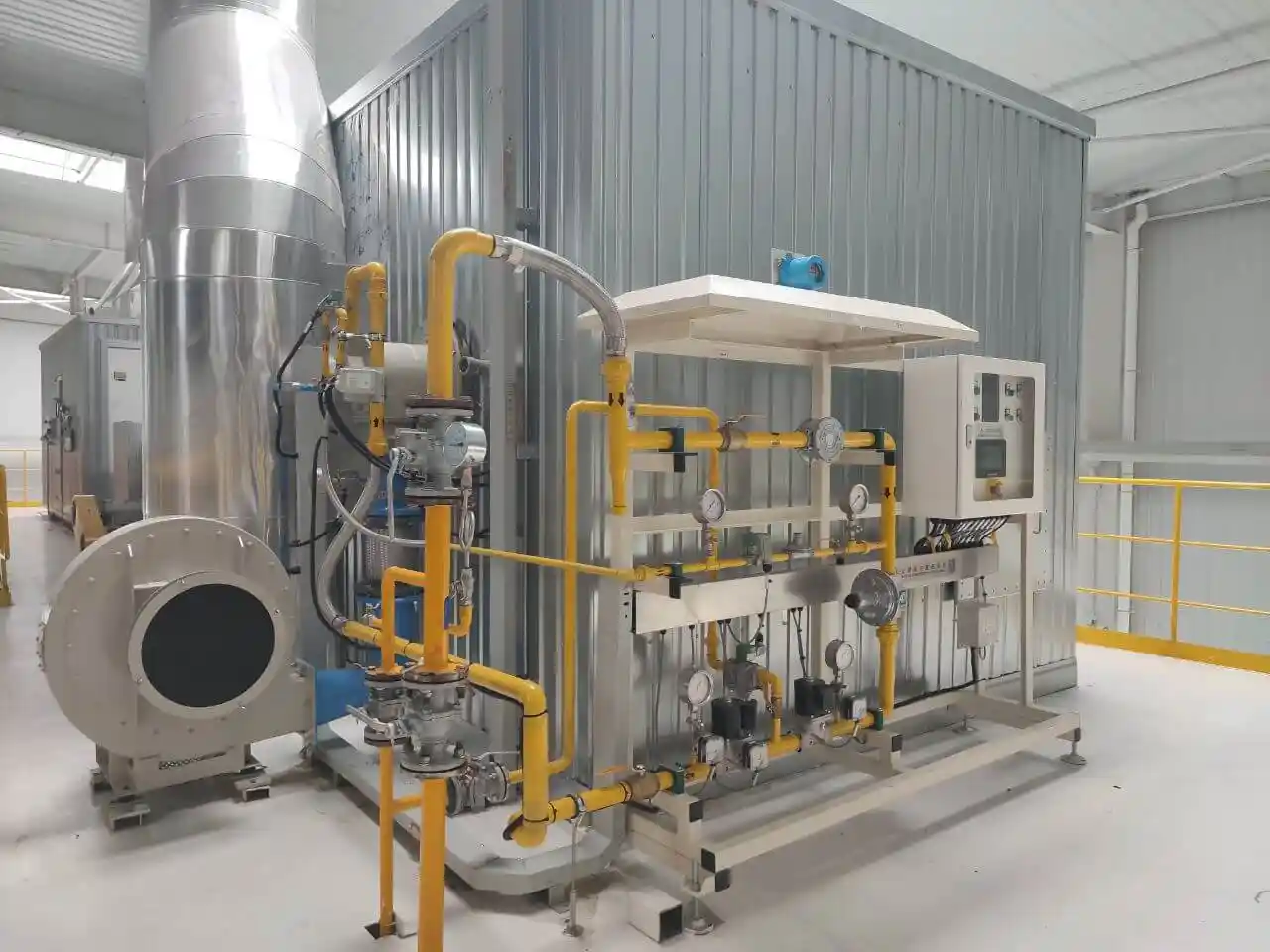
Industrial combustion systems use advanced technologies to maintain stable flames even under varying conditions.
Common solutions include:
Maintains the proper combustion mixture at all firing rates using digital mapping of actuator positions. Accuracy within ±1–2% ensures that the flame speed and velocity are always matched.
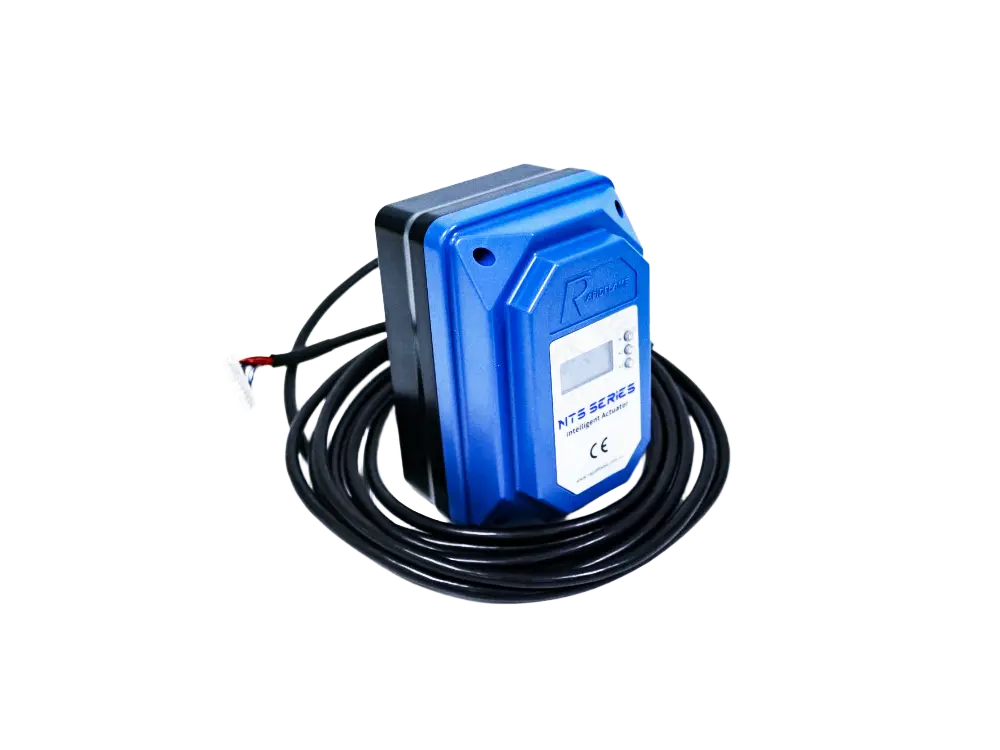
Precisely regulate combustion airflow, avoiding the hysteresis and non-linearity of mechanical linkages. Fast response compensates for load changes within seconds.
Control combustion fan speed according to burner load, providing smooth airflow regulation and reducing the risk of pressure surges that could destabilise the flame.
Coordinate ignition, flame supervision, safety interlocks, and shutdown procedures with precise timing and sequence control, ensuring that the burner starts and runs within safe parameters.
Automatically optimize excess air using continuous flue gas oxygen measurements, compensating for changes in fuel composition, ambient temperature, and air density.
Creates controlled turbulence and internal recirculation zones that help anchor the flame across the turndown range, with features such as swirl vanes, bluff bodies, and flame retention rings.
Operators should investigate combustion performance if they observe:
Flickering flames – the flame moves or changes intensity rapidly.
Flame movement – the flame shifts position relative to the burner.
Frequent burner trips – nuisance shutdowns occurring more than once per week.
Delayed ignition – noticeable lag between spark and flame establishment.
High CO emissions – CO readings above 50 ppm at 3% O₂.
Yellow flames – indicates carbon particle formation from fuel-rich conditions.
Excessive combustion noise – roaring, humming, or pulsating sounds.
Increased fuel consumption – higher than expected for the production level.
Furnace temperature fluctuations – overshoots and undershoots of ±10°C or more.
Early diagnosis helps prevent costly production interruptions. A combustion analysis—checking O₂, CO, and flue gas temperature—can identify the root cause.
To improve flame stability, industrial facilities should:
Maintain the correct air-to-fuel ratio – using electronic controls with O₂ trim to maintain accuracy.
Monitor fuel pressure regularly – installing pressure gauges and switches to detect fluctuations.
Keep burner heads clean – removing carbon and dust deposits during scheduled maintenance.
Inspect ignition components – checking electrodes, transformers, and leads for wear.
Verify flame detector operation – cleaning lenses and testing sensitivity annually.
Tune combustion systems periodically – performing flue gas analysis at multiple firing points.
Monitor flue gas oxygen and CO – using portable or continuous analyzers to detect drift early.
Maintain stable furnace pressure – using automatic pressure control systems.
Replace worn components before failure – following manufacturer recommended service intervals.
Follow preventive maintenance schedules – structured cleaning, inspection, and calibration.
Consistent maintenance and combustion tuning significantly improve burner reliability and reduce the risk of instability-related shutdowns.
Incorrect air-to-fuel ratio is generally the leading cause of unstable combustion because it directly affects flame speed, combustion efficiency, and heat release. Even a 5% deviation can cause visible instability. However, in practice, instability is often caused by a combination of factors—such as AFR drift plus dirty burner components—that together push the burner beyond its stable operating envelope.
Yes. Too much combustion air can reduce flame temperature, increase flame velocity, and cause flame lift-off or blow-off. The cooling effect of excess air slows the reaction rate, and the higher velocity makes it harder for the flame to stay anchored. High excess air is a common cause of instability at low fire.
Absolutely. Cleaning burner heads, inspecting ignition systems, verifying flame detectors, and calibrating combustion controls help maintain stable combustion over time. A burner that is not maintained will gradually drift from its tuned condition, and minor issues will accumulate until instability occurs.
Flame flickering may result from poor air-fuel mixing, pressure fluctuations, combustion air instability, burner contamination, or furnace pressure changes. A combustion analysis is often required to determine the exact cause. Flicker is a warning sign that the flame is near its stability limit and may soon fail.
Yes. Unstable combustion often leads to incomplete combustion, inefficient heat transfer, burner cycling, and increased fuel use. A burner that is unstable may require higher excess air to maintain combustion, which further reduces efficiency. The combined effect can easily add 5–10% to fuel consumption.
Flame stability is one of the most important indicators of industrial burner performance. A stable flame ensures complete combustion, consistent heat release, low emissions, and reliable operation.
Flame instability is typically caused by improper air-to-fuel ratios, poor mixing, pressure fluctuations, burner design limitations, or inadequate maintenance. Modern industrial burners overcome these challenges through advanced burner engineering, intelligent combustion controls, automated burner management systems, and continuous combustion monitoring.
By maintaining stable combustion, industrial facilities can reduce fuel consumption, improve product quality, minimize downtime, and extend the service life of their combustion equipment.
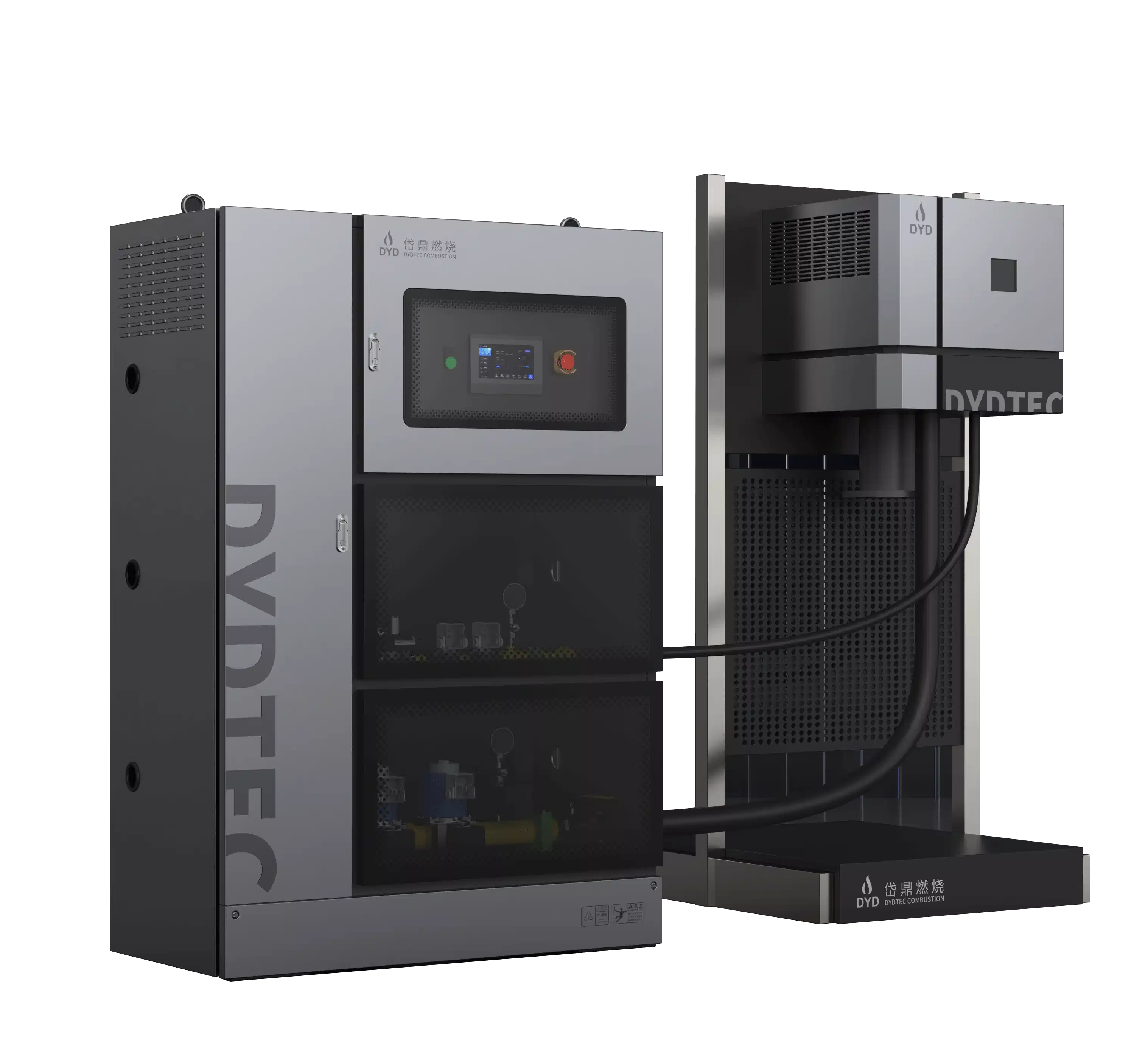
DYDTEC Combustion is a professional manufacturer of industrial combustion systems and advanced burner solutions. The company specializes in high-efficiency gas burners, low-NOx combustion technology, intelligent burner management systems, and customized heating solutions for industrial furnaces, aluminum melting, heat treatment, drying equipment, RTO systems, and other thermal processing applications. Through advanced burner engineering, precise combustion control, and application-specific system integration, DYDTEC helps furnace manufacturers and industrial users achieve stable combustion, improve energy efficiency, reduce emissions, and ensure safe, reliable long-term burner operation.