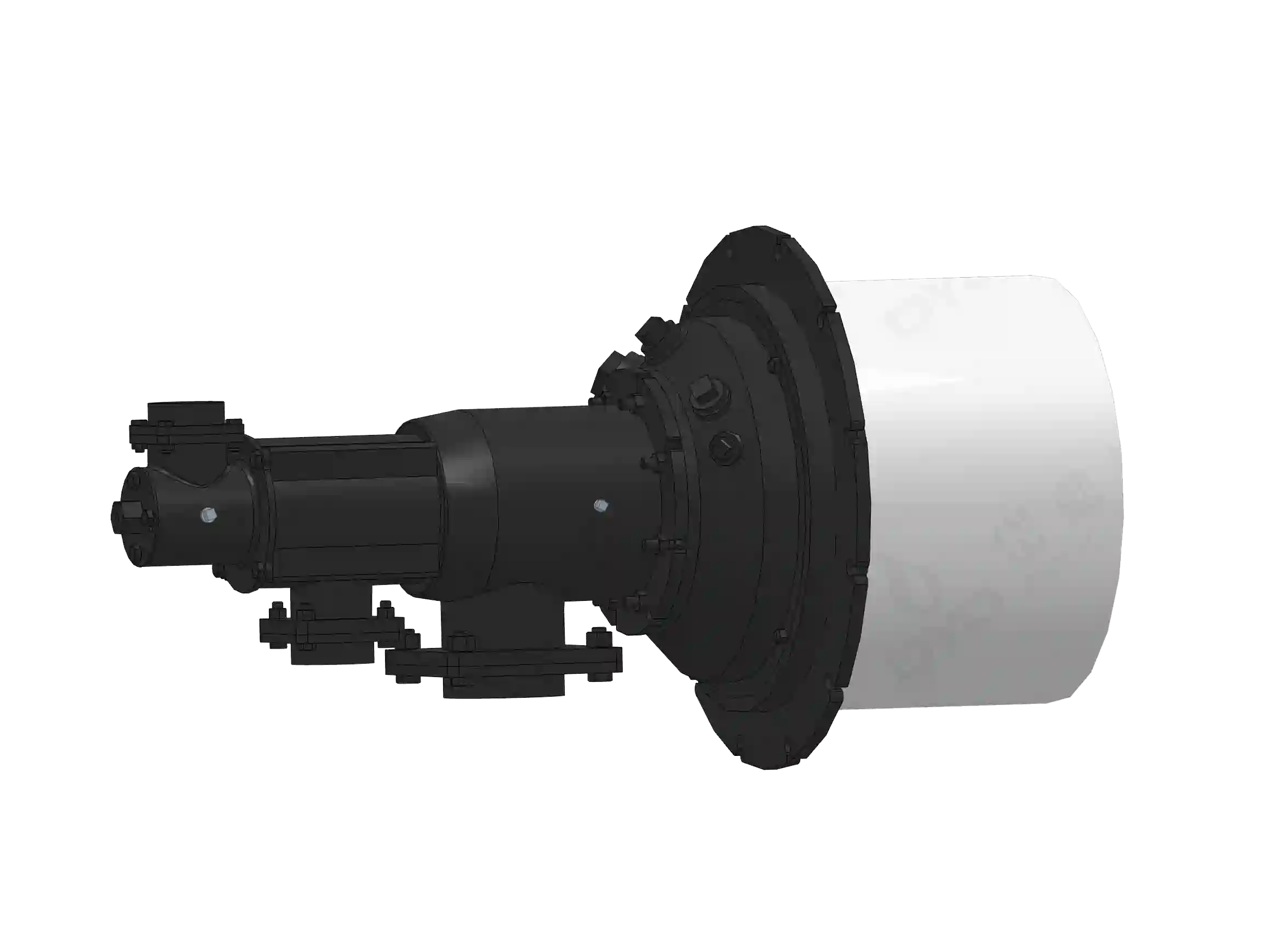
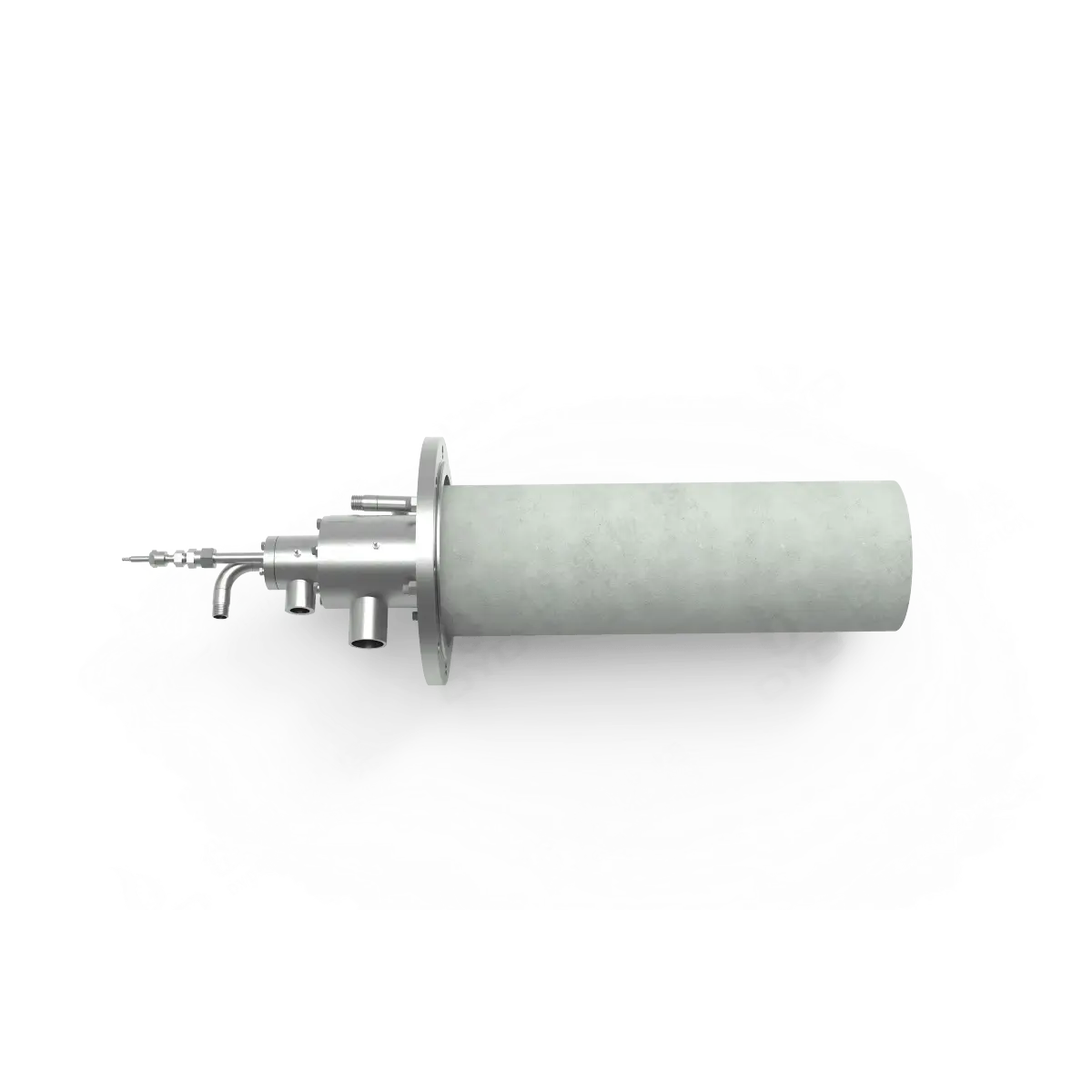
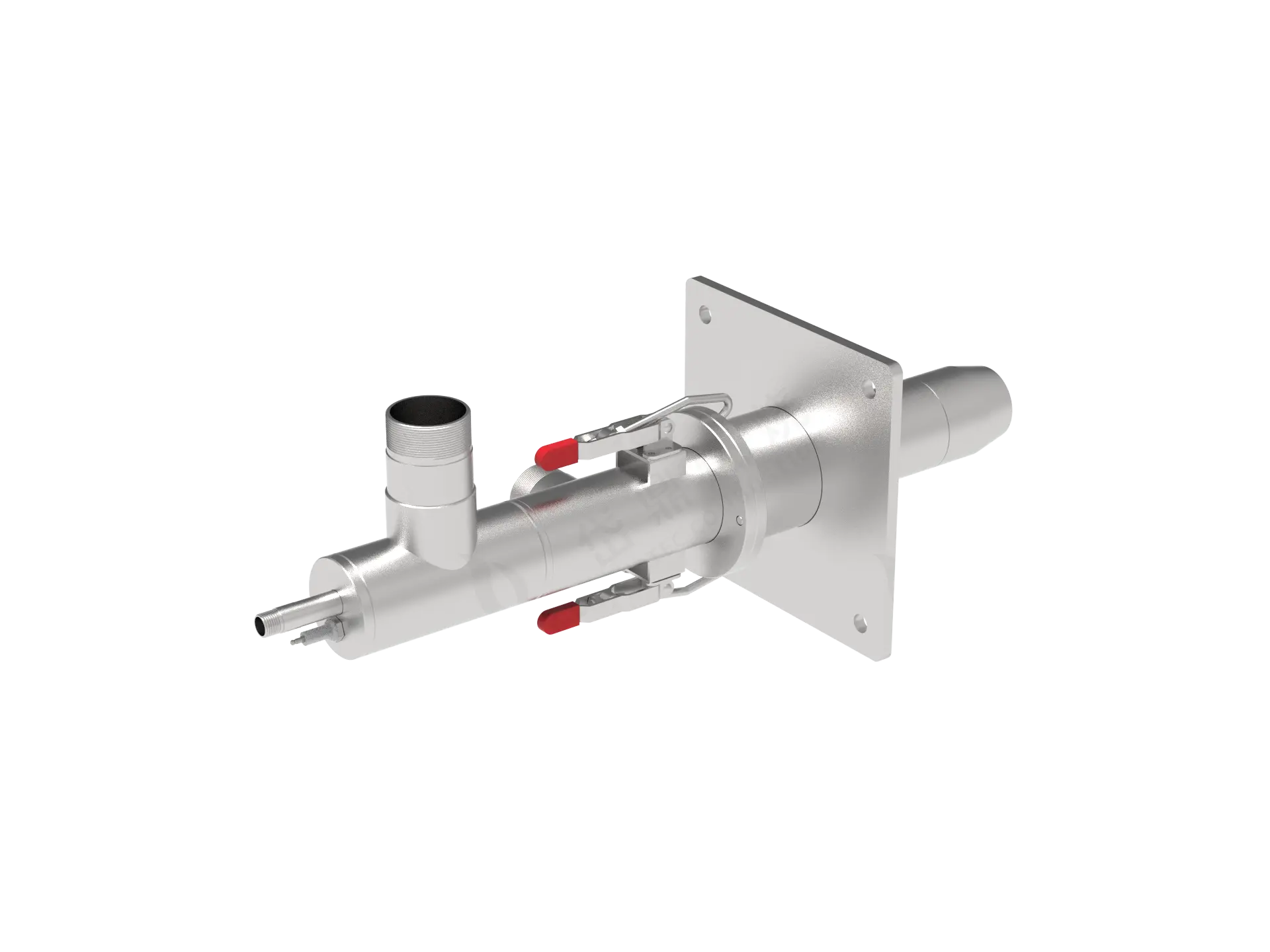
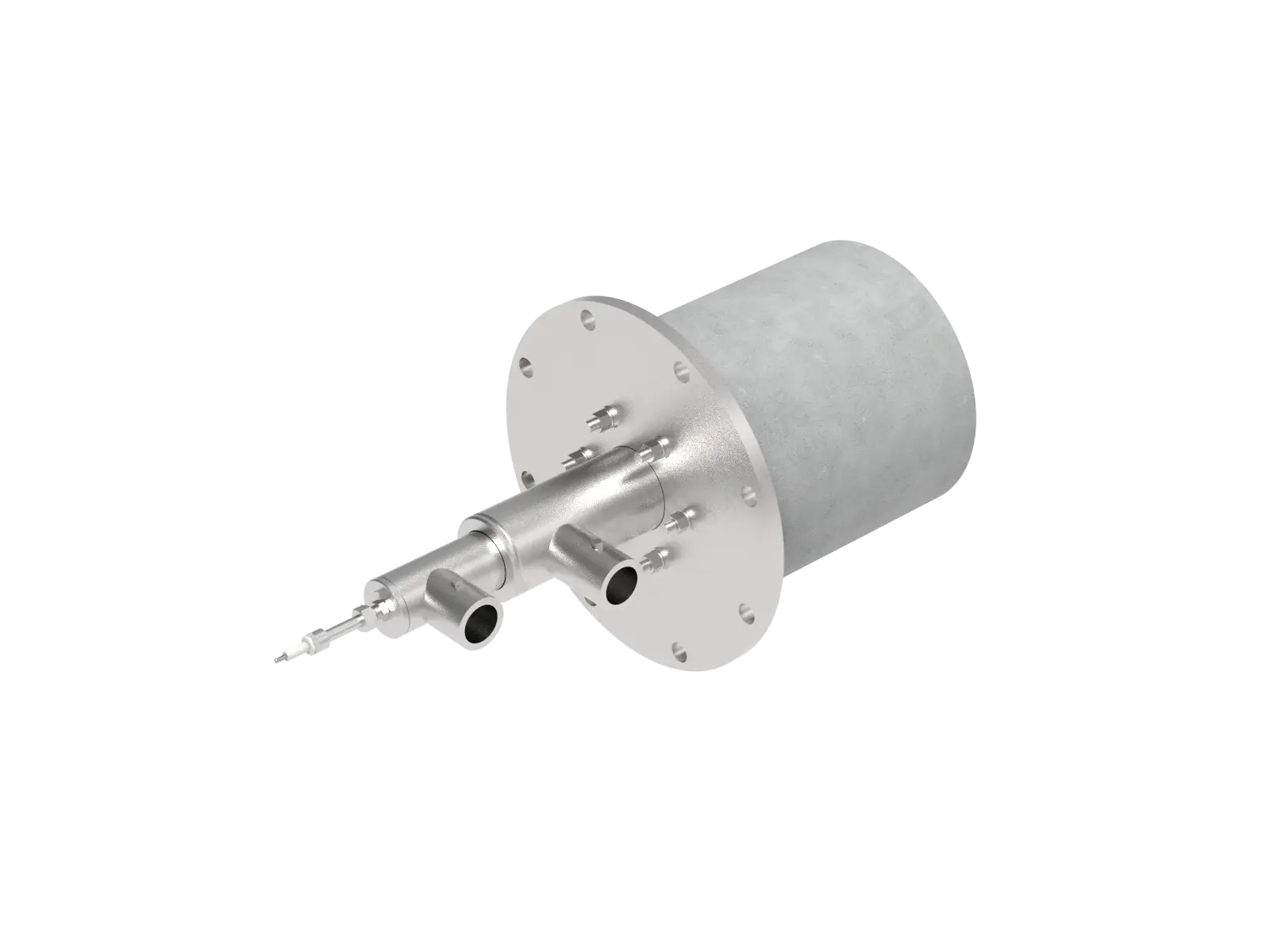
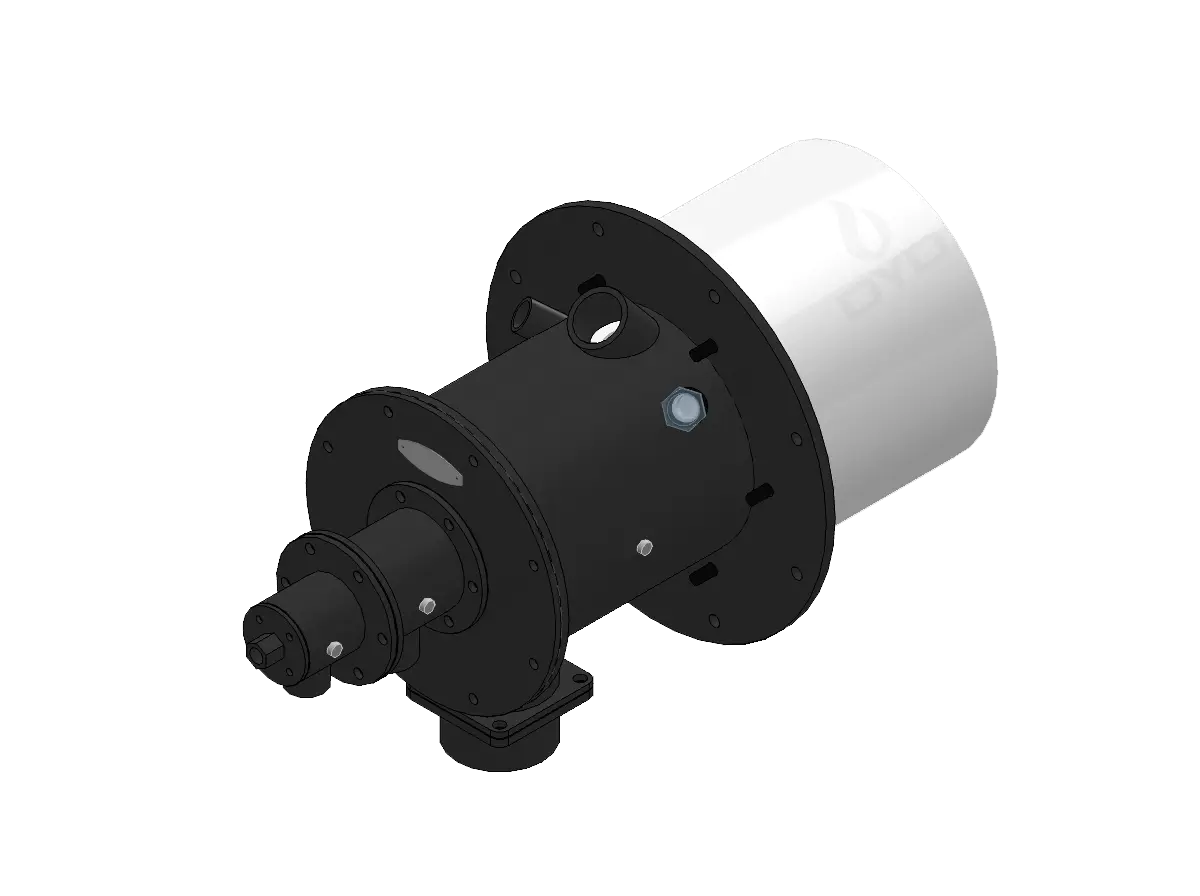
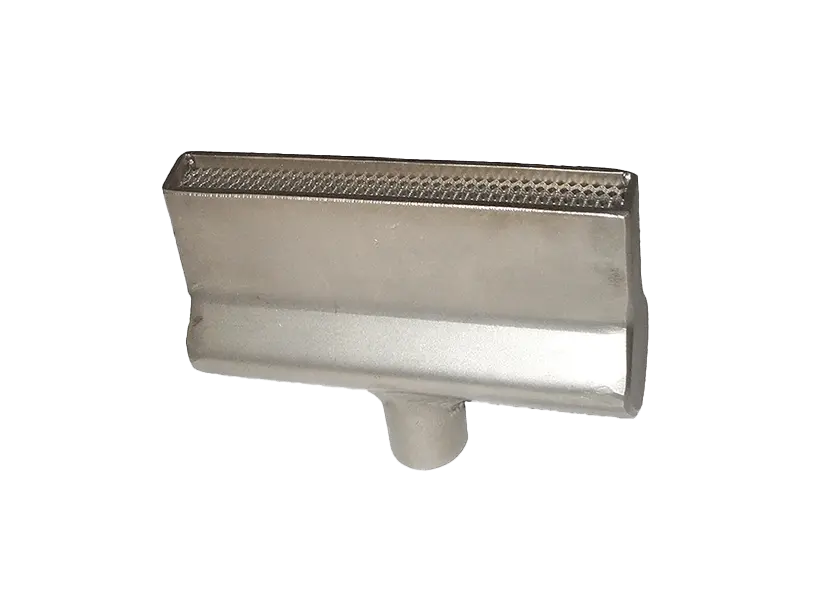
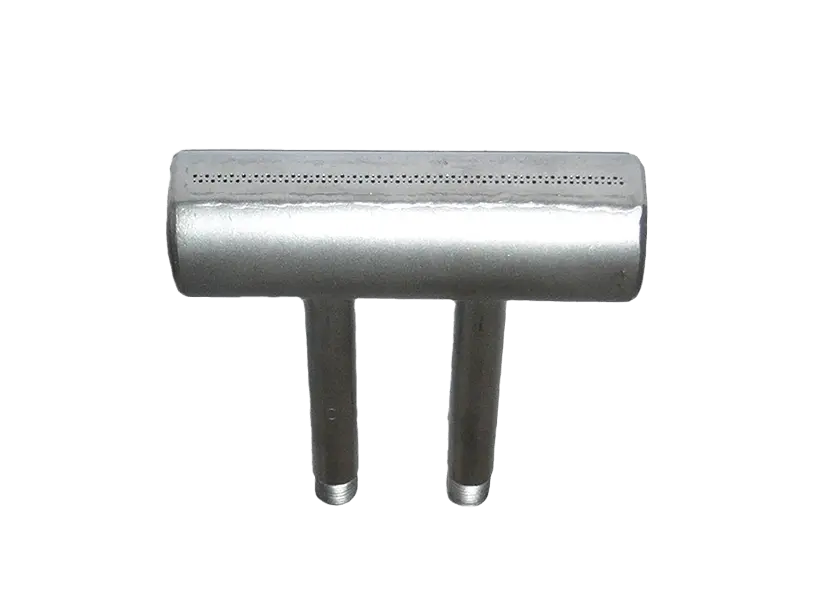
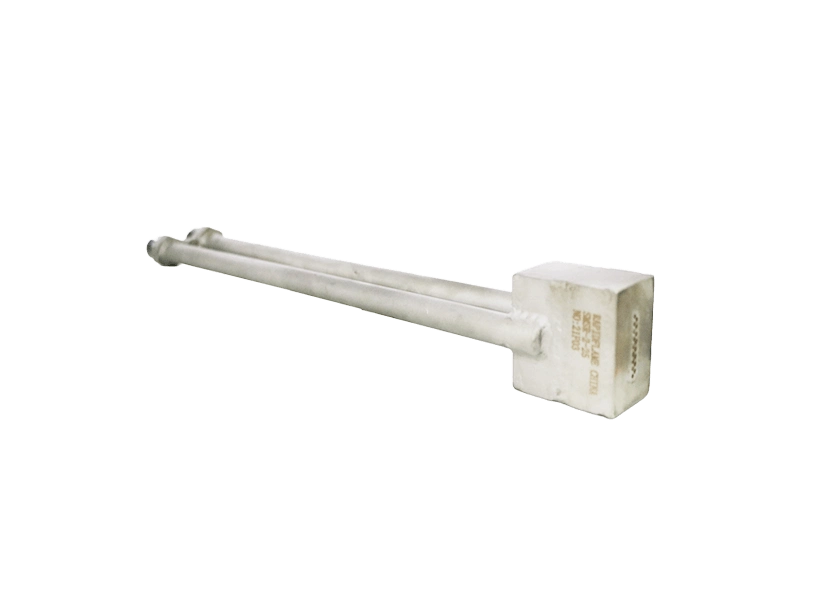
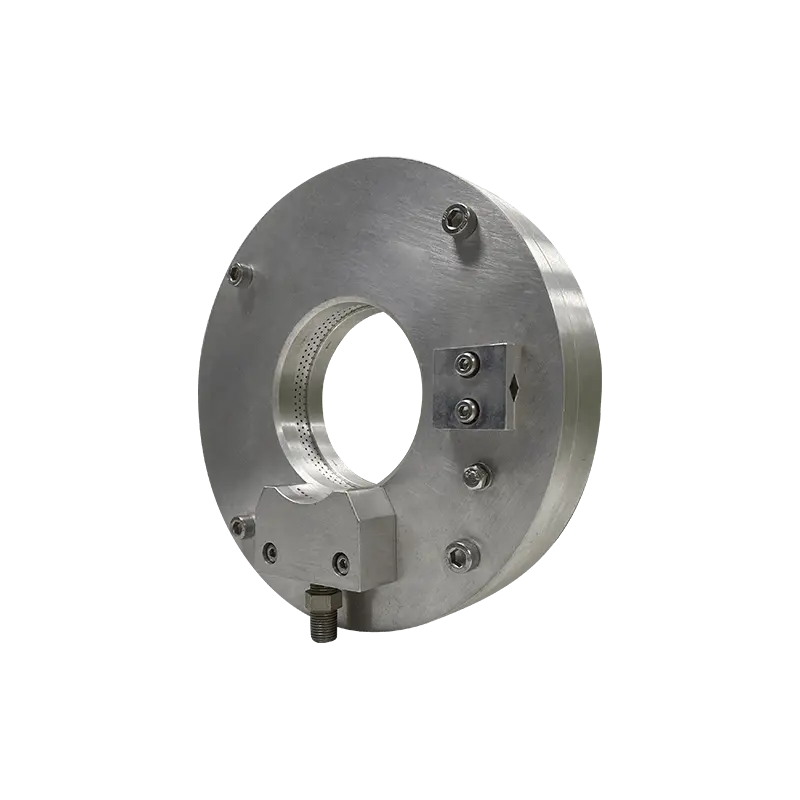
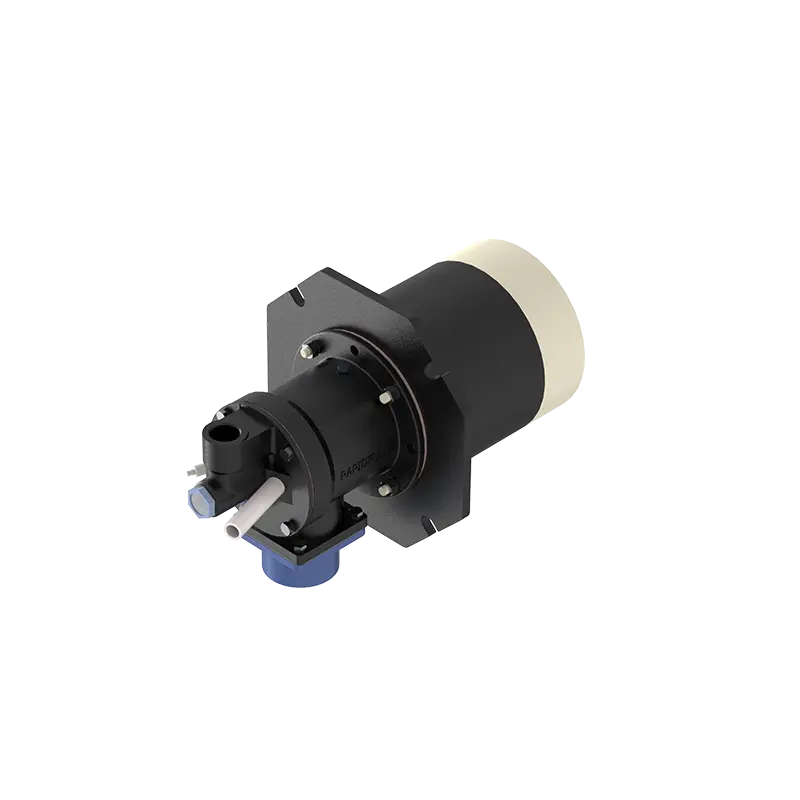
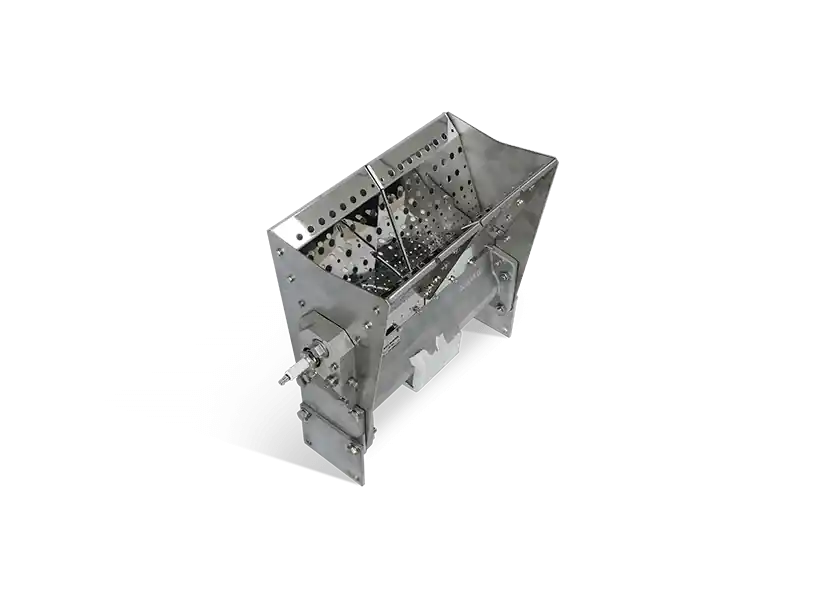
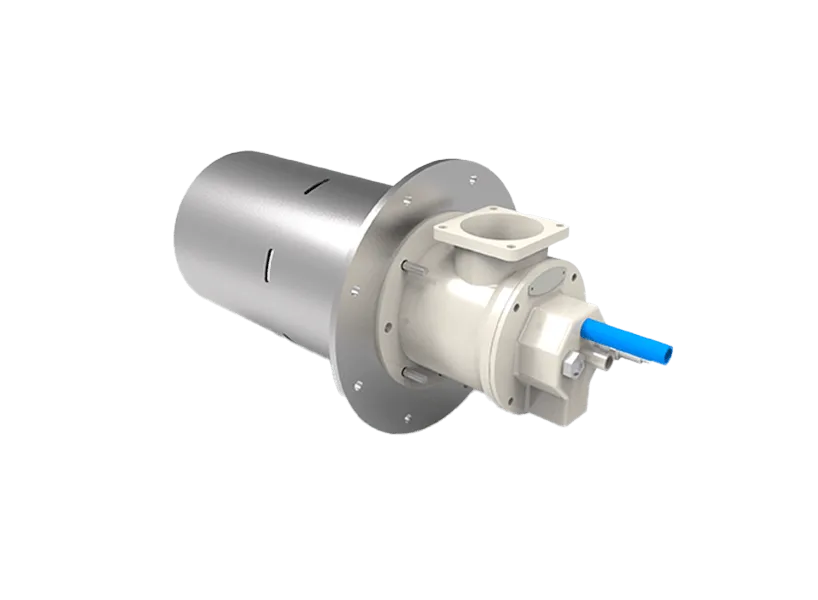
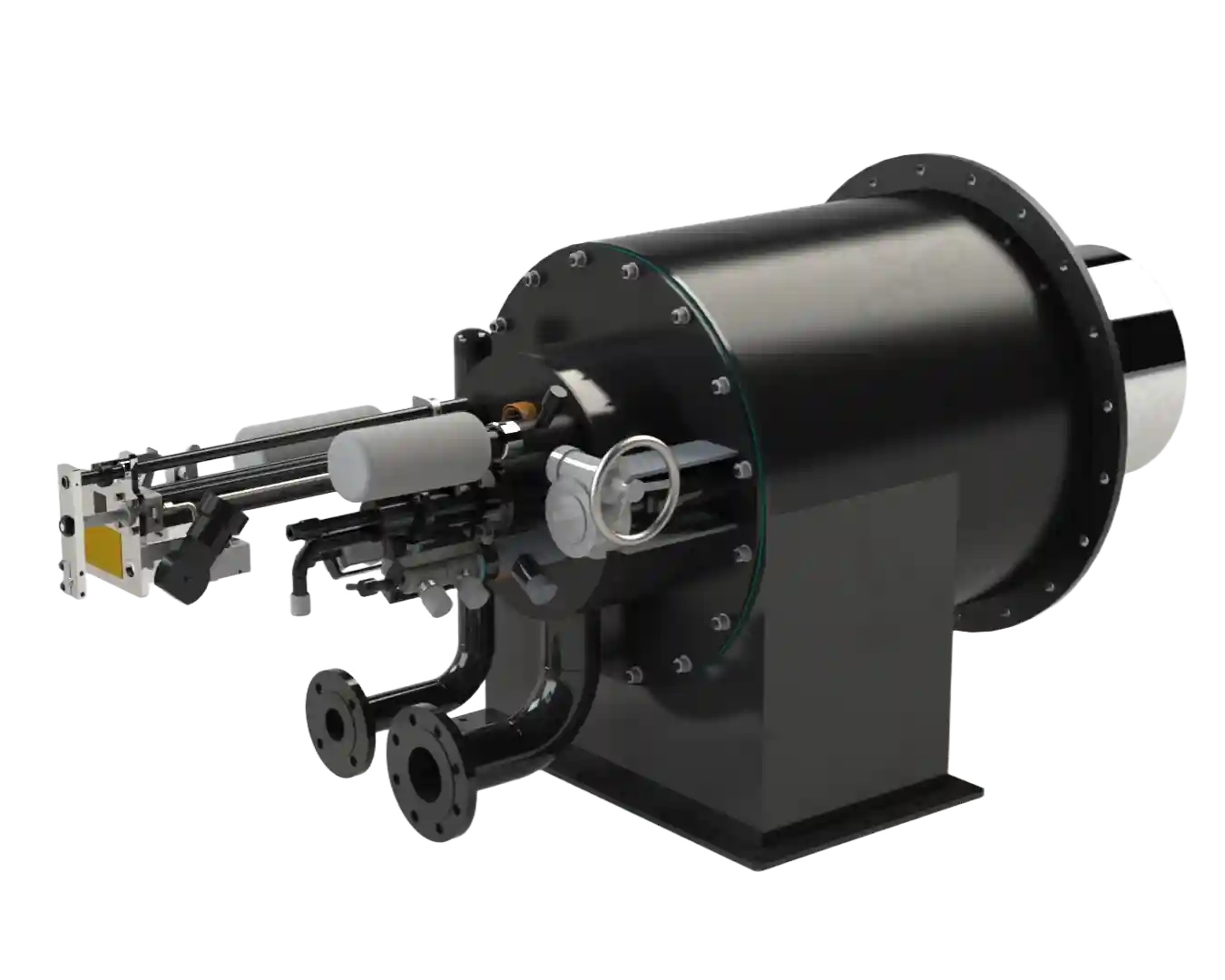
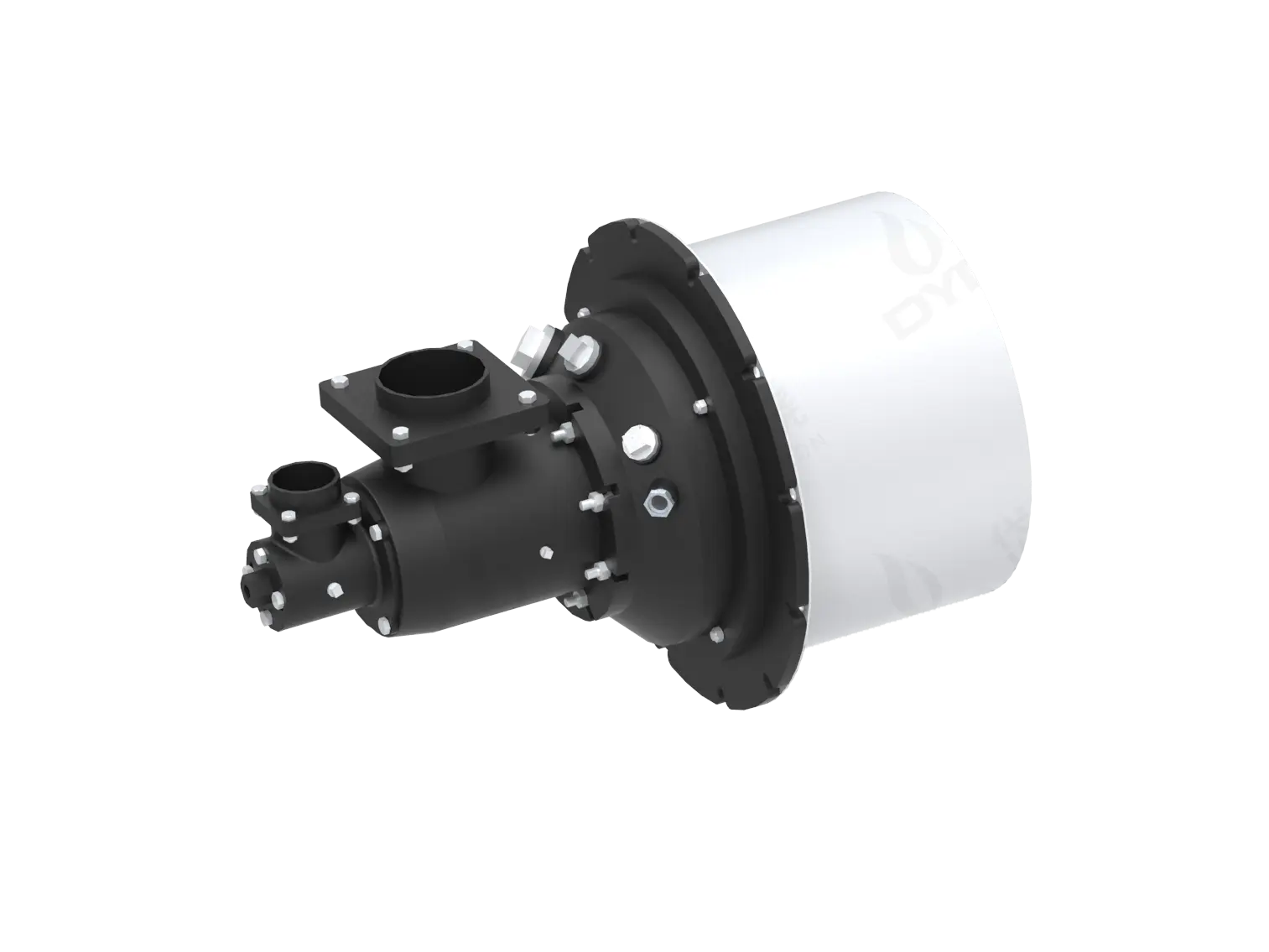
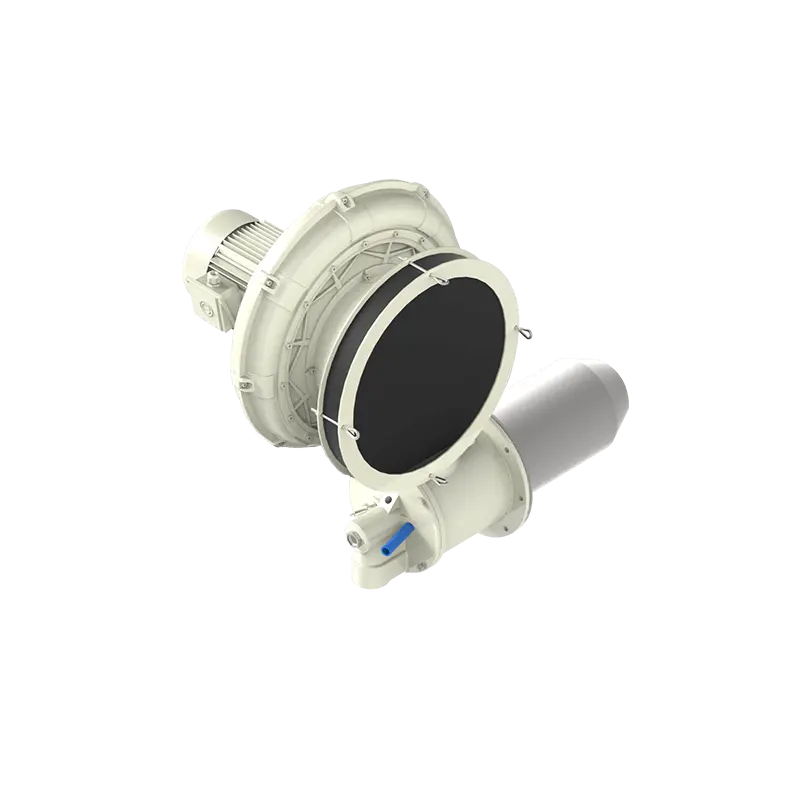
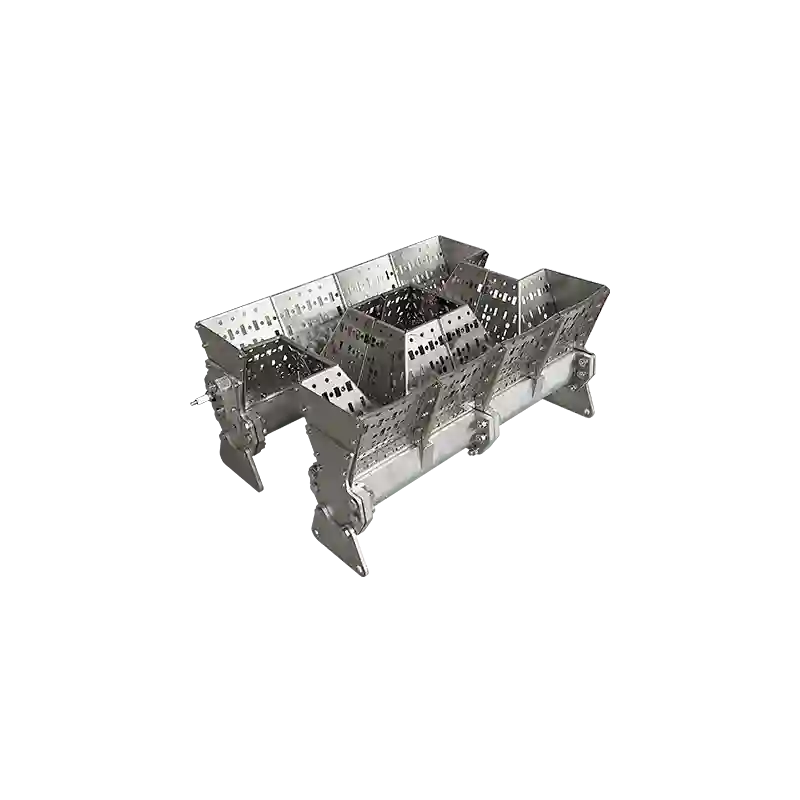
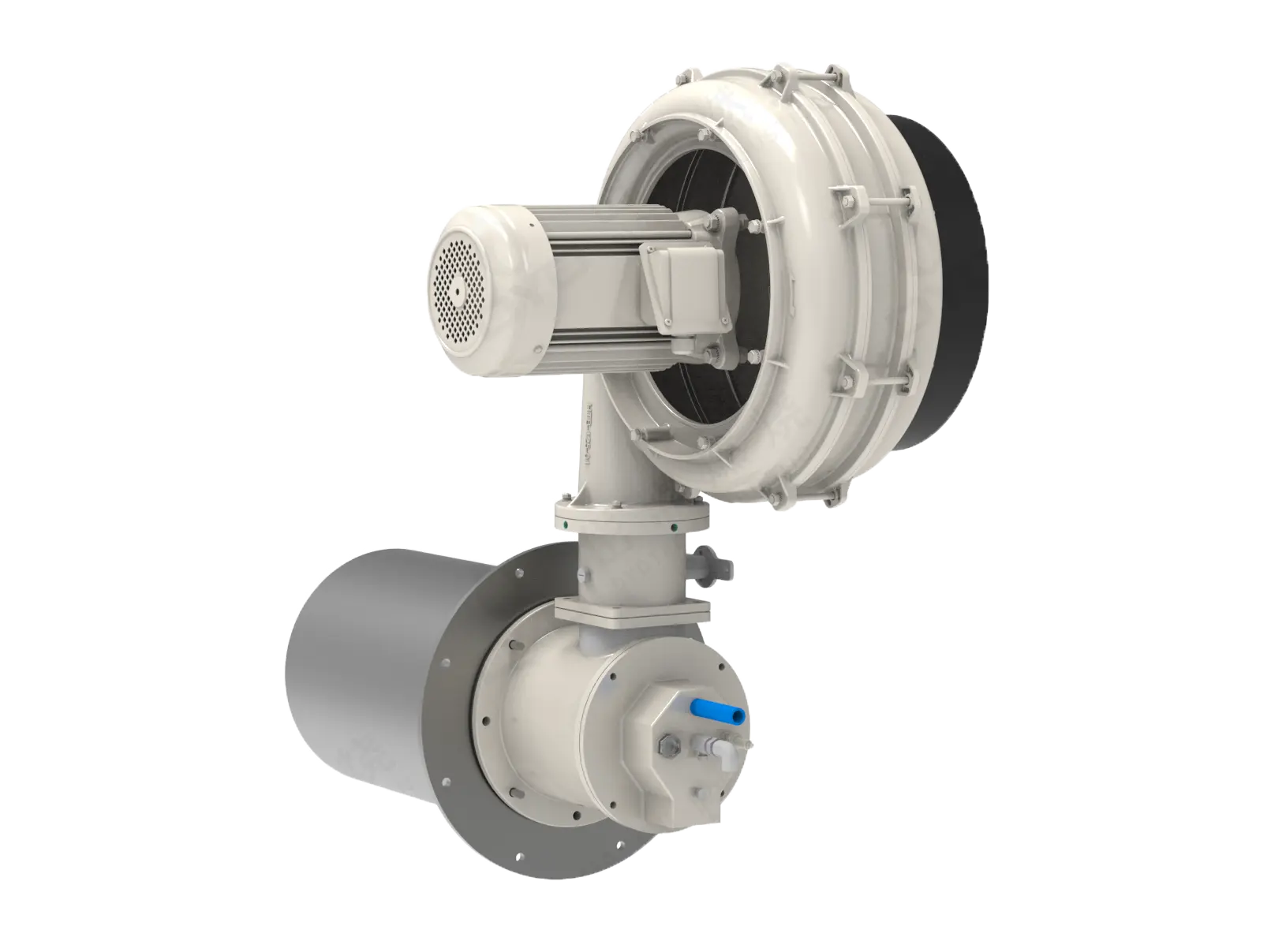
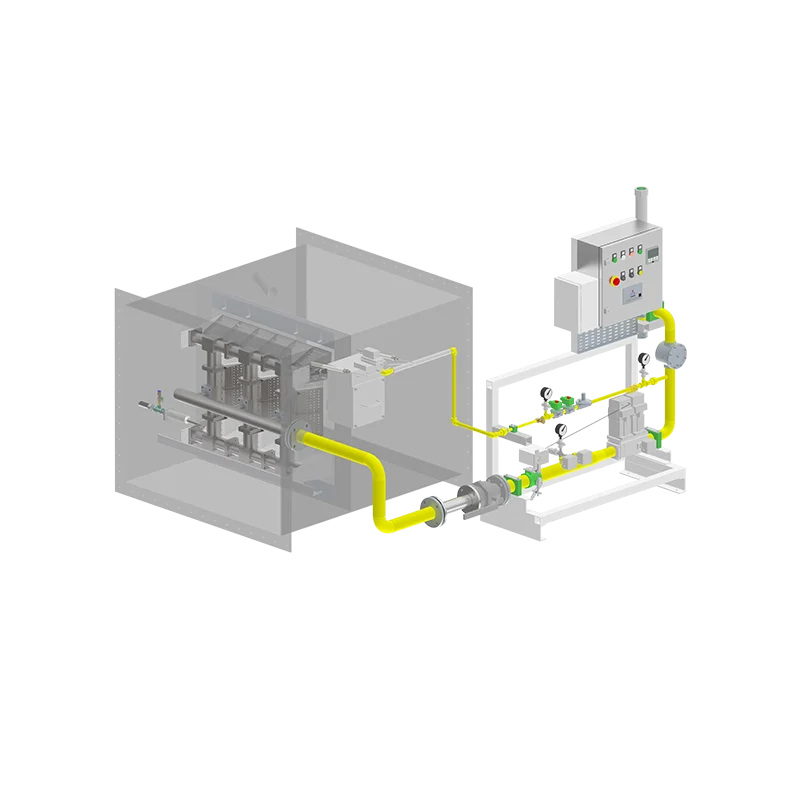
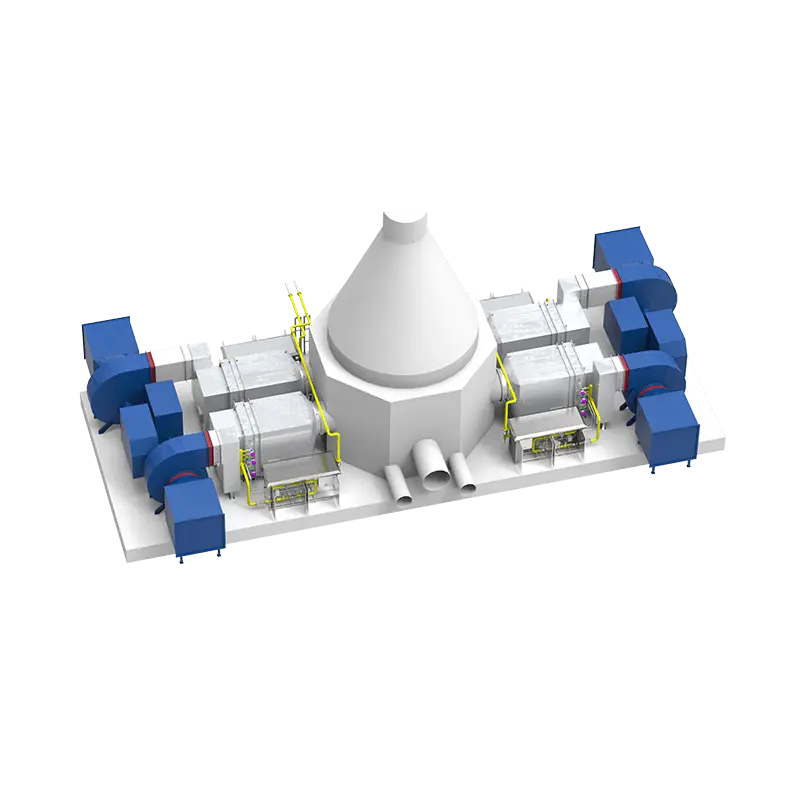
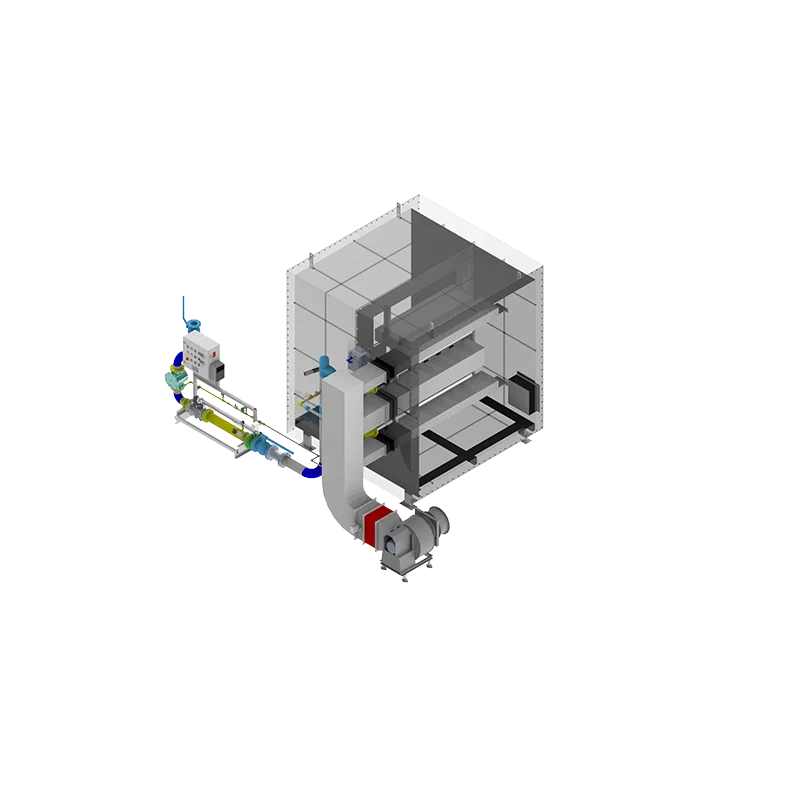
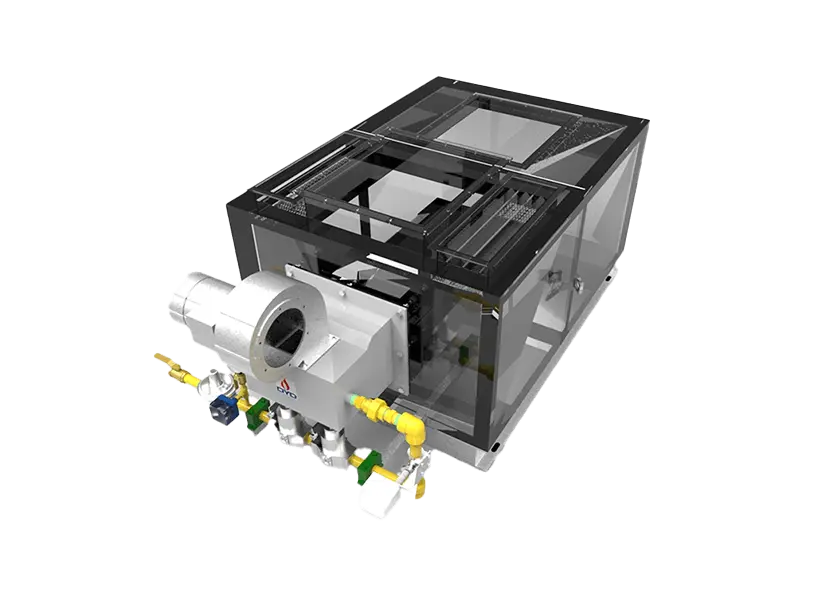
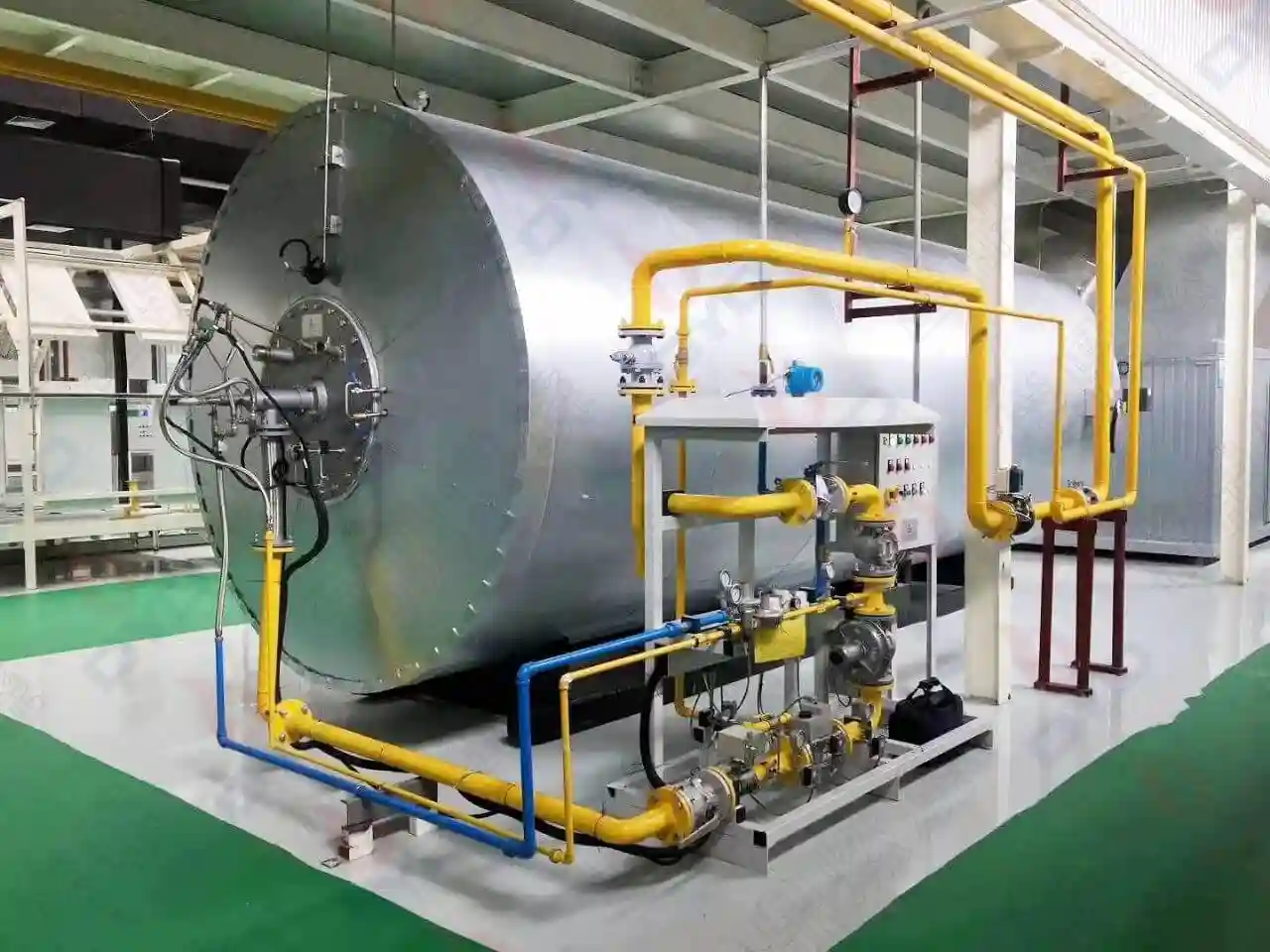
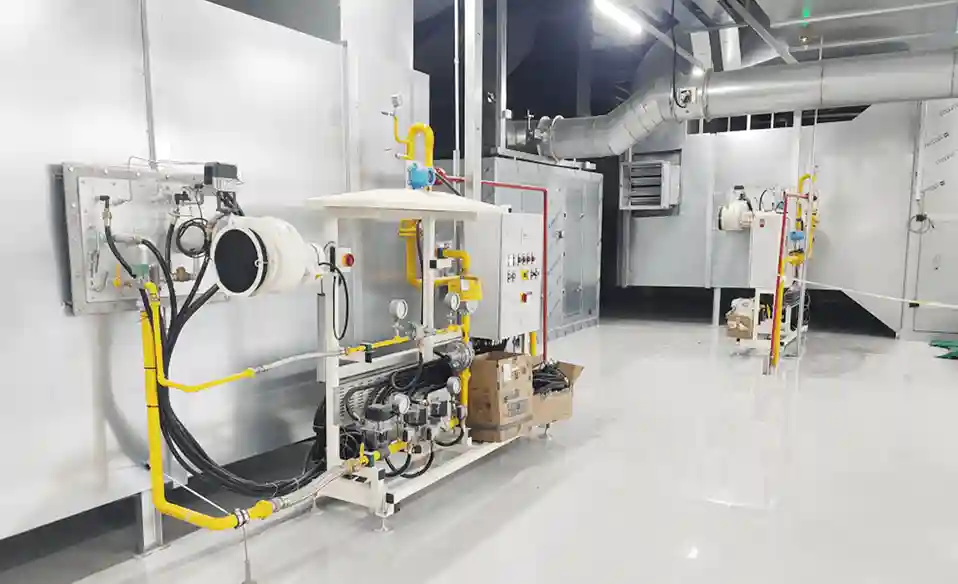
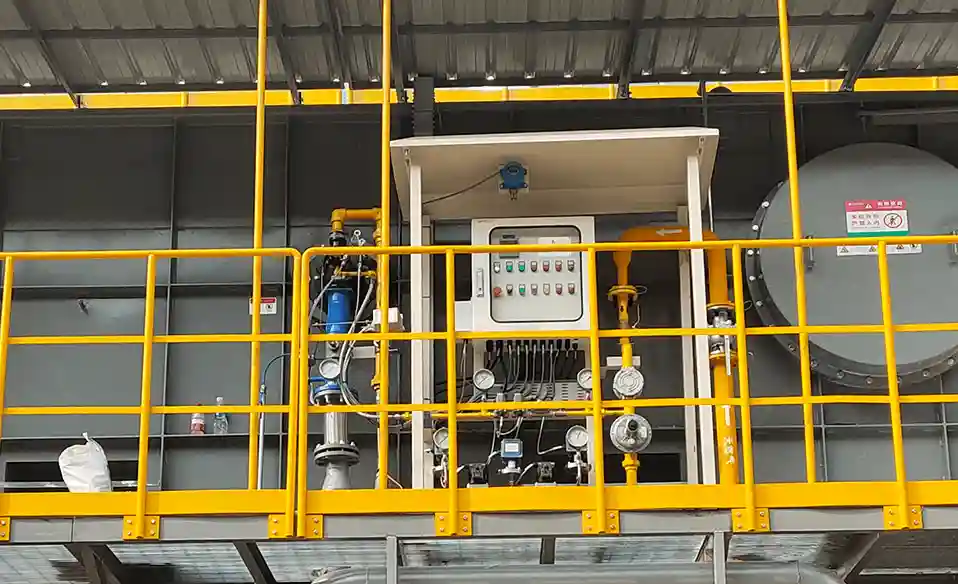
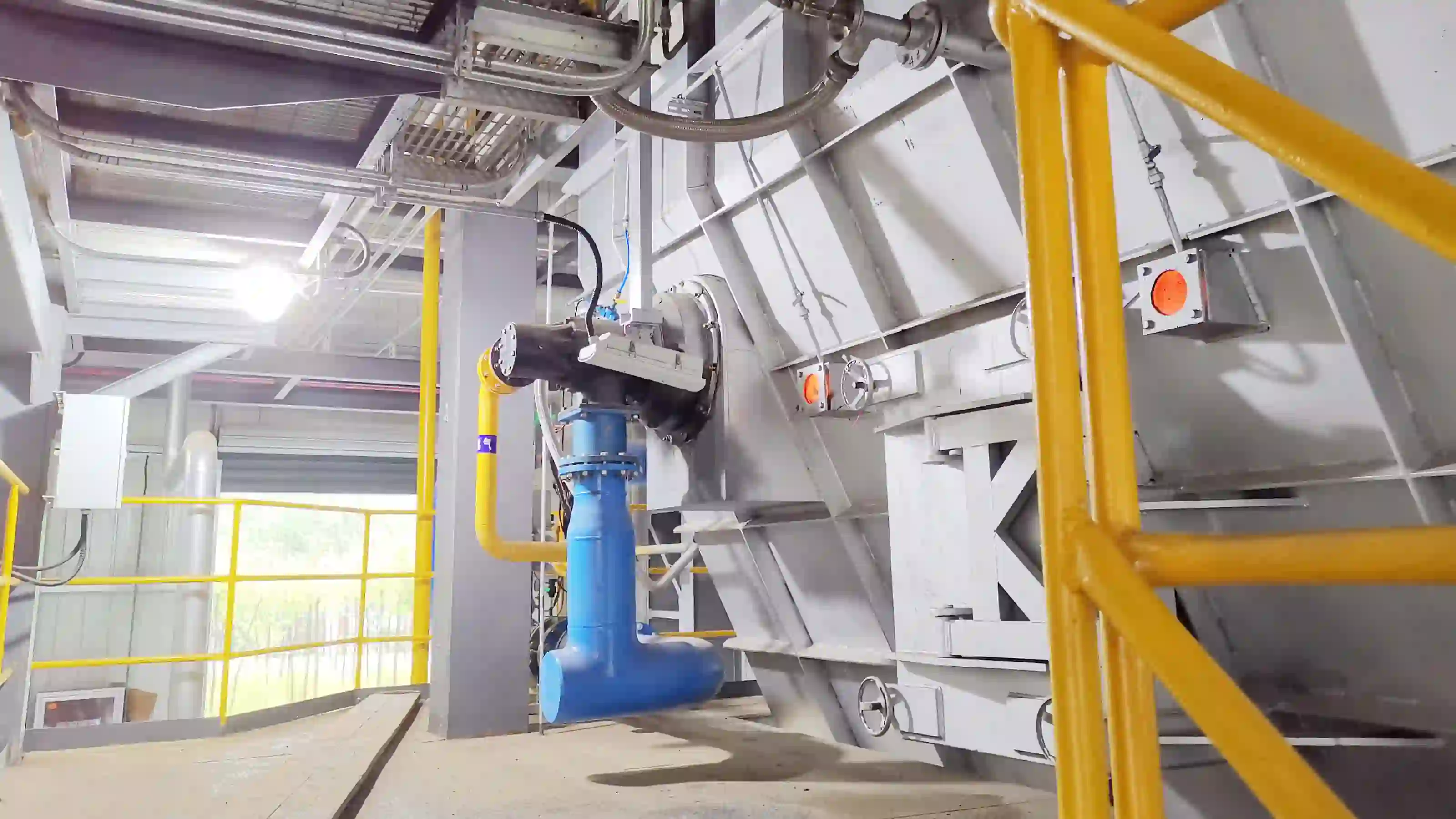
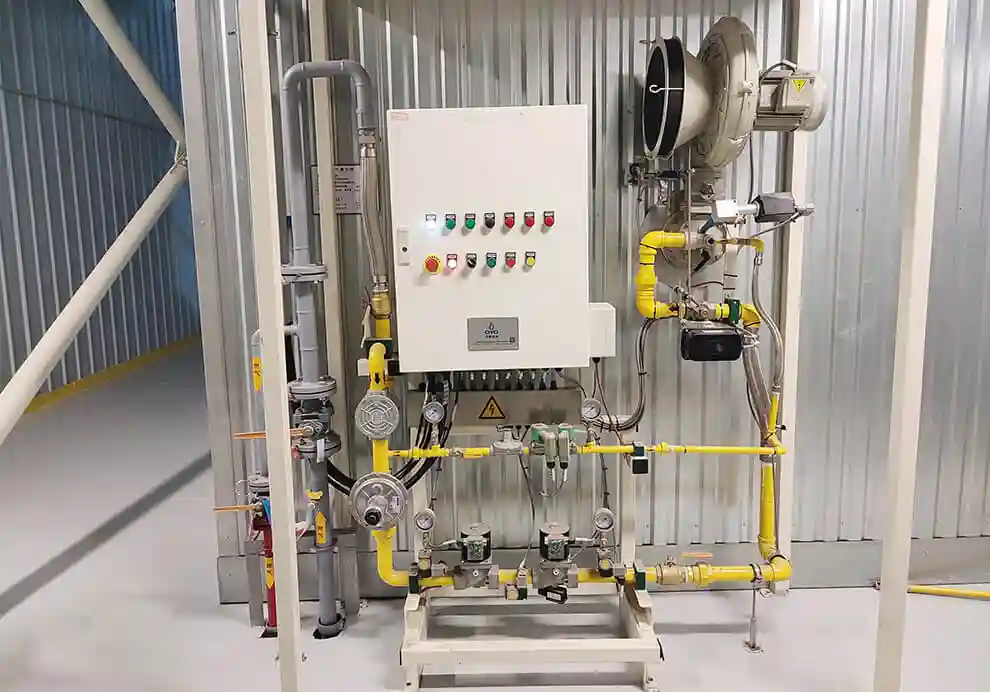
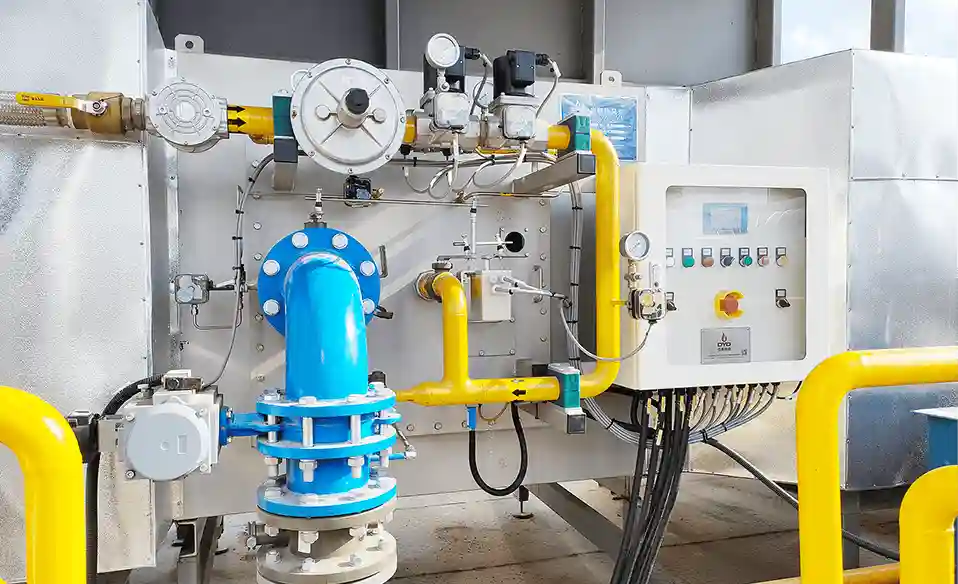
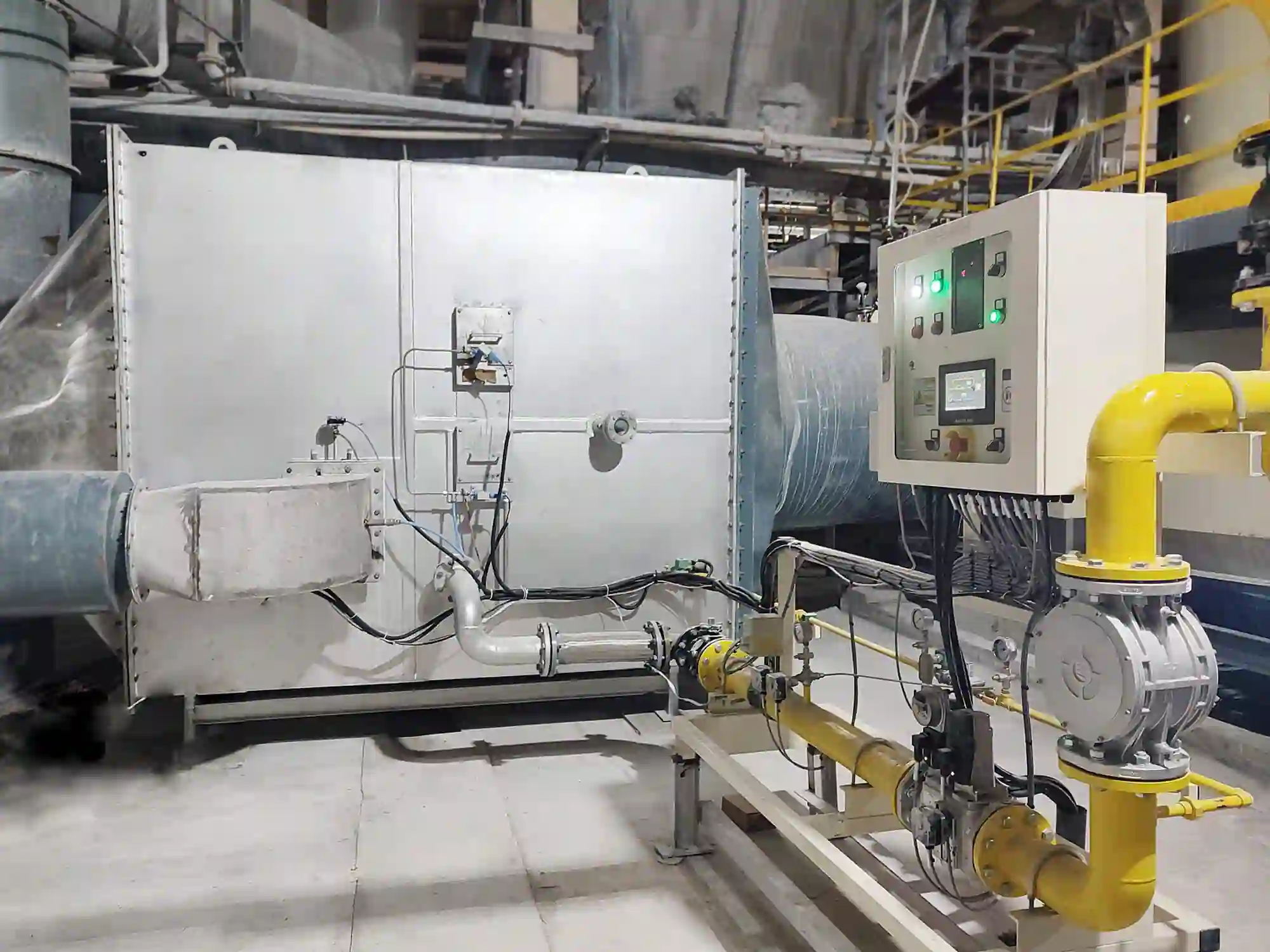
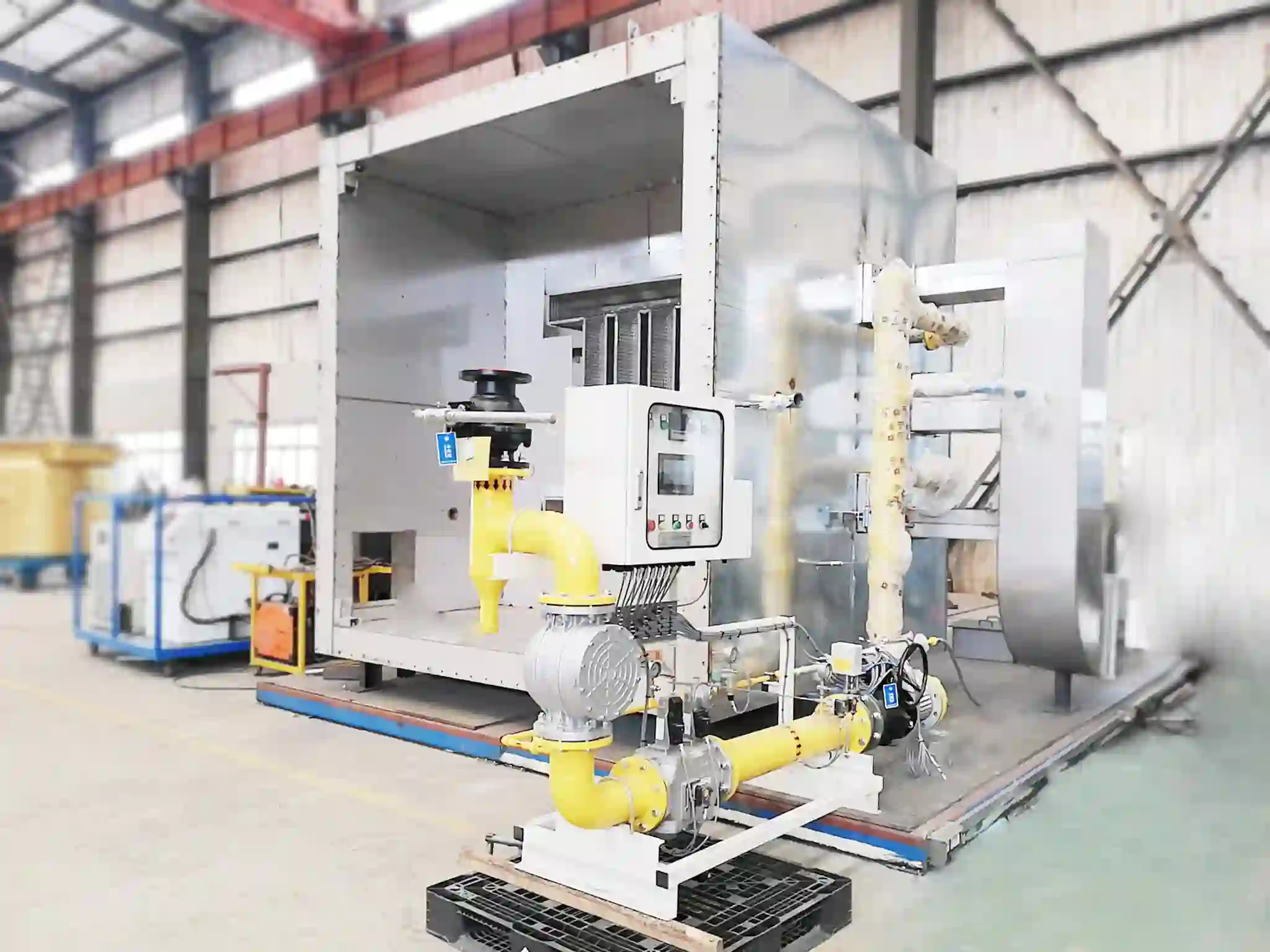
Combustion air is mixed with fuel inside an industrial burner through a carefully engineered mixing process that ensures the right amount of oxygen is available for complete and stable combustion. The mixing occurs within the burner head or flame zone, where turbulent flow, swirl, and specific geometric features bring the fuel and air streams into intimate contact. For natural gas, the stoichiometric air requirement is approximately 9.5–10.5 m³ of air per m³ of gas; effective mixing ensures that every fuel molecule encounters sufficient oxygen, typically with 5–15% excess air to compensate for imperfect mixing and load fluctuations.
Effective air-fuel mixing is essential for achieving high combustion efficiency (typically 95–99% for natural gas), stable flames (anchored without lift-off or flashback across the turndown range), low emissions (CO below 50 ppm), and uniform heat transfer. Modern industrial burners use specially designed burner heads, nozzles, swirl generators, and intelligent combustion control systems to optimize the mixing process across the entire operating range—from high fire to as low as 10% of maximum capacity.
Many people think ignition is the most important part of combustion. However, once a reliable ignition source is provided, the quality of air-fuel mixing largely determines how well the burner performs in terms of efficiency, stability, and emissions. Even the best ignition system cannot compensate for poor mixing: if the fuel and air are not uniformly combined, combustion will be incomplete regardless of how strong the spark is.
Poor mixing can cause:
Incomplete combustion – part of the fuel remains unburned, releasing less heat and producing CO.
High fuel consumption – wasted chemical energy; a 5% increase in CO corresponds to roughly 5% of the fuel energy not being released.
Flame instability – the flame may lift off, pulsate, or flash back, causing temperature fluctuations and nuisance shutdowns.
Carbon monoxide (CO) formation – CO can exceed 500–1,000 ppm, indicating severe incomplete combustion and a safety hazard.
Soot deposits – carbon particles accumulate on burner heads, heat exchangers, and furnace walls, reducing efficiency and requiring frequent cleaning.
Increased NOx emissions – uneven mixing creates local hot spots where thermal NOx formation is accelerated, even if the average flame temperature is moderate.
Uneven furnace heating – temperature gradients across the furnace lead to product defects and longer cycle times.
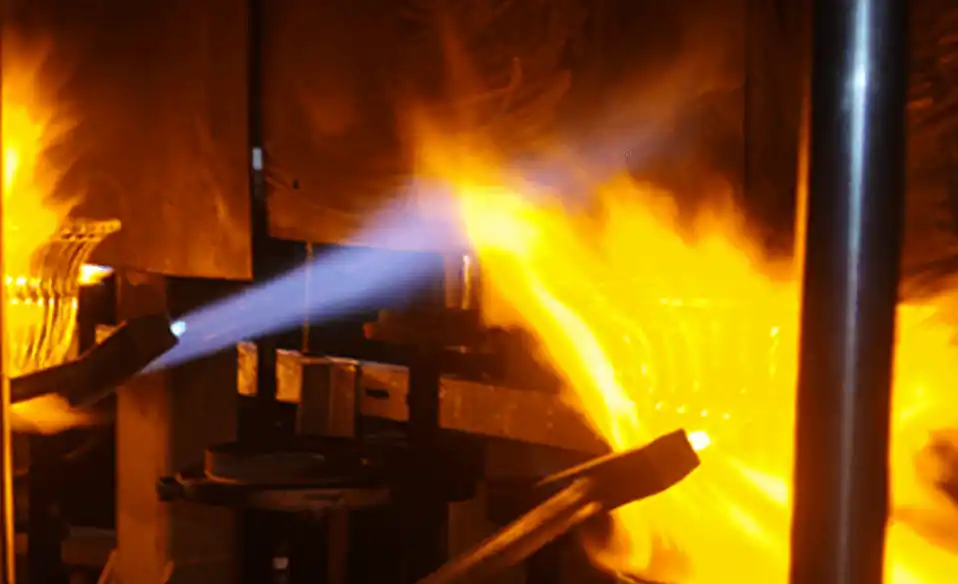
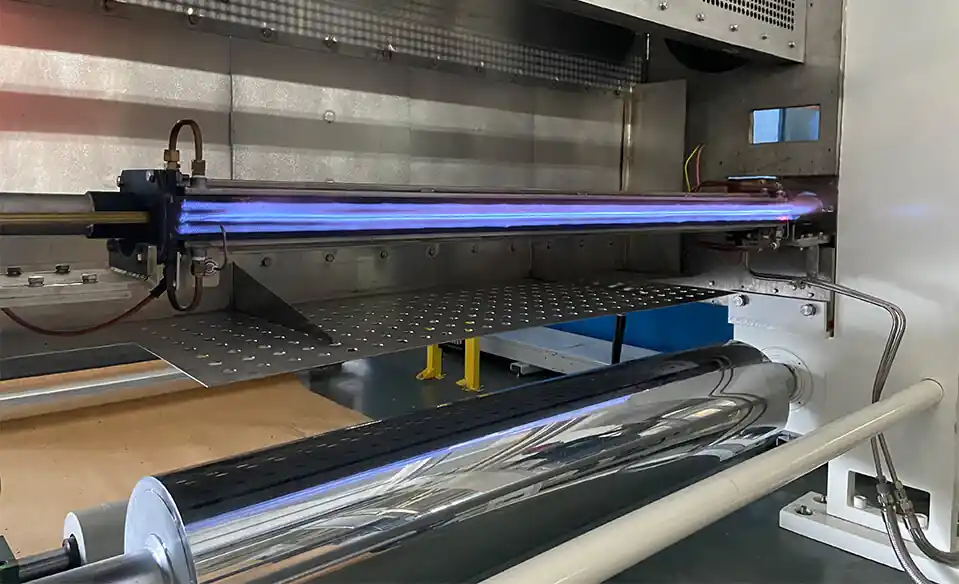
Well-designed mixing creates a stable flame that burns fuel completely and transfers heat efficiently. In a properly mixed burner, the flame is anchored at the burner head, has a consistent shape and colour (typically blue for natural gas), and produces minimal CO and soot.
Industrial combustion requires three basic elements: fuel, oxygen (from combustion air), and an ignition source. Before ignition, fuel and combustion air must be mixed in the correct proportion and with sufficient uniformity that combustion can proceed completely and stably.
A typical process includes:
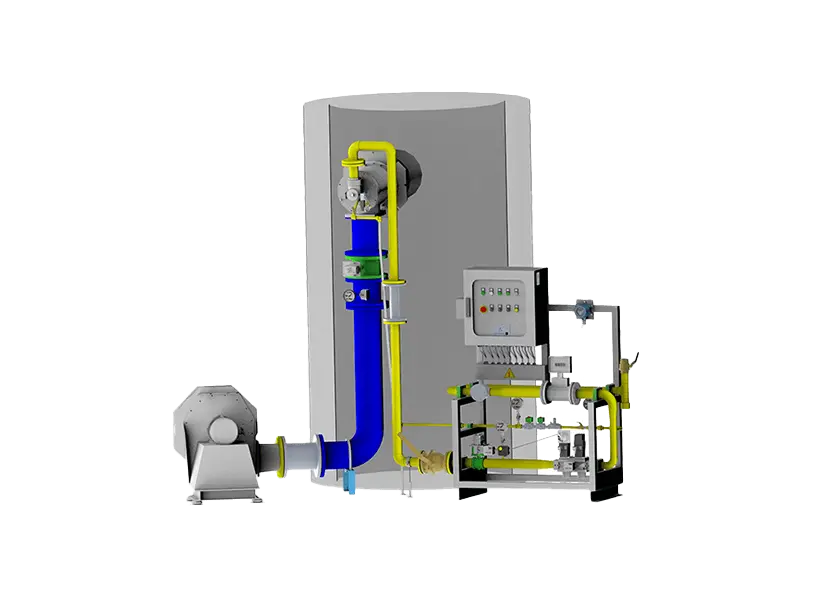
Fuel enters the burner through a gas nozzle or injector, typically at a pressure of 20–50 mbar (low-pressure systems) or 1–5 bar (medium/high-pressure systems).
Combustion air is supplied by a blower or fan, delivering airflow at a velocity of 10–50 m/s depending on burner design and load.
The burner head directs and mixes the two streams using geometric features such as swirl vanes, bluff bodies, and flame retention rings.
A controlled fuel-air mixture reaches the ignition zone with a specific fuel concentration and turbulence intensity.
The mixture ignites and forms a stable flame, with the flame front propagating at a speed that balances the incoming mixture velocity.
The goal is to create a uniform combustible mixture without local fuel-rich or fuel-lean regions. In practice, perfect uniformity is never achieved; the objective is to minimise the variance of the mixture fraction (the local fuel-to-air ratio) so that the entire flame burns within the stable combustion envelope. Modern burners achieve mixture uniformity within 5–10% across the flame cross-section.
Industrial burners generally use one of three mixing methods, each with distinct characteristics, advantages, and limitations.
In a premix burner, fuel and air are thoroughly mixed before ignition. The mixture passes through the burner head as a homogeneous blend, then exits and is ignited at the flame front.
Advantages
Excellent combustion efficiency – because mixing is complete before combustion, excess air can be minimised (typically 5–10%).
Uniform flame – the flame is short, compact, and has a consistent temperature profile.
Low CO emissions – minimal local fuel-rich zones mean very low CO, often below 10 ppm.
Good flame stability – the flame front is well-defined and stable over a moderate turndown range.
Suitable for ultra-low NOx designs – when combined with staged combustion or flue gas recirculation, premix burners can achieve NOx below 20 ppm.
Challenges
Premixed mixtures must be carefully controlled to prevent:
Flashback – the flame propagates backward through the burner into the mixing chamber; this requires careful velocity matching and often flame arrestors or high-velocity burner designs.
Pre-ignition – if the mixture ignites too early, it can damage the burner head.
Flame propagation inside the burner – the burner must be designed so the mixture velocity exceeds the flame speed at all operating points.
Premix technology is widely used in low-NOx and high-efficiency gas burners, particularly in radiant tube burners, surface combustion burners, and some boiler applications.
In a nozzle-mix burner, fuel and air remain separate until they leave the burner nozzle. Mixing occurs within the flame itself, as the fuel jets entrain combustion air and react at the interface.
Advantages
High operational safety – no risk of flashback because there is no premixed combustible gas within the burner.
Simple burner construction – fewer components and less complex gas train requirements.
Wide fuel adaptability – can handle varying fuel compositions and pressures without extensive modification.
Good resistance to flashback – inherently safe for a wide range of conditions.
Applications
Nozzle-mix burners are common in:
Aluminum melting furnaces – where long, luminous flames provide good radiative heat transfer.
Steel reheating furnaces – high-temperature applications requiring robust, reliable combustion.
Ceramic kilns – where flame length and shape are important for uniform firing.
Heat treatment furnaces – general-purpose industrial heating.
Drying systems – convective heating with moderate temperature requirements.
The trade-off is that nozzle-mix burners typically require higher excess air (10–20%) because mixing is less complete than in premix designs, and they may produce higher CO and NOx if not carefully tuned.
Many modern industrial burners combine both methods. A portion of the combustion air is mixed with the fuel before ignition, while the remainder (secondary or tertiary air) is introduced around or downstream of the flame.
This hybrid approach offers:
Improved flame stability – the premixed core provides a stable pilot flame that anchors the rest of the combustion.
Better NOx control – staging the air introduction reduces peak flame temperature and thermal NOx.
High combustion efficiency – combining the benefits of premix and diffusion designs.
Wide operating range – maintains stability and low emissions across a large turndown ratio.
This staged mixing approach is the basis for most modern low-NOx industrial burners.
The burner head is the most important component influencing air-fuel mixing. Its geometry and internal features determine how the two streams interact, how turbulence is generated, and how the flame is anchored.
Gas nozzles distribute fuel evenly into the combustion air stream. The number, size, angle, and placement of the nozzle holes determine the penetration and mixing of the gas jets with the surrounding air.
Proper nozzle design improves:
Fuel dispersion – spreading fuel uniformly across the air stream; typically accomplished with multiple small holes or slots.
Mixing uniformity – ensuring that the fuel concentration is consistent across the flame cross-section.
Flame stability – avoiding local fuel-rich zones that could cause lift-off or sooting.
For high-performance burners, computational fluid dynamics (CFD) is used to design nozzle patterns that achieve optimal mixing at all firing rates.
Many burners use swirl vanes to rotate the combustion air. As the air passes through the swirl generator, it gains tangential velocity, creating a strong rotational flow.
Swirling airflow:
Increases turbulence – promoting rapid mixing between fuel and air on the molecular scale.
Improves mixing – the swirl enhances the entrainment of fuel into the air stream.
Stabilizes the flame – the swirl creates a central recirculation zone that continuously ignites the incoming fresh mixture, acting like an internal pilot flame.
Creates internal recirculation zones – hot combustion products are drawn back towards the burner, preheating the incoming mixture and improving ignition.
Swirl number (a dimensionless measure of swirl intensity) typically ranges from 0.4 to 1.2 for industrial burners; higher swirl numbers give better flame stability but may increase pressure drop and fan power consumption.
The shape of the burner head determines air velocity, fuel distribution, flame shape, and mixing intensity. Features such as the convergence/divergence angle, length of the mixing section, and the presence of bluff bodies all influence how effectively fuel and air combine.
Carefully engineered burner heads maximize combustion performance by:
Matching the flow velocities of fuel and air to achieve the desired mixing intensity.
Controlling the flame shape to suit the furnace geometry (short and intense for high-temperature processes, or long and luminous for radiative heating).
Creating stable recirculation zones that anchor the flame and improve turndown capability.
Advanced burner designs intentionally recirculate hot combustion gases near the burner exit. This is achieved through aerodynamic design—using swirl, bluff bodies, or coaxial jet configurations—rather than external ductwork.
Benefits include:
Faster ignition of fresh mixtures – the hot gases raise the temperature of the incoming mixture, reducing ignition delay.
Improved flame stability – the recirculation zone acts as a continuous ignition source.
Better fuel utilization – enhanced mixing and stability allow lower excess air operation.
Lower NOx emissions – recirculated flue gases dilute the flame, reducing peak temperatures and thermal NOx.
Several operating conditions influence mixing performance, and must be maintained within acceptable limits for consistent results.
Airflow that is too slow may produce poor mixing because turbulence is insufficient to thoroughly combine fuel and air. This can lead to a long, lazy flame with incomplete combustion. Airflow that is too fast may cause flame lift-off or instability because the flame speed cannot keep up with the incoming mixture velocity.
Proper air velocity is typically in the range of 10–50 m/s, depending on burner design, turndown, and furnace pressure. The velocity must be matched to the flame speed of the fuel-air mixture; for natural gas, the laminar flame speed is approximately 0.4 m/s, but turbulent flame speeds are much higher, typically 5–50 m/s depending on turbulence intensity.
Stable gas pressure ensures consistent fuel injection velocity and predictable mixing characteristics. If pressure fluctuates, the fuel momentum changes, altering the penetration of the gas jets and the local mixture fraction.
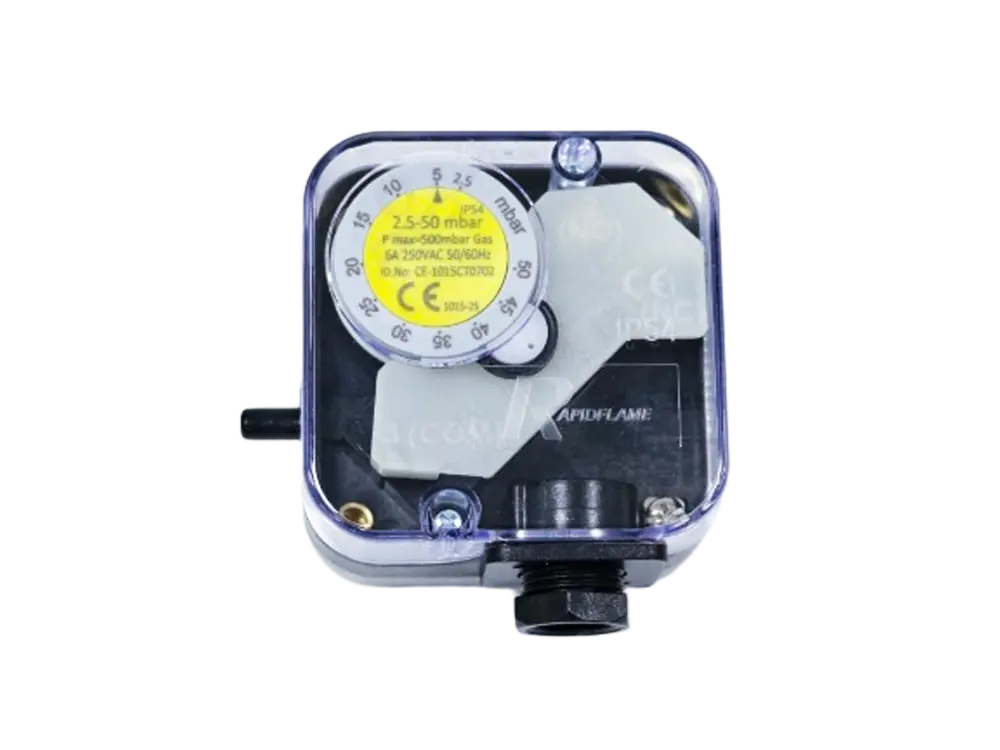
Pressure fluctuations of ±10% can cause visible changes in flame shape and CO emissions. Low-pressure switches and pressure regulators are essential to maintain pressure within ±5% of the set point for consistent mixing quality.
As burner output changes, both fuel flow and airflow must be adjusted together to maintain the correct ratio and mixing quality. At low load, velocities are lower and turbulence intensity decreases, making mixing more difficult.
Electronic ratio control maintains proper mixing across the entire modulation range by using a stored curve of air and fuel actuator positions versus firing rate. Without such controls, mixing quality deteriorates at low fire, leading to increased CO or excess air.
Changes in furnace pressure affect airflow patterns around the burner, and can alter the effective velocity of the combustion air. A sudden increase in furnace backpressure can reduce air velocity, weakening the mixing and causing flame instability. Proper pressure control—typically maintaining a slight negative pressure of -0.5 to -1.0 mmH₂O—helps maintain stable mixing and combustion.
Different fuels behave differently during mixing. Parameters such as density, viscosity, and flame speed all influence how the fuel interacts with the air stream.
Examples include:
Natural gas – low density, moderate flame speed, clean burning, readily mixes with air.
LPG (propane/butane) – higher density than natural gas, faster flame speed, requires different nozzle sizing.
Biogas – variable composition (40–70% methane), density and heating value vary, requiring adaptive control.
Hydrogen blends – very low density, extremely high flame speed, difficult to mix without flashback risk; requires specialised burner heads.
Coke oven gas – contains hydrogen and CO, low density, high flame speed.
Blast furnace gas – very low heating value, high density, requires large volumes and special nozzles.
Each fuel requires a burner designed for its combustion characteristics. Fuel switching without retuning the burner will almost always degrade mixing quality.
Efficient mixing improves nearly every aspect of combustion. The table below summarises the differences between good and poor mixing:
| Good Mixing | Poor Mixing |
|---|---|
| Stable flame anchored at the burner | Flame instability, lift-off, or flashback |
| Complete combustion with CO < 50 ppm | Incomplete combustion with CO > 500 ppm |
| Lower fuel consumption – high efficiency (95–99%) | Higher fuel consumption – wasted energy |
| Low CO emissions – environmentally compliant | High CO emissions – regulatory violations and safety hazards |
| Low soot – clean burner and furnace | Carbon deposits – frequent cleaning and reduced efficiency |
| Uniform furnace heating – consistent product quality | Temperature variations – product defects and longer cycles |
| Higher thermal efficiency – less waste heat | Reduced efficiency – higher operating costs |
Good mixing is essential for achieving high combustion quality. It is the foundation upon which all other combustion control parameters are built.
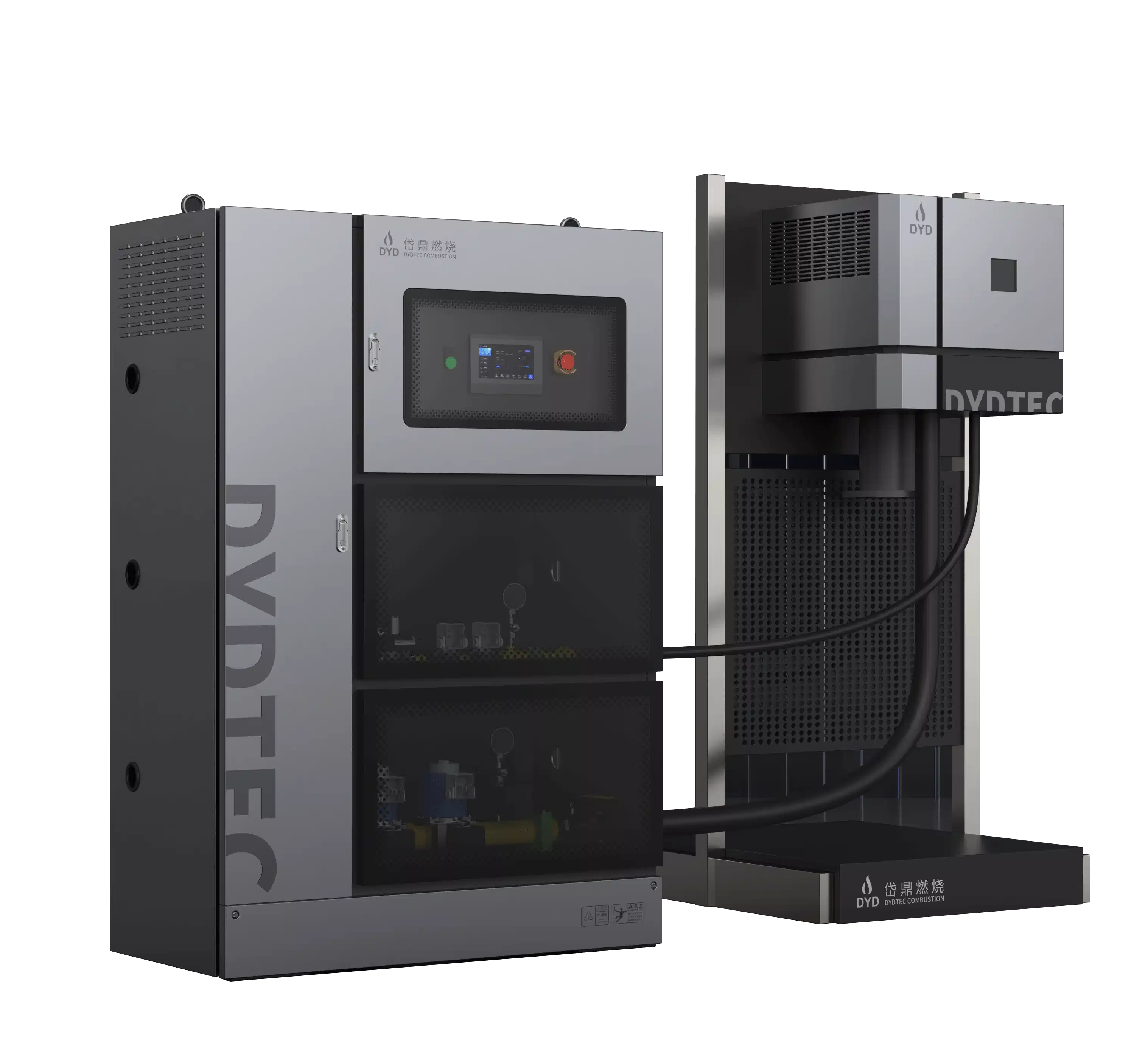
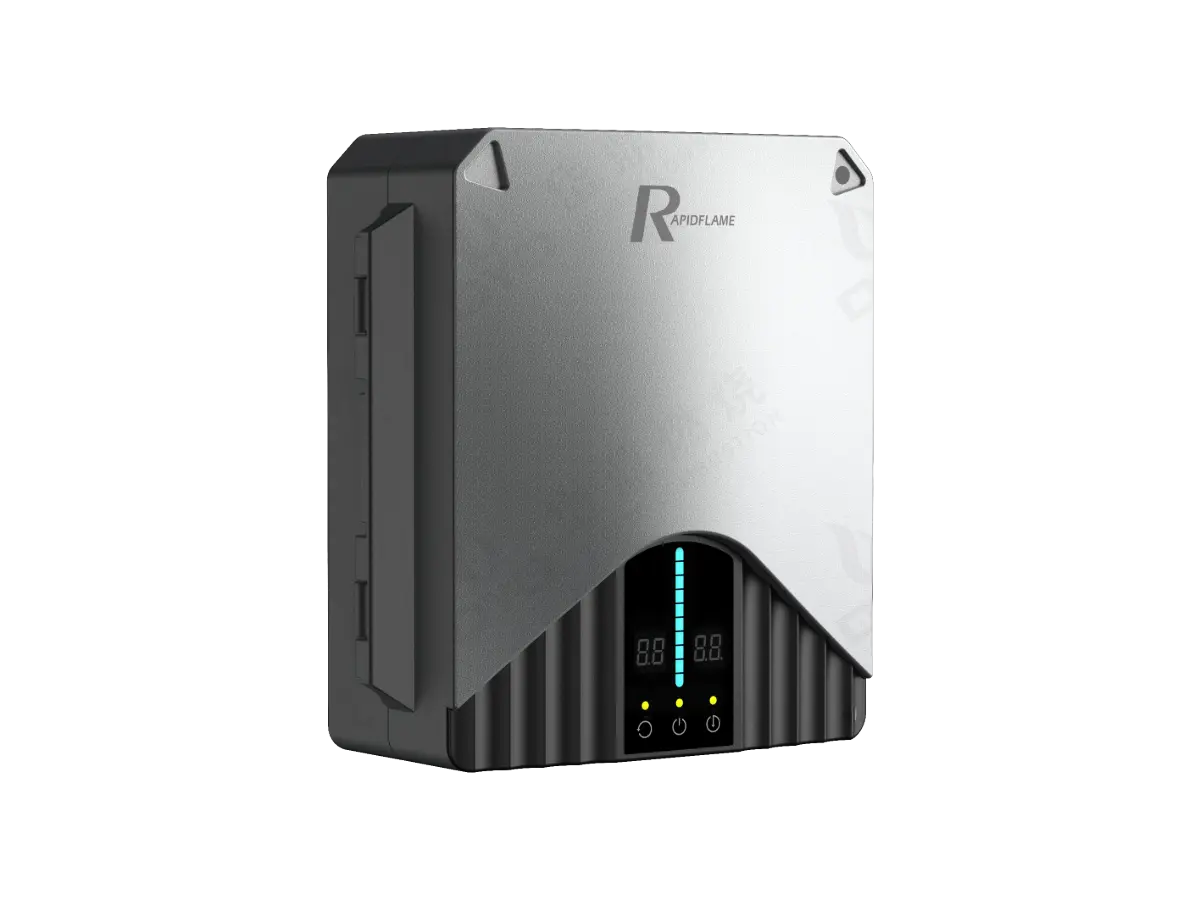
Today's industrial burners continuously adjust combustion conditions using intelligent control systems. These systems ensure that the fuel and air are mixed in the correct proportions and with the required intensity across the entire operating range.
Maintains the correct fuel-air ratio throughout the firing range by using digital mapping of actuator positions. Unlike mechanical linkages, electronic controls compensate for wear and environmental changes, maintaining ratio accuracy within ±1–2%.
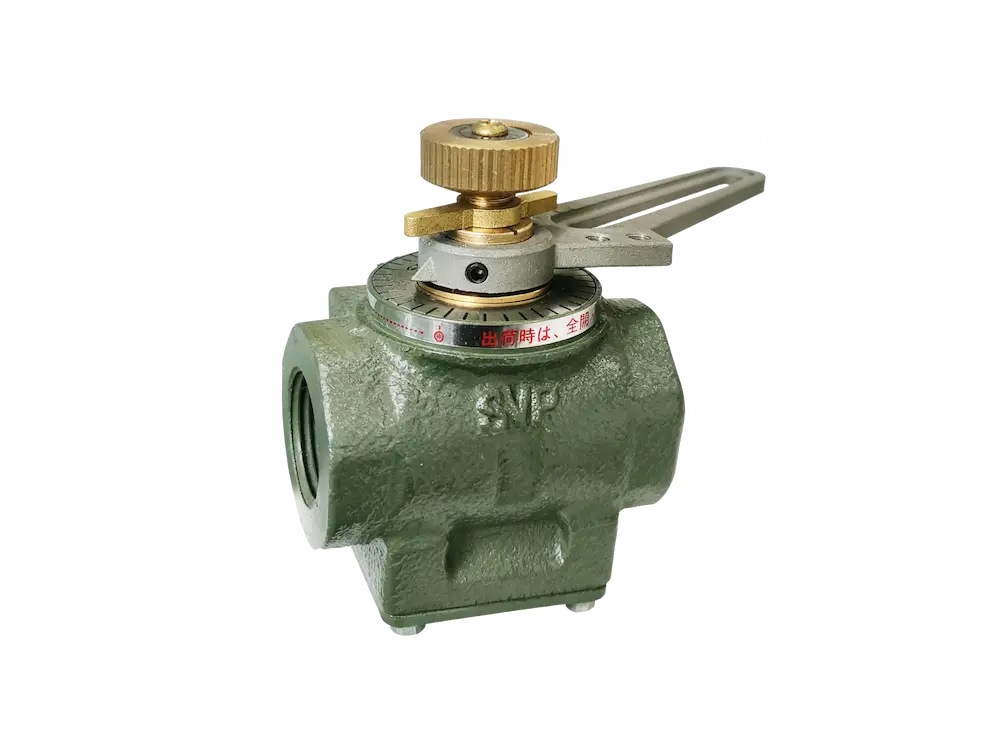
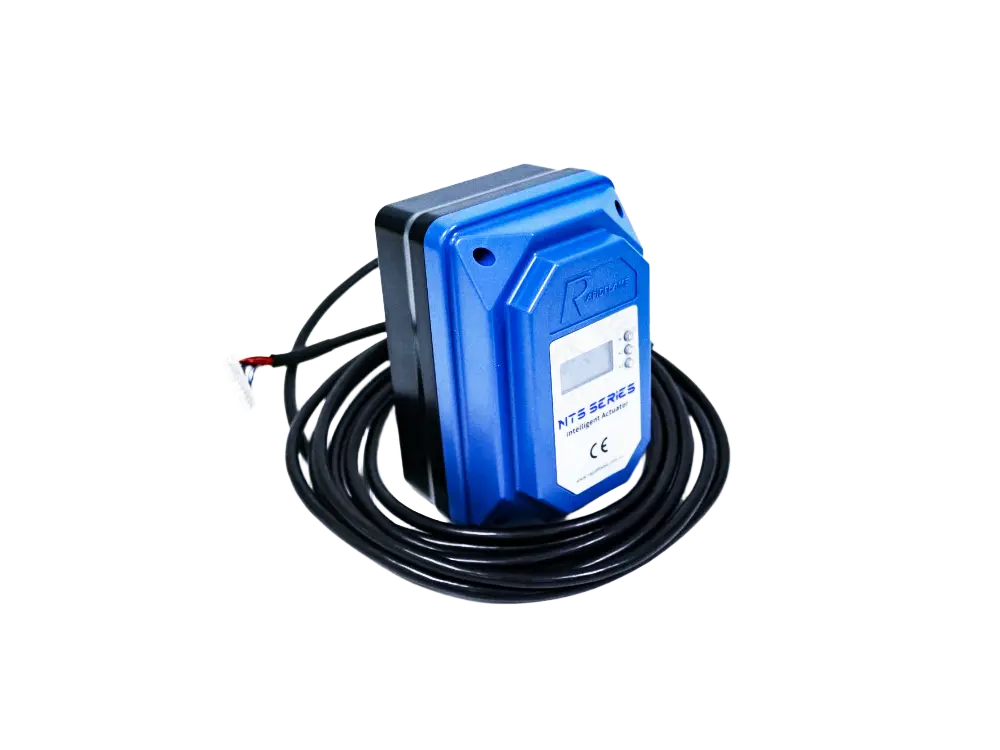
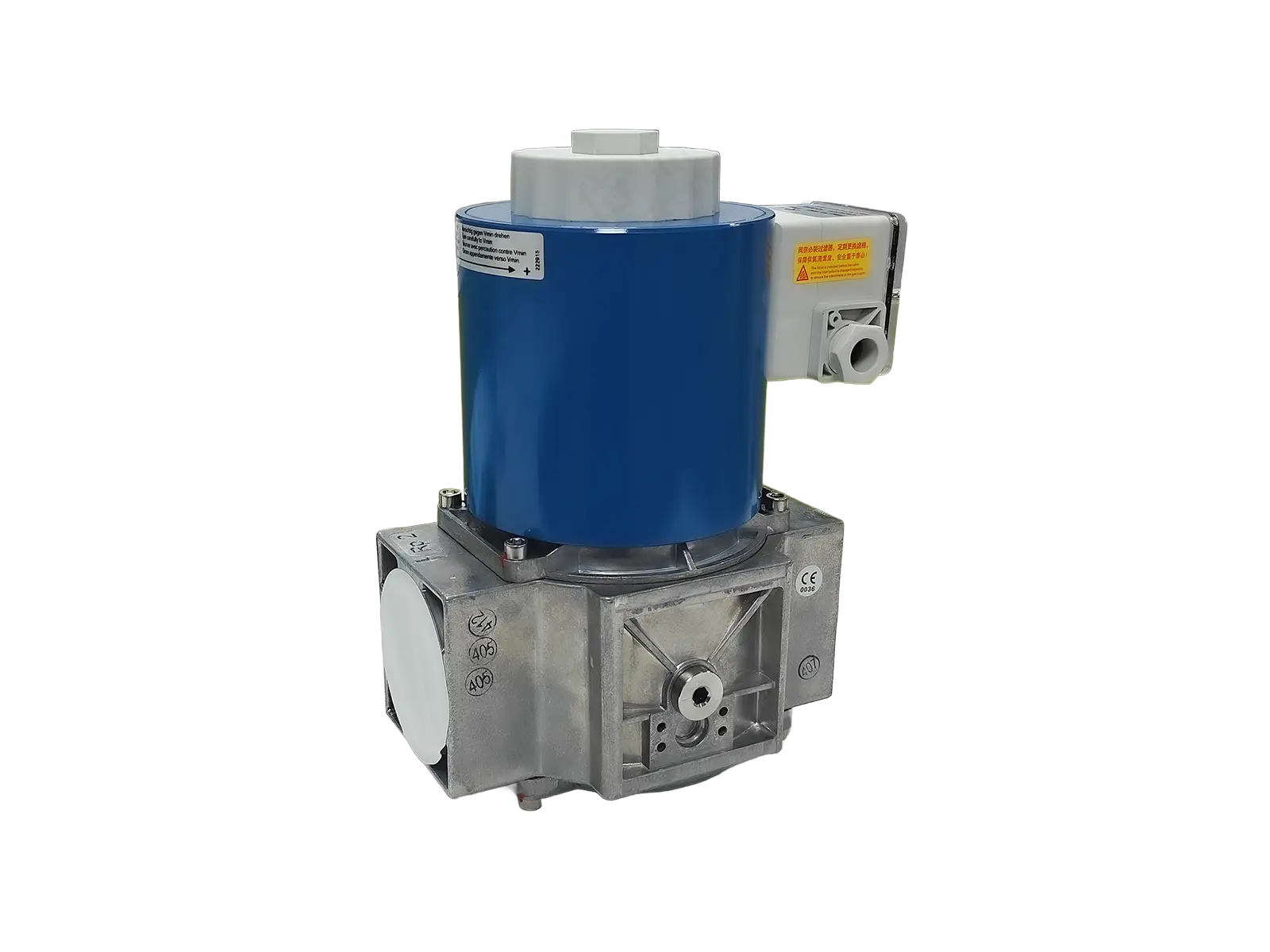
Precisely position gas valves and air dampers with position feedback. Servo motors respond quickly to control signals, allowing smooth modulation and accurate flow control at every firing point.
Adjust combustion fan speed to match burner demand, providing linear airflow control without the nonlinearities of damper throttling. VFDs also reduce electrical consumption by 30–50% at low fire.
Monitor flue gas oxygen and automatically fine-tune combustion air. These closed-loop systems compensate for changes in fuel composition, ambient temperature, and air density, delivering fuel savings of 1–3%.
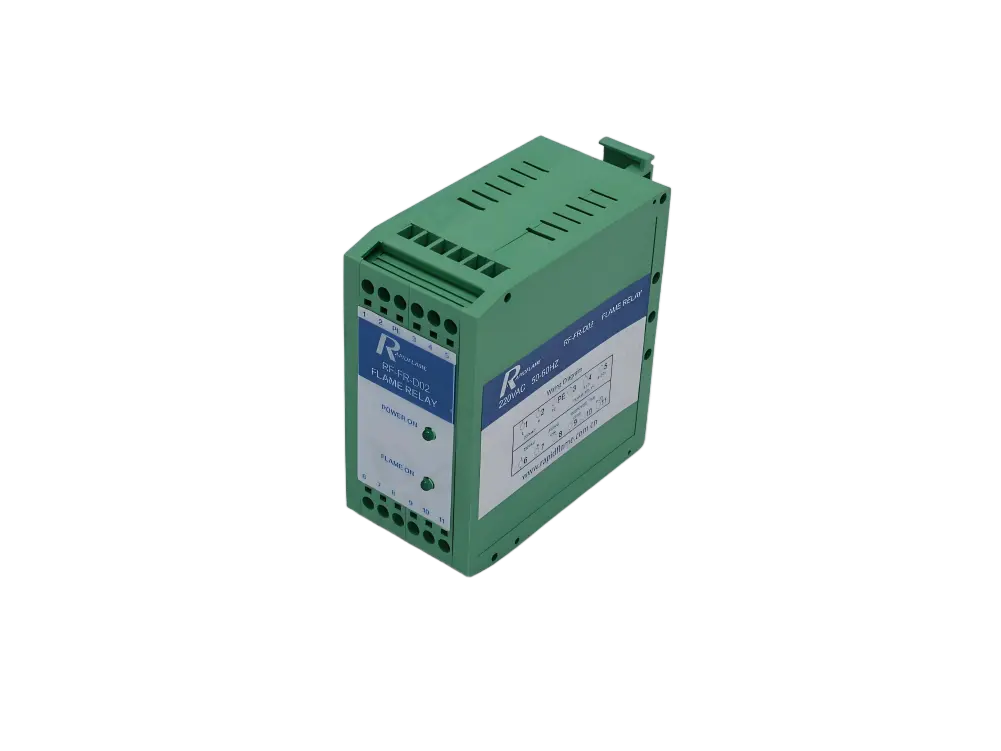
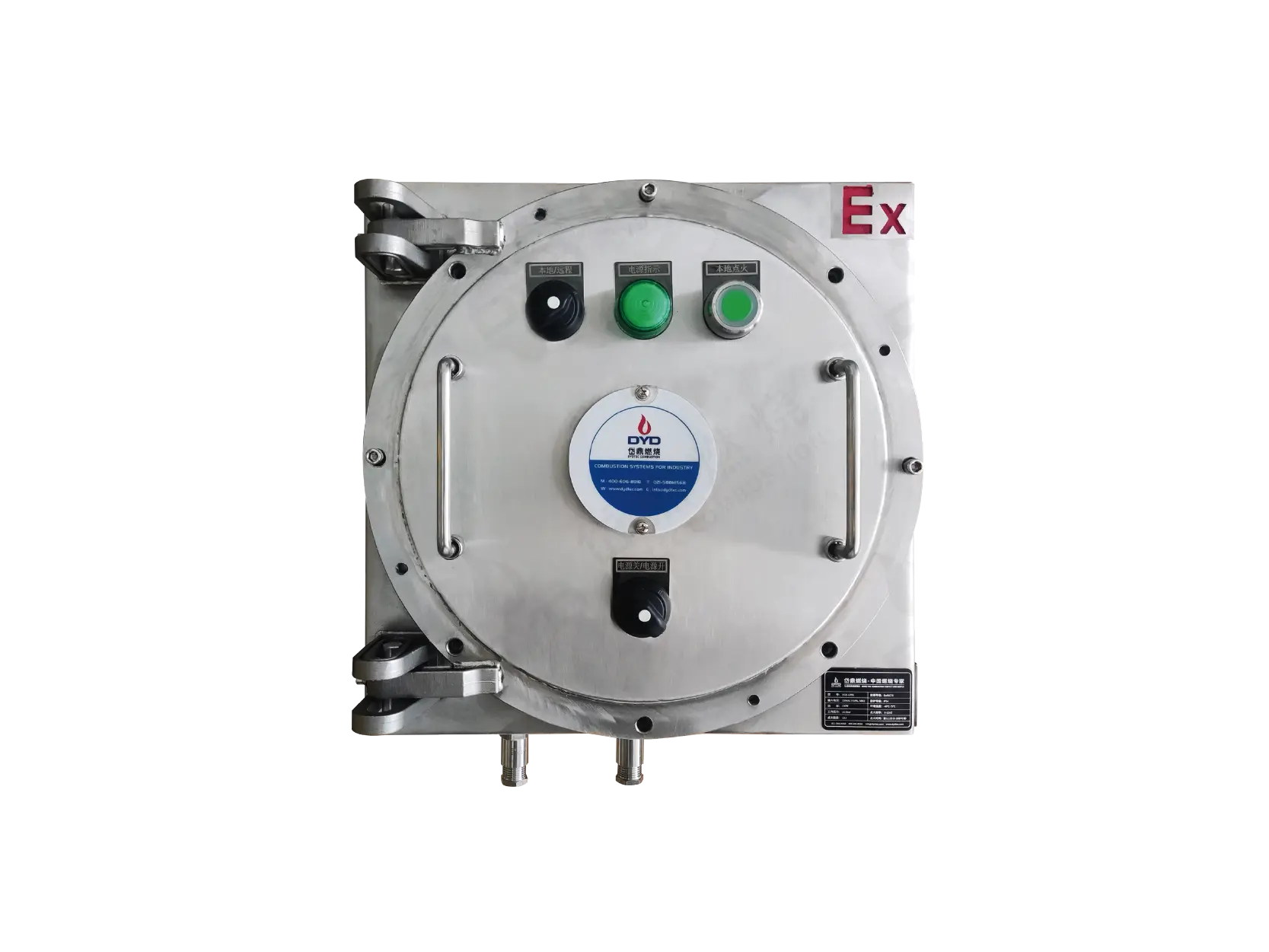
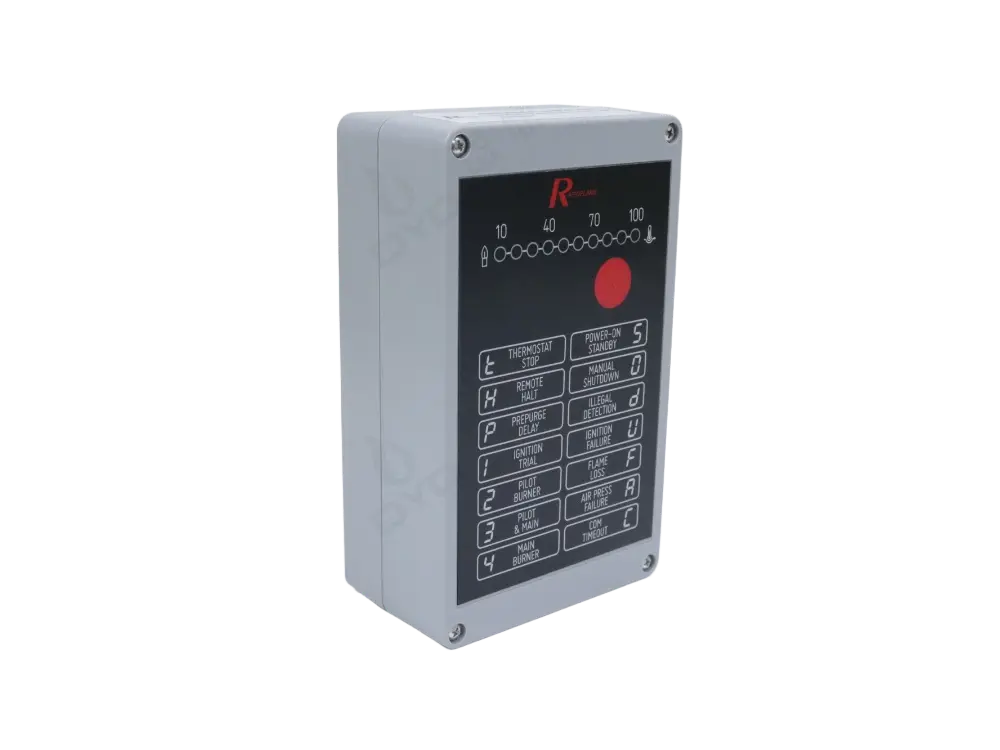
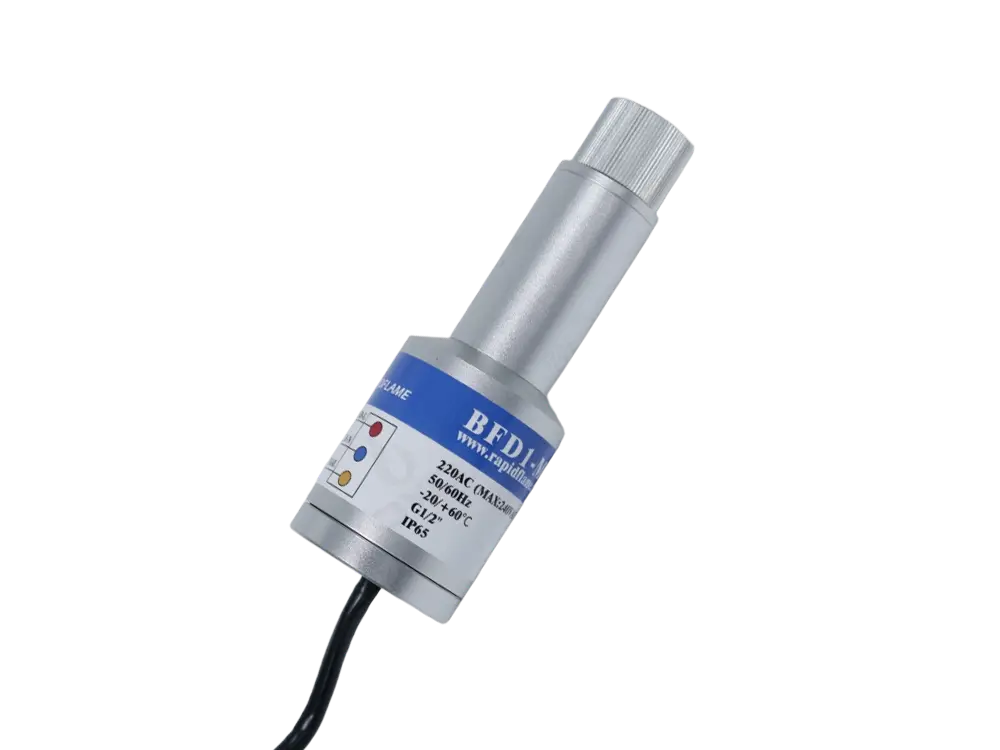
Coordinate startup, ignition, flame supervision, modulation, and safety shutdowns. The BMS ensures that the burner starts, runs, and stops safely while logging events for troubleshooting.
Automation ensures consistent mixing despite changing operating conditions, reducing the need for manual tuning and enabling predictive maintenance based on performance drift.
Poor mixing may lead to:
Yellow flames – indicates carbon particle formation from fuel-rich zones.
Flame pulsation – the flame oscillates, creating pressure waves and uneven heating.
High CO emissions – incomplete combustion, often exceeding 500 ppm.
Carbon buildup – soot on burner heads, heat exchangers, and furnace walls.
High fuel consumption – wasted energy from incomplete combustion or excessive excess air.
Uneven furnace temperature – temperature variations of ±10°C or more.
Burner cycling – frequent starts and stops due to instability.
Increased maintenance – more frequent cleaning and component replacement.
Reduced production quality – product defects from non-uniform heating.
Routine combustion tuning—using a flue gas analyzer to check O₂ and CO at multiple firing points—helps identify and correct these issues before they cause production problems.
Industrial facilities can improve mixing performance by:
Maintaining correct air-to-fuel ratios – using electronic controls with O₂ trim to maintain accuracy.
Keeping burner nozzles clean – removing carbon and dust deposits that disrupt fuel dispersion.
Inspecting burner heads regularly – checking for erosion, warping, or damage to swirl vanes and retention rings.
Verifying gas pressure stability – ensuring regulators are functioning and filters are clean.
Calibrating combustion controls – checking actuator position feedback and sensor readings.
Monitoring flue gas oxygen and CO – using portable or continuous analyzers to detect drift early.
Using electronic ratio control – upgrading from mechanical linkages for better accuracy and repeatability.
Installing oxygen trim systems where appropriate – closed-loop control that automatically compensates for changes.
Performing scheduled preventive maintenance – following manufacturer recommendations for inspection and cleaning intervals.
Consistent maintenance helps preserve combustion performance throughout the burner's service life. A small investment in mixing optimisation typically yields a return of 3–8% in fuel savings.
Not always. Premix burners mix fuel and air before ignition, while nozzle-mix burners allow mixing to occur as combustion begins. Both designs can achieve high combustion efficiency when properly engineered. The choice depends on the application requirements: premix offers higher efficiency and lower emissions, while nozzle-mix offers greater safety and fuel flexibility.
Turbulence increases contact between fuel and oxygen, accelerating the combustion reaction, improving flame stability, and promoting more complete combustion. Turbulent mixing occurs on both the macroscale (large eddies that mix bulk streams) and microscale (fine-scale mixing at the molecular level). Higher turbulence intensity generally improves combustion quality, but requires more fan energy to generate.
Yes. Uniform mixing leads to more complete combustion, reducing fuel waste, lowering emissions, and improving heat transfer. For a typical industrial furnace, improving mixing quality from "poor" to "good" can reduce fuel consumption by 2–5%, which over a year of continuous operation represents significant cost savings.
Absolutely. Poor air-fuel mixing often results in incomplete combustion, increasing carbon monoxide, soot, and unburned hydrocarbons. It can also contribute to higher NOx emissions if flame temperatures become uneven, with local hot spots driving thermal NOx formation even though the average temperature is moderate.
Mixing quality is typically assessed indirectly through combustion performance, including measurements of oxygen (O₂), carbon monoxide (CO), carbon dioxide (CO₂), excess air, flame stability, flue gas temperature, and NOx emissions. A well-mixed burner will show low CO (<50 ppm), moderate O₂ (2–4%), and stable flame characteristics. Direct visual inspection of the flame—clean blue colour, stable anchoring, no pulsation—also provides a good indication of mixing quality.
Air-fuel mixing is one of the most critical processes in industrial combustion. It determines how efficiently fuel burns, how stable the flame remains, and how effectively heat is transferred to the industrial process.
Whether using premix, nozzle-mix, or hybrid combustion technology, modern industrial burners rely on advanced burner head design, controlled turbulence, intelligent air-fuel ratio control, and continuous combustion monitoring to achieve optimal mixing. Well-designed mixing systems improve combustion efficiency, reduce fuel consumption, lower emissions, enhance product quality, and ensure reliable long-term burner operation.
DYDTEC Combustion is a professional manufacturer of industrial combustion systems and advanced burner solutions. The company specializes in high-efficiency gas burners, low-NOx combustion technology, intelligent burner management systems, and customized heating solutions for industrial furnaces, aluminum melting, heat treatment, drying equipment, RTO systems, and other thermal processing applications. By integrating advanced burner engineering, precision air-fuel ratio control, and application-specific combustion solutions, DYDTEC helps furnace manufacturers and industrial users improve combustion efficiency, optimize flame stability, reduce emissions, and achieve safe, reliable, and energy-efficient industrial heating.