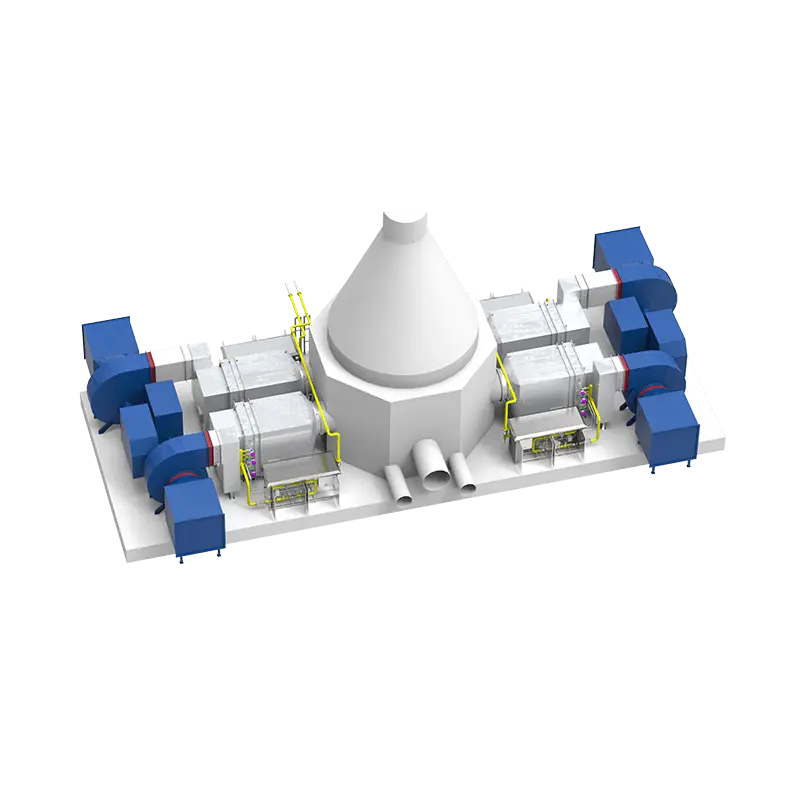
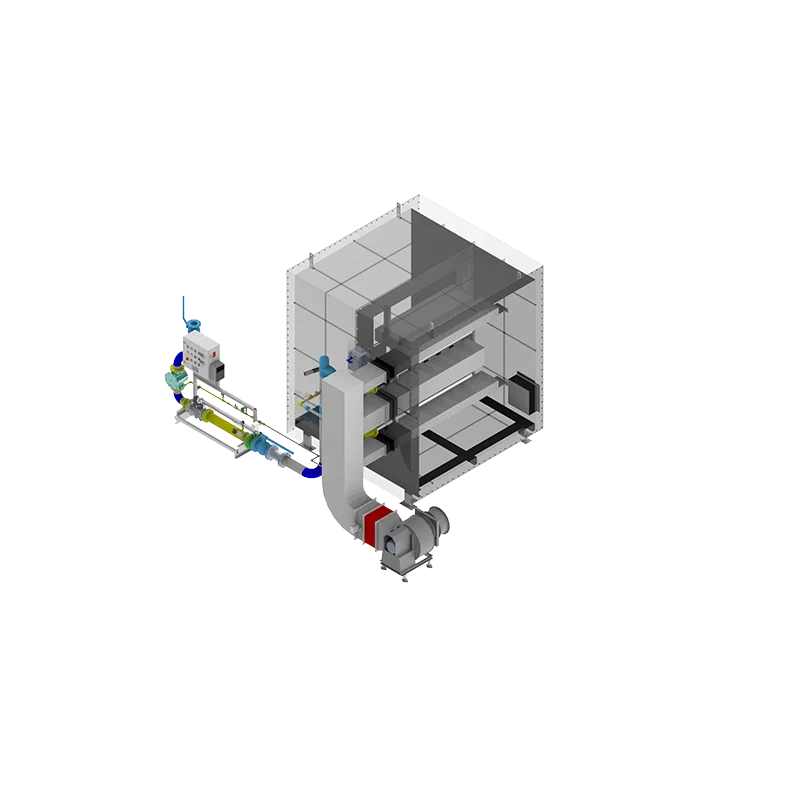
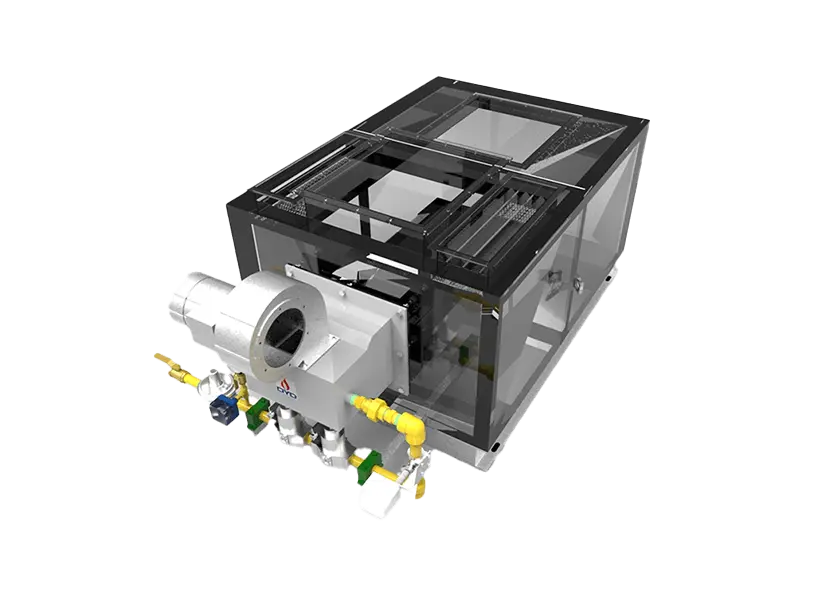
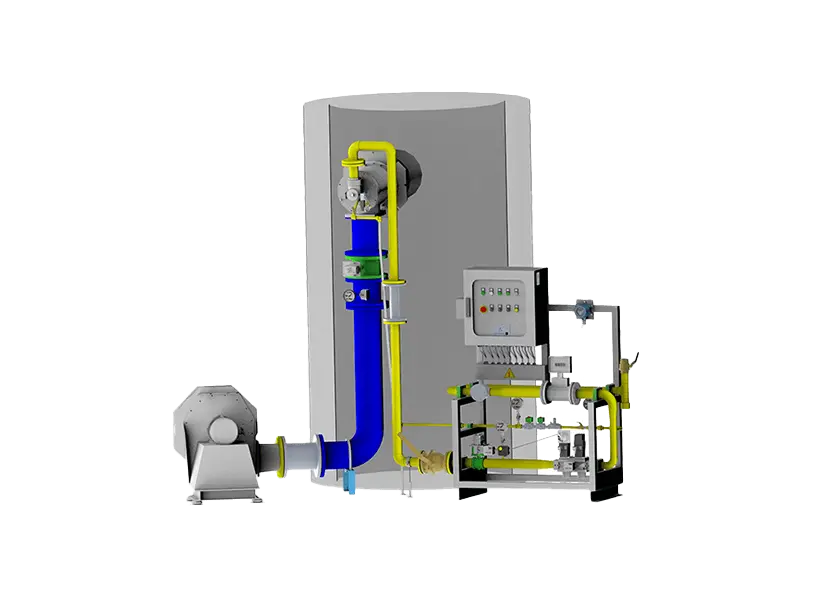
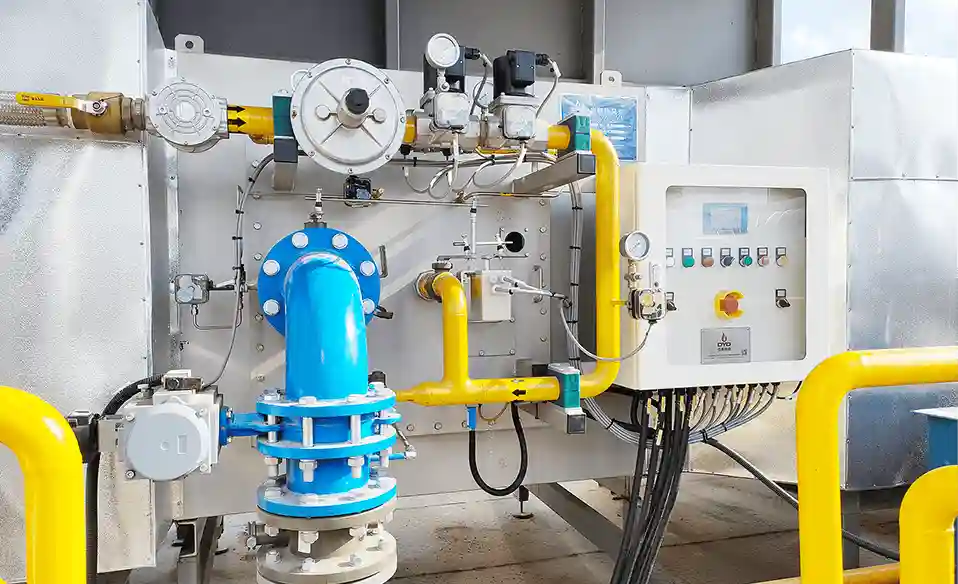
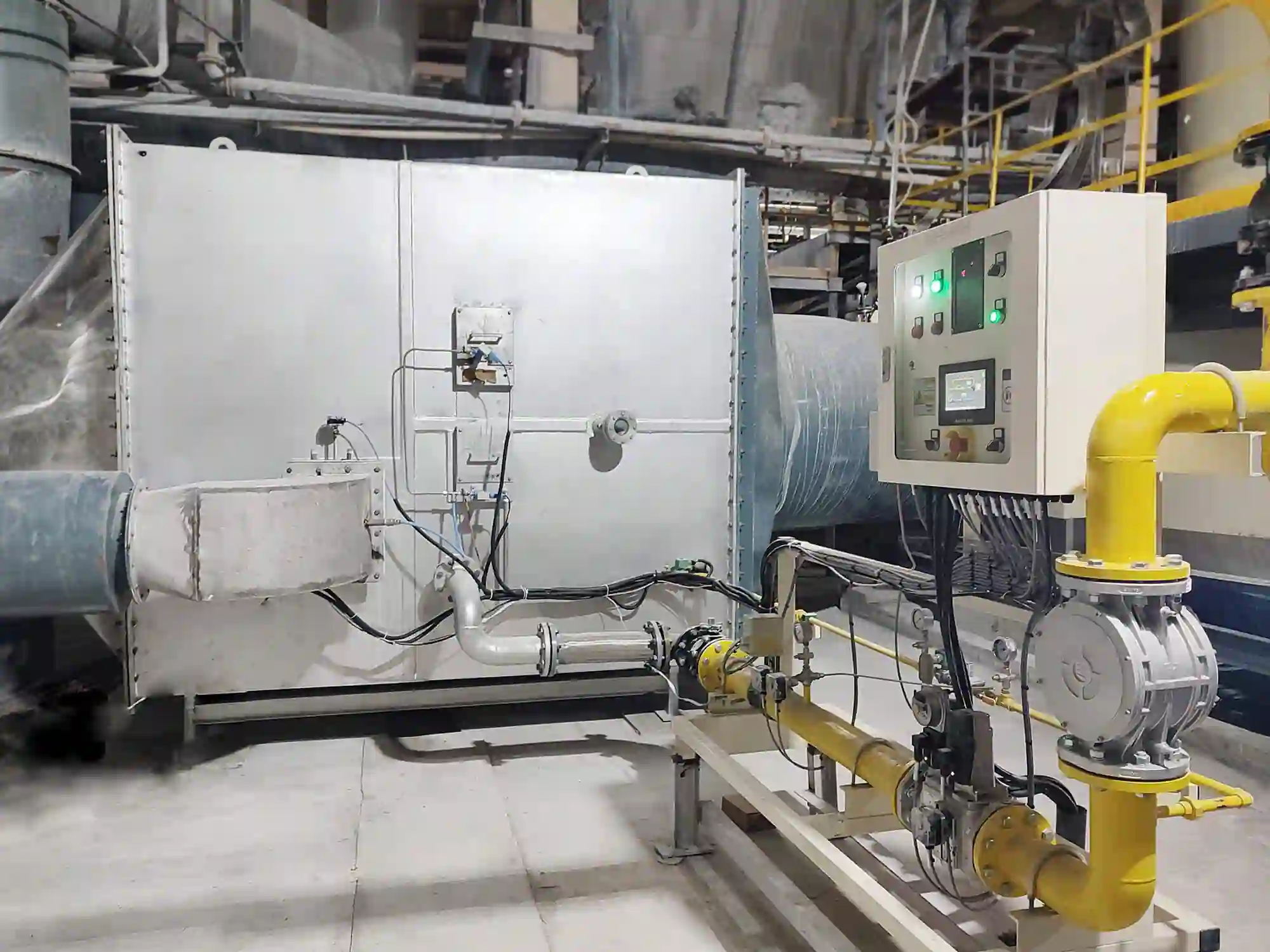
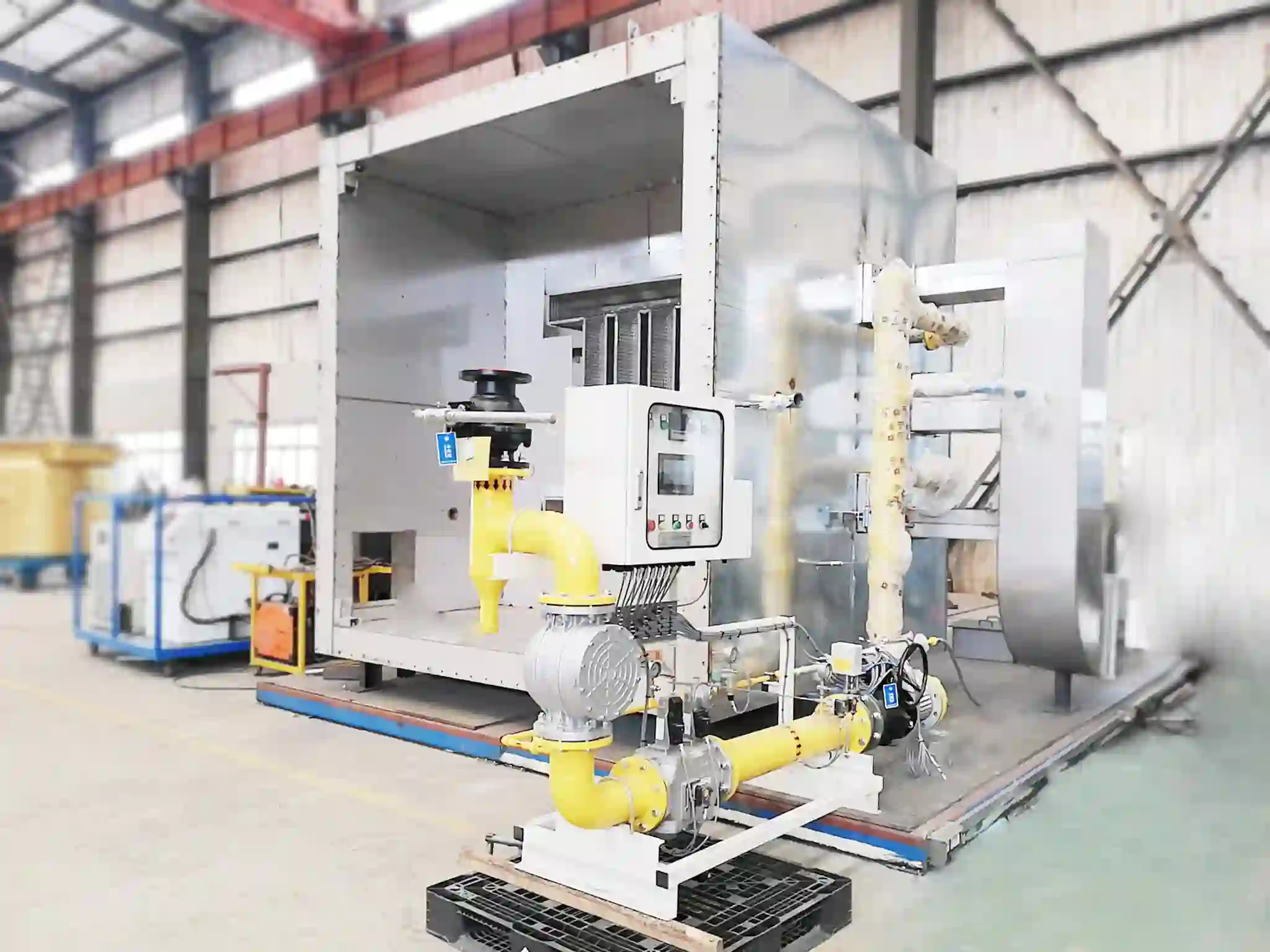
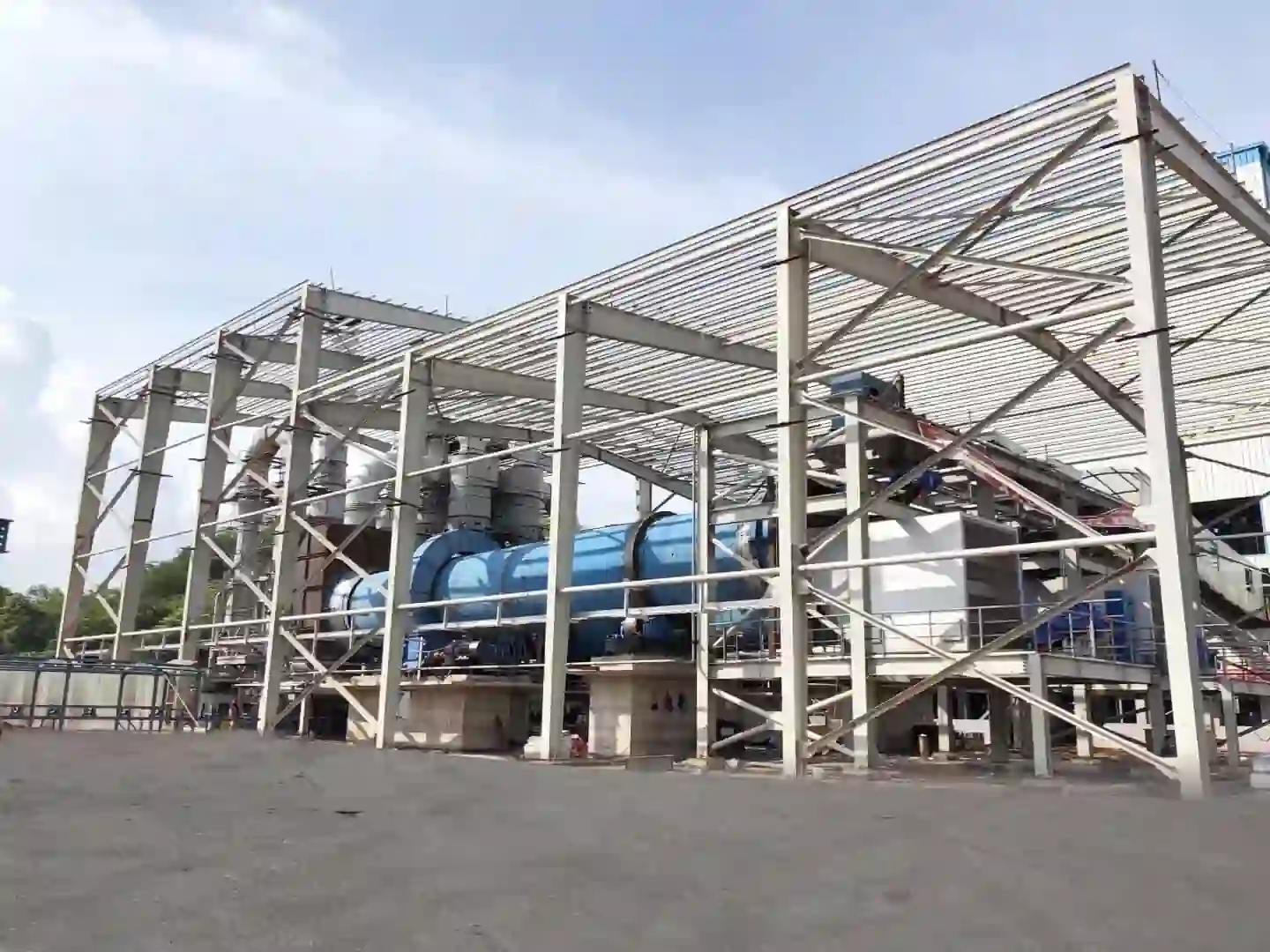
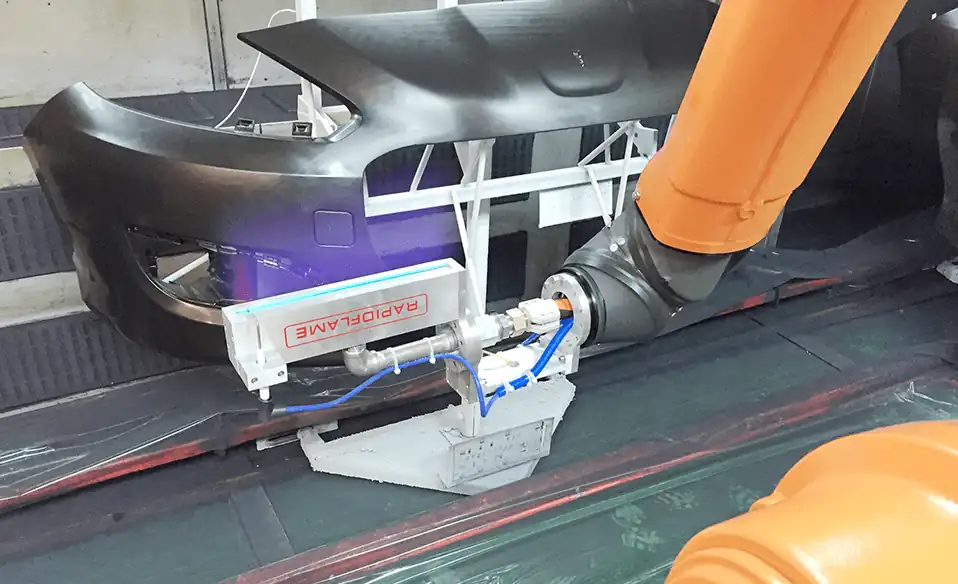
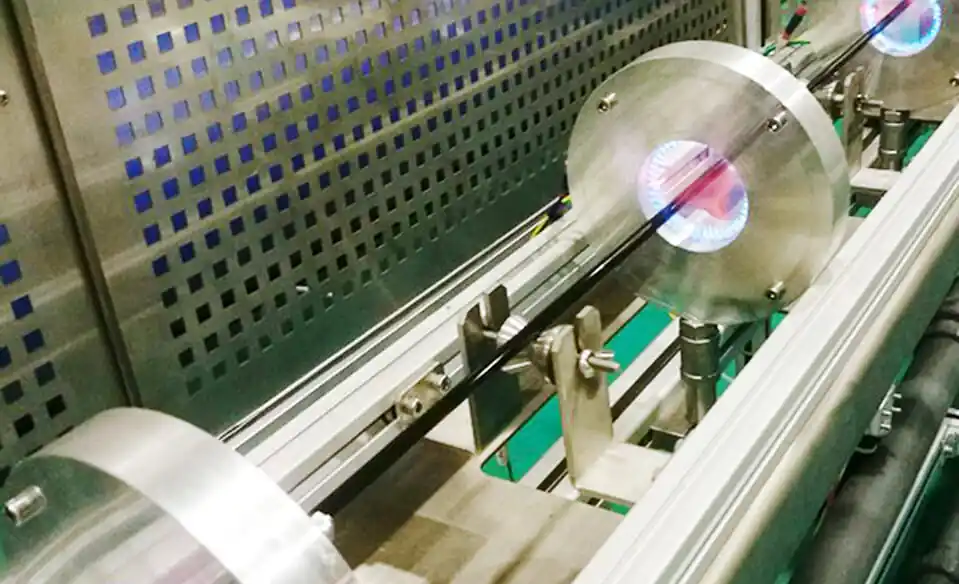
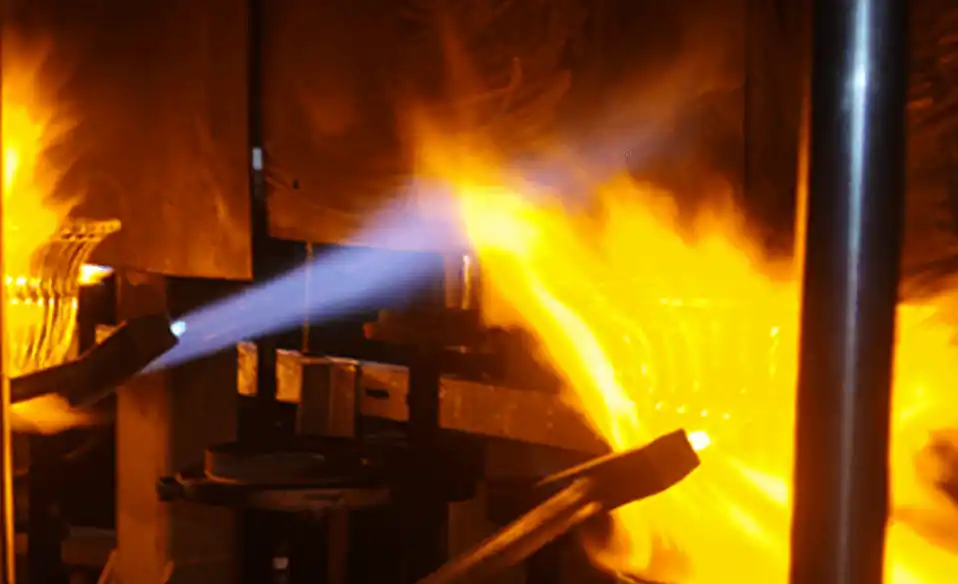
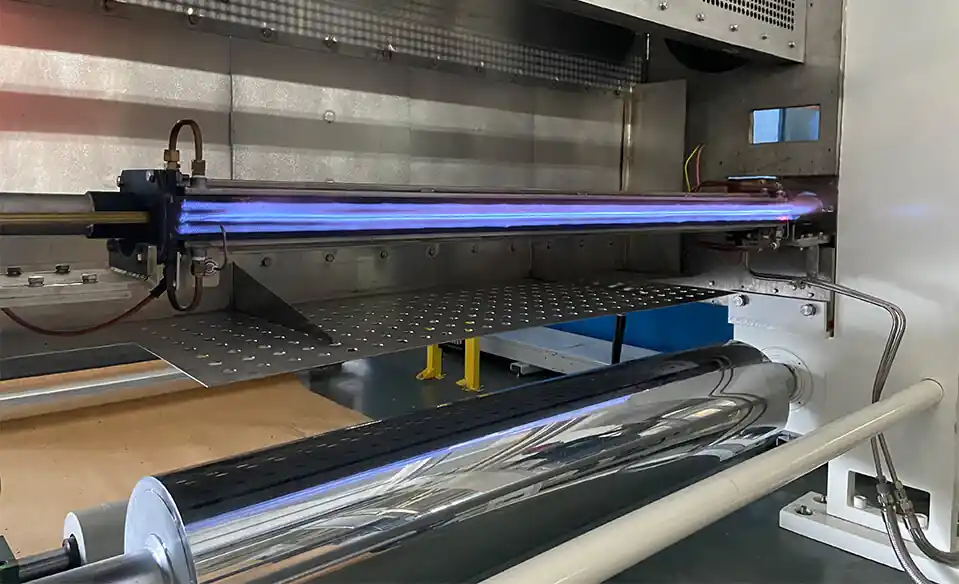
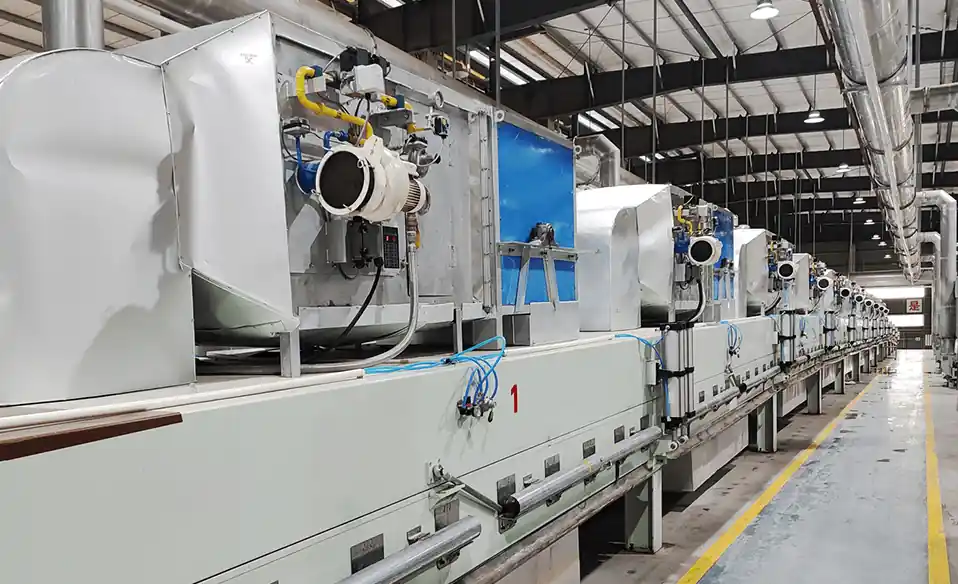
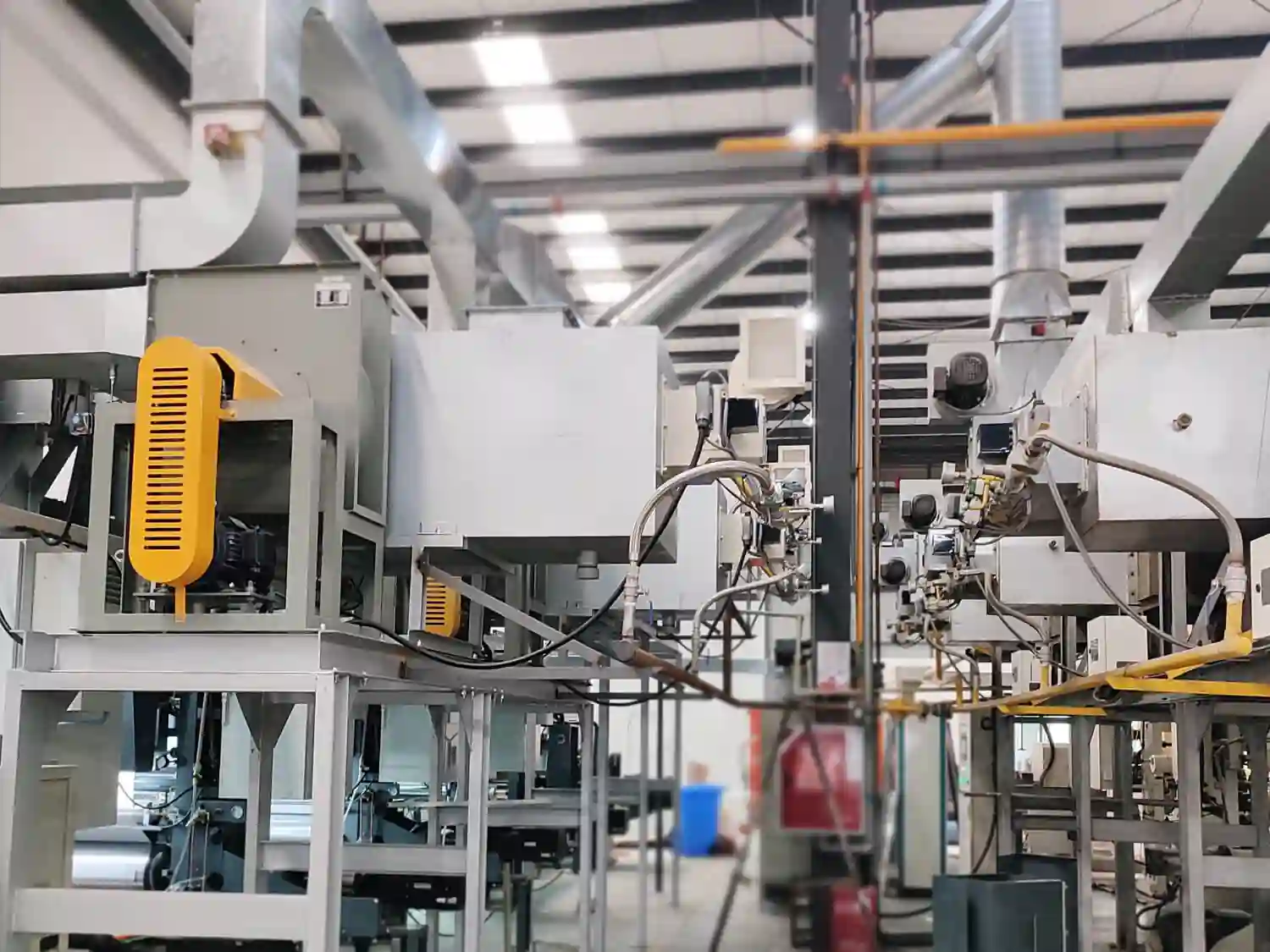
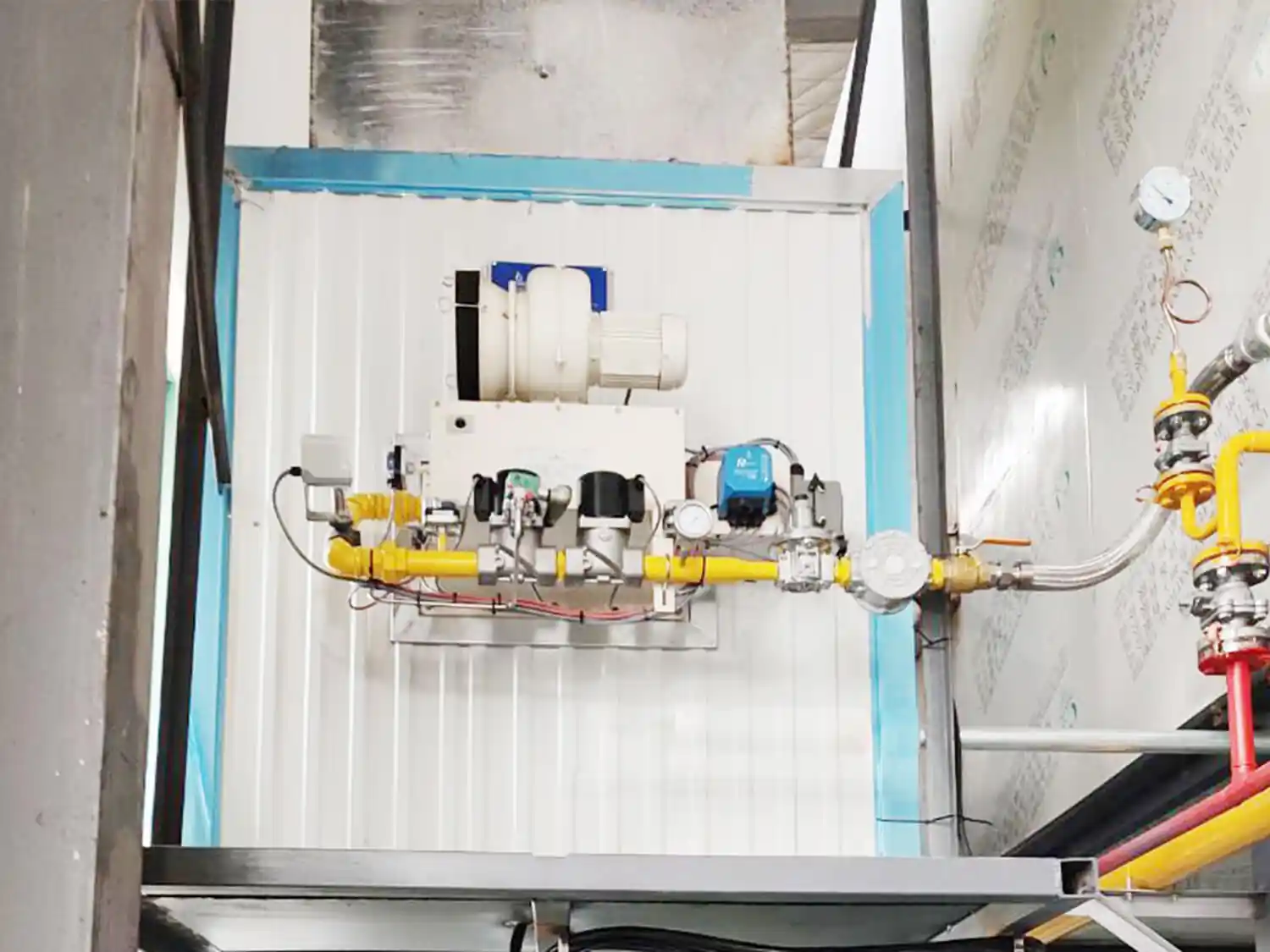
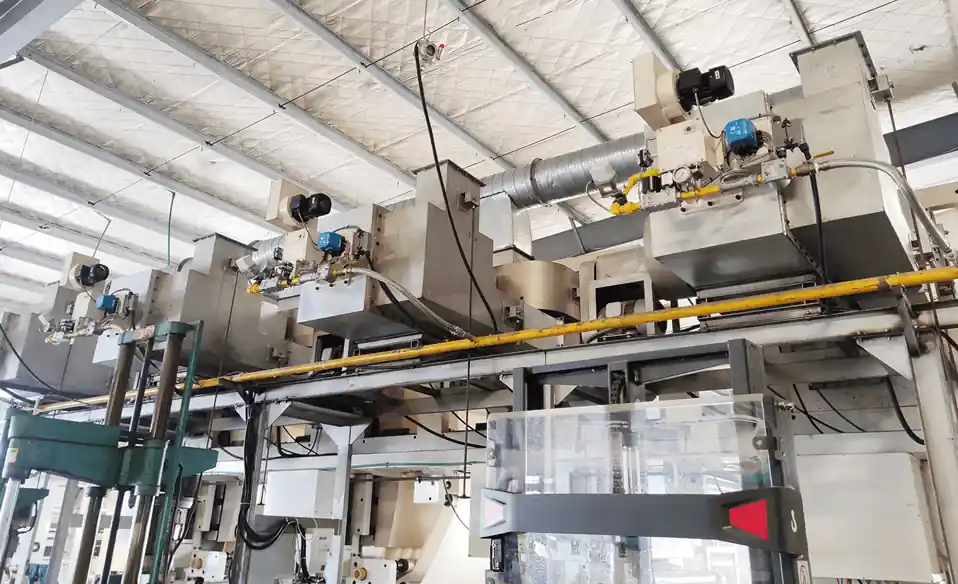
The competition in industrial drying equipment is gradually shifting from mechanical structure competition to thermal energy system competition.
For equipment such as spray dryers, flash dryers, fluidized bed dryers, rotary kiln dryers, grain dryers, building material dryers, and chemical dryers, the combustion system is no longer merely a supporting component that supplies heat; it has become the core system that directly determines energy consumption, product quality, emission levels, safety, and operational stability.
More and more equipment manufacturers are discovering that the same drying equipment, solely due to different combustion system solutions, can produce significant differences in gas consumption, temperature uniformity, ramp-up speed, control accuracy, long-term maintenance costs, and environmental compliance. These differences ultimately translate into equipment competitiveness and customer operating costs.
Therefore, choosing a combustion system supplier that truly possesses industry experience, process understanding, and system integration capabilities has become an increasingly important consideration for OEM equipment manufacturers.
This book focuses on combustion systems for industrial drying equipment, integrating current mainstream drying processes and starting from the actual needs of equipment manufacturers. It systematically reviews combustion system design, burner selection, hot air furnace configuration, combustion control, safety protection, energy-saving optimization, and industry applications, aiming to help equipment manufacturers establish a complete combustion system selection methodology—beyond simply "purchasing a burner."
The book answers commonly asked questions in the industry, such as:
Why should drying equipment not focus solely on burner power?
Why do different drying processes require different types of burners?
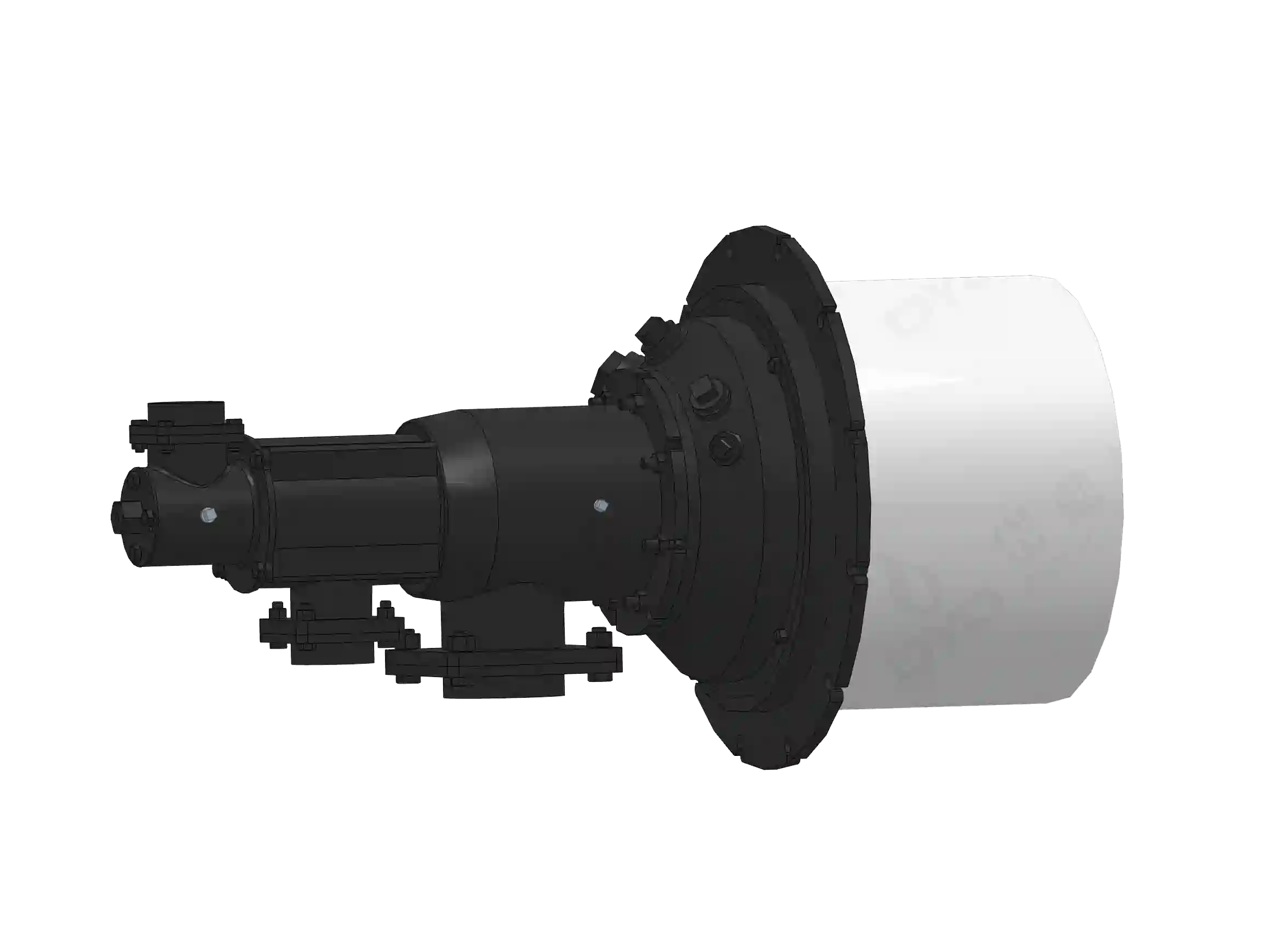
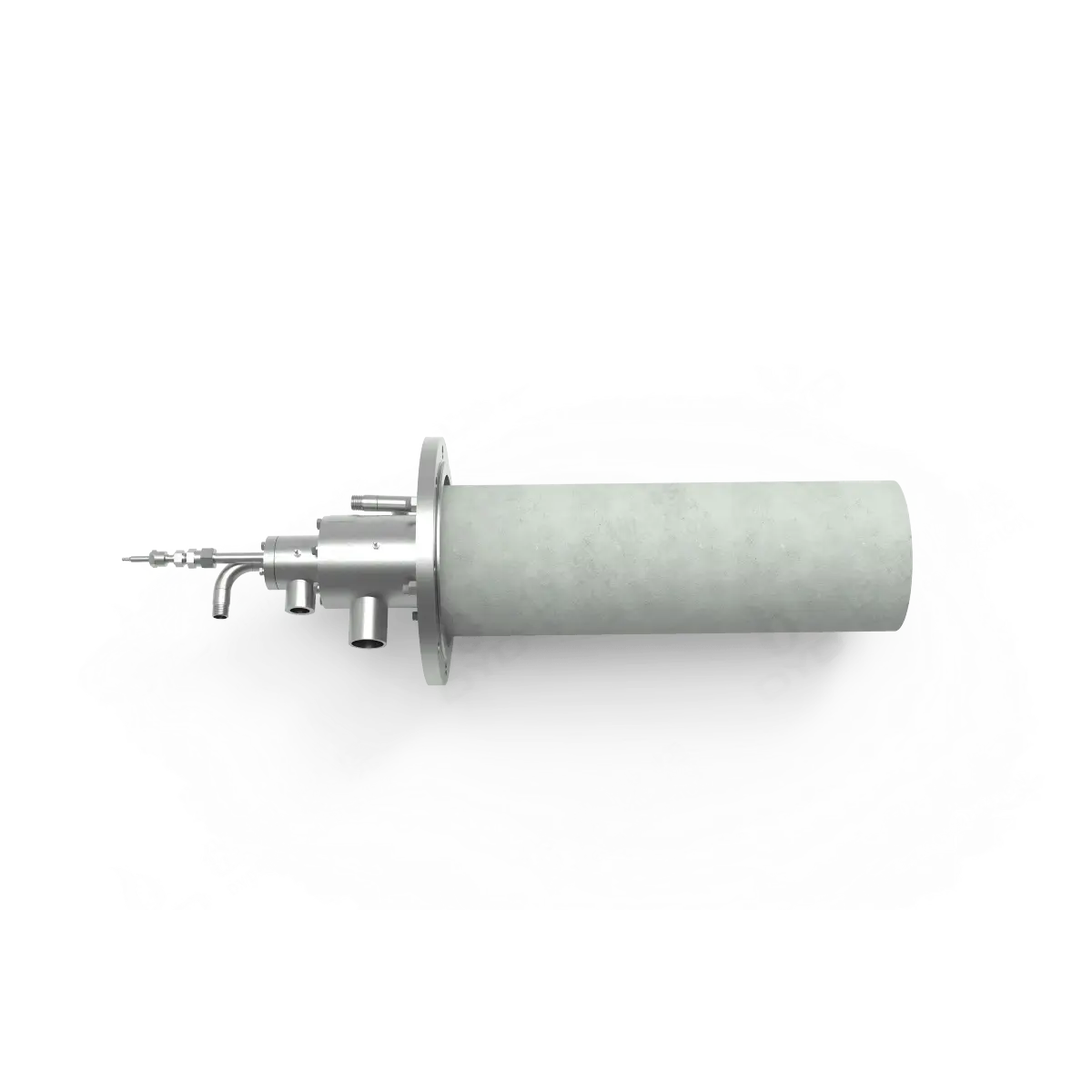
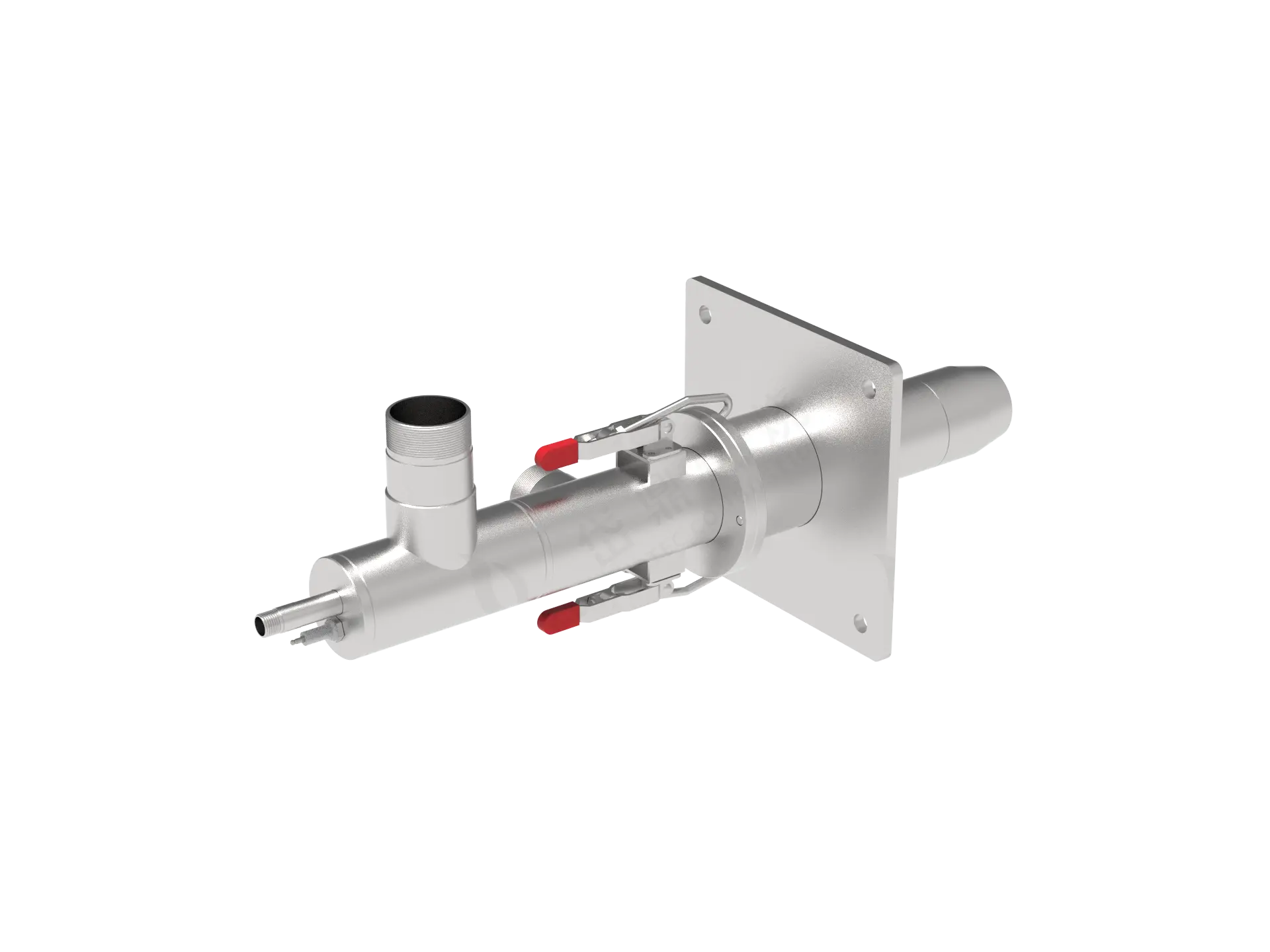
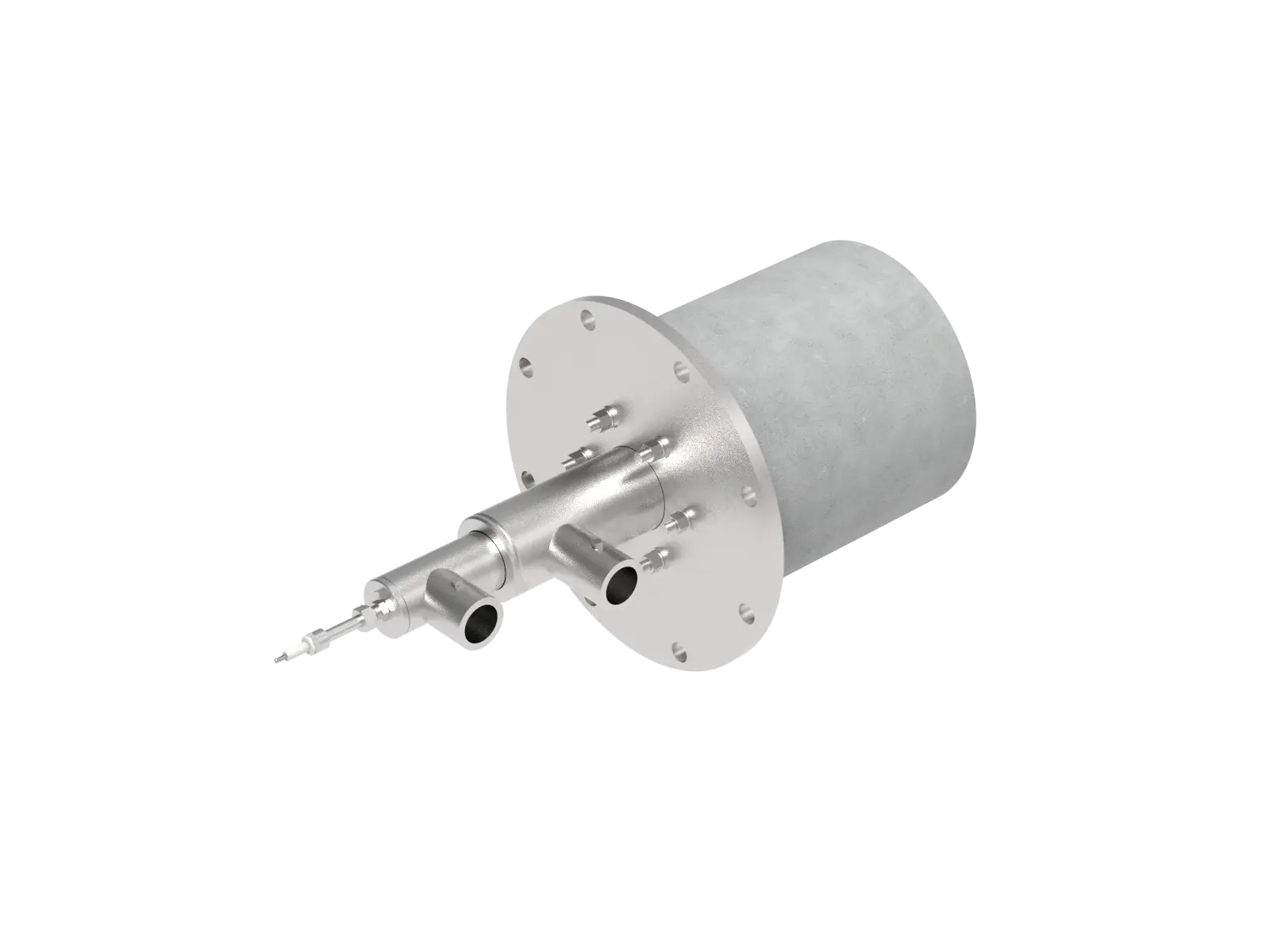
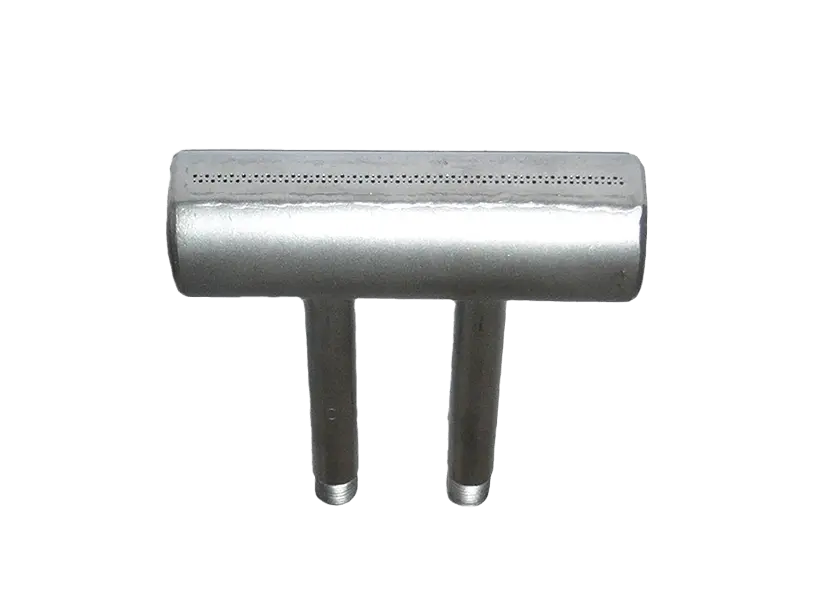
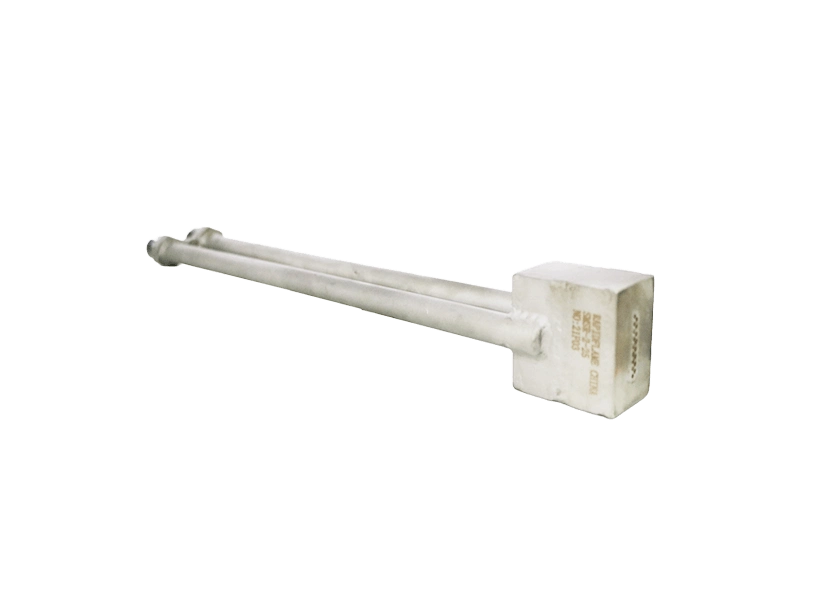
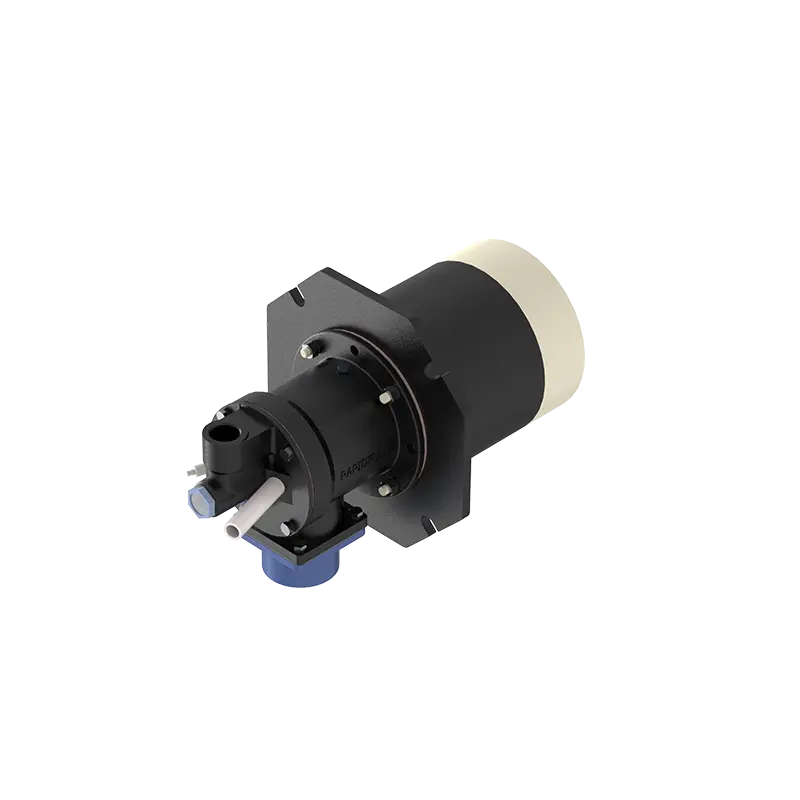
What are the suitable operating conditions for linear burners versus traditional gun-type burners?
How can ramp-up speed, temperature uniformity, and fuel consumption be balanced?
How can operating costs be reduced while meeting environmental emission requirements?
How should OEM equipment manufacturers evaluate a burner supplier's technical capabilities?
How can the combustion system be synergistically optimized with the overall machine control?
What new demands will future trends in drying equipment place on combustion systems?
In addition to theoretical analysis, the book also covers typical applications in industrial drying, including spray drying, flash drying, fluidized bed drying, grain drying, gypsum building materials, chemical materials, titanium dioxide, carbon black, fertilizers, and lithium battery materials. It summarizes the characteristics of different processes in terms of heat source type, burner structure, hot air furnace configuration, and control methods, providing equipment manufacturers with engineering insights of practical reference value.
The industry cases presented in this book are derived from actual engineering applications in the industrial drying field, intended to help readers understand the design logic of combustion systems under various operating conditions, rather than to provide fixed solutions. Since different product characteristics, moisture contents, throughputs, process temperatures, air volumes, fuel types, and site conditions vary, combustion systems should be designed and configured according to specific process requirements.
For equipment manufacturers, an excellent combustion system not only means lower fuel consumption, more stable temperature control, and higher equipment reliability, but also improved overall machine performance, reduced after-sales maintenance costs, and enhanced market competitiveness.
As a technology service enterprise long committed to industrial combustion and thermal energy systems, Shanghai Daiding Equipment Technology Group Co., Ltd. (Daiding Combustion) continues to deepen its R&D and engineering applications in industrial combustion systems. It has built a comprehensive product portfolio covering industrial burners, linear burners, low-NOx burners, hot air furnaces, combustion control systems, and custom combustion system integration, serving multiple industries such as industrial drying, environmental protection, new materials, automotive manufacturing, light industry, and chemicals, and providing tailored combustion solutions for different process needs. Relevant engineering experience will also be introduced in subsequent chapters in connection with specific applications.
It is hoped that this book will provide practical reference for industrial drying equipment manufacturers, process engineers, thermal design personnel, equipment selectors, and end users, helping readers understand combustion systems from a process perspective, design combustion systems accordingly, and ultimately achieve comprehensive improvements in equipment performance, safety, energy efficiency, and long-term operational value.
If an industrial dryer is compared to an automobile, then the mechanical structure is the body, the control system is the brain, and the combustion system is the engine.
Whether a drying system can ultimately achieve rapid temperature rise, uniform heating, stable temperature control, energy savings, and safe operation depends largely on the design quality of the combustion system. For OEM equipment manufacturers, the combustion system not only affects equipment performance but also directly impacts the customer's production costs, product quality, and market competitiveness.
In recent years, driven by energy price fluctuations, tightening environmental standards, and increasing demands for production efficiency from industrial users, the drying equipment industry is undergoing a new round of technological upgrading. Customers' focus when purchasing equipment has shifted from "whether the equipment can work" to "whether the equipment is more energy-efficient, more stable, more intelligent, and safer."
Against this backdrop, the combustion system has evolved from a traditional supporting component into a vital part that determines the overall value of the equipment.
At the same time, drying processes are becoming increasingly diverse.
Spray drying, flash drying, fluidized bed drying, rotary kiln drying, belt drying, drum drying, grain drying, wood drying, gypsum board drying, lithium battery material drying, titanium dioxide drying, carbon black drying, fertilizer drying—each process has distinct requirements for hot air temperature, air volume, pressure, temperature control accuracy, flame pattern, combustion stability, and emission limits.
Therefore, there is no "universal burner" that fits all operating conditions.
A truly mature combustion system design should be built on a thorough understanding of process requirements, selecting appropriate burners, hot air furnaces, control systems, and safety solutions based on different material characteristics, heat load variations, hot air distribution methods, and equipment structures, to achieve synergistic optimization between the combustion system and the overall process.
This book follows exactly this line of thinking. It is not a simple introduction to a particular burner product, nor a product catalog or promotional brochure. Instead, from the perspective of industrial drying equipment design and application, it systematically organizes key combustion system technologies, aiming to help readers establish a complete cognitive framework for combustion systems.
Throughout the reading, readers will learn:
Why can natural gas consumption differ by 10% or more between dryers of the same power rating?
Why do some equipment heat up quickly but suffer from local overheating?
Why is the temperature control accuracy of some equipment always inadequate?
Why are more and more new drying projects adopting linear burners?
Why do different operating conditions require either direct-fired or indirect-fired hot air furnaces?
How to choose the right combustion solution based on fresh air, recirculated air, preheated air, and other conditions?
How to balance high efficiency, low emissions, safety, and long-term stable operation?
How to select a burner supplier that truly provides system-level solutions?
The book also analyzes engineering practices in typical industrial drying applications, including spray drying, flash drying, fluidized bed drying, grain drying, gypsum building materials, lithium battery materials, chemical materials, titanium dioxide, carbon black, and fertilizers, to help readers understand the differentiated demands that different processes place on combustion systems, and to provide references for equipment design and solution selection.
It is worth emphasizing that a combustion system is a typical system engineering effort. The burner is only one component; what truly affects equipment performance also includes fuel supply systems, combustion air systems, hot air furnace structure, furnace chamber design, air duct organization, temperature sensing, proportional regulation, safety interlocks, control logic, and overall thermal design. Only when these elements work in coordination can efficient, safe, and stable operation be achieved.
As a company long dedicated to industrial combustion, Shanghai Daiding Equipment Technology Group Co., Ltd. (Daiding Combustion) continues to focus on the R&D and application of industrial burners, linear burners, low-NOx burners, industrial hot air furnaces, combustion control systems, and custom combustion system integration. It has developed solutions covering industrial drying, new materials, environmental protection, automotive manufacturing, light industry, and other fields, and has accumulated extensive engineering practice experience. The corporate capability introductions and engineering cases mentioned in the book are derived from actual project data and can serve as important references for understanding various application scenarios.
It is hoped that this book will help OEM equipment manufacturers, thermal design engineers, mechanical design engineers, process engineers, and end users gain a deeper understanding of the design philosophy behind industrial drying combustion systems, avoid detours in equipment development, technology selection, and project implementation, and build efficient, energy-saving, and safe industrial drying solutions in a more scientific and systematic manner.
Next, we will begin with a seemingly simple yet decisive question for overall competitiveness—why are more and more drying equipment manufacturers making the combustion system the core of their product upgrades?
In the past, competition in industrial drying equipment was mainly centered on mechanical structure, machining precision, and automation control, while the combustion system was treated more as a standardized supporting product. However, as energy costs continue to rise, environmental requirements become stricter, and end customers pay greater attention to equipment operating costs and product quality, the combustion system has evolved from an auxiliary "heat supply" system into a core system that affects overall machine performance, operating costs, and market competitiveness.
For OEM equipment manufacturers, a truly competitive product requires not only sound mechanical design but also a combustion system that operates efficiently, stably, safely, and intelligently. This chapter analyzes, from three aspects—industry development trends, changes in process requirements, and equipment competition logic—why the combustion system is becoming a key direction for upgrading industrial drying equipment.
Ten years ago, when companies purchased drying equipment, their primary concerns were equipment size, processing capacity, material specifications, and purchase price. At that stage, competition in drying equipment was mainly focused on mechanical manufacturing—how thick the steel plates were, whether welds were solid, whether the transmission system ran smoothly, and whether the appearance was appealing. These were the main factors determining equipment grade.
Today, end users are more concerned with a different set of questions:
How much natural gas does it consume per ton of product? — Operating costs directly affect profit margins.
How much energy can be saved over a year of continuous operation? — Energy savings are a key factor in payback period.
Is the product moisture content stable? — Directly affects product quality and delivery acceptance.
Is local overheating likely to occur? — Risks of material discoloration, charring, or uneven quality.
Is temperature control precise? — For heat-sensitive materials, temperature deviations can directly lead to rejects.
Can it meet local environmental emission requirements? — Without EIA approval, the equipment cannot start production.
Is maintenance convenient? — Ease of maintenance determines the equipment's availability over its entire lifecycle.
Can the equipment run stably and continuously for long periods? — The cost of unplanned downtime often far exceeds the equipment's value.
These questions appear to involve overall equipment performance, but ultimately they are all closely linked to one system—the combustion system.
For an industrial dryer, the mechanical structure determines whether the equipment "can work," while the combustion system determines how well it works. Even a well‑built dryer with an improperly designed combustion system can suffer from high energy consumption, large temperature fluctuations, unstable product quality, and even frequent shutdowns. The mechanical structure is the "skeleton," while the combustion system is the "cardiopulmonary function"—the latter often has a more direct and profound impact on operating performance.
Especially against the backdrop of fluctuating natural gas prices and industry consensus on energy conservation and emission reduction, equipment operating costs have become a critical factor in customer purchasing decisions. Compared with the one‑time equipment purchase cost, the energy consumption, maintenance, and downtime losses incurred over long‑term operation often deserve greater attention. A system that improves combustion efficiency by a few percentage points can, over the equipment's entire lifecycle, save cumulative energy costs that may far exceed the purchase price difference between equipment options.
Therefore, more and more OEM equipment manufacturers are re‑evaluating their combustion systems, aiming to enhance overall machine competitiveness through thermal optimization, rather than relying solely on mechanical structure upgrades.
Many people believe that as long as the burner supplies sufficient heat, drying requirements can be met. This view oversimplifies the drying process as a single "heating‑evaporation" step, ignoring the critical aspects of how heat is transferred, distributed, and brought into contact with the material inside the dryer.
In fact, for industrial drying, adequate heat is only the foundation; what matters more is whether the heat can be applied to the material in a stable, uniform, and efficient manner according to process requirements. With the same amount of heat input, different flame shapes, hot air distribution, temperature fluctuations, and heat exchange methods ultimately produce completely different drying results.
Therefore, evaluating a combustion system should not be limited to rated power; the following key indicators also deserve attention.
For spray dryers, fluidized bed dryers, belt dryers, and similar equipment, the uniformity of hot air distribution directly affects product quality. In a spray drying tower, the mixing uniformity of hot air and atomized droplets determines the particle size distribution and moisture consistency of the product. In a fluidized bed dryer, temperature differences across various zones of the bed may result in some material being over‑dried while other parts remain under‑dried.
If the temperature difference across different zones in the furnace is large, some material may not be dried sufficiently, while other material may be overheated or even undergo quality changes. For the food and pharmaceutical industries, such temperature non‑uniformity can also cause loss of active ingredients or decomposition of heat‑sensitive substances.
Therefore, an excellent combustion system must not only generate heat, but also achieve uniform and stable hot air distribution through proper flame organization, hot air mixing, and duct design. This means that the combustion system design cannot stop at the burner outlet; it must extend to the hot air furnace structure, mixing chamber design, and duct layout.
Modern industrial production increasingly emphasizes process consistency. Whether in food drying, pharmaceutical granulation, or new material powder processing, product repeatability is one of the core acceptance criteria for customers.
Especially in industries such as food, pharmaceuticals, new materials, and fine chemicals, even small fluctuations in hot air temperature can affect the final product quality. For example, in spray drying of milk powder, a few degrees of deviation in the outlet hot air temperature can cause the product moisture content to fall outside the specification. In catalyst drying, temperature deviations may affect the dispersion state of active components.
A mature combustion system should be able to quickly adjust the firing rate in response to changes in production load, maintaining a stable outlet temperature and reducing process risks caused by temperature fluctuations. This depends not only on the burner's own modulation capability but also on the control system's responsiveness and regulation accuracy to temperature signals.
The heat generated from burning natural gas does not mean it all becomes available to the equipment. From the release of fuel chemical energy to the transfer of heat to the wet material, the process involves multiple steps—combustion, heat exchange, hot air transport—each with potential energy losses.
If combustion efficiency is low, air‑fuel ratio is improper, excessive heat is carried away by flue gas, or hot air distribution is poorly designed, energy waste results. For a dryer operating thousands of hours per year, each percentage point improvement in thermal efficiency translates into substantial annual gas cost savings.
Therefore, modern combustion systems increasingly emphasize overall thermal efficiency, not just burner power. Optimized air‑fuel ratio control, proper excess air settings, efficient heat exchanger design, and reasonable flue gas temperature management together form a systematic approach to improving thermal efficiency.
In automated production processes, equipment loads often change. Variations in feed rate, material moisture content, and ambient temperature and humidity all lead to changes in the heat demand of the drying system.
The combustion system needs to rapidly adjust gas flow, combustion air volume, and firing ratio to restore the hot air temperature to the setpoint quickly. This response speed depends on the burner's turndown ratio, actuator speed, control algorithm sophistication, and furnace thermal inertia, among other factors.
The faster the response, the more stable the production process and the higher the product consistency. On highly automated production lines, the response speed of the combustion system directly affects the coordination of the entire line and the batch‑to‑batch reproducibility of product quality.
Industrial combustion involves flammable media such as natural gas and LPG. Drying equipment typically runs continuously; if a safety issue occurs in the combustion system, the consequences can involve equipment damage, personal injury, and production losses.
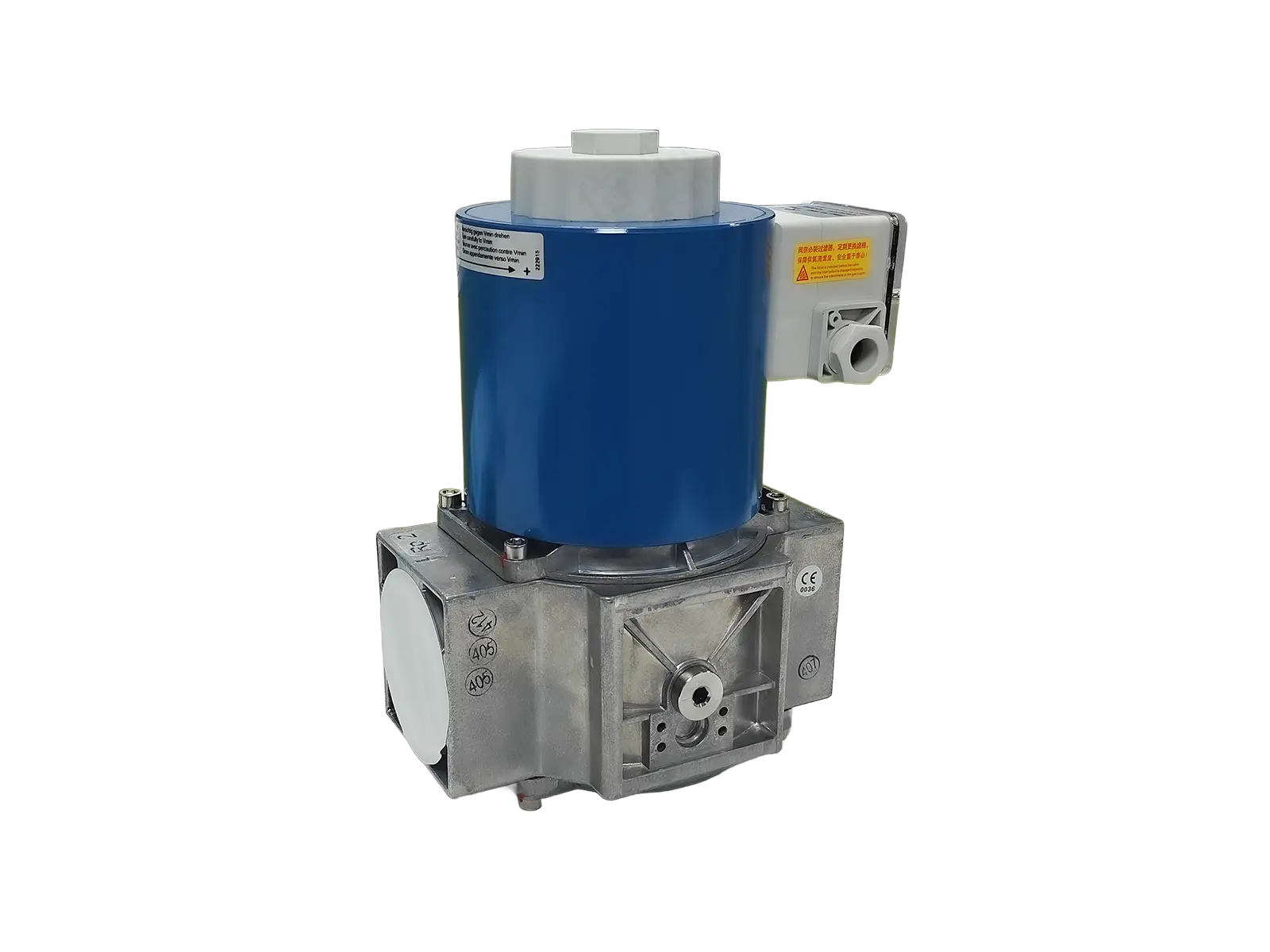
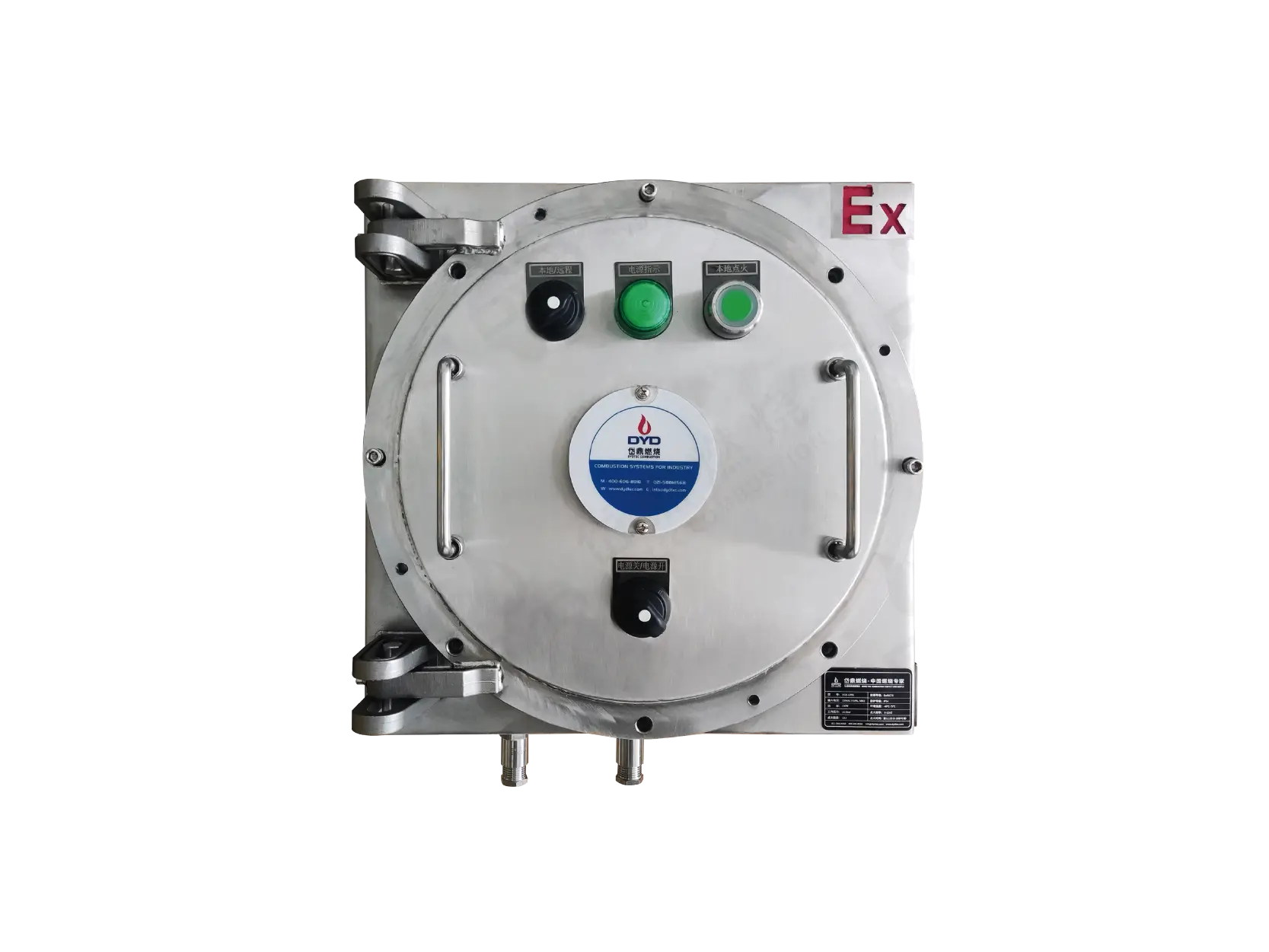
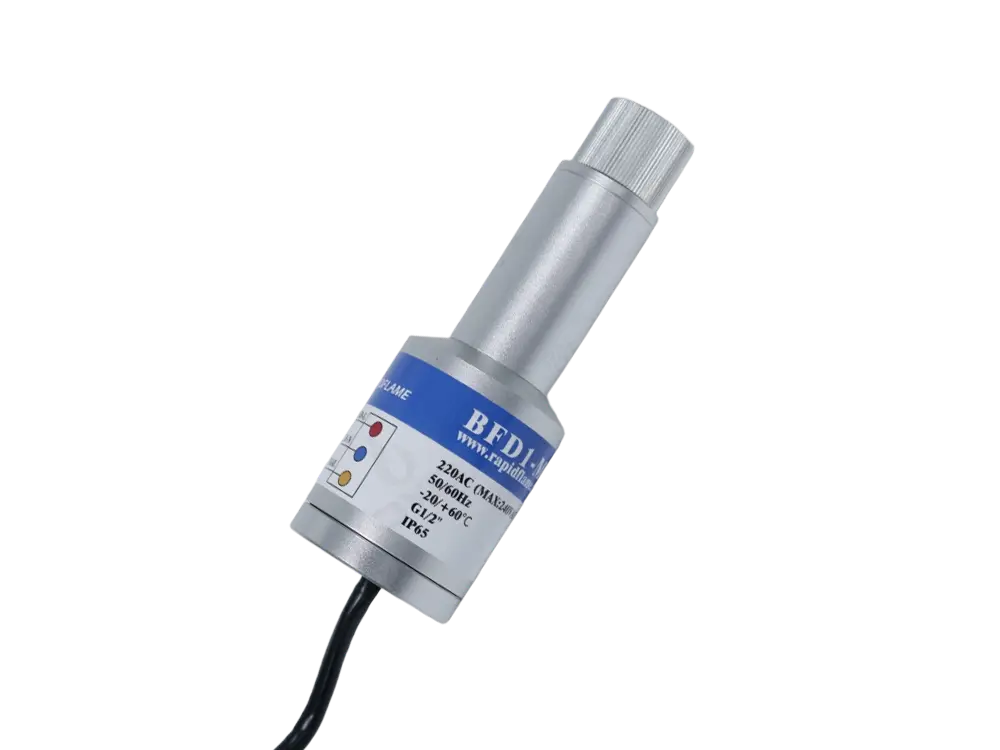
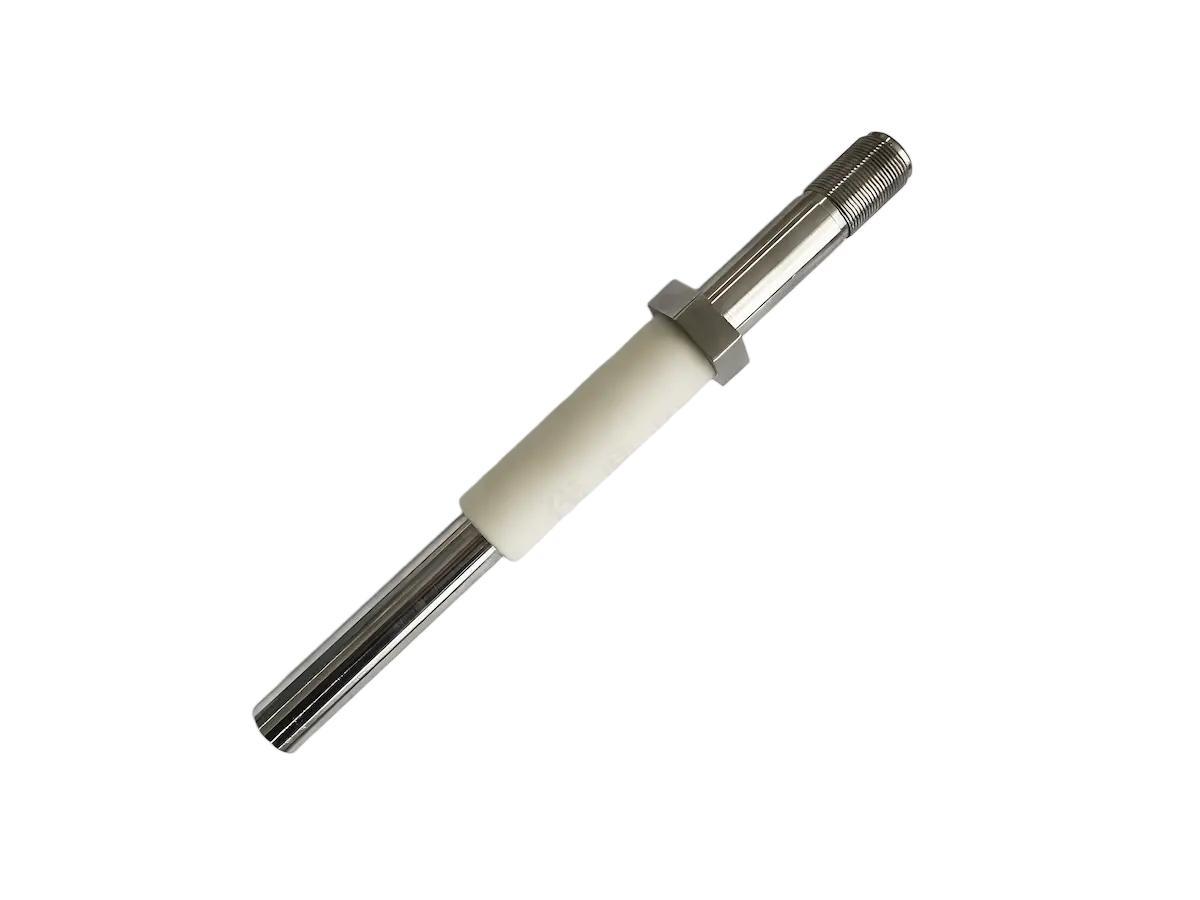
Therefore, a complete combustion system must include, in addition to the burner itself, ignition systems, flame detectors, safety shut‑off valves, pressure sensors, furnace purging, interlock protection, and automatic control logic to ensure long‑term stable operation. These safety functions should be inherent parts of the system architecture from the design stage, not afterthoughts.
Industrial drying covers many industries and processes, and the requirements for combustion systems vary greatly across different equipment types. The diversity of drying equipment means that no "one‑size‑fits‑all" combustion solution exists; systems must be tailored to specific material properties, production scales, and process requirements.
For example, spray drying typically requires fast temperature response and high temperature uniformity to ensure consistent product quality. Flash drying requires high‑temperature hot air and continuous large air volume. Fluidized bed drying pays more attention to uniform hot air distribution to avoid uneven fluidization. Grain drying emphasizes a gentle, stable heat source to prevent damage to grain quality.
In addition, industries such as new materials, lithium battery materials, chemical powders, building materials, and food have different requirements for combustion system cleanliness, temperature control accuracy, emission levels, and continuous operation capability. Lithium battery material drying is extremely sensitive to impurities in hot air; the food industry demands precise temperature control of hot air and material temperature; the building materials industry focuses more on long‑term operational reliability under harsh conditions.
Because process requirements vary significantly, there is no "universal burner" that can suit all drying equipment.
A truly scientific selection approach should comprehensively analyze material properties, process temperature, throughput, air volume requirements, fuel type, and control methodology, and then determine the burner type, hot air furnace structure, and combustion control solution accordingly.
As industry competition intensifies, more and more OEM equipment manufacturers are changing their procurement mindset. This shift is not accidental but is driven by market feedback—those OEMs that invest more effort in their combustion systems consistently see better user reputation and higher repurchase rates for their equipment.
In the past, burner procurement focused more on brand, price, and delivery time. Once purchased, accepted, and paid for, the business relationship essentially ended.
Now, the focus is more on:
Can they participate in thermal solution design? — Introduce combustion technology resources at the product development stage.
Can they tailor combustion solutions to the equipment process? — Rather than using standard products for all conditions.
Can they cooperate in developing the overall machine control system? — Deep synergy between combustion system and equipment control.
Can they help reduce natural gas consumption? — Capability to optimize long‑term operating costs.
Can they provide on‑site commissioning and technical support? — Ensure the equipment achieves design performance at the customer site.
Can they continuously improve equipment performance? — Provide ongoing technical services throughout the equipment lifecycle.
This means that OEMs are no longer purchasing a single product, but a complete combustion system solution.
A complete industrial drying combustion system typically includes industrial burners, hot air furnaces, gas supply systems, combustion air systems, proportional regulation systems, automatic control systems, safety interlock systems, and on‑site commissioning services. These components are interrelated; only through overall matching can the equipment's true performance be realized. Burner selection depends on the hot air furnace structure; furnace efficiency affects the control strategy; control system accuracy in turn imposes requirements on burner and valve train performance—any weakness in one link constrains the entire system's performance.
Industrial combustion is a typical system engineering discipline. A burner's performance verification is usually conducted in a standard test furnace, but the actual drying equipment's furnace chamber structure, duct layout, heat exchange conditions, and flue gas composition differ from test conditions.
Even with the same power, same fuel, and even the same burner model, final operating results can vary noticeably when applied to different equipment. The reason for these differences often lies not in the burner itself, but in whether the entire combustion system is adequately matched to the process.
Therefore, more and more OEM equipment manufacturers expect burner suppliers to participate in the overall machine design from the early stages, rather than providing simple support after the equipment is built. The earlier professional combustion system input is introduced, the more targeted the furnace structure, burner placement, hot air flow path, and control scheme will be, reducing later rework and commissioning effort.
A burner manufacturer with system integration capability can not only supply products but also perform thermal calculations, combustion scheme design, hot air distribution optimization, control logic configuration, safety interlock design, and on‑site commissioning based on equipment characteristics, helping equipment manufacturers shorten R&D cycles and improve overall machine performance. This capability is gradually becoming a significant part of industry competition.
Combustion systems have no fixed template; different industries, processes, and materials have distinctly different heat source requirements. Combustion system design is a highly experience‑dependent technical endeavor—each system's operating data and user feedback after delivery serve as valuable inputs for subsequent solution improvements.
Therefore, mature combustion system solutions often come from extensive engineering practice, not from theoretical calculations alone. Theoretical calculations can provide initial design directions, but the various detailed issues exposed during actual operation—from flame stability to hot air distribution, from control response to safety interlocks—can only be fully validated and resolved under real operating conditions.
As a company long‑serving the industrial combustion field, Daiding Combustion has always focused on product development and engineering applications for industrial combustion systems, building a comprehensive product portfolio covering industrial burners, linear burners, low‑NOx burners, industrial hot air furnaces, combustion control systems, and custom combustion system integration.
In the industrial drying sector, Daiding Combustion has provided combustion system support for various drying processes including spray drying, flash drying, fluidized bed drying, and pneumatic drying, and has accumulated extensive project experience in lithium battery materials, gypsum building materials, grain drying, seed processing, chemical raw materials, titanium dioxide, carbon black, and fertilizers. These practices have not only validated the design approaches for combustion systems under different processes but also provided ongoing support for product improvement and system upgrades.
For OEM equipment manufacturers, collaborating with engineering‑experienced partners on project design can reduce scheme revisions, improve first‑time commissioning success rates, shorten project delivery timelines, and provide end customers with more stable and efficient equipment. When the combustion system partner can anticipate potential risks during the design phase and incorporate avoidance measures into the design, the on‑site commissioning period for the OEM equipment can be significantly shortened, gaining time and cost advantages in competition.
The development of industrial drying equipment has moved from simply pursuing manufacturing capability to a comprehensive competition centered on thermal technology. Mechanical structure remains important, but when all competitors possess essentially equivalent mechanical manufacturing capabilities, combustion system performance becomes the key differentiator.
The combustion system is no longer just a heat supply unit; it is the foundation that determines equipment energy consumption, temperature control, product quality, safe operation, and environmental emissions. In equipment operation, it has long ceased to be merely a "fire‑making" function—it is a systematic engineering endeavor involving heat generation, distribution, control, and safety.
For OEM equipment manufacturers, truly competitive products in the future will require not only excellent mechanical design but also a combustion system deeply integrated with the process. Choosing a burner supplier with system design capability, industry experience, and continuous innovation will be a critical step in enhancing overall machine competitiveness. The choice of combustion system partner is essentially a strategic investment in the equipment's long‑term operating performance, energy consumption profile, and user reputation—its impact will span the entire equipment lifecycle.
Many OEM equipment manufacturers, when purchasing combustion systems, tend to think of the burner as just a standard component of the dryer, as long as the power meets requirements. This view limits the burner's value to the single function of "generating heat," ignoring the multiple roles the combustion system actually plays in dryer operation.
In fact, a professional drying equipment burner supplier provides not just a burner, but a complete thermal energy solution designed around process requirements. From thermal calculations, burner selection, and hot air furnace design to combustion control, safety interlocks, on‑site commissioning, and later optimization, every step directly affects equipment performance and customer experience.
This chapter starts from the actual needs of OEM equipment manufacturers, analyzing what core capabilities an excellent burner supplier should possess and how these capabilities help equipment manufacturers improve product competitiveness.
Ten years ago, many dryer manufacturers focused on three factors when purchasing burners: product price, brand reputation, and on‑time delivery. Under this procurement logic, combustion systems were treated as standard supporting components like fans and motors, and the procurement task was to find a cost‑effective supplier and ensure delivery.
As industry competition intensifies, these three factors are no longer sufficient as the core basis for procurement decisions. Price alone cannot reflect the energy consumption differences after operation; brand reputation does not guarantee suitability for a specific drying process; and on‑time delivery loses significance in the face of extended commissioning cycles.
The reason is simple.
End customers are increasingly concerned about the actual performance of equipment after operation. Successful ignition at acceptance proves only that the equipment "can work," but what customers truly care about is how well it works over years of use.
For example:
Why does one dryer consume less natural gas for the same throughput? — Directly related to the end customer's operating profit.
Why does one dryer heat up faster? — Affects production efficiency and batch turnaround time.
Why is one dryer's temperature more stable? — Determines product quality consistency.
Why does one dryer require virtually no combustion parameter adjustments for years? — Reflects the system's long‑term stability and drift resistance.
Why can one dryer easily meet local environmental requirements? — Determines whether the equipment can pass EIA approval.
These questions ultimately feed back to the OEM equipment manufacturer. When end users compare equipment from different suppliers, energy consumption data, temperature stability, and emission indicators often become key factors in the purchasing decision—and these indicators largely depend on the quality of the combustion system design.
Therefore, more companies are now focusing on whether the supplier truly understands the drying process, rather than just selling a burner product. The procurement logic is shifting from "buying equipment" to "finding a long‑term technical partner."
Many people understand a burner manufacturer as simply producing burner bodies. This view limits the supplier's value to hardware manufacturing, ignoring the complex functions the combustion system must perform in drying equipment.
In fact, for the industrial drying industry, a mature combustion system typically includes multiple components. The following six capabilities are key indicators that distinguish an "equipment supplier" from a "system solution provider."
This is the most easily overlooked, yet most important, step.
Professional suppliers usually gather the following key information at the project's early stage:
What product is being dried? — Different materials have significant differences in specific heat, moisture binding forms, and heat sensitivity.
What is the throughput per hour? — Determines the base scale of total heat load.
What is the target moisture content? — Affects the setting of hot air temperature and air volume.
What are the inlet and outlet temperature requirements? — Defines the temperature window and heat exchange temperature difference.
Is recirculated air needed? — Recirculation ratio affects thermal efficiency and temperature uniformity.
Is natural gas or LPG used? — Different fuels have different calorific values and supply pressures, corresponding to different burner configurations.
Are there environmental restrictions? — NOx emission limits determine the low‑NOx technology route.
Is low‑NOx emission required? — Affects burner structure, control strategy, and overall investment.
These parameters determine all subsequent decisions. Thermal calculation is the starting point of combustion system design; it determines the burner's power range, hot air furnace size, fan selection, and control system setpoints.
If the initial thermal calculation deviates, even the best burner cannot achieve ideal results. Oversizing may cause the burner to operate at low load for extended periods, reducing efficiency and regulation accuracy; undersizing may fail to meet capacity needs, and problems discovered after commissioning are extremely costly to correct.
Therefore, truly mature projects start with thermal design, not product selection.
A larger burner is not necessarily better. A burner with matched power but unsuitable flame characteristics will still fail to perform properly in the drying equipment.
Professional suppliers need to consider comprehensively:
Turndown ratio — The range of heat demand variation under different loads determines the required modulation range.
Flame length — Must match hot air furnace dimensions; excessive length may erode the refractory, while too short affects temperature uniformity.
Flame shape — Different drying processes require different flame coverage and concentration.
Flame rigidity — Affects the penetration depth and mixing effectiveness of high‑temperature flue gas in the furnace.
Temperature requirements — Higher process temperatures demand more stringent burner and refractory materials.
Air volume requirements — Must match the dryer's processing capacity.
Furnace chamber dimensions — Furnace volume and shape directly affect flame development space.
Hot air distribution method — Direct‑fired vs. indirect‑fired design logics differ.
Fuel type — Natural gas, LPG, or low‑calorific gas correspond to different nozzle and valve train configurations.
Control method — On‑off, proportional, or fully automatic closed‑loop control.
For example: For large hot air furnaces, flame coverage is more important to ensure uniform heat distribution within the furnace chamber. For spray drying, flame stability is more critical to avoid temperature field fluctuations in the tower. For high‑temperature processes, combustion intensity is more important to sustain continuous heat output at elevated temperatures.
Thus, even for natural gas burners, different equipment may require completely different structural forms. The essence of selection is to find the optimal balance among multiple, sometimes conflicting, parameters for the specific process.
Many OEM manufacturers tend to view the hot air furnace as a simple combustion chamber, as long as it provides enough space to contain the flame. In reality, the hot air furnace performs far more functions than just "containing the flame":
Complete combustion — Provides suitable space and flow field conditions for thorough mixing of fuel and air and stable combustion.
Mix hot air — Uniformly mixes high‑temperature flue gas with recirculated or secondary air to reach the process temperature.
Stabilize temperature — Uses the furnace's thermal inertia to buffer combustion fluctuations, making outlet temperature smoother.
Reduce local high temperatures — Through proper flow path design, avoids hot spots in the hot air.
Improve thermal efficiency — Optimizes furnace volume and heat exchange area to reduce heat loss and flue gas heat loss.
Protect the burner — Proper airflow organization prevents flame flashback and thermal radiation damage to the burner.
The furnace dimensions, refractory materials, air distribution method, and flue gas flow path all affect final thermal efficiency. A well‑designed hot air furnace allows the burner to perform at its best, while a poorly designed one becomes the system's efficiency bottleneck.
Therefore, the hot air furnace and burner must be designed collaboratively, not separately and then assembled.
Modern industrial drying increasingly emphasizes automation. Manual intervention is being phased out, and the control level of the combustion system directly determines whether the equipment can operate in unmanned or lightly‑manned production modes.
The combustion control system is not only responsible for ignition; it also handles:
Automatic ignition — Completes purging, ignition, and flame establishment according to a preset safety sequence.
Proportional regulation — Automatically adjusts fuel and air supply based on temperature deviation.
Temperature closed‑loop control — Achieves precise control of outlet hot air temperature.
Pressure monitoring — Real‑time detection and protection for gas pressure and combustion air pressure.
Flame detection — Continuously confirms flame presence and triggers safety actions on abnormality.
Air pressure detection — Ensures adequate combustion air supply.
Fault alarm — Real‑time alerts for abnormal conditions, helping operators quickly identify issues.
Automatic shutdown — Cuts off fuel and shuts down according to safety sequence upon fault.
PLC communication — Exchanges data with the dryer's main control system.
Machine coordination — Automatically adjusts combustion state in response to production line load changes.
The control system level largely determines the equipment's operating experience. A combustion system with clear control logic and a user‑friendly human‑machine interface can reduce operator training time, lower the risk of misoperation, and provide clear diagnostic information when faults occur.
Industrial combustion must first and foremost be safe. Drying equipment typically operates continuously; any safety issue in the combustion system can result in equipment damage, personal injury, and production losses.
A complete system typically includes:
Furnace purging — Forcibly removes residual combustible gases from the furnace before ignition.
Gas pressure detection — High‑ and low‑pressure dual protection, automatic shutoff on pressure abnormality.
Air pressure detection — Ensures combustion air pressure meets safe ignition conditions.
Dual solenoid valve shutoff — Redundant design to reduce gas leakage risk.
Flame monitoring — UV or ionization detection, rapid response on flame failure.
Ignition failure protection — Automatically cuts fuel and alarms if ignition is unsuccessful.
Flame failure protection — Rapid fuel cut‑off if flame is extinguished during operation.
Overtemperature protection — Automatically interlocks and shuts down if outlet or furnace temperature exceeds limits.
Interlock shutdown — Multiple safety conditions evaluated simultaneously; any abnormality triggers protection.
These systems, though rarely noticed in normal operation, are indispensable components of industrial combustion. The safety value of a combustion system lies not in how many hours it operates normally, but in whether it acts reliably when abnormalities occur.
Much of what truly affects combustion performance happens after equipment installation. A combustion system that performs well on the factory test bench may not perform equally well on site—differences in gas pressure, duct resistance, and ambient temperature and humidity can all affect combustion conditions.
For example:
Air‑fuel ratio optimization — Finding the optimal fuel‑air ratio curve across the full load range.
Damper adjustment — Calibrating damper opening vs. air flow based on site pressure conditions.
Temperature curve optimization — Adjusting ramp rate and holding temperatures according to material drying characteristics.
PLC parameter tuning — Modifying control parameters based on on‑site response characteristics.
PID parameter optimization — Eliminating temperature overshoot and oscillation for fast convergence.
Combustion curve optimization for different operating conditions — Establishing a complete set of parameters from startup to full load.
Excellent suppliers typically participate in on‑site commissioning, not just product delivery. The experience level of the commissioning team often determines whether the equipment achieves design performance at startup and maintains it in subsequent operation.
Many equipment manufacturers have experienced this: after replacing the burner with a new one, natural gas consumption did not significantly decrease. This phenomenon is not uncommon in the industry, and the reasons deserve reflection.
Why? Because what truly determines equipment performance is not a single product, but the entire combustion system. The burner is the execution terminal; its performance depends on the matching and support of the entire system.
For example:
If fan air volume is incorrectly sized — the burner receives improper combustion air, and efficiency cannot be guaranteed.
If the hot air furnace is improperly sized — uneven heat distribution within the furnace leads to outlet temperature fluctuations.
If flame position is incorrectly designed — the high‑temperature zone shifts, reducing thermal efficiency or overheating the refractory.
If duct resistance is too high — fan energy consumption increases, and effective hot air volume decreases.
If recirculation ratio is improperly set — hot air temperature does not match material drying characteristics.
Even with an internationally renowned burner brand, optimal performance cannot be achieved. Therefore, more and more OEMs are looking at whether the supplier has overall system design capability, not just burner manufacturing capability.
From the perspective of OEM equipment manufacturers, a burner system supplier worthy of long‑term cooperation should generally have the following core capabilities:
Deep understanding of different drying processes — Able to develop differentiated combustion solutions for spray drying, flash drying, fluidized bed drying, rotary kiln drying, belt drying, etc., rather than applying a uniform configuration. The depth of process understanding determines whether the solution truly matches the material's drying characteristics.
Custom engineering capability — Industrial dryers come in many specifications; combustion systems need to be tailored to air volume, heat load, installation space, furnace structure, and control methods. Standard products cannot cover all conditions; custom design capability directly determines whether the supplier can meet complex project needs.
Complete product portfolio — Excellent suppliers typically not only offer one type of burner, but also industrial burners, linear burners, low‑NOx burners, hot air furnaces, combustion control systems, valve trains, ignition systems, safety interlocks, and custom combustion systems. A more complete product range usually leads to better system matching and component compatibility.
Rich engineering experience — Experience means knowing which solutions are more stable, which structures are prone to problems, which parameters need early optimization, and how to shorten commissioning. Experience ultimately translates into equipment reliability and project delivery efficiency.
Continuous technical service — The combustion system is not a one‑time delivery. During operation, as products change, capacity adjusts, fuel varies, and environmental requirements escalate, the combustion system often needs ongoing optimization. Therefore, long‑term technical support capability is equally important for OEMs when choosing a partner.
Industrial combustion systems are long‑life equipment. A dryer's lifecycle typically exceeds ten years, during which the combustion system continuously incurs energy consumption and maintenance demands.
During this period, customers may experience:
Product upgrades — new products may require different drying temperatures and air volumes, necessitating combustion system adaptation.
Capacity expansion — increased throughput requires increased firing power.
Fuel changes — changes in gas composition or type may require recalibration of burner parameters.
Environmental upgrades — stricter emission limits may require low‑NOx retrofits or control system upgrades.
Automation upgrades — higher line automation may require simultaneous combustion control upgrades.
Energy‑saving retrofits — new energy targets require optimization of control strategies.
If the combustion system supplier can continuously participate in equipment optimization, OEMs can quickly respond to market needs without redeveloping the entire combustion system. This ongoing cooperation not only reduces R&D costs but also improves product consistency and brand competitiveness.
Therefore, more and more equipment manufacturers tend to establish long‑term relationships with combustion system suppliers that possess R&D capability, engineering experience, and service capability, rather than making one‑time purchases. The value of long‑term cooperation is that when OEMs need technical upgrades, the partner already understands the equipment's design logic and operating history, allowing direct discussion of optimization plans without starting from scratch.
As a company dedicated to industrial combustion and thermal energy systems, Daiding Combustion has always positioned itself as a combustion system solution provider, not just a burner manufacturer.
In the industrial drying field, the company has built a product system covering industrial burners, linear burners, low‑NOx burners, industrial hot air furnaces, combustion control systems, and custom combustion system integration, and can provide OEM equipment manufacturers with full‑process technical support—from solution design, equipment selection, and system integration to on‑site commissioning—according to the process characteristics of different dryers.
In recent years, its combustion systems have been widely applied in spray drying, flash drying, fluidized bed drying, pneumatic drying, and other processes, serving lithium battery materials, gypsum building materials, grain drying, seed processing, chemicals, titanium dioxide, carbon black, fertilizers, and other industries. Long‑term engineering practice enables rapid system matching for different operating conditions and continuous improvement of combustion efficiency, temperature control accuracy, and operational stability, providing OEM equipment manufacturers with more competitive combustion solutions.
For OEMs, the true value lies not only in obtaining a set of combustion equipment, but in having a technical team that can jointly solve thermal engineering problems during product development and project implementation. When the combustion system partner can participate in solution discussions at the design stage, provide experienced support during commissioning, and continue to track and optimize during operation, the OEM can focus more on core mechanical design and market development, achieving faster product iteration and stronger market competitiveness.
For modern industrial drying equipment, the burner is only one component of the combustion system. The final performance of a dryer depends on the synergistic coordination of the combustion system with the mechanical structure and control system, not the quality of any single component.
What truly determines equipment performance is the coordinated interaction of thermal design, combustion control, safety interlocks, hot air distribution, system integration, and engineering implementation. Every detail in these links can affect equipment energy consumption, temperature stability, and operational reliability—and all are determined by the combustion system supplier's design capability and service quality.
Therefore, when choosing a drying equipment burner supplier, one should not merely compare product parameters, but also assess whether the supplier possesses complete system solution capability, industry experience, and ongoing technical service capability. A good combustion system partner can help OEM equipment manufacturers avoid detours at the design stage, shorten the commissioning period, reduce failures during operation, and ultimately build a reputation among end users that "this equipment is efficient, gas‑saving, and stable."
Many OEM equipment manufacturers, when designing drying equipment, first ask: "What size burner should this equipment use?" Starting from power to define the combustion system is a common approach because power is an intuitive, quantifiable metric that is easy to understand and compare.
However, this is not the correct way of thinking.
The design of an industrial drying combustion system is not about first determining the burner and then matching it to the equipment. Rather, it should start from the drying process—based on material properties, heat source requirements, temperature range, air volume needs, control accuracy, and equipment structure—to select the most suitable combustion solution. Power is just a basic parameter of the combustion system; it answers the question "is there enough heat," while the drying process truly needs to answer "how can heat be applied to the material precisely, uniformly, and stably"—the answer to this question is far more complex than a power number.
Even for natural gas burners, different processes require completely different flame shapes, modulation methods, combustion intensities, hot air distribution, and even control logic. Spray drying requires a rapidly responsive and stable flame to ensure product quality consistency; rotary kilns require long and rigid flames to cover long heating distances; grain drying requires a gentle, clean heat source to avoid damaging the material's activity or appearance. These three needs point to entirely different combustion solutions.
Therefore, a professional drying equipment burner supplier must first understand the process, then design the combustion system, rather than simply recommending a particular product.
Many OEMs at the project's early stage make similar requests:
"The customer requires 3 million kcal of heat; just directly equip it with a 3 million kcal burner."
While this approach meets the heat load requirement, it does not necessarily meet the process requirements. A burner that can stably reach its rated power in a test furnace does not guarantee that it will achieve ideal heating performance in a specific drying device—because drying equipment demands much more than just "enough heat."
What truly affects equipment performance is not just the amount of heat, but also:
Whether the flame length is appropriate — If the flame cannot fully develop in the hot air furnace, heat distribution will be concentrated, and outlet temperature will be uneven.
Whether the flame is likely to impinge on equipment — Direct flame impingement on the refractory or structures may cause premature damage or local overheating.
Whether the hot air is uniform — Temperature differences in the hot air entering the drying chamber directly affect product quality.
Whether temperature fluctuations meet process requirements — For heat‑sensitive materials, a few degrees of fluctuation may mean the difference between pass and reject.
Whether the system can quickly respond to load changes — Fluctuations in feed rate or moisture content require timely heat output adjustment.
Whether local hot spots are likely — High‑temperature spikes in hot air can cause material charring or quality degradation.
Whether maintenance is convenient — Ease of maintenance affects the equipment's availability over its entire lifecycle.
Thus, the same heat load may require completely different combustion methods for different processes. A combustion system that works well in a fluidized bed dryer, if directly transplanted to a spray dryer, may fail to ensure particle size consistency due to differences in hot air distribution. A burner designed for high‑temperature flash drying, when used in low‑temperature grain drying, may not achieve gentle heating because its minimum output is too high.
Therefore, excellent combustion system design always follows one principle:
Understand the process first, then select the burner.
Spray drying is widely used in dairy products, food additives, pharmaceuticals, chemicals, and new materials. Its process characteristic is direct contact between hot air and atomized liquid droplets, achieving rapid moisture evaporation and product drying in a very short time—typically within seconds.
Process characteristics:
Hot air directly contacts the material — Hot air acts as both drying medium and material transport carrier; its temperature, flow, and distribution uniformity directly affect product quality.
Fast drying — Droplets have very short residence time in the tower; rapid evaporation demands high stability and uniformity of hot air.
High product added value — Spray‑dried products usually have high economic value, making quality fluctuations more costly.
High temperature stability requirement — Even small temperature fluctuations can manifest as differences in color, particle size, or moisture content.
If hot air temperature fluctuates significantly during spray drying, it can cause:
Color changes — High temperatures may cause Maillard reactions or charring; low temperatures may result in under‑drying, causing uneven color.
Unstable moisture content — Batch‑to‑batch moisture variation affects shelf life and processing performance.
Particle size variation — Temperature changes affect droplet evaporation rate and particle morphology.
Degraded product quality — Loss of active ingredients, poor solubility, or poor flowability.
Therefore, spray drying combustion systems typically place greater emphasis on:
✅ Temperature response speed — Can the combustion system quickly correct hot air temperature deviations?
✅ Hot air uniformity — Is the temperature at the inlet to the drying tower consistent across the cross‑section, avoiding local hot or cold spots?
✅ Flame stability — Does combustion remain stable without being affected by gas pressure fluctuations or external disturbances?
✅ Continuous proportional modulation capability — Can it precisely match heat demand at different production loads?
✅ Automatic control accuracy — Can the control system stabilize hot air temperature within the specified process window?
For large spray drying systems, the hot air furnace structure and hot air mixing effect must also be carefully considered to ensure stable and consistent hot air entering the drying tower. The hot air furnace design directly determines whether high‑temperature flue gas can be thoroughly mixed with recirculated air to form a uniform temperature distribution before entering the tower—this is one of the core design aspects of spray drying combustion systems.
Flash drying is mainly used in chemical powders, inorganic salts, pigments, and mineral materials. The principle is to introduce wet material into a high‑velocity hot air stream; under the carrying and dispersing action of the air, surface moisture evaporates in an extremely short time, and the dried powder is carried to a collection system.
Compared with spray drying, its characteristics are:
Higher hot air temperature — Typically requires higher temperatures to achieve rapid surface drying, often higher than spray drying.
Larger air volume — Needs sufficient air velocity and volume to lift and suspend the material.
Longer continuous operation — Flash drying is usually part of a continuous production process, with high annual operating hours.
Smaller heat load variation — Compared with batch drying processes, heat load is more stable.
Therefore, these equipment types place greater emphasis on:
High‑power stable combustion — Maintains consistent combustion under sustained high load without efficiency degradation over long periods.
Long continuous operation — High reliability is required; unplanned downtime has significant production impact.
Thermal efficiency — Fuel consumption is a major portion of operating costs; thermal efficiency directly affects economics.
Combustion reliability — In unattended or lightly‑attended modes, the system must operate reliably and automatically.
Maintenance convenience — Maintenance must be completed without affecting continuous production.
For flash drying, the combustion system must not only supply a stable heat source but also ensure that combustion conditions remain consistent over long operating periods, minimizing process variation due to flame fluctuations. Since flash drying typically uses higher inlet temperatures, refractory material selection and hot air furnace structural design must be capable of withstanding prolonged high‑temperature operation.
Fluidized bed drying is widely used in food, pharmaceuticals, chemicals, fertilizers, and new materials.
Its greatest feature is relying on hot air to fluidize the material. Material in the fluidized bed is in a dynamic suspended state, fully contacting the hot air for efficient moisture evaporation and heat transfer.
Therefore, for the combustion system, merely providing heat is far from sufficient. Hot air must not only reach the set temperature but also be uniformly distributed across the entire fluidized bed cross‑section to ensure consistent fluidization and uniform drying.
More importantly: hot air must be uniform.
If hot air distribution is uneven, problems include:
Local high temperatures — Hotter zones may overheat the material or cause bed agglomeration.
Insufficient fluidization — Areas with low air velocity cannot fluidize properly, forming dead zones.
Inconsistent product drying — Different parts of the same batch have significantly different moisture contents.
Increased energy consumption — Uneven drying means some heat is not effectively utilized.
Therefore, these equipment types typically focus more on:
Hot air distribution design — Air chamber structure, distributor plate design, and airflow distribution have a direct decisive impact on uniformity.
Duct optimization — Duct design from the hot air furnace outlet to the fluidized bed inlet affects the velocity distribution at the bed.
Hot air furnace structure — Furnace volume and flow path determine the mixing of high‑temperature flue gas with recirculated air.
Temperature uniformity — Temperature differences across the fluidized bed inlet cross‑section are kept within allowable limits.
Automatic control stability — Stability and anti‑interference capability of the temperature control system ensure consistent process parameters.
In many projects, the final performance difference is not due to the burner itself, but to the overall hot air system design. Two fluidized bed dryers equipped with the same burner model may have significantly different drying results and energy consumption if their hot air furnace and duct designs differ.
Rotary kiln drying equipment is widely used in building materials, mining, chemicals, metallurgy, and waste treatment.
The biggest characteristic of these equipment types is large equipment space, long combustion distance, and high heat load. Rotary kilns range from several meters to tens of meters in length; the heat source is introduced from the kiln head, and heat must be transferred axially along the kiln, requiring sufficient flame length and penetration.
Therefore, for the combustion system, more consideration is needed for:
Flame length — Must match the effective kiln length to ensure heat covers the entire drying section.
Flame rigidity — The flame must maintain a stable shape within the kiln, unaffected by internal airflow and material movement.
Flame direction — Must be aligned with the kiln axis to prevent flame deflection from eroding the refractory.
Flame coverage — The cross‑sectional coverage of the flame should match the kiln diameter to achieve uniform temperature distribution across the section.
High‑load continuous combustion capability — Rotary kilns have high fuel consumption; the combustion system must sustain high power output continuously.
If the flame is too short, heat cannot be fully utilized — the rear part of the kiln has insufficient temperature, failing to meet drying requirements and limiting capacity. If the flame is too long, it may impinge on equipment — the flame tail reaches the refractory or discharge end, accelerating refractory wear and local overheating.
Therefore, such projects typically require specialized design based on kiln dimensions. Burner selection and flame characteristics must be adjusted considering kiln length, diameter, slope, rotation speed, and material residence time to achieve efficient heat utilization.
Grain, seeds, Chinese herbal medicines, timber, and other agricultural products pose different requirements for temperature control. These materials share common characteristics: heat‑sensitivity, and close correlation between economic value/appearance quality and drying conditions; they are sensitive to temperature fluctuations during drying.
Many products cannot tolerate local high temperatures. Even brief high‑temperature contact can cause irreversible quality damage.
Otherwise, problems include:
Cracking — Grain surfaces crack due to rapid moisture evaporation, affecting processing quality and seed germination.
Charring — Surface discoloration or carbonization due to local overheating, severely affecting commercial appearance.
Color change — Color degradation of heat‑sensitive materials under excessive heat, reducing market acceptance.
Reduced germination rate — Excessive temperatures during seed drying damage embryo activity, affecting next‑season emergence.
Quality deterioration — Active ingredients decompose or volatilize under excessive heat.
Therefore, these equipment types focus more on:
Gentle combustion — Avoid high‑temperature thermal shock; ensure the hot air entering the material is smooth and stable.
Temperature stability — Outlet hot air temperature control accuracy directly affects product quality consistency.
Clean hot air — For food and seed drying, hot air should not contain combustion products; indirect heating is typically required.
Long continuous operation — Drying tasks are concentrated during harvest seasons; equipment must run continuously for days.
Simple operation — Operators in grain drying settings may have varying skill levels; the control system should be intuitive.
For some processes, depending on product characteristics, the choice between direct‑fired and indirect‑fired hot air systems is required to meet quality requirements. Indirect heating systems transfer combustion heat through a heat exchanger to clean air; although thermal efficiency is slightly lower than direct‑fired, they ensure complete isolation of hot air from flue gas, which is often necessary for food‑grade and seed‑grade products.
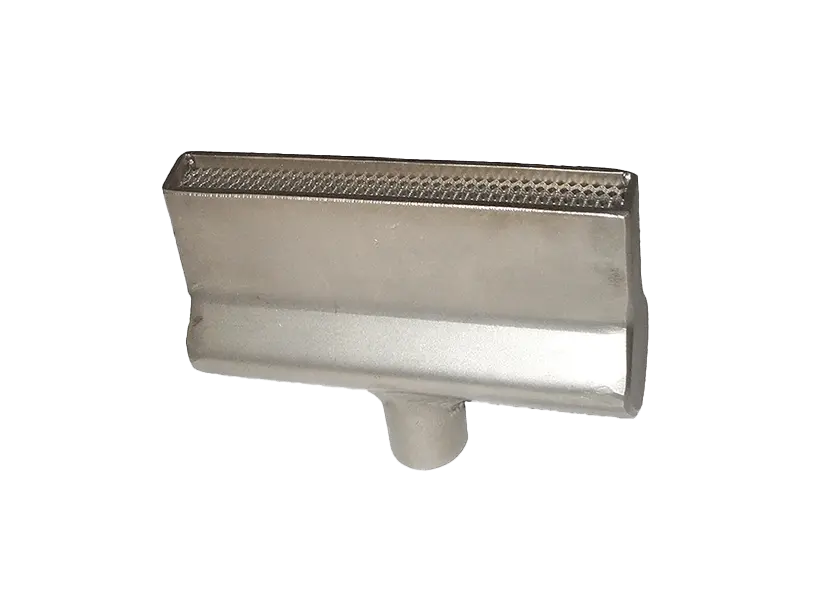
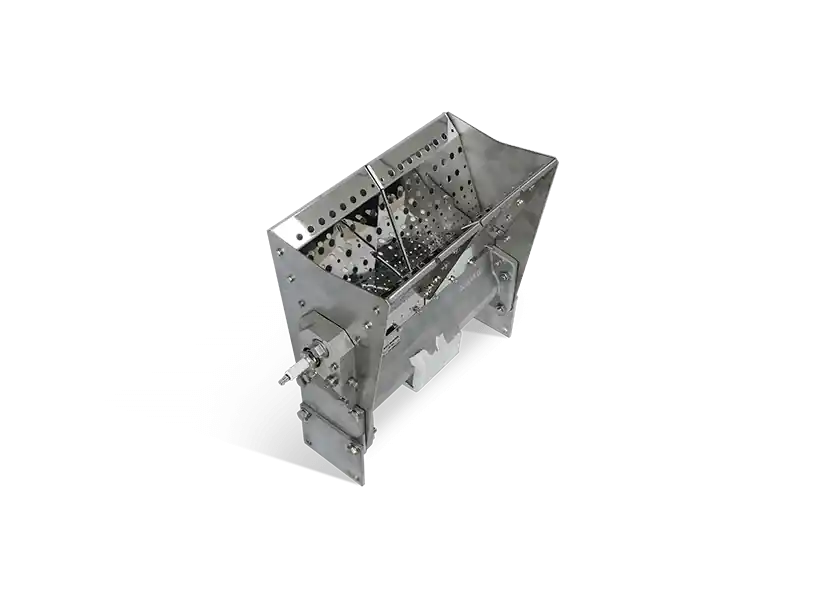
In recent years, linear burners have been increasingly used in some industrial drying sectors. This trend is driven by the growing demand for uniform hot air distribution and the move toward wider, larger‑scale dryers.
Compared with traditional point‑source combustion, linear burners produce more uniform heat distribution and are easier to integrate with large ducts, hot air furnaces, and dryers. Traditional point‑source burners concentrate heat in the flame core region, while linear burners spread the flame along a line, releasing heat more evenly over a larger area.
For applications requiring wide‑width heating, uniform hot air, or large cross‑section air delivery, linear combustion can effectively improve hot air distribution, enhance temperature consistency, and help reduce local overheating risks. In wide‑width drying equipment, the heat distribution pattern of linear burners better matches the equipment cross‑section, avoiding the hot‑center, cold‑edge problem of point sources.
Of course, not all drying equipment is suitable for linear burners. For processes requiring high flame rigidity, concentrated heat load, or special flame shapes, traditional industrial burners still have clear advantages. For example, rotary kilns and flash dryers require sufficient flame penetration and concentration, which linear burners with their dispersed heat source do not provide.
Thus, linear burners and traditional burners are not simply superior or inferior; they are suited to different process needs. Truly professional combustion system design should choose the most appropriate combustion method based on equipment characteristics.
As the industrial drying industry continues to develop, more and more OEM equipment manufacturers are realizing that what truly needs to be compared is not which burner brand is better, but which supplier better understands their process. The burner brand determines hardware reliability and consistency, but the depth of process understanding determines whether the system solution can truly solve the thermal engineering challenges in the drying process.
As a combustion system supplier long serving the industrial drying industry, Daiding Combustion has developed differentiated combustion system solutions for various drying processes. Based on the characteristics of spray drying, flash drying, fluidized bed drying, pneumatic drying, and others, combined with throughput, heat load, temperature range, air volume requirements, and energy type, it completes the overall matching of burners, industrial hot air furnaces, combustion control systems, and safety interlocks. This process‑centric design approach allows Daiding Combustion to participate in thermal solution formulation at the project's early stage, rather than providing burner support only after the equipment design is finalized.
In addition to standard products, the company can also provide custom designs based on OEM equipment structural characteristics, achieving tighter synergy between the combustion system and the whole machine. While ensuring safe operation, it optimizes temperature control, thermal efficiency, and operational stability. This process‑oriented system design capability is a key direction for the continuous upgrading of combustion systems in the industrial drying field.
There is no "universal burner" for industrial drying equipment—only combustion systems better suited to specific process needs. Each type of drying process has its own thermal requirements and process constraints, which determine the design direction and configuration priorities of the combustion system.
Spray drying emphasizes temperature uniformity and rapid response; flash drying emphasizes high temperature, large air volume, and sustained stable operation; fluidized bed drying focuses on hot air distribution; rotary kilns focus on flame shape; grain and agricultural product drying places greater emphasis on gentle, stable, and clean heat. These differentiated process demands require that combustion system design be based on process understanding, not product selection.
Therefore, when OEM equipment manufacturers choose a drying equipment burner supplier, they should not only compare product models and prices, but also assess whether the supplier truly understands different drying processes and has the capability to provide system solutions for various application scenarios. A partner that designs combustion systems from a process perspective can help OEMs avoid potential matching issues at the design stage, shorten on‑site commissioning, and enhance the final product's market competitiveness.
For OEM equipment manufacturers, choosing a burner supplier is essentially choosing a long‑term partner. Unlike purchasing standard spare parts, the combustion system is highly coupled with the dryer's performance; the supplier's technical capability and service quality directly affect the OEM equipment's final performance and user reputation.
Many companies, during procurement, focus on product price, brand reputation, or equipment parameters. However, as industrial drying equipment moves toward higher efficiency, intelligence, and low‑carbon operation, these factors are no longer sufficient to reflect a burner manufacturer's true strength. Product parameters only reflect basic hardware performance; the actual operating results of drying equipment depend more on the degree of match between the combustion system and the overall process.
What truly affects equipment performance is often not the burner itself, but whether the supplier possesses process understanding, system design capability, engineering implementation capability, and ongoing service capability. These capabilities determine whether the supplier can design combustion solutions from the drying process, quickly solve problems during commissioning, and provide effective technical support years after equipment operation.
This chapter, from the perspective of OEM equipment manufacturers, analyzes the eight core capabilities most worth focusing on when selecting a drying equipment burner supplier.
Many burner manufacturers are good at introducing their products but rarely take the initiative to understand the customer's process. Their communication often revolves around product power, turndown ratio, and emission figures, with little knowledge of the material properties and process requirements of the drying equipment.
In contrast, a truly professional technical team, before recommending any product, typically first asks:
What material is being dried? — Different materials have different specific heats, moisture binding forms, heat sensitivity, and particle characteristics, determining the drying temperature and air volume.
Is the product sensitive to high temperature? — For heat‑sensitive materials like food, pharmaceuticals, and seeds, temperature control accuracy is key to product quality.
What is the maximum allowable hot air temperature? — The upper inlet temperature limit directly affects the optimization space for drying rate and thermal efficiency.
What is the hourly throughput? — Determines the scale of total heat load, affecting burner power selection and hot air furnace size.
What are the initial and target moisture contents? — Affects the matching of hot air temperature and air volume, as well as the drying curve design.
Is recirculated air used? — Recirculation ratio affects thermal efficiency and temperature uniformity, and also influences combustion control strategy.
Is direct heating required? — Direct heating has higher thermal efficiency but limited hot air cleanliness; indirect heating is the opposite; the choice depends on product requirements.
Are there low‑NOx emission requirements? — Determines the technical route and burner structure.
Is 24/7 continuous operation required? — Affects redundancy design and maintenance scheduling.
These questions may seem unrelated to the burner but they determine the entire combustion system's design direction. The burner's power, flame characteristics, and control method must match the specific drying process requirements, and the basis for matching is precisely the accurate understanding of these process parameters.
Because, for industrial drying, the process dictates the heat source, not the heat source dictates the process. The value of the combustion system lies in serving the needs of the drying process, not in making the process adapt to the burner's output characteristics. Only with a full understanding of process features can a truly matched combustion system be designed.
Many people believe that a burner manufacturer is only responsible for supplying the burner. This view limits the supplier's value to hardware manufacturing, ignoring the systemic functions the combustion system actually performs in drying equipment.
In fact, modern industrial drying equipment increasingly emphasizes overall thermal design. Whether a combustion system can operate efficiently in a dryer depends on whether each step—from heat load calculation to system integration—has been carefully designed.
A mature combustion system typically needs to complete:
Heat load calculation — Estimate required thermal power based on material throughput, moisture change, and heat losses.
Burner capacity selection — Determine rated power and modulation range to match equipment heat demand variations.
Hot air furnace design — Determine furnace volume, refractory, flow path, and mixing method to ensure efficient heat transfer.
Hot air mixing calculation — Ensure high‑temperature flue gas is fully mixed with recirculated air, resulting in a uniform outlet temperature profile.
Air volume calculation — Determine the required hot air flow to match material throughput and evaporation rate.
Pressure matching — Verify duct resistance and fan selection to ensure effective air flow.
Piping design — Plan gas piping and duct routing, diameters, and supports.
Control logic design — Determine temperature control strategy, load regulation, and safety interlock logic.
These tasks collectively determine equipment operating results. Thermal design is the foundation of dryer performance; deviations in any link can manifest in operation as higher energy consumption, temperature fluctuations, or degraded product quality.
If thermal design is inadequate, even an excellent burner will struggle to perform optimally. The burner's hardware capability requires a sound thermal design to be fully released; the two are inseparable.
Therefore, for OEMs, whether the supplier has thermal design capability is more important than having a particular product.
Industrial drying equipment is rarely completely standardized. Different customers have different installation spaces, furnace dimensions, duct orientations, air volume configurations, fuel types, and automation levels. Standard products cover some common conditions, but for specific OEM equipment, varying degrees of customization are often required.
Therefore, the combustion system must also be adjusted accordingly. A burner that performs well under standard test conditions may show significant performance differences when installed on a dryer with different dimensions, duct layouts, and air volume configurations.
If the supplier can only sell standard products without tailoring to equipment characteristics, problems may include:
Installation difficulties — Burner dimensions do not match the equipment's reserved space, requiring on‑site modifications.
Improper flame position — Flame offset within the hot air furnace causes uneven temperature or refractory overheating.
Uneven temperature distribution — Heat distribution pattern mismatches the internal flow path, affecting drying results.
Inconvenient maintenance — Burner location is too confined or has insufficient access, increasing maintenance difficulty.
Control system compatibility issues — Communication protocols or signal types do not match the machine's main control.
A mature combustion system supplier can typically provide custom designs based on OEM equipment characteristics, integrating the combustion system into the whole machine rather than simply installing it. Custom design means that burner mounting, flame characteristics, control logic, and dimensions can all be adjusted to the equipment's specific requirements, ensuring tight synergy.
For OEM equipment manufacturers, a more complete product portfolio generally makes system matching easier. When all core components of the combustion system come from the same product family, compatibility and matching are ensured at the design stage, reducing interface conflicts between different brands and models.
A professional combustion system supplier typically not only provides industrial burners, but also:
Industrial burners — standard and custom burners for most drying equipment.
Linear burners — for wide‑width heating and uniform hot air applications.
Low‑NOx burners — to meet increasingly stringent NOx emission requirements, suitable for environmentally regulated areas.
Industrial hot air furnaces — the core thermal equipment for combustion, mixing, and heat transfer.
Proportional control valve trains — precise fuel flow modulation for stable air‑fuel ratio control.
Ignition systems — automatic ignition and safe start‑up devices.
Flame detection systems — real‑time combustion status monitoring and flame failure protection.
Combustion control systems — temperature closed‑loop control, load regulation, and operational logic units.
Safety interlock systems — multiple safety protection logics and hardware.
Custom combustion systems — tailored for special conditions, special fuels, or special furnace types.
A complete product portfolio ensures that all core components can be designed, commissioned, and serviced in a unified manner, reducing system compatibility risks and improving operational stability. When burners, valve trains, control systems, and safety interlocks come from the same supplier, the on‑site coordination effort and component verification time can be significantly reduced.
Industrial combustion is a quintessential practice‑driven field. The basic principles of combustion reactions can be learned from textbooks and standards, but how to organize flames, design hot air furnaces, and optimize control strategies for different drying processes—these experiences can only be accumulated through continuous project practice.
Many problems cannot be found in product manuals, but solutions can be found in engineering experience. For example:
Is a certain material prone to ash buildup? — Ash accumulation affects heat exchange efficiency and cleaning cycles; the design must consider airflow velocity matching material properties.
Which conditions are prone to flashback? — Flashback risk is closely related to burner structure, gas pressure, and flame speed; experienced teams know how to design around it.
Which duct structures create temperature dead zones? — Duct bends, transitions, and openings affect hot air distribution uniformity; proper flow path design can avoid dead zones.
How should combustion parameters be adjusted for different seasons? — Ambient temperature and humidity affect combustion air density and efficiency; experienced suppliers provide seasonal adjustment recommendations.
How do variations in local natural gas calorific value affect combustion? — Calorific value deviations may cause air‑fuel ratio imbalance, requiring adjustment based on gas source conditions.
These require long‑term project accumulation. Suppliers with rich industry experience can typically anticipate potential issues at the design stage, reduce commissioning time, and improve first‑time delivery success rates.
Modern OEM equipment R&D increasingly emphasizes cross‑disciplinary collaboration. The performance of a dryer is the result of multi‑disciplinary synergy among mechanical structure, airflow organization, control system, and combustion system—independent optimization by any one party cannot achieve overall optimal performance.
The combustion system is no longer the "last accessory" added after equipment manufacturing; it is an essential part of overall machine design. The matching relationships between the combustion system and the hot air furnace structure, duct routing, temperature sensor placement, and control logic must be planned at the design stage, not after the equipment is built.
More and more equipment manufacturers expect the combustion system supplier to participate at the early R&D stage in:
Thermal solution discussion — Determine the basic architecture and technical route of the combustion system at the conceptual design stage.
Equipment structure optimization — Adjust furnace structure, duct routing, and installation space based on combustion system requirements.
Duct design — Ensure smooth flow path, low resistance, and uniform distribution from the hot air furnace to the drying chamber.
PLC communication scheme — Define communication protocols and data exchange between the combustion controller and the machine's main control.
Automatic control logic — Establish collaborative strategies for temperature control, load regulation, and fault handling.
Safety interlock design — Integrate the combustion system's safety protection logic with the overall machine safety system.
This collaborative development model not only improves equipment performance but also shortens the R&D cycle. Incorporating combustion system requirements into the overall machine plan at the design stage avoids rework and delays caused by later changes.
Therefore, a burner manufacturer with R&D collaboration capability often creates greater value for OEMs. They are not just equipment suppliers, but professional thermal engineering support during the whole‑machine R&D process.
The combustion system truly comes into play after equipment installation. During manufacturing and factory testing, the system operates under standard conditions; but at the customer's site, actual gas pressure, duct resistance, ambient conditions, and usage habits may differ from design assumptions, and these differences must be eliminated through on‑site commissioning.
Therefore, on‑site service capability is equally important.
Professional suppliers typically offer:
Installation guidance — Ensure correct on‑site installation of the combustion system; piping and wiring meet requirements.
Ignition and commissioning — On‑site first ignition and parameter setting for safe start‑up.
Air‑fuel ratio optimization — Adjust the optimum air‑fuel ratio based on site gas pressure and air conditions to improve combustion efficiency.
Temperature curve adjustment — Optimize ramp rate and temperature settings according to material drying characteristics.
PLC parameter tuning — Adjust PID parameters and control logic based on on‑site response characteristics.
Safety interlock testing — Verify that each safety protection function operates reliably under simulated abnormal conditions.
Operator training — Train site operators in daily operation, inspection, and fault diagnosis.
Fault analysis — Quickly locate the cause and provide solutions when abnormalities occur.
These services help equipment quickly reach stable operation and reduce later maintenance costs. For export equipment or large projects, a complete technical support system is a key condition for successful project delivery.
In recent years, industrial combustion technology has been continuously evolving. These changes are not slow incremental improvements, but rapid developments driven by environmental policies, energy structures, and digitalization trends.
For example:
Higher combustion efficiency — Through optimized air‑fuel ratio control and waste heat recovery, continuously reducing specific energy consumption.
Wider turndown ratio — Adapting to heat demand variations under different production loads, reducing starts/stops and energy waste.
Lower NOx emissions — Meeting increasingly stringent NOx limits to avoid environmental risks.
Smarter control systems — Achieving adaptive combustion optimization, data collection, and fault prediction.
Higher automation — Reducing human intervention, enabling fully automatic operation and remote management.
Better remote monitoring — Using IoT technology for real‑time data acquisition and early anomaly warning.
OEM equipment manufacturers also need to continuously upgrade their products to meet end‑user demands for energy savings, environmental protection, and intelligence. If the combustion system supplier's technology stagnates, the OEM's equipment will lose its thermal performance advantage in the market.
Therefore, whether the partner can continue to innovate is also becoming an increasingly important evaluation criterion. Only by continuously introducing new technologies, products, and solutions can they help equipment manufacturers maintain market competitiveness.
In the past, many companies treated burners as purchased components, with relatively simple procurement processes focusing on brand, price, and delivery time. Combustion systems were regarded as general supporting parts like fans and motors, and their technical value was not fully appreciated.
Today, more and more companies view the combustion system as core technology. Dryer energy consumption, temperature control accuracy, and emission indicators increasingly depend on the design quality and operational performance of the combustion system; the combustion system has become a key dimension of OEM equipment differentiation.
This shift means procurement criteria have changed:
Past: compare products — Now: compare systems
Past: compare prices — Now: compare comprehensive value
Past: focus on whether the equipment can run — Now: focus on whether the equipment can maintain high efficiency, stability, and low energy consumption over the long term
Therefore, a truly excellent burner manufacturer is not just an equipment supplier, but an important partner in whole‑machine R&D. They provide not just hardware, but technical solutions, design capability, and ongoing service around the combustion system—the value of these capabilities far exceeds the product itself.
The value of an excellent drying equipment burner supplier is reflected not only in its product catalog, but also in project implementation capability and final operating results. A catalog can show product line breadth but cannot prove suitability and reliability under specific conditions; brand reputation can provide initial credibility but cannot replace the ability to solve problems during on‑site commissioning.
As a company long dedicated to industrial combustion and thermal energy systems, Daiding Combustion has always adhered to a process‑driven approach, focusing on R&D and application of industrial burners, linear burners, low‑NOx burners, industrial hot air furnaces, combustion control systems, and custom combustion system integration. It provides OEM equipment manufacturers with full‑process technical services covering solution design, system selection, equipment integration, on‑site commissioning, and operational optimization.
Leveraging years of engineering practice, the company has accumulated extensive industrial drying project experience, serving lithium battery materials, gypsum building materials, chemicals, food, grain processing, titanium dioxide, carbon black, fertilizers, and other industries. For different drying process characteristics, it can provide more targeted combustion system configurations, helping equipment manufacturers improve overall machine performance while achieving energy savings, safety, and stable operation.
For OEM equipment manufacturers, choosing such a partner means not just purchasing a set of combustion equipment, but also gaining a technical support system for continuously improving product competitiveness. After equipment delivery to end users, the stability and economy of the combustion system will directly translate into user satisfaction and market reputation—this is the ultimate consideration for OEMs when choosing a combustion system partner.
Evaluating a burner manufacturer's professional level should not be limited to product models, prices, or brand reputation, but should comprehensively assess whether it possesses process understanding, thermal design capability, custom engineering capability, system integration capability, engineering implementation capability, on‑site service capability, and continuous innovation capability. These capabilities together constitute the core value of a combustion system supplier and determine the operational performance of OEM equipment at end‑user sites.
As industrial drying equipment continues to move toward higher‑end and intelligent development, the combustion system has become an integral part of whole‑machine R&D. In the future, the relationship between OEM equipment manufacturers and combustion system suppliers will evolve from traditional procurement cooperation to long‑term technical collaboration. In this model, the mutual understanding and trust developed between engineering teams during project design, commissioning, and optimization will become an important supporting force for the continuous iteration and upgrading of OEM equipment.
Even for industrial drying equipment, different industries have distinctly different requirements for heat sources. Differences in material properties, processing scales, temperature windows, operating modes, and quality standards dictate that the combustion system's design logic and configuration priorities must be adjusted accordingly.
Some industries focus more on product quality, some on energy costs, some on environmental emissions, and others require equipment to run 365 days a year continuously. These differentiated needs require combustion system solutions to be tailored to specific processes.
Therefore, there is no fixed template for combustion systems, nor a standard solution applicable to all industries. A combustion system that performs well in one process, when directly transplanted to another, may fail to meet expectations due to differences in temperature fluctuations, hot air distribution, or control logic.
This chapter, combined with typical industrial drying applications, analyzes the demand characteristics of different processes for combustion systems and the key issues that need attention during combustion system design, helping OEM equipment manufacturers establish a systematic thinking of "designing the heat source around the process."
Spray drying is widely used in food, dairy, pharmaceuticals, chemicals, and new materials. Its core principle is to atomize liquid material into fine droplets and contact them with hot air, utilizing the enormous heat and mass transfer area to achieve rapid drying.
The greatest feature of spray drying is that the material is in direct contact with hot air. The material, in droplet form, enters the drying tower and rapidly mixes with high‑temperature hot air, completing moisture evaporation and drying in an extremely short time. This direct‑contact drying method means that the quality of the hot air directly determines the final product quality.
Therefore, hot air quality directly affects final product quality. If the hot air temperature fluctuates, is unevenly distributed, or contains impurities, it will leave visible or measurable traces on the product.
When OEMs design combustion systems for spray drying, they typically focus on the following aspects:
Stable hot air temperature
The smaller the hot air temperature fluctuation, the easier it is to maintain consistent product moisture content. Spray drying completes in a very short time; any change in hot air temperature is immediately reflected in the product.
If the outlet temperature frequently changes, it can lead to:
Color changes — Higher temperatures may cause Maillard reactions or charring; lower temperatures may result in under‑drying, leading to uneven color.
Non‑uniform particle size — Temperature fluctuations affect droplet evaporation rates and particle morphology.
Excessive moisture content — Some batches may be under‑dried, exceeding moisture limits.
Reduced pass rate — Quality differences caused by temperature fluctuations may cause batch rejection.
Therefore, the combustion system should have fast modulation capability to adjust temperature in real time as production load changes. Fast‑response proportional regulation systems and precise temperature control algorithms are the core of spray drying combustion system design.
Uniform hot air mixing
For large spray drying towers, stable burner combustion alone is not enough. The heat generated by the burner must be thoroughly mixed and temperature‑equalized in the hot air furnace to meet the tower's hot air quality requirements.
The hot air furnace must provide thorough internal mixing so that the air entering the drying tower has consistent temperature. High‑temperature flue gas and recirculated air exchange heat and achieve temperature equalization inside the furnace; the mixing effect directly determines the temperature distribution uniformity of the hot air entering the tower.
Otherwise, even with high combustion efficiency, uneven hot air distribution can affect product quality. Hot spots or cold spots in the hot air can create local over‑dried or under‑dried zones within the tower, leading to quality differences within the same batch.
Continuous stable operation
Spray drying production lines typically operate continuously. From feeding, atomization, drying, to product collection, the entire line runs without interruption.
The combustion system needs to maintain stable combustion for extended periods, avoiding frequent starts and stops that cause production fluctuations. Frequent ignitions and shutdowns not only increase gas consumption but can also affect equipment life due to repeated furnace temperature changes.
Therefore, the burner, control system, and safety protection system should all be designed for continuous operation. Key burner components must have sufficient durability; the control system must have long‑term stability; and safety protection logic must cover various anomalies that may occur during continuous operation.
Flash drying is mainly used for chemical raw materials, inorganic salts, dyes, mineral powders, and fine chemicals. Its working principle is to introduce wet material into a high‑velocity hot air stream, using the air's carrying and dispersing action to rapidly evaporate surface moisture.
Its characteristics are high hot air temperature, large processing capacity, and large air volume demand. Flash drying typically uses higher inlet temperatures for rapid drying, with large throughputs, placing high demands on the combustion system's output capacity and sustained stability.
Therefore, combustion systems typically focus more on:
High thermal efficiency
Because the equipment runs continuously for long periods, natural gas costs account for a large portion of operating expenses. Flash drying consumes large amounts of fuel; even small improvements in thermal efficiency can translate into significant long‑term cost savings.
Improving combustion efficiency means continuously reducing long‑term operating costs. Thermal efficiency improvement requires action on multiple fronts—air‑fuel ratio optimization, hot air furnace heat exchange efficiency, flue gas heat loss control—not just relying on the burner's efficiency data alone.
High‑load stable operation
Flash drying typically requires the combustion system to maintain large continuous output. Unlike spray drying's load fluctuations, flash drying has relatively stable heat load, but requires the system to operate at high power for extended periods.
Therefore, burner capacity, hot air furnace structure, air volume matching, and control logic must be properly designed to ensure stable combustion under high load. High‑power continuous operation imposes higher demands on the burner head's heat resistance, valve train flow capacity, and control system reliability.
Many OEMs tend to focus on the burner. They pay attention to burner power, brand, and turndown ratio, but overlook the critical step of how hot air travels from the hot air furnace to the fluidized bed and how it is distributed across various zones of the bed.
In fact, for fluidized beds: hot air distribution is more important than the burner itself. An excellent burner can only ensure complete fuel combustion and generate high‑temperature flue gas; but whether that flue gas can be converted into uniform‑temperature, uniform‑velocity hot air and delivered evenly across the fluidized bed depends on the hot air furnace structure and duct design.
Fluidized beds rely on uniform hot air to maintain a stable fluidized state. Material is suspended and tumbled by the airflow, fully contacting the hot air for uniform drying. If hot air distribution is uneven, areas with insufficient air velocity cannot fluidize properly, forming dead zones or channeling.
Non‑uniform air velocity can cause local defluidization, local overheating, product quality degradation, and increased energy consumption. Local defluidization means some material cannot be dried properly; local overheating may cause agglomeration or quality deterioration; and uneven fluidization reduces overall drying efficiency, increasing energy use.
Therefore, these equipment types typically pay more attention to hot air furnace structure, duct design, air flow balancing, temperature consistency, and automatic control. The furnace outlet structure determines how well flue gas mixes with recirculated air; duct routing and cross‑section affect the velocity distribution before the distributor plate; and the distributor plate resistance characteristics determine airflow entry into the bed.
Belt drying is widely used in food, agricultural products, herbal medicines, and biomass materials. Material is placed on a conveyor belt and passes through the drying chamber at a constant speed, where hot air removes moisture.
Because the belt width is large, left‑right temperature differences, top‑bottom differences, and air velocity variations across zones all affect final product quality. Belt dryers range from one to several meters in width; hot air must uniformly cover the entire width, otherwise products on different sides of the same batch will have different moisture contents.
For this equipment, the combustion system must not only supply heat but also be co‑designed with the air supply system. The hot air furnace design must consider the belt width and the drying chamber cross‑section, so that hot air is uniformly distributed across the width before entering the chamber, rather than concentrated in the center.
In recent years, more equipment has begun using linear combustion to improve wide‑width hot air uniformity. Linear burners spread the flame along a line, releasing heat more dispersedly; with specially designed mixing chambers and ducts, they can achieve more uniform temperature distribution across wide cross‑sections, eliminating the hot‑center, cold‑edge problem of point‑source burners.
Rotary kilns are typically used in building materials, metallurgy, chemicals, waste resource utilization, and mineral materials. A rotary kiln is a rotating cylindrical vessel; material tumbles and advances inside, exchanging heat with hot flue gas.
The biggest characteristic of these equipment types is long furnace body, high heat load, and large space. Kiln lengths range from several to tens of meters; the heat source is introduced from the kiln head and must extend axially to cover a long heating zone.
Therefore, more attention must be paid to whether the flame can cover the entire combustion zone. Flame length and rigidity determine the axial heat distribution within the kiln and the heating conditions during material residence.
If the flame is too short, heat utilization decreases — material in the rear section does not receive enough heat, failing to meet drying requirements and limiting capacity.
If the flame is too long, it can impinge on equipment — the flame tail reaches the refractory or discharge end, causing local overheating and accelerated refractory wear.
Therefore, burner selection must be comprehensively designed based on kiln diameter, kiln length, rotation speed, and combustion distance. Flame initial momentum, swirl intensity, diffusion angle, and burnout length can all be adjusted through burner head design to match the kiln's dimensions and operating parameters.
For grain drying, higher temperature is not always better. Grains, seeds, and other agricultural products have limited temperature tolerance; excessively high temperatures can accelerate drying but cause irreversible quality damage.
The real goal is to improve efficiency while ensuring quality. A balance must be struck between drying rate and product quality—efficiency gains should not come at the cost of quality.
For example: excessive temperatures during seed drying can directly affect germination rate; local overheating during food ingredient drying can affect color and nutrients; too‑rapid temperature rise during timber drying can cause cracking and deformation.
Therefore, this type of equipment focuses more on gentle combustion, temperature stability, clean hot air, and automatic regulation. For grain and seed drying, temperature stability is more important than drying speed; for food‑grade materials, hot air cleanliness is the key factor in choosing between direct‑fired and indirect‑fired heating.
Many projects also choose direct‑fired or indirect‑fired hot air solutions based on product characteristics to balance thermal efficiency and product quality. Direct‑fired solutions have higher thermal efficiency but the hot air may contain trace combustion products; indirect solutions isolate flue gas via a heat exchanger, ensuring clean hot air but with slightly lower efficiency.
In recent years, the new energy and new materials industries have developed rapidly, placing higher demands on drying processes. The performance of lithium battery cathode materials, anode materials, separator materials, and electronic chemicals largely depends on the control precision of each preparation step, with drying being a critical one.
These products typically have narrow temperature windows, high process continuity, and strict quality requirements. The drying temperature window for cathode material precursors is very narrow; exceeding the upper limit can alter the crystal structure, directly affecting battery performance. Anode material drying uniformity determines batch consistency. During separator drying, temperature fluctuations can cause uneven film thickness.
Therefore, combustion systems pay more attention to temperature control accuracy, automatic modulation speed, long‑term stable operation, safety interlocks, and data monitoring. Temperature control accuracy determines final product quality consistency; automatic modulation speed determines how quickly the system responds to process fluctuations; long‑term stable operation ensures production continuity; safety interlocks protect equipment and personnel; and data monitoring provides basis for process analysis and quality traceability.
For these industries, the combustion system is no longer just a heat source, but an integral part of process control. The combustion system's temperature control accuracy and response speed directly determine whether the drying equipment can meet the strict process requirements of lithium battery materials.
Although different drying industries have different requirements for combustion systems, mature system designs typically follow the same technical logic:
Step 1: Understand the process. Clarify material properties, throughput, target temperature, heat source type, and production rhythm. Process understanding is the starting point and the foundation for a rational solution.
Step 2: Complete thermal calculations. Calculate heat load, air volume, air pressure, recirculation ratio, and fuel consumption. Thermal calculations translate process requirements into quantitative combustion system design parameters, bridging process and equipment.
Step 3: Determine the combustion solution. Select burner type, hot air furnace structure, and control method based on process requirements. The solution is based on the outputs of the previous two steps, not on a predetermined product model.
Step 4: System integration design. Co‑design the combustion system with the whole‑machine ducting, PLC control, safety interlocks, and automation systems. Integration design ensures coordination and compatibility among the combustion system and all machine subsystems.
Step 5: On‑site commissioning and optimization. Based on actual operating conditions, optimize air‑fuel ratio, control parameters, and temperature curves to achieve the best operating state. Commissioning is the on‑site validation and fine‑tuning of the design, determining whether theoretical design translates into actual performance.
This integrated "process‑thermal‑combustion‑control" design approach is also a key direction for the continuous upgrading of modern industrial drying equipment. It elevates the combustion system from a supporting component to a core system deeply integrated with the process, continuously optimizing the dryer's overall performance.
Although different drying processes vary, long‑term engineering practice continuously accumulates and optimizes combustion system design experience. Data generated by each combustion system during actual operation—gas consumption curves, temperature control accuracy, fault frequency, maintenance replacement cycles—provides valuable reference for subsequent designs.
As a company focused on industrial combustion and thermal energy systems, Daiding Combustion continues to conduct combustion system R&D and engineering applications in the industrial drying field, with products covering industrial burners, linear burners, low‑NOx burners, industrial hot air furnaces, combustion control systems, and custom combustion system integration.
For different processes such as spray drying, flash drying, fluidized bed drying, and pneumatic drying, the company can provide differentiated combustion system solutions based on equipment structure, heat load, air volume, and temperature control requirements. In engineering practice across lithium battery materials, gypsum building materials, grain processing, seed treatment, chemicals, titanium dioxide, carbon black, and fertilizers, it continuously optimizes combustion efficiency, temperature control, and system stability, helping OEM equipment manufacturers improve overall machine performance and reduce end‑user operating costs.
For industrial drying equipment, a truly mature combustion system is not a simple copy of a successful case, but a tailored design based on accumulated engineering experience and the actual conditions of each project. The value of cases lies in providing validated design thinking and reference operating data, not in offering a fixed template to be fully replicated.
The industrial drying industry covers numerous application scenarios; different industries, processes, and materials have distinctly different heat source requirements. These differences are not merely about power size and temperature level, but involve systemic variations in flame shape, hot air distribution, control accuracy, safety logic, and operational strategy.
Spray drying focuses on temperature stability, flash drying on thermal efficiency, fluidized beds on hot air distribution, belt drying on wide‑width uniformity, rotary kilns on flame matching, while grain and new materials industries place greater emphasis on product quality and control accuracy. These differentiated demands require that the combustion system design be deeply integrated with the specific process, rather than simply applying a standard configuration.
Therefore, an excellent drying equipment burner supplier should not just provide standard products, but should offer systematic solutions tailored to specific processes. Only by truly understanding the process, thermal engineering, and equipment operational logic can they help OEM equipment manufacturers build competitively superior industrial dryers. When combustion system design starts from the process rather than from the product, the dryer can truly achieve efficient, safe, and stable heat supply.
In the past, many OEM equipment manufacturers promoted their products by emphasizing processing capacity, automation level, and equipment quality. These metrics focused on whether the equipment "can work," "works fast," and "looks good and is durable"—reflecting manufacturing capability.
Today, the question end customers most care about has often become:
"How much natural gas does this equipment burn per day?"
Behind this question is end users' high sensitivity to operating costs. The purchase price of a dryer is a one‑time expense, but natural gas is an ongoing operating cost—as long as the equipment runs, the gas meter spins. Against a backdrop of persistently high energy prices, natural gas consumption has become an increasingly important factor in dryer purchasing decisions.
As energy costs continue to rise, industrial drying equipment has entered the "lifecycle cost" competition stage. For continuously operating production lines, equipment purchase cost may be only a small fraction of total costs, while natural gas, electricity, and maintenance costs span the entire service life. After years of operation, cumulative energy expenditures often far exceed the equipment's purchase price—a fact increasingly recognized by end users.
Therefore, energy saving is not just about reducing gas consumption, but about enhancing overall equipment competitiveness. In equipment tenders, those products that provide clear energy consumption data and energy‑saving solutions often receive higher technical scores than those that merely emphasize configuration and price.
It is important to note that energy saving does not simply mean replacing a burner with a higher‑efficiency model. The marginal benefit of improving a burner's efficiency from 98% to 99% is limited, while a system‑level optimization can achieve far greater comprehensive energy savings. What truly affects natural gas consumption is the synergistic design of the entire combustion system and the drying process. The burner body is only one link in the system; its efficiency improvement potential is limited, while the system‑level energy‑saving potential far exceeds that of any single component.
Many end users wonder: two pieces of equipment with the same capacity, using the same natural gas, drying the same product—why is the gas bill noticeably different?
Many first think: is it because the burner efficiency is different? This reaction is natural—the burner directly generates heat and is most easily associated with gas consumption.
In fact, the burner is only one of many influencing factors. Burner efficiency differences do affect gas consumption, but the variation is usually within a limited range. Larger differences often come from the degree of matching between the combustion system and the drying process, the heat exchange efficiency of the hot air furnace, the control system's response accuracy, and the equipment's insulation performance. The combination of these factors can produce significant gaps in gas consumption between equipment of the same specification.
Factors affecting natural gas consumption typically include:
Is the thermal design reasonable? — Are heat load calculation, air volume matching, and hot air distribution based on accurate process parameters?
Is combustion efficiency stable? — Can the system maintain the optimal air‑fuel ratio across the full load range, not just at the rated point?
Is the air‑fuel ratio precise? — Is the proportional regulation system accurate and responsive enough for process requirements?
Is the hot air furnace efficiency adequate? — Is the heat exchange between high‑temperature flue gas and recirculated air sufficient? Is flue gas temperature reasonable?
Is hot air distribution proper? — Is the flow path from the furnace to the drying chamber smooth, well‑insulated, and with low resistance?
Is recirculated air utilization sufficient? — Is waste heat from exhaust effectively recovered?
Is insulation performance good? — Are heat losses from the furnace body, ducts, and connections controlled within reasonable limits?
Is the control system response timely? — When temperature deviation occurs, is the supplementary combustion timely and appropriately scaled?
Is flue gas heat loss excessive? — Is the exhaust gas temperature too high, carrying away large amounts of heat?
Does the equipment operate at optimal conditions over the long term? — Do actual operating parameters match design assumptions, or are there deviations?
A truly mature energy‑saving solution should start from the entire system, not optimize a single component. Improvement of a single component may bring a few percentage points of efficiency gain, but system‑level optimization can achieve far greater comprehensive energy savings.
Combustion efficiency determines how much of the heat released from natural gas is actually converted into usable thermal energy. The combustion process is the source of heat; its efficiency directly determines the total heat available for all downstream steps.
If too much air is supplied during combustion, the excess air carries away heat in the flue gas. This excess air is heated from ambient temperature to furnace temperature and then discharged, wasting that heat completely—the more excess air, the greater the waste.
If air is insufficient, incomplete combustion occurs. Unburned fuel contains CO and unburned hydrocarbons; their chemical energy is not released and is exhausted, wasting fuel and increasing emissions.
Therefore, proper control of the air‑fuel ratio is a key foundation for improving combustion efficiency. The optimal air‑fuel ratio is not a fixed value but a dynamic parameter that varies with load, fuel composition, and ambient conditions, requiring precise control systems to track and maintain.
Modern combustion systems typically use proportional modulation control, allowing the burner to automatically adjust air and gas flow as load changes, maintaining stable combustion across different operating conditions. Compared with traditional on‑off control or manual adjustment, this control method delivers more stable combustion efficiency across the full load range, with smaller deviations from the optimal point.
For continuously operating drying equipment, this automatic modulation capability not only helps reduce gas consumption but also improves temperature stability. Stable combustion efficiency also means stable heat output, leading to stable outlet hot air temperature.
Combustion generates heat, but that does not mean all the heat is used for drying the material. From the burner outlet to the material surface, heat passes through multiple intermediate steps: mixing with recirculated air in the hot air furnace, transporting through ducts to the drying chamber, and passing through the material layer to contact the wet material. Each step has potential heat losses.
If hot air distribution is improper, problems may include:
Hot air short‑circuiting — Some hot air bypasses material contact and is exhausted, wasting heat.
Local circulation — Hot air only circulates in certain zones, concentrating heat away from the material or belt.
Uneven temperature distribution — Temperature differences across zones, with some areas too hot and others too cool.
Heat directly exhausted — Hot air exits before fully releasing heat to the material.
These all cause energy waste. Differences in hot air utilization efficiency are a major reason why equipment with the same combustion efficiency can have significantly different gas consumption.
Therefore, an excellent combustion system not only focuses on the combustion process but also on how heat enters the drying equipment and how to maximize effective utilization. Combustion efficiency answers "how much heat was generated," while hot air utilization efficiency answers "how much of that heat was effectively used"—the latter often has greater improvement potential.
In large drying equipment, hot air furnace structure, duct design, air supply method, and recirculation ratio all affect final thermal efficiency. Furnace volume and flow path determine the mixing of high‑temperature flue gas with recirculated air; duct routing and cross‑section affect the temperature and velocity distribution at the drying chamber; and recirculation ratio directly affects flue gas heat loss.
Many OEMs tend to overlook the impact of the control system on energy savings. The burner's hardware performance is fixed, but the quality of the control system determines whether that performance can be fully realized in actual operation.
In fact, the more stable the temperature control, the higher the energy utilization typically. When furnace temperature is stable at the setpoint, heat input and heat loss are in dynamic equilibrium, and the combustion system maintains process temperature with minimal fuel consumption. When temperature fluctuates, the system must frequently adjust output to correct deviations; each adjustment involves temporary over‑supply or under‑supply, causing energy waste.
If the control system responds sluggishly:
The equipment tends to overshoot frequently — supplementary combustion is not reduced in time when temperature rises, causing excess heat.
The burner frequently switches between high and low fire — coarse control logic and large step changes increase temperature oscillation amplitude.
Gas consumption increases — frequent overshoot and undershoot cause additional fuel use.
Product quality fluctuates — unstable temperature directly affects drying uniformity.
Modern combustion systems increasingly use continuous proportional modulation, allowing firing power to vary in real time with process load, rather than simple on‑off or two‑stage control. Continuous modulation results in smaller temperature fluctuations, more stable combustion efficiency, and lower gas consumption compared with staged control.
This control method not only improves equipment stability but also reduces energy waste. A system with fine control logic can maintain temperature with small power adjustments during load fluctuations, without significant overshoot or lag.
No matter how high the combustion system efficiency, if equipment heat loss is severe, energy savings cannot be achieved. Heat generated by the burner passes through multiple links—hot air furnace, ducts, drying chamber—before reaching the material; the insulation quality at each link affects the effective heat reaching the material.
Main heat losses in industrial dryers include:
Furnace body heat loss — Radiation and convection from high‑temperature walls to the environment.
Duct heat loss — Heat loss from the surface of hot air ducts.
Flange leakage — Hot air escaping through joint gaps.
Hot air leakage — Hot air escaping through inspection doors, observation windows, and other openings.
Flue gas heat loss — Heat carried away by exhaust gases.
Therefore, during combustion system design, insulation structure, sealing performance, duct layout, and flue gas flow direction should be considered simultaneously. Insulation thickness, material selection, and construction quality directly affect heat loss magnitude; sealing design determines whether leakage can be controlled; duct layout affects transport distance and temperature drop along the way.
Only by reducing ineffective heat losses can energy utilization be truly improved. Combustion system optimization and equipment insulation improvement should proceed in parallel—the former addresses "heat generation" efficiency, the latter "heat retention" efficiency.
Many equipment designs configure the burner only according to theoretical heat load. Theoretical calculations are based on design conditions of material throughput, moisture change, and ambient conditions, but actual production parameters often deviate from design values.
In actual production, variations in material moisture content, ambient temperature, throughput, and recirculation ratio all affect actual heat demand. A combustion system designed for standard material conditions may reveal insufficient modulation capability when faced with higher moisture, increased throughput, or lower ambient temperatures.
If the combustion system lacks modulation range, problems such as insufficient heat at high loads, excess combustion at low loads, gas waste, and product quality degradation can occur. When heat demand exceeds the burner's modulation range, the system oscillates between "not enough heat" and "too much heat," unable to find a balance.
Therefore, an excellent combustion system should have a wide load modulation range, enabling the equipment to adapt to different production conditions. The wider the modulation range, the greater the system's tolerance for variations in material properties and production conditions, and the better the equipment's actual adaptability.
Many companies understand energy saving only in terms of natural gas cost. This view reduces energy saving's value to fuel cost savings, ignoring the broader benefits of energy‑saving measures on overall equipment economics.
In fact, for OEM equipment manufacturers, energy saving should encompass a wider scope:
Improve production efficiency. Faster heating means shorter setup time and higher output per unit time. A faster‑heating dryer can process more batches in the same production period.
Improve product yield. More stable temperature reduces rework and rejects. Product non‑conformance caused by temperature deviations not only wastes material and energy but also adds secondary processing energy.
Reduce downtime maintenance. Stable combustion lowers failure rates and improves equipment utilization. Frequent repair not only incurs costs but also consumes production time.
Reduce environmental compliance burden. Efficient combustion reduces incomplete combustion products, improving emission control. Systems with more complete combustion produce less CO and unburned hydrocarbons, reducing the load on after‑treatment facilities.
Therefore, an excellent combustion system's economic value extends far beyond natural gas savings. The benefits from increased production efficiency and product yield often exceed the gas cost savings alone.
More and more end users, when purchasing equipment, no longer just ask about purchase price, but focus on gas consumption per ton of product, hourly natural gas consumption, payback period, and maintenance costs. The common feature of these questions is that they focus on "how expensive is it to use," not just "how expensive is it to buy."
Therefore, OEMs are also changing their product promotion approaches. Instead of emphasizing "using imported burners" or "equipped with big‑brand controllers," more companies are starting to present data on thermal efficiency, natural gas consumption, temperature control accuracy, continuous operation stability, and lifecycle operating costs. The presentation style has shifted from "our configuration is excellent" to "our operating costs are low."
These data more directly reflect the equipment's true value. An imported burner brand can prove that the equipment uses quality materials, but cannot prove operational economy; while a detailed per‑unit energy consumption report directly addresses the end customer's most critical operating cost concern.
For OEMs, translating combustion system optimization results into quantifiable energy‑saving advantages also makes it easier to gain market recognition. When equipment technical bids include thermal efficiency data and fuel consumption estimates based on actual conditions, buyers can more easily assess long‑term economics and prefer more energy‑efficient solutions.
In the industrial drying field, there is no single "most energy‑efficient" burner. The efficiency differences among various burner brands on the market have become increasingly narrow; hardware differences alone cannot deliver significant energy savings.
What truly saves energy is: reasonable thermal design, scientific combustion control, stable air‑fuel ratio, efficient hot air distribution, precise automatic regulation, and deep integration of the combustion system with the overall process. None of these is a feature of a particular product; they are manifestations of system design capability and service quality.
As a company long dedicated to industrial combustion and thermal energy systems, Daiding Combustion has always focused on system optimization, providing OEM equipment manufacturers with complete solutions from thermal calculation, burner selection, industrial hot air furnace design, combustion control, safety interlocks, to on‑site commissioning. The system‑optimization approach runs through every project—starting from the initial thermal solution design, considering the matching among all system components, rather than optimizing a single component after equipment manufacturing is complete.
In its long service to the industrial drying industry, the company continuously optimizes combustion efficiency, temperature control, and hot air distribution for various processes, helping equipment manufacturers improve overall thermal efficiency, enhance operational stability, and reduce end‑user comprehensive energy costs. For Daiding Combustion, energy saving is not achieved by a particular product, but through the synergistic design of the entire combustion system, so that the heat released from every unit of fuel is utilized more fully and more stably.
Energy saving has become an important metric in industrial drying equipment competition, and the determining factor is not a single component but the entire combustion system. A dryer's energy consumption level is the result of multiple links working together—combustion efficiency determines the total heat generated, hot air utilization determines effective heat, control quality determines waste during regulation, insulation determines retention, and process matching determines adaptability to actual production.
Combustion efficiency, hot air utilization, control system, equipment insulation, process matching, and on‑site commissioning together determine the equipment's final energy utilization level. A weakness in any one link can offset the optimization of others.
For OEM equipment manufacturers, a truly competitive product not only completes the drying task but also helps end customers reduce long‑term operating costs. Choosing a burner supplier with system design capability and rich engineering experience is a key guarantee for achieving this goal. When the combustion system design is guided by system‑level energy saving rather than product selection, the dryer's market competitiveness will be substantially enhanced.
For OEM equipment manufacturers, whether a combustion system design is reasonable must ultimately be validated through project practice. A scheme may look perfect on paper, but only through on‑site ignition, long‑term operation, and various operating condition changes can its effectiveness be truly proven.
An excellent combustion system not only meets the equipment's normal operation requirements but also creates sustained value for the whole machine in terms of energy consumption, temperature control, product quality, safe operation, and equipment reliability. The realization of these values depends on whether the combustion system is deeply integrated with the process requirements and whether sufficient matching and optimization have been performed at the system design level.
This chapter, combined with typical application cases in the industrial drying industry, summarizes the key design thinking in different projects and analyzes the reference value of these experiences for OEM equipment manufacturers' product R&D. The value of cases lies not in providing directly reusable templates, but in demonstrating the decision‑making logic and problem‑solving approaches for combustion system design under various operating conditions.
Note: The cases in this chapter are compiled from actual projects implemented by Daiding Combustion, focusing on demonstrating combustion system design thinking, and do not involve customer business information.
Project background
The new energy industry imposes extremely high requirements on drying processes. In lithium battery material production, the drying step is one of the key processes determining final product performance—the moisture content, particle size distribution, and crystal structure of precursors are all set during drying, and any temperature deviation may manifest as performance differences in the final product.
During lithium battery material drying, requirements for temperature control accuracy, hot air cleanliness, and continuous operation stability are high; excessive temperature fluctuations can affect product performance and subsequent processing. Some lithium materials have narrow temperature tolerance windows; deviations outside the allowable range directly affect electrochemical performance, thereby affecting battery capacity, cycle life, and safety.
For OEM equipment manufacturers, the biggest challenge is not supplying enough heat, but ensuring long‑term stability of the heat source. Lithium material dryers often need to run continuously for tens of days or longer, and the combustion system's temperature output must remain highly consistent throughout; any drift can cause batch‑to‑batch variation.
System design focus
For this operating condition, the combustion system design focused on the following aspects:
Precise combustion output control — Using high‑precision proportional control valves and closed‑loop control algorithms to precisely match firing power to process demand, keeping temperature deviation within a very narrow range.
Fast temperature response — The control system can quickly correct temperature deviations, acting at the earliest sign of deviation to avoid cumulative drift.
Uniform hot air mixing — Furnace structure and mixing chamber design ensure that hot air entering the drying equipment has consistent temperature distribution across the cross‑section, eliminating local temperature differences.
Automatic proportional modulation — The burner modulates continuously over the full load range without manual intervention, adapting to changes in material properties and throughput.
Long‑term continuous stable operation — Key components use long‑life designs; the control system has anti‑interference and fault self‑recovery capabilities.
The entire system not only includes industrial burners but also integrates combustion control systems, safety interlocks, and hot air distribution optimization, so that combustion output automatically adjusts to process load. A coordinated communication link was established between the combustion system and the dryer's main control system, enabling real‑time synchronization of temperature setpoints and power regulation commands.
Value to the OEM equipment manufacturer
For the equipment manufacturer, this system not only improved overall machine stability but also reduced on‑site commissioning difficulty. After equipment delivery, because the combustion system matched process requirements well, fewer parameters needed adjustment during commissioning, and temperature curve validation and optimization work after ignition were significantly simplified.
More importantly, the equipment operated more stably afterwards, reducing product quality risks caused by temperature fluctuations. In the lithium battery material industry, product consistency is a key basis for customer equipment selection—a dryer that consistently produces qualified products is far more valuable than one that occasionally "overachieves" but is unstable.
Project background
Gypsum building material production typically requires high heat loads and long equipment operating hours. Drying of gypsum boards, blocks, and other products requires continuous hot air supply; large throughput and long run times mean fuel consumption accounts for a significant portion of operating costs.
If the combustion system is improperly designed, problems such as high energy consumption, uneven hot air distribution, local overheating, and reduced long‑term stability are likely. Another characteristic of gypsum building material drying is that the material has a relatively wide temperature tolerance range, but requires high uniformity of hot air temperature—uneven distribution can cause different drying degrees across different parts of the board, affecting flatness and strength.
System design focus
The combustion system design focused on optimizing the hot air furnace structure, hot air mixing method, air‑fuel ratio control, automatic proportional modulation, and hot air flow field distribution. The furnace volume and flow path were specially calibrated to ensure thorough mixing of high‑temperature flue gas and recirculated air under high heat load, yielding a stable and uniform outlet temperature.
Through overall system optimization, heat was applied more uniformly across the entire drying process rather than being concentrated in localized areas. Hot air was thoroughly mixed and temperature‑equalized before entering the drying chamber, eliminating hot spots and cold zones, so that the entire material layer received consistent thermal treatment as it passed through the dryer.
Value to the OEM equipment manufacturer
For the building material equipment manufacturer, this solution helped the whole machine maintain high thermal efficiency while reducing long‑term operating energy consumption and increasing end‑customer satisfaction. Gypsum building material production is a commodity business with relatively thin profit margins; fuel costs account for a large share of total costs, so combustion system thermal efficiency optimization directly translates into improved product price competitiveness.
Project background
The biggest characteristic of grain and seed drying is that simply pursuing high temperatures is not acceptable. Grains, seeds, and other agricultural products have limited temperature tolerance; excessively high drying temperatures, while accelerating drying, can cause irreversible quality damage.
If hot air temperature control is unreasonable, grain quality may be affected and seed germination rate may even be reduced. In grain drying, excessive temperatures can cause kernel cracking (i.e., "stress cracks"), affecting processing quality and commercial value; for seeds, excessive temperatures can damage embryo activity, reducing emergence rate the following season. Therefore, such drying processes have high requirements for heat source temperature control accuracy and stability.
Therefore, these projects focus more on heat source stability rather than maximum temperature. The goal of grain dryer design is to improve drying efficiency while ensuring product quality, not simply to pursue the highest hot air temperature.
System design focus
The project design focused on gentle and stable combustion, automatic temperature regulation, clean hot air, long‑term continuous operation, and safety protection. The combustion system used continuous proportional modulation for smooth temperature control, avoiding the temperature oscillations of traditional on‑off control.
At the same time, combustion system output was optimized according to different product characteristics to make the hot air more suitable for grain drying. For projects requiring hot air cleanliness, indirect heating was used to ensure complete isolation of hot air from flue gas, avoiding combustion products contacting the material.
Value to the OEM equipment manufacturer
For the grain dryer manufacturer, a stable and reliable combustion system helped build a good market reputation while reducing after‑sales issues. In grain drying usage scenarios, operators may have limited understanding of the combustion system; the more automated and stable the system, the easier it is for users to accept and appreciate.
Project background
Chemical powder production lines typically run continuously year‑round. As a key link in the production line, dryer downtime directly affects the continuity and output efficiency of the entire process.
Downtime means not only repair costs but also disruption to the entire production schedule. Chemical companies typically plan production annually; unplanned downtime causes significant production losses and order delays. Therefore, customers pay more attention to combustion system reliability—the lower the failure rate and the shorter the mean time to repair, the less impact on production.
System design focus
Focusing on continuous operation characteristics, the design optimized combustion stability, control system reliability, safety interlocks, automatic fault protection, and long‑cycle operation capability. Key burner components used more durable configurations; the control system incorporated redundancy; and key signals and logic judgments had multiple verification.
Through system design, the equipment could adapt to various operating condition changes while maintaining stable combustion. When material properties, throughput, or ambient conditions changed, the control system automatically adjusted combustion parameters to maintain stable hot air output without manual intervention.
Value to the OEM equipment manufacturer
Improved equipment reliability not only reduced customer maintenance costs but also enhanced the OEM equipment brand image. In chemical industry equipment procurement, reliability is often a higher priority than price—a more expensive but stable piece of equipment has greater overall value in continuous production than a cheaper but frequently failing one.
Although the above cases come from different industrial fields, summarizing them reveals several common characteristics of successful projects. These patterns apply not only to the above cases but also to most industrial drying equipment combustion system designs.
Pattern 1: Design starts from the process, not from the product
Mature projects first analyze the drying process, heat load, temperature requirements, air volume, and product characteristics, and then select the combustion system. They do not first determine the burner model and then verify whether it meets process requirements.
This "process‑first" design logic ensures precise matching between combustion system configuration/parameters and the drying process, avoiding later rework due to improper selection. At the design stage, combustion system engineers deeply understand material properties, production rhythm, and quality requirements, translating this information into specific thermal design parameters, and then select the appropriate burner, hot air furnace, and control scheme based on these parameters.
Pattern 2: The burner is only one component of the system
What truly determines project outcomes are thermal calculations, hot air furnace design, duct design, automatic control, safety interlocks, and on‑site commissioning—multiple factors that together determine final equipment performance.
The burner's hardware quality defines the "upper limit"—the best performance the system can achieve—while the design and execution quality of the other links define the "lower limit"—how reliably the system can reach that upper limit in actual operation. The synergy between the burner and the system is far more important than the sophistication of any single hardware component.
Pattern 3: System optimization is more effective than single‑product upgrades
Many OEMs have tried replacing burners with imported ones, larger ones, or upgrading controllers, only to find limited improvement in gas consumption. The reason is that what truly needs optimization is the entire combustion system, not any single independent component.
No matter how excellent a single product's performance, if it does not match other subsystems, the overall system result will still be unsatisfactory. A burner's efficiency improves by 1%, but if the hot air furnace's heat exchange efficiency loses 5% due to poor design, the net effect is still negative. System‑level optimization should take precedence over single‑equipment upgrade decisions.
Pattern 4: Engineering experience shortens R&D cycles
The greatest advantage of mature suppliers is not just products, but also knowledge of validated solutions, anticipation of common design problems, and understanding of what different processes truly need. These capabilities come from multiple project accumulations and continuous optimization iterations.
This experience helps OEMs avoid many detours. When the combustion system supplier can point out at the design stage that "this structure tends to have problems in this process" or "this parameter typically needs adjustment in this industry's projects," the OEM can avoid these risks at the design stage rather than discovering them during on‑site commissioning.
Industrial combustion systems have no fixed formula. Every industry, every material, and every piece of equipment requires optimization according to actual operating conditions. Although combustion system design has general thermal principles, every drying process has differentiated details that must be accumulated and validated through actual projects.
As a company long dedicated to industrial combustion system R&D and application, Daiding Combustion has accumulated rich project experience in lithium battery materials, gypsum building materials, grain processing, seed treatment, chemicals, titanium dioxide, carbon black, fertilizers, and other industries, and has formed a complete solution portfolio covering industrial burners, linear burners, hot air furnaces, combustion control systems, and custom combustion system integration. The accumulation of these project experiences is also a process of continuous iteration and optimization of combustion system designs—feedback from each project becomes input for subsequent design improvements.
During actual project implementation, the company not only provides combustion equipment but also participates in thermal design, system matching, on‑site commissioning, and later optimization based on OEM equipment structural characteristics, so that the combustion system is better integrated into the whole machine. This ability to continuously iterate products and technology through engineering practice is a key foundation for serving different drying processes.
For OEM equipment manufacturers, cooperating with a combustion system supplier that has rich engineering experience can reduce R&D risk, improve first‑time delivery success, accelerate product iteration, and further enhance market competitiveness. When the combustion system supplier can provide solution suggestions based on a large number of similar operating condition projects, the OEM's new product development cycle can be significantly shortened, and uncertainty during on‑site commissioning is greatly reduced.
The greatest value of engineering cases is not simply copying existing solutions, but summarizing common patterns in combustion system design for different processes. Each case has its unique process conditions and equipment characteristics, but the design logic behind successful projects is often similar—starting from the process, designing with a system mindset, and optimizing through practical experience.
From lithium battery materials to grain drying, from building materials to chemicals, although processes differ, successful projects follow the same design logic: take process requirements as the starting point, thermal design as the foundation, system integration as the core, and engineering practice as the continuous improvement driver.
For OEM equipment manufacturers, choosing a burner supplier with rich industry experience not only provides mature and reliable combustion systems but also leverages project practice experience to continuously improve overall machine design capability and product competitiveness. When the combustion system design incorporates engineering experience accumulated from multiple projects, the system's reliability and adaptability are more solidly assured—this is the value of combining theory with practice.
The industrial drying industry is undergoing a new round of technological upgrades. The forces driving this upgrade come from multiple directions: persistently high energy prices make energy saving a "must‑have" rather than an "option"; tightening environmental regulations turn emission control from a "partial requirement" into a "universal constraint"; and the digital transformation of manufacturing places entirely new demands on equipment automation and data capability.
In the past, the main task of the combustion system was to supply a stable heat source. Today, with the continuous push from energy costs, environmental regulations, intelligent manufacturing, and low‑carbon development, the combustion system has become a critical component determining equipment competitiveness. A dryer's energy consumption level, emission indicators, intelligence level, and operational reliability increasingly depend on the combustion system's design quality and configuration.
In the future, competition among OEM equipment manufacturers will no longer be just about equipment manufacturing capability, but a comprehensive competition in thermal design, combustion control, digital capability, energy‑saving performance, and system integration capability. Those equipment manufacturers that can first elevate the combustion system from a "supporting component" to a "core technology module" will occupy a more advantageous position in the next round of market competition.
For drying equipment burner suppliers, they also need to transition from product suppliers to technical partners, working with OEM equipment manufacturers to drive industrial drying equipment toward higher efficiency, lower energy consumption, greater intelligence, and better safety.
In the past, many projects focused only on two parameters when designing combustion systems: whether the heat load is sufficient and whether the burner power is enough. This "good enough" design logic led to many equipment that, while able to meet basic temperature requirements, suffered from low thermal efficiency, large temperature fluctuations, and high fuel consumption—problems that only emerge after long‑term operation, and when they do, the cost of correction often far exceeds the effort that could have been invested in design optimization.
Today, more and more end customers are focusing on the overall performance of the entire thermal system. After months or years of operation, they compare actual energy consumption data and operational stability among different suppliers' equipment—these real‑world data are far more convincing than any promotional material.
For example:
Is thermal efficiency high enough? — Is fuel consumption per unit product at a reasonable level?
Is hot air uniform? — Are temperature differences across the drying chamber within allowable limits?
Are temperature fluctuations small enough? — Does the stability of outlet hot air temperature meet process requirements?
Is product quality stable? — Is batch‑to‑batch drying consistency reliable?
Is maintenance easy? — How convenient are routine maintenance and fault diagnosis?
Is lifecycle operating cost lower? — Including energy, maintenance, and downtime losses.
This means that future combustion system design will focus more on overall optimization rather than single equipment performance. No matter how impressive a burner's efficiency numbers are, if the overall hot air system is poorly organized, the final number on the end‑user's gas bill will still be disappointing.
For OEM equipment manufacturers, an important direction for future product upgrades is to improve overall machine competitiveness through thermal system optimization. Shifting the design focus from "choosing a good burner" to "designing an efficient thermal system" is an effective path for dryer manufacturers to enhance product performance.
In recent years, environmental standards have been continuously raised across various regions. From the Beijing‑Tianjin‑Hebei area to the Yangtze River Delta, from the Pearl River Delta to the Chengdu‑Chongqing region, NOx emission limits in key areas are being tightened year by year, and the scope of regulation has expanded from large boilers to industrial furnaces, drying equipment, and other thermal equipment.
More and more industrial projects, from the construction stage, need to consider NOx emission requirements. EIA approvals explicitly specifying NOx emission limits have become routine; the combustion systems of dryers must meet these limits to pass environmental acceptance.
Therefore, low‑NOx combustion has shifted from an "optional configuration" to a "standard configuration" in many industries. In areas with strict environmental controls, low‑NOx burners have even become mandatory technical requirements in dryer tenders; solutions without low‑NOx capability are eliminated at the bidding stage.
Future combustion system design will pay more attention to flame structure optimization (reducing flame peak temperature through burner head design), staged air‑fuel ratio control (supplying air or fuel in stages to suppress NOx formation), combustion stability (maintaining stable flame attachment and heat output in low‑NOx mode), emission control (coordinated compliance of NOx and CO across the full load range), and long‑term system consistency (low‑NOx performance does not degrade over the equipment lifecycle).
For OEM equipment manufacturers, early adoption of low‑NOx combustion technology not only helps meet environmental requirements in different regions but also enhances product market competitiveness. When customers need to use equipment in areas with different environmental standards, equipment already equipped with low‑NOx combustion systems has broader applicability, reducing the hassle of changing configurations due to differing standards.
Traditional combustion systems rely mainly on fixed parameters. After commissioning, parameters are rarely adjusted, and the system's operating strategy essentially stays at the values set during commissioning, making it difficult to adapt to changes in fuel characteristics, ambient conditions, and equipment status over long‑term operation.
Future combustion systems will be smarter. This means the control system is no longer a passive "executor" following fixed instructions, but an active "regulator" that makes decisions based on real‑time operating conditions.
For example, the system can automatically adjust combustion parameters based on changes in heat load, ambient temperature, production rhythm, and fuel quality, keeping the combustion system operating at its best at all times, rather than fixed at the commissioning settings.
Future control systems will pay more attention to automatic optimization (adjusting control parameters based on operational data to continuously approach optimal conditions), data acquisition (real‑time recording of key data such as temperature, pressure, flow, and gas consumption), intelligent diagnosis (automatically analyzing possible causes when operating parameters deviate from normal ranges), fault early warning (notifying maintenance personnel before obvious faults occur), remote maintenance (remote diagnosis and parameter adjustment via internet connection), and energy consumption reporting (automatically generating unit product energy consumption reports for energy management).
Combustion systems are evolving from "automatic control" to "intelligent control." "Automatic control" means executing instructions according to preset logic; "intelligent control" means autonomously optimizing execution strategies based on changing conditions—the difference is the evolution of the combustion system from a "tool" to a "partner."
More and more end users are paying attention to equipment operational data. In the context of industrial internet and smart manufacturing, whether equipment has data acquisition and remote management capabilities has become an important factor in purchasing decisions for many companies.
They not only want the equipment to run, but also want to know how much natural gas was consumed today, what the thermal efficiency is, whether the equipment is in optimal condition, and when maintenance is needed. These data not only serve daily operation management but also provide basic data support for energy audits, carbon footprint accounting, and equipment investment decisions.
In the future, combustion systems will be deeply integrated with the whole‑machine digital platform, achieving energy consumption visualization (real‑time display of energy consumption data through charts and dashboards, intuitive and easy to read), operating status monitoring (real‑time display and historical trend queries of key parameters), historical data analysis (daily, weekly, monthly, yearly statistics of energy consumption and operating efficiency to identify optimization opportunities), remote fault diagnosis (when abnormalities occur, technical support can remotely view operational data to quickly identify the problem direction), maintenance reminders (automatically push maintenance and replacement reminders based on operating hours and component life), and report generation (automatically generate operating reports that meet enterprise management needs, reducing manual statistical workload).
For OEM equipment manufacturers, these digital capabilities not only add equipment value but also help create differentiated competitive advantages. In a market where hardware performance is converging, software and data services are becoming new dimensions for product differentiation.
Industrial combustion always prioritizes safety. In the past, safety design focused mainly on hardware—dual shut‑off valves, pressure switches, flame detectors, etc., were the main content of safety design.
Future combustion system development will not just add more safety components, but establish a more comprehensive system‑level safety framework. This means safety design moves from "component stacking" to "logic integration"—safety functions work together through the control system to form coordinated protection, rather than operating independently.
This includes full‑process safety interlocks (sequential safety control from start‑up purging to normal shutdown), multi‑parameter real‑time monitoring (simultaneously monitoring multiple safety‑related parameters such as gas pressure, air pressure, flame signal, furnace temperature), automatic fault diagnosis (determining fault type and possible causes based on logical relationships of multiple signals), automatic shutdown protection (automatically cutting fuel and shutting down according to preset safety sequence under abnormal conditions), full ignition process monitoring (each step from ignition preparation to flame establishment has status confirmation and time monitoring), and operational event recording (all safety‑related events have time stamps for traceability and analysis).
Future safety design will increasingly incorporate software logic, control systems, and remote monitoring platforms to achieve proactive early warning, not just protection after a fault occurs. A mature safety system should issue warnings before an anomaly occurs, rather than only triggering protection after the fault has already caused impact.
In the future, energy‑saving evaluation criteria will change. In the past, focus was on burner efficiency because the burner is the core heat‑generating equipment and its efficiency data are easy to quantify and compare. However, the improvement potential of a single component is limited; the real energy‑saving potential often lies at the system level.
In the future, the focus will be on overall drying system efficiency. This means that when evaluating energy savings, one must look not only at how much heat the burner generates, but also at how much of that heat is actually used for drying the material.
Evaluation metrics include natural gas utilization, hot air utilization, heat recovery efficiency, automatic control efficiency, recirculated air utilization, and comprehensive energy consumption. These indicators together reflect the complete energy efficiency chain from "fuel input" to "effective heat output."
Therefore, future combustion system optimization will no longer be limited to the burner body but will encompass the entire heat utilization process—from hot air furnace heat exchange efficiency to duct insulation quality, from recirculation ratio to flue gas temperature control—every link must be included in system optimization.
OEM equipment manufacturers that can provide customers with complete energy‑saving solutions, rather than just a set of equipment, will more easily gain market recognition. When customers face multiple equipment suppliers' quotes, those that can provide clear energy consumption data and energy‑saving calculations often gain more trust than those that only provide equipment configuration lists.
In the future, customers will increasingly avoid purchasing burners separately. The reason is that the matching relationships among combustion system components are complex; self‑assembly may cause compatibility issues and on‑site commissioning difficulties, and the cost of solving these problems on site is far higher than solving them once at the design stage.
More and more projects expect suppliers to provide one‑stop services including thermal design, combustion system design, automatic control, safety interlocks, PLC communication, commissioning services, technical training, and later optimization. The procurement requirement has upgraded from "buying a component" to "buying a usable system," and this "usable system" includes a complete combination of design, hardware, software, and services.
In other words, future competition will be about systems, not products; about complete solutions, not single equipment. A burner can be purchased and replaced individually, but the design, integration, and commissioning capability of a combustion system cannot be quickly established by the OEM itself.
Therefore, burner manufacturers with system integration capability will have a clear advantage in future market competition. They are not just hardware suppliers, but an extension of the OEM equipment manufacturer's thermal engineering team.
Facing industry development trends, OEM equipment manufacturers can focus on the following directions:
First, introduce combustion system co‑design as early as possible. Do not wait until the equipment structure is finalized before considering the combustion system; carry out thermal design in parallel at the R&D stage. Bringing combustion system planning forward to the concept design phase avoids rework and delays caused by space, interface, and matching issues later.
Second, make energy saving a product competitive advantage. Through combustion system optimization, generate quantifiable energy‑saving metrics, not just promote equipment configuration. Include expected energy consumption data and energy‑saving analyses in equipment technical bids, so customers can see operating cost advantages at the purchasing decision stage.
Third, strengthen intelligent control capability. Enable the combustion system to interconnect with PLC, MES, and energy management systems to improve equipment intelligence. Digital capability is no longer an optional add‑on but a basic technical requirement in more and more tender projects.
Fourth, value environmental and low‑carbon technologies. Proactively develop low‑NOx combustion, flue gas waste heat recovery, and other related technologies to prepare for the future market. As environmental standards continue to tighten, equipment with low‑NOx capability will have broader market applicability.
Fifth, establish long‑term technical cooperation mechanisms. Jointly develop with combustion system suppliers that have system R&D capability, continuously improve overall machine performance, and shorten new product development cycles. When the combustion system supplier becomes an extension of the OEM's R&D team, the speed and quality of new product development can be significantly improved.
Facing the continuously upgrading technical demands of the industrial drying industry, combustion system suppliers need not only mature and reliable products but also continuous technological innovation. Those companies that stick to existing product lines and have long‑unchanged technology routes will find it increasingly difficult to meet new requirements such as low‑NOx emissions, intelligent control, and multi‑fuel adaptability.
As a company long dedicated to industrial combustion and thermal energy systems, Daiding Combustion continues to focus on R&D in industrial burners, linear burners, low‑NOx burners, industrial hot air furnaces, combustion control systems, and custom combustion system integration, continuously improving combustion efficiency, control accuracy, safety performance, and system integration capability.
In the industrial drying field, the company continuously optimizes combustion system solutions for spray drying, flash drying, fluidized bed drying, pneumatic drying, and other processes, and actively promotes the application of intelligent control, low‑NOx combustion, system energy saving, and other technologies in actual projects, providing OEM equipment manufacturers with more efficient, safer, and smarter combustion system solutions.
In the future, as industrial manufacturing moves toward digitalization, intelligence, and green low‑carbon development, the combustion system will also upgrade from a single heat source device to an important technology platform for industrial drying equipment. Combustion system suppliers that can continuously innovate technologically and deeply understand process requirements will become important long‑term partners for OEM equipment manufacturers.
The future development direction of the industrial drying industry is already clear: high efficiency, low energy consumption, low emissions, intelligence, and system integration. These five directions are not independent trends but interconnected and mutually reinforcing systemic changes—high efficiency requires system integration, low energy consumption requires intelligent control, and low emissions require technological upgrading at the combustion source.
As the core component of industrial drying equipment, the combustion system will also upgrade from a traditional heating unit to a key technology platform affecting equipment performance, energy consumption, environmental protection, and intelligence. Its functions will expand from "providing heat" to "optimizing the thermal process," from "passive response" to "active regulation," and from "local control" to "remote collaboration."
For OEM equipment manufacturers, grasping these technology trends not only means meeting future market demands but also seizing the initiative in the next round of industry competition. Choosing a burner supplier with continuous innovation capability, system design capability, and rich engineering experience will be an important foundation for building high‑end industrial drying equipment. In an era where equipment manufacturing capabilities are increasingly converging, the technical depth of thermal systems and combustion control is becoming the core yardstick for differentiating equipment grades.
For OEM equipment manufacturers, choosing a burner supplier is not just about whether a project can be successfully delivered, but about product upgrade speed, customer satisfaction, and market competitiveness over the next several years. The combustion system selection decision is made at the equipment manufacturing stage, but its impact extends throughout the equipment's entire lifecycle—from the smoothness of first ignition, to cumulative gas costs after years of operation, to whether the control system can be upgraded compatibly during retrofits.
Many companies, during procurement, still habitually compare brands, prices, product parameters, and delivery times. This procurement logic works for standard component purchases, but as industrial drying equipment moves toward higher efficiency, intelligence, and low‑carbon development, the combustion system has become an integral part of whole‑machine R&D, and the supplier's value far exceeds the product itself.
Therefore, choosing a drying equipment burner supplier is essentially choosing a partner that can participate in product R&D, process optimization, and technological innovation over the long term. The long‑term impact of this choice far exceeds a single purchase—it determines whether the OEM will have a professional thermal engineering team as support when iterating products in the coming years, it determines the equipment's energy consumption performance and operational reputation at end‑user sites, and it determines whether the OEM can quickly propose technical solutions when customers raise new process requirements or environmental standards.
This chapter, based on the actual needs of OEM equipment manufacturers, summarizes a systematic methodology that can be directly applied to supplier screening and project evaluation.
Many companies, when developing drying equipment for the first time, fall into the trap of treating the burner as a standard component purchase. The procurement process is often: determine the equipment heat load, directly request quotes, compare prices, and place an order. In the buyer's view, the burner, like fans, motors, and valves, is a relatively independent supporting component of the equipment; once the model is determined, it can be purchased, and price and delivery are the main considerations.
This approach works for ordinary standard parts, but not for industrial combustion systems. A fan, as long as air volume and pressure meet requirements, will perform similarly across different equipment with the same model; but a burner's operating results on different dryers may vary significantly due to differences in hot air furnace structure, duct organization, and control logic.
Because what truly affects equipment performance is not the burner model, but whether the thermal design is reasonable, whether the flame is suitable for the equipment, whether hot air distribution is proper, whether the control system matches, whether automatic regulation is stable, whether safety interlocks are complete, and whether commissioning capability is sufficient. Some of these factors are fixed at burner manufacture, while others require on‑site adjustment and optimization based on the specific dryer and process conditions. The burner hardware is only the "raw material"; converting it into stable and efficient heating capability for the dryer requires a process of system design, integration, and commissioning.
If these issues are not resolved in advance, even purchasing a high‑end burner will not achieve ideal results. A well‑known brand burner installed on a dryer with an improperly sized hot air furnace and disorganized ducting may perform far worse than an ordinary burner on a system that is well designed. Hardware defines the upper limit; system design defines what fraction of that upper limit is actually achieved in operation.
Therefore, for OEM equipment manufacturers, a more reasonable procurement approach is:
First determine the system solution, then determine the product configuration.
Burner selection should be made after the thermal solution design is complete and the matching relationships among all system links are clear. This order cannot be reversed—reversing it means using components to determine system architecture, whereas the logical approach is to use system requirements to determine component specifications.
First, see if they truly understand the drying process
An excellent supplier, on first contact, will not rush to recommend products. Their engineers will spend time understanding your material properties, temperature requirements, and production mode, rather than opening a product catalog. The dividing line is quite clear in engineering practice: a sales‑oriented manufacturer will repeatedly emphasize product technical parameters, certifications, and project track records, without actively inquiring about the drying equipment's process background and operating conditions.
Instead, they will first understand what material is being dried, what the process temperature is, what the hourly throughput is, whether it is continuous operation, whether low‑NOx is required, whether recirculated air is used, and what product quality requirements are. This information is the basic input for combustion system design and a "touchstone" for judging whether the supplier has system design capability.
If the supplier consistently discusses solutions around the process rather than introducing product parameters, it usually indicates strong engineering capability. In such manufacturers, the solution presentation centers on "why this configuration suits your operating conditions," not "how good our product is."
Second, see if they have thermal design capability
Excellent suppliers can complete heat load calculation, air volume calculation, pressure matching, hot air furnace design, duct optimization, thermal efficiency analysis, and fuel consumption analysis. Thermal design capability is the key step that translates process requirements into equipment configurations, and is an important marker distinguishing "burner sales companies" from "combustion system technology companies."
If they can only provide product samples and cannot participate in thermal design, their value is usually limited to product supply. In product‑level competition, manufacturers can only compete on price and delivery; in system‑level competition, suppliers can create additional value through design optimization—this is the capability difference that OEM equipment manufacturers need to identify and leverage.
Third, see if they can provide a complete system
A mature supplier should provide not just a burner, but also industrial burners, industrial hot air furnaces, control systems, safety interlocks, valve trains, ignition systems, PLC communication, and custom system integration. A more complete product portfolio generally leads to better system coordination. When burners, valve trains, control systems, and safety interlocks all come from the same supplier, interface matching can be uniformly verified at the design stage, significantly reducing on‑site coordination effort and fault diagnosis difficulty.
Fourth, see if their industry experience matches
Different drying industries have very different requirements: food focuses on quality, lithium batteries on temperature control, building materials on thermal efficiency, grain on stable operation. Therefore, priority should be given to suppliers with similar industry project experience. The richer the industry experience, the higher the solution maturity, and the more issues can be avoided at the design stage.
Fifth, see if they have R&D collaboration capability
Modern OEM equipment R&D increasingly emphasizes joint development. Excellent suppliers can participate in equipment R&D, duct design, PLC programming, control logic, safety solutions, and whole‑machine optimization. The value of this collaborative work is that when the combustion system engineers are involved at the equipment drawing stage, the hot air furnace space, duct routing, and temperature sensor locations can all be resolved in one design pass, without repeated adjustments and rework later.
Sixth, see their on‑site service capability
What truly demonstrates a supplier's strength is not the factory but the project site. Focus on whether they can perform on‑site commissioning, train customers, optimize parameters, and respond quickly to after‑sales issues. No matter how perfect the combustion system design, on‑site differences in gas pressure, duct resistance, ambient conditions, and usage habits will require targeted adjustments—the quality of these adjustments directly depends on the on‑site engineer's experience and judgment.
Seventh, see their continuous innovation capability
Future combustion technology will continue to upgrade—lower emissions, wider turndown ratios, smarter control, higher thermal efficiency, and better data management. Whether the supplier continuously invests in R&D will determine the value of future cooperation. OEM equipment manufacturers' product iteration cycles are typically annual, and combustion technology evolves continuously—whether the partner's technical reserve can keep pace with industry changes directly affects the OEM equipment's future market competitiveness.
Eighth, see if they are willing to accompany customers' long‑term growth
OEM equipment is not developed once and for all. In the coming years, there may be product upgrades, market changes, environmental upgrades, automation upgrades, export certifications, and expansion into new industries. Therefore, a truly excellent partner should be able to grow with the OEM, not just complete a single delivery. When the equipment needs to adapt to new market requirements or environmental standards, whether the supplier can quickly propose technical solutions and assist with implementation is an important basis for judging the sustainability of the partnership.
In the past, many companies purchased burners anew for each project. For combustion system procurement, each project was tendered separately, requiring new solutions, new quotes, and new alignment each time. The communication and trial‑and‑error costs consumed a considerable portion of many OEMs' project budgets.
Today, more and more equipment manufacturers are establishing long‑term cooperation mechanisms.
There are four main reasons:
First, reduced R&D costs. Long‑term cooperation accumulates project experience and reduces redundant design. As cooperation projects increase, combustion system base solutions become more mature and modular; new projects can directly reuse existing design parameters instead of starting from scratch.
Second, improved product consistency. Using a unified combustion system across different equipment batches ensures more consistent quality. When all equipment is based on the same mature combustion system scheme, performance differences between batches are significantly reduced, and commissioning experience can be reused each time.
Third, shortened delivery cycles. Once technical standards are established between both parties, new projects can be designed quickly. Standardization means both engineering teams share a common technical language, reducing back‑and‑forth confirmations and shortening the overall design‑to‑delivery cycle.
Fourth, joint new product development. The supplier can participate in new product R&D, improving innovation efficiency. When the OEM needs to develop a new equipment series or enter a new application area, the combustion system supplier can simultaneously participate in thermal solution validation, rather than waiting for the equipment structure to be finalized.
Therefore, long‑term cooperation is becoming the development model for more and more excellent OEM companies. In this model, OEM equipment manufacturers gain a stable supply of combustion system technology, while the combustion system supplier gains sustained project opportunities and long‑term market order security; collaboration efficiency increases with time.
Future industrial equipment R&D will increasingly emphasize collaborative innovation.
The combustion system supplier is not just an equipment provider, but should also serve as thermal engineer, combustion engineer, control engineer, energy‑saving advisor, and safety consultant. During OEM equipment R&D, thermal engineering judgments require professional input from the combustion system supplier—from heat load calculation to hot air furnace structural design, from control strategy to safety interlock logic—all these professional decisions directly affect equipment performance and reliability.
A truly excellent partnership is no longer a simple buyer‑seller relationship, but a joint effort to build more competitive products. When the engineering teams of the OEM and the combustion system supplier work together on the same equipment, the matching among mechanical design, thermal design, and control design is significantly improved, and the optimization space for overall equipment performance expands accordingly.
This is also why more and more high‑end OEMs choose long‑term cooperation. In these companies' view, the combustion system supplier's technical capability is integrated into their own R&D system as a continuously callable technical resource, rather than an external procurement force that must be renegotiated each time.
In its long‑term service to the industrial drying industry, Daiding Combustion has always adhered to a system‑solution‑centric approach, not just providing a single combustion product.
Around industrial combustion systems, the company has built a complete product portfolio covering industrial burners, linear burners, low‑NOx burners, industrial hot air furnaces, combustion control systems, and custom combustion system integration, and can provide OEM equipment manufacturers with full‑process technical support—from thermal solution design, system selection, and control system configuration to on‑site commissioning—according to different drying process characteristics. This service system built around system capability enables Daiding Combustion to provide complete support from solution validation to on‑site implementation during OEM equipment R&D, rather than only delivering products at a single stage.
In engineering practice across lithium battery materials, gypsum building materials, grain processing, seed treatment, chemicals, titanium dioxide, carbon black, fertilizers, and other industries, Daiding Combustion continuously accumulates project experience and optimizes combustion efficiency, temperature control, and system stability, helping OEM equipment manufacturers improve overall machine performance and reduce end‑user comprehensive operating costs.
For OEM equipment manufacturers, choosing a combustion system supplier is not just purchasing a set of equipment, but choosing an important partner for joint R&D and continuous product optimization over the coming years. A long‑term, stable, professional partnership often yields greater overall value than single‑purchase transactions—this value accumulates over 3, 5, or more years of cooperation, manifesting as more mature product solutions, faster delivery, and lower on‑site commissioning costs.
The development of the industrial drying industry has moved from equipment manufacturing competition to a new stage of system capability competition.
In the future, what determines a dryer's market competitiveness is no longer just mechanical structure or automation level, but the comprehensive embodiment of thermal system, combustion system, control system, and overall machine design capability. The mechanical structure determines the equipment's "skeleton strength," automation and control systems determine its "nerve sensitivity," and the combustion system and thermal design determine its "cardiopulmonary function"—the latter's operating efficiency directly determines the end‑user's fuel costs and environmental compliance pressure, and its importance occupies a core position in the entire system architecture.
For OEM equipment manufacturers, an excellent combustion system's value is reflected not only in energy savings, safety, environmental protection, and stable operation, but also in product quality improvement, R&D efficiency enhancement, customer satisfaction increase, and continuous brand competitiveness accumulation. These values are not obtained through a single purchase agreement, but are gradually released through ongoing R&D cooperation, solution optimization, and on‑site service.
Therefore, choosing a professional drying equipment burner supplier is essentially an investment in the product's future competitiveness. Unlike standard component procurement, the choice of combustion system partner is not a one‑time consumable purchase decision, but an investment decision—the return on this investment is not reflected in purchase price differences, but in operating efficiency, reliability, and market acceptance over the equipment's entire lifecycle.
Those companies that truly understand processes, possess rich engineering experience, have system design capability, and continuously innovate will not only provide a combustion system, but will also help OEM equipment manufacturers continuously build more efficient, more reliable, and more competitive industrial drying equipment.
This book, centered on the core theme of "drying equipment burner suppliers," has systematically analyzed multiple dimensions including industry development, combustion system value, process selection, system design, energy‑saving optimization, engineering practice, future trends, and supplier selection.
It is hoped to help OEM equipment manufacturers establish a combustion system design philosophy of "starting from the process and taking the system as the core," placing greater emphasis on thermal design, combustion control, and system integration during product R&D, so as to create higher product value for end customers.
For the future industrial drying industry, the combustion system is no longer just a heat source device, but an important technology platform determining overall machine competitiveness. Those who can first complete the upgrade from "selling products" to "providing system solutions" will have a better chance of taking the lead in the new round of industry competition.
For OEM equipment manufacturers seeking long‑term partners, a combustion system supplier with rich engineering experience, a complete product portfolio, and continuous innovation capability will be a vital force driving product upgrades and enterprise development.