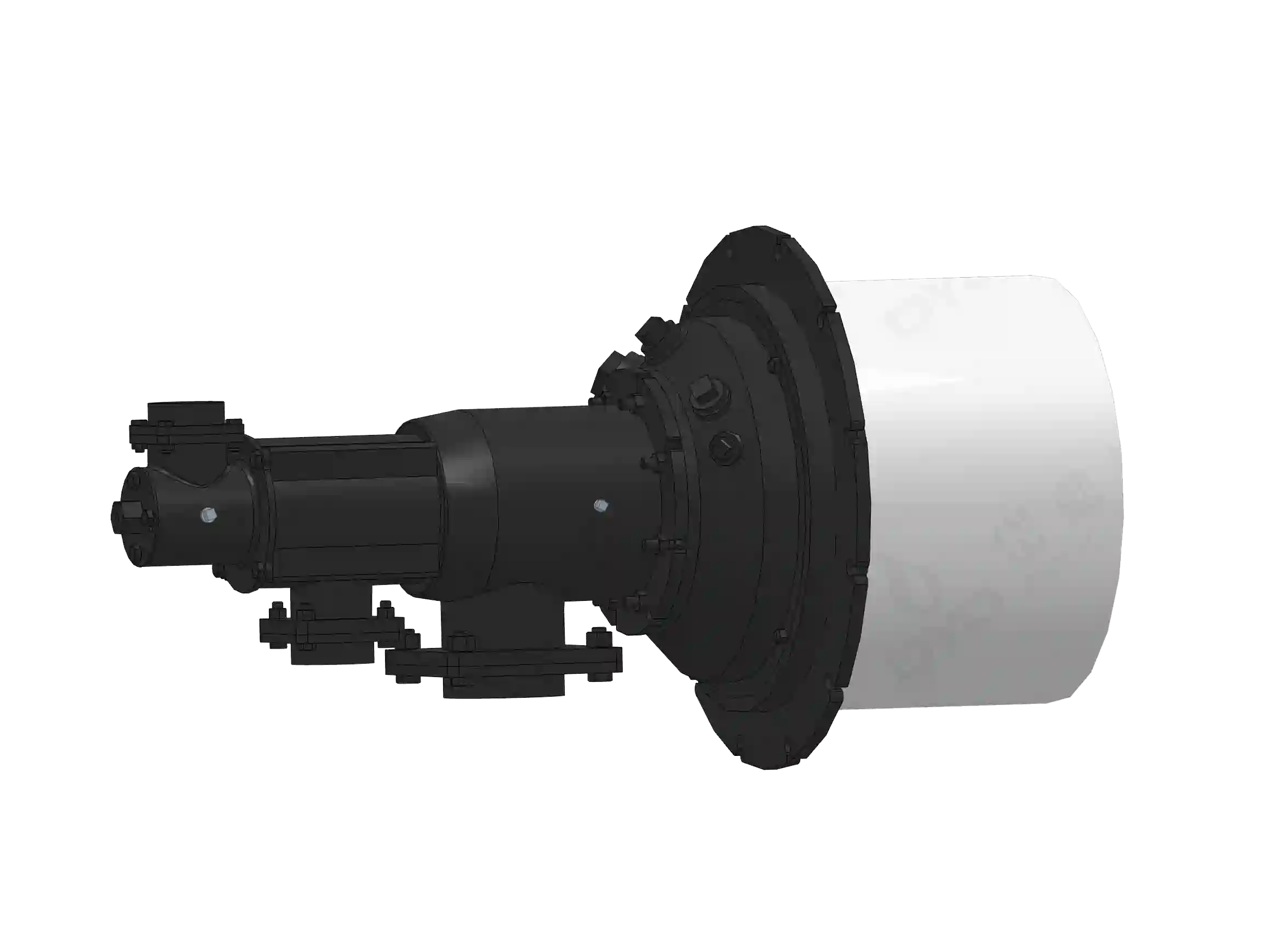
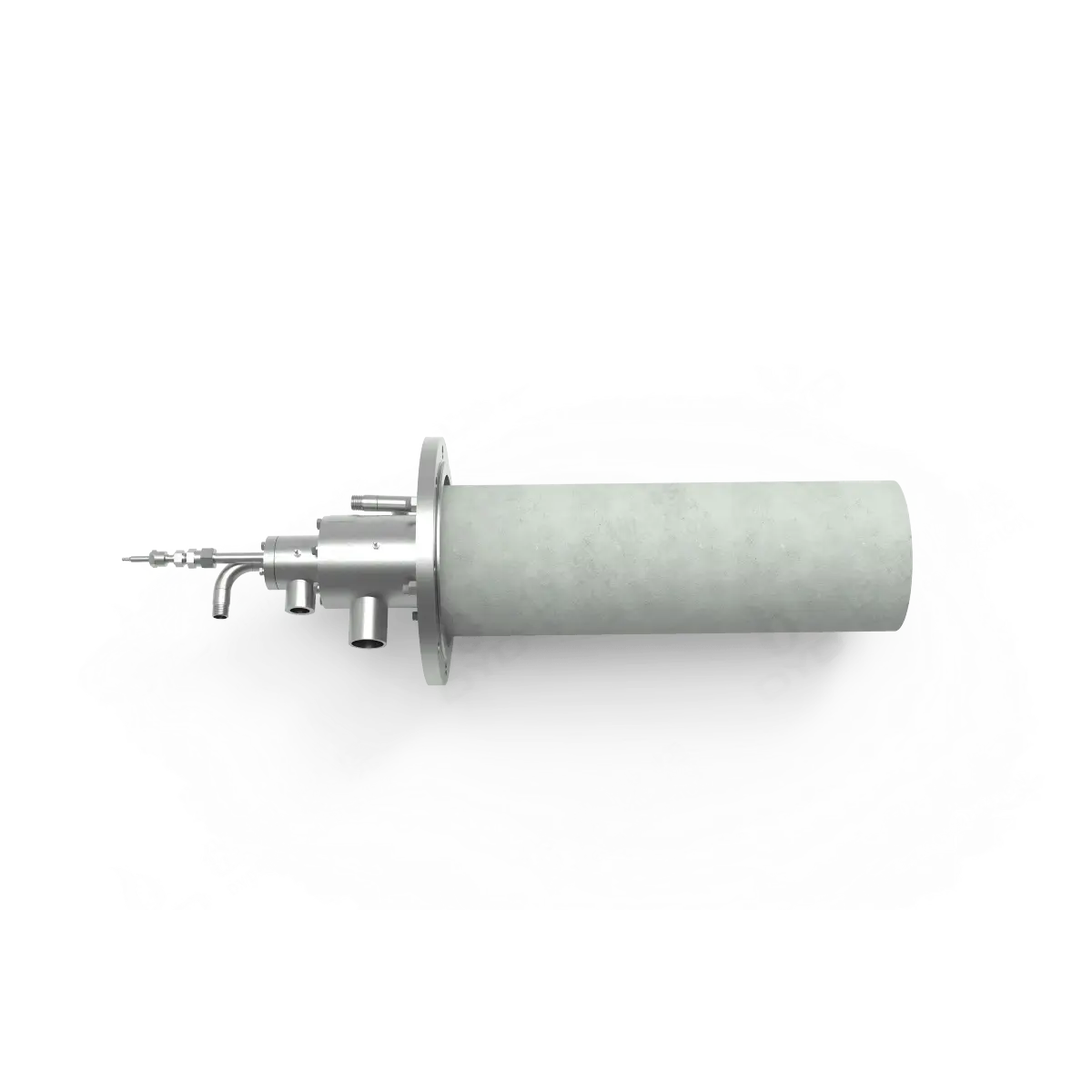
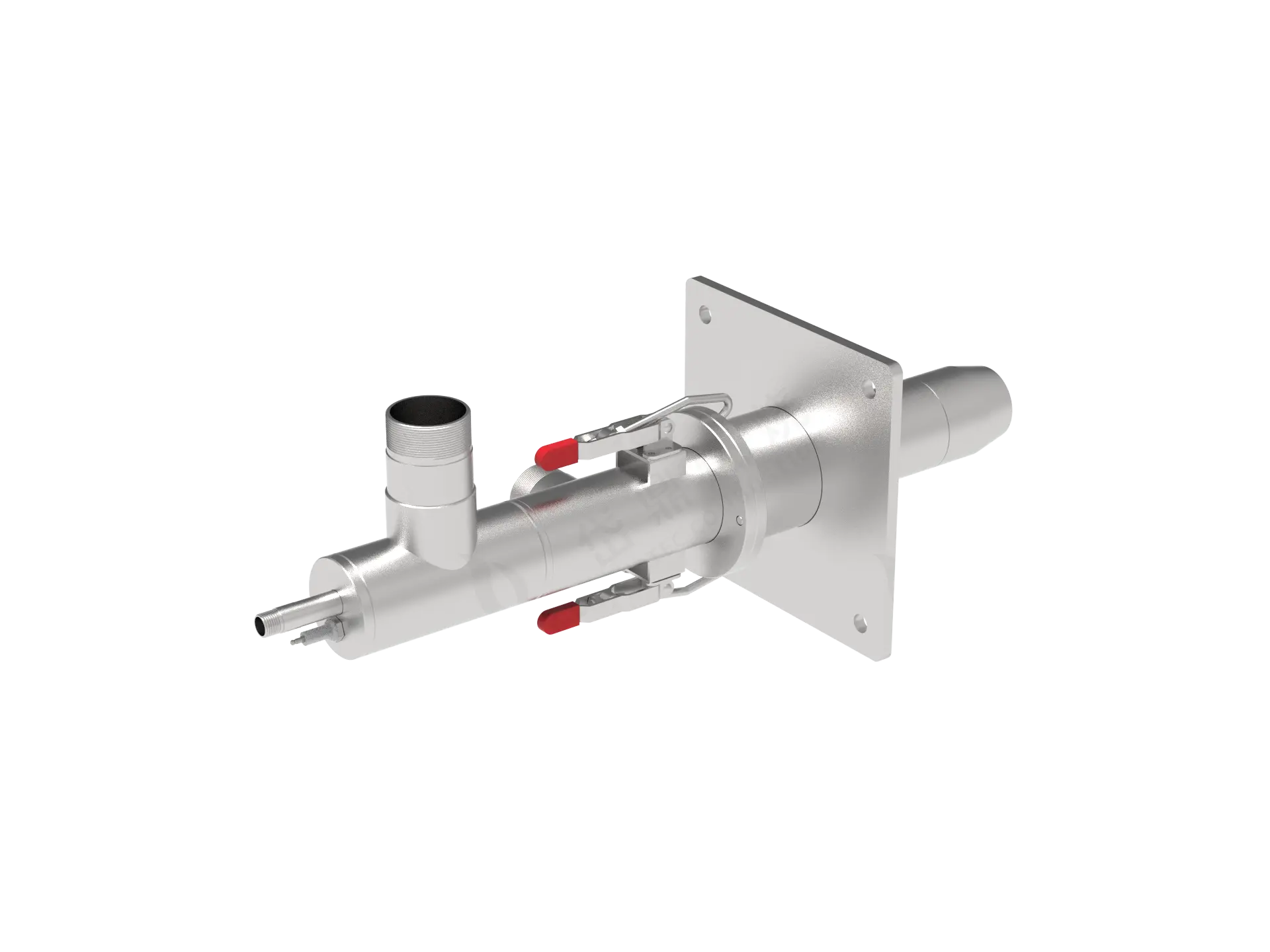
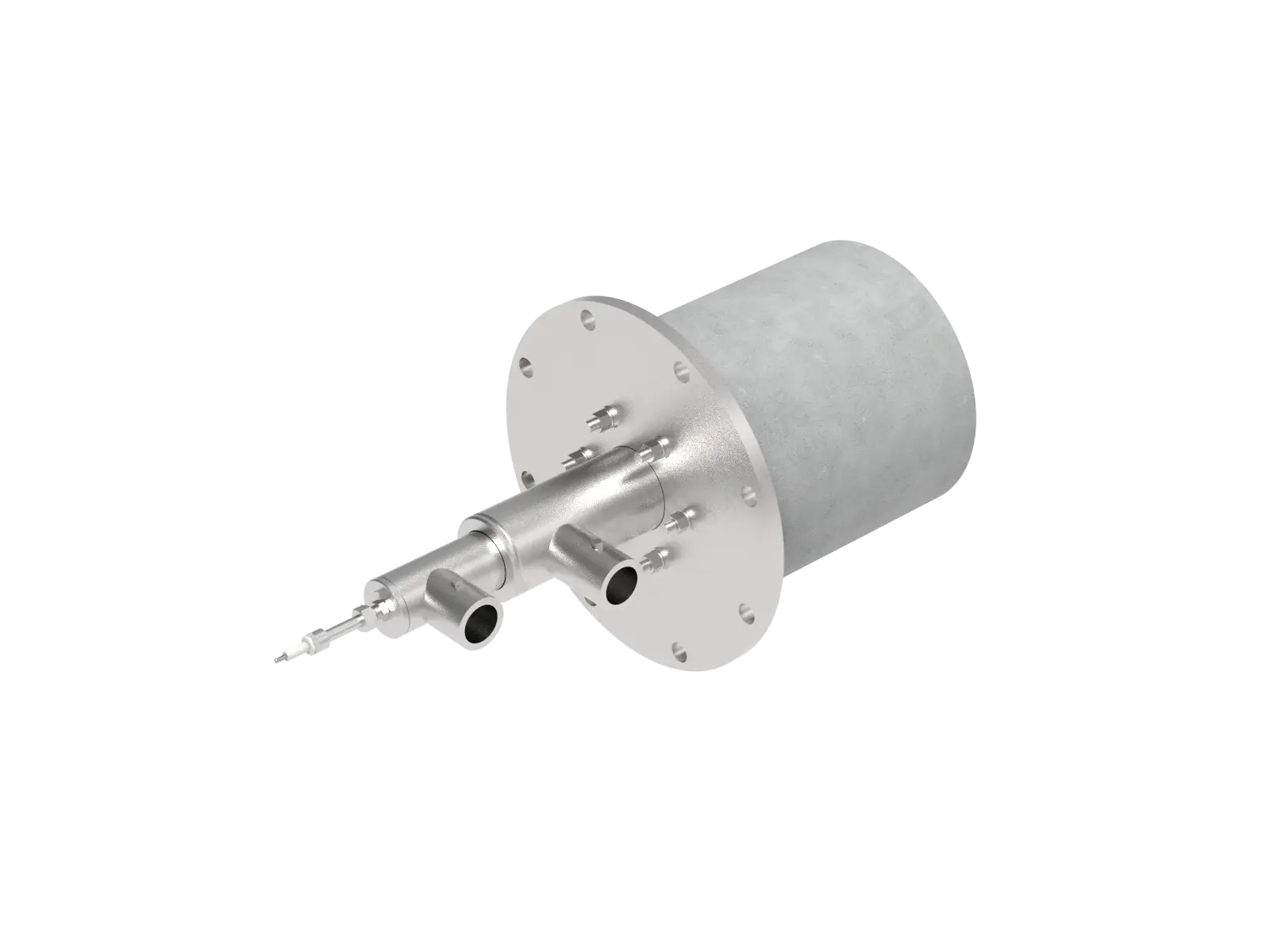
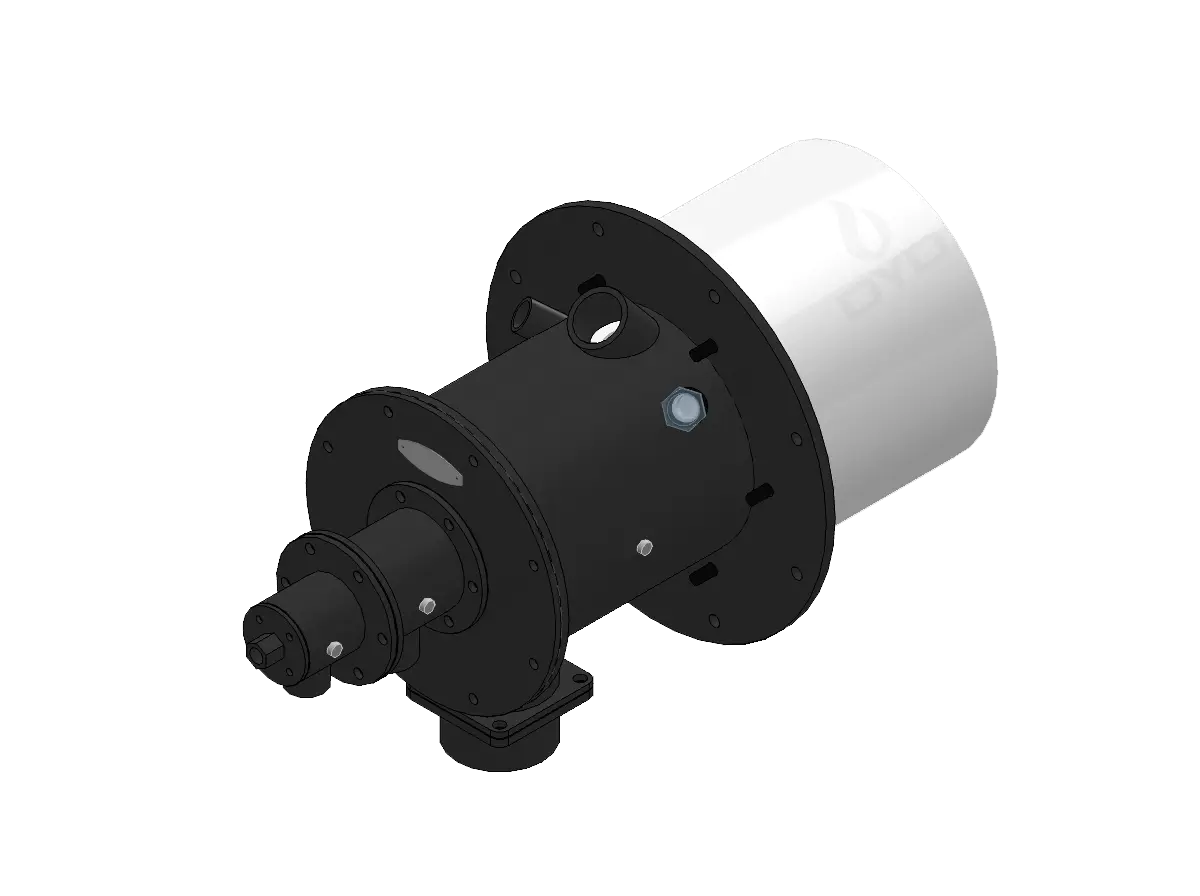
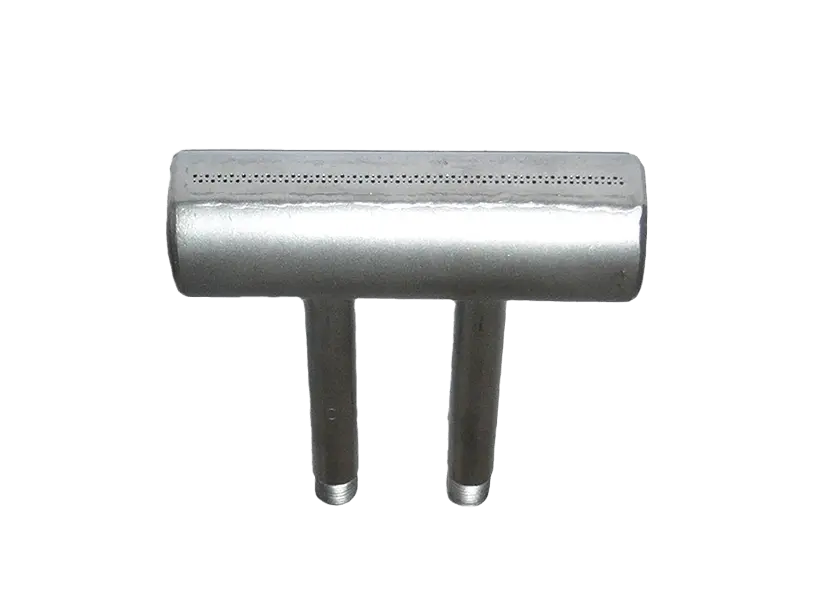
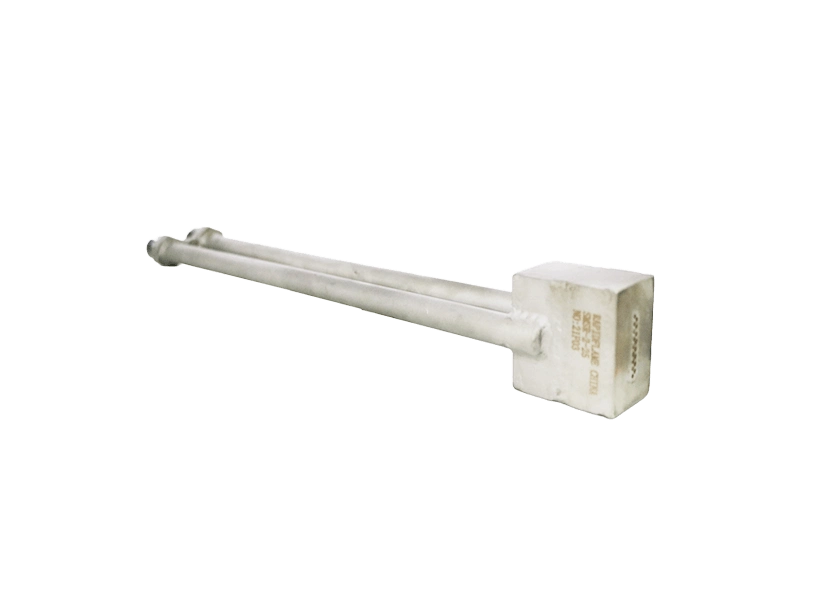
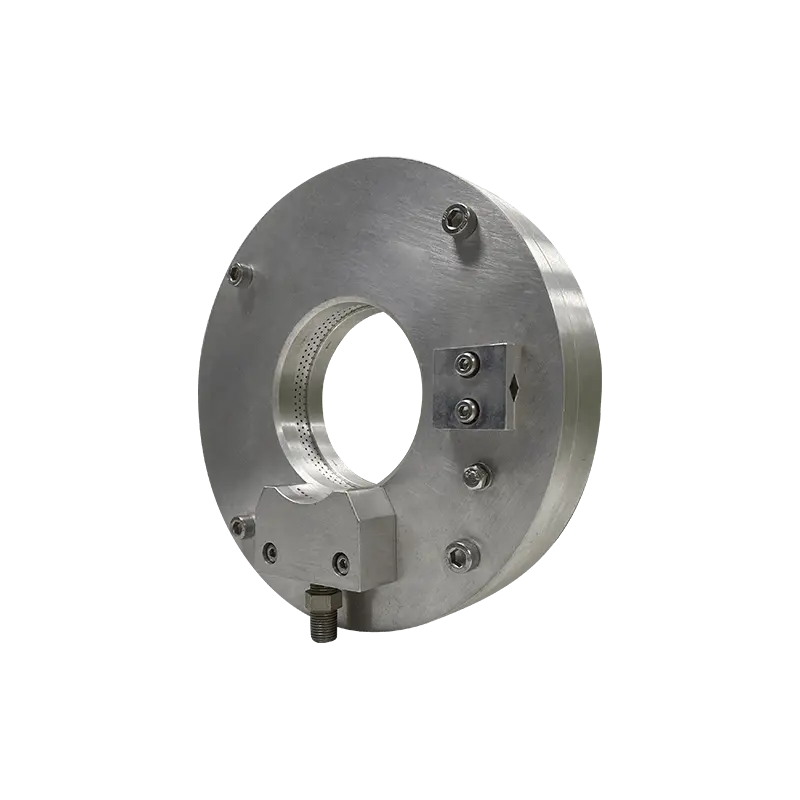
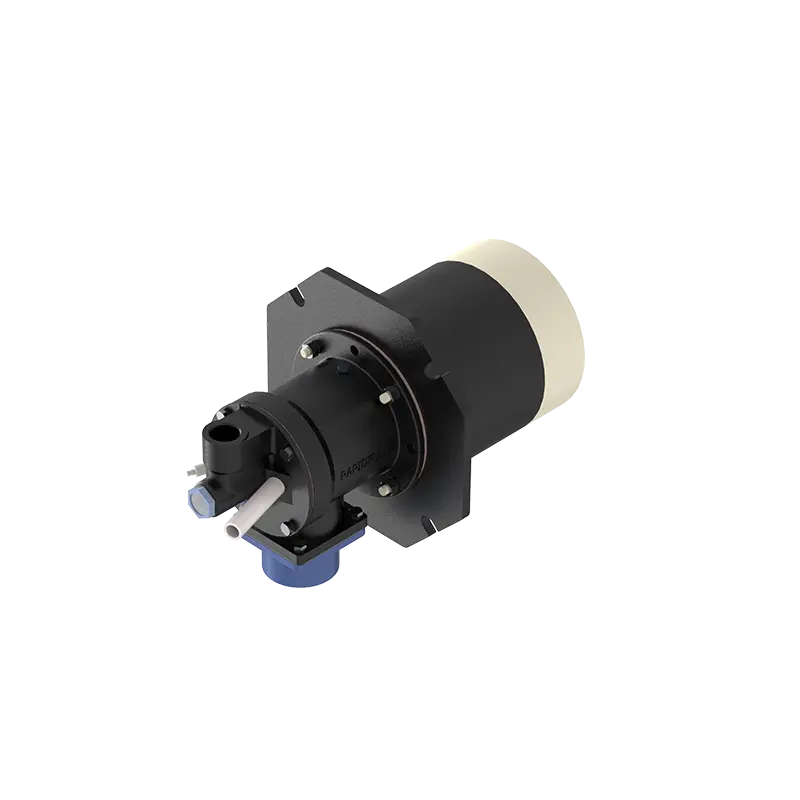
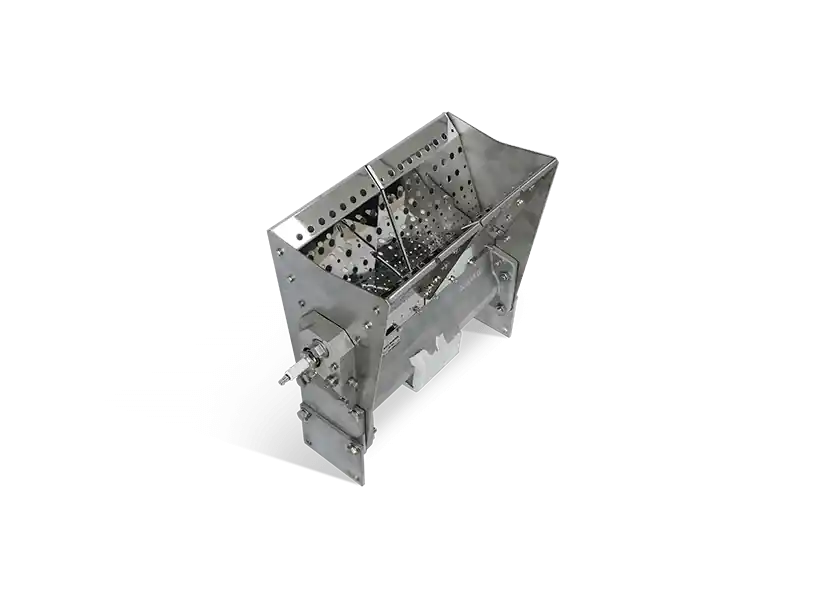
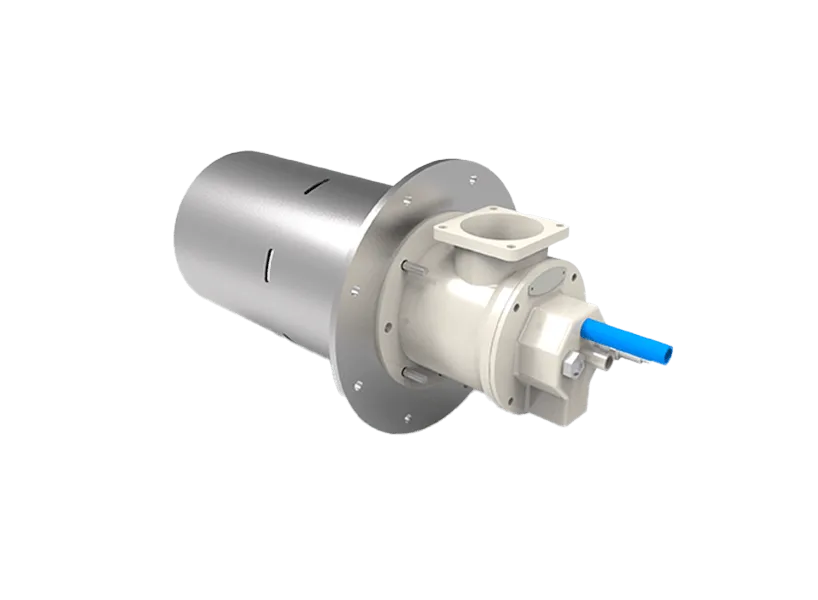
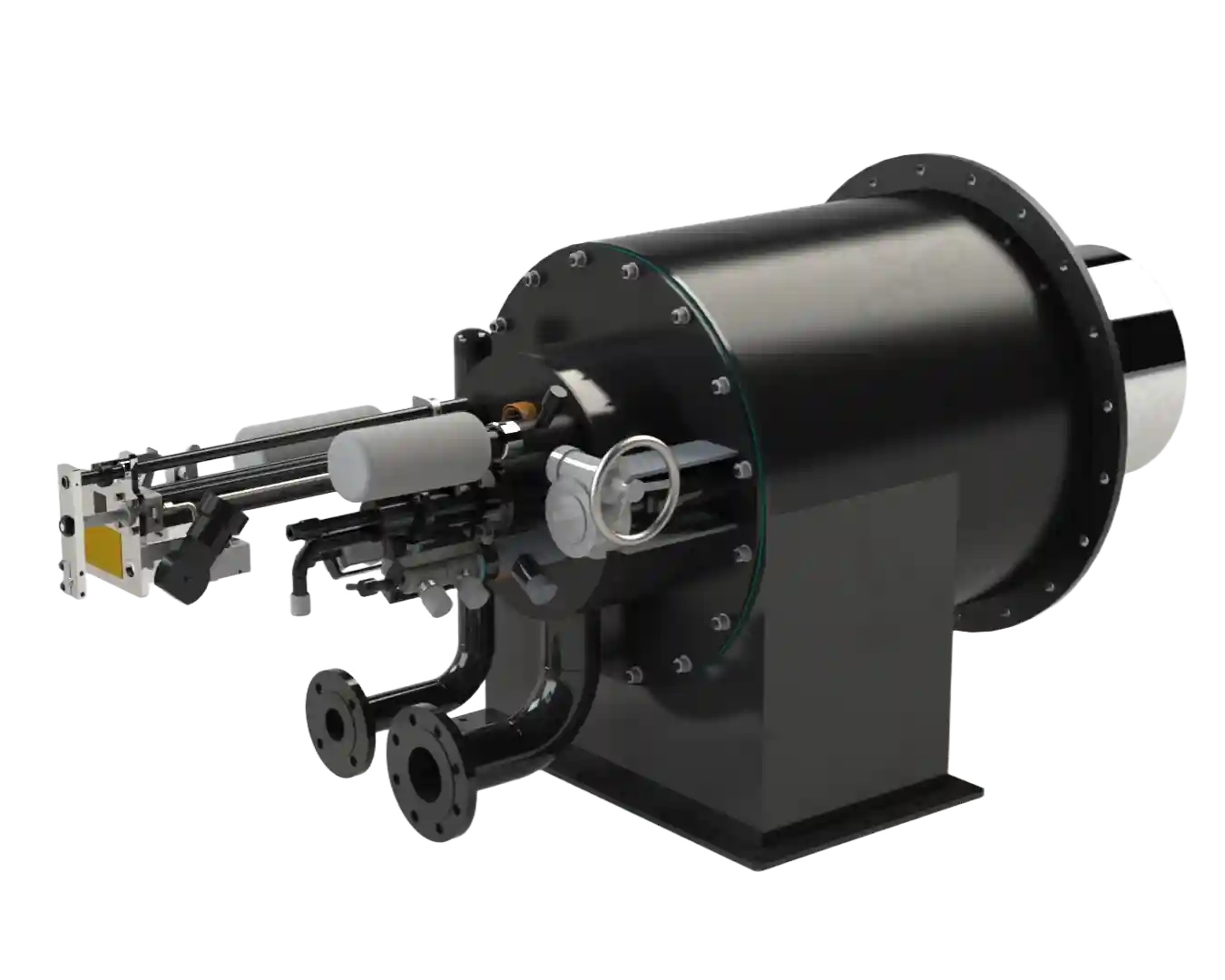
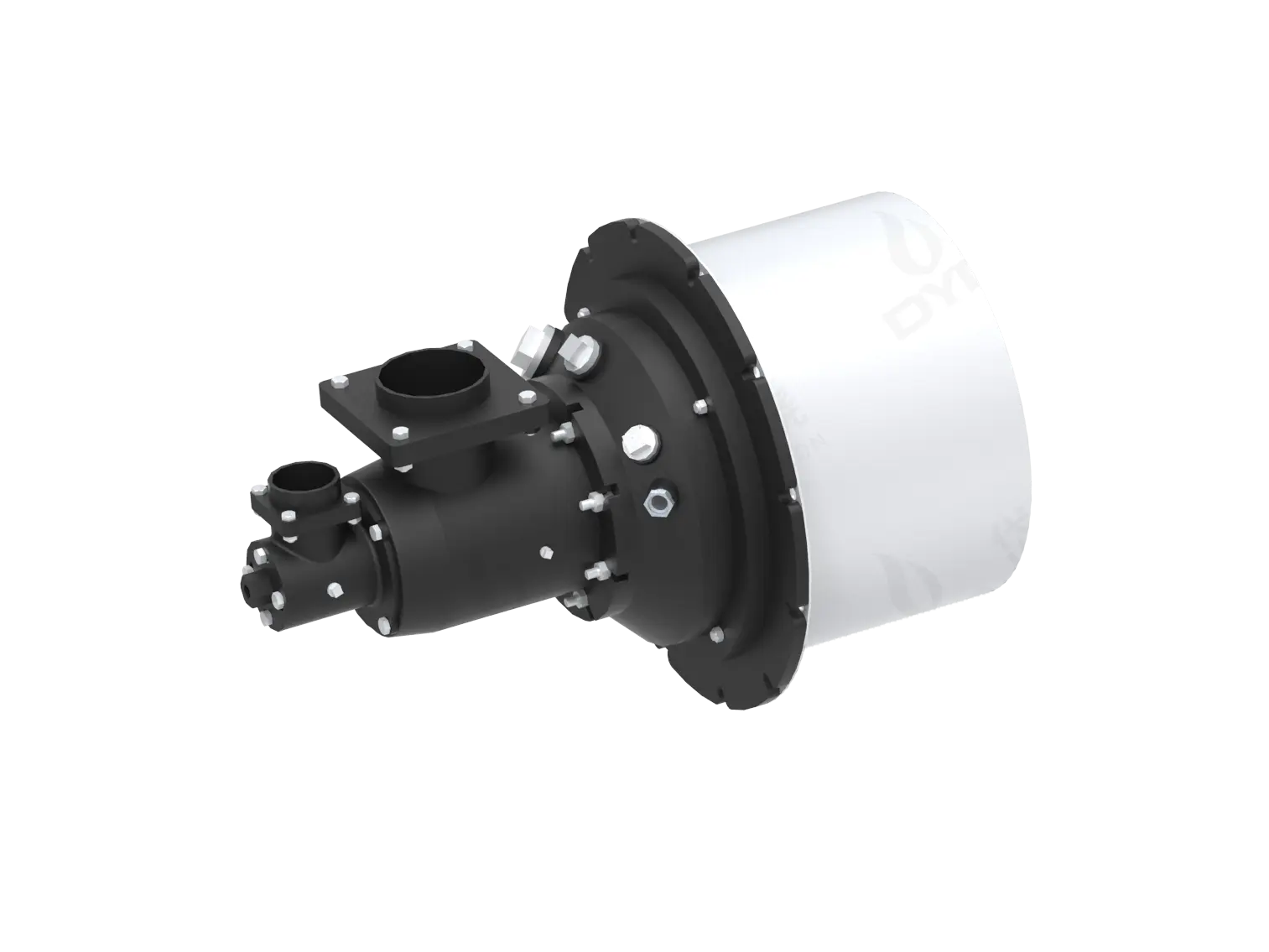
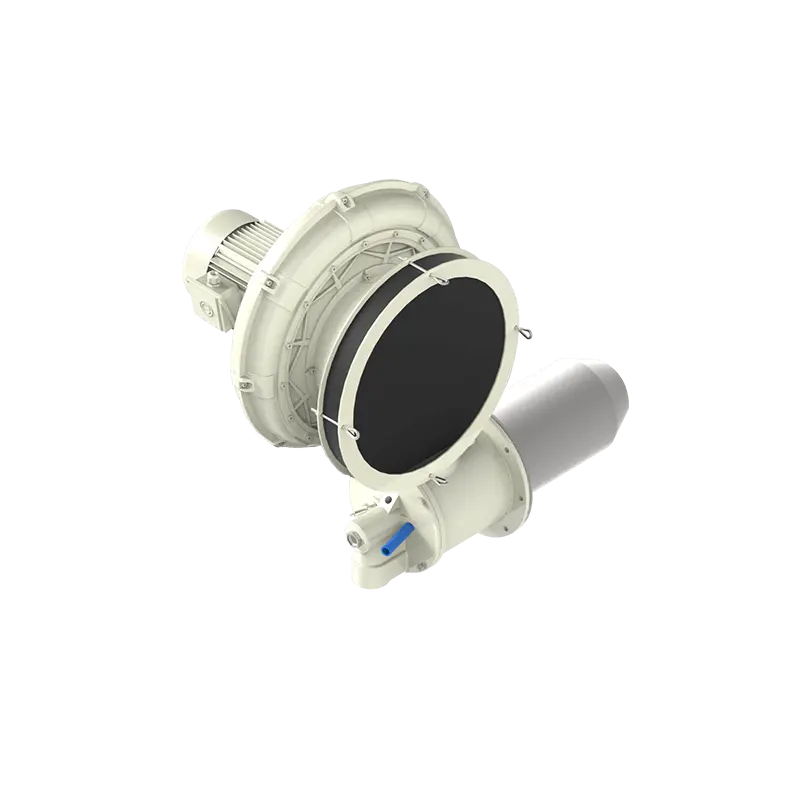
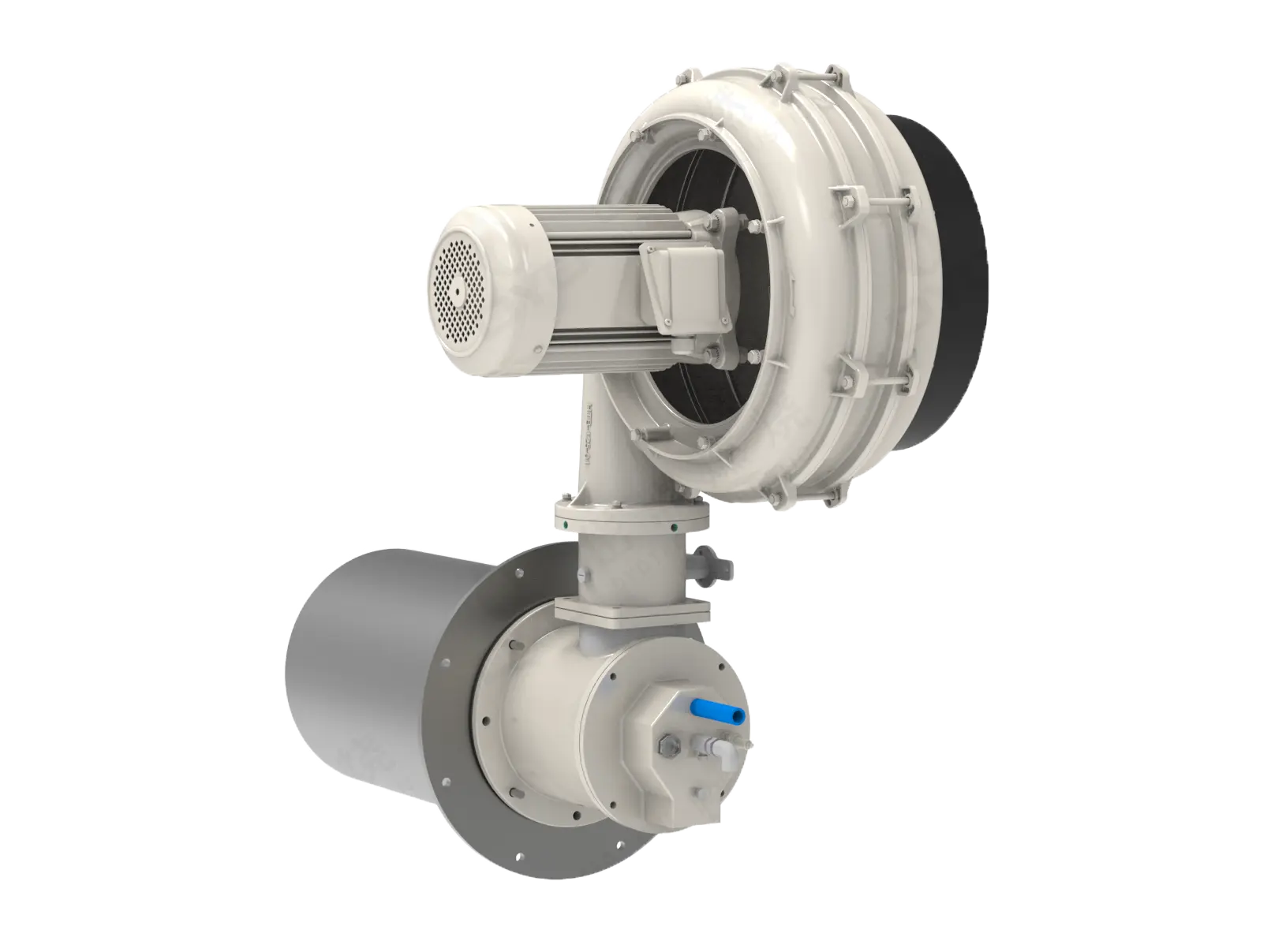
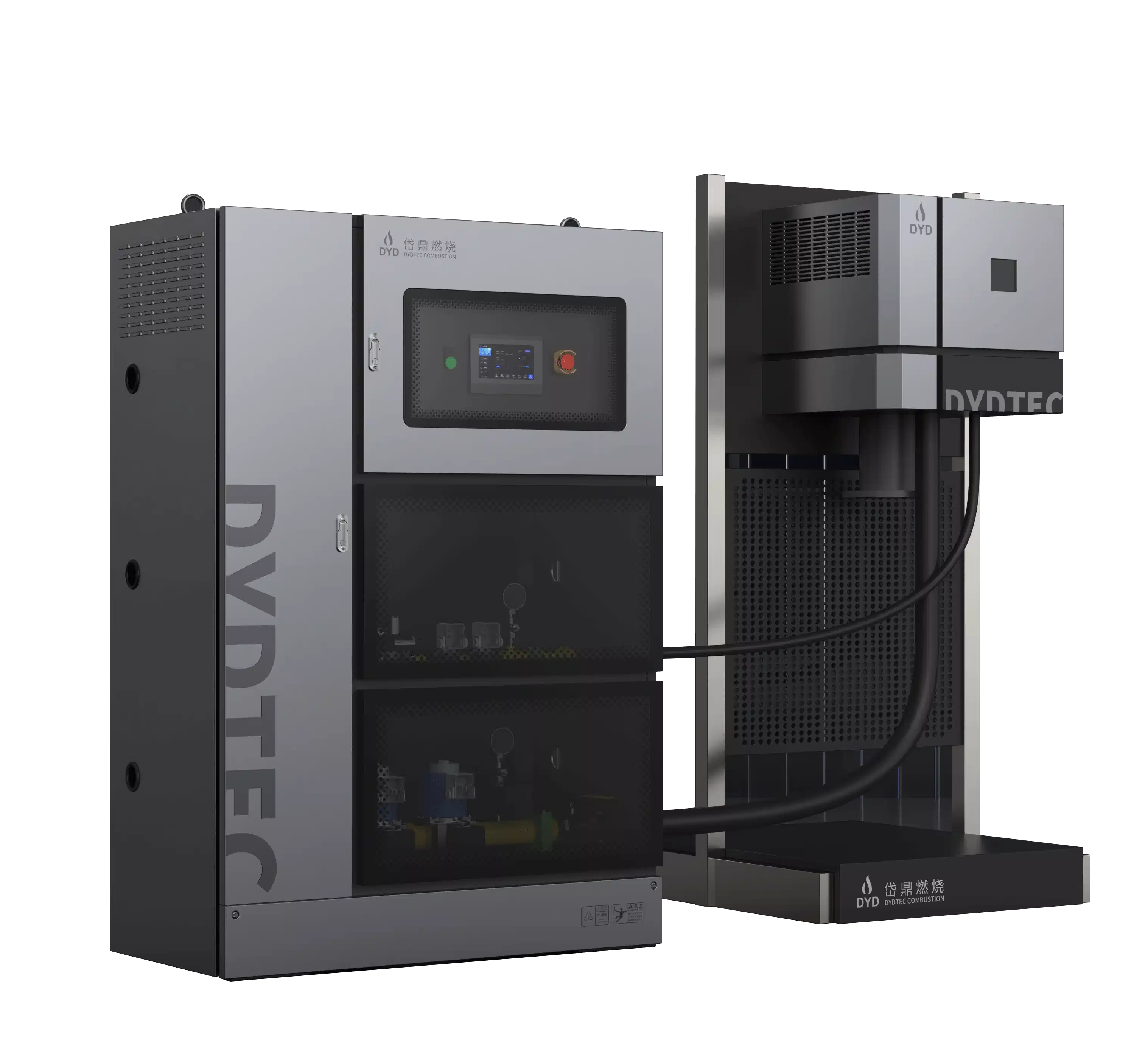
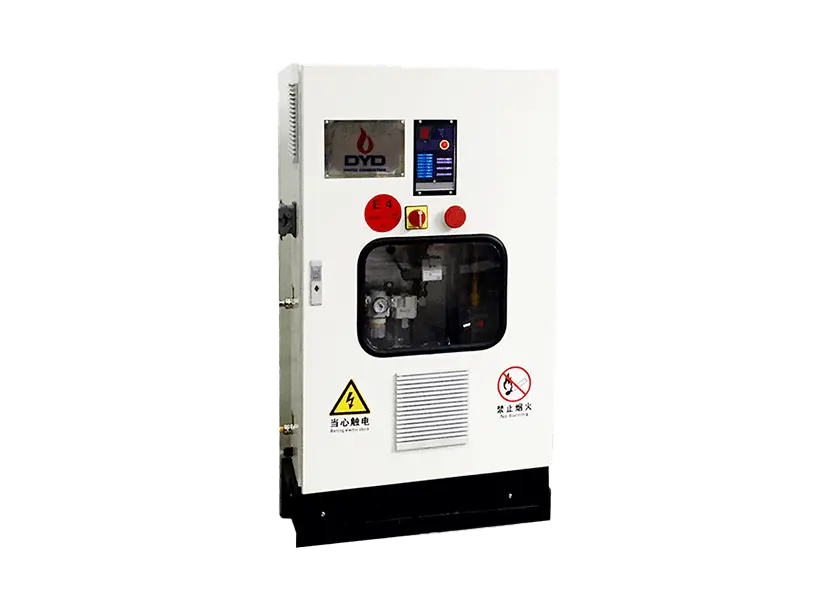
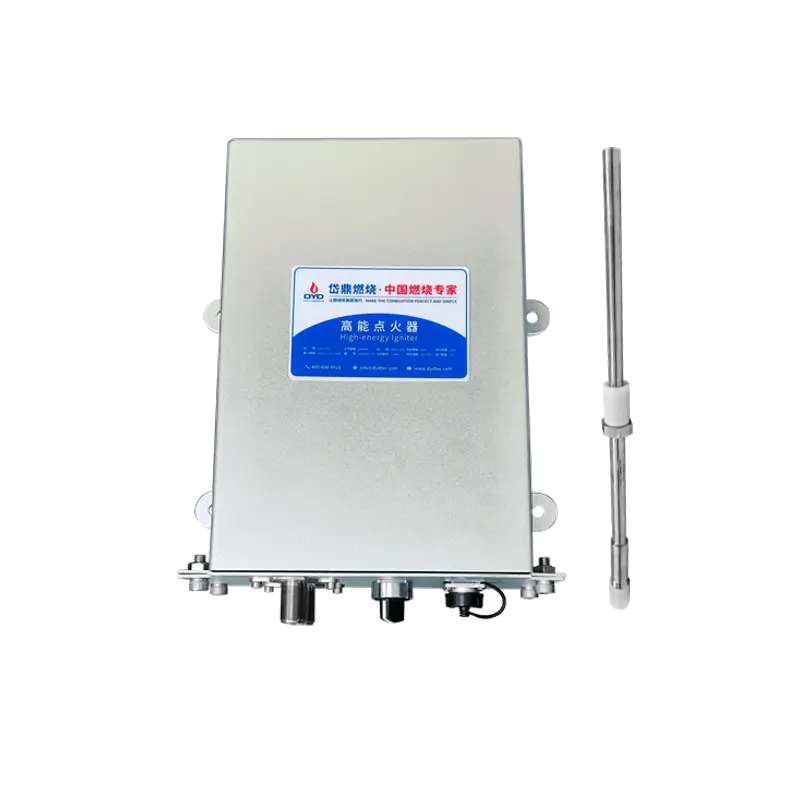
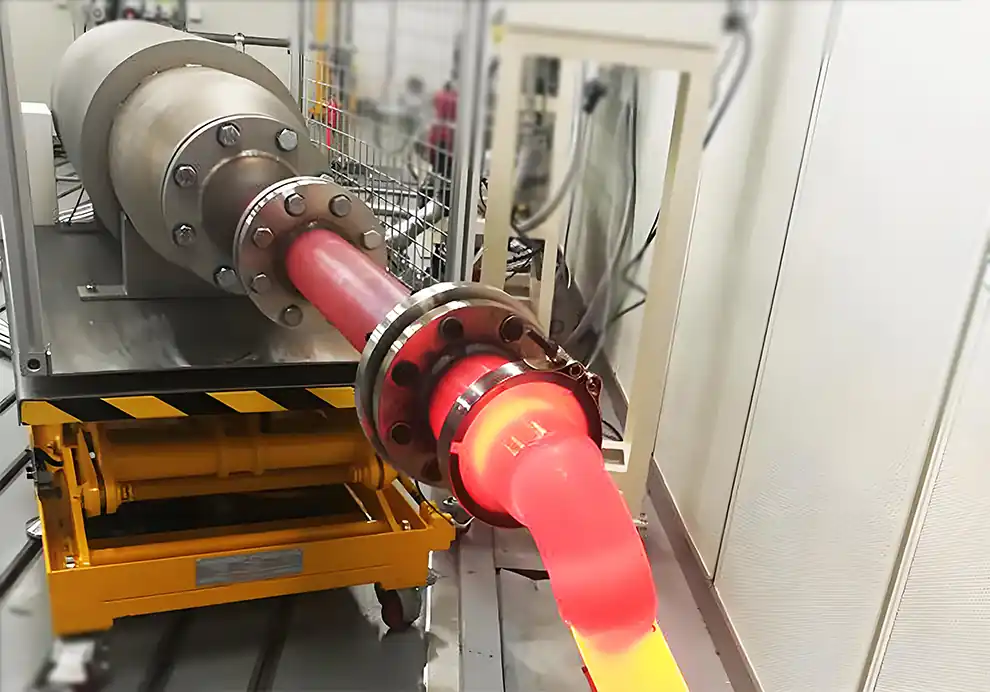
The gas turbine high‑energy igniter is a core safety device in the gas turbine starting system. Its primary function is to generate a high‑energy electrical spark during the start‑up phase to ignite the fuel‑air mixture, enabling rapid and stable ignition in the combustion chamber. As the first link in the gas turbine start‑up sequence, the ignition system’s reliability directly determines the success or failure of the entire starting process.
Due to the harsh operating environment of gas turbines—characterised by high temperature, high pressure, intense vibration, and continuous operation—ordinary industrial ignition equipment cannot meet the requirements. A dedicated gas turbine high‑energy igniter is therefore essential. Conventional industrial igniters are designed for atmospheric or slightly negative‑pressure boilers, ovens, and similar equipment; their discharge energy, temperature tolerance, and structural strength are inadequate for the severe conditions inside a gas turbine combustor.
When selecting a gas turbine high‑energy igniter manufacturer, the following aspects deserve special attention:
Whether the manufacturer has dedicated R&D capabilities for turbine‑specific ignition products – can they design specifically for the unique operating conditions of gas turbines?
Whether they master high‑energy discharge technology – does the discharge energy and frequency meet the start‑up requirements of the turbine?
Whether they have high‑temperature and explosion‑proof design capability – can the product work reliably over the long term in the high‑temperature, high‑pressure environment of the combustor?
Whether they can provide a complete ignition system solution – from the ignition controller, high‑voltage cables, and igniter rod to all associated components.
Whether they have application experience in industrial combustion systems – this reflects their depth of understanding of combustion mechanisms and flame stability.
As a professional provider of industrial combustion system solutions, DYDTEC possesses R&D and manufacturing capabilities for burners, ignition systems, combustion controls, and related products. It can supply gas turbine high‑energy igniter rods, explosion‑proof high‑energy igniters, and other combustion safety products, offering reliable ignition solutions for the gas turbine, power, energy, and industrial combustion sectors.
A gas turbine high‑energy igniter is an ignition device that uses a storage capacitor to release high energy instantaneously, generating a powerful electric arc between the ignition electrodes to ignite the fuel‑air mixture inside the combustion chamber. Unlike conventional ignition transformers that use continuous low‑voltage discharge, the high‑energy igniter operates on the capacitor‑discharge principle – energy is first stored in the capacitor and then released in a very short time, producing an extremely high‑energy spark that can penetrate high‑velocity, high‑pressure airflow to ignite the mixture.
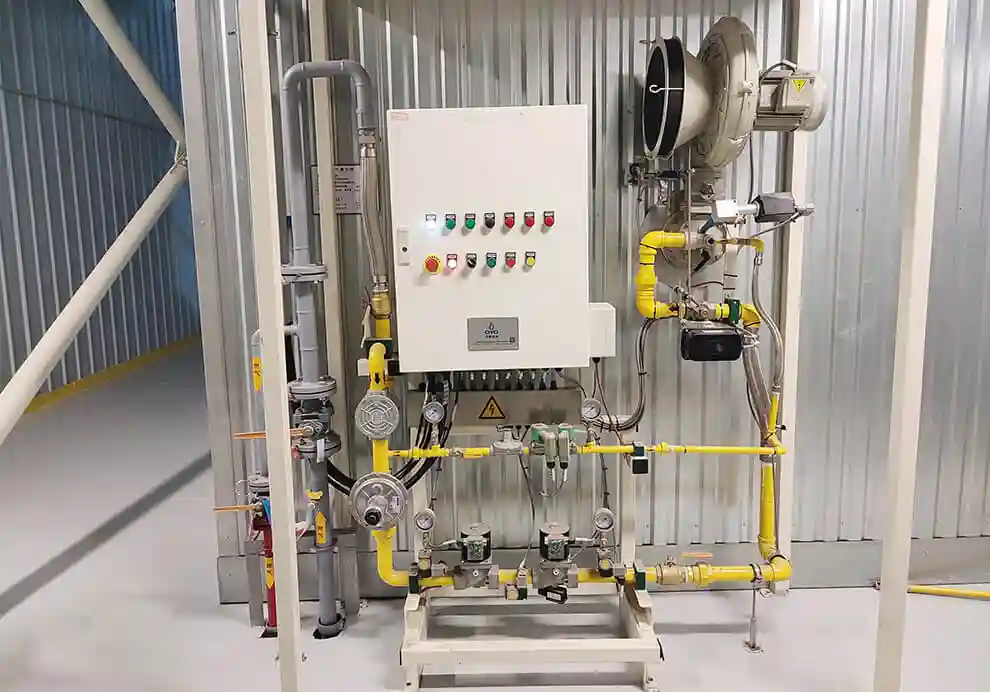
A complete high‑energy ignition system typically consists of:
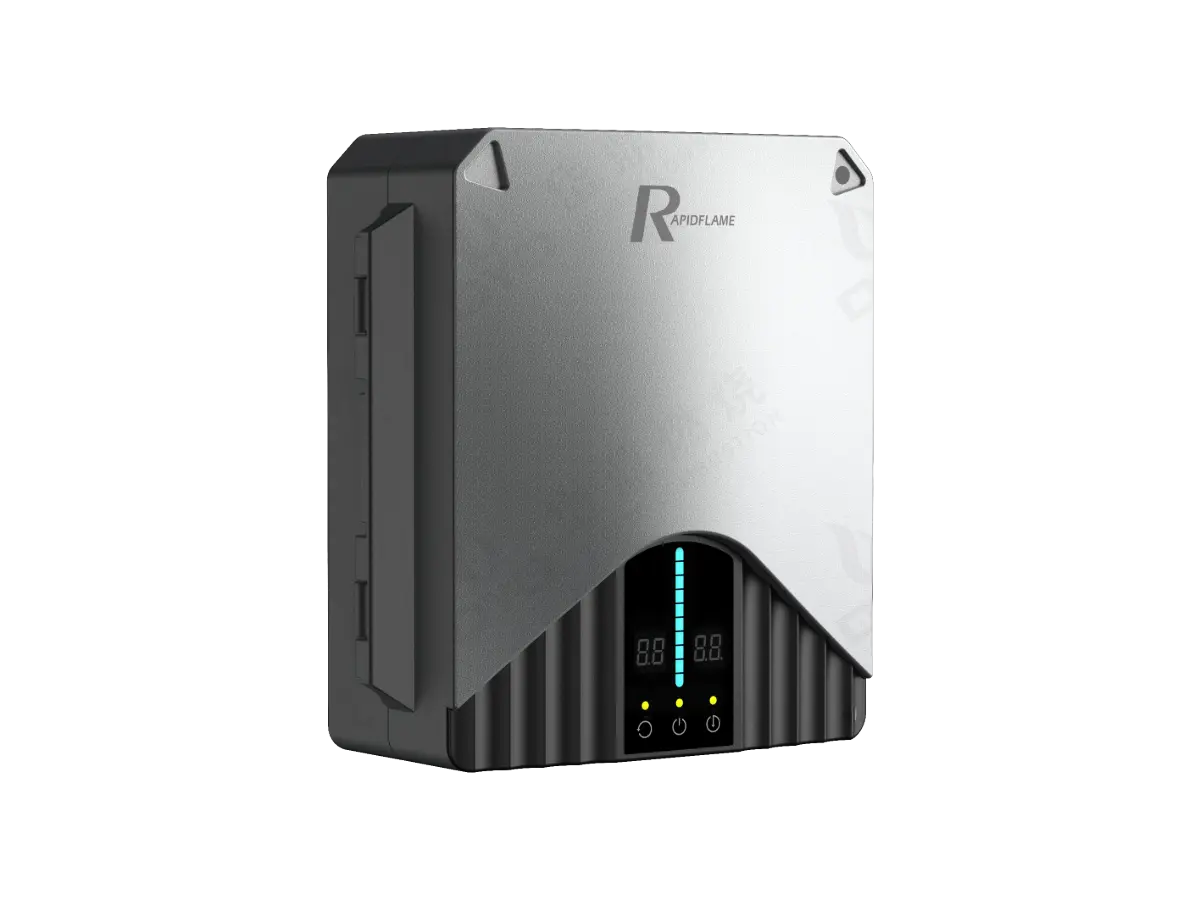
High‑energy ignition controller – responsible for energy storage, voltage boosting, and discharge control; it is the energy source of the system.
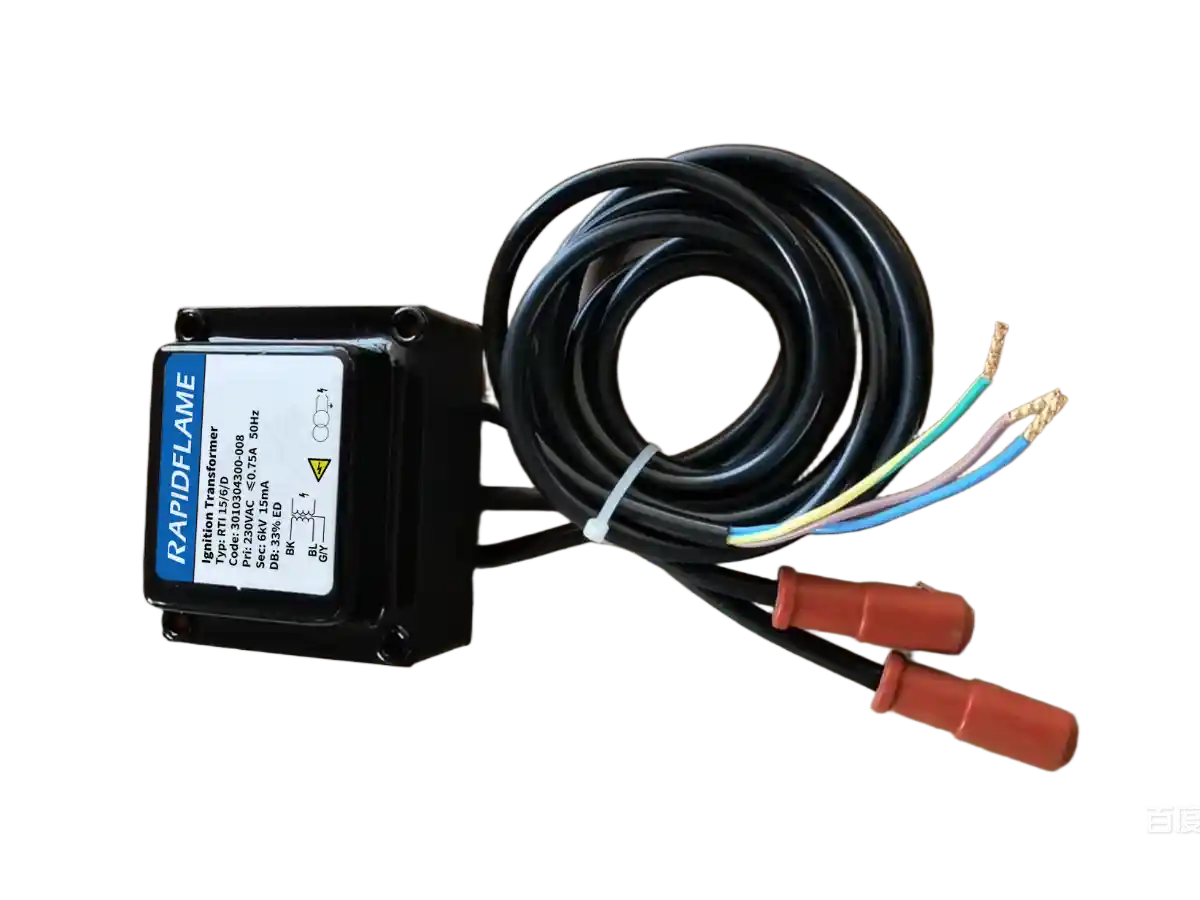
High‑voltage ignition cable – transmits the high‑voltage energy from the controller to the igniter rod; must withstand high voltage, high temperature, and electromagnetic interference.
High‑energy igniter rod – extends into the combustion chamber and generates the spark via electrode discharge to directly perform ignition.
Ignition electrode – the discharge component at the tip of the rod, which forms the electric arc under high voltage.
Mounting and connection components – mechanical parts that secure the igniter rod to the combustor casing, meeting sealing and temperature requirements.
Working process:
Start signal → ignition controller activates → high‑voltage energy output → igniter rod produces high‑energy arc → combustible mixture ignites → flame established → flame detection confirms.
In the gas turbine start‑up sequence, the high‑energy igniter is energised before fuel supply begins – the fuel valve is opened only after the igniter reaches the predetermined discharge state, ensuring that fuel is ignited as soon as it enters the combustor and preventing the risk of deflagration from accumulated unburnt fuel. Thus, the high‑energy igniter is a vital guarantee for the successful start‑up of the gas turbine; its reliability directly determines whether the turbine can start normally.
The gas turbine combustor operates continuously under high temperature, high pressure, intense vibration, and high‑velocity airflow. Temperatures inside the combustor can reach several hundred degrees Celsius or higher, pressure is far above atmospheric, airflow velocities are very high, and strong mechanical vibrations and thermal shocks are present.
Under such conditions, ordinary igniters are prone to:
Electrode erosion – electrode material deteriorates rapidly at high temperatures, increasing the spark gap and reducing ignition energy.
Insulation degradation – high temperatures impair insulation performance, possibly causing leakage or short circuits.
Insufficient ignition energy – conventional igniters suffer energy attenuation under high pressure and cannot penetrate the dense airflow.
Shortened service life – vibration and thermal fatigue lead to premature structural failure.
Therefore, gas turbine ignition systems must adopt high‑temperature‑resistant, highly reliable structural designs, using special high‑temperature alloy electrode materials and high‑temperature insulation ceramics to maintain stable discharge performance under extreme conditions.
Gas turbines are widely used in combined‑cycle power generation, distributed energy, industrial power systems, and marine propulsion. In these applications, the gas turbine is often the core power equipment, and a start‑up failure can lead to equipment outage, production interruption, and increased operation and maintenance costs.
There are many causes of start‑up failure, and ignition system malfunction is a significant contributor. If the igniter fails to establish a flame within the first ignition attempt, the entire start‑up sequence is interrupted, requiring a new purge and ignition cycle. This extends start‑up time, increases the number of thermal cycles on hot‑section components, and accelerates fatigue damage.
Consequently, the high‑energy igniter must ensure fast ignition, stable discharge, and reliable operation over many start‑up cycles. A qualified high‑energy igniter should be designed to maintain a high ignition success rate over thousands of start‑up events, minimising unplanned outages due to ignition failure.
Different gas turbines may use natural gas, LPG, liquid fuel, or industrial tail gas. Each fuel has different auto‑ignition temperatures, combustion rates, and flame propagation characteristics, imposing different requirements on ignition energy and ignition location.
The high‑energy ignition system must be matched to the fuel properties and combustor geometry. For turbines starting on liquid fuel, the igniter must provide sufficient energy to ignite the atomised spray; for low‑calorific‑value gases, the igniter must achieve reliable ignition over a wider range of mixture concentrations.
During gas turbine start‑up, the igniter must generate enough energy to penetrate the high‑velocity airflow, high pressure, and lean fuel‑air mixture. The discharge energy of a high‑energy igniter is typically on the order of joules, far exceeding the millijoule output of conventional industrial igniters, ensuring that a spark sufficient to ignite the mixture can be formed even under adverse conditions.
A high‑quality high‑energy igniter must have a stable discharge frequency, high instantaneous output energy, and the ability to operate reliably over extended periods. The stability of the discharge frequency affects the continuity of spark energy during ignition; frequent energy fluctuations can reduce ignition success rates. Additionally, the storage capacitors and high‑voltage boost modules inside the ignition controller must undergo rigorous ageing tests to ensure that discharge performance does not degrade over the turbine’s life cycle.
The gas turbine igniter rod extends directly into the combustion zone and must withstand long‑term high‑temperature exposure. The front electrode of the rod is exposed to the flame core, where temperatures are extremely high, imposing stringent demands on material selection and structural design.
Typically, high‑temperature alloys (such as nickel‑based superalloys), high‑strength insulation structures (e.g., high‑purity alumina ceramics), and optimised heat dissipation designs (using cooling air channels to reduce temperatures at critical locations) are required. The structural design must also account for thermal expansion effects to avoid fracture or seal failure due to thermal stress.
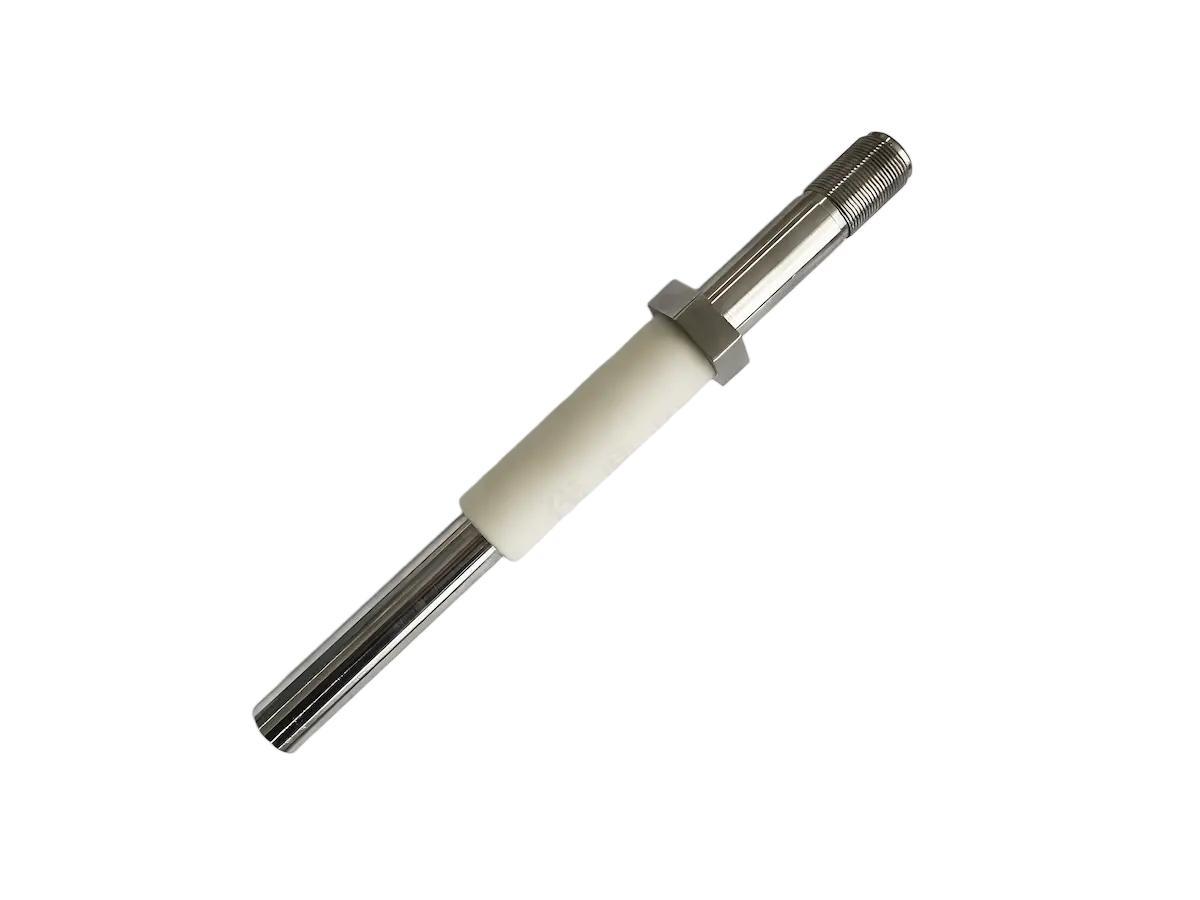
DYDTEC’s DGN/H series gas turbine high‑energy igniter rods are designed specifically for turbine applications and can be used in gas turbine ignition systems. These products use high‑quality high‑temperature materials and are structurally designed with full consideration of installation space and thermal expansion characteristics. Custom interface configurations are available for different turbine models.
Since the energy industry often involves combustible gas environments, high‑energy ignition equipment must meet explosion‑proof requirements, safety isolation, and electrical protection standards. The ignition system operates with high‑voltage discharge; improper explosion‑proof design could cause accidental explosions in flammable atmospheres.
Explosion‑proof design encompasses the enclosure rating of the ignition controller, safe routing of high‑voltage cables, and sealing isolation where the igniter rod penetrates the combustor casing. The explosion‑proof design of the high‑energy ignition system must be coordinated with the turbine’s overall safety protection system to ensure that it does not become a safety hazard under either normal or abnormal operating conditions.
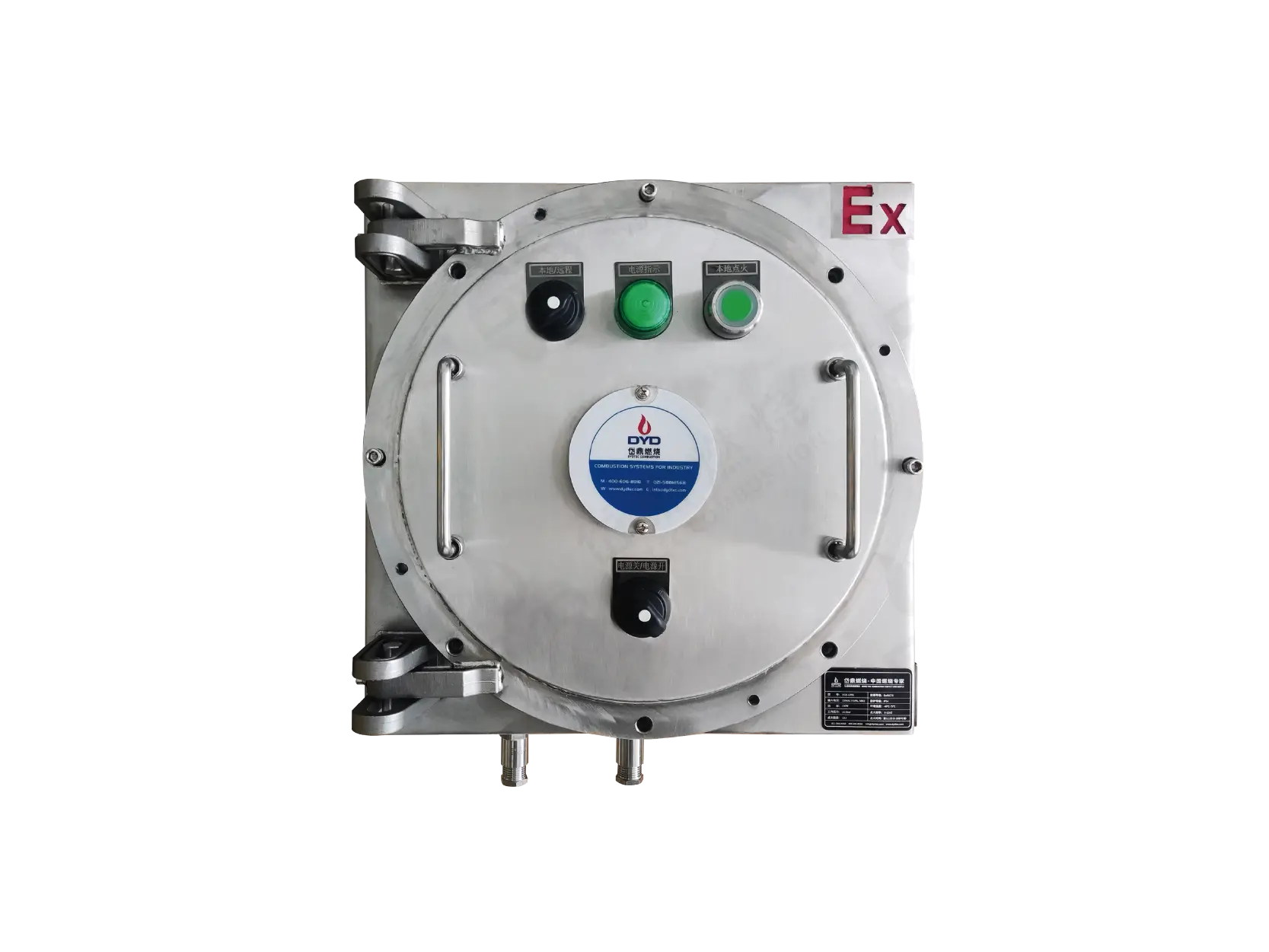
DYDTEC’s product portfolio includes explosion‑proof high‑energy igniters and other combustion safety products suitable for industrial combustion safety applications. These products are designed from the outset with full consideration of the explosion‑proof requirements and safety standards of gas turbines and other energy equipment.
A high‑energy igniter is not an independent electrical product; it is an integral part of the combustion system. The design of the igniter cannot be considered purely from an electrical perspective – it must be closely linked to the combustor structure, airflow organisation, fuel injection method, and ignition location.
The manufacturer must understand:
Combustor geometry (fuel injection position, velocity distribution, recirculation zones)
Flame stabilisation mechanisms (how the flame attaches and propagates in high‑velocity flow)
Ignition location (the effect of insertion depth and angle on ignition success)
Fuel characteristics (auto‑ignition temperature and ignition energy requirements for different fuels)
Control logic (the coordination of ignition timing and fuel valve opening)
A manufacturer with combustion system experience is more likely to provide a well‑matched solution. They can select the appropriate ignition energy level and location based on the specific combustor characteristics, rather than simply offering a standard model for the customer to adapt themselves.
Different gas turbines have different models, mounting dimensions, ignition interfaces, and control methods. Standardised ignition products cannot cover all turbine types – each turbine may have different insertion depths, flange specifications, cable interfaces, and electrical parameters.
Therefore, a professional manufacturer should be capable of customising igniter rod length, flange design, electrical parameter matching, and adaptation to operating conditions. During the early project phase, the manufacturer should communicate thoroughly with the turbine user or OEM to confirm installation conditions and technical requirements, ensuring that the mechanical interfaces and electrical parameters are fully compatible with the turbine system.
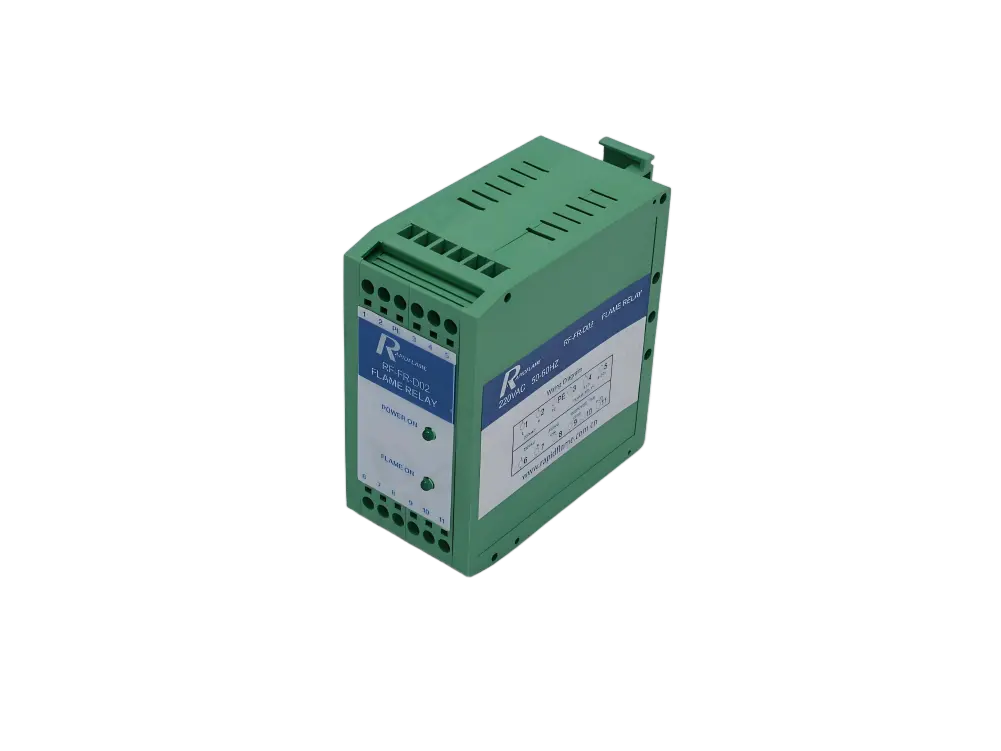
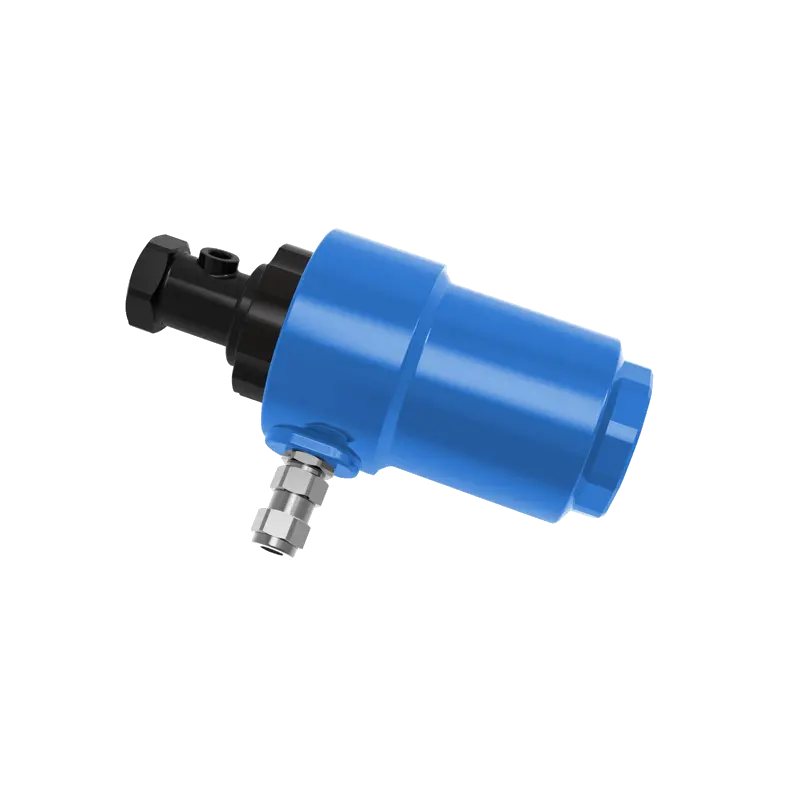
A specialised supplier should provide not only the igniter rod, but also high‑energy igniters, ignition control cabinets, flame detection equipment, combustion control systems, and burner support. A complete product portfolio means that compatibility among all ignition system components has been verified at the design stage, reducing the risk of mismatches when users need to source different parts from multiple vendors.
When the ignition controller, high‑voltage cable, igniter rod, and flame detector come from the same product family, the electrical parameter matching, communication protocol compatibility, and mounting interface uniformity are more assured, and on‑site commissioning workload is reduced accordingly.
DYDTEC is the industrial combustion brand of Shanghai DYDTEC Equipment Technology Group Co., Ltd., focusing on the R&D and manufacturing of industrial combustion equipment, combustion systems, and combustion safety products. Through years of technical accumulation, DYDTEC has evolved from a single burner supplier into a comprehensive combustion technology enterprise with total system design capability.
The company possesses:
11,000 m² production base – an integrated facility for R&D, testing, and manufacturing.
100+ burner models – covering industrial burners, linear burners, low‑NOx burners, and other series.
200+ industrial application scenarios – products widely used in power, energy, petrochemical, environmental protection, and other fields.
50+ patents and software copyrights – independent intellectual property in combustion technology, ignition technology, control systems, etc.
Service network in over 50 countries and regions – exports to a broad international market.
1. Professional turbine ignition products
DYDTEC offers the DGN/H series gas turbine high‑energy igniter rods, primarily used in gas turbines, industrial combustion equipment, and high‑temperature combustion systems. These products are specifically designed for the high‑temperature and high‑pressure conditions of gas turbine combustors, with full consideration of electrode material selection, insulation structure, and mounting interfaces for practical turbine applications.
2. Complete combustion safety product portfolio
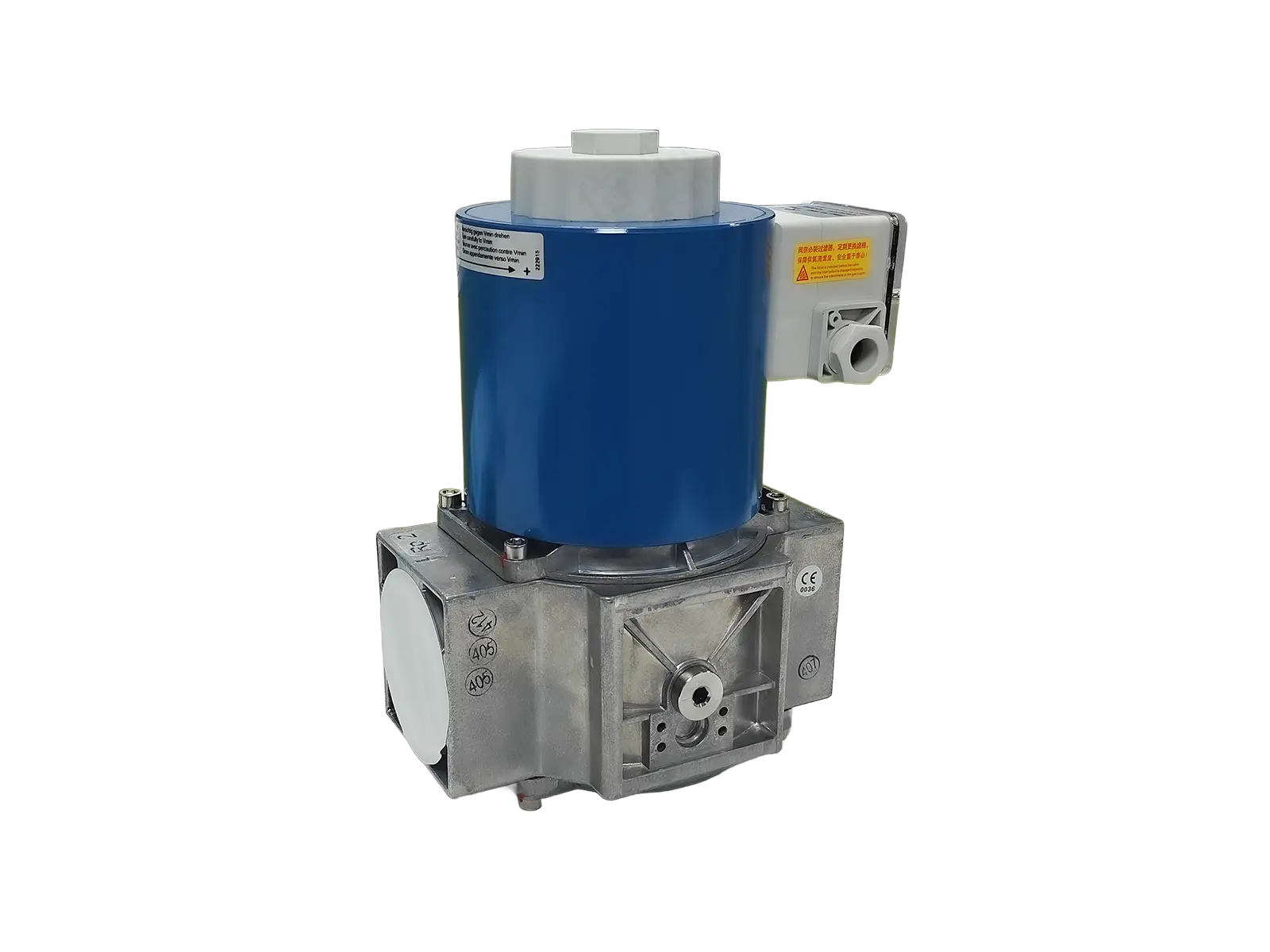
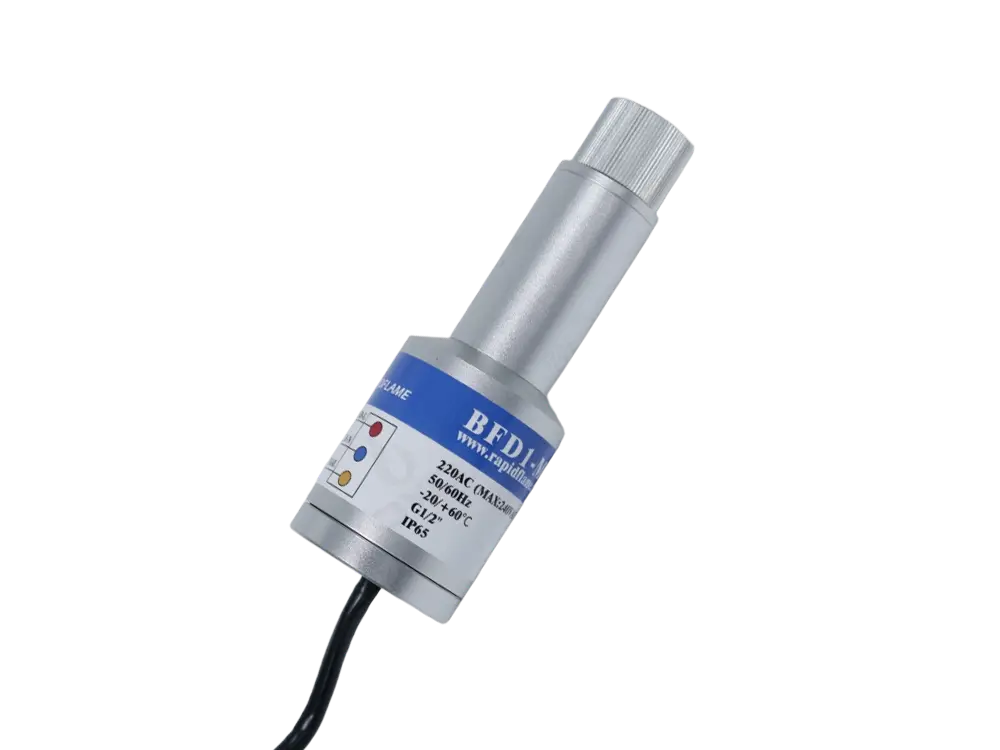
In addition to high‑energy ignition products, DYDTEC also provides explosion‑proof high‑energy igniters, high‑energy ignition control cabinets, flame detection equipment, and combustion control products, meeting the safety control requirements of combustion systems. From ignition control to flame monitoring, from fuel shut‑off to safety interlocks, DYDTEC’s product range covers multiple key aspects of combustion safety management.
3. Industrial combustion system R&D capability
DYDTEC’s products cover industrial gas burners, linear burners, low‑NOx burners, hydrogen burners, oxy‑fuel burners, and custom combustion systems, enabling system‑level solutions for different industrial scenarios. This cross‑product, cross‑application integrated capability allows DYDTEC to approach gas turbine ignition system needs from a holistic combustion system perspective, ensuring better design and optimisation.
Gas turbine power generation is the primary application field for high‑energy igniters, including gas‑fired power stations, combined‑cycle plants, and distributed energy stations. In these applications, the high‑energy igniter performs the core task of turbine start‑up ignition, and its reliability directly affects the station’s start‑up success rate and operational economy.
In scenarios such as petrochemical plants, steel mills, and industrial power centres, where gas turbines serve as core power equipment for industrial energy systems, equally reliable high‑energy ignition systems are required. Industrial energy systems demand high continuous operation capability, so redundant ignition system design and long service life become important selection criteria.
When gas turbines are used for marine propulsion, they also need highly reliable ignition systems. The particularity of marine applications lies in limited maintenance capabilities at sea, making ignition system reliability and spare parts availability especially important. DYDTEC’s product range and service network can provide technical support and spare parts supply for marine turbine ignition needs.
Q1: What is the difference between a gas turbine high‑energy igniter and an ordinary igniter?
The differences lie mainly in the application environment and reliability requirements. A gas turbine high‑energy igniter must operate under high temperature, high pressure, intense vibration, and long‑cycle conditions; its discharge energy, material grade, and structural strength are far superior to those of ordinary industrial igniters. Ordinary igniters are designed for atmospheric or slight negative pressure, whereas a high‑energy igniter must produce a strong arc capable of penetrating high‑pressure, high‑velocity airflow.
Q2: Why do gas turbine igniter rods frequently fail?
Common causes include:
Excessive temperature – combustor temperatures exceeding the material’s tolerance limit.
Electrode erosion – long‑term discharge gradually wears away the electrode material.
Carbon and coke build‑up – incomplete combustion deposits carbon on the electrode surface.
Improper installation position – incorrect insertion depth or angle exposes the electrode to the flame core.
The appropriate model should be selected according to turbine operating conditions, and the igniter rod’s spark gap, insulation resistance, and mechanical fixation should be checked regularly during maintenance.
Q3: Can a gas turbine high‑energy igniter replace an imported product?
Yes. A replacement requires matching the original equipment model, mounting dimensions, electrical parameters, and ignition energy requirements. DYDTEC can provide alternative solutions based on the turbine model and original ignition system specifications, achieving domestic substitution while meeting all technical parameter requirements, and offers technical support and on‑site services.
Q4: Which domestic manufacturers make gas turbine high‑energy igniters?
When selecting a manufacturer, it is advisable to focus on whether they have dedicated turbine ignition products, industrial combustion experience, customisation capability, and after‑sales service. Manufacturers with a comprehensive understanding of combustion systems generally offer better matching depth for the igniter‑combustor interface.
Q5: Does DYDTEC provide gas turbine high‑energy igniters?
Yes. DYDTEC offers gas turbine high‑energy igniter rods, explosion‑proof high‑energy igniters, and related products, and can provide matching solutions for different turbine and industrial combustion projects. From product selection and system integration to on‑site technical support, DYDTEC delivers full‑process services for gas turbine ignition systems.
Although the gas turbine high‑energy igniter is a relatively small device, it performs a critical role in the entire turbine start‑up process. In the start‑up sequence, the ignition system is one of the first components to activate – its performance determines whether subsequent fuel supply and flame establishment can proceed smoothly. If the ignition system fails at a critical moment, even the best‑designed combustor, compressor, and turbine will be unable to start the unit.
When selecting a gas turbine high‑energy igniter manufacturer, one should not only examine individual product specifications but also evaluate the company’s understanding of combustion systems, ignition technology R&D capability, product reliability design expertise, and engineering application experience. The selection of an igniter is not an isolated product choice; it is an engineering decision that must be considered in conjunction with the combustor geometry, fuel properties, and start‑up control logic.
Leveraging years of accumulated industrial combustion expertise, DYDTEC provides reliable high‑energy ignition solutions for gas turbines, high‑temperature industrial equipment, and the energy sector, making it a professional supplier worth considering when selecting a gas turbine high‑energy igniter manufacturer.