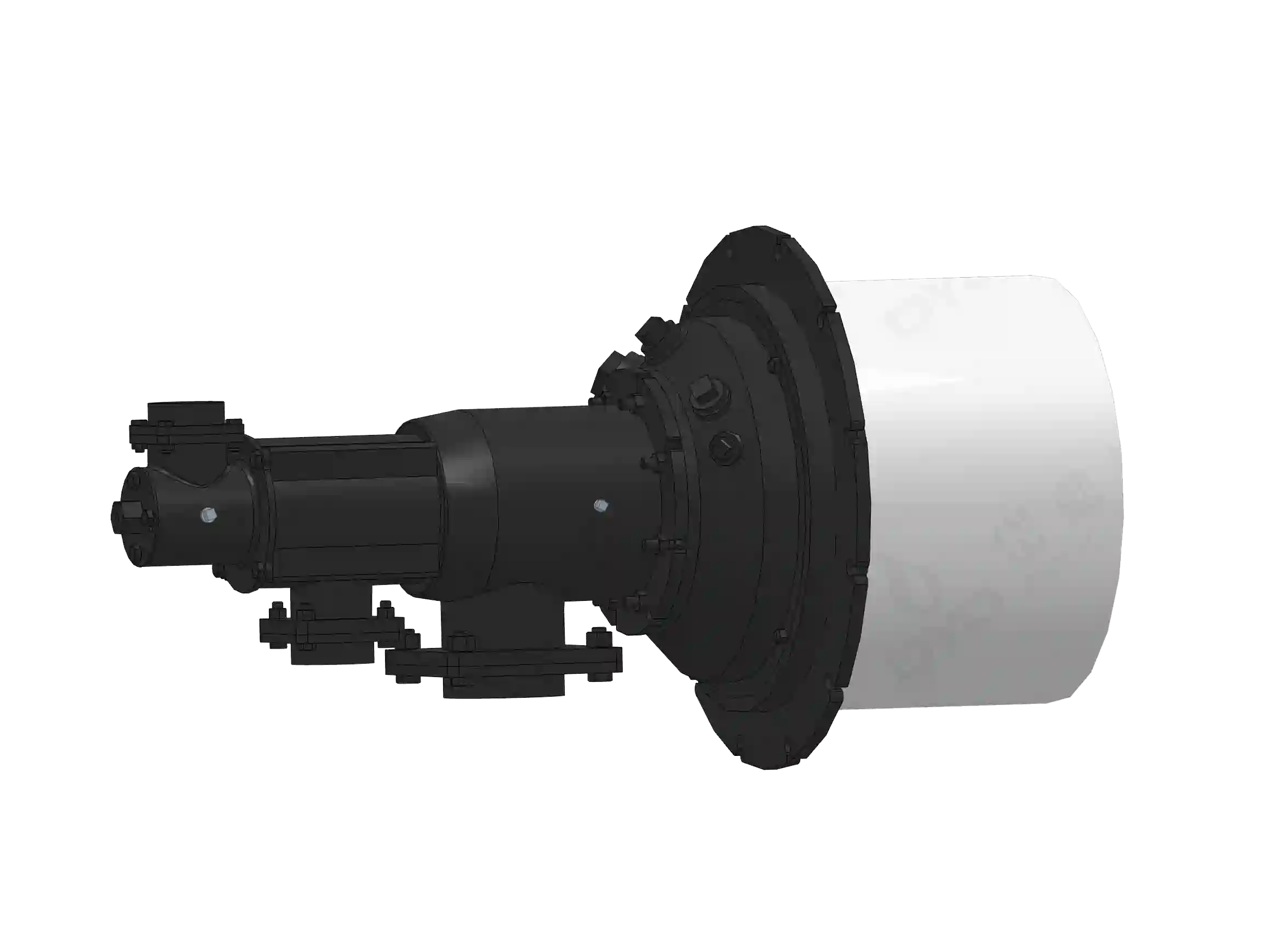
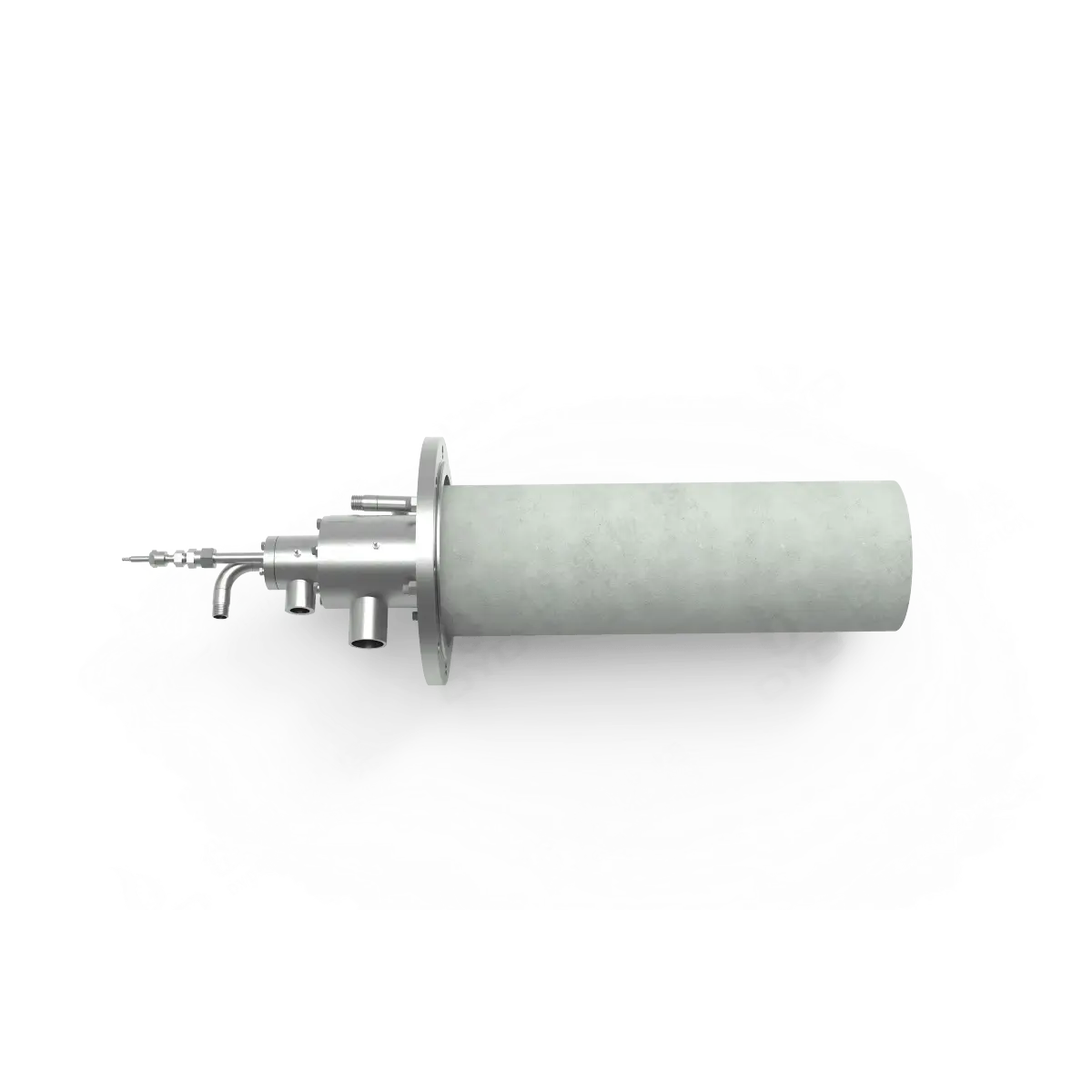
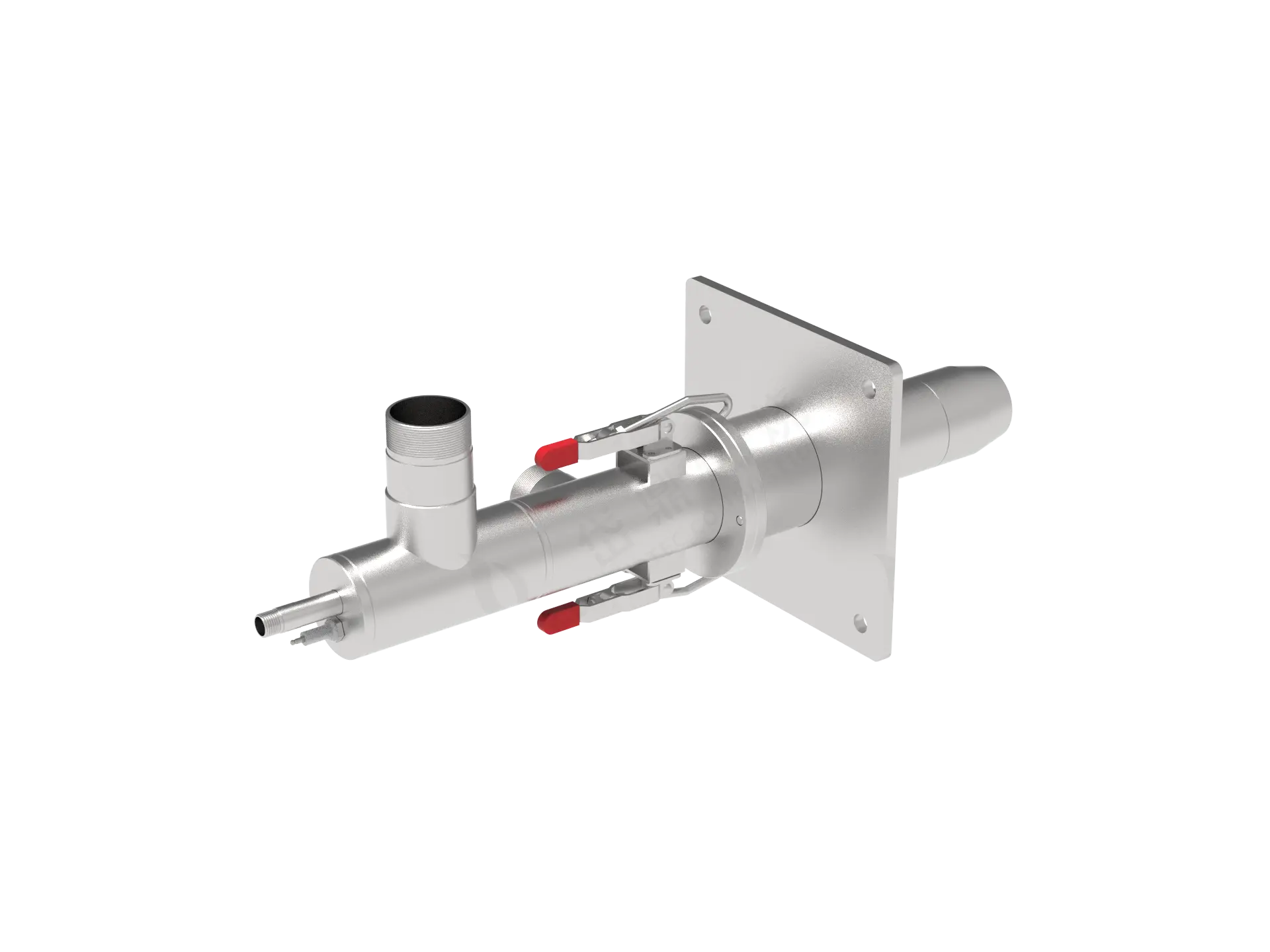
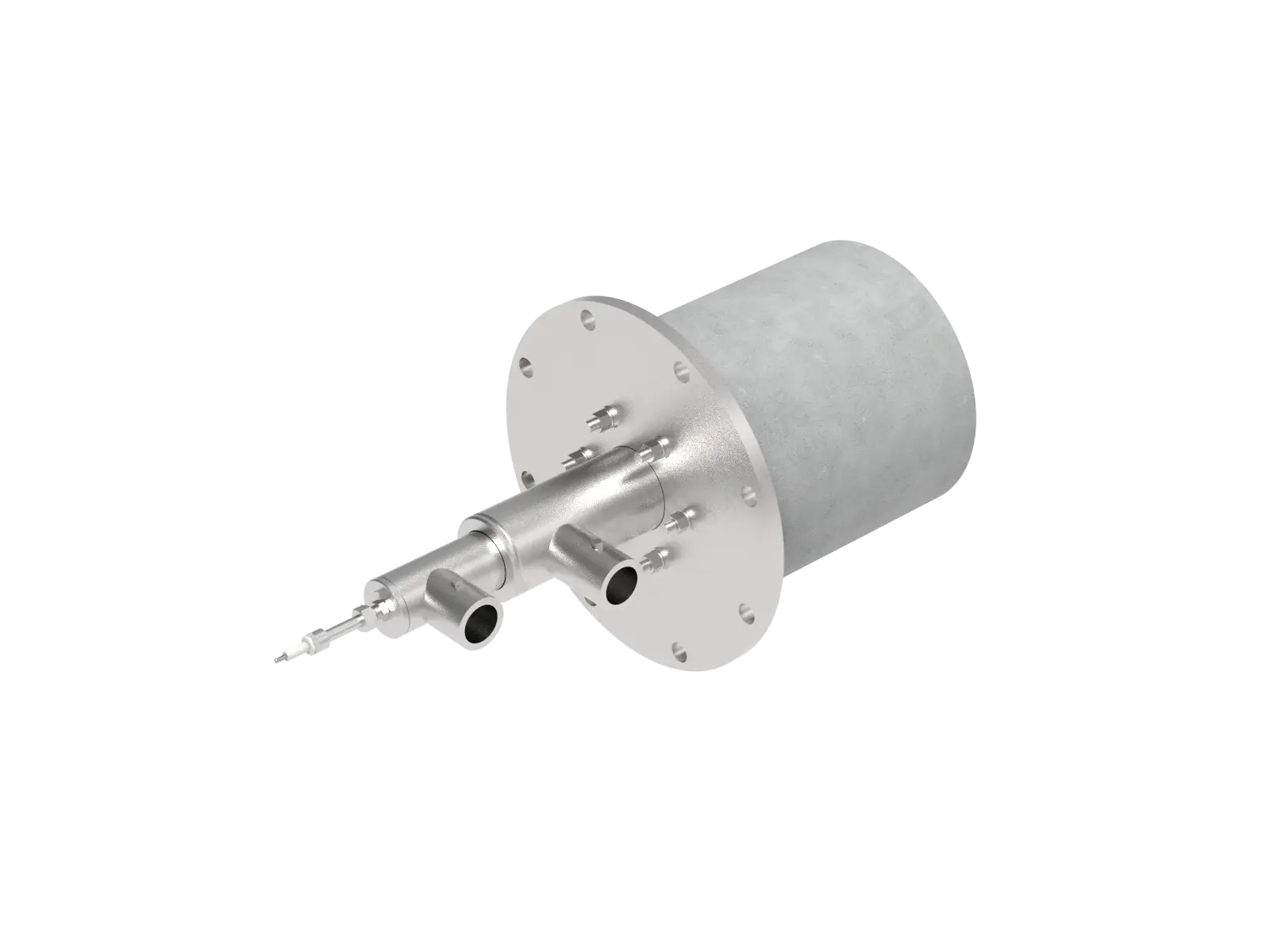
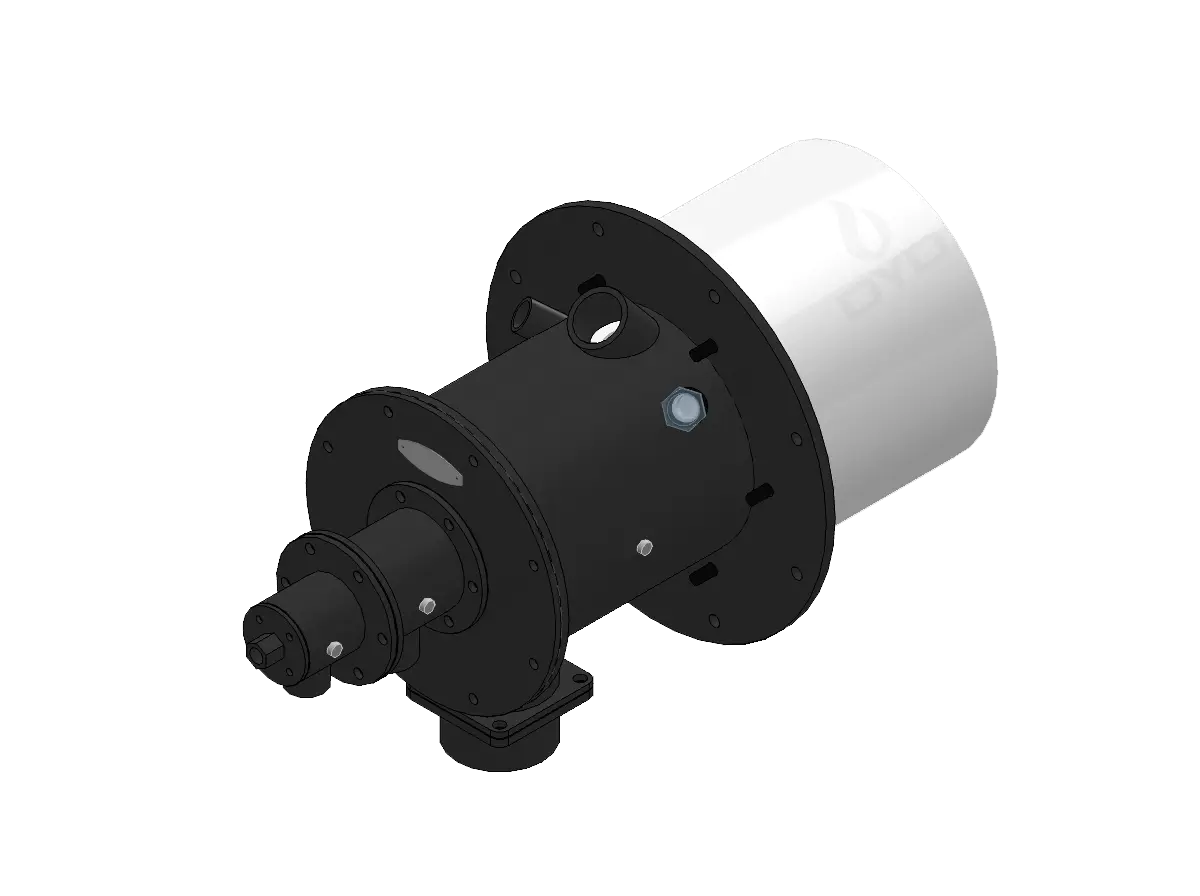
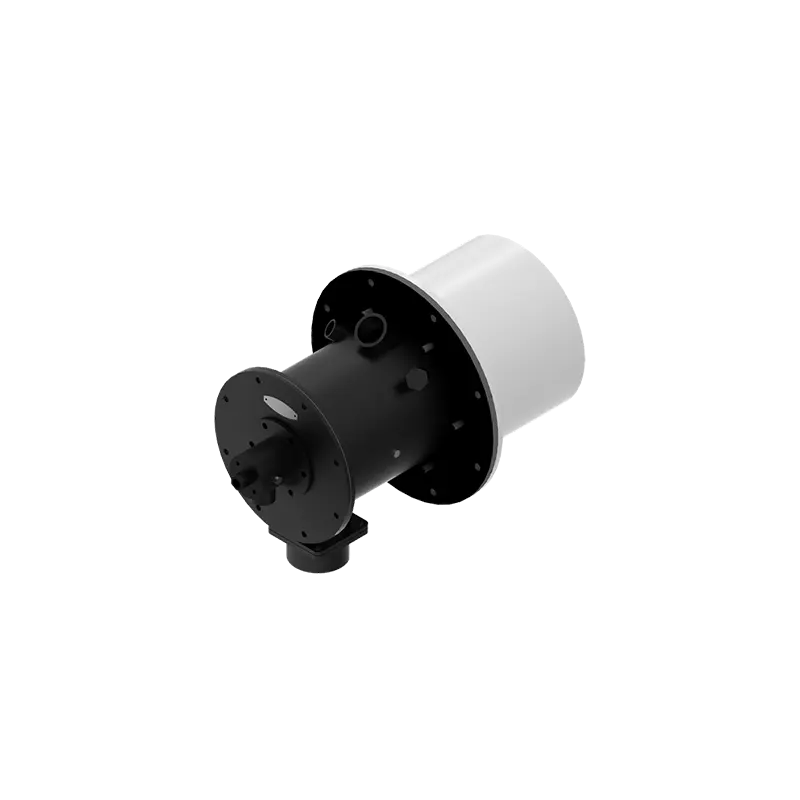
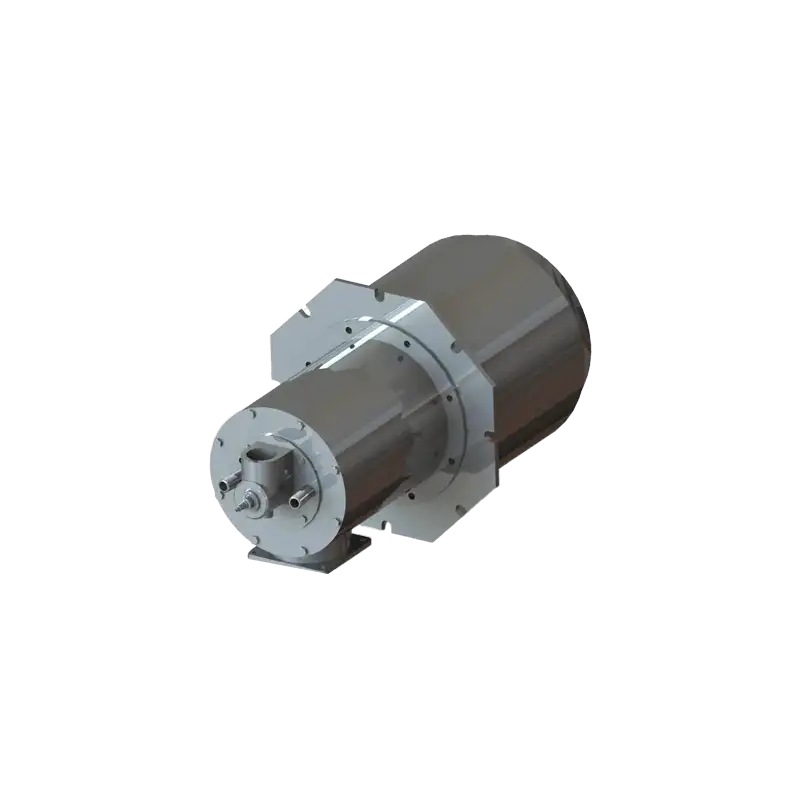
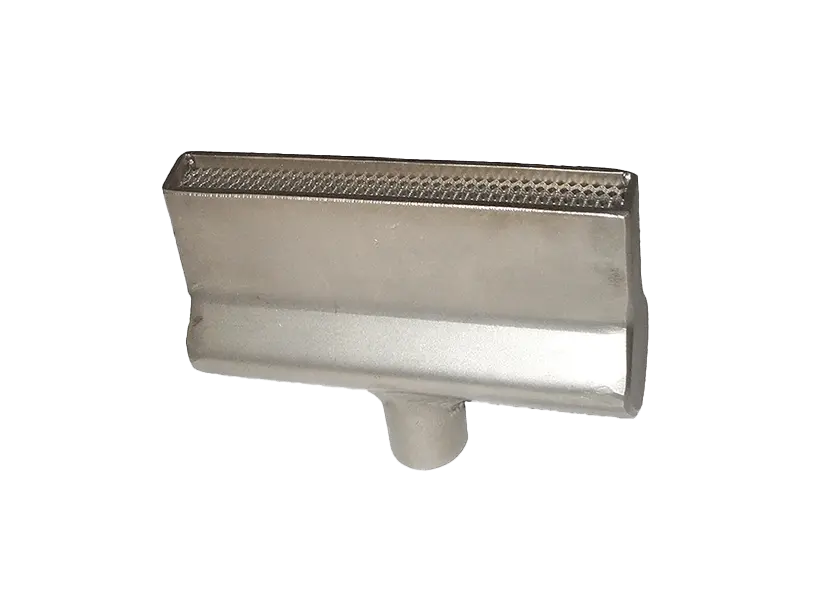
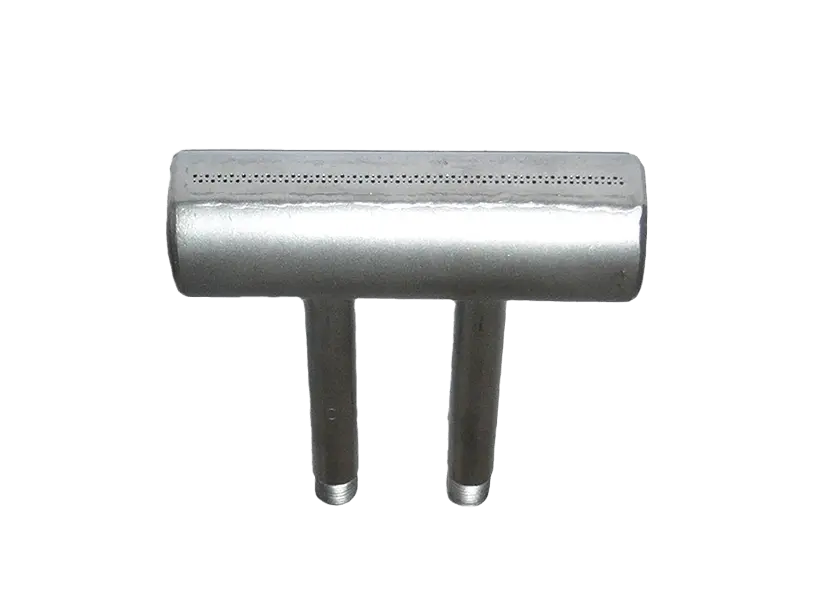
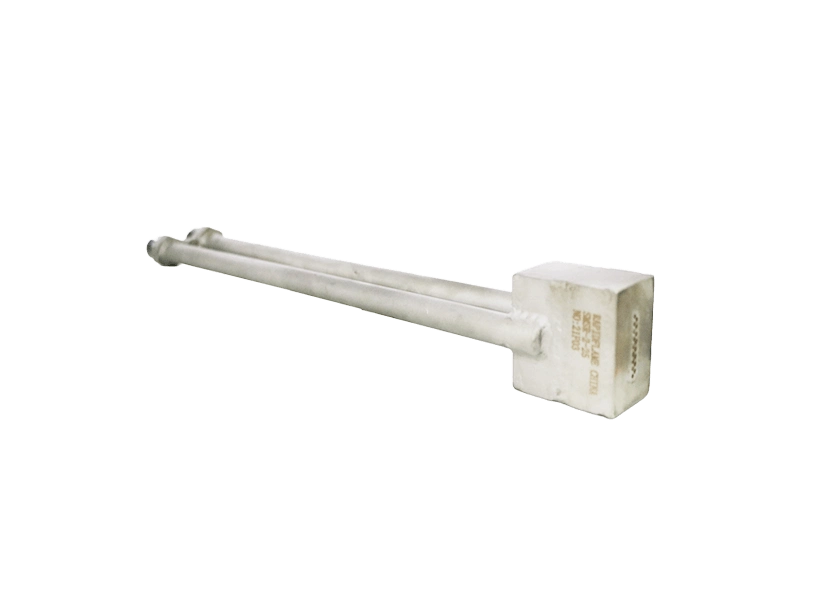
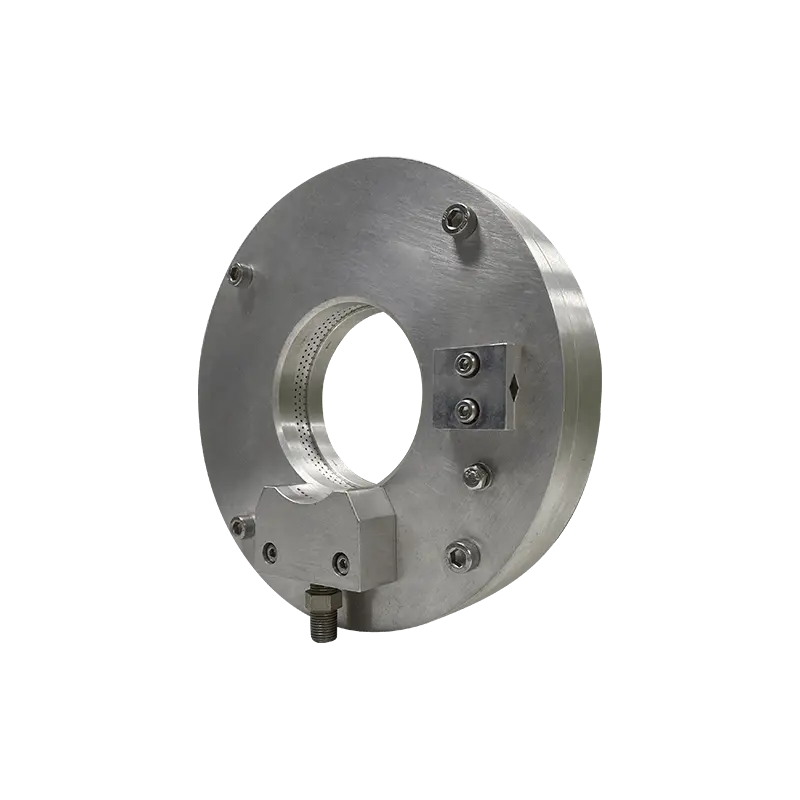
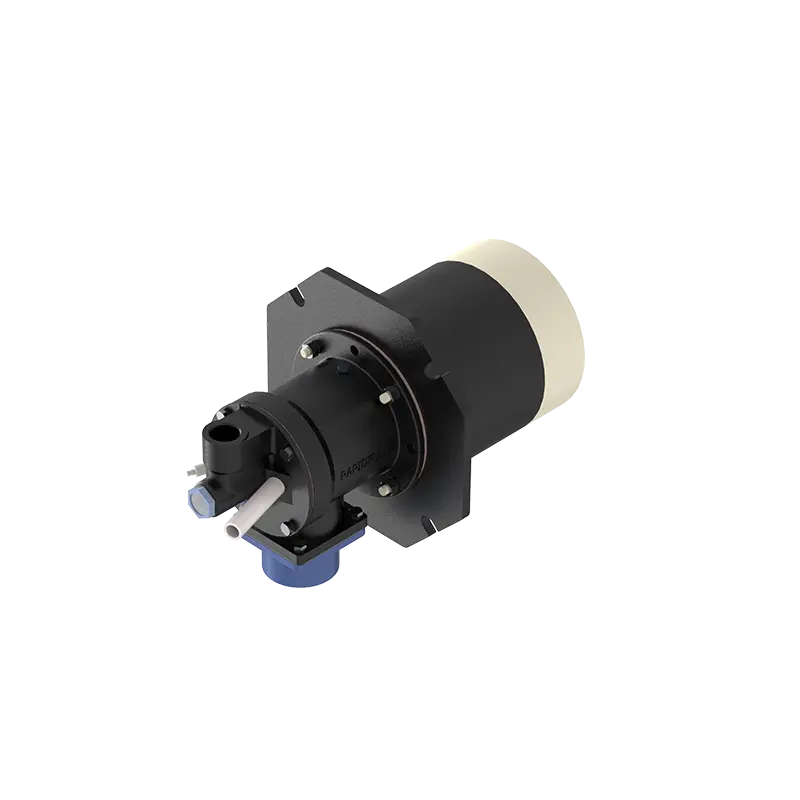
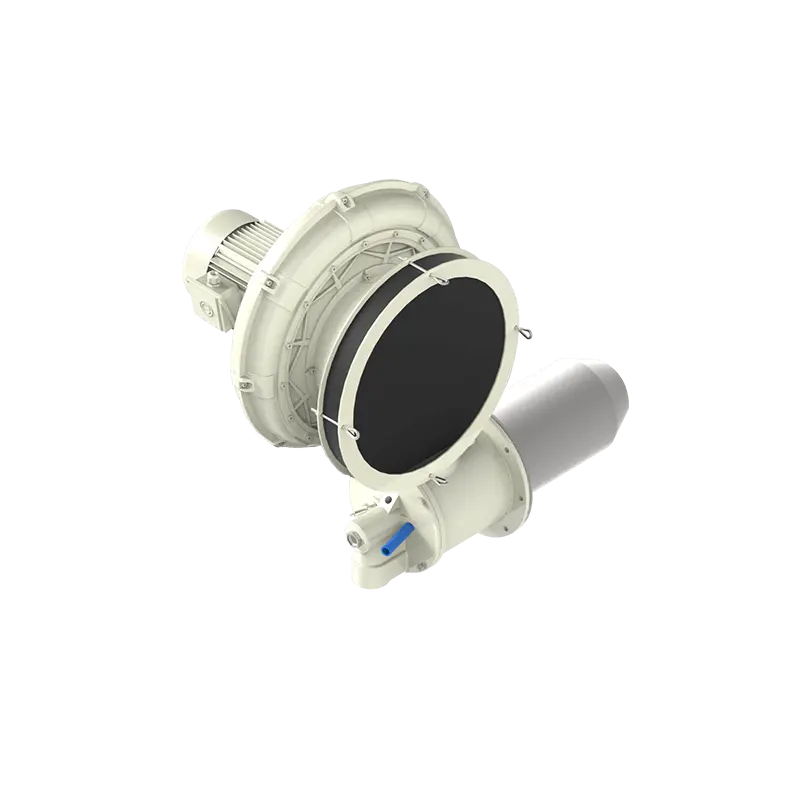
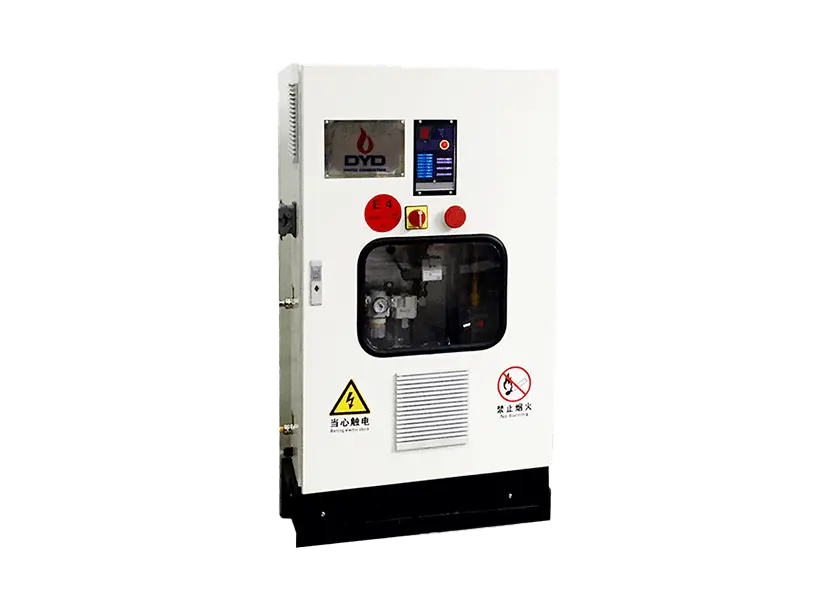
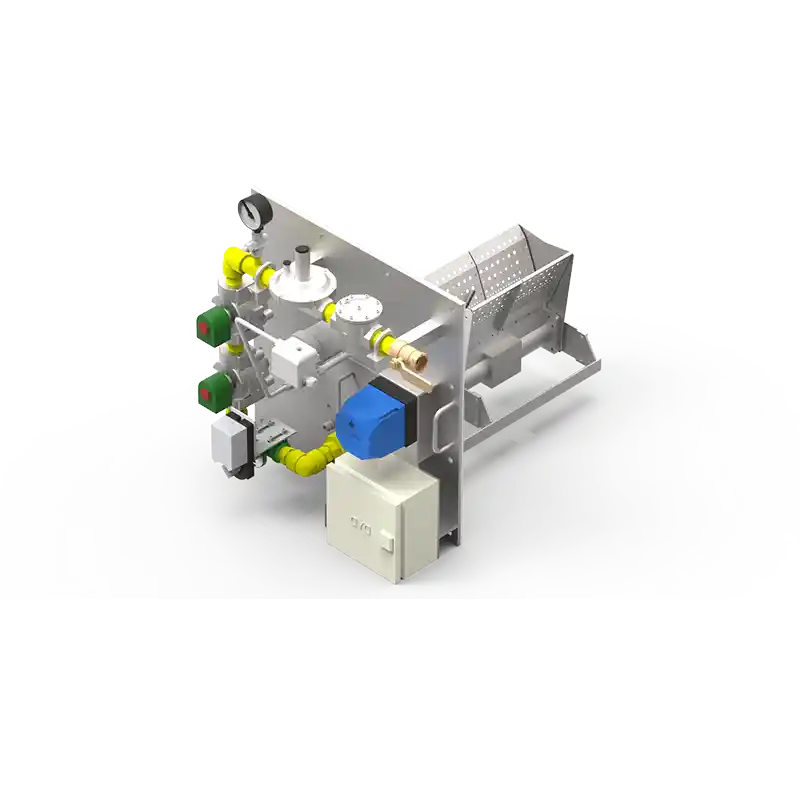
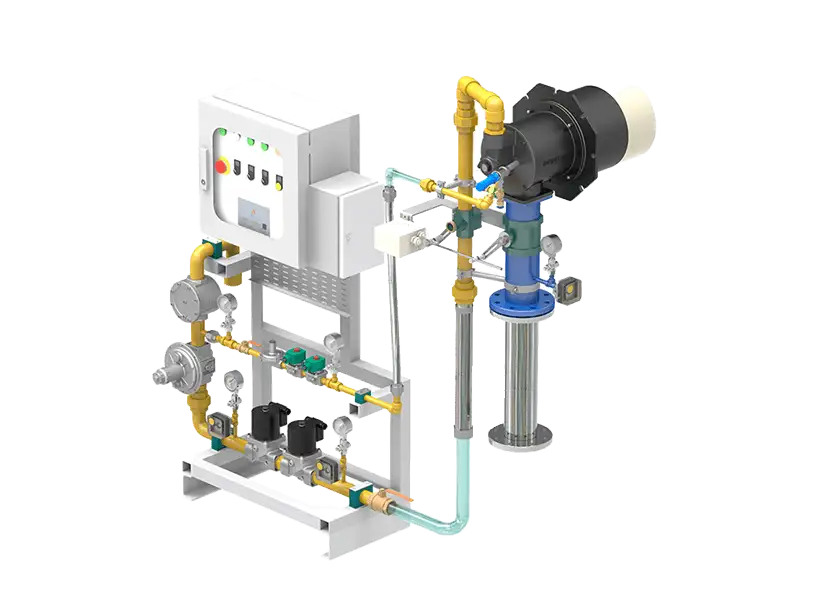
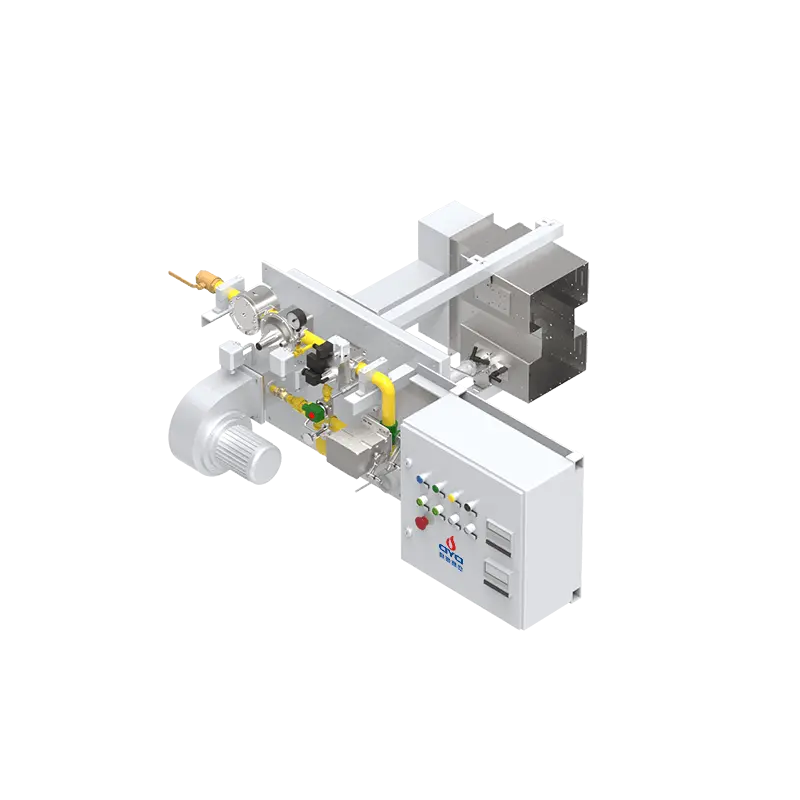
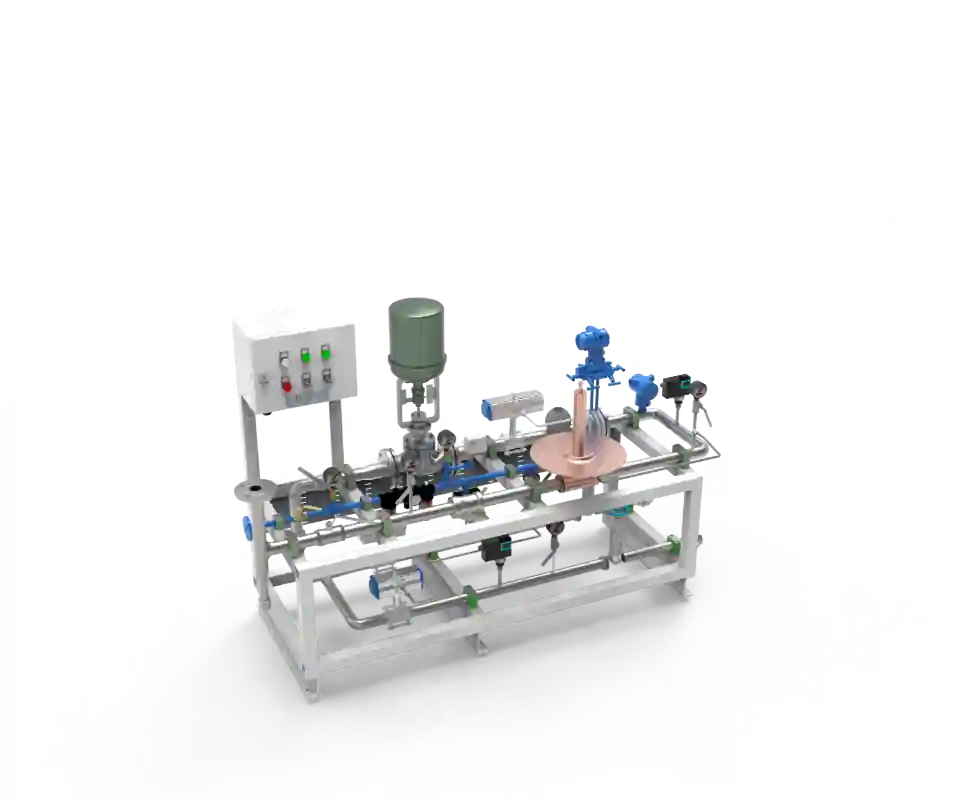
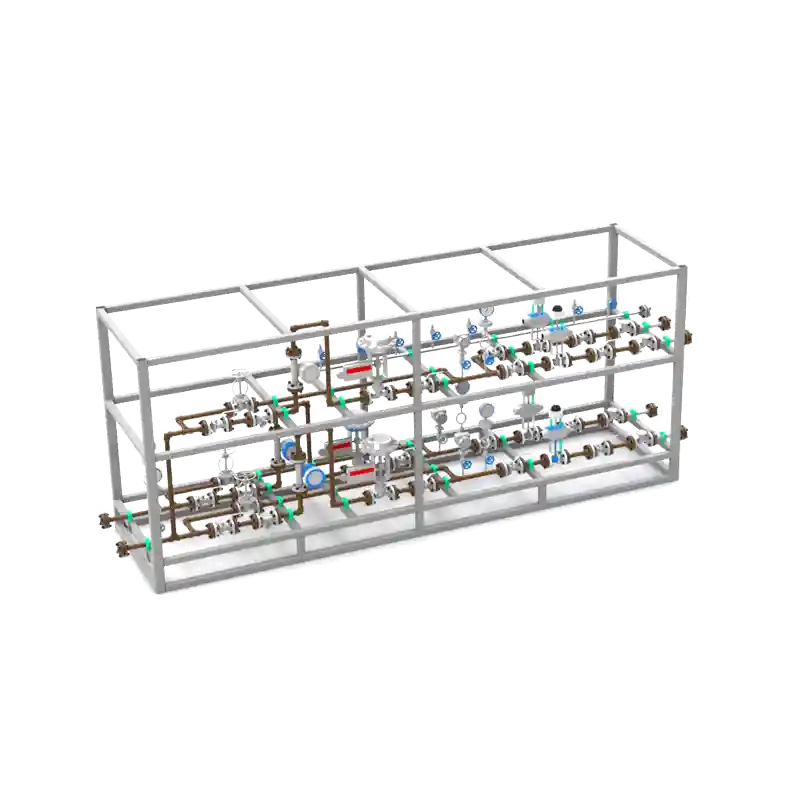
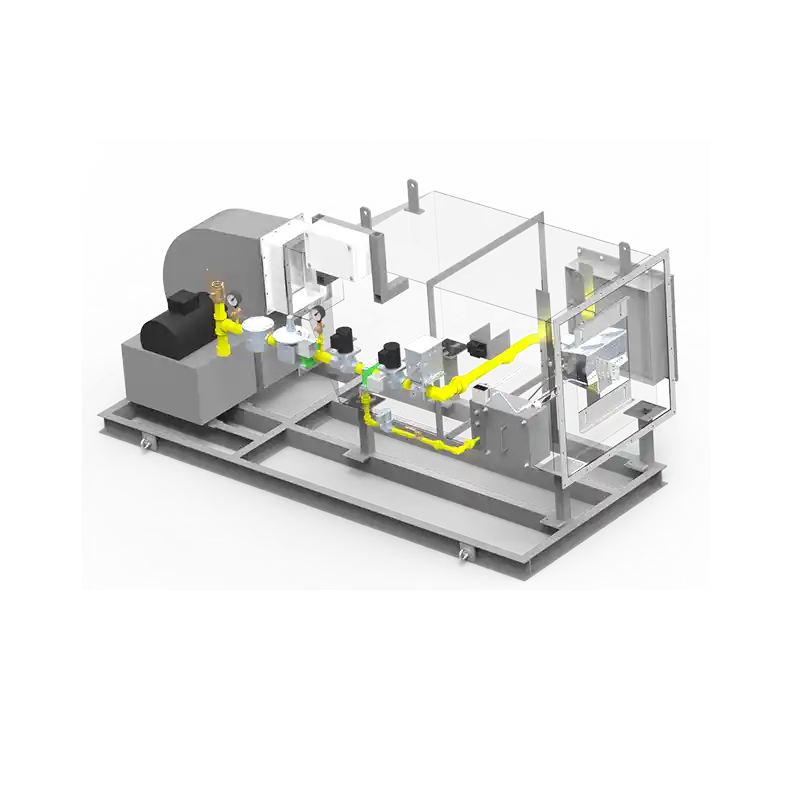
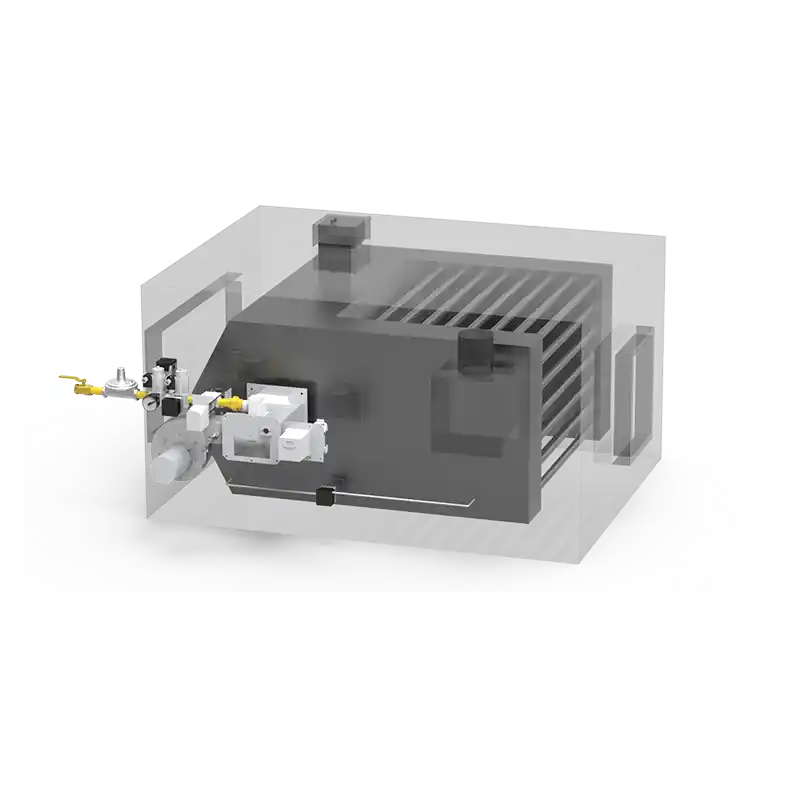
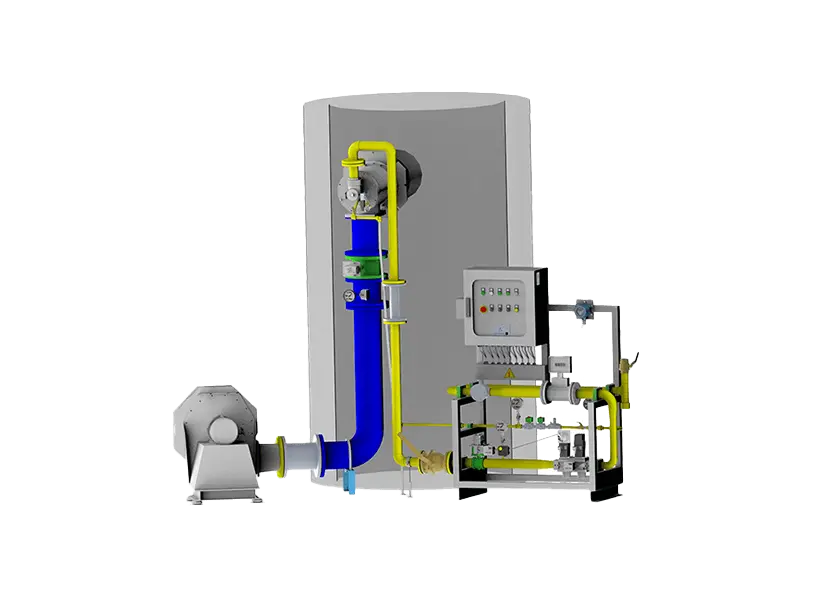
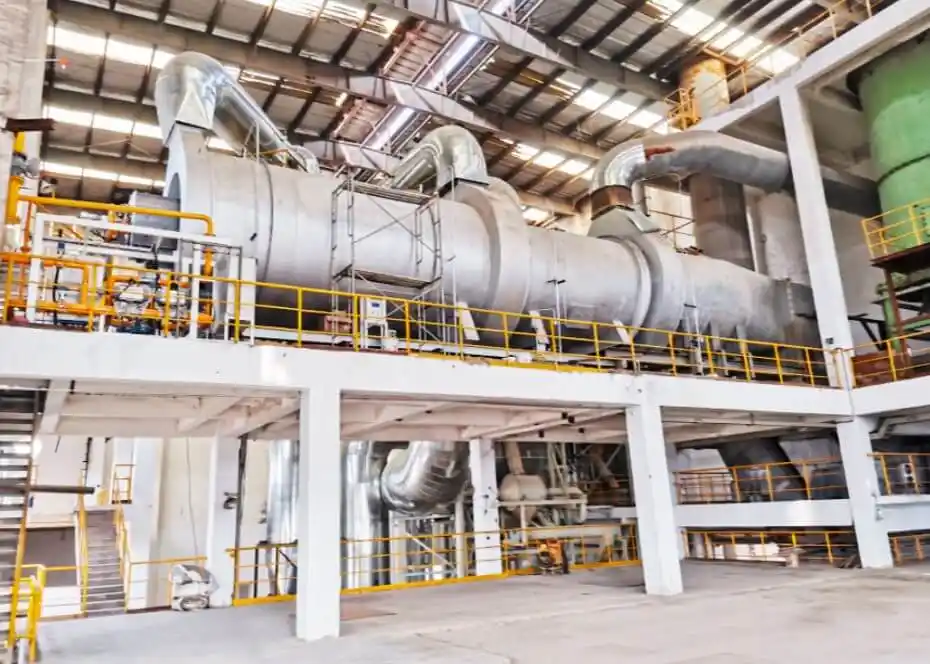
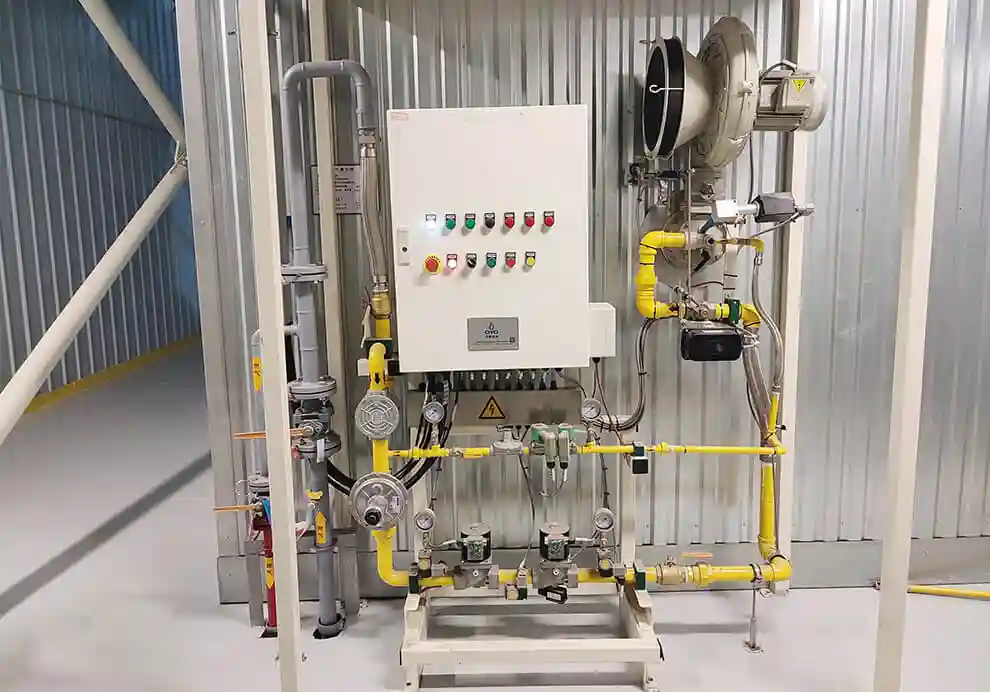
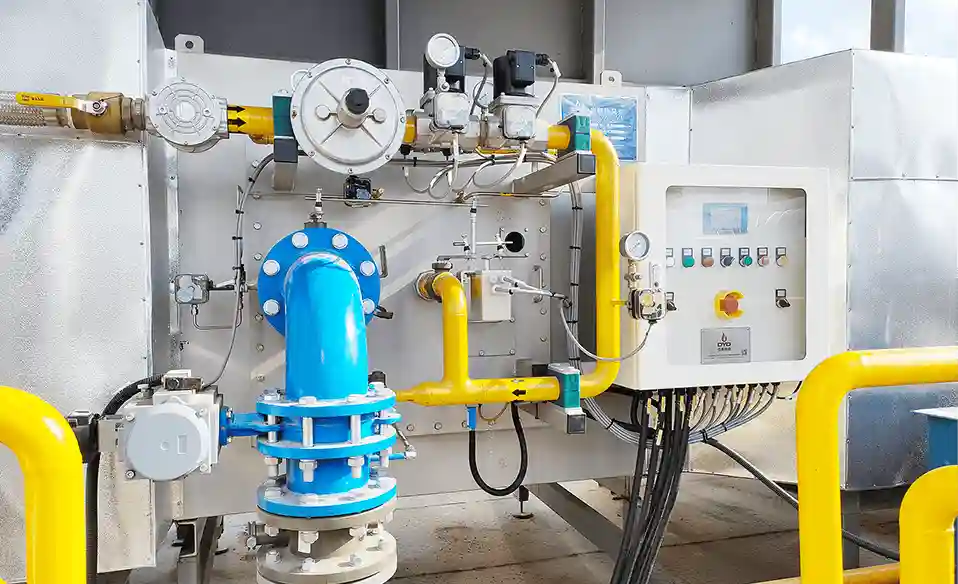
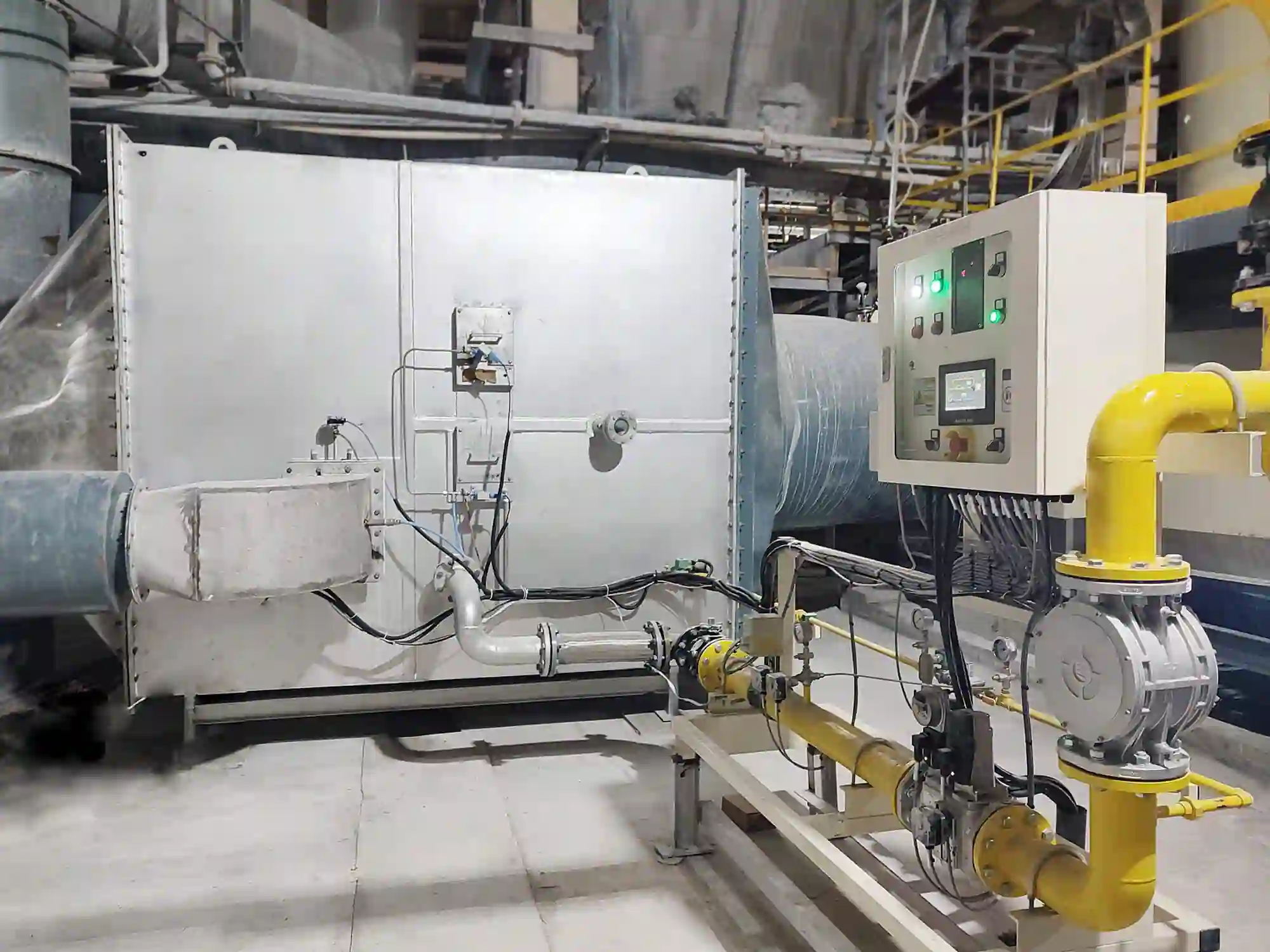
Spray drying is a process that transforms solutions, emulsions, or suspensions into powdered dry products through atomization. It is widely used in food, chemical, pharmaceutical, ceramics, and other industries. As the core heat source equipment of the spray drying system, the spray drying burner directly determines the quality of dried products, system energy consumption, and pollutant emission levels. Choosing a compliant and professional spray drying burner manufacturer is the key to ensuring stable operation of the entire production line and controlling total lifecycle costs.
As a domestic professional spray drying burner manufacturer dedicated to the R&D and production of industrial thermal energy systems and combustion equipment, DYDTEC has over 10 years of experience in burner R&D and manufacturing. Its product line covers a full range of low‑NOx spray drying burners. This article comprehensively explains spray drying burner knowledge from the perspectives of technical features, selection methods, and common issues, helping industrial users choose the right product and a reliable spray drying burner manufacturer.
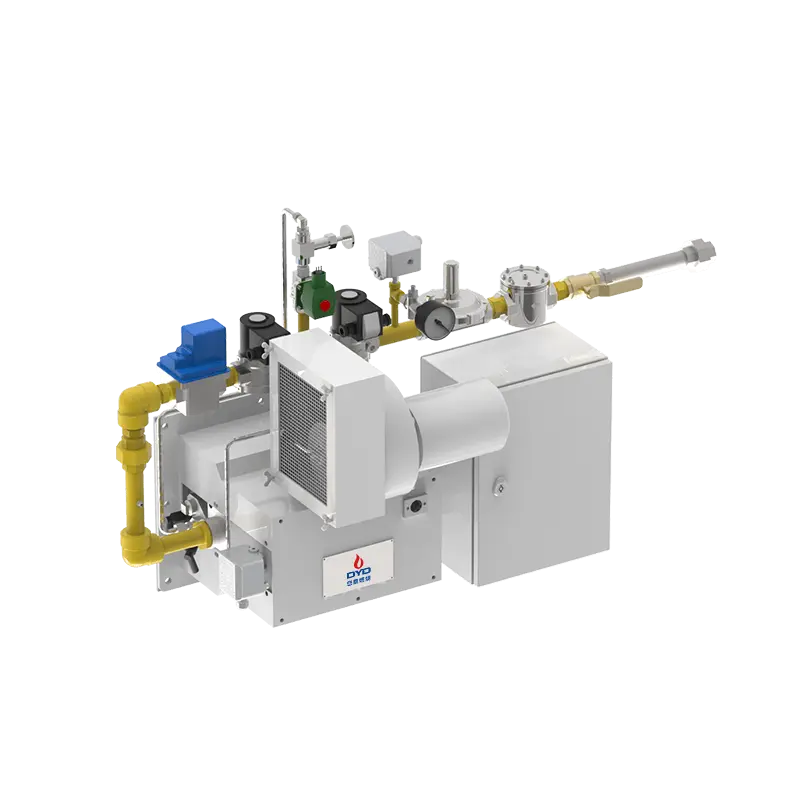
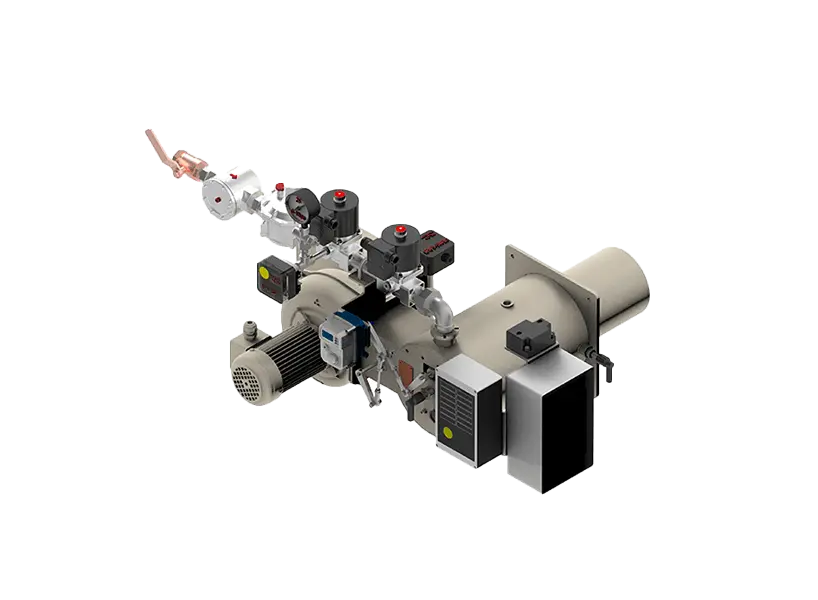
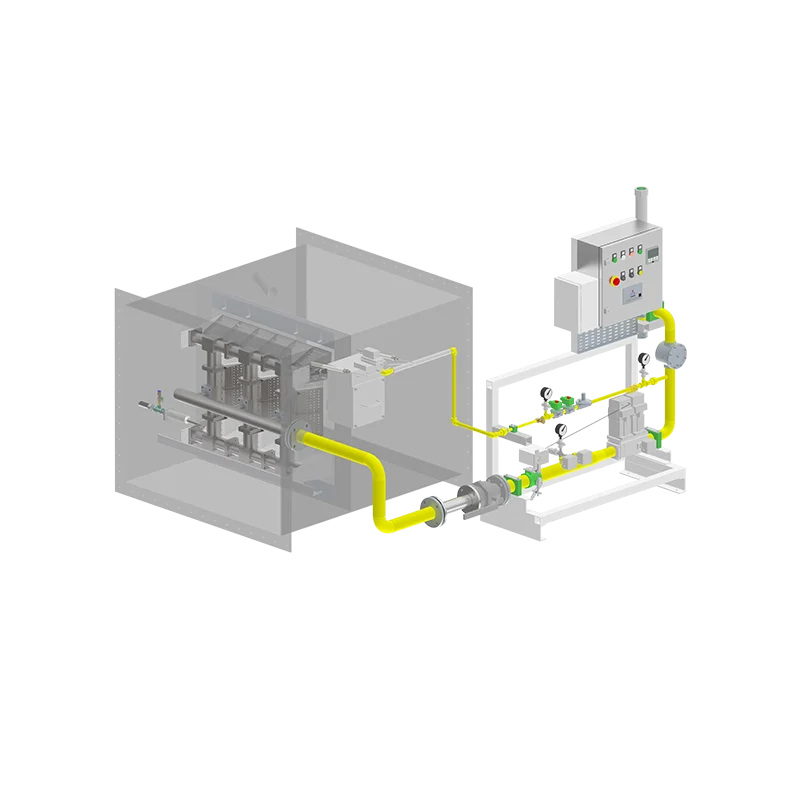
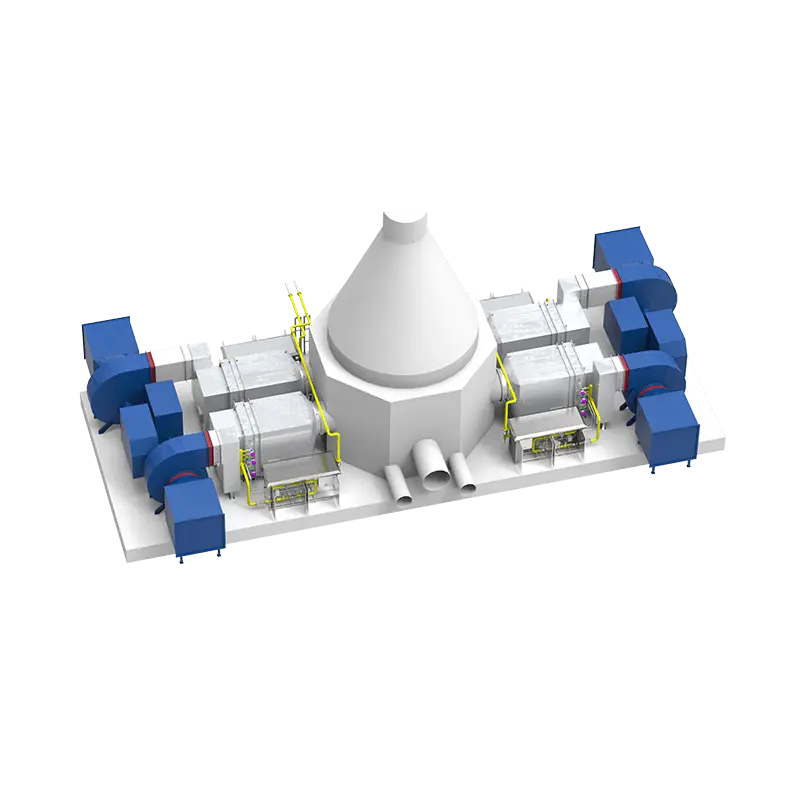
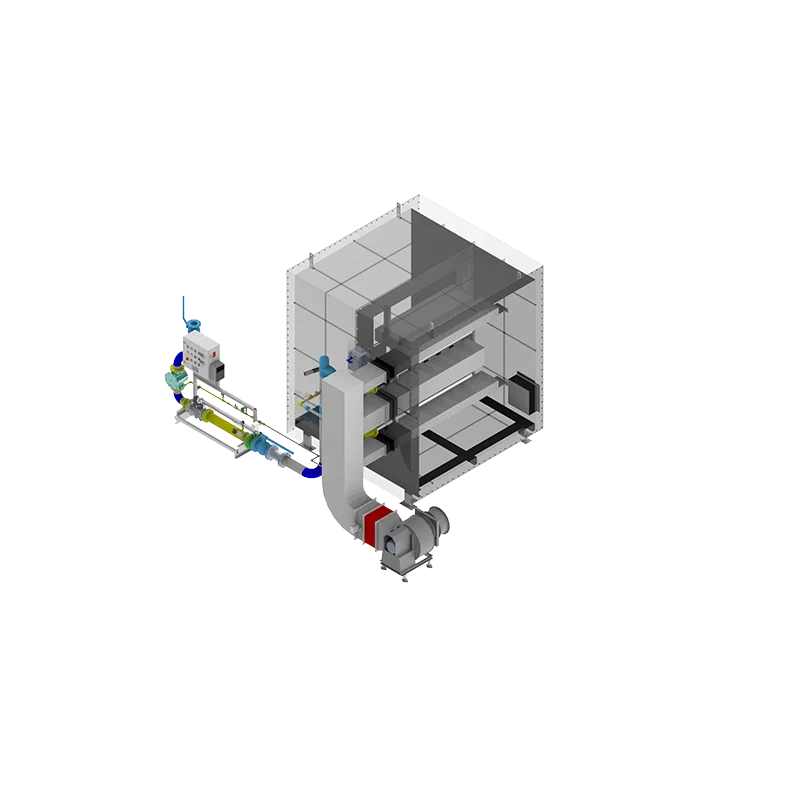
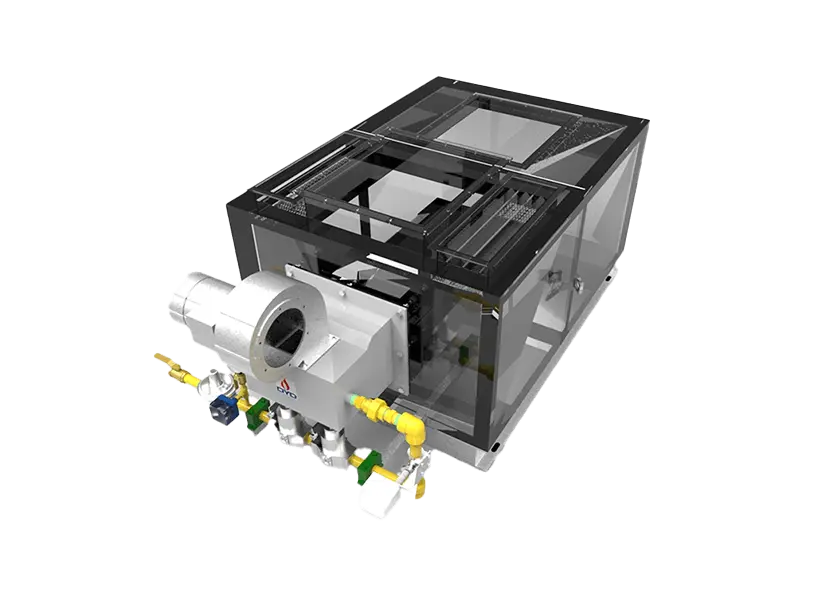
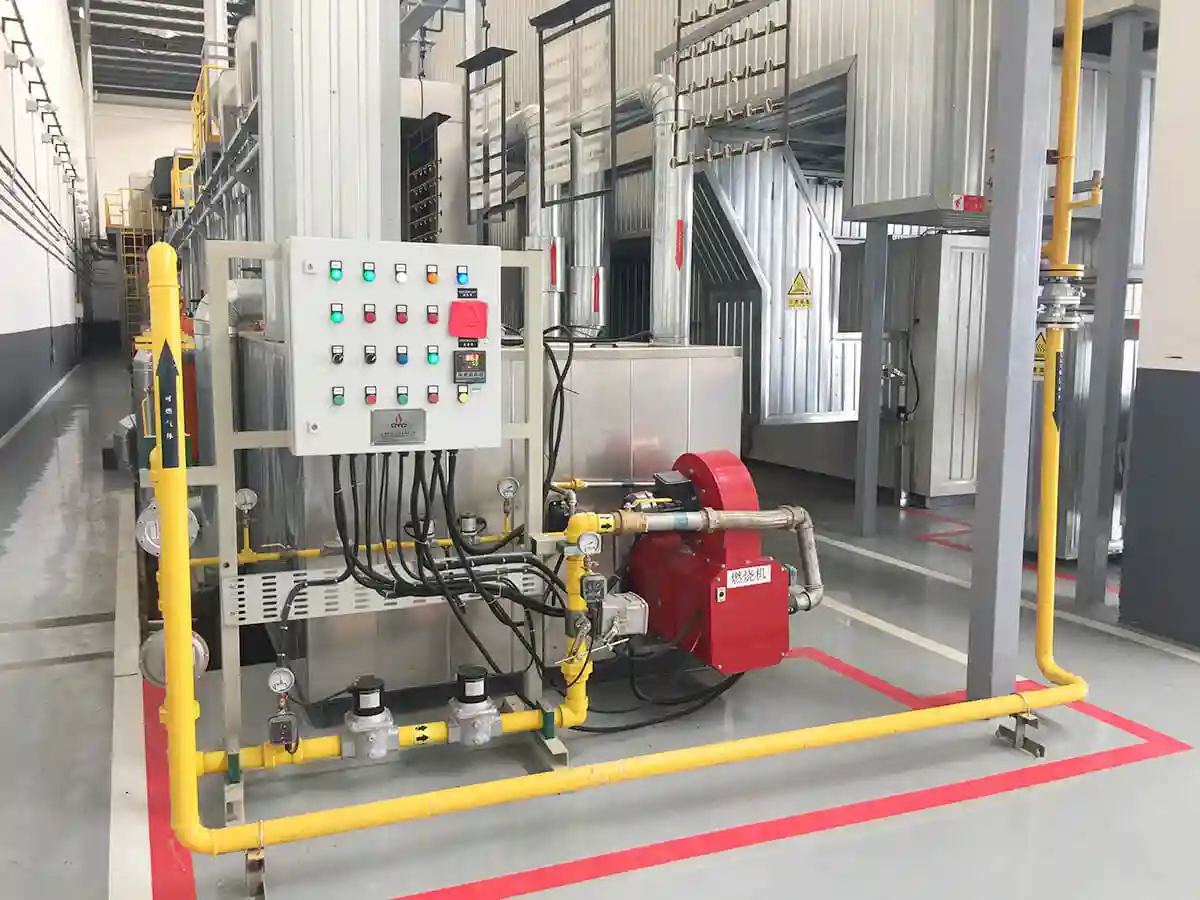
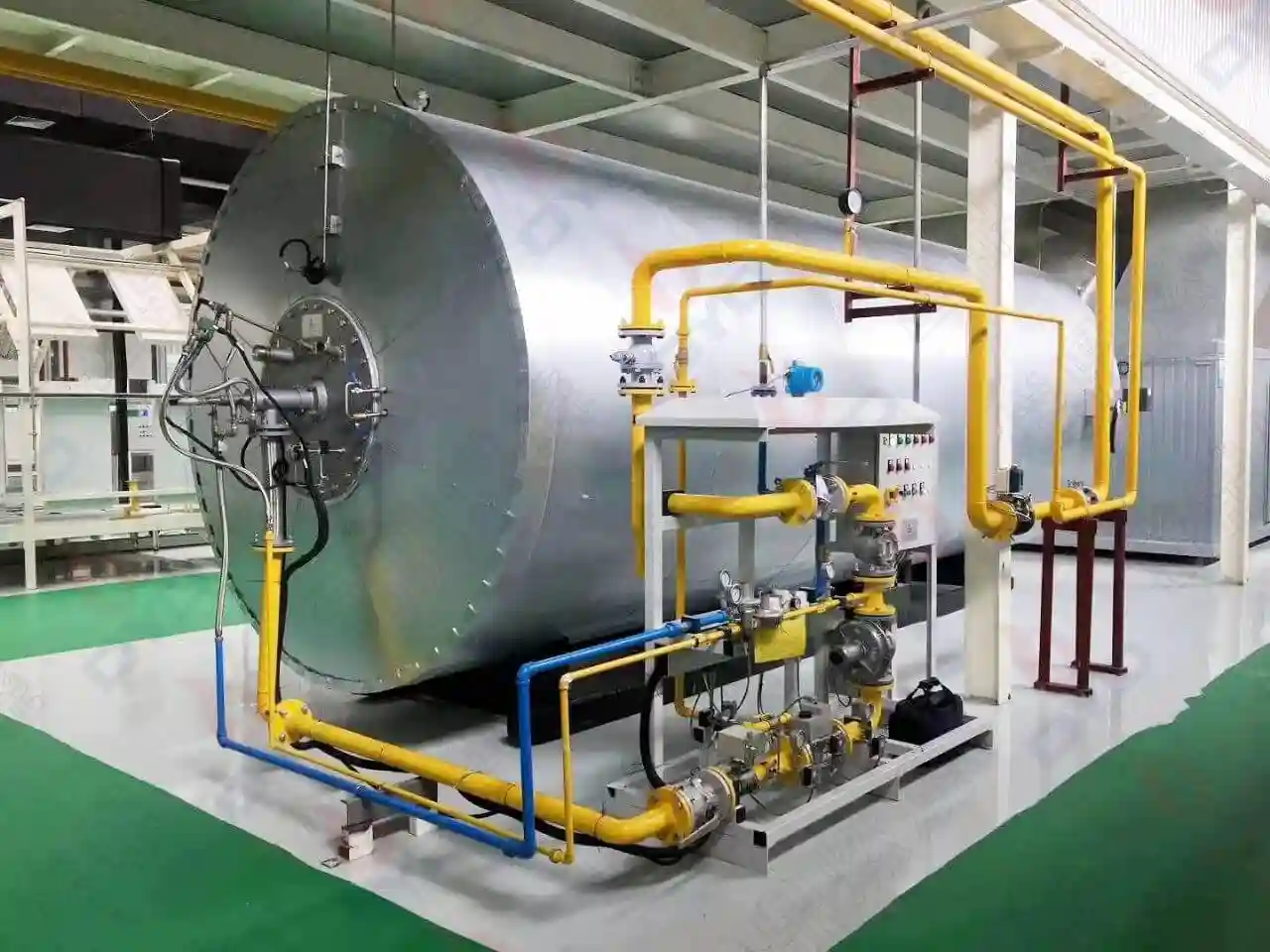
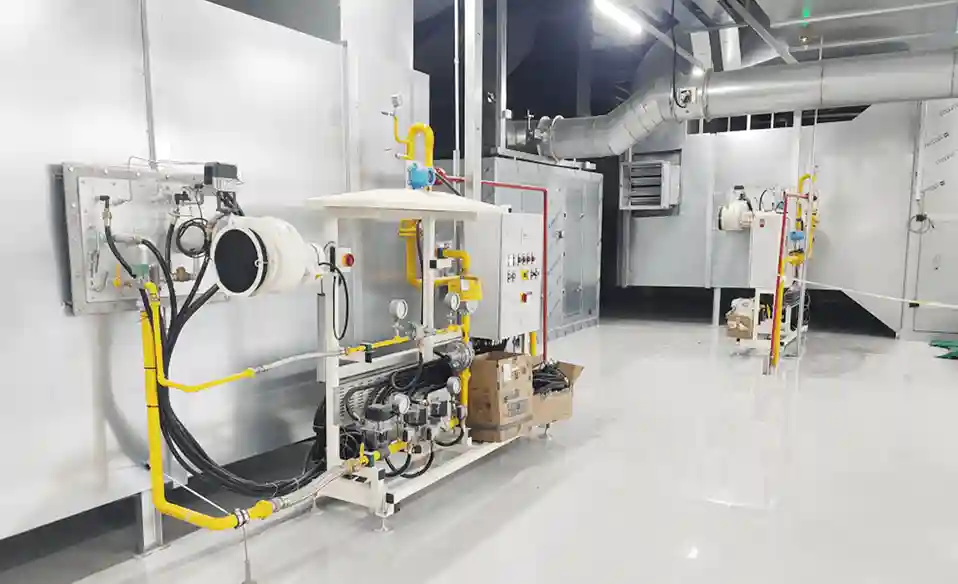
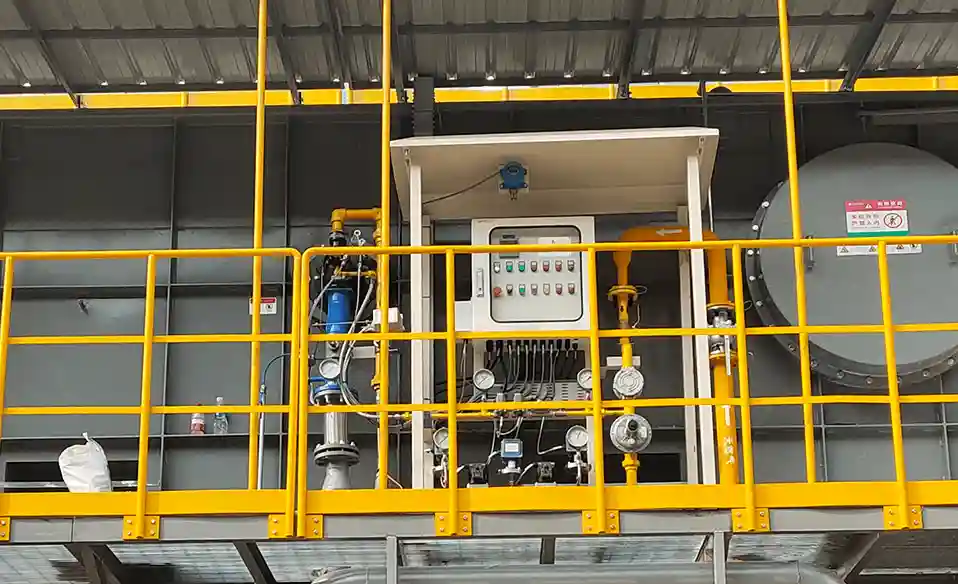
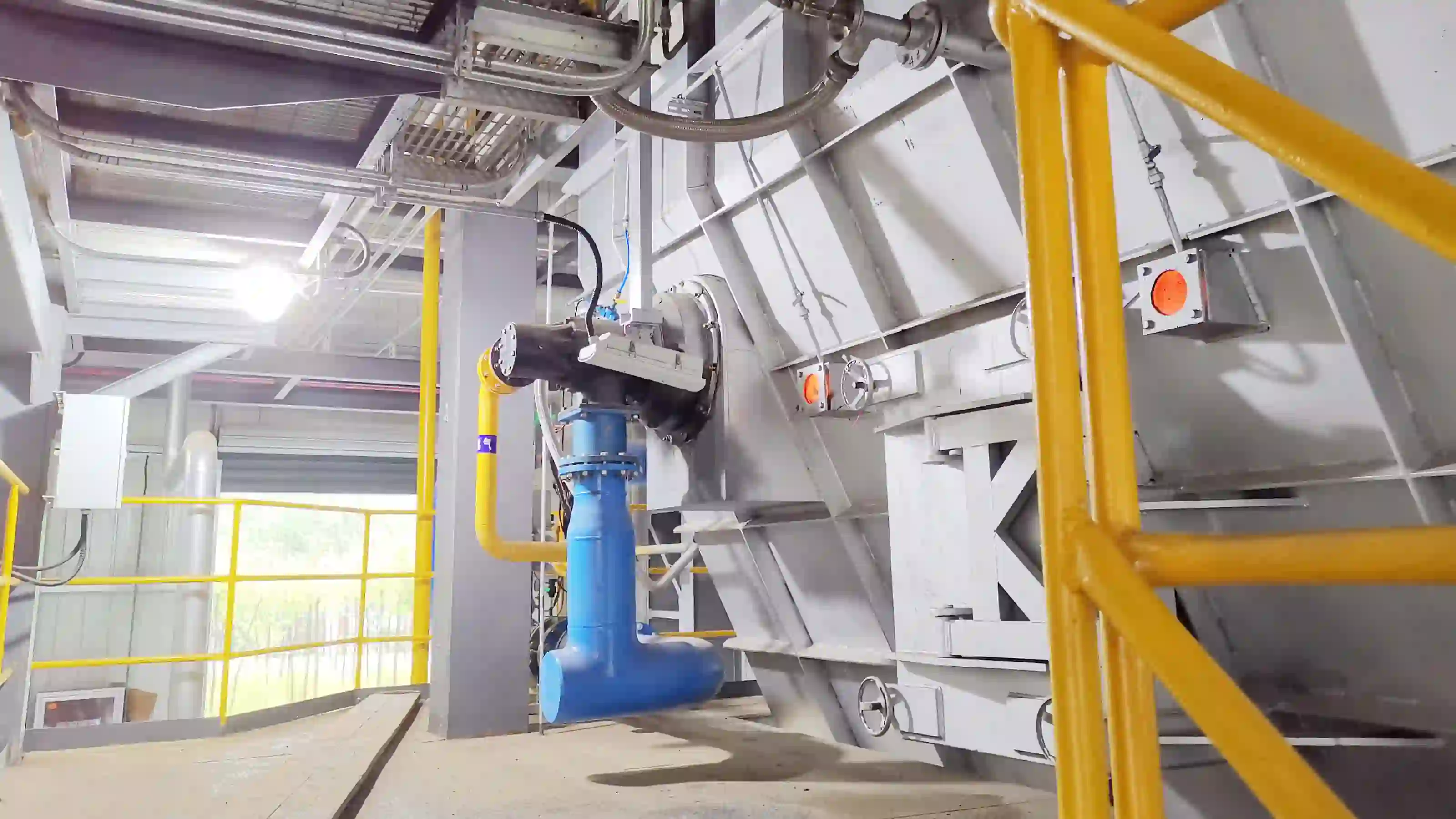
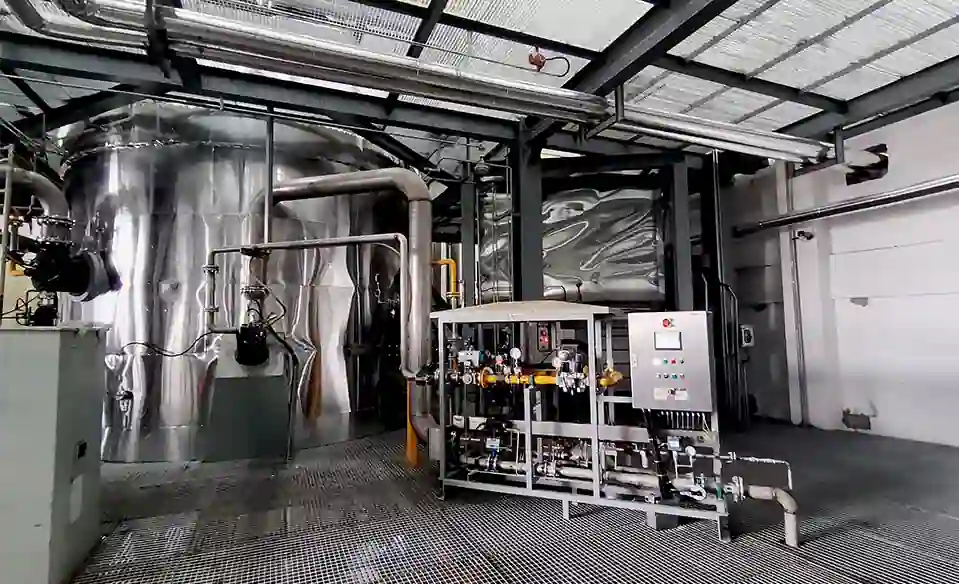
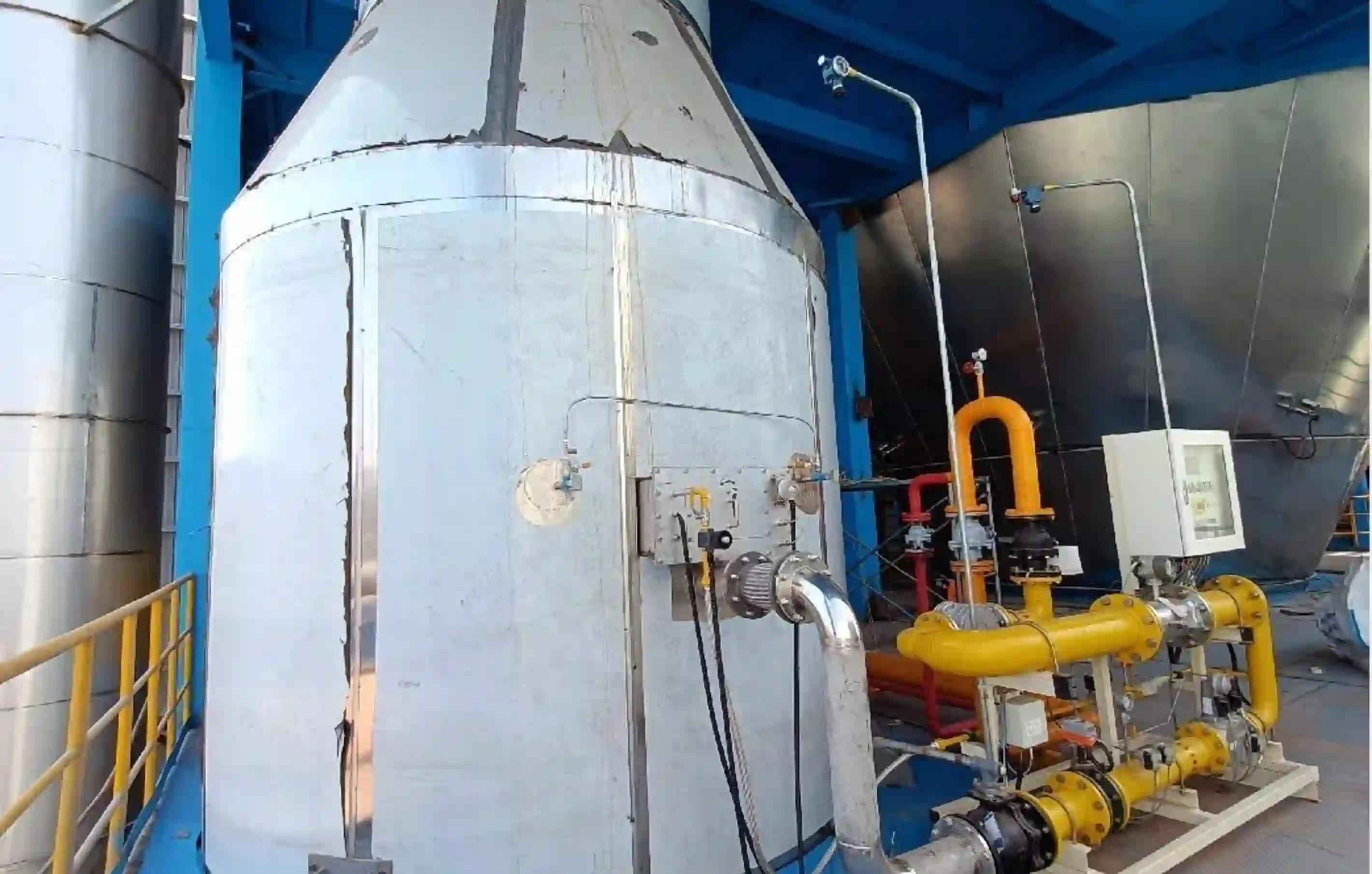
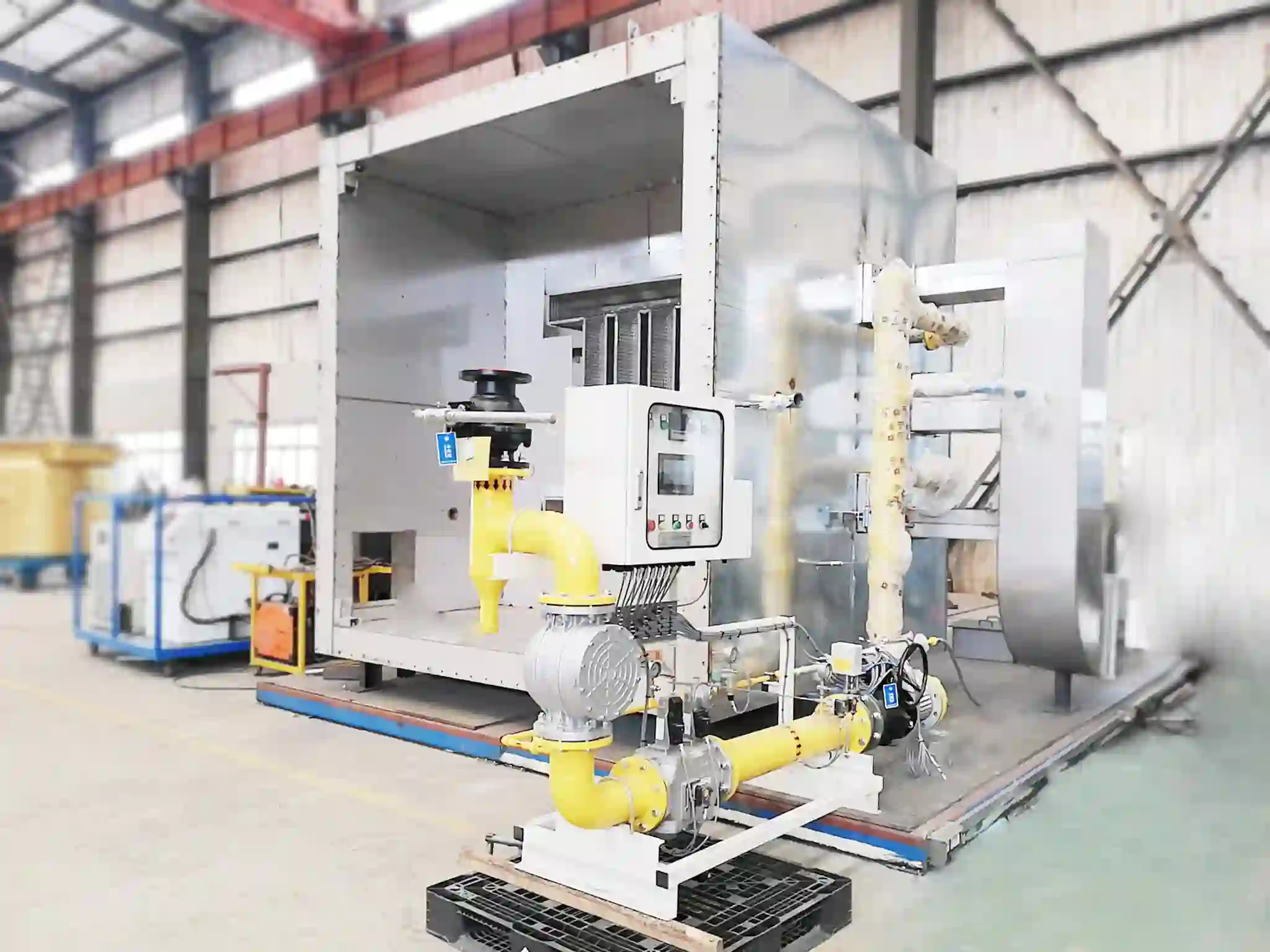
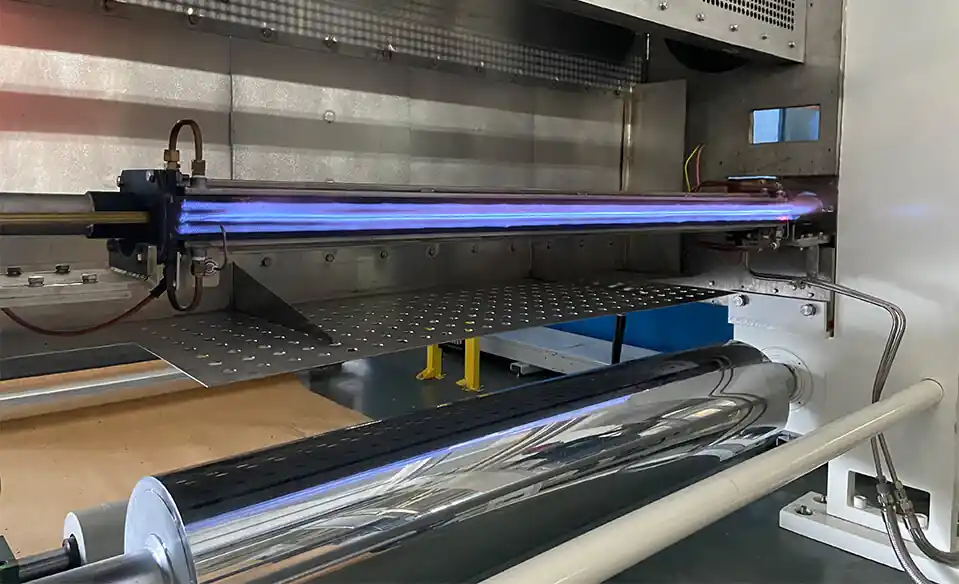
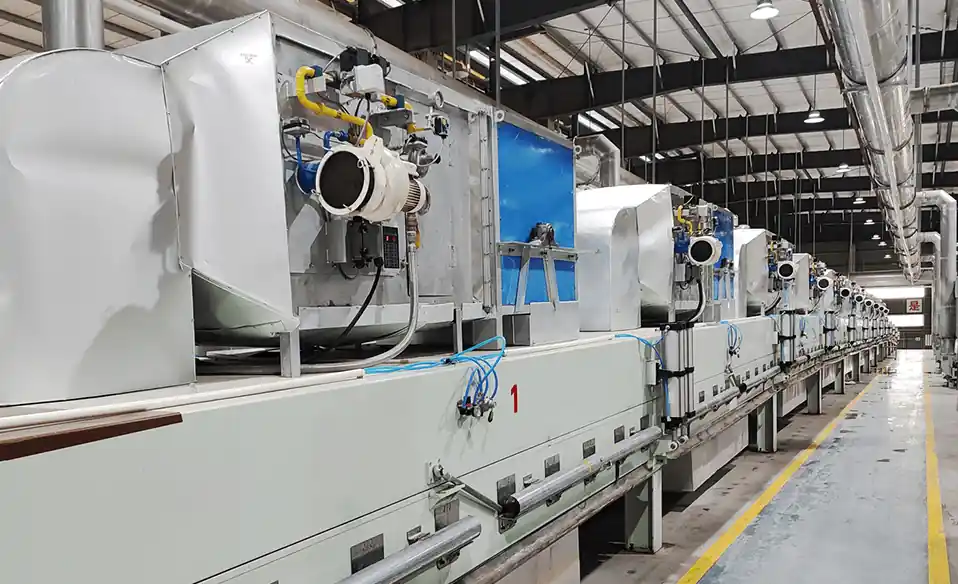
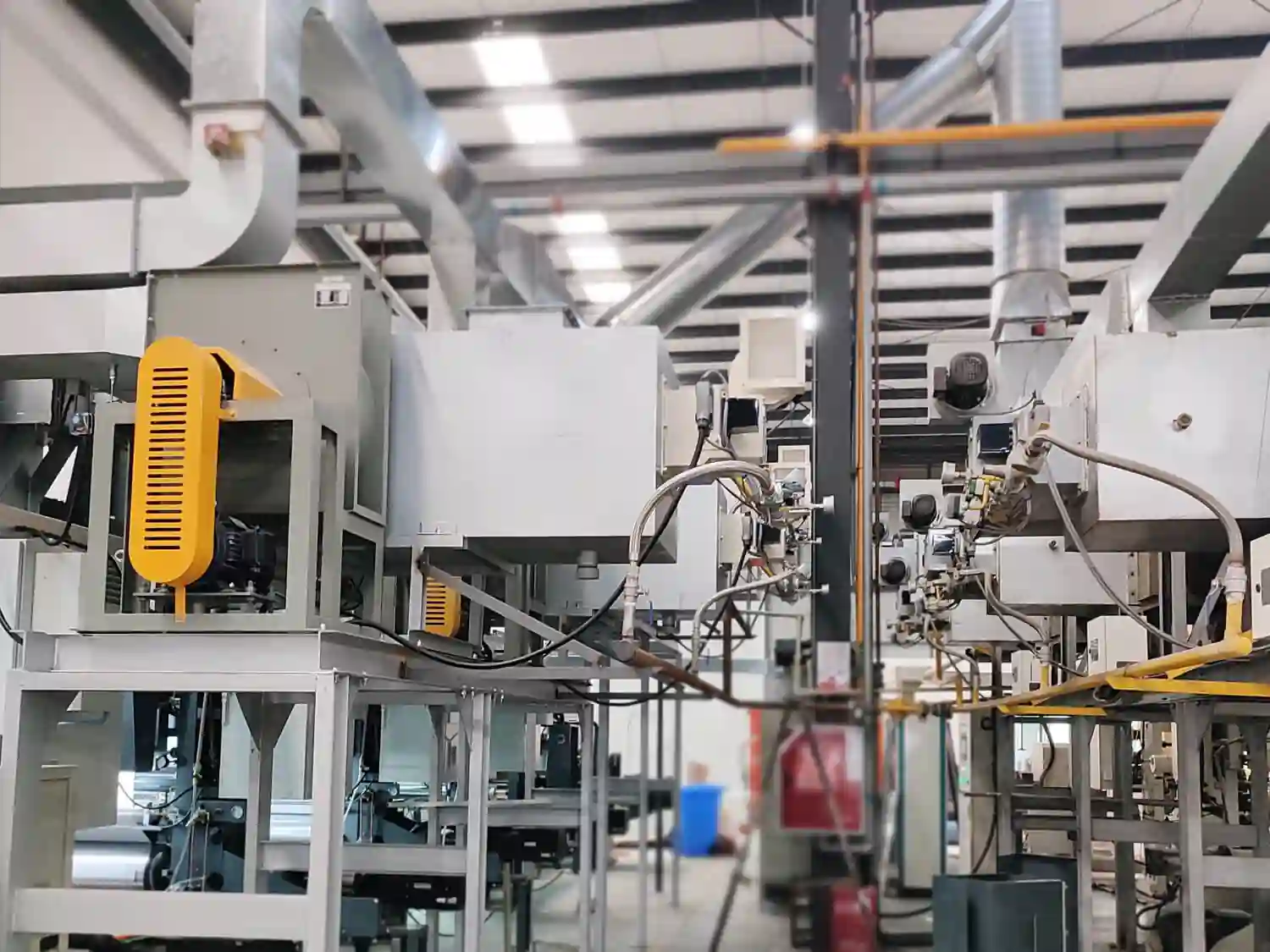
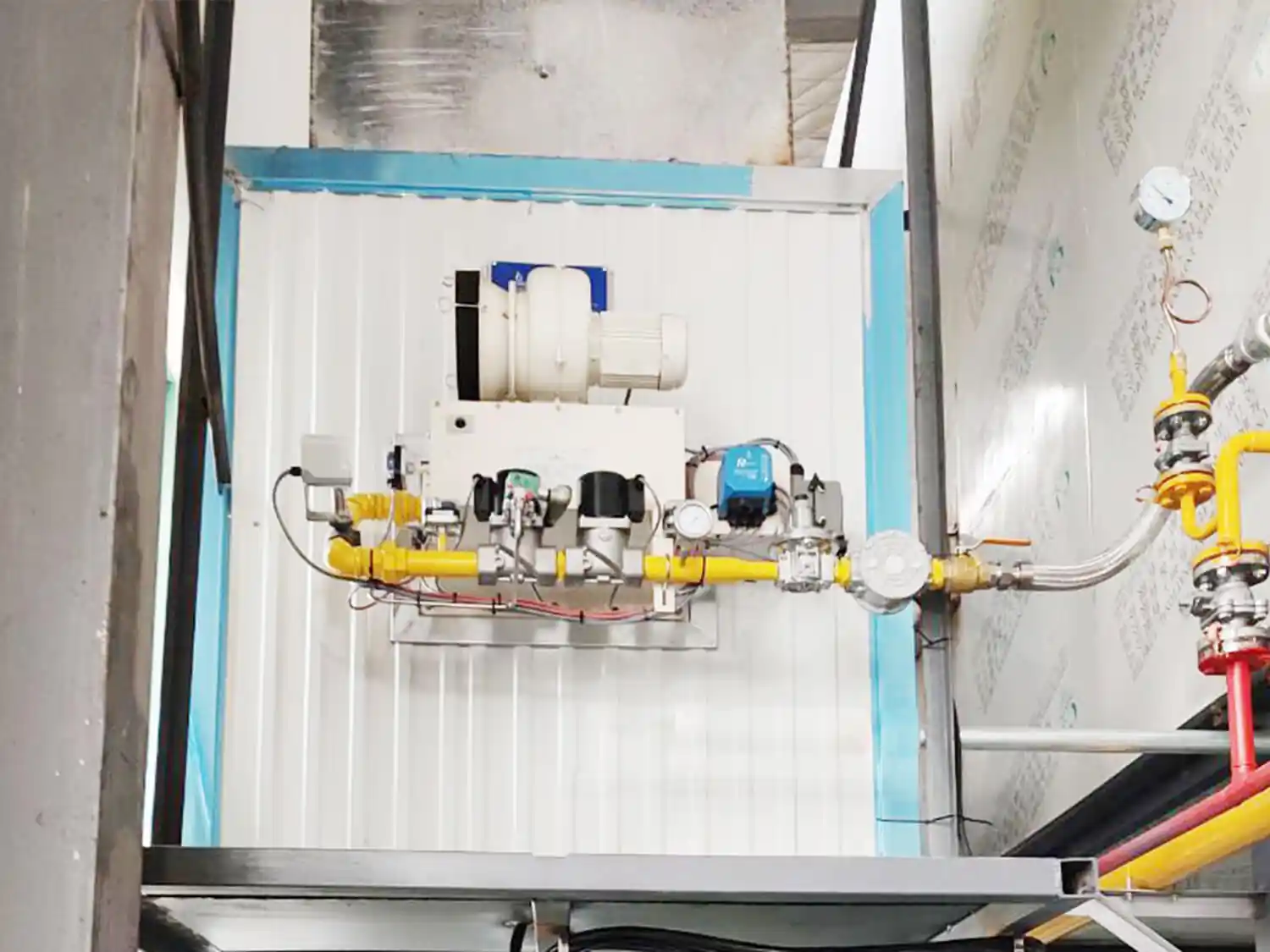
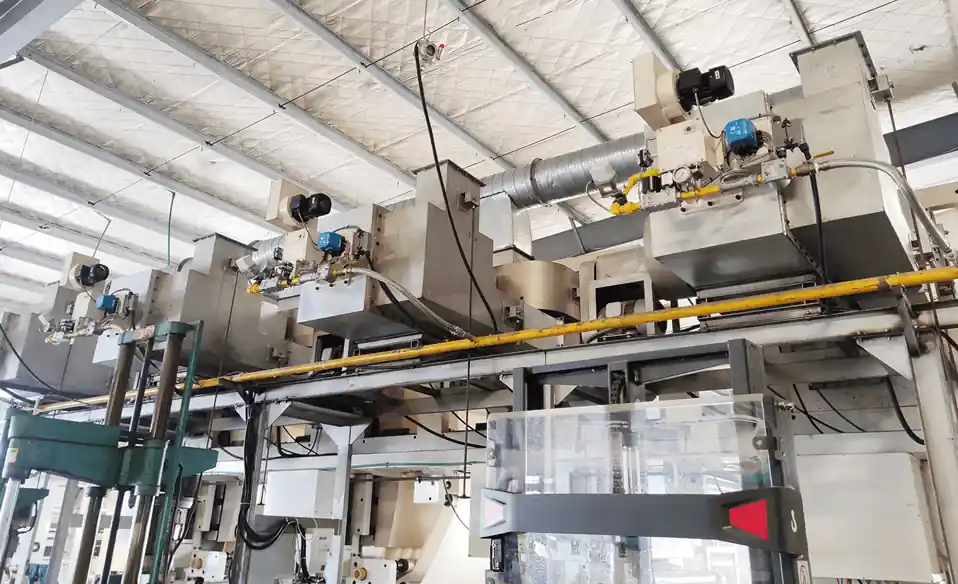
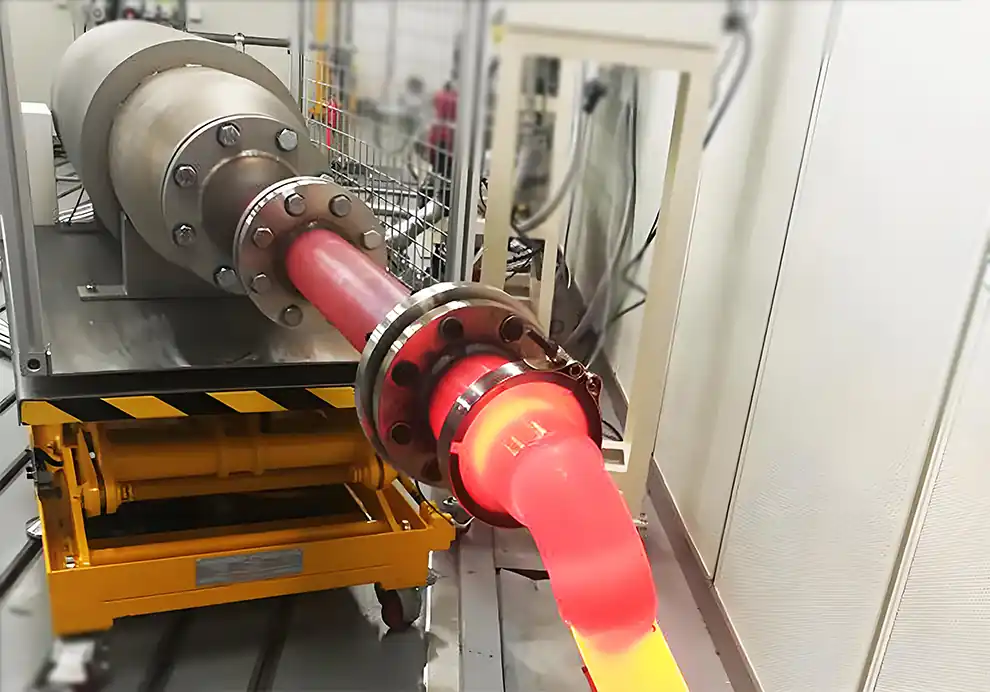
A spray drying burner is a special combustion device designed specifically for spray drying processes, providing stable, controllable, high‑temperature hot air for the drying tower.
Compared with ordinary industrial boiler burners, the core requirements of a spray drying burner are stable combustion, high temperature control accuracy, and high flame cleanliness to avoid contamination of dried products by combustion impurities. Conventional spray drying processes require hot‑air temperatures adjustable within the range of 120–300°C, while some special processes require temperatures up to 600°C, with temperature fluctuations controlled within ±5°C. This imposes far higher requirements on regulation accuracy and stability than ordinary combustion equipment.
The core features of DYDTEC spray drying burners include:
Proportional combustion control technology with temperature control accuracy up to ±3°C, meeting the temperature stability needs of demanding drying processes.
Compatibility with multiple fuels such as natural gas, LPG, diesel, and biogas, customizable according to user fuel conditions.
Standard low‑NOx combustion structure with NOx emissions below 30 mg/m³, satisfying environmental emission standards in most regions nationwide.
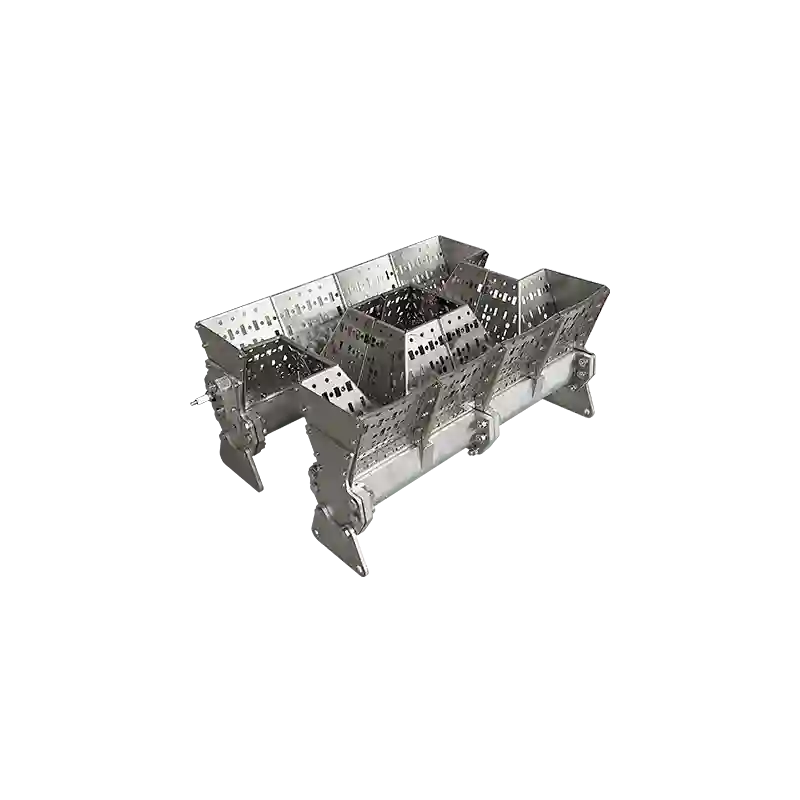
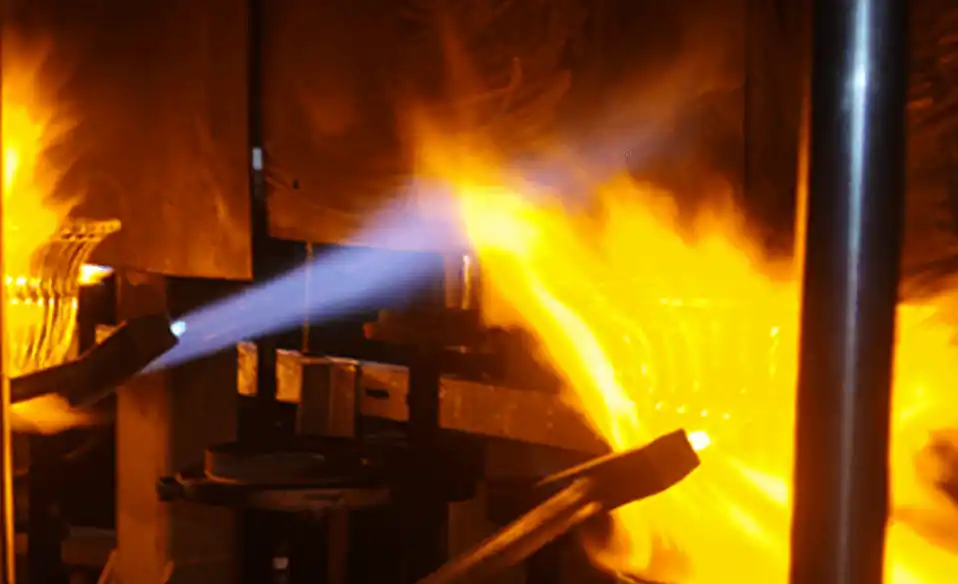
Optimized atomization structure, short and stiff flame, uniform temperature field, avoiding product degradation due to local overheating.
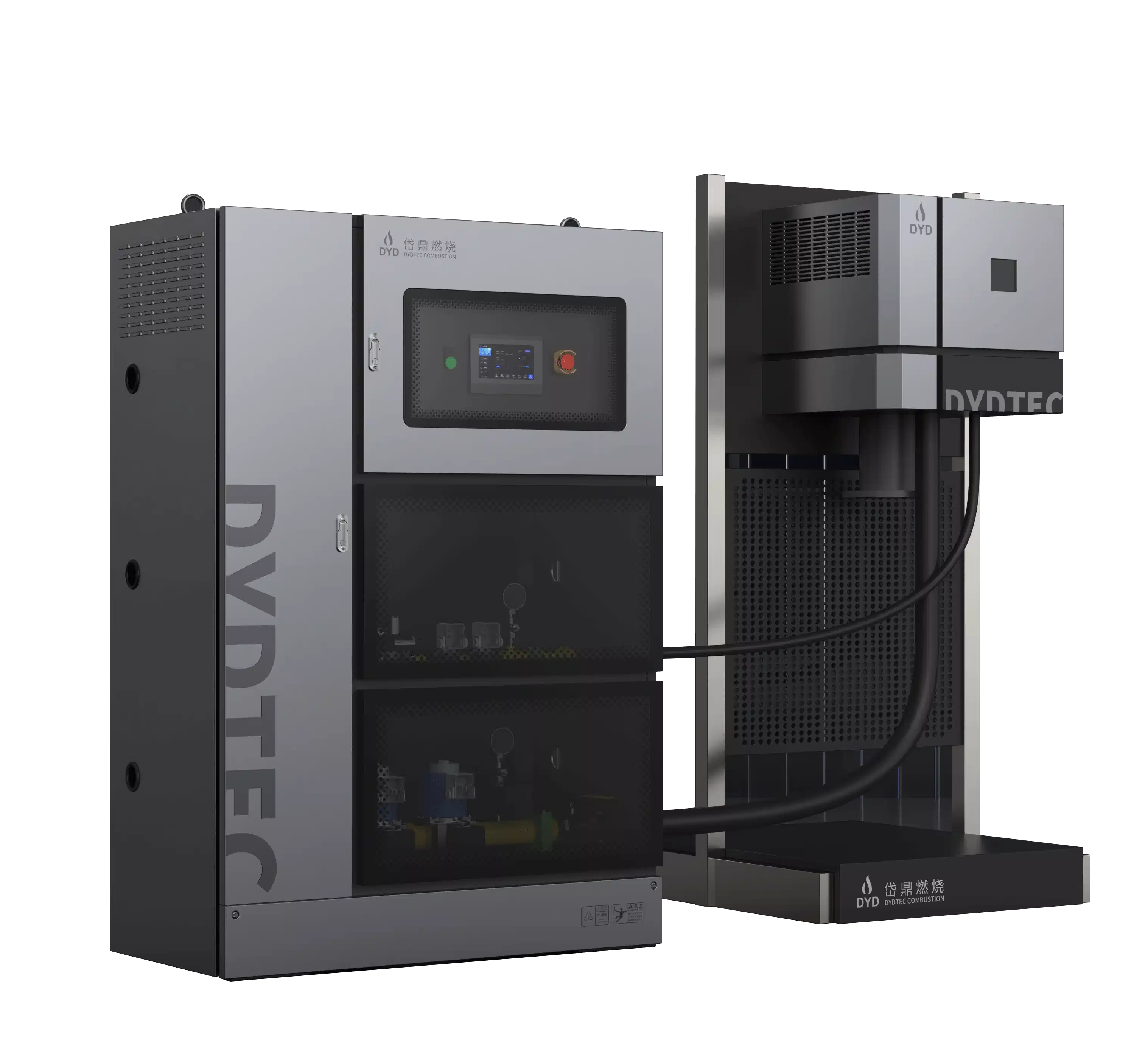
Support for DCS integration with the drying system, enabling remote automatic control and reducing manual operation and maintenance costs.
Spray drying burners can be classified into several categories according to combustion control methods, fuel types, and structural designs. Different types suit different production scenarios. A comparison of common types is shown below:
| Spray Drying Burner Type | Core Technical Features | Applicable Scenarios | Price Range (per unit) |
|---|---|---|---|
| Manually Controlled Spray Drying Burner | Simple structure, manual adjustment of air damper and fuel valve, low cost | Small‑batch intermittent spray drying lines, low output, low temperature‑precision requirements | RMB 10,000 – 30,000 |
| Proportional‑Regulating Spray Drying Burner | Automatic air‑fuel ratio regulation, temperature fluctuation within ±5°C, high stability | Most continuous medium‑sized spray drying lines, drying of food and chemical raw materials | RMB 30,000 – 80,000 |
| Low‑NOx Premix Spray Drying Burner | Fully premixed combustion technology, NOx emissions < 30 mg/m³, uniform and clean flame | Regions with strict environmental requirements, pharmaceutical and food industries with high product purity demands | RMB 60,000 – 150,000 |
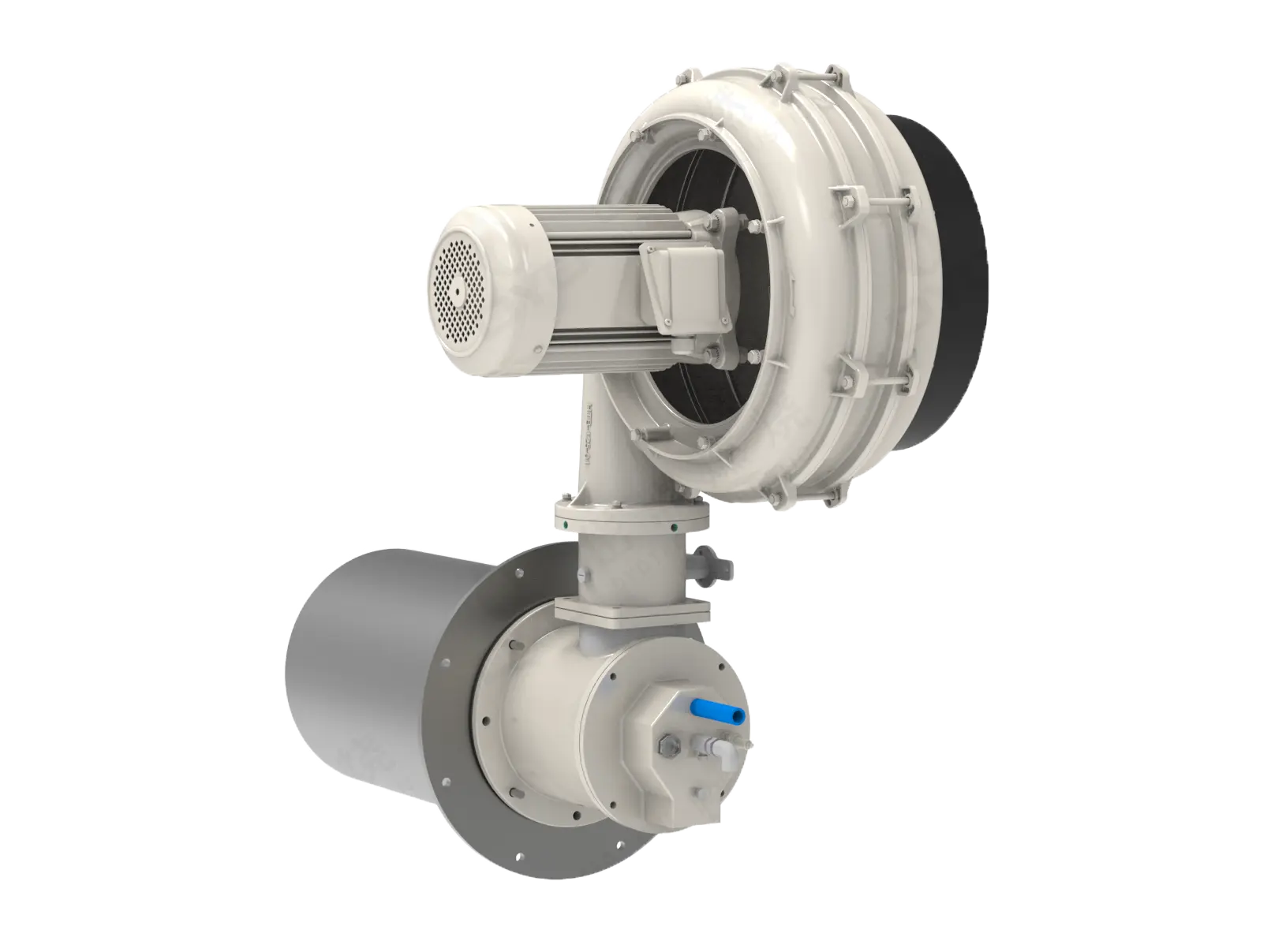
| Split‑Type High‑Power Spray Drying Burner | Separate burner head and fan design, capable of providing over 10 MW thermal power, customizable | Large‑scale industrial continuous spray drying lines, chemical and mining industries with output > 10 tons/day | RMB 150,000 – 300,000 |
By fuel type, spray drying burners can also be divided into gas‑fired, oil‑fired, and dual‑fuel types. Their advantages and disadvantages are compared as follows:
| Fuel Type | Advantages | Disadvantages | Suitable Regions |
|---|---|---|---|
| Gas (Natural Gas / LPG) | Low operating cost, clean combustion, low pollutant emissions, simple maintenance | Requires a stable natural gas pipeline network; initial gas connection cost is high | Industrial parks covered by natural gas networks |
| Oil (Diesel / Heavy Oil) | No pipeline needed, convenient fuel storage, high flexibility | Operating cost 20%‑30% higher than gas, relatively higher emission indices, more frequent maintenance | Remote areas without natural gas coverage |
| Dual‑Fuel (Gas + Oil) | Can switch between two fuels; ensures production continuity when gas supply is interrupted | Equipment cost 15%‑25% higher than single‑fuel types, more complex control system | Users with extremely high production continuity requirements and unstable gas supply |
When choosing a professional spray drying burner manufacturer, the first thing to examine is the manufacturer's technical expertise and product performance. A reliable manufacturer will make targeted optimizations for the specific needs of spray drying processes, rather than simply retrofitting ordinary boiler burners. As a professional spray drying burner manufacturer, DYDTEC's core technical advantages are reflected in the following aspects:
Spray drying processes demand extremely high uniformity of hot‑air temperature. Local overheating can cause over‑drying or even scorching, reducing yield; insufficient temperature results in substandard moisture content. DYDTEC spray drying burners use customized burner head structures, with flame length and expansion angle designed according to the drying tower's inner diameter and air inlet configuration. This ensures that the temperature field uniformity error of the hot air entering the drying tower is within 5%, increasing the average yield by more than 3%.
According to GB 13271‑2014 Emission Standard of Air Pollutants for Boilers and the latest local environmental requirements, NOx emissions from industrial combustion equipment in key regions must be controlled below 30 mg/m³. DYDTEC spray drying burners adopt staged combustion plus flue gas recirculation technology, with NOx emissions stably below 30 mg/m³ across the full load range. They meet standards without the need for additional SCR denitrification equipment, saving users hundreds of thousands of RMB in environmental retrofit costs.
For industries with extremely high purity requirements—such as food additives, pharmaceutical ingredients, and milk powder—any smoke or impurities from combustion that mix into the product would directly cause non‑compliance. DYDTEC spray drying burners feature a fully internal combustion design with complete combustion, smoke emissions below 10 mg/m³. Combined with clean gaseous fuels, they produce no contaminating impurities, meeting the hygiene standards for food and pharmaceutical production.
Spray drying production lines often need to adjust output according to orders, with thermal loads fluctuating in the range of 30%‑100%. DYDTEC spray drying burners use high‑precision proportional control valves with a turndown ratio of up to 1:10. They maintain stable combustion even at 30% low load, with air‑fuel ratio deviation within 2%, avoiding problems such as flame detachment, flameout, or large temperature fluctuations, thus adapting to flexible production scheduling needs.
With many spray drying burner manufacturers on the market and varying product quality, users can follow these steps to make a selection:
First, choose a manufacturer with formal combustion equipment production qualifications and at least 3 years of experience in spray drying burner manufacturing. Priority should be given to manufacturers with application cases in the same industry. As a professional spray drying burner manufacturer, DYDTEC has supplied products to a wide range of industries including food additives, ceramic powders, pharmaceutical intermediates, detergents, and dyes.
Calculate the required thermal load based on the evaporation capacity of the spray drying tower. Generally, evaporating 1 kg of water requires about 2500‑3000 kJ of heat. The manufacturer will calculate the matching burner power according to the tower specifications. Provide the process requirements to the spray drying burner manufacturer in advance, including target hot‑air temperature, allowable temperature fluctuation range, fuel type, emission requirements, and product purity requirements, to facilitate proper customization.
Spray drying burners are industrial equipment requiring regular maintenance. A reliable spray drying burner manufacturer should provide timely after‑sales services, including installation guidance, commissioning, scheduled maintenance, and spare parts supply. DYDTEC has established over 50 sales networks globally, offers long warranty periods, and gives users peace of mind.
Do not focus solely on the purchase price. Calculate the total lifecycle cost, including equipment acquisition cost, fuel cost, maintenance cost, and environmental compliance cost. Products from a professional spray drying burner manufacturer have higher combustion efficiency and lower energy consumption. The fuel cost savings over 3‑5 years can offset the initial price difference, while also avoiding production halts and fines due to non‑compliance.
Q: What is a spray drying burner? How is it different from an ordinary boiler burner?
A: A spray drying burner is a special heat‑source combustion device designed specifically for spray drying processes, providing stable and controllable high‑temperature hot air for the drying tower. Compared with ordinary boiler burners, it has much higher requirements for temperature control accuracy, flame uniformity, and cleanliness. It generally requires temperature fluctuations within ±5°C, low emissions, and prevention of product contamination. Its structural design differs significantly from that of ordinary burners.
Q: How do I choose a spray drying burner manufacturer? What points should I focus on?
A: When selecting a spray drying burner manufacturer, first examine the manufacturer's industry experience and cases in the same field, confirming their capability for custom production and after‑sales service. Second, match your own process requirements, including thermal load, fuel type, and environmental standards. Finally, calculate the total lifecycle cost; do not just look at the initial purchase price. Prioritize products with high combustion efficiency and compliant emissions, as they are more cost‑effective in the long run.
Q: What is the general price range of a spray drying burner?
A: The price varies greatly depending on power, type, and configuration: small manual models range from RMB 10,000‑30,000; medium proportional‑regulating models from RMB 30,000‑80,000; low‑NOx high‑power models from RMB 60,000‑150,000; and custom extra‑large split models from RMB 150,000‑300,000. The exact price depends on your thermal load, process requirements, and the manufacturer's quotation.
Q: What fuels can a spray drying burner accommodate?
A: Currently, mainstream spray drying burners can accommodate conventional fuels such as natural gas, LPG, diesel, and heavy oil. Some professional manufacturers can also adapt to industrial by‑product gases like biogas and blast furnace gas. Dual‑fuel configurations are also available, supporting switching between two fuels to meet different gas supply conditions.
Q: How low can NOx emissions from a spray drying burner be? Do they meet national standards?
A: Qualified professional spray drying burners using low‑NOx combustion technology can achieve NOx emissions below 30 mg/m³, meeting GB 13271‑2014 Emission Standard of Air Pollutants for Boilers and the special emission limits for key regions. They can pass environmental acceptance without additional denitrification equipment.
Q: What routine maintenance is required for a spray drying burner?
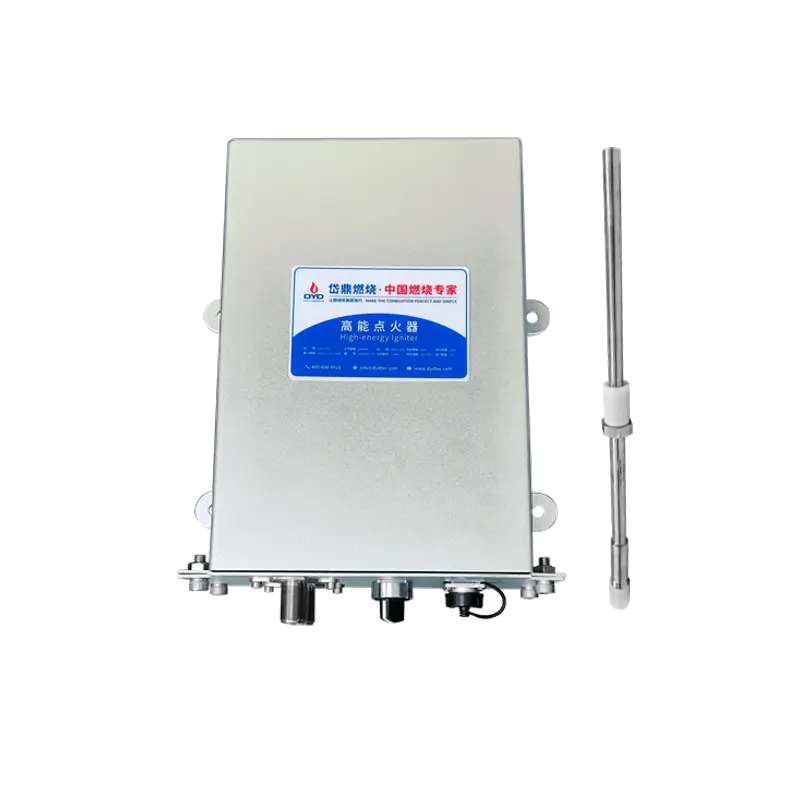
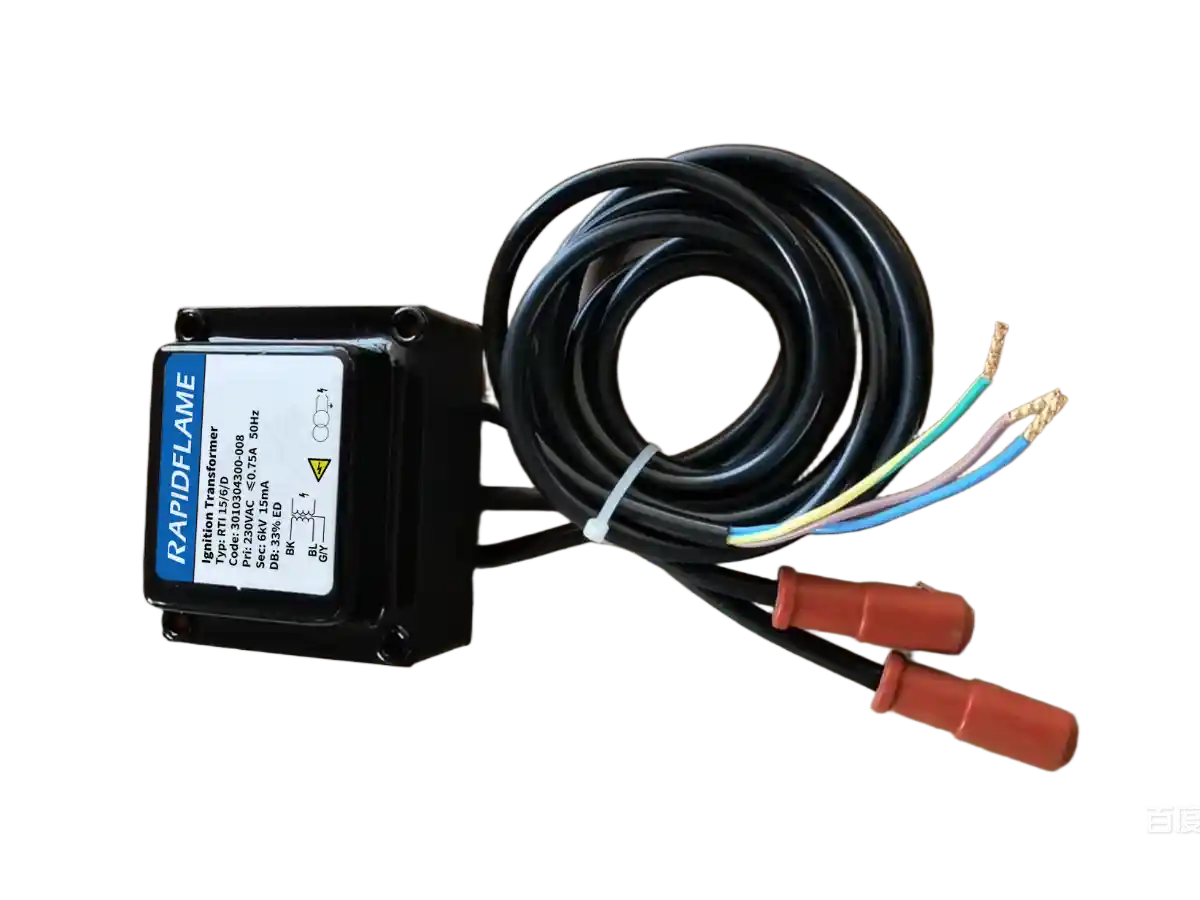
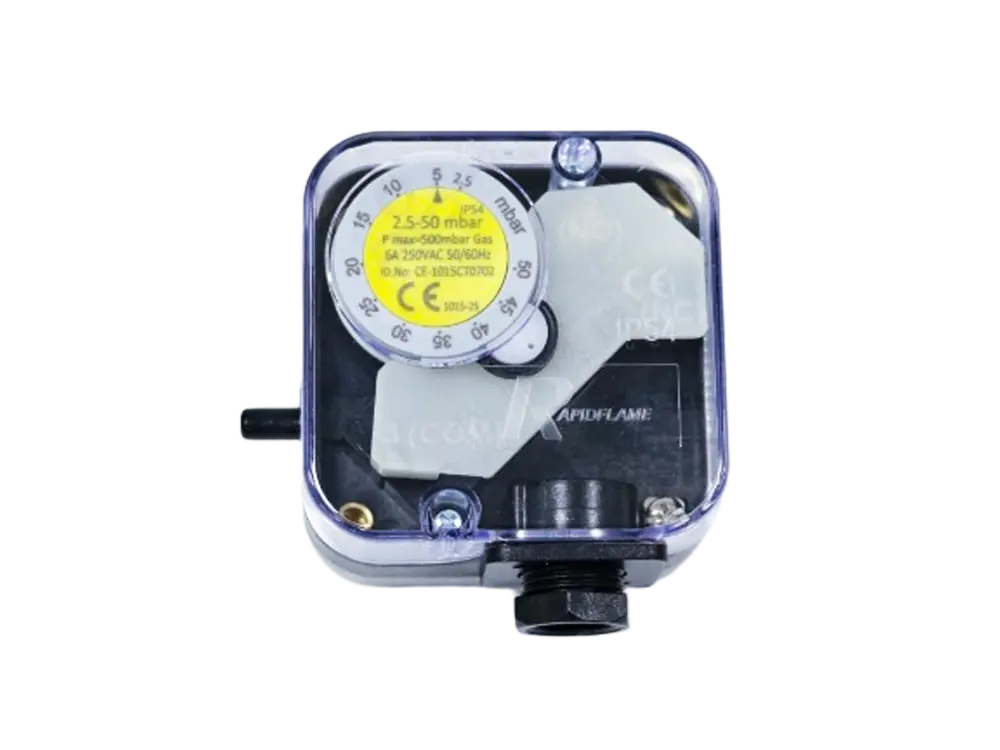
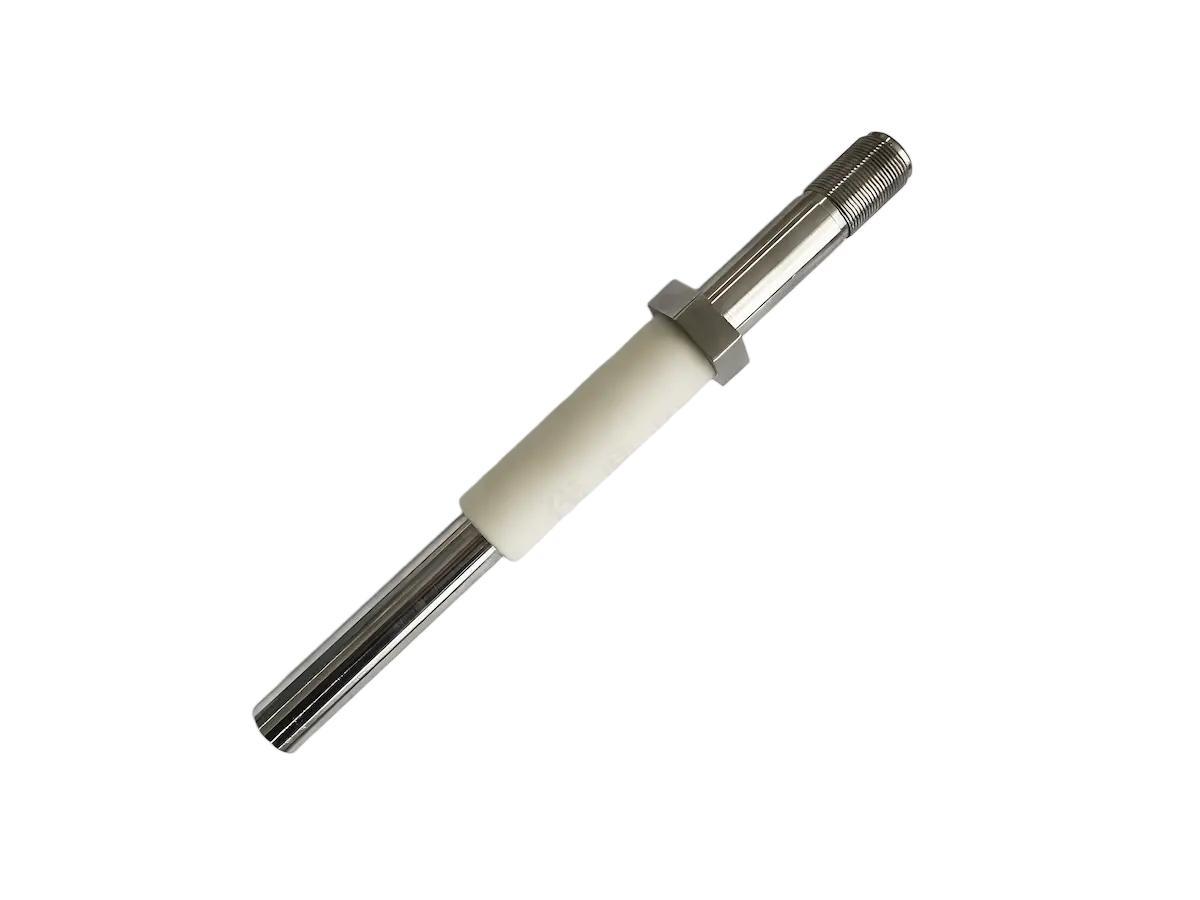
A: Daily maintenance mainly includes: regularly cleaning carbon deposits and impurities from the burner head, checking ignition electrode gaps, checking the sealing of the gas valve train, calibrating temperature sensors, and regularly inspecting fan operation. It is generally recommended to perform a minor service every 1,000 operating hours and a comprehensive overhaul every 6,000 hours. Professional spray drying burner manufacturers provide maintenance guidance and spare parts supply.
Q: Can an old spray drying line be retrofitted with a new burner?
A: Most old spray drying lines can be retrofitted with low‑NOx spray drying burners. The retrofit involves matching a new burner to the existing combustion chamber dimensions and adjusting the air inlet structure. The cost is far lower than replacing the entire drying line, while achieving improved temperature stability, lower emissions, and energy savings—making it a cost‑effective upgrade solution for old lines.
The spray drying burner is the core equipment of a spray drying production line, directly affecting product quality, operating costs, and environmental compliance. Choosing a professional and reliable spray drying burner manufacturer is a fundamental prerequisite for ensuring stable line operation.
A professional spray drying burner manufacturer will make targeted structural optimizations and control designs for the specific needs of spray drying processes, achieving far superior performance in temperature accuracy, emission compliance, and energy consumption control compared to ordinary retrofitted products, thus creating long‑term value for users. As a domestic professional spray drying burner manufacturer, DYDTEC can customize a full range of low‑NOx spray drying burners according to the drying tower specifications, process requirements, and fuel conditions of each user. It provides integrated services from design, production, installation, and commissioning to after‑sales maintenance, helping users improve production efficiency, reduce operating costs, and meet environmental requirements. If you are looking for a reliable spray drying burner manufacturer, please contact DYDTEC for professional solution design and quotations.