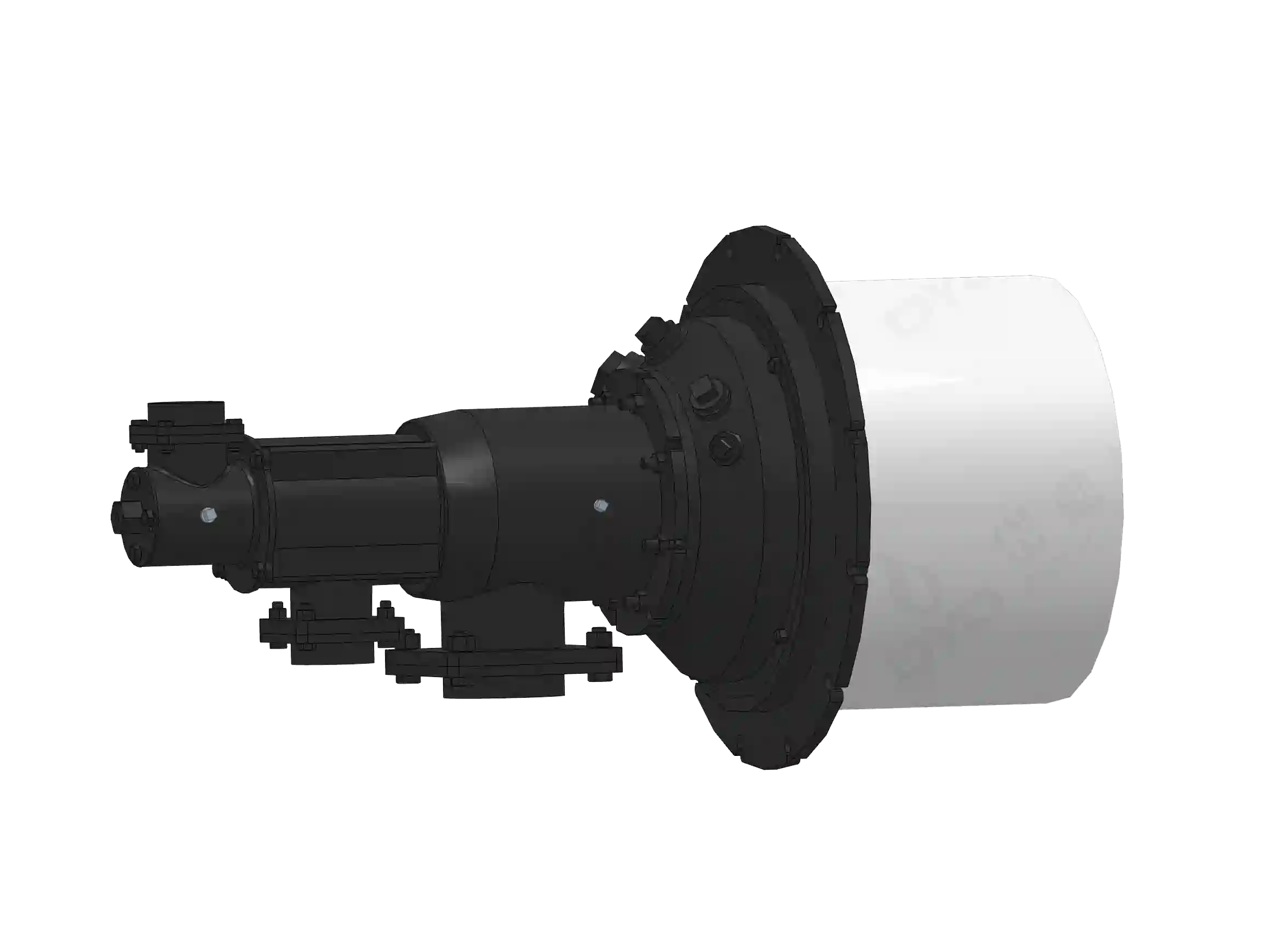
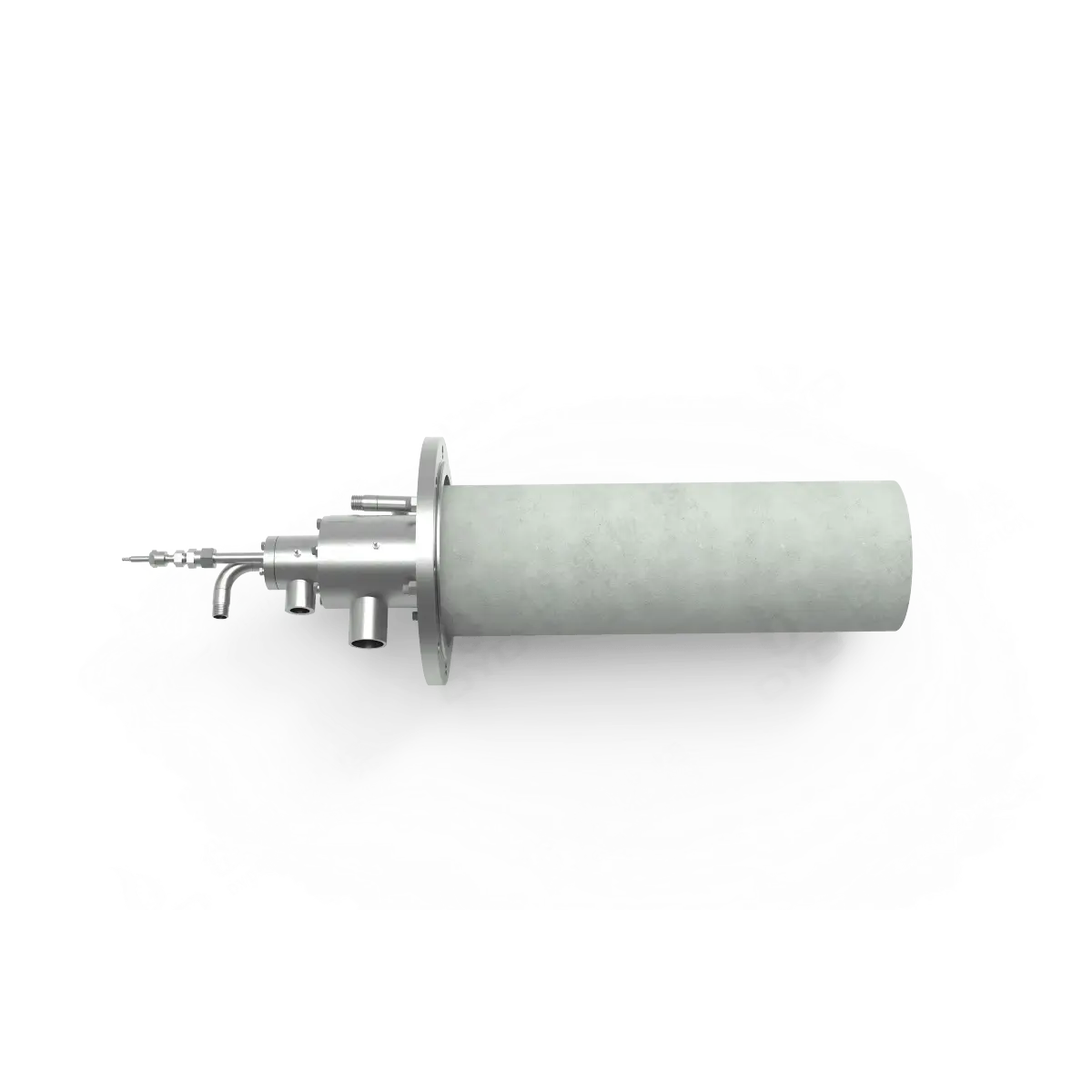
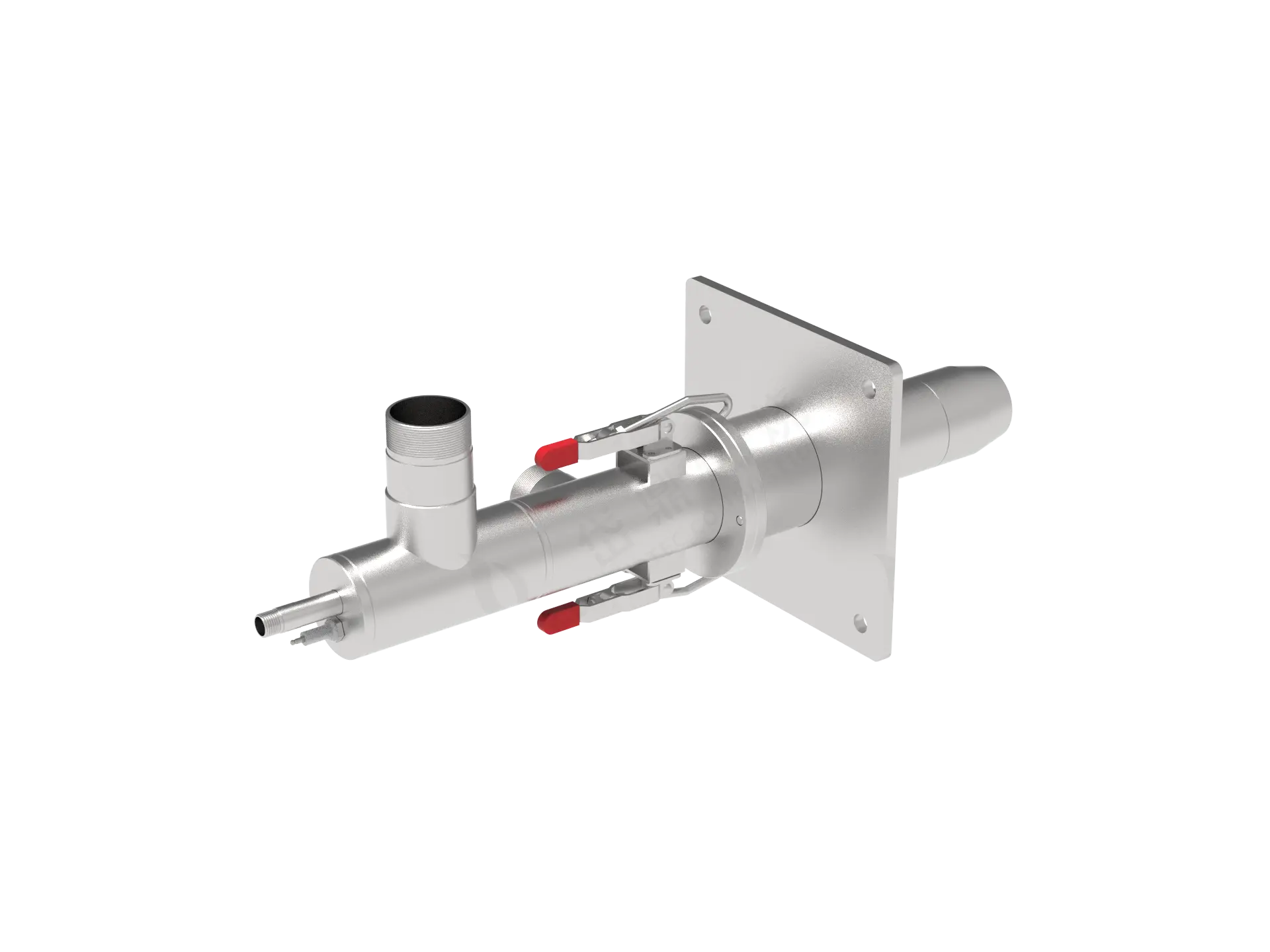
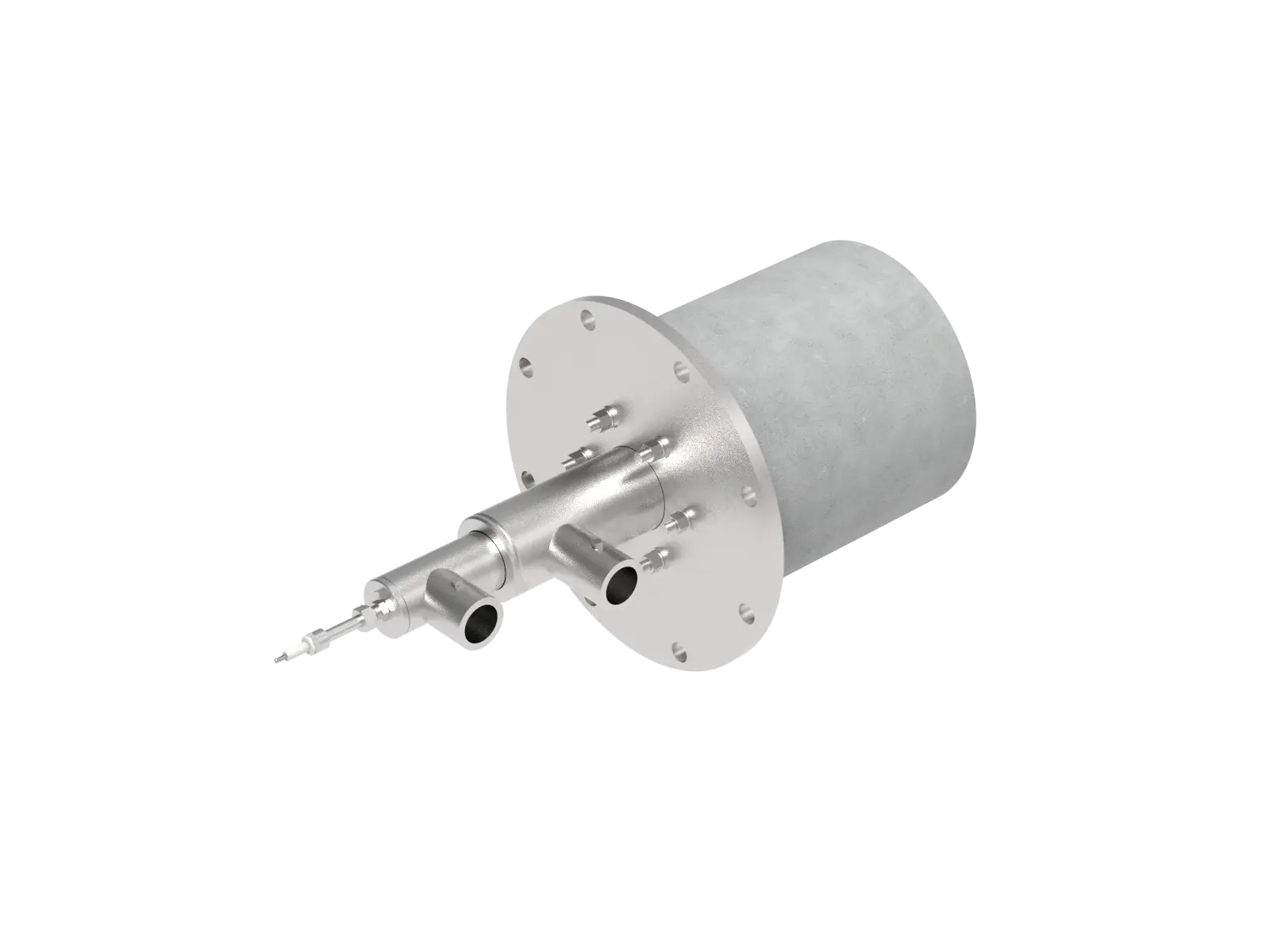
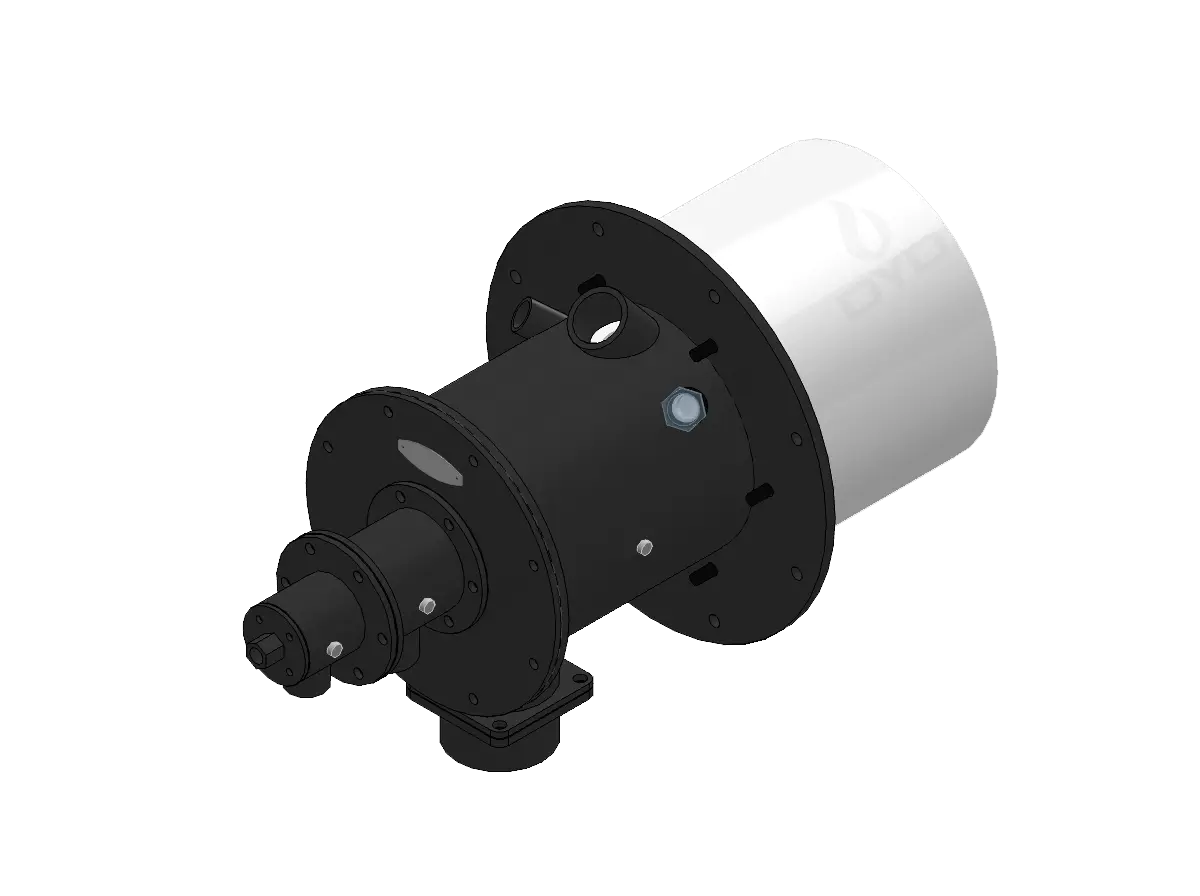
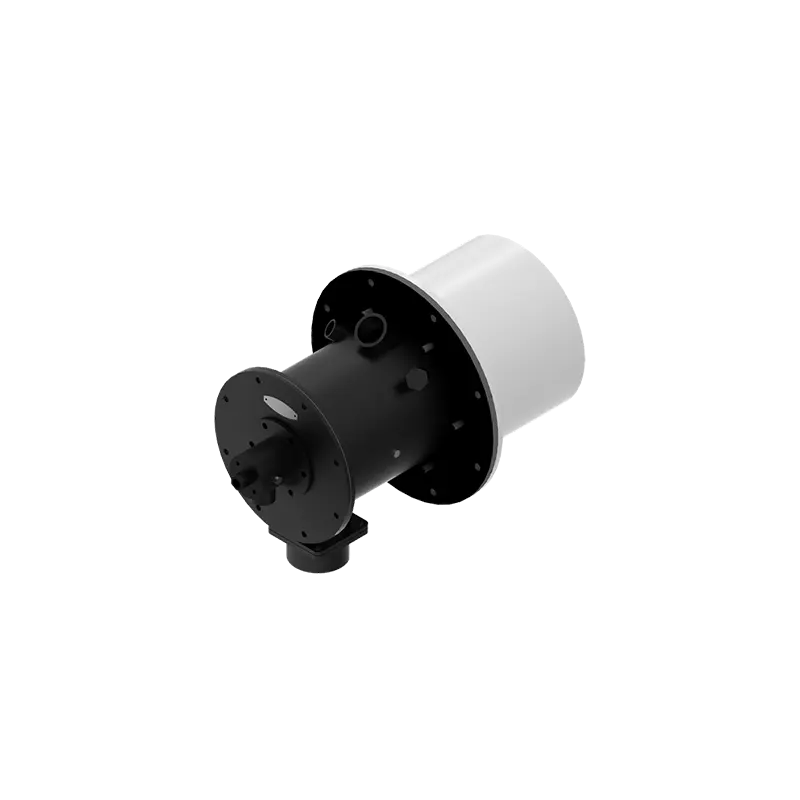
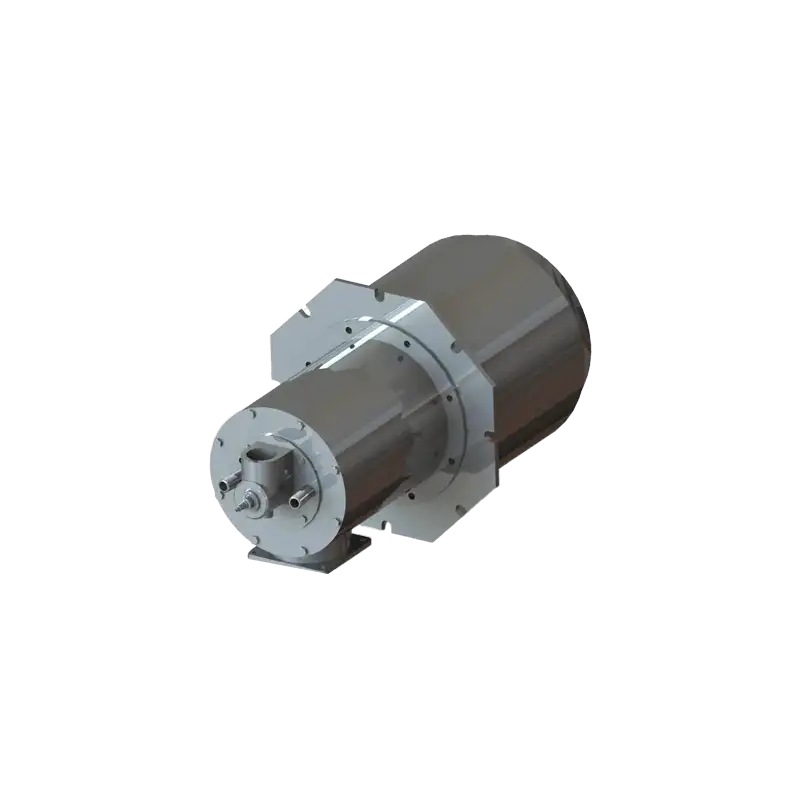
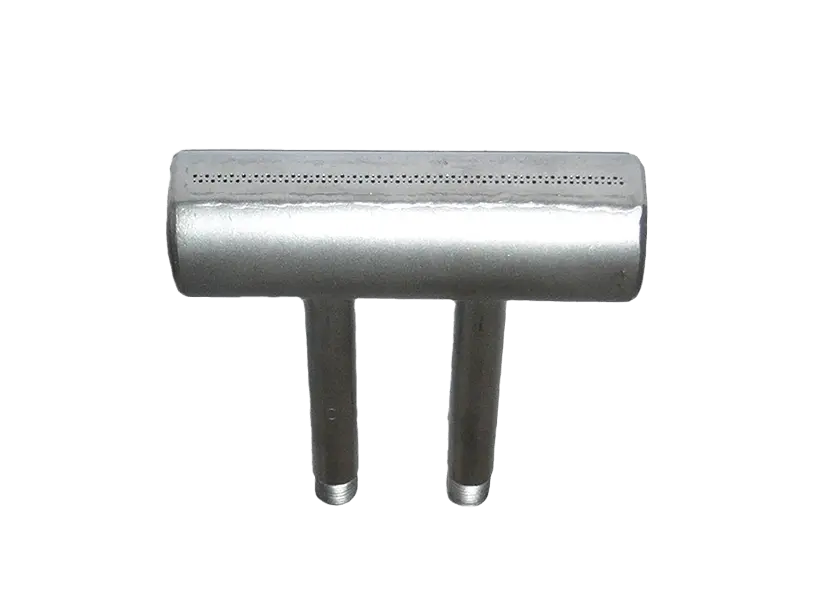
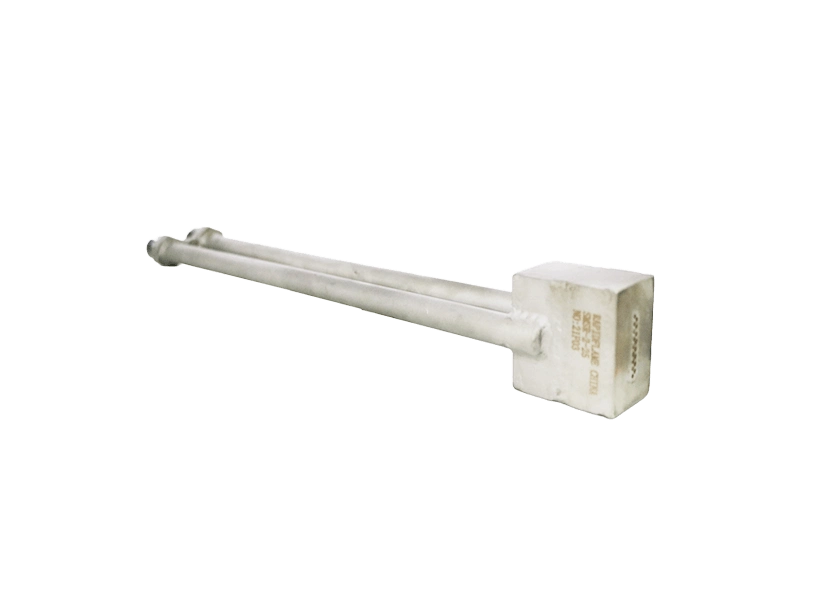
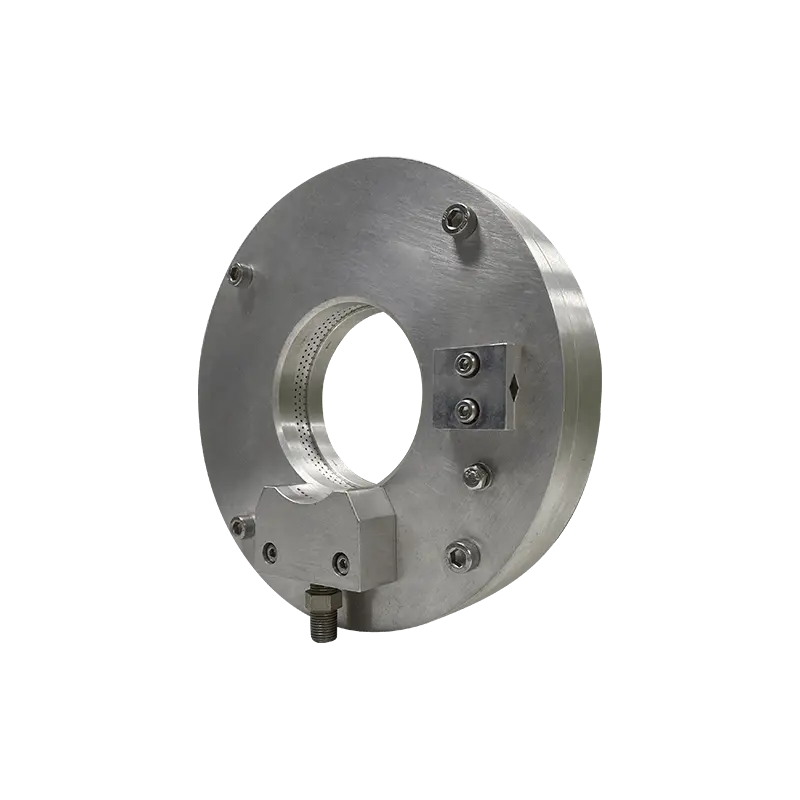
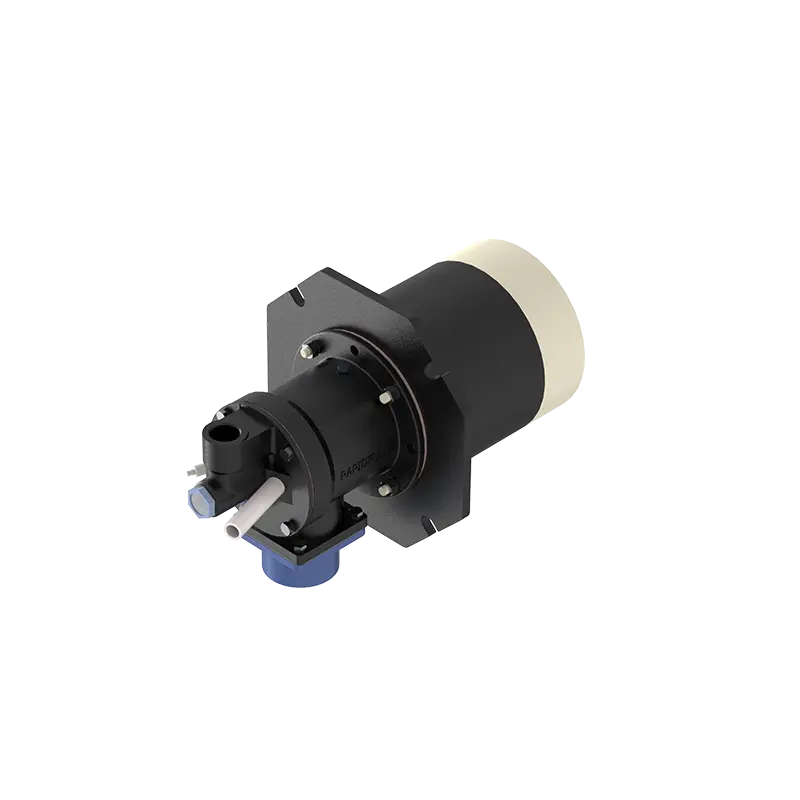
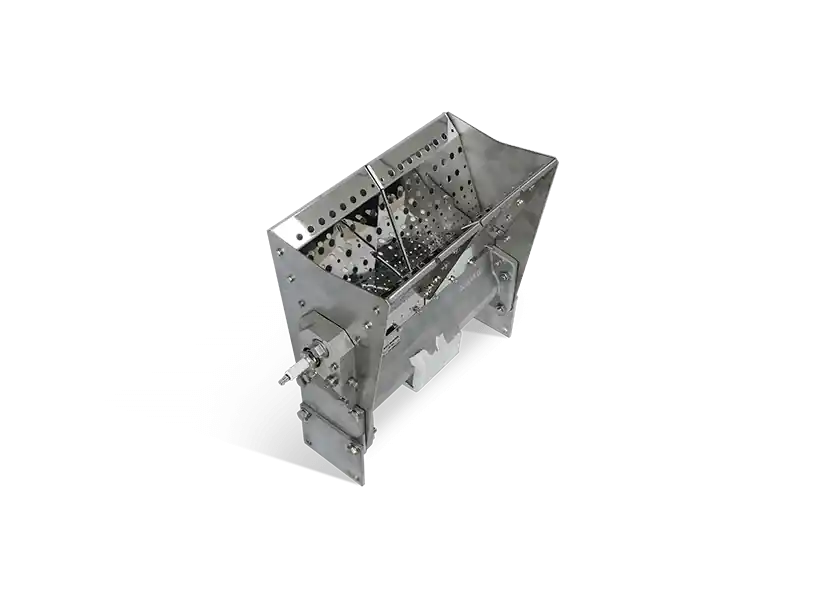
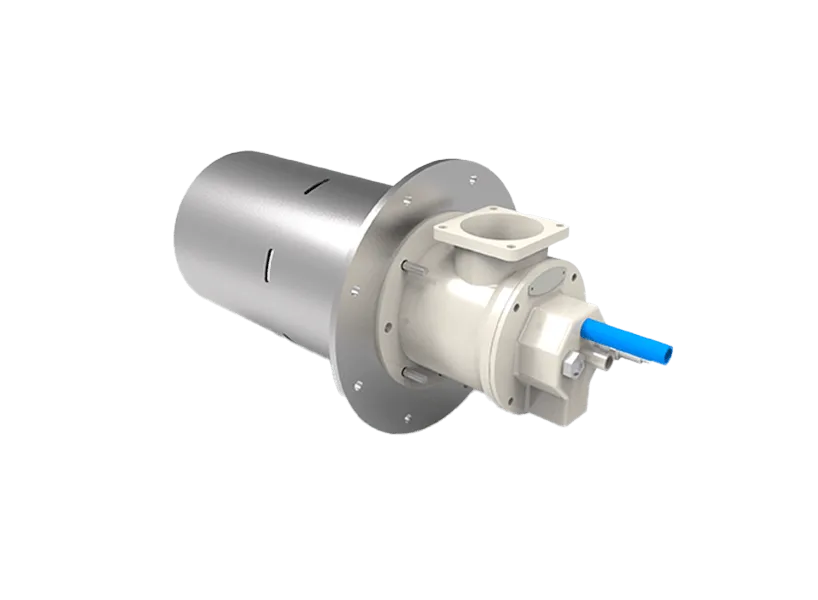
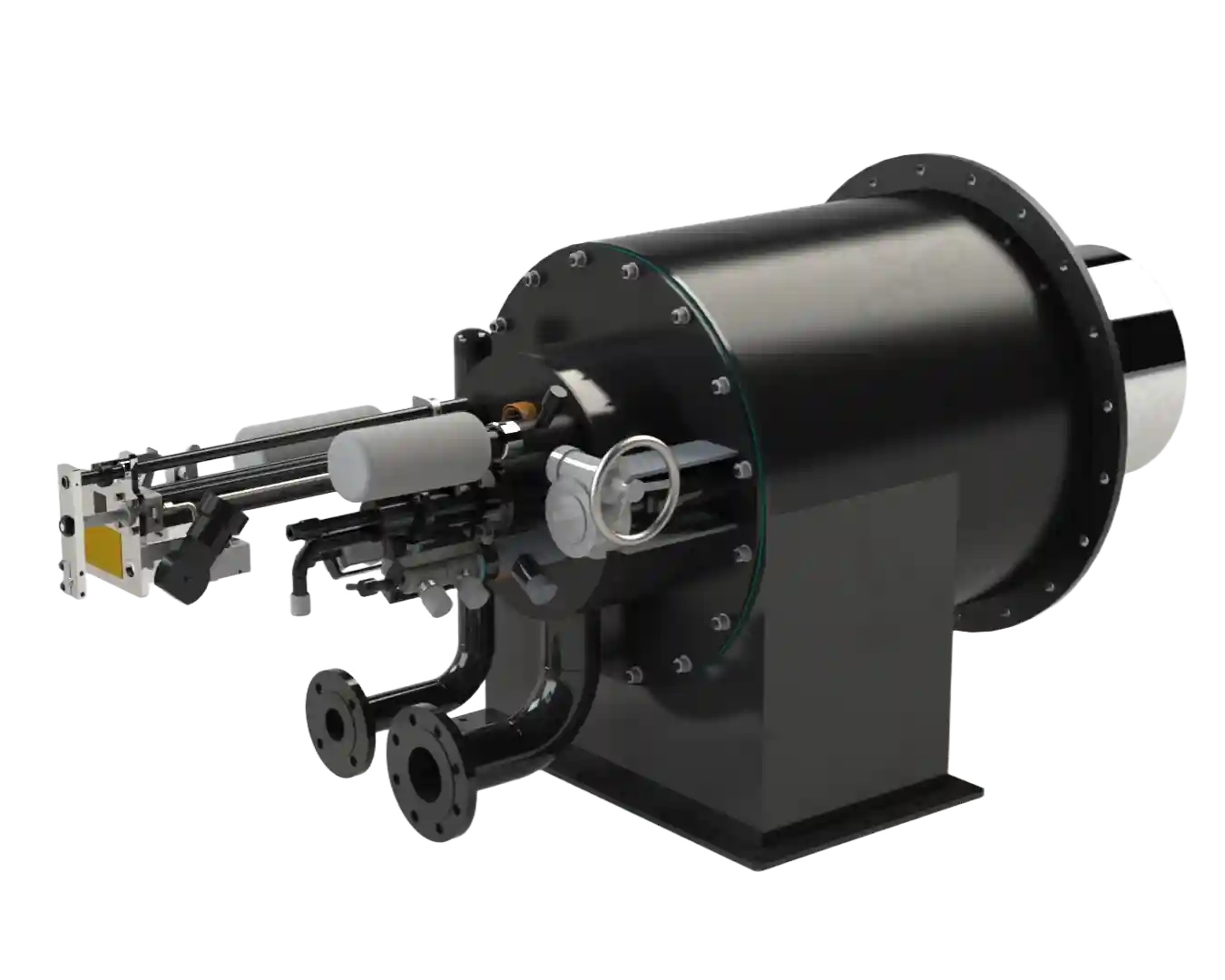
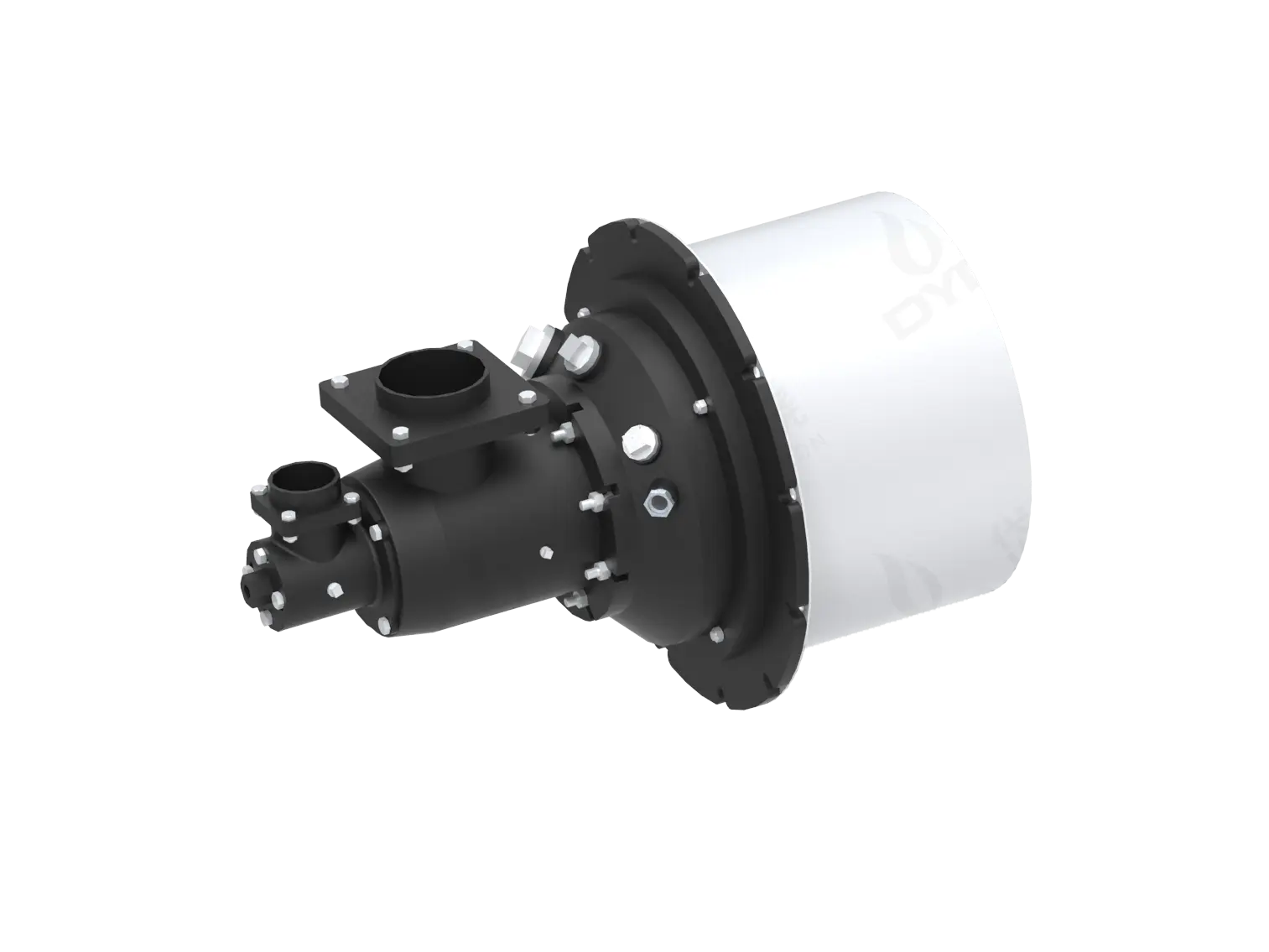
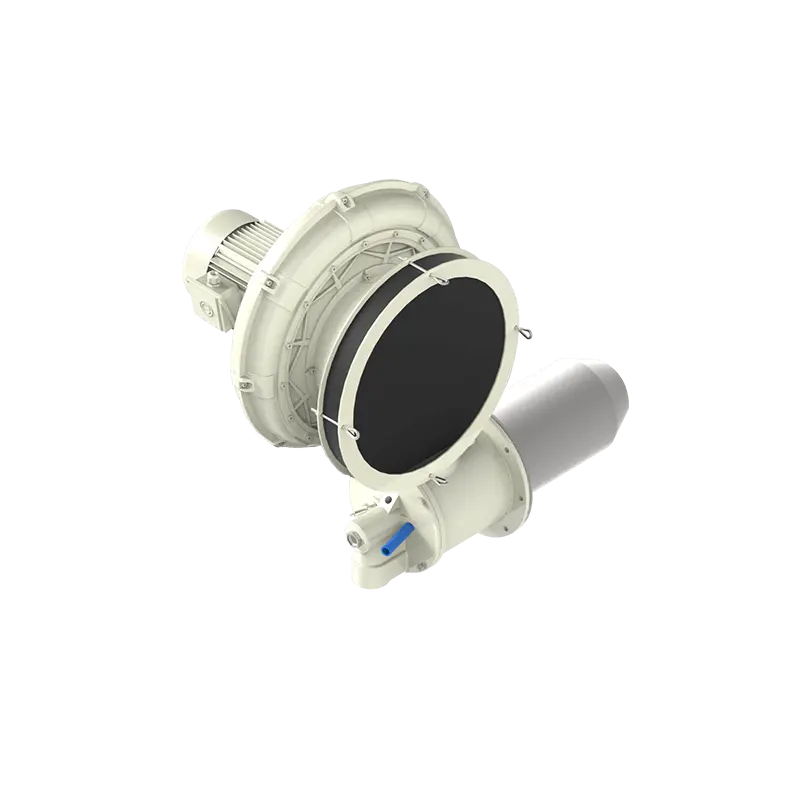
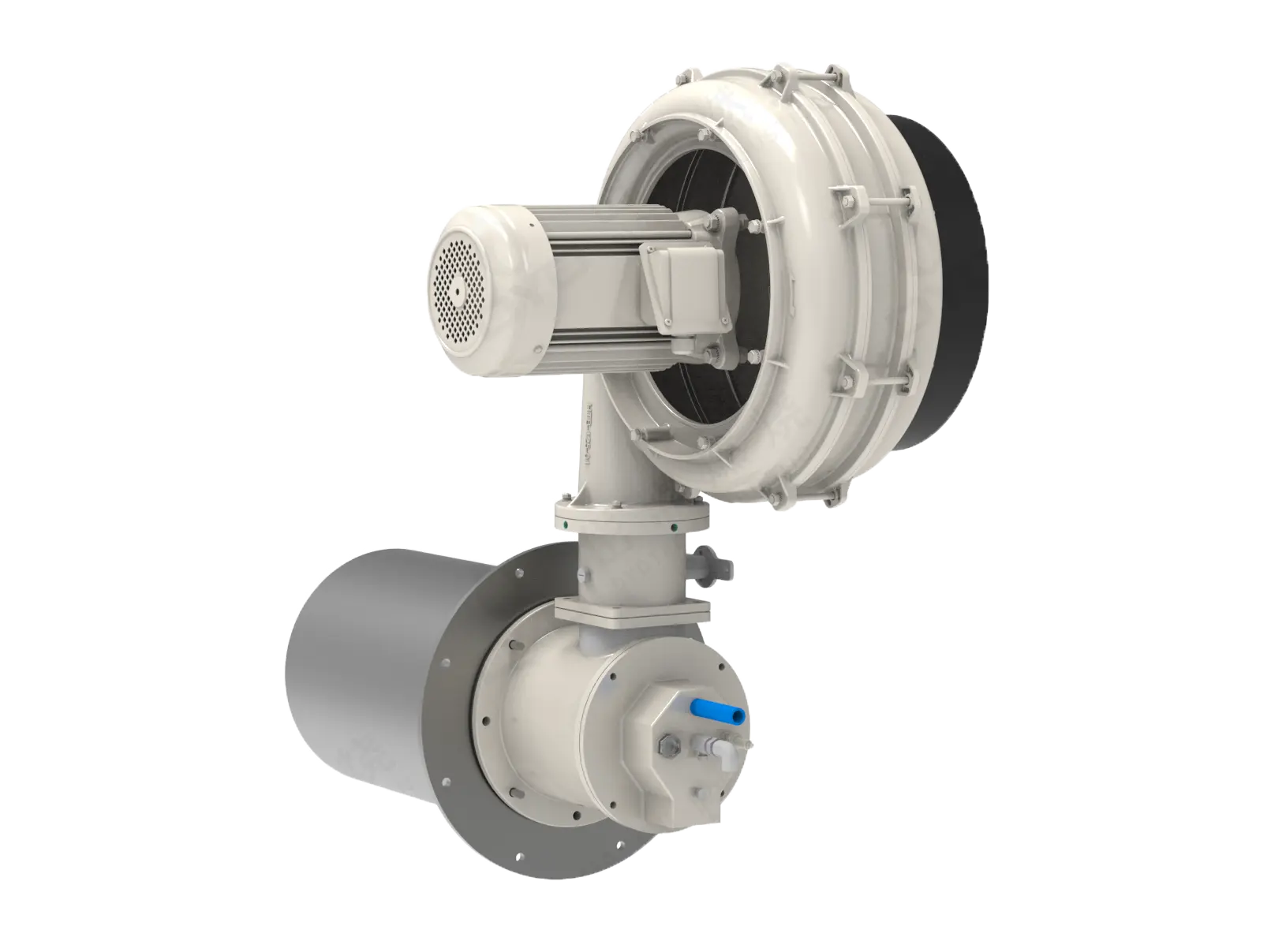
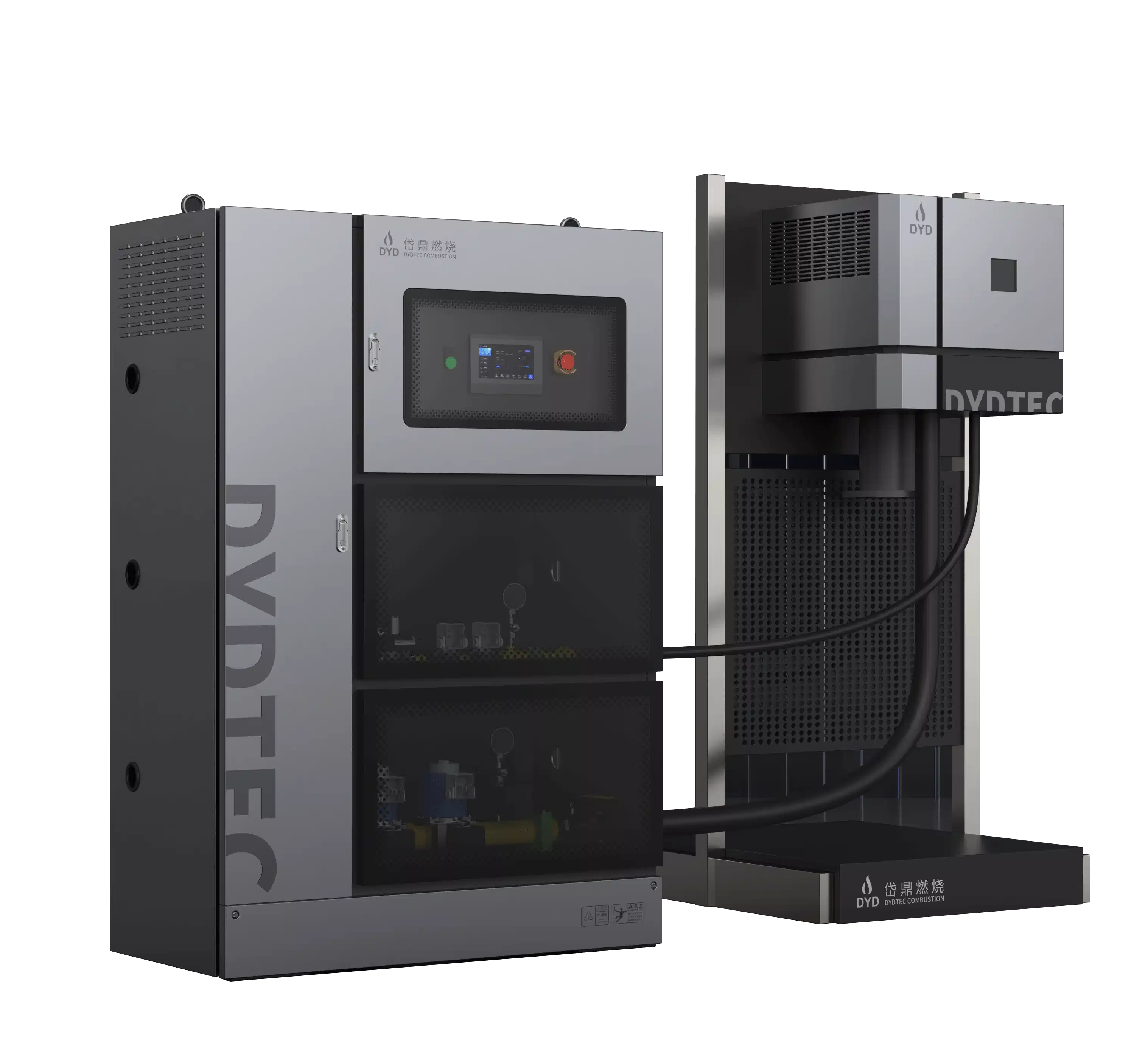
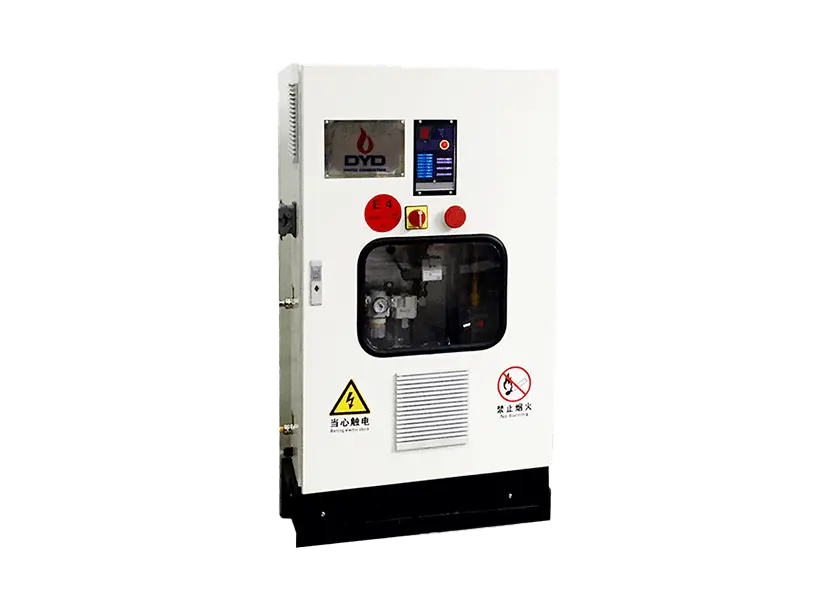
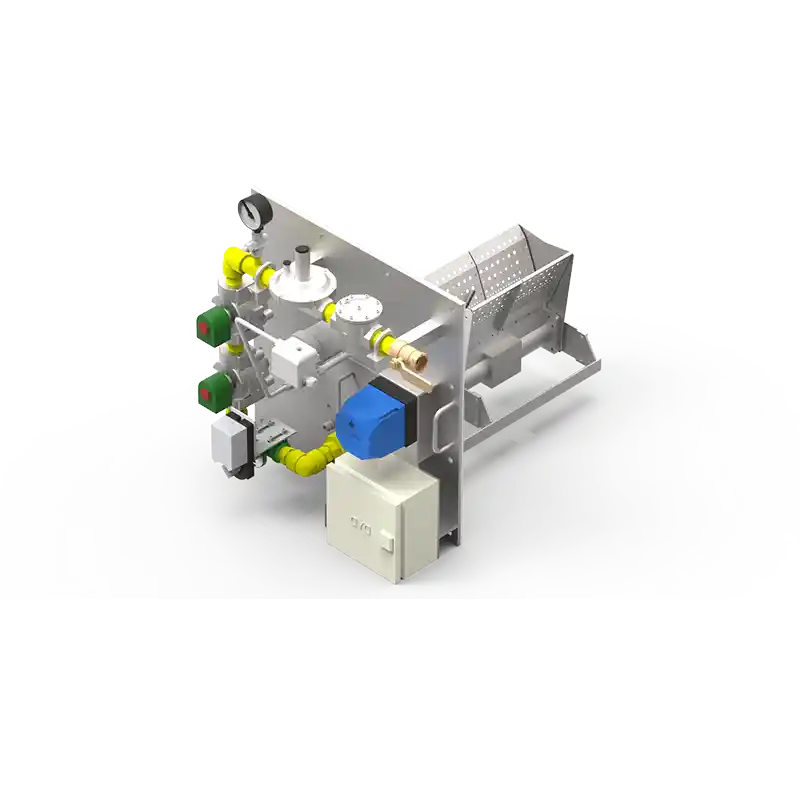
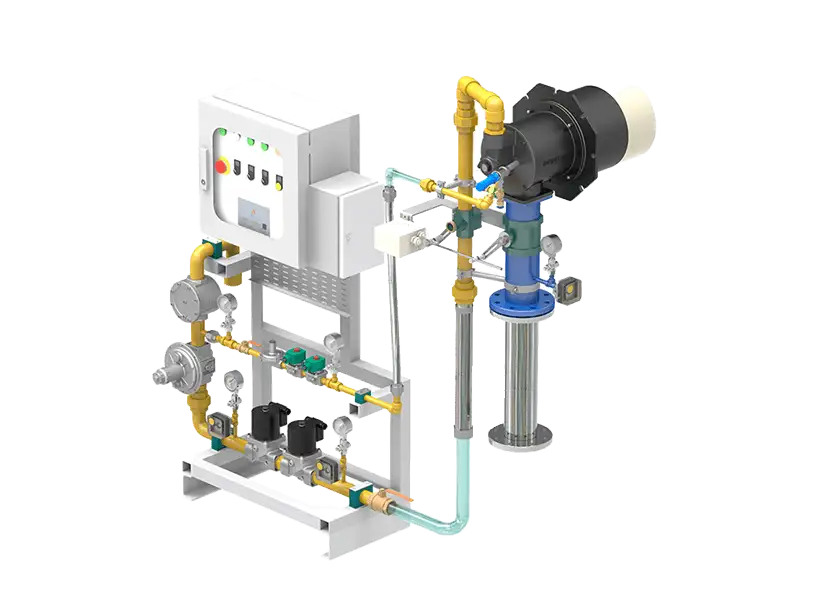
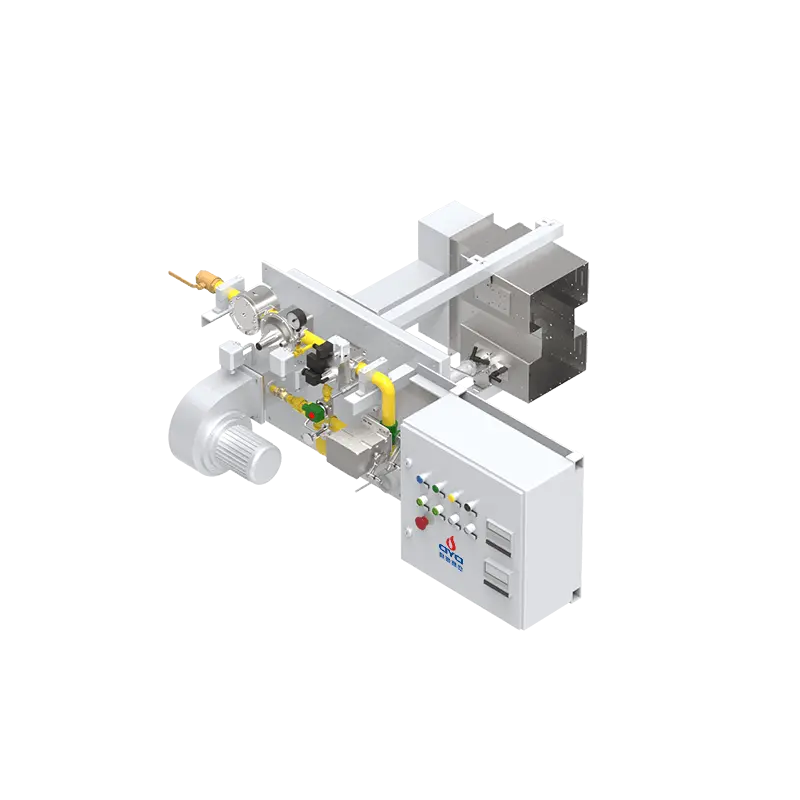
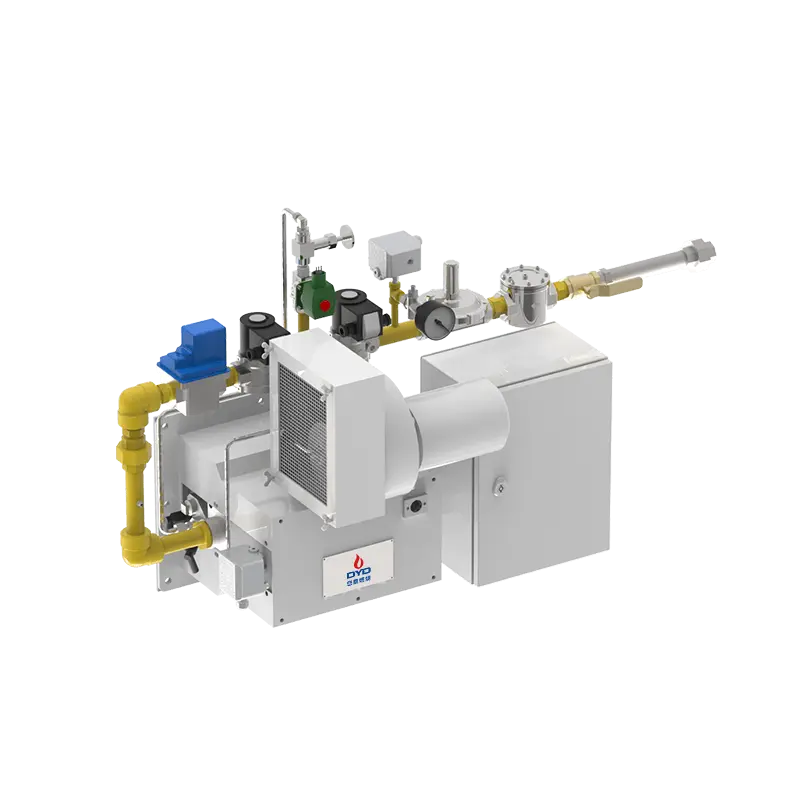
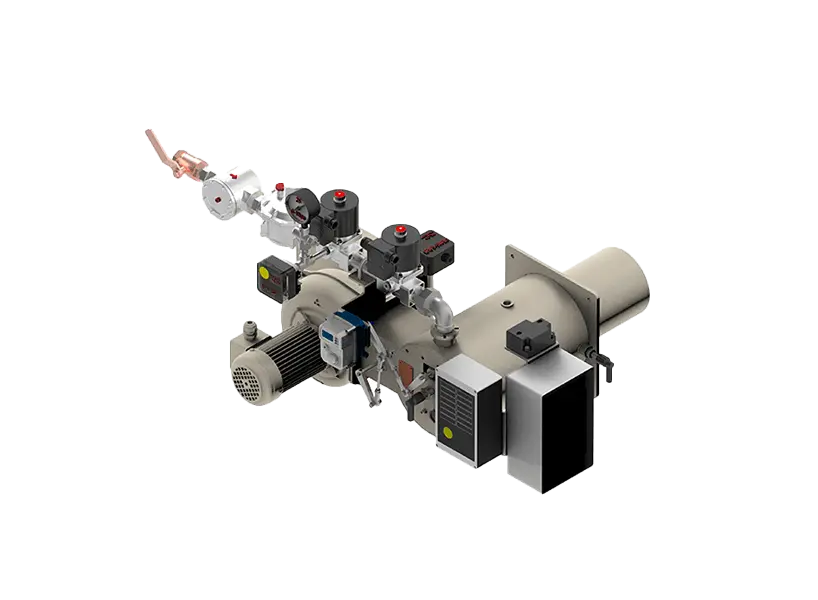
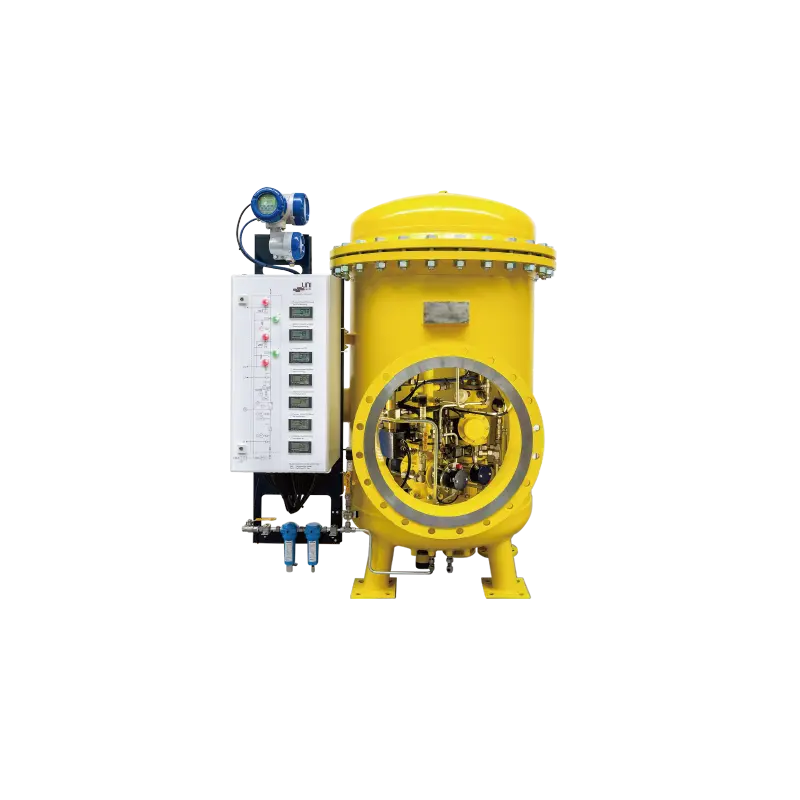
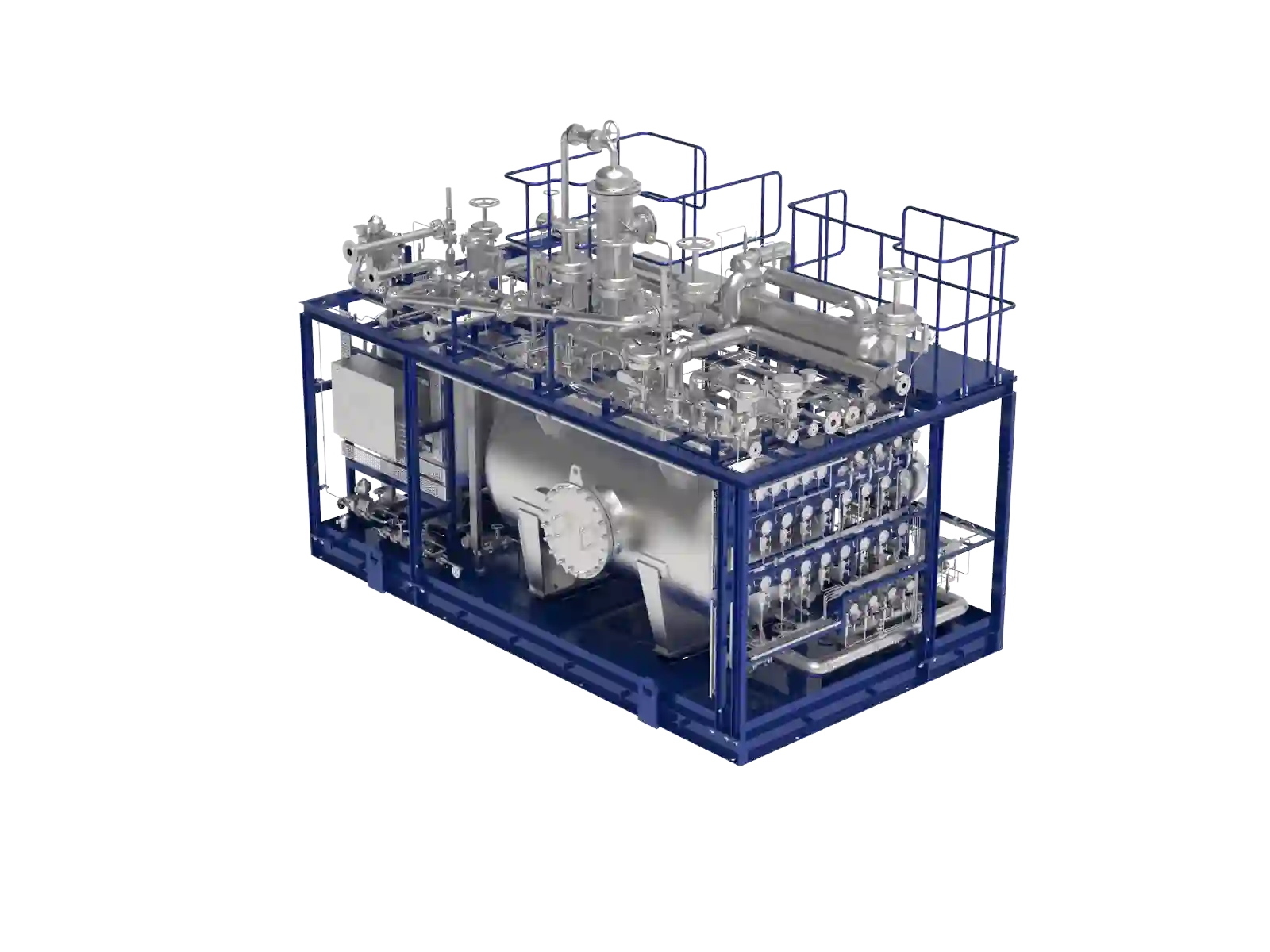
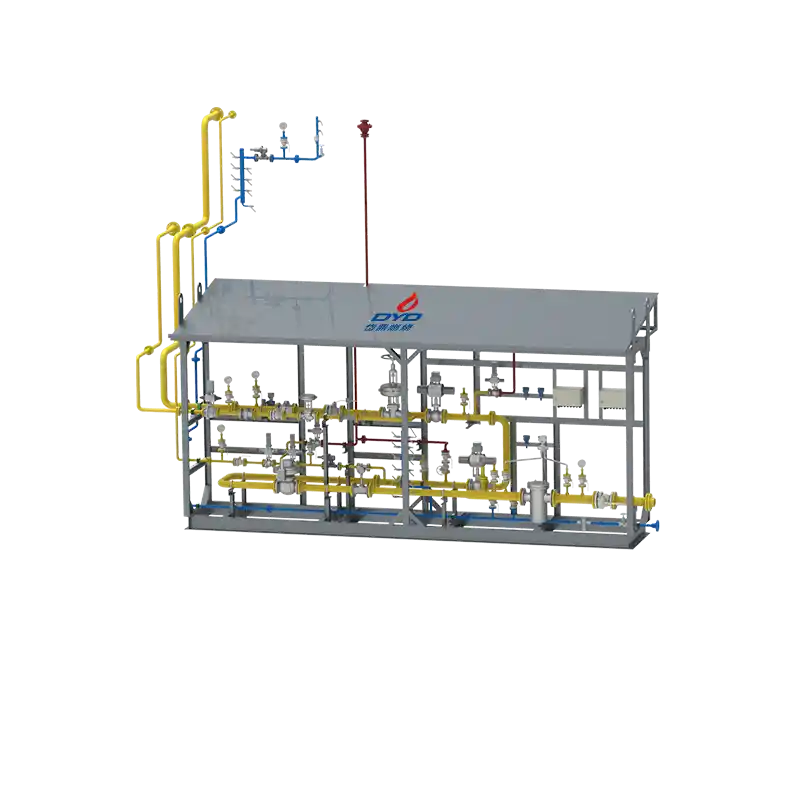
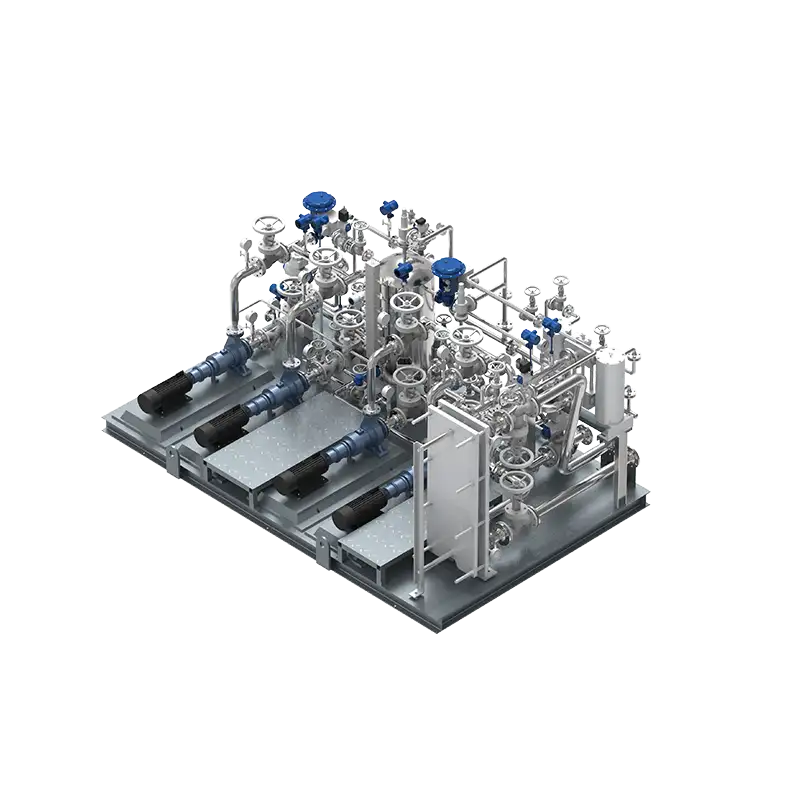
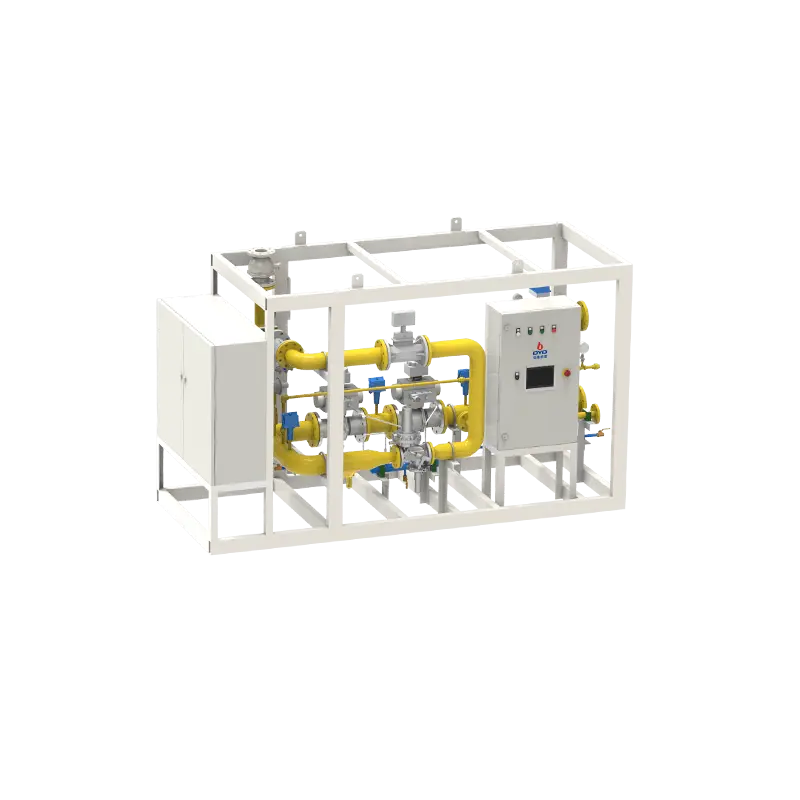
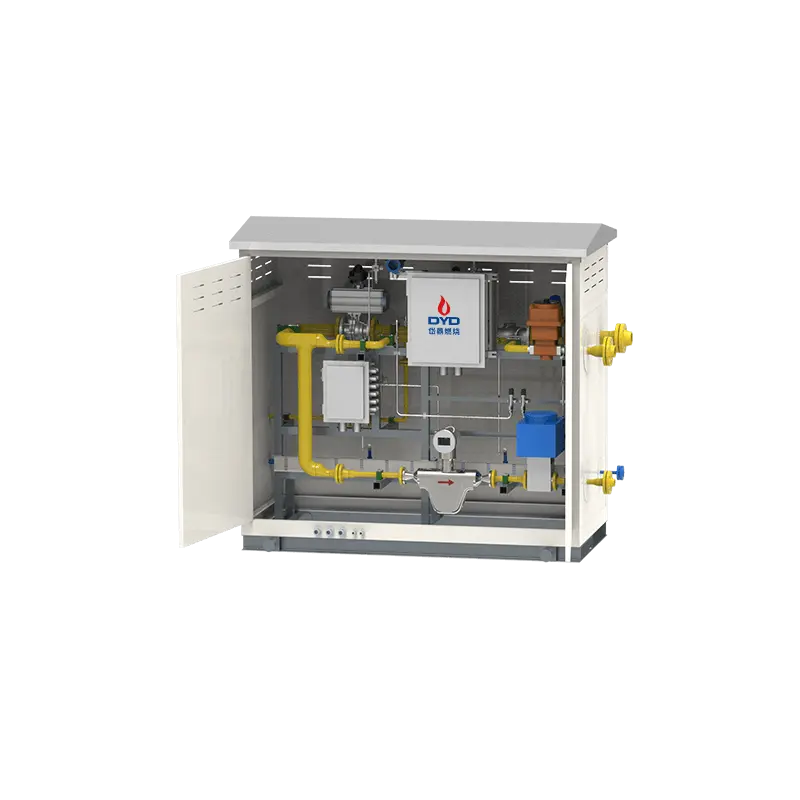
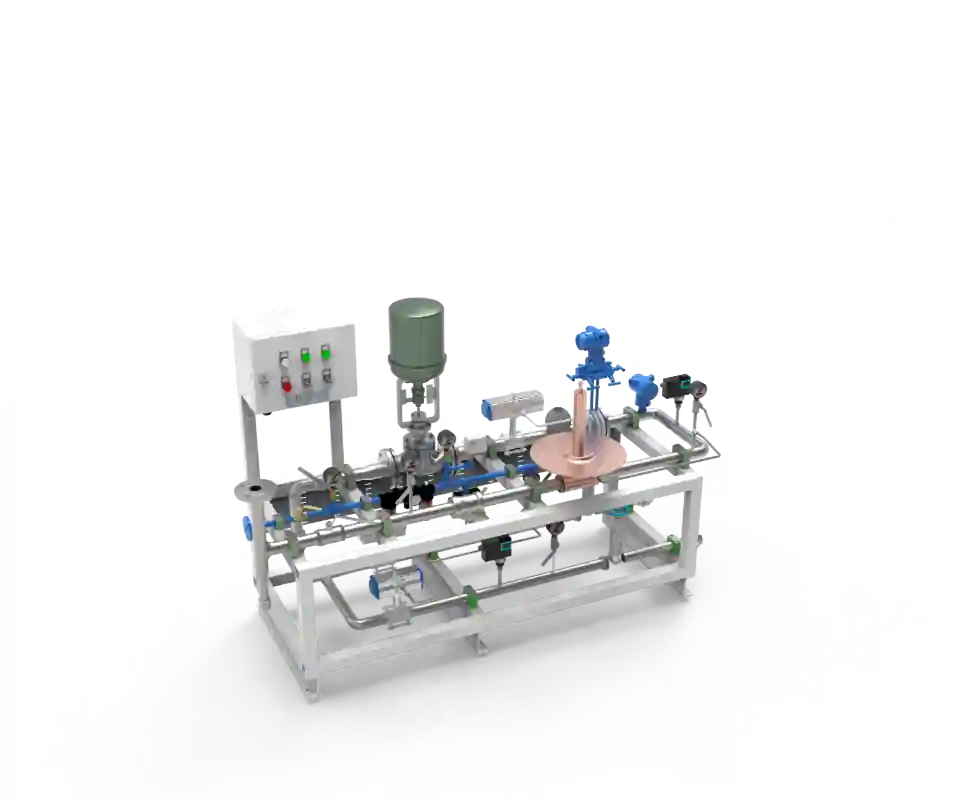
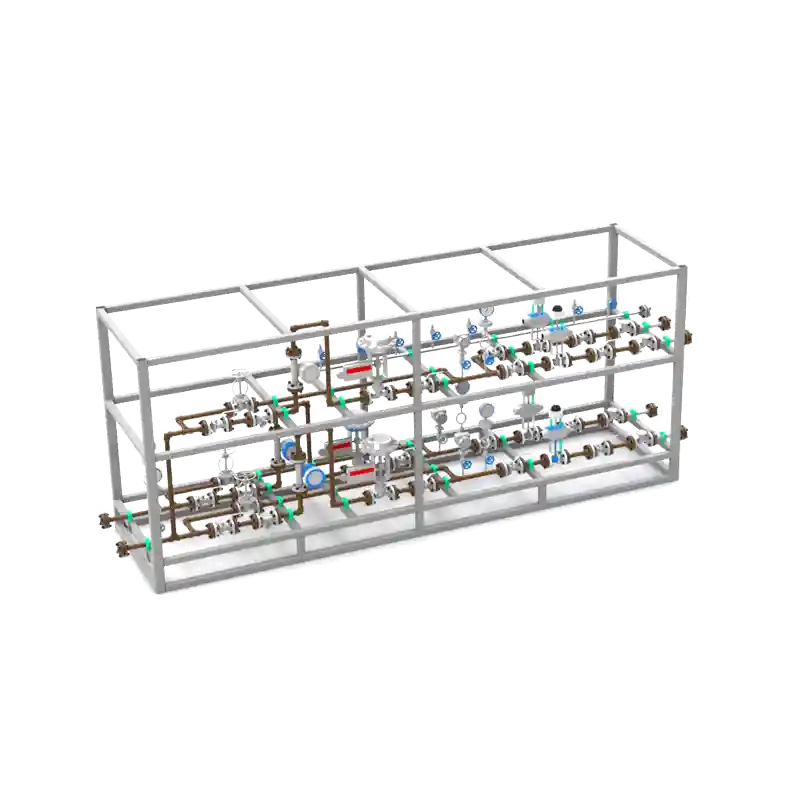
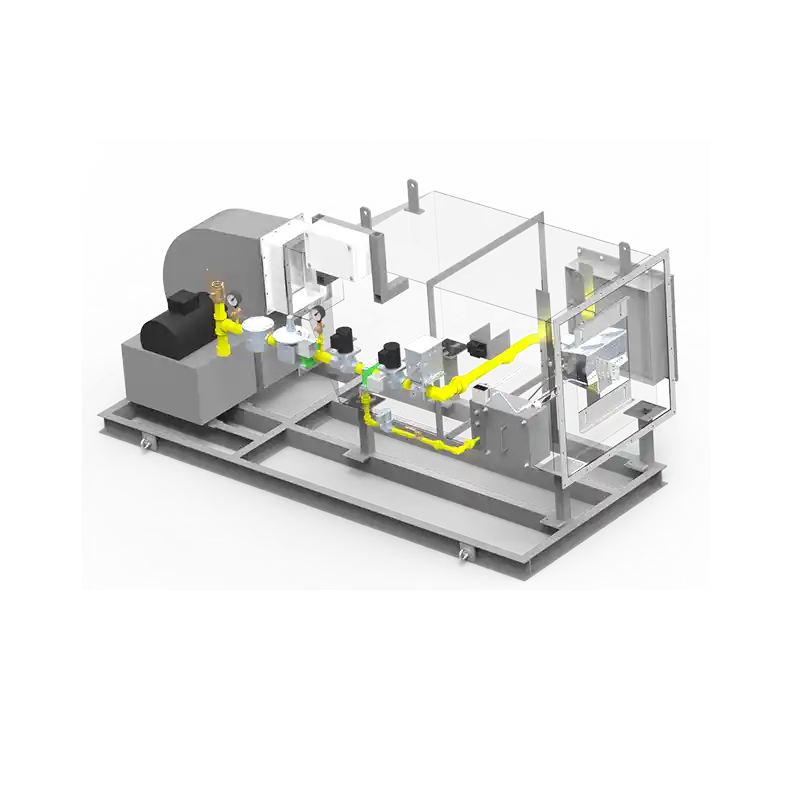
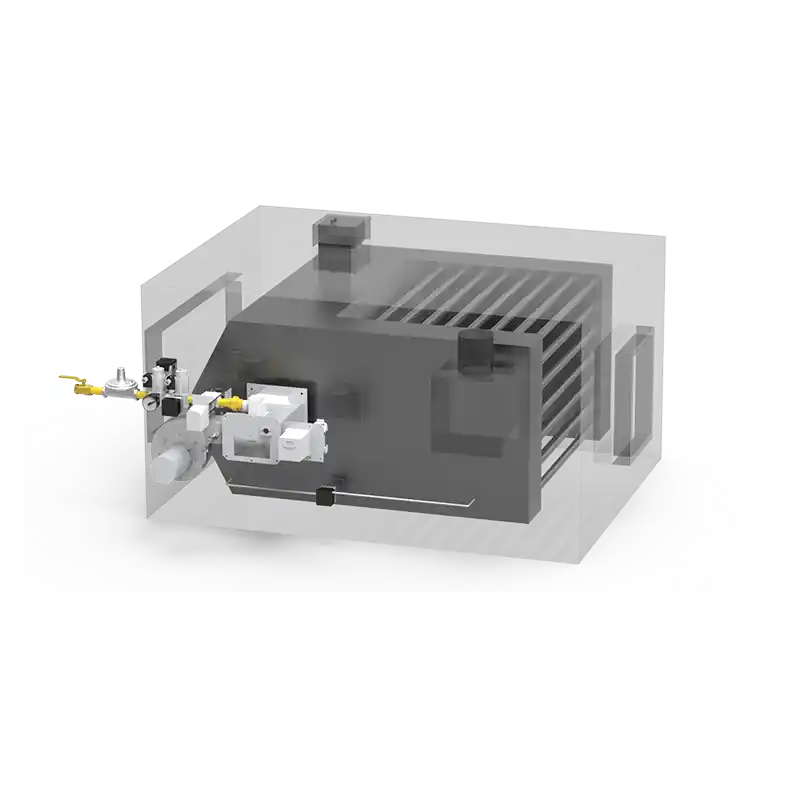
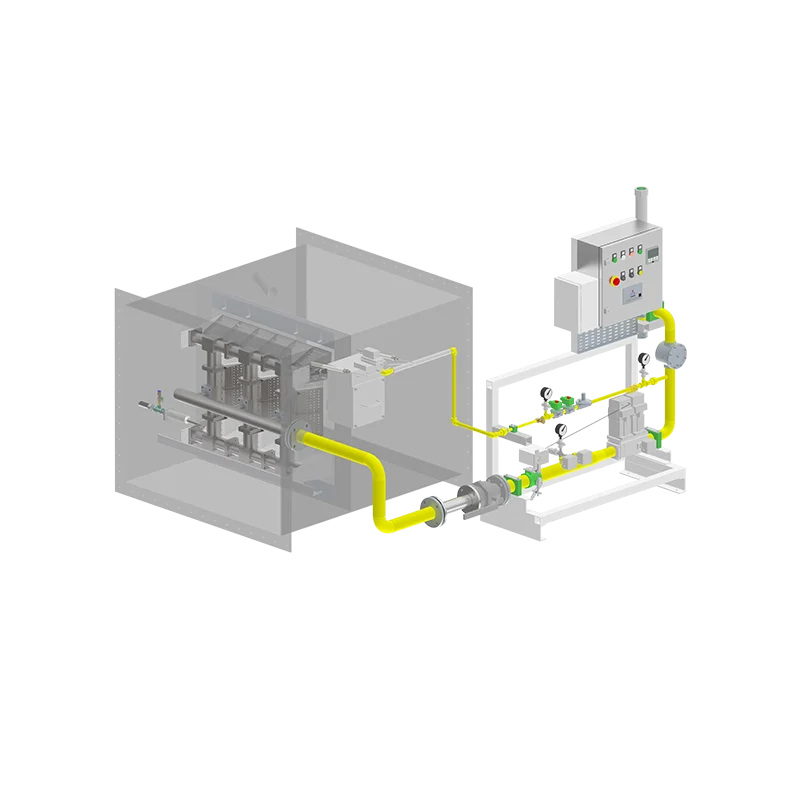
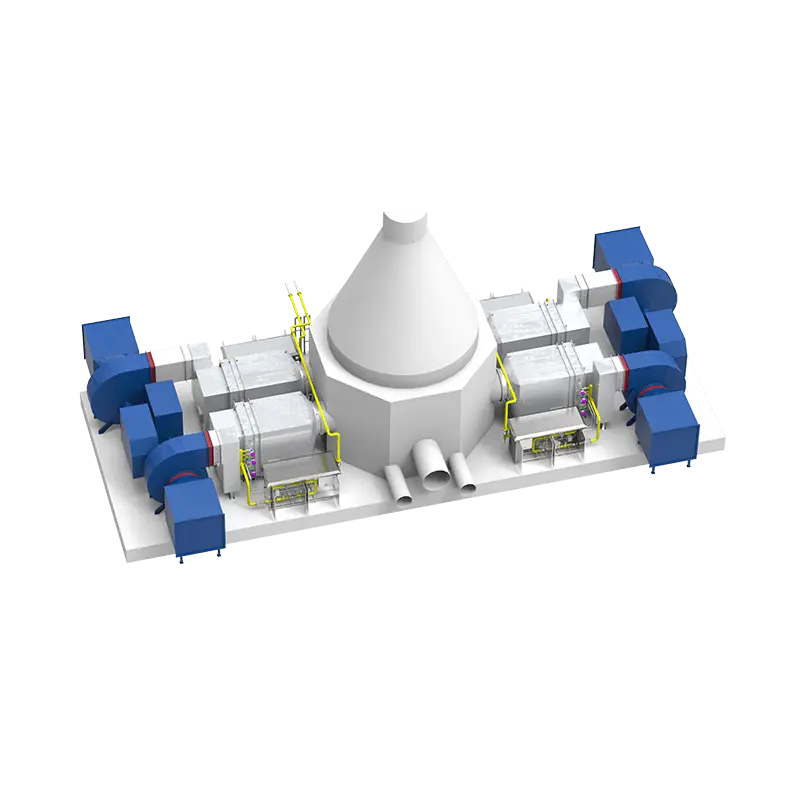
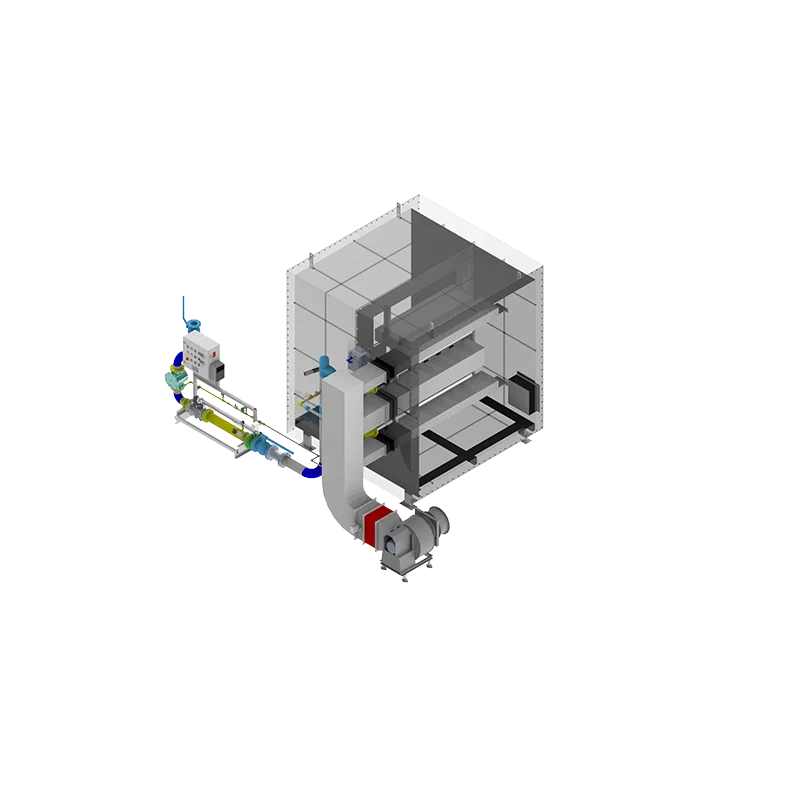
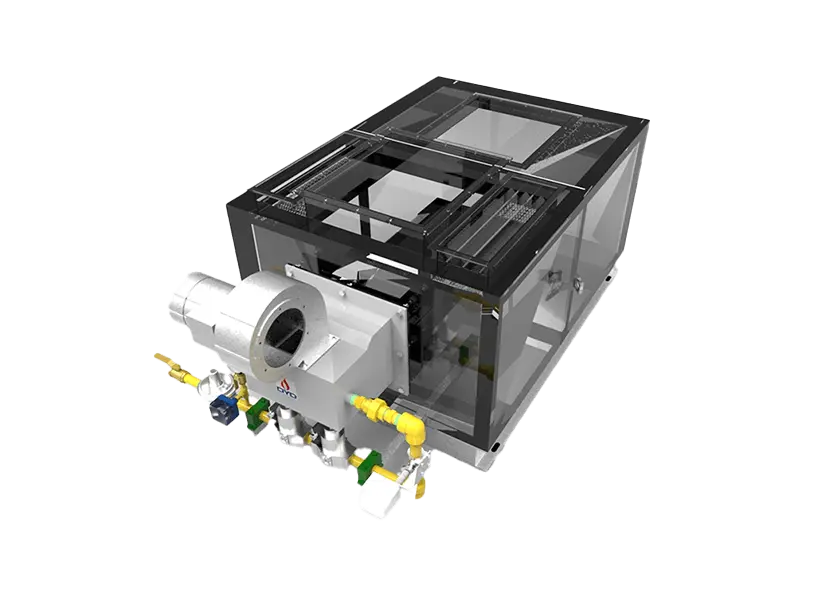
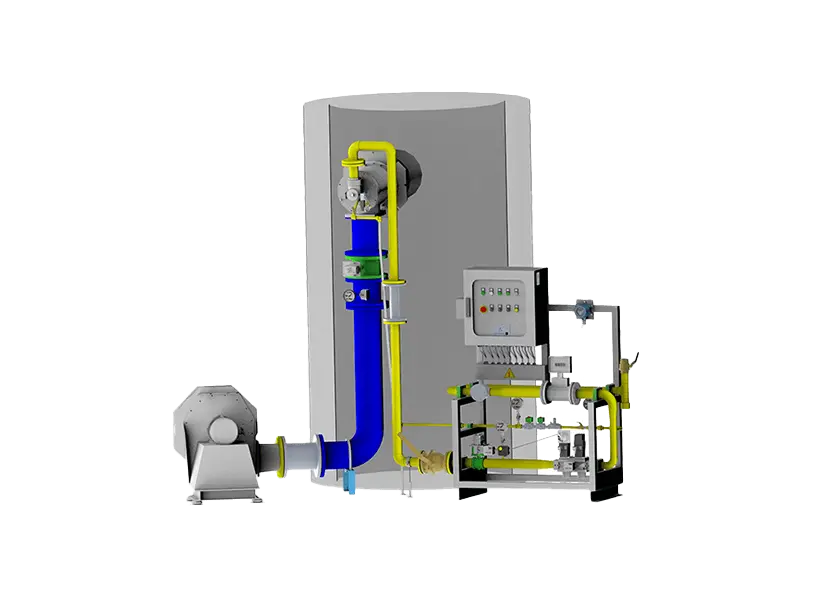
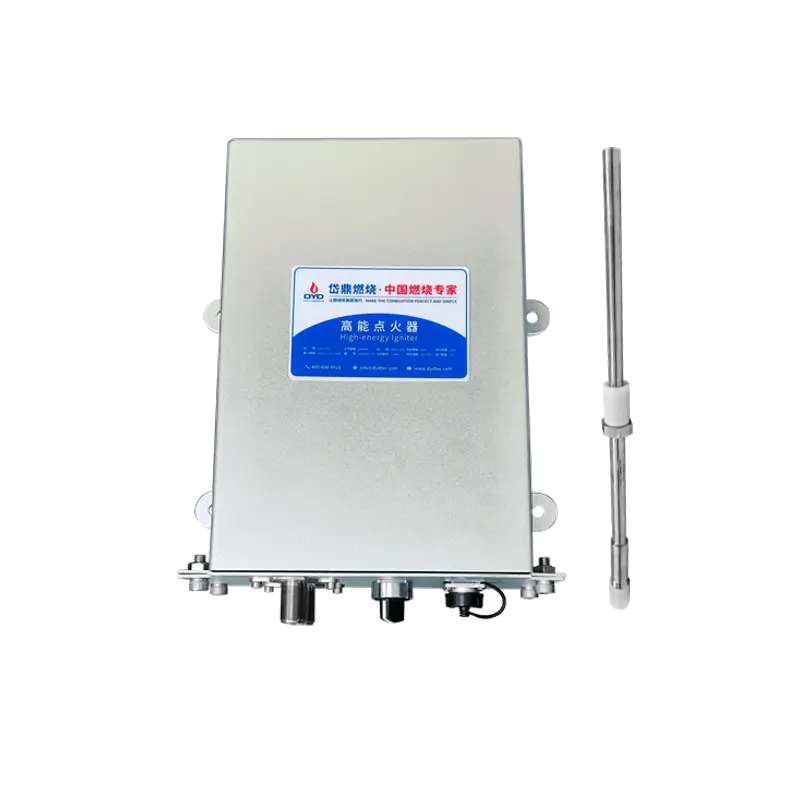
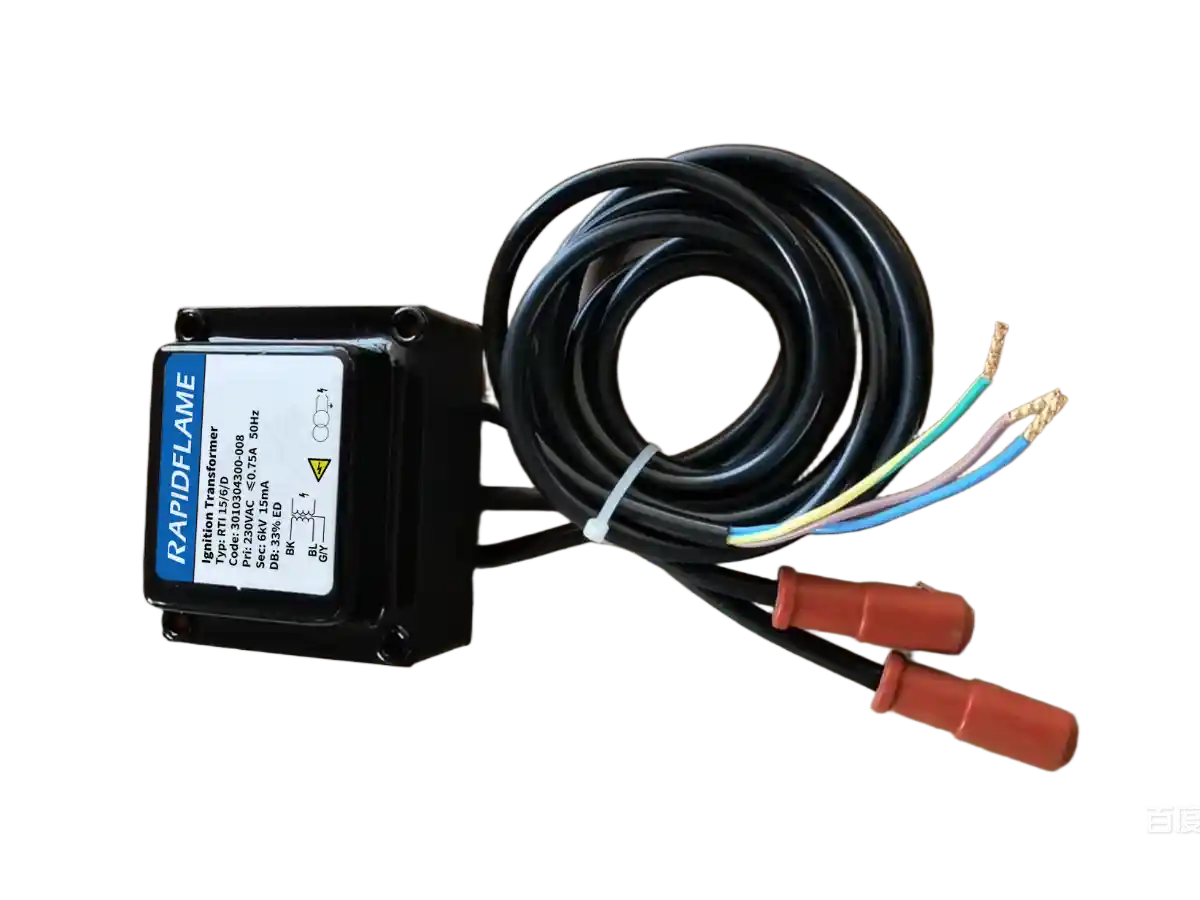
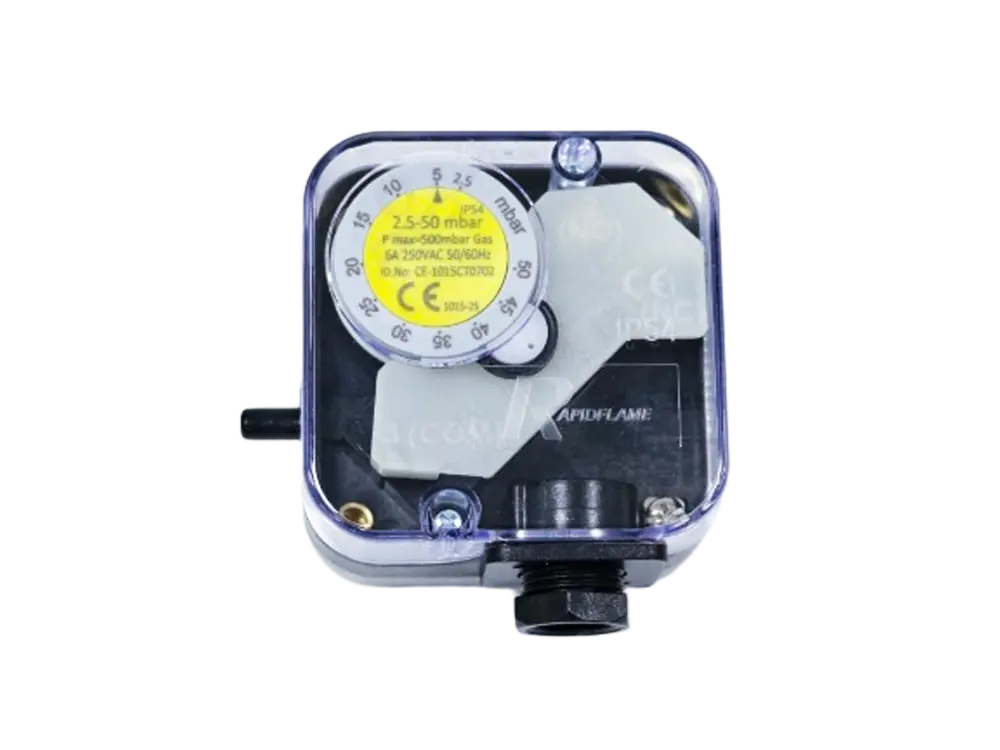
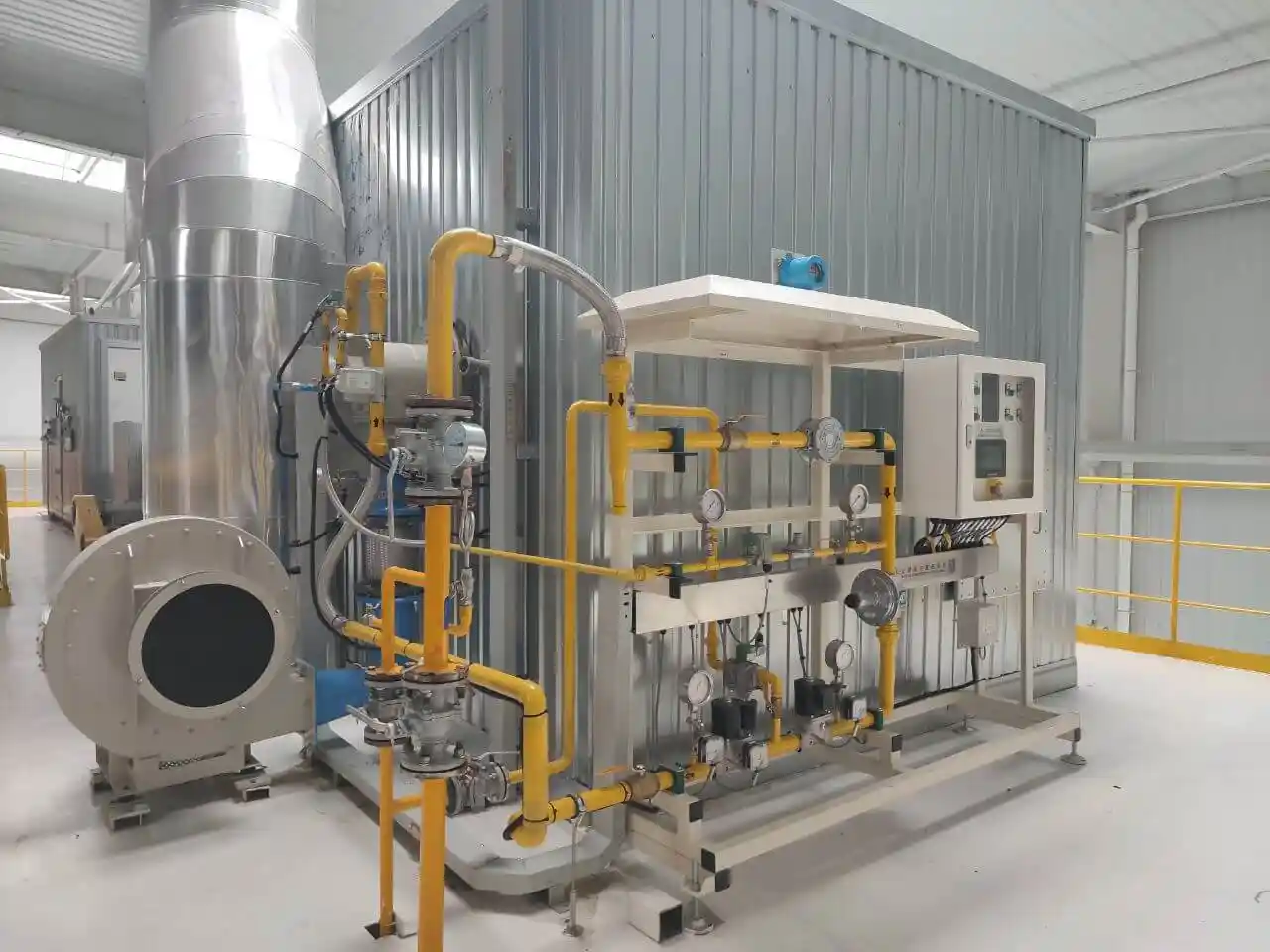
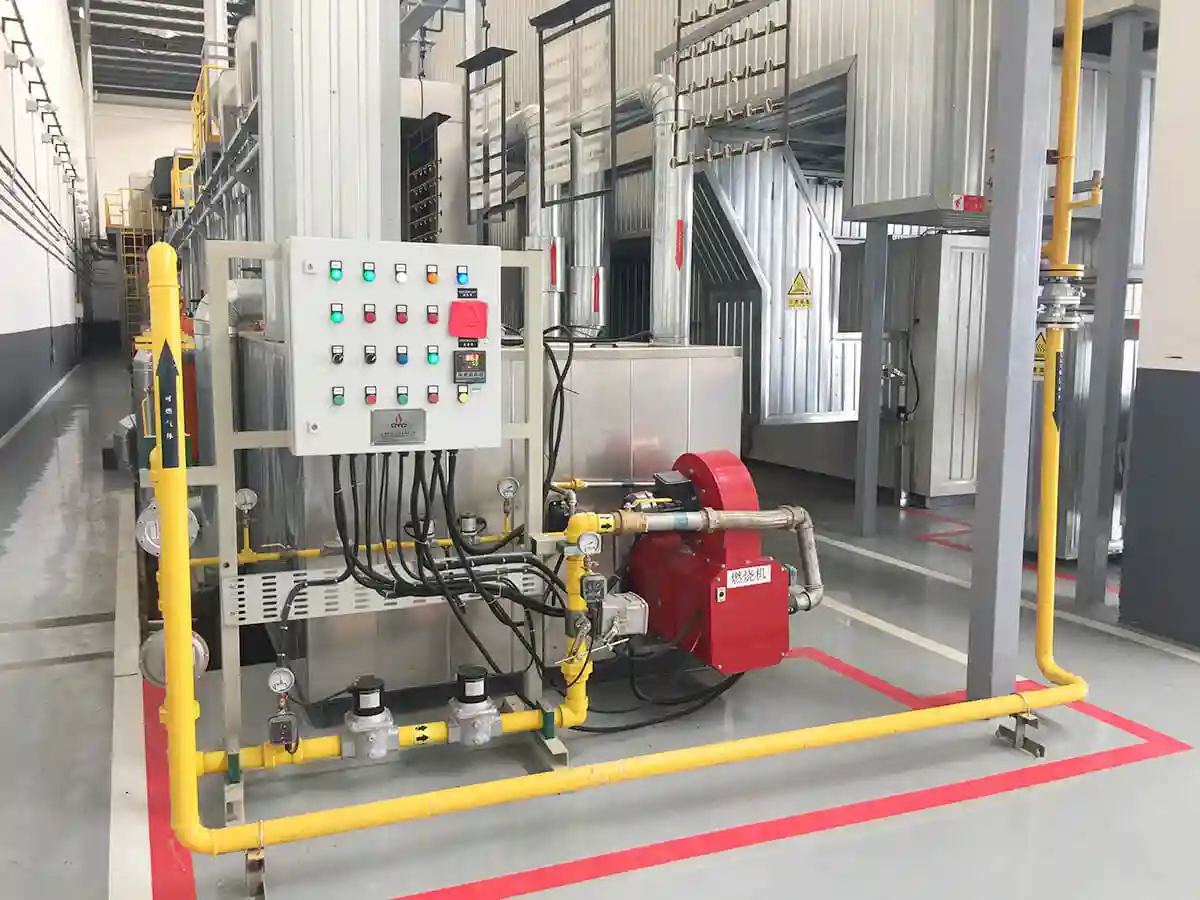
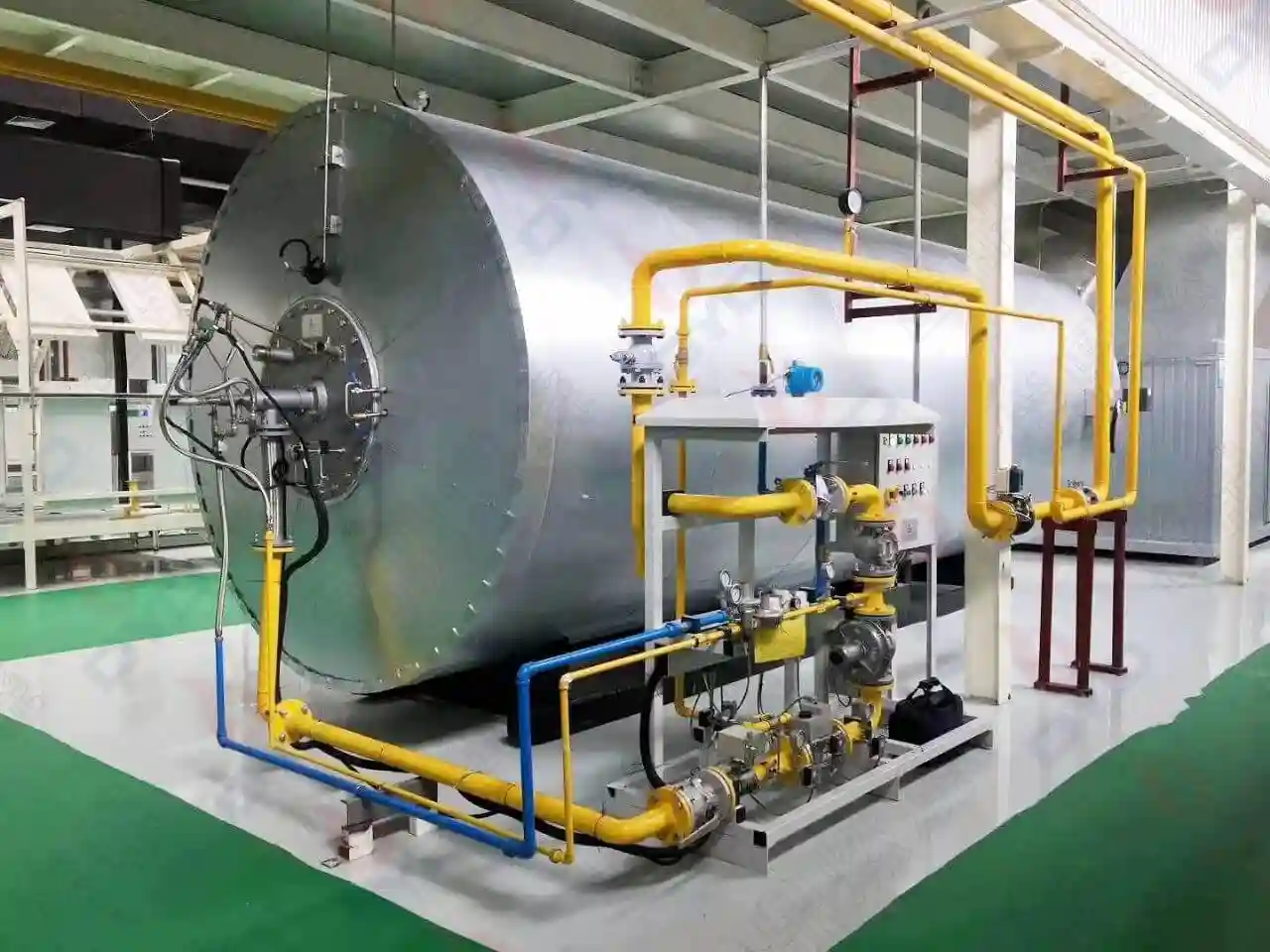
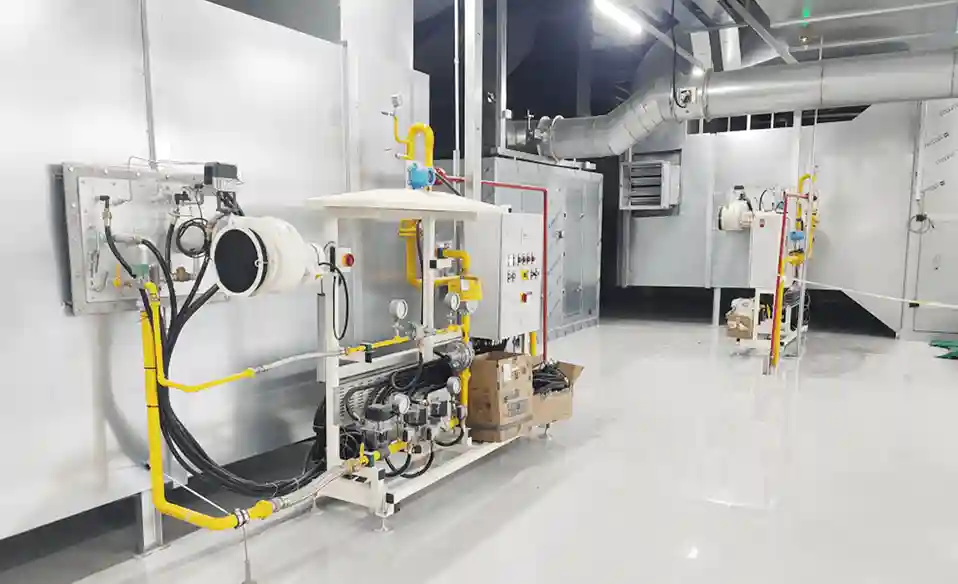
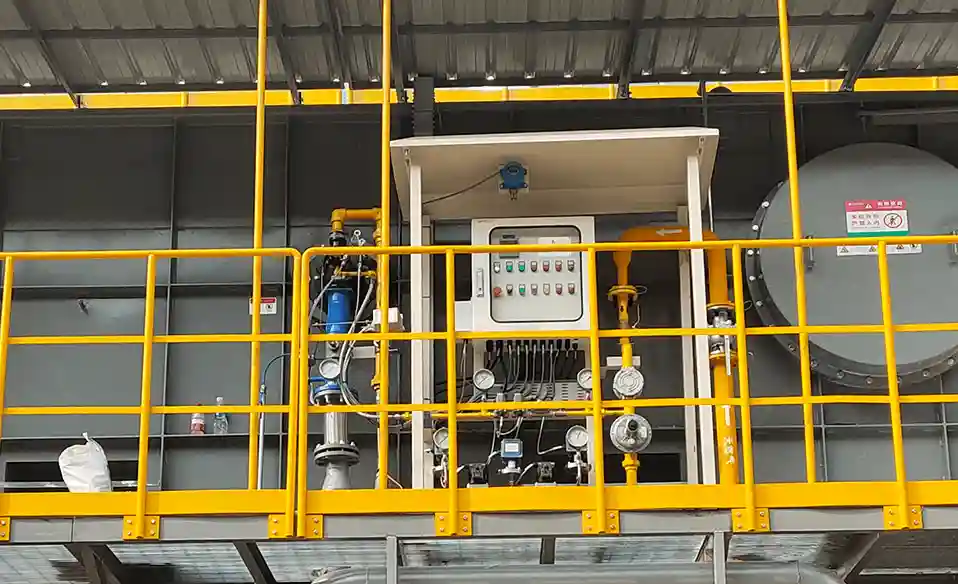
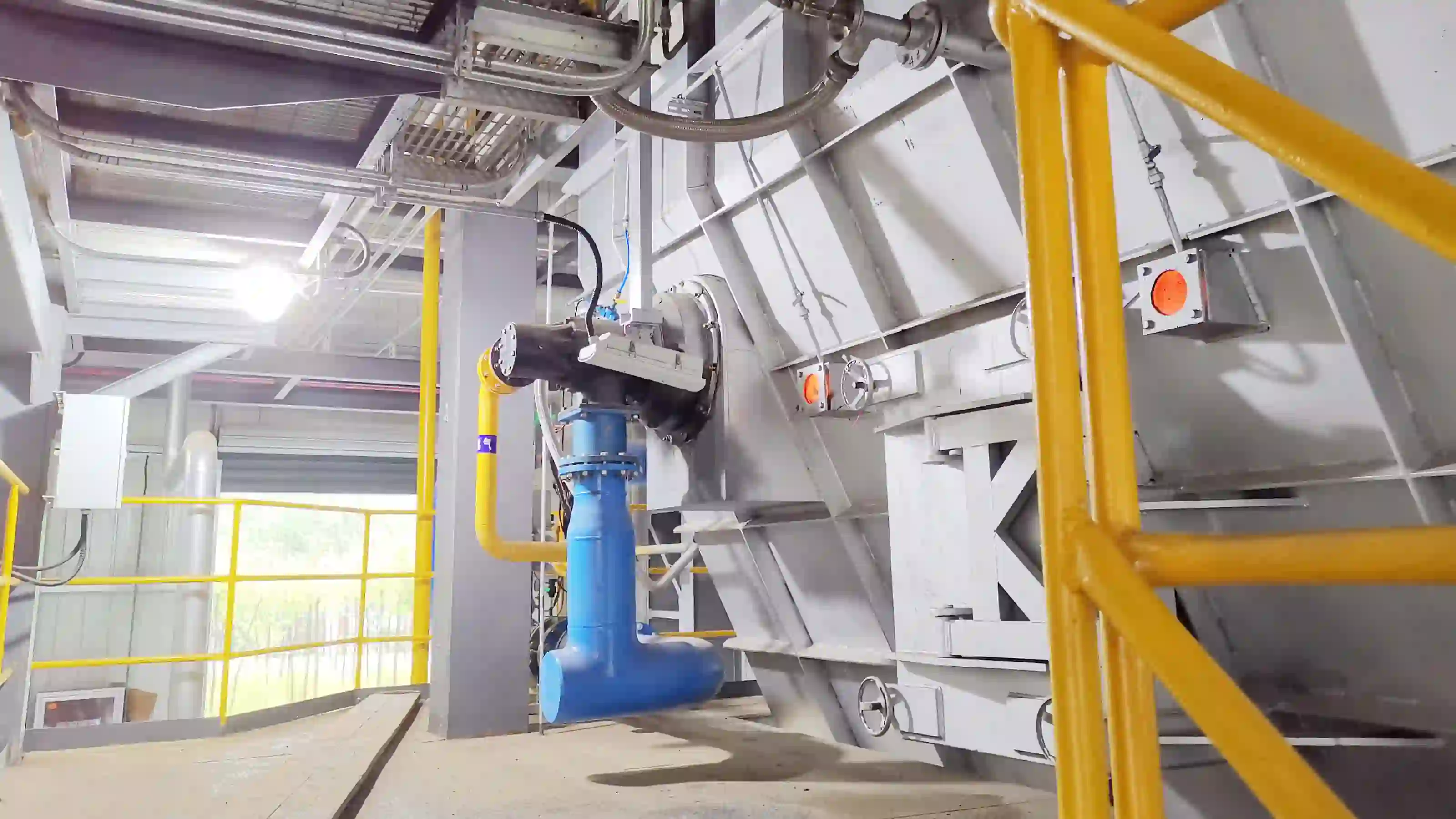
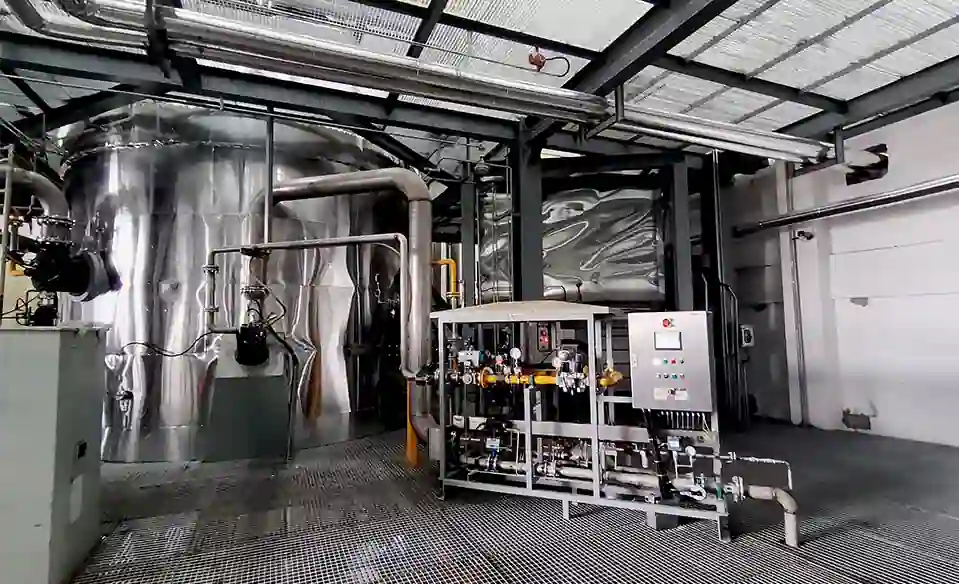
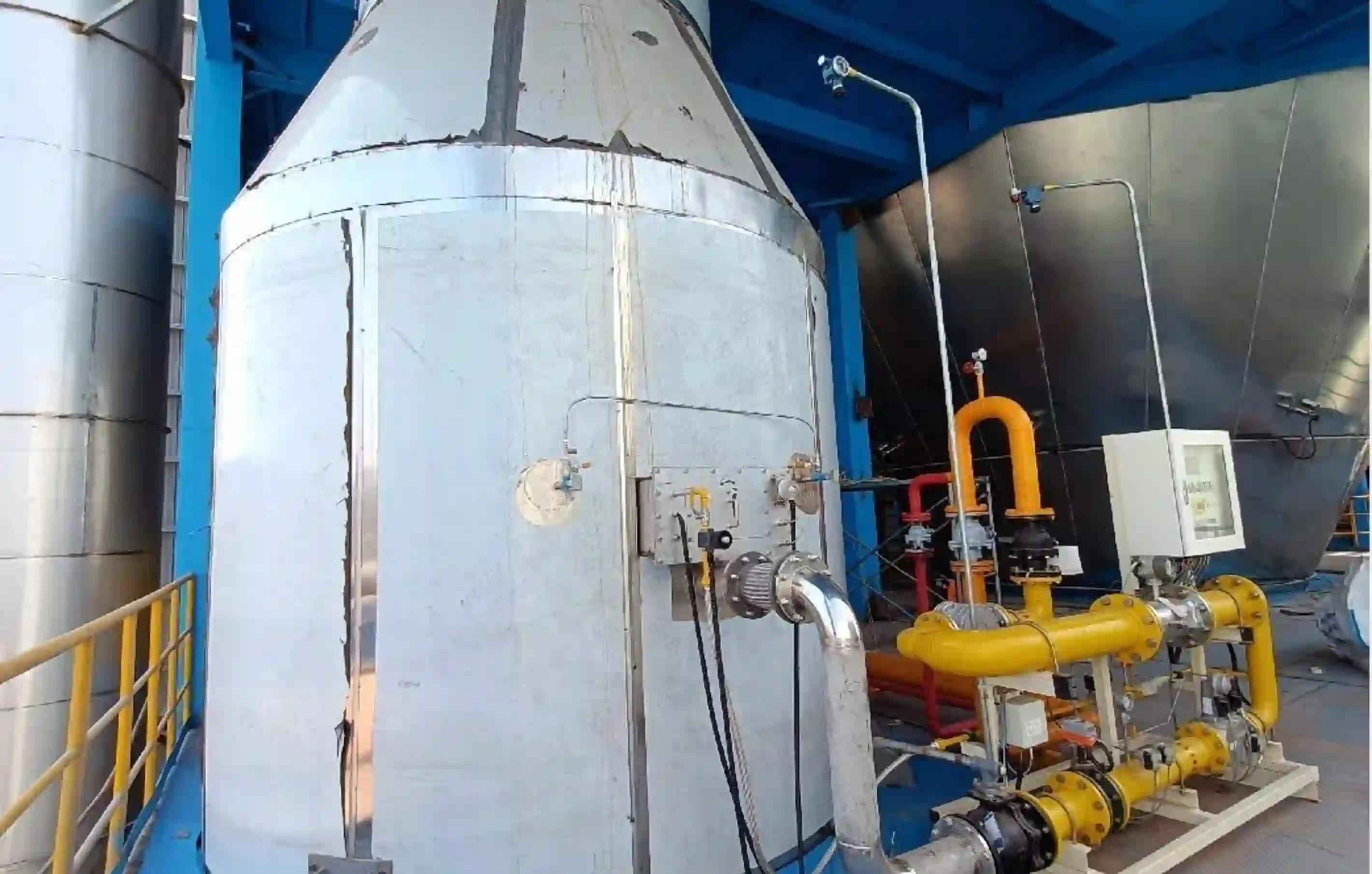
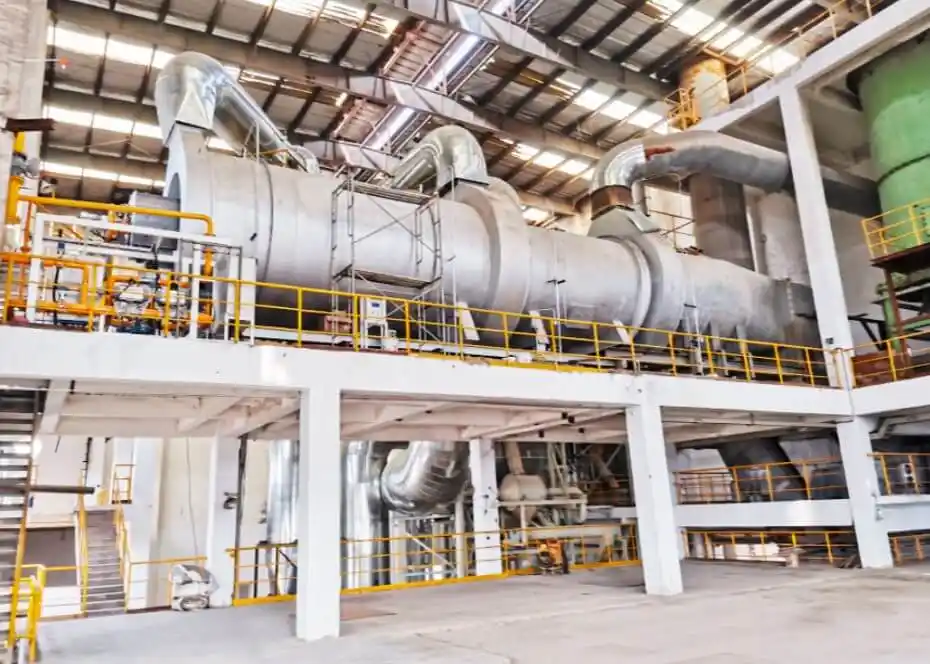
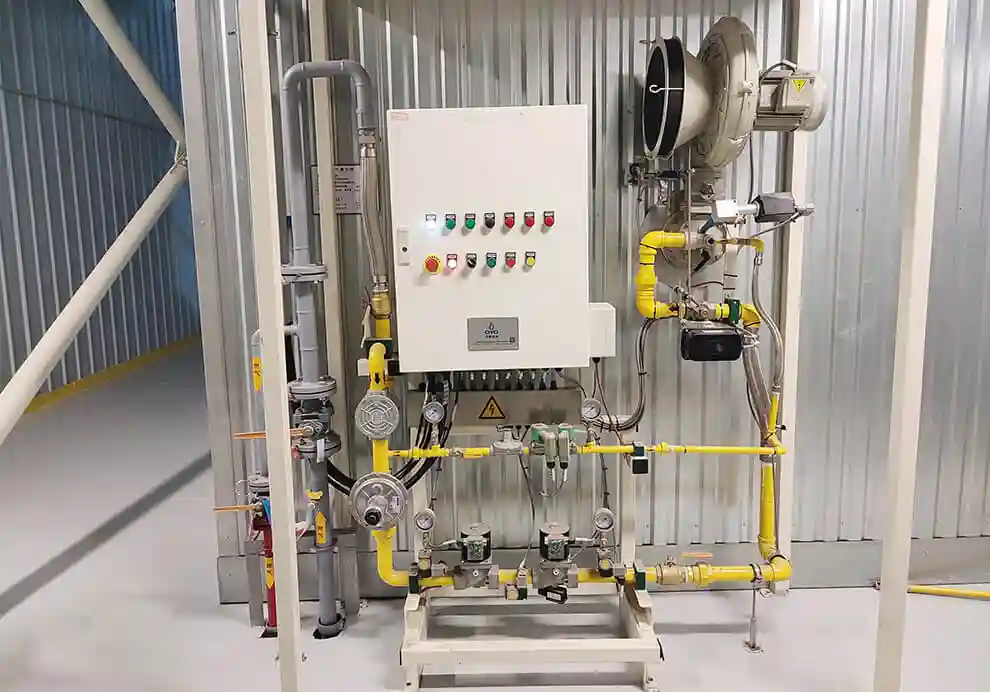
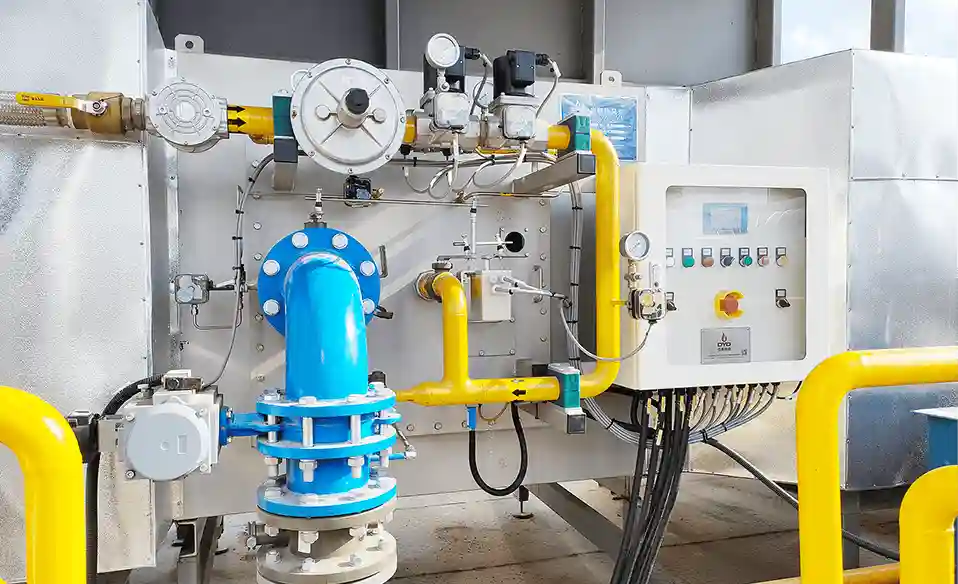
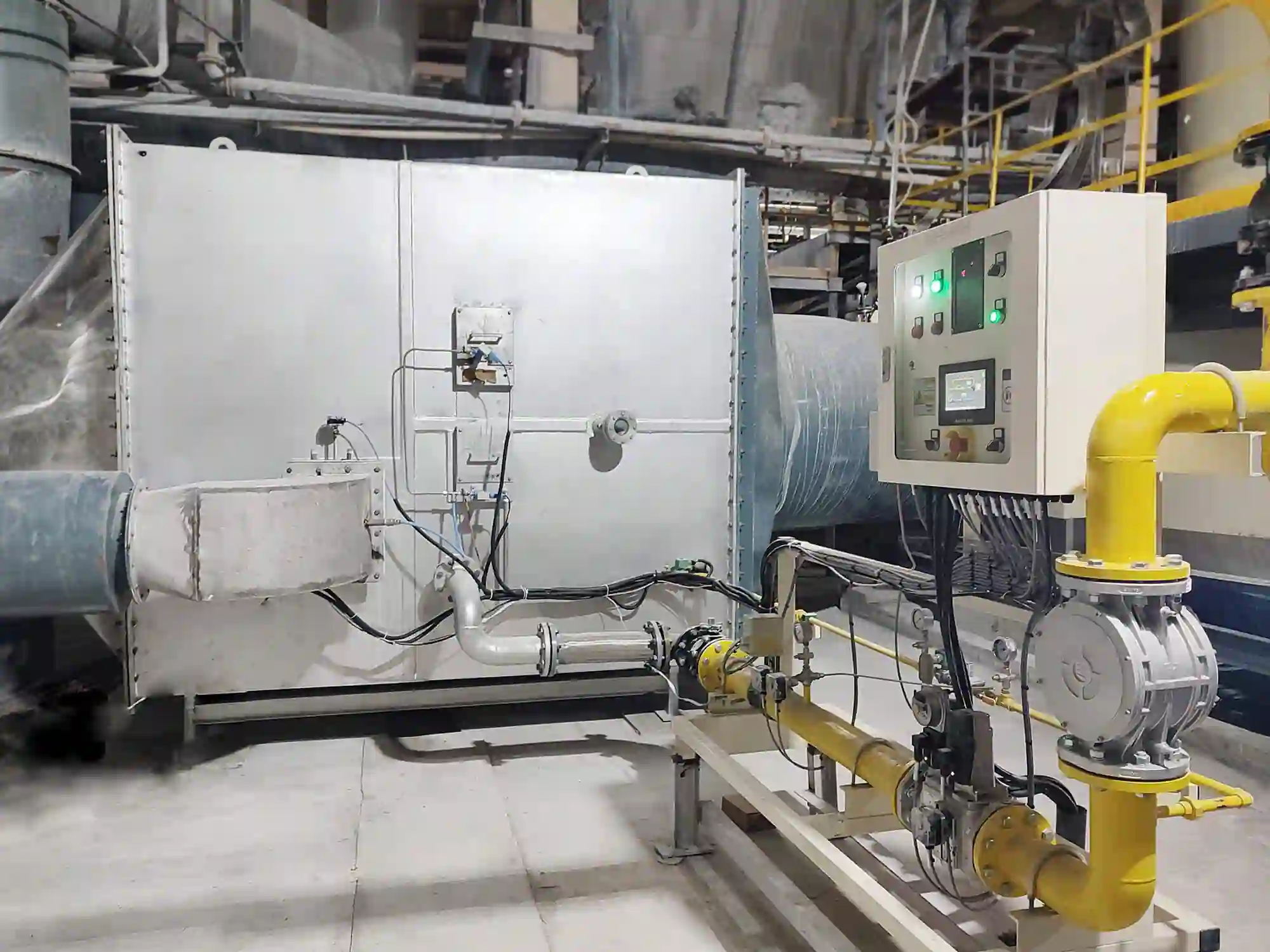
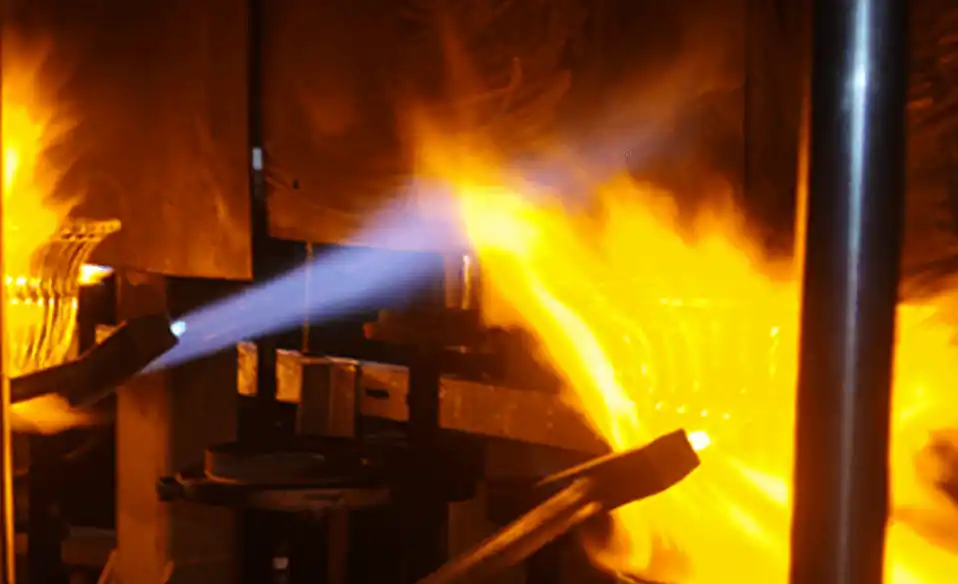
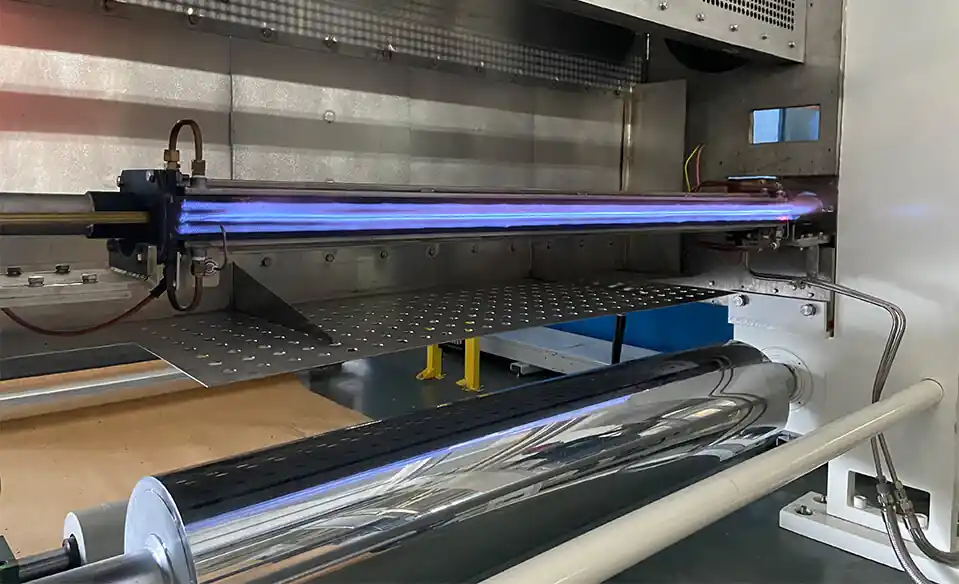
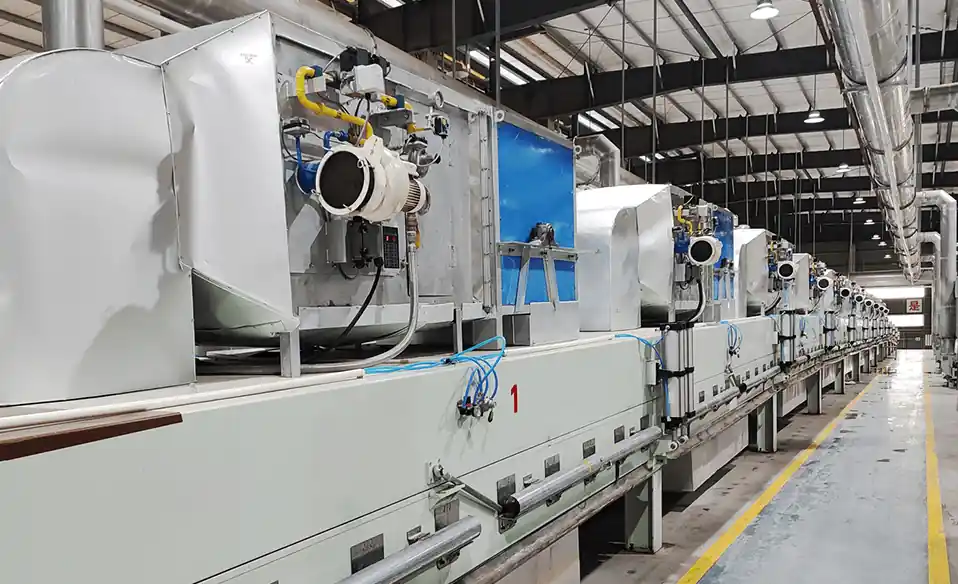
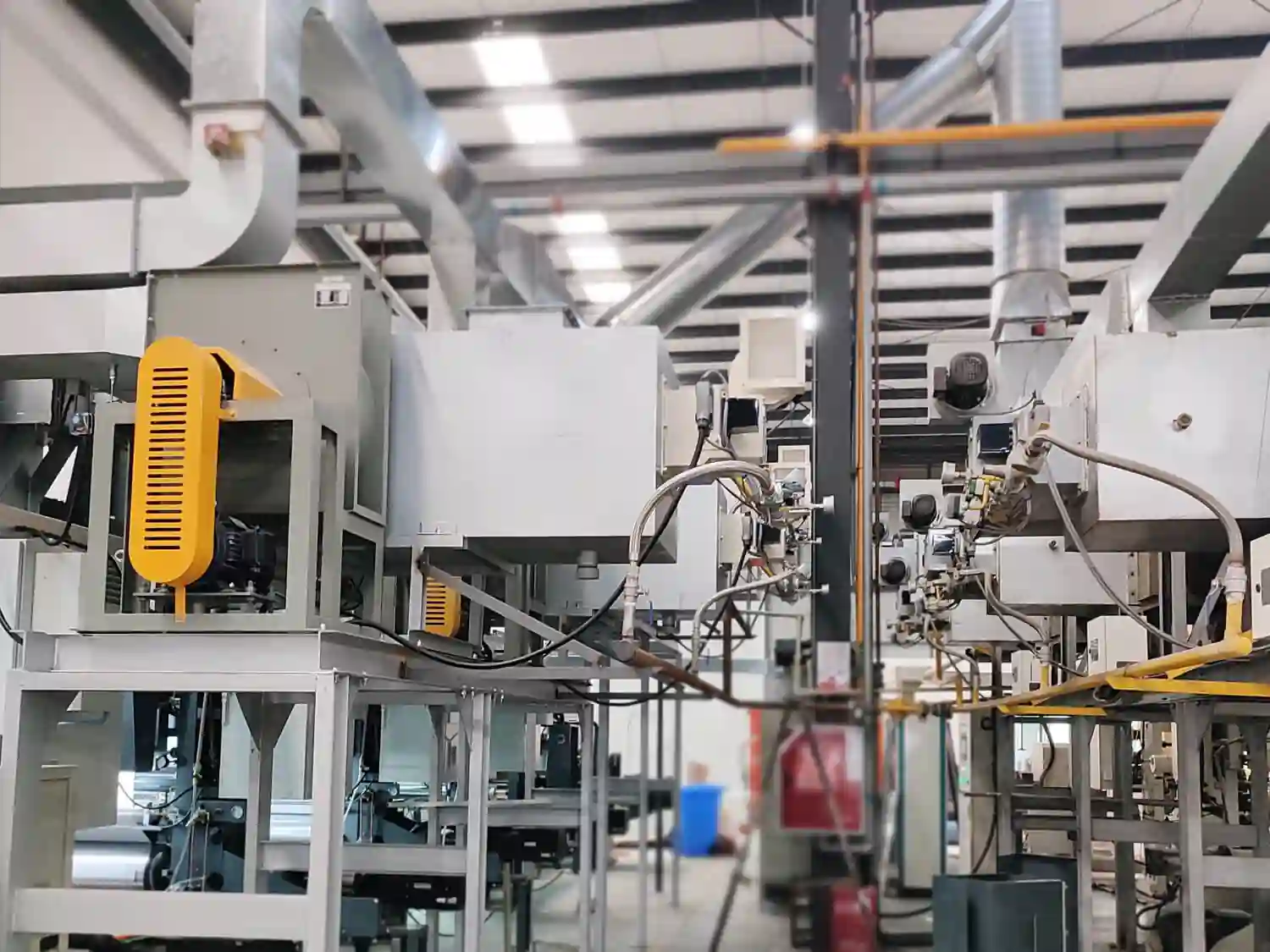
The coating drying burner is the core heat source equipment in the hot air drying system of coating production lines. Its primary function is to provide stable, clean, and uniform hot air for the coating machine oven, enabling rapid drying of coatings and control of process performance. The quality of the coating drying process directly determines the final product's performance—coating thickness consistency, solvent residue, adhesion, and surface appearance all depend on the temperature stability and distribution uniformity of the hot air during drying.
In the production of lithium battery electrode coating, adhesive tape coating, film coating, paper coating, functional material coating, and other processes, the drying process directly affects product quality. As the core heat source, the burner must meet a series of stringent requirements: precise temperature control, uniform hot air distribution, stable and reliable combustion, low energy consumption, low NOx emissions, and long‑term continuous operation. Different coating materials have significantly different drying profile requirements, so the combustion system configuration must be matched to the specific process parameters.
When selecting a coating drying burner manufacturer, key factors to examine include whether the company possesses industrial combustion technology, hot air system design capability, low‑NOx combustion technology, and non‑standard customisation capability. The diversity of coating production lines and the precision of the processes mean that the combustion system must be customised according to oven structure, duct design, and temperature control requirements.
DYDTEC (Shanghai DYDTEC Equipment Technology Group Co., Ltd.) focuses on the R&D and manufacturing of industrial burners, linear burners, hot air furnaces, and combustion system integration. It can provide customised combustion solutions for industrial coating drying, lithium battery material drying, film processing, and other applications.
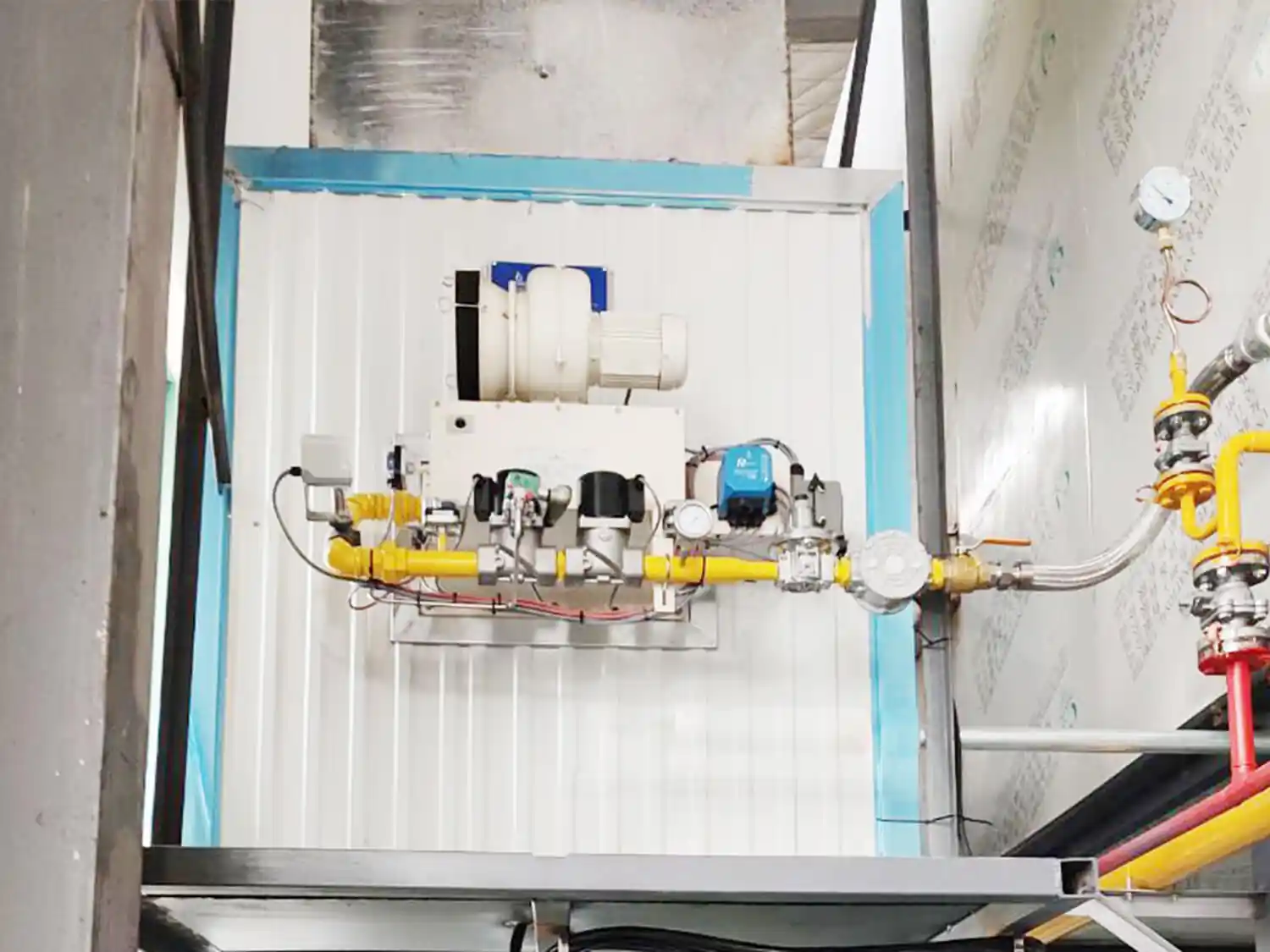
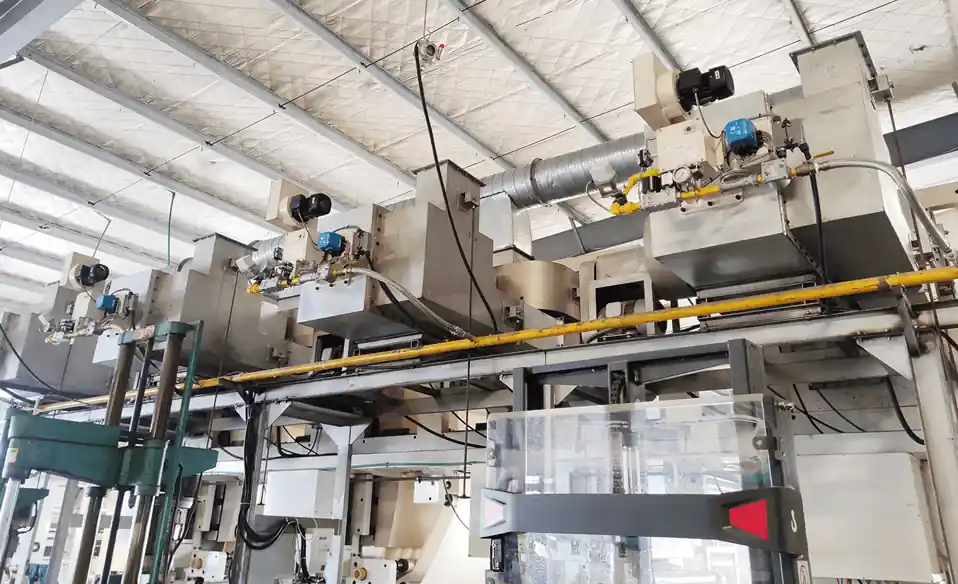
A coating drying burner is a combustion device installed in the coating machine oven, hot air circulation system, or industrial drying equipment. It is not an independent heating unit, but rather a critical subsystem deeply coupled with the coating machine oven structure, hot air circulation system, and temperature control system. Its performance directly affects the operating efficiency and product quality of the entire coating production line.
Its working principle: after fuel gas enters the burner, it is thoroughly mixed with air and combusted to generate stable heat. The hot air is delivered to the oven through the hot air circulation system to dry the coated material. During combustion, the chemical energy of the fuel is converted into thermal energy, and the hot air passes over the coating surface at a specific velocity and temperature profile, causing the solvent to evaporate uniformly and the coating to gradually cure and form.
Typical process flow:
Fuel gas supply → burner combustion → hot air generation → circulation air system delivery → coating solvent evaporation → product drying and forming
On a coating production line, the drying oven typically consists of multiple independent temperature zones, each with its own setpoint for hot air temperature. The combustion system must coordinate with the temperature controllers of each zone to achieve precise control of the overall oven temperature profile.
Application objects include:
Lithium battery electrode coating – uniform coating and drying of anode and cathode slurries on metal foils
Adhesive tape coating – coating and curing of pressure‑sensitive adhesives and hot‑melt adhesives on substrates
PET/BOPP film coating – coating of functional layers, release layers, and printing layers on films
Paper coating – coating of art paper, thermal paper, and label paper with coating materials
Composite material coating – coating and lamination of multi‑layer composites
Printing and packaging coating – coating and surface treatment of packaging materials
During coating drying, poor temperature control can lead to a range of quality problems: uneven coating thickness (temperature fluctuations cause inconsistent solvent evaporation rates), surface defects (pinholes, orange peel, cratering, and other appearance issues), cracking (excessive drying creates internal stress concentration in the coating), excessive residual solvent (insufficient or uneven temperature leads to solvent retention), and reduced product performance (failure to meet critical indicators such as adhesion, weatherability, and electrical properties).
In lithium battery electrode coating, temperature non‑uniformity can cause residual moisture inside the electrode, directly affecting battery capacity and safety performance – and this problem may only gradually emerge during battery use, causing much greater losses than the quality control costs at the coating stage.
Therefore, the combustion system must provide a stable heat source, uniform hot air, and precise temperature control. Ordinary industrial burners cannot meet the requirements of precision coating processes, because precision coating demands far higher temperature‑field stability and consistency than general industrial drying.
Large‑scale coating equipment typically operates in a 24‑hour continuous production mode, with long ovens (up to several tens of metres, divided into multiple temperature zones) and multi‑zone control (each zone independently set to achieve a stepped drying profile). In continuous production, the coating machine runs at constant speed, and the hot air temperature and flow rate inside the oven must remain highly stable; any fluctuation will leave marks on the coated product.
Long‑term burner operation must ensure:
Reliable ignition – successful ignition on every start
Stable flame – unaffected by gas supply fluctuations during continuous operation
Wide thermal load regulation range – adapting to different coating speeds and coating thickness heat demands
Long maintenance intervals – reducing unplanned downtime that affects production efficiency
Coating drying is typically the main energy‑consuming step in a production line. On continuously running coating lines, oven fuel consumption often accounts for a large portion of total energy use, and the thermal efficiency of the combustion system directly determines the line's operating costs and the product's unit energy consumption index.
Optimisation of the combustion system can reduce natural gas consumption, exhaust heat losses, and wasted heat. Key optimisation directions include:
Improving combustion efficiency – precise air‑fuel ratio control for complete combustion
Optimising the air‑fuel ratio – maintaining the best ratio across the full load range
Improving hot air circulation – reducing short‑circuiting and ineffective heating
Using high‑efficiency linear burners – improving temperature uniformity in wide ovens and reducing heat waste
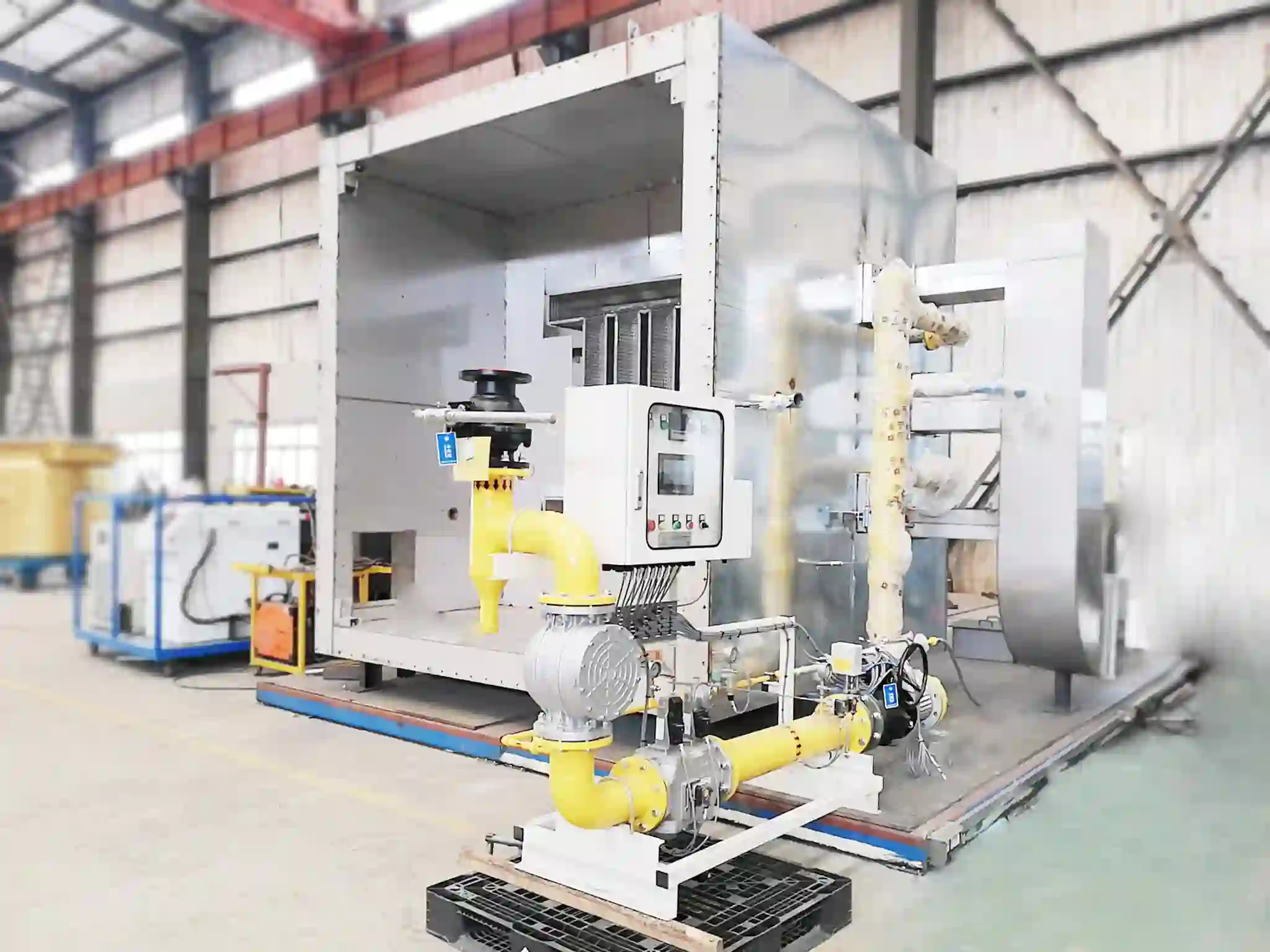
Direct‑fired burners generate hot air directly: the high‑temperature flue gas from combustion mixes directly with the circulating air to form hot air delivered to the oven. Advantages include high thermal efficiency (no heat exchanger losses; almost all fuel heat is utilised), fast response (combustion power can be adjusted rapidly during temperature changes), and compact structure (simple system layout, easy maintenance). Suitable for industrial coating ovens, large drying equipment, and continuous production lines. In most coating applications, the direct‑fired solution is the mainstream choice due to its thermal efficiency advantages.
Indirect systems produce clean hot air via heat exchange: the heat from combustion is transferred through a heat exchanger to clean air, completely isolating the hot air from the flue gas. Advantages include clean hot air (free of combustion products, avoiding contamination of the coating), prevention of combustion products affecting the product (especially for oxidation‑sensitive materials), and precise temperature control (smooth heat transfer, stable temperature output). Suitable for high‑quality films (optical films, electronic films, and other products requiring extremely high hot air purity), lithium battery materials (electrode coating requires strict hot air cleanliness), and precision functional materials (coatings sensitive to the hot air environment).
DYDTEC possesses capabilities in both direct‑fired and indirect hot air furnaces and combustion system integration, and can provide hot air solutions according to process requirements.
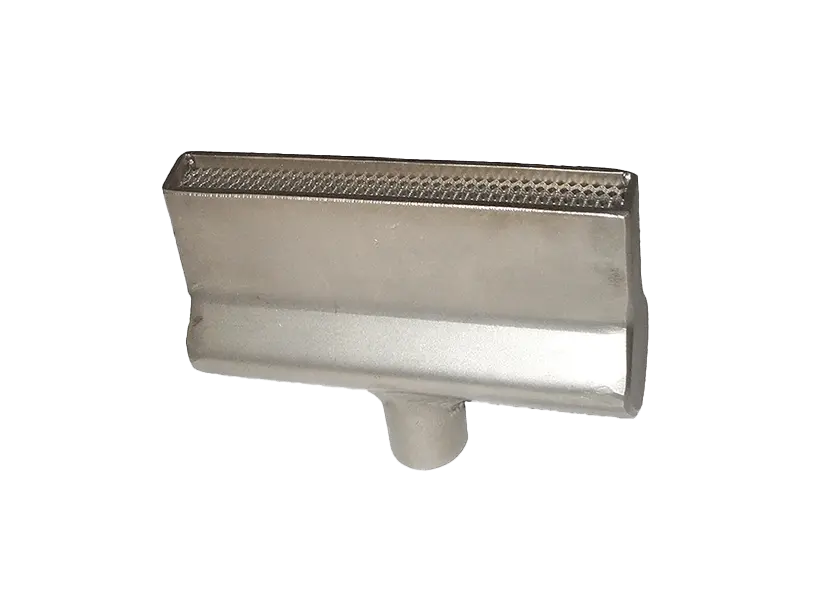
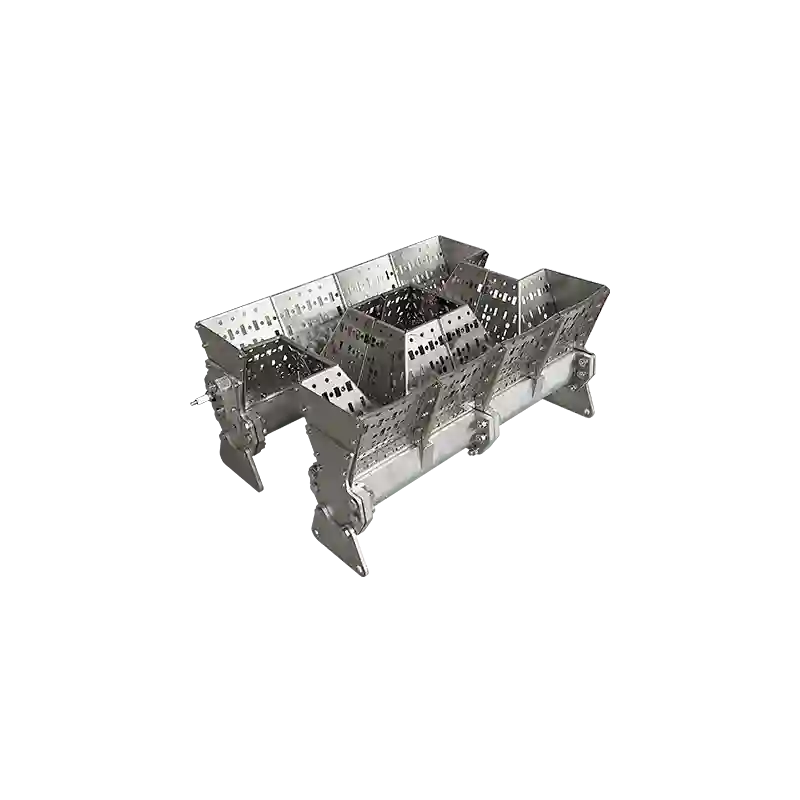
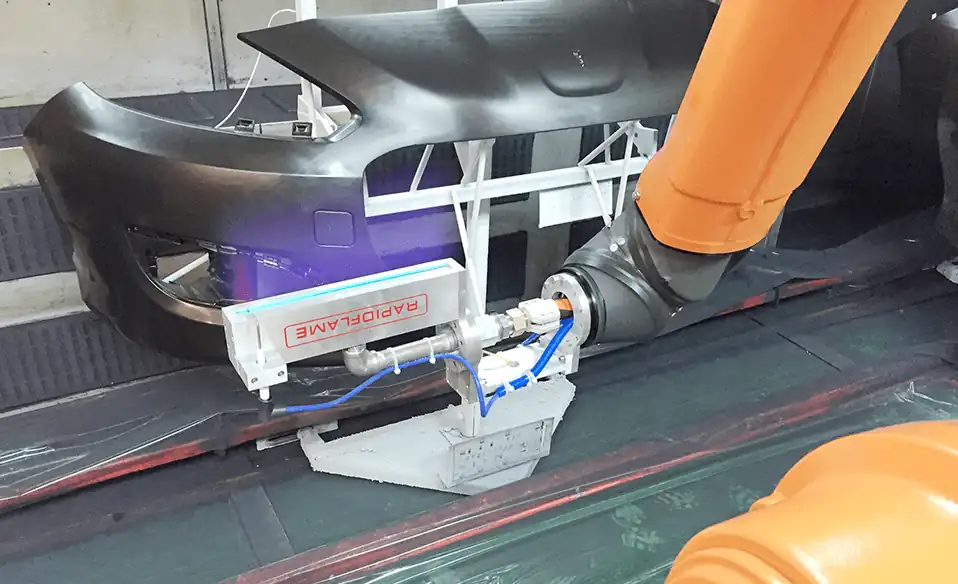
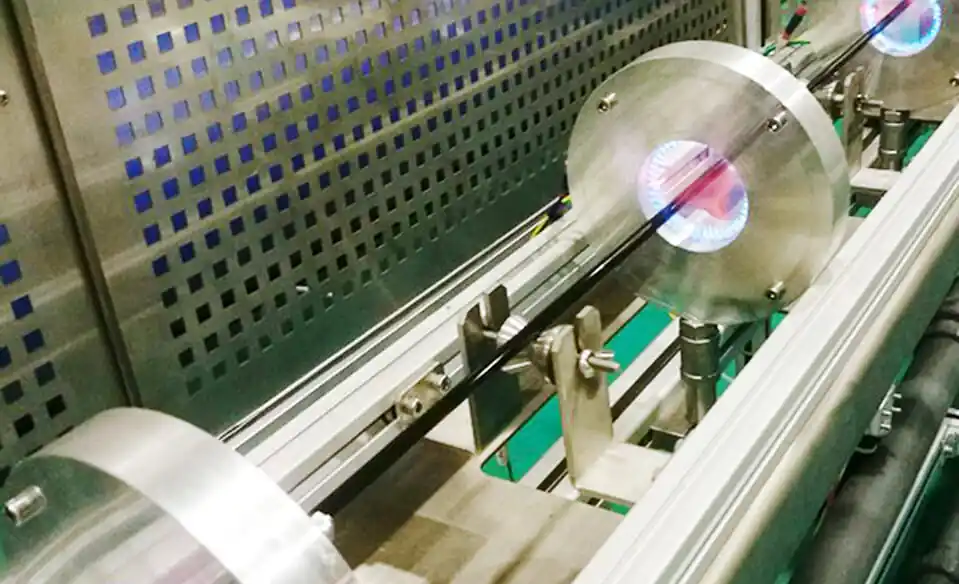
For large coating ovens, linear burners offer significant advantages. Conventional point‑type burners tend to create high temperatures in the centre and lower temperatures at the sides in wide ovens, whereas linear burners fundamentally improve heat distribution uniformity by extending the flame along the length.
Features include:
Continuous flame along the length – broad heat release area
Uniform heat release – significantly reduced temperature differential across the width
Suitability for large‑area air heating – highly compatible with the oven cross‑sectional shape
Especially suitable for wide‑width coating equipment (coating lines with large effective widths), long‑distance drying systems (multi‑zone long ovens), and multi‑zone temperature control equipment (ovens with independent zone control).
DYDTEC offers multiple series of linear burners suitable for industrial drying, industrial air heating, and related hot air systems.
Coating drying is not simply heating; it involves:
Temperature profile design – different coating materials require different temperature gradients and heating rates
Air volume matching – the airflow in each oven zone must match the coating's drying characteristics
Oven structure – duct routing, nozzle distribution, and airflow organisation
Solvent evaporation process – evaporation characteristics and safety concentration control of different solvents
The manufacturer must understand the entire drying process to avoid problems such as uneven hot air distribution, excessive temperature fluctuations, or high energy consumption in the combustion system design.
A professional manufacturer should be able to provide a complete thermal energy solution encompassing burners, hot air furnaces, fans, control systems, and safety protection systems. From hot air generation to hot air delivery, from temperature control to safety interlocks, all components should be designed and matched by a single vendor to ensure system coordination and compatibility, avoiding interface issues and responsibility disputes from multi‑vendor assembly.
Coating machine manufacturers typically focus on:
Installation dimensions – compatibility between the burner and the reserved oven space
Thermal load matching – power matching the line's processing capacity
Control interfaces – communication compatibility with the coating machine's main control system
Delivery stability – coordination of the integration schedule with the complete machine delivery plan
The burner manufacturer must possess non‑standard design capability, fast response capability, and project integration experience, and be able to complete combustion system integration in parallel with the coating machine's R&D or production phase.
DYDTEC is the industrial combustion brand of Shanghai DYDTEC Equipment Technology Group Co., Ltd. The company focuses on industrial burners, hot air furnaces, combustion system integration, and energy‑saving and low‑carbon combustion technologies, committed to providing efficient, stable, and low‑emission combustion solutions for industrial drying, new material processing, and new energy material production.
The company possesses:
11,000 m² production base
100+ burner models
200+ application scenarios
50+ patents and software copyrights
Sales network in over 50 countries and regions worldwide
It has accumulated extensive project experience in product R&D, system design, and engineering implementation.
1. Coverage of industrial drying applications
DYDTEC's products are widely used in industrial drying, new material processing, chemical material treatment, food drying, automotive coating, and other industries. It has developed a mature technical system and extensive engineering experience in the design and integration of hot air drying systems, enabling customised solutions for the drying characteristics of different coating processes.
2. Multiple types of burners
The product portfolio includes industrial gas burners, linear burners, low‑NOx burners, hot air furnaces, and non‑standard custom combustion systems, meeting the heat source requirements of different coating equipment. From individual burners to complete combustion systems, DYDTEC's product line covers the main product types needed for coating drying equipment integration.
3. Support for new energy material industry applications
With the development of the lithium battery industry, electrode coating drying has imposed higher requirements on temperature uniformity, hot air cleanliness, and energy consumption control. Professional combustion systems help equipment manufacturers improve equipment stability, energy utilisation efficiency, and product consistency. DYDTEC has accumulated project experience in lithium battery material drying and can provide targeted combustion system solutions for new energy coating equipment.
Applied in cathode material coating, anode material coating, and battery separator processing. Lithium battery coating demands extremely high hot air temperature uniformity and stability; the left‑right temperature difference inside the oven must be controlled within a very narrow range to ensure consistent electrode coating thickness and stable electrochemical performance.
Applied in PET film, BOPP film, and functional film processing. Film coating processes have special requirements for hot air cleanliness; any combustion product contamination of the film surface can affect its optical and processing properties.
Applied in adhesive tape coating, protective film production, and release film processing. Adhesive material coating requires high precision in the drying profile; matching the heating rate and holding time affects the performance of the adhesive layer.
Applied in paper coating, printing drying, and packaging material processing. Paper coating lines typically run at high speeds, and the combustion system must maintain fast response and stable hot air temperature output under high airflow conditions.
Q1: Why do coating machines require dedicated burners?
Because coating drying demands high temperature uniformity and hot air stability, requiring the burner to be precisely matched to the oven system. The hot air distribution characteristics and temperature control accuracy of ordinary industrial burners cannot meet the stringent requirements of coating processes.
Q2: What fuel is used for coating drying burners?
Common fuels include natural gas, LPG, and industrial combustible gases. The specific choice depends on equipment design and on‑site fuel supply conditions.
Q3: How can coating drying combustion systems save energy?
Main methods include improving combustion efficiency, optimising the air‑fuel ratio, using high‑efficiency burners, and recovering waste heat. In practical projects, the most significant overall energy savings are achieved when combustion system optimisation is carried out in conjunction with oven duct modifications.
Q4: What kind of burner is suitable for lithium battery coating drying?
Typically, a combustion system with precise temperature control, uniform hot air, stable operation, and low emissions is required. Linear burners and high‑efficiency hot air systems are more suitable for large coating equipment, enabling uniform hot air distribution and independent zone control in wide ovens.
Q5: Which coating drying burner manufacturer do you recommend?
When selecting a manufacturer, look for experience in industrial drying, linear burner technology, support for OEM equipment integration, and the ability to provide a complete combustion solution. DYDTEC possesses R&D and manufacturing capabilities for industrial burners, linear burners, and hot air systems, and can provide professional combustion solutions for coating drying equipment manufacturers.
The coating drying burner determines the production line's drying efficiency, energy consumption level, product quality, and operational stability. On a coating production line, the performance of the combustion system affects not only daily output and energy consumption, but also the long‑term economic operation and product quality consistency throughout the line's life.
An excellent coating drying burner manufacturer must not only manufacture combustion equipment, but also understand industrial drying processes, hot air circulation systems, temperature control requirements, and automation safety logic. Only by integrating these capabilities into the design of coating equipment integration can seamless coordination between the combustion system, oven structure, control system, and process requirements be achieved, delivering stable hot air output and precise process control.
Leveraging its industrial combustion technology accumulation, DYDTEC provides efficient, stable, and energy‑saving combustion solutions for coating equipment, new energy materials, industrial drying, and other fields. It is a professional supplier worth considering when selecting a coating drying burner manufacturer.