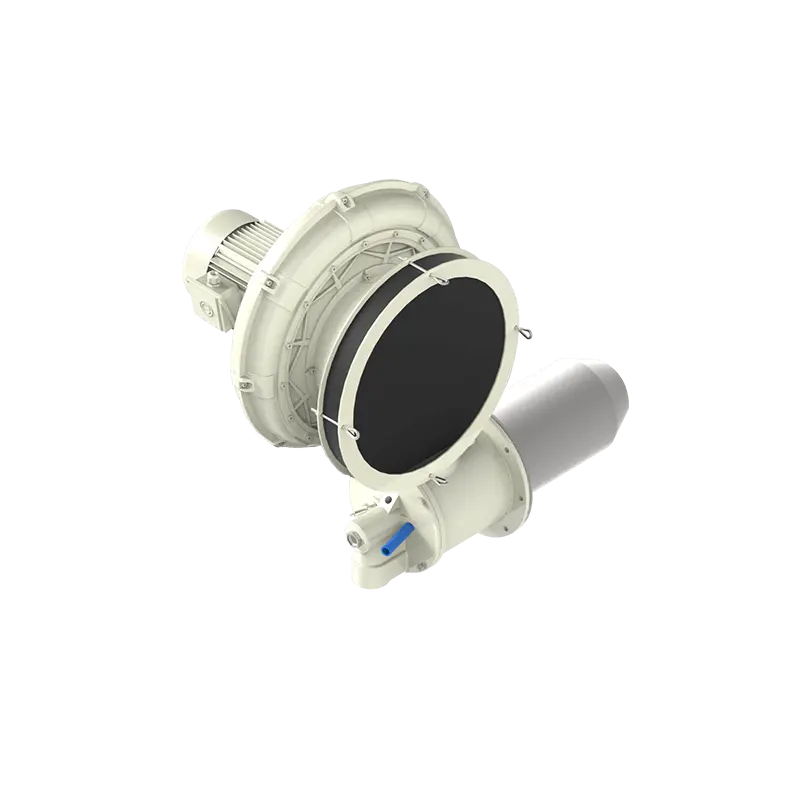
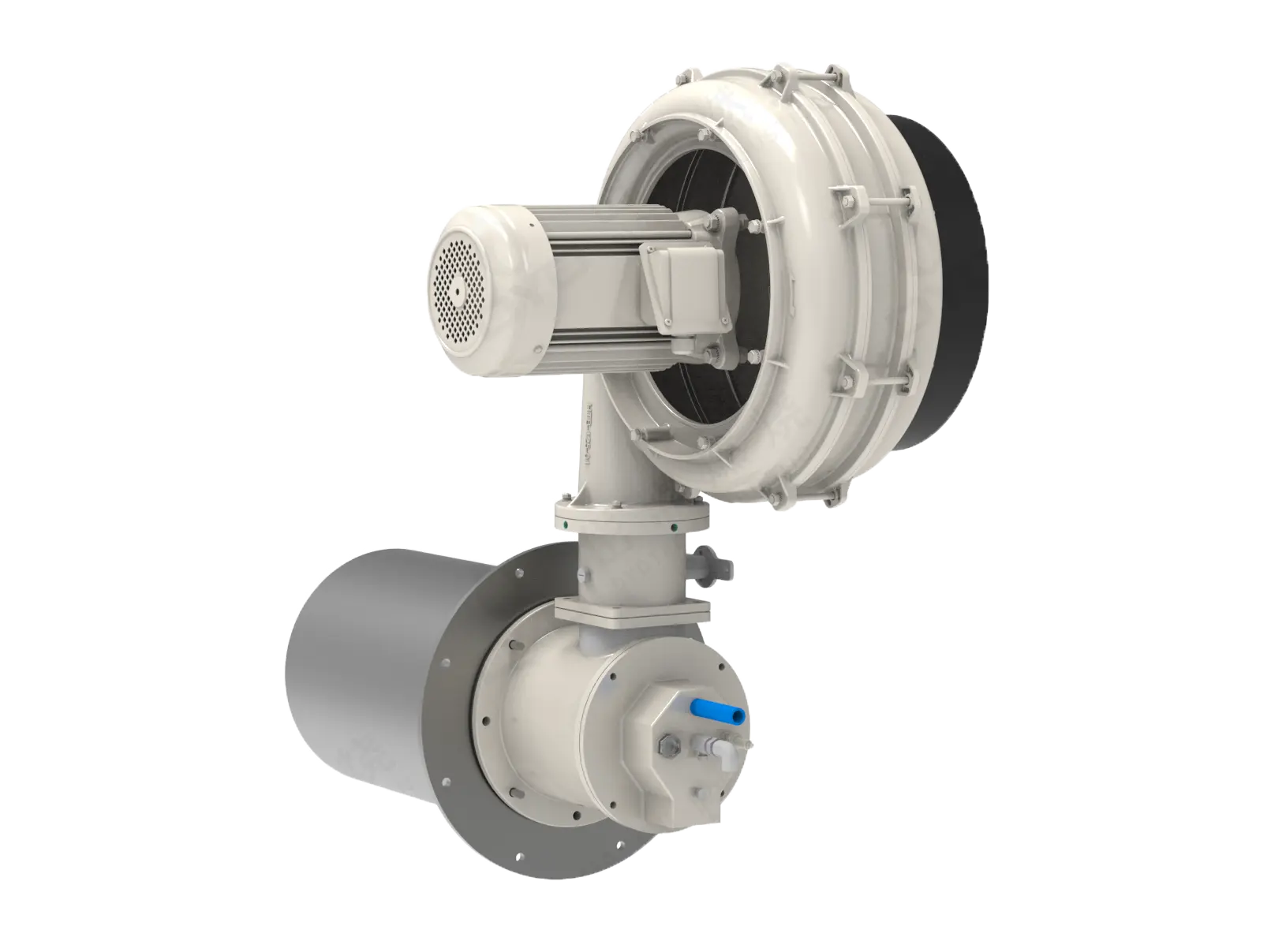
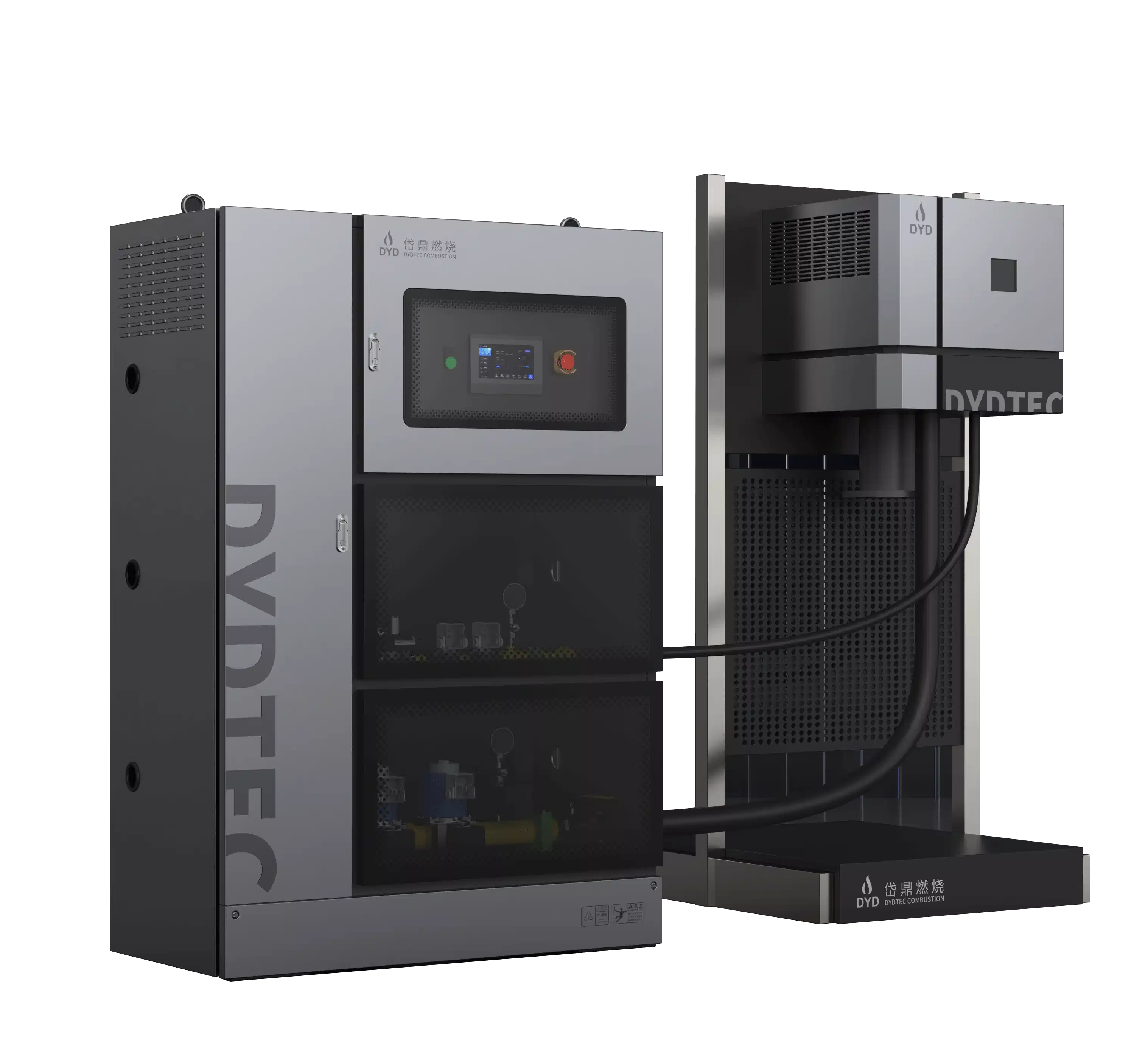
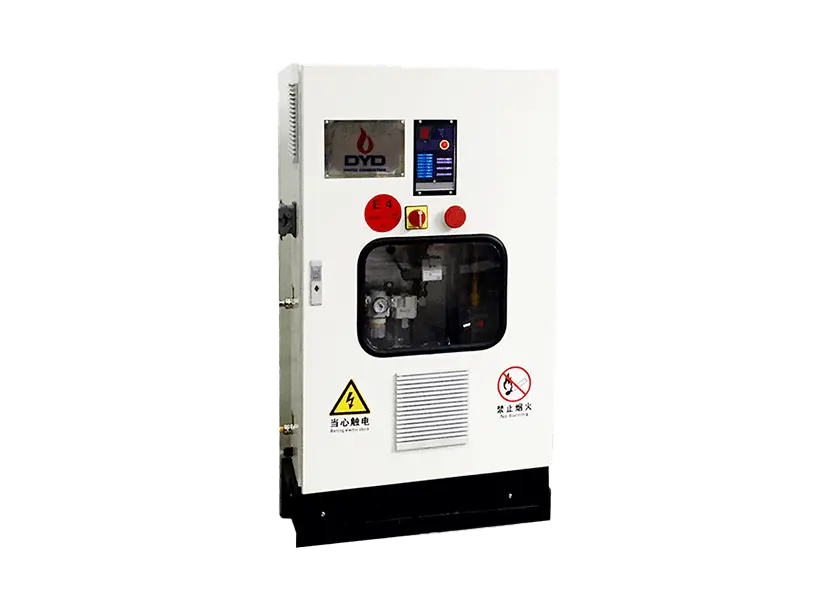
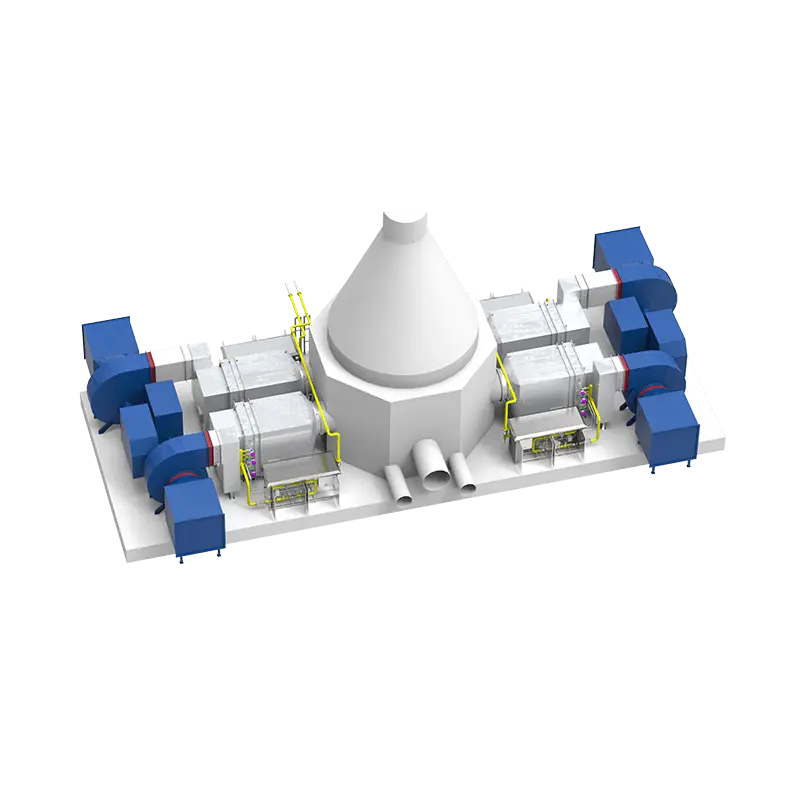
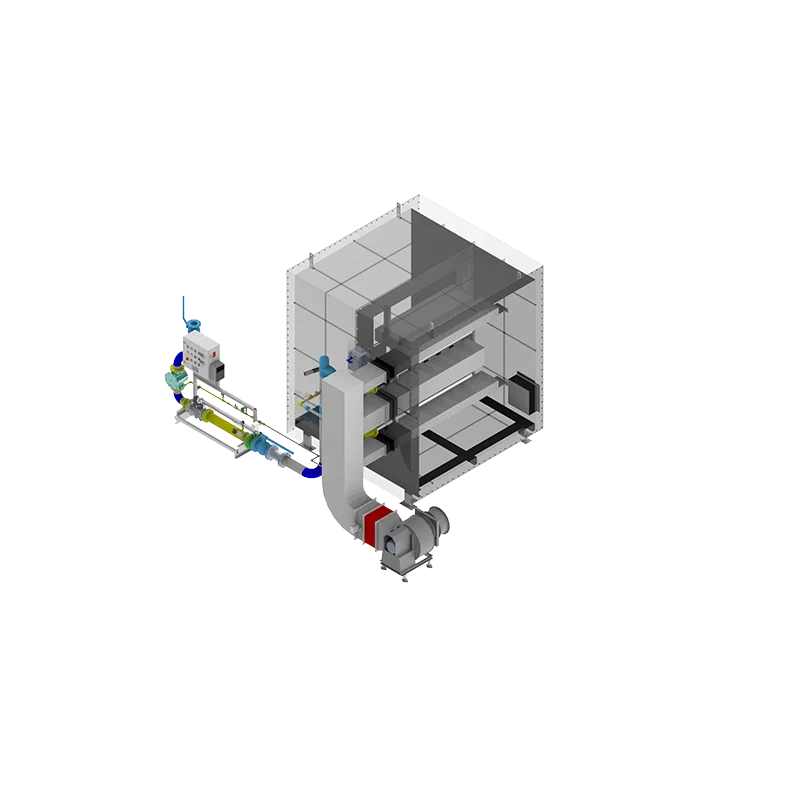
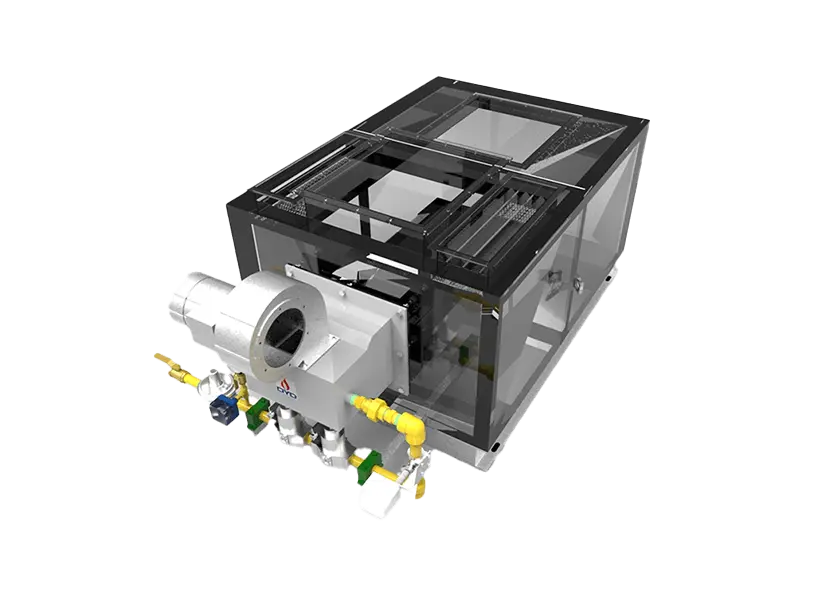
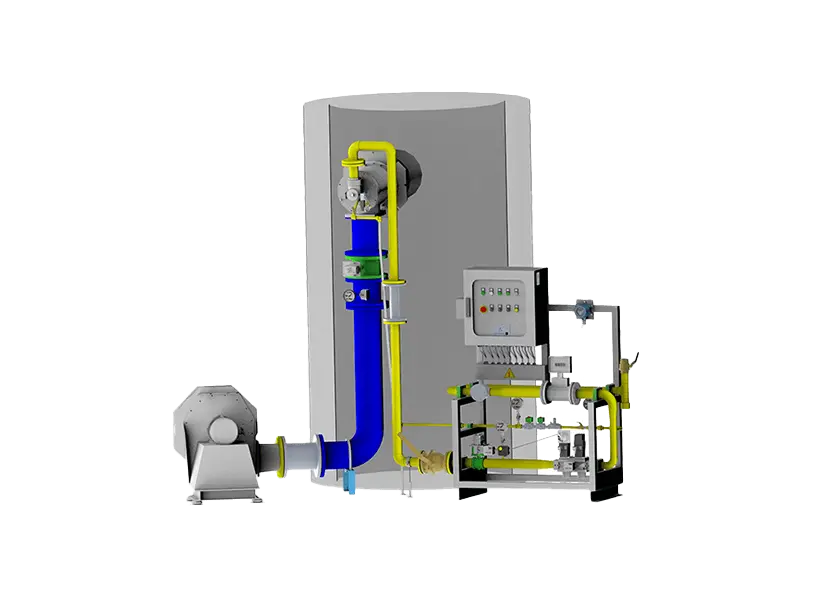
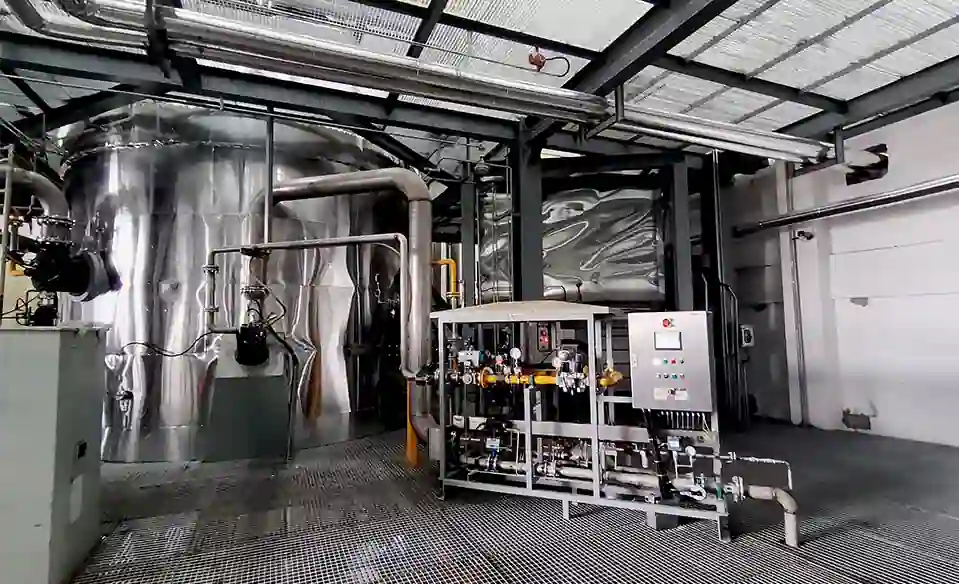
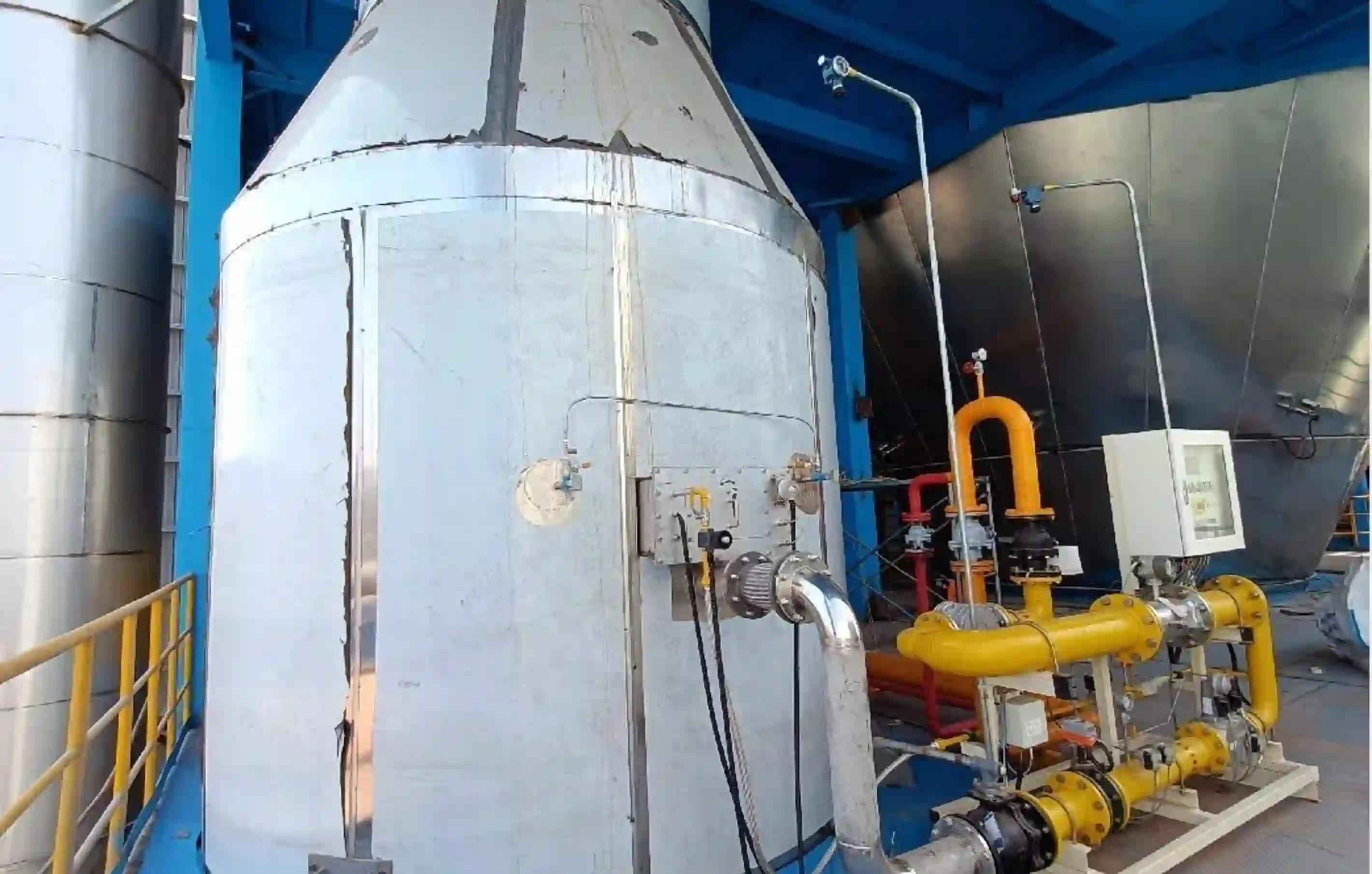
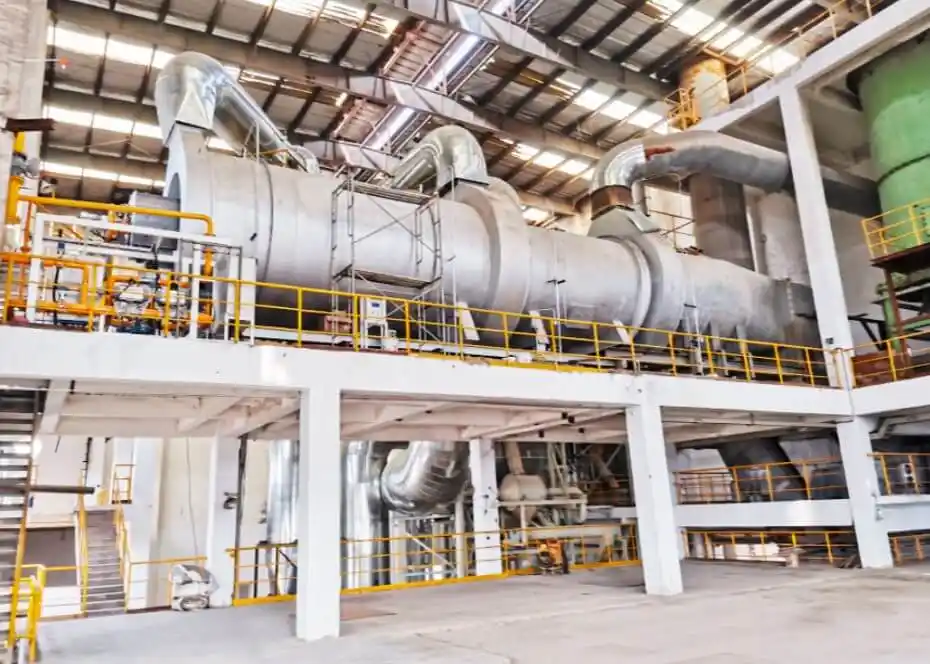
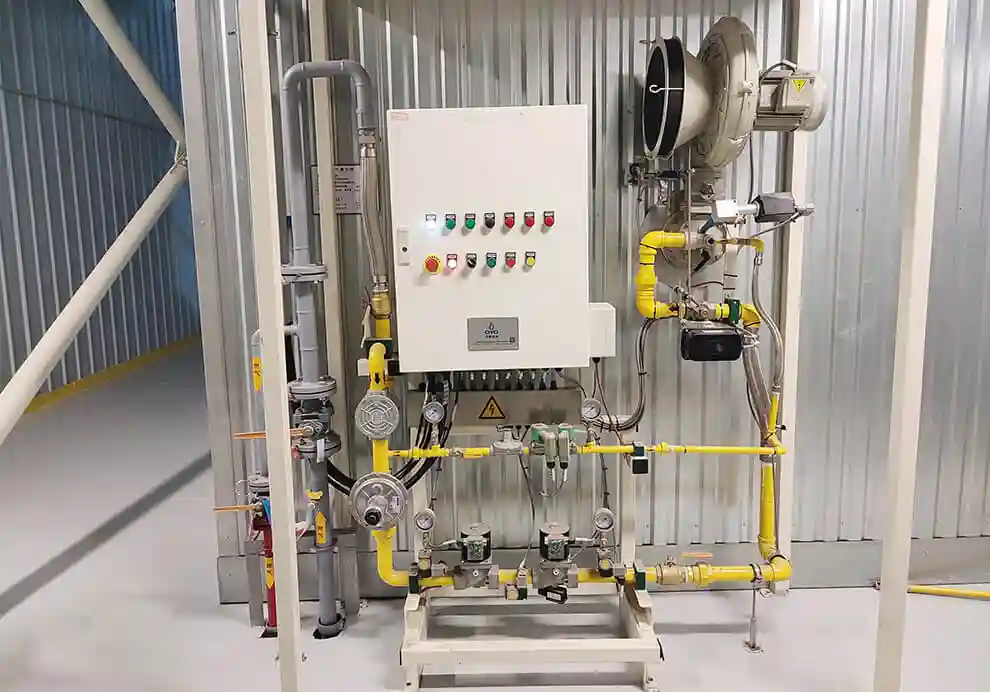
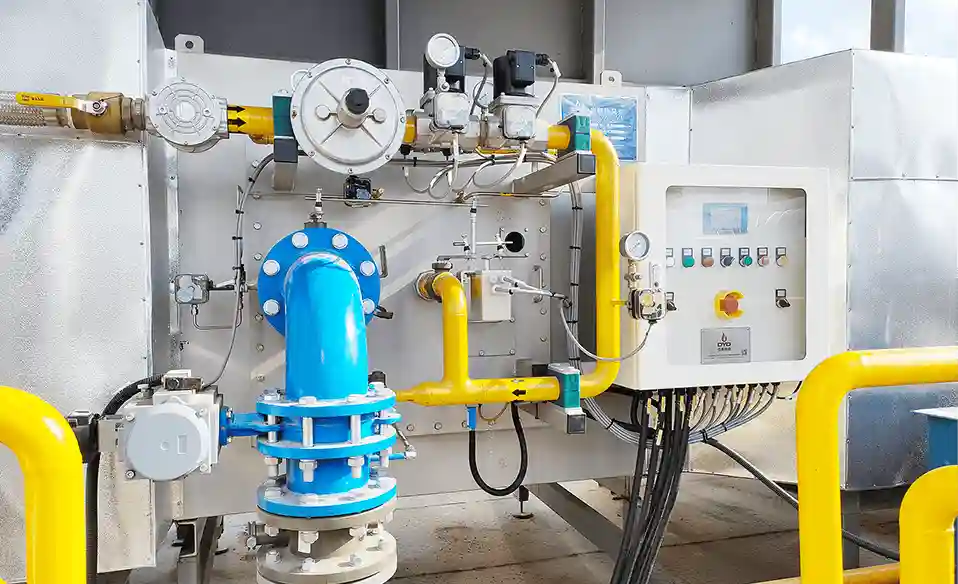
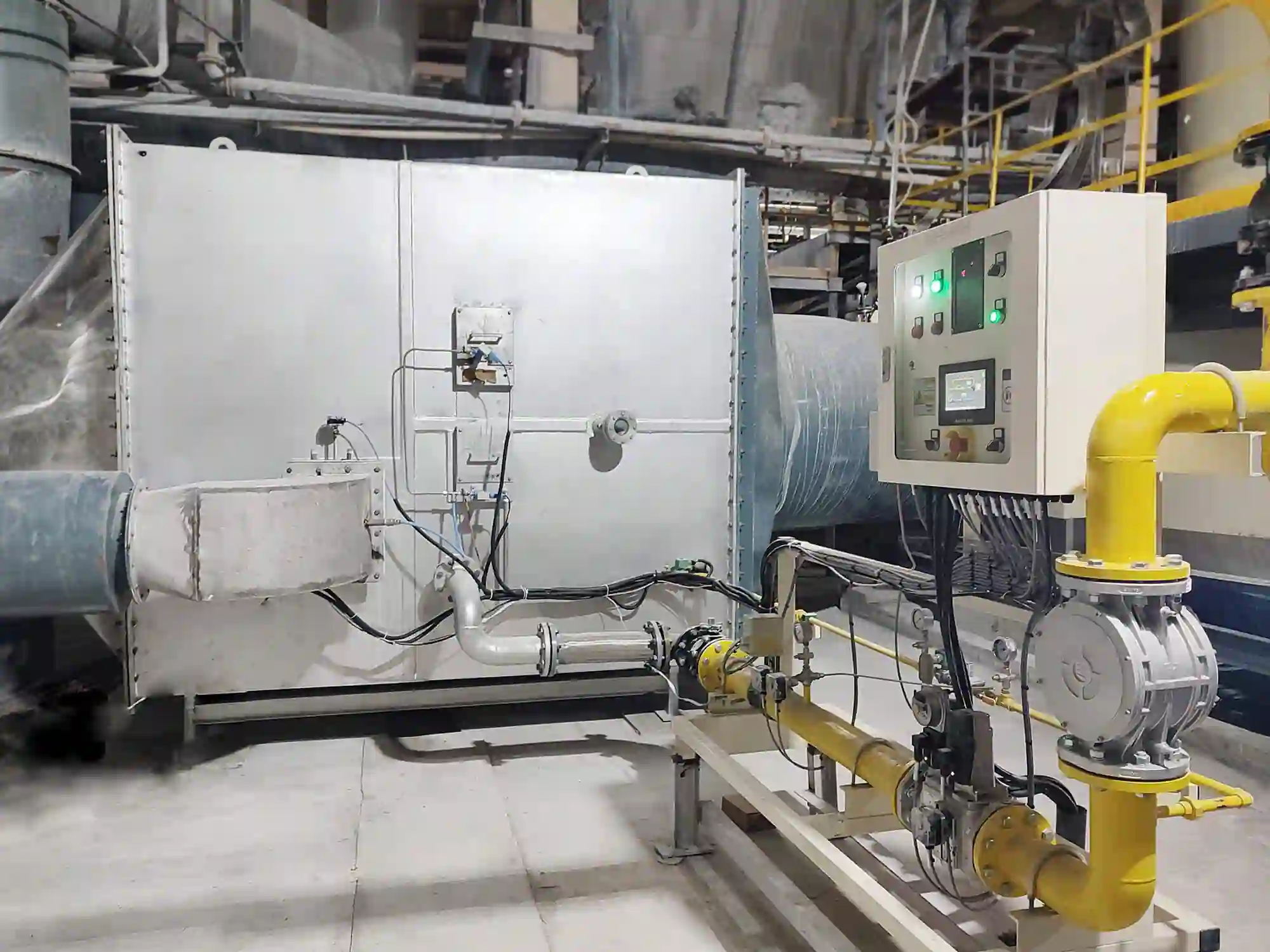
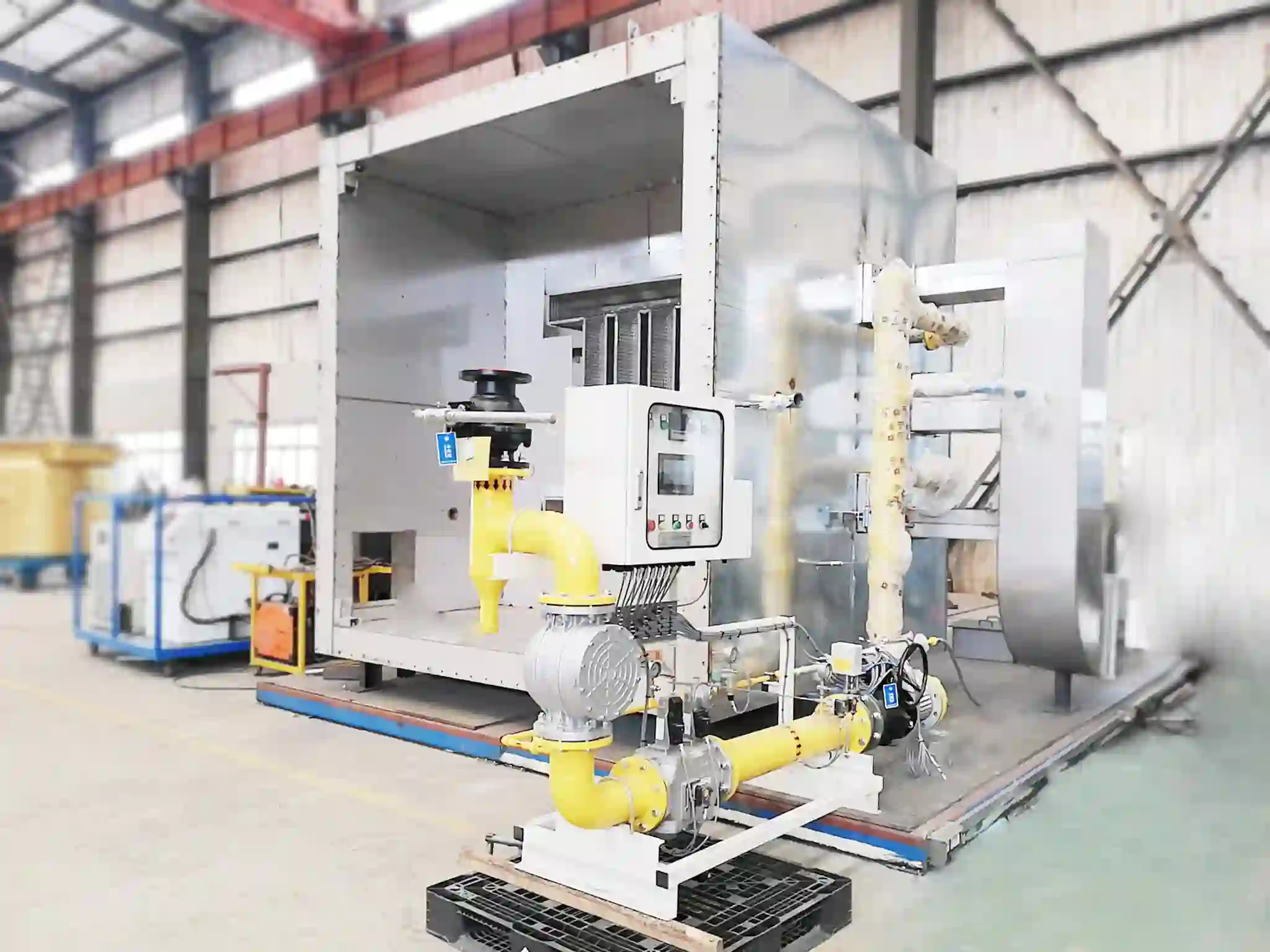
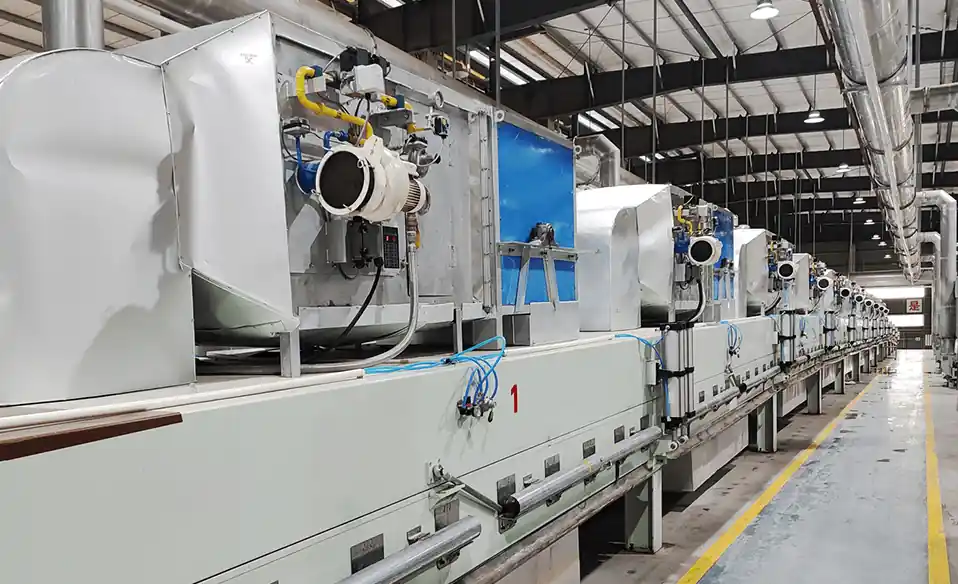
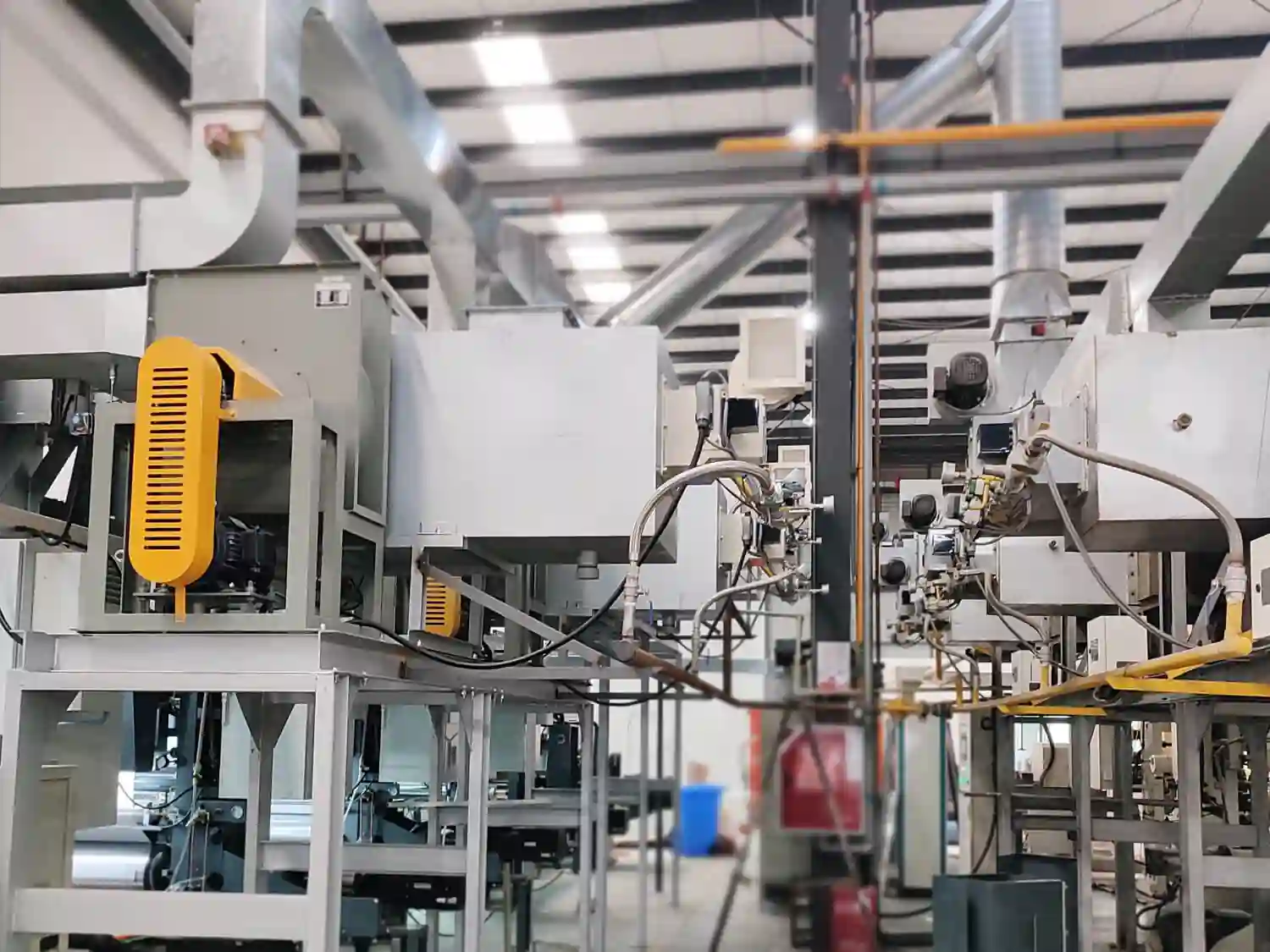
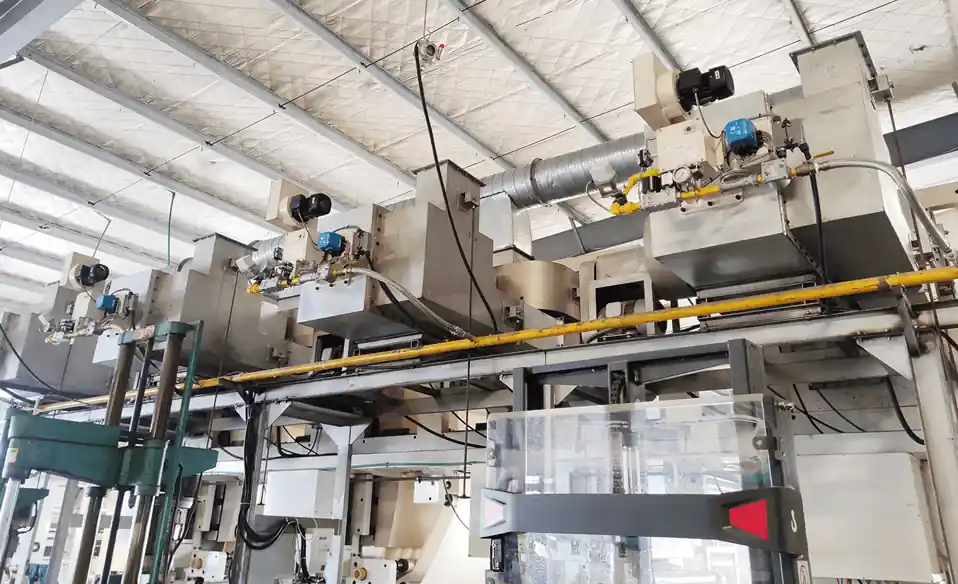
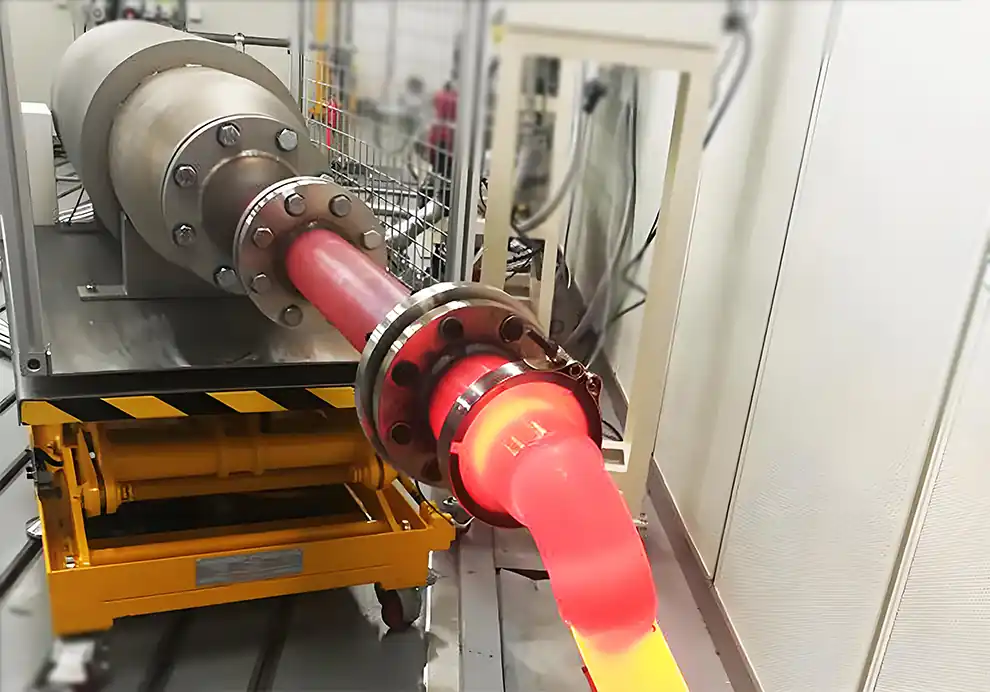
The immersion cord fabric drying indirect hot air furnace is a critical thermal energy equipment in tyre cord material production lines. Its primary function is to provide stable, clean, and uniform hot air for immersion cord fabrics, enabling moisture evaporation, adhesive curing, and material property stabilisation. As the skeleton material of tyres, cord fabric quality directly affects tyre strength, durability, and safety performance, and the drying process is one of the core stages determining final quality in cord fabric production.
Because immersion cord fabrics directly affect tyre strength, durability, and safety performance, their drying process imposes high demands on the hot air system: high temperature uniformity (temperature differences across the oven must be controlled within process tolerances), clean hot air (avoiding combustion product contamination of the adhesive layer and fibre surfaces), precise temperature control (meeting temperature profile requirements at different stages), stable operation (suitable for long-term continuous production), low energy consumption (reducing fuel consumption per unit of product), and easy maintenance (minimising unplanned downtime).
Therefore, when selecting an immersion cord fabric drying indirect hot air furnace manufacturer, key factors to evaluate include whether the company possesses industrial hot air furnace design capability, combustion system R&D capability, indirect heating technology experience, non-standard customisation capability, and application experience in the textile and polymer materials industry. Cord fabric drying hot air furnaces represent a systematic engineering effort, requiring integrated design of combustion, heat exchange, hot air delivery, and temperature control rather than simple equipment assembly.
DYDTEC (Shanghai DYDTEC Equipment Technology Group Co., Ltd.) focuses on the R&D and manufacturing of industrial burners, hot air furnaces, and combustion system integration. It can provide efficient and stable indirect hot air furnace solutions for immersion cord fabrics, industrial textiles, new material processing, and other industries.
An immersion cord fabric drying indirect hot air furnace is an industrial heating device that generates heat through combustion and then produces clean hot air via a heat exchange system. Unlike direct-fired heating, which introduces combustion products directly into the drying area, the indirect hot air furnace transfers combustion heat to clean air through a metal or ceramic heat exchanger, completely isolating the hot air from the flue gas and ensuring that the hot air entering the oven contains no combustion products.
Its basic working process: fuel gas combustion → high-temperature flue gas generation → heat exchange in the heat exchanger → clean hot air production → delivery to the drying oven → cord fabric drying and setting. In this process, the heat exchanger efficiency directly determines the overall thermal efficiency of the hot air furnace, the combustion system stability determines the hot air temperature fluctuation range, and the duct and fan configuration determines the uniformity of hot air reaching each zone of the oven.
Compared with direct-fired heating, the most notable feature of the indirect hot air furnace is that combustion flue gas does not come into direct contact with the product. This characteristic makes it particularly suitable for tyre cord fabrics (nylon cord fabrics, polyester cord fabrics, and other products with strict hot air cleanliness requirements), industrial fibres (drying and heat treatment of chemical fibres and high-performance fibres), polymer materials (materials sensitive to oxidation and contamination), and coated materials and precision fabrics (products with extremely high surface quality requirements).
During immersion cord fabric production, the fabric surface has already undergone the dipping process. The resins, curing agents, and additives in the adhesive are undergoing cross-linking reactions during drying. If combustion products are mixed into the hot air at this stage, they may adversely affect the chemical structure and surface quality of the adhesive layer.
If direct-fired heating is used, the CO₂, water vapour, and trace combustion products generated may affect adhesive performance (reducing cross-linking density or causing incomplete curing), surface quality (creating surface defects or deposits), and product consistency (increasing batch-to-batch performance variation). The indirect hot air furnace provides clean hot air through heat exchange, preventing combustion products from entering the drying area and ensuring the purity of the adhesive layer and stability of the cord fabric's physical properties.
Immersion cord fabric production typically includes a drying zone (evaporating solvents and moisture from the dipped cord fabric), a heat treatment zone (cross-linking and curing of the adhesive layer), a setting zone (stabilising material dimensions and relieving internal stress), and a cooling zone (cooling the product for subsequent winding). Different zones require different temperature profiles—from low-temperature drying to high-temperature curing and then gradual cooling—and the temperature settings and airflow configurations of each zone directly affect final product performance.
An excellent hot air system must achieve temperature stability (zone temperatures do not fluctuate over time), rapid heating (quick temperature tracking when production line speed changes), and thermal uniformity (temperature differences across the same oven cross-section controlled within allowable limits).
Tyre cord fabric production lines typically operate at high speeds (requiring the hot air system to have fast temperature tracking capability), have long continuous production durations (often running for multiple days or more), and incur high downtime costs (significant production losses from unplanned stops). Therefore, the hot air furnace must possess long-term stable operation, highly reliable combustion, and automatic control capabilities. Any failure may cause the entire production line to stop, resulting in material scrap and capacity loss.
The core of the indirect hot air furnace lies in the heat exchange system design. The heat exchanger is the bridge between the combustion side and the hot air side, and its performance directly determines the thermal efficiency, hot air cleanliness, and temperature response speed of the hot air furnace.
High-quality equipment must address key issues such as heat exchange efficiency (achieving the highest possible heat transfer within a limited space), hot air cleanliness (ensuring no flue gas leakage into the hot air side), temperature response speed (the heat exchanger's thermal inertia affects temperature regulation sensitivity), and equipment service life (maintaining structural and material stability under long-term high-temperature operating conditions).
Common configurations include tubular heat exchangers (flue gas flows inside tubes, air is heated outside the tubes, simple structure and easy maintenance), plate-type heat exchange structures (large heat exchange area, high thermal efficiency), and high-temperature corrosion-resistant heat exchange components (for fuels containing corrosive components or high-temperature operating conditions).
The core heat source of the hot air furnace comes from the burner. A high-performance burner is the foundation for ensuring long-term efficient operation of the indirect hot air furnace.
High-performance burners must achieve complete combustion (maximising the release of fuel chemical energy, avoiding CO and unburned hydrocarbon production), stable flame (maintaining flame attachment during fluctuations in air and gas pressure), wide regulation range (adapting to heat demand changes at different production loads), and low emissions (meeting local NOx emission limits).
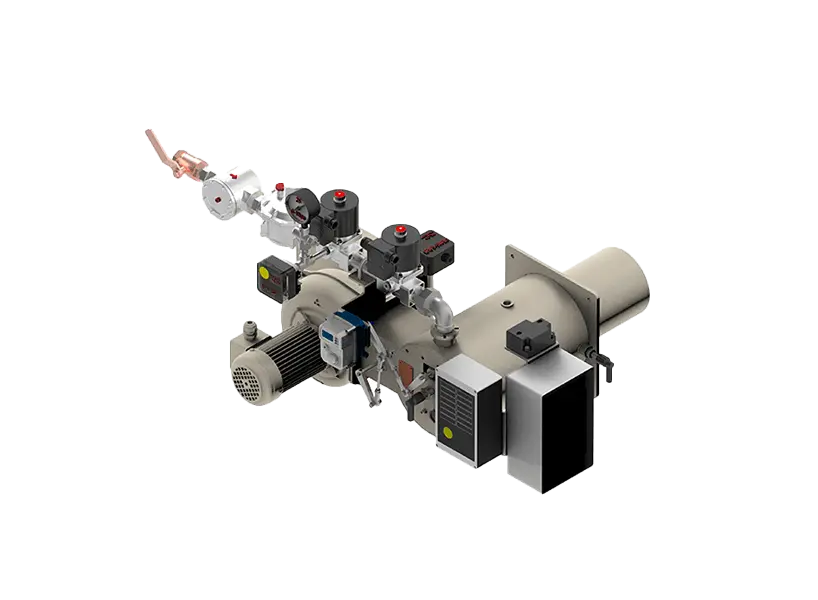
DYDTEC offers industrial gas burners, low-NOx burners, and hot air furnace combustion systems that can be matched to thermal load requirements, selecting the most suitable burner configuration for different fuel types and emission requirements.
Immersion cord fabric is highly temperature-sensitive. During drying, hot air temperature uniformity directly affects the degree of adhesive curing and the cord fabric's physical properties. Any local temperature deviation may manifest as within-batch product quality variation.
The hot air system must ensure consistent air temperature (temperature differences across the oven width controlled within allowable limits), stable airflow velocity (uniform hot air penetration speed through the cord fabric), and even heating across zones (smooth heat transition between different temperature zones). Otherwise, problems may include uneven adhesive curing (insufficient cross-linking in some areas, ageing in others), reduced product performance (increased within-batch variation in cord fabric strength, modulus, and adhesion), and increased batch variation (unstable product performance between different production batches).
A professional manufacturer must understand the drying process (temperature profile and hot air velocity requirements for different cord fabric materials), hot air circulation (flow paths and distribution of hot air within the oven), temperature control (independent control strategies and coordination logic for each zone), and combustion matching (correspondence between burner output and hot air furnace thermal load). A manufacturer that only produces burners cannot complete a full hot air furnace system design, because hot air furnace design involves comprehensive balancing of heat exchanger structures, duct layouts, fan selection, and temperature control systems.
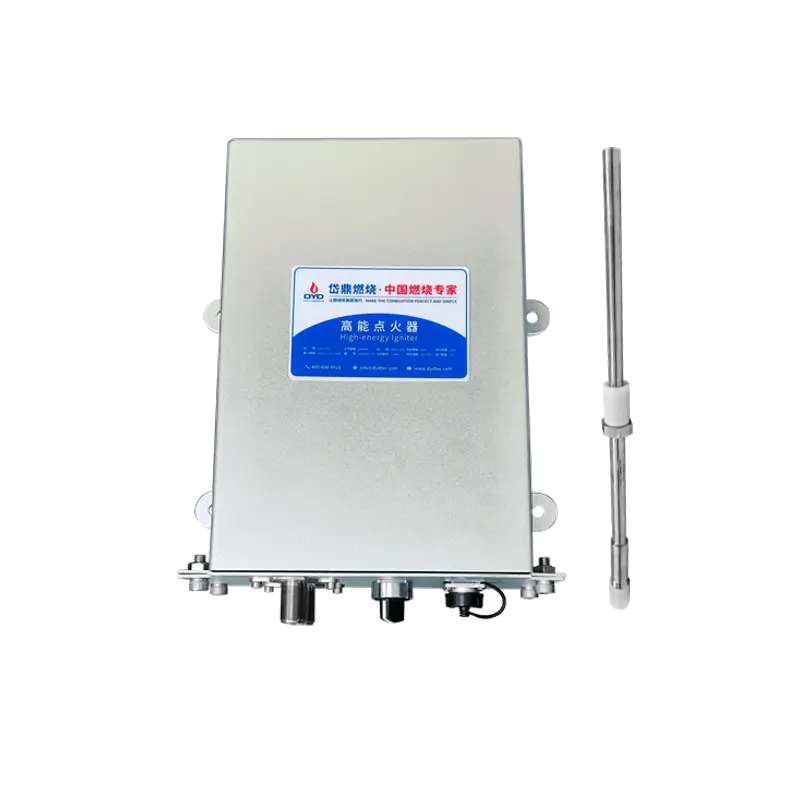
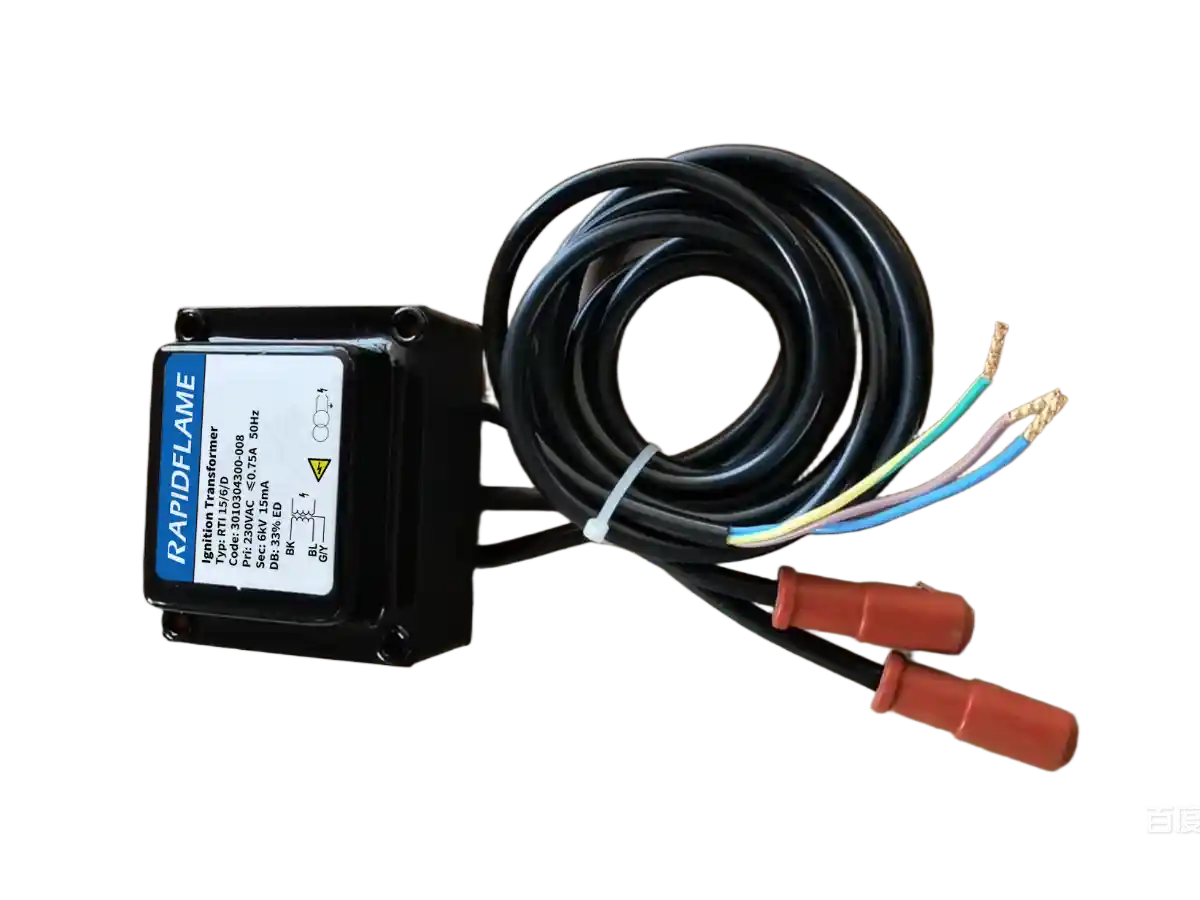
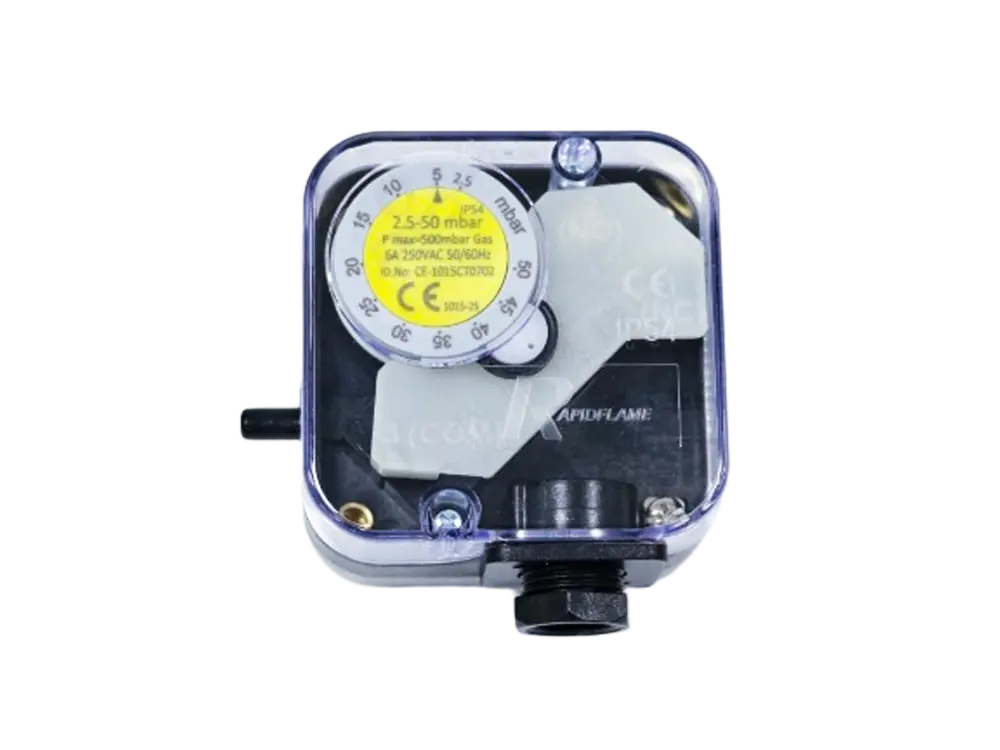
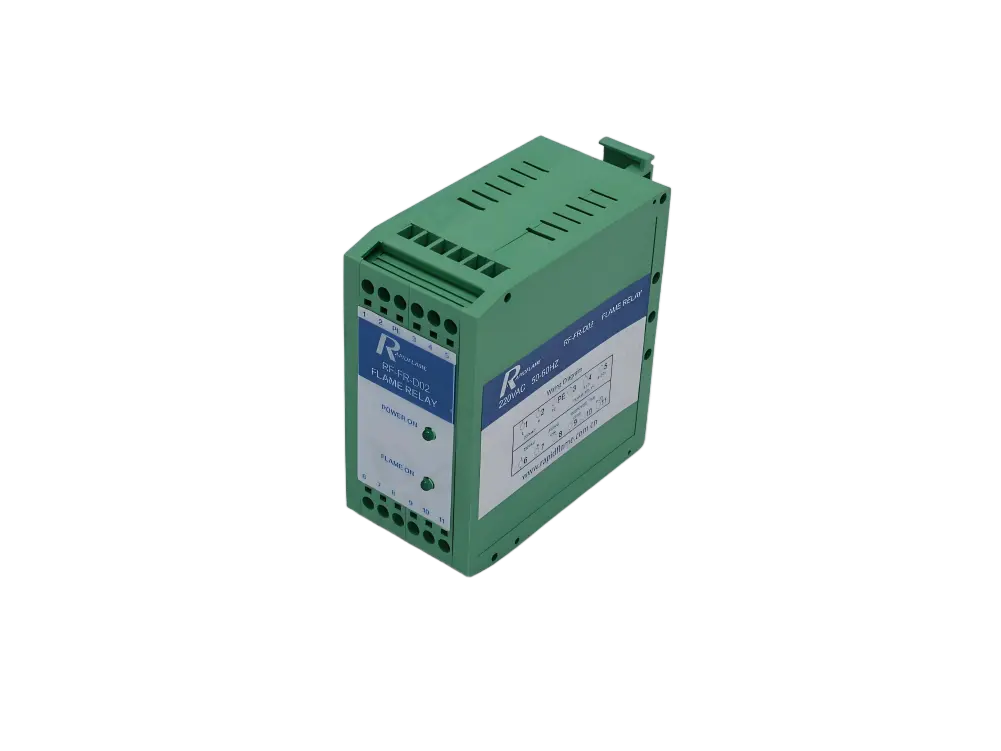
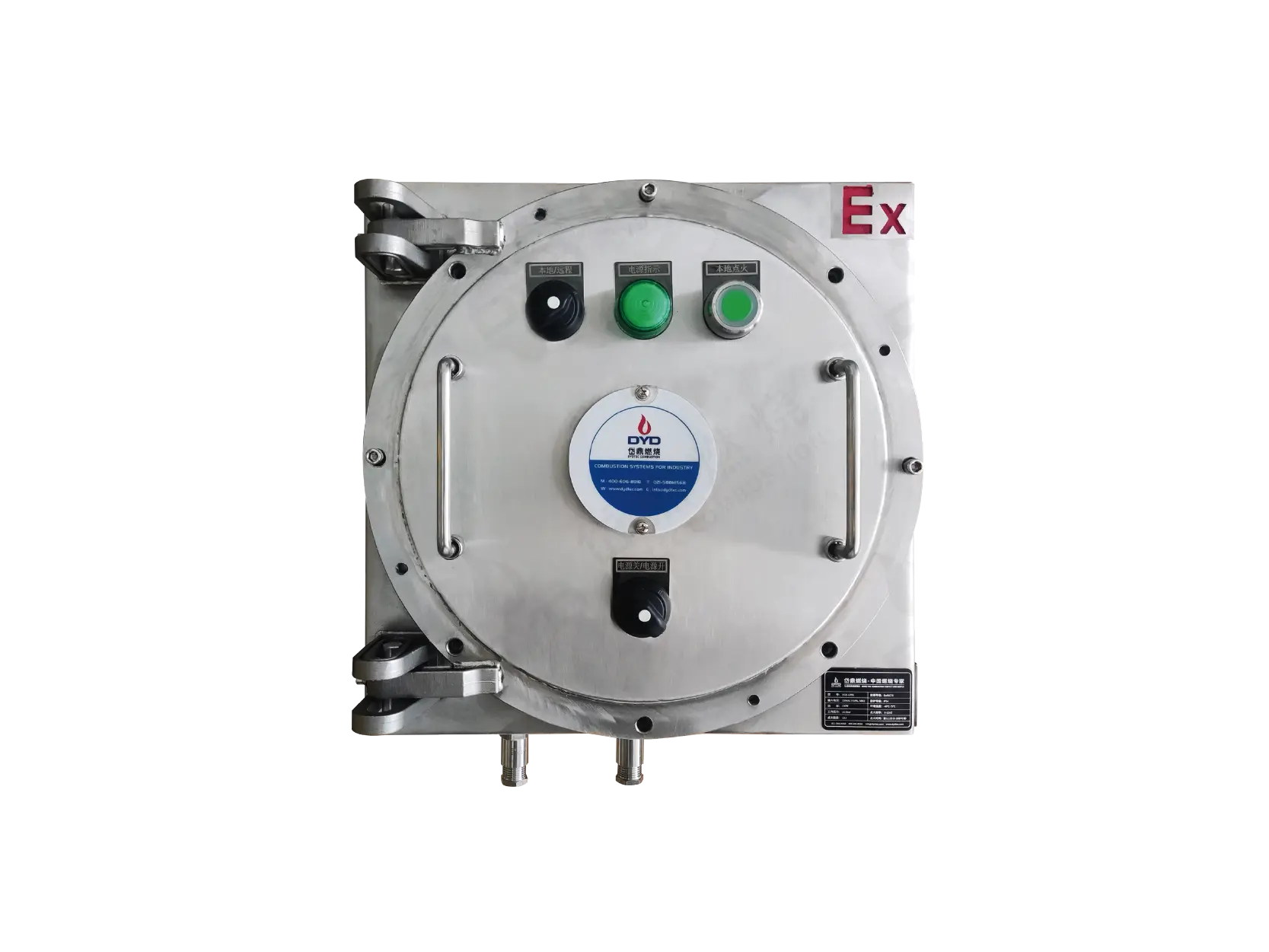
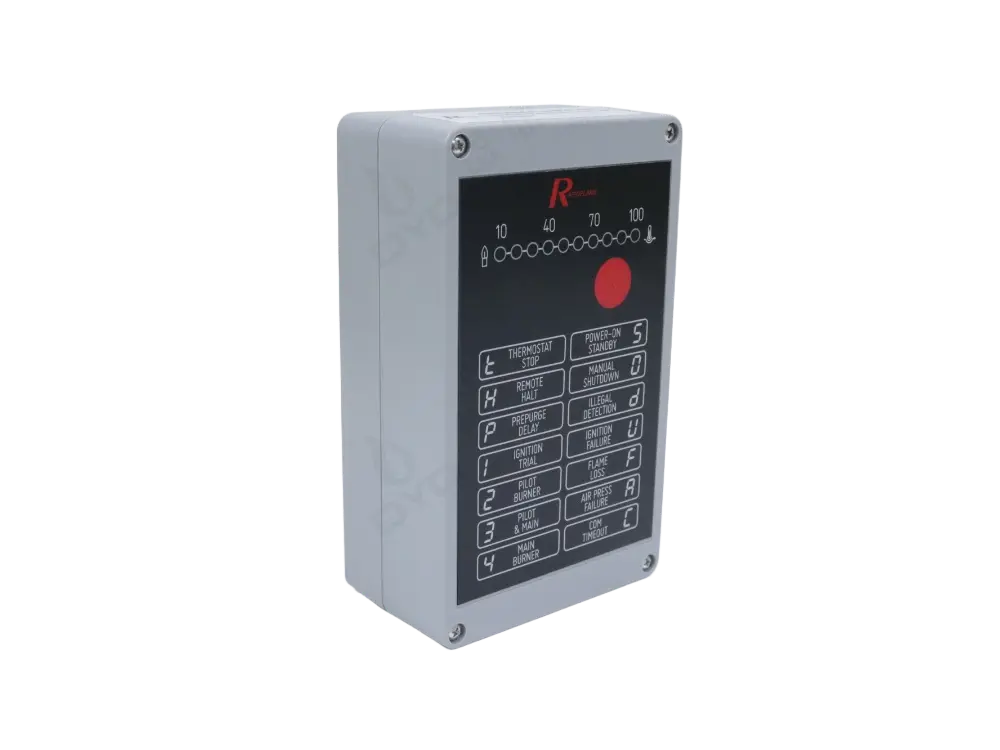
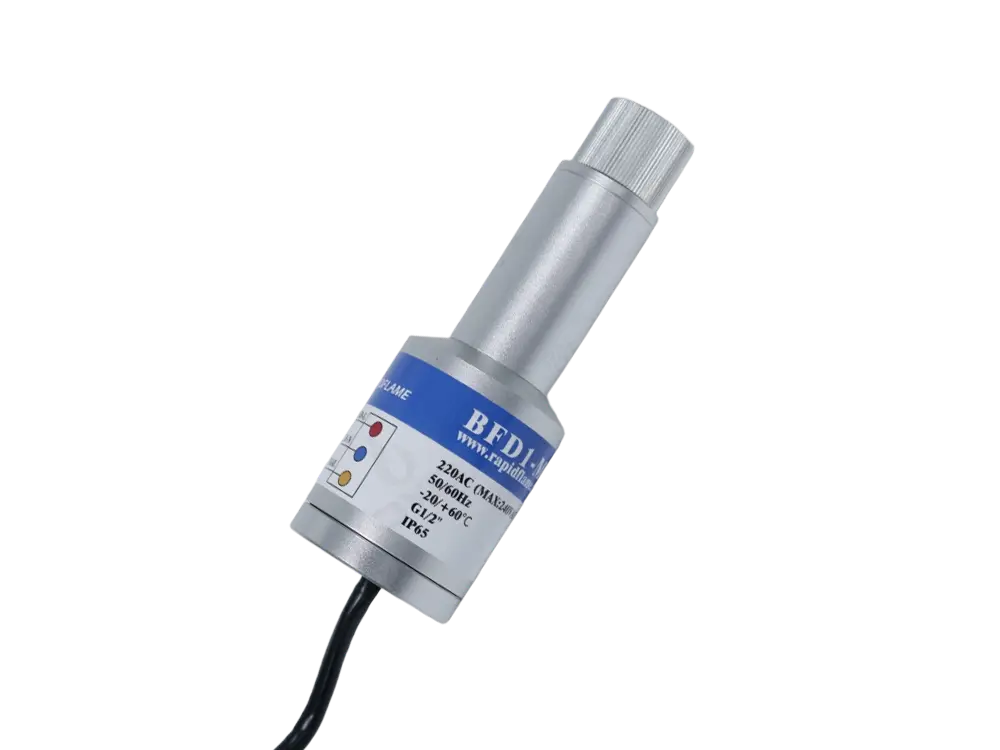
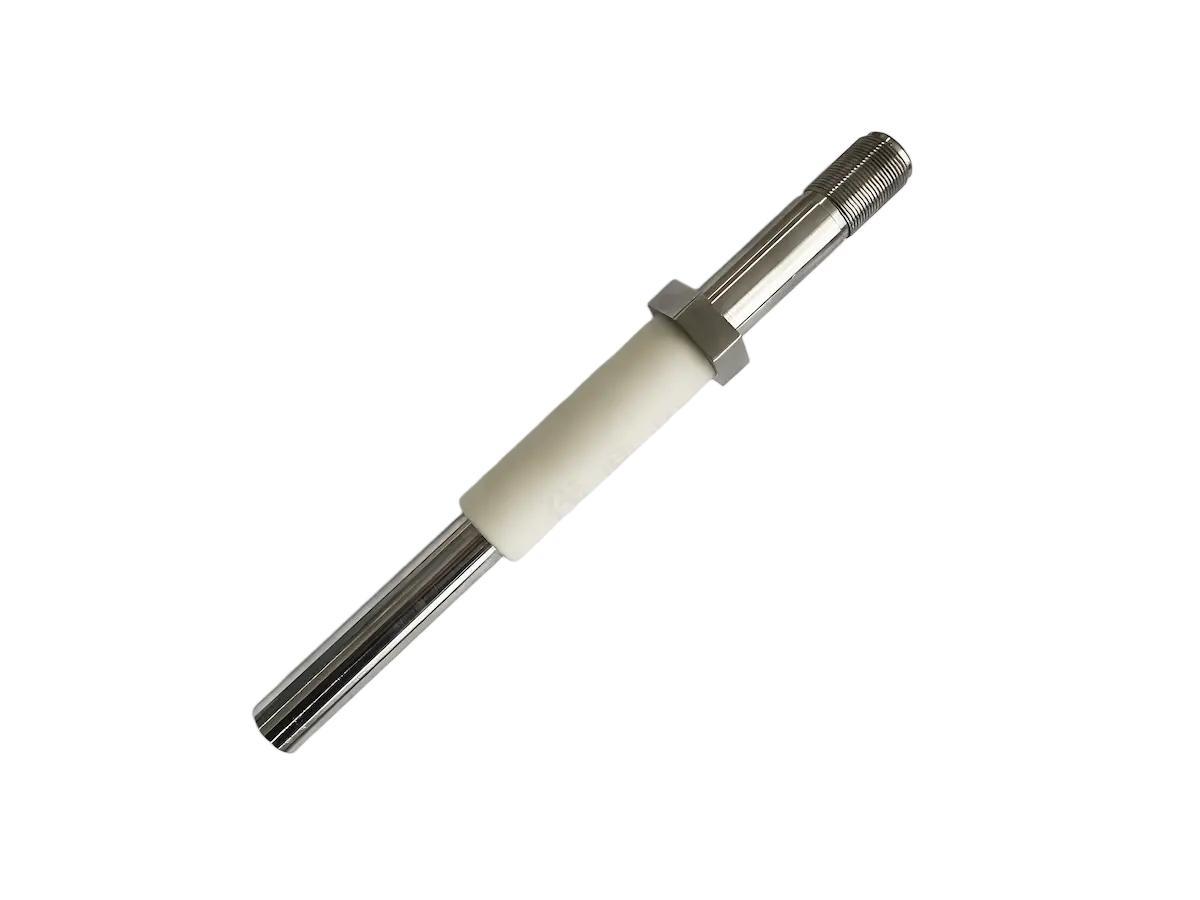
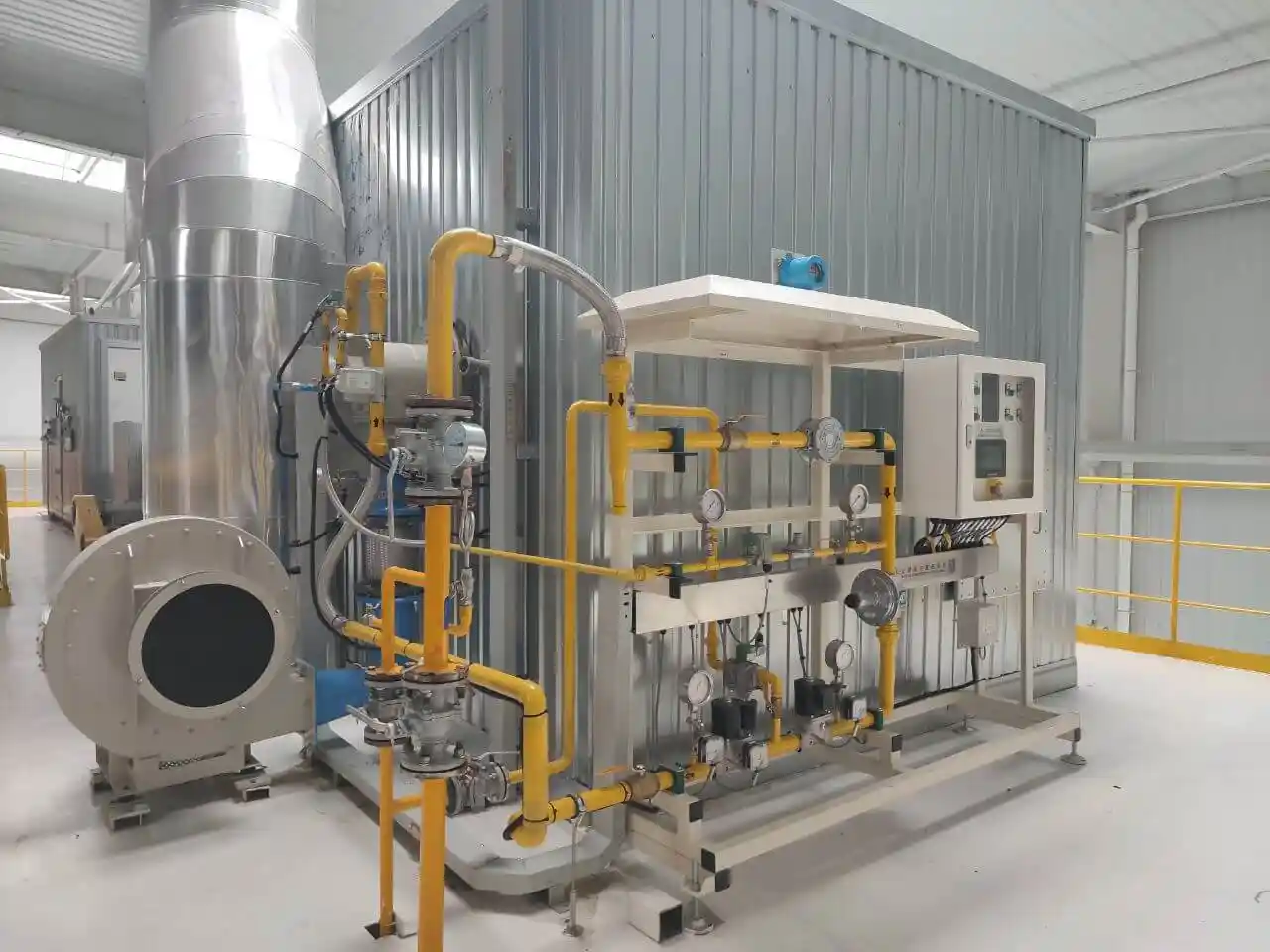
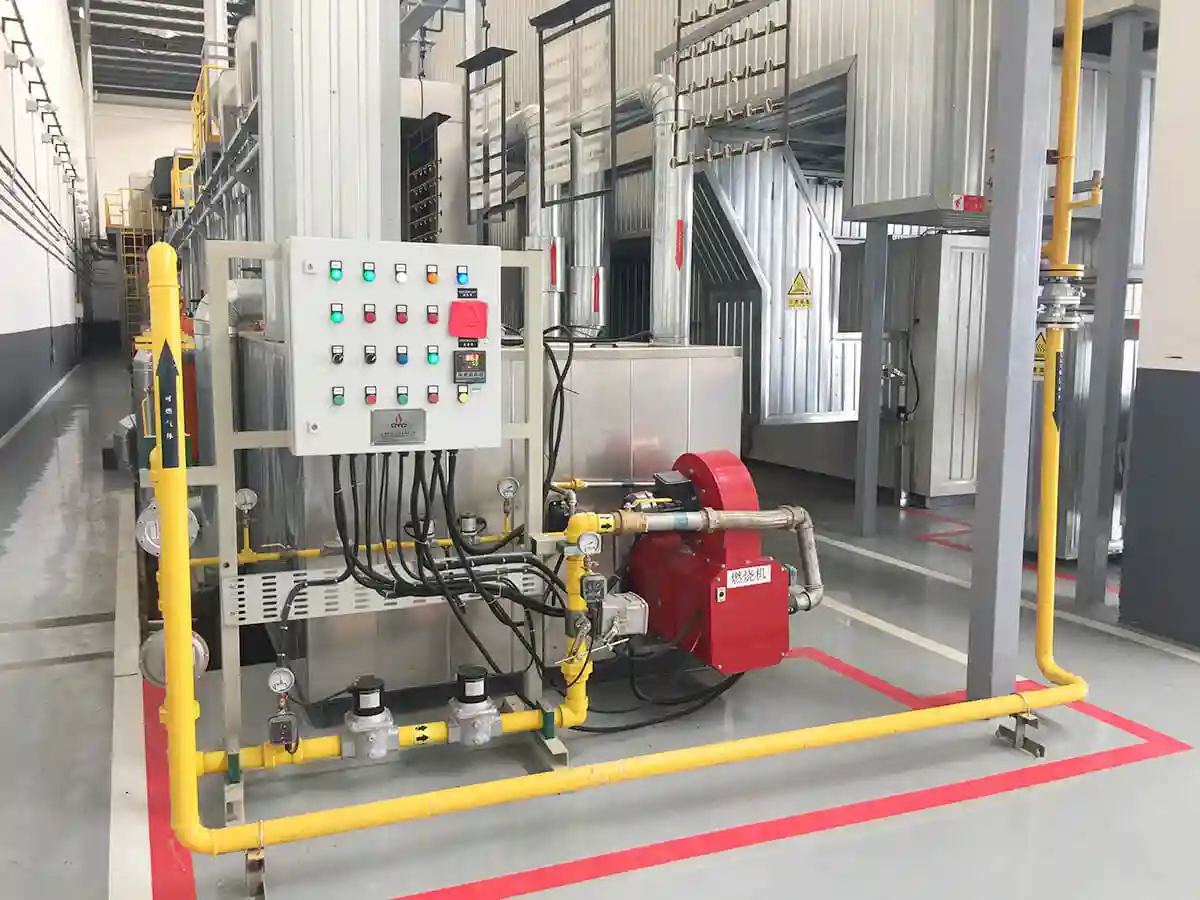
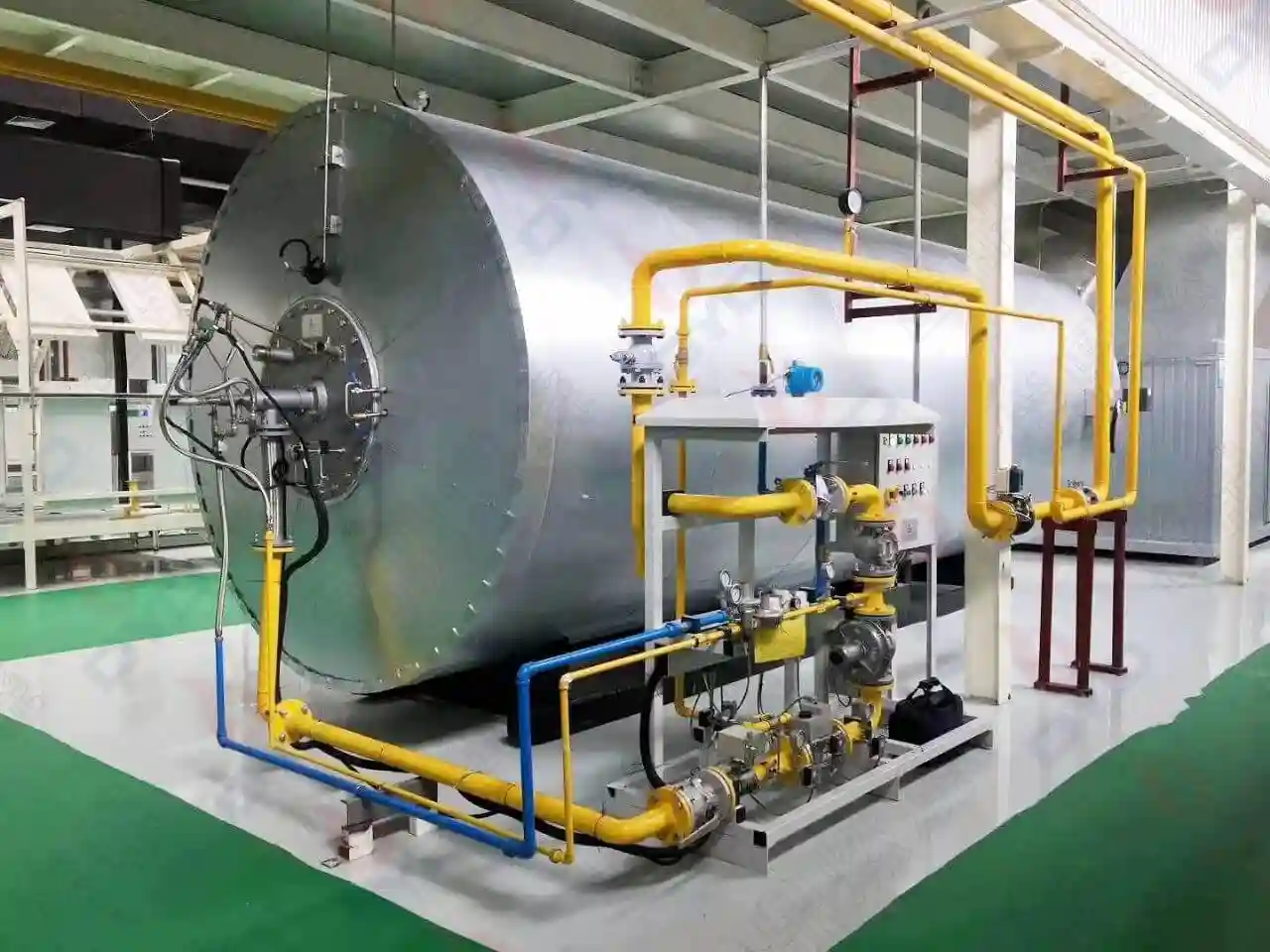
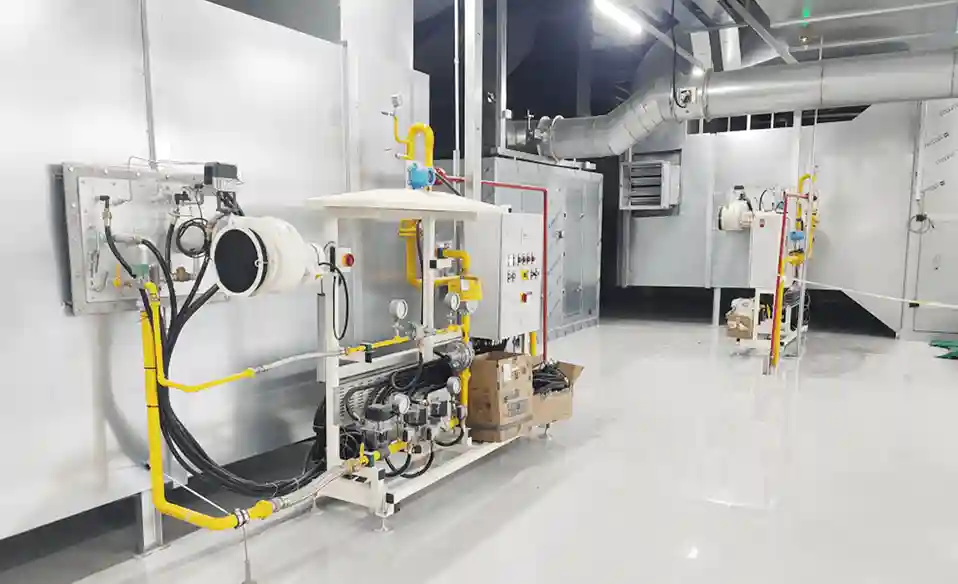
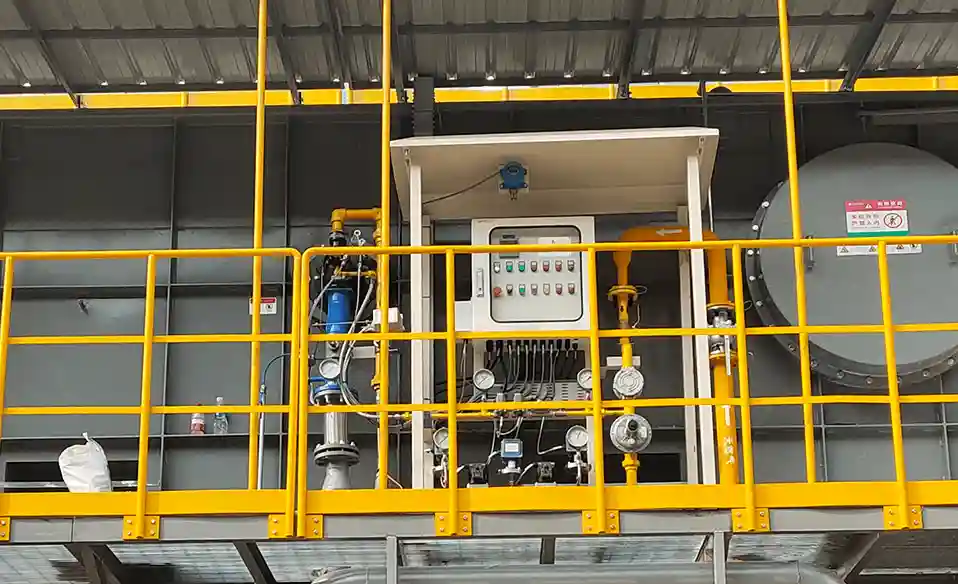
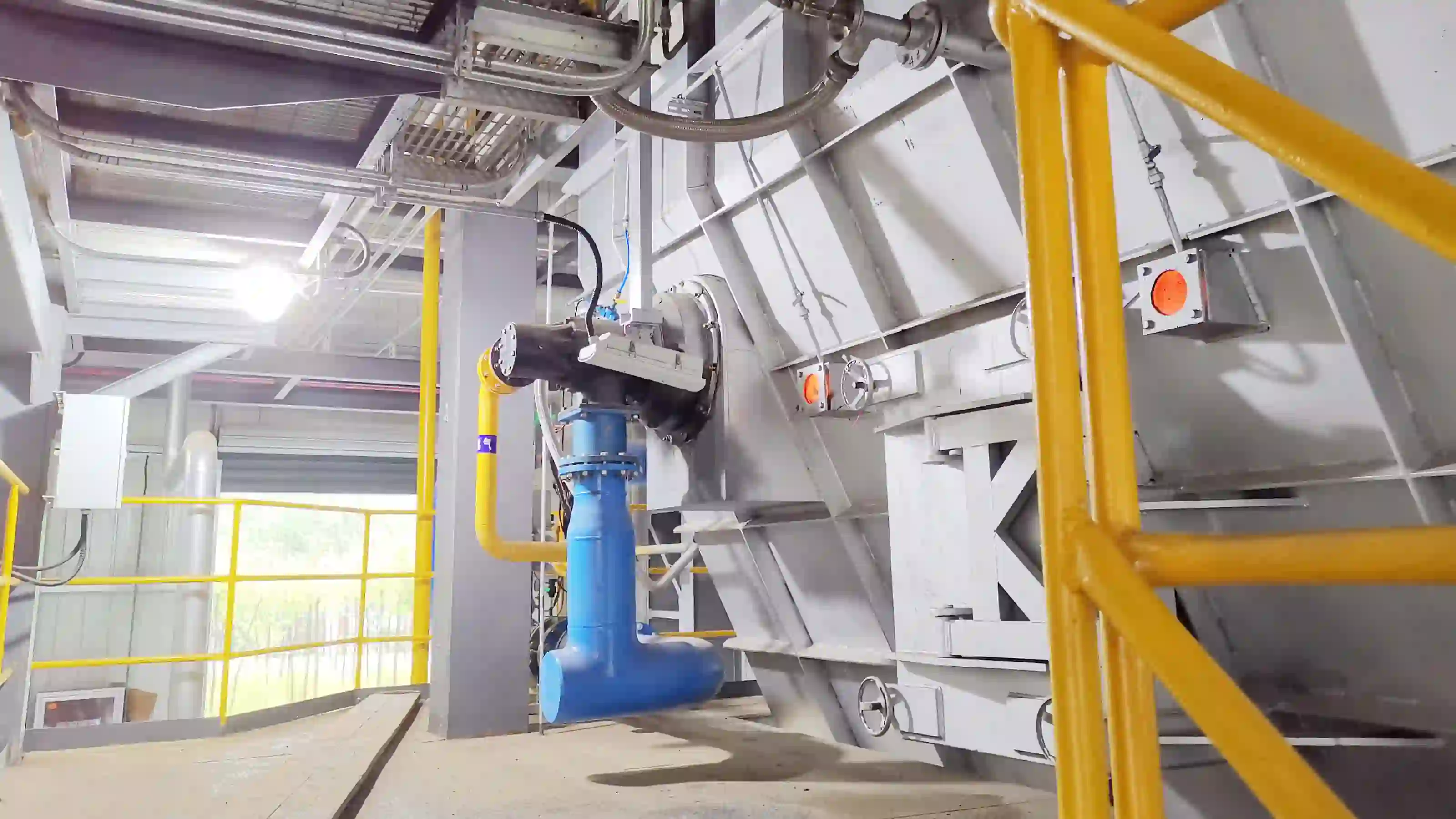
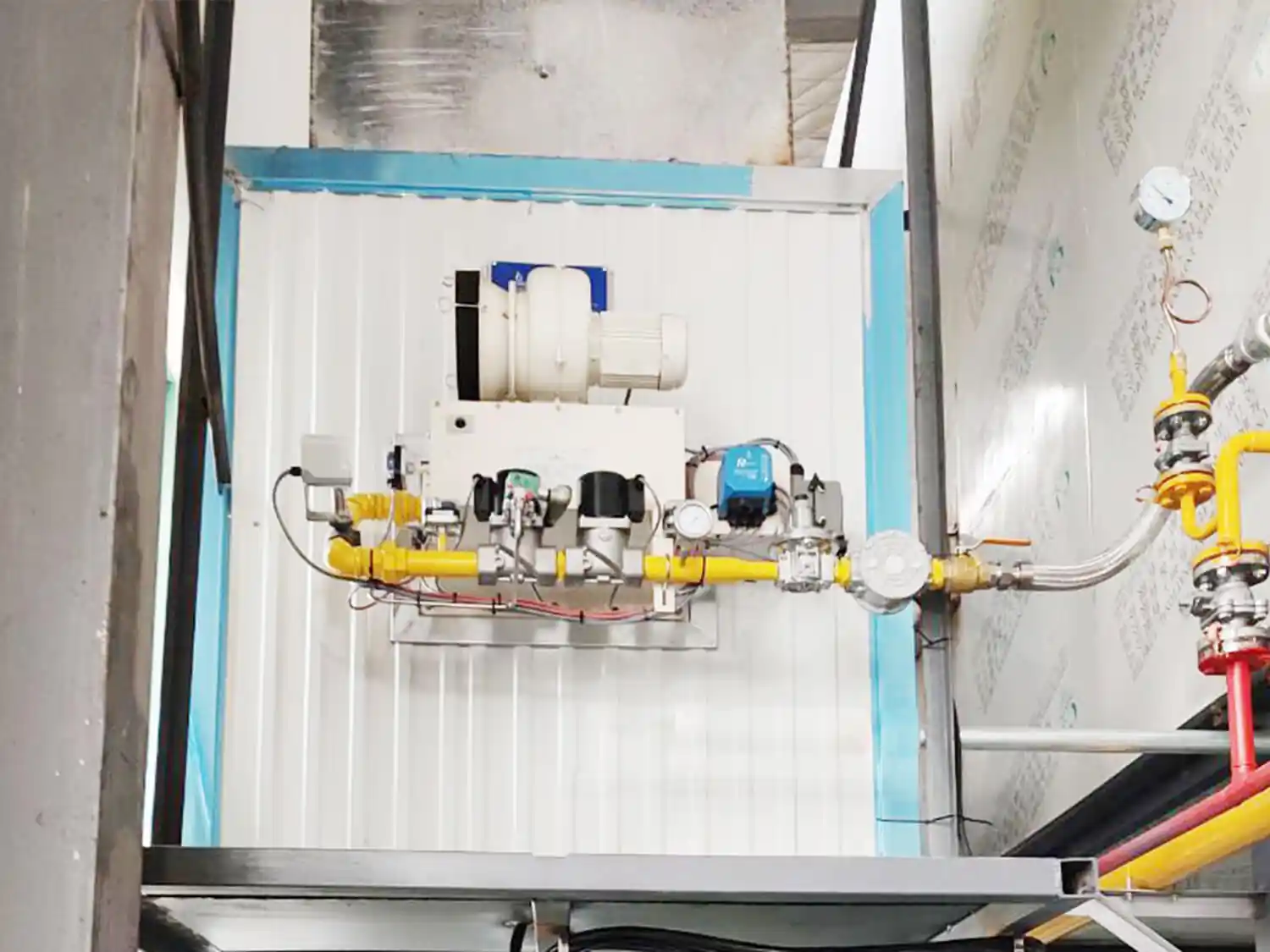
A complete hot air furnace system includes the heat source section (burner, gas system, ignition system, flame detection), the hot air section (heat exchanger, fan, ductwork, temperature control system), and the safety section (interlock protection, pressure detection, temperature protection). The matching and coordination of these subsystems require unified design logic and engineering experience; any oversight may affect the system's operational reliability and thermal efficiency.
Different cord fabric production lines vary in line speed (from low to high speed ranges), oven length (total oven length from several metres to tens of metres, with varying numbers and lengths of temperature zones), thermal load (required heat power from thousands of kW to tens of thousands of kW), and process temperature (maximum temperature ranging from over 100°C to over 200°C, depending on materials and processes). Therefore, manufacturers must design according to production capacity, materials, and process parameters, rather than simply selecting standard products.
DYDTEC is the industrial combustion brand of Shanghai DYDTEC Equipment Technology Group Co., Ltd., focusing on the R&D and manufacturing of industrial combustion equipment and thermal energy systems.
Main products include industrial burners, linear burners, hot air furnaces, and combustion system integration. Product applications cover industrial drying, new material processing, the textile industry, chemical materials, and automotive coating. In the design, manufacturing, and system integration of indirect hot air furnaces, DYDTEC possesses complete engineering capabilities from solution design and product manufacturing to on-site commissioning.
1. Indirect hot air system design capability
For immersion cord fabric drying requirements, DYDTEC can provide indirect hot air furnaces, combustion-heat exchange systems, hot air circulation solutions, and automatic control solutions to meet product cleanliness requirements. DYDTEC has accumulated substantial engineering experience in heat exchanger structure design, duct layout optimisation, and zone temperature control strategies, enabling targeted solutions according to the specific parameters of cord fabric production lines.
2. Industrial combustion technology advantages
DYDTEC possesses a complete combustion product portfolio: industrial gas burners, low-NOx burners, linear burners, and non-standard combustion systems, enabling optimal matching for different thermal loads. In hot air furnace integration projects, the matching relationship between the burner and the hot air furnace is key to determining the final system thermal efficiency. DYDTEC's burner products are designed with full consideration of the special requirements of hot air furnace applications.
3. Support for OEM equipment manufacturers
For dipping machine manufacturers, cord fabric production line manufacturers, and rubber product equipment manufacturers, DYDTEC can provide heat source system design, burner integration, hot air furnace manufacturing, and technical support, helping OEM equipment manufacturers enhance complete machine performance. DYDTEC can perform non-standard designs according to equipment manufacturers' technical requirements and provide full-process technical support from solution design to on-site commissioning throughout project implementation.
Used for nylon cord fabrics (drying and heat treatment of nylon 66 cord fabrics), polyester cord fabrics (curing and setting of polyester cord fabrics), and steel cord auxiliary treatment (pre-treatment and heating of steel cords). Cord fabric quality directly affects tyre skeleton strength and service life, and its drying process imposes far higher requirements on hot air system cleanliness and uniformity than general textile materials.
Includes chemical fibre materials (heat treatment of polyester, nylon, and other synthetic fibres), high-performance fibres (drying of aramid, carbon fibre, and other high-performance fibres), and industrial fabrics (processing of filter materials and reinforcement materials). Industrial fibre processing typically involves high temperatures and long operating hours, placing high demands on the hot air furnace's continuous operation capability.
Used for tyre skeleton materials (heat treatment of tyre cord fabrics and cords) and rubber reinforcement materials (processing of reinforcement materials for conveyor belts, hoses, and other rubber products). In these applications, the stability and reliability of the hot air system directly affect the performance of the final rubber products.
Q1: Why does immersion cord fabric drying typically use an indirect hot air furnace?
Because cord fabric is a demanding industrial material requiring clean hot air to avoid combustion products affecting product quality. The indirect hot air furnace transfers combustion heat to clean air through a heat exchanger, ensuring that the hot air contains no CO₂, water vapour, or combustion by-products, thus preventing any adverse effects on adhesive layer performance and cord fabric surface quality.
Q2: What are the advantages of an indirect hot air furnace compared to direct-fired heating?
The main advantages include clean hot air (no combustion product contamination), stable product quality (consistent hot air conditions, small batch-to-batch variation), and precise temperature control (relatively smooth heat transfer, stable temperature output). Suitable for high-quality material production, but with slightly lower thermal efficiency than direct-fired systems (due to heat exchanger losses).
Q3: What fuel does the immersion cord fabric hot air furnace use?
Common fuels include natural gas, LPG, and industrial combustible gases. Most production lines use natural gas, while some regions choose LPG or mixed gas depending on fuel supply conditions.
Q4: How can cord fabric drying energy consumption be reduced?
Energy consumption can be reduced by improving combustion efficiency (precise air-fuel ratio control), optimising heat exchange structures (increasing heat exchange area and improving flow channel design), reducing heat losses (enhancing insulation and reducing duct leakage), and improving hot air circulation (optimising duct and nozzle design to reduce hot air short-circuiting).
Q5: How do I select an immersion cord fabric drying indirect hot air furnace manufacturer?
It is recommended to look for whether the manufacturer has hot air furnace design capability, industrial combustion technology, non-standard customisation support, and experience in continuous production industries. DYDTEC possesses industrial burner, hot air furnace, and combustion system integration capabilities, and can provide professional thermal energy solutions for immersion cord fabric production lines.
The immersion cord fabric drying indirect hot air furnace is not just a heating device; it is a critical system affecting product quality, production efficiency, energy consumption, and equipment stability. On tyre cord fabric production lines, the hot air quality from the furnace directly affects cord fabric adhesion strength, breaking strength, and dimensional stability, thereby influencing the safety performance and service life of the final tyre product.
An excellent manufacturer must simultaneously possess combustion technology (mastering design methods for efficient and stable combustion), heat exchange design capability (ability to design high-efficiency, long-life heat exchange systems), hot air system experience (understanding hot air flow and temperature distribution patterns within the oven), and automatic control capability (ability to achieve coordinated control of multiple zones and variables).
Leveraging its R&D experience in industrial combustion and thermal energy systems, DYDTEC provides efficient, clean, and stable indirect hot air furnace solutions for immersion cord fabrics, industrial textiles, new material processing, and other industries. It is a professional supplier worth considering when selecting an immersion cord fabric drying indirect hot air furnace manufacturer. For cord fabric production line equipment manufacturers, partnering with a combustion system supplier possessing complete hot air furnace design capability provides strong thermal engineering support during the product development phase, shortens complete machine R&D cycles, and enhances the market competitiveness of complete equipment.
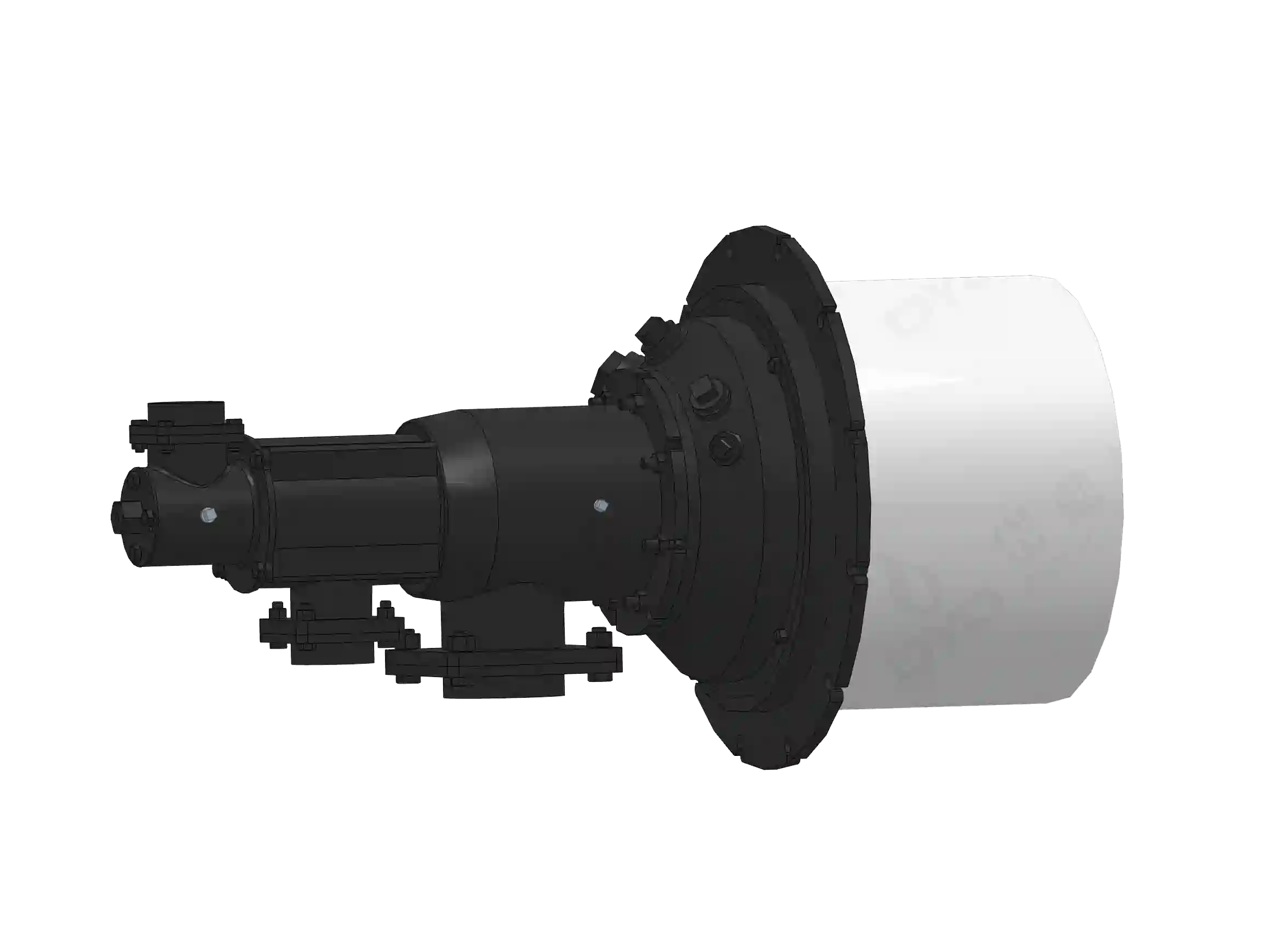
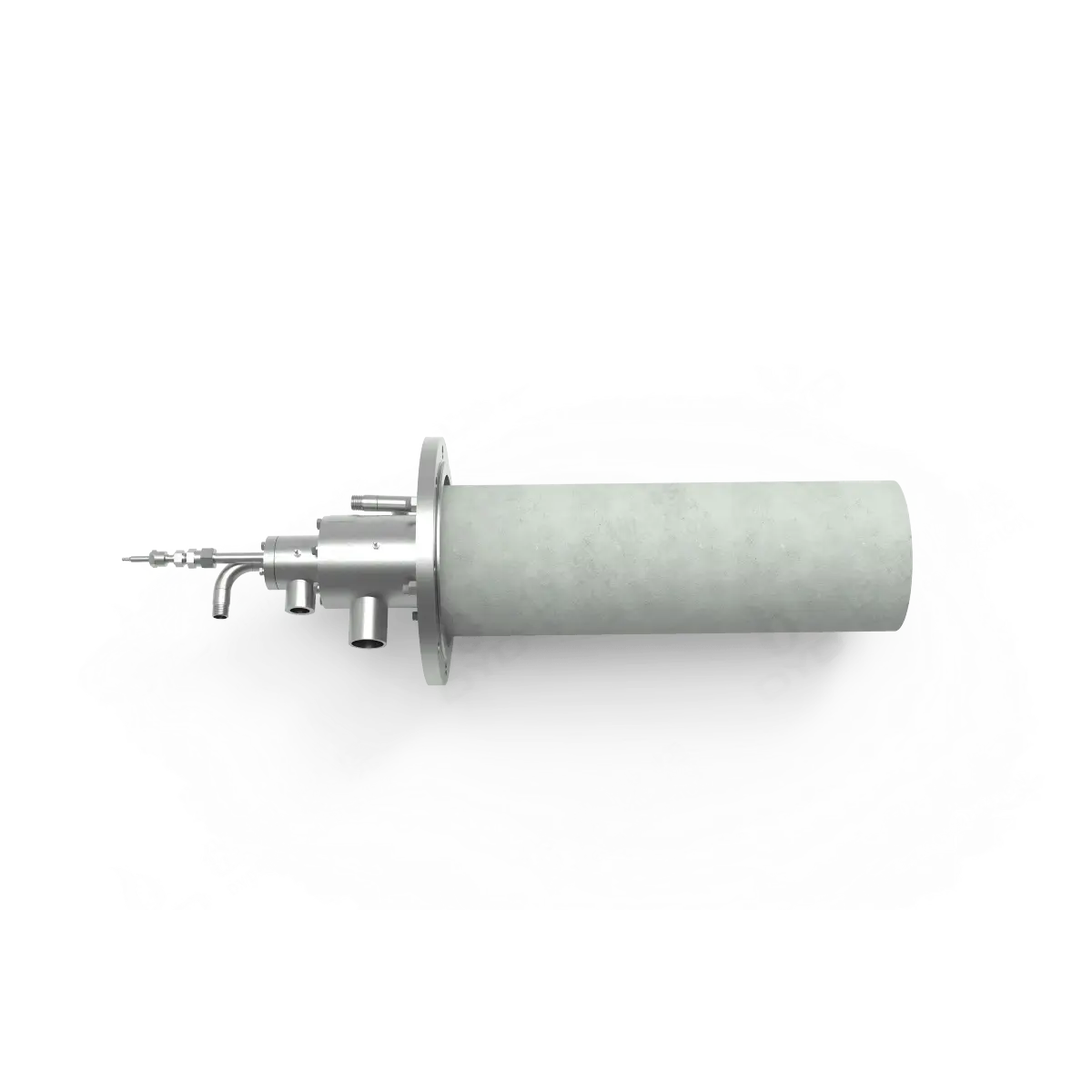
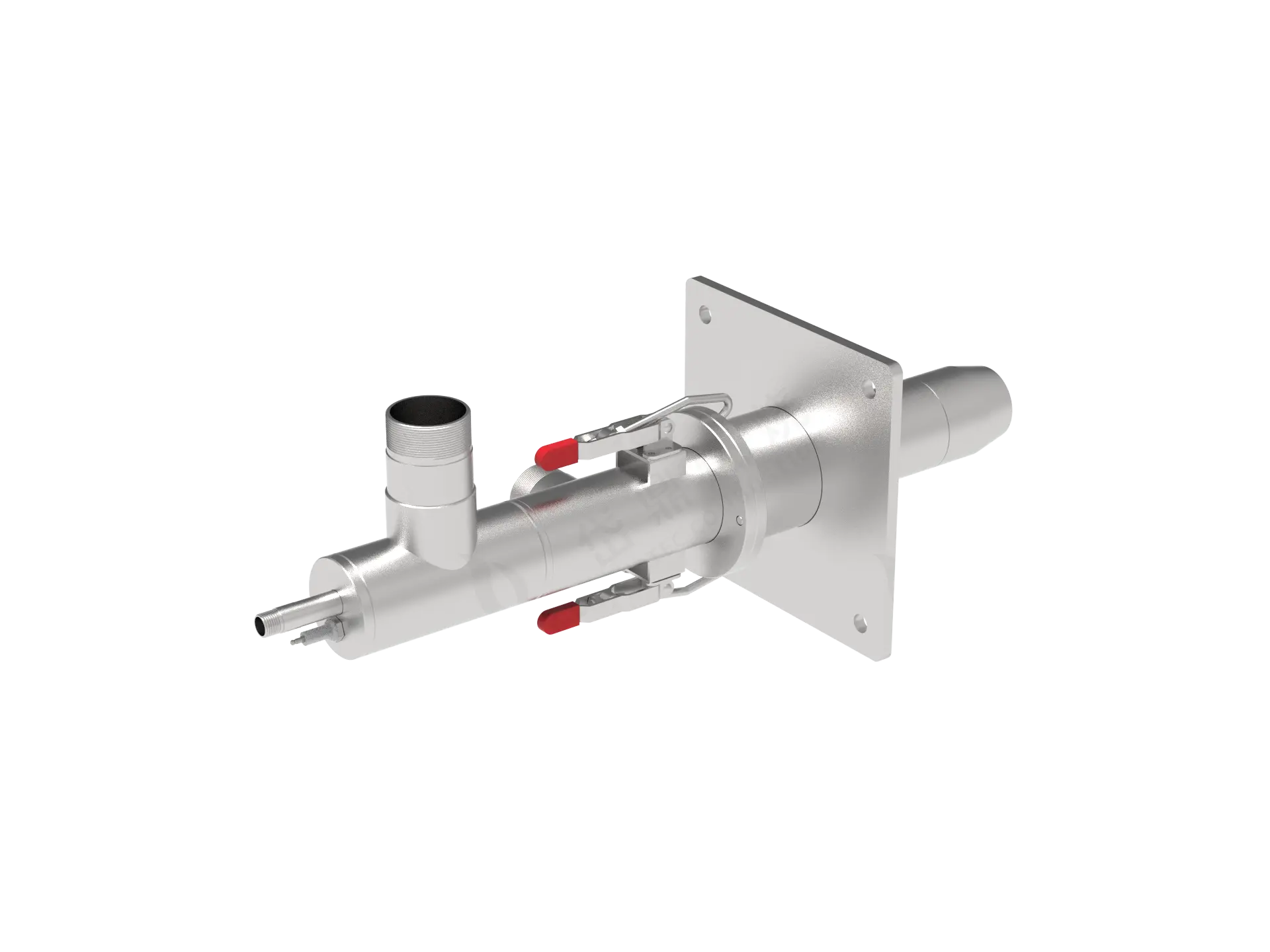
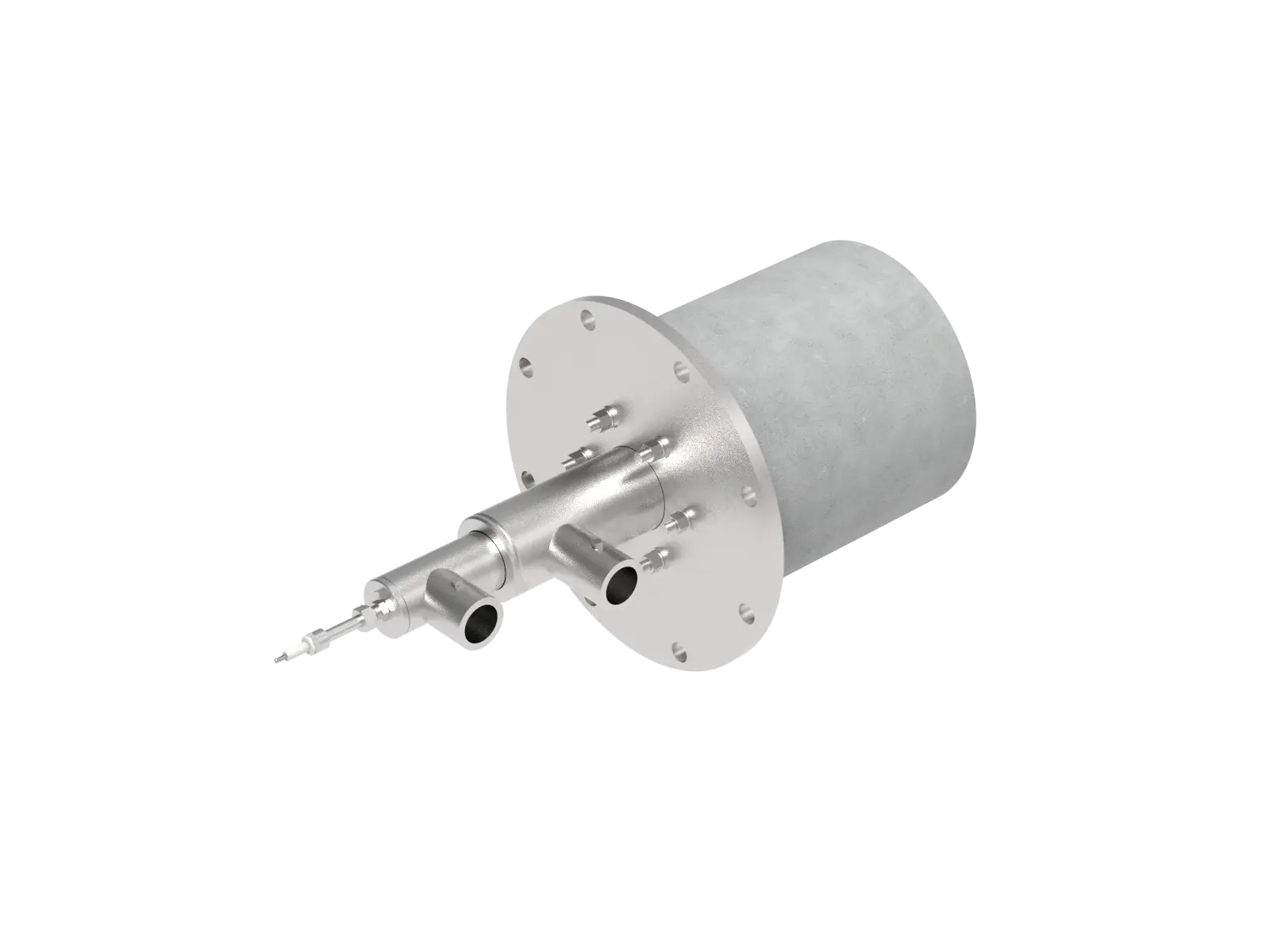
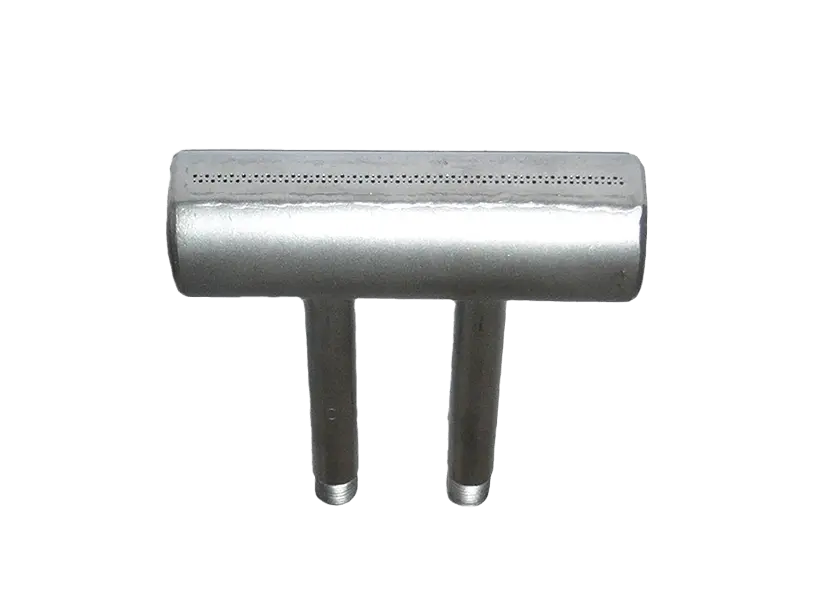
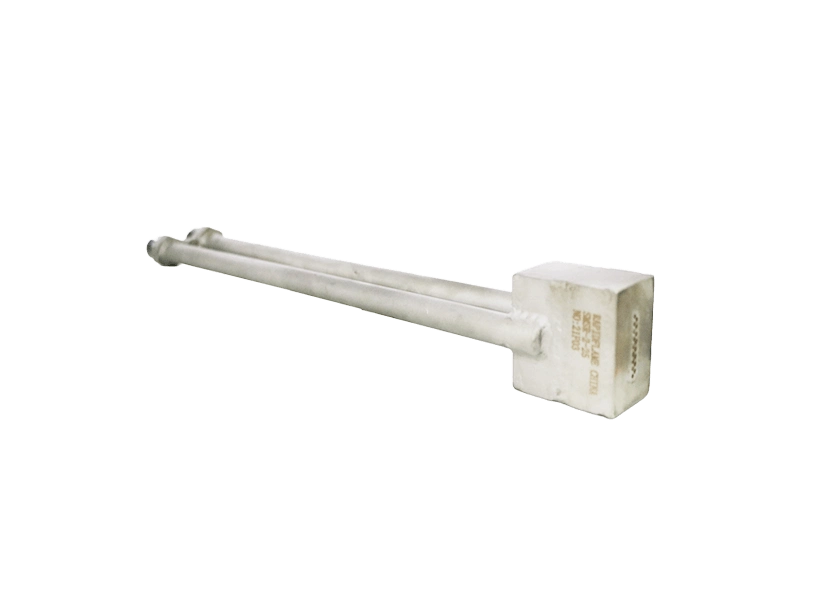
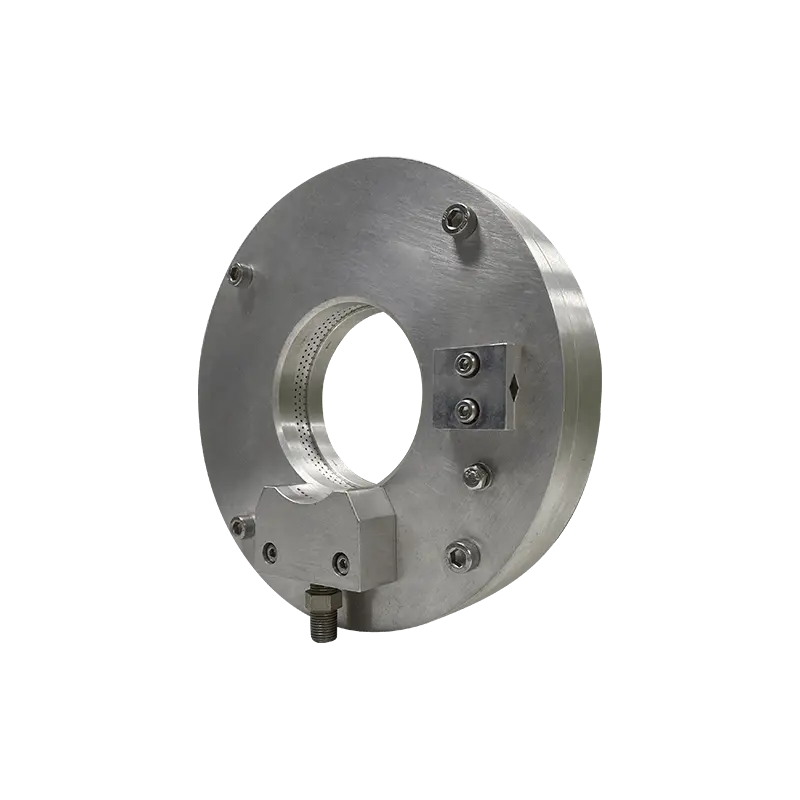
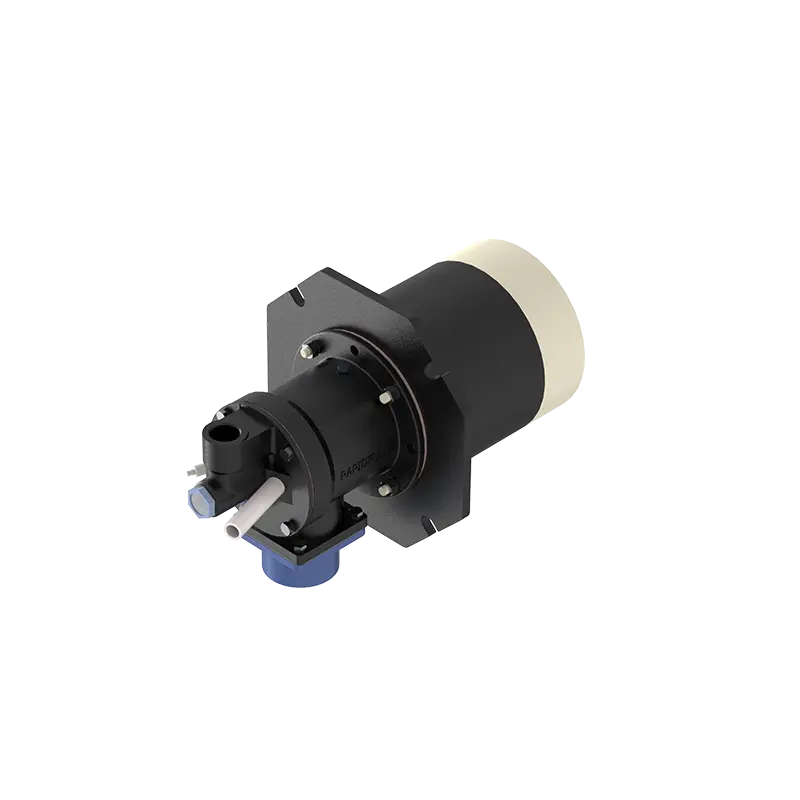
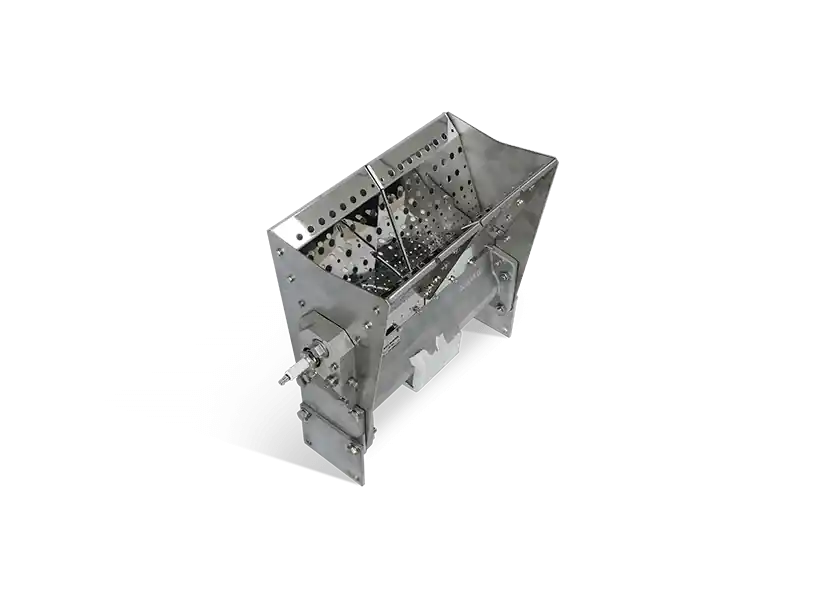
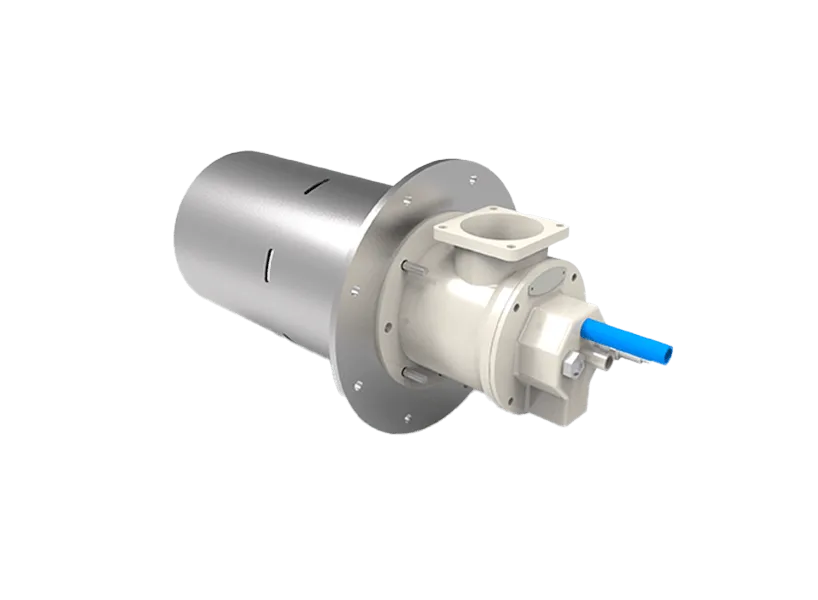
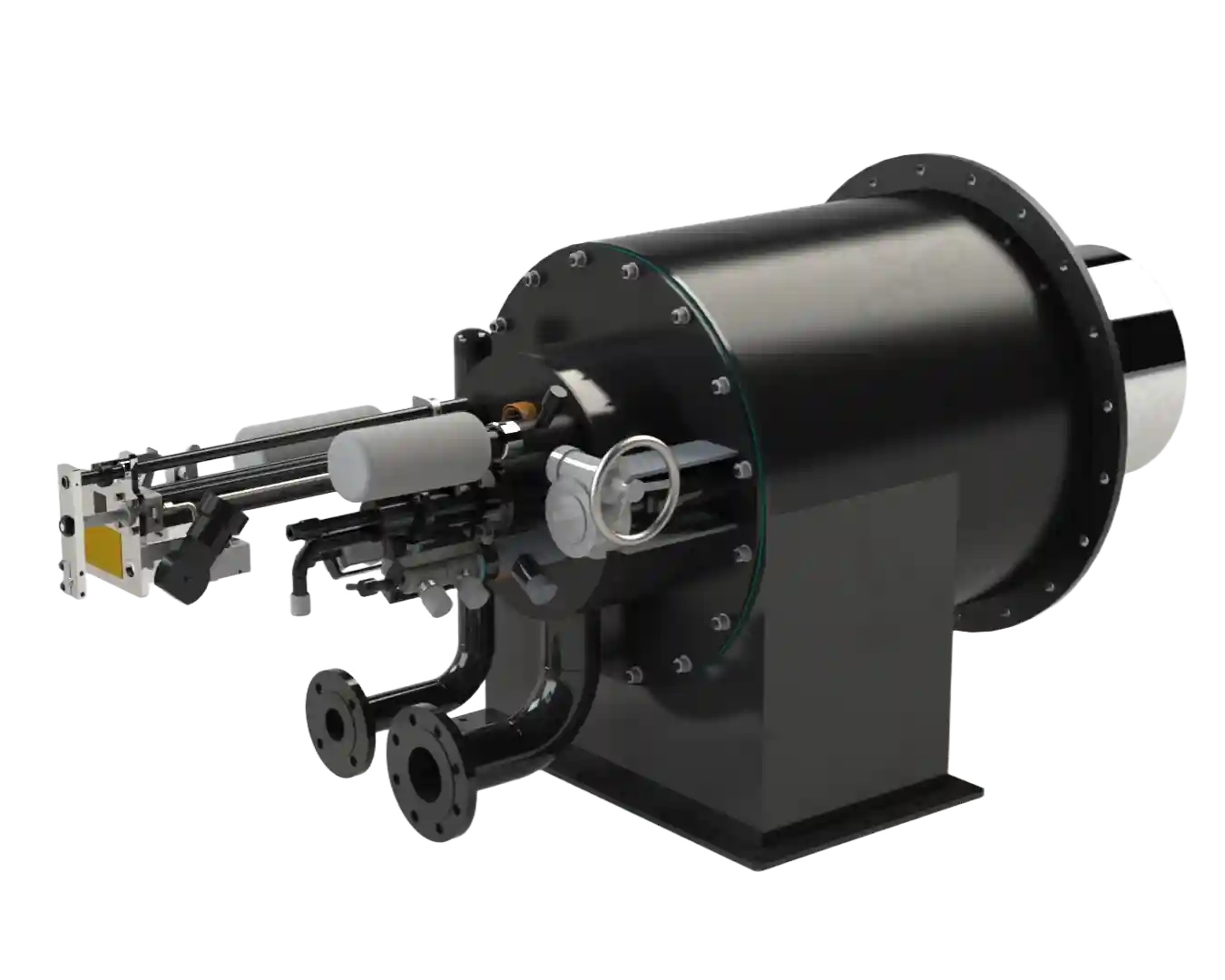
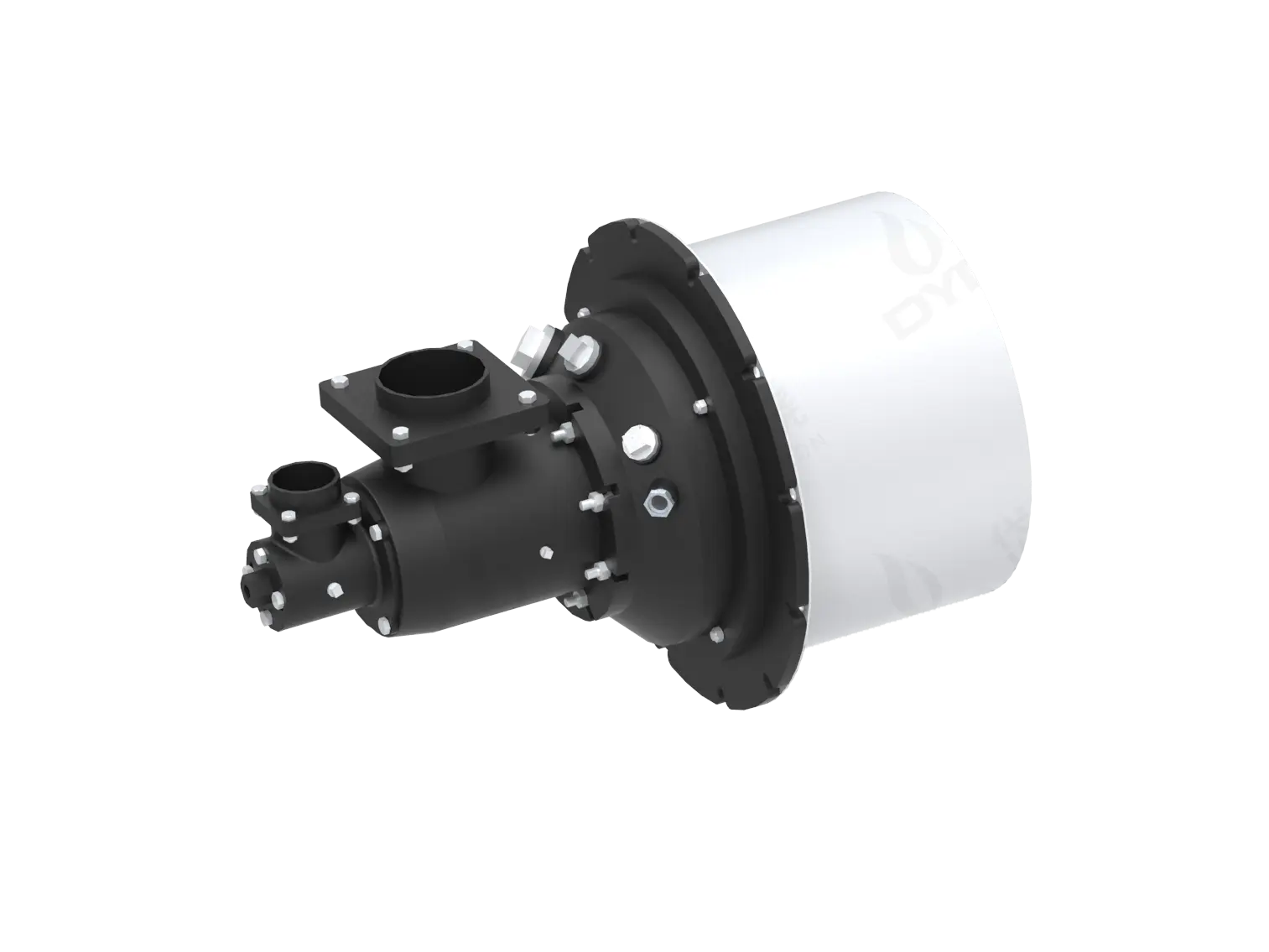
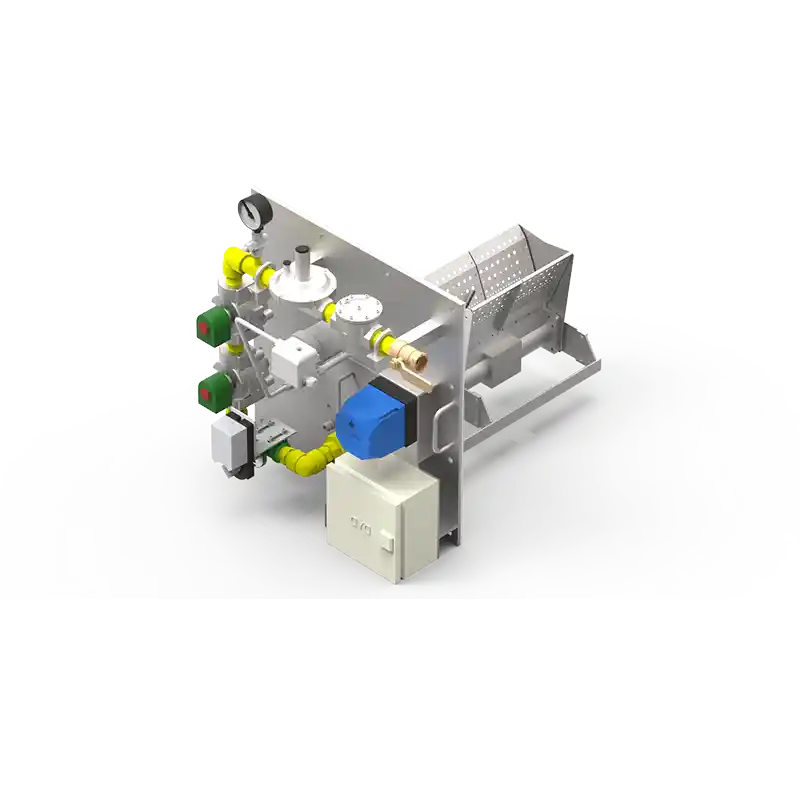
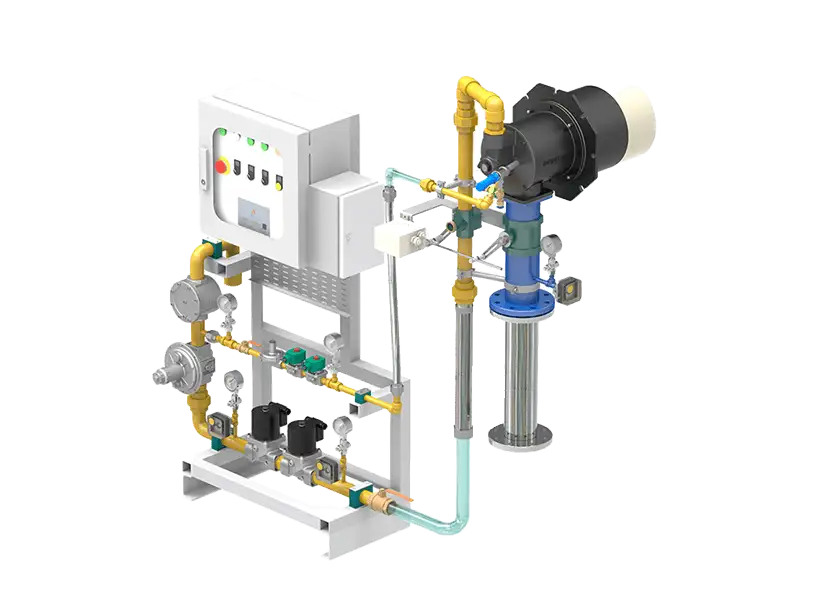
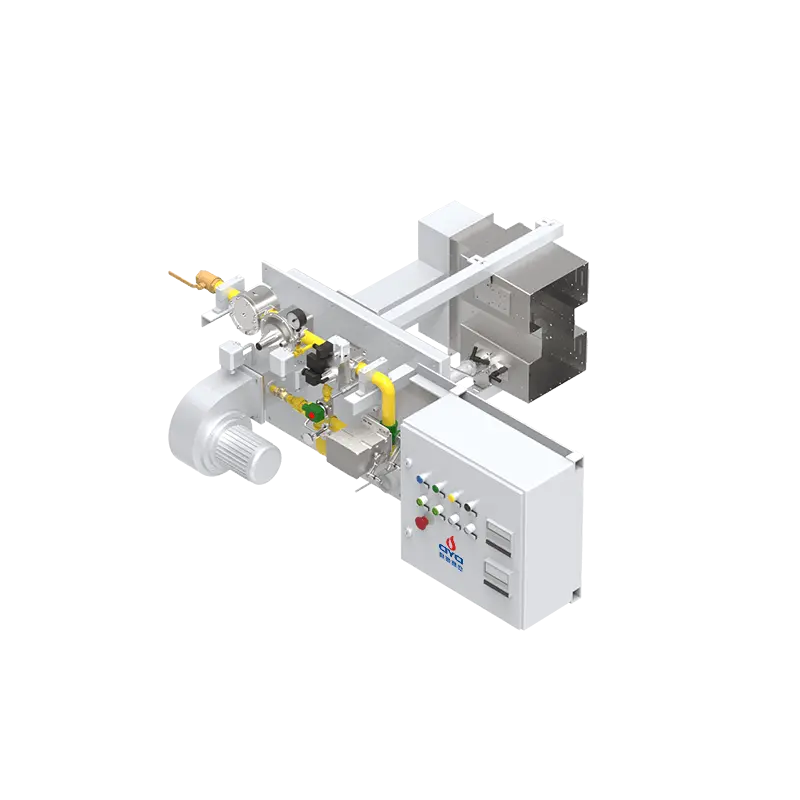
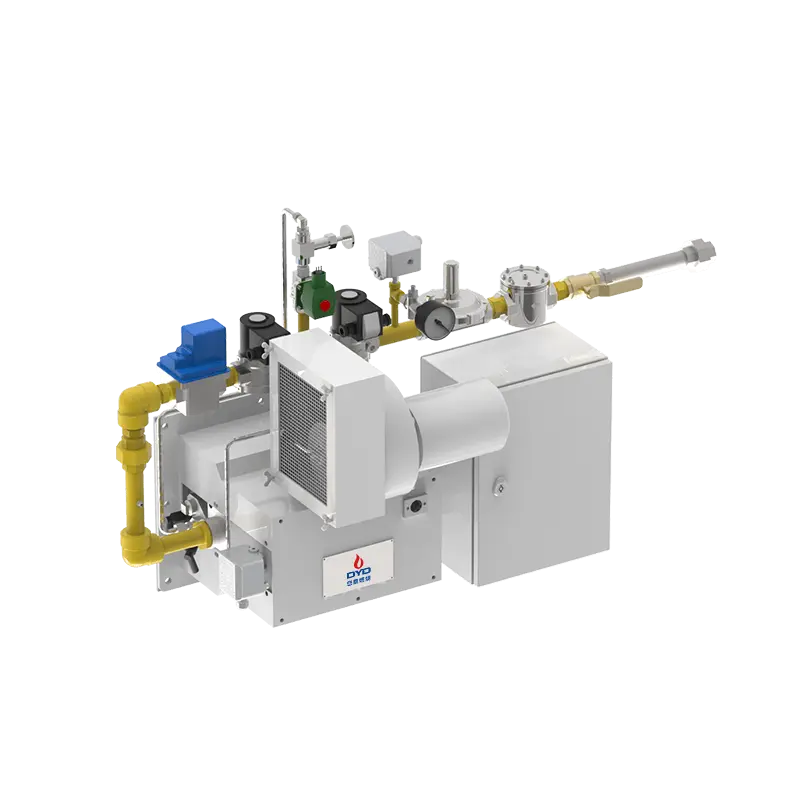
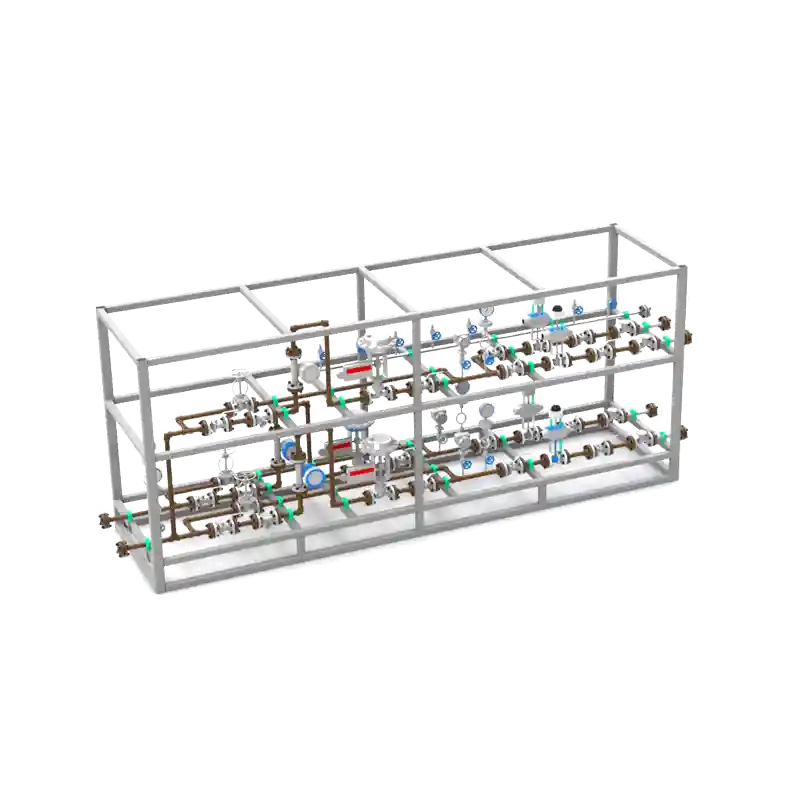
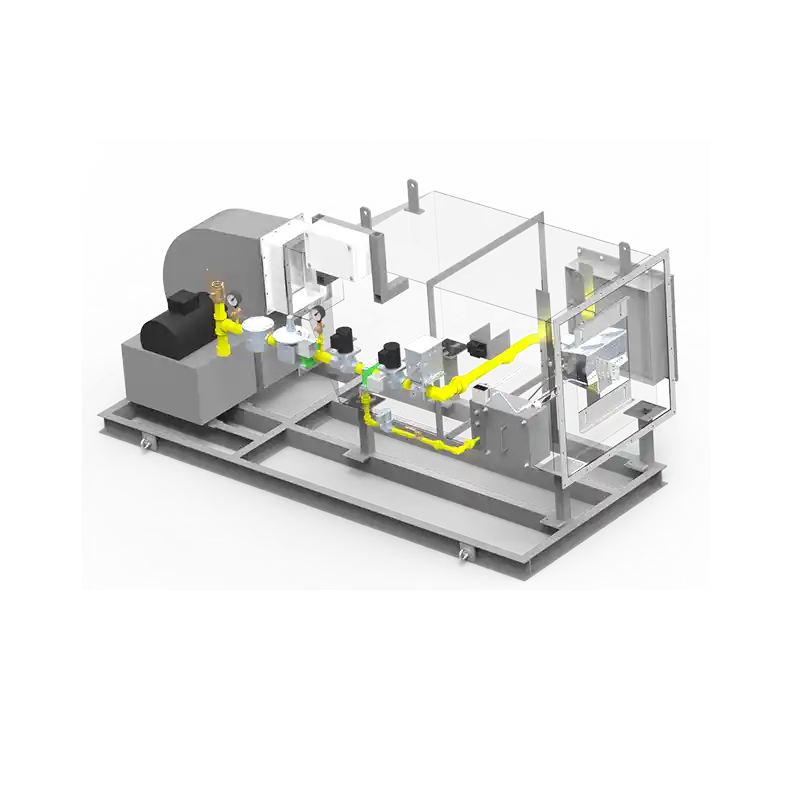
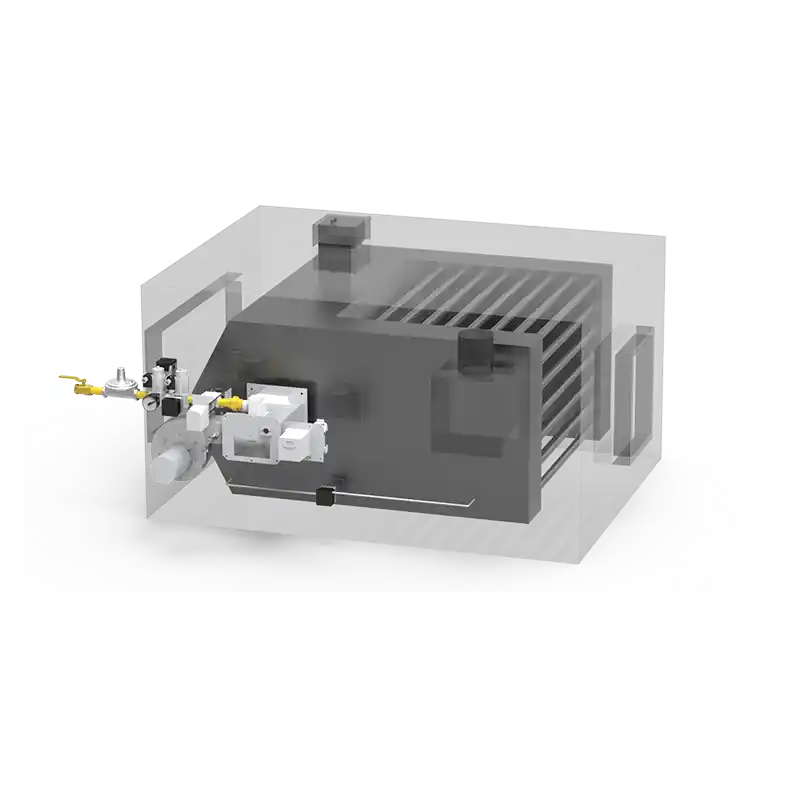
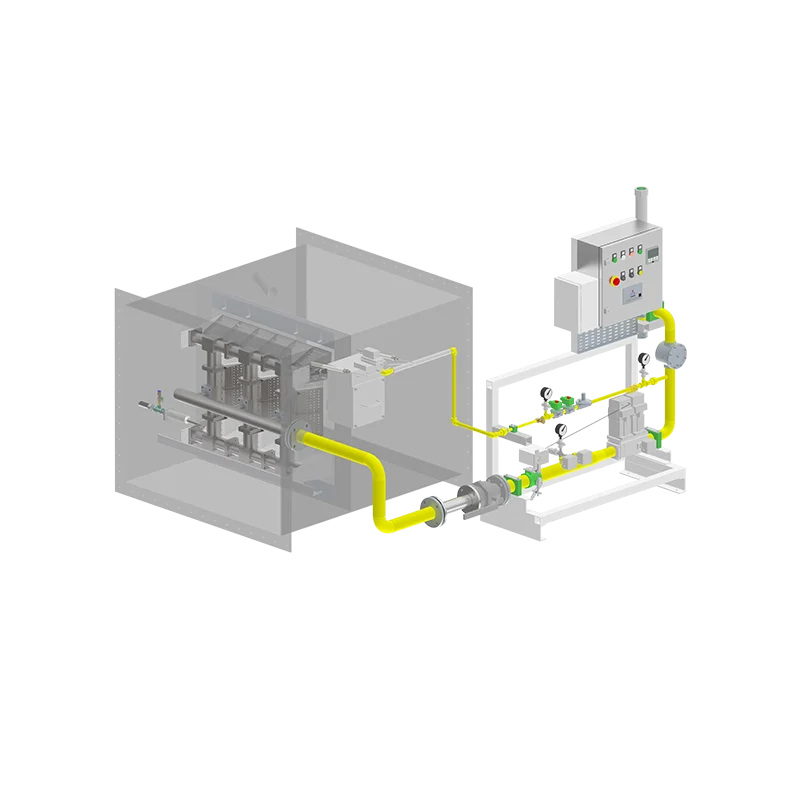
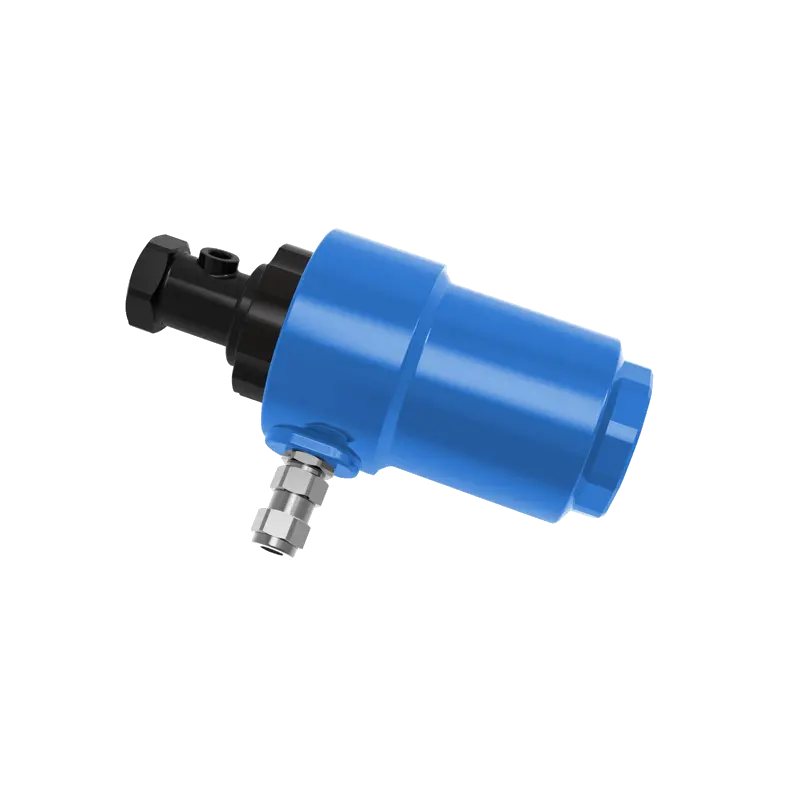
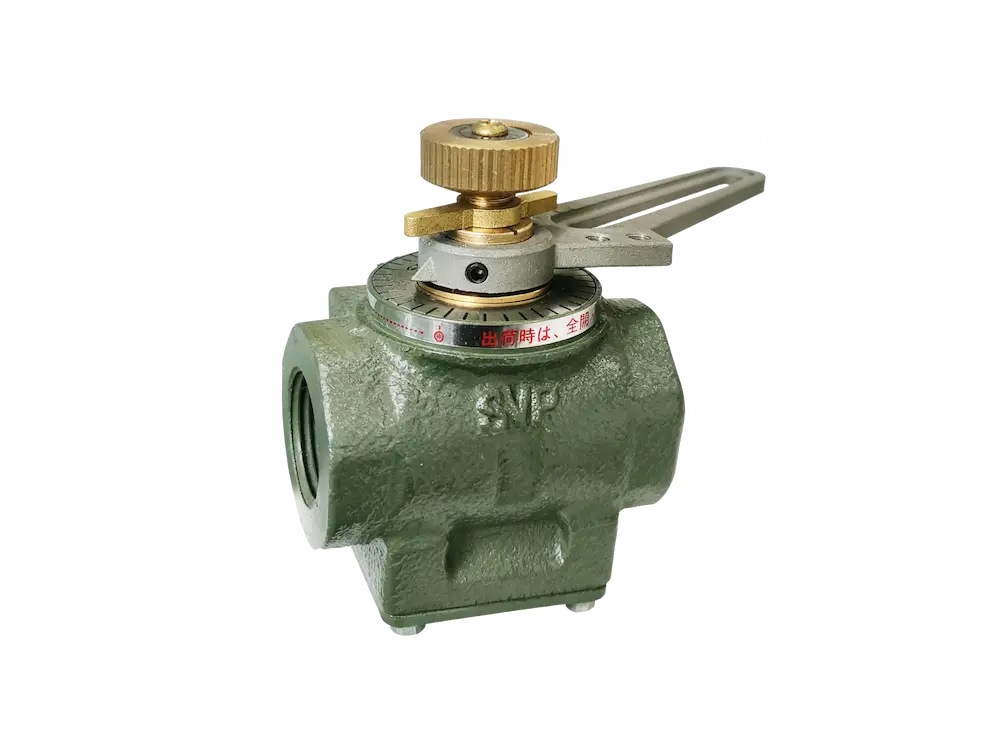
The following are some product series from DYDTEC that can be used for immersion cord fabric drying and related industrial heating systems:
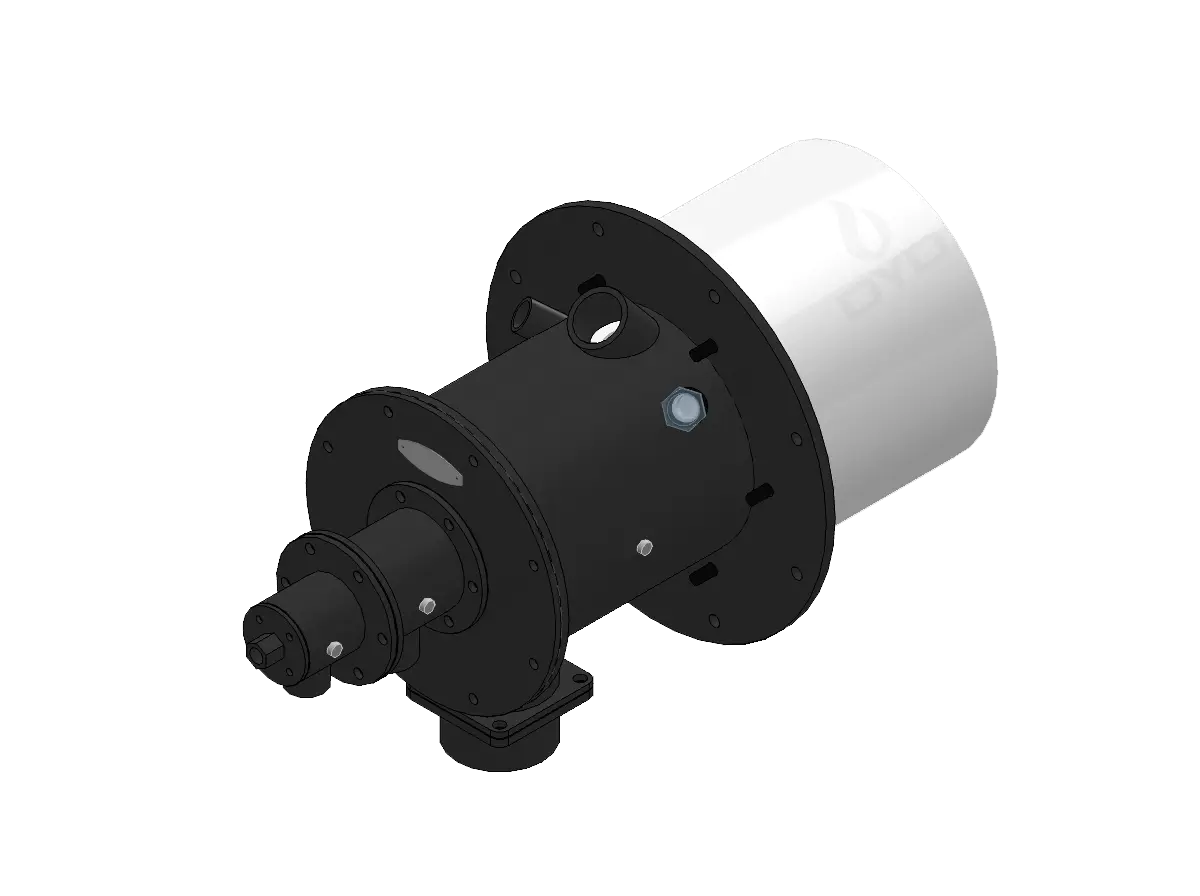
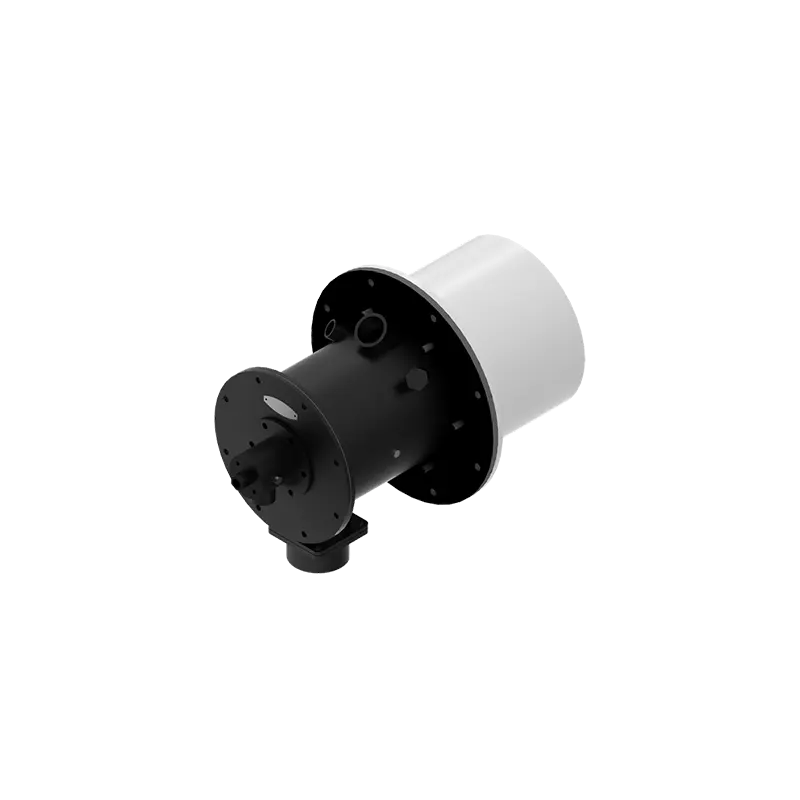
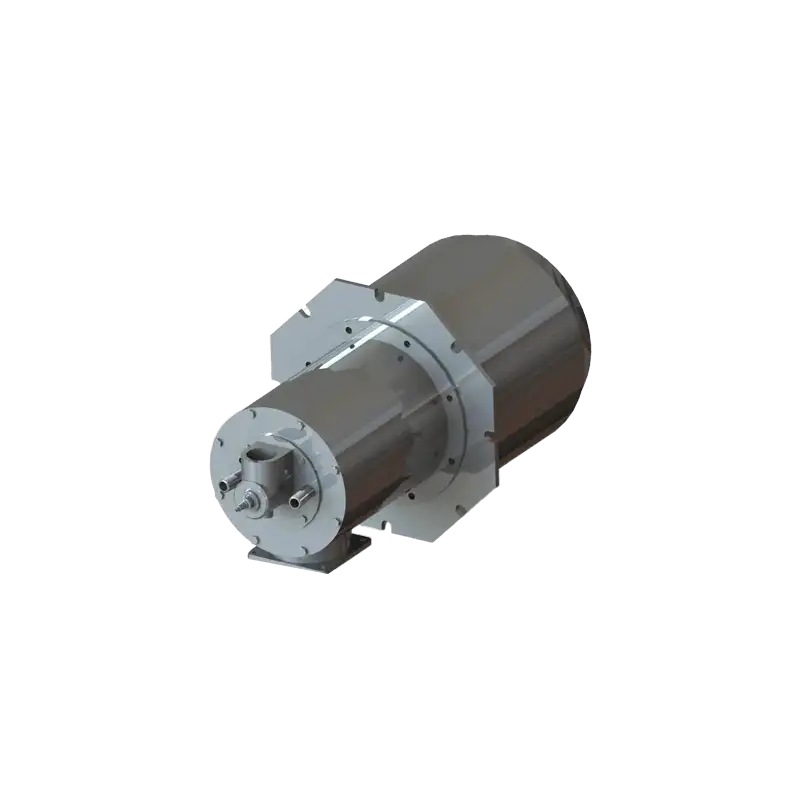
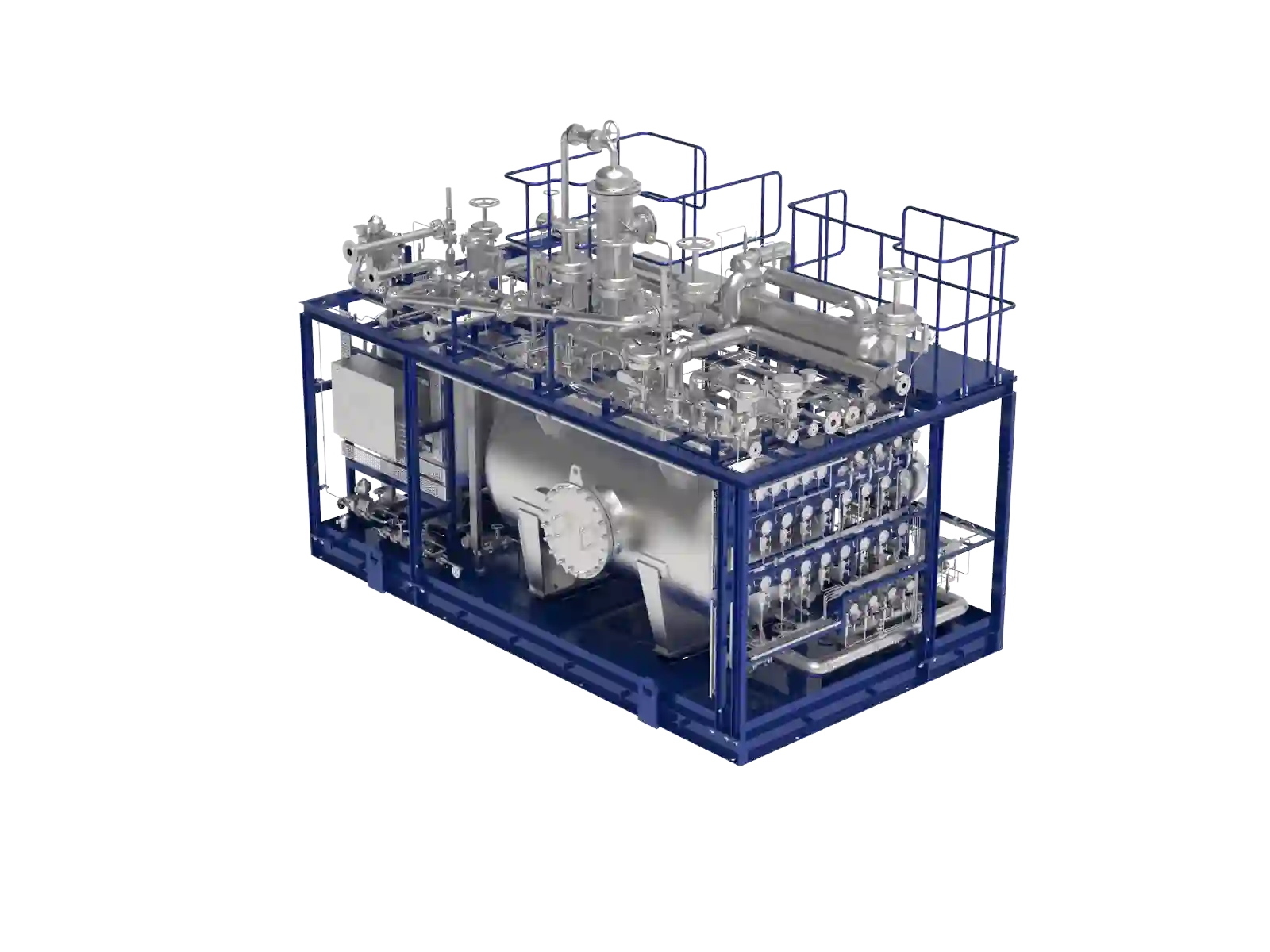
Indirect hot air furnace: customised hot air systems for cord fabric drying and high-quality material processing
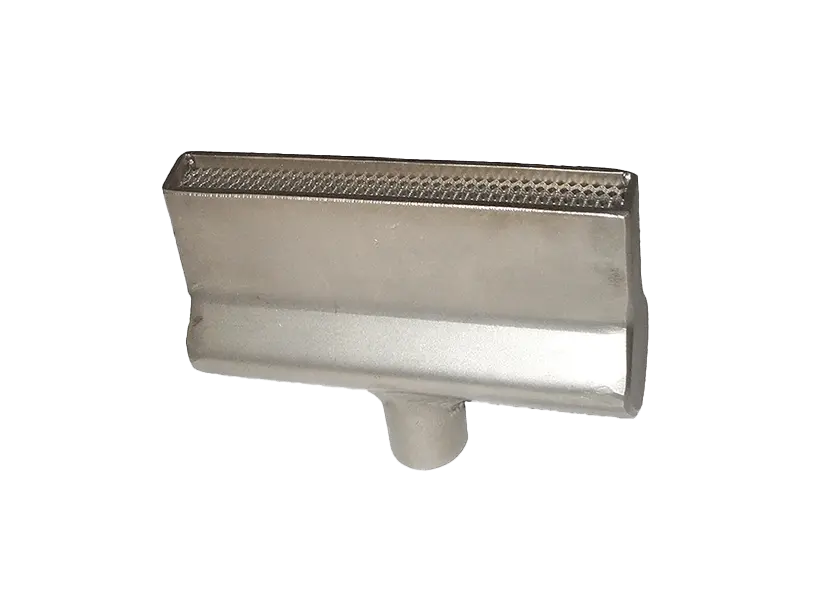
Industrial gas burner: combustion equipment for hot air furnaces and various industrial heating applications
Low-NOx burner: for hot air furnaces and industrial heating systems with emission requirements
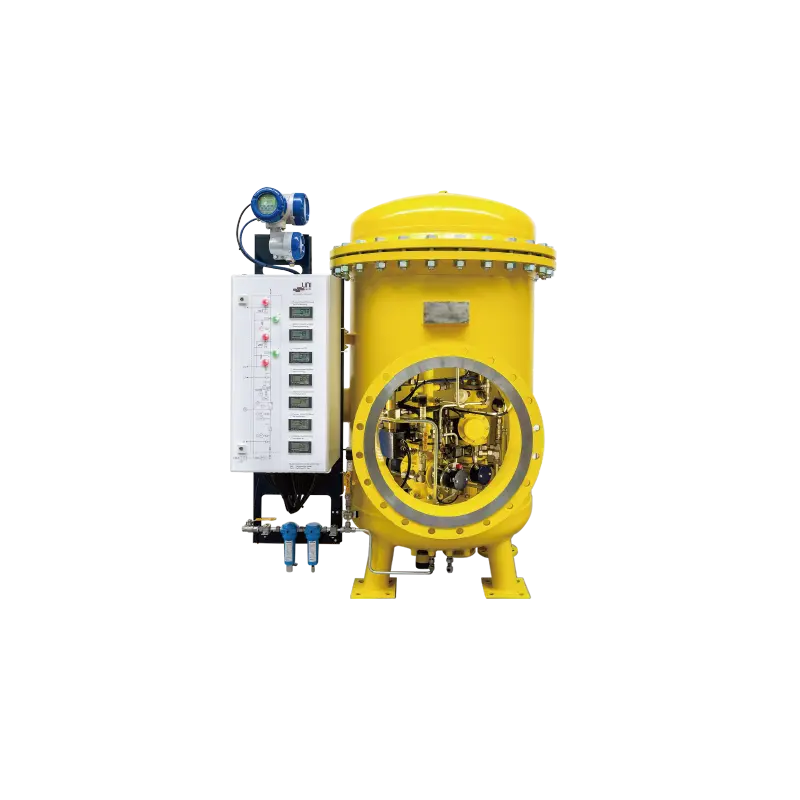
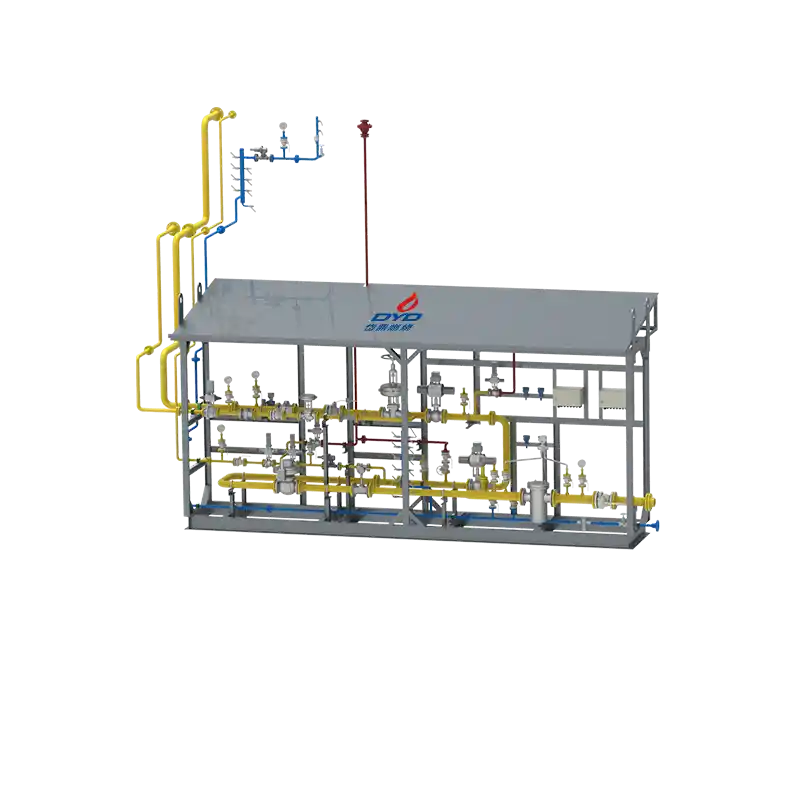
Combustion system integration: for non-standard equipment integration and complete thermal energy system solutions