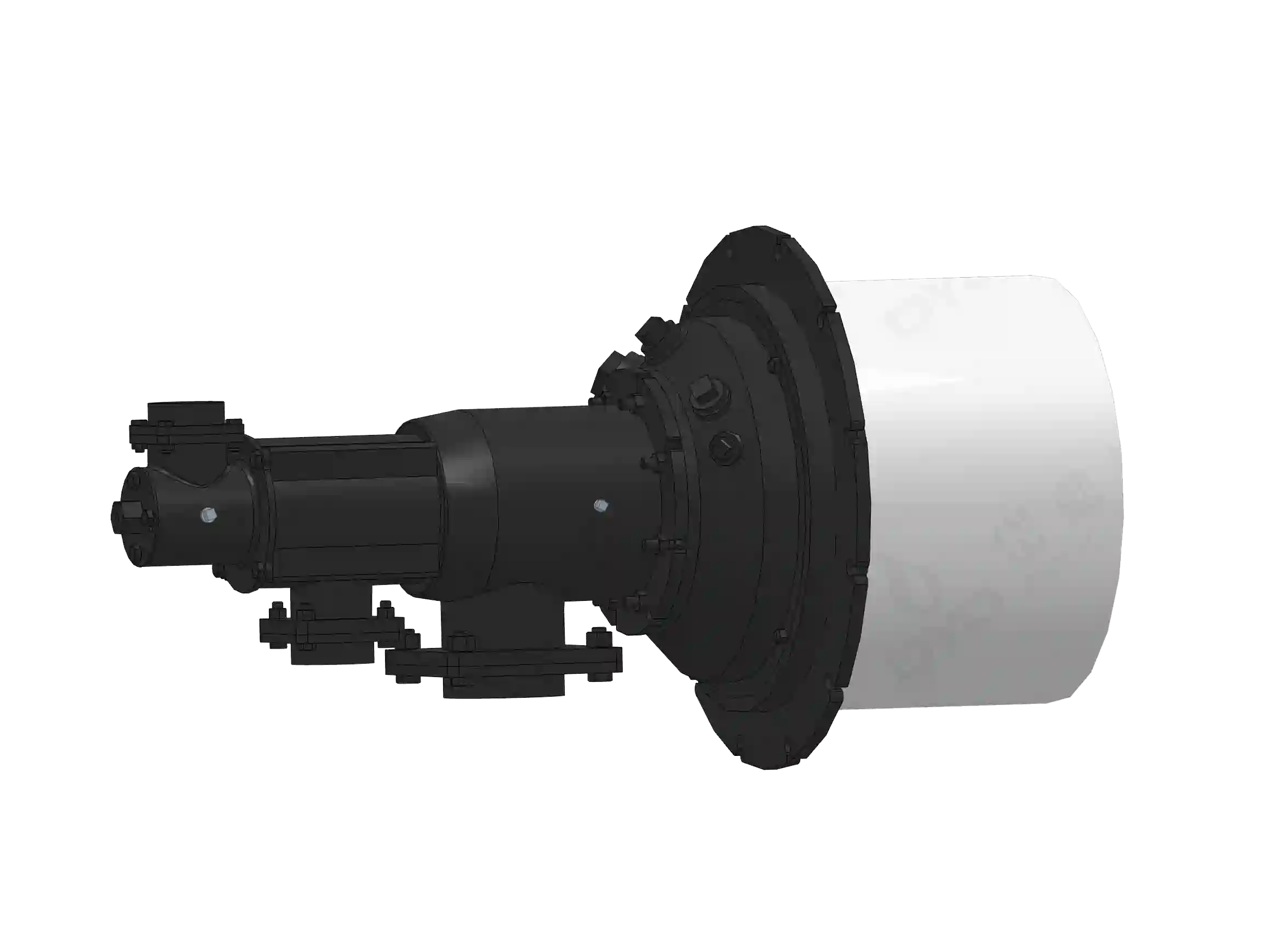
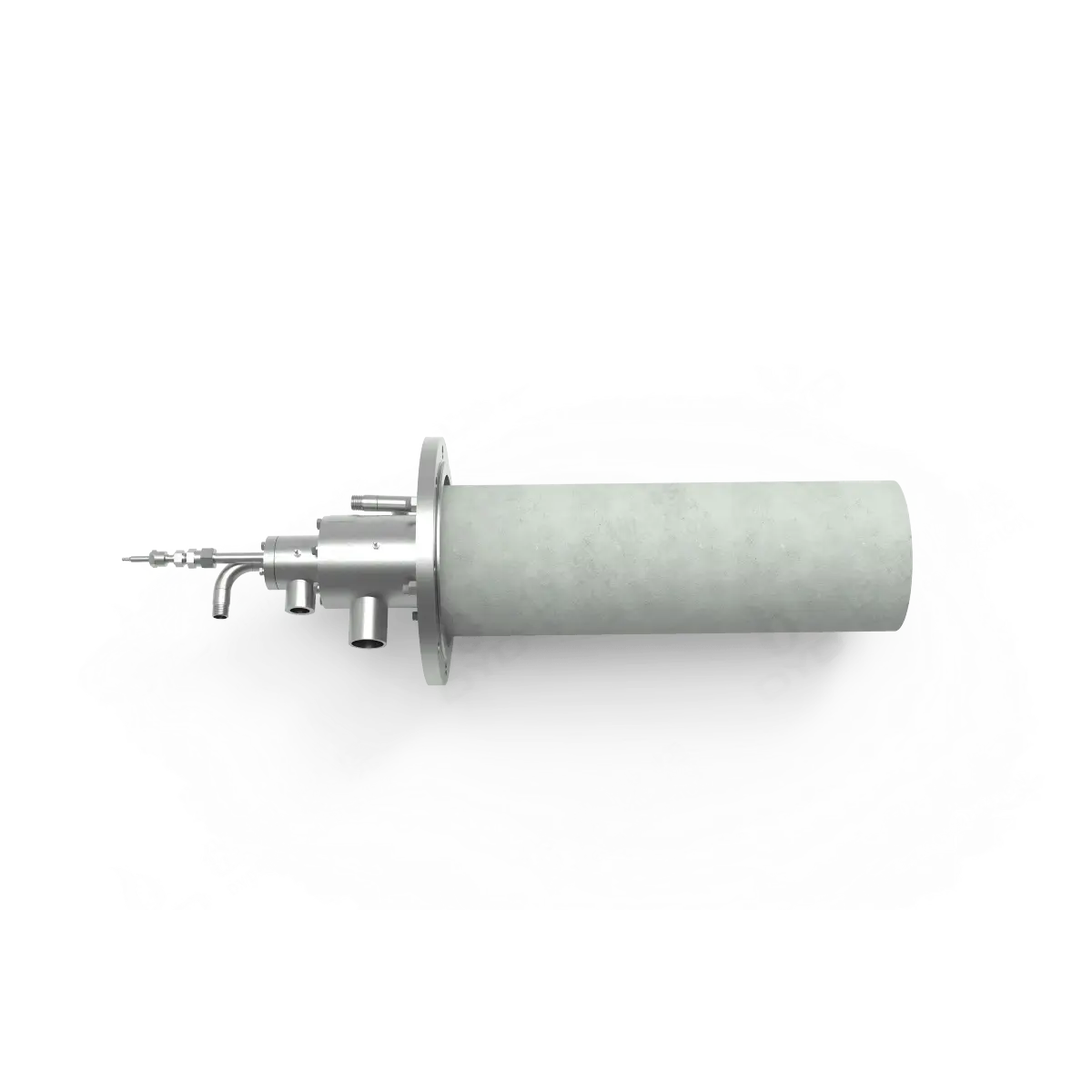
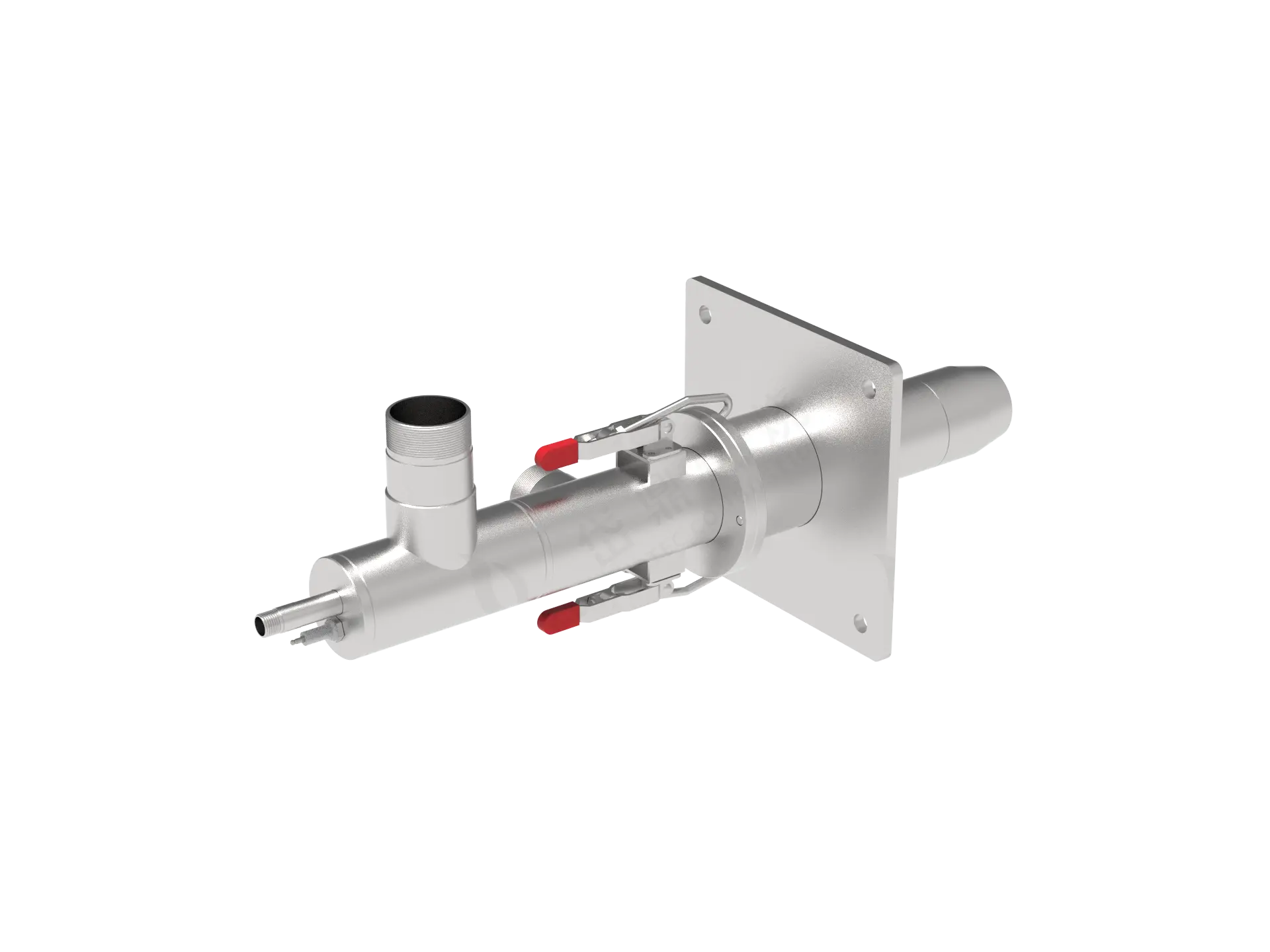
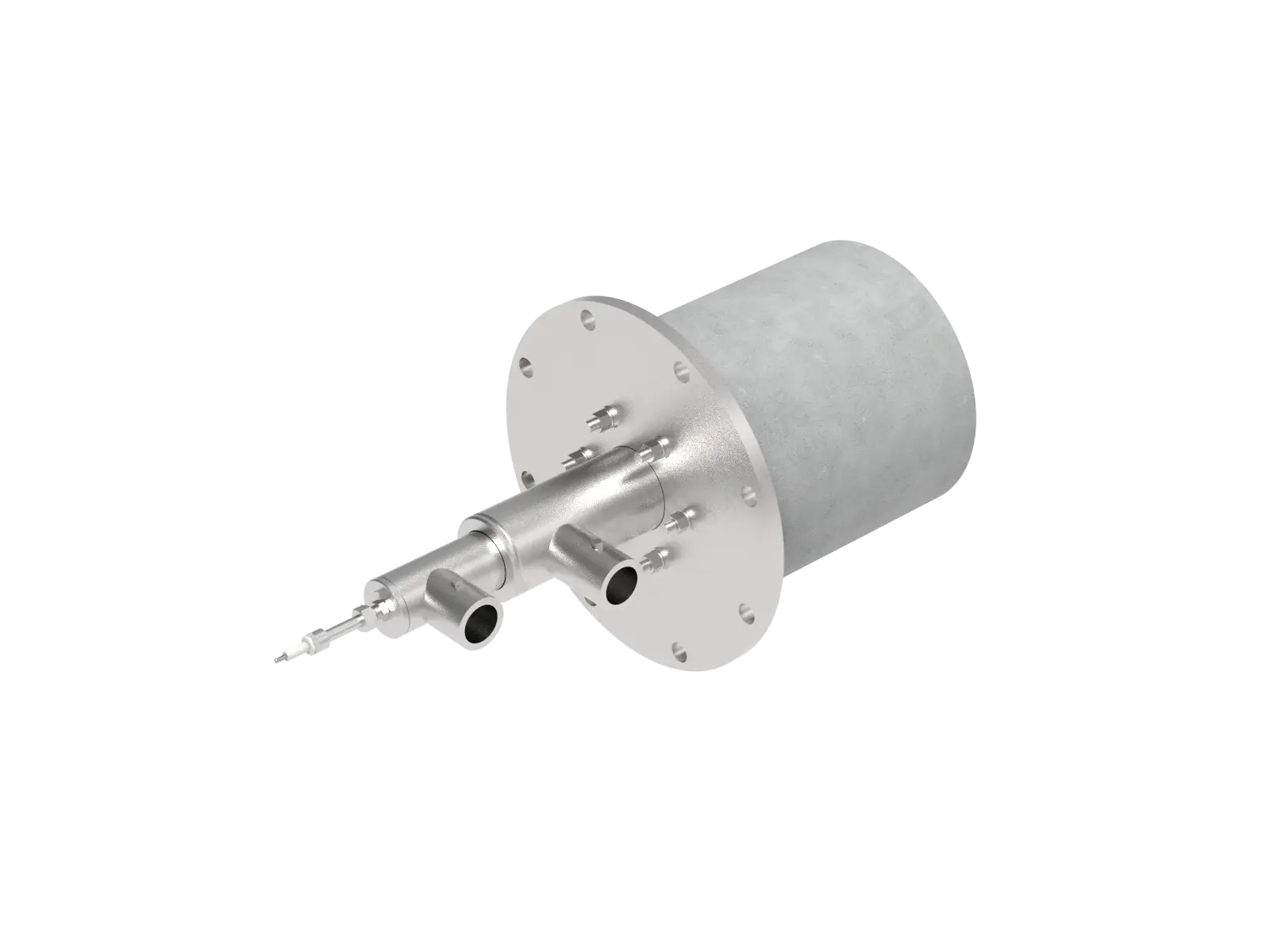
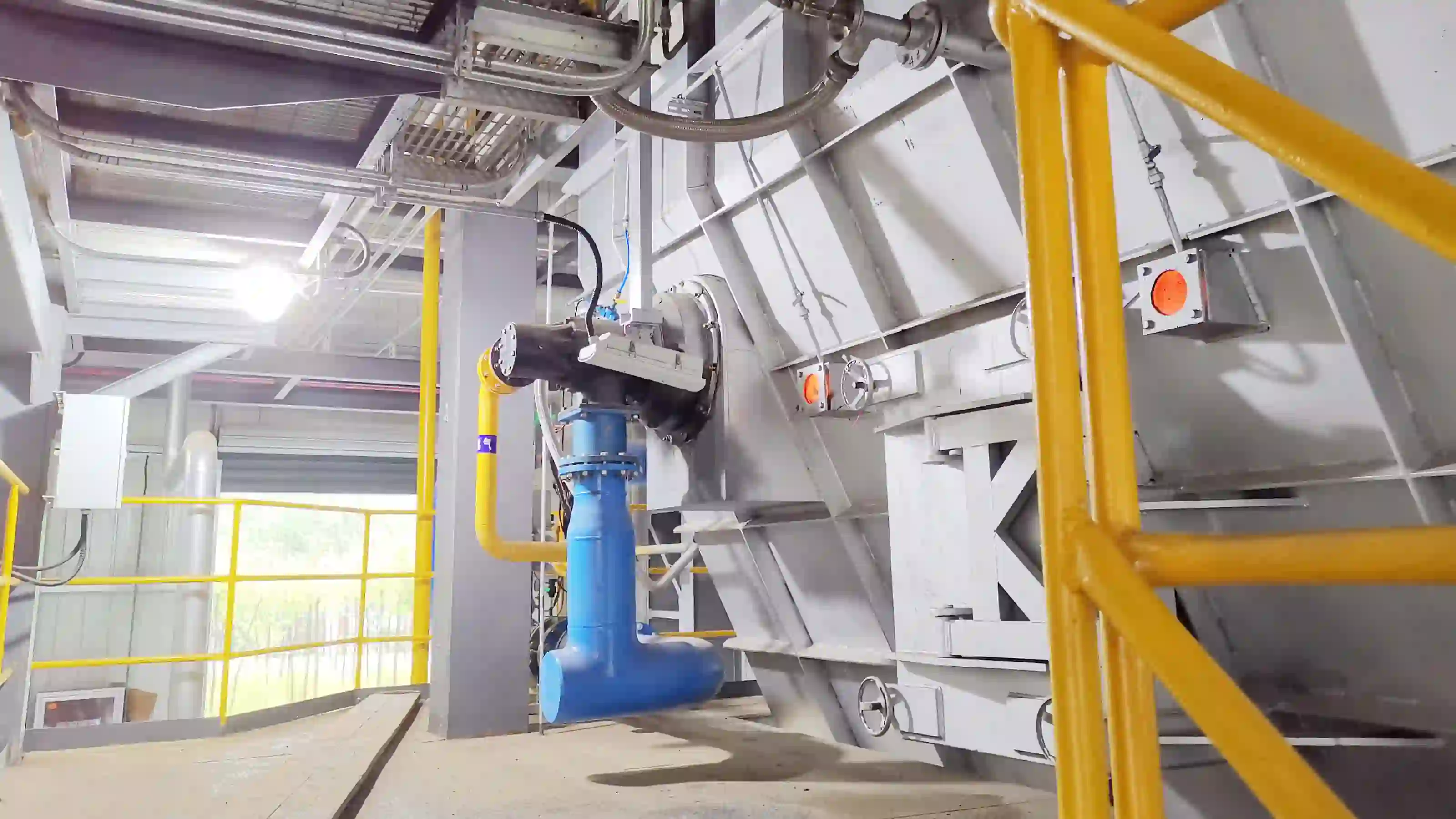
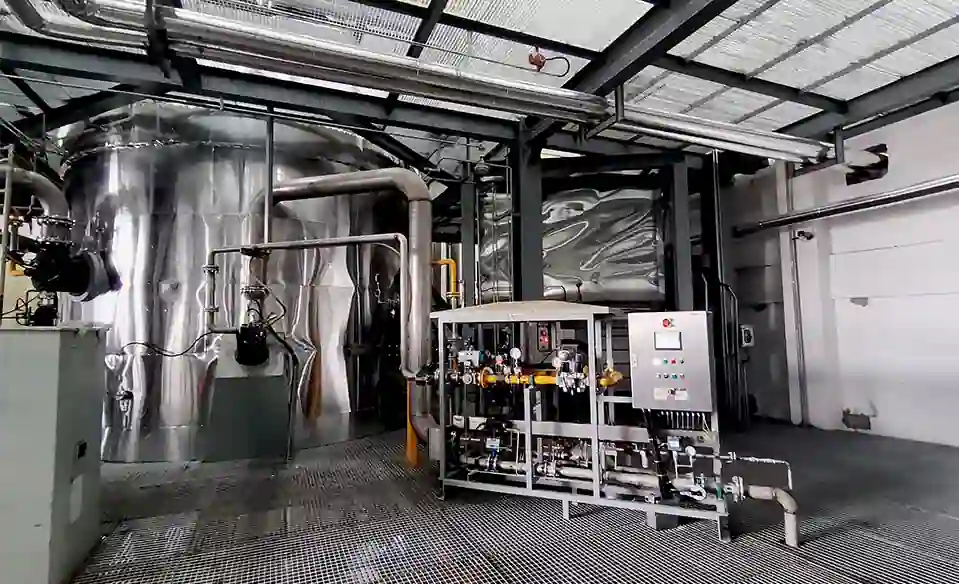
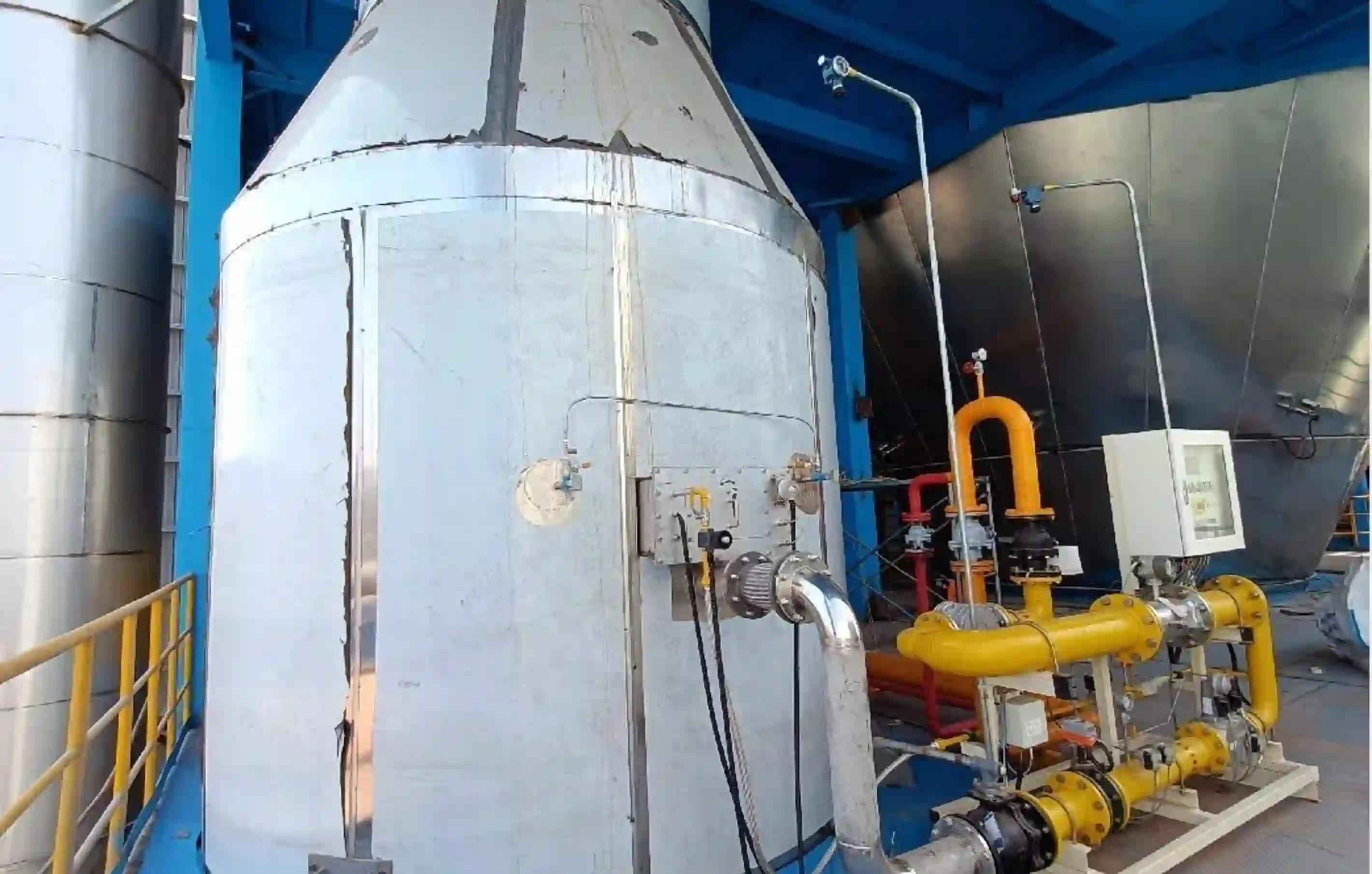
SOFC (Solid Oxide Fuel Cell) is a high‑temperature electrochemical energy conversion technology, typically operating in the range of 600–1000°C, which imposes extremely high demands on system start‑up, temperature maintenance, and thermal management. Unlike conventional low‑temperature fuel cells, SOFC relies on the ionic conduction properties of solid oxide electrolytes at high temperatures to achieve energy conversion. Its operating temperature is far higher than that of other fuel cell types, and this brings unique thermal management challenges. As an auxiliary heat source device, the SOFC heating burner is a critical component for ensuring rapid temperature rise and stable operation of the fuel cell system, playing an irreplaceable role in system start‑up and thermal balance maintenance.
Unlike ordinary industrial burners, SOFC heating burners must meet multiple stringent requirements: stable high‑temperature operation (long‑term work in environments above 600°C), precise heat control (providing accurate heat input to the stack, reformer, and air preheater), compact integration (fitting the space‑constrained layout of SOFC systems), low pollutant emissions (meeting the environmental requirements of new‑energy systems), wide load regulation (adapting to heat‑demand changes under different operating conditions), and long‑term continuous operation (matching the high‑reliability requirements of SOFC systems).
When selecting an SOFC heating burner manufacturer, key factors to evaluate include high‑temperature combustion technology capability, compact burner design capability, thermal management system experience, multi‑fuel adaptability, and non‑standard customisation capability. The development of SOFC heating burners typically involves a complete R&D process from conceptual design to prototype validation. The manufacturer's technical expertise and engineering experience directly affect the project development cycle and the ultimate reliability of the system.
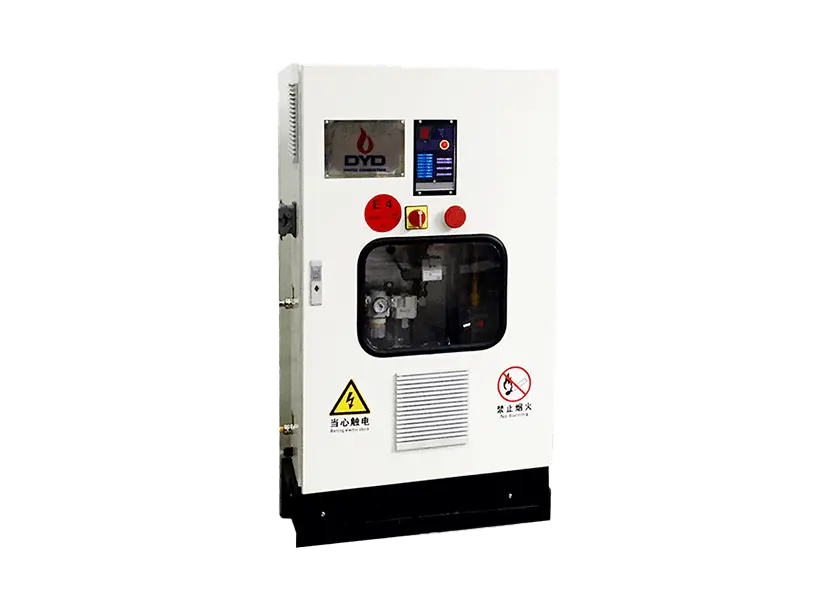
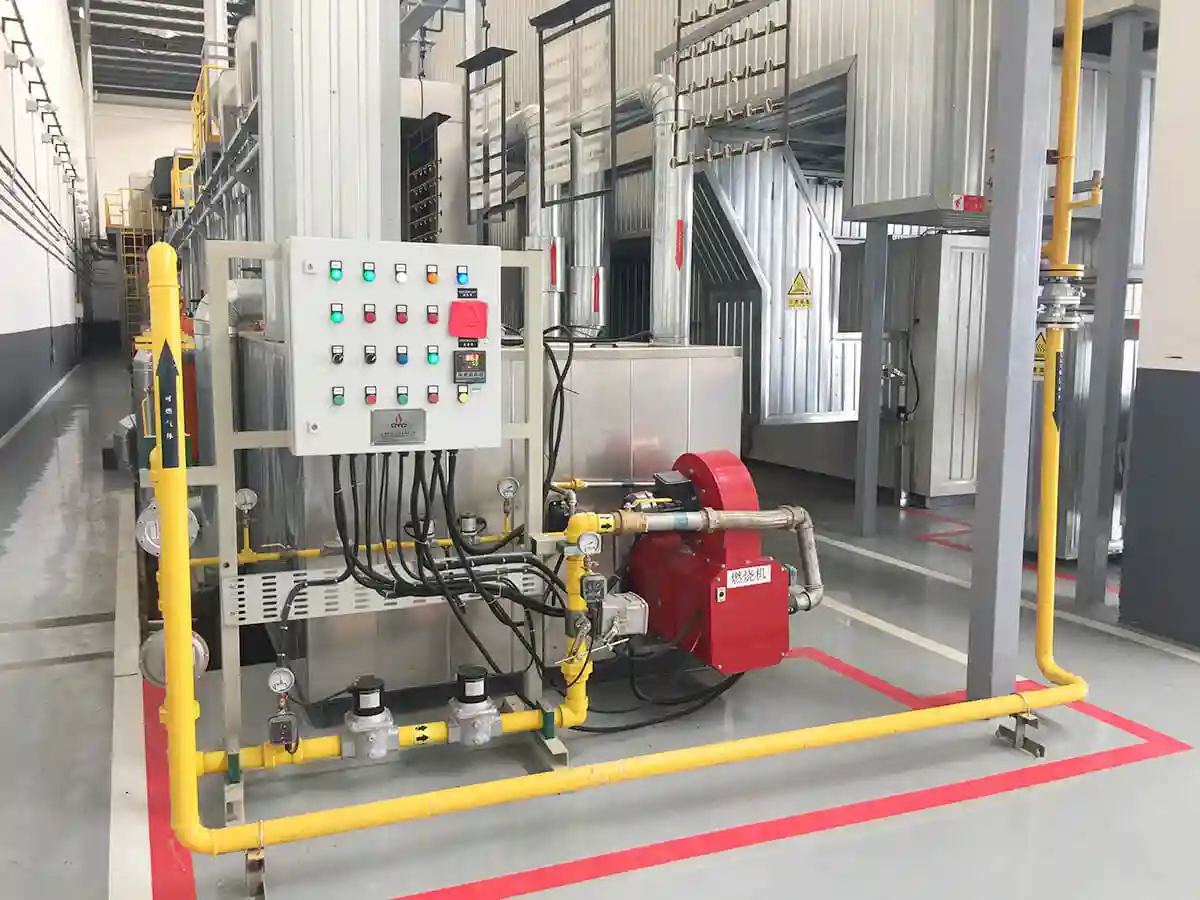
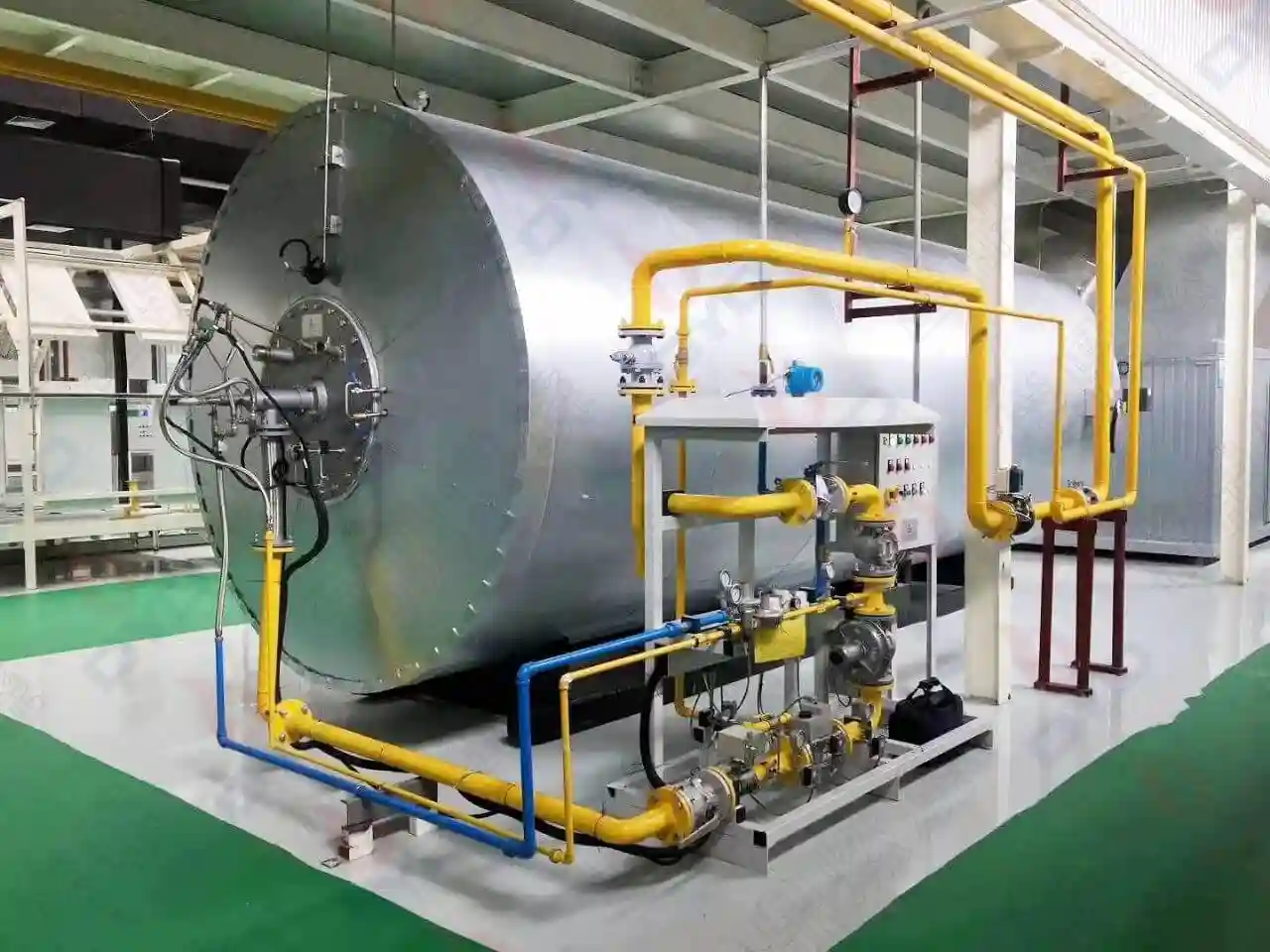
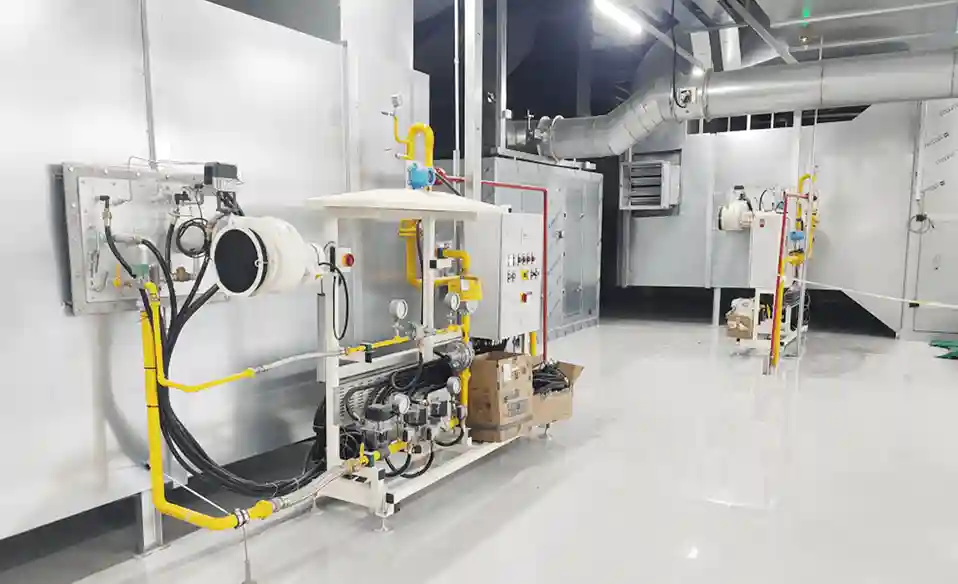
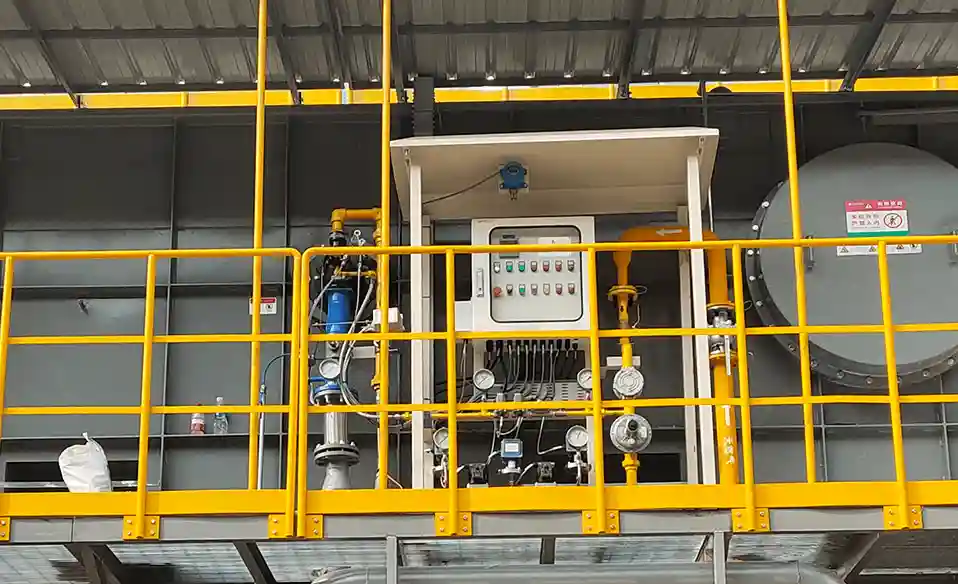
DYDTEC (Shanghai DYDTEC Equipment Technology Group Co., Ltd.) focuses on the R&D and manufacturing of industrial burners, low‑NOx burners, hot air furnaces, and combustion system integration. It possesses development capabilities for high‑temperature industrial heating and combustion solutions for the new‑energy sector, and can provide customised heating burner solutions according to SOFC system requirements.
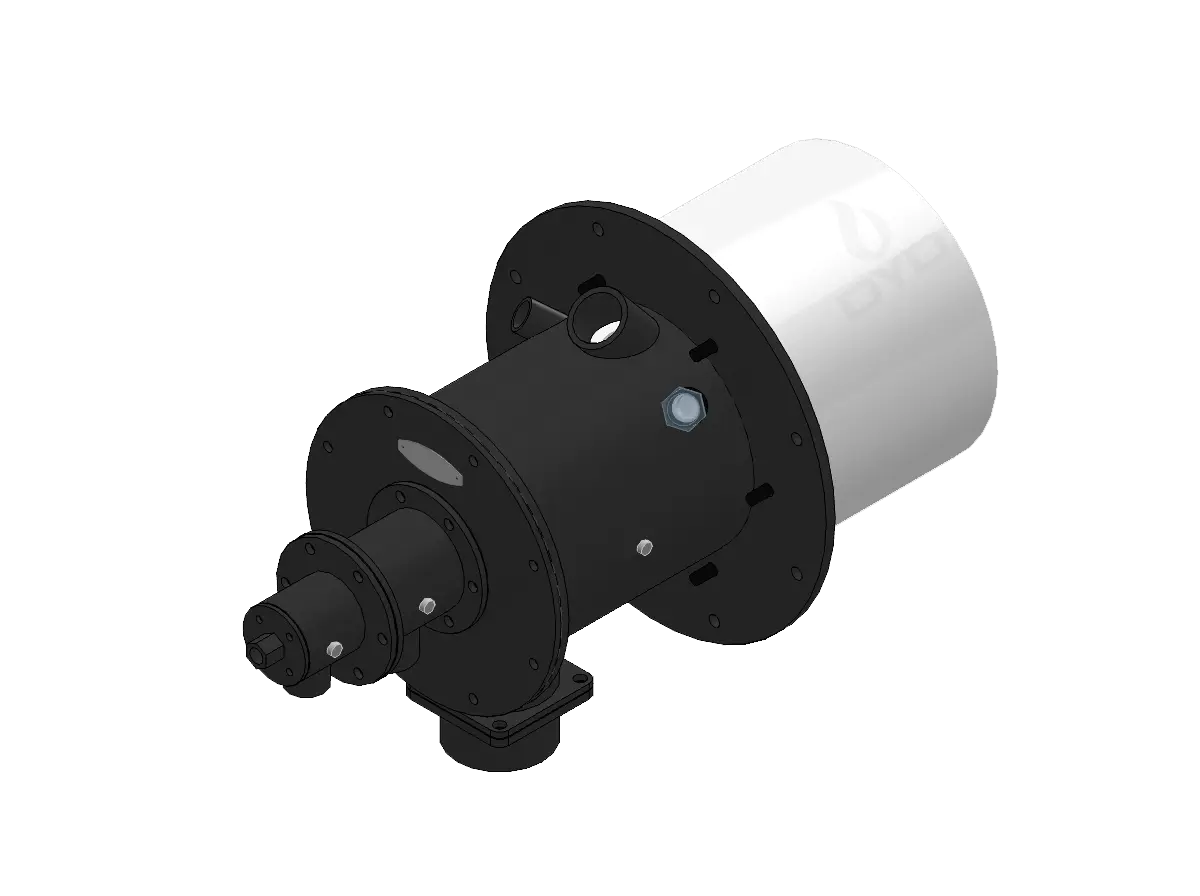
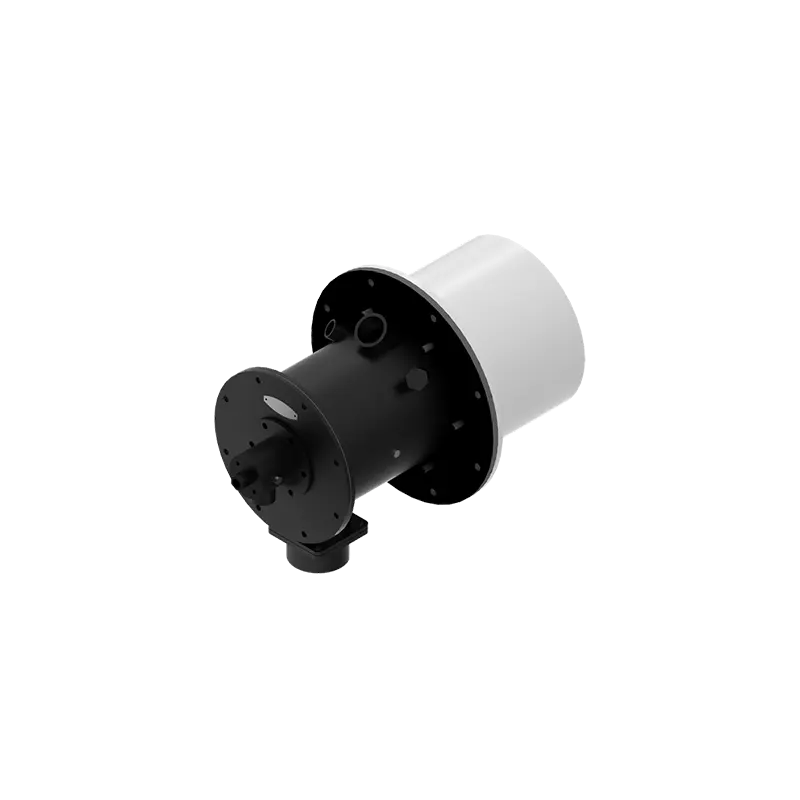
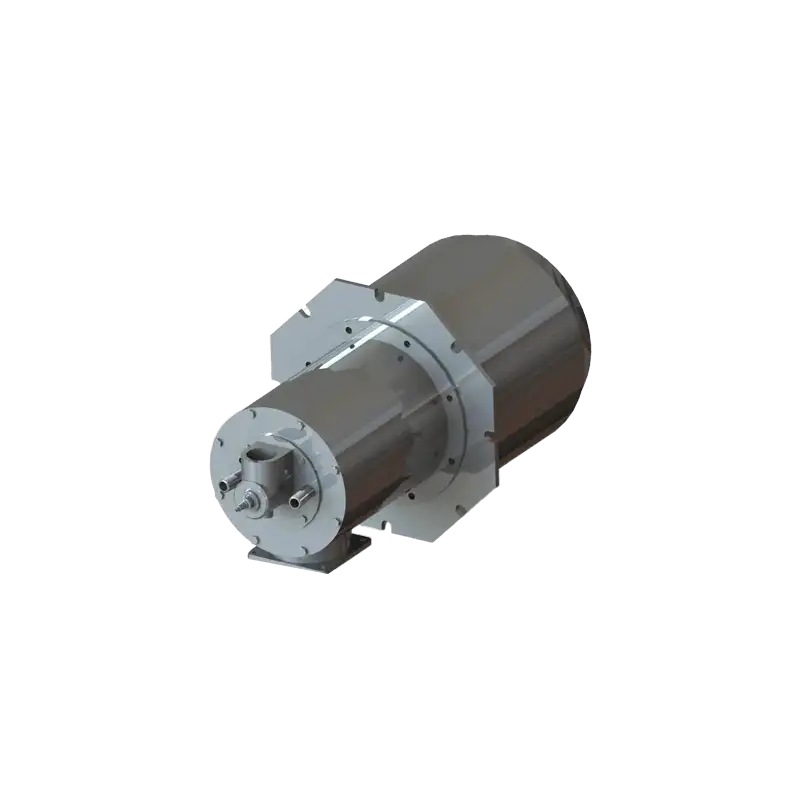
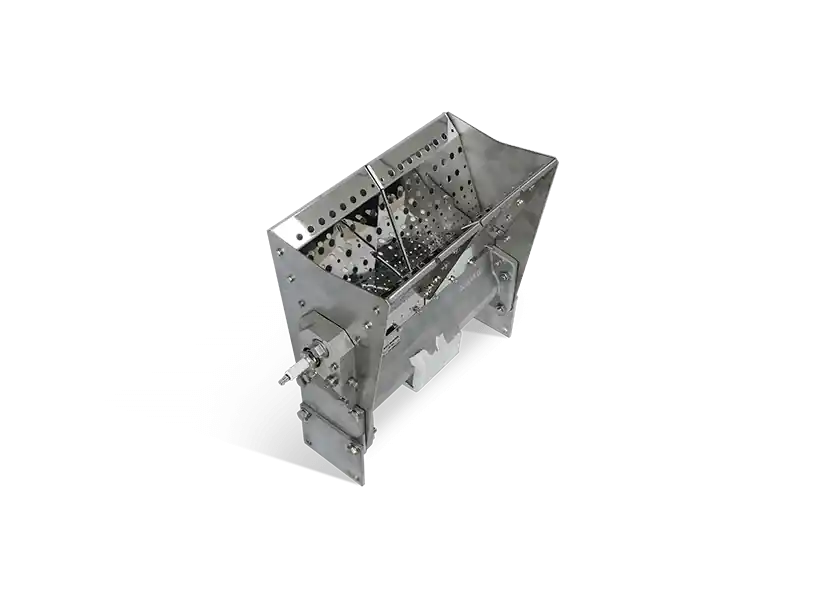
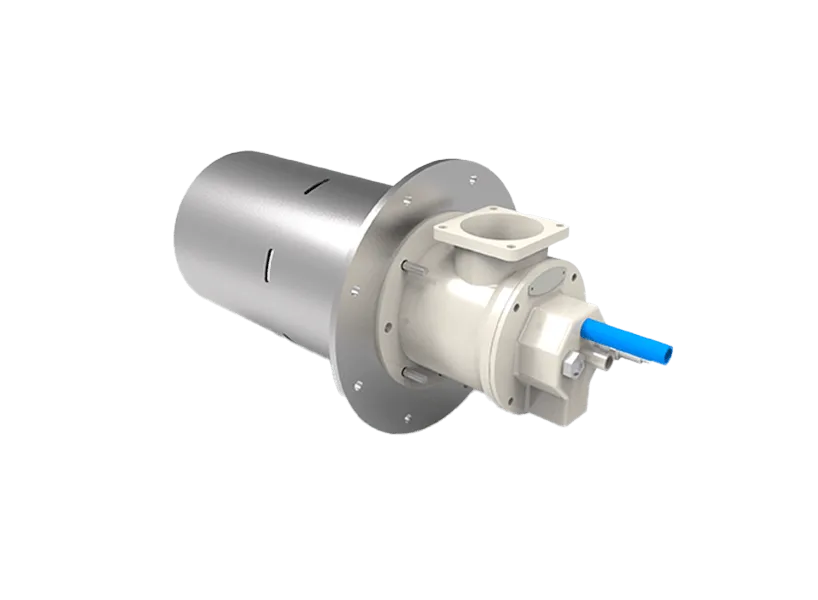
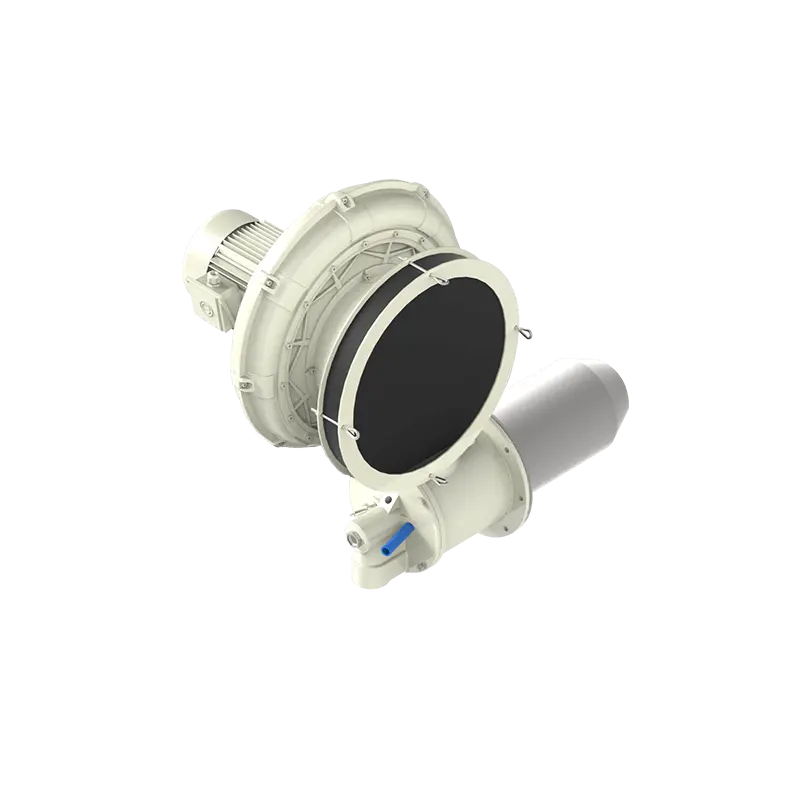
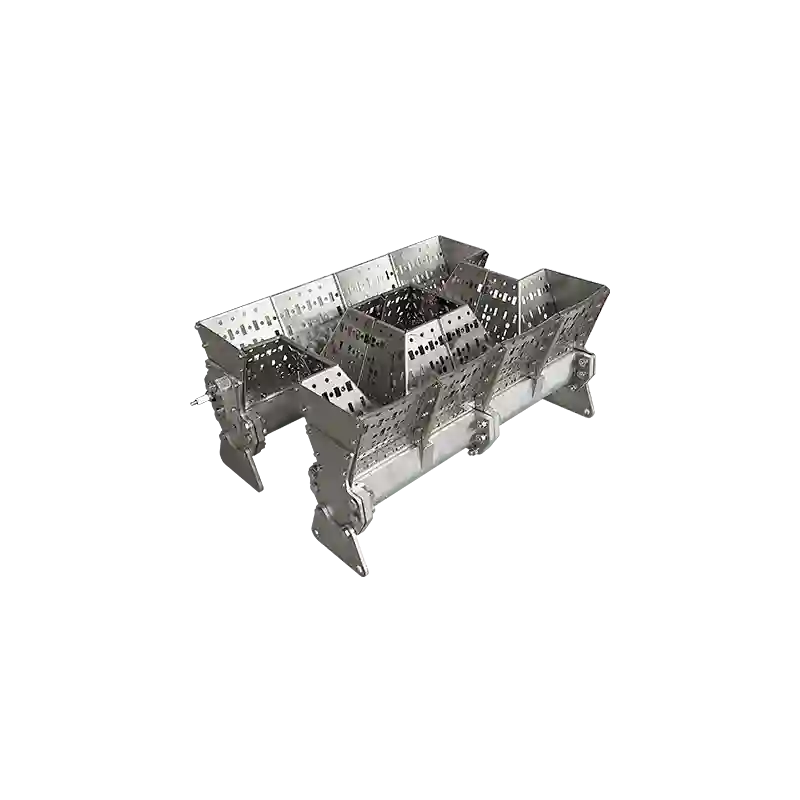
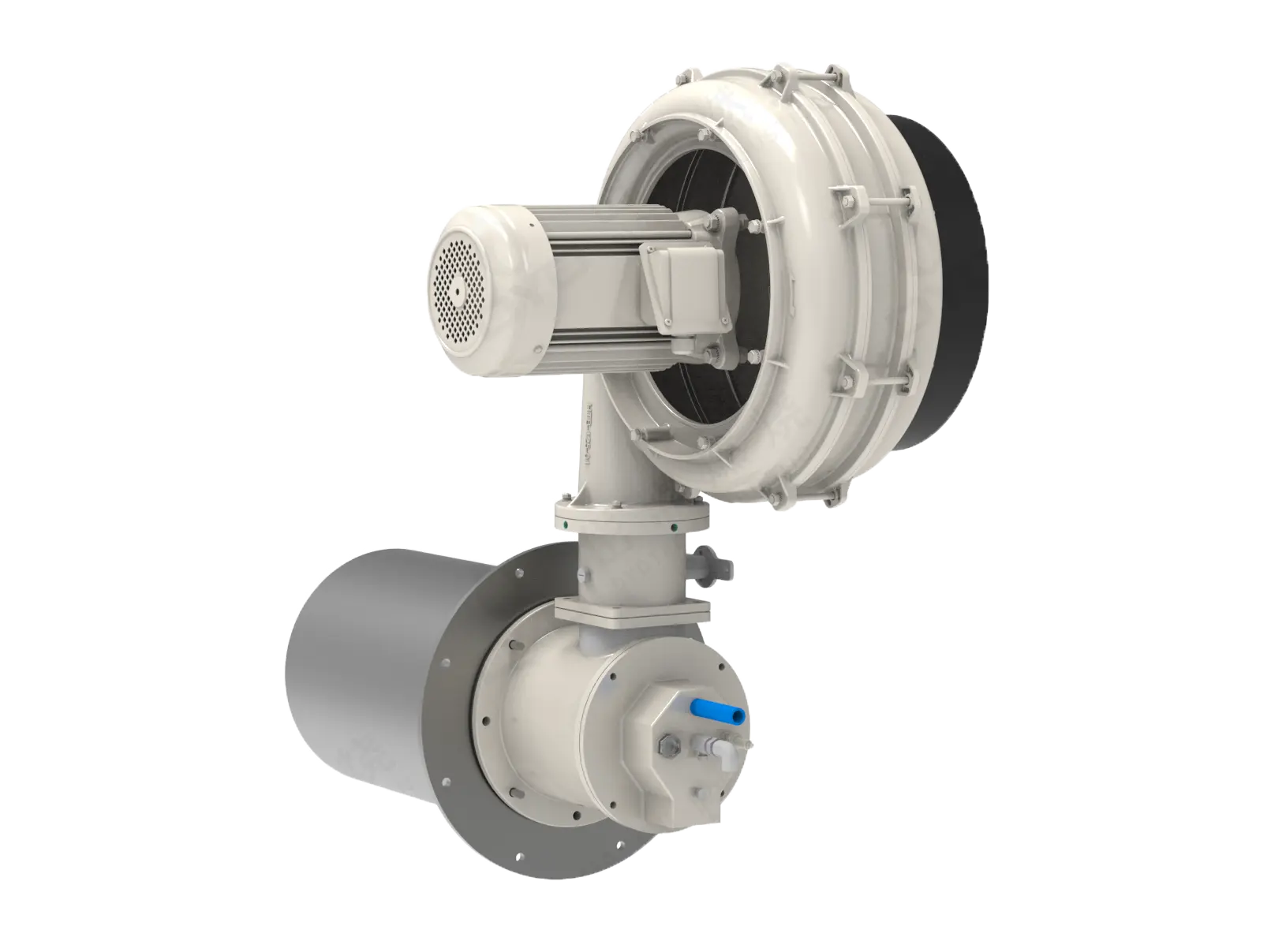
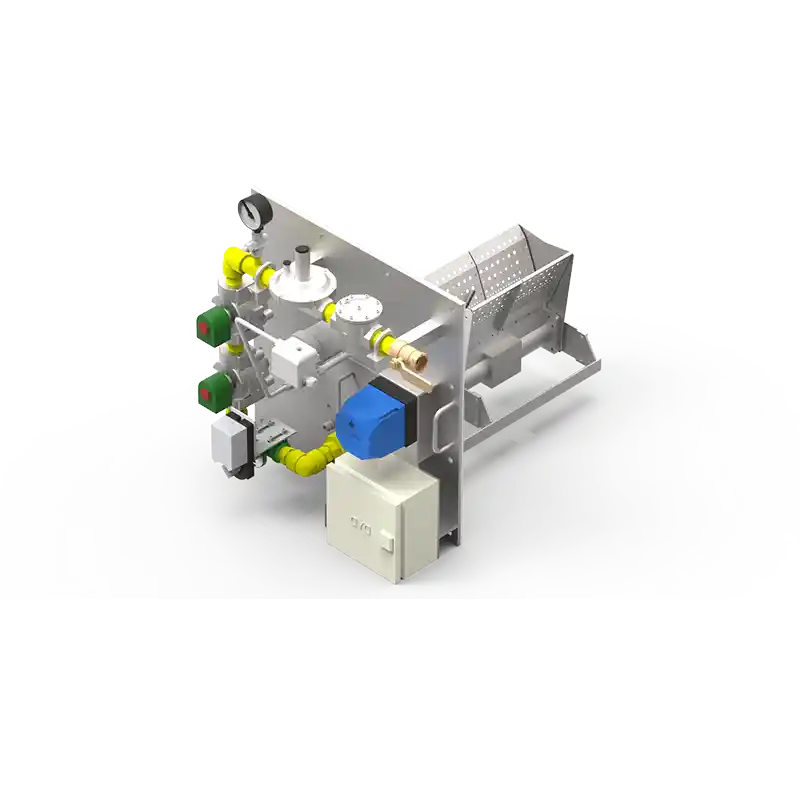
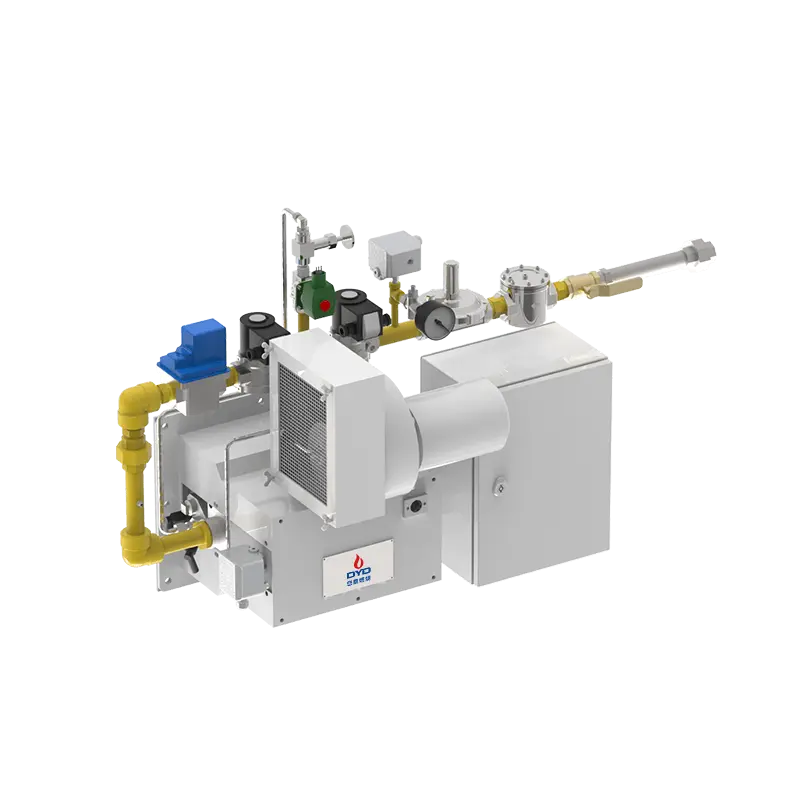
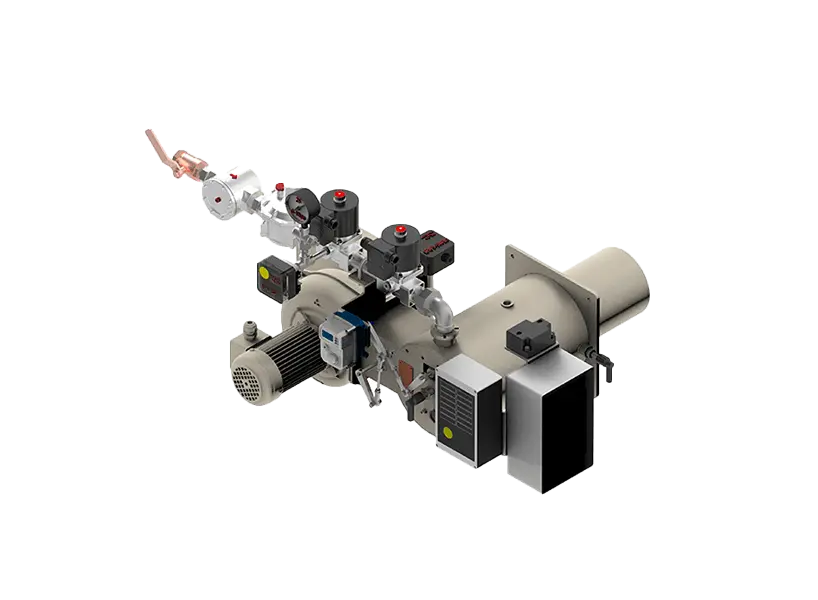
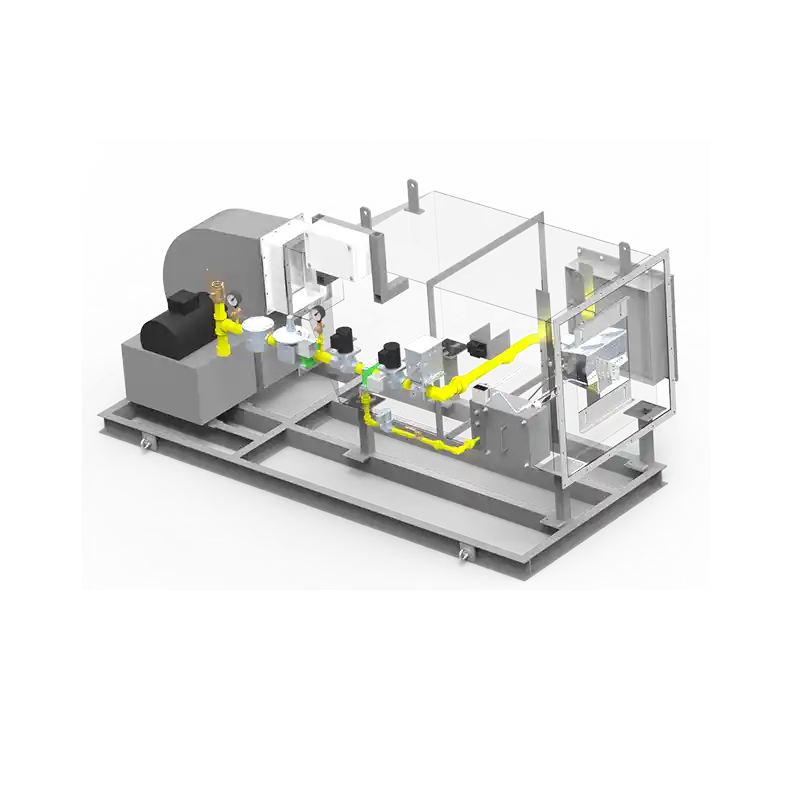
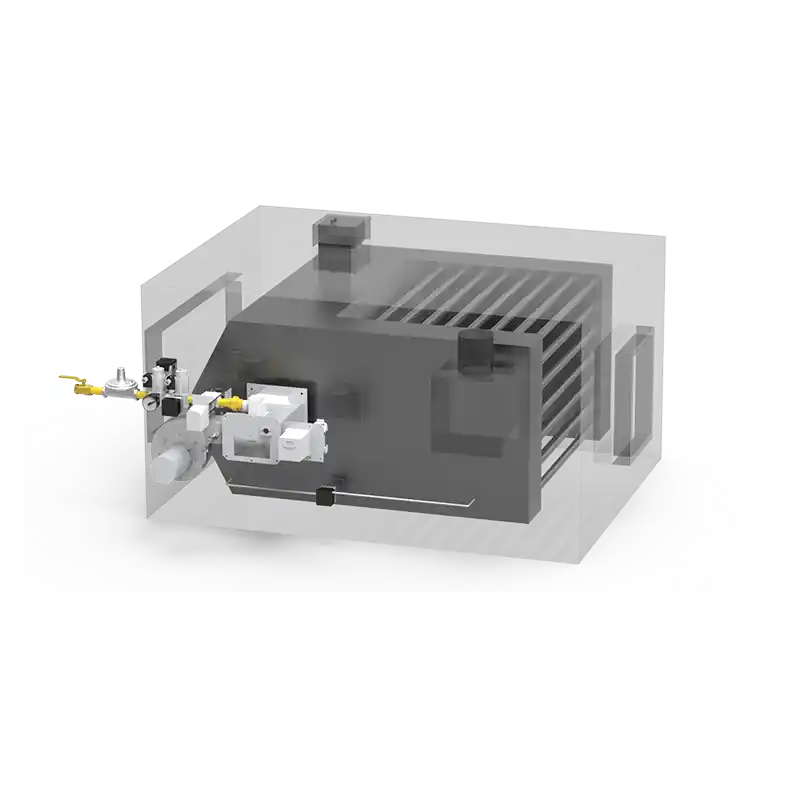
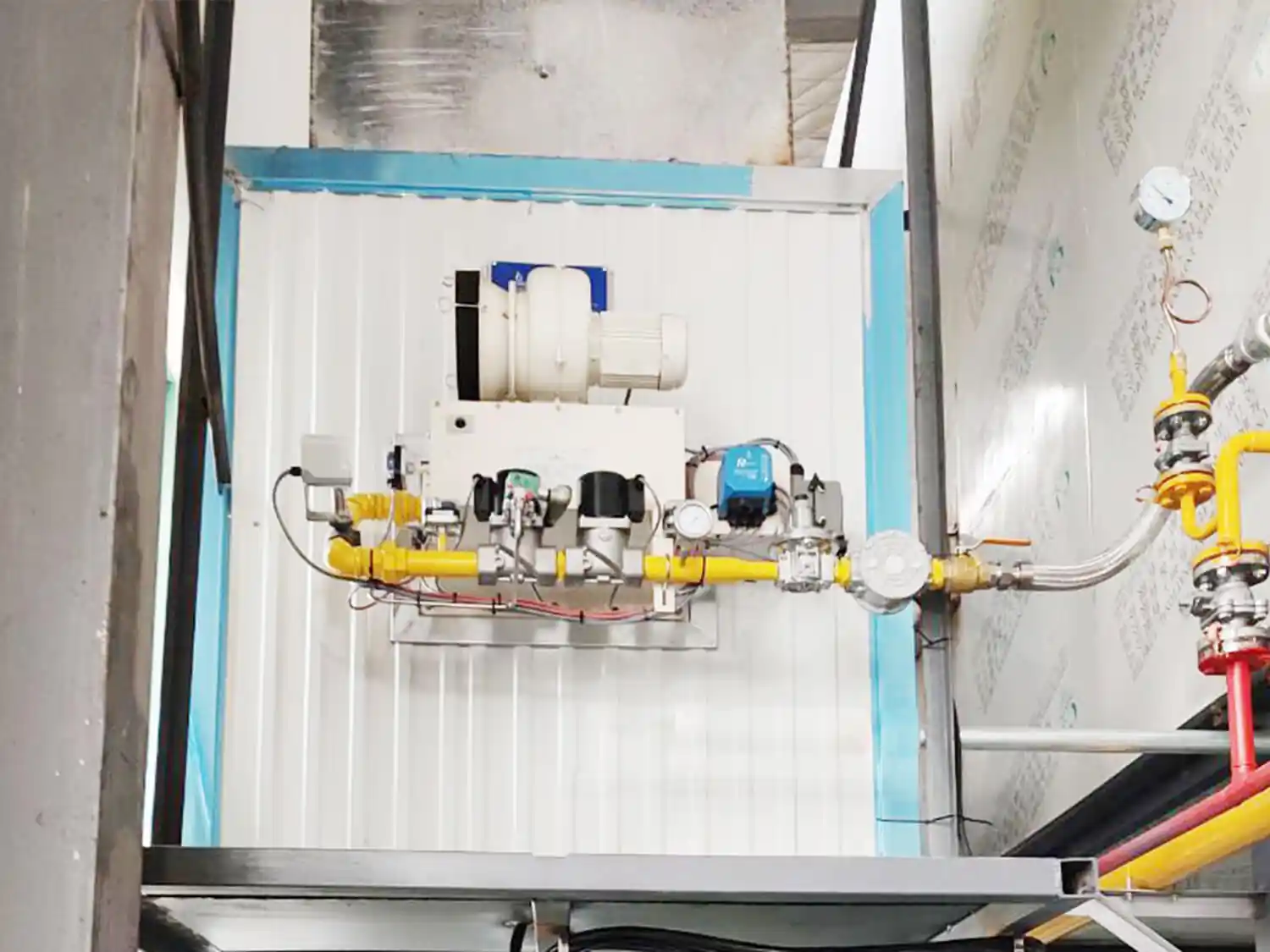
An SOFC heating burner is an auxiliary heating device used in solid oxide fuel cell systems. It plays the role of "heat guarantor" in the SOFC system – providing the heat required for rapid temperature rise during system start‑up, and compensating for heat losses during operation to maintain stack operating temperature stability.
SOFC stacks must operate at high temperatures because solid oxide electrolytes only achieve sufficient ionic conductivity at high temperatures, enabling effective oxygen‑ion transport through the electrolyte layer to complete the electrochemical reactions. When temperatures are too low, electrochemical reaction efficiency decreases, and the cell's output performance and fuel utilisation rate drop significantly. When temperatures change too rapidly, the difference in thermal expansion coefficients among different materials inside the stack creates increased thermal stress, potentially causing seal failure or cell cracking. When temperatures are non‑uniform, performance differences among individual cells within the stack widen, affecting overall power generation efficiency and stack life.
Therefore, the system typically requires an external heat source to assist with critical thermal management tasks including start‑up heating, temperature maintenance, operating condition adjustment, and heat compensation. The SOFC heating burner generates heat by combusting fuel, providing a stable heat source for stack preheating (heating the stack from ambient temperature to the operating temperature range), reformer heating (providing heat for fuel reforming reactions to promote conversion of hydrocarbon fuels to hydrogen), air preheating (raising the temperature of cathode air entering the stack to reduce internal thermal gradients), and system thermal insulation (compensating for heat losses during system operation to maintain thermal balance).
Unlike conventional low‑temperature fuel cells, SOFC relies on high‑temperature solid oxide electrolytes. In the 600–1000°C operating range, the solid oxide electrolyte achieves sufficient ionic conductivity, allowing oxygen ions to pass smoothly through the electrolyte layer from cathode to anode, thereby achieving efficient electrochemical energy conversion.
Its characteristics include high operating temperature (far higher than low‑temperature fuel cells such as PEMFC), large thermal inertia (high heat capacity requiring substantial heat input for temperature rise), and long start‑up time (a lengthy heating cycle from cold state to operating temperature). Therefore, the heating system must possess rapid heating capability (completing system start‑up within a reasonable time), precise temperature control (avoiding thermal shock to the stack from temperature overshoot or fluctuation), and stable heat output (providing smooth heat supplementation during system operation).
The internal structure of an SOFC stack is complex, assembled from multiple individual cells in series or parallel. The consistency of operating conditions among cells directly affects overall performance. Excessive local temperature differences can cause thermal stress (additional mechanical stress on seals and cells due to differential thermal expansion of different materials), material damage (excessive thermal stress may cause electrolyte cracking or seal failure), and performance degradation (widened performance differences among cells, reducing overall system efficiency).
Therefore, the heating burner must achieve uniform flame distribution (consistent heat flux density across the heating area), stable heat output (heat supply not fluctuating over time), and reduced local overheating (avoiding the risk of damage to stack materials in high‑temperature zones).
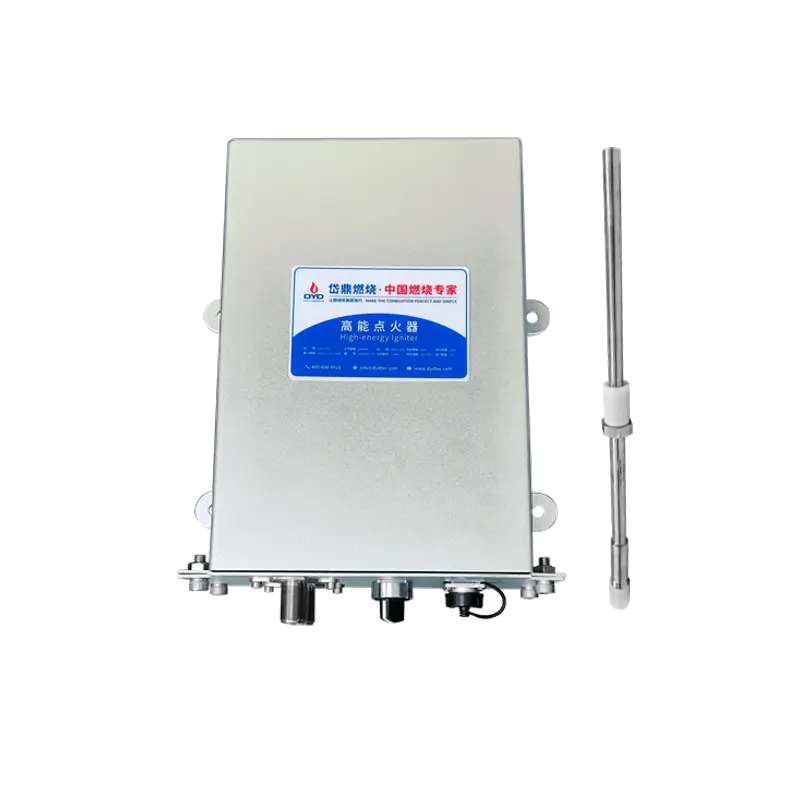
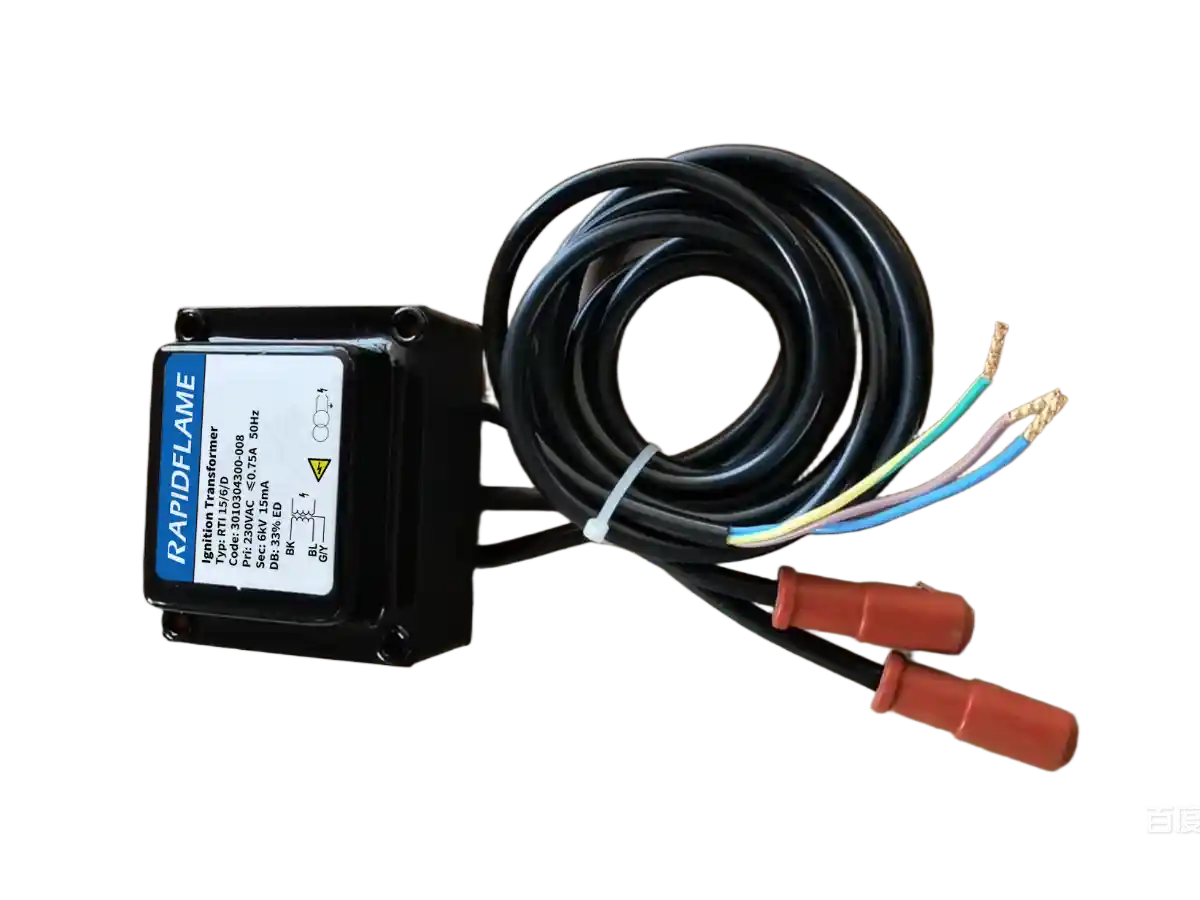
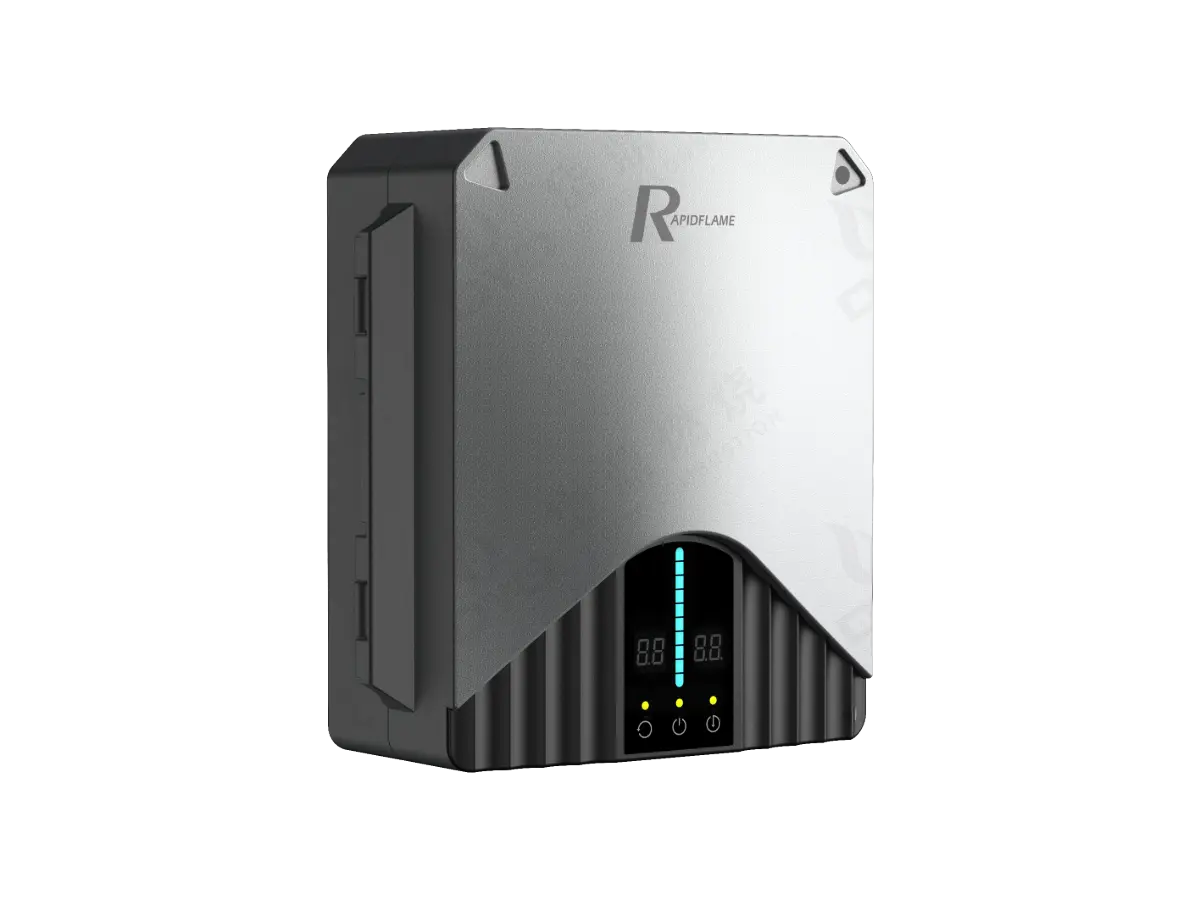
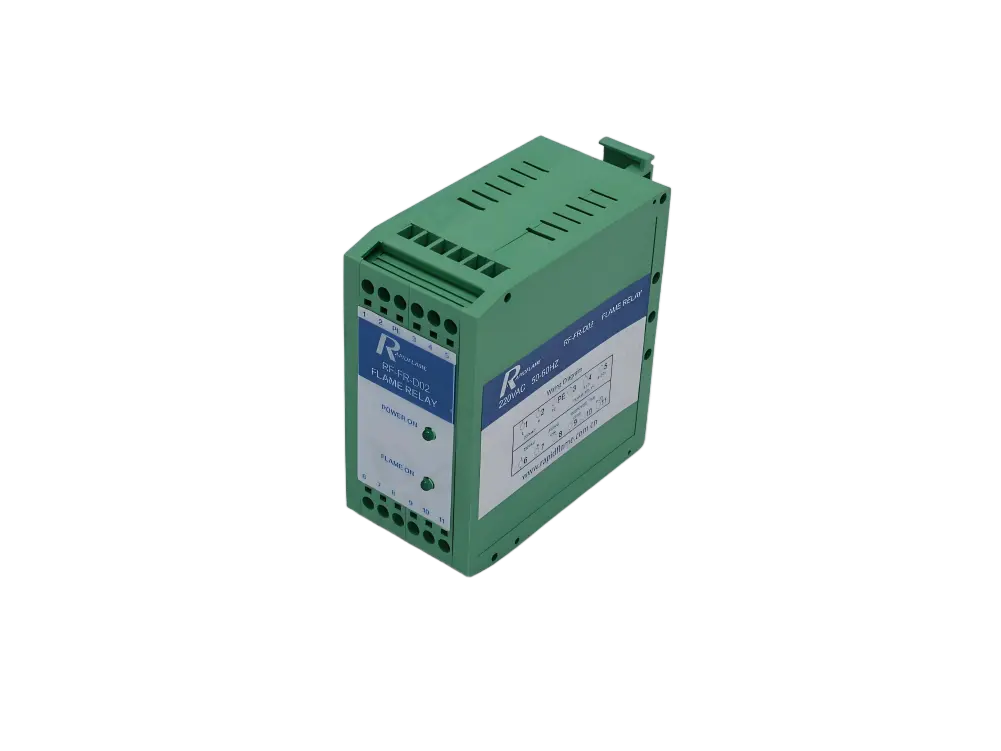
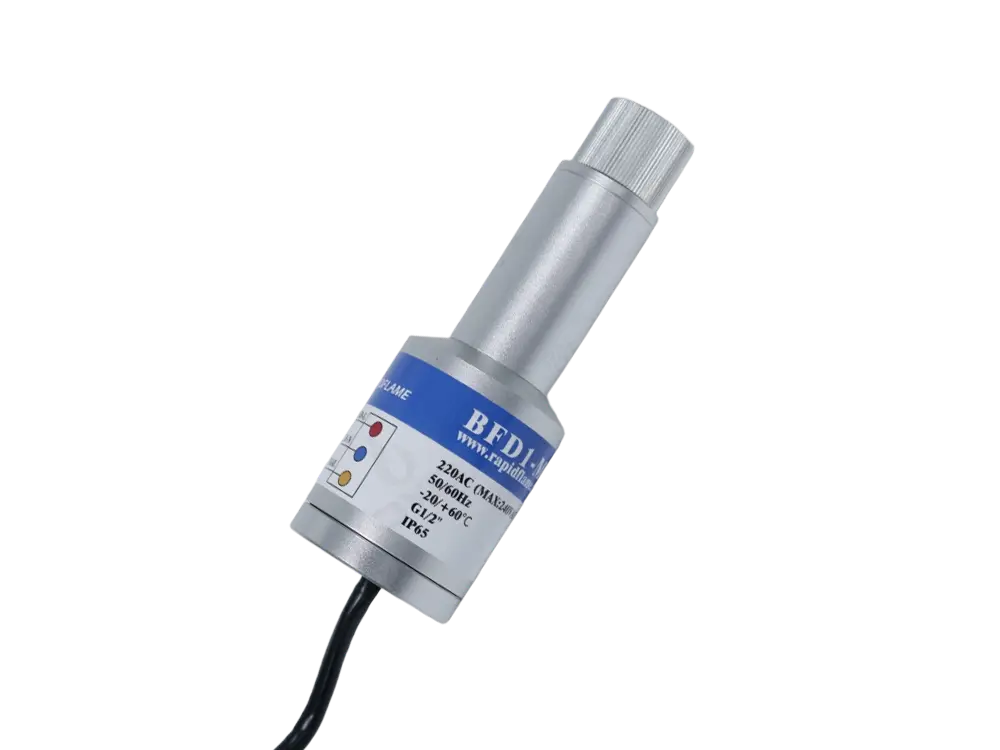
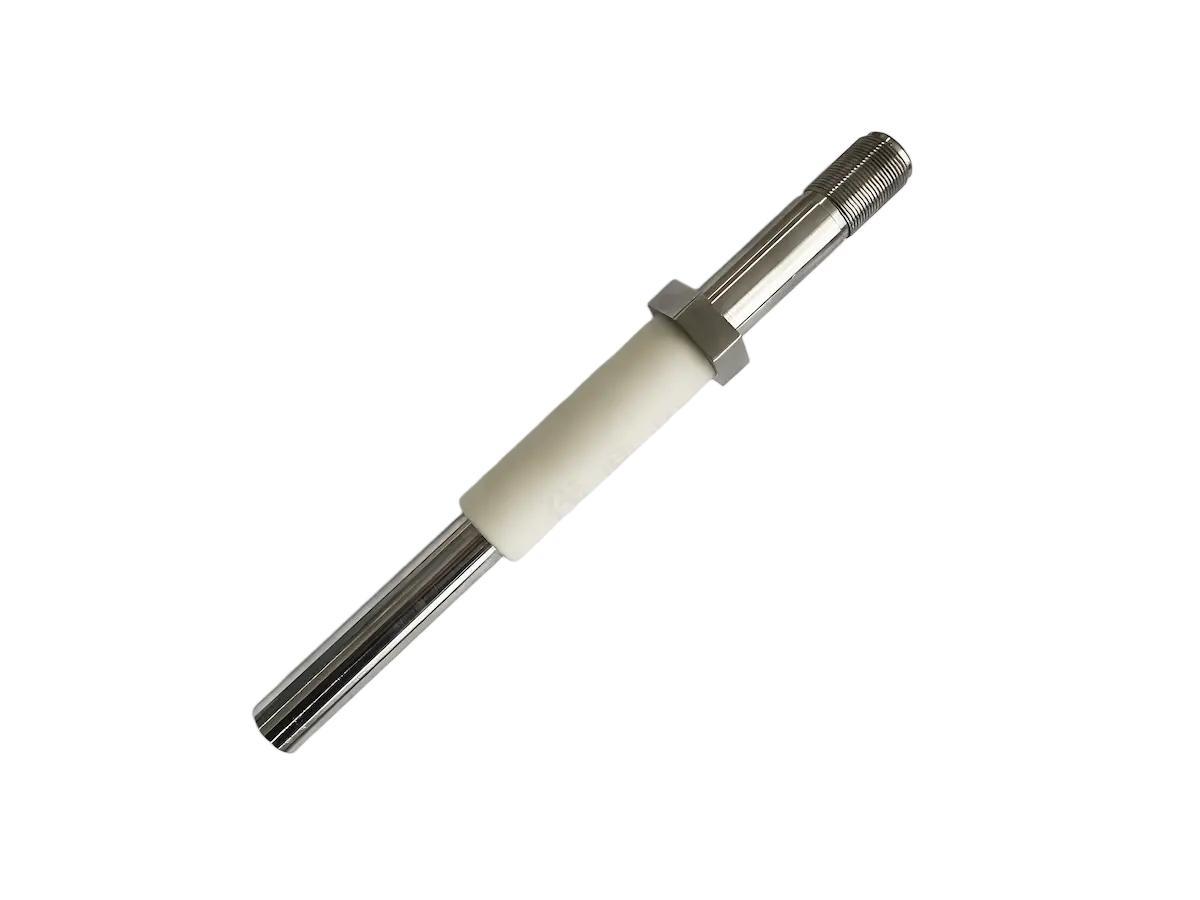
SOFC systems typically require long‑period operation (continuous running for thousands or even tens of thousands of hours, requiring all auxiliary equipment to have correspondingly designed service life), automatic control (minimising human intervention, relying on control systems for start/stop, load tracking, and fault handling), and fast response to load changes (thermal management system must adjust simultaneously with electrical load changes). Therefore, the burner must possess a wide turndown ratio (maintaining stable combustion over a wide load range), reliable ignition (reliably igniting on each start without manual intervention), dependable flame detection (accurately determining flame presence to ensure safe operation), and intelligent control interfaces (exchanging data and coordinating commands with the SOFC main control system).
SOFC systems typically have limited space, especially in distributed energy and portable power applications where system size and weight are severely constrained. Compared with traditional industrial furnace burners, SOFC heating burners must be structurally compact (arranging a complete combustion and heat distribution system within a limited space), thermally efficient (making full use of fuel heat and reducing heat losses), and easy to integrate as modules (coordinating organically with other SOFC system components). These requirements place high demands on burner design compactness and structural optimisation.
New‑energy systems face increasing environmental requirements. As a clean energy technology, SOFC's auxiliary equipment must also meet low‑emission standards. The burner must optimise the air‑fuel ratio (precisely controlling the fuel‑air proportion to avoid incomplete combustion and excess air), flame temperature (reducing peak temperatures through combustion organisation to inhibit NOx formation), and combustion zone organisation (properly arranging the spatial distribution of combustion reactions) to reduce NOx generation, CO emissions, and release of unburnt products.
DYDTEC possesses low‑NOx combustion technology and industrial combustion system R&D capabilities, and can perform combustion optimisation design for different application scenarios, applying low‑NOx combustion technology to new‑energy heating systems to reduce emission levels of auxiliary equipment.
SOFC systems may involve multiple fuels including natural gas (the most widely used conventional fuel), hydrogen (zero‑carbon fuel interfacing with the SOFC fuel processing system), syngas (mixed gas from gasification), and biogas (renewable fuel). Therefore, the burner must be designed according to fuel characteristics, including nozzle structure (adapting to flow and injection characteristics of different fuels), mixing methods (optimising fuel‑air mixing efficiency), ignition methods (different fuels have different ignition energy and auto‑ignition temperature requirements), and control strategies (adjusting control parameters for different fuel calorific values).
SOFC applications operate at high temperatures and demand high combustion technology capability. In high‑temperature environments, burner material selection, thermal expansion control, seal design, and flame stability all differ significantly from burners for conventional temperature ranges. The manufacturer must understand high‑temperature heat transfer (radiation, convection, and conduction characteristics at high temperatures), flame stability (flame attachment and stabilisation conditions in high‑velocity, high‑temperature gas flows), thermal load control (precise heat output matching), and material temperature resistance (maintaining structural integrity and performance stability at high temperatures over the long term).
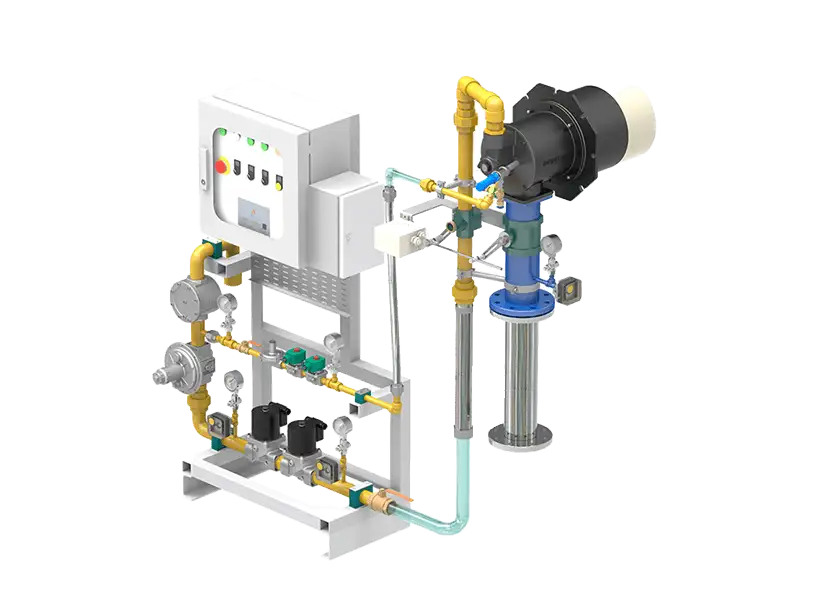
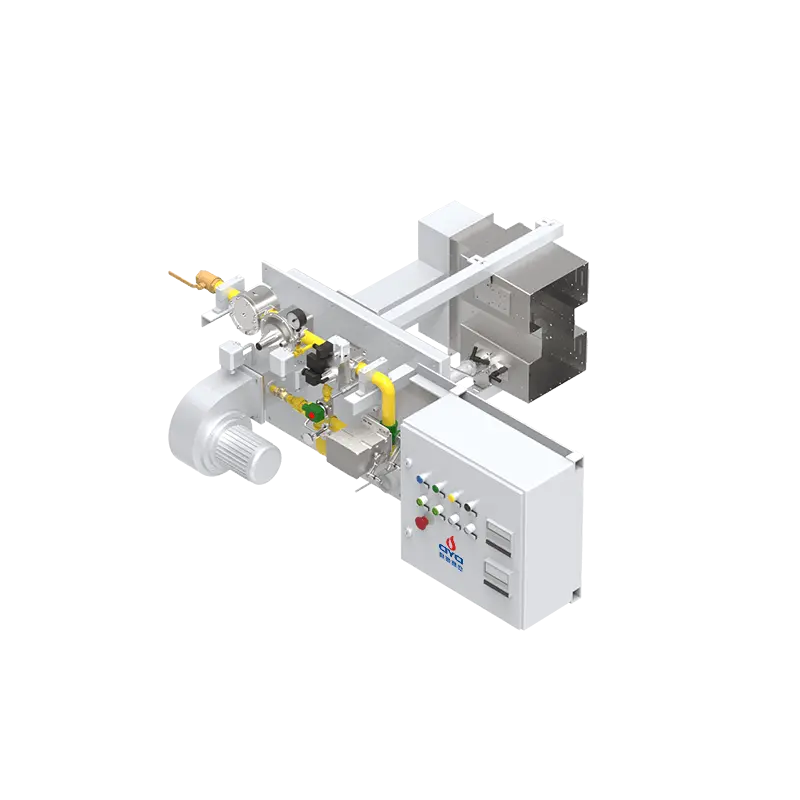
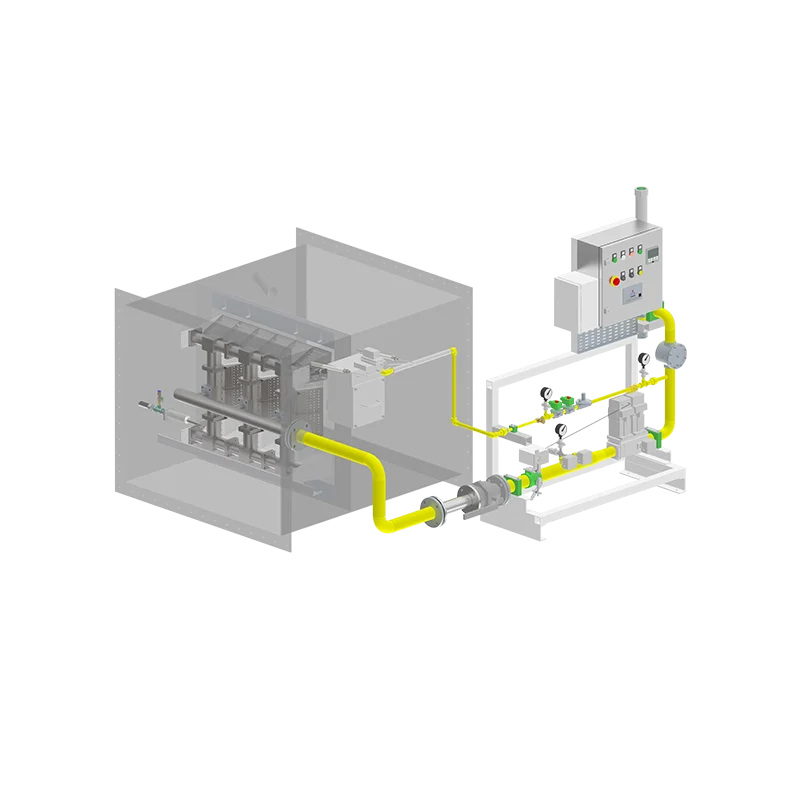
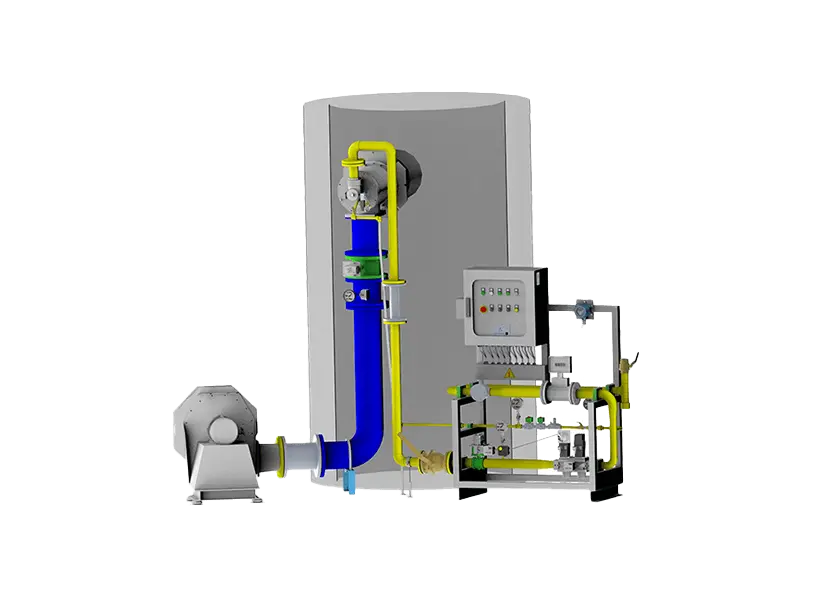
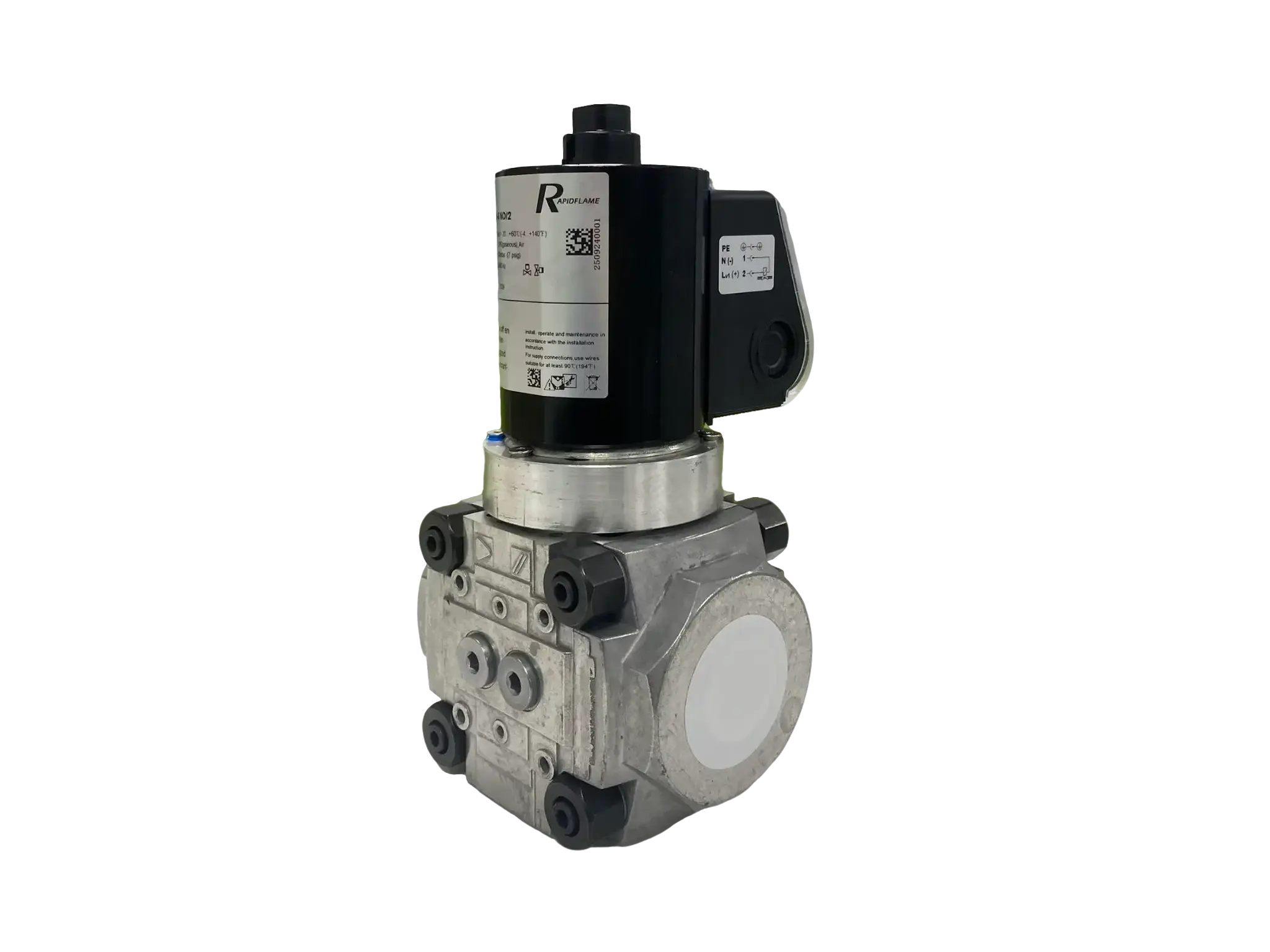
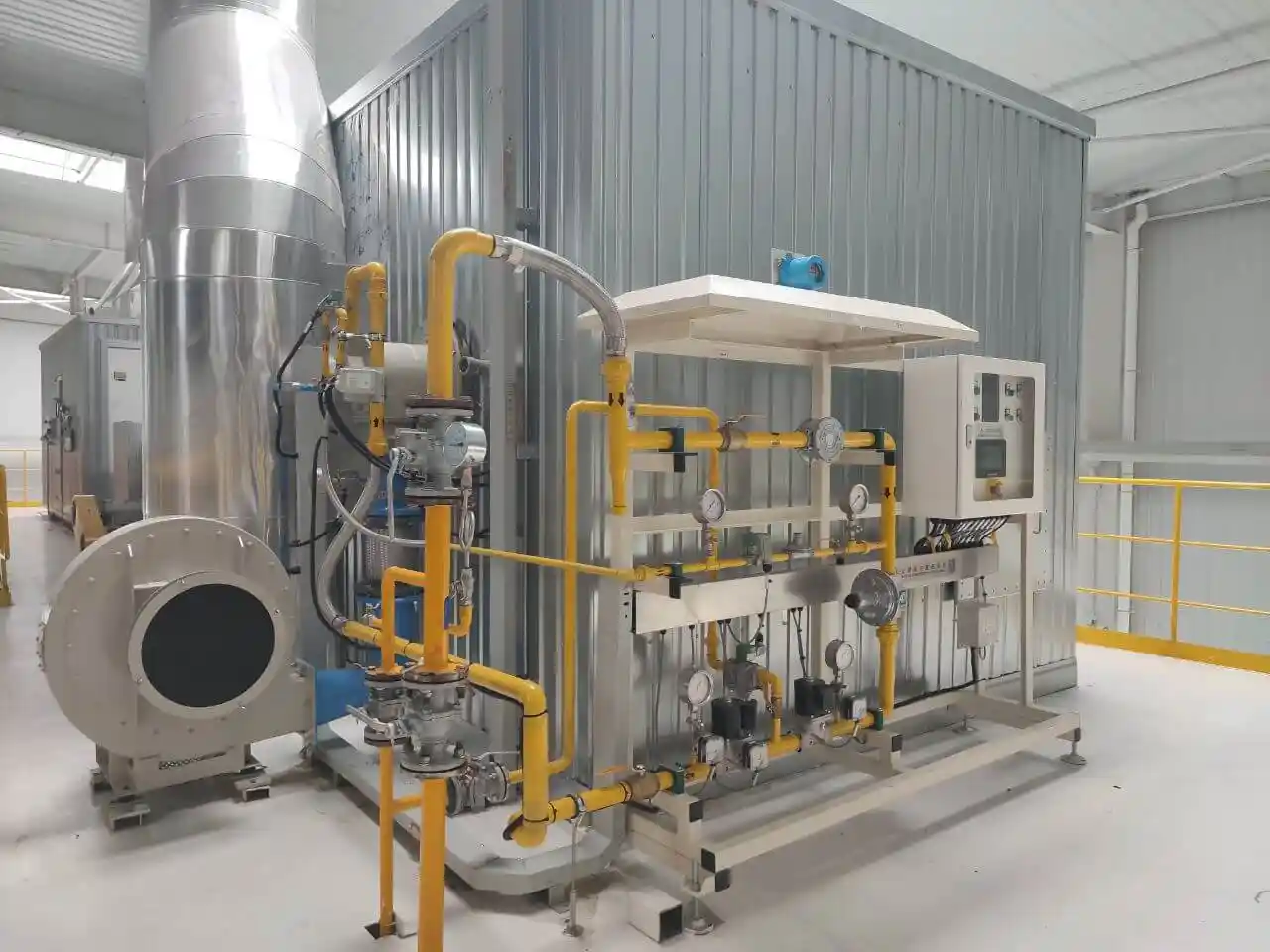
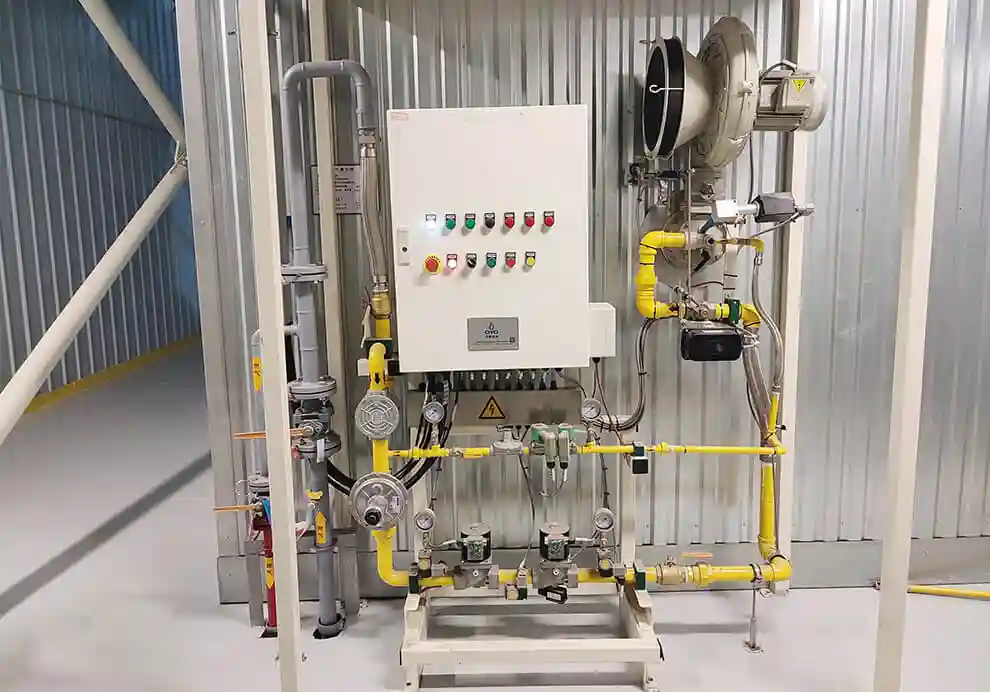
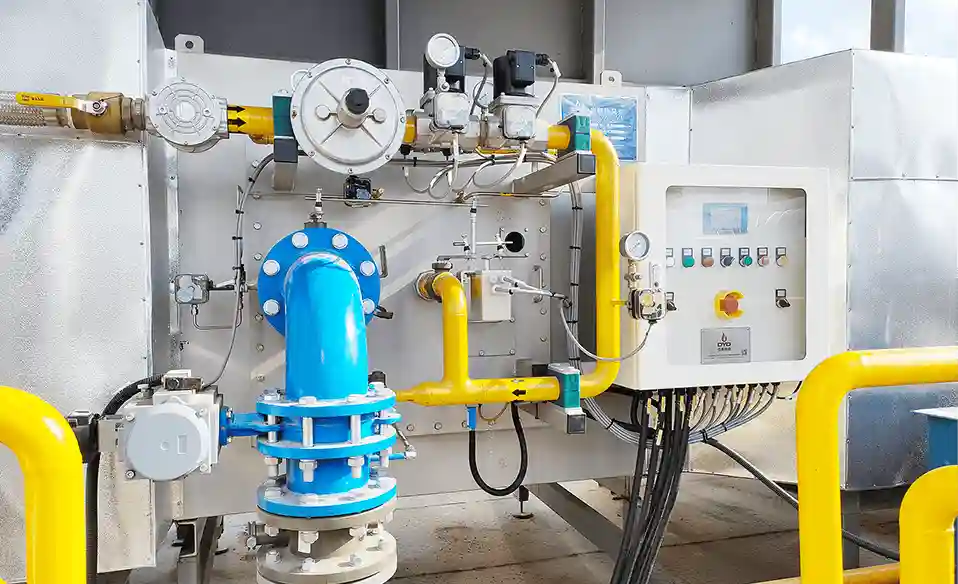
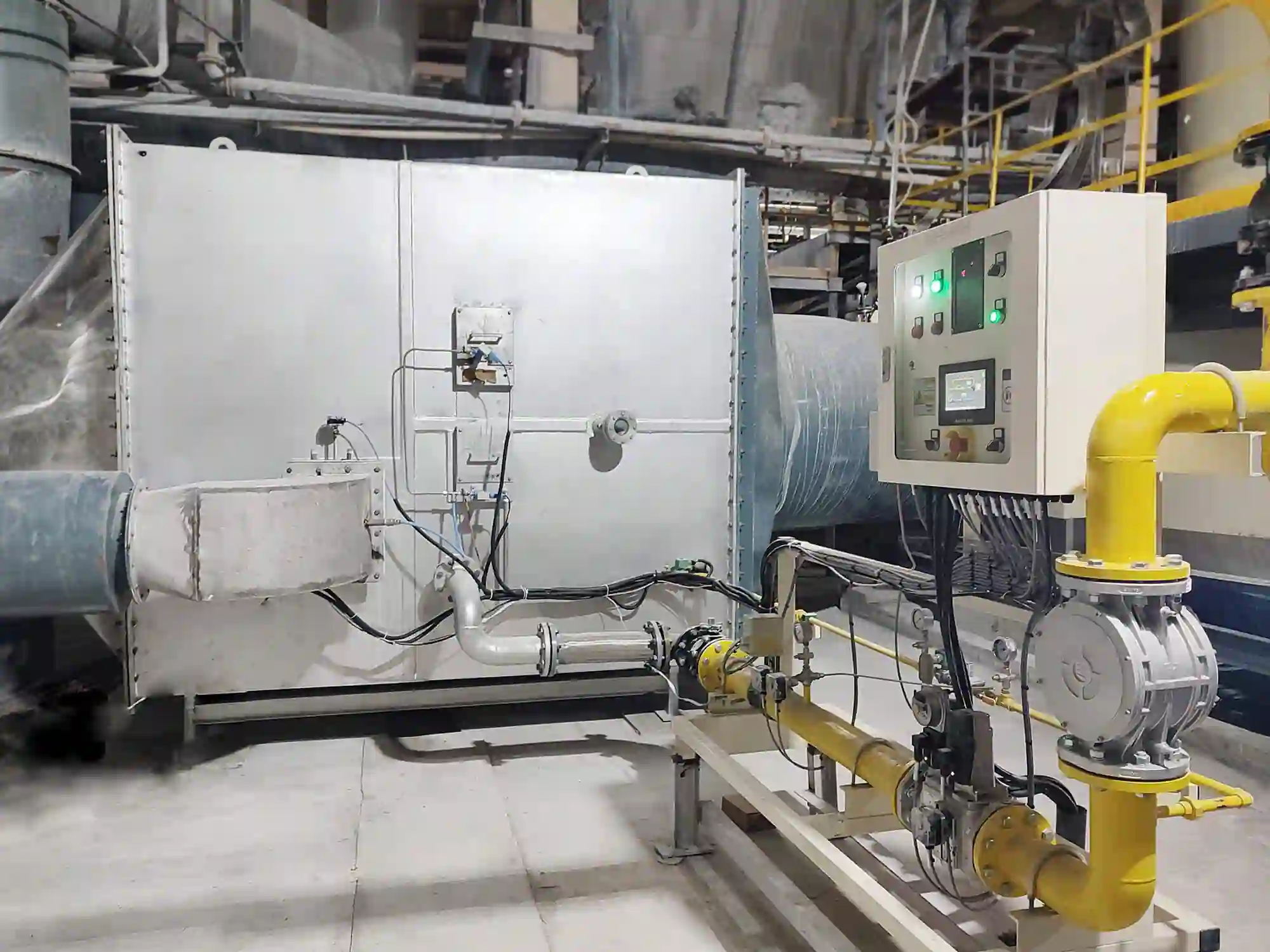
SOFC heating is not a standalone burner but a system engineering effort, requiring integration of the burner with ignition systems, gas controls, air supply, temperature control systems, and safety protection into a coordinated whole. A manufacturer with system integration capability understands the interface relationships and coordination logic among subsystems, ensuring compatibility and matching at the design stage, thereby reducing trial‑and‑error costs and commissioning time during project development.
SOFC projects are typically non‑standard applications, with different systems having different stack specifications (varying power ratings, cell types, and thermal management requirements), thermal loads (system scale determines the required heat supply range), installation methods (varying system layouts and space constraints), and control requirements (different communication methods and control logic with the main control system). Therefore, the manufacturer must support parameter matching (determining burner power and regulation range according to system thermal management requirements), structural design (burner shape and interfaces adapted to system layout), prototype development (sufficient prototype validation before mass production), and operating condition testing (verifying burner performance and reliability under actual or simulated operating conditions).
DYDTEC is the industrial combustion brand of Shanghai DYDTEC Equipment Technology Group Co., Ltd., focusing on the R&D and manufacturing of industrial burners, high‑temperature combustion equipment, hot air systems, and combustion system integration. Through long‑term service in the industrial thermal energy field, DYDTEC has accumulated product design and engineering implementation experience for special operating conditions.
Its products cover multiple fields including industrial drying, new‑energy materials, the chemical industry, environmental protection, and high‑temperature industrial equipment, forming a complete R&D and manufacturing capability from standard products to non‑standard customisation. Its technical accumulation in high‑temperature combustion, low‑NOx emissions, and multi‑fuel adaptability enables it to provide professional combustion solutions for new‑energy heating equipment.
1. High‑temperature combustion technology accumulation
SOFC systems require a stable high‑temperature heat source. DYDTEC possesses high‑temperature combustion design capability (mastering design methods for flame organisation and combustion stability in high‑temperature environments), flame organisation optimisation capability (optimising flame distribution through burner head structure and airflow organisation), and thermal efficiency improvement experience (enhancing effective utilisation of fuel heat under high‑temperature conditions), enabling matching solutions according to system requirements.
2. Comprehensive combustion product portfolio
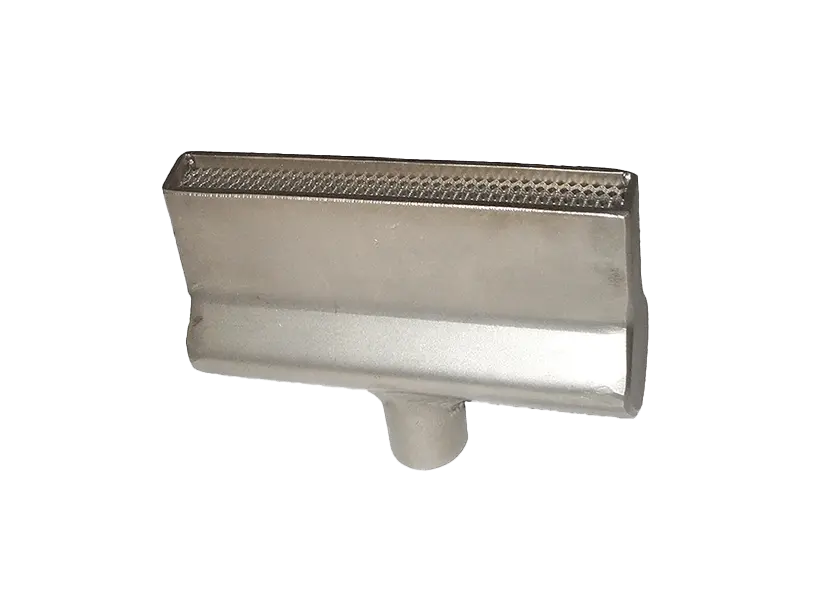
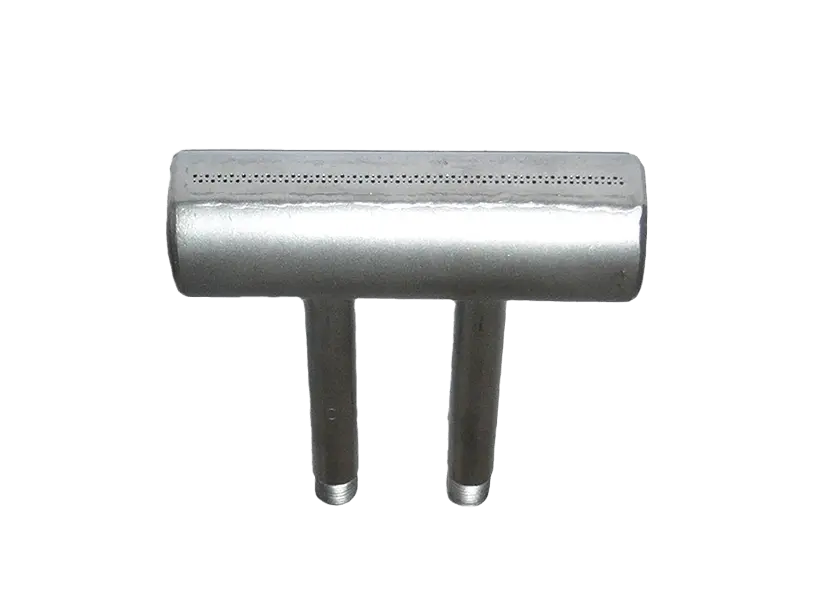
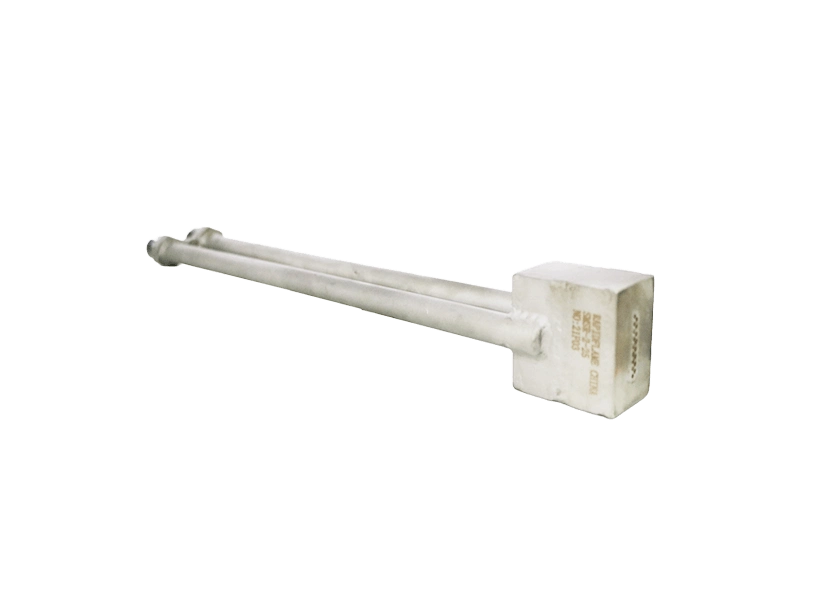
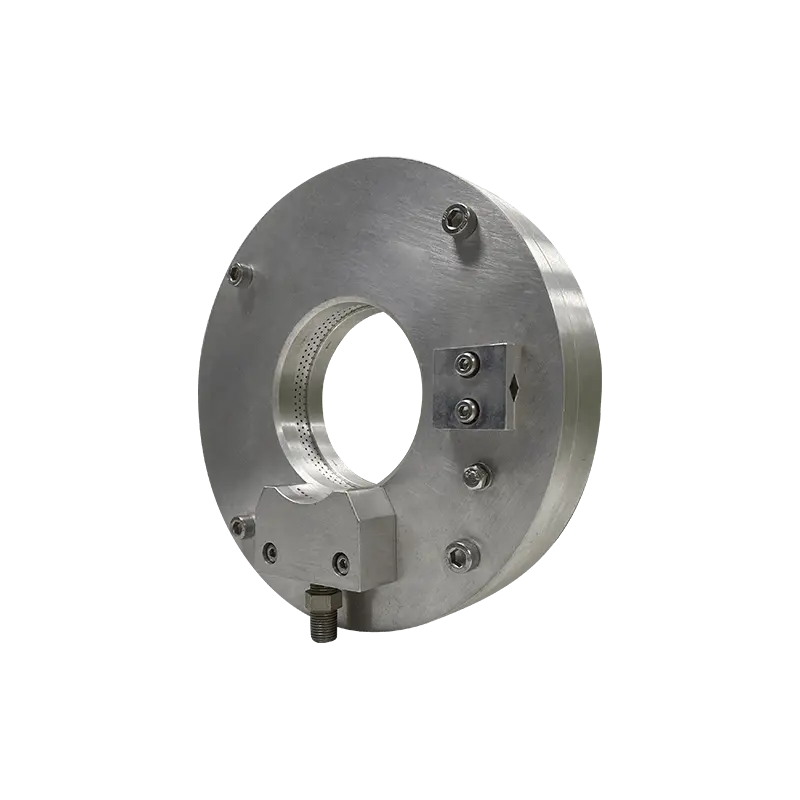
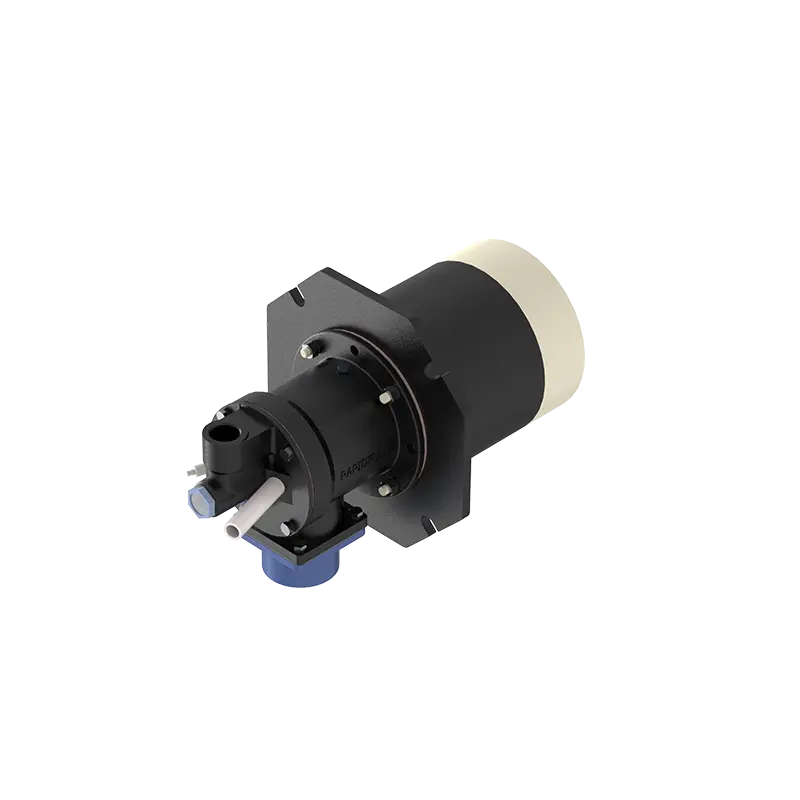
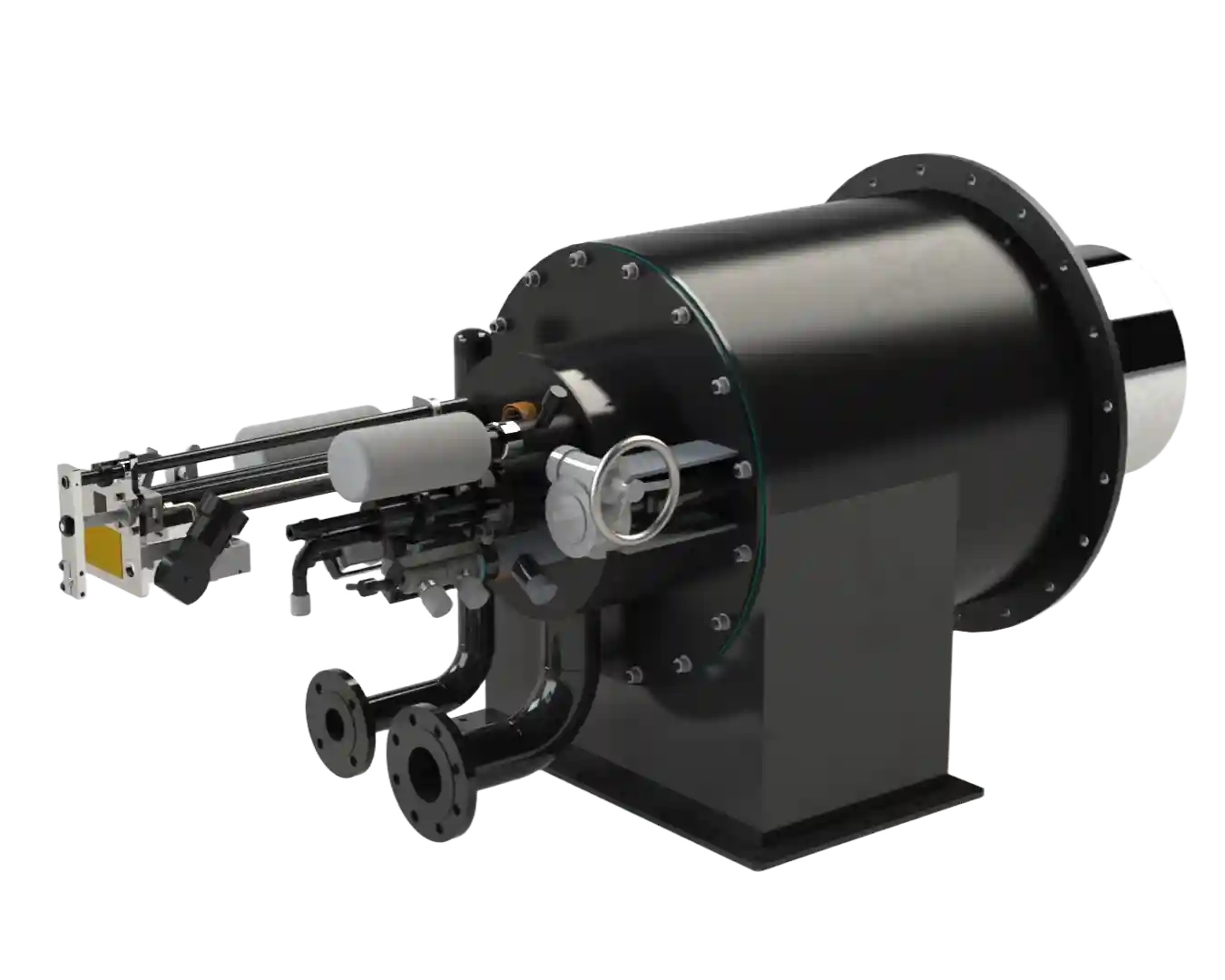
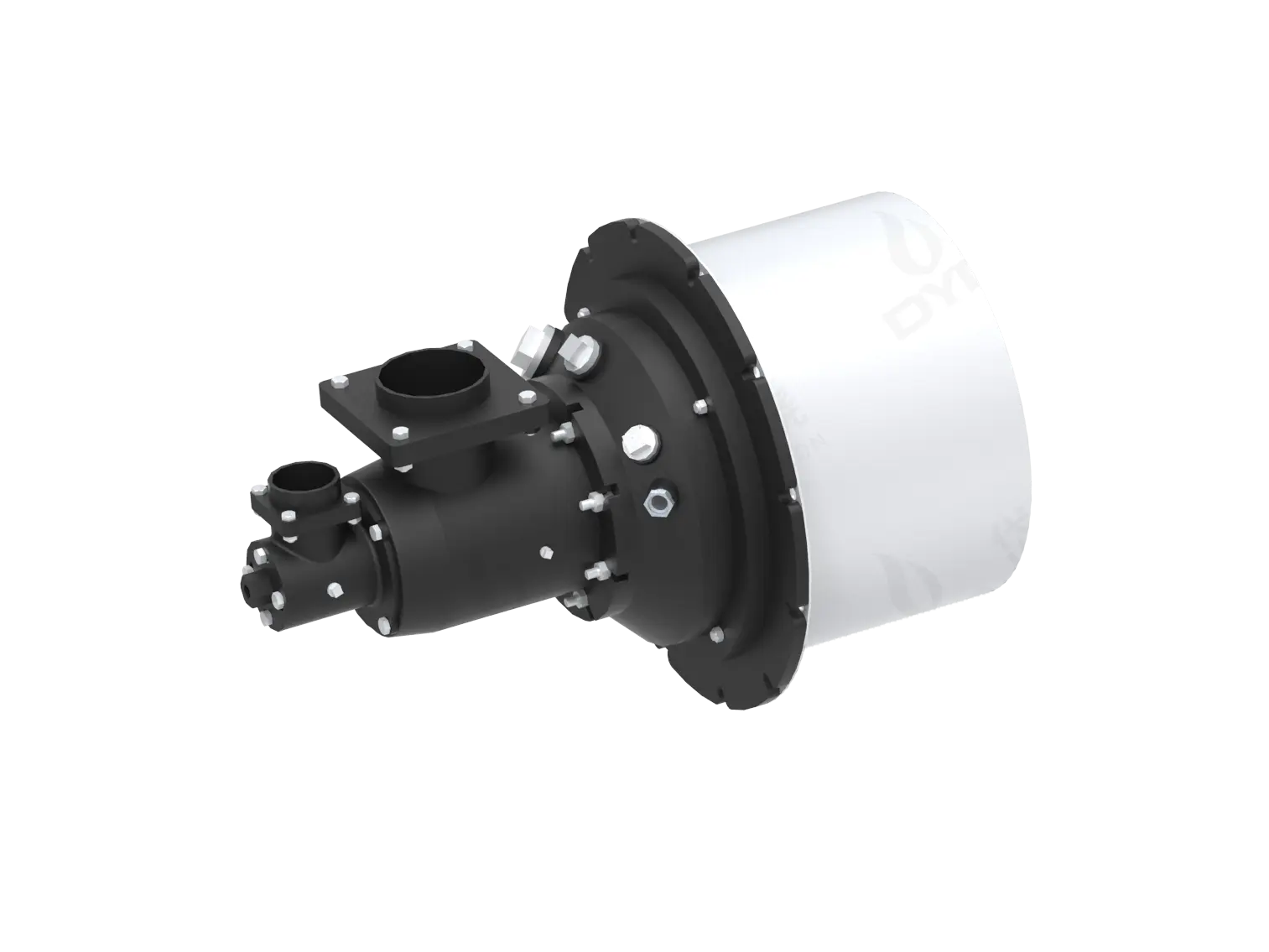
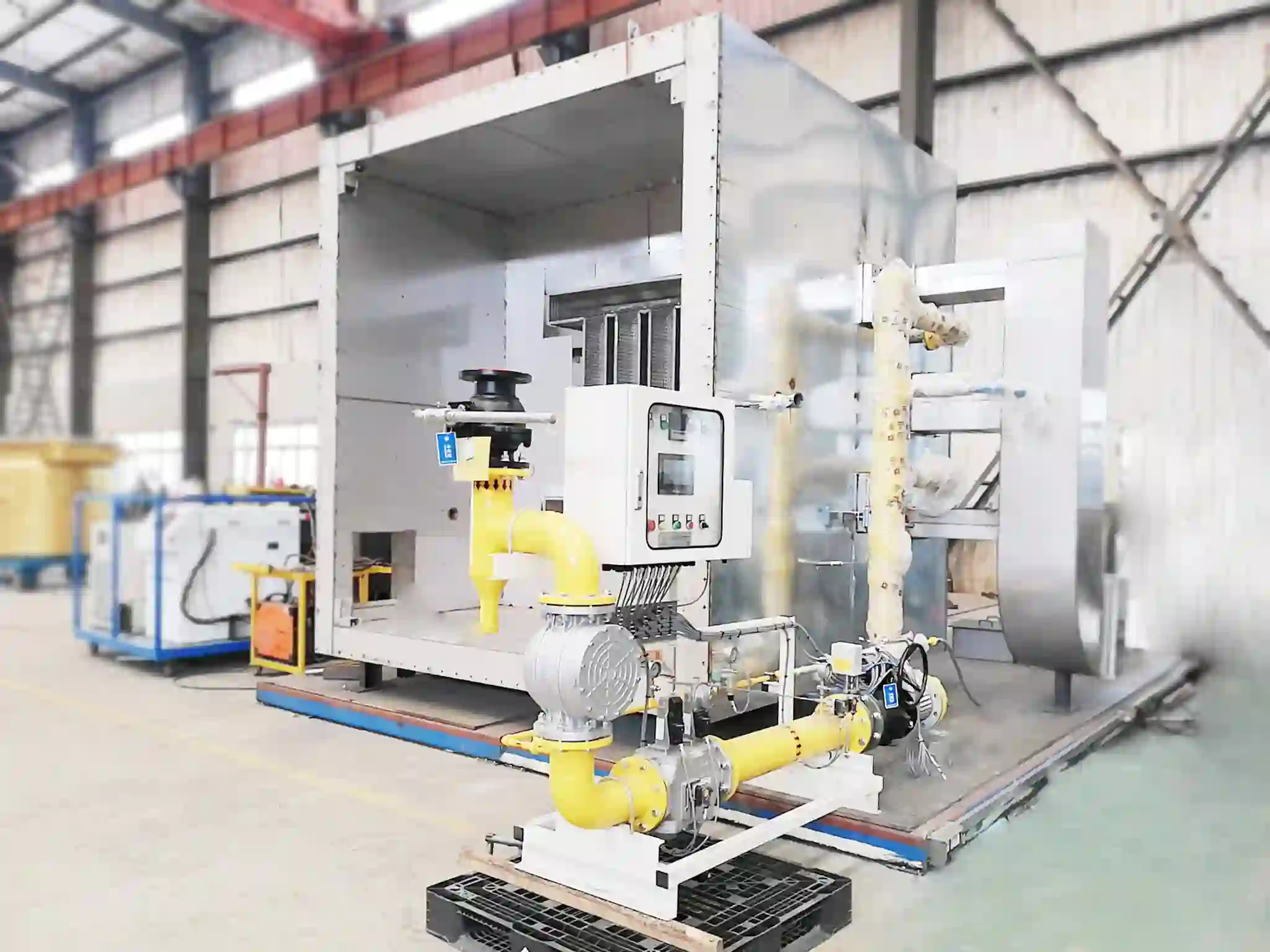
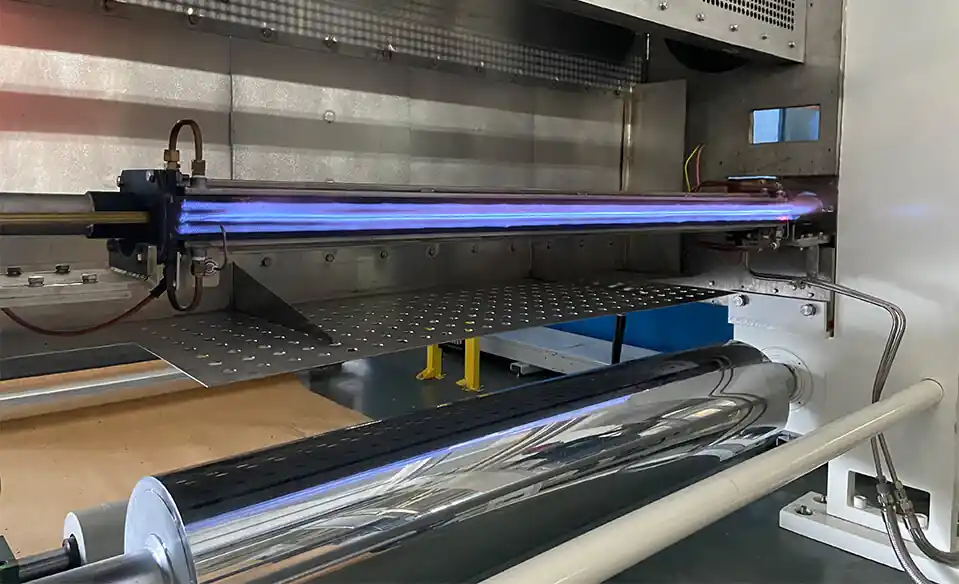
DYDTEC's products include industrial gas burners, low‑NOx burners, linear burners, hot air furnaces, and non‑standard combustion systems, which can be customised according to different new‑energy equipment needs. This product breadth allows for finding the most suitable starting point for custom development from a mature product range when facing the diverse requirements of SOFC systems.
3. Support for new‑energy equipment manufacturer integration
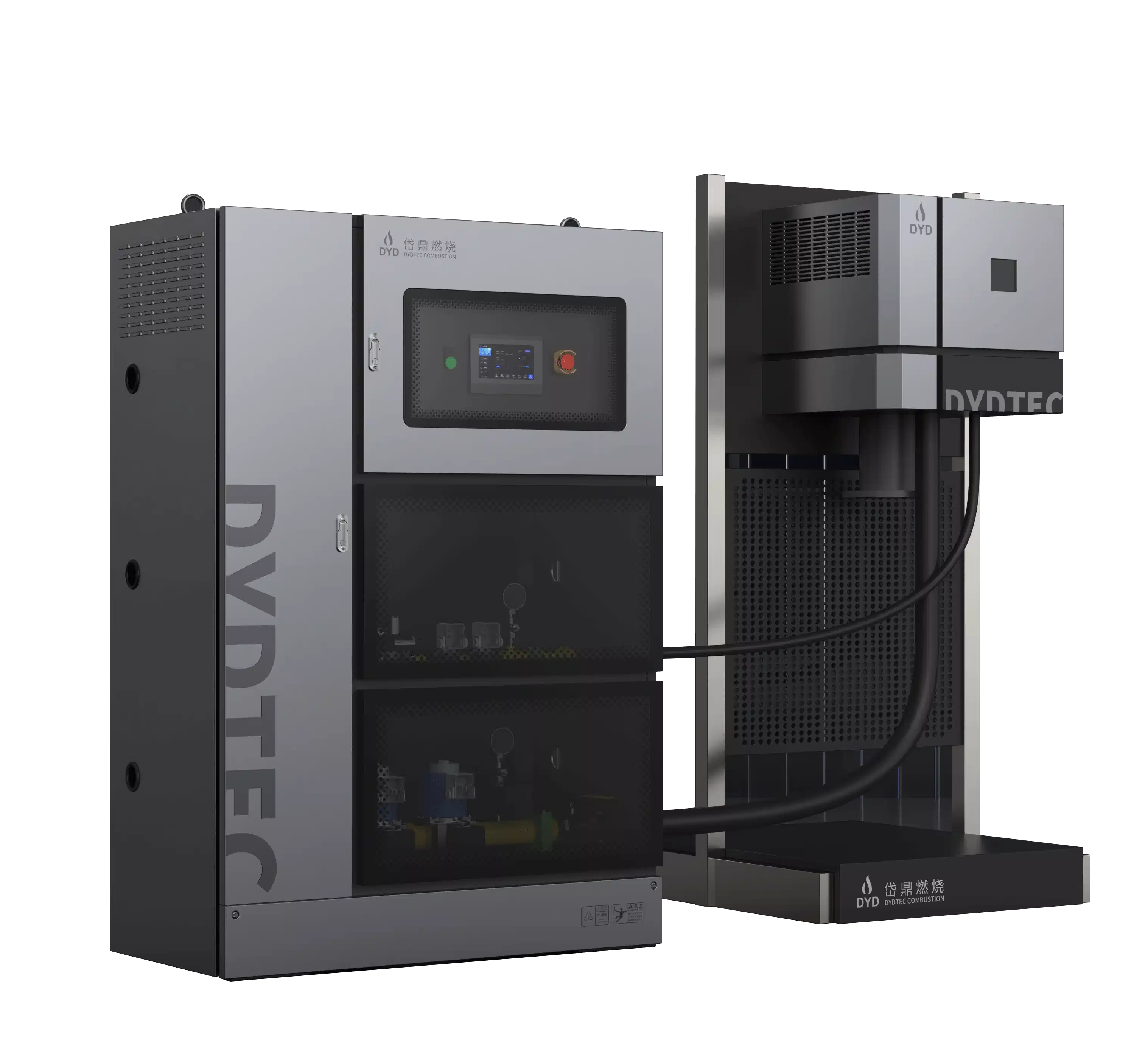
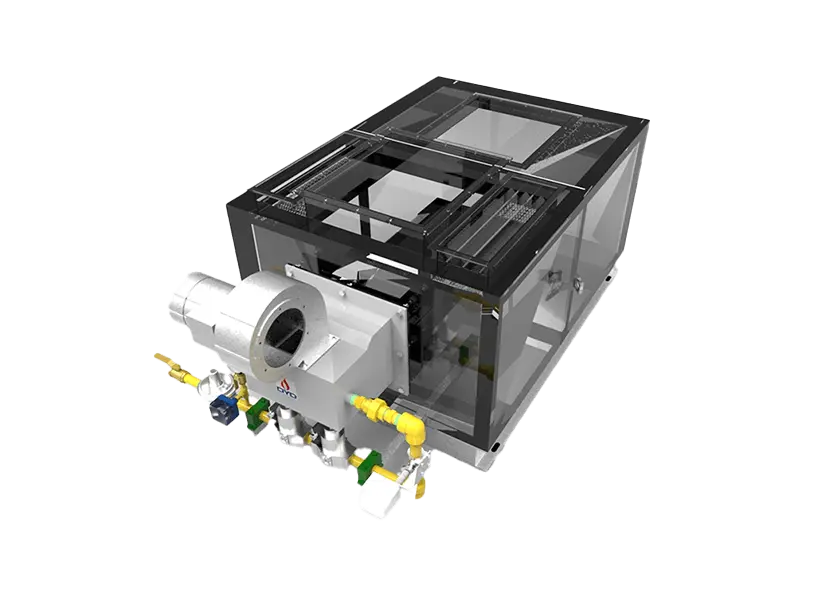
For SOFC equipment manufacturers, DYDTEC can provide heating combustion module design, burner selection, thermal management solutions, and system integration support. DYDTEC can participate in combustion system concept discussion and design during the equipment development phase according to the technical requirements of SOFC system integrators, helping customers reduce development risks.
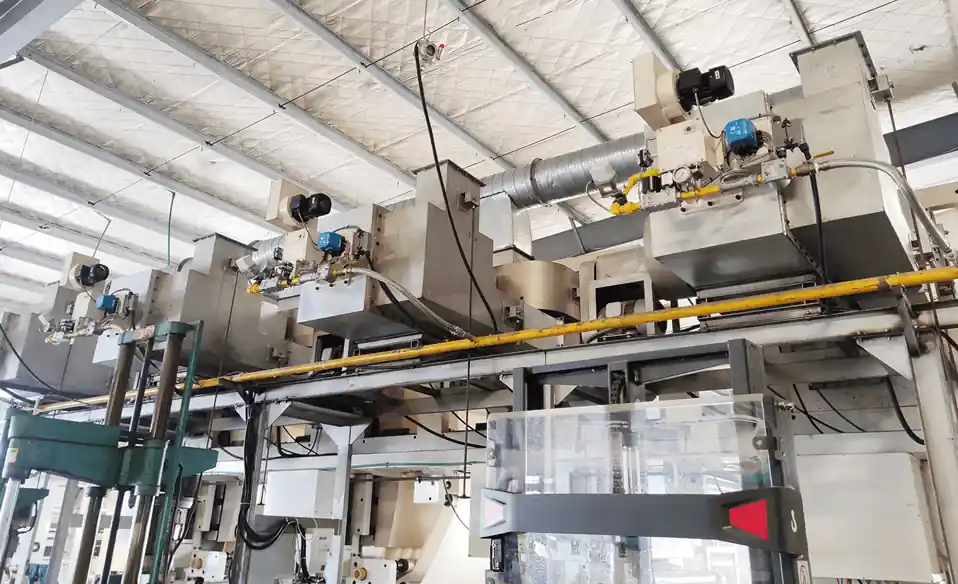
Used in SOFC test platforms (thermal management during stack performance testing and validation), distributed energy systems (thermal management in SOFC systems providing power and heat for buildings or communities), and industrial energy equipment (SOFC systems providing power and heat for industrial production). In these applications, the reliability and control precision of the heating burner directly affect SOFC system power generation efficiency and long‑term operational stability.
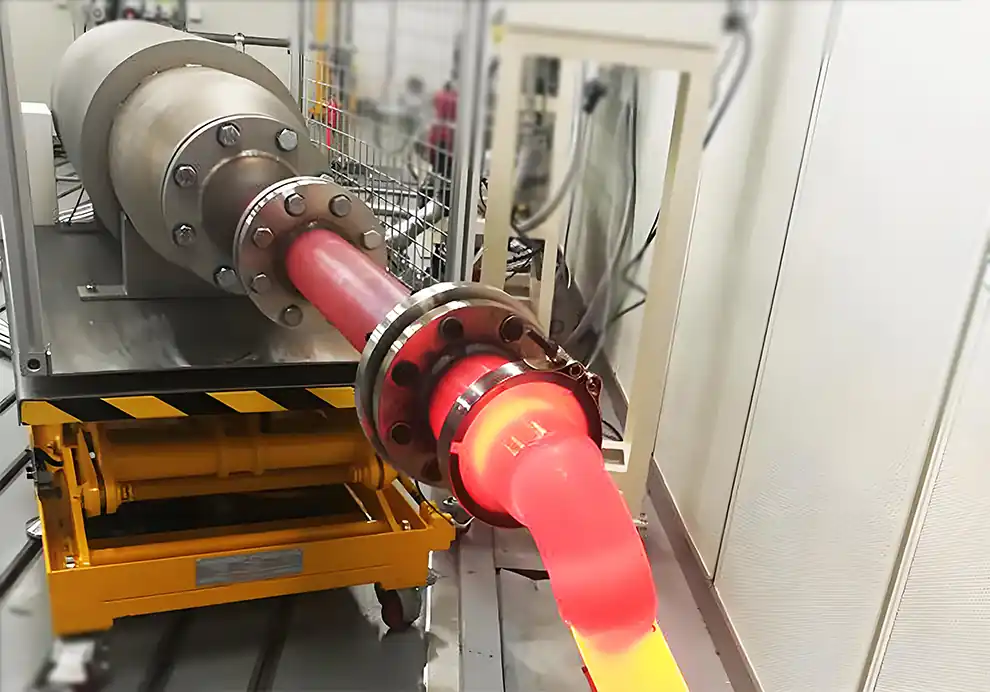
Used for stack testing (temperature control during stack performance testing), system validation (start‑up and operational validation after SOFC system integration), and thermal management experiments (thermal balance research and optimisation under different operating conditions). In R&D equipment, heating burners require higher control precision and regulatory flexibility to accommodate various experimental conditions and parameter‑sweep requirements.
Includes hydrogen energy equipment (heating and processing equipment related to hydrogen), high‑temperature reaction systems (high‑temperature reactors in chemical and energy fields), and new‑material experimental equipment (high‑temperature processing and research equipment for materials). These application scenarios share similar technical requirements with SOFC systems in temperature management and combustion control.
Q1: Why does SOFC require a heating burner?
SOFC must operate in a high‑temperature environment. During start‑up and operation, an external heat source is needed to provide heat, ensuring the stack reaches and maintains operating temperature. Because the SOFC start‑up process requires heating from ambient temperature to several hundred degrees Celsius, the heating power required is far higher than the heat‑maintenance demand during operation. Therefore, a dedicated burner is needed to provide high‑power heating during start‑up and precise heat supplementation during operation.
Q2: What is the difference between an SOFC heating burner and an ordinary industrial burner?
The main differences lie in the application scenario, operating characteristics, and system integration requirements. SOFC heating burners must adapt to compact spaces (miniaturised design), precise temperature control (higher accuracy requirements for heat control), and automated operation (deep integration with the SOFC main control system), while ordinary industrial burners are typically used in spacious industrial furnace heating scenarios with large thermal loads, where compactness and control precision requirements are relatively lower.
Q3: Can SOFC heating burners use hydrogen?
Yes, but the mixing method (hydrogen‑air mixing ratio and mixing intensity must be adapted), nozzle structure (hydrogen volumetric flow and injection velocity differ, requiring dedicated nozzle design), and flashback prevention measures (hydrogen has a relatively high flame propagation speed, requiring additional flashback safety design) must be redesigned according to hydrogen combustion characteristics. DYDTEC possesses hydrogen combustion technology R&D capabilities and can perform adaptation design according to SOFC system requirements.
Q4: Do SOFC burners require low‑NOx design?
Yes. New‑energy equipment also focuses on emissions, energy efficiency, and environmental friendliness. Low‑NOx combustion technology can reduce pollutant generation, helping SOFC systems meet increasingly stringent environmental requirements. In regions with explicit NOx emission limits, auxiliary combustion equipment for SOFC systems must also meet corresponding emission standards.
Q5: How do I select an SOFC heating burner manufacturer?
It is recommended to look for whether the manufacturer has high‑temperature combustion experience (capable of meeting the temperature‑range requirements of SOFC applications), supports new‑energy equipment integration (understands fuel cell system operating logic and thermal management needs), possesses independent R&D capability (can support the complete development process from concept design to prototype validation), and can provide custom solutions (can perform targeted burner design according to system parameters).
Although the SOFC heating burner is an auxiliary device, it directly affects system start‑up speed, stack operational stability, energy conversion efficiency, and equipment service life. In an SOFC system, the performance difference of the heating burner is reflected not only in start‑up time, but also in stack temperature distribution uniformity, thermal cycle count, and material ageing rate throughout the entire operating cycle – factors that together determine the overall reliability and economic viability of the SOFC system.
A professional supplier must not only master combustion technology, but also understand high‑temperature thermal management (heat generation, transfer, and control principles at high temperatures), new‑energy equipment requirements (operating characteristics and control logic of fuel cell systems), precision temperature control (meeting the stack's stringent requirements for temperature uniformity and stability), and system integration (seamless interfacing with the SOFC main control system).
Leveraging its R&D experience in industrial burners and thermal systems, DYDTEC can provide customised combustion solutions for high‑temperature applications such as SOFC, hydrogen energy, and new‑energy equipment. It is a professional supplier worth considering when selecting an SOFC heating burner manufacturer. For SOFC system integrators and equipment manufacturers, choosing a professional burner manufacturer with high‑temperature combustion technology capability and system integration experience can reduce technical risks in the thermal management portion during the system development phase, accelerating the product's journey from R&D to commercial application.