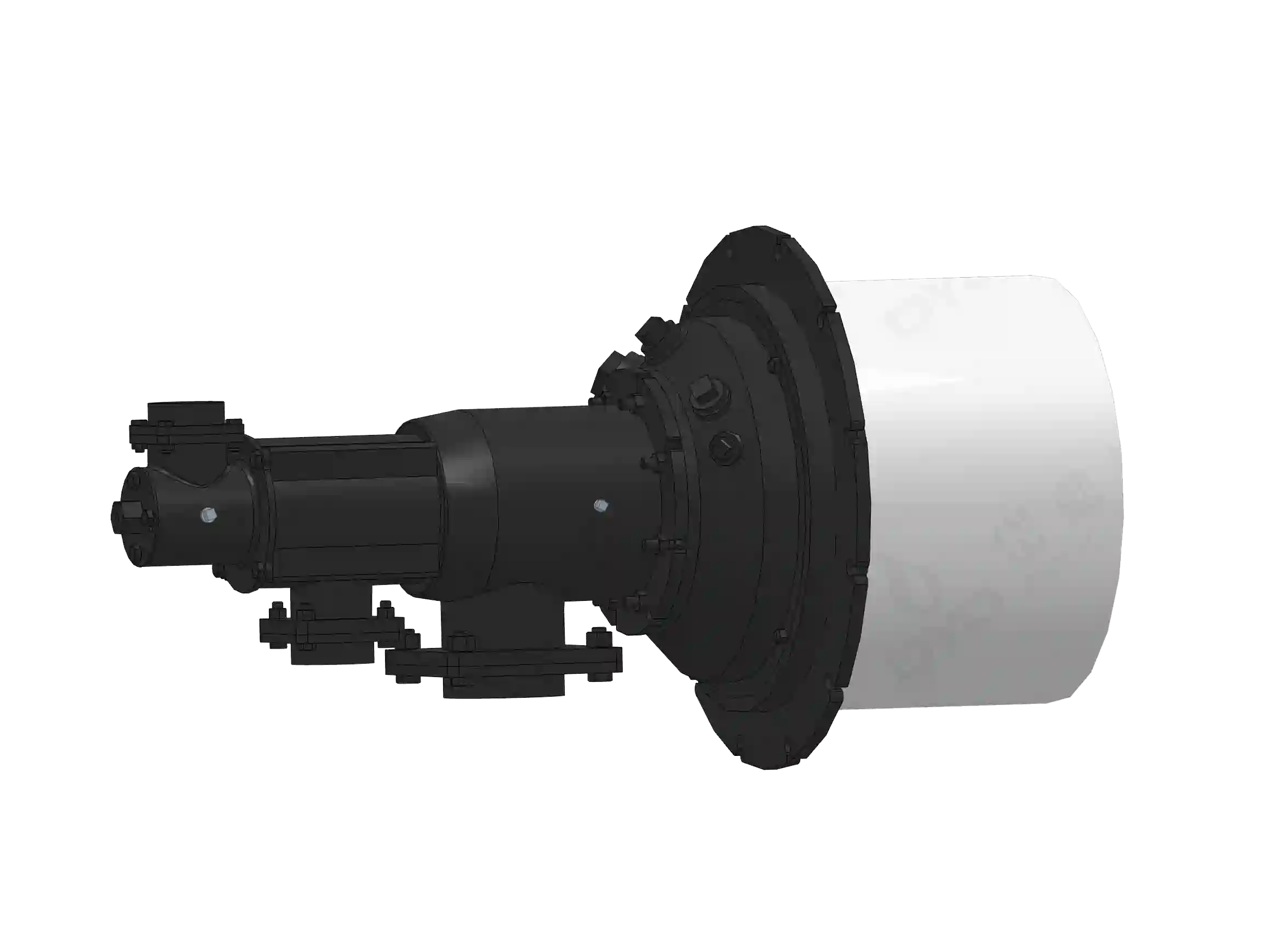
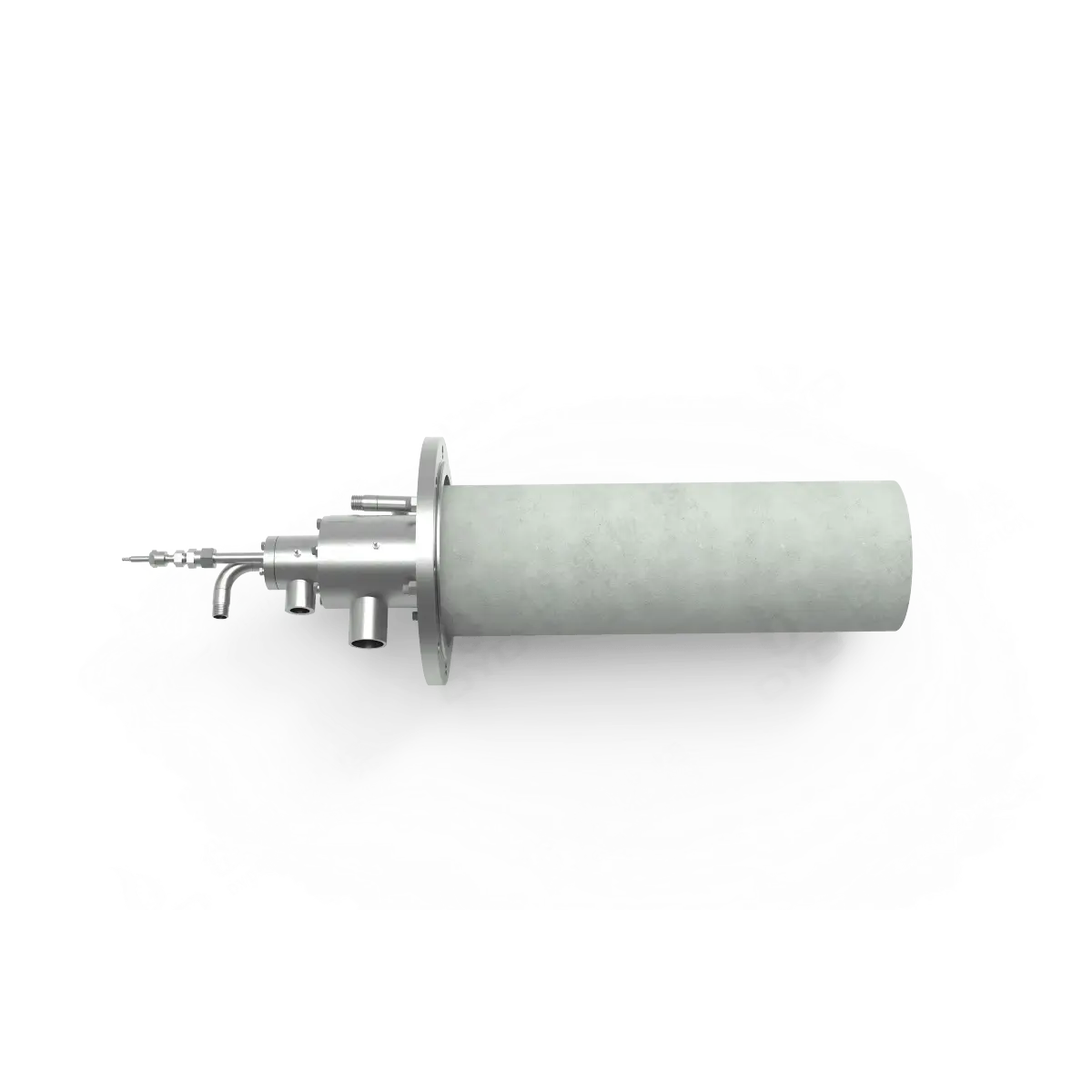
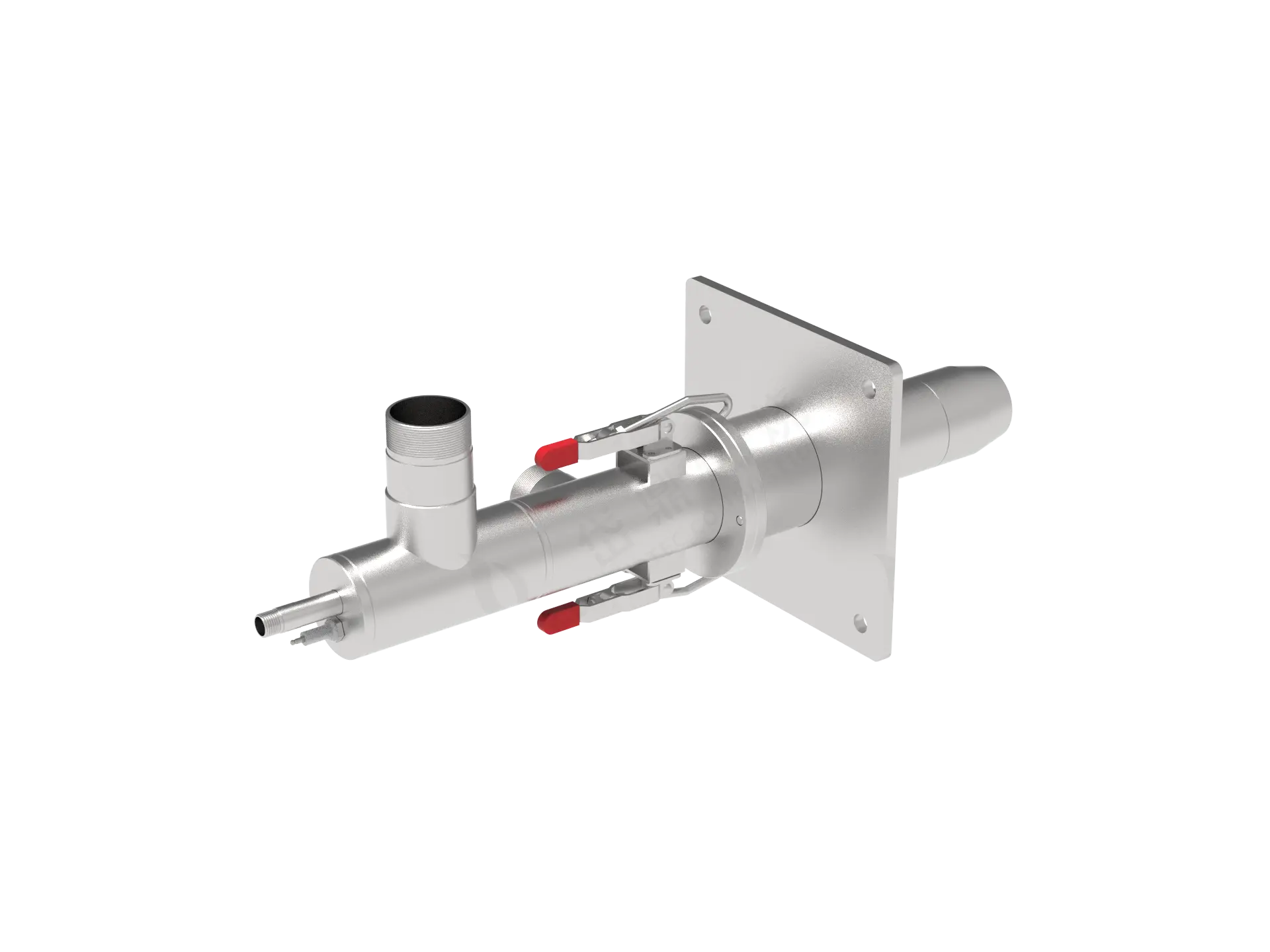
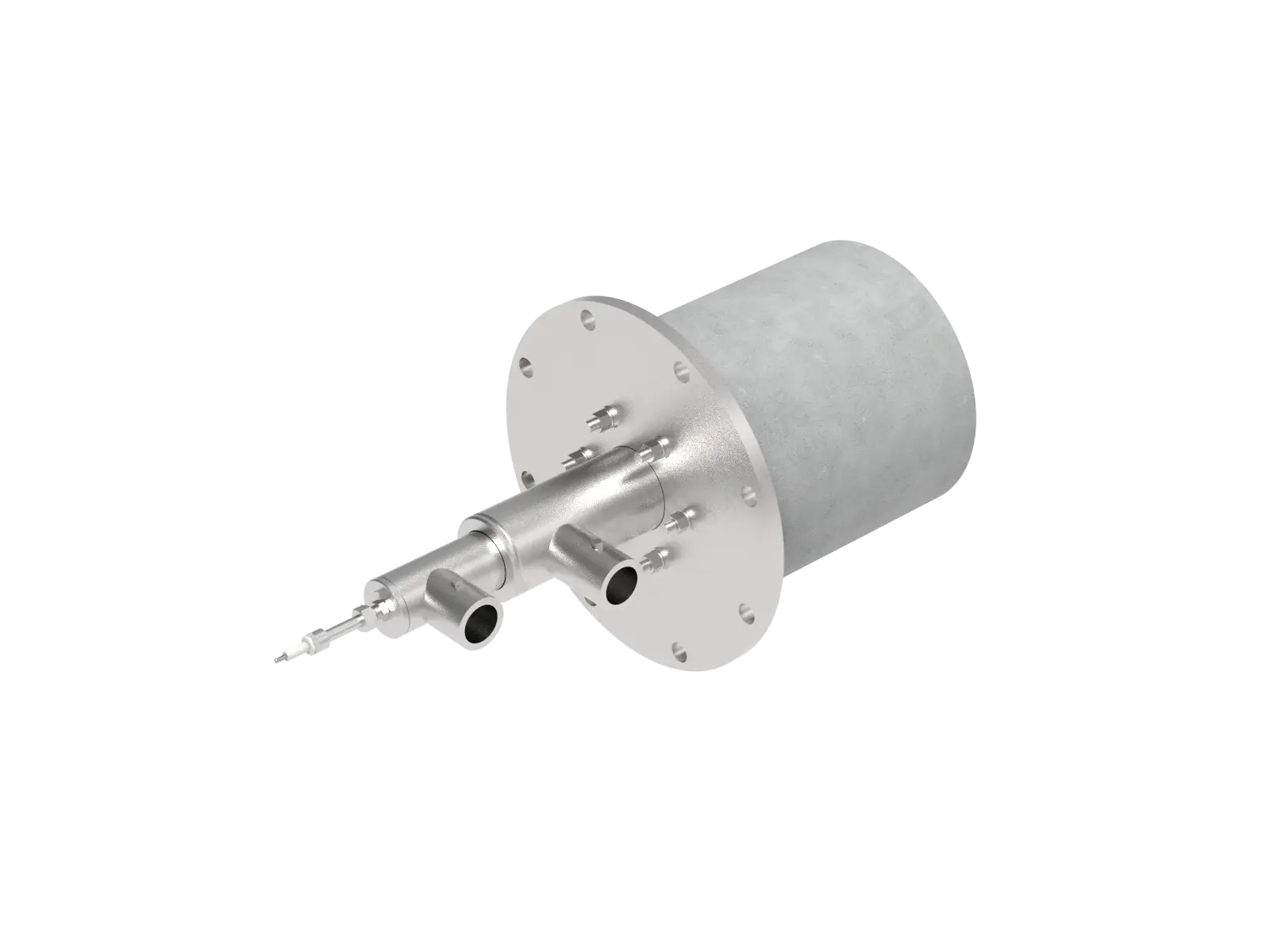
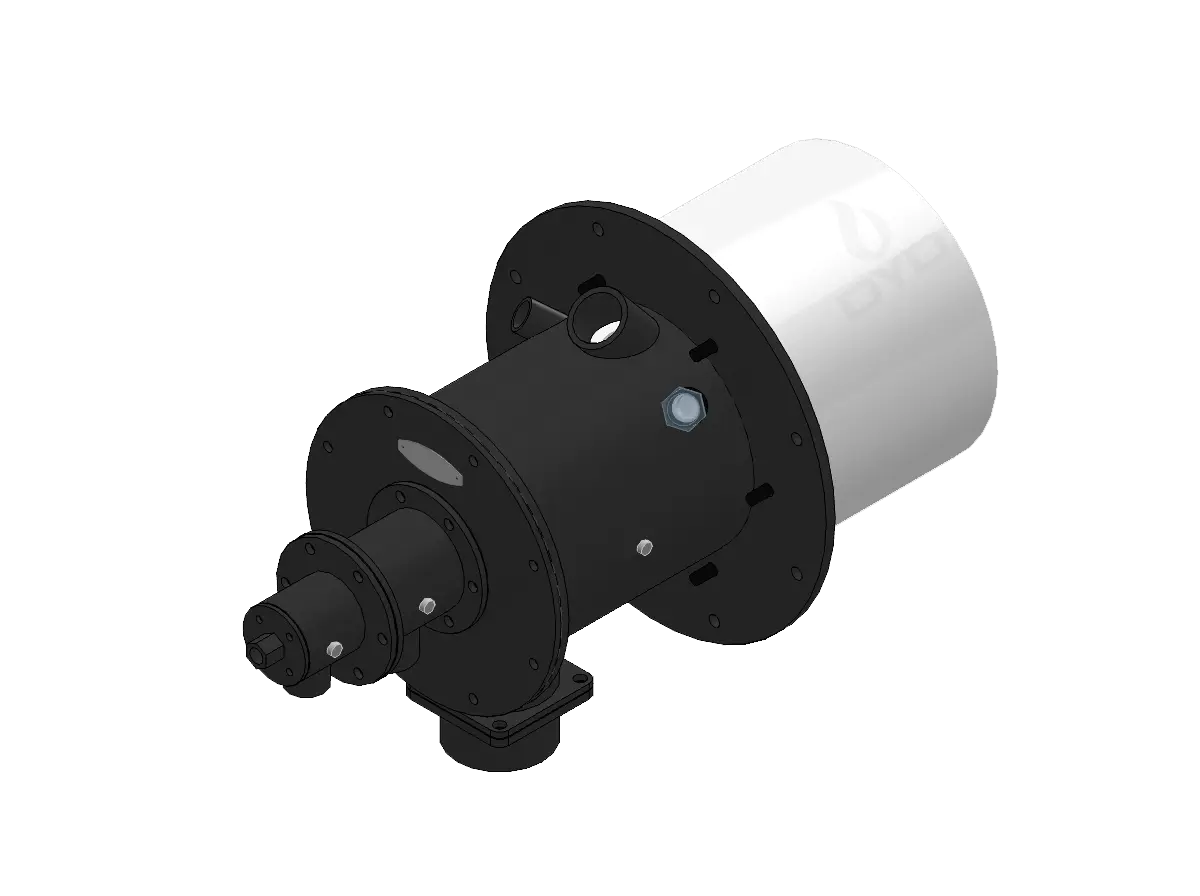
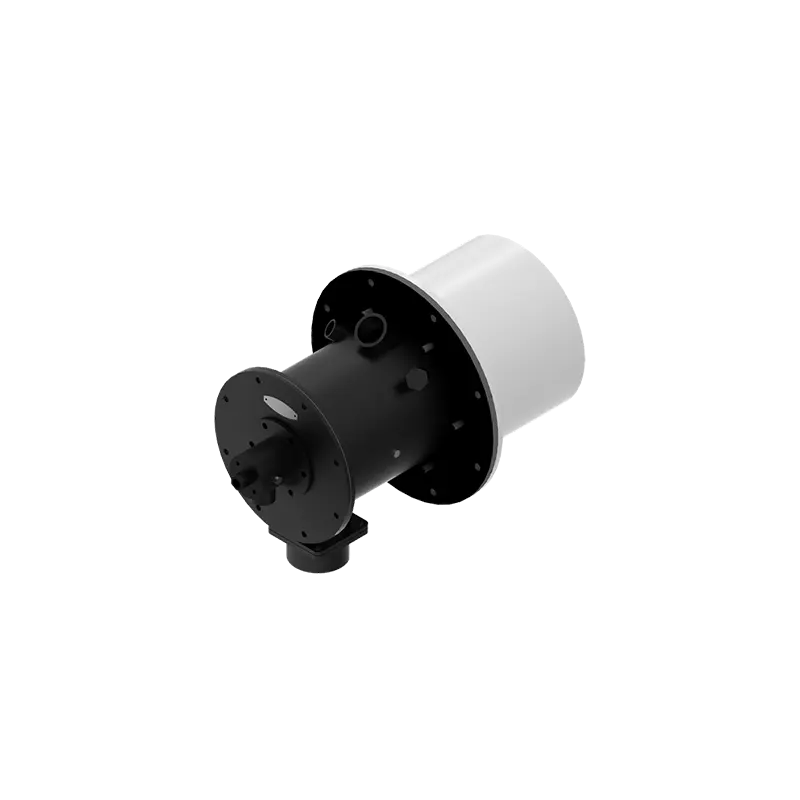
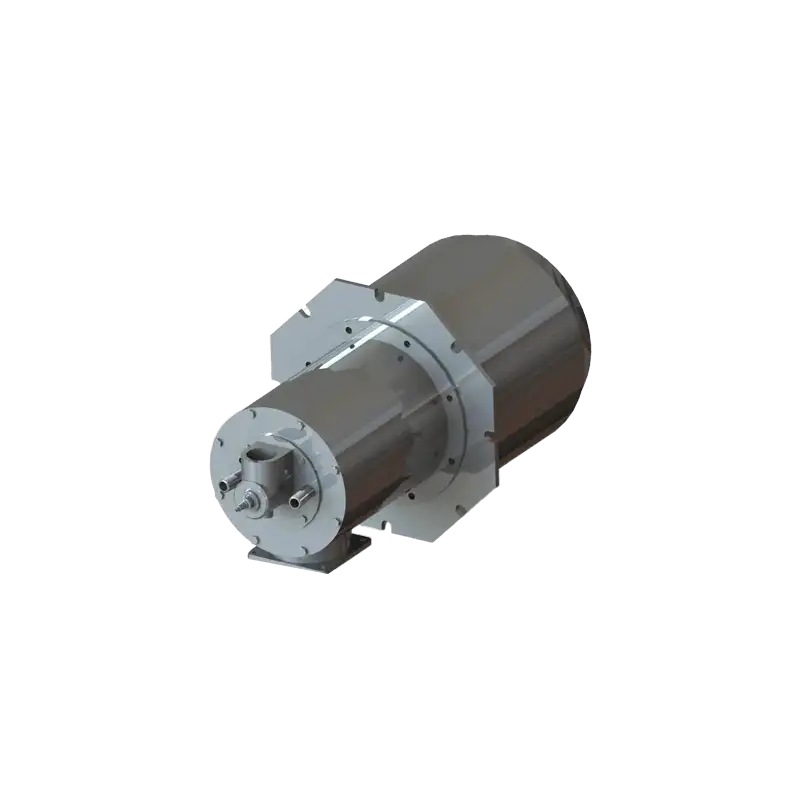
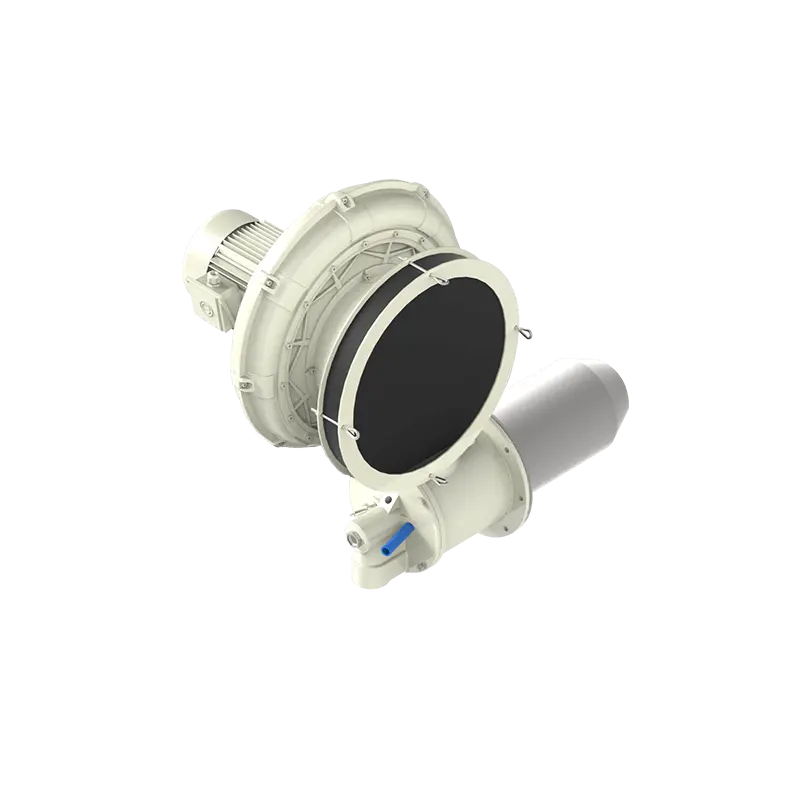
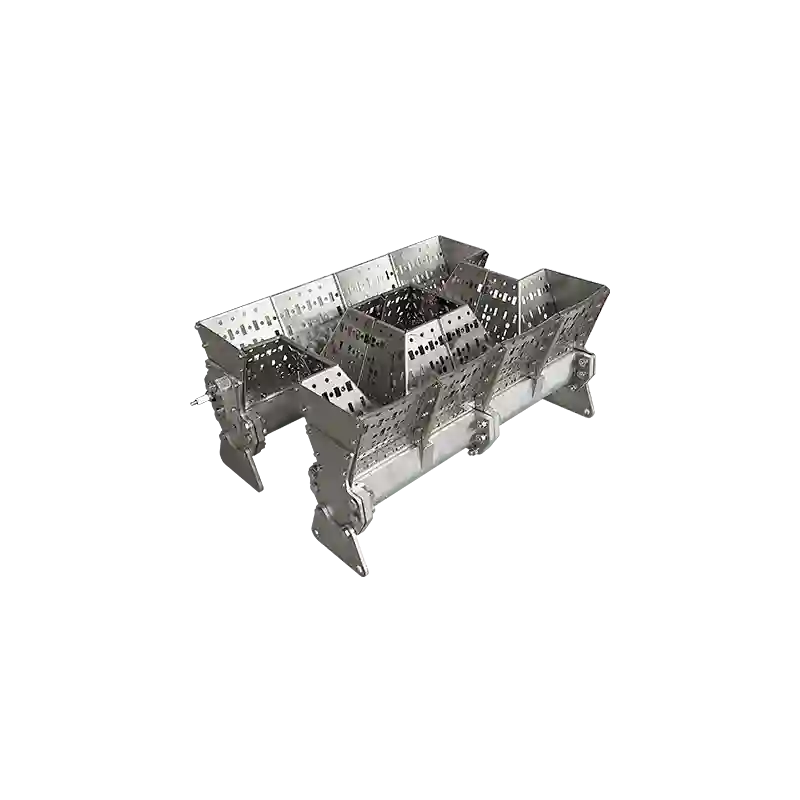
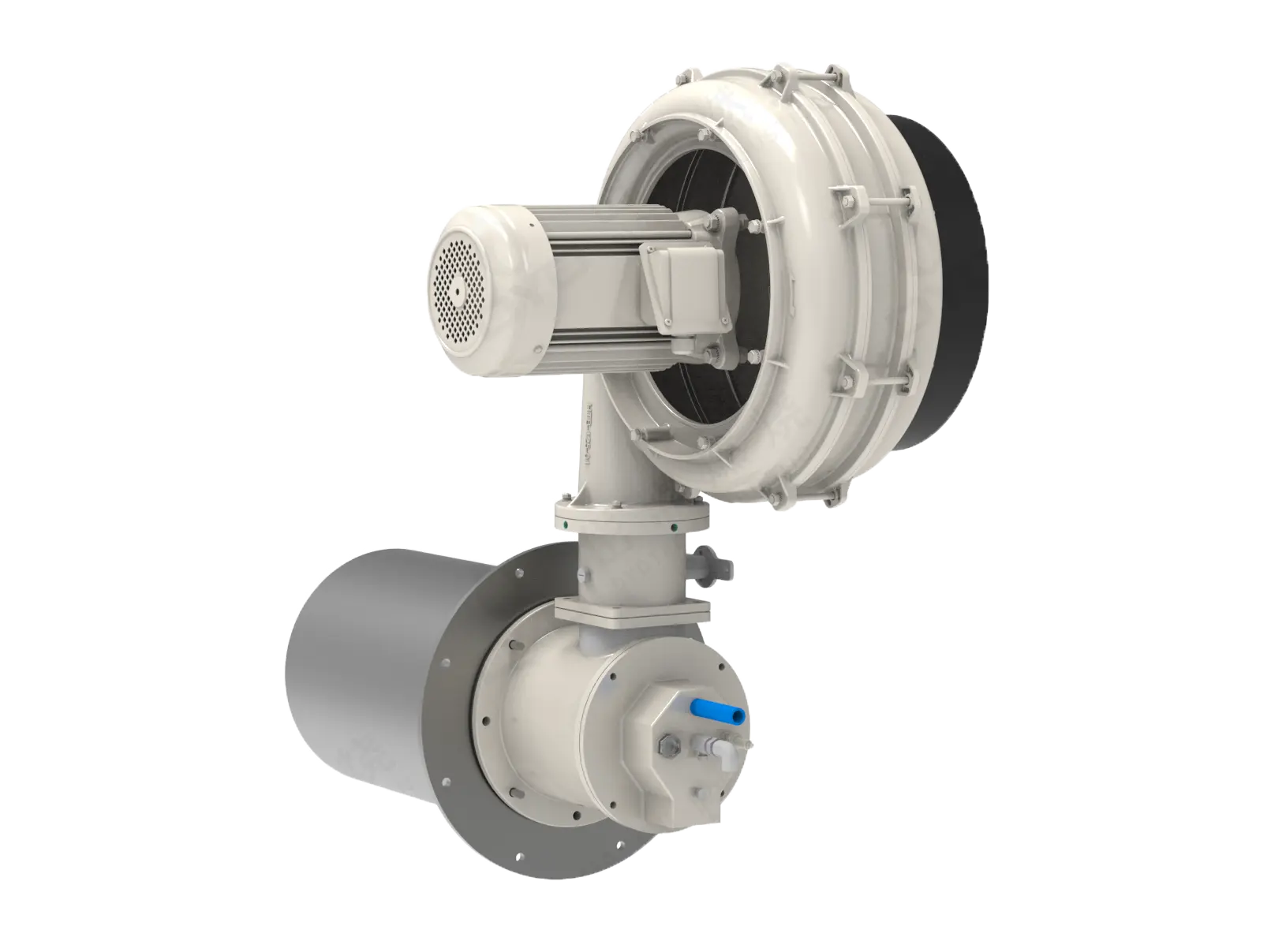
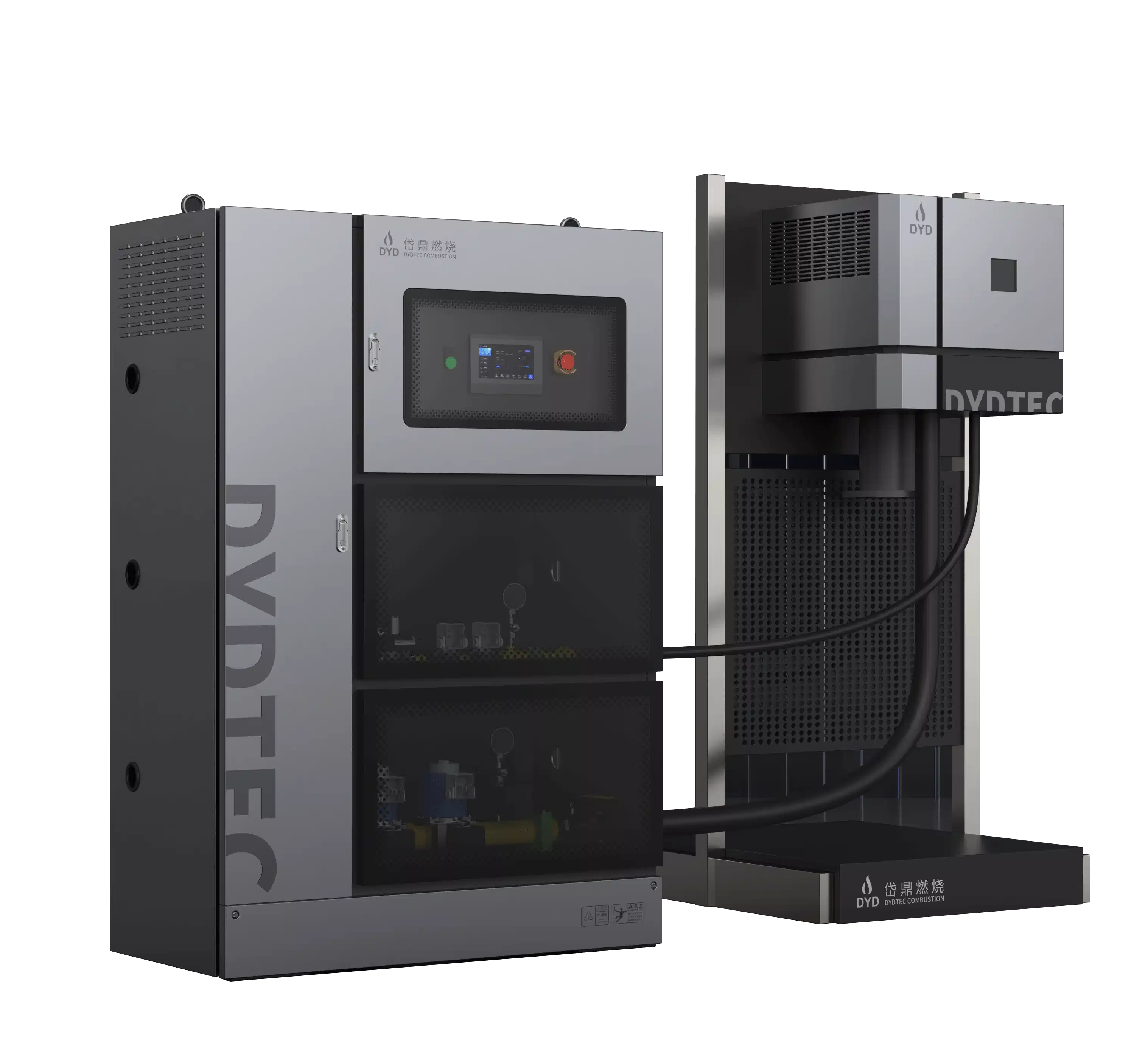
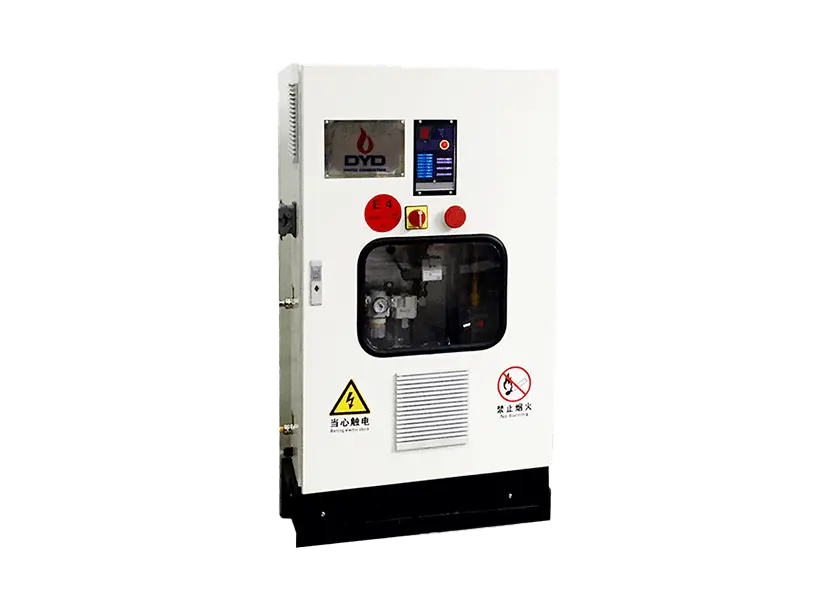
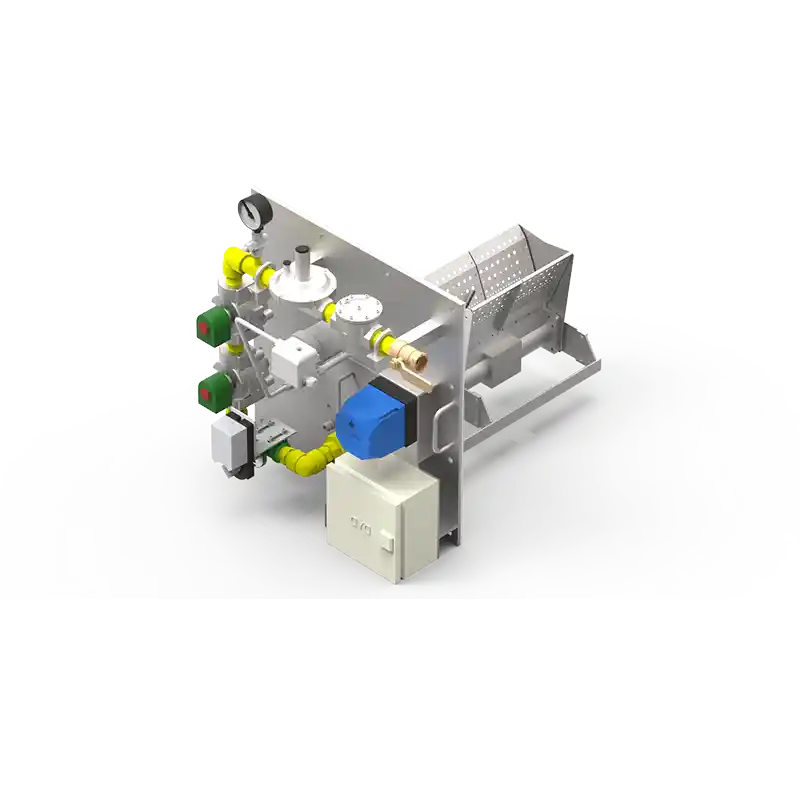
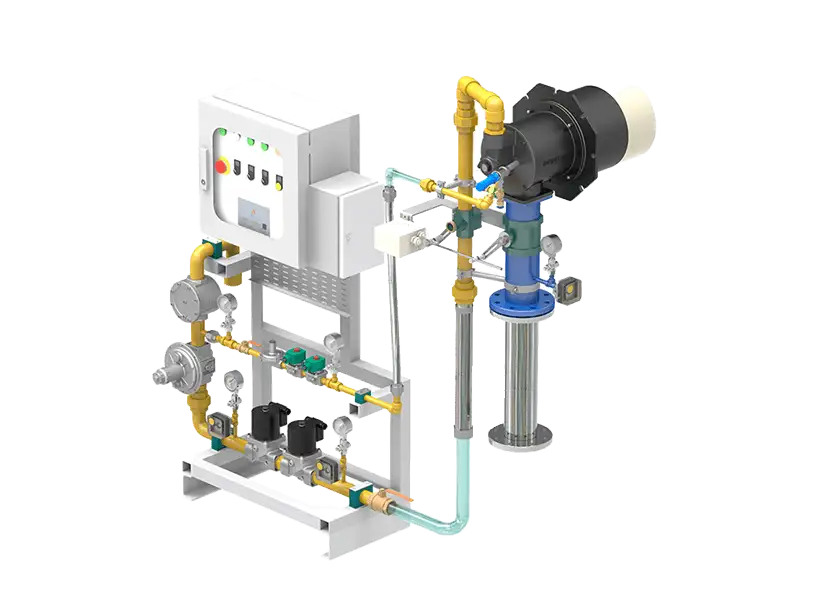
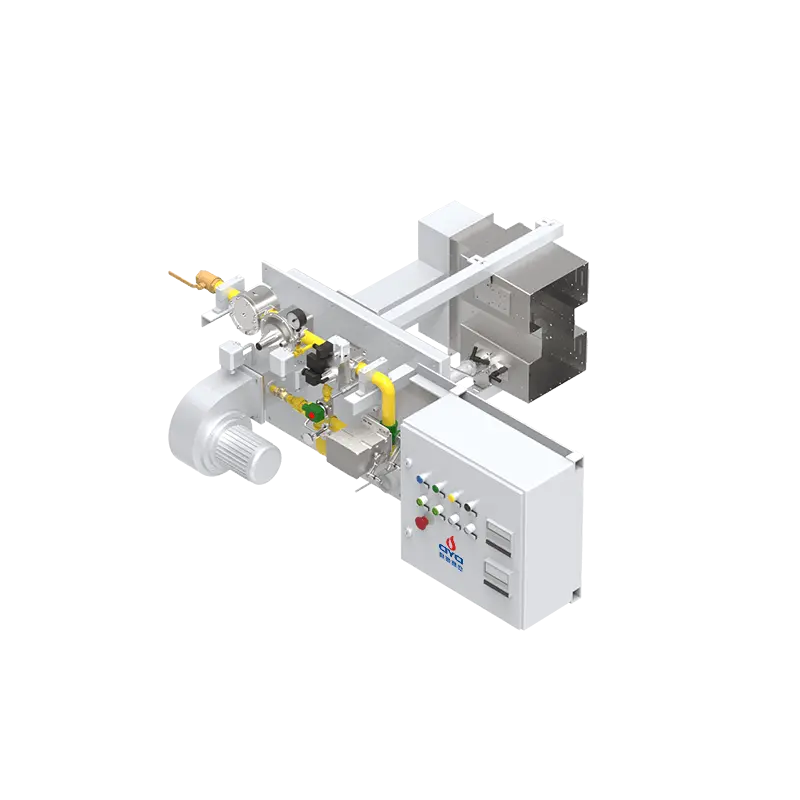
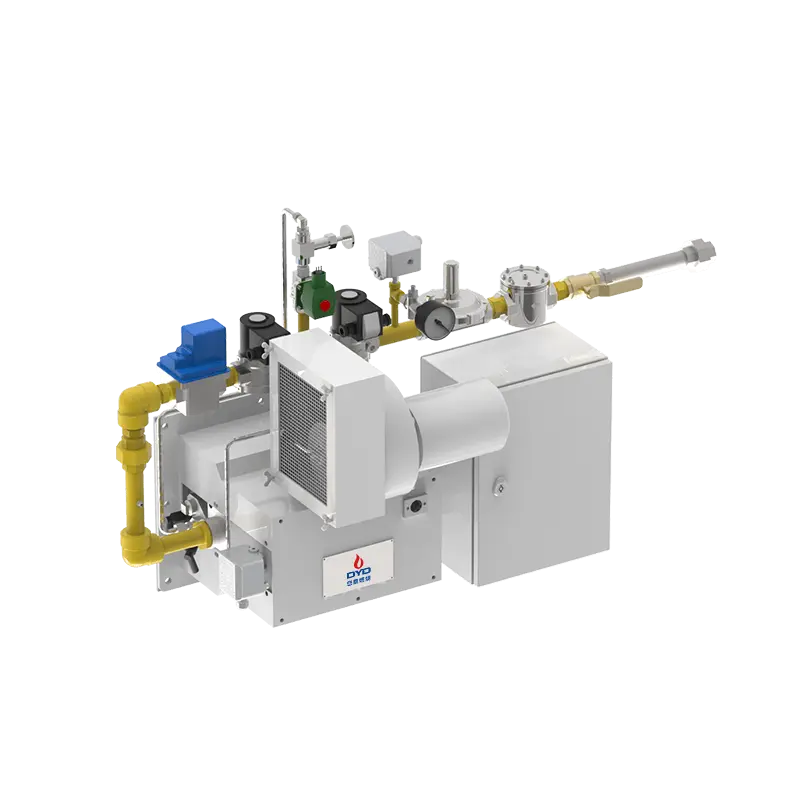
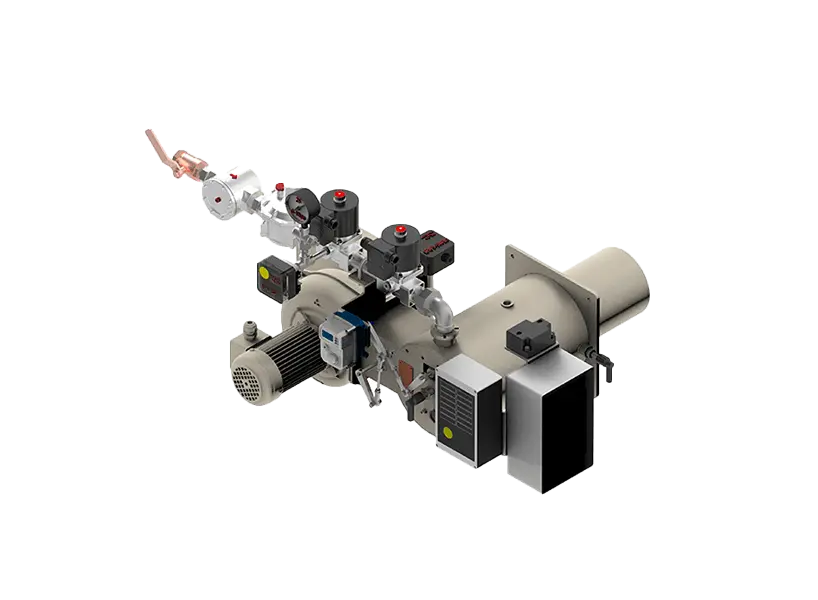
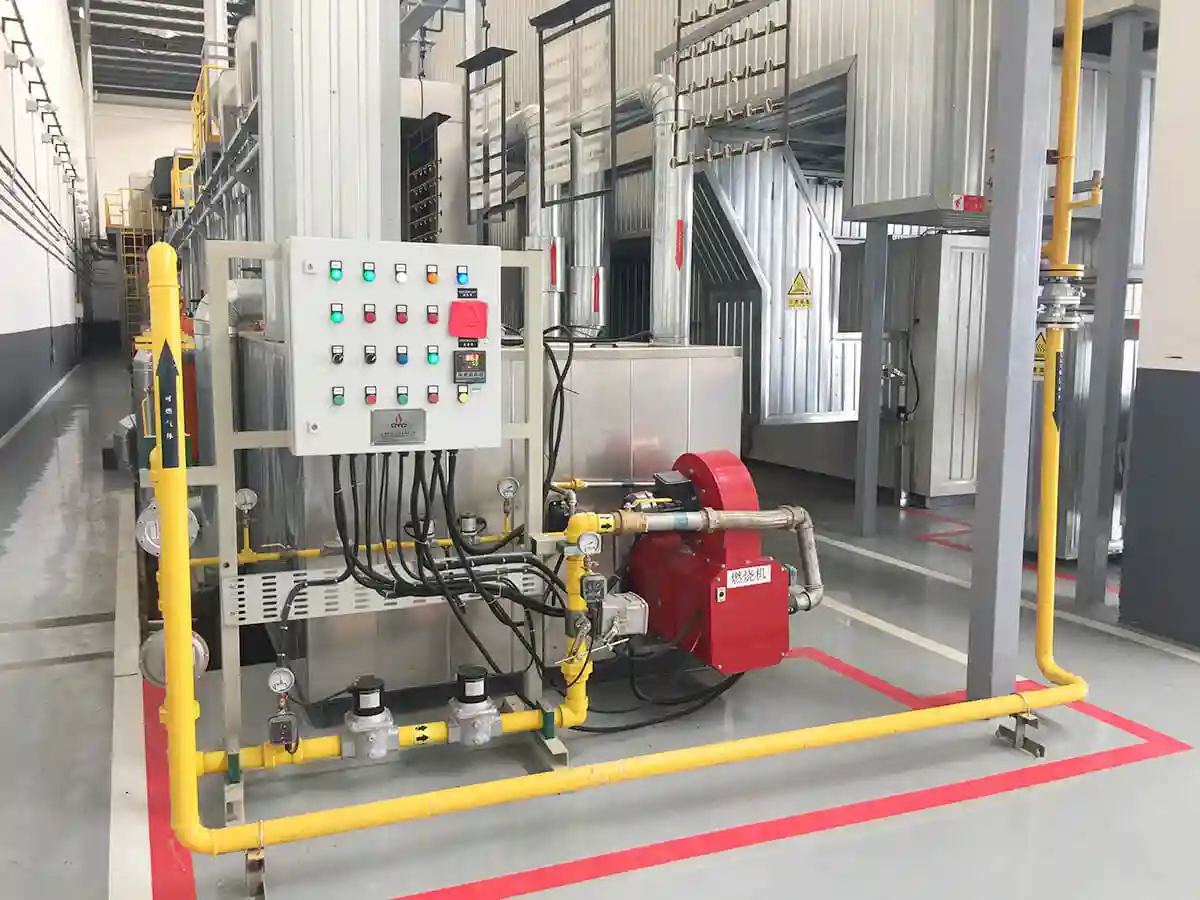
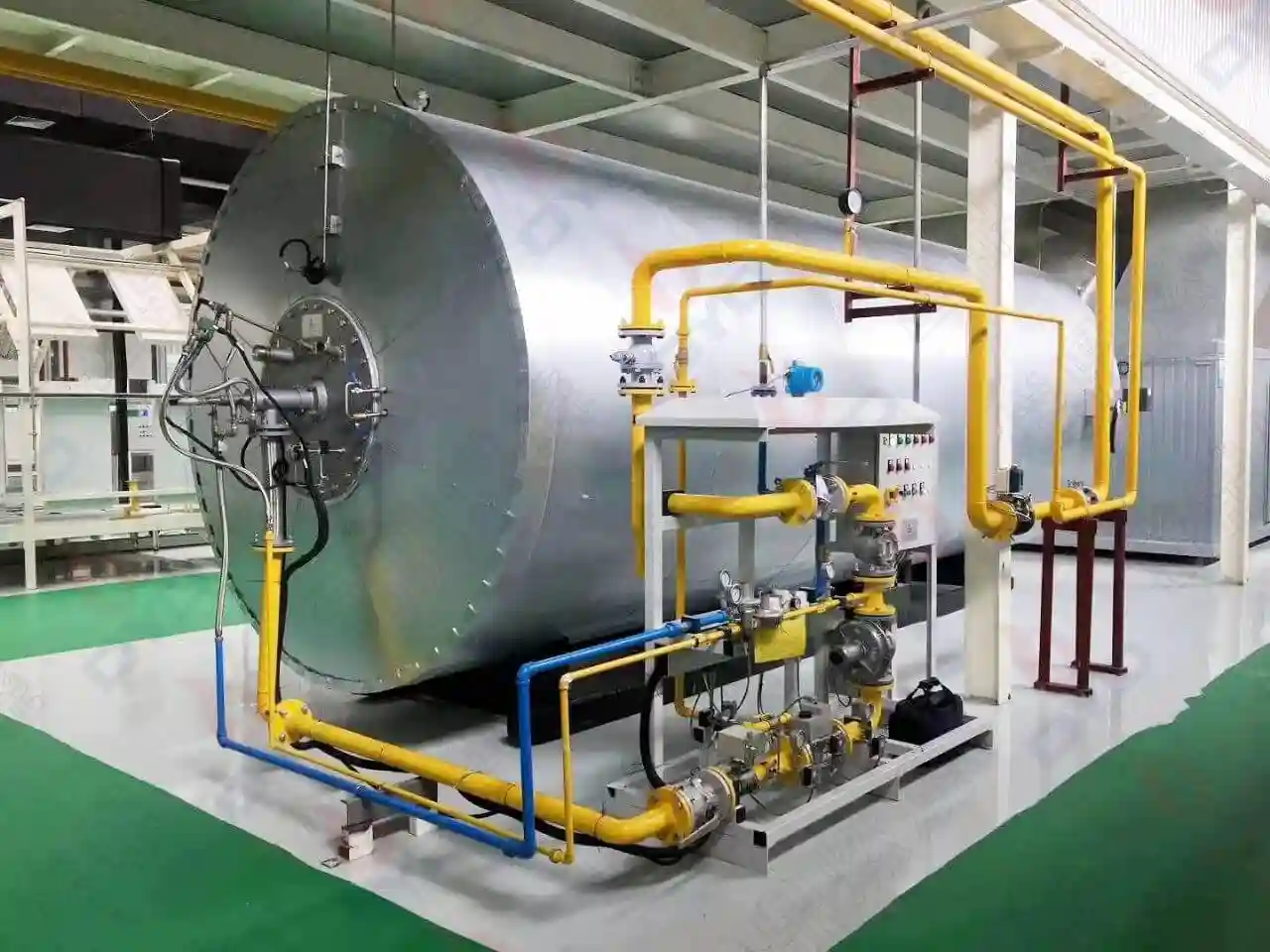
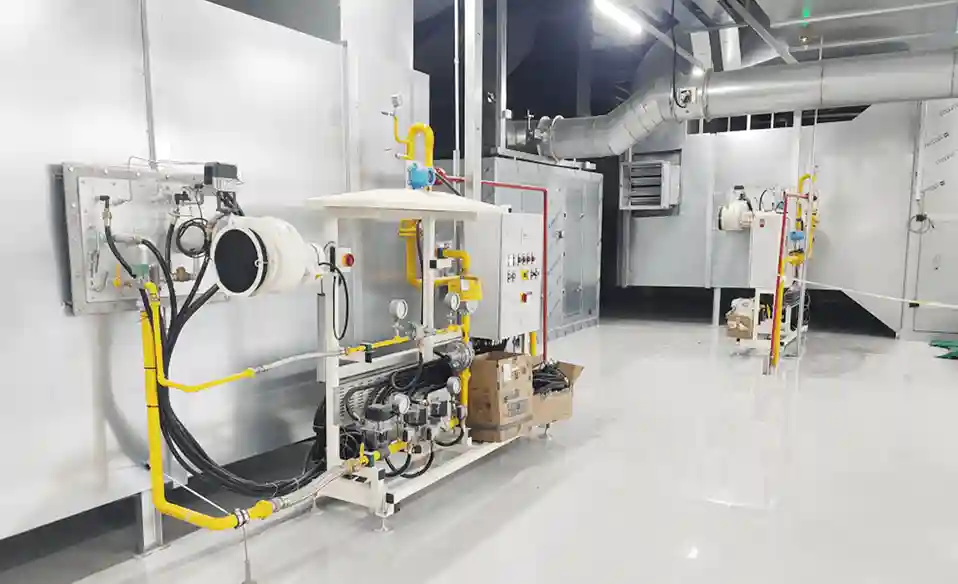
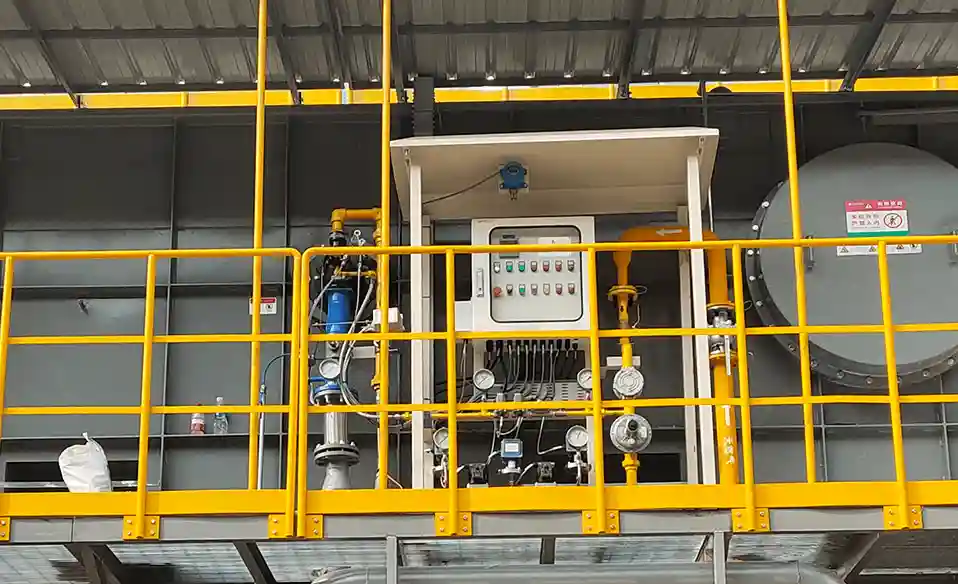
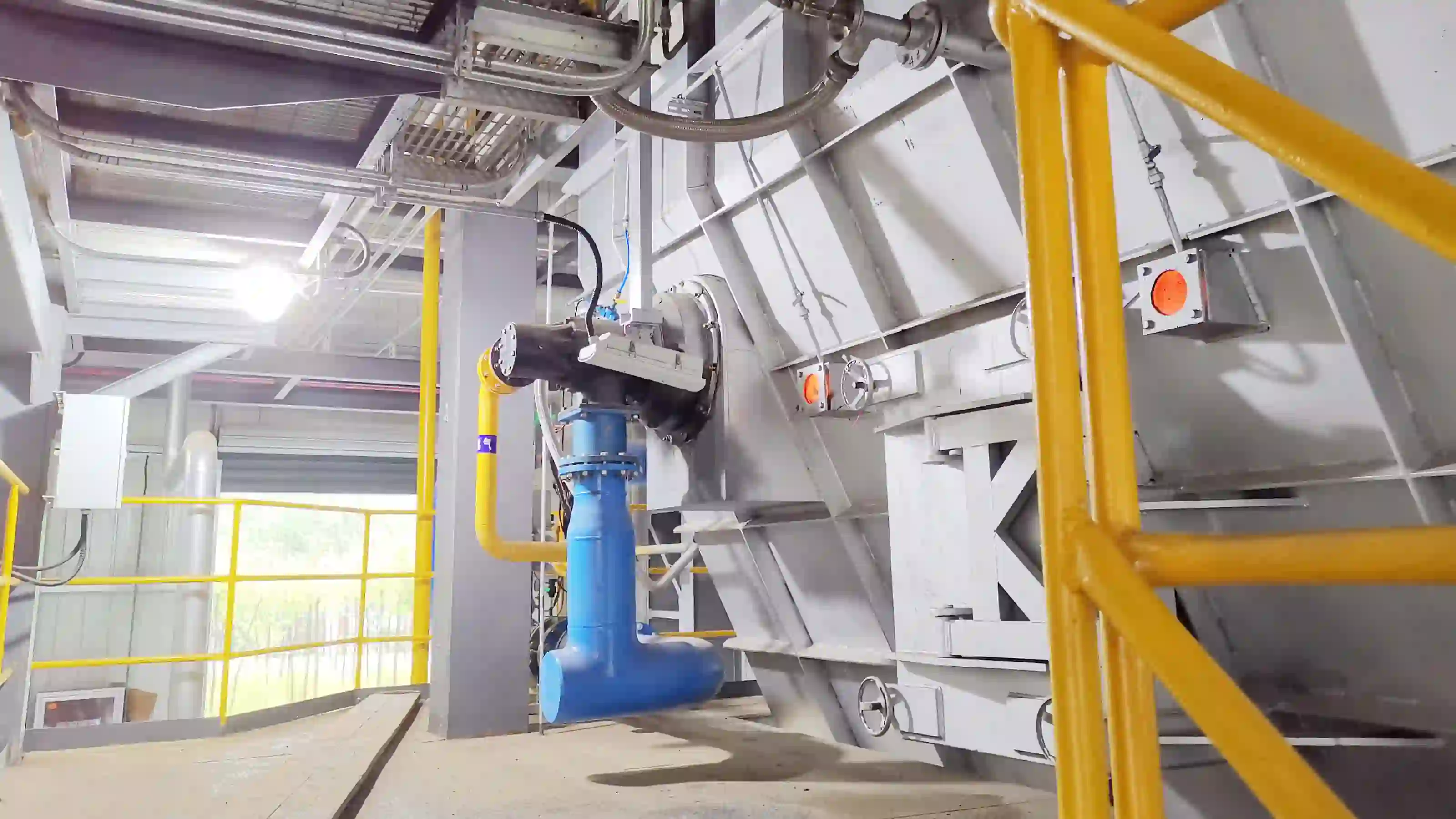
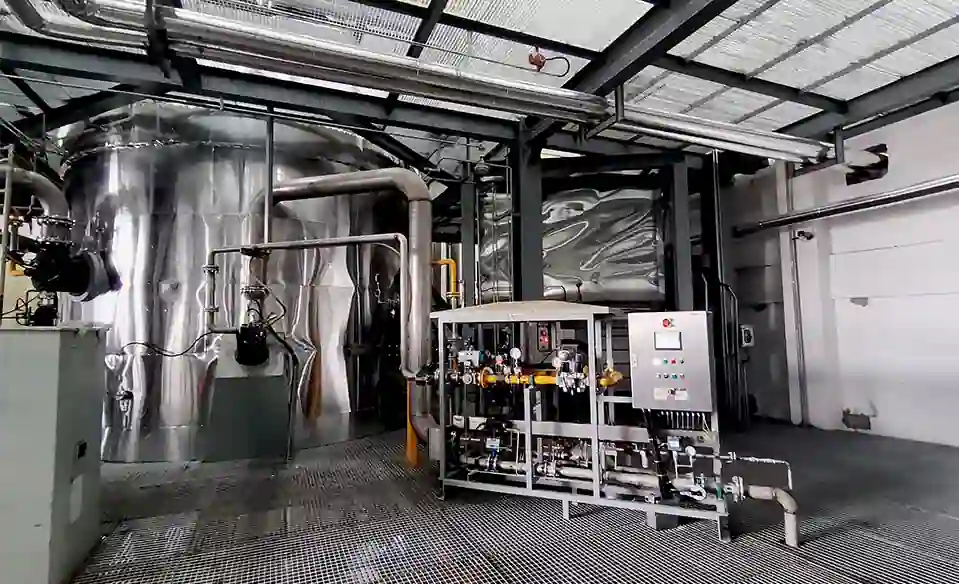
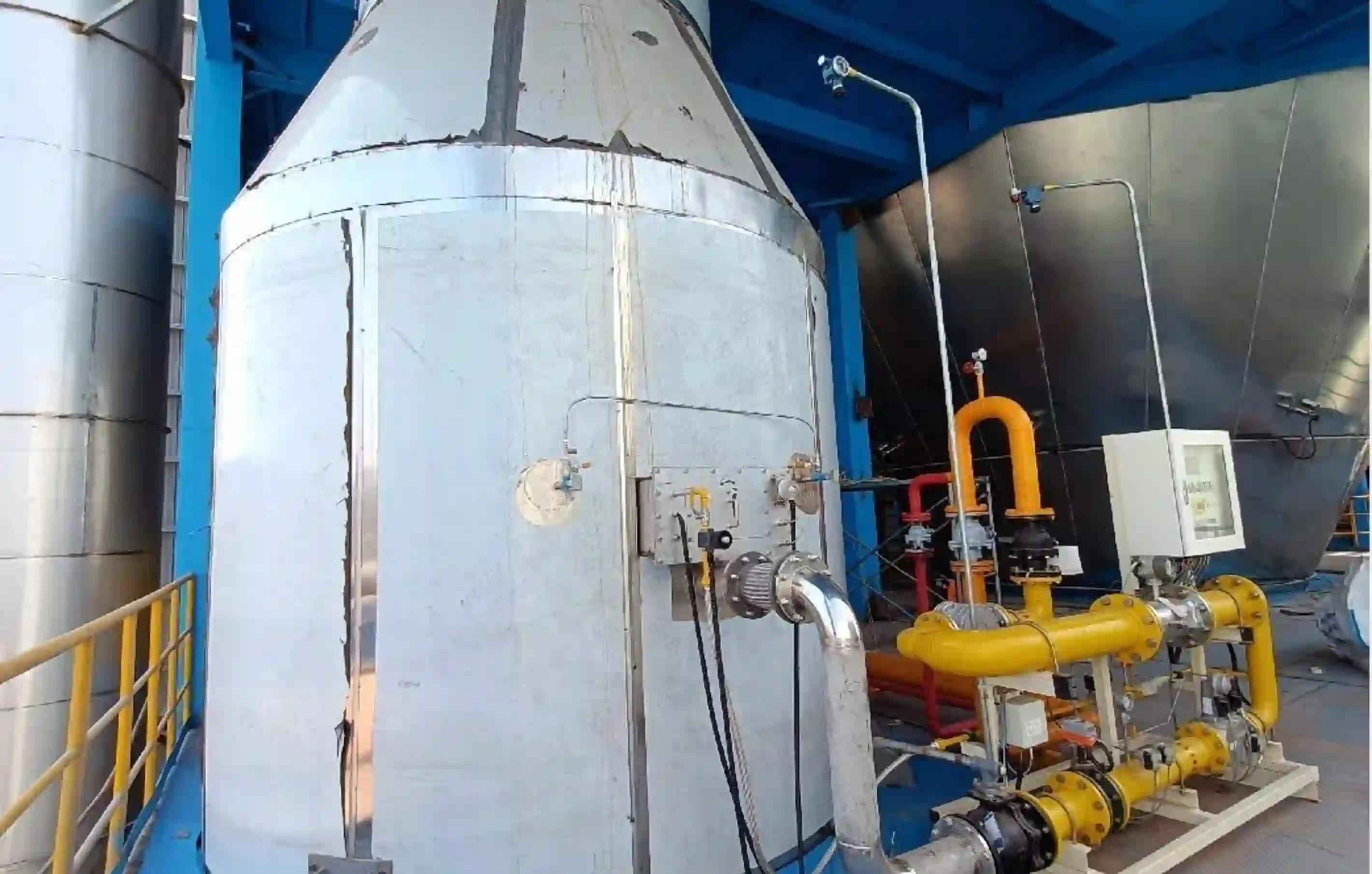
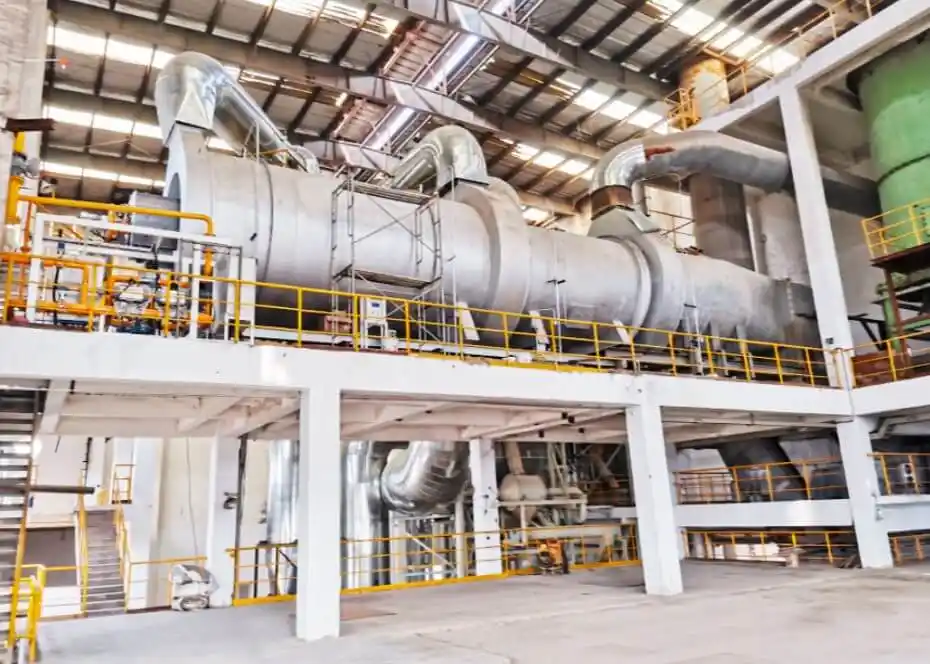
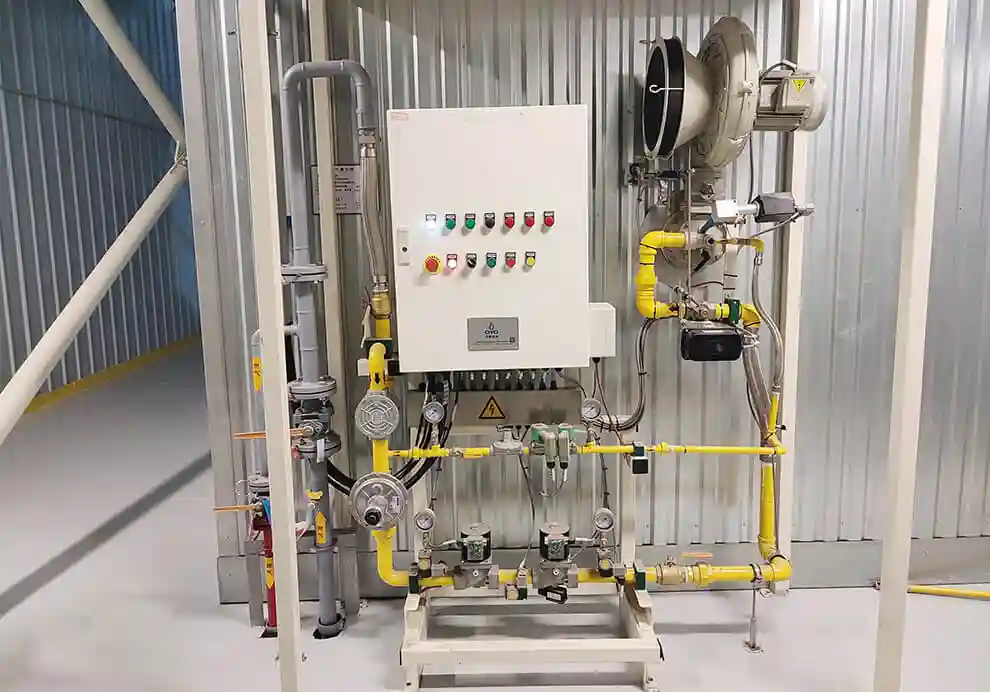
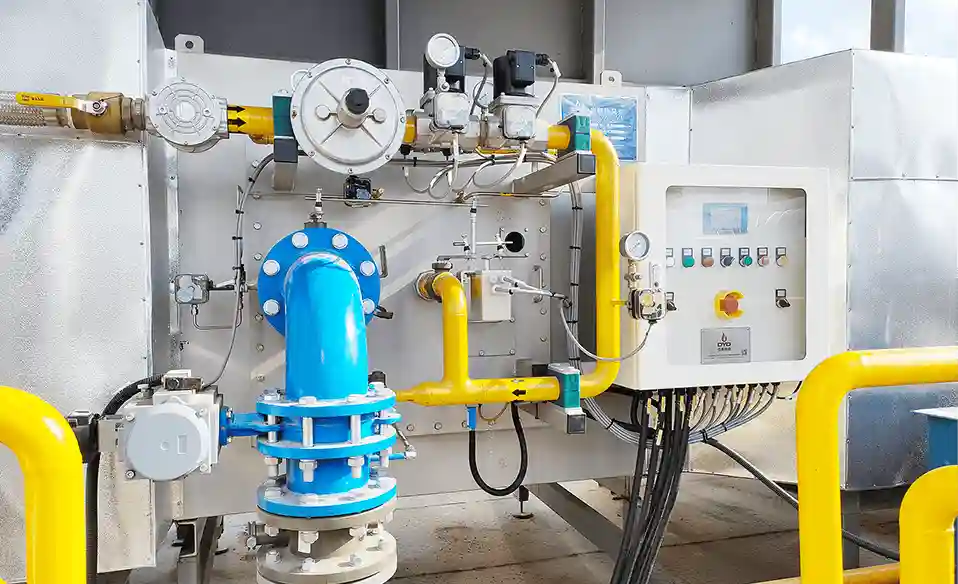
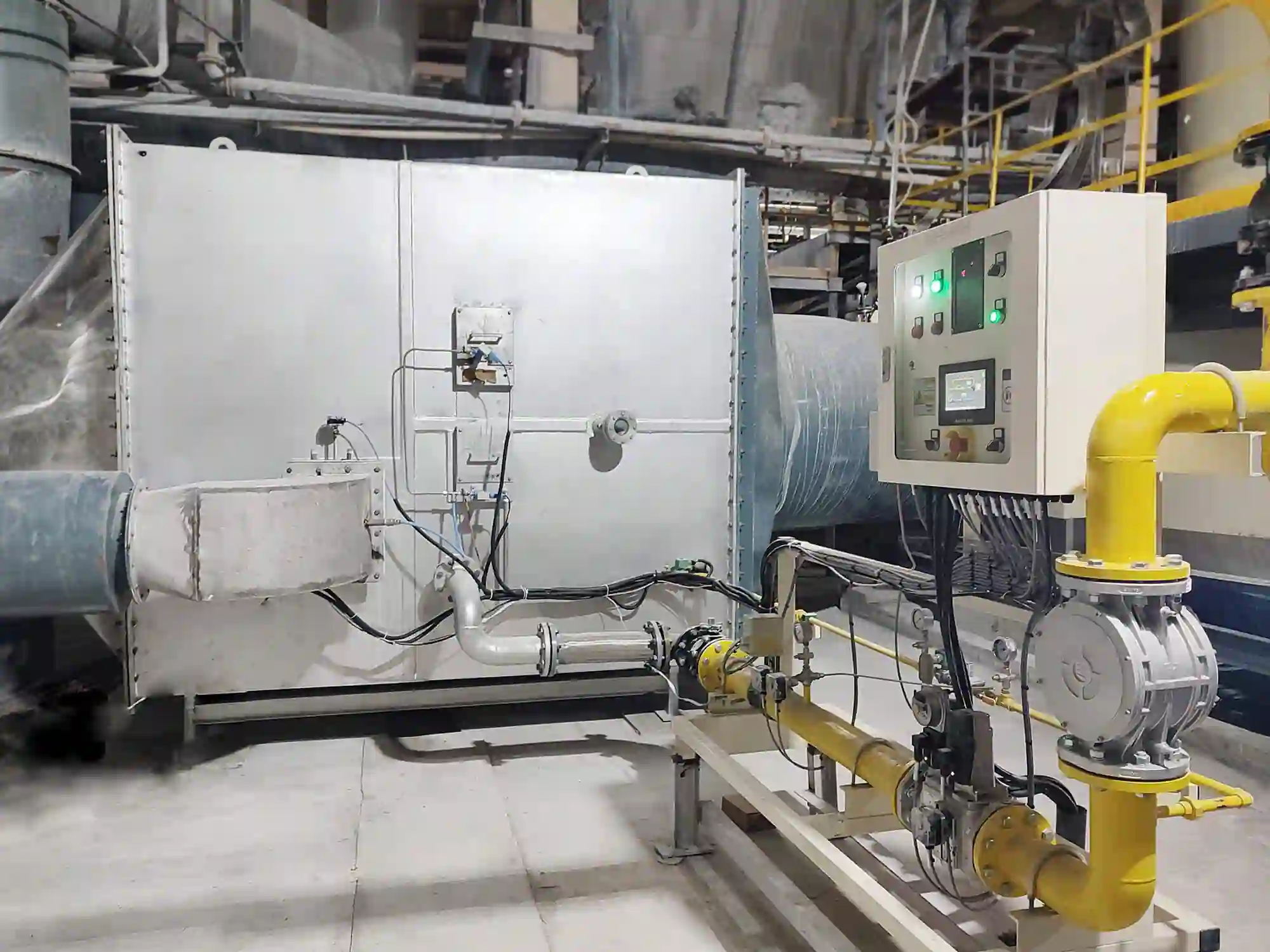
The paint oven burner is the core heat source equipment in industrial coating production lines. Its primary function is to provide stable, efficient, and uniform hot air for drying ovens, curing ovens, and spray booths, enabling coating curing, paint film drying, and product surface finishing. In the coating process, the oven's hot air system directly determines the final quality of the paint film—temperature uniformity, controllable heating rate, and precise holding time all directly affect coating adhesion, hardness, and appearance.
In industries such as automotive manufacturing, construction machinery, home appliances, metal products, and new energy equipment, coating processes demand high temperature control, air cleanliness, and operational stability. Therefore, paint oven burners must possess stable combustion capability (no flame detachment or flashback during long-term operation), precise temperature control (meeting the curing temperature profiles of different coatings), high thermal efficiency (reducing fuel consumption per unit of product), low NOx emissions (adapting to increasingly stringent environmental standards), long-term continuous operation capability (matching multi-shift production patterns of coating lines), and compatibility with coating equipment (coordination of installation dimensions, control interfaces, and hot air systems).
When selecting a paint oven burner manufacturer, key factors to evaluate include whether the company possesses industrial burner R&D capability, hot air system design capability, application experience in the coating industry, low-NOx combustion technology, and non-standard customisation capability. The diversity of paint ovens and the stringency of process requirements mean that the combustion system must be tailored to the specific equipment structure.
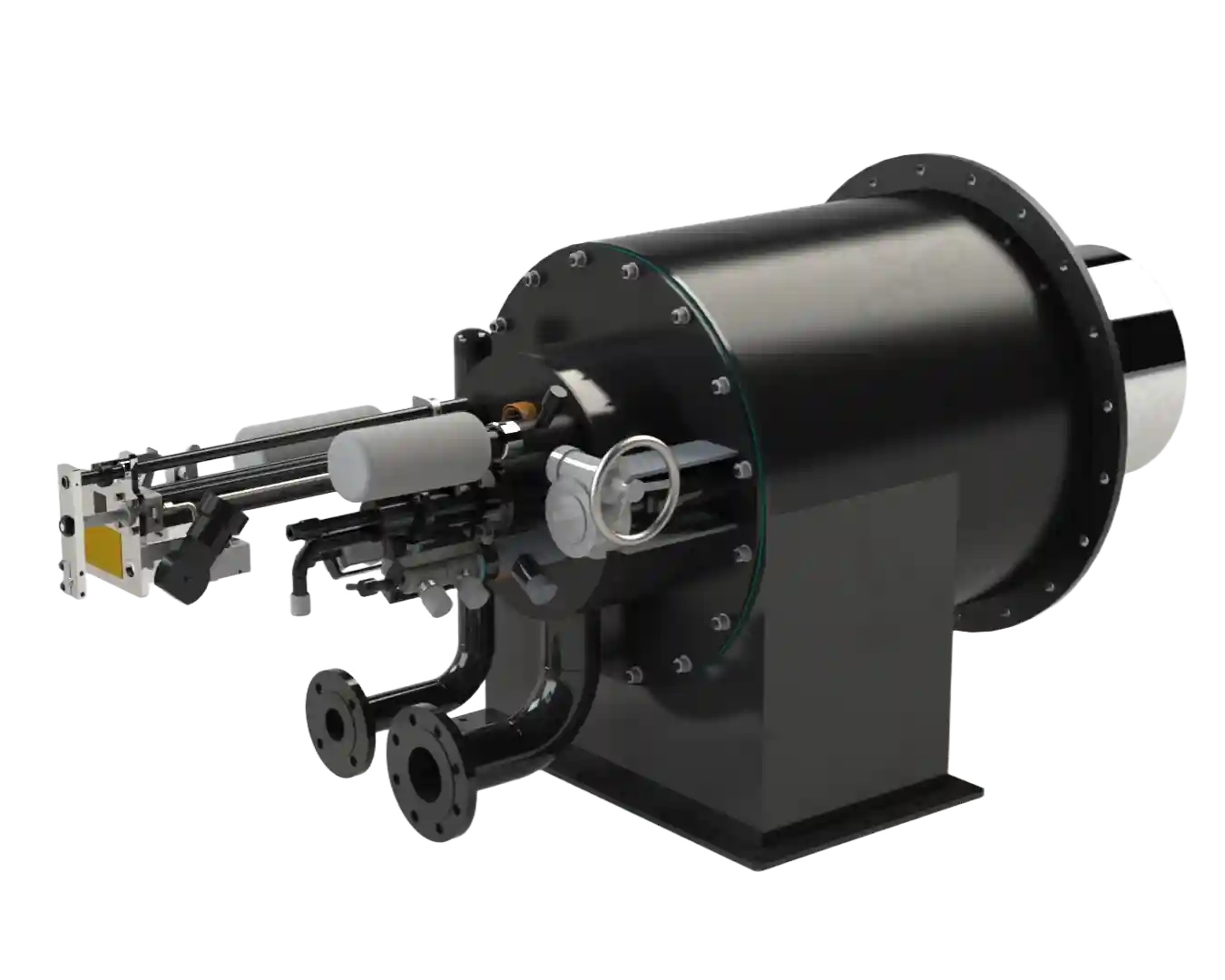
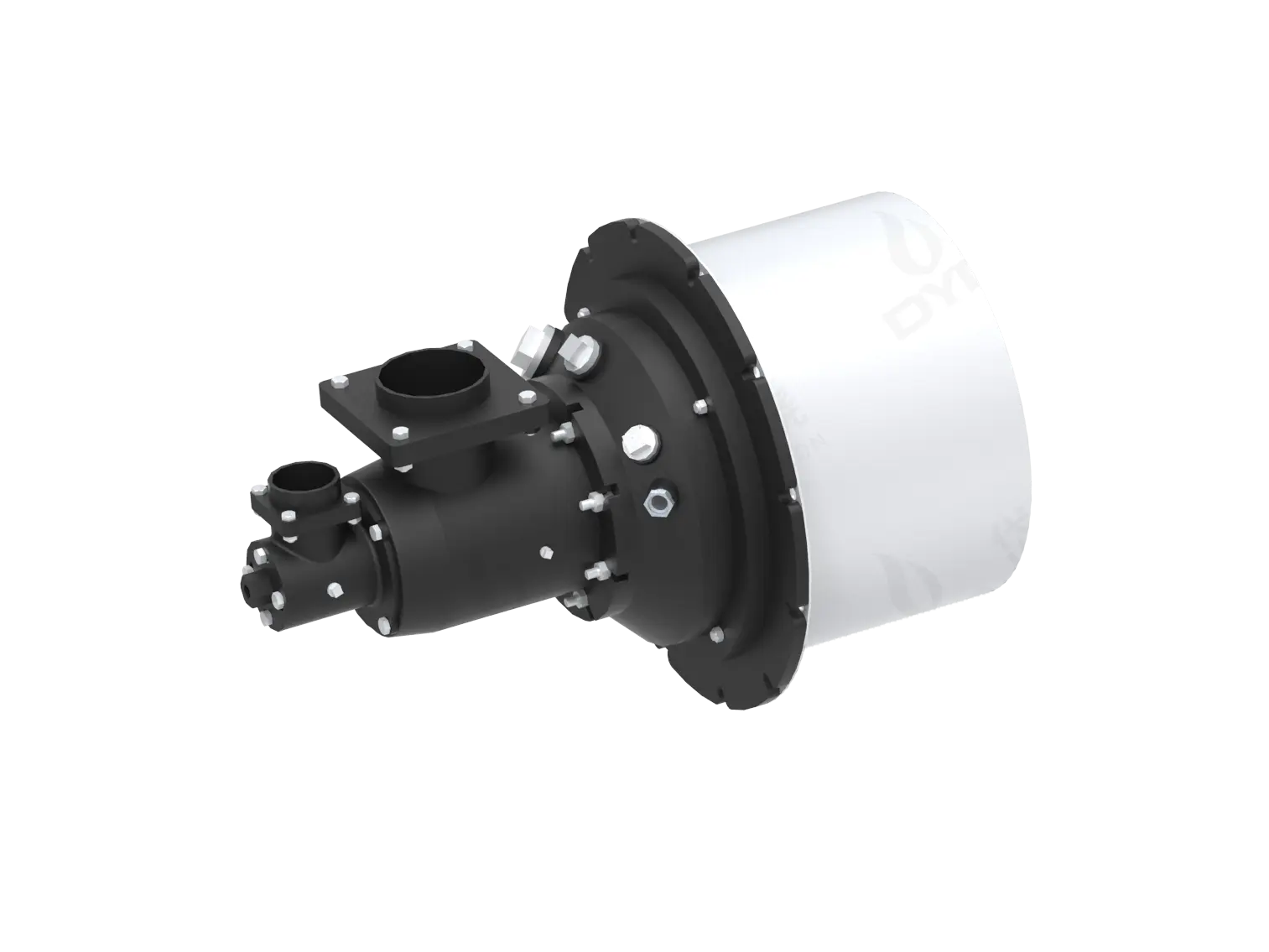
DYDTEC (Shanghai DYDTEC Equipment Technology Group Co., Ltd.) focuses on the R&D and manufacturing of industrial burners, linear burners, hot air furnaces, and combustion system integration. It can provide efficient and stable combustion solutions for automotive coating, industrial drying, spray curing, and other applications.
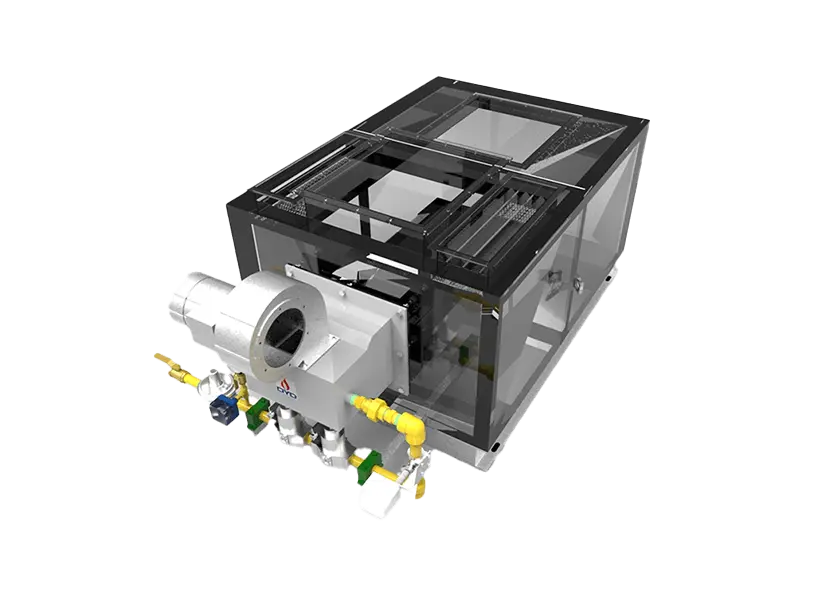
A paint oven burner is a heat source device installed in industrial coating drying equipment. It is not an independent heating unit, but rather a critical subsystem deeply coupled with the paint oven's hot air circulation system, temperature control system, and safety protection system—the burner's heat output characteristics determine the oven's temperature response speed, while the hot air system design determines the uniformity of heat distribution within the oven.
Its main function is to generate heat by combusting fuels such as natural gas or LPG, and then, through the hot air circulation system, deliver stable-temperature hot air into the oven to enable a series of physicochemical changes in the coating on the workpiece surface, including temperature rise, solvent evaporation, paint film levelling, and curing and forming. During the curing process, the resins in the coating undergo cross-linking reactions, solvents gradually escape, and the paint film transitions from liquid to solid state, ultimately forming a coating with sufficient hardness and adhesion—each stage of this process has precise temperature requirements.
Typical working process:
Fuel gas supply → burner combustion → heat generation → hot air circulation → oven temperature rise → coating curing
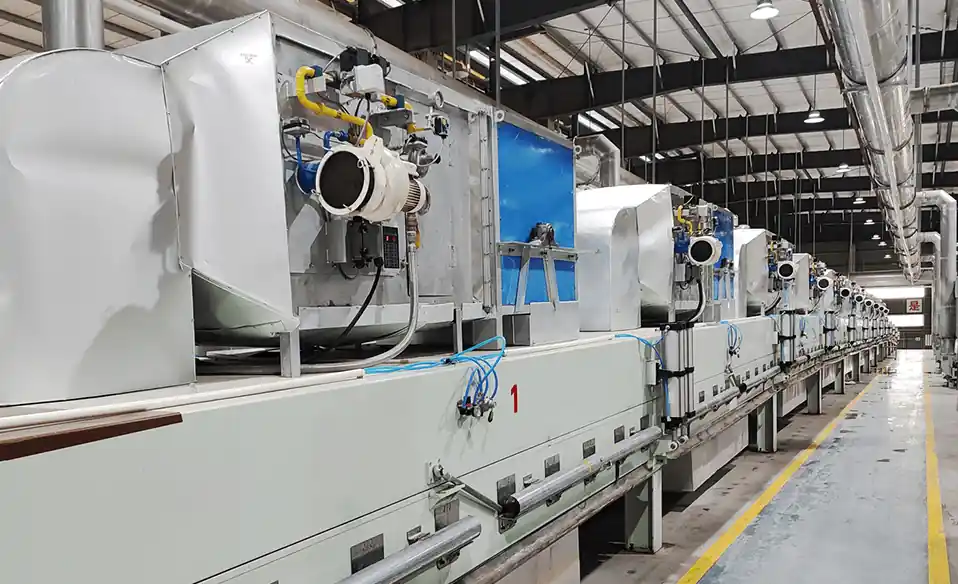
On a complete coating production line, the oven is typically divided into heating zones, holding zones, and cooling zones. The temperature settings and hot air flow rates for each zone must be precisely matched according to coating characteristics and workpiece heat capacity. The combustion system must coordinate with the controllers of each zone to achieve precise control of the overall oven temperature profile.
Application equipment includes automotive paint drying ovens (curing of electrophoretic primer, intermediate coat, and topcoat on car bodies), spray line ovens (spray curing of components and assemblies), powder coating curing ovens (melting, levelling, and curing of powder coatings), industrial parts coating equipment (surface finishing of various metal parts), and home appliance spray lines (coating curing for refrigerators, washing machines, and other home appliance products).
During coating curing, temperature directly affects paint film quality, adhesion, surface gloss, and curing effectiveness. The resins, curing agents, and solvents in the coating formulation undergo cross-linking reactions and volatilisation within specific temperature ranges—at low temperatures, cross-linking is incomplete, resulting in insufficient coating hardness; at high temperatures, solvent evaporation is too rapid, potentially causing pinholes or orange peel; temperature fluctuations may lead to inconsistent curing degrees across different areas of the coating.
If oven temperatures are non-uniform, problems may arise including inconsistent paint film thickness (temperature non-uniformity causes differences in coating flow characteristics), local under-curing (insufficient temperature in some areas, cross-linking reactions incomplete), surface defects (pinholes, orange peel, cratering, and other appearance issues), and product rework (non-conforming products require reprocessing, increasing costs and cycle time).
Therefore, the burner must provide stable heat output (combustion power not fluctuating over time), uniform hot air distribution (temperature differences across oven zones controlled within allowable limits), and precise temperature control (meeting the curing temperature profile requirements of different coating types).
Automotive and industrial coating lines typically feature high automation (the entire line is centrally controlled by PLC and host computer systems), long continuous production times (typically multi-shift continuous operation, stopping only for scheduled maintenance), and high downtime costs (coating line stoppages affect the entire production rhythm, causing significant capacity losses).
The combustion system must ensure reliable ignition (successful flame establishment on every start), stable flame (unaffected by fluctuations in gas and air pressure during continuous operation), flexible load regulation (adapting to heat demand changes under different production cadences), and low failure rates (reducing unplanned downtime that impacts production).
In addition to energy consumption, the coating industry is paying increasing attention to NOx emissions, combustion efficiency, and exhaust gas treatment pressure. Emission standards for the coating industry continue to tighten, and the environmental performance of oven combustion systems has become an important indicator for environmental compliance assessment.
Low-NOx combustion technology can reduce pollutant generation by optimising air-gas mixing (precisely controlling the air-fuel ratio to avoid oxygen-rich high-temperature zones), lowering flame peak temperatures (inhibiting thermal NOx formation through combustion organisation and staging), and improving combustion organisation (making the flame temperature field more uniform).
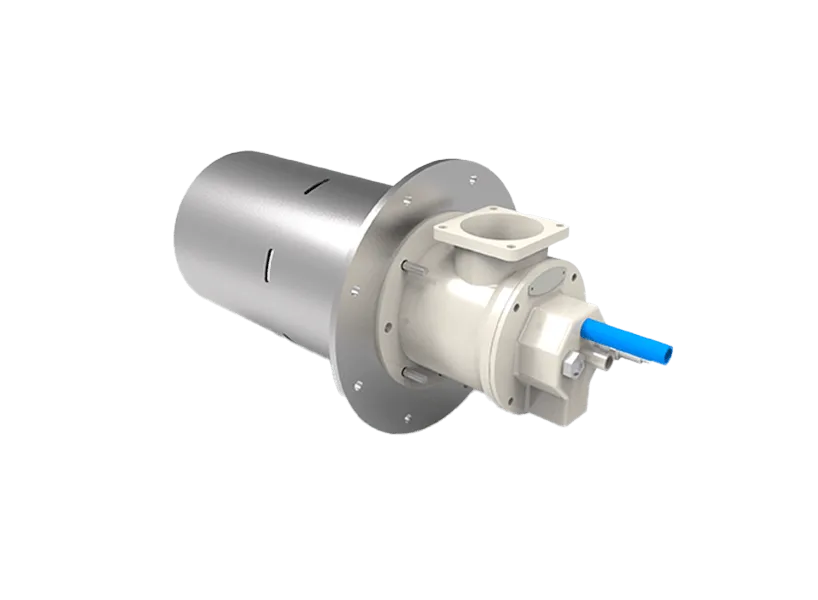
DYDTEC offers a range of low-NOx burner products suitable for low-emission scenarios such as industrial heating, hot air furnaces, and drying, helping coating equipment manufacturers meet increasingly stringent environmental standards.
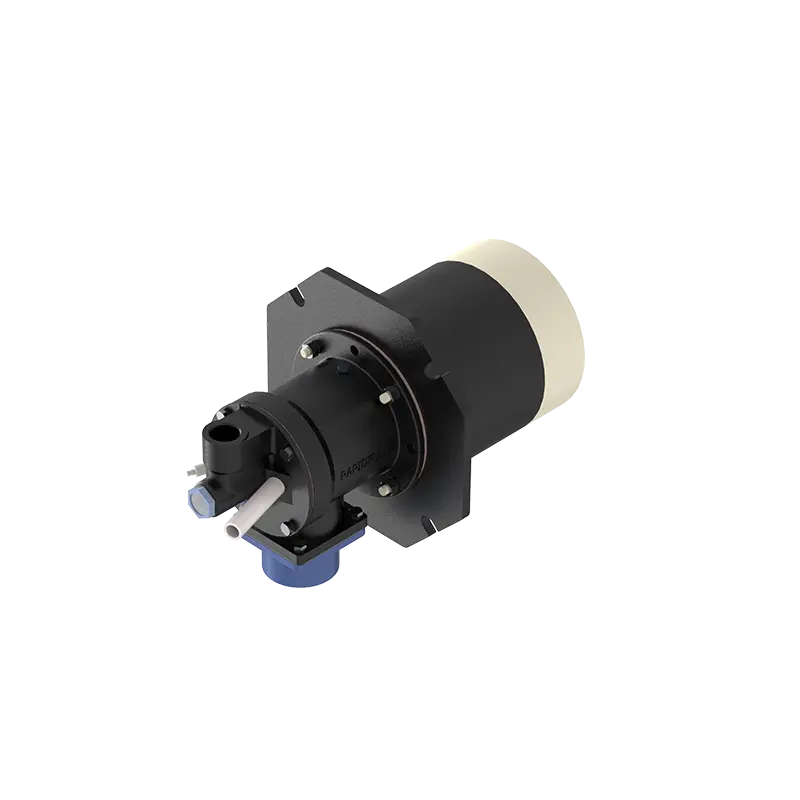
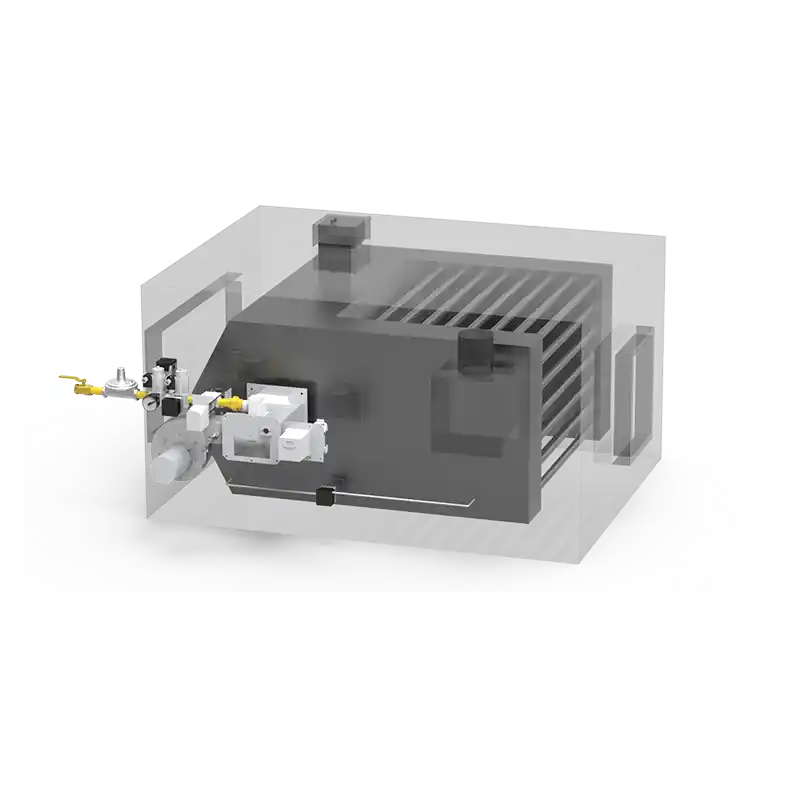
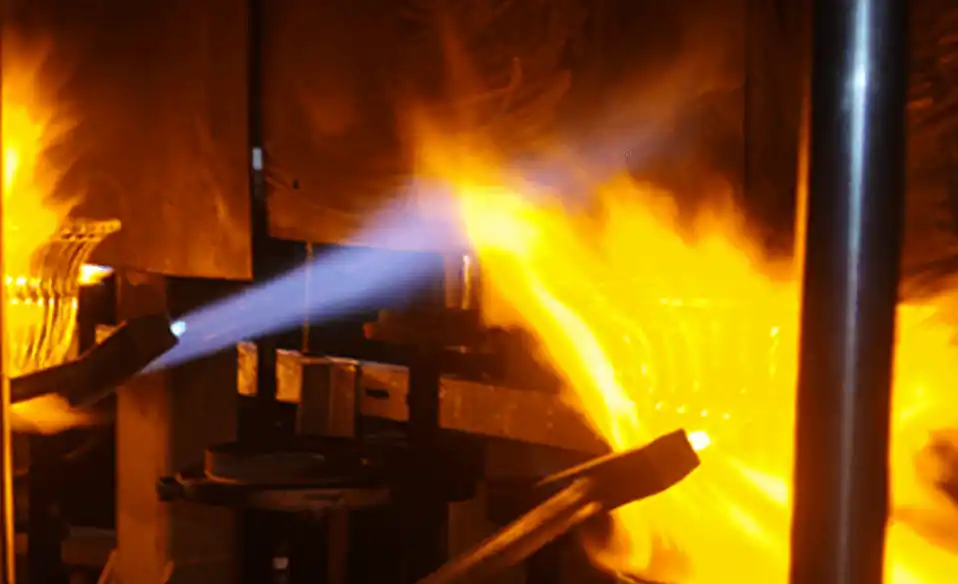
Direct-fired burners generate hot air directly for oven heating. The high-temperature flue gas from combustion mixes directly with the circulating air to form hot air delivered to the oven, without an intermediate heat exchange step.
Features include high thermal efficiency (no heat exchanger losses; almost all fuel heat is utilised), fast heating rate (short heat generation and delivery path), and compact structure (clean system layout, easy maintenance). Suitable for large industrial ovens, continuous coating lines, and high-temperature curing equipment. In high-power, long-running paint ovens, the economic advantages of the direct-fired solution are significant.
Indirect systems produce clean hot air via a heat exchanger. The heat from combustion is transferred through the heat exchanger to clean air, completely isolating the hot air from the flue gas and eliminating any risk of combustion product contamination of the coating surface.
Features include isolation of combustion flue gas from the product (ensuring hot air contains no CO₂, water vapour, or combustion by-products), clean hot air (suitable for high-quality coating requirements), and precise temperature control (smooth heat transfer, stable temperature output). Suitable for high-quality coating (automotive topcoats, high-gloss coatings, and other processes with extremely high appearance requirements), precision components (precision coating sensitive to surface quality), and industries with high air cleanliness requirements.
DYDTEC possesses hot air furnace and combustion system integration capability, and can provide direct-fired or indirect hot air solutions according to process requirements, matching the most suitable hot air method for different coating quality requirements and thermal efficiency needs.
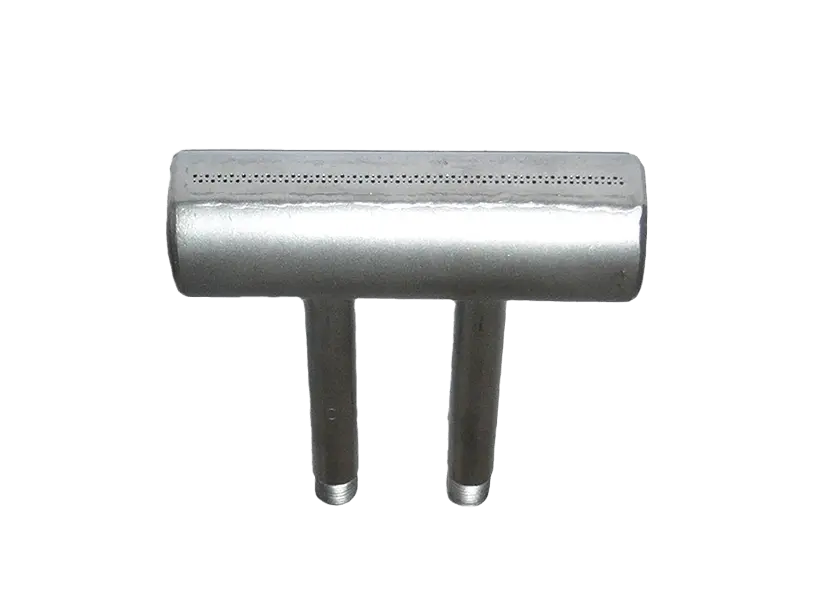
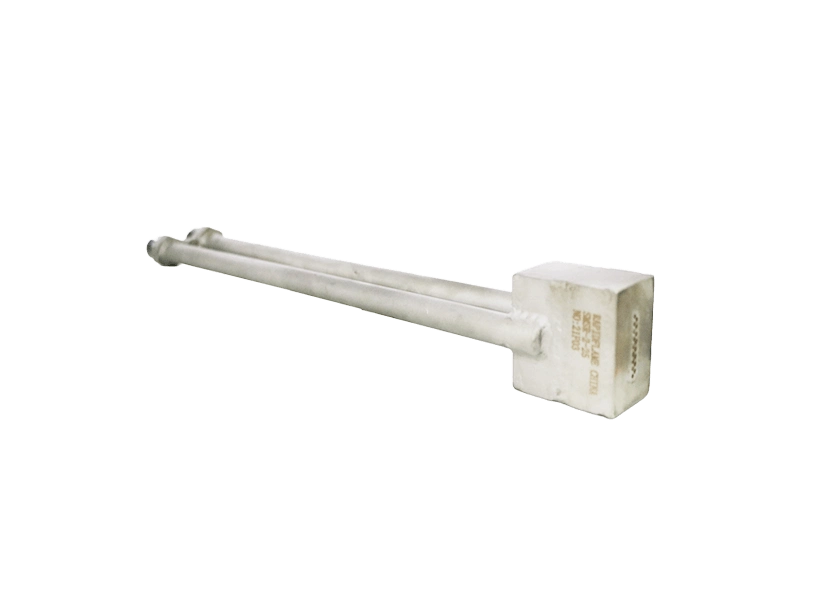
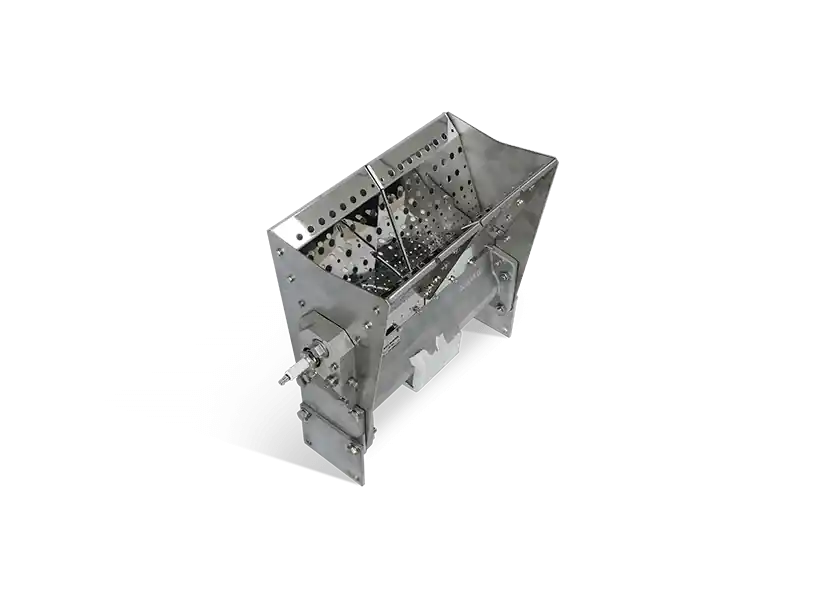
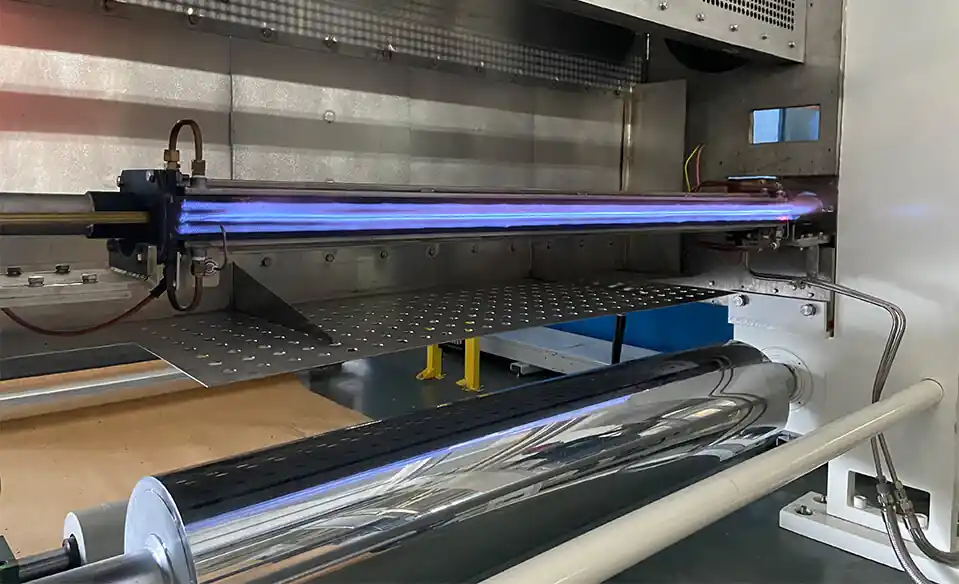
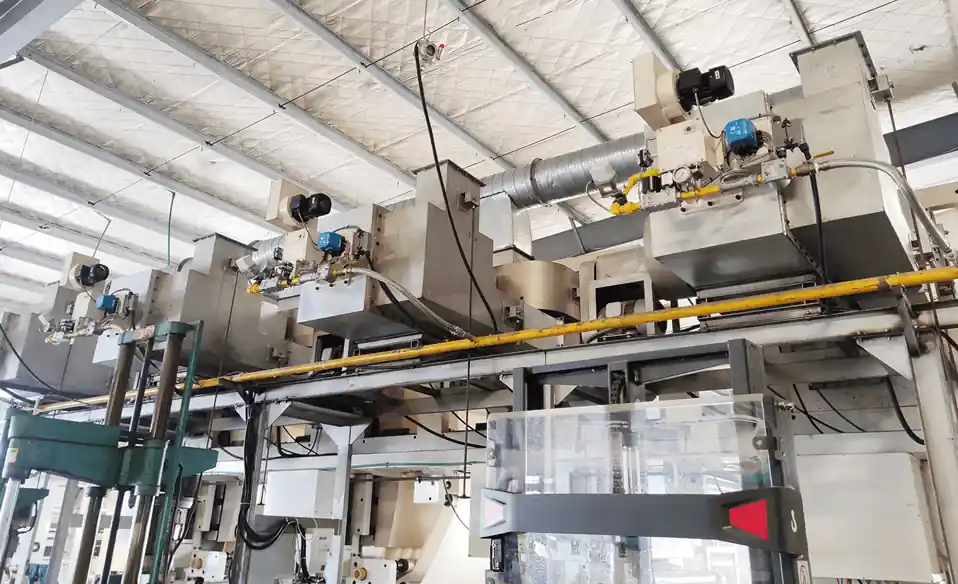
Large paint ovens typically require wide-width, uniform heat supply. Conventional point-type burners tend to create high temperatures in the centre and lower temperatures at the sides in wide ovens, whereas linear burners fundamentally improve heat distribution uniformity by extending the flame along the length.
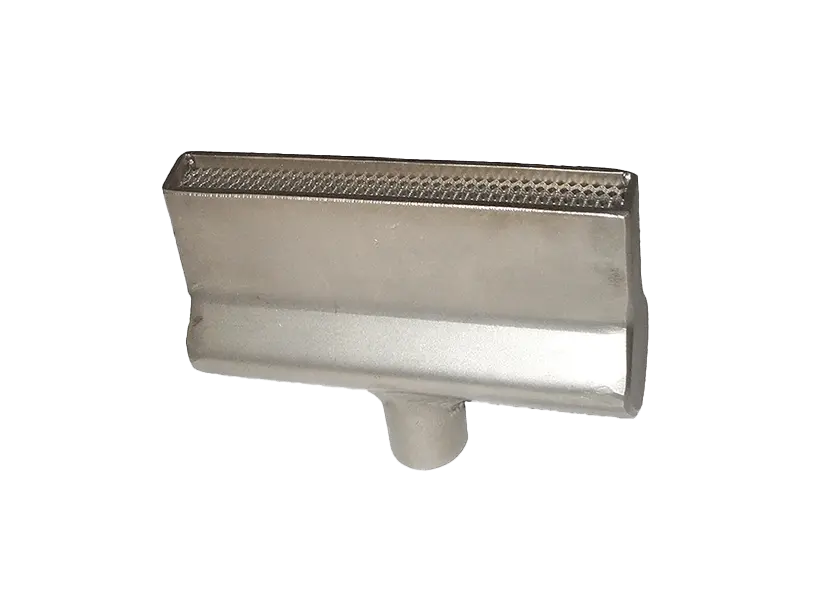
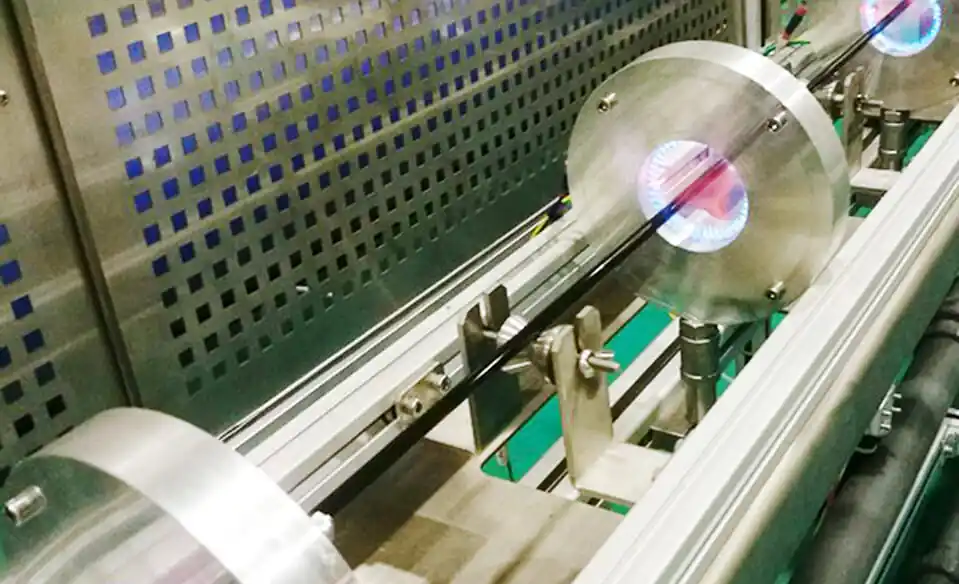
Advantages of linear burners include continuous flame along the length (broad heat release area), uniform heat release (significantly reduced temperature differential across the width), suitability for high-volume air heating (highly compatible with oven cross-sectional shape), and more stable temperature distribution (eliminating local hot spots from point-type burners).
DYDTEC offers multiple series of linear burners suitable for industrial air heating, drying, and large hot air systems. In wide-width equipment such as automotive paint ovens, linear burners combined with optimised duct design effectively reduce left-right temperature differences, improving coating curing quality consistency.
A professional manufacturer must understand oven structure (how hot air enters the oven, how it distributes, and how it contacts the workpiece), air circulation methods (flow paths and velocity distribution of hot air within the oven), curing temperature profiles (requirements for heating rate, holding temperature, and cooling rate for different coatings), and thermal load requirements (heat demand variations under different workpiece sizes and production speeds). A burner does not simply provide heat; it must be matched to the complete equipment. Only by understanding the coating process can a truly suitable combustion system be designed.
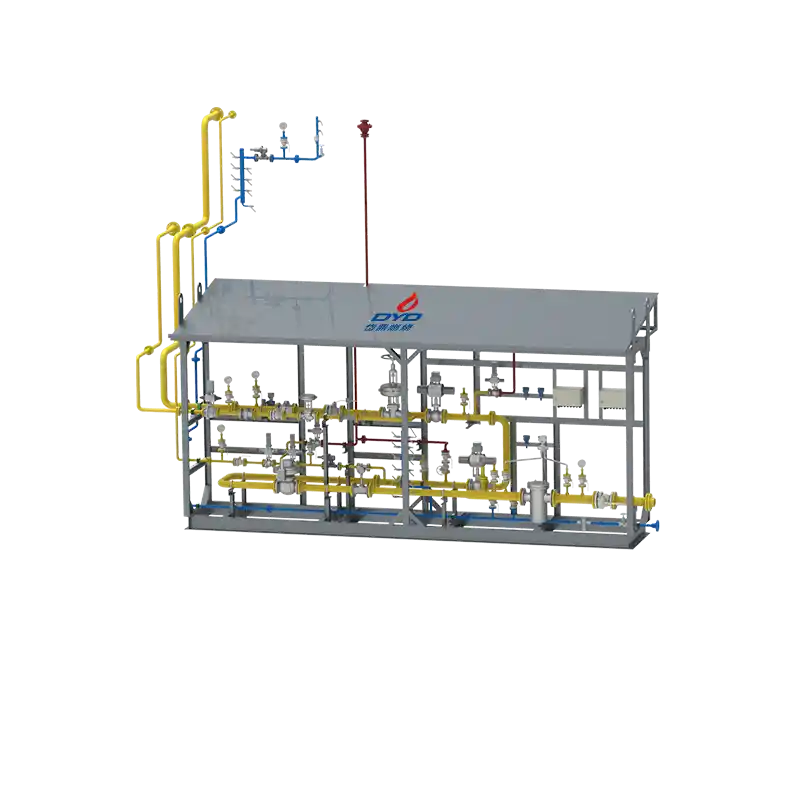
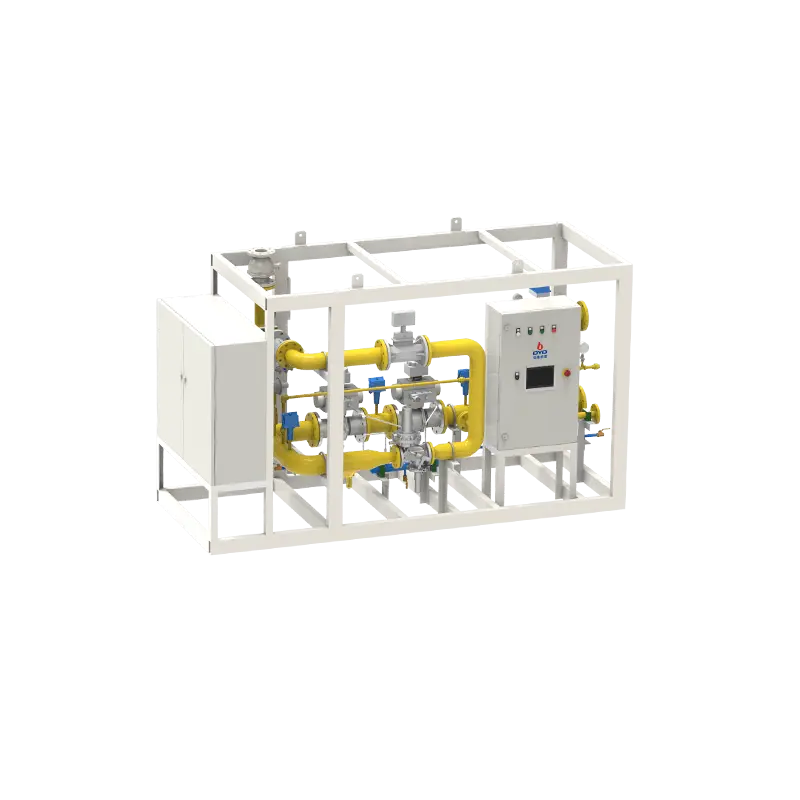
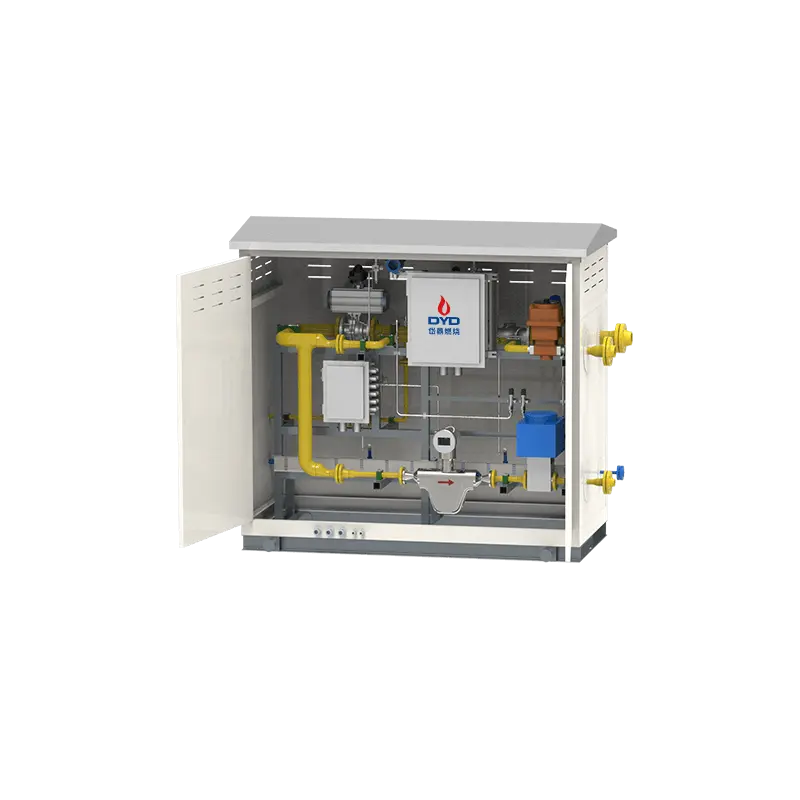
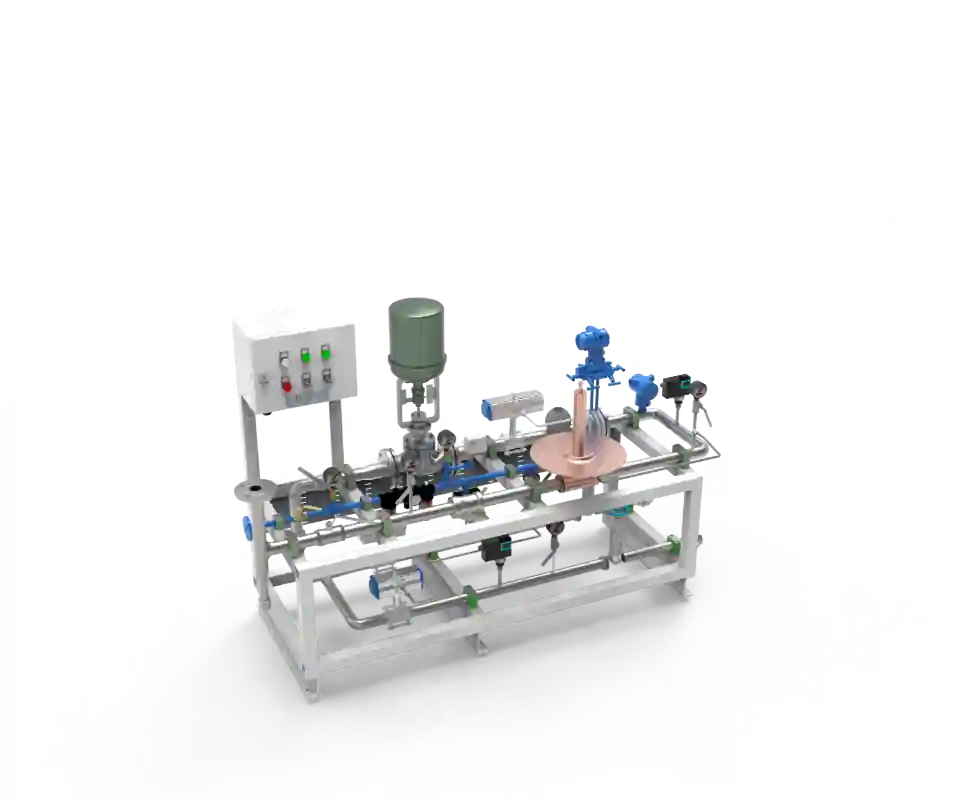
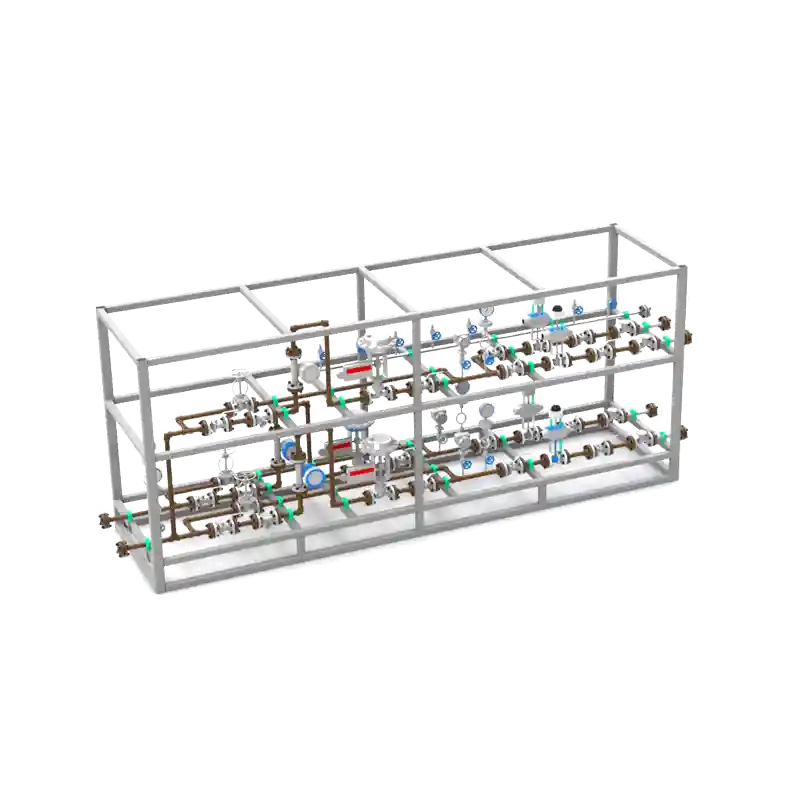
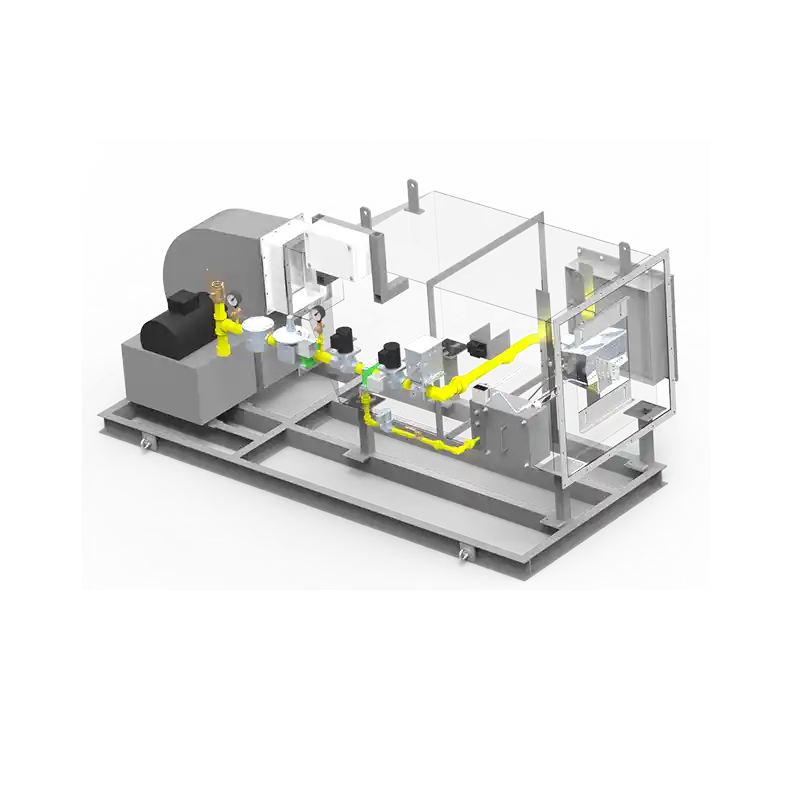
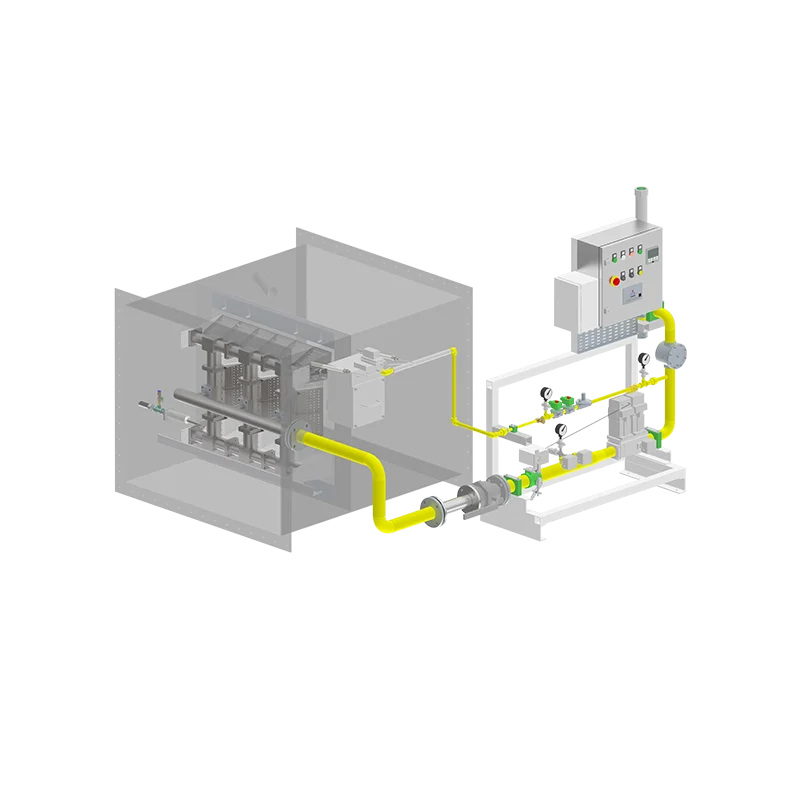
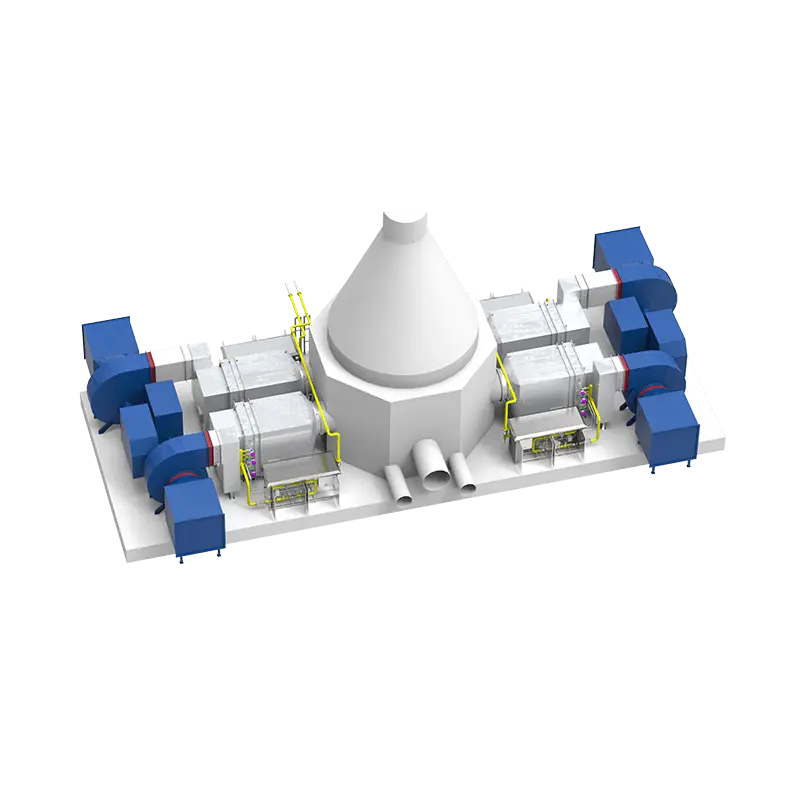
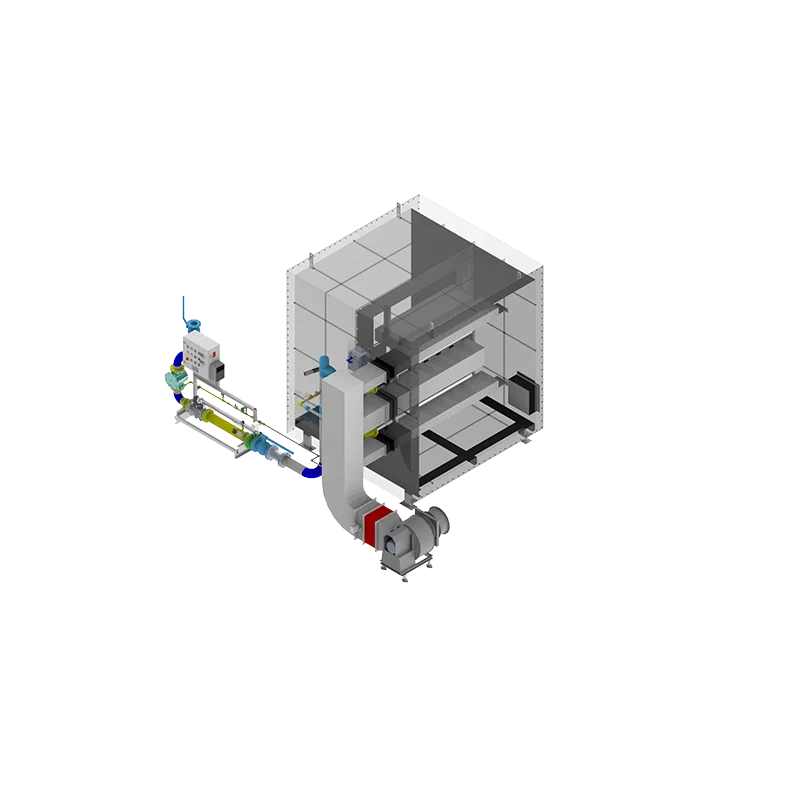
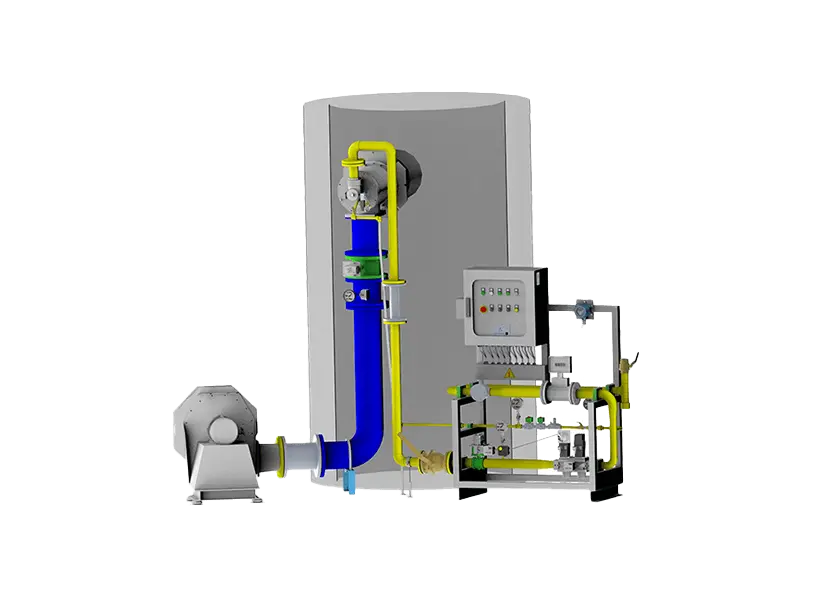
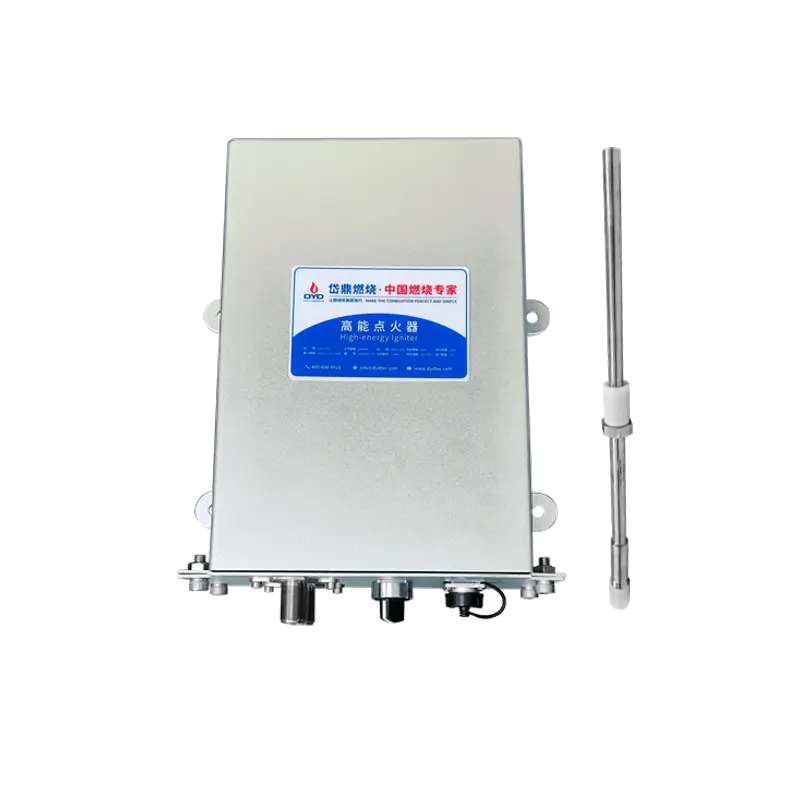
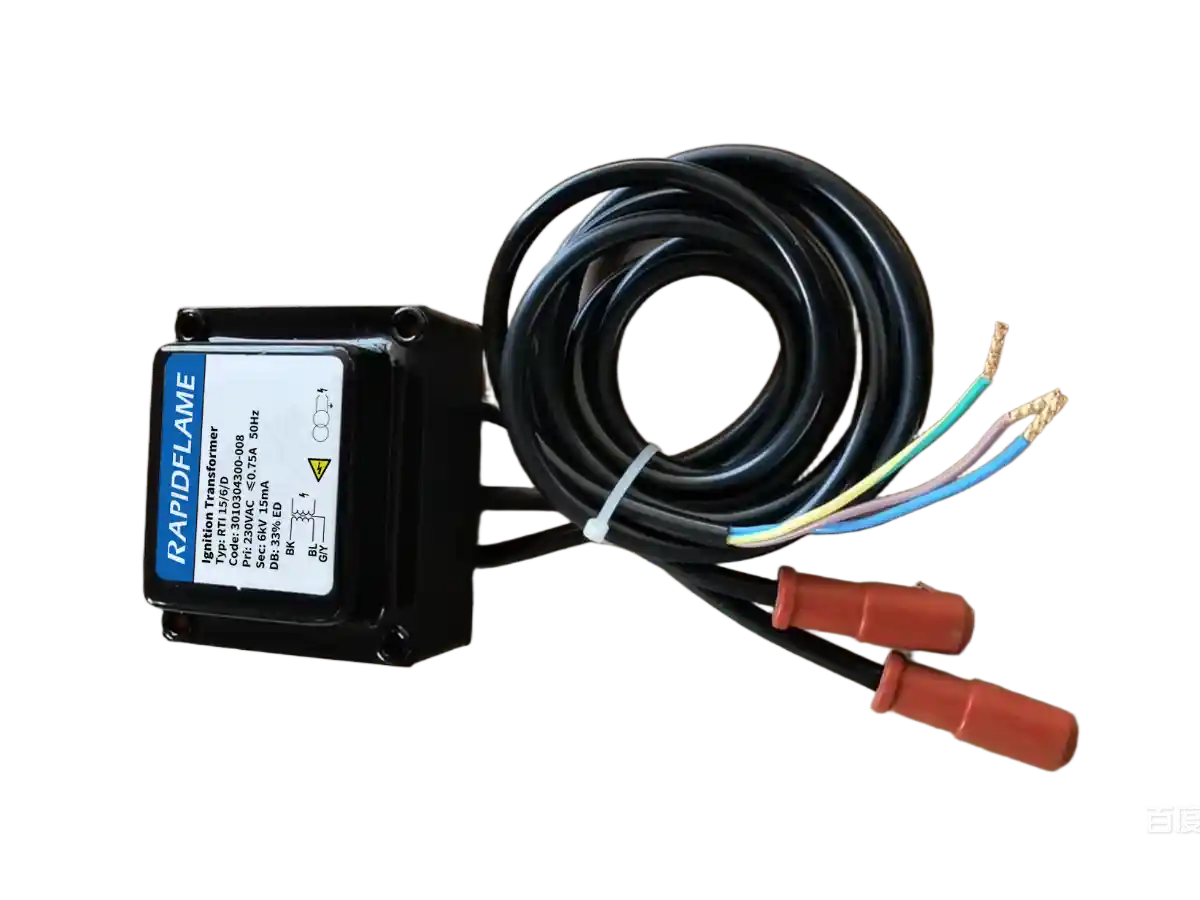
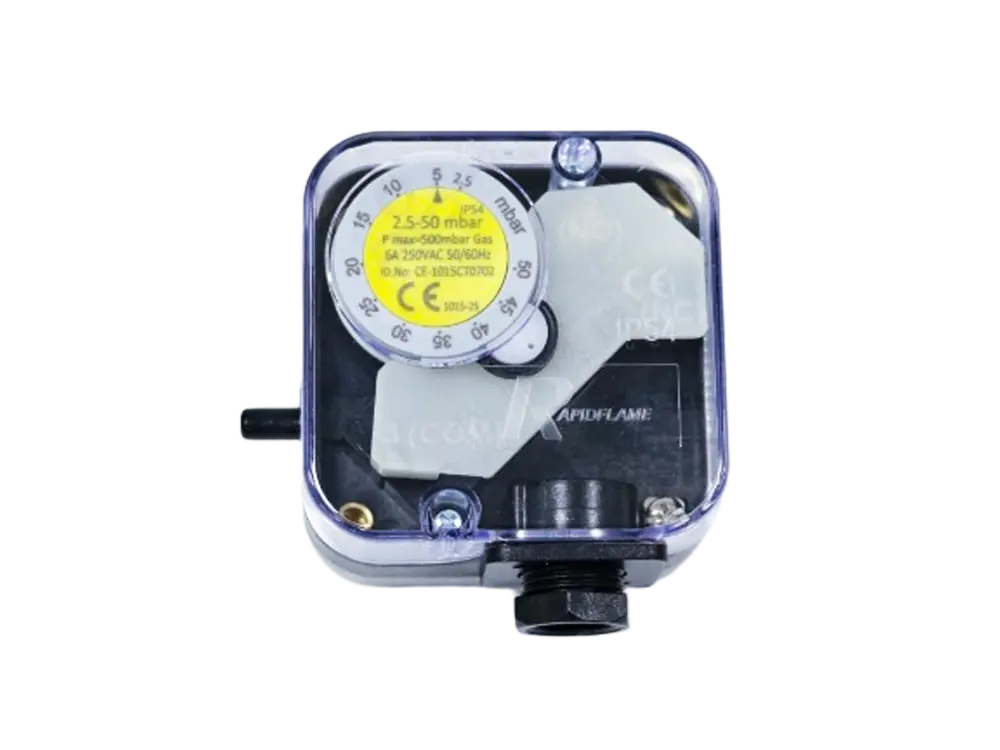
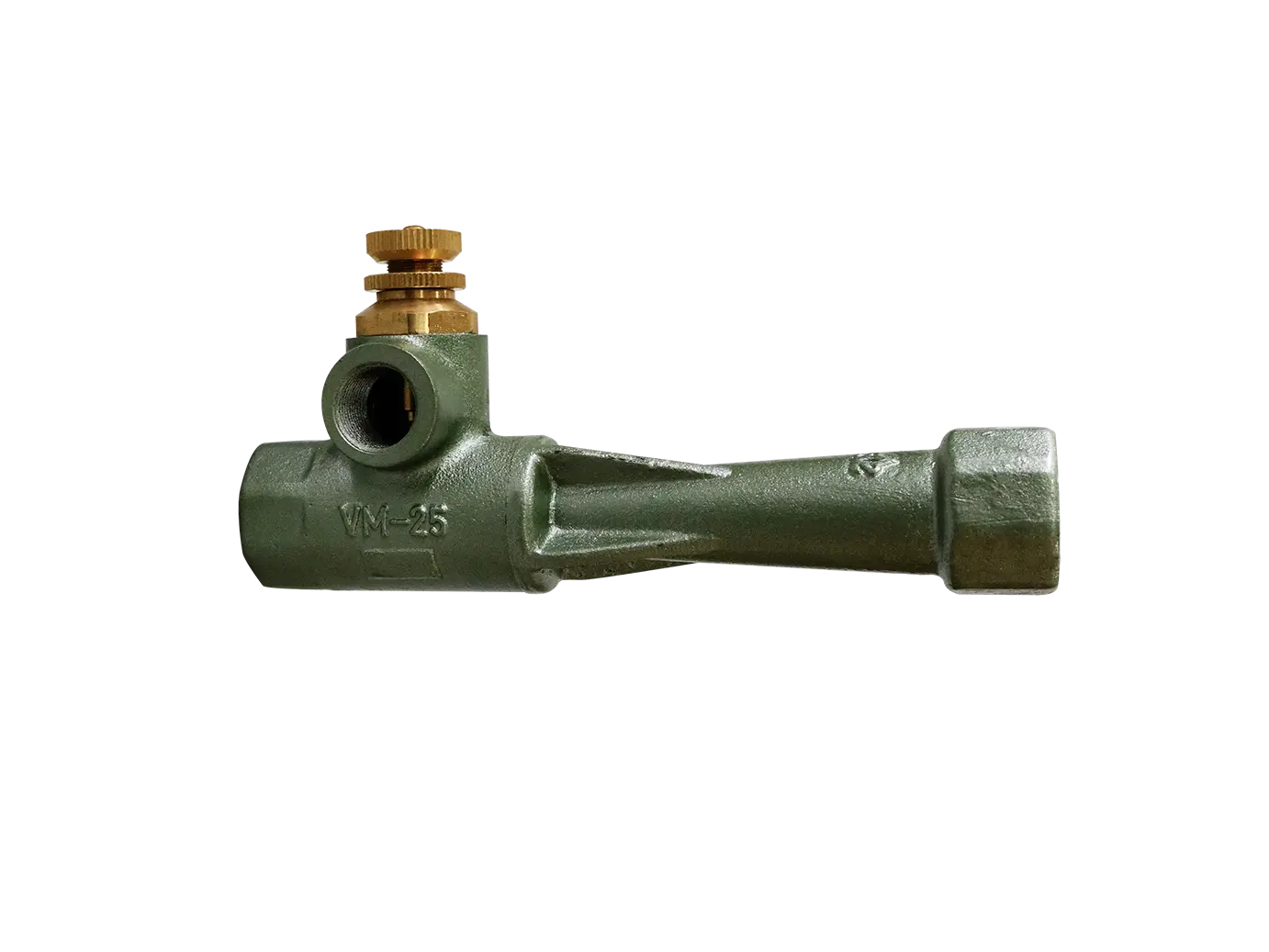
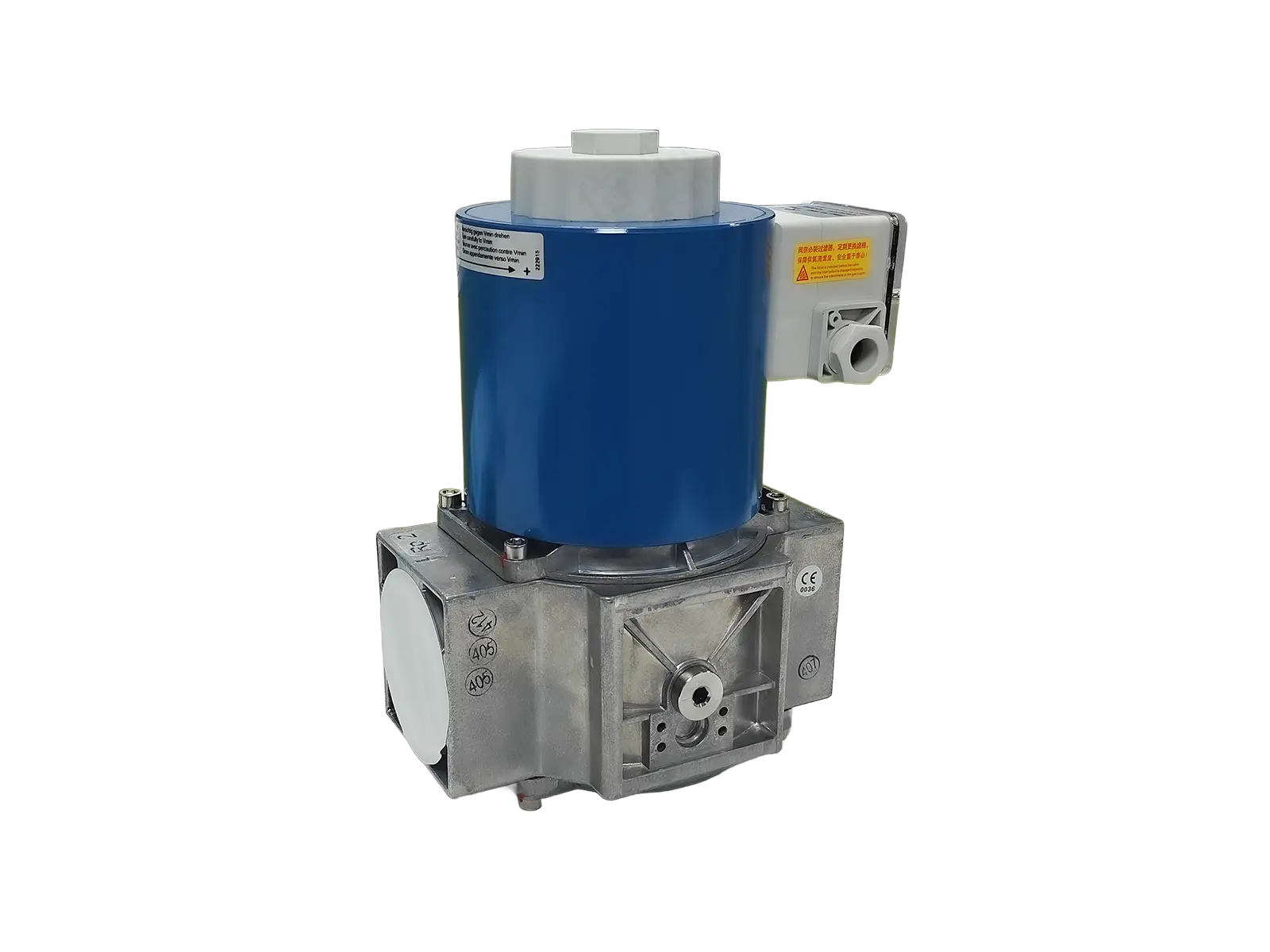
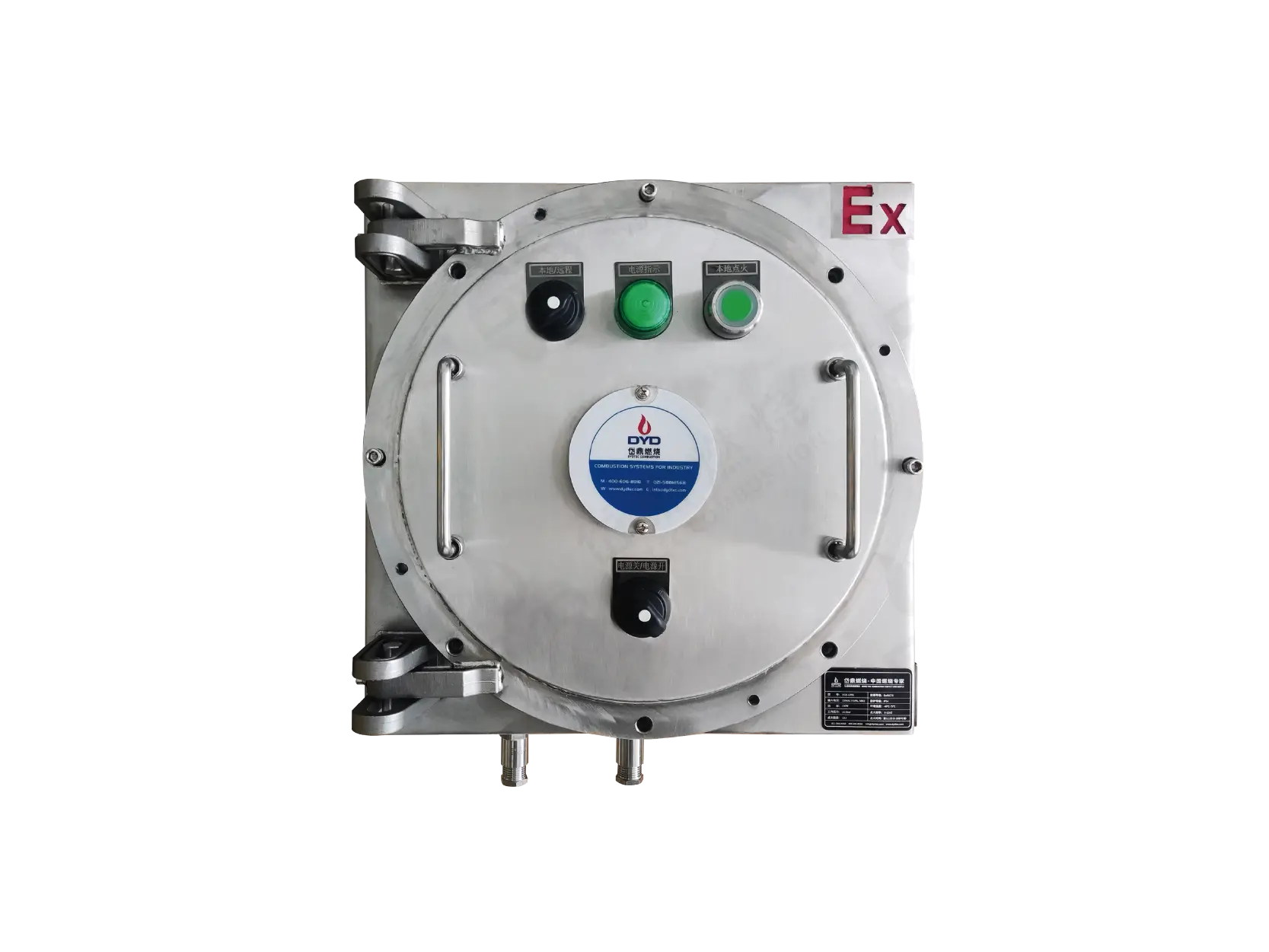
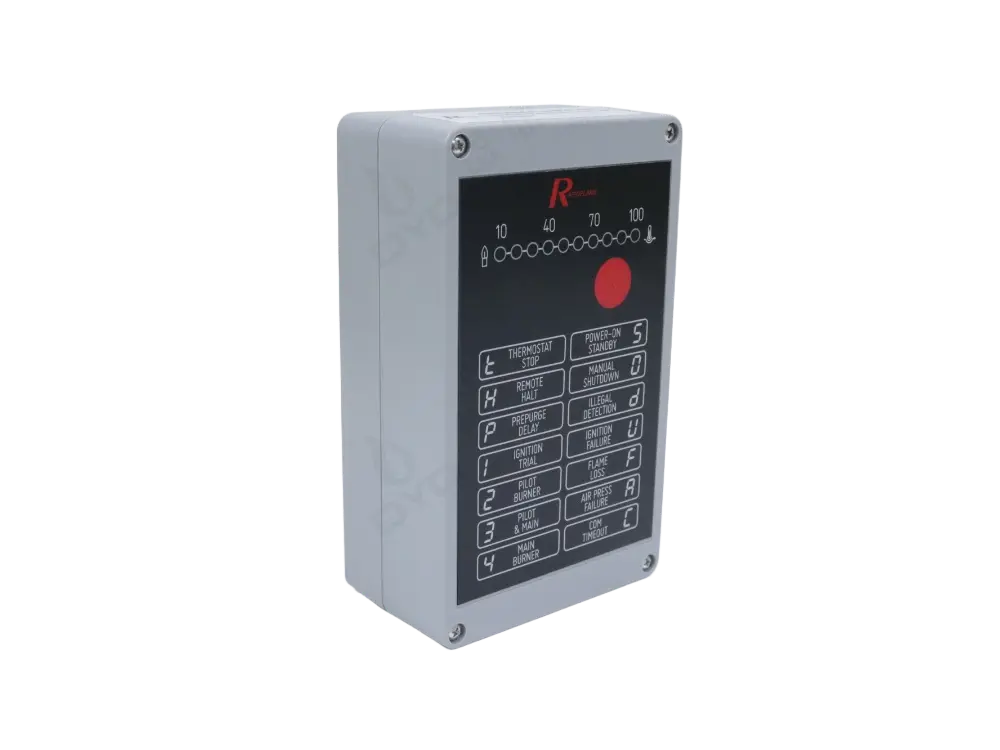
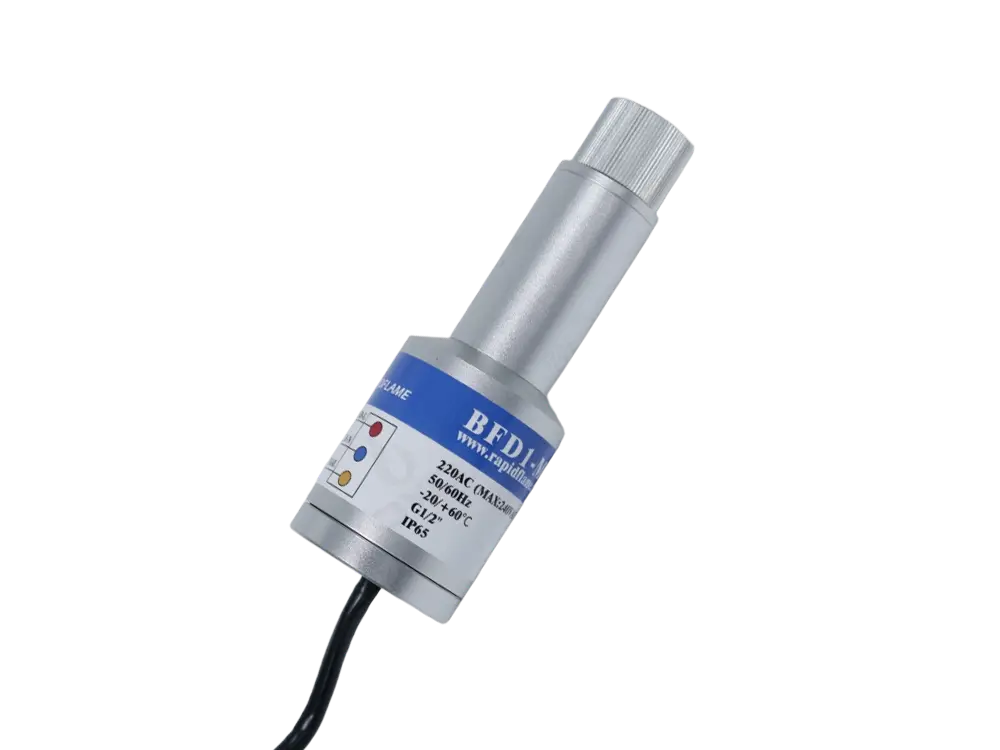
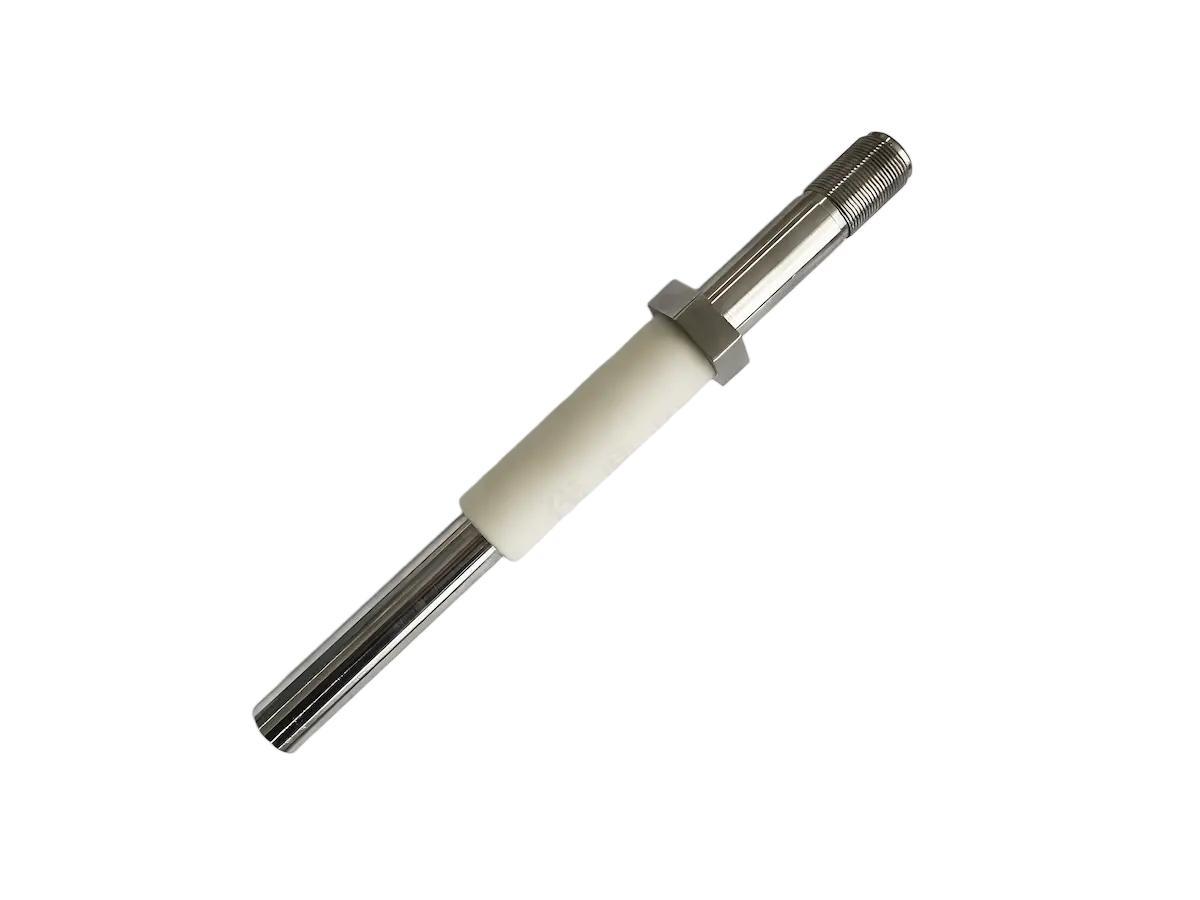
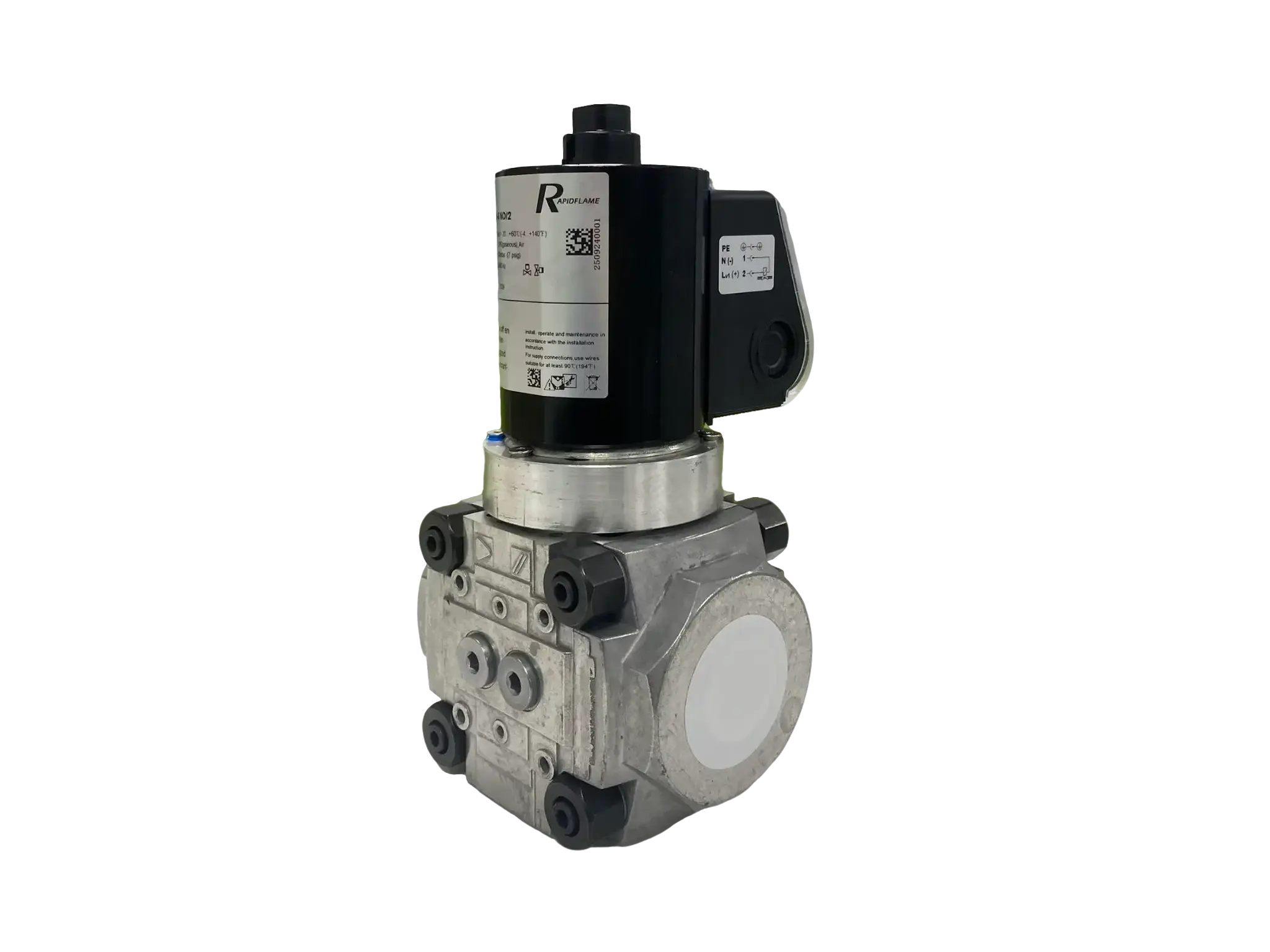
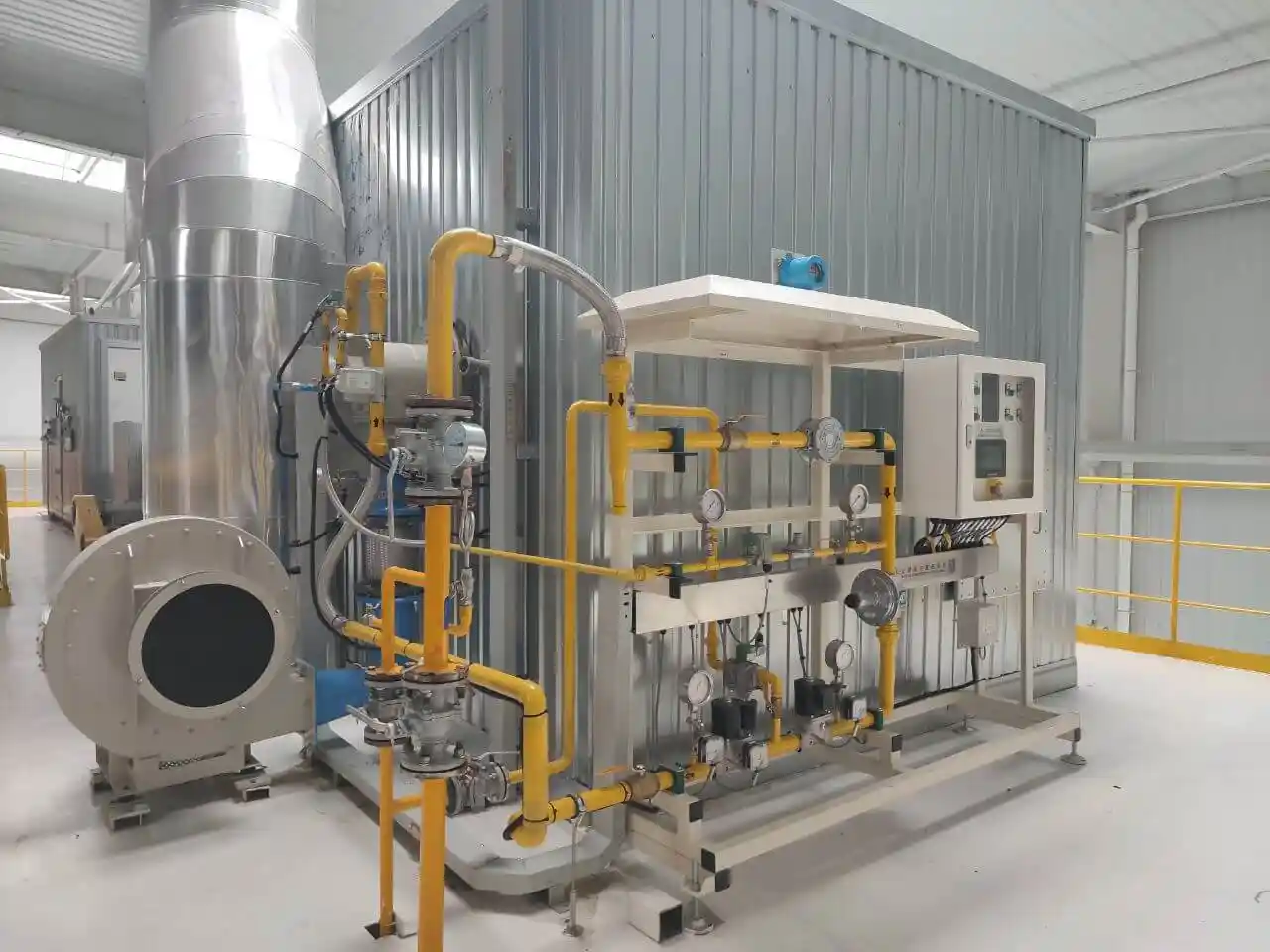
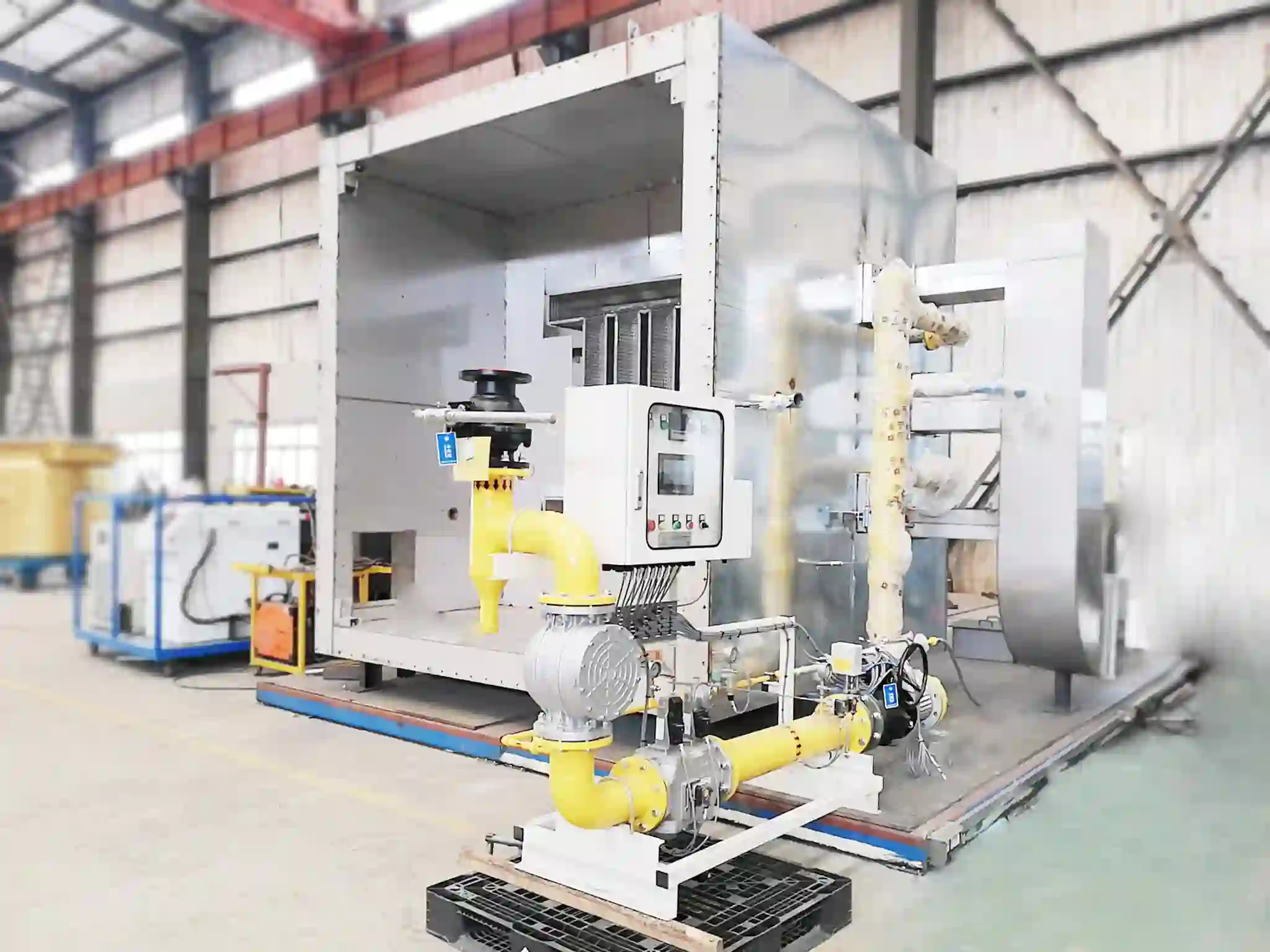
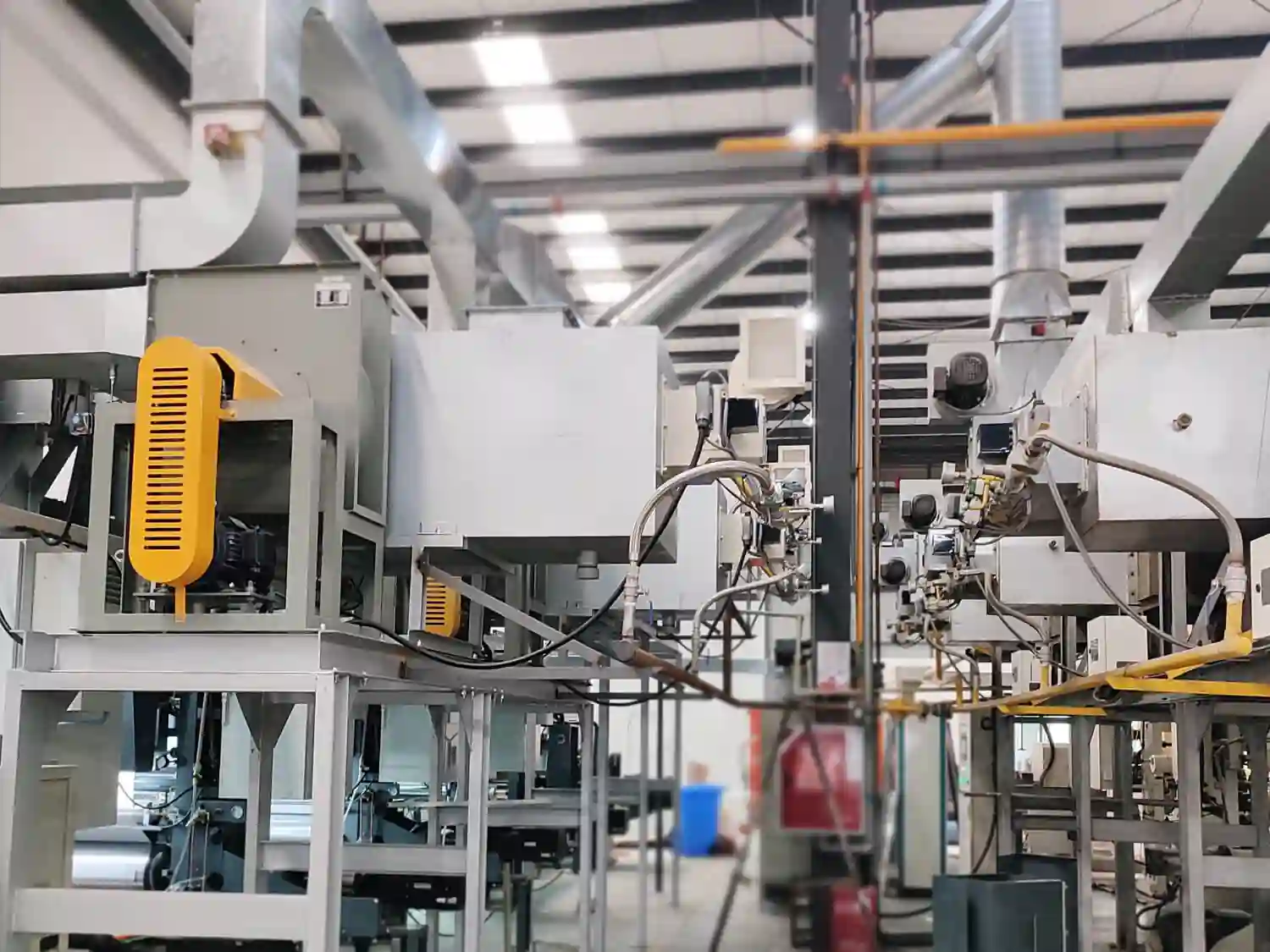
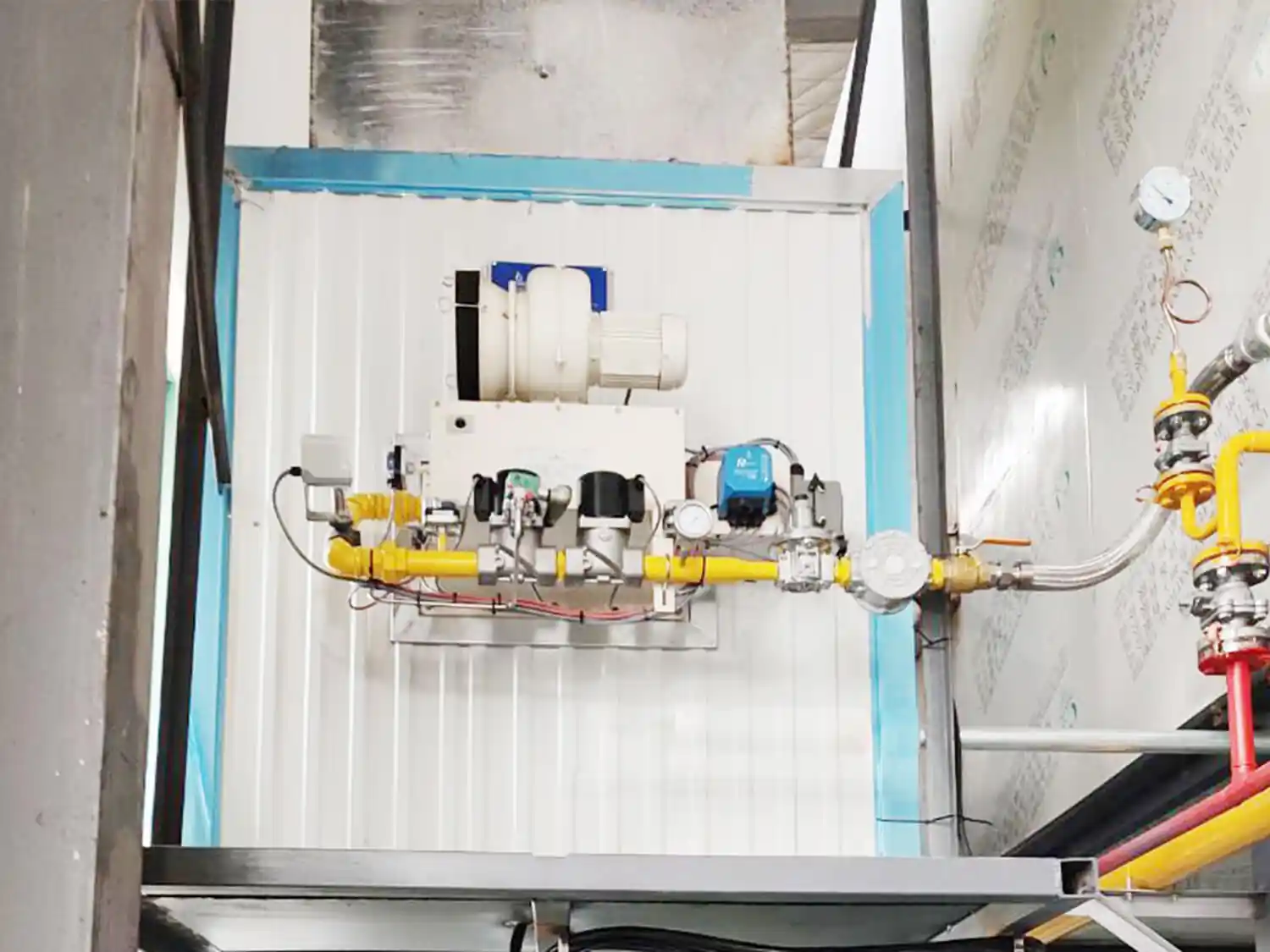
A paint oven combustion system typically includes the combustion section (burner, gas valve train, ignition system, flame detection), the hot air section (fan, ductwork, circulation system, heat exchange system), and the control section (temperature control, proportional regulation, safety interlocks). These subsystems must work in precise coordination to form a harmoniously operating whole. A manufacturer with system integration capability can provide a complete solution, from burner to valve train, from controller to safety interlocks—all components designed and commissioned by a single vendor to avoid compatibility issues during on-site integration.
Coating equipment manufacturers typically focus on installation dimensions (matching the burner to the space reserved in the oven), power matching (thermal load corresponding to line processing capacity), control interfaces (communication compatibility with the coating line's main control system), delivery lead times (coordination with the complete machine delivery schedule), and after-sales support (technical service and spare parts supply after commissioning). A professional burner manufacturer must support non-standard design, fast response, and project integration, and be able to complete combustion system integration in parallel with the coating equipment development or production phase.
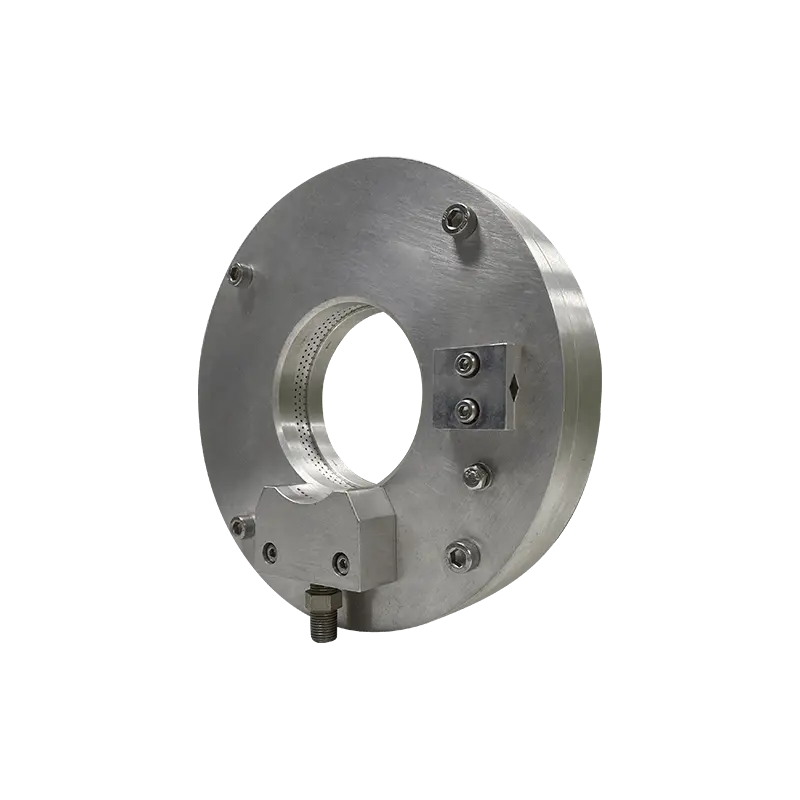
DYDTEC is the industrial combustion brand of Shanghai DYDTEC Equipment Technology Group Co., Ltd., focusing on the R&D and manufacturing of industrial combustion equipment and thermal energy systems. Main products include industrial gas burners, low-NOx burners, linear burners, hot air furnaces, and combustion system integration. Product applications cover industrial drying, automotive coating, new material processing, the chemical industry, and environmental protection.
In the design and integration of hot air systems for industrial coating, DYDTEC has accumulated extensive engineering experience and can provide customised solutions according to the structural characteristics and process requirements of different types of paint ovens.
1. Industrial coating heat source matching capability
For paint oven requirements, DYDTEC can provide burner selection, thermal load matching, hot air system design, and control scheme optimisation, helping equipment manufacturers improve heating stability (smooth combustion output, small temperature fluctuations), energy utilisation efficiency (reducing gas consumption per unit of product), and equipment reliability (reducing operational failures and unplanned downtime).
2. Low-NOx energy-saving combustion technology
For environmental requirements, DYDTEC can employ low-NOx combustion design (inhibiting NOx formation at the source), air-fuel ratio optimisation (maintaining optimal ratio across the full load range), and efficient combustion control (keeping the combustion system operating at optimum), reducing natural gas consumption (lowering operating costs), NOx emissions (meeting environmental standards), and overall operating costs.
3. Support for coating equipment OEM integration
Serving coating equipment manufacturers, oven manufacturers, spray line manufacturers, and industrial automation equipment manufacturers, DYDTEC can provide standard burners, custom combustion systems, and technical support, helping OEM equipment manufacturers enhance complete machine performance and market competitiveness.
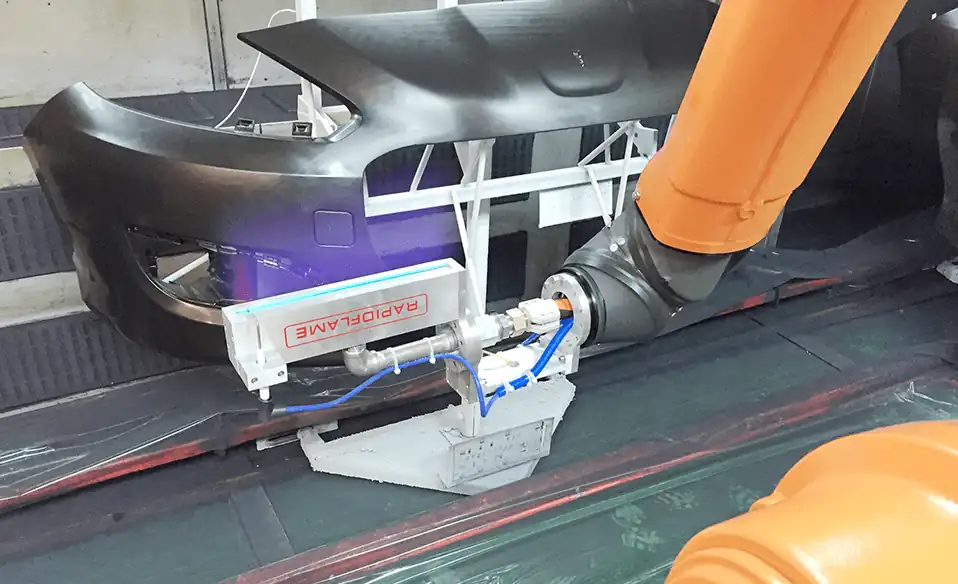
Applied in body painting (curing of electrophoretic primer, intermediate coat, and topcoat on automotive bodies), component spraying (coating of bumpers, interior parts, wheels, and other plastic and metal parts), and electrophoretic drying (high-temperature curing after electrophoretic coating). Automotive coating demands extremely high paint film appearance and performance; the temperature uniformity and stability of the oven combustion system directly affect final paint quality.
Applied in coating drying for construction machinery such as excavators and loaders, and spray curing for industrial equipment enclosures. Construction machinery coating workpieces are large and complex in shape, imposing special requirements on oven temperature uniformity and hot air penetration capability.
Applied in home appliance spraying (surface coating of refrigerators, washing machines, air conditioners, and other home appliance products), hardware coating (spray treatment of various metal fittings), and metal surface treatment (curing of anti-corrosion and decorative coatings).
Applied in battery equipment enclosure coating, new energy equipment coating, and precision structural component processing. The new energy industry has high requirements for coating cleanliness and consistency, with indirect hot air systems offering significant advantages in some precision coating scenarios.
Q1: Why do paint ovens require dedicated burners?
Because coating curing demands high temperature uniformity, requiring the burner to be precisely matched to the hot air circulation system. The hot air distribution characteristics and temperature control accuracy of ordinary industrial burners cannot meet the stringent requirements of coating processes. Temperature deviations may directly manifest as colour differences, gloss variations, and adhesion failures in the paint film.
Q2: What fuel is used for paint oven burners?
Common fuels include natural gas, LPG, and industrial gas. The specific choice depends on equipment design and on-site fuel supply conditions. Most large coating lines use natural gas, while some regions choose LPG or mixed gas depending on supply conditions.
Q3: How can paint oven burners save energy?
Main methods include improving combustion efficiency (precise air-fuel ratio control for complete combustion), optimising the air-fuel ratio (maintaining the best ratio across the full load range), reducing heat losses (enhancing oven insulation and duct sealing), and improving hot air circulation (optimising duct and nozzle design to reduce hot air short-circuiting). Actual energy savings depend on the degree of matching between the combustion system and the oven structure.
Q4: What burner is suitable for automotive paint drying ovens?
Typically, burners with high reliability (adapting to long-term continuous operation), wide regulation range (meeting heat demand changes under different production loads), uniform hot air (small temperature differences across oven zones), and low emissions (meeting environmental requirements) are needed. Linear burners and industrial hot air systems are generally more suitable for large coating equipment, enabling uniform hot air distribution and precise independent zone control in wide ovens.
Q5: How do I select a paint oven burner manufacturer?
It is recommended to look for industrial combustion experience (capable of meeting paint oven requirements), coating heating application capability (understanding the special hot air system requirements of coating processes), support for OEM customisation (performing non-standard design according to equipment structure), and system integration capability (providing a complete solution from burner to control system). DYDTEC possesses industrial burner, hot air furnace, and combustion system integration capabilities, and can provide professional thermal energy solutions for paint oven equipment manufacturers.
The paint oven burner not only determines equipment heating efficiency but also affects product coating quality, production stability, energy consumption, and environmental compliance. On a coating production line, the performance difference of the combustion system is directly reflected in paint film smoothness, gloss, and adhesion, ultimately manifesting as product qualification rates and customer satisfaction.
An excellent paint oven burner manufacturer must simultaneously possess combustion technology (mastering design methods for efficient and stable combustion), hot air system experience (understanding hot air flow and temperature distribution patterns within the oven), automatic control capability (achieving precise coordinated control of multiple zones), and non-standard design capability (providing targeted design according to specific equipment structures). Only by integrating these capabilities into coating equipment integration design can seamless coordination between the combustion system, oven structure, control system, and process requirements be achieved, delivering stable hot air output and precise process control.
Leveraging its industrial burner, hot air furnace, and system integration technology, DYDTEC provides efficient, stable, and low-emission combustion solutions for automotive coating, industrial drying, new material processing, and other fields. It is a professional supplier worth considering when selecting a paint oven burner manufacturer. As coating equipment trends toward higher efficiency, intelligence, and green development, a combustion system deeply integrated with the coating process is becoming an important technical means for coating equipment manufacturers to enhance the competitiveness of their complete machines.