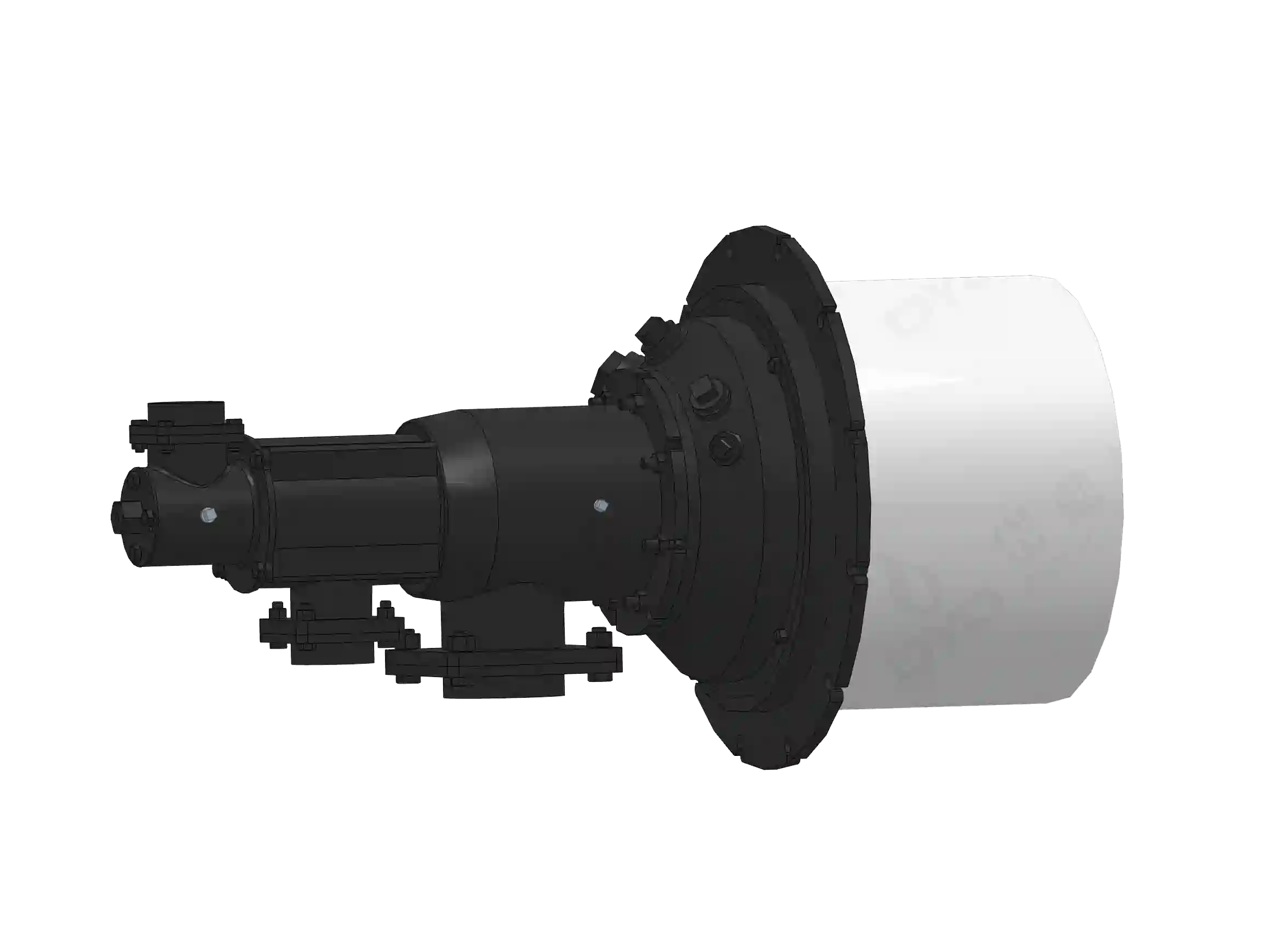
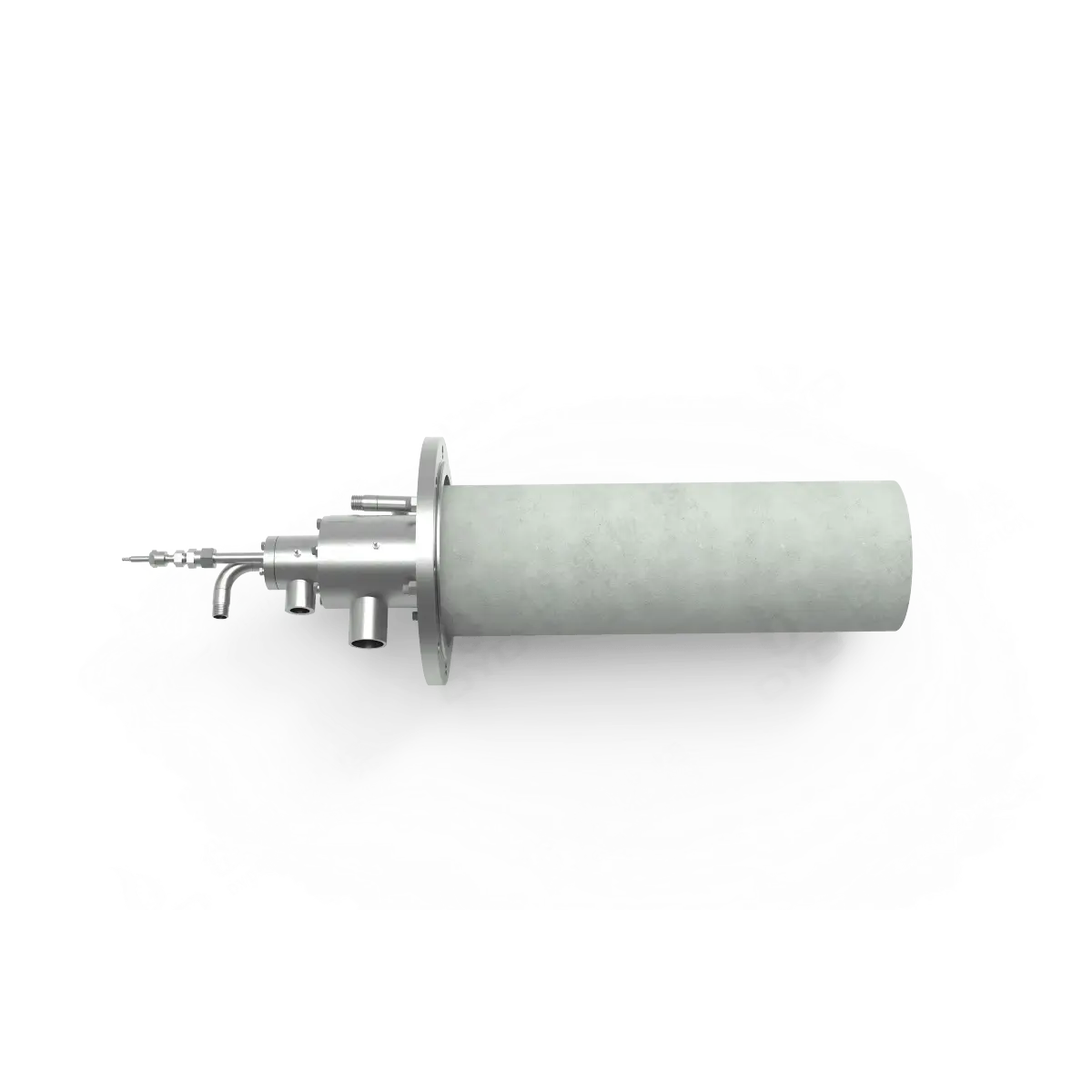
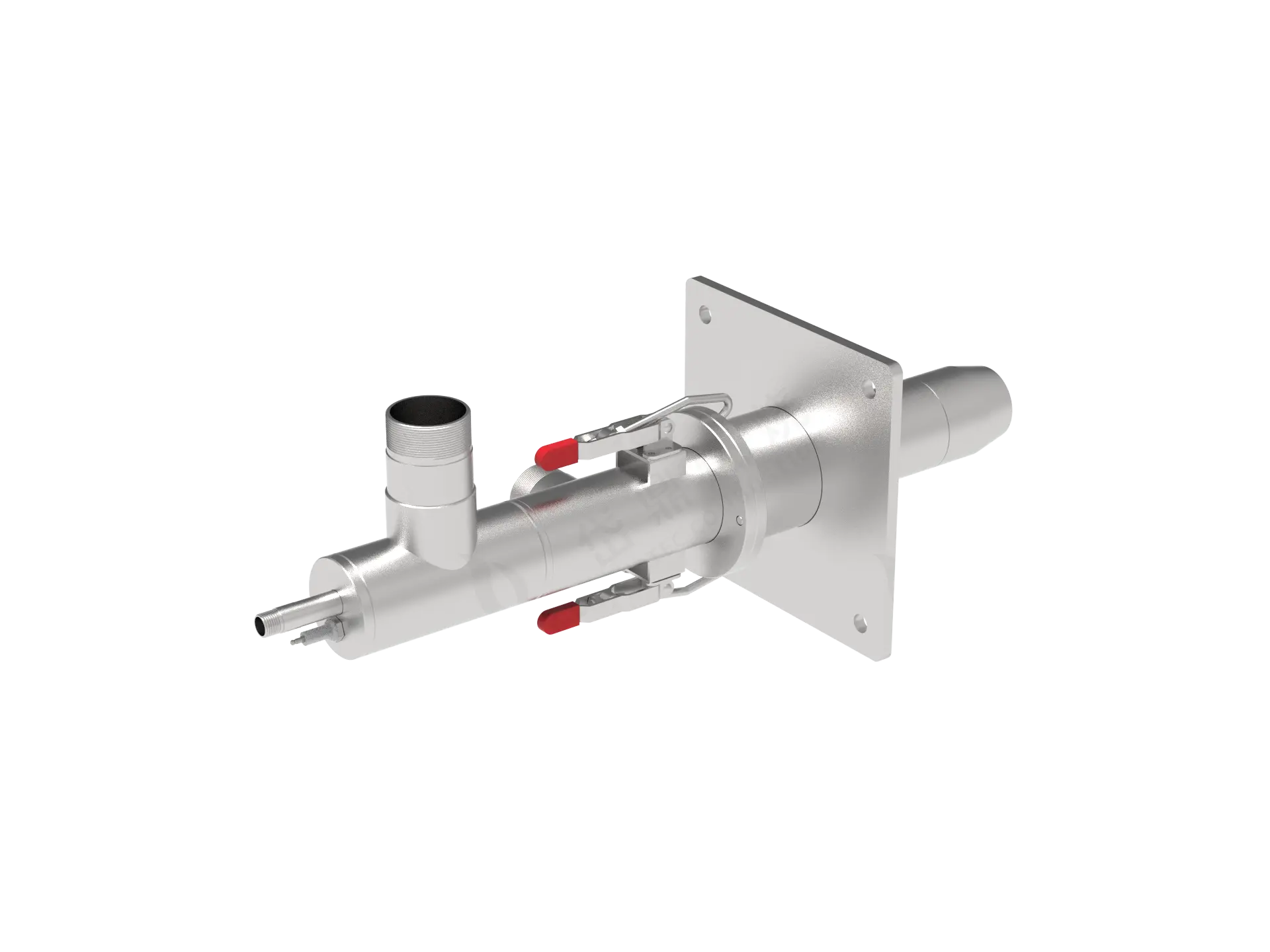
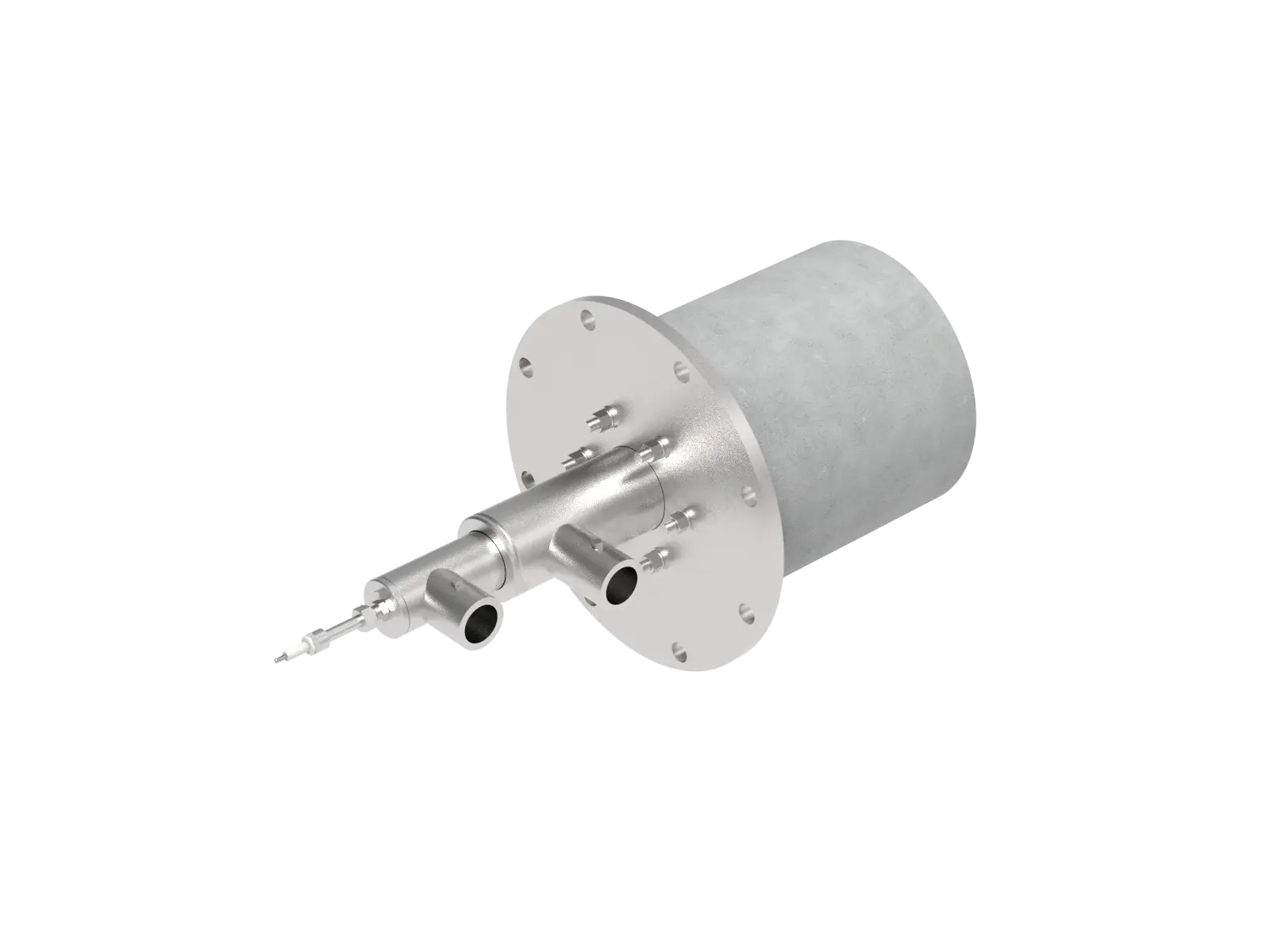
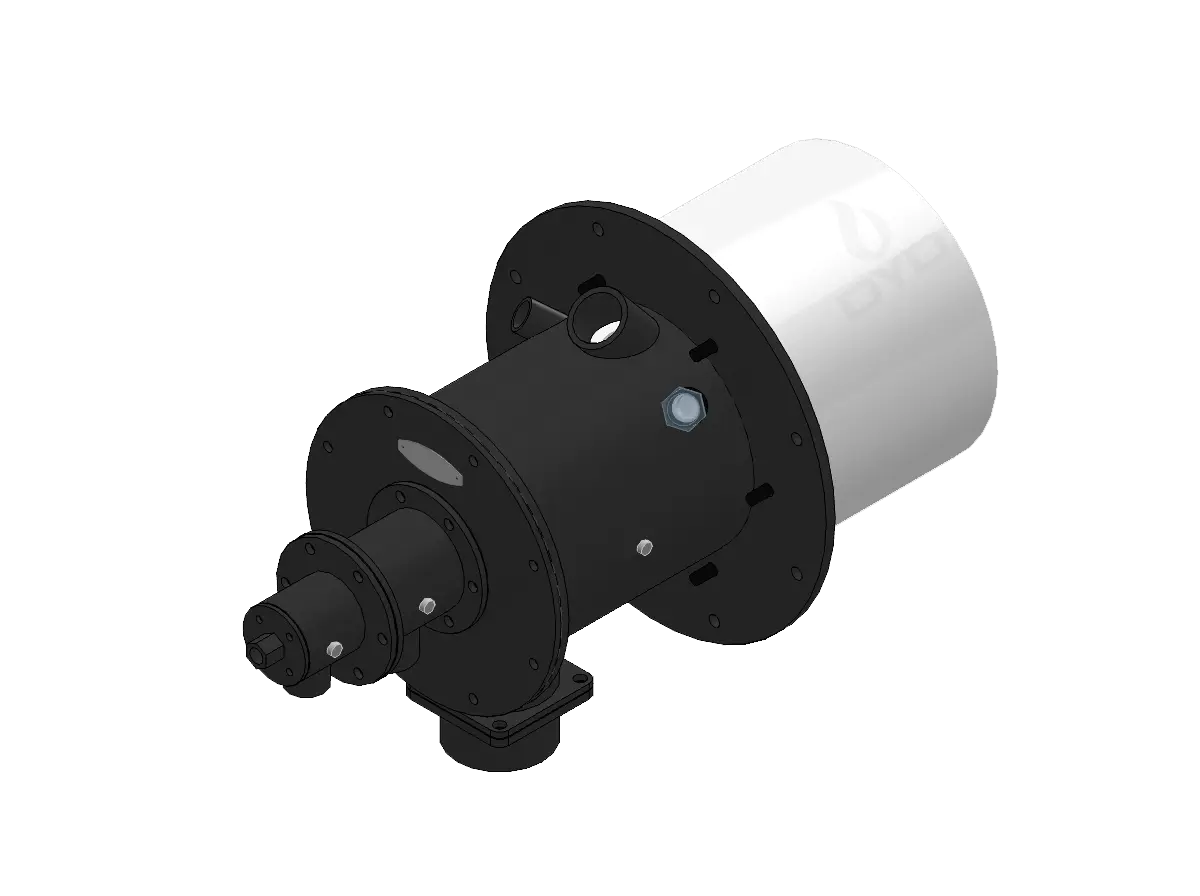
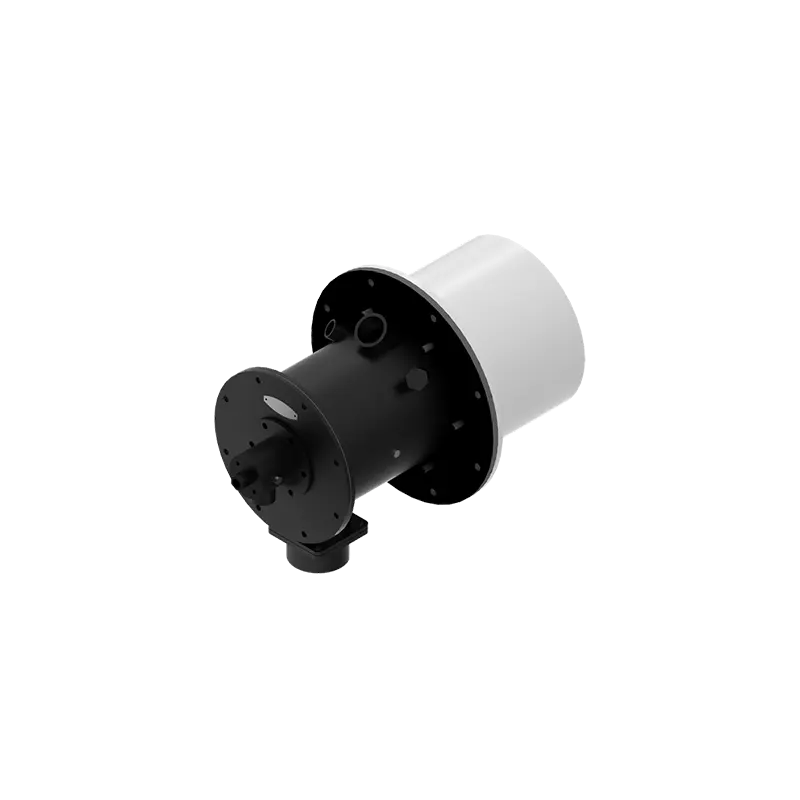
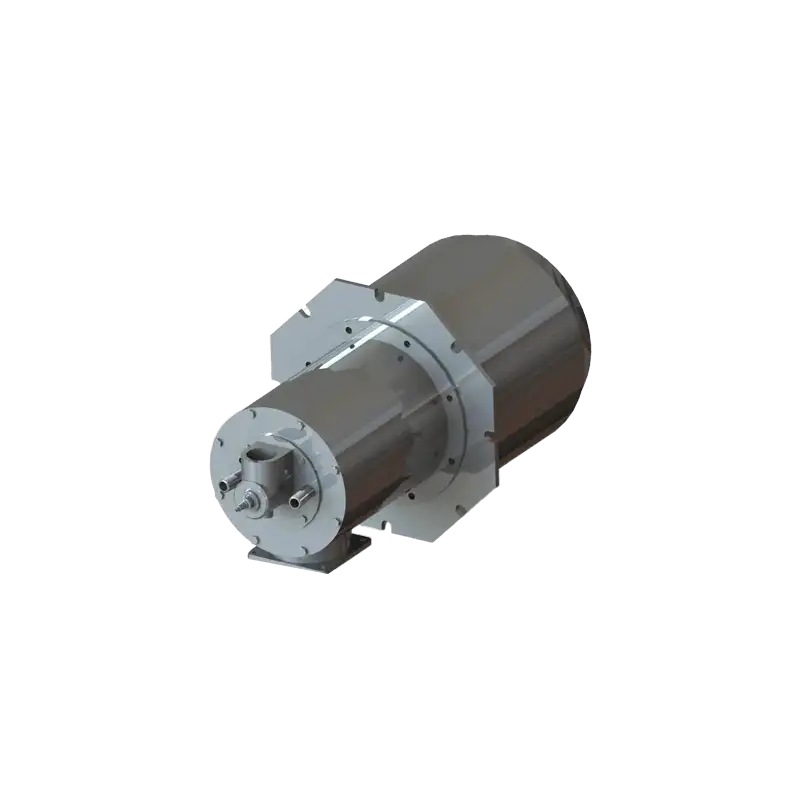
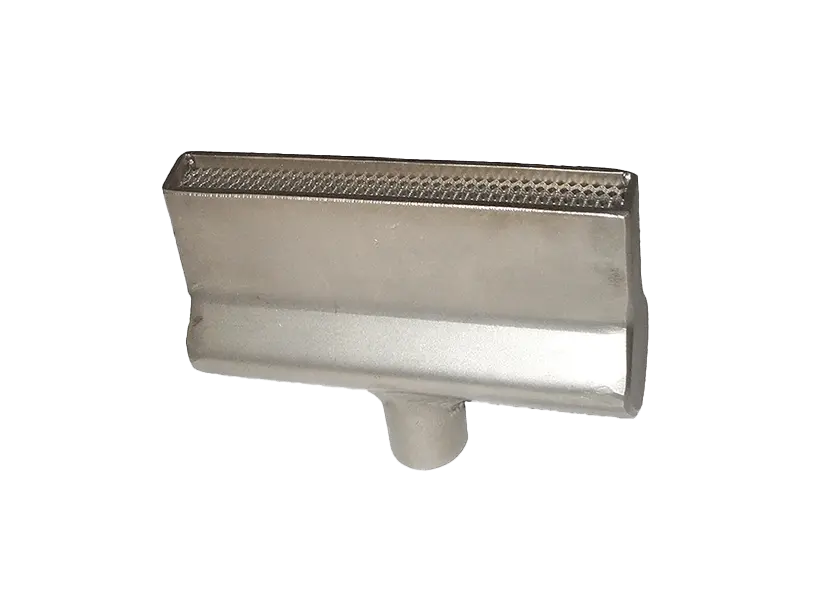
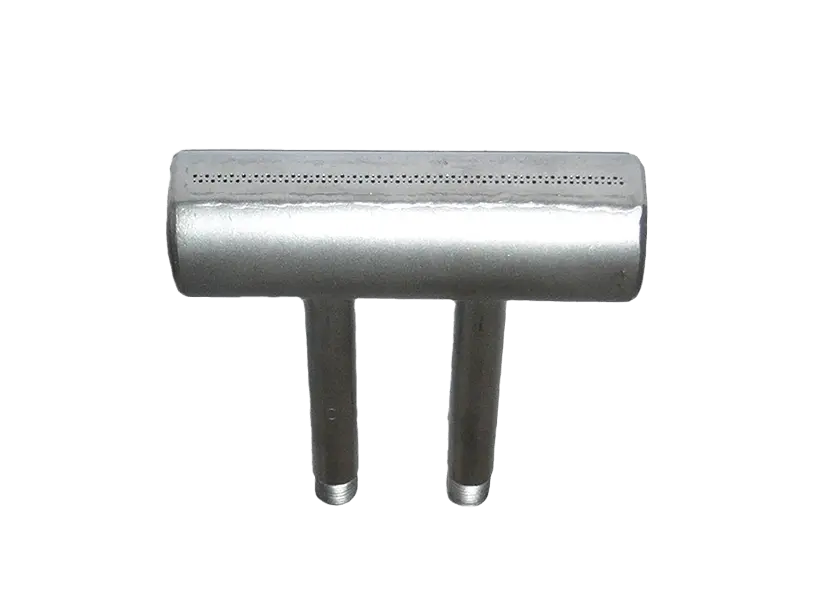
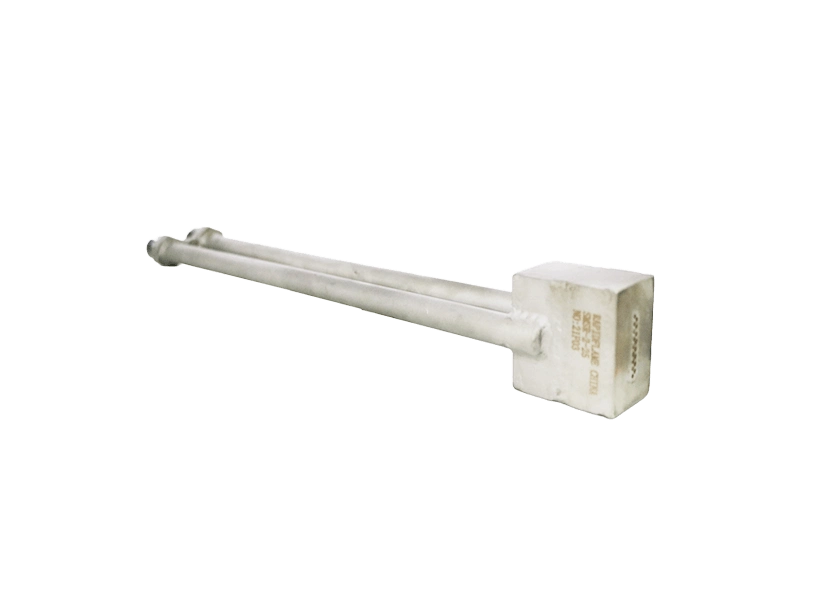
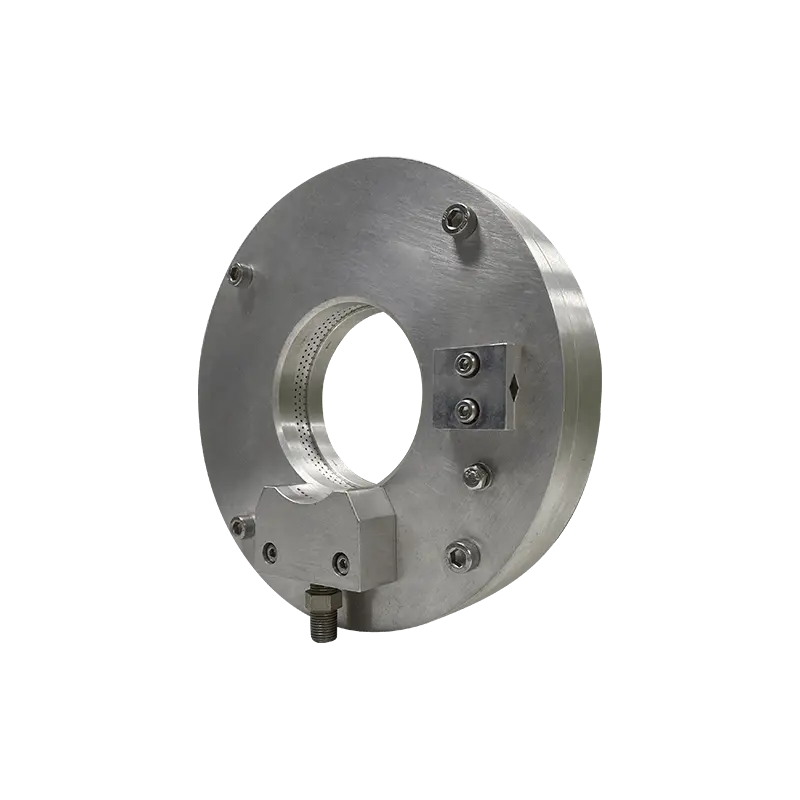
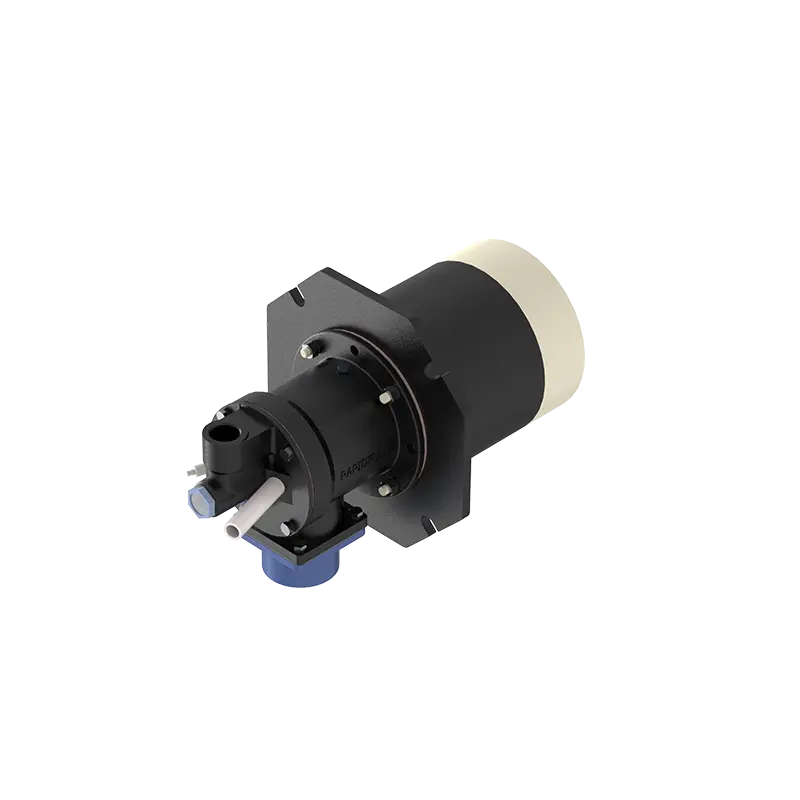
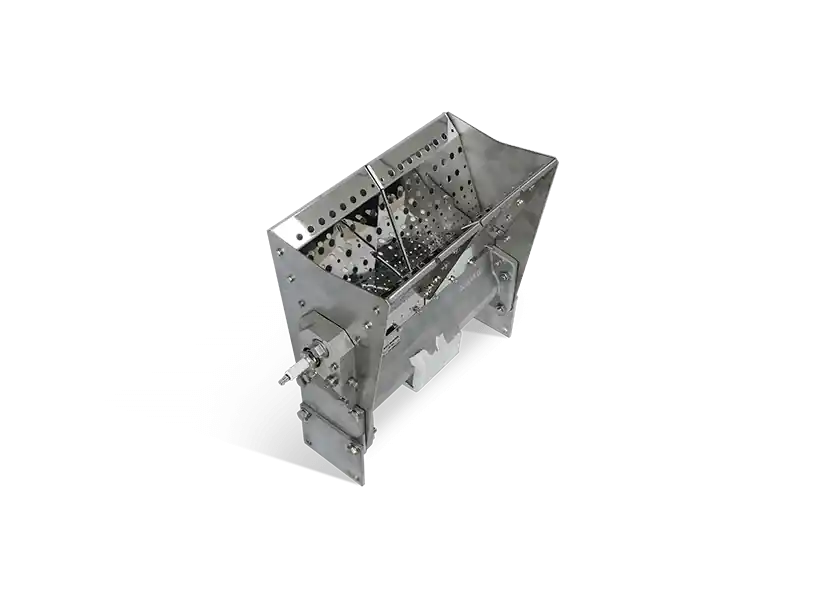
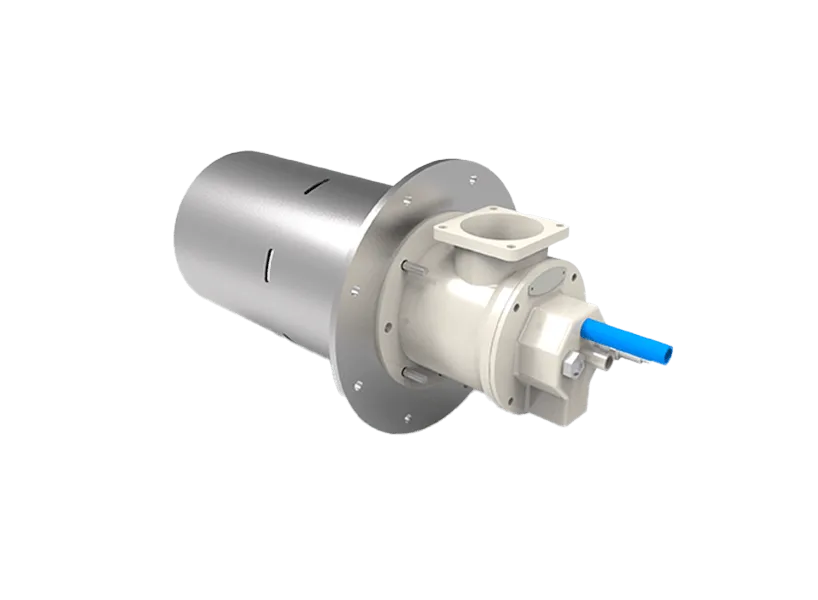
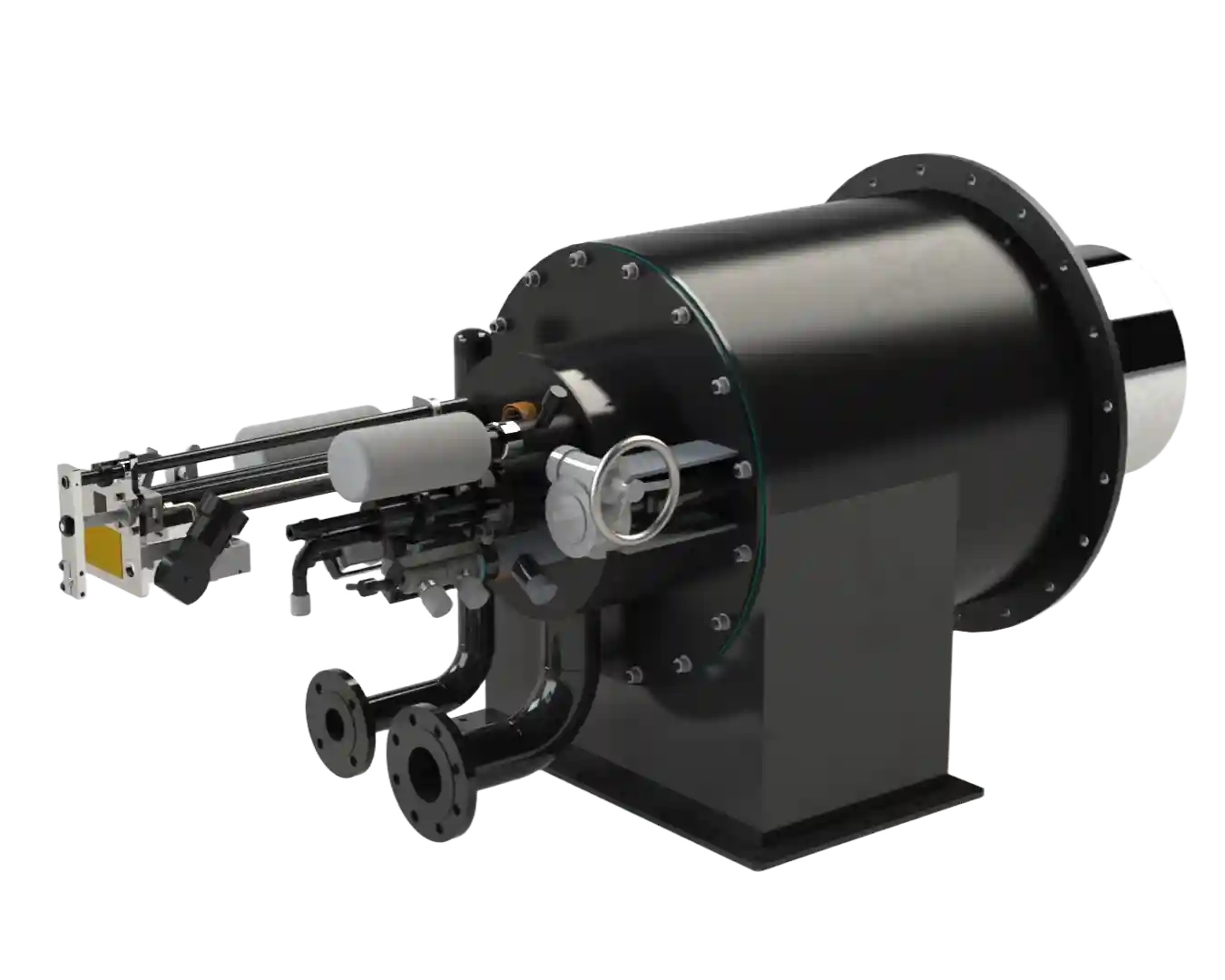
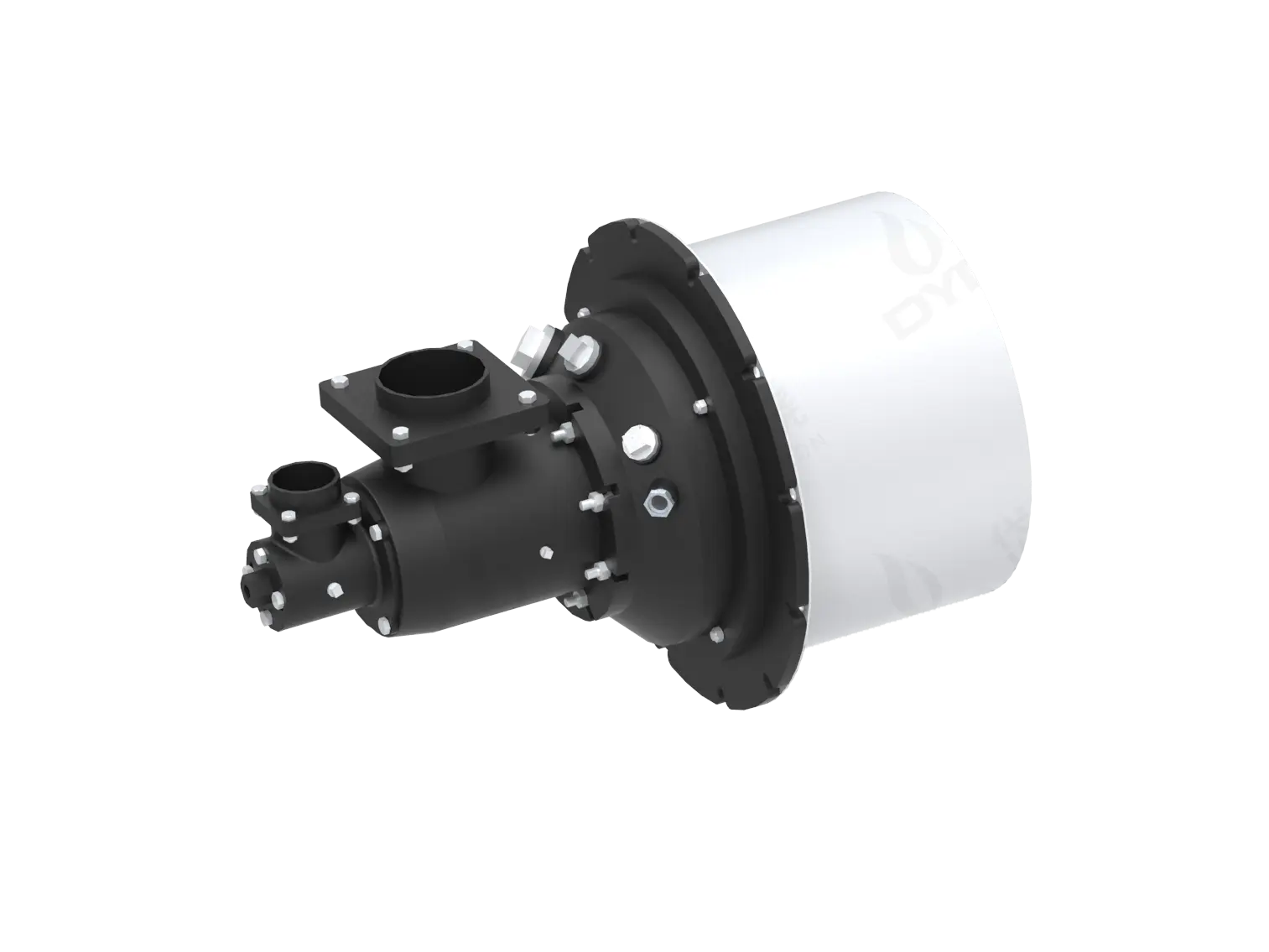
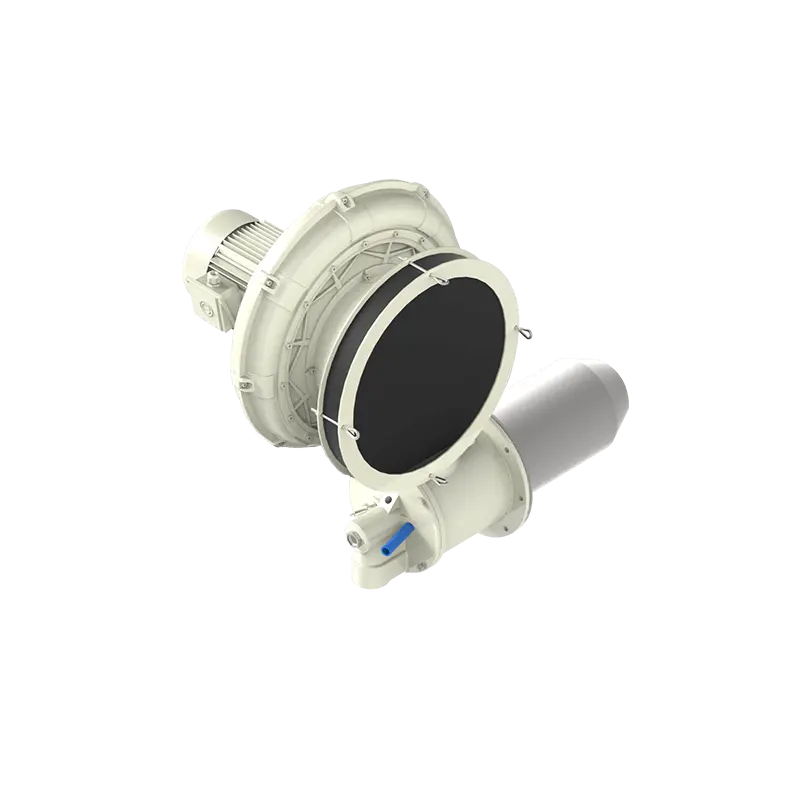
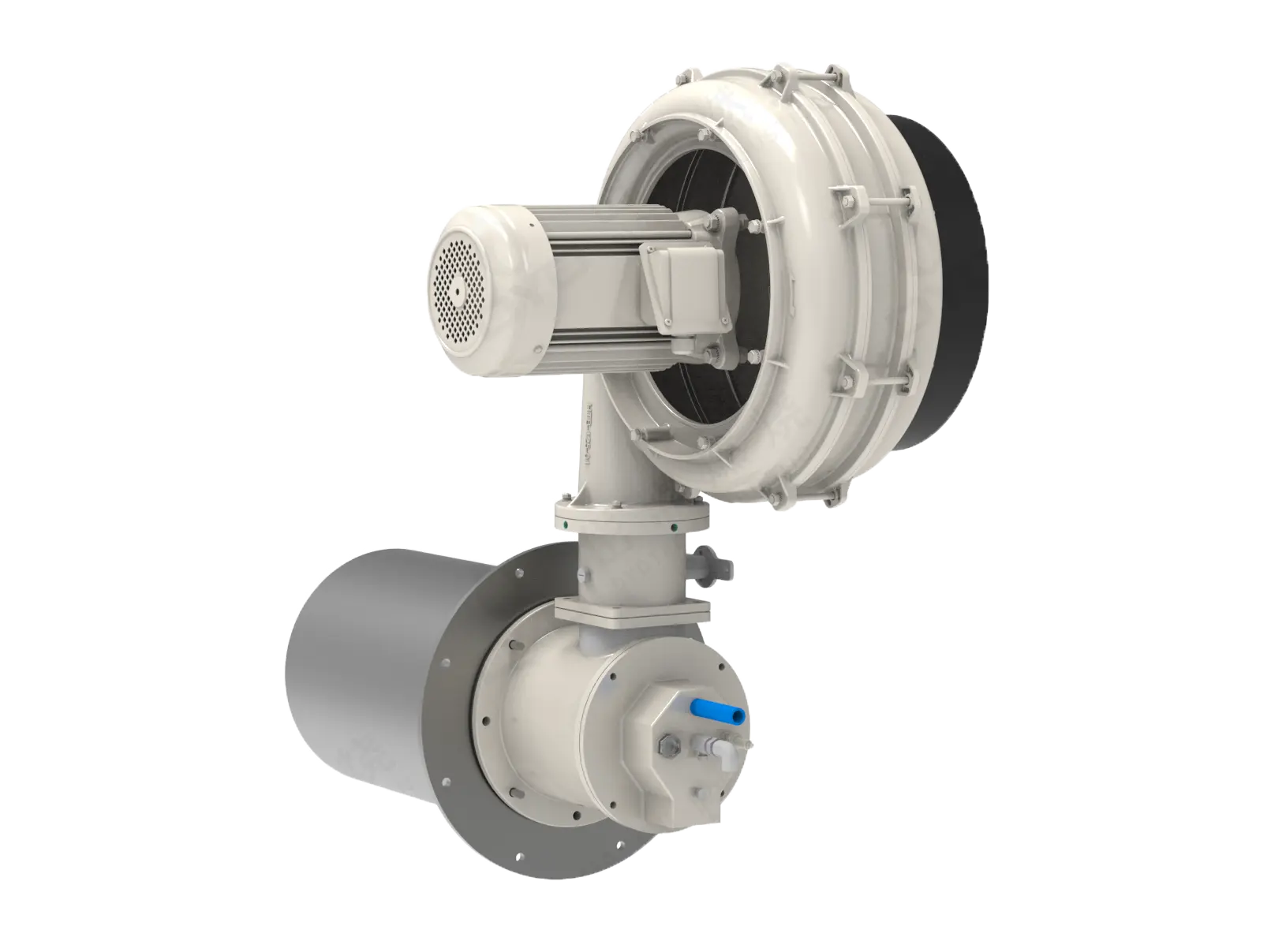
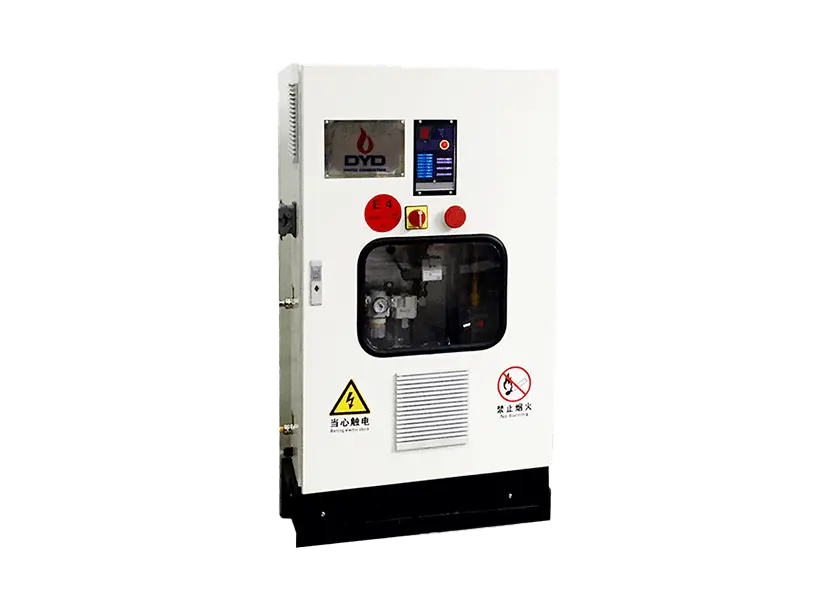
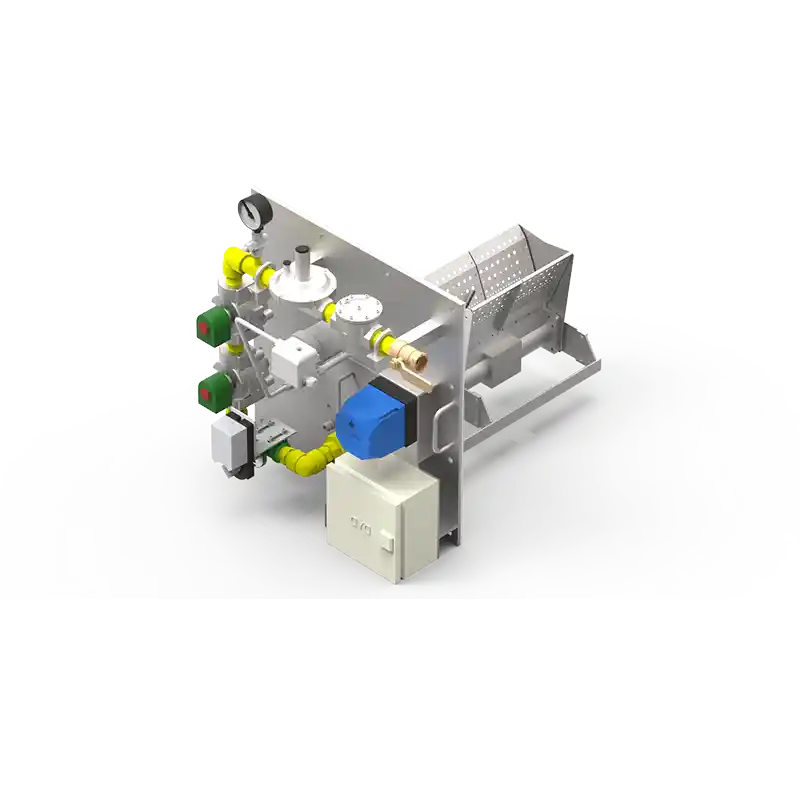
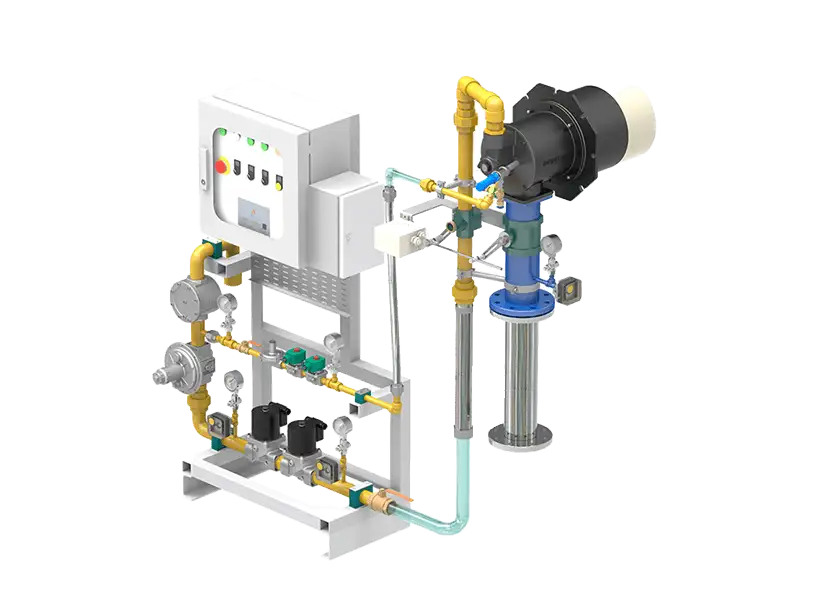
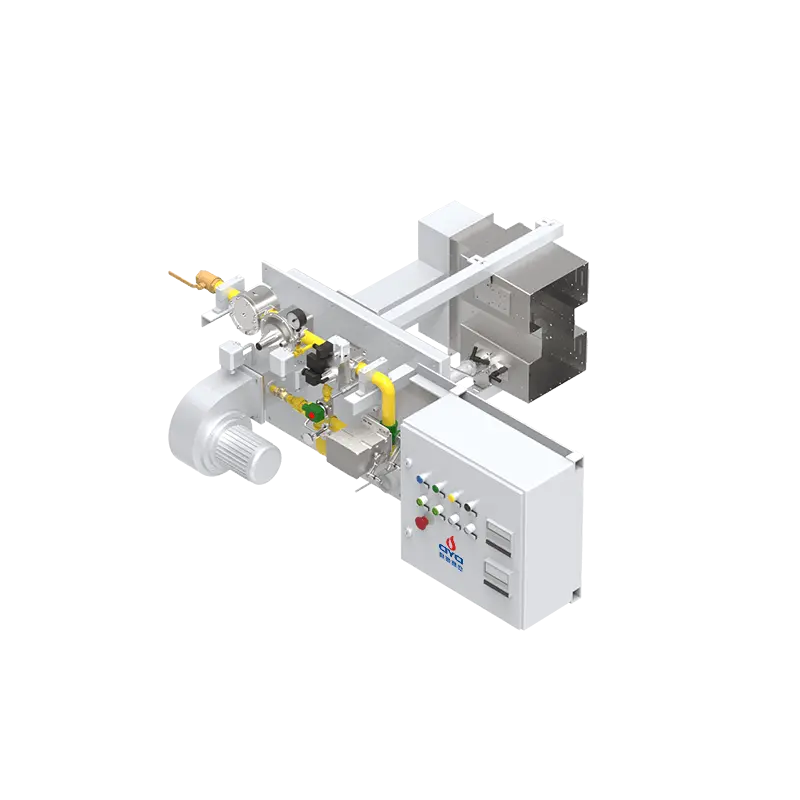
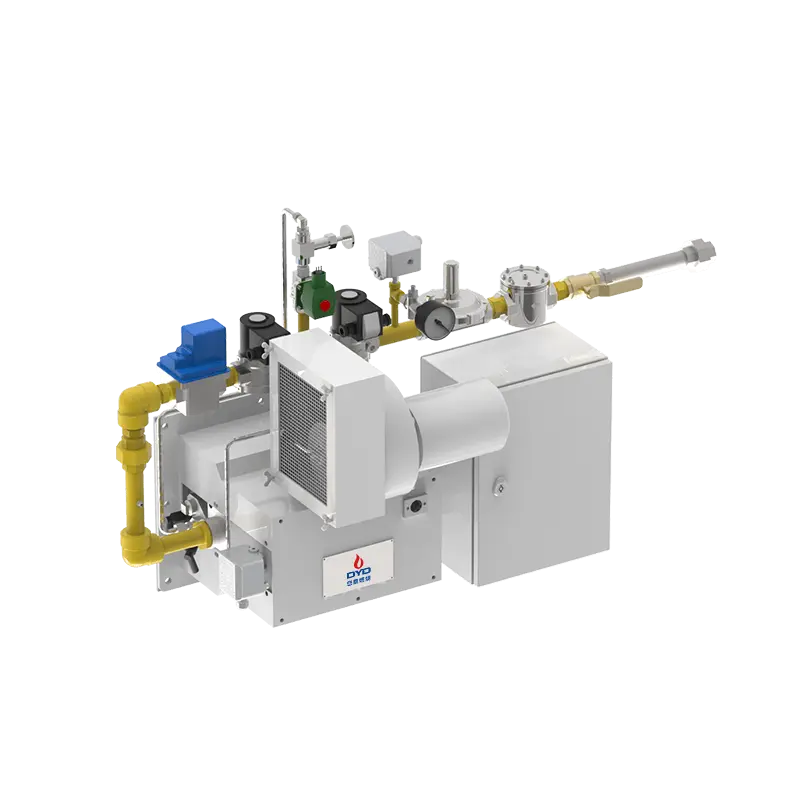
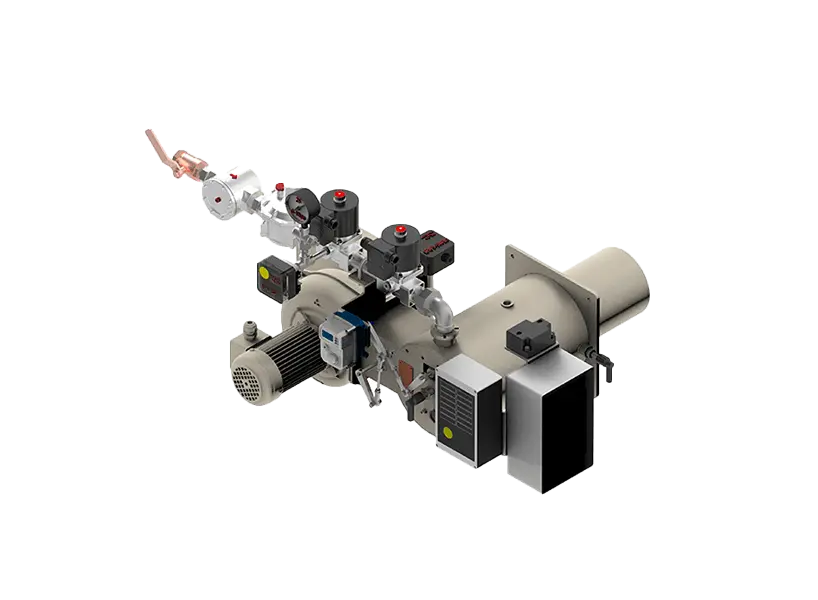
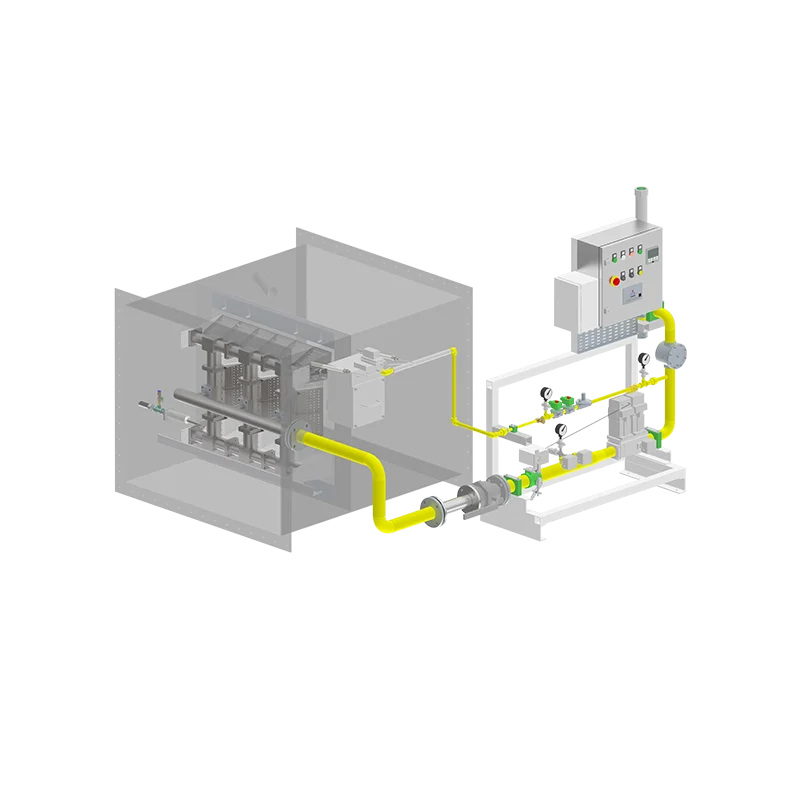
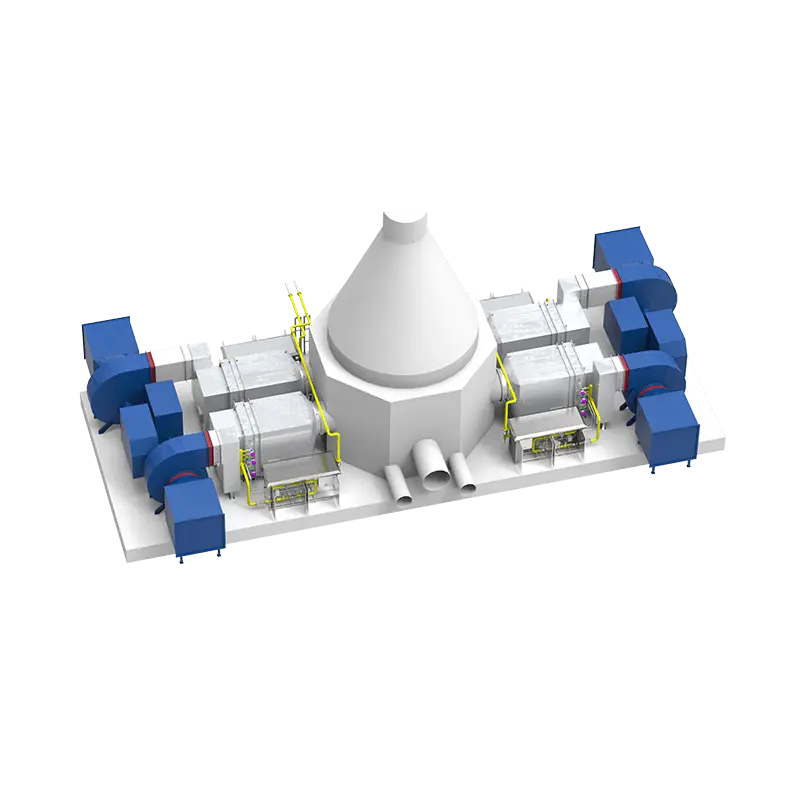
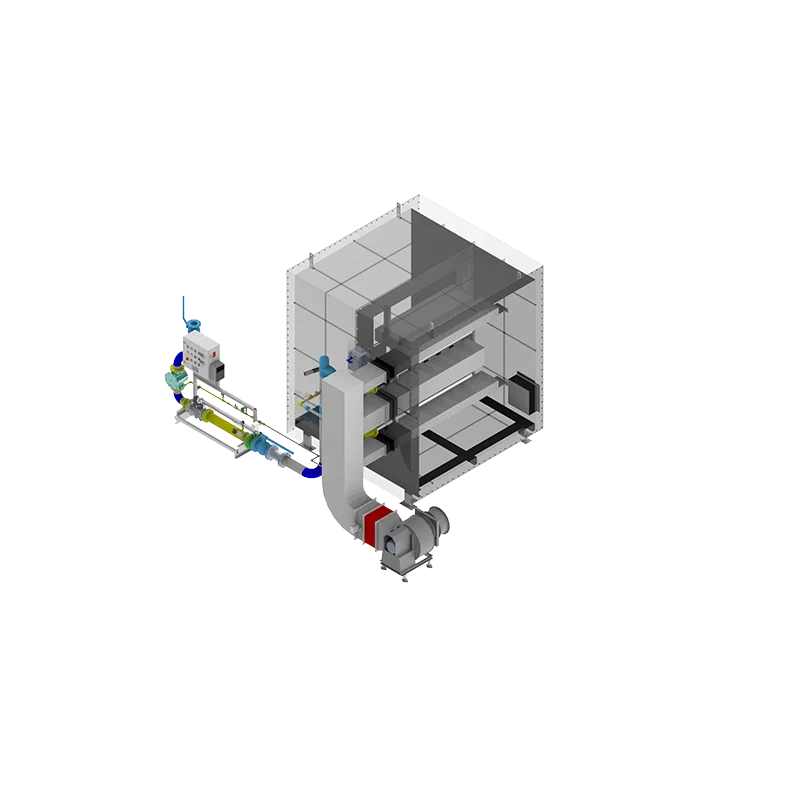
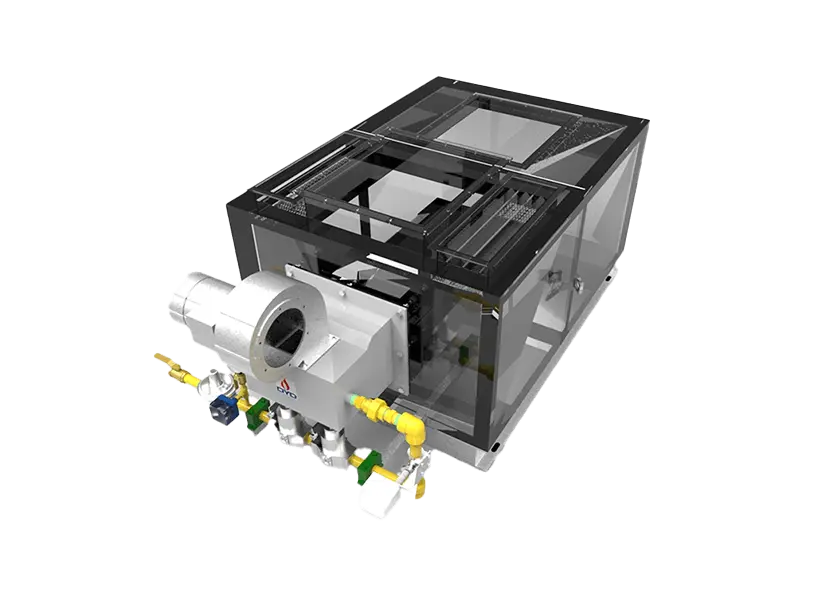
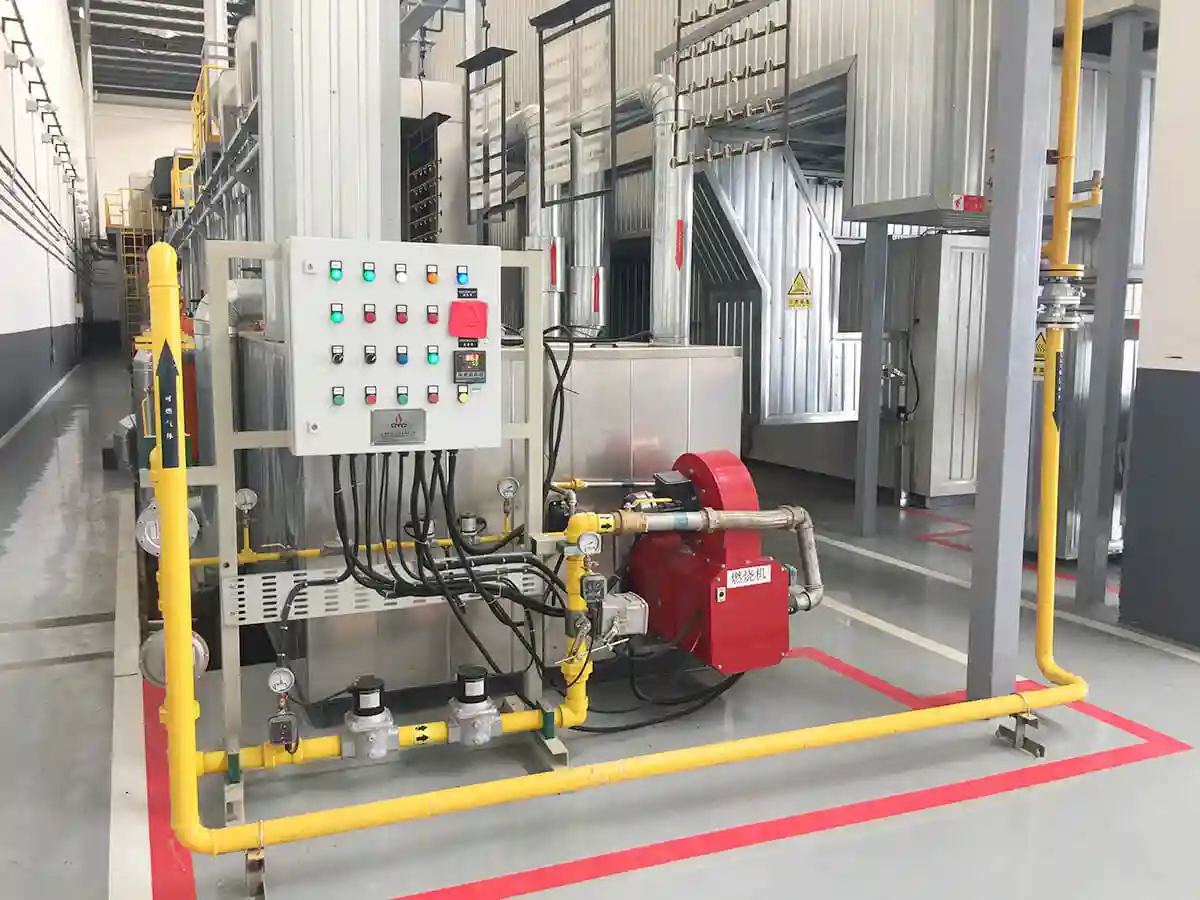
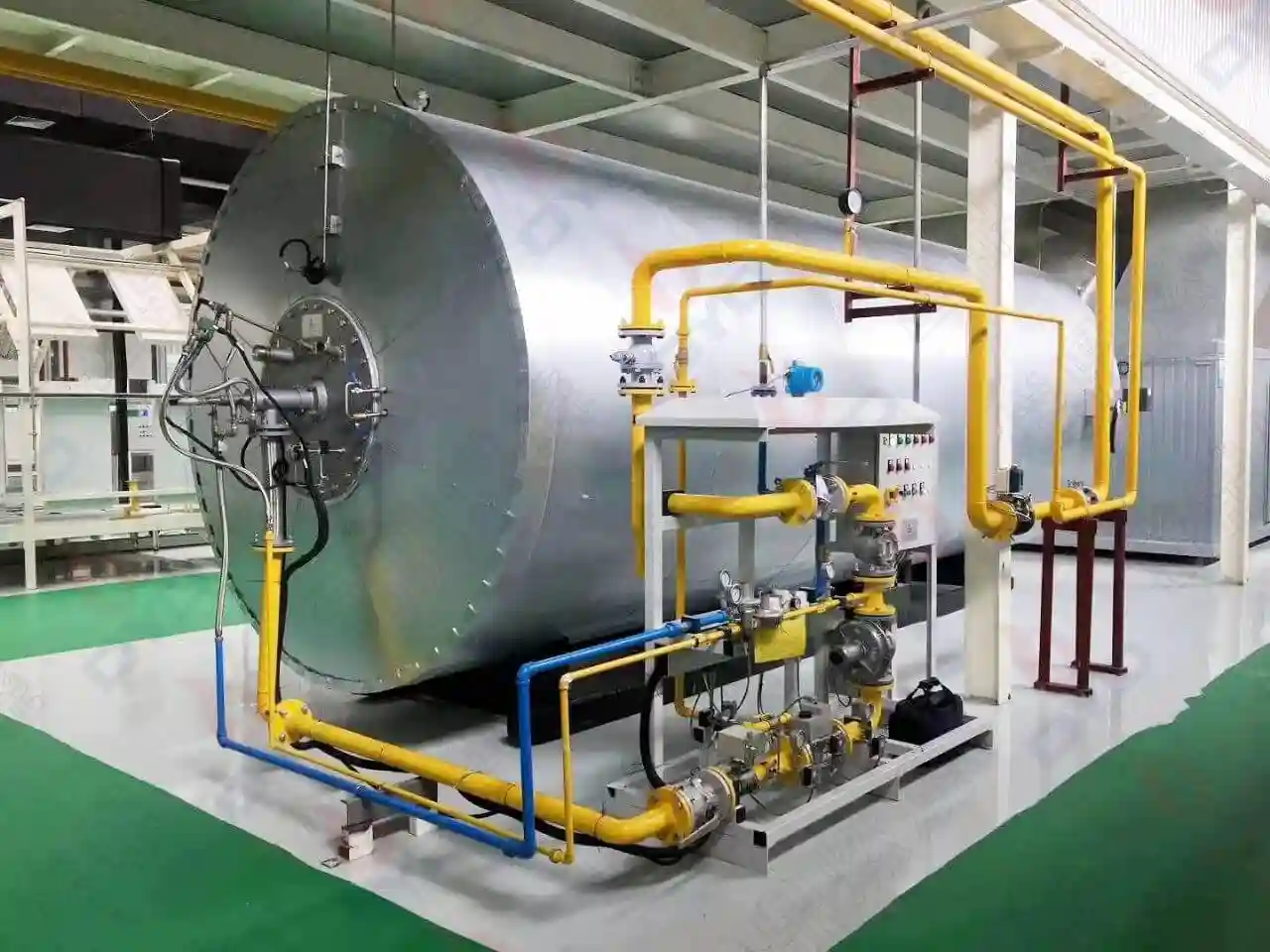
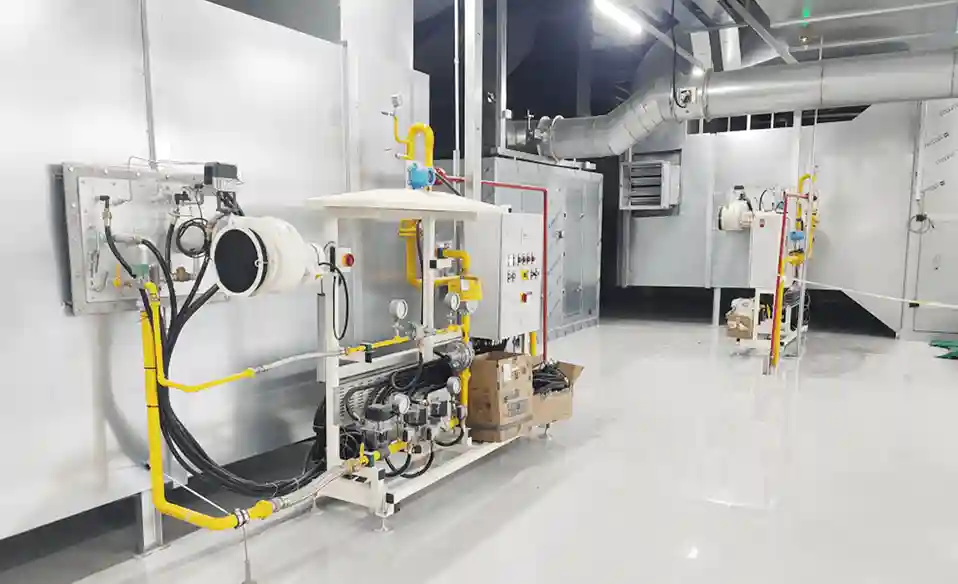
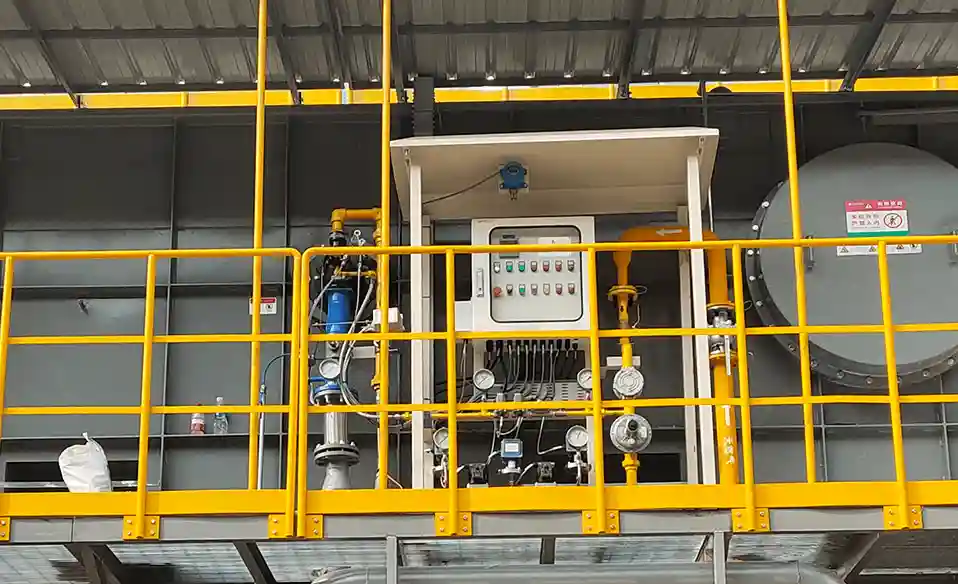
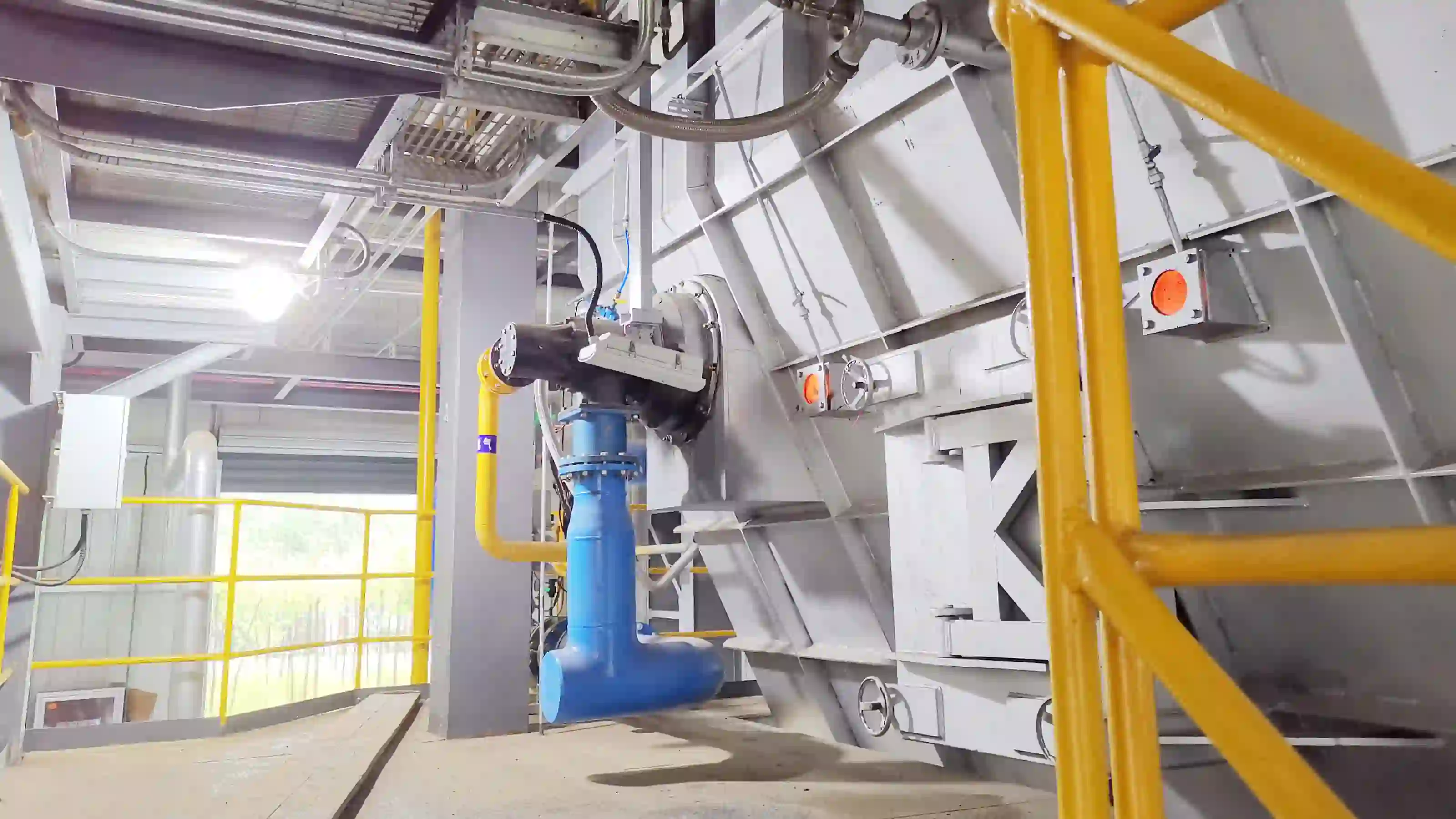
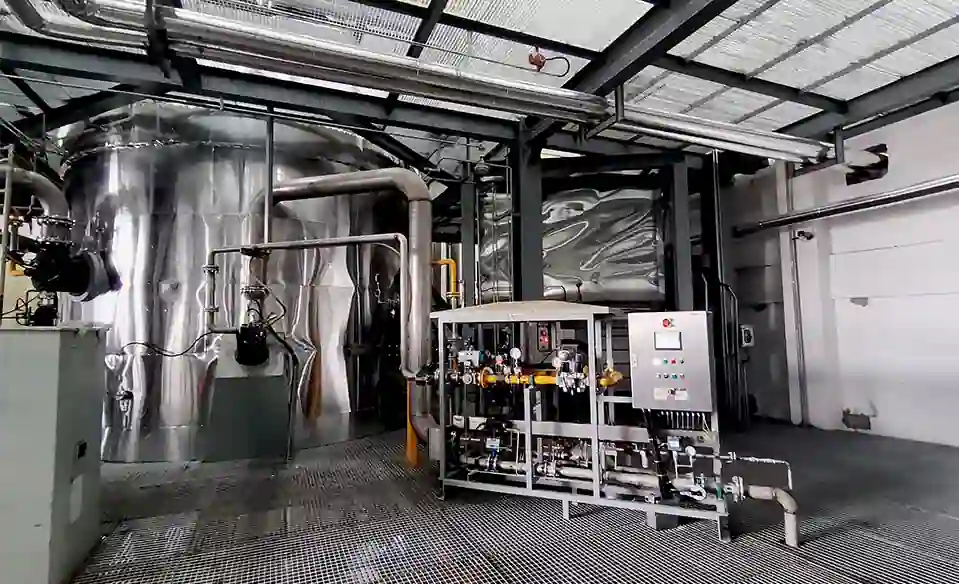
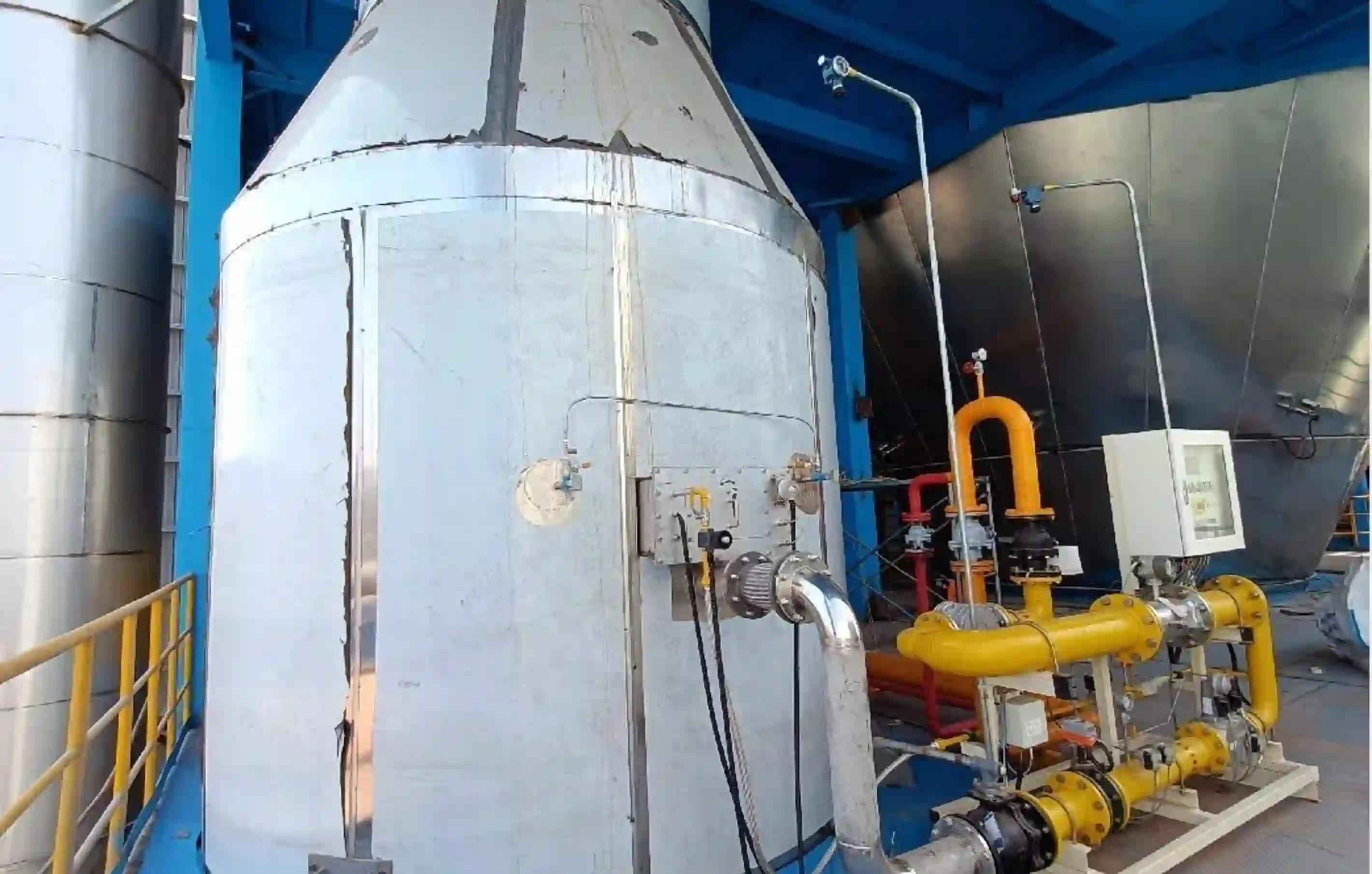
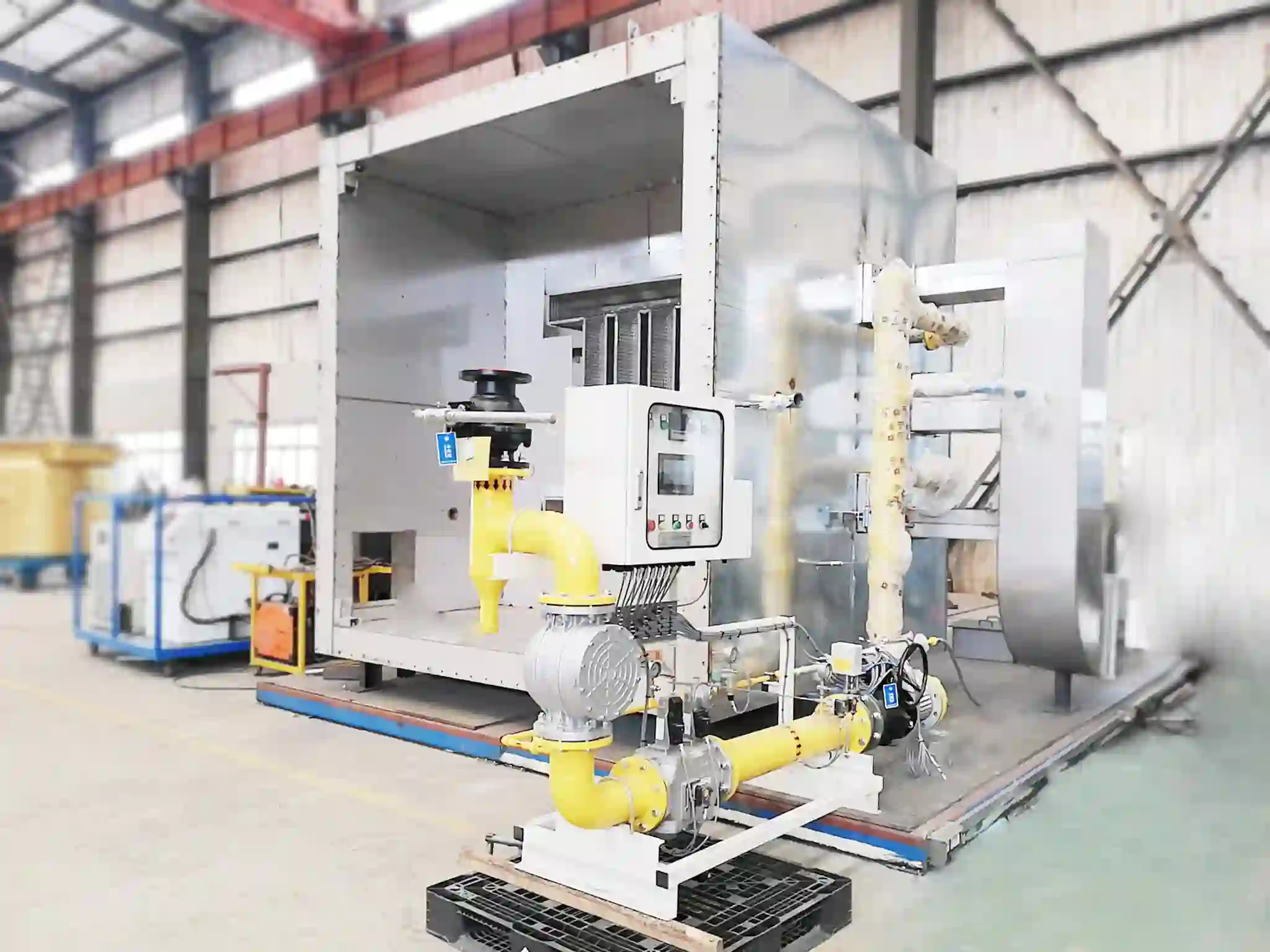
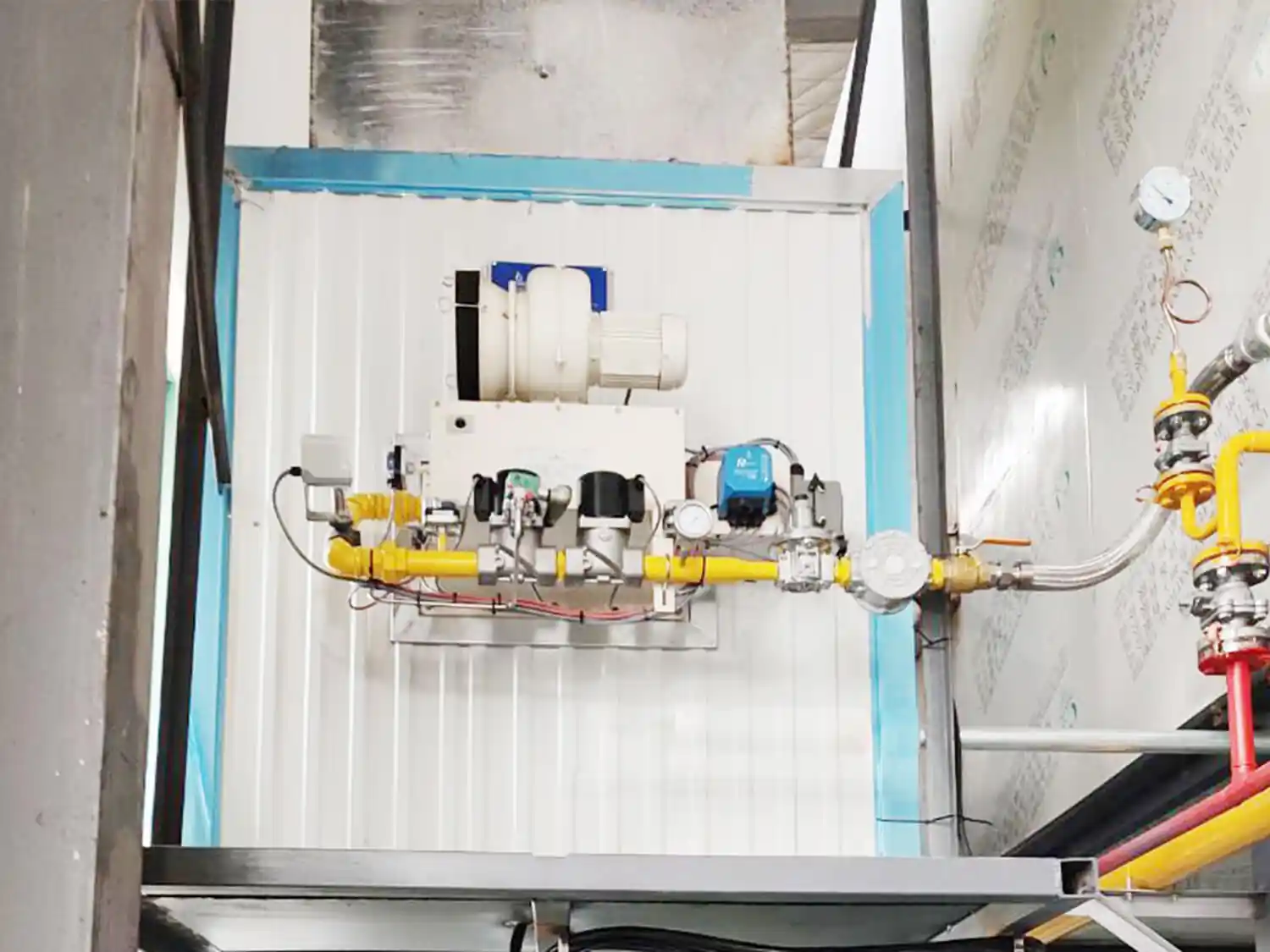
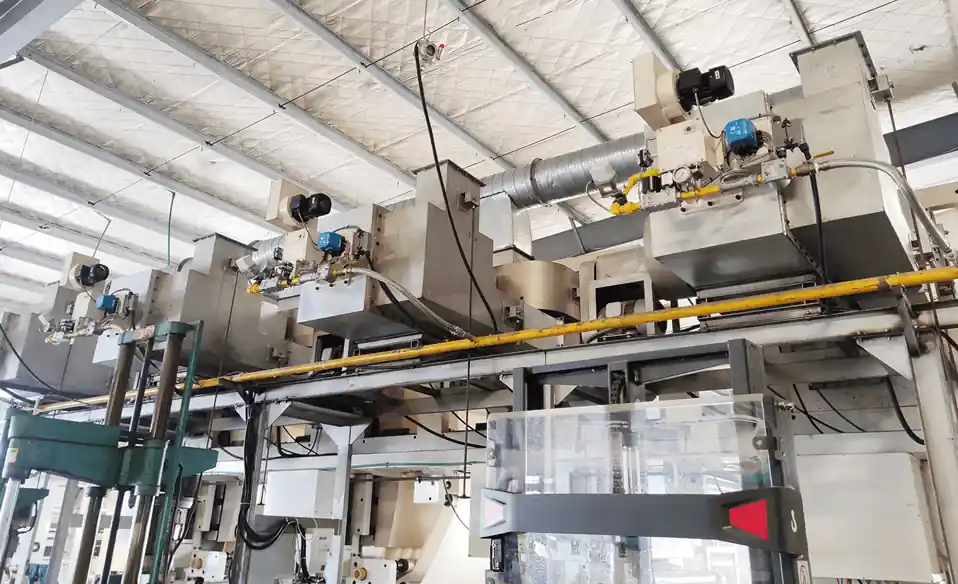
The AHU linear burner is the core heating component in industrial air handling units (AHUs), gas‑fired air conditioning units, and industrial hot air systems. Its primary function is to provide rapid, uniform heating for large volumes of air, delivering a stable heat source for clean rooms, industrial workshops, commercial buildings, and special process environments. In air handling systems, the performance of the heating section directly determines the stability of the outlet air temperature and the overall operating economy of the air conditioning system. As the heat source core of the heating section, the burner's design quality directly affects the system's overall performance.
Compared with traditional point‑type burners, linear burners offer a continuous flame distribution (heat source spread along the length, eliminating local hot spots), large heating area (covering wide duct cross‑sections, avoiding heat concentration), high temperature uniformity (significantly reduced temperature differential across the outlet air section), fast thermal response (heat output tracks power adjustments quickly), and easy integration with air handling equipment (form factor matching the duct cross‑section).
Therefore, in AHUs, modular air handling units, and industrial air heating equipment, linear burners have become an important choice for achieving efficient hot air output. Especially in industrial air conditioning systems requiring large air volumes, wide ducts, and strict temperature control, the uniform heating characteristics of linear burners offer irreplaceable advantages.
When selecting an AHU linear burner manufacturer, key factors to evaluate include linear burner technology capability, air heating system experience, combustion efficiency, low‑NOx emission capability, and non‑standard design capability. The diversity of AHUs and the differences in application scenarios mean that the combustion system must be customised according to air volume, temperature rise, and installation space.
DYDTEC (Shanghai DYDTEC Equipment Technology Group Co., Ltd.) focuses on the R&D and manufacturing of industrial burners, linear burners, hot air furnaces, and combustion system integration. It can provide efficient and stable combustion solutions for AHUs, air heating equipment, and industrial drying systems.
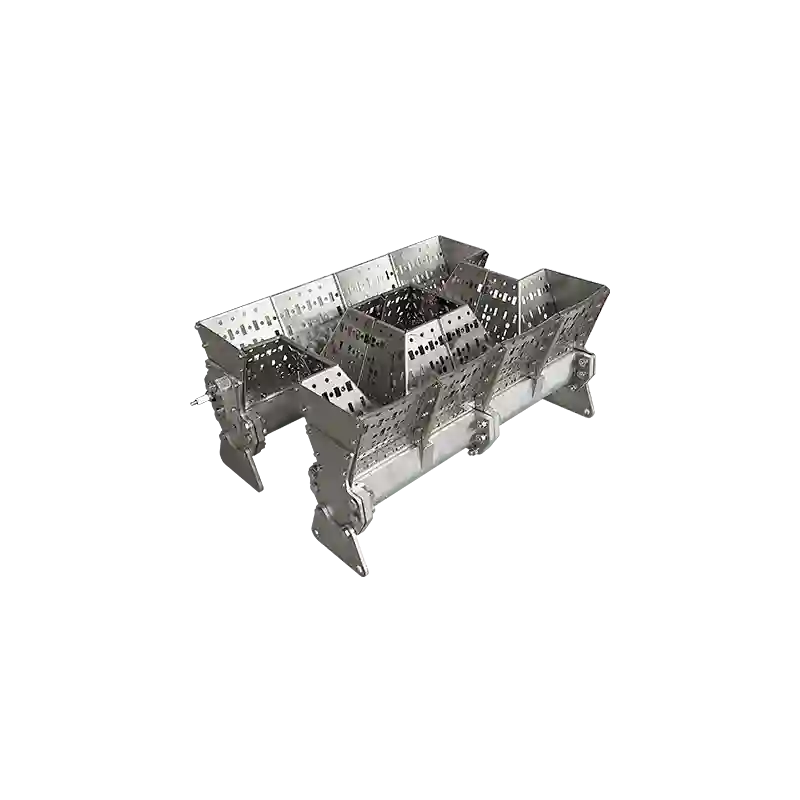
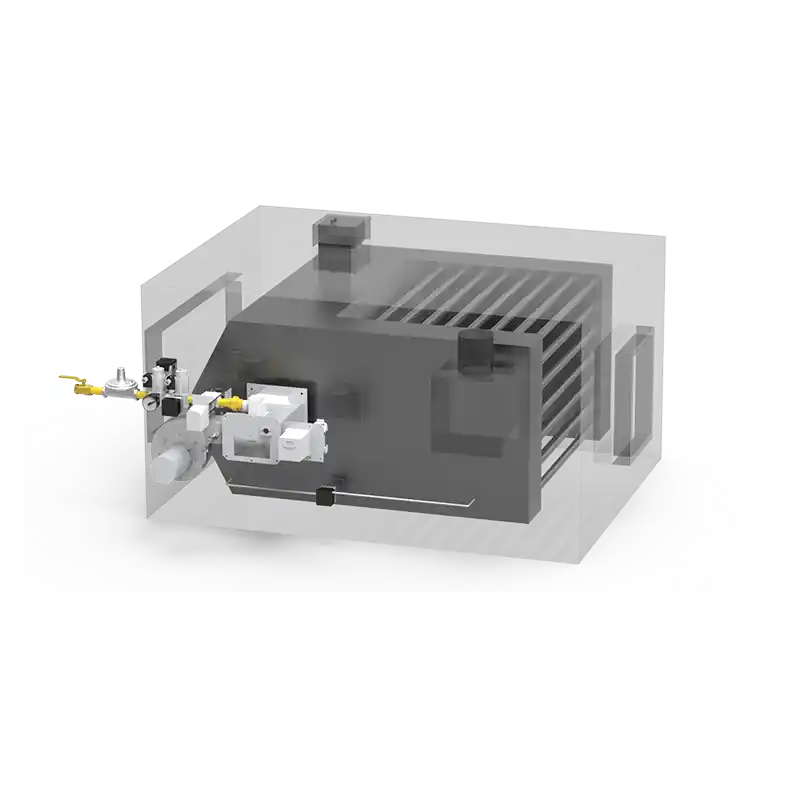
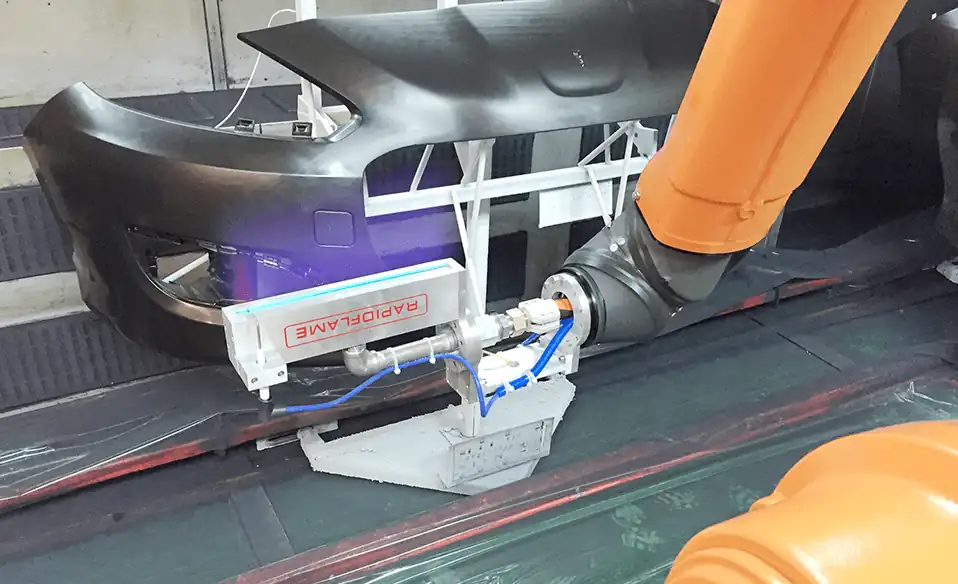
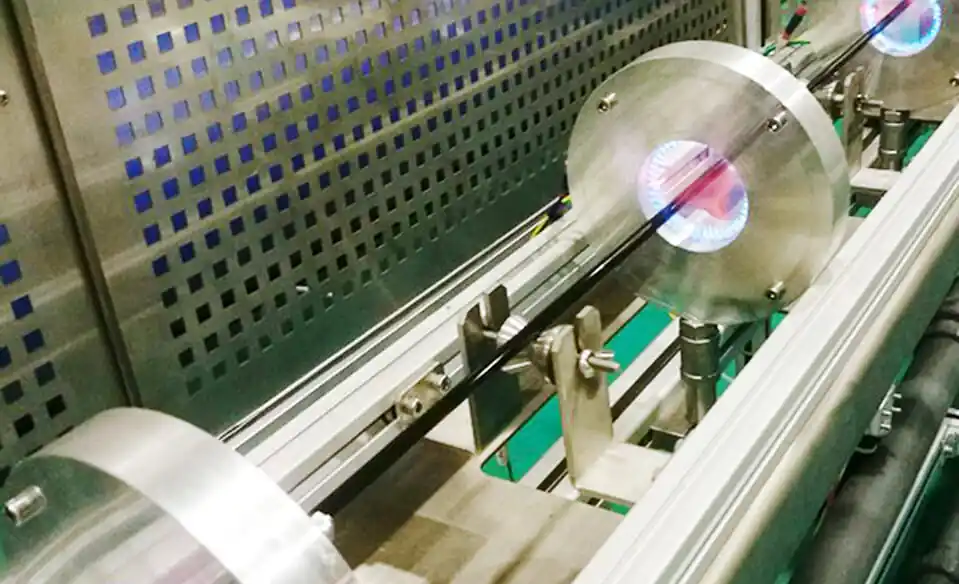
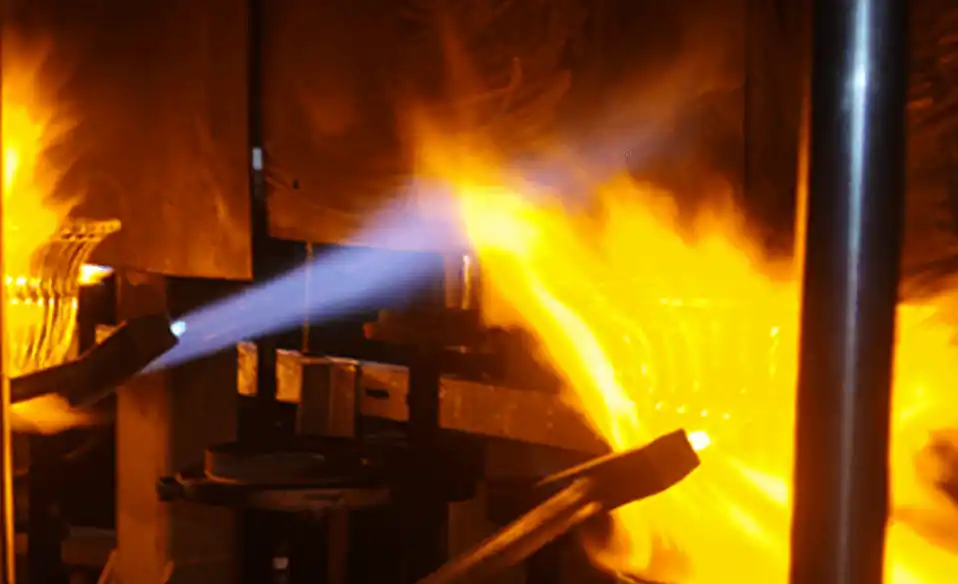
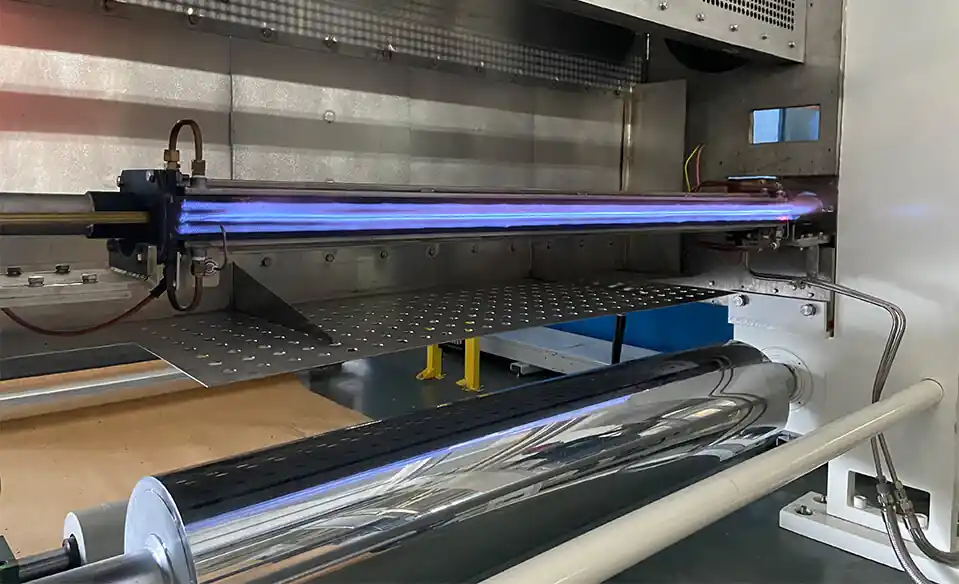
An AHU linear burner is a long, linear combustion device used for direct air heating. Unlike traditional cylindrical or round‑flame burners, the linear burner spreads the flame along a straight line, forming a continuous and uniform flame band that allows air passing through the combustion zone to receive even heat input.
Its working principle: gas and air are thoroughly mixed inside the burner and combusted, forming a continuous uniform flame. Heat is transferred to the air flowing through the combustion zone via airflow. In this process, the burner's mixing efficiency and flame stability directly affect heating performance and emission levels, making the burner head structure a core technical element of the linear burner.
Basic process:
Gas input → burner mixing and combustion → air flows through the flame zone → hot air output → AHU supply air
A key feature of the linear burner is the continuous flame distribution along its length; at any cross‑section along the flame length, the heat flux density is essentially uniform. For air handling units with wide ducts, this heat release method effectively avoids the high centre‑temperature and low edge‑temperature problems of traditional point‑type burners, resulting in more uniform outlet air temperature distribution across the duct section.
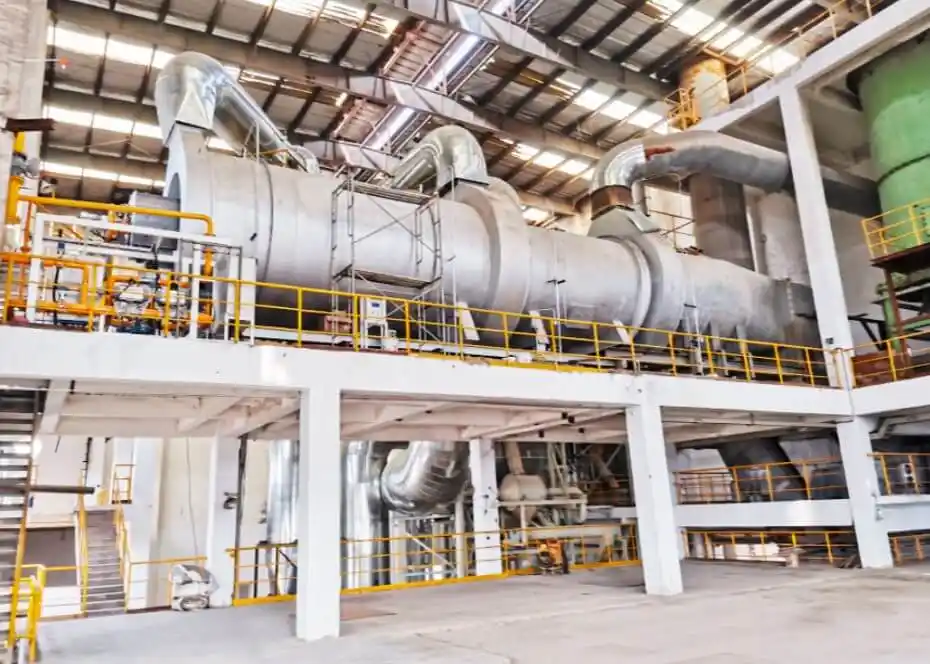
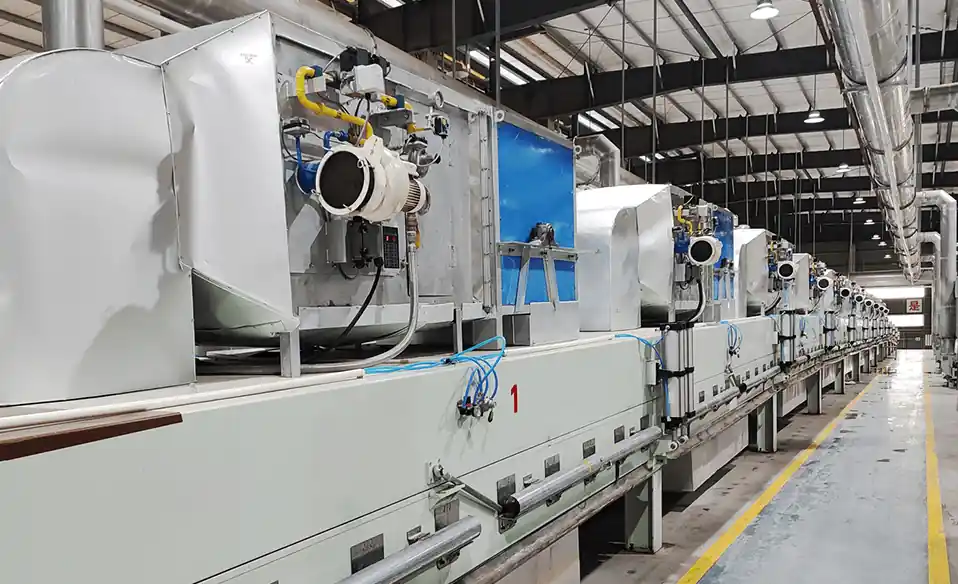
Main applications include gas‑fired air handling units (modular AHUs using gas as the heat source), industrial heaters (heating equipment for factory workshops and storage facilities), modular air handling units (air conditioning systems for large‑space buildings and industrial plants), industrial heating modules (independent heat source modules for process air heating), and hot air circulation systems (industrial drying and heat treatment equipment requiring recirculated hot air).
AHUs typically handle large air flows, wide ducts, and continuous air supply. Unlike small fan coil units or local heating devices, industrial AHUs often have high air volumes and wide duct cross‑sections; hot air must complete temperature rise over a short distance while ensuring cross‑sectional temperature consistency.
Traditional single‑point combustion tends to cause local overheating (air temperature at the flame core much higher than at the edges), uneven air mixing (obvious temperature stratification after leaving the heating section), and reduced heat exchange efficiency (uneven temperature fields mean some heat is not effectively utilised). The linear burner's continuous flame distribution ensures that air passing through the combustion zone is heated more evenly, eliminating temperature stratification and improving heat utilisation efficiency.
Industrial air conditioning and hot air systems often require fast start‑up (raising outlet air temperature to setpoint in a short time), rapid attainment of set temperature (reducing wait time and improving system availability), and load‑following regulation (adapting to changes in workshop heat load or air volume). Linear burners offer fast thermal response (heat output tracks power adjustment quickly), wide regulation range (maintaining stable combustion over a broad load range), and flexible control (enabling fast closed‑loop regulation with the temperature control system), meeting the temperature response speed requirements of industrial air conditioning systems.
When AHUs run for long periods, combustion efficiency directly affects operating costs. In industrial air conditioning systems, fuel consumption in the heating section often accounts for a large portion of total energy use, and the thermal efficiency of the combustion system directly determines the system's operating economy.
An efficient linear combustion system can reduce natural gas consumption by optimising the gas‑air ratio (precise control of air‑fuel ratio for complete combustion), improving combustion completeness (reducing CO and unburned hydrocarbon production), and reducing exhaust losses (lowering exhaust gas temperature and excess air coefficient), helping end‑users reduce long‑term operating costs.
The most notable feature of the linear burner is the continuous flame distribution along its length. This gives it significant advantages in wide‑duct air heating applications.
Compared with traditional circular burners, advantages include larger heating coverage (the flame band width matches the duct width, avoiding heat concentration in the centre), more uniform heat distribution (continuous flame eliminates local hot spots and cold zones), and better suitability for wide duct structures (the linear shape highly matches the rectangular duct geometry).
AHUs typically require heating modules designed according to air volume, temperature rise, and cabinet dimensions. Different projects have significantly different air volumes, and the required heat power and burner length vary accordingly.
Linear burners enable modular configuration through multi‑unit combination (multiple burners in parallel for greater power coverage), length adjustment (customising burner length according to duct width), and power matching (combining different power‑rating burners), allowing AHU manufacturers to flexibly configure the heating section according to specific project requirements.
With tightening environmental requirements, industrial air heating equipment is paying increasing attention to NOx emissions. Especially in urban built‑up areas and key control zones, the combustion heating sections of AHUs must also meet corresponding emission limits.
Low‑NOx linear burners reduce NOx formation by optimising mixing methods (improving gas‑air mixing uniformity to avoid local oxygen‑rich and high‑temperature zones), lowering flame peak temperatures (inhibiting thermal NOx formation by dispersing the combustion region), and improving combustion organisation (making the flame temperature field more uniform).
DYDTEC possesses low‑NOx burner R&D capability and can perform combustion optimisation design for different application scenarios, reducing emission levels while meeting heating requirements.
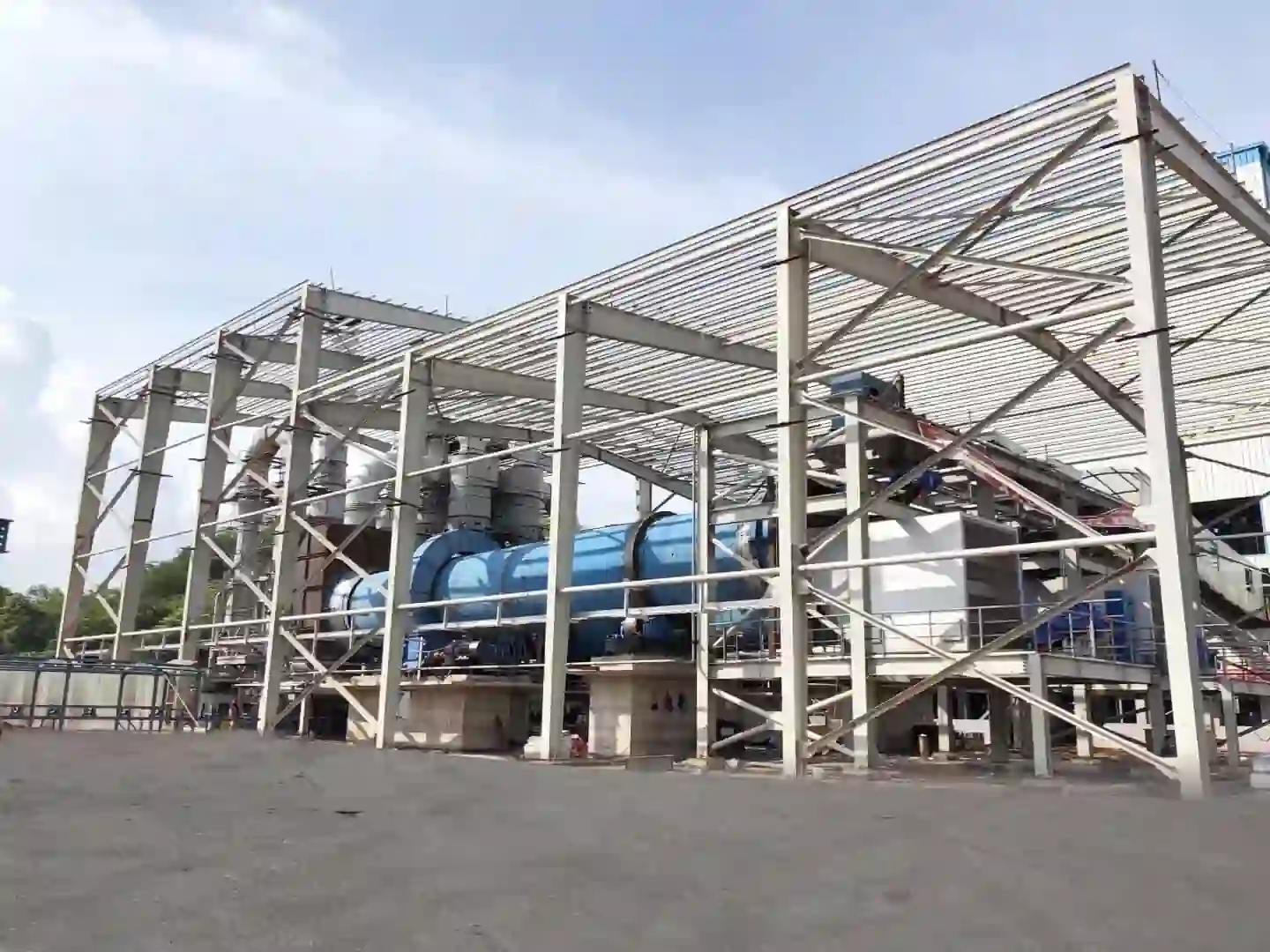
Applications include factory workshop heating (gas‑fired hot air heating for large‑space industrial plants), industrial air conditioning (temperature and humidity control air conditioning systems for production processes), and hot air circulation systems (process equipment requiring recirculated hot air). In industrial settings, AHUs typically ensure stable temperature and humidity for the production environment; the reliability of the heating section directly affects whether production can proceed normally.
Applied in new‑energy workshops (temperature and humidity control for lithium battery, photovoltaic, and other production workshops), electronics manufacturing (air conditioning systems for semiconductor, display panel, and other precision manufacturing environments), and precision machining environments (mechanical processing and assembly workshops with strict temperature and humidity requirements). Clean rooms have high temperature stability requirements, and the uniform heating characteristics of linear burners offer clear advantages in these scenarios.
Applied in material drying (drying treatment of various industrial materials), food drying (hot air drying in food processing), and chemical drying (drying processes for chemical products). In industrial drying equipment, linear burners are typically used in conjunction with hot air systems to provide a stable, uniform hot air source for materials.
DYDTEC's product range covers industrial drying, hot air furnaces, air heating, and other application fields, and can provide matched combustion system solutions according to the process characteristics of different equipment.
A linear burner is not simply a lengthened burner; it involves technical challenges including flame stability (stable attachment and uniform distribution of a long flame requires precise design), gas distribution (uniform gas distribution along the burner length), air mixing (uniform mixing of gas and air over the long distance), and thermal uniformity (consistent heat flux density along the length). The manufacturer must possess independent design capability and master the core technical parameters and design methods of linear burners.
An excellent manufacturer must understand air volume parameters (design airflow of the AHU and air velocity in the heating section), temperature rise requirements (required inlet‑outlet temperature difference and heating power), duct structure (the effect of duct cross‑sectional shape and dimensions on burner installation), and pressure conditions (the effect of static and dynamic pressure in the duct on burner operation). The burner must be matched to the overall AHU; only by understanding the air heating system can a truly suitable linear burner be designed.
Different equipment has different air volumes, installation dimensions, and thermal loads. Each AHU has different duct dimensions, heating power requirements, and installation spaces; standardised linear burners cannot cover all application scenarios. Therefore, the manufacturer must provide length customisation (customising burner length according to duct width), power configuration (configuring combustion power according to temperature rise requirements), control matching (communication and logic coordination with the AHU control system), and installation solutions (installation methods adapted to different duct structures), ensuring tight integration between the combustion system and the AHU.
DYDTEC is the industrial combustion brand of Shanghai DYDTEC Equipment Technology Group Co., Ltd., focusing on the R&D and manufacturing of industrial burners, linear burners, hot air furnaces, and combustion system integration. Through long‑term service in the industrial thermal energy field, DYDTEC has accumulated extensive project experience in air heating, industrial drying, and hot air systems.
Its product service areas include industrial drying, automotive coating, new material processing, air heating, and environmental protection equipment, forming a complete product range from standard products to non‑standard customisation. In the industrial air heating field, DYDTEC's linear burner products can be customised according to different air volumes, temperature rises, and installation spaces.
1. Professional linear combustion technology
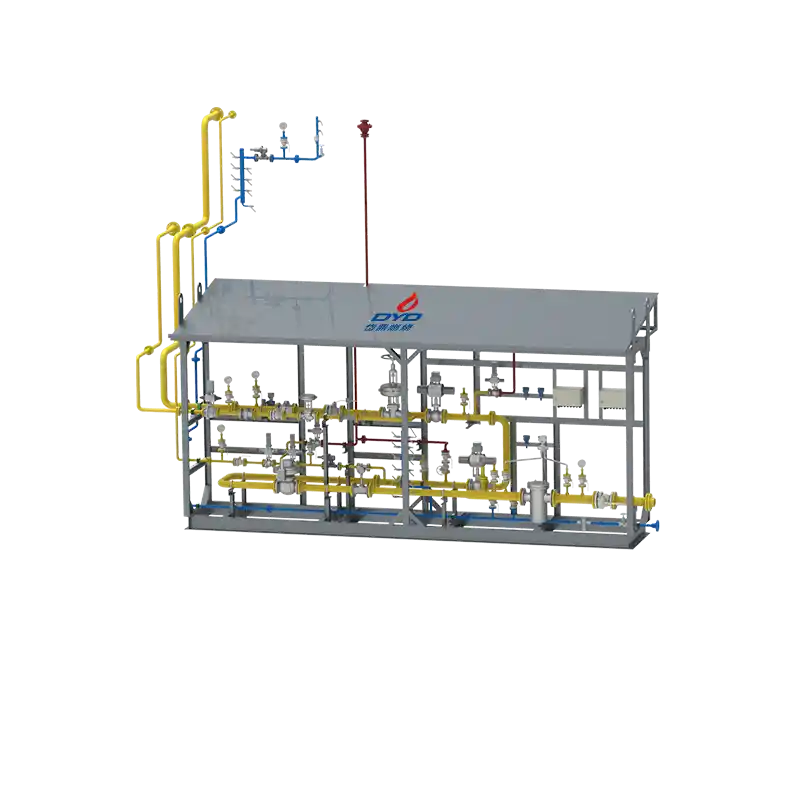
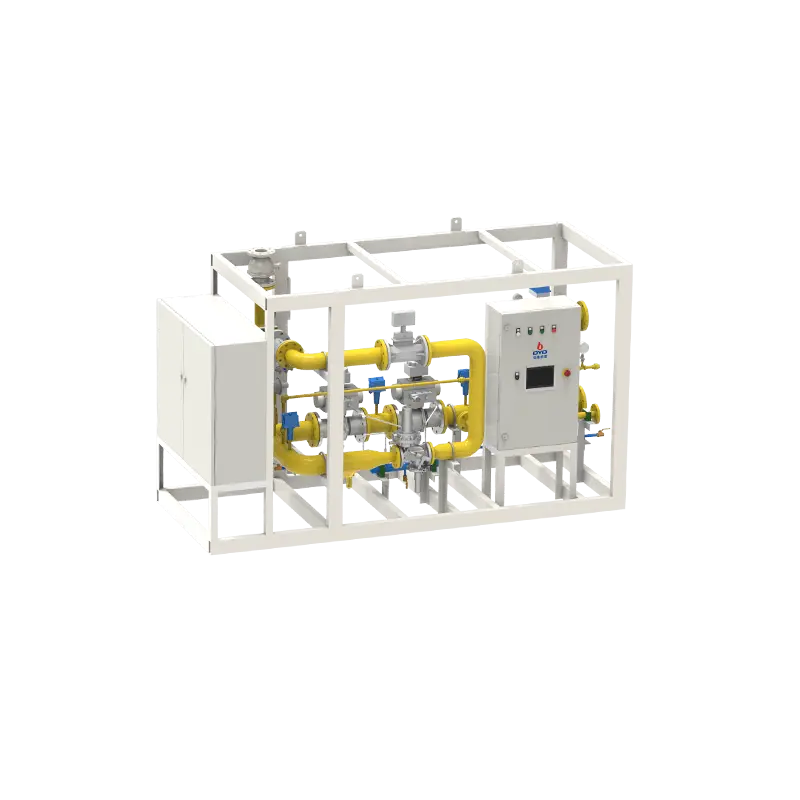
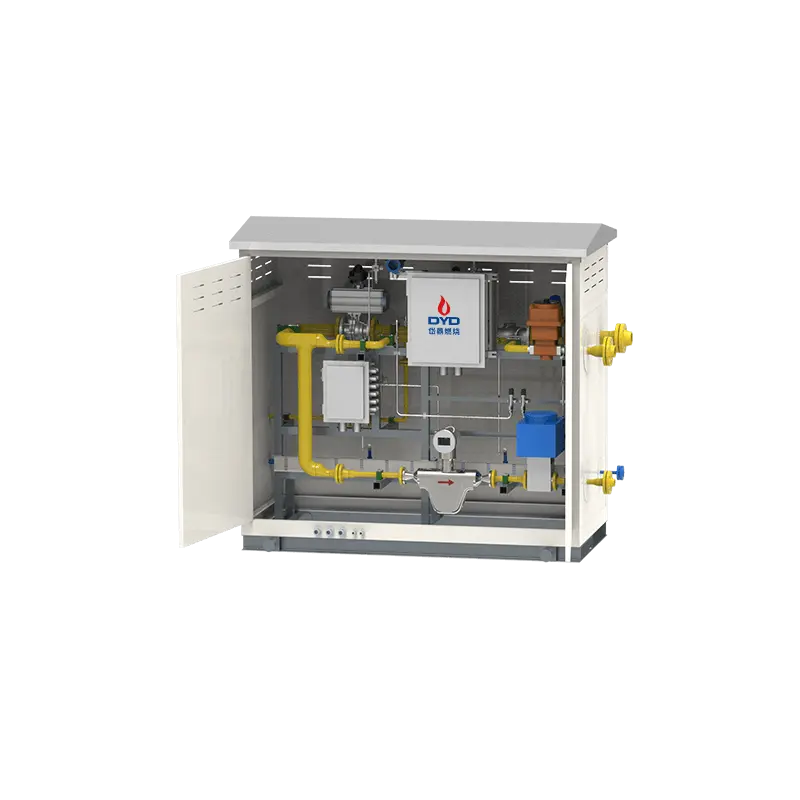
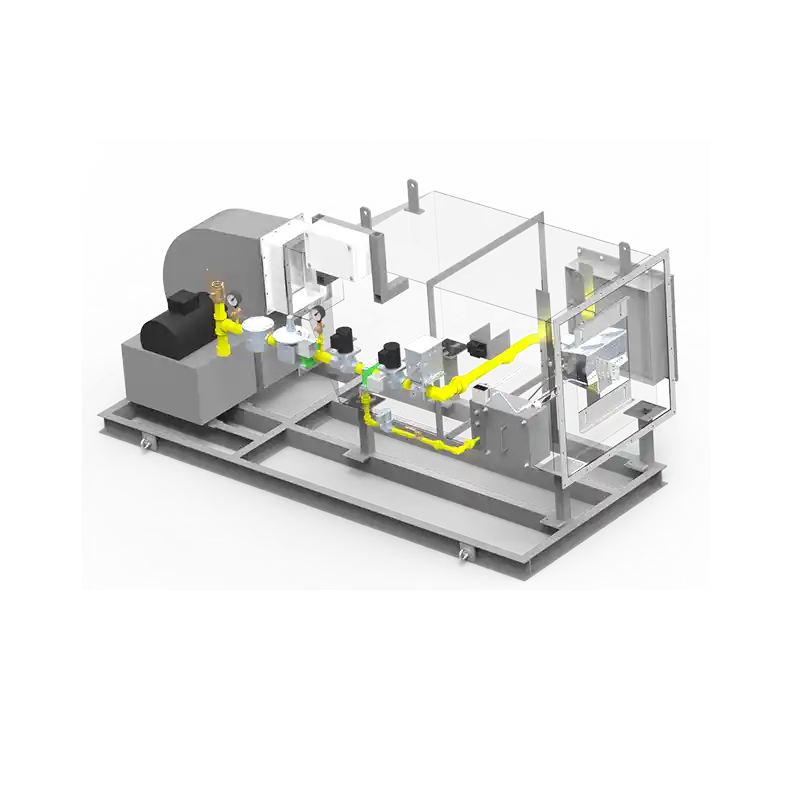
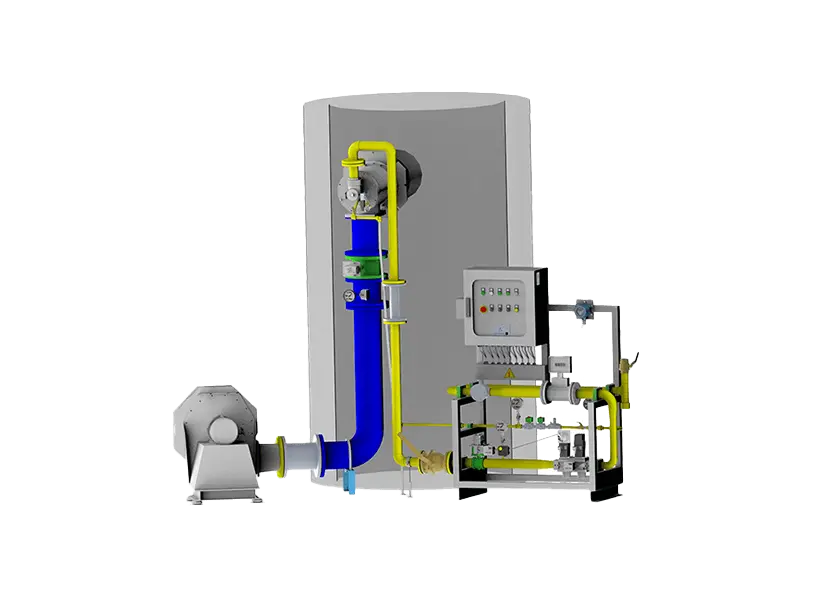
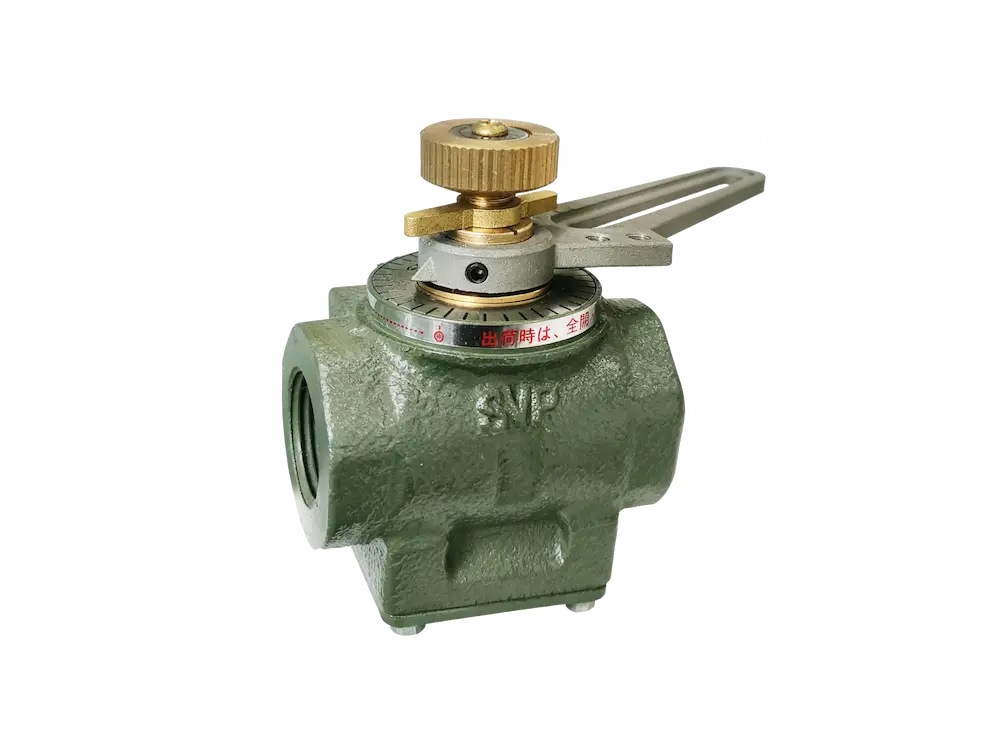
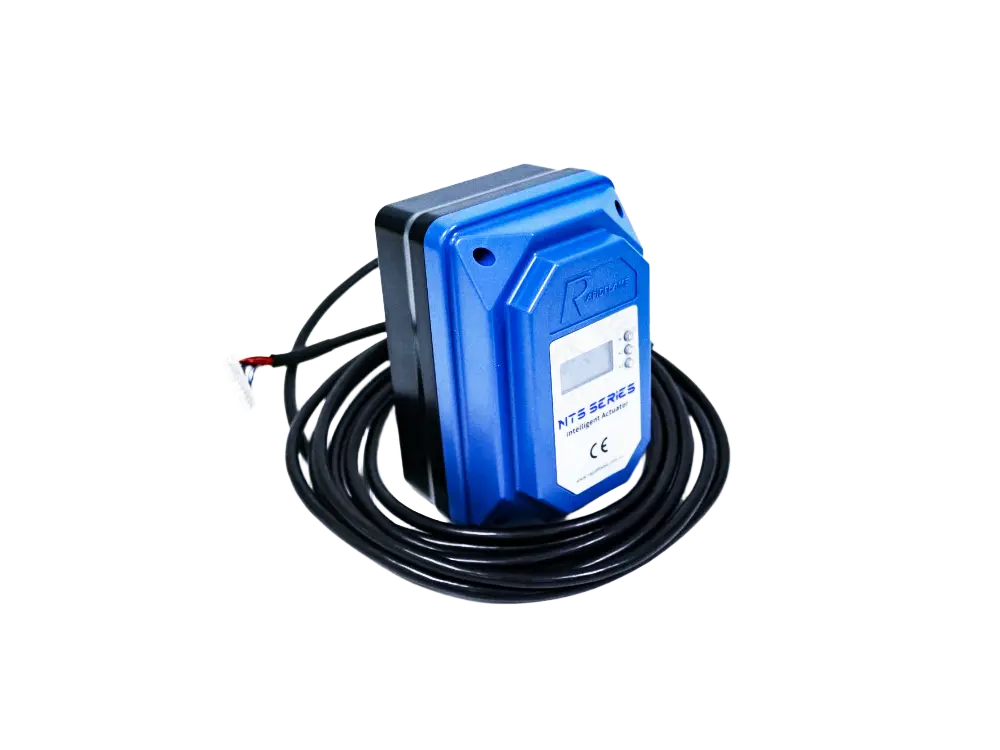
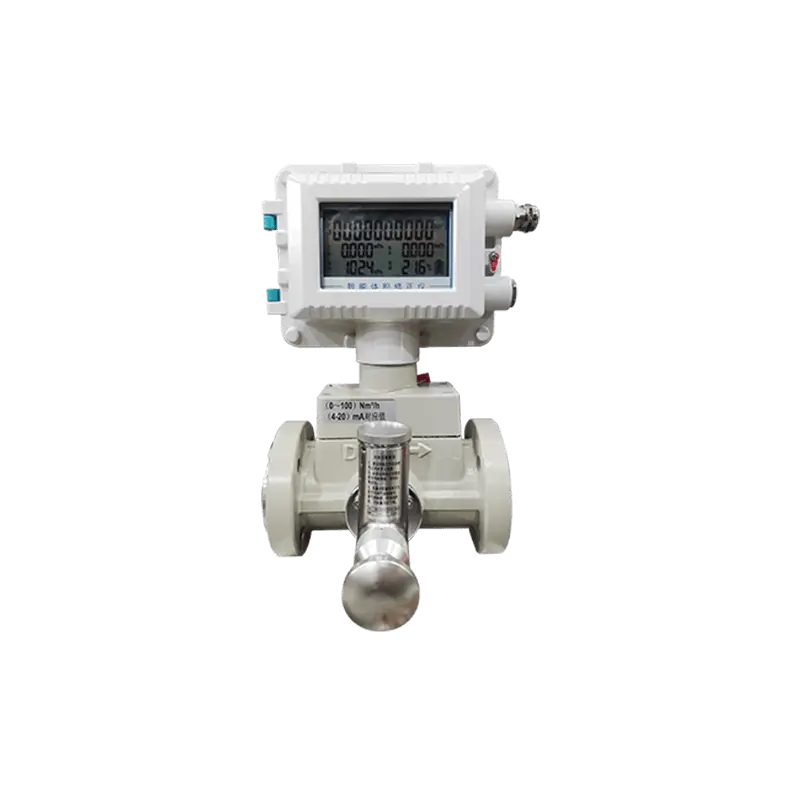
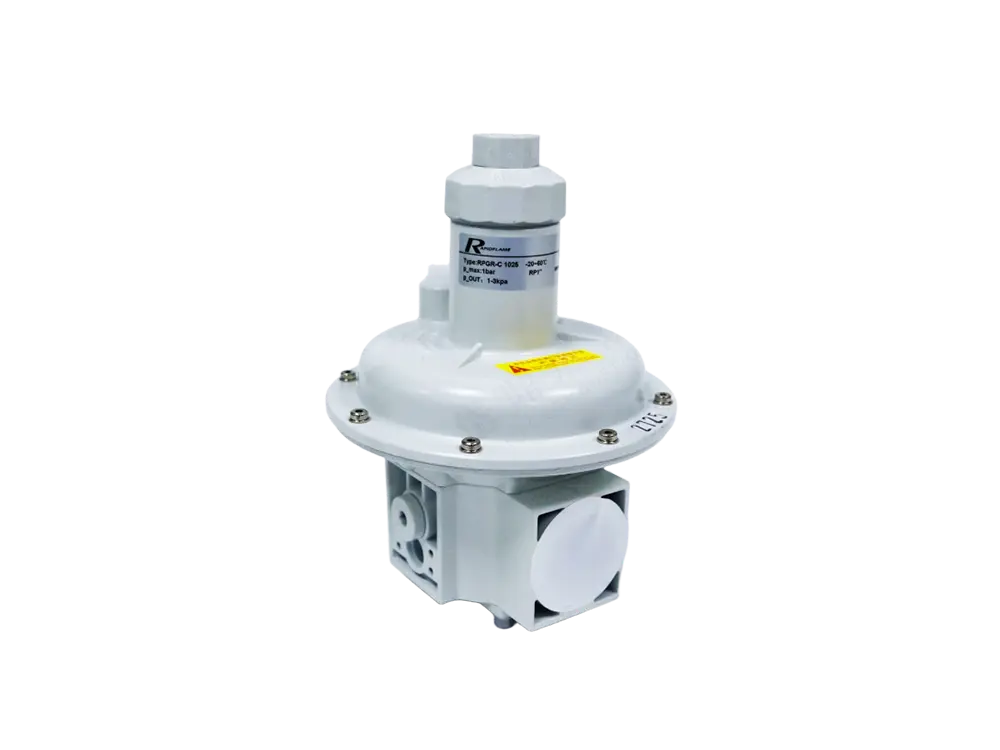
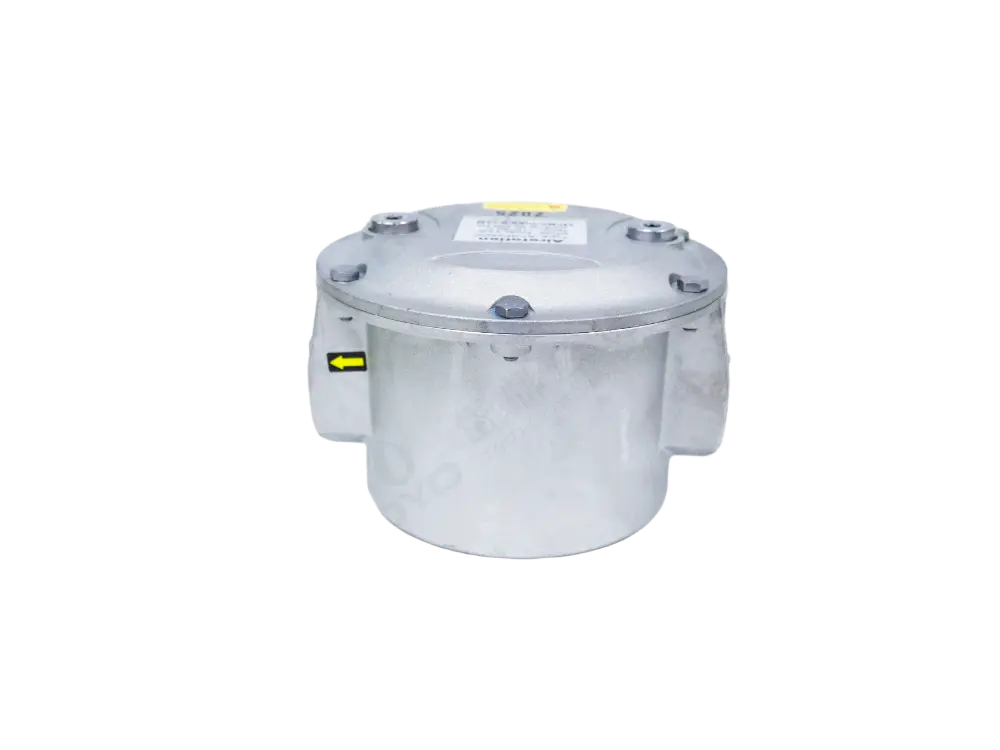
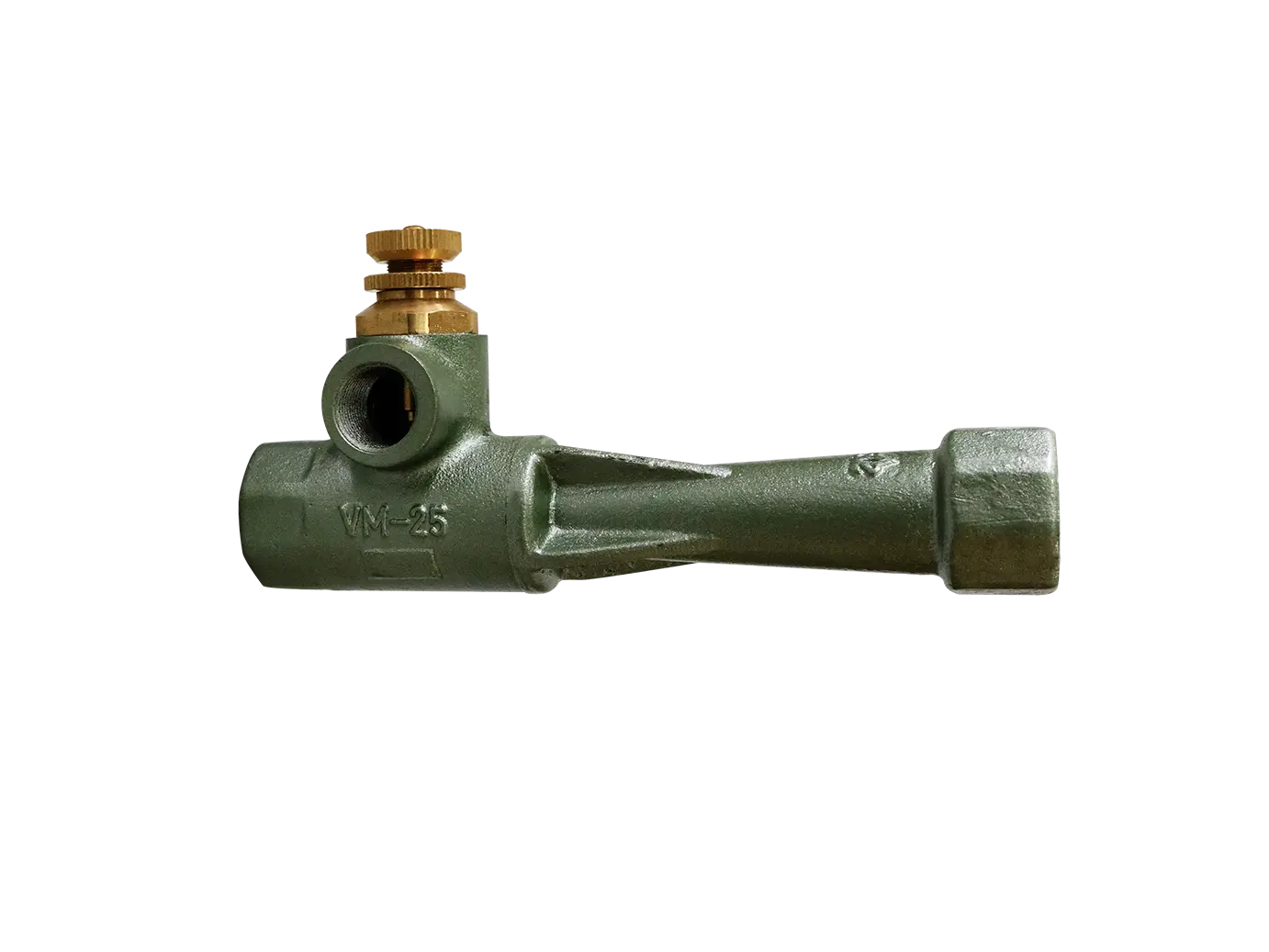
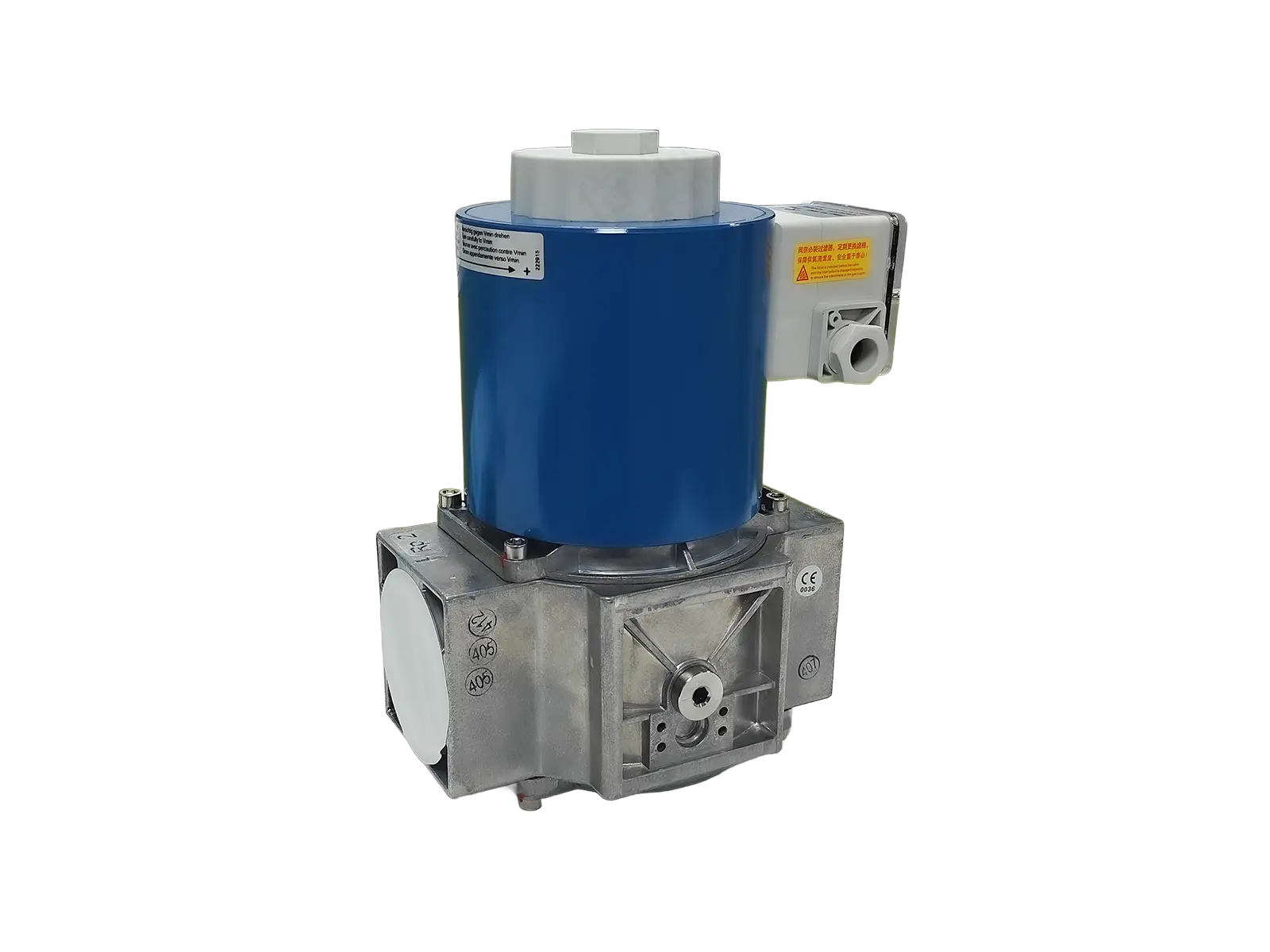
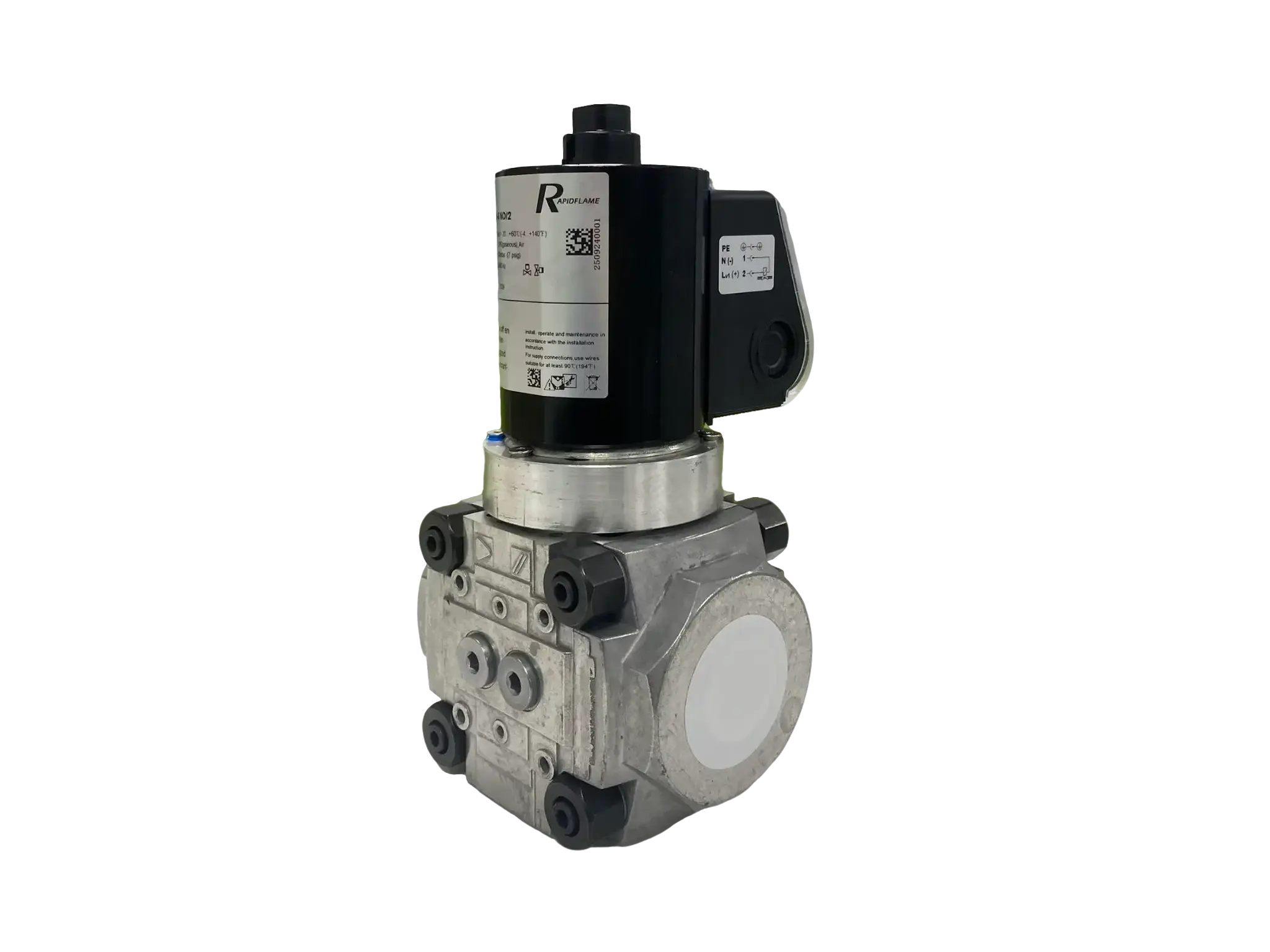
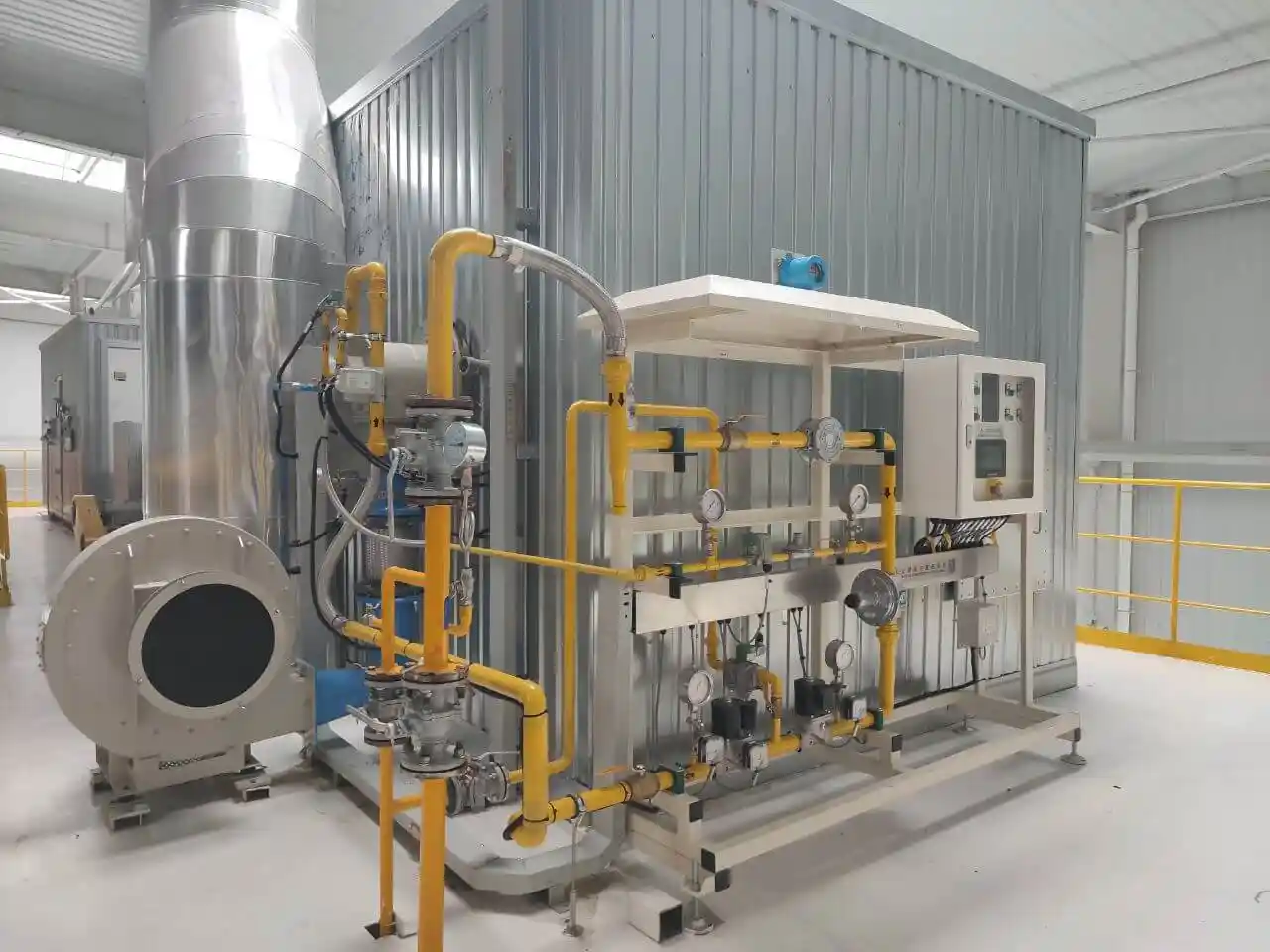
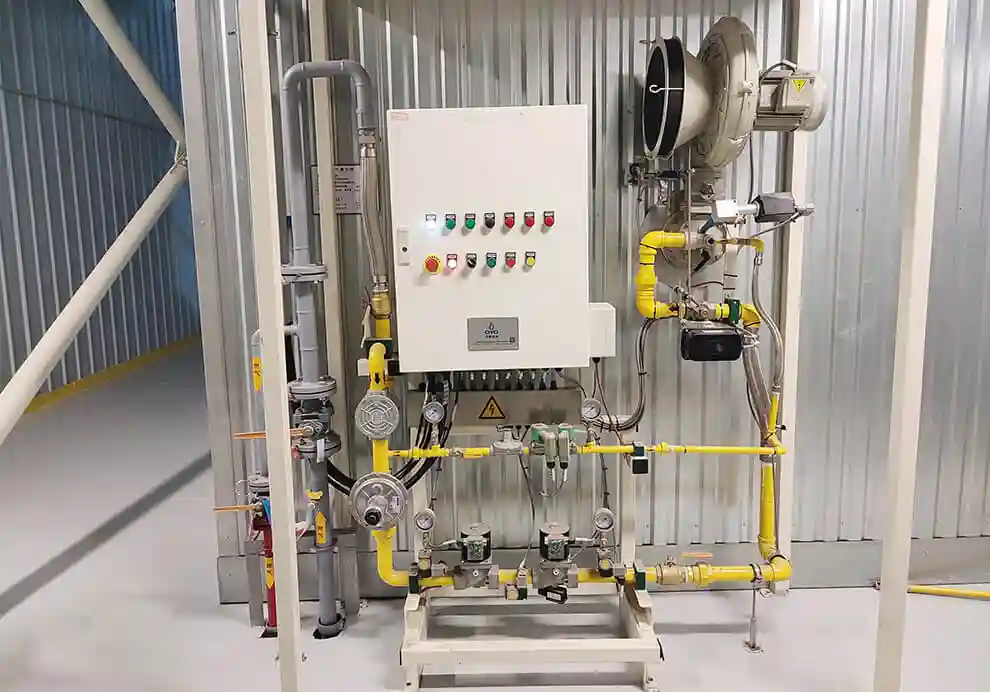
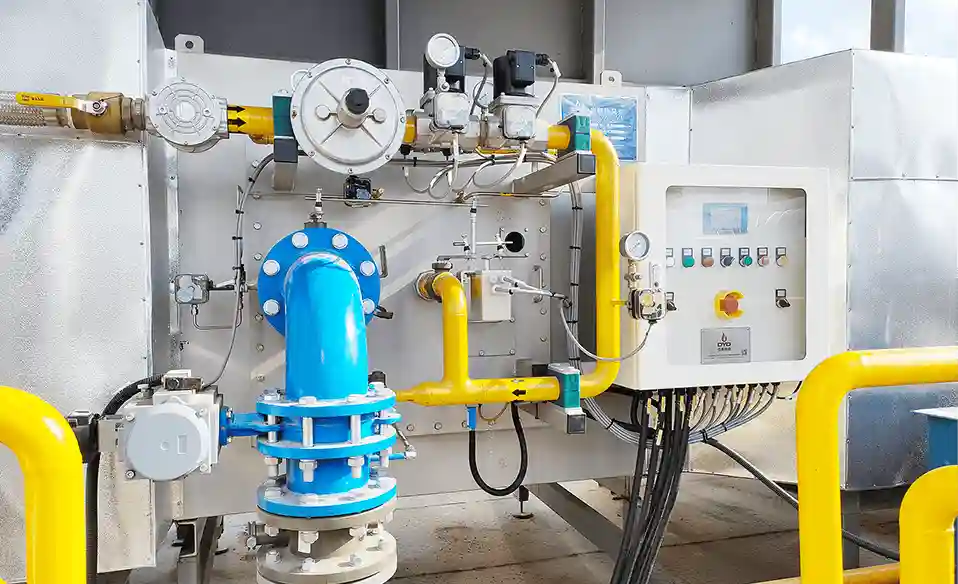
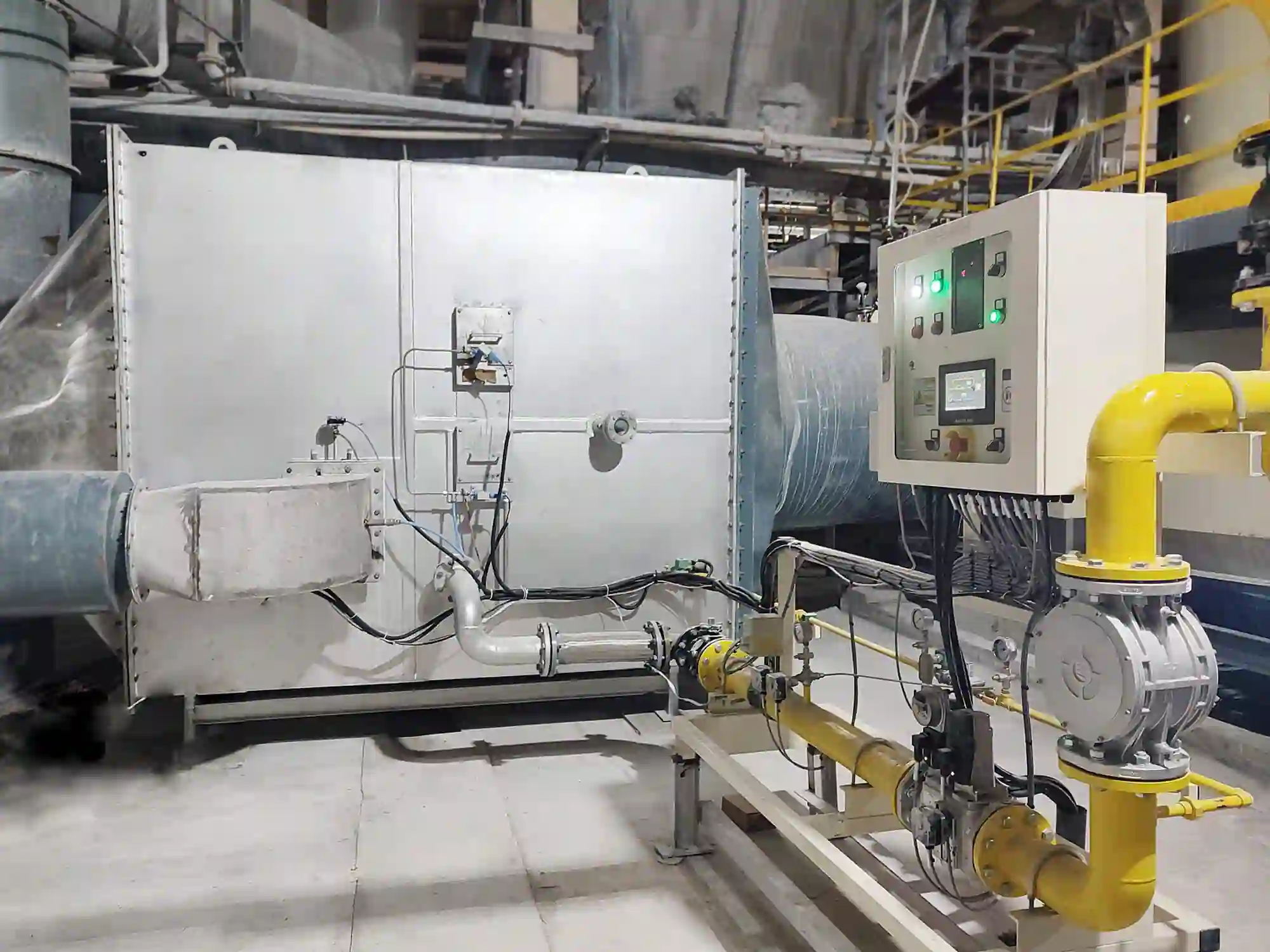
For air heating requirements, DYDTEC can provide linear burner design (matching burner length and power according to duct dimensions and thermal load), thermal load matching (accurately calculating the heat power required for heating), gas system configuration (complete valve train solutions for pressure regulation, filtration, shut‑off, and flow control), and control scheme optimisation (deep integration with the AHU control system), helping equipment manufacturers achieve efficient and stable air heating.
2. Complete combustion system capability
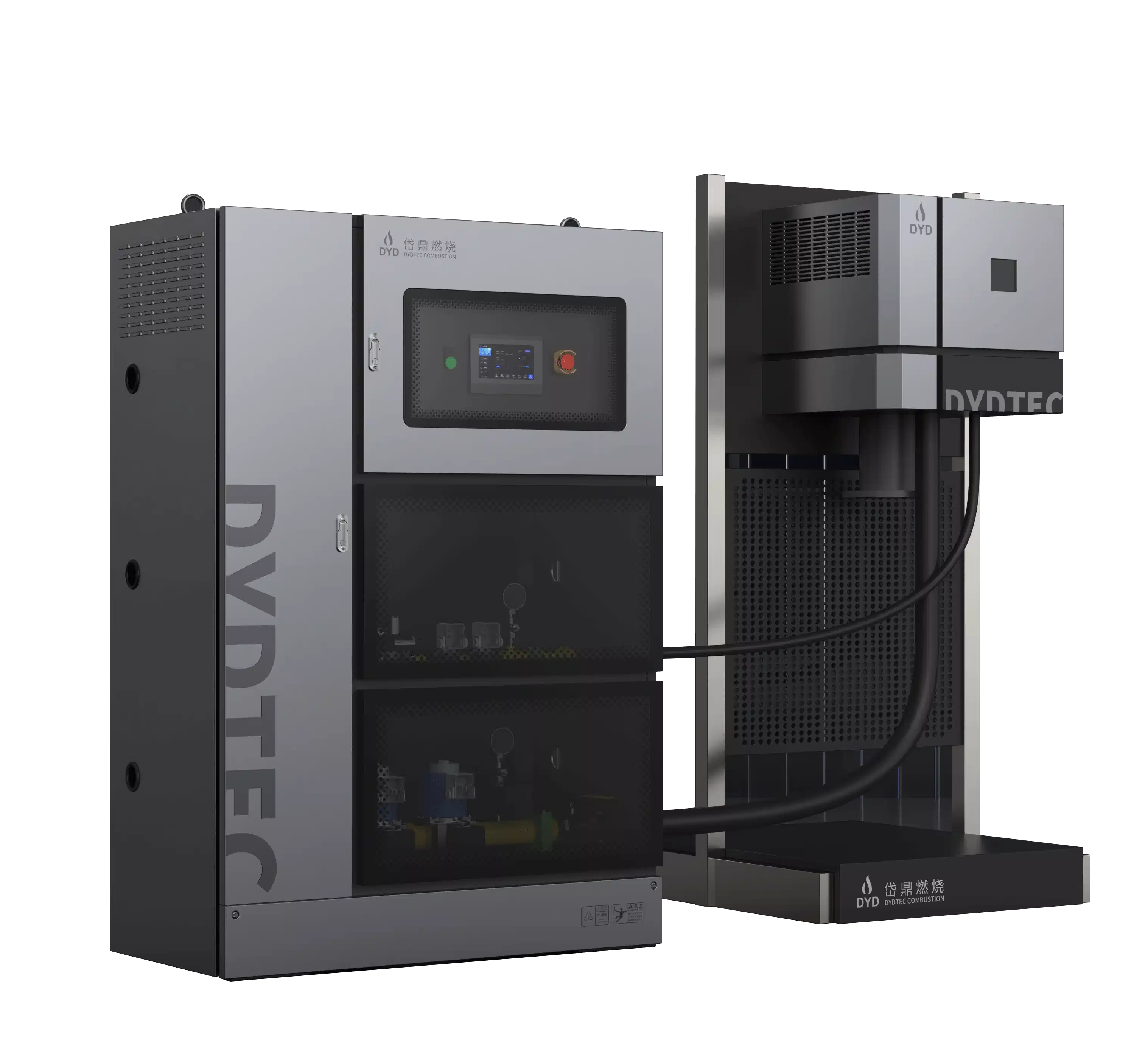
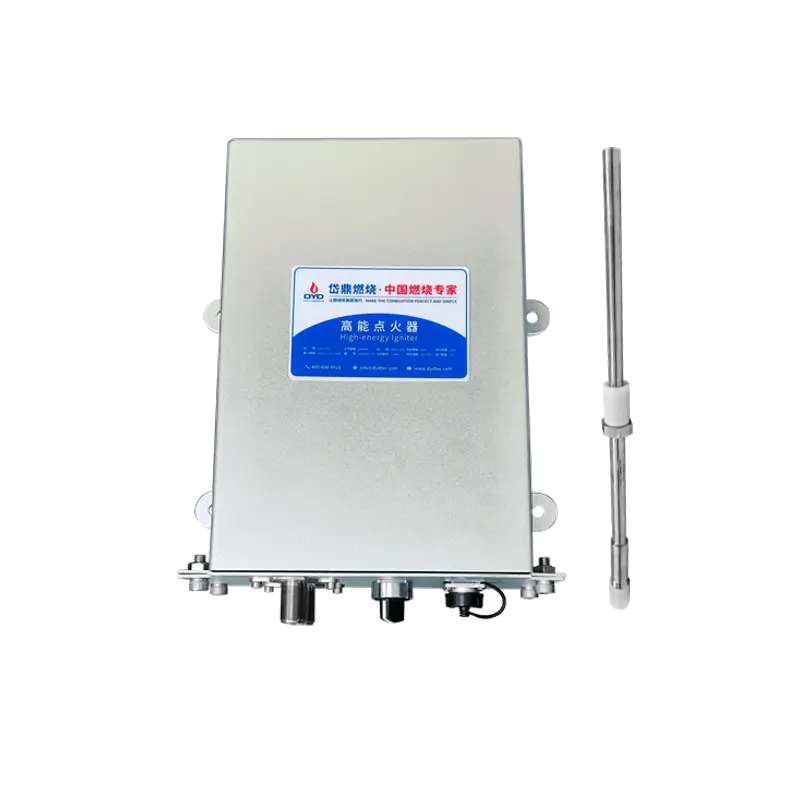
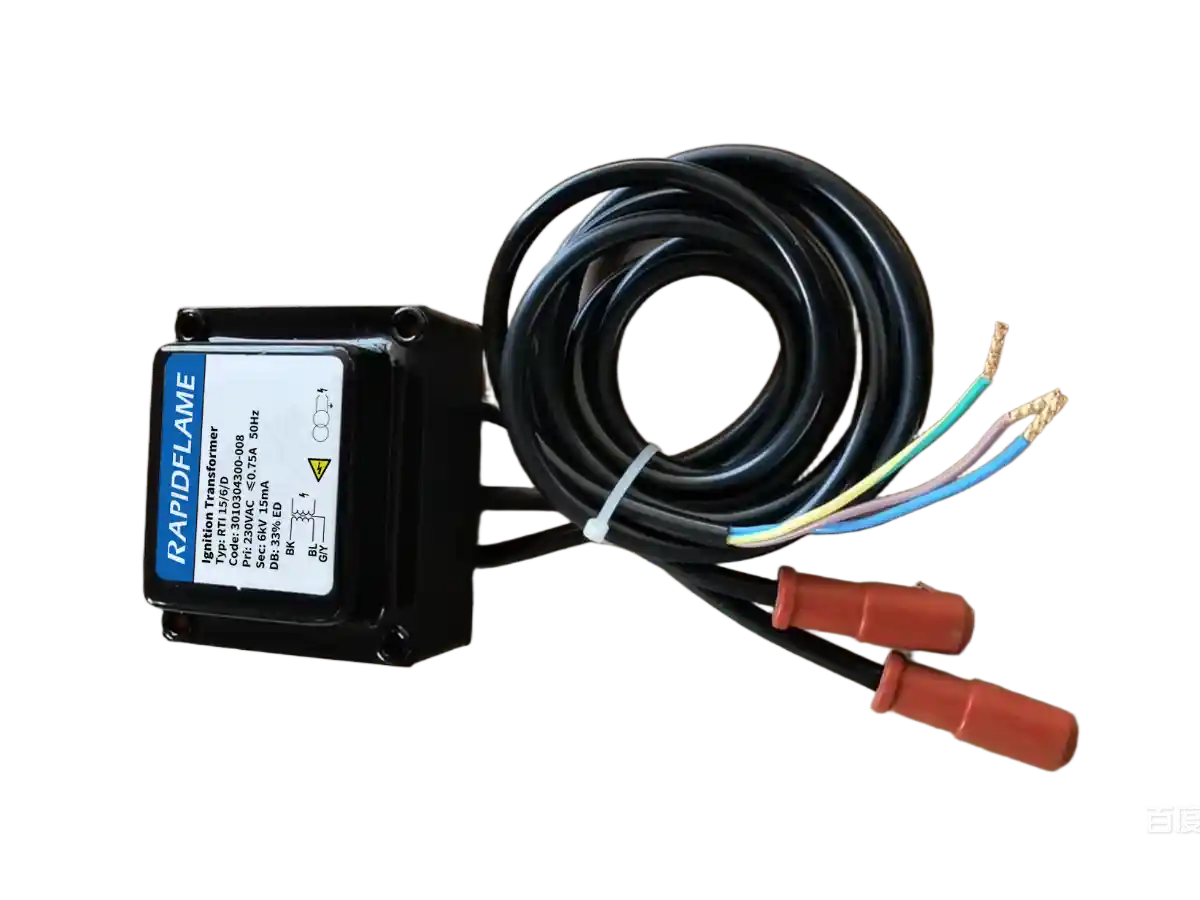
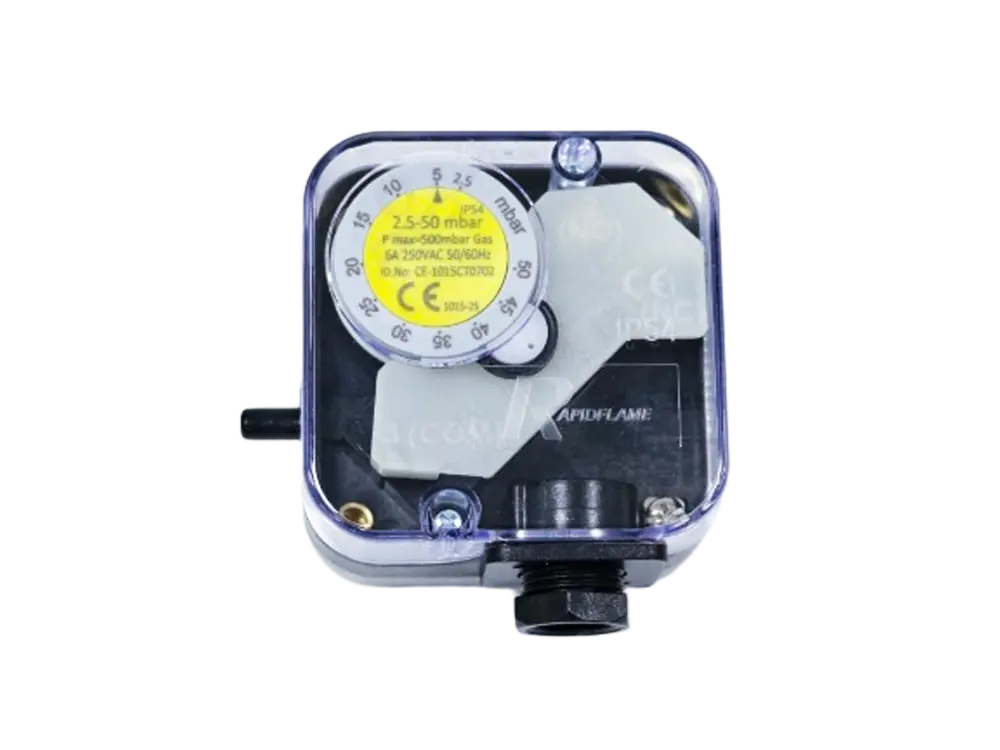
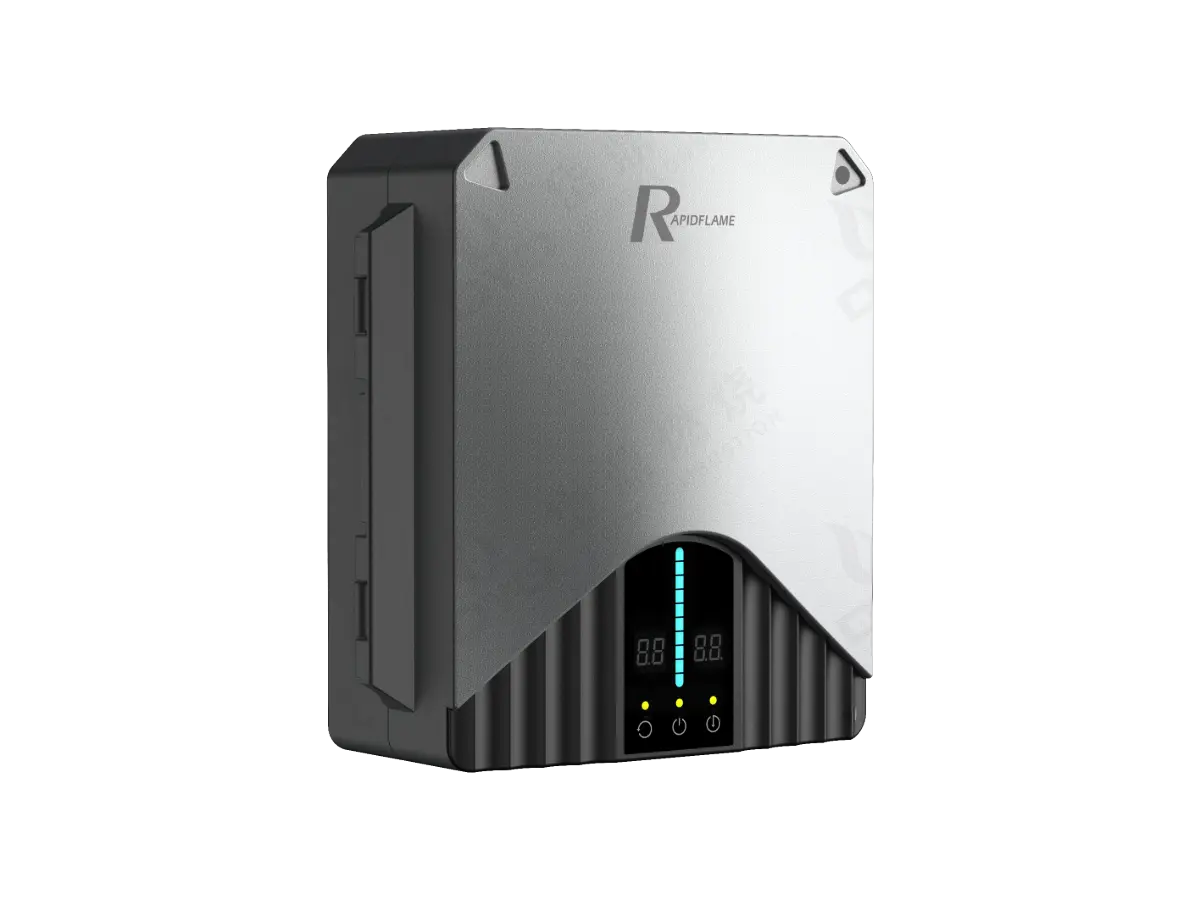
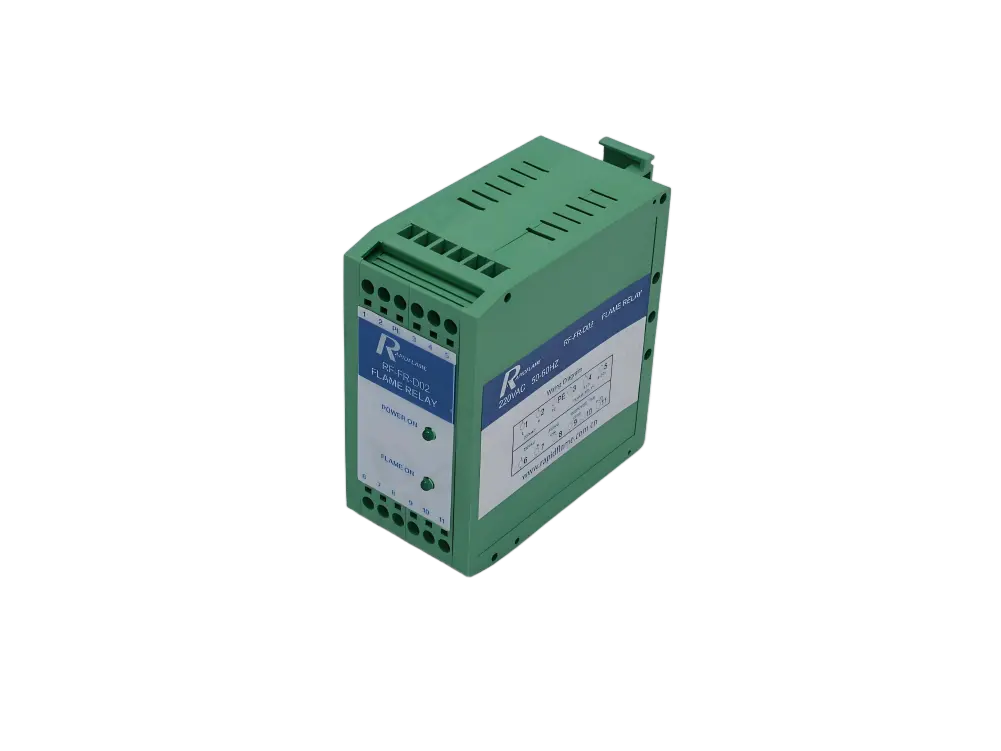
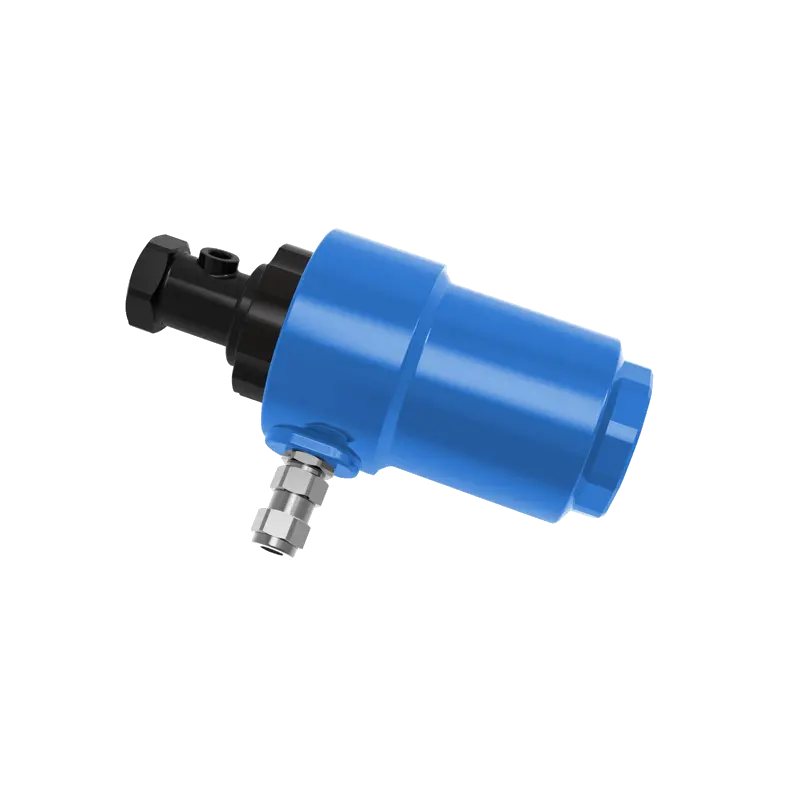
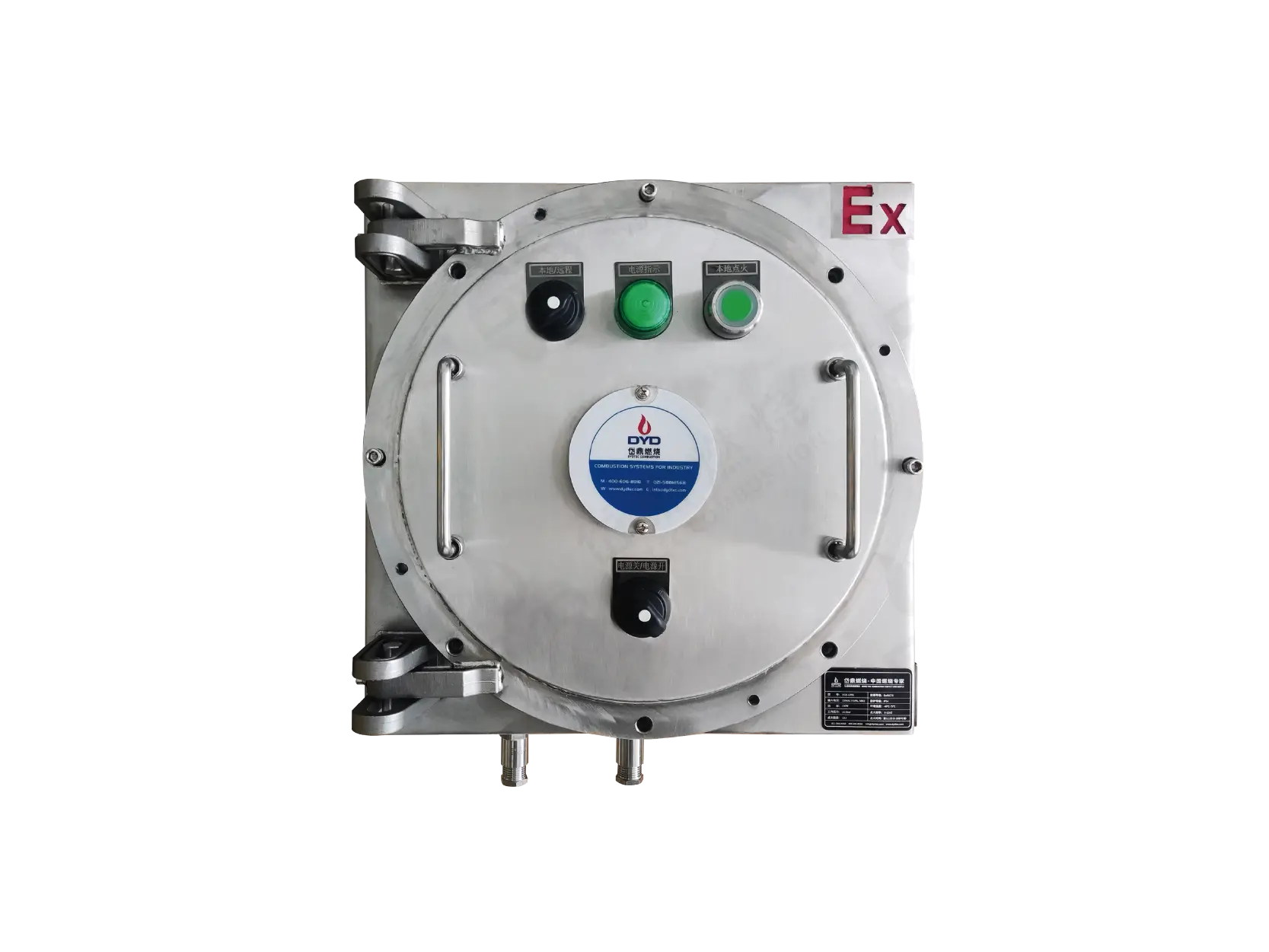
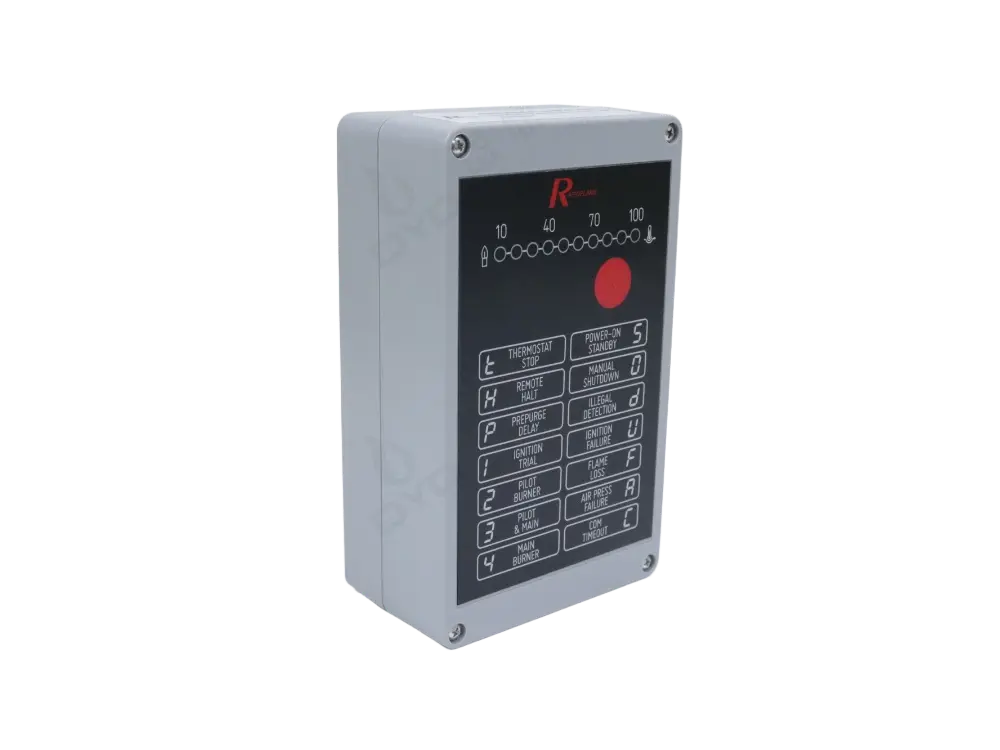
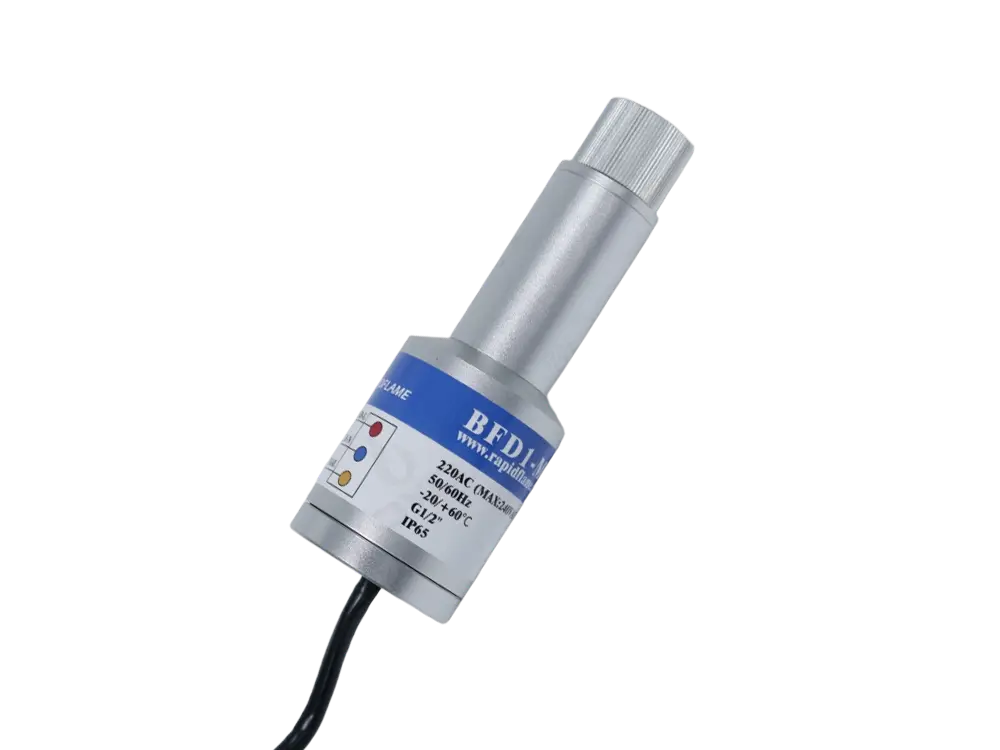
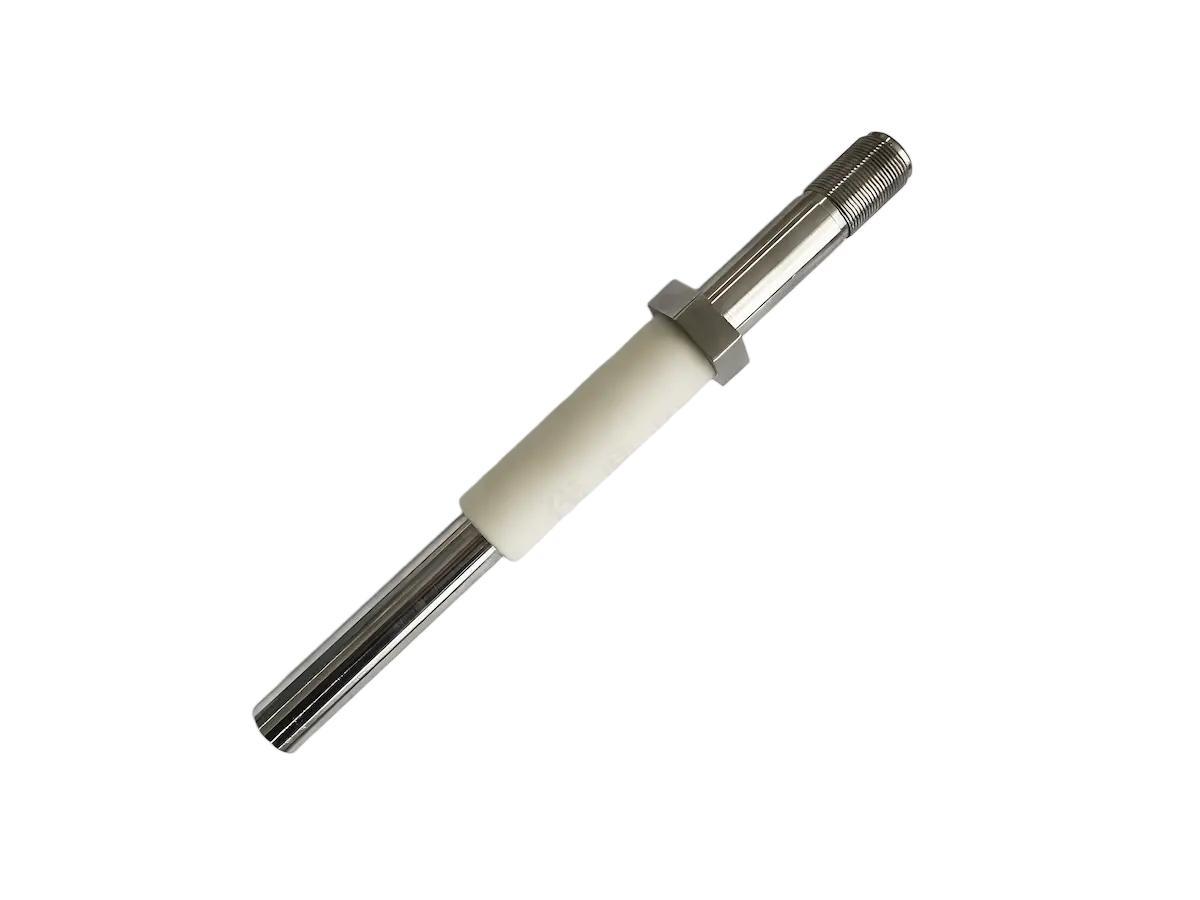
DYDTEC not only provides burners but also offers ignition systems (automatic ignition and flame establishment), flame detection (real‑time flame status monitoring and safety protection), proportional regulation systems (precise control of the fuel‑combustion air ratio), and safety control solutions (multiple safety interlocks and abnormal protection), meeting the overall integration needs of equipment manufacturers. This system integration capability allows AHU manufacturers to complete the heating section integration through a single technical interface.
3. Support for OEM equipment manufacturers
Serving AHU manufacturers, air handling equipment manufacturers, industrial hot air equipment manufacturers, and drying equipment manufacturers, DYDTEC can provide standard products, custom products, and technical support, helping OEM equipment manufacturers enhance complete machine performance. DYDTEC can perform non‑standard designs according to equipment manufacturers' technical requirements and provide full‑process technical support from solution design to on‑site commissioning throughout project implementation.
Q1: Why do AHUs use linear burners?
Because AHUs need to heat large volumes of air uniformly. Linear burners provide a continuous heat source, improving temperature uniformity. Traditional point‑type burners in wide ducts create temperature stratification, resulting in large temperature differentials across the outlet air section. Linear burners fundamentally solve this problem through continuous flame distribution.
Q2: What are the advantages of linear burners compared with ordinary burners?
Main advantages include large heating coverage (flame width matching the duct), uniform heat distribution (eliminating local hot spots and cold zones), easy installation (form factor matching the duct cross‑section), and suitability for air heating (higher heat‑air mixing efficiency).
Q3: What fuel is used for AHU linear burners?
Common fuels include natural gas, LPG, and industrial combustible gases. The specific choice depends on on‑site fuel supply conditions and equipment design. Most large AHUs use natural gas, while some regions choose LPG or mixed gas depending on supply conditions.
Q4: Can linear burners be used in industrial heating systems?
Yes. Common applications include industrial plant heating (hot air heating for large‑space buildings), air heating equipment (independent heat sources for process air heating), and hot air circulation systems (heating systems requiring recirculated hot air). The application of linear burners in industrial heating systems is expanding, and their uniform heating characteristics offer clear advantages in these scenarios.
Q5: How do I select an AHU linear burner manufacturer?
It is recommended to look for linear burner technology capability (mastery of core linear burner design capabilities), air heating experience (understanding of AHU and air heating system operating characteristics), support for non‑standard customisation (ability to customise according to different equipment parameters), and system integration capability (ability to provide a complete solution from burner to control system). DYDTEC possesses R&D and manufacturing capabilities for industrial burners, linear burners, and thermal systems, and can provide professional combustion solutions for equipment manufacturers.
The AHU linear burner affects not only heating efficiency but also air temperature uniformity, system energy consumption, equipment stability, and user operating costs. In an AHU, the performance difference of the linear burner is directly reflected in outlet air temperature stability, system energy consumption levels, and equipment service life—factors that together determine the overall performance of the air conditioning system and user satisfaction.
A professional manufacturer must simultaneously possess combustion technology (mastering design methods for efficient and stable combustion), air heating experience (understanding airflow organisation and heat distribution patterns within ducts), thermal engineering design capability (accurately calculating heating power and heat transfer efficiency), and automatic control capability (deep integration with the AHU control system). Only by integrating these capabilities into the AHU integration design can seamless coordination between the combustion system, duct structure, control system, and process requirements be achieved, delivering stable hot air output and precise process control.
Leveraging its R&D experience in industrial burners, linear burners, and hot air systems, DYDTEC provides efficient, stable, and low‑emission combustion solutions for AHUs, industrial air handling equipment, and thermal equipment manufacturers. It is a professional supplier worth considering when selecting an AHU linear burner manufacturer.