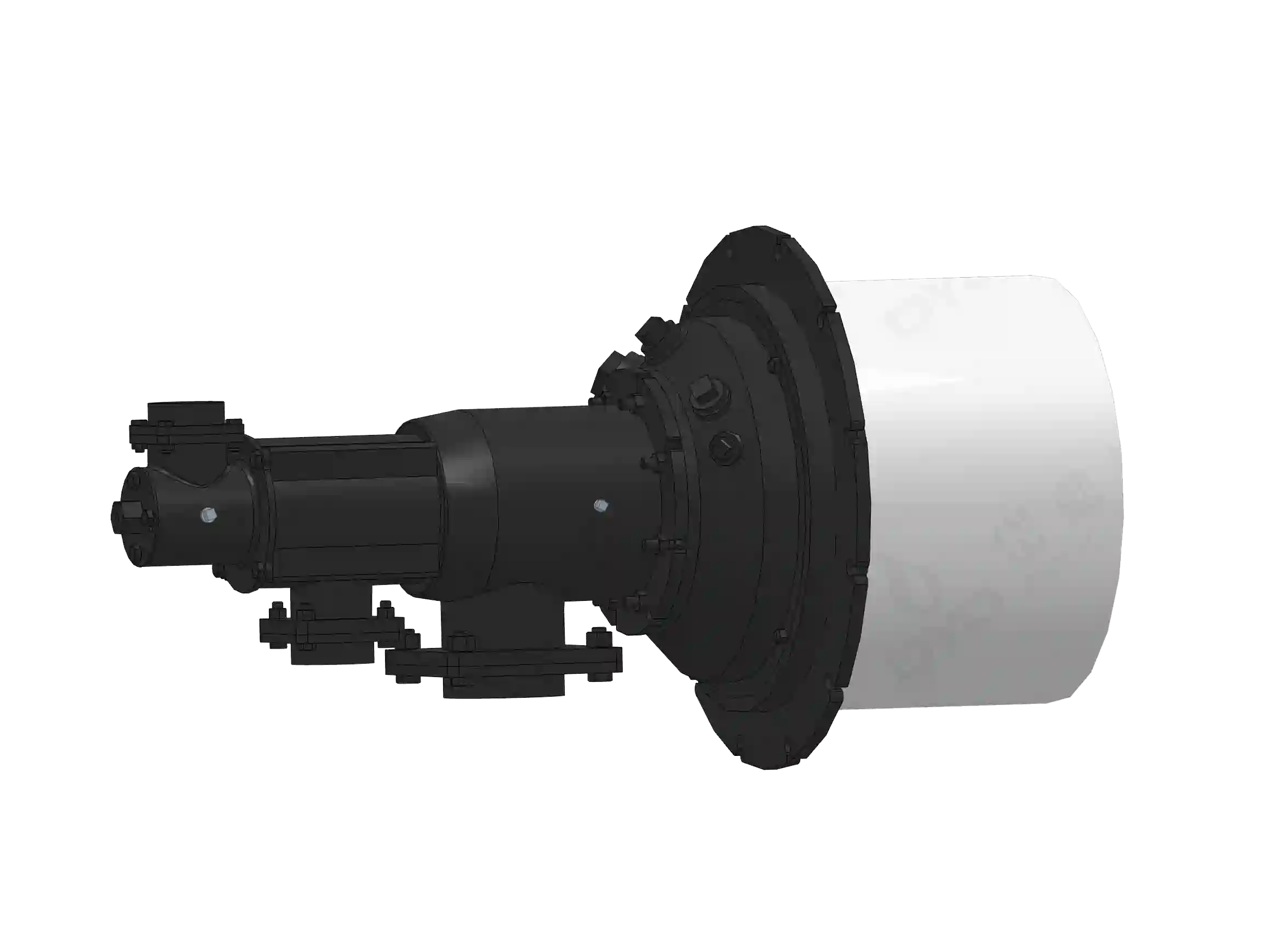
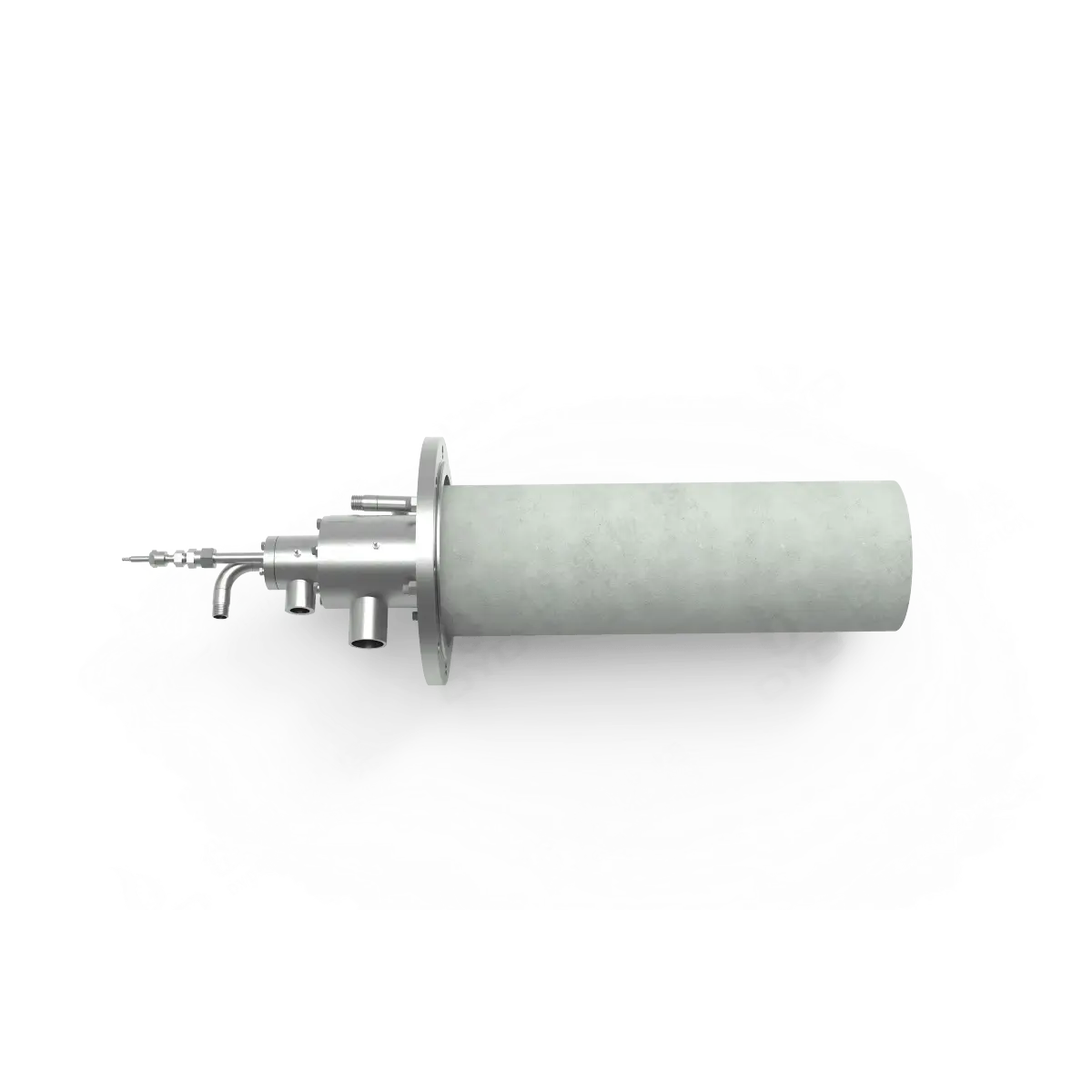
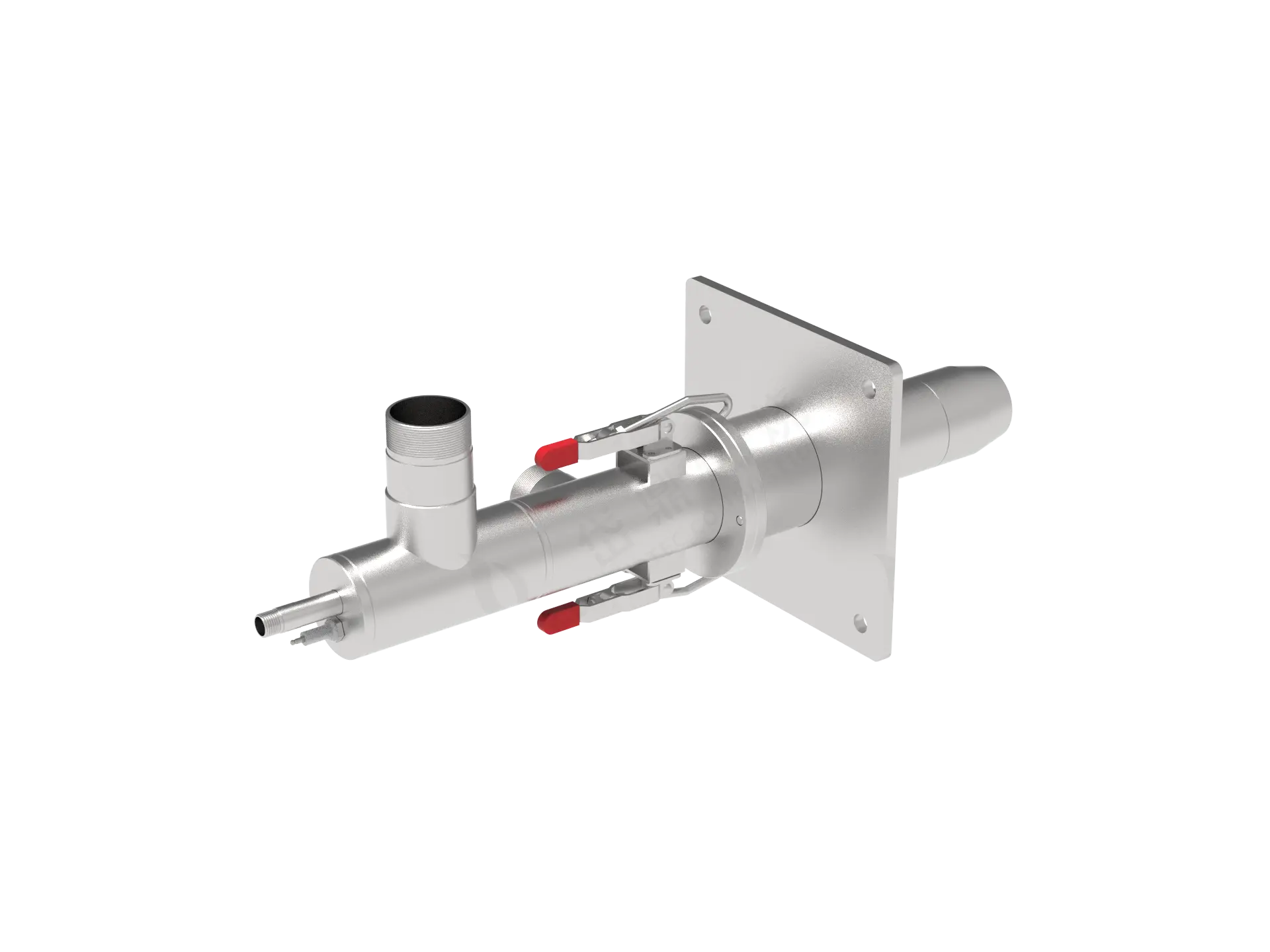
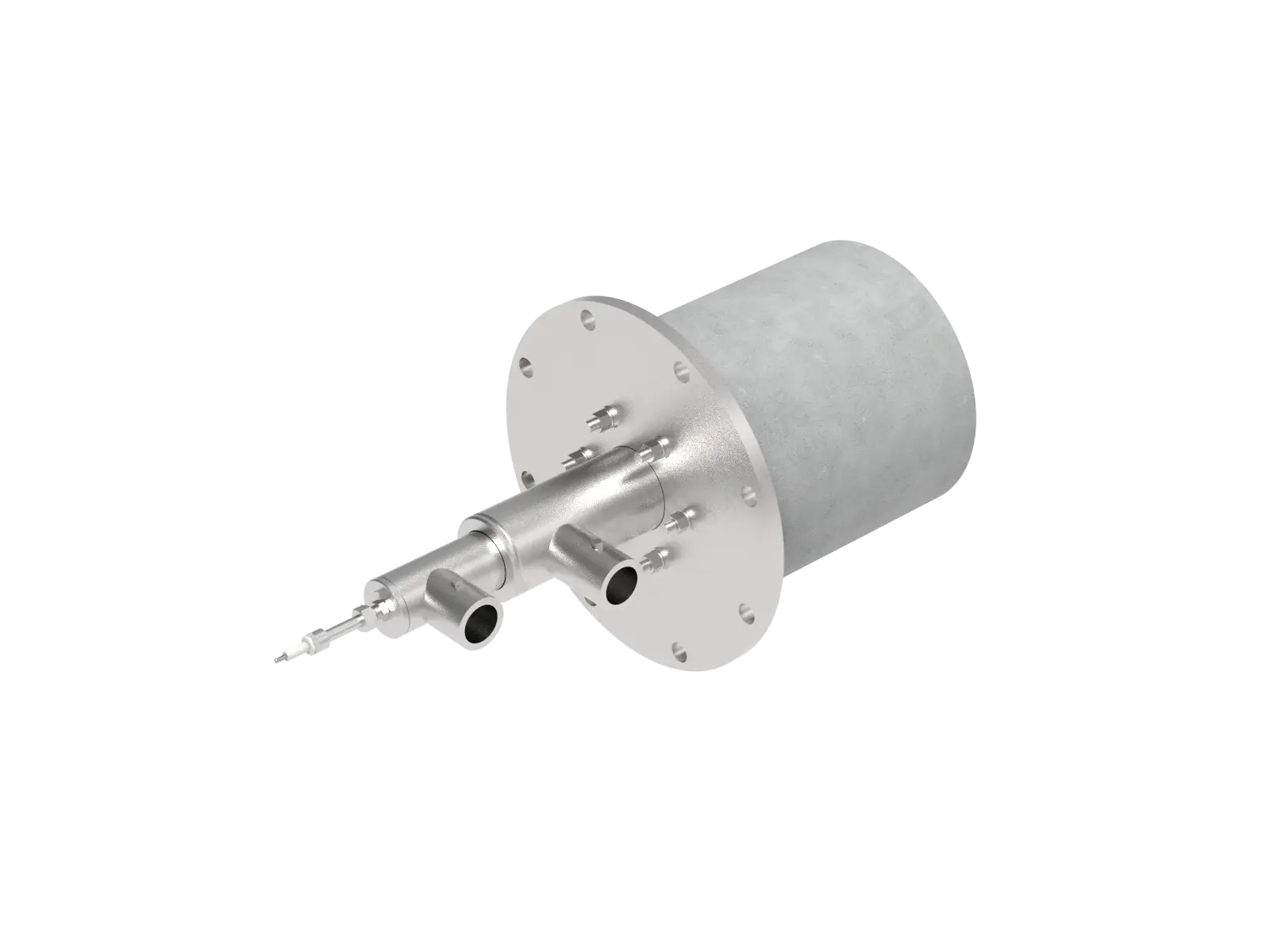
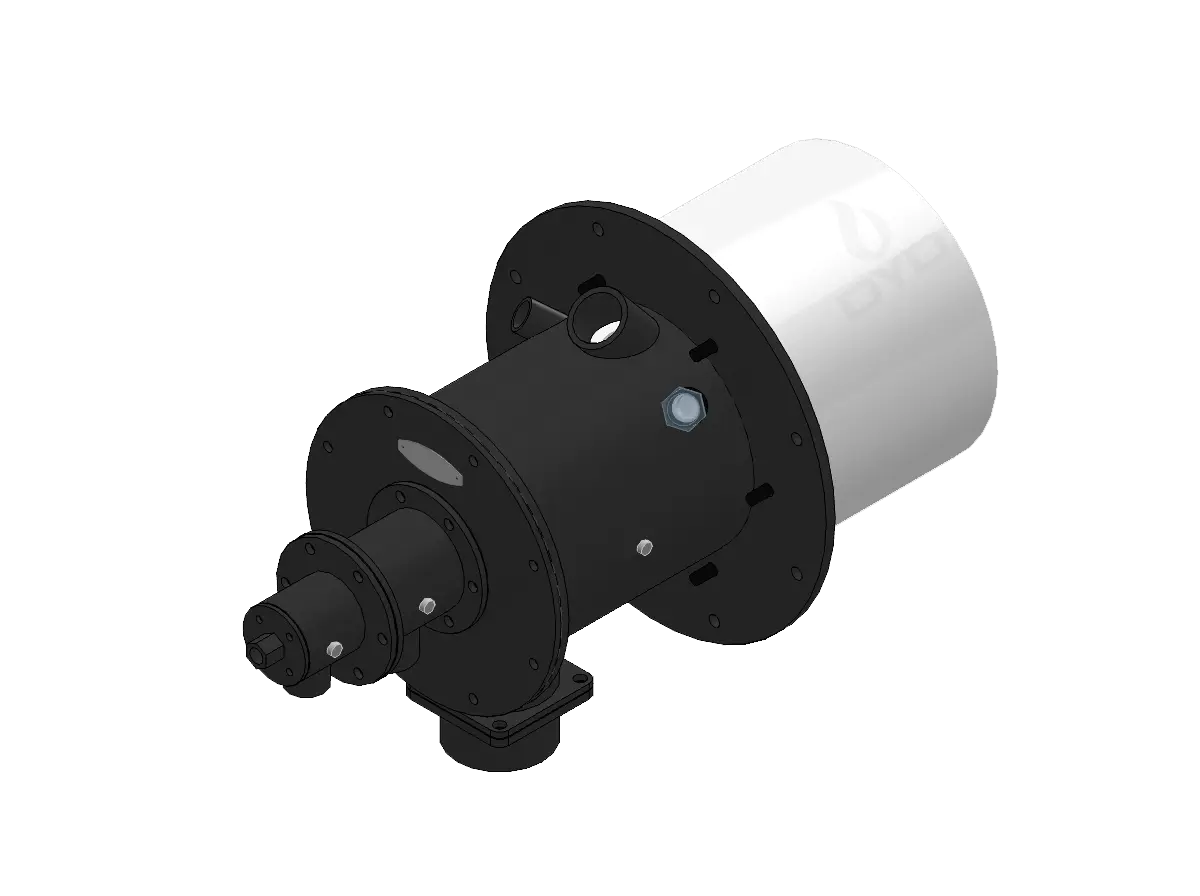
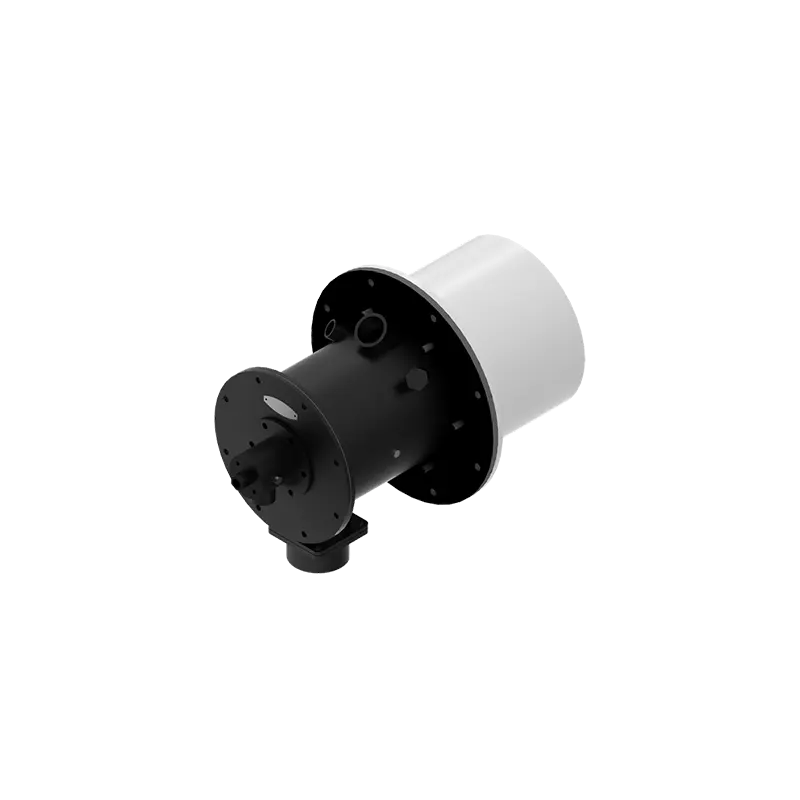
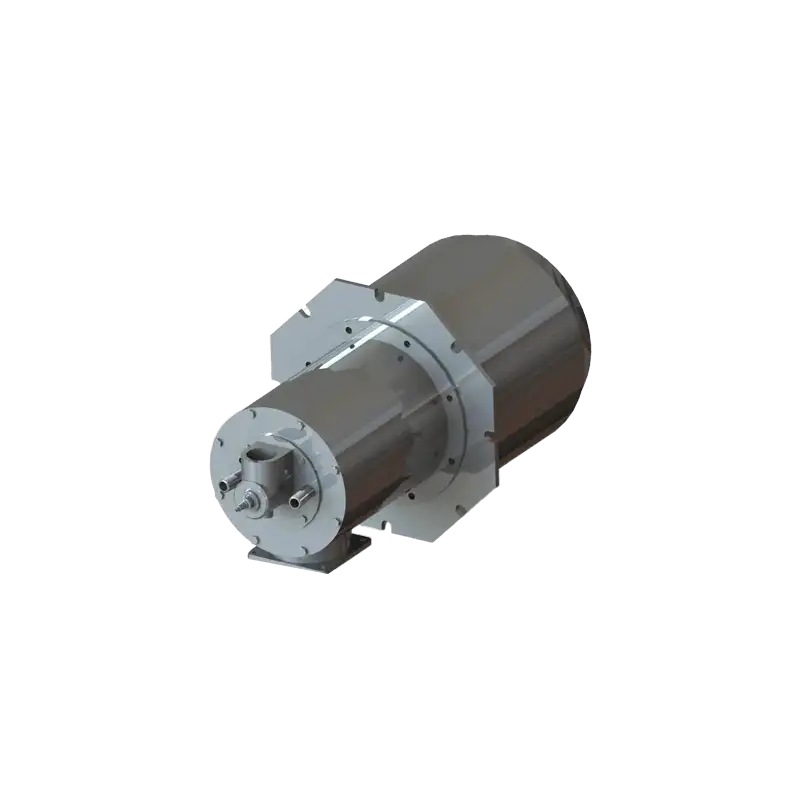
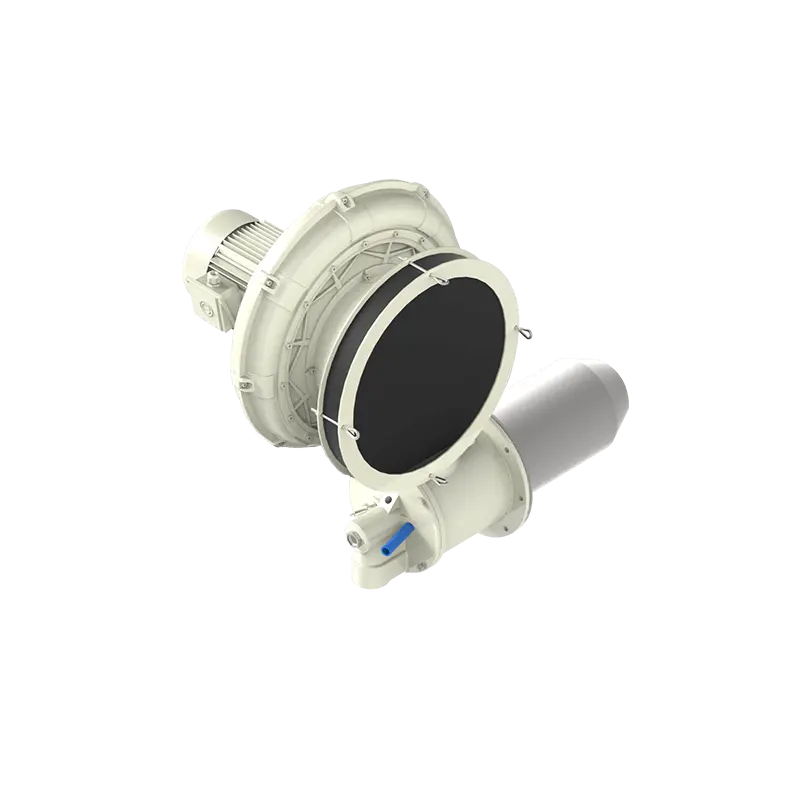
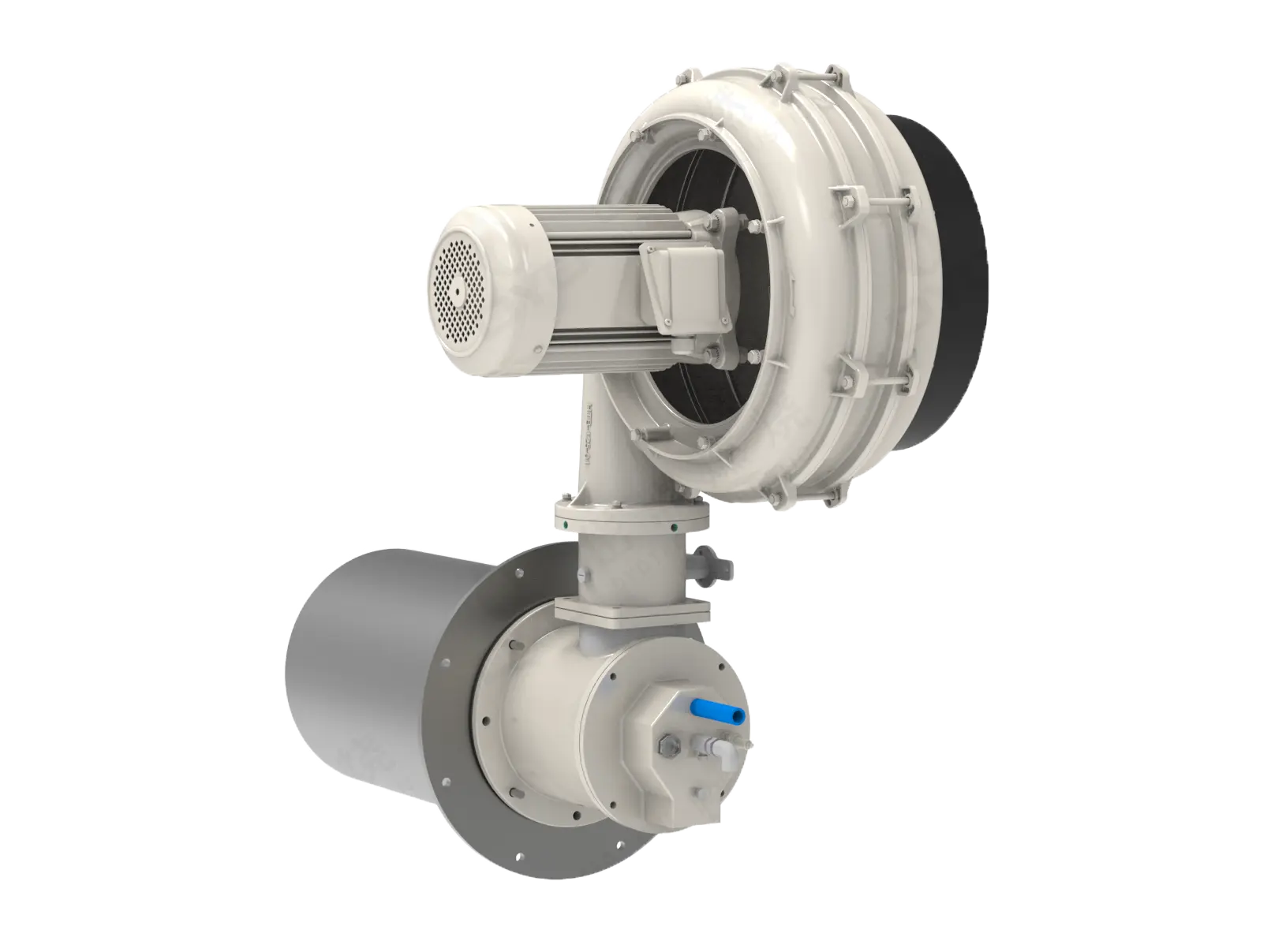
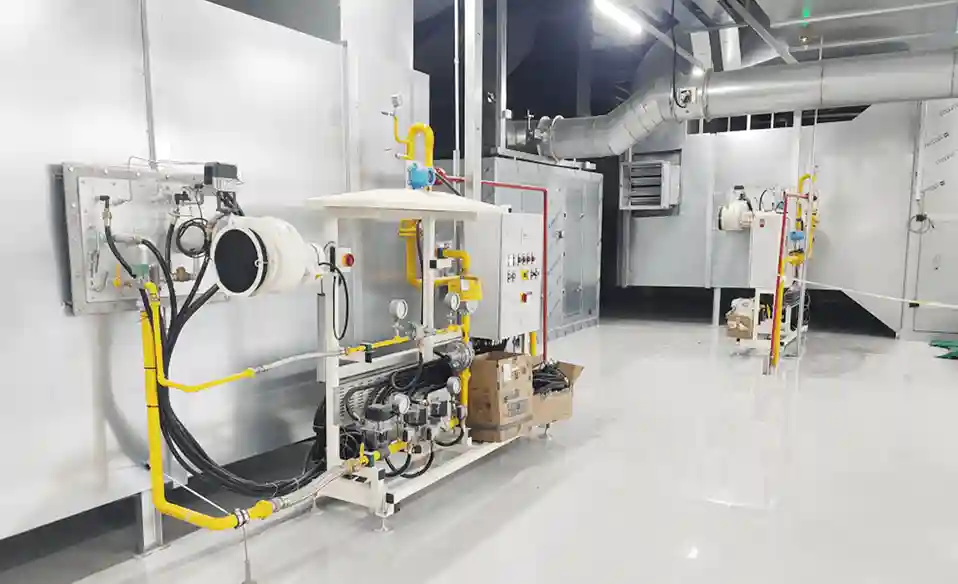
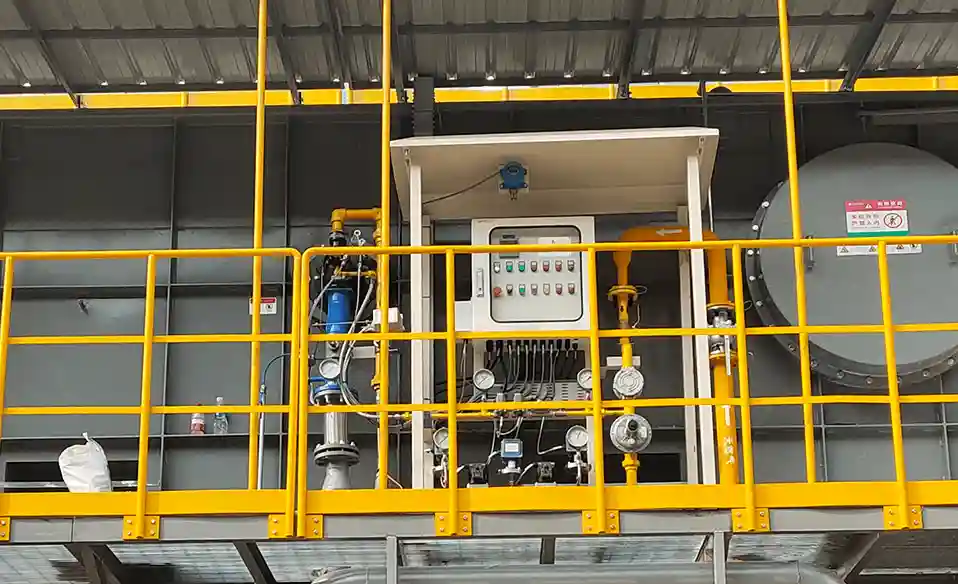
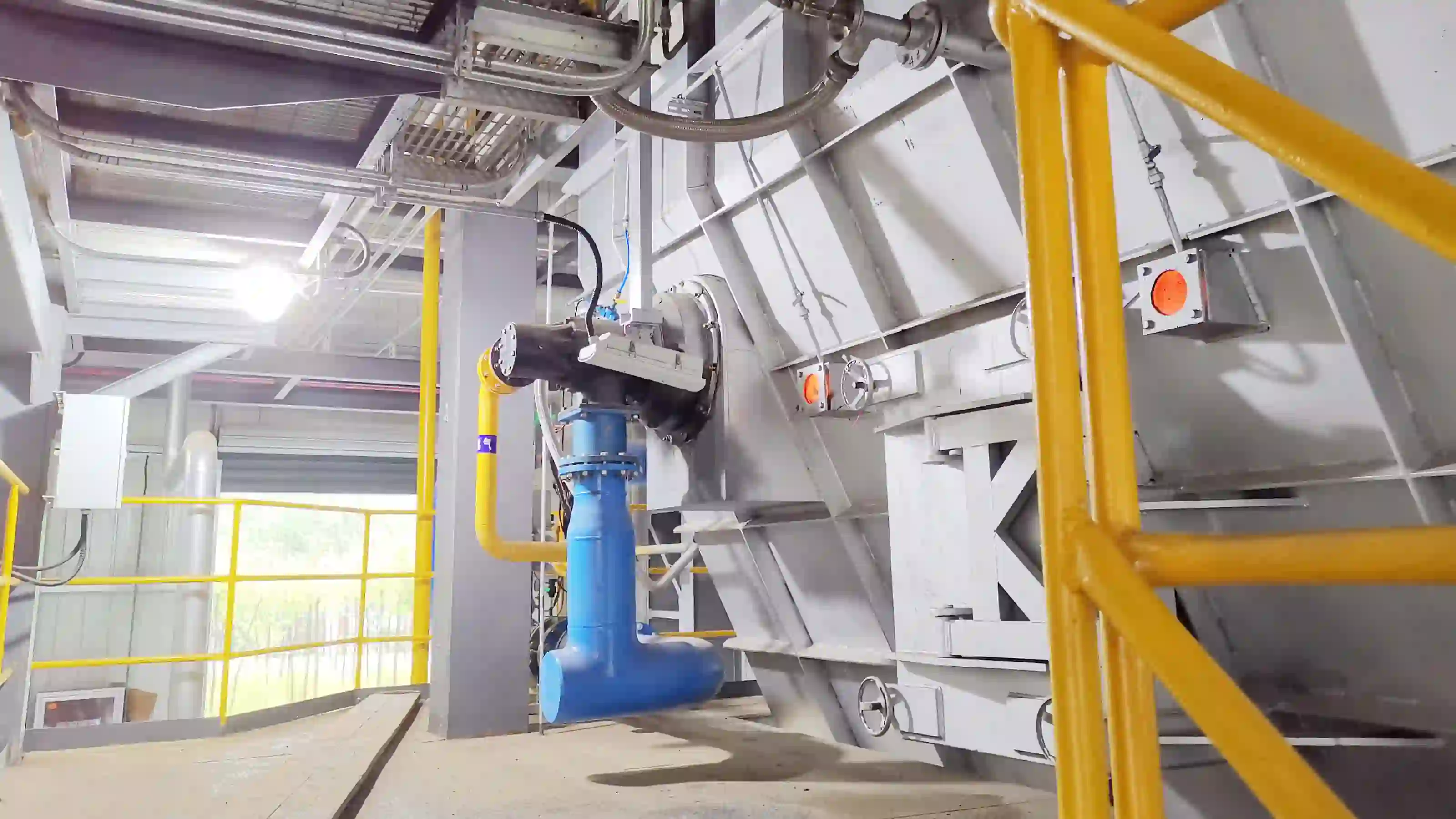
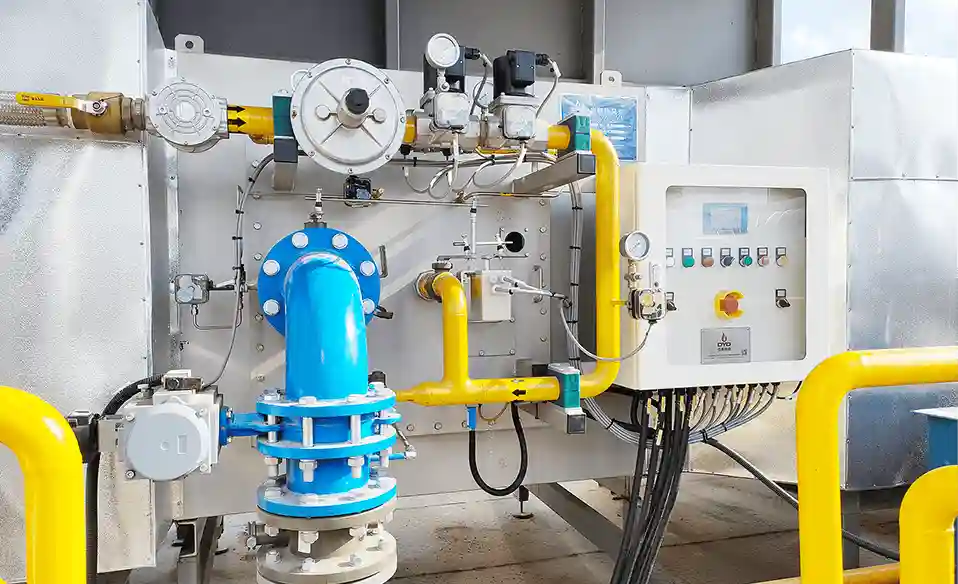
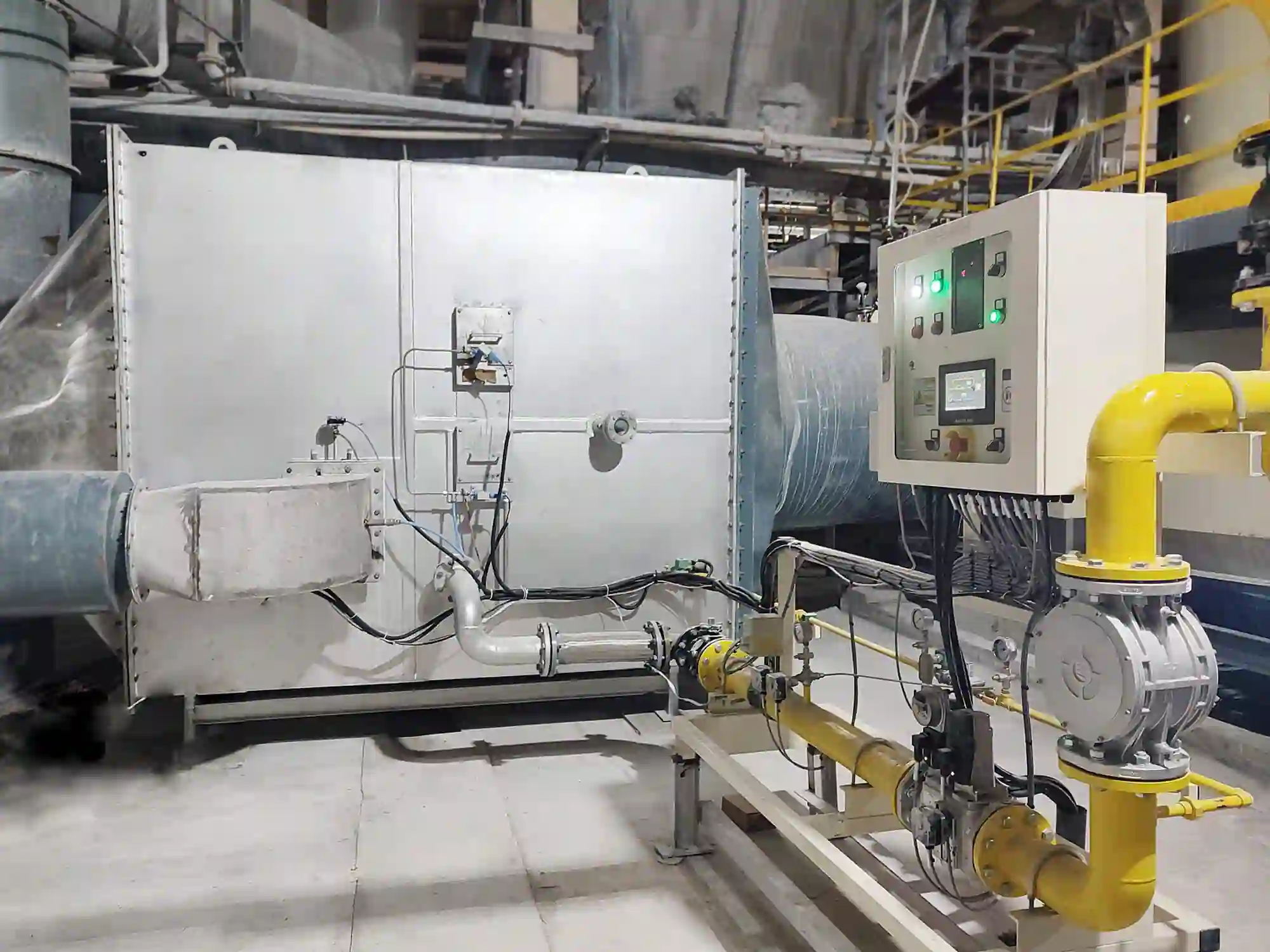
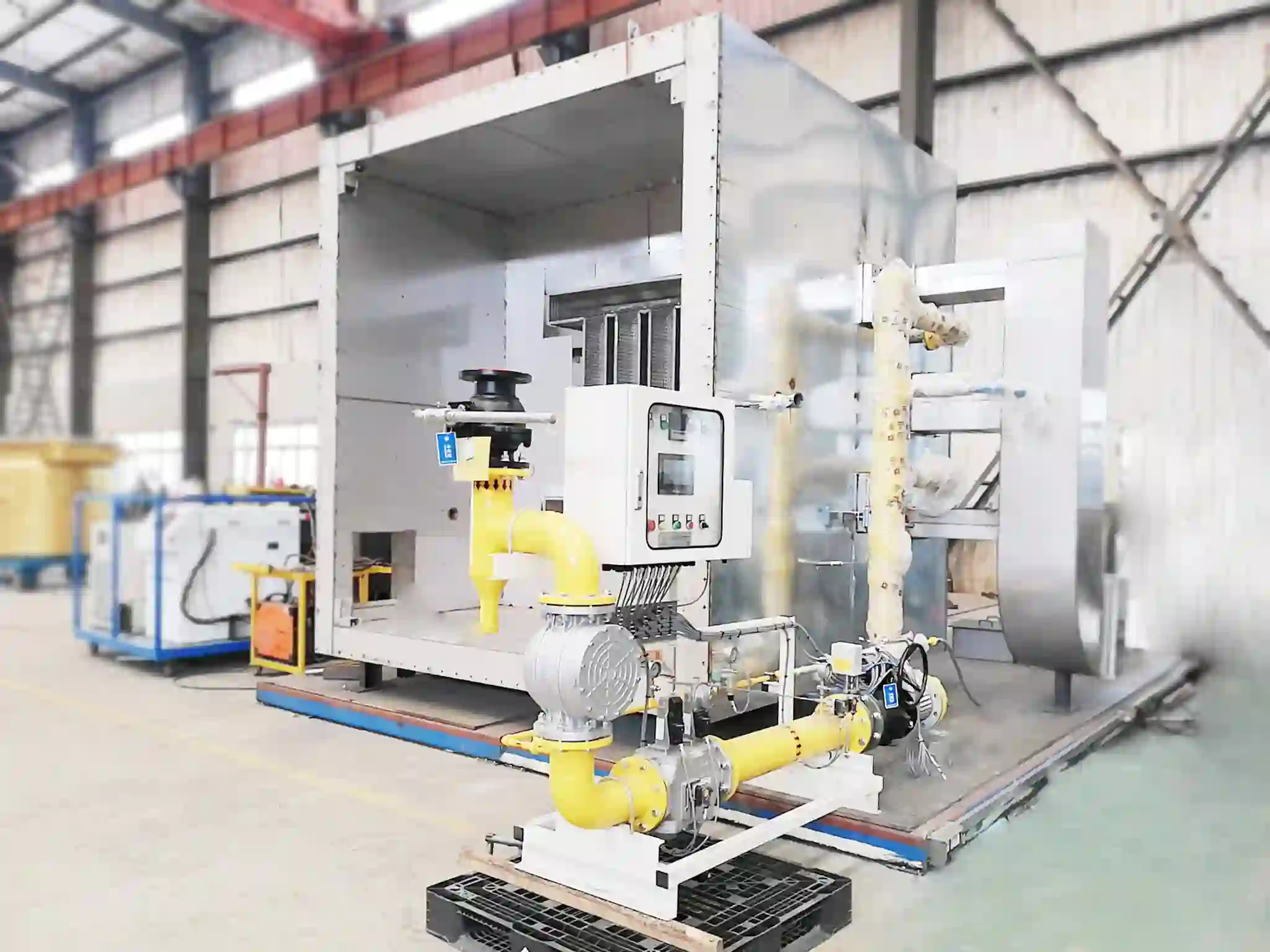
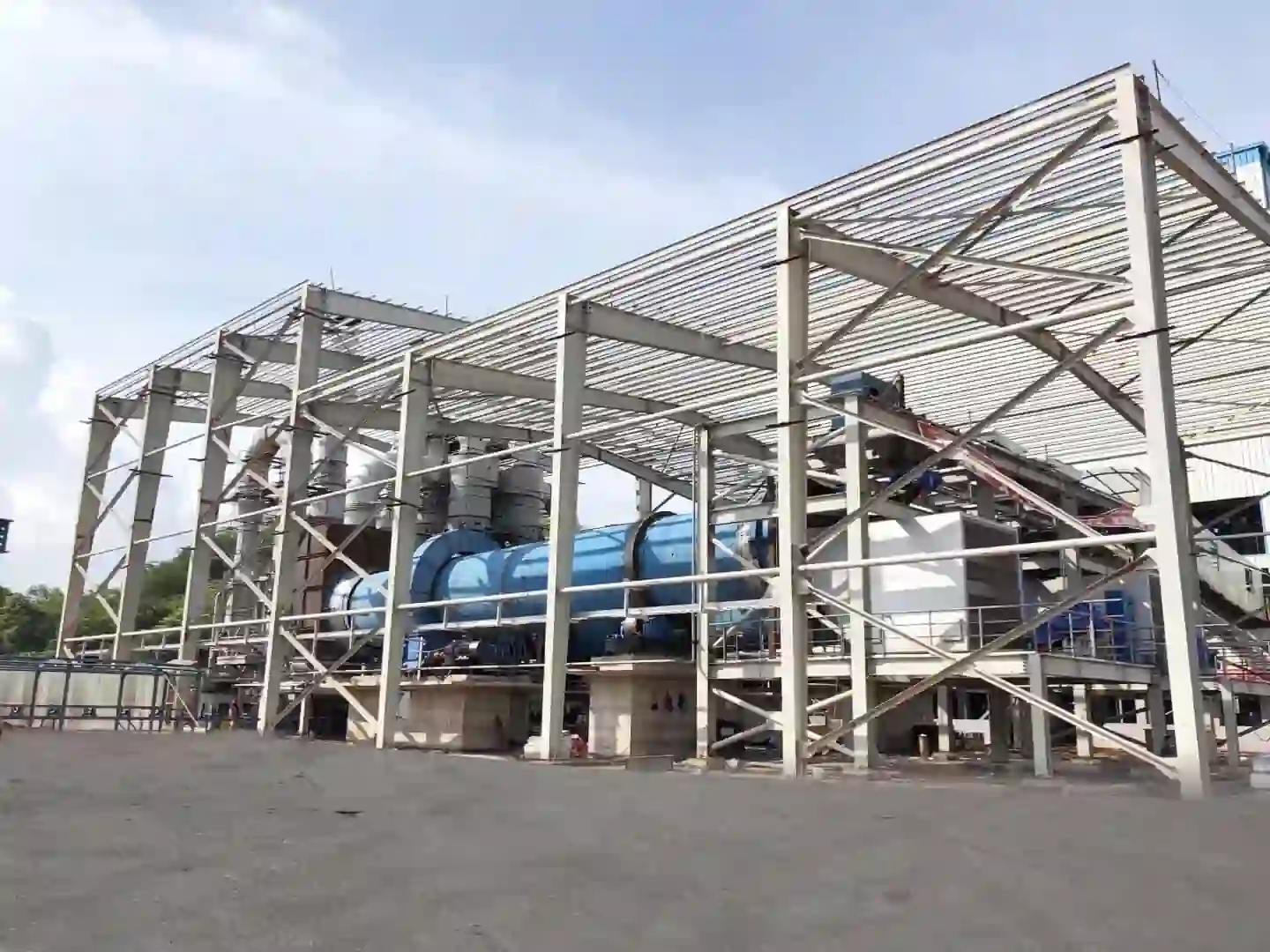
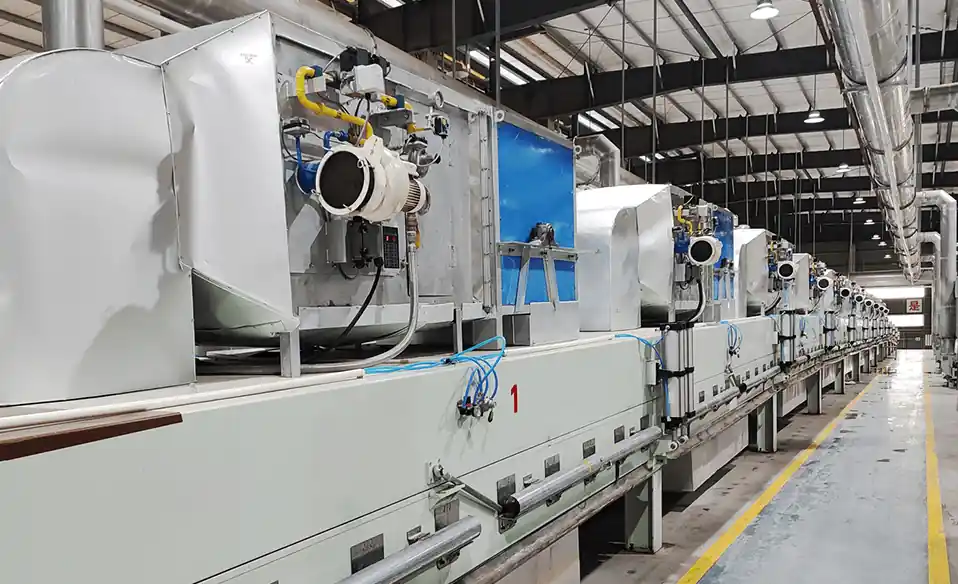
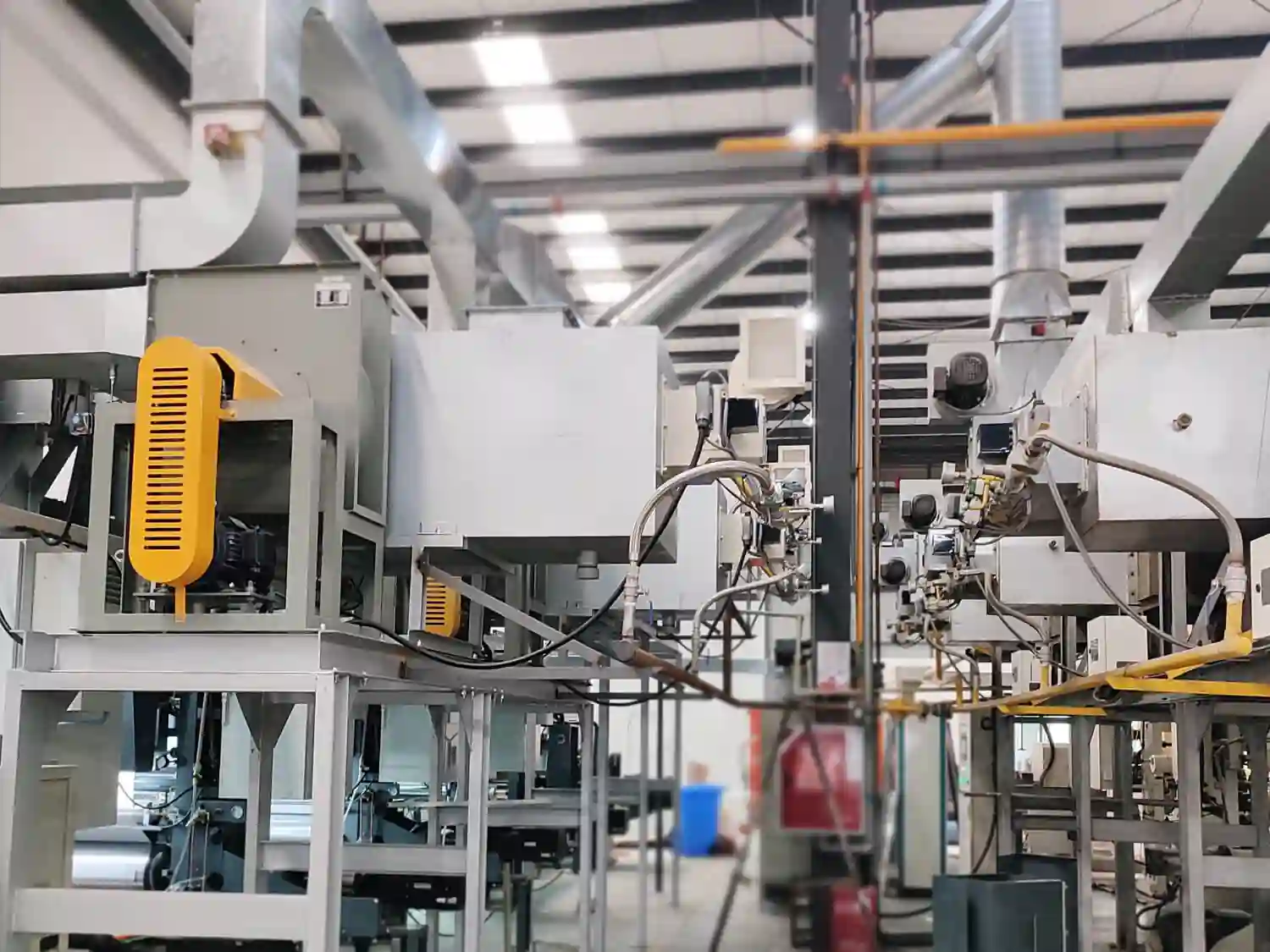
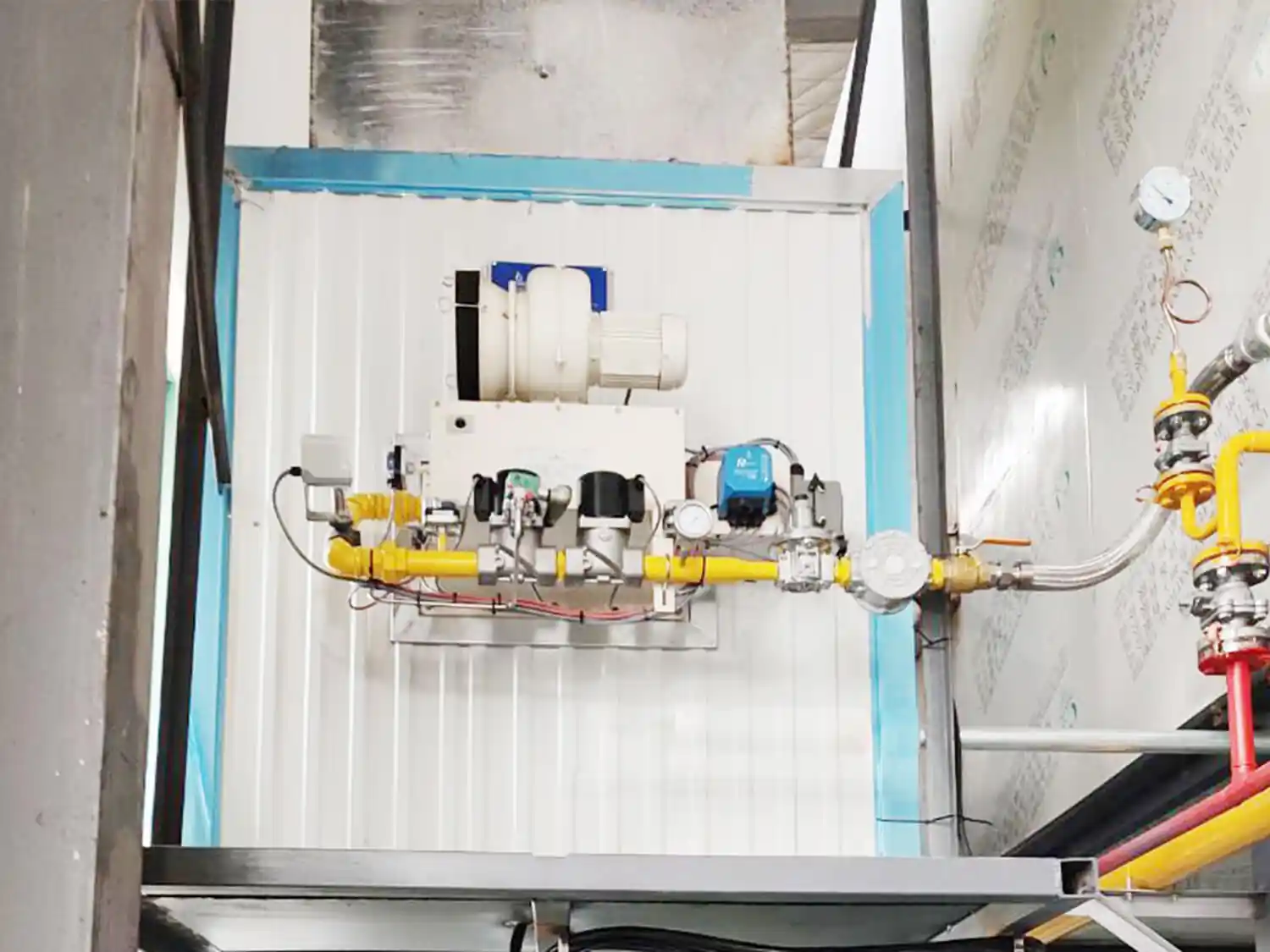
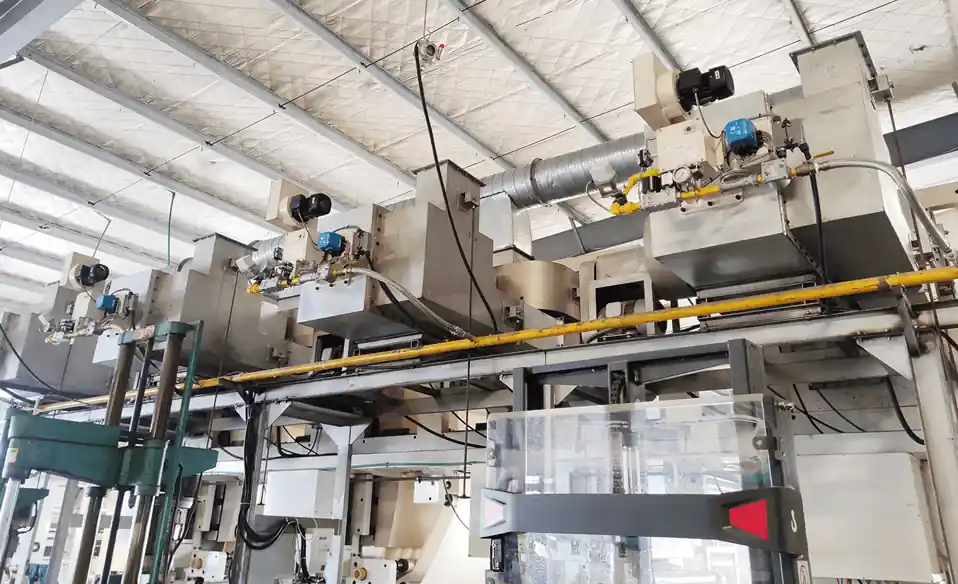
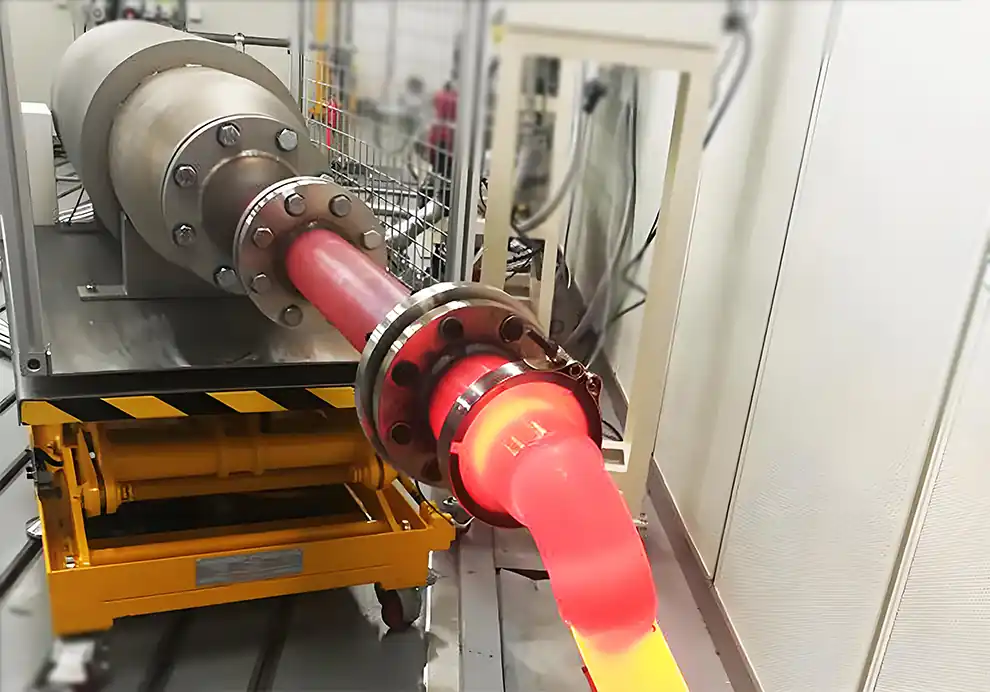
The grain drying burner is the core heat source component in grain drying equipment. Its primary function is to provide stable, efficient, and clean hot air for grain dryers, enabling rapid moisture reduction and safe storage of rice, wheat, corn, soybeans, and other agricultural crops. In post-harvest grain processing, drying is a critical step for ensuring safe grain storage—freshly harvested grain often has a moisture content far exceeding safe storage standards. Without timely drying, the grain is prone to heating and mildew during storage, leading to quality deterioration and quantity loss.
The grain drying process imposes high demands on the heat source system: stable hot air temperature (avoiding grain quality degradation caused by temperature fluctuations), uniform heat distribution (ensuring consistent heating of grain across all zones in the drying tower), high drying efficiency (shortening the drying cycle and reducing energy consumption), low fuel consumption (reducing post-harvest processing costs), safe and reliable operation (suitable for long-term continuous operation), and adaptability to continuous production (matching the concentrated workload during the harvest season).
Therefore, when selecting a grain drying burner manufacturer, key factors to evaluate include industrial combustion technology capability, hot air furnace design experience, air heating system matching capability, energy-saving optimisation capability, and non-standard customisation capability. The diversity of grain drying equipment and the differences among grain types mean that the combustion system must be customised according to the drying tower structure, hot air temperature requirements, and grain characteristics.
DYDTEC (Shanghai DYDTEC Equipment Technology Group Co., Ltd.) focuses on the R&D and manufacturing of industrial burners, linear burners, hot air furnaces, and combustion system integration. It can provide stable and efficient combustion solutions for grain drying, industrial drying, hot air heating, and other applications.
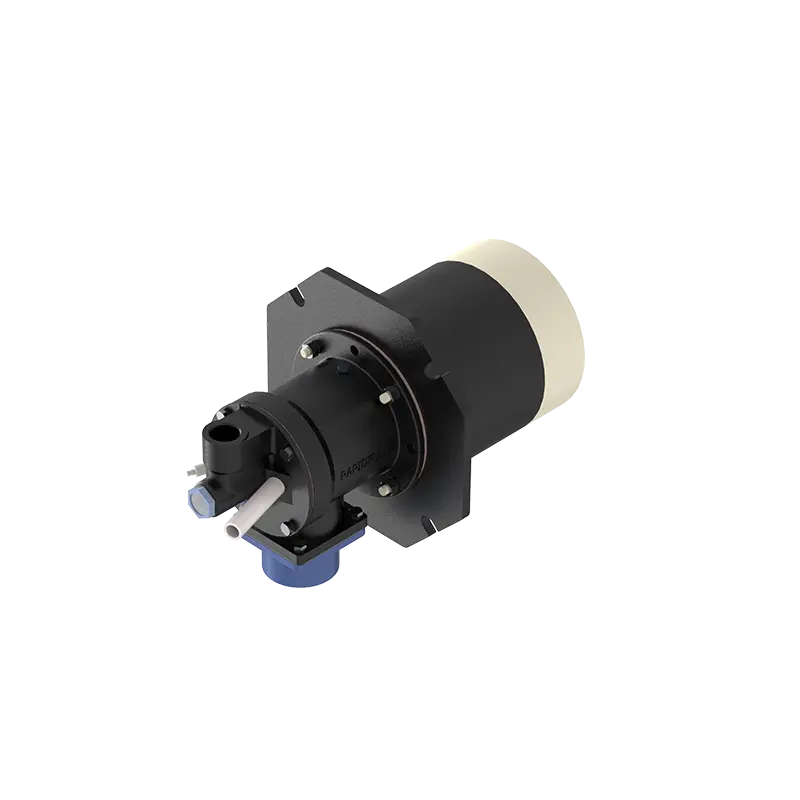
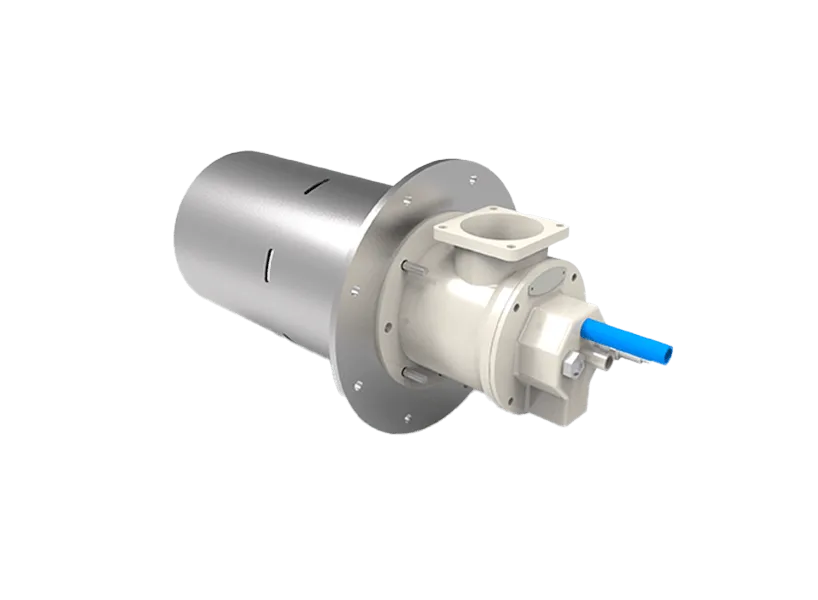
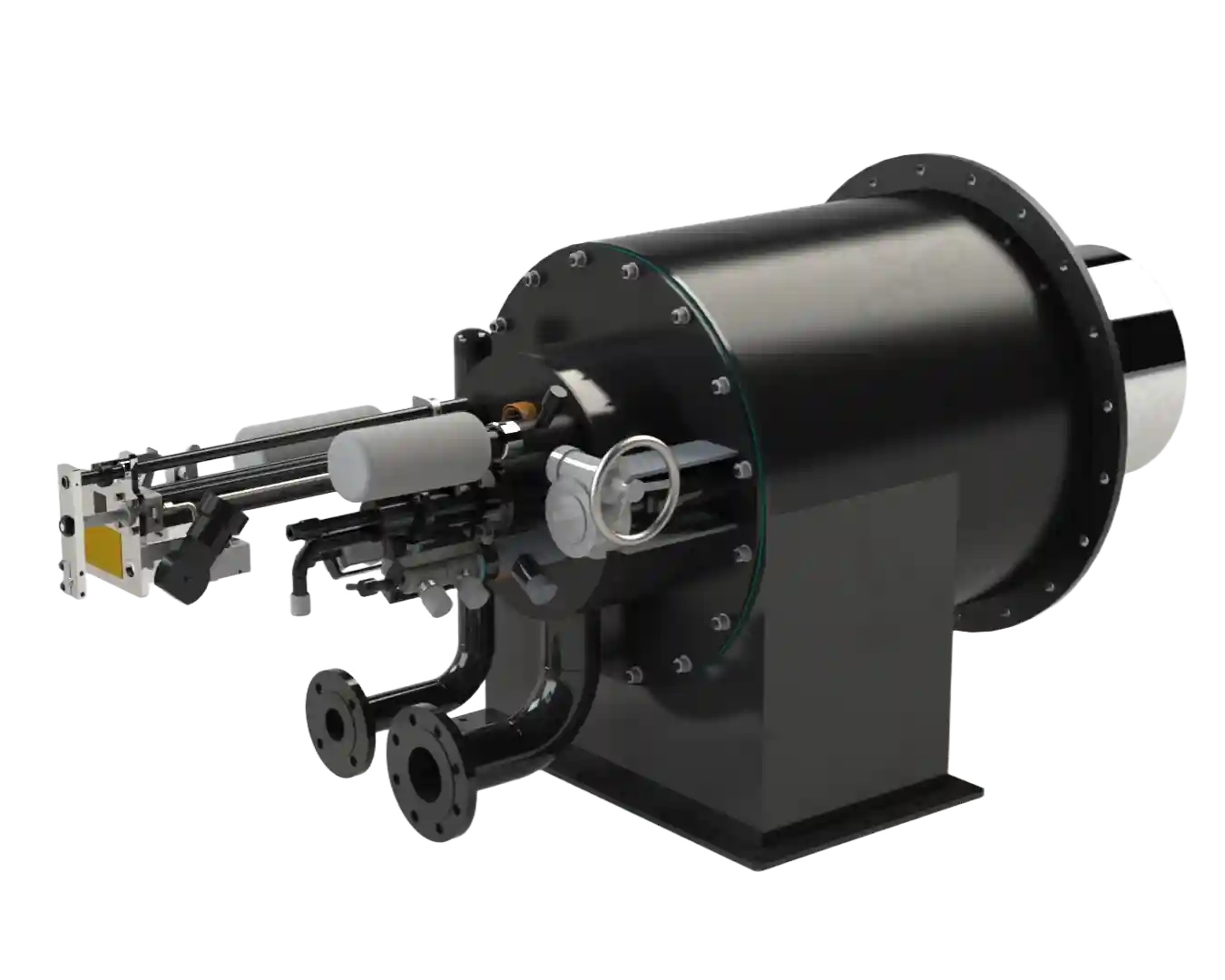
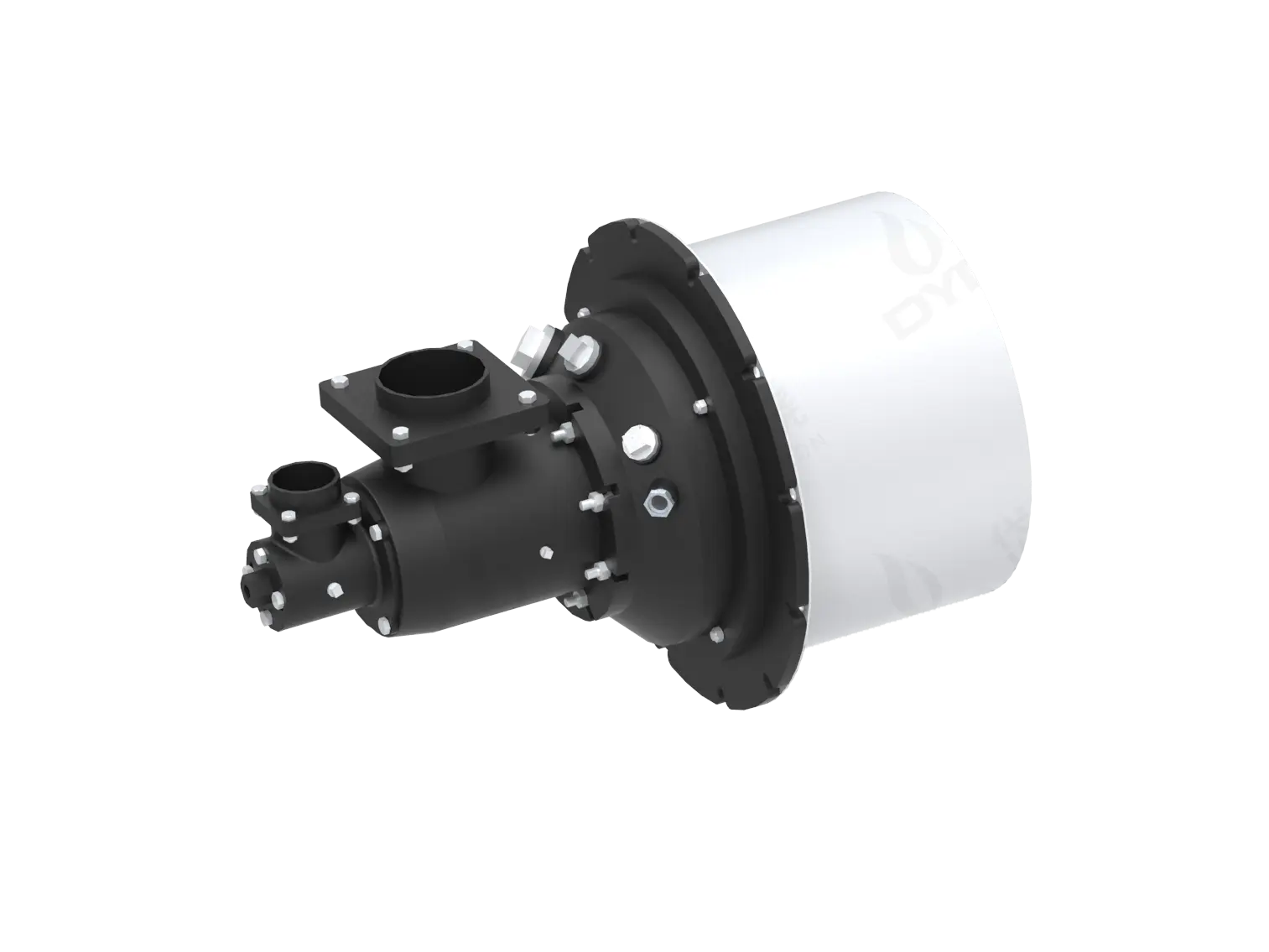
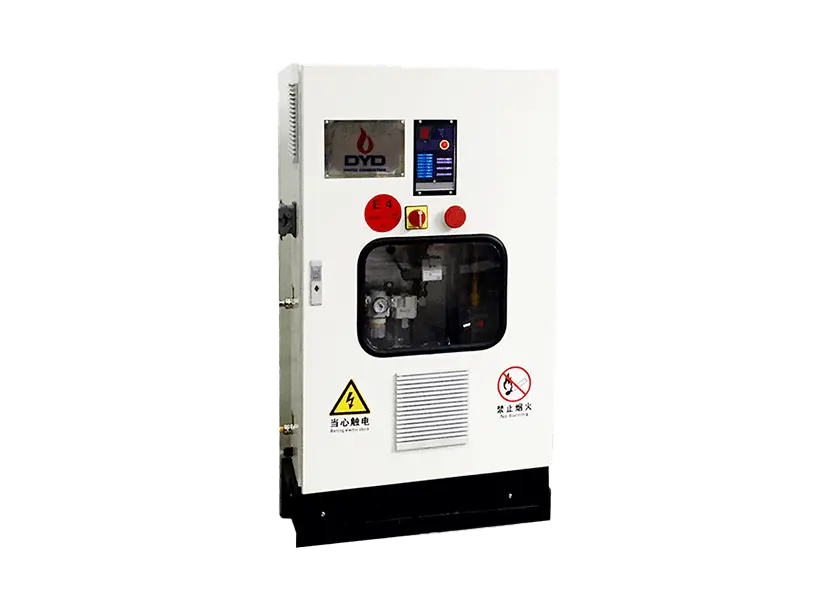
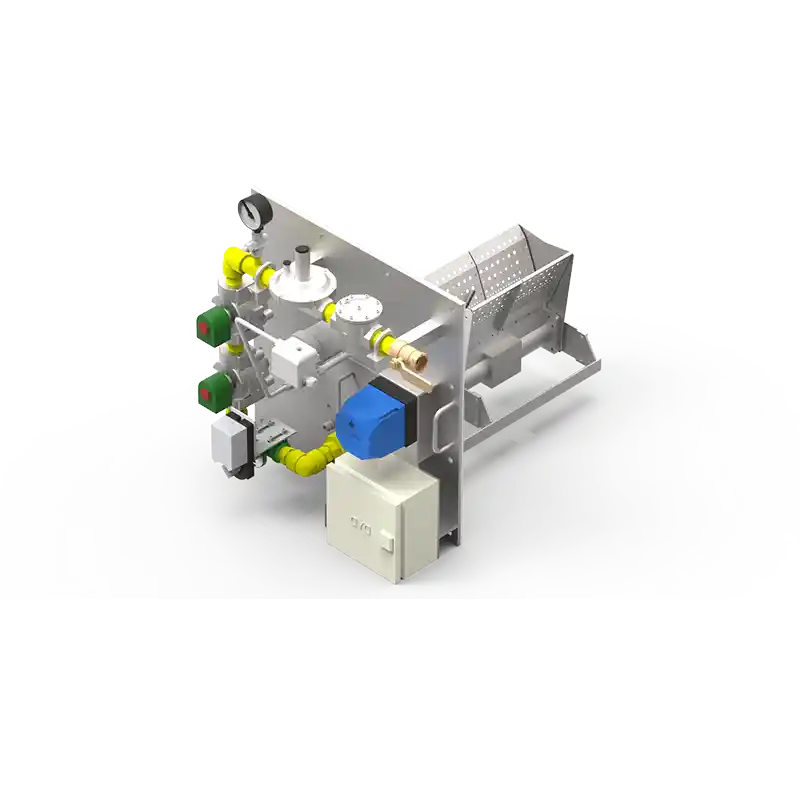
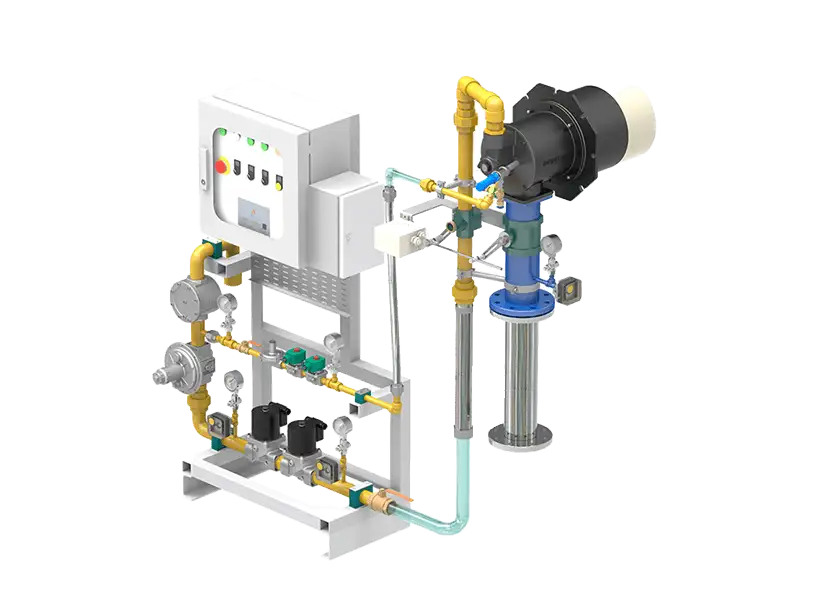
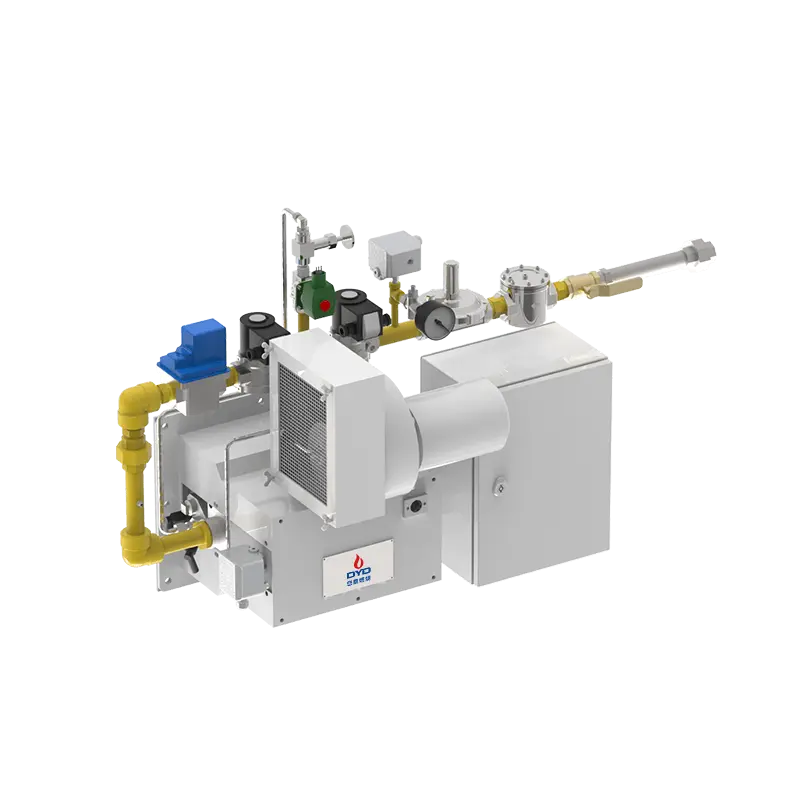
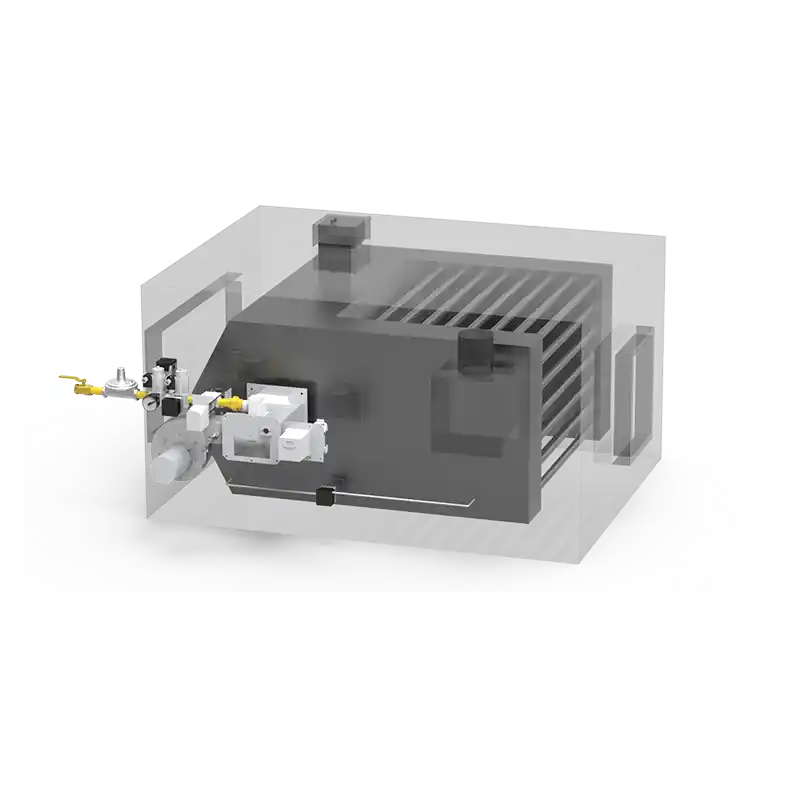
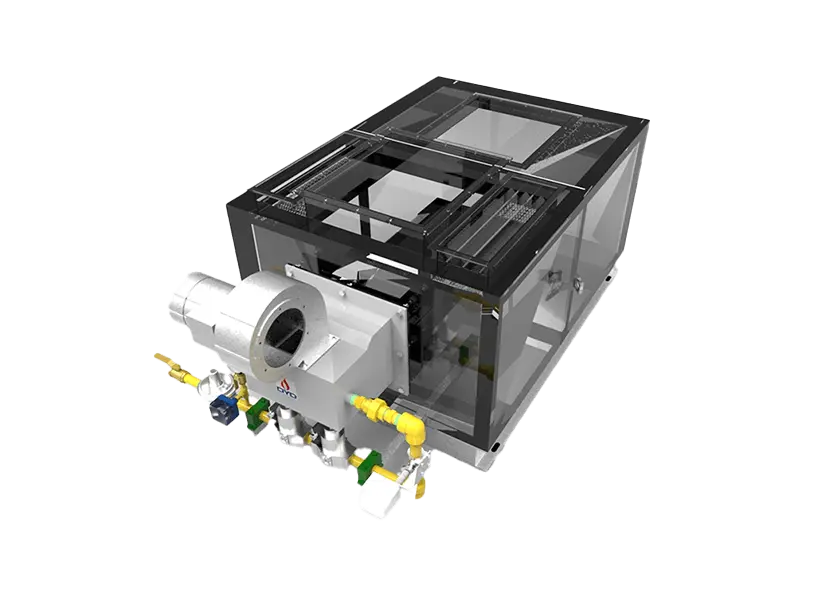
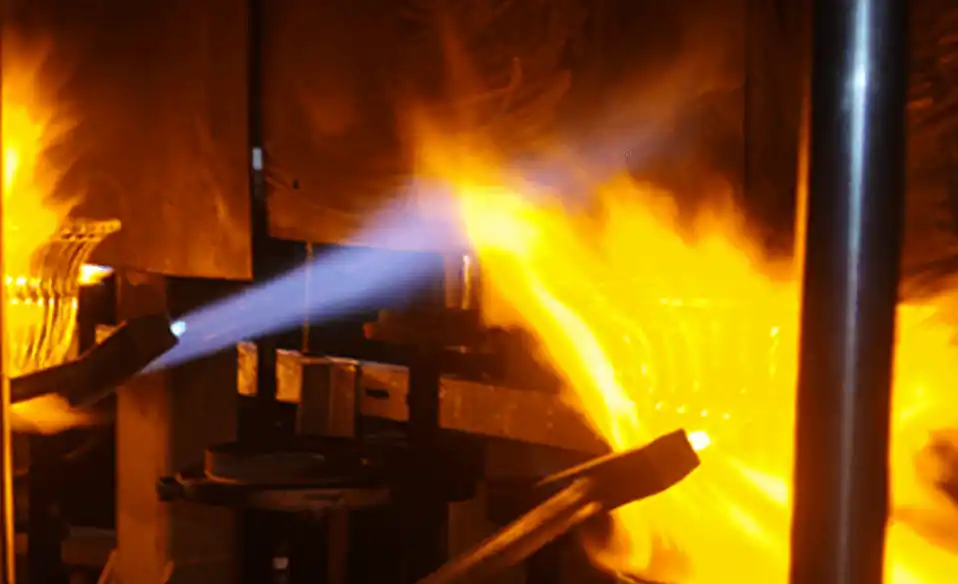
A grain drying burner is a combustion heating device installed on grain dryers, hot air furnaces, or drying equipment. In the grain drying system, the burner is at the very front of the heat source chain—it converts the chemical energy of fuel into thermal energy, which is then transferred to the wet grain through the hot air system to evaporate moisture and dry the grain.
Its main function is to generate heat through fuel combustion, and then use fans to deliver hot air to the drying tower or drying chamber, rapidly evaporating moisture from the grain and reducing its moisture content from the high level at harvest to below safe storage standards, preventing mildew, heating, or quality deterioration during storage due to excessive moisture.
Basic working process:
Fuel supply → burner combustion → high-temperature heat generation → hot air system heat exchange → hot air enters drying equipment → grain moisture reduction
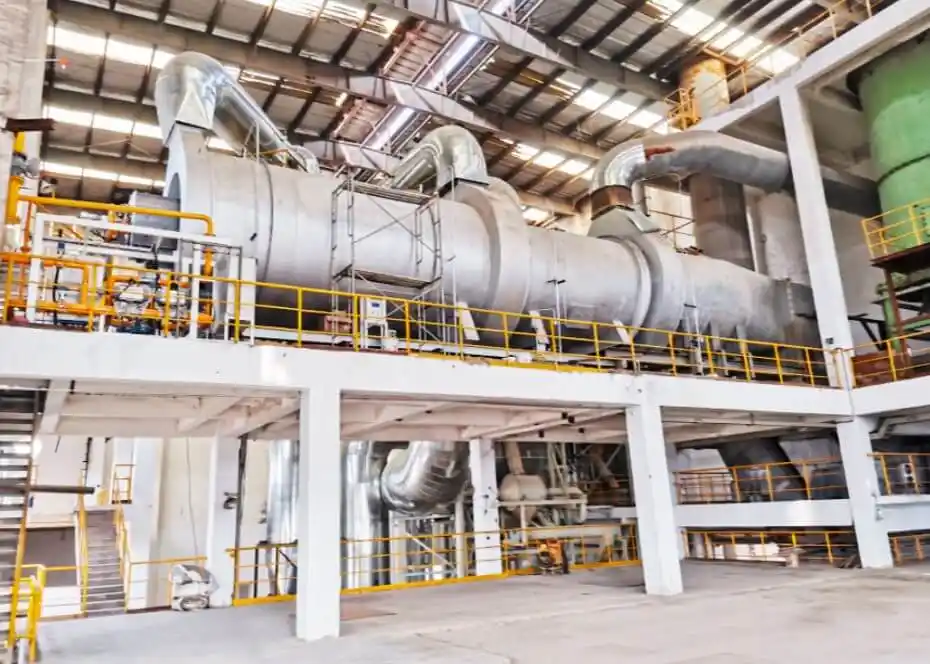
In a typical grain drying tower, hot air enters from the side of the tower, passes through the flowing grain layer, makes full contact with the grain particles, and then exhausts. The matching relationship among hot air temperature, air volume, and residence time determines drying efficiency and final grain quality.
Common applications include rice drying (timely moisture reduction for harvested rice in southern production areas), wheat drying (drying high-moisture wheat during the northern harvest season), corn drying (drying harvested corn in the Northeast and Huang-Huai-Hai regions), legume drying (safe drying of soybeans, mung beans, and other legumes), seed drying (seed processing with stricter temperature and drying conditions), and feed ingredient drying (drying various grains and oilseed crops for feed processing).
Grain drying is not simply heating; it is a heat and mass transfer process requiring precise control of temperature and time. The starch, protein, fat, and other nutrients in grain are sensitive to temperature; excessively high temperatures cause irreversible quality loss.
Excessively high temperatures can lead to reduced grain quality (damage to the internal structure of rice kernels), loss of nutrients (protein denaturation and vitamin decomposition), increased crack percentage (rice kernels develop cracks during drying, affecting milling yield and processing quality), and reduced seed germination rate (embryo tissue loses activity at high temperatures). These quality losses are irreversible once they occur during the drying stage.
Excessively low temperatures reduce drying efficiency (slower moisture removal per unit time), increase energy consumption (the same moisture removal task requires more time and heat), and extend production cycles (affecting drying capacity during the harvest season).
Therefore, the combustion system must provide a stable heat source (combustion power not fluctuating over time), precise temperature control (hot air temperature maintained within the allowable deviation from setpoint), and uniform hot air (consistent hot air temperature entering all zones of the drying tower).
Large grain drying equipment typically features continuous feeding (grain continuously fed into the drying tower, equipment operating without interruption), long operating hours (dryers may run continuously for weeks or even longer during the harvest season), and seasonal concentrated production (used intensively only during the harvest season and idle for the rest of the year). The burner must ensure reliable ignition (successful flame establishment on every start), stable flame (unaffected by fluctuations in gas and air pressure during continuous operation), wide regulation range (adapting to heat demand changes under different incoming grain moisture levels and throughputs), and strong automatic control capability (reducing manual intervention and operator workload).
One of the largest operating costs in grain drying is energy consumption. In the total cost of grain drying, fuel costs often account for a significant proportion, especially in areas with high natural gas prices, where energy costs directly determine the economic viability of grain drying.
An efficient combustion system can reduce energy consumption per unit of grain dried by improving combustion efficiency (maximising the release of fuel chemical energy), optimising the gas-air ratio (maintaining the best air-fuel ratio across the full load range), reducing heat losses (enhancing insulation of the hot air furnace and ducts), and improving hot air circulation (increasing heat transfer efficiency between hot air and grain), helping grain drying enterprises and farmers reduce drying costs.
Direct-fired burners generate hot air directly: the high-temperature flue gas from combustion mixes directly with air to form hot air, which is delivered to the drying tower. Features include high thermal efficiency (no heat exchanger losses; almost all fuel heat is utilised), fast heating rate (short heat generation and delivery path), and simple structure (clean system layout, easy maintenance). Suitable for large grain dryers, continuous drying equipment, and industrial grain processing. In high-volume, continuous grain drying applications, the direct-fired solution is the mainstream choice due to its thermal efficiency advantages.
Indirect hot air furnaces produce clean hot air via heat exchange: the heat from combustion is transferred through a heat exchanger to clean air, completely isolating the hot air from the flue gas and ensuring that the hot air entering the drying tower contains no combustion products. Features include isolation of combustion flue gas from the grain (avoiding contamination and odours), cleaner hot air (free of CO₂, water vapour, and combustion by-products), and more stable temperature control (smooth heat transfer, stable temperature output). Suitable for high-quality grain processing (brand rice, export grain, and other products requiring hot air cleanliness), seed drying (avoiding the effects of combustion products on seed activity), and scenarios with high hot air cleanliness requirements.
DYDTEC possesses hot air furnace and combustion system integration capability and can provide hot air solutions according to different drying process requirements, matching the most suitable hot air method for different grain varieties, quality requirements, and thermal efficiency needs.
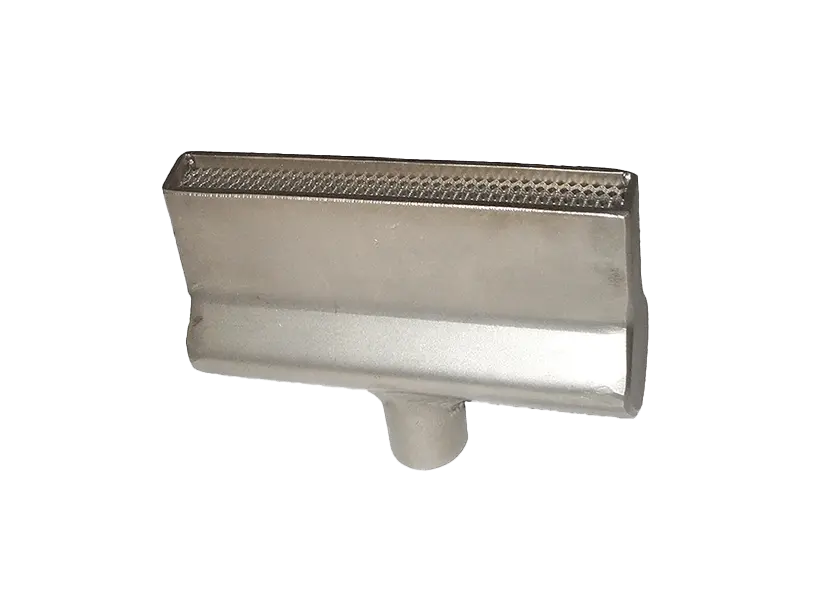
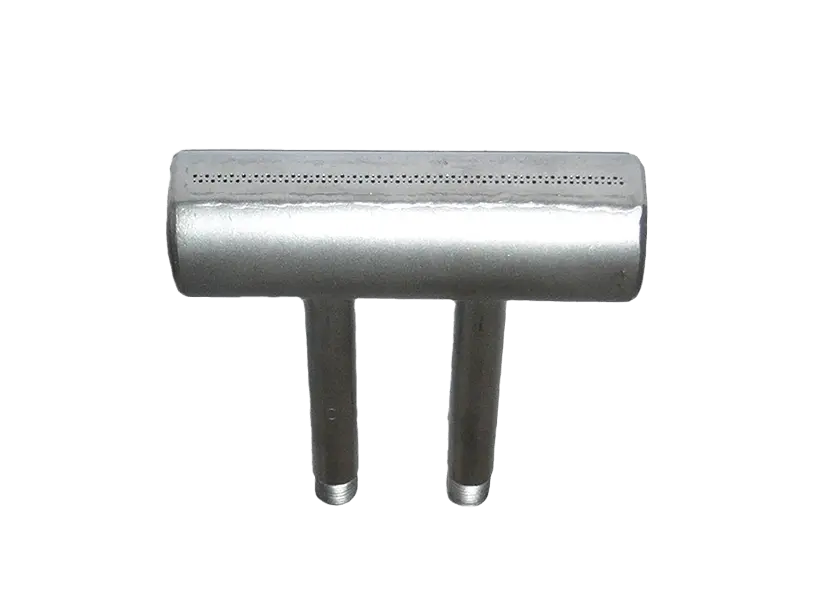
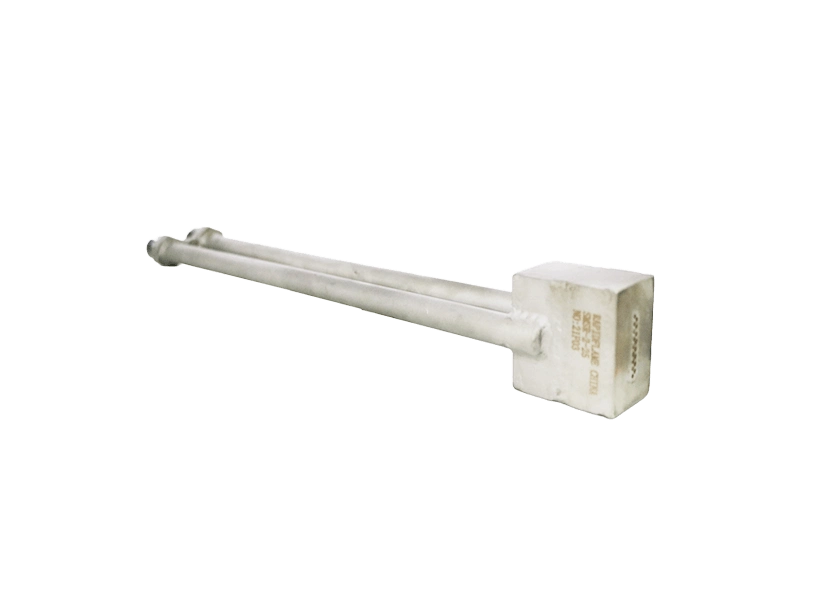
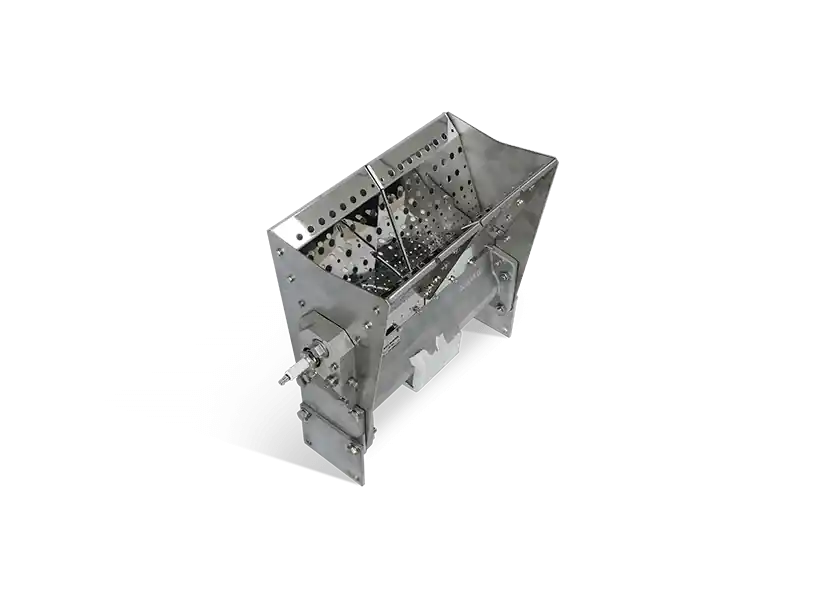
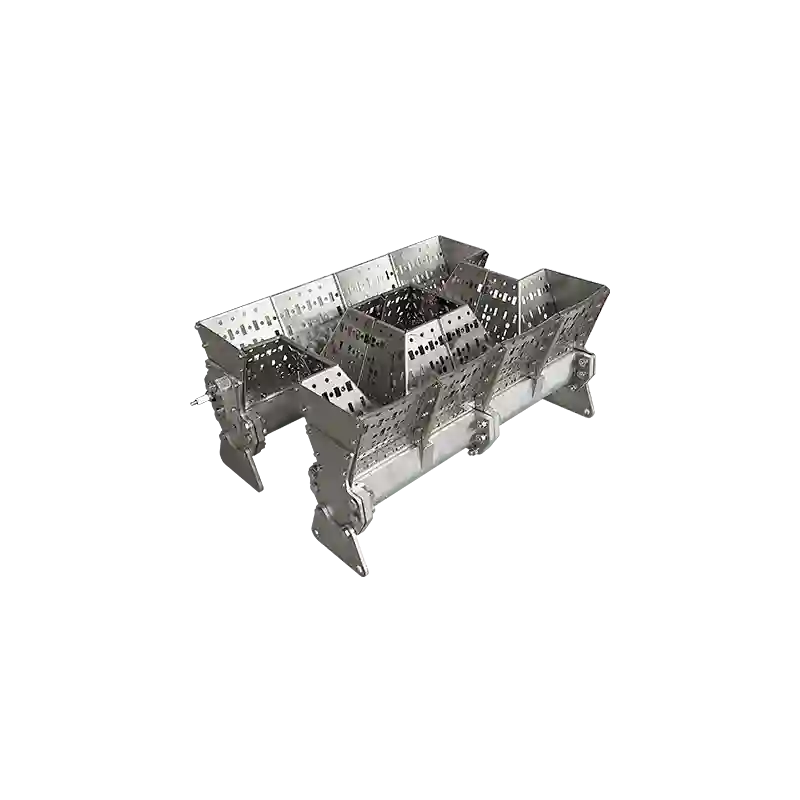
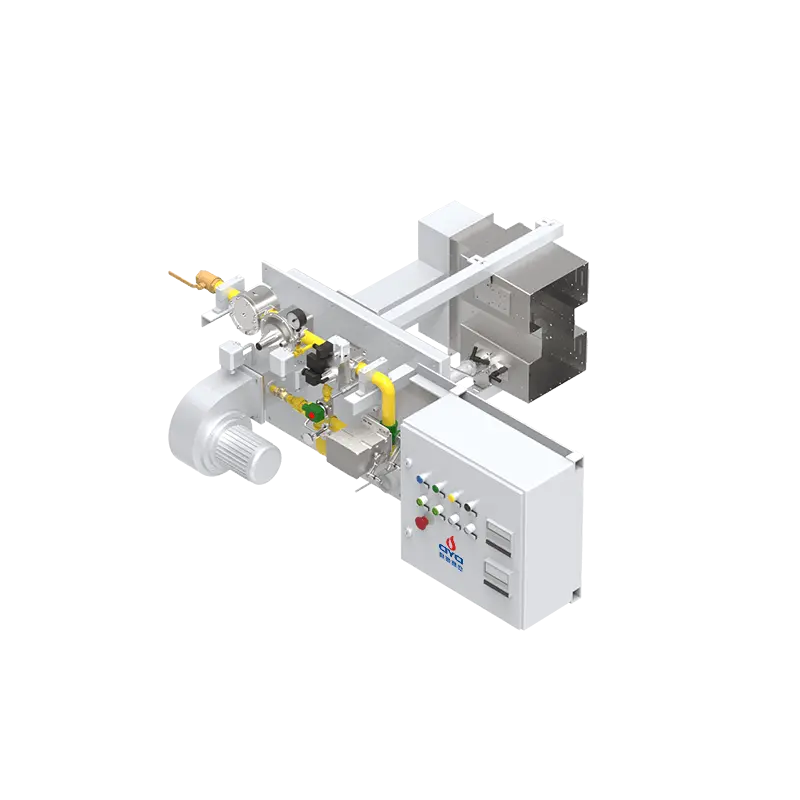
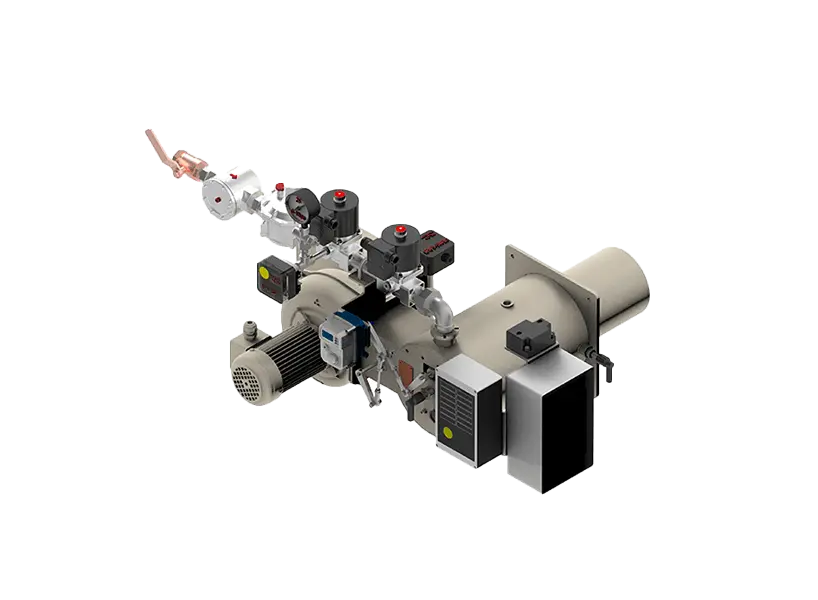
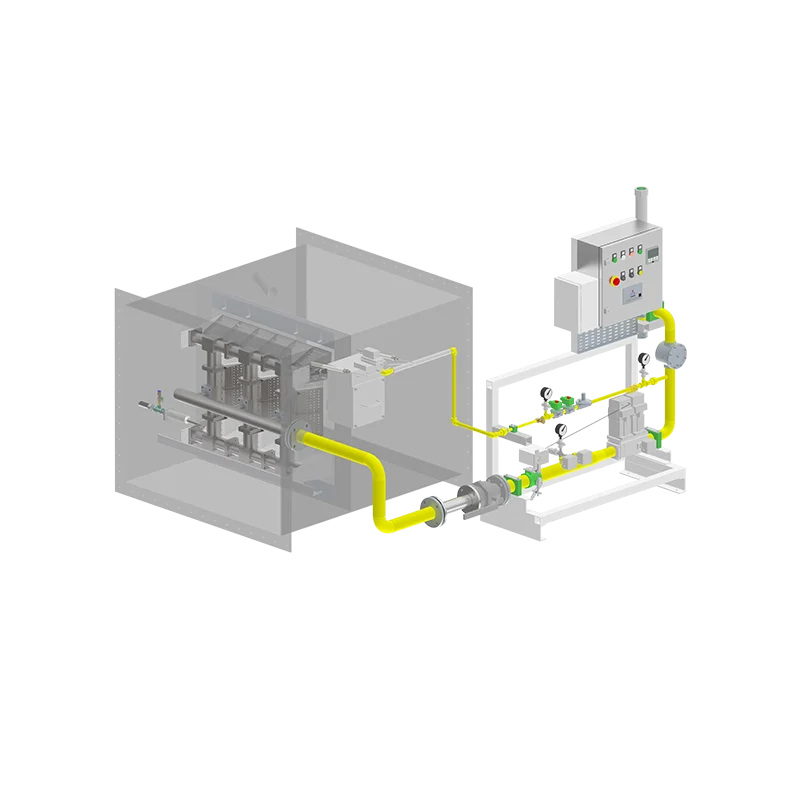
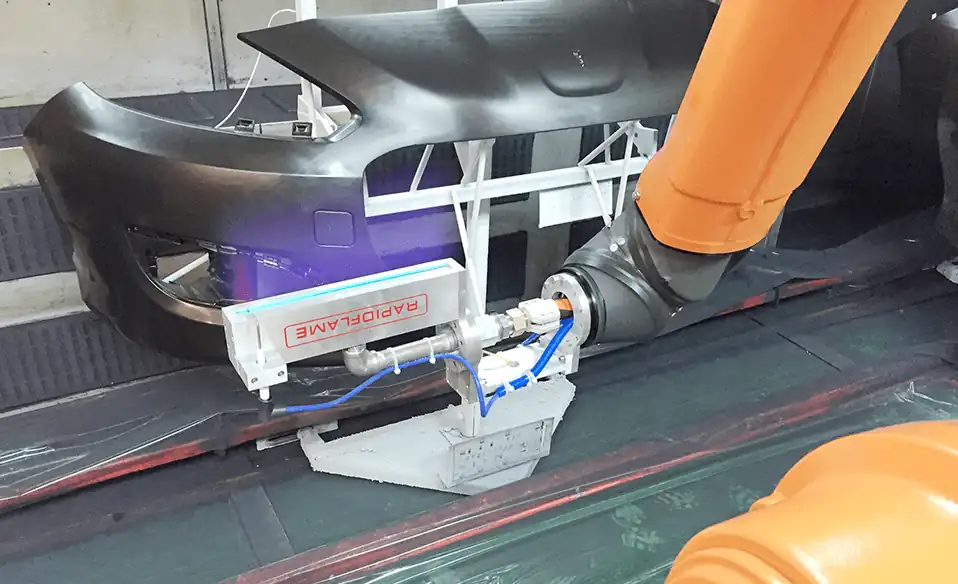
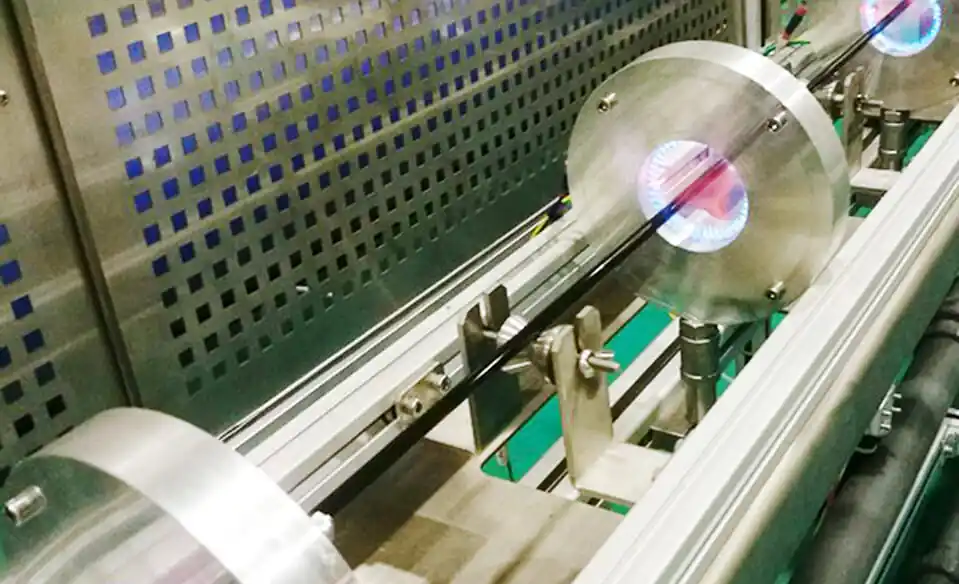
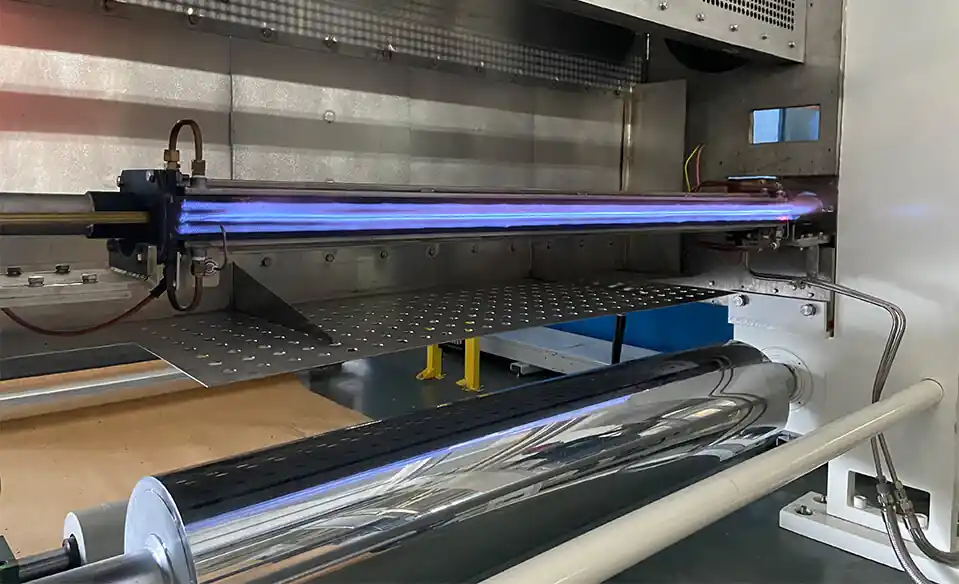
For large grain drying equipment, linear burners offer advantages. Traditional point-type burners in wide ducts tend to cause uneven temperature distribution, whereas linear burners improve heat distribution uniformity by extending the flame along the length.
Features include continuous flame distribution (broad heat release area), uniform heat release (eliminating local hot spots), and suitability for high-volume air heating (matching the wide duct structure of hot air systems). Particularly suitable for large hot air systems, continuous drying equipment, and wide-width air heating equipment.
DYDTEC offers a range of linear burner products suitable for industrial drying and air heating applications. In large grain drying hot air systems, they effectively improve hot air temperature uniformity and enhance drying quality consistency.
A professional manufacturer must understand drying temperature requirements (optimal drying temperature ranges and allowable deviations for different grain crops), hot air circulation methods (flow paths and distribution of hot air within the drying tower), grain moisture content variation (requirements for incoming and outgoing moisture targets on hot air temperature and volume), and drying curves (temperature variation patterns of grain throughout the drying process). The burner must be matched to the overall drying equipment; only by understanding the grain drying process can a truly suitable combustion system be designed.
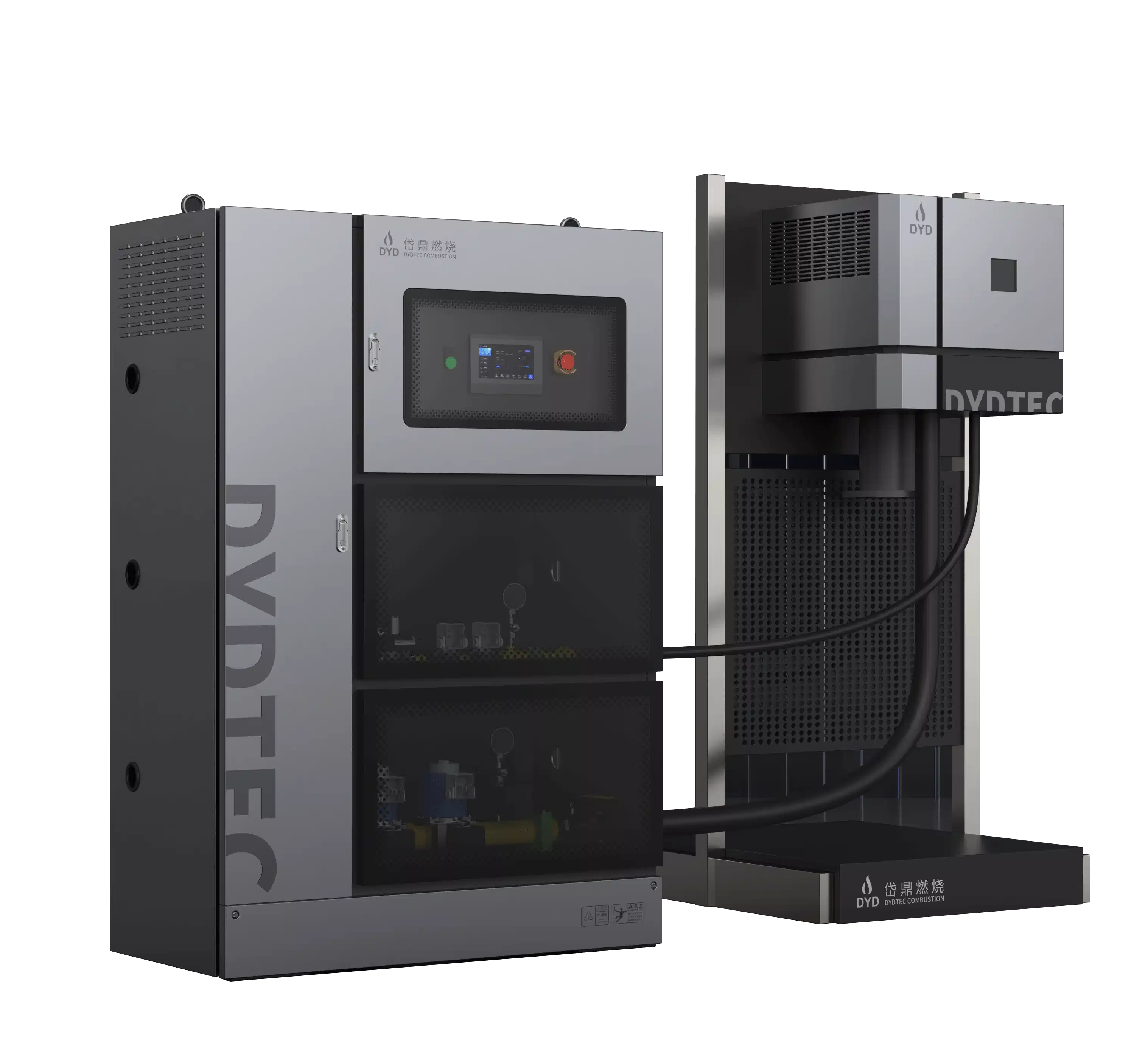
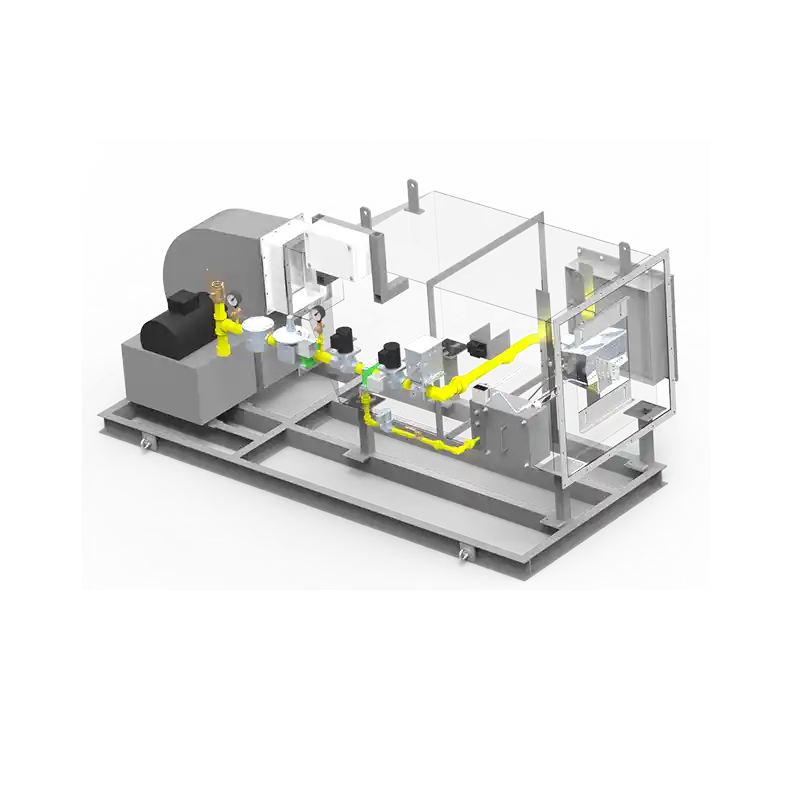
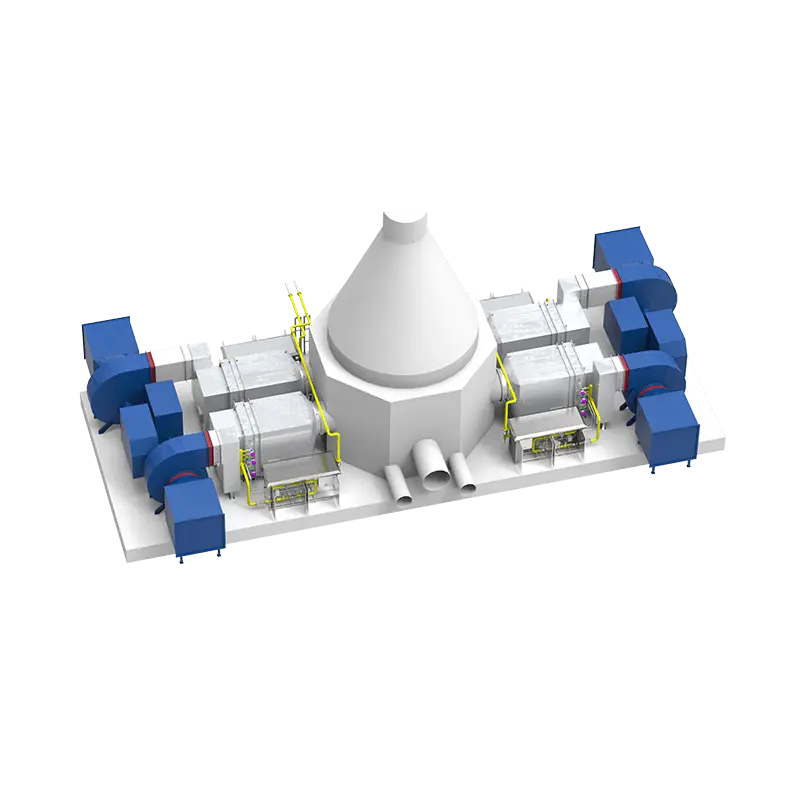
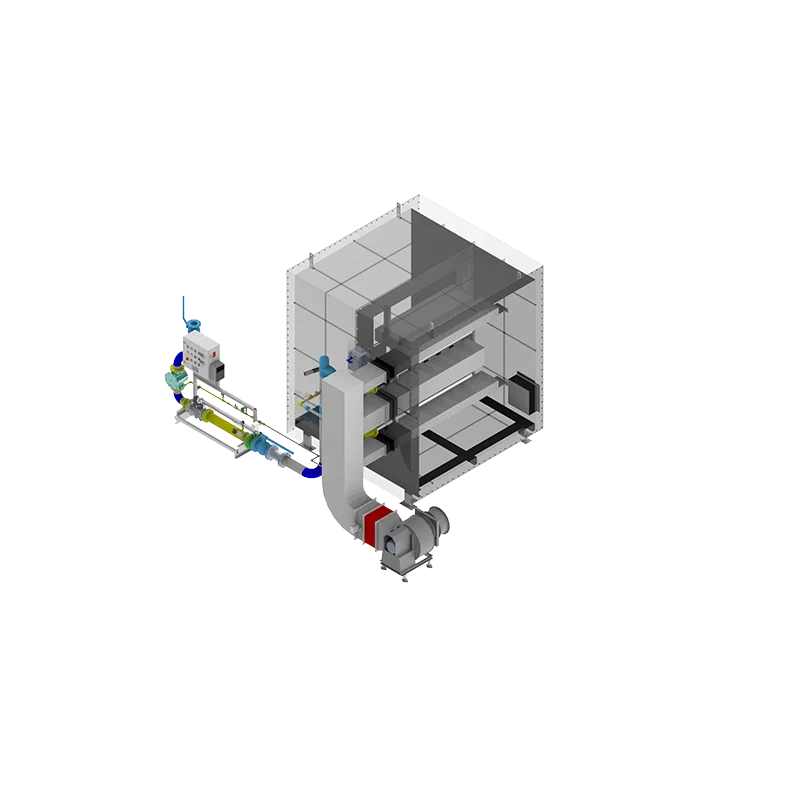
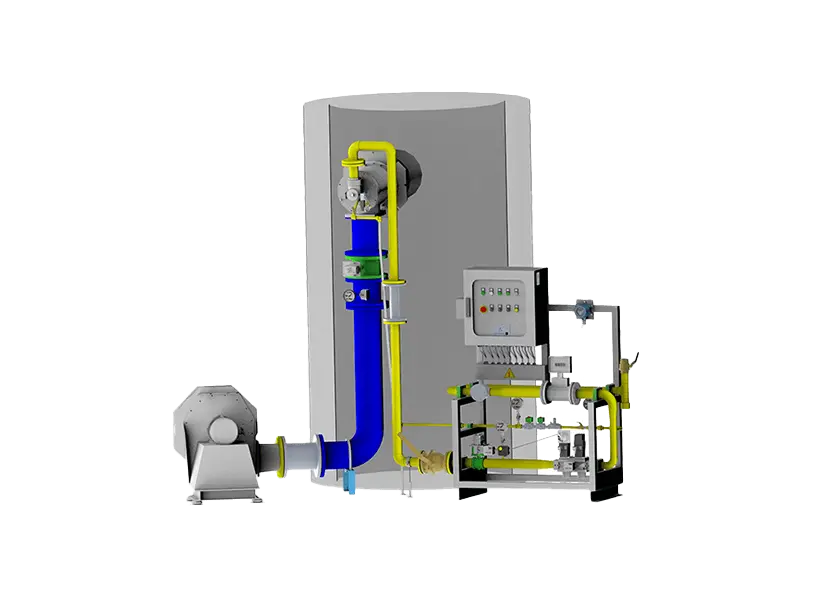
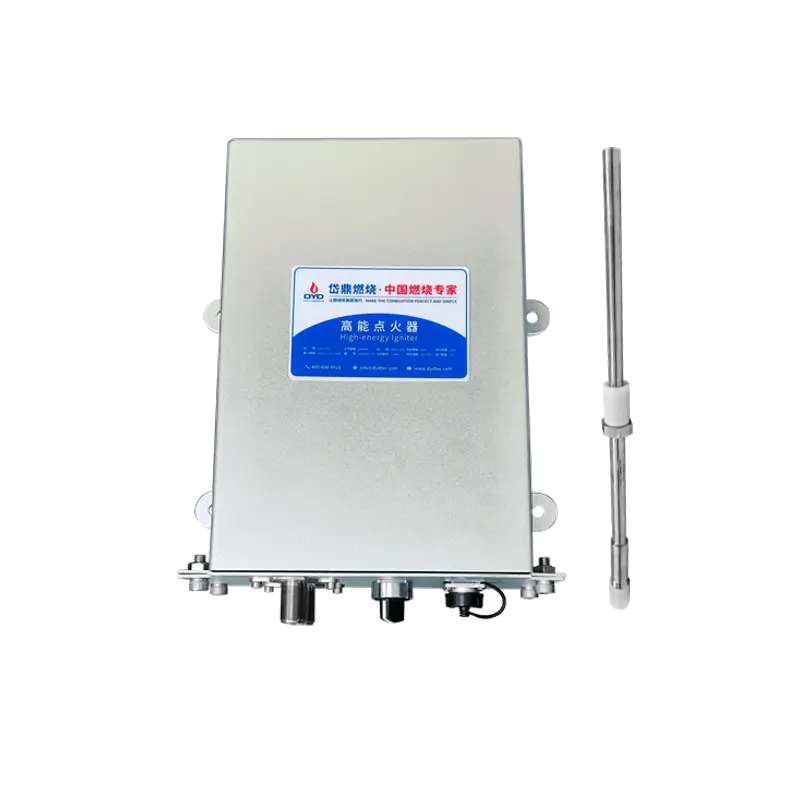
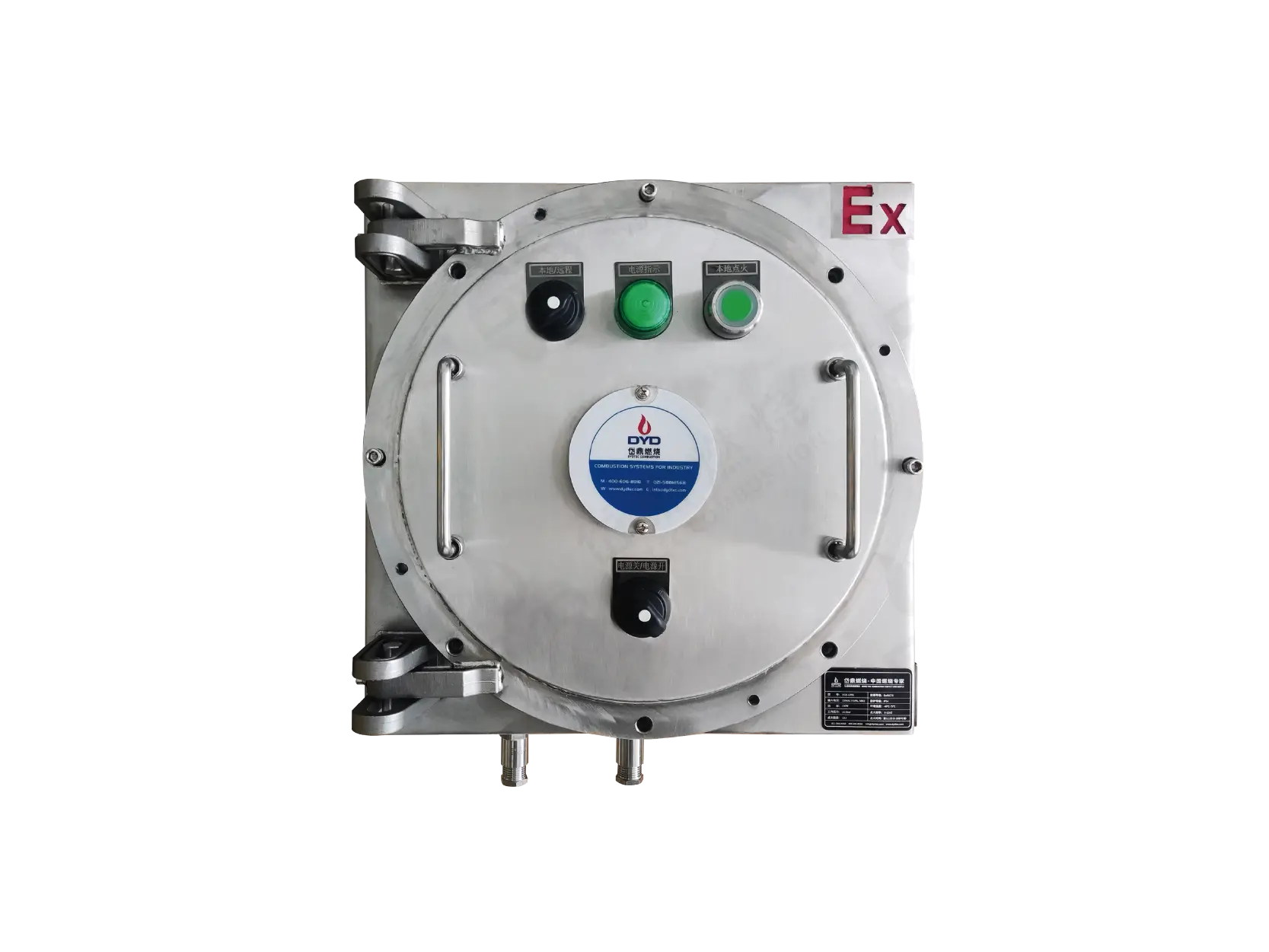
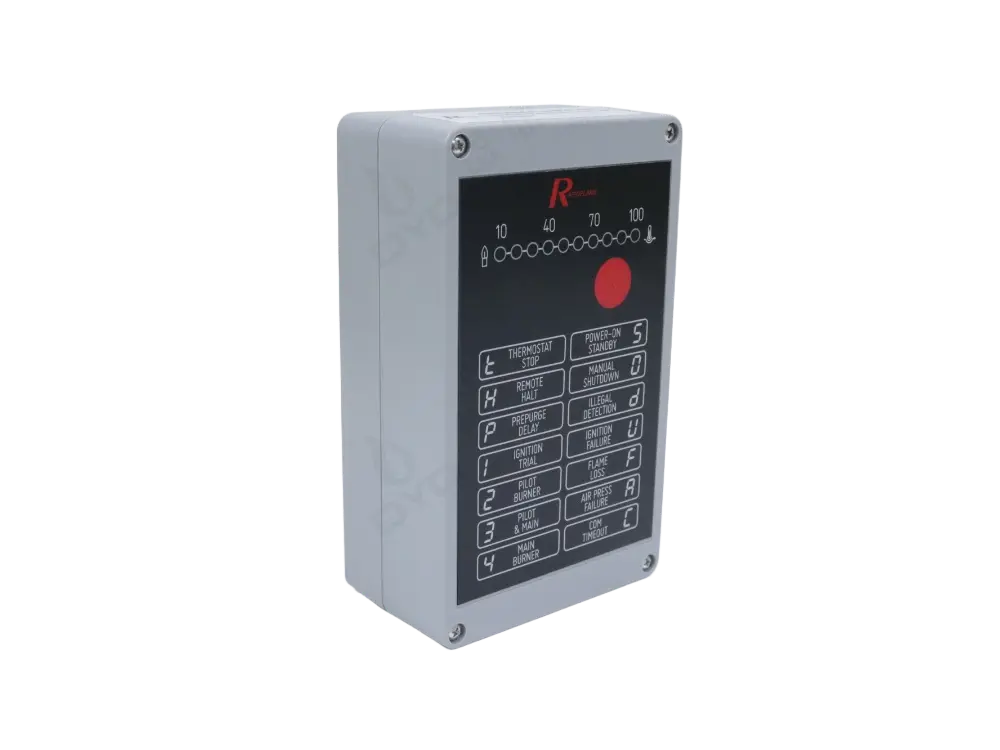
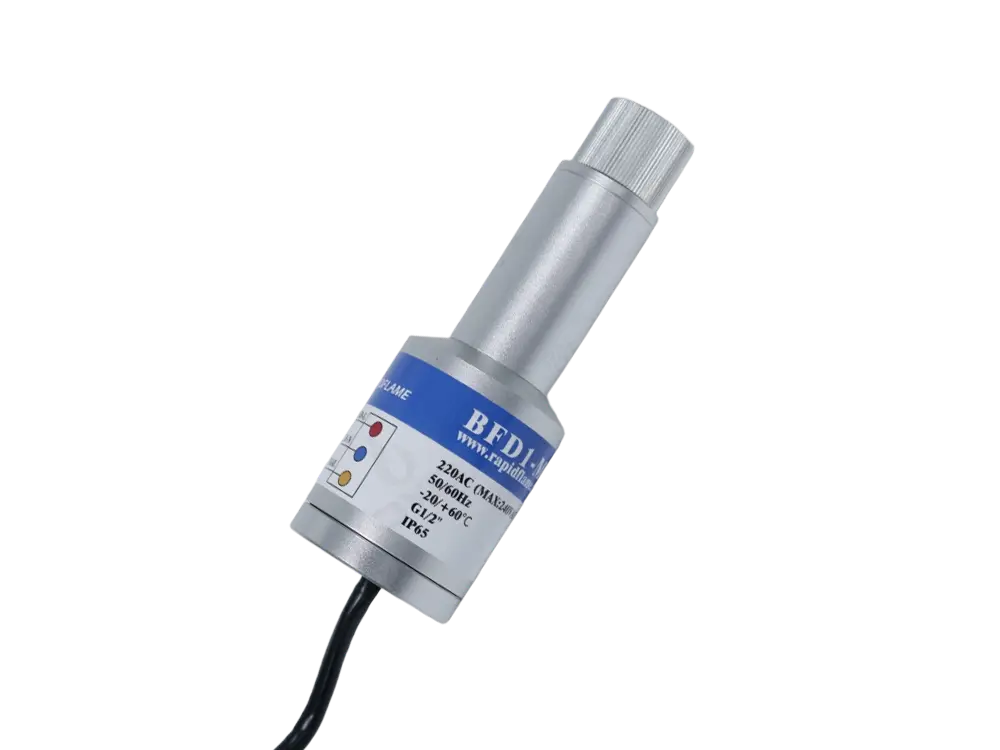
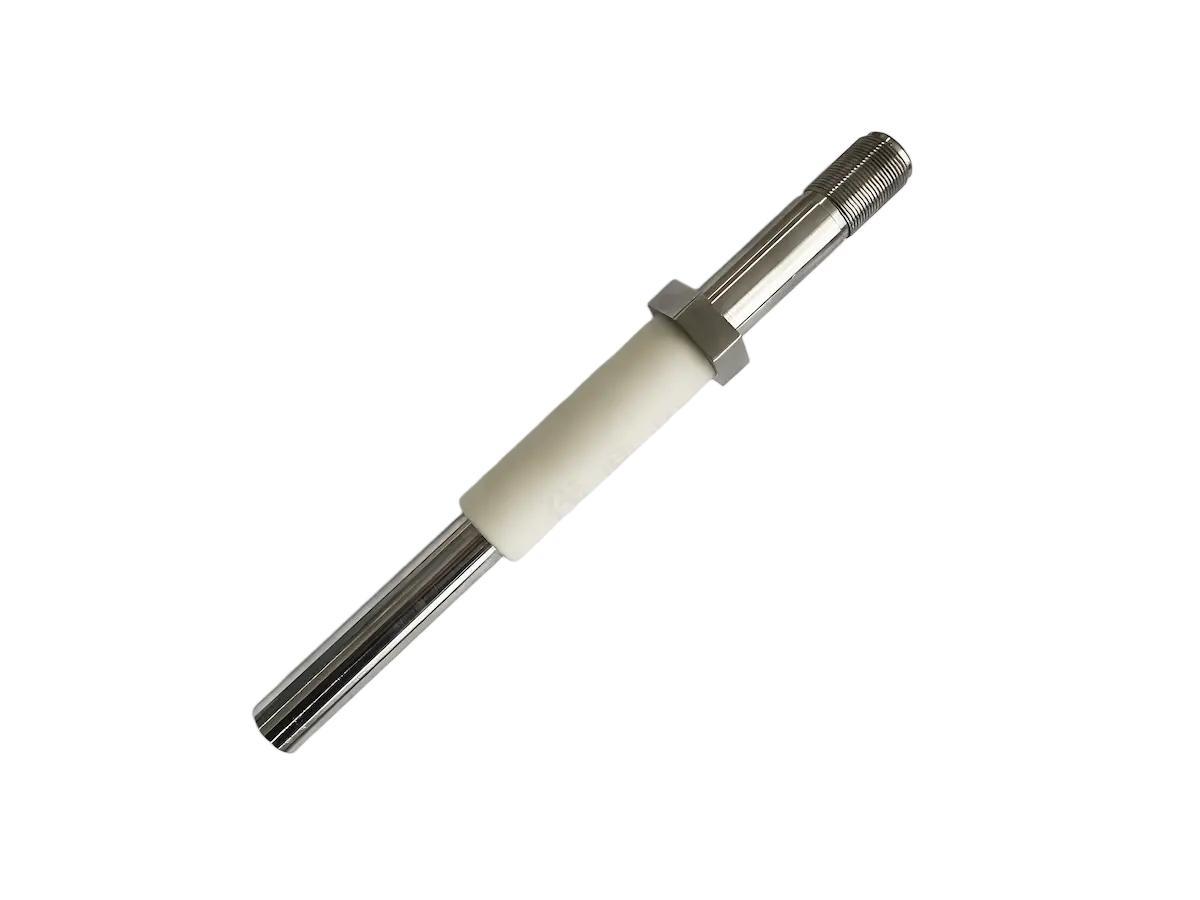
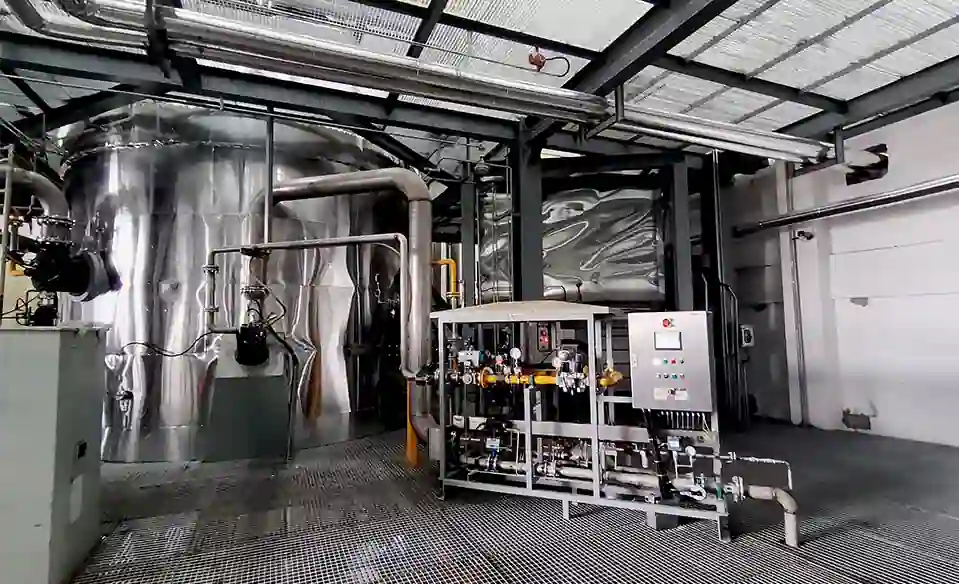
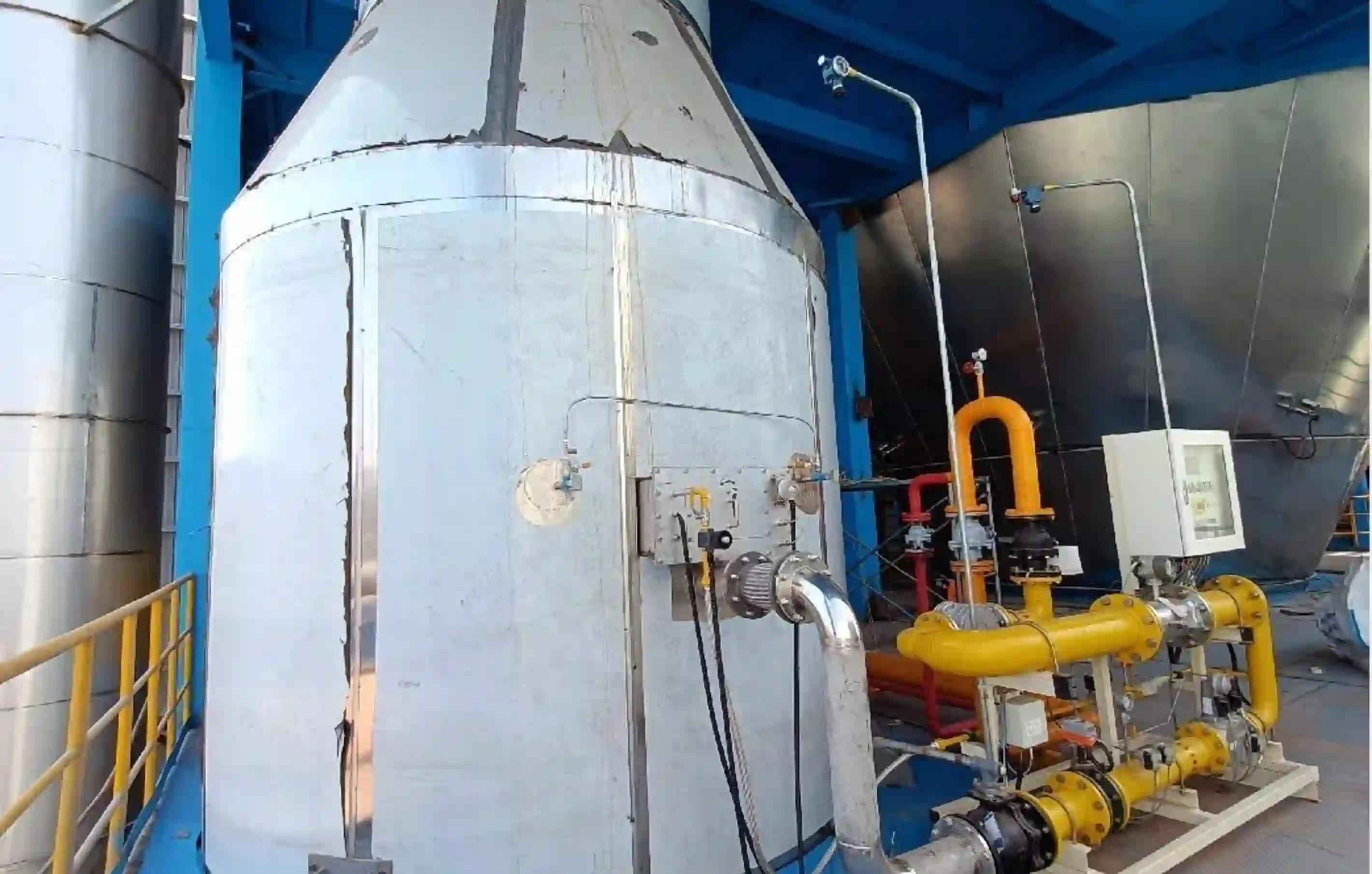
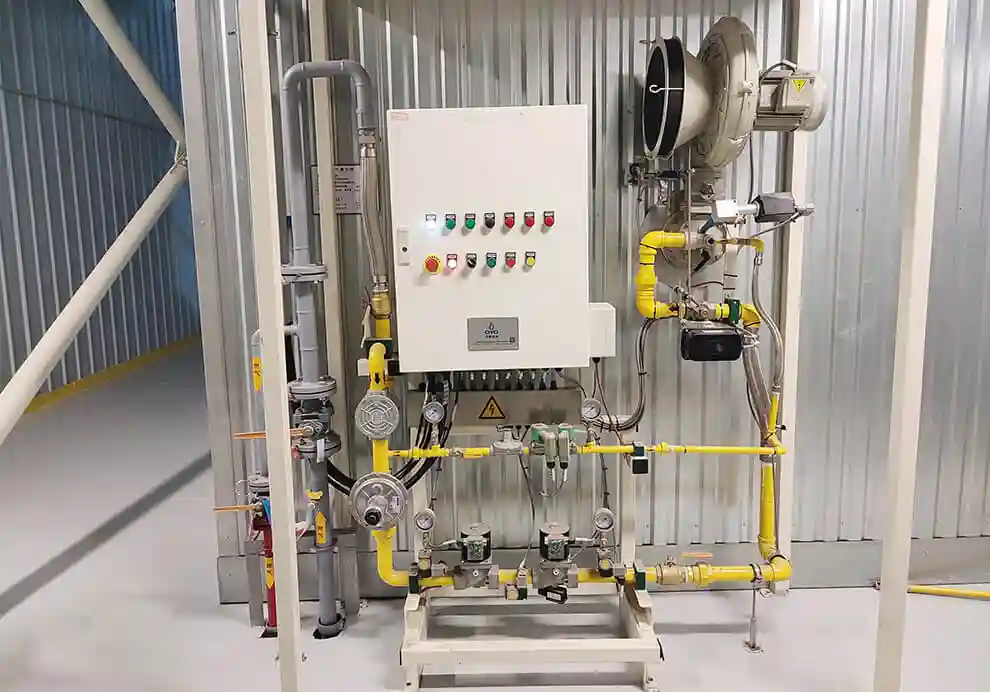
A complete grain drying heat source system includes the heat source section (burner, gas system, ignition device, flame detection), the hot air section (hot air furnace, heat exchange system, fan, ductwork), and the control section (temperature control, automatic regulation, safety protection). These subsystems must work in precise coordination to form a harmoniously operating whole. A manufacturer with hot air system design capability can oversee the design and matching of all components from a system perspective, avoiding interface issues and compatibility risks from multi-vendor assembly.
Grain drying equipment manufacturers typically focus on installation dimensions (matching the burner to the space reserved in the dryer), thermal load matching (corresponding heat power to processing capacity), control interfaces (communication compatibility with the dryer's main control system), and operational stability (no abnormal shutdowns during long-term operation). A professional burner manufacturer must support non-standard design (customising solutions according to equipment structure), parameter matching (accurately calculating thermal load and air volume), and technical services (full-process support from solution design to on-site commissioning).
DYDTEC is the industrial combustion brand of Shanghai DYDTEC Equipment Technology Group Co., Ltd., focusing on the R&D and manufacturing of industrial burners, linear burners, hot air furnaces, and combustion system integration. Through long-term service in the industrial thermal energy field, DYDTEC has accumulated extensive project experience in industrial drying, air heating, and hot air systems.
Product applications cover industrial drying, new material processing, food and agricultural product drying, chemical material processing, and environmental protection equipment, forming a complete product range from standard products to non-standard customisation. In the combustion system integration for grain drying equipment, DYDTEC can provide customised solutions according to different drying tower structures, thermal loads, and fuel conditions.
1. Extensive industrial drying experience
Grain drying is essentially an industrial hot air drying process. DYDTEC can match combustion systems according to drying temperature (determining burner power and regulation range), thermal load requirements (matching fuel supply and combustion air volume), air volume parameters (optimising hot air furnace and duct design), and equipment structure (customising burner installation method and dimensions), ensuring tight integration between the combustion system and grain drying equipment.
2. Efficient combustion and energy-saving optimisation
For grain drying energy consumption issues, DYDTEC can improve energy utilisation efficiency through efficient combustion design (maximising fuel combustion and heat release), air-fuel ratio optimisation (maintaining optimal ratio across the full load range), and hot air system matching (increasing heat transfer efficiency between hot air and grain), helping end-users reduce drying costs.
3. Support for grain drying equipment manufacturers
Serving grain dryer manufacturers, hot air furnace manufacturers, agricultural machinery manufacturers, and industrial drying equipment manufacturers, DYDTEC can provide burner selection, heat source design, system integration, and technical support, helping equipment manufacturers enhance complete machine performance and user satisfaction.
Includes rice (drying of the main grain crop in southern and northeastern China), wheat (moisture reduction during the northern harvest season), and corn (drying after harvest in the Huang-Huai-Hai region and Northeast China). Different grains have significantly different particle shapes, initial moisture contents, and heat sensitivities, requiring different drying temperatures and air volumes; the combustion system configuration must be adjusted according to the grain type.
Seed drying imposes stricter requirements on temperature and drying conditions—excessively high temperatures may damage embryo activity, affecting germination rate and seedling uniformity in the following year. Therefore, precise temperature control (higher control accuracy than commodity grain drying), stable hot air (avoiding temperature fluctuations affecting seed quality), and prevention of quality damage (avoiding overheating that reduces seed vigour) are required.
Includes legumes (drying of soybeans, mung beans, and other legumes), feed ingredients (grains and oilseed crops for feed processing), and grain and oil products (pre-treatment drying of oilseed crops). These agricultural products each have specific hot air temperature and drying condition requirements, requiring combustion system matching according to material characteristics.
Q1: Why does grain drying require a burner?
Grain drying requires large volumes of stable hot air, and the burner provides the continuous heat source—an essential component of drying equipment. Without a stable heat source, grain drying cannot complete moisture reduction within a reasonable time, and high-moisture grain after harvest faces the risk of mildew and quality deterioration.
Q2: What fuel is used for grain drying burners?
Common fuels include natural gas, LPG, and other industrial combustible gases. Most large grain drying equipment uses natural gas, while some regions choose LPG or bottled gas depending on fuel supply conditions.
Q3: How can grain drying burners reduce energy consumption?
Main methods include improving combustion efficiency (precise air-fuel ratio control for complete combustion), optimising the hot air system (reducing heat loss during hot air transport), reducing heat losses (enhancing insulation of the hot air furnace and ducts), and reasonably controlling temperature (avoiding energy waste from excessive heating). In practical projects, the most significant overall energy savings are achieved when combustion system optimisation is carried out in conjunction with drying tower structural improvements.
Q4: Is direct-fired or indirect hot air furnace better for grain drying?
The choice depends on grain variety, cleanliness requirements, and equipment structure. Generally, large-scale grain drying can use high-efficiency direct-fired solutions (high thermal efficiency, low investment cost); high-quality grain or special applications (such as seed drying) can use indirect hot air solutions (clean hot air, precise temperature control).
Q5: How do I select a grain drying burner manufacturer?
It is recommended to look for industrial combustion technology capability (able to meet grain drying heat source requirements), hot air furnace design experience (able to complete overall hot air system design), support for equipment integration (able to adapt to dryer structure), and the ability to provide complete solutions (able to provide a full package from burner to control system). DYDTEC possesses industrial burner, hot air furnace, and system integration capabilities and can provide professional thermal energy solutions for grain drying equipment.
The grain drying burner affects not only drying speed but also grain quality, energy consumption, production efficiency, and equipment stability. In grain drying equipment, the performance difference of the combustion system is directly reflected in the quality of dried grain, energy consumption per unit of grain, and the equipment's annual operating costs—factors that together determine the economic viability of grain drying and user satisfaction.
A professional grain drying burner manufacturer must simultaneously possess combustion technology (mastering design methods for efficient and stable combustion), hot air system experience (understanding the operating characteristics of grain drying hot air systems), automatic control capability (achieving precise closed-loop temperature control), and non-standard customisation capability (providing targeted design according to different drying equipment and grain types). Only by integrating these capabilities into grain drying equipment integration can seamless coordination between the combustion system, drying tower structure, control system, and grain drying process requirements be achieved, delivering stable, efficient, and safe grain drying.
Leveraging its R&D experience in industrial burners, linear burners, and hot air systems, DYDTEC provides efficient and stable combustion solutions for grain drying, industrial drying, and thermal equipment manufacturers. It is a professional supplier worth considering when selecting a grain drying burner manufacturer.