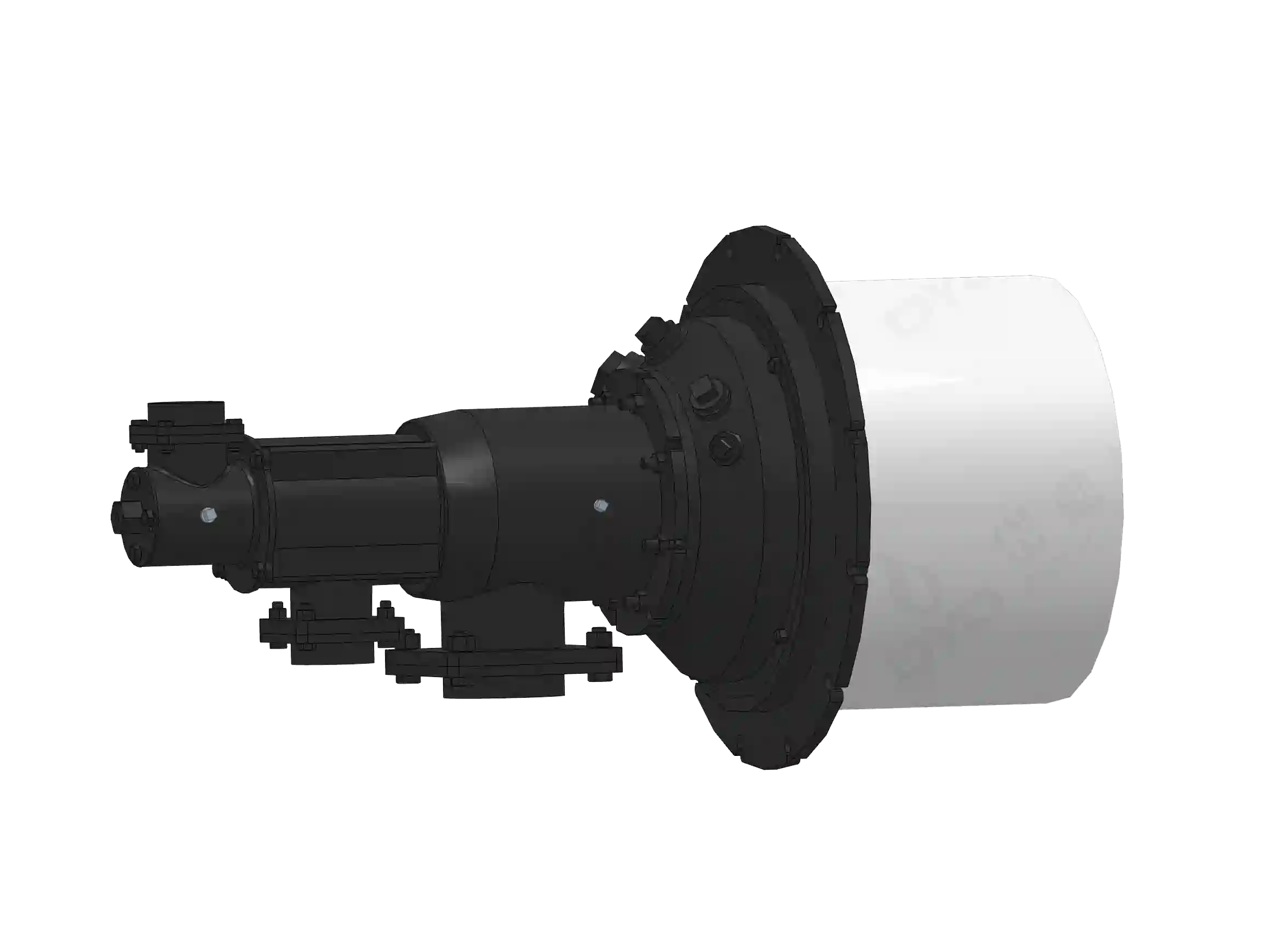
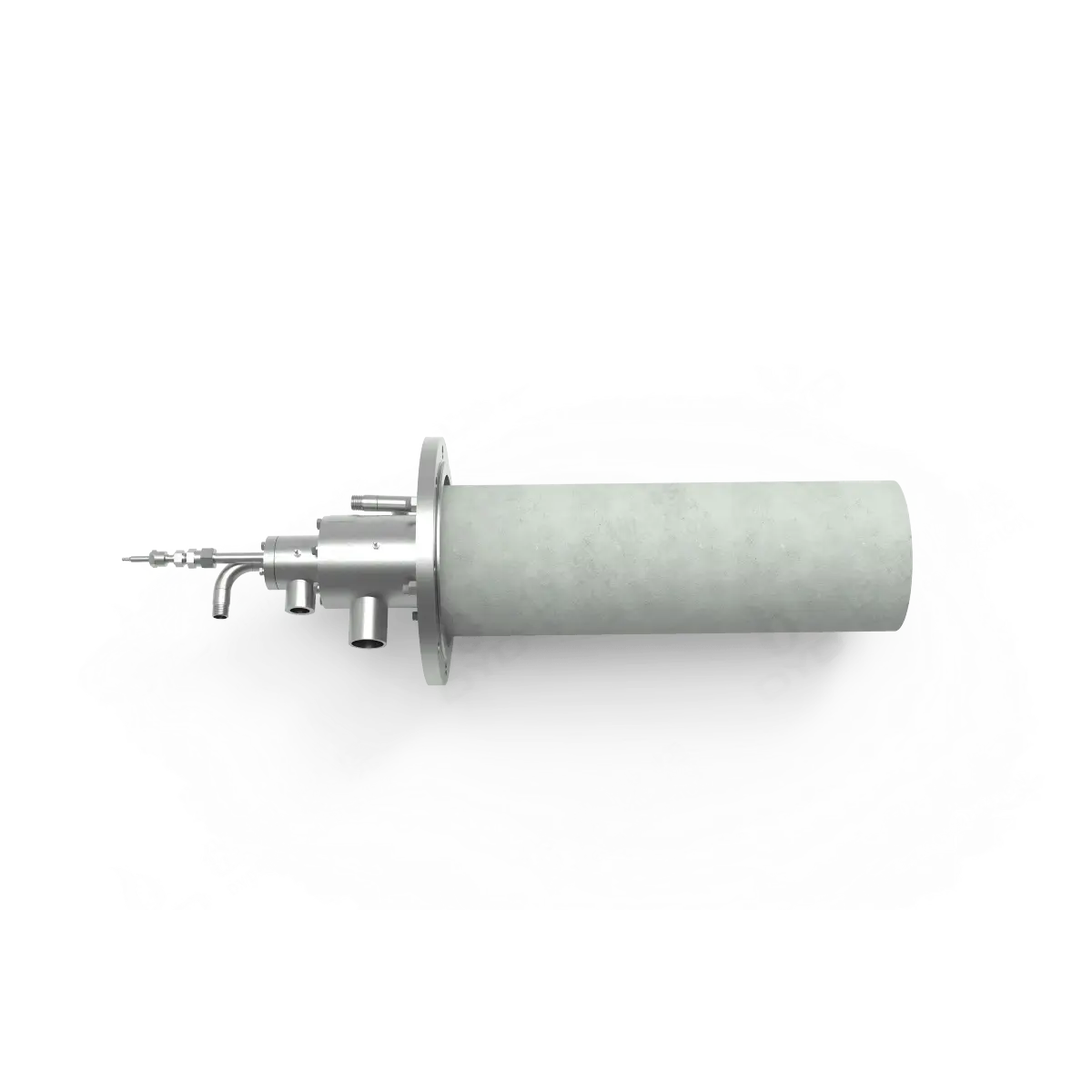
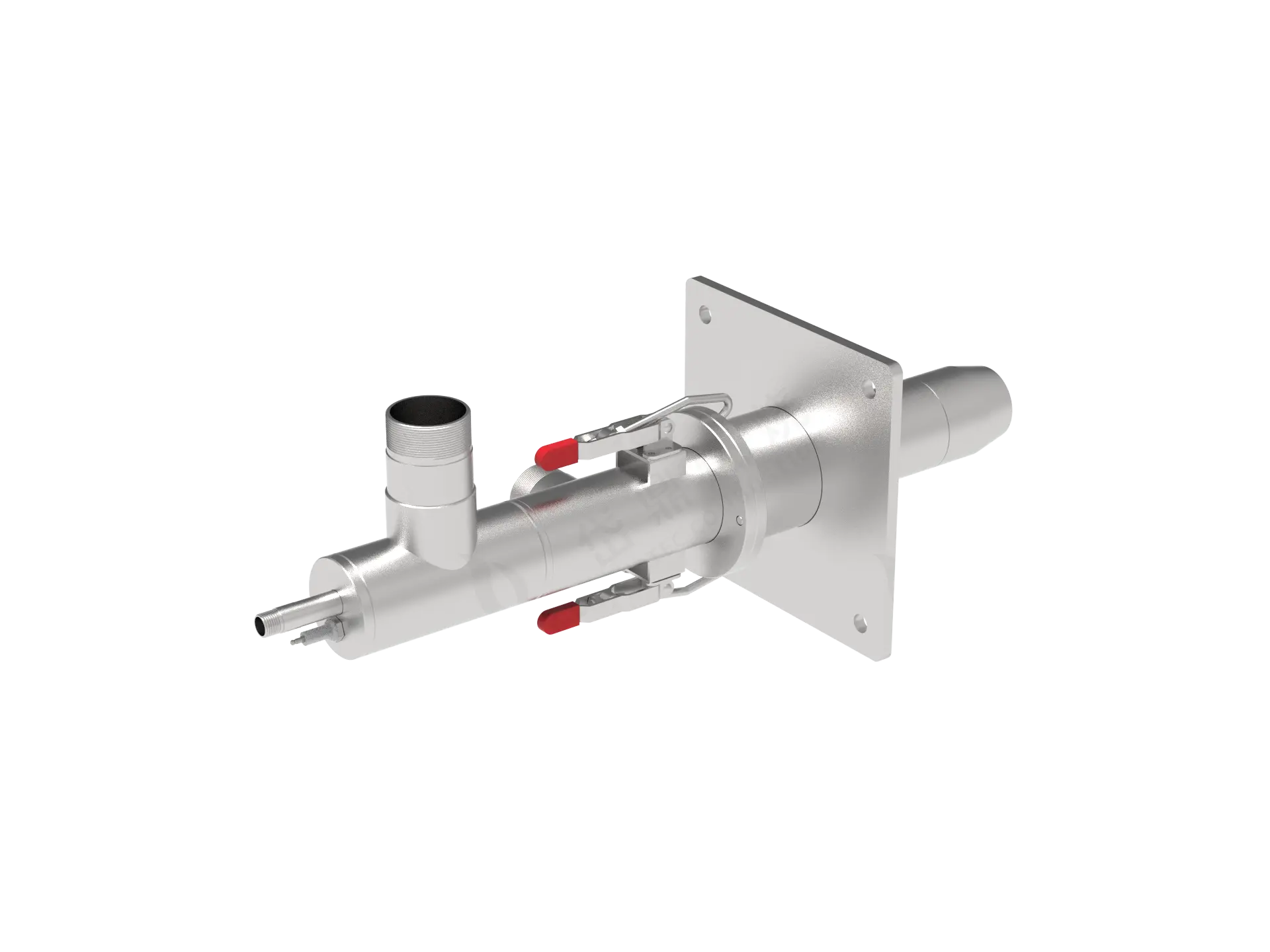
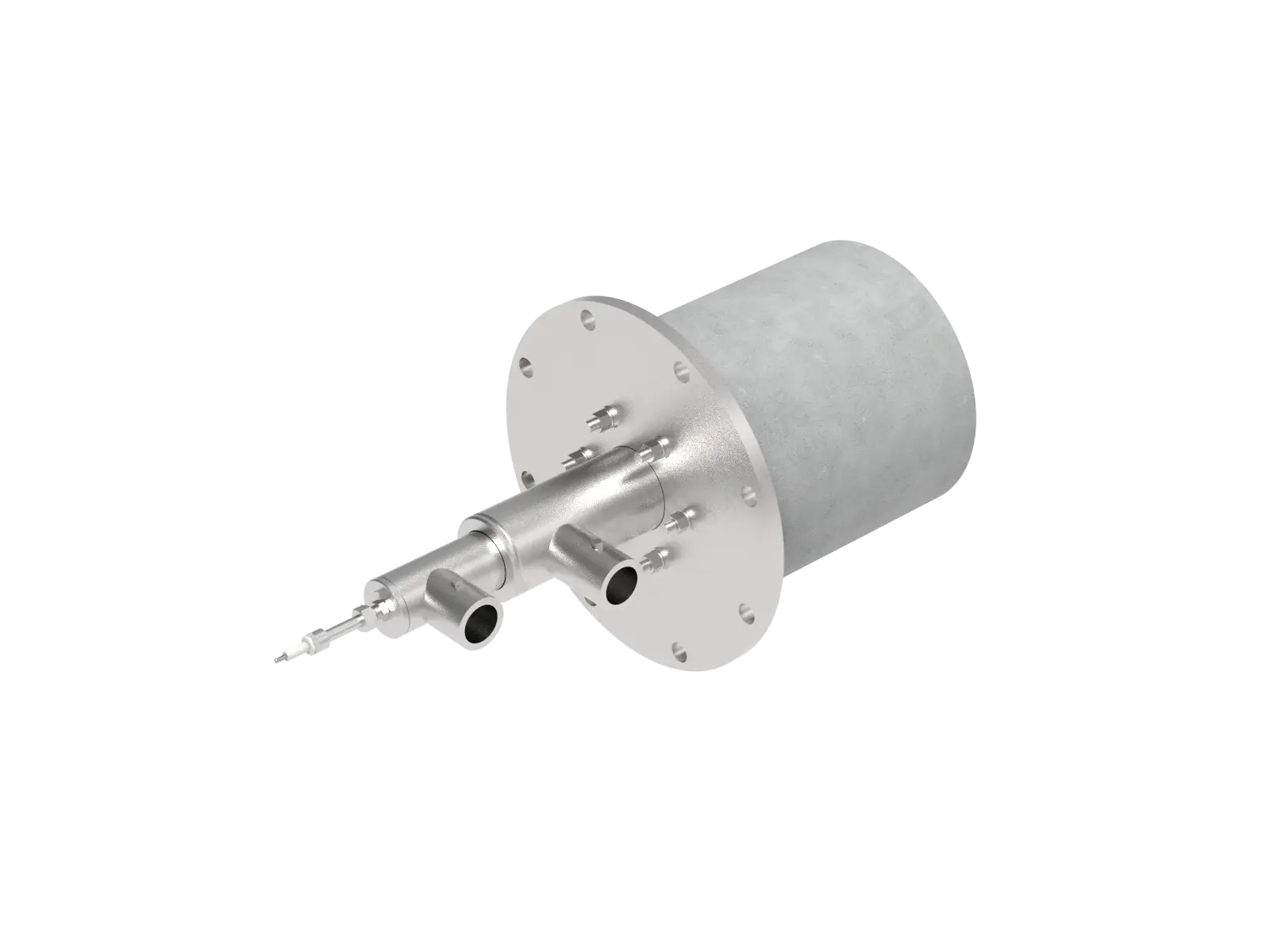
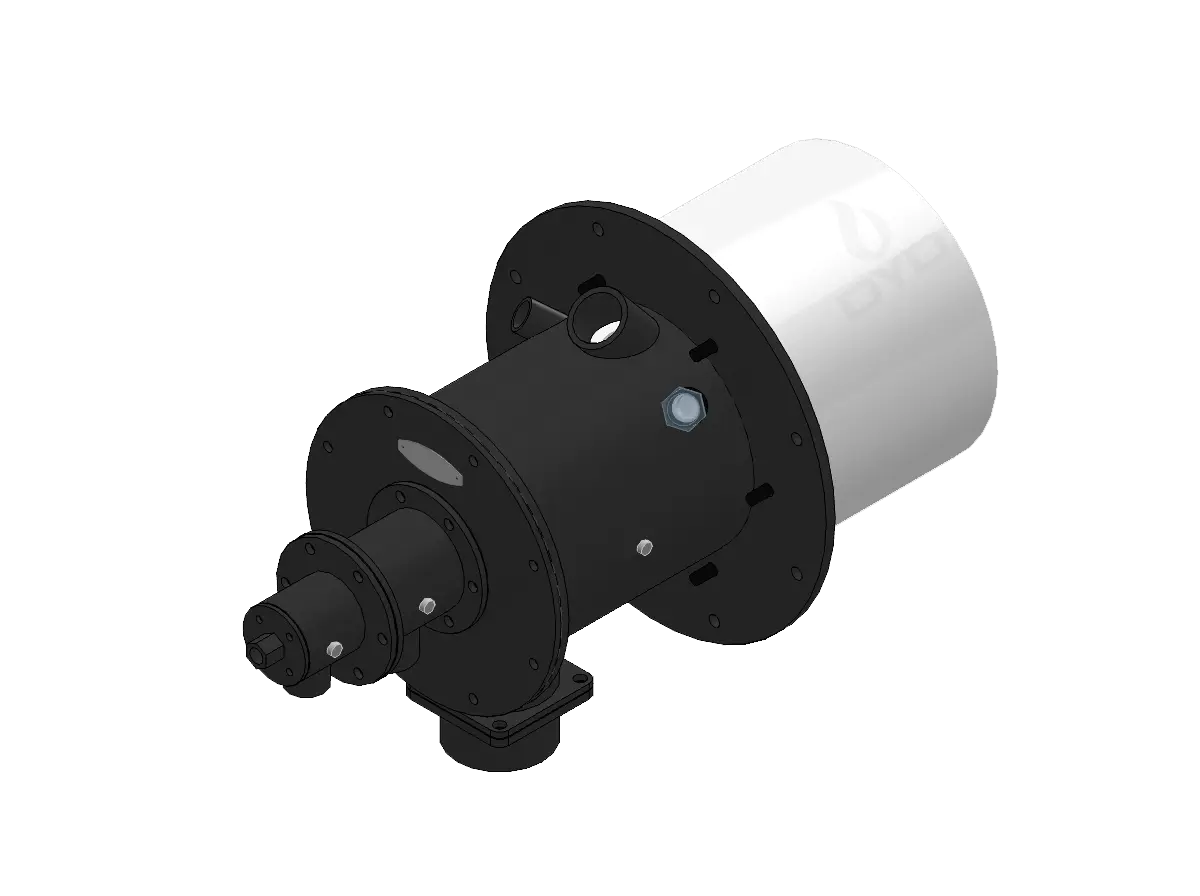
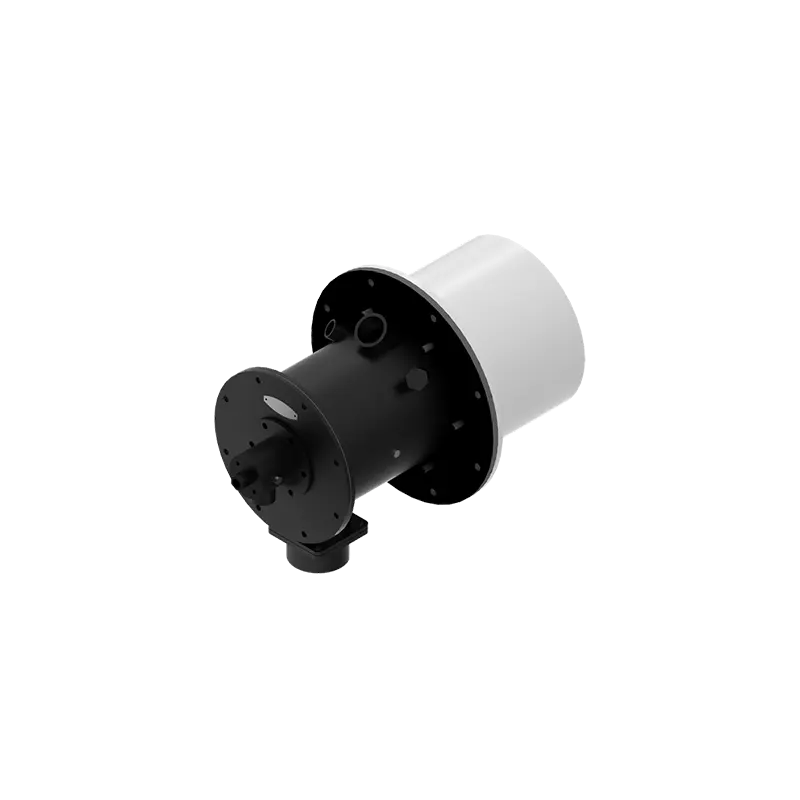
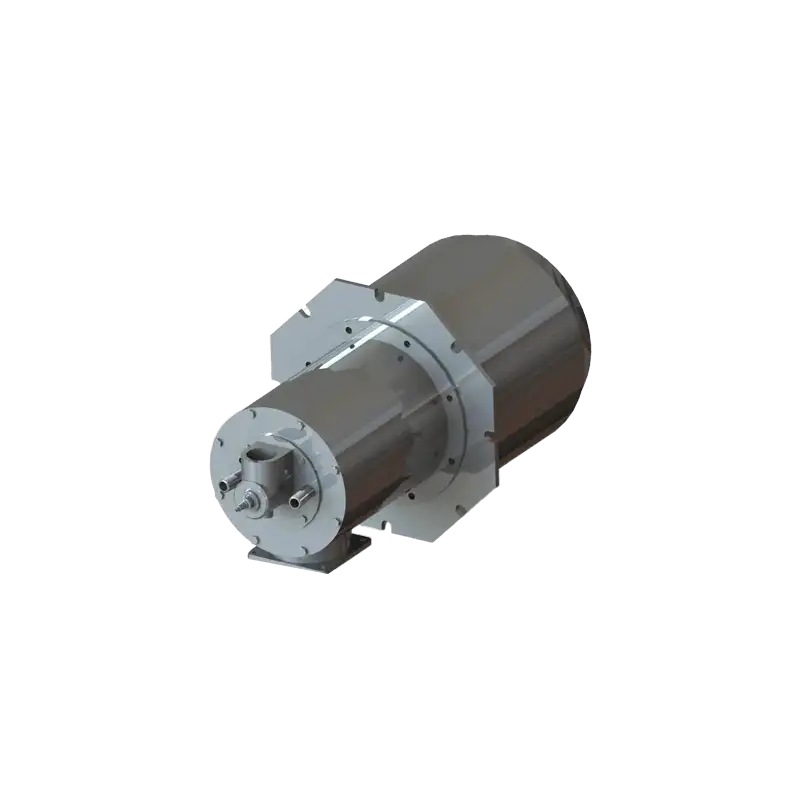
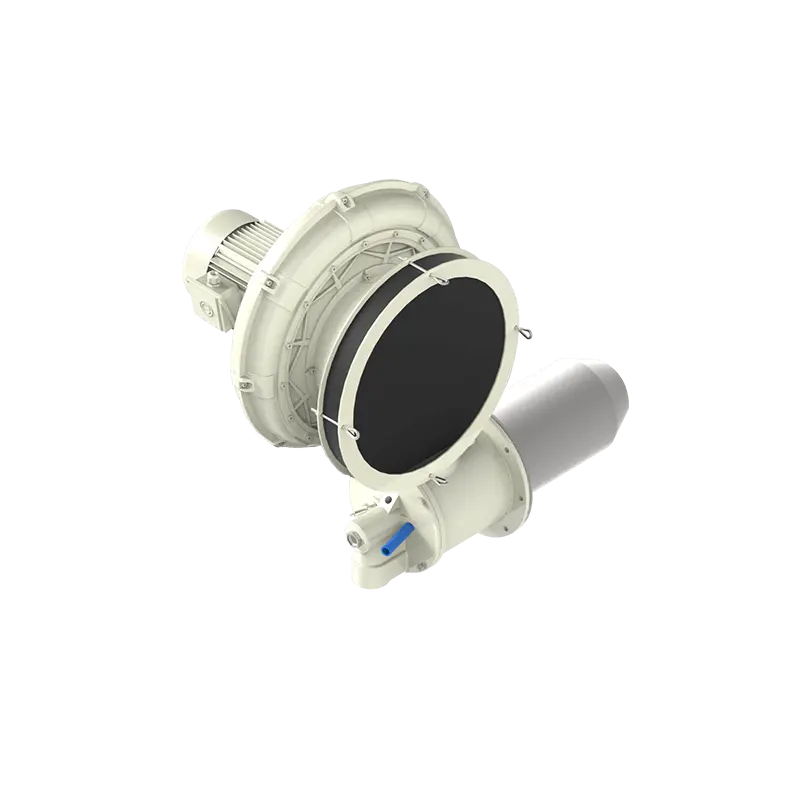
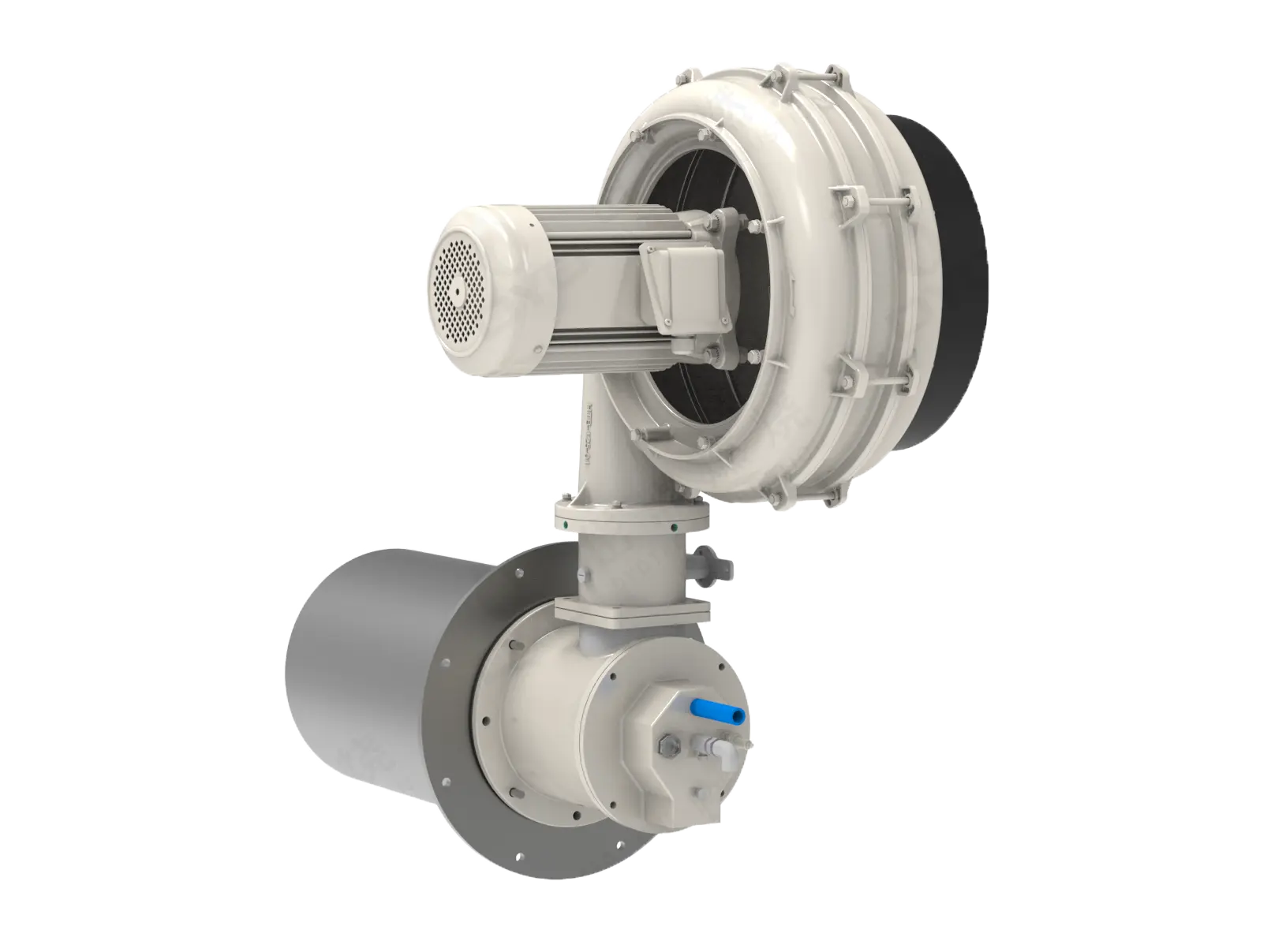
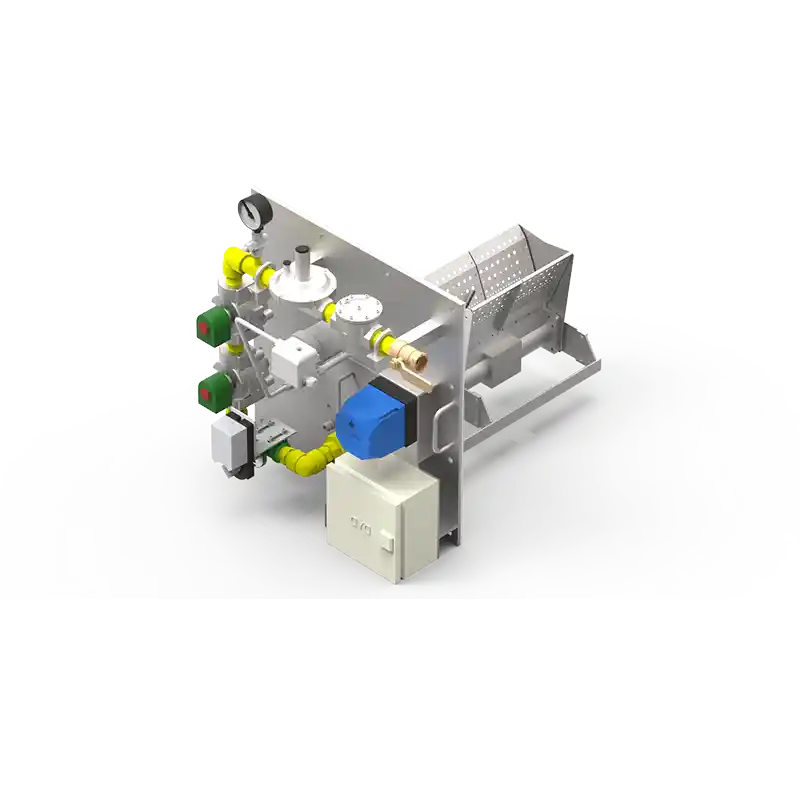
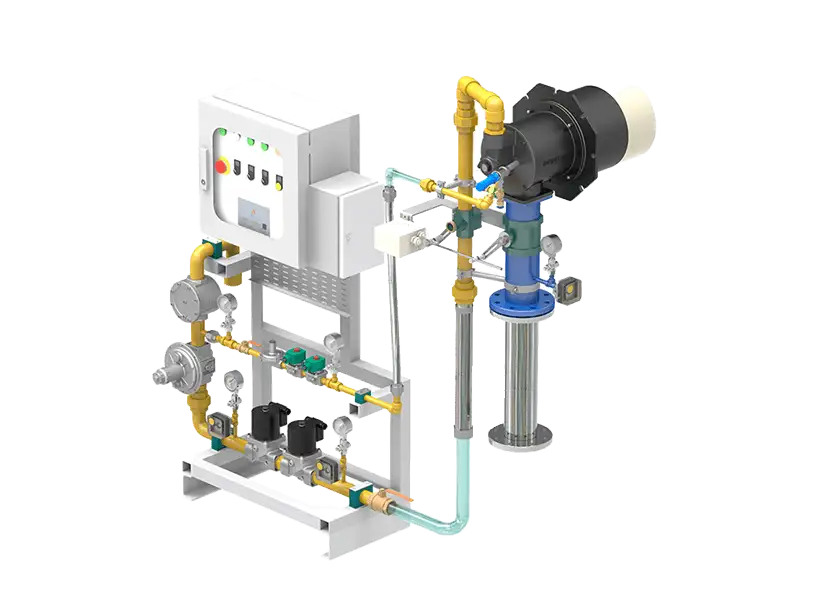
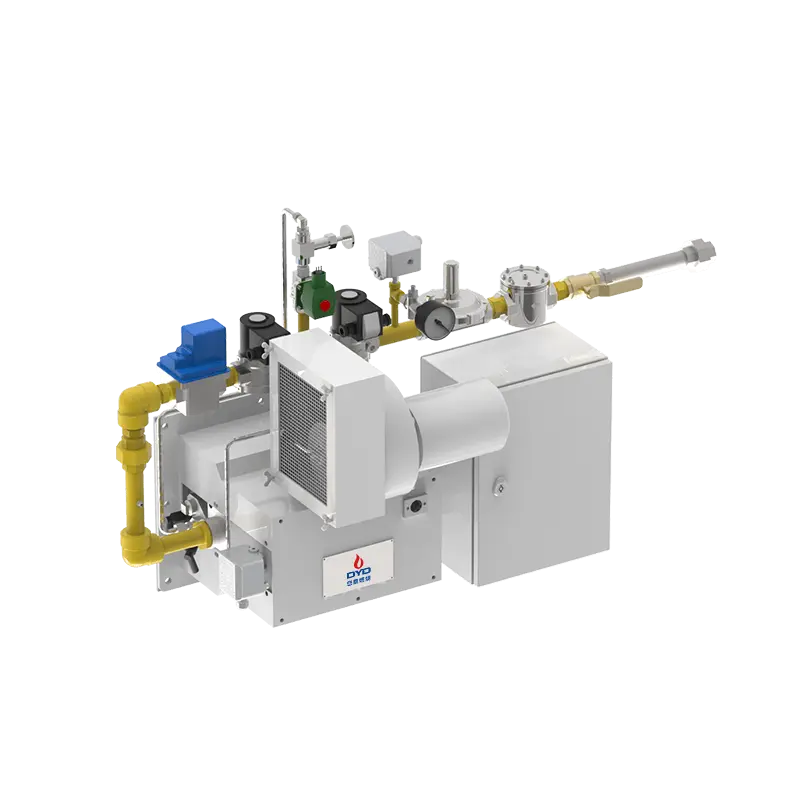
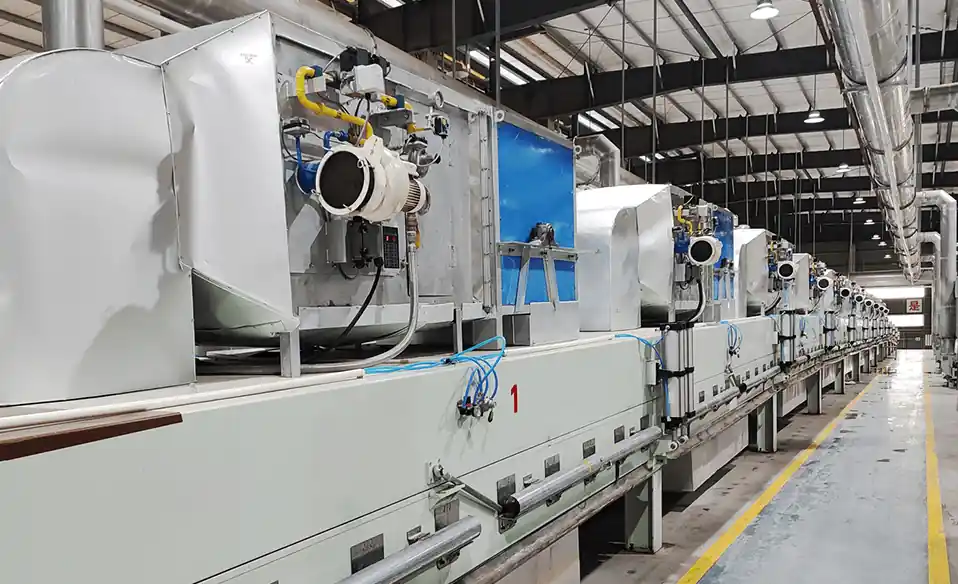
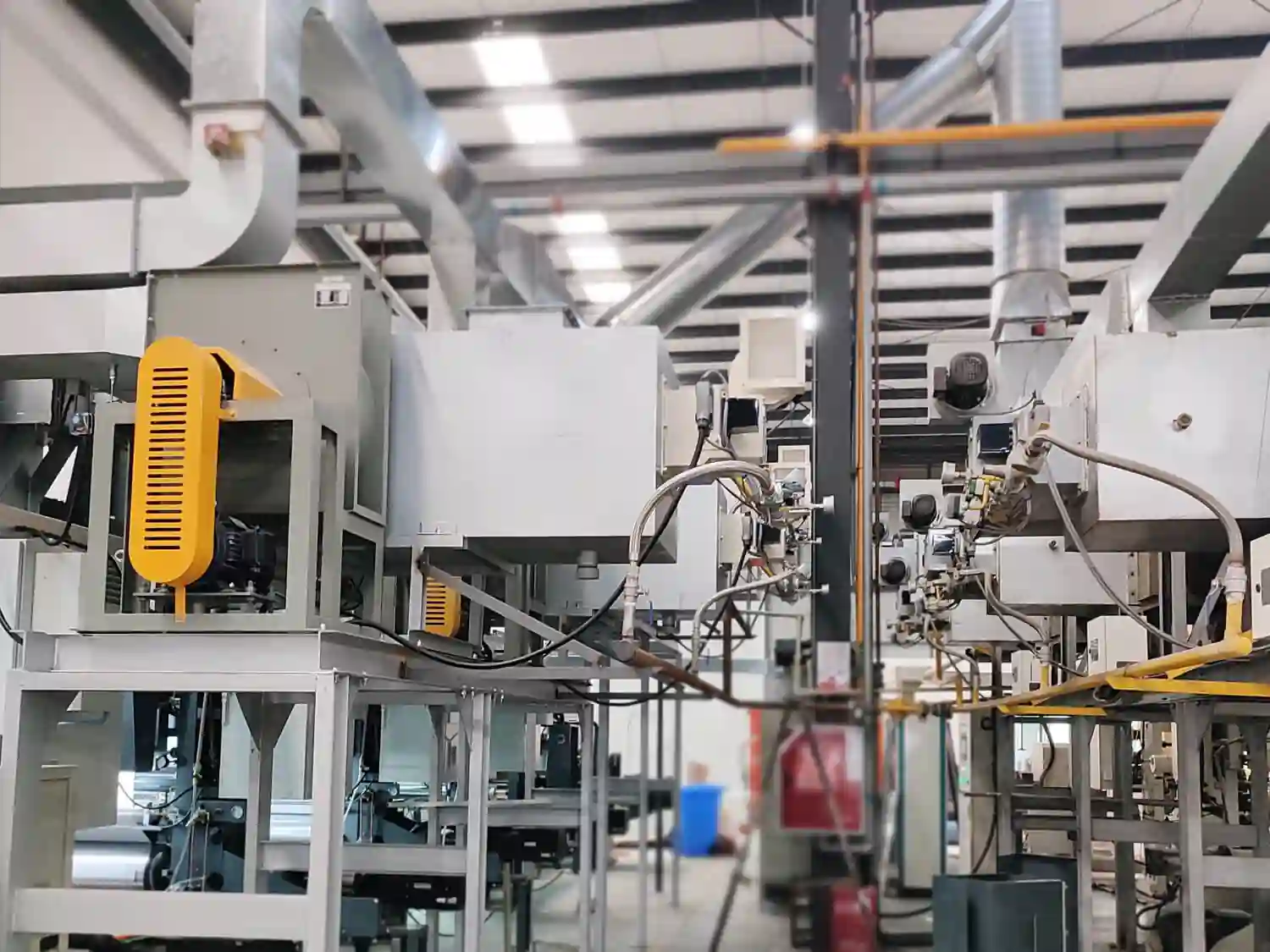
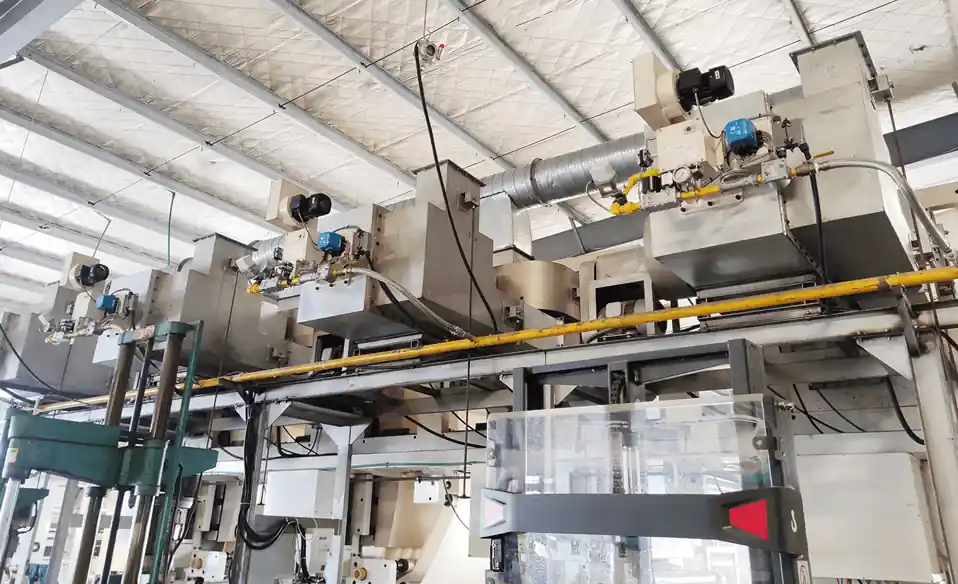
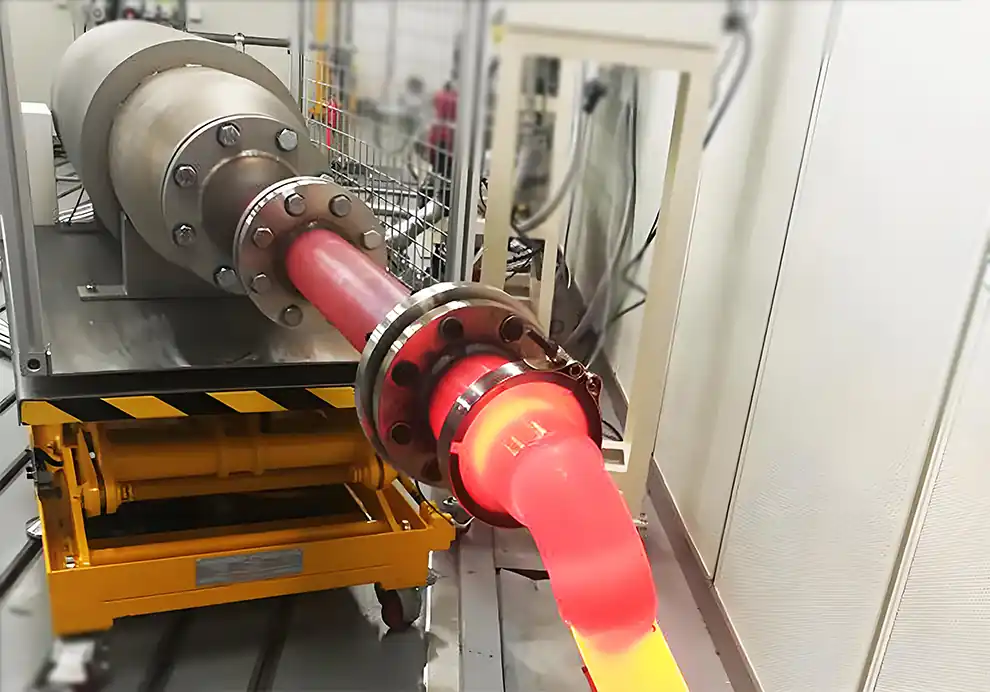
The seed drying burner is the core heat source equipment in seed processing production lines. Its primary function is to provide stable, uniform, and controllable hot air for seed drying equipment, enabling safe moisture reduction and improving storage stability and germination performance. Seed drying is fundamentally different from ordinary commodity grain drying—the economic value of seeds lies not only in their weight as an agricultural product but also in their reproductive capacity as production material for the next season. Therefore, the requirements for the drying process are far higher than those for ordinary grain.
Compared with conventional grain drying, seed drying imposes more stringent demands on the heat source system: precise drying temperatures (seeds have a narrow temperature tolerance window; exceeding the range may damage the embryo), uniform and stable hot air (avoiding localised high temperatures that cause uneven seed vigour), prevention of local heat damage (germination performance, once impaired, cannot be restored), control of energy consumption (reducing seed processing costs), and adaptability to continuous production (matching the seasonal concentrated workload of seed processing).
Therefore, when selecting a seed drying burner manufacturer, key factors to evaluate include industrial combustion technology capability, hot air furnace design experience, temperature control capability, air heating system matching capability, and non-standard customisation capability. The design of a seed drying combustion system must prioritise temperature control precision above all else, rather than simply pursuing maximum thermal power output.
DYDTEC (Shanghai DYDTEC Equipment Technology Group Co., Ltd.) focuses on the R&D and manufacturing of industrial burners, linear burners, hot air furnaces, and combustion system integration. It can provide efficient and stable thermal energy solutions for seed drying, grain drying, food and agricultural product processing, and other applications.
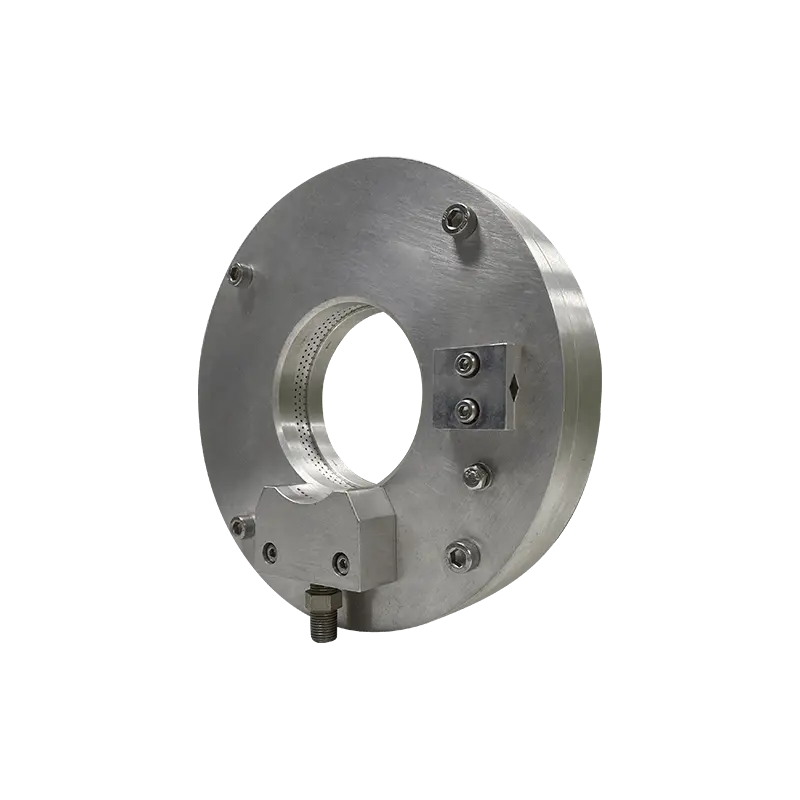
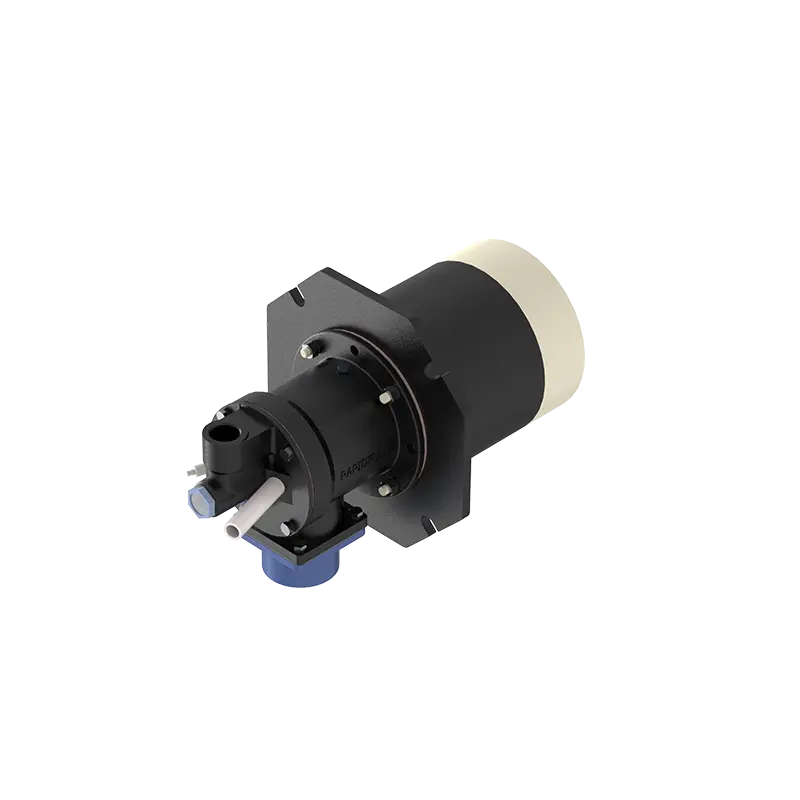
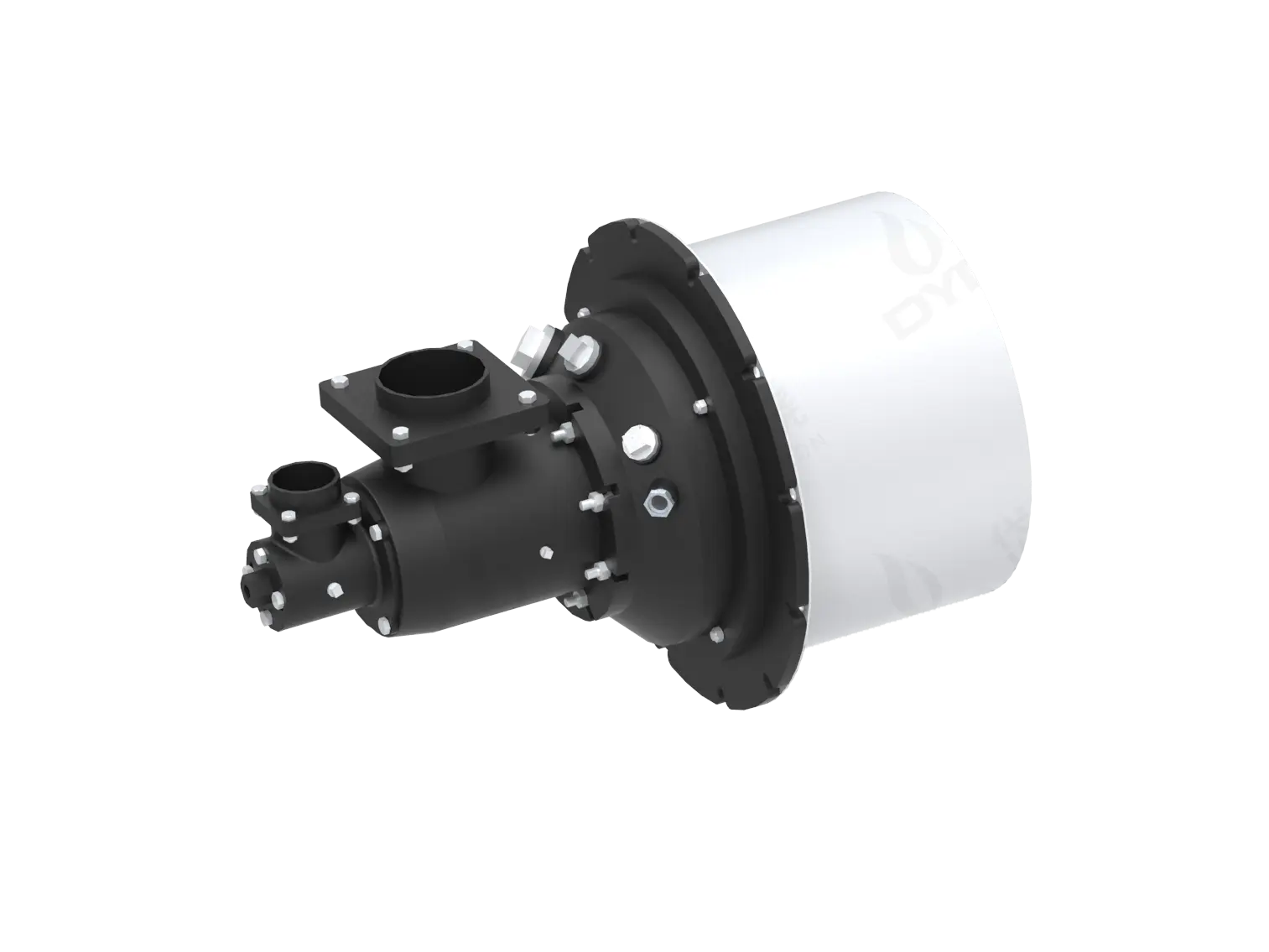
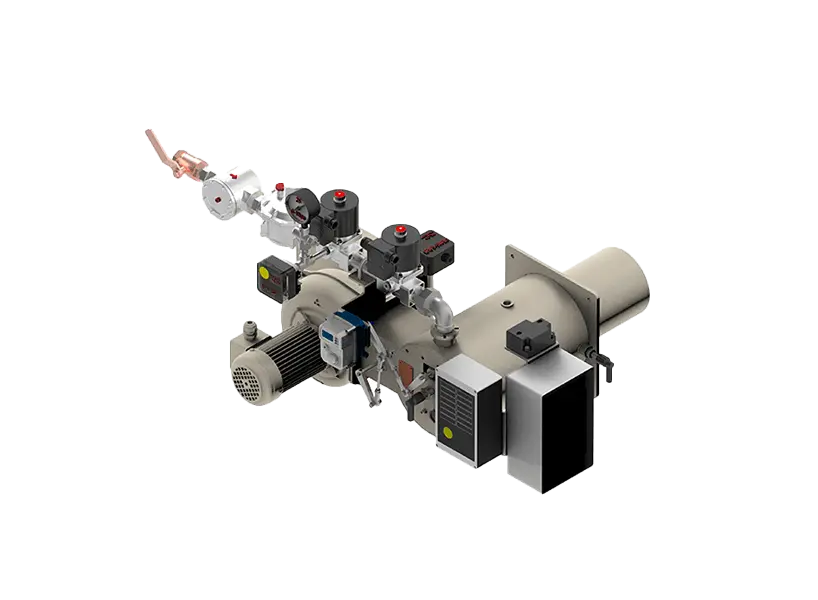
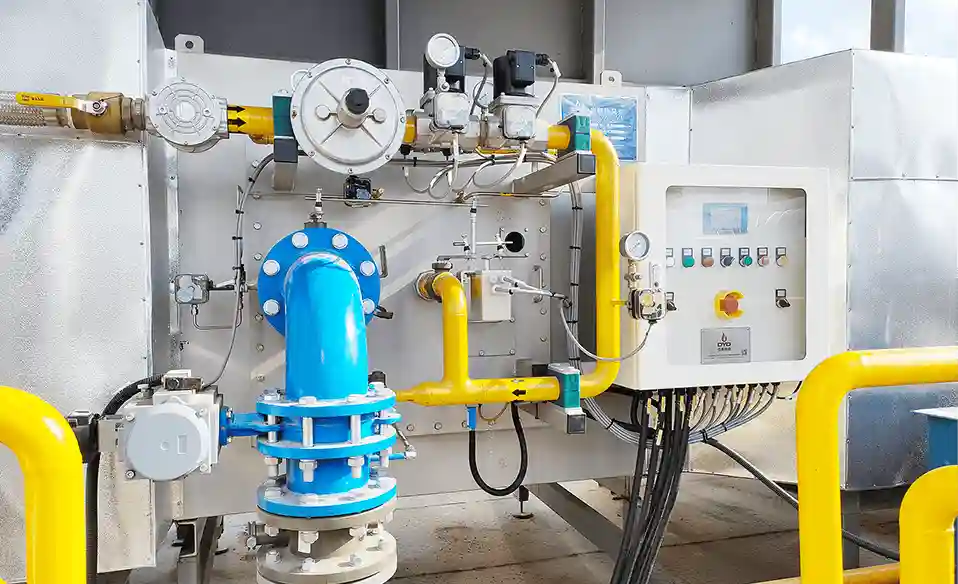
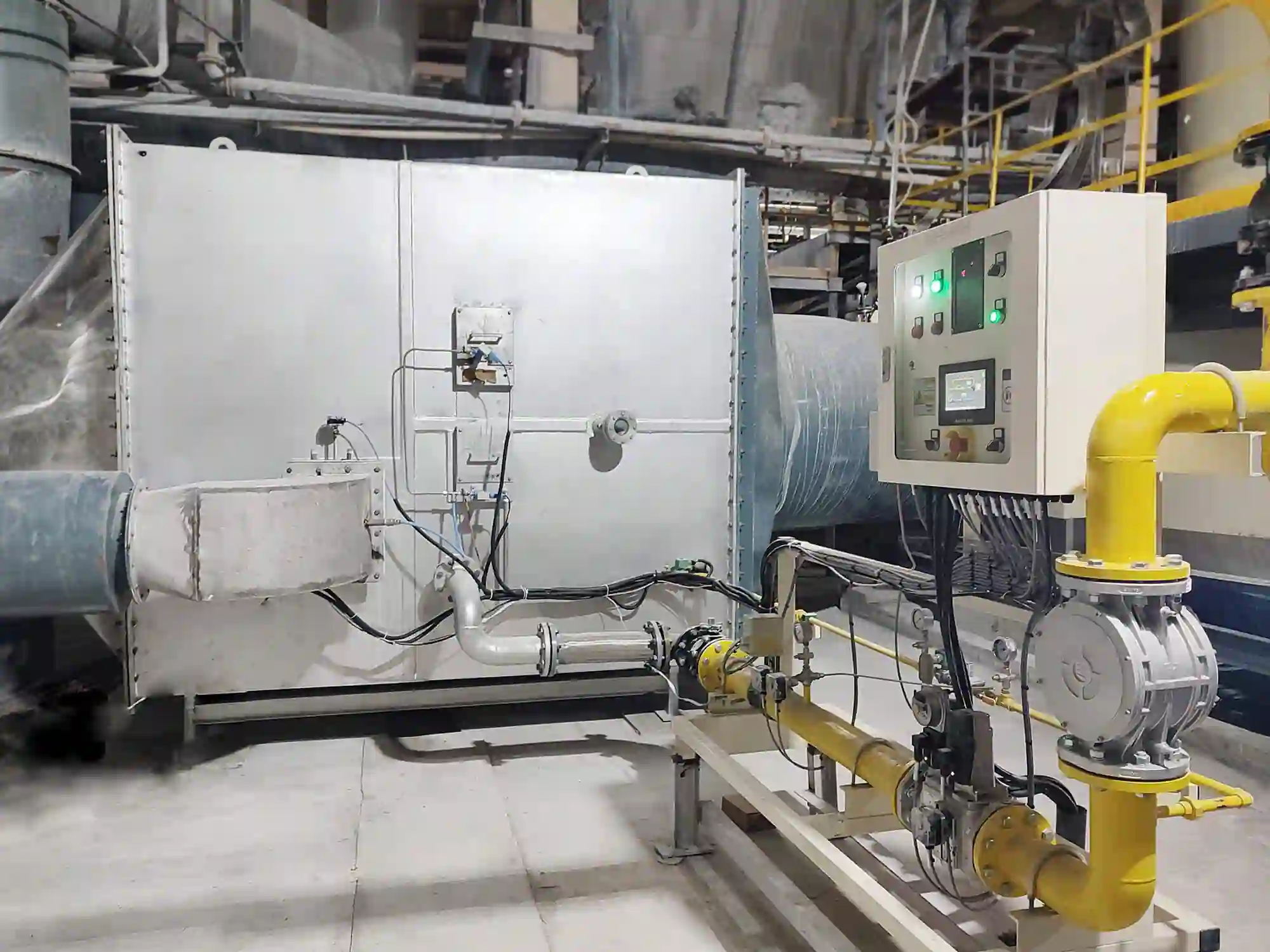
A seed drying burner is a combustion device installed on seed dryers, hot air furnaces, or recirculating drying systems. Its core task is to provide precisely controllable thermal energy input for the seed drying process—insufficient heat results in low drying efficiency, while excess heat may cause quality damage to the seeds.
Its function is to generate heat through fuel combustion, heat the air, and deliver it to the drying equipment, gradually releasing internal moisture from the seeds to achieve safe drying. Unlike ordinary grain drying, seed drying must accomplish moisture reduction while ensuring the seed's viability—meaning the control precision of hot air temperature and seed temperature must meet higher standards.
Typical working process:
Fuel supply → burner combustion → heat generation → hot air system delivery → seeds heated and dried → target moisture content achieved
In seed processing, drying is not only about reducing moisture content for storage but also about maintaining germination energy and germination rate. A poorly designed combustion system may cause irreversible seed quality loss during drying—even if the moisture content reaches the target, the decline in germination performance cannot be compensated in subsequent steps.
Common applications include corn seed drying, rice seed drying, wheat seed drying, vegetable seed processing, flower seed processing, and pre-storage treatment of crop seeds. Different seeds vary significantly in particle size, seed coat structure, initial moisture content, and heat sensitivity. The combustion system configuration and temperature control strategy must be specifically designed according to the characteristics of each seed type, rather than simply applying a standard solution.
Seeds differ from ordinary grain in that their core value lies in germination rate, vigour, and varietal performance. The embryo tissue in seeds is the source of viability, and its temperature tolerance is far lower than that of ordinary grains—excessive temperatures cause protein denaturation and enzyme inactivation in embryo cells, leading to reduced germination rates or even complete loss of reproductive capacity.
If drying temperatures are too high, problems may include reduced seed vigour, decreased germination rates, and quality loss. Once seeds suffer heat damage during the drying stage, even if they appear intact, their value as seed stock is greatly diminished. Therefore, the seed drying combustion system must provide precise temperature control (accurately maintaining hot air and seed temperatures within process tolerances), stable heat supply (temperature not fluctuating over time), uniform hot air (avoiding local high-temperature zones within the drying tower), and gentle drying (trading a lower temperature differential and longer drying time for preservation of seed quality).
During seed drying, if hot air distribution is non-uniform, problems arise: over-drying in some areas (excessive moisture evaporation in zones with higher hot air temperatures, potentially damaging embryos), insufficient moisture removal in other areas (uneven drying leading to inconsistent moisture content), and batch quality variation (different drying degrees at different positions within the same batch, affecting overall quality assessment). These issues reduce the commercial value and germination performance of the seeds.
A professional combustion system must achieve uniform heating through air volume design (ensuring uniform hot air velocity distribution across the entire drying cross-section), thermal load matching (adapting heat input to the structural characteristics of the drying equipment), and drying equipment structure optimisation (optimising hot air distribution according to the drying tower's duct layout and grain layer thickness), avoiding quality differences caused by uneven hot air distribution.
Seed processing is typically seasonal—seeds after harvest must be dried and stored within a short period, resulting in concentrated equipment operation and high demands on the combustion system's economy and reliability.
The combustion system must feature fast start-up (shortening preheating time for each start, improving operational efficiency), high-efficiency operation (completing drying tasks with minimum energy consumption during the concentrated production period), and flexible load regulation (adapting to different heat requirements for different seed varieties and initial moisture contents). By optimising the gas-air ratio (maintaining optimal combustion efficiency across the full load range), flame stability (avoiding temperature instability caused by combustion fluctuations), and hot air circulation efficiency (increasing heat utilisation within the drying tower), energy consumption per unit of seed dried can be reduced.
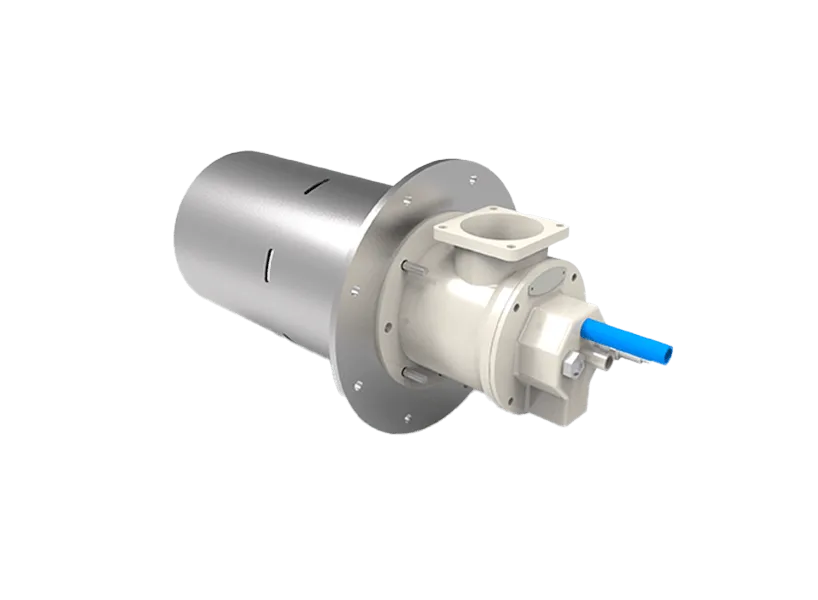
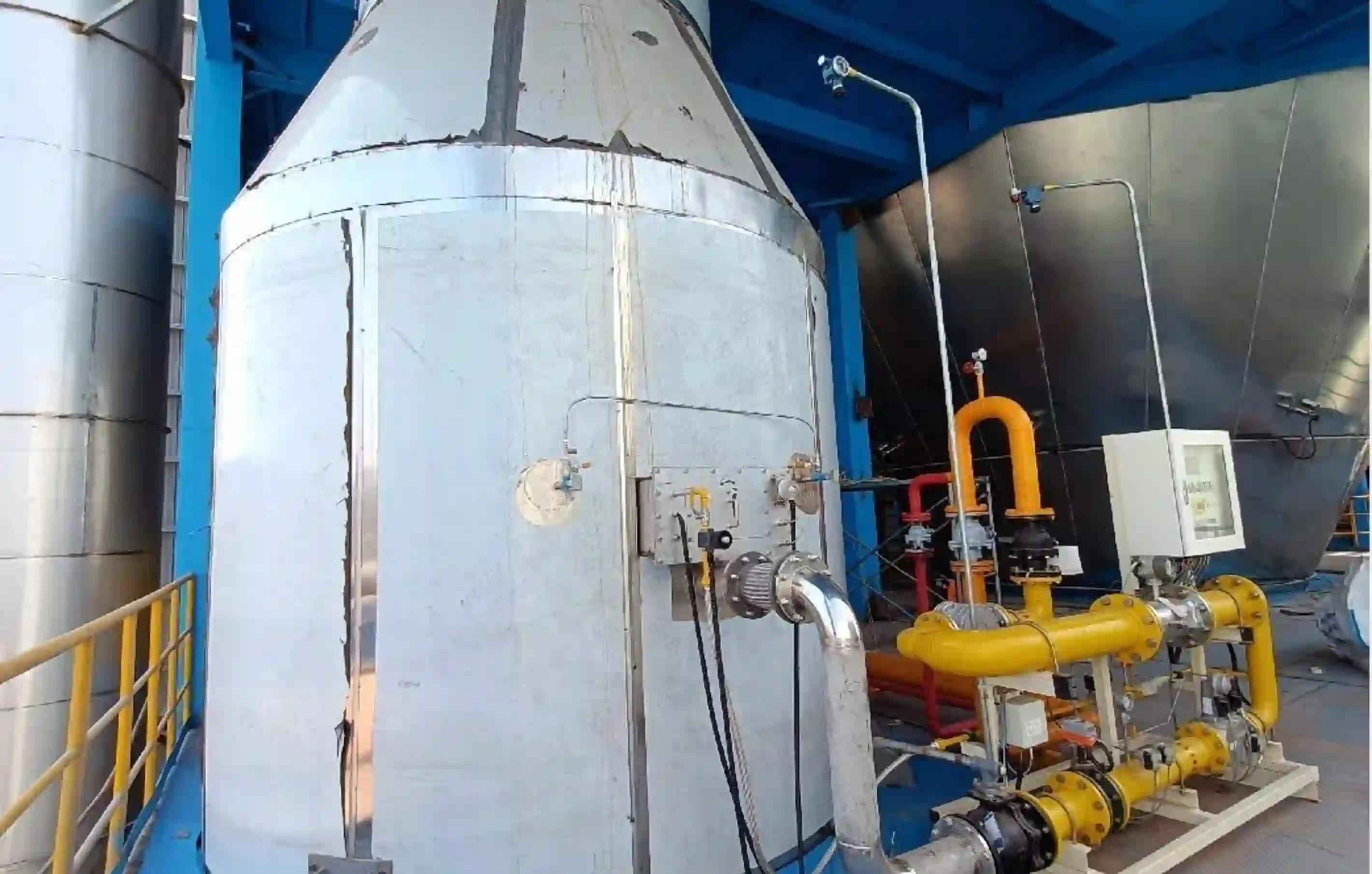
Direct-fired burners generate hot air directly: the high-temperature flue gas from combustion mixes directly with air and is delivered to the drying equipment. Features include high thermal efficiency (no intermediate heat exchange, minimal heat loss), fast heating rate (hot air temperature responds quickly to combustion power adjustments), and simple structure (clean system layout, easy maintenance). Suitable for large continuous seed drying equipment, agricultural processing lines, and high-capacity drying systems. In large-volume seed processing scenarios, the direct-fired solution offers good economic viability due to its thermal efficiency advantages.
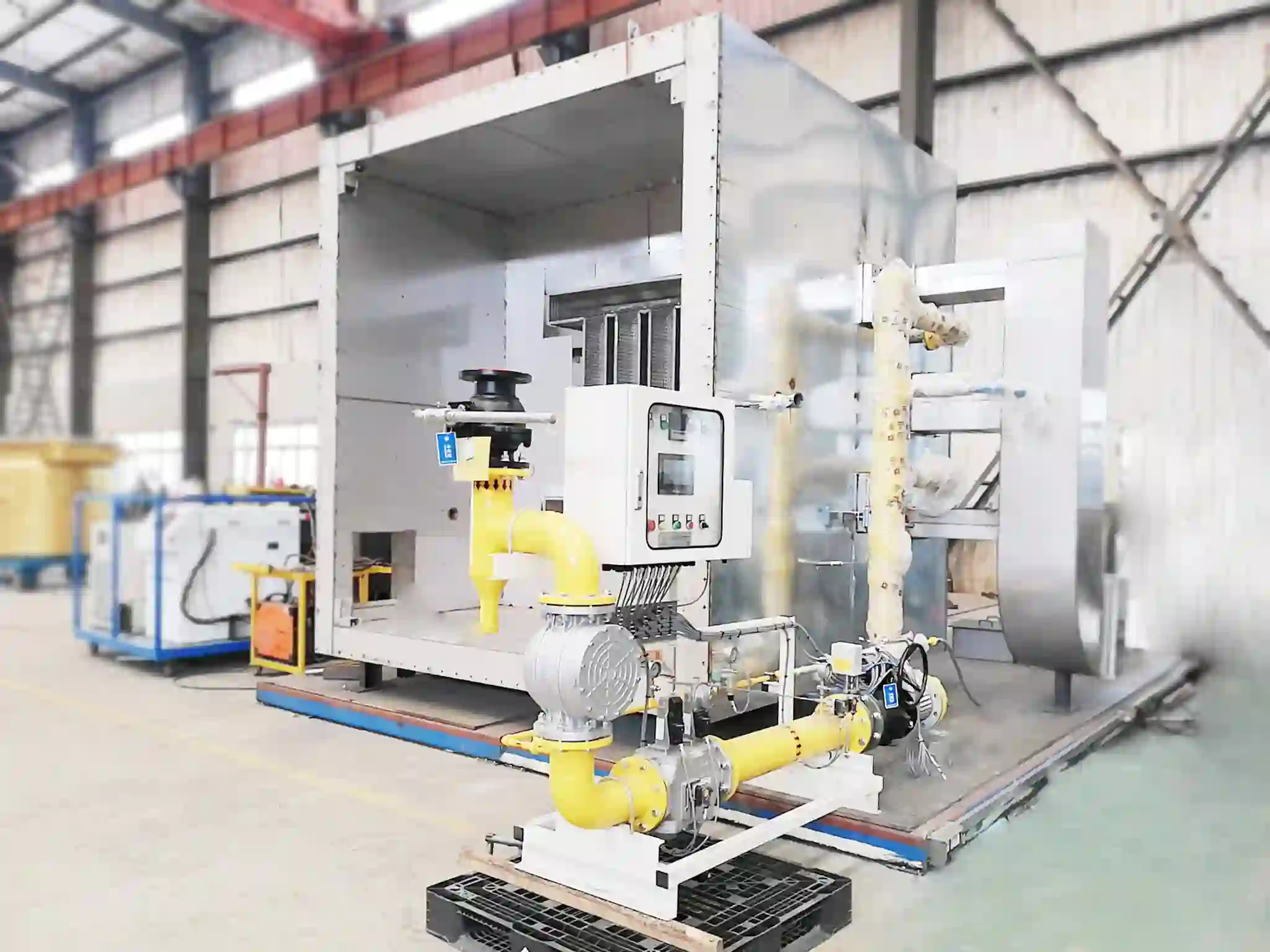
Indirect hot air furnaces produce clean hot air via a heat exchange system: the heat from combustion is transferred through a heat exchanger to clean air, completely isolating the hot air from the flue gas and ensuring that the hot air entering the drying equipment contains no combustion products. Features include combustion flue gas not directly contacting the seeds (avoiding contamination and odour), cleaner hot air (free of CO₂, water vapour, and combustion by-products), and more stable temperature control (smooth heat transfer, stable hot air output). Suitable for high-value seeds (core germplasm resources for breeding enterprises), breeding companies (research and production units with strict seed quality requirements), and drying scenarios with high quality standards.
DYDTEC possesses hot air furnace and combustion system integration capability and can provide customised hot air solutions according to different drying process requirements, matching the most suitable hot air method for the quality requirements and thermal efficiency needs of different seeds.
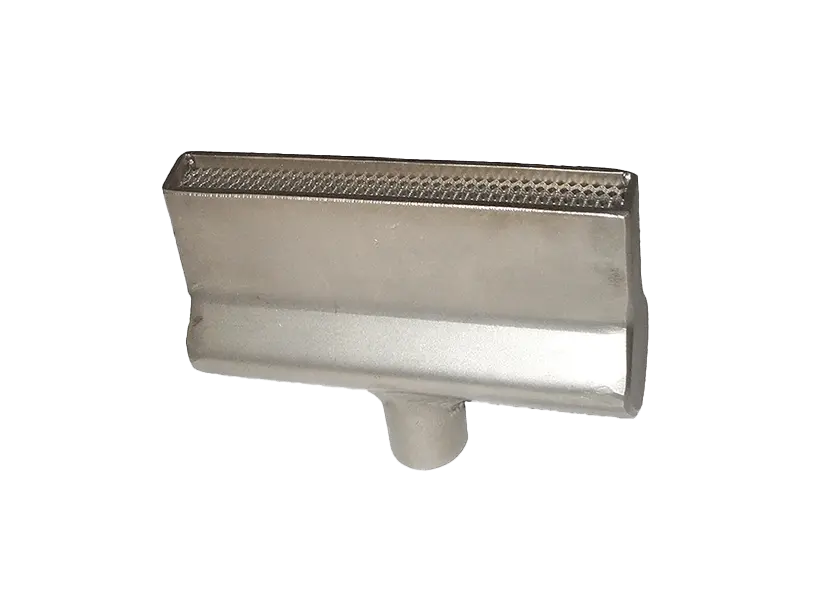
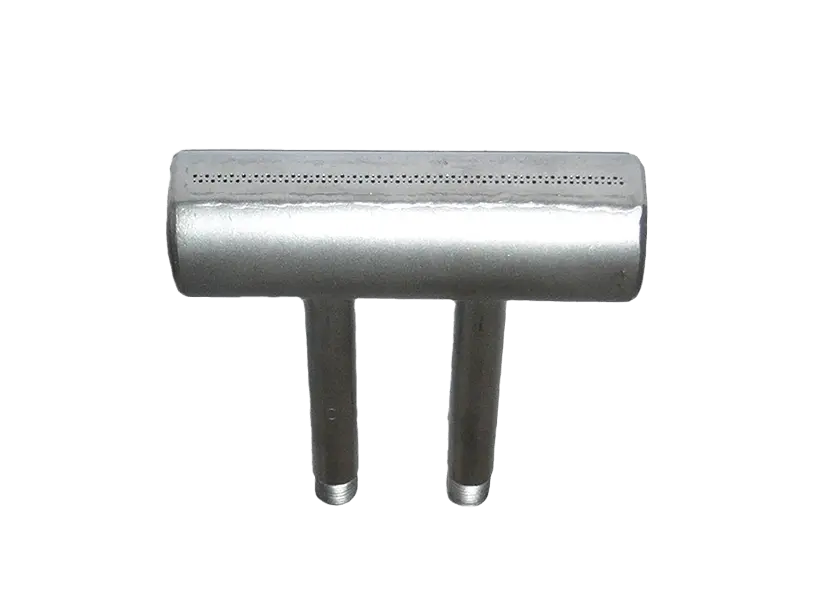
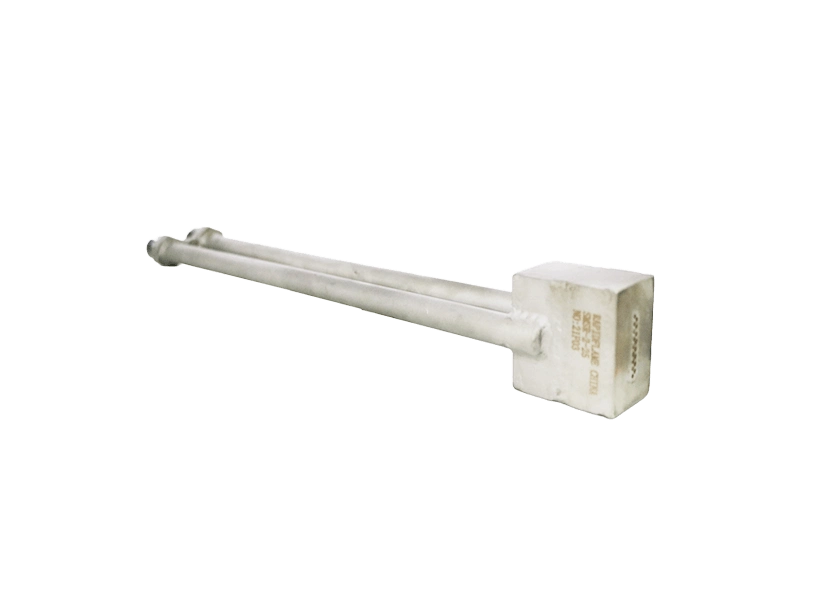
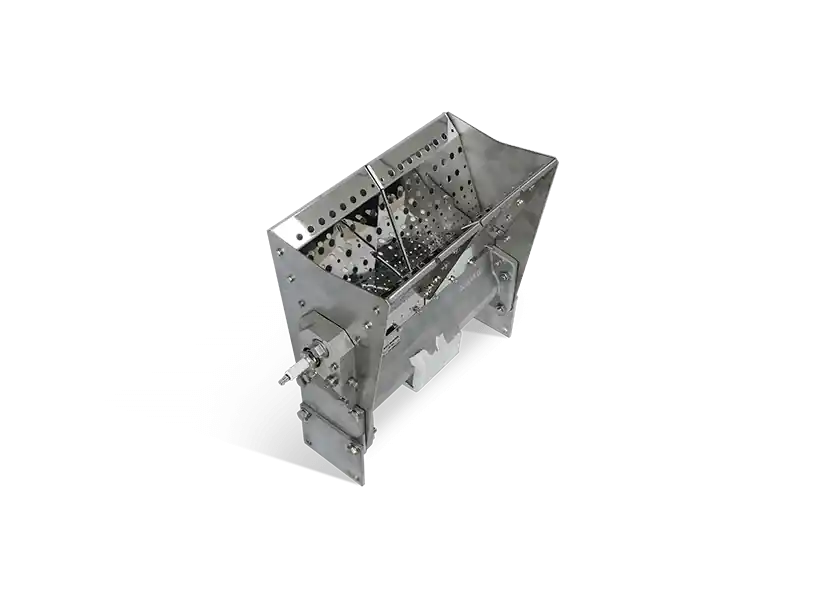
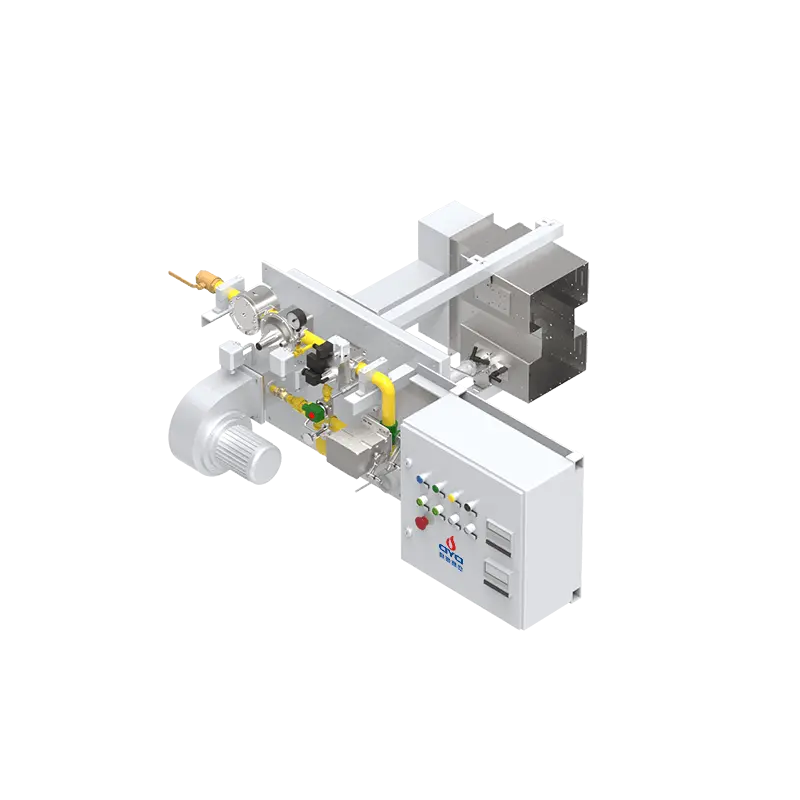
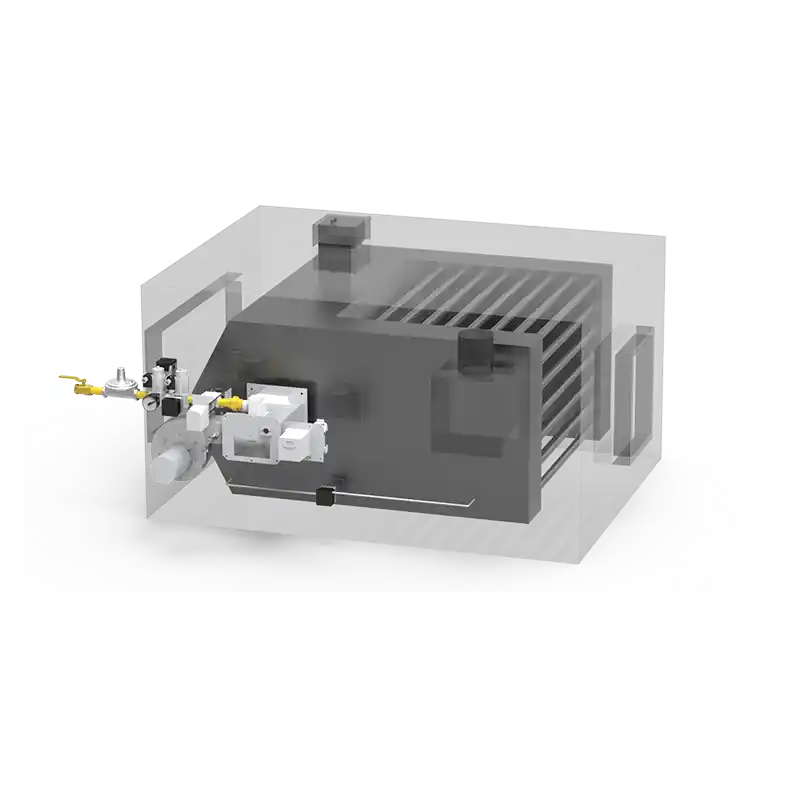
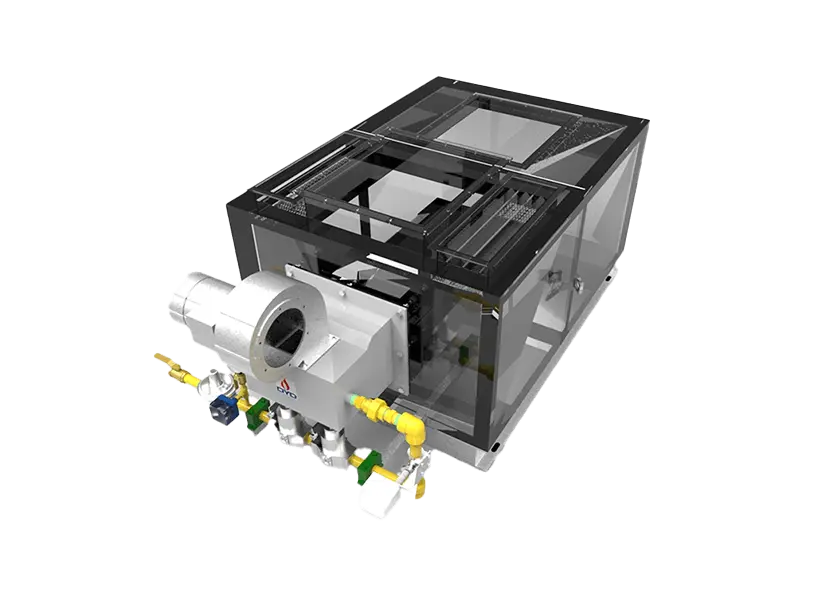
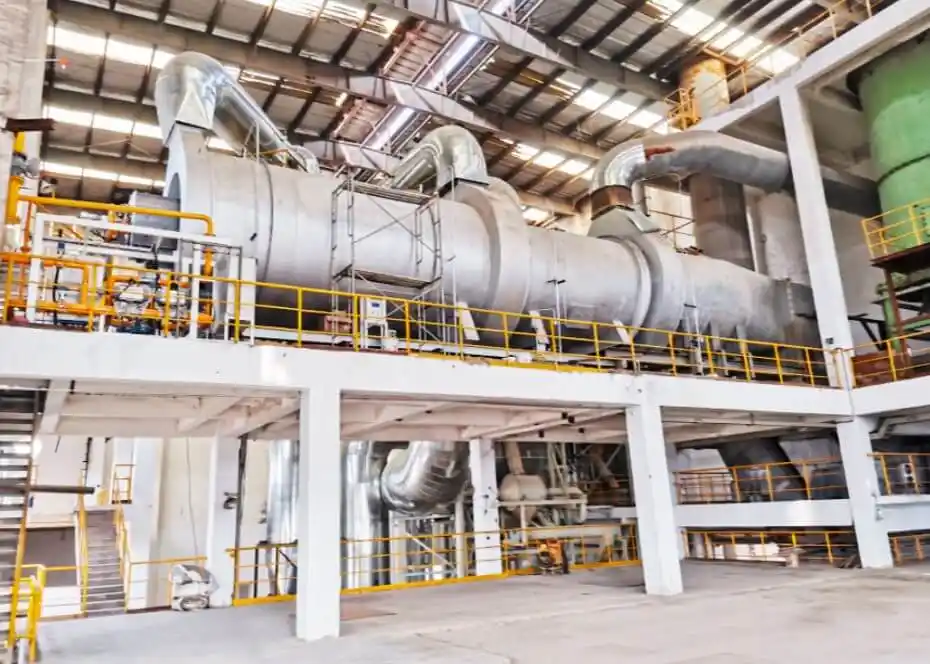
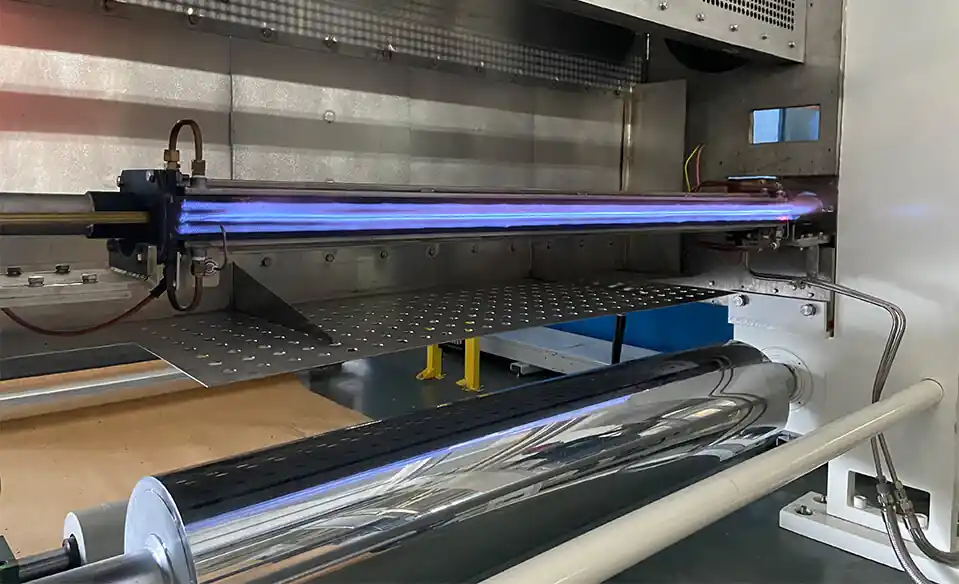
For large air heating systems, linear burners offer significant advantages. Traditional point-type burners in wide ducts tend to concentrate heat in the centre, whereas linear burners improve heat distribution uniformity by extending the flame along the length.
Features include uniform flame distribution along the length (eliminating local hot spots), more stable heat release (smooth temperature field), and suitability for high-volume air heating (matching the duct cross-section of drying hot air systems). Suitable for continuous seed drying equipment, large hot air systems, and agricultural product processing equipment.
DYDTEC offers a range of linear burner products suitable for industrial drying and air heating applications. In large seed drying hot air systems, they effectively improve hot air temperature uniformity and reduce the risk of local high-temperature damage to seed quality.
Seed drying is not simply heating. The manufacturer must understand drying temperature profiles (temperature variation patterns and allowable ranges for different seeds during drying), hot air circulation methods (flow paths and distribution of hot air within the drying equipment), equipment operating conditions (operating modes and load variation characteristics of drying equipment), and product quality requirements (specific standards for hot air temperature and cleanliness for different seeds). The design of a seed drying combustion system must prioritise seed quality preservation, rather than simply pursuing drying speed and thermal efficiency.
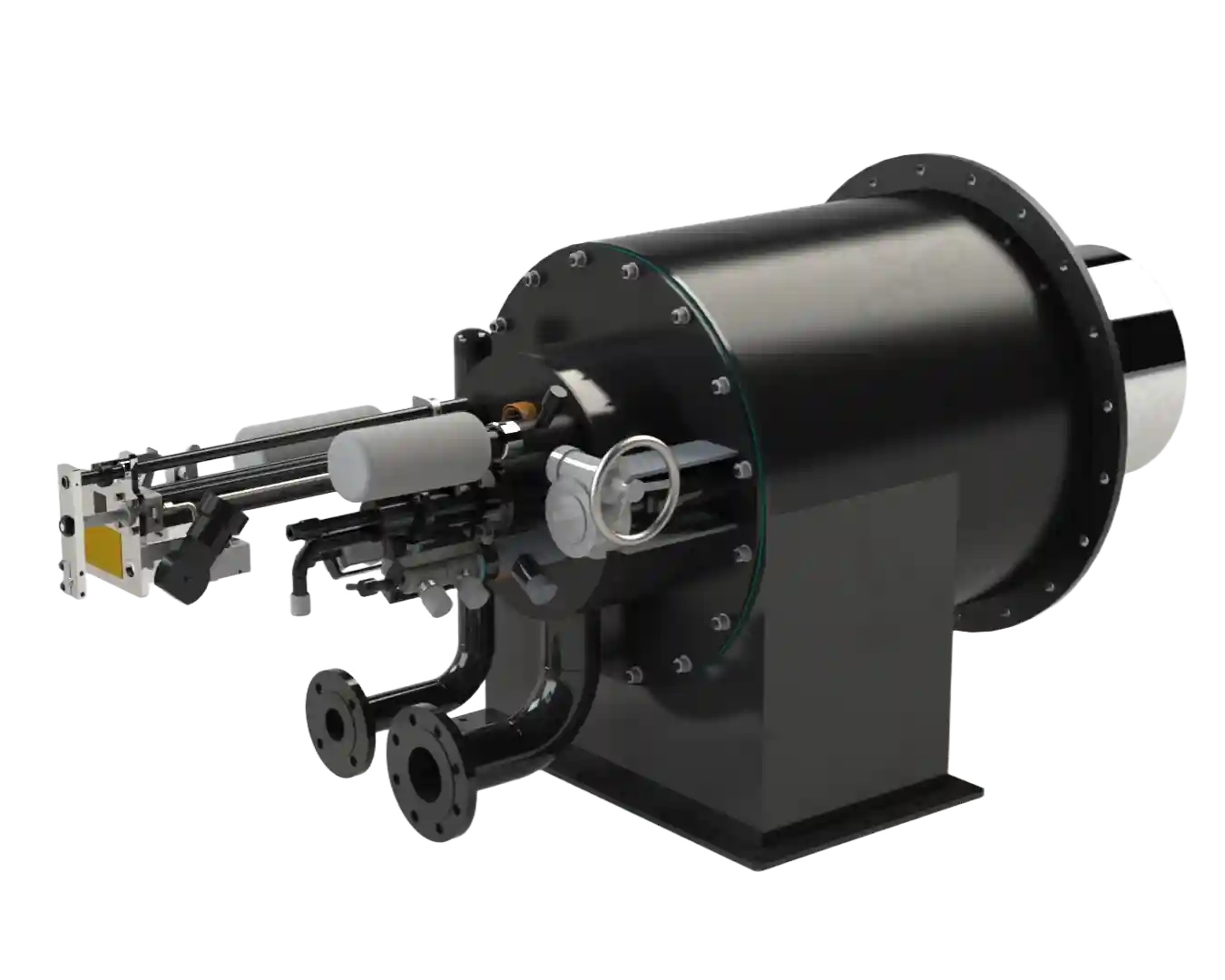
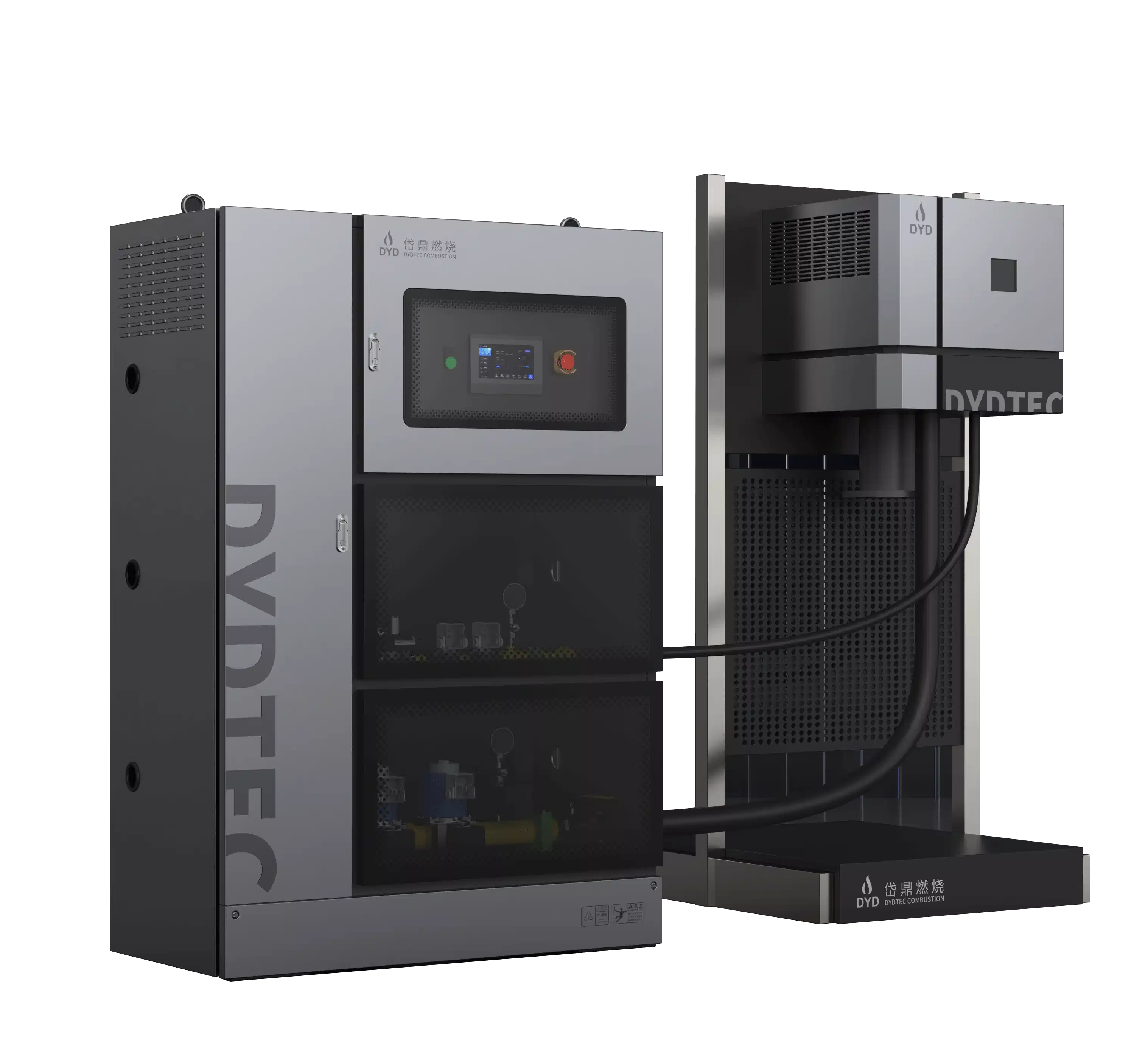
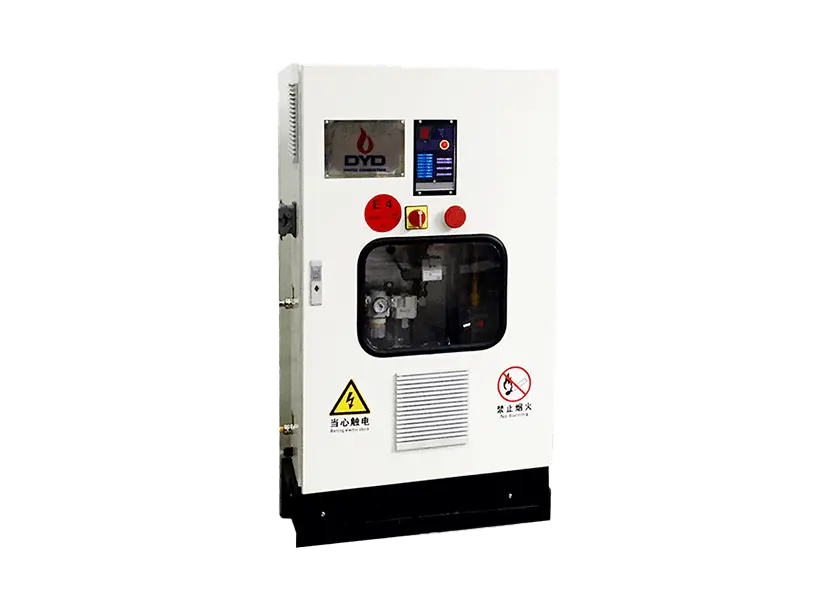
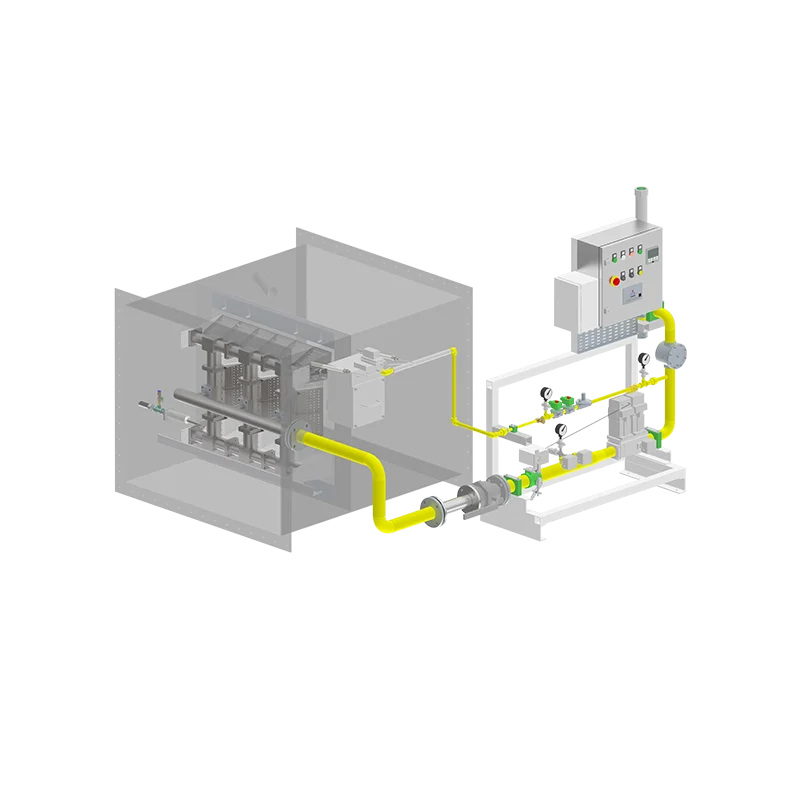
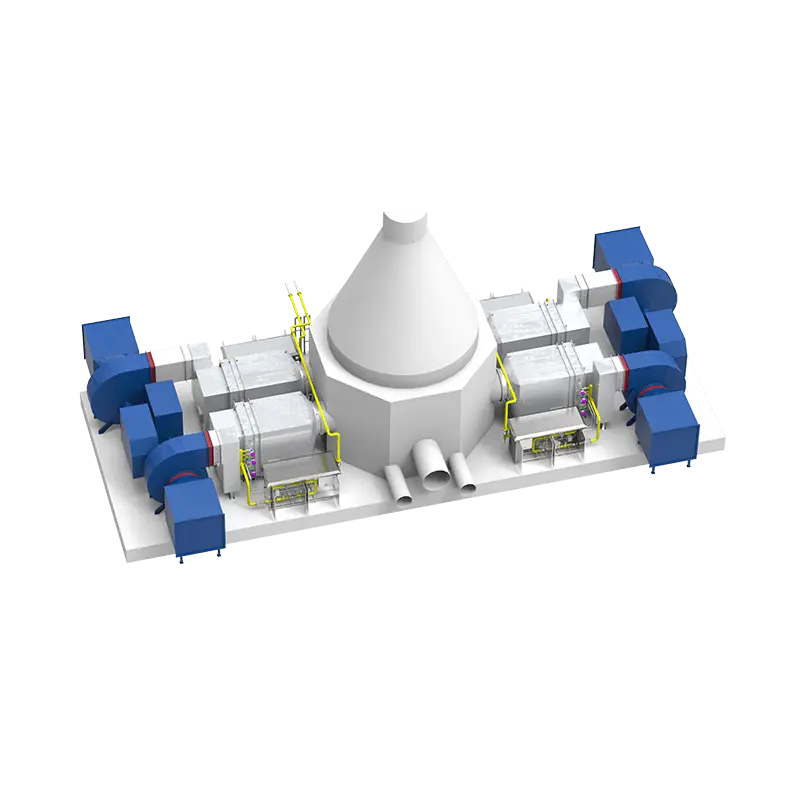
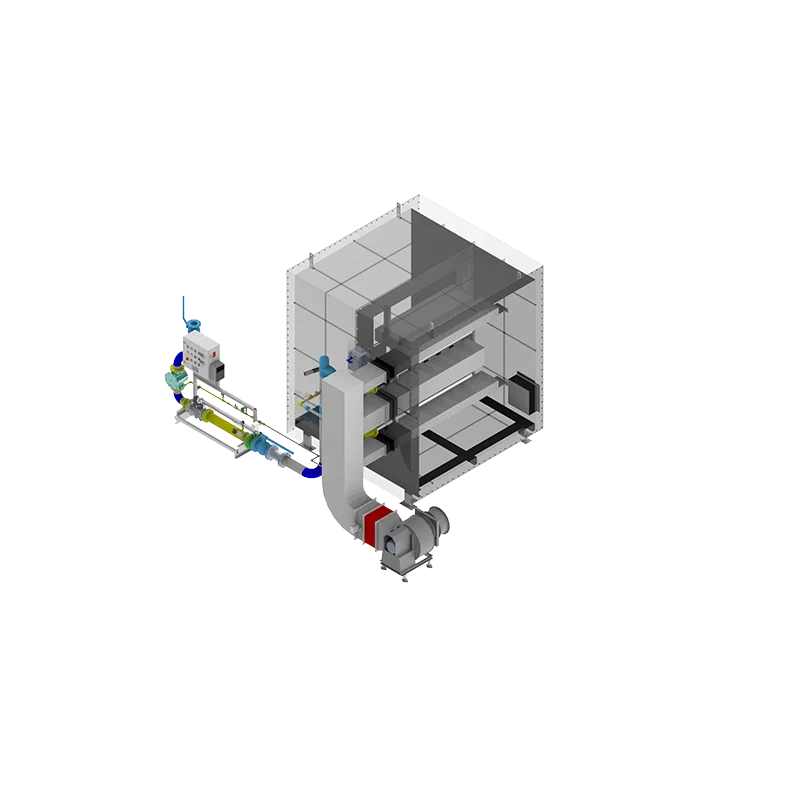
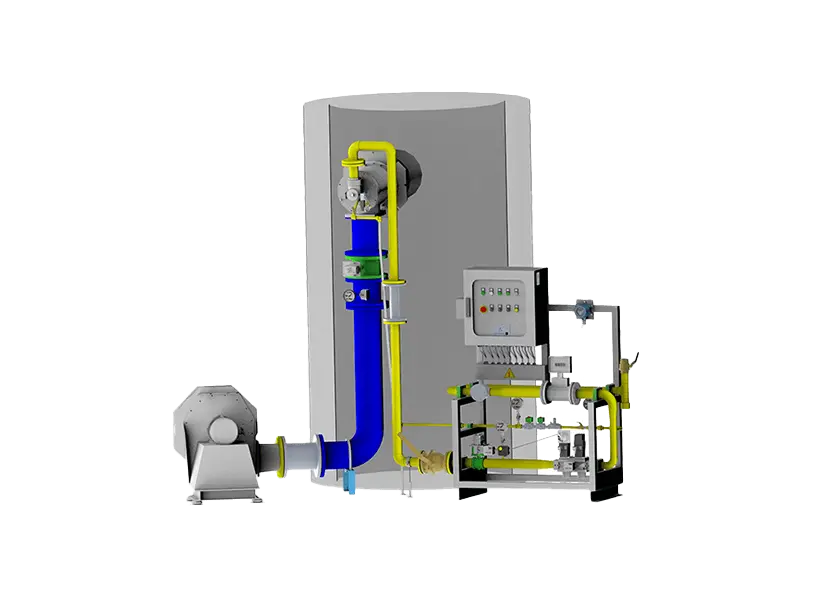
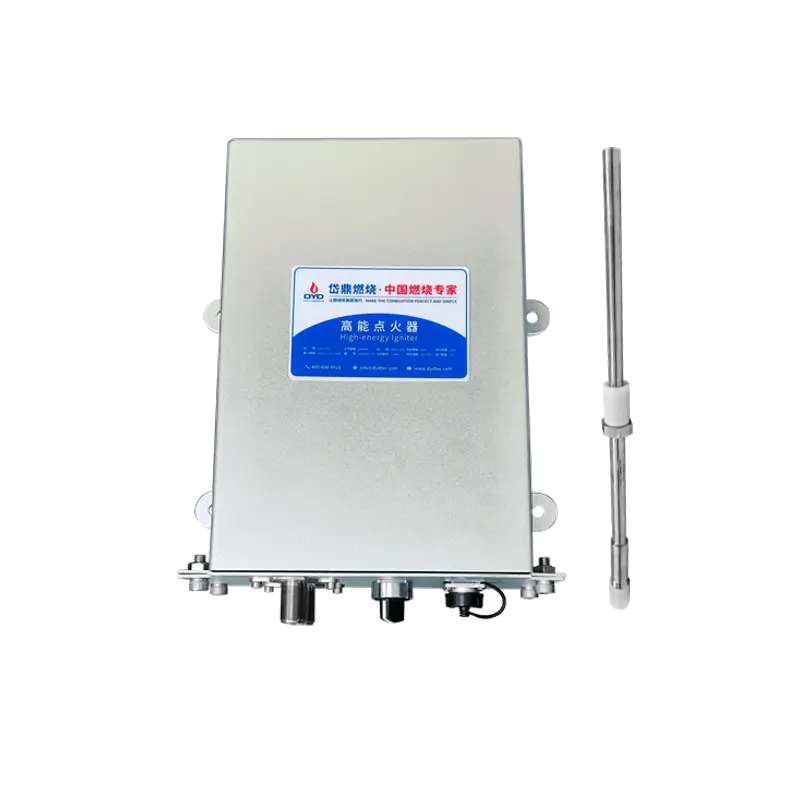
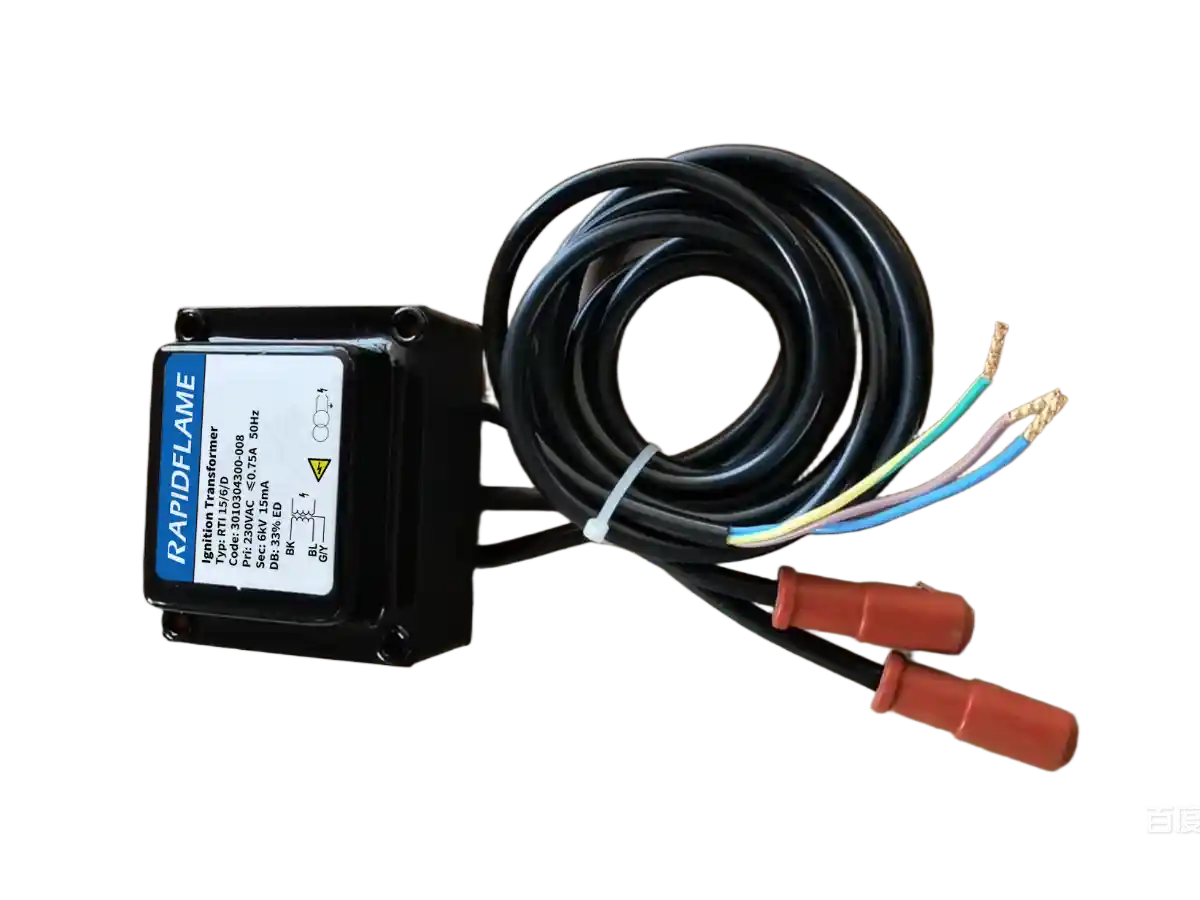
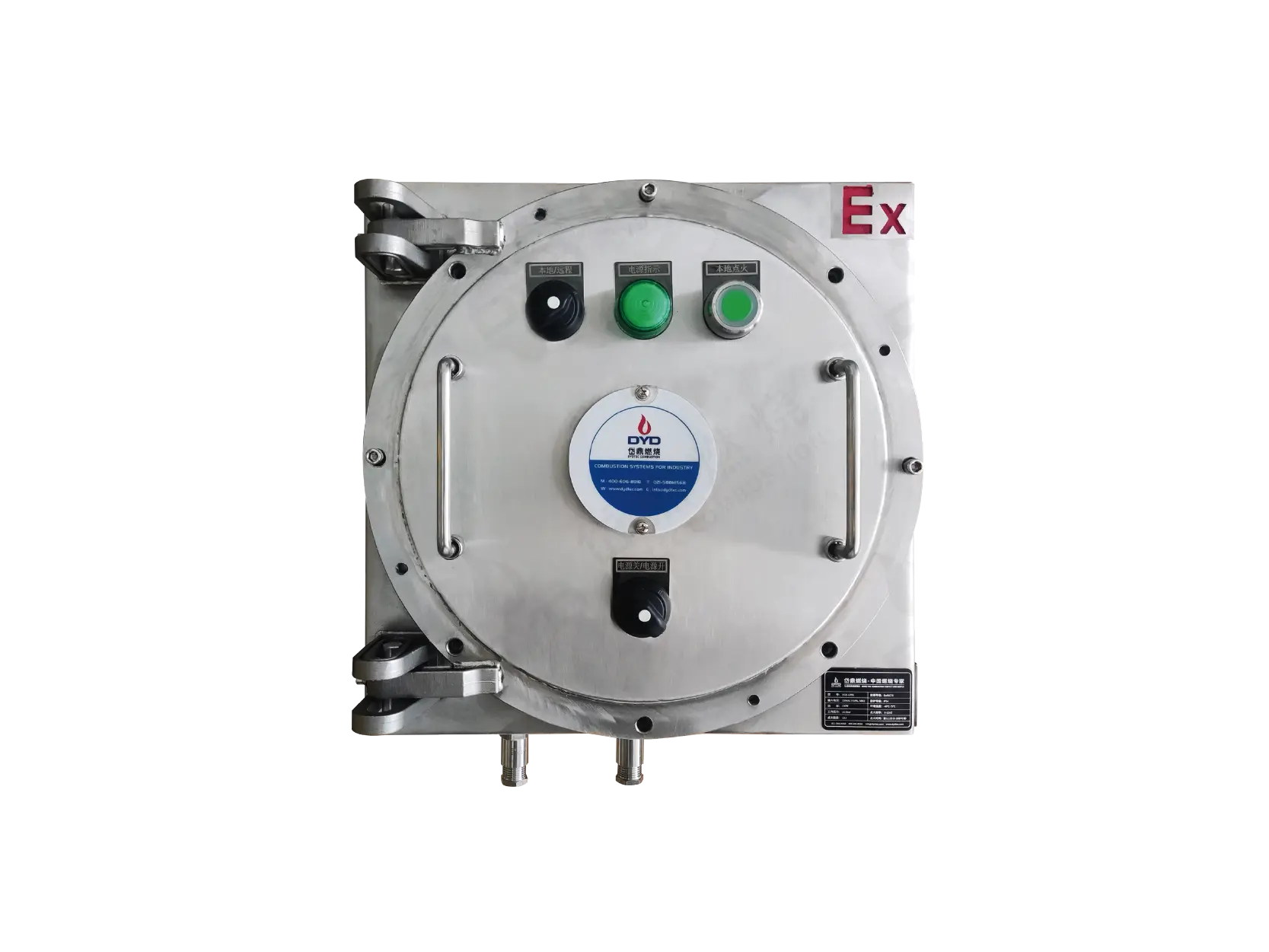
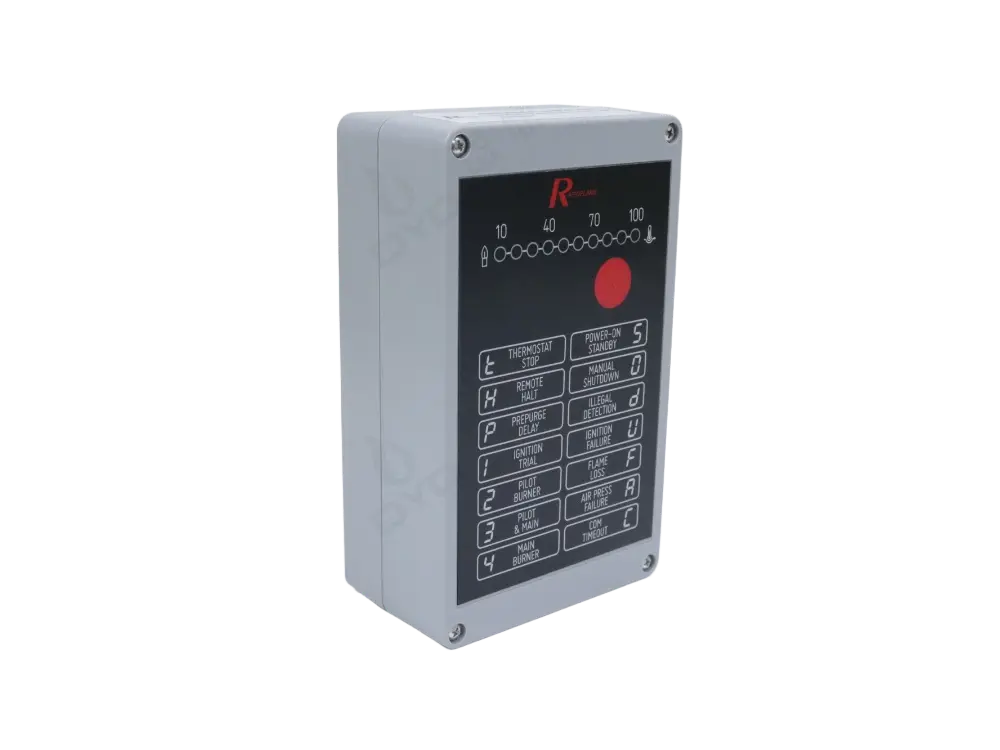
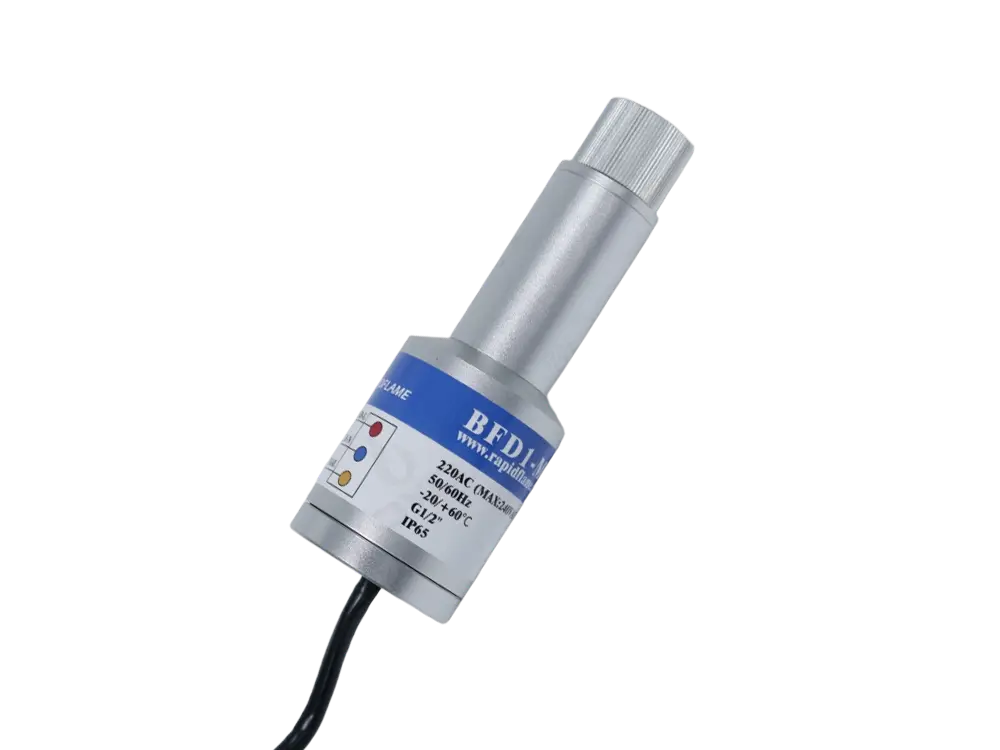
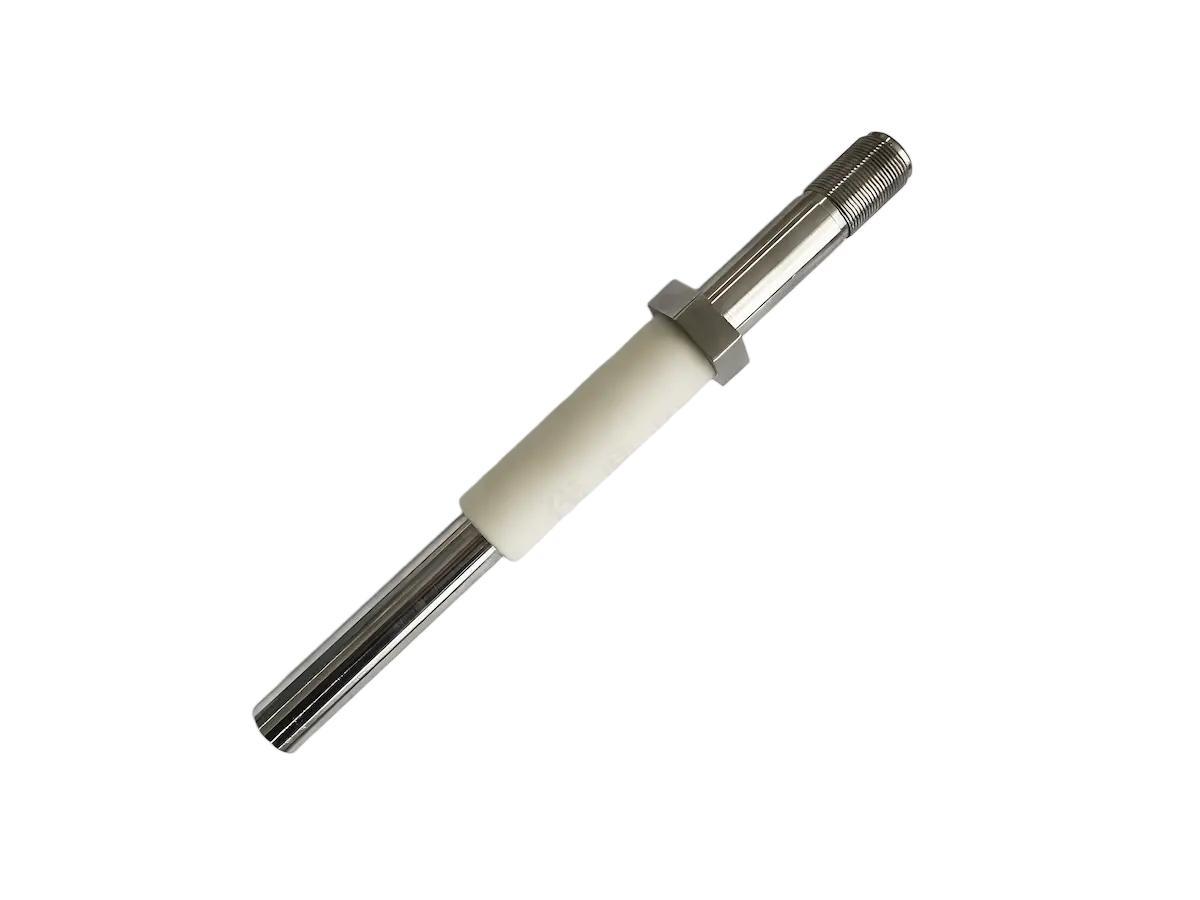
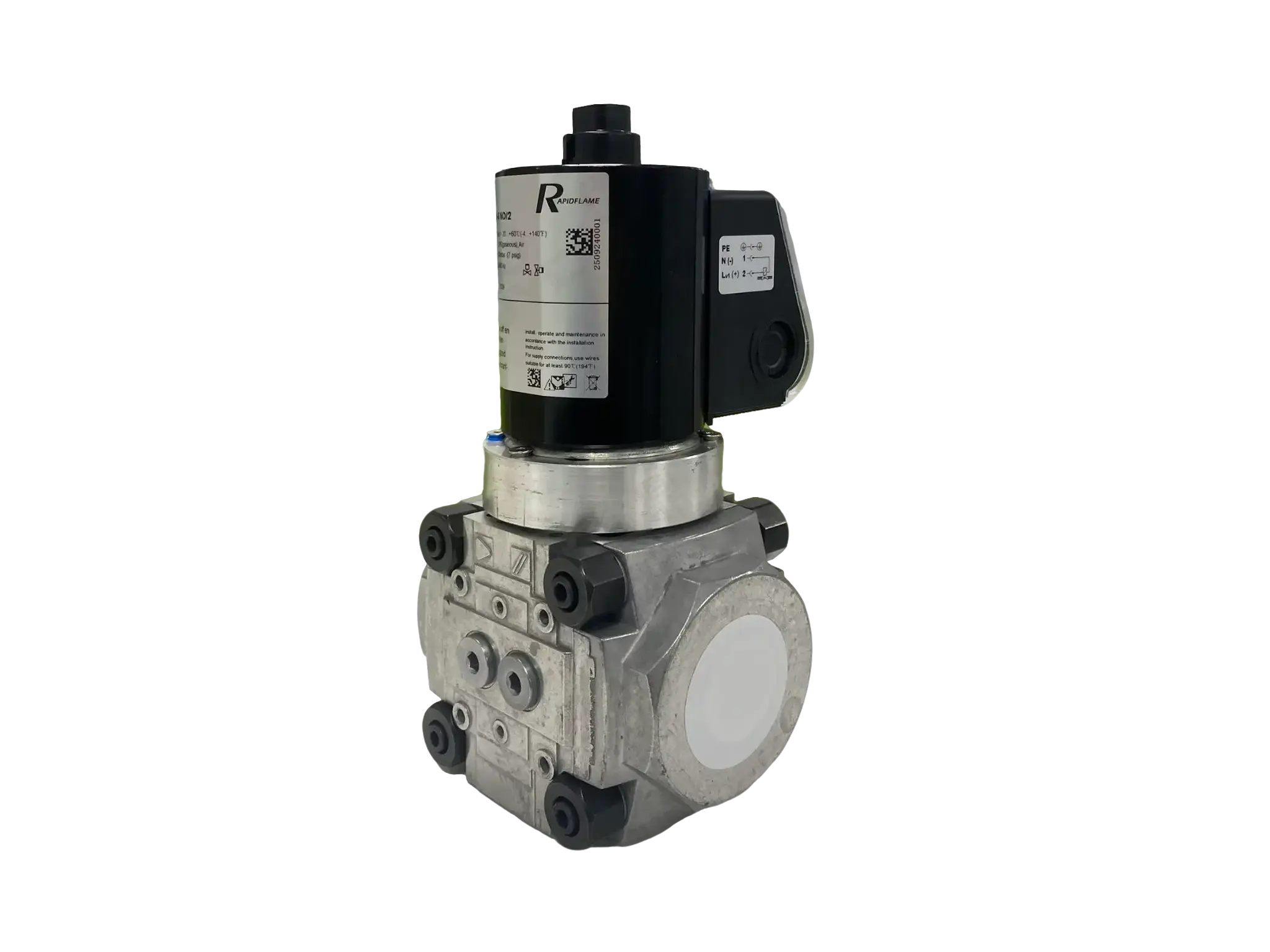
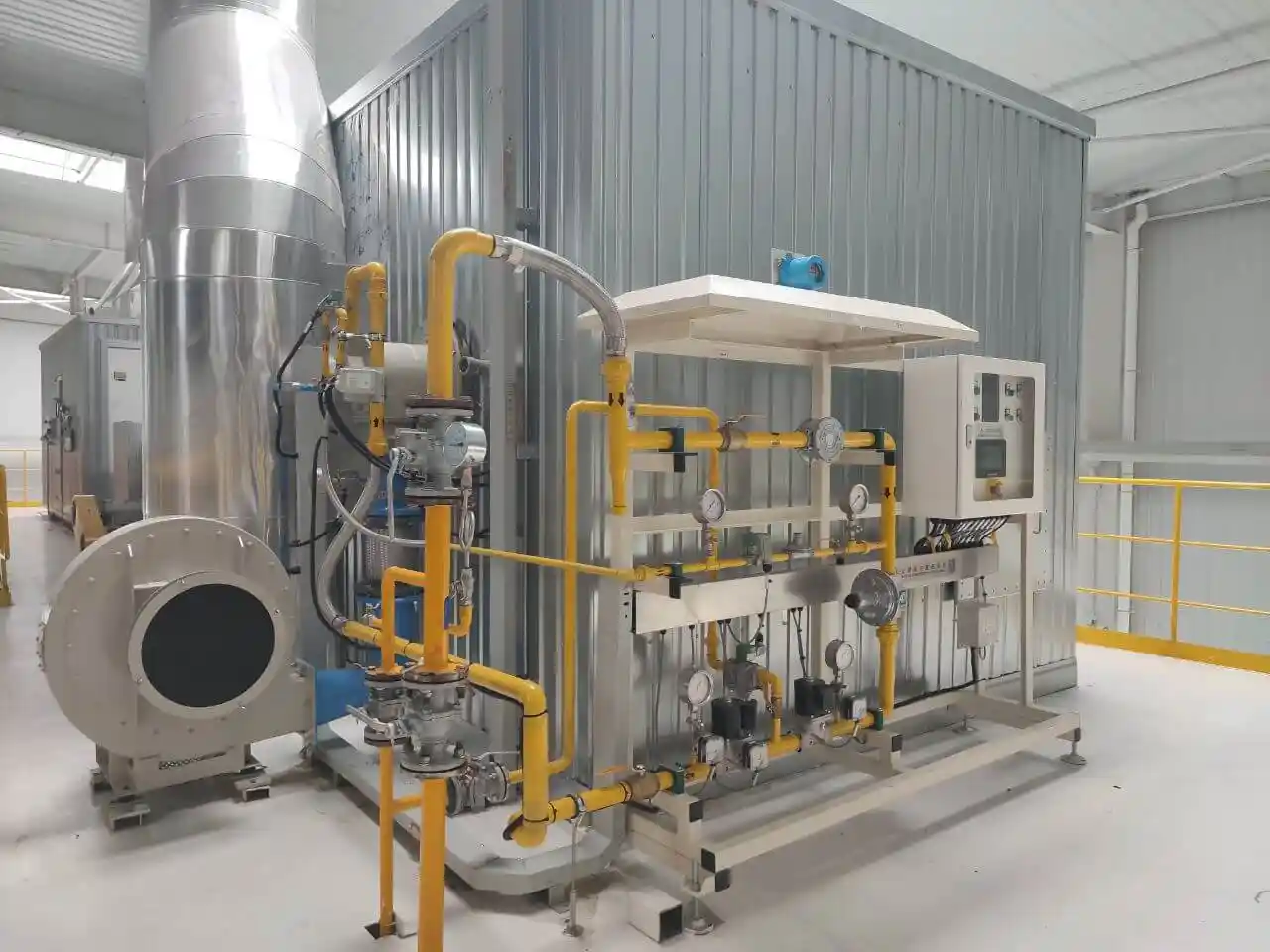
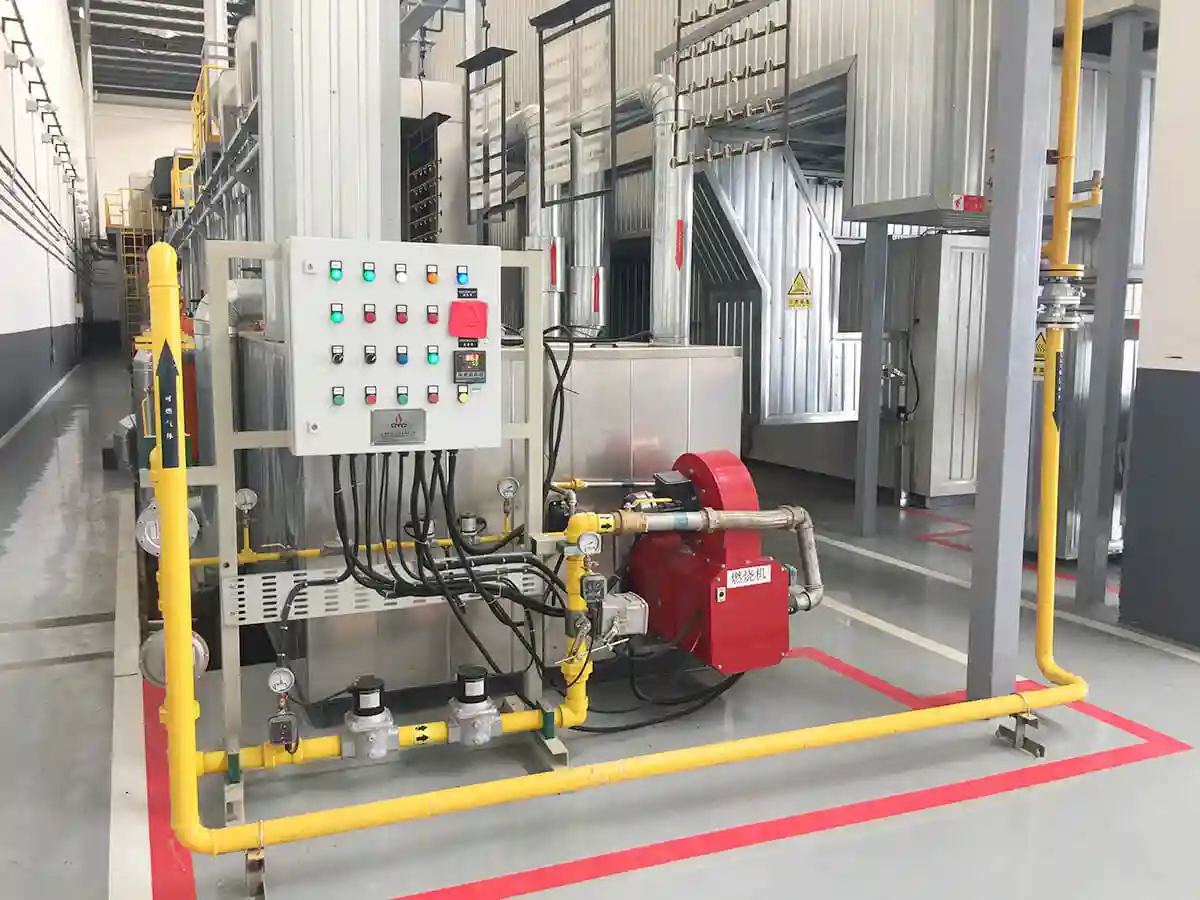
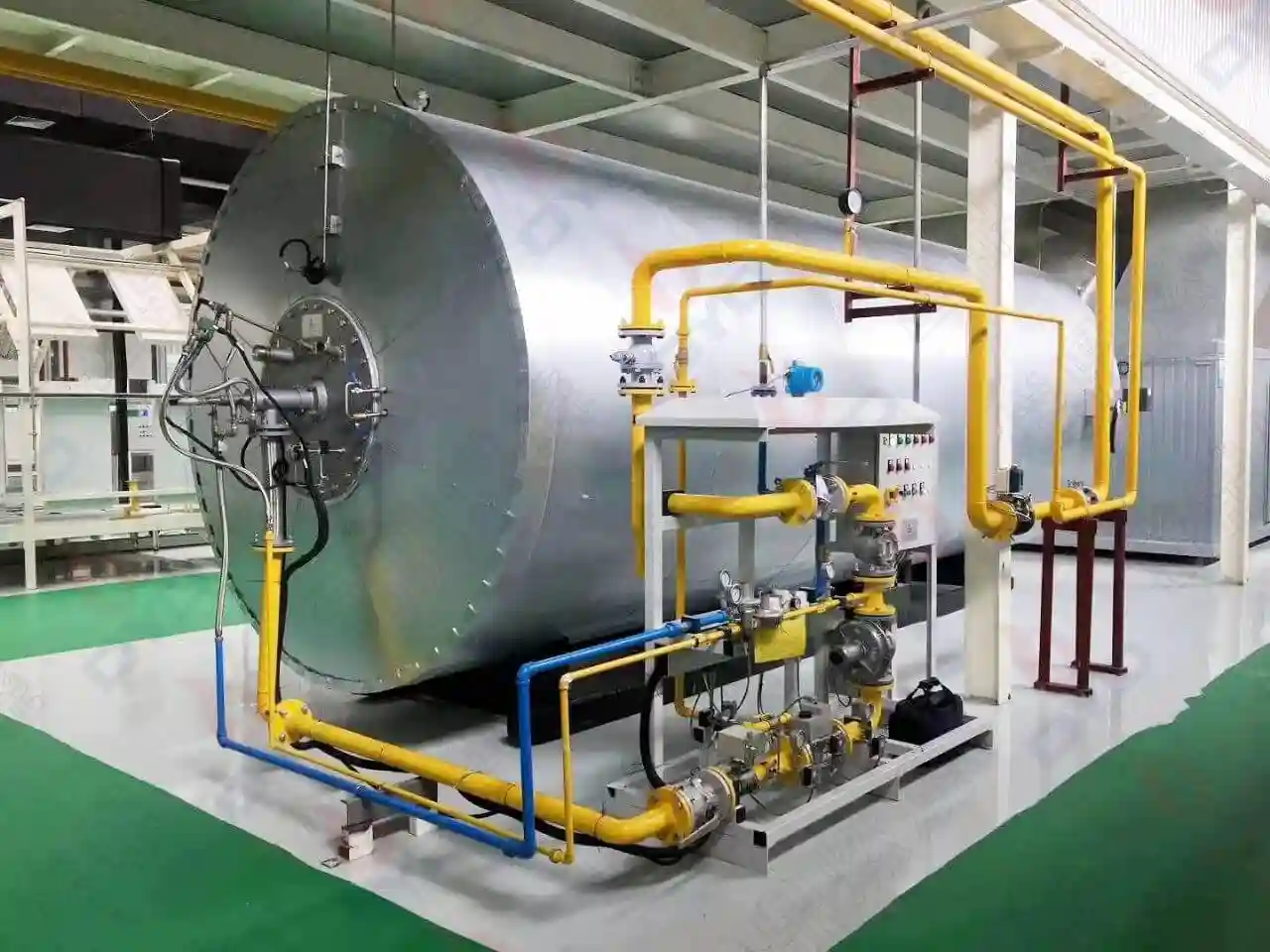
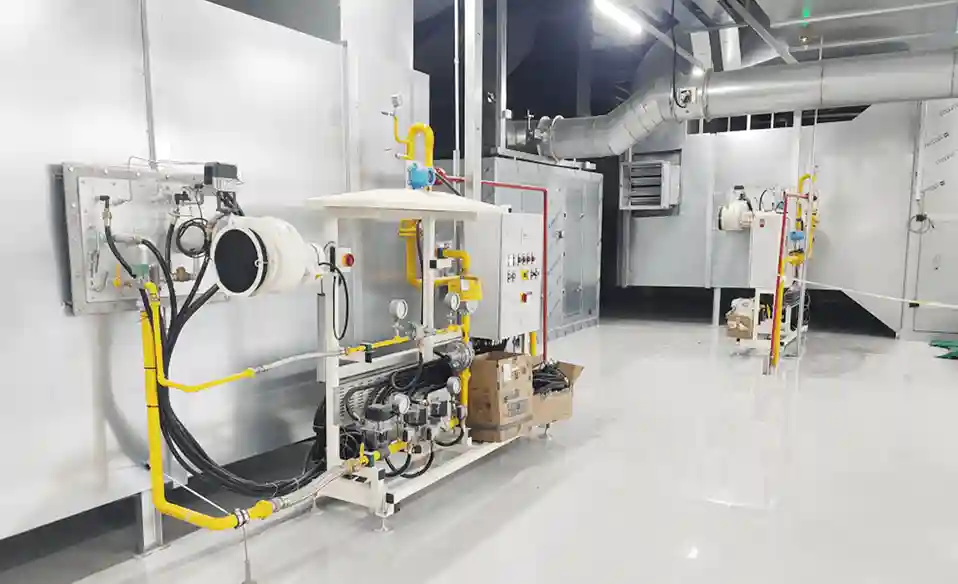
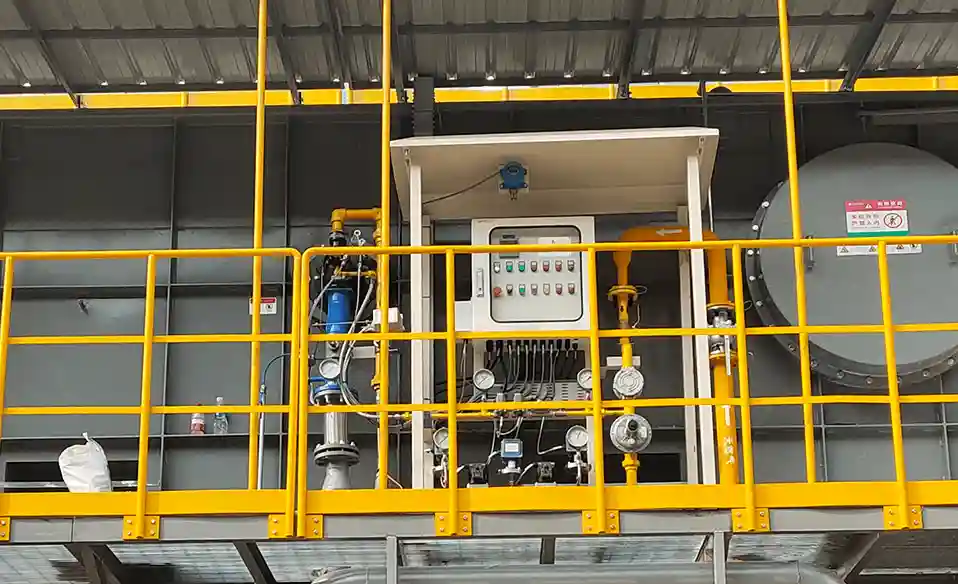
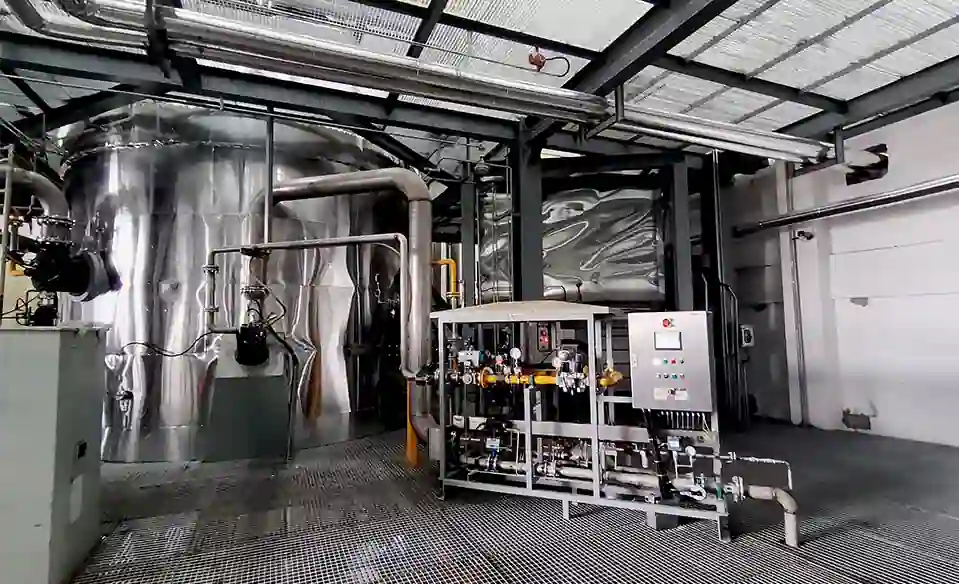
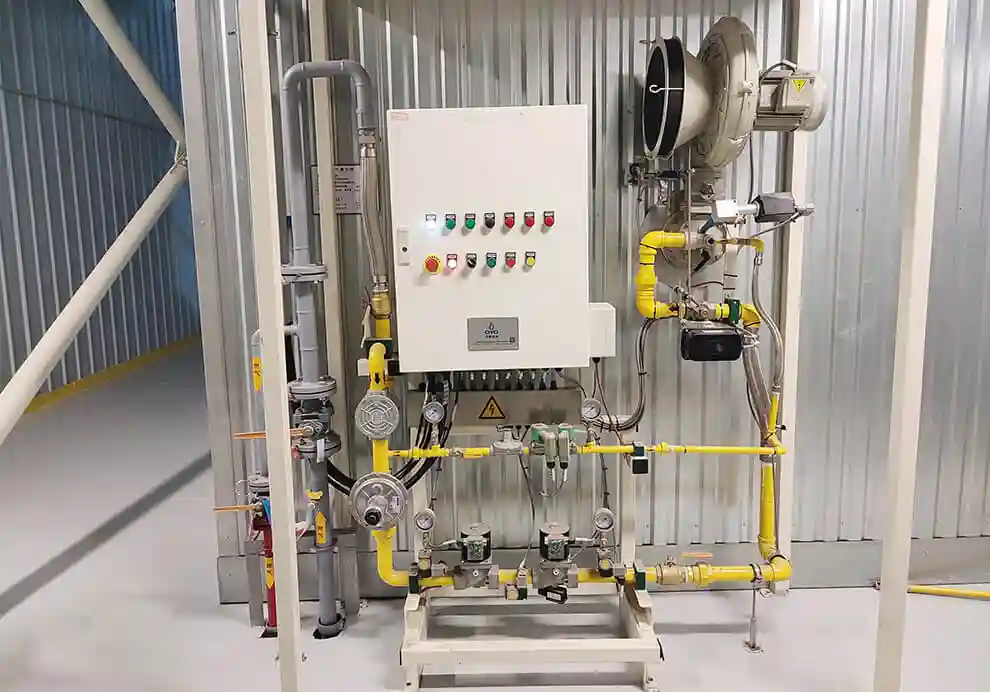
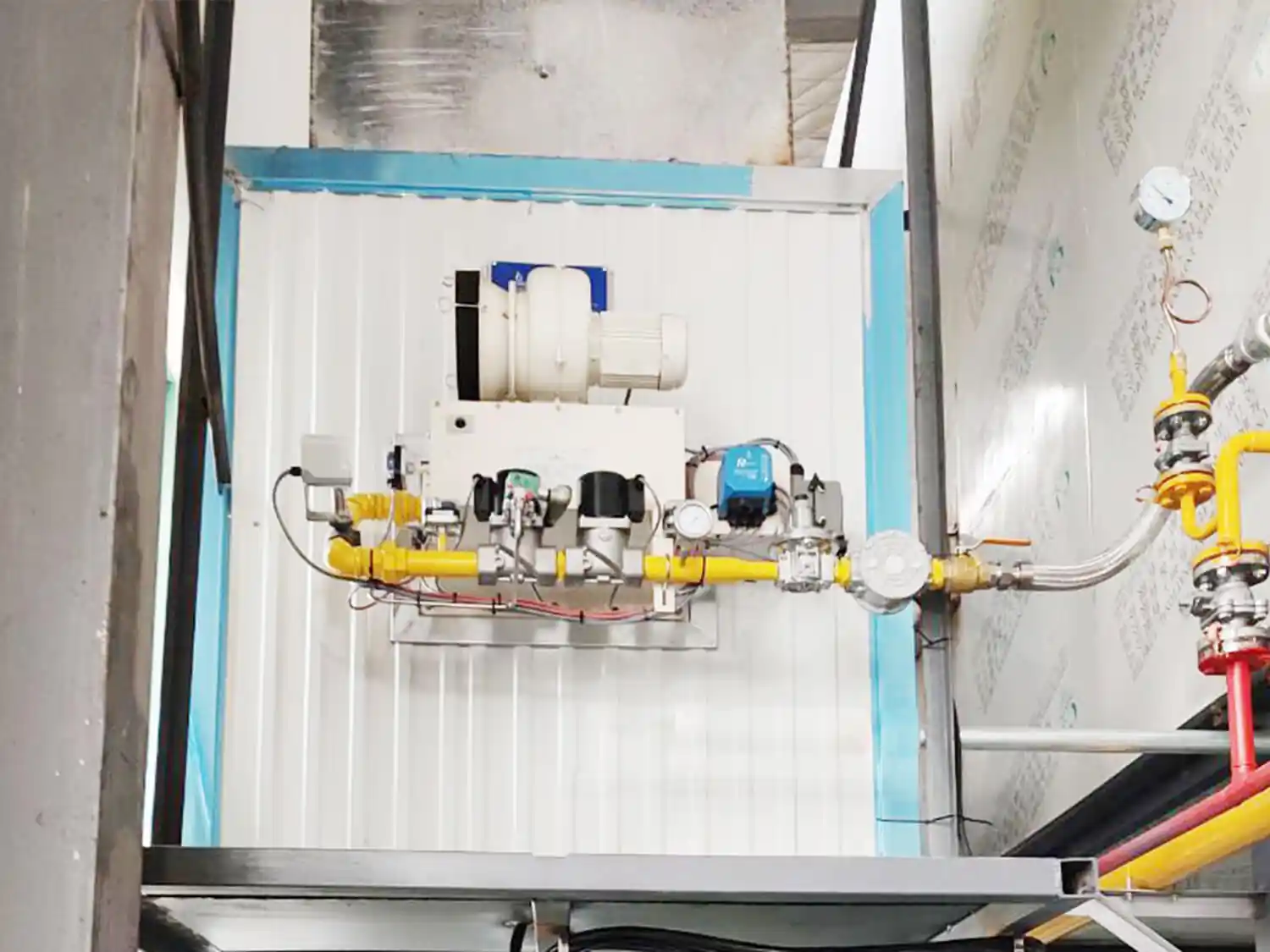
A complete seed drying heat source system includes the combustion system (burner, gas control system, ignition device, flame detection), the hot air system (hot air furnace, heat exchange device, fan, ductwork), and the control system (temperature control, automatic regulation, safety protection). These subsystems must work in precise coordination to form a harmoniously operating whole. A manufacturer with hot air system design capability can oversee the design and matching of all components from a system perspective, ensuring tight integration between the combustion system and the drying equipment.
Different seeds have different moisture contents, drying temperatures, and throughputs. The diversity of seed processing equipment and the variation among seed varieties mean that the combustion system must be customised according to specific project parameters rather than simply selecting standard products. Equipment manufacturers need the burner manufacturer to provide matching design according to thermal load (determining burner power and regulation range), air volume (matching hot air system flow and pressure requirements), installation space (adapting to equipment structural layout), and control methods (integration with the drying equipment control system), ensuring full compatibility between the combustion system and the seed drying equipment structure and control logic.
DYDTEC is the industrial combustion brand of Shanghai DYDTEC Equipment Technology Group Co., Ltd., focusing on the R&D and manufacturing of industrial combustion equipment and thermal energy systems. Main products include industrial gas burners, low-NOx burners, linear burners, hot air furnaces, and combustion system integration. Product applications cover industrial drying, food and agricultural product processing, new material processing, the chemical industry, and environmental protection equipment.
In the design and integration of hot air systems for agricultural product drying, DYDTEC has accumulated extensive engineering experience and can provide customised combustion system solutions according to the drying characteristics of different seeds, achieving efficient drying while ensuring seed quality.
1. Experience in industrial drying systems
Seed drying is a hot air drying application. DYDTEC can match combustion systems according to drying temperature (determining burner power and temperature control precision), processing capacity (matching thermal load and air volume requirements), hot air requirements (optimising hot air furnace and duct design), and equipment structure (customising burner installation method and dimensions), ensuring good coordination between the combustion system and seed drying equipment.
2. Stable and efficient combustion technology
For seed drying requirements, DYDTEC can optimise flame stability (avoiding temperature changes caused by combustion fluctuations), combustion efficiency (maximising the release of fuel chemical energy), heat output (ensuring stable and controllable hot air temperature), and load regulation (adapting to different seed varieties and moisture contents), helping equipment reduce energy consumption and operating costs.
3. Support for agricultural equipment OEM integration
Serving seed dryer manufacturers, grain drying equipment manufacturers, agricultural machinery manufacturers, and hot air furnace manufacturers, DYDTEC can provide burner selection, heat source system design, custom development, and technical support, helping agricultural equipment manufacturers enhance complete machine performance and market competitiveness.
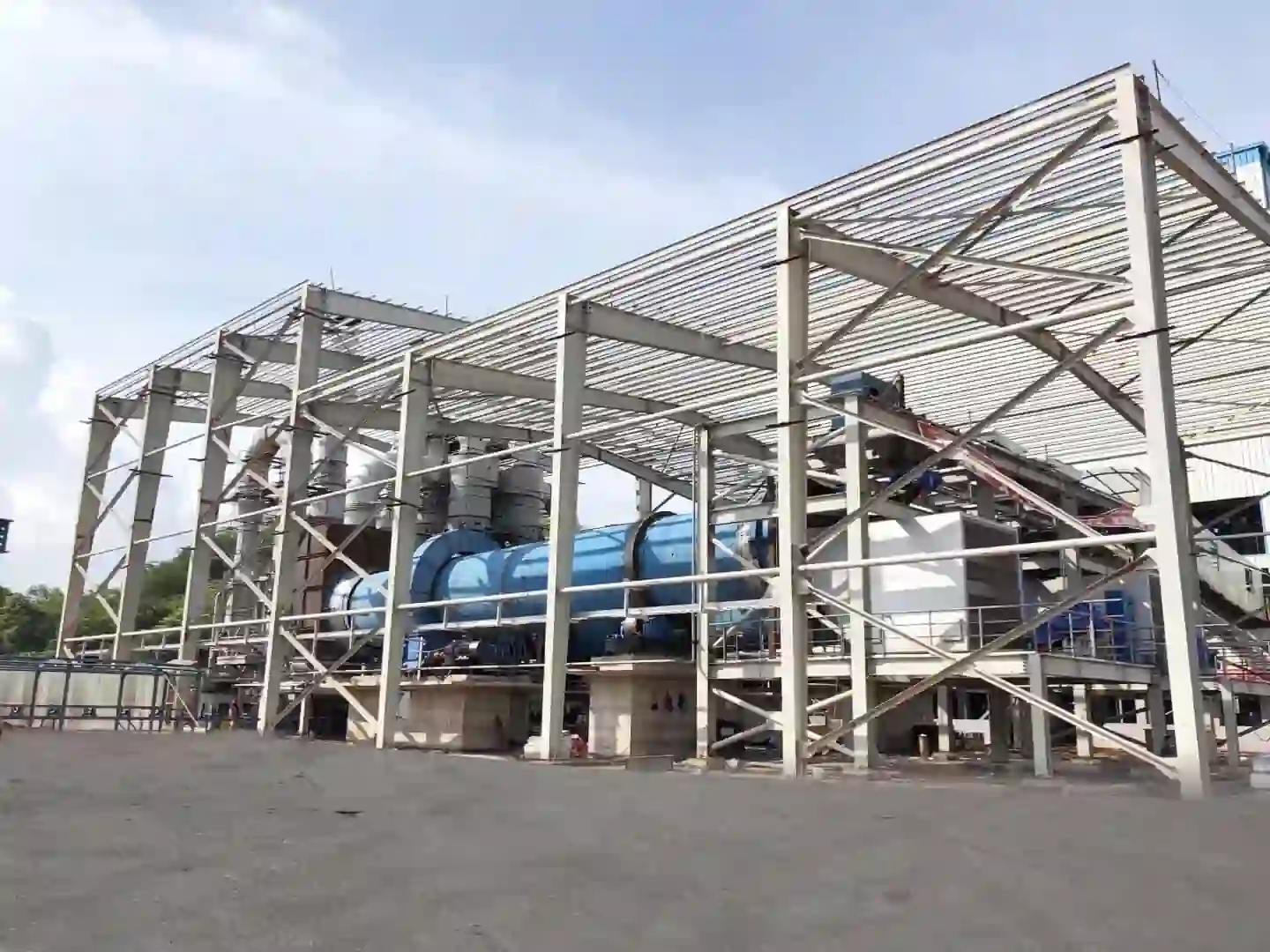
Includes rice seeds (breeding enterprises and seed processing centres in southern rice-growing areas), wheat seeds (seed production in northern wheat regions), and corn seeds (seed production bases in the Northeast and Huang-Huai-Hai regions). Grain seed drying is characterised by large volumes and strong seasonality, placing high demands on the combustion system's continuous operation capability and reliability.
Includes vegetable seeds (seed drying at various vegetable seed production bases), flower seeds (seed processing at flower breeding enterprises), and oil crop seeds (drying of soybeans, rapeseed, and other oilseed crops). Cash crop seeds typically have higher unit value and stricter drying quality requirements, demanding higher hot air uniformity and temperature control precision than staple grain crop seeds.
Used in seed processing centres (centralised drying at large seed processing enterprises), agricultural industrialisation production lines (continuous seed processing at seed companies), and intelligent drying equipment (highly automated seed drying systems). In these applications, the combustion system must have a high degree of automatic control capability and seamless coordination with the control system of the entire production line.
Q1: Why does seed drying require a dedicated burner?
Because seeds are temperature-sensitive and require a stable, uniform, and precise heat source to avoid affecting germination rates and quality. The temperature control precision and hot air uniformity of ordinary grain drying burners may not meet the stringent requirements of seed drying.
Q2: What fuel is used for seed drying burners?
Common fuels include natural gas, LPG, and other clean combustible gases. Most seed drying equipment uses natural gas, while some regions choose LPG or bottled gas depending on fuel supply conditions. Seed drying has certain requirements for fuel cleanliness; fuels with high impurity content may require additional filtration.
Q3: Should seed drying use direct-fired or indirect hot air?
The choice depends on product requirements. Large-volume commodity seed drying can use high-efficiency direct-fired solutions (high thermal efficiency, low investment cost); high-value seeds (such as breeding core materials, premium vegetable seeds, etc.) typically require clean hot air and precise control, making indirect hot air furnaces more suitable (clean hot air, higher temperature control precision, avoiding the effects of combustion products on seed quality).
Q4: How can gas consumption be reduced in seed drying?
Main methods include improving combustion efficiency (precise air-fuel ratio control for complete combustion), optimising hot air circulation (increasing heat utilisation within the drying tower), reasonably controlling drying temperatures (avoiding energy waste from excessive heating), and reducing heat losses (enhancing insulation of the hot air furnace and ducts). In seed drying projects, every improvement in combustion efficiency translates into substantial annual processing cost savings.
Q5: How do I select a seed drying burner manufacturer?
It is recommended to look for industrial combustion experience (able to meet seed drying heat source requirements), hot air system capability (able to complete overall hot air system design), support for equipment integration (able to adapt to dryer structure), and the ability to provide custom solutions (able to provide targeted design according to different seed varieties and processing requirements). DYDTEC possesses industrial burner, hot air furnace, and combustion system integration capabilities and can provide professional thermal energy solutions for seed drying equipment manufacturers.
The seed drying burner affects not only drying efficiency but also seed quality, germination performance, energy consumption, and equipment operational stability. In seed processing, the performance difference of a combustion system is reflected not only in drying speed and energy consumption but also in the germination rate, seedling vigour, and field emergence uniformity of the processed seeds—these are the ultimate measures of seed value.
An excellent seed drying burner manufacturer must simultaneously possess combustion technology (mastering design methods for efficient and stable combustion), hot air system design capability (understanding the operating characteristics of seed drying hot air systems), temperature control experience (achieving precise closed-loop temperature control), and non-standard customisation capability (providing targeted design according to different seed varieties and drying equipment structures). Only by integrating these capabilities into seed drying equipment integration can seamless coordination between the combustion system, drying equipment, control system, and seed quality requirements be achieved, unifying drying efficiency, economic viability, and quality preservation.
Leveraging its R&D experience in industrial burners, linear burners, and hot air systems, DYDTEC provides efficient and stable combustion solutions for seed drying, grain drying, and agricultural processing equipment manufacturers. It is a professional supplier worth considering when selecting a seed drying burner manufacturer.