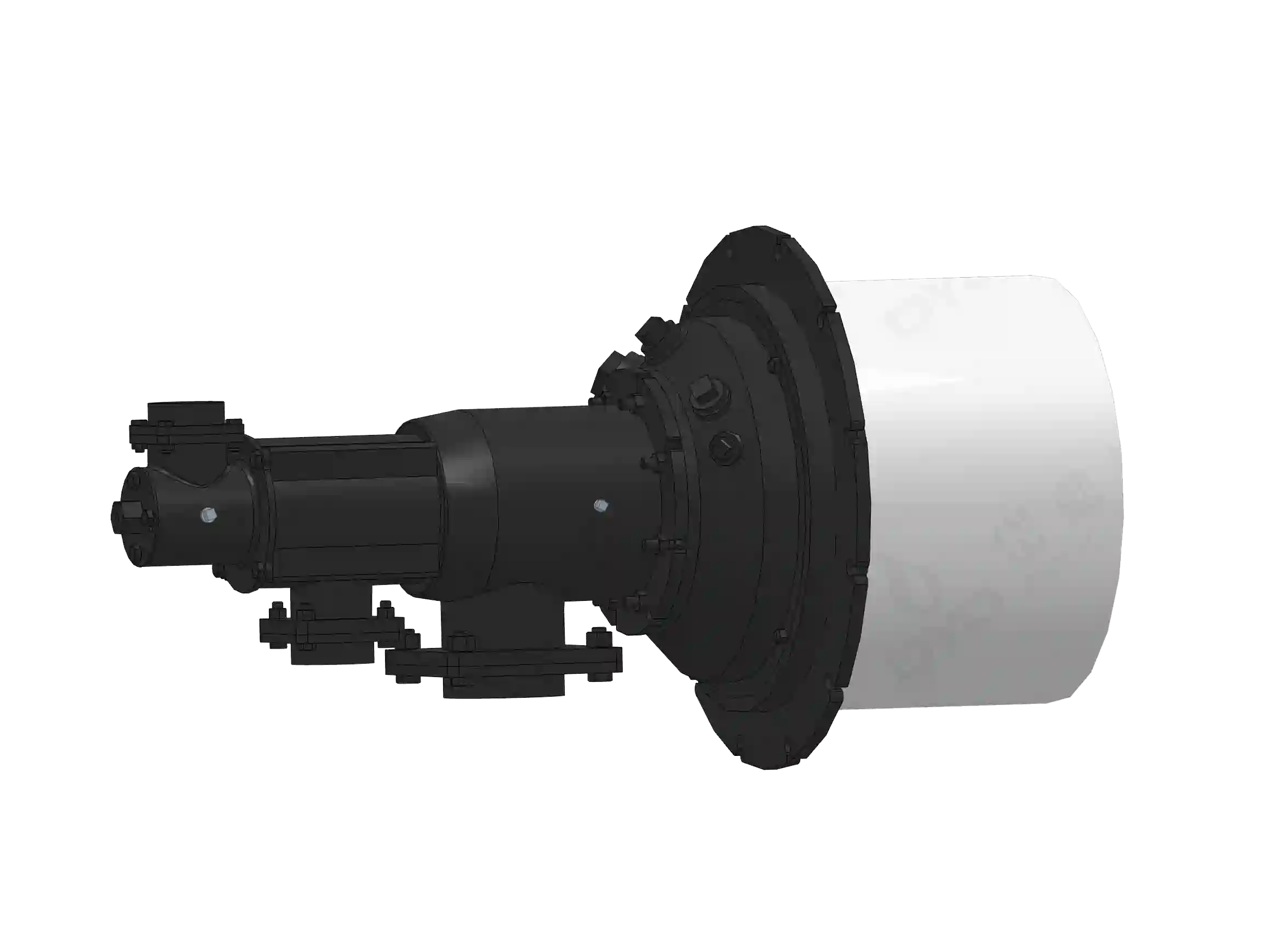
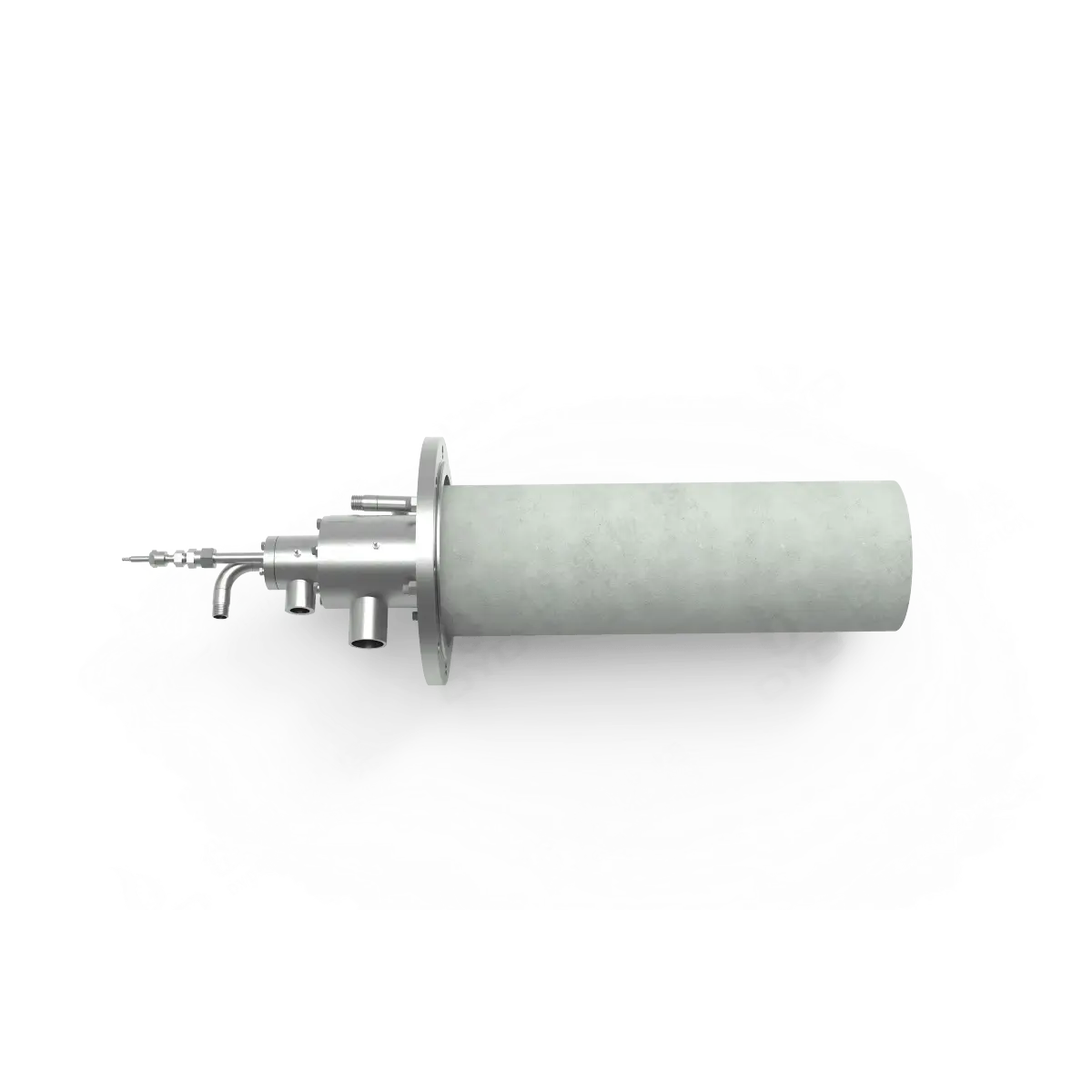
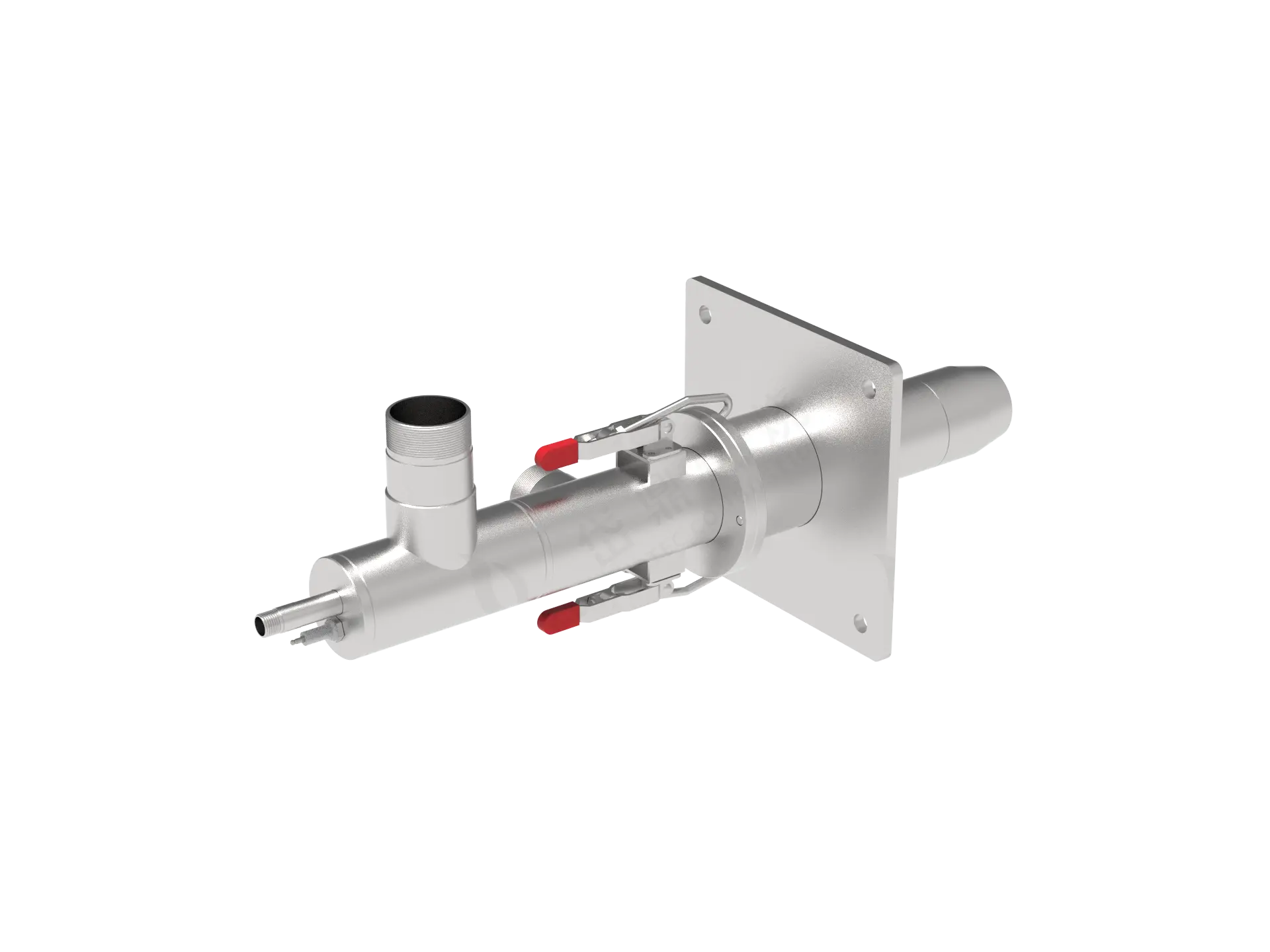
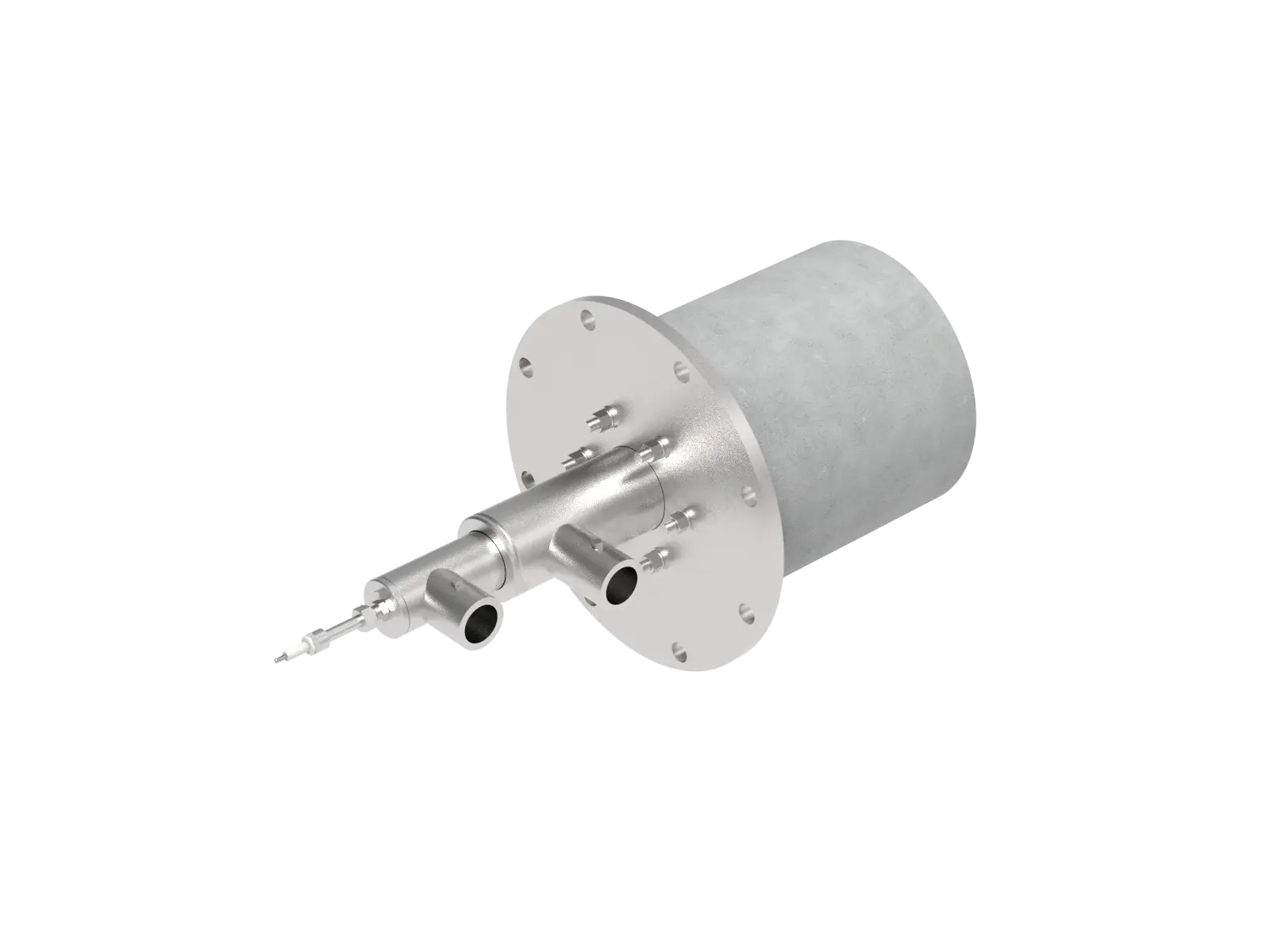
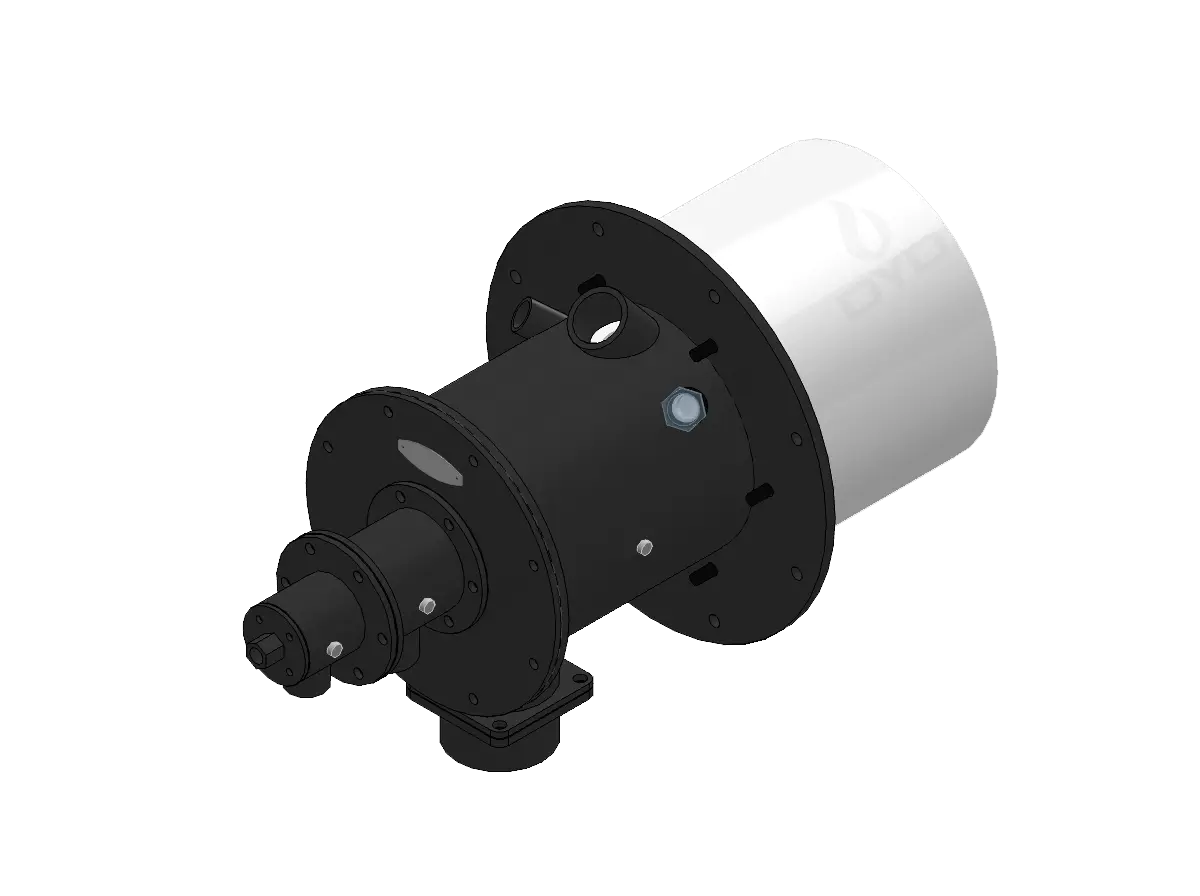
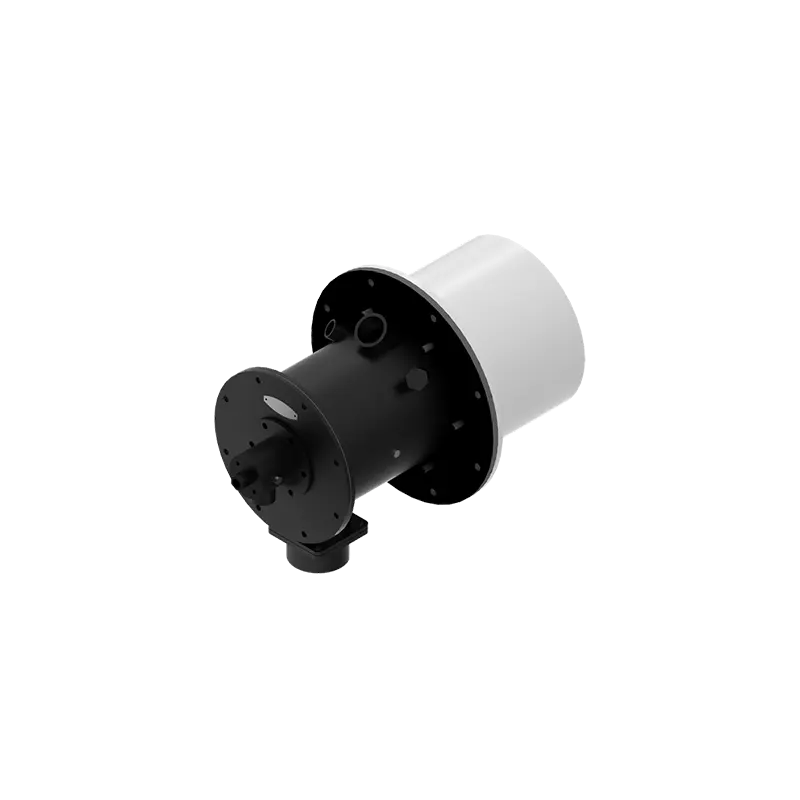
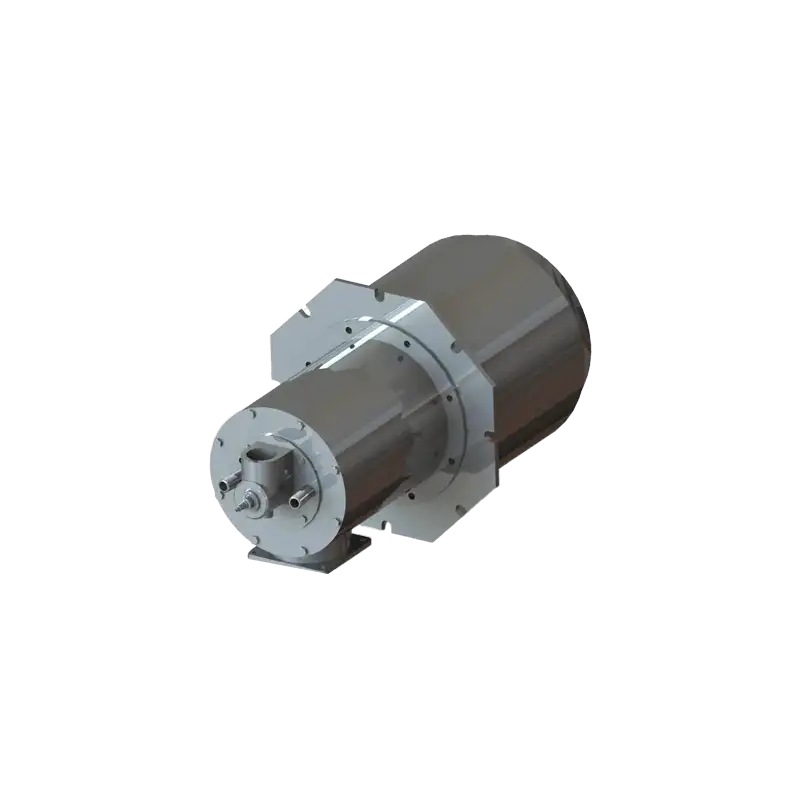
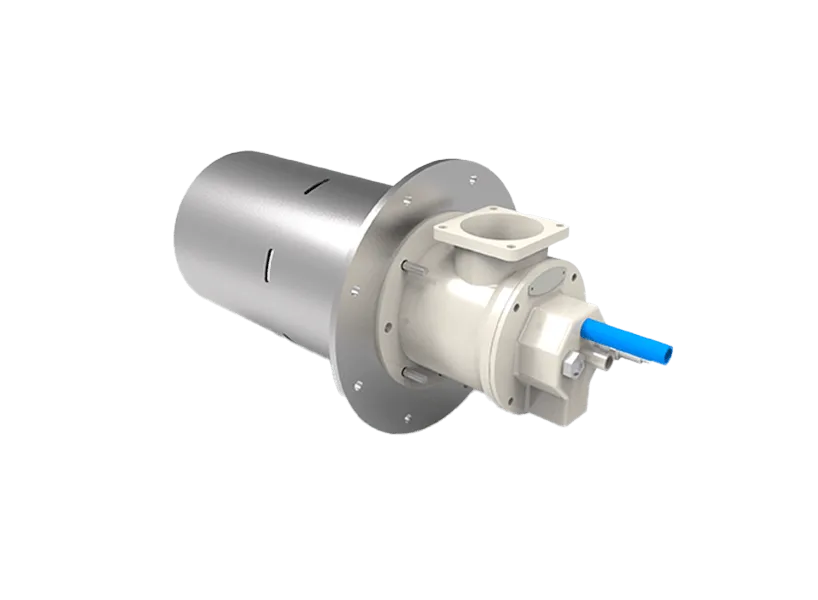
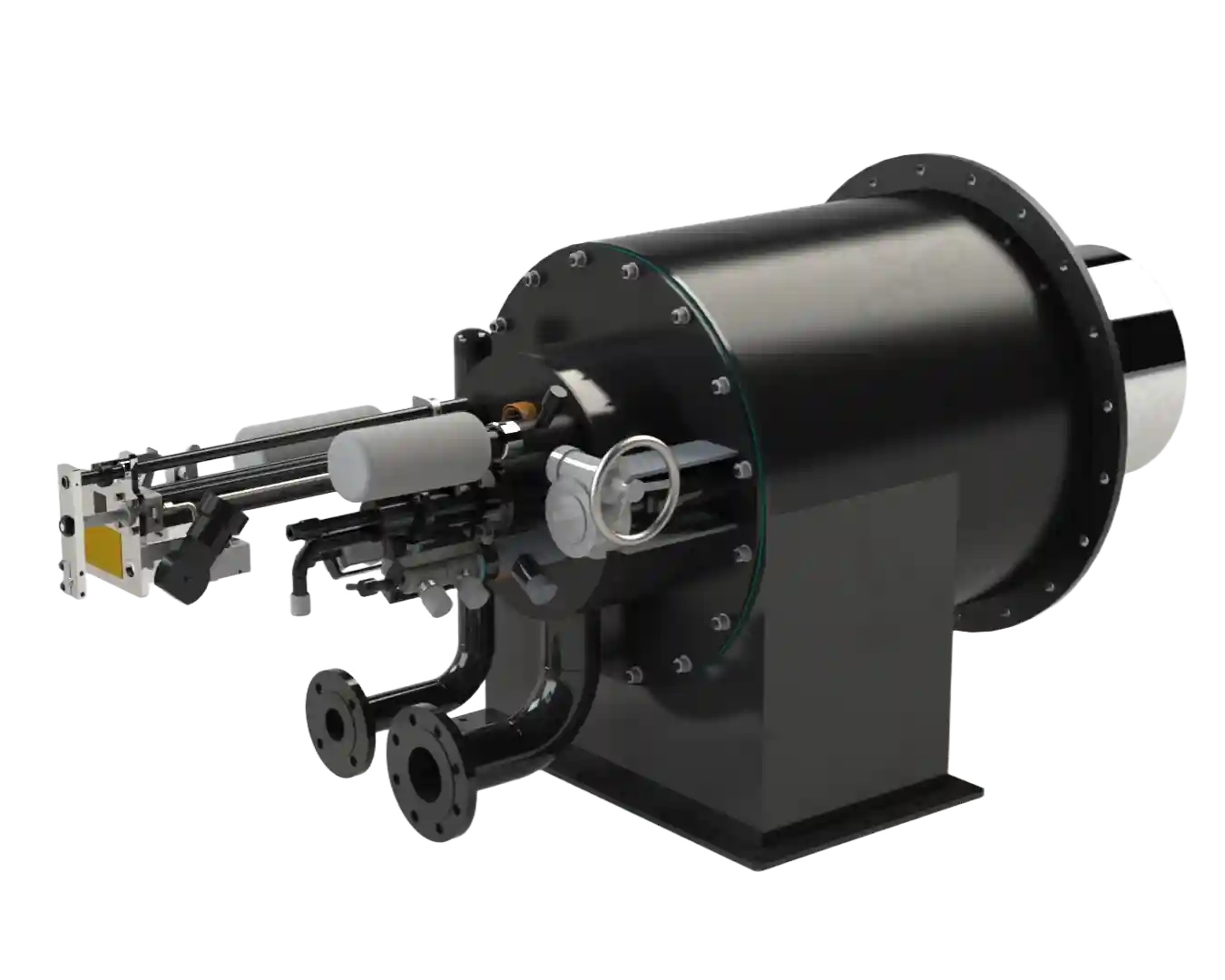
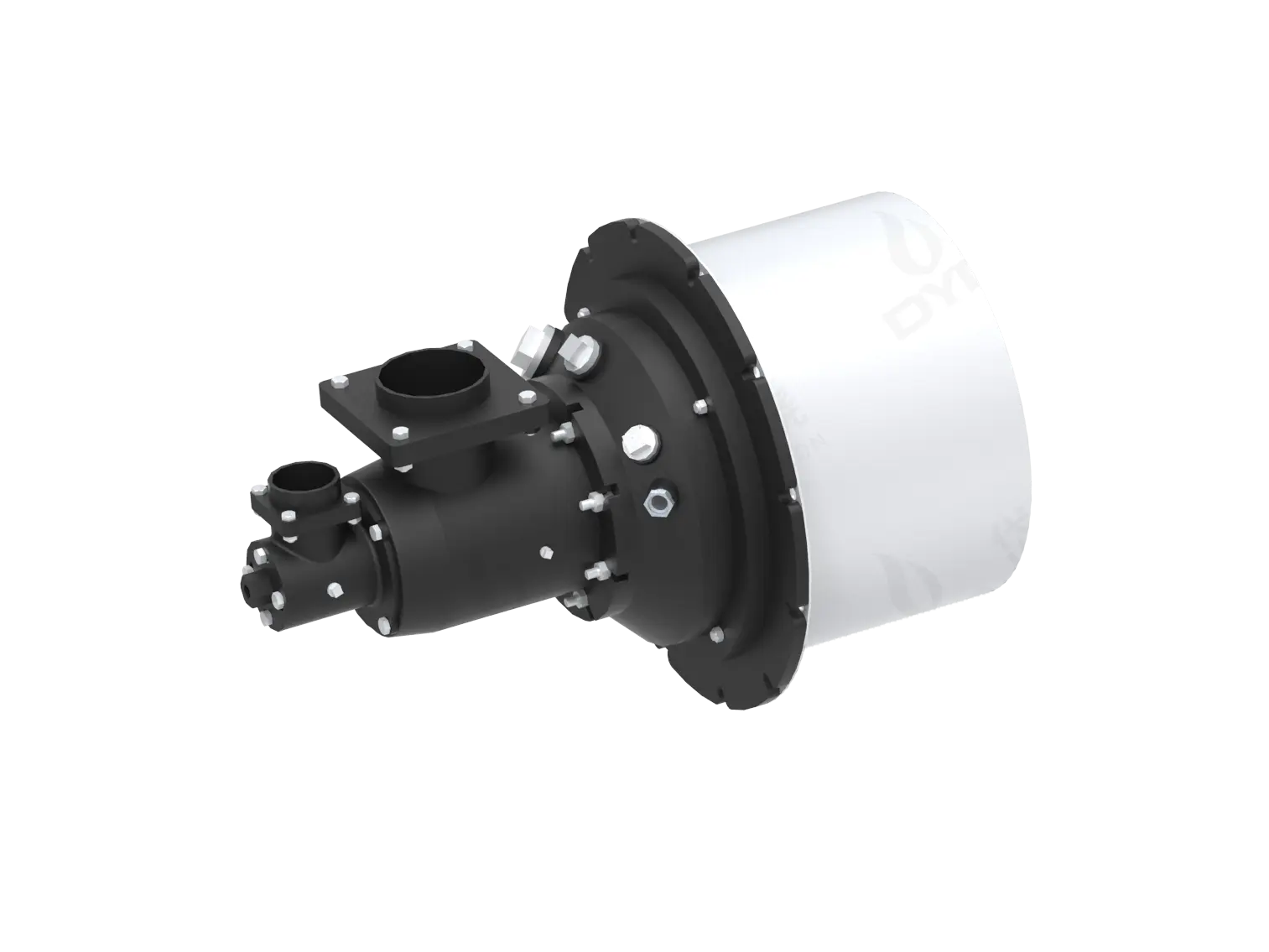
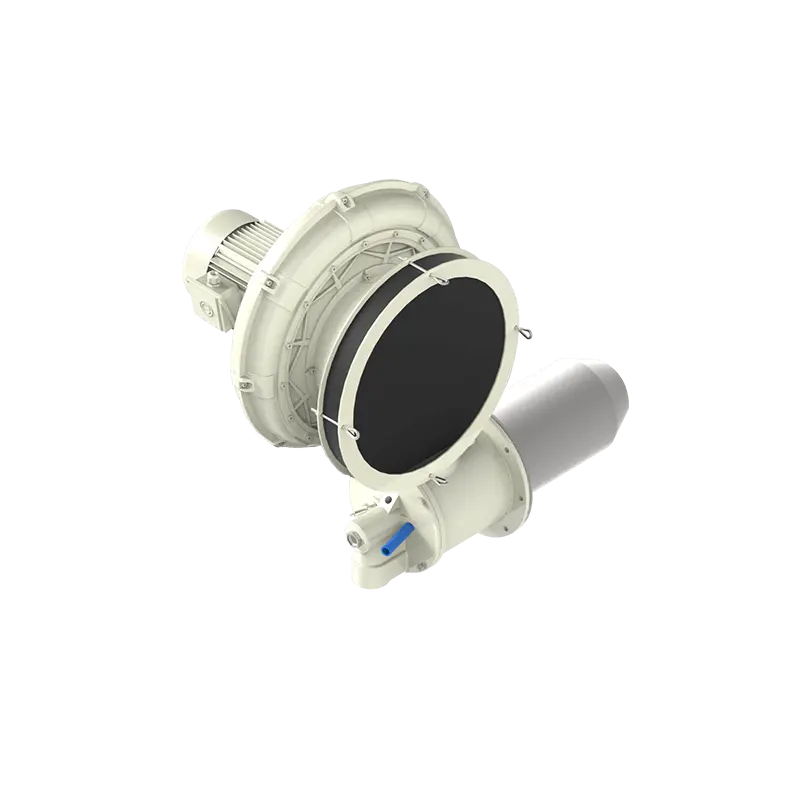
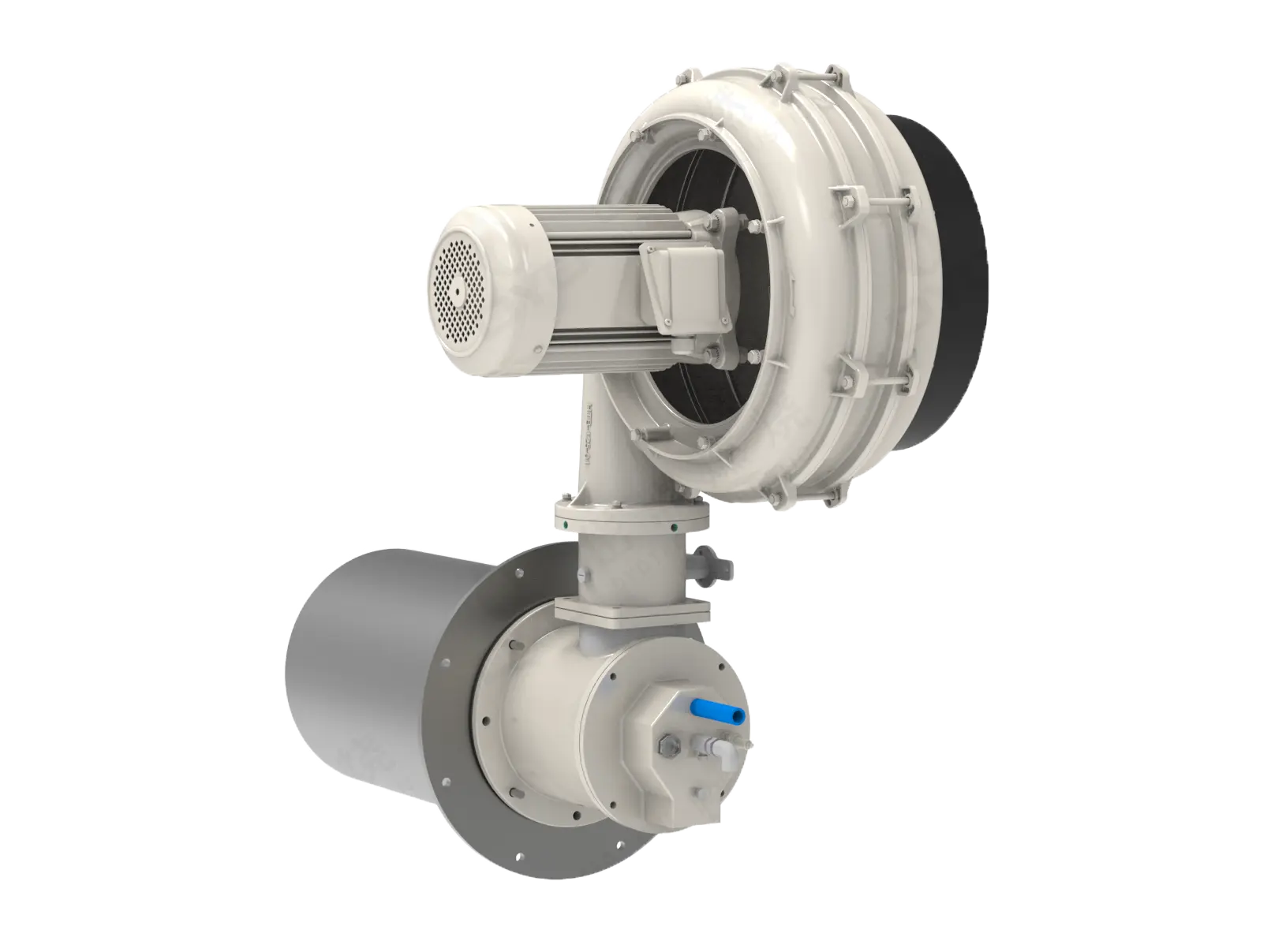
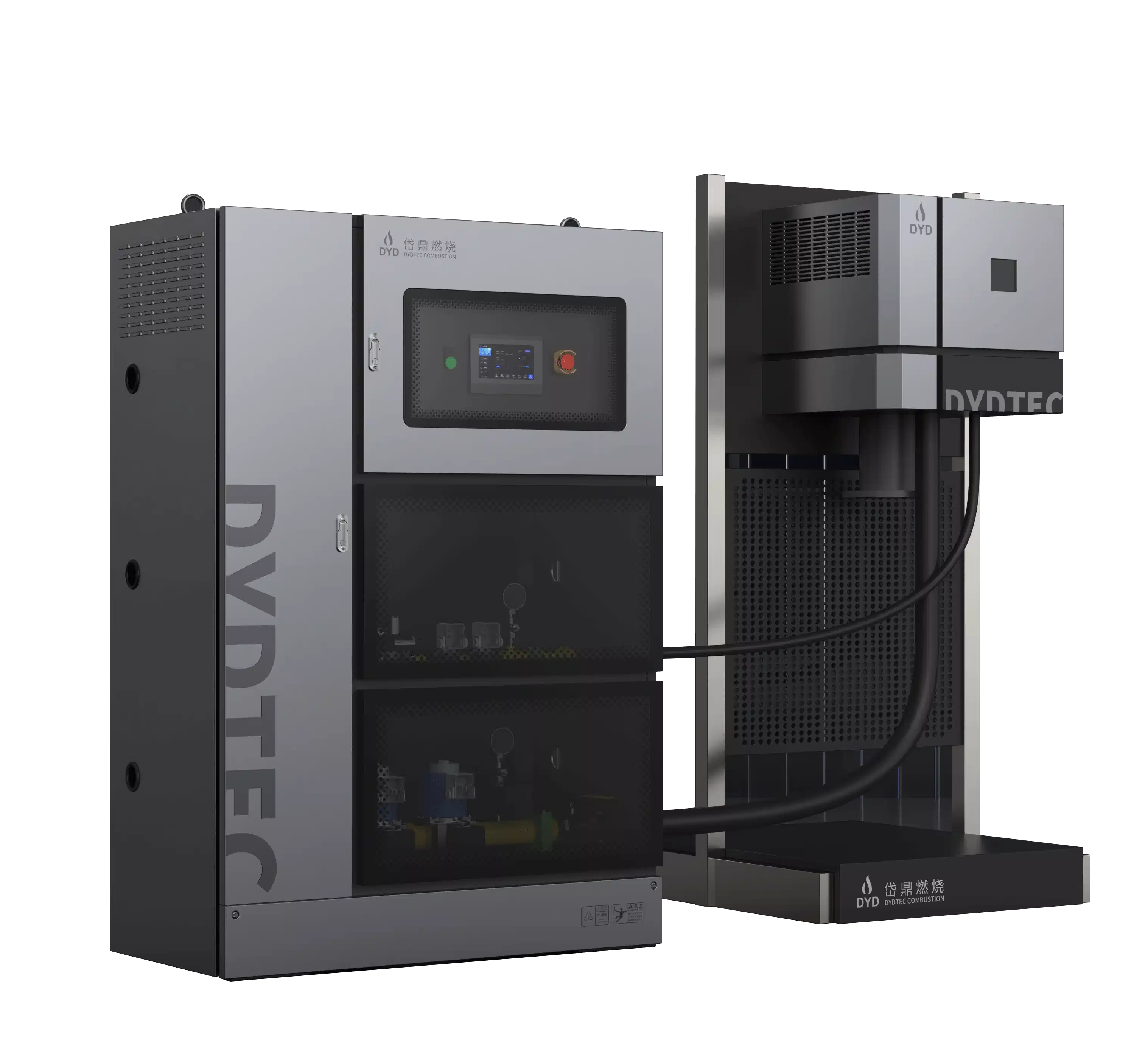
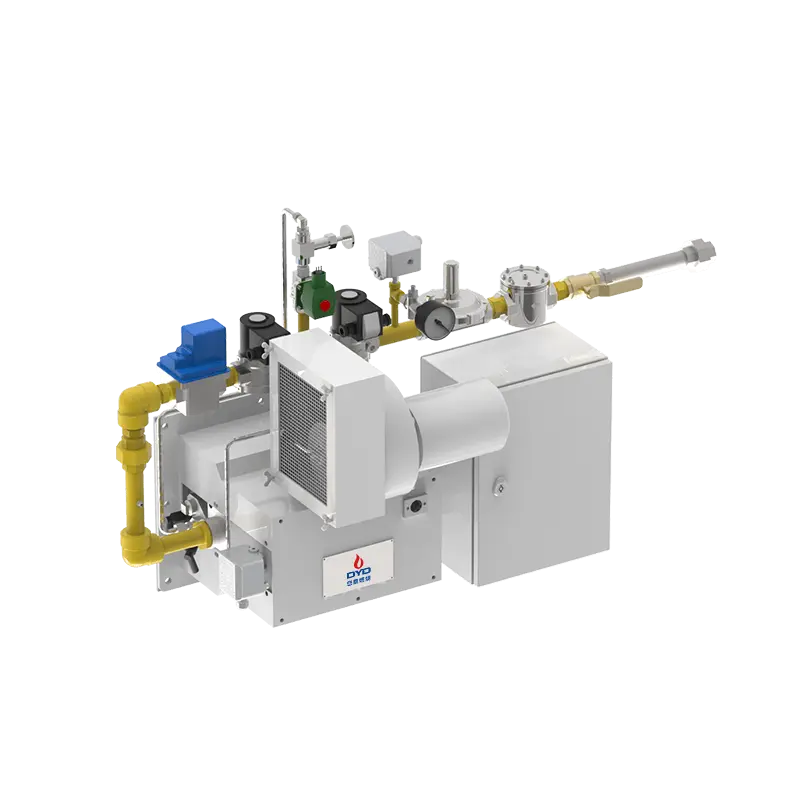
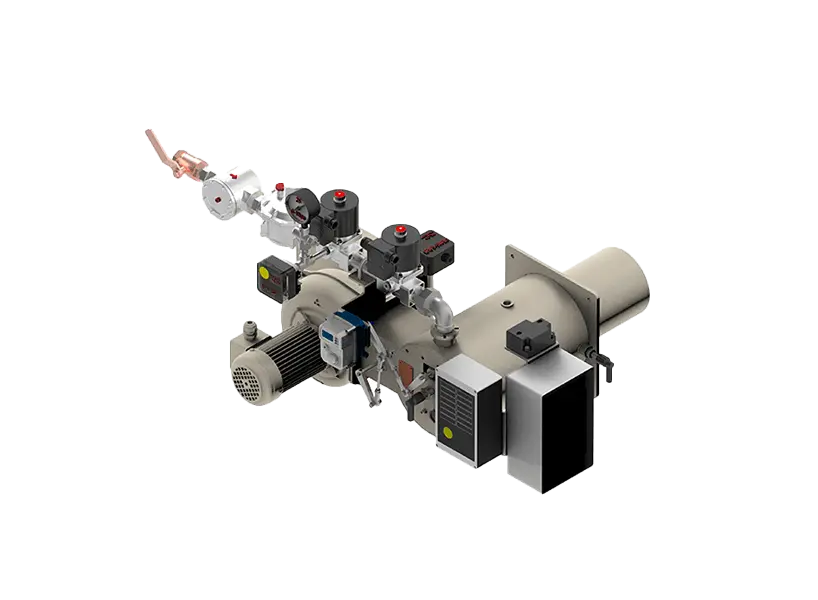
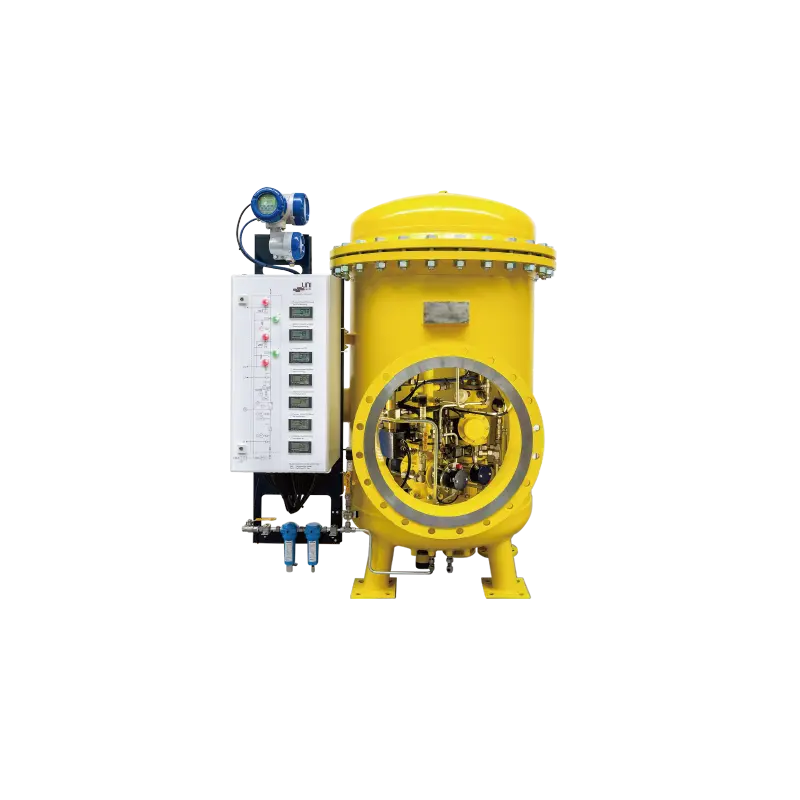
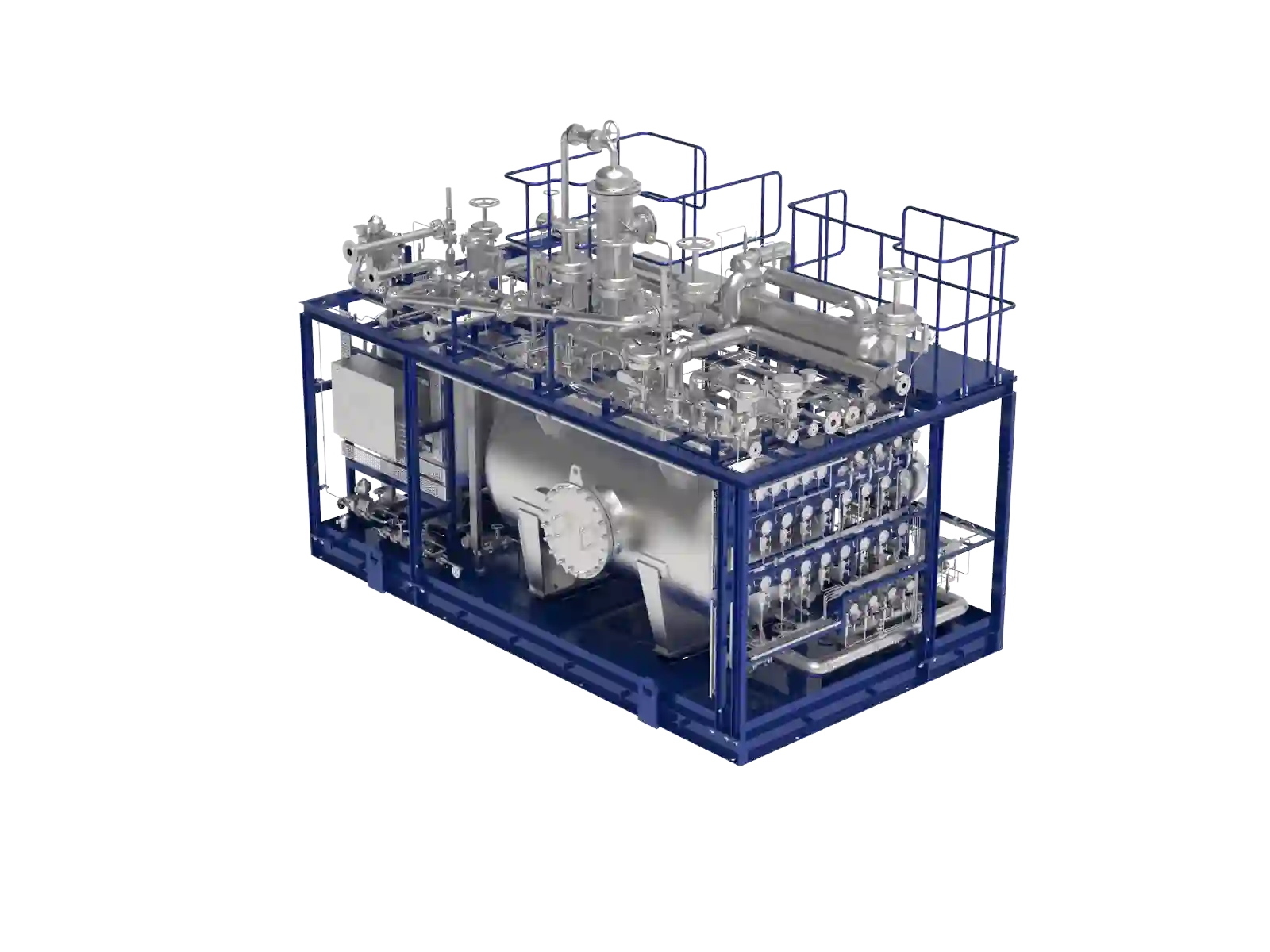
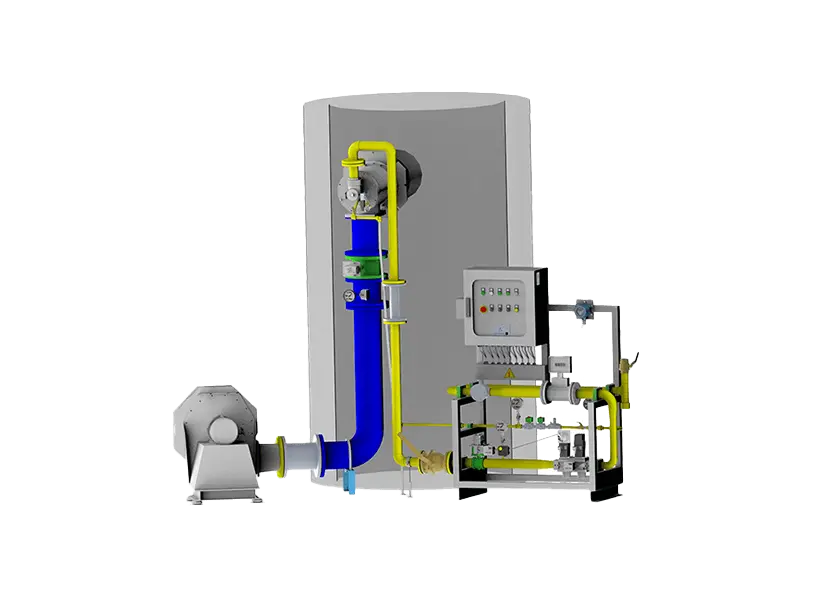
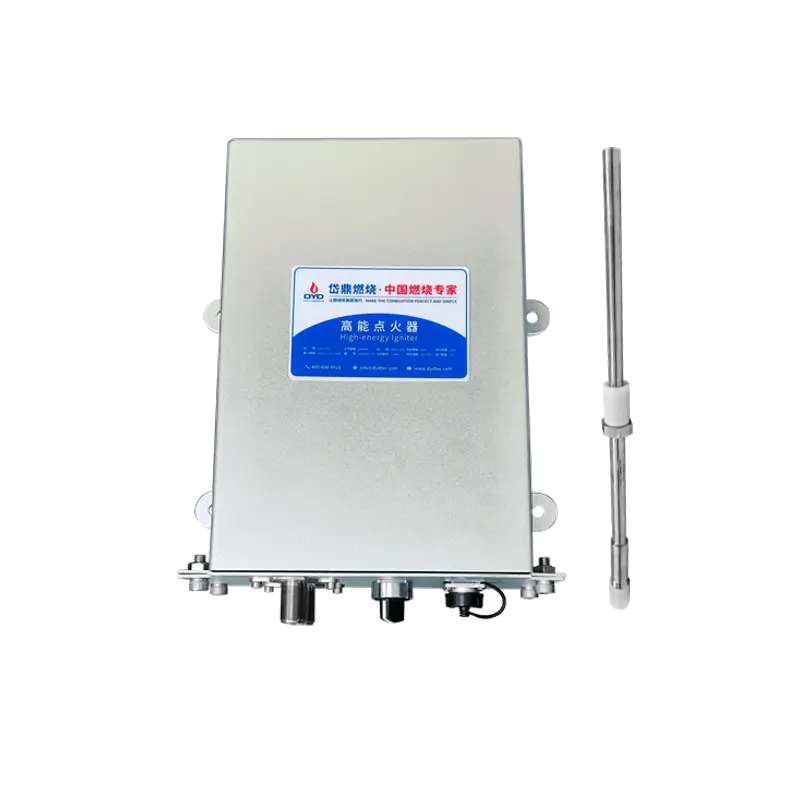
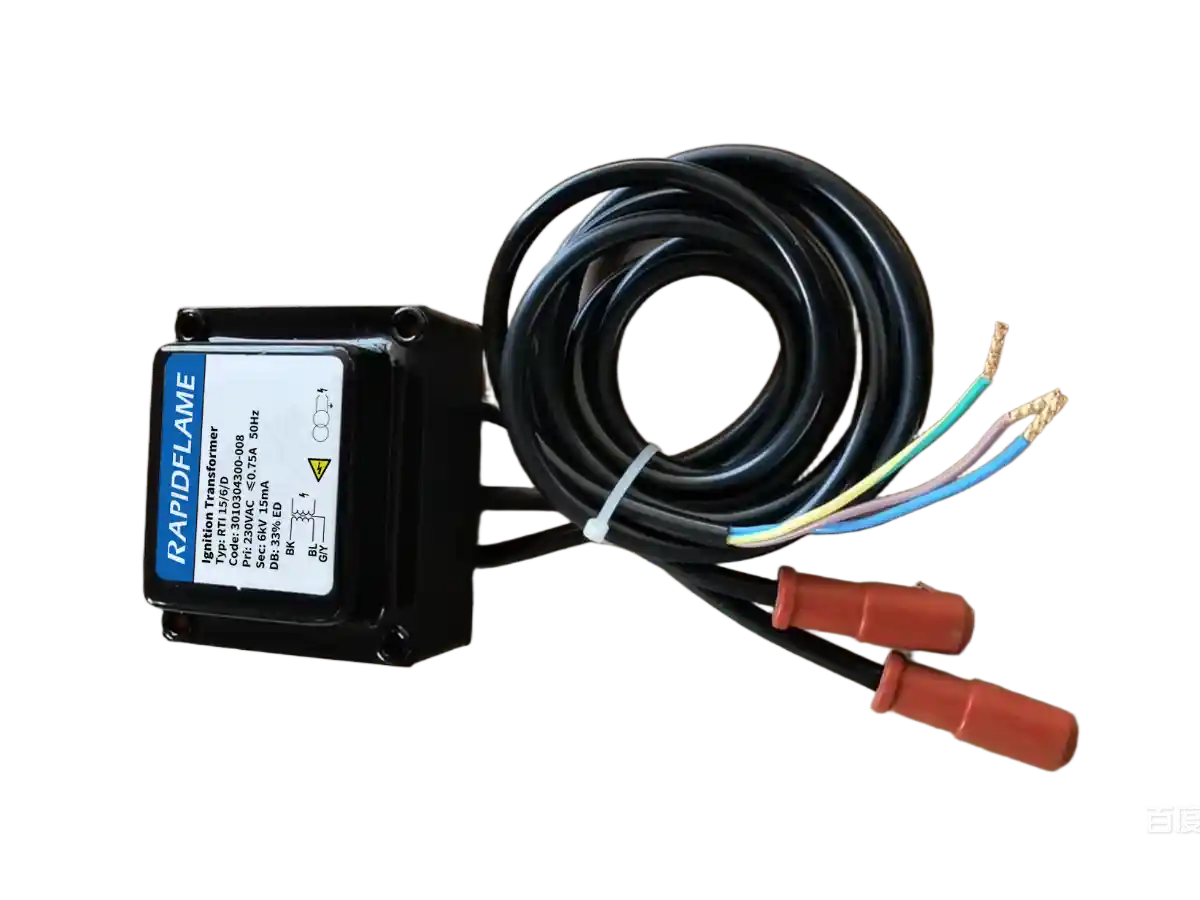
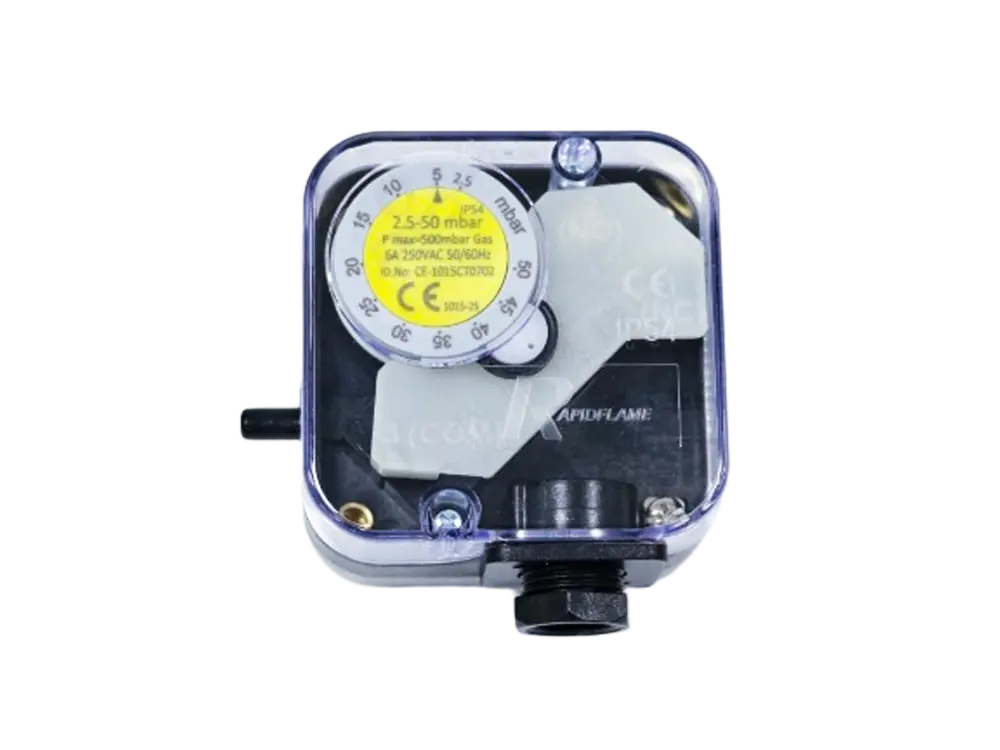
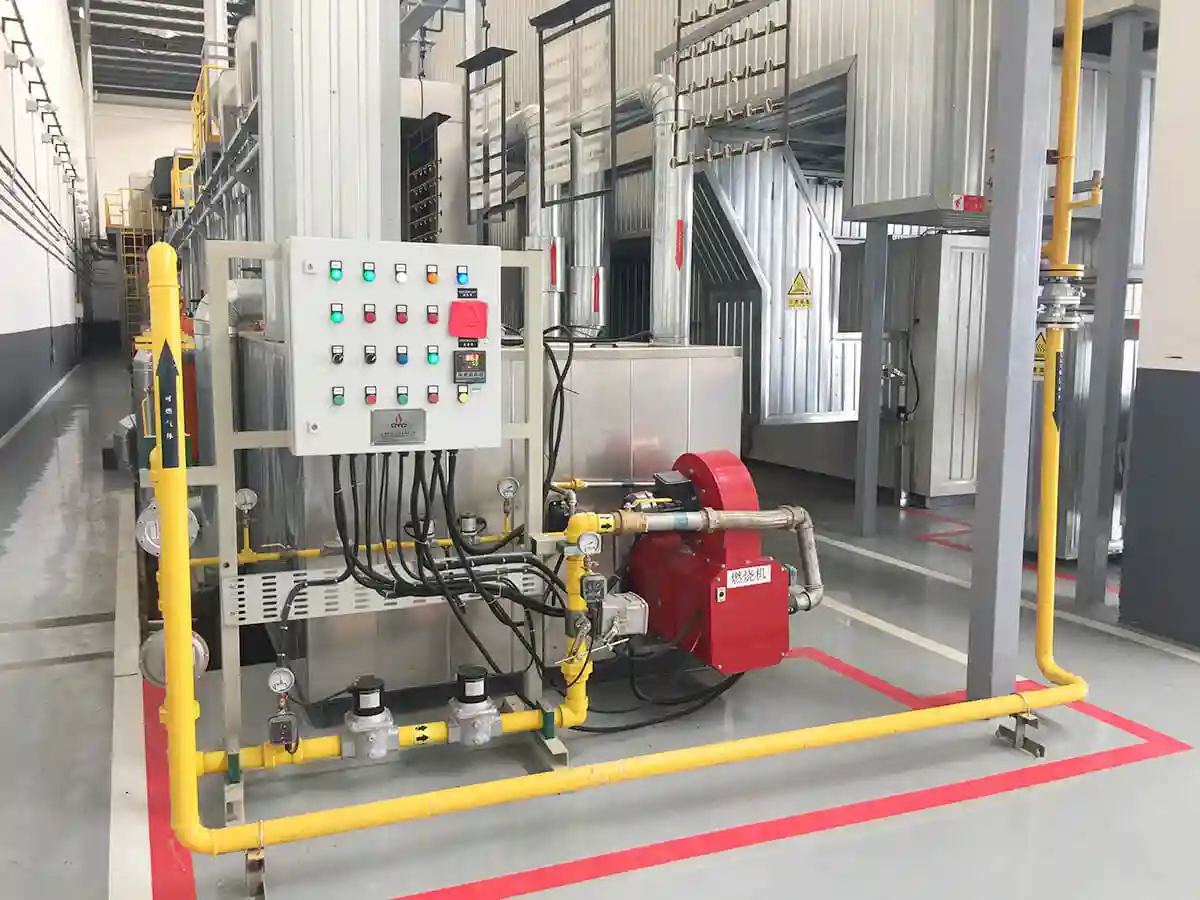
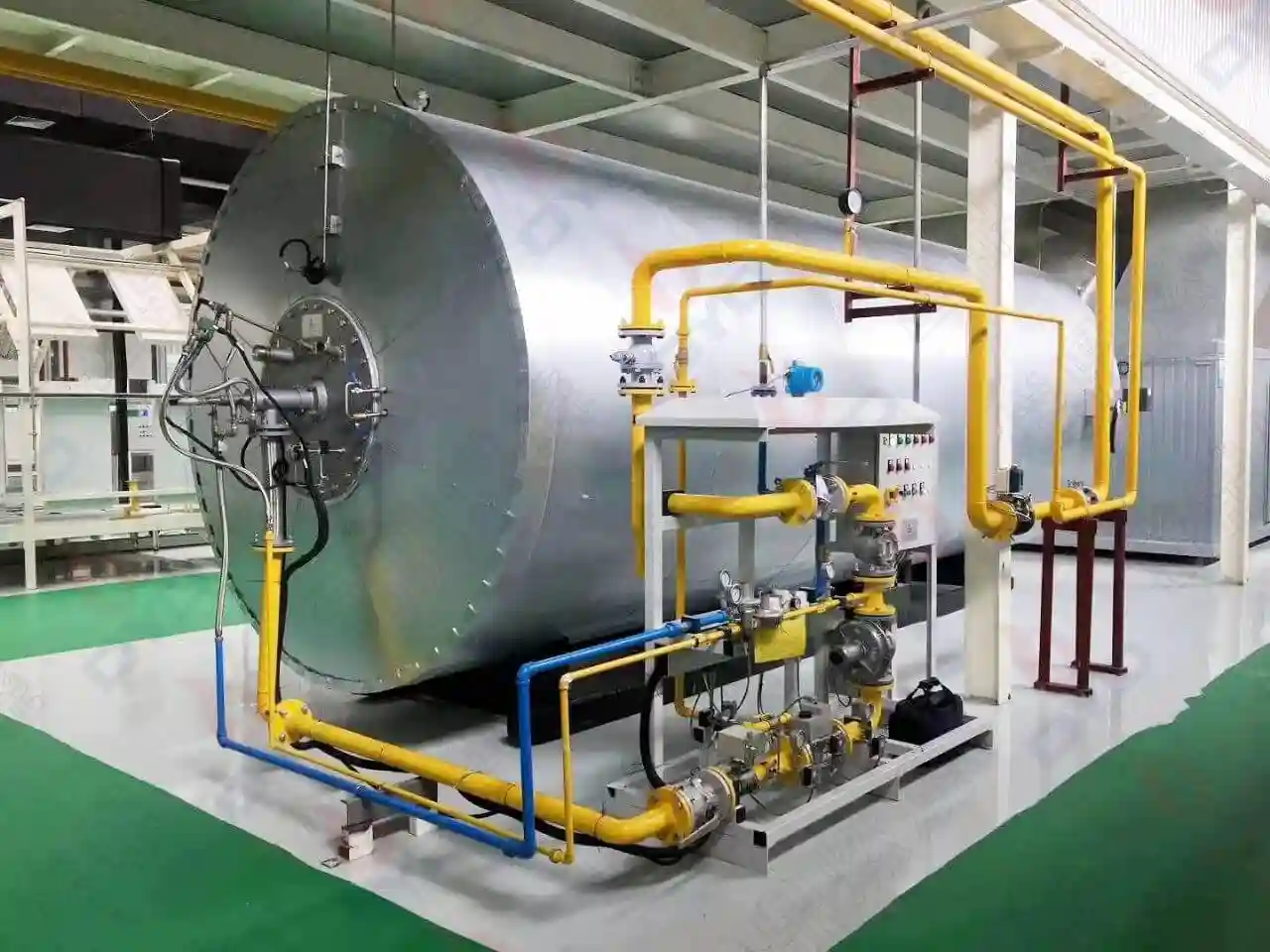
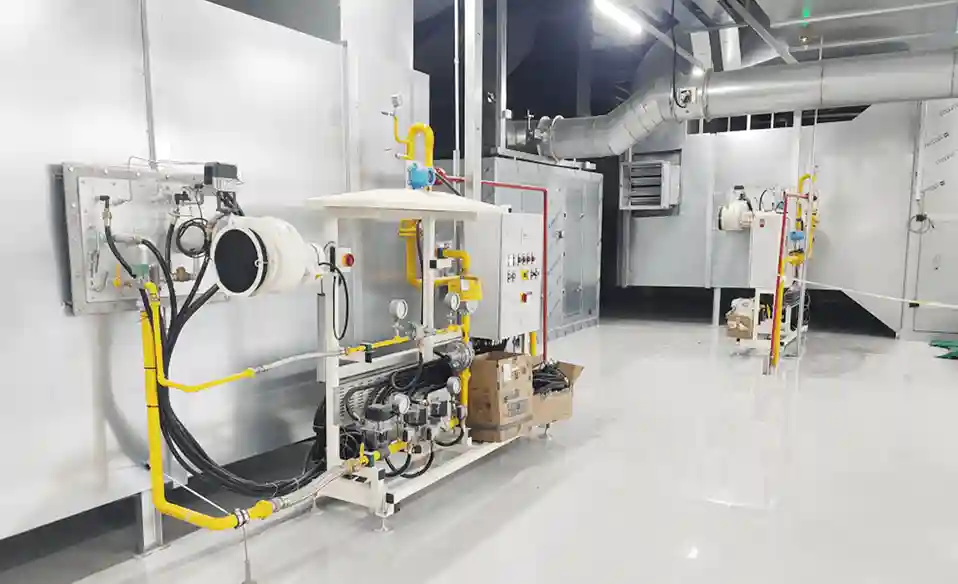
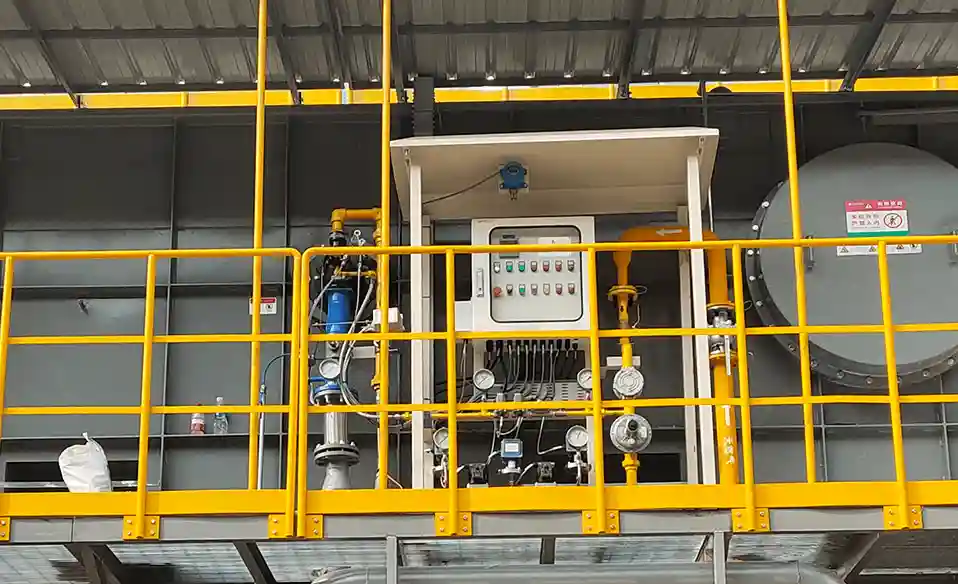
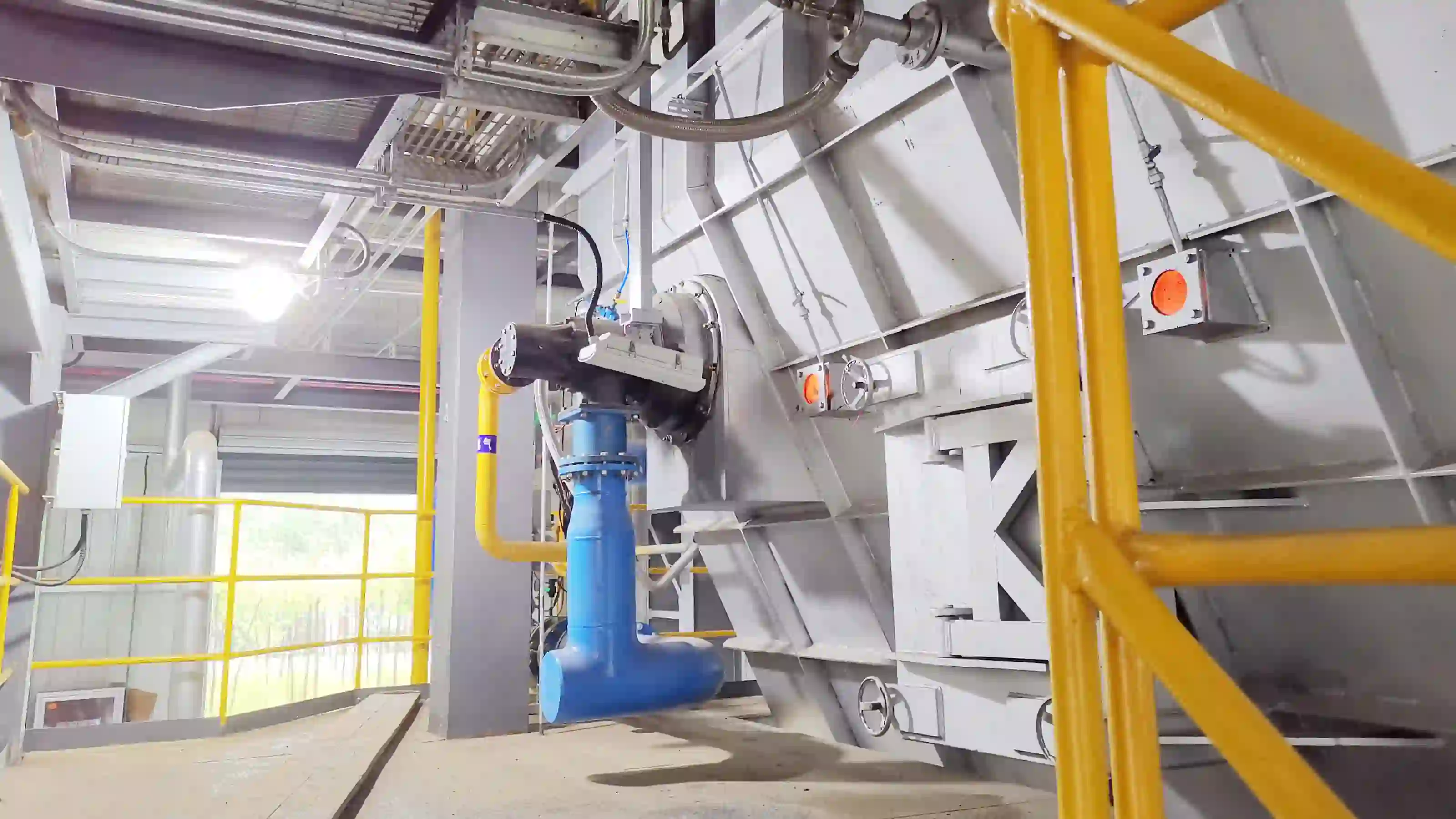
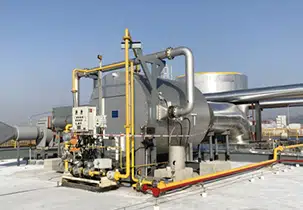
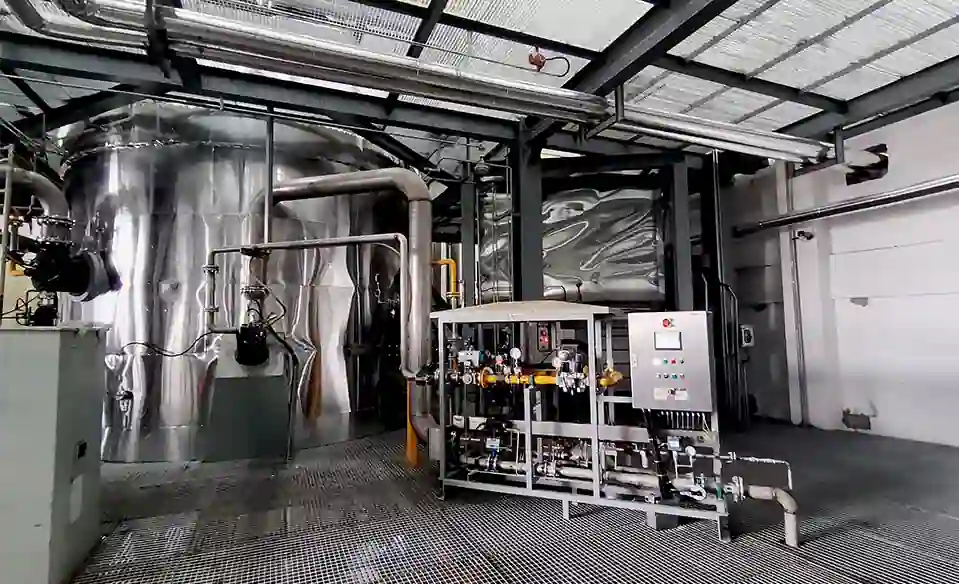
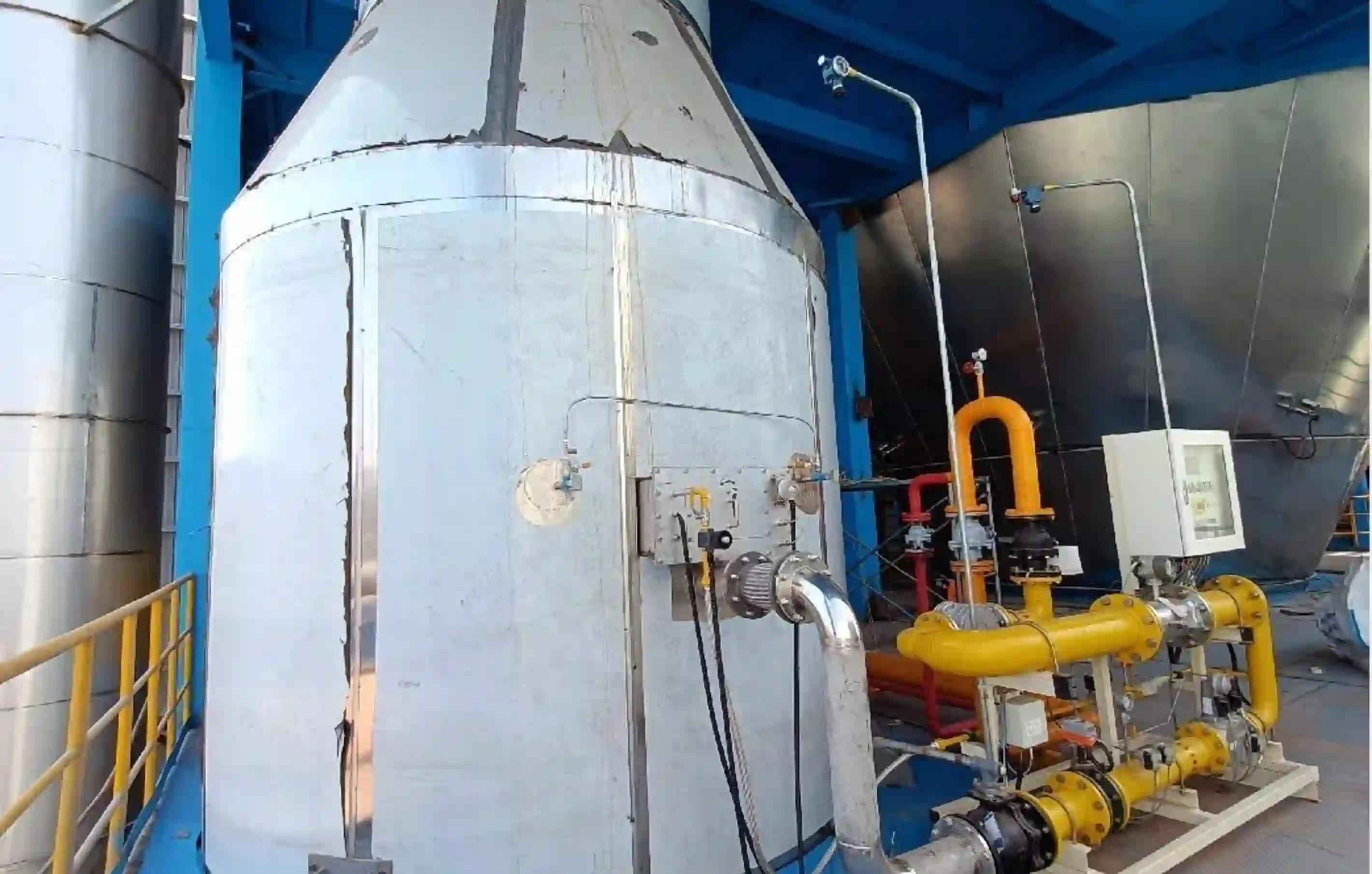
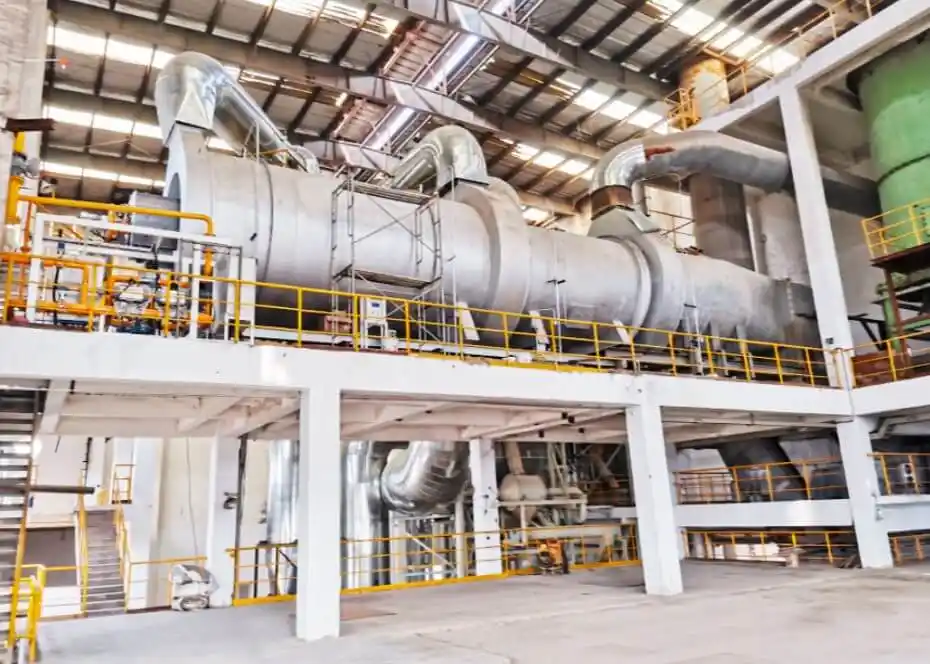
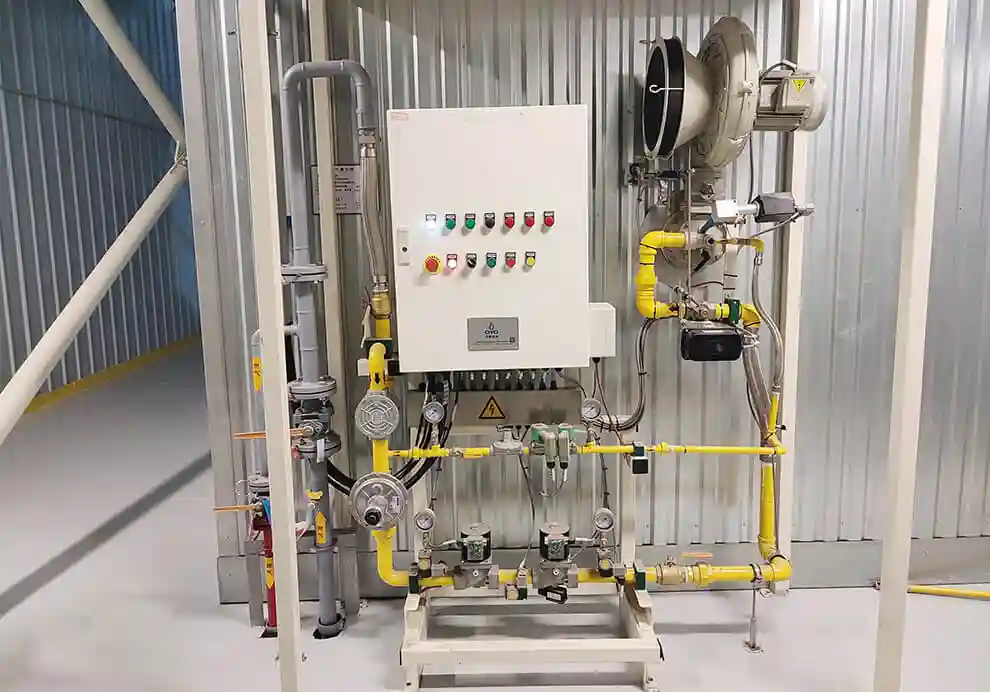
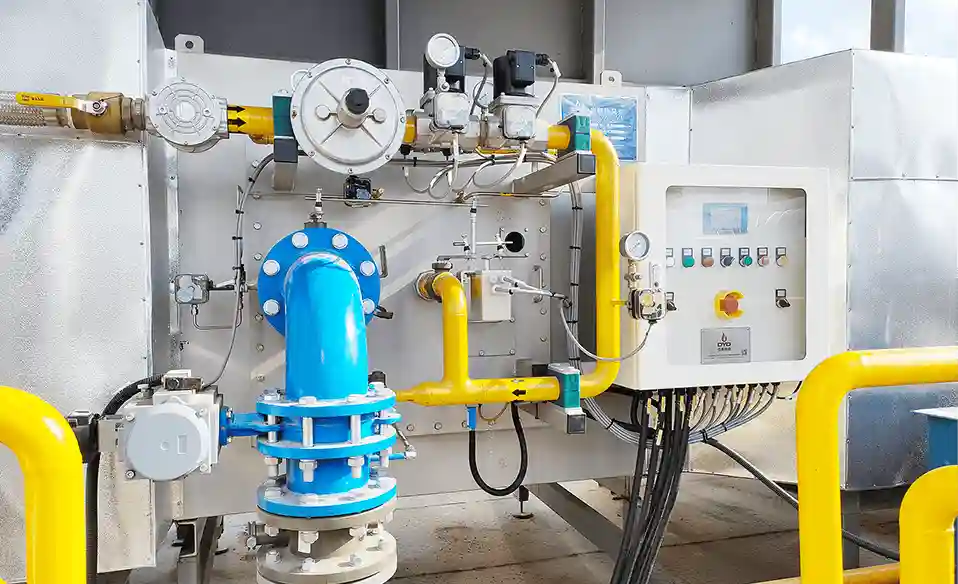
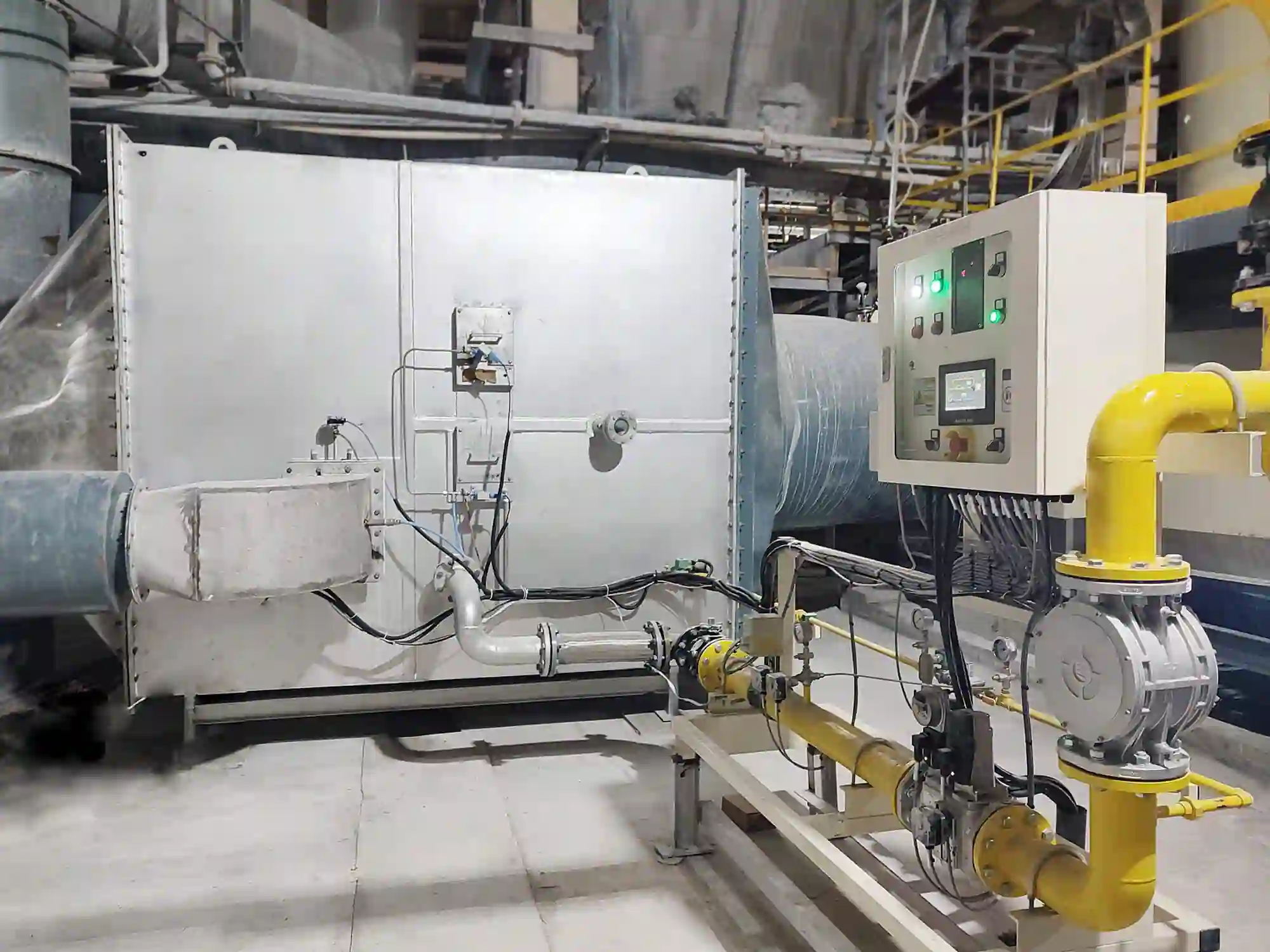
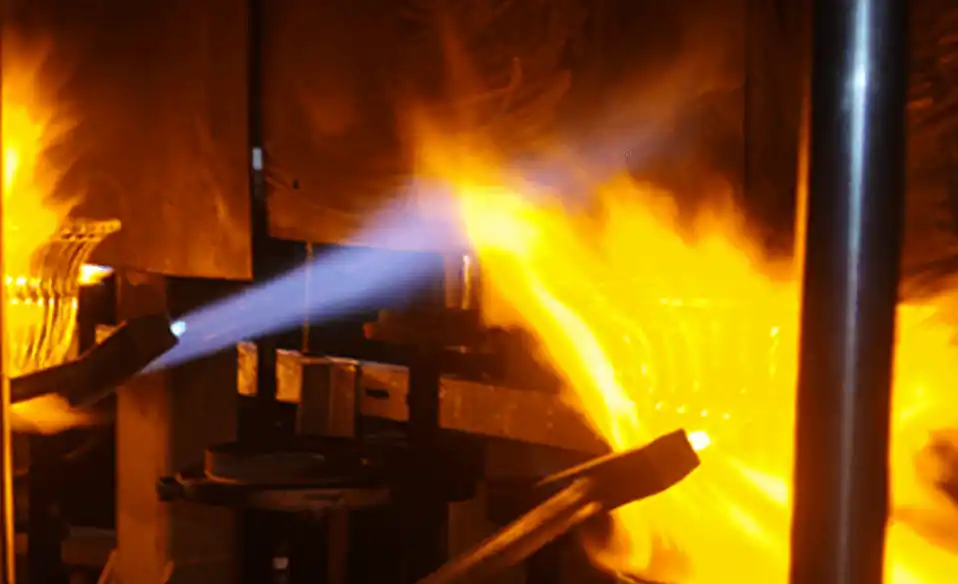
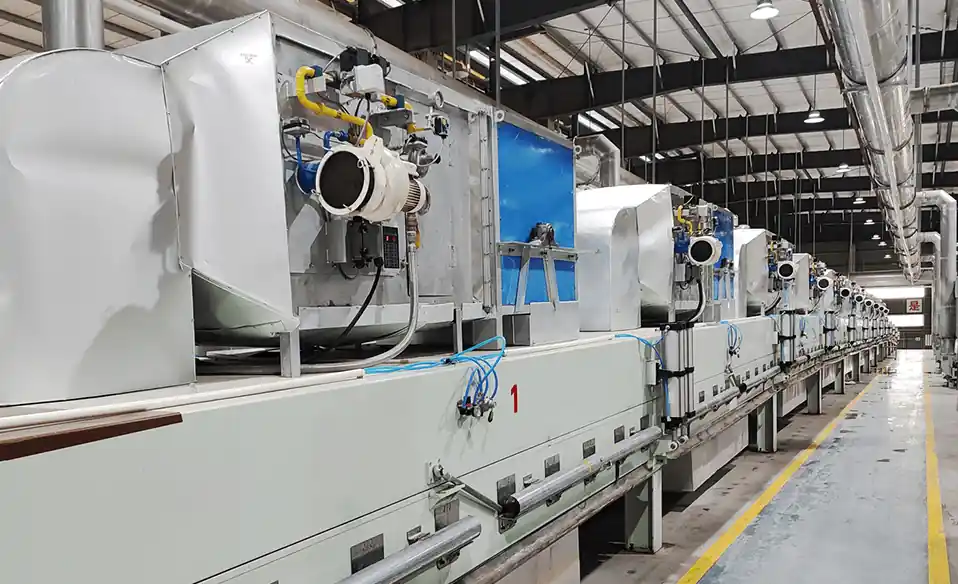
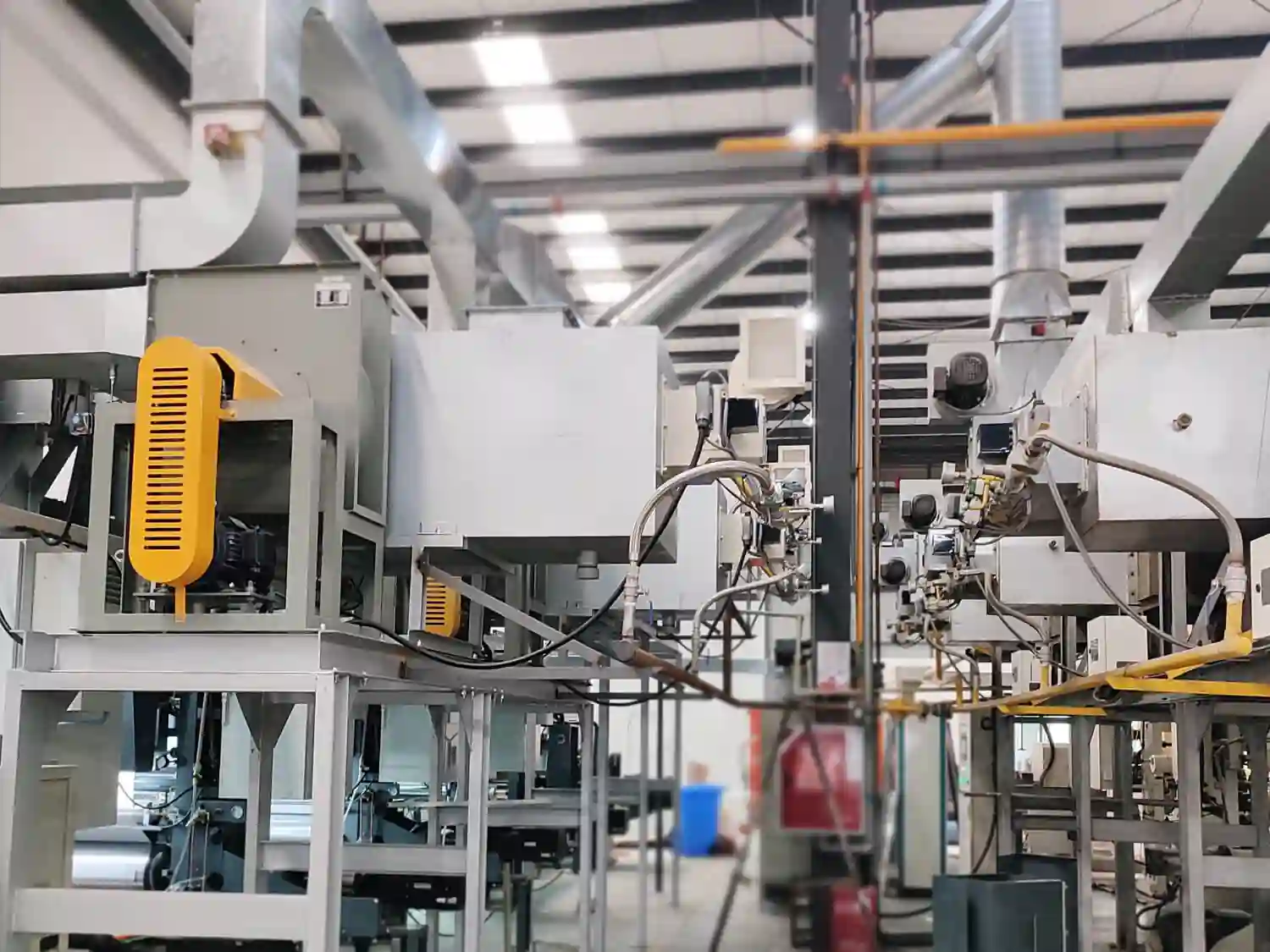
The feed drying burner is the core heat source equipment in feed processing production lines. Its primary function is to provide stable hot air for feed drying equipment, enabling moisture control, stable product storage, and improved production efficiency. Feed drying directly affects the product's storage period, transport performance, and nutritional value. A well-designed combustion system can complete the drying task with lower energy consumption while ensuring feed quality, directly impacting the production costs and product competitiveness of feed processing enterprises.
In feed processing, whether for pelleted feed, extruded feed, aquatic feed, or livestock and poultry feed, drying processes are required to reduce moisture content to meet storage and transport requirements. Different feed types, formulations, and forms have varying requirements for drying temperature, air volume, and residence time. The combustion system design must be matched to the specific drying process rather than simply using standard heating equipment.
Feed drying combustion systems typically need to meet multiple requirements: stable hot air temperature (preventing inconsistent feed quality caused by temperature fluctuations), high drying efficiency (shortening the drying cycle while ensuring quality), uniform heat distribution (avoiding local overheating or under-drying), low energy consumption (reducing energy consumption per unit of feed), long-term continuous operation (matching the large-scale production mode of feed processing enterprises), and safety and reliability (ensuring long-term stable operation of the production line).
When selecting a feed drying burner manufacturer, key factors to evaluate include industrial burner R&D capability, hot air furnace design experience, air heating system matching capability, energy-saving optimisation capability, and non-standard customisation capability. Feed processing equipment comes in many varieties, and combustion system integration requires differentiated design according to specific equipment structures, production capacities, and drying requirements.
DYDTEC (Shanghai DYDTEC Equipment Technology Group Co., Ltd.) focuses on the R&D and manufacturing of industrial burners, linear burners, hot air furnaces, and combustion system integration. It can provide stable and efficient combustion solutions for feed drying, food processing, industrial hot air, and other applications.
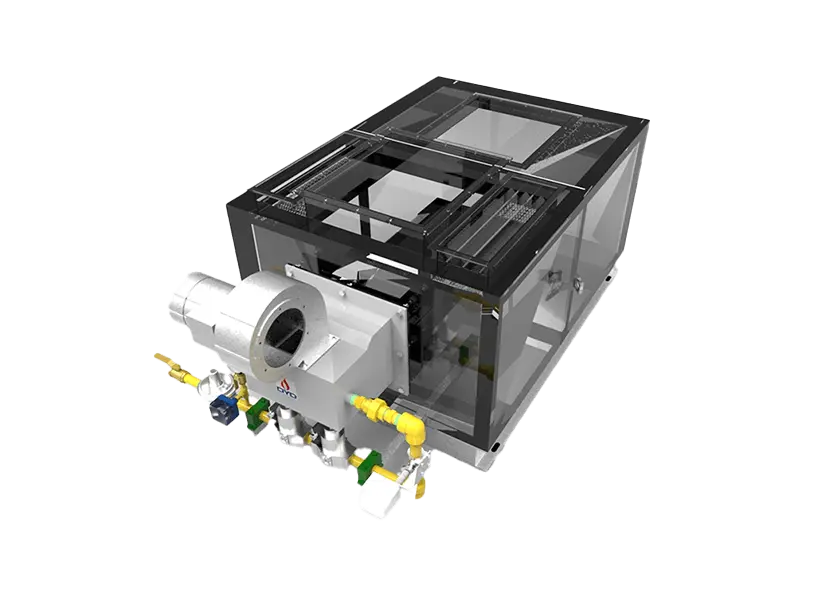
A feed drying burner is a heating device installed on feed dryers, hot air furnaces, or drying systems. It is not an independent heating unit but rather a critical subsystem deeply integrated with the feed dryer's hot air circulation system, temperature control system, and safety protection system—the burner's heat output characteristics determine the dryer's temperature response speed and drying efficiency, while the hot air system design determines heat distribution uniformity within the drying chamber.
Its main function is to generate heat through fuel combustion, heat the air, and deliver it to the drying equipment to evaporate moisture from the feed, achieving stable drying. In pelleted feed production, drying is not only about reducing moisture content but also about ensuring pellet hardness and durability—excessively high temperatures may cause surface hardening while leaving internal moisture, affecting the feed's storage stability and palatability.
Basic working process:
Fuel input → burner combustion → heat generation → hot air system delivery → feed drying → target moisture content achieved
In feed processing, drying is typically the final step after pelleting or extrusion, and its quality directly determines whether the product meets factory standards. The precision of hot air temperature control, the uniformity of hot air distribution within the drying chamber, and the stability of drying time all leave measurable traces on the final product—key indicators such as moisture content, pellet durability index (PDI), colour, and odour are all related to the combustion system's operating quality.
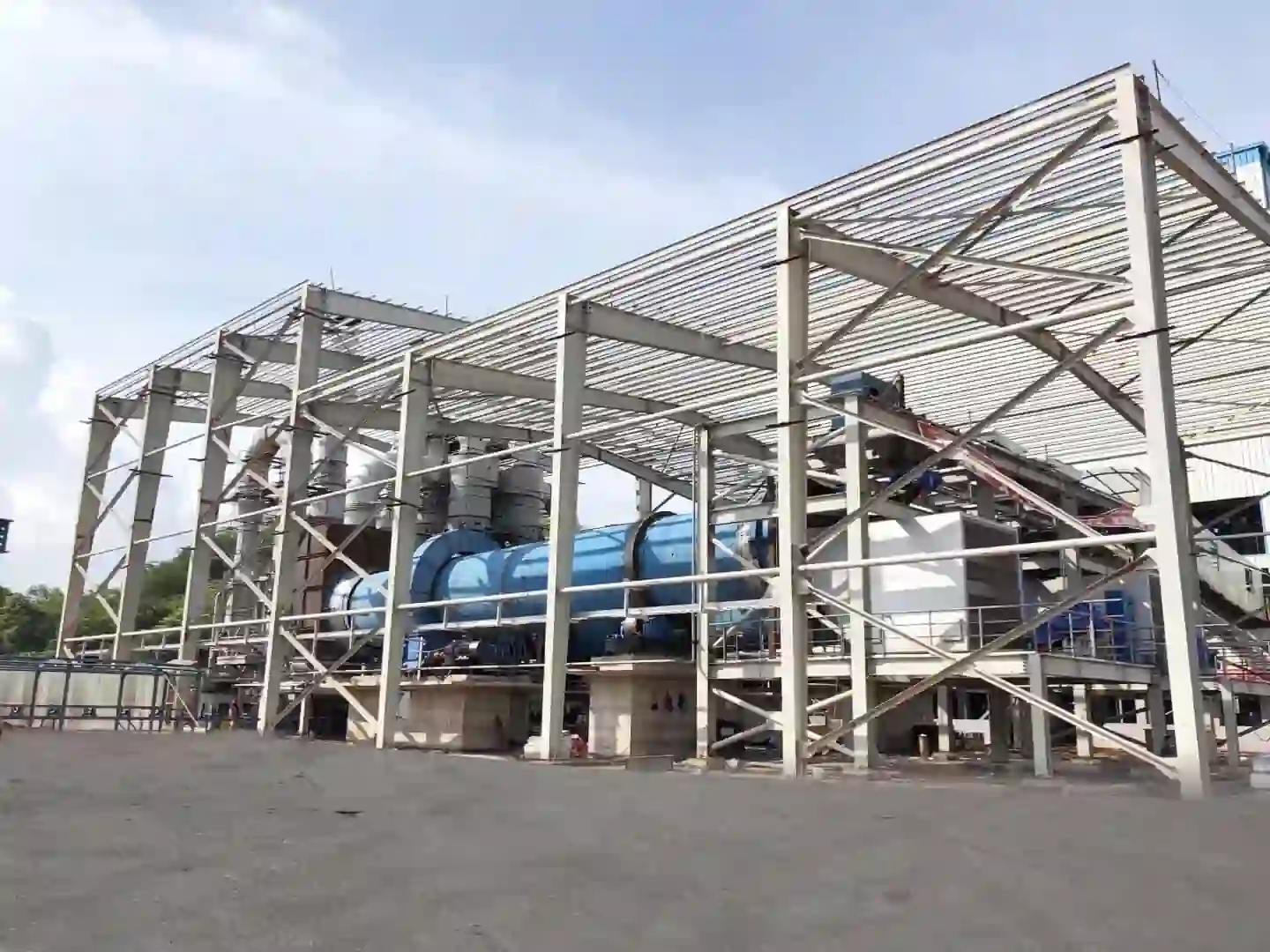
Application equipment includes pellet feed dryers (cooling and drying of livestock and poultry feed pellets), feed cooling and drying systems (simultaneous cooling and moisture reduction of pellets after pelleting), aquatic feed production lines (stricter requirements for moisture and fat stability in fish and shrimp feed), extruded feed production lines (drying and setting of extruded feed), and feed processing hot air systems (hot air supply for various feed processing stages).
During feed processing, moisture content directly affects the product's storage period, mould risk, nutritional stability, and product quality. Excessively high moisture at the point of dispatch is a primary cause of mould during transport and heating during storage, while excessively low moisture increases dust and feed waste, and causes unnecessary energy consumption and weight loss.
Excessively high drying temperatures may cause nutrient loss (heat-sensitive components such as vitamins and amino acids decompose at high temperatures), product colour changes (darkening or scorching of the feed appearance affects commercial value), and quality degradation (excessive pellet hardness affects palatability). Insufficient drying temperatures may result in excessive residual moisture (increased mould risk, shortened storage period) and reduced storage stability (accelerated oxidation, increased risk of fat rancidity).
Therefore, the combustion system must provide a stable heat source (combustion power not fluctuating over time), precise temperature control (meeting the drying temperature requirements of different feed formulations and forms), and uniform hot air (consistent temperature and air volume across all zones of the drying chamber).
Large feed mills typically operate in automated production mode—continuous feeding, continuous drying, and batch production. Once started, the production line runs continuously for days or even longer, with no allowance for downtime due to heat source issues. The burner must ensure reliable ignition (successful flame establishment on every start without manual intervention), stable flame (unaffected by fluctuations in gas and air pressure during continuous operation), wide load regulation range (adapting to heat demand changes under different formulations and capacities), and strong automatic control capability (reducing manual operation and operator workload), ensuring the continuity and stability of the feed production line.
Feed drying typically consumes large amounts of thermal energy. In the total energy consumption of feed processing, the drying stage often accounts for a considerable proportion, especially when processing high-moisture raw materials or aquatic feed, where the drying energy share is even more prominent. An efficient combustion system can reduce energy consumption per unit of product by improving combustion efficiency (precise air-fuel ratio control for complete release of fuel chemical energy), optimising the air-fuel ratio (maintaining optimal ratio across the full load range), reducing exhaust losses (controlling exhaust gas temperature and excess air coefficient), and improving hot air circulation (increasing heat and mass transfer efficiency between hot air and feed pellets), helping feed mills reduce production costs.
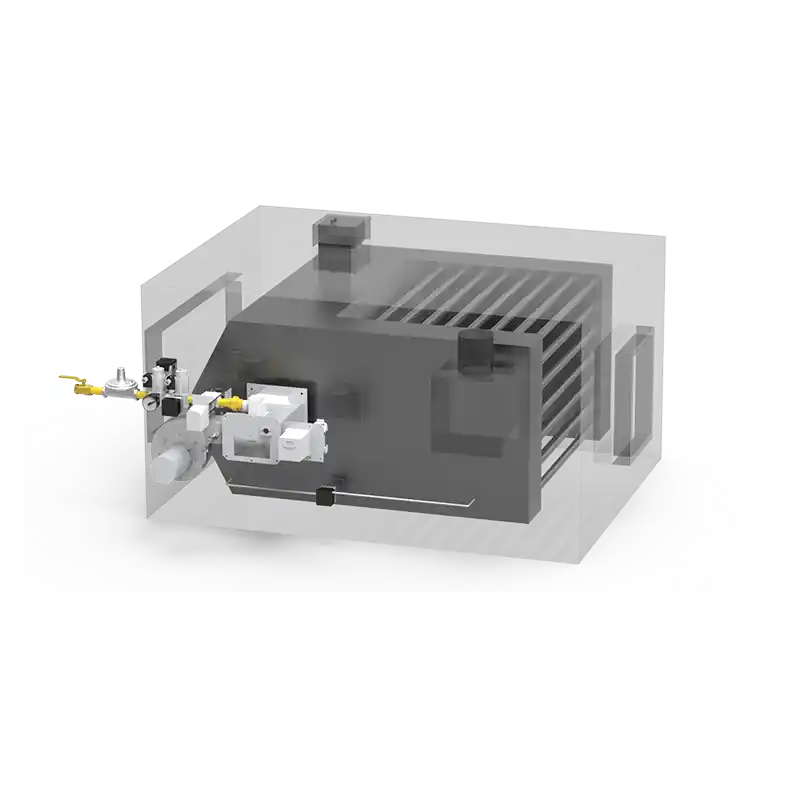
Direct-fired burners generate hot air directly: the high-temperature flue gas from combustion mixes directly with the circulating air to form hot air delivered to the drying equipment. Advantages include high thermal efficiency (no heat exchanger losses; almost all fuel heat is utilised), fast heating rate (shortest heat generation and delivery path), and compact equipment structure (clean system layout, easy installation and maintenance). Suitable for large feed drying equipment, continuous production lines, and high-output feed processing. In high-volume, continuous feed production scenarios, the direct-fired solution is the mainstream choice due to its thermal efficiency advantages.
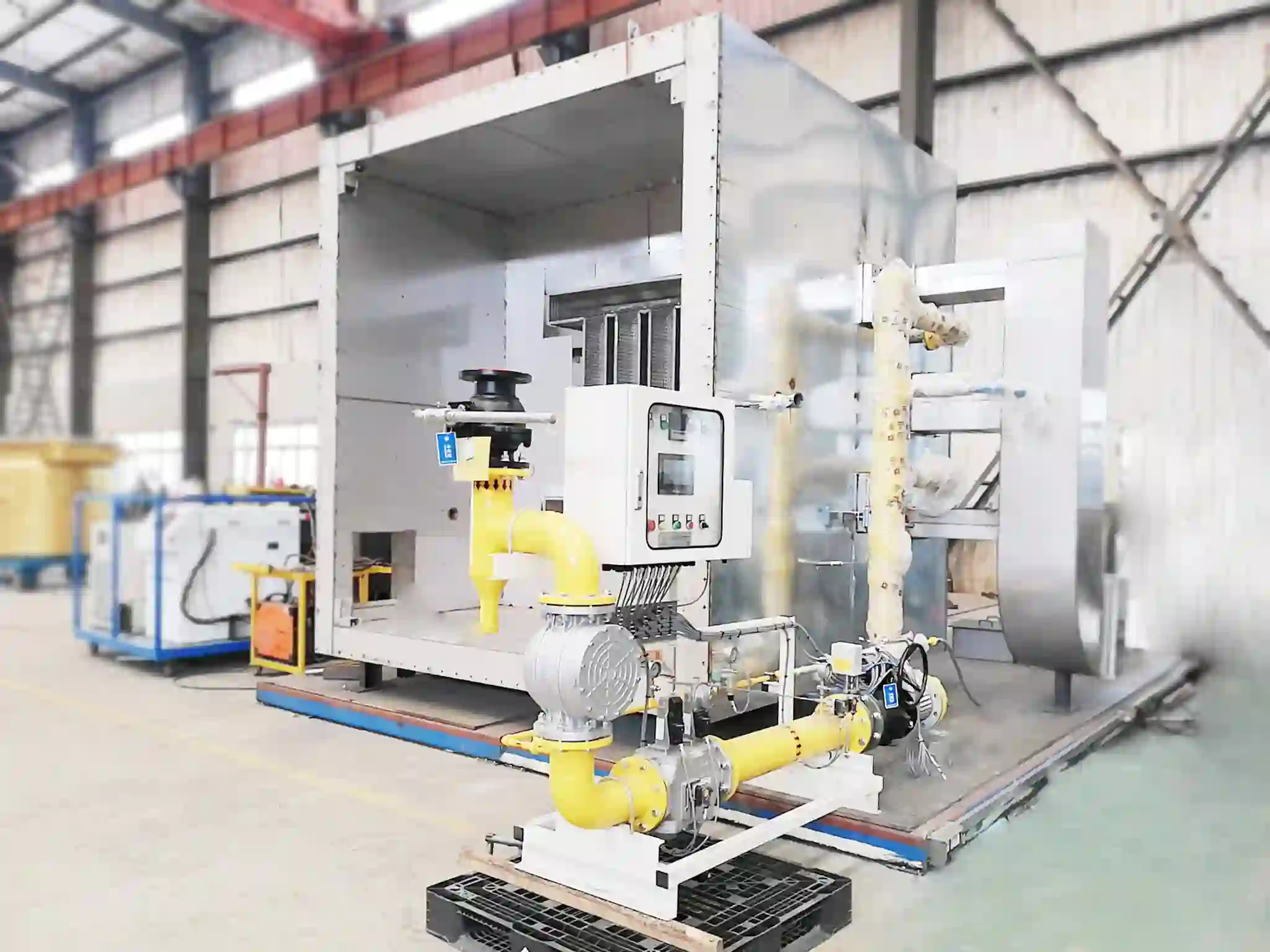
Indirect hot air furnaces produce clean hot air via heat exchange: the heat from combustion is transferred through a heat exchanger to clean air, completely isolating the hot air from the flue gas and ensuring that the hot air entering the drying equipment contains no combustion products. Features include isolation of combustion flue gas from the material (avoiding contamination and odour from combustion products), more stable hot air quality (stable hot air temperature, free of combustion by-products), and more precise temperature control (smooth heat transfer, stable temperature output). Suitable for feed processing with high product cleanliness requirements (high-quality feed and specialty feed), special feed production, and high-quality feed drying.
DYDTEC possesses hot air furnace and combustion system integration capability and can provide customised hot air solutions according to different drying processes, matching the most suitable hot air method for different feed types, quality requirements, and thermal efficiency needs.
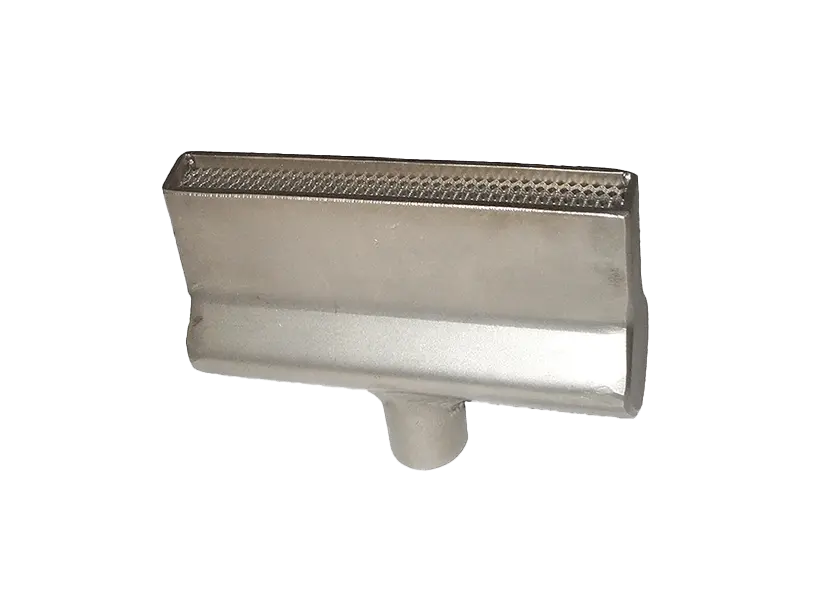
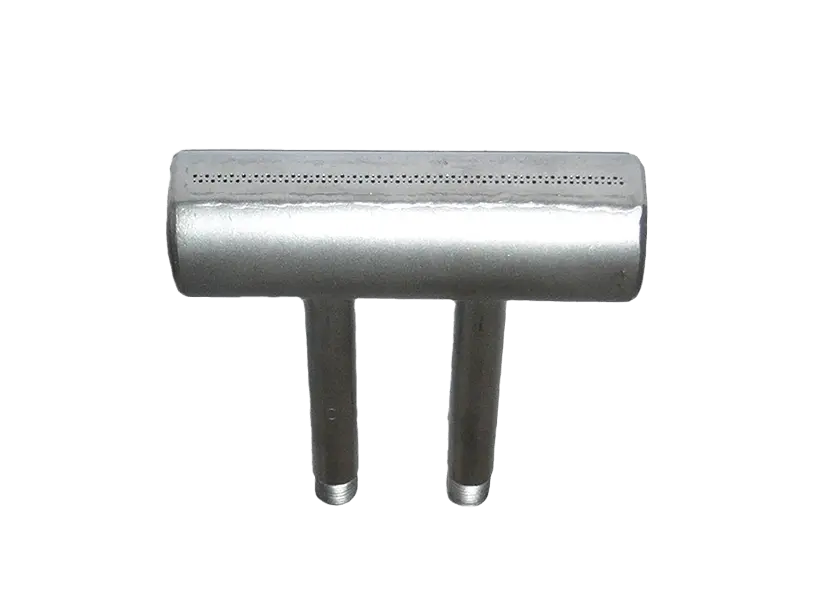
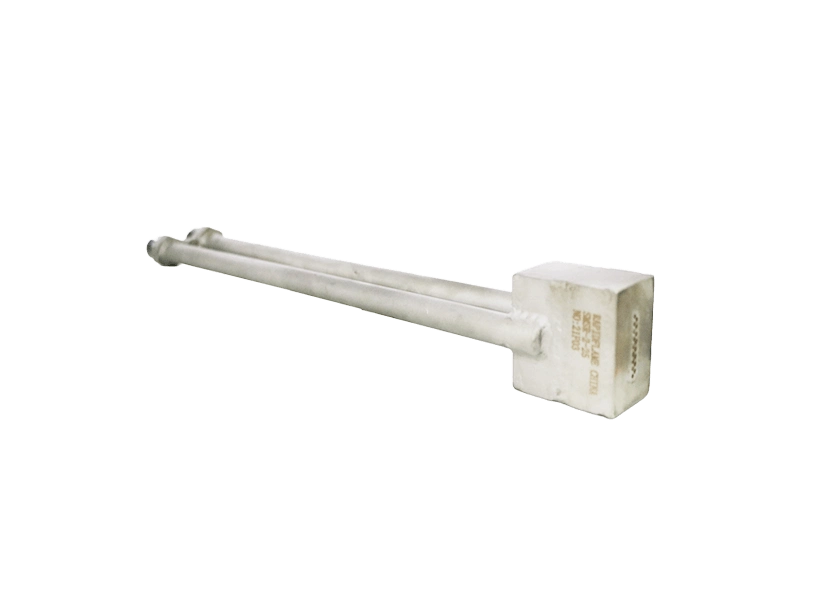
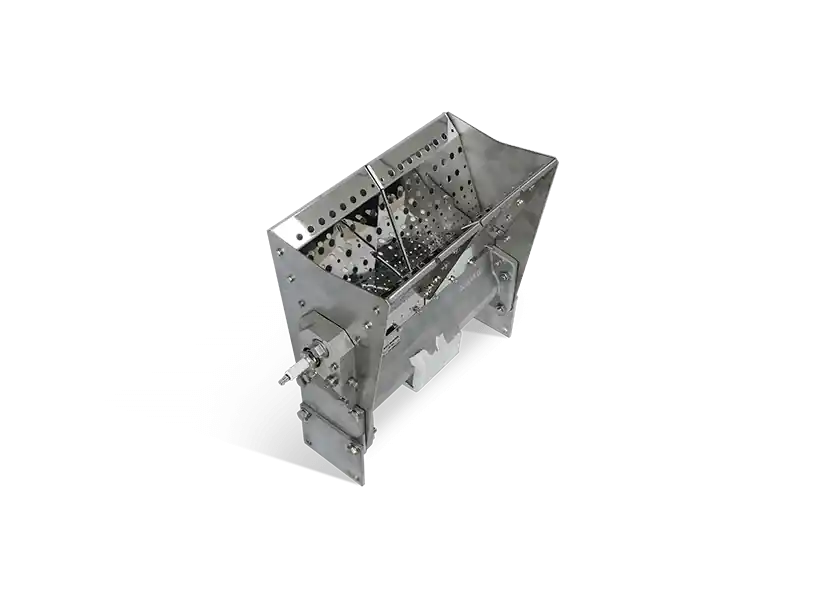
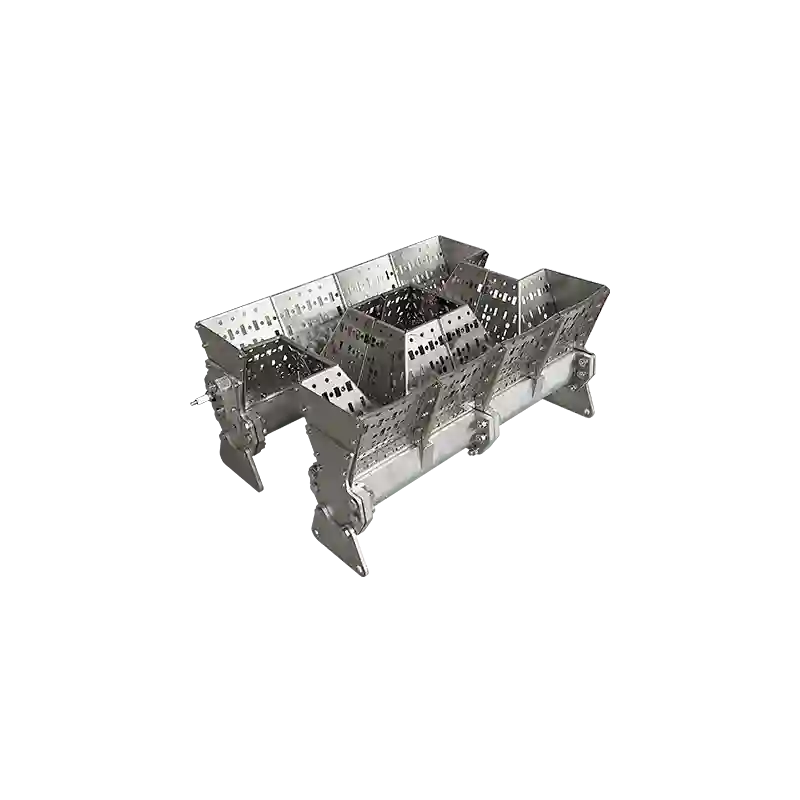
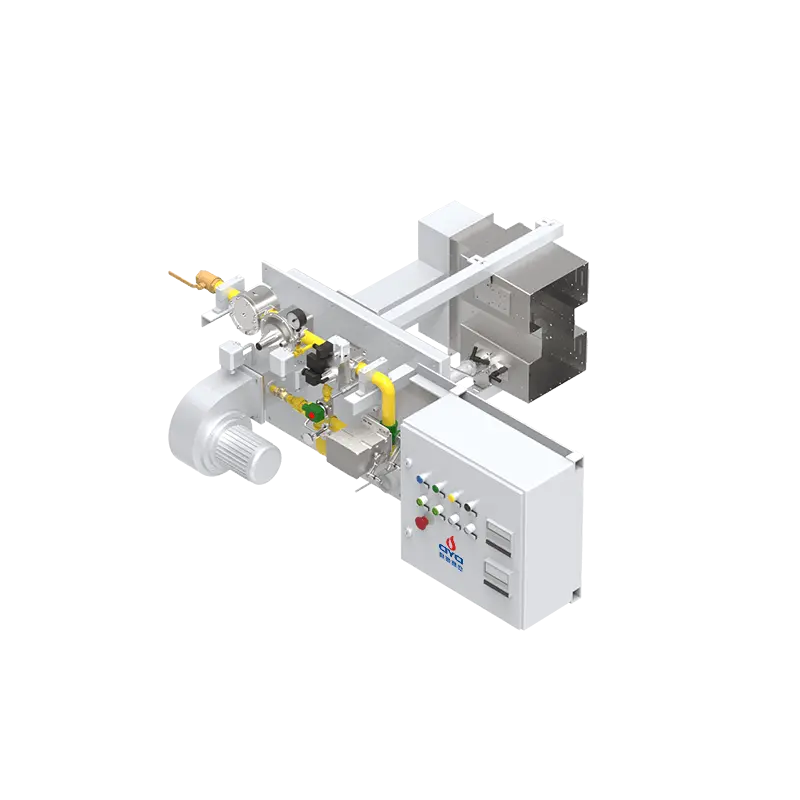
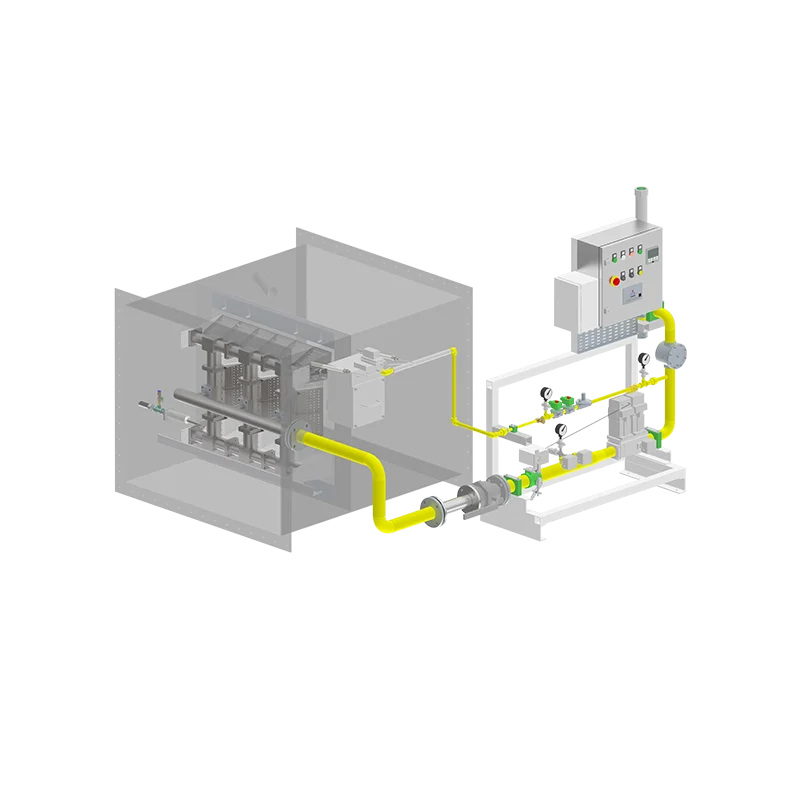
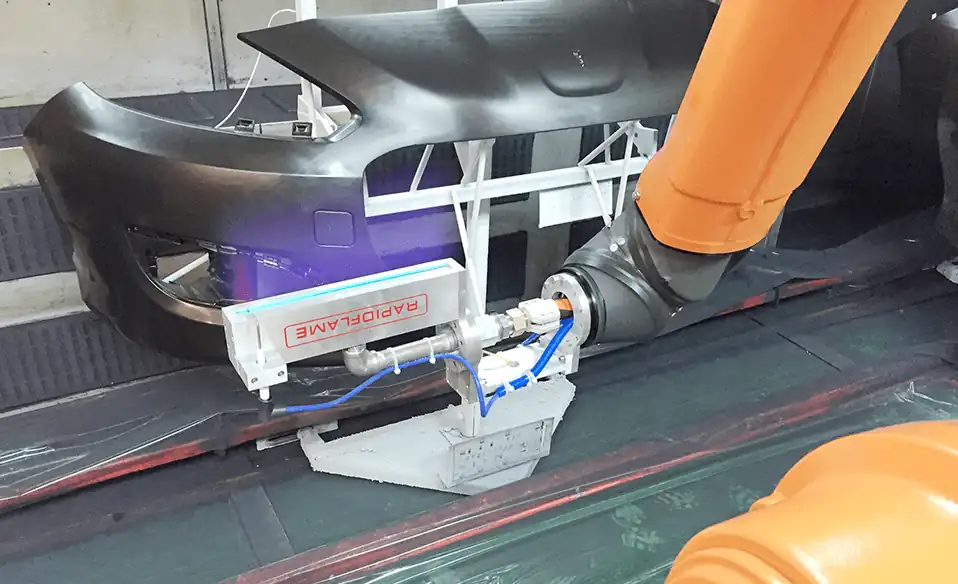
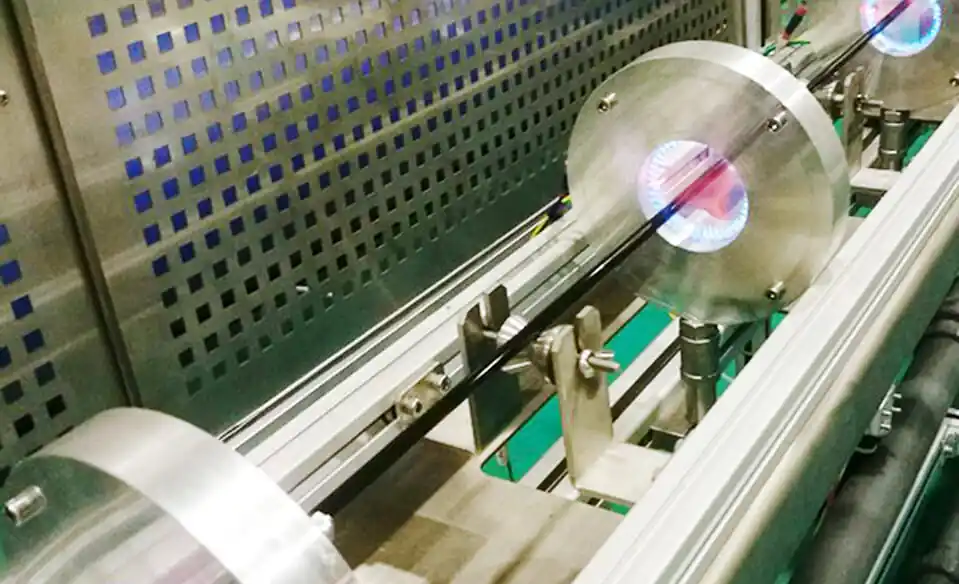
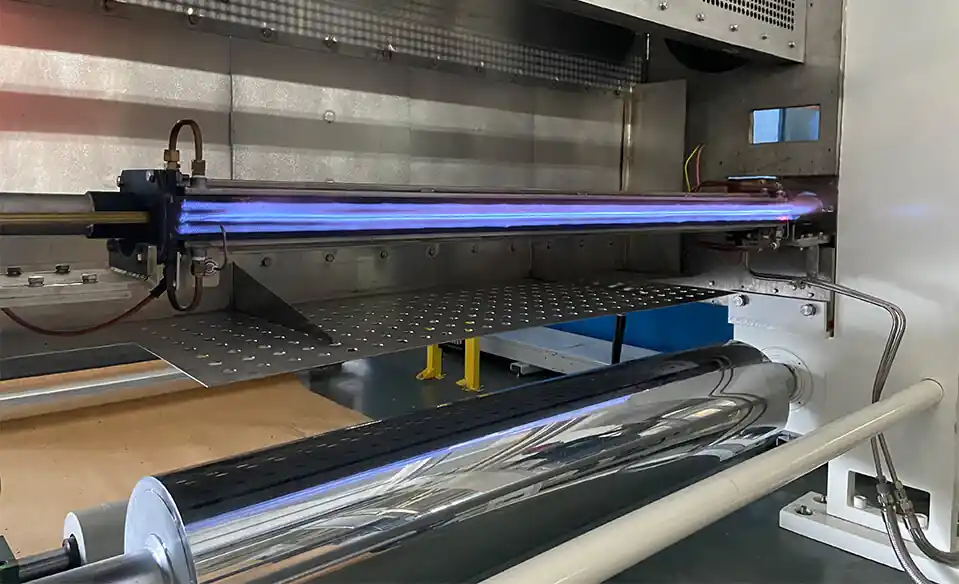
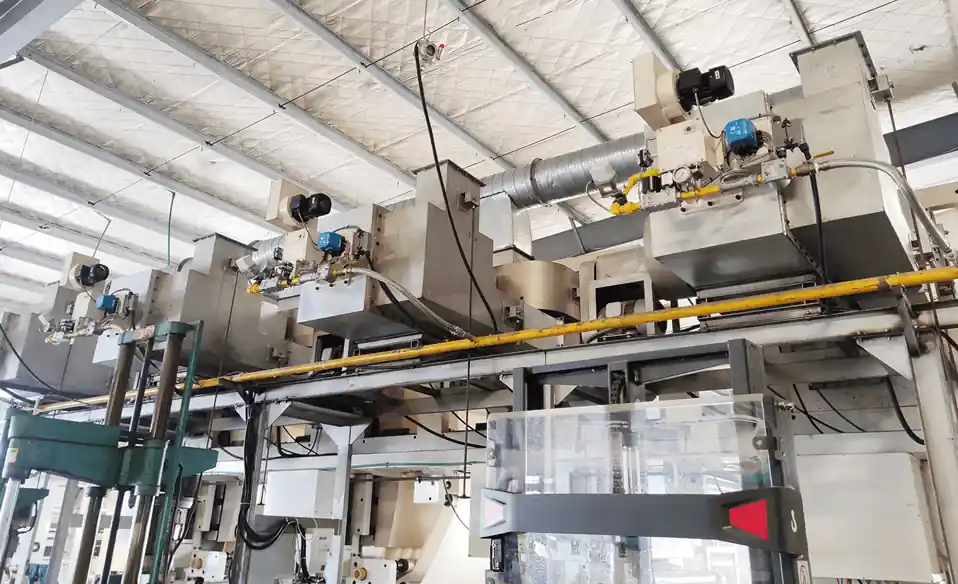
For large feed hot air systems, linear burners offer significant advantages. Traditional point-type burners in wide ducts tend to concentrate heat in the centre while the edges remain cooler, whereas linear burners improve heat distribution uniformity by extending the flame along the length.
Features include uniform flame distribution along the length (eliminating local hot spots), continuous heat release (stable combustion without intermittent fluctuations), and suitability for high-volume air heating (matching the duct cross-section of feed drying equipment hot air systems). Applied in feed drying equipment, industrial air heating systems, and continuous drying production lines.
DYDTEC offers a range of linear burner products suitable for industrial drying and air heating applications. In large feed hot air systems, they effectively improve hot air temperature uniformity and enhance feed drying quality consistency.
Feed drying is not simply about supplying heat; it requires comprehensive consideration of material characteristics (differences in particle size, density, and heat sensitivity of different feed formulations), drying temperature (optimal drying temperature range and allowable deviation for different feeds), air volume requirements (airflow rate and velocity required for the drying process), and hot air circulation methods (flow paths and distribution of hot air within the drying equipment). A professional burner manufacturer must understand the entire thermal process and be able to anticipate matching risks at the solution design stage based on feed types and drying equipment structural characteristics.
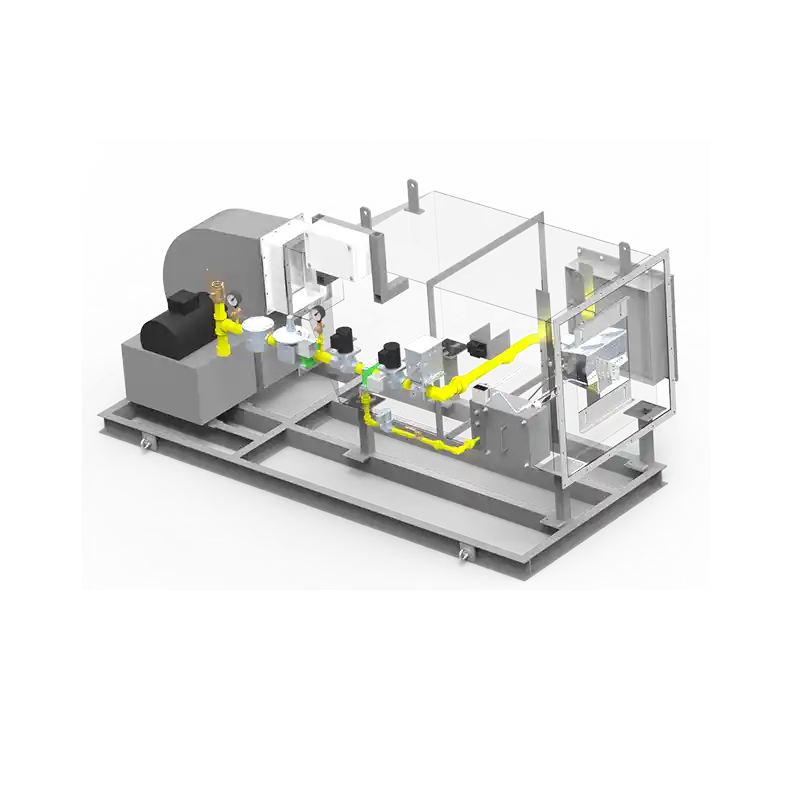
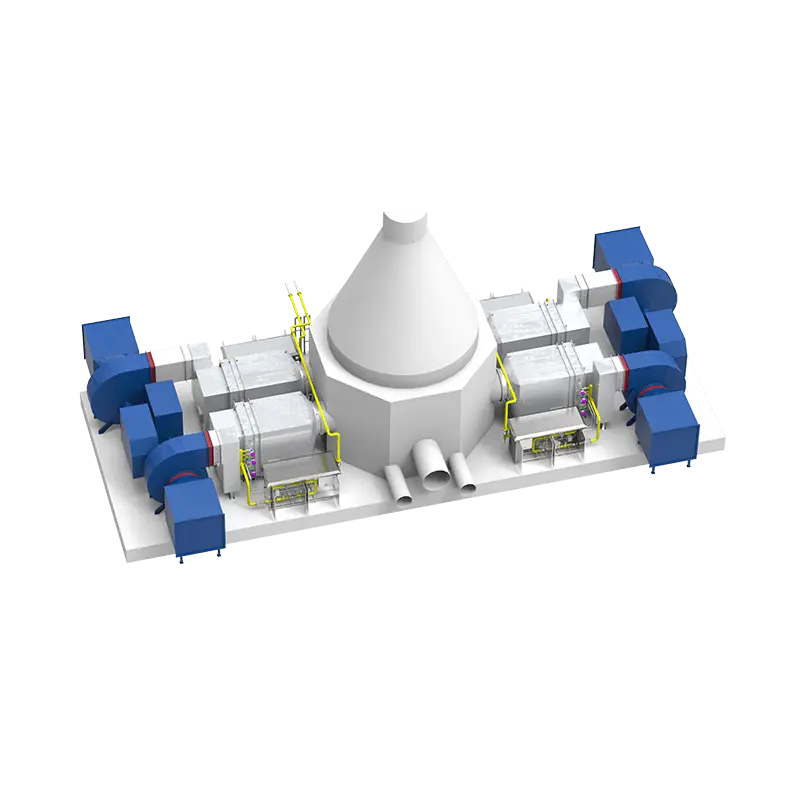
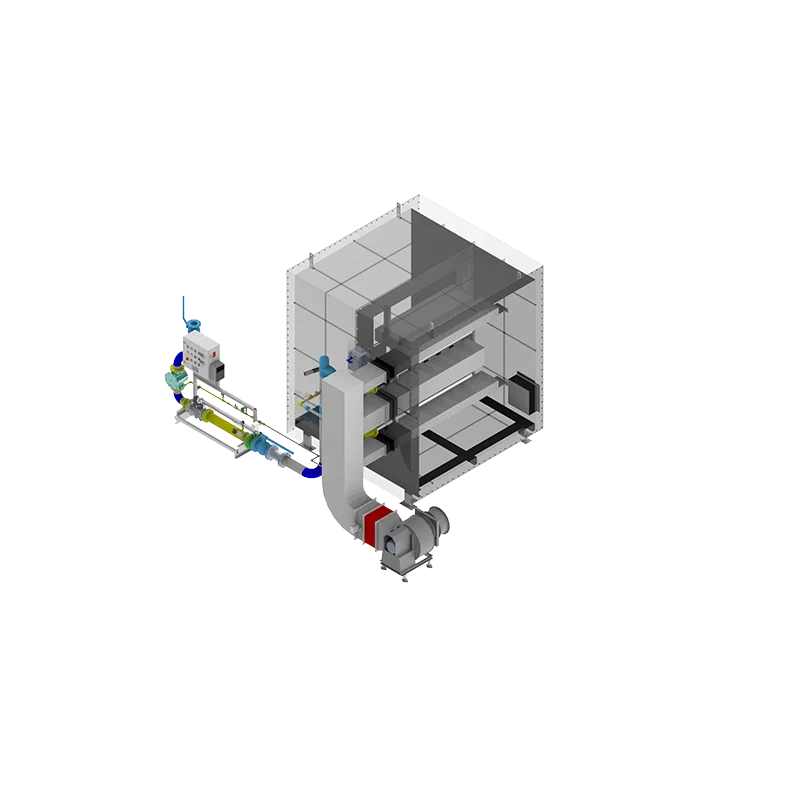
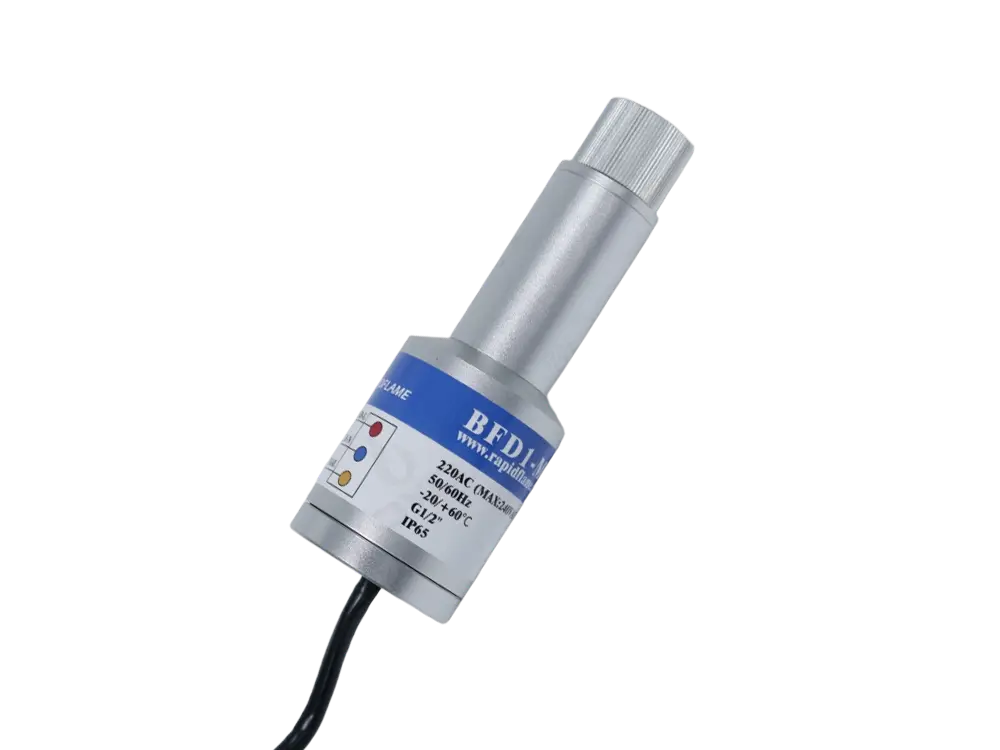
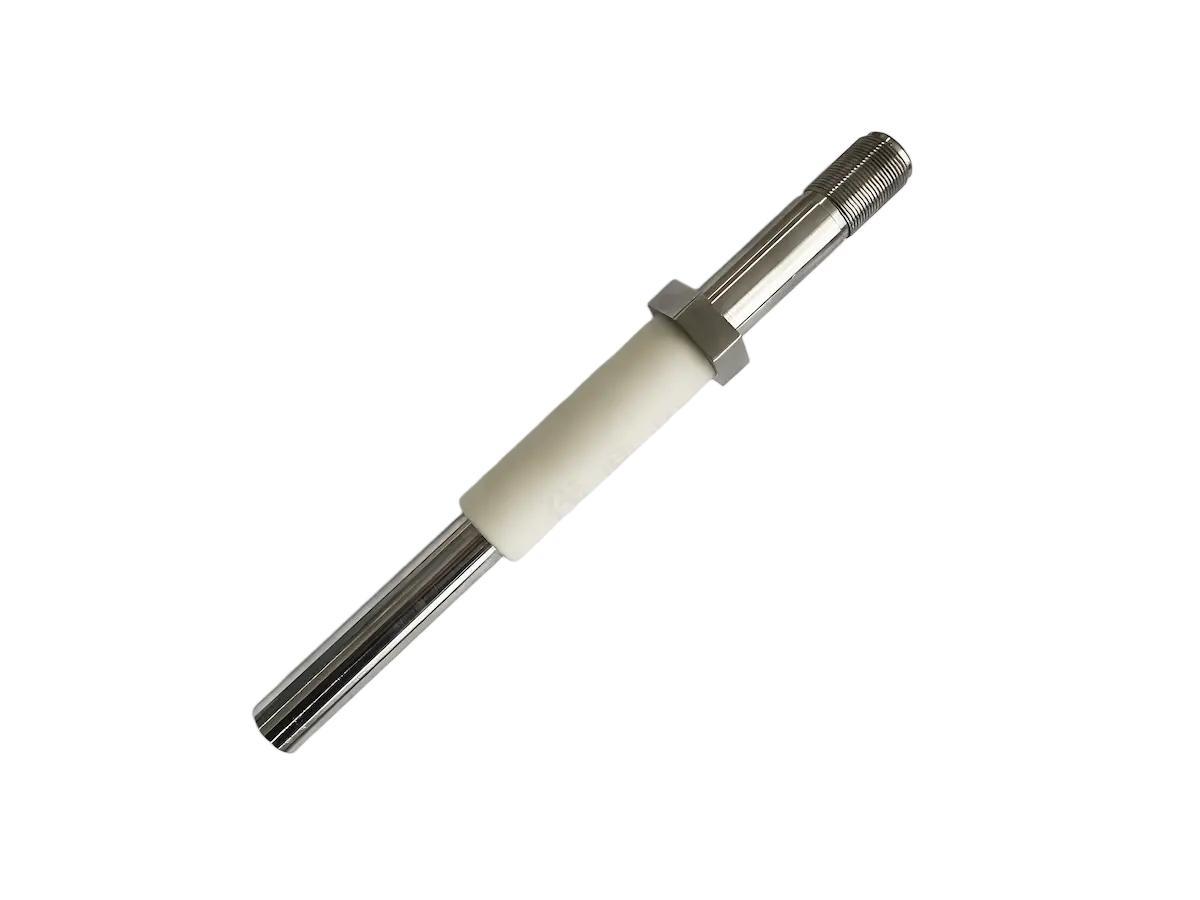
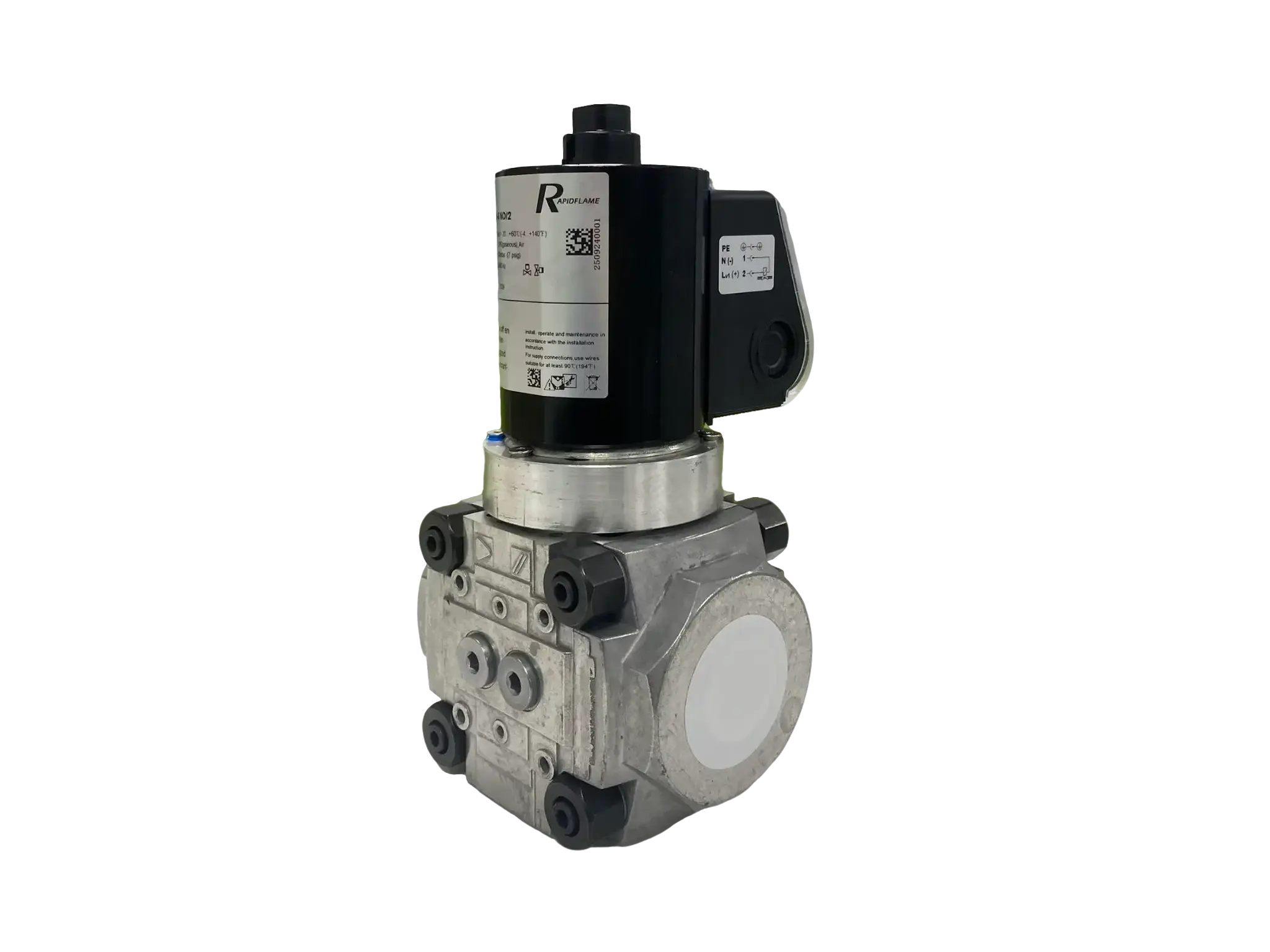
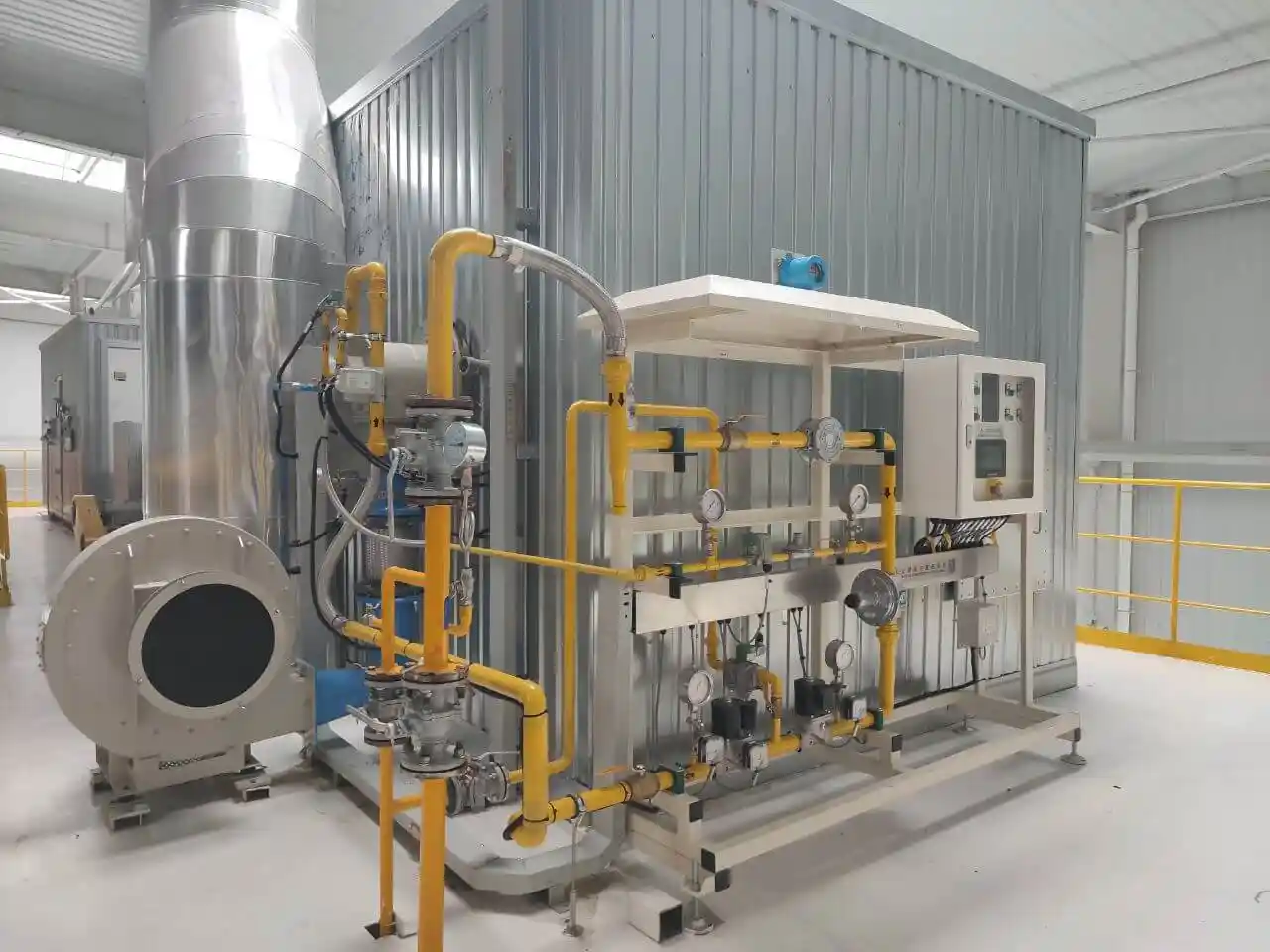
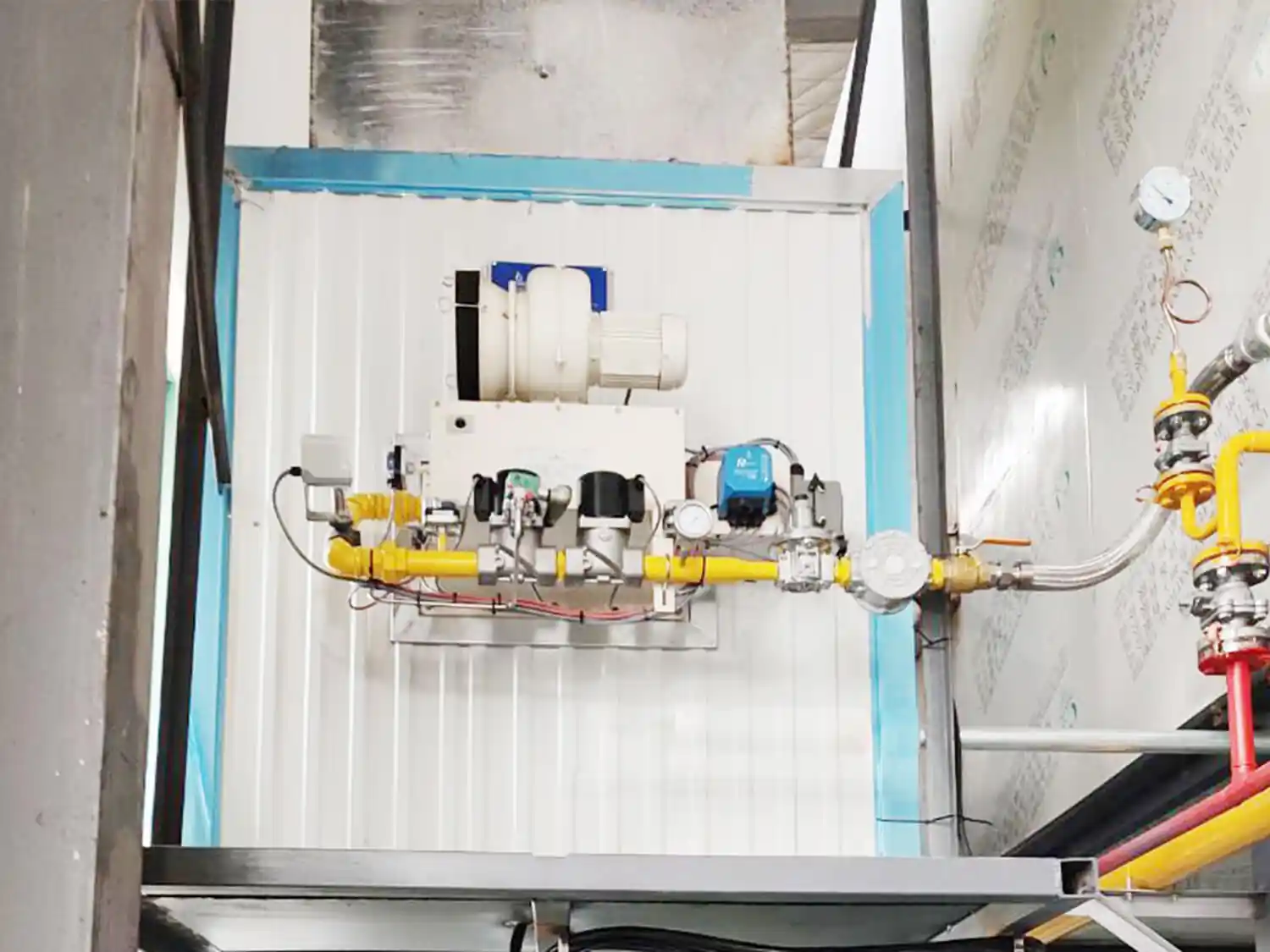
A complete feed drying heat source system includes the combustion system (burner, gas valve train, ignition system, flame detection), the hot air system (hot air furnace, heat exchange device, fan, ductwork), and the control system (temperature control, proportional regulation, safety interlocks). These subsystems must work in precise coordination to form a harmoniously operating whole. A manufacturer with complete hot air system capability can oversee the design and matching of all components from a system perspective, avoiding interface issues and compatibility risks from multi-vendor assembly.
Feed equipment manufacturers typically focus on installation dimensions (matching the burner to the space reserved in the dryer), thermal load matching (corresponding heat power to processing capacity), control interfaces (communication compatibility with the feed line's main control system), and long-term stable operation (equipment reliability during continuous production). A professional manufacturer must support non-standard design (customising combustion system solutions according to equipment structure), fast response (shortening project integration cycles), and project integration (full-process support from solution design to on-site commissioning).
DYDTEC is the industrial combustion brand of Shanghai DYDTEC Equipment Technology Group Co., Ltd., focusing on the R&D and manufacturing of industrial combustion equipment and thermal energy systems. Main products include industrial gas burners, low-NOx burners, linear burners, hot air furnaces, and combustion system integration. Product applications cover industrial drying, food processing, new material processing, the chemical industry, and environmental protection equipment.
In the design and integration of hot air systems for feed processing, DYDTEC has accumulated extensive engineering experience and can provide customised combustion system solutions according to different feed formulations and drying equipment process characteristics.
1. Experience in industrial drying
Feed drying is a typical hot air drying application. DYDTEC can match combustion systems according to throughput (matching burner thermal power and regulation range), thermal load (accurately calculating heat demand for the drying process), air volume (optimising duct and fan selection for the hot air system), and temperature requirements (determining combustion system control precision and response speed), ensuring tight integration between the combustion system and feed drying equipment.
2. Efficient combustion and energy-saving optimisation
For feed processing energy consumption issues, DYDTEC can improve energy utilisation efficiency through efficient combustion design (maximising fuel combustion and heat release), air-fuel ratio optimisation (maintaining optimal ratio across the full load range), and hot air system optimisation (increasing heat transfer efficiency between hot air and feed), helping feed mills reduce fuel consumption and processing costs per unit of product.
3. Support for feed equipment manufacturer OEM integration
Serving feed machinery manufacturers, feed line integrators, hot air furnace manufacturers, and industrial drying equipment manufacturers, DYDTEC can provide burner selection, heat source design, system integration, and technical support, helping feed equipment manufacturers enhance complete machine performance and end-user satisfaction.
Includes pig feed (drying of different stage feeds such as starter feed, sow feed, and grower-finisher feed), chicken and duck feed (drying of broiler feed, layer feed, duck feed, and other poultry feeds), and cattle and sheep feed (drying and cooling of ruminant feed). Livestock and poultry feed processing involves large volumes and wide coverage, with high demands on the drying system's continuous operation capability and reliability.
Includes fish feed (drying of feed for freshwater fish, marine fish, and other cultured species), shrimp feed (special drying requirements for crustacean feed such as prawn feed), and specialty aquatic feed (feed processing for high-value species such as eel and turtles). Aquatic feed has stricter requirements for fat stability and moisture control, demanding higher precision in hot air system temperature control and air volume matching.
Includes pet food (drying and extrusion of dog food, cat food, and other pet feeds), functional feed (drying of feeds containing probiotics, enzymes, and other functional ingredients), and protein feed (drying of high-protein feed ingredients and finished products). Specialty feed typically has higher added value and stricter drying quality requirements, demanding greater hot air uniformity and temperature control precision than ordinary livestock and poultry feed.
Q1: Why does feed drying require a burner?
The burner provides a stable heat source for drying equipment and is a critical component for controlling feed moisture and improving production efficiency. Without a stable and reliable heat supply, feed drying cannot complete moisture control within a reasonable time, and the product's storage period and transport quality will be at risk.
Q2: What fuel is used for feed drying burners?
Common fuels include natural gas, LPG, and other clean combustible gases. Most large feed processing enterprises use natural gas, while some regions choose LPG or bottled gas depending on fuel supply conditions. The specific fuel choice should be based on local energy supply conditions and cost considerations.
Q3: Should feed drying use direct-fired or indirect hot air?
The choice depends on production requirements. Ordinary large-scale feed production can use high-efficiency direct-fired methods (high thermal efficiency, low investment cost); applications with higher requirements for hot air cleanliness and temperature control can use indirect hot air furnaces (clean hot air, higher temperature control precision, avoiding the effects of combustion products on feed quality).
Q4: How can feed drying burners save natural gas?
Main methods include improving combustion efficiency (precise air-fuel ratio control for complete combustion), optimising hot air circulation (increasing heat utilisation within the drying equipment), reducing heat losses (enhancing insulation of the hot air furnace and ducts), and precise temperature control (avoiding energy waste from excessive heating). In practical projects, the most significant overall energy savings are achieved when combustion system optimisation is carried out in conjunction with drying equipment structural improvements.
Q5: How do I select a feed drying burner manufacturer?
It is recommended to look for industrial combustion technology capability (able to meet feed drying heat source requirements), hot air system experience (able to complete overall hot air system design), support for equipment manufacturer integration (able to adapt to feed equipment structure), and the ability to provide complete solutions (able to provide a full package from burner to control system). DYDTEC possesses industrial burner, hot air furnace, and combustion system integration capabilities and can provide professional thermal energy solutions for feed drying equipment.
The feed drying burner determines not only drying efficiency but also product quality, production costs, energy consumption, and equipment stability. In feed processing, the performance difference of the combustion system is directly reflected in the moisture content consistency of the finished feed, pellet durability index (PDI), colour appearance, and storage stability—these indicators together determine the feed product's quality and user reputation.
An excellent feed drying burner manufacturer must simultaneously possess combustion technology (mastering design methods for efficient and stable combustion), hot air system design capability (understanding the operating characteristics of feed drying hot air systems), automatic control capability (achieving precise closed-loop temperature control), and non-standard customisation capability (providing targeted design according to different feed equipment and process characteristics). Only by integrating these capabilities into feed drying equipment integration can seamless coordination between the combustion system, drying equipment, control system, and feed process requirements be achieved, delivering stable, efficient, and economical feed drying.
Leveraging its R&D experience in industrial burners, linear burners, and hot air systems, DYDTEC provides efficient and stable combustion solutions for feed processing, food drying, and industrial thermal equipment manufacturers. It is a professional supplier worth considering when selecting a feed drying burner manufacturer.