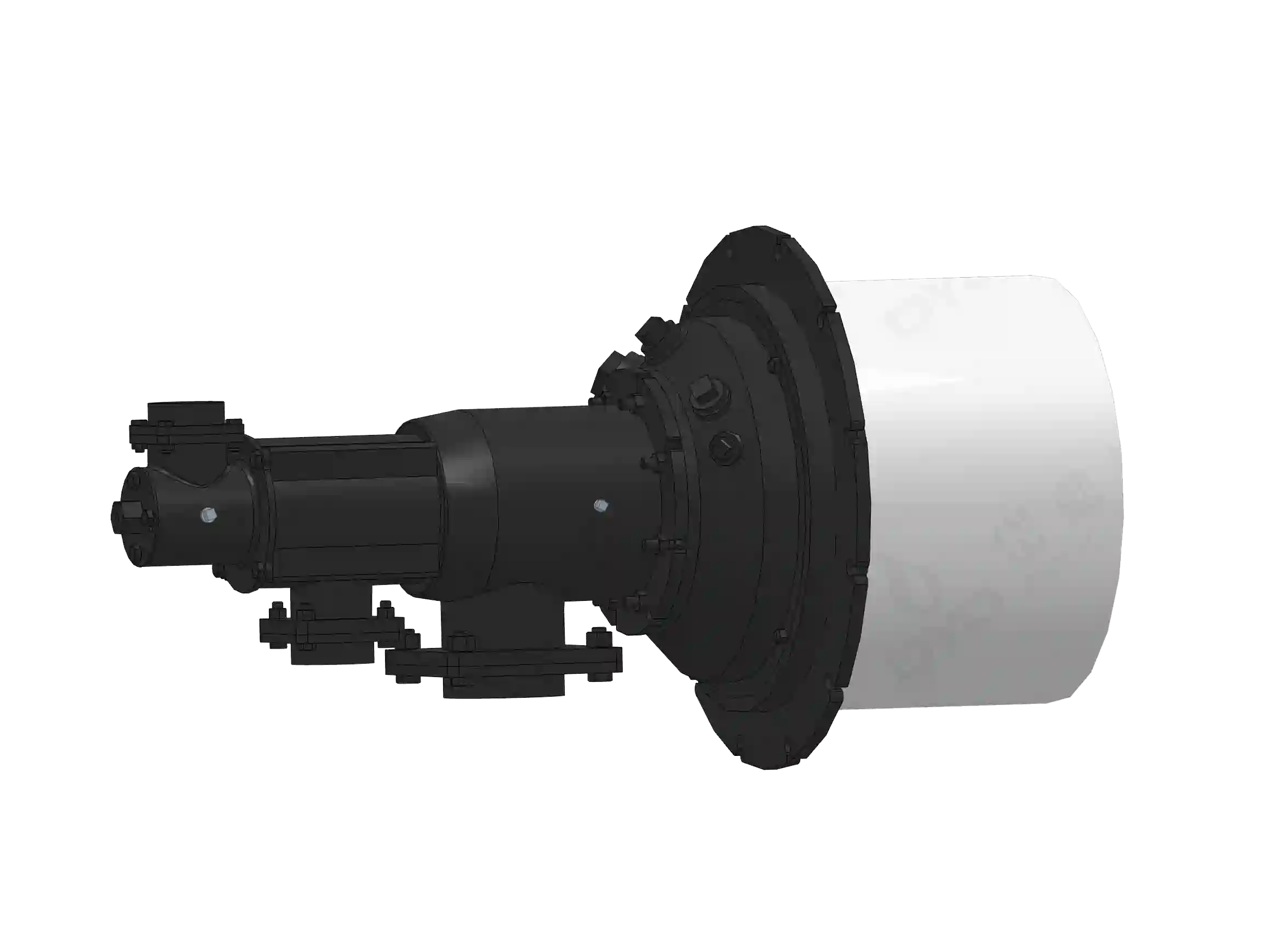
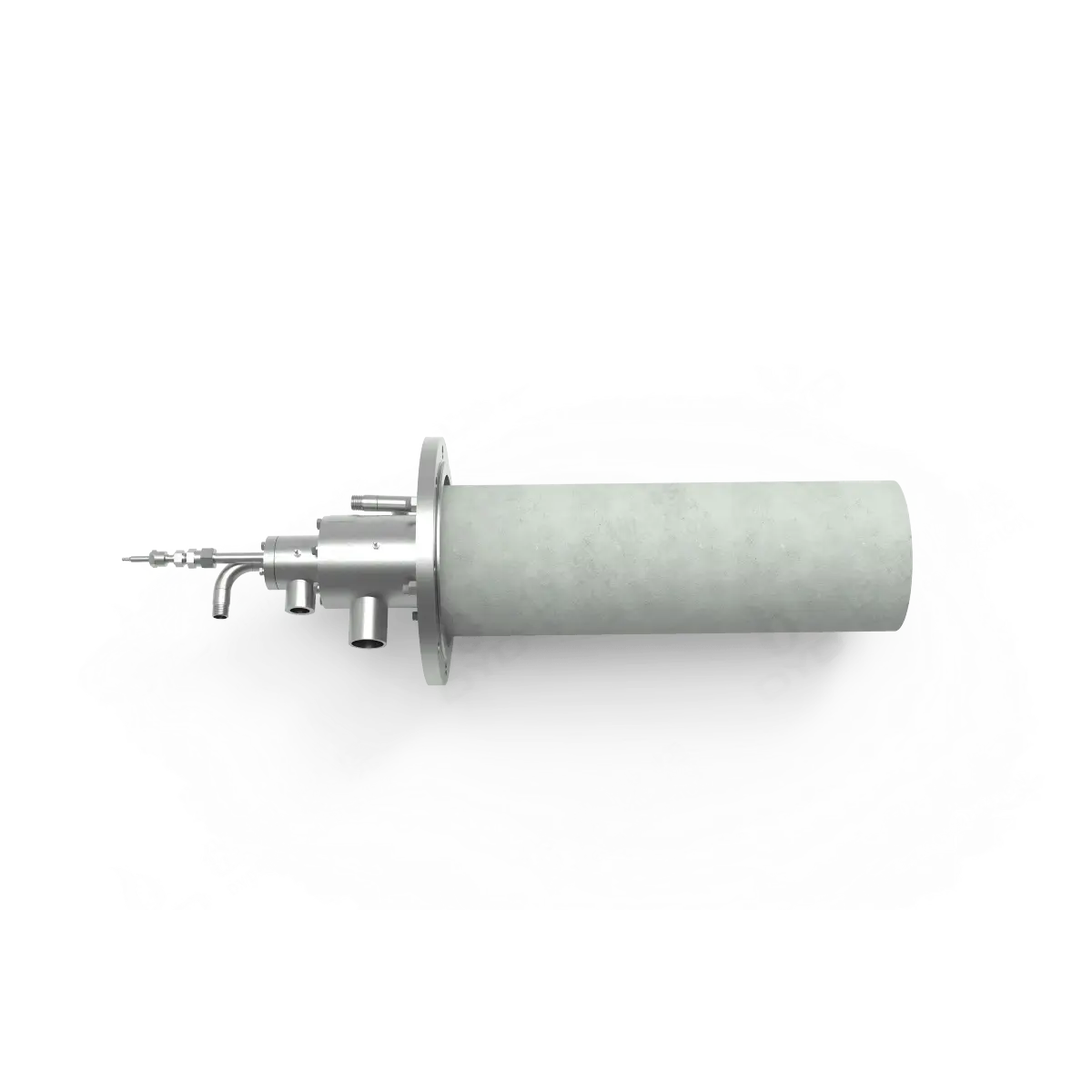
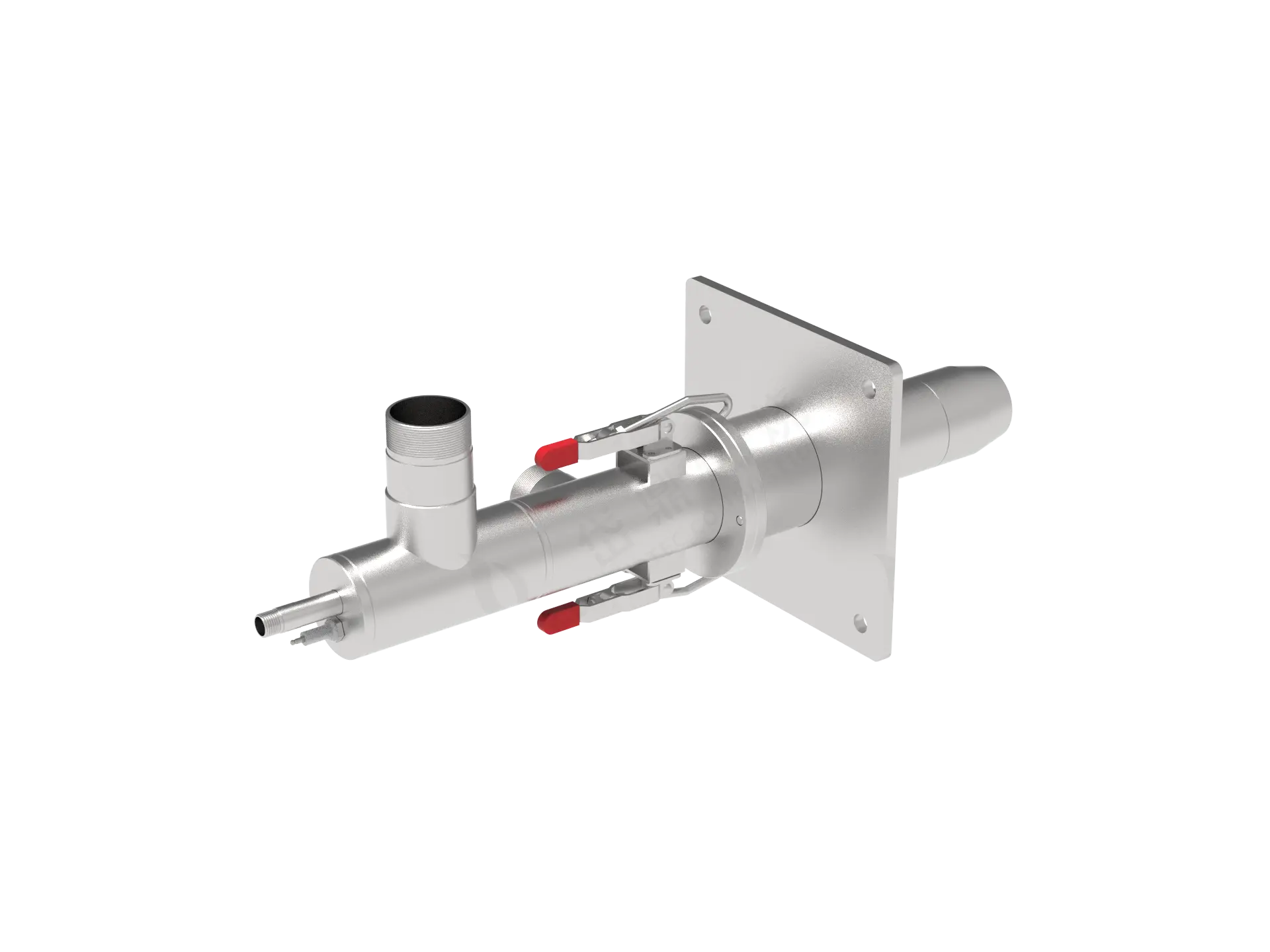
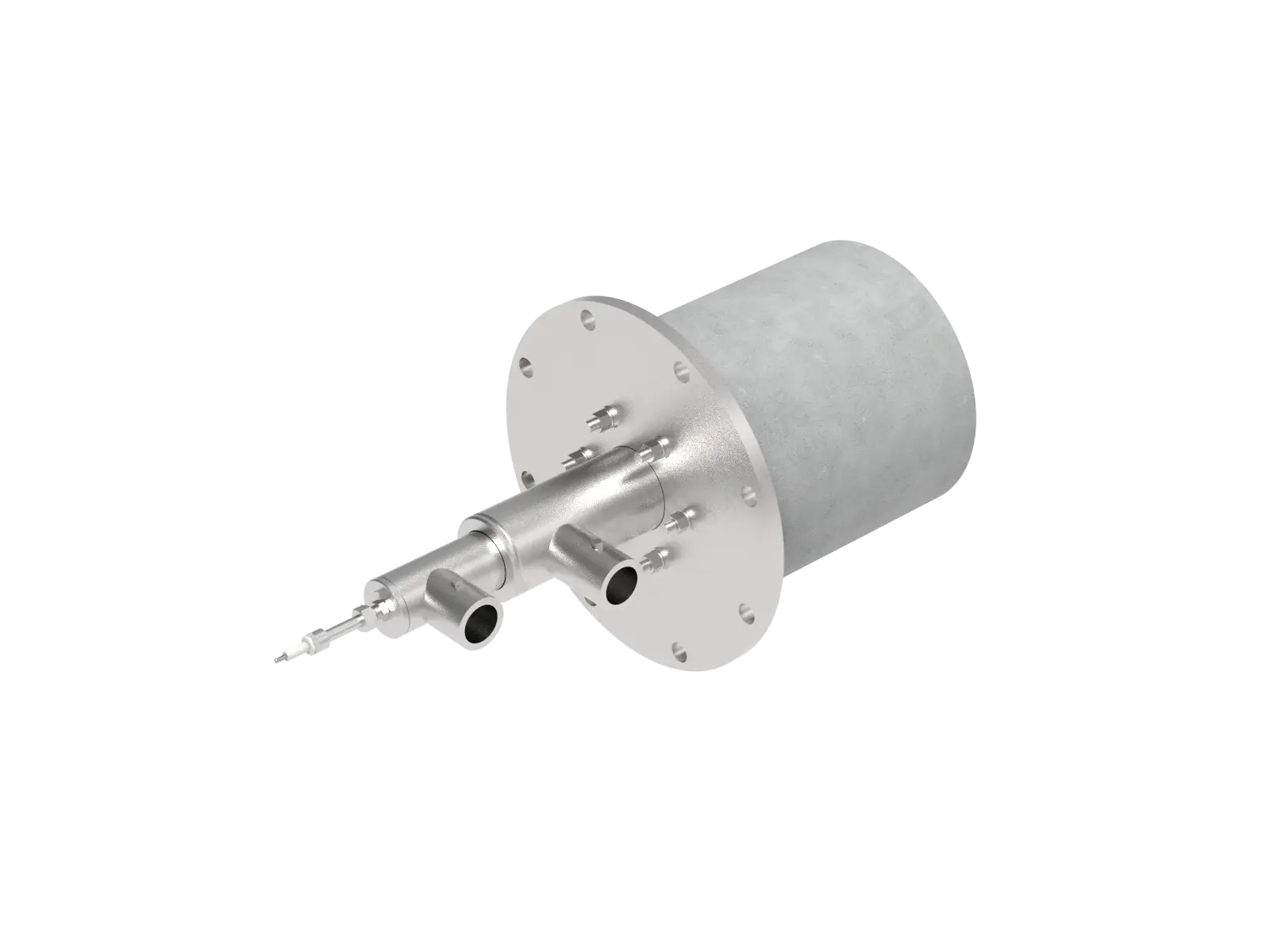
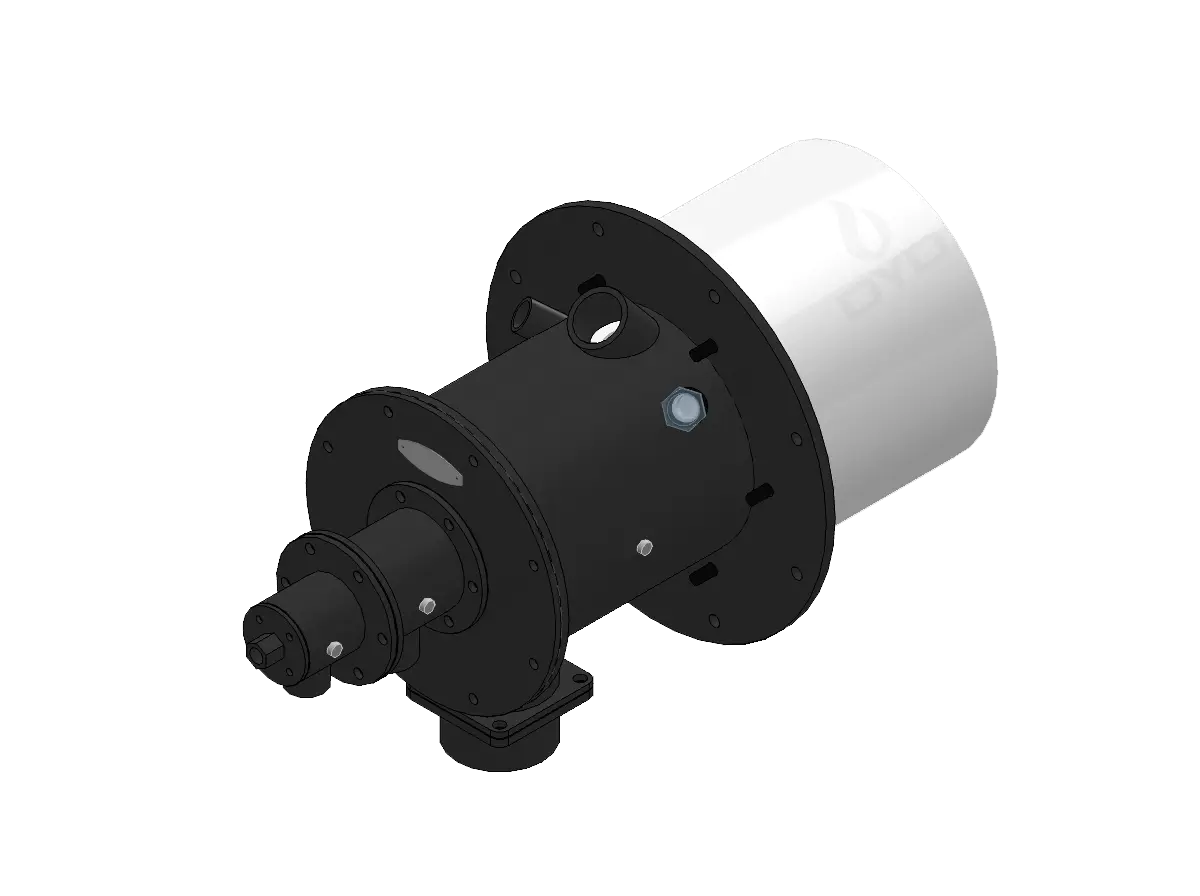
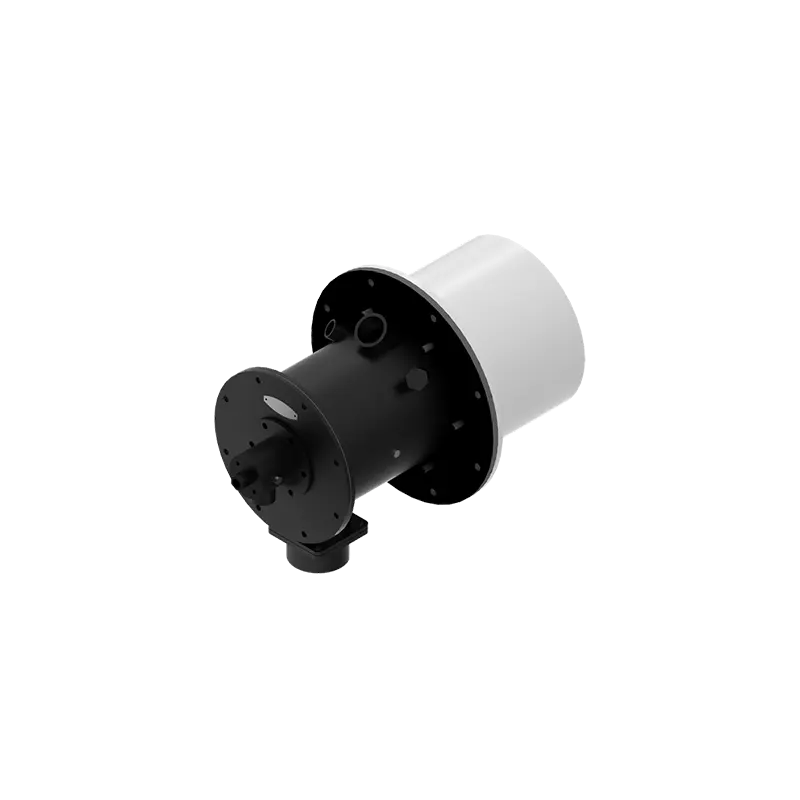
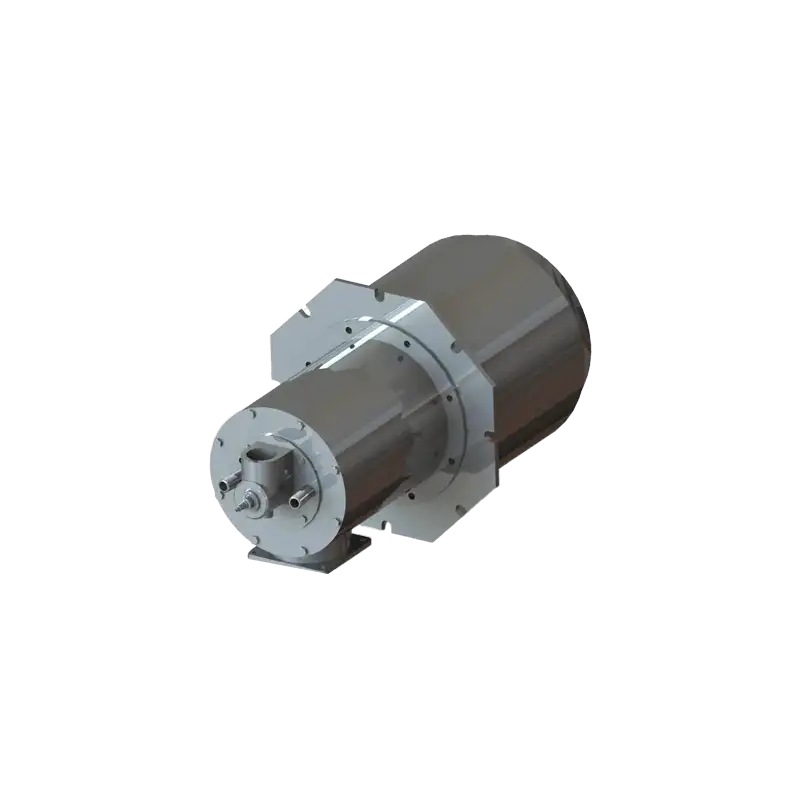
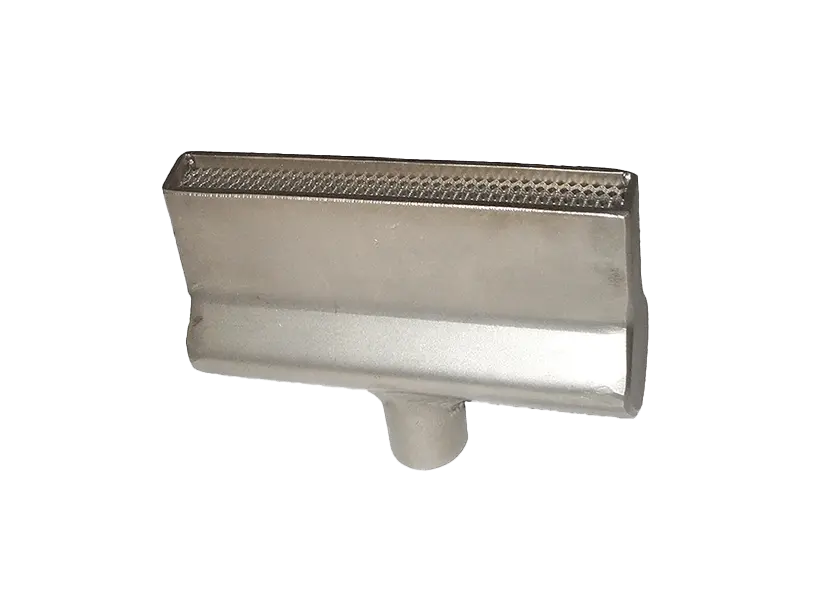
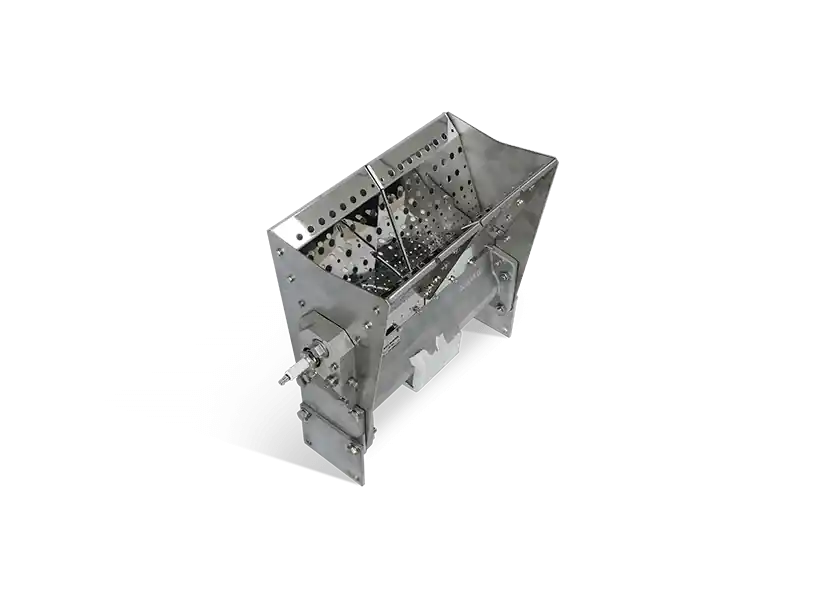
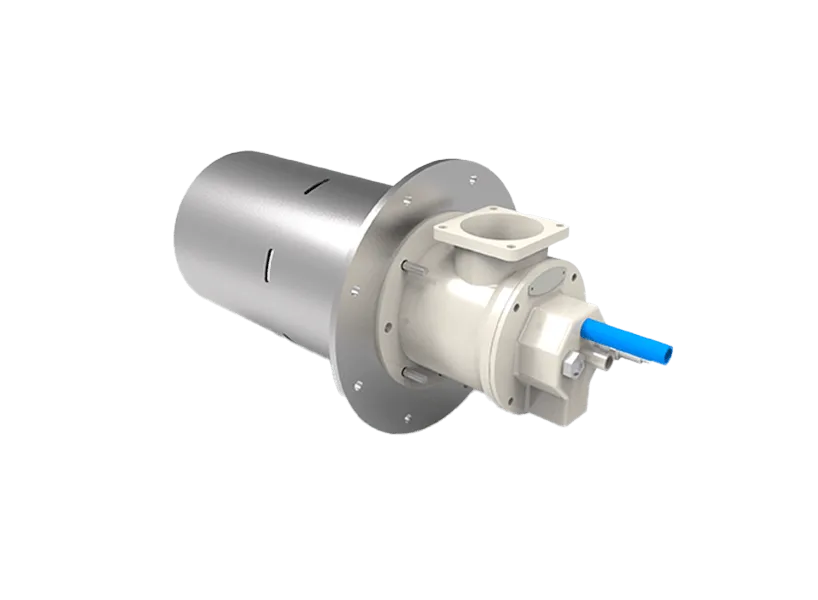
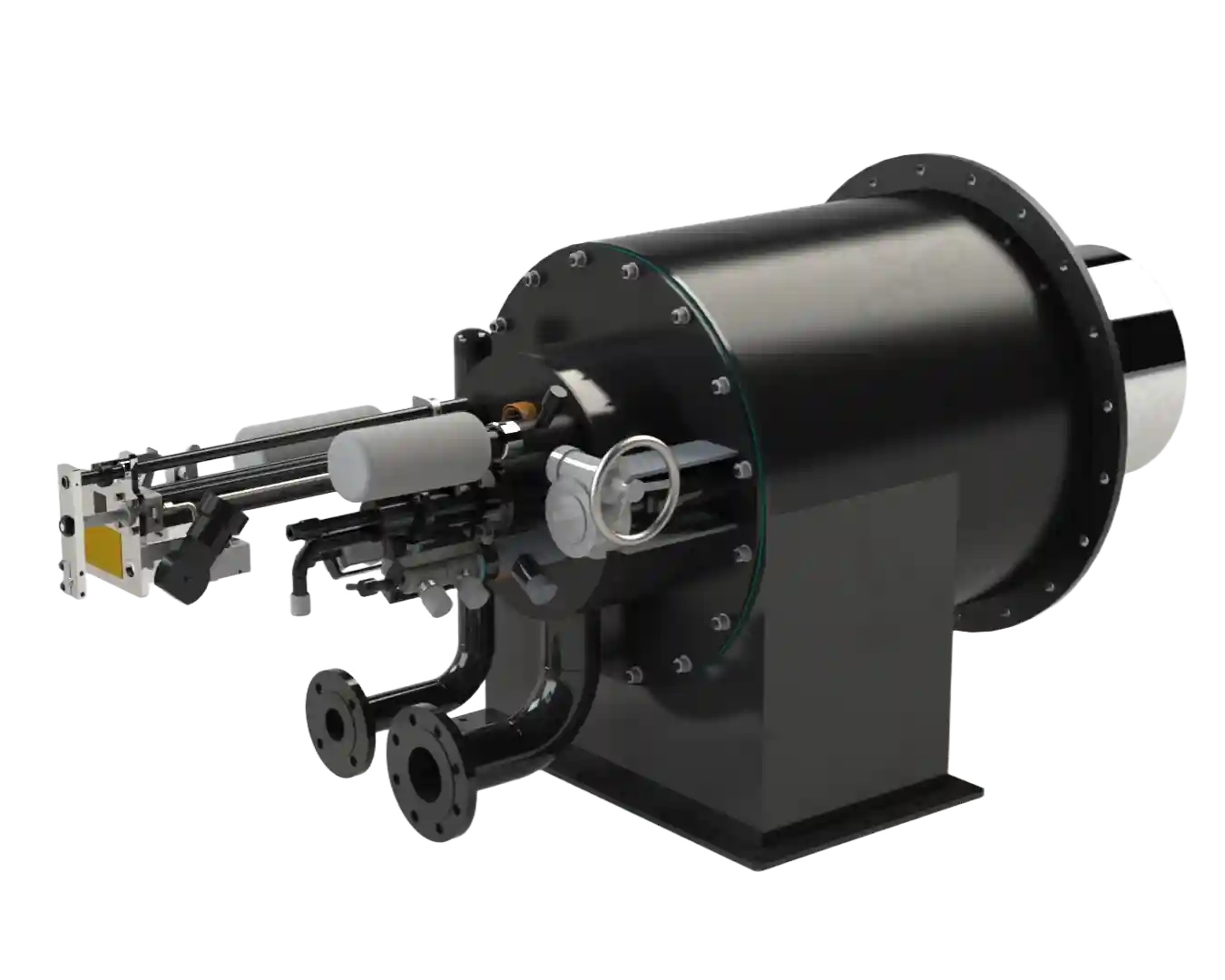
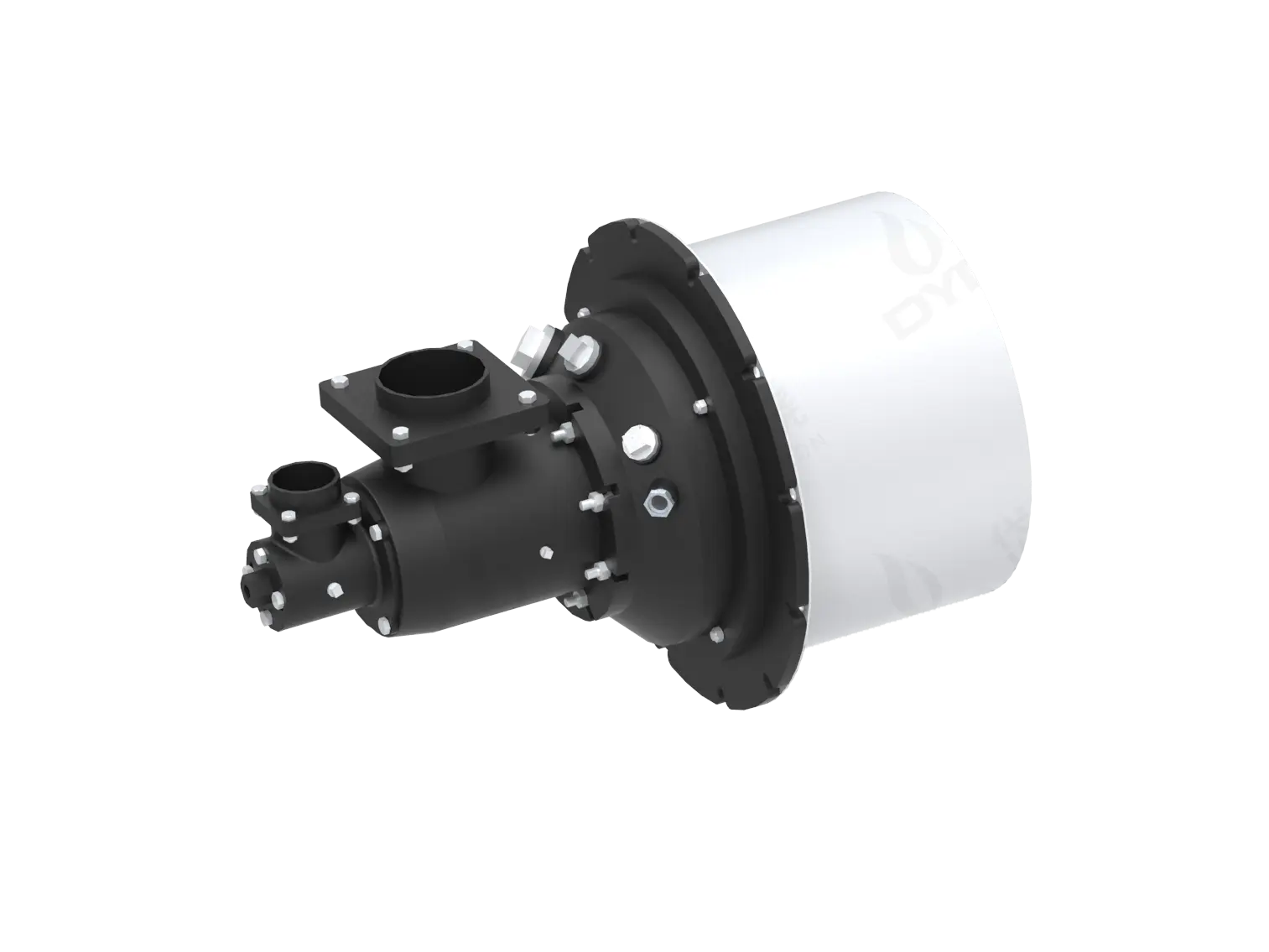
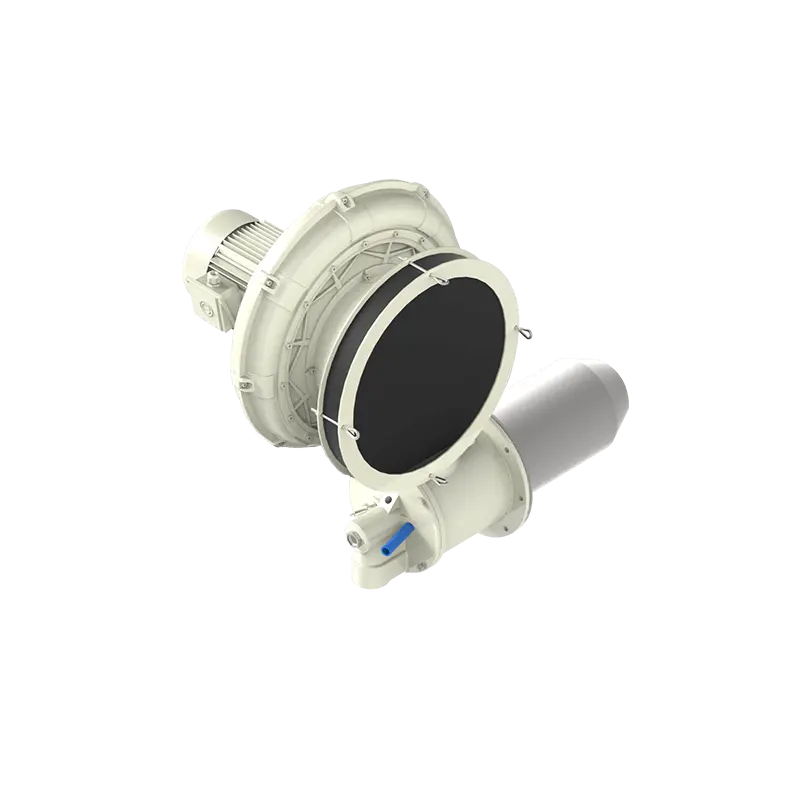
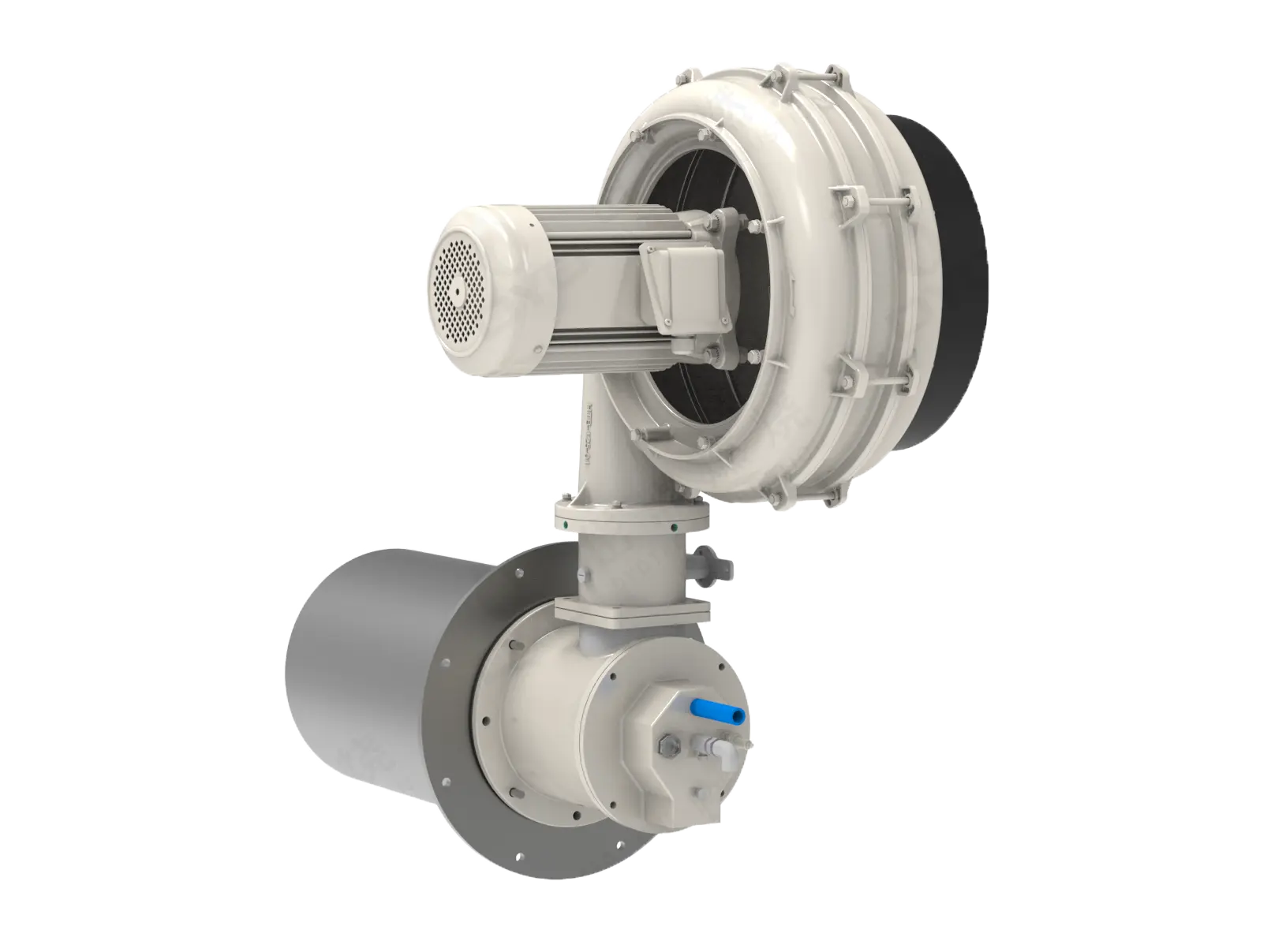
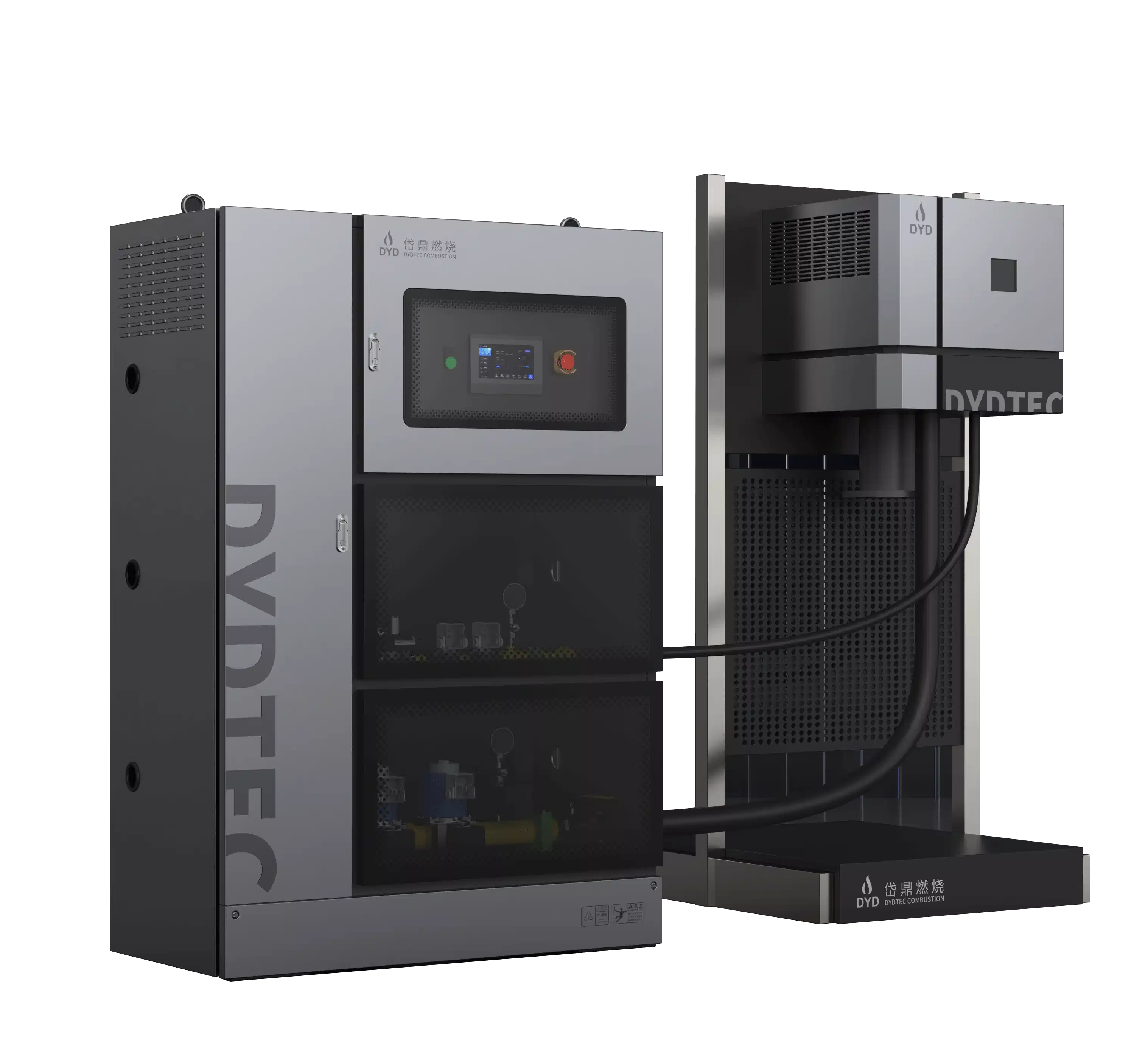
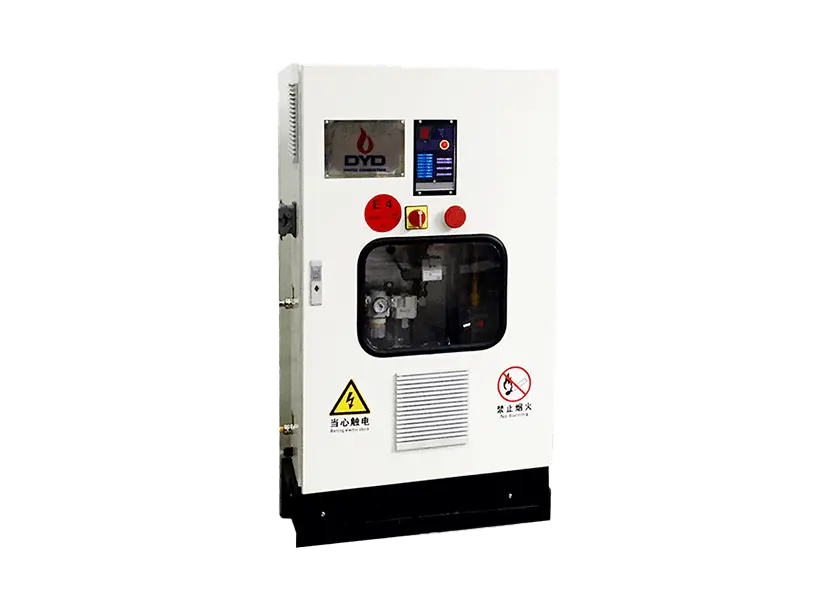
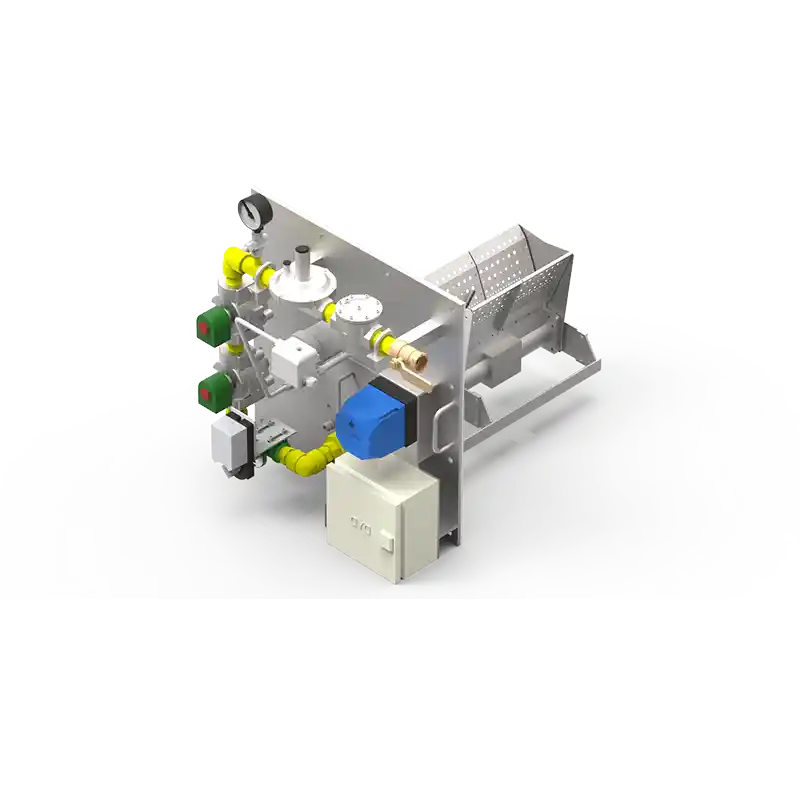
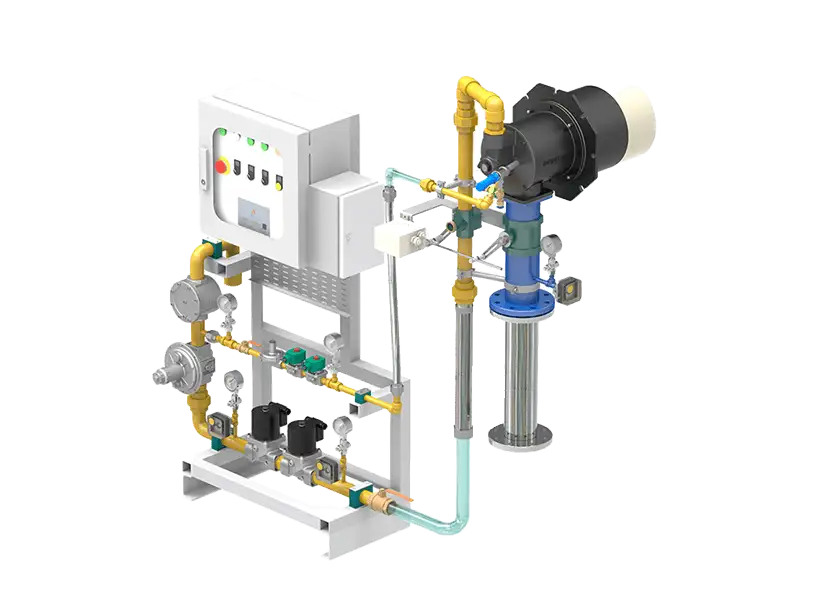
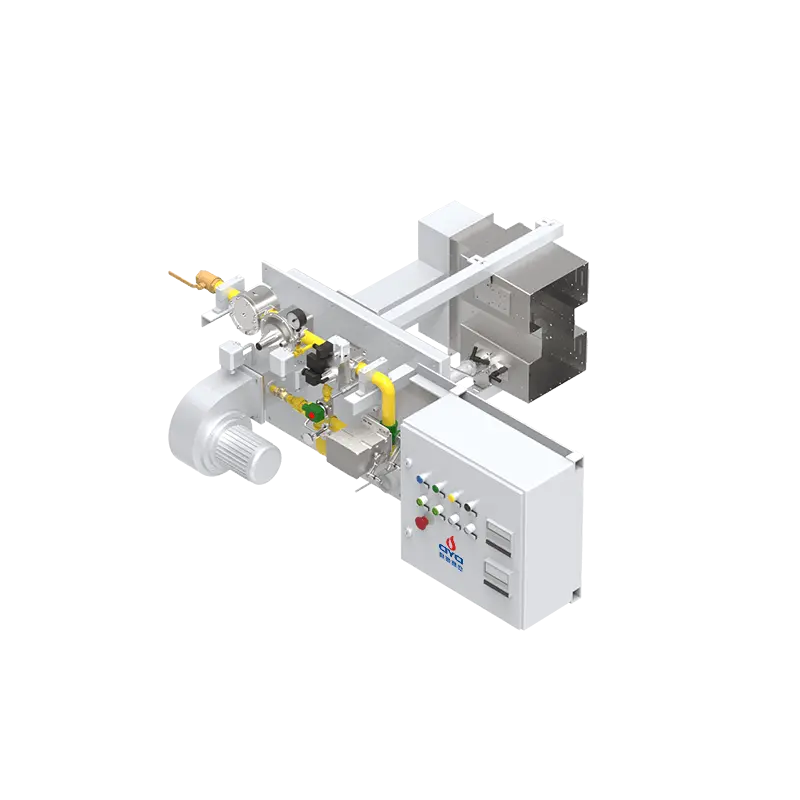
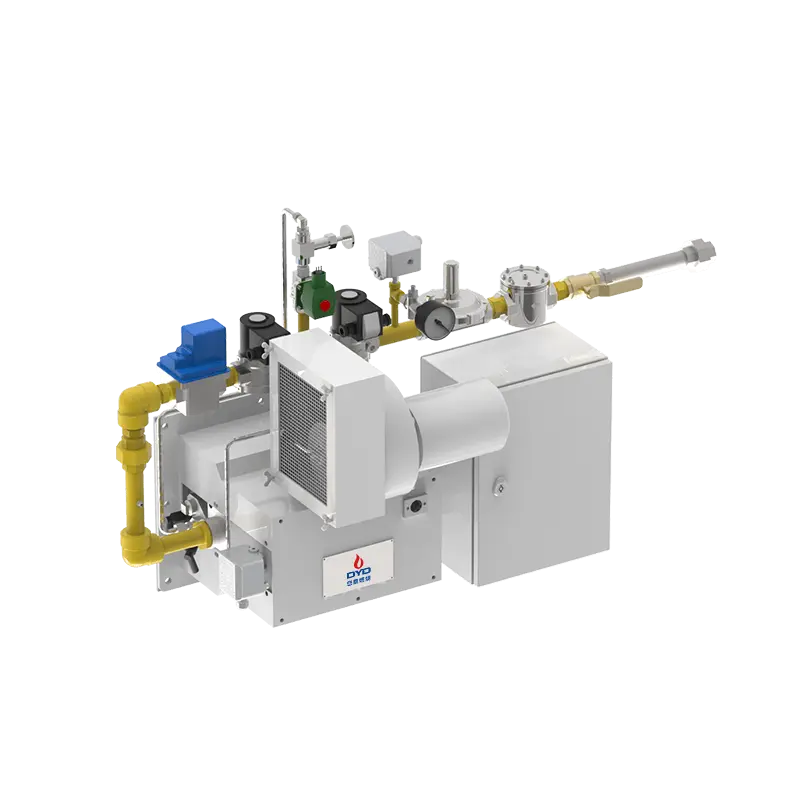
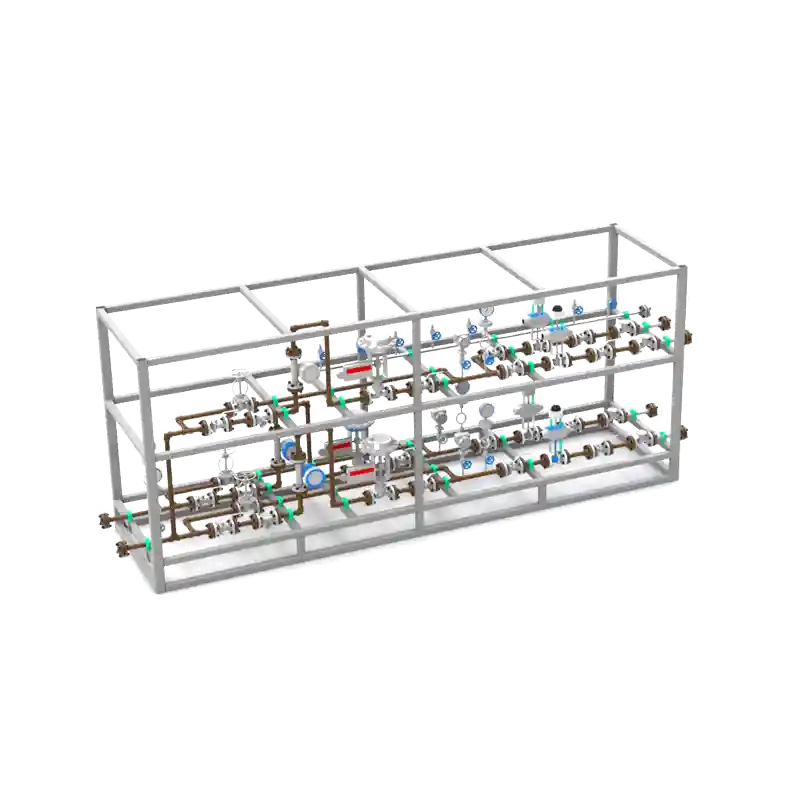
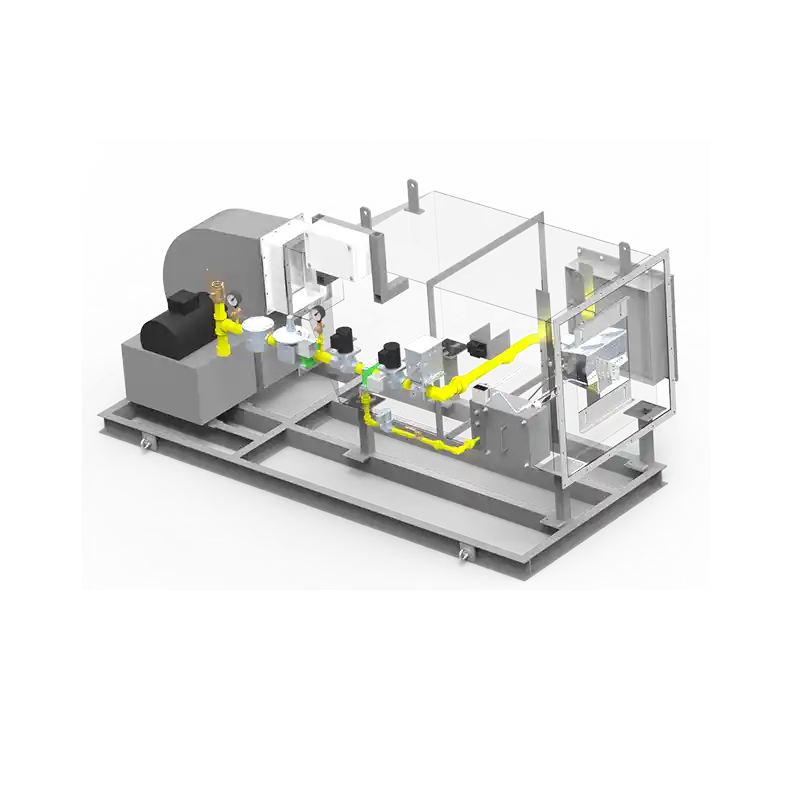
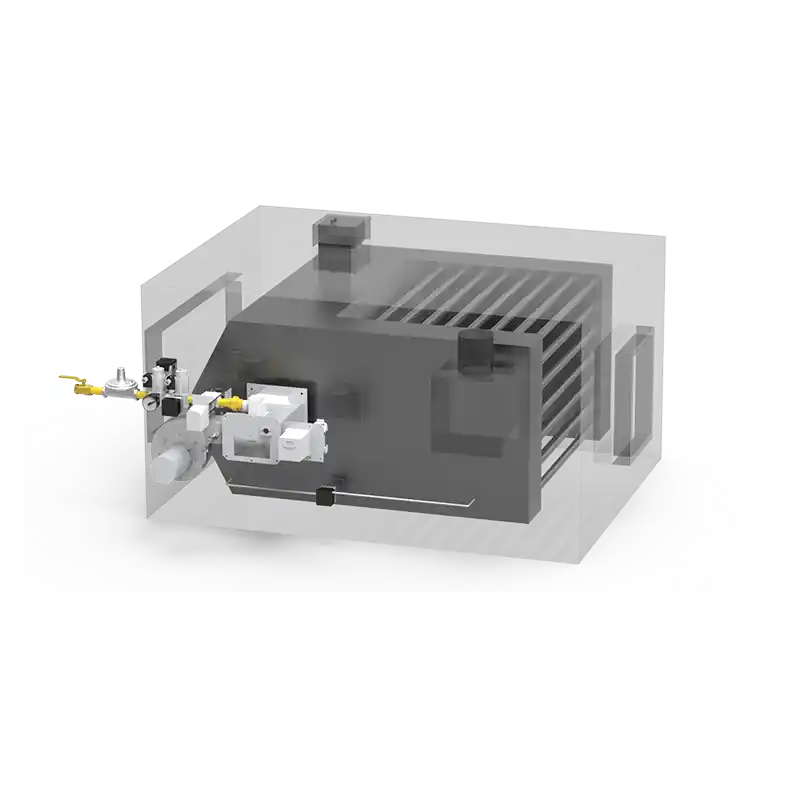
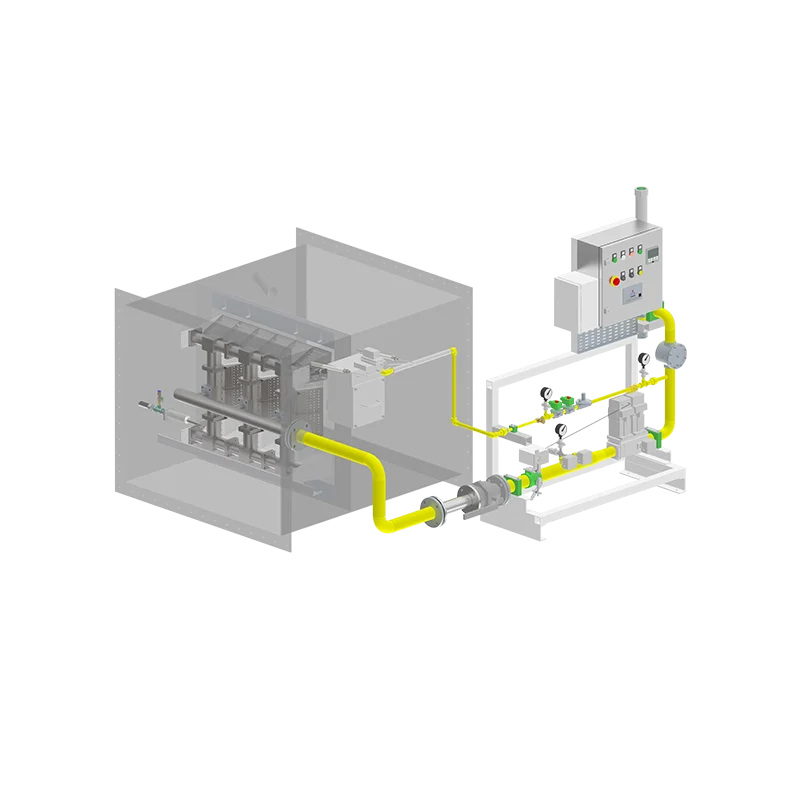
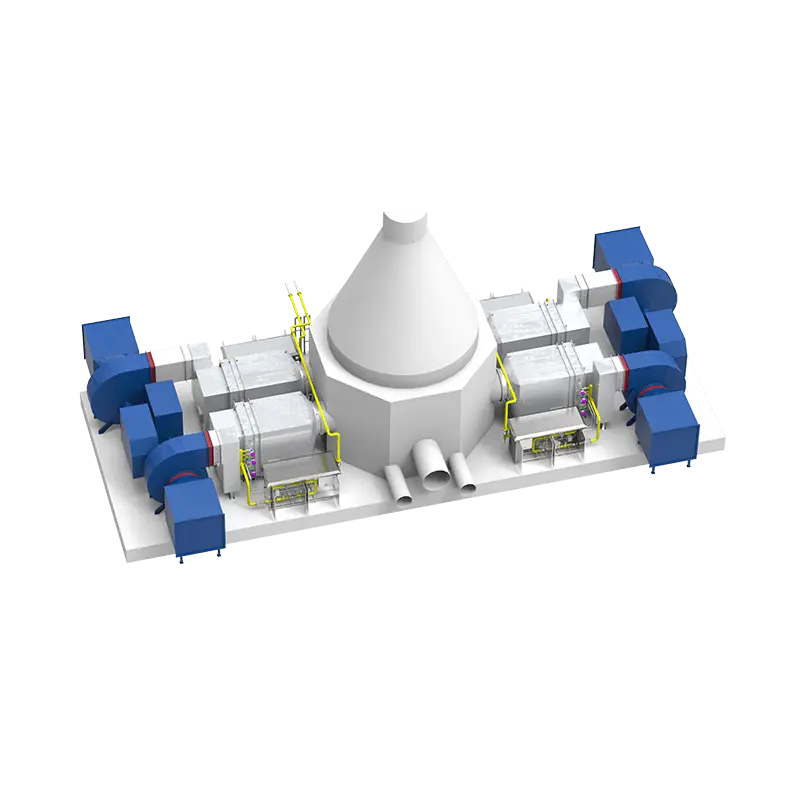
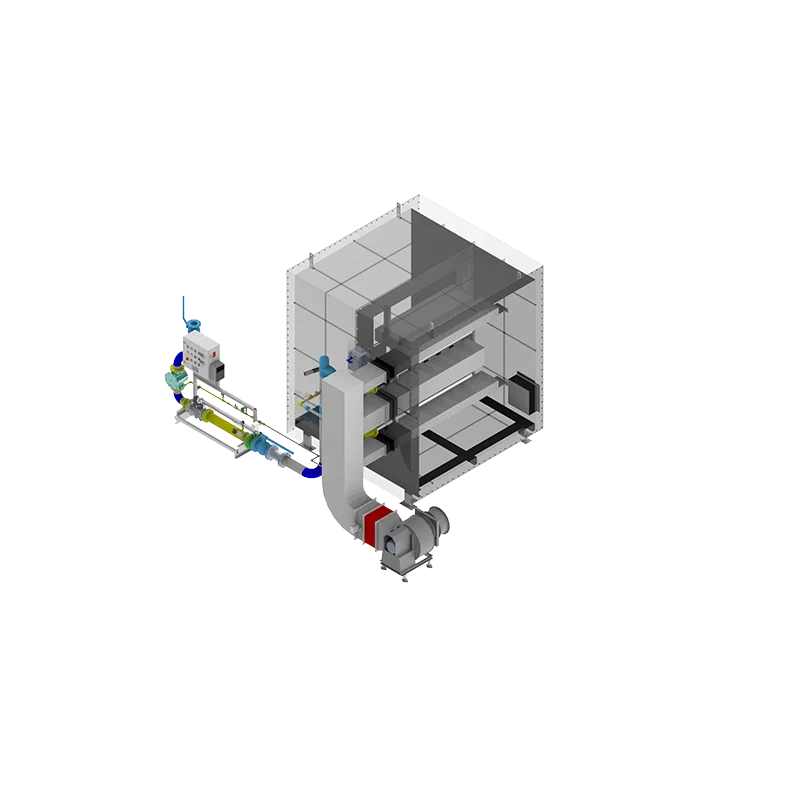
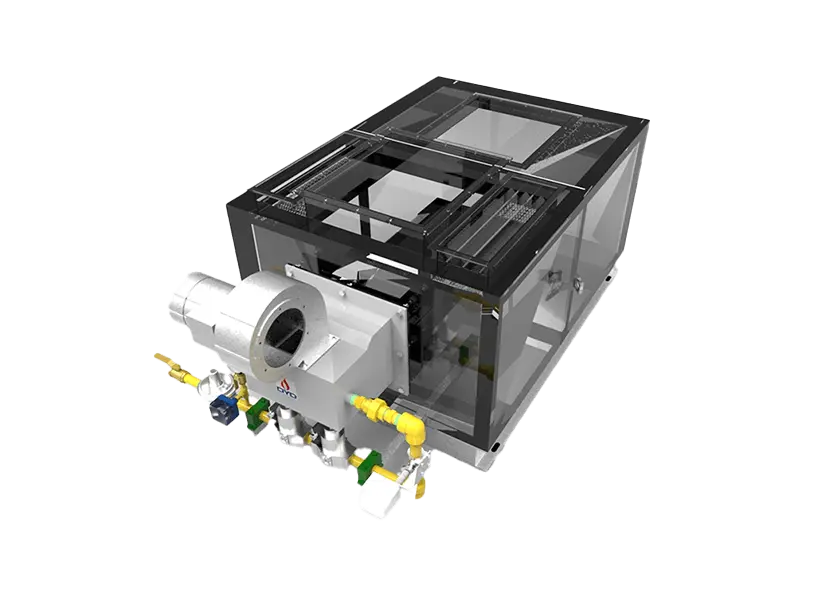
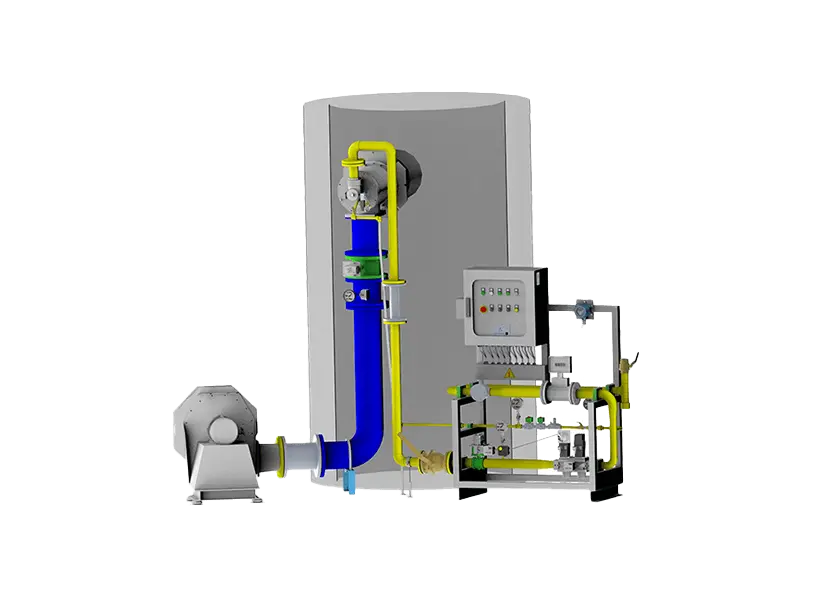
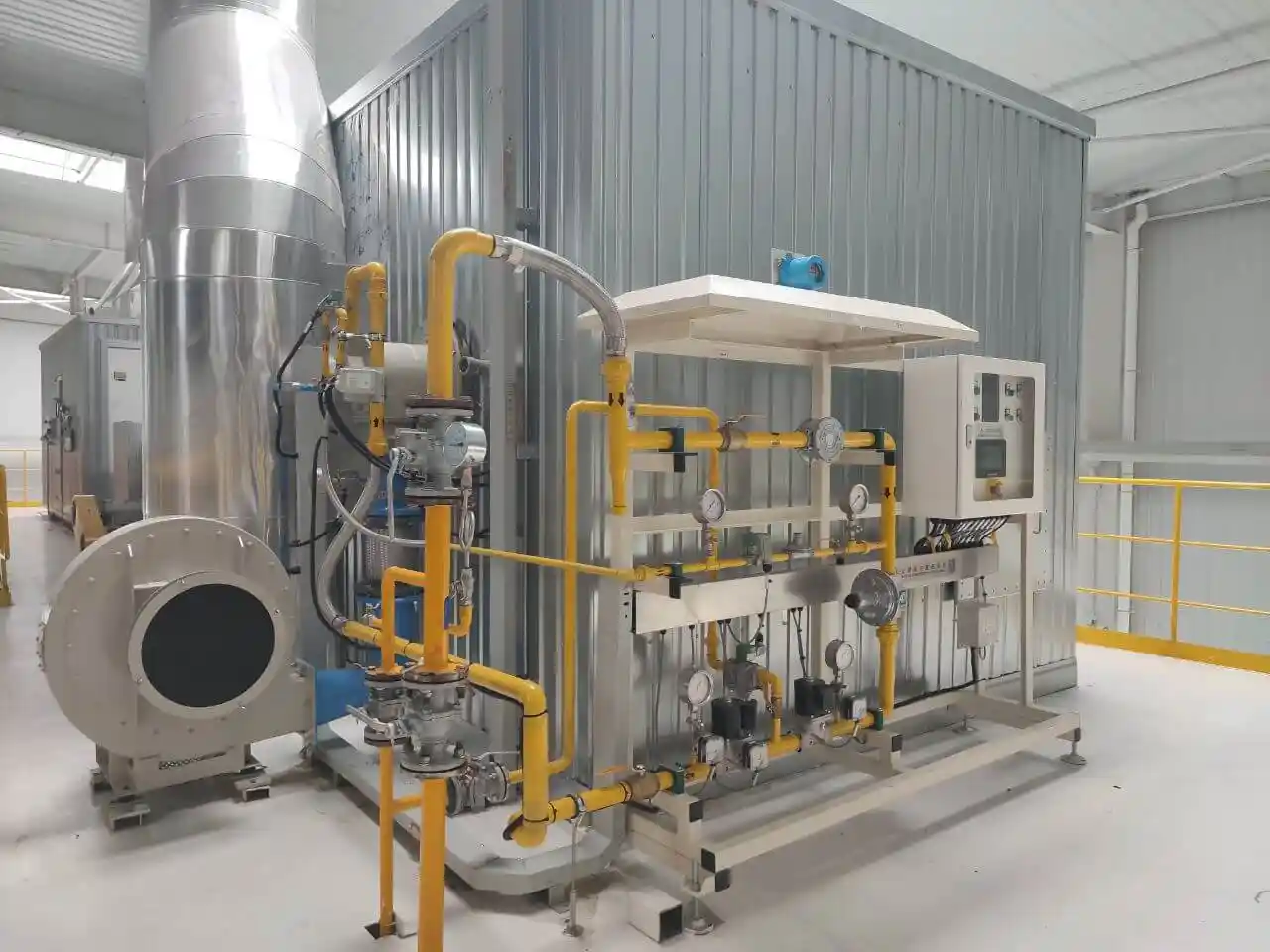
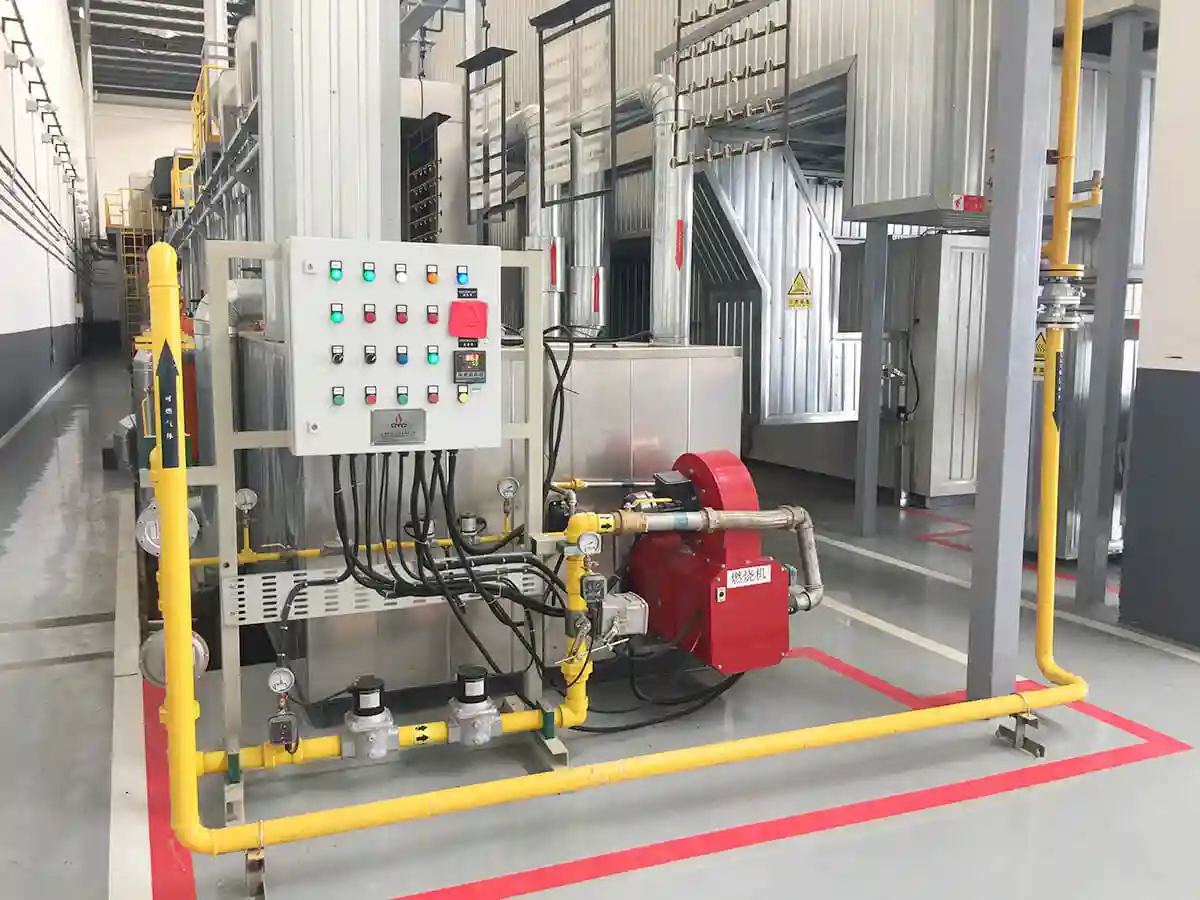
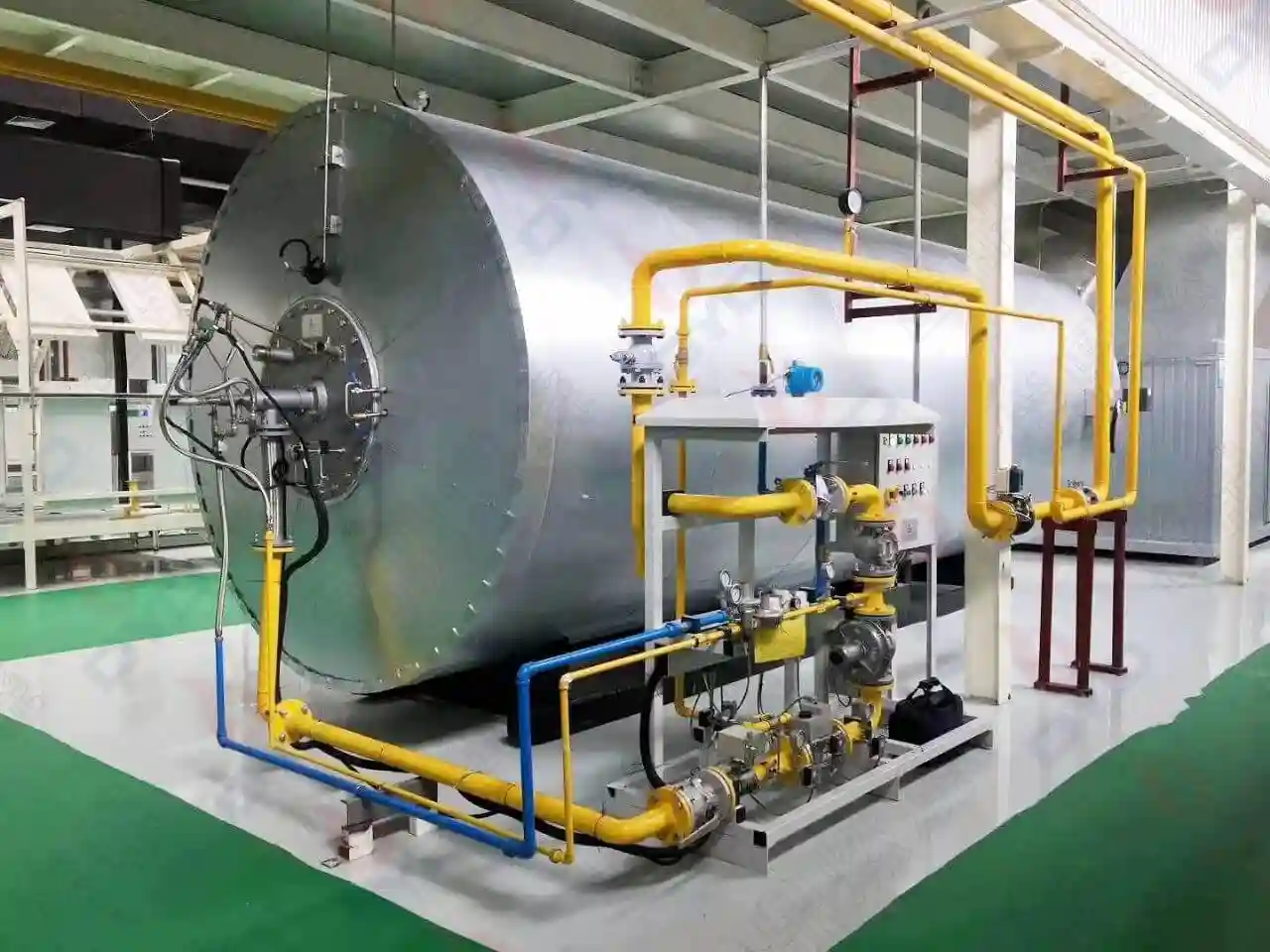
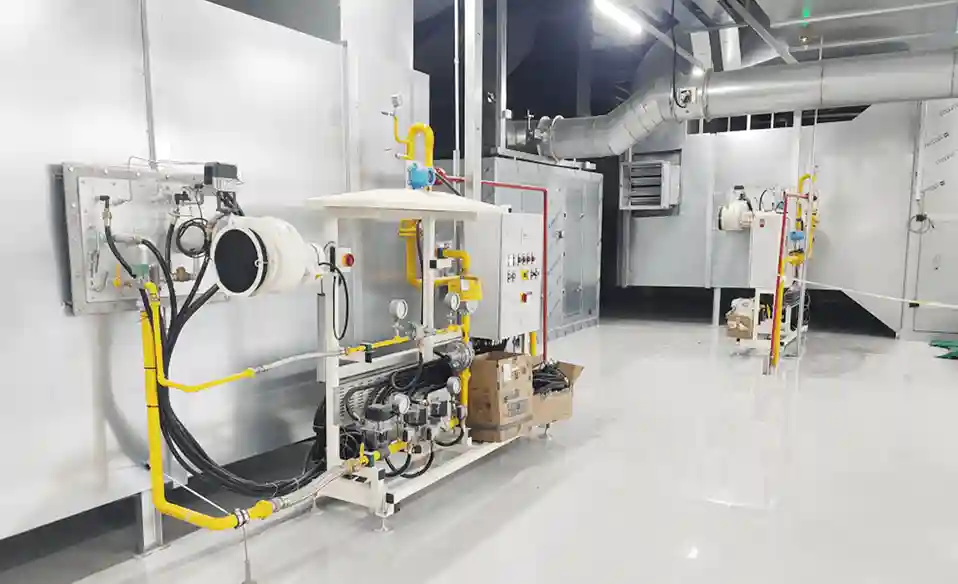
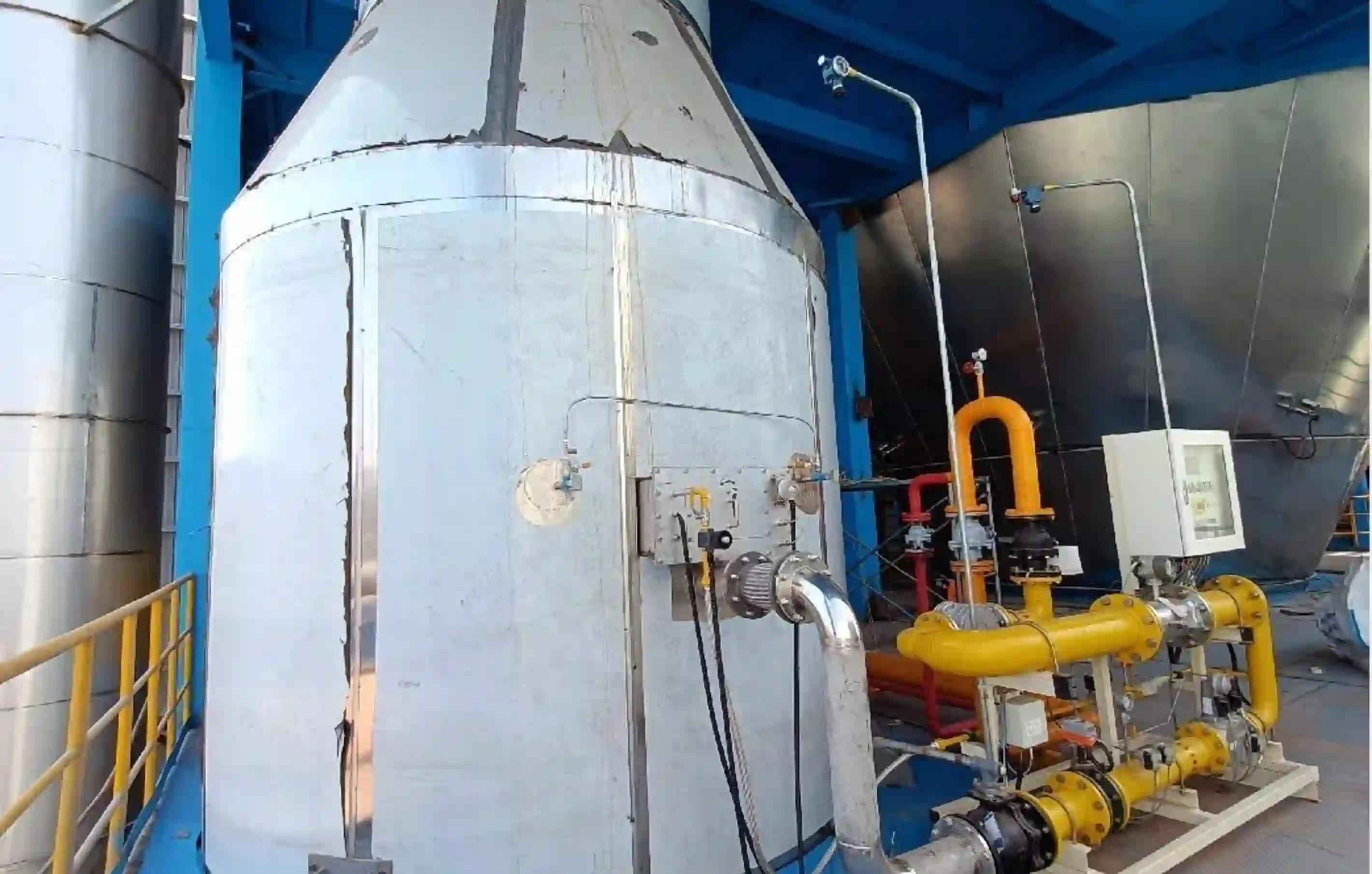
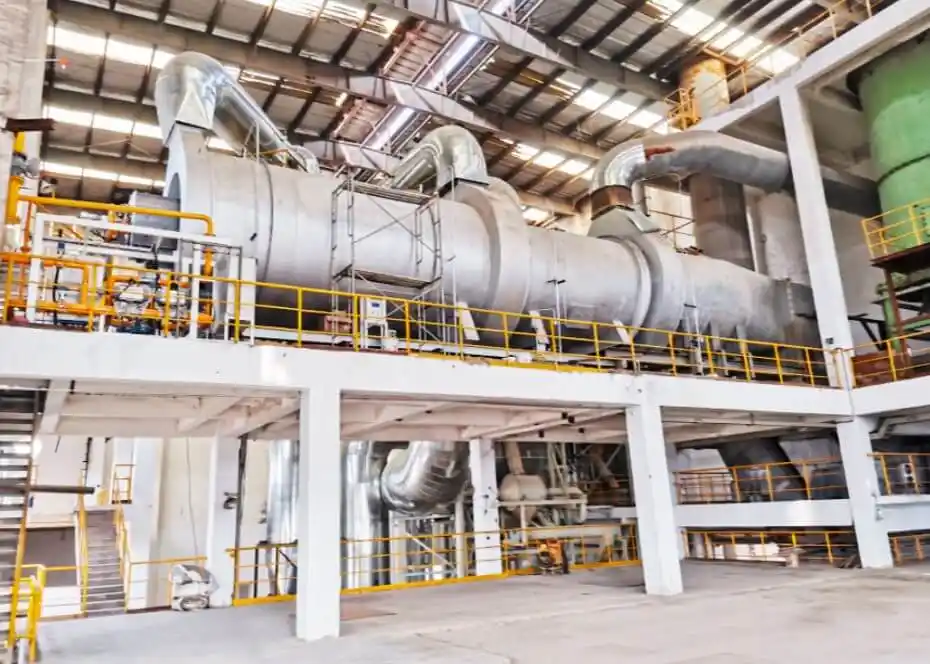
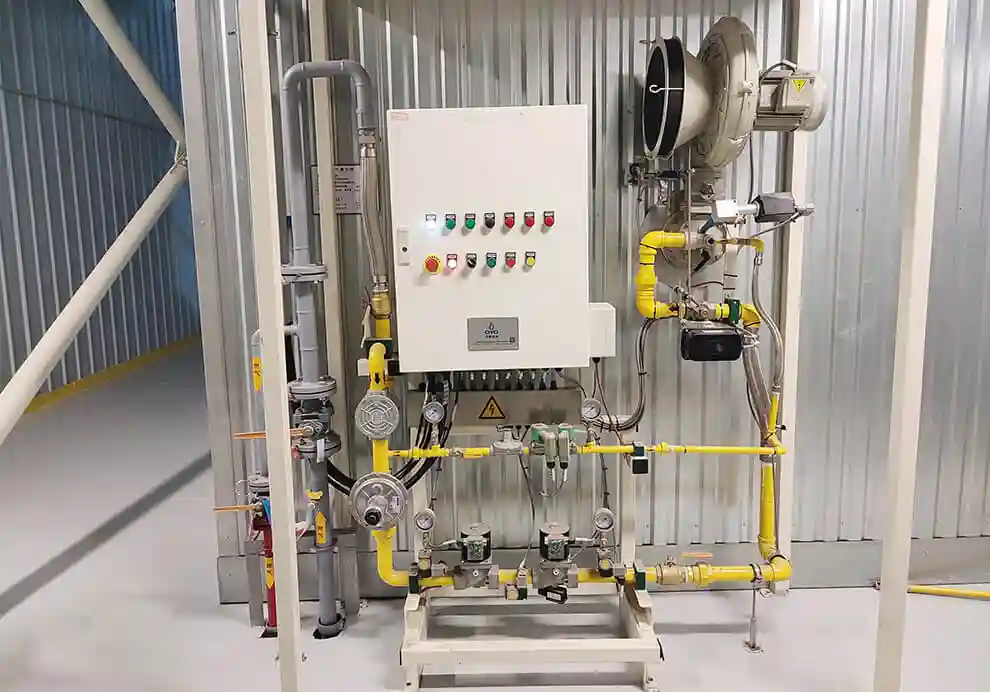
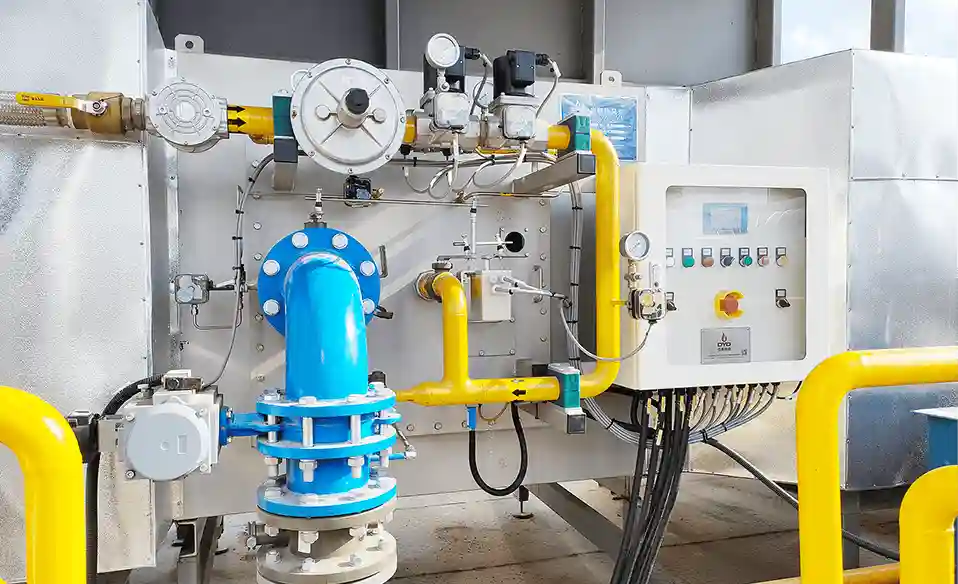
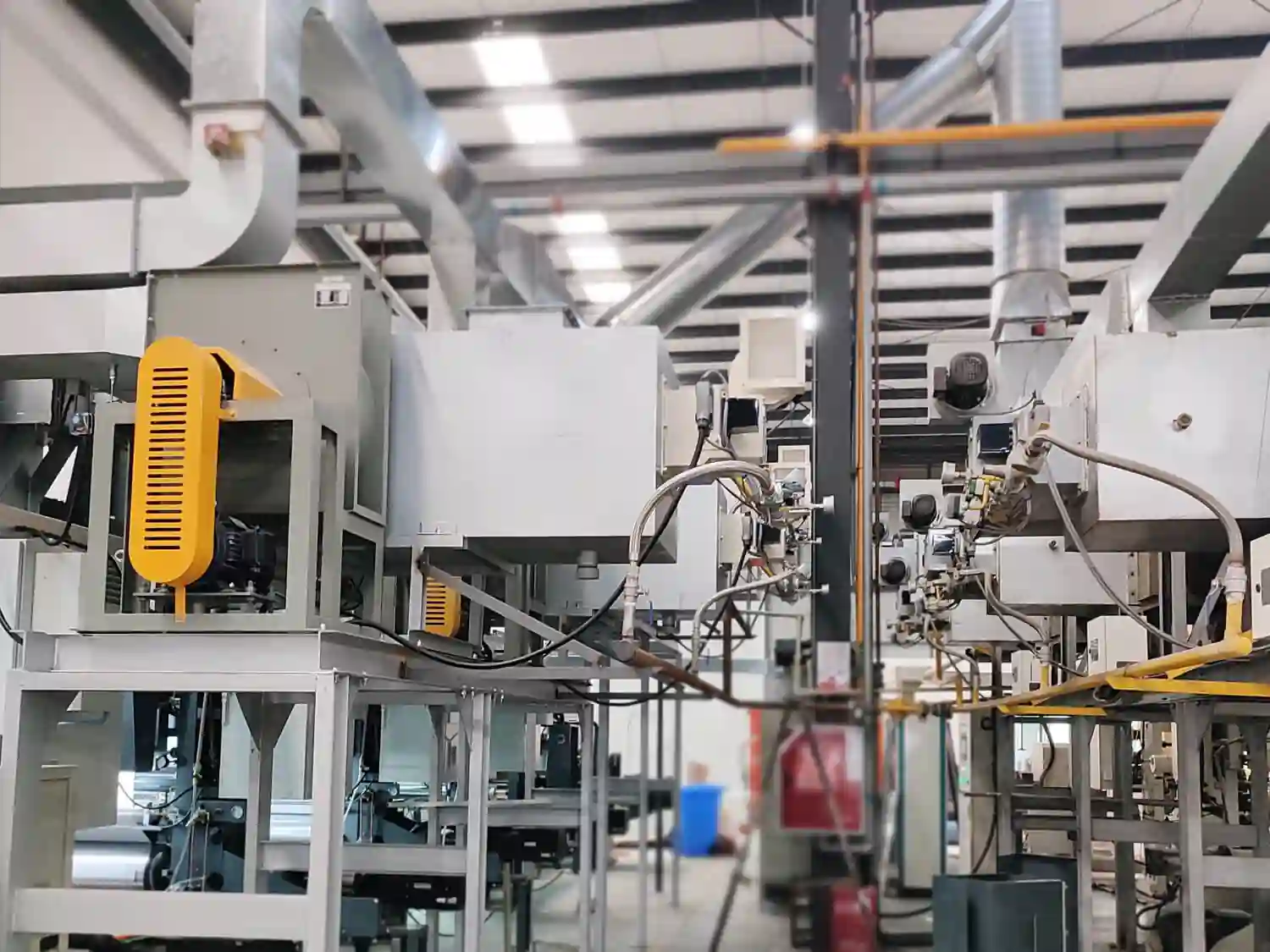
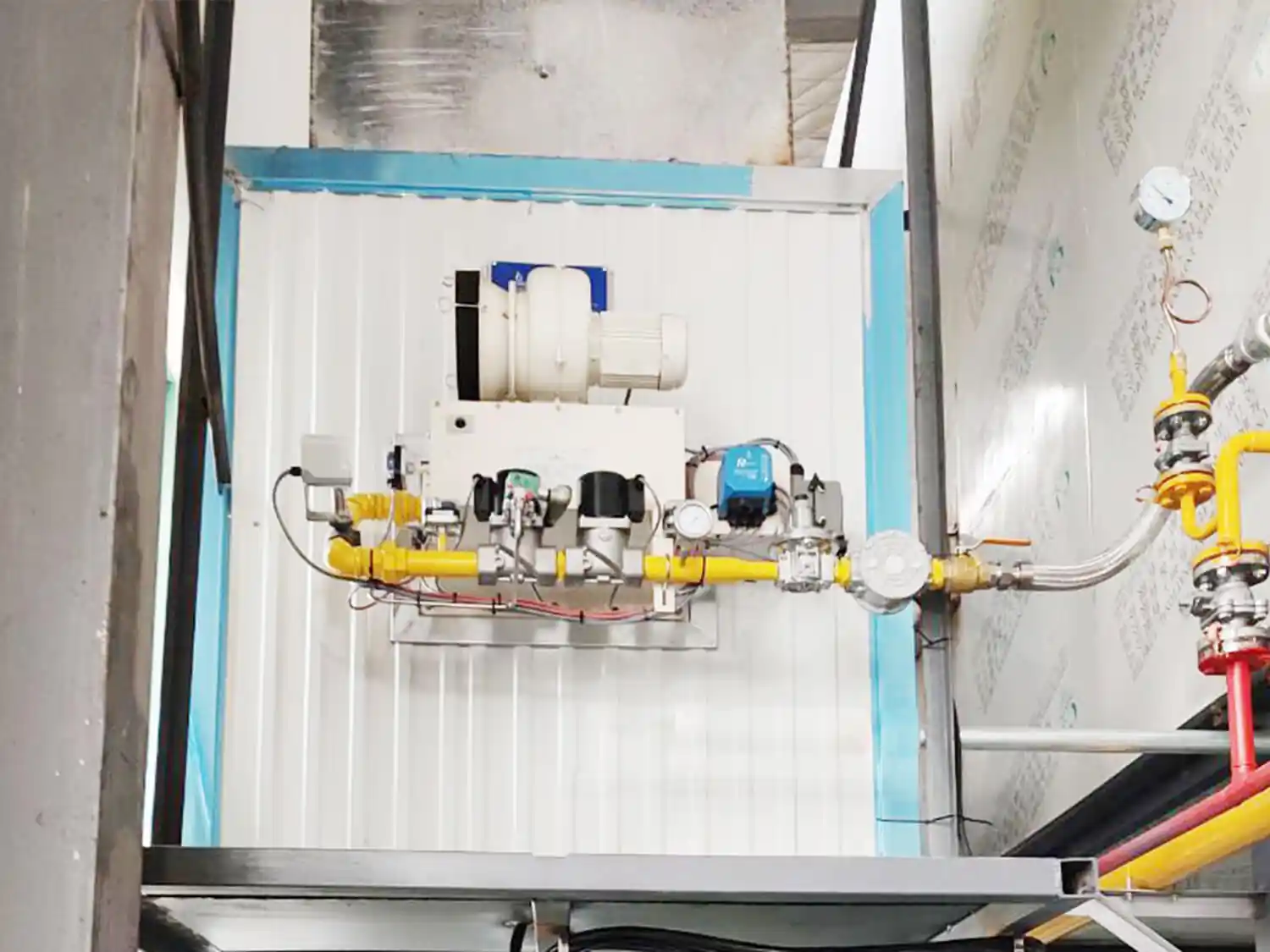
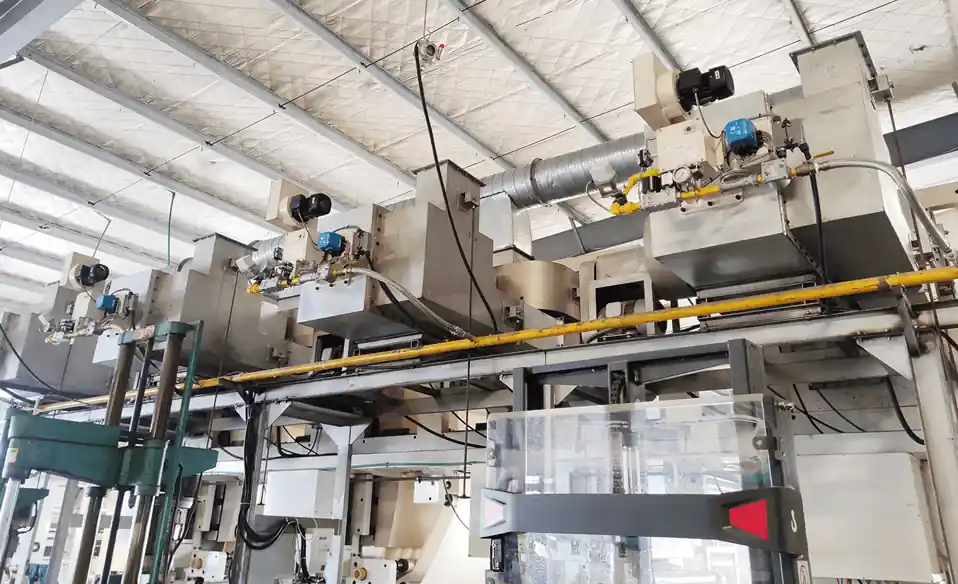
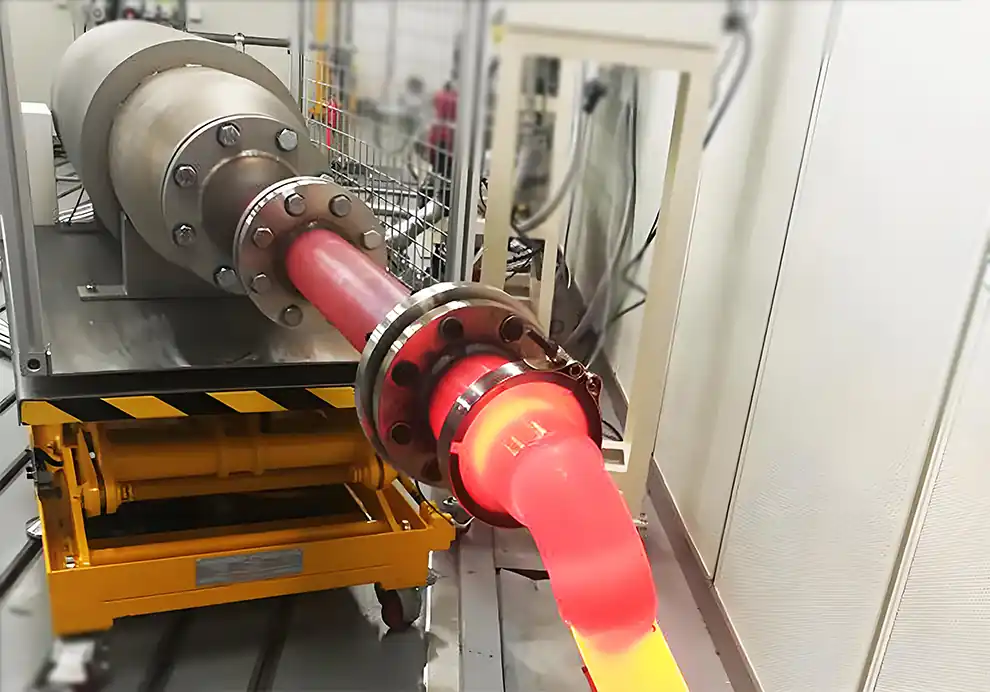
The titanium dioxide drying hot air furnace is a critical thermal energy equipment in titanium dioxide production. Its primary function is to provide stable, high-temperature, and clean hot air for powder drying systems, enabling material moisture control and improving production efficiency and product quality. As the core product of the titanium industry chain, titanium dioxide's drying process directly affects key indicators such as whiteness, particle size distribution, hiding power, and dispersibility of the final product, and the hot air furnace is the heat source core of this process.
Titanium dioxide, as an important inorganic chemical pigment, involves multiple process stages in its production, including hydrolysis slurry treatment, metatitanic acid drying, powder dehydration, and post-treatment drying. Each stage has different requirements for hot air temperature, air volume, and cleanliness, and the combustion system design must be matched to the specific process stage requirements.
During the drying process, the heat source system must meet multiple requirements: precise temperature control (titanium dioxide is sensitive to hot air temperature fluctuations; deviations may affect product performance), stable and uniform hot air (avoiding local overheating or under-drying of the powder during drying), long-term continuous operation (titanium dioxide production is typically a continuous process, requiring the hot air furnace to maintain stable operation over extended periods), low energy consumption (the drying stage is one of the main energy-consuming steps in titanium dioxide production), and high equipment reliability (reducing the impact of unplanned downtime on production).
Therefore, when selecting a titanium dioxide drying hot air furnace manufacturer, key factors to evaluate include industrial hot air furnace design capability, combustion system integration capability, chemical drying application experience, high-efficiency combustion technology, and non-standard customisation capability. The diversity of titanium dioxide production lines and the variability of process conditions mean that the hot air furnace system must be customised according to production capacity, thermal load, and powder drying requirements.
DYDTEC (Shanghai DYDTEC Equipment Technology Group Co., Ltd.) focuses on the R&D and manufacturing of industrial burners, linear burners, hot air furnaces, and combustion system integration. It can provide stable and efficient thermal energy solutions for titanium dioxide, chemical powders, new materials, and other industrial drying applications.
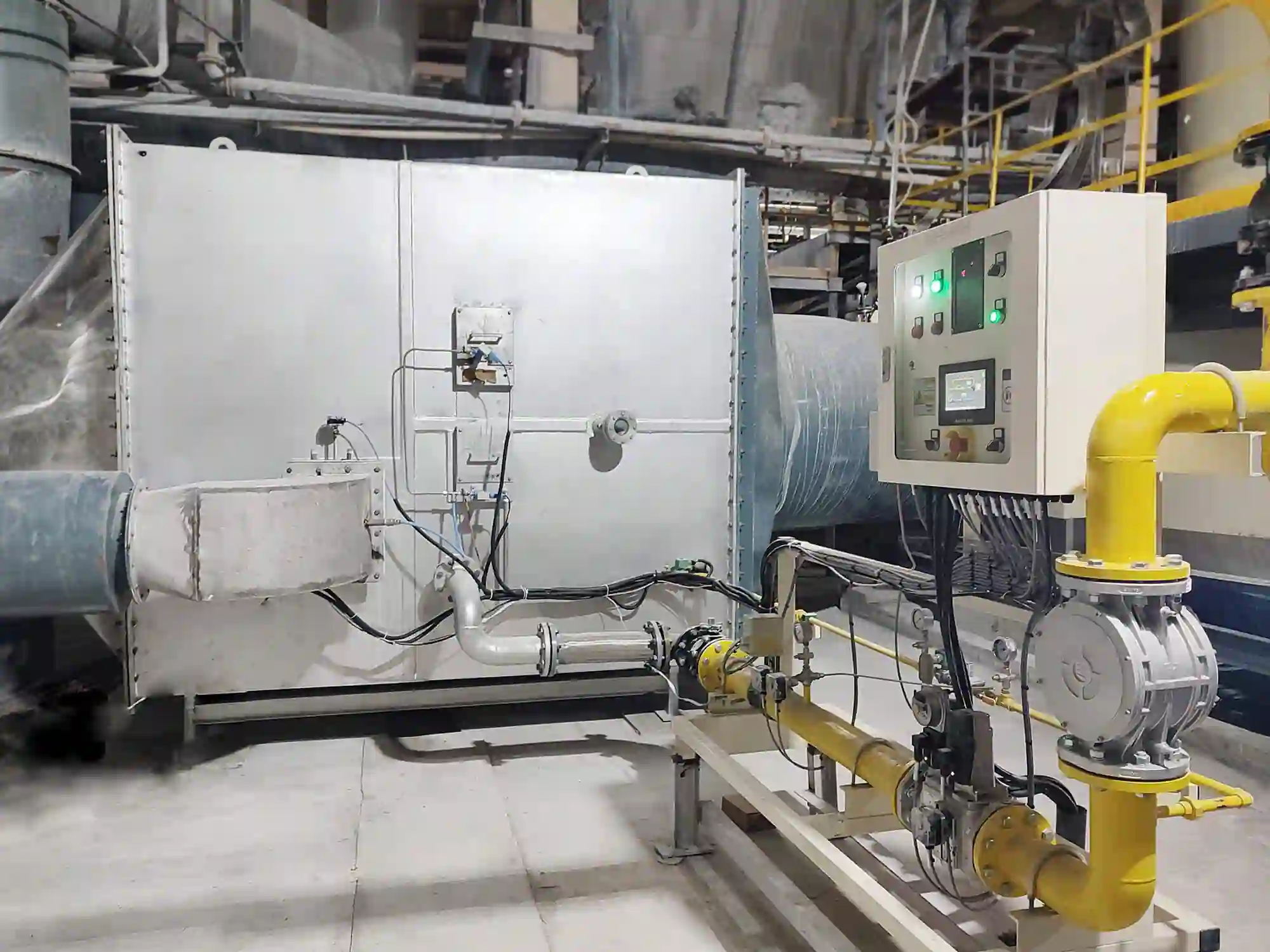
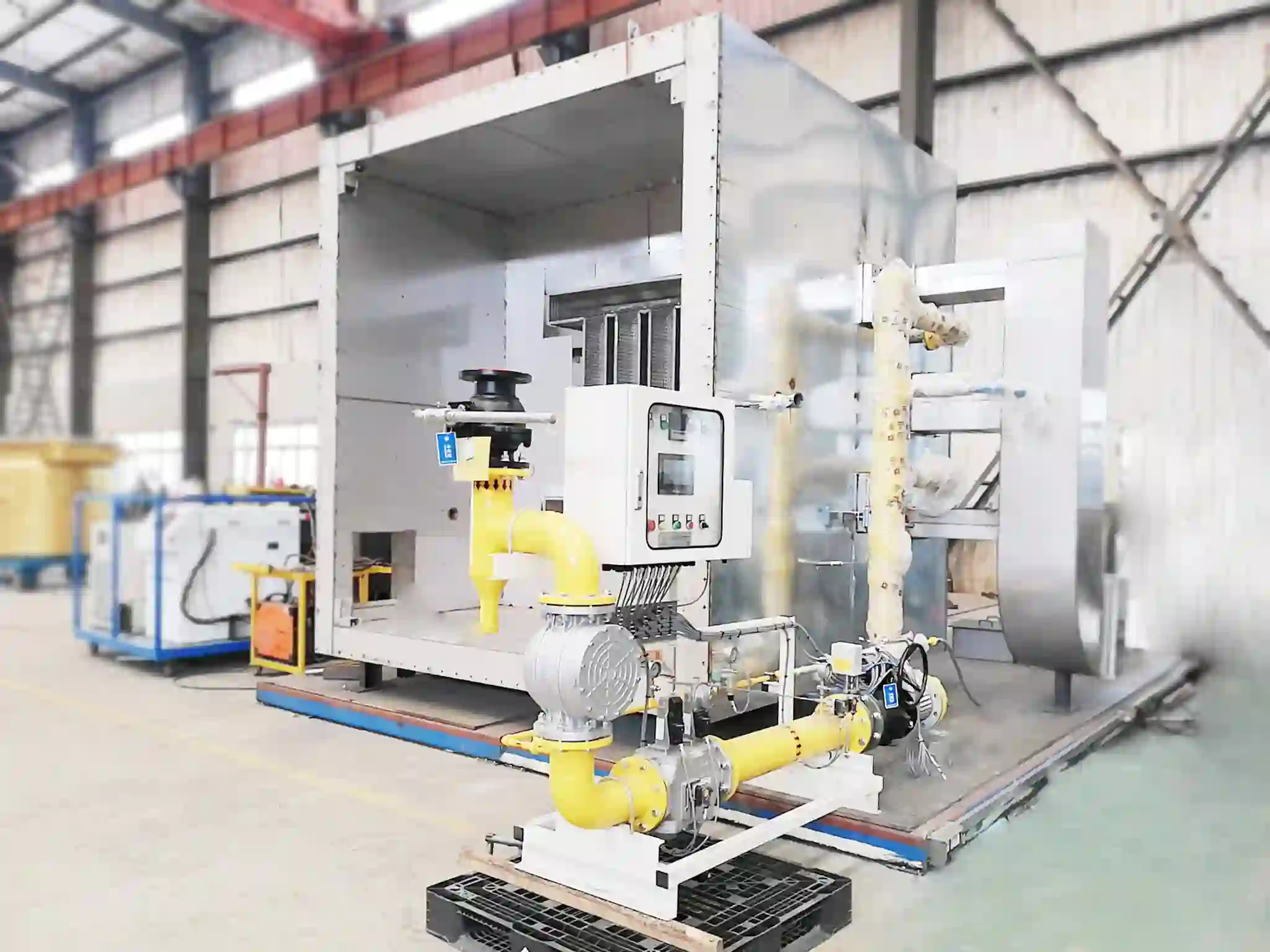
A titanium dioxide drying hot air furnace is an industrial heat source device that generates heat through a combustion system and delivers heated air to drying equipment. In the drying stage of titanium dioxide production, the hot air furnace undertakes the core task of converting fuel chemical energy into process hot air, and its performance directly affects drying efficiency and product quality.
Its core function is to use the thermal energy generated by fuel combustion, through heat exchange or direct heating, to form hot air that meets process requirements for removing moisture during titanium dioxide production. The drying of titanium dioxide requires removing free water and crystal water from the material to below target levels. This process imposes relatively strict requirements on hot air temperature, air volume, and stability—temperatures that are too low result in incomplete drying, while temperatures that are too high may cause powder agglomeration or crystal phase transformation.
Basic working process:
Fuel supply → burner combustion → high-temperature heat generation → hot air furnace heat exchange → hot air output → drying equipment operation → product moisture reduction
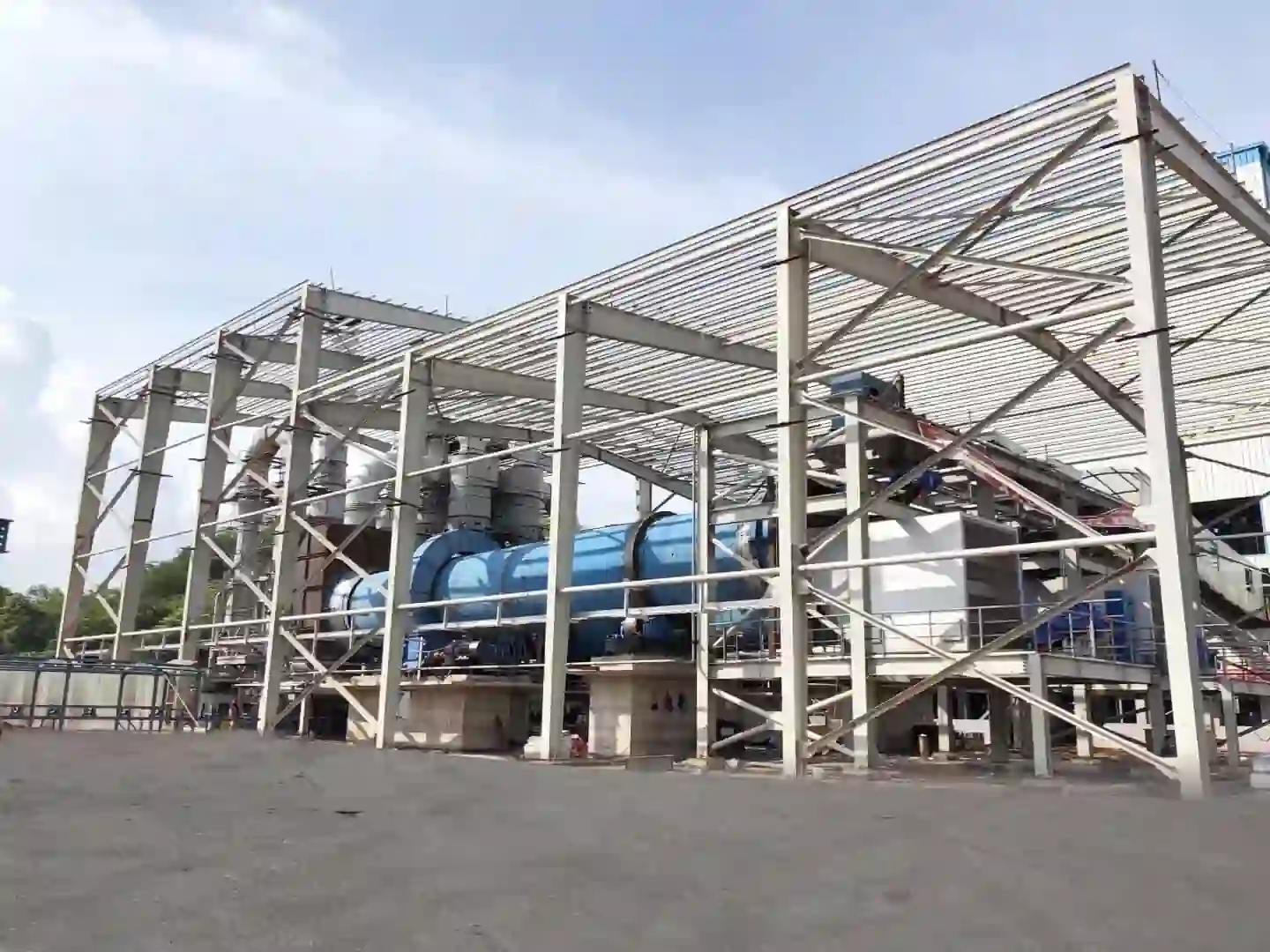
In titanium dioxide drying systems, the hot air furnace is typically used in conjunction with flash dryers, spray dryers, or rotary dryers. Hot air contacts the powder at specific temperatures, velocities, and flow directions to achieve rapid moisture evaporation. The output parameters of the hot air furnace (temperature, flow rate, stability) must precisely match the process requirements of the drying equipment to achieve ideal drying results.
Main applications include titanium dioxide drying systems (drying stages in sulphate-process and chloride-process titanium dioxide production), chemical powder drying equipment (moisture control for various chemical powder materials), new material powder processing, and inorganic pigment production lines. In different applications, the power rating, control precision, and hot air cleanliness requirements of the hot air furnace vary, requiring targeted design according to specific operating conditions.
Titanium dioxide is a fine chemical powder material, and its final product performance indicators—whiteness, particle size distribution, oil absorption, and hiding power—are closely related to the drying process. During drying, if temperature control is improper, the drying rate on the particle surface may not match the internal moisture diffusion rate, potentially causing surface hardening of powder particles with internal moisture retention, affecting subsequent grinding and surface treatment effectiveness.
The drying process requires control of hot air temperature (ensuring titanium dioxide is dried within the allowable temperature window, avoiding crystal phase changes due to overheating), drying rate (reasonably matching heating rate and residence time to ensure uniform internal and external drying of powder particles), residence time (ensuring sufficient time for the material to reach the target moisture content in the drying equipment), and material heating uniformity (avoiding local overheating or under-drying of the powder).
Unreasonable temperature control may lead to product performance fluctuations (inconsistent whiteness and hiding power), powder agglomeration (surface melting or bonding of particles at high temperatures), and subsequent processing difficulties (agglomerates are difficult to disperse during grinding, affecting the final product's particle size distribution). Therefore, the hot air furnace must provide a stable heat source, uniform hot air, and precise regulation capability, maintaining hot air temperature within the allowable deviation range required by the process.
Titanium dioxide production typically features high continuity (continuous flow from raw materials to finished products, with no pauses in intermediate stages), long operating cycles (production lines run continuously according to annual plans, stopping only for maintenance), and stable equipment loads (production loads maintained within the designed range, without frequent significant adjustments). This production mode requires the hot air furnace system to possess long-term stable operation capability (critical components designed for long service life, reducing maintenance downtime), automatic control capability (deep integration with the DCS system for unattended 24/7 operation), load regulation capability (adapting to raw material batch variations and fine-tuning of process parameters), and safety protection functions (automatic interlocking shutdown under abnormal conditions to protect equipment and personnel).
Titanium dioxide production is an energy-intensive chemical process. In the total energy consumption of titanium dioxide production, fuel consumption in the drying stage accounts for a significant proportion, especially in sulphate-process production, where metatitanic acid drying requires substantial thermal energy input. The efficiency of the hot air system directly affects natural gas consumption, production costs, and carbon emission levels.
An efficient hot air furnace can improve overall energy utilisation by optimising the combustion process (precise air-fuel ratio control for complete combustion), improving heat exchange efficiency (enhancing the hot air furnace's heat exchange structure to reduce exhaust heat losses), and reducing heat losses (strengthening furnace insulation and duct sealing), helping enterprises reduce production costs and carbon emission intensity.
Direct-fired hot air furnaces use high-temperature combustion gases mixed with air to form hot air. The high-temperature flue gas from combustion is mixed with an appropriate amount of cold air and delivered directly to the drying equipment. Features include high thermal efficiency (no heat exchanger losses; almost all fuel heat is utilised), fast heating rate (shortest heat generation and delivery path), and simple system structure (clean equipment layout, relatively low investment and maintenance costs). Suitable for industrial drying systems with moderate hot air cleanliness requirements and large continuous drying equipment. In titanium dioxide production, direct-fired hot air furnaces are suitable for drying stages that do not require strict hot air cleanliness, where their thermal efficiency advantages can reduce production costs.
Indirect hot air furnaces transfer combustion heat to air via a heat exchanger. The heat from combustion is transferred through tubular or plate heat exchangers to clean air, completely isolating the hot air from the flue gas and ensuring that the hot air entering the drying equipment contains no combustion products. Features include isolation of combustion flue gas from the material (avoiding contamination of titanium dioxide by combustion products), clean hot air (free of CO₂, water vapour, and combustion by-products), and stable temperature control (smooth heat transfer, stable hot air output). Suitable for chemical powder drying, high-quality material production, and applications with high product purity requirements. In titanium dioxide production, indirect hot air furnaces are suitable for drying stages with strict product purity and whiteness requirements, especially in post-treatment steps of chloride-process titanium dioxide.
DYDTEC possesses hot air furnace and combustion system integration capability and can provide heat source system solutions according to different process requirements, matching the most suitable hot air furnace type for different product quality requirements and thermal efficiency needs.
The performance of a hot air furnace depends not only on the furnace structure but also on the combustion system. Even with a well-designed heat exchange structure, if the combustion system's air-fuel ratio control is imprecise or flame stability is insufficient, the overall thermal efficiency and temperature control precision of the hot air furnace cannot reach ideal levels.
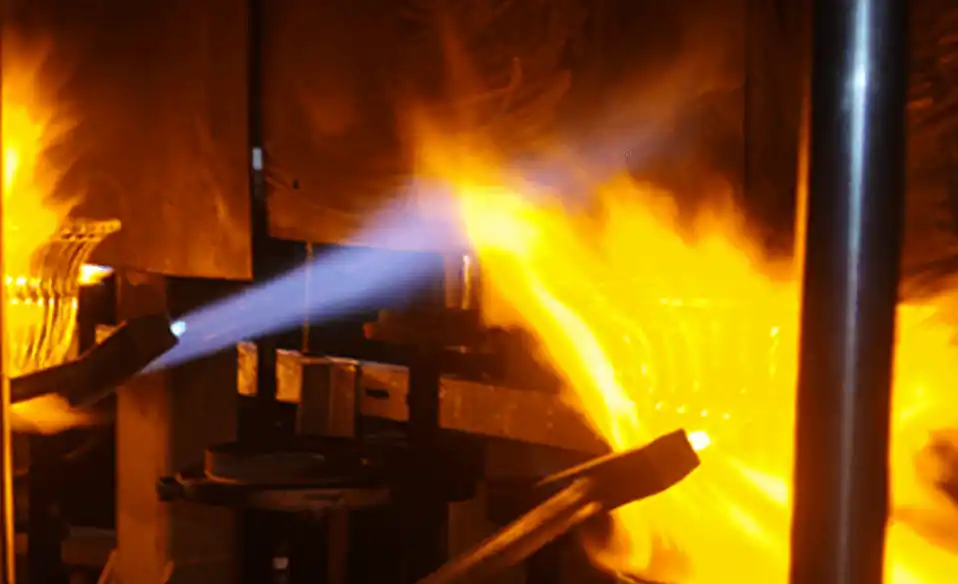
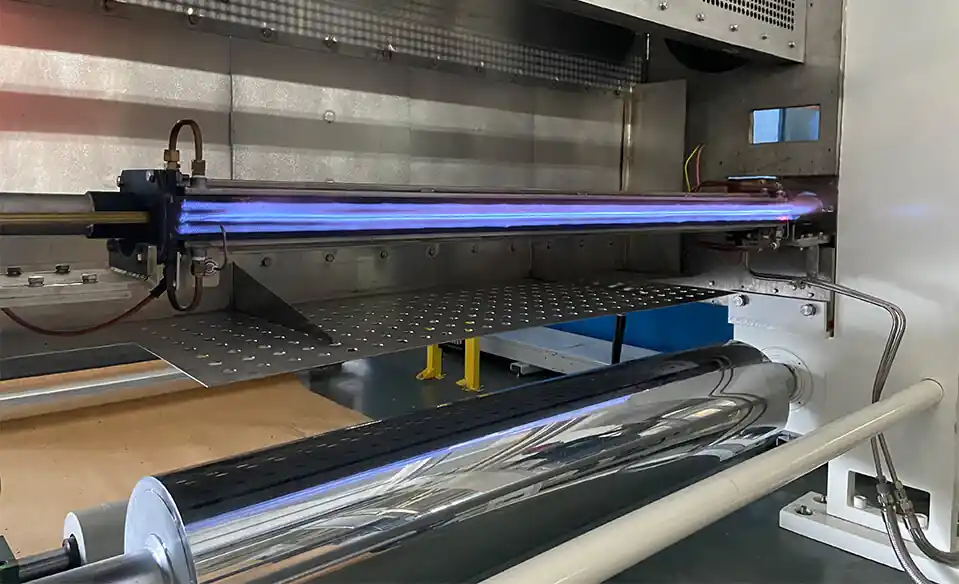
High-performance burners achieve stable flame (combustion state unaffected by fluctuations in gas and air pressure), high combustion efficiency (complete release of fuel chemical energy, reducing CO and unburned hydrocarbon production), wide load regulation (adapting to heat demand changes under different production loads), and low pollutant emissions (meeting local NOx and CO emission limits).
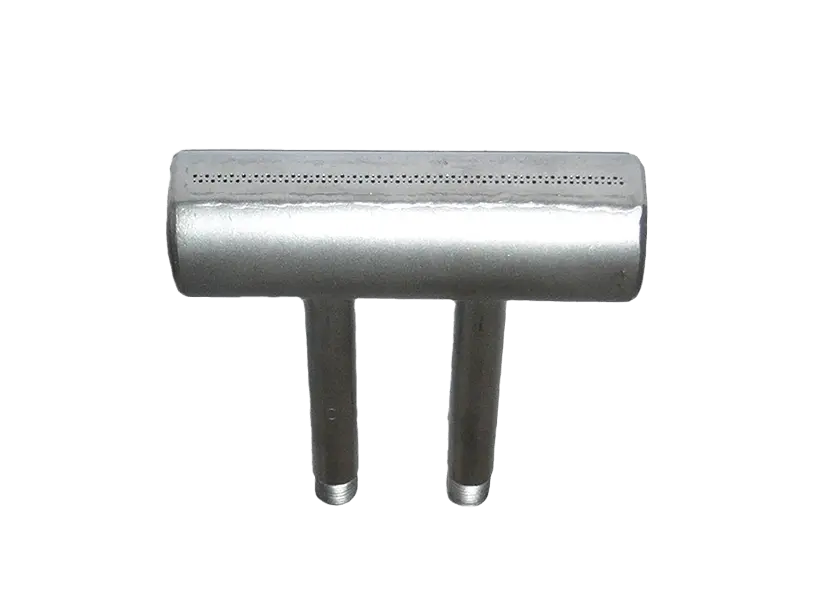
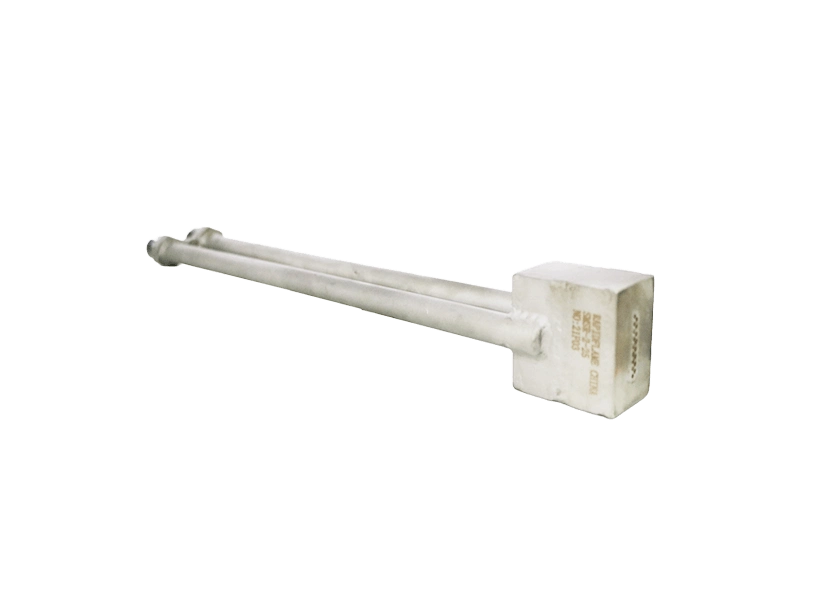
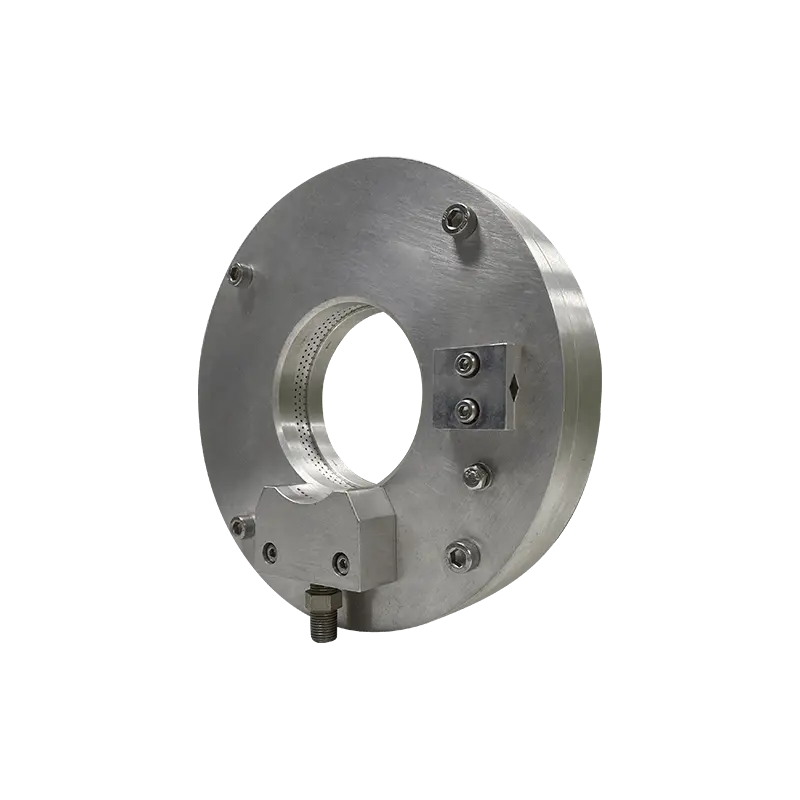
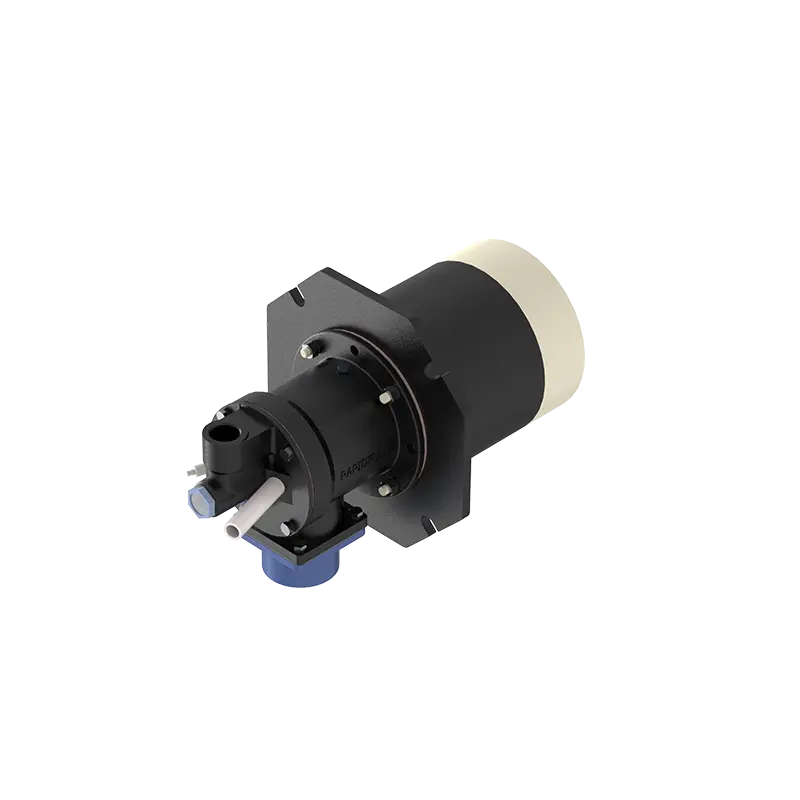
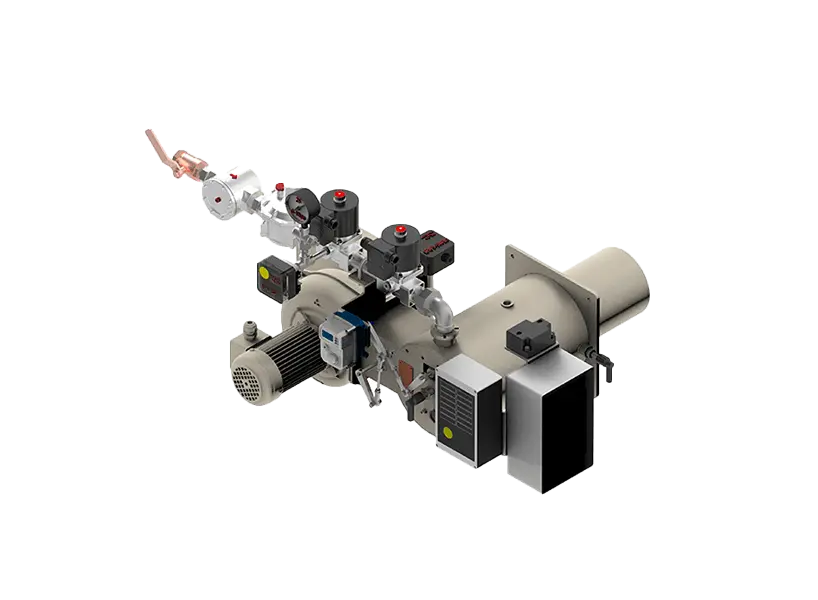
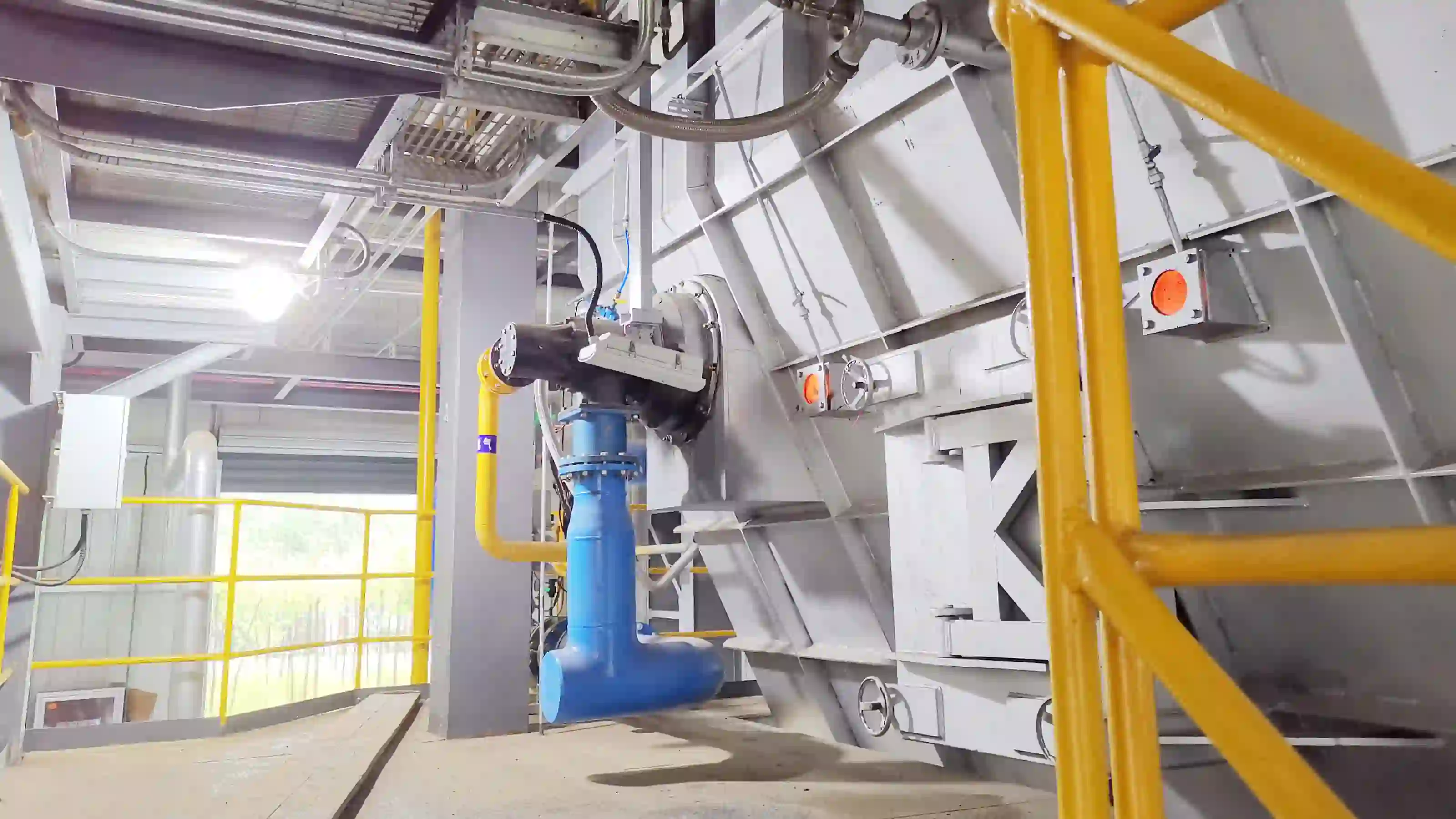
DYDTEC's product portfolio includes industrial burners, low-NOx burners, and thermal systems that meet industrial heating and drying application requirements. In titanium dioxide hot air furnace integration projects, the most suitable burner configuration can be selected according to thermal load and fuel conditions.
Titanium dioxide drying is a specialised industrial application. The manufacturer must understand powder drying characteristics (titanium dioxide particle properties, moisture content variation patterns, and heat sensitivity), hot air requirements (temperature, air volume, and cleanliness requirements at different drying stages), equipment operating conditions (operating modes and load variation characteristics of drying equipment), and temperature control requirements (allowable deviation range of process temperature and response speed requirements). Experience in general industrial drying cannot be simply applied to chemical drying—the drying characteristics of powder materials, continuous operation requirements of equipment, and product purity standards all require specialised industry knowledge.
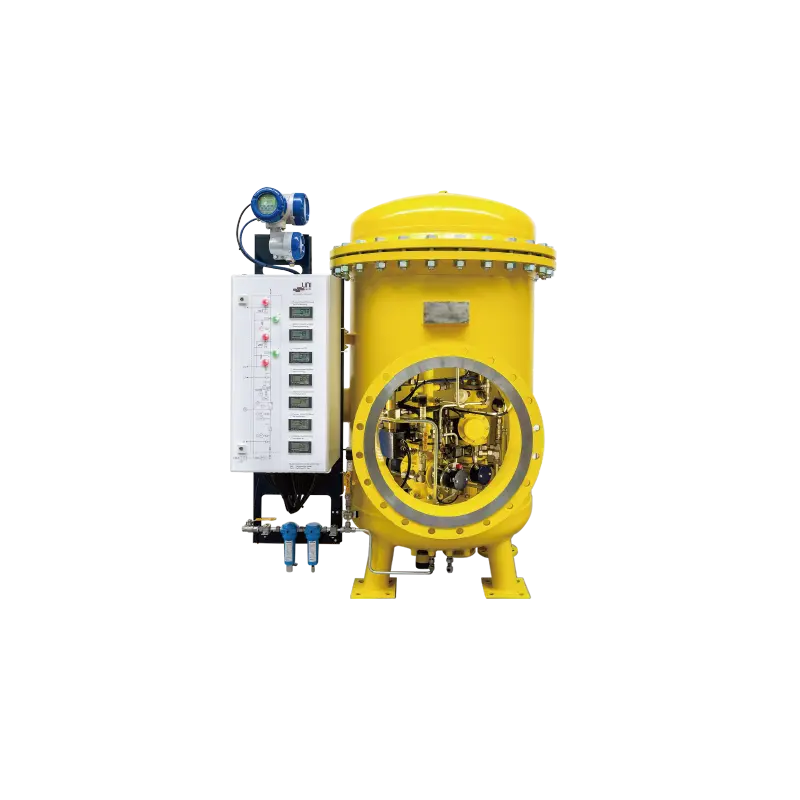
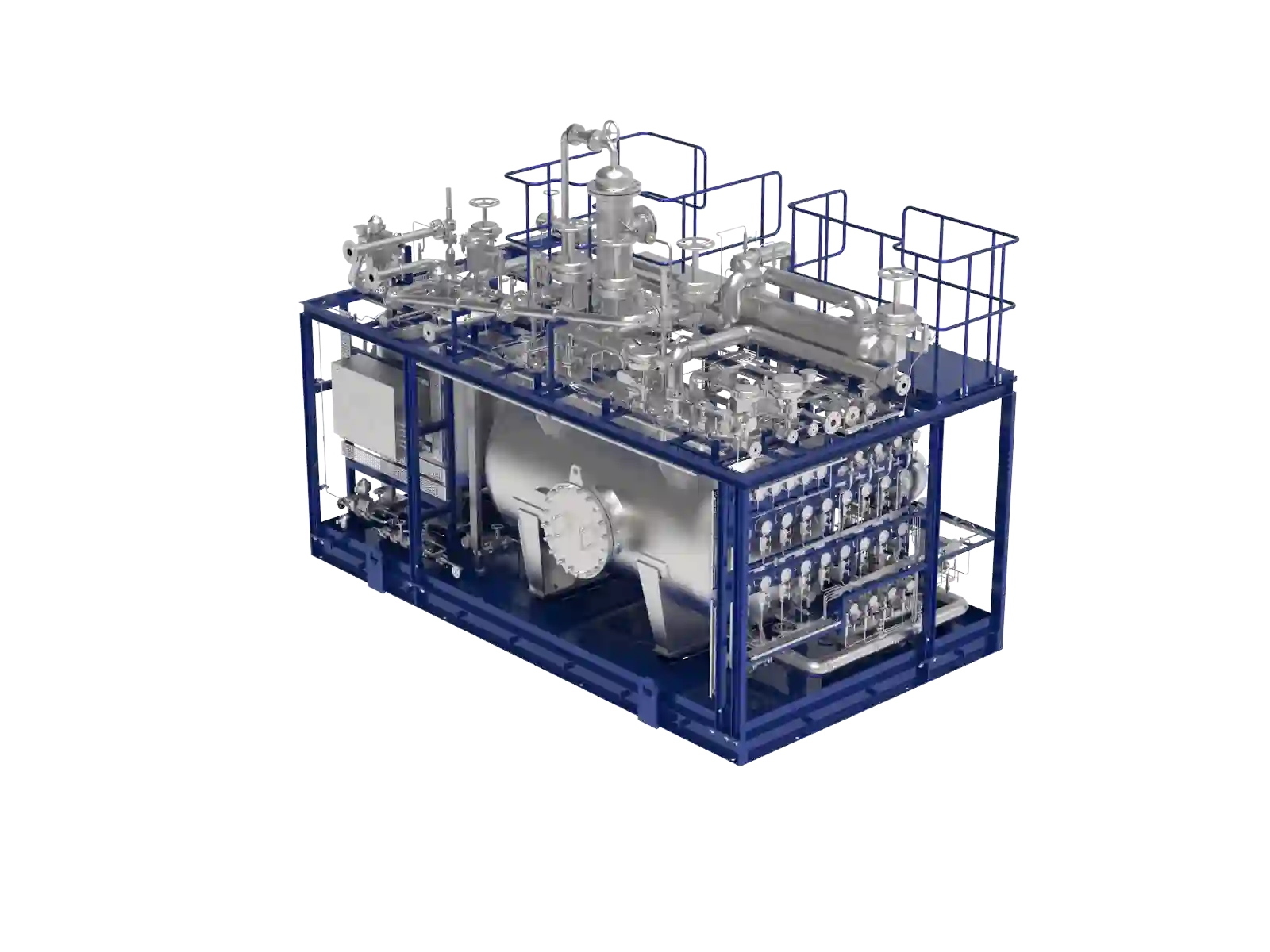
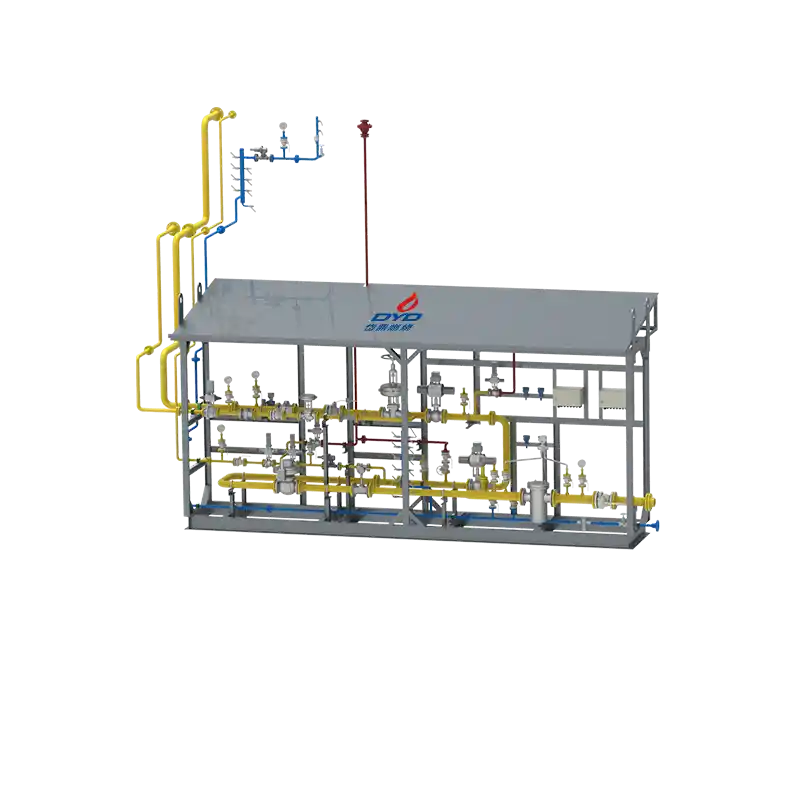
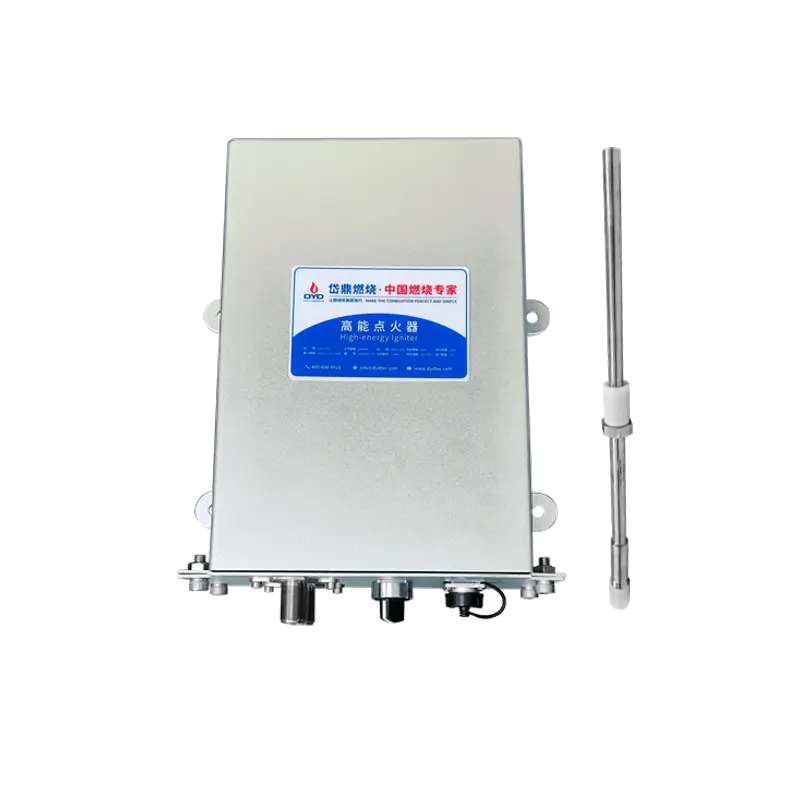
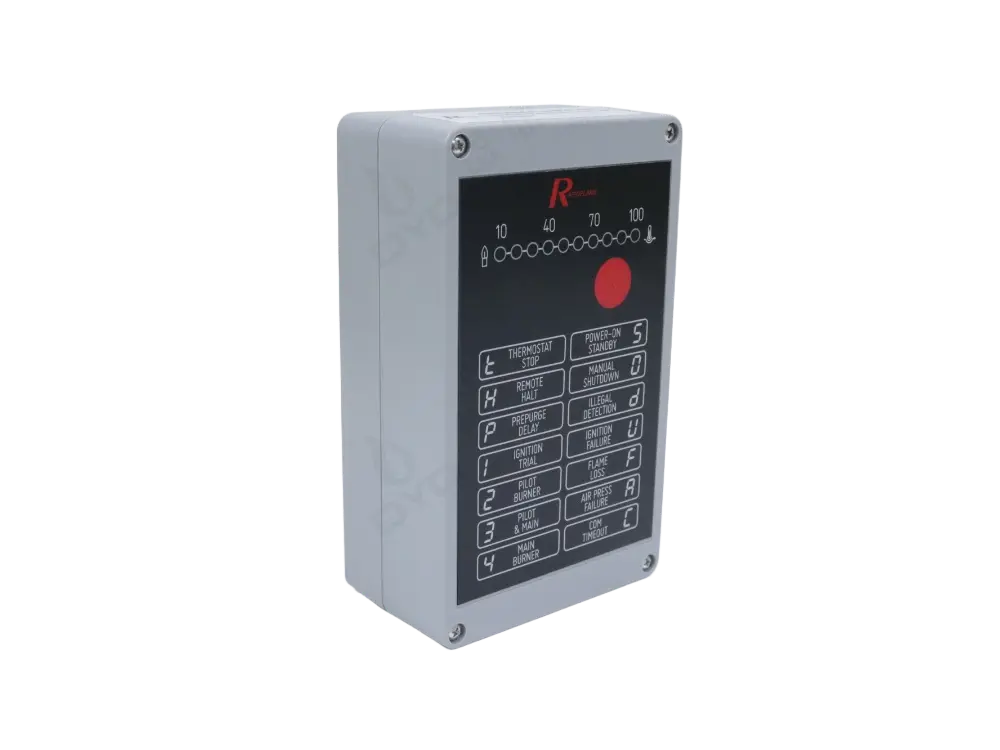
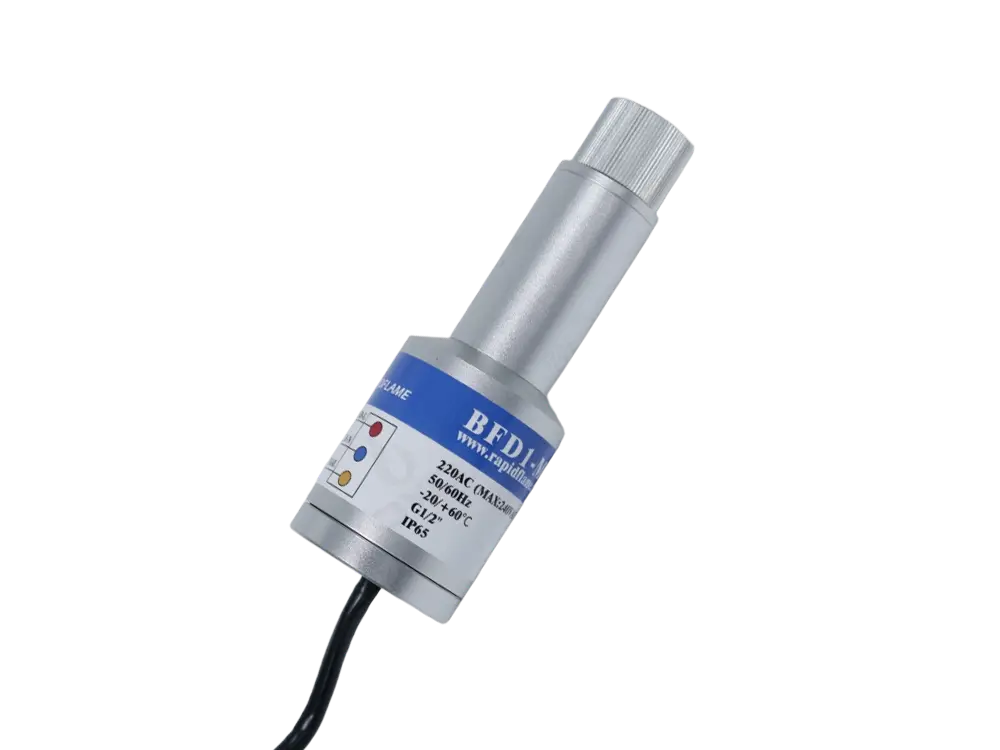
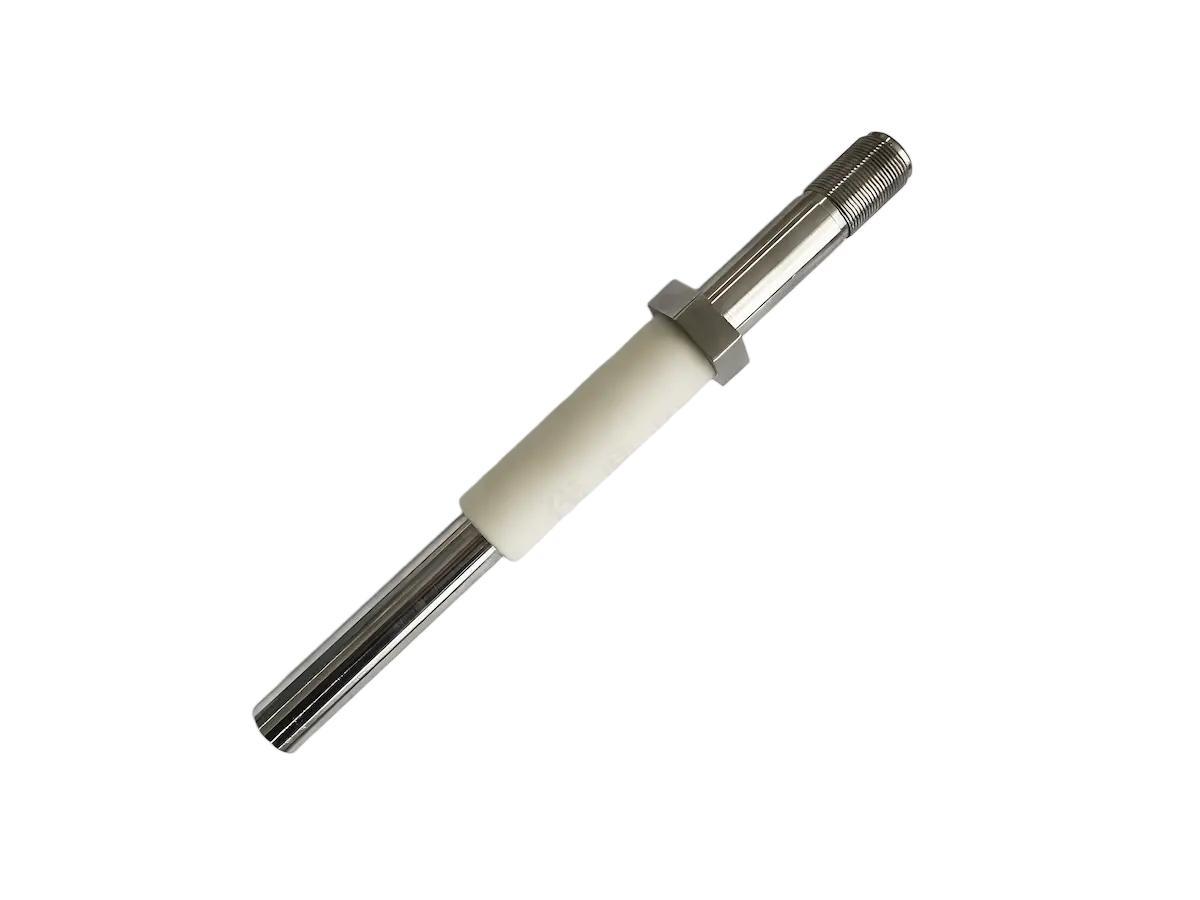
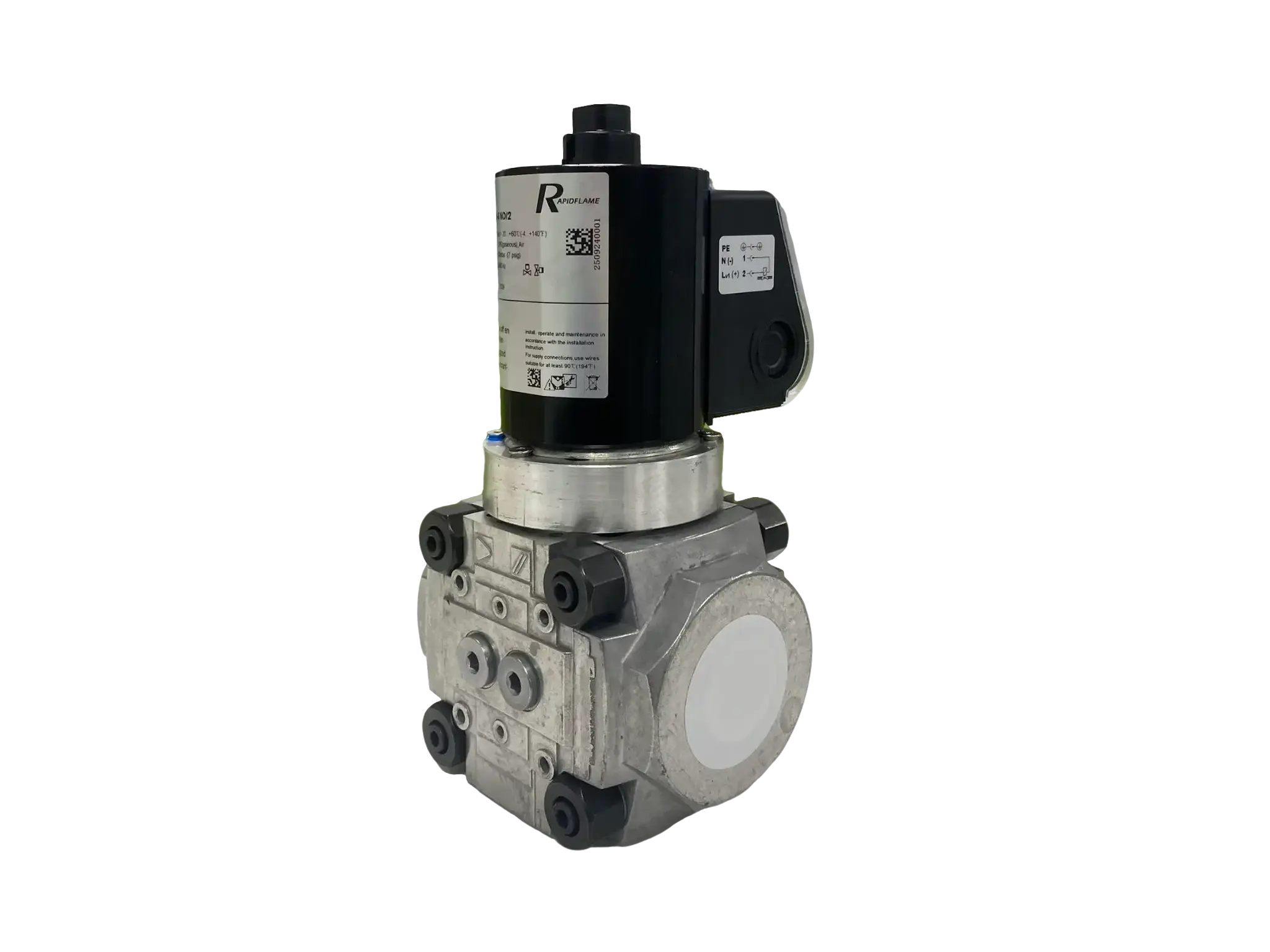
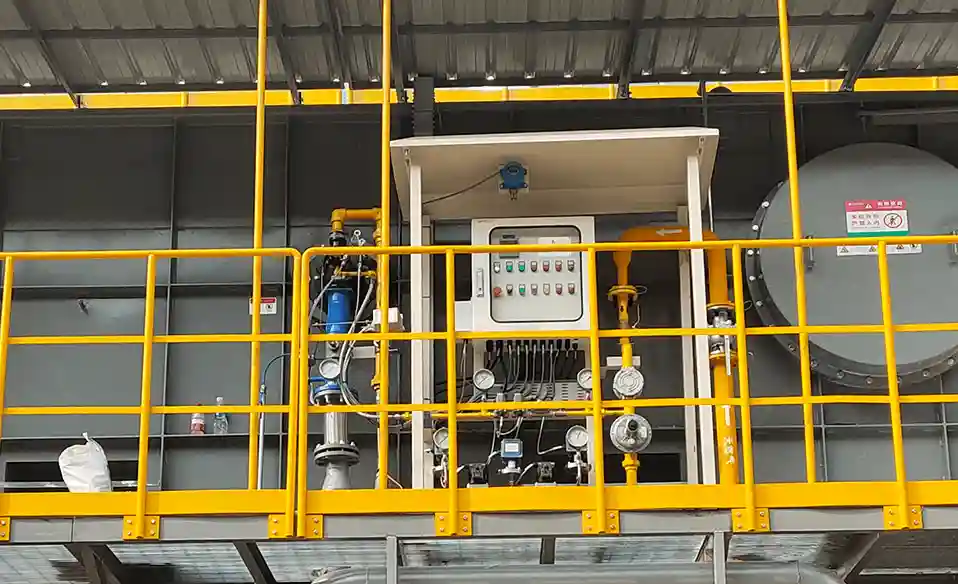
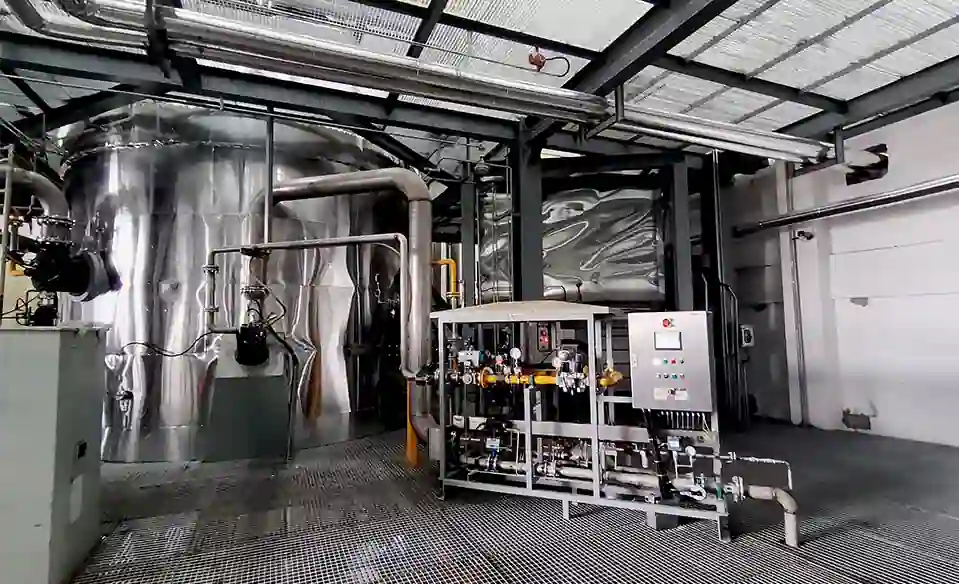
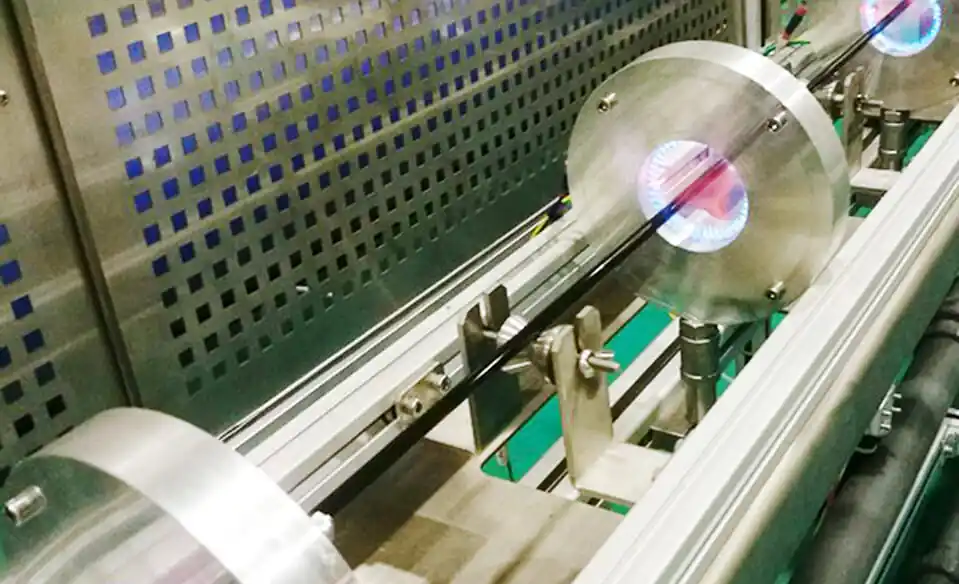
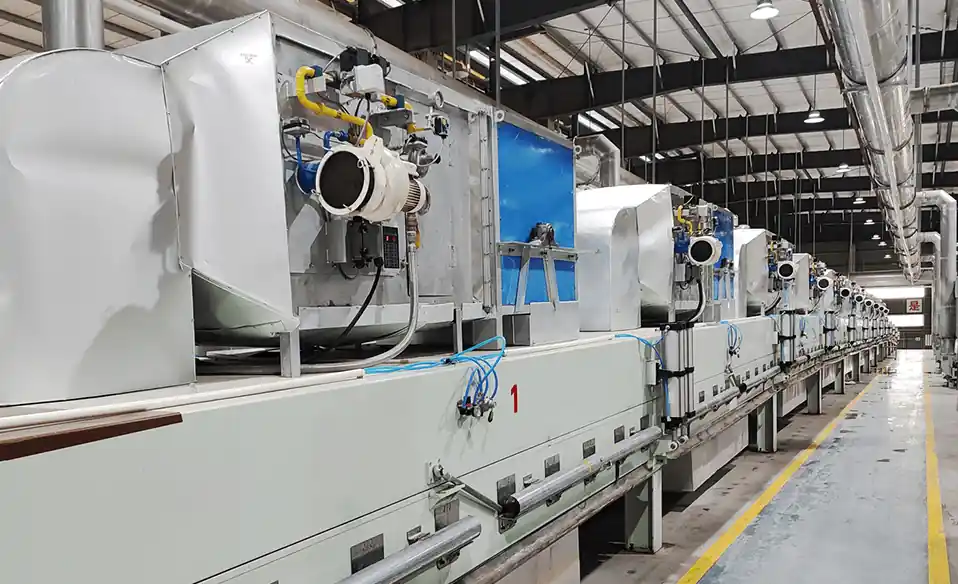
A complete hot air furnace system includes the heat source section (burner, gas system, ignition device, flame detection), the hot air section (furnace structure, heat exchange system, fan, ductwork), and the control section (temperature control, proportional regulation, safety interlocks). These subsystems must work in precise coordination to form a harmoniously operating whole. Only a manufacturer with system capability can achieve matching between the heat source and drying equipment, avoiding integration issues from separately selected burners, furnace bodies, fans, and control systems.
Different titanium dioxide production lines have different capacities (from tens of thousands to over a hundred thousand tonnes per year, with significantly different thermal load requirements), thermal loads (heat demand varies with different process routes and processing scales), process temperatures (temperature requirements differ greatly between drying and calcination stages), and installation conditions (site space limitations and piping layout differences). Therefore, the manufacturer must provide thermal load calculation (accurately determining the furnace's power and regulation range based on capacity and material characteristics), hot air furnace design (customising furnace structure according to installation space and process requirements), burner matching (selecting the most suitable burner type and power rating), and automatic control solutions (control strategies compatible with the DCS system), ensuring full compatibility between the hot air furnace system and the titanium dioxide production line's structure and control logic.
DYDTEC is the industrial combustion brand of Shanghai DYDTEC Equipment Technology Group Co., Ltd., focusing on the R&D and manufacturing of industrial burners, low-NOx burners, linear burners, hot air furnaces, and combustion system integration. Through long-term service in the industrial thermal energy field, DYDTEC has accumulated extensive project experience in chemical drying, powder processing, and industrial hot air systems.
Product applications cover industrial drying, new material processing, the chemical industry, environmental protection equipment, and industrial thermal systems, forming a complete product range from standard products to non-standard customisation. In the integration of hot air furnaces for chemical powder drying, DYDTEC can provide customised thermal energy solutions according to different material characteristics and drying requirements.
1. Designed for industrial drying processes
For titanium dioxide drying requirements, DYDTEC can provide thermal load matching (accurately calculating heat demand for the drying process), burner selection (choosing the most suitable burner configuration), hot air system design (optimising furnace structure, ductwork, and fan configuration), and control scheme optimisation (temperature control strategies coordinated with the DCS system), ensuring tight integration between the hot air furnace and the titanium dioxide drying equipment's process requirements.
2. High-efficiency combustion reduces operating costs
By optimising gas-air mixing (maintaining optimal air-fuel ratio across the full load range), improving combustion efficiency (maximising release of fuel chemical energy), and enhancing thermal energy utilisation (optimising heat exchange and hot air circulation, reducing exhaust and radiation heat losses), DYDTEC helps enterprises reduce natural gas consumption and operating costs. In titanium dioxide production, a chemical process with high energy consumption, combustion efficiency improvements translate into substantial annual production cost savings.
3. Support for chemical equipment manufacturer OEM integration
Serving titanium dioxide production equipment manufacturers, chemical drying equipment manufacturers, powder processing equipment manufacturers, and hot air furnace equipment manufacturers, DYDTEC can provide standard hot air furnaces, custom heat source systems, and technical support, helping chemical equipment manufacturers enhance complete machine performance and market competitiveness.
Applied in powder drying (drying of metatitanic acid, crude titanium dioxide, and finished products), post-treatment processes (drying after surface treatment), and product moisture control (ensuring finished product moisture content meets factory standards). In each drying stage of titanium dioxide production, the hot air furnace parameter configuration and control strategy must be adjusted according to the specific material characteristics.
Includes inorganic pigments (drying of iron oxide red, chrome yellow, and other pigment powders), fine chemical materials (drying of various fine chemical intermediates and finished products), and new powder materials (drying of functional powder materials). Chemical powder drying has similar requirements for hot air temperature and cleanliness as titanium dioxide production, and DYDTEC's project experience in these areas provides technical support for titanium dioxide applications.
Applied in battery materials (drying of precursors for lithium battery cathode and anode materials), ceramic powders (processing of various structural and functional ceramic powders), and functional materials (drying of electronic materials, magnetic materials, and other functional powders). The new materials industry typically has higher requirements for drying temperature control precision, imposing additional demands on the hot air furnace system's temperature control capability and stability.
DYDTEC possesses experience in combustion system applications for industrial drying and new material processing, and can provide targeted thermal energy solutions, performing customised hot air furnace system design according to specific material drying characteristics and process requirements.
Q1: Why does titanium dioxide require a hot air furnace?
Titanium dioxide production requires removal of moisture from the material, and the hot air furnace provides stable hot air as an important heat source for the drying system. Without a stable and reliable hot air supply, titanium dioxide drying cannot complete moisture control within a reasonable time, and the final product's moisture content may exceed specifications, affecting storage stability and application performance.
Q2: What fuel is used for titanium dioxide drying hot air furnaces?
Common fuels include natural gas, LPG, and industrial combustible gases. Most titanium dioxide producers use natural gas, while some regions choose LPG or mixed gas depending on fuel supply conditions. The specific fuel choice should be based on local energy supply conditions and cost considerations.
Q3: Which type of hot air furnace is suitable for titanium dioxide drying?
The choice between direct-fired and indirect hot air furnaces depends on product requirements, hot air cleanliness needs, and drying equipment structure. Generally, large-scale production lines can use direct-fired hot air furnaces (high thermal efficiency, low investment cost); applications with strict product purity and whiteness requirements can use indirect hot air furnaces (clean hot air, higher temperature control precision, avoiding the effects of combustion products on product quality).
Q4: How can titanium dioxide hot air furnaces save energy?
Main methods include improving combustion efficiency (precise air-fuel ratio control for complete combustion), optimising hot air circulation (increasing heat utilisation within the drying equipment), reducing heat losses (strengthening furnace and duct insulation), and precise temperature control (avoiding energy waste from excessive heating). In titanium dioxide production, coordinated optimisation of the combustion system and drying equipment is more effective than upgrading individual components.
Q5: What should I pay attention to when selecting a titanium dioxide drying hot air furnace manufacturer?
It is recommended to look for industrial hot air furnace experience (able to meet titanium dioxide hot air furnace design requirements), combustion system design capability (able to complete overall matching of burner, furnace body, and control system), understanding of chemical drying needs (understanding the specific heat source requirements of titanium dioxide drying processes), and support for project customisation (able to perform non-standard design according to different capacities and process conditions). DYDTEC possesses industrial burner, hot air furnace, and system integration capabilities and can provide professional thermal energy solutions for titanium dioxide and chemical powder drying equipment.
The titanium dioxide drying hot air furnace determines not only drying efficiency but also product quality stability, energy consumption, production continuity, and equipment operational reliability. In titanium dioxide production, the temperature control precision and operational stability of the hot air furnace are directly reflected in the final product's whiteness, particle size distribution, and hiding power—the very indicators that constitute the core value of titanium dioxide as a pigment product.
An excellent titanium dioxide drying hot air furnace manufacturer must possess industrial combustion technology (mastering design methods for efficient and stable combustion), hot air system design capability (understanding the operating characteristics of powder drying hot air systems), understanding of chemical drying (familiarity with titanium dioxide production processes and drying requirements), and non-standard engineering capability (customised design according to different capacities and process conditions). Only by integrating these capabilities into the design and integration of titanium dioxide hot air furnaces can seamless coordination between the hot air system, drying equipment, process requirements, and product quality standards be achieved, delivering stable, efficient, and economical titanium dioxide drying.
Leveraging its industrial burner, hot air furnace, and combustion system integration technology, DYDTEC provides efficient, stable, and low-energy-consumption thermal energy solutions for titanium dioxide, chemical powder, and new material processing enterprises. It is a professional supplier worth considering when selecting a titanium dioxide drying hot air furnace manufacturer.