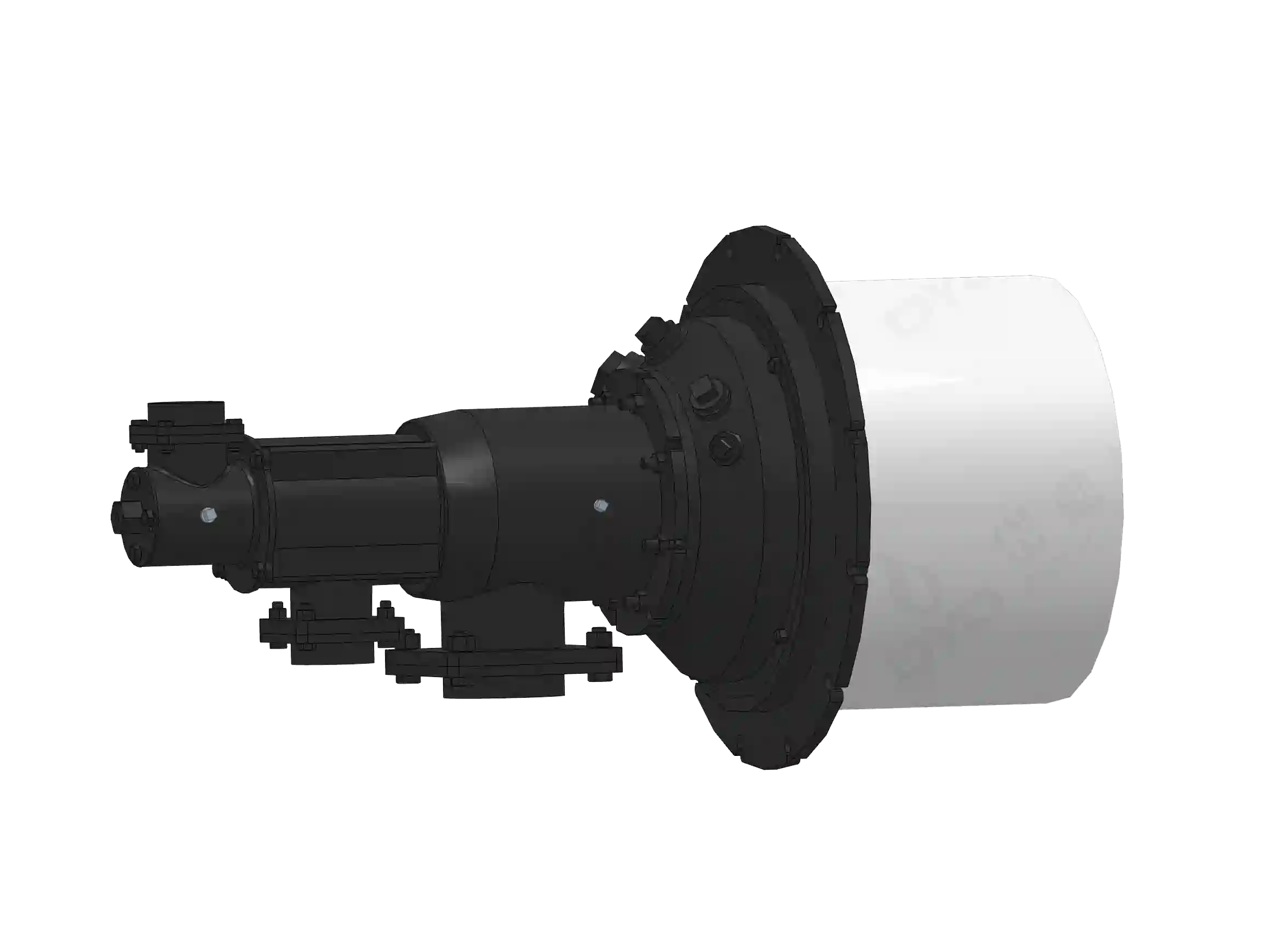
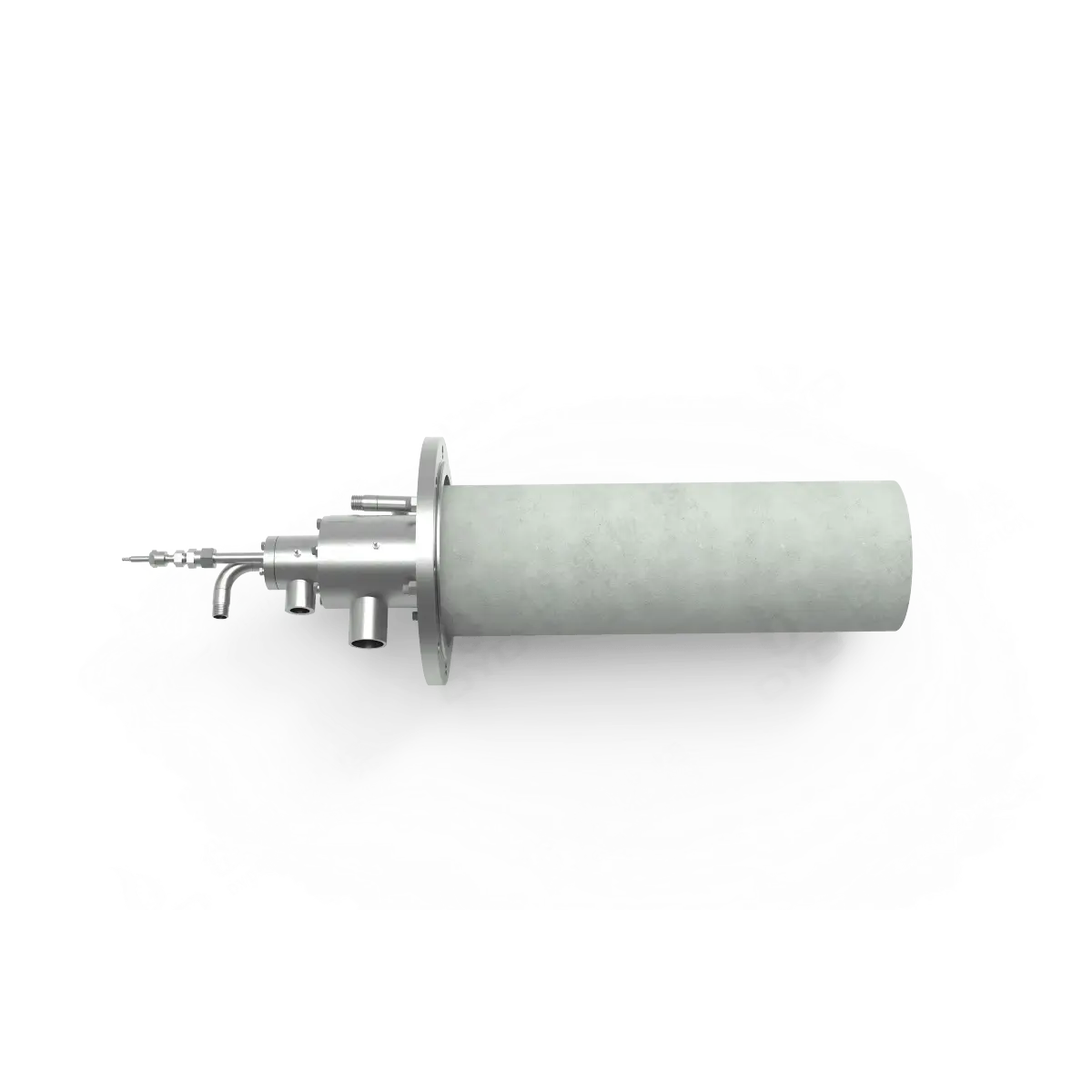
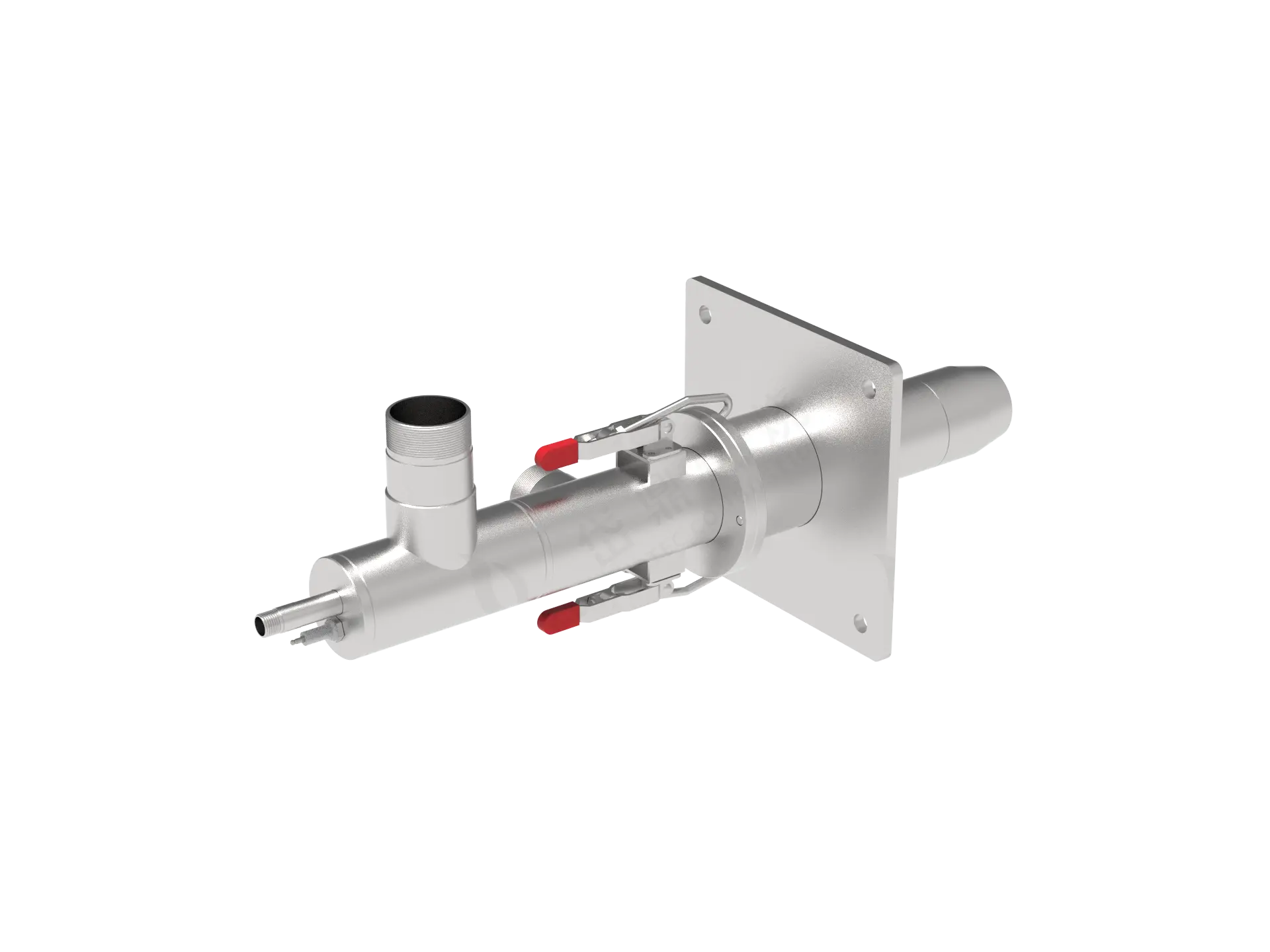
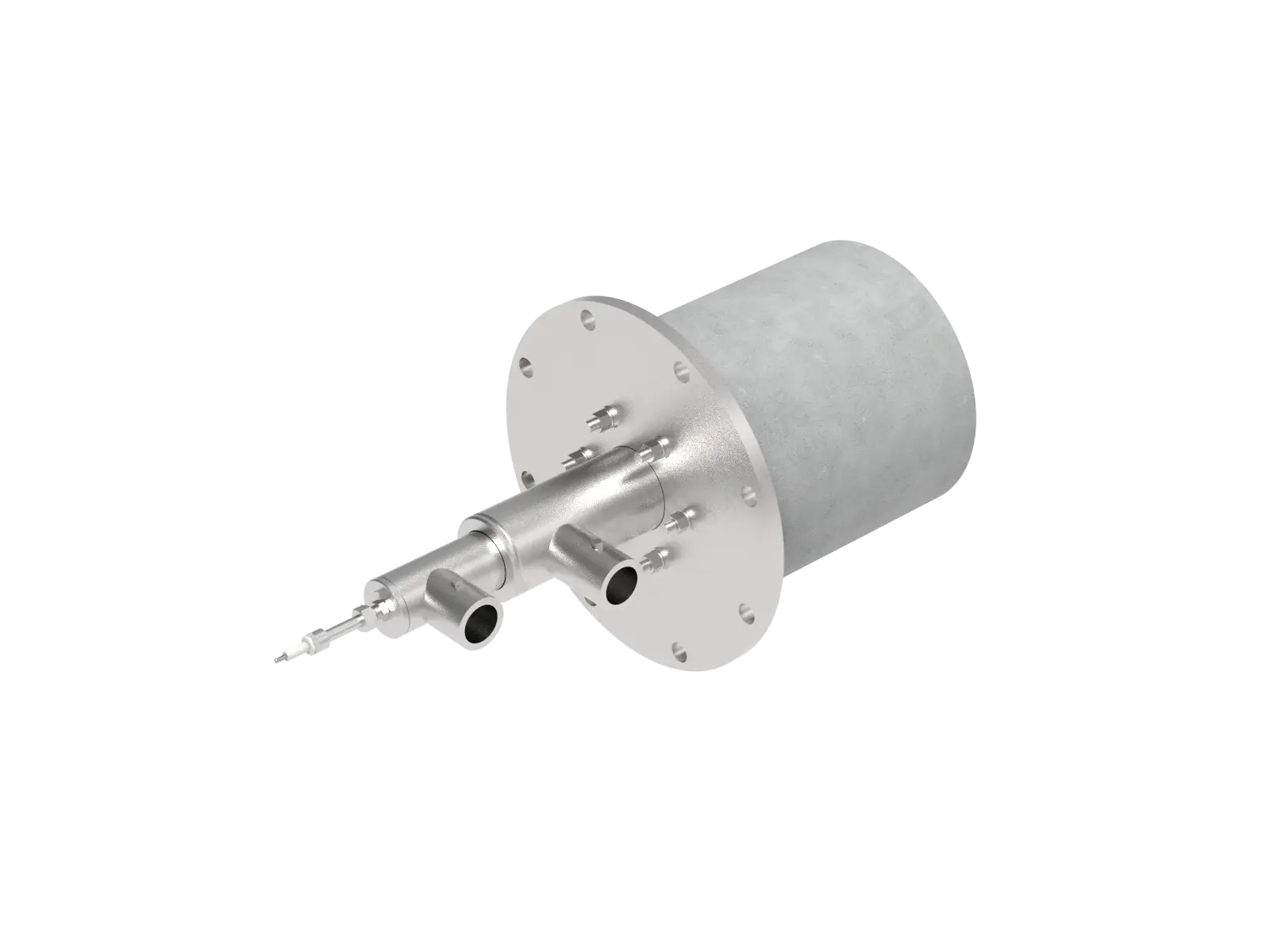
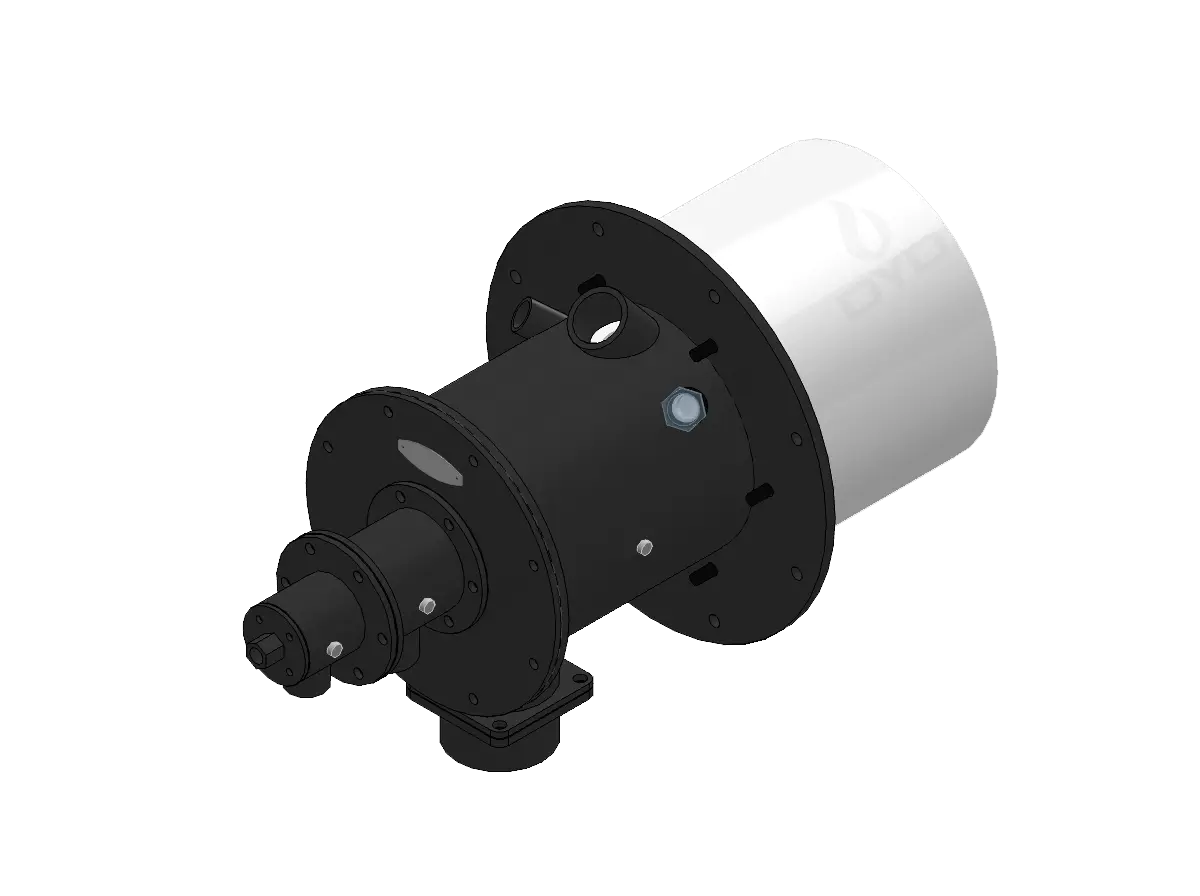
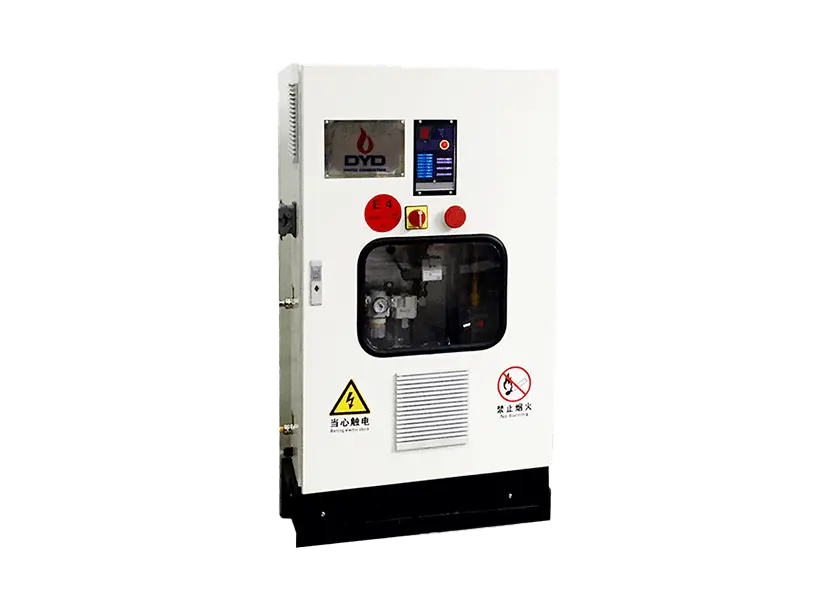
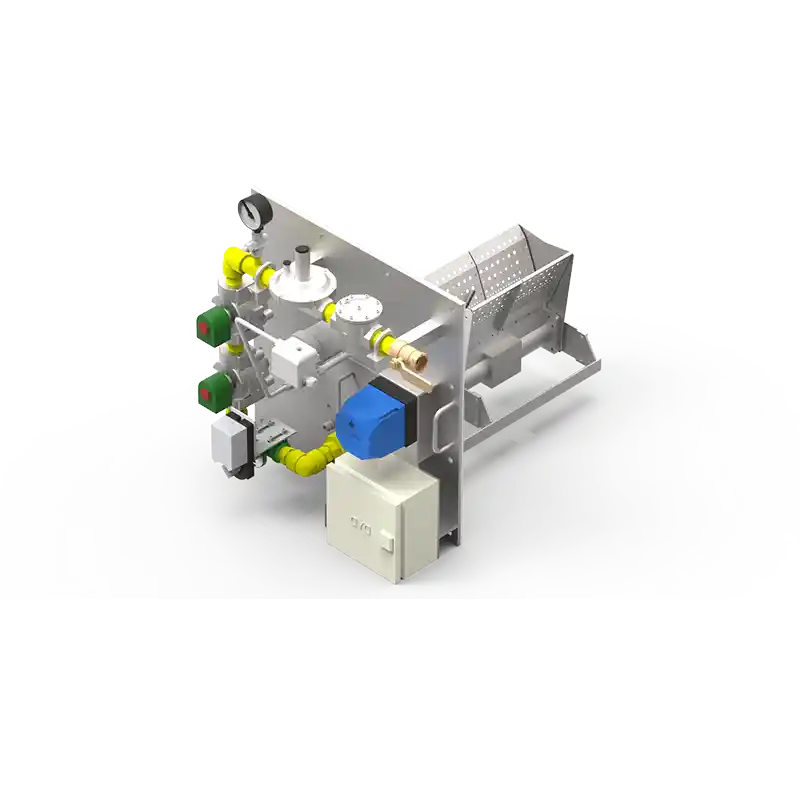
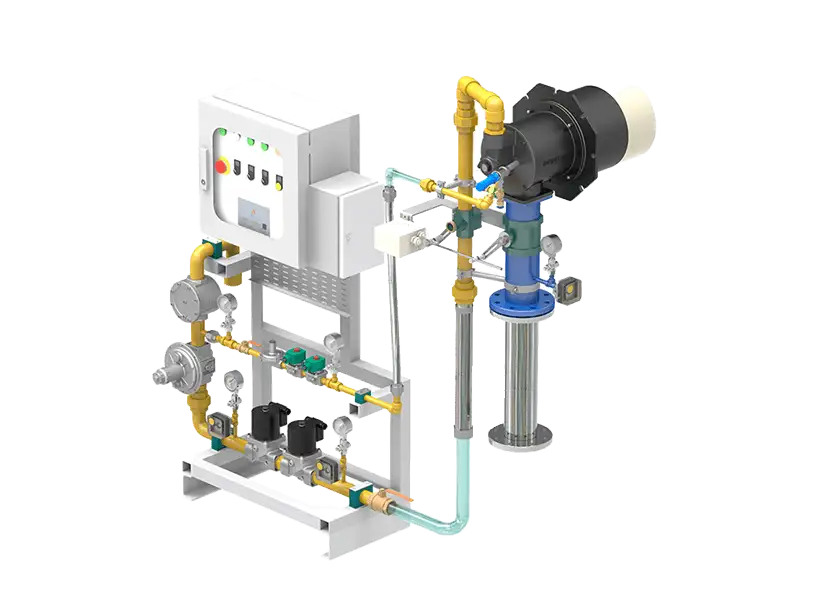
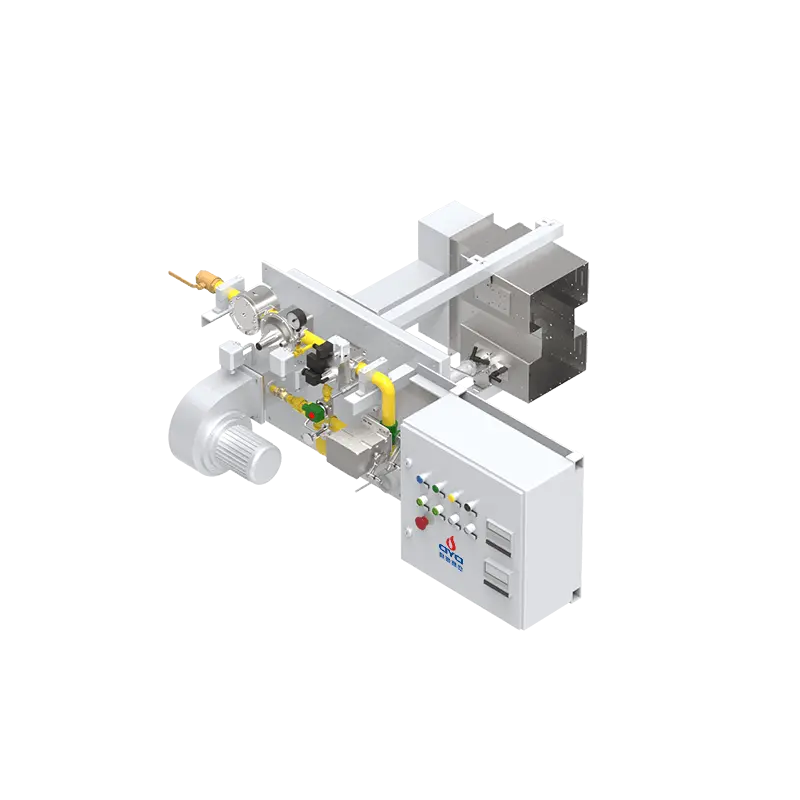
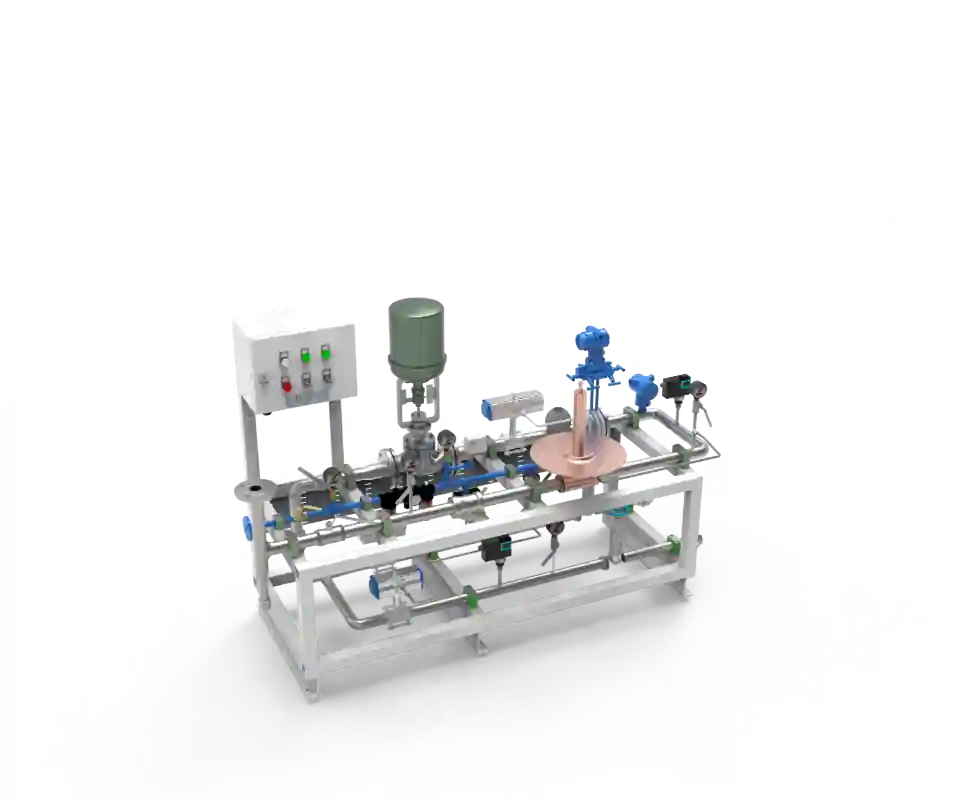
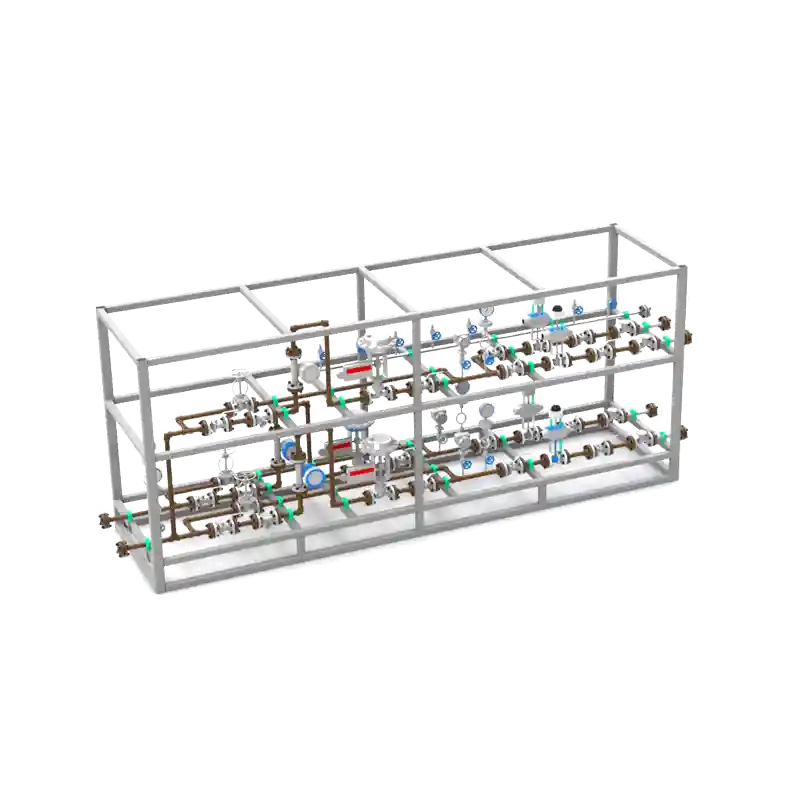
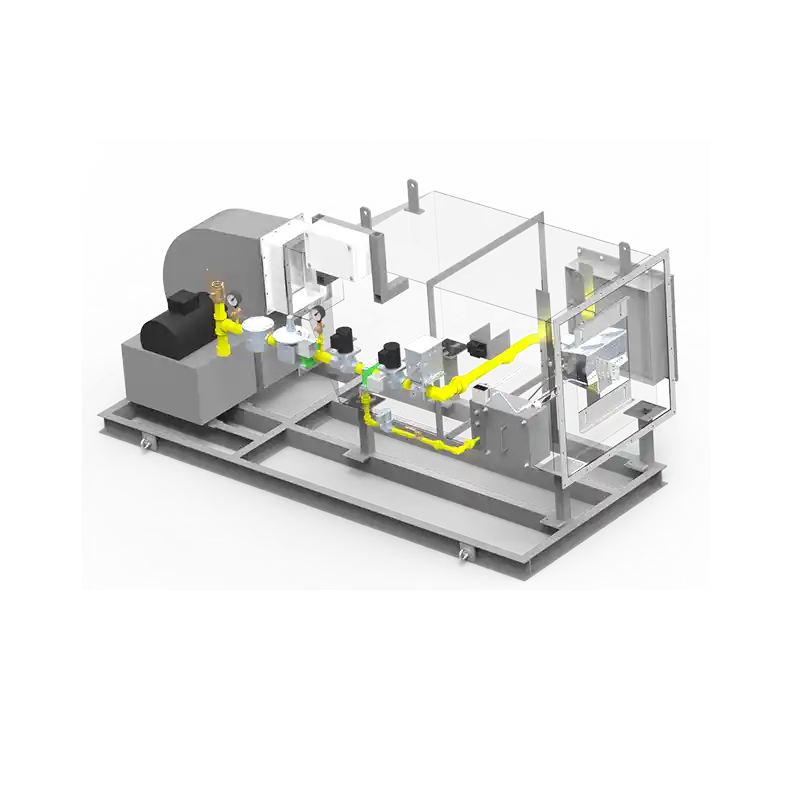
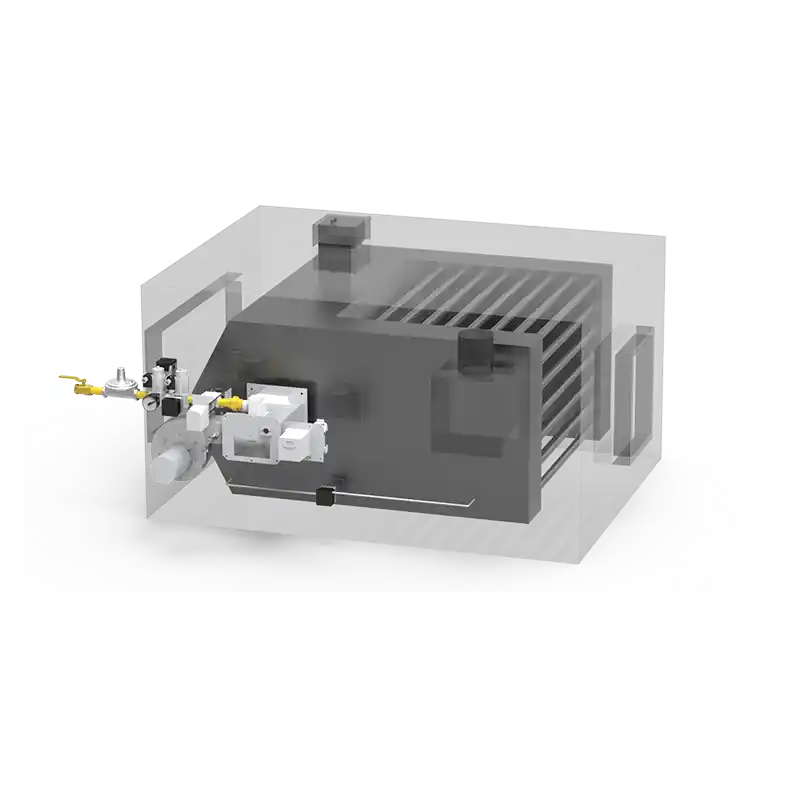
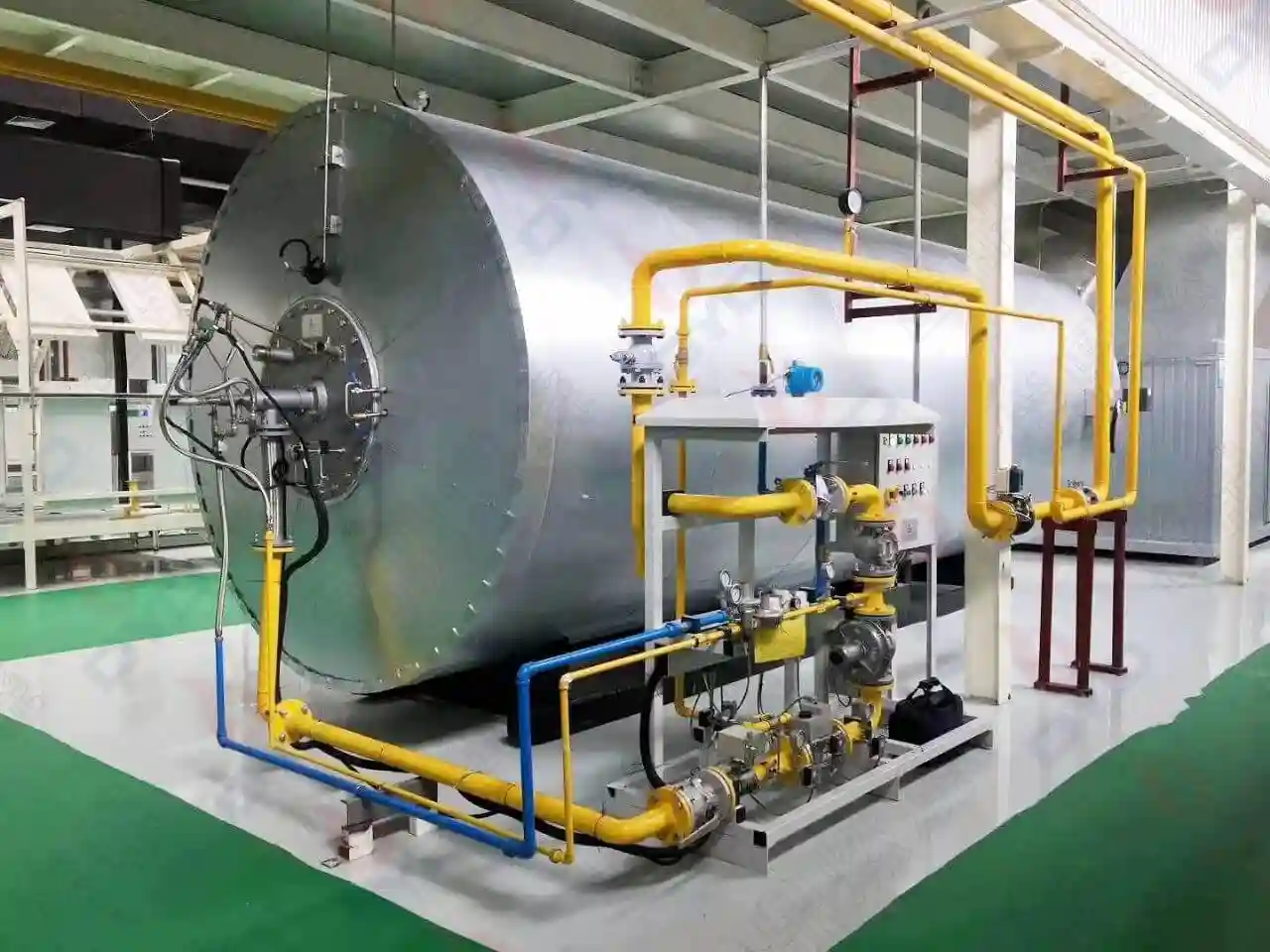
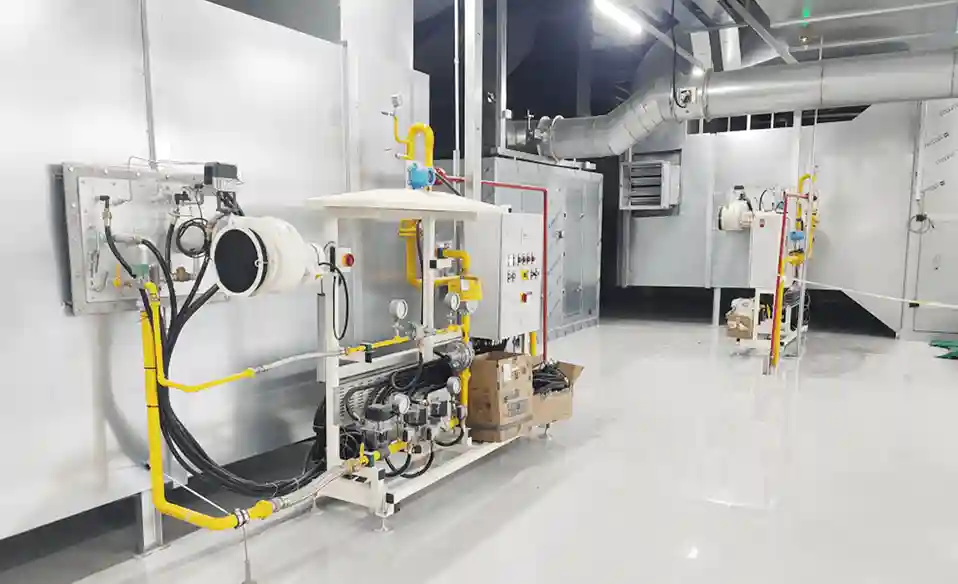
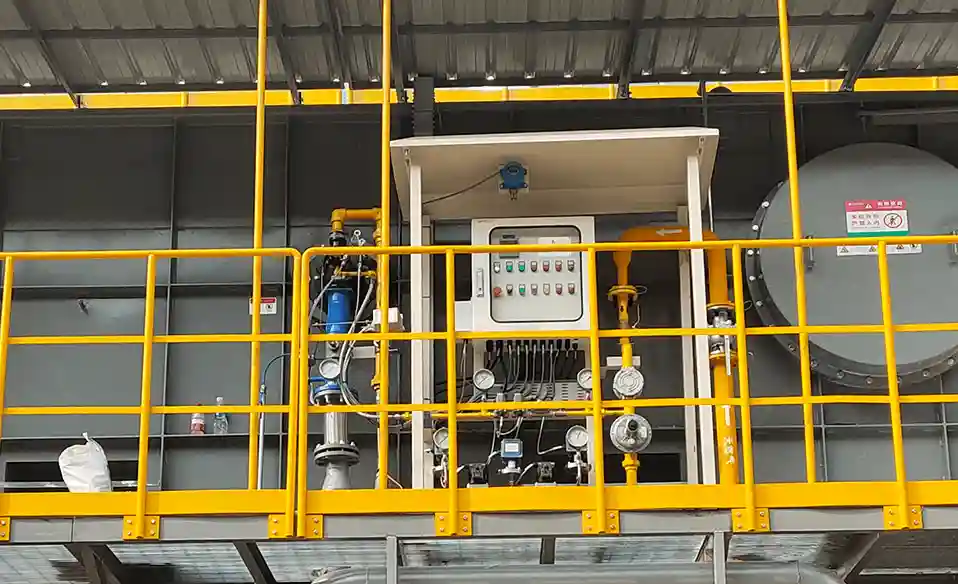
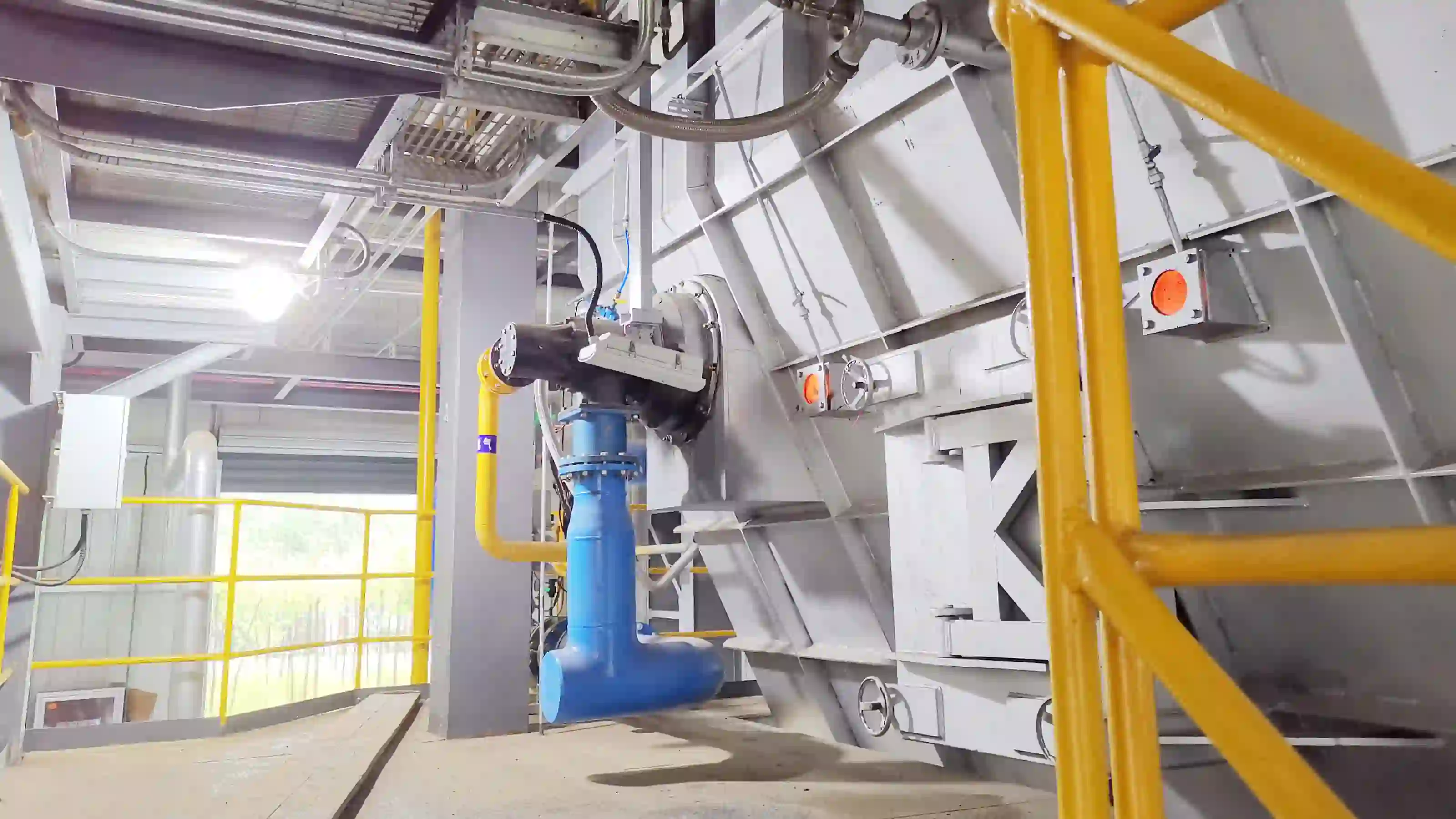
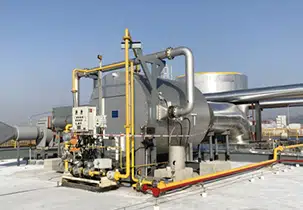
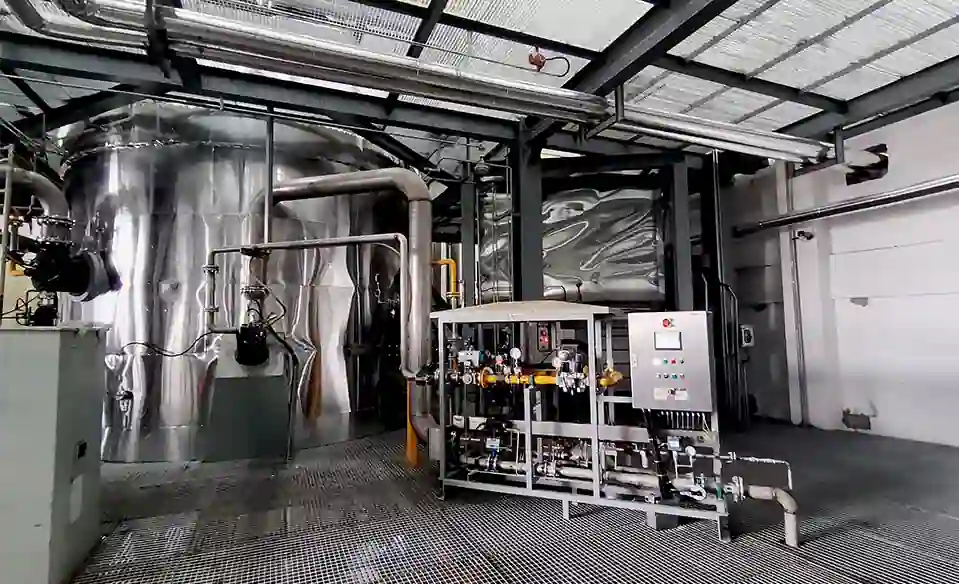
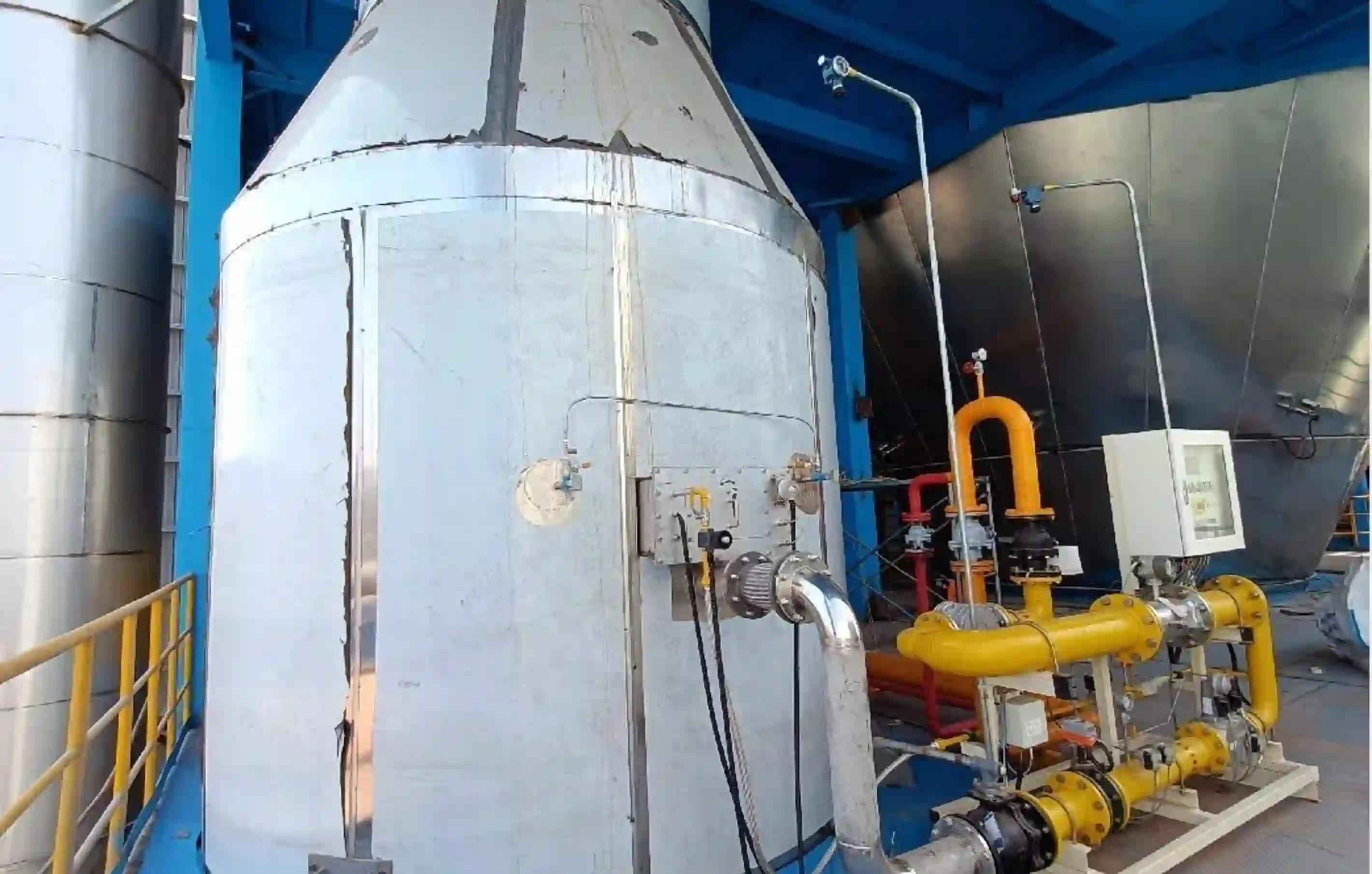
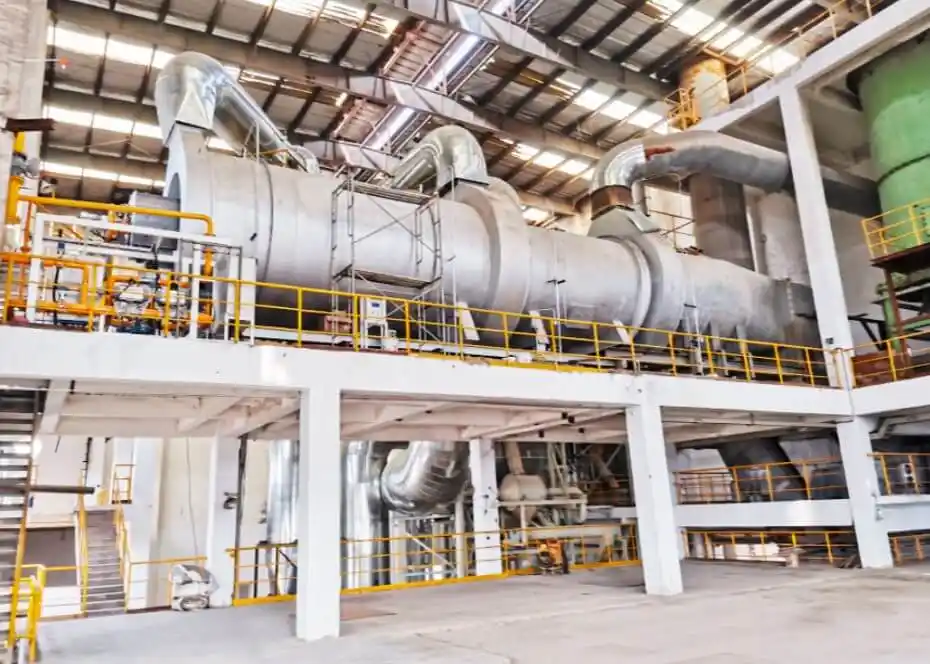
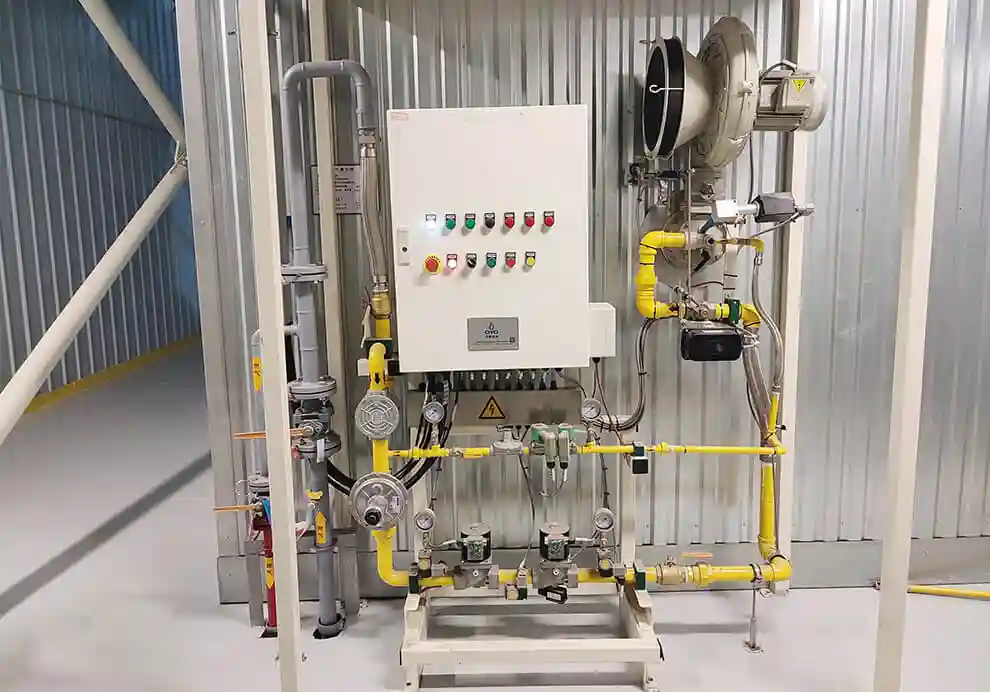
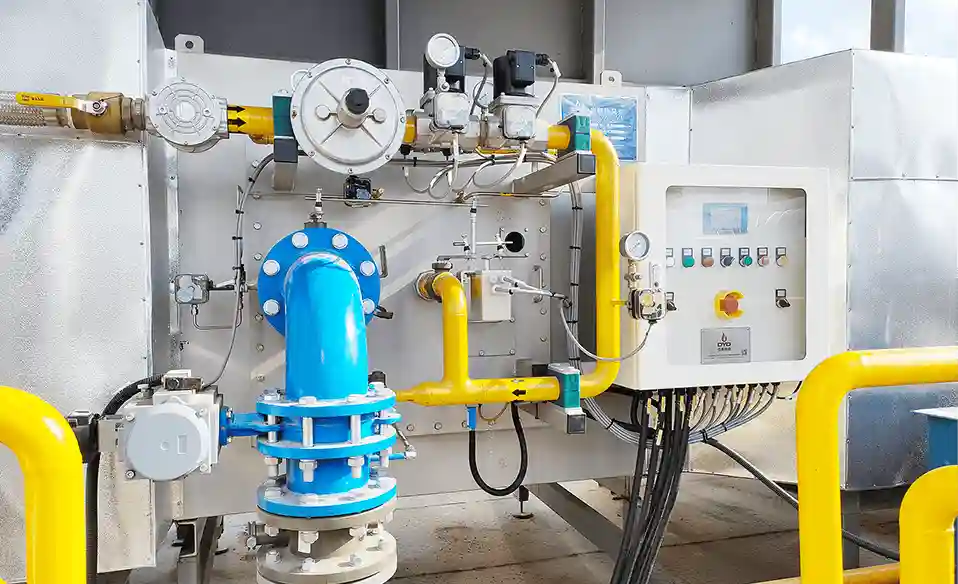
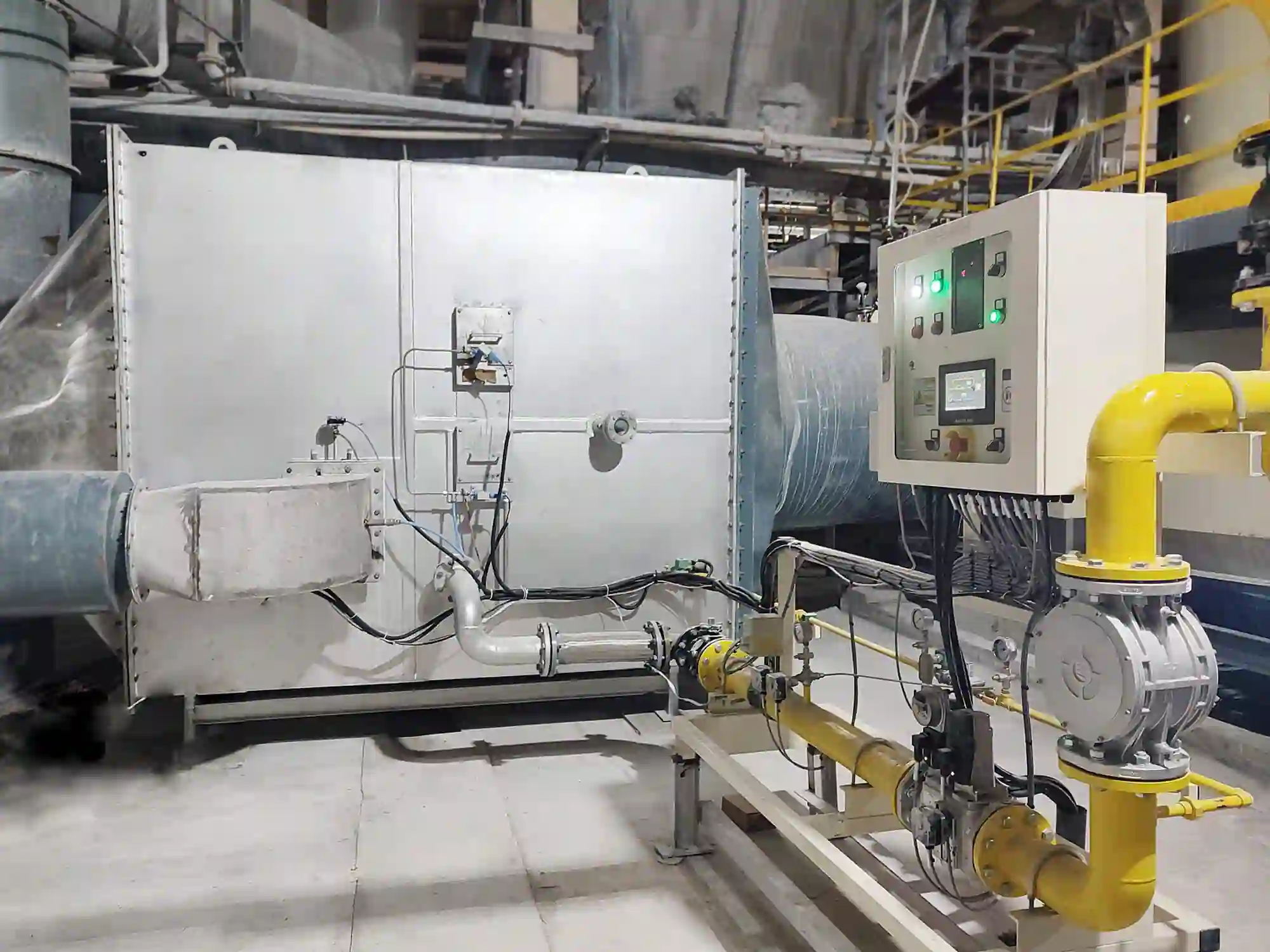
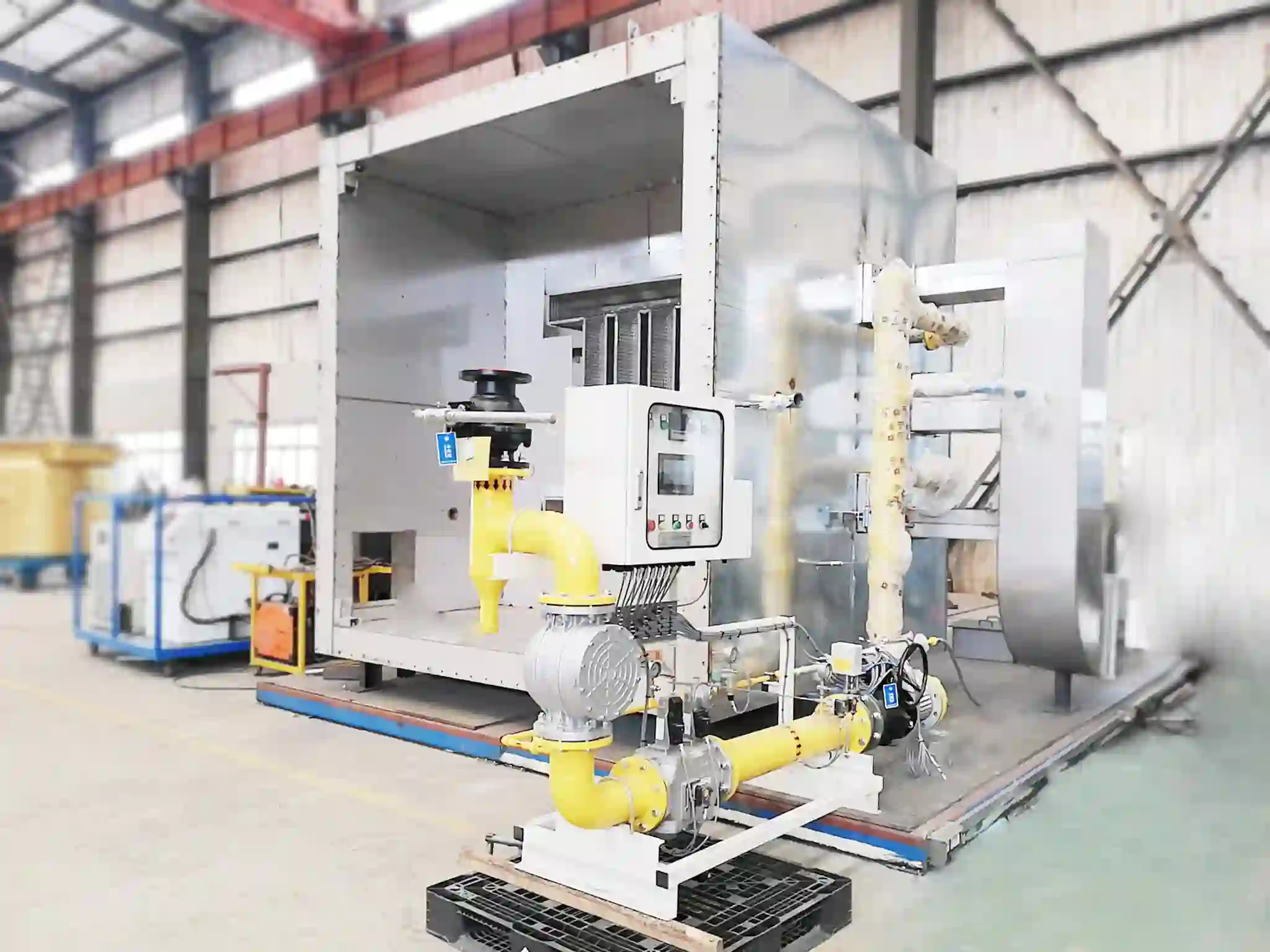
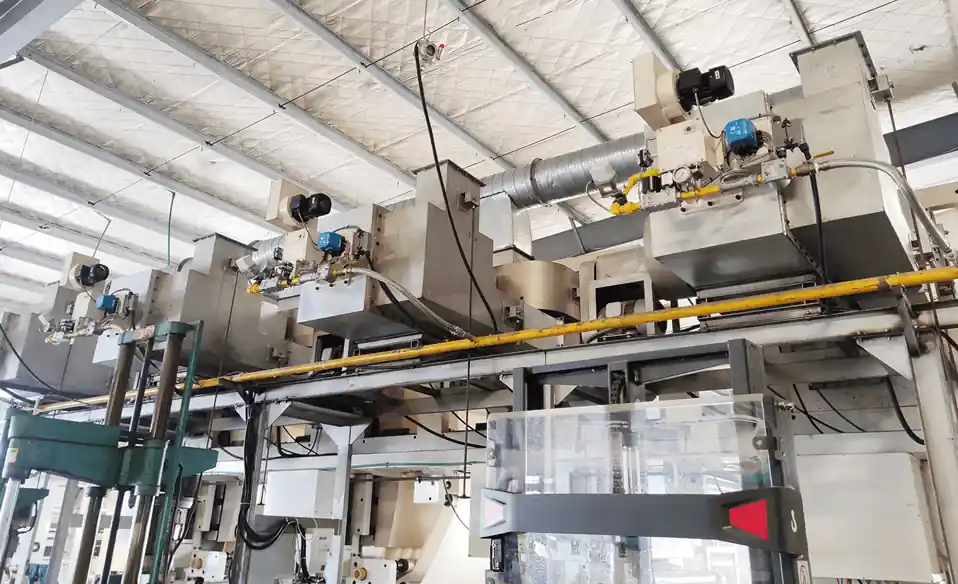
The chemical powder drying burner is the core heat source equipment in chemical powder production processes. Its primary function is to provide stable and efficient hot air for spray drying, pneumatic drying, flash drying, rotary drying, and other equipment, enabling moisture control, quality improvement, and continuous production of powder materials. In chemical powder production, the drying process is one of the key stages determining the final product's physical properties, and as the source of drying heat, the burner's performance directly affects product particle size distribution, morphology, and subsequent processing characteristics.
The chemical powder industry covers a wide range of categories, including fine chemical powders (organic pigments, dyes, chemical intermediates), inorganic materials (titanium dioxide, alumina, silica), new energy materials (precursors for lithium battery cathode and anode materials), pigments and fillers (paint-grade pigments, functional fillers), and chemical additives (dispersants, stabilisers, antioxidants, etc.). Because powder materials typically have small particle sizes, large specific surface areas, temperature sensitivity, and high quality requirements, their drying process requires a uniform, stable, and controllable hot air environment.
Therefore, the drying heat source system must meet multiple criteria: precise temperature control (powder materials have low tolerance for hot air temperature fluctuations; deviations may cause particle morphology changes), uniform and stable hot air (avoiding local overheating or under-temperature zones within the drying equipment), high combustion efficiency (fuel costs account for a significant proportion of total powder processing costs), long-term continuous operation (chemical production is typically continuous, with significant losses from downtime), and low pollutant emissions (meeting increasingly stringent environmental requirements).
When selecting a chemical powder drying burner manufacturer, key factors to evaluate include industrial combustion technology capability, hot air furnace system design capability, chemical drying application experience, low-NOx energy-saving technology, and non-standard customisation capability. The diversity of chemical powder production lines and the variability of process conditions mean that the combustion system must be customised according to material characteristics, production capacity, and drying requirements.
DYDTEC (Shanghai DYDTEC Equipment Technology Group Co., Ltd.) focuses on the R&D and manufacturing of industrial burners, linear burners, hot air furnaces, and combustion system integration. It can provide efficient and stable thermal energy solutions for chemical powders, new materials, industrial drying, and other fields.
A chemical powder drying burner is a combustion heating device used in powder material drying systems. In a powder drying system, the burner is at the very beginning of the heat source chain—it converts the chemical energy of fuel into thermal energy, which is then transferred through the hot air system in the form of hot air into the drying equipment, where heat and mass exchange with the powder material occurs to evaporate and remove moisture.
Its main function is to generate heat through fuel combustion, heat the air to form process hot air, and provide a stable heat source for the drying equipment, enabling rapid moisture evaporation from the powder. During powder drying, hot air not only provides heat but also plays a role in conveying and dispersing the material. Especially in pneumatic drying and flash drying, the velocity and temperature of the hot air together determine the drying effectiveness and final quality of the material.
Typical working process:
Fuel gas supply → burner combustion → heat release → hot air formation → entry into drying equipment → powder moisture reduction
In different powder drying processes, the connection between the hot air furnace and drying equipment, the temperature control logic of the hot air, and the air volume regulation strategy all differ. For example, spray drying requires hot air to be uniformly distributed at the tower top and to make full contact with atomised droplets, placing high demands on the temperature uniformity and air volume stability at the hot air furnace outlet; flash drying requires hot air with high velocity and temperature to achieve rapid material dispersion and fast drying.
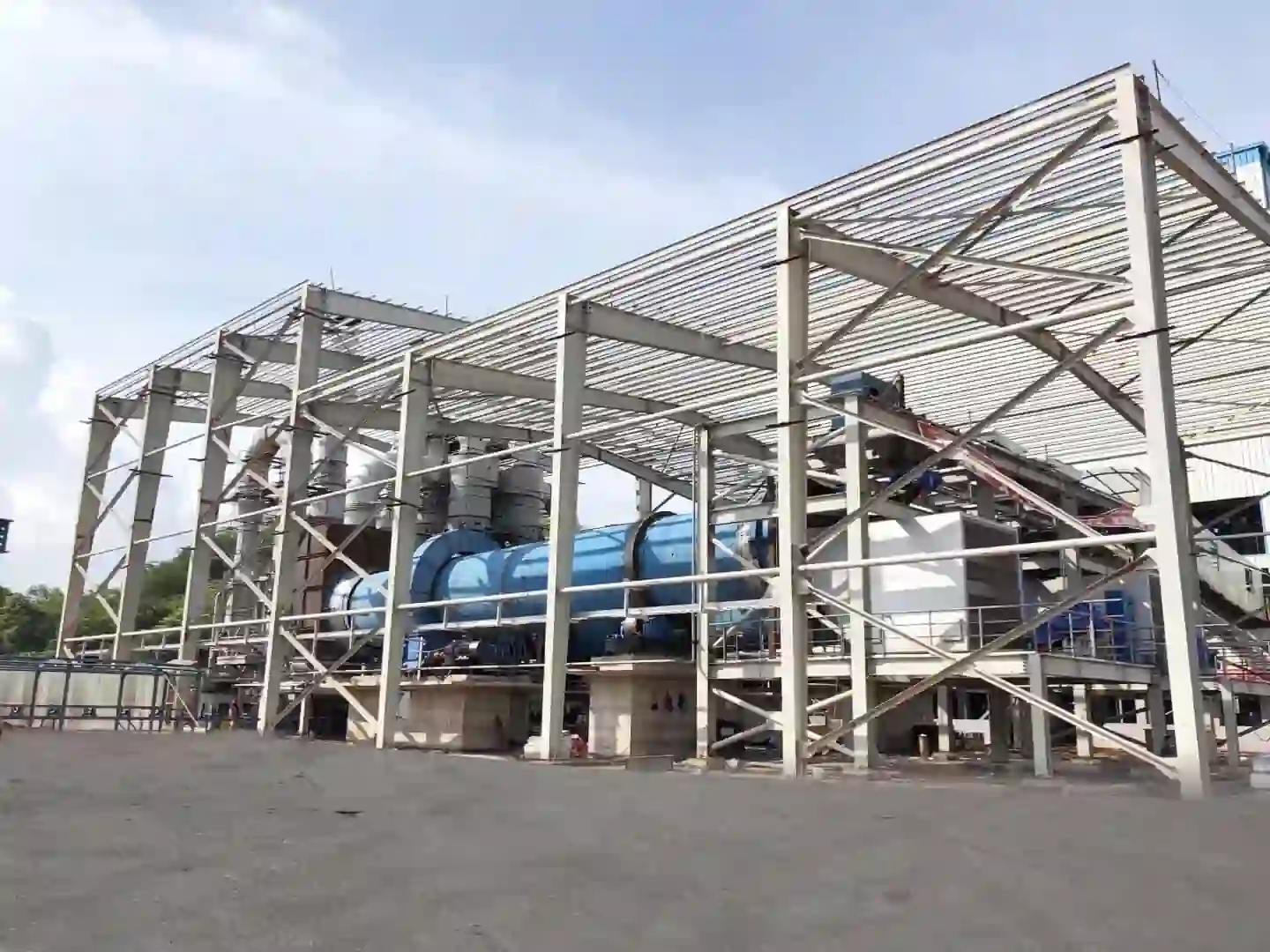
Commonly supporting equipment includes spray drying towers (drying of fine powders such as dyes, pigments, and ceramic powders), flash dryers (drying of paste-like materials and heat-sensitive powders), pneumatic drying equipment (high-speed drying of powder materials), rotary kiln drying systems (drying of large-particle powders and crystalline materials), and fluidised bed drying equipment (gentle drying and cooling of powder materials).
Industries served include titanium dioxide (drying in sulphate-process and chloride-process production), carbon black (drying of pigment-grade and rubber-grade carbon black), alumina (drying of specialty alumina and aluminium hydroxide), lithium battery materials (drying of cathode and anode material precursors), chemical pigments (drying of organic and inorganic pigments), and fine chemical products (drying of various chemical additives and intermediates).
During chemical powder drying, temperature directly affects product particle size distribution (temperature fluctuations may cause particle agglomeration or excessive breakage), powder flowability (surface moisture evaporation rate affects particle surface morphology and friction characteristics), product purity (excessively high temperatures may cause decomposition of some components or side reactions), and subsequent processing performance (powder dispersibility, tap density, and sintering activity are all closely related to drying temperature).
If hot air temperature fluctuates significantly, problems may include powder caking (local overheating causes particle surface melting or bonding), uneven drying (moisture retention differences lead to batch-to-batch quality variation), and product performance changes (crystal phase transformation or surface chemical state alteration). These problems may only become apparent during the drying stage, and once they occur, the entire batch may require rework or downgrading, resulting in significant economic losses.
Therefore, the burner must provide a stable flame (combustion state unaffected by fluctuations in gas and air pressure), precise regulation (temperature control accuracy meeting powder drying process requirements), and uniform heat output (consistent hot air temperature distribution across the drying equipment cross-section).
Some chemical powder products have high requirements for hot air quality. In the production of high-purity chemical products, new material powders, and fine chemical materials, trace combustion products in the hot air may be adsorbed onto the powder surface or undergo chemical reactions, leading to reduced product purity or changes in surface activity.
Such applications typically require indirect hot air furnaces (isolating flue gas from hot air via heat exchangers), efficient heat exchange systems (ensuring hot air cleanliness while maintaining thermal efficiency), and stable temperature control (smooth heat transfer, stable hot air output), avoiding the effects of combustion products on product quality. For food-grade and pharmaceutical-grade powder materials, hot air cleanliness requirements are even more stringent, and indirect hot air furnaces are often the only technically feasible solution.
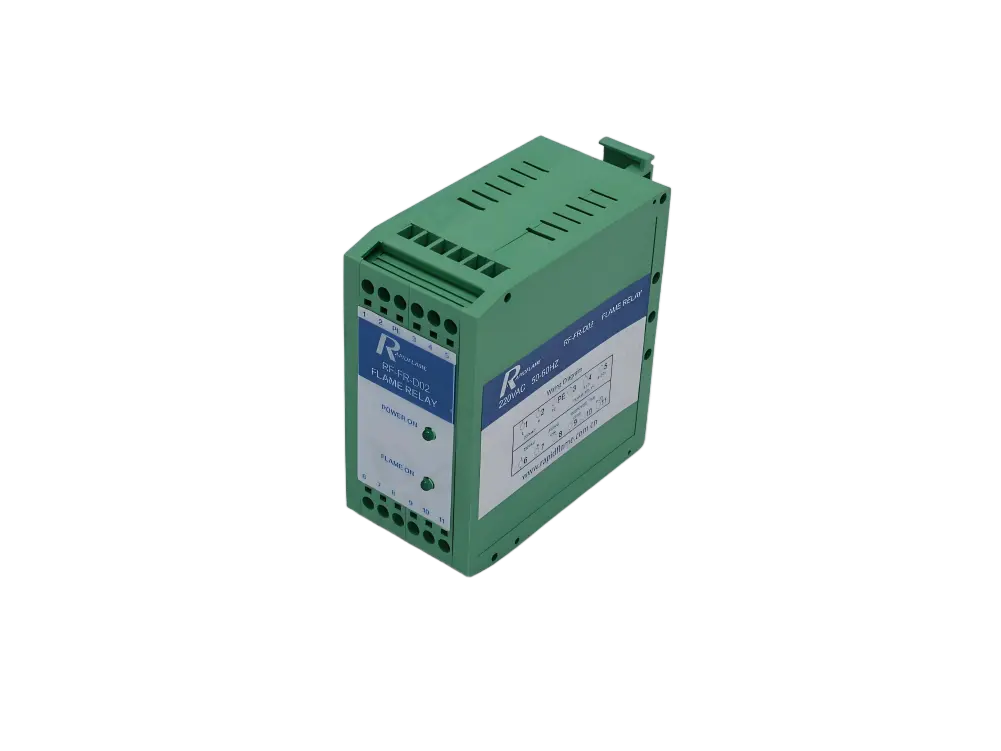
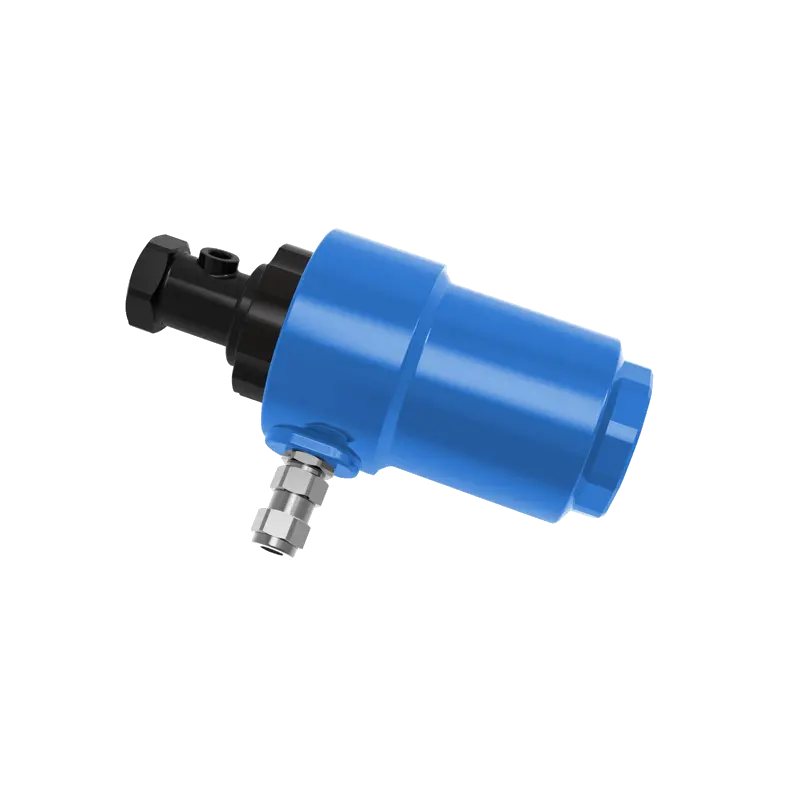
Chemical production typically features long continuous operating hours (running according to annual production plans, with significant losses from unplanned downtime), high downtime costs (a single shutdown may cause hours or even days of capacity loss), and high automation (DCS centralised control, few on-site operators). The combustion system must provide automatic ignition (automatically starting according to preset sequence without manual intervention), flame detection (real-time flame status confirmation and rapid response to abnormalities), proportional regulation (automatically adjusting fuel supply according to process temperature), and safety interlocks (multi-level protection logic ensuring safe shutdown under abnormal conditions), guaranteeing the continuous and stable operation of the production line.
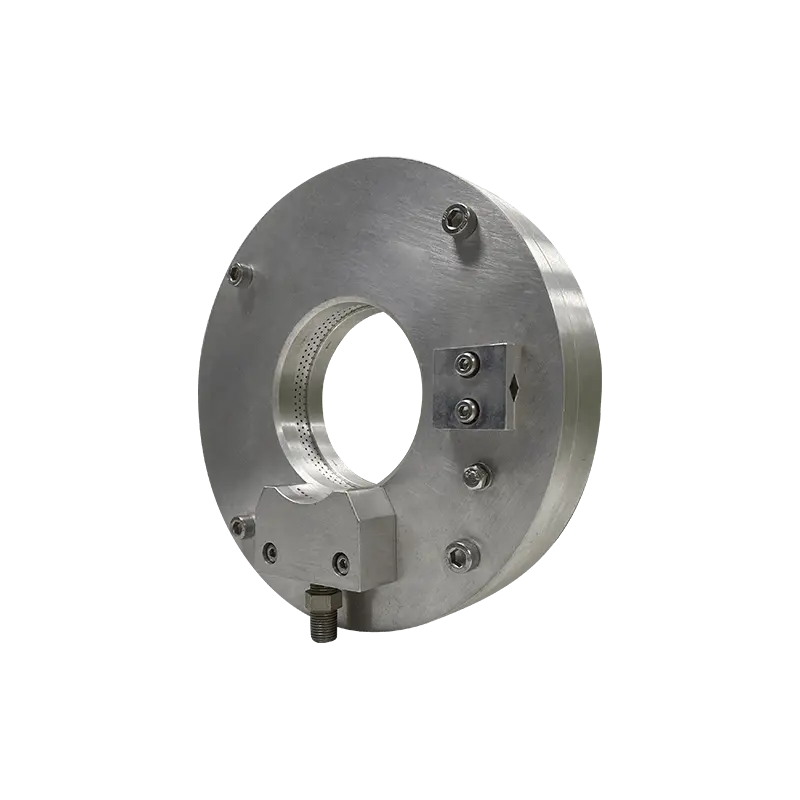
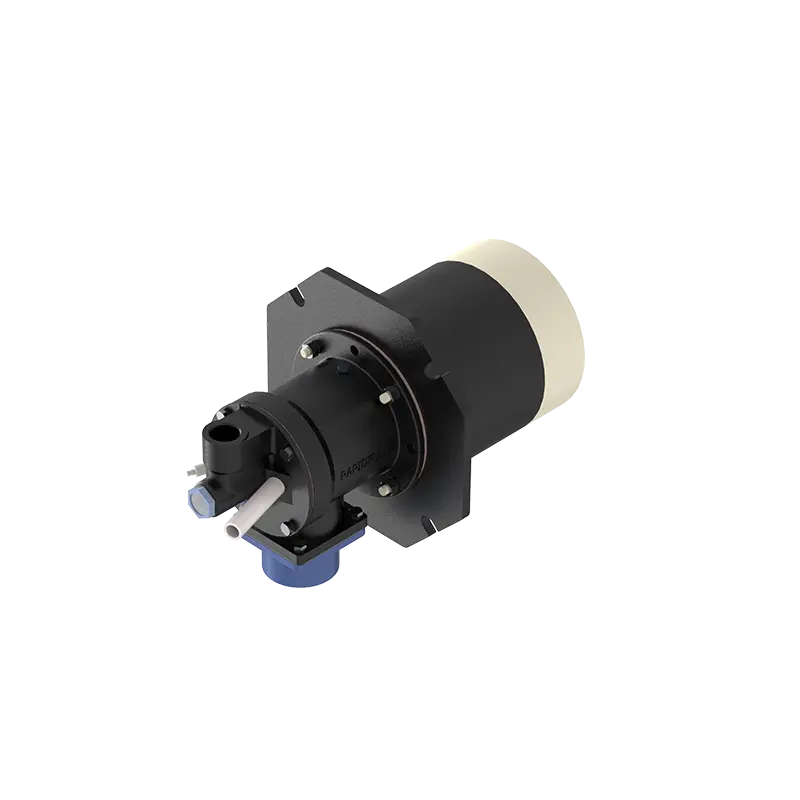
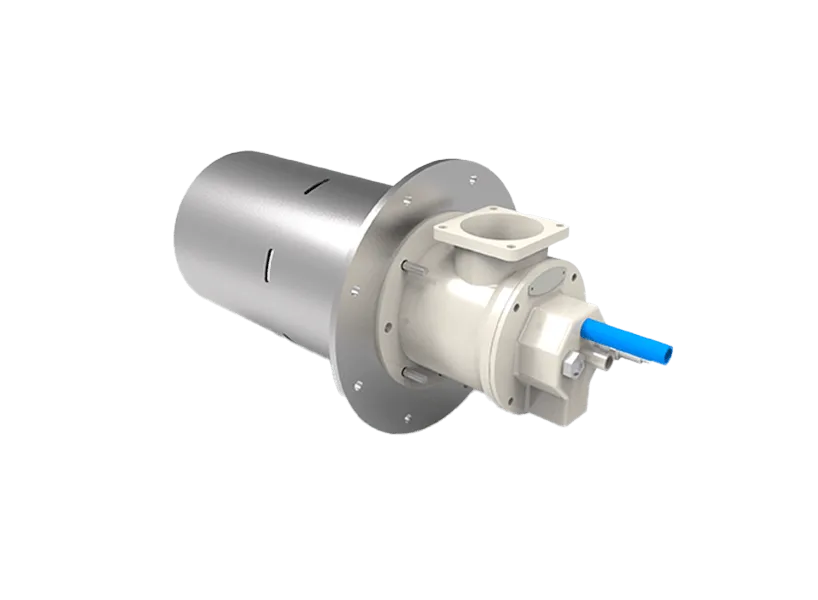
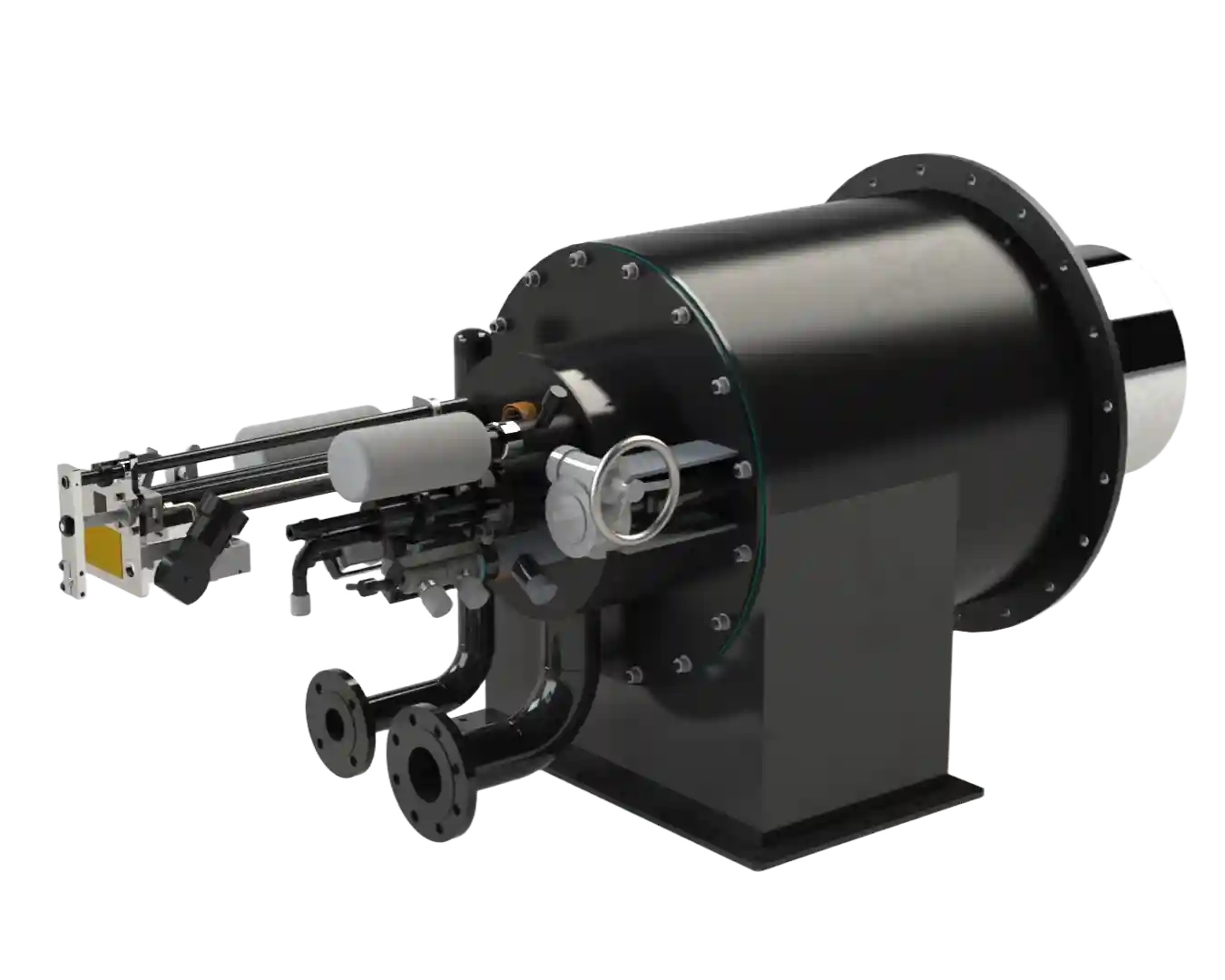
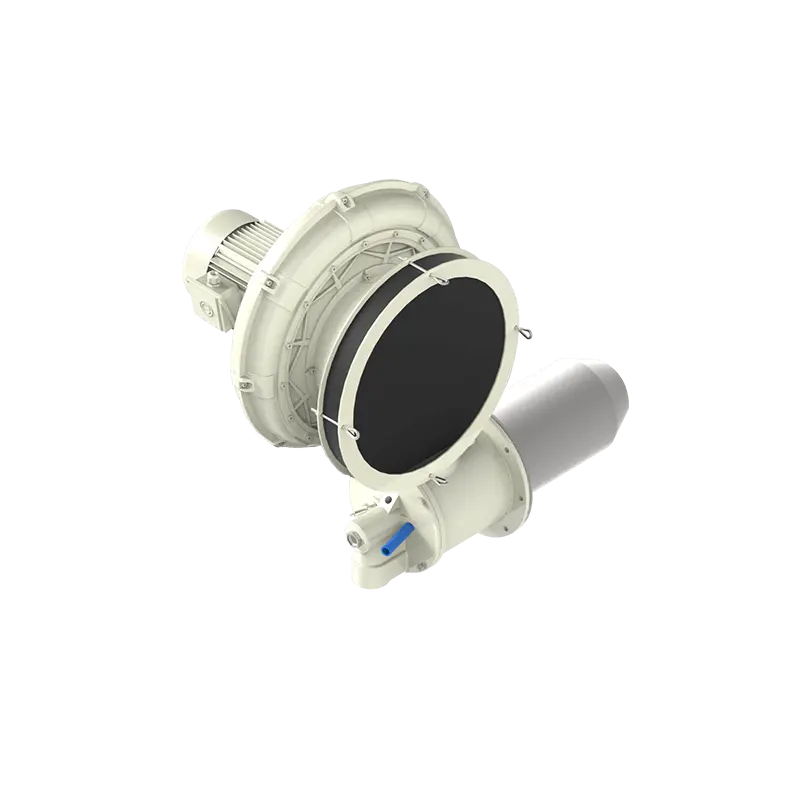
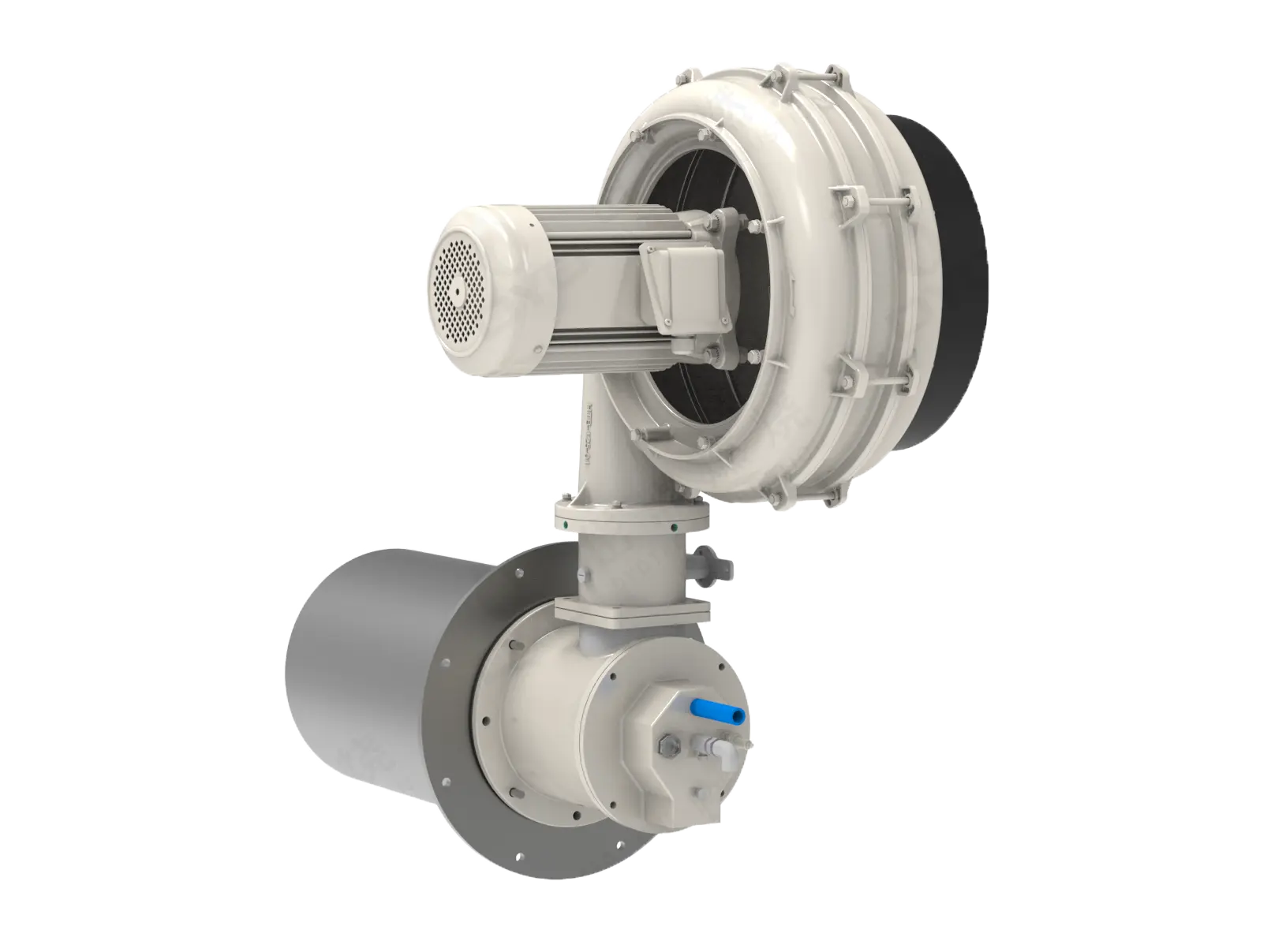
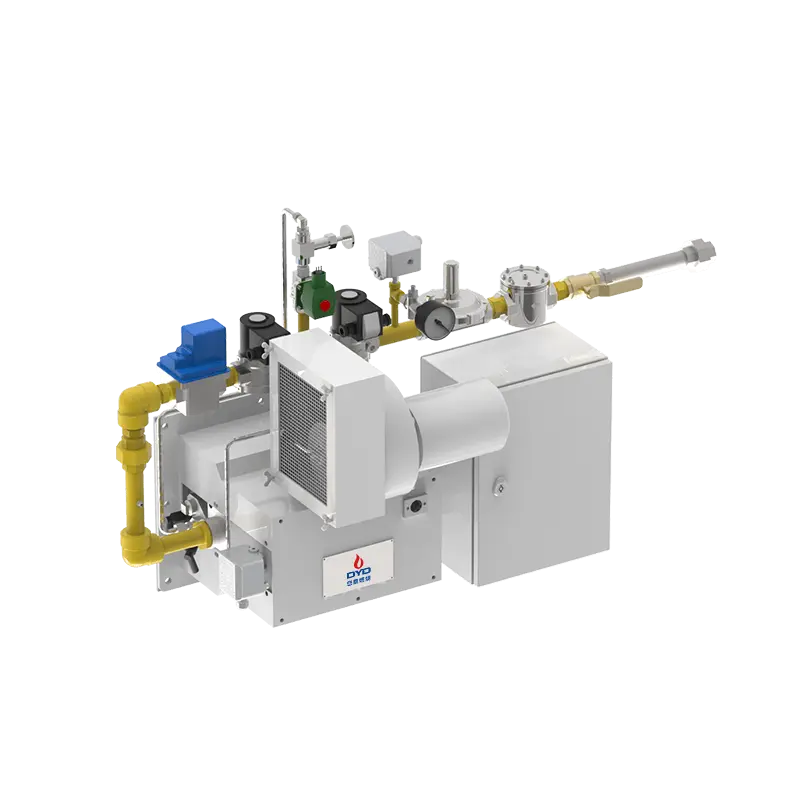
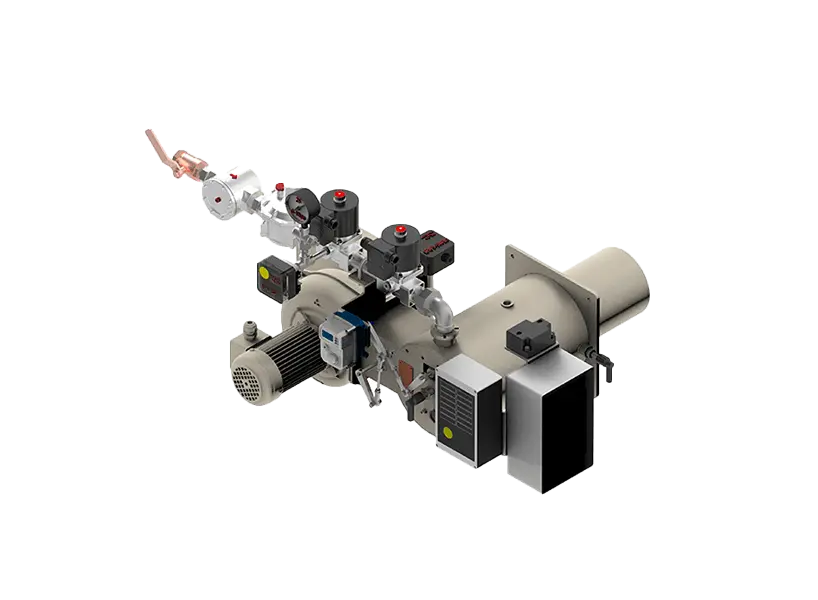
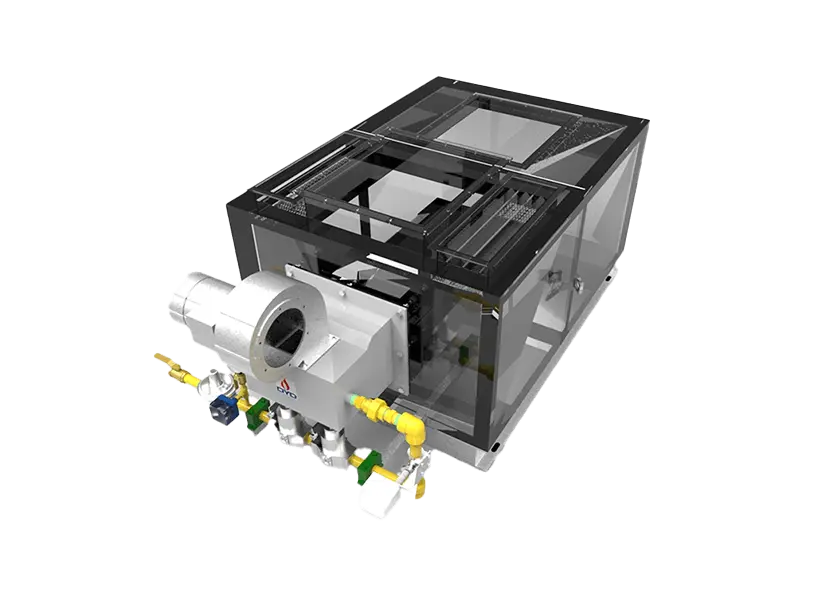
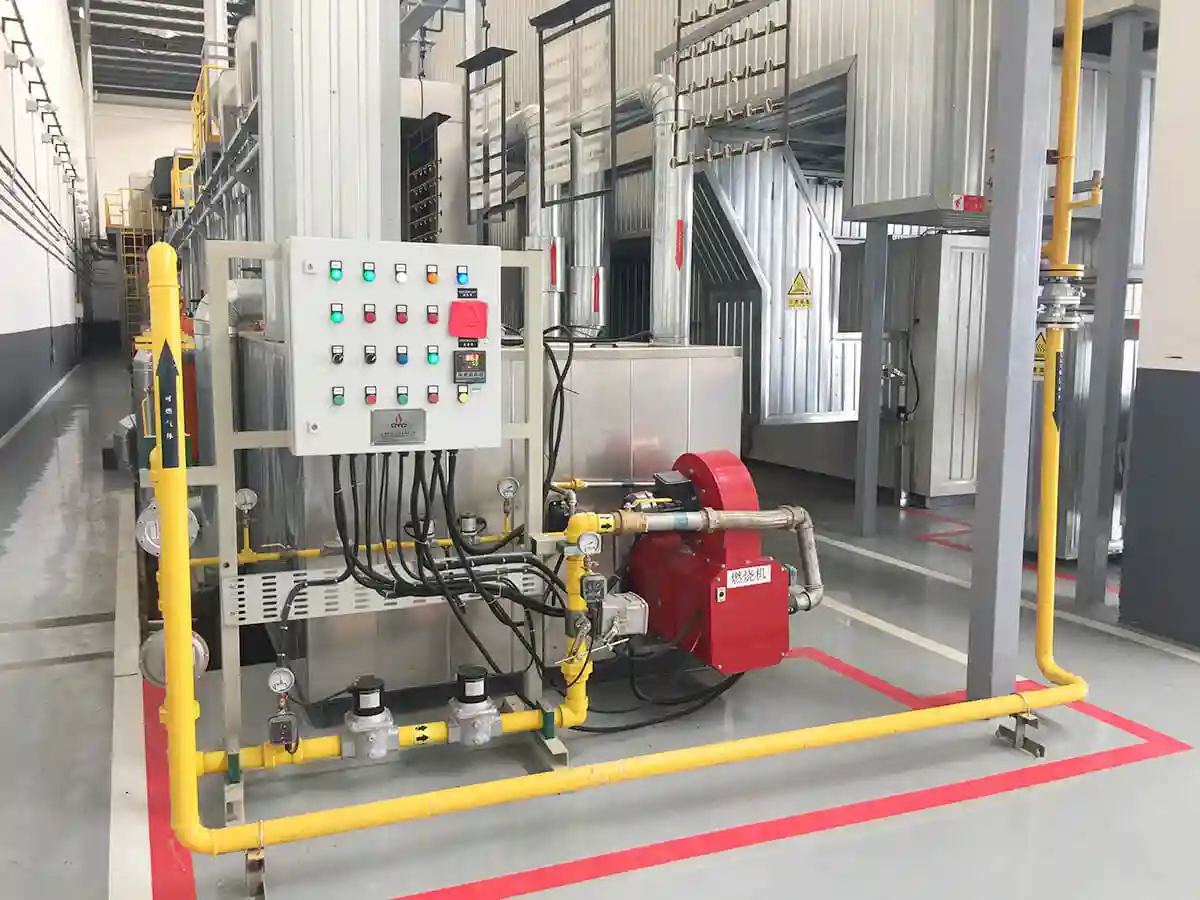
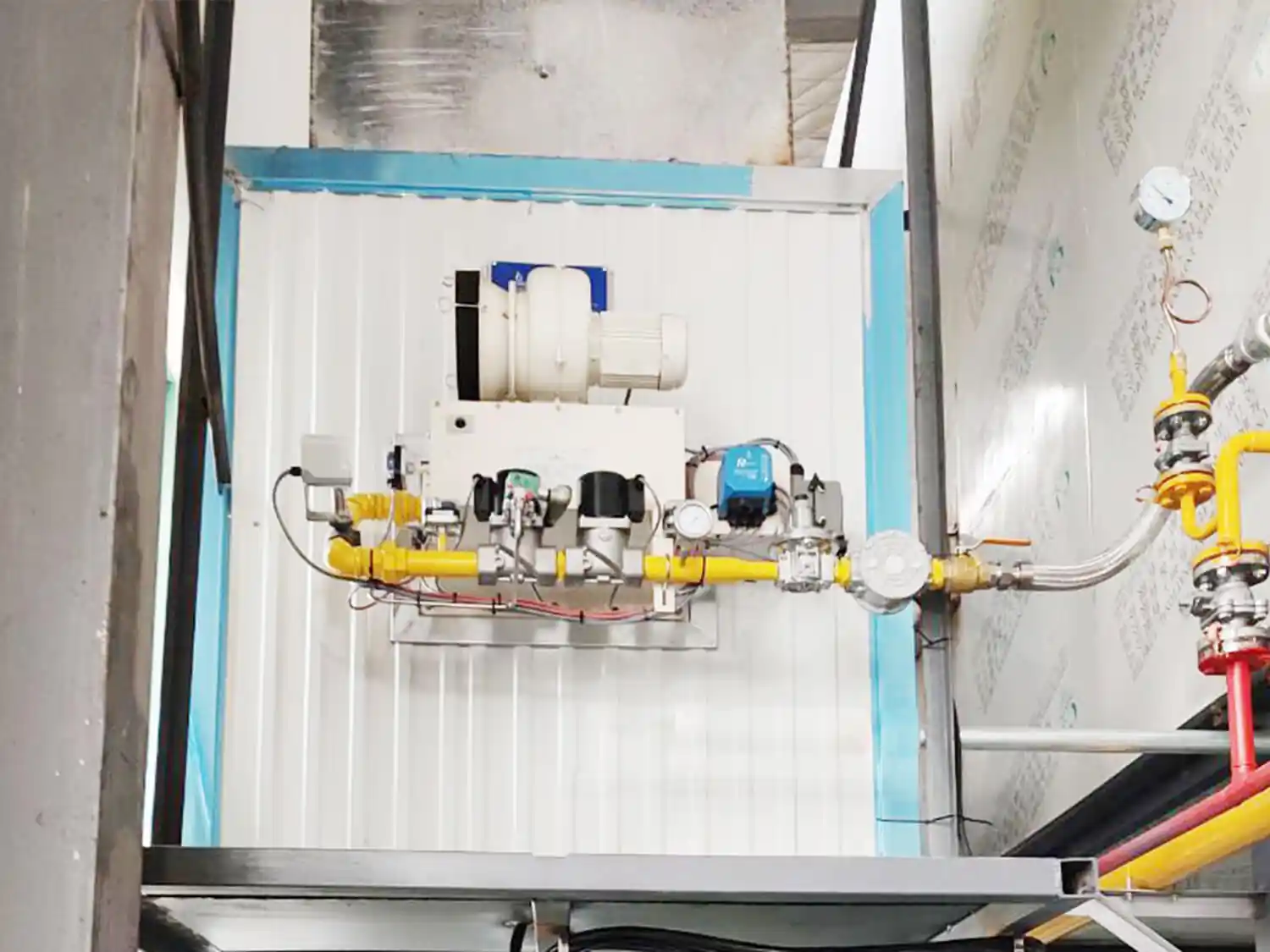
Industrial gas burners are common heat source equipment in powder drying systems, using natural gas or LPG as fuel and achieving efficient and stable combustion through precise control of the gas-air mixing ratio. Features include stable combustion (consistent combustion state across the full load range), wide regulation range (adapting to heat demand changes under different production capacities), suitability for continuous operation (critical components designed for long service life), and ease of automatic control (deep integration with DCS systems). Suitable for chemical drying equipment, hot air furnaces, and air heating systems.
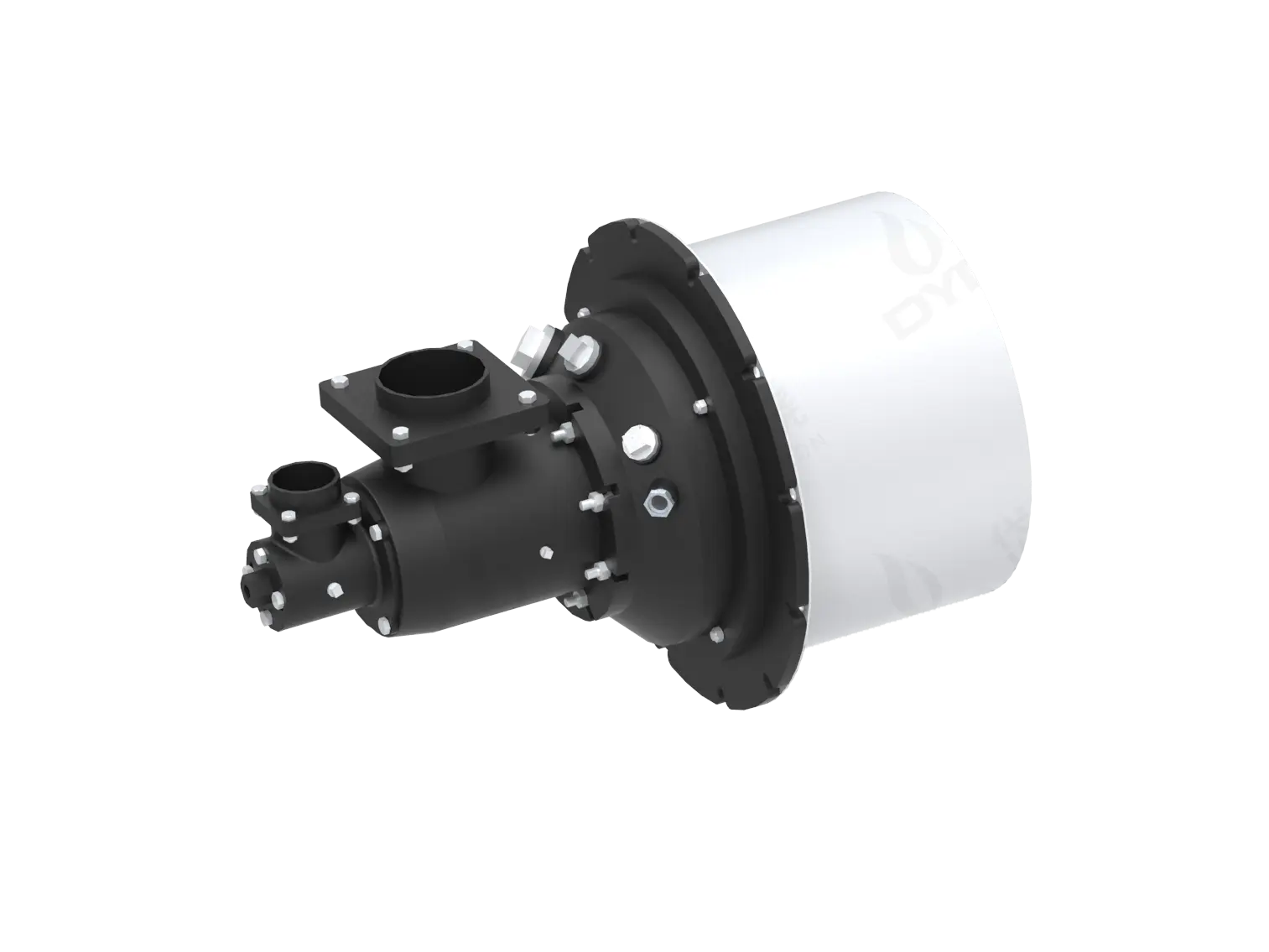
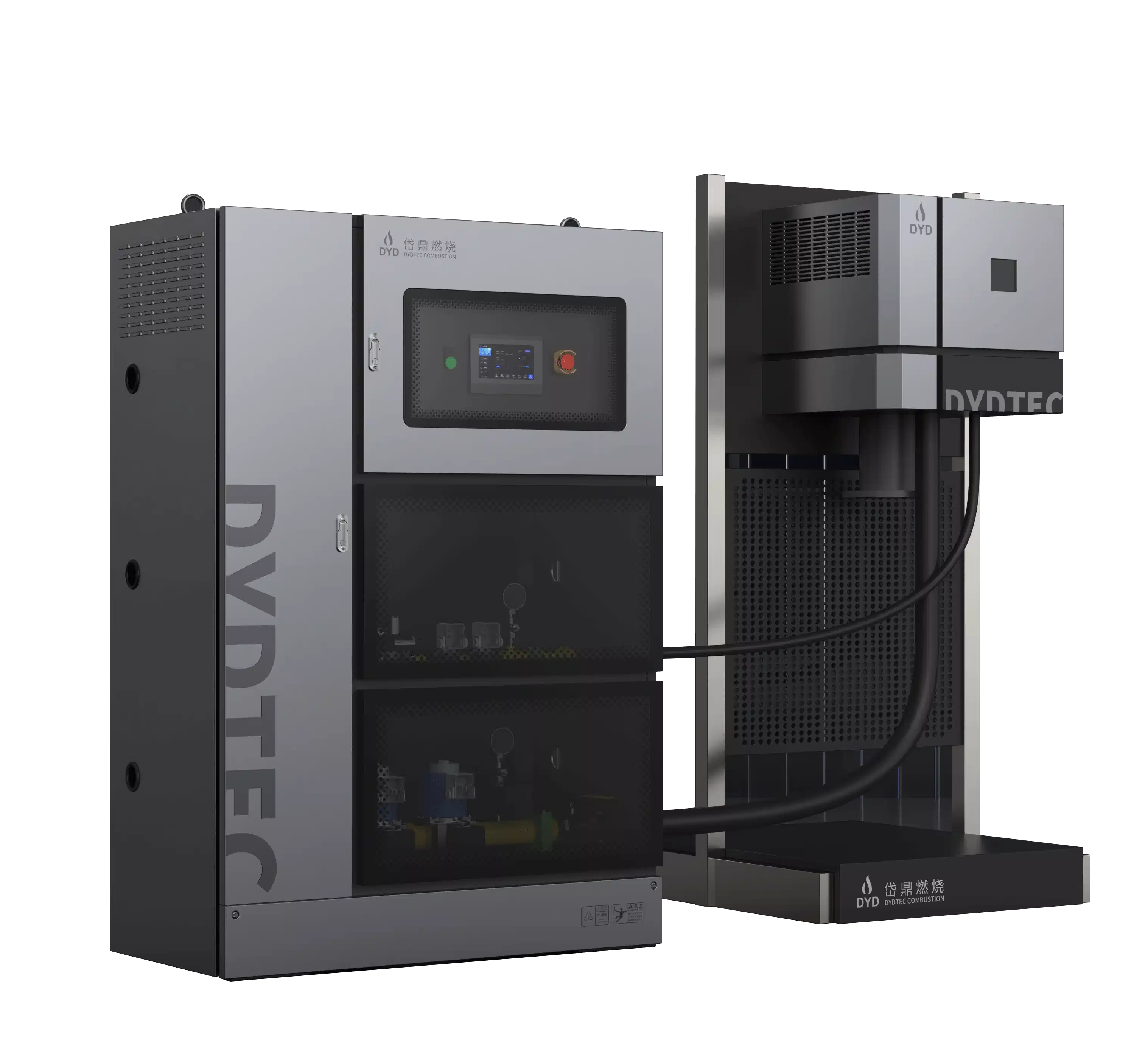
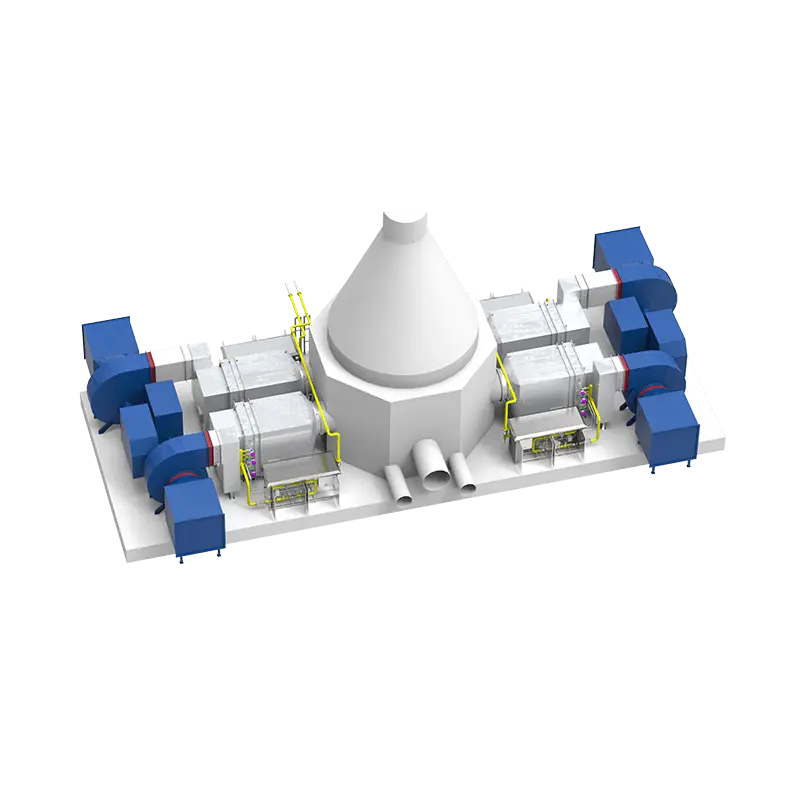
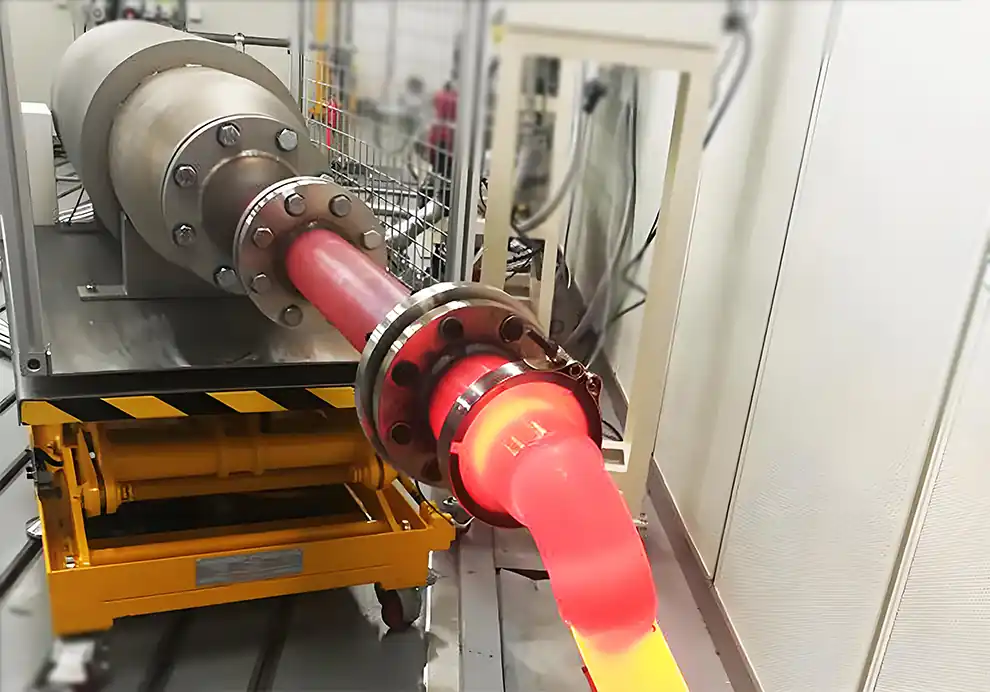
Indirect hot air furnaces produce clean hot air via heat exchange: the heat from combustion is transferred through tubular or plate heat exchangers to clean air, completely isolating the hot air from the flue gas and ensuring that the hot air entering the drying equipment contains no combustion products. Features include isolation of combustion flue gas from the product (avoiding contamination and quality effects), stable hot air quality (consistent hot air cleanliness, free of combustion by-products), and precise temperature control (smooth heat transfer, stable temperature output). Suitable for high-purity powders (electronic-grade, pharmaceutical-grade powder materials), fine chemical materials (functional fine chemicals), and new energy material drying (lithium battery material precursors and other high-quality products).
DYDTEC possesses hot air furnace and combustion system integration capability and can provide customised thermal energy solutions according to different process requirements, matching the most suitable hot air method for different product quality requirements and thermal efficiency needs.
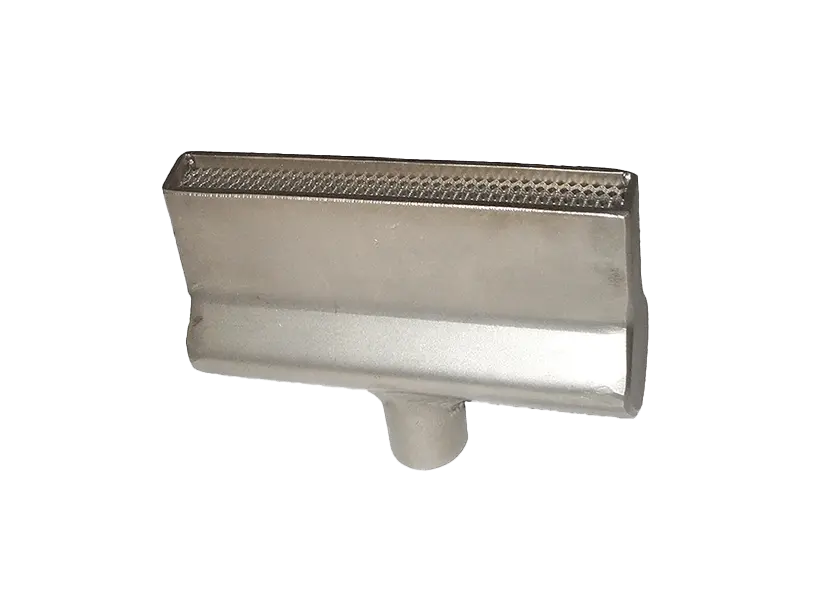
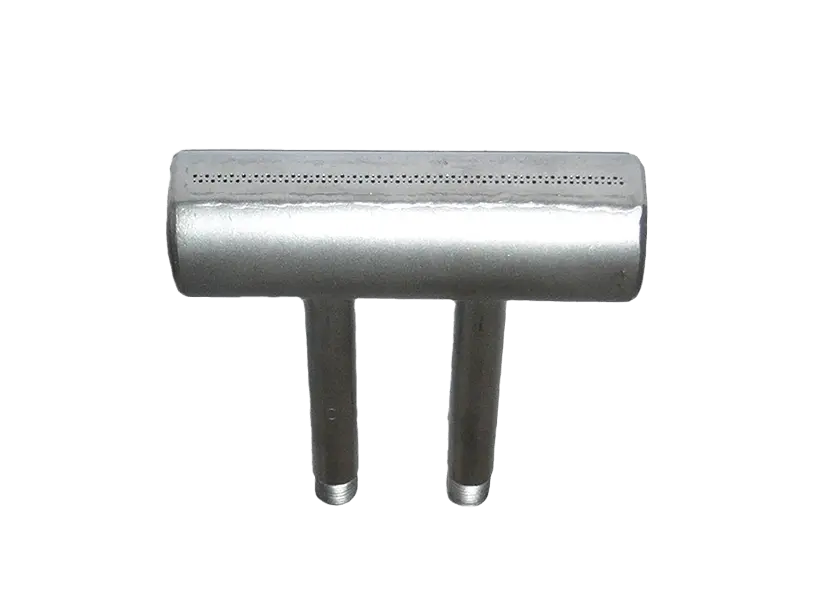
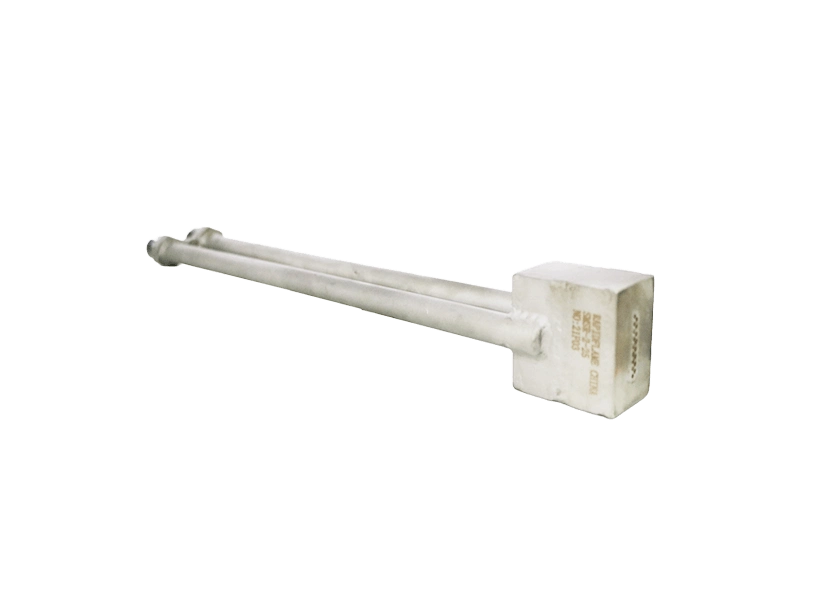
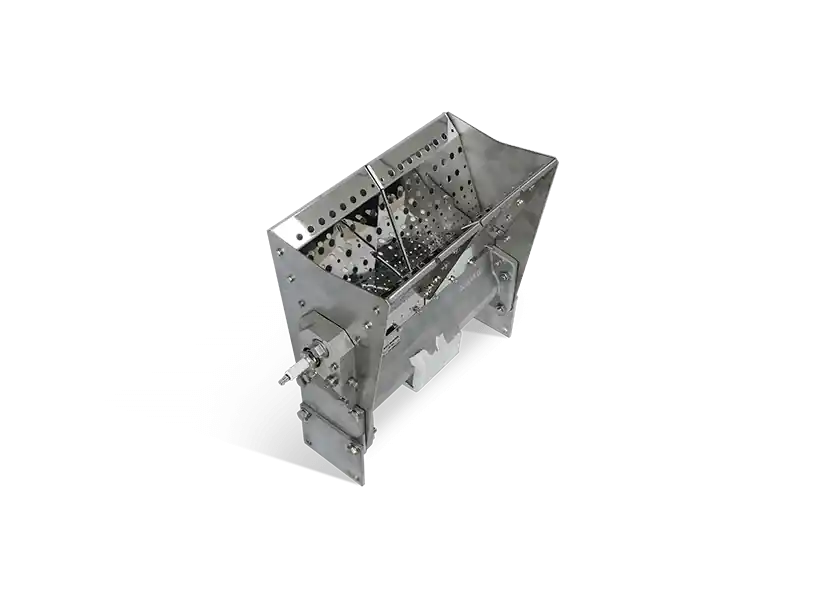
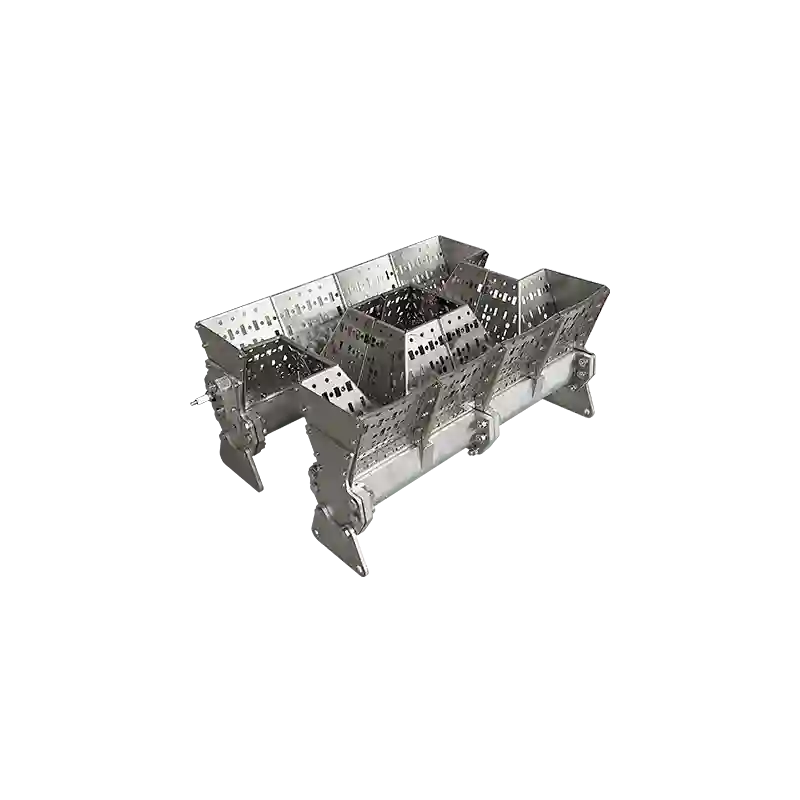
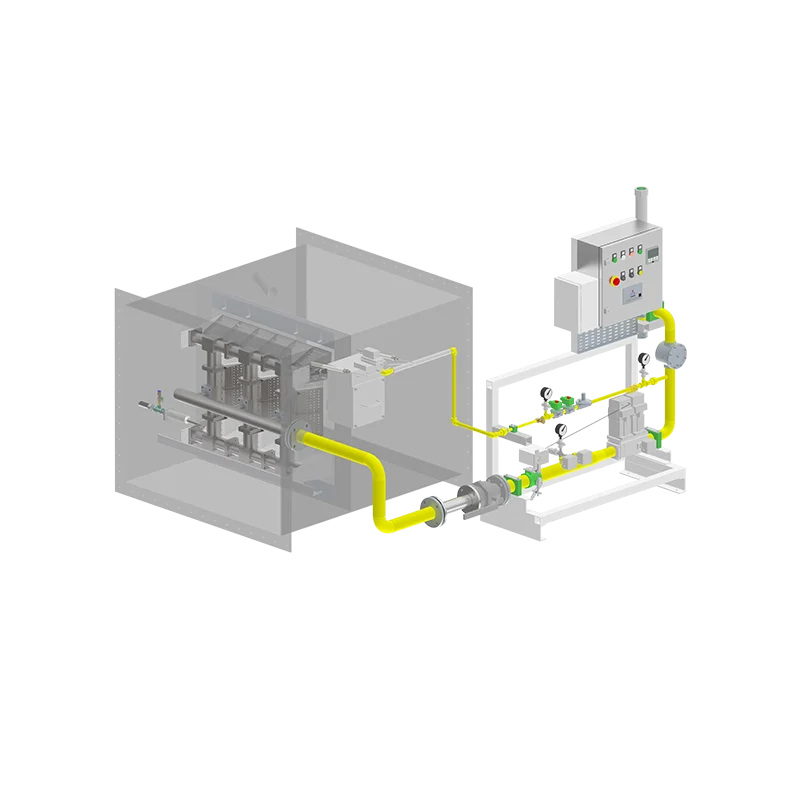
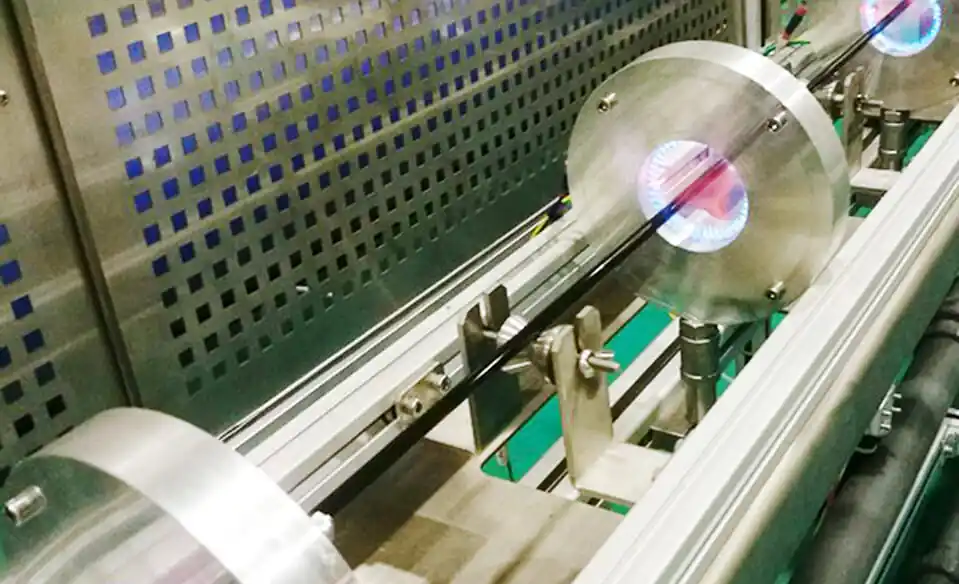
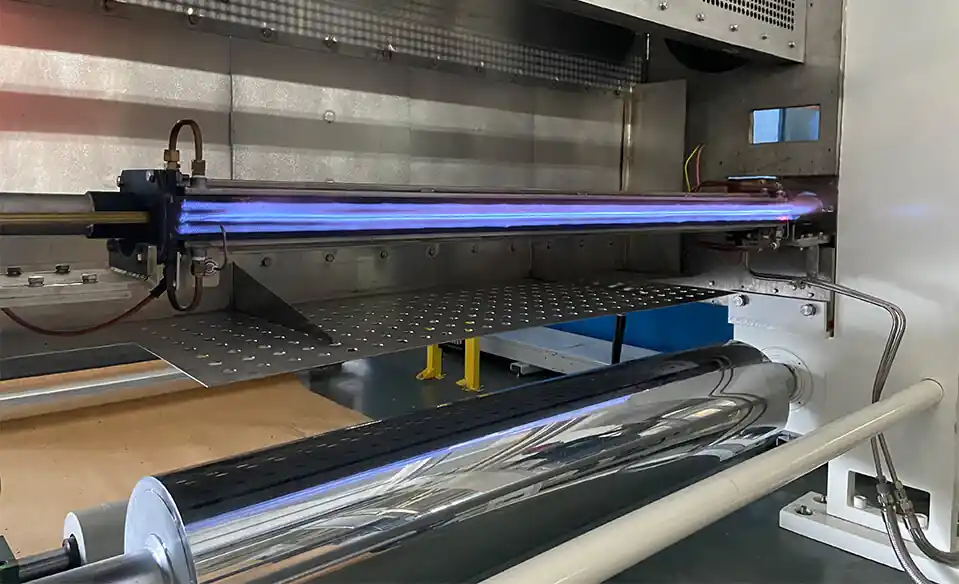
For large-volume powder drying systems, linear burners offer advantages. Traditional point-type burners in wide ducts tend to concentrate heat, whereas linear burners improve heat distribution uniformity by extending the flame along the length.
Features include continuous flame distribution (eliminating local hot spots), uniform heat release (consistent heat flux density along the burner length), and suitability for wide-width air heating (matching the duct cross-section of drying hot air systems). Applied to large drying equipment, industrial hot air systems, and continuous production lines.
DYDTEC offers a range of linear burner products suitable for industrial air heating and drying applications. In large chemical powder drying hot air systems, they effectively improve hot air temperature uniformity and enhance drying quality consistency.
Chemical powder drying is not simply about supplying heat; the manufacturer must understand material characteristics (particle size, specific surface area, heat sensitivity, and moisture binding form of different powders), drying temperature (optimal drying temperature range and allowable deviation for different materials), hot air requirements (air volume, velocity, and temperature distribution required by the drying process), and equipment structure (type of drying equipment and hot air inlet requirements). The burner must be matched to the overall drying equipment; only by understanding powder drying processes can a truly suitable combustion system be designed.
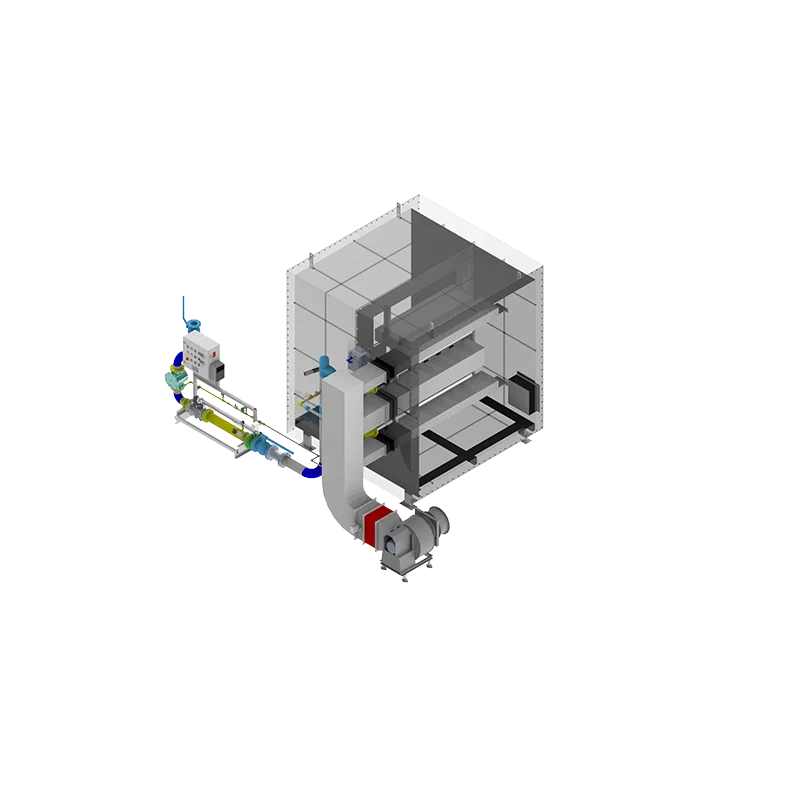
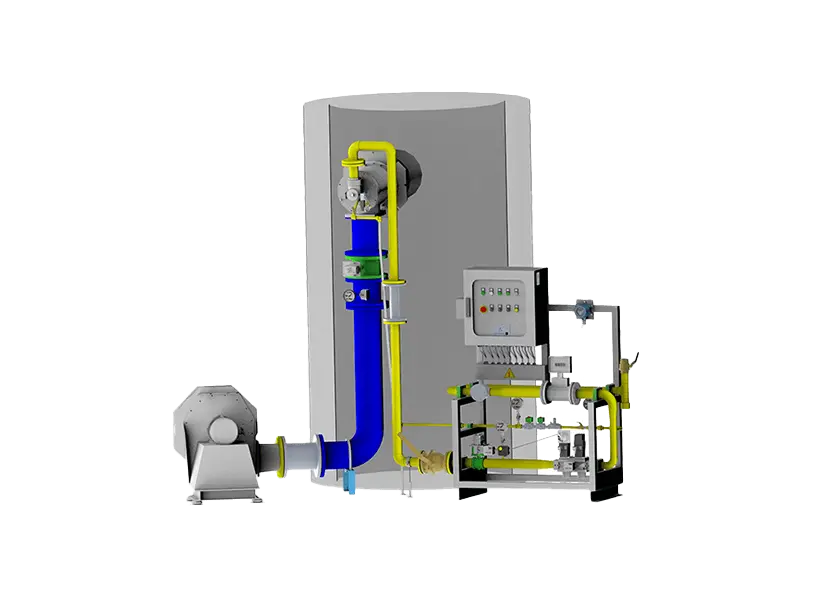
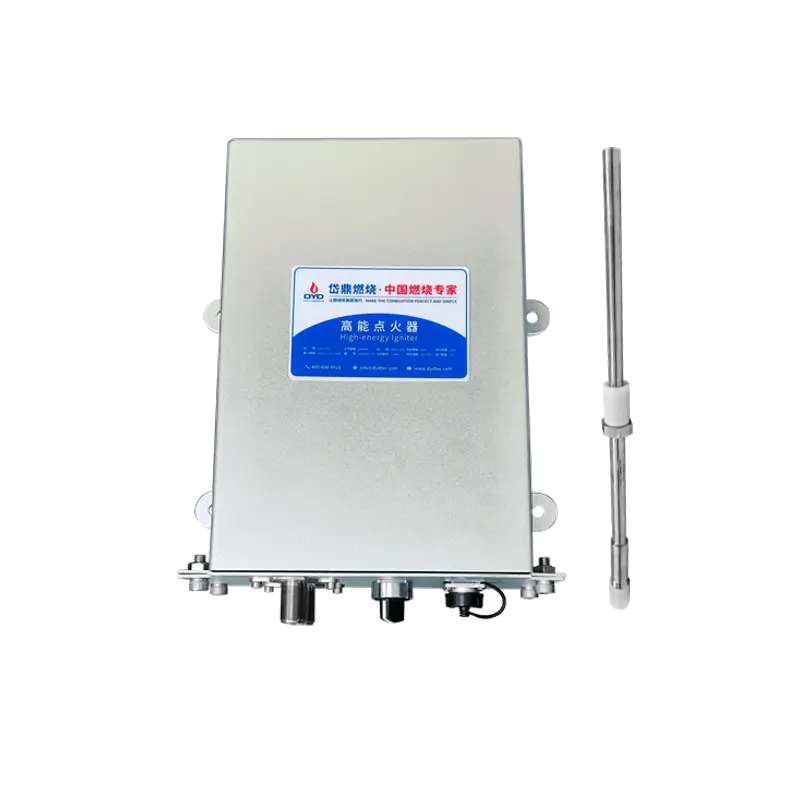
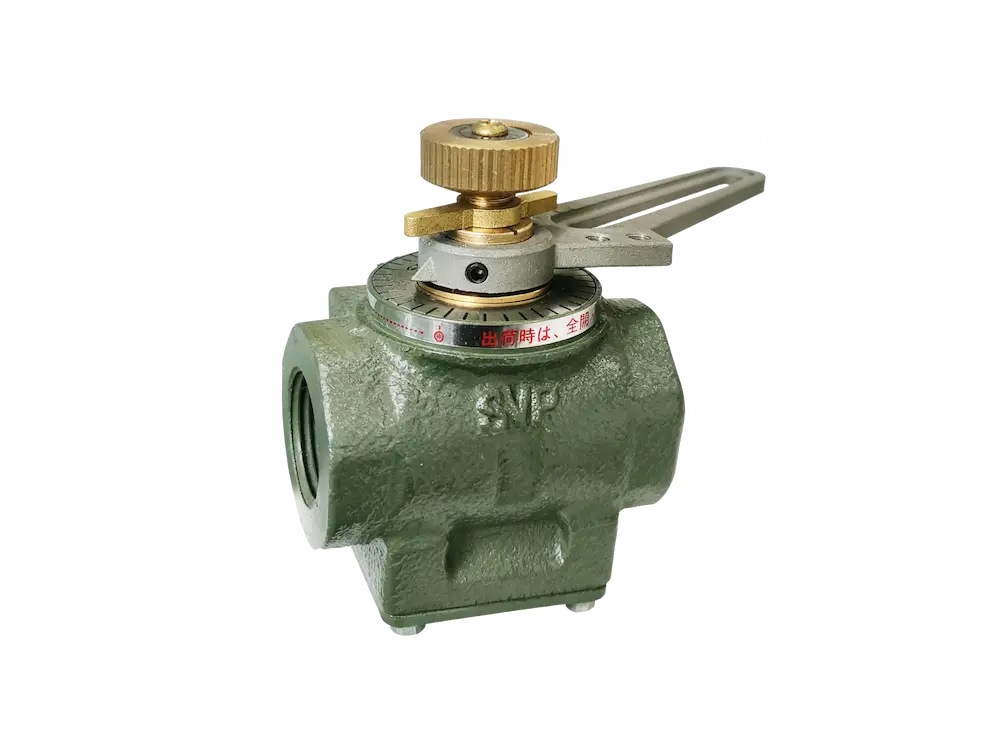
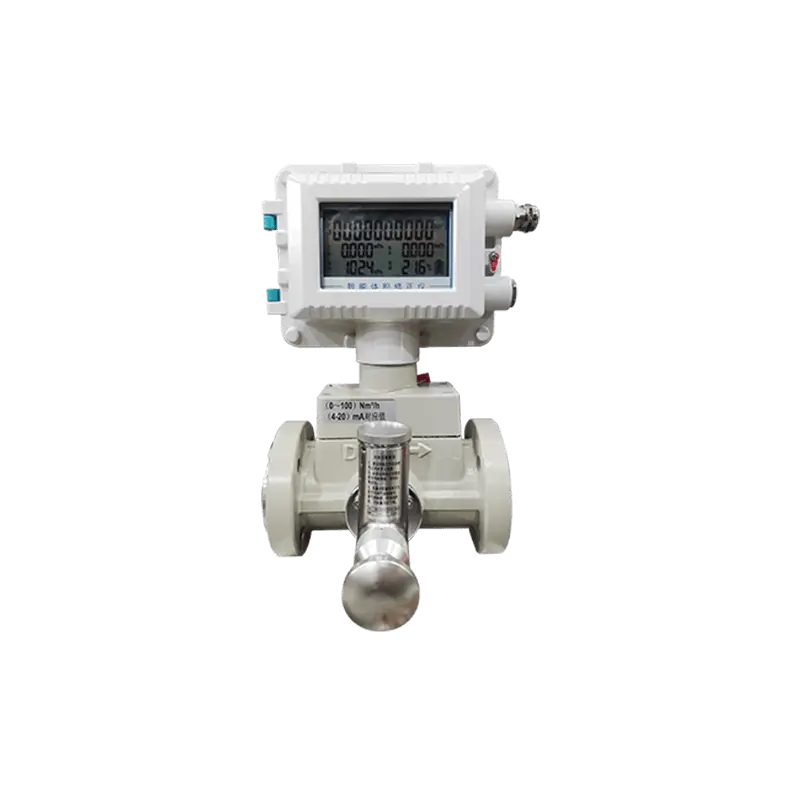
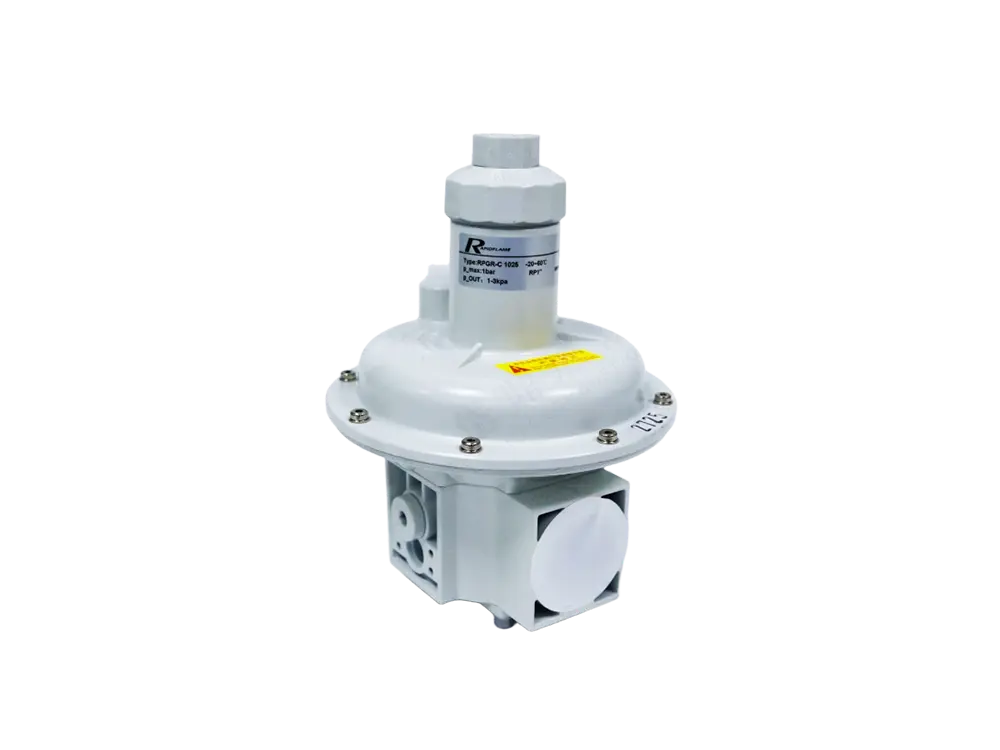
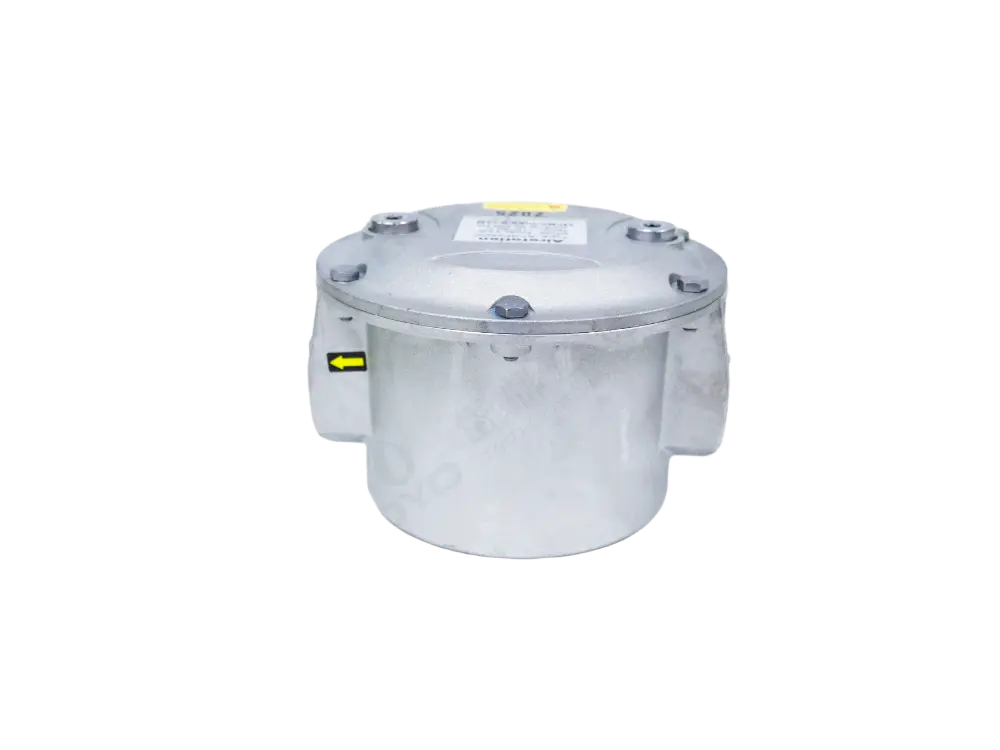
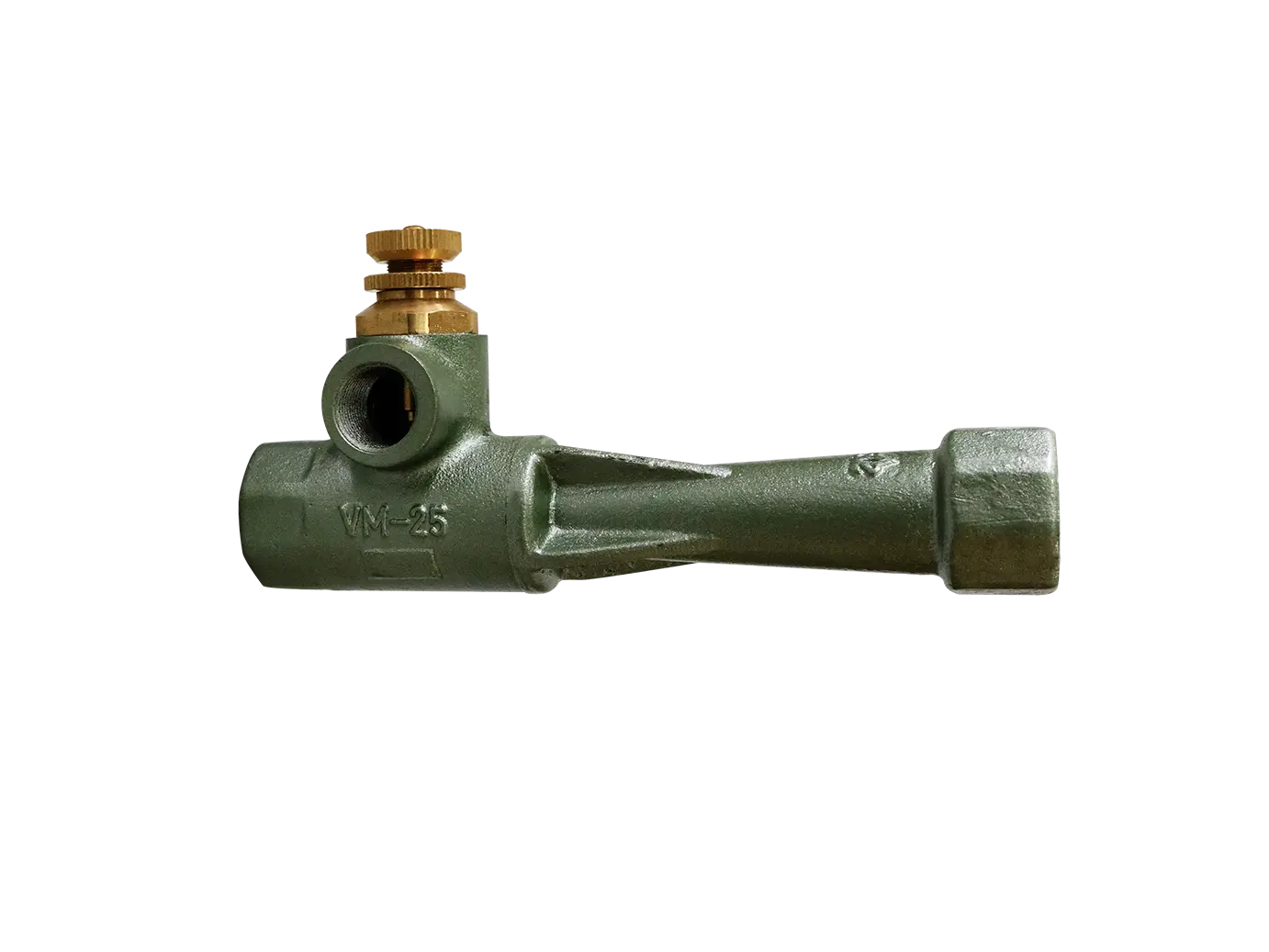
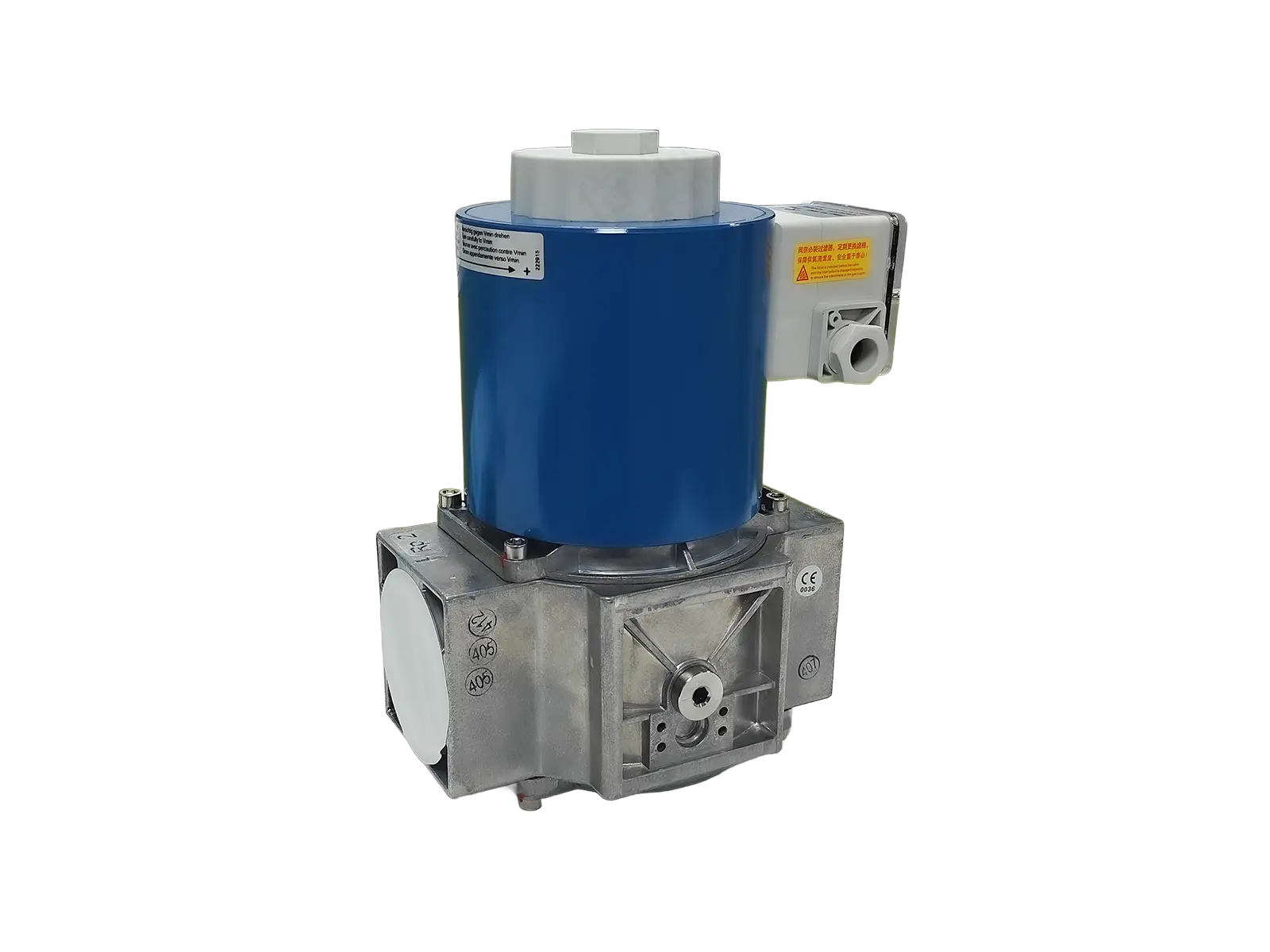
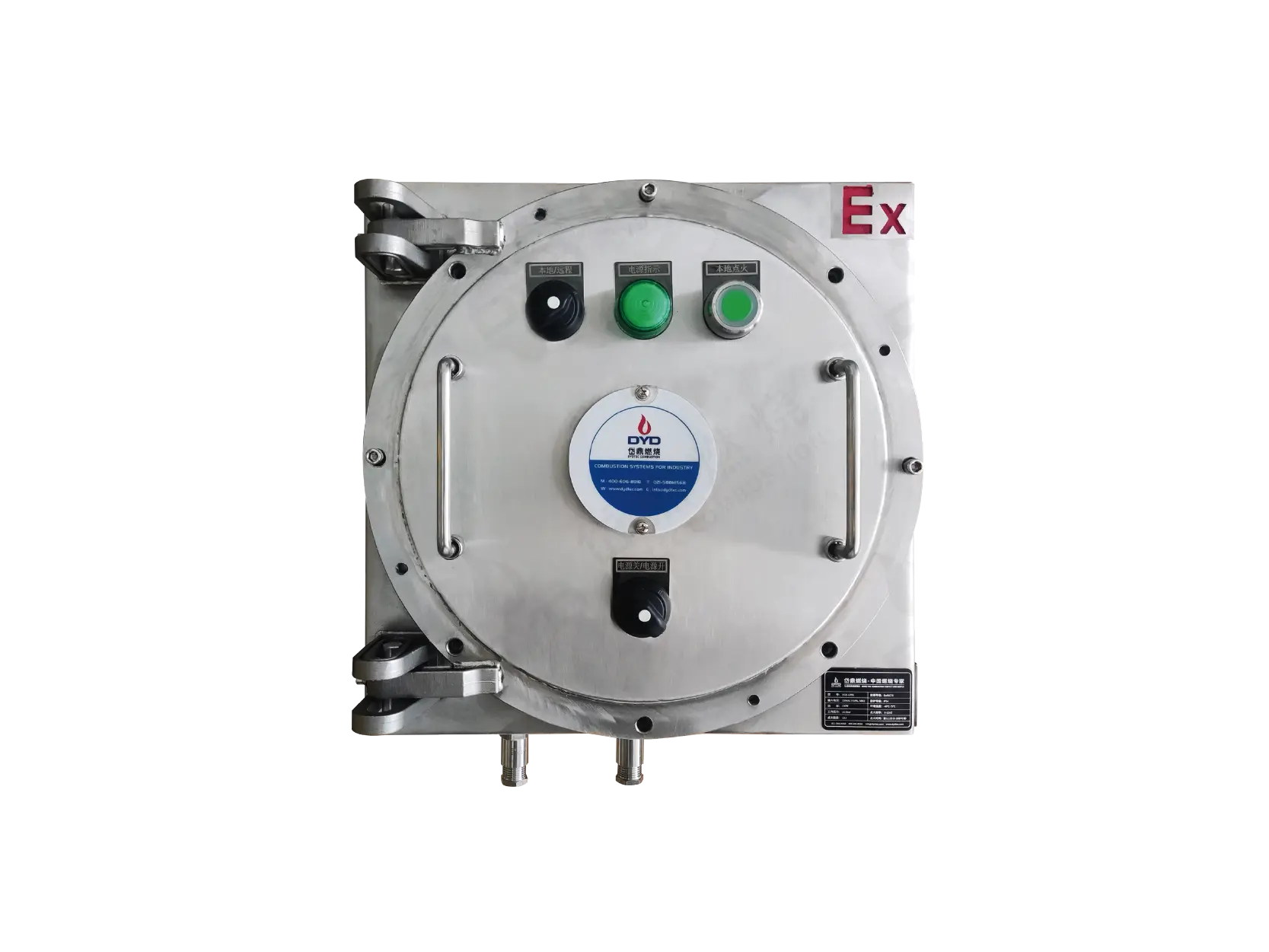
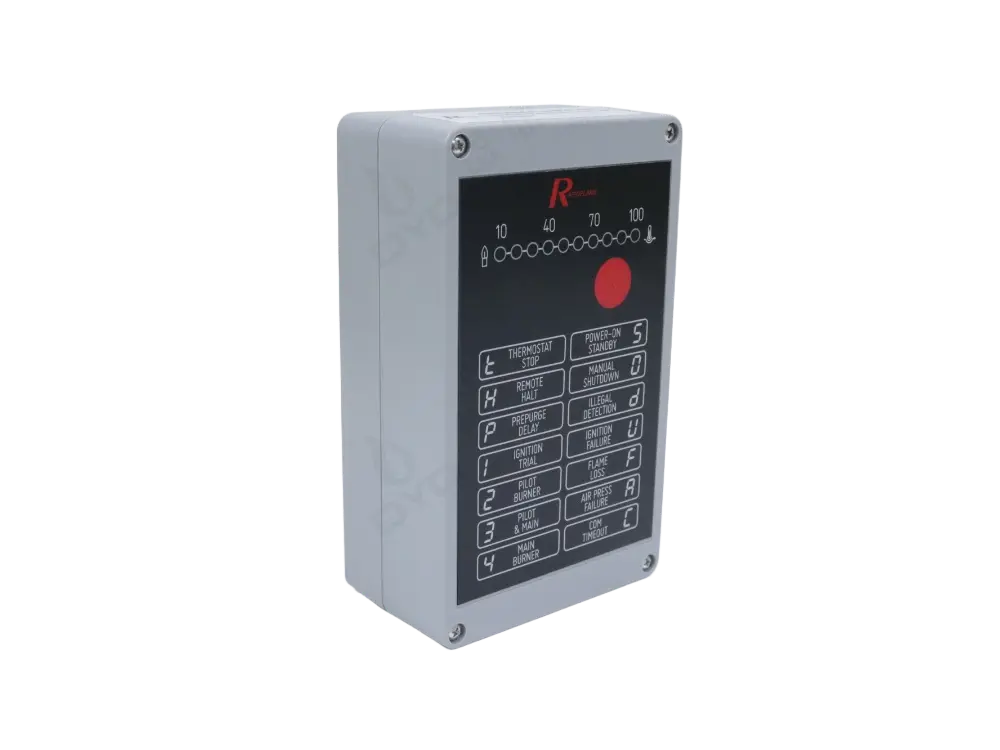
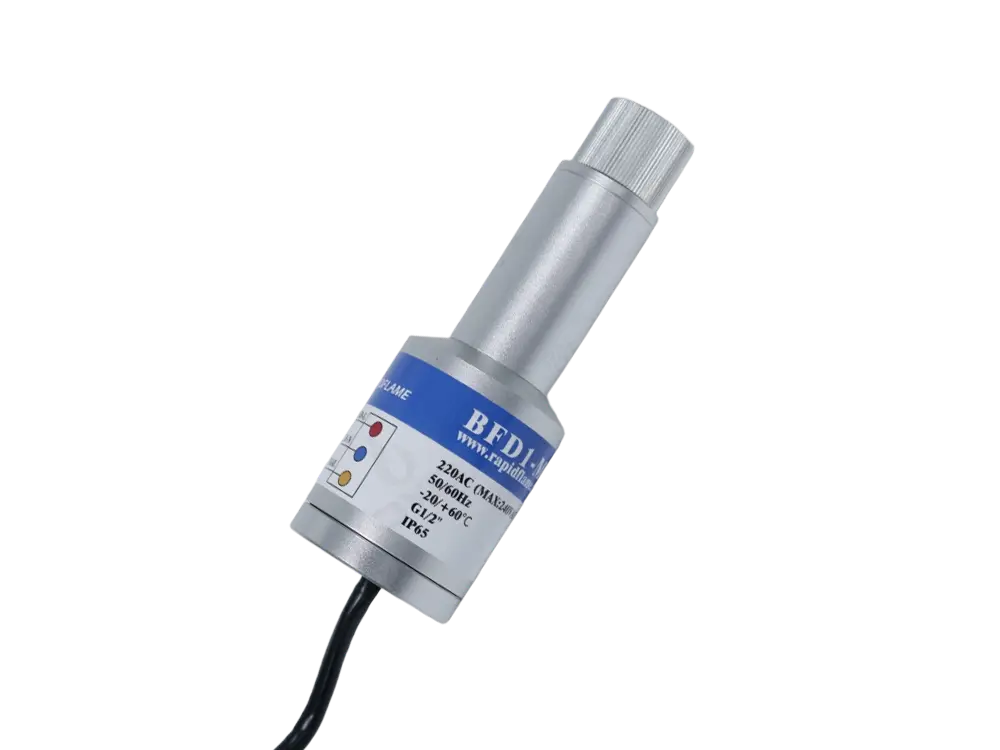
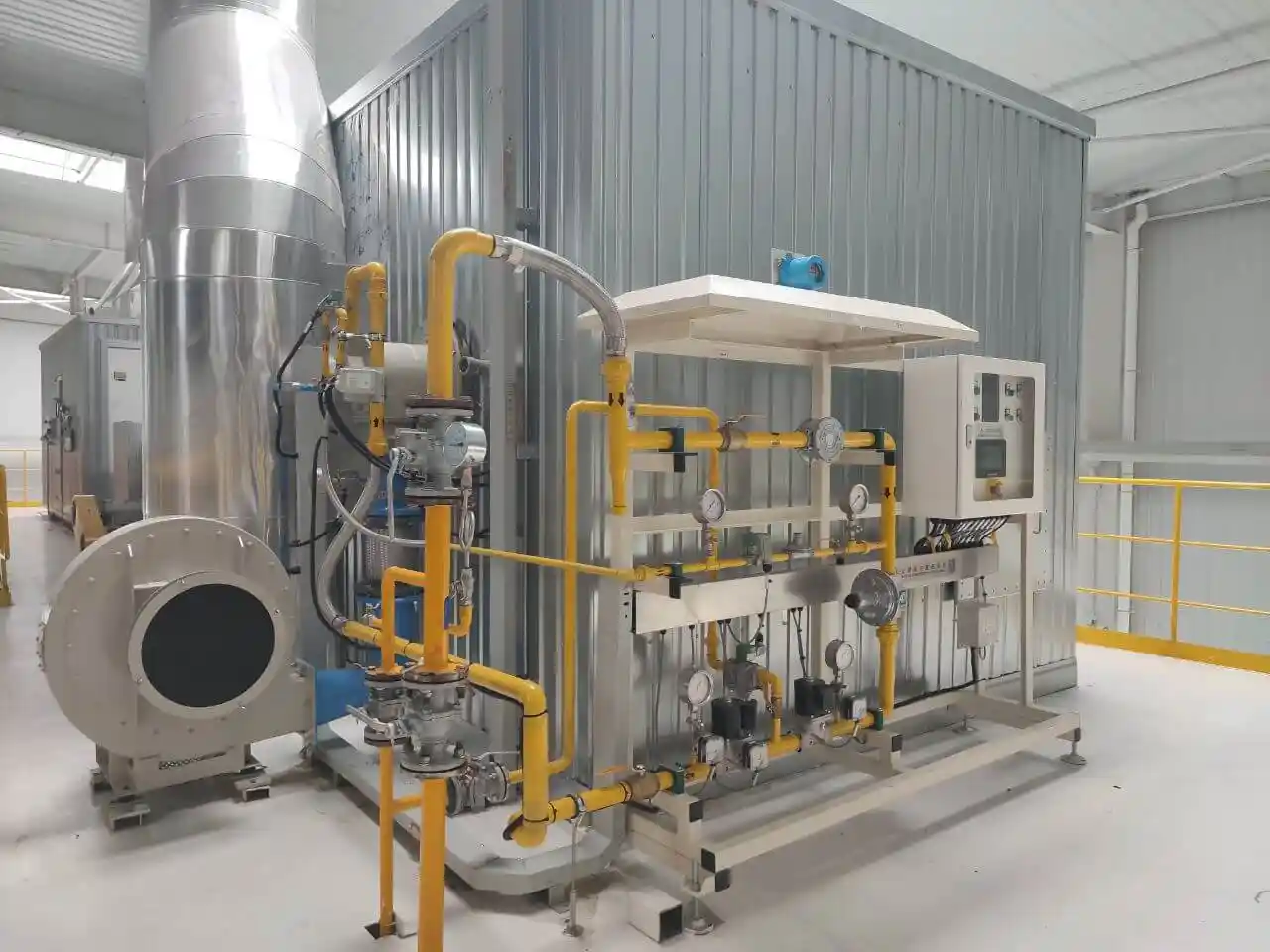
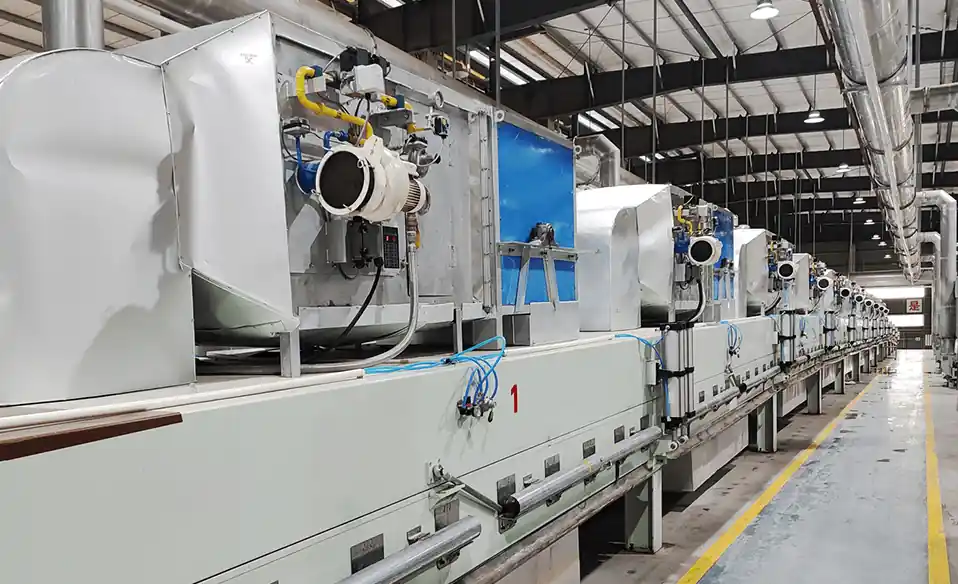
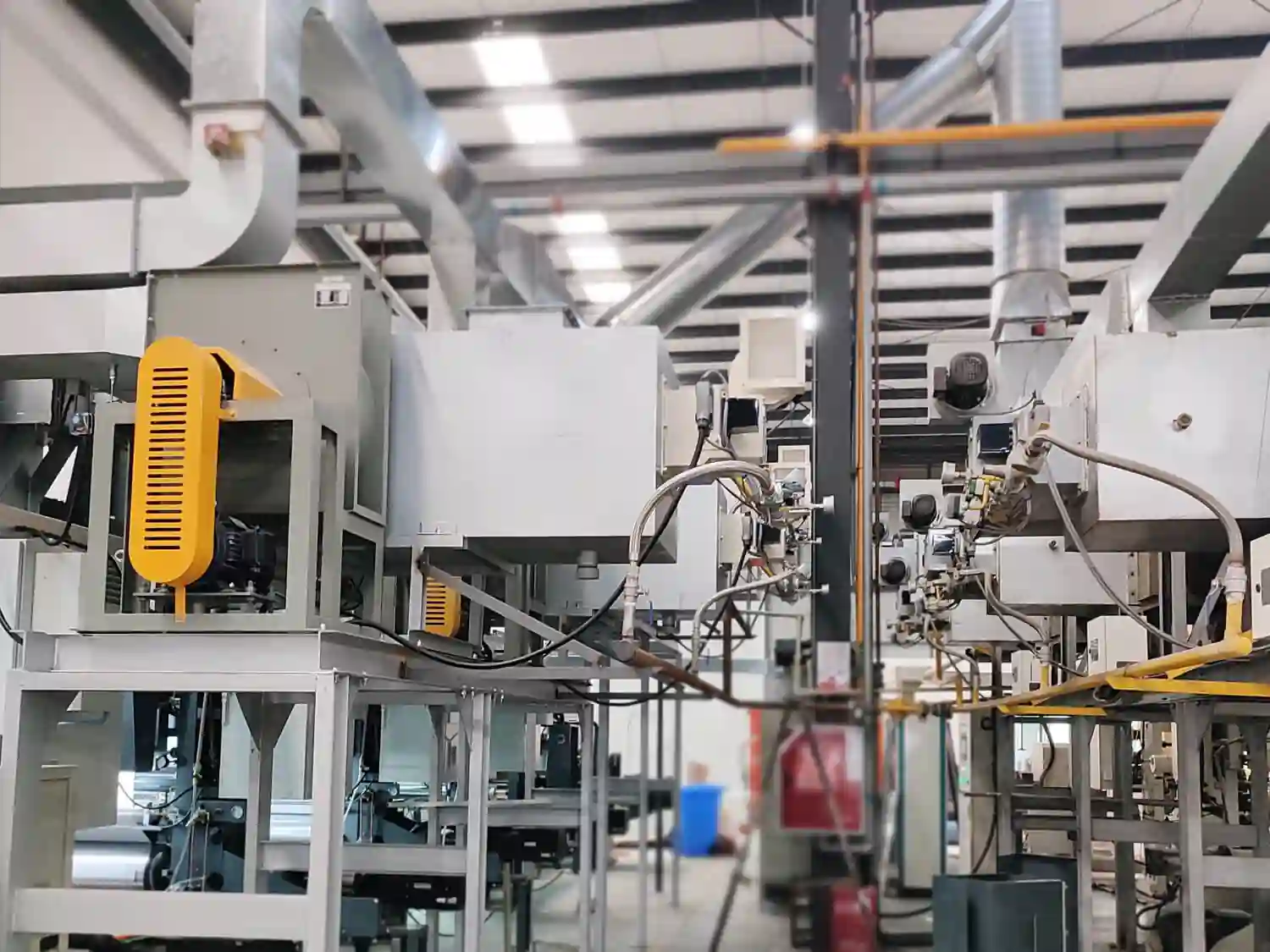
A complete powder drying heat source system includes the combustion system (burner, gas valve train, ignition system, flame detection), the hot air system (hot air furnace, heat exchange equipment, fan, ductwork), and the control system (temperature control, automatic regulation, safety protection). These subsystems must work in precise coordination to form a harmoniously operating whole. A manufacturer with complete hot air system design capability can oversee the design and matching of all components from a system perspective, avoiding interface issues and compatibility risks from multi-vendor assembly.
Chemical powder production lines typically have different thermal loads (heat requirements vary with different capacities and processes), different temperature requirements (different powders have different drying temperature windows), installation space constraints (limitations from site layout and piping routing), and different process flows (different drying processes have different requirements for hot air systems). Therefore, the manufacturer must provide burner selection (matching according to thermal load and fuel conditions), thermal load calculation (accurately calculating heat demand for the drying process), hot air scheme design (optimising furnace, duct, and fan configuration), and control system matching (control strategies compatible with the DCS system), ensuring full compatibility between the combustion system and the powder drying equipment's structure and control logic.
DYDTEC is the industrial combustion brand of Shanghai DYDTEC Equipment Technology Group Co., Ltd., focusing on the R&D and manufacturing of industrial combustion equipment and thermal energy systems. Main products include industrial burners, low-NOx burners, linear burners, hot air furnaces, and combustion system integration. Product applications cover industrial drying, new material processing, the chemical industry, environmental protection equipment, and industrial thermal systems.
In the design and integration of hot air systems for chemical powder drying, DYDTEC has accumulated extensive engineering experience and can provide customised combustion system solutions according to the drying characteristics and process requirements of different powder materials.
1. Designed for industrial drying process matching
For chemical powder drying requirements, DYDTEC can provide heat source system design (designing hot air schemes according to material characteristics and drying equipment structure), burner matching (selecting the most suitable burner type and power rating), hot air furnace configuration (optimising furnace structure and heat exchange method), and control scheme optimisation (temperature control strategies coordinated with the DCS system), ensuring tight integration between the hot air system and the powder drying equipment's process requirements.
2. High-efficiency combustion reduces energy consumption
By optimising gas-air mixing (maintaining optimal air-fuel ratio across the full load range), improving combustion efficiency (maximising release of fuel chemical energy), and enhancing heat utilisation (optimising heat exchange and hot air circulation, reducing exhaust and radiation heat losses), DYDTEC helps enterprises reduce natural gas consumption, operating costs, and emission pressures.
3. Support for chemical equipment manufacturer OEM integration
Serving chemical drying equipment manufacturers, powder equipment manufacturers, new material equipment manufacturers, and hot air furnace manufacturers, DYDTEC can provide standard burners, custom combustion systems, and technical support, helping chemical equipment manufacturers enhance complete machine performance and market competitiveness.
Applied in metatitanic acid drying (dehydration drying of metatitanic acid in sulphate-process titanium dioxide production), powder post-treatment (drying after surface treatment), and product moisture control (ensuring finished product moisture content meets standards). Titanium dioxide drying requires high hot air temperature stability and uniformity; temperature fluctuations may affect the final product's whiteness and hiding power.
Applied in lithium battery cathode and anode materials (drying of precursors and pre-sintering treatment), battery auxiliary materials (drying of conductive agents, binders, and other auxiliary materials), and functional powder materials (processing of various new energy material powders). New energy materials have high requirements for hot air cleanliness; some processes require indirect hot air furnaces to avoid contamination.
Applied in chemical additives (drying of dispersants, stabilisers, and other additive products), inorganic pigments (drying of iron-based, chromium-based, and other inorganic powders), and specialty powder materials (processing of functional powders and composite powder materials). Fine chemical powder drying typically involves smaller batches and more varieties, requiring some flexibility and fast changeover capability from the combustion system.
Q1: Why does chemical powder drying require a dedicated burner?
Because powder materials have high requirements for temperature and hot air stability, the combustion system must provide a precise and stable heat source. The temperature control precision and hot air uniformity of ordinary industrial burners may not meet the stringent requirements of chemical powder drying; temperature deviations may directly affect product particle size distribution and purity indicators.
Q2: What fuel is used for chemical powder drying burners?
Common fuels include natural gas, LPG, and industrial combustible gases. Most chemical powder drying equipment uses natural gas, while some regions choose LPG or mixed gas depending on fuel supply conditions. The specific fuel choice should be based on local energy supply conditions and cost considerations.
Q3: Is direct-fired or indirect hot air suitable for powder drying?
The choice depends on product requirements. Ordinary industrial powders can use high-efficiency direct-fired solutions (high thermal efficiency, low investment cost); high-purity or sensitive materials (such as electronic-grade powders, pharmaceutical-grade powders, lithium battery materials, etc.) typically require indirect hot air furnace solutions (clean hot air, higher temperature control precision, avoiding the effects of combustion products on product quality).
Q4: How can energy consumption be reduced in chemical powder drying?
Main methods include improving combustion efficiency (precise air-fuel ratio control for complete combustion), optimising the hot air system (increasing heat utilisation within the drying equipment), reducing heat losses (strengthening furnace and duct insulation), and precise temperature control (avoiding energy waste from excessive heating). In practical projects, the most significant overall energy savings are achieved when combustion system optimisation is carried out in conjunction with drying equipment structural improvements.
Q5: What should I pay attention to when selecting a chemical powder drying burner manufacturer?
It is recommended to look for industrial combustion experience (able to meet chemical powder drying heat source requirements), hot air furnace design capability (able to complete overall hot air system design), understanding of powder drying processes (understanding the specific heat source requirements of different powder materials), and support for project customisation (able to perform non-standard design according to different capacities and material characteristics). DYDTEC possesses industrial burner, hot air furnace, and combustion system integration capabilities and can provide professional thermal energy solutions for chemical powder drying equipment.
The chemical powder drying burner affects not only drying efficiency but also product quality stability, energy consumption, production continuity, and enterprise operating costs. In chemical powder production, the performance difference of the combustion system is directly reflected in the final product's particle size distribution, purity indicators, and batch consistency—the very indicators that constitute the core value of chemical powders as industrial raw materials.
A professional chemical powder drying burner manufacturer must simultaneously possess industrial combustion technology (mastering design methods for efficient and stable combustion), hot air system design capability (understanding the operating characteristics of powder drying hot air systems), understanding of chemical drying (familiarity with chemical powder production processes and drying requirements), and non-standard engineering capability (customised design according to different materials and process conditions). Only by integrating these capabilities into powder drying equipment integration can seamless coordination between the combustion system, drying equipment, process requirements, and product quality standards be achieved, delivering stable, efficient, and economical chemical powder drying.
Leveraging its industrial burner, hot air furnace, and combustion system integration technology, DYDTEC provides efficient, stable, and low-energy-consumption thermal energy solutions for chemical powders, new materials, fine chemicals, and other industries. It is a professional supplier worth considering when selecting a chemical powder drying burner manufacturer.
 Next:Lithium Battery Material Drying Burner Manufacturer Selection Guide: High-Efficiency Clean Hot Air Solutions for New Energy Powder Materials