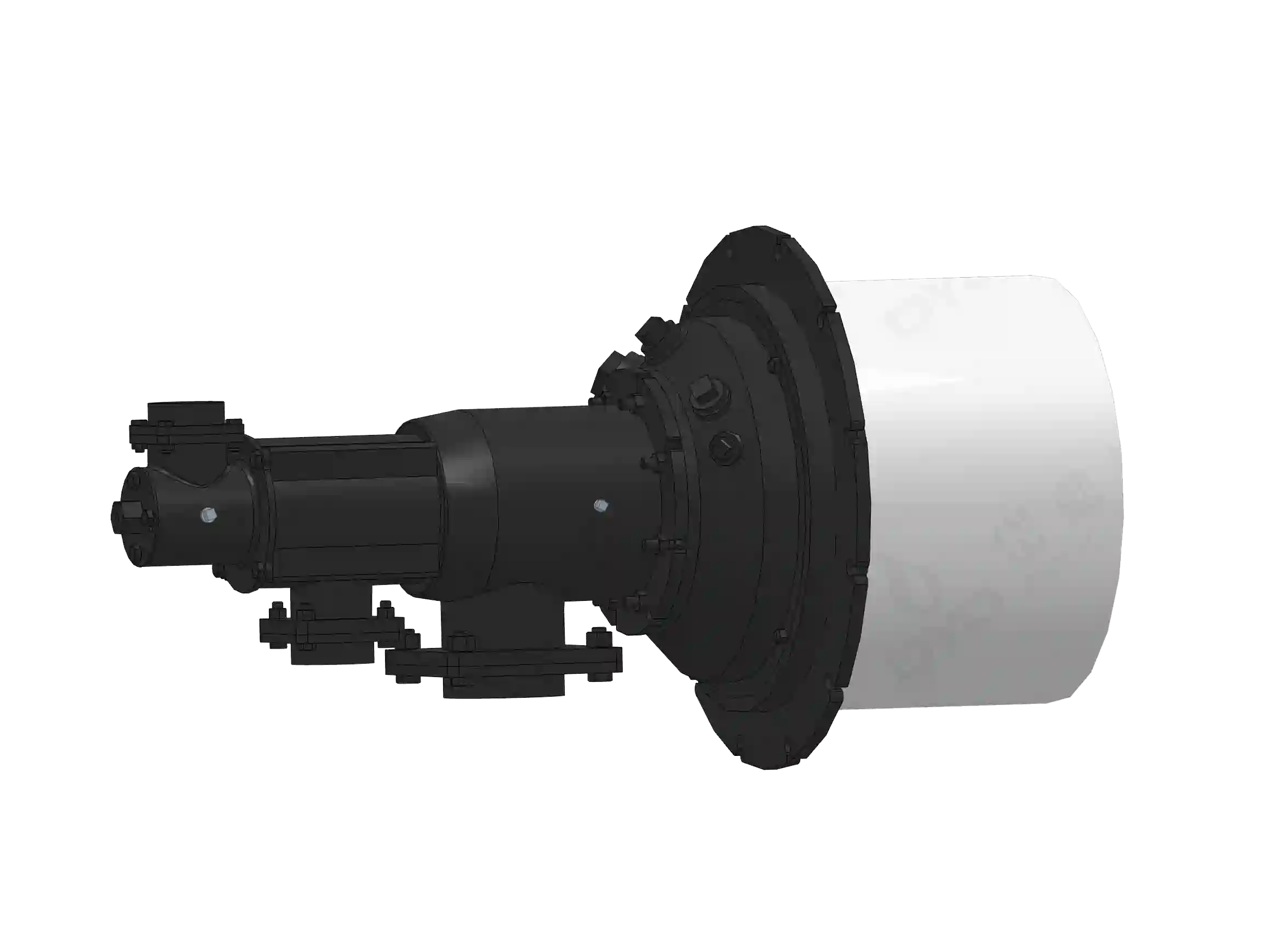
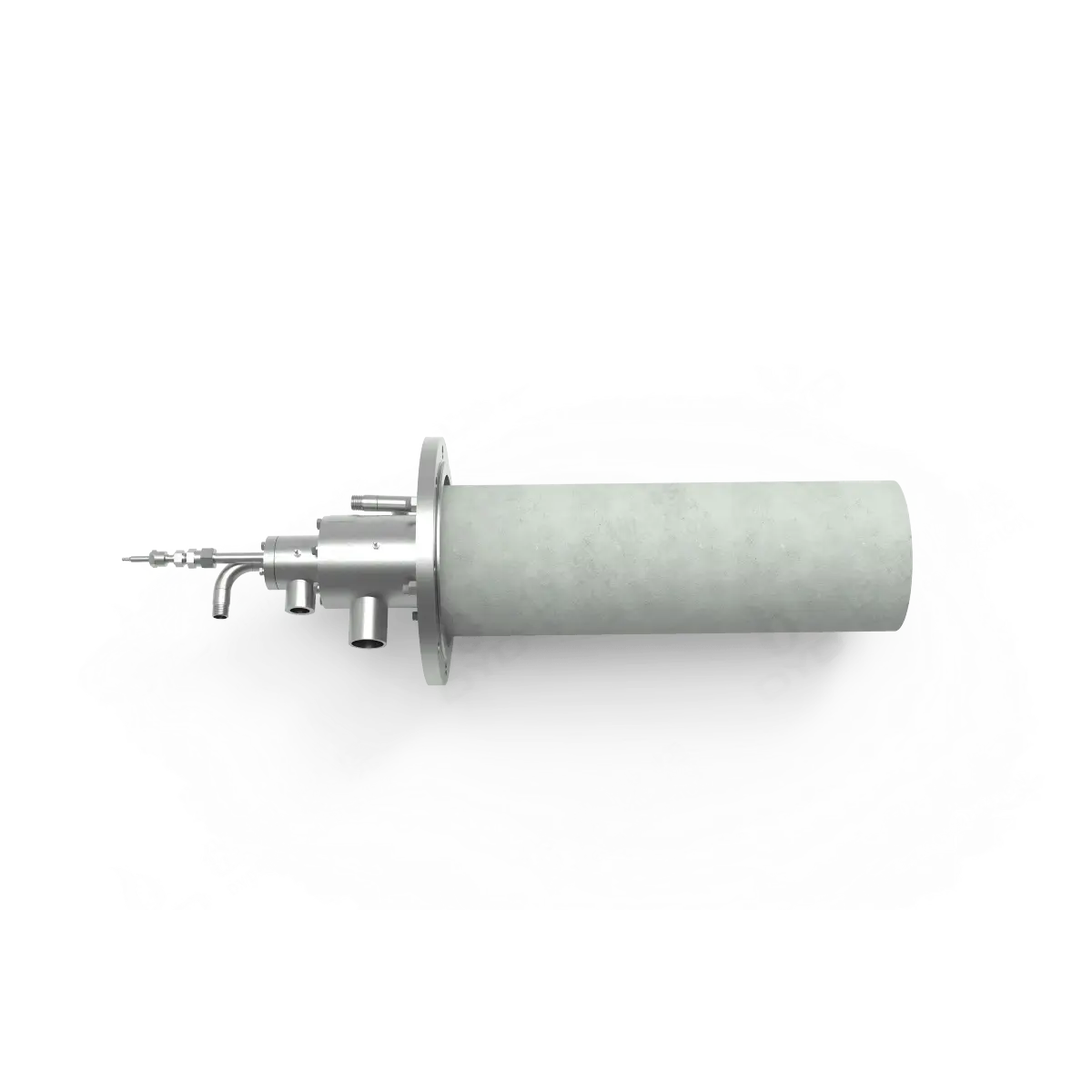
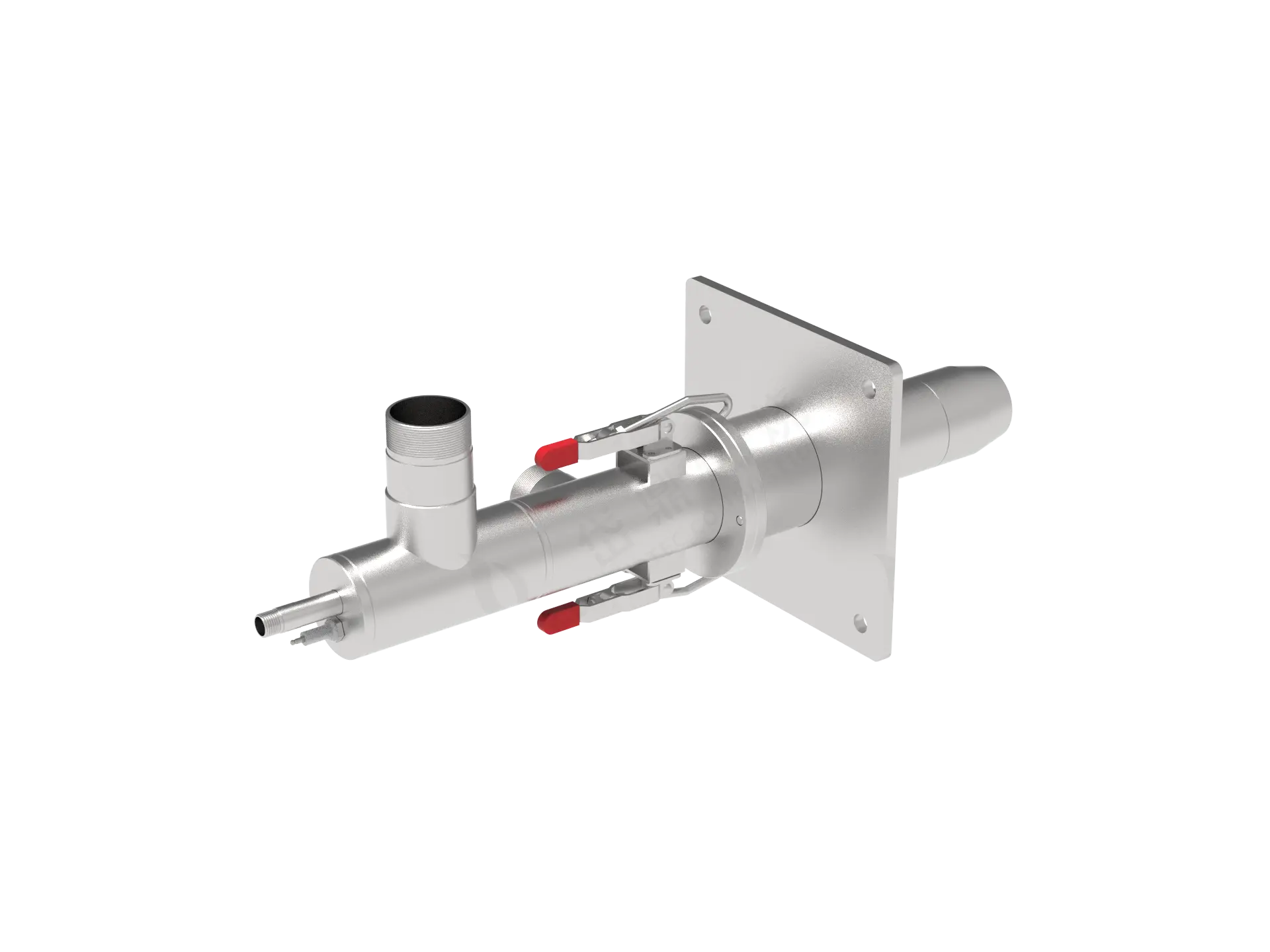
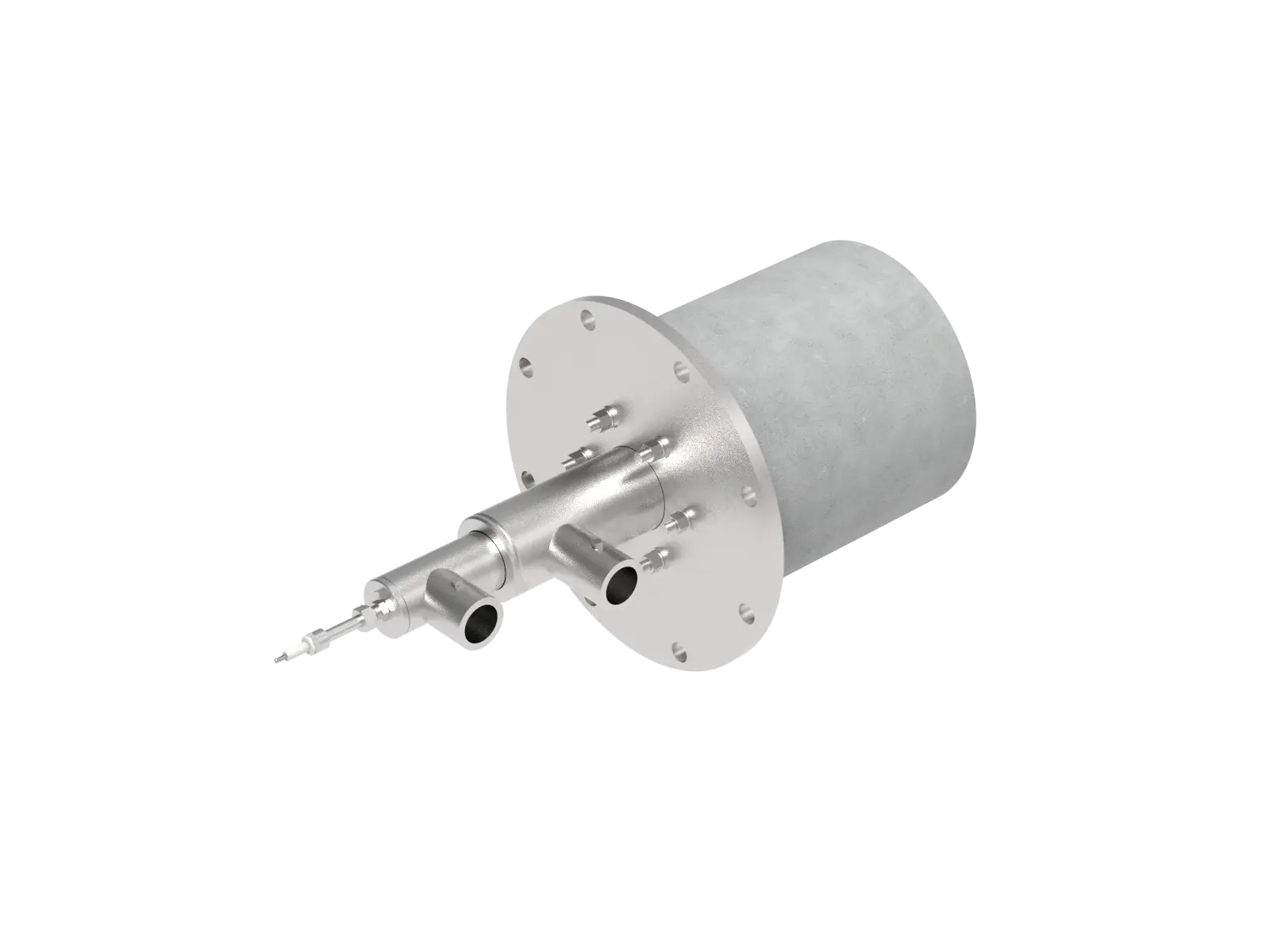
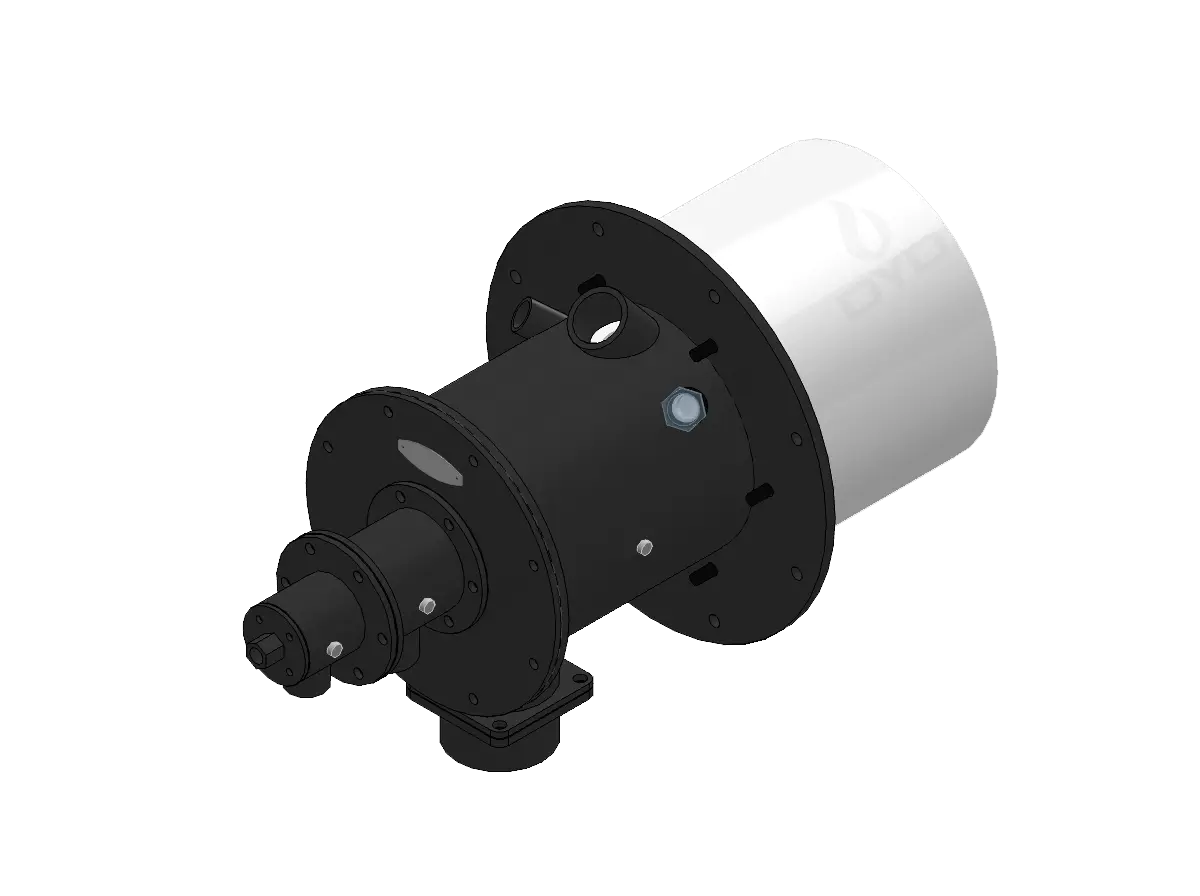
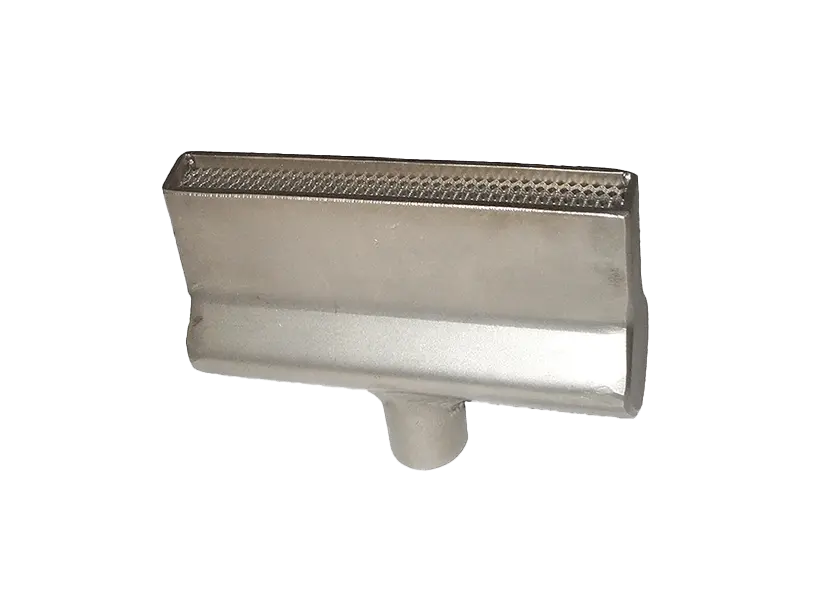
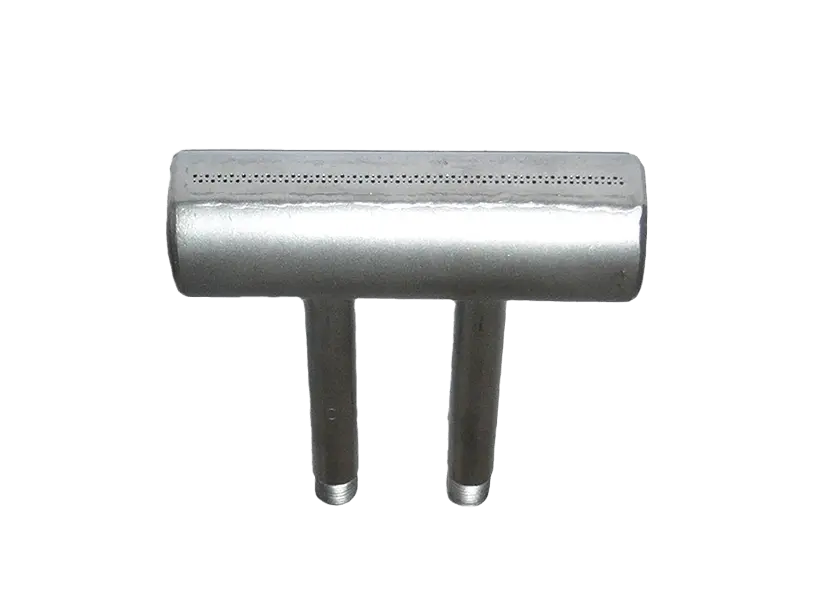
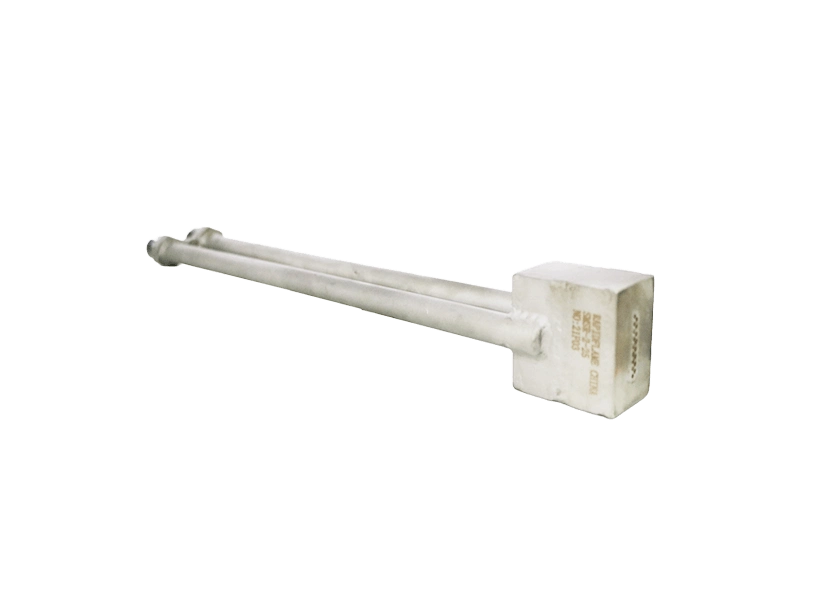
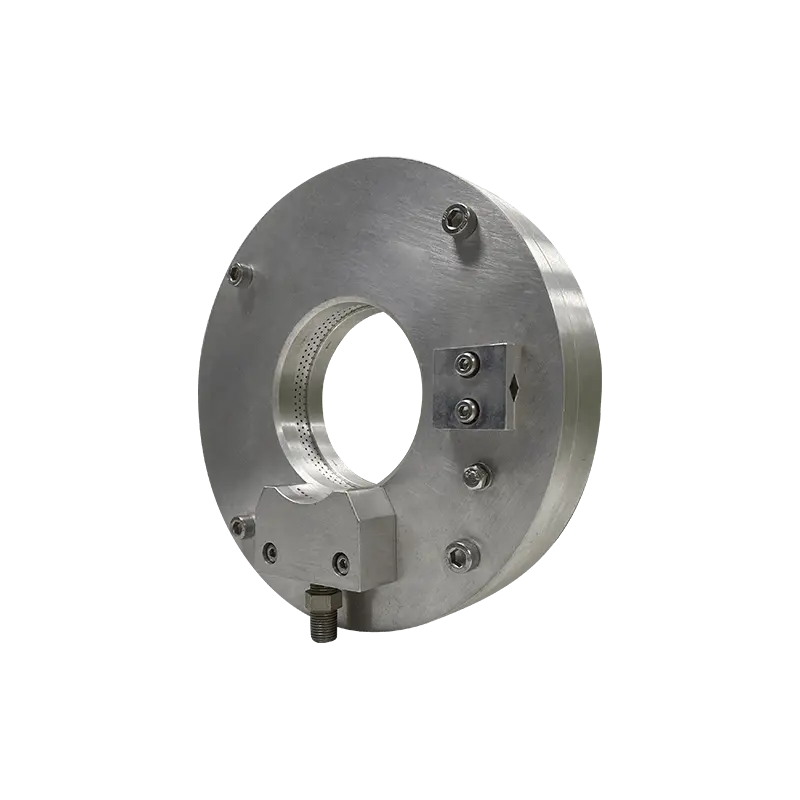
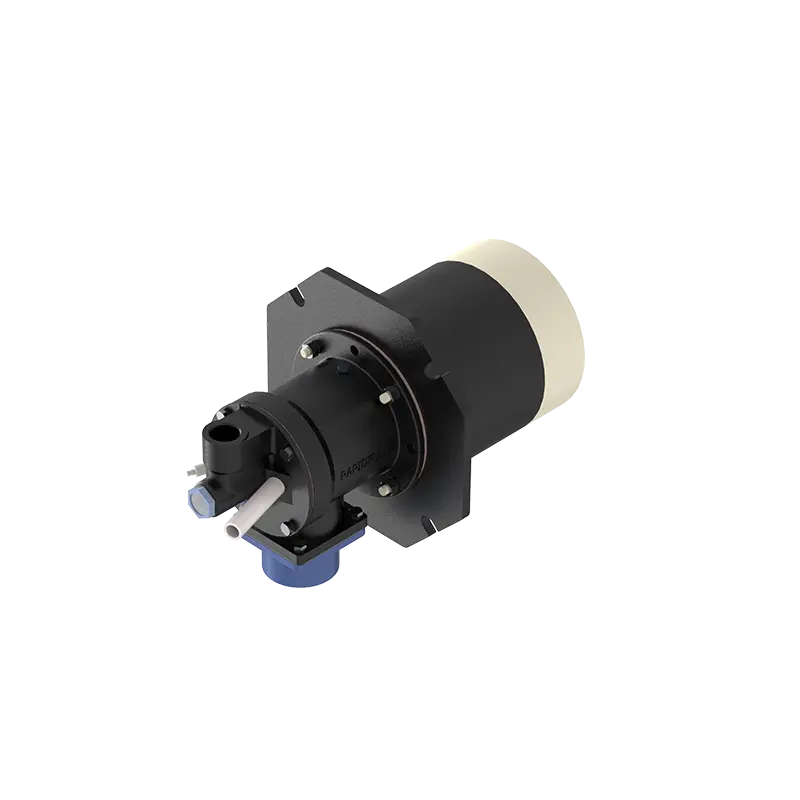
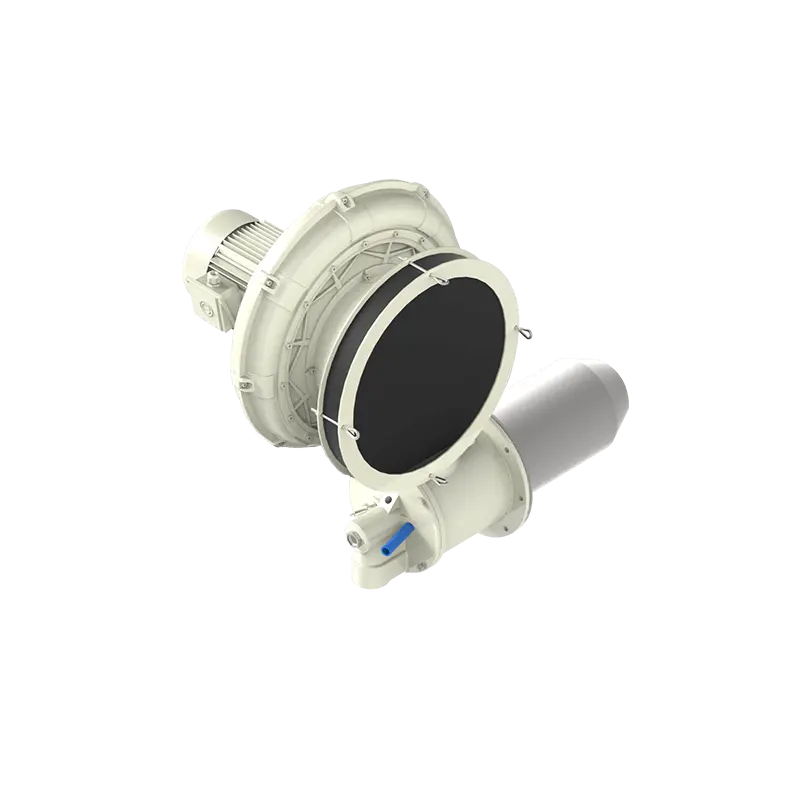
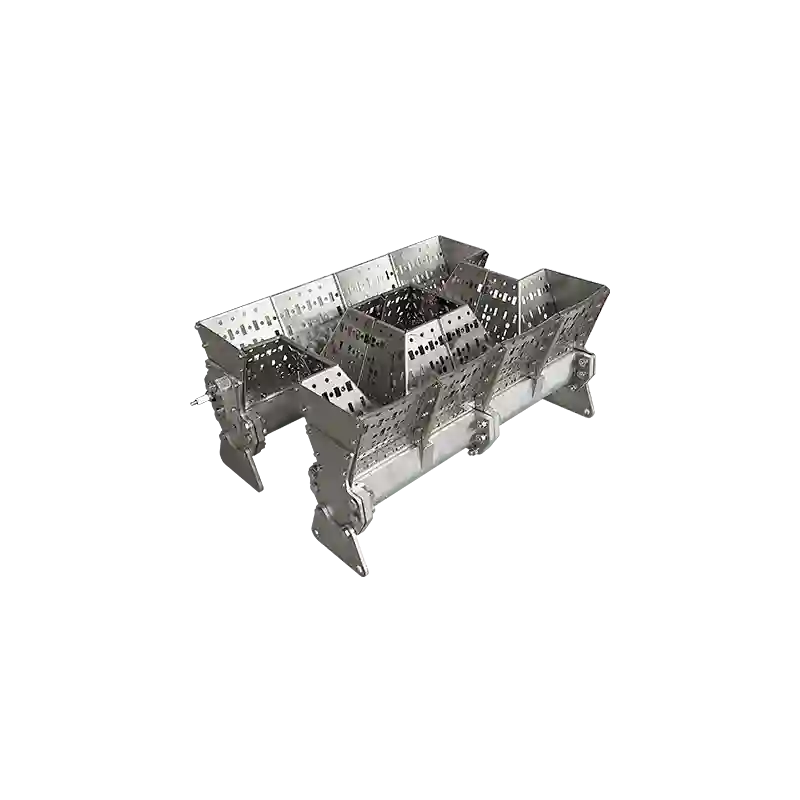
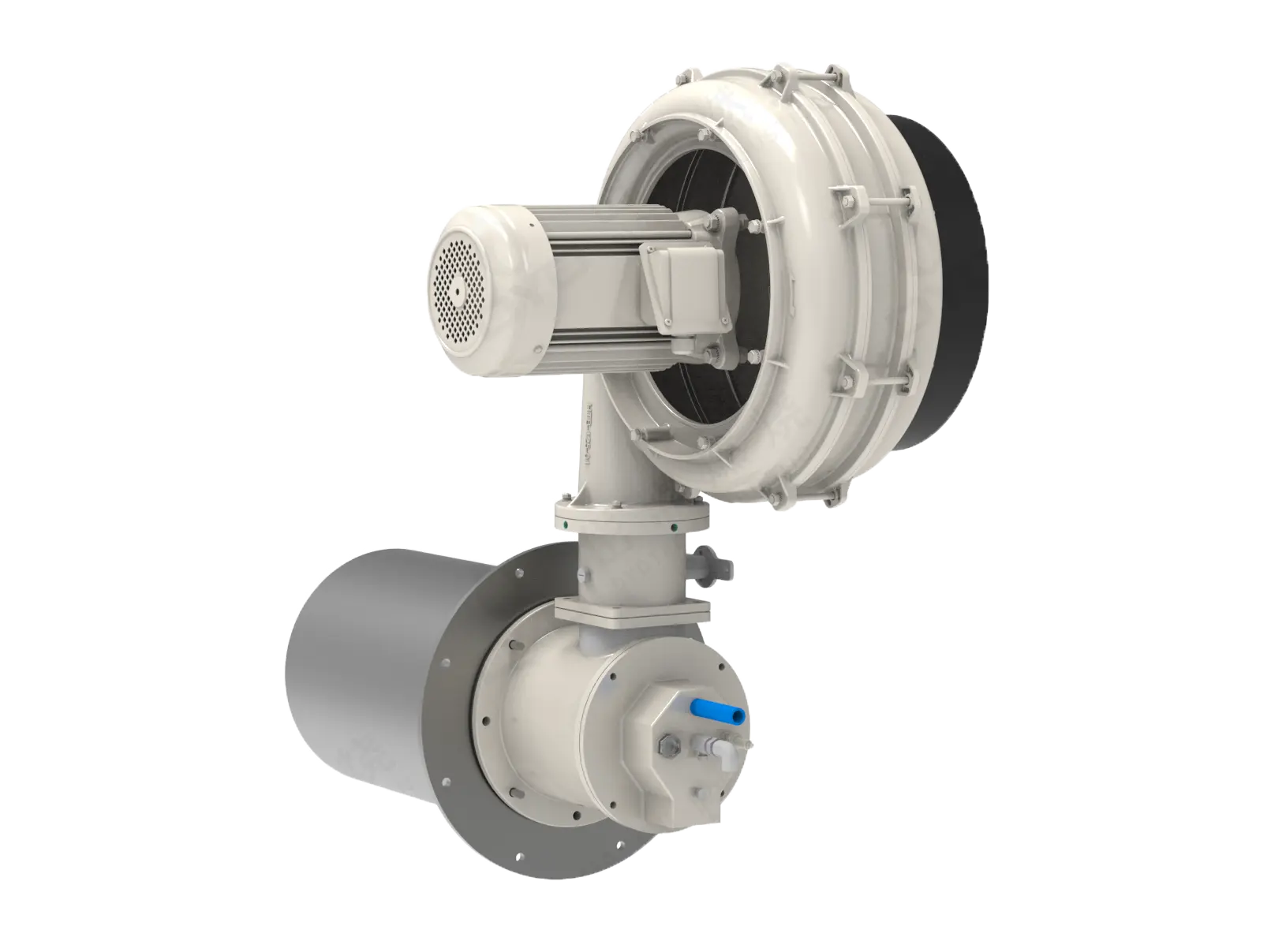
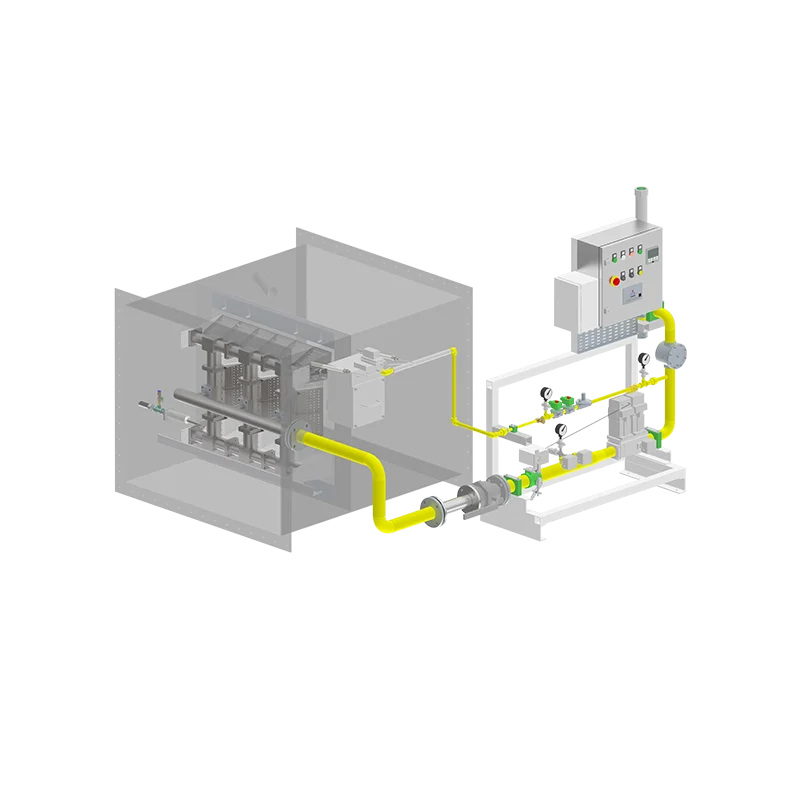
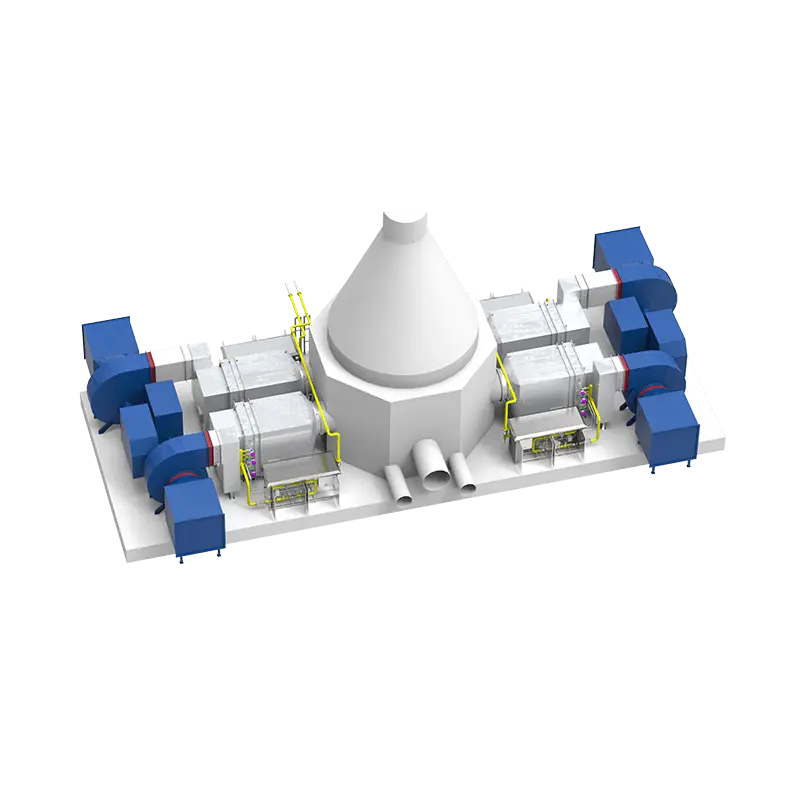
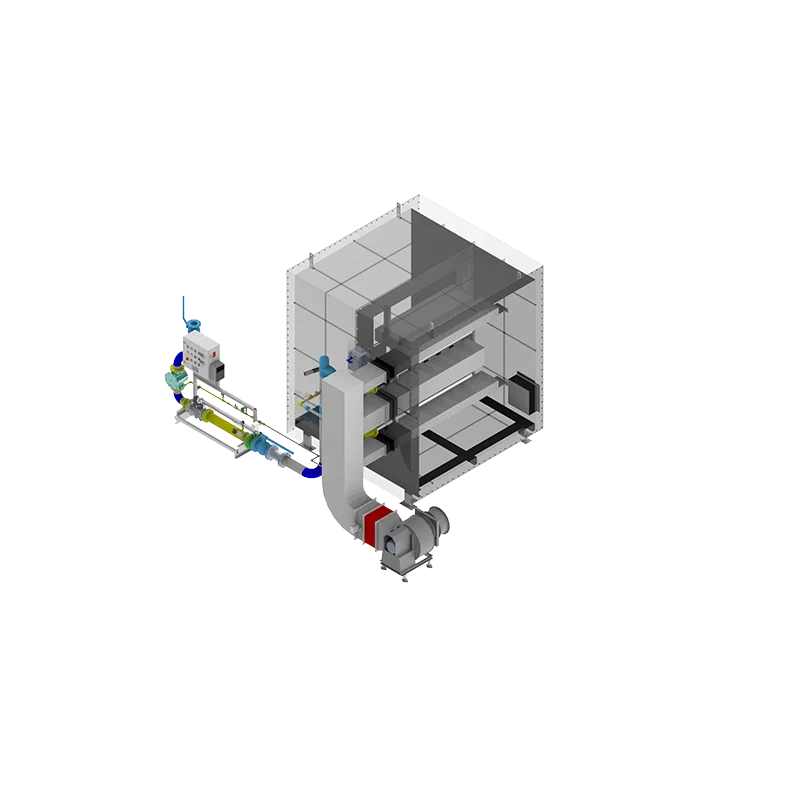
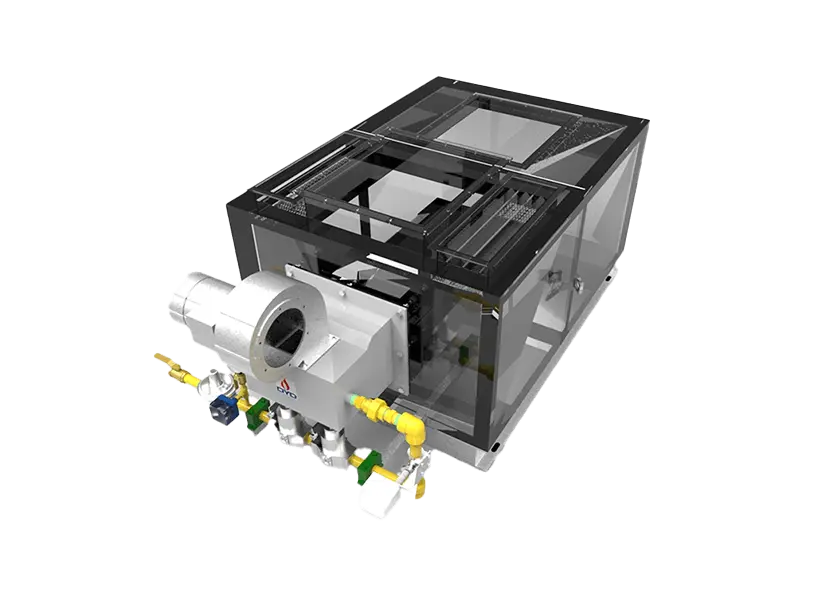
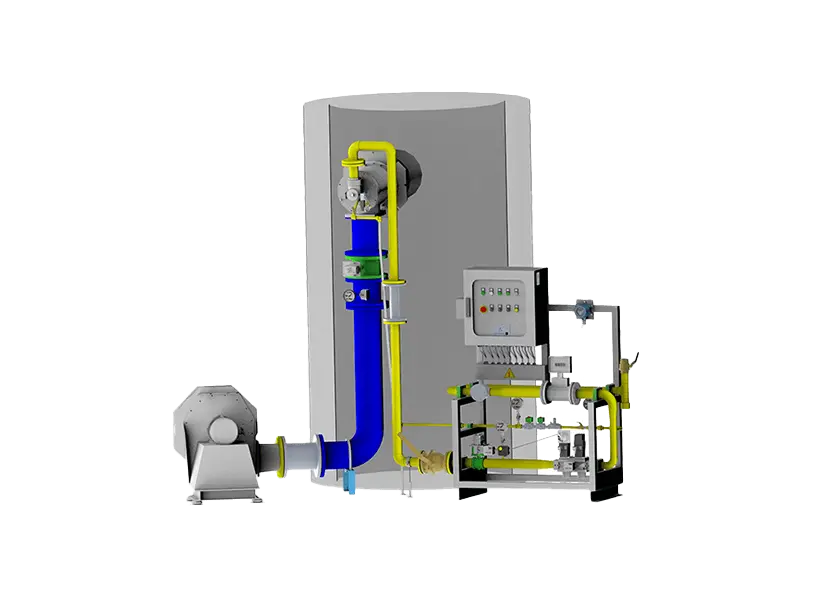
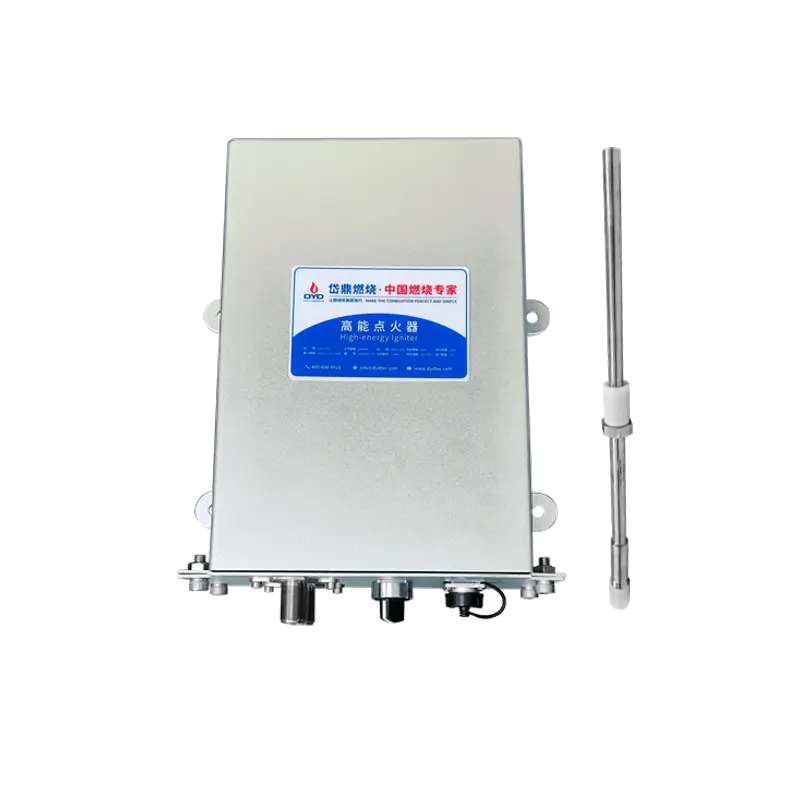
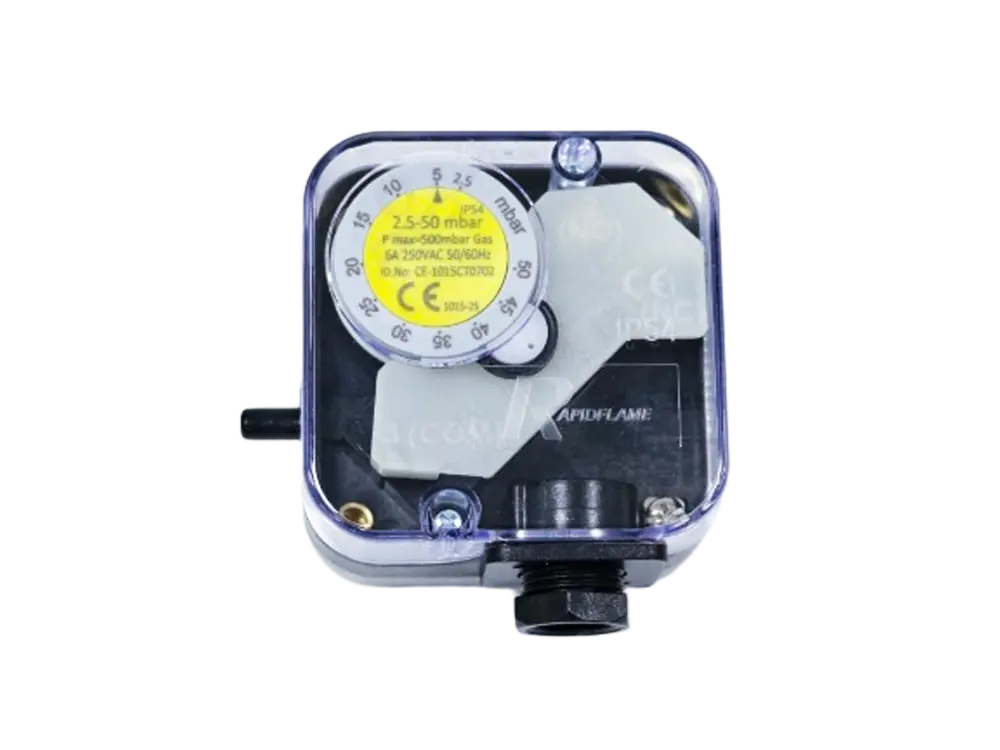
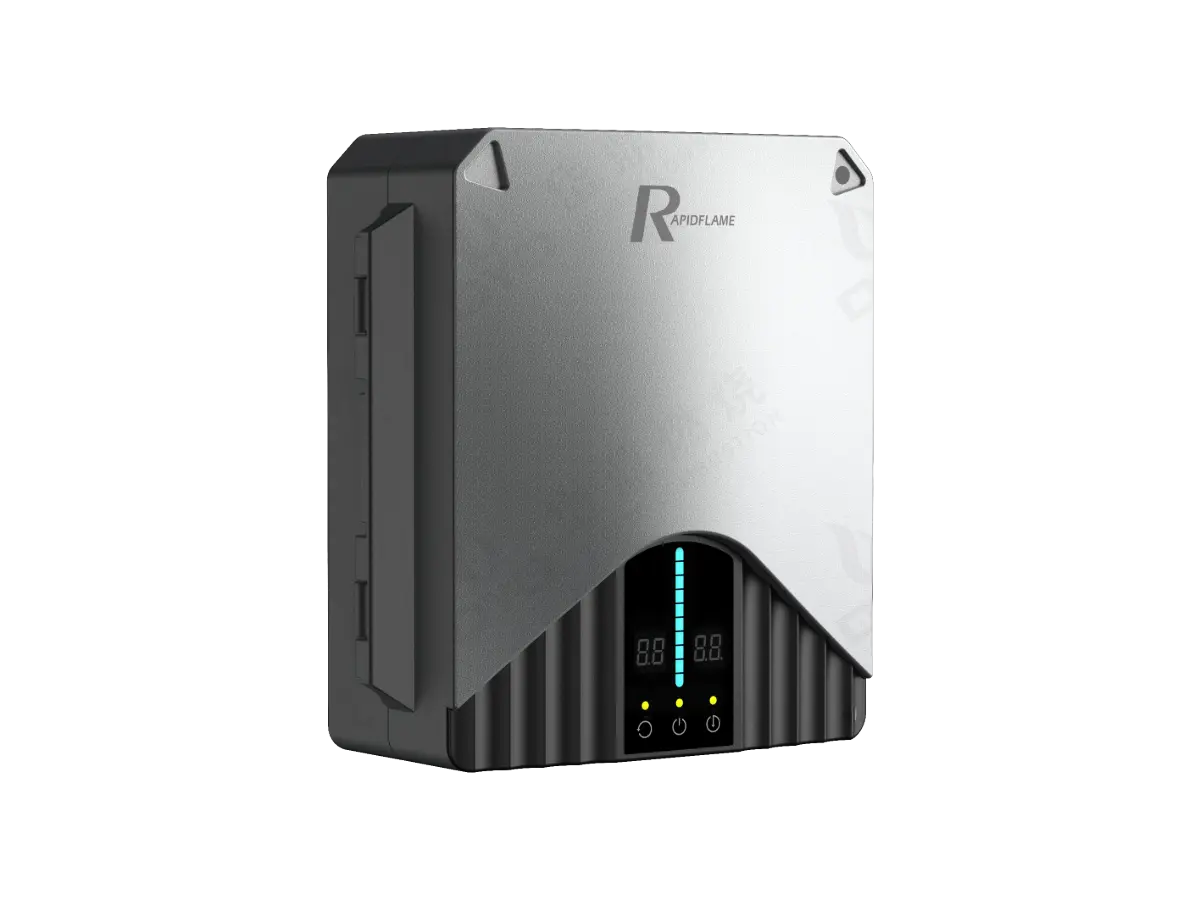
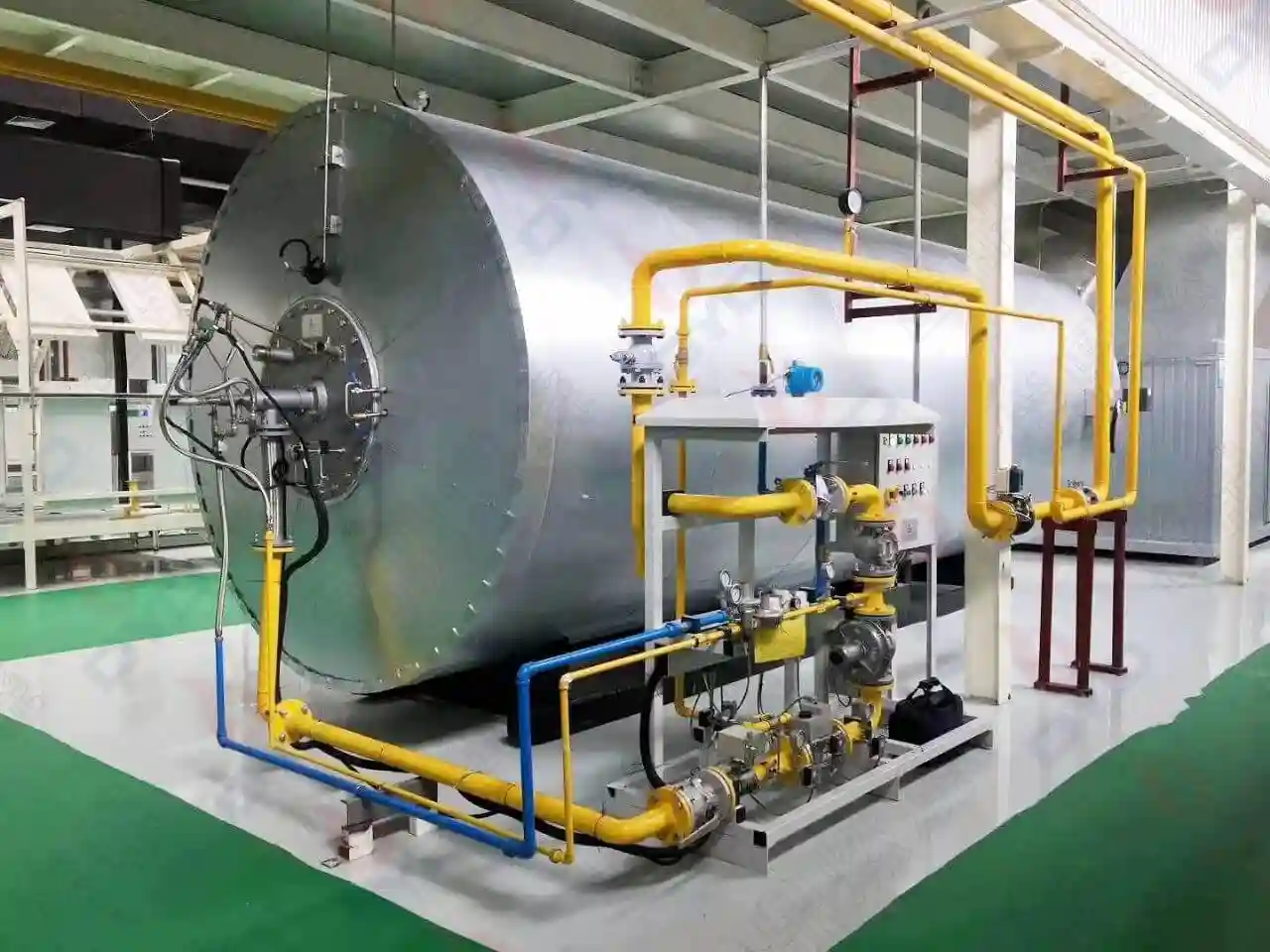
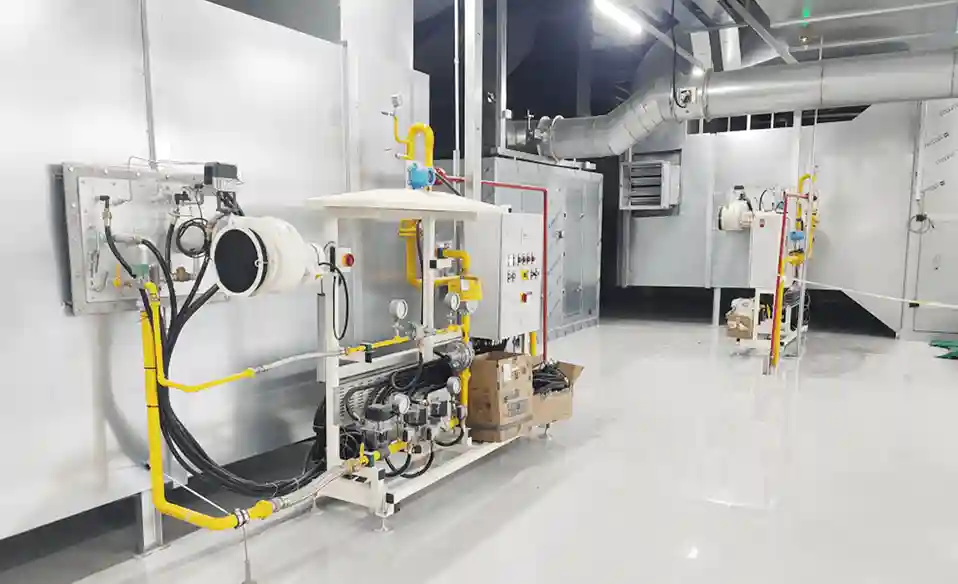
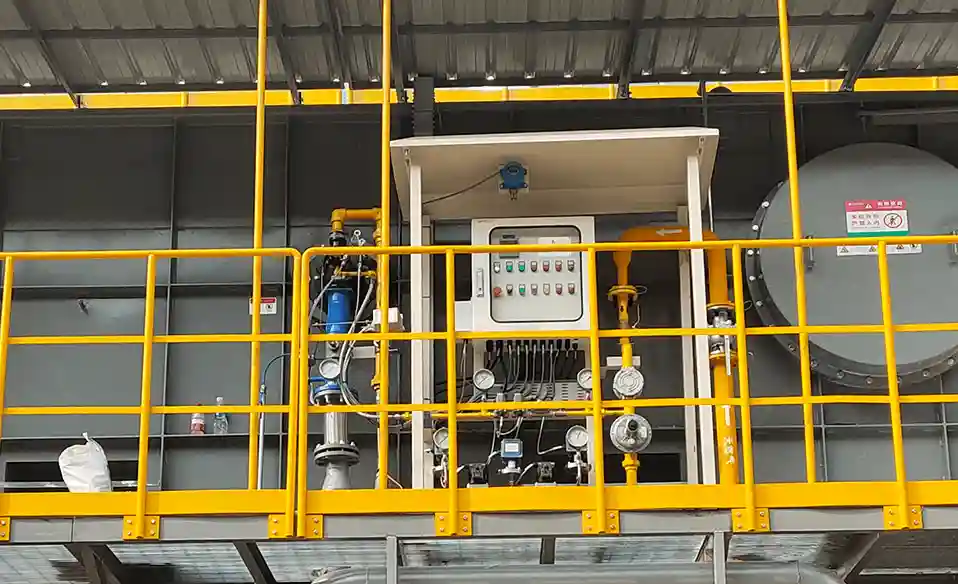
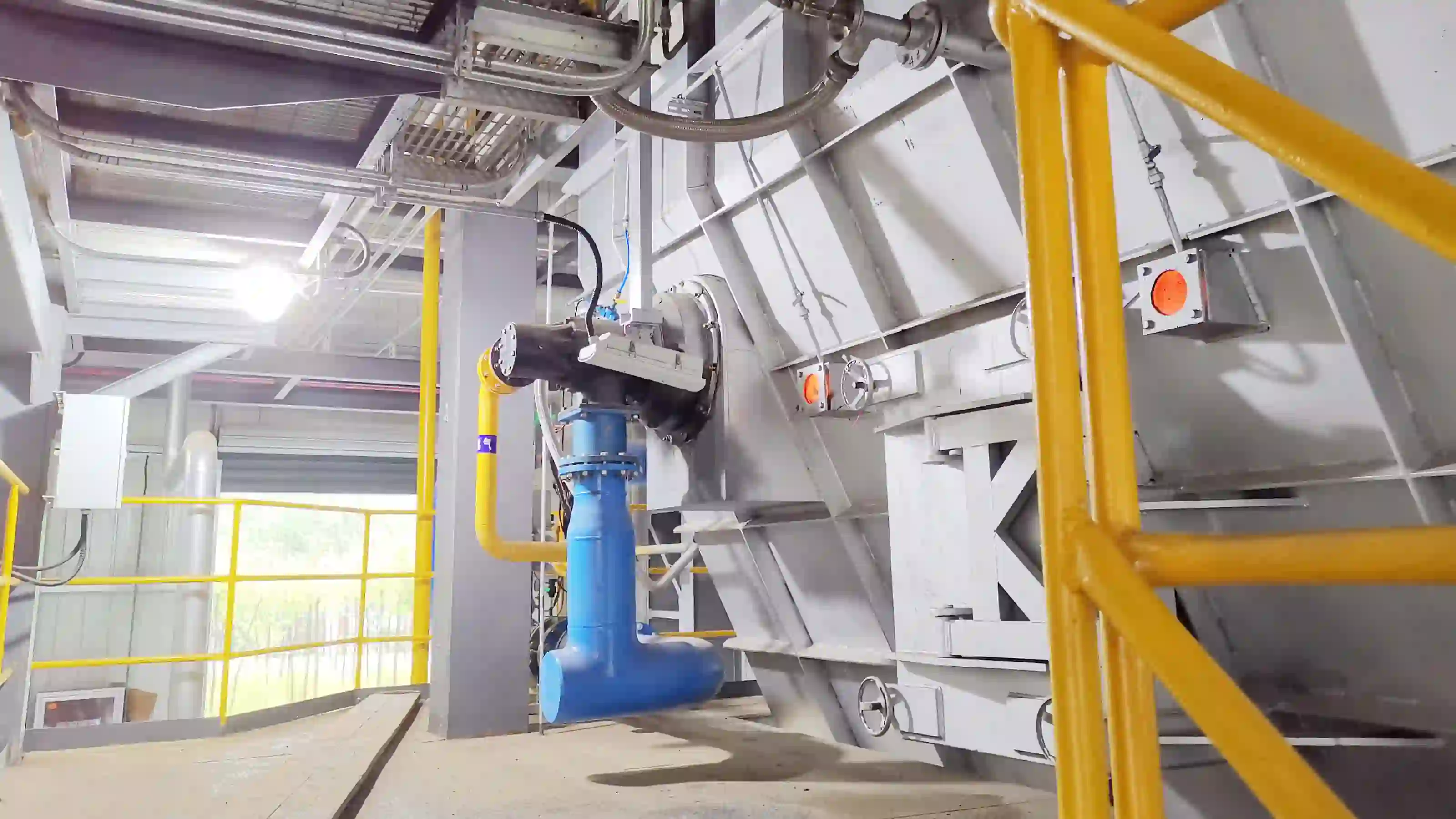
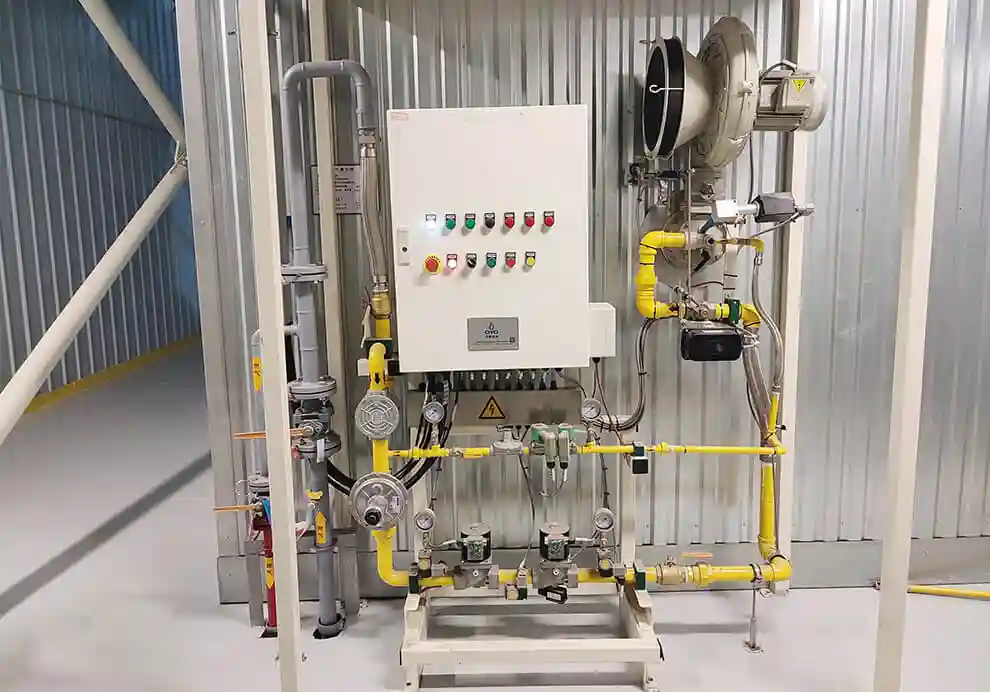
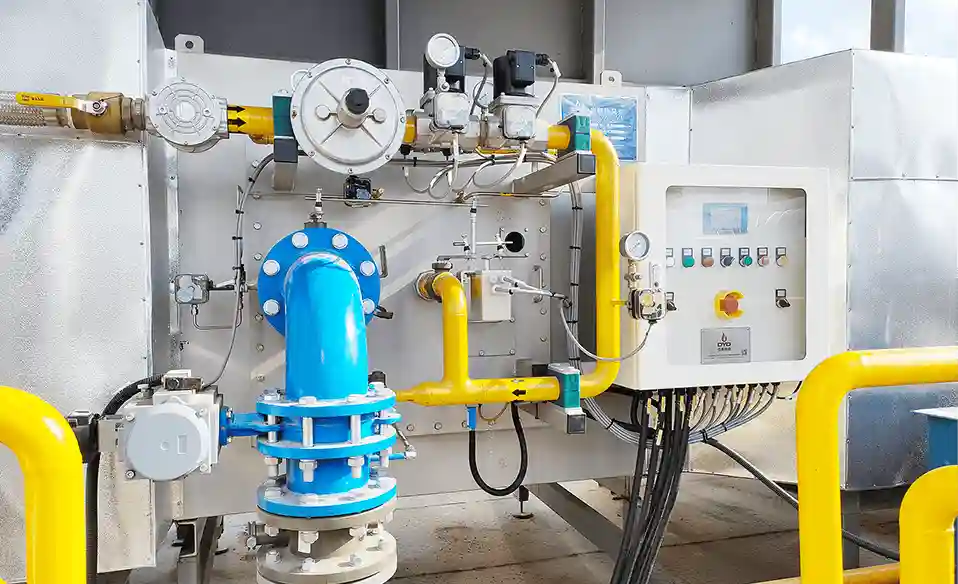
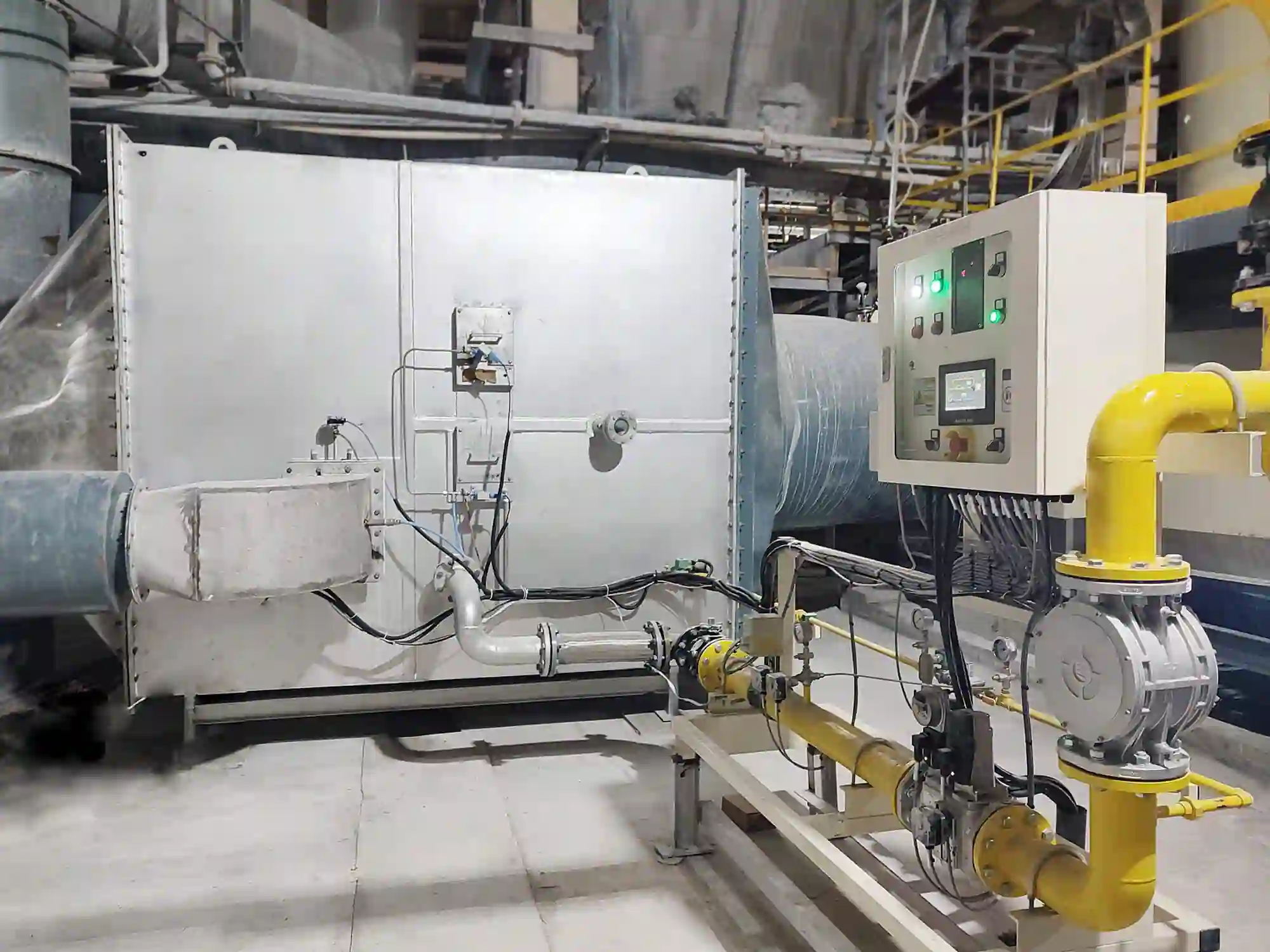
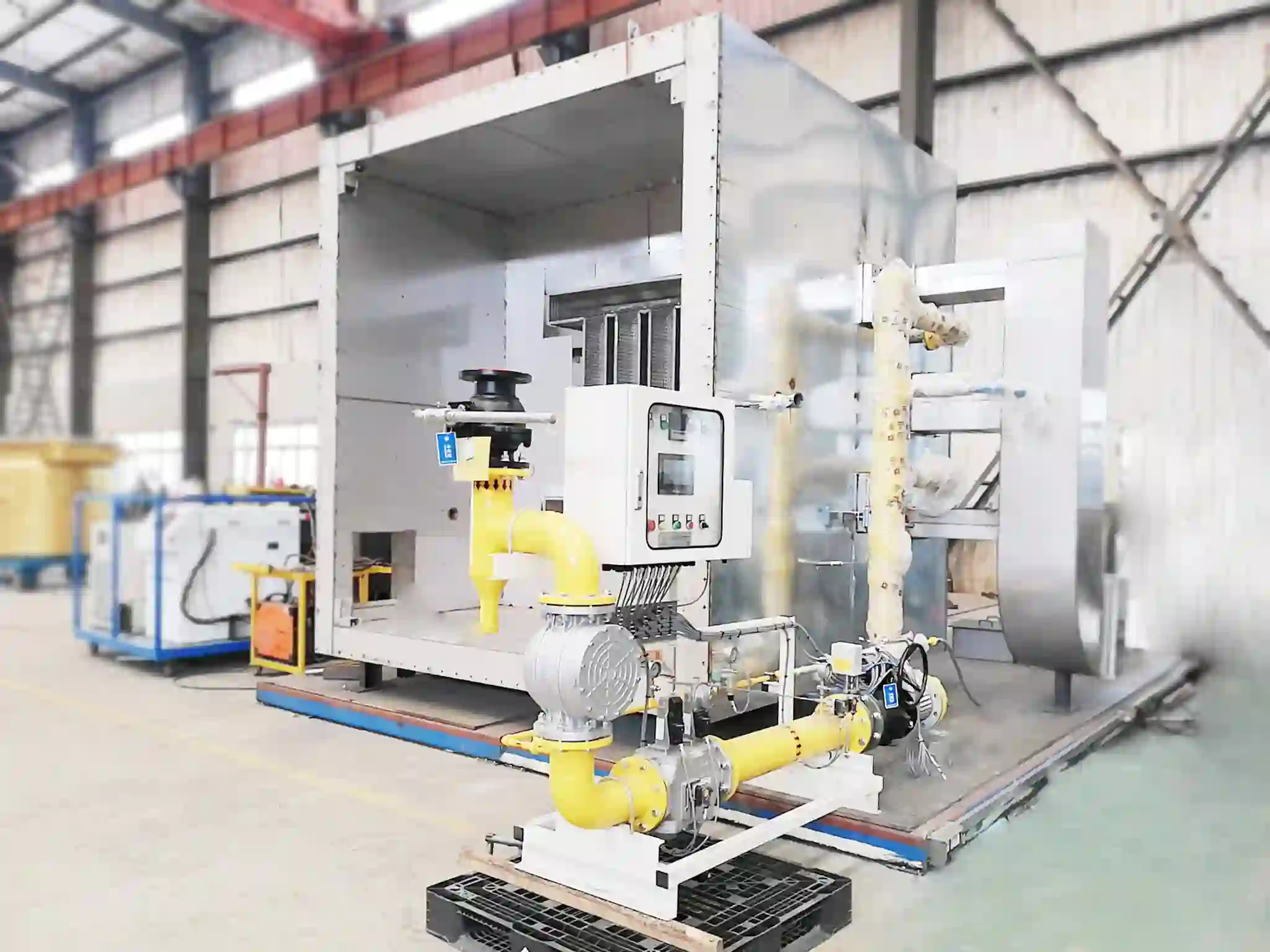
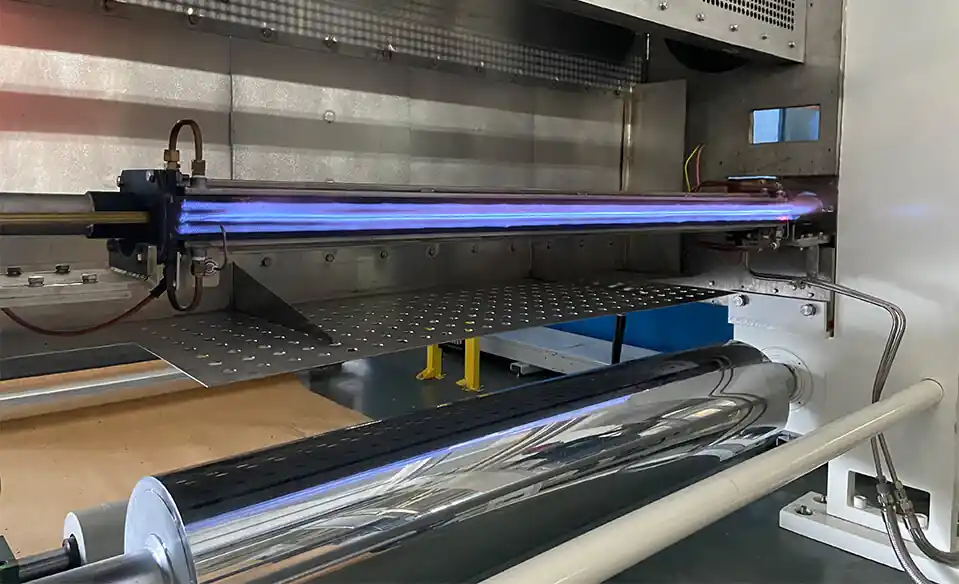
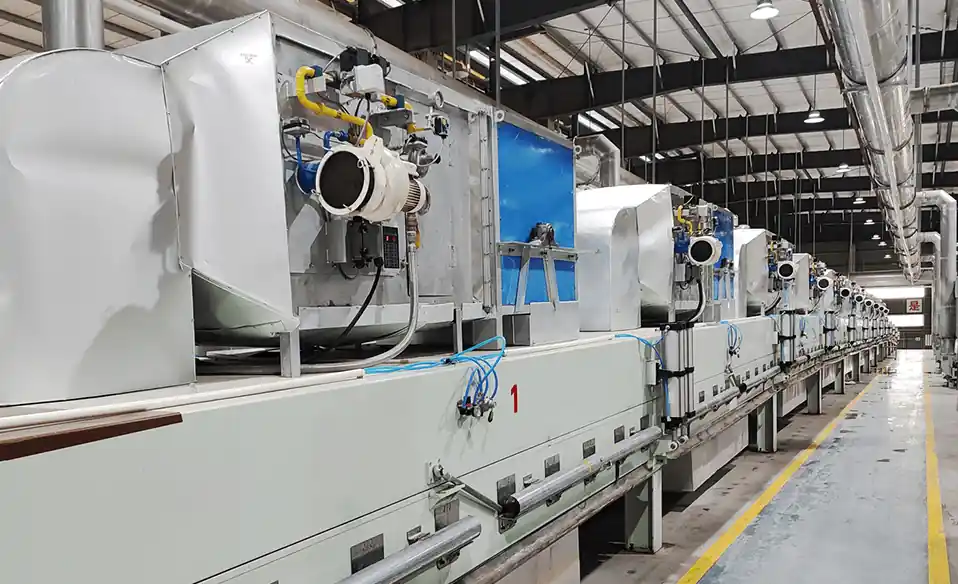
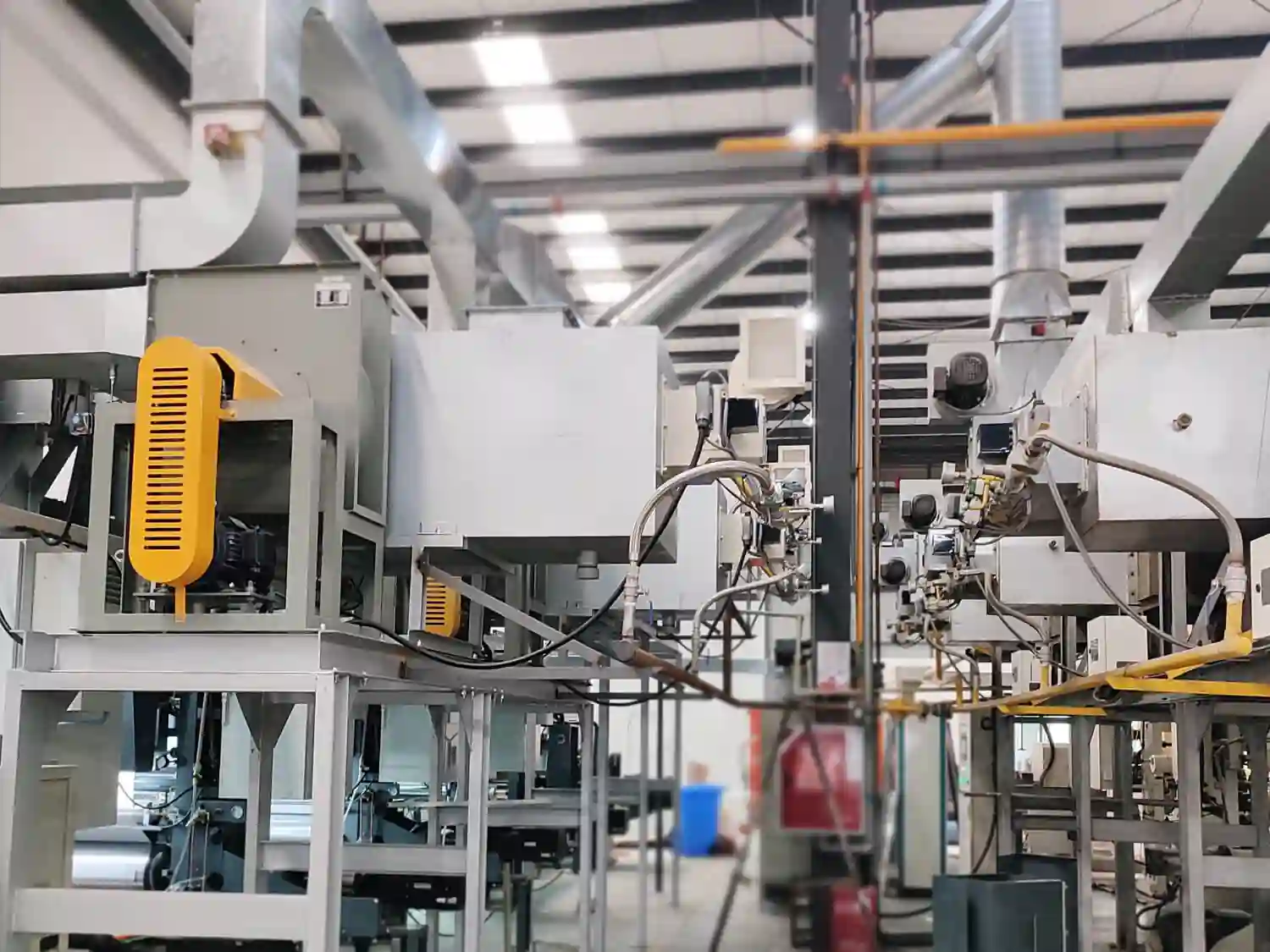
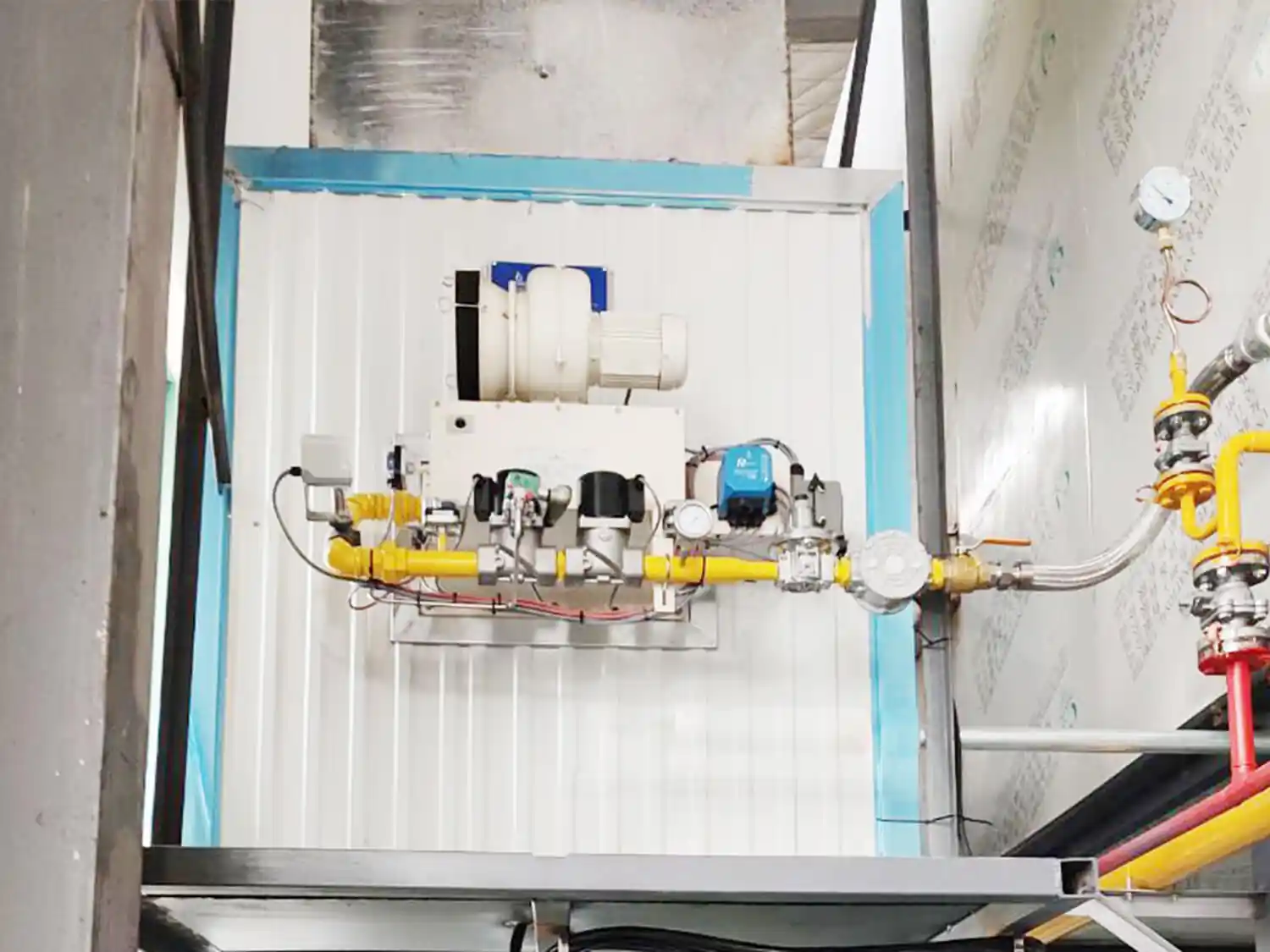
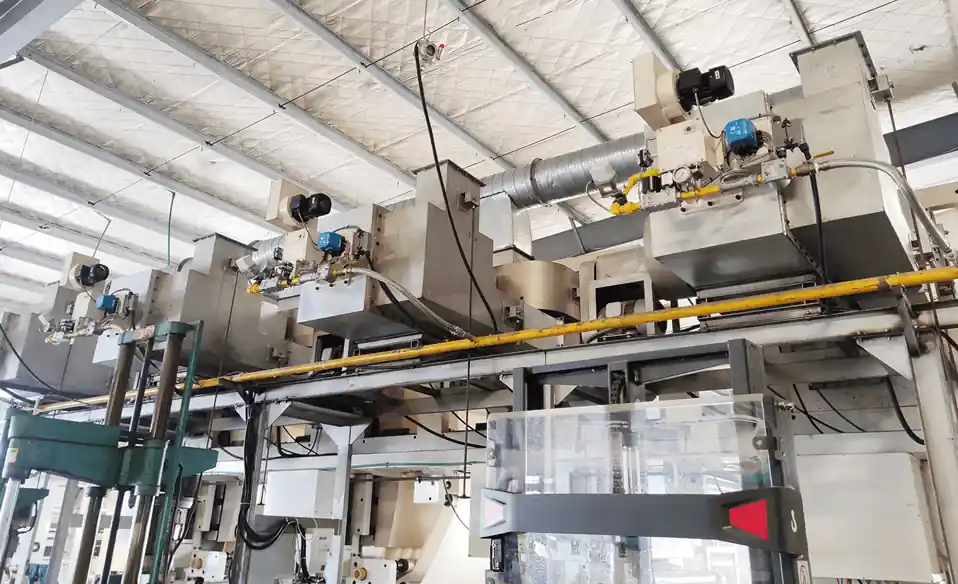
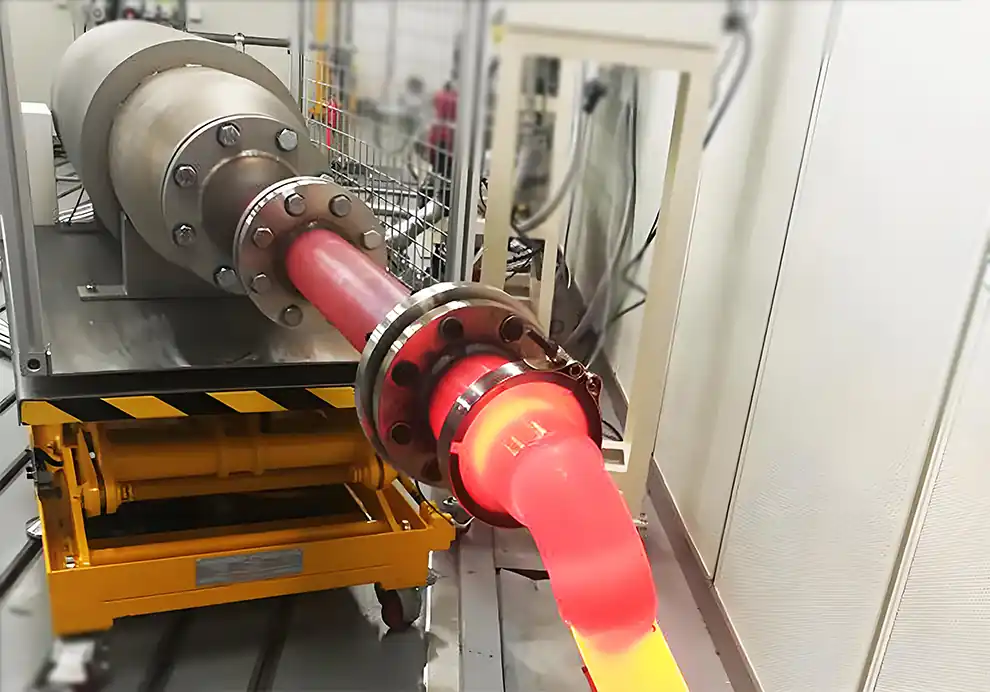
Burners are a key part of the thermal system in many gas-fired roller kilns, particularly in continuous ceramic production where products are transported through the kiln on rollers.
Unlike batch kilns, roller kilns typically operate with a continuous product flow. This means the burner system must do more than generate heat: it must maintain a stable temperature profile while products continuously move through different thermal zones.
A typical roller-kiln process can be represented as:
Loading → Preheating → Firing → Soaking → Controlled Cooling → Unloading
Burners are mainly used in the heating and firing sections, where they provide controlled thermal energy and help establish the required temperature profile.
The key challenge is to achieve:
Uniform temperature across the kiln width
Stable temperature along the firing direction
Controlled heating and cooling rates
Stable combustion
Appropriate kiln atmosphere
Efficient heat utilization
Consistent product quality
For this reason, roller-kiln burners should be designed together with the kiln structure, roller arrangement, airflow, exhaust, and temperature-control system.
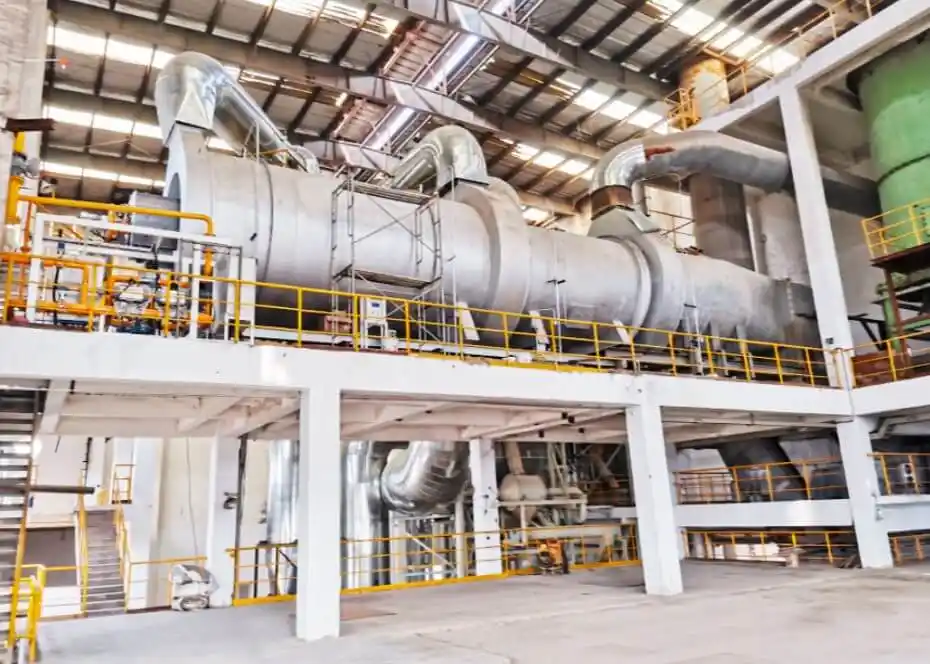
A roller kiln is a continuous industrial kiln in which products are transported through the heating chamber on a series of rollers.
Unlike tunnel kilns that may use kiln cars or other transport systems, roller kilns allow products to move directly through the kiln on rotating rollers.
They are commonly used for continuous processing of products such as:
Ceramic tiles
Porcelain products
Ceramic slabs
Refractory products
Other industrial ceramic materials
The exact thermal profile depends on the material and production process.
Because products continuously move through the kiln, the combustion system needs to maintain consistent conditions while production continues.
The primary function of a burner is to convert fuel into controlled thermal energy.
The basic process is:
Fuel + Combustion Air
↓
Ignition
↓
Flame
↓
Hot Combustion Gases
↓
Heat Transfer
↓
Ceramic Product
↓
Exhaust
The burner determines important characteristics of this process, including:
Heat-release rate
Flame shape
Flame length
Flame momentum
Local gas velocity
Combustion stability
In a roller kiln, these characteristics need to be matched to the relatively narrow and continuously moving product path.
Burners are generally distributed along the heating and firing zones.
Depending on the kiln design, burners may be positioned:
Along both side walls
Above or below the product zone
At different elevations
At different angles
In multiple independently controlled zones
The exact arrangement depends on:
Kiln width
Kiln height
Product thickness
Product loading
Roller arrangement
Required firing temperature
Desired temperature uniformity
A burner location that works well in one roller kiln may not be suitable for another.
Roller kilns typically require controlled heat distribution across a relatively wide product area.
A single burner cannot usually provide uniform heating throughout the complete firing section.
Multiple burners allow thermal input to be distributed across different areas.
This can help achieve:
Better cross-kiln temperature uniformity
More controlled heat input
Independent zone adjustment
Better response to production changes
Reduced local overheating
However, using more burners does not automatically improve performance.
The number, capacity, spacing, and arrangement must be matched to the kiln.
A roller kiln can be divided into multiple thermal zones.
A simplified structure is:
Preheating Zones
↓
Heating Zones
↓
Firing Zones
↓
Soaking Zone
↓
Cooling Zones
Each zone can have different thermal requirements.
The burner system therefore needs to provide different levels of heat input along the kiln.
For example, the main firing zone may require high thermal input, while a holding zone may require only enough heat to compensate for thermal losses.
The preheating section gradually increases product temperature.
The objective is to avoid excessive thermal stress while bringing the material toward the main firing temperature.
Burner output can be adjusted according to:
Product characteristics
Production speed
Initial product temperature
Required heating rate
Kiln temperature
The burner system should provide controlled heating rather than simply maximizing heat input.
The main firing zone is usually where the highest temperatures are achieved.
Burners need to provide sufficient thermal energy while maintaining:
Stable combustion
Uniform temperature
Appropriate flame characteristics
Controlled atmosphere
Suitable gas circulation
Because products are continuously moving, even relatively small temperature differences can affect the firing result.
The burner arrangement therefore becomes especially important.
The soaking zone maintains the required thermal conditions for a specific period.
The required heat input may be lower than during the heating stage.
Burner turndown and precise modulation become important here.
If burner output cannot be reduced appropriately, the system may experience:
Temperature overshoot
Temperature fluctuations
Excessive cycling
Unnecessary fuel consumption
A properly controlled burner system can maintain stable conditions without continuously operating at maximum output.
Temperature uniformity is one of the most important burner-design considerations in roller kilns.
There are two major directions of temperature distribution.
The temperature needs to follow the required firing curve from preheating to peak firing.
The left, center, and right sides of the product area should remain within the required temperature range.
For example:
Left Side → Center → Right Side
If the left side is significantly hotter than the right side, products may experience different firing conditions even when the average kiln temperature appears correct.
Burner arrangement should therefore address both longitudinal and transverse temperature distribution.
Burner position determines where heat is initially released.
Poor positioning can result in:
Localized heating
Excessive refractory temperature
Uneven product heating
Flame interaction
Poor gas circulation
The burner position should be evaluated together with:
Product position
Roller height
Kiln width
Kiln height
Exhaust position
The objective is to create an effective thermal field without directly exposing sensitive products to excessive flame intensity.
Burner angle influences the direction of flame and hot combustion gases.
A suitable angle can help promote controlled gas circulation.
An unsuitable angle may send the flame:
Toward the product
Toward the opposite wall
Toward another burner
Directly toward the exhaust
In a roller kiln, where the product may occupy a large portion of the available cross-section, burner angle needs to be selected carefully.
Flame length needs to match the physical dimensions of the kiln.
A flame that is too long may:
Reach the opposite wall
Interact with products
Interfere with neighboring burners
Create localized hot spots
A flame that is too short may concentrate heat too close to the burner.
Therefore, flame length should be evaluated together with:
Kiln width
Burner spacing
Product position
Burner angle
Gas velocity
Flame shape determines how thermal energy is distributed around the burner.
Different burners can produce different combinations of:
Flame length
Flame width
Flame momentum
Heat-release intensity
For roller kilns, the objective is generally not to maximize flame temperature at one point.
The objective is to create a thermal field that provides effective and uniform heat transfer to the moving product.
Burner spacing influences the interaction between neighboring flames and the overall heat distribution.
If burners are too close together, the system may create excessive local heat concentration.
If burners are too far apart, cold zones may appear between heating areas.
Correct spacing depends on:
Burner flame characteristics
Kiln dimensions
Product loading
Heat load
Required temperature uniformity
Burner spacing should therefore be established during the thermal design stage.
Roller kilns are strongly influenced by production speed.
When the product moves faster through the kiln:
Shorter Residence Time → Higher Required Heat-Transfer Rate
The combustion system may need to provide more effective heat transfer within the available firing length.
If production speed decreases, the required thermal conditions may change accordingly.
Burner control should therefore be coordinated with production requirements.
The product load directly influences the amount of useful heat required.
Important factors include:
Product mass
Product thickness
Product width
Product spacing
Production rate
Initial temperature
A lightly loaded kiln and a heavily loaded kiln may have different thermal requirements even when their physical dimensions are identical.
Burner selection should therefore be based on actual production conditions.
The rollers occupy physical space within the kiln and can influence the available gas-flow path.
The burner system should consider:
Roller position
Roller spacing
Product elevation
Clearance around the product
Gas circulation
The combustion system should provide heat effectively without interfering with the mechanical transport system.
This is an important reason why burner integration should happen during kiln design rather than after the mechanical structure has been finalized.
Combustion air affects both flame characteristics and gas movement.
The burner needs an appropriate air-to-fuel ratio to maintain stable combustion.
Excessive combustion air can increase:
Exhaust gas volume
Exhaust heat loss
Fuel consumption
Insufficient air can result in:
Incomplete combustion
Increased CO
Flame instability
Airflow should therefore be coordinated with burner output and kiln operating conditions.
The exhaust system removes combustion gases and influences kiln pressure.
If exhaust flow is excessive, it can:
Remove useful heat too quickly
Increase exhaust losses
Draw unwanted cold air into the kiln
If exhaust flow is insufficient, combustion gases may not move through the kiln as intended.
Therefore:
The burner system and exhaust system should be designed as one thermal-flow system.
Kiln pressure affects gas movement and combustion stability.
An inappropriate pressure condition can cause:
Unwanted air infiltration
Temperature fluctuations
Changes in flame behavior
Excessive exhaust losses
Stable pressure helps maintain predictable gas-flow conditions.
For roller kilns, pressure control should be considered together with burner operation and exhaust design.
Roller kilns often require precise temperature control because products continuously move through the kiln.
A typical control relationship is:
Temperature Sensor
↓
Controller
↓
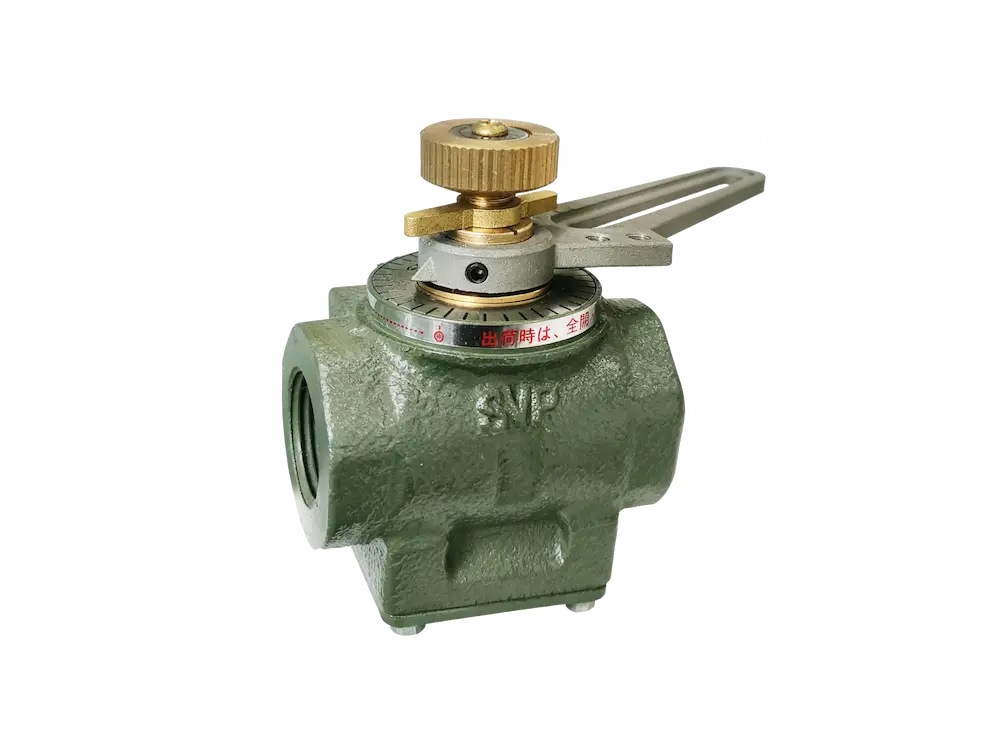
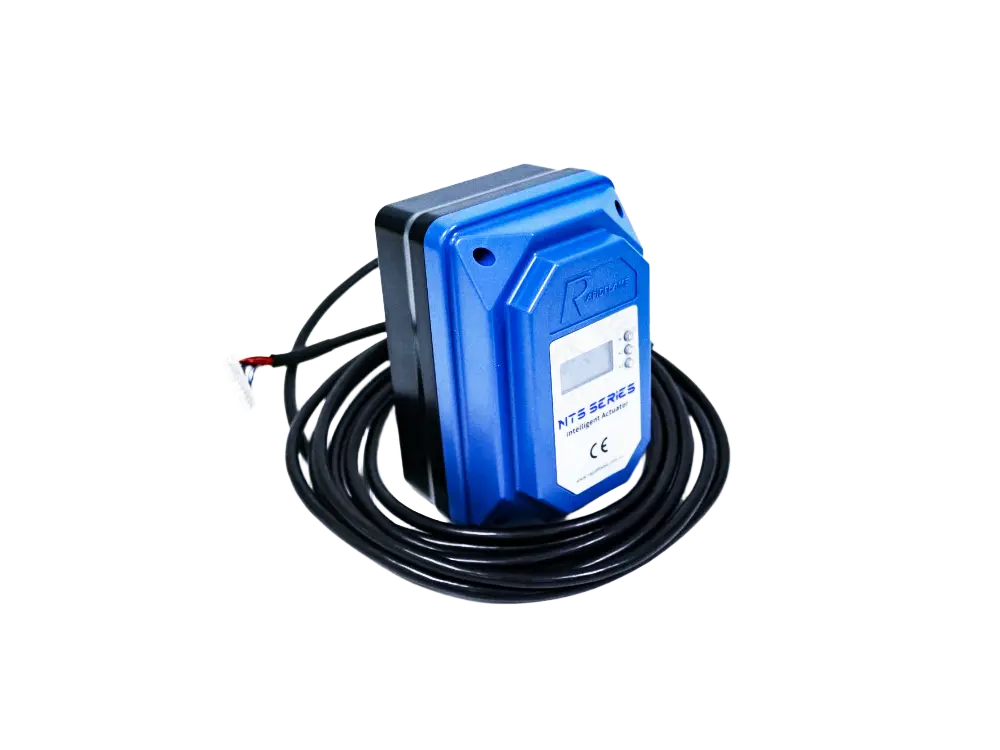
Fuel/Air Adjustment
↓
Burner Output
↓
Kiln Temperature
The control system can adjust burner output according to actual kiln temperature.
Depending on the kiln design, different zones may use independent temperature-control loops.
This allows thermal input to follow the required firing curve.
A roller kiln may operate at different thermal loads during:
Startup
Normal production
Reduced production
Product changes
Temperature holding
The burner needs to remain stable across this operating range.
An appropriate turndown ratio can help reduce:
Temperature overshoot
Burner cycling
Low-load instability
Fuel waste
This is particularly important when the kiln requires precise temperature control.
An oversized burner may provide sufficient maximum capacity but still perform poorly at normal operating conditions.
Potential problems include:
Excessive low-load output
Temperature overshoot
Frequent cycling
Poor temperature stability
Local overheating
Increased fuel consumption
Therefore, burner selection should consider the complete operating range, not only the maximum heat load.
An undersized burner may not provide enough heat for the required production rate.
Potential consequences include:
Failure to reach target temperature
Reduced production speed
Longer firing cycles
Poor process stability
The required burner capacity should be calculated from the actual thermal load.
No.
Kiln volume is an important parameter, but burner capacity also depends on:
Product mass
Production rate
Firing temperature
Heating rate
Residence time
Insulation
Kiln heat loss
Exhaust losses
Two roller kilns with similar dimensions can require significantly different burner configurations.
A system-level approach is usually more effective than focusing on the burner alone.
Avoid both excessive oversizing and insufficient capacity.
Select flame length, shape, and momentum according to kiln geometry.
Use appropriate burner quantity, spacing, and angle.
Maintain the appropriate air-to-fuel relationship.
Avoid unnecessary heat loss and uncontrolled air infiltration.
Maintain stable combustion across the operating range.
Allow burner output to follow the required thermal profile.
Maximum capacity does not guarantee good low-load performance.
A correct average temperature does not necessarily mean uniform product heating.
The flame must fit within the available kiln space.
Flame direction affects gas circulation and heat distribution.
This can create localized overheating.
Burner installation must coexist with the mechanical transport system.
The required heat-transfer rate changes with residence time.
Exhaust conditions influence pressure, gas flow, and burner performance.
The burner needs to remain stable when thermal demand decreases.
A practical selection process can follow these steps.
Determine:
Product type
Dimensions
Mass
Thickness
Loading pattern
Production rate
Determine:
Target temperature
Heating rate
Residence time
Soaking requirements
Atmosphere requirements
Consider:
Product heating
Kiln heat loss
Exhaust losses
Startup requirements
Determine:
Kiln length
Kiln width
Kiln height
Roller arrangement
Burner locations
Exhaust locations
Evaluate:
Burner capacity
Turndown
Flame length
Flame shape
Momentum
Fuel requirements
Determine:
Burner quantity
Spacing
Angle
Elevation
Heating zones
Coordinate combustion air, fuel flow, exhaust flow, and kiln pressure.
Coordinate:
Temperature measurement
Fuel modulation
Air control
Burner staging
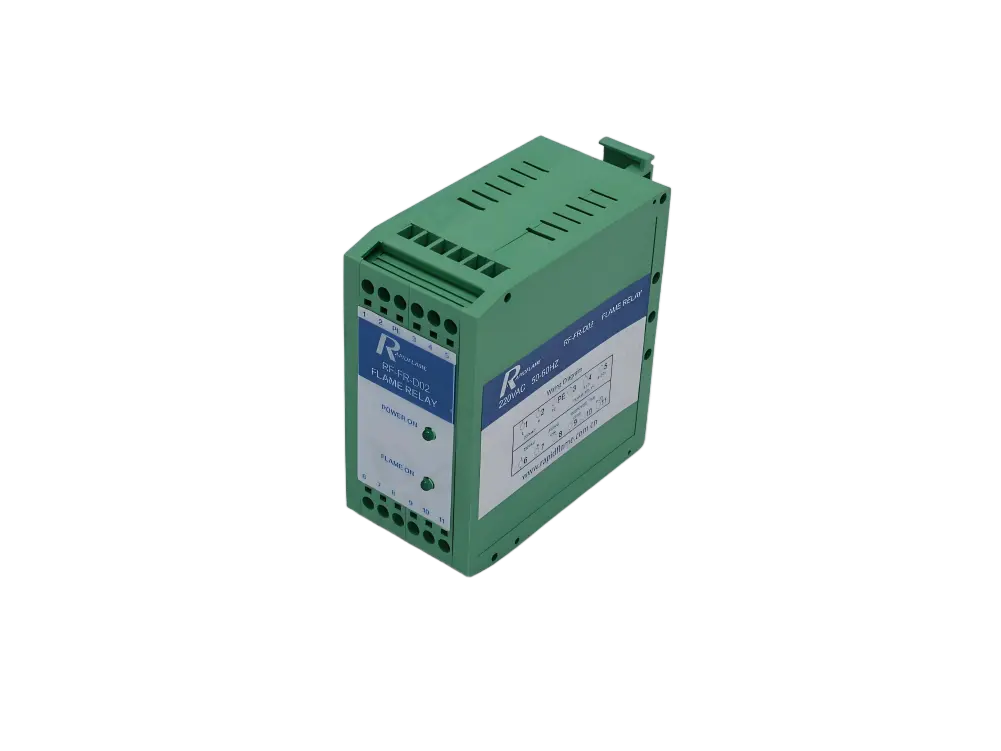
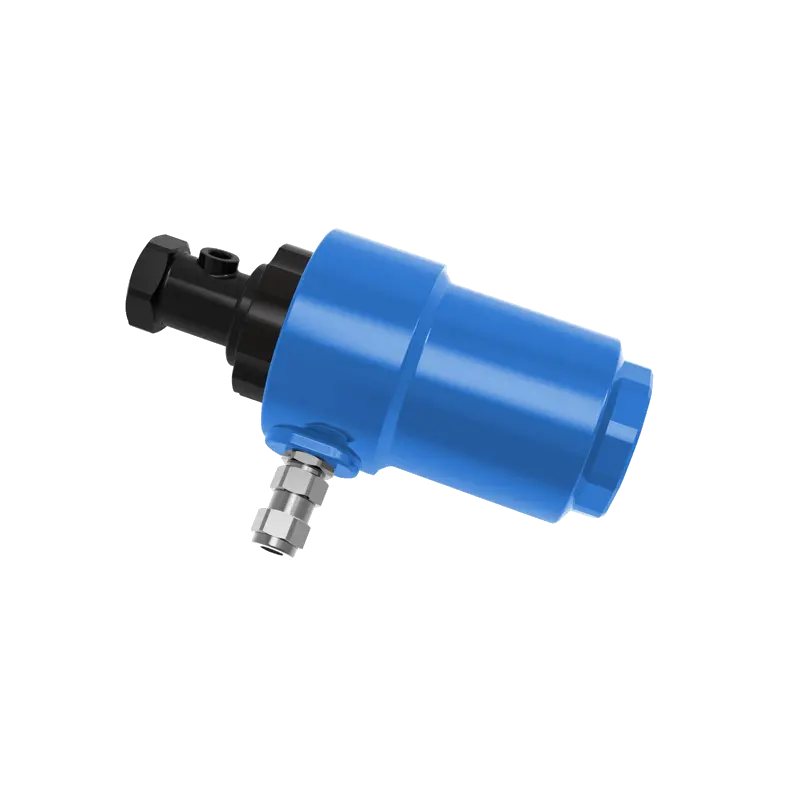
Flame detection
Safety interlocks
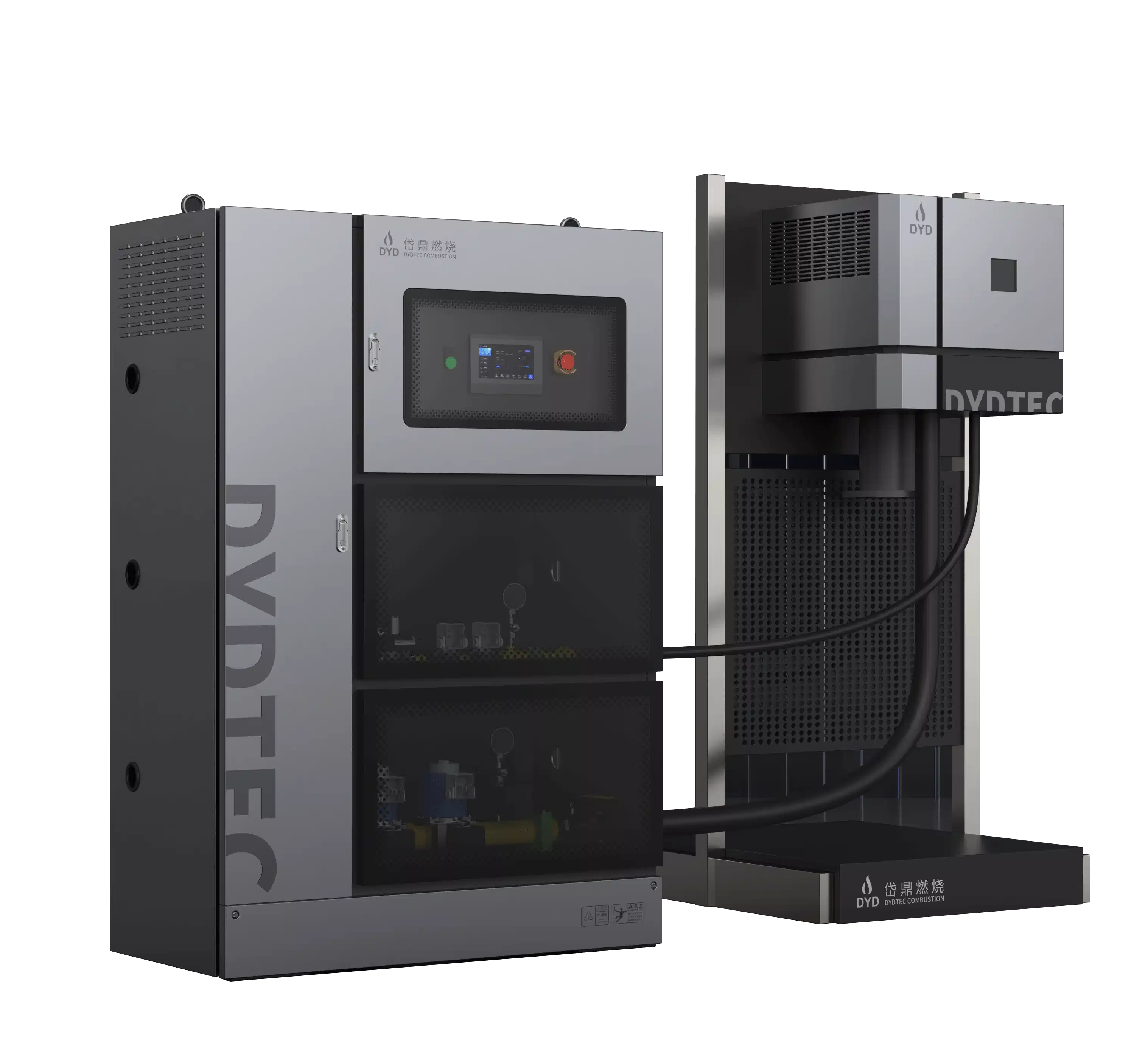
DYDTEC Combustion develops industrial burners and combustion-system solutions for industrial heating applications, including systems where precise heat distribution and thermal-zone control are important.
The company has developed 100+ burner models covering 200+ application scenarios. This provides different burner configurations that can be evaluated according to kiln geometry, heat load, fuel conditions, flame requirements, and process characteristics.
For roller kiln applications, the combustion system can be considered around:
Burner capacity
Flame length
Flame shape
Burner spacing
Burner angle
Kiln geometry
Roller arrangement
Combustion air
Kiln pressure
Exhaust conditions
Temperature uniformity
Multi-zone control
DYDTEC Combustion was established in 2012 and has R&D and manufacturing bases in Shanghai and Yangzhou.
Its 98%+ self-developed system product rate also supports applications where the burner system needs to be integrated with specific OEM equipment rather than simply selected as a standard component.
Burner design can affect the mechanical and thermal design of the entire kiln.
If burners are considered only after the kiln has been finalized, the OEM may need to modify:
Burner openings
Burner spacing
Fuel piping
Combustion-air piping
Roller clearances
Exhaust arrangement
Control zones
Refractory structures
Early coordination allows:
Roller Kiln Geometry + Burner + Air + Fuel + Exhaust + Control
to be developed as an integrated system.
This can reduce commissioning problems and make the kiln easier to adapt to different production requirements.
Before final burner selection, the OEM should ideally provide:
Kiln length
Kiln width
Kiln height
Insulation structure
Burner installation locations
Exhaust locations
Roller arrangement
Product type
Product dimensions
Product mass
Product thickness
Loading pattern
Production rate
Target firing temperature
Heating rate
Residence time
Soaking requirements
Temperature-uniformity requirements
Fuel type
Fuel pressure
Fuel availability
Expected pressure fluctuations
Combustion-air pressure
Combustion-air temperature
Exhaust conditions
Desired kiln pressure
This information provides the foundation for selecting burner capacity, burner type, quantity, arrangement, and control strategy.
Burners provide controlled thermal energy in the heating and firing zones and help maintain the temperature profile required by the ceramic process.
Multiple burners allow thermal energy to be distributed across different zones and across the kiln width, helping achieve better temperature control.
They are commonly installed along the side walls or other strategically selected locations within the heating and firing sections.
Yes. Burner quantity, spacing, position, and angle all influence temperature distribution.
Yes. Burner angle affects flame direction and combustion-gas circulation and therefore can influence heat distribution.
Yes. Flame length should be compatible with kiln width, burner spacing, product position, and internal geometry.
Higher production speed reduces the time available for heating, which can increase the required heat-transfer rate.
It allows stable burner operation when the kiln requires less heat, such as during temperature holding or reduced production.
Yes. An oversized burner may have difficulty operating efficiently at low output and can cause temperature overshoot or cycling.
Yes. Insufficient thermal capacity may prevent the kiln from reaching the required firing conditions at the desired production speed.
No. Product load, production rate, firing temperature, heating rate, heat loss, and exhaust conditions must also be considered.
Yes. Roller position and product elevation affect the available space for flames and combustion gases and should be considered during burner integration.
Yes. Exhaust flow influences kiln pressure, gas circulation, heat retention, and combustion behavior.
Yes, provided the burner and fuel system are designed for the required fuel pressure, thermal load, combustion-air conditions, and control requirements.
Burner requirements should ideally be considered during the early kiln-design stage so that burner openings, spacing, airflow, exhaust, and control zones can be coordinated.
Burners in roller kilns are not simply heat-generating devices.
They are part of an integrated thermal system that determines how efficiently and uniformly heat is delivered to continuously moving products.
The most important factors include:
Burner Capacity
Flame Characteristics
Burner Arrangement
Kiln Geometry
Airflow
Exhaust
Temperature Control
For roller-kiln OEM manufacturers, the burner system should be considered from the beginning of kiln development.
The objective is not simply to reach the required peak temperature. It is to maintain the right temperature profile, heat distribution, combustion conditions, and residence-time relationship throughout continuous production.
Ultimately:
The right roller-kiln burner system is one that delivers the required heat uniformly and controllably to the moving product while working together with the kiln, rollers, airflow, exhaust, and control system.