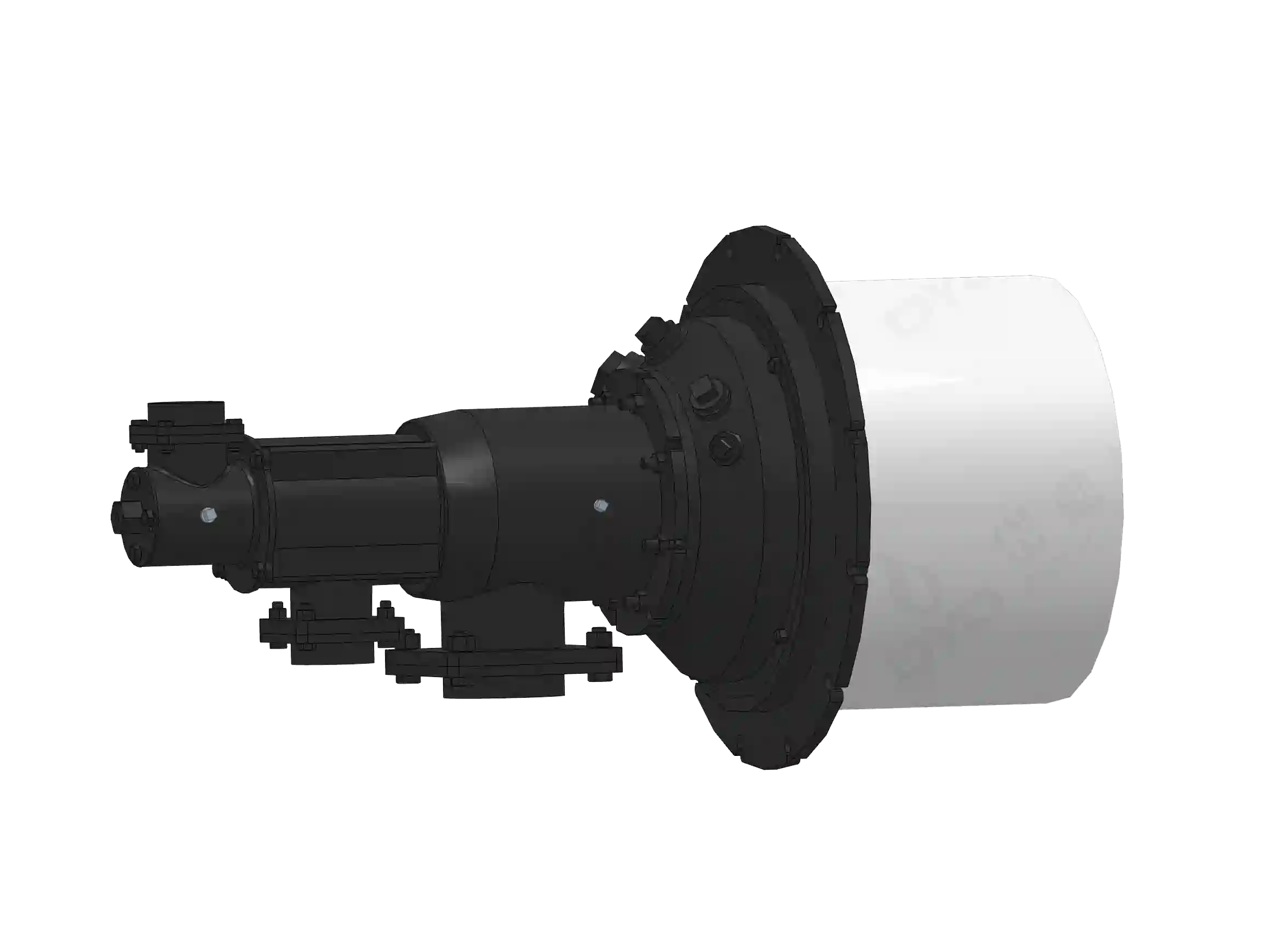
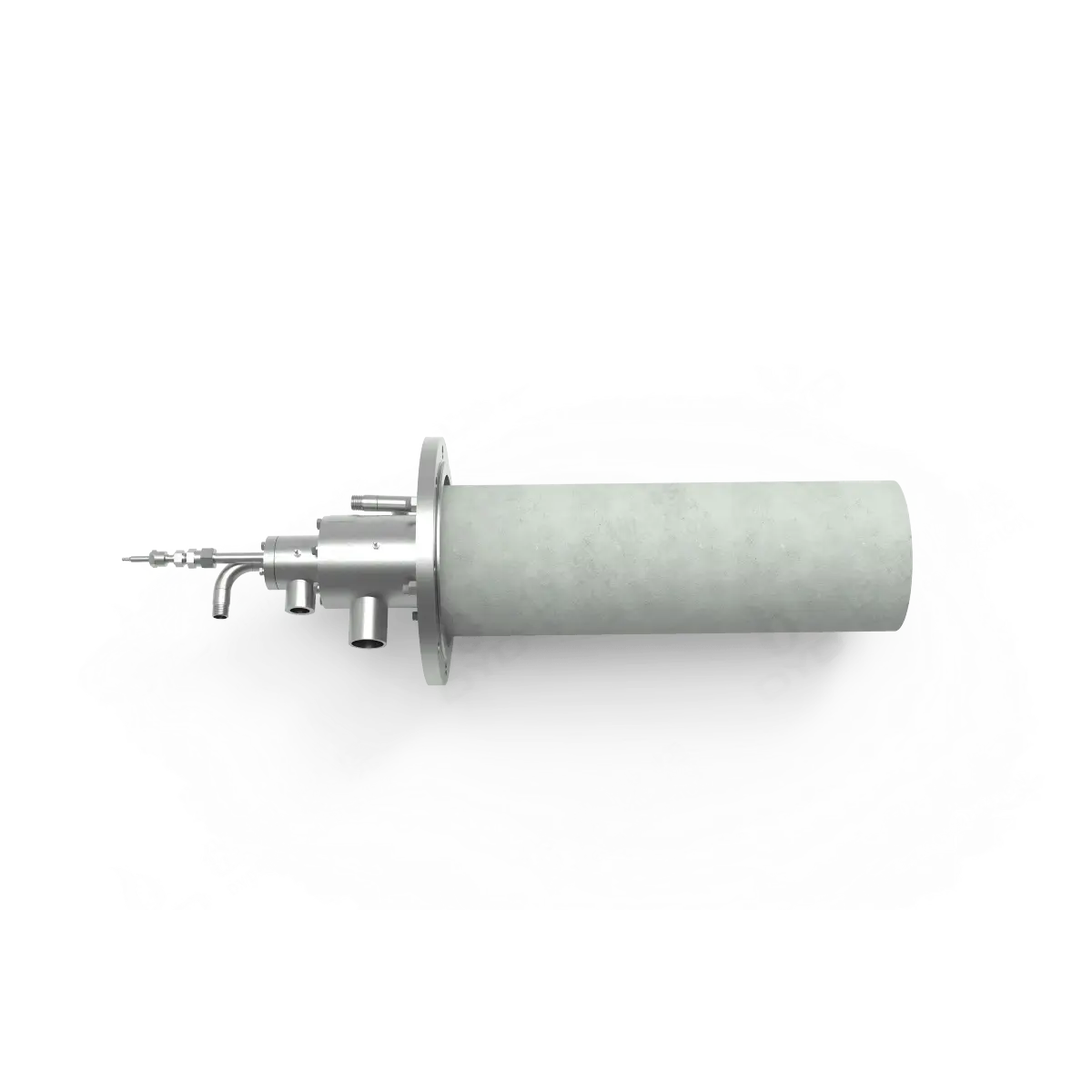
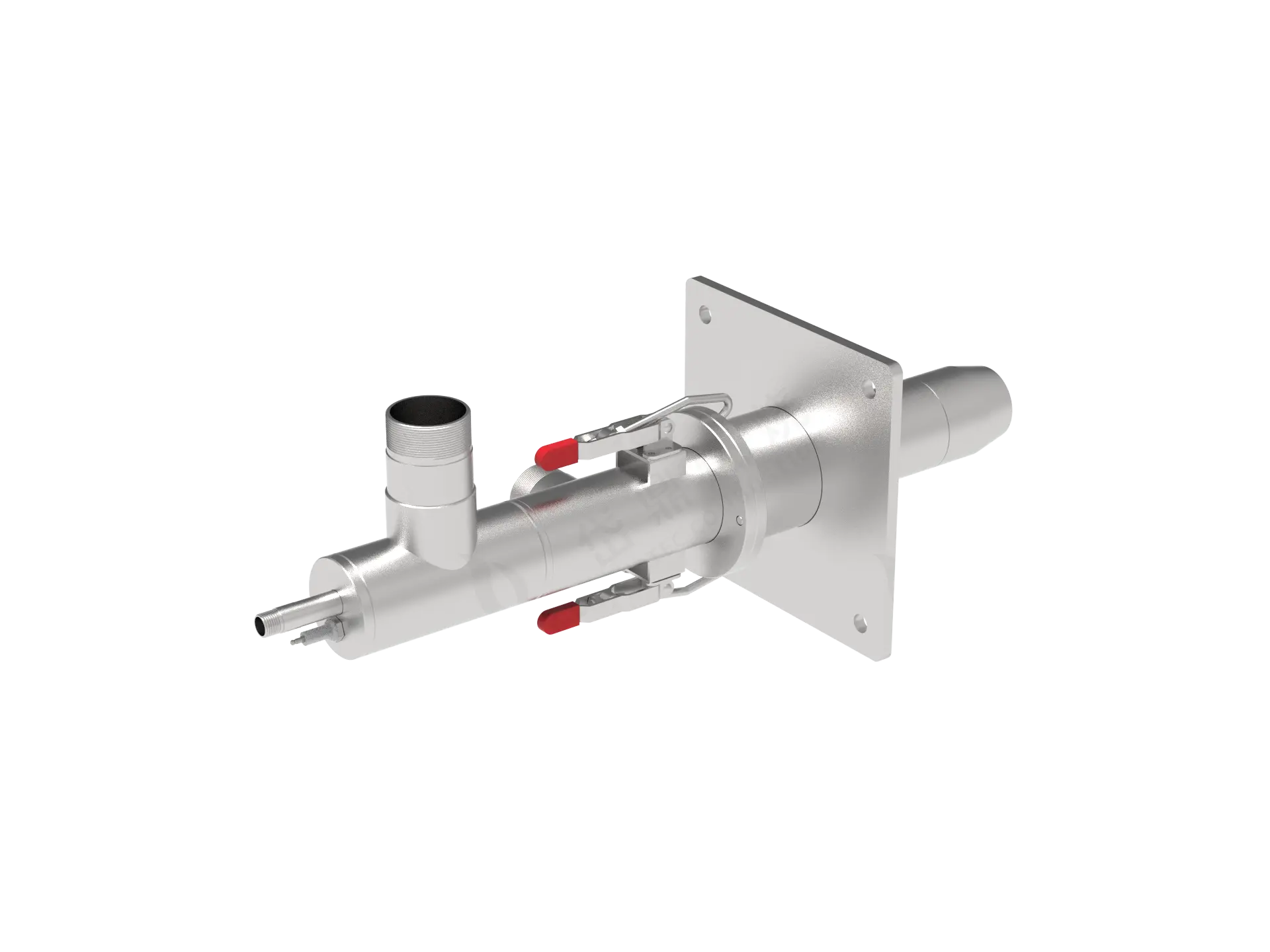
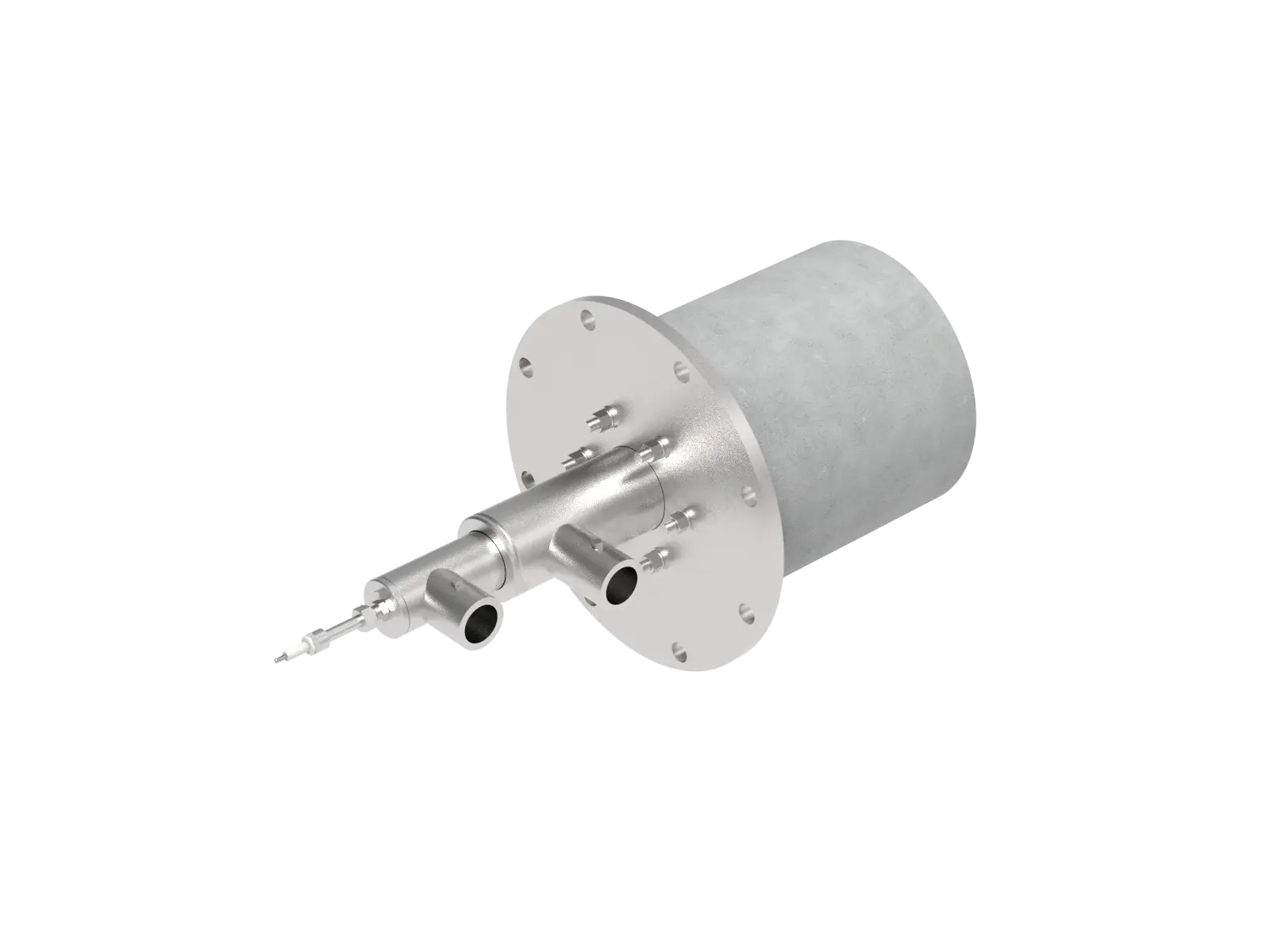
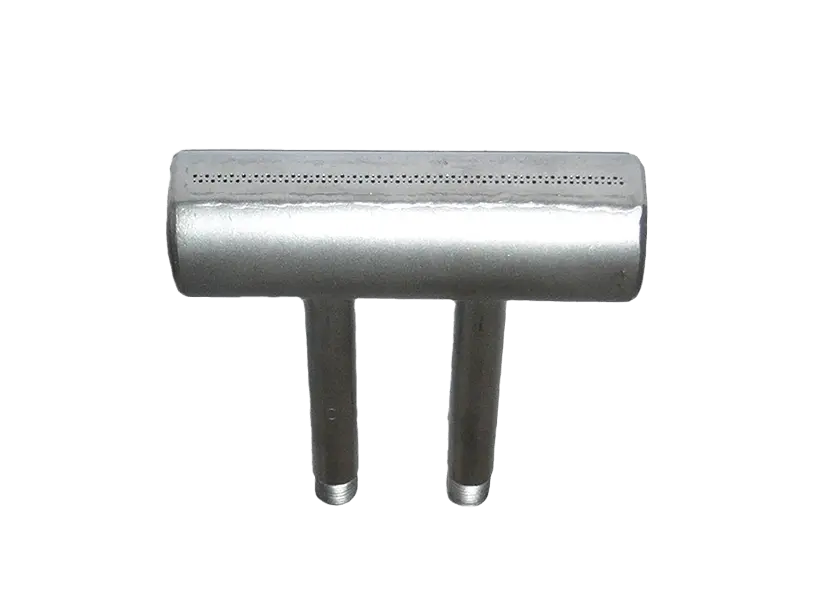
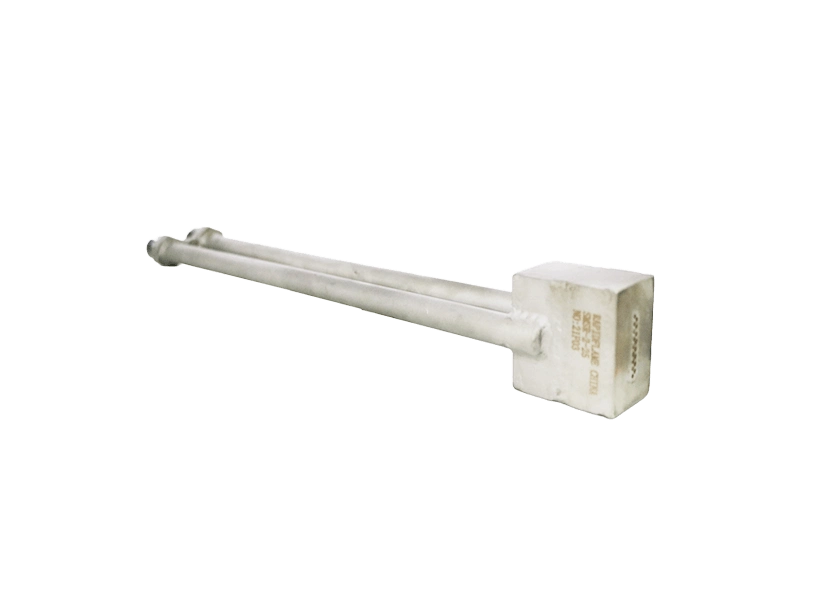
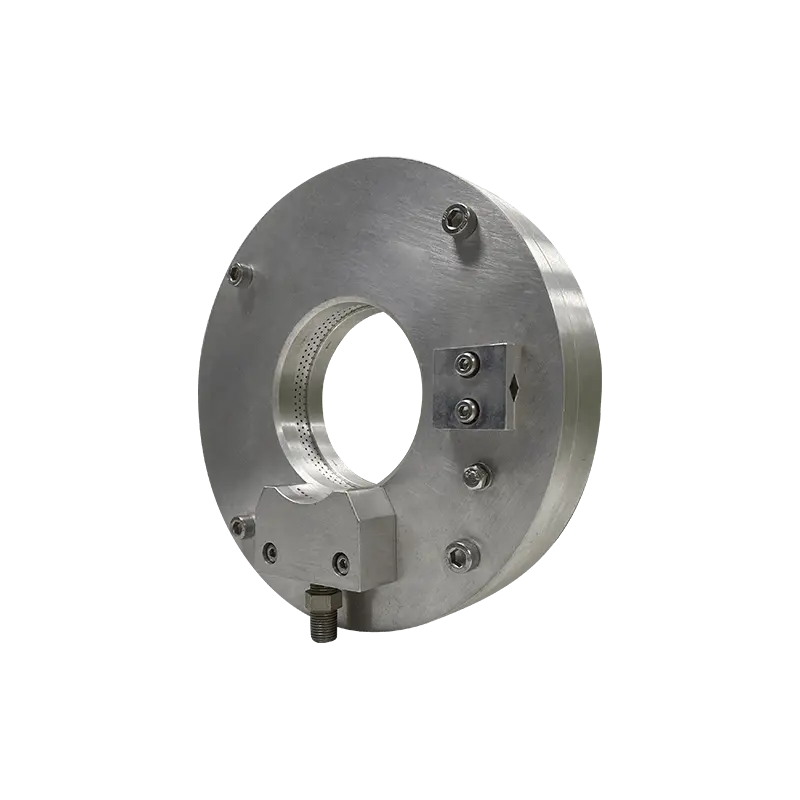
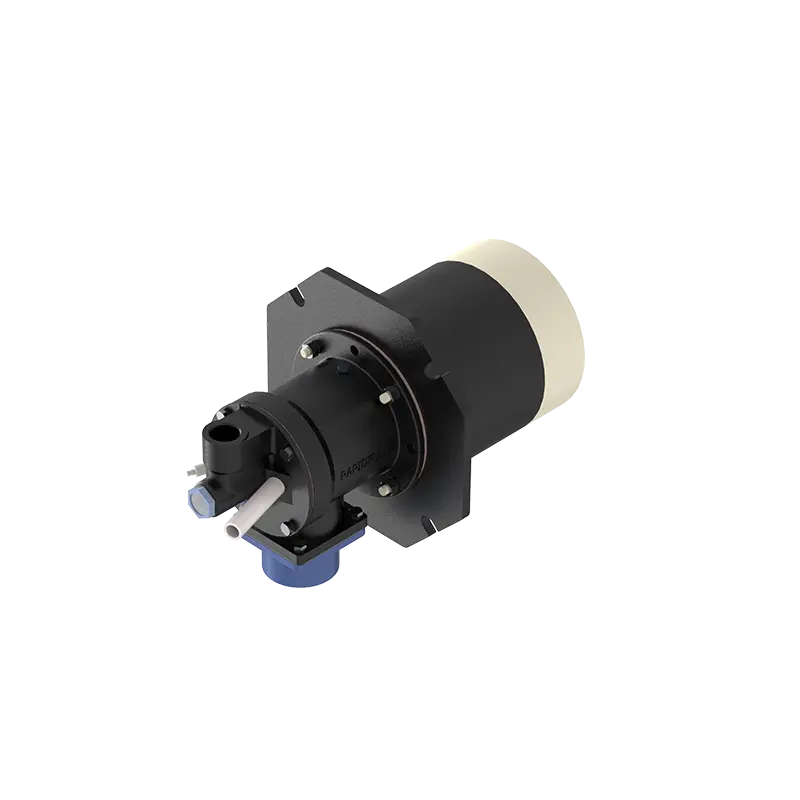
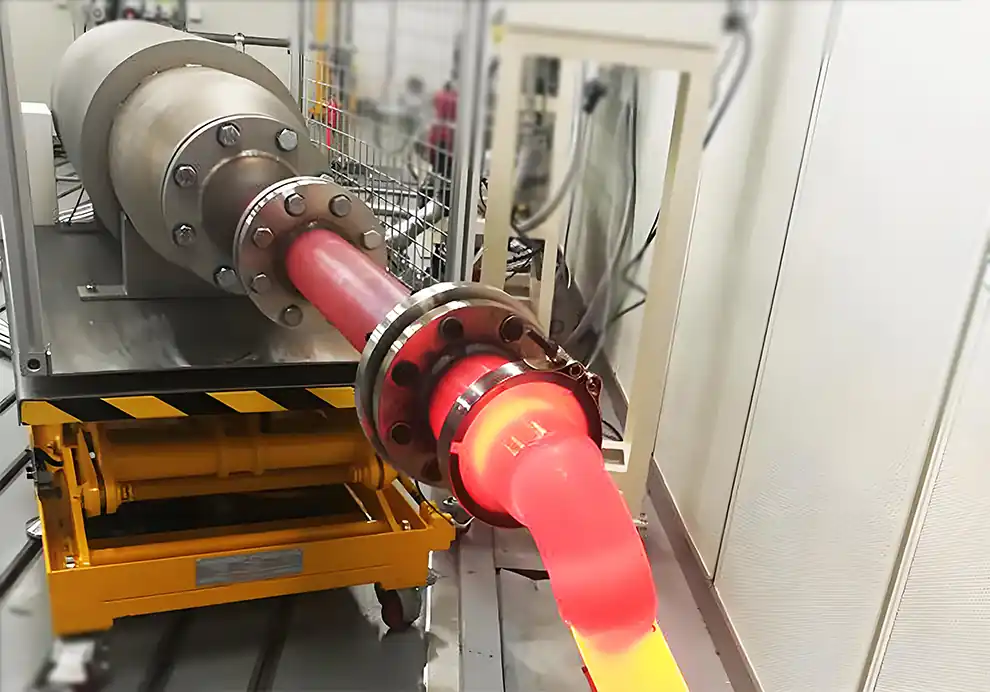
Burners are one of the most important components in the thermal system of a rotary kiln. Unlike stationary furnaces, a rotary kiln continuously moves material through a rotating cylindrical chamber while heat is transferred through a combination of combustion gases, radiation, convection, and direct contact between the hot gases and the material.
This makes burner selection particularly important.
A rotary-kiln burner must provide sufficient thermal energy while maintaining an appropriate flame shape, flame length, momentum, combustion stability, and temperature profile throughout the kiln.
A simplified thermal process can be represented as:
Fuel + Combustion Air
↓
Ignition
↓
Flame Development
↓
Hot Combustion Gases
↓
Heat Transfer to Material
↓
Exhaust
The burner therefore affects not only how much heat enters the kiln, but also where the heat is released and how the hot gases interact with the moving material.
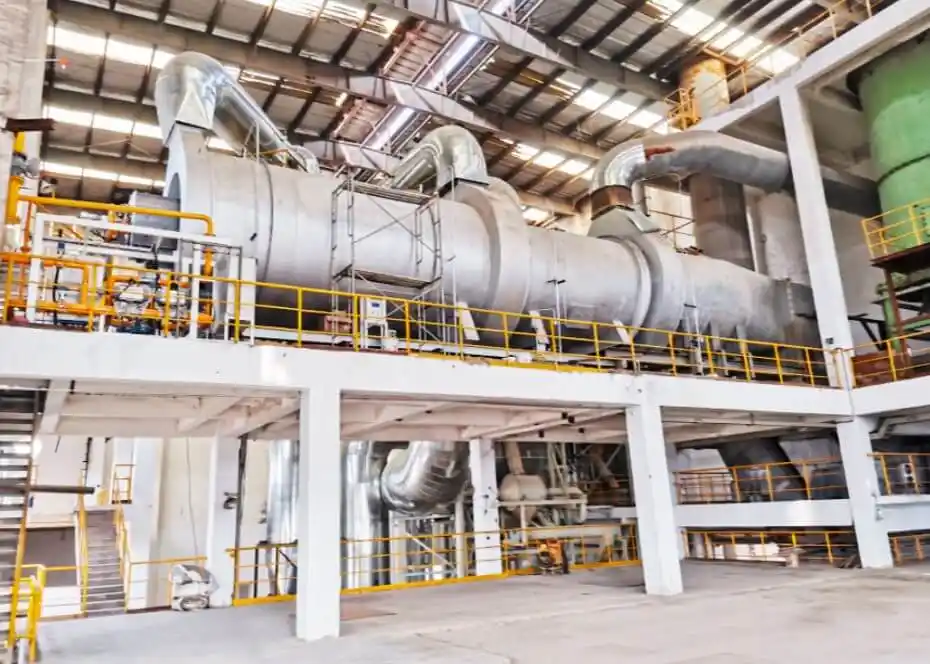
A rotary kiln is a long cylindrical processing chamber that rotates around its axis.
Material is continuously or semi-continuously fed into one end and moves through the kiln as the cylinder rotates.
Depending on the application, rotary kilns can be used for processes such as:
Calcination
Roasting
Drying
Thermal treatment
Mineral processing
Chemical processing
Building-material production
Waste and sludge treatment
The thermal requirements vary significantly between applications.
Some processes require relatively moderate temperatures, while others require very high-temperature zones.
As a result, the burner must be selected according to the actual process rather than simply according to the size of the rotary kiln.
The primary function of the burner is to generate and control the thermal energy required by the process.
In many rotary kilns, the burner is installed at one end of the kiln and produces a flame that extends into the combustion chamber.
The basic heat-transfer path is:
Burner
→
Flame
→
Hot Combustion Gases
→
Material
→
Kiln Shell / Refractory / Gas Flow
→
Exhaust
The burner must therefore produce a flame that is compatible with the kiln's internal geometry and material movement.
In many direct-fired rotary kiln systems, the main burner is positioned at the discharge or firing end and directed along the kiln axis.
This arrangement allows the flame and hot gases to travel through the kiln.
However, the exact burner configuration depends on:
Kiln length
Kiln diameter
Material characteristics
Required process temperature
Production rate
Heat-load distribution
Fuel type
Exhaust arrangement
The burner position should be considered together with the direction of material movement and gas flow.
The burner position determines how the flame develops inside the kiln.
A poorly positioned burner can cause:
Excessive refractory heating
Localized overheating
Poor material heating
Flame impingement
Incomplete use of available heat
High exhaust temperatures
The objective is to create an appropriate thermal field throughout the required processing zone.
This is why burner installation should not be treated simply as a mechanical mounting decision.
Flame length is one of the most important burner characteristics in a rotary kiln.
If the flame is too long, it may extend too far into the kiln and cause excessive heating of areas that do not require the highest heat release.
If the flame is too short, heat release may become concentrated close to the burner.
This can result in:
Local refractory overheating
Poor heat distribution
Insufficient heat transfer farther downstream
The appropriate flame length depends on:
Kiln dimensions
Process zone
Material characteristics
Burner capacity
Fuel
Airflow
Required temperature profile
Therefore:
Flame length should be matched to the actual thermal geometry of the rotary kiln.
Flame shape determines how thermal energy is distributed within the kiln.
Important characteristics include:
Flame length
Flame diameter
Flame momentum
Flame temperature
Mixing intensity
Heat-release profile
A narrow, high-momentum flame behaves differently from a broad, more distributed flame.
The appropriate configuration depends on whether the process requires:
Concentrated heat
Distributed heat
Deep flame penetration
Strong gas circulation
Controlled heat release
Burner selection should therefore consider the shape and behavior of the flame, not just burner capacity.
Flame momentum describes the ability of the combustion jet to penetrate into the kiln and influence gas movement.
In a rotary kiln, flame momentum can affect:
Flame penetration
Gas circulation
Mixing
Heat distribution
Flame stability
A burner with insufficient momentum may not develop the required flame structure.
Excessive momentum can create undesirable interaction with the refractory or material.
The appropriate momentum depends on the kiln geometry and process.
A rotary kiln often uses an axial burner arrangement, but the exact flame orientation can still be adjusted.
Small changes in burner position or orientation can affect:
Flame trajectory
Refractory exposure
Gas circulation
Heat distribution
Material heating
The objective is to keep the flame within the desired combustion zone while providing effective heat transfer.
Burner alignment is therefore an important part of commissioning and long-term operation.
Rotary motion continuously changes the position of the material inside the kiln.
As the kiln rotates, material is:
Lifted
Mixed
Transported
Exposed to hot gases
Returned toward the lower section
This movement increases contact between the material and the hot gases.
The burner must therefore work with the material's movement rather than simply heating a stationary surface.
A burner configuration that produces appropriate gas flow can improve heat transfer to the moving material.
Material loading directly influences the thermal demand of the rotary kiln.
Important variables include:
Material feed rate
Material moisture
Material temperature
Material composition
Residence time
Required outlet temperature
For example, increasing material feed rate generally increases the amount of heat required.
Similarly, material with higher moisture content requires additional energy for evaporation.
Therefore:
Rotary-kiln burner capacity should be calculated from the actual process heat load rather than from kiln dimensions alone.
No.
Kiln volume is an important design parameter, but it does not independently determine burner capacity.
The thermal requirement also depends on:
Material throughput
Moisture content
Feed temperature
Required process temperature
Residence time
Heat loss
Exhaust conditions
Insulation
Product reaction or phase-change requirements
Two rotary kilns with similar dimensions can therefore require very different burner configurations.
In drying and some thermal-treatment applications, moisture can represent a significant portion of the heat load.
The burner may need to provide energy for:
Heating the material
Heating the water
Evaporating the water
Heating the process gases
Compensating for kiln heat losses
If moisture content is underestimated, the burner may be undersized.
This can result in:
Insufficient outlet temperature
Reduced production capacity
Longer residence time
Higher fuel demand
Moisture should therefore be included in the thermal calculation where applicable.
Production rate has a direct relationship with thermal demand.
A simplified relationship is:
Higher Throughput → Higher Thermal Demand
If more material passes through the kiln per hour, more heat may be required to achieve the same material temperature or process transformation.
The burner therefore needs to be sized according to the required production rate.
Production changes should also be considered when evaluating burner turndown.
Residence time determines how long material remains inside the thermal environment.
If residence time is reduced, the kiln may need to transfer the required amount of energy more rapidly.
This can increase the required:
Heat-transfer rate
Gas temperature
Burner capacity
Thermal intensity
However, simply increasing burner output is not always the correct solution.
The burner, gas flow, kiln speed, and material loading should be considered together.
Burner output determines the amount of thermal energy introduced into the system.
Increasing burner output generally increases the available heat, but the actual kiln temperature depends on the balance between:
Heat Input
and
Heat Absorption + Heat Loss + Exhaust Loss
If heat input is excessive, the kiln may experience:
Overheating
Refractory stress
Excessive exhaust temperature
Unstable process conditions
If heat input is insufficient, the process may not reach the required temperature.
A rotary kiln may not operate at one uniform temperature.
Different sections may have different thermal functions.
For example:
Feed Zone → Preheating → Main Reaction Zone → High-Temperature Zone → Discharge
The required temperature profile depends on the process.
The burner needs to provide the appropriate thermal intensity without creating unnecessary hot spots.
The refractory lining protects the kiln shell and provides thermal insulation.
If the flame directly impinges on the refractory for extended periods, local refractory temperatures can become excessive.
Potential consequences include:
Accelerated refractory wear
Localized thermal stress
Reduced refractory service life
Increased maintenance requirements
The flame should therefore be designed and positioned to provide the required heat without unnecessary refractory exposure.
An excessively long flame can cause:
Flame impingement
Excessive heating of downstream areas
Poor temperature distribution
Increased refractory exposure
Uncontrolled heat release
The solution is not necessarily to reduce burner capacity.
Flame characteristics and burner design may need to be adjusted separately from total heat input.
An excessively short flame can concentrate heat near the burner.
Potential effects include:
Local overheating
High refractory temperature
Insufficient heat penetration
Poor downstream heat transfer
The correct flame length should be determined by the kiln's geometry and process requirements.
Combustion air has two major functions:
Supporting combustion
Influencing flame and gas-flow behavior
The air-to-fuel ratio affects:
Flame stability
Flame temperature
Flame shape
Excess oxygen
Exhaust volume
Too much combustion air can increase the amount of gas that must eventually leave the kiln.
Too little air can lead to incomplete combustion and unstable flame behavior.
The burner therefore needs an appropriate air supply across its operating range.
Excessive combustion air can increase thermal losses.
The additional air must also be heated before it leaves the kiln through the exhaust system.
This can increase:
Exhaust gas volume
Exhaust temperature
Sensible heat loss
Fuel consumption
However, reducing air too aggressively can create incomplete combustion.
The goal is not minimum air, but an appropriate air-to-fuel ratio for the burner and process.
The exhaust system determines how combustion gases leave the kiln.
It influences:
Kiln pressure
Gas velocity
Heat retention
Gas circulation
Combustion behavior
If exhaust flow is too high, useful heat can leave the kiln too quickly.
If exhaust flow is too low, combustion gases may not move through the kiln properly.
The burner and exhaust system therefore need to be designed as an integrated gas-flow system.
Kiln pressure influences gas movement and combustion stability.
Excessive negative pressure can draw unwanted air into the kiln through:
Seals
Openings
Inspection points
Material-feed areas
Air infiltration can change the thermal balance and combustion conditions.
Therefore, appropriate pressure control is an important part of rotary kiln operation.
Different fuels have different combustion characteristics.
Industrial rotary kiln burners may be designed for fuels such as:
Natural gas
LPG
Diesel
Other suitable gaseous or liquid fuels
Fuel selection influences:
Burner design
Fuel pressure
Flame characteristics
Combustion-air requirements
Control strategy
The burner should therefore be selected according to the actual fuel conditions available at the site.
Rotary kilns do not always operate at their maximum thermal load.
Thermal demand can change during:
Startup
Normal production
Reduced production
Material changes
Shutdown
A burner with an appropriate turndown ratio can reduce heat input while maintaining stable combustion.
This can help reduce:
Temperature overshoot
Burner cycling
Fuel waste
Low-load instability
An oversized burner may provide sufficient maximum capacity but still perform poorly at normal operating conditions.
Potential problems include:
Excessive low-load heat input
Temperature overshoot
Difficult temperature control
Increased fuel consumption
Local overheating
Therefore, burner selection should consider both maximum and minimum operating conditions.
An undersized burner may not provide sufficient thermal energy for the required production rate.
Potential consequences include:
Failure to reach the required process temperature
Reduced throughput
Longer residence time
Poor process stability
Incomplete thermal treatment
Burner capacity should therefore be based on a realistic heat-load calculation.
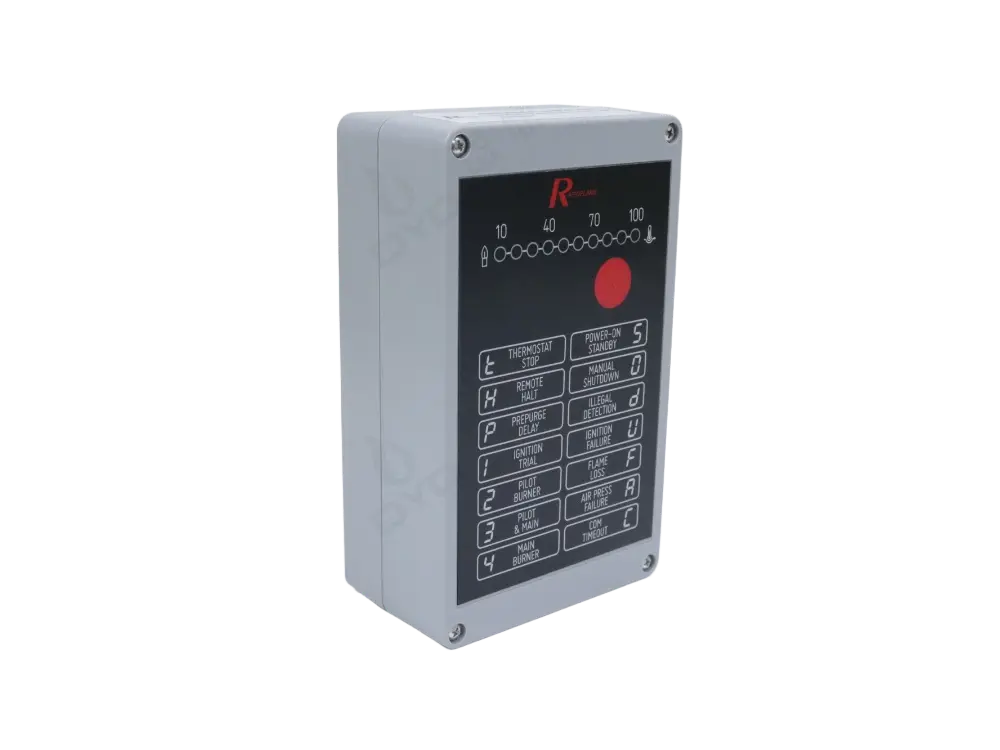
A typical combustion-control system can be represented as:
Temperature / Process Measurement
↓
Controller
↓
Fuel and Air Adjustment
↓
Burner Output
↓
Kiln Thermal Response
Control may involve:
Fuel modulation
Air modulation
Burner staging
Temperature control
Flame detection
Safety interlocks
The exact control strategy depends on the kiln process.
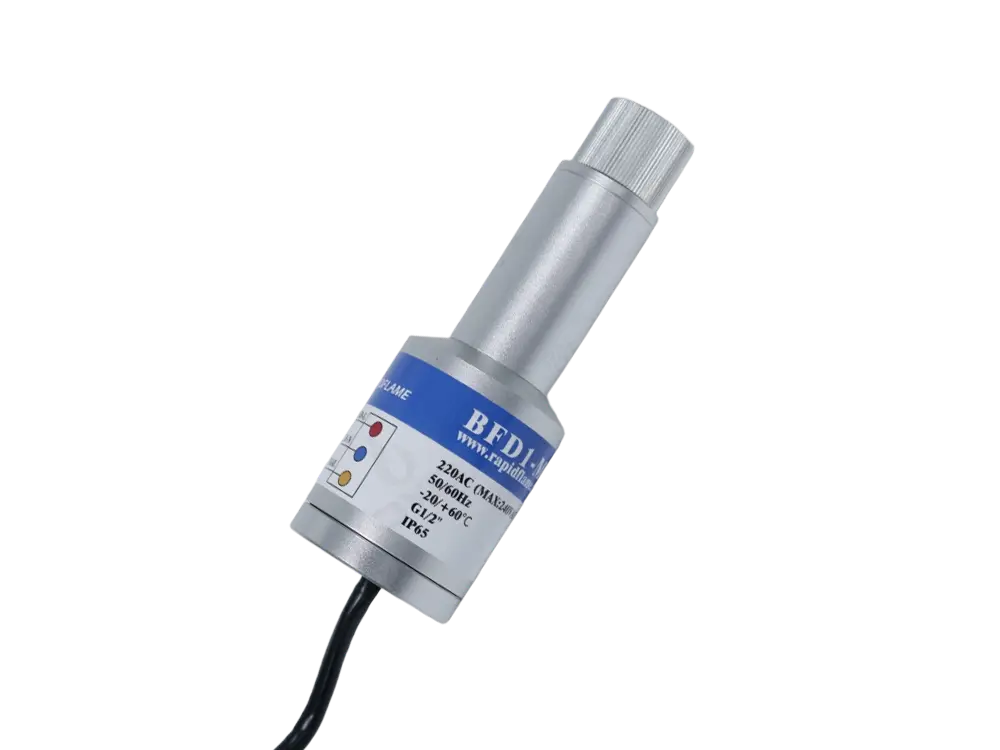
Flame detection confirms whether combustion has been successfully established and maintained.
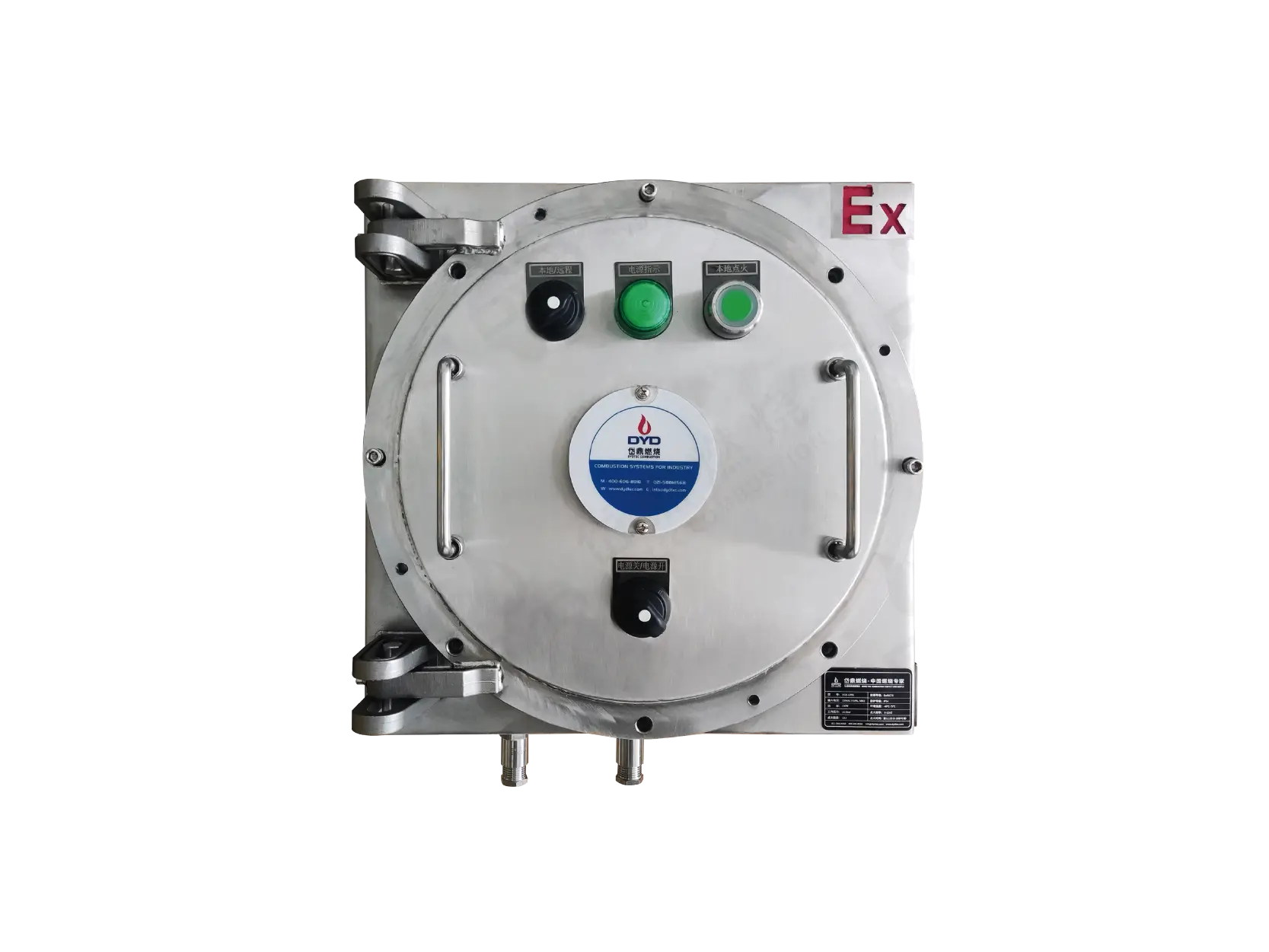
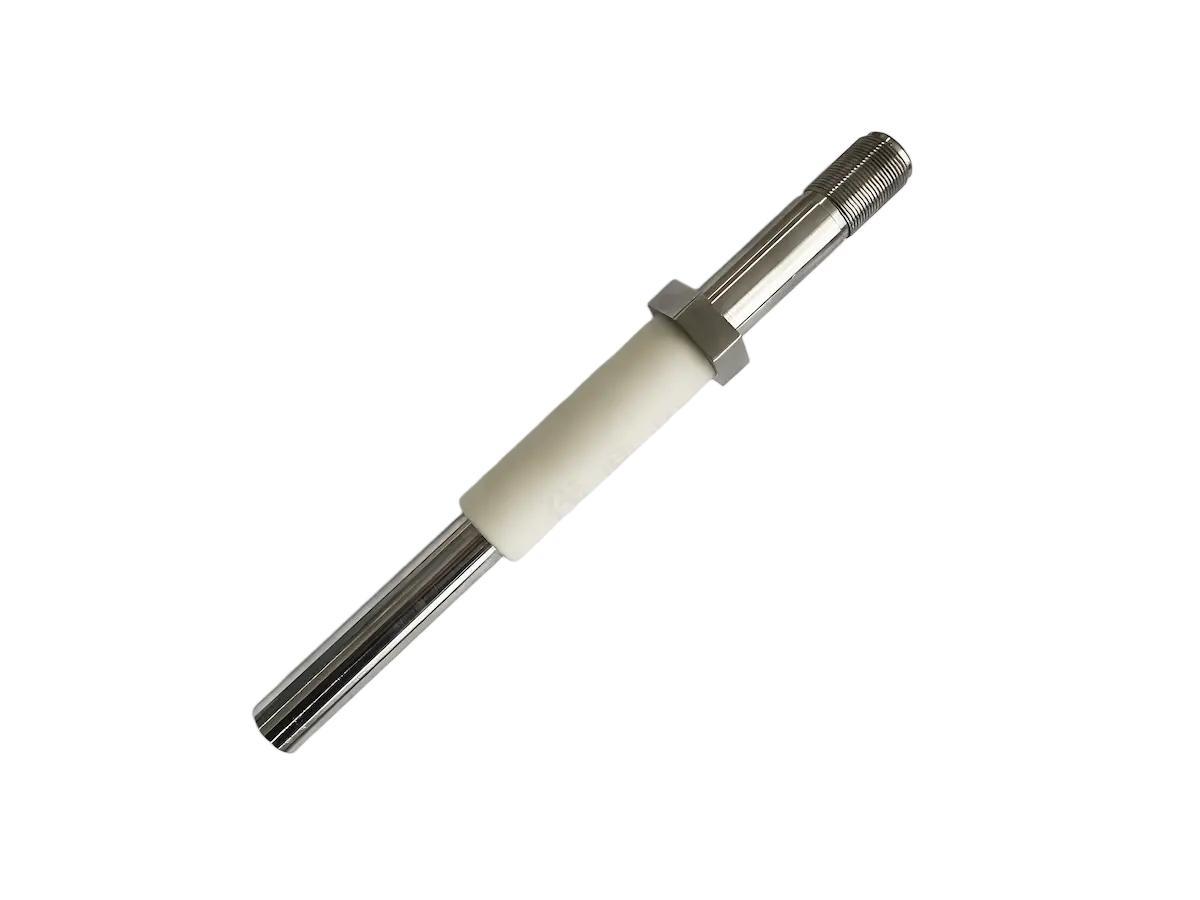
A complete burner safety system may include:
Ignition sequence
Flame detection
Fuel shutoff
Purging
Interlocks
Fault handling
These functions should be integrated into the overall rotary-kiln control system.
Improving efficiency requires more than selecting a burner with high combustion efficiency.
A system-level approach should consider:
Avoid excessive oversizing and insufficient capacity.
Match flame length, shape, and momentum to kiln geometry.
Maintain an appropriate air-to-fuel ratio.
Reduce uncontrolled air infiltration.
Prevent excessive heat from leaving through the exhaust.
Maintain stable throughput and moisture conditions.
Maintain stable operation across the required load range.
This can create poor low-load performance.
The flame must match the kiln's thermal geometry.
Direct flame exposure can damage refractory and create localized overheating.
Moisture, throughput, and thermal properties strongly affect heat demand.
Excessive exhaust can increase heat loss.
Air infiltration can change combustion and thermal conditions.
The burner must also operate during startup and reduced-load conditions.
The burner, kiln, air system, fuel system, exhaust, and controls should be designed together.
A practical selection process can follow these steps.
Determine:
Material type
Required process temperature
Production rate
Heating or reaction requirements
Consider:
Material heating
Moisture evaporation
Reaction heat where applicable
Kiln heat loss
Exhaust heat loss
Startup requirements
Determine:
Kiln diameter
Kiln length
Burner location
Material bed characteristics
Refractory structure
Exhaust location
Determine:
Fuel type
Fuel pressure
Fuel availability
Expected pressure fluctuations
Evaluate:
Thermal capacity
Turndown
Flame length
Flame shape
Momentum
Air requirements
Consider:
Combustion air
Kiln pressure
Exhaust
Gas velocity
Heat circulation
Integrate:
Temperature control
Fuel modulation
Air control
Flame detection
Safety interlocks
Evaluate:
Flame stability
Temperature profile
Material temperature
Fuel consumption
Exhaust temperature
Refractory conditions
DYDTEC Combustion develops industrial burners and combustion-system solutions for industrial heating applications where burner performance needs to be coordinated with equipment geometry and process requirements.
The company has developed 100+ burner models covering 200+ application scenarios. This product and application experience supports different configurations according to thermal load, fuel conditions, flame characteristics, and equipment structure.
For rotary kiln applications, burner-system design can be evaluated around:
Burner capacity
Flame length
Flame shape
Flame momentum
Burner alignment
Kiln geometry
Material throughput
Combustion air
Kiln pressure
Exhaust conditions
Temperature distribution
Control requirements
DYDTEC Combustion was established in 2012 and has R&D and manufacturing bases in Shanghai and Yangzhou.
The company's 98%+ self-developed system product rate also supports applications where the combustion system needs to be integrated with specific industrial equipment rather than treated as a standalone component.
The burner can influence the thermal and mechanical design of the rotary kiln.
If burner requirements are considered only after the kiln has been designed, the OEM may face limitations involving:
Burner installation
Flame clearance
Fuel piping
Combustion-air piping
Exhaust arrangement
Refractory design
Control strategy
Early coordination allows:
Rotary Kiln Geometry + Burner + Fuel + Air + Exhaust + Control
to be considered as one system.
This is particularly important when the kiln has a high thermal load or requires a specific temperature profile.
Before final burner selection, useful information includes:
Kiln diameter
Kiln length
Rotation speed
Burner location
Refractory structure
Exhaust location
Material type
Feed rate
Moisture content
Initial temperature
Required outlet temperature
Bulk density where relevant
Required temperature
Heating or reaction requirements
Residence time
Production capacity
Operating cycle
Fuel type
Fuel pressure
Fuel availability
Combustion-air pressure
Combustion-air temperature
Exhaust conditions
Desired kiln pressure
This information provides the basis for determining burner capacity, flame characteristics, air requirements, and control strategy.
The burner provides controlled thermal energy for heating, drying, calcination, roasting, or other thermal processes inside the rotary kiln.
In many direct-fired rotary kiln systems, the main burner is installed at the firing or discharge end and directed into the kiln. The exact arrangement depends on the process and equipment design.
Flame length determines how far the primary heat-release zone extends into the kiln. It should be matched to kiln geometry and process requirements.
It may cause excessive downstream heating, refractory exposure, flame impingement, or poor heat distribution.
Heat may become concentrated near the burner, potentially creating local overheating and insufficient heat transfer farther into the kiln.
Yes. In drying or moisture-removal processes, additional energy is required to heat and evaporate the water.
Yes. Higher material throughput generally increases the required thermal input.
No. Heat load depends on material throughput, moisture, process temperature, residence time, heat losses, and other process conditions.
Yes. Pressure affects gas flow and can influence air infiltration, combustion stability, and heat loss.
Yes, when the burner and complete fuel, air, exhaust, and control systems are designed for the required operating conditions.
It allows the burner to operate stably when the kiln requires less heat, including during startup, reduced production, or temperature holding.
Burner requirements should ideally be considered during the early kiln-design stage so that flame development, refractory design, fuel and air systems, exhaust, and control can be coordinated.
Burners in rotary kilns are responsible for much more than producing a high-temperature flame.
They determine how thermal energy is introduced into the kiln and influence:
Flame Development
→ Gas Flow
→ Heat Transfer
→ Material Heating
→ Process Temperature
→ Exhaust Heat Loss
A successful rotary-kiln combustion system therefore needs to balance:
Burner capacity
Flame length
Flame shape
Flame momentum
Material throughput
Kiln geometry
Combustion air
Kiln pressure
Exhaust conditions
Temperature control
For OEM manufacturers, the burner should be considered a core part of the rotary-kiln thermal system from the beginning of equipment design.
Ultimately:
The right rotary-kiln burner is not simply the burner with enough capacity to reach the required temperature. It is the combustion system that delivers heat with the right intensity, flame structure, and gas flow so that the process receives the required thermal energy efficiently and controllably.