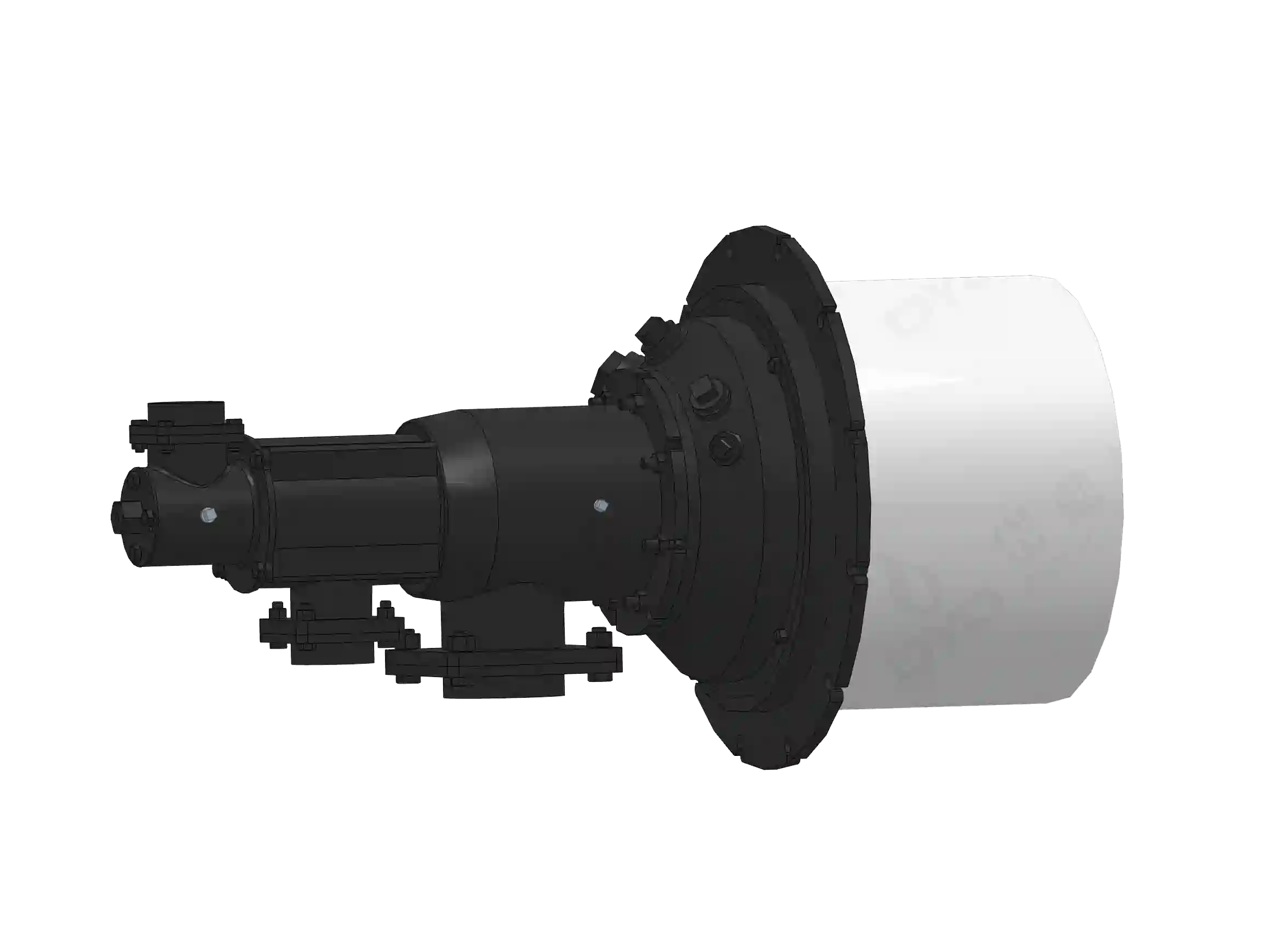
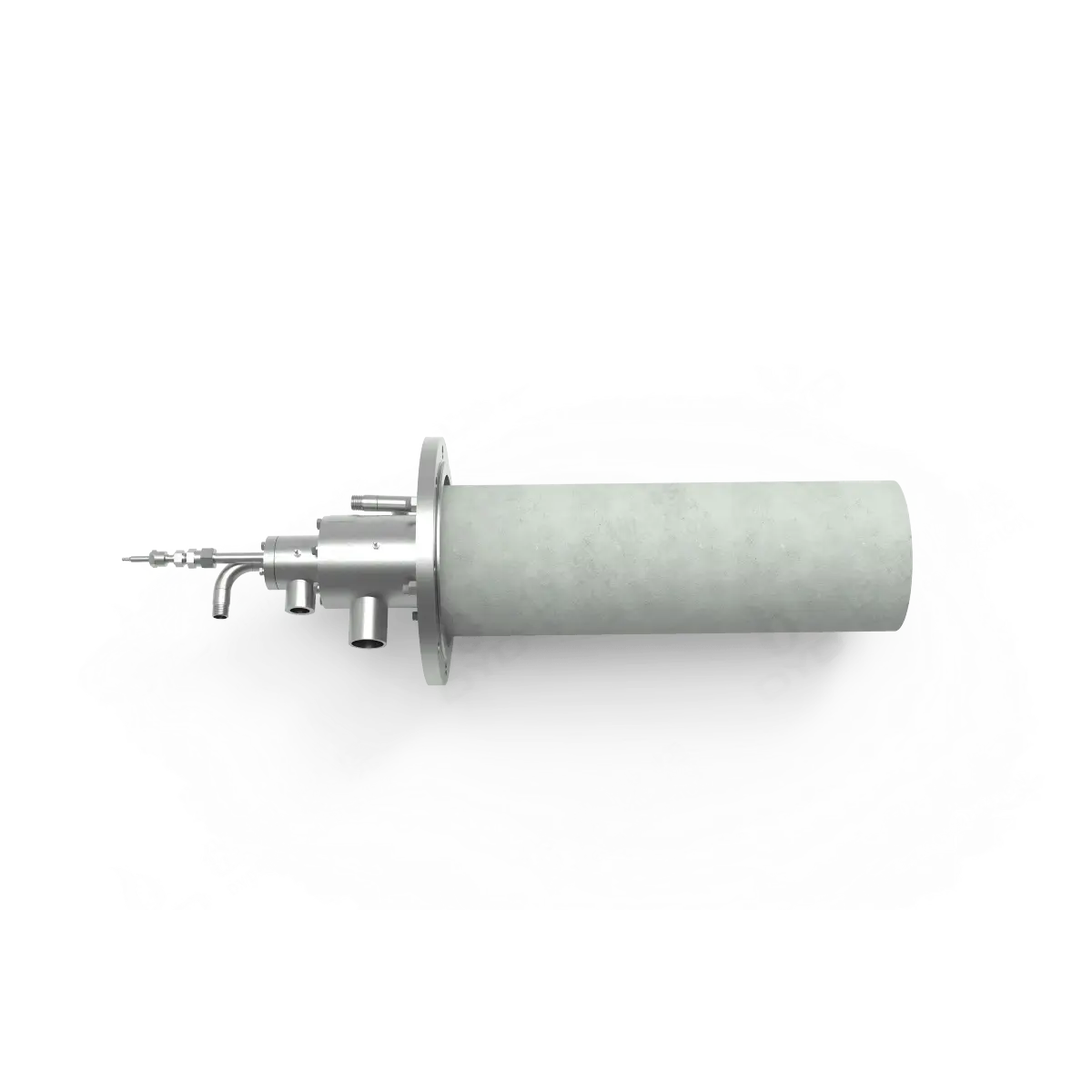
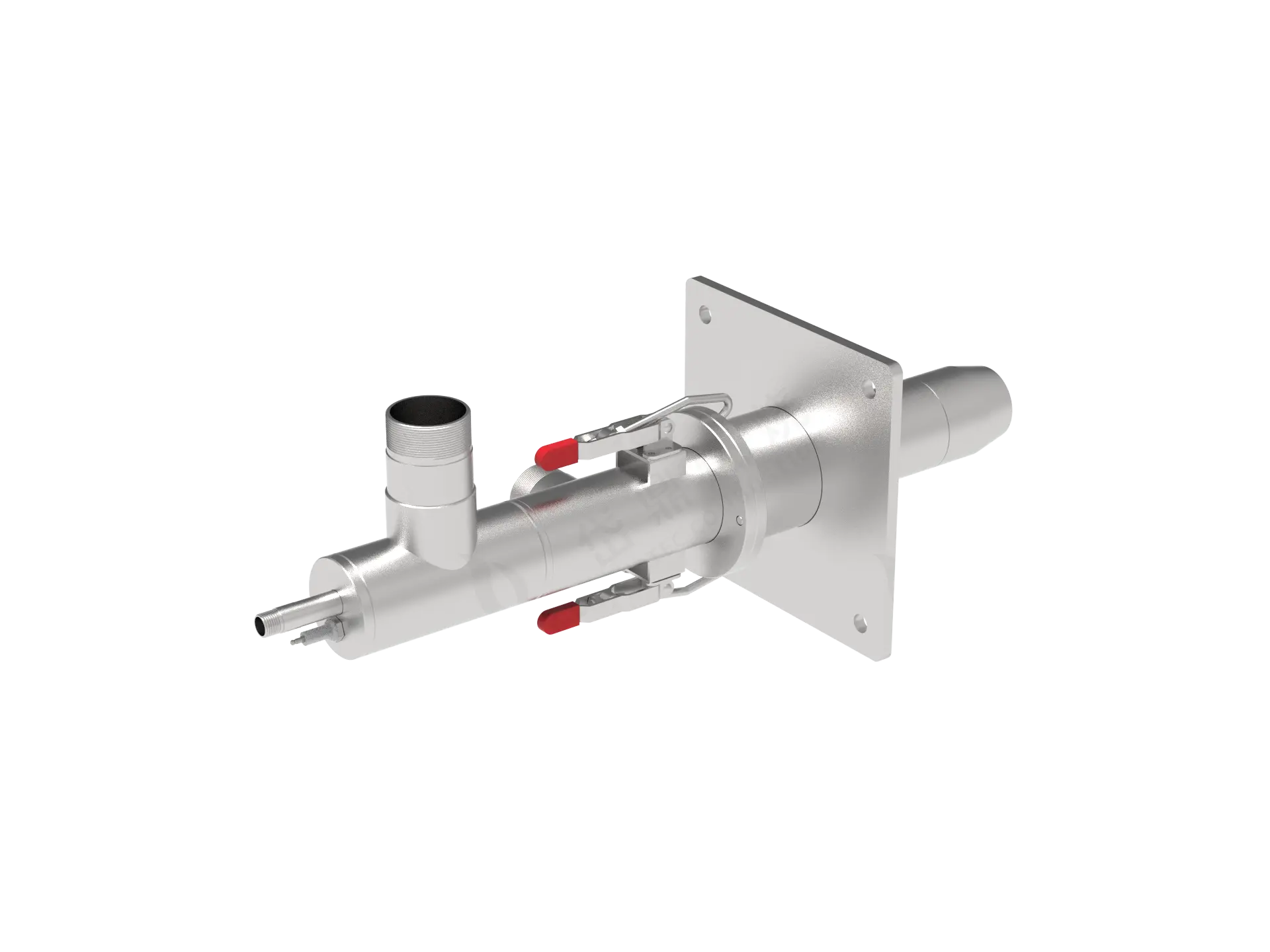
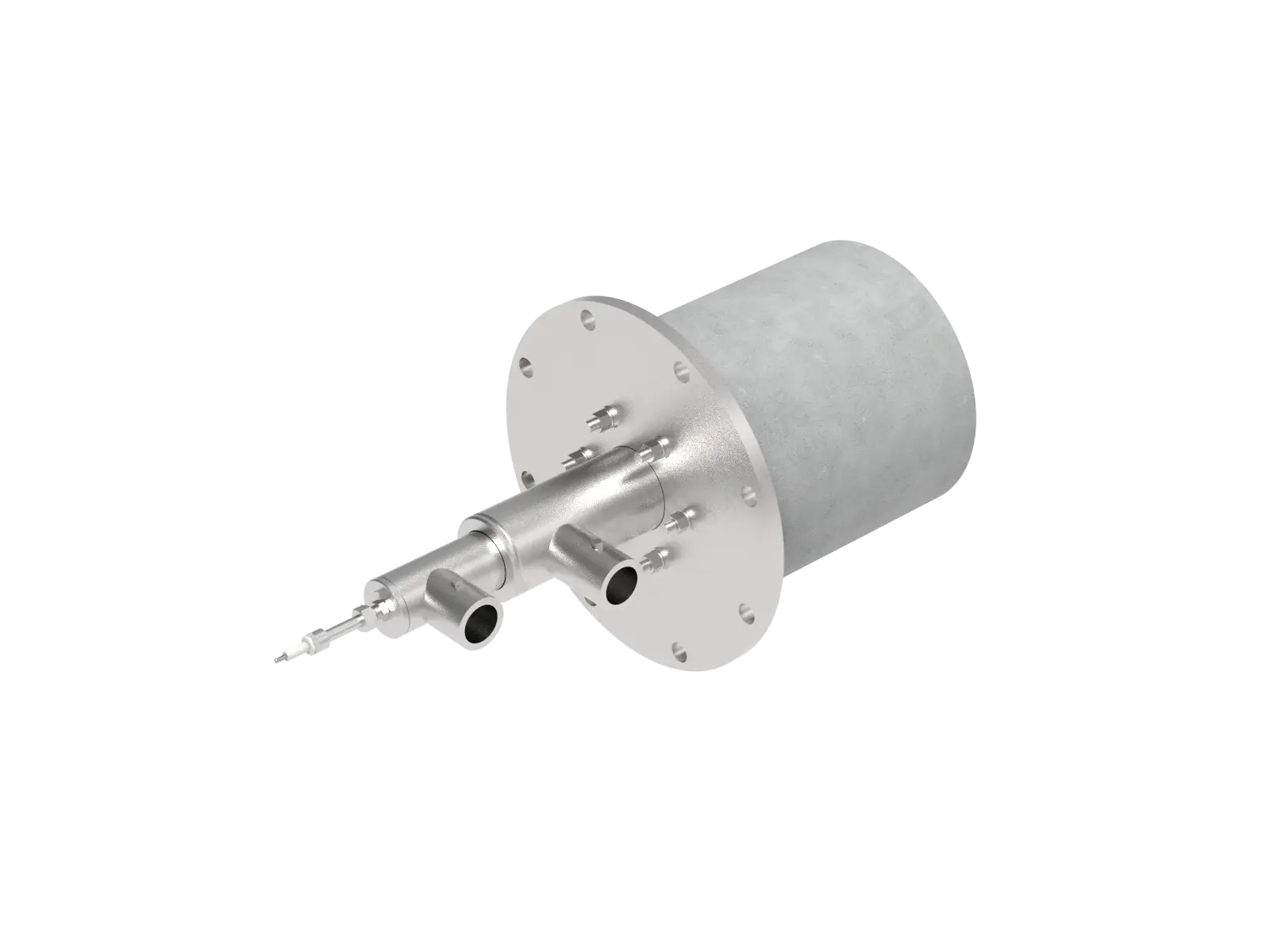
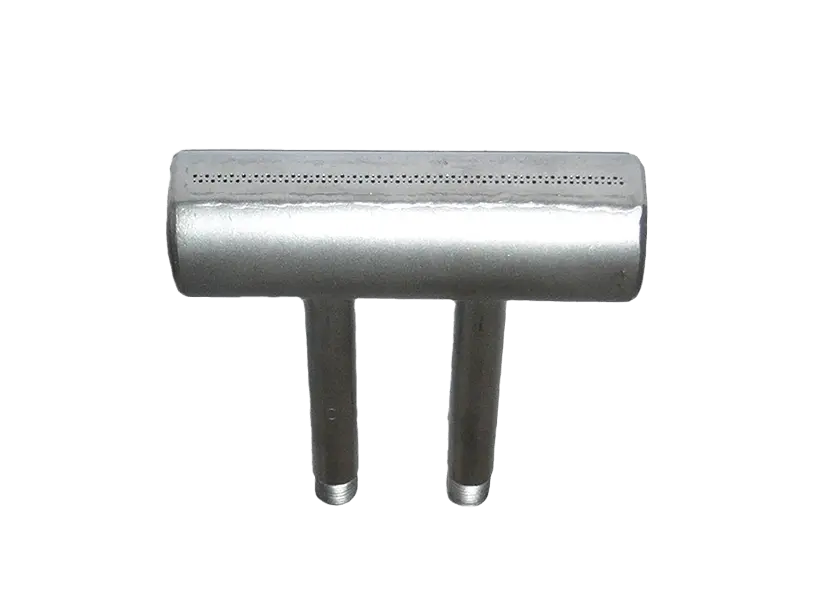
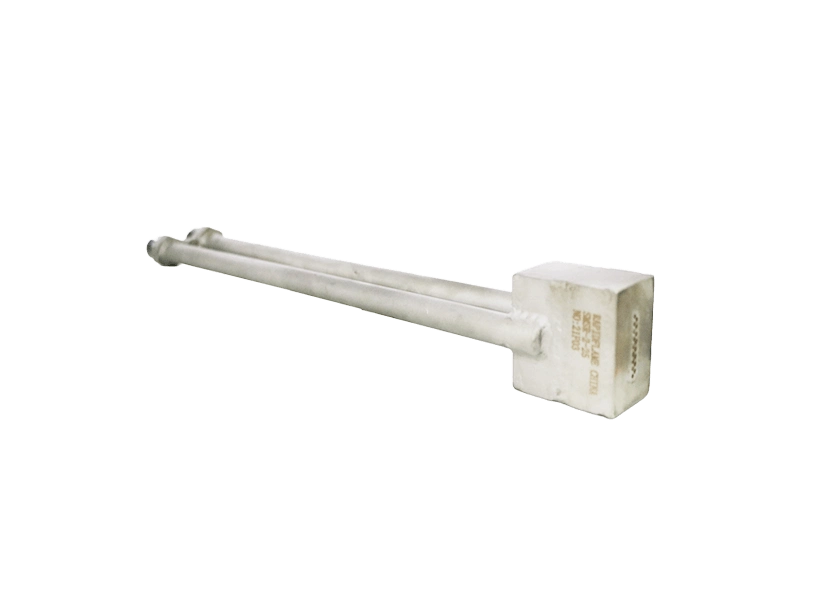
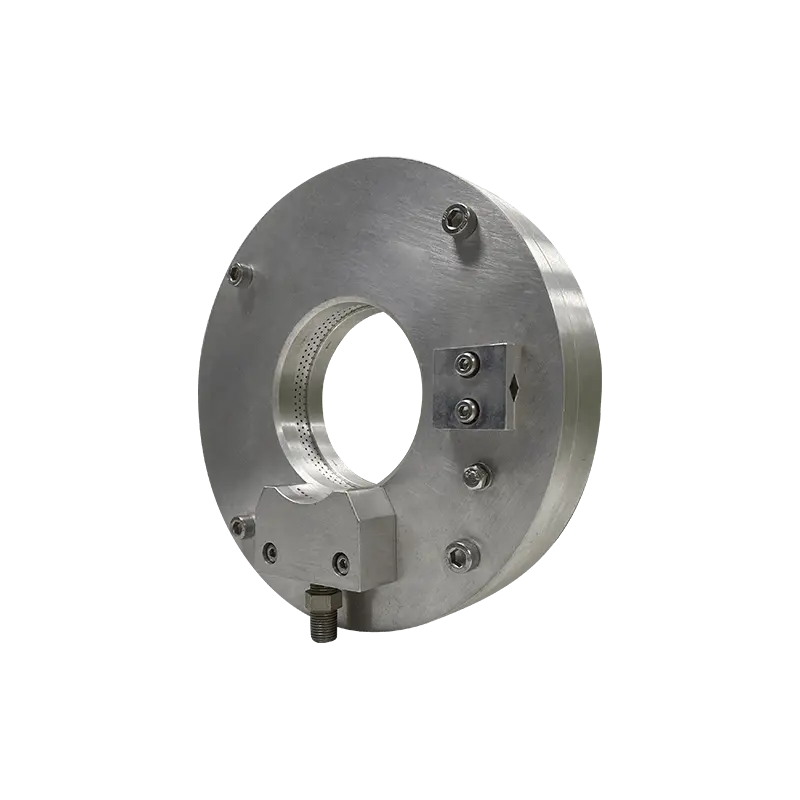
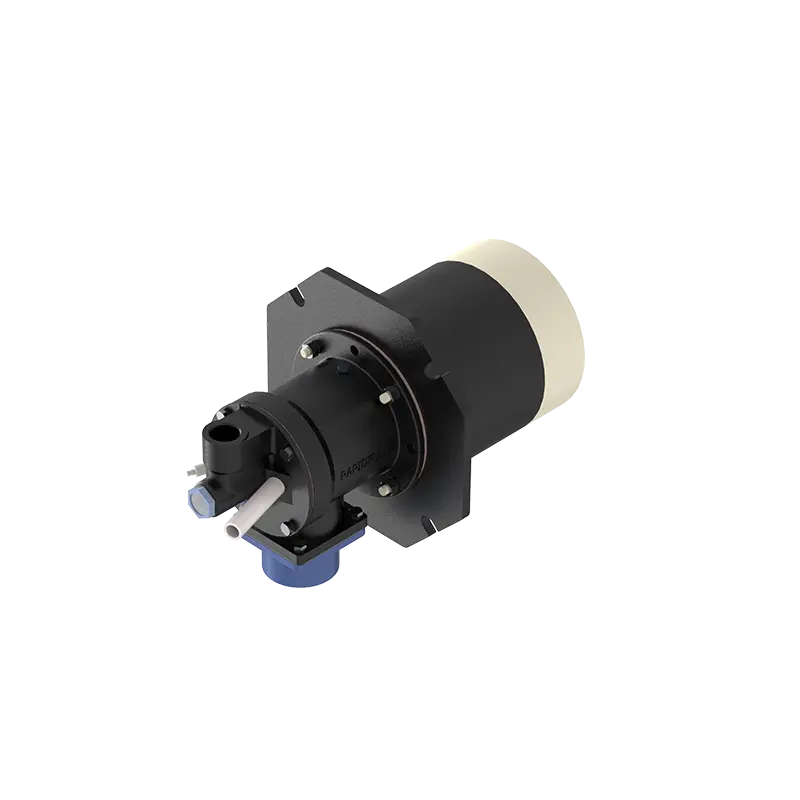
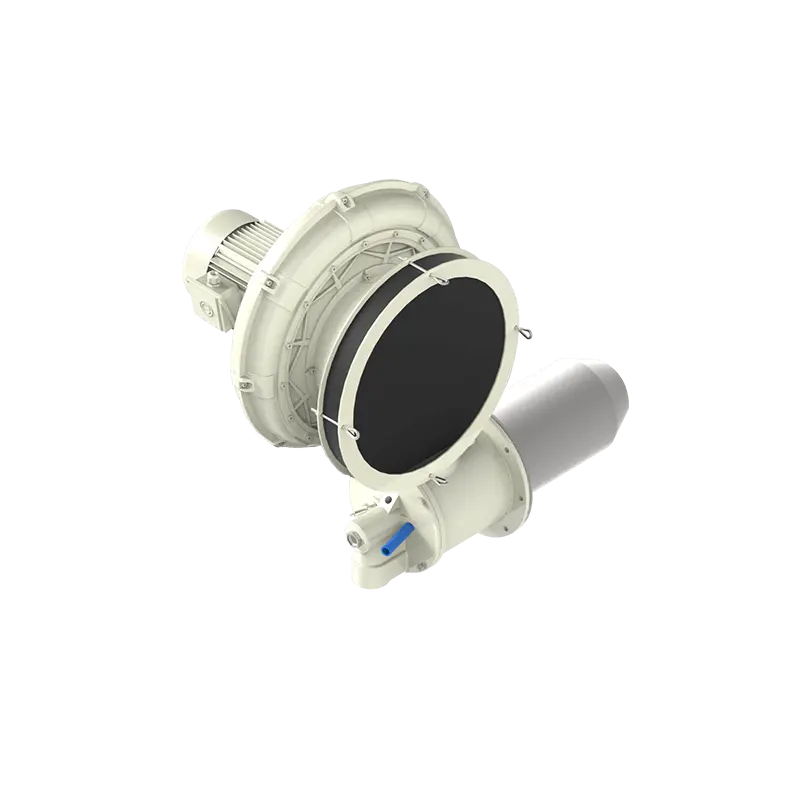
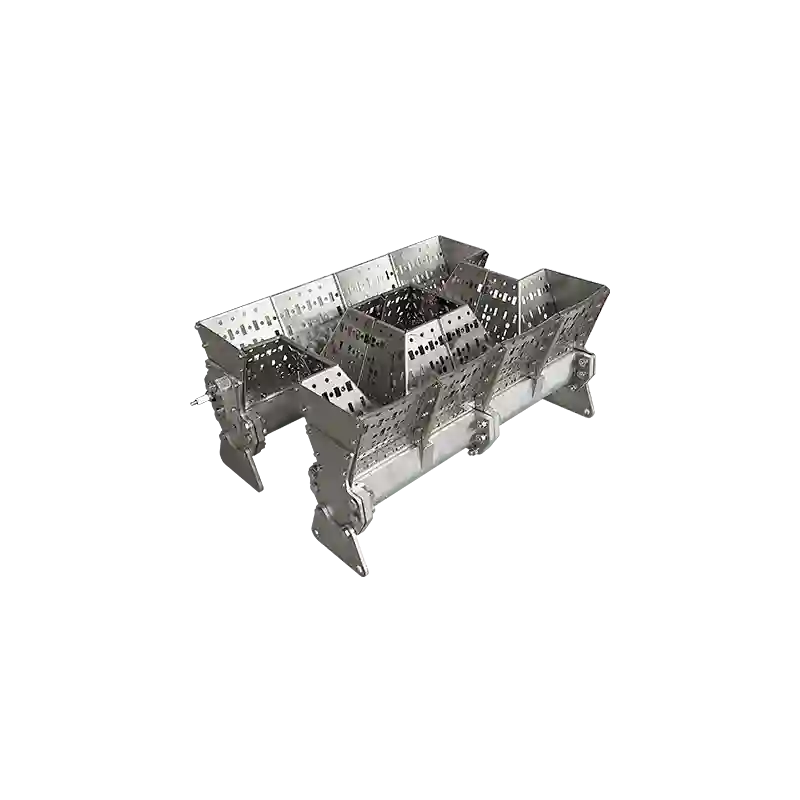
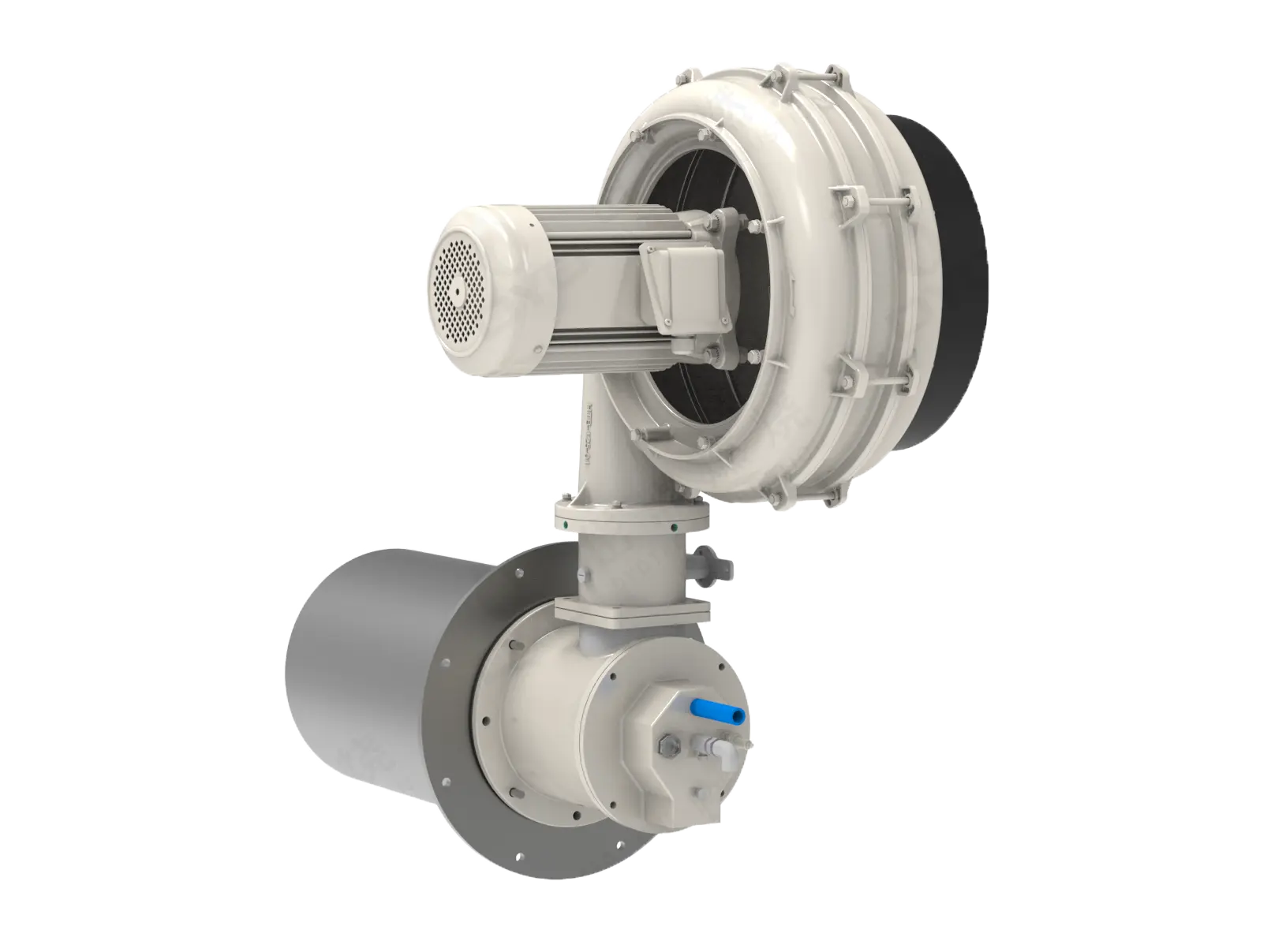
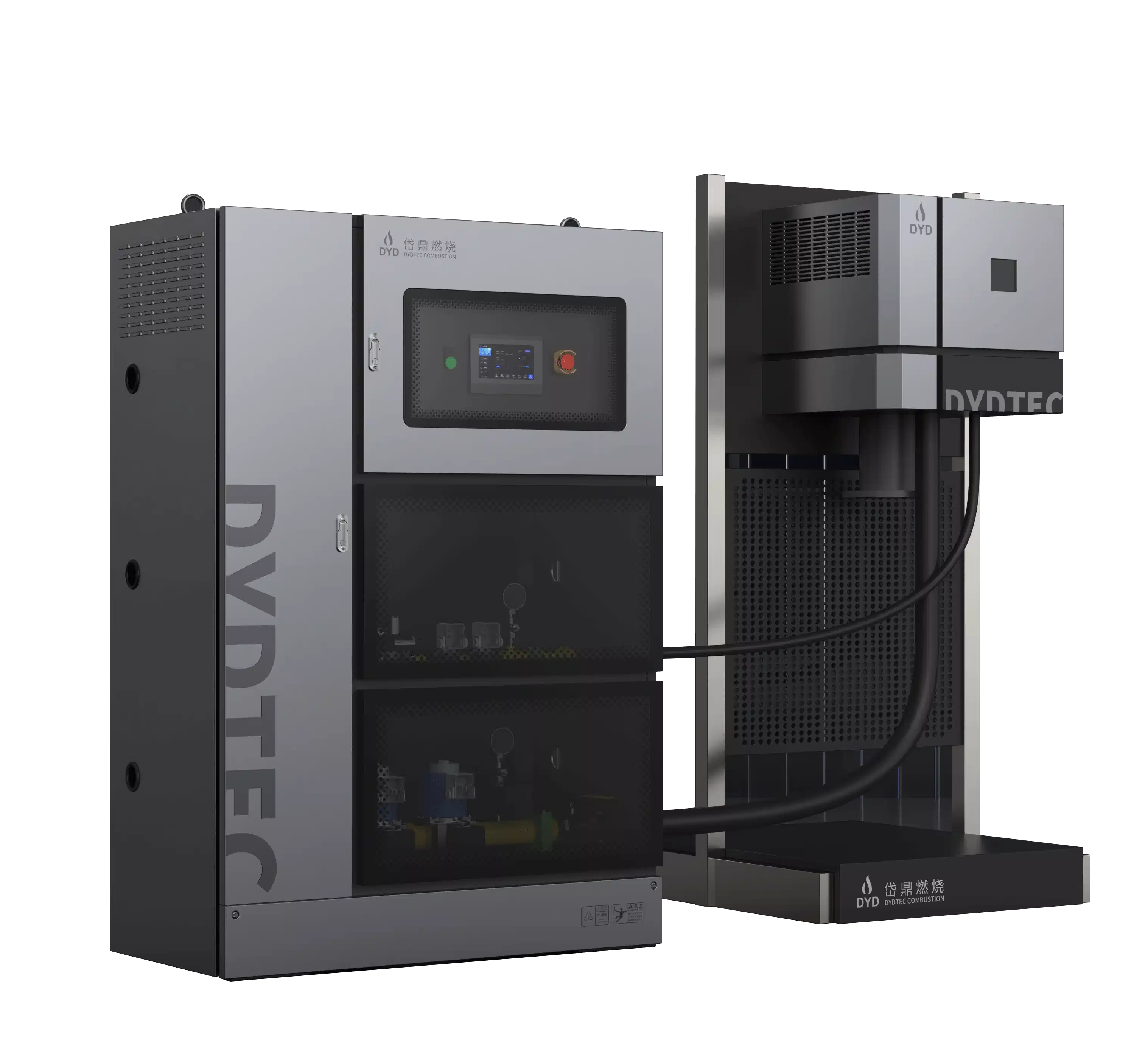
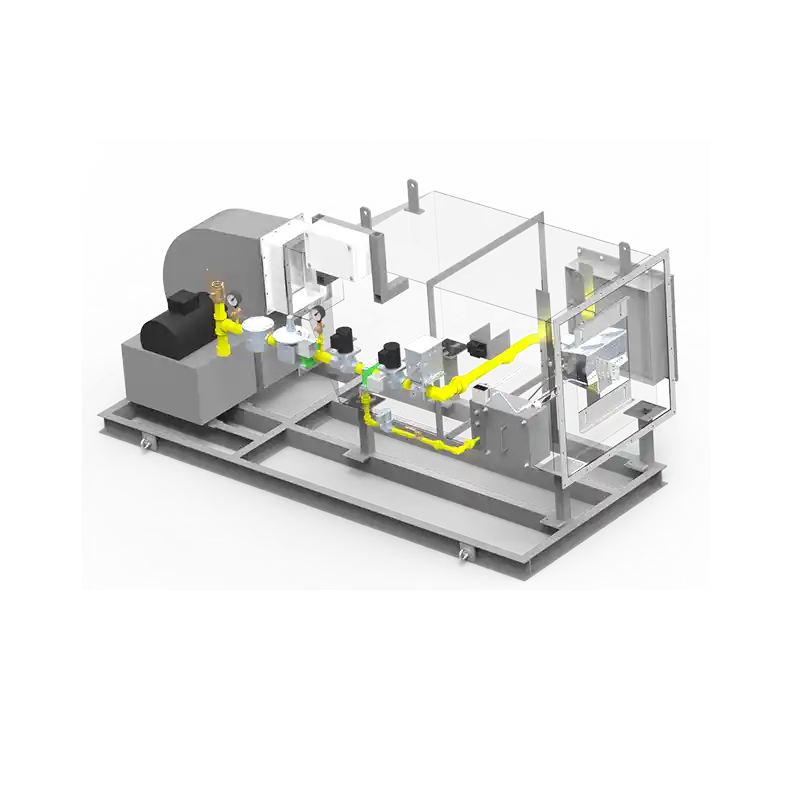
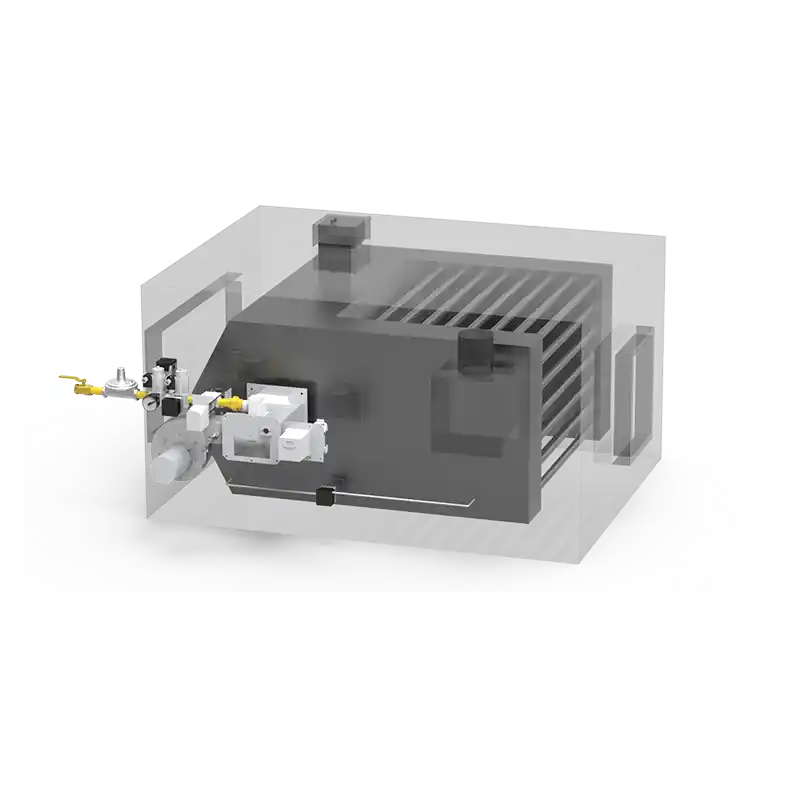
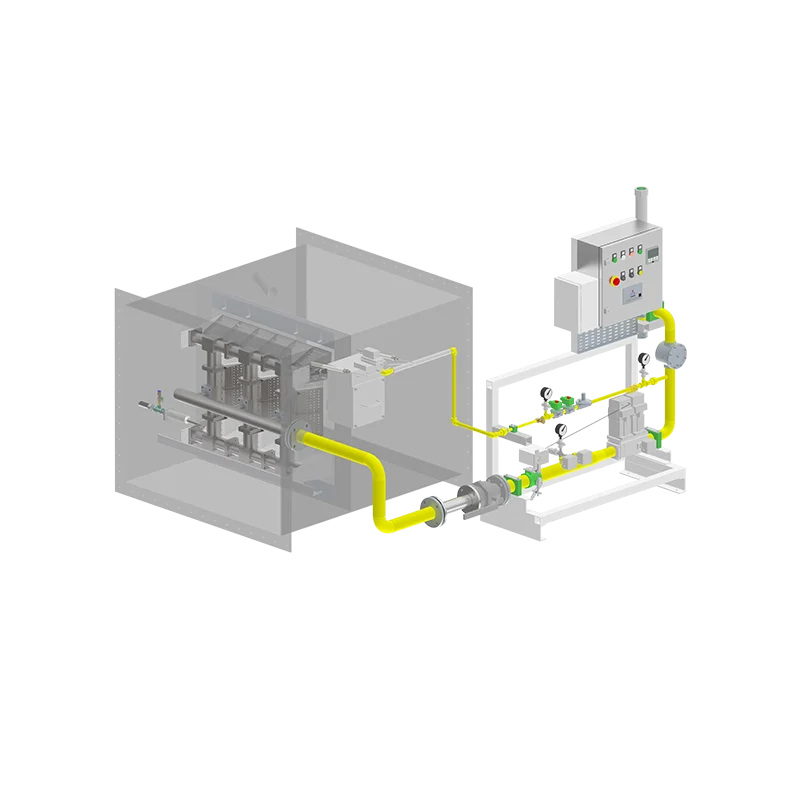
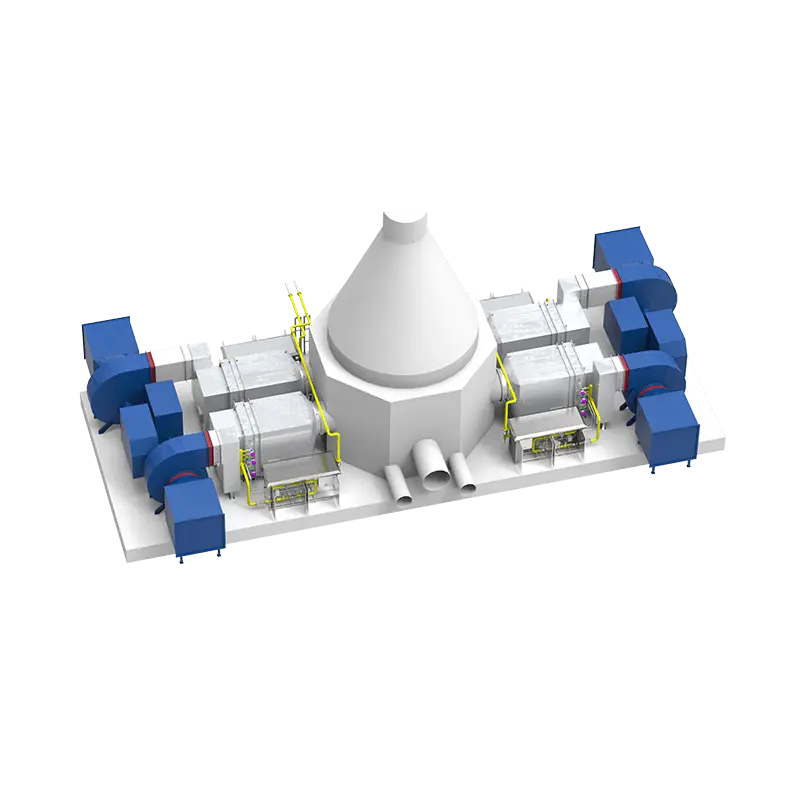
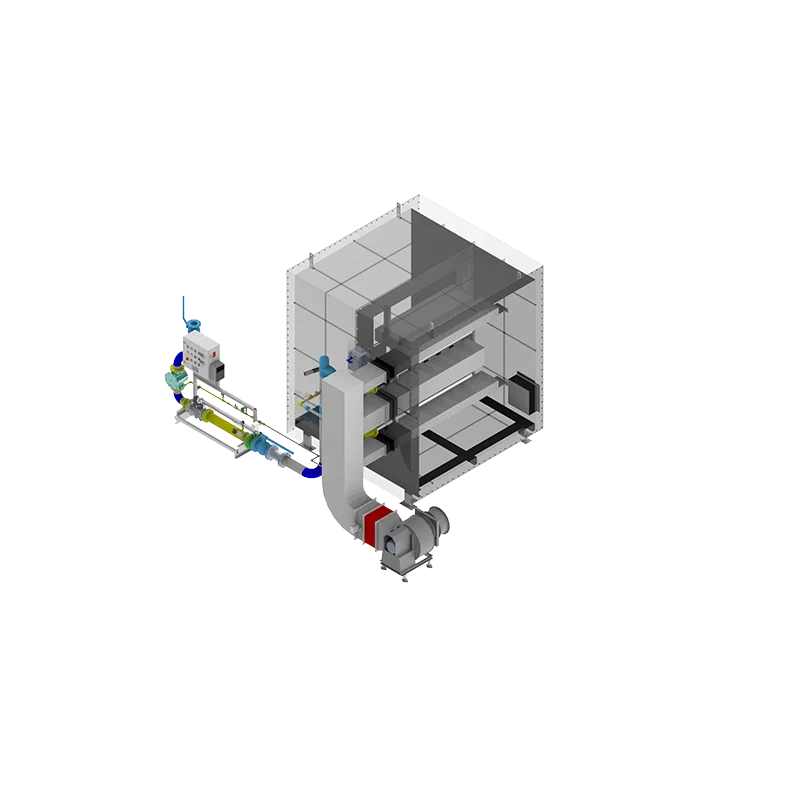
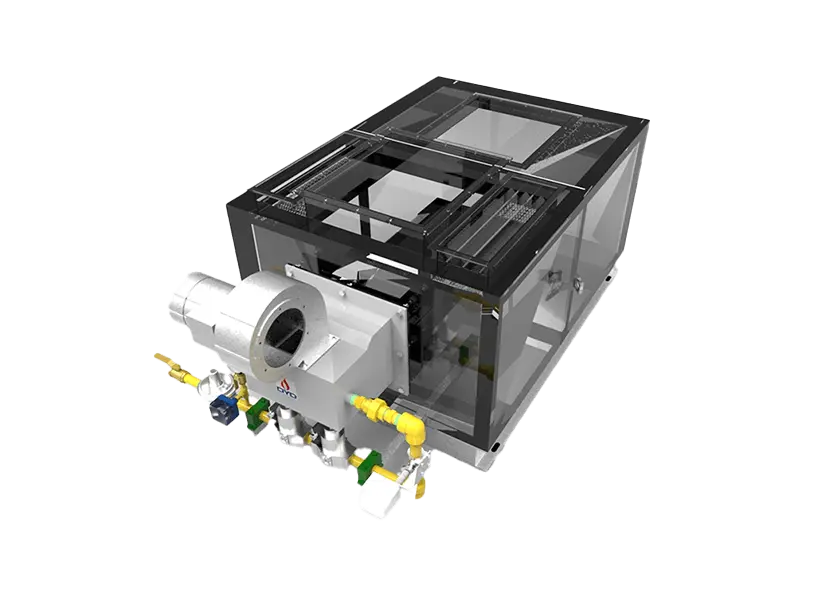
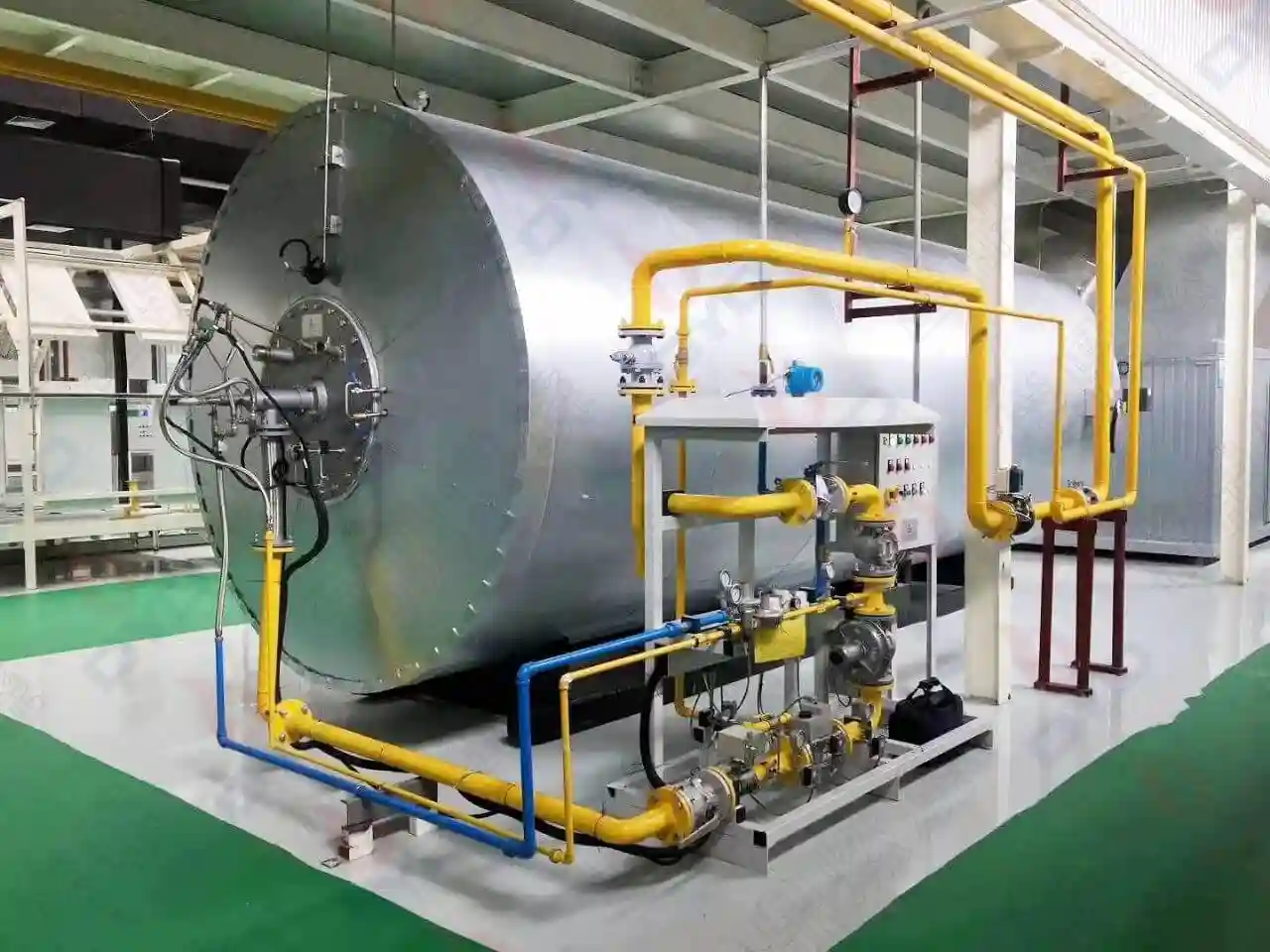
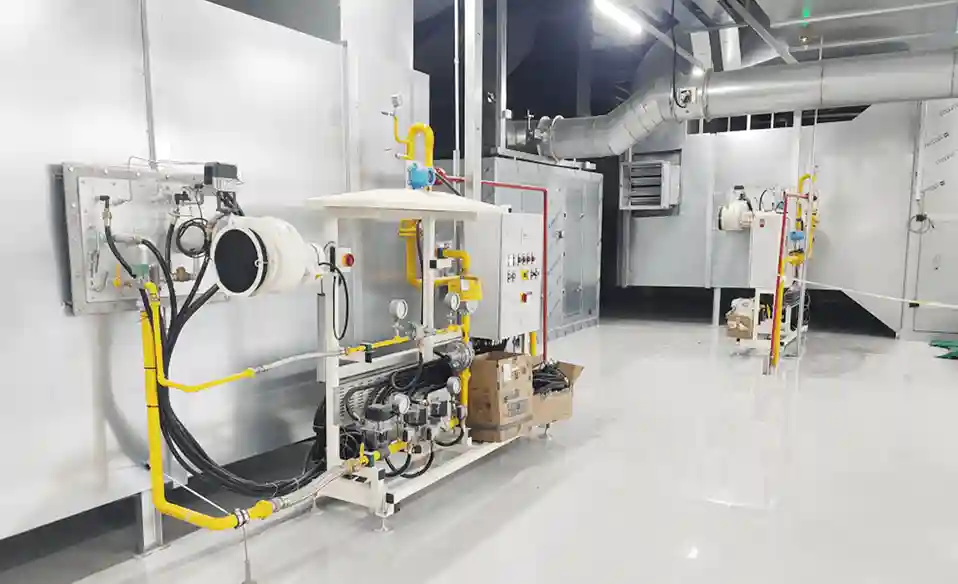
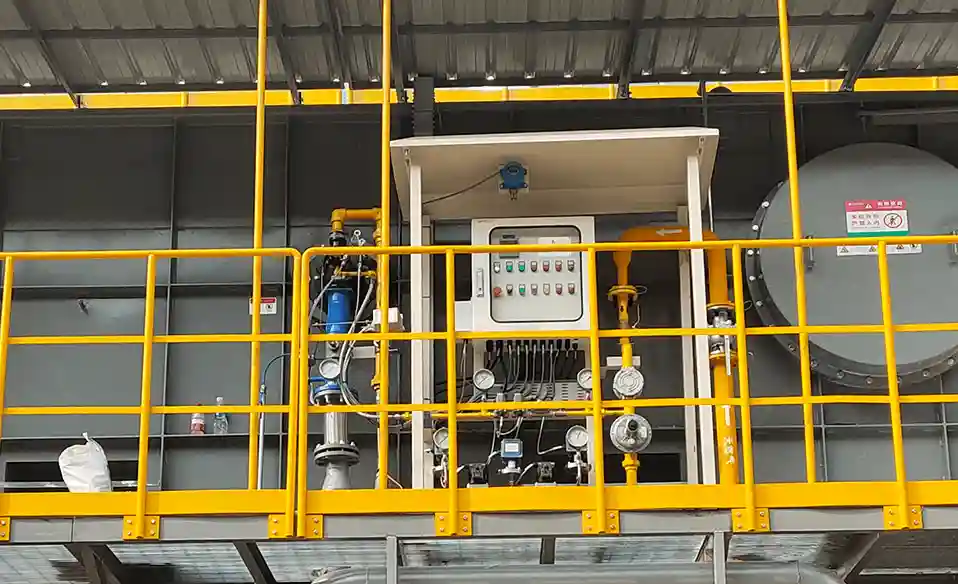
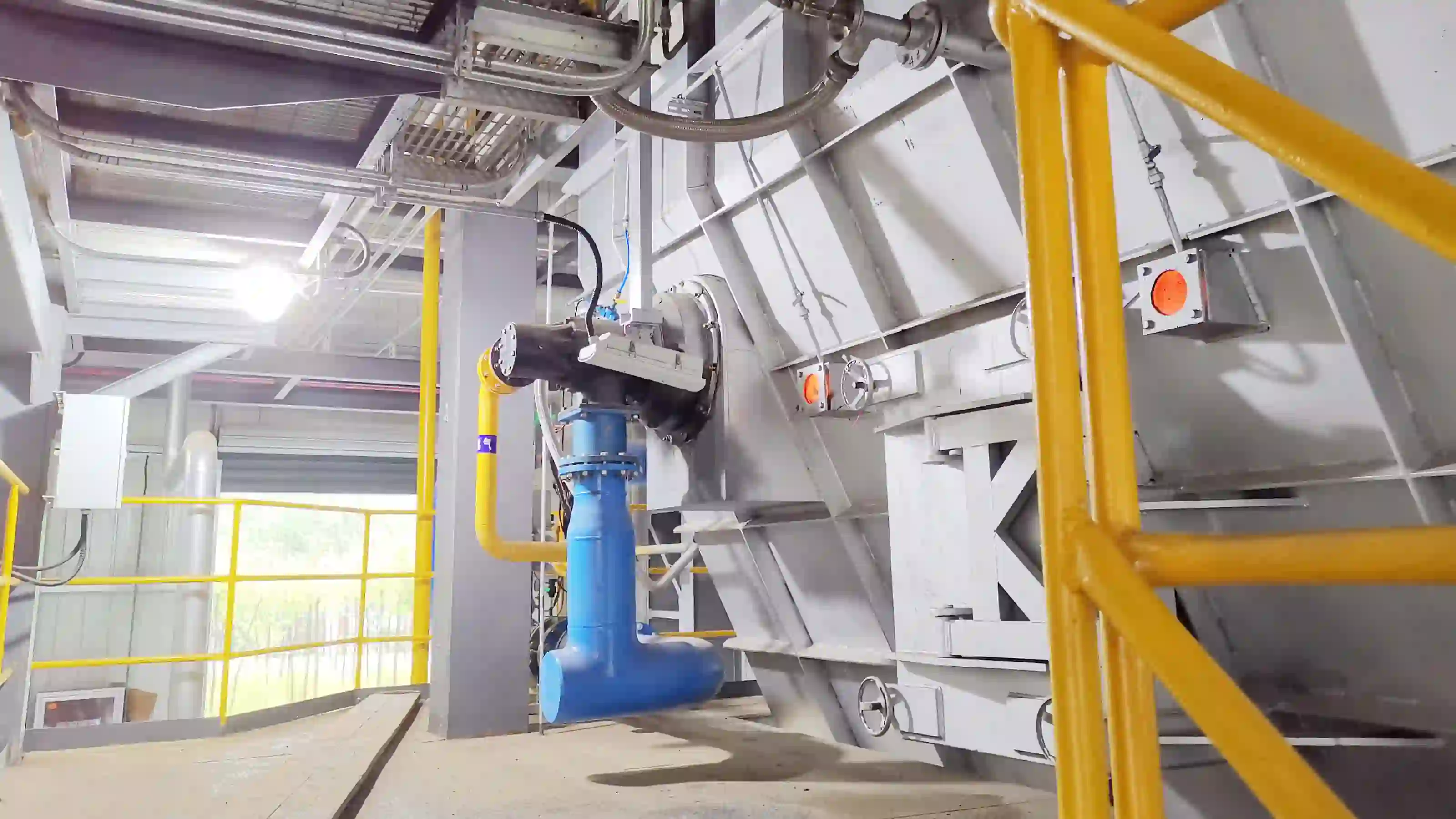
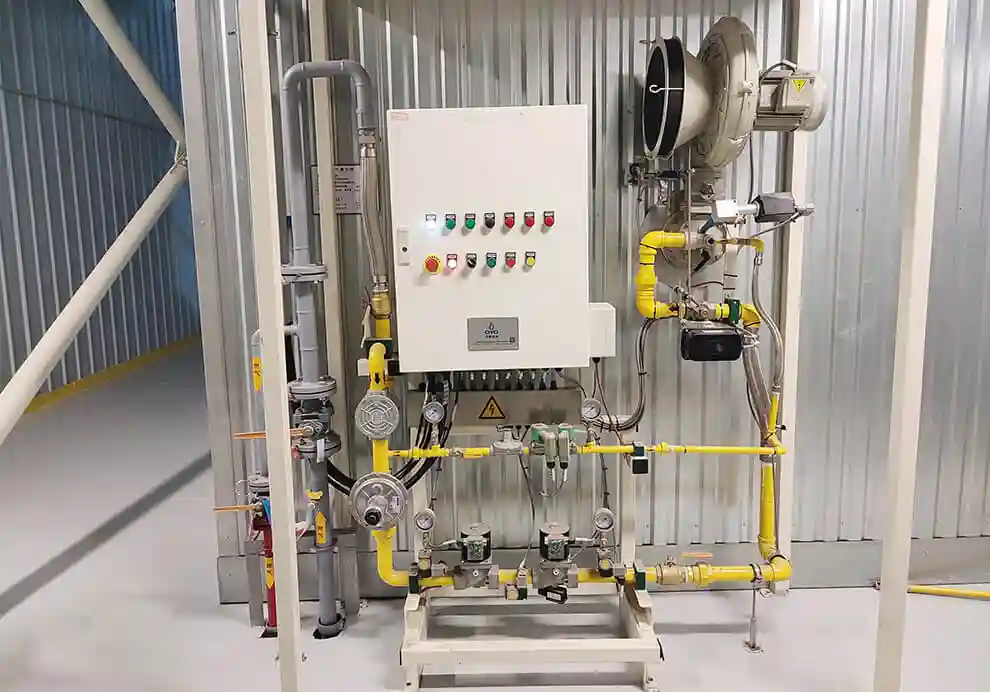
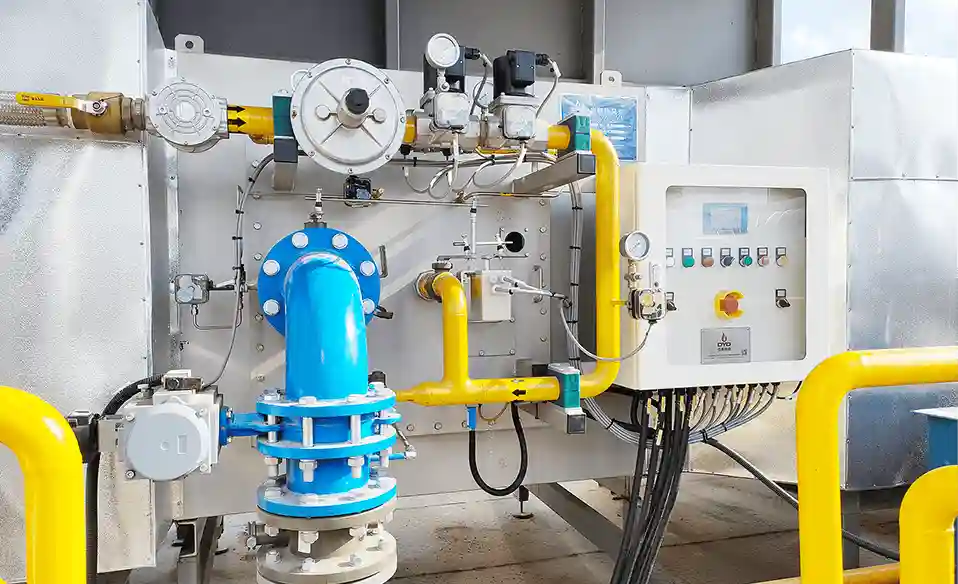
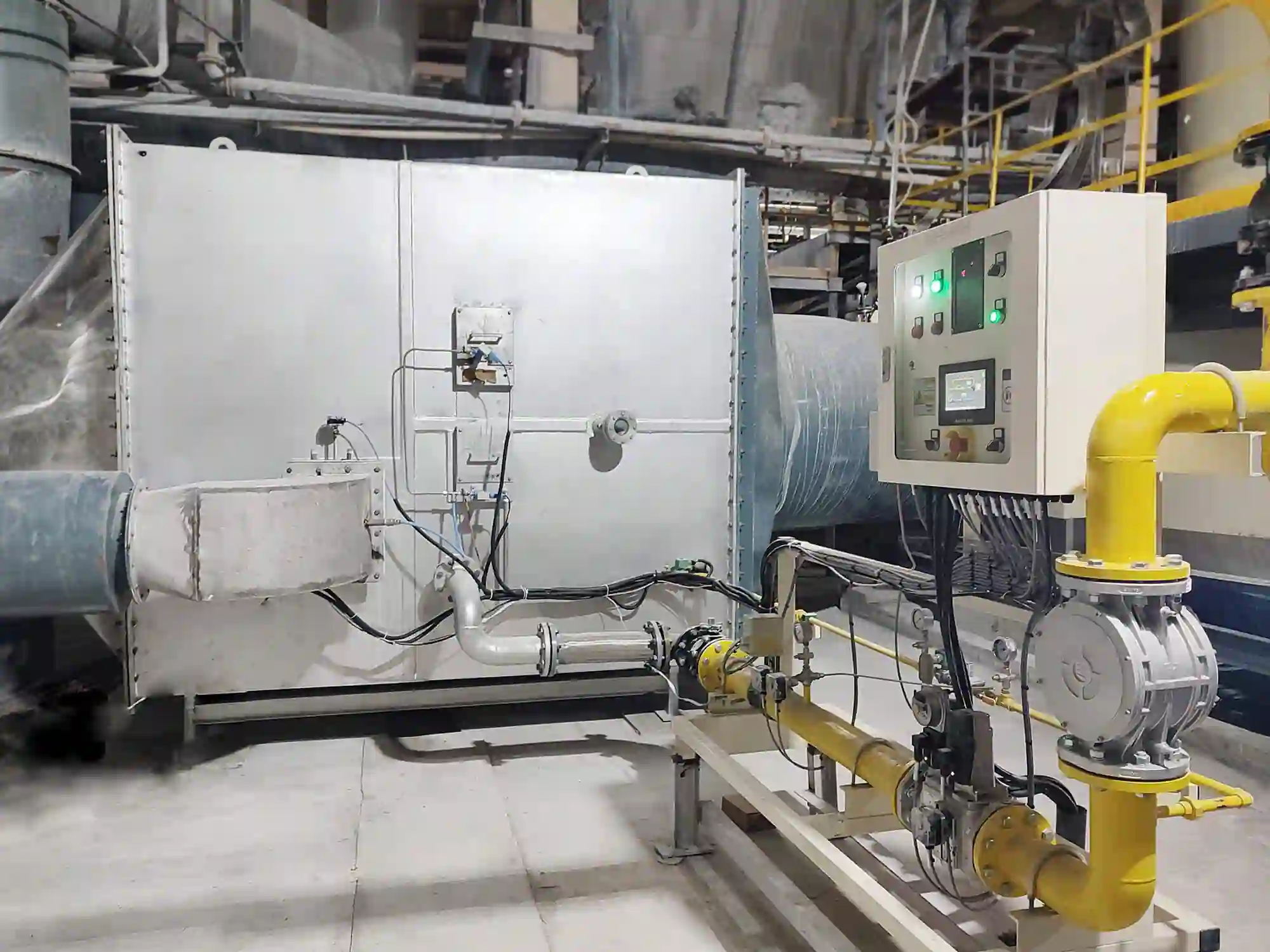
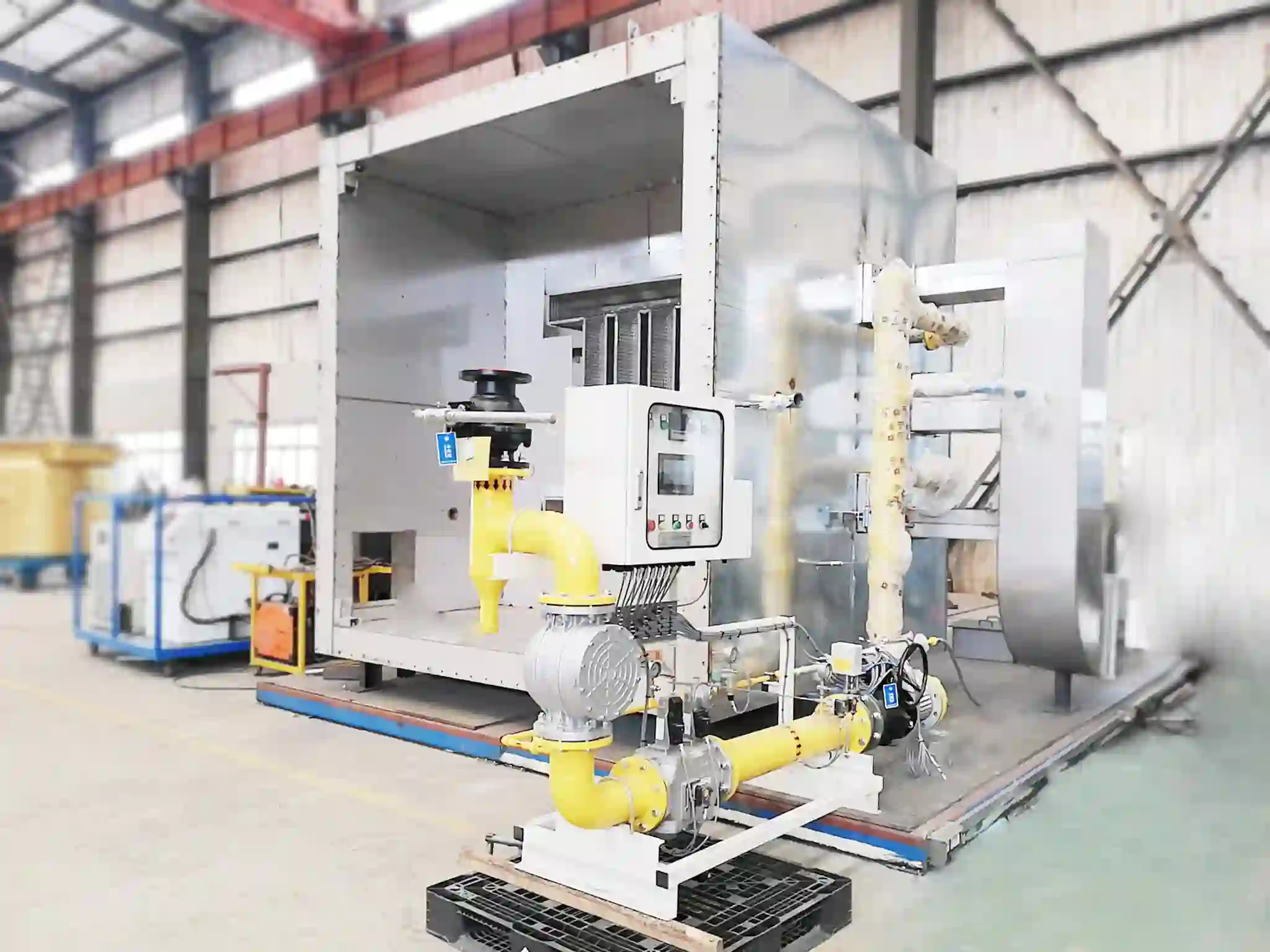
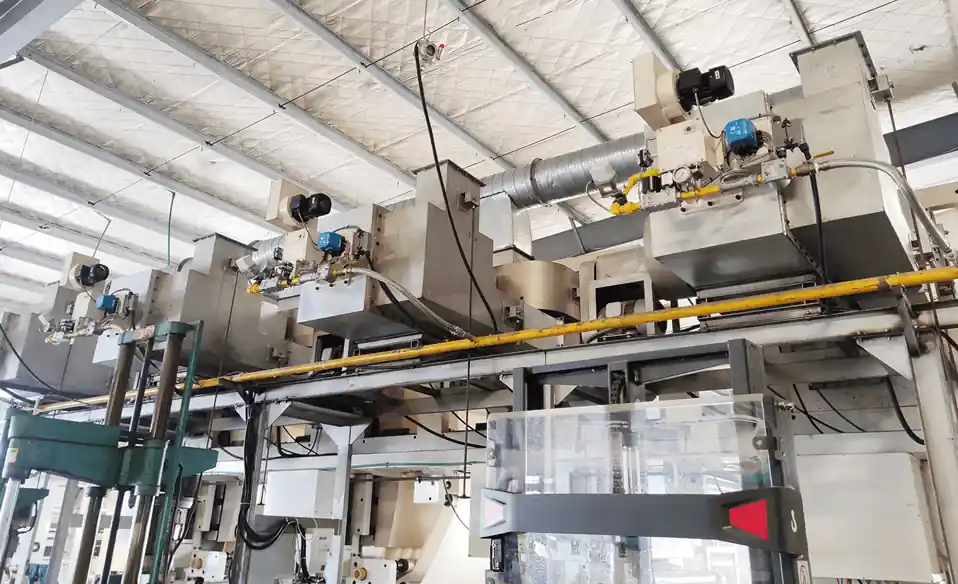
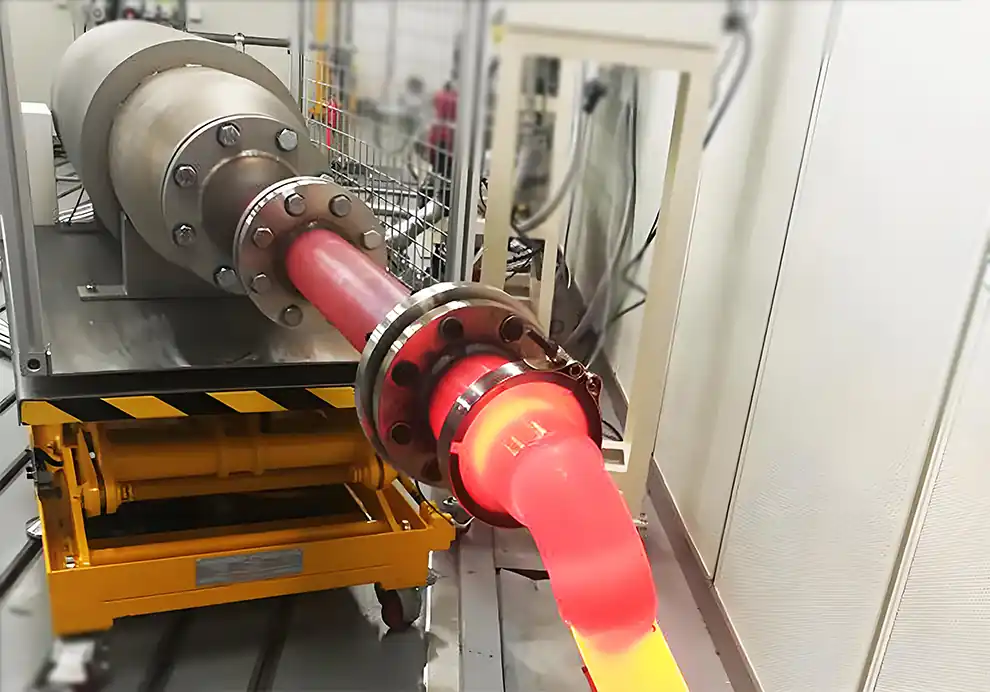
Burners are a critical part of many gas-fired aluminum furnaces. They provide the thermal energy required for melting, holding, preheating, and other high-temperature processes while helping maintain a stable and controlled furnace atmosphere.
However, heating aluminum is not simply a matter of producing a high-temperature flame.
A properly designed burner system must balance:
Heat input
Temperature uniformity
Flame characteristics
Furnace pressure
Combustion air
Fuel consumption
Aluminum oxidation
Refractory protection
Furnace atmosphere
Process control
For aluminum furnaces, the objective is generally to transfer sufficient heat to the furnace and aluminum while avoiding unnecessary local overheating and excessive oxidation.
The relationship can be simplified as:
Fuel + Combustion Air
↓
Controlled Flame
↓
Radiation + Convection
↓
Furnace Atmosphere
↓
Aluminum / Furnace Load
↓
Melting or Holding
The burner is therefore an important part of the complete furnace thermal system rather than an isolated heat source.
Burners can be used in different types of aluminum heating and melting equipment, including:
Aluminum melting furnaces
Holding furnaces
Reverberatory furnaces
Rotary melting furnaces
Crucible furnaces
Preheating furnaces
Heat-treatment furnaces
Aluminum scrap melting systems
The required burner configuration depends heavily on the furnace type and process.
A burner designed for a holding furnace, for example, may have very different requirements from a burner used for high-throughput aluminum scrap melting.
The primary function is to convert fuel into controlled thermal energy and transfer that energy to the furnace load.
Depending on the furnace design, heat can reach the aluminum through:
Radiation
Convection
Hot combustion gases
Heated refractory surfaces
Furnace circulation
The burner therefore affects both how much heat is produced and how that heat is distributed.
A good aluminum-furnace burner should provide stable combustion while creating a suitable thermal environment for the process.
Aluminum has a relatively low melting temperature compared with many other industrial metals, but this does not mean the furnace can tolerate uncontrolled heating.
Excessive or poorly distributed heat can create:
Local overheating
Excessive oxidation
Dross formation
Refractory stress
Temperature fluctuations
Uneven melt temperature
The burner should therefore be selected according to the furnace's actual heat load and process requirements.
During melting, the burner provides the majority of the thermal energy required to raise the aluminum charge from its initial temperature to the required melting condition.
The process can be simplified as:
Cold Charge
↓
Preheating
↓
Melting
↓
Superheat / Temperature Adjustment
↓
Holding
The burner output may need to change throughout this process.
A higher heat input may be required during the main melting stage, while lower and more stable heat input may be sufficient during holding.
Holding furnaces have a different thermal objective.
The aluminum has already been melted, so the burner primarily compensates for:
Furnace heat losses
Heat losses through openings
Heat losses from charging
Other process-related thermal losses
The burner does not need to continuously supply the same heat input used during melting.
This makes stable low-load operation and accurate temperature control particularly important.
The average furnace temperature does not necessarily represent the actual temperature of the aluminum.
There can be differences between:
Furnace atmosphere temperature
Surface temperature
Melt temperature
Different areas of the furnace
Poor temperature distribution can result in inconsistent processing conditions.
Burner arrangement should therefore be designed to create an appropriate thermal field rather than simply maximizing flame temperature.
Burner location determines where thermal energy is initially released.
A poor arrangement can create:
Hot spots
Cold zones
Uneven melt heating
Excessive refractory temperatures
Increased oxidation
Multiple burners can sometimes provide better heat distribution than a single large burner because the heat input can be distributed across different areas.
However, the correct number and arrangement depend on furnace geometry and heat load.
Burner angle influences the direction of the flame and combustion gases.
The angle should be selected according to:
Furnace dimensions
Melt position
Burner location
Flame length
Required circulation
Refractory structure
The objective is generally to achieve effective heat transfer without unnecessarily directing intense flame regions toward the aluminum surface or refractory.
Flame length should match the furnace geometry.
If the flame is too long, it may:
Impinge on refractory
Extend into areas that do not require intense heat
Create local overheating
Interact with other burners
If the flame is too short, heat may become concentrated near the burner.
The appropriate flame length depends on the furnace dimensions, burner capacity, fuel, and desired heat-release pattern.
Flame shape determines how thermal energy is distributed.
A burner may be designed to produce:
Long flames
Short flames
Broad flames
Narrow flames
High-momentum flames
More distributed heat-release patterns
The appropriate configuration depends on the furnace.
For aluminum melting, the objective is generally to provide effective heat transfer while avoiding unnecessary local temperature peaks.
Direct flame interaction with the aluminum surface should be carefully evaluated.
The effect depends on the burner, fuel, combustion conditions, furnace design, and process.
Uncontrolled flame impingement can contribute to undesirable local heating and may increase oxidation or dross formation.
Therefore, burner orientation and flame development should be designed around the actual furnace and melt configuration.
The combustion process changes the atmosphere inside the furnace.
Burner operation affects:
Oxygen availability
Combustion-gas composition
Excess air
Furnace pressure
Gas circulation
For aluminum applications, controlling the furnace atmosphere is important because excessive oxygen availability can contribute to oxidation.
This is one reason why combustion-air control should not be treated as an independent issue.
Excess air means more air is supplied than is theoretically required for complete combustion.
Some excess air is normally required for stable combustion, but excessive air can create unnecessary thermal losses.
Additional air must be heated and eventually exhausted from the furnace.
This can increase:
Exhaust gas volume
Exhaust heat loss
Fuel consumption
Oxygen availability
Therefore, the burner should operate with an appropriate air-to-fuel ratio rather than simply maximizing combustion air.
Furnace pressure affects the movement of gases through openings and seals.
Excessive negative pressure can draw unwanted cold air into the furnace.
Air infiltration can:
Increase oxygen availability
Reduce thermal efficiency
Disturb combustion conditions
Increase heat loss
Maintaining an appropriate furnace pressure is therefore part of the overall combustion-system design.
Burner capacity directly affects the available thermal input.
However, increasing burner capacity does not automatically guarantee proportionally faster melting.
Actual melting performance also depends on:
Heat-transfer efficiency
Furnace geometry
Charge arrangement
Burner location
Flame characteristics
Exhaust conditions
Furnace insulation
A larger burner can increase heat input, but if the furnace cannot effectively transfer that heat to the aluminum, additional capacity may mainly increase exhaust losses or local overheating.
An oversized burner can create several problems.
Potential issues include:
Excessive low-load output
Temperature overshoot
Poor temperature control
Local overheating
Increased oxidation
Higher fuel consumption
Frequent burner cycling
The burner should therefore be selected according to the required operating range rather than only the maximum melting load.
An undersized burner may not provide sufficient thermal energy for the required production rate.
Possible consequences include:
Longer melting times
Reduced production capacity
Difficulty reaching target temperature
Poor temperature recovery after charging
Increased process instability
Burner capacity should therefore be calculated from the actual furnace heat load.
The aluminum charge can vary considerably.
Important factors include:
Charge mass
Initial temperature
Scrap-to-ingot ratio
Charge density
Moisture or contamination
Charging frequency
Required melting rate
A furnace melting clean, preheated ingots may have different thermal requirements from one melting large quantities of cold scrap.
The burner system should therefore be matched to realistic operating conditions.
Aluminum scrap can introduce additional thermal and process variables.
Scrap may have:
Different shapes
Different surface areas
Coatings
Oils
Moisture
Other contaminants
These factors can influence melting behavior and furnace operation.
The burner should therefore be evaluated as part of the complete melting process rather than selected independently from the charging conditions.
Burner turndown is particularly important because furnace heat demand changes throughout the production cycle.
For example:
High Heat Demand
during charging and melting
↓
Reduced Heat Demand
during temperature stabilization
↓
Low Heat Demand
during holding
A burner with appropriate turndown can reduce its output while maintaining stable combustion.
This helps improve temperature control and reduce unnecessary fuel consumption.
A typical control relationship is:
Temperature Sensor
↓
Temperature Controller
↓
Fuel/Air Adjustment
↓
Burner Output
↓
Furnace Temperature
Depending on the system, control may involve:
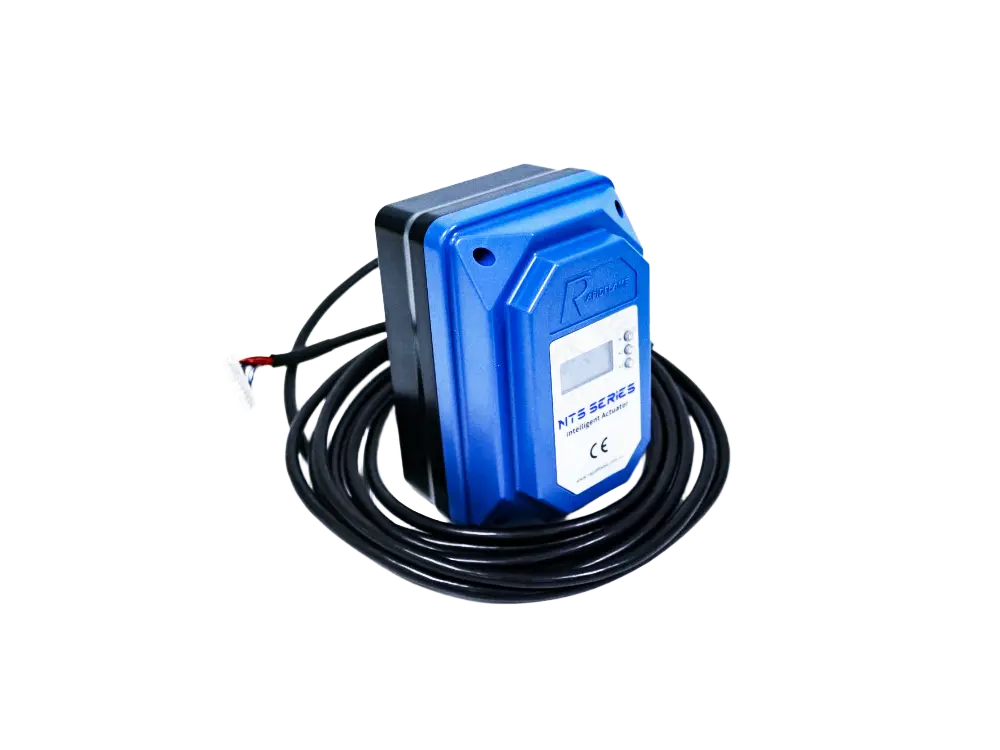
Modulating burners
Burner staging
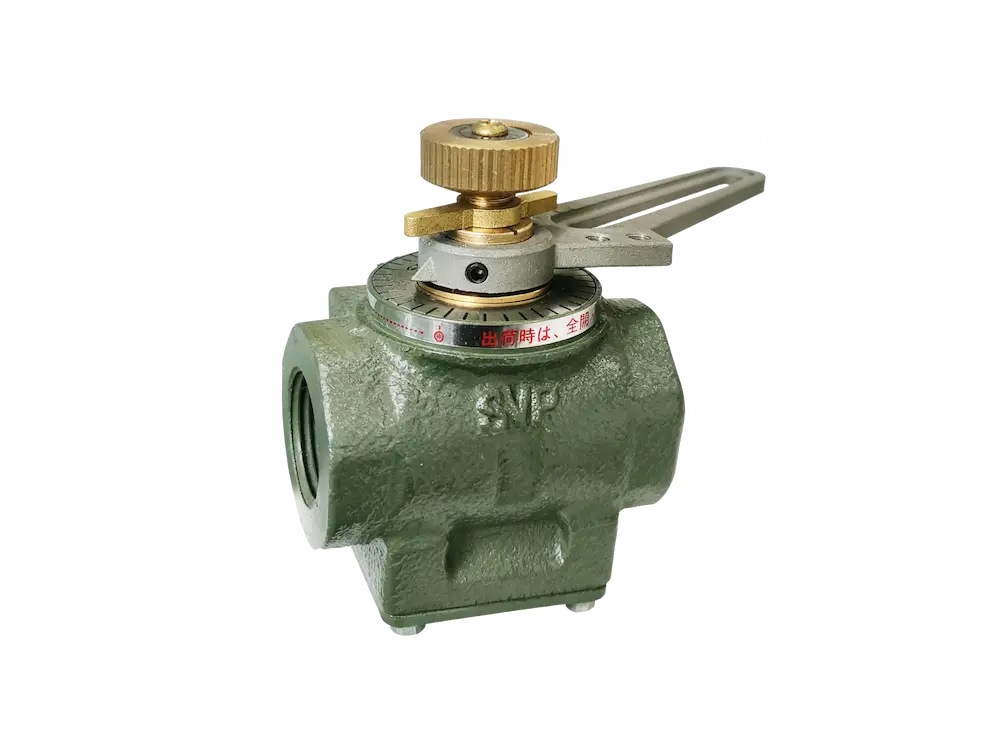
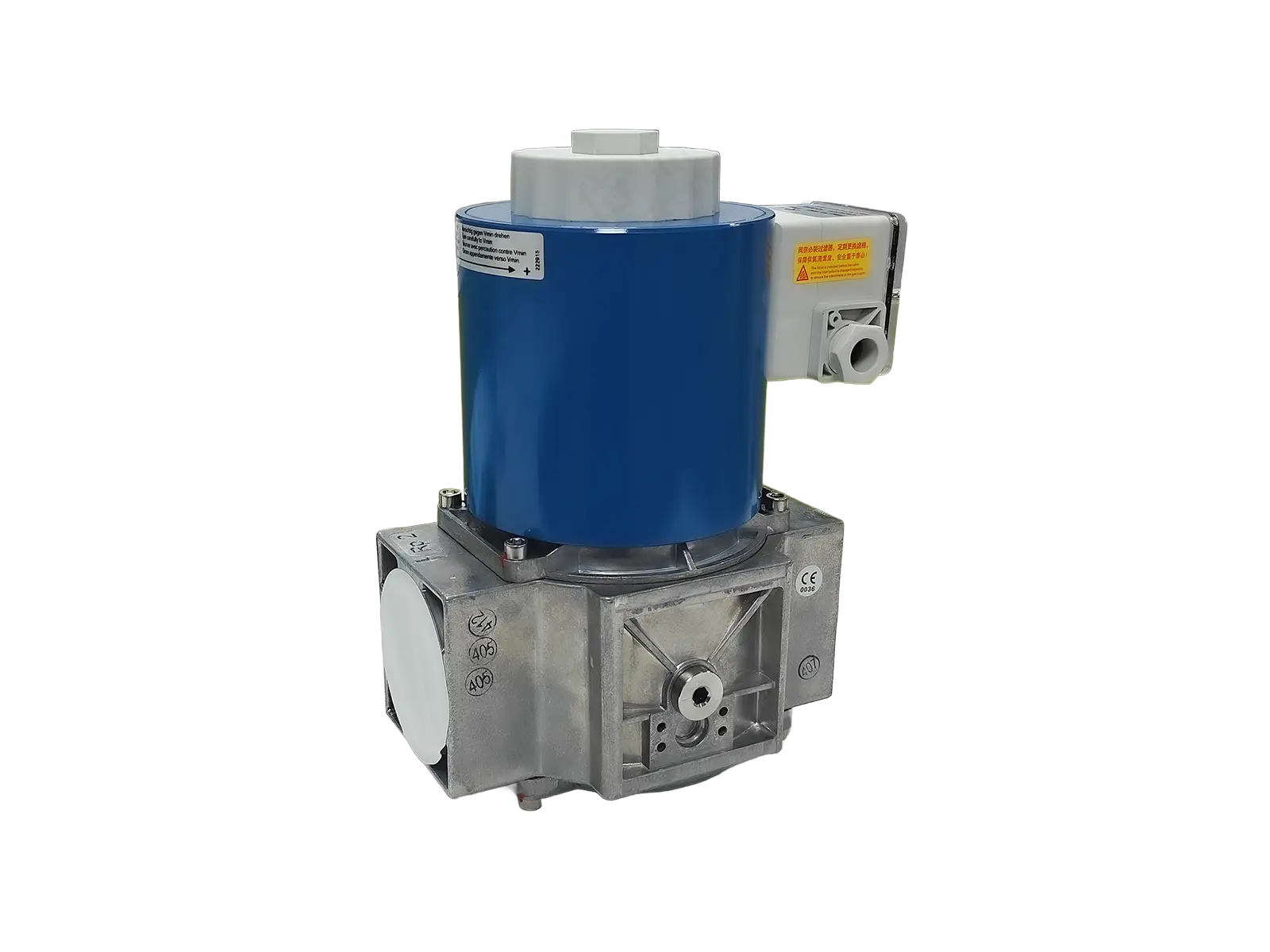
Fuel control valves
Combustion-air control
Temperature sensors
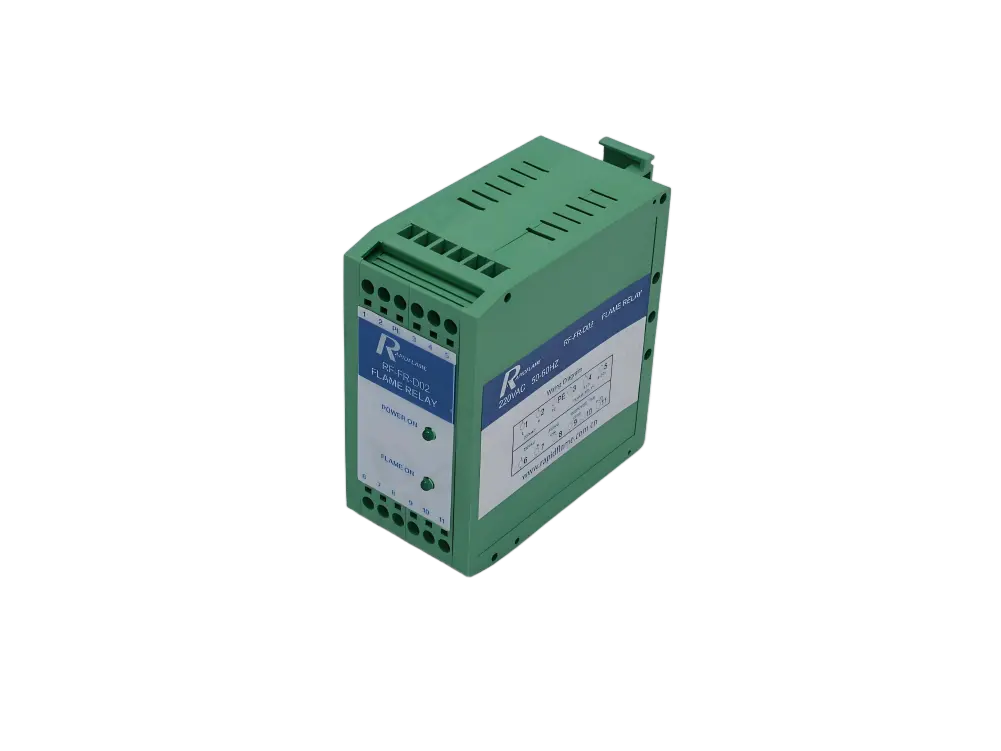
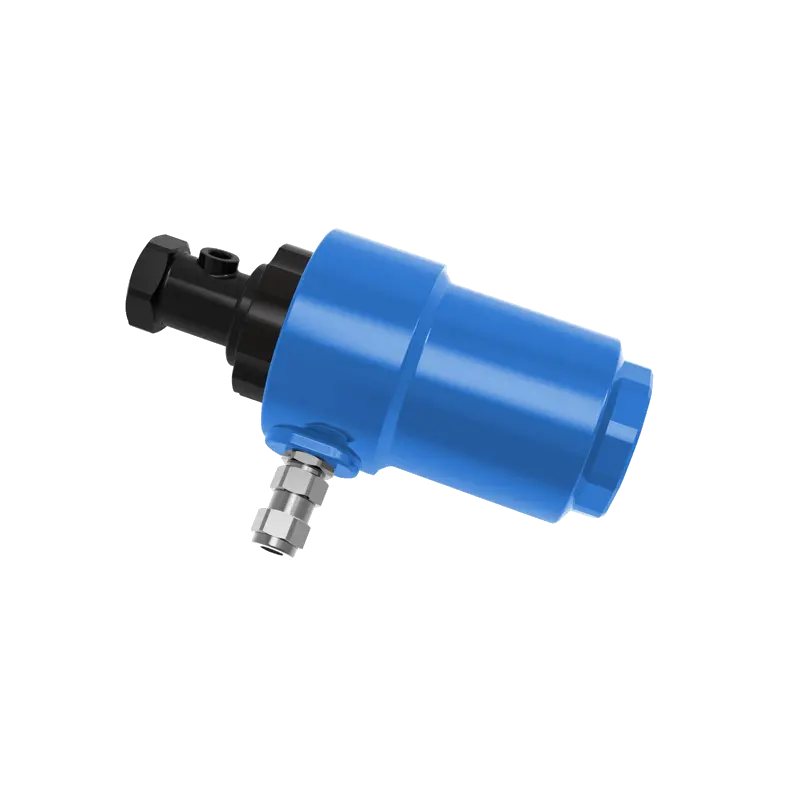
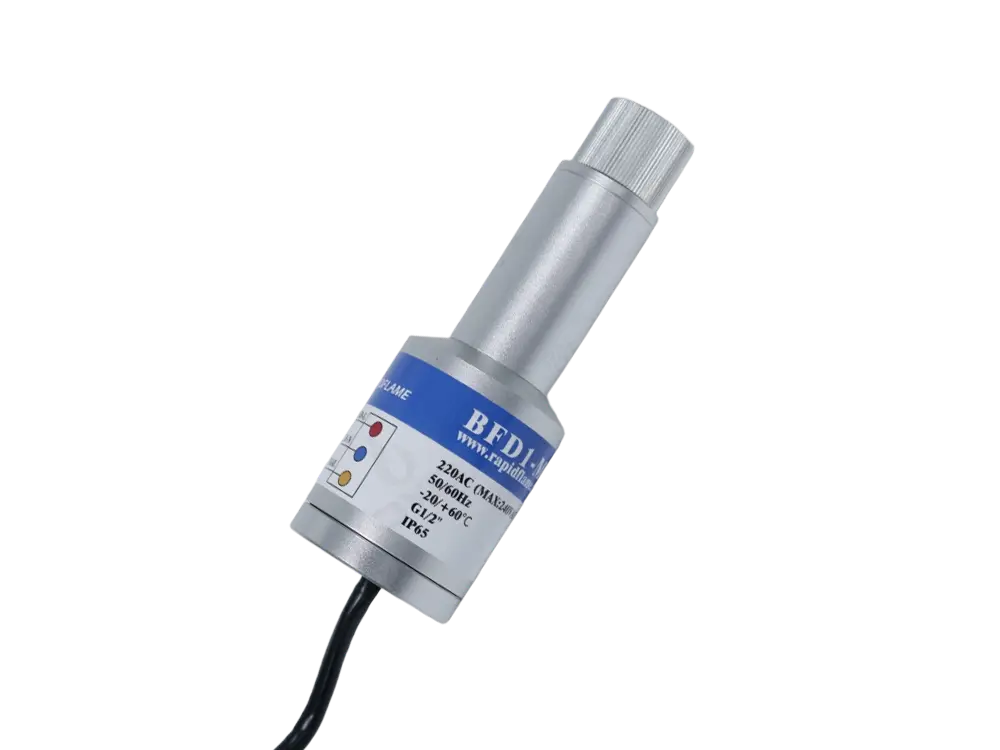
Flame detection
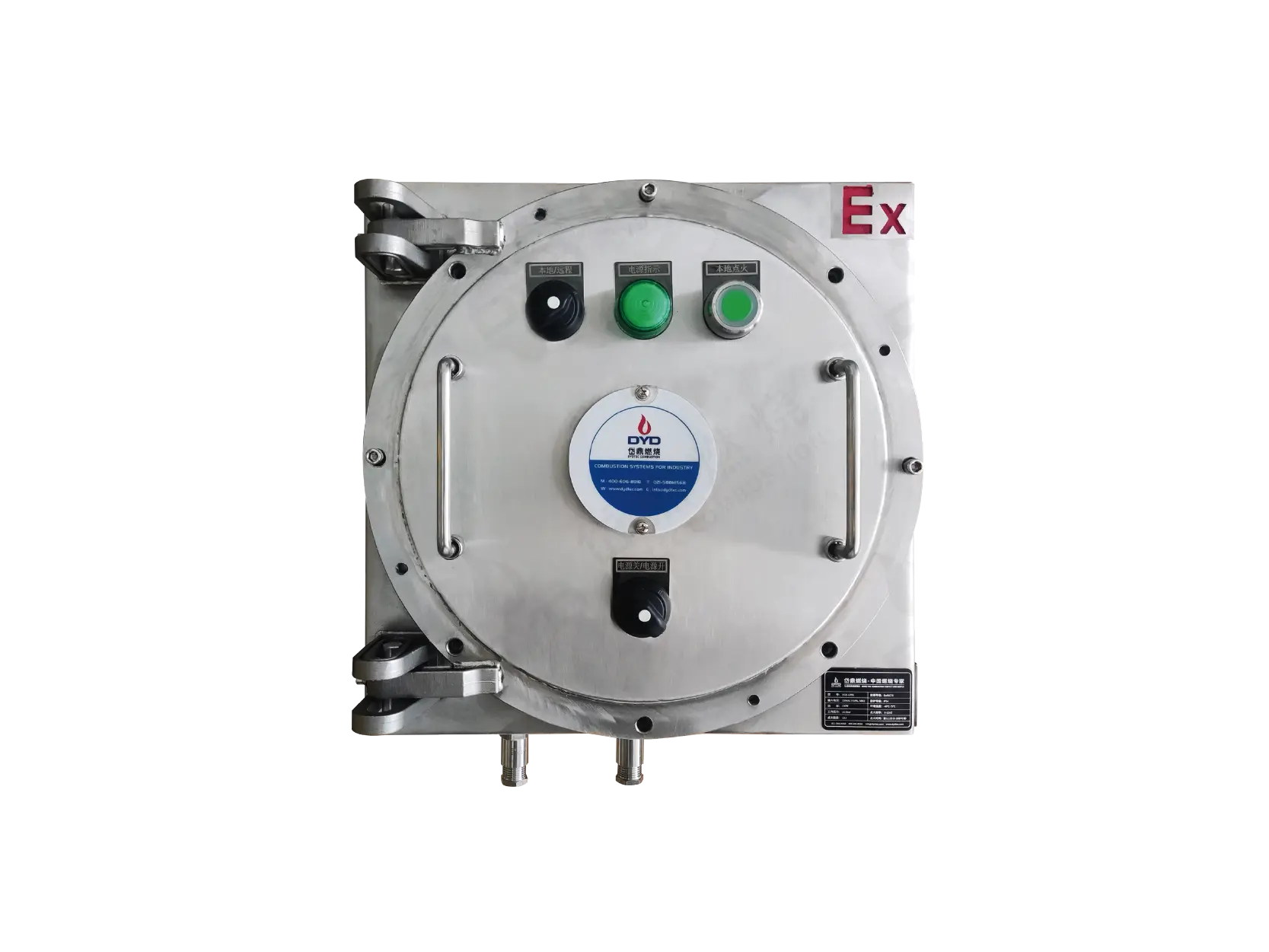
Safety interlocks
The control strategy should correspond to the furnace's thermal response.
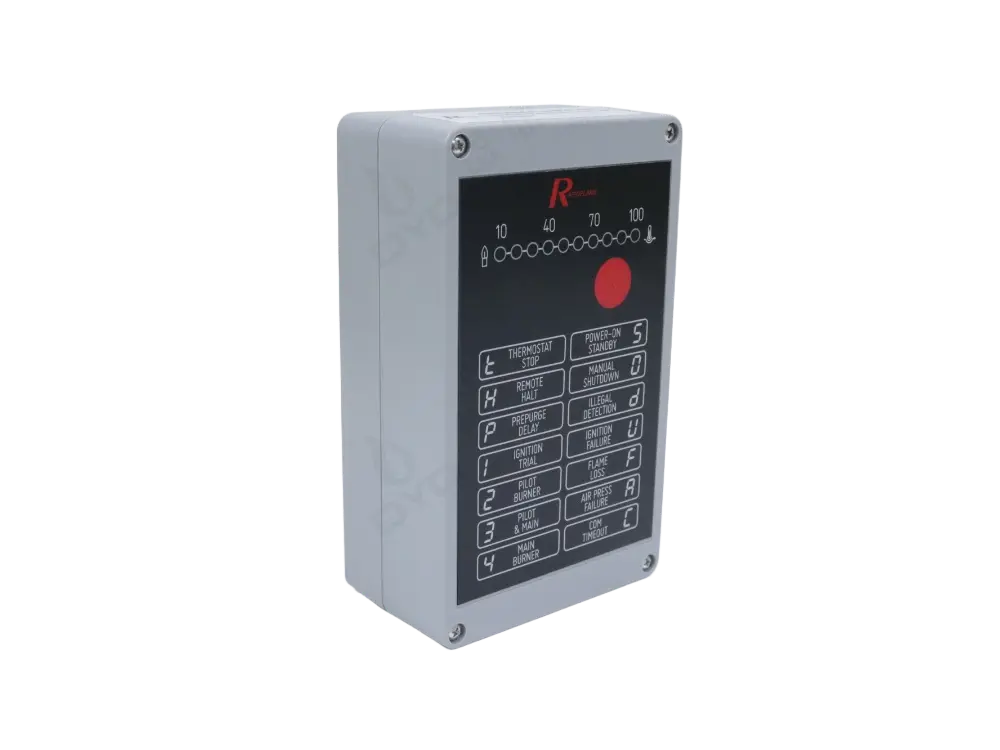
Flame detection confirms that the burner is operating correctly.
A burner safety system may include:
Pre-purge
Ignition sequence
Flame detection
Fuel shutoff
Safety interlocks
Fault handling
These functions are particularly important in industrial aluminum furnaces because the burner is often operating continuously at high thermal loads.
Fuel efficiency is influenced by the complete furnace system.
Important measures include:
Avoid unnecessary oversizing.
Ensure thermal energy reaches the aluminum effectively.
Avoid heating unnecessary quantities of combustion air.
Reduce uncontrolled air infiltration.
Reduce heat losses through the furnace structure.
Avoid removing excessive useful heat.
Maintain stable low-load operation.
Maximum capacity does not guarantee good process control.
The flame must be compatible with the actual position of the aluminum.
Poor flame orientation can create local overheating.
Flame development must match the available space.
Too much air can increase heat loss and oxygen availability.
Air infiltration can disturb combustion and increase thermal losses.
Holding conditions often require significantly lower burner output than melting conditions.
Burner, fuel, air, exhaust, refractory, and control systems should be designed together.
A practical selection process can follow these steps.
Determine whether the application is:
Melting
Holding
Preheating
Heat treatment
Another thermal process
Determine:
Charge mass
Initial temperature
Material type
Scrap ratio
Charging frequency
Determine:
Required melting rate
Production capacity
Melting time
Holding time
Consider:
Aluminum heating
Latent heat of melting
Furnace heat loss
Exhaust losses
Opening and charging losses
Startup requirements
Determine:
Furnace dimensions
Melt surface area
Burner locations
Burner height
Exhaust location
Refractory structure
Evaluate:
Burner capacity
Turndown
Flame length
Flame shape
Momentum
Fuel requirements
Coordinate:
Fuel flow
Combustion air
Furnace pressure
Exhaust flow
Coordinate:
Temperature measurement
Fuel modulation
Air control
Flame detection
Safety interlocks
DYDTEC Combustion develops industrial burners and combustion-system solutions for industrial heating applications, including high-temperature processes where heat distribution and combustion control are important.
The company has developed 100+ burner models covering 200+ application scenarios, allowing burner configurations to be considered according to different furnace geometries, heat loads, fuels, and operating conditions.
For aluminum furnace applications, burner-system design can be evaluated around:
Burner capacity
Flame length
Flame shape
Flame momentum
Burner position
Burner angle
Furnace geometry
Melt location
Combustion air
Furnace pressure
Exhaust conditions
Temperature uniformity
Burner turndown
Control requirements
DYDTEC Combustion was established in 2012 and has R&D and manufacturing bases in Shanghai and Yangzhou.
The company also has 50+ patents and software copyrights, supporting its development of customized combustion solutions for different industrial heating requirements.
The burner affects more than the furnace's heat input.
It can influence:
Burner openings
Furnace geometry
Flame clearance
Refractory design
Fuel piping
Combustion-air piping
Exhaust arrangement
Temperature sensors
Control zones
If the burner is selected only after the furnace structure has been finalized, the OEM may have fewer options for optimizing the thermal system.
Early collaboration allows:
Furnace Design + Burner + Fuel + Air + Exhaust + Control
to be considered as one integrated system.
Before selecting a burner, an OEM should ideally provide:
Furnace type
Furnace dimensions
Furnace volume
Refractory structure
Burner installation locations
Exhaust location
Material type
Charge mass
Initial temperature
Scrap ratio
Charging method
Required melting temperature
Required melting rate
Production capacity
Melting cycle
Holding requirements
Fuel type
Fuel pressure
Fuel availability
Combustion-air pressure
Combustion-air temperature
Exhaust conditions
Desired furnace pressure
This information provides the basis for determining burner capacity, flame characteristics, burner arrangement, and control strategy.
The burner provides controlled thermal energy for melting, holding, preheating, or other aluminum thermal processes.
Because excessive or poorly distributed heat can create local overheating, temperature fluctuations, and increased oxidation.
The location depends on the furnace type and geometry. Burners may be installed through side walls, above the furnace, or at other strategically selected locations.
Direct flame interaction should be carefully evaluated because uncontrolled flame impingement can create local overheating and may contribute to oxidation.
Burner angle affects flame direction, gas circulation, heat distribution, and interaction with the furnace structure and melt.
Burner capacity determines available thermal input, but actual melting speed also depends on heat transfer, furnace design, charge conditions, insulation, and exhaust losses.
An oversized burner can make low-load control difficult and may cause temperature overshoot, local overheating, increased oxidation, and higher fuel consumption.
The furnace may struggle to reach the required temperature or melting rate, resulting in longer melting cycles and reduced production capacity.
It allows the burner to reduce heat output during lower-load conditions such as holding or temperature stabilization.
Excessive air increases the amount of gas that must be heated and exhausted and can increase heat loss and oxygen availability.
Yes. Excessive negative pressure can draw cold air into the furnace, affecting combustion, heat loss, and furnace atmosphere.
Yes. Natural gas burners are commonly applicable when the burner and complete combustion system are designed for the required furnace conditions.
Burner requirements should ideally be considered during the early furnace-design stage so that burner installation, flame development, airflow, exhaust, and control can be coordinated.
Burners in aluminum furnaces are not simply devices for generating high temperatures.
They are part of an integrated thermal system that determines how efficiently and uniformly energy is transferred to the aluminum.
The most important factors include:
Burner Capacity
Flame Characteristics
Burner Arrangement
Furnace Geometry
Combustion Air
Furnace Pressure
Exhaust
Temperature Control
For aluminum melting and holding applications, the goal is not simply to maximize heat input. The objective is to achieve the required melting or holding rate while maintaining stable temperature distribution, controlled combustion, and efficient heat utilization.
Ultimately:
The right aluminum-furnace burner is not simply the burner with the highest capacity. It is the burner system that matches the furnace geometry, aluminum load, thermal process, flame characteristics, airflow, and control requirements to deliver heat where it is needed—efficiently and controllably.