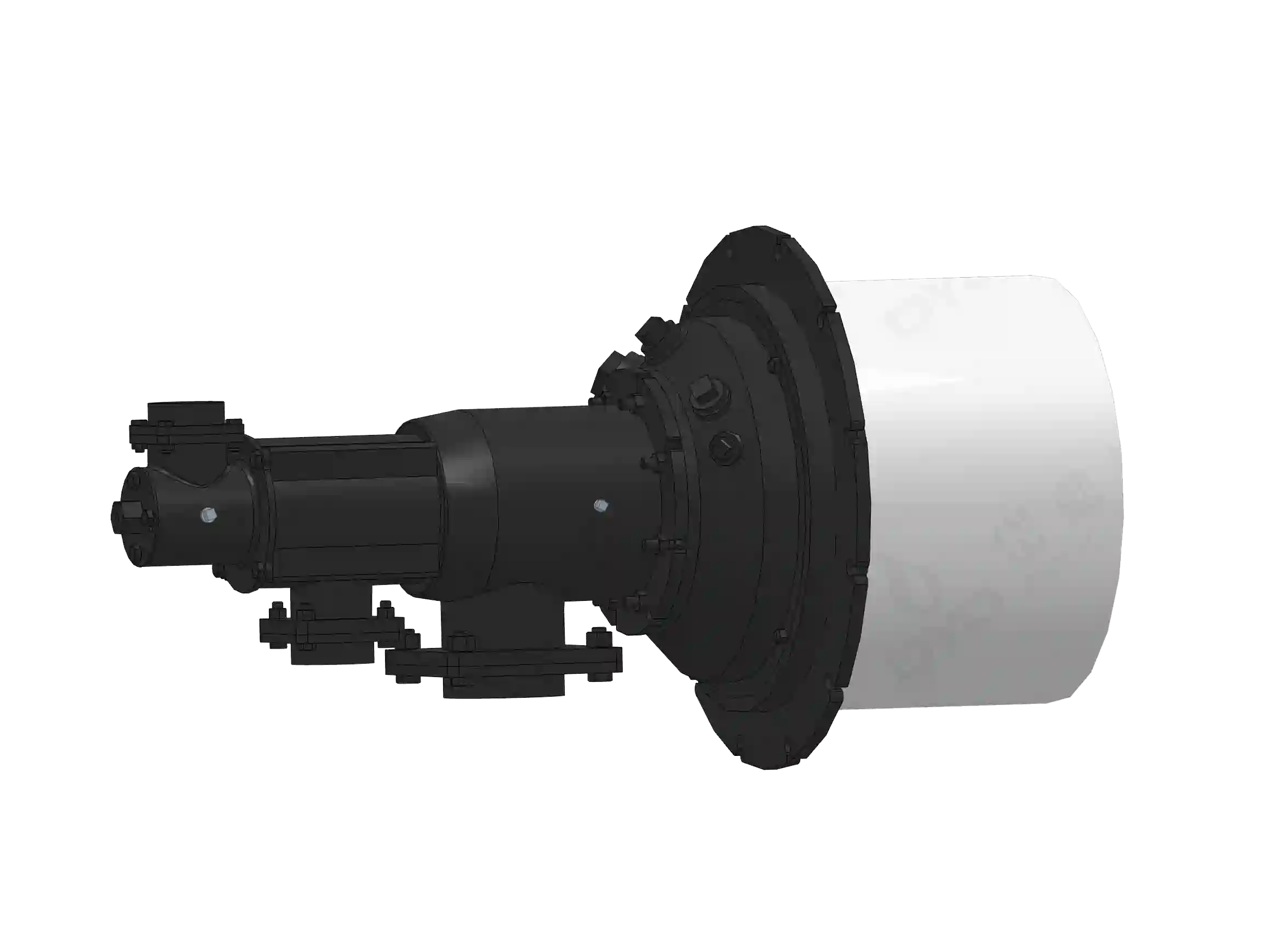
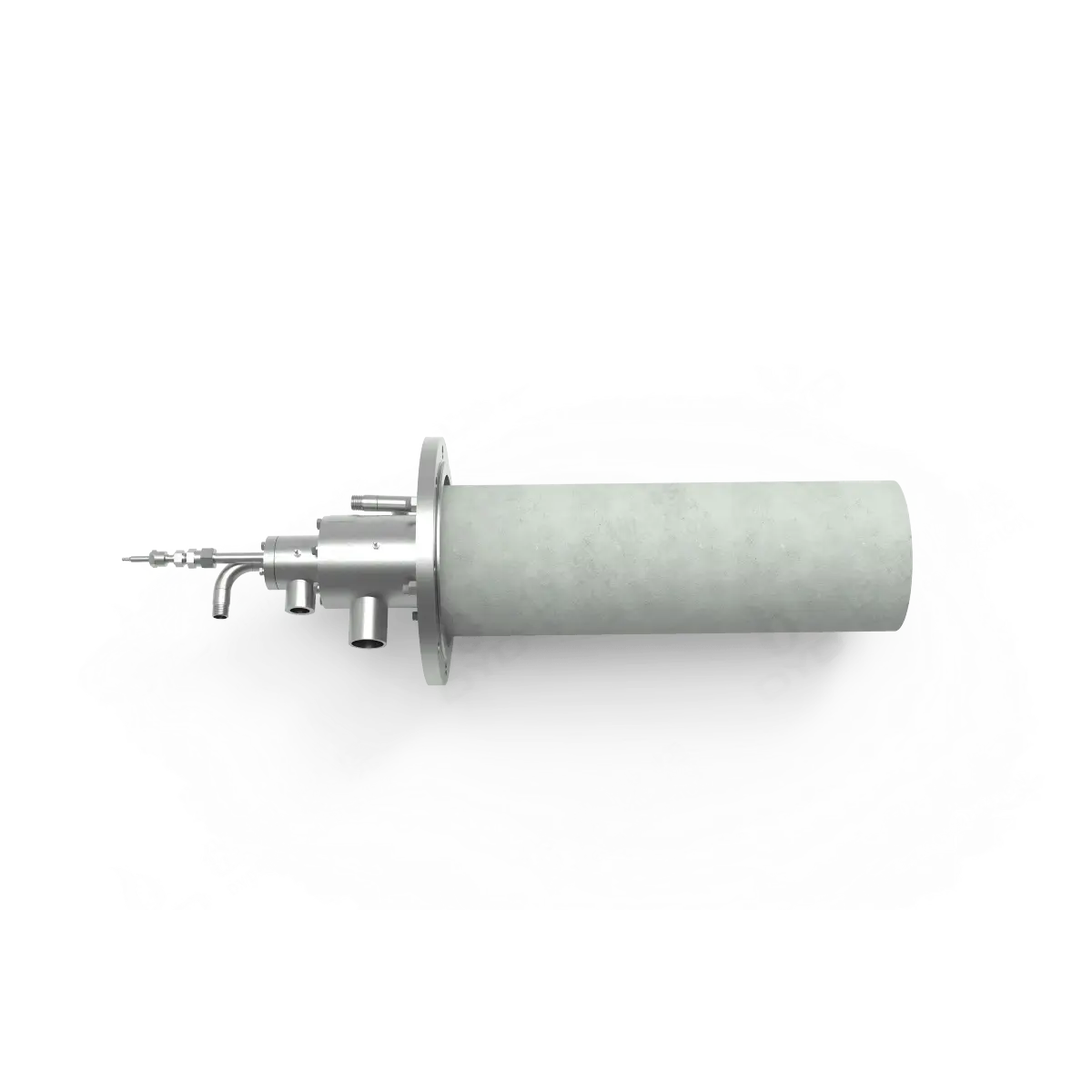
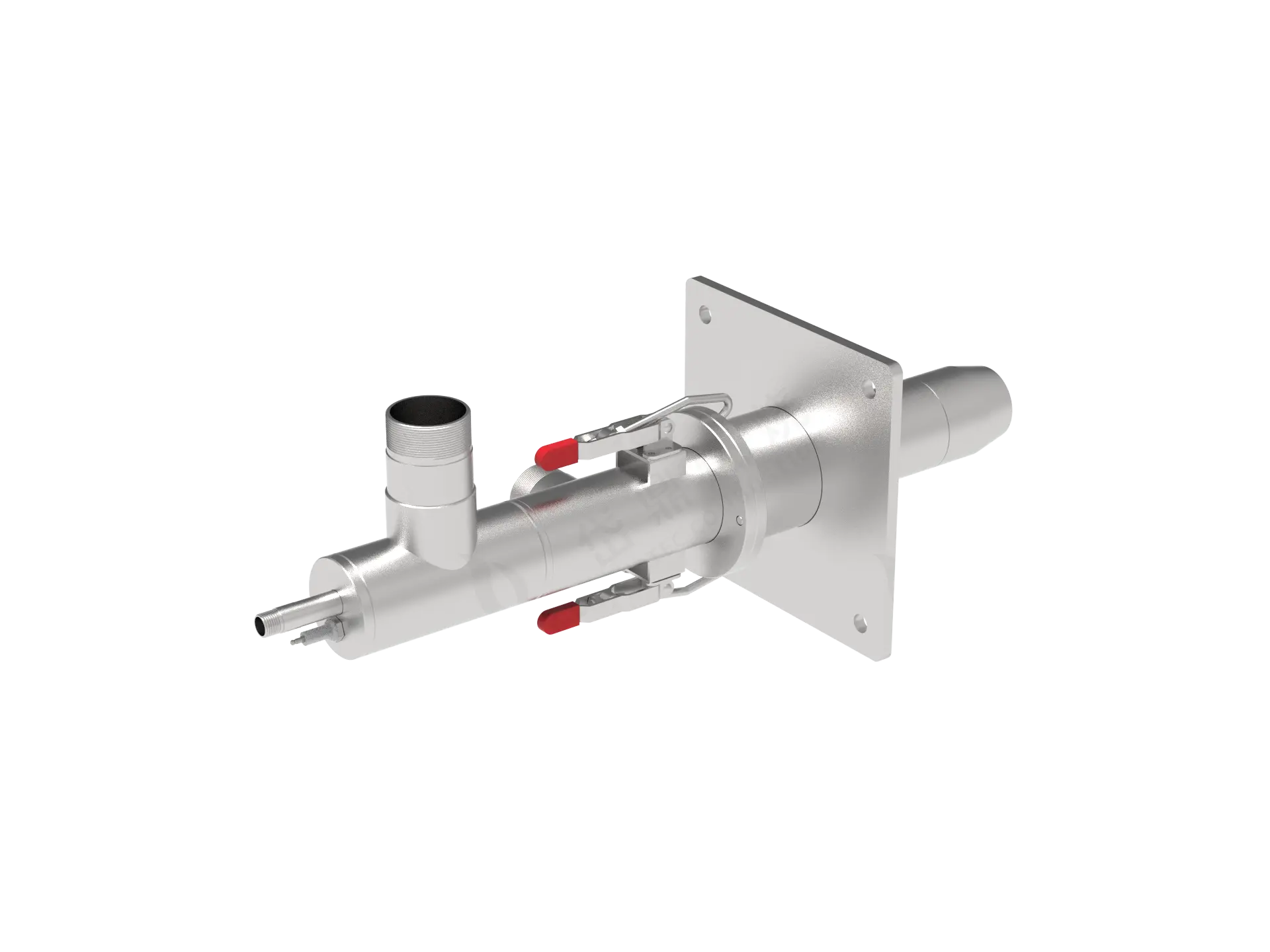
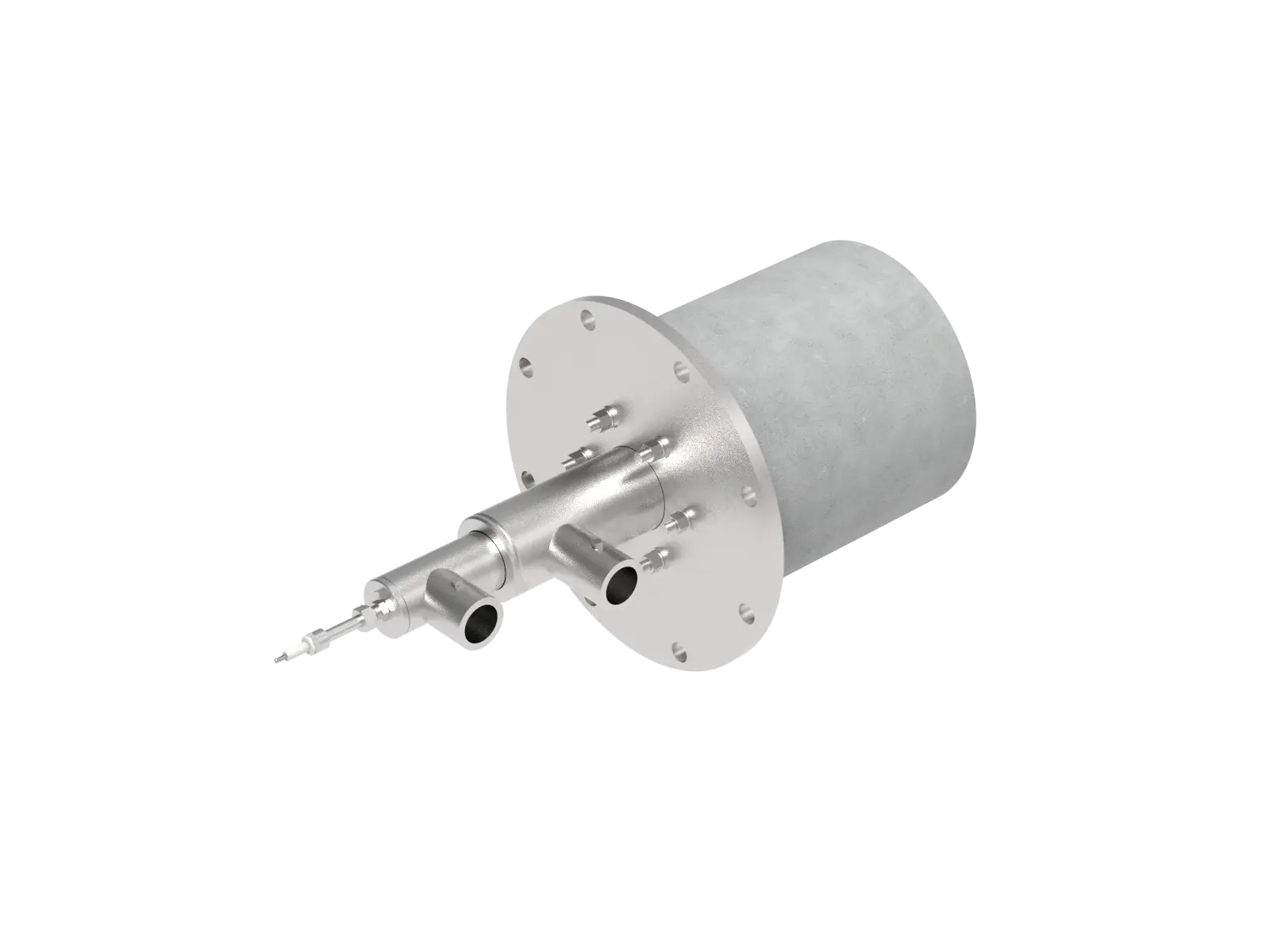
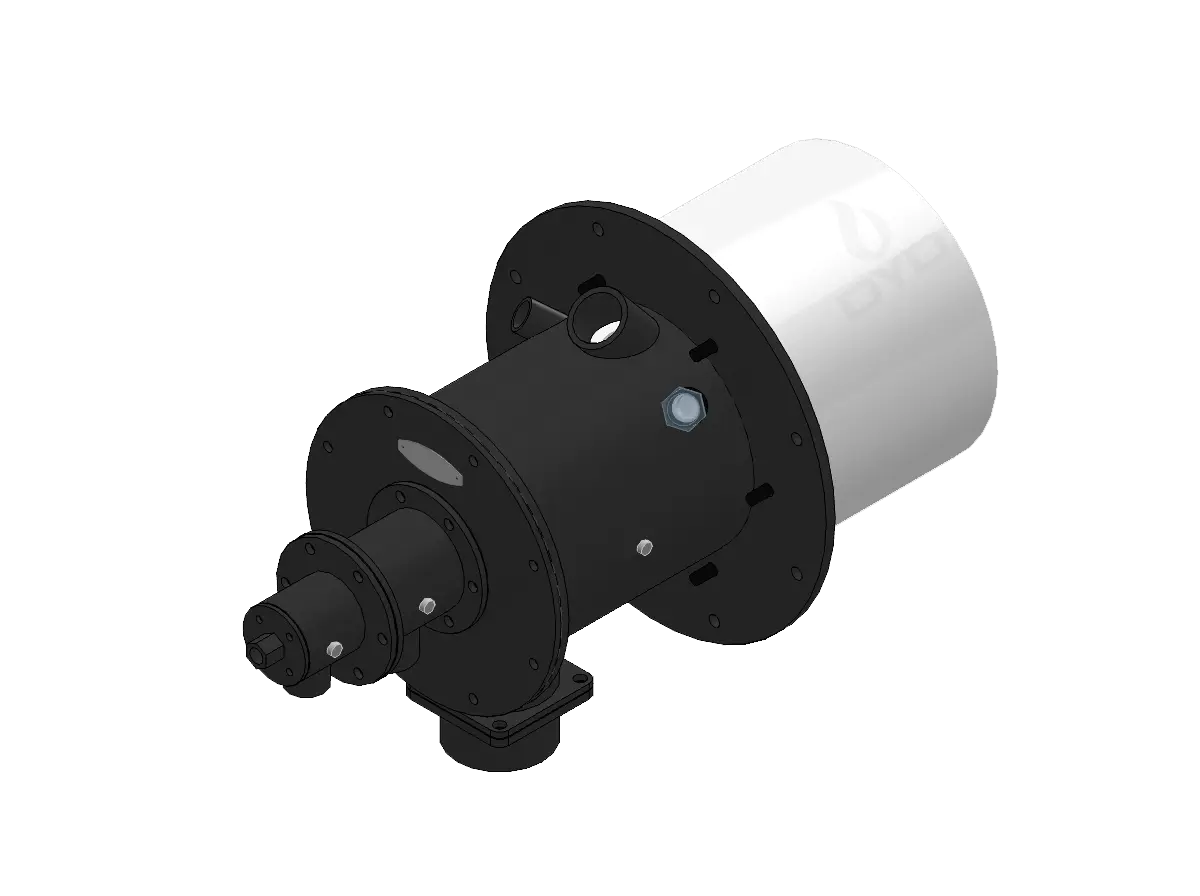
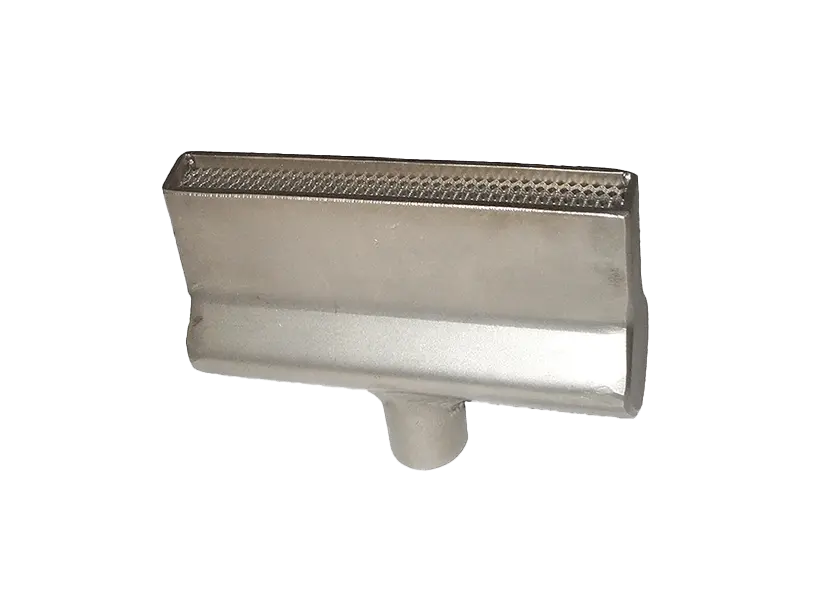
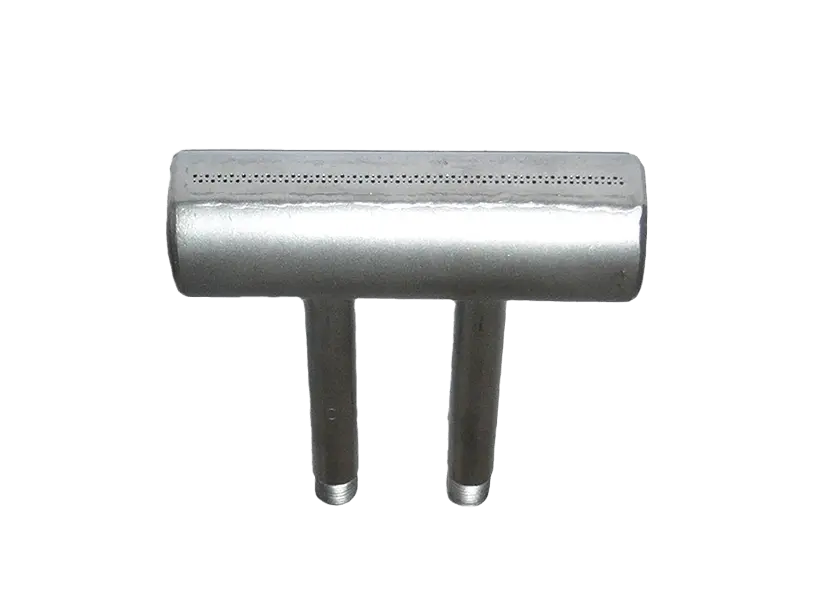
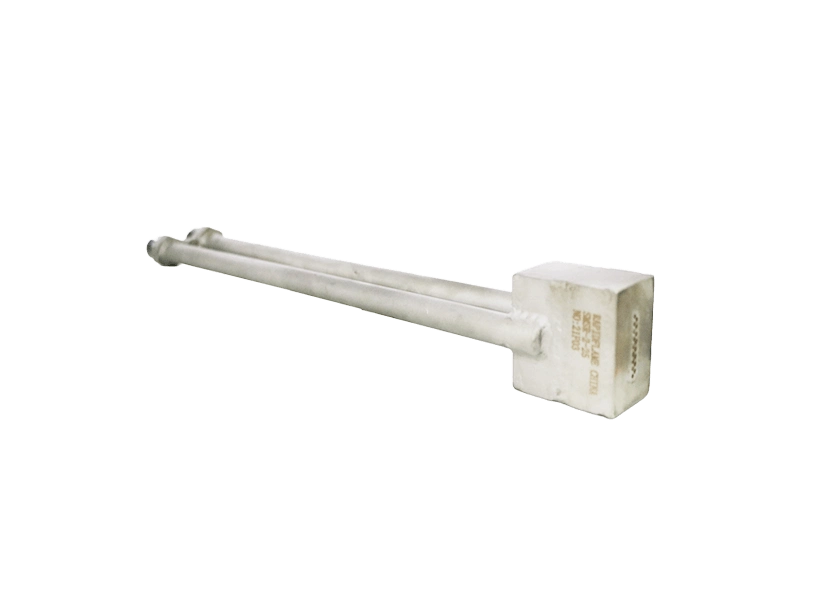
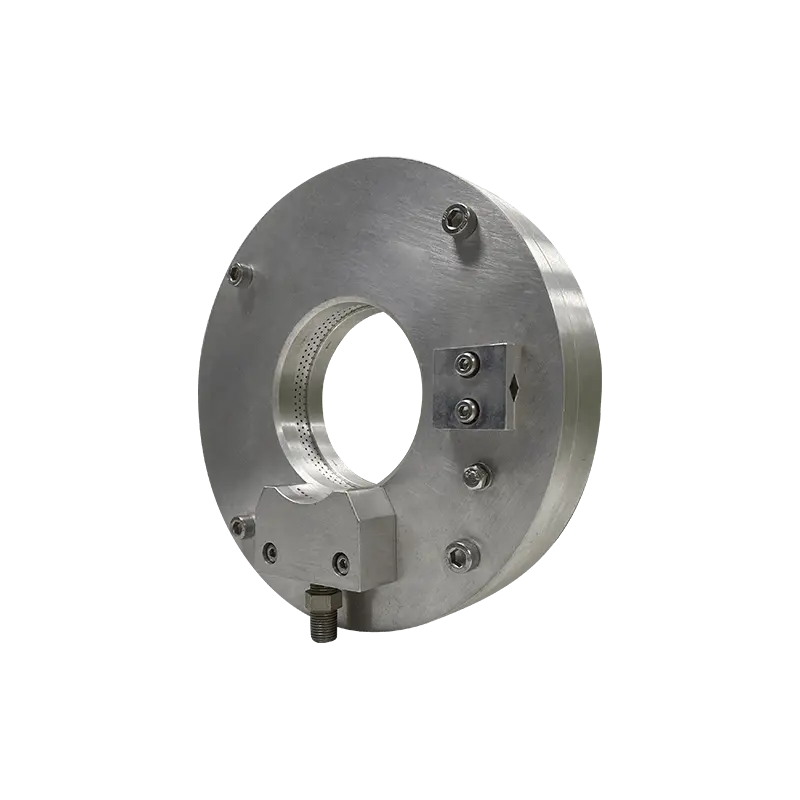
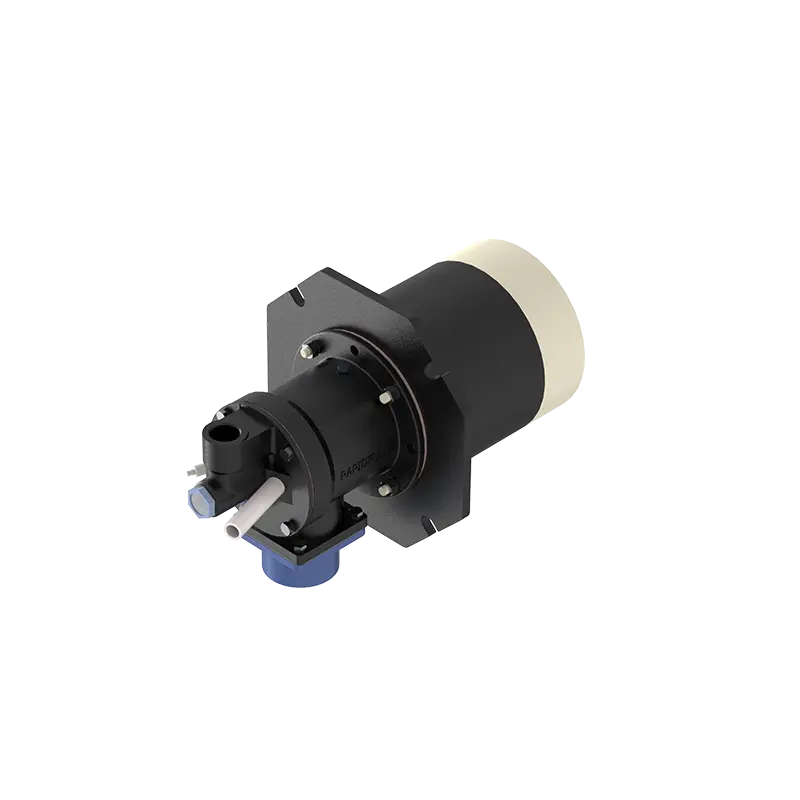
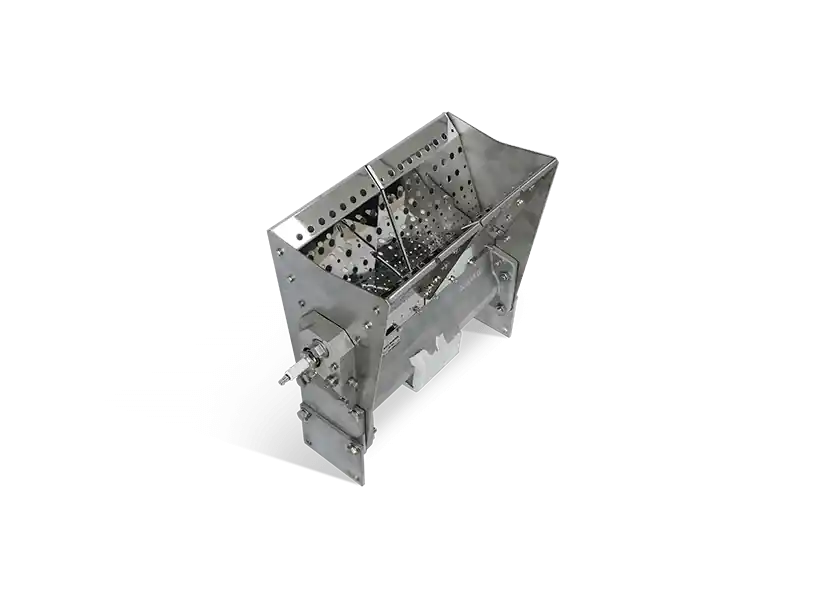
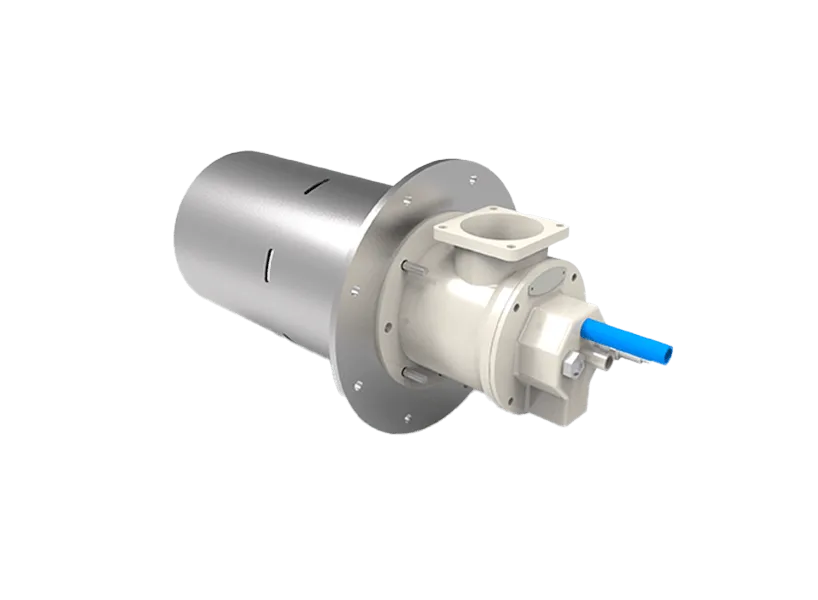
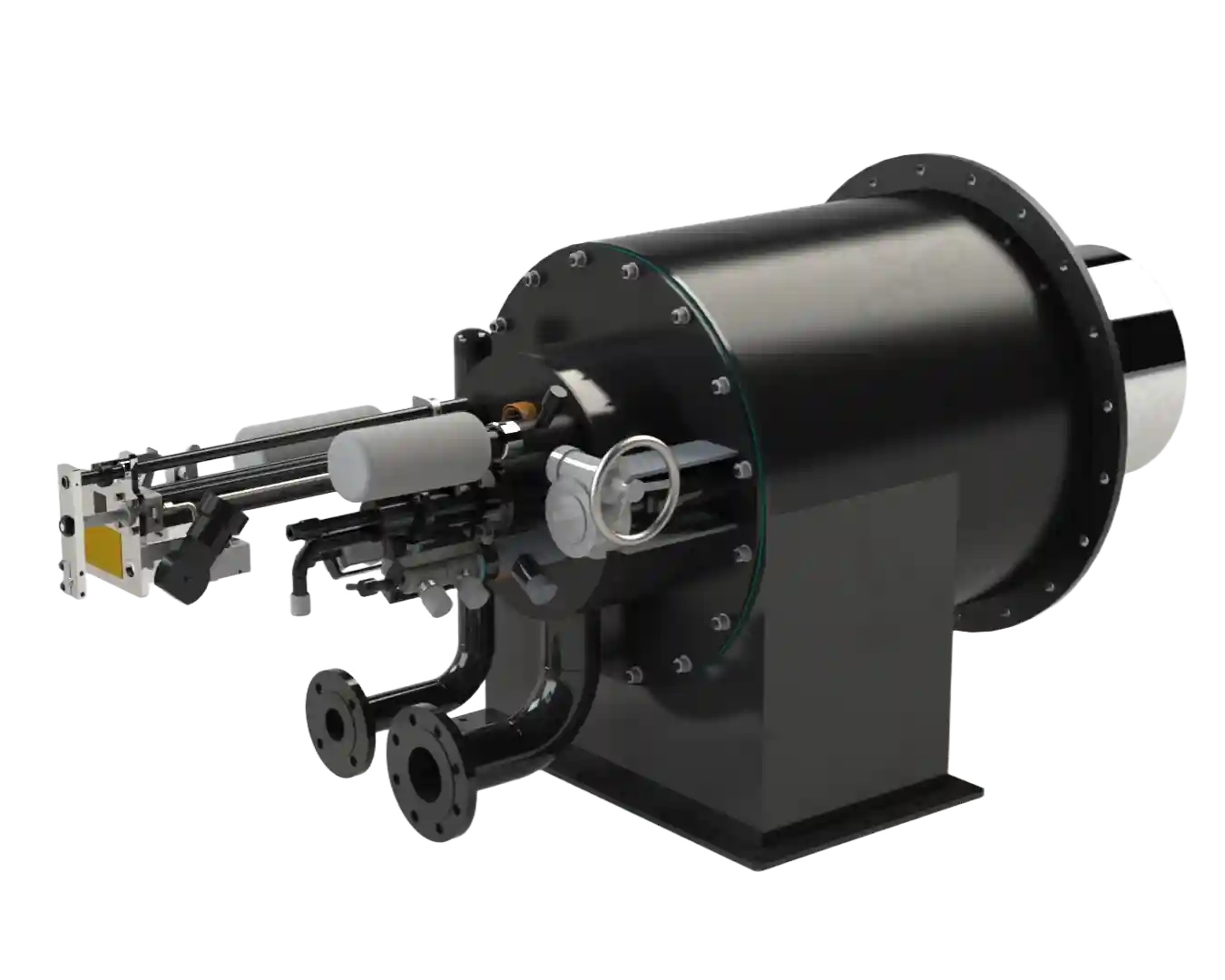
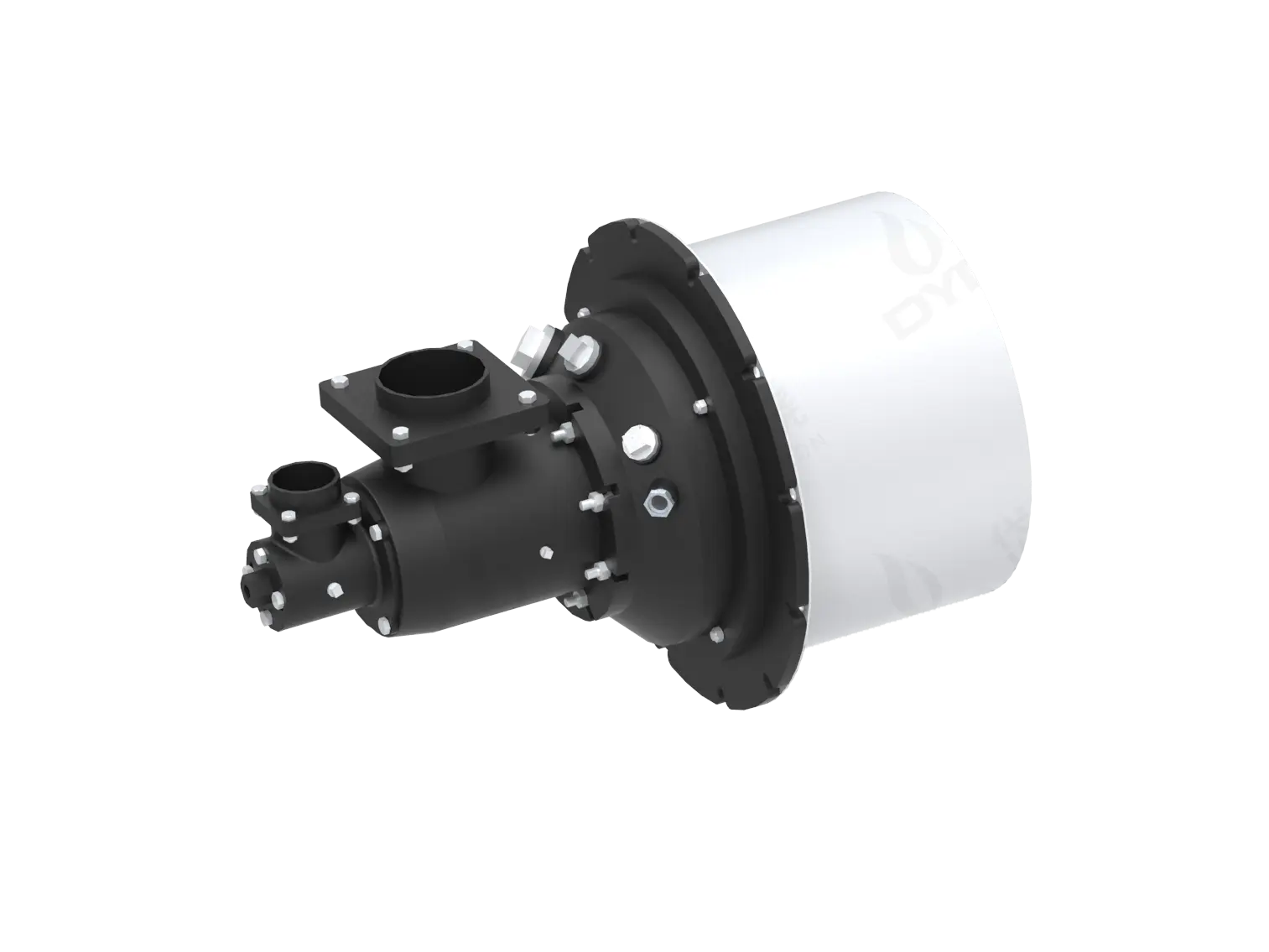
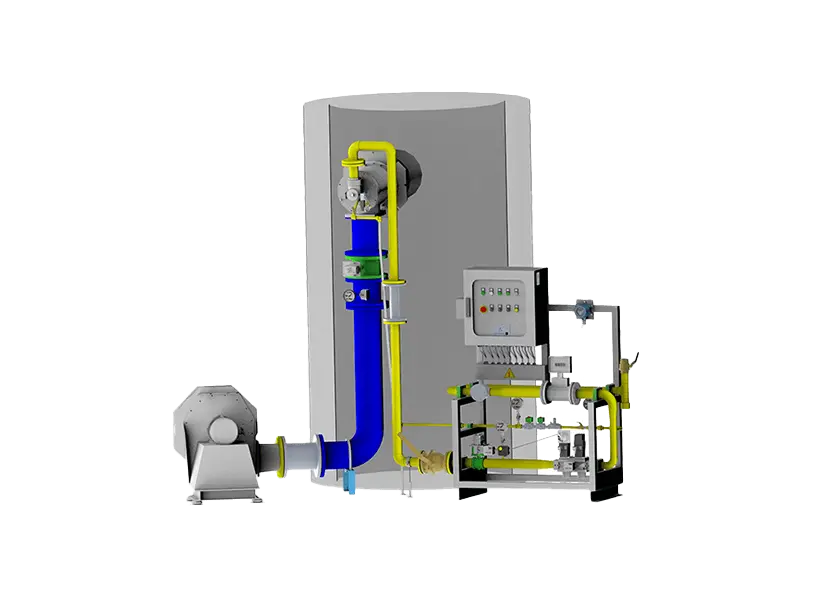
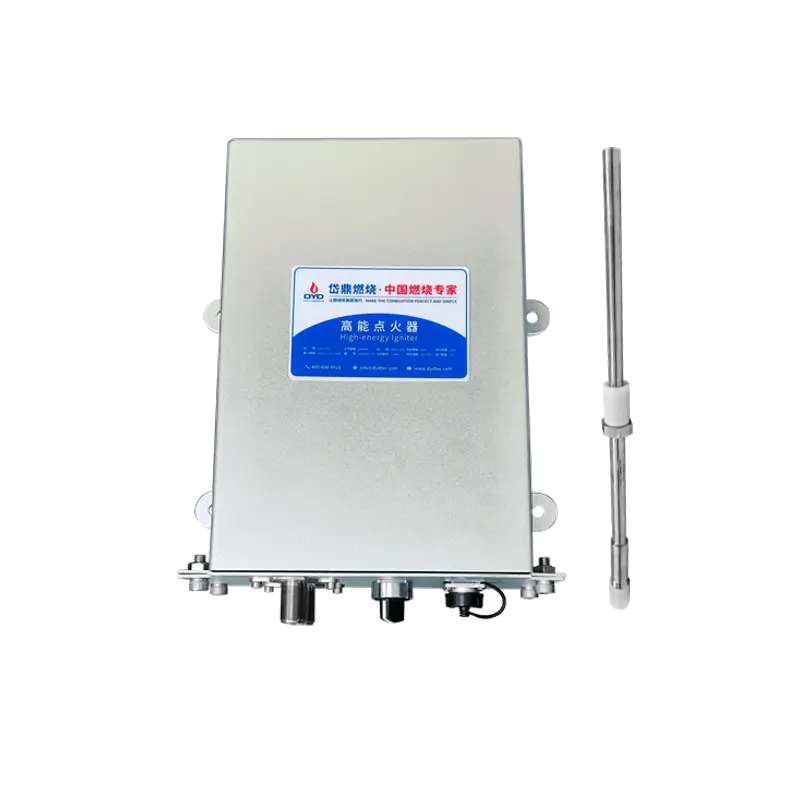
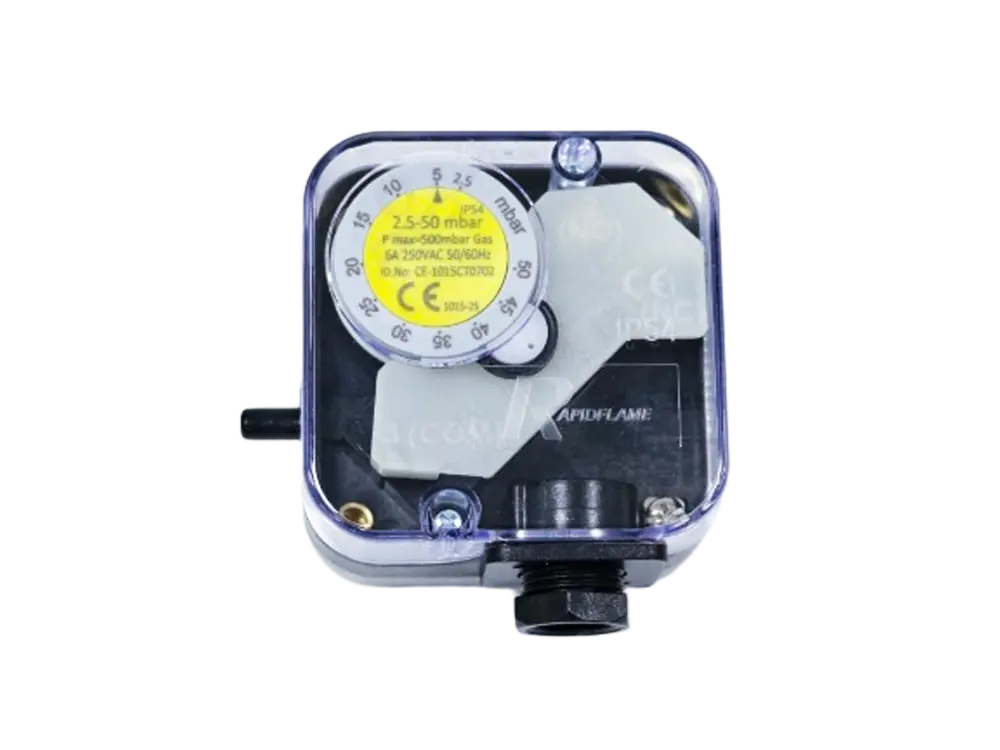
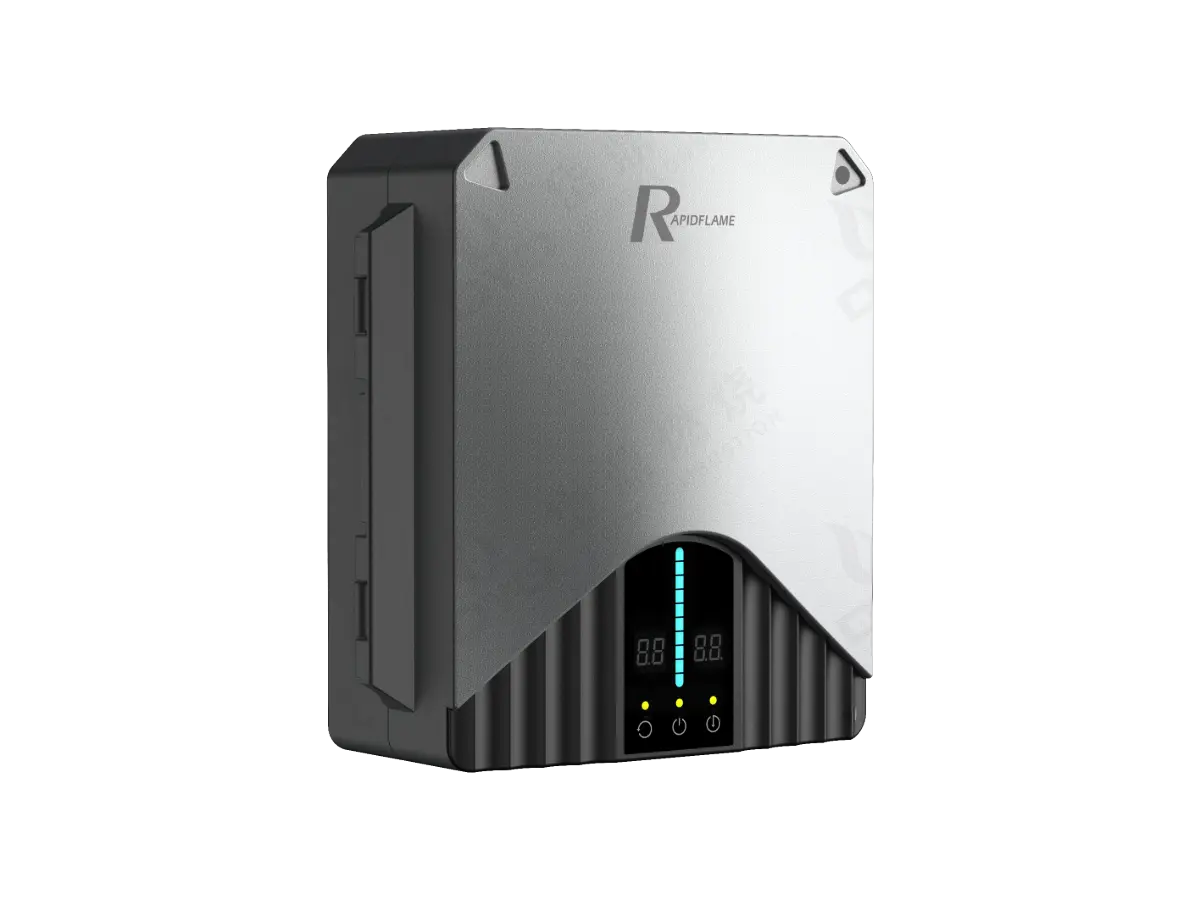
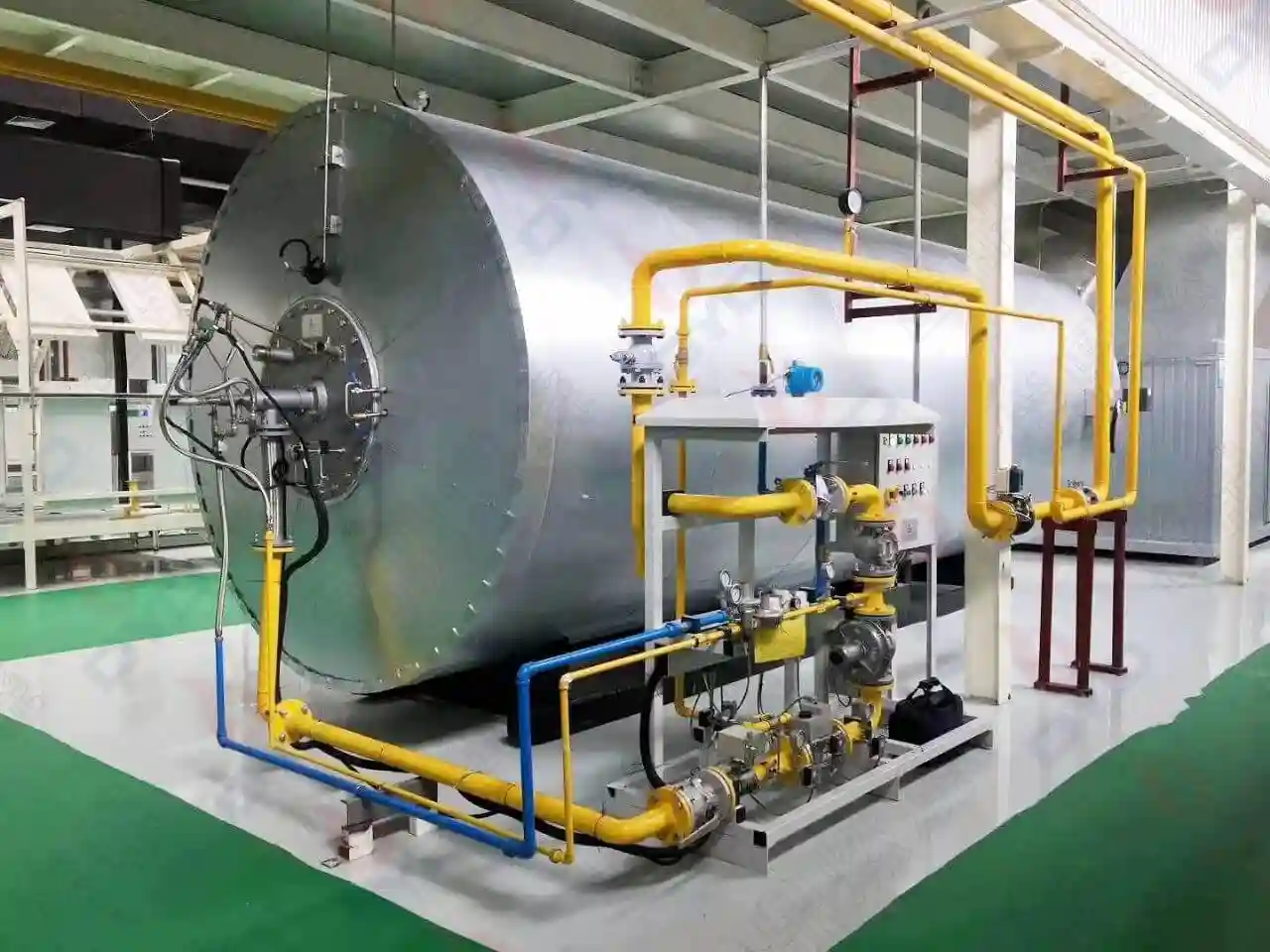
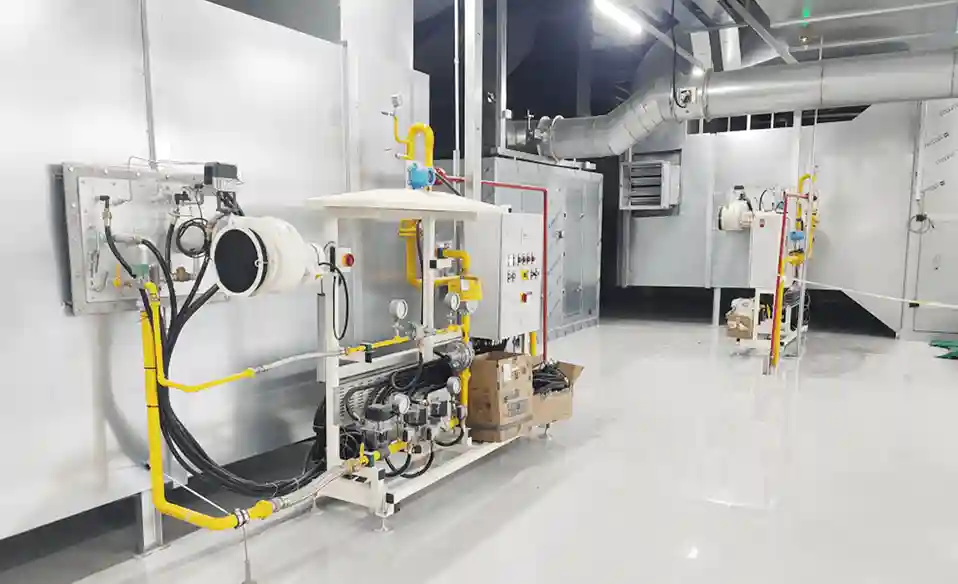
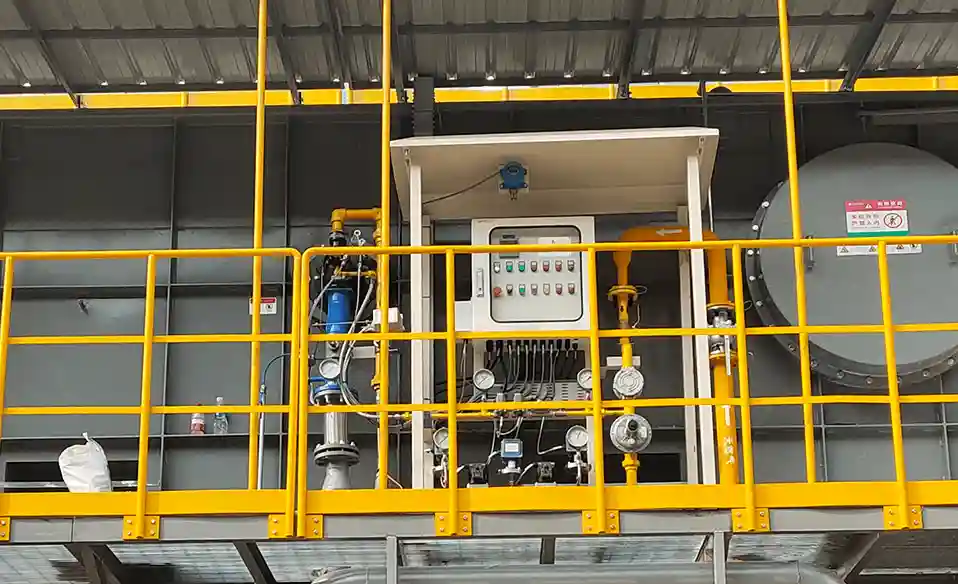
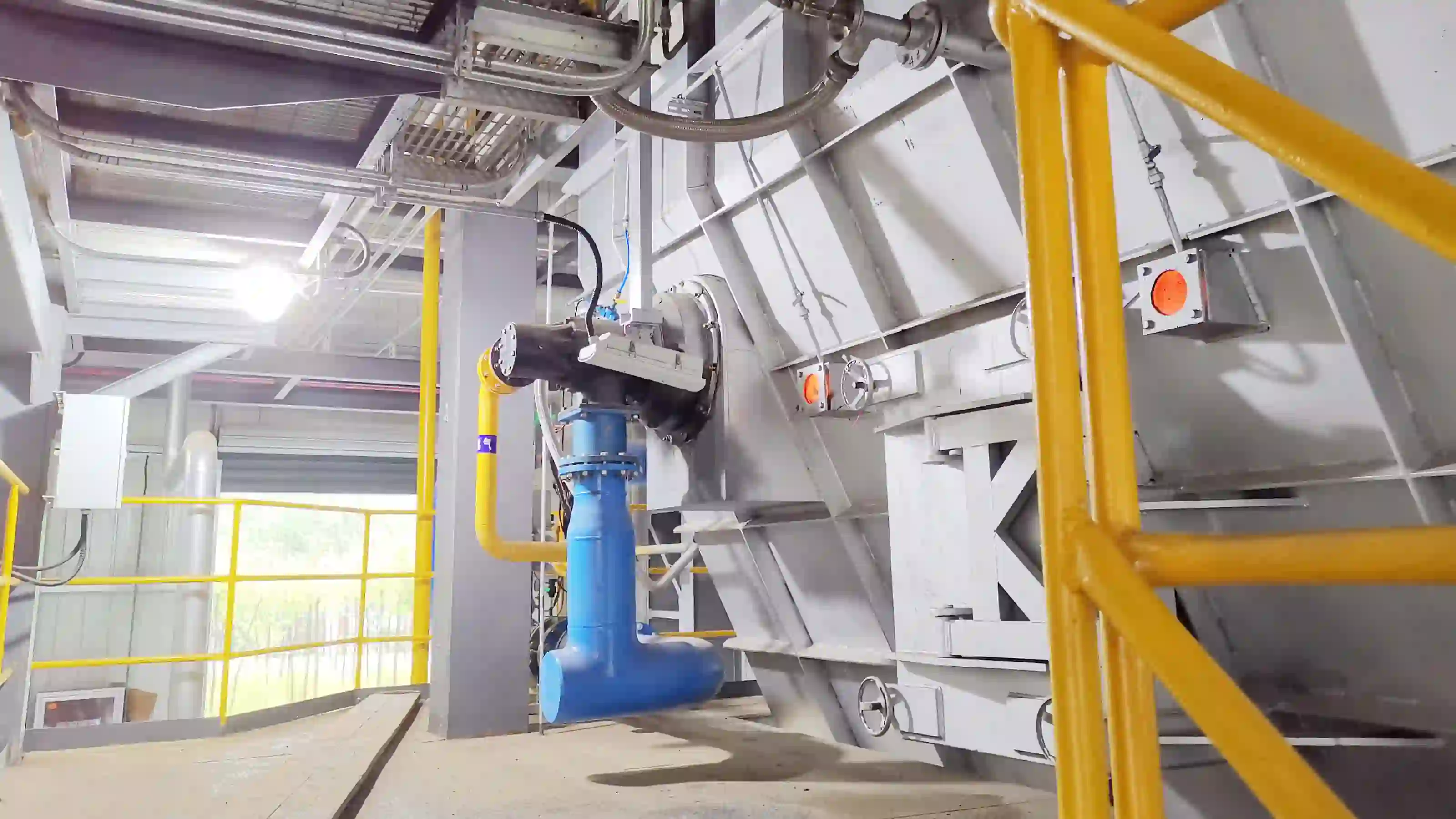
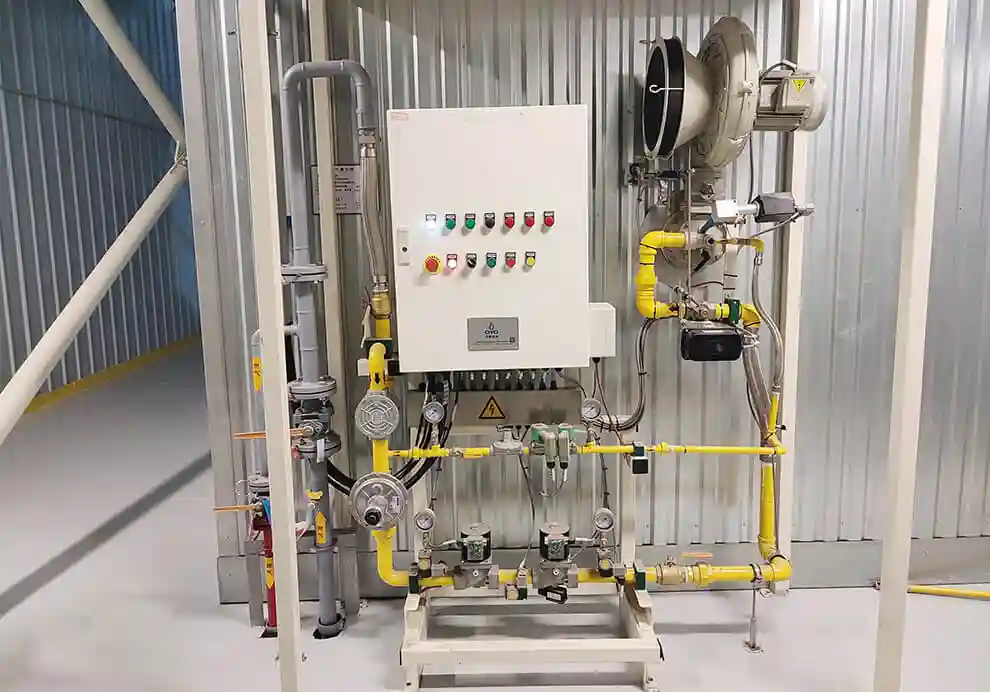
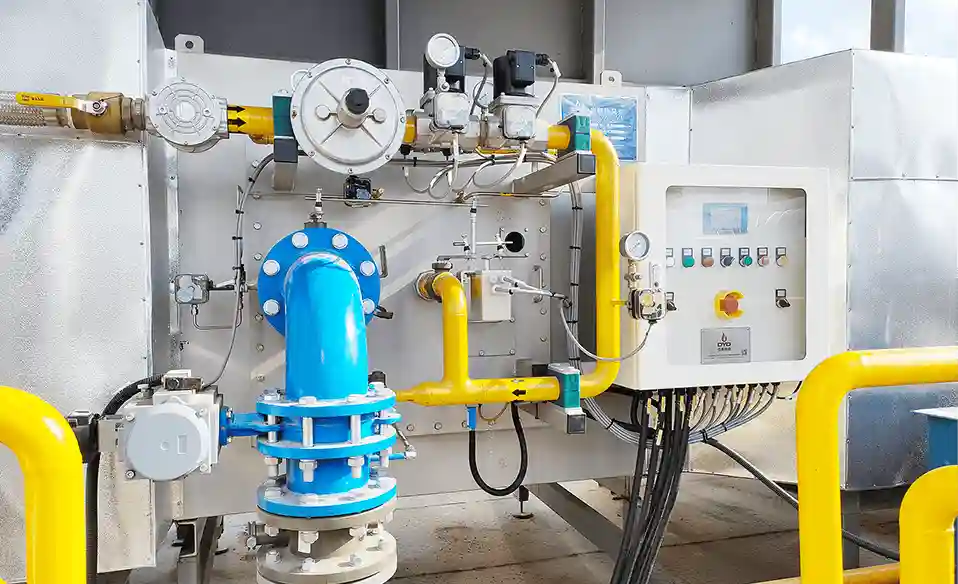
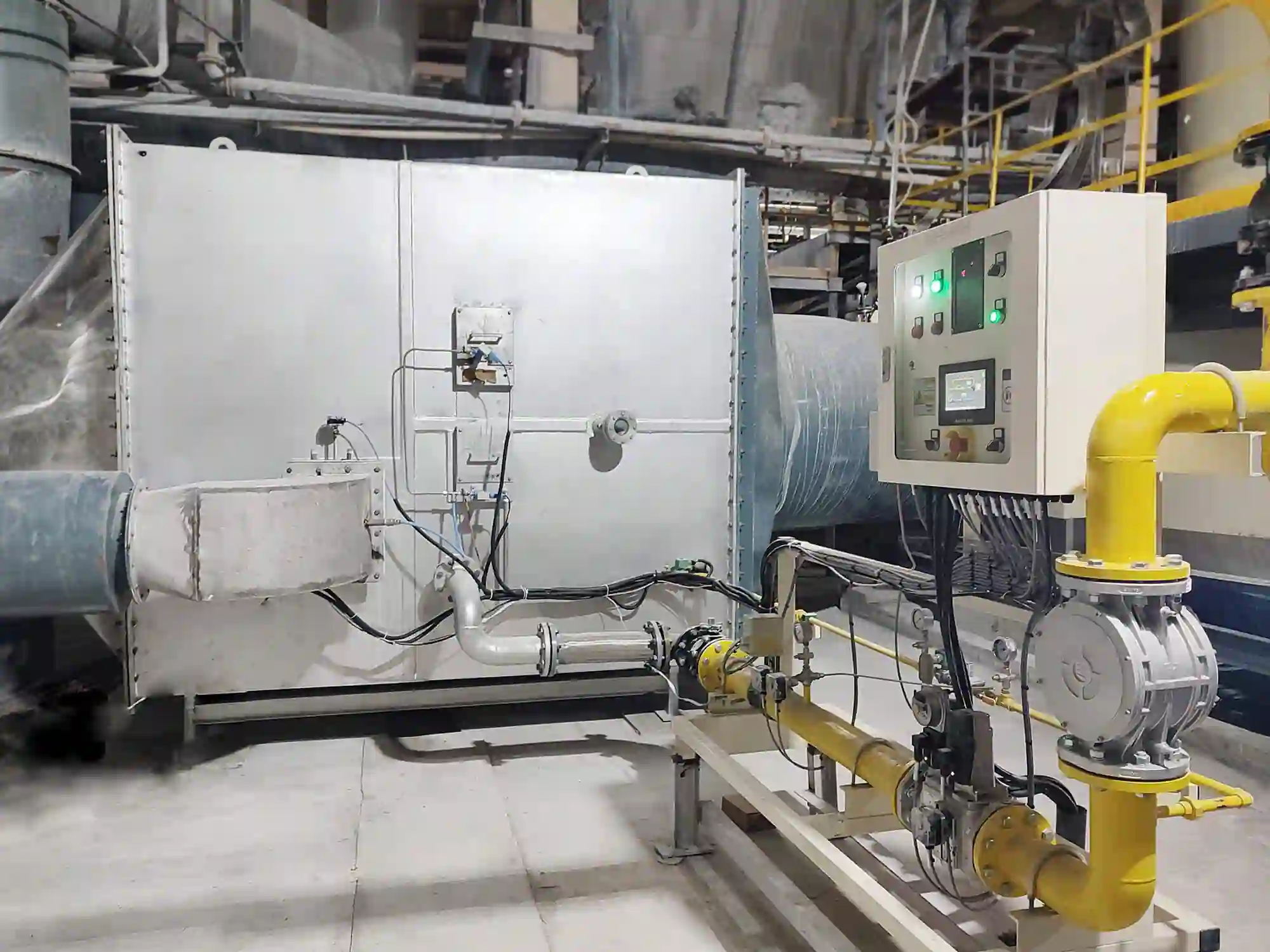
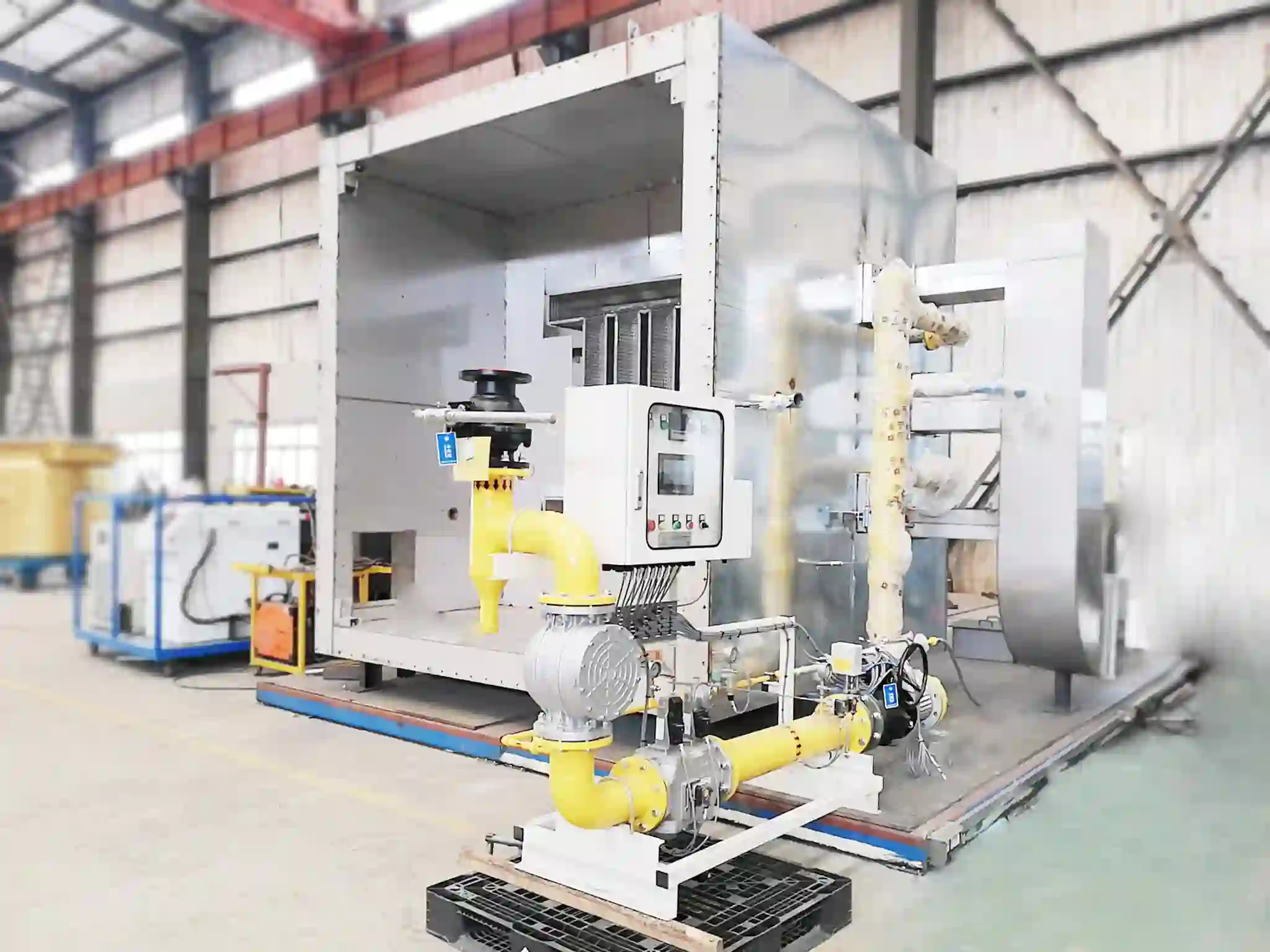
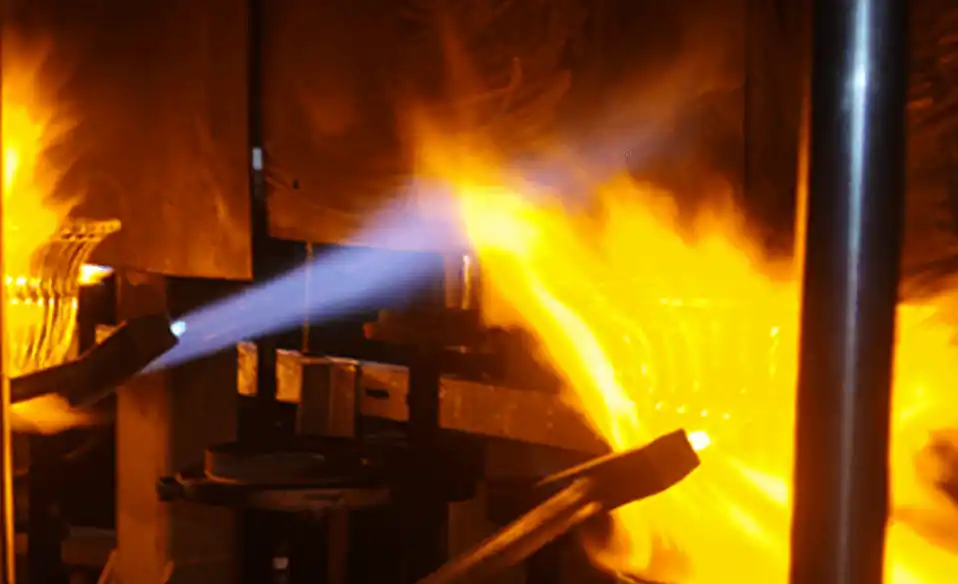
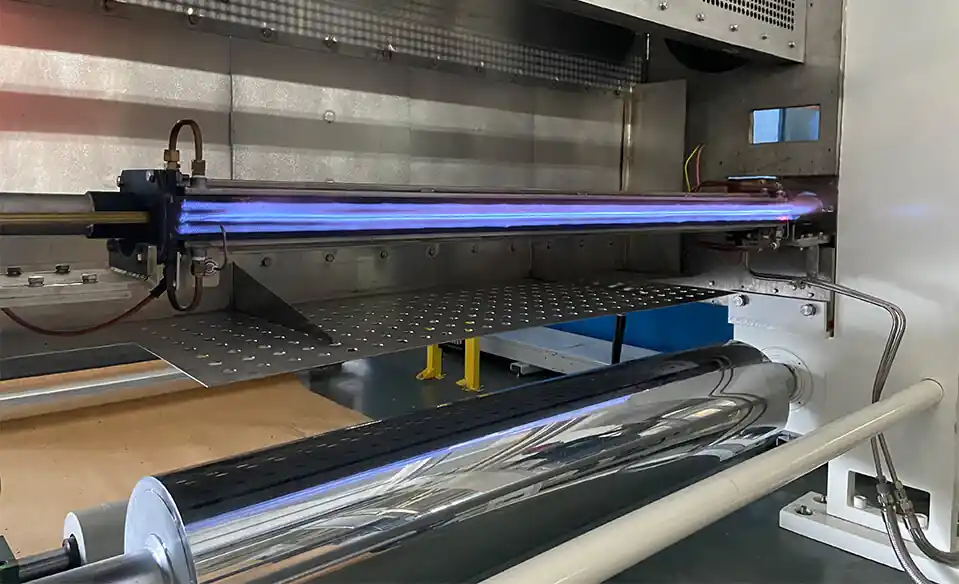
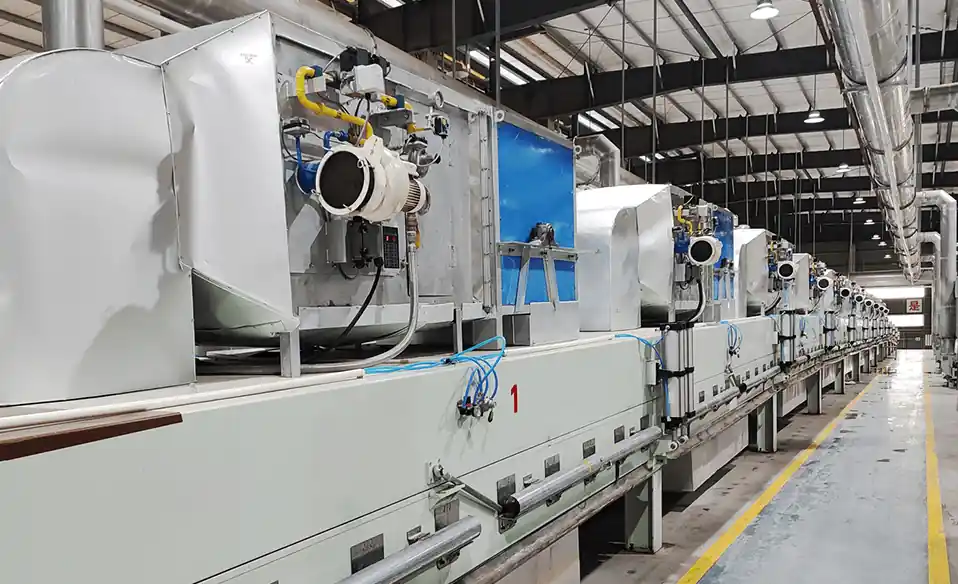
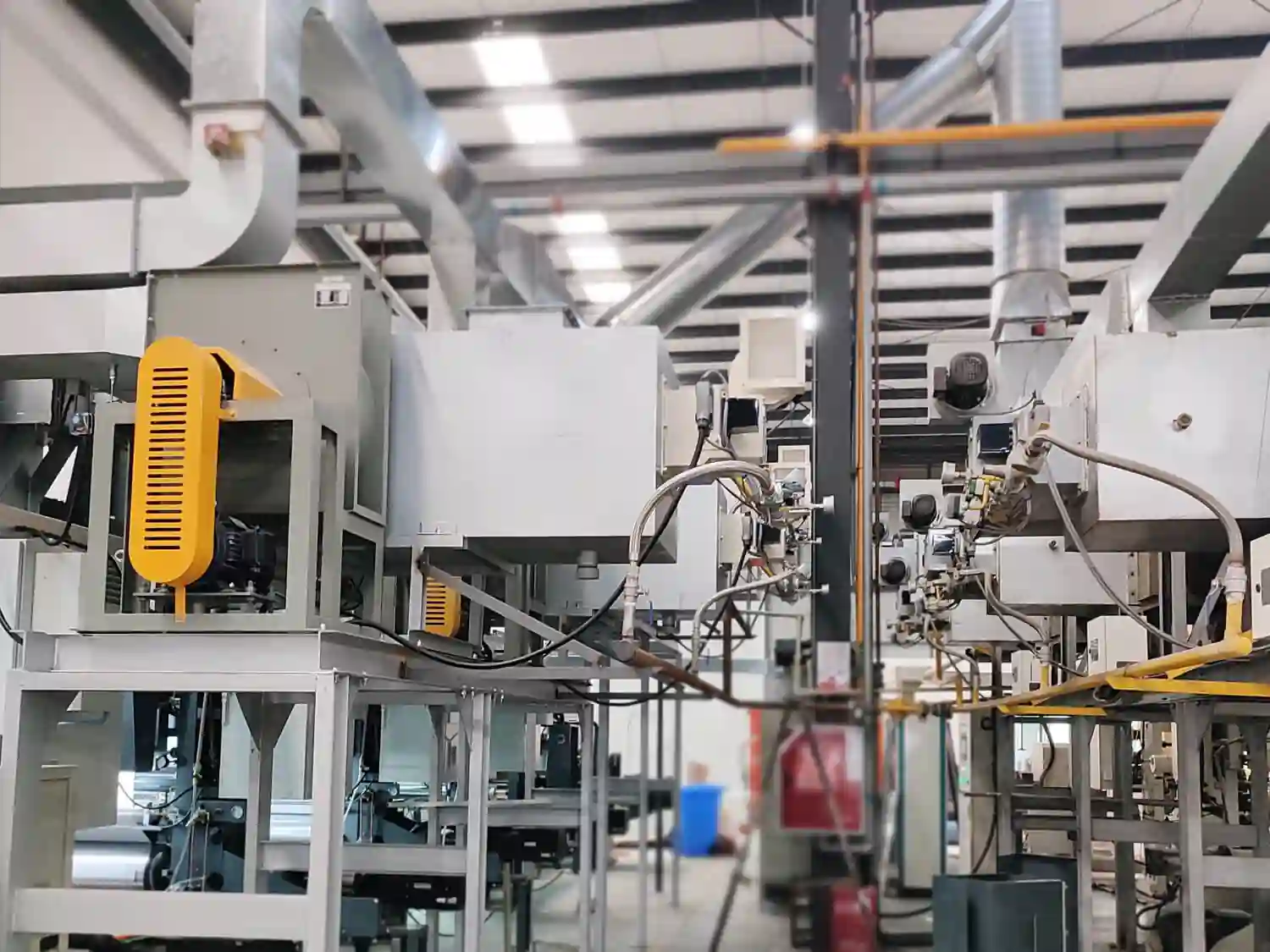
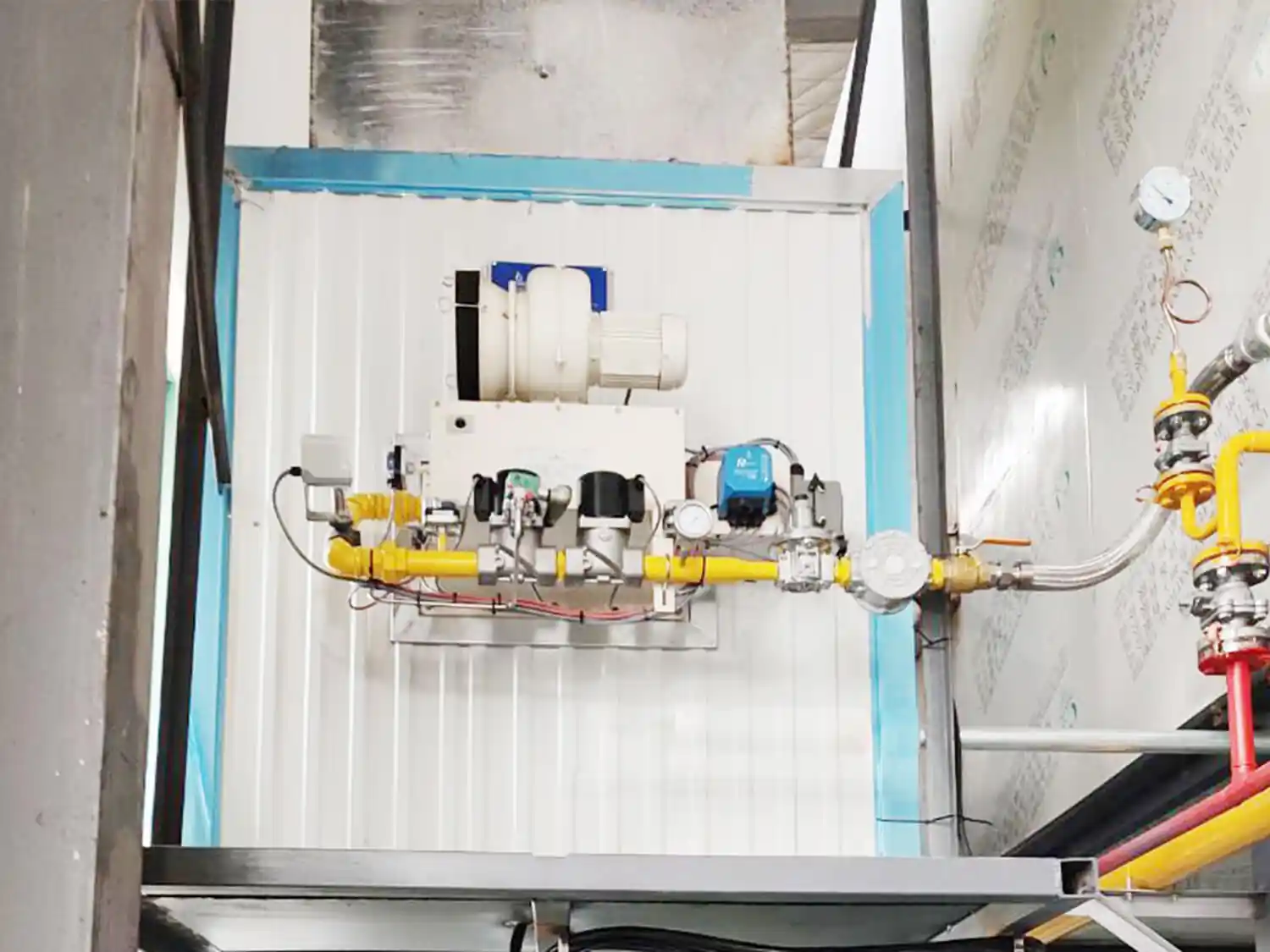
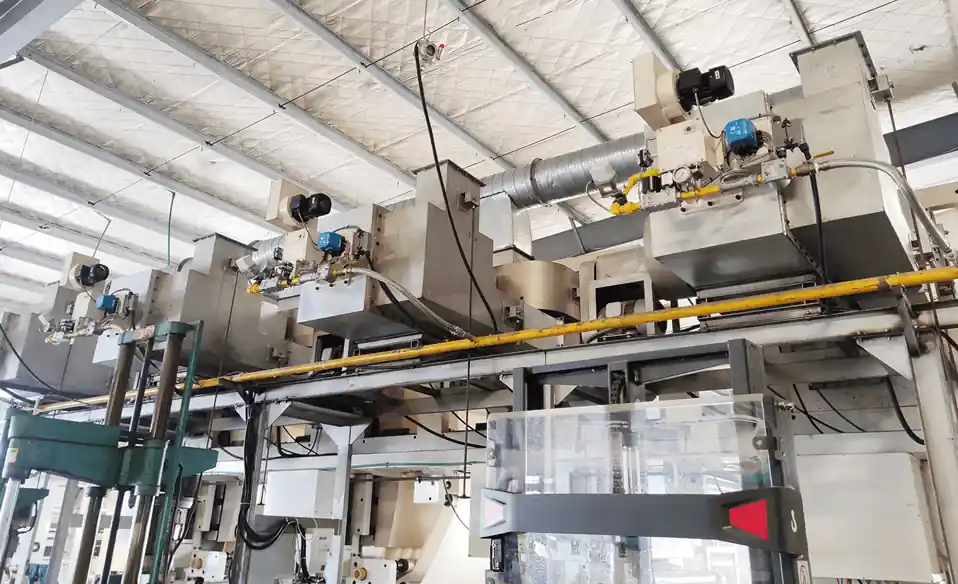
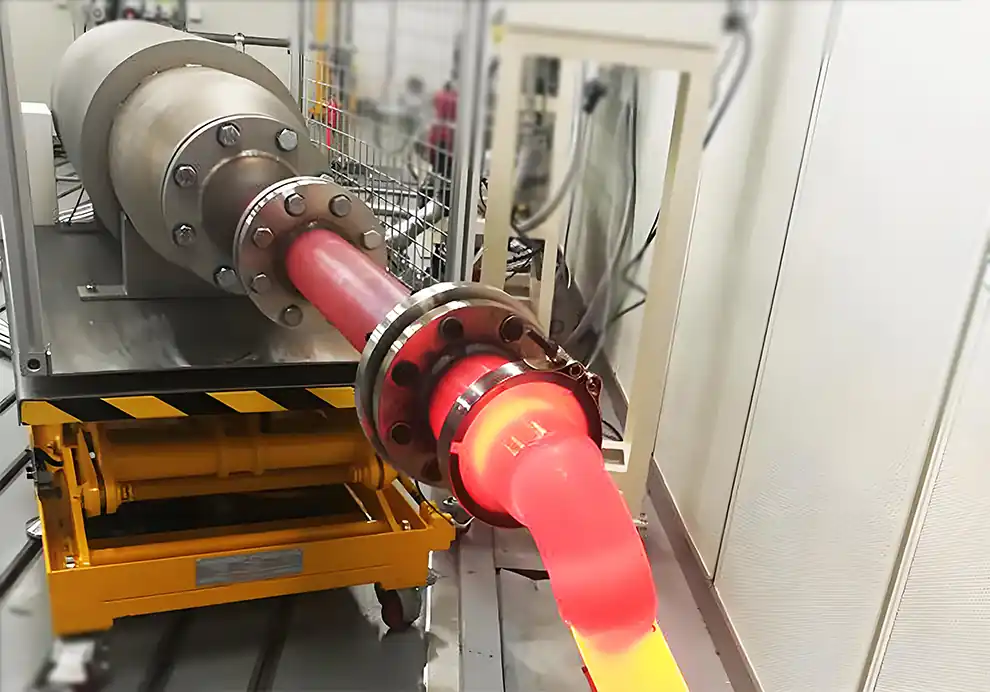
Burners are a critical part of many fuel-fired glass furnaces. Their function is not simply to generate heat, but to provide stable, controllable, and well-distributed thermal energy for melting and refining glass.
Glass melting is particularly sensitive to heat distribution. The furnace must provide enough energy to melt the raw materials, maintain the required glass temperature, support refining, and establish suitable temperature conditions throughout different regions of the furnace.
A simplified process can be represented as:
Batch and Raw Materials
↓
Melting
↓
Refining
↓
Homogenization
↓
Conditioning
↓
Glass Forming
The combustion system influences the thermal environment throughout these stages.
For this reason, burner selection for glass furnaces needs to consider more than burner capacity. Important factors include:
Furnace heat load
Furnace geometry
Burner arrangement
Flame length and shape
Flame momentum
Heat distribution
Combustion-air conditions
Furnace pressure
Exhaust system
Fuel type
Temperature control
Furnace atmosphere
A glass furnace is industrial equipment used to melt and condition raw materials into molten glass.
Depending on the product, glass furnaces may be used for:
Container glass
Flat glass
Fiberglass
Specialty glass
Technical glass
Other industrial glass products
The furnace must supply substantial thermal energy because the raw materials need to be heated, melted, and maintained at elevated temperatures.
The combustion system is therefore one of the key systems determining furnace thermal performance.
The burner converts fuel and combustion air into controlled thermal energy.
The basic process is:
Fuel + Combustion Air
↓
Ignition
↓
Stable Flame
↓
Radiant and Convective Heat Transfer
↓
Glass Batch and Molten Glass
The burner determines not only how much heat is released, but also where and how that heat enters the furnace.
This is especially important in glass furnaces because excessive local heat can be just as problematic as insufficient heat.
Glass melting requires a carefully controlled thermal environment.
Poor burner selection or arrangement can contribute to:
Uneven heat distribution
Local overheating
Insufficient melting
Poor thermal efficiency
Unstable furnace operation
Excessive refractory temperatures
Difficulty maintaining the required glass temperature
The objective is therefore to establish an appropriate thermal field throughout the furnace rather than simply maximize flame temperature.
Burner arrangement depends heavily on furnace design.
Burners may be installed:
Along the side walls
On opposing walls
At different elevations
In multiple combustion zones
Around specific heat-release regions
A common objective is to create an appropriate flame pattern and circulation of hot combustion gases above the glass surface.
The arrangement needs to account for:
Furnace width
Furnace length
Glass level
Batch charging area
Melting area
Refining area
Exhaust location
Burner arrangement determines where thermal energy is introduced into the furnace.
If heat is concentrated in one region, the furnace may develop uneven temperature zones.
A suitable arrangement can help distribute thermal energy across the melting area and support the movement of heat through the furnace.
This is why burner quantity, position, angle, and flame characteristics should be considered together.
Burner angle affects the trajectory of the flame and hot combustion gases.
It can influence:
Flame coverage
Radiant heat transfer
Gas circulation
Heat distribution
Refractory exposure
Interaction between neighboring flames
The correct burner angle depends on the furnace geometry and combustion strategy.
The objective is generally to establish an appropriate heat-release pattern rather than simply direct the flame toward the glass.
Flame length determines how far the main combustion and heat-release region extends into the furnace.
A flame that is too short may concentrate heat near the burner.
A flame that is too long may:
Extend too far downstream
Interact with furnace walls
Create excessive local heating
Interfere with neighboring flames
The appropriate flame length depends on:
Furnace dimensions
Burner capacity
Burner spacing
Fuel type
Combustion-air conditions
Flame shape affects how heat is distributed within the furnace.
Depending on the application, burners may be designed to produce:
Long flames
Short flames
Broad flames
Narrow flames
High-momentum flames
More distributed heat-release patterns
For glass furnaces, flame characteristics should be selected according to the required thermal field and furnace geometry.
Flame momentum determines how strongly the combustion gases move into the furnace.
Higher momentum can influence:
Gas circulation
Flame penetration
Heat distribution
Interaction with other flames
Heat transfer to the furnace and glass
The appropriate momentum depends on the furnace structure and burner arrangement.
More momentum is not automatically better. The goal is to achieve the desired combustion-gas movement and heat distribution.
Furnace geometry is one of the most important factors in burner selection.
Important parameters include:
Furnace length
Furnace width
Furnace height
Glass level
Burner elevation
Burner spacing
Exhaust location
A burner configuration designed for one glass furnace may not be suitable for another furnace with a different geometry.
The burner should therefore be selected together with the furnace design.
In many glass furnaces, a significant amount of thermal energy must be transferred to the batch and molten glass.
The flame and combustion gases therefore need to create an appropriate thermal environment above the glass surface.
Poorly designed flames can create excessive local heating or insufficient heat transfer in other areas.
Burner position and flame characteristics should consequently be evaluated in relation to the glass surface and furnace geometry.
The introduction of cold raw materials can change the thermal balance of the furnace.
Batch charging may temporarily increase local heat demand.
The burner system therefore needs sufficient capacity and control flexibility to respond to changing thermal conditions.
The furnace design should consider:
Batch feed rate
Batch temperature
Charging location
Charging frequency
Heat demand
Temperature distribution directly affects the melting and refining process.
If different regions of the furnace have substantially different thermal conditions, this can influence:
Melting behavior
Glass flow
Refining
Thermal stability
Furnace productivity
The combustion system should therefore support a stable and appropriately distributed thermal field.
Glass quality depends on more than simply achieving a high temperature.
The thermal environment can influence the melting and refining behavior of the glass.
Uneven heat distribution may contribute to inconsistent process conditions.
For this reason, burner arrangement should be designed to support the overall furnace thermal profile rather than maximize heat release at individual burner locations.
Combustion air affects flame characteristics and the overall furnace thermal balance.
The air-to-fuel ratio influences:
Flame temperature
Flame stability
Combustion efficiency
Exhaust gas volume
Oxygen availability
Heat loss
Too much combustion air can increase exhaust losses.
Too little air can lead to incomplete combustion and unstable operation.
The appropriate air-to-fuel ratio therefore needs to be maintained across the burner's operating range.
Excess air must also be heated to the furnace temperature before leaving through the exhaust system.
Excessive air can therefore increase:
Exhaust gas volume
Sensible heat loss
Fuel consumption
At the same time, the required combustion conditions must be maintained.
The goal is not simply to minimize air, but to maintain an appropriate combustion-air level for stable and efficient operation.
Furnace pressure influences the movement of combustion gases and unwanted air infiltration.
Excessive negative pressure can draw cold air into the furnace through:
Openings
Seals
Doors
Other leakage points
This can disturb:
Furnace temperature
Combustion conditions
Heat balance
Furnace atmosphere
Furnace pressure should therefore be considered together with burner and exhaust-system design.
The exhaust system controls how combustion products leave the furnace.
If exhaust flow is too high, useful heat can be removed before it is effectively transferred within the furnace.
If exhaust flow is too low, gas circulation and furnace-pressure control may be affected.
The burner, combustion-air system, and exhaust system should therefore be designed as an integrated system.
Glass furnaces can use different fuels depending on the furnace design and available energy infrastructure.
Fuel properties influence:
Burner capacity
Flame characteristics
Fuel flow
Combustion-air requirements
Control requirements
The burner should therefore be designed or selected according to the actual fuel and operating conditions.
Fuel efficiency depends on the complete furnace system.
Important measures include:
Avoid unnecessary oversizing.
Distribute heat according to furnace geometry.
Match flame length, shape, and momentum to the furnace.
Avoid unnecessary exhaust heat losses.
Reduce unwanted cold-air infiltration.
Avoid removing excessive useful thermal energy.
Adjust burner output according to actual furnace demand.
Where appropriate, waste heat can be recovered and used to improve overall system efficiency.
A burner with sufficient maximum capacity may still have unsuitable flame characteristics.
Flame development must match the actual furnace dimensions.
Burner angle influences flame trajectory and heat distribution.
An inappropriate flame can produce uneven thermal conditions.
Neighboring flames can interact and alter the overall furnace thermal field.
Too much air can increase exhaust heat losses.
Air infiltration can disturb the furnace thermal balance.
Exhaust conditions directly influence furnace pressure and heat loss.
The furnace also needs stable operation at lower production rates and changing thermal loads.
A practical selection process can follow these steps.
Determine:
Glass type
Production capacity
Melting temperature
Required furnace temperature
Process requirements
Determine:
Furnace length
Furnace width
Furnace height
Glass level
Burner locations
Exhaust locations
Determine:
Batch feed rate
Batch temperature
Glass production rate
Charging location
Consider:
Batch heating
Melting requirements
Furnace heat loss
Exhaust losses
Other process losses
Evaluate:
Burner capacity
Flame length
Flame shape
Flame momentum
Turndown capability
Fuel requirements
Determine:
Burner quantity
Position
Angle
Elevation
Combustion zones
Coordinate:
Fuel supply
Combustion air
Furnace pressure
Exhaust flow
Coordinate:
Temperature measurement
Fuel modulation
Air control
Burner staging
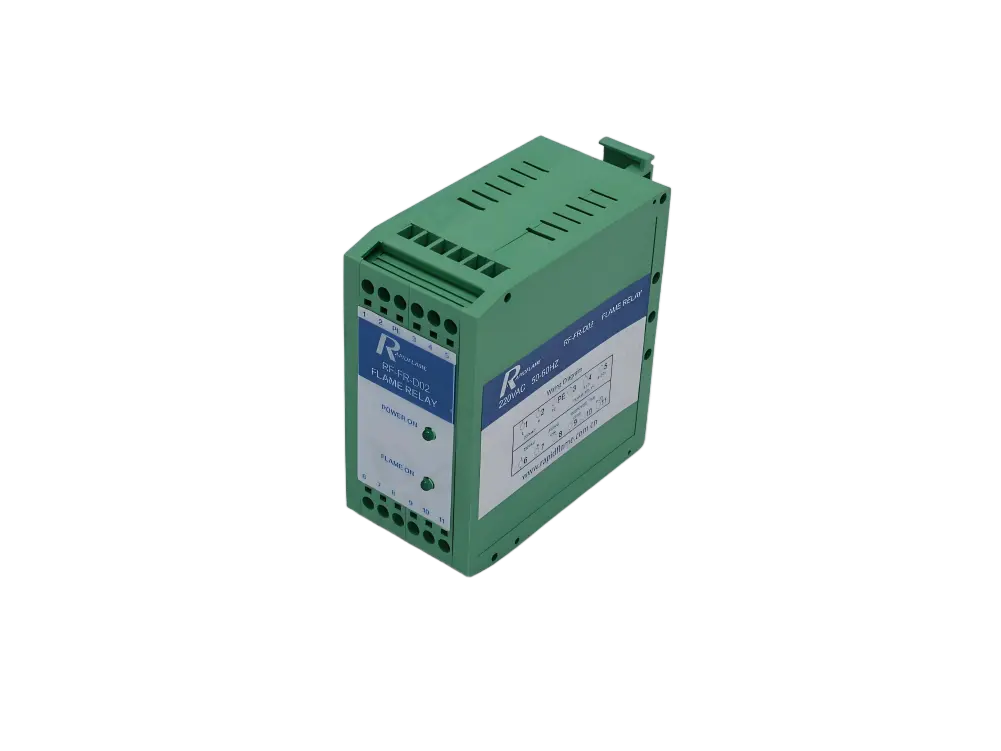
Flame detection
Safety interlocks
DYDTEC Combustion develops industrial burners and combustion-system solutions for industrial heating applications where stable combustion, controlled heat input, and heat distribution are important.
The company has developed 100+ burner models covering 200+ application scenarios, providing a broad product base for different industrial heating requirements.
For glass furnace applications, burner-system design can be considered around:
Burner capacity
Flame length
Flame shape
Flame momentum
Burner arrangement
Burner angle
Furnace geometry
Batch loading
Combustion air
Furnace pressure
Exhaust conditions
Temperature distribution
Turndown requirements
Control strategy
DYDTEC Combustion was established in 2012 and has R&D and manufacturing bases in Shanghai and Yangzhou.
Its global sales network covers 50+ countries and regions, supporting industrial combustion applications across different markets.
Burner selection can affect the design of the entire furnace.
It may influence:
Burner openings
Burner spacing
Furnace geometry
Refractory design
Fuel piping
Combustion-air piping
Exhaust arrangement
Temperature zones
Control architecture
If burners are selected only after the furnace has been designed, opportunities to optimize the combustion system may be limited.
Early coordination allows:
Furnace Geometry + Burner + Fuel + Air + Exhaust + Control
to be considered as one integrated thermal system.
This is particularly important for glass furnaces where thermal distribution and long-term operating stability are critical.
Before selecting burners, an OEM should ideally provide:
Furnace type
Furnace dimensions
Glass level
Burner installation locations
Exhaust locations
Refractory structure
Glass type
Production capacity
Batch feed rate
Charging arrangement
Operating schedule
Required temperature
Heat load
Temperature distribution requirements
Furnace pressure requirements
Fuel type
Fuel pressure
Fuel availability
Combustion-air pressure
Combustion-air temperature
Exhaust conditions
Desired furnace pressure
This information provides the foundation for determining burner capacity, flame characteristics, burner arrangement, and control strategy.
Burners provide controlled thermal energy for melting and refining glass and maintaining the required furnace thermal conditions.
Uniform thermal conditions help maintain stable melting and refining conditions and support consistent furnace operation.
Depending on furnace design, burners may be installed along side walls, opposing walls, or in multiple combustion zones.
Burner angle affects flame trajectory, combustion-gas circulation, heat distribution, and interaction with the furnace structure.
Flame length determines the region in which combustion and heat release occur and should match the furnace dimensions and burner arrangement.
Burner arrangement affects the furnace thermal field, which can influence melting and refining conditions.
Cold batch material introduces additional heat demand and can change the local thermal balance of the furnace.
Yes. Excessive combustion air can increase exhaust gas volume and thermal losses.
Yes. Excessive negative pressure can introduce unwanted air and disturb the furnace thermal balance.
Yes. Natural gas burners can be used when the burner and combustion system are designed for the required fuel and furnace conditions.
Flame momentum influences combustion-gas movement, flame penetration, and heat distribution within the furnace.
Ideally, yes. Early burner selection allows the furnace geometry, burner arrangement, airflow, exhaust, and control system to be coordinated.
Burners in glass furnaces are not simply devices that produce high-temperature flames.
They are part of an integrated combustion and thermal-management system that determines how energy is released and distributed throughout the furnace.
The main factors include:
Burner Capacity
Flame Characteristics
Burner Arrangement
Furnace Geometry
Batch Loading
Combustion Air
Furnace Pressure
Exhaust
Temperature Control
For glass melting, the objective is not simply to achieve a high furnace temperature. The combustion system needs to provide the right amount of heat, in the right location, with the right flame characteristics and thermal distribution.
For OEM furnace manufacturers, burner selection should therefore be considered during the early stage of furnace design.
The right glass-furnace burner is not simply the burner with sufficient heat capacity. It is the combustion system that matches the furnace geometry, batch load, flame characteristics, airflow, exhaust, and control requirements to create a stable and well-distributed thermal environment.