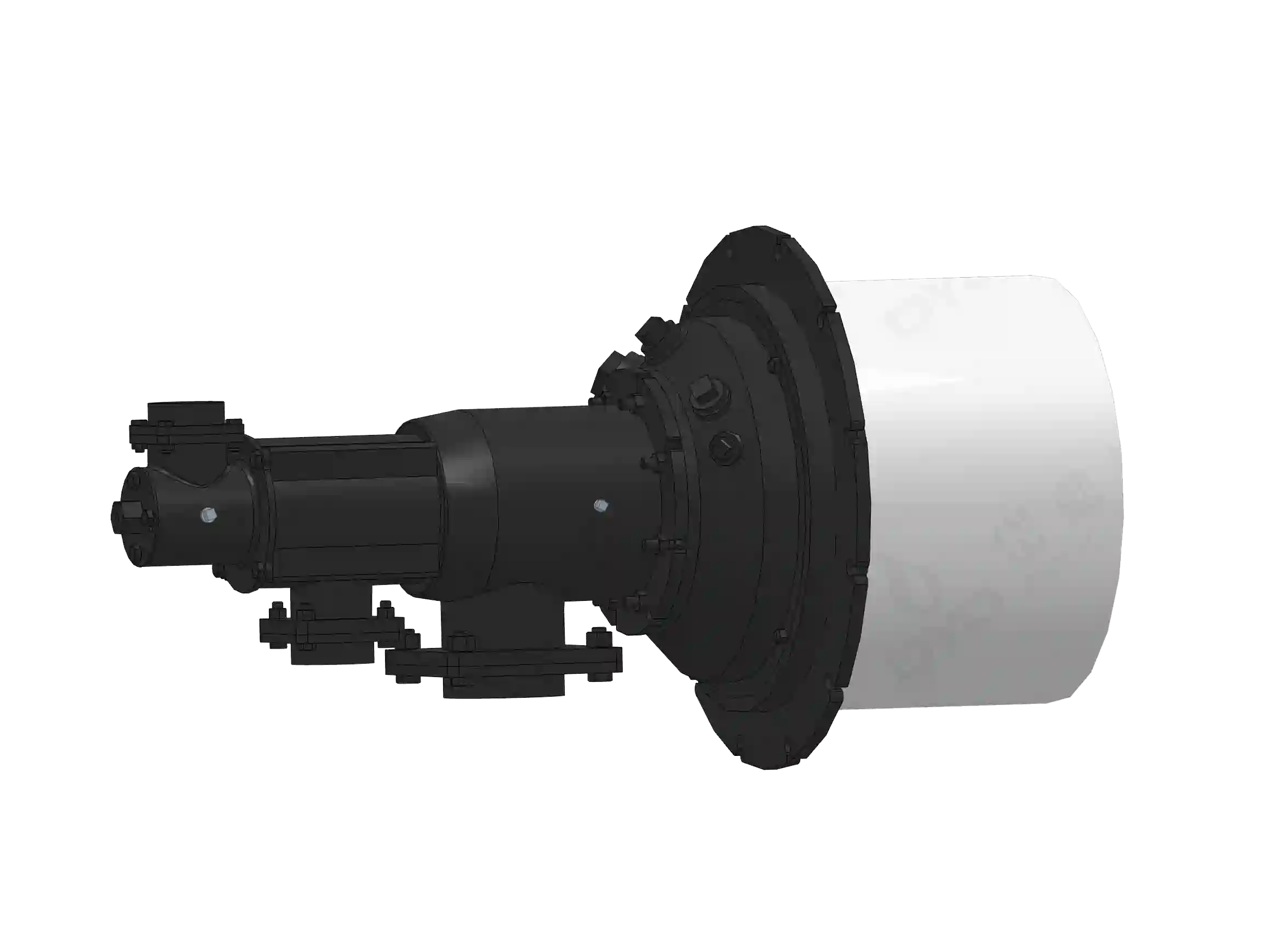
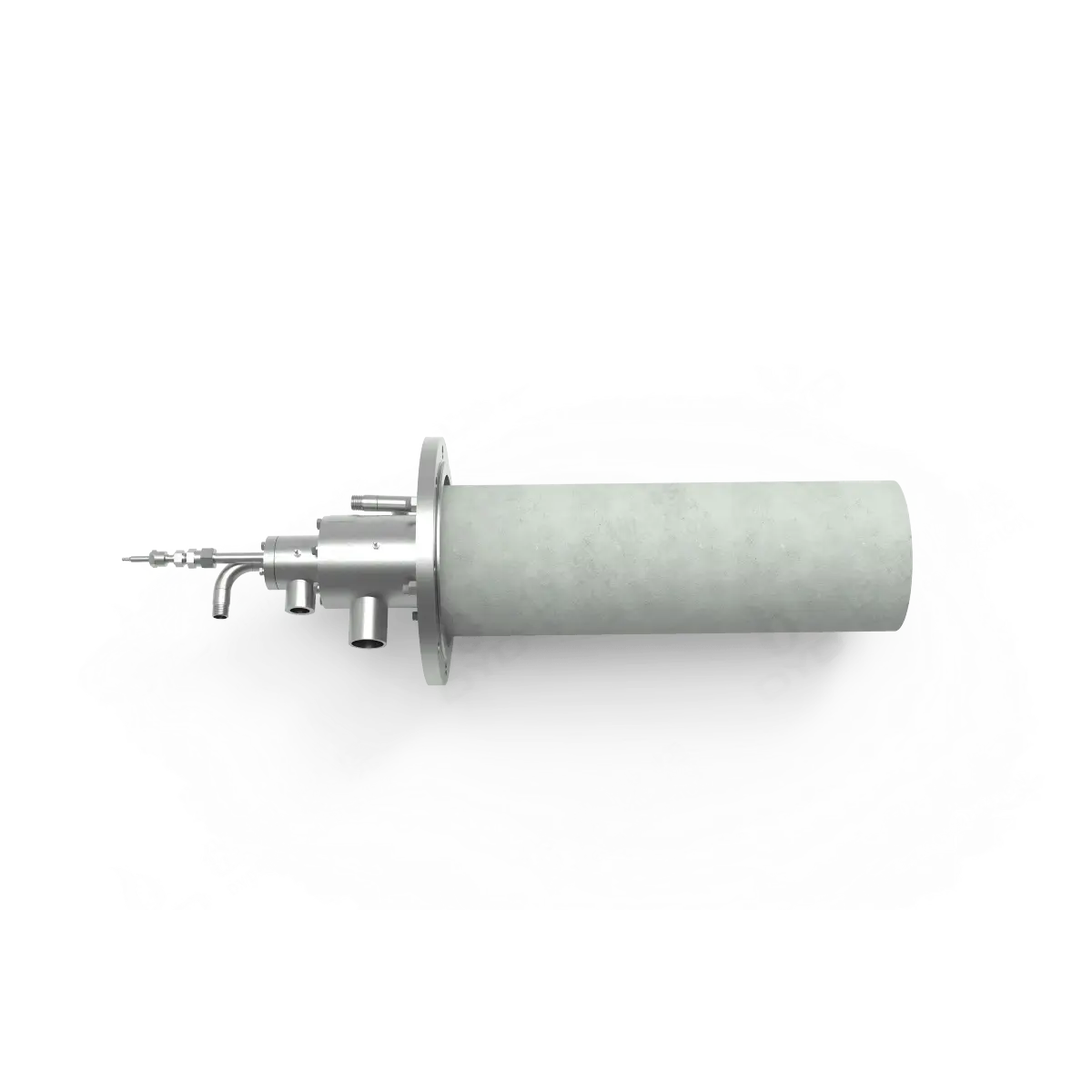
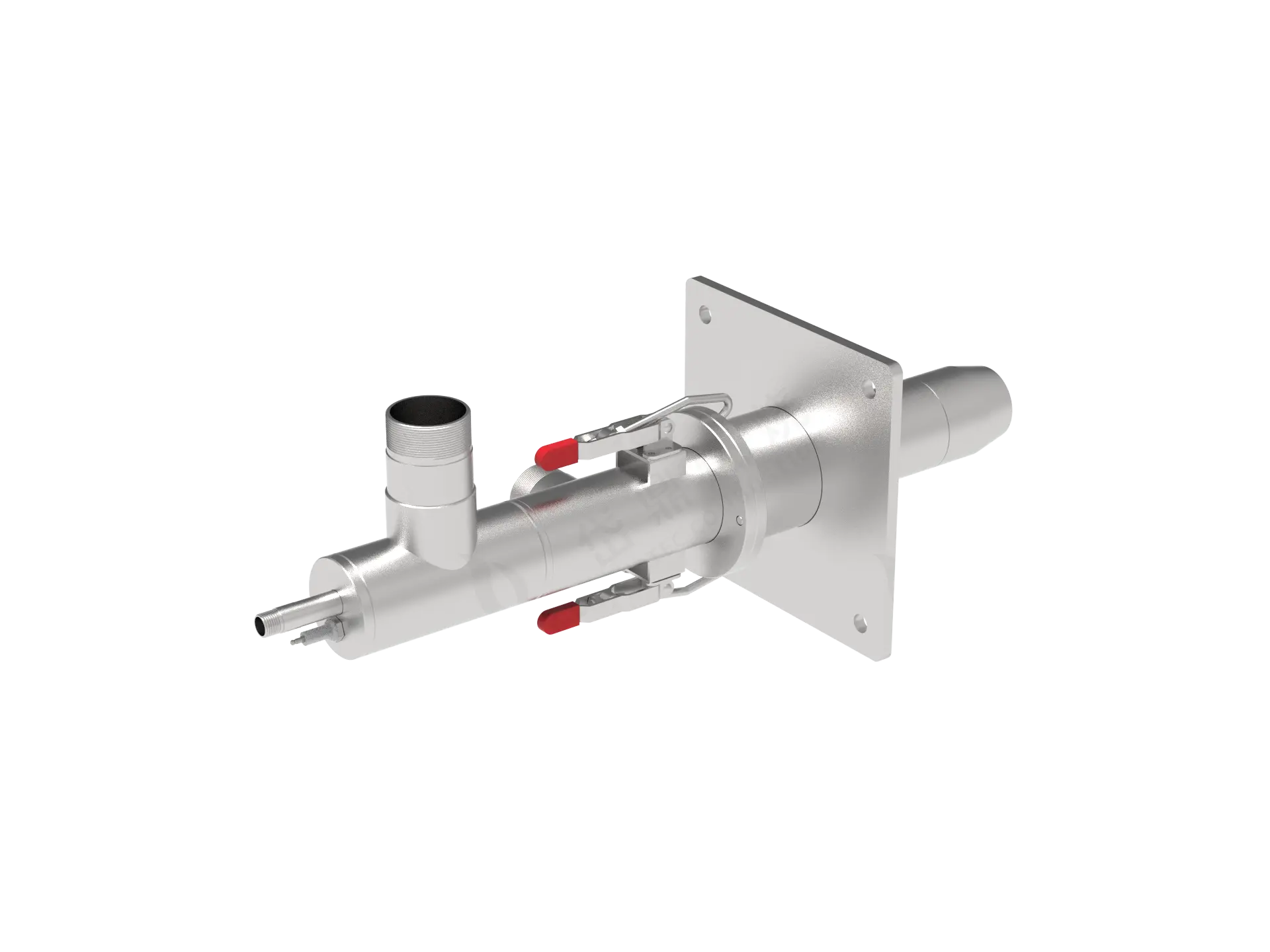
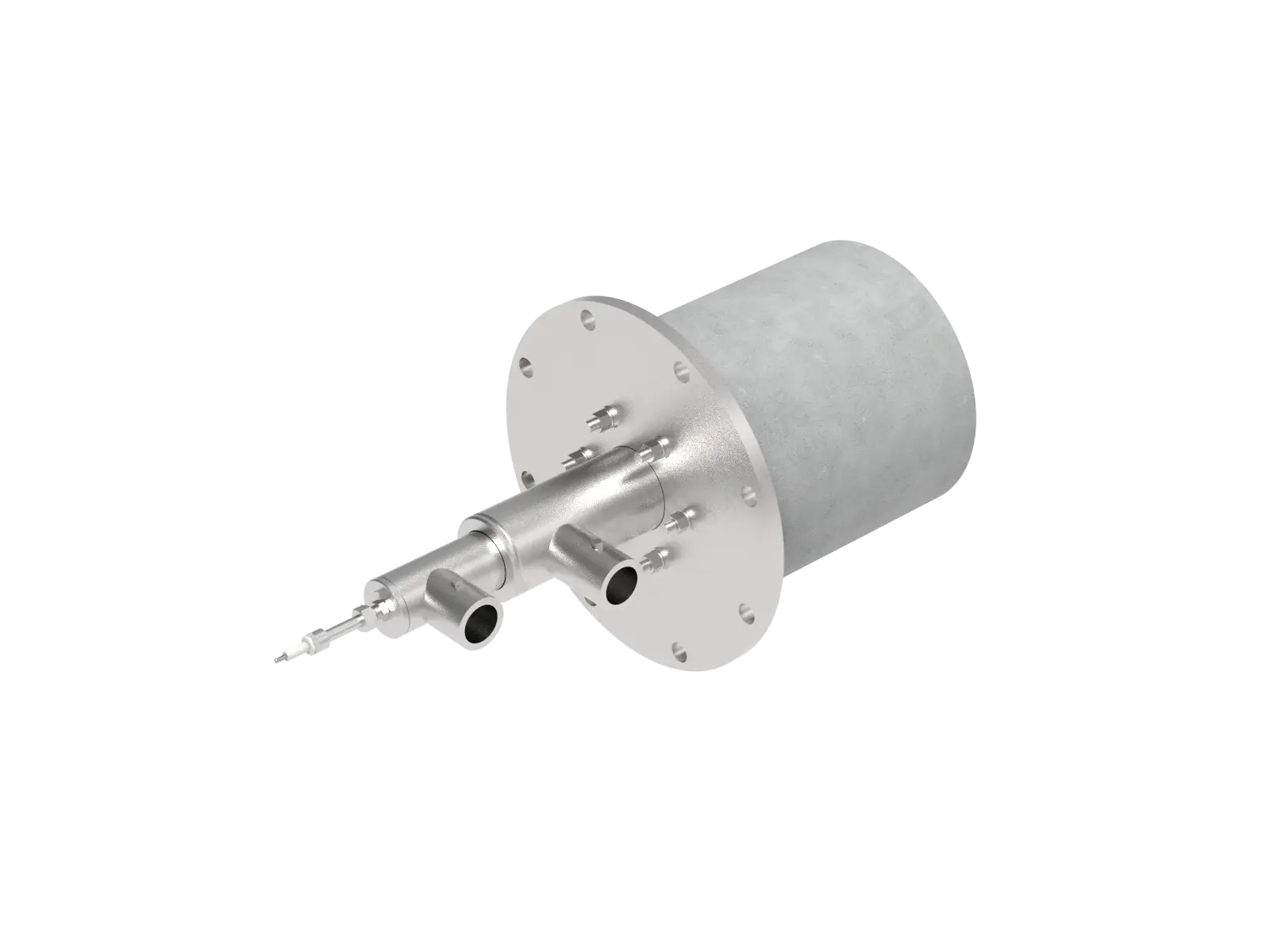
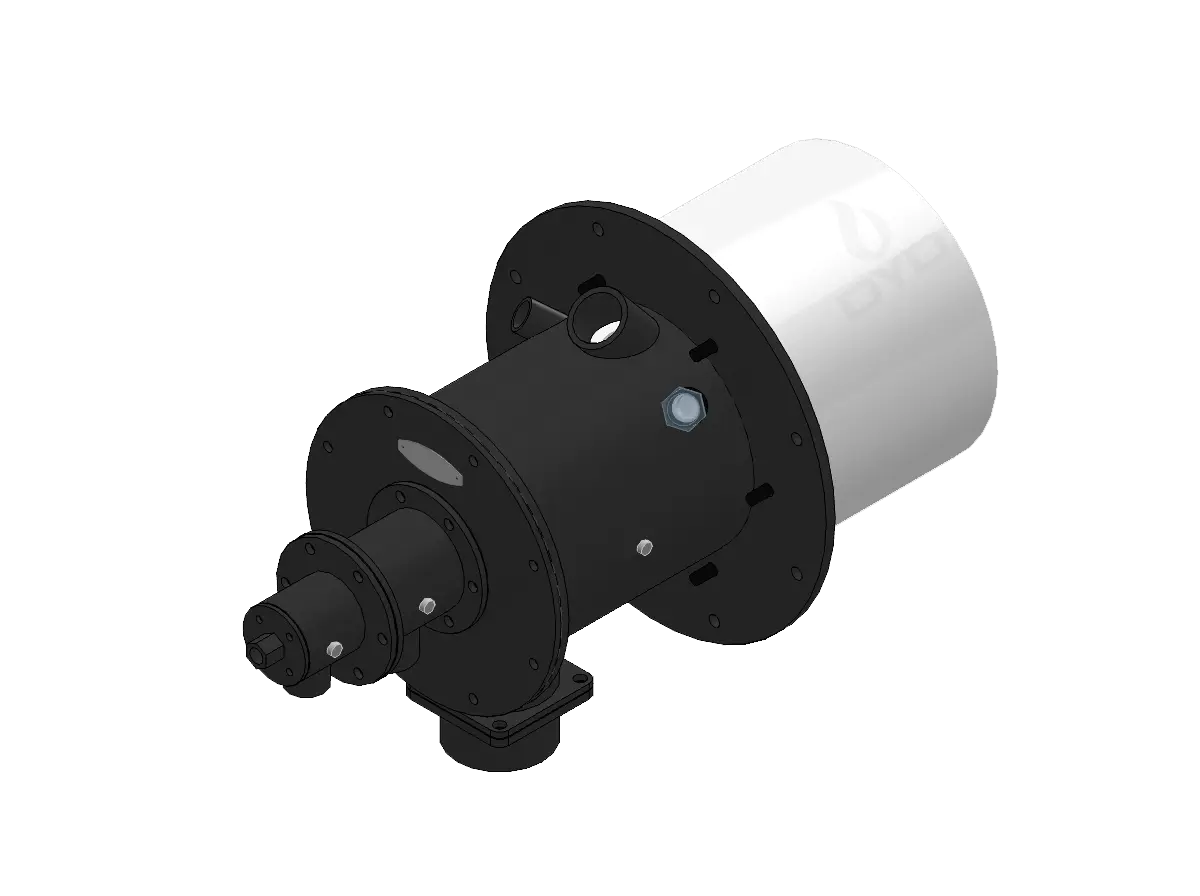
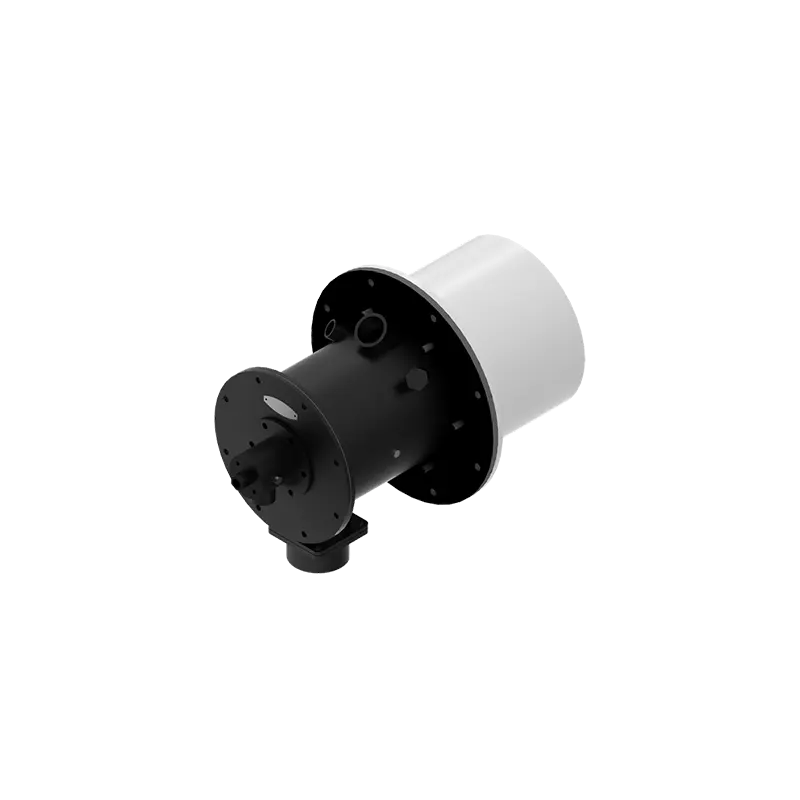
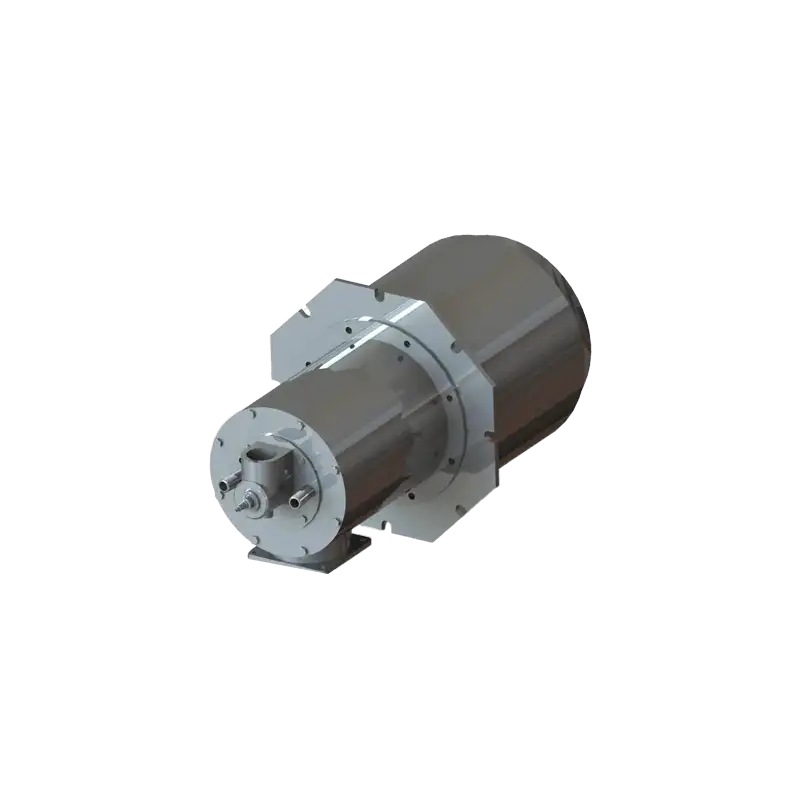
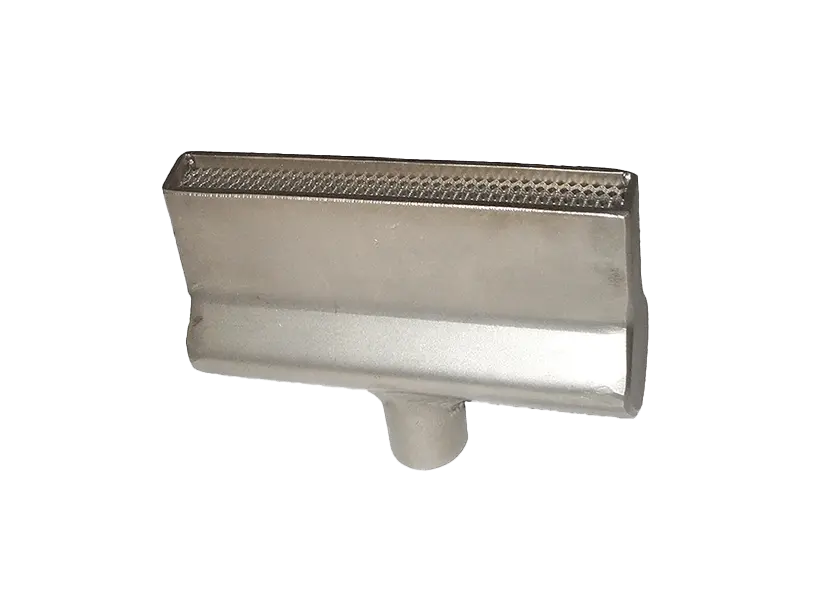
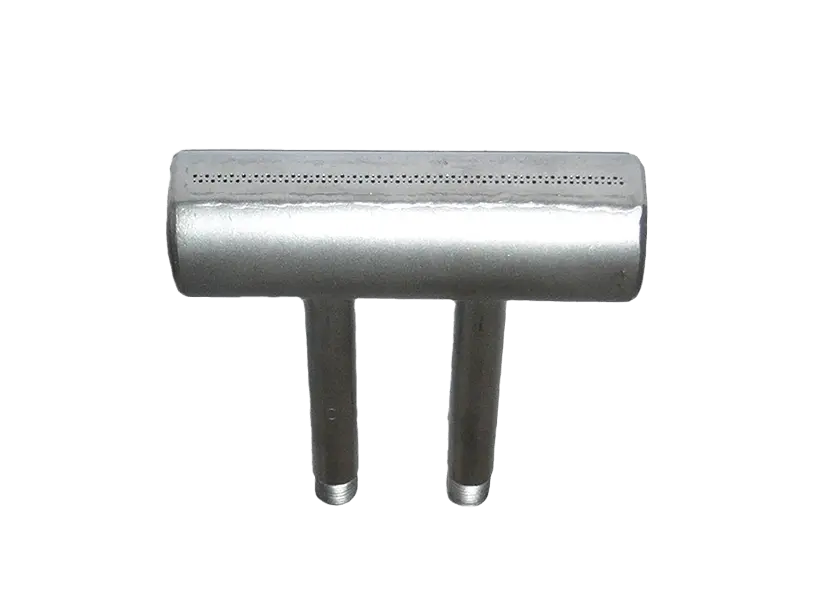
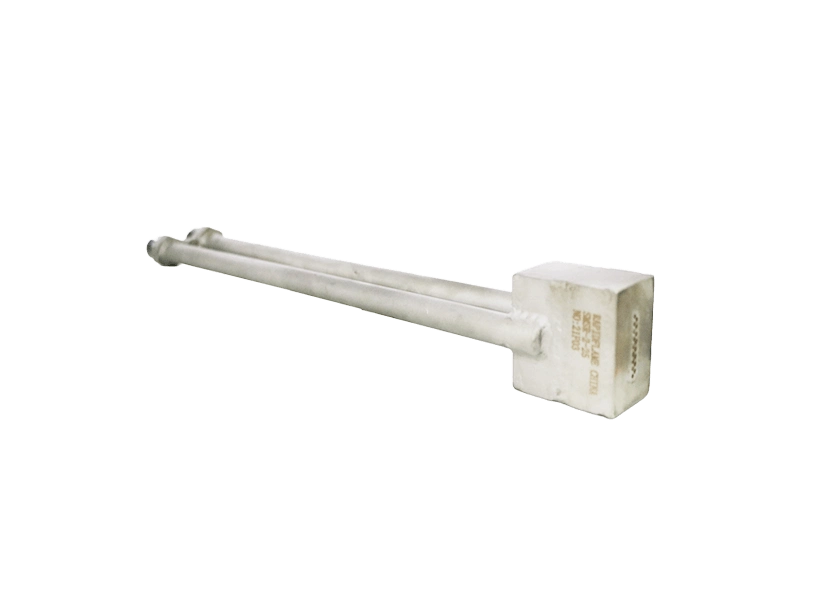
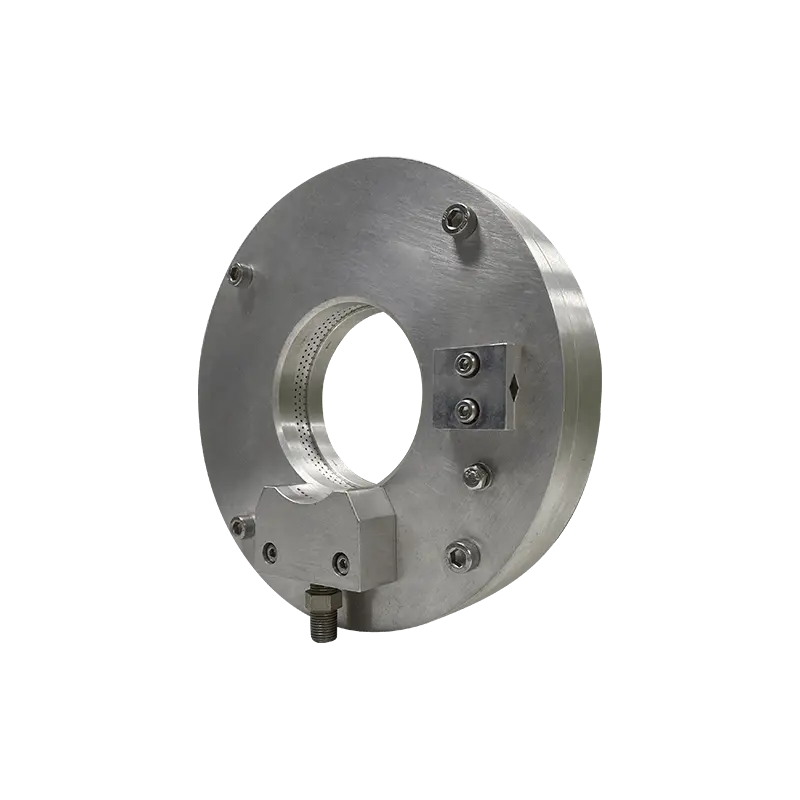
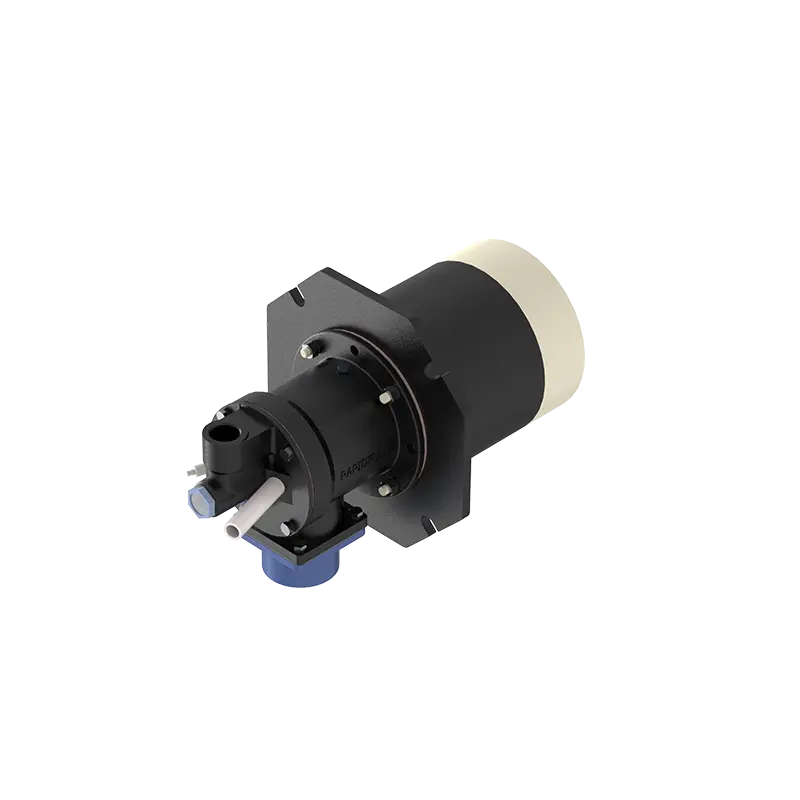
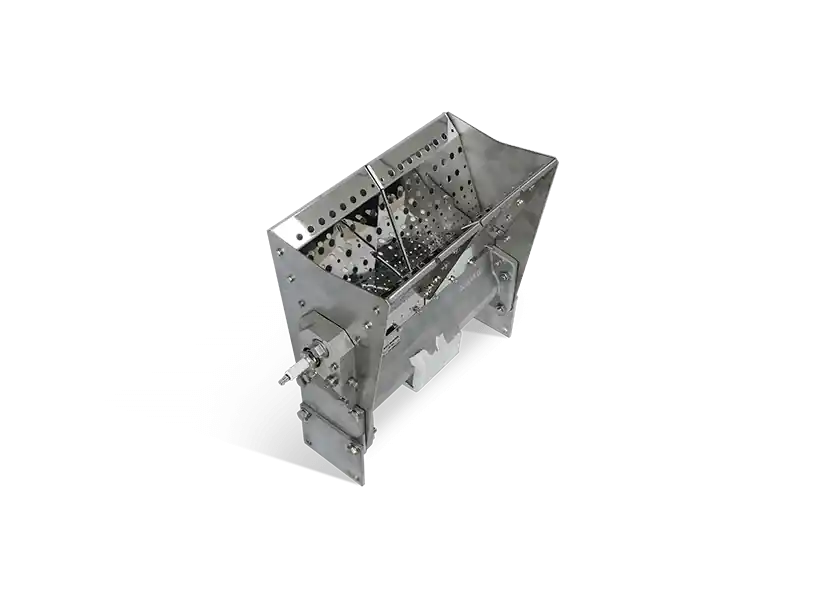
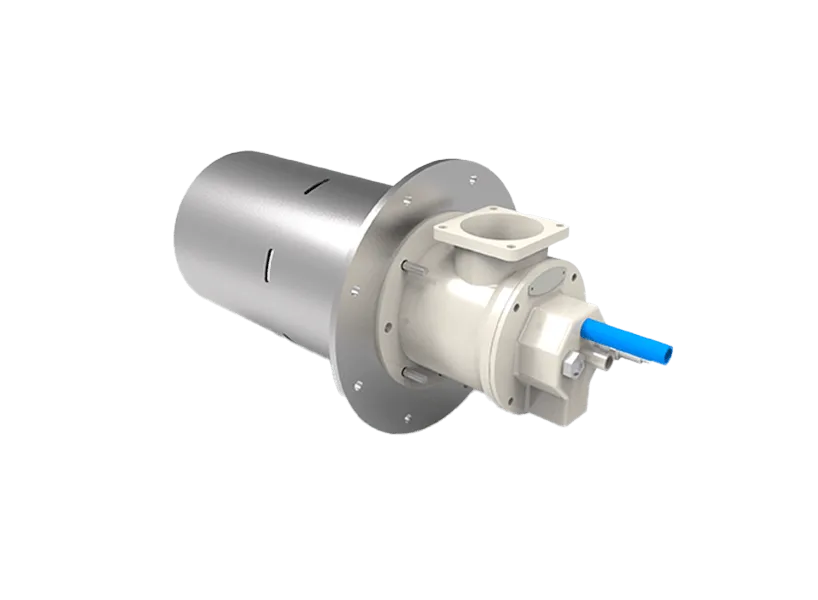
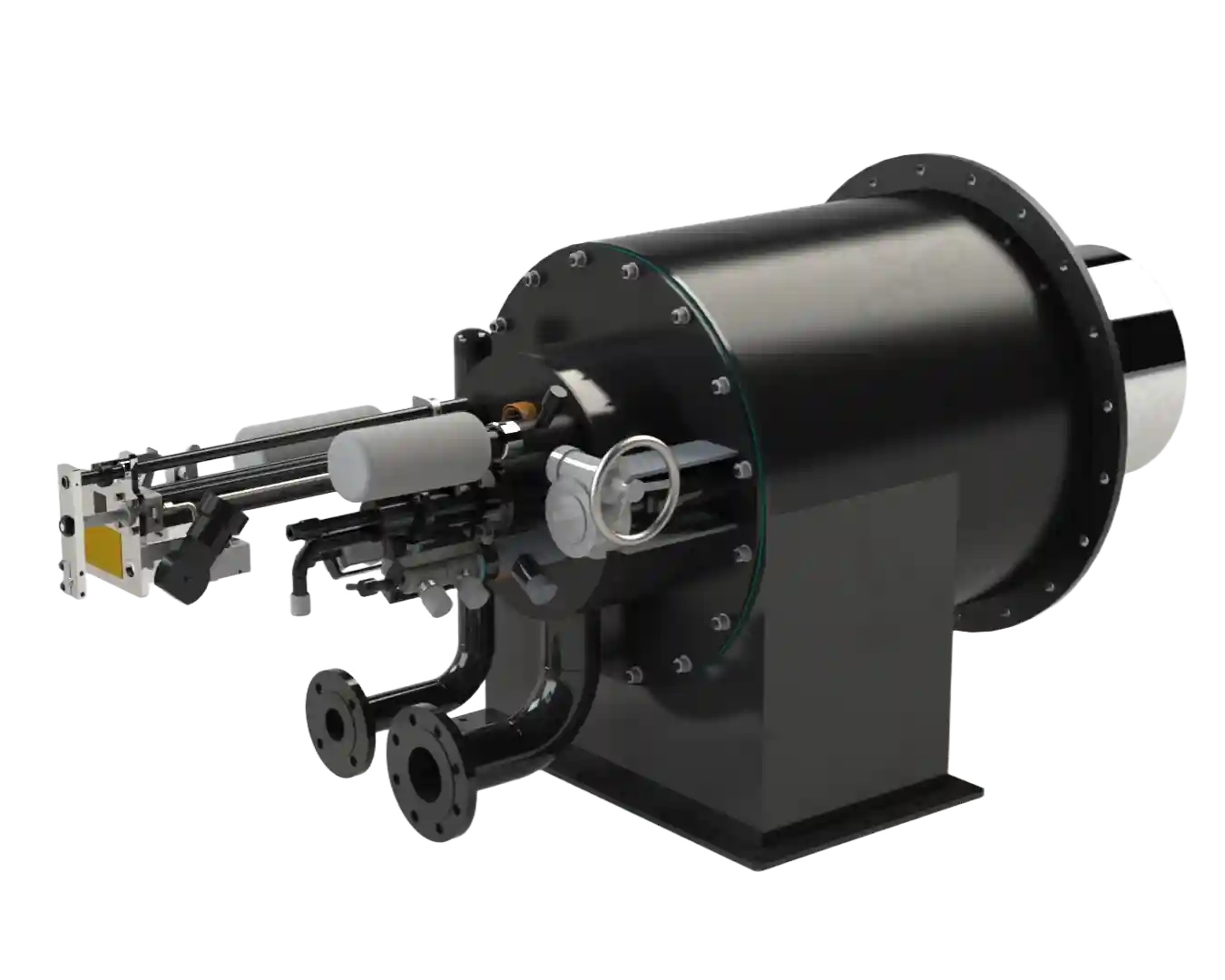
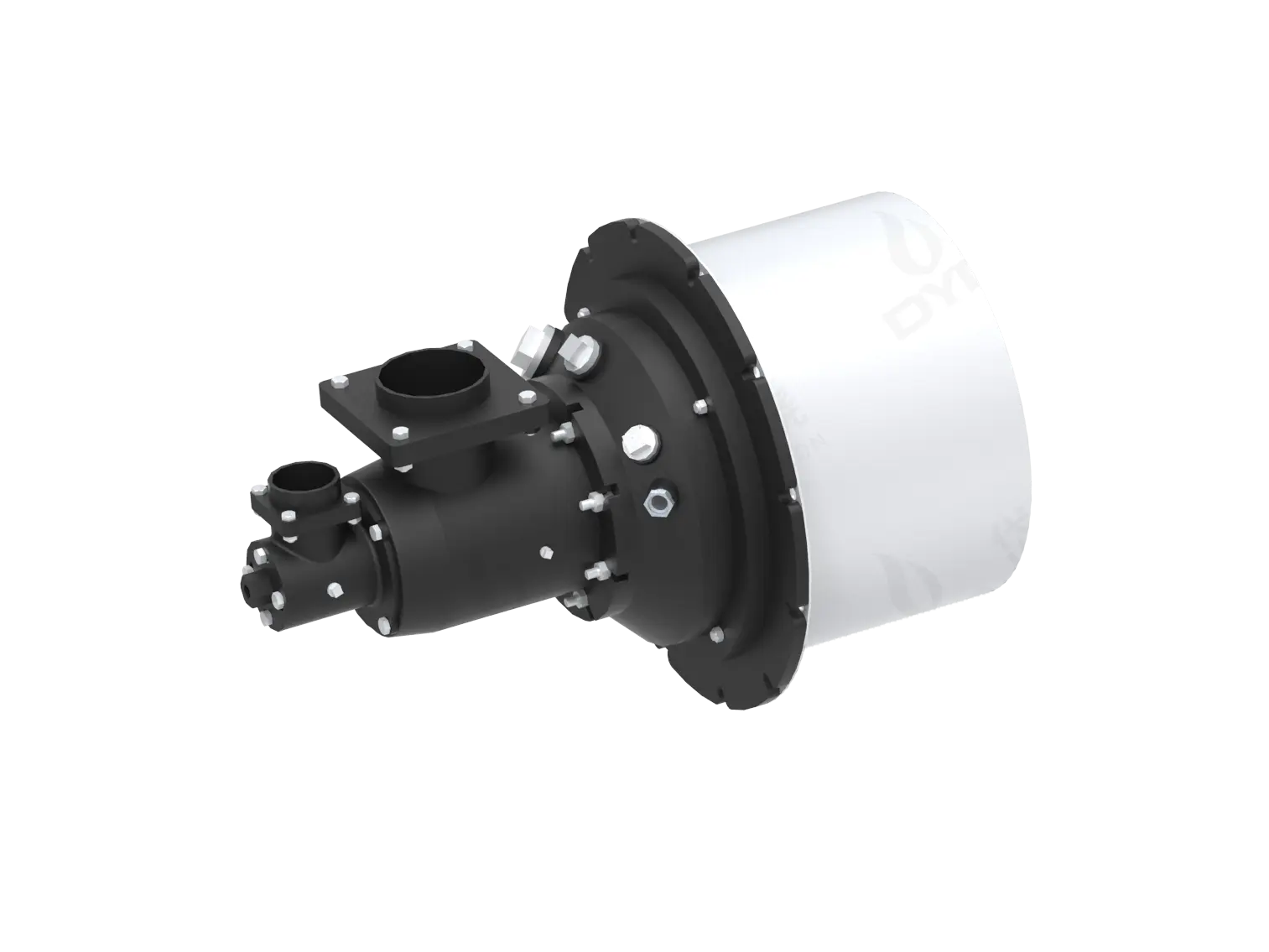
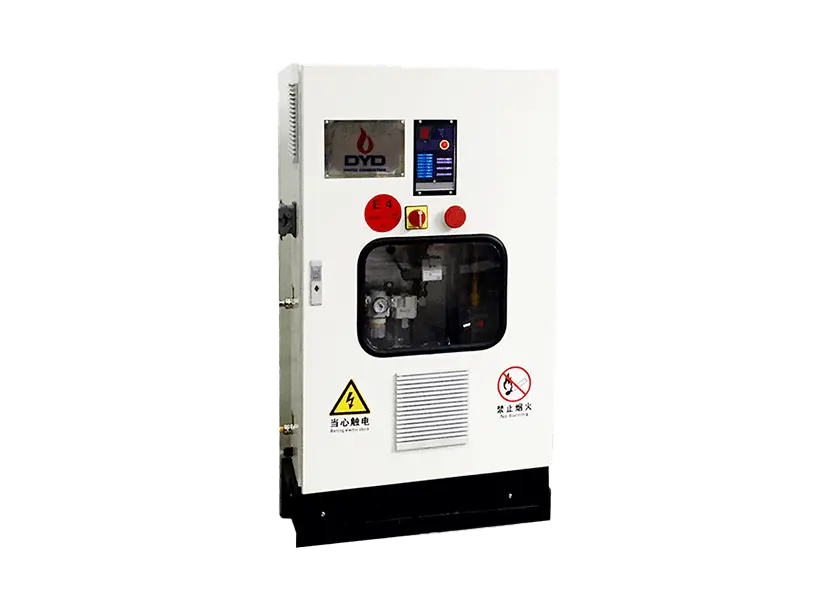
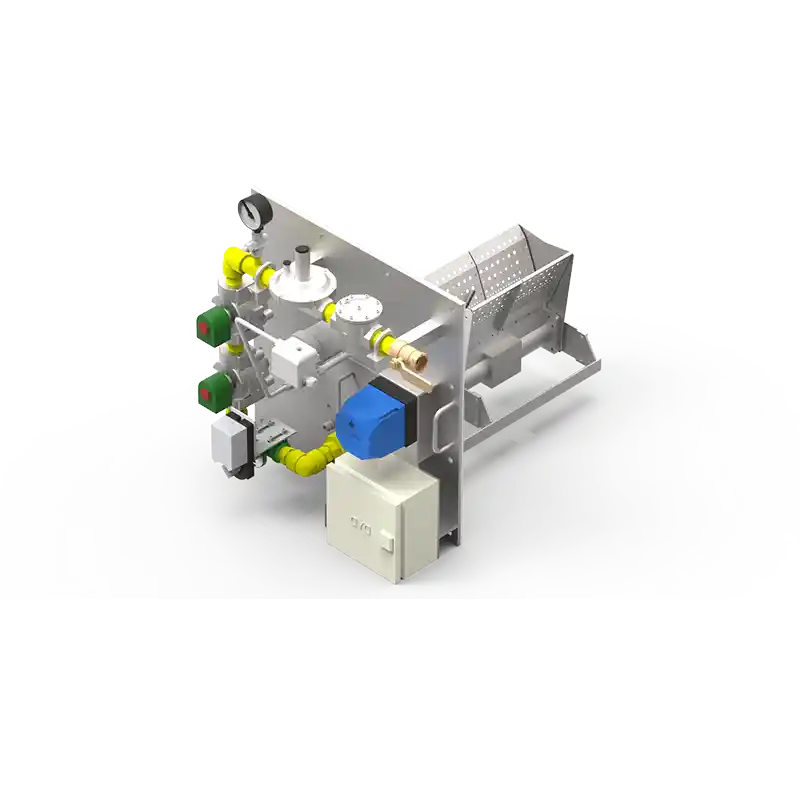
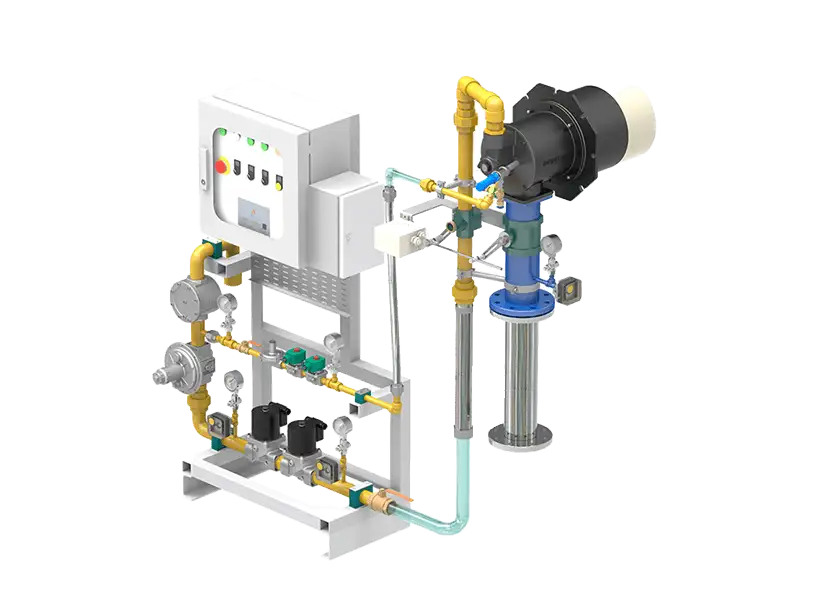
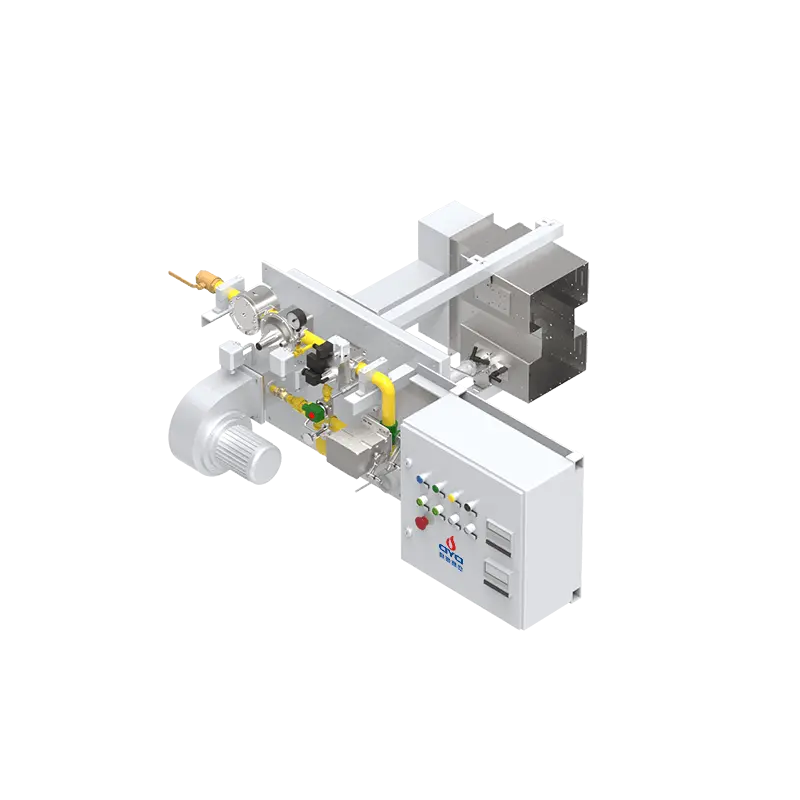
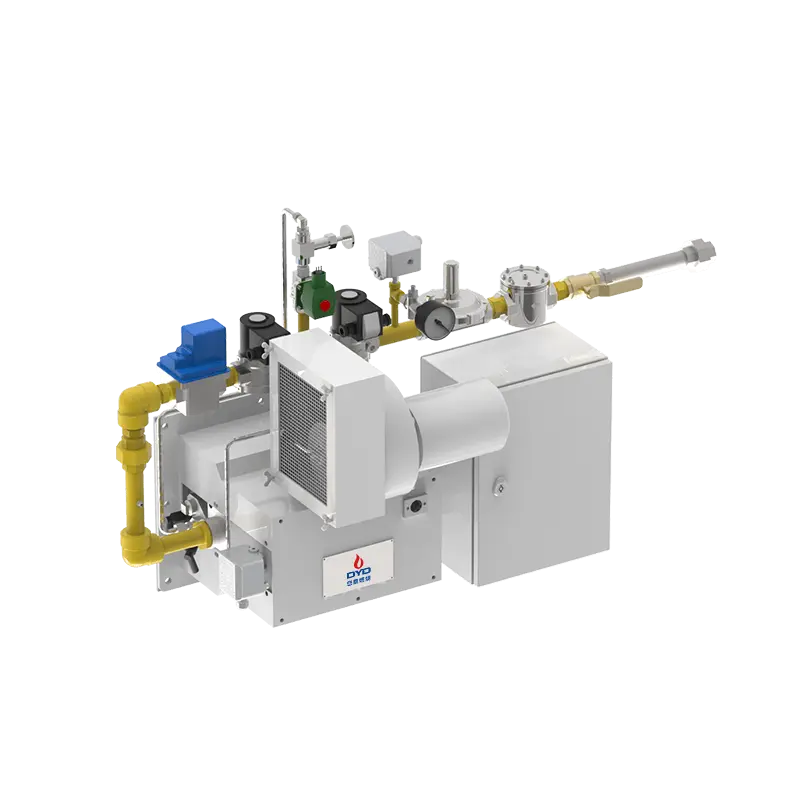
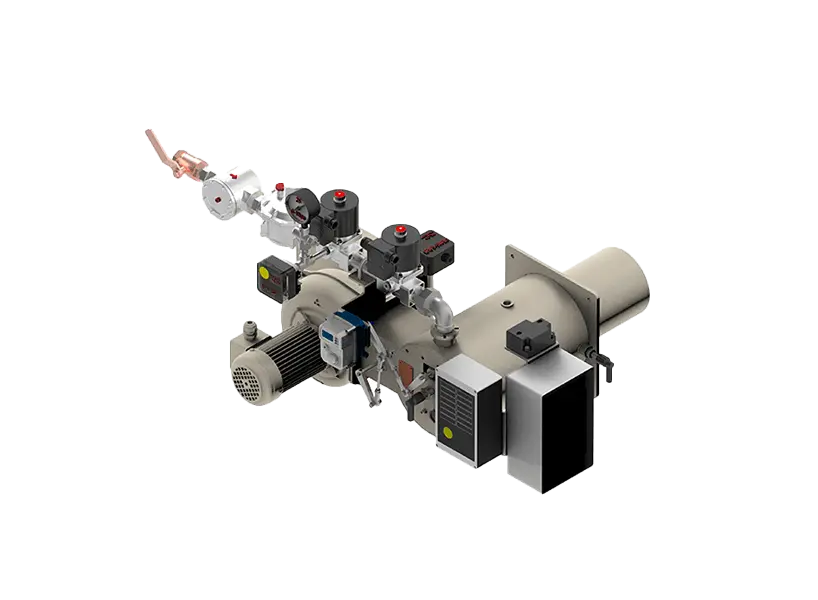
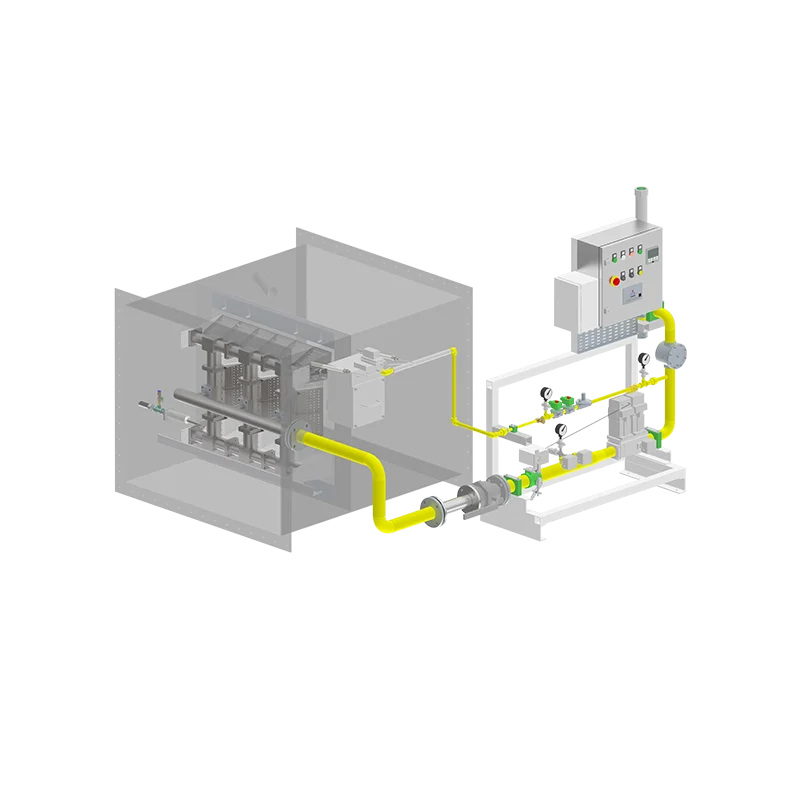
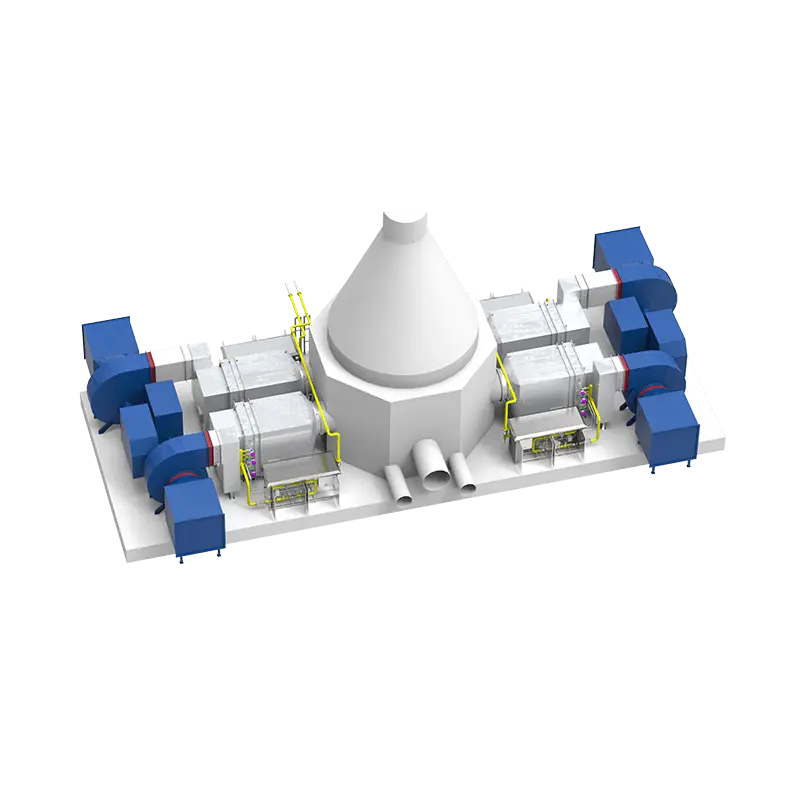
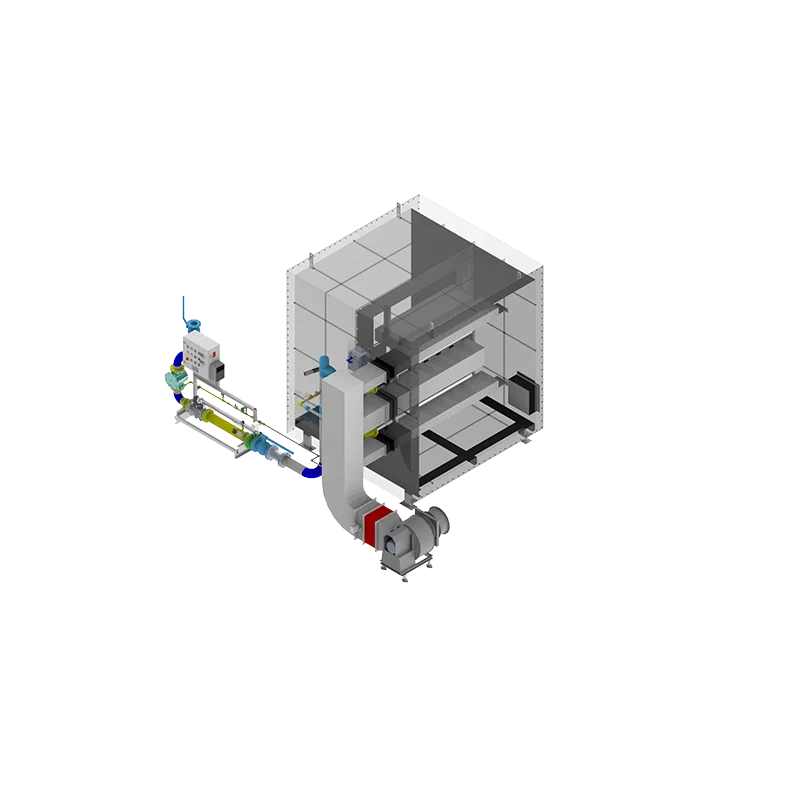
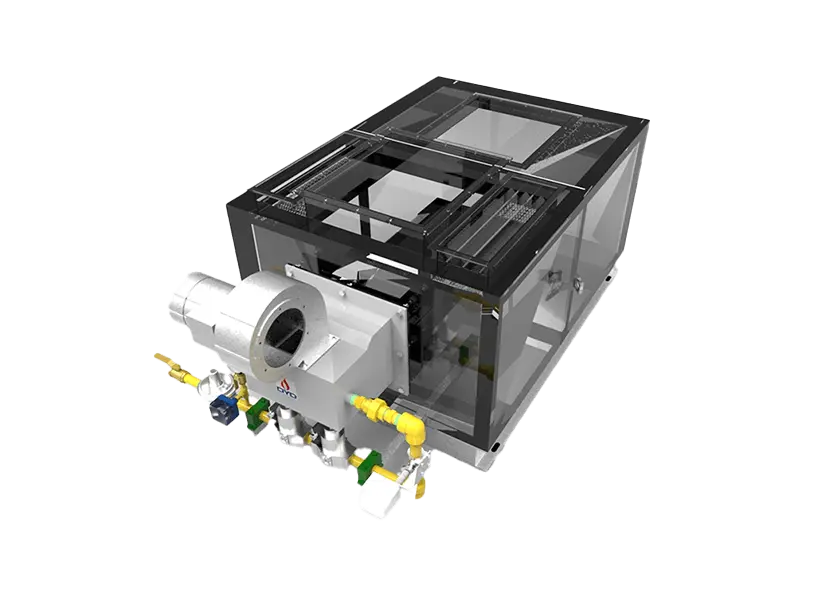
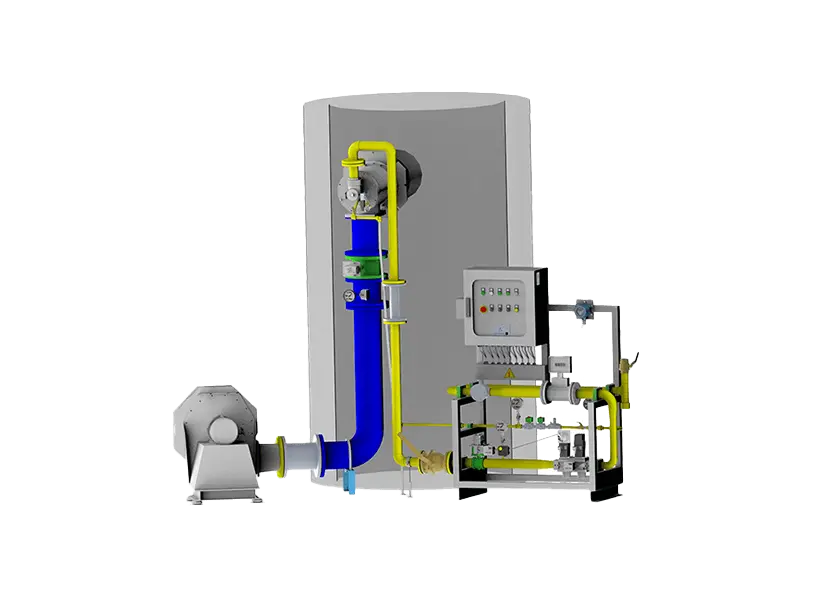
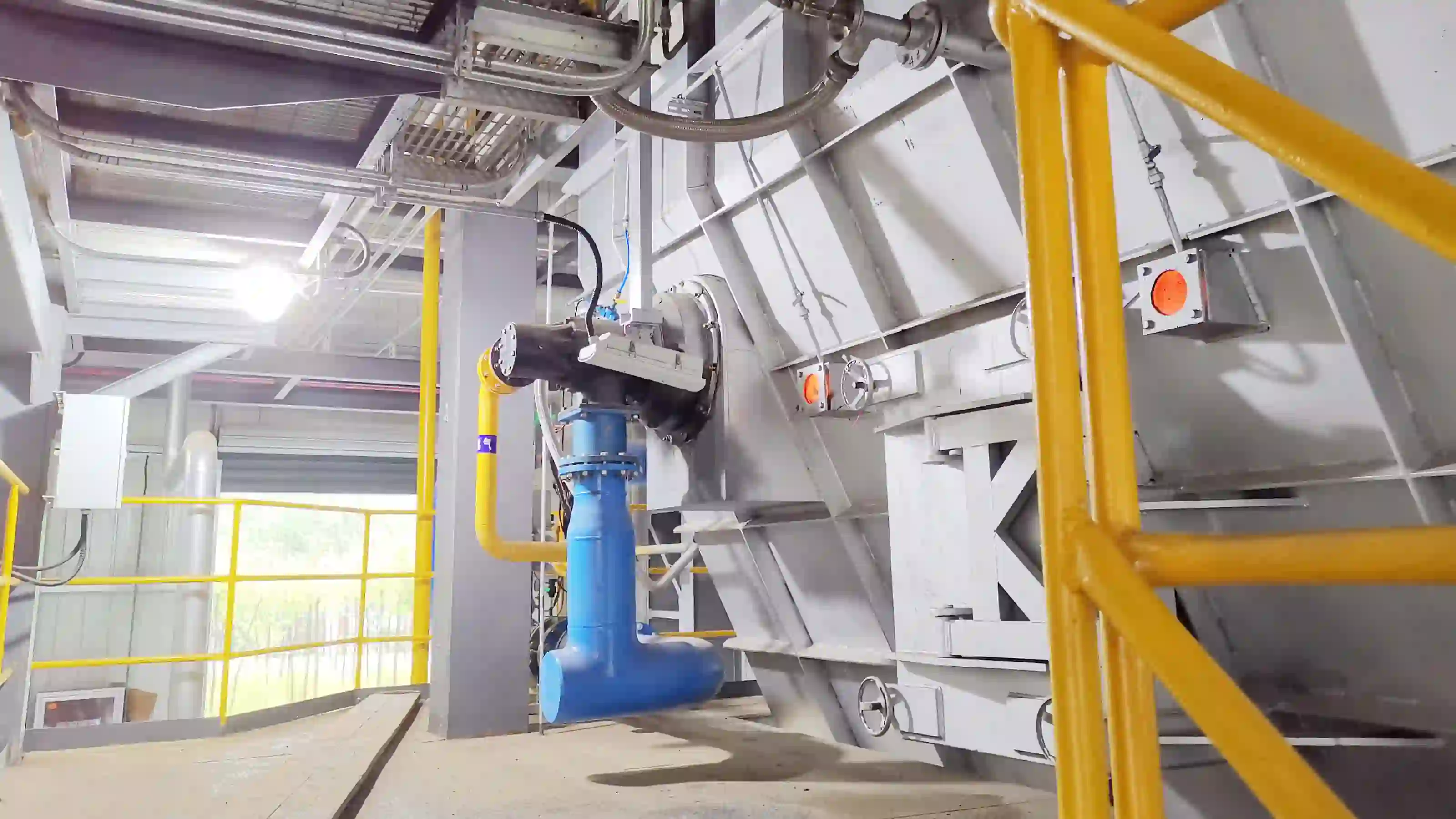
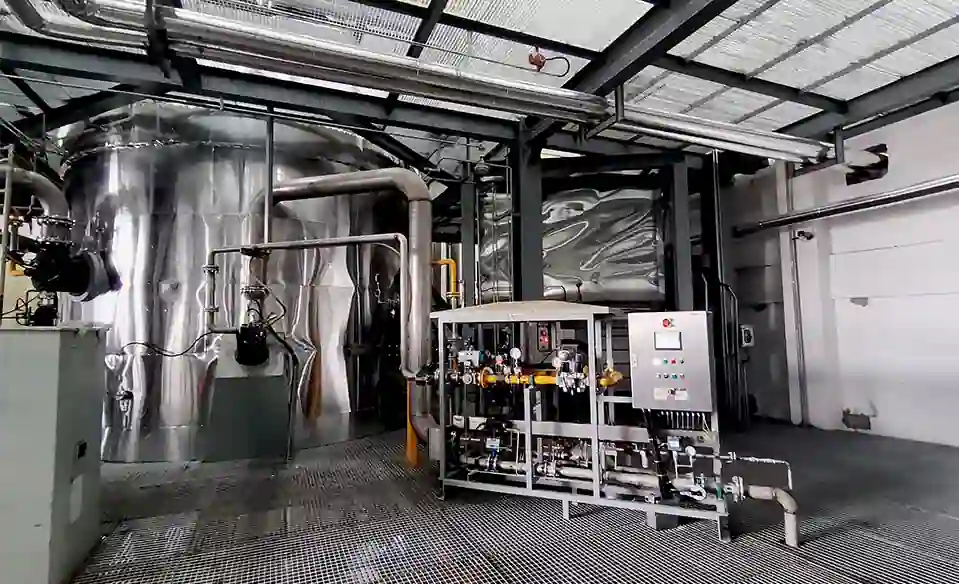
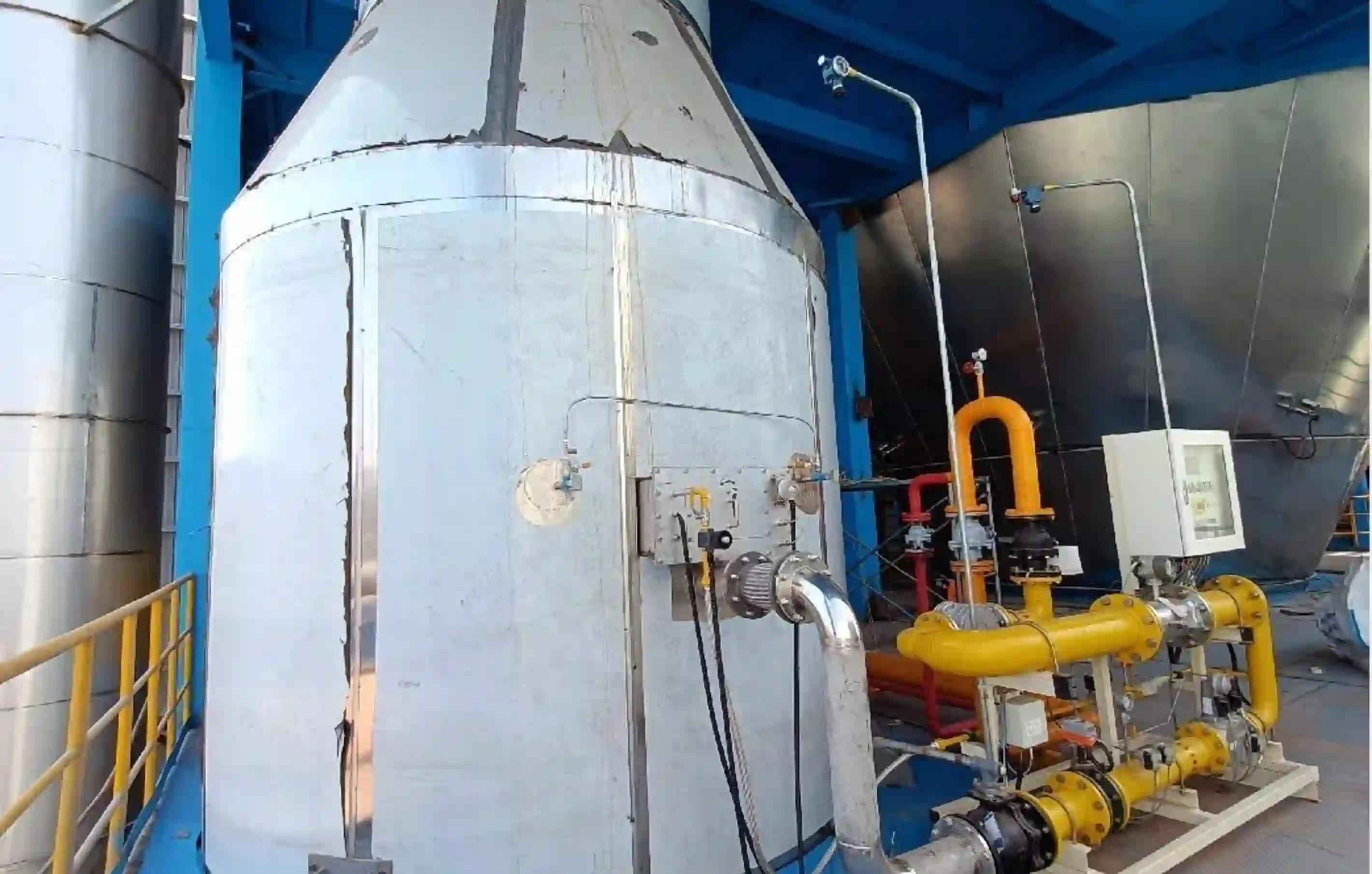
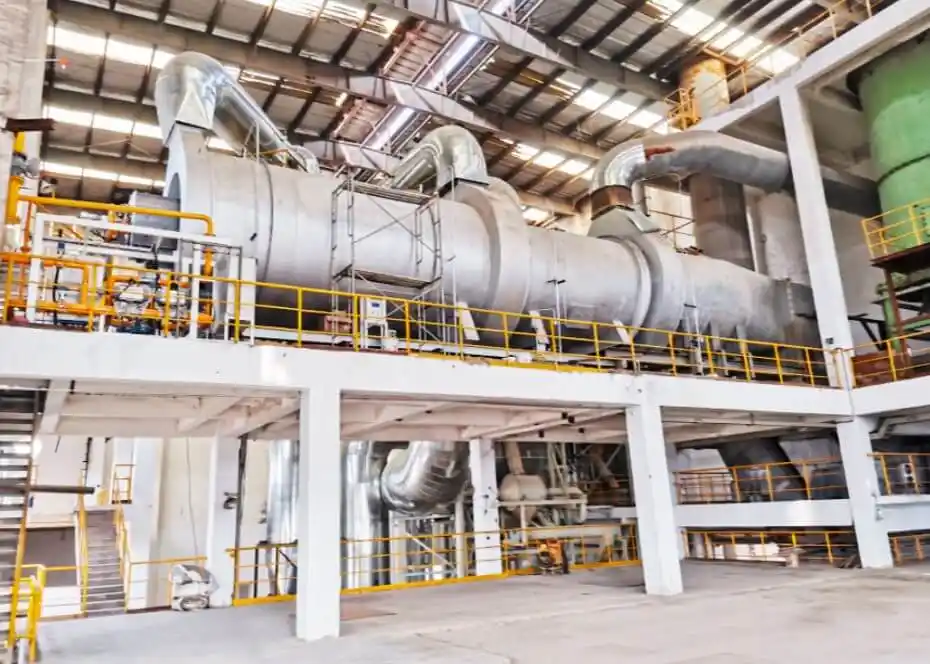
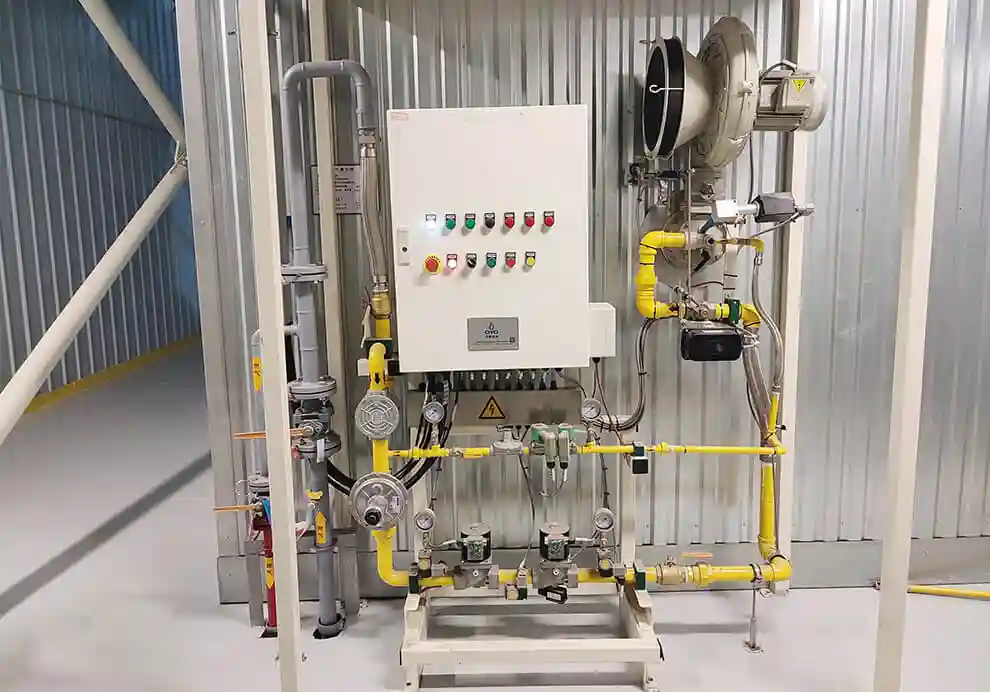
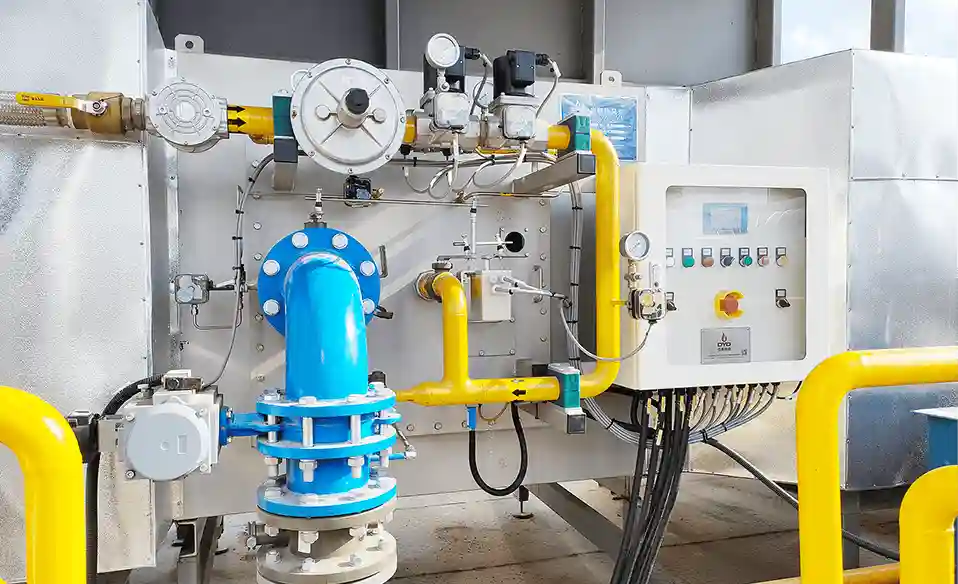
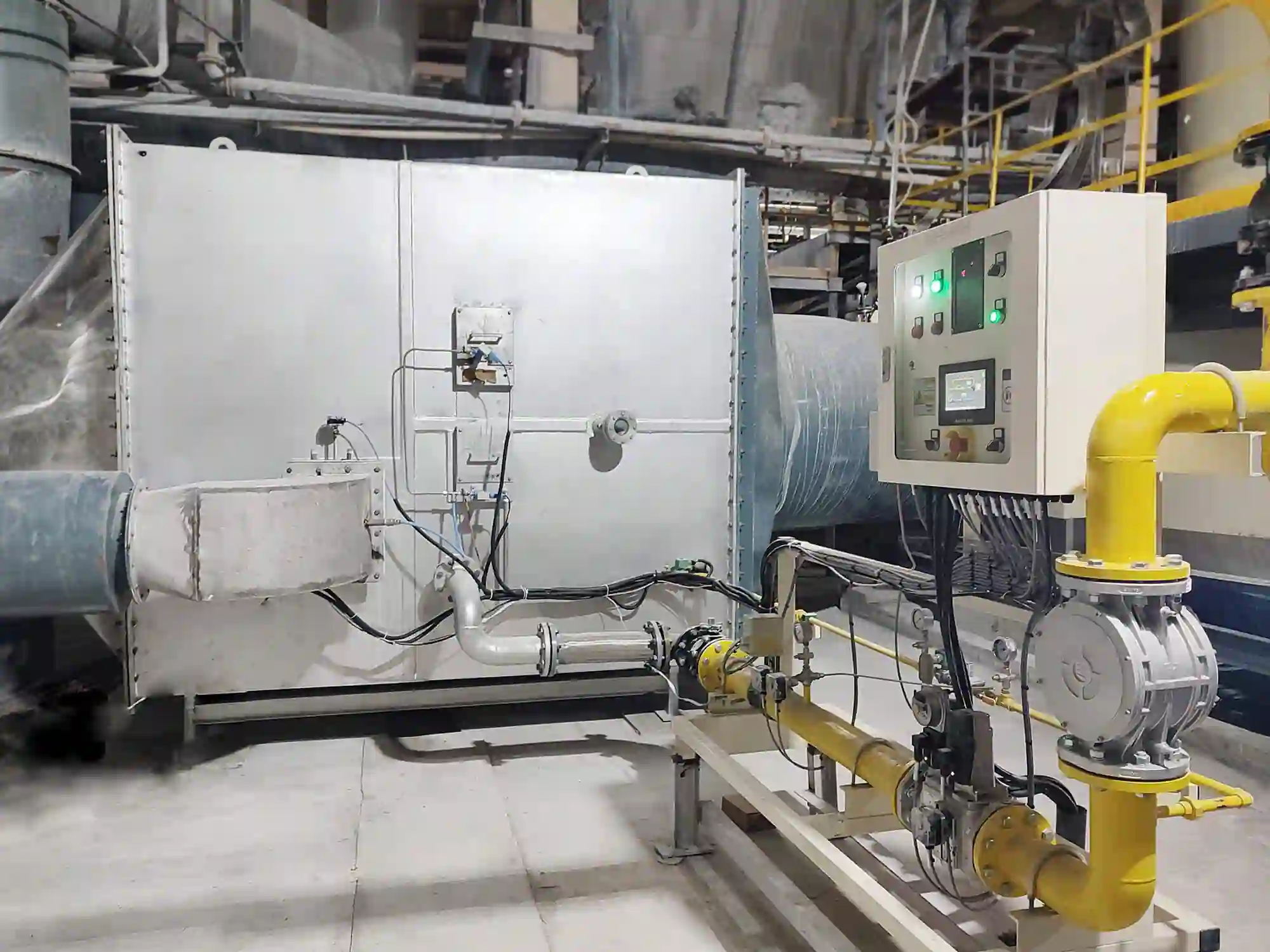
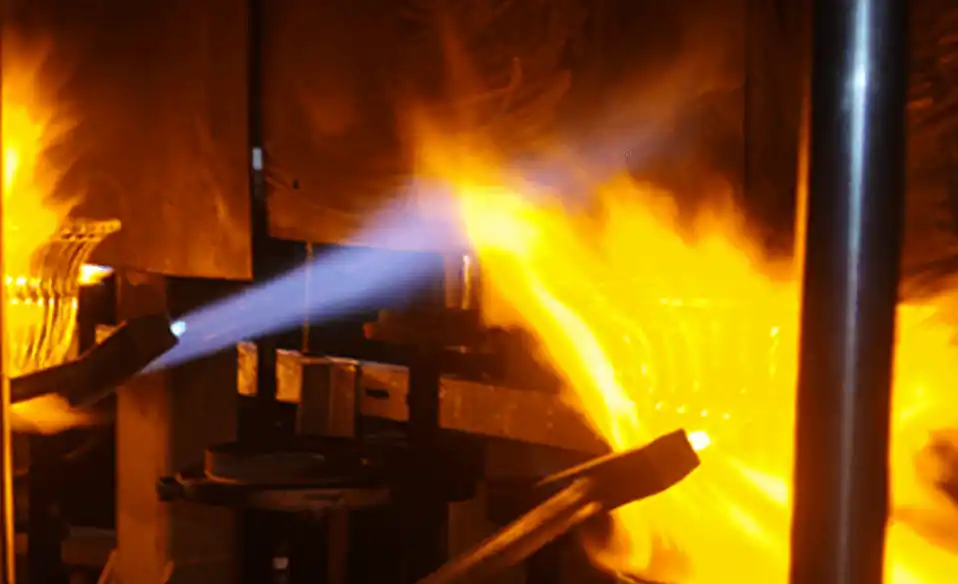
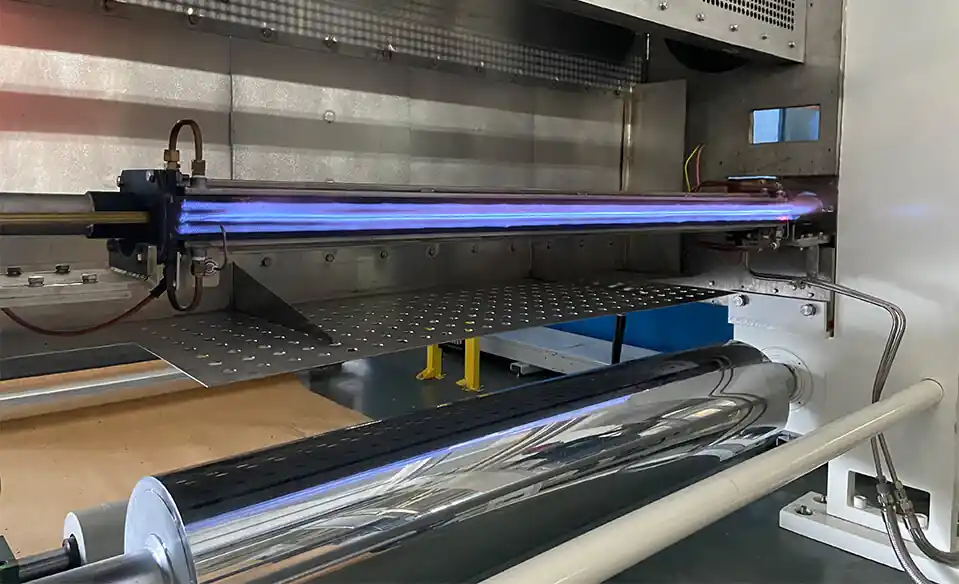
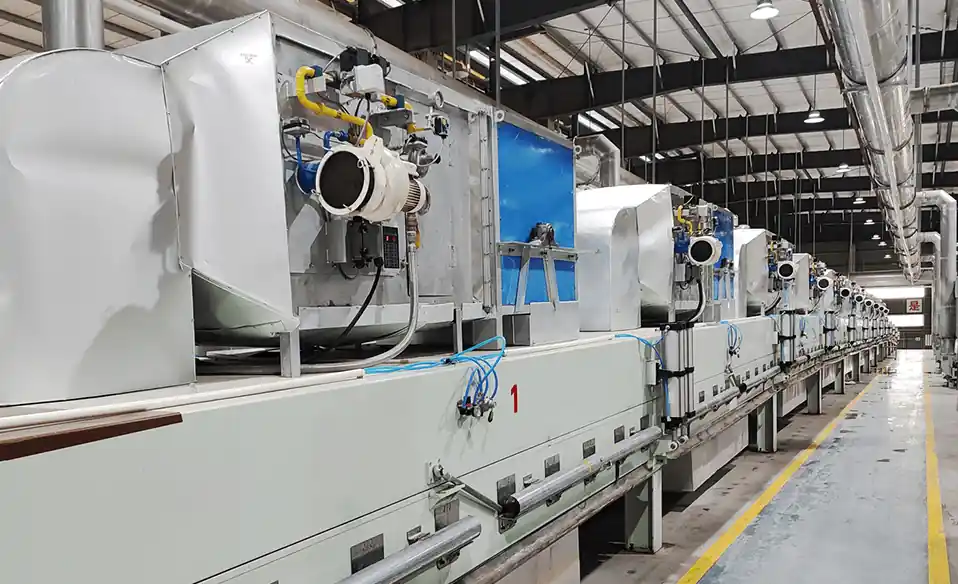
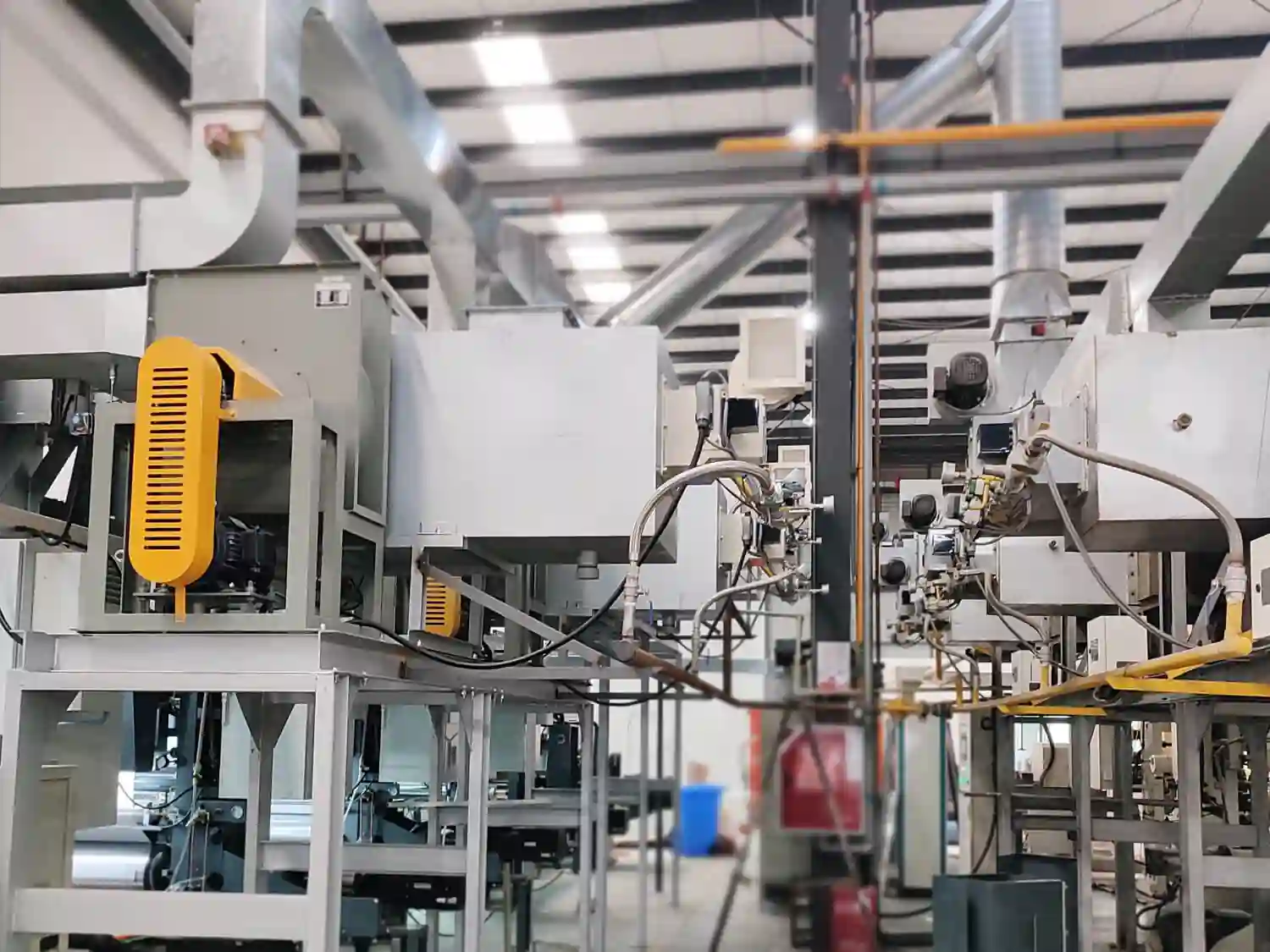
A Low NOx burner works by controlling the combustion process so that the conditions that promote NOx formation are reduced, while maintaining stable combustion and the required heat output.
The basic principle is not simply to lower the overall furnace temperature. Instead, the burner controls flame temperature, oxygen concentration, fuel-air mixing, combustion staging, and gas recirculation to reduce localized high-temperature regions where NOx can form rapidly.
A simplified process is:
Fuel + Combustion Air
↓
Controlled Mixing
↓
Staged / Diluted / Distributed Combustion
↓
Reduced Peak Flame Temperature
↓
Lower NOx Formation
↓
Stable Heat Release
The exact mechanism depends on the Low NOx burner technology being used.
A Low NOx burner typically controls several processes simultaneously:
Fuel delivery
Combustion-air delivery
Fuel-air mixing
Flame stabilization
Internal gas recirculation
Heat-release distribution
Combustion completion
The burner head is particularly important because its geometry determines how fuel and air enter the furnace and how the flame develops.
The objective is to prevent the flame from developing excessively hot local zones while still maintaining reliable ignition and complete combustion.
For many natural-gas-fired industrial combustion systems, thermal NOx is an important source of emissions.
Thermal NOx formation increases strongly under conditions involving:
High temperature
Oxygen availability
Sufficient residence time
A conventional flame can contain localized regions that are significantly hotter than the average furnace temperature.
A Low NOx burner attempts to reduce these extreme local temperatures.
Therefore:
Lower Peak Flame Temperature
→ Lower Thermal NOx Formation
This does not mean that the entire furnace must operate at a lower process temperature.
A furnace can still require a high operating temperature while the burner controls the local combustion environment.
One of the most common Low NOx approaches is staged combustion.
Instead of immediately combining all of the fuel and combustion air in one intense combustion zone, the process is divided into stages.
A simplified example is:
Primary Combustion
↓
Controlled-Oxygen Region
↓
Secondary Air Addition
↓
Completion of Combustion
The initial combustion zone is designed to avoid creating an extremely high-temperature, oxygen-rich flame.
Additional air is then introduced downstream to complete combustion.
This changes both the temperature profile and oxygen distribution within the flame.
Fuel staging distributes fuel injection between different locations or stages.
Instead of releasing all fuel into one concentrated flame, combustion can occur across a larger region.
This can reduce localized peak temperatures.
Fuel staging can also influence:
Flame length
Flame shape
Heat-release distribution
Gas circulation
The exact configuration depends on the burner design and furnace application.
Air staging controls when oxygen becomes available during combustion.
For example, the burner may initially create a region with limited oxygen availability.
Secondary air is introduced later to complete combustion.
The basic concept is:
Controlled Oxygen Availability
→ Controlled Heat Release
→ Reduced Peak Temperature
→ Lower NOx Formation
Air staging is particularly useful when the burner needs to maintain substantial heat output while reducing NOx formation.
Flue Gas Recirculation, or FGR, introduces part of the combustion exhaust back into the combustion process.
The recirculated gas contains combustion products and has a relatively high heat capacity.
When mixed with fresh combustion air, it can:
Dilute the combustion mixture
Reduce oxygen concentration
Increase the heat capacity of the mixture
Reduce peak flame temperature
The simplified process is:
Exhaust Gas
↓
Recirculation
↓
Combustion Air / Fuel
↓
Burner
↓
Lower-Temperature Combustion Environment
↓
Reduced NOx Formation
Internal FGR occurs within or around the flame itself.
The burner's aerodynamic design creates conditions that draw hot furnace gases back toward the combustion zone.
This can be achieved through:
Burner geometry
High-velocity air jets
Swirling flow
Pressure differences
Controlled mixing
The recirculated furnace gases dilute the flame and help control peak temperature.
One advantage is that the recirculation effect can be incorporated into the burner itself without requiring a large external FGR system.
External FGR uses a separate system to take exhaust gas from the furnace or exhaust duct and return it to the burner.
A simplified configuration is:
Furnace Exhaust
↓
FGR Duct
↓
FGR Fan / Control System
↓
Combustion Air
↓
Low NOx Burner
The amount of recirculated gas can be controlled according to operating conditions.
External FGR can provide substantial control over the combustion environment, but it also increases system complexity.
Premixed combustion combines fuel and combustion air before the main combustion zone.
The purpose is to create a more uniform fuel-air mixture.
A more uniform mixture can reduce localized fuel-rich or oxygen-rich high-temperature regions.
However, premixing must be carefully controlled.
Excessive premixing can create risks such as:
Flashback
Flame instability
Ignition difficulties
Therefore, premixed Low NOx combustion requires burner geometry specifically designed for safe flame stabilization.
Flame shape is a critical part of Low NOx burner operation.
The flame determines:
Where fuel burns
Where oxygen is consumed
Where heat is released
How gases circulate
Where peak temperatures occur
A Low NOx burner may use a flame that is:
Longer
Wider
More distributed
More highly recirculated
Lower in local peak temperature
The correct flame shape depends on the furnace.
A flame that works well in one furnace may not provide the same result in another.
Fuel-air mixing determines the local combustion environment.
Very rapid mixing can create concentrated high-temperature regions.
Controlled mixing can spread combustion over a larger area and reduce peak temperature.
The burner therefore controls:
Fuel Velocity
Air Velocity
Injection Direction
Mixing Pattern
Recirculation
to establish the desired flame structure.
This is one reason why the burner head is often critical to Low NOx performance.
This distinction is important.
Suppose a furnace operates at:
1,000°C
The flame itself can have a much higher local temperature.
The furnace temperature is the temperature of the process environment.
The flame temperature describes the conditions inside the combustion zone.
A Low NOx burner primarily works to control the local combustion-zone temperature, not necessarily to lower the furnace's required operating temperature.
Therefore:
High Furnace Temperature
does not automatically mean:
High NOx
if the combustion system is properly designed.
Excess air affects both combustion and emissions.
Too much air can increase oxygen availability and increase exhaust losses.
Too little air can result in:
Incomplete combustion
Higher CO
Flame instability
Unburned fuel
A Low NOx burner therefore needs to maintain an appropriate air-fuel relationship.
The objective is not simply to minimize air.
The objective is to create a combustion environment that balances:
NOx + CO + Stability + Efficiency + Heat Output
Flame recirculation brings combustion products back into the active combustion zone.
These gases can act as a diluent.
They can reduce:
Oxygen concentration
Local flame temperature
Temperature peaks
At the same time, recirculation can help stabilize the flame.
The correct amount of recirculation is important.
Too little may not provide sufficient NOx reduction.
Too much may make ignition and combustion stability more difficult.
NOx reduction cannot come at the expense of flame stability.
A burner must still provide:
Reliable ignition
Stable flame anchoring
Complete combustion
Adequate heat output
Stable operation across the firing range
The burner therefore uses specific aerodynamic structures to stabilize the flame.
Depending on the design, these may include:
Swirl
Recirculation zones
Stabilization disks
Controlled velocity gradients
Fuel injection geometry
The objective is to maintain a stable flame while controlling its temperature distribution.
A Low NOx burner should be evaluated across its operating range rather than only at maximum capacity.
For example:
100% Load
→ High Heat Release
60% Load
→ Moderate Heat Release
30% Load
→ Low Heat Release
The combustion pattern can change significantly as firing rate decreases.
Therefore, a well-designed Low NOx burner needs to maintain:
Stable flame
Appropriate air-fuel ratio
Controlled emissions
Reliable ignition
Acceptable CO
across the relevant operating range.
No.
NOx and CO are different emissions.
Some combustion strategies that strongly suppress NOx can potentially make complete combustion more difficult.
If combustion becomes too diluted, too oxygen-limited, or insufficiently mixed, CO can increase.
Therefore, Low NOx burner design needs to find an appropriate balance between:
Low NOx
and
Complete Combustion
The target is not simply the lowest possible NOx value.
The burner does not operate in isolation.
Its performance depends on the surrounding furnace.
Important factors include:
Furnace volume
Chamber dimensions
Burner position
Burner angle
Exhaust location
Furnace pressure
Product position
For example, a burner designed for strong internal recirculation may behave differently in a very small chamber compared with a large furnace.
Therefore, Low NOx burner selection should be coordinated with furnace design.
When multiple burners are installed, their flames can interact.
Poor arrangement can create:
Flame interference
Local hot spots
Uneven temperature
Excessive wall heating
Uneven NOx formation
The number, spacing, and orientation of burners should therefore be considered together.
A Low NOx burner system is not simply a collection of individual low-emission burners.
It is an integrated combustion system.
Yes.
The purpose of Low NOx combustion is not necessarily to lower the furnace's operating temperature.
Instead, the burner controls the conditions inside the combustion zone.
This allows a furnace to maintain the required process temperature while reducing excessive local flame temperatures.
Low NOx burners can therefore be used in applications such as:
Heat-treatment furnaces
Forging furnaces
Aluminum furnaces
Ceramic kilns
Industrial ovens
Drying systems
Thermal processing equipment
The burner must be selected according to the specific process.
The major approaches can be summarized as follows:
| Technology | Basic Principle |
|---|---|
| Staged combustion | Controls when fuel and oxygen react |
| Air staging | Delays part of the combustion air |
| Fuel staging | Distributes fuel release |
| Internal FGR | Recirculates furnace gases within the flame |
| External FGR | Returns exhaust gas through an external system |
| Premixed combustion | Creates a more uniform fuel-air mixture |
| Distributed combustion | Spreads heat release and reduces local temperature peaks |
Some burner designs combine several technologies.
DYDTEC Combustion develops industrial burners, Low NOx burners, linear burners, thermal air furnaces, and combustion-system integration solutions.
Low NOx combustion can involve coordination between:
Burner head design
Fuel injection
Combustion-air distribution
Flame structure
Internal or external recirculation
Furnace geometry
Heat load
Temperature control
DYDTEC Combustion was established in 2012 and has R&D and manufacturing bases in Shanghai and Yangzhou.
Its product development covers 100+ burner models and 200+ application scenarios, providing different burner configurations for industrial heating processes with different thermal and combustion requirements.
For an OEM project, Low NOx performance is best considered together with the furnace, airflow, exhaust, fuel system, control system, and required temperature profile.
Before selecting or designing a Low NOx burner, the following information is useful.
Furnace dimensions
Chamber volume
Operating temperature
Burner position
Exhaust position
Furnace pressure
Required heat load
Heating rate
Temperature uniformity
Operating cycle
Product requirements
Fuel type
Fuel pressure
Fuel composition
Air pressure
Air temperature
Available airflow
Required NOx level
Measurement conditions
CO requirements
Applicable emissions limits
These parameters determine which Low NOx technology is appropriate.
It controls fuel-air mixing, flame temperature, oxygen availability, combustion staging, and/or flue-gas recirculation to reduce the conditions that promote NOx formation.
Not necessarily. It primarily controls local peak flame temperatures while allowing the furnace to maintain its required process temperature.
Common approaches include staged combustion, flue-gas recirculation, controlled mixing, premixing, and distributed combustion.
Recirculated exhaust gas dilutes the combustion mixture and increases its effective heat capacity, helping reduce peak flame temperature.
Not necessarily. Excessive recirculation can affect ignition, flame stability, CO, and burner operating range.
Staging controls where and when fuel and oxygen react, reducing intense high-temperature combustion zones.
Yes. Properly designed Low NOx burners can provide substantial heat release while controlling local flame conditions.
No. NOx and CO must be optimized together. Excessive NOx reduction can potentially increase CO if combustion becomes incomplete.
The burner determines fuel injection, air distribution, mixing, flame stabilization, recirculation, and heat-release characteristics—all of which influence NOx formation.
A Low NOx burner works by controlling the combustion environment rather than simply reducing the amount of heat produced.
The fundamental mechanisms are:
Controlled Fuel-Air Mixing
Staged Combustion
Flame Recirculation
Flue Gas Recirculation
Controlled Oxygen Availability
Reduced Peak Flame Temperature
↓
Lower NOx Formation
At the same time, the burner must maintain:
Stable Flame + Complete Combustion + Required Heat Output + Temperature Uniformity
This is why Low NOx burner selection should be based on the entire combustion system, including the burner, furnace geometry, fuel, combustion air, exhaust system, operating range, and process requirements.
A Low NOx burner does not simply make the flame colder. It controls where, when, and how fuel and oxygen react so that excessive local flame temperatures are avoided while stable and effective heat release is maintained.