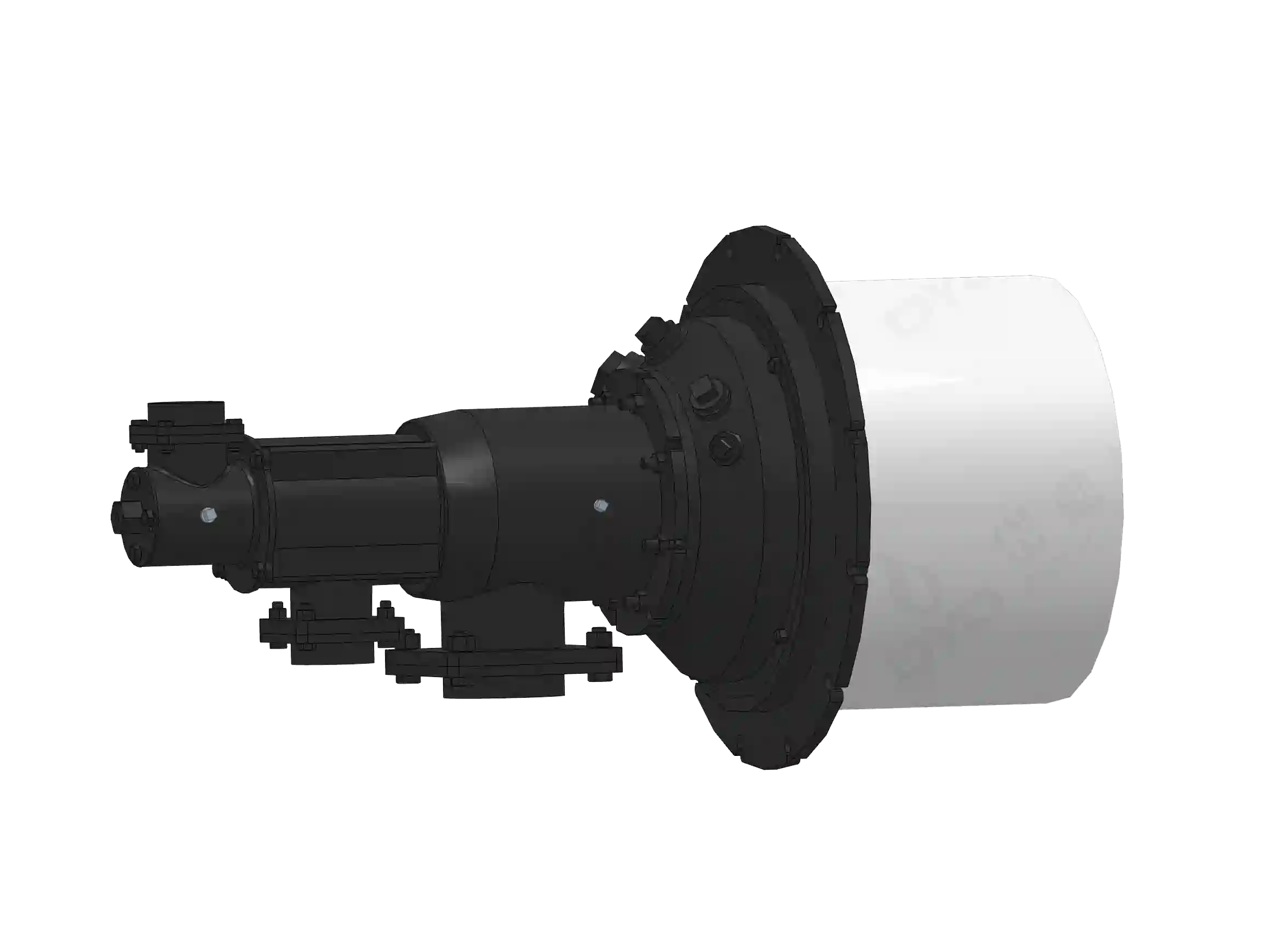
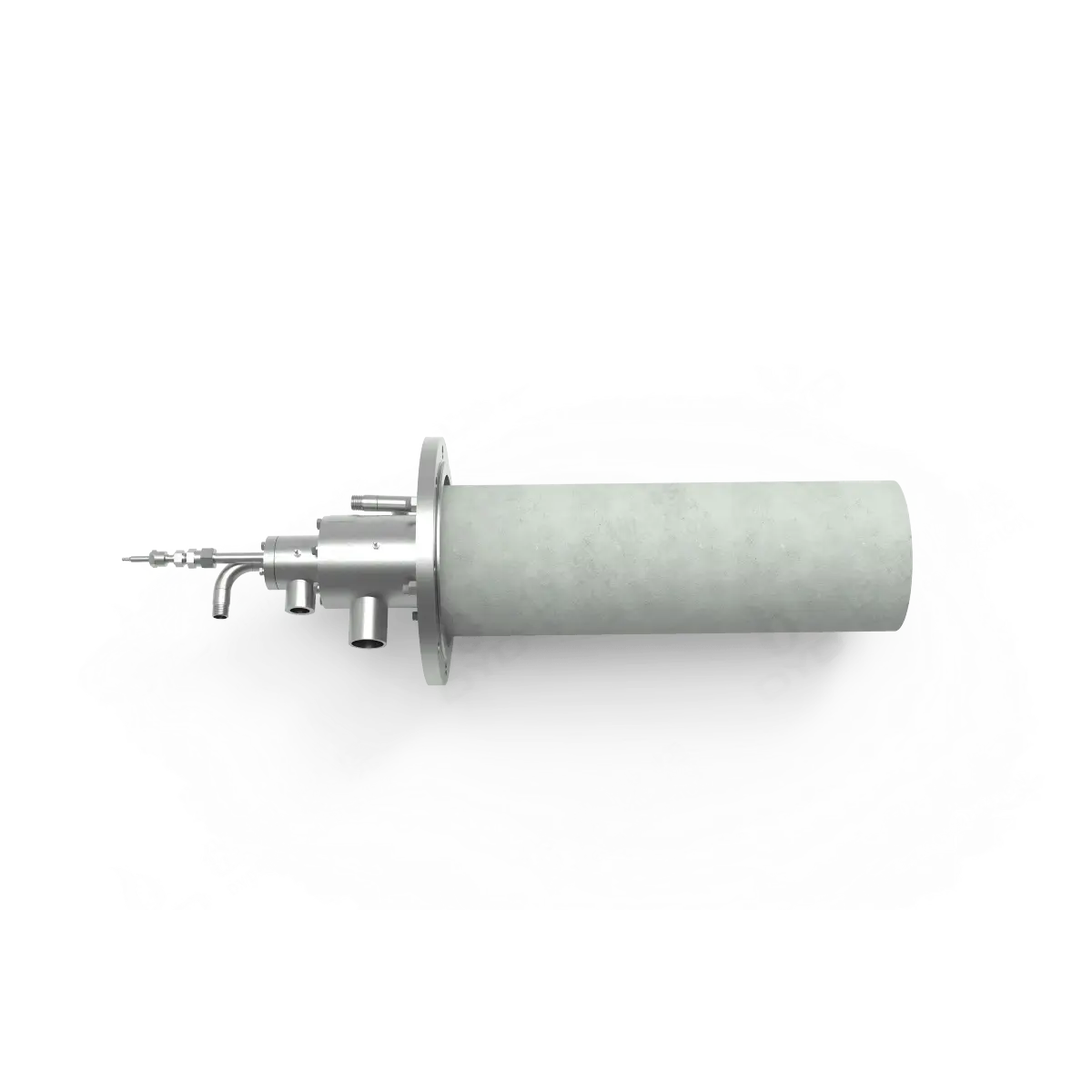
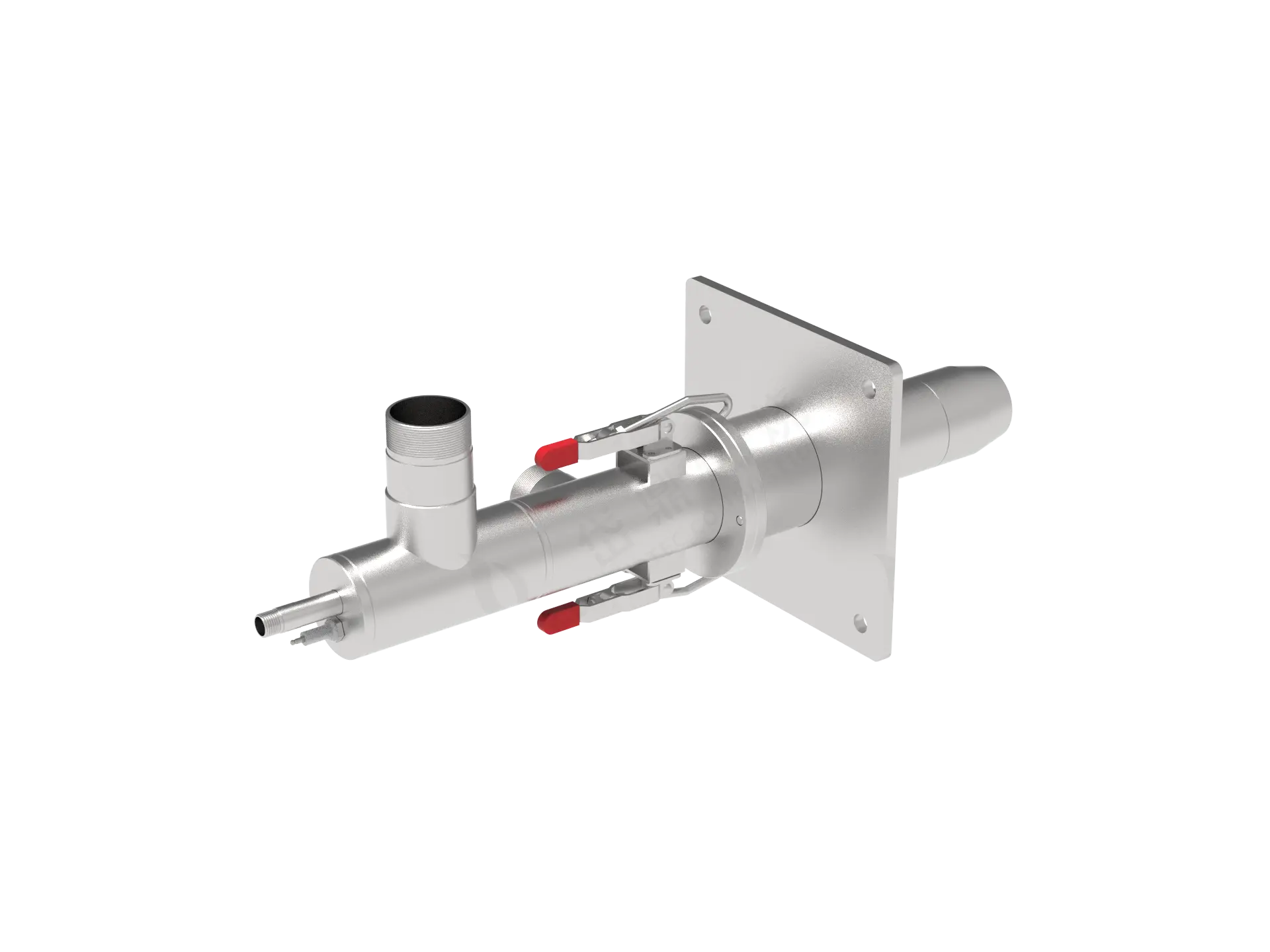
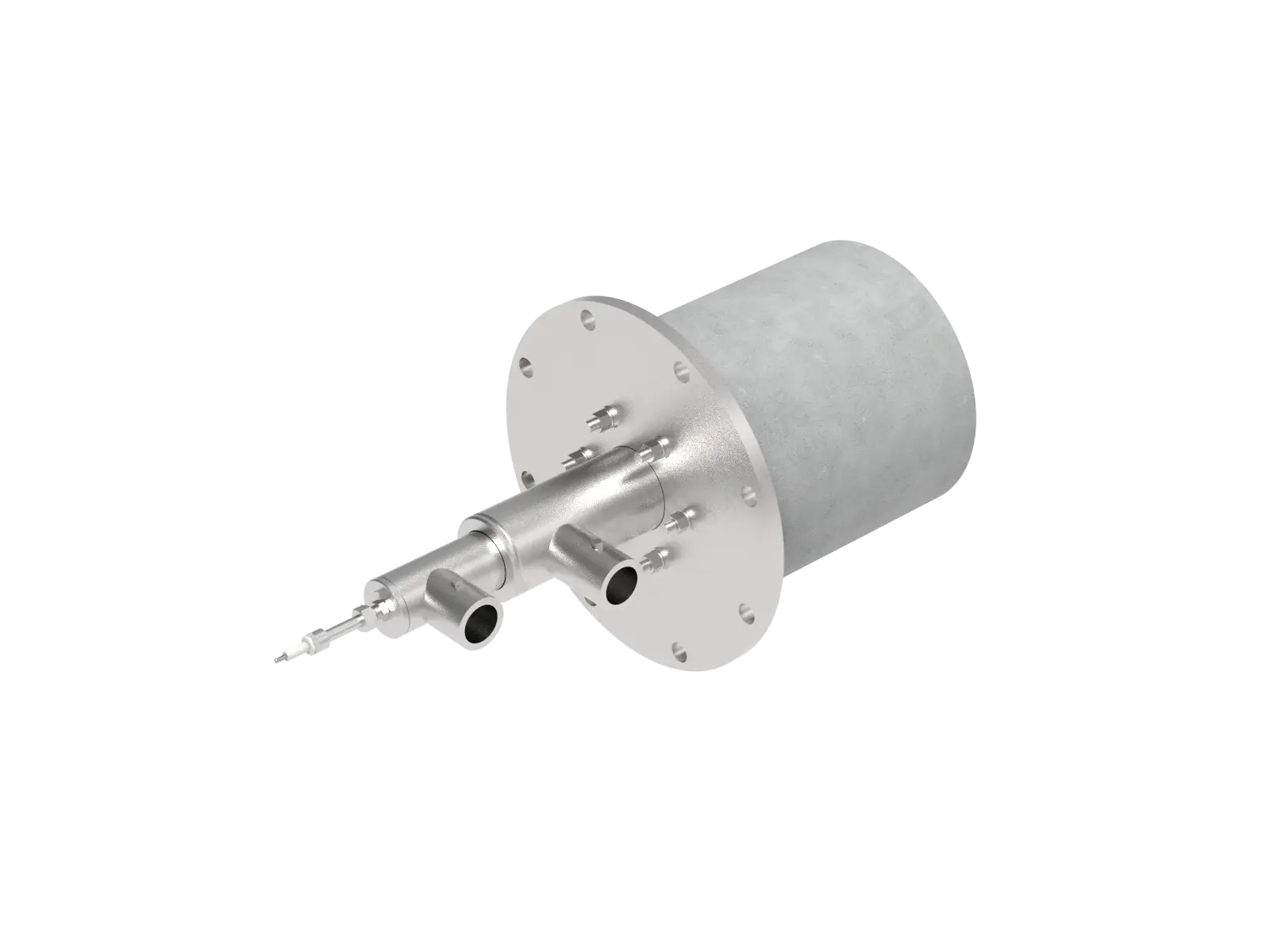
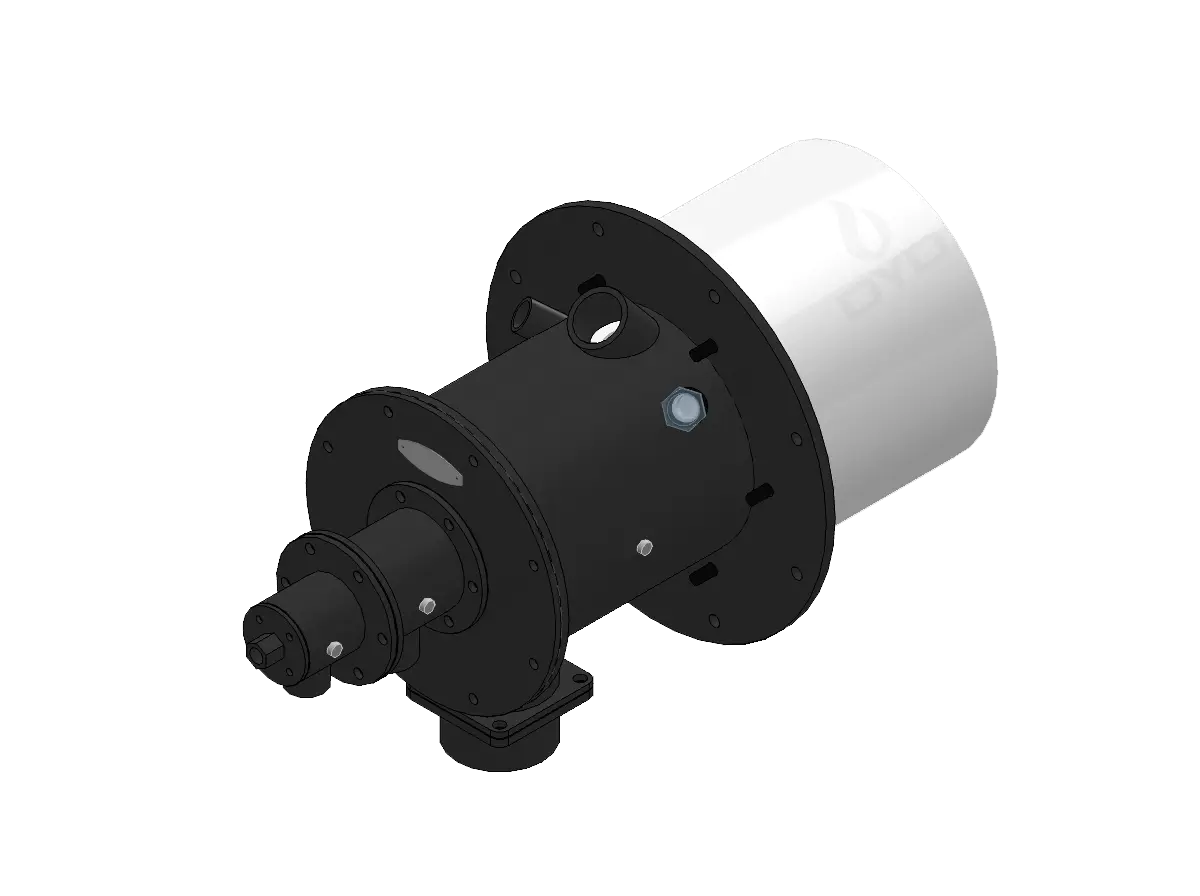
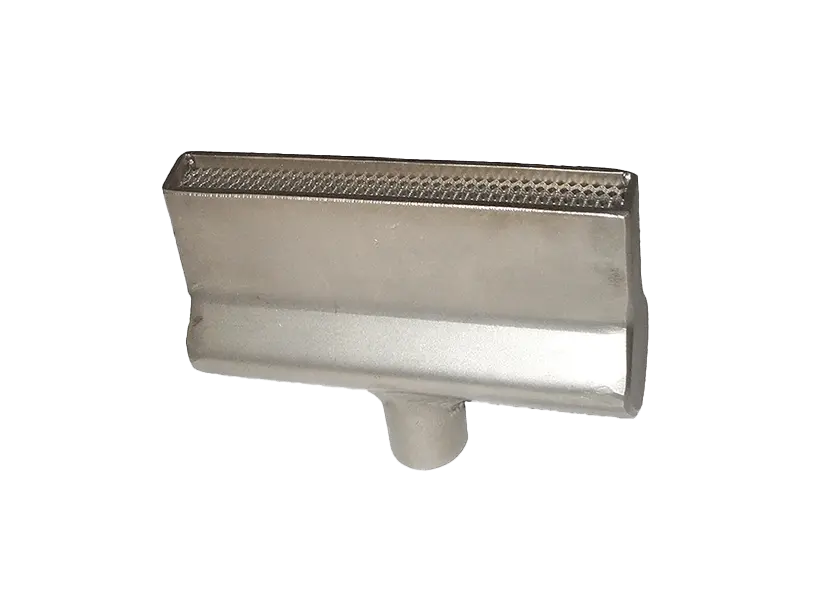
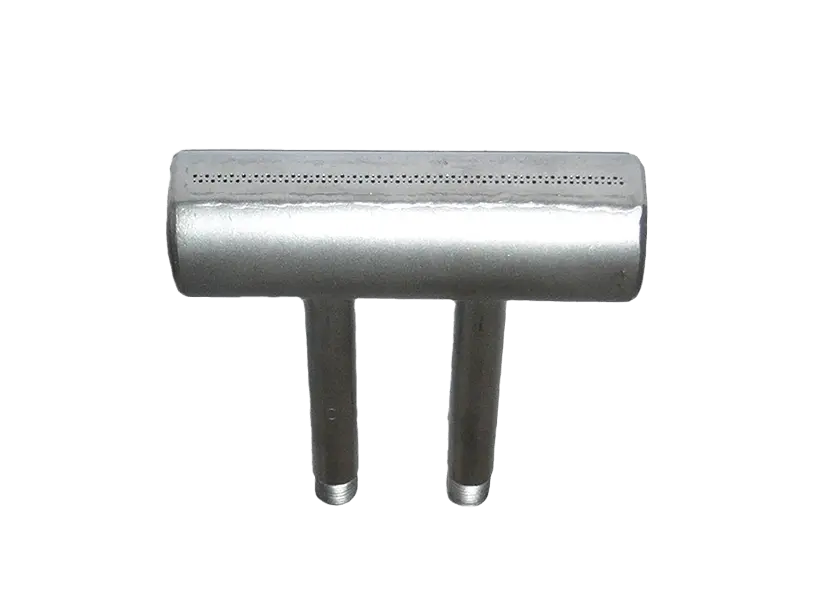
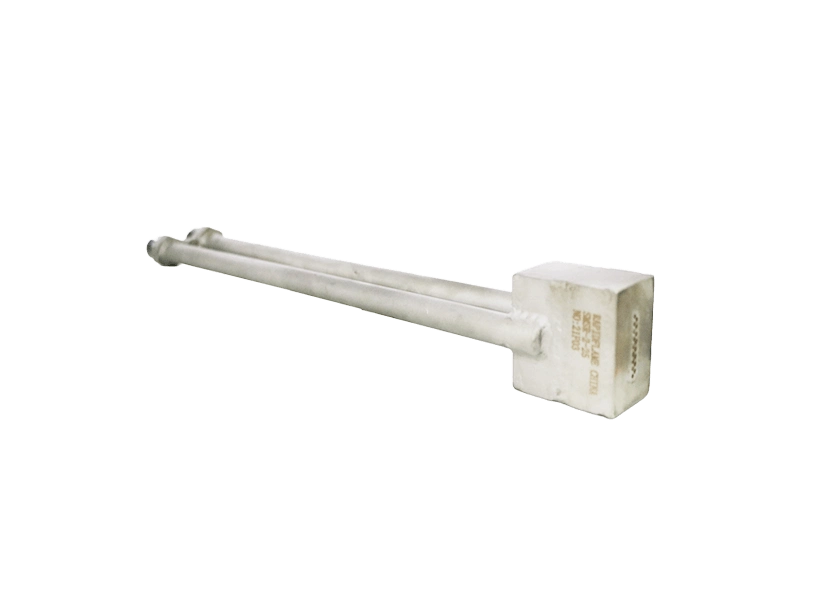
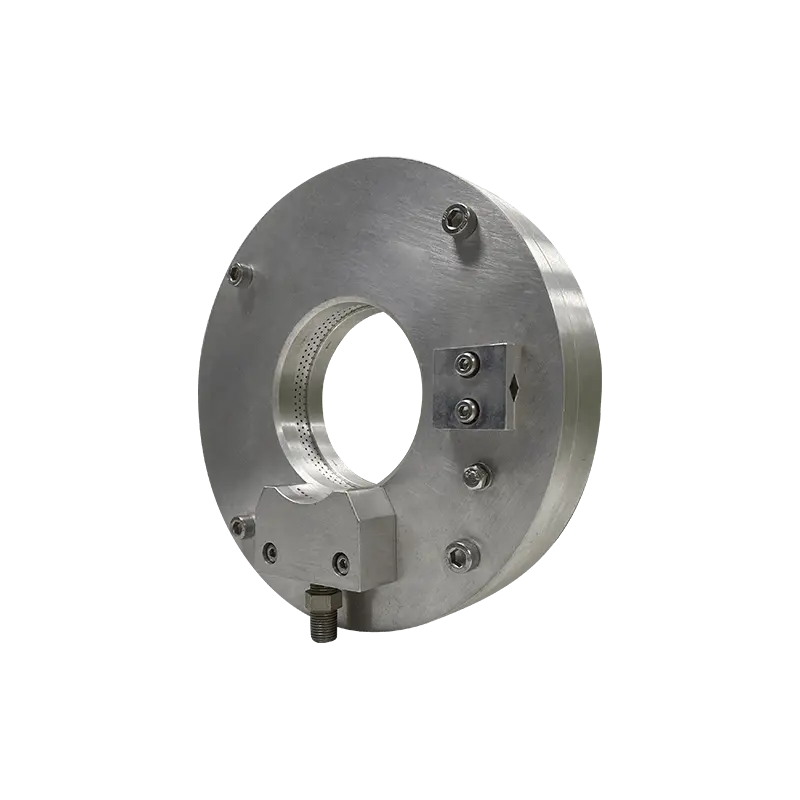
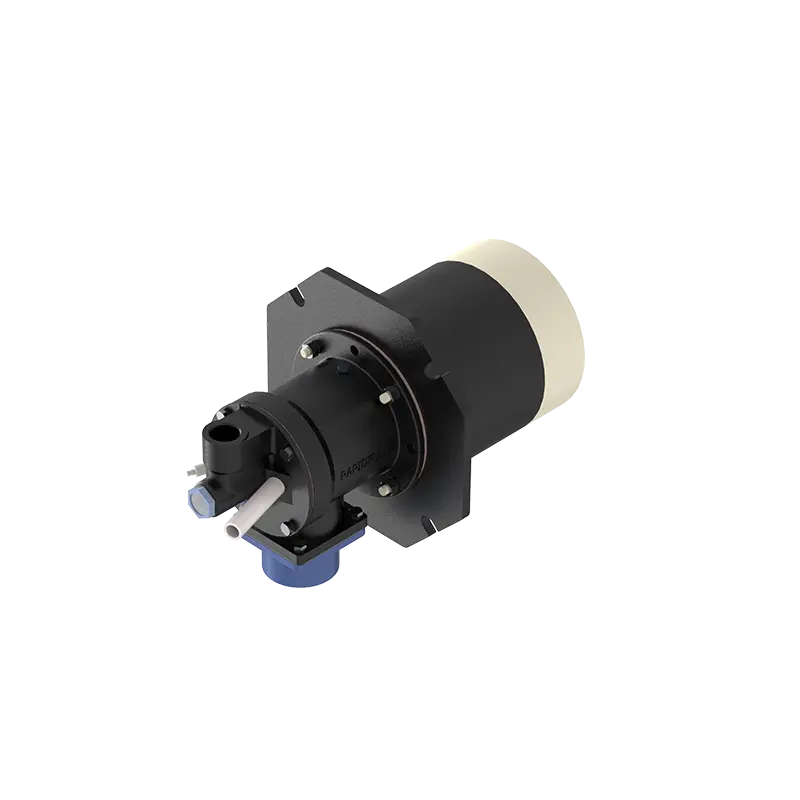
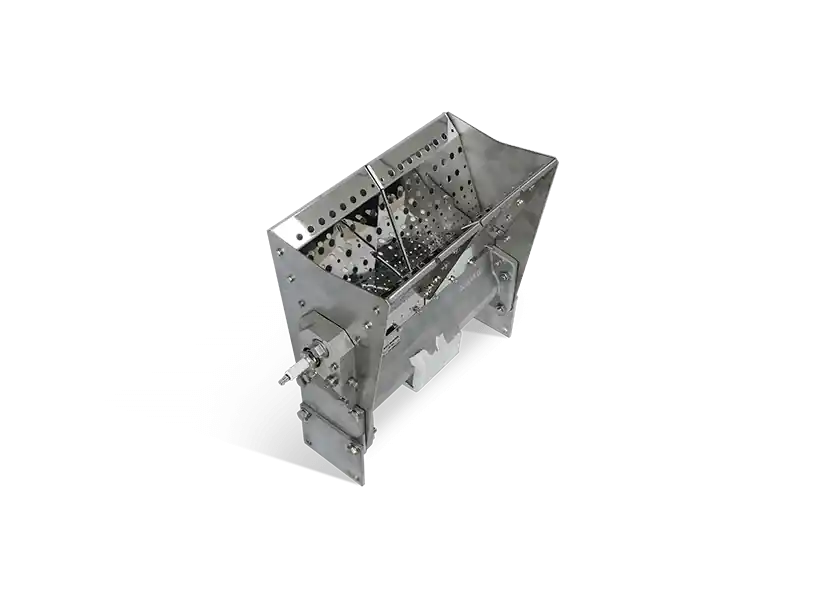
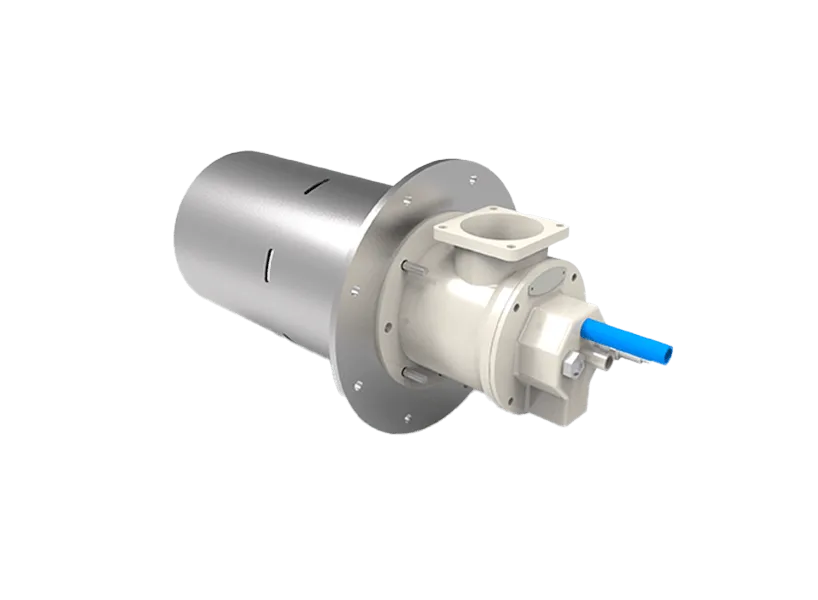
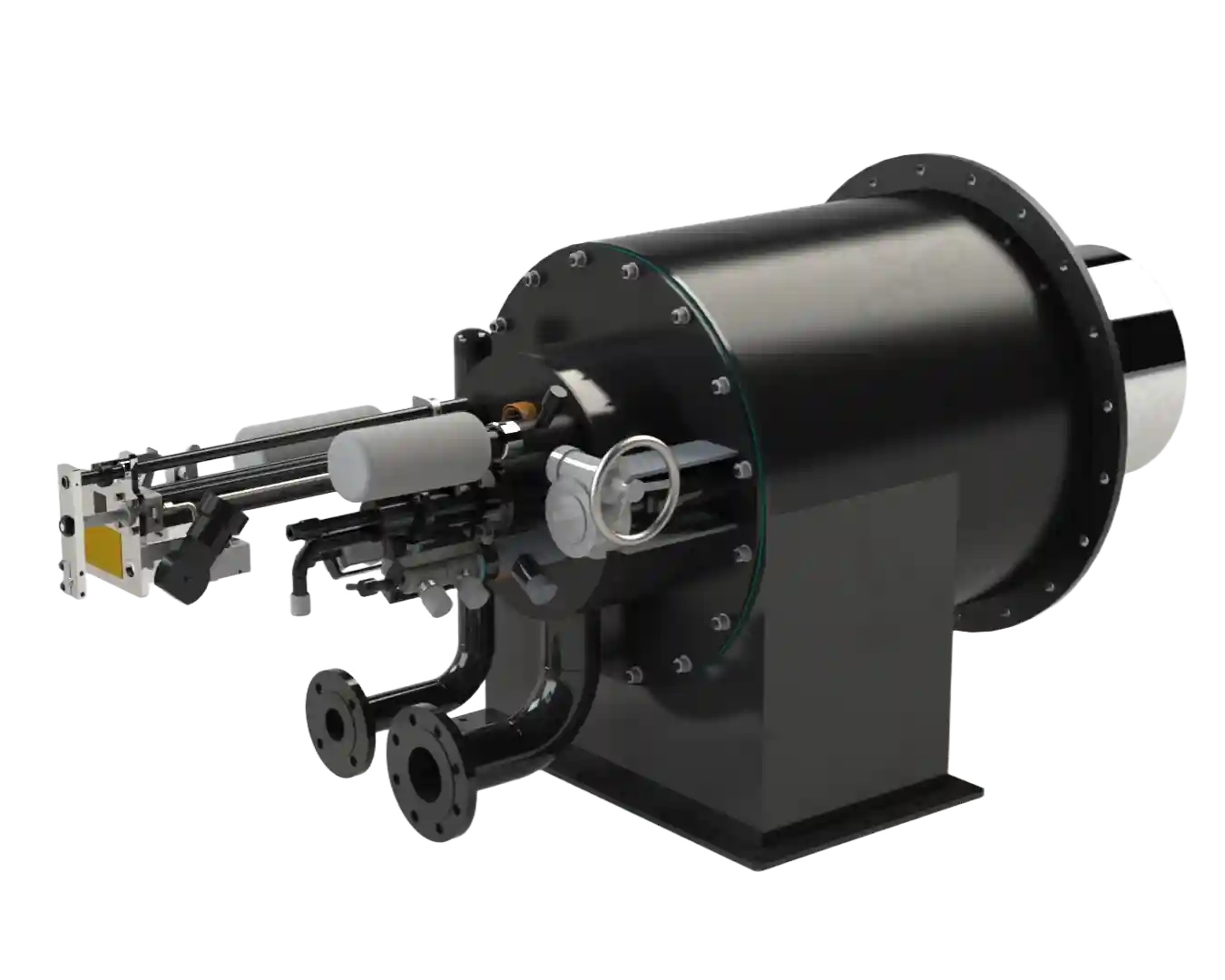
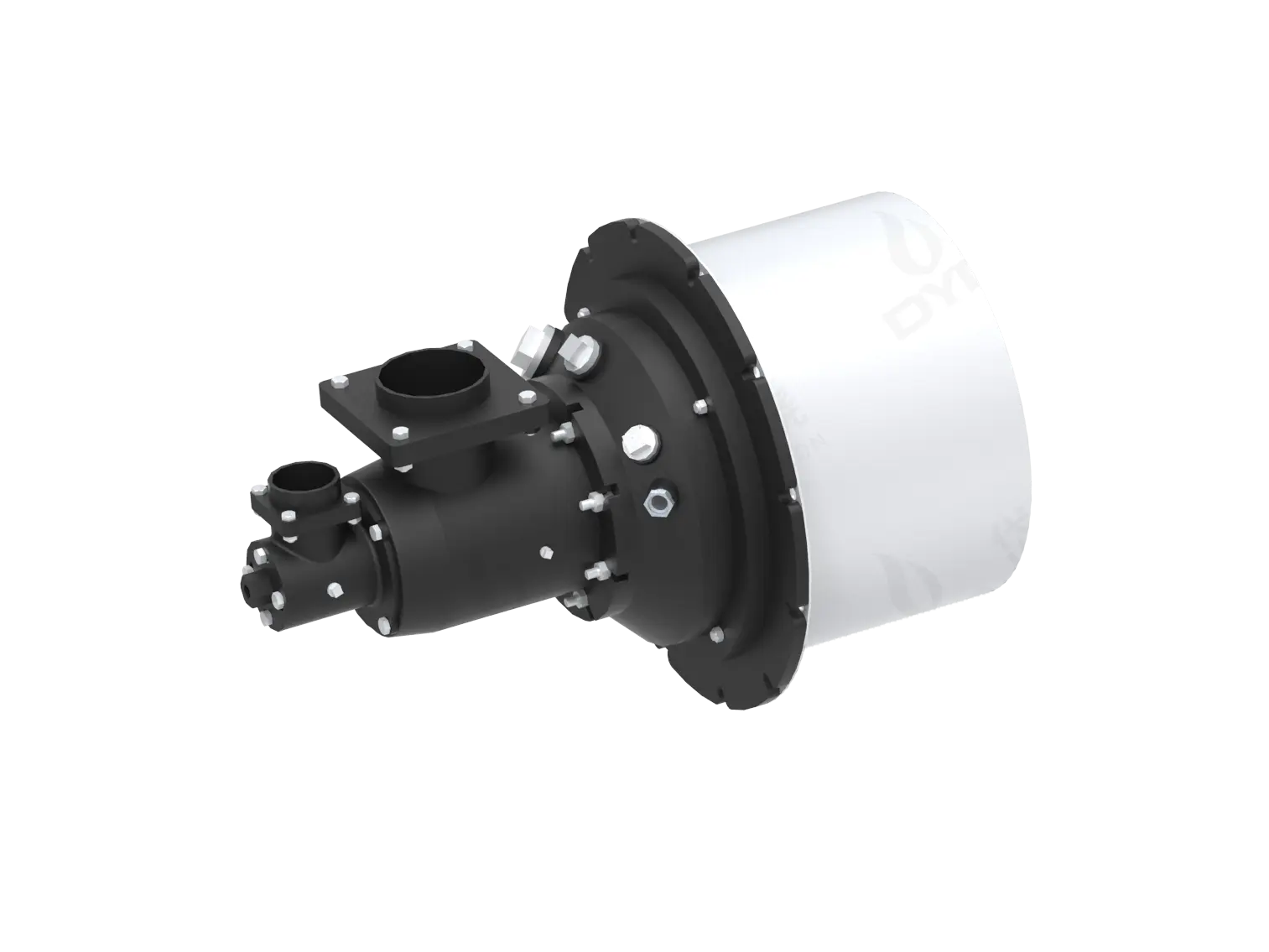
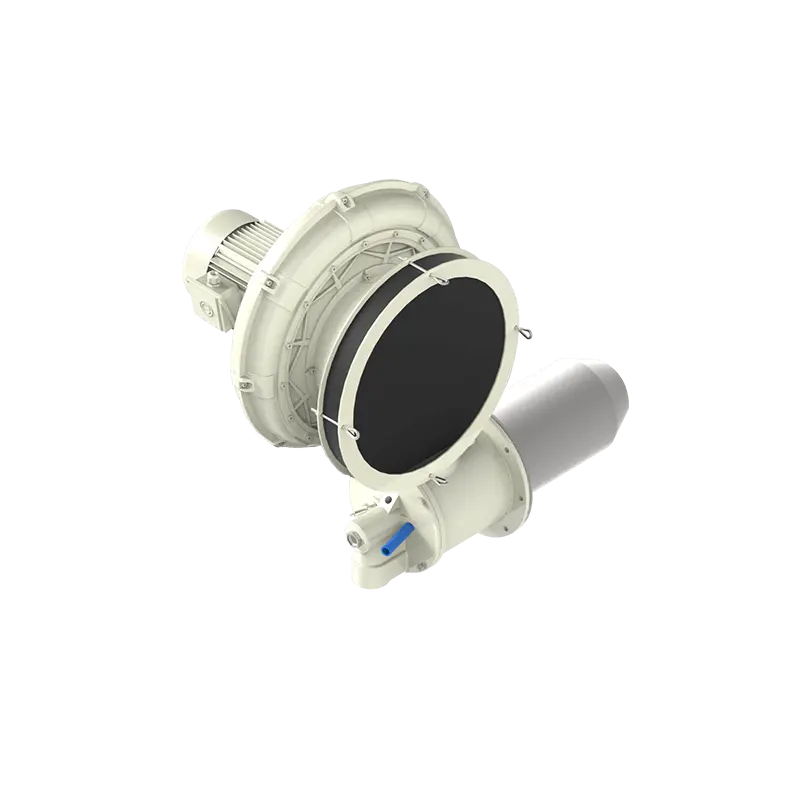
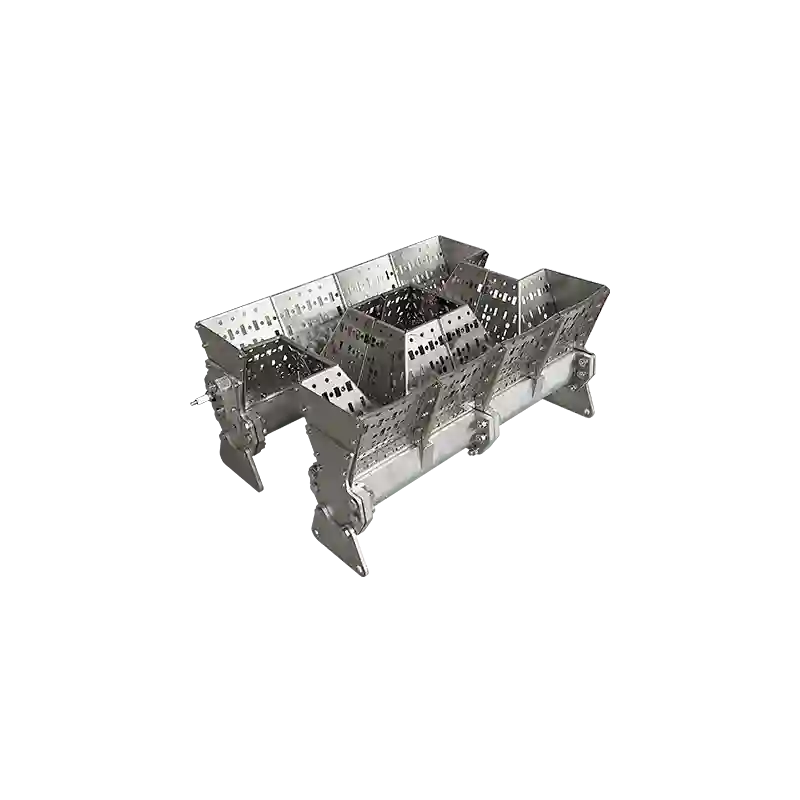
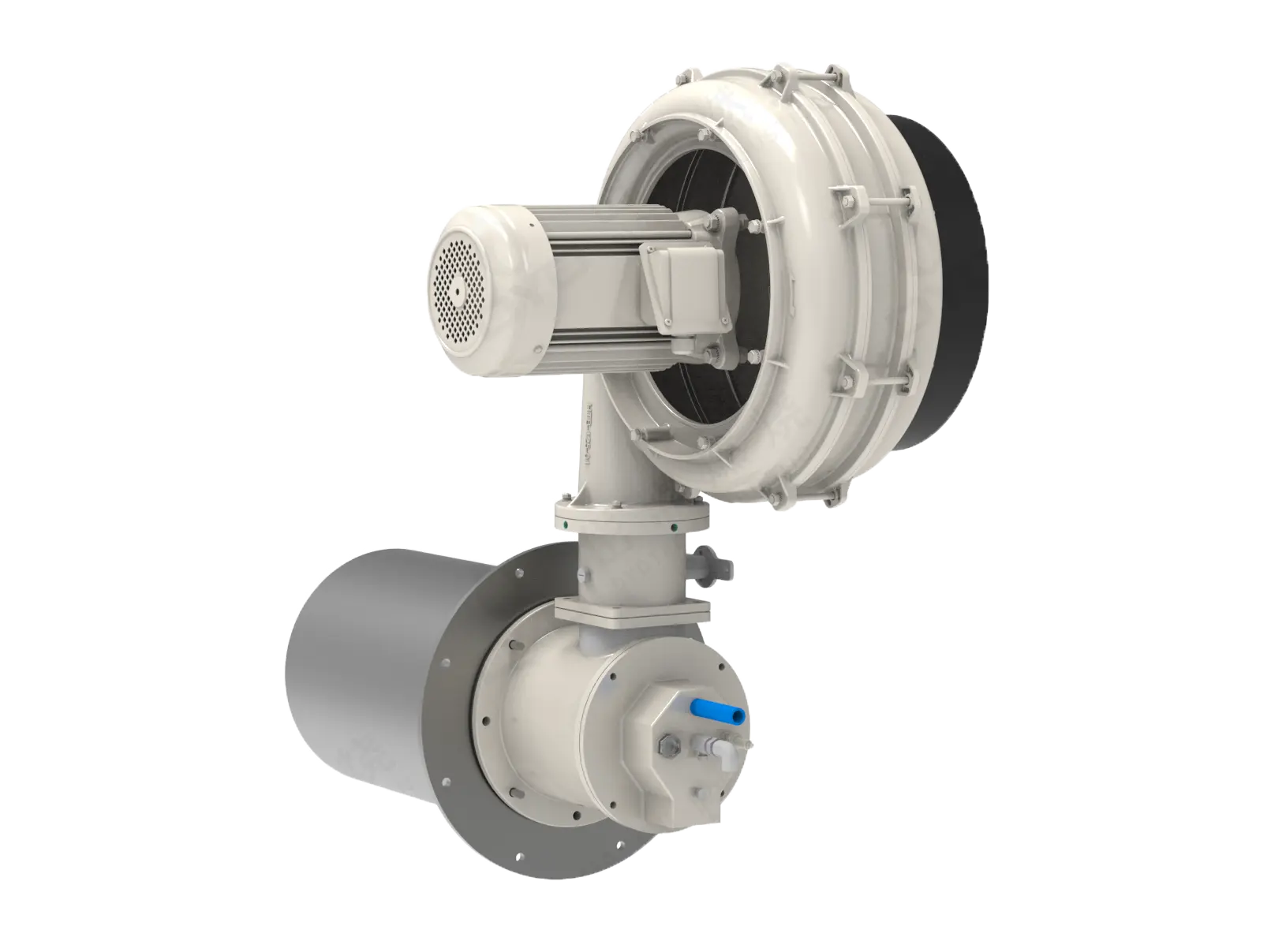
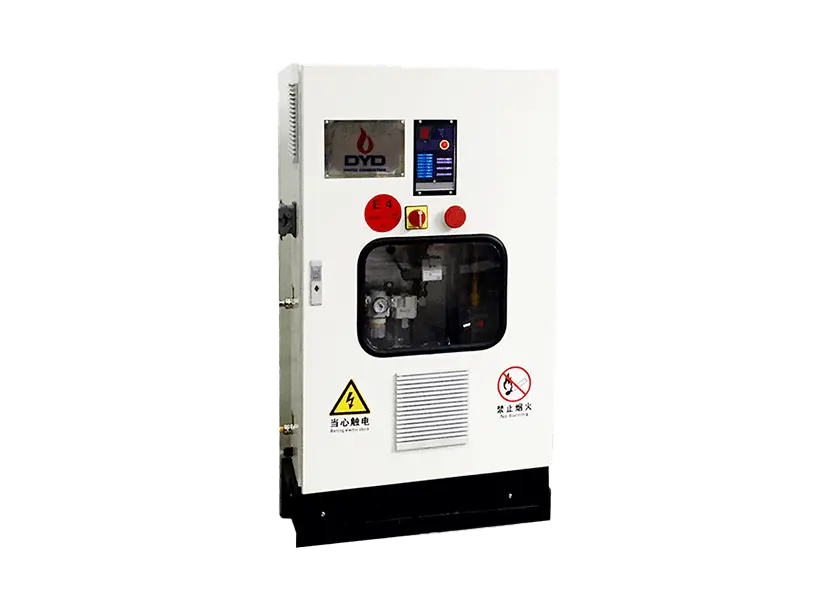
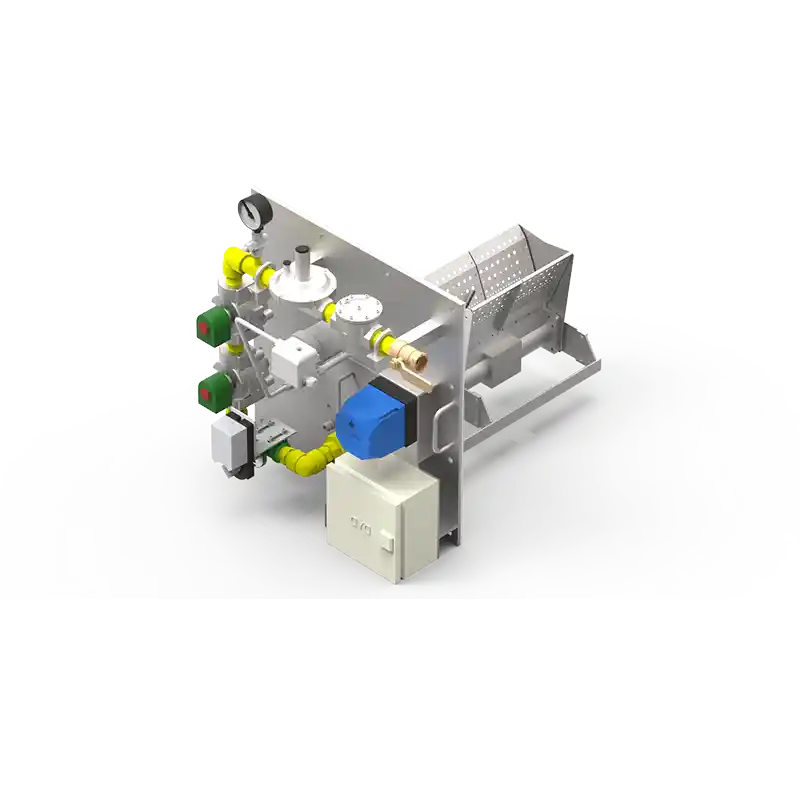
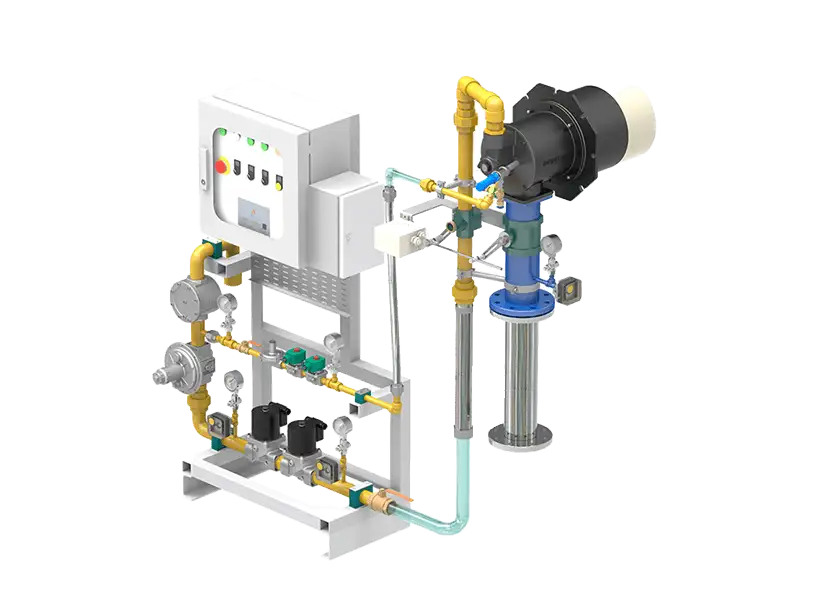
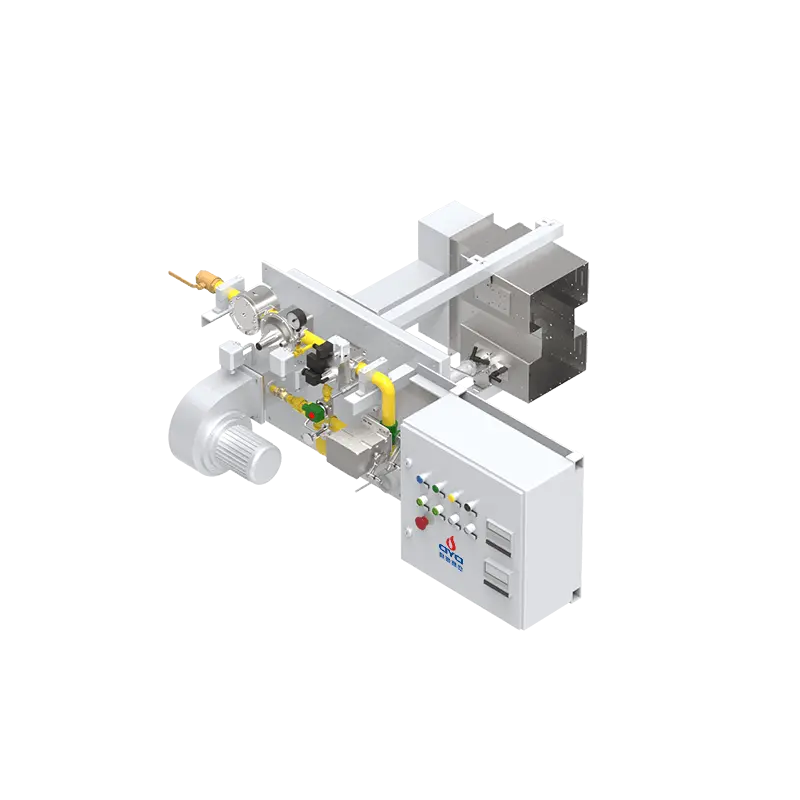
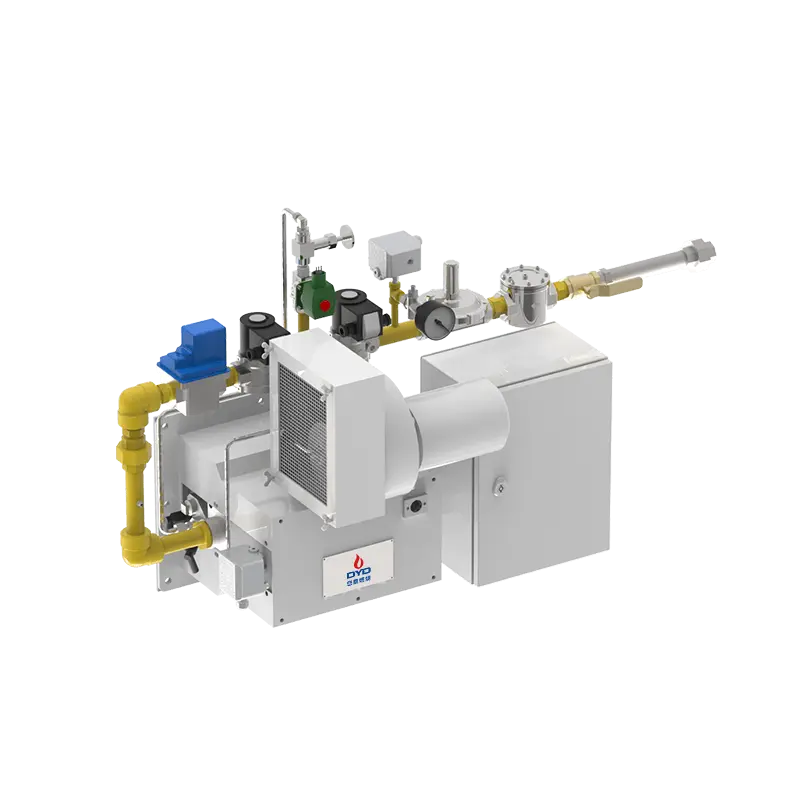
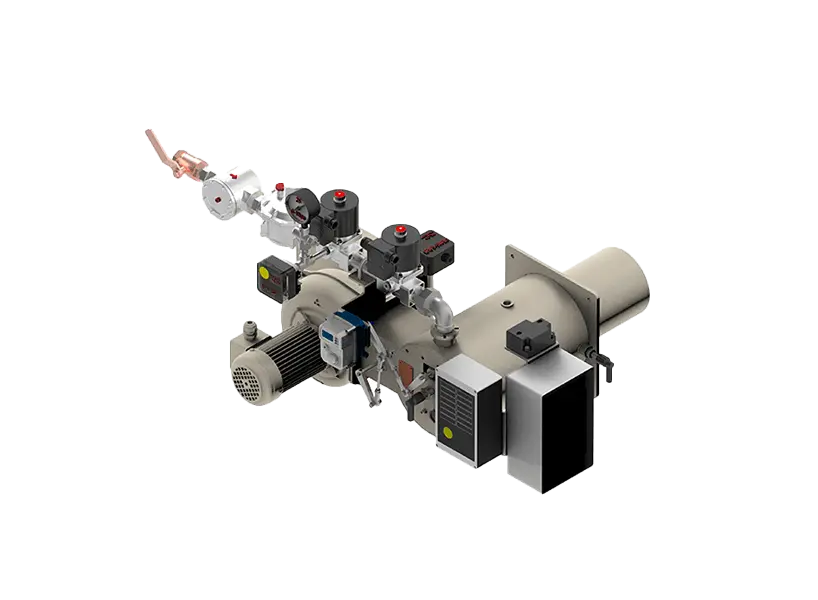
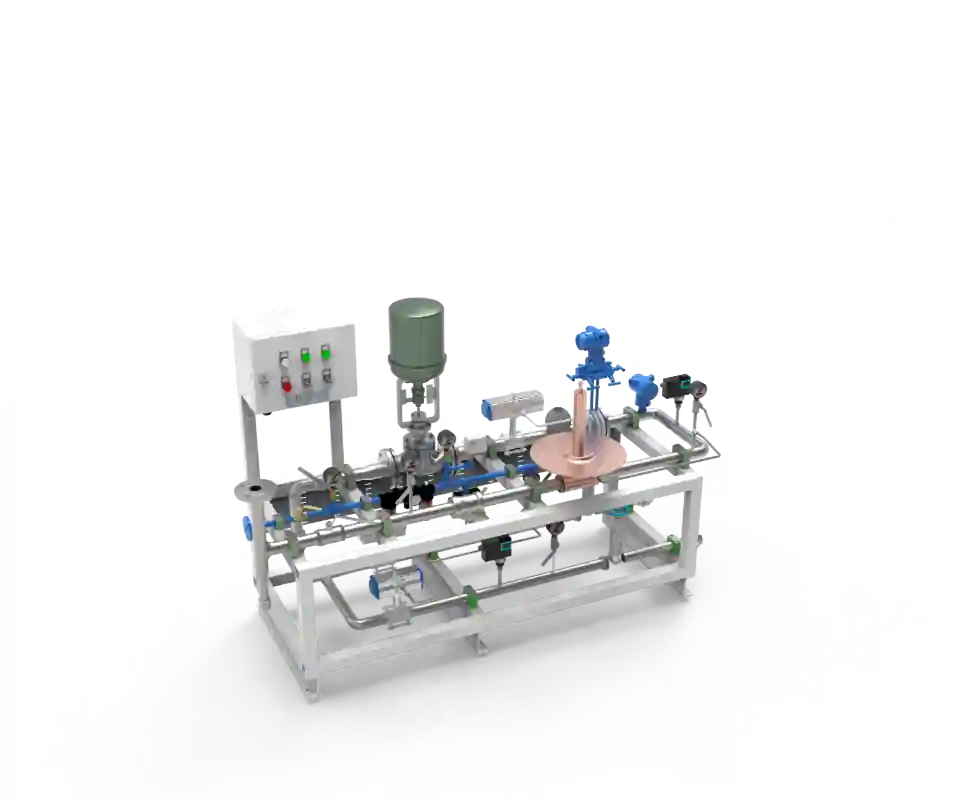
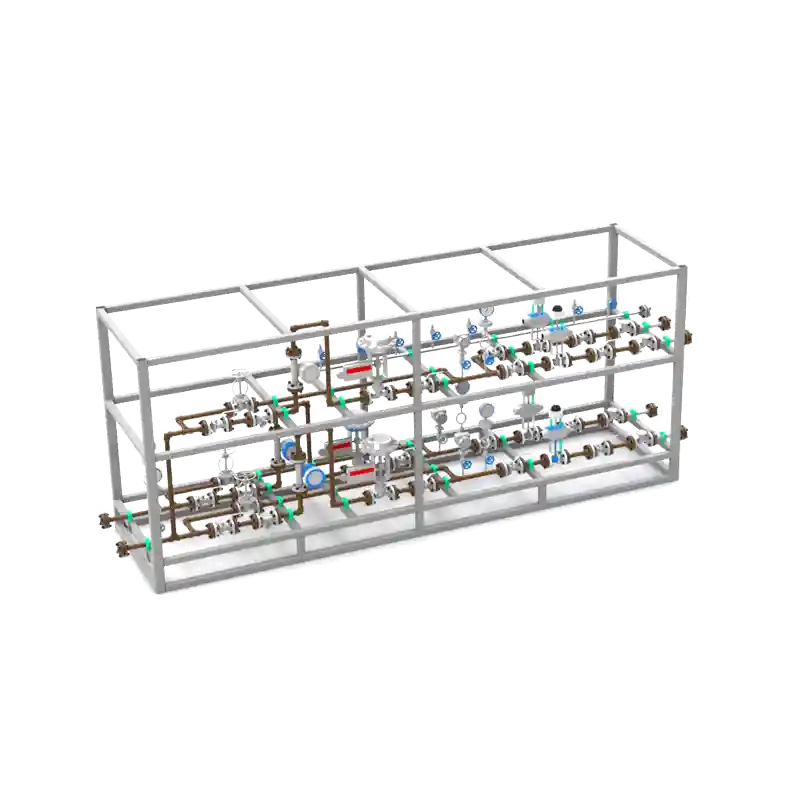
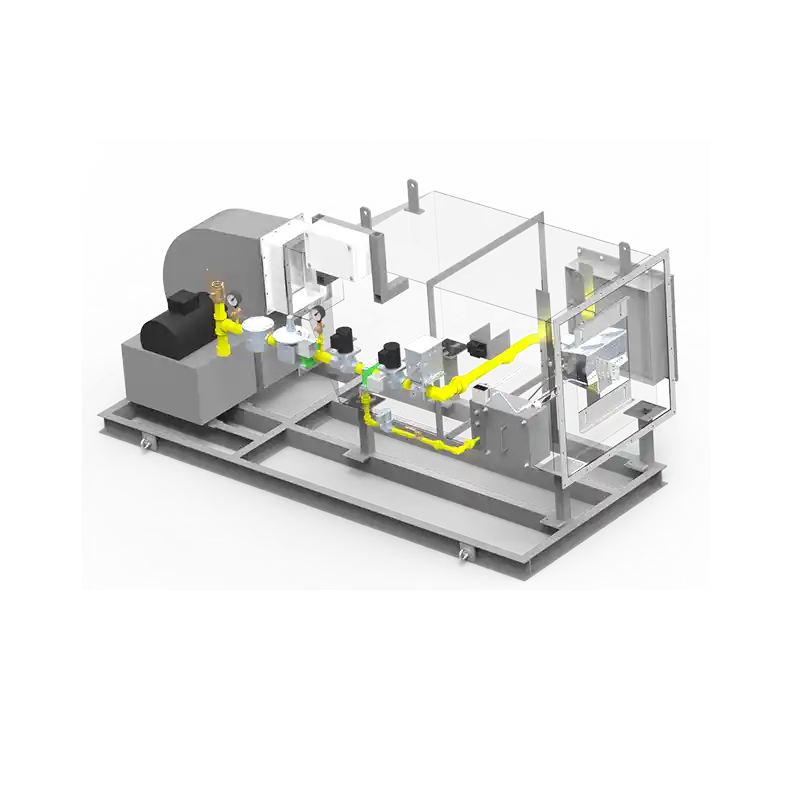
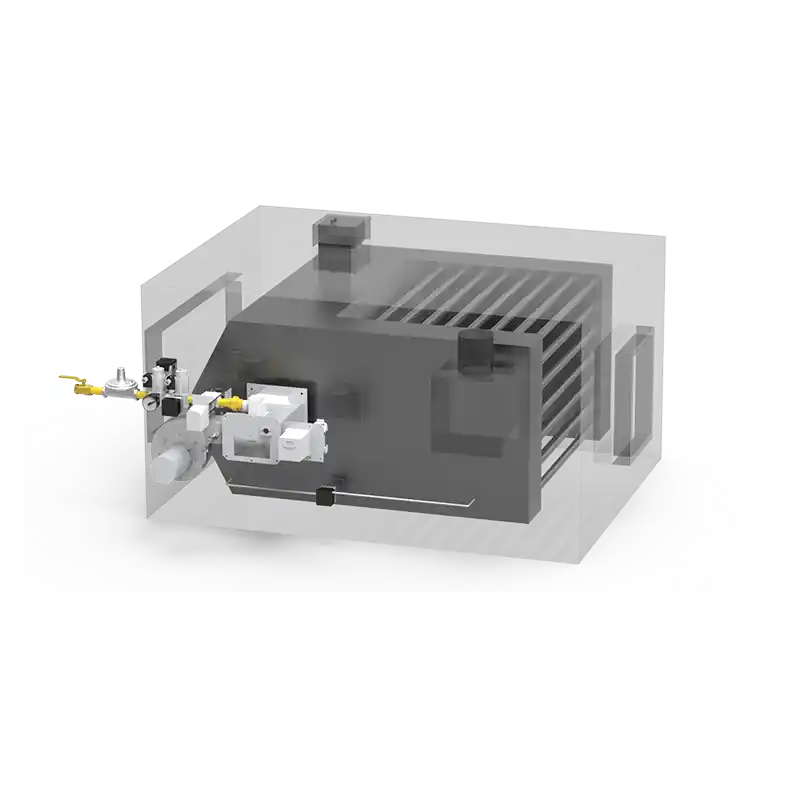
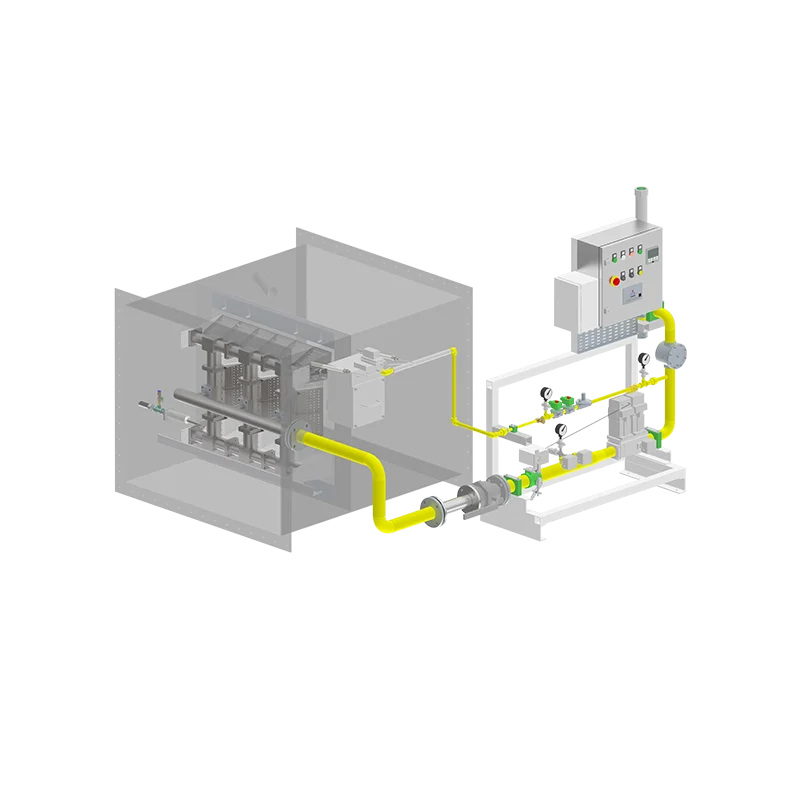
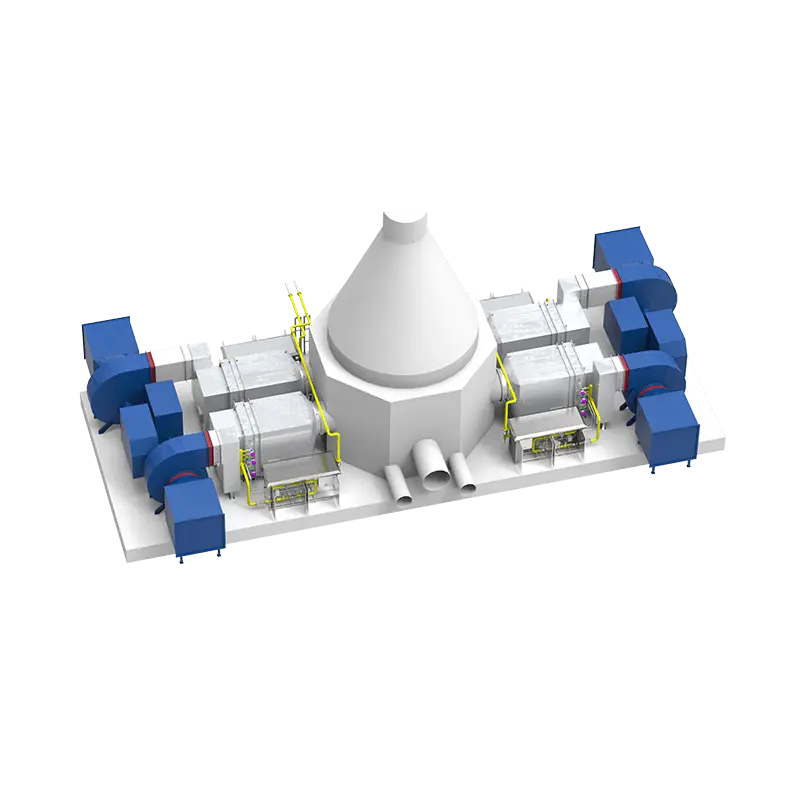
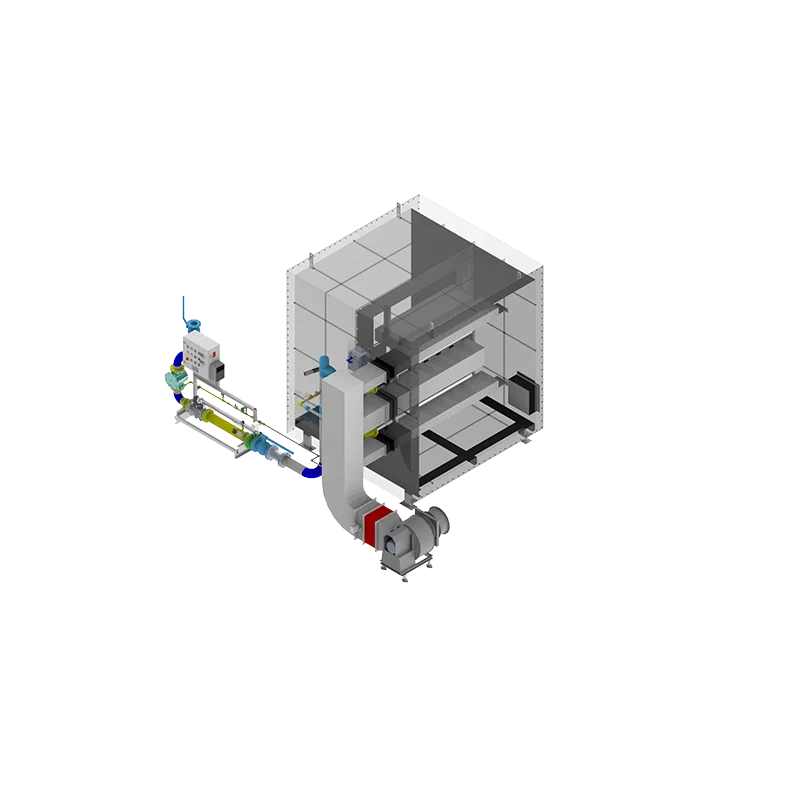
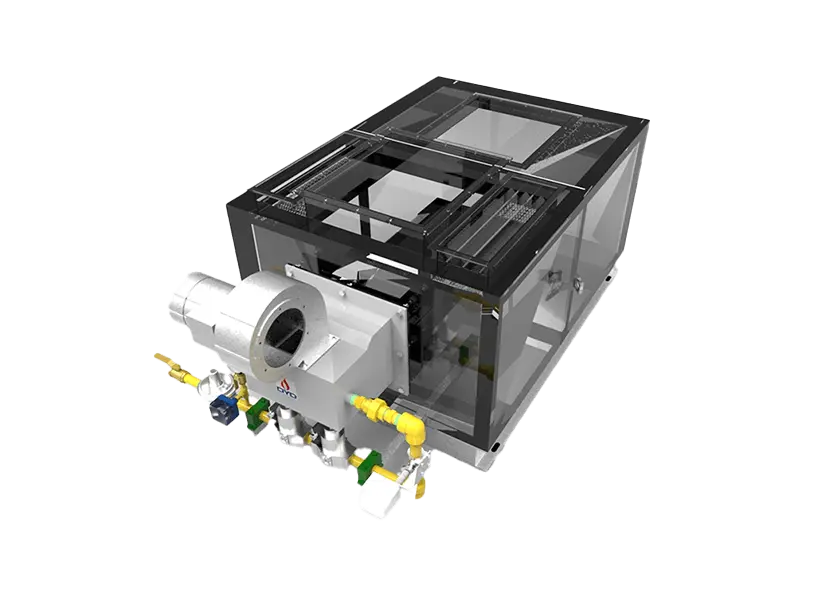
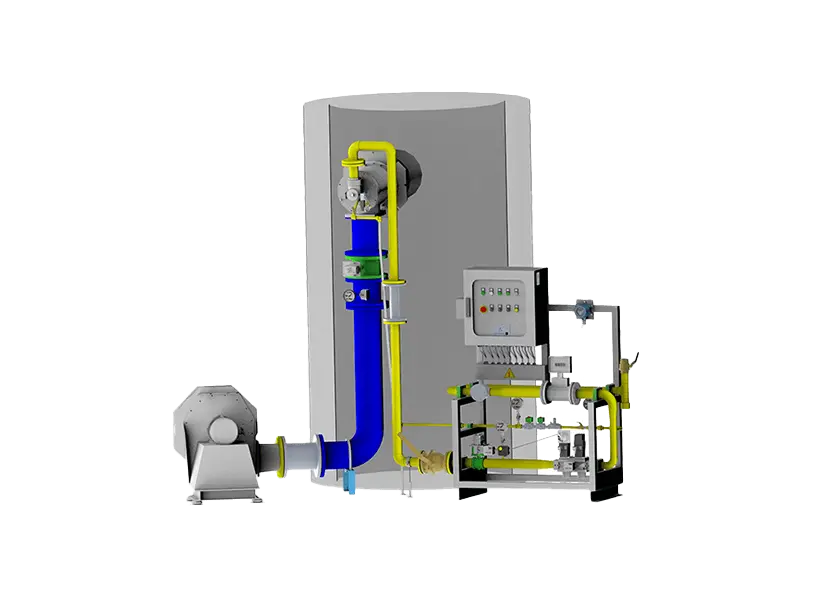
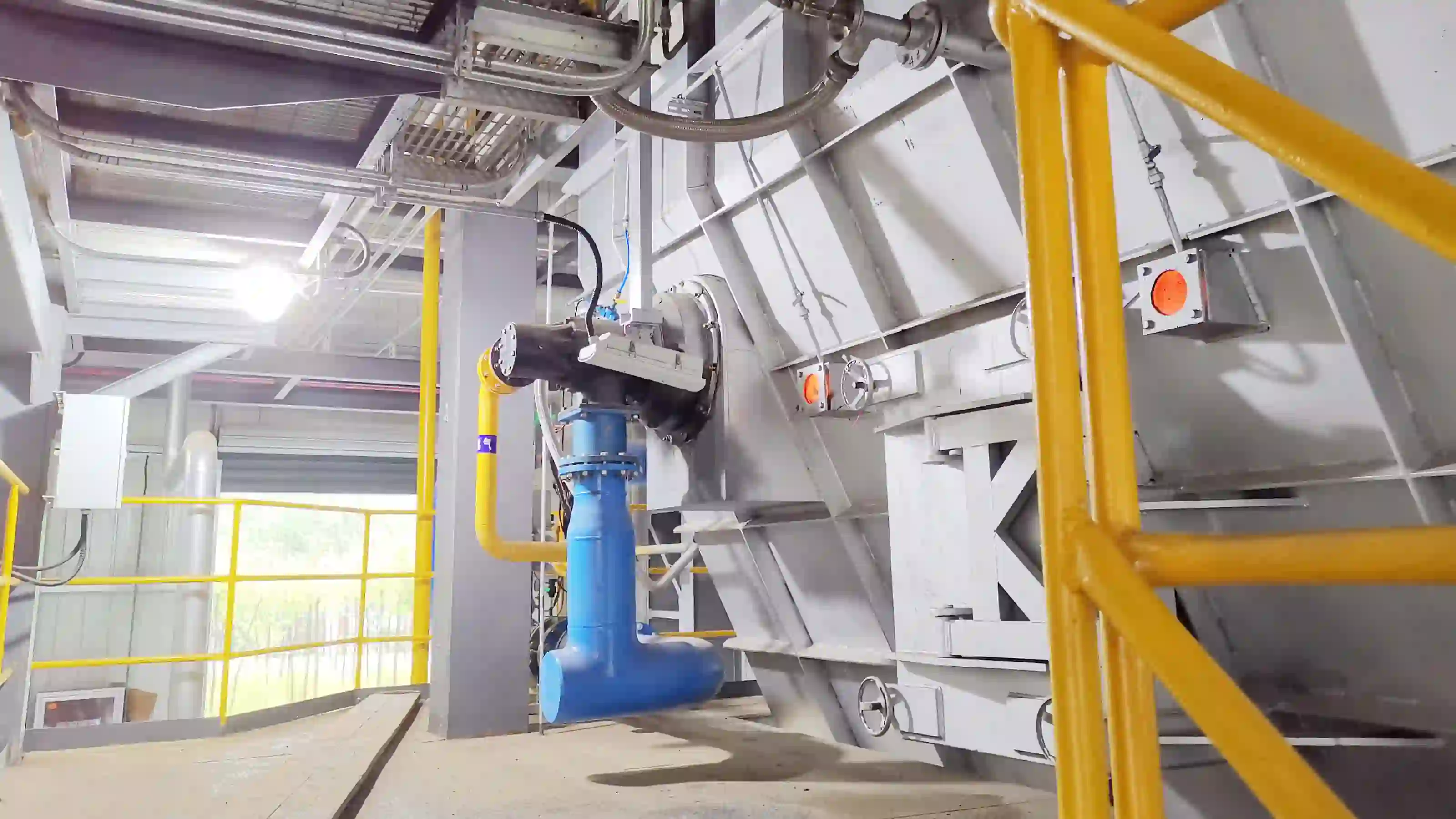
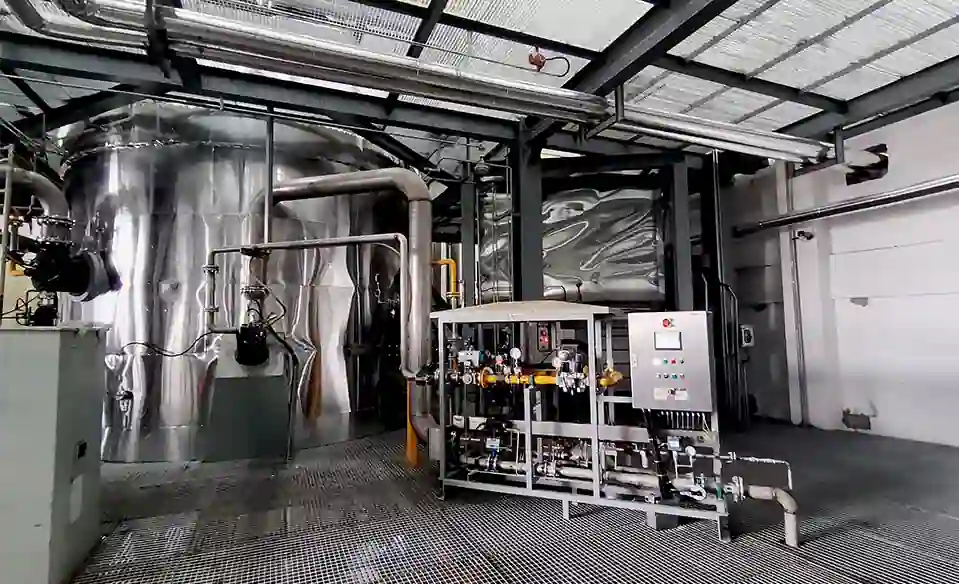
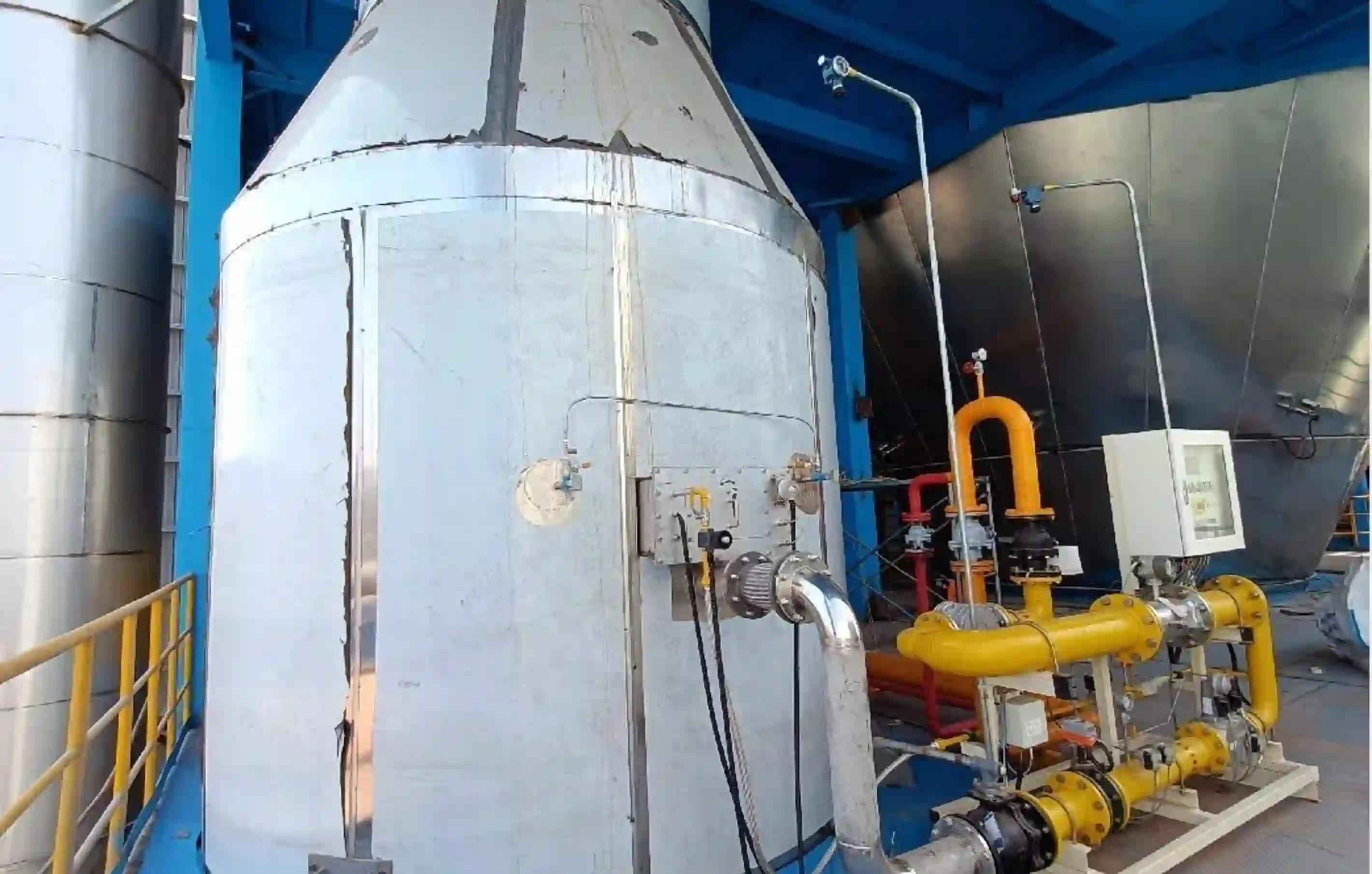
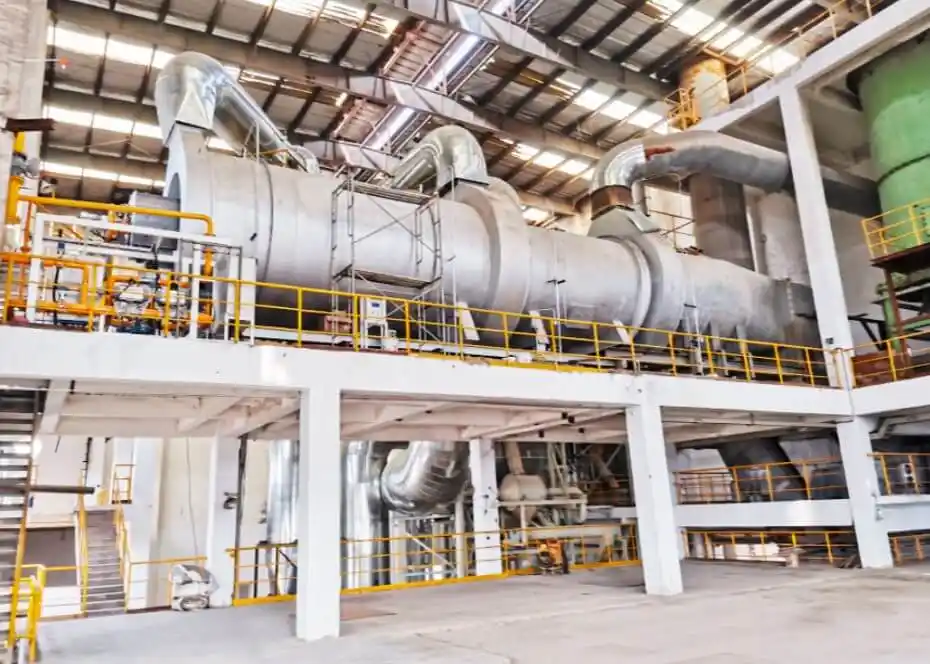
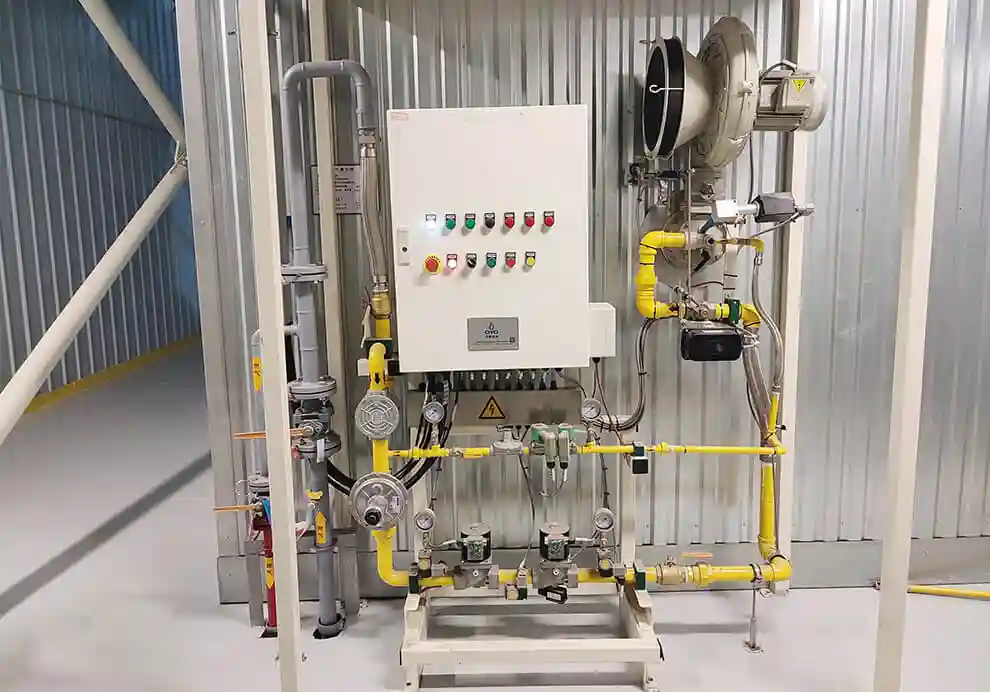
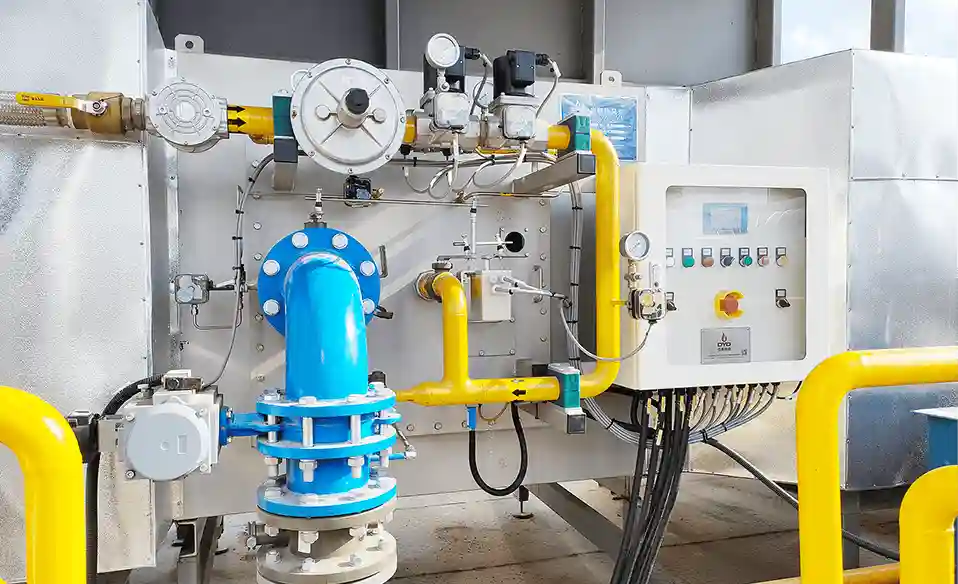
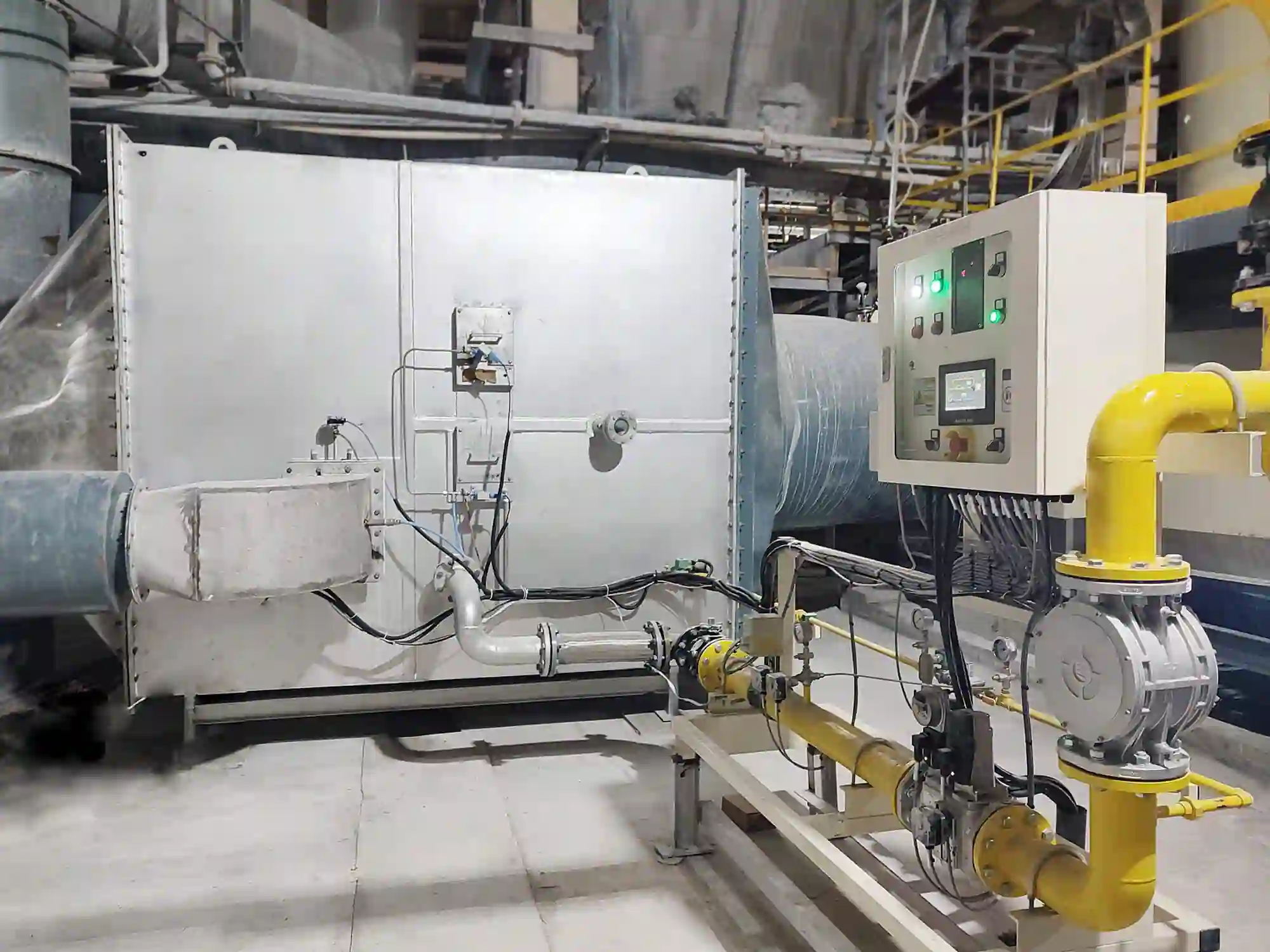
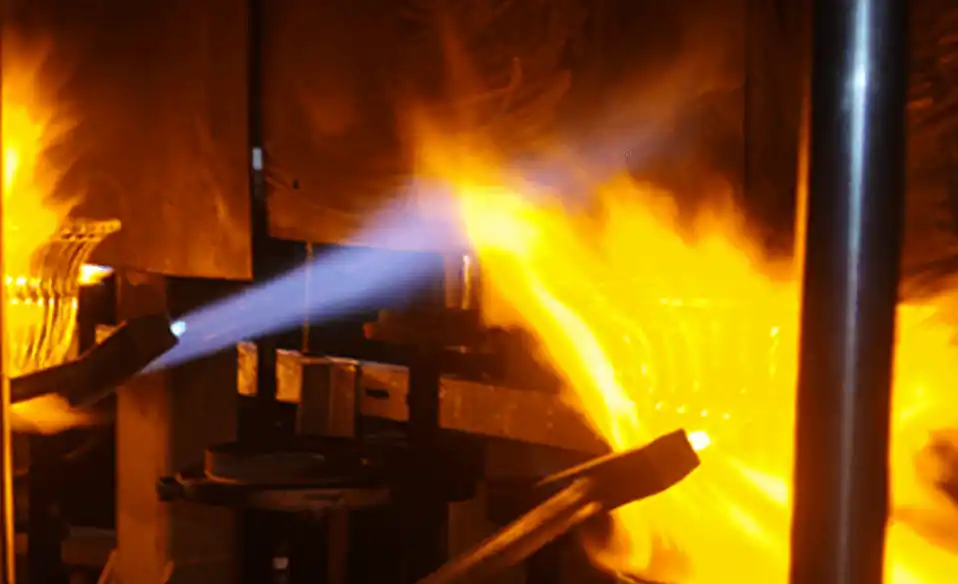
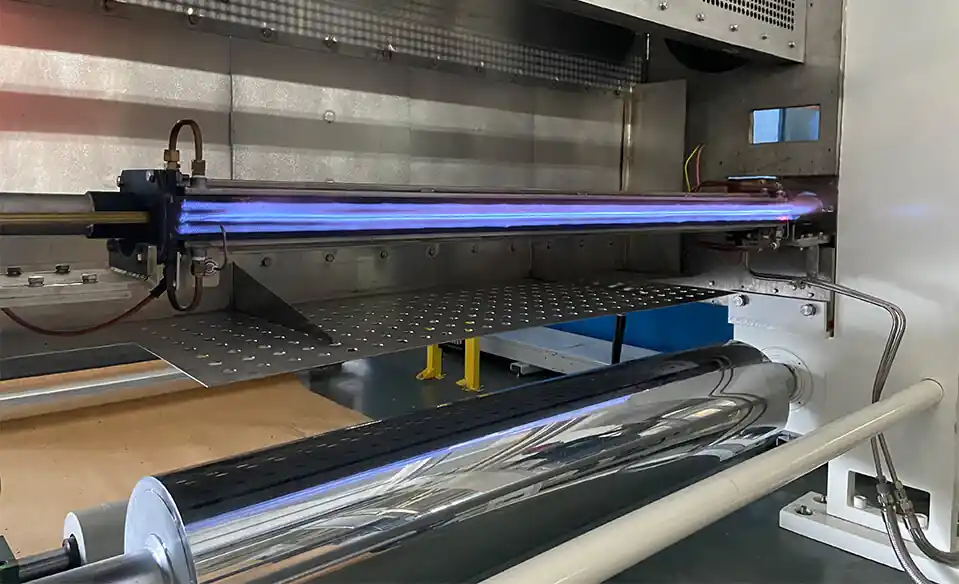
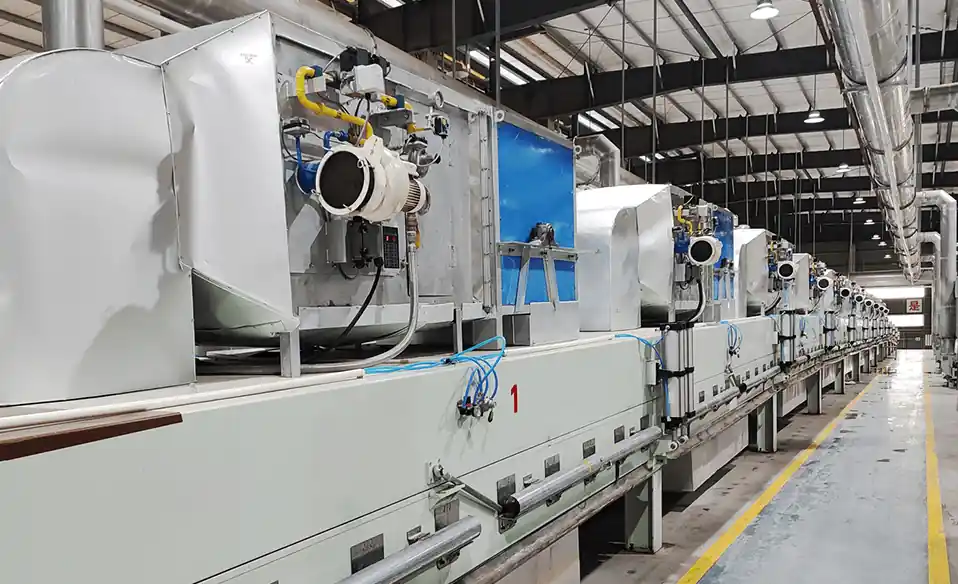
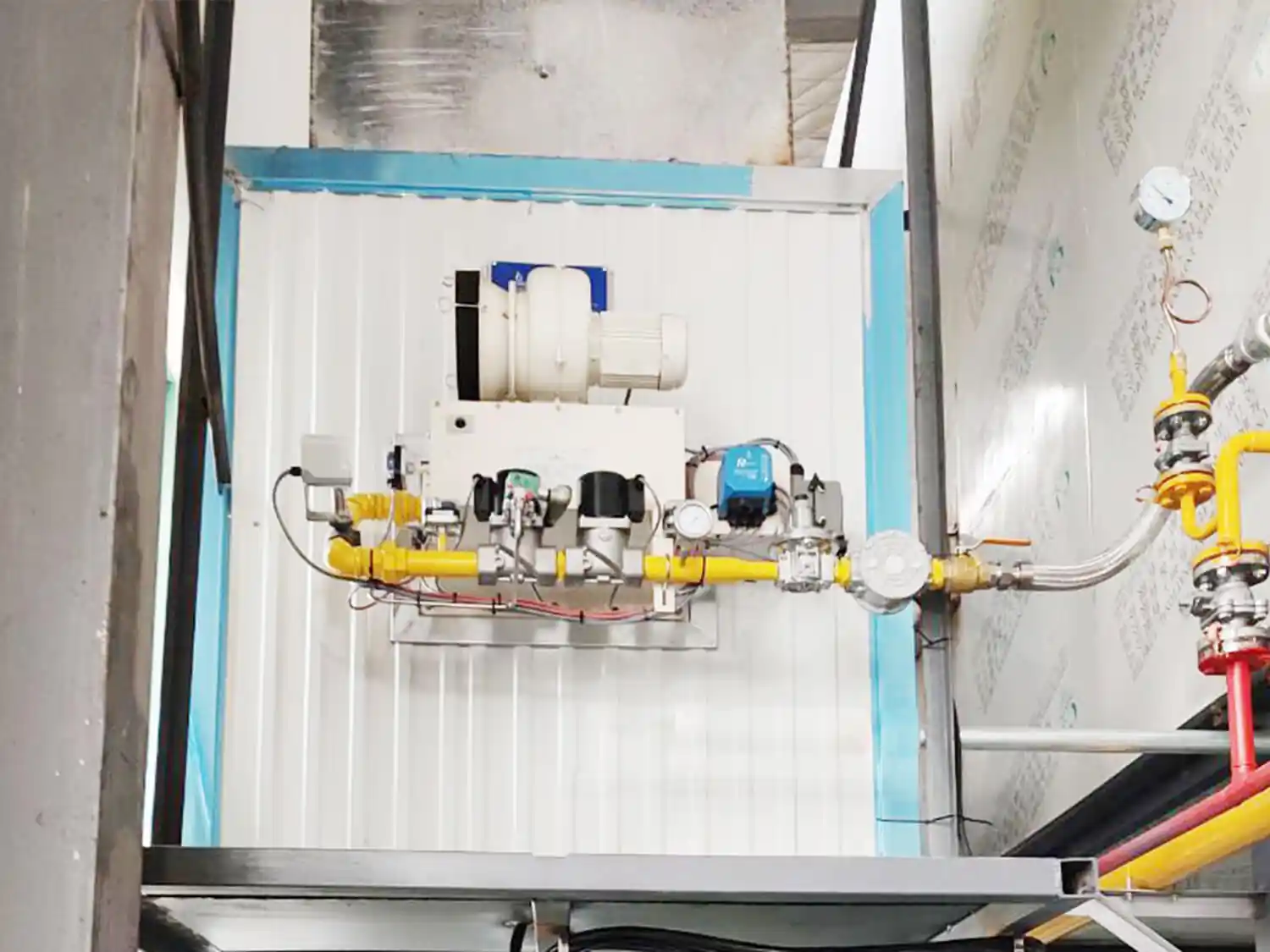
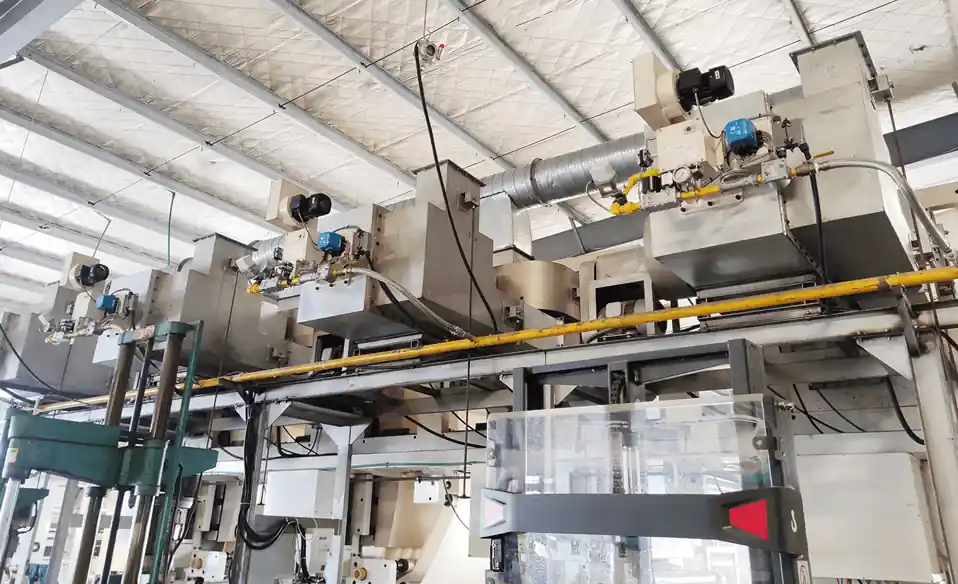
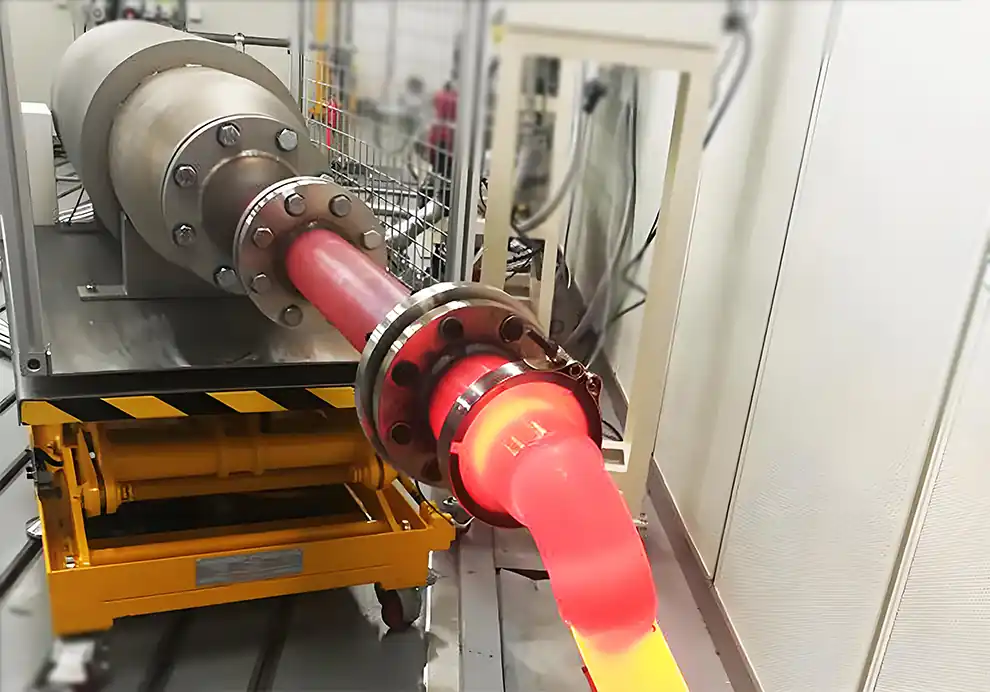
A Low NOx burner is an industrial burner designed to reduce the formation of nitrogen oxides (NOx) during fuel combustion while maintaining stable and effective heat release.
NOx is one of the major air pollutants associated with high-temperature combustion. In industrial heating systems, NOx formation is strongly influenced by flame temperature, oxygen availability, residence time, fuel-air mixing, and combustion conditions.
A Low NOx burner therefore does not simply "burn fuel at a lower temperature." Instead, its combustion process is designed to control the conditions that promote NOx formation.
A simplified concept is:
Fuel + Combustion Air
↓
Controlled Mixing and Heat Release
↓
Lower Peak Flame Temperature / Controlled Oxygen Conditions
↓
Reduced NOx Formation
↓
Stable Industrial Heating
The challenge is to reduce NOx without creating other problems such as flame instability, incomplete combustion, excessive CO, poor temperature uniformity, or insufficient heat transfer.
NOx generally refers to nitrogen oxides produced during combustion, particularly:
Nitric oxide (NO)
Nitrogen dioxide (NO₂)
In industrial combustion systems, NO is often the dominant nitrogen-oxide species formed in the flame and can subsequently be oxidized to NO₂.
NOx emissions are influenced by combustion conditions rather than fuel consumption alone.
This is why two burners using the same fuel can produce significantly different NOx emissions.
The air used for combustion contains a large amount of nitrogen.
Under sufficiently high-temperature combustion conditions, nitrogen and oxygen can react to form nitrogen oxides.
Three commonly discussed NOx formation mechanisms are:
Thermal NOx
Prompt NOx
Fuel NOx
For many natural-gas-fired industrial burners, thermal NOx is an important consideration, particularly when flame temperatures become very high.
This leads to an important principle:
Controlling peak flame temperature and the local combustion environment is one of the fundamental approaches to reducing NOx.
Thermal NOx is formed when nitrogen and oxygen in combustion air react under high-temperature conditions.
Its formation is strongly associated with:
High flame temperature
Oxygen availability
Residence time at elevated temperature
Therefore, reducing NOx formation often involves controlling the flame so that extremely high local temperatures are avoided.
This does not necessarily mean reducing the overall furnace temperature.
A furnace may still need to operate at a high process temperature while the burner controls local peak flame temperature.
Low NOx burners use combustion-system design to modify the conditions inside the flame.
Common approaches include:
Staged combustion
Internal flue-gas recirculation
External flue-gas recirculation
Premixed combustion
Controlled fuel-air mixing
Distributed combustion
Flame-temperature management
The exact technology depends on the burner design and application.
Staged combustion separates the combustion process into different stages rather than mixing all fuel and combustion air together immediately.
For example:
Primary Combustion Zone
↓
Fuel-Rich or Oxygen-Limited Region
↓
Secondary Air / Secondary Combustion
↓
Completion of Combustion
By controlling when and where oxygen becomes available, staged combustion can reduce the formation of extremely high-temperature regions.
The objective is to maintain stable combustion while reducing NOx formation.
Flue gas contains combustion products that have already passed through the flame.
Recirculating part of this gas into the combustion process can dilute the incoming combustion mixture.
This can:
Reduce oxygen concentration
Increase the heat capacity of the combustion mixture
Reduce peak flame temperature
As a result, NOx formation can be reduced.
FGR can be implemented in different ways, including:
Internal flue-gas recirculation
External flue-gas recirculation
The appropriate method depends on the burner and system configuration.
Internal FGR uses the burner's own aerodynamic structure to draw or entrain hot combustion gases back into the flame region.
The recirculated gases mix with the fresh combustion air and fuel.
This can reduce local oxygen concentration and moderate flame temperature without requiring a separate external recirculation system.
One advantage is that the burner can incorporate the recirculation effect directly into its flame structure.
External FGR uses a dedicated system to route part of the exhaust gas back toward the combustion-air system.
The basic arrangement is:
Exhaust Gas
↓
FGR System
↓
Combustion Air
↓
Burner
↓
Combustion
The amount of recirculated gas can be controlled according to the burner and process requirements.
External FGR can provide substantial NOx reduction, but it also introduces additional equipment and control requirements.
Premixed combustion mixes fuel and combustion air before the main combustion zone.
When properly designed, premixing can create a more uniform combustion environment and reduce localized high-temperature zones.
However, premixed systems require careful control because excessive premixing can introduce risks such as:
Flashback
Flame instability
Ignition difficulties
Therefore, premixed combustion requires burner geometry and operating conditions specifically designed for the application.
Not necessarily.
The primary purpose of a Low NOx burner is to reduce NOx emissions.
Fuel consumption depends on the complete thermal system, including:
Burner efficiency
Excess air
Furnace heat losses
Exhaust losses
Heat-transfer efficiency
Operating conditions
Process temperature
A Low NOx burner can contribute to efficient combustion, but low NOx and low fuel consumption are separate performance objectives.
A burner should therefore be evaluated on both emissions and thermal performance.
Not necessarily.
A Low NOx burner is designed to modify how heat is released, rather than simply reducing the total amount of heat available.
For example, a burner can maintain the required thermal capacity while distributing the heat release over a larger or more controlled combustion region.
The goal is:
Required Heat Input + Stable Combustion + Lower NOx
rather than simply:
Lower Flame Temperature = Lower Heat Output
Flame temperature is one of the major factors affecting thermal NOx formation.
A conventional flame can contain localized regions with extremely high temperatures even when the average furnace temperature is much lower.
Low NOx burner technologies attempt to reduce these extreme local temperature peaks.
This is why flame structure is often more important than simply looking at the furnace setpoint.
The air-to-fuel ratio affects both combustion stability and emissions.
Excessive air can increase the amount of oxygen available in high-temperature regions.
Insufficient air can cause:
Incomplete combustion
Higher CO
Flame instability
Unburned fuel
A Low NOx burner therefore needs to maintain an appropriate combustion environment across its operating range.
The goal is not simply to minimize combustion air.
Flame shape influences:
Heat-release distribution
Peak temperature
Oxygen distribution
Residence time
Gas recirculation
A Low NOx burner may use a particular flame shape to spread or redistribute the heat release.
Possible configurations include:
Long flames
Short flames
Flat flames
Distributed flames
High-momentum flames
The appropriate design depends on the furnace geometry and process.
Fuel-air mixing strongly influences the local combustion environment.
Rapid mixing can create localized high-temperature regions.
Controlled mixing can distribute the combustion process more gradually.
Low NOx burner designs therefore pay close attention to:
Fuel injection
Air velocity
Mixing pattern
Recirculation
Flame stabilization
The burner head is often one of the most important components determining these characteristics.
Yes.
A Low NOx burner can be used in a high-temperature industrial furnace when its design is appropriate for the application.
The key distinction is between:
Process Temperature
and
Local Flame Temperature
A furnace may require a high operating temperature while the burner simultaneously works to avoid excessive local flame-temperature peaks.
This is one of the fundamental challenges of low-emission industrial combustion.
The main difference is the way combustion is organized.
| Aspect | Conventional Burner | Low NOx Burner |
|---|---|---|
| Main objective | Heat generation | Heat generation + NOx reduction |
| Flame design | General-purpose combustion | Controlled flame structure |
| Mixing | Conventional fuel-air mixing | Controlled mixing |
| Peak temperature | May be relatively high | Designed to reduce extreme local temperatures |
| Recirculation | May not be integrated | May use internal or external FGR |
| Combustion staging | Not necessarily | Often incorporated |
| Emissions control | Standard combustion | NOx reduction is a design objective |
| Application | General heating | Emission-sensitive industrial heating |
The actual difference depends on the specific burner design.
There is no single Low NOx burner architecture.
Common approaches include:
Separate fuel and/or air into stages to control the combustion environment.
Use recirculated exhaust gas to dilute the combustion mixture and reduce flame temperature.
Premix fuel and air to create a more controlled combustion environment.
Spread heat release over a larger region to reduce localized temperature peaks.
Some burners combine several approaches to achieve a desired emissions and combustion-performance balance.
Reducing NOx is not an isolated design objective.
A burner may need to balance:
Low NOx
↔ CO
↔ Flame Stability
↔ Heat Transfer
↔ Turndown
↔ Fuel Consumption
For example, excessive combustion staging or dilution can potentially make combustion more difficult to complete.
This is why a burner should not be judged solely by its NOx number.
The complete operating range needs to be considered.
NOx reduction strategies can sometimes create conditions that make complete combustion more difficult.
If the combustion process becomes too oxygen-limited or excessively diluted, CO may increase.
Therefore, an effective Low NOx burner should seek an appropriate balance between:
NOx
CO
Flame stability
Combustion efficiency
Heat output
The objective is controlled low-emission combustion, not simply minimum NOx under one operating condition.
The same Low NOx burner may behave differently in different furnaces.
Important parameters include:
Furnace volume
Furnace length
Chamber height
Burner position
Exhaust position
Product location
Furnace pressure
A burner that works well in one furnace may require a different configuration in another.
Therefore, Low NOx burner selection should be based on the complete combustion environment.
Multiple Low NOx burners need to work together.
Poor burner arrangement can cause:
Flame interaction
Uneven temperature
Local hot spots
Excessive wall temperature
Unbalanced heat distribution
The number and location of burners should therefore be determined according to:
Furnace geometry
Heat load
Temperature profile
Flame characteristics
A burner may have excellent NOx performance at one firing rate but behave differently at another.
This is why emissions should be considered across the operating range.
Important conditions include:
Maximum load
Normal load
Low load
Startup
Transition conditions
A burner with good turndown can maintain more stable combustion as the thermal load changes.
A practical selection process should include the following steps.
Determine:
Process temperature
Required heat load
Heating method
Product requirements
Operating cycle
Determine:
Applicable NOx limit
Measurement conditions
Required emissions performance
Other emissions requirements
Determine:
Fuel type
Fuel pressure
Fuel composition
Determine:
Chamber dimensions
Burner position
Exhaust position
Available flame-development space
Evaluate whether the application is better suited to:
Staged combustion
FGR
Premixed combustion
Distributed combustion
A combined approach
Check:
NOx
CO
Flame stability
Heat output
Turndown
Ignition performance
Consider:
Combustion air
Fuel train
FGR system if required
Controls
Flame detection
Safety interlocks
Before selecting a Low NOx burner, an OEM should ideally provide:
Furnace dimensions
Burner mounting position
Exhaust location
Furnace pressure
Operating temperature
Required heat load
Heating rate
Temperature uniformity
Operating range
Fuel type
Fuel pressure
Fuel composition
Required NOx level
Measurement basis
Applicable emissions requirements
Other relevant emissions limits
Combustion-air pressure
Available airflow
Combustion-air temperature
FGR requirements, if applicable
This information allows the burner design to be matched to the actual combustion environment.
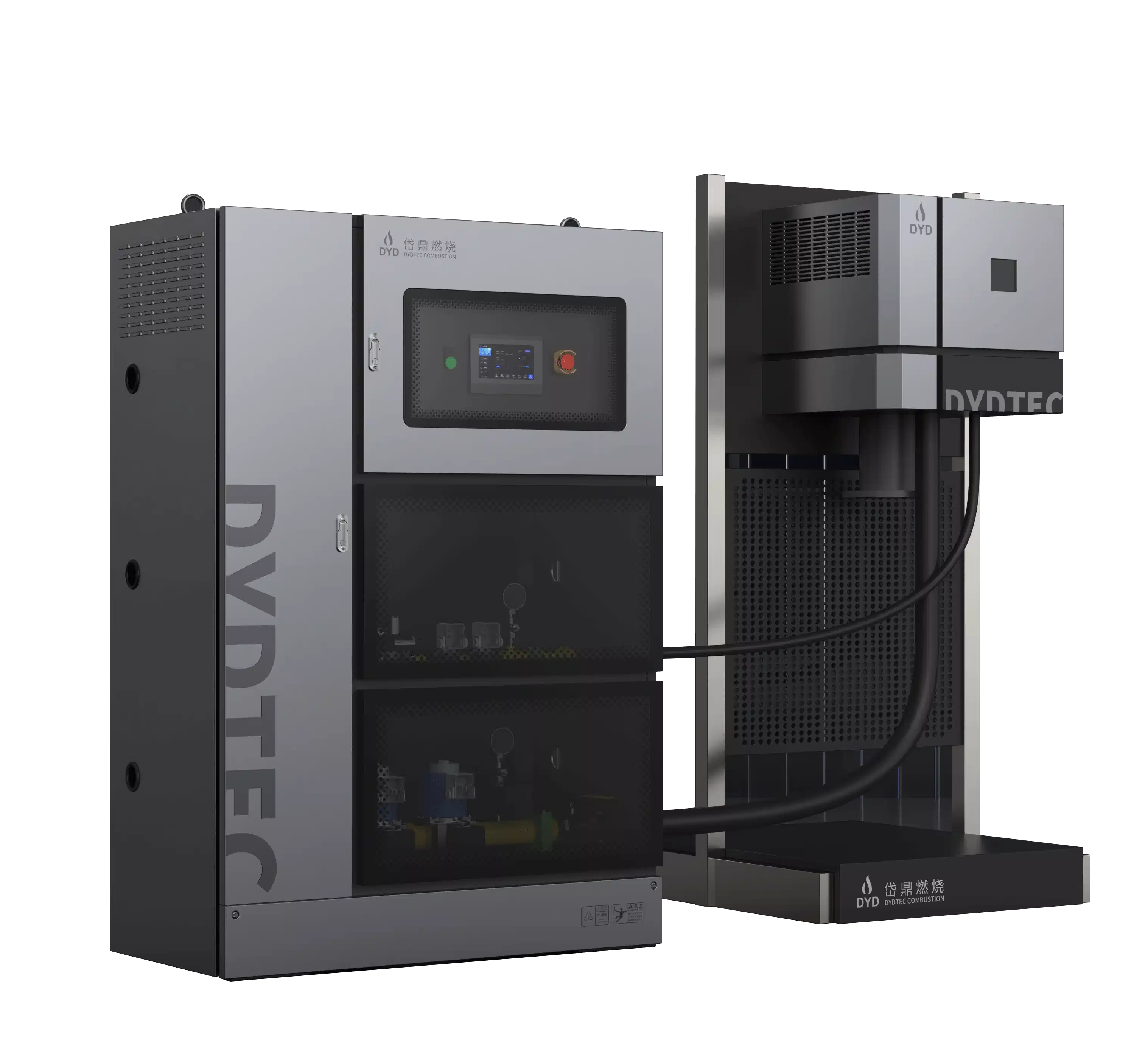
DYDTEC Combustion develops industrial combustion equipment for applications where thermal performance, combustion stability, emissions control, and process requirements need to be considered together.
Its product range includes:
Industrial burners
Low NOx burners
Linear burners
Thermal air furnaces
Combustion-system integration
DYDTEC Combustion was established in 2012 and has R&D and manufacturing bases in Shanghai and Yangzhou.
The company has developed 100+ burner models covering 200+ application scenarios, allowing different combustion configurations to be considered for different industrial heating conditions.
For Low NOx applications, burner selection can be coordinated with the furnace geometry, heat load, fuel, combustion air, flame characteristics, and emissions requirements rather than treating emissions control as an isolated component.
A Low NOx burner is closely connected to the furnace environment.
Its performance can be affected by:
Furnace dimensions
Burner position
Exhaust arrangement
Furnace pressure
Heat load
Process temperature
Combustion-air conditions
Selecting the burner during the early design stage makes it easier to coordinate:
Burner + Furnace + Air System + Fuel System + Exhaust + Controls
This is particularly important when a project has strict emissions requirements.
A Low NOx burner is an industrial burner designed to reduce nitrogen-oxide formation during combustion while maintaining stable and effective heat release.
It can modify flame temperature, fuel-air mixing, oxygen distribution, residence time, and combustion staging. Technologies may include staged combustion, FGR, premixing, and distributed combustion.
Not automatically. NOx reduction and fuel efficiency are separate performance objectives, although an appropriately designed system can achieve both good emissions and thermal performance.
No. A properly designed Low NOx burner can provide the required heat output while controlling the local conditions that promote NOx formation.
Thermal NOx is primarily associated with high-temperature reactions between nitrogen and oxygen in combustion air.
FGR means Flue Gas Recirculation. It introduces a portion of combustion exhaust back into the combustion process to dilute the mixture and reduce peak flame temperatures.
Staged combustion divides fuel and/or combustion air into different combustion stages to control oxygen availability and heat release.
Yes. The burner can be designed to control local flame conditions while still providing the heat required by a high-temperature process.
Aggressive NOx-reduction strategies can potentially make complete combustion more difficult. An effective burner therefore needs to balance NOx reduction with CO, flame stability, and combustion efficiency.
No. The burner should be evaluated across its actual operating range, considering NOx, CO, stability, heat transfer, turndown, and process performance.
A Low NOx burner is not simply a burner that produces a cooler flame.
It is a combustion system designed to control the conditions responsible for NOx formation while maintaining the heat, stability, and controllability required by an industrial process.
The main technologies include:
Staged Combustion
Flue Gas Recirculation
Controlled Fuel-Air Mixing
Premixed Combustion
Distributed Heat Release
The appropriate technology depends on the furnace, fuel, heat load, temperature, airflow, emissions requirements, and operating range.
For industrial OEMs, the most effective approach is to evaluate the burner, furnace, airflow, fuel system, exhaust, and controls as one integrated combustion system.
The best Low NOx burner is not simply the burner with the lowest NOx value under one test condition. It is the burner that achieves the required NOx performance while maintaining stable combustion, acceptable CO, reliable turndown, appropriate heat distribution, and consistent process performance across the actual operating range.