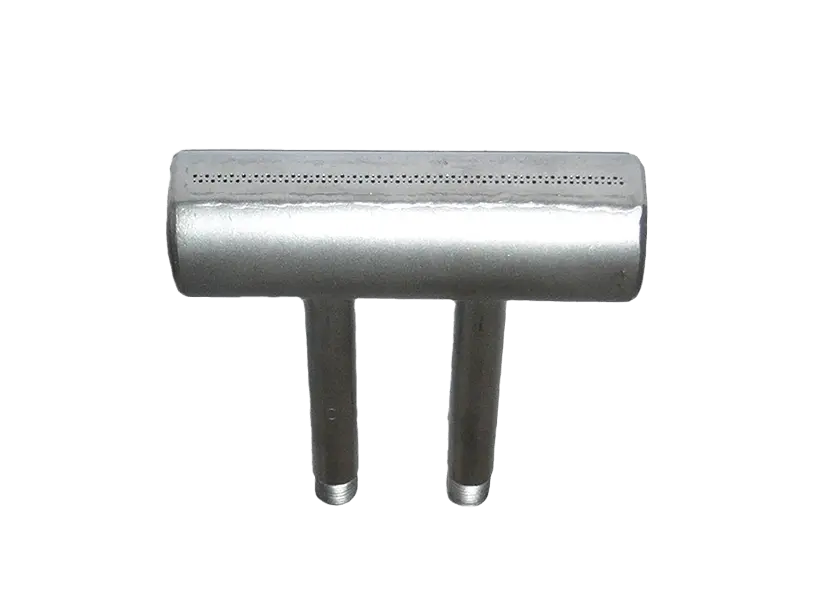
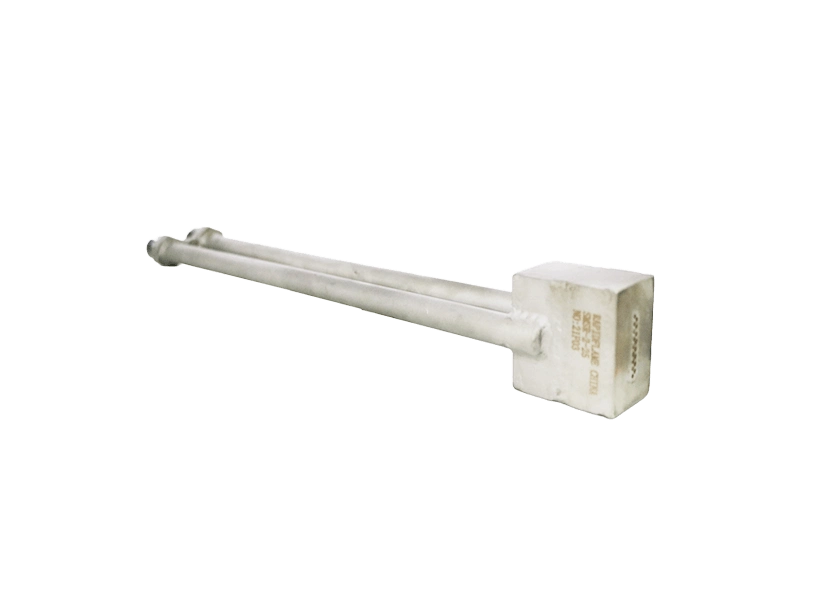
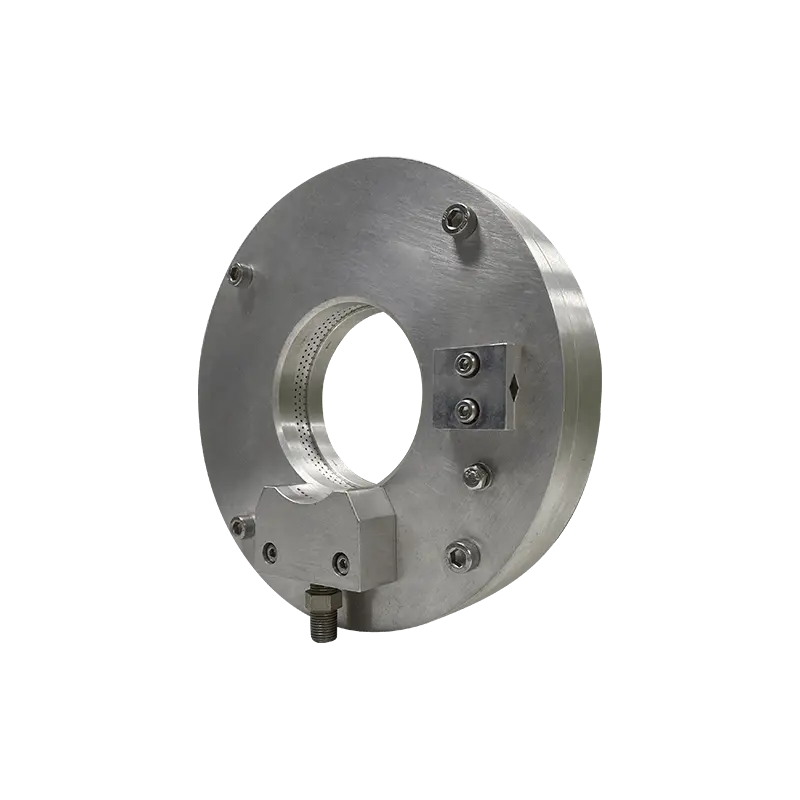
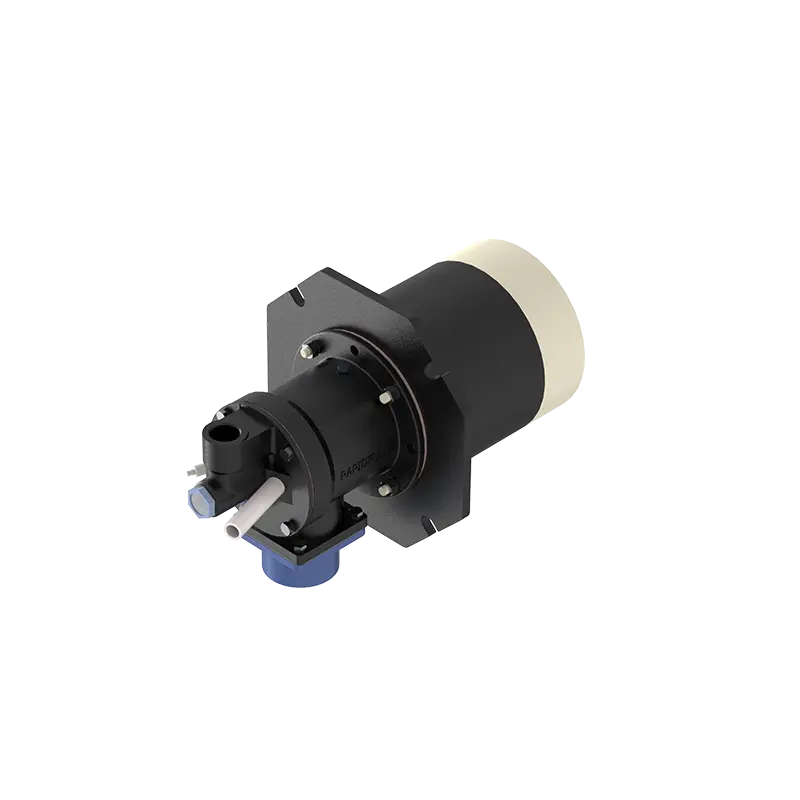
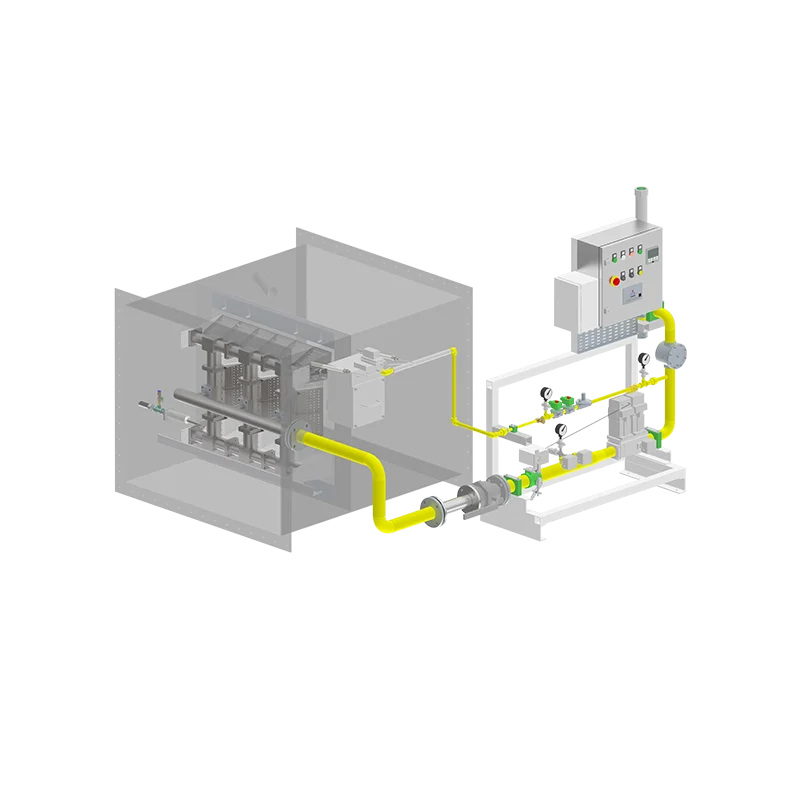
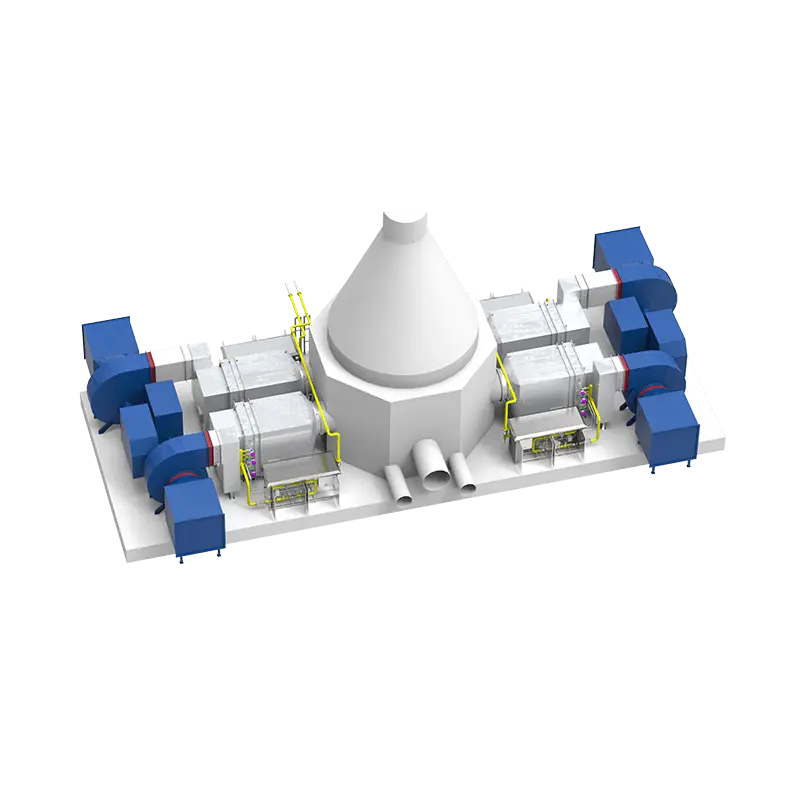
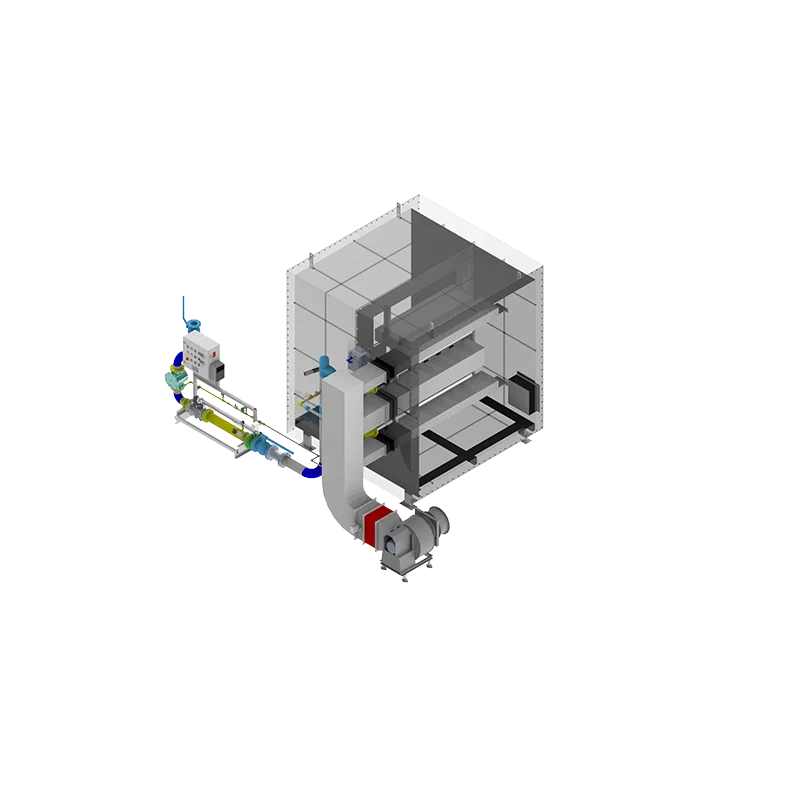
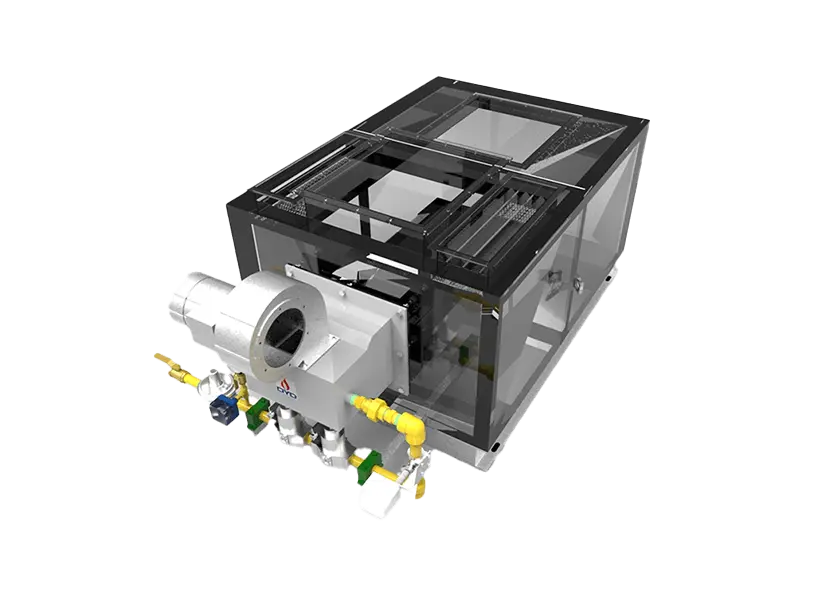
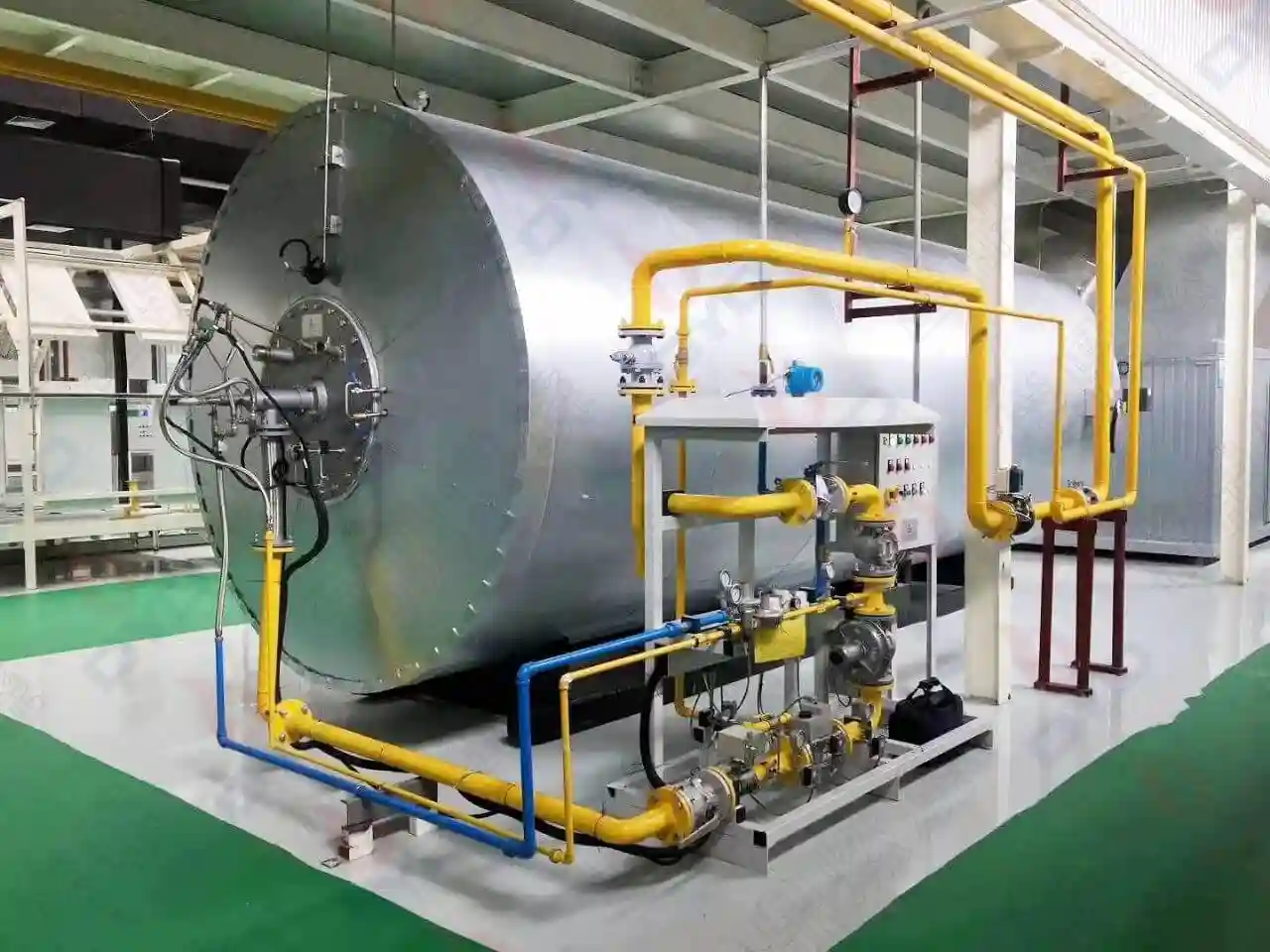
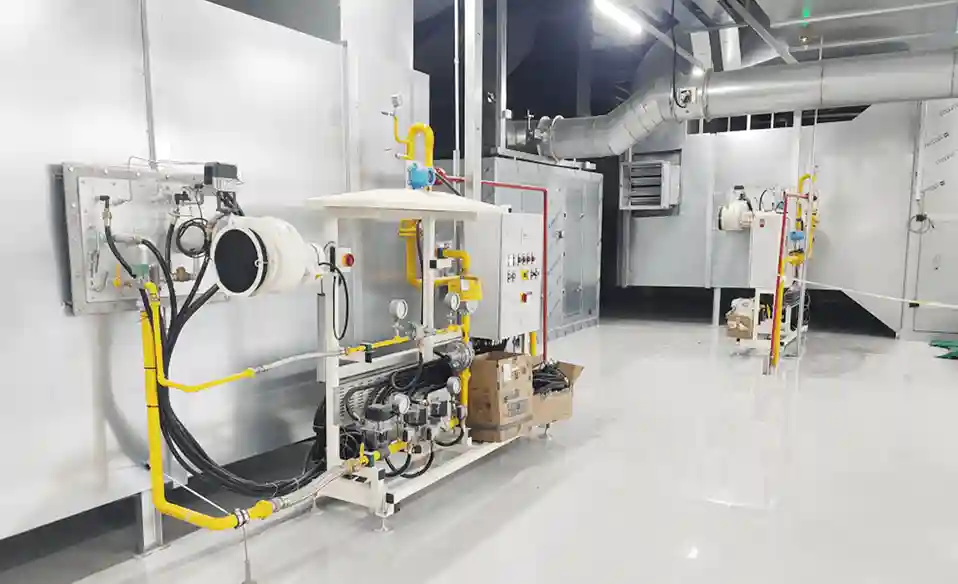
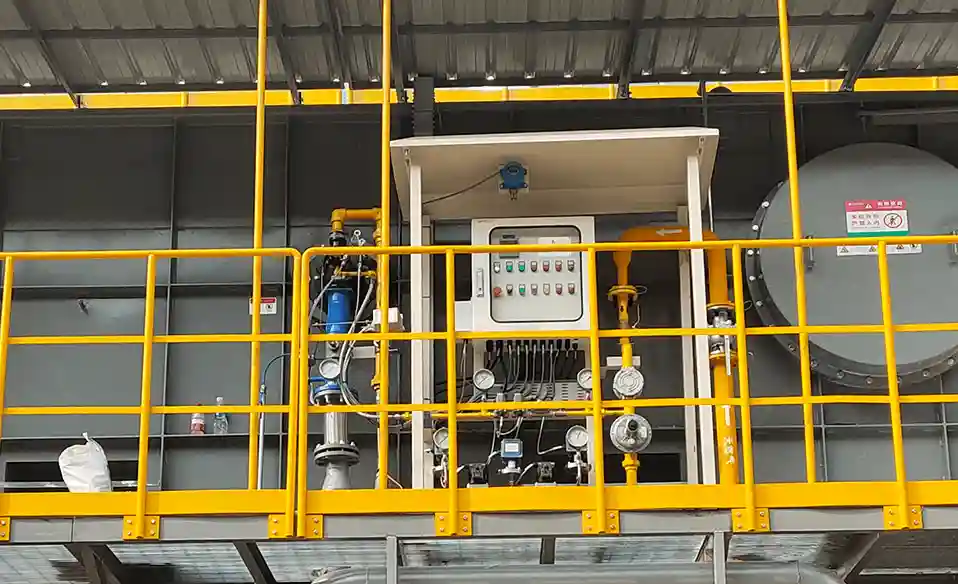
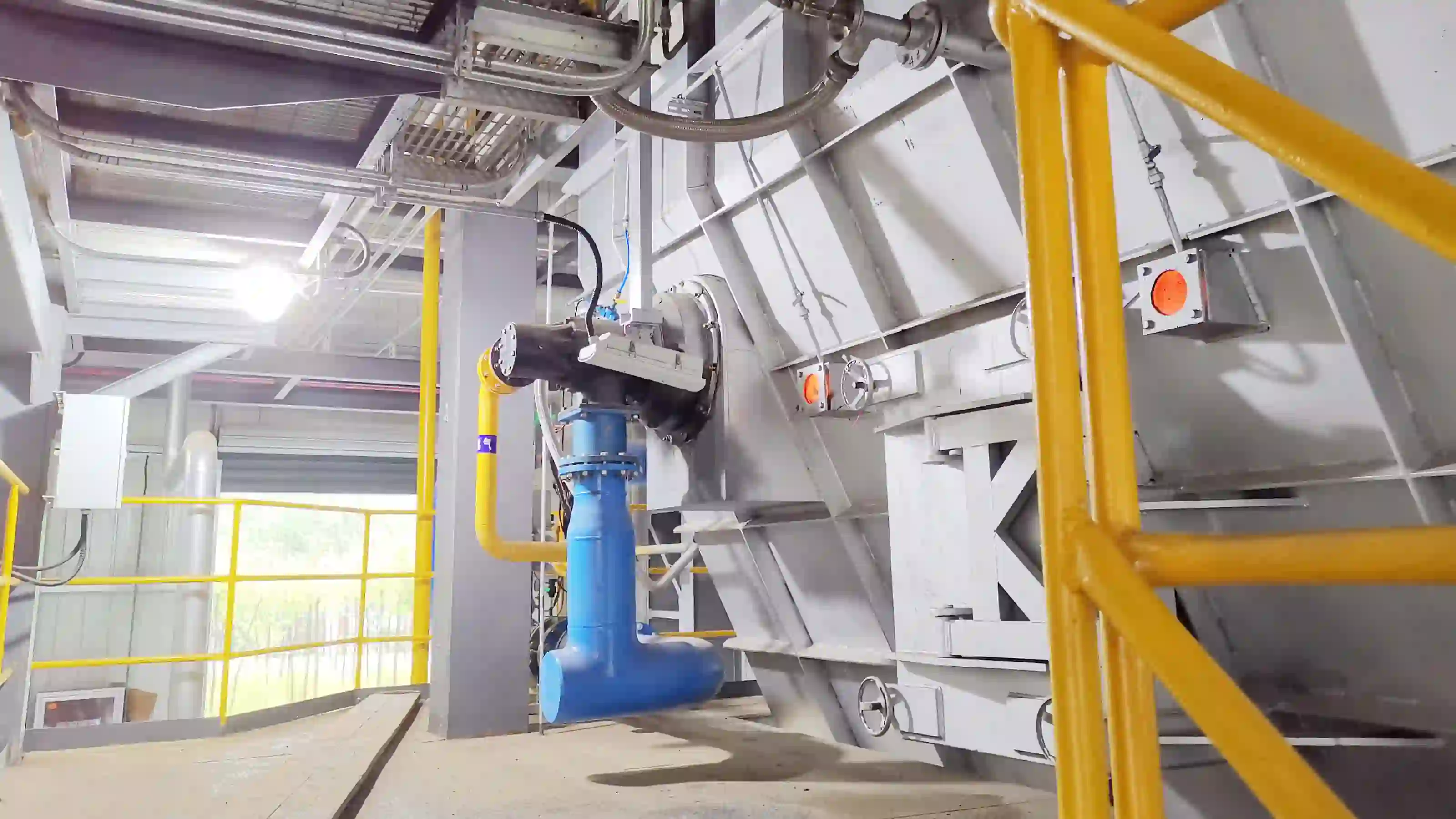
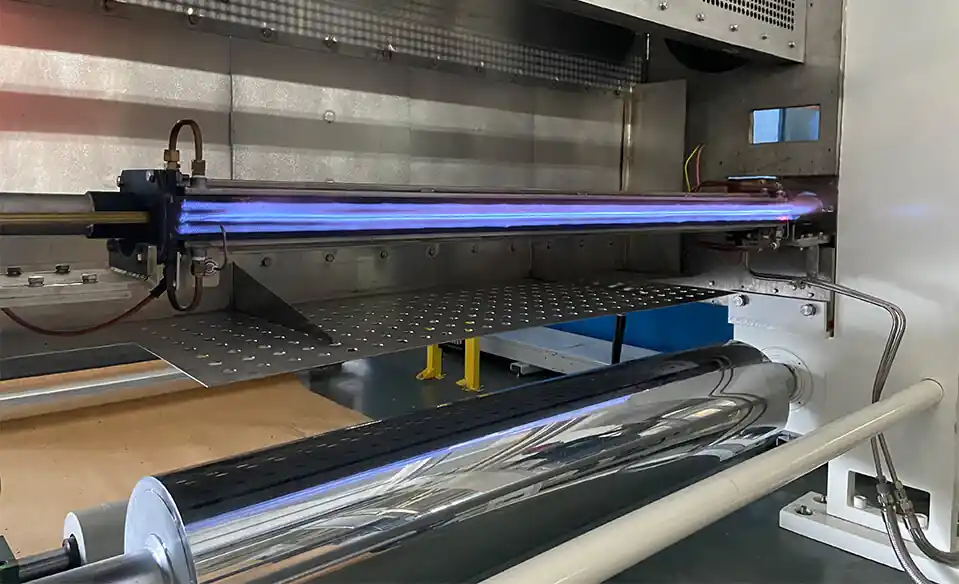
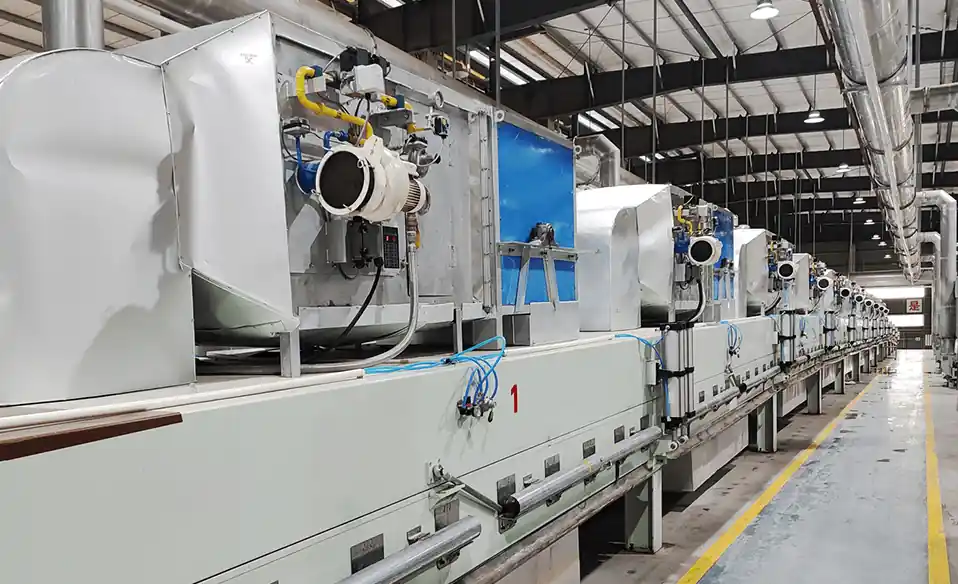
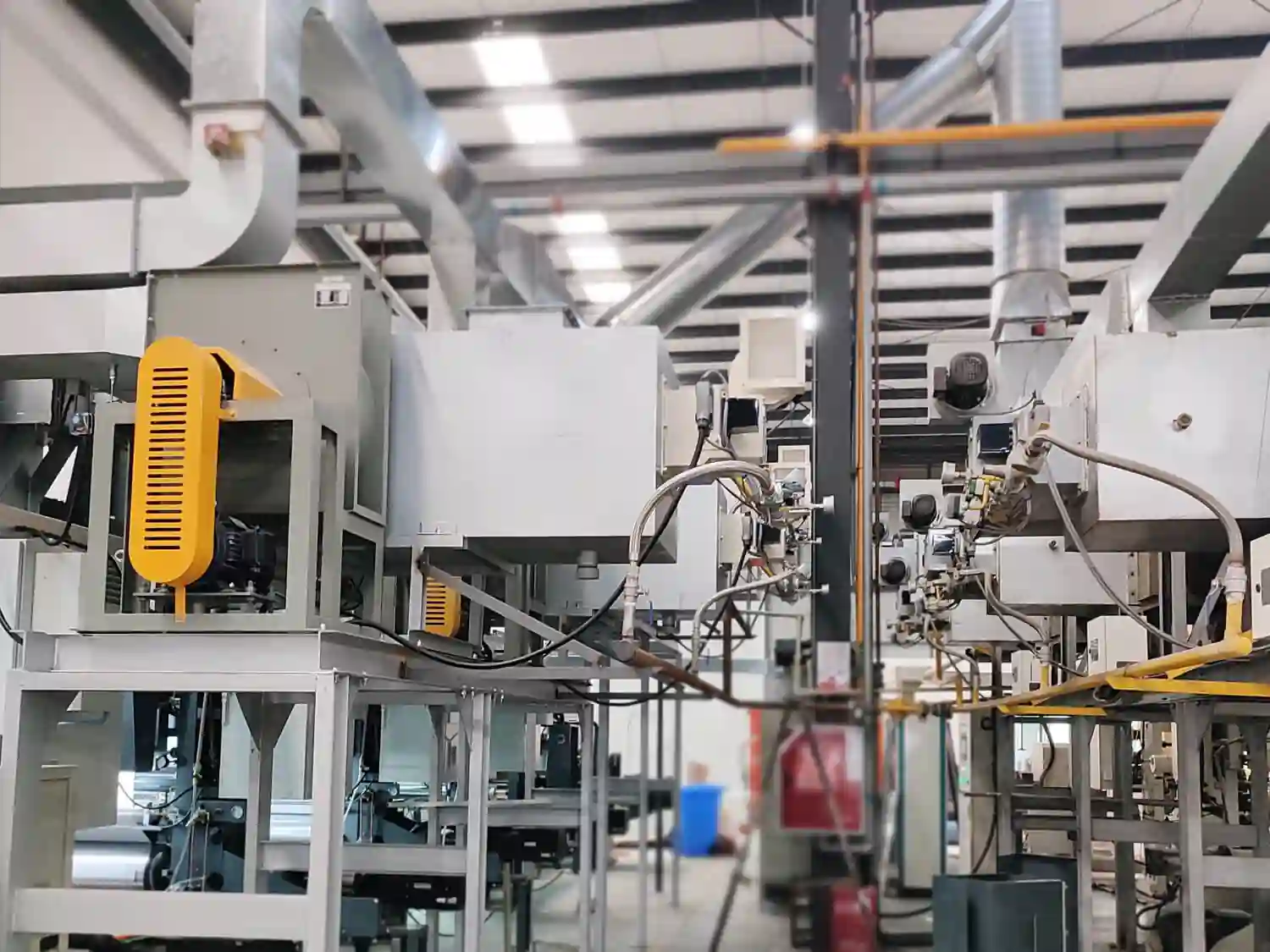
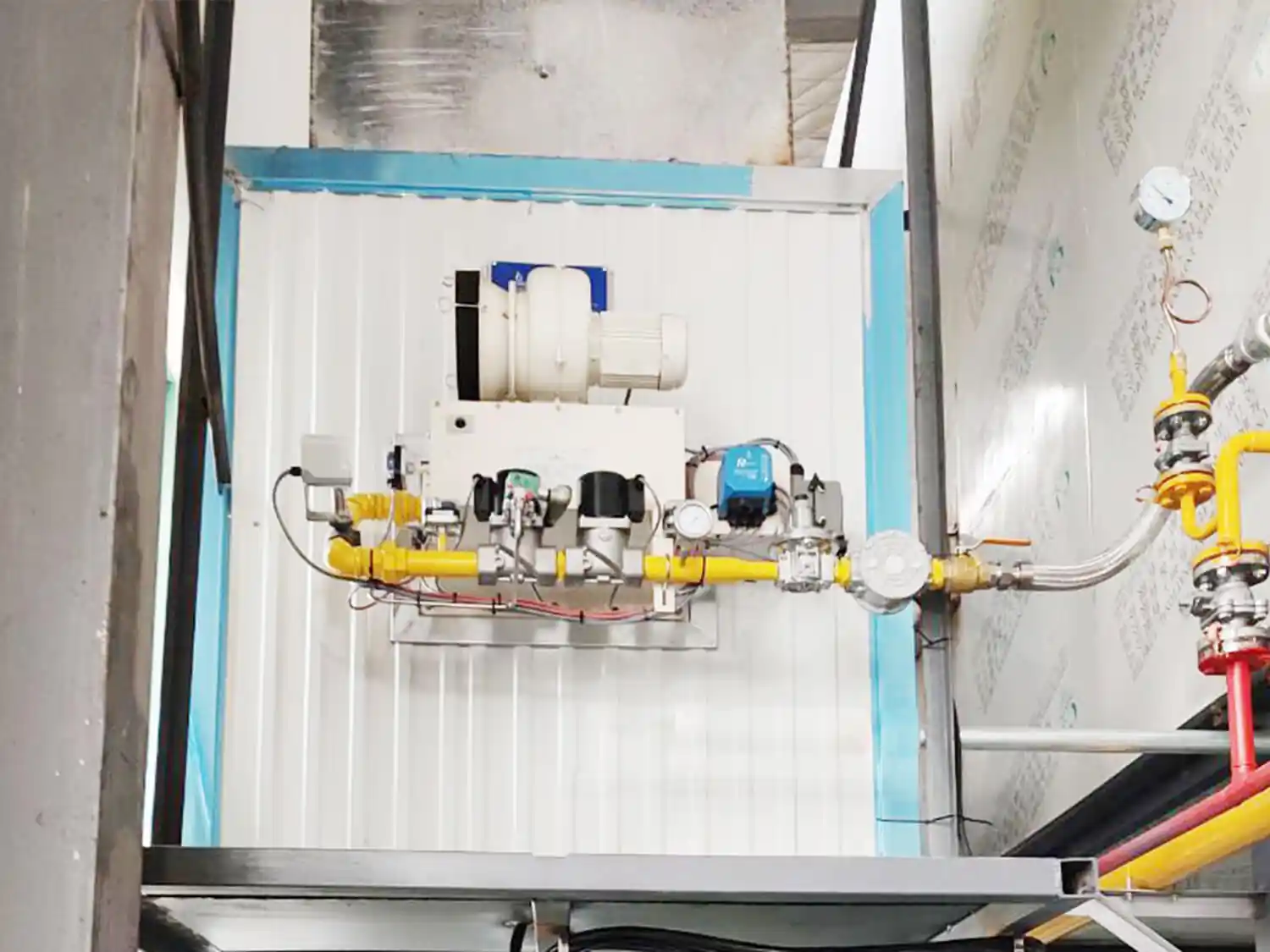
High-efficiency combustion is a combustion process that converts a high proportion of the chemical energy in fuel into useful heat while maintaining stable combustion, appropriate emissions, reliable operation, and effective heat transfer. In industrial applications, high-efficiency combustion is not simply about producing a powerful or high-temperature flame. A flame can look bright and stable while the system around it still wastes a significant amount of energy.
A combustion system can burn fuel completely and still waste significant energy if it uses excessive combustion air, loses too much heat through the exhaust, operates with poor temperature distribution, or transfers heat inefficiently to the process. This is why high-efficiency combustion must be understood as a system-level outcome, not as a single burner specification. It is the result of how well the burner, furnace, fuel supply, air supply, exhaust, controls, and maintenance practices work together.
For industrial burners, furnaces, kilns, ovens, dryers, and thermal air heaters, high-efficiency combustion is therefore a system-level concept. It involves the interaction of:
Fuel supply
Combustion air
Air-to-fuel ratio
Fuel-air mixing
Flame characteristics
Burner design
Furnace geometry
Heat transfer
Exhaust conditions
Furnace pressure
Temperature control
Burner turndown
Maintenance
The ultimate objective is simple:
Convert fuel energy into useful process heat with minimum unnecessary loss.
That objective sounds straightforward, but achieving it requires attention to every stage of the thermal process. A high-efficiency system does not merely burn fuel; it burns the right amount of fuel with the right amount of air, in the right place, at the right time, and transfers the released heat to the product or process with as little waste as possible.
High-efficiency combustion generally means that fuel is burned effectively and the resulting heat is used efficiently by the process. It is not enough to achieve complete combustion in the flame itself. The heat released must also be transferred to the intended load, whether that is a metal charge, a ceramic product, a drying stream, or a thermal air system. If the heat leaves through the exhaust or escapes through furnace walls, the overall system is not efficient, even if the flame is clean and stable.
Several conditions normally need to be satisfied at the same time.
The fuel should burn as completely as practical, minimizing unburned fuel and excessive CO. In natural gas combustion, this means maintaining sufficient oxygen, adequate mixing, and sufficient residence time at high enough temperature for the reaction to proceed to completion. Unburned fuel represents a direct energy loss, and high CO indicates that some chemical energy is leaving the system without being converted into useful heat. In practice, a well-tuned natural gas burner can achieve CO levels well below 50 ppm, often below 20 ppm, while maintaining stable operation.
The burner needs enough oxygen for stable combustion, but excessive air should be avoided because it increases exhaust losses. Every unit of excess air must be heated to the furnace temperature and then expelled through the exhaust. That heated air carries sensible heat out of the system. The goal is not minimum air, but optimal air: enough to ensure complete combustion and flame stability, but not so much that the exhaust volume becomes unnecessarily large. For many natural gas applications, an oxygen concentration of 2–4% in the flue gas represents a reasonable target, though the exact value depends on burner design, furnace type, and process requirements.
The heat released by combustion should be transferred efficiently to the furnace, product, process air, or other intended heat sink. A flame that releases heat near the burner but does not distribute it throughout the furnace will create hot spots and cold zones. Effective heat transfer depends on flame shape, furnace geometry, gas circulation, radiation, convection, and load arrangement. In high-temperature furnaces, radiation is often the dominant heat-transfer mechanism, while in lower-temperature dryers and ovens, convection may dominate. Matching the combustion system to the dominant heat-transfer mode is essential.
Heat losses through exhaust gases, furnace walls, openings, and air infiltration should be minimized. Exhaust loss is often the largest single loss in high-temperature furnaces. Wall loss, door radiation, and infiltration can also be significant, especially in older furnaces or in units that operate under negative pressure. Reducing these losses is not only a matter of insulation; it also involves pressure control, sealing, and proper exhaust management.
The combustion system should maintain stable performance across its normal operating range. A burner that is stable only at maximum firing rate but becomes unstable at low fire will force operators to cycle the burner, overfire, or use excess air as a safety margin. Stable operation means the flame remains attached, the air-fuel ratio remains controlled, and the furnace temperature remains predictable across startup, holding, and production transitions.
High-efficiency combustion should also meet the required emissions and safety conditions. NOx, CO, and unburned hydrocarbons must remain within acceptable limits. In some regions, NOx regulations are strict, and low-NOx combustion strategies may be required. These strategies can affect efficiency, so the design must balance emissions performance with fuel utilization. A system that saves fuel but violates emissions limits is not a practical solution.
Therefore, high efficiency is not represented by a single number or a single burner component. It is a combination of combustion quality, heat-transfer effectiveness, loss minimization, stability, and emissions compliance. A high-efficiency combustion system is one that consistently delivers the required process heat with the least practical fuel input, while remaining safe, reliable, and environmentally acceptable.
These two concepts are related but not identical.
Combustion efficiency describes how effectively fuel is burned. It focuses on the chemical conversion of fuel energy into heat. A burner with high combustion efficiency produces very little unburned fuel, low CO, and a stable flame. Combustion efficiency is often expressed as a percentage, and for a well-adjusted natural gas burner it can exceed 99%.
Thermal efficiency describes how effectively the released heat is utilized by the process. It accounts for all the heat losses downstream of the flame: exhaust losses, wall losses, opening losses, cooling losses, and any other heat that does not reach the product. Thermal efficiency is always lower than combustion efficiency because some heat is inevitably lost, but a well-designed system can achieve thermal efficiencies of 70–85% or higher in continuous high-temperature processes, and even higher in condensing or heat-recovery systems.
For example, a burner may achieve very complete natural-gas combustion with low CO. However, if the furnace operates with excessive excess air, the large volume of hot exhaust gas may carry substantial energy out of the furnace. In this case, combustion can be efficient while overall thermal efficiency remains relatively poor. The fuel is burned completely, but much of the heat leaves through the stack instead of being transferred to the load.
A high-efficiency industrial heating system therefore needs both:
Good combustion + effective heat utilization
Improving combustion efficiency without addressing heat losses is like tuning an engine without fixing a leak in the fuel tank. Both are necessary. In practice, the greatest fuel savings often come from reducing heat losses, because combustion efficiency in modern burners is already high. However, combustion efficiency must still be maintained, because poor combustion can undo the benefits of good insulation or heat recovery.
A high-efficiency combustion system typically has several characteristics. These characteristics are interrelated, and weakness in one area can reduce the overall benefit of strength in another.
The flame remains stable throughout the required operating range. It does not lift off, flash back, pulsate, or extinguish unexpectedly. A stable flame provides consistent heat release and allows the control system to maintain the desired temperature without frequent intervention. Stability is especially important at low firing rates, where many burners are most vulnerable to instability.
Fuel and combustion air are supplied in the correct relationship. The ratio is maintained not only at maximum fire but also at intermediate and low fire. This requires accurate valves, actuators, and control logic. If the ratio drifts, combustion may become fuel-rich or excessively air-rich, leading to either incomplete combustion or unnecessary exhaust losses.
Fuel and air mix sufficiently to support controlled combustion. Good mixing ensures that fuel molecules find oxygen molecules quickly and completely. Poor mixing can create localized fuel-rich pockets that produce CO and soot, or fuel-lean pockets that lower flame temperature and reduce heat transfer. Mixing is influenced by burner head design, injection velocity, swirl, and furnace conditions.
The system avoids heating and exhausting more air than the process requires. This is one of the most direct ways to improve thermal efficiency. Excess air should be reduced to the lowest level that still maintains complete combustion and flame stability. This level must be determined by measurement, not by visual inspection alone.
The flame fits the furnace geometry and provides effective heat distribution. Flame length, diameter, momentum, and direction should match the furnace chamber and the load. A flame that impinges on walls or products can cause damage and localized overheating; a flame that is too short may not distribute heat evenly.
The system minimizes unnecessary energy leaving through the exhaust. This involves controlling excess air, reducing infiltration, maintaining proper furnace pressure, and recovering waste heat where feasible. Exhaust losses are often the largest single loss in high-temperature furnaces, so even small improvements can yield significant savings.
Heat is distributed effectively rather than concentrated in localized hot spots. Uniform temperature improves product quality, reduces the need to overheat the furnace, and allows the process to operate at the lowest effective temperature. Burner arrangement, flame shape, and furnace circulation all affect uniformity.
Fuel and air respond appropriately to changing process heat demand. Control systems should modulate the burner smoothly and maintain the correct air-fuel ratio as load changes. Poor control can cause temperature swings, overshooting, and unnecessary fuel use during transitions.
The burner can operate stably at both normal and reduced loads. A high turndown ratio allows the burner to match the heat demand more closely, reducing cycling and improving efficiency during holding periods. Turndown is especially important for batch processes and furnaces that spend significant time at low load.
The burner and associated combustion equipment remain close to their intended operating condition. Cleanliness, correct adjustment, and timely replacement of worn parts are essential. A burner that is dirty or out of adjustment can lose efficiency even if it was originally well designed.
Air-to-fuel ratio is one of the most important parameters in high-efficiency combustion. It determines the relative amounts of oxygen and fuel entering the combustion zone. For natural gas, the stoichiometric air requirement is approximately 9.5 to 10 cubic meters of air per cubic meter of gas, depending on composition. At this theoretical ratio, all fuel and oxygen would react completely, but in practice, some excess air is needed to ensure complete mixing and stable combustion.
A natural-gas burner requires oxygen to complete combustion. If insufficient air is supplied, combustion may become fuel-rich. Potential consequences include:
Higher CO
Incomplete combustion
Unburned fuel
Flame instability
Poor heat distribution
Soot formation and fouling
However, excessive air also creates a problem. The additional air absorbs heat and eventually leaves through the exhaust. This increases the mass flow of exhaust gas and raises the sensible heat loss. The flame temperature may also decrease, which can reduce radiant heat transfer to the load.
Therefore, high-efficiency combustion requires an appropriate balance. The objective is not:
Minimum air
but:
Optimal air
The correct air-to-fuel ratio depends on burner design, fuel characteristics, operating load, furnace conditions, and process requirements. It should be established during commissioning and then maintained through regular tuning. In many systems, an oxygen trim control loop can automatically adjust the air flow based on continuous flue-gas measurement, keeping the ratio near optimal even as fuel quality or ambient conditions change.
Excess air is commonly used to ensure reliable combustion. It provides a margin for imperfect mixing, fuel composition changes, and load variations. However, excessive excess air can increase energy consumption. The additional air must be heated from its inlet temperature to the furnace temperature. It then leaves through the exhaust system. This creates an avoidable thermal loss.
For example, in a furnace operating at 1000°C, reducing excess air from 50% to 10% can reduce exhaust heat loss by several percentage points of fuel input. Over a year of continuous operation, this can translate into substantial cost savings. Reducing unnecessary excess air can therefore improve overall furnace efficiency.
But excessive reduction can cause incomplete combustion and higher CO. The practical minimum excess air is the point just above which CO begins to rise sharply. This point varies with burner design, load, and fuel. A practical high-efficiency combustion system therefore uses combustion measurements and controlled adjustment rather than simply reducing air flow. Portable or continuous flue-gas analyzers are essential tools for this task.
Fuel and air must interact effectively for efficient combustion. Poor mixing can create fuel-rich and fuel-lean zones within the flame. This can result in:
Incomplete combustion
Localized high temperatures
Flame instability
Uneven heat release
Higher emissions
Burner design determines how fuel and air are introduced and mixed. Parameters such as fuel velocity, combustion-air velocity, swirl, injection direction, and burner-head geometry can significantly influence the resulting flame. A high-velocity fuel jet, for example, can entrain air more effectively, but it may also create a longer flame. Swirl can improve mixing and stability but may increase pressure drop.
The best mixing strategy depends on the application. A burner for a high-temperature furnace may require a different mixing pattern from a burner used in a drying system or thermal air heater. In some cases, staged mixing—where air is introduced in multiple steps—can improve both efficiency and emissions performance. The key is to match the mixing pattern to the furnace and process, not to assume that one design fits all.
Fuel pressure affects fuel flow and injection characteristics. If fuel pressure deviates significantly from the intended operating condition, the burner may no longer produce its designed flame. Changes in fuel pressure can affect:
Fuel flow
Flame length
Mixing
Flame stability
Burner capacity
Turndown
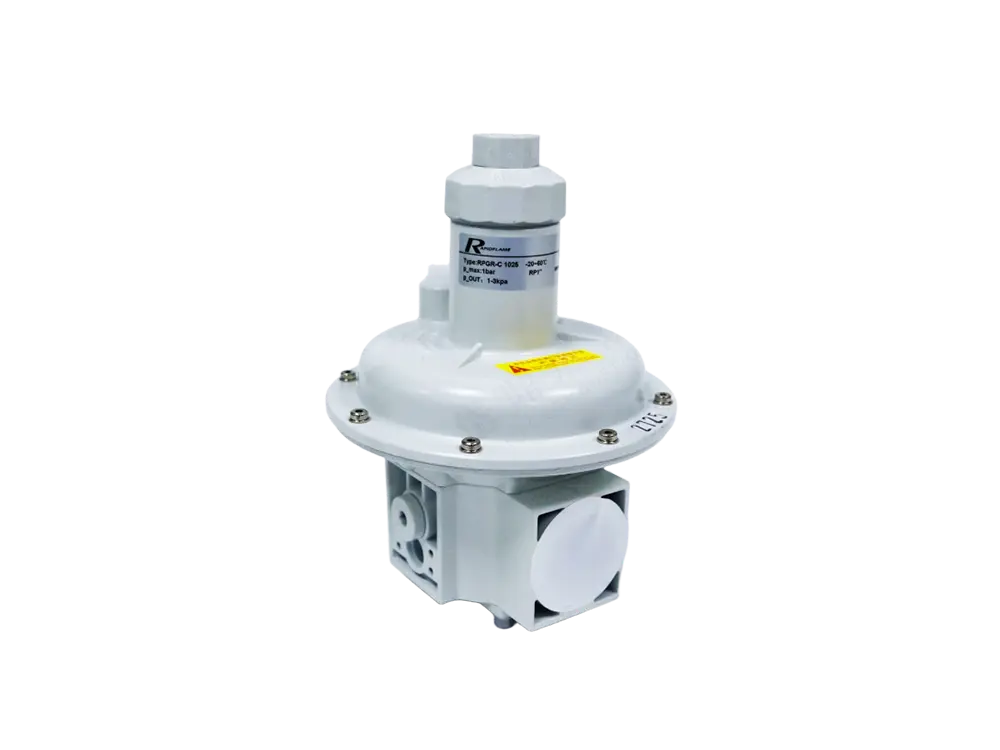
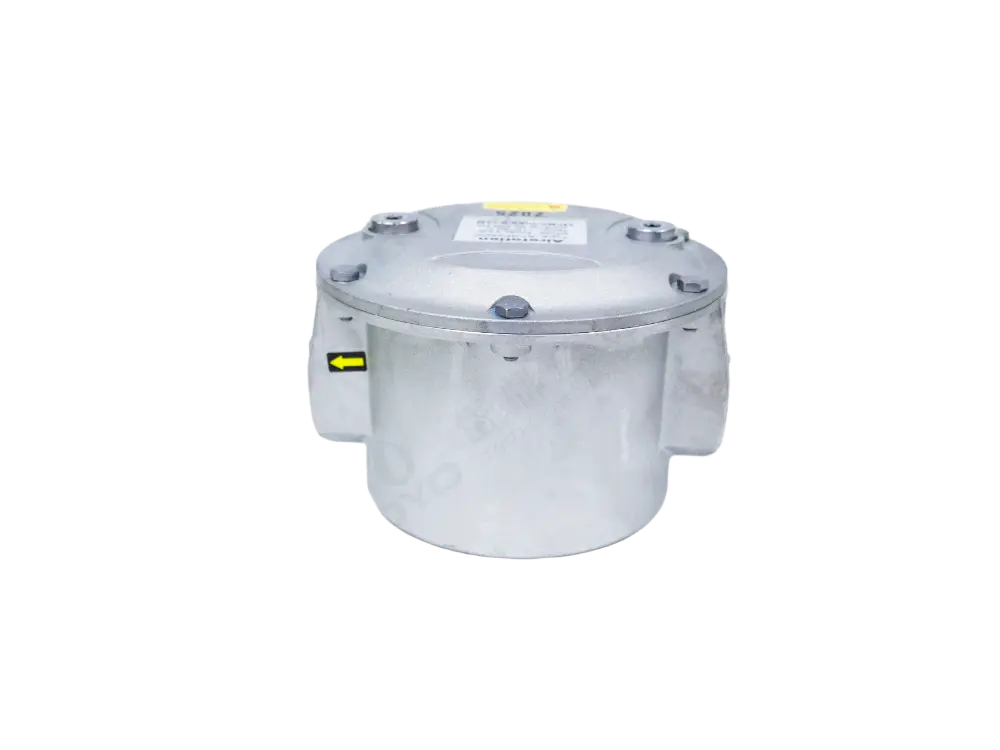
Stable fuel supply is therefore an important part of high-efficiency combustion. Fuel pressure should be regulated and monitored. If the pressure fluctuates, the air-fuel ratio may drift, causing either incomplete combustion or excess air. In extreme cases, low fuel pressure can cause flame outage, while high pressure can overload the burner and damage components. Regular inspection of regulators, filters, and shutoff valves helps maintain stable fuel pressure.
The burner also requires an appropriate combustion-air supply. Problems with fans, dampers, filters, ducts, valves, or air-control systems can change the actual air flow. This may result in:
Unstable flames
Changing flame shape
Higher CO
Excessive excess air
Poor temperature control
Combustion-air flow and pressure should therefore be monitored during commissioning and operation. Air filters should be cleaned or replaced regularly. Damper linkages should be checked for wear and hysteresis. Variable-frequency drives, if used, should be calibrated to ensure the air flow matches the control signal. A stable air supply is just as important as a stable fuel supply for high-efficiency combustion.
High-efficiency combustion requires the burner to operate within an appropriate range. An oversized burner may spend much of its operating time at very low load, where combustion can be less stable and efficiency may suffer. An undersized burner may continuously operate close to maximum capacity, leaving no margin for process variations and potentially reducing equipment life.
Neither condition is ideal for every application. Burner capacity should be selected based on the actual heat-load profile, including:
Maximum load
Normal load
Minimum load
Startup requirements
Holding requirements
Process temperature
Furnace heat losses
A careful heat balance should be performed before selecting a burner. Historical operating data, if available, can help determine the typical load profile. When in doubt, it is often better to select a burner with a slightly higher turndown ratio than to oversize the burner and rely on cycling.
Industrial heating processes rarely require constant maximum heat input. During startup, the burner may need high output. During temperature holding, much less heat may be required. A suitable turndown ratio allows the burner to reduce its output while maintaining stable combustion. This helps reduce unnecessary fuel consumption and improves temperature control.
Turndown is particularly important for processes with large differences between startup and steady-state heat demand. For example, a batch furnace may require full fire for the first hour and then only 20% fire for several hours. A burner with a turndown ratio of 10:1 can operate stably at 10% fire, while a burner with a 3:1 ratio may have to cycle on and off. Cycling wastes heat during purge periods and increases wear on ignition components.
High-efficiency combustion requires the flame to be compatible with the furnace. Flame characteristics include:
Length
Diameter
Momentum
Direction
Heat-release distribution
Temperature profile
A flame that is too long may contact furnace walls or products. A flame that is too short may concentrate heat near the burner. A poorly matched flame can therefore reduce heat-transfer effectiveness even when combustion itself is stable. In some cases, the flame may impinge on the load, causing scrap or rework. In other cases, the flame may not reach the far end of the furnace, leaving cold zones.
The ideal flame is application-specific. It should be determined by furnace geometry, load arrangement, and process requirements. Burner adjustments—such as swirl, nozzle position, and air register settings—can be used to tailor the flame. In some cases, multiple burners with different flame shapes may be used to achieve the desired heat distribution.
High-efficiency combustion should produce useful heat where the process needs it. Poor burner arrangement can create:
Hot spots
Cold zones
Uneven product temperatures
Excessive wall temperatures
When some areas are too cold, operators may increase the furnace temperature to compensate. This can increase fuel consumption throughout the entire furnace. Better burner positioning, burner angle, flame design, and zoning can improve temperature uniformity and reduce this problem.
Zoned control is particularly effective in long furnaces or in processes with varying load profiles. Instead of heating the entire furnace uniformly, different zones can respond to local temperature requirements. This reduces the need to overheat one zone to satisfy another. Computational fluid dynamics (CFD) modeling can help predict temperature distribution and optimize burner arrangement before physical changes are made.
Furnace pressure influences combustion and heat loss. Excessive negative pressure can pull ambient air into the furnace through openings and seals. That air must then be heated. Excessive positive pressure can allow hot gases to escape from the furnace. Both conditions can increase energy losses.
Maintaining an appropriate furnace pressure therefore supports both stable combustion and efficient heat utilization. In most furnaces, a slightly positive pressure—often around 0.5 to 2 mmH₂O—is recommended to prevent cold-air infiltration while minimizing hot-gas leakage. Pressure control can be achieved with a modulating exhaust damper or a variable-speed exhaust fan. Regular inspection of door seals, gaskets, and expansion joints helps maintain pressure stability.
Exhaust gas can represent one of the largest energy-loss paths in a high-temperature furnace. The amount of energy lost through the exhaust depends on factors such as:
Exhaust gas temperature
Exhaust gas volume
Excess air
Air infiltration
Furnace operating conditions
Reducing unnecessary exhaust flow and recovering useful waste heat can significantly improve overall thermal performance. For example, lowering the exhaust temperature by 100°C can reduce the heat loss by a noticeable percentage, depending on the flow rate. Similarly, reducing excess air reduces the volume of gas that must be heated and exhausted. In many furnaces, exhaust heat loss accounts for 30–50% of the total fuel input, so even modest improvements in this area can yield large savings.
High-temperature exhaust gas often contains useful energy. Where technically appropriate, this energy can be recovered. One common approach is combustion-air preheating:
Hot exhaust gas → heat exchanger → preheated combustion air → burner
Because the combustion air enters the burner at a higher temperature, less fuel may be required to achieve the same furnace temperature. For example, preheating combustion air to 300°C can save 10–15% of fuel, while preheating to 500°C can save 15–25%. Waste-heat recovery can be especially attractive for continuous industrial processes with high exhaust temperatures and long operating hours.
However, the burner must be compatible with the resulting combustion-air temperature and pressure conditions. Higher air temperatures can affect flame temperature, NOx formation, and burner materials. The heat exchanger must also be designed to withstand corrosive or dusty exhaust streams. Regular cleaning is necessary to maintain heat-transfer performance. In some cases, a recuperative burner that integrates the heat exchanger into the burner body is a practical solution.
A high-efficiency burner cannot compensate indefinitely for a poorly insulated furnace. Heat can be lost through:
Furnace walls
Roofs
Doors
Seals
Inspection openings
Damaged refractory materials
Improving insulation reduces the amount of heat that must be supplied by the burners. This means the same production process can potentially be maintained with a lower burner heat input. Insulation upgrades can include adding ceramic fiber blankets, replacing damaged firebrick, installing low-thermal-mass materials, and sealing gaps around doors and openings. For furnaces operating continuously at high temperatures, insulation improvements often have short payback periods.
Temperature control has a direct influence on energy consumption. If the furnace temperature fluctuates significantly, the control system may repeatedly increase and decrease burner output. This can lead to overshooting, undershooting, and unnecessary fuel use. Poor temperature measurement can create another problem. If the temperature sensor does not represent the actual product or process temperature, the furnace may be heated more than necessary.
Accurate measurement and appropriate control zones can therefore contribute to high-efficiency operation. Thermocouples should be located to represent the true process temperature, not just the flame or wall temperature. Control loops should be tuned to avoid oscillation. In multi-zone furnaces, each zone should have its own temperature sensor and control loop to maintain uniform conditions.
High-efficiency combustion should not be considered separately from emissions. Flame temperature, oxygen concentration, mixing, and residence time can influence NOx formation. Some low-NOx combustion strategies use staged combustion, flue-gas recirculation, premixing, or distributed heat release to control local flame conditions. These strategies can reduce NOx but may also affect efficiency.
However, excessive dilution or poor combustion control can increase CO or destabilize the flame. The objective should therefore be:
High combustion efficiency + appropriate emissions performance + stable operation
rather than optimizing only one parameter. In practice, this means selecting a burner that meets emissions requirements while maintaining good fuel efficiency, and then tuning it carefully to achieve the best balance for the specific process.
Flue-gas measurements can provide valuable information about combustion conditions. O₂ can help indicate the amount of oxygen remaining in the exhaust. CO can indicate incomplete combustion. For example, a combination of relatively high O₂ and low CO may indicate that combustion is complete but excess air could potentially be optimized. Low O₂ combined with high CO may indicate insufficient air, poor mixing, or another combustion problem.
These measurements should always be interpreted in the context of burner load and process conditions. A single reading at one load does not tell the whole story. It is better to record O₂ and CO at several firing rates and look for trends. Continuous monitoring, where feasible, can provide early warning of drift or deterioration. Portable analyzers are useful for periodic checks and troubleshooting.
Even a well-designed burner can lose performance over time. Deposits, corrosion, damaged components, blocked air passages, or worn fuel nozzles can change the combustion characteristics. Regular maintenance should include inspection of:
Burner head
Fuel nozzles
Air passages
Ignition system
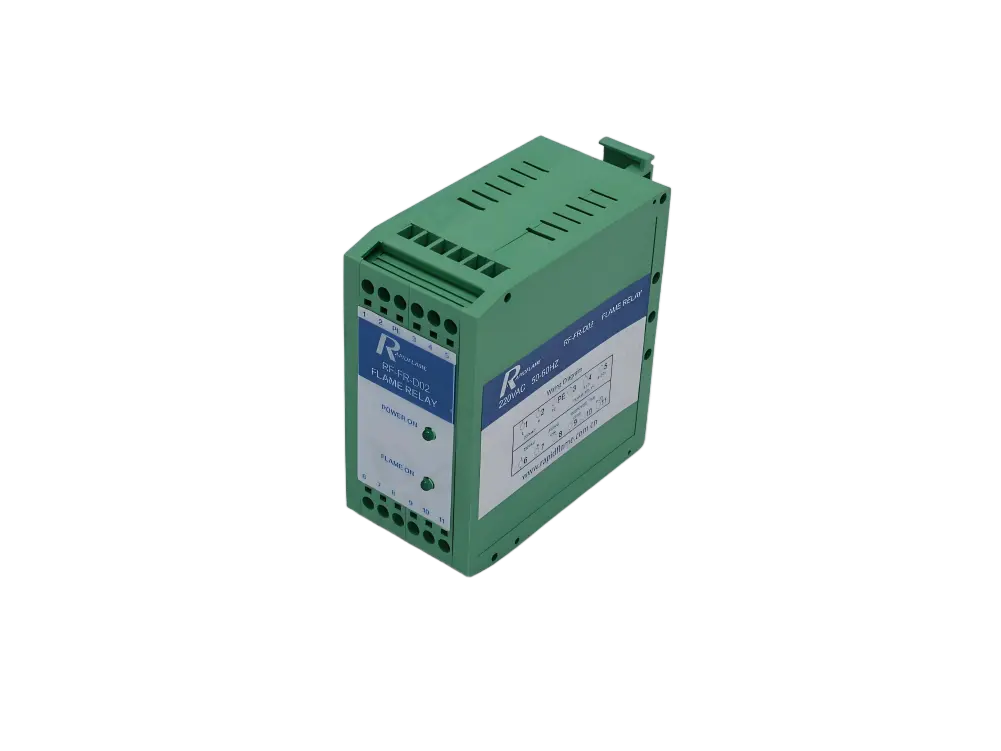
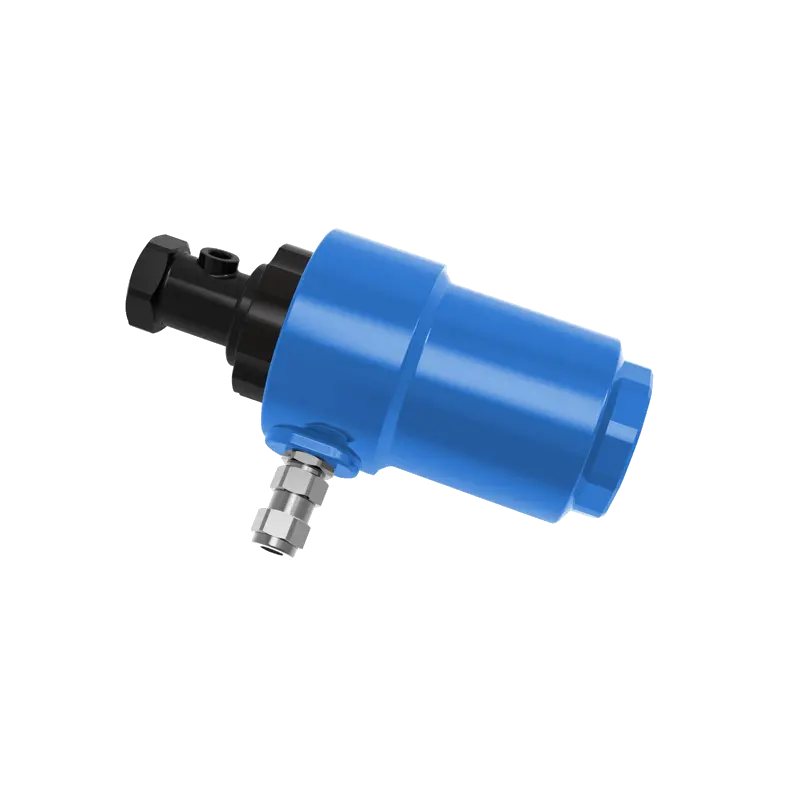
Flame detector
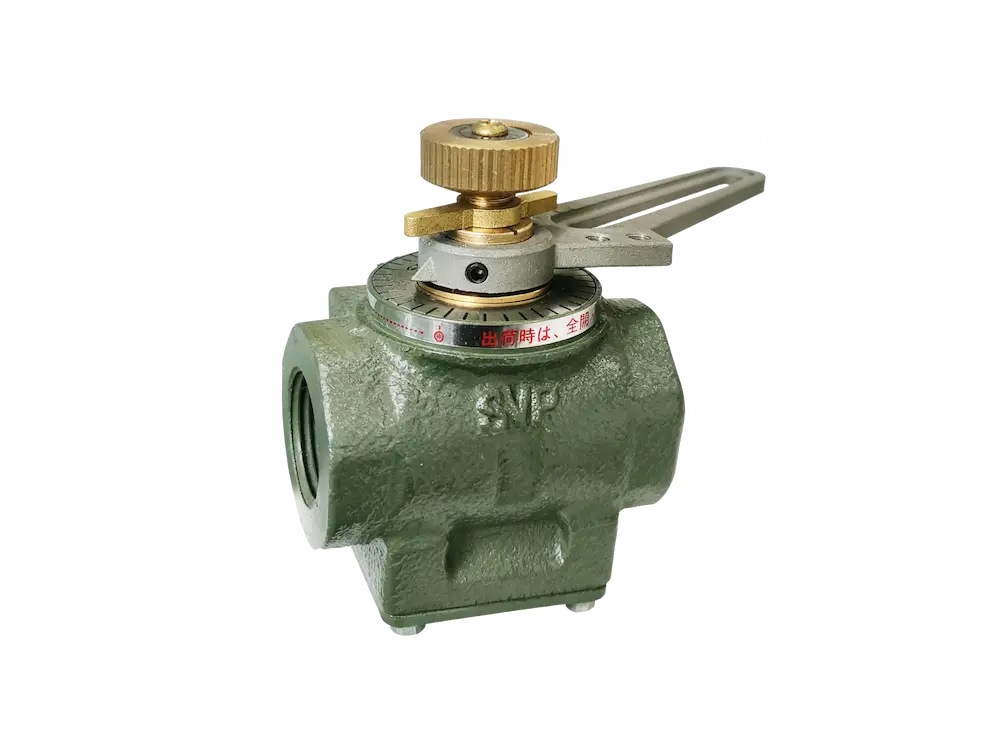
Valves
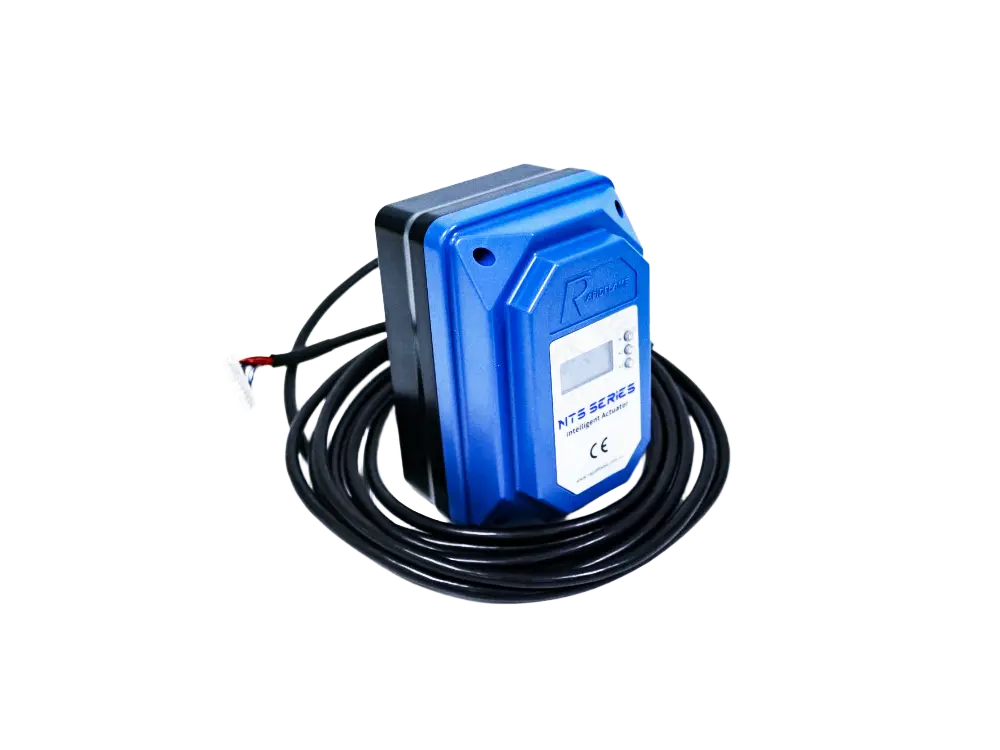
Actuators
Fuel pressure
Combustion-air pressure
Flame characteristics
Maintaining the burner helps preserve its designed operating characteristics. A clean burner with correctly adjusted components will produce a more stable flame, lower emissions, and better fuel efficiency. Maintenance should be scheduled based on operating hours and the severity of the environment. In dusty or high-temperature applications, more frequent inspections may be necessary.
Operating a furnace above the actual process requirement is one of the simplest forms of energy waste. Higher temperature generally increases heat losses through:
Furnace walls
Exhaust gases
Openings
Seals
Cooling systems
The target temperature should therefore be based on actual process requirements. For processes requiring uniform product heating, temperature distribution can be just as important as the average furnace temperature. In many cases, improving uniformity allows the average temperature to be reduced without affecting product quality. This reduces fuel consumption and extends equipment life.
High-efficiency combustion cannot be created by the burner alone. The complete system can be represented as:
Fuel → burner → flame → furnace → heat transfer → product → exhaust
Every stage matters. A burner with excellent combustion characteristics may still deliver poor overall efficiency if:
The furnace is poorly insulated
Excess air is excessive
Furnace pressure is incorrect
Exhaust losses are high
Heat distribution is poor
Temperature control is inaccurate
This is why combustion optimization should consider the burner and the thermal equipment together. The burner should be selected, installed, and tuned as part of an integrated system. Changes in one part of the system—such as adding heat recovery or improving insulation—may require adjustments in another part, such as the burner air-fuel ratio or control settings.
There is no single measurement that fully describes high-efficiency combustion. Instead, a combination of indicators should be used.
Useful indicators include:
Natural gas or other fuel consumption can be measured over a defined production period. This provides the most direct indication of energy use, but it must be interpreted carefully because production volume may vary.
Fuel consumption per ton, batch, unit, or other production output is often more meaningful than total fuel consumption. It normalizes for production changes and allows comparisons over time.
These values help evaluate combustion conditions. O₂ indicates excess air, while CO indicates incomplete combustion. Together, they provide a picture of combustion quality.
High exhaust temperatures may indicate significant energy losses. Measuring the exhaust temperature at the stack or after any heat-recovery device helps quantify the loss.
A uniform temperature field can improve effective heat utilization. Temperature surveys using multiple sensors or thermal imaging can reveal hot spots and cold zones.
Fuel savings should always be evaluated together with production performance. A reduction in fuel use that comes from lower production is not a true efficiency improvement.
A lower fuel bill is not a real improvement if product quality deteriorates. Quality checks should be part of any efficiency evaluation.
A useful overall evaluation is therefore:
Fuel consumption + production output + product quality + emissions + operating stability
This balanced view prevents the mistake of optimizing one number while unintentionally harming another.
No.
Fuel savings can be a result of high-efficiency combustion, but they are not identical concepts. A burner may have excellent combustion efficiency while the furnace still consumes excessive fuel because of poor insulation or high exhaust losses. Likewise, reducing fuel input without optimizing combustion may simply reduce furnace output.
High-efficiency combustion means using fuel effectively while maintaining the required process conditions. It is about getting more useful heat from the same amount of fuel, not just using less fuel. True fuel savings come from reducing unnecessary losses while maintaining production, quality, and safety.
DYDTEC Combustion develops industrial burners and combustion solutions for different thermal-processing applications. Its product range includes more than 100 burner models covering more than 200 application scenarios. This broad application range allows burner selection to consider more than nominal burner capacity.
For OEM equipment manufacturers, important parameters such as furnace geometry, heat load, flame shape, fuel conditions, combustion-air conditions, burner arrangement, temperature requirements, and control strategy can all influence the final combustion performance. DYDTEC Combustion has production and R&D bases in Shanghai and Yangzhou and serves customers across more than 50 countries and regions.
The company's approach is to treat the burner as part of the complete thermal system rather than as an isolated component. This is particularly important when the objective is to improve both combustion performance and overall energy efficiency. By considering the burner, furnace, fuel system, air system, exhaust system, and control system together, DYDTEC can help customers achieve stable, efficient, and compliant combustion.
High-efficiency combustion is a combustion process that converts fuel energy into useful heat effectively while maintaining stable combustion, appropriate emissions, and minimizing unnecessary energy losses. It is a system-level result that depends on the burner, furnace, air supply, fuel supply, exhaust, and controls working together.
Combustion efficiency focuses on how completely fuel is burned. Thermal efficiency considers how effectively the released heat is used by the process. A furnace can have good combustion efficiency but poor thermal efficiency if heat is lost through the exhaust, walls, or openings.
Not automatically. Fuel consumption also depends on furnace insulation, heat transfer, exhaust losses, operating temperature, furnace pressure, and production conditions. High-efficiency combustion is a necessary but not sufficient condition for low fuel consumption.
Excessive excess air can reduce overall thermal efficiency because additional air absorbs heat and leaves through the exhaust. However, insufficient air can cause incomplete combustion. The objective is to find the appropriate operating range, typically determined by O₂ and CO measurements.
Yes, a burner can be designed to achieve both effective combustion and low NOx emissions. However, low NOx alone does not prove that a burner has high overall thermal efficiency. The burner must be properly matched to the furnace and process.
Incorrect furnace pressure can cause air infiltration or hot-gas leakage. Both conditions can increase heat loss and affect burner operation. Maintaining a slightly positive pressure helps prevent cold-air ingress while minimizing hot-gas escape.
Yes. Recovering heat from exhaust gases, particularly for combustion-air preheating, can reduce the amount of additional fuel required by the furnace. The feasibility depends on exhaust temperature, flow rate, operating hours, and system compatibility.
The flame determines where and how heat is released. A flame that is properly matched to the furnace can improve heat distribution and reduce localized overheating. A poorly matched flame can waste energy and damage equipment.
Measure fuel consumption together with O₂, CO, exhaust temperature, furnace pressure, burner load, furnace temperature, and production output. These measurements provide a much more reliable picture than flame appearance alone. Regular monitoring and trend analysis help detect deterioration.
High-efficiency combustion is not simply a hotter flame or a lower fuel-flow setting. It is the result of controlling the entire combustion and heat-transfer process. The main principles are:
Maintain an appropriate air-to-fuel ratio
Minimize unnecessary excess air
Improve fuel-air mixing
Maintain stable fuel and combustion-air conditions
Match burner capacity to actual heat load
Use an appropriate turndown ratio
Match flame shape to furnace geometry
Improve heat distribution
Control furnace pressure
Reduce exhaust heat loss
Recover waste heat where appropriate
Improve furnace insulation
Optimize temperature control
Balance combustion efficiency and NOx emissions
Maintain burners and combustion equipment
In simple terms:
High-efficiency combustion means getting more useful process heat from the same amount of fuel without sacrificing combustion stability, product quality, safety, or emissions performance.
For industrial furnaces, kilns, ovens, dryers, and OEM thermal equipment, the greatest efficiency improvements usually come from optimizing the burner + fuel system + combustion-air system + furnace + exhaust system + control system as one integrated process. When these elements work together, fuel consumption can be reduced, emissions can be controlled, and production reliability can be improved. High-efficiency combustion is therefore not just a technical goal—it is a practical strategy for reducing operating costs and meeting environmental responsibilities.