Liquefied petroleum gas (LPG) is widely used as a fuel for industrial heating applications where pipeline natural gas is unavailable, unreliable, or unsuitable for the process. Because LPG has different physical and combustion properties from natural gas, selecting an LPG-compatible industrial burner requires more than simply choosing a burner with the required heat output. The fuel itself influences nearly every aspect of burner design and system integration.
LPG affects burner selection in several areas, including fuel flow, gas pressure, nozzle design, air-fuel mixing, flame characteristics, control range, and gas-train configuration. For OEM equipment manufacturers and industrial users, these factors should be considered together to ensure stable combustion and reliable thermal performance. A burner that is not specifically matched to LPG may produce an unstable flame, incorrect heat input, higher emissions, or unsafe operating conditions.
This article explains how LPG affects industrial burner selection and what engineers should consider when specifying a burner for LPG service.
LPG primarily consists of propane, butane, or a mixture of these hydrocarbons. Unlike pipeline natural gas, LPG is commonly stored as a liquid under pressure and converted into gas before combustion. This storage method gives LPG a higher volumetric energy density than natural gas, but it also introduces additional system requirements such as vaporization, pressure regulation, and safe handling.
This difference in fuel properties directly affects the design and operating conditions of an industrial burner. When selecting an LPG burner, engineers typically need to consider:
LPG composition (propane/butane ratio)
Required heat input
LPG supply pressure
Fuel flow rate
Combustion-air pressure
Burner turndown range
Nozzle or gas-orifice design
Flame stability
Emission requirements
Gas-train configuration
Furnace operating conditions
Ambient temperature and vaporization conditions
Therefore, an LPG burner should be selected based on the complete combustion system rather than heat capacity alone. The burner, gas train, air supply, control system, and furnace must work together as an integrated package.
LPG is not a single, perfectly consistent fuel. The propane/butane ratio can vary by supplier, season, and region. Propane has a higher vapor pressure and lower boiling point than butane, so a high-butane mixture may require heating or a vaporizer in cold conditions. This variability must be considered during burner selection and system design.
One of the most important characteristics of LPG is its relatively high energy content per unit volume compared with natural gas. For the same thermal input, an LPG burner generally requires a lower volumetric fuel flow than a natural gas burner under comparable conditions.
For example, if an industrial furnace requires a certain amount of heat input, the burner must be designed to deliver the necessary LPG flow at the specified operating pressure. Simply replacing natural gas with LPG without changing the fuel-delivery configuration can result in an incorrect fuel-air ratio, excessive heat release, or unstable combustion.
The required heat input can generally be expressed as:
Heat Input = Fuel Flow × Fuel Heating Value
The actual relationship depends on the fuel's heating value, operating conditions, and burner efficiency. LPG's higher heating value per unit volume means that the gas orifice, fuel pressure, and air-fuel ratio must be matched to the fuel. A burner designed for natural gas will typically have a larger gas orifice and lower fuel pressure than an equivalent LPG burner.
A comparison of typical heating values helps illustrate the difference:
| Fuel | Lower Heating Value (MJ/Nm³) | Lower Heating Value (MJ/kg) |
|---|---|---|
| Natural Gas | 35–40 | ~50 |
| Propane | 90–95 | ~46 |
| Butane | ~118 | ~45.5 |
Because LPG contains more energy per cubic meter, the same burner firing rate requires a smaller volume of LPG. This affects nozzle sizing, gas train capacity, and control valve selection. It also means that a burner converted from natural gas to LPG without proper modification may overfire, causing overheating, high NOx, or damage to the burner and furnace.
Yes. LPG supply pressure is an important parameter when selecting an industrial burner. LPG is normally stored under pressure and passes through one or more pressure-regulation stages before reaching the burner. The pressure available at the burner inlet must be compatible with the burner and gas train.
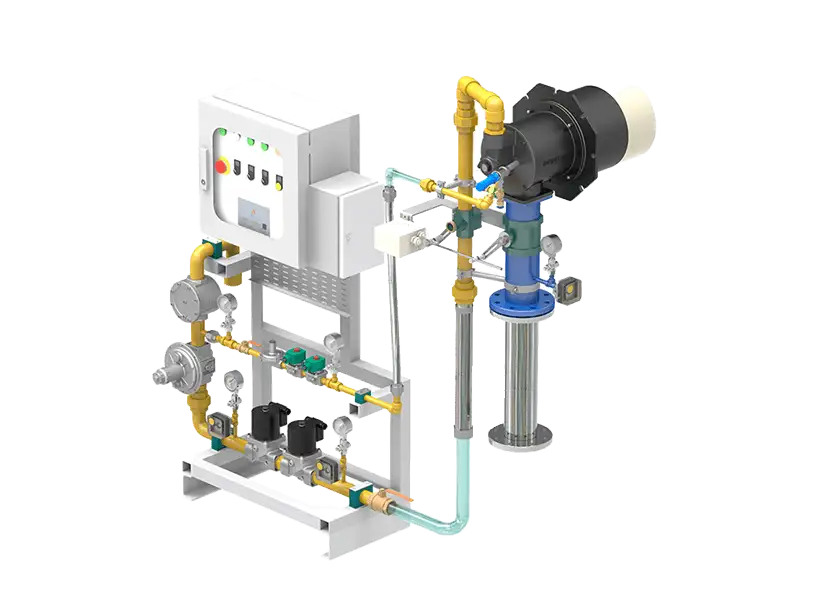
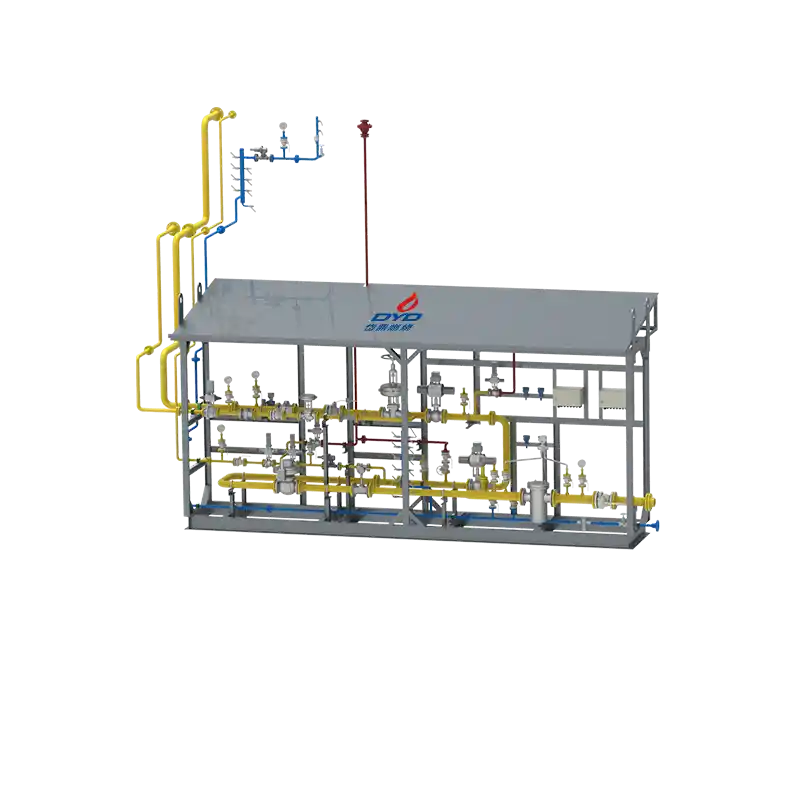
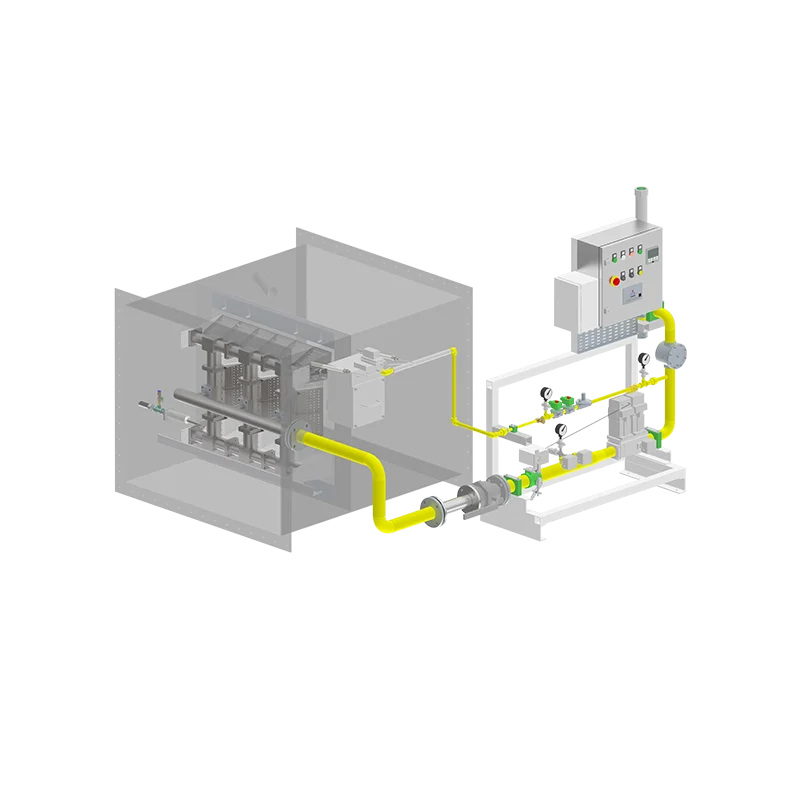
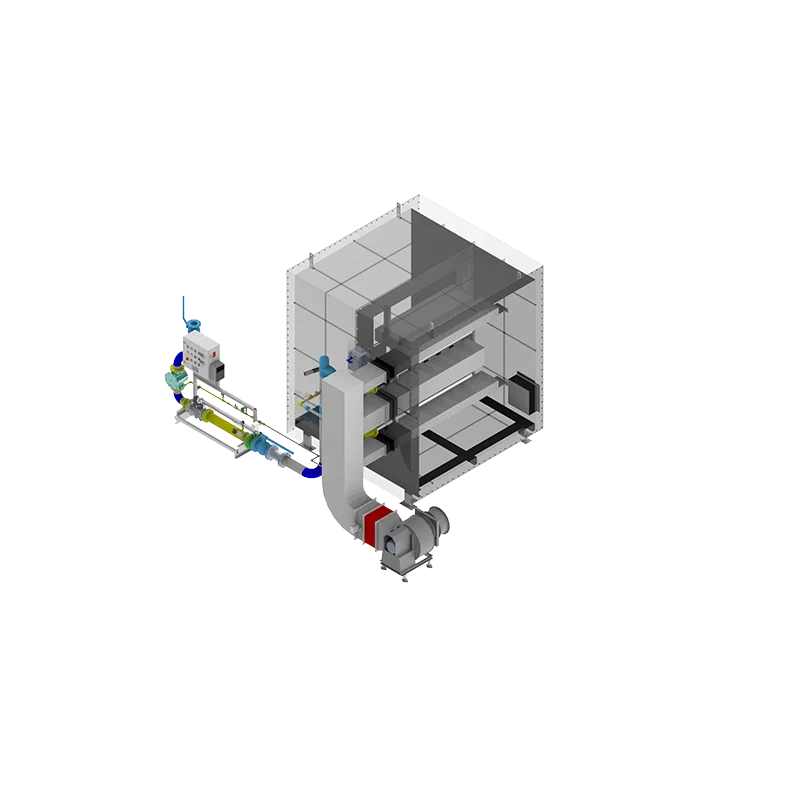
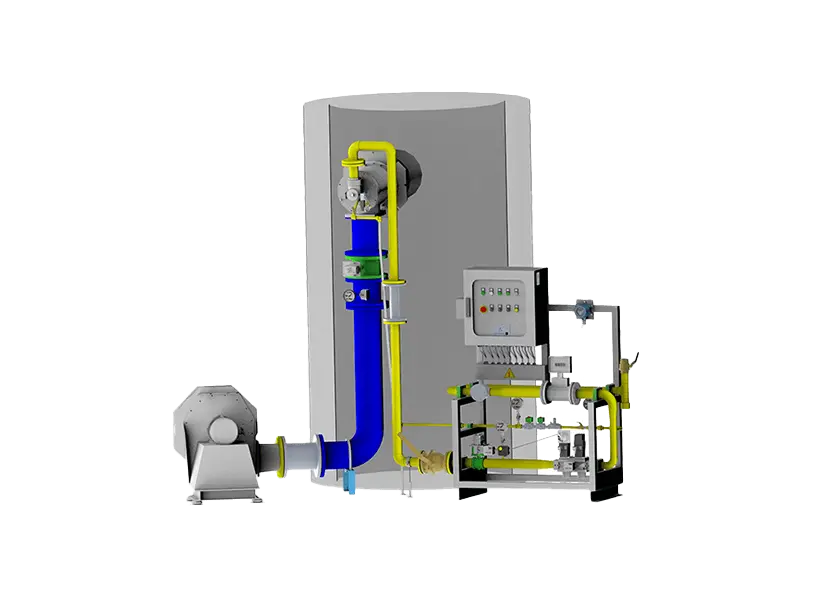
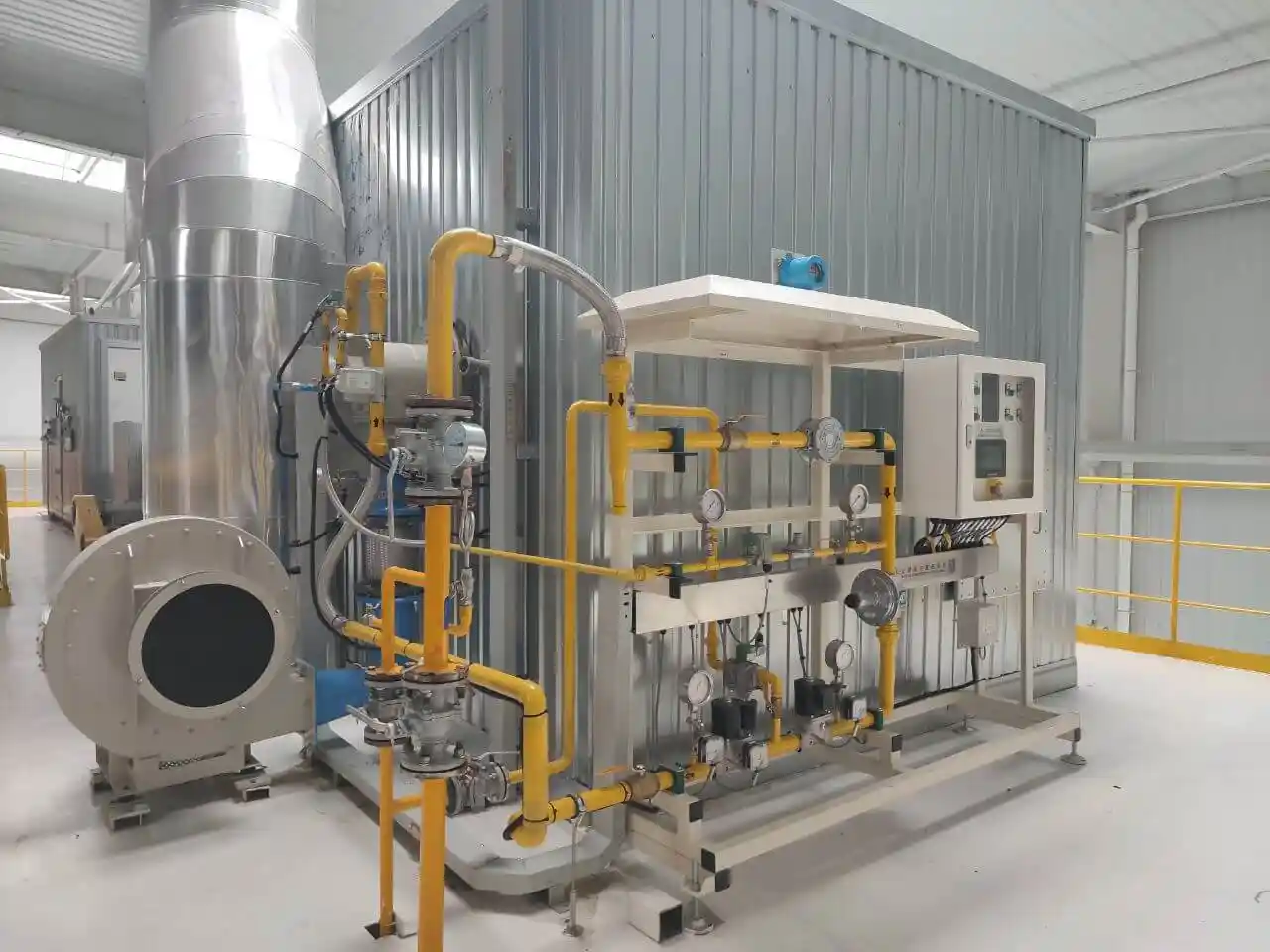
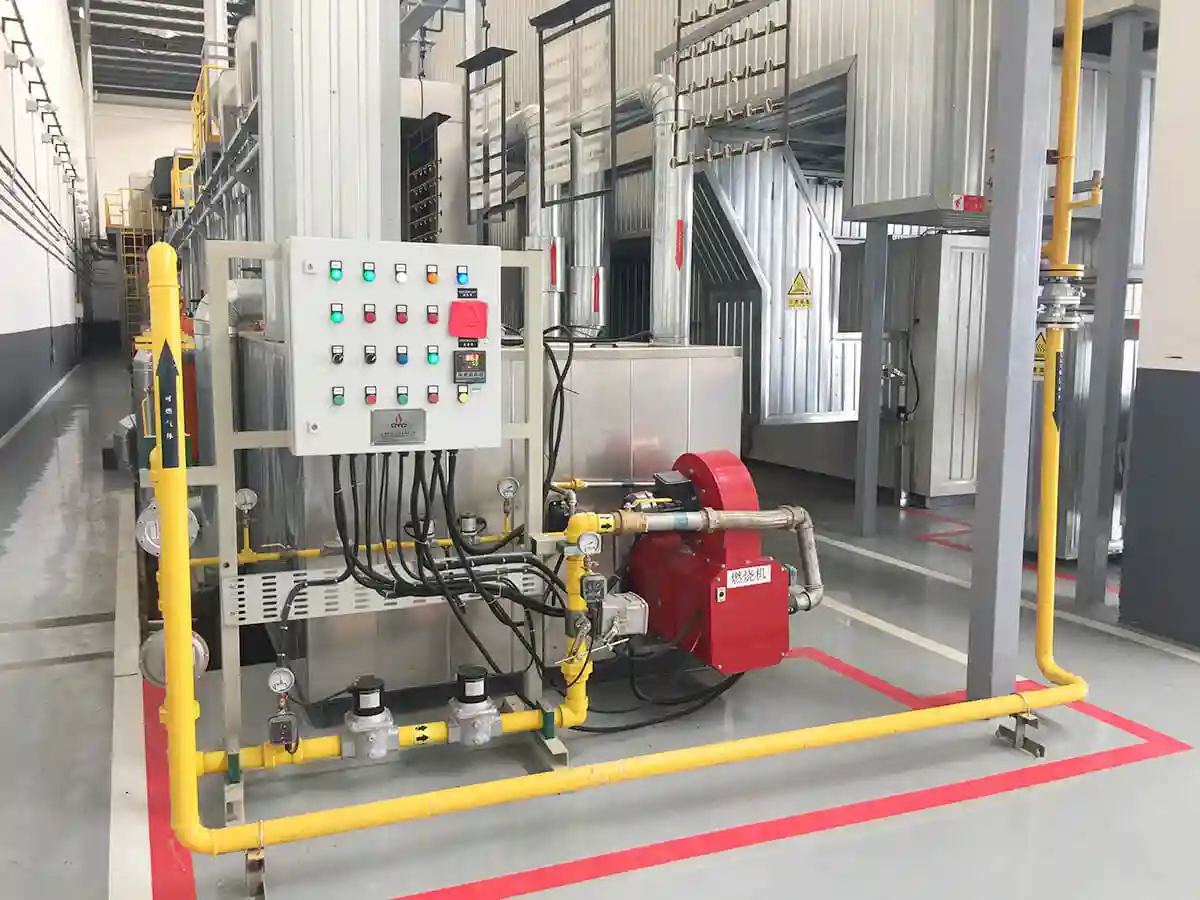
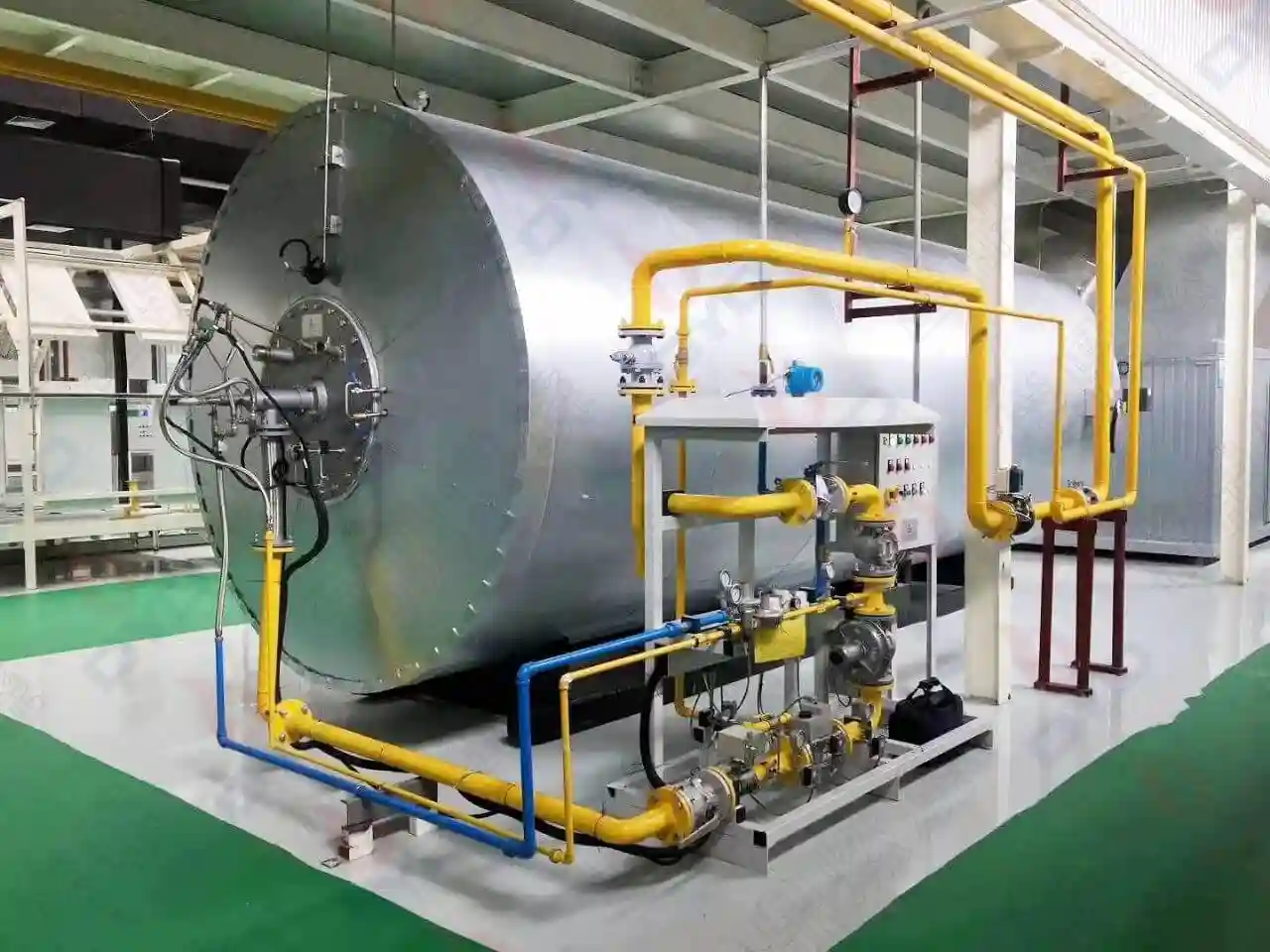
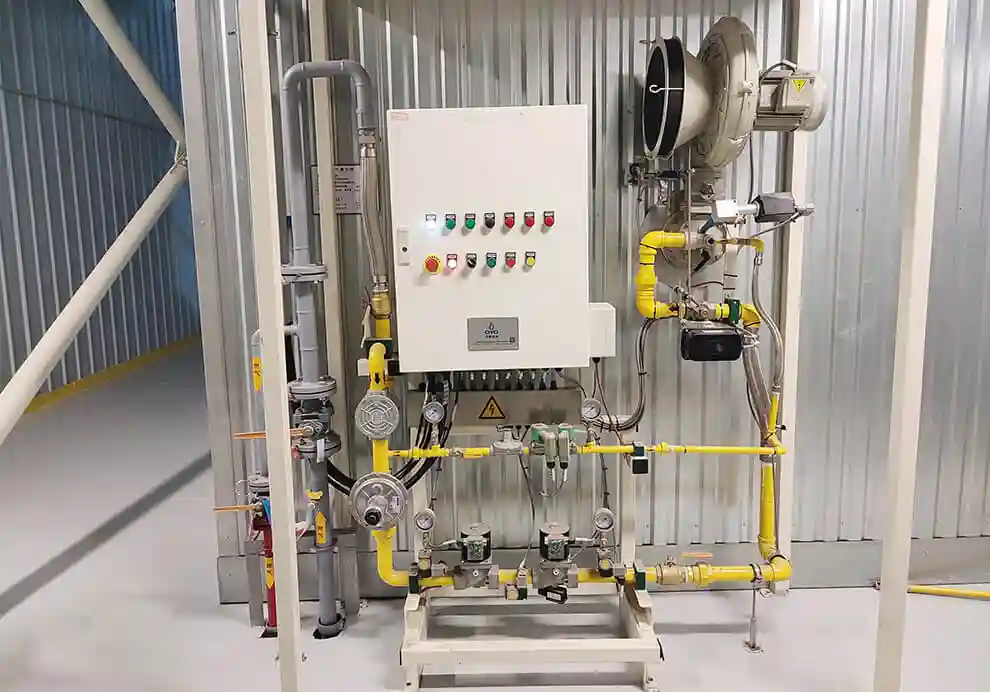
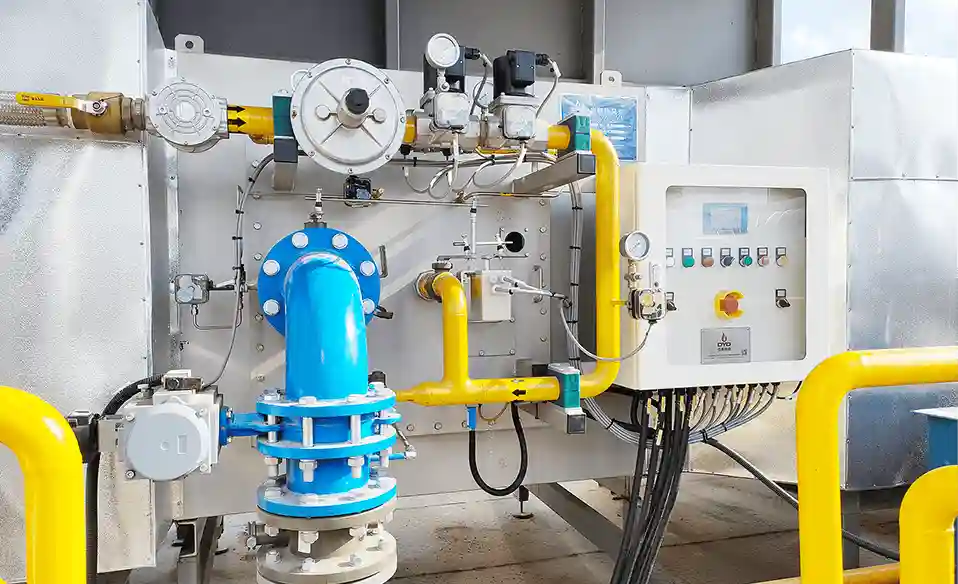
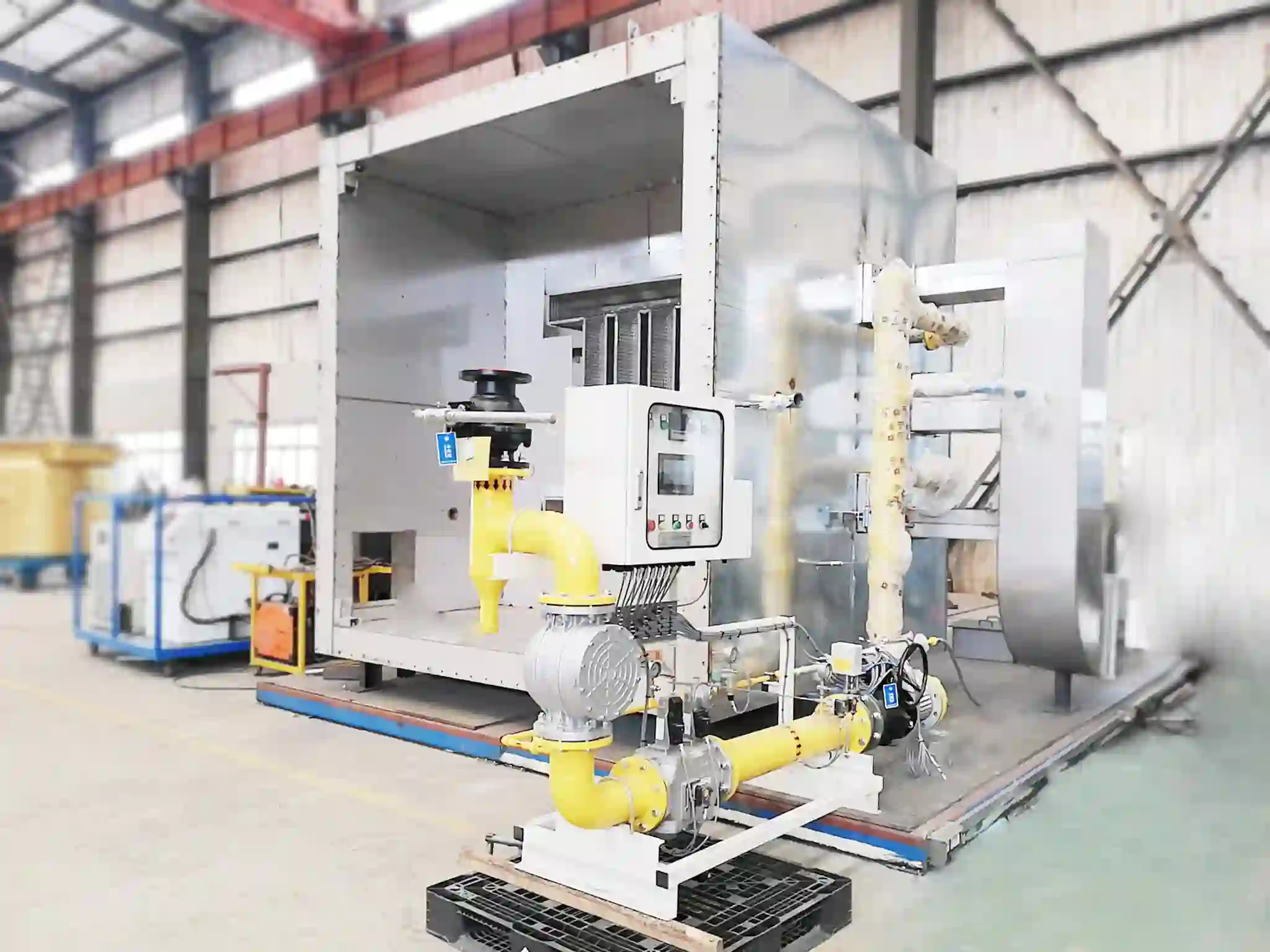
A complete LPG combustion system may include:
LPG storage system
Vaporization equipment where required
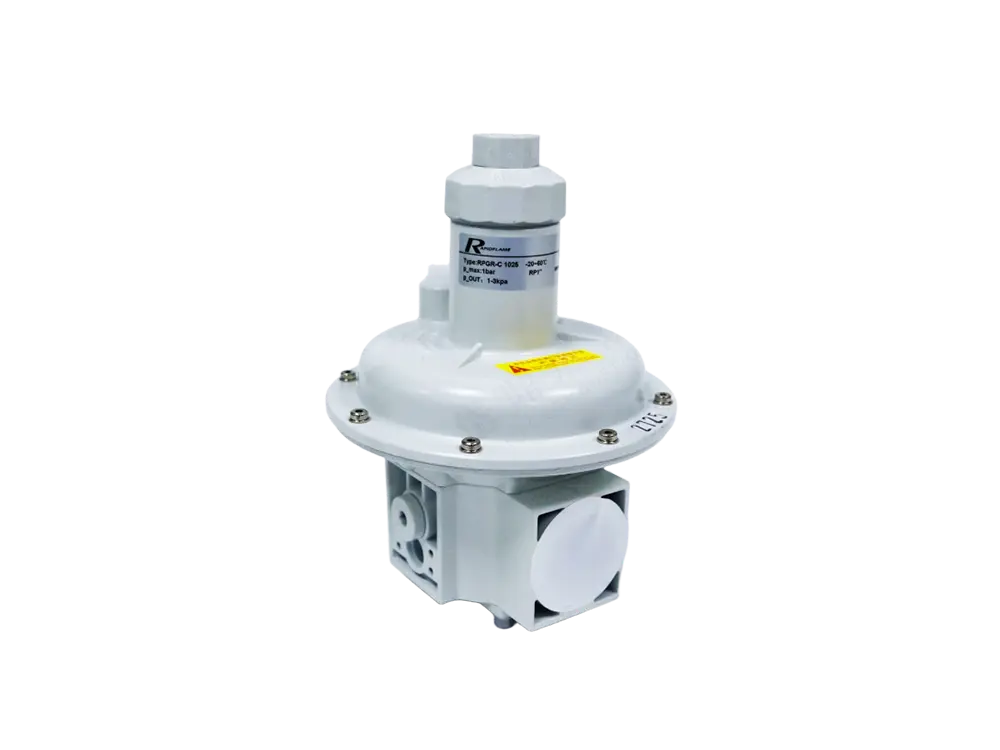
Pressure regulator
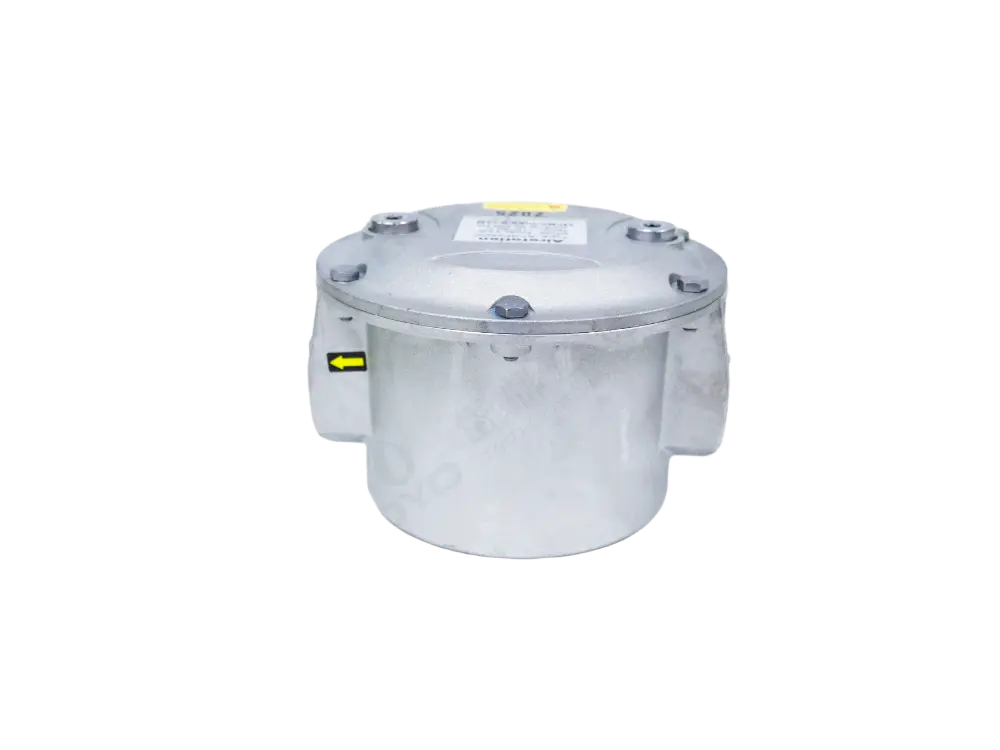
Gas filter
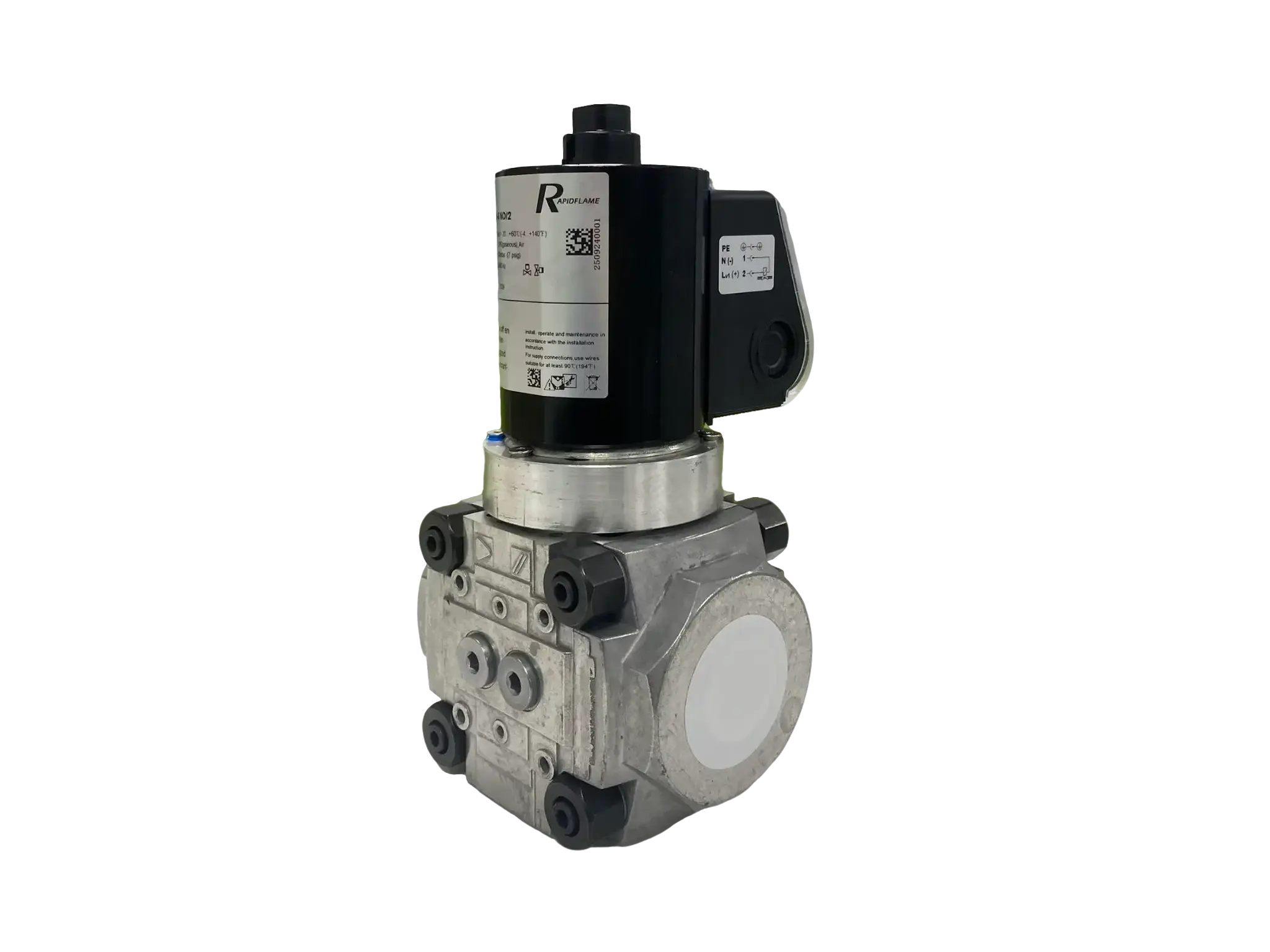
Safety shut-off valve
Solenoid valve
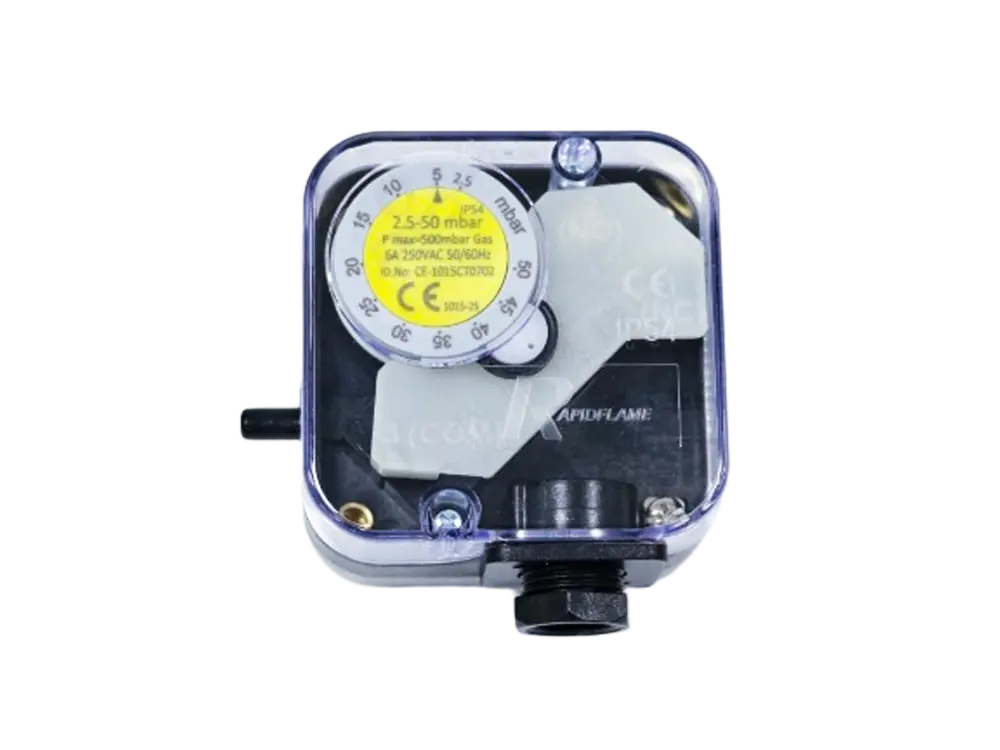
Pressure switch
Flow-control valve
Burner
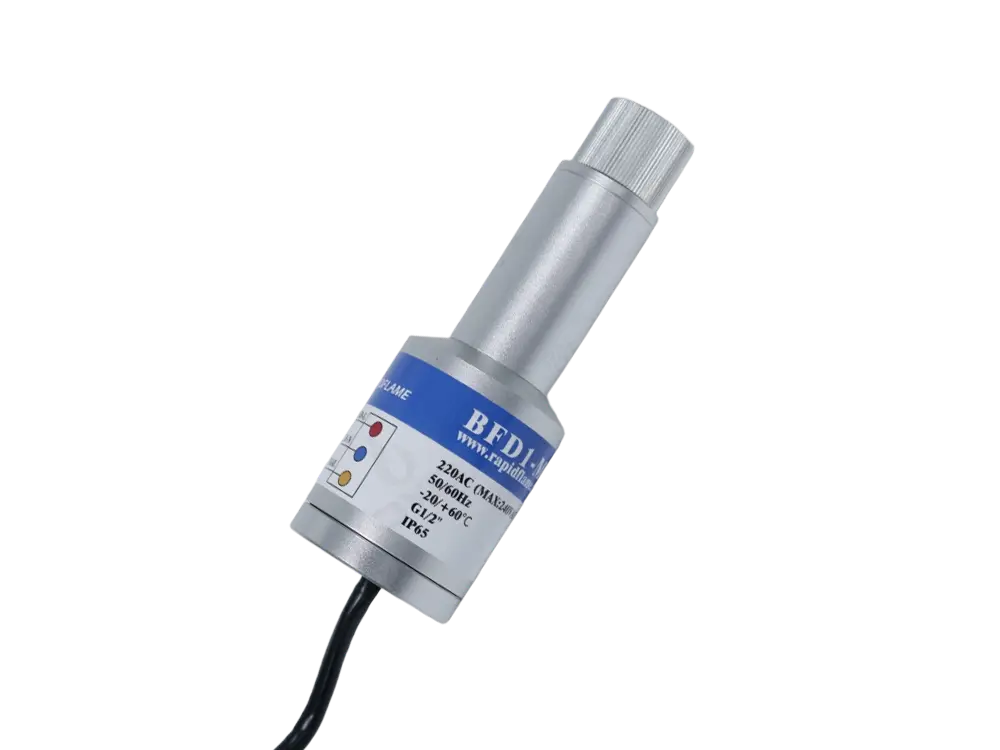
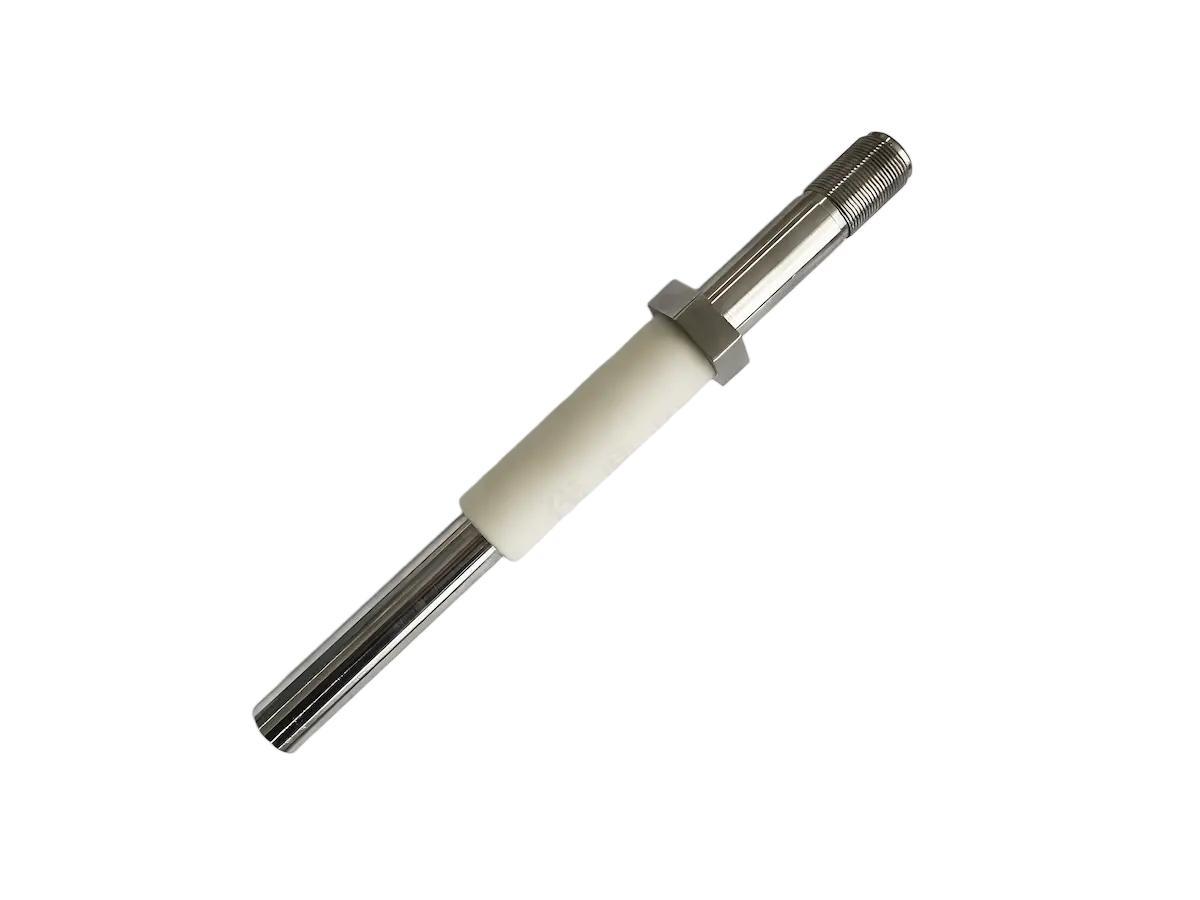
Flame detector
Combustion controller
The regulator must provide a stable pressure and sufficient flow capacity across the burner operating range. If the actual pressure is outside the burner's specified operating range, combustion performance may become unstable even when the nominal burner capacity appears correct.
LPG pressure is also affected by temperature. Propane vapor pressure at 20°C is about 8 bar, while at 0°C it drops to about 4.7 bar. Butane has much lower vapor pressure and may not vaporize adequately in cold weather. In cold climates or high-flow applications, a vaporizer may be required to ensure a stable gas supply. The burner and gas train must be selected to handle the actual pressure and temperature conditions at the site.
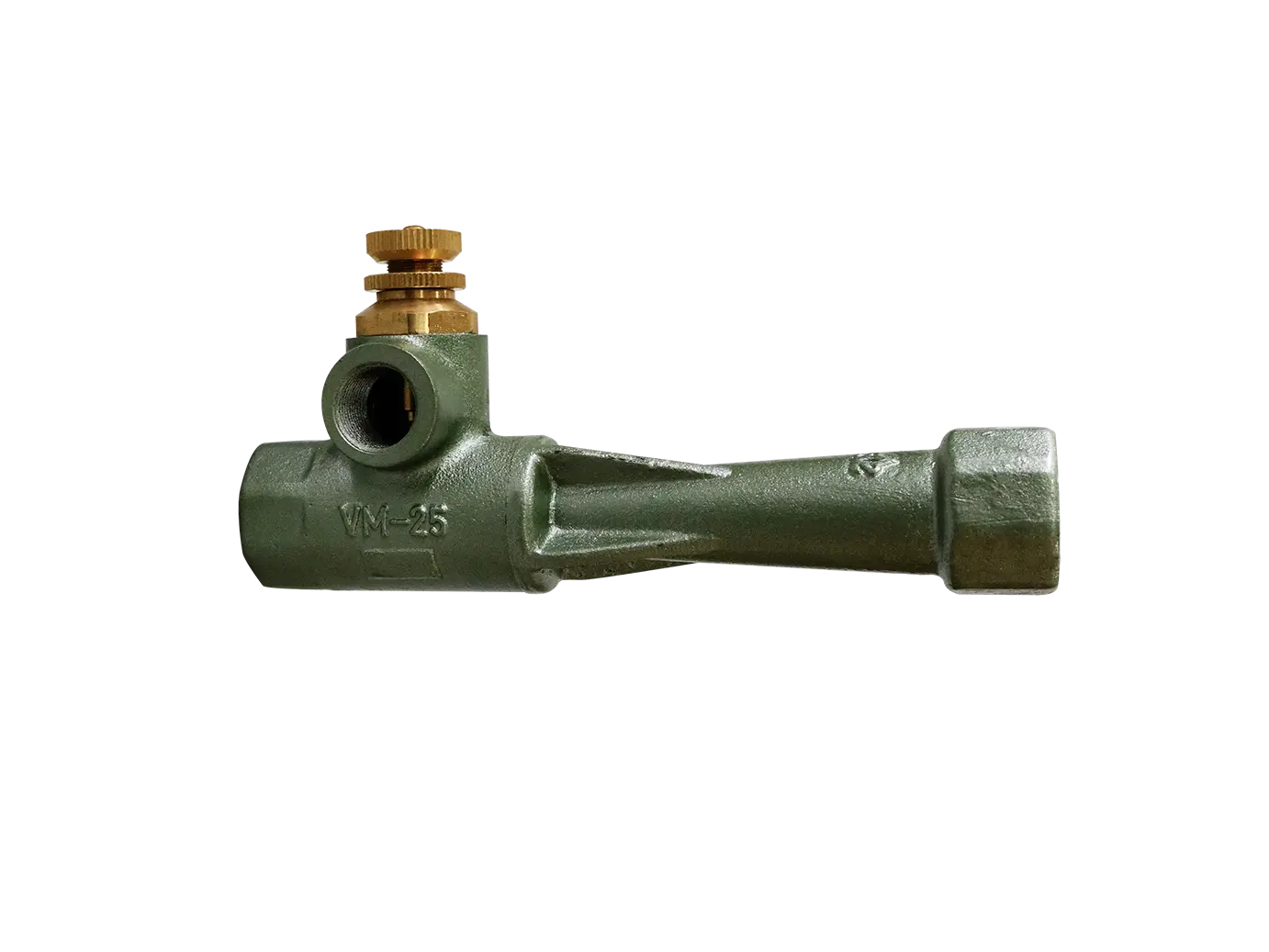
Fuel nozzle or orifice design is another important consideration. Because LPG has different density and combustion characteristics from natural gas, the gas passage required to deliver a specific amount of fuel can be different.
An LPG burner may therefore require a different nozzle or gas orifice from a natural gas burner. The nozzle influences:
Fuel flow
Gas velocity
Mixing characteristics
Flame shape
Flame stability
Heat release distribution
Flashback risk
For industrial applications, nozzle selection should be based on the specified LPG composition, pressure, heat input, and burner design. Changing the fuel without verifying the nozzle configuration can produce an incorrect fuel flow and affect combustion performance.
LPG nozzles are typically designed with smaller orifices because of the fuel's higher energy density. The gas injection velocity may also differ, affecting how the fuel entrains combustion air and mixes in the combustion zone. In some burners, the nozzle may be replaceable so that the burner can be adapted to different fuels, but this must be approved by the manufacturer.
Every gas burner needs an appropriate relationship between fuel and combustion air. LPG generally requires a different fuel-air relationship from natural gas because the fuels have different chemical compositions and combustion requirements.
An LPG burner therefore needs a suitable air-fuel ratio across its operating range. If too much air is supplied, excess air can increase the amount of gas required to achieve the target process temperature. If too little air is supplied, incomplete combustion and carbon monoxide formation can become concerns.
The stoichiometric air requirement differs significantly between the two fuels:
| Fuel | Stoichiometric Air Requirement (m³ air per m³ gas) |
|---|---|
| Natural Gas (Methane) | ~9.5–10 |
| Propane | ~24 |
| Butane | ~31 |
This means that an LPG burner requires a larger volume of combustion air per unit volume of fuel. The combustion-air system, air damper, and mixing geometry must be designed accordingly. For this reason, combustion-air supply should be considered together with LPG flow rather than adjusted independently.
In practice, the air-fuel ratio is often controlled by a cross-limiting or oxygen-trim system that maintains the correct relationship as the burner modulates. The target oxygen level in the flue gas may differ slightly from natural gas because of LPG's different combustion characteristics.
Yes. Fuel composition, gas velocity, mixing method, and air-fuel ratio all influence flame characteristics. LPG has a slightly higher laminar flame speed than natural gas—about 0.45 m/s for propane compared with about 0.38 m/s for methane. This means the flame can propagate faster, which affects the risk of flashback and the design of the burner head.
LPG flames also tend to be more luminous because of their higher carbon content. This can increase radiative heat transfer, which may be beneficial in high-temperature furnaces but can also affect temperature distribution and refractory life.
An industrial LPG burner must maintain a stable flame across the required firing range. The burner head, gas injection arrangement, combustion-air distribution, and flame stabilization method all contribute to this performance. For applications requiring precise temperature control, flame characteristics can also affect:
Temperature uniformity
Heat-transfer performance
Localized overheating
Furnace atmosphere
Combustion stability
NOx formation
The appropriate flame shape depends on the thermal equipment. A burner for a drying chamber may have different requirements from one used in a high-temperature furnace. In some cases, a longer, more luminous flame is desired; in others, a shorter, high-velocity flame provides better heat distribution.
Burner capacity should be based on the actual thermal load rather than the maximum available fuel supply alone. The selection process should normally identify:
Minimum heat demand
Normal operating heat demand
Maximum heat demand
Required operating temperature
Furnace or chamber heat losses
Required heating rate
Burner turndown requirement
Ambient conditions and altitude
An oversized LPG burner may have difficulty operating efficiently at very low firing rates if its control range is insufficient. An undersized burner, on the other hand, may not provide enough heat during peak-load operation.
For this reason, the minimum and maximum firing rates are both important when selecting an LPG industrial burner. The burner should be able to operate stably at the minimum firing rate required by the process while still delivering the maximum heat input needed for startup or peak production. A burner with a high turndown ratio provides greater flexibility and can reduce fuel consumption during holding periods.
It can. Industrial processes often operate under changing thermal loads. A burner with a suitable turndown ratio can reduce its firing rate while maintaining stable combustion.
For example, a drying system may require high heat input during startup but considerably less heat after the process reaches its normal operating temperature. When selecting an LPG burner, engineers should therefore consider whether the burner can maintain stable combustion at:
Startup conditions
Low-load operation
Normal production load
Maximum load
The required turndown range depends on the thermal process and control strategy. LPG's combustion characteristics may affect the minimum stable firing rate, especially if the burner is not specifically designed for the fuel. A burner that works well on natural gas at low fire may become unstable on LPG if the nozzle and air-fuel ratio are not correctly matched.
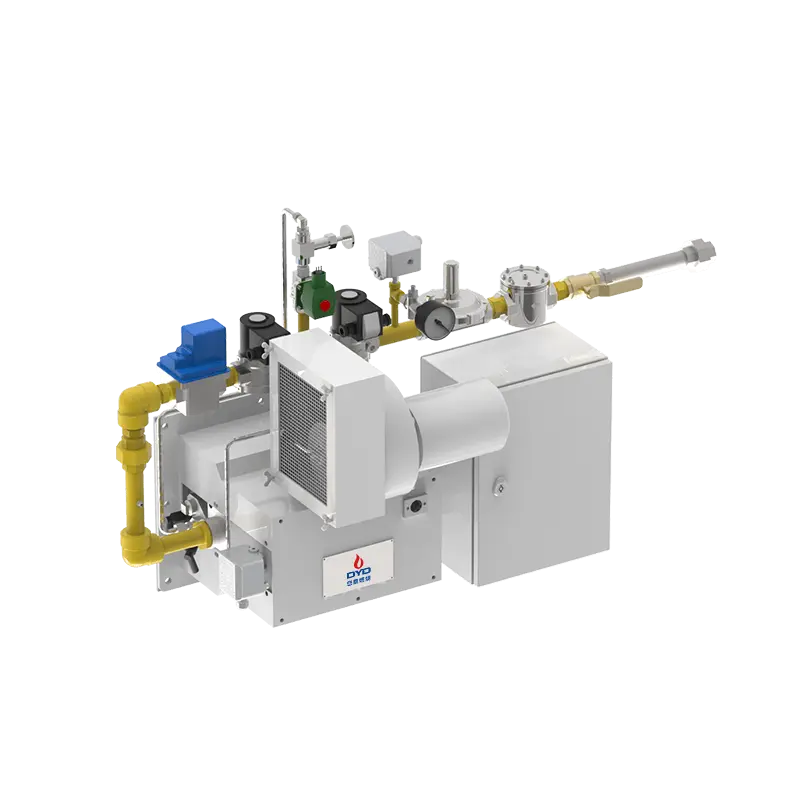
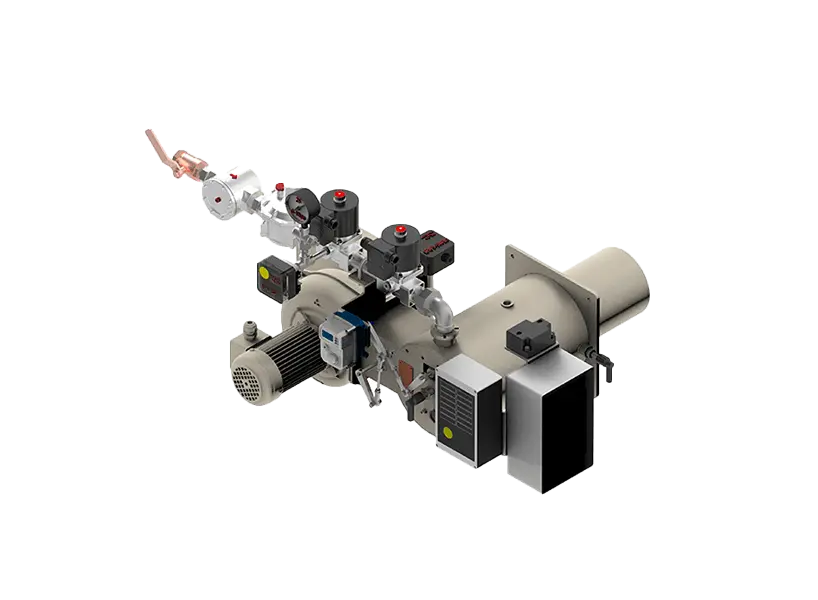
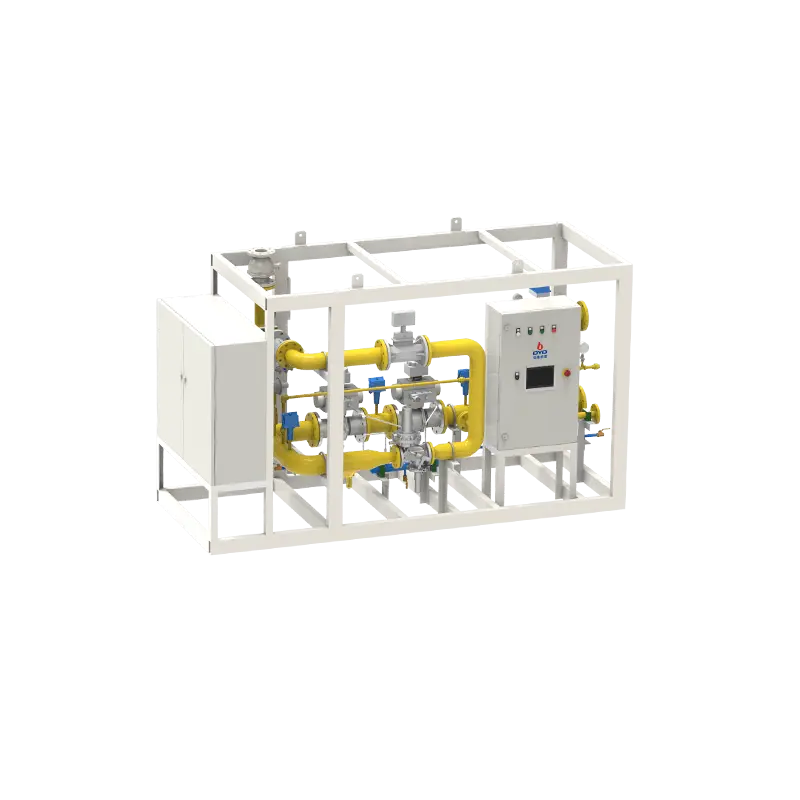
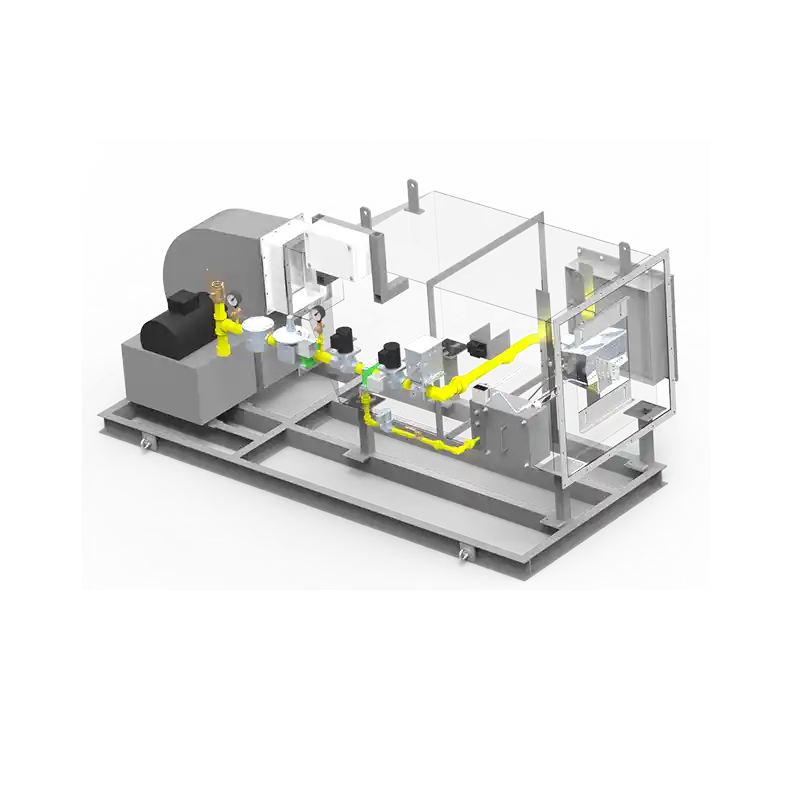
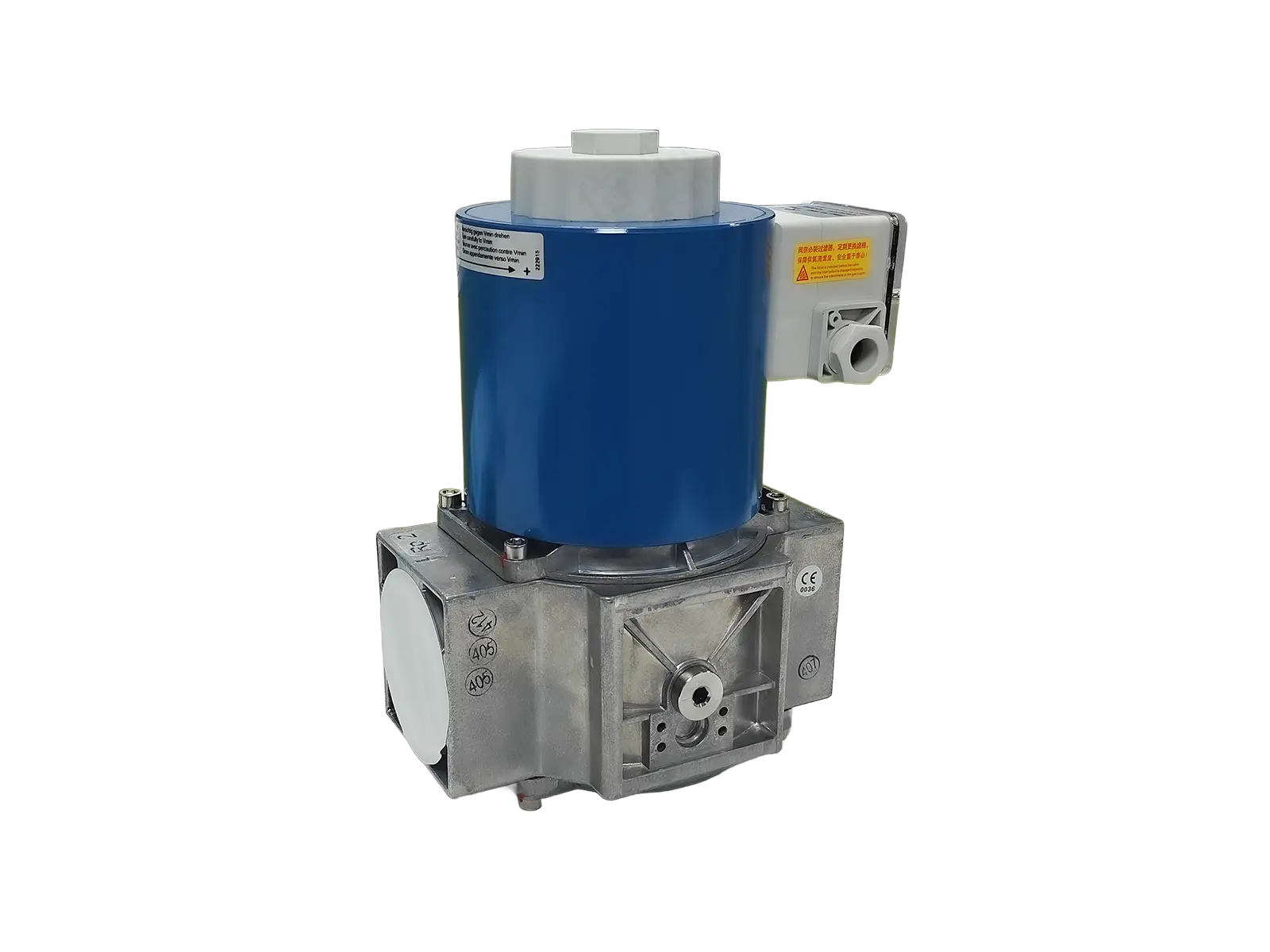
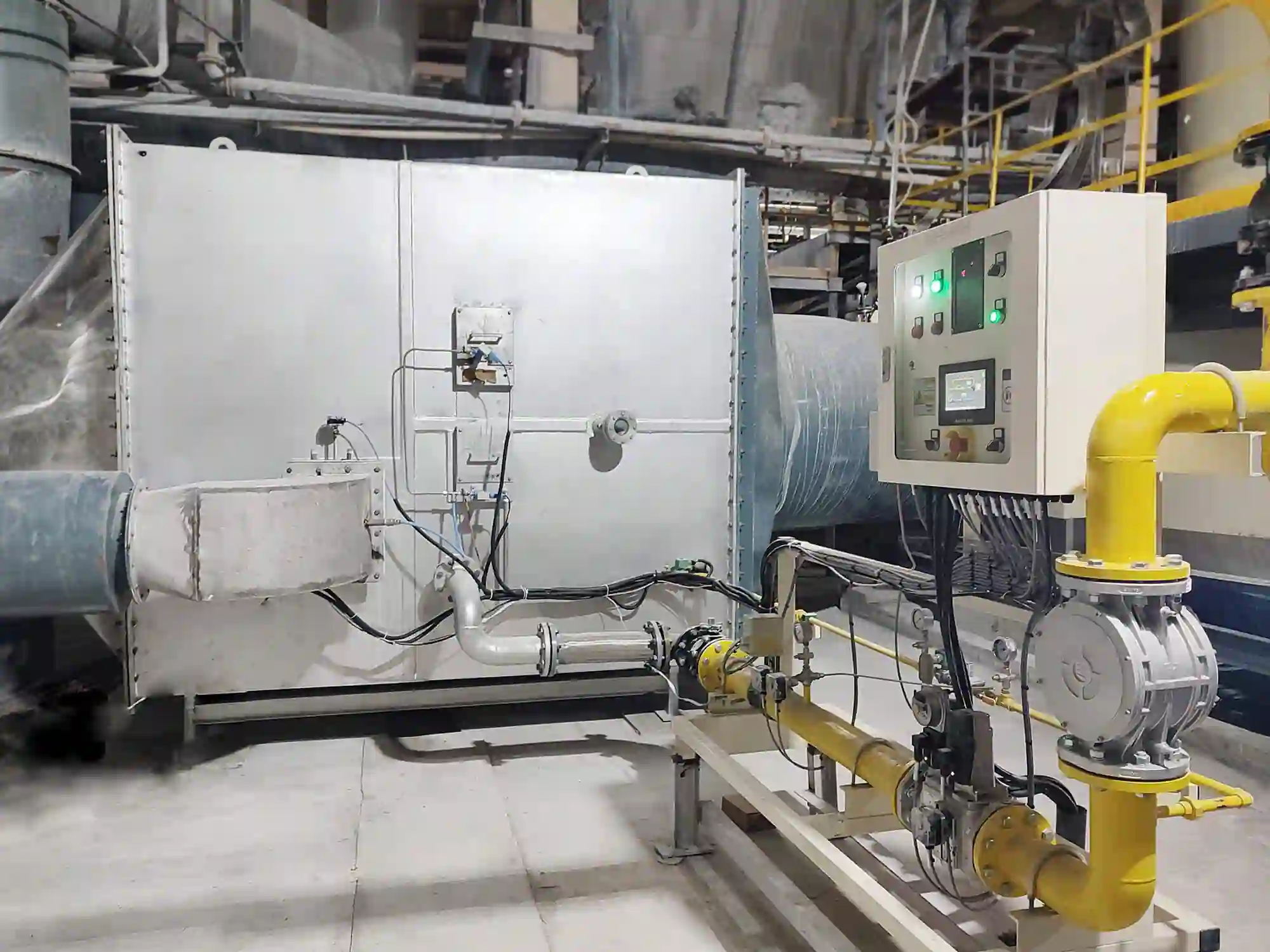
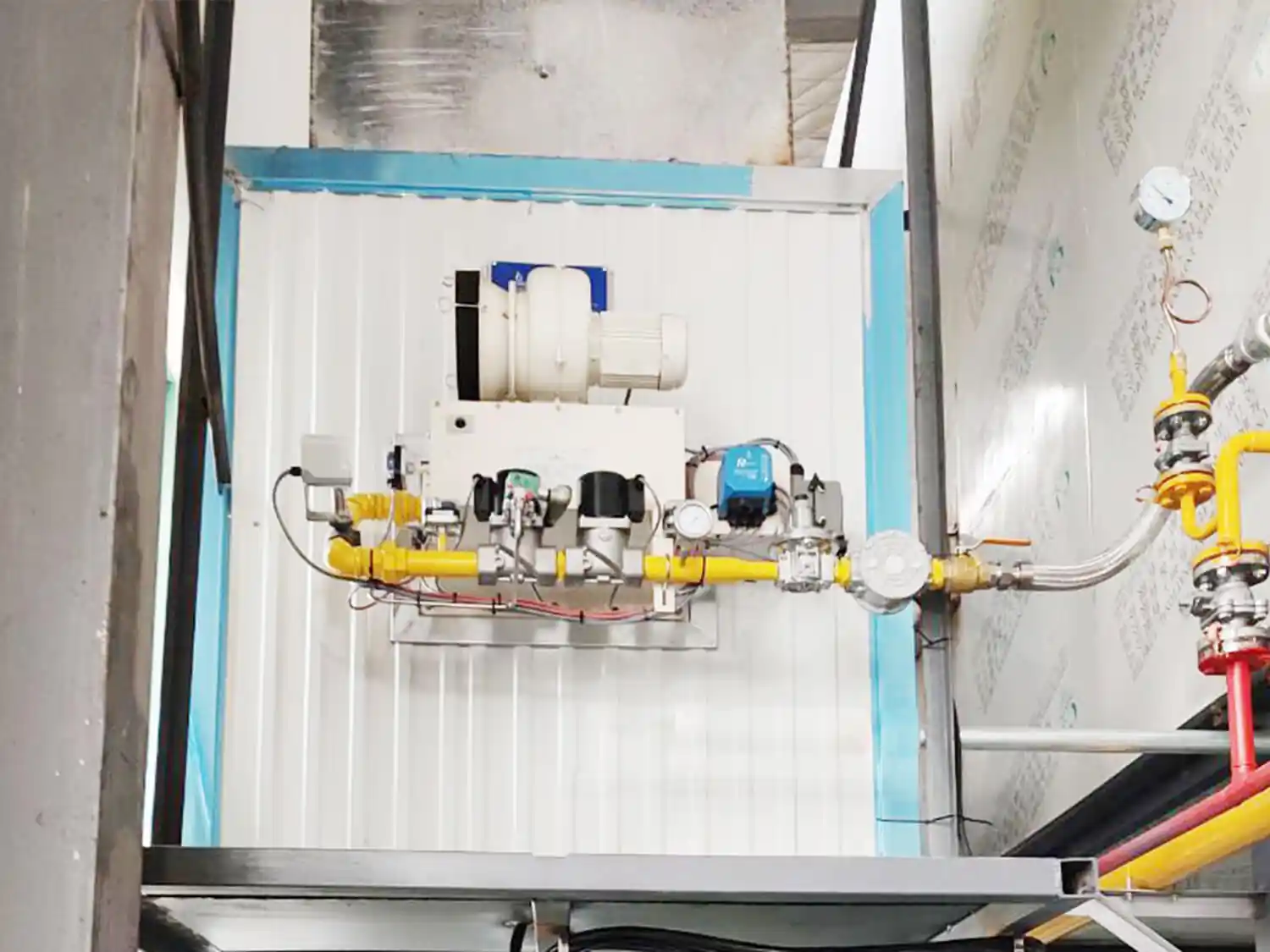
The gas train must be designed for the specific fuel and operating pressure. For LPG systems, important components may include a pressure regulator, filter, safety shut-off valves, pressure switches, control valves, and other safety devices.
The gas train should provide:
Stable fuel pressure
Adequate flow capacity
Safe shut-off
Reliable pressure monitoring
Compatibility with the burner control system
Vaporization where required
The gas train and burner should therefore be treated as an integrated combustion package. In many LPG systems, the gas train must be designed to handle the higher density of LPG vapor, which affects pipe sizing and pressure drop. Leak detection and ventilation requirements also differ from natural gas because LPG vapor is heavier than air and can accumulate in low areas.
Some industrial burners can be converted from natural gas to LPG, but compatibility must be confirmed by the burner manufacturer. Depending on the burner design, conversion may involve changes to:
Gas nozzle or orifice
Gas pressure
Pressure regulator
Air-fuel ratio
Burner-head configuration
Control parameters
Ignition settings
Flame detection settings
Pilot orifice
Safety interlocks
A natural gas burner should not simply be connected to an LPG supply without verifying the manufacturer's approved operating conditions. Unapproved conversion can lead to incorrect heat input, unstable flame, flashback, or unsafe operation.
For OEM equipment manufacturers, specifying LPG during the initial burner-selection stage can simplify system design and avoid unnecessary conversion work. If dual-fuel capability is required, the burner should be selected as a dual-fuel model with separate gas trains and nozzles for each fuel.
When emissions requirements are important, LPG fuel must be considered as part of the low-NOx burner design. NOx formation depends on factors such as:
Flame temperature
Oxygen concentration
Residence time
Mixing characteristics
Combustion-air distribution
Burner structure
Operating conditions
Fuel composition
Low-NOx burner selection therefore requires more than choosing a burner based on fuel type. The burner must provide the required emission performance while maintaining flame stability, heat transfer, and process temperature requirements.
LPG's higher flame temperature and different burning velocity can affect NOx formation. In some cases, low-NOx strategies such as staged combustion, internal flue-gas recirculation, or external flue-gas recirculation may be required. For applications with strict emission limits, actual performance should be evaluated under the specified LPG composition and operating conditions. A burner that meets low-NOx requirements on natural gas may not automatically meet them on LPG without adjustment.
The same LPG burner may perform differently in different thermal systems because the surrounding furnace environment influences combustion. Important furnace parameters include:
Chamber volume
Furnace temperature
Furnace pressure
Airflow
Heat load
Exhaust conditions
Wall temperature
Burner arrangement
Required temperature uniformity
For example, a burner used in a direct-fired drying system has different requirements from one installed in a heat-treatment furnace. A direct-fired system may allow combustion products to contact the product, while a heat-treatment furnace may require indirect heating or a controlled atmosphere. LPG's combustion products and flame characteristics must be compatible with the process.
Therefore, burner selection should consider the complete thermal equipment rather than treating the burner as an independent component. The burner, furnace, air system, exhaust, and controls must be designed as an integrated system.
OEM equipment manufacturers can use the following checklist when specifying an LPG burner:
Define the LPG composition and confirm whether the system will use propane, butane, or an LPG mixture. Consider seasonal variations and potential future fuel changes.
Determine the minimum, normal, and maximum required heat input. Size the burner to meet the maximum demand while operating efficiently at normal load.
Confirm the available LPG pressure at the burner inlet after pressure regulation. Account for temperature effects and vaporization capacity.
Select a burner that covers the required thermal operating range without excessive oversizing. Check the turndown ratio and minimum stable firing rate.
Check whether the burner can maintain stable combustion at the minimum required firing rate. Consider the effect of LPG composition on turndown.
Match the flame geometry and heat-release distribution to the furnace or process chamber. Consider flame length, diameter, momentum, and luminosity.
Confirm NOx and other applicable emission requirements under actual operating conditions. Low-NOx performance should be verified with LPG, not just natural gas.
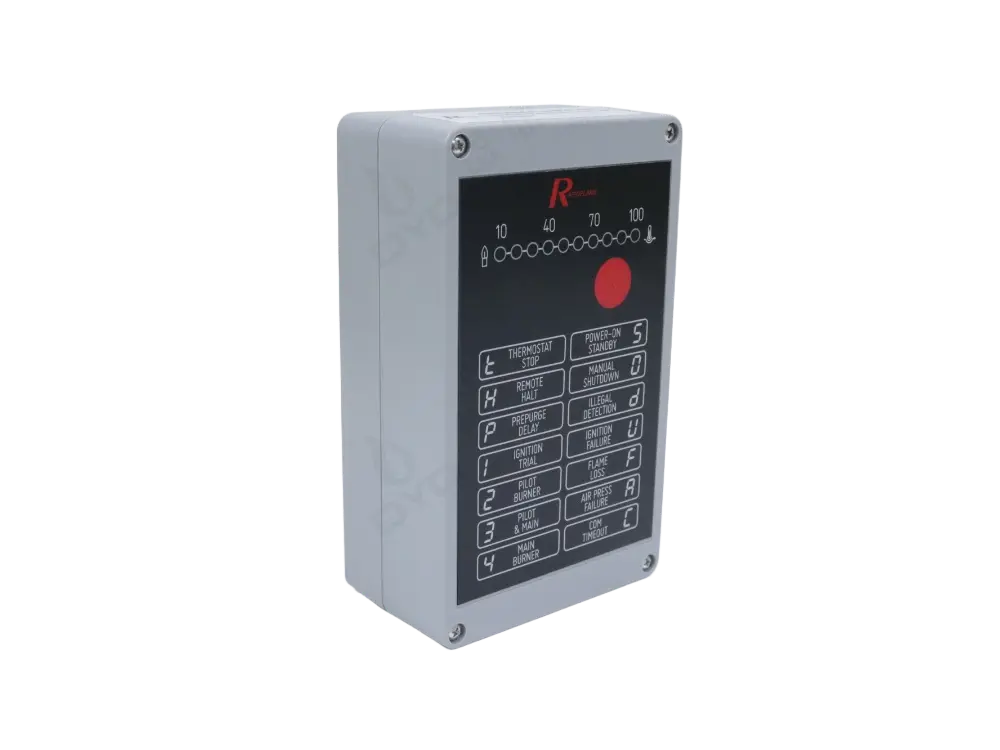
Check compatibility with temperature controllers, PLC systems, flame safeguard systems, combustion controllers, and other automation equipment.
Ensure the regulator, valves, filters, pressure switches, and control components are suitable for LPG service and the required flow rate. Include vaporization and leak detection where needed.
Verify that the safety architecture meets the applicable standards for LPG, including ventilation, leak detection, and emergency shut-off.
LPG burners can be used in a wide range of industrial thermal processes, including:
Industrial ovens
Drying equipment
Hot air generators
Heat-treatment furnaces
Ceramic processing
Coating ovens
Material heating systems
Thermal processing equipment
Certain kiln applications
Industrial heating systems without pipeline natural gas
Remote or off-grid industrial heating
Temporary or mobile heating systems
The correct burner configuration depends on the fuel supply, process temperature, heat load, furnace structure, and control requirements. LPG is particularly advantageous where pipeline gas is not available, where fuel must be stored on site, or where a higher energy density is beneficial.
DYDTEC Combustion develops industrial burner and combustion-system solutions for different thermal processing applications. Founded in 2012, the company has production and R&D bases in Shanghai and Yangzhou and offers more than 100 burner models covering over 200 application scenarios.
For LPG applications, burner selection can be considered according to fuel characteristics, required heat input, gas pressure, combustion-air conditions, flame requirements, emissions, and the thermal equipment in which the burner will operate. This system-oriented approach helps OEMs and industrial users select a burner that is matched to the actual operating conditions instead of relying only on nominal burner capacity.
DYDTEC Combustion's engineering approach considers the burner together with the fuel system, air system, control system, flame detection, furnace geometry, and process requirements. This helps ensure stable combustion, efficient energy use, and reliable performance across the required operating range.
The fuel supply conditions and required heat input are two of the most important starting points. LPG composition, pressure, flow rate, thermal load, and furnace conditions should then be evaluated together. The burner must be matched to the actual LPG properties, not just the nominal fuel type.
Yes. LPG and natural gas have different fuel properties, heating values, flow characteristics, and combustion requirements. Their burners may therefore use different nozzles, operating pressures, and air-fuel configurations. A burner designed for one fuel cannot be assumed to work with the other without modification.
Yes. LPG burners are used in various industrial furnaces, ovens, dryers, and thermal processing systems, provided that the burner capacity and combustion characteristics match the application. High-temperature furnaces may require special materials and flame control.
LPG systems generally require pressure regulation appropriate to the storage and supply system. The regulator must provide the pressure and flow required by the burner. It must also handle the varying tank pressure and temperature conditions.
Burner capacity determines the maximum available heat input, while actual LPG consumption depends on the required thermal load, operating time, fuel heating value, combustion efficiency, and control strategy. A well-matched burner with good turndown can reduce fuel consumption during low-load periods.
Not necessarily. For industrial applications, it is usually more effective to start with the fuel conditions and thermal process, then determine the required burner capacity, pressure, flame characteristics, control range, and gas-train configuration. The burner model is selected to match these requirements.
In some cases, yes, but conversion must be approved by the burner manufacturer. The nozzle, regulator, air-fuel ratio, and control settings may need to be changed. The burner must be recommissioned and tested after conversion.
The Wobbe index is a measure of the interchangeability of gaseous fuels. It combines heating value and specific gravity. LPG has a higher Wobbe index than natural gas, which means the same burner orifice and pressure will not deliver the same heat input. The burner must be matched to the fuel's Wobbe index.
NOx formation depends on flame temperature, oxygen availability, residence time, and burner design. LPG can produce different NOx levels than natural gas because of its higher flame temperature and different burning velocity. Low-NOx burners can be used with LPG when properly designed and tuned.
LPG is typically stored in pressurized tanks as a liquid. The tank must be designed and installed according to applicable safety standards, with appropriate pressure relief, leak detection, ventilation, and fire protection. A vaporizer may be required to ensure a stable gas supply, especially in cold weather or at high flow rates.
LPG affects industrial burner selection in several interconnected ways. Its fuel composition, heating value, pressure, density, flow characteristics, and combustion behavior influence the burner nozzle, gas train, air-fuel ratio, flame characteristics, capacity, turndown range, and control strategy.
The most reliable selection process is therefore to evaluate LPG characteristics + heat input + gas pressure + combustion air + furnace conditions + emissions + control requirements as one complete system.
For OEMs and industrial users, choosing an LPG-compatible burner based on these parameters can help establish stable combustion, consistent heat delivery, and reliable performance across the required operating range. When the burner, fuel system, air system, control system, and furnace are properly matched, LPG can be a safe, efficient, and practical fuel for a wide range of industrial heating applications.