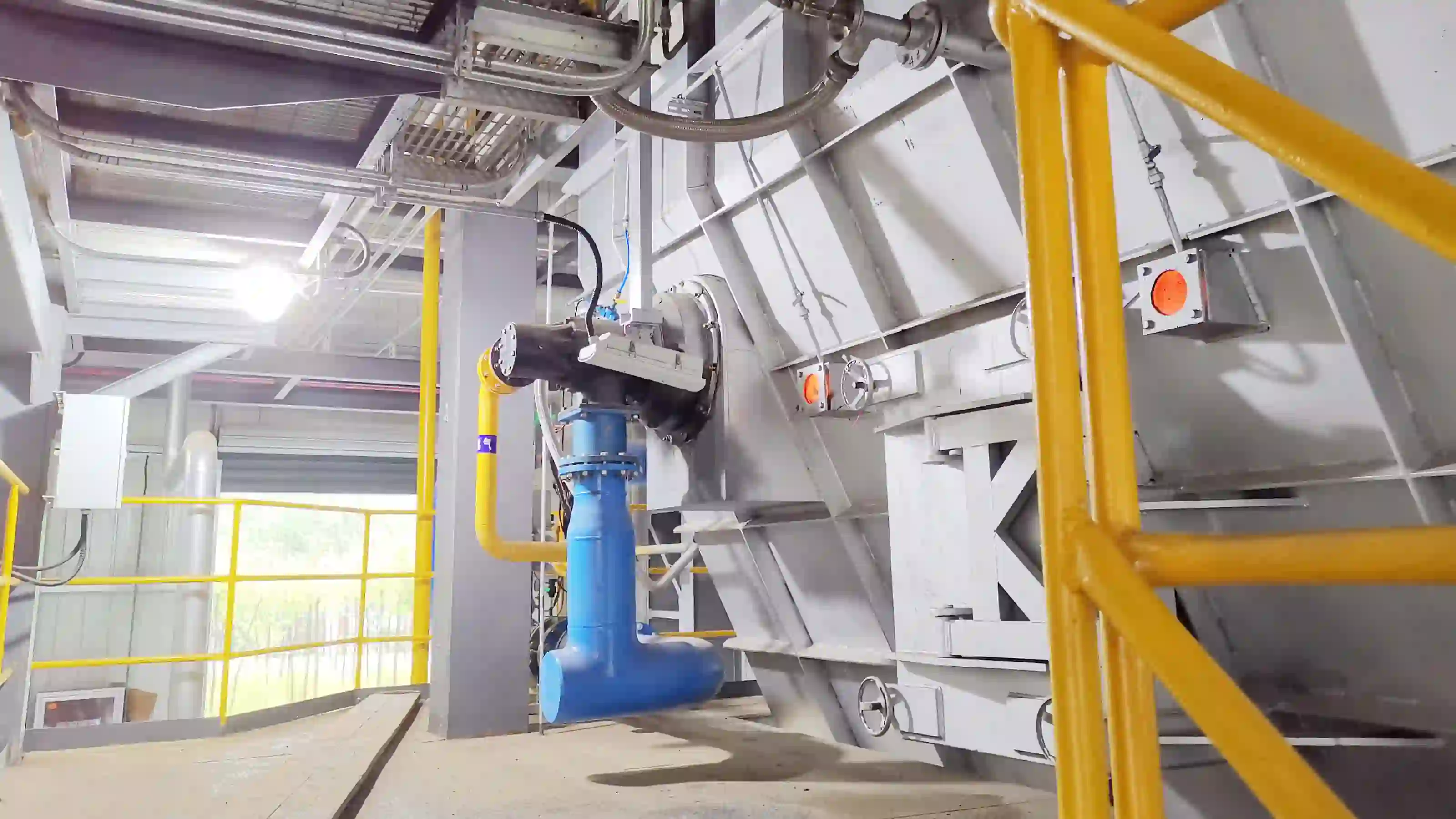
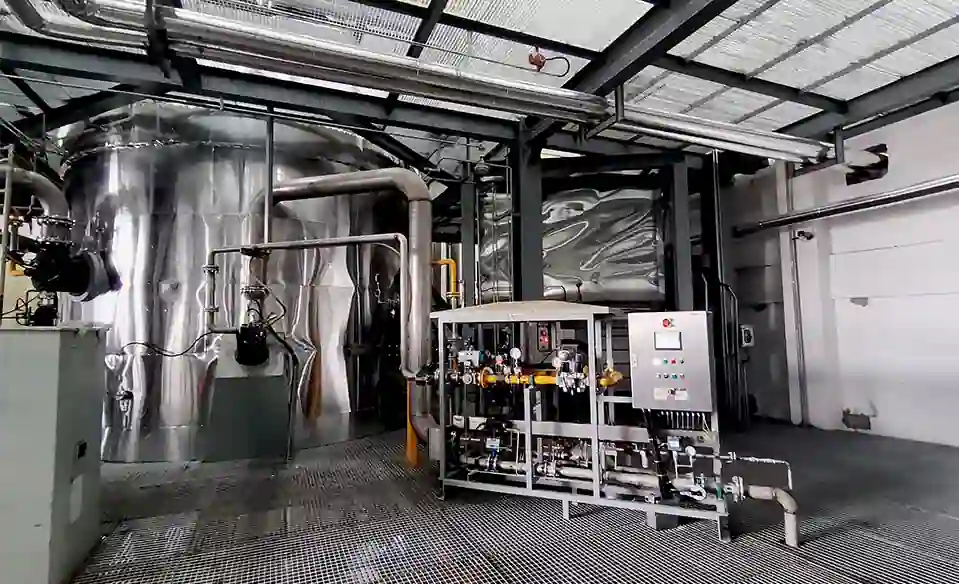
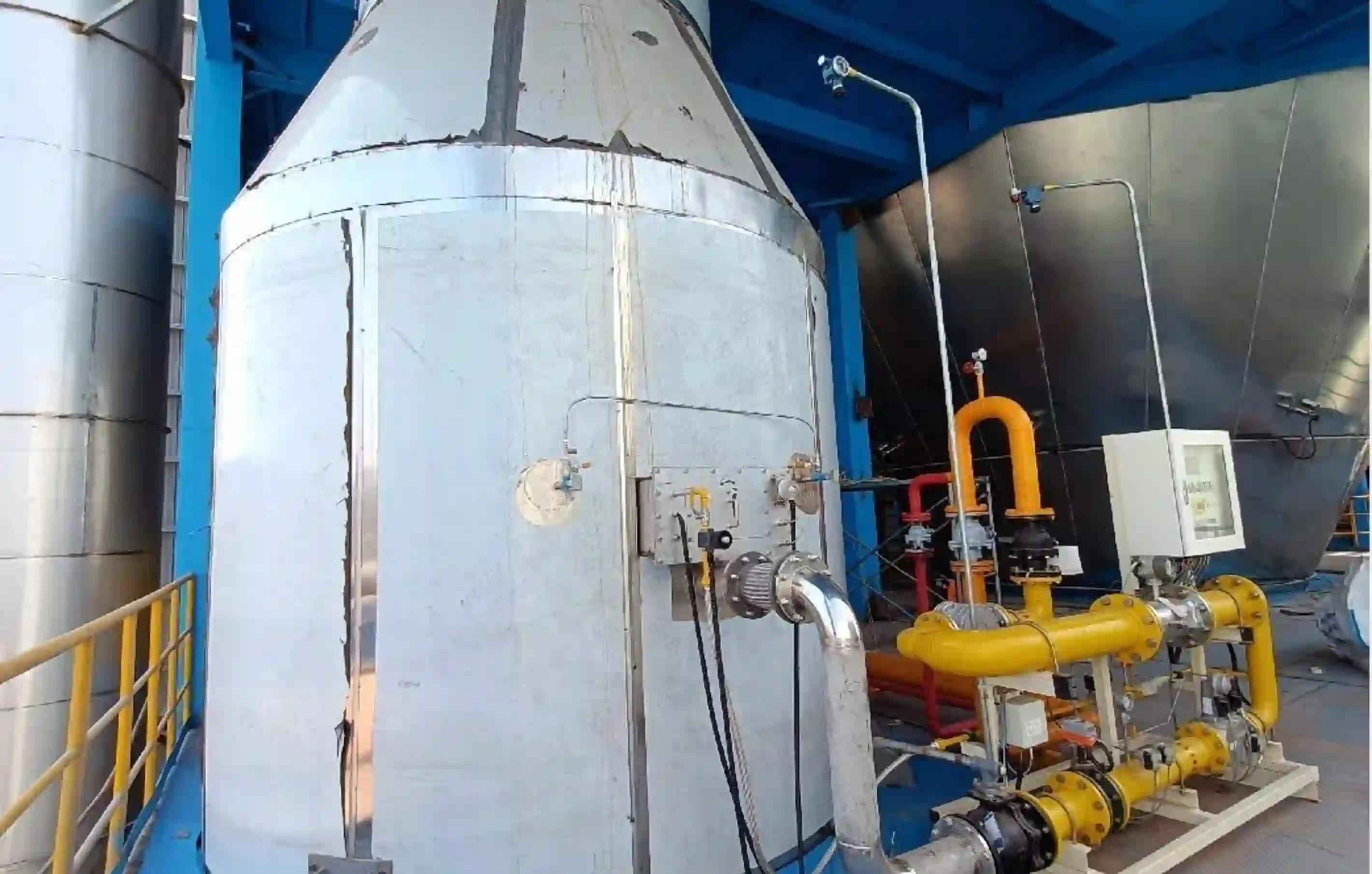
Natural gas and liquefied petroleum gas (LPG) are two widely used gaseous fuels for industrial heating. Both can be used with industrial gas burners, but they are not interchangeable without considering fuel properties, gas pressure, burner design, combustion characteristics, and application requirements. A burner that operates perfectly on natural gas may produce an unstable flame, incorrect heat output, or unsafe conditions when supplied with LPG—and vice versa.
For engineers and equipment manufacturers selecting an industrial burner, understanding the differences between natural gas and LPG burners is important for achieving stable combustion, the required heat output, fuel efficiency, and reliable temperature control. Fuel choice affects not only the burner itself but also the gas train, pressure regulation, nozzle sizing, air-fuel ratio, flame detection, safety interlocks, and overall system integration.
This article explains what natural gas and LPG burners are, how they differ, why they are not automatically interchangeable, what conversion involves, and how to select the right burner for a given fuel and thermal process.
A natural gas burner is designed to mix natural gas with combustion air and produce a controlled flame for industrial heating processes. Natural gas is primarily composed of methane, typically 85–95%, with smaller amounts of ethane, propane, butane, nitrogen, and carbon dioxide. It is commonly supplied through pipelines, which provides a continuous and relatively stable fuel source.
Natural gas has a relatively low density compared with air—about 0.6 to 0.7 kg/m³ at standard conditions—and its lower heating value is typically around 35–40 MJ/Nm³, depending on composition. Its Wobbe index, a key indicator of fuel interchangeability, is usually in the range of 45–55 MJ/Nm³. These properties influence the gas pressure, nozzle configuration, air-to-fuel ratio, and mixing method used by the burner.
Natural gas burners are commonly found in:
Industrial furnaces
Heat treatment equipment
Drying systems
Ovens
Kilns
Hot air generators
RTO systems
Thermal processing equipment
Chemical and petrochemical heating systems
Depending on the application, natural gas burners can use different combustion structures, including premixed, partially premixed, and diffusion-type combustion. A premixed burner mixes fuel and air before ignition, producing a short, intense flame. A diffusion burner keeps fuel and air separate until they meet at the flame, producing a longer, more luminous flame. The choice depends on the furnace geometry, temperature profile, emissions requirements, and process atmosphere.
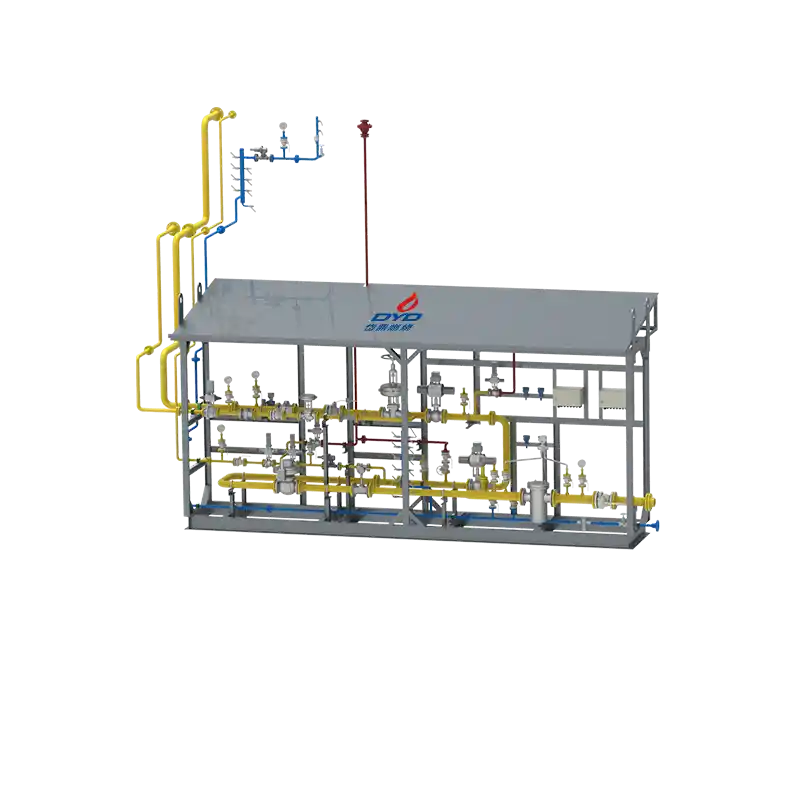
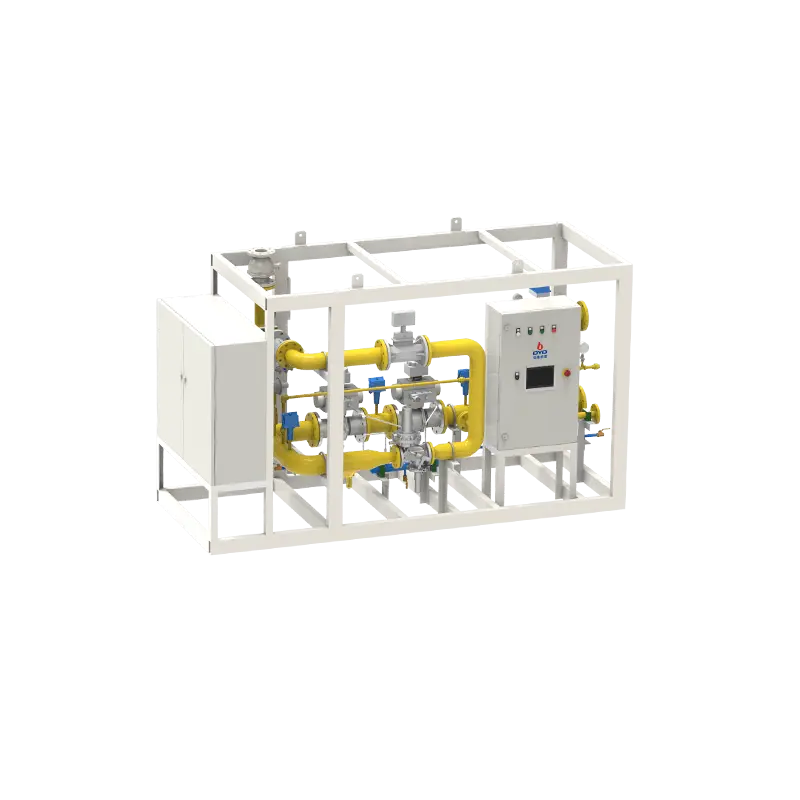
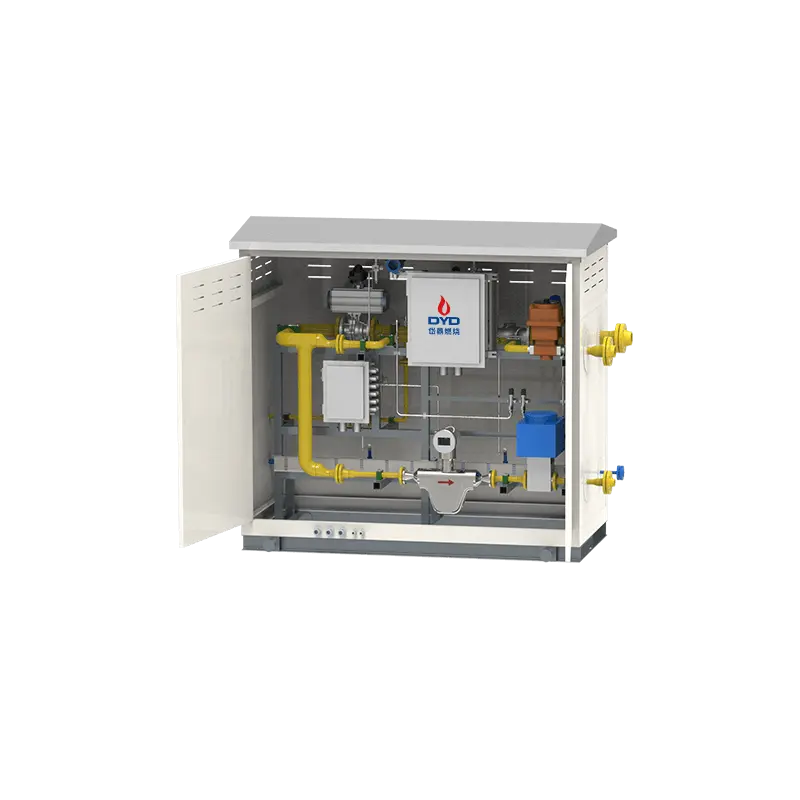
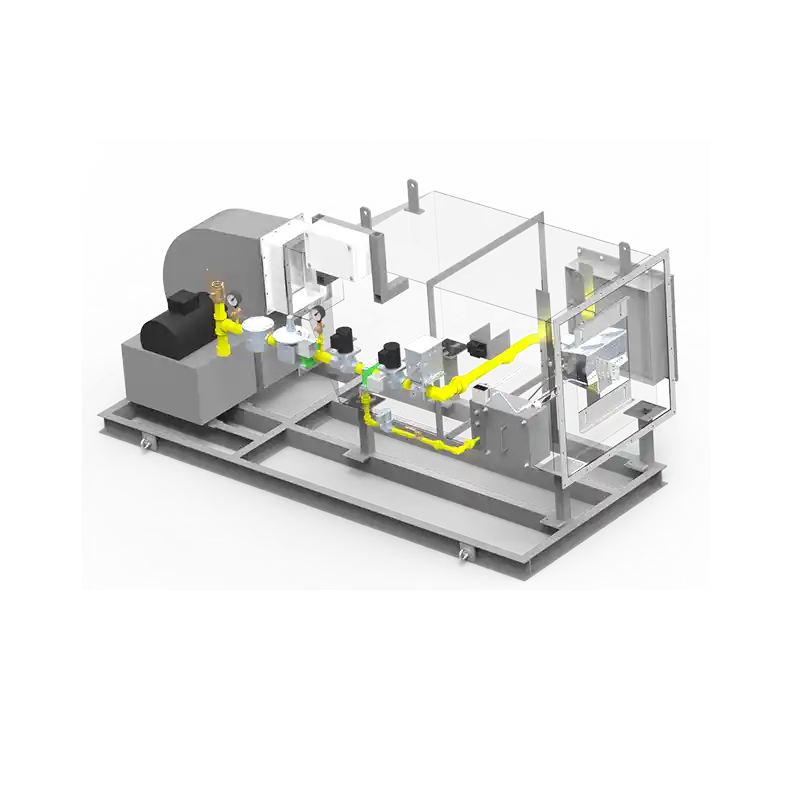
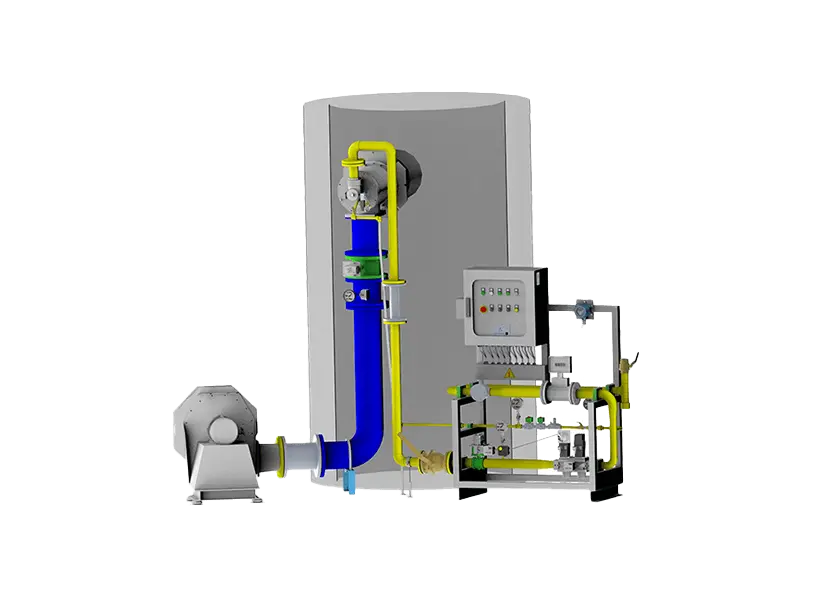
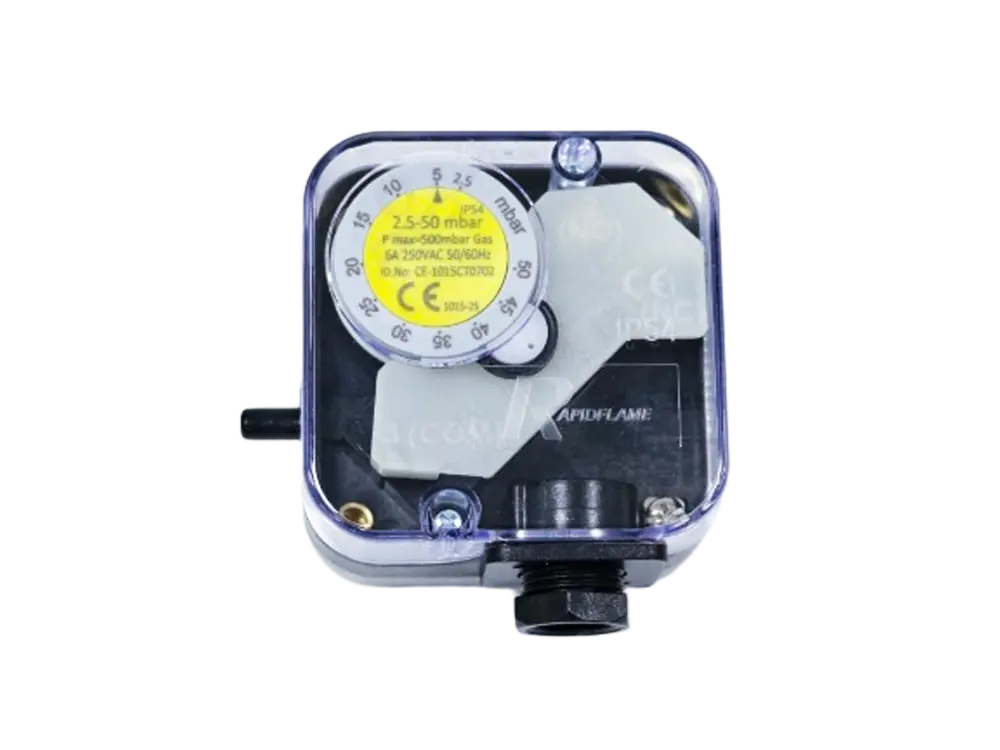
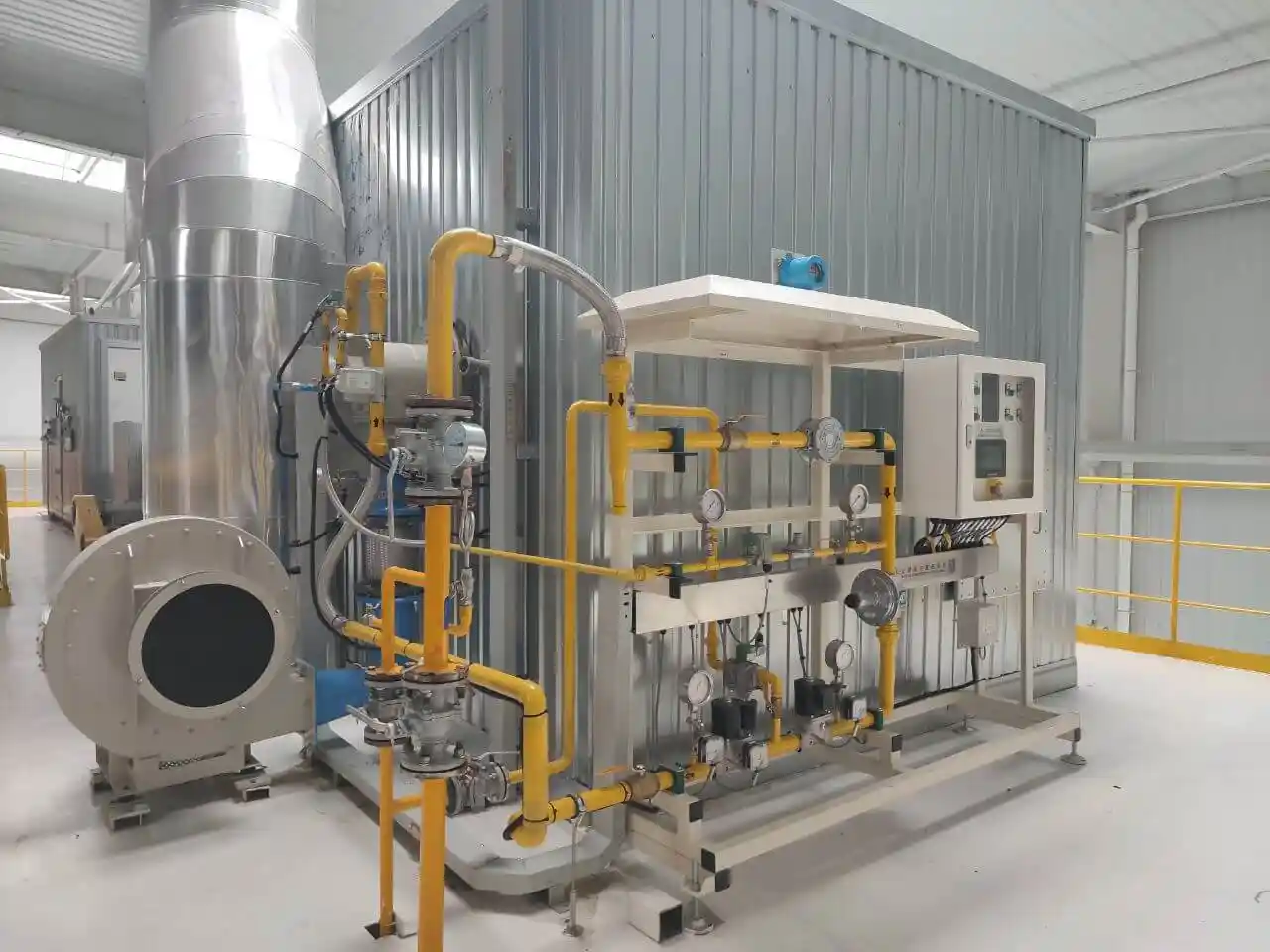
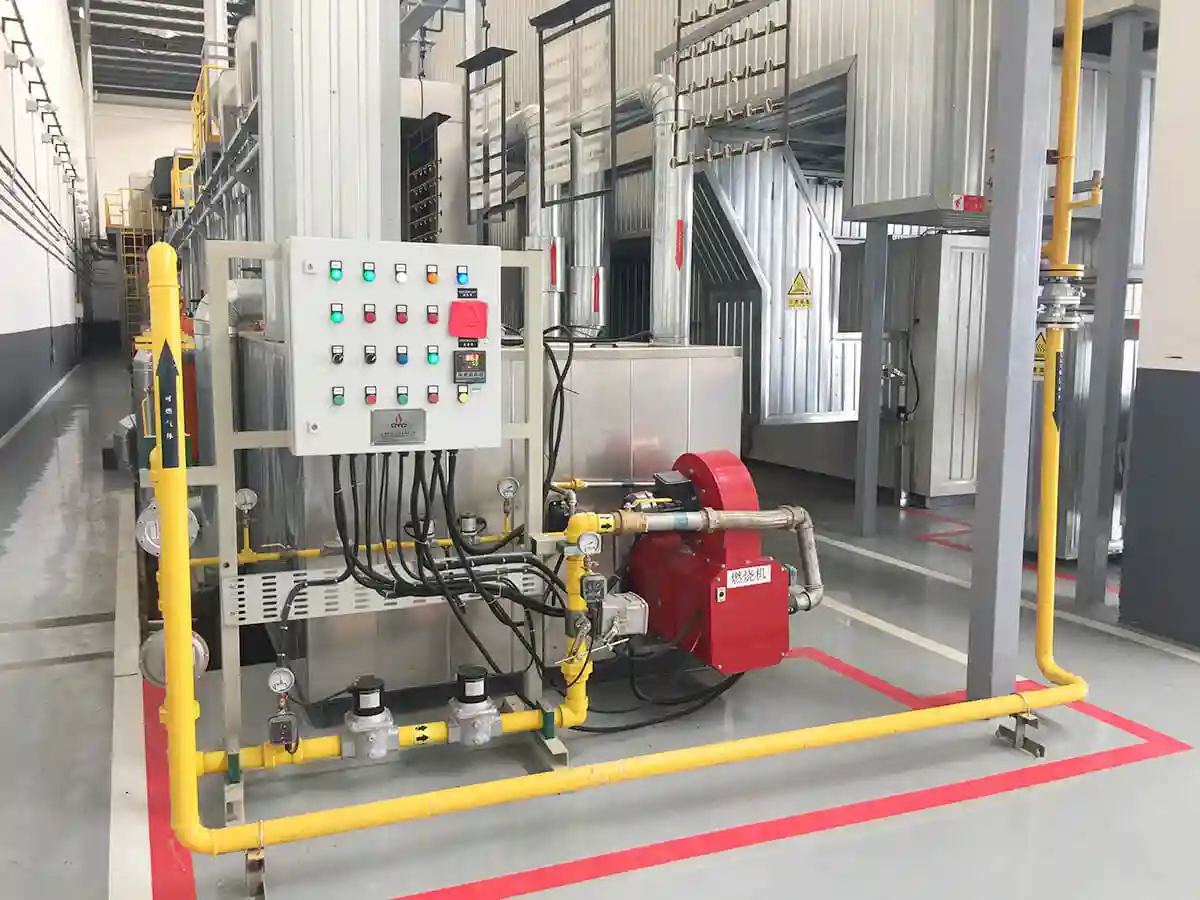
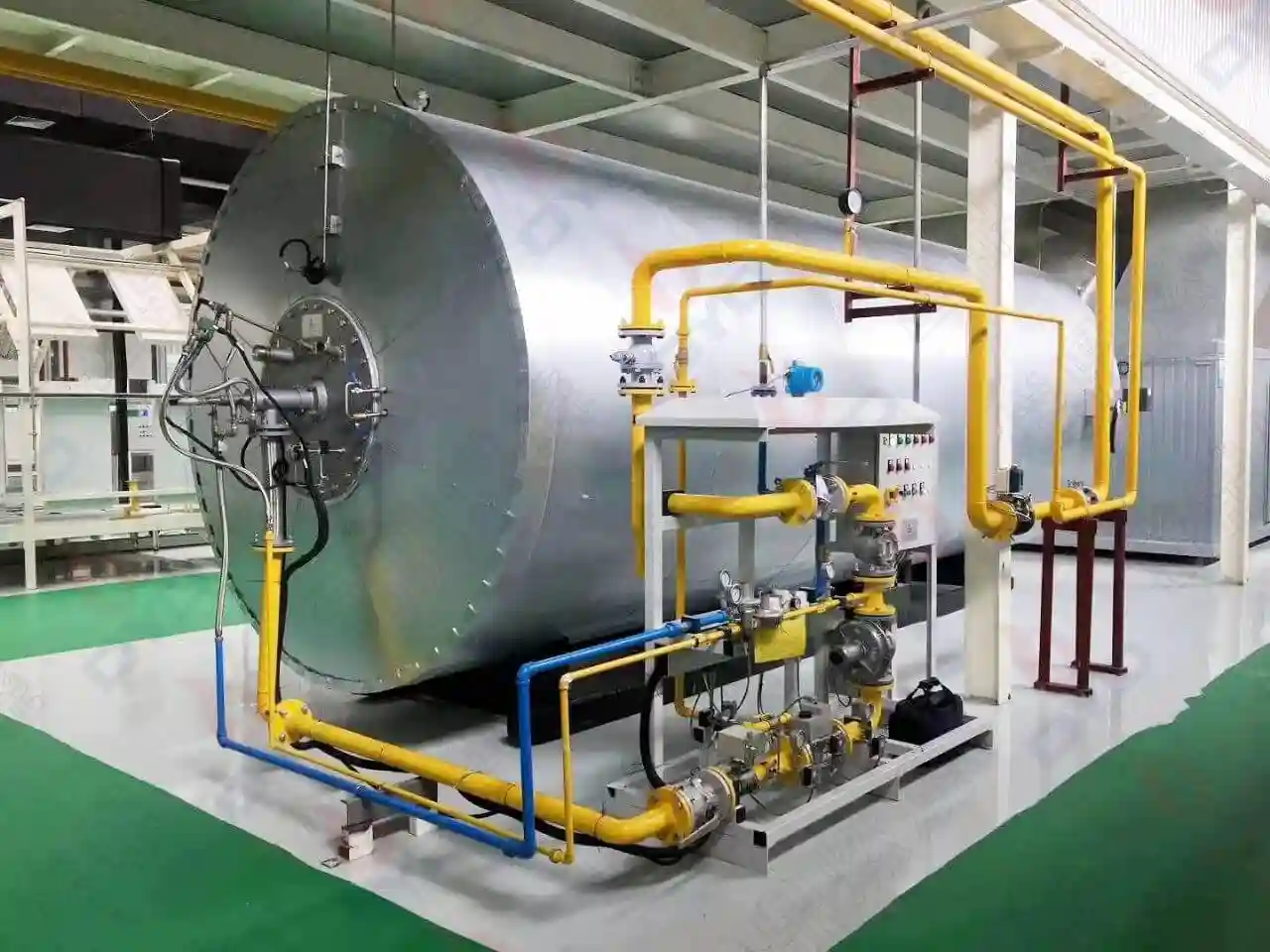
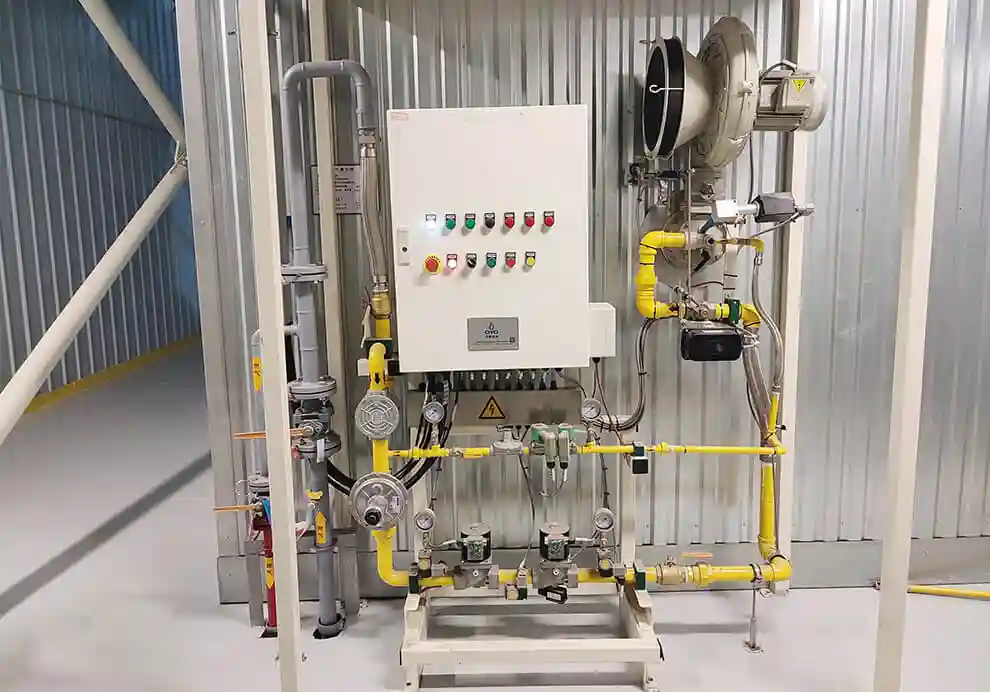
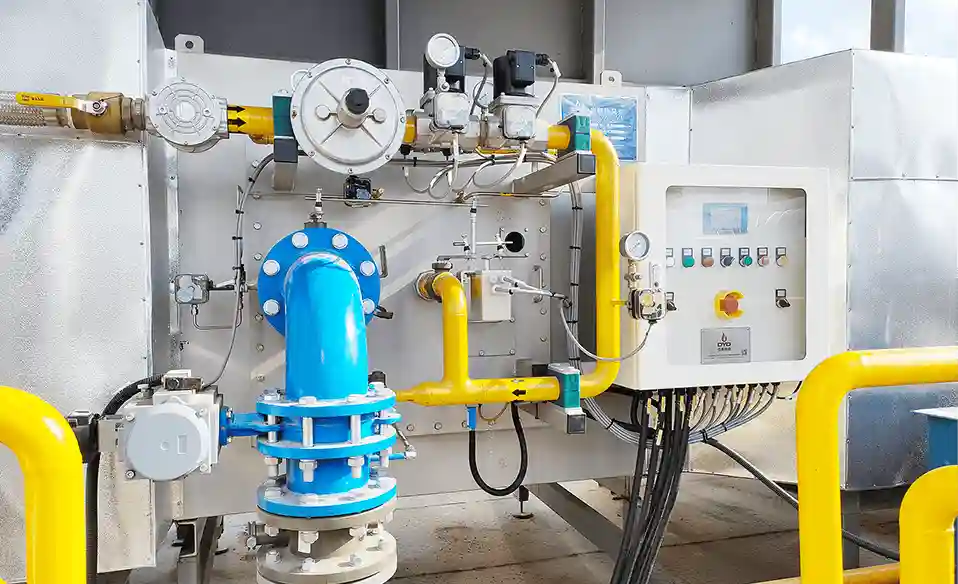
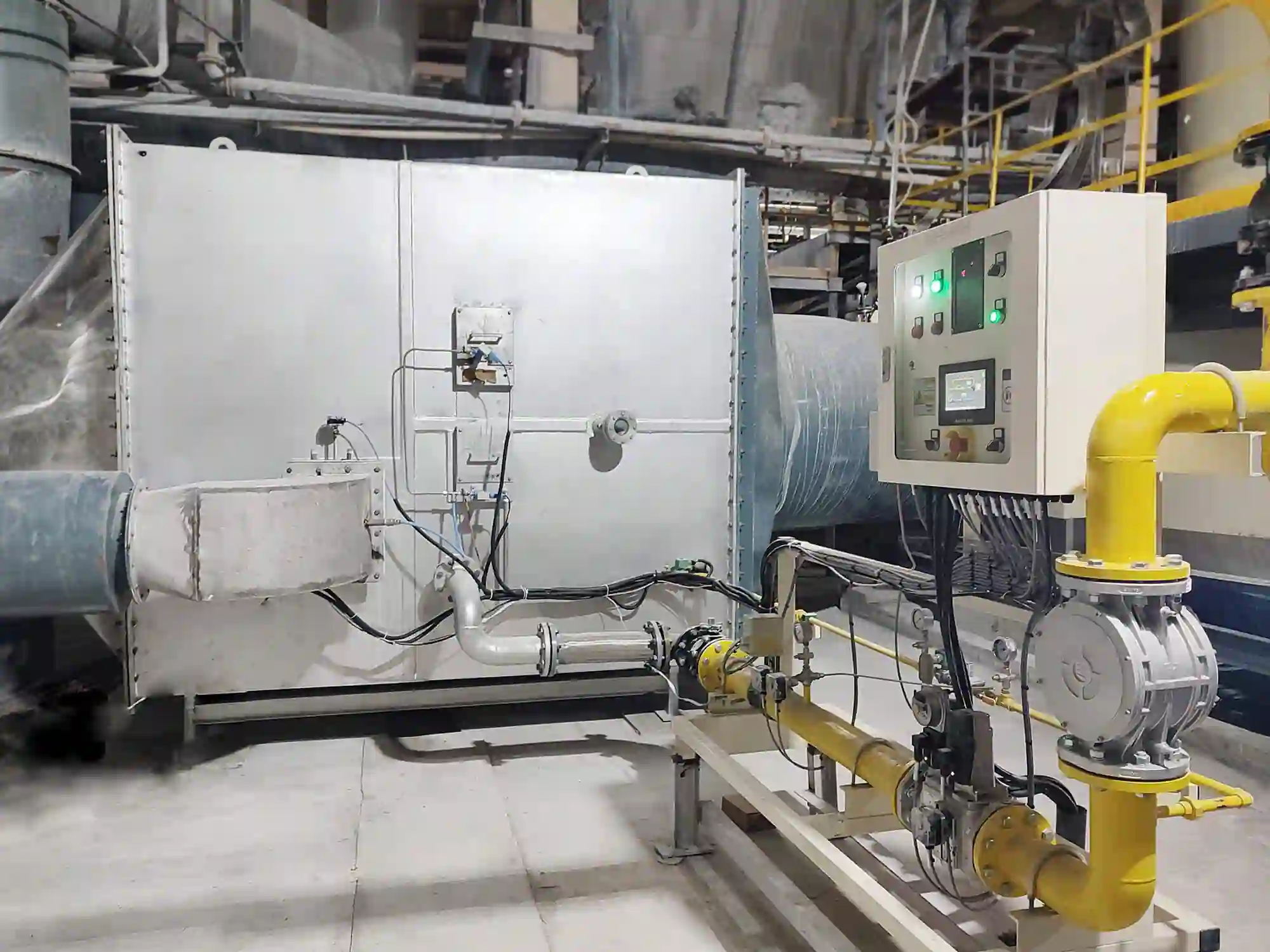
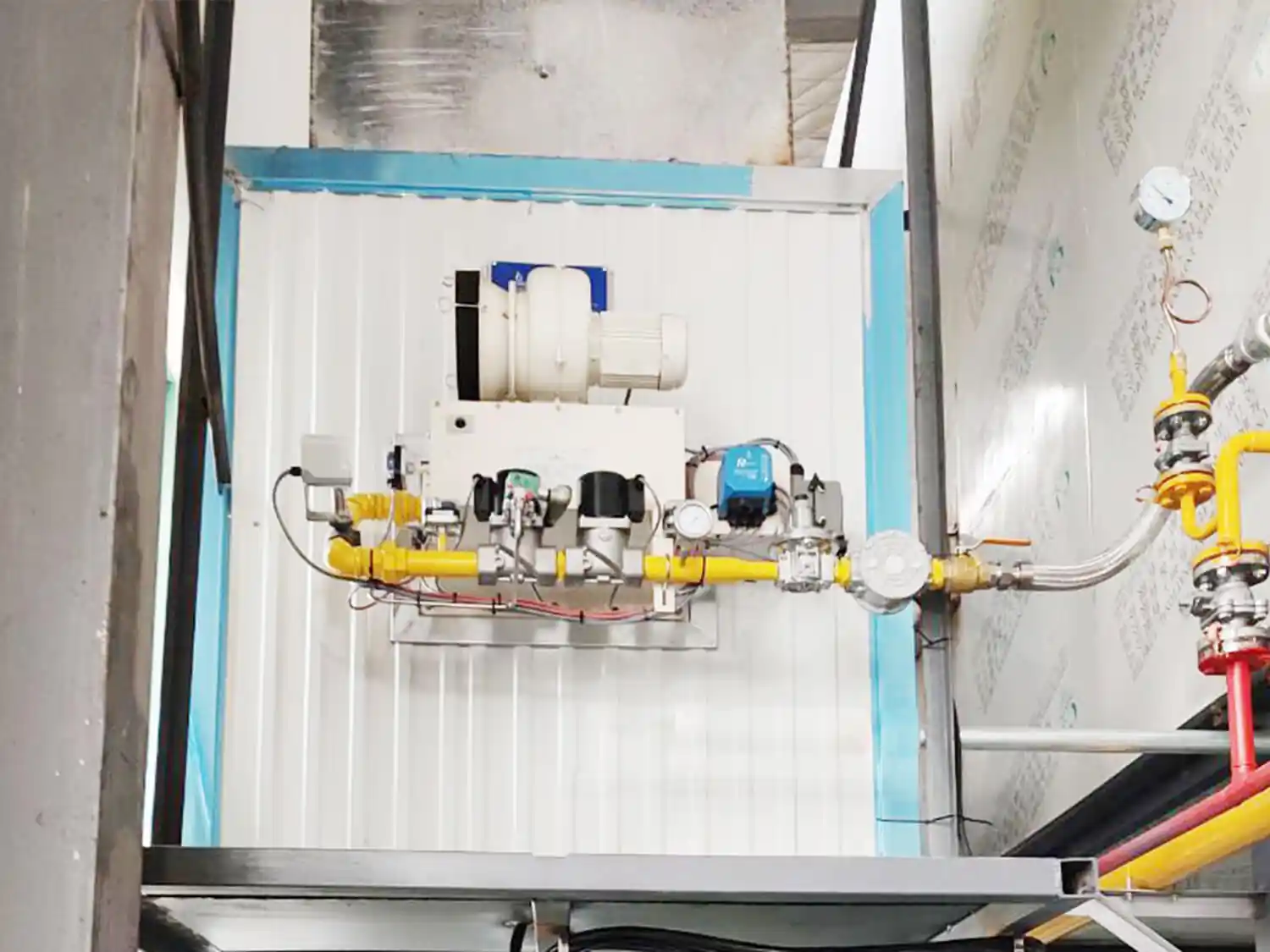
Natural gas burners also require a suitable gas train that includes filtration, pressure regulation, safety shut-off valves, pressure switches, flow control, and flame detection. Because natural gas is supplied through a pipeline, the gas pressure may vary depending on the local network and the facility’s supply arrangement. The burner and gas train must be designed for the actual available pressure.
An LPG burner is designed to burn liquefied petroleum gas, which mainly consists of propane, butane, or a mixture of these hydrocarbons. Unlike natural gas, LPG is commonly stored as a liquid under pressure and vaporized before entering the burner. This storage method gives LPG a higher volumetric energy density than natural gas, so the fuel flow rate and burner configuration need to be designed accordingly.
LPG has a higher heating value per unit volume than natural gas. Propane has a lower heating value of approximately 90–95 MJ/Nm³ in gaseous form, while butane is around 118 MJ/Nm³. The exact value depends on the propane-butane ratio. LPG also has a higher density than natural gas—propane vapor is about 1.5 times heavier than air—which affects leak behavior and ventilation requirements.
LPG burners are used in applications such as:
Industrial ovens
Drying equipment
Furnaces
Ceramic processing
Food and material heating
Hot air systems
Thermal treatment equipment
Remote or off-grid industrial heating systems
The burner must be matched to the LPG supply pressure and the required heat input. LPG pressure can vary significantly with tank temperature, vaporization rate, and regulator performance. In cold conditions, propane vapor pressure drops, which can reduce the available gas flow. In some systems, a vaporizer is used to ensure a stable supply of gaseous fuel.
Using a natural-gas burner with LPG without appropriate conversion or adjustment can result in incorrect fuel-air mixing and unstable combustion. The higher heating value of LPG means that a burner designed for natural gas will release too much heat if the same volumetric flow is supplied. Conversely, an LPG burner supplied with natural gas may not reach its rated capacity because the fuel contains less energy per unit volume.
The fundamental difference is that the two burner types are designed around different fuel properties. These properties affect every part of the combustion system, from the gas train and regulator to the burner head and combustion control strategy.
| Factor | Natural Gas Burner | LPG Burner |
|---|---|---|
| Typical main fuel component | Methane | Propane / Butane |
| Fuel storage | Usually pipeline supplied | Usually stored in pressurized tanks |
| Fuel state at burner | Gas | Vaporized gas |
| Energy density by volume | Lower | Higher |
| Typical fuel flow | Higher for the same heat input | Lower for the same heat input |
| Required gas pressure | Depends on supply system | Depends on regulator and LPG system |
| Burner nozzle/orifice | Fuel-specific | Fuel-specific |
| Air-fuel adjustment | Designed for natural gas | Designed for LPG |
| Wobbe index | Typically 45–55 MJ/Nm³ | Typically 70–90 MJ/Nm³ |
| Stoichiometric air requirement | About 9.5–10 m³ air per m³ gas | About 24 m³ air per m³ gas (propane) |
| Flame speed | Lower | Slightly higher |
| Interchangeability | Not automatically interchangeable | Not automatically interchangeable |
These differences affect almost every part of the combustion system, from the gas train and regulator to the burner head and combustion control strategy. A burner designed for one fuel cannot simply be connected to the other fuel without a thorough engineering review.
One of the most important considerations is the difference in heating value and gas properties. For the same burner heat input, the required volumetric flow rate of fuel can be significantly different between natural gas and LPG. The burner therefore needs an appropriate gas passage, nozzle or orifice, mixing arrangement, and operating pressure.
If the fuel is changed without properly adapting the burner, several problems may occur:
Incorrect heat input
Poor flame stability
Incomplete combustion
Excessive excess air
Increased emissions
Flame failure
Unstable temperature control
Excessive fuel consumption
Overheating of burner components
Safety hazards from unburned fuel
For this reason, fuel type should be identified before selecting or configuring an industrial burner. The burner manufacturer should be informed of the intended fuel, its composition, heating value, supply pressure, and any potential for fuel switching. This allows the burner to be designed or configured with the correct nozzle, air-fuel ratio, and control parameters.
In addition, the Wobbe index—a measure of the interchangeability of gaseous fuels—differs significantly between natural gas and LPG. Natural gas typically has a Wobbe index of 45–55 MJ/Nm³, while propane has a Wobbe index of about 70–80 MJ/Nm³. This means that the same burner orifice and pressure will not deliver the same heat input for both fuels. The burner must be specifically matched to the fuel’s Wobbe index and heating value.
Heating value is another major difference. LPG generally has a higher energy content per unit volume than natural gas. This means an LPG burner can achieve a given heat input with a lower volumetric fuel flow than a natural gas burner, assuming comparable operating conditions.
However, a higher heating value does not automatically mean that an LPG burner will consume less fuel in every application. Actual fuel consumption depends on the required thermal load, burner efficiency, furnace design, operating temperature, heat losses, and combustion control. The correct comparison should therefore focus on the fuel required to deliver the required useful heat, rather than simply comparing fuel volume.
On a mass basis, the difference is smaller. Natural gas has a higher heating value of about 50 MJ/kg, while propane has about 46 MJ/kg and butane about 45.5 MJ/kg. On a volume basis, however, LPG is much denser, so it contains more energy per cubic meter. This is why LPG burners require smaller fuel orifices and different air-fuel ratios.
The stoichiometric air requirement also differs. Natural gas requires about 9.5–10 cubic meters of air per cubic meter of gas for complete combustion. Propane requires about 24 cubic meters of air per cubic meter of gas. This means the combustion-air system and mixing geometry must be designed for the specific fuel. If the air supply is not adjusted when switching fuels, the burner may operate with too much or too little air, leading to inefficiency or unsafe conditions.
Gas supply pressure is an important design parameter for both natural gas and LPG burners. Natural gas is often delivered through a pipeline and may be supplied at different pressures depending on the local gas network and industrial facility. The pressure at the burner inlet is typically regulated to a stable value, often in the range of a few kilopascals to several tens of kilopascals for industrial burners.
LPG is commonly stored in tanks and passes through pressure regulation before reaching the burner. The pressure can vary depending on the tank, vaporization conditions, regulator configuration, and system design. In a propane tank, the vapor pressure depends on temperature—at 20°C, propane vapor pressure is about 8 bar, while at 0°C it drops to about 4.7 bar. Butane has much lower vapor pressure and may require heating or blending with propane in cold climates.
The burner and gas train must therefore be selected according to the actual operating pressure. Important components may include:
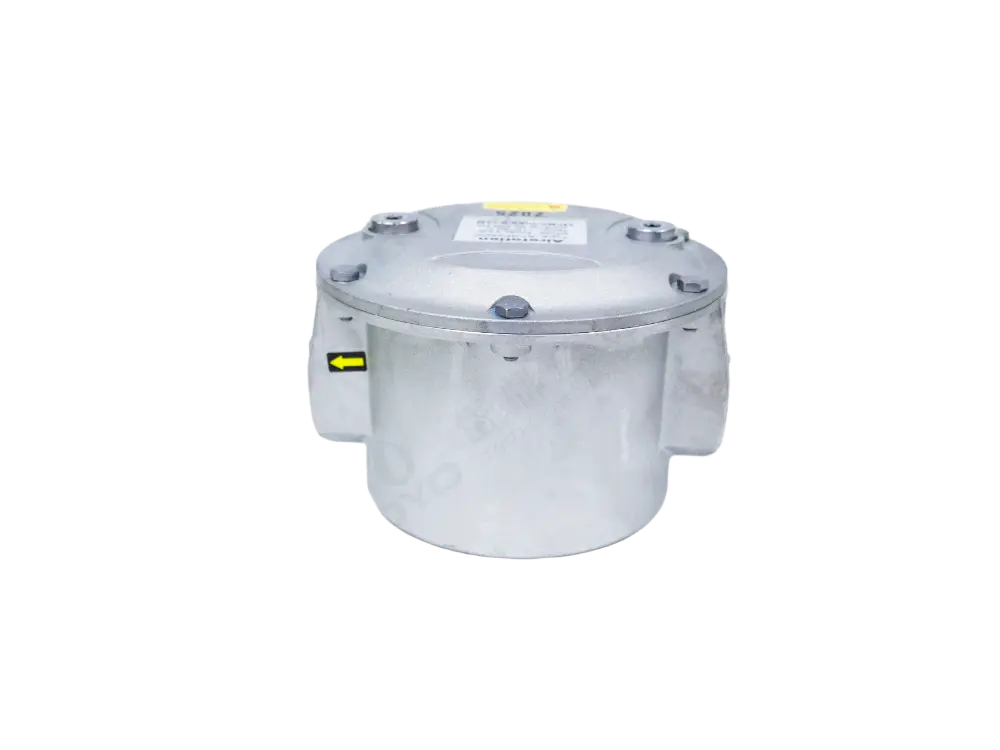
Gas filter
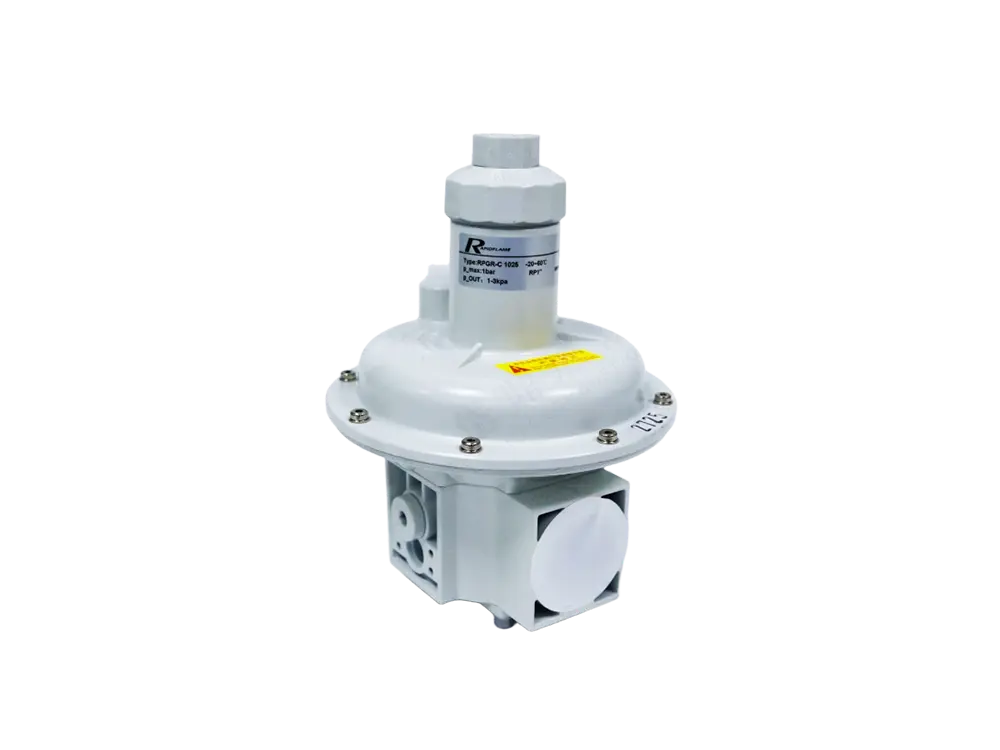
Pressure regulator
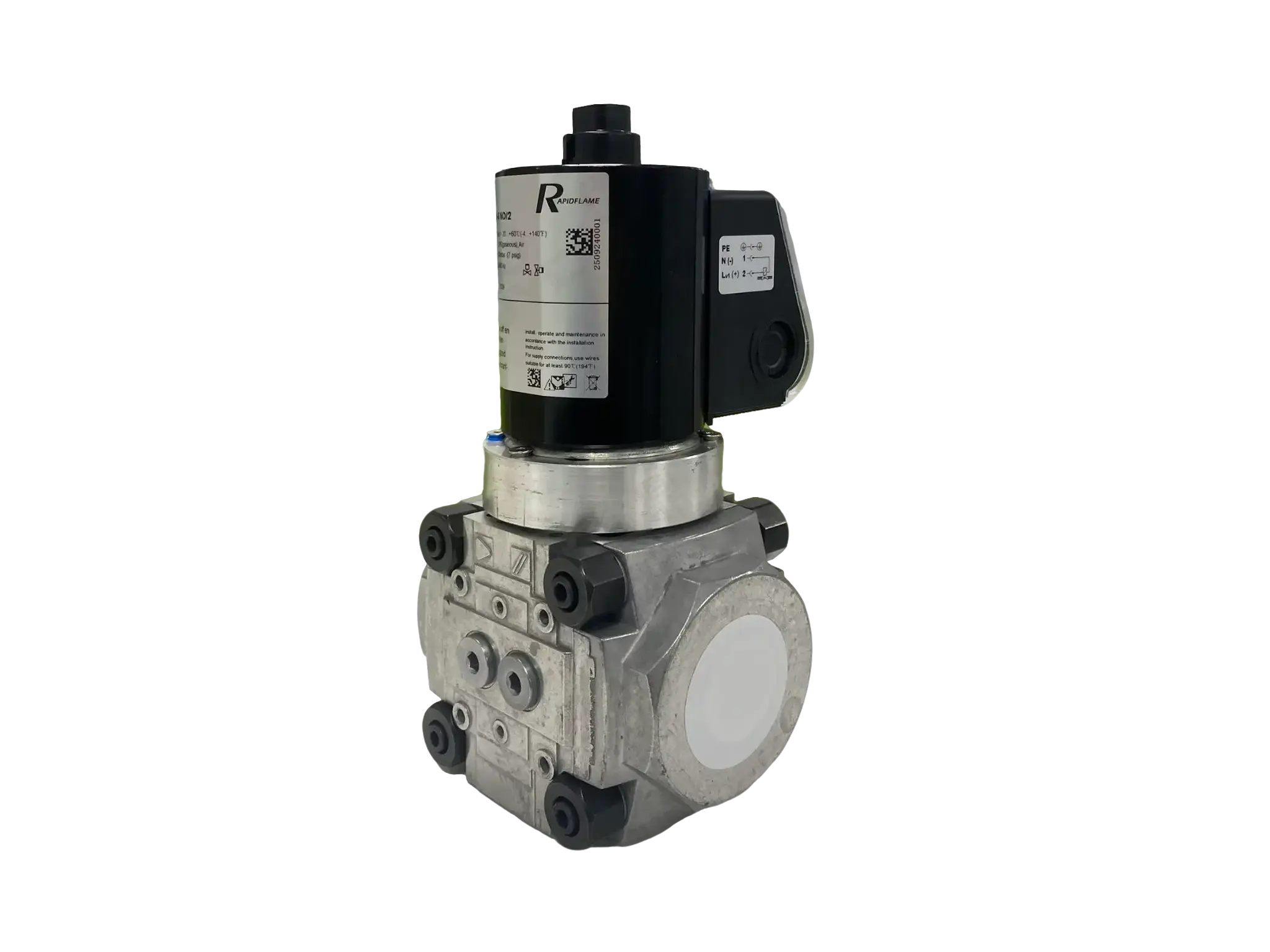
Solenoid safety valve
Gas pressure switch
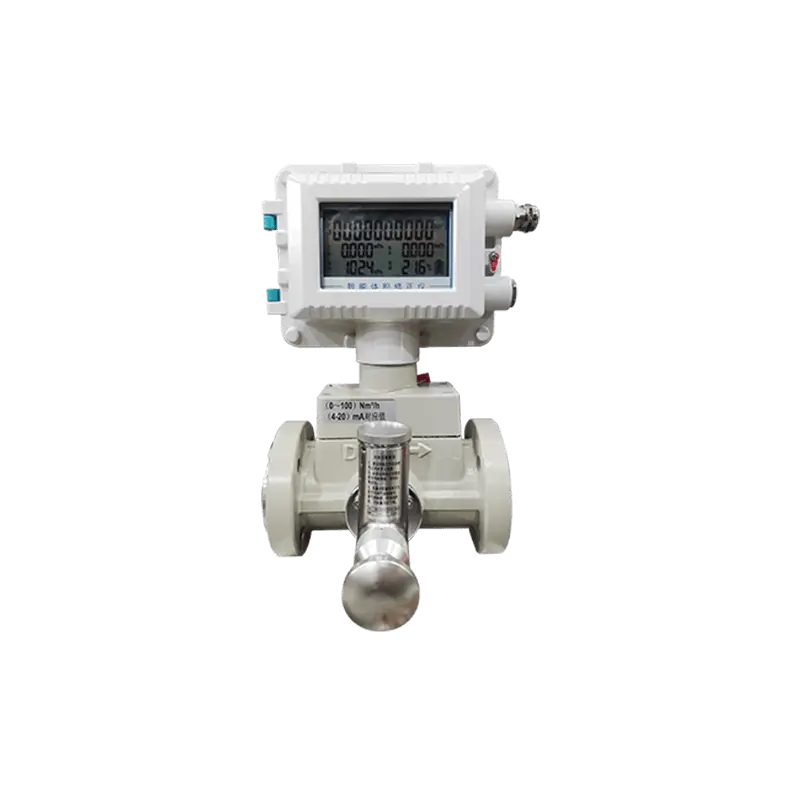
Flow-control valve
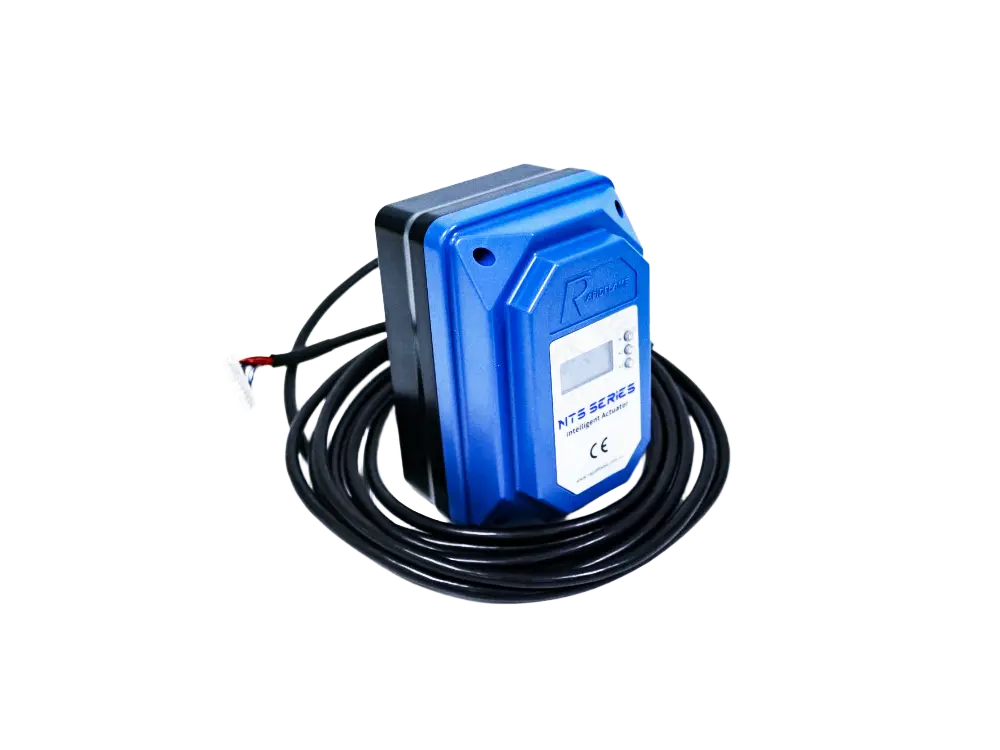
Electric actuator
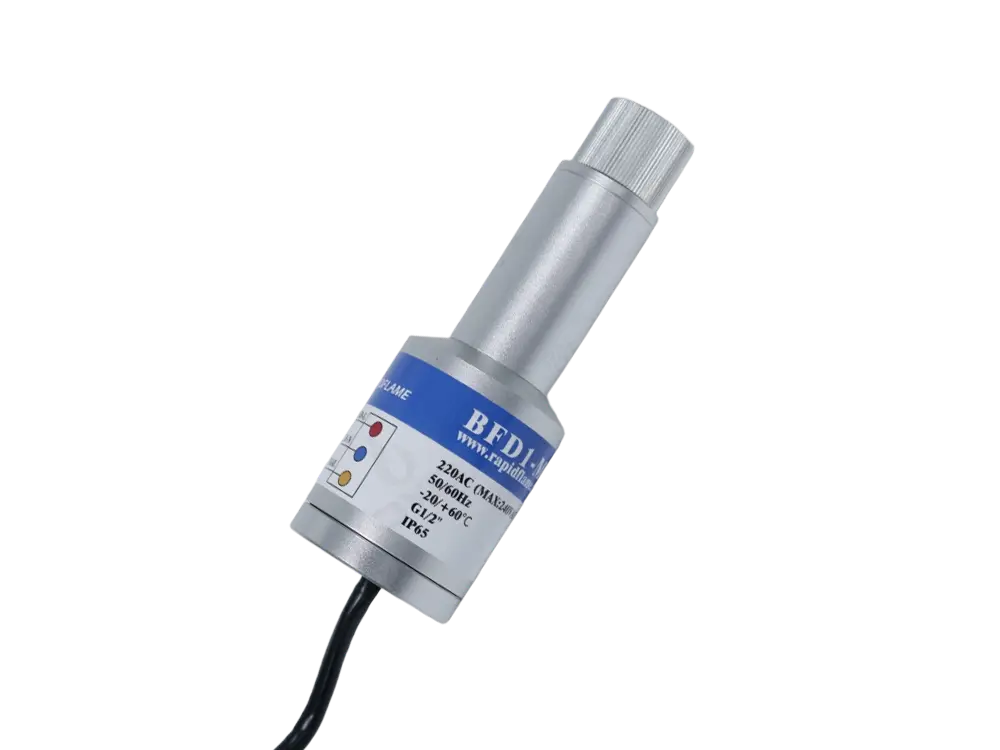
Flame detector
Burner controller
Vaporizer (for LPG in cold conditions or high flow rates)
The gas train should be designed as an integrated system rather than treating the burner as an isolated component. Pressure regulation must be stable enough to maintain the correct air-fuel ratio across the burner’s operating range. If the pressure fluctuates, the flame may become unstable, and the burner may fail to reach its rated capacity.
Natural gas and LPG can produce different flame characteristics because their chemical compositions and combustion properties differ. A burner designed for natural gas establishes a specific relationship between fuel flow, combustion air, flame velocity, and burner-head geometry. LPG requires a different relationship.
The burner design must maintain a suitable balance between:
Fuel flow + combustion air + mixing + ignition + flame stabilization
If the mixture becomes too rich or too lean, combustion stability can deteriorate. LPG has a slightly higher laminar flame speed than natural gas—about 0.45 m/s for propane compared with about 0.38 m/s for methane. This means the flame can propagate faster, which affects the risk of flashback and the design of the burner head. LPG flames also tend to be more luminous because of their higher carbon content, which can affect radiative heat transfer.
For industrial equipment, flame stability is particularly important because unstable combustion can affect furnace temperature uniformity and may cause repeated flame-failure protection actions. The flame detector must be able to reliably distinguish the flame from background radiation, and the burner controller must be set for the correct flame signal strength and response time.
Some industrial burners can be converted between natural gas and LPG, but conversion should not be assumed to be possible for every burner. The feasibility depends on the burner design, the range of fuel properties it can accommodate, and the required operating conditions.
Depending on the burner design, conversion may require changes to:
Gas nozzle or orifice
Gas pressure
Gas regulator
Air-fuel ratio
Burner head configuration
Control parameters
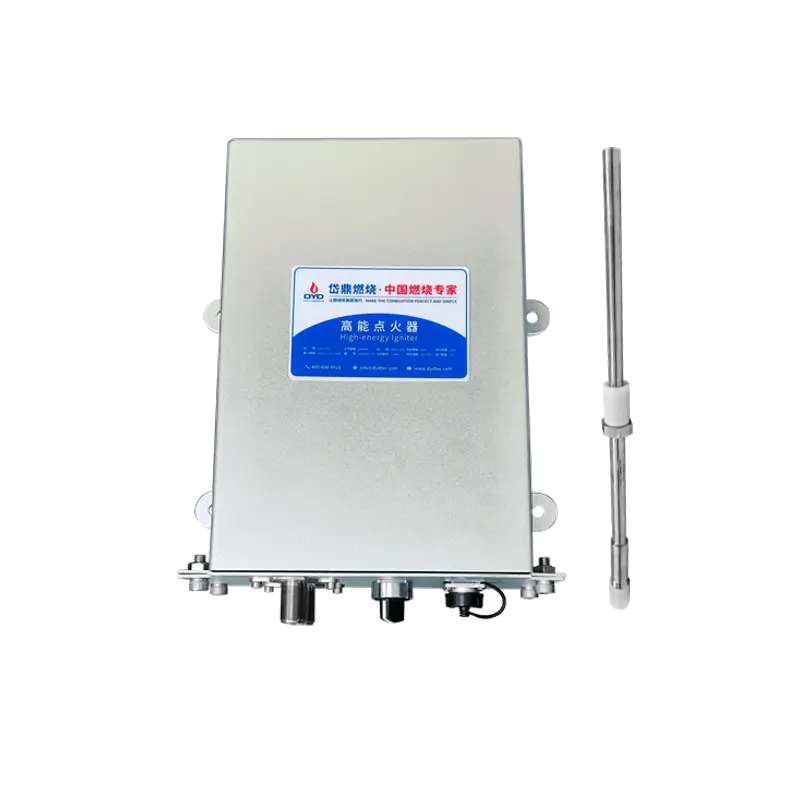
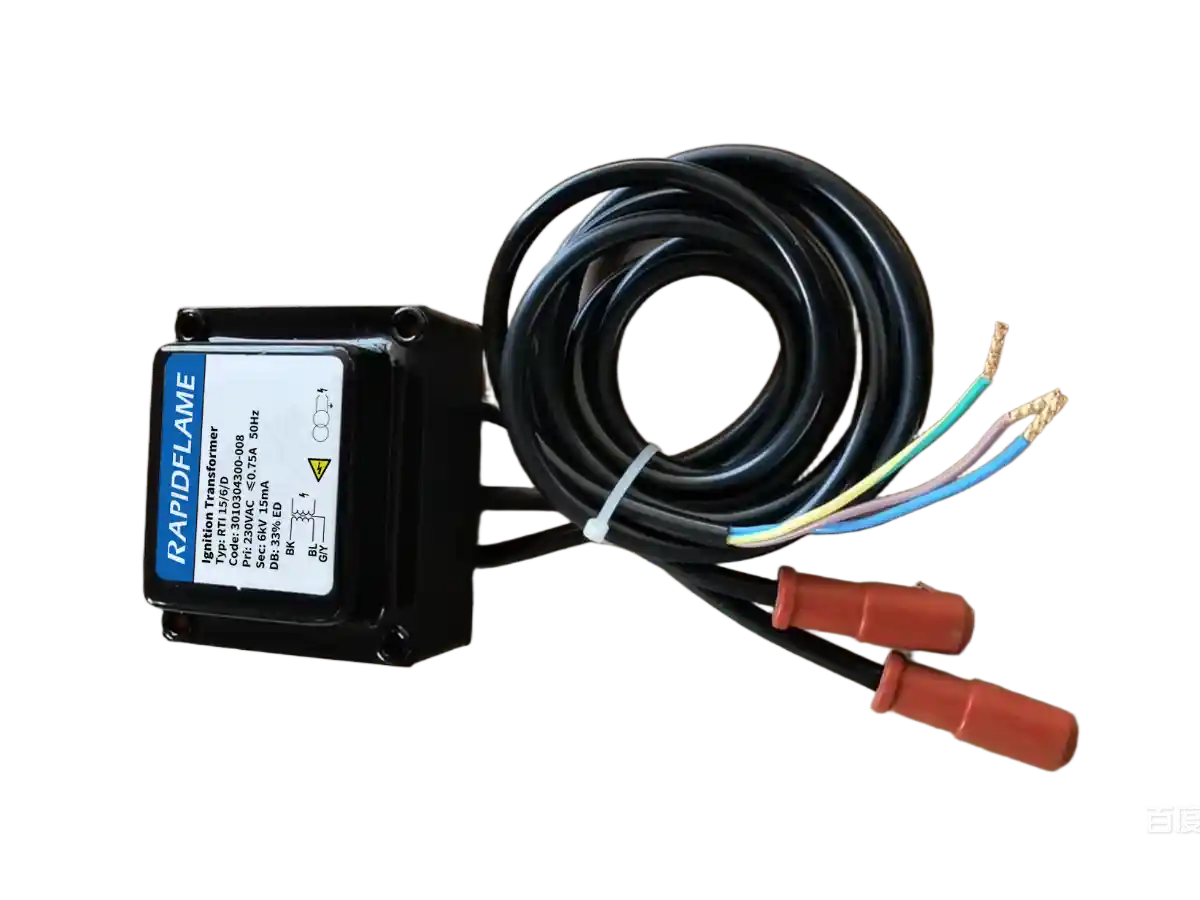
Ignition settings
Flame detection settings
Pilot orifice
Safety interlocks
For equipment manufacturers and system integrators, it is better to specify the intended fuel during the burner selection stage. If a burner needs to operate with multiple fuels, the manufacturer should confirm the applicable conversion range and operating conditions before the system is designed. Some burners are supplied as dual-fuel packages with separate gas trains and nozzles, allowing safe changeover between fuels.
Conversion should always be carried out by qualified personnel using the burner manufacturer’s instructions. After conversion, the burner must be commissioned and tested to verify stable combustion, correct heat input, acceptable emissions, and proper safety functions.
There is no universal answer because the appropriate fuel depends on the application and available energy infrastructure. Natural gas can be convenient for facilities with a reliable pipeline supply. It is widely used for continuous industrial heating where a stable gas supply is available. LPG can be useful where pipeline natural gas is unavailable or where fuel needs to be stored on site. Its higher energy density can also reduce the required volumetric fuel flow.
When selecting between the two, engineers should consider:
Fuel availability
Is pipeline natural gas available at the required pressure and capacity? If not, is LPG delivery and storage practical?
Fuel cost
The relevant comparison should consider the cost of delivering the required useful thermal energy, including fuel price, storage, handling, and maintenance.
Required heat input
The burner should provide sufficient capacity across the actual operating range, including startup, normal operation, and holding periods.
Gas supply pressure
The available pressure must match the burner and gas train requirements. LPG systems may require vaporizers or boosters in cold conditions or at high flow rates.
Process requirements
Furnace temperature, heating rate, temperature uniformity, and combustion atmosphere can affect fuel and burner selection. Some processes may require a specific flame shape or luminosity.
Emissions requirements
Burner configuration and combustion control influence NOx and other combustion emissions. Low-NOx burners may be required in some regions.
Equipment integration
The burner must work correctly with the furnace, oven, dryer, RTO, or other thermal equipment. The fuel choice affects the gas train, control system, and safety architecture.
In general, natural gas is preferred where a pipeline is available because it eliminates the need for on-site storage and vaporization. LPG is preferred where natural gas is not available, where fuel must be stored, or where a higher energy density is advantageous.
Fuel efficiency is not determined by fuel type alone. A properly selected burner needs to match the thermal load and maintain an appropriate fuel-air ratio throughout the operating range. Oversized burners, excessive combustion air, poor mixing, or unsuitable control strategies can increase fuel consumption even when the fuel itself has a high heating value.
Important factors include:
Burner turndown ratio
Air-fuel ratio
Combustion efficiency
Flame stability
Furnace heat transfer
Excess air
Temperature control
Burner control strategy
Heat recovery
Furnace insulation
For example, if a burner supplies significantly more heat than the process requires, the system may need to operate at a lower firing rate or cycle frequently. Proper burner sizing and modulation can help maintain stable operation closer to the actual process load. A burner with a high turndown ratio can follow the load more precisely, reducing fuel consumption during holding periods.
Excess air is another important factor. Too much air increases the volume of exhaust gas and carries heat out of the furnace. Too little air can cause incomplete combustion and high CO. The optimal air-fuel ratio depends on the fuel, burner design, and process conditions. For natural gas, an oxygen level of 2–4% in the flue gas is often a reasonable target. For LPG, the target may differ because of its different combustion characteristics.
For OEM equipment manufacturers, burner selection should begin with the complete thermal process rather than fuel type alone. The following parameters are particularly important.
Specify whether the system will use natural gas, LPG, or potentially multiple fuels. If fuel switching is anticipated, the burner should be selected with that flexibility in mind, or a dual-fuel configuration should be considered.
Define the minimum, normal, and maximum heat demand of the equipment. The burner should be sized to meet the maximum demand while operating efficiently at normal load. A heat balance should account for heat losses through walls, openings, and exhaust.
The actual pressure available at the burner inlet should be confirmed rather than estimated. For LPG, the pressure may vary with tank temperature and vaporization rate. For natural gas, the pressure may vary with network conditions and the facility’s supply arrangement.
Chamber volume, temperature, pressure, airflow, and heat distribution all affect burner selection. The burner must be matched to the furnace geometry to ensure proper flame development and heat transfer.
Combustion air temperature and available air pressure can influence burner performance. If combustion air is preheated, the burner must be designed for the higher air temperature and reduced air density.
Where low-NOx performance is required, the burner should be selected together with the combustion chamber and control strategy. The fuel choice can affect NOx formation, and the burner design must meet the applicable limits.
The burner may need to integrate with temperature controllers, PLCs, flame safeguard systems, combustion controllers, and other equipment. The control system should be selected to match the burner and the process requirements.
A burner that performs well as an individual component may still be unsuitable if it does not match the complete thermal system. Early involvement of the burner supplier in the OEM design process can help avoid costly modifications later.
Both fuel types are used across many industrial heating applications. The actual suitability depends on the thermal process, burner capacity, gas supply, control requirements, and applicable regulations.
Natural gas burner applications
Industrial furnaces
Heat treatment lines
Drying systems
RTO equipment
Ceramic kilns
Hot air generators
Coating ovens
Glass and metal processing
Chemical and petrochemical heating
LPG burner applications
Industrial ovens
Dryers
Furnaces
Heating systems without pipeline gas
Mobile or decentralized thermal equipment
Small and medium industrial heating systems
Remote construction or temporary heating
Agricultural drying and processing
In many cases, the same burner platform can be configured for either fuel, but the specific components—nozzle, gas train, regulator, and control settings—must be matched to the fuel. This is why burner selection should always be based on the actual fuel and operating conditions.
DYDTEC Combustion develops industrial combustion equipment for different thermal processing applications. Founded in 2012, the company operates production and R&D bases in Shanghai and Yangzhou and has developed more than 100 burner models for over 200 application scenarios.
Its product range covers different industrial combustion requirements, including gas-fired burner solutions and combustion system components. For OEMs and industrial users, burner selection can be based on fuel type, heat input, gas pressure, furnace conditions, emission requirements, and control requirements rather than simply selecting a burner by nominal capacity.
This approach is particularly relevant when a thermal system needs to use natural gas, LPG, or adapt to different fuel-supply conditions. By considering the burner, fuel system, combustion air, control system, flame detection, and furnace geometry as an integrated system, DYDTEC Combustion can help customers achieve stable combustion, efficient energy use, and reliable thermal process performance.
Not necessarily. Natural gas and LPG have different combustion properties, heating values, and required gas-flow characteristics. A burner must be confirmed as compatible with natural gas before conversion. In many cases, the nozzle, regulator, and air-fuel settings must be changed.
Some burners can be converted to LPG, but conversion may require changes to the nozzle, gas pressure, air-fuel ratio, and control parameters. The burner manufacturer’s specifications should be checked first. Never attempt to operate a natural gas burner on LPG without proper conversion.
LPG generally has a higher heating value per unit volume than natural gas. However, overall system efficiency depends on burner design, thermal load, combustion control, and furnace performance. The cost per unit of useful heat is a more meaningful comparison.
Generally, LPG systems use pressure regulation appropriate to the LPG storage and supply system. The regulator must match the required burner inlet pressure and flow capacity. LPG regulators may also need to handle varying tank pressures and low-temperature conditions.
Fuel efficiency cannot be determined from fuel type alone. Burner design, air-fuel ratio, heat transfer, furnace insulation, operating conditions, and control strategy all influence the amount of fuel required to produce useful heat. A well-matched burner on either fuel can be efficient.
The most important starting point is the complete operating requirement: fuel availability, supply pressure, required heat input, process temperature, combustion-air conditions, emissions requirements, and control system compatibility. The burner must be matched to the fuel and the process.
In some cases, yes, but conversion requires a thorough engineering review. The burner manufacturer should confirm whether the burner can be converted, what parts must be changed, and what operating parameters must be adjusted. After conversion, the burner must be commissioned and tested.
The Wobbe index is a measure of the interchangeability of gaseous fuels. It combines the heating value and specific gravity of the gas. Natural gas and LPG have different Wobbe indices, which means they cannot be used interchangeably in the same burner without adjustment. The burner orifice and pressure must be matched to the fuel’s Wobbe index.
NOx formation depends on flame temperature, oxygen availability, residence time, and burner design. LPG and natural gas can both produce NOx, and the actual emissions depend on the burner and operating conditions. Low-NOx burners can be used with either fuel when properly designed.
LPG is typically stored in pressurized tanks as a liquid. The tank must be designed and installed according to applicable safety standards, with appropriate pressure relief, leak detection, ventilation, and fire protection. A vaporizer may be required to ensure a stable gas supply, especially in cold weather or at high flow rates.
The difference between natural gas and LPG burners goes beyond the fuel itself. Their different chemical properties, heating values, gas-flow requirements, supply pressures, and combustion characteristics affect burner design and system configuration. Natural gas is commonly suited to facilities with a stable pipeline supply, while LPG can provide a practical alternative where gas must be stored and supplied from tanks. Neither fuel is universally better for every industrial heating application.
For OEMs and industrial users, the right approach is to match the burner to the fuel, heat load, gas pressure, combustion requirements, furnace conditions, and control system as a complete package. This helps establish stable combustion, efficient energy use, and reliable thermal process performance. When fuel switching is possible, the burner must be specifically designed or converted for the alternate fuel, and the conversion must be validated through proper commissioning and testing.
By understanding the differences between natural gas and LPG burners, engineers can make better decisions about burner selection, system design, and fuel strategy—reducing operating costs, improving safety, and ensuring consistent product quality.