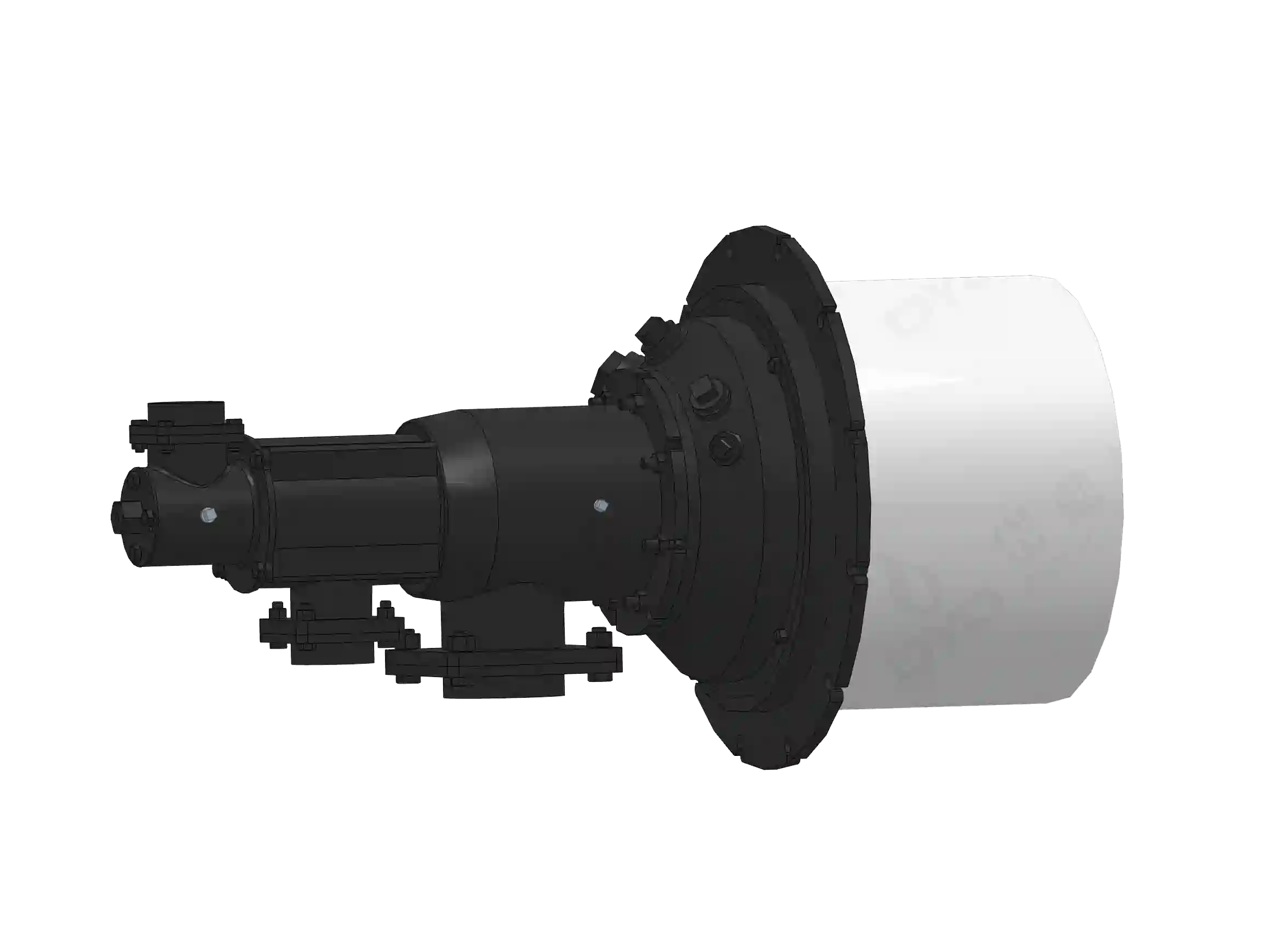
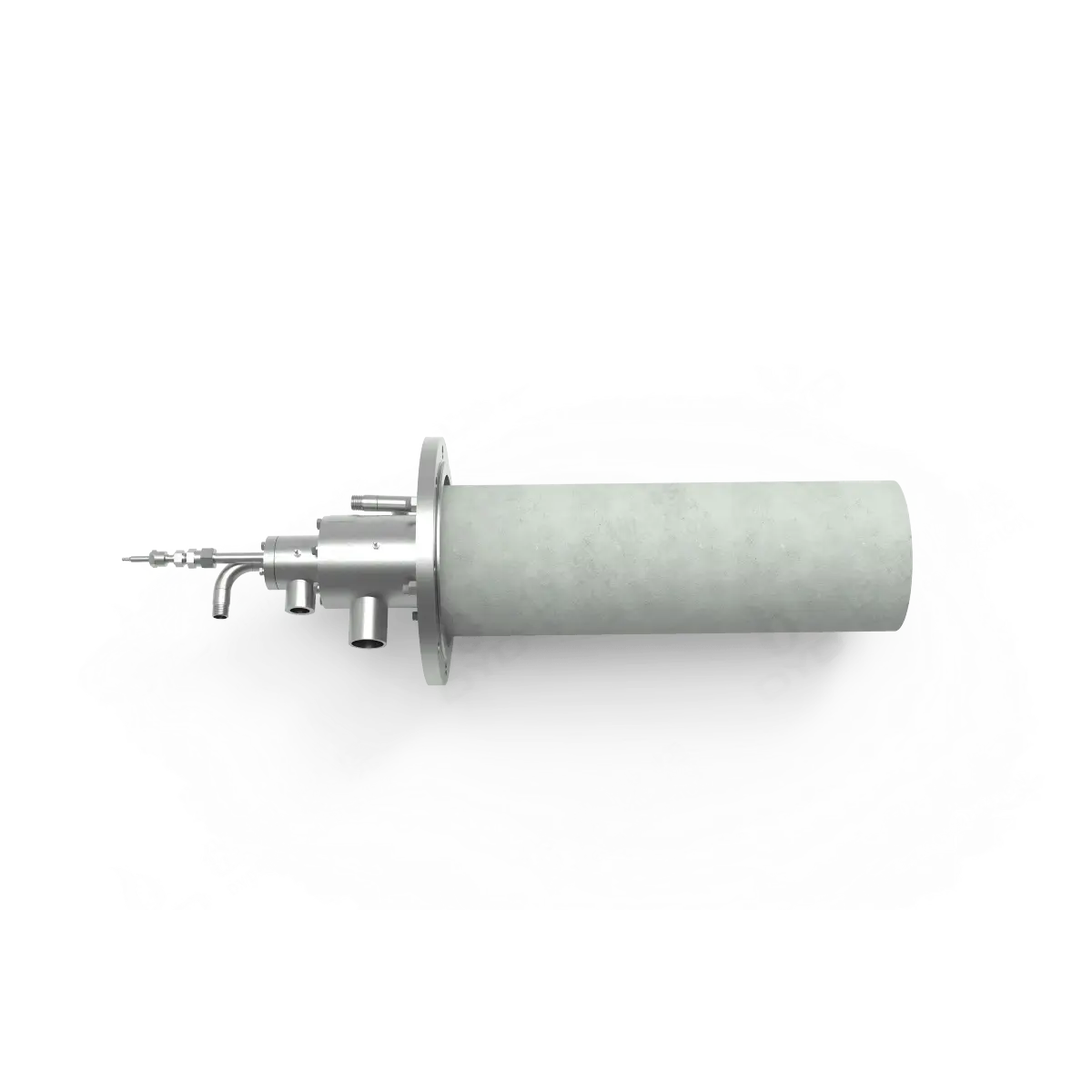
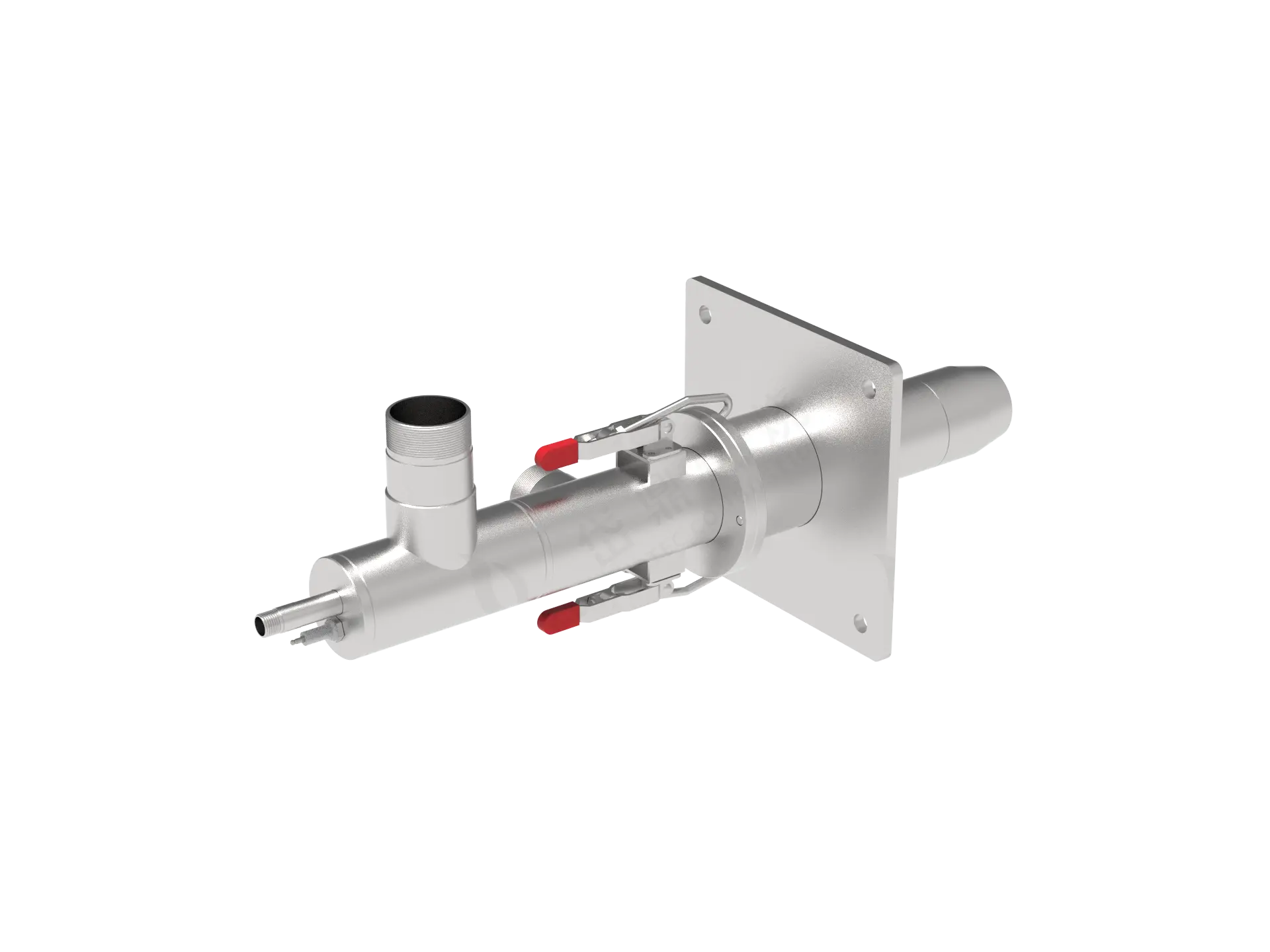
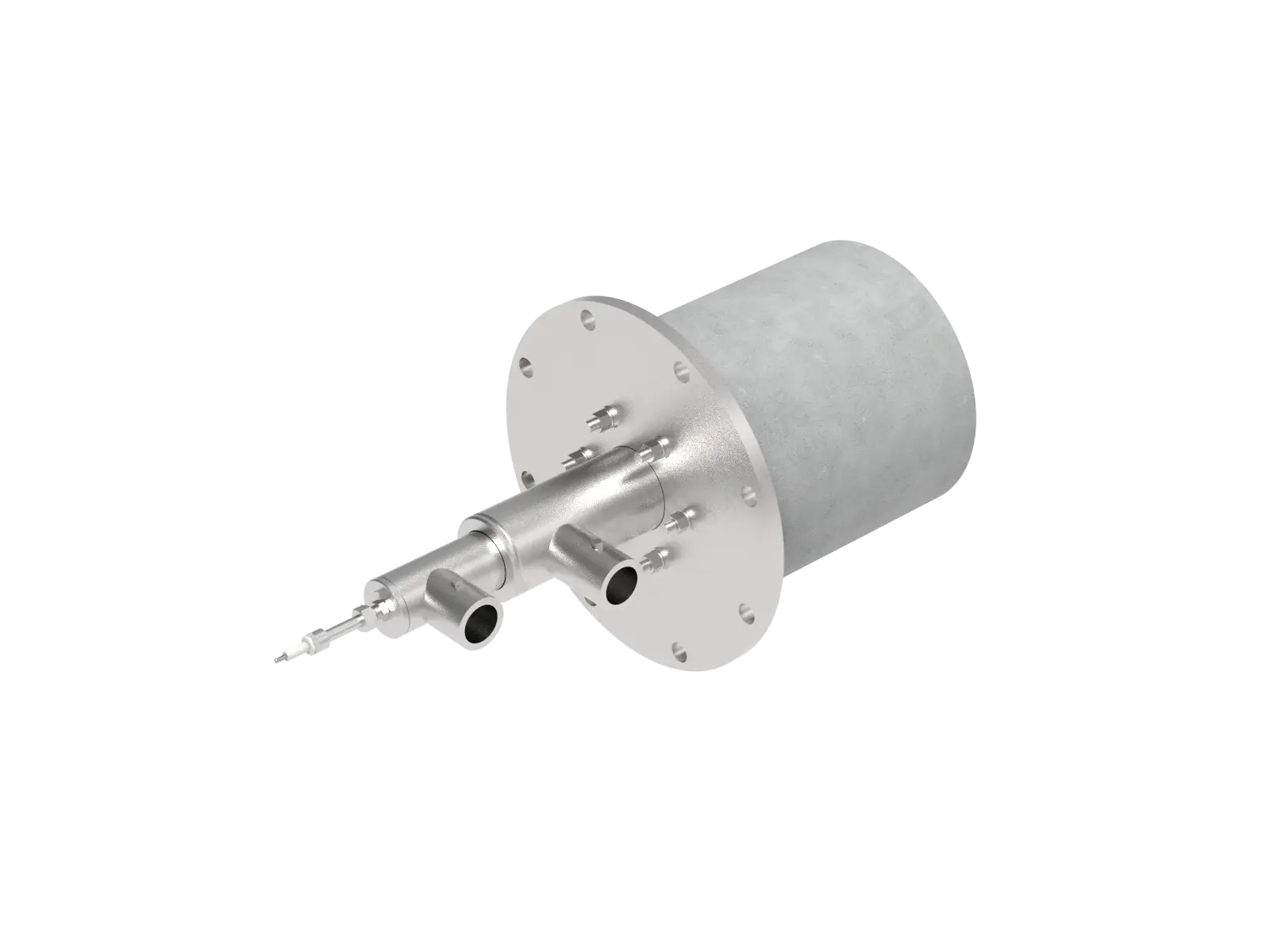
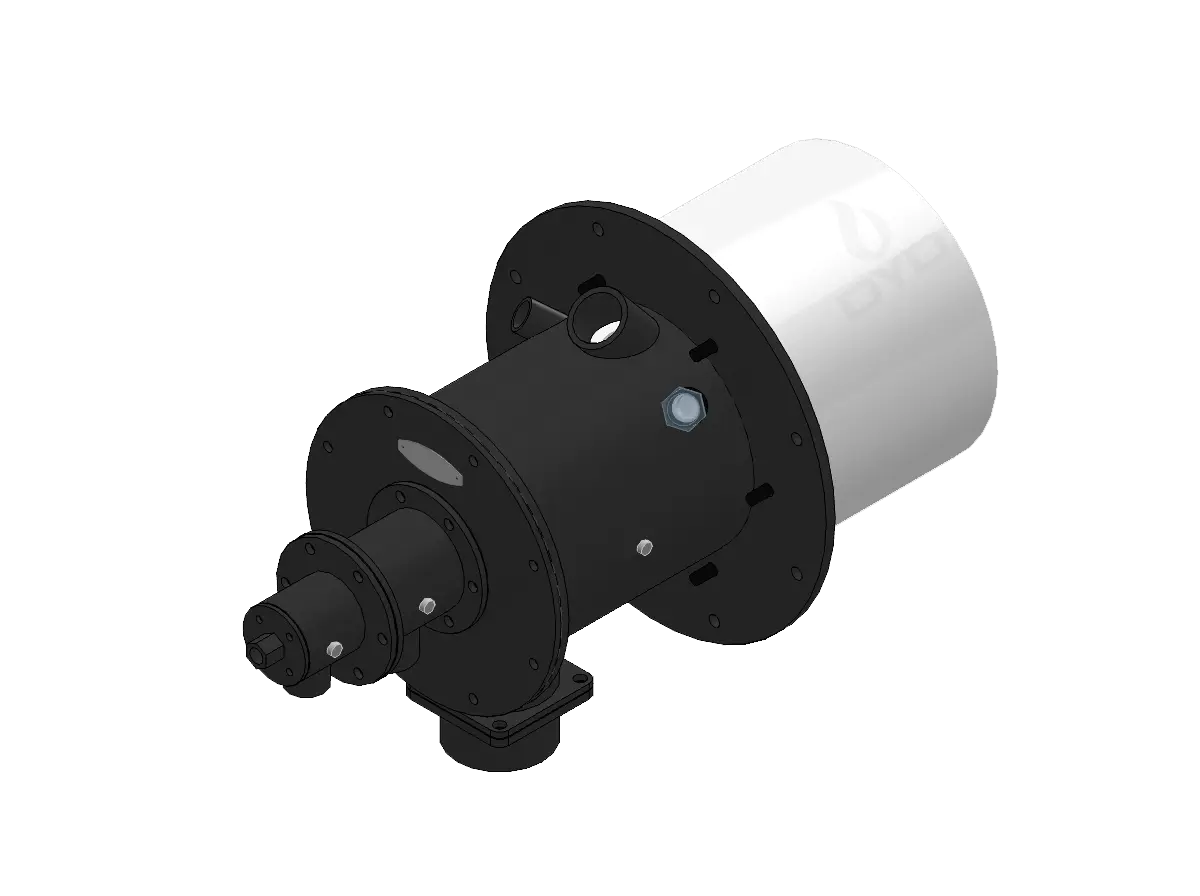
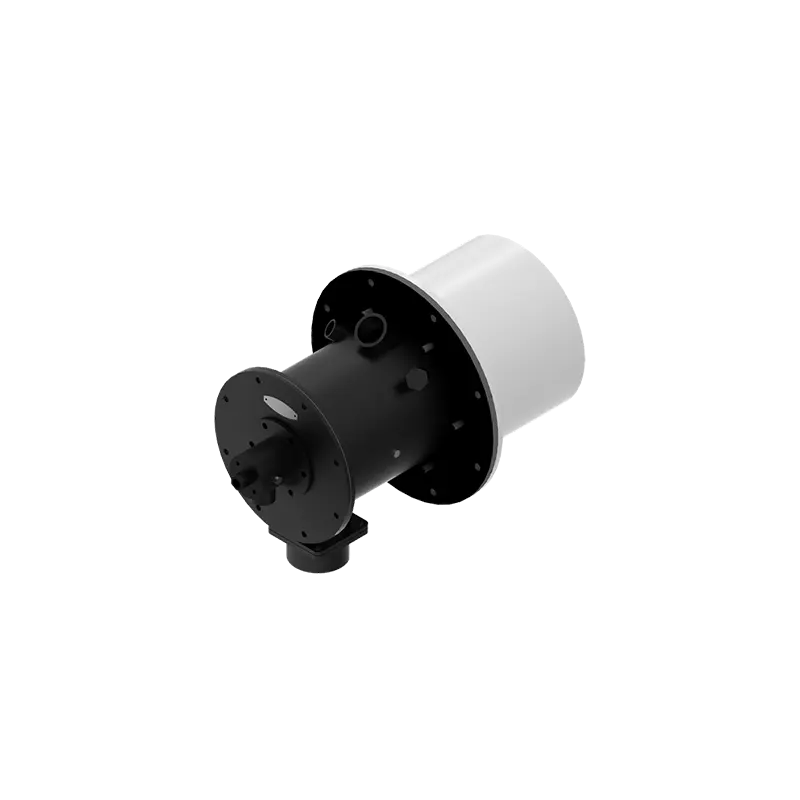
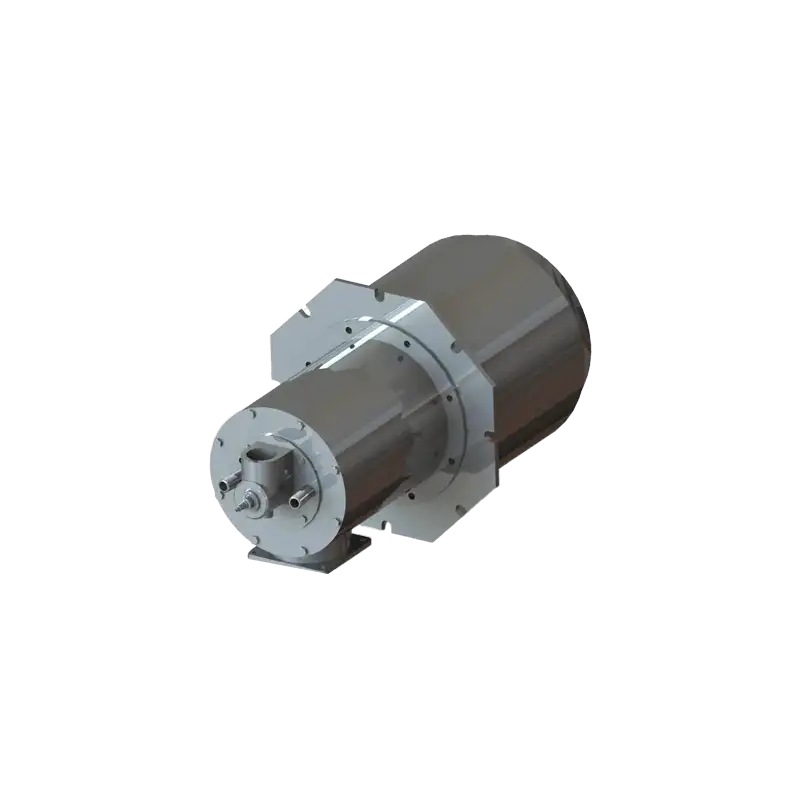
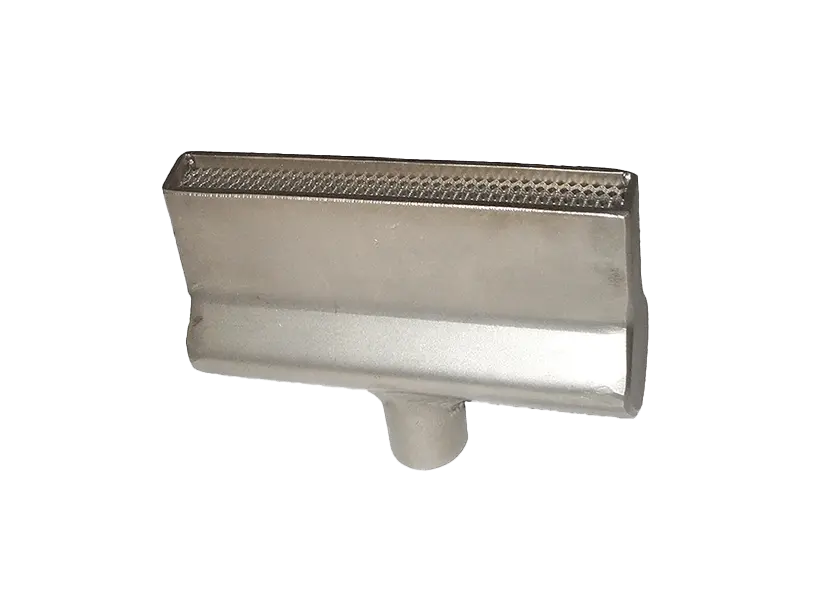
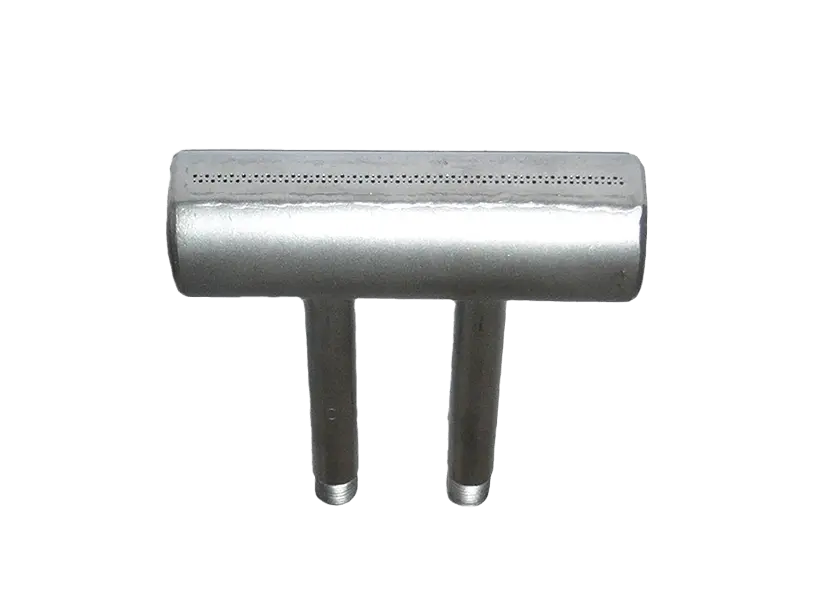
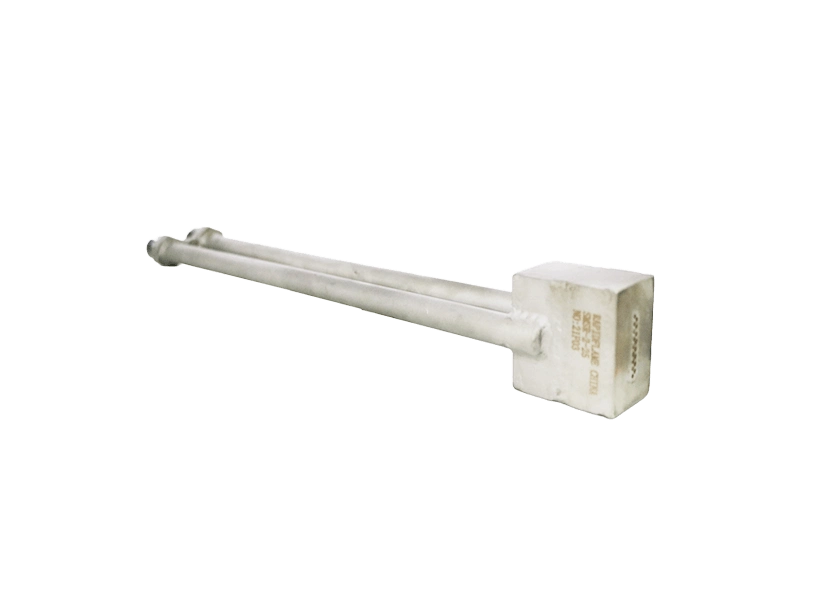
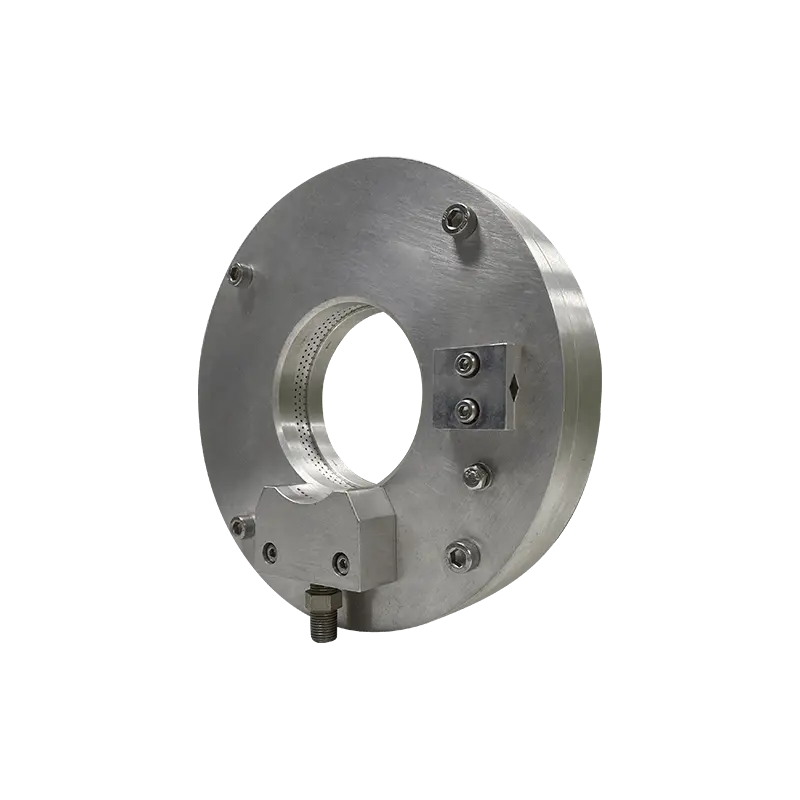
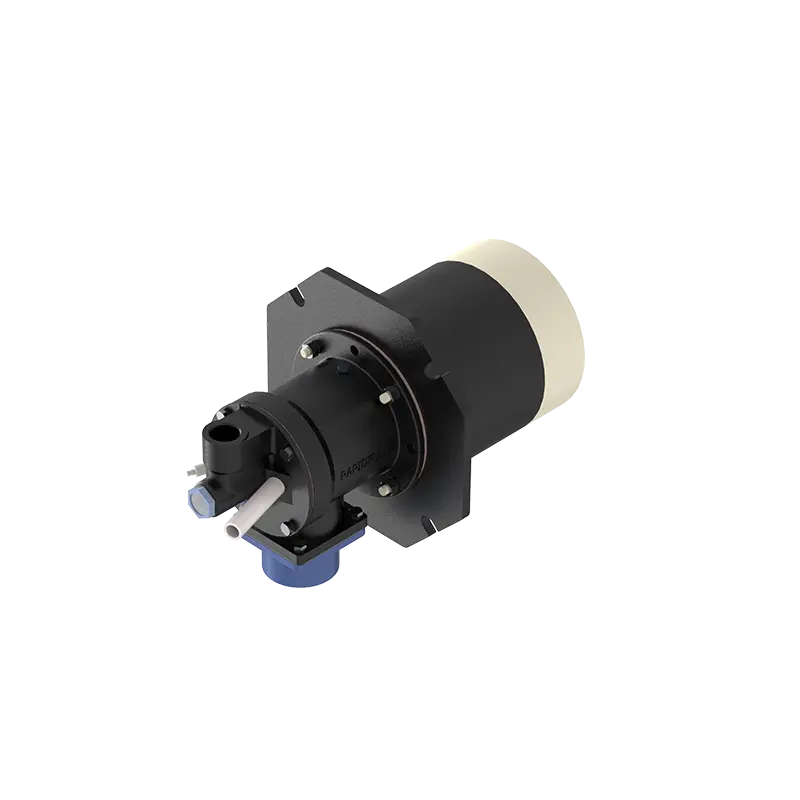
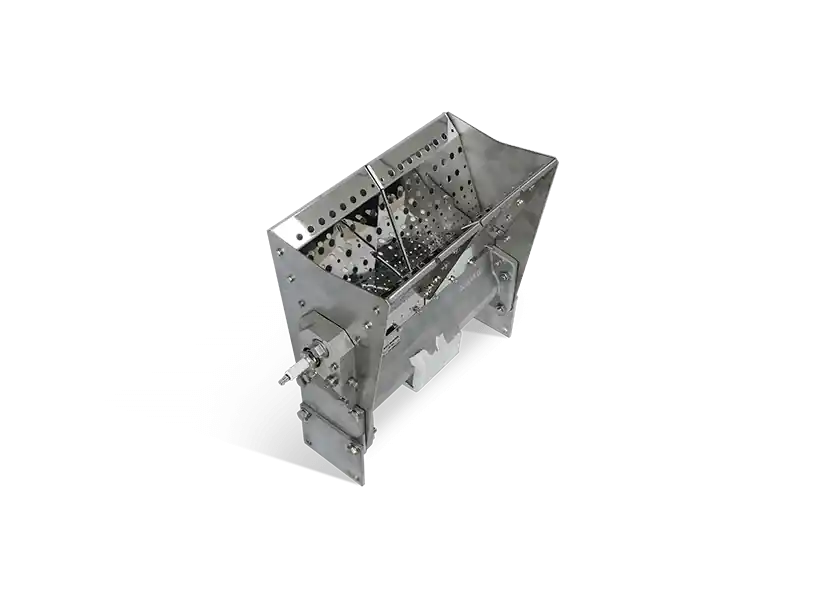
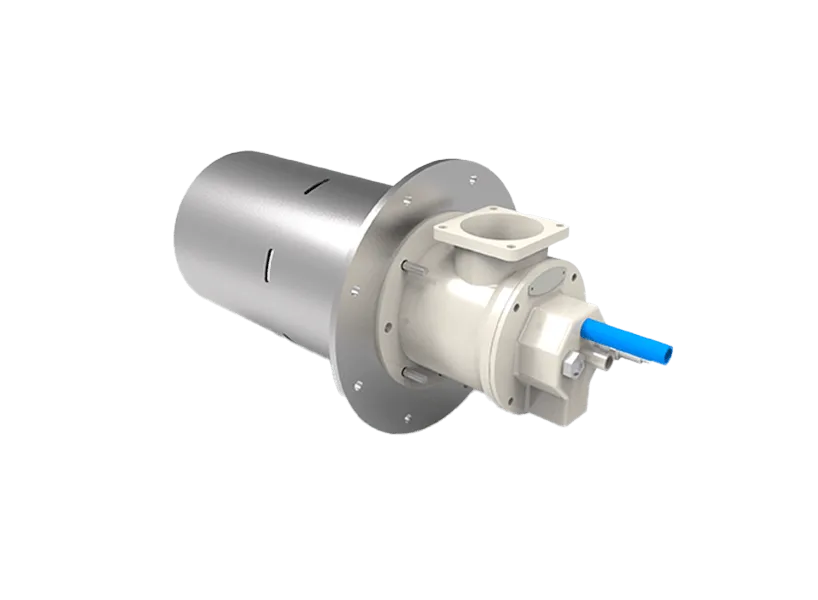
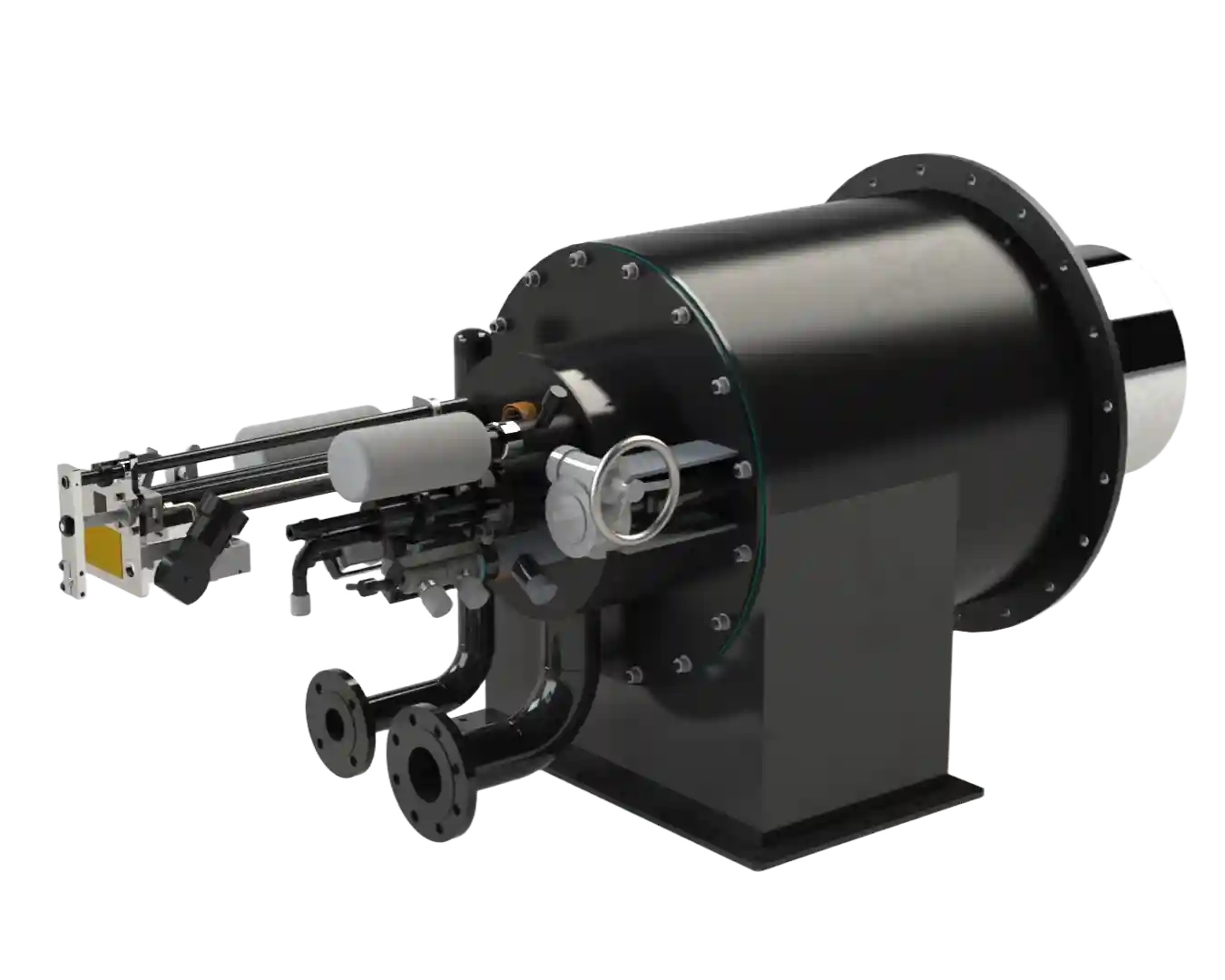
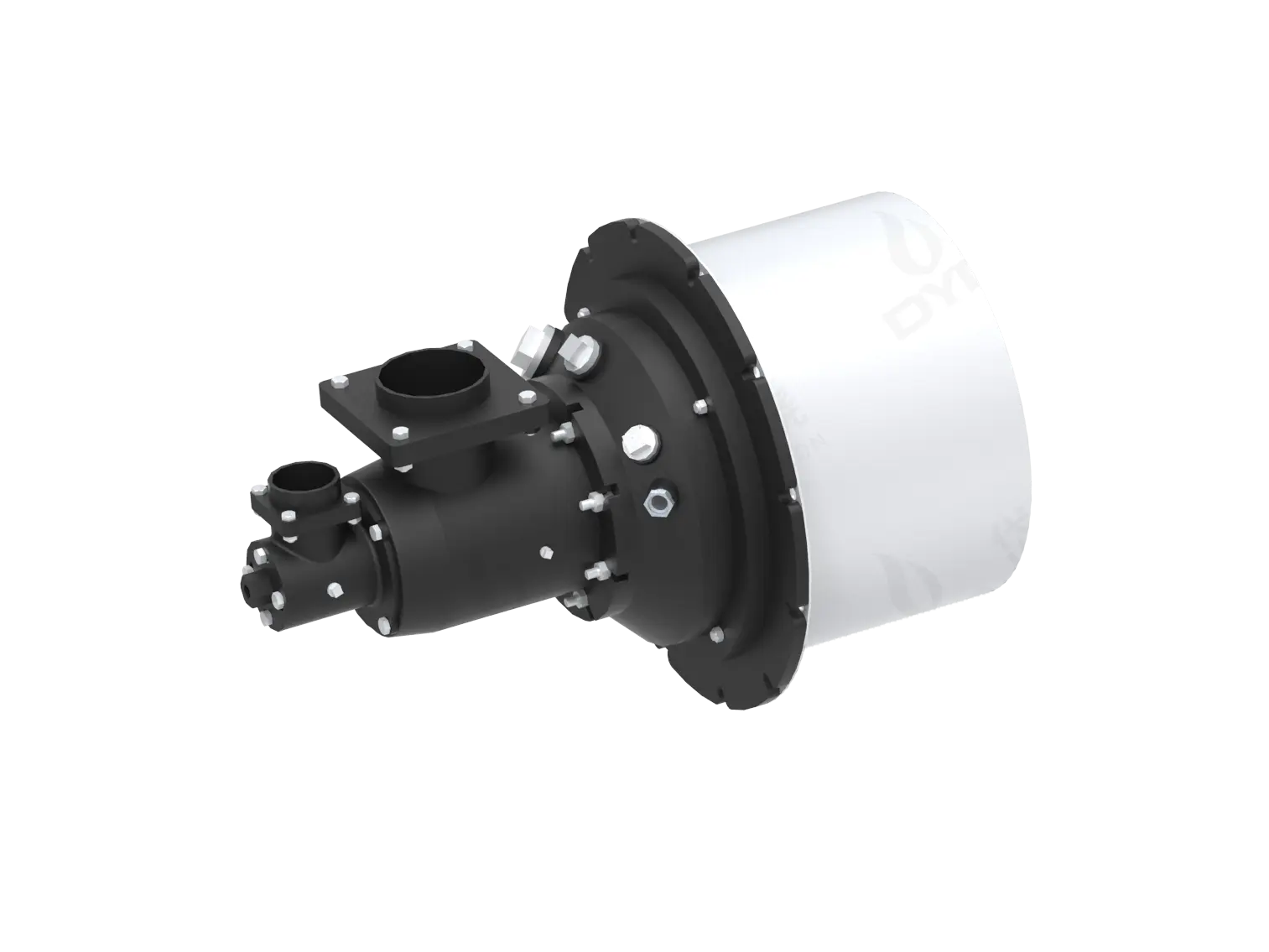
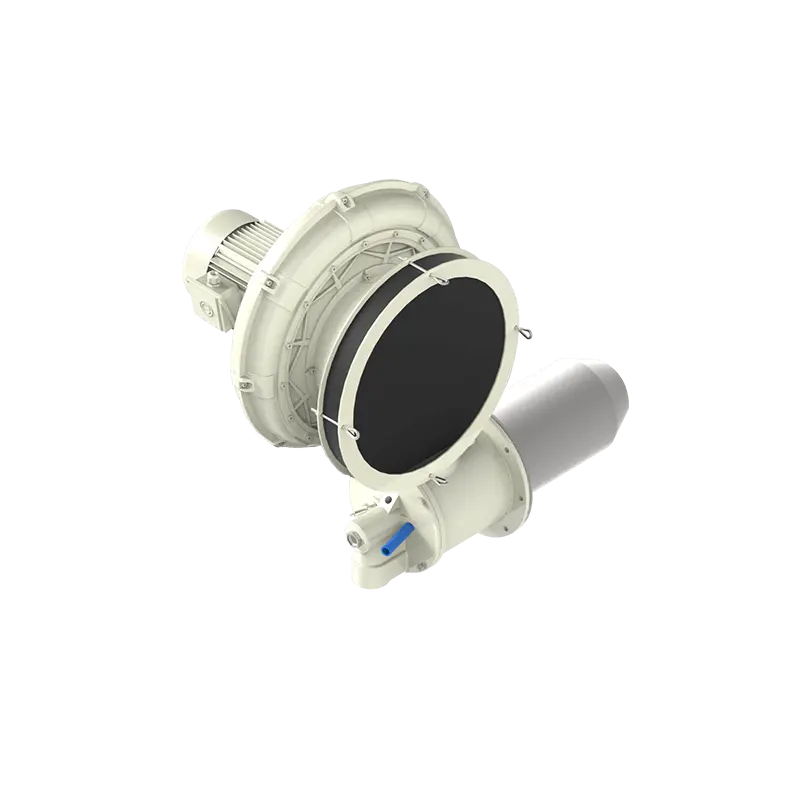
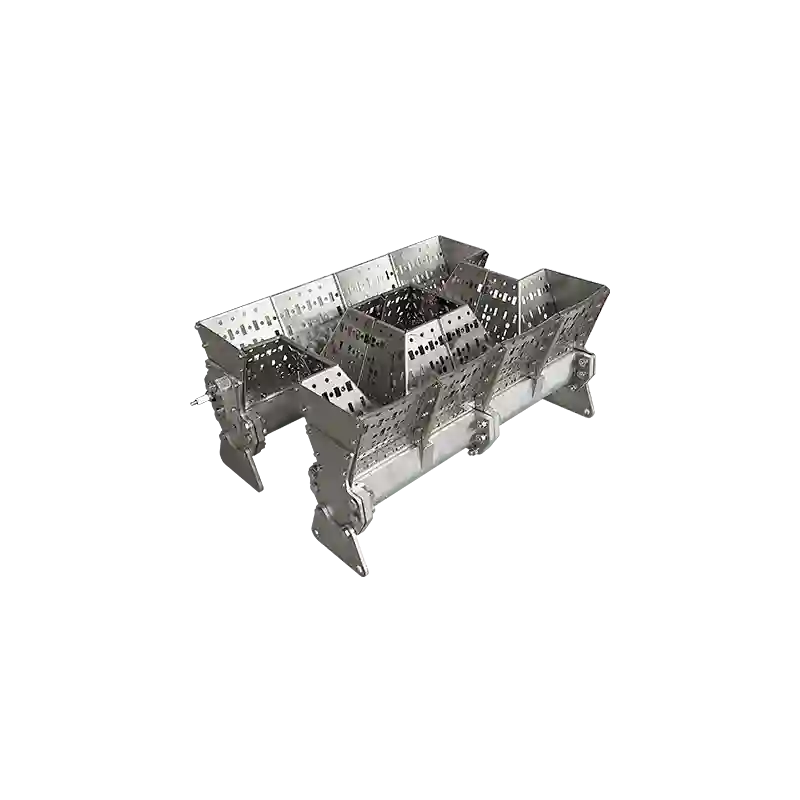
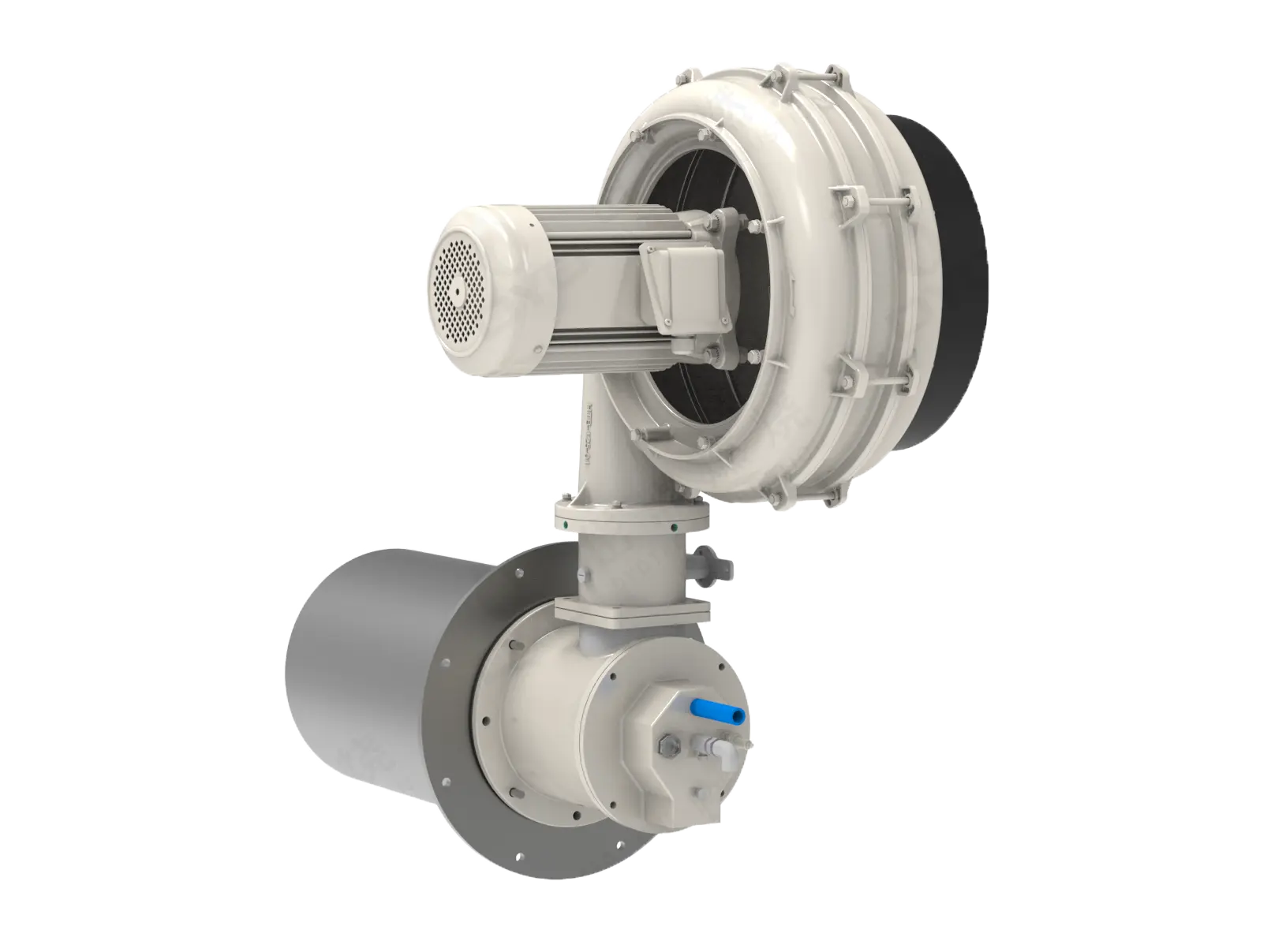
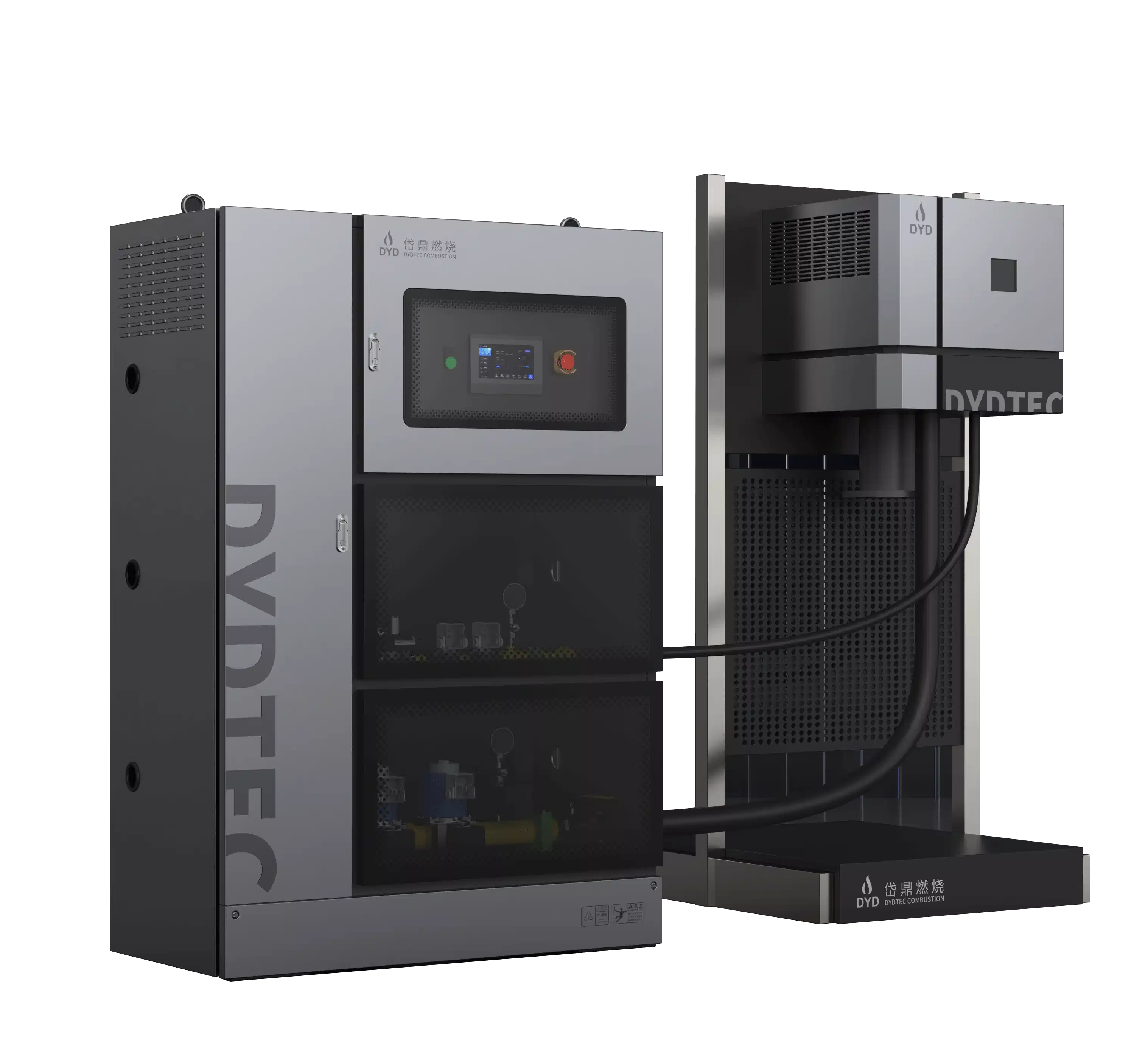
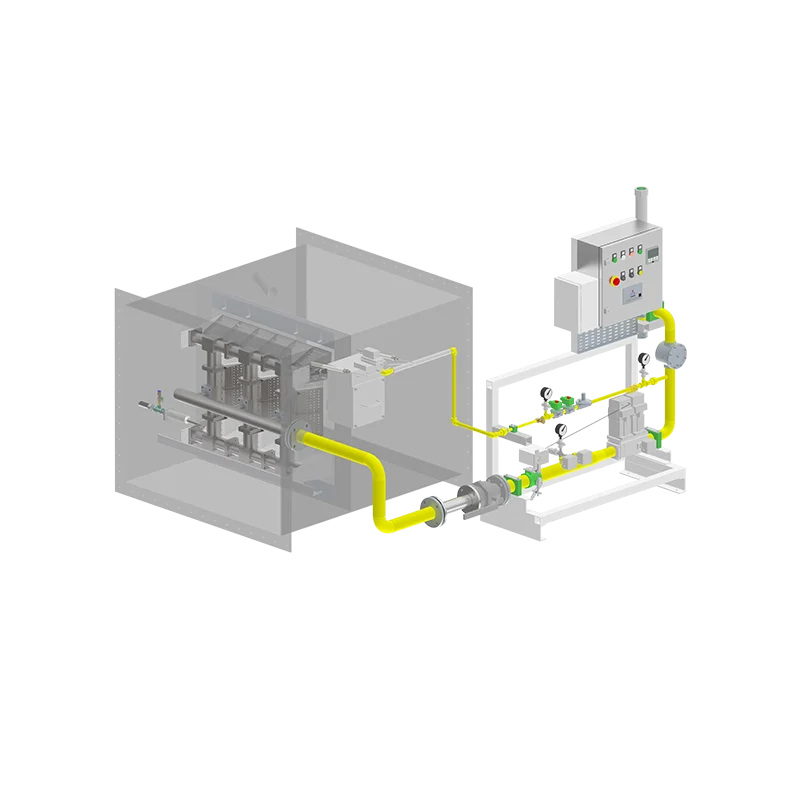
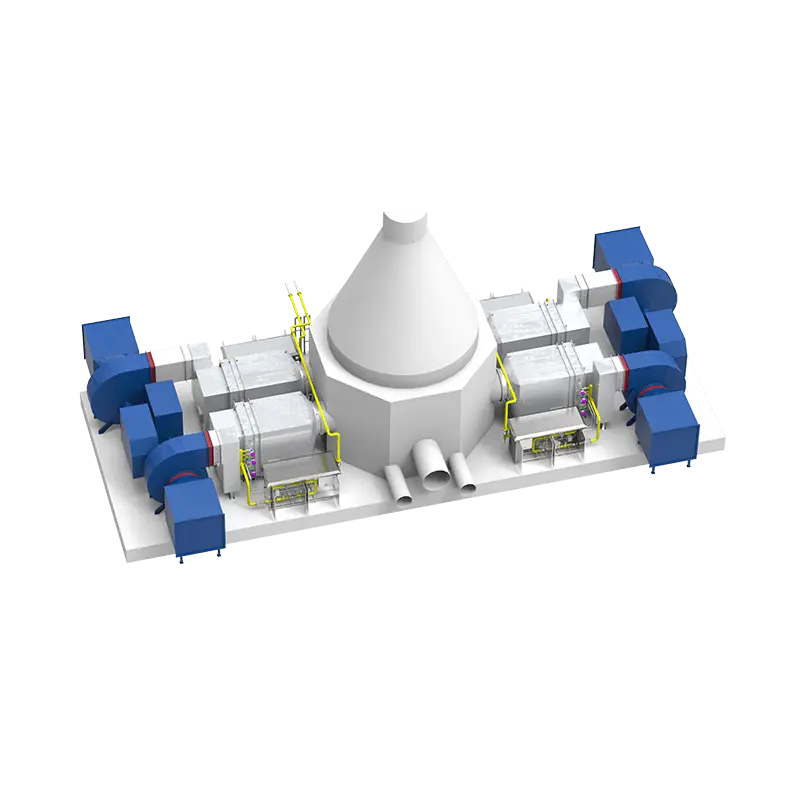
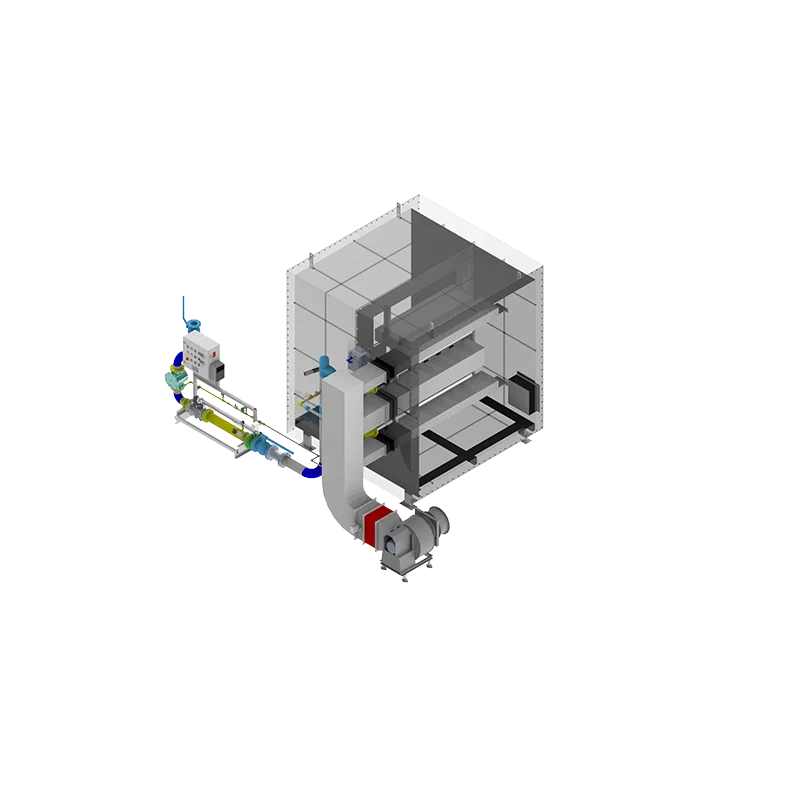
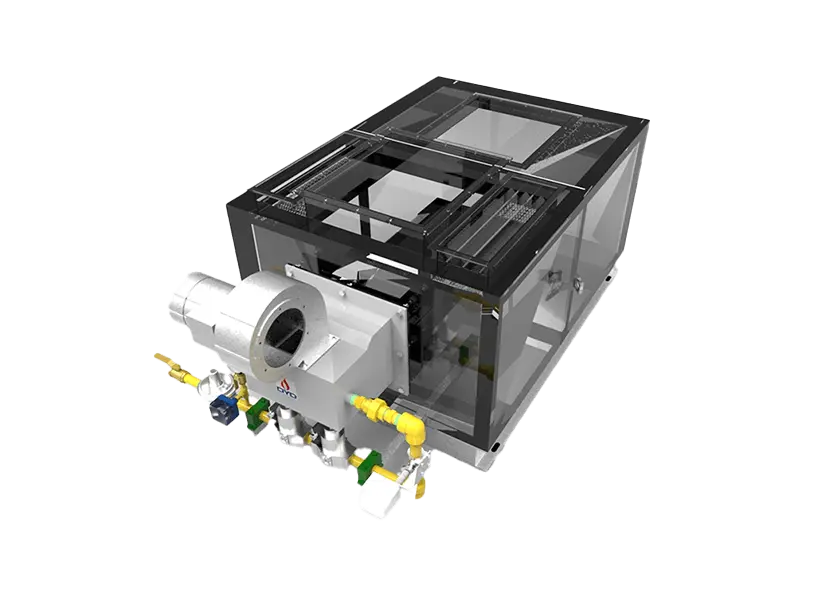
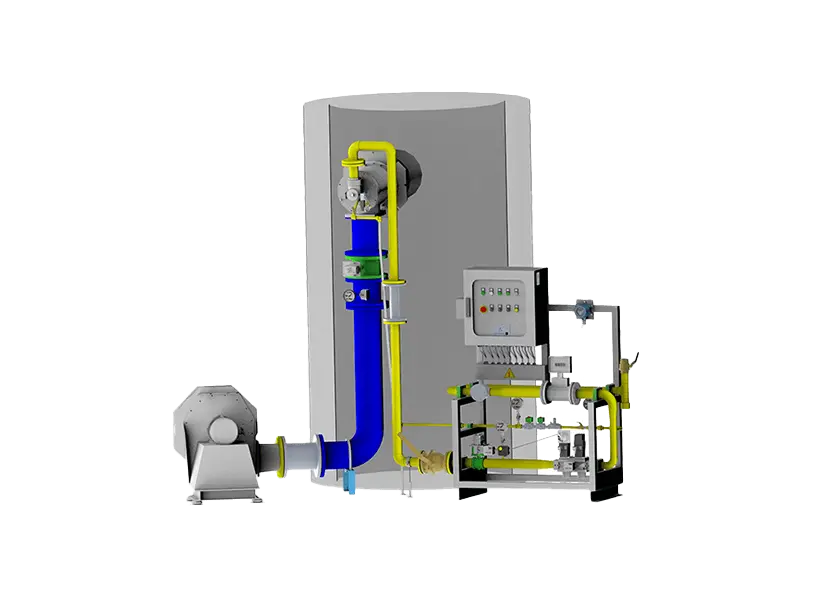
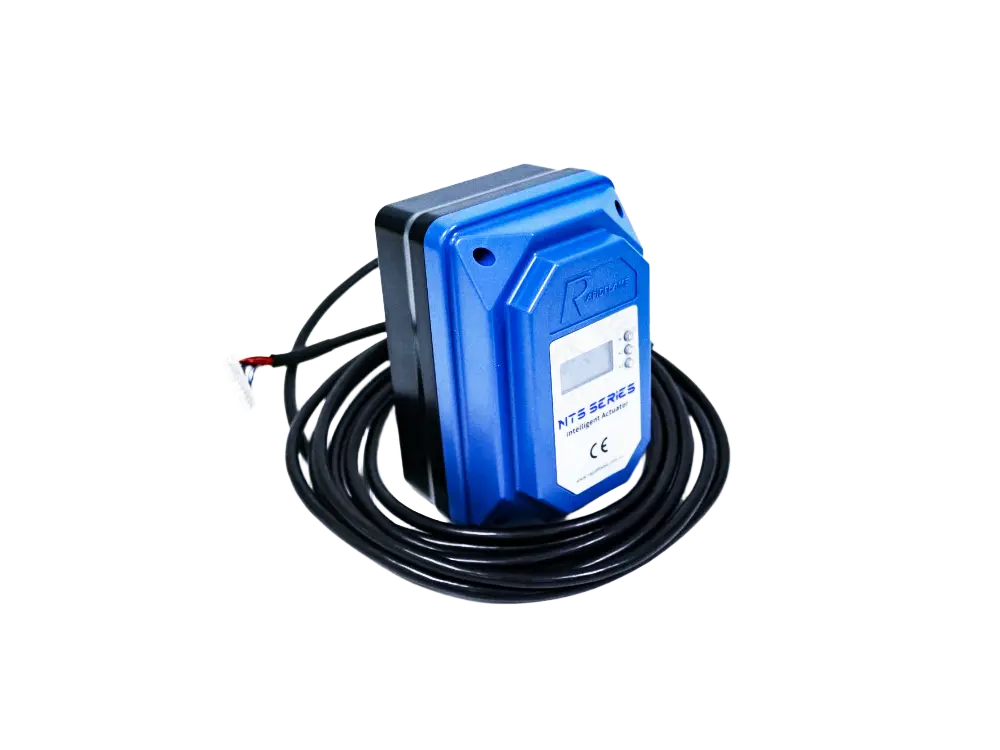
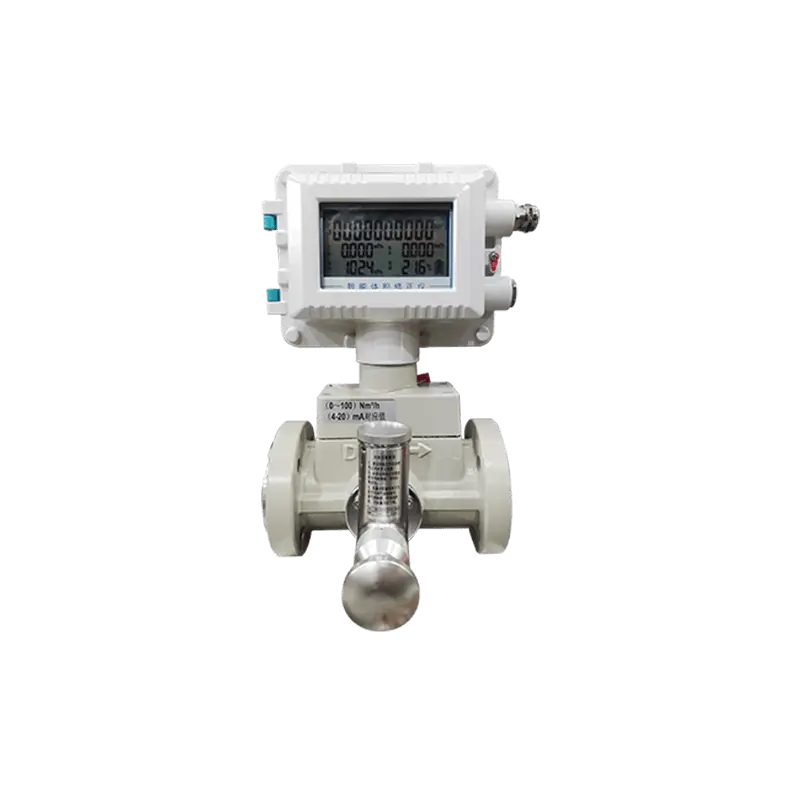
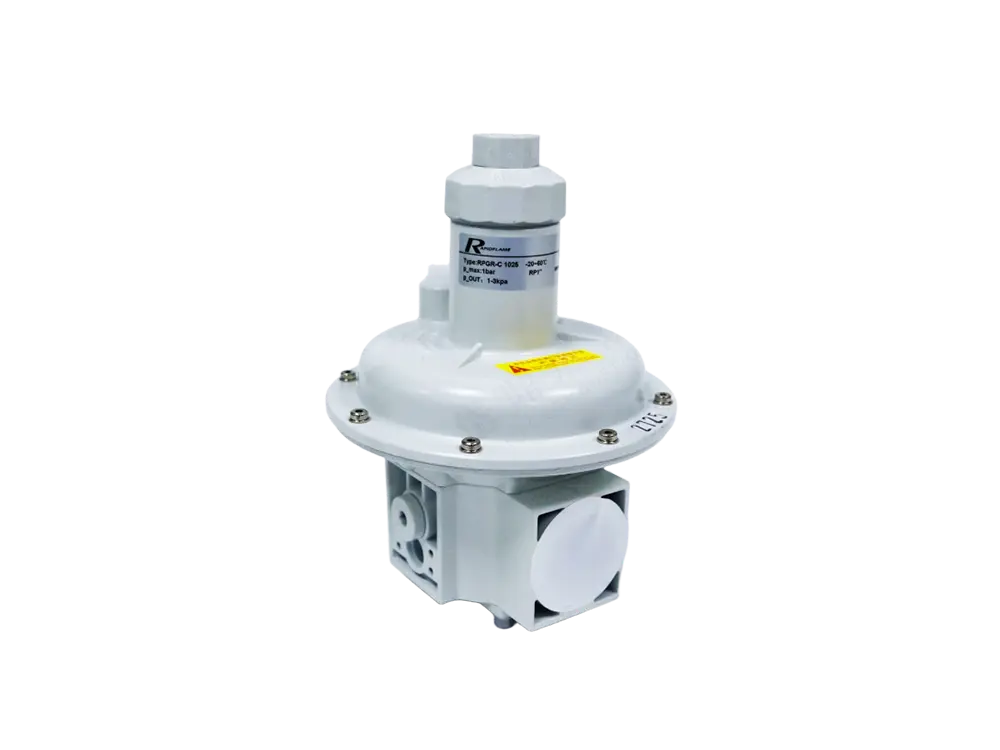
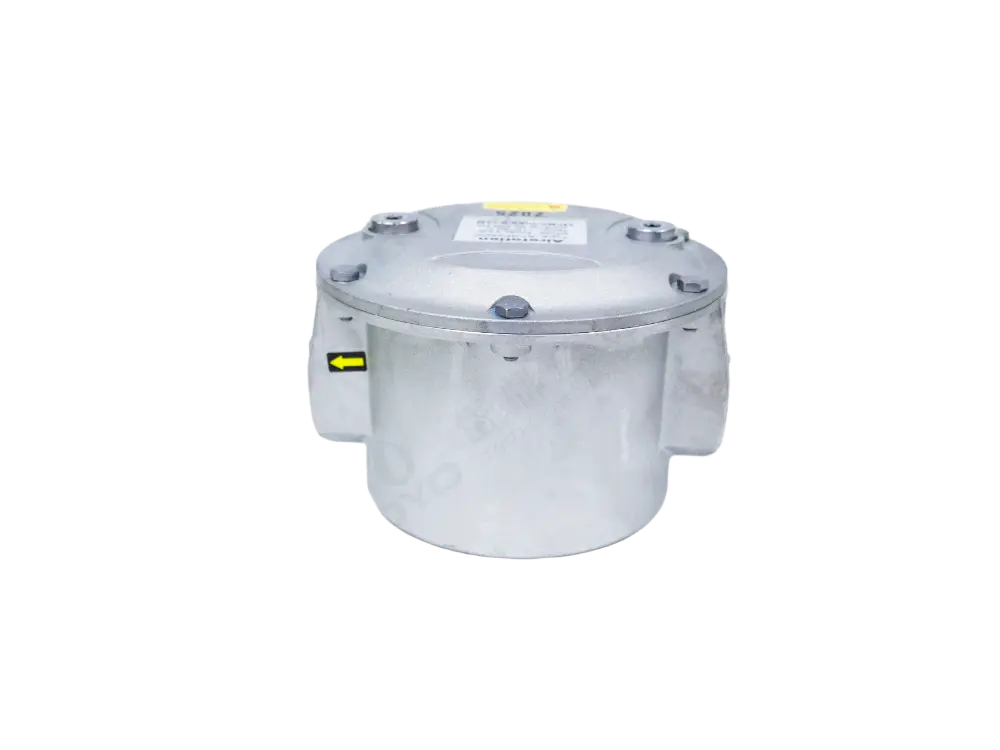
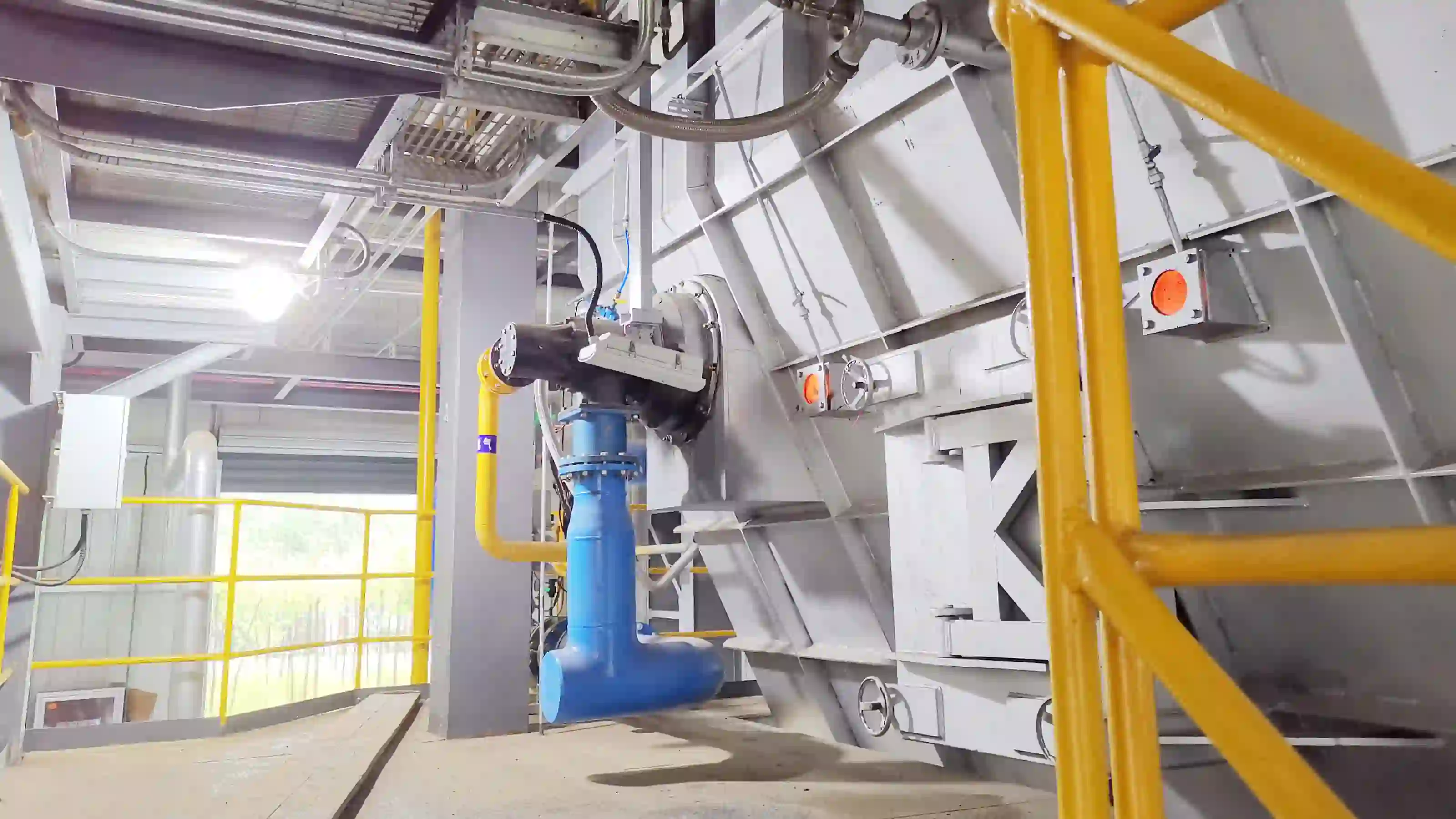
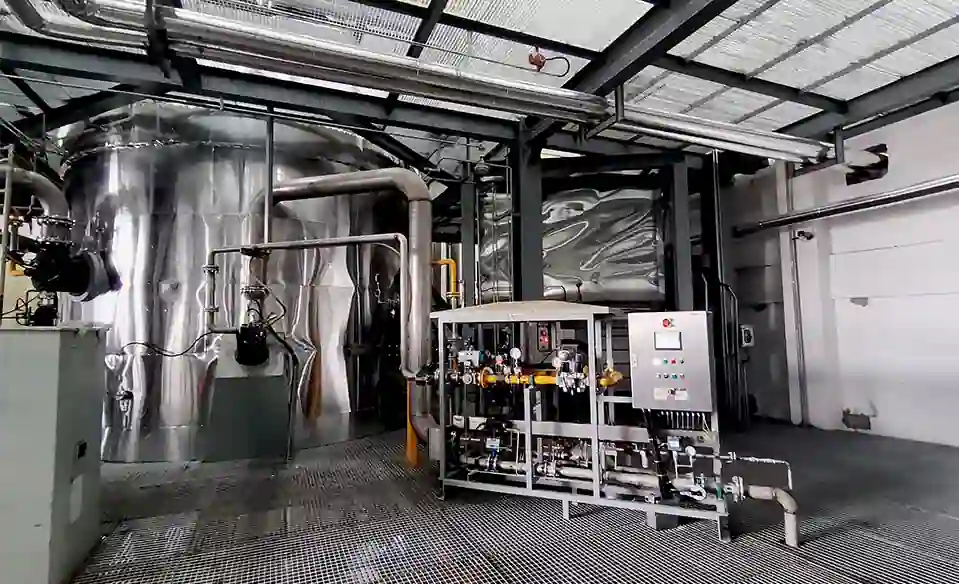
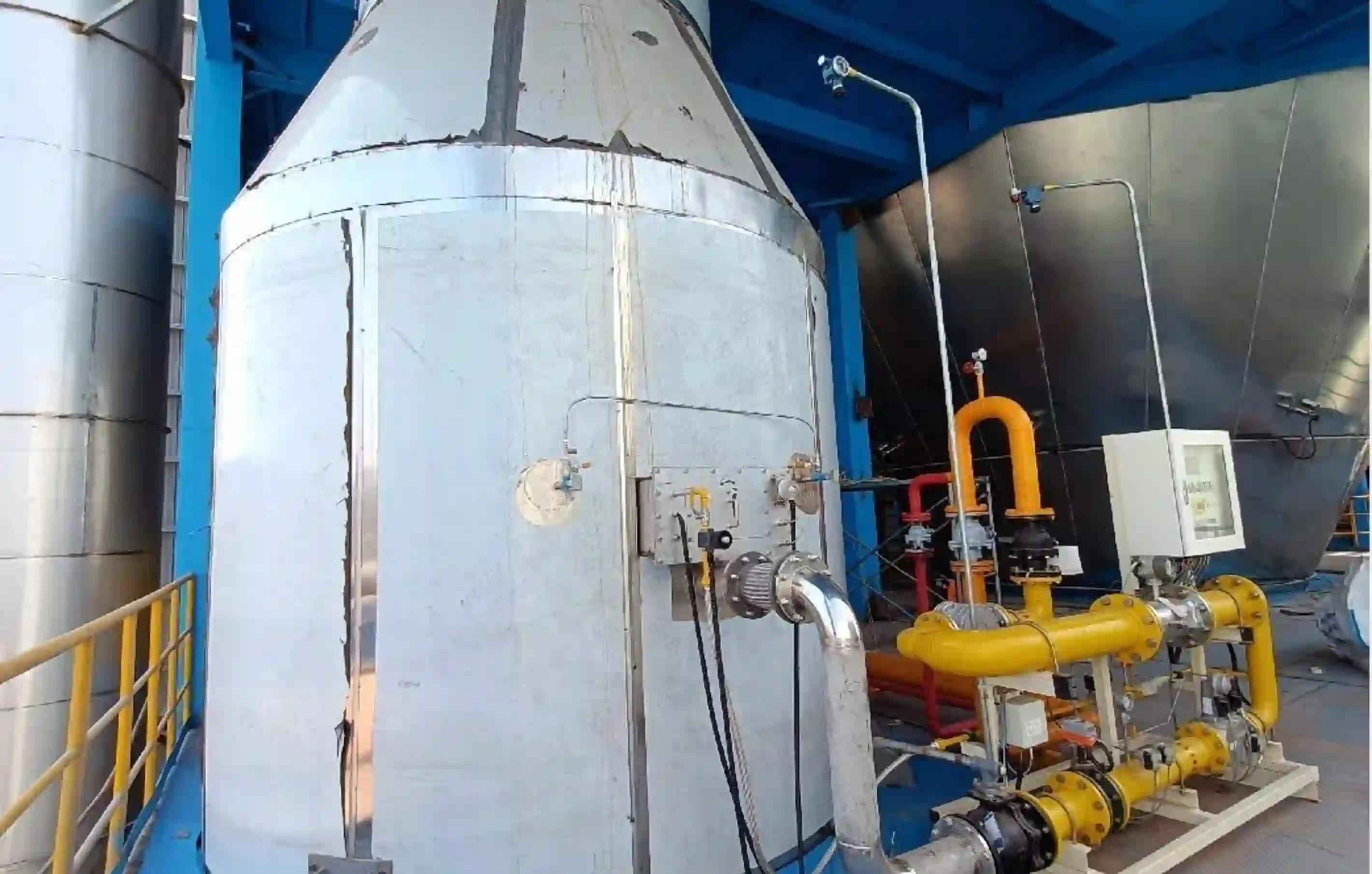
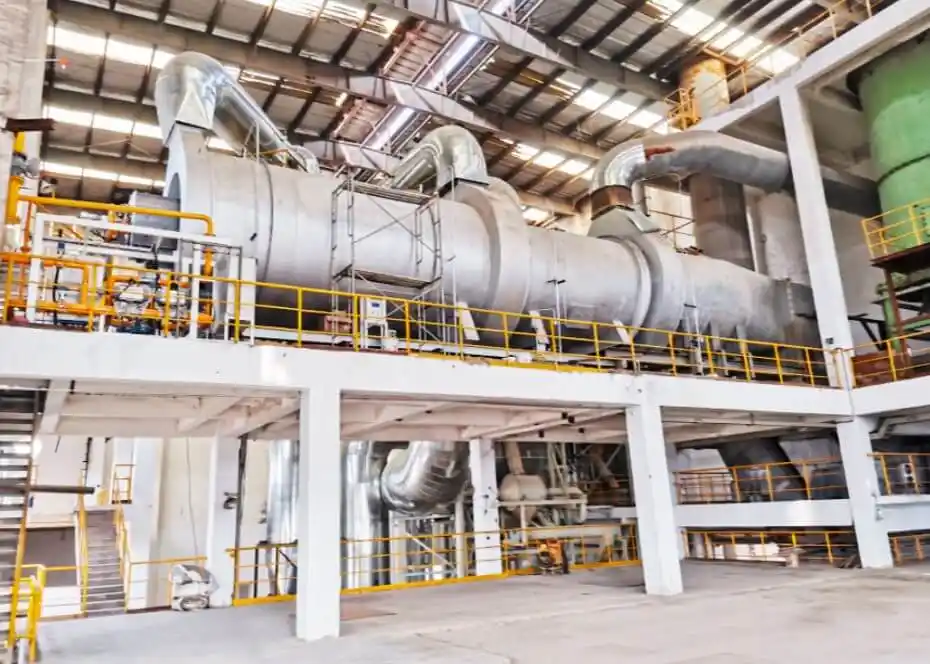
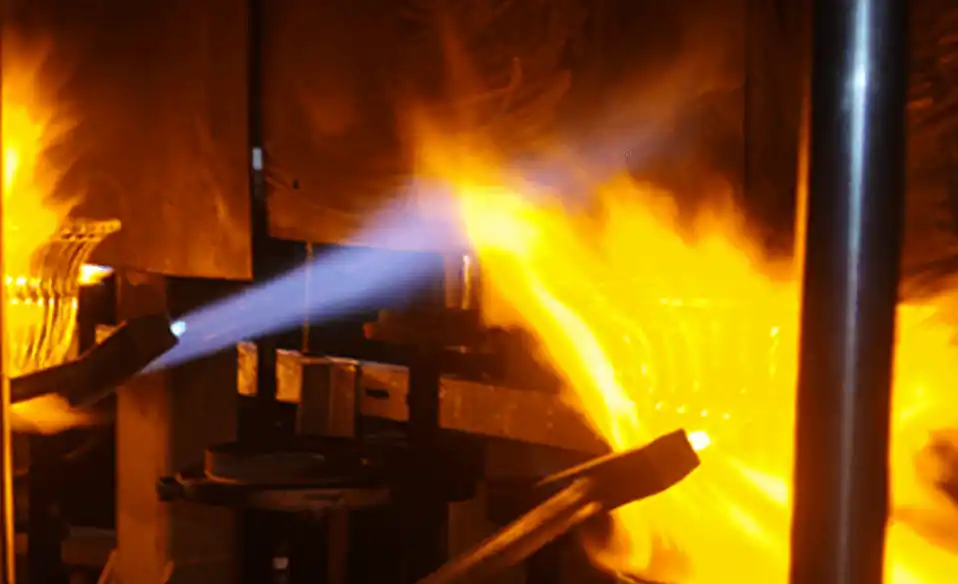
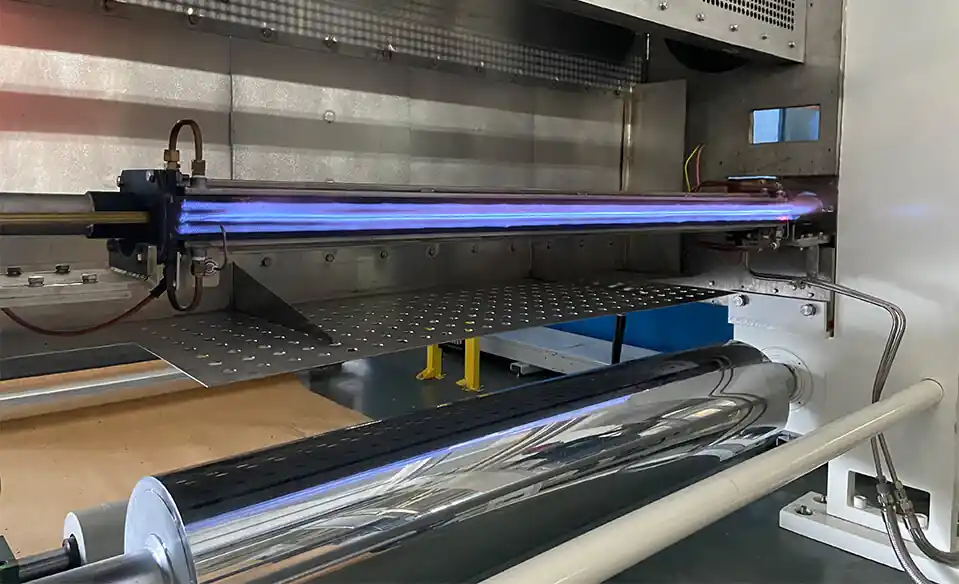
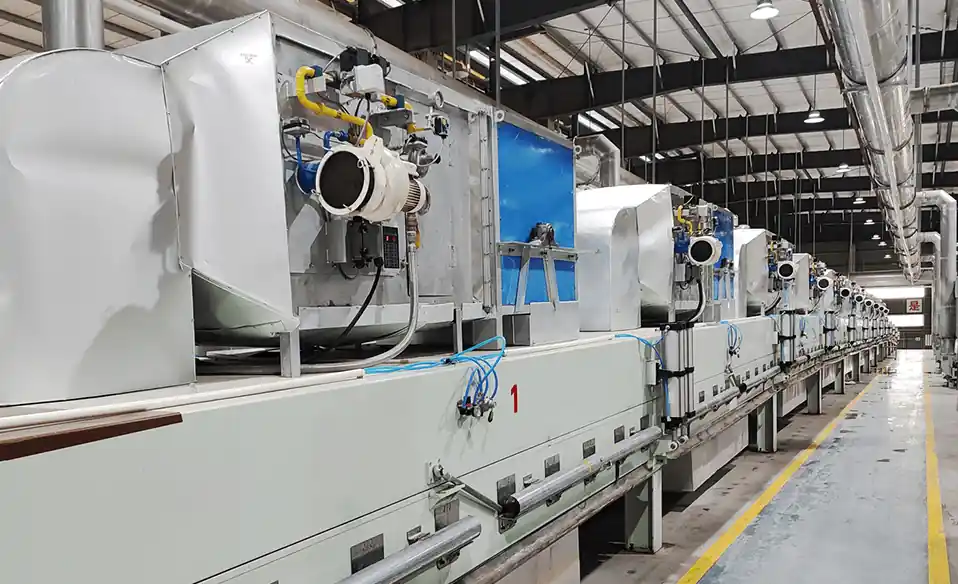
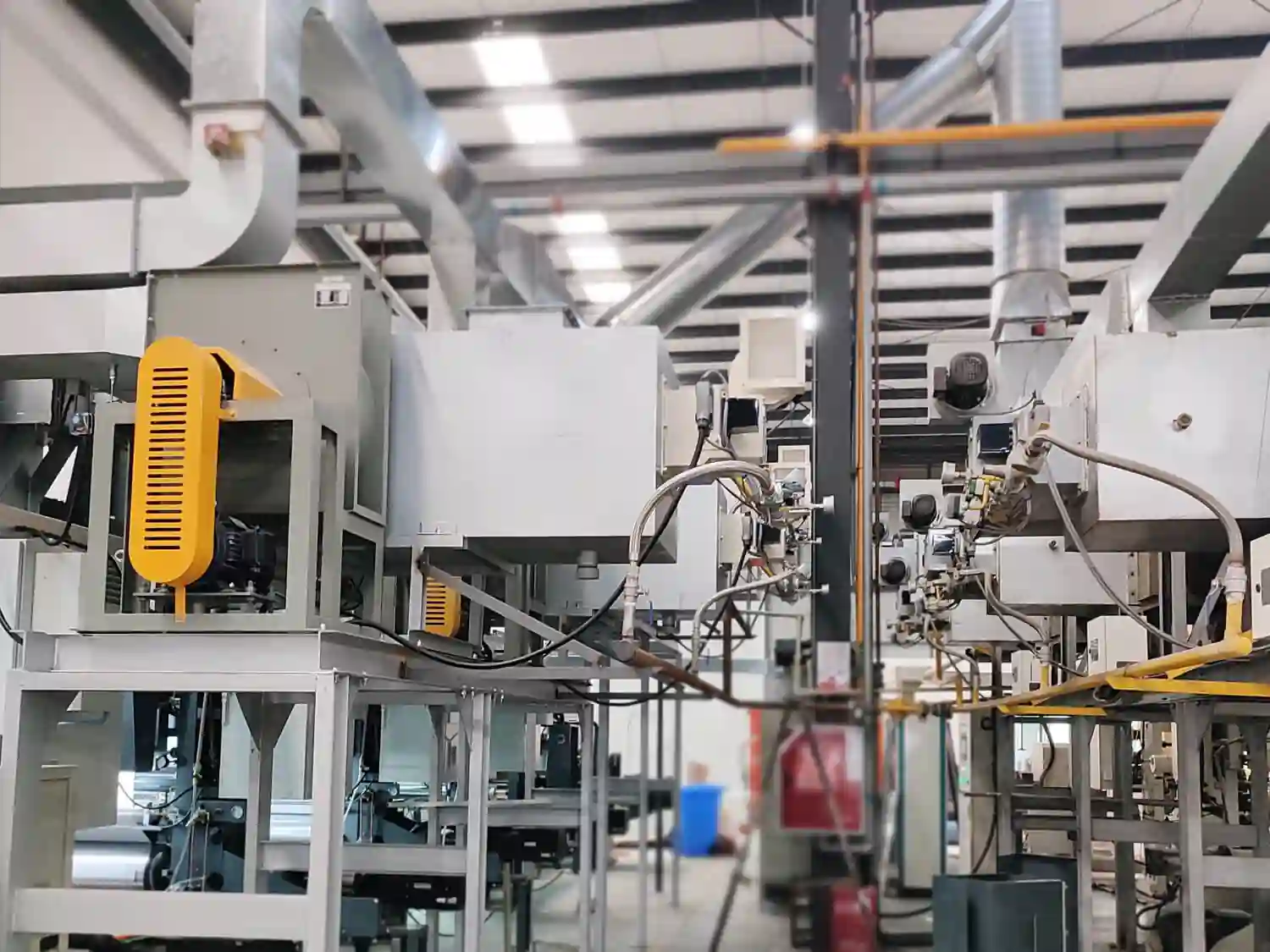
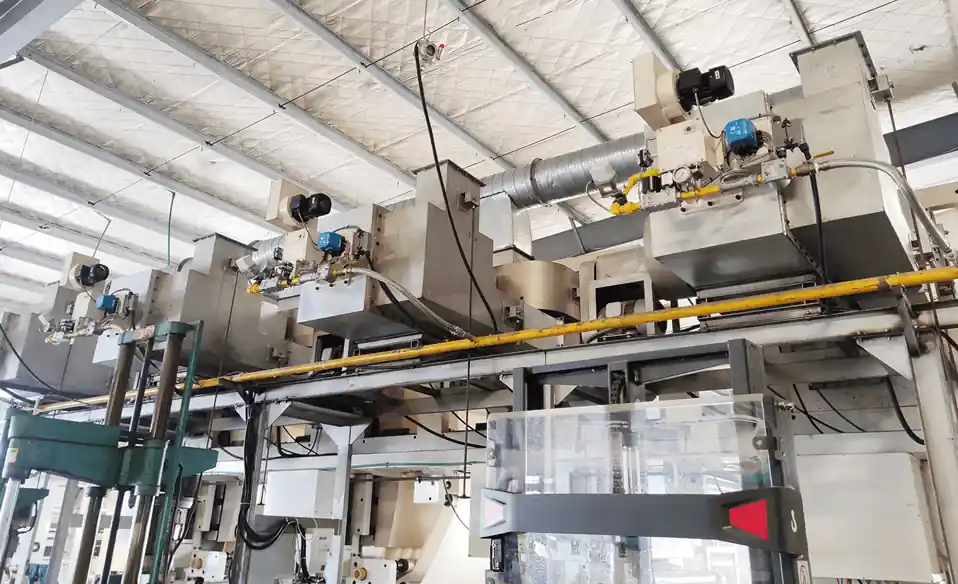
An industrial burner is a combustion device that mixes fuel and combustion air under controlled conditions to generate a stable flame for industrial heating processes. It is widely used in kilns, furnaces, ovens, dryers, thermal oxidizers (RTO), hot air generators, and heat treatment systems where efficiency, temperature uniformity, safety, and low emissions are essential. In practice, the burner must respond dynamically to changing process loads, maintain a consistent flame profile across a wide turndown ratio, and interface seamlessly with plant-wide distributed control systems (DCS) to ensure both productivity and regulatory compliance.
Industrial burners provide controlled heat for industrial manufacturing processes.
Burner performance depends on combustion efficiency, flame stability, and precise air-fuel control.
Proper burner selection improves product quality while reducing fuel consumption.
Different applications require different burner designs and flame characteristics.
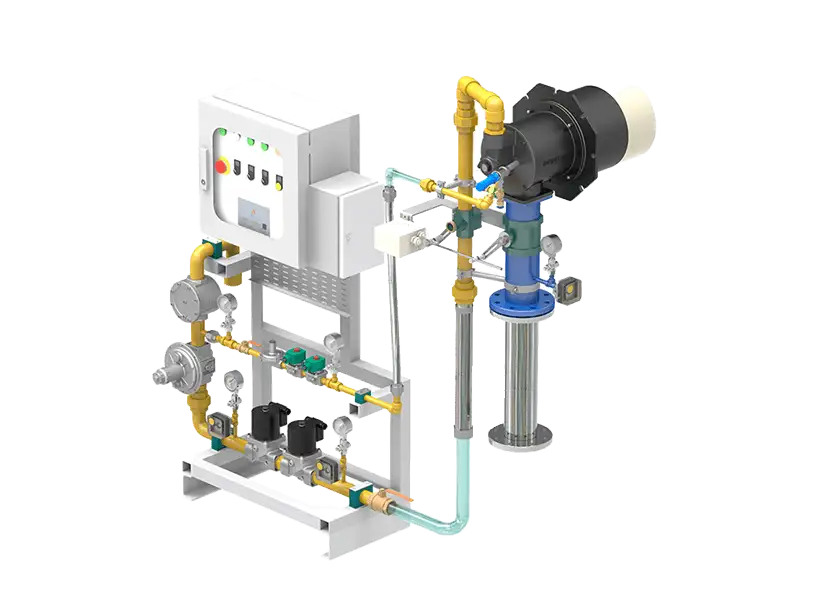
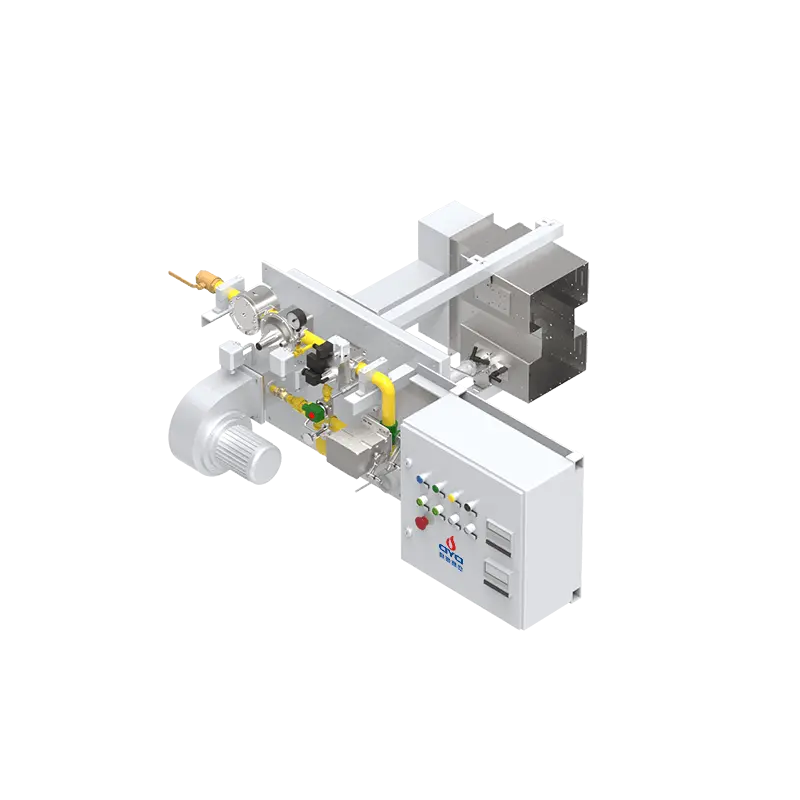
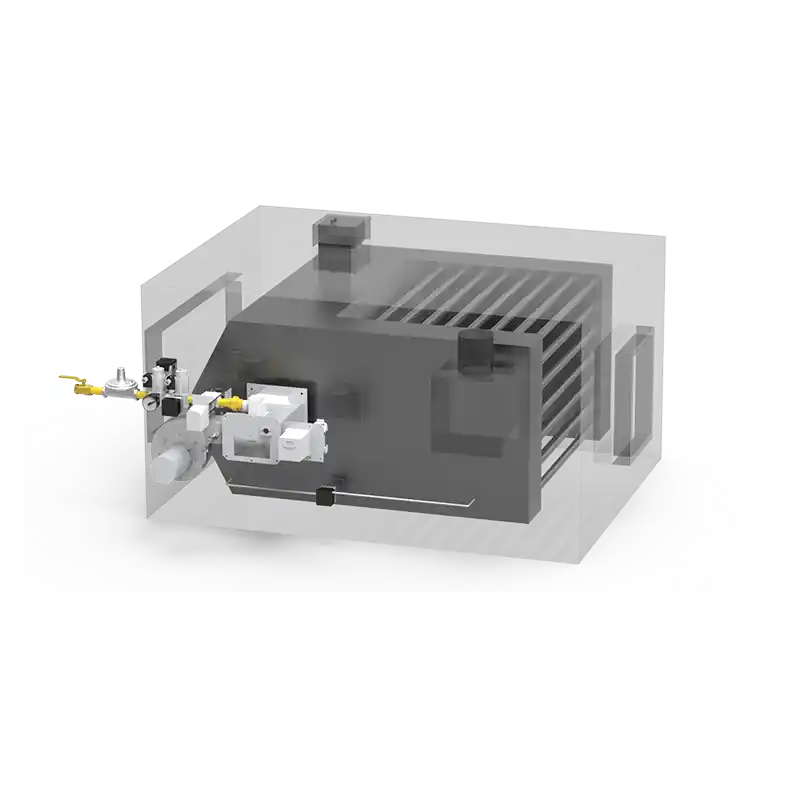
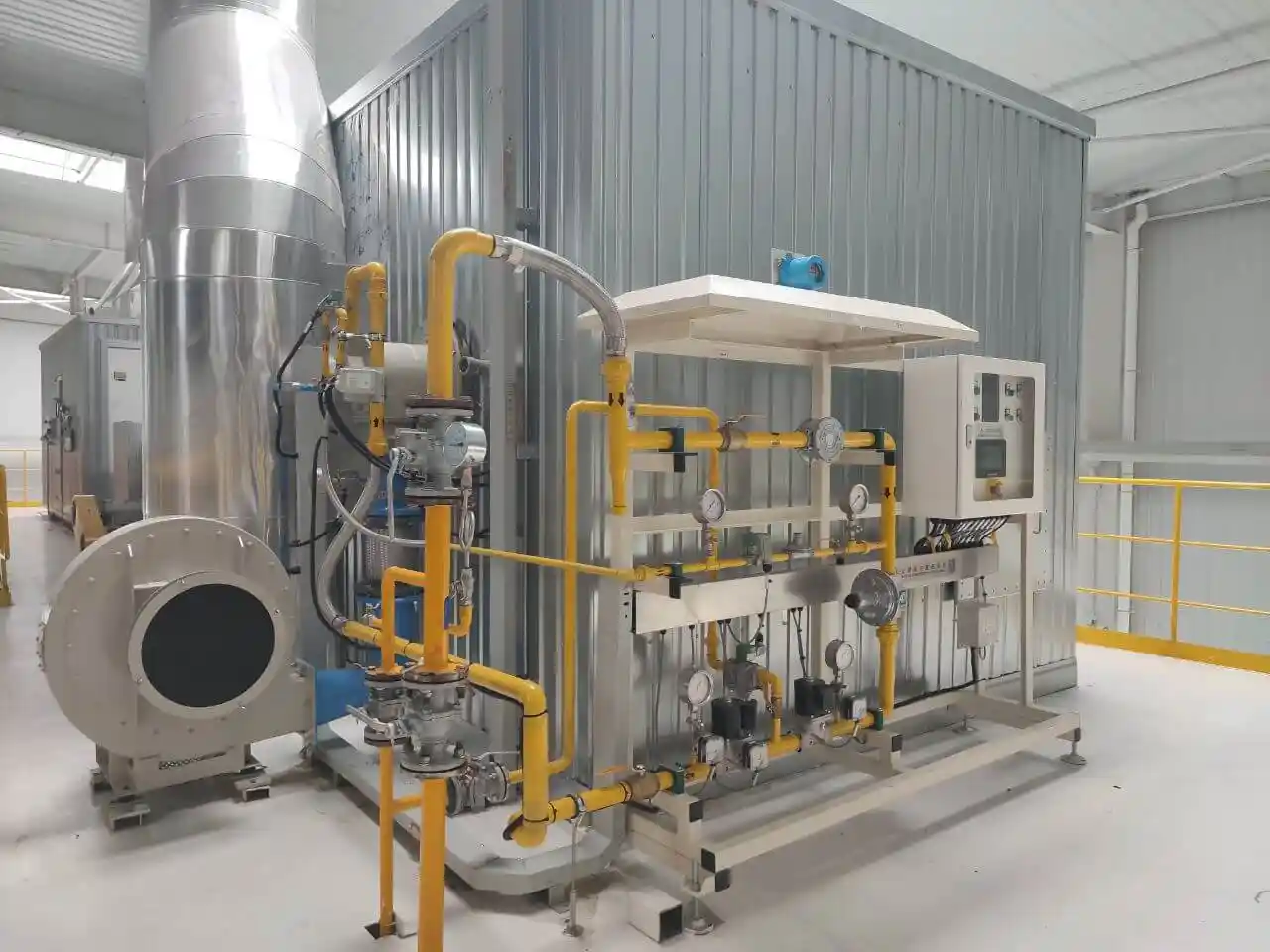
A burner is one part of a complete combustion system.
An industrial burner is a device designed to mix gaseous fuel with combustion air in the correct proportion, ignite the mixture safely, and maintain a stable flame for industrial heating applications. The "correct proportion" typically refers to maintaining an optimal excess air level—usually between 5% and 20% depending on fuel type and firing rate—to achieve complete combustion while minimizing heat loss through flue gases.
Unlike residential heating burners, industrial burners are engineered for continuous operation, higher thermal outputs, wider operating ranges, and integration with automated combustion control systems. While a residential burner might operate at a fixed input of 20–100 kW, industrial burners commonly range from 100 kW up to several tens of megawatts, with some specialized designs exceeding 50 MW per single burner. They are also built to withstand harsh environments, including high furnace pressures, dusty atmospheres, and rapid thermal cycling.
Their primary objective is to convert fuel into useful thermal energy with maximum efficiency while maintaining safe and environmentally compliant operation. This involves not only achieving high combustion efficiency (typically 95–99% for well-tuned natural gas systems) but also minimizing pollutants such as nitrogen oxides (NOx), carbon monoxide (CO), and unburned hydrocarbons through careful flame temperature control and staged combustion strategies.
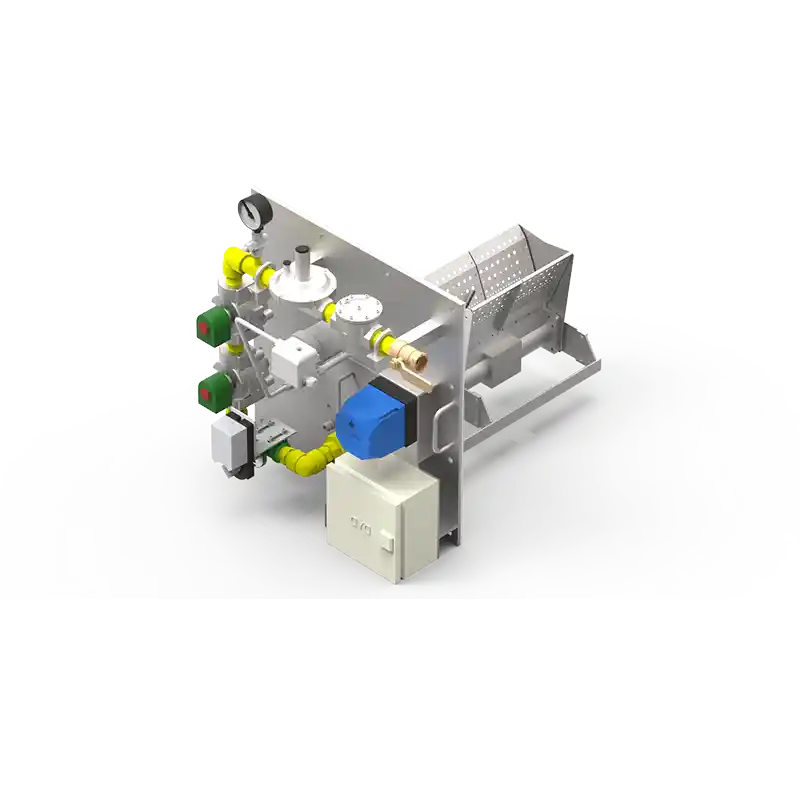
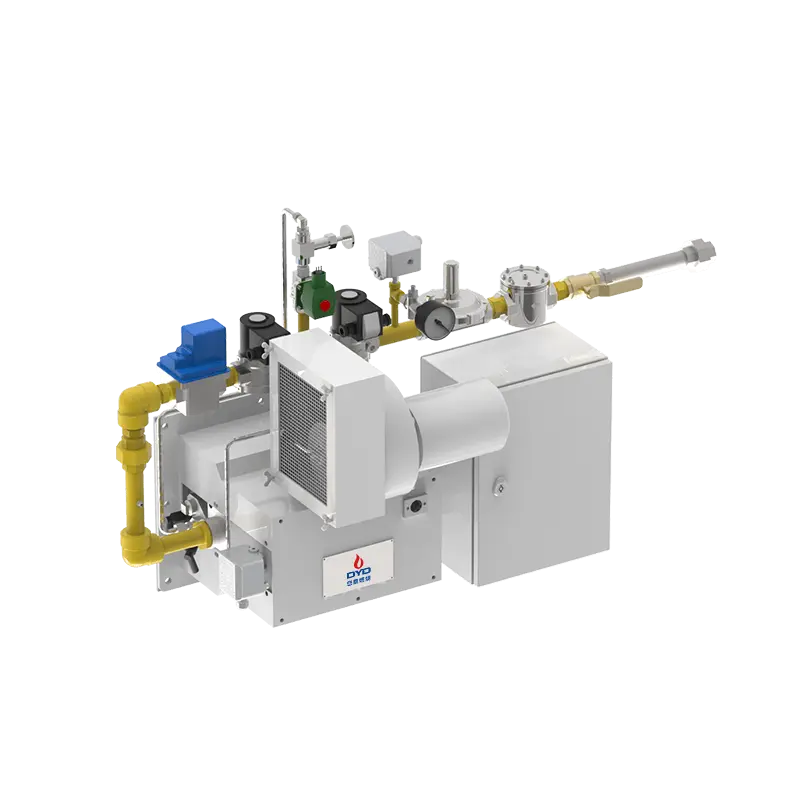
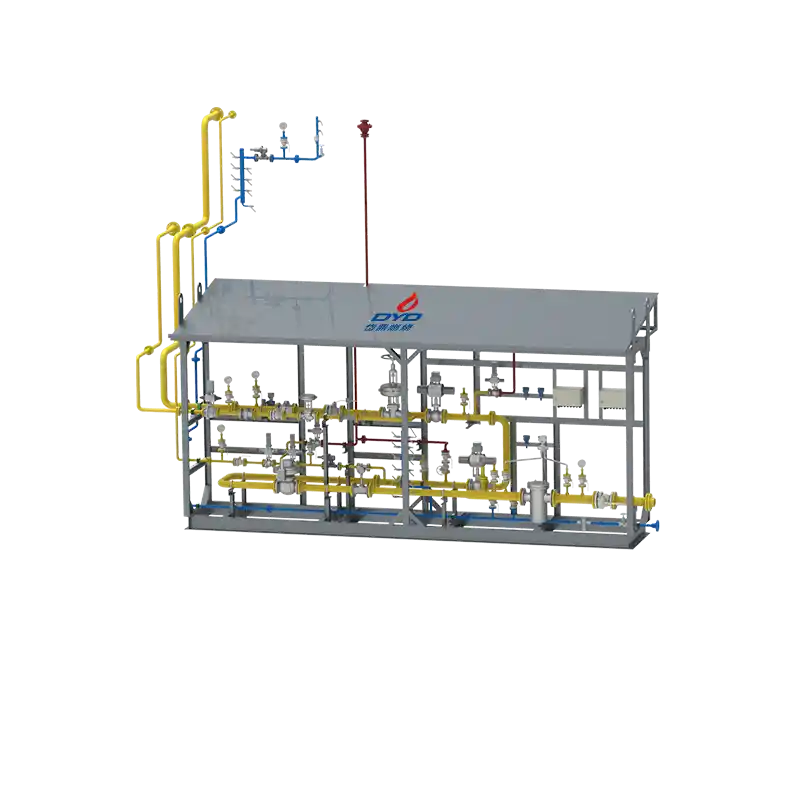
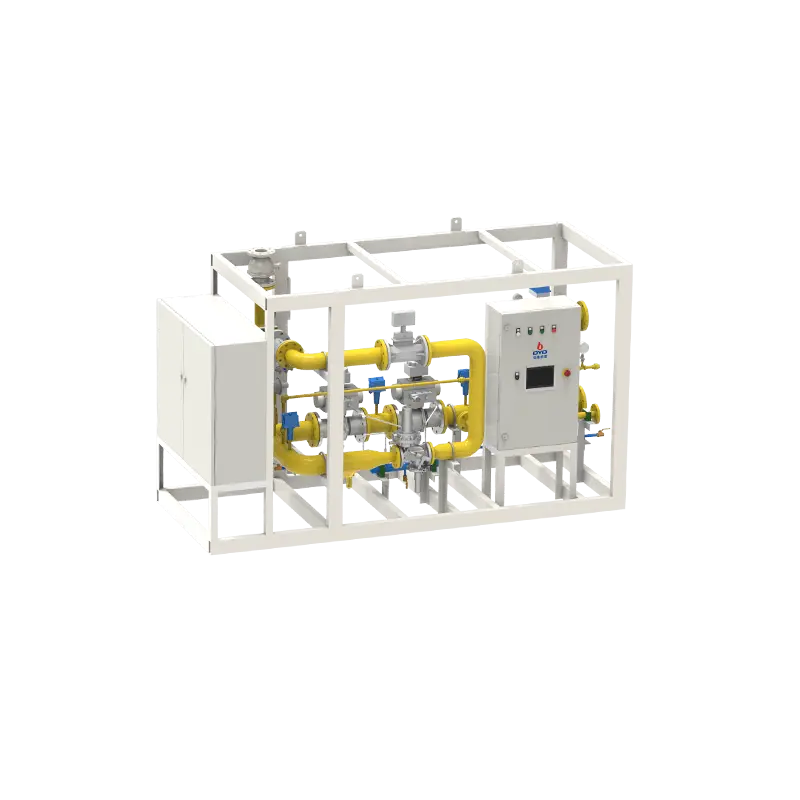
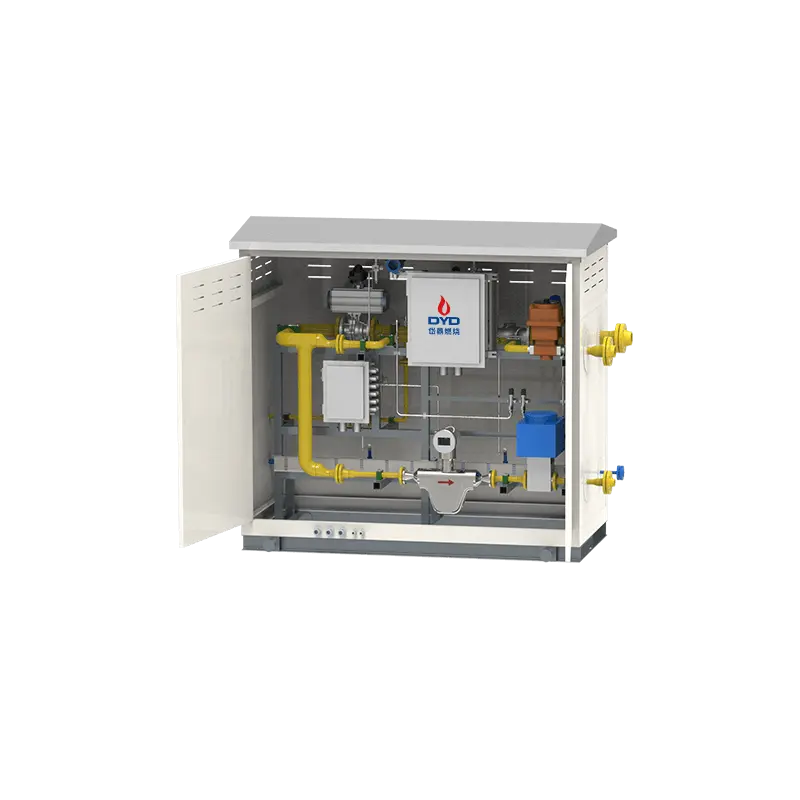
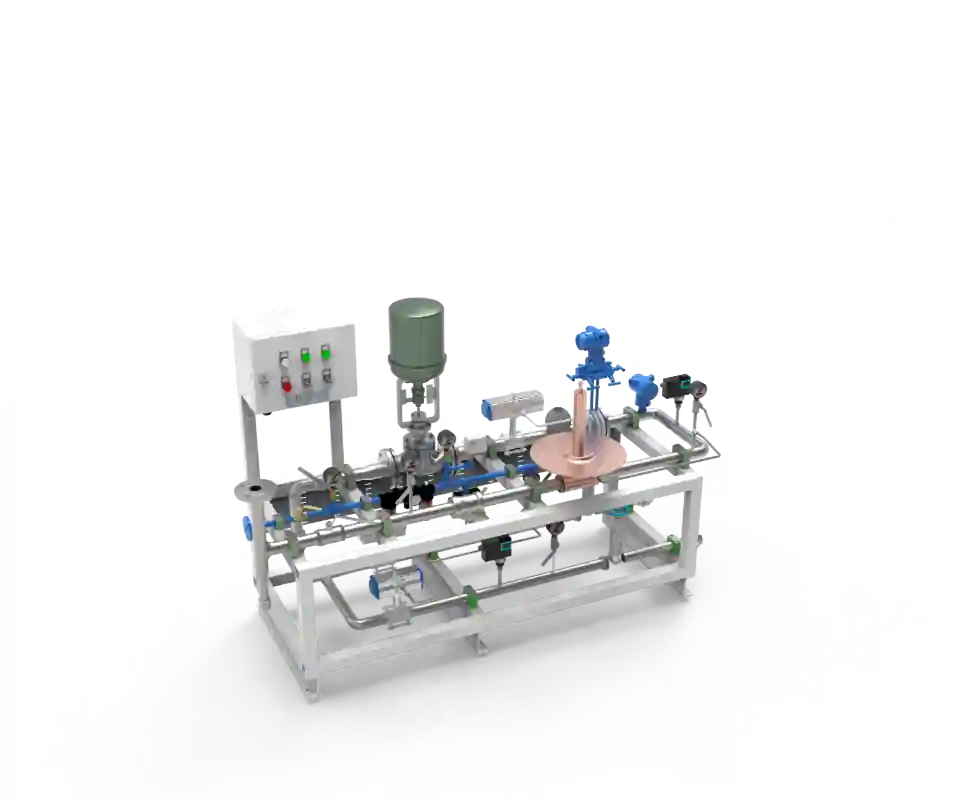
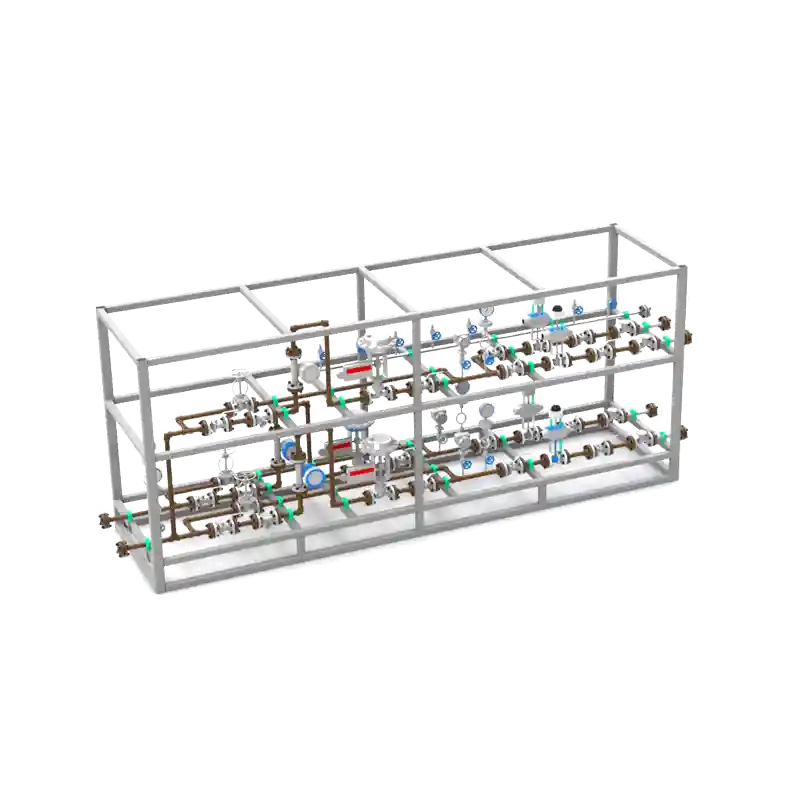
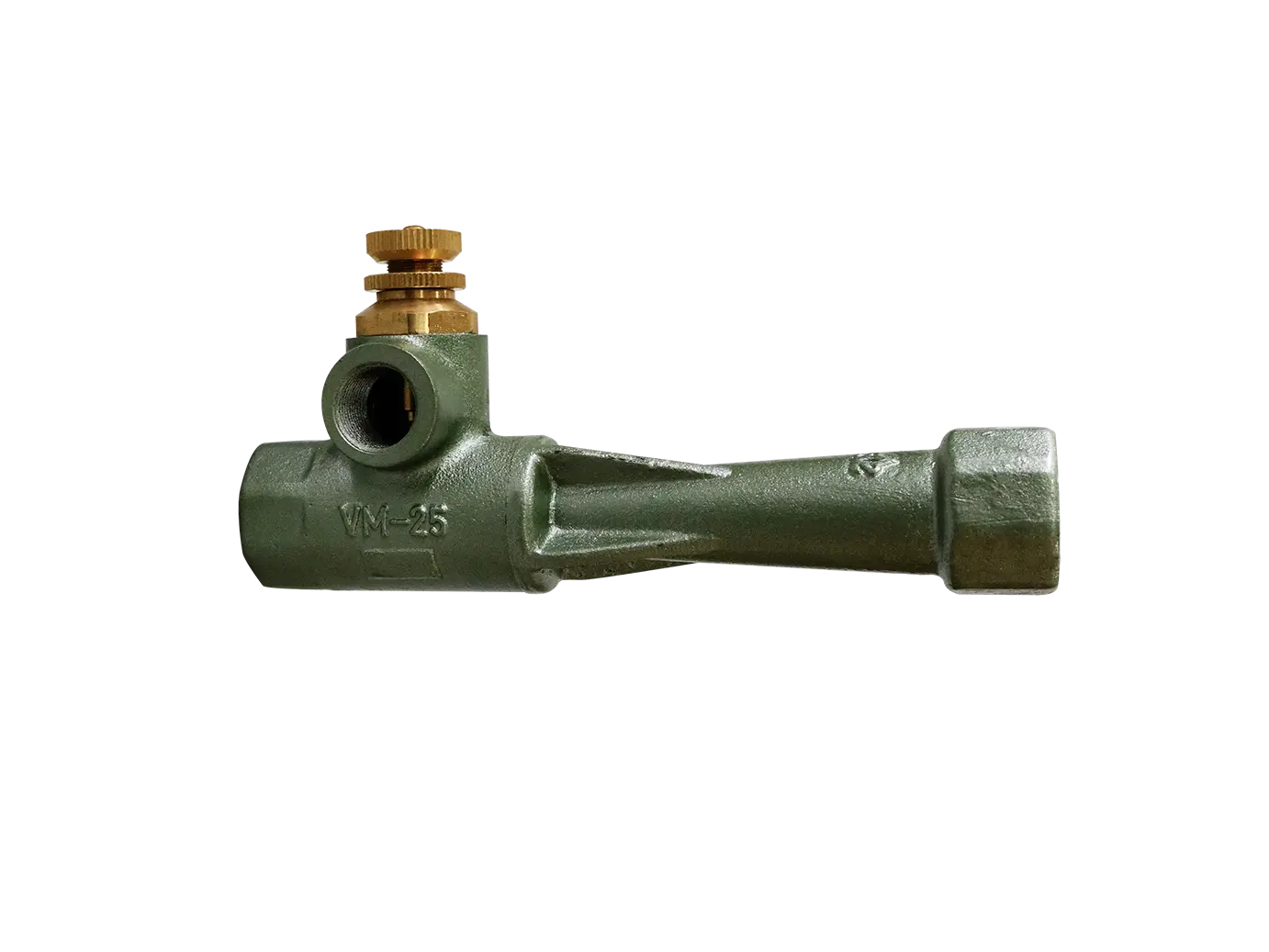
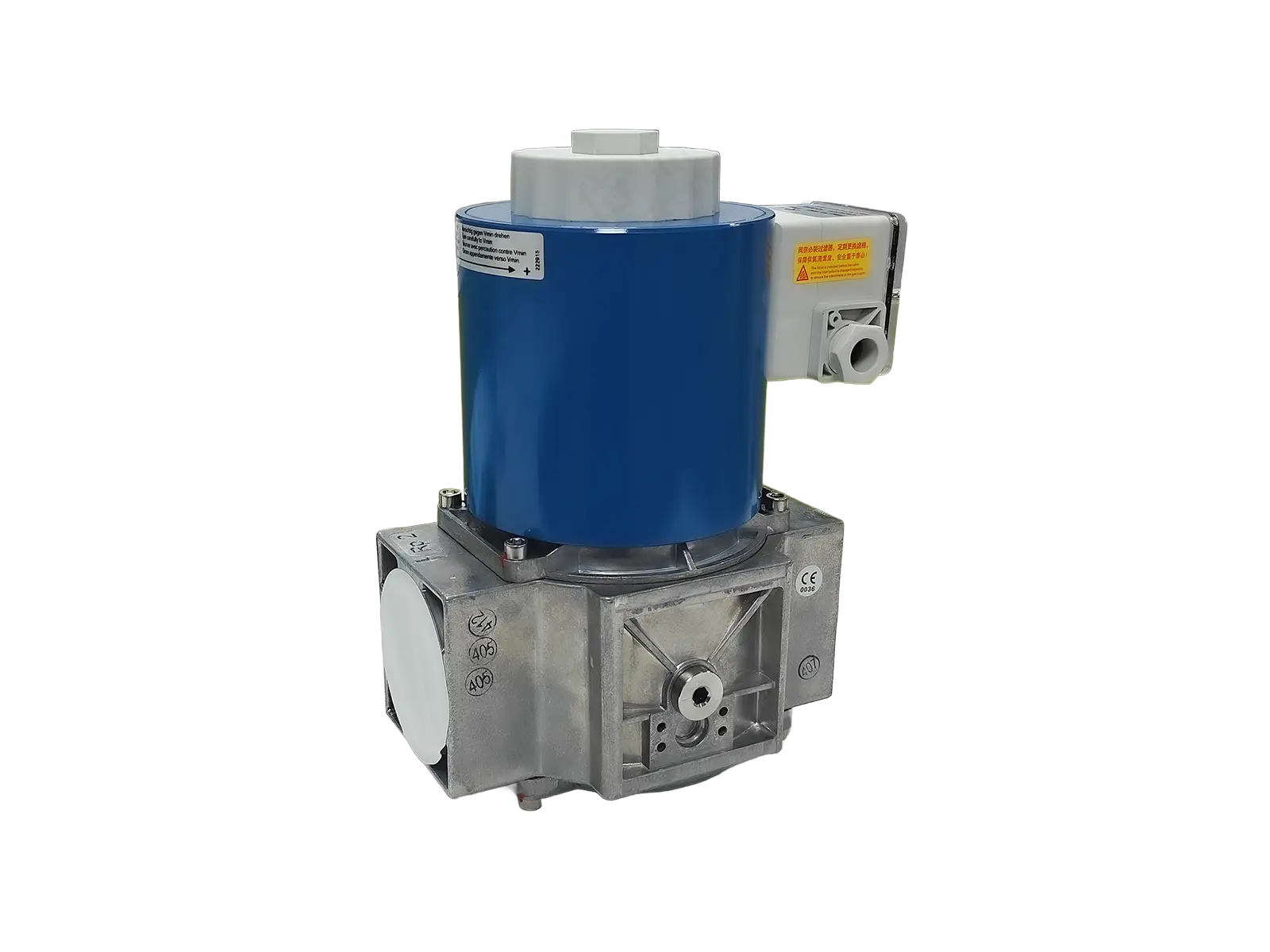
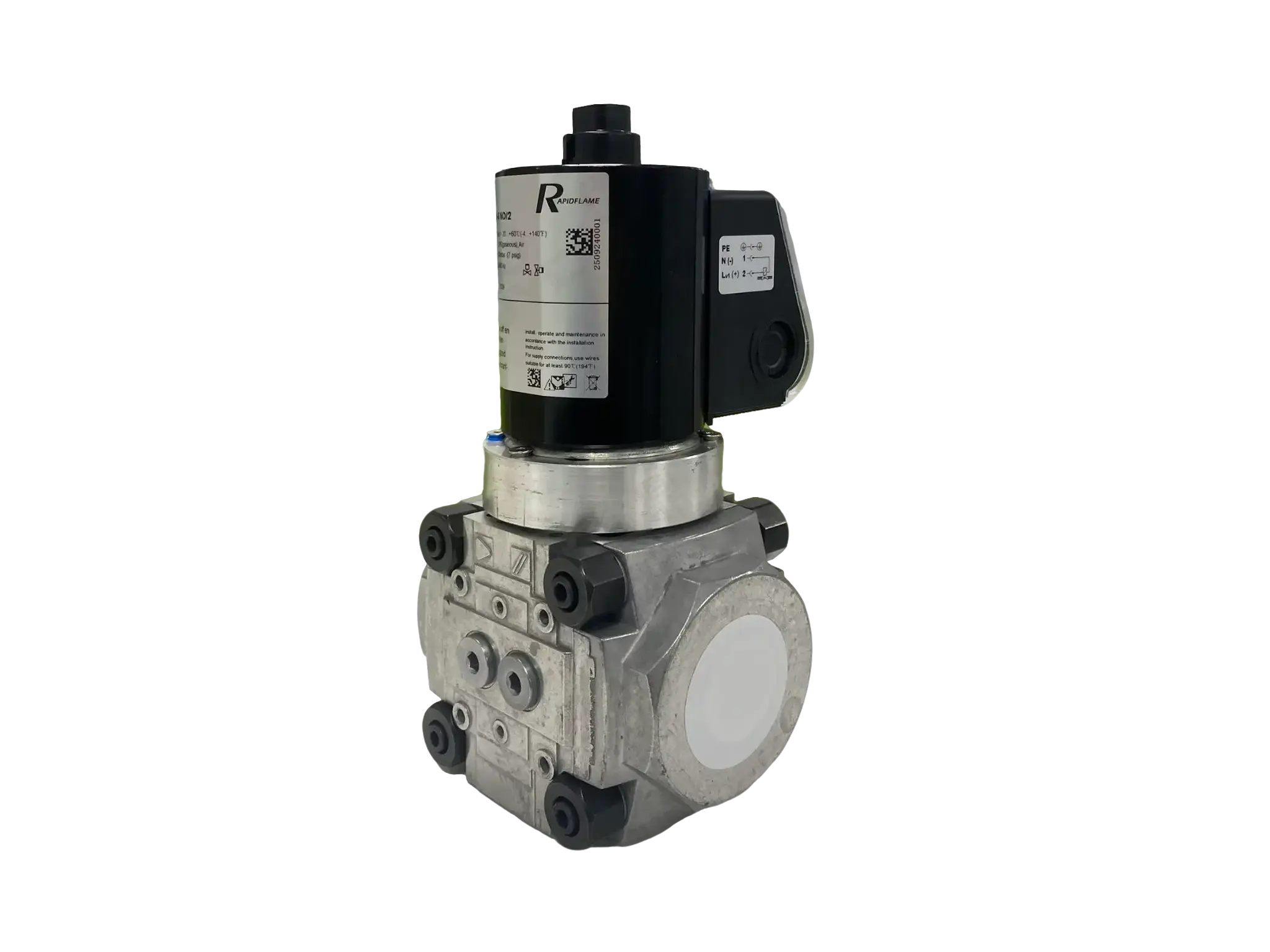
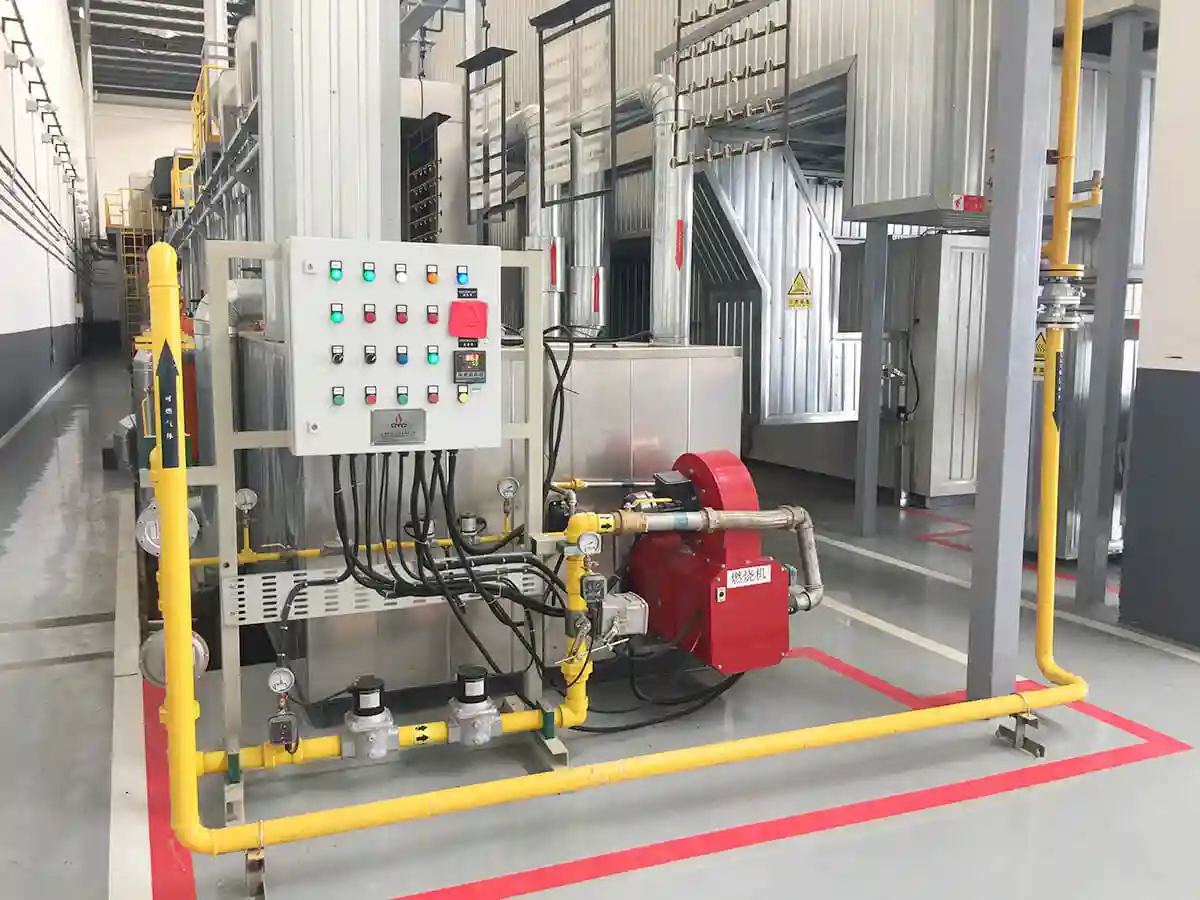
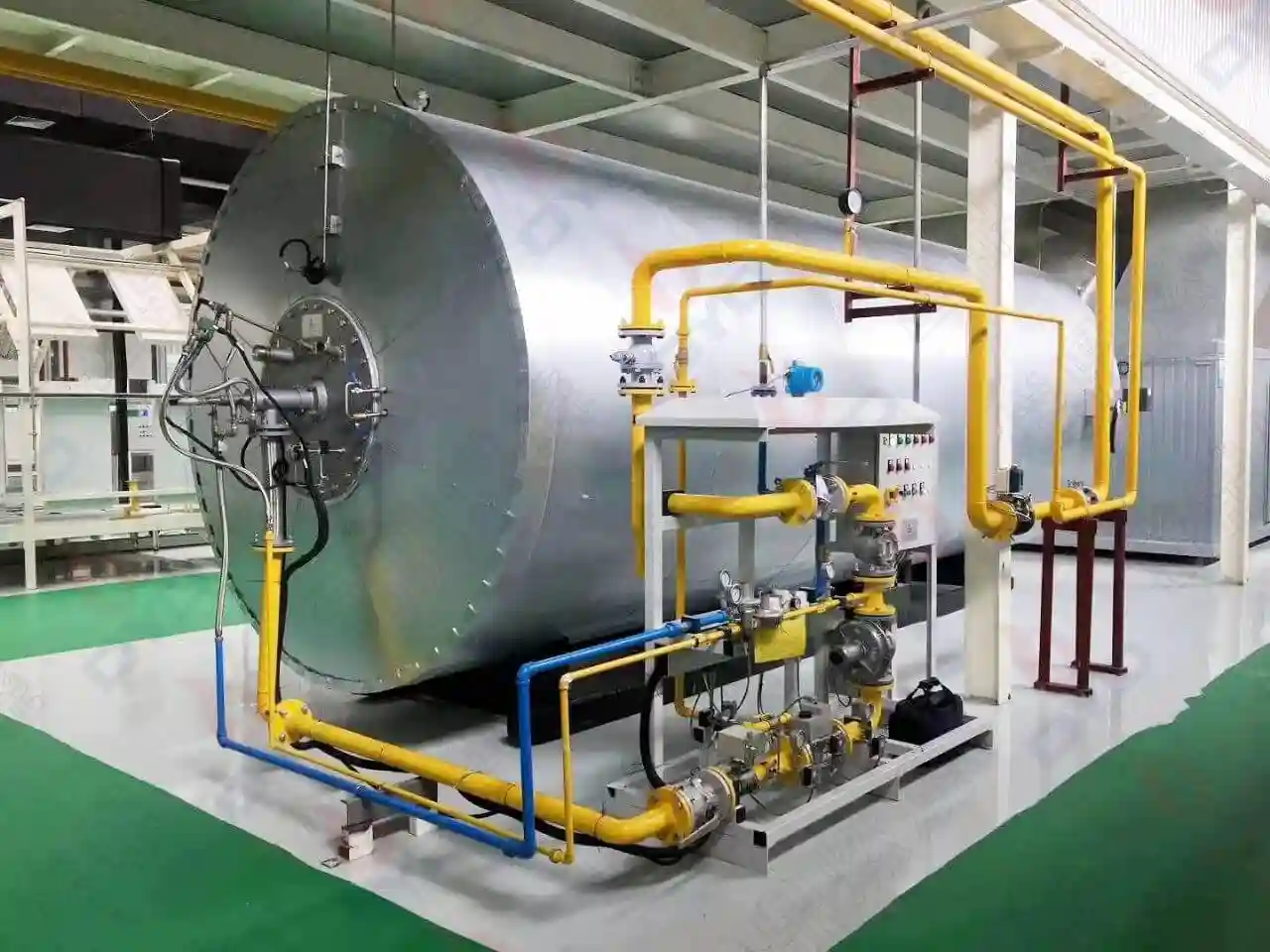
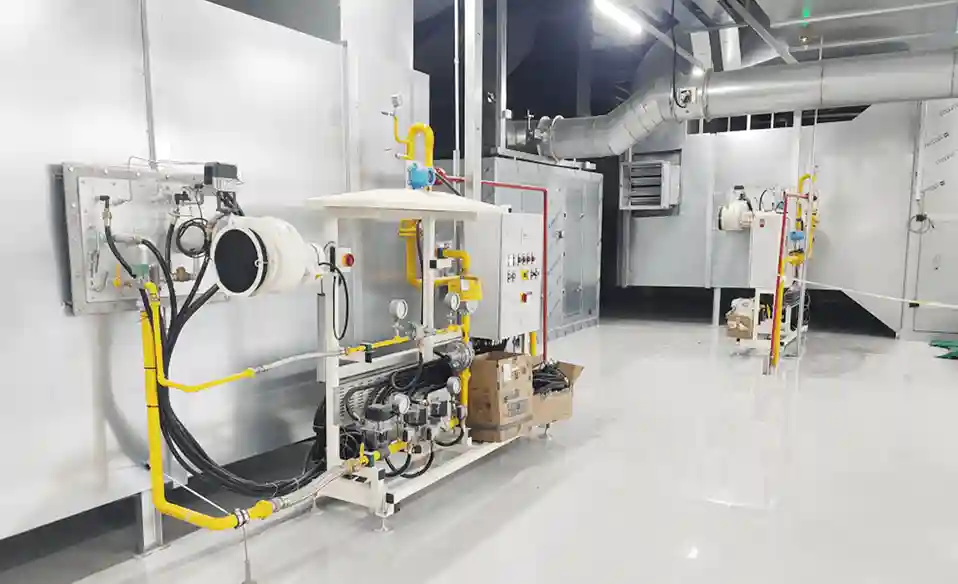
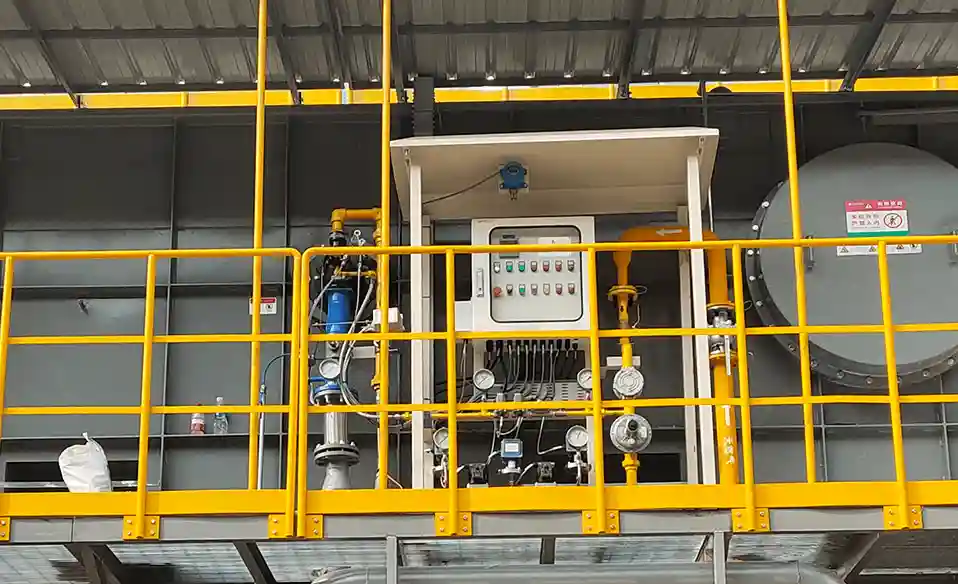
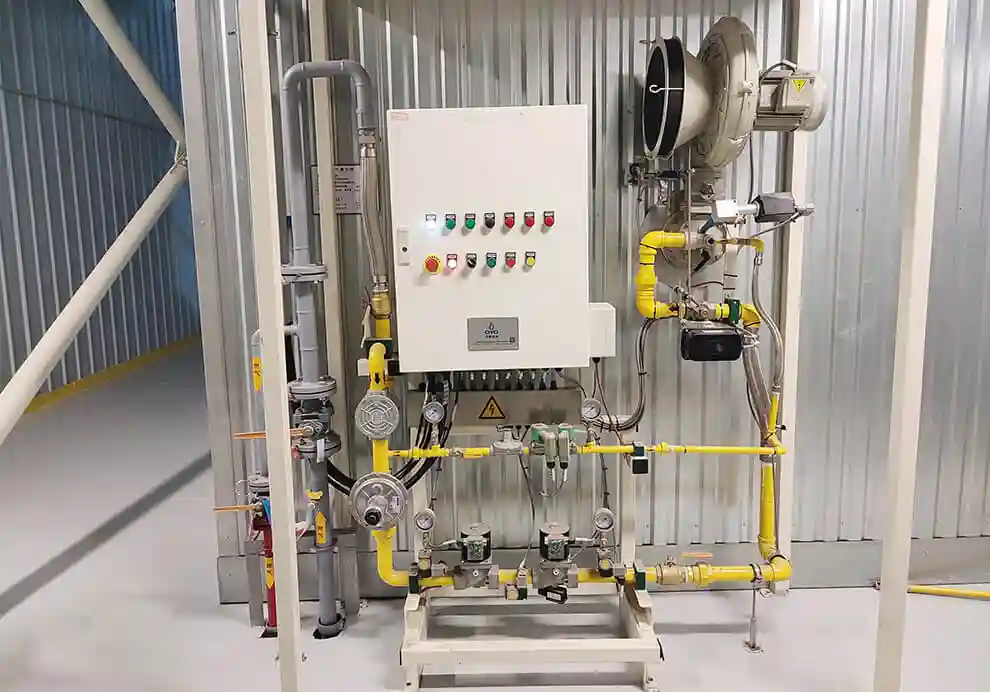
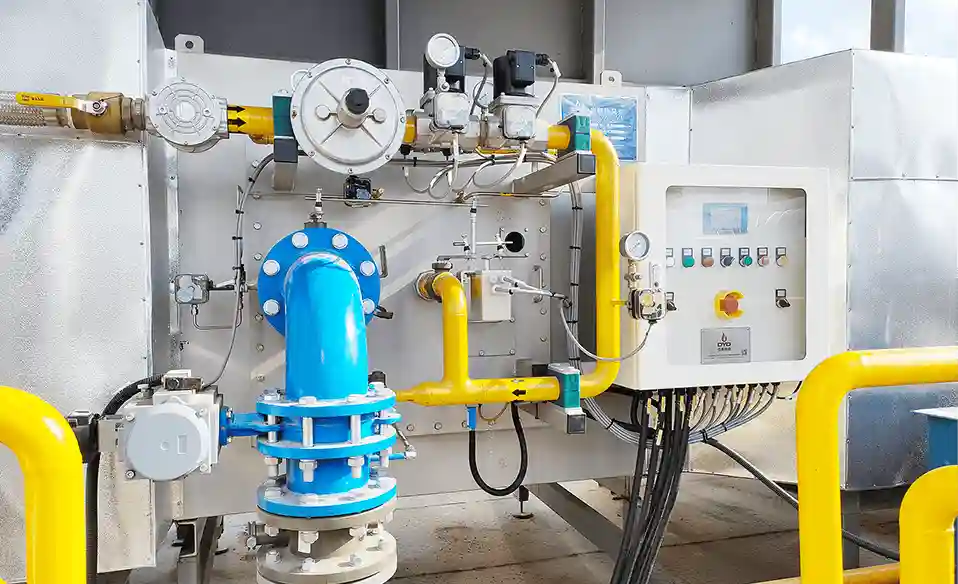
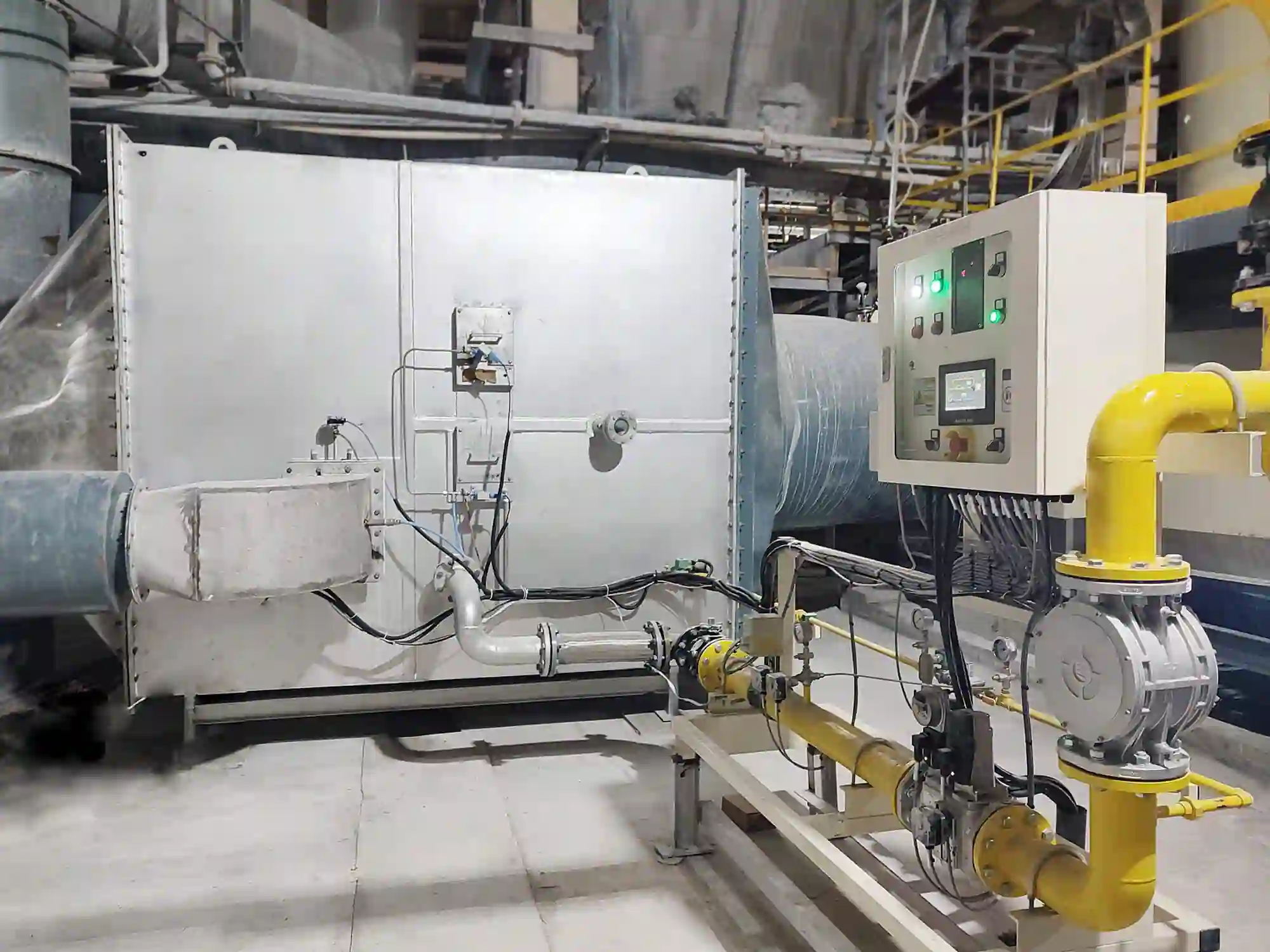
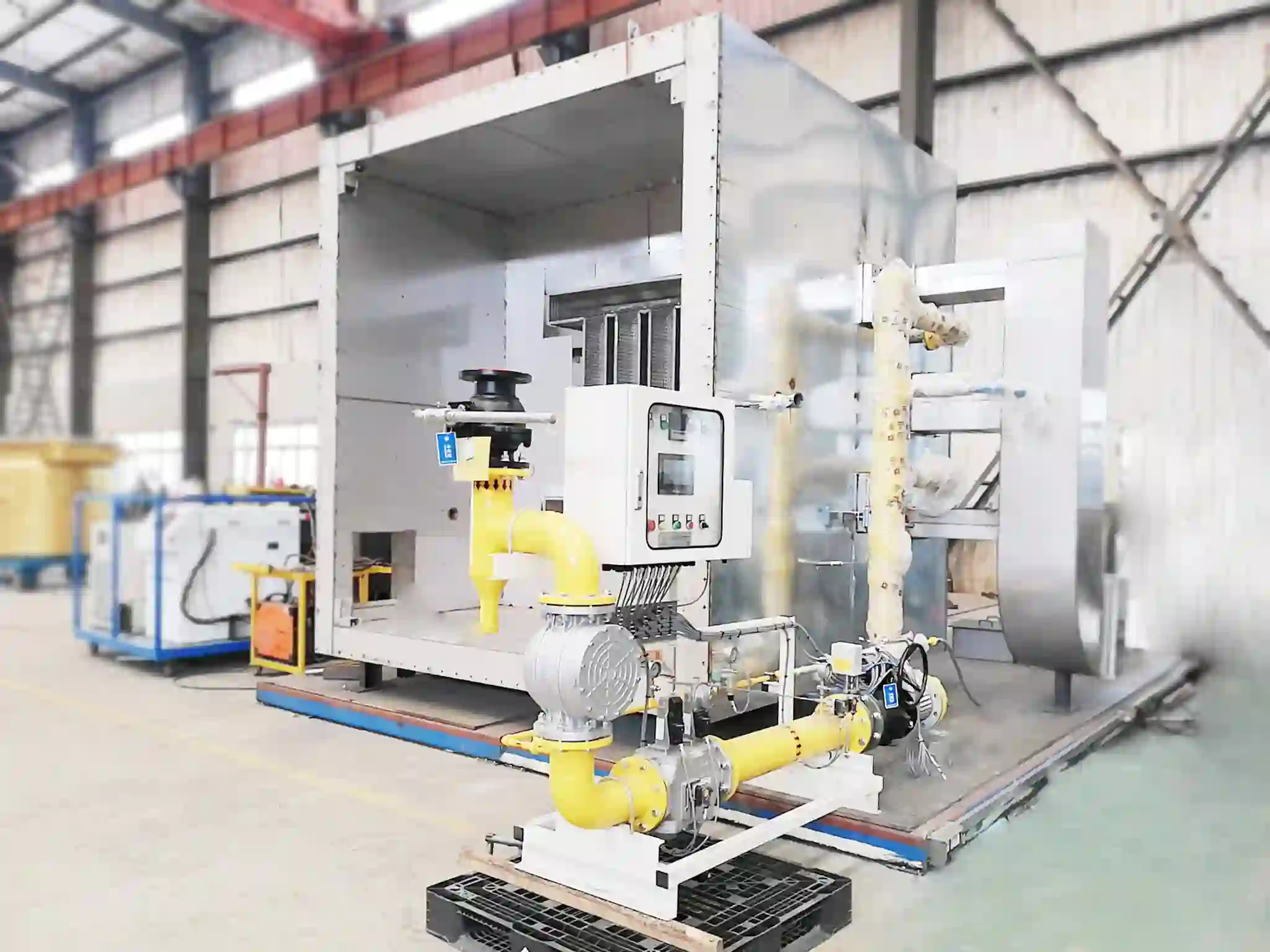
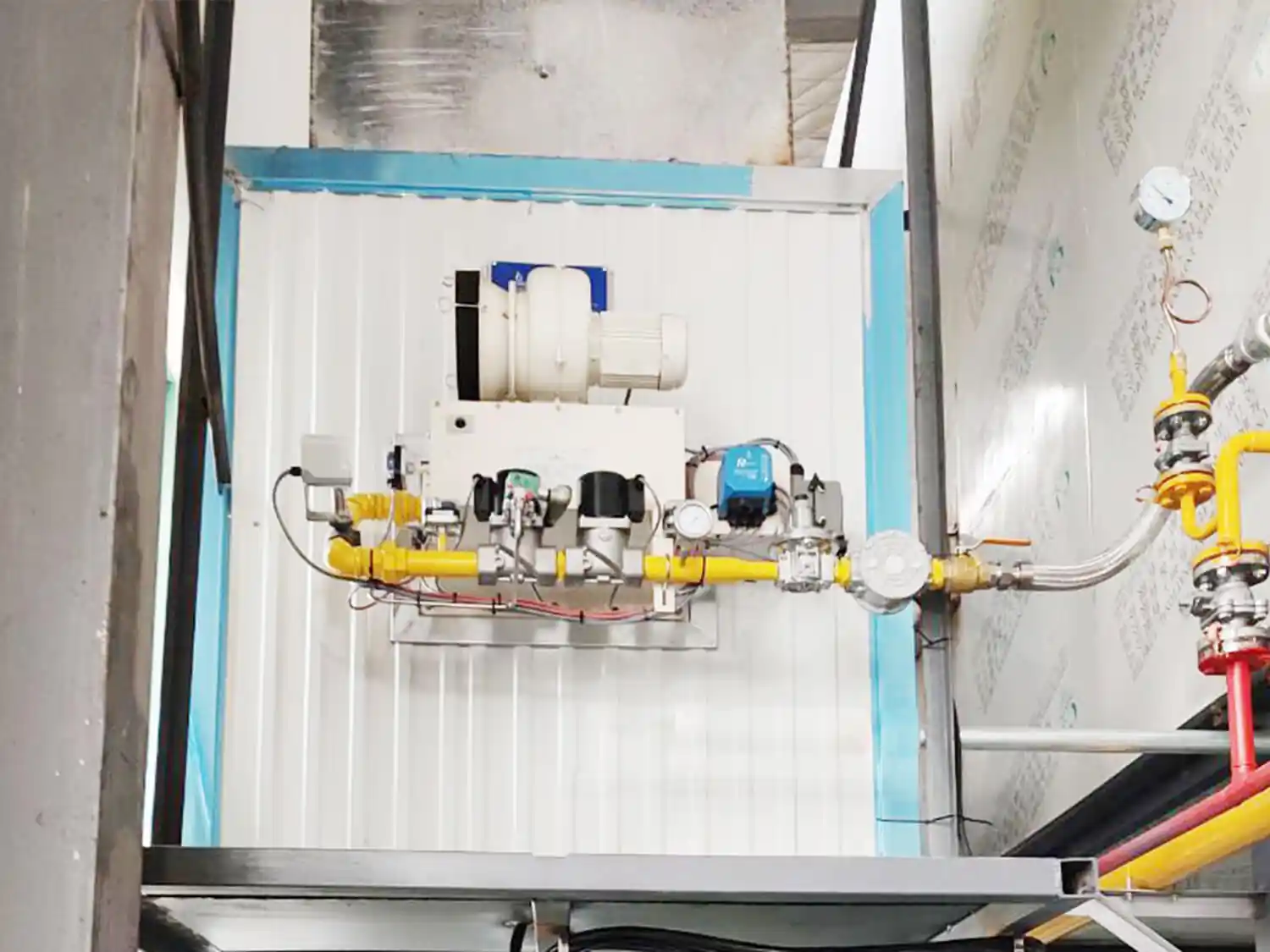
Natural gas or LPG enters the burner through a gas train that regulates pressure and controls fuel flow. The gas train typically includes a main shut-off valve, a pressure regulator, a safety shut-off valve (often double-block-and-bleed configuration), and a metering orifice or flow control valve to modulate fuel delivery based on the process demand signal from the combustion controller.
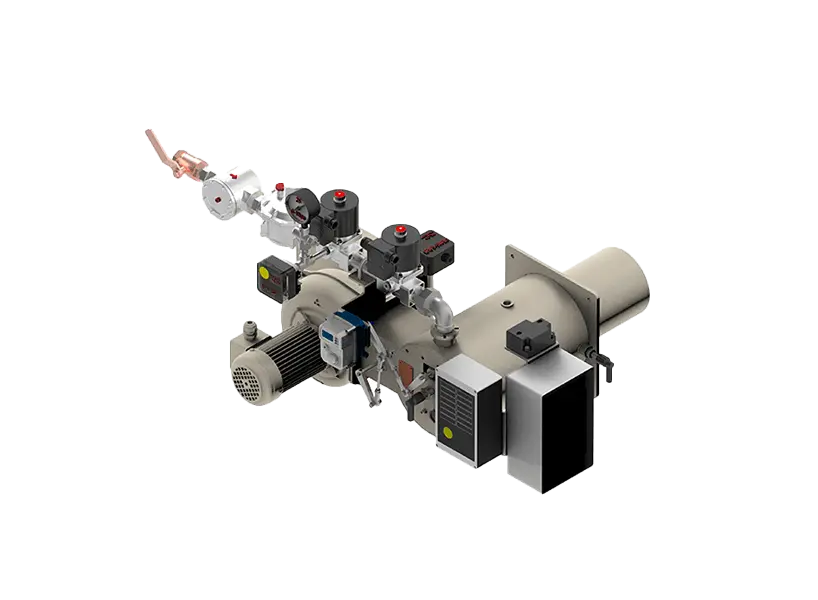
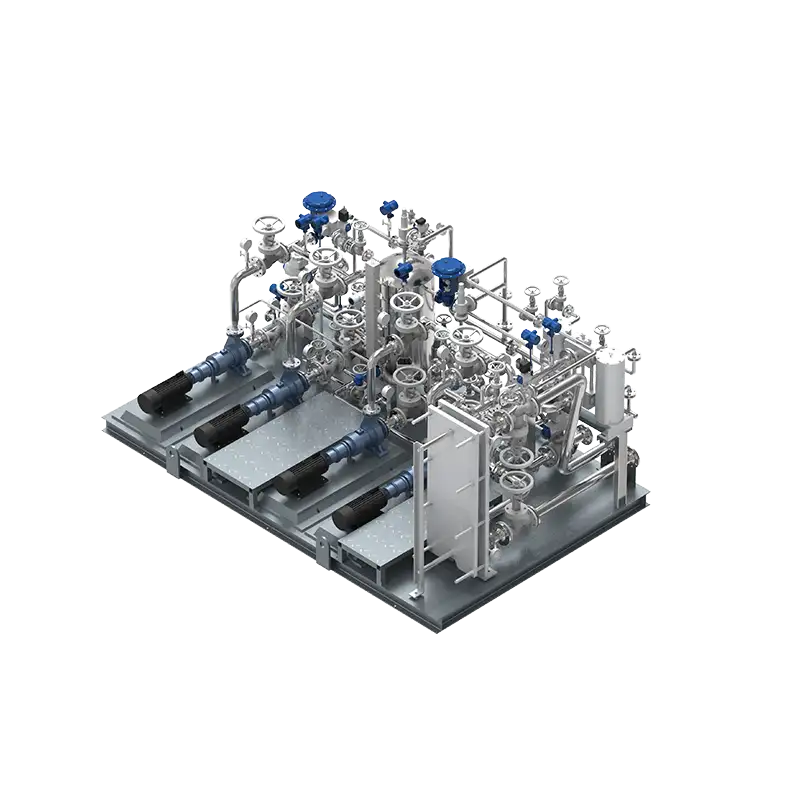
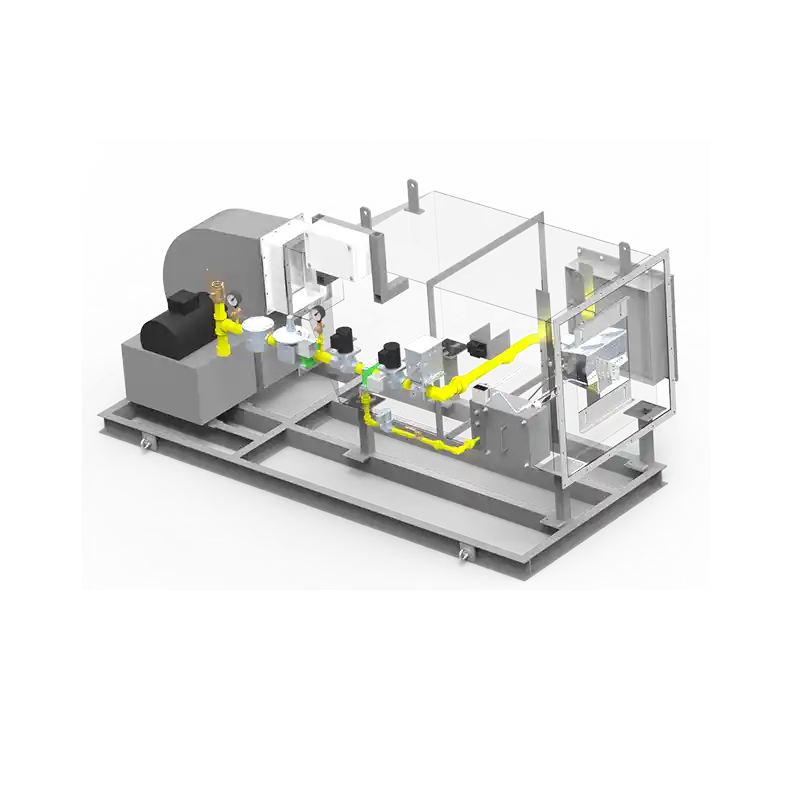
A combustion blower delivers the required airflow based on burner capacity and operating conditions. The blower may be directly coupled to a variable-frequency drive (VFD) motor to adjust air volume precisely across the firing range, ensuring optimal air-to-fuel ratios at both high-fire and low-fire positions. In some systems, forced-draft fans supply air at a positive pressure, while induced-draft arrangements pull flue gases through the furnace to maintain slight negative pressure inside the combustion chamber.
Fuel and combustion air are mixed inside or near the burner head to achieve efficient combustion. The mixing method—whether premix (fuel and air combined before exiting the nozzle), nozzle-mix (mixing occurs at the flame front), or staged mixing (sequential introduction of air or fuel)—determines flame length, luminosity, and temperature distribution. High-intensity burners often use swirl vanes or bluff bodies to promote turbulent mixing, which accelerates the chemical reaction and shortens the flame.
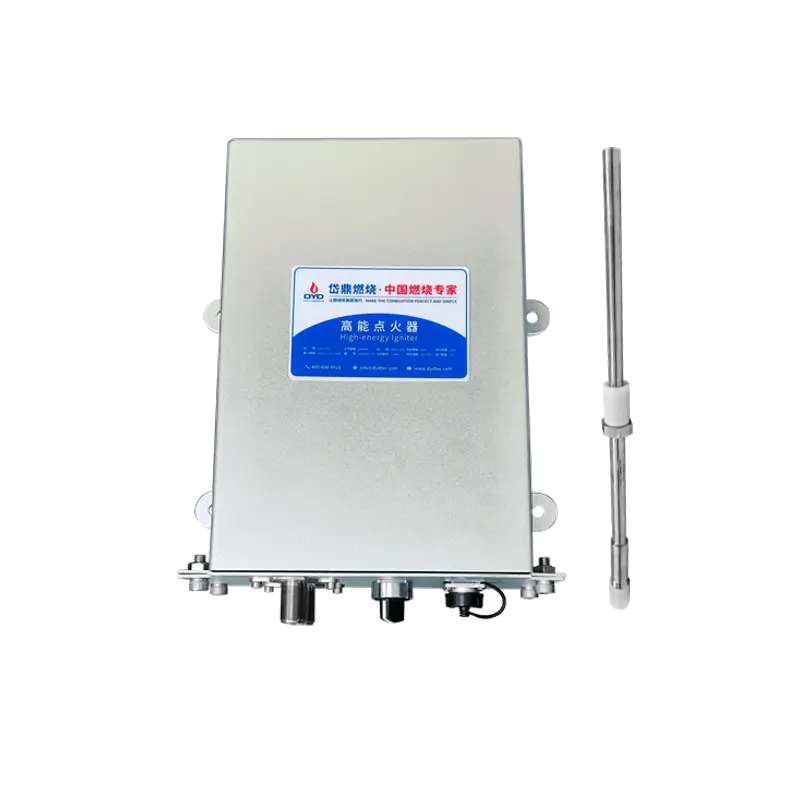
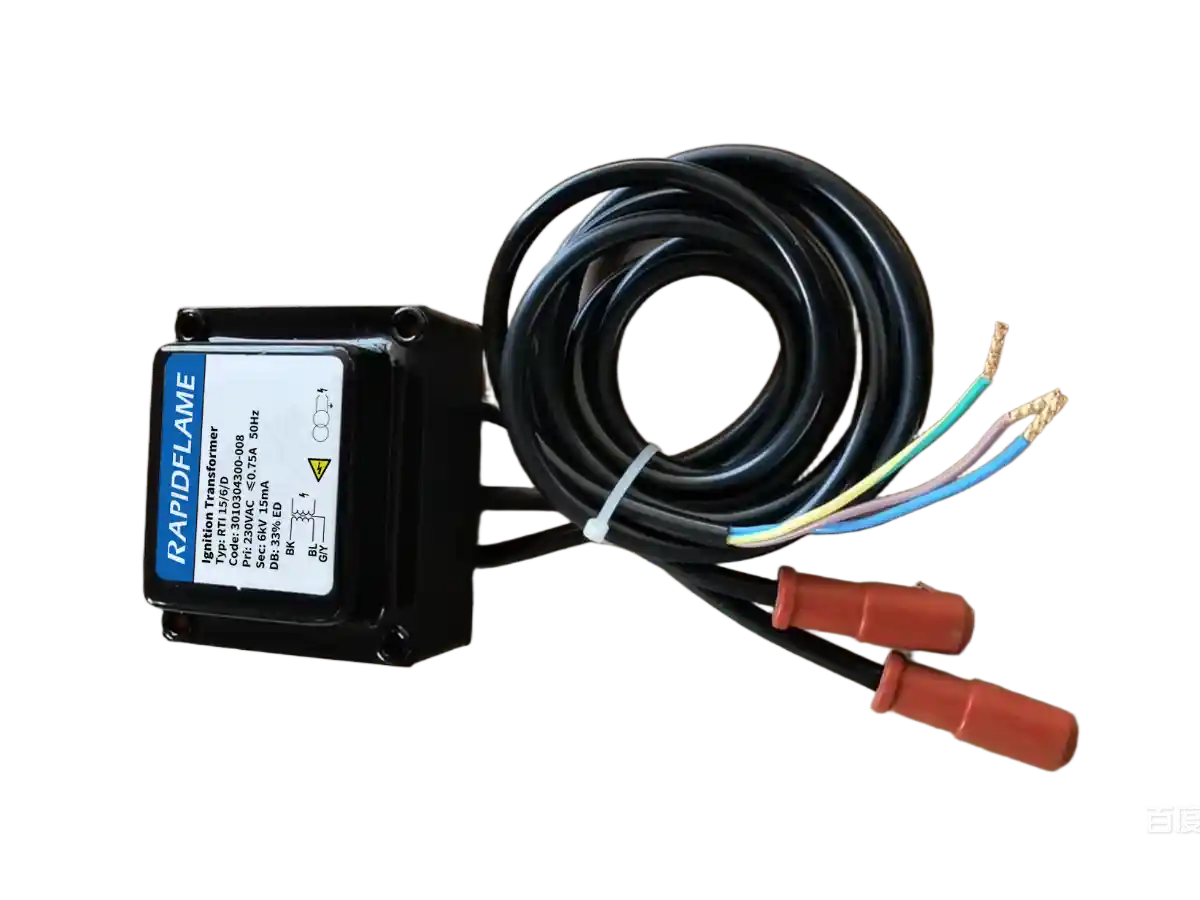
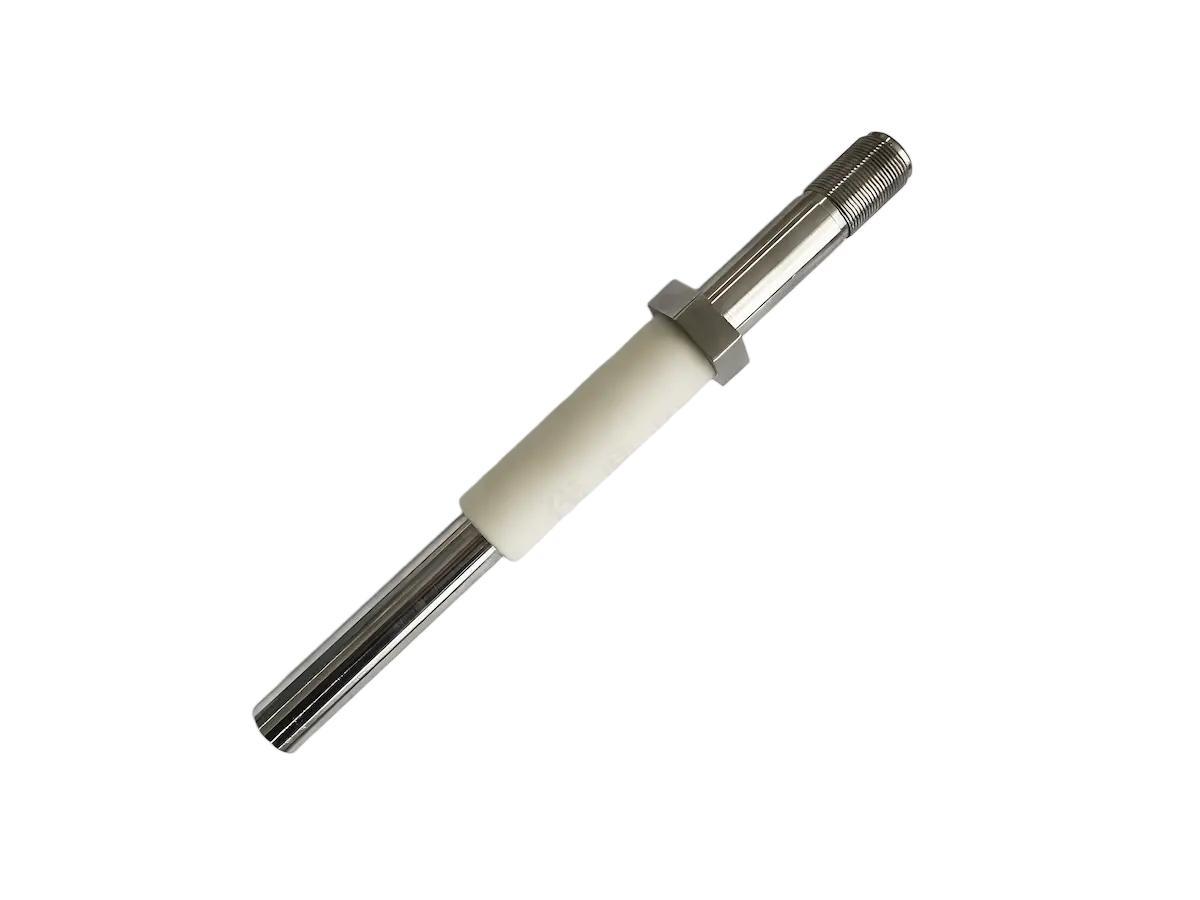
An electronic ignition device safely ignites the combustible mixture. This is typically a spark-ignited pilot flame or a direct-spark igniter that generates a high-energy discharge across an electrode gap. The ignition sequence is time-controlled and interlocked with the purge cycle to ensure any unburned gas is cleared from the furnace before the main burner is lit.
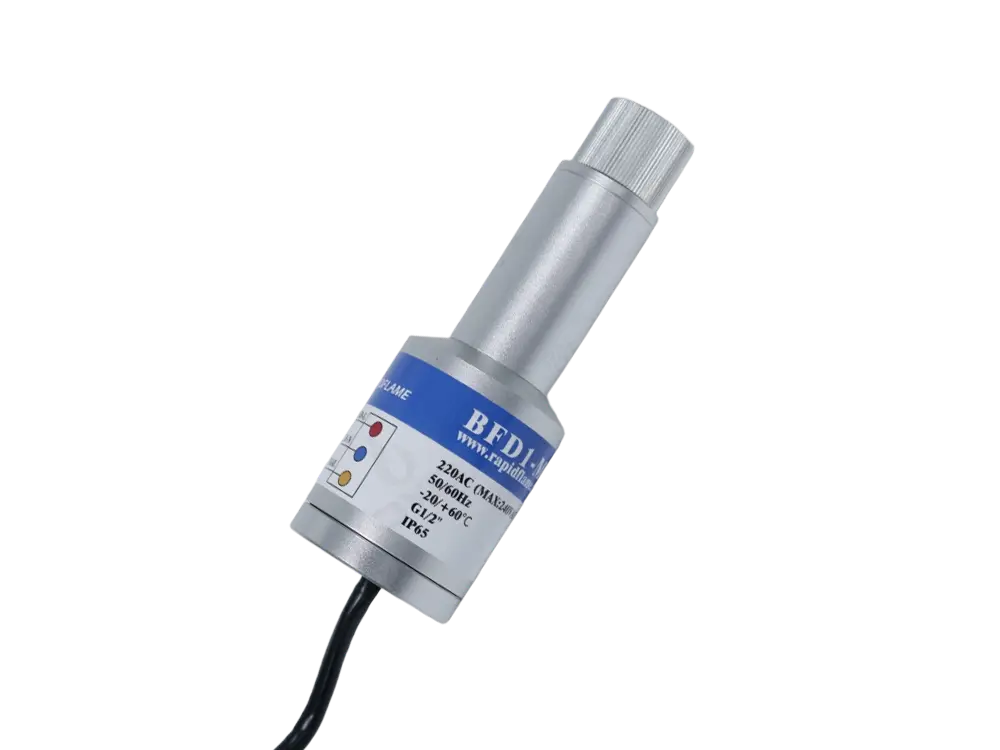
A flame detector continuously confirms flame presence. Common detector types include ultraviolet (UV) scanners that sense the short-wavelength radiation emitted by the flame, infrared (IR) sensors, or ionisation probes that measure electrical conductivity through the flame. If the flame is lost, the burner management system immediately shuts off the fuel supply—typically within 1 to 3 seconds—to prevent explosive accumulation of combustible gas.
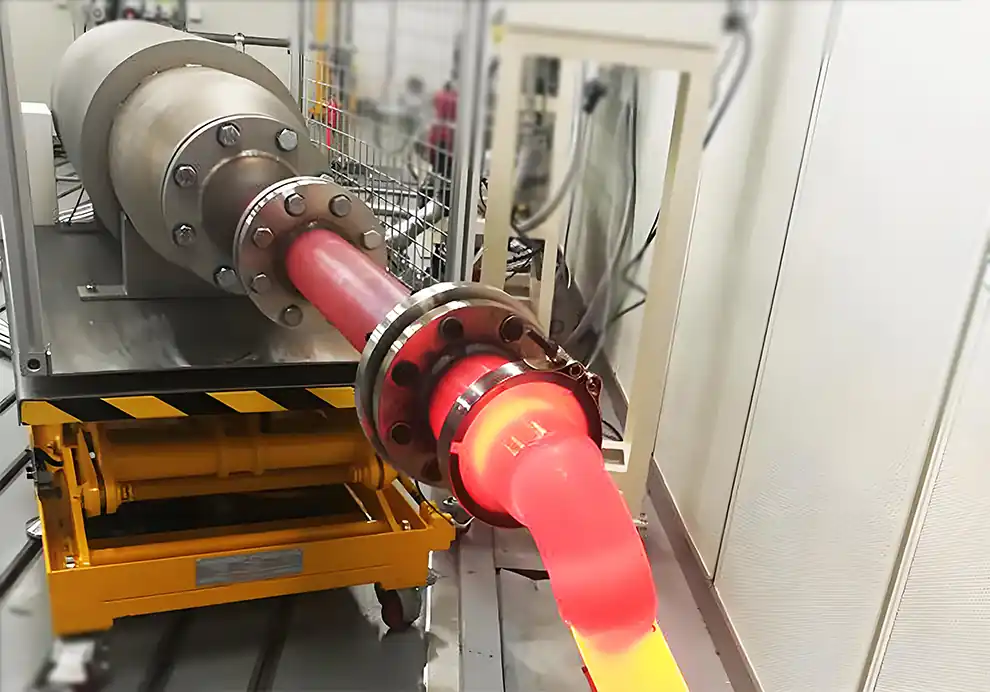
The generated flame transfers thermal energy to the furnace chamber or process equipment. This heat transfer occurs via a combination of radiation (dominant at high temperatures, above 800°C), convection (from hot combustion gases flowing over the load), and conduction (through refractory walls or heat exchanger surfaces). The burner's flame shape and velocity are carefully designed to match the furnace geometry and the desired heating pattern, whether that means uniform soaking for heat treatment or intense localized heating for melting.
Controls flame shape, velocity, and mixing quality. The burner head incorporates a diffuser, flame retention ring, or stabilizing plate to anchor the flame and prevent flashback or blow-off. Its material selection—often high-temperature alloys like Inconel or silicon carbide—must resist oxidation and thermal fatigue at operating temperatures that can exceed 1,200°C.
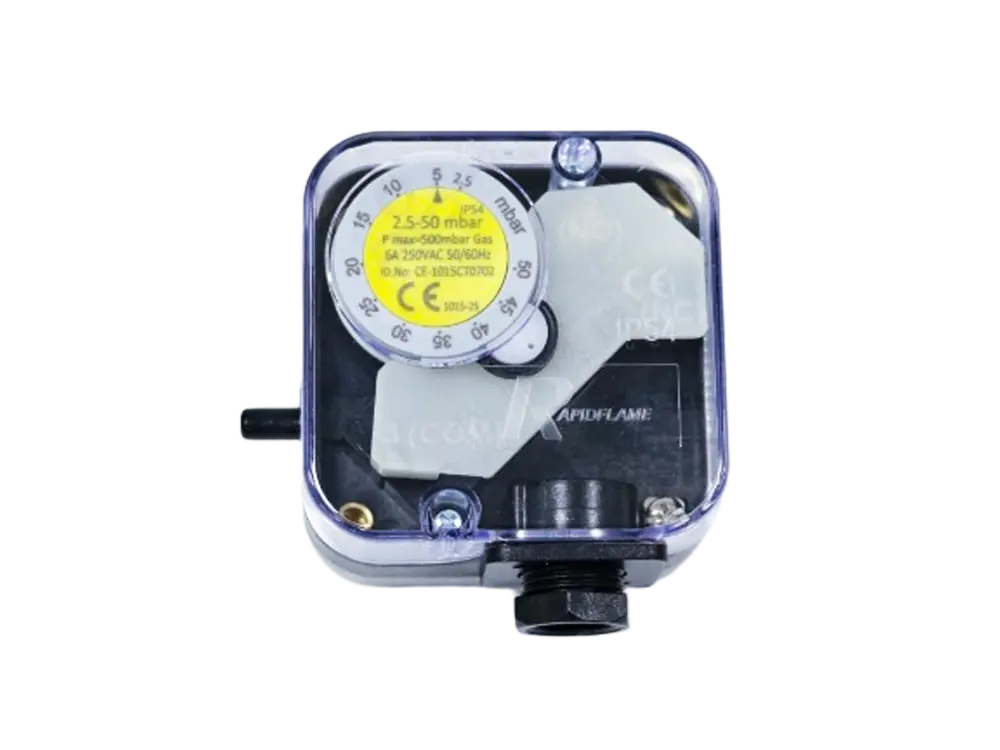
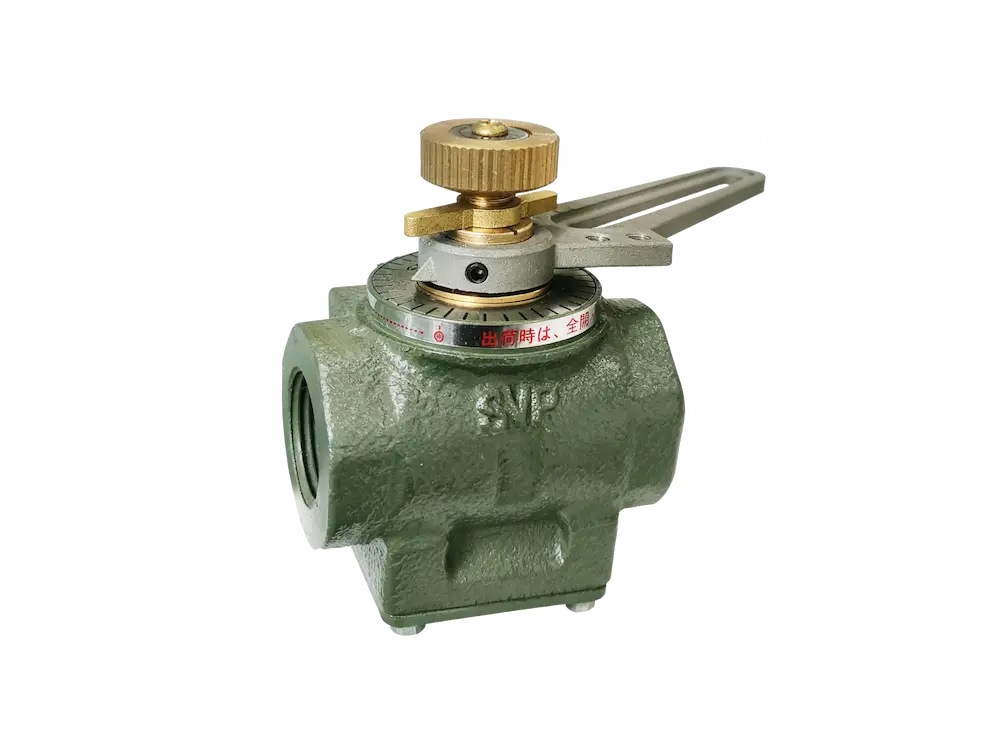
Regulates fuel pressure and ensures safe fuel delivery. It includes filters to remove particulates, pressure switches to monitor low/high gas pressure, and leak-test valves that automatically check for internal leakage before each startup cycle.
Supplies combustion air for complete combustion. The fan must deliver sufficient static pressure to overcome the resistance of the burner, the furnace backpressure, and any downstream dampers or heat recovery equipment.
Provides reliable burner startup. Industrial systems often incorporate a separate pilot burner that remains lit during flame supervision, or they use direct ignition with a high-energy spark that retracts after flame establishment to avoid carbon fouling.
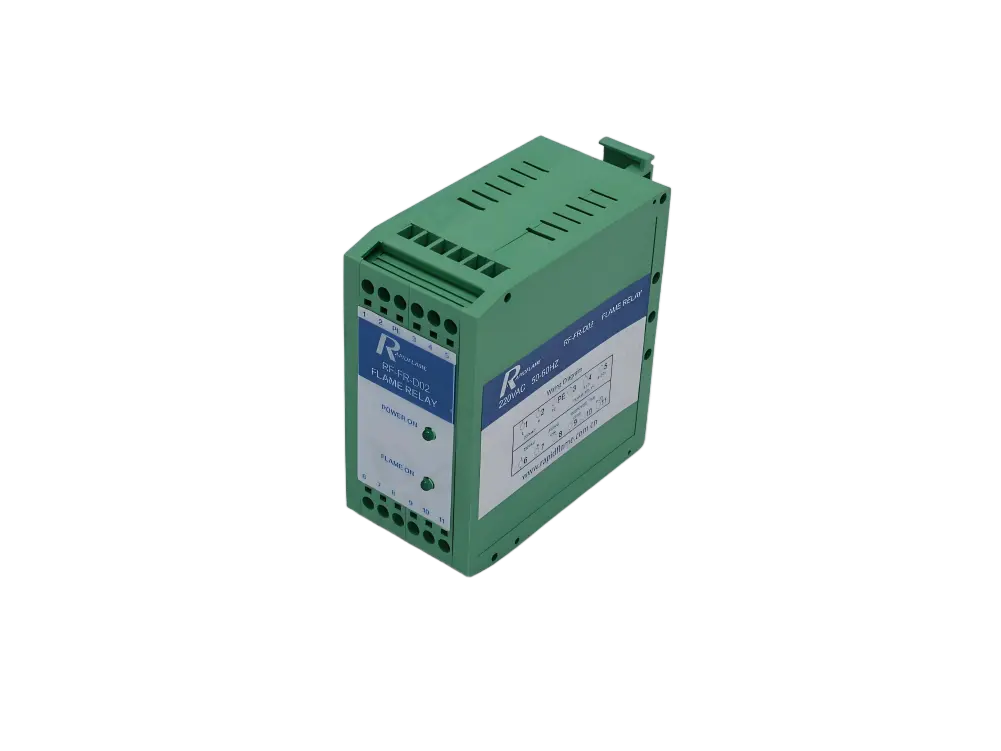
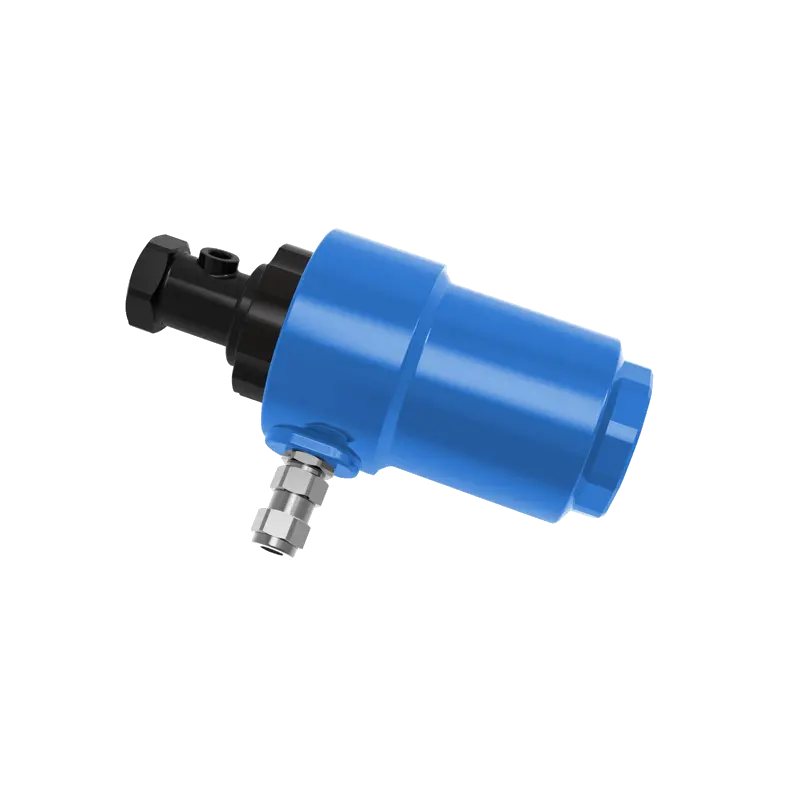
Monitors flame stability and improves operational safety. Modern detectors include self-checking circuitry that verifies sensor integrity before each start, and they are often paired with a sight port for visual inspection during maintenance.
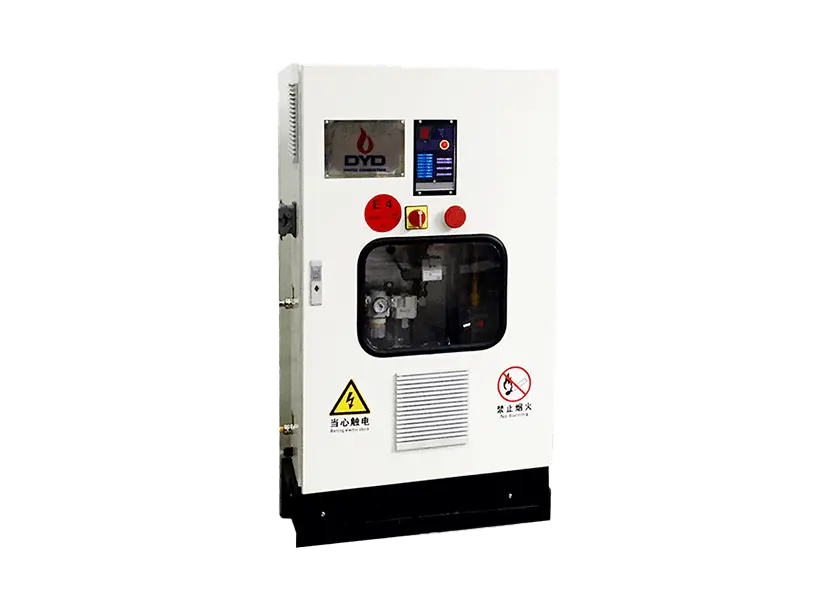
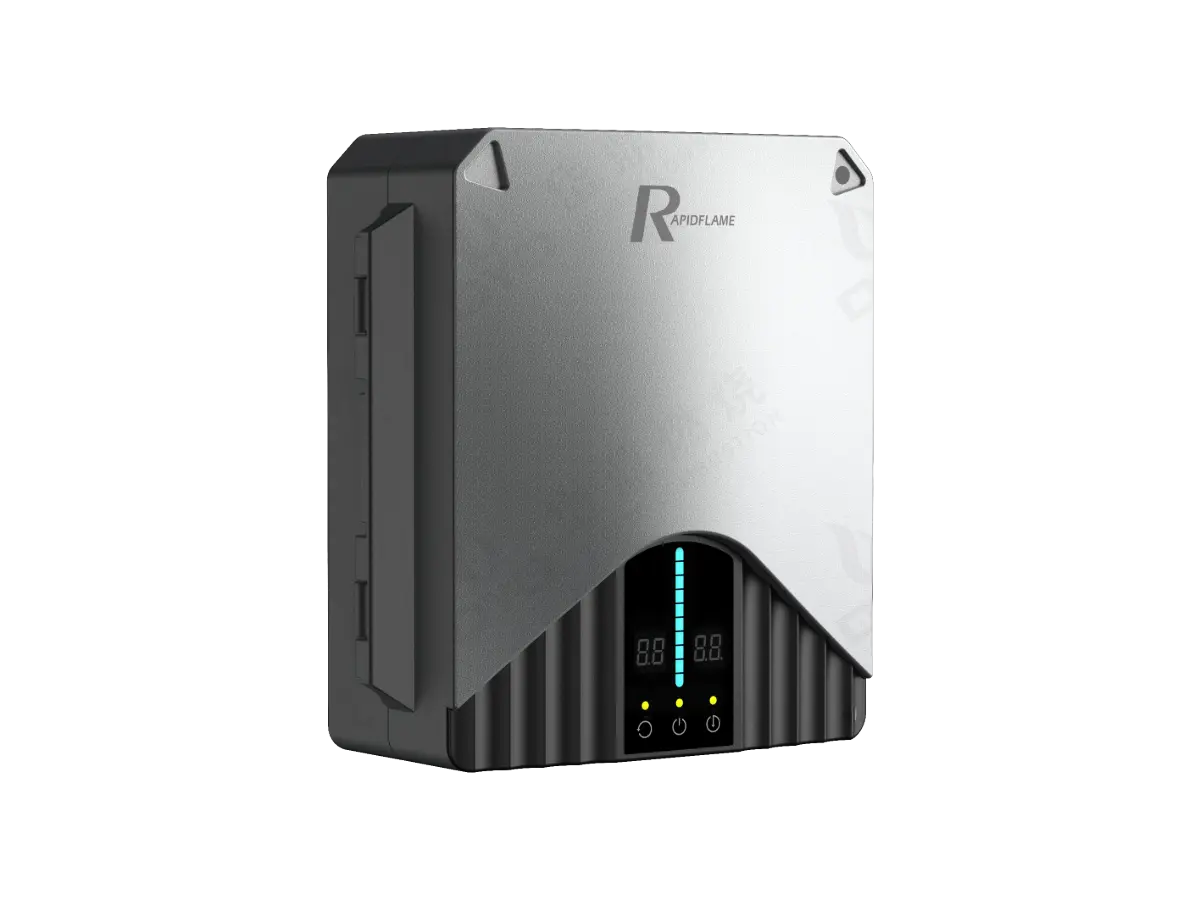
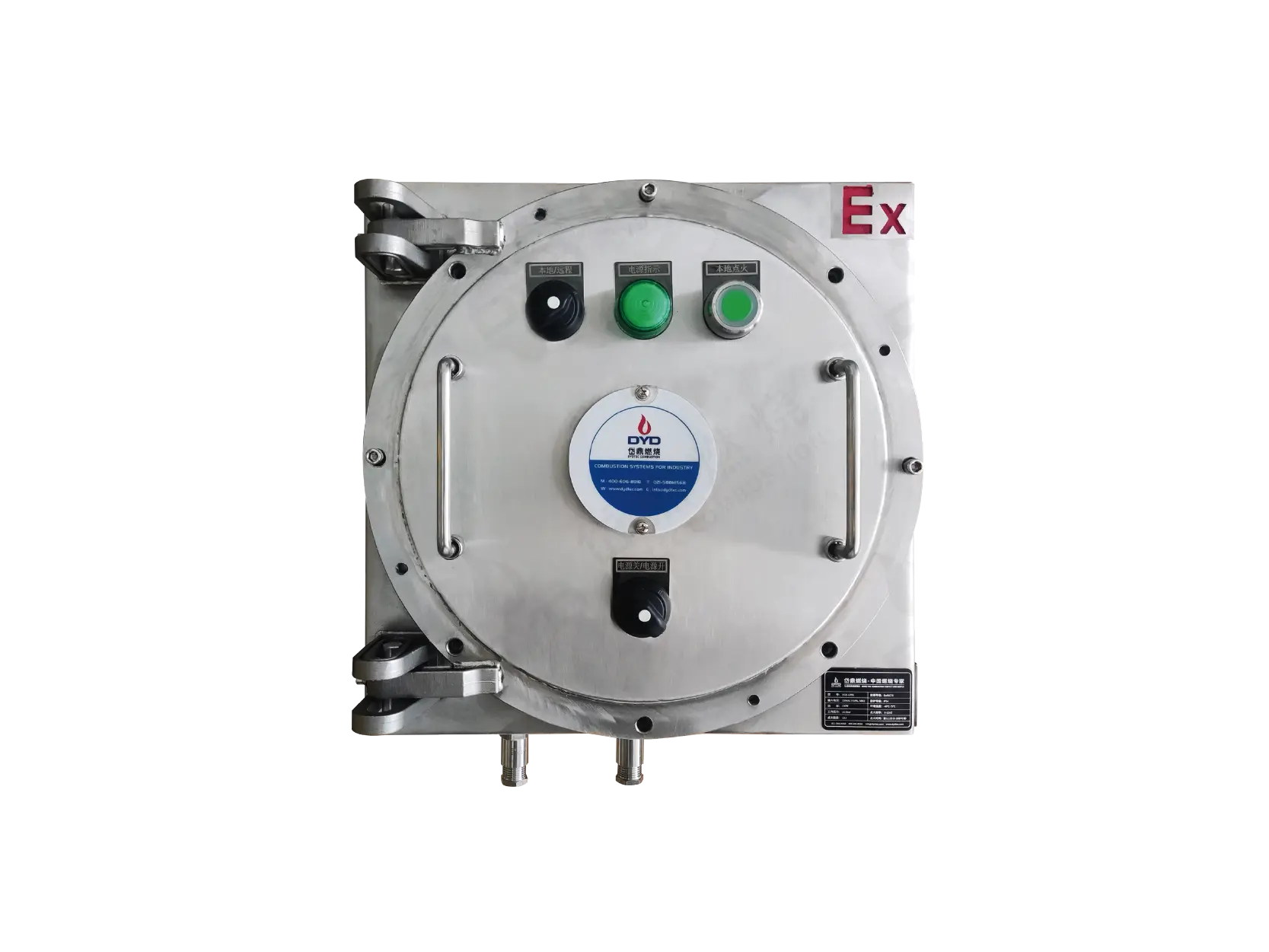
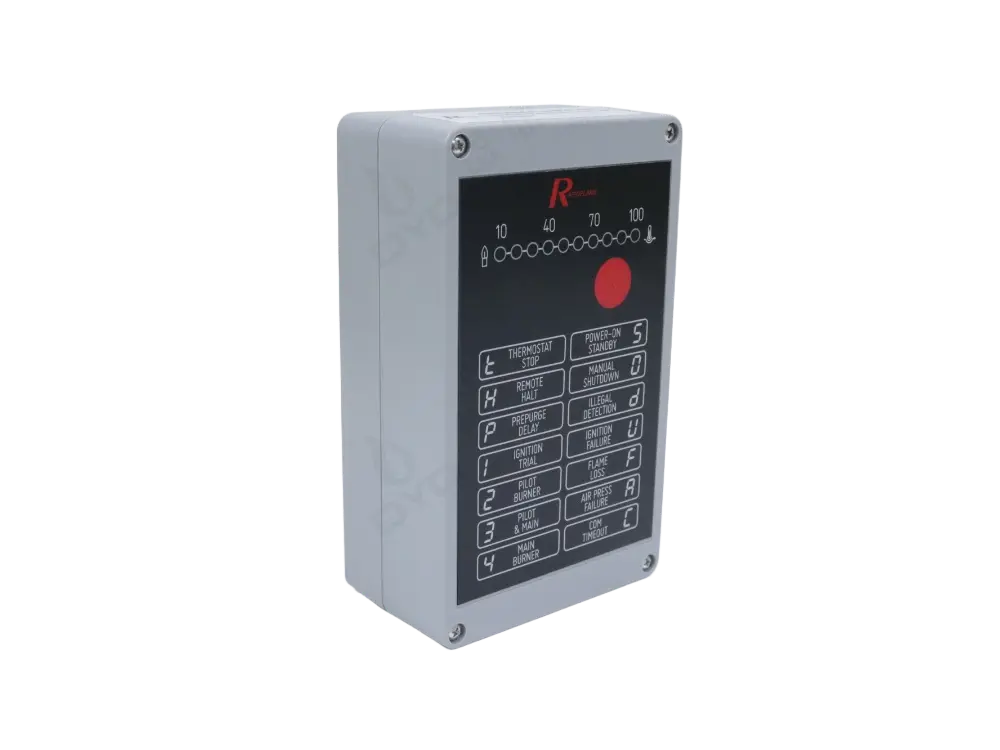
Controls ignition sequence, safety interlocks, shutdown procedures, and burner operation. The BMS is a programmable logic controller (PLC)-based or dedicated relay-logic system that enforces a strict sequence of purge, ignition, flame verification, and run states. It also interfaces with external safety loops—such as furnace over-temperature protection, high-pressure gas trips, and emergency stop circuits—to ensure fail-safe operation in all scenarios.
Industrial burners are widely applied in:
Ceramic kilns
Tunnel kilns
Roller kilns
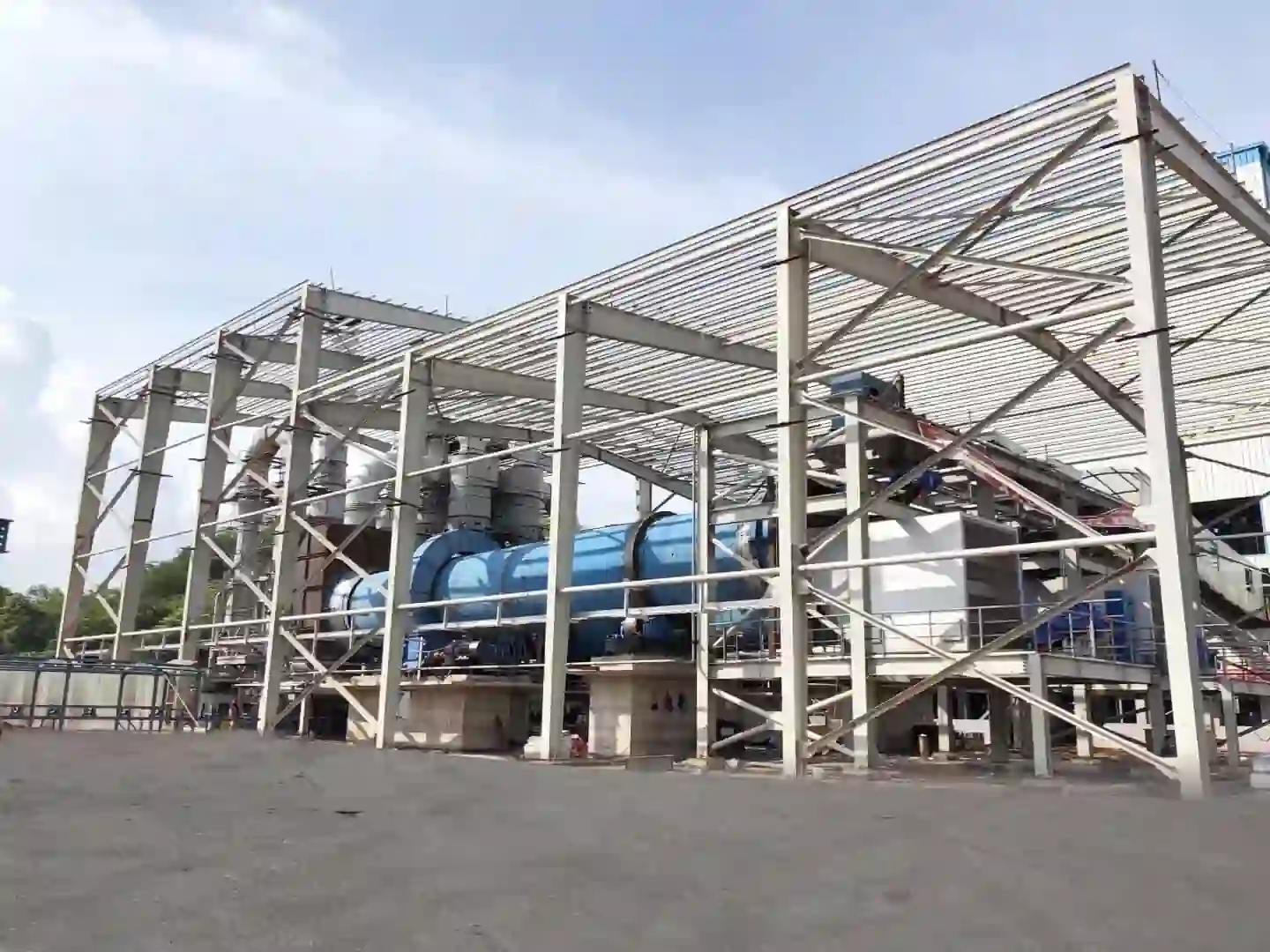
Rotary kilns
Aluminum melting furnaces
Holding furnaces
Heat treatment furnaces
Forging furnaces
Annealing furnaces
Industrial drying systems
Hot air generators
Thermal oxidizers (RTO)
Each application requires different burner capacities, flame characteristics, and combustion strategies. For instance, ceramic kilns often demand soft, long flames that distribute heat evenly across wide product carriages, while aluminum melting furnaces require high-intensity, short flames that reduce metal oxidation and dross formation. Rotary kilns used in cement or mineral processing need burners that can fire solid fuels or alternative fuels in addition to gas, with adjustable flame momentum to control the thermal profile along the kiln axis.
Selecting an appropriate industrial burner affects:
Fuel consumption
Temperature uniformity
Product quality
Equipment reliability
Emissions performance
Maintenance costs
Production efficiency
Engineers should evaluate furnace dimensions, process temperature, fuel type, heat load, combustion control requirements, and emission regulations before selecting a burner. A poorly matched burner can lead to flame impingement on refractory or product, hot spots that cause metallurgical defects, excessive excess air that wastes fuel, or insufficient turndown that forces frequent burner cycling—all of which reduce service life and increase operating expenses. Conversely, a properly selected burner can improve thermal efficiency by 3–8% compared to an oversized or outdated unit, and it can reduce NOx emissions from over 100 ppm to below 30 ppm when paired with low-NOx staging techniques.
No. A burner is only one component of a complete combustion system, which also includes the gas train, combustion air fan, burner management system, sensors, valves, and safety devices. The combustion system also encompasses the furnace pressure controls, flue gas analysis equipment, and often heat recovery units such as recuperators or regenerators that preheat the combustion air using waste heat.
No. Burner selection depends on furnace size, chamber geometry, process requirements, operating temperature, and flame characteristics. A burner that works well in a long, narrow tunnel kiln may produce unacceptable temperature gradients in a square batch furnace; likewise, a high-velocity burner suitable for convective drying may cause excessive flame impingement in a radiant-tube heating system.
Not necessarily. Low NOx technology primarily reduces emissions. Overall efficiency depends on burner design, combustion control, furnace insulation, and system optimization. Some low-NOx burners operate with higher excess air or staged combustion that can slightly reduce flame temperature and thermal efficiency—typically by 1–2%—unless paired with advanced control strategies or flue-gas recirculation that recovers the lost heat. The energy penalty, however, is often outweighed by the environmental and regulatory benefits, and many modern low-NOx designs now achieve both low emissions and high efficiency through careful engineering.
Industrial burners are the core heat source for many industrial heating processes. Their design and selection directly influence combustion efficiency, temperature consistency, product quality, emissions, and operating costs. Understanding burner fundamentals helps engineers and OEM equipment manufacturers choose solutions that improve both production performance and long-term energy efficiency.
DYDTEC Combustion specializes in industrial gas burners and complete combustion systems for OEM equipment manufacturers and industrial heating applications.
Our engineering solutions are widely used in ceramic kilns, aluminum melting furnaces, heat treatment furnaces, industrial drying systems, hot air generators, thermal oxidizers (RTO), and other customized industrial heating equipment.
Our expertise includes:
Industrial gas burners
Low NOx combustion technology
Burner Management Systems (BMS)
Combustion system integration
Energy-efficient combustion optimization
OEM burner customization
Technical support for furnace manufacturers