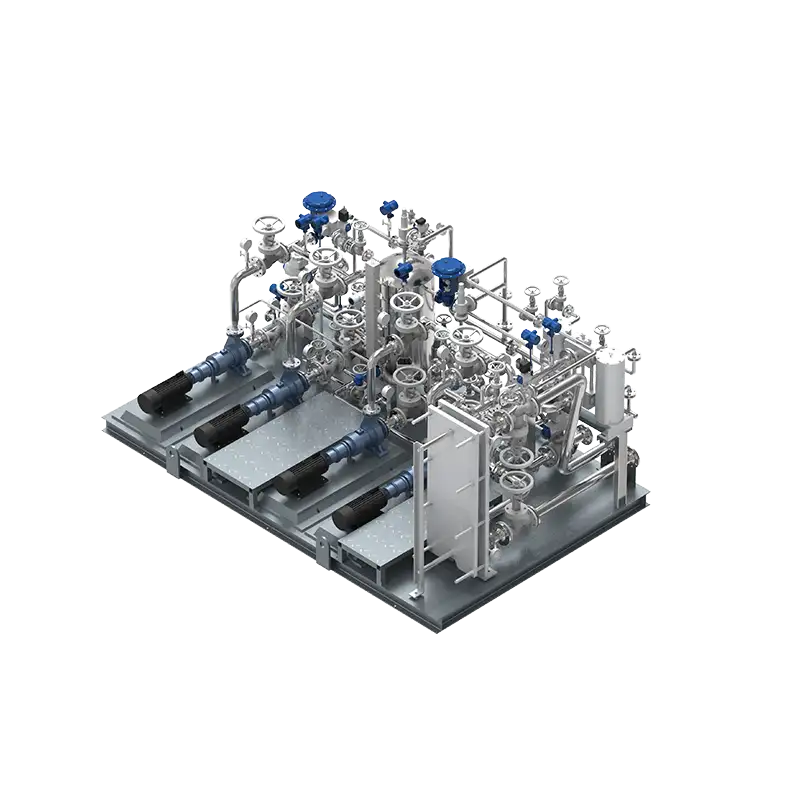
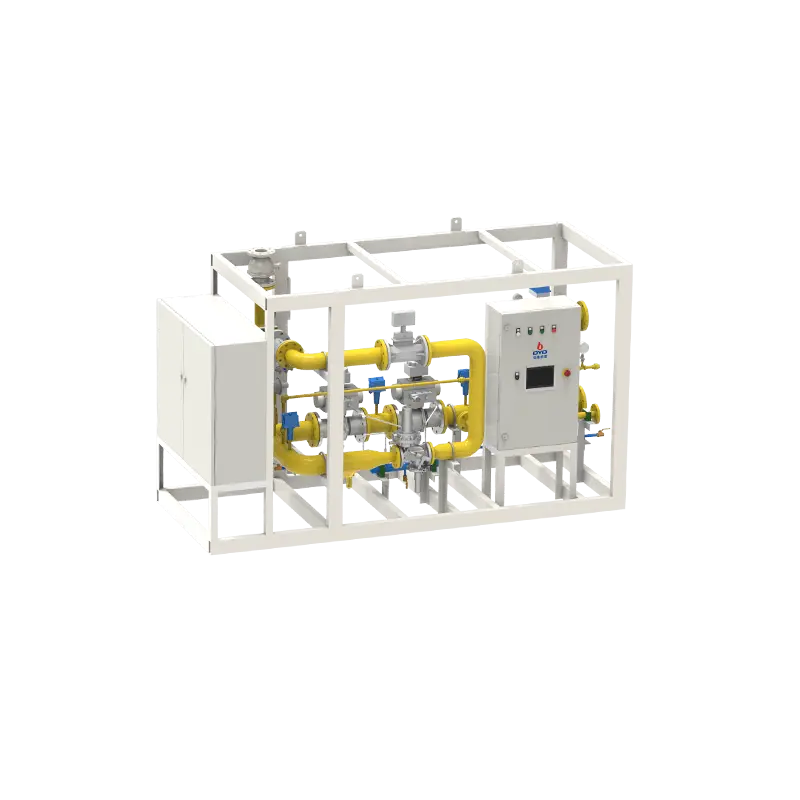
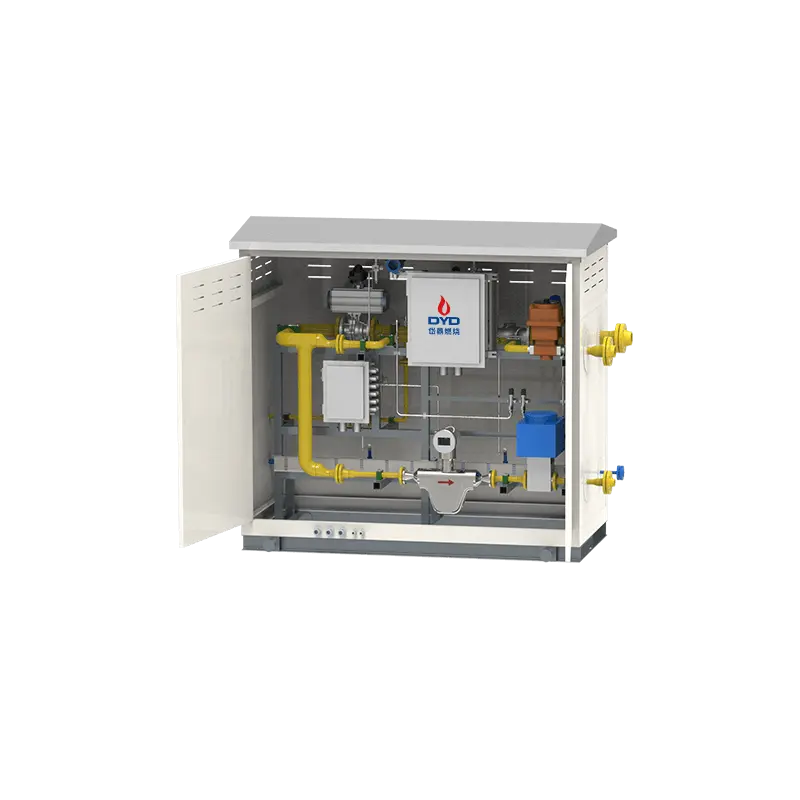
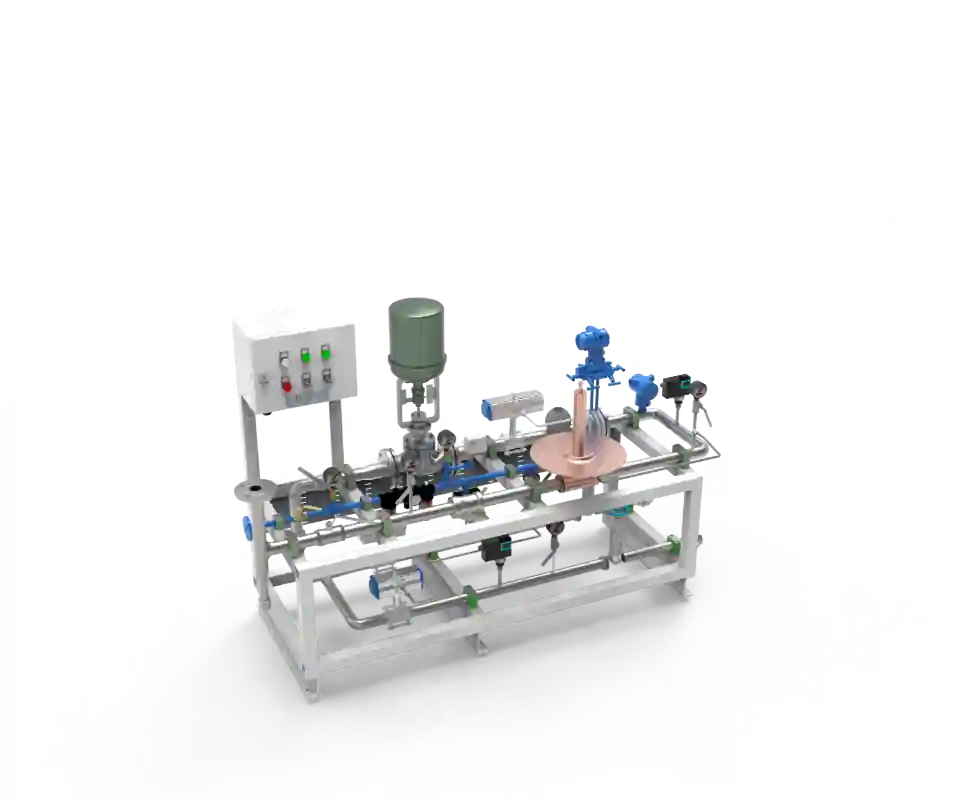
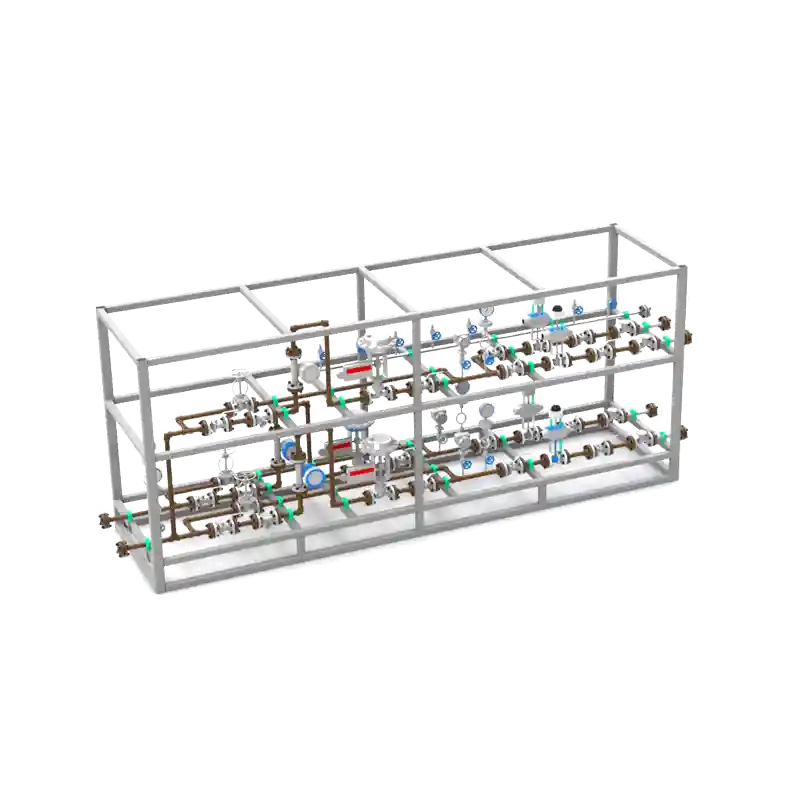
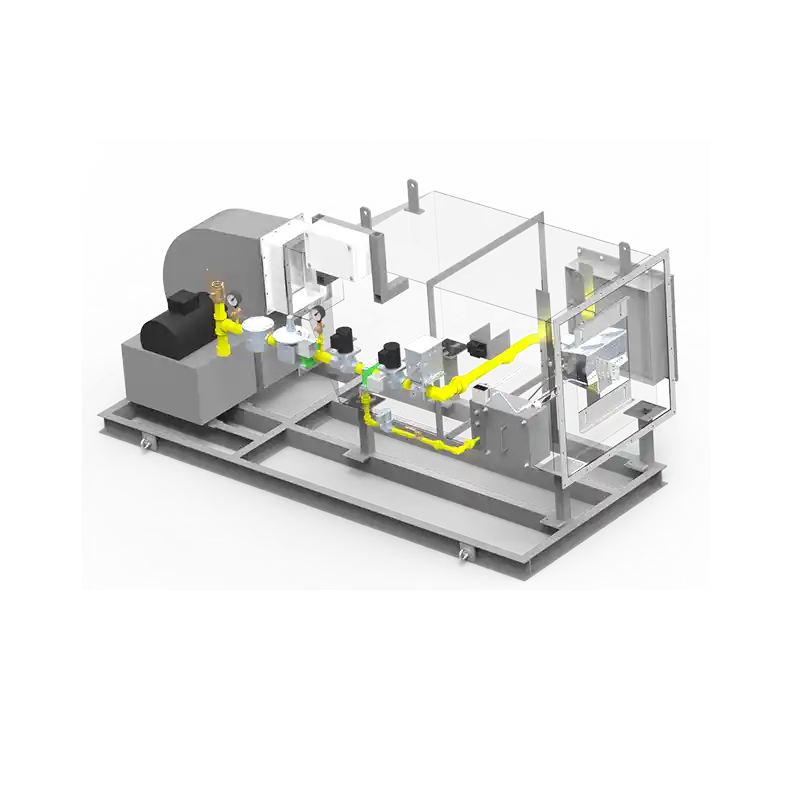
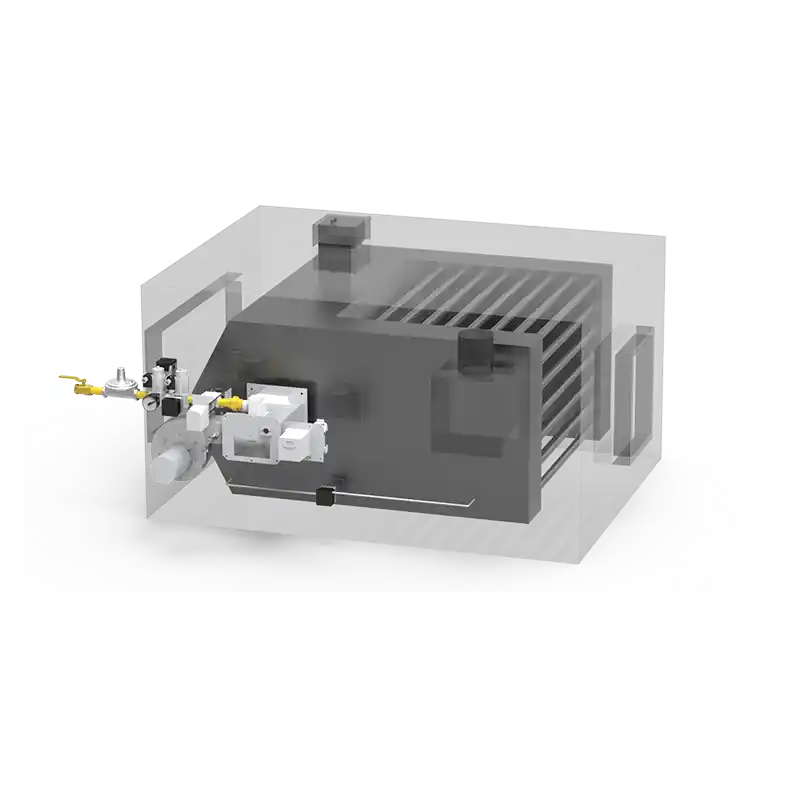
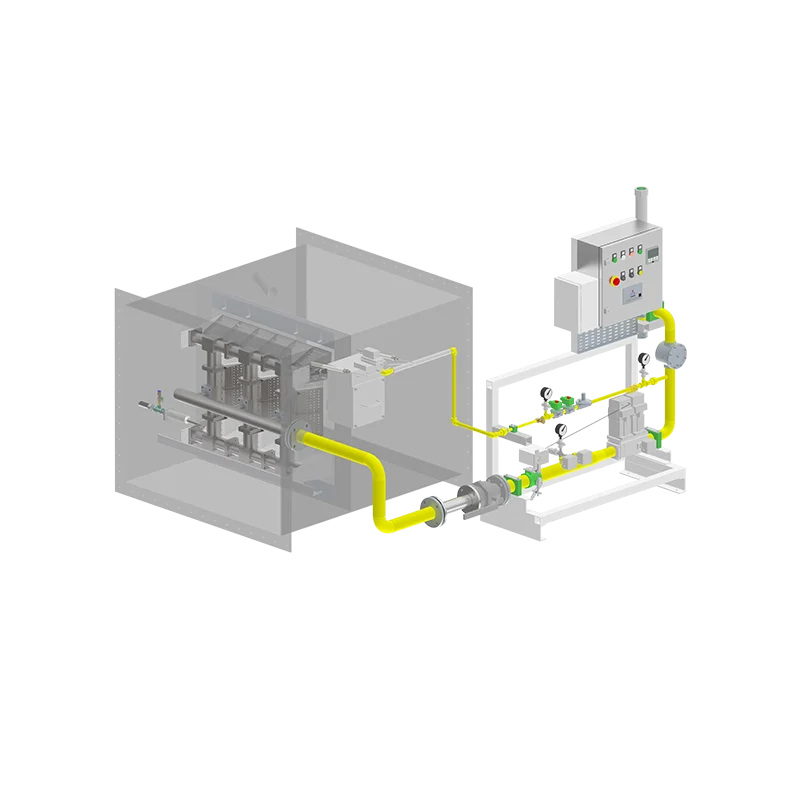
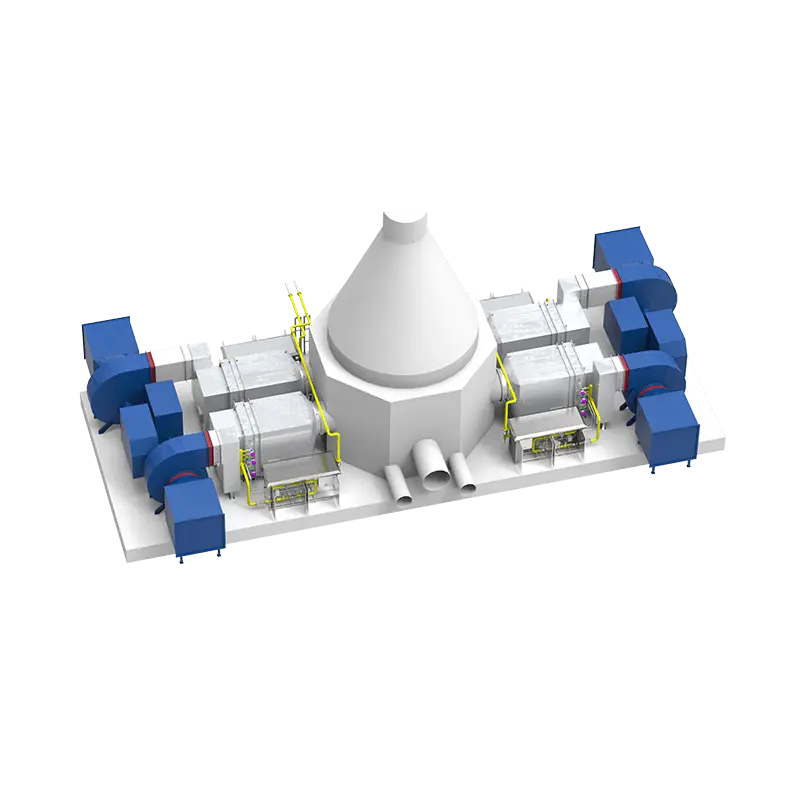
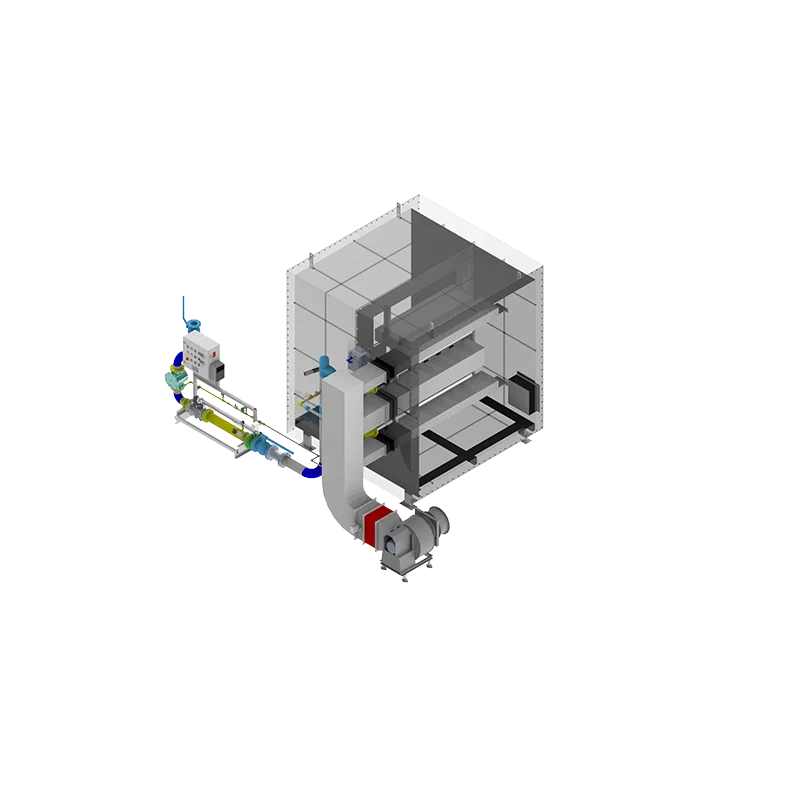
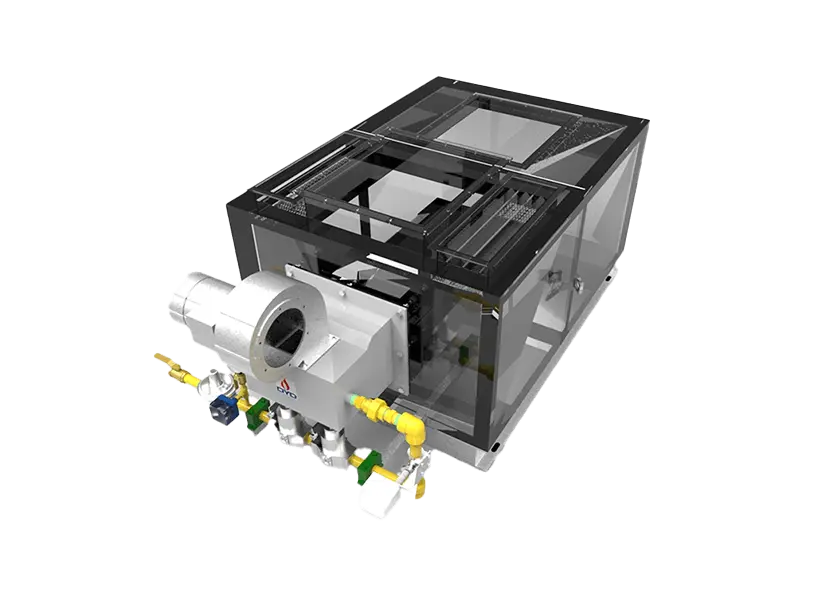
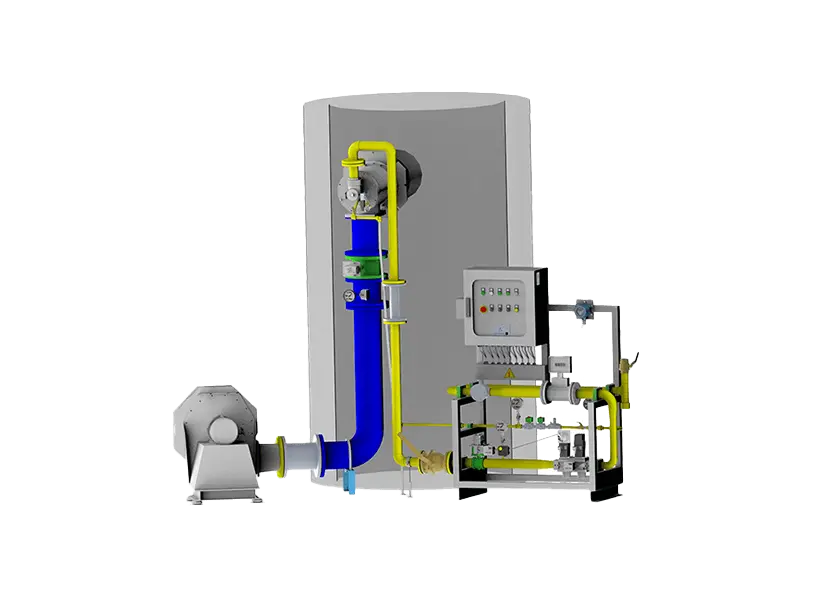
The core difference between a supplementary-fired HRSG and a non-supplementary-fired HRSG is: whether fuel is injected and burned again after the gas turbine exhaust enters the HRSG. This difference directly affects steam production, efficiency, cost, and operational flexibility.
Key comparison dimensions are as follows:
Steam production capacity
Thermodynamic efficiency
Capital expenditure (CAPEX) / Operational complexity
Operational and dispatch flexibility
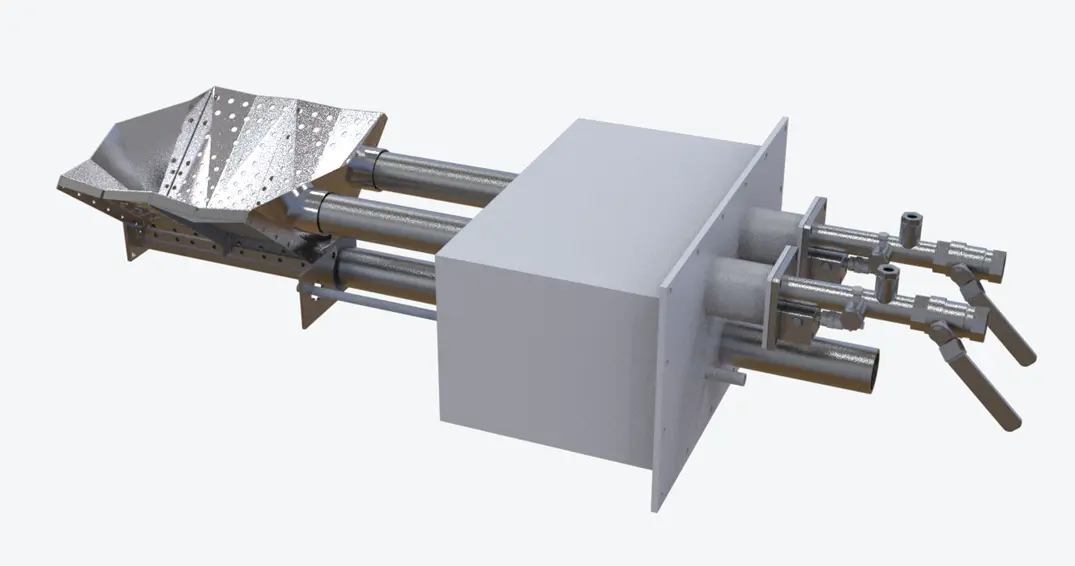
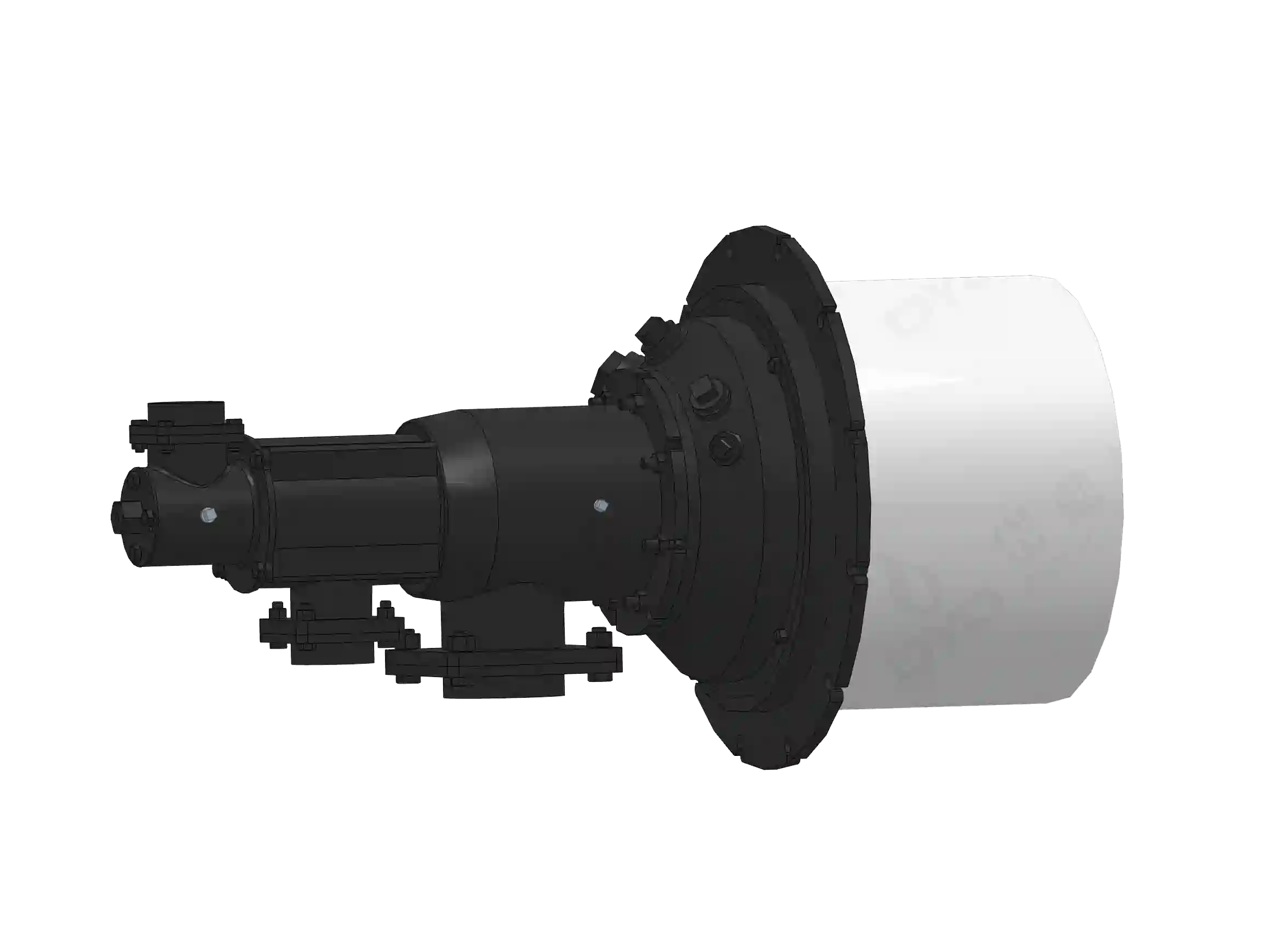
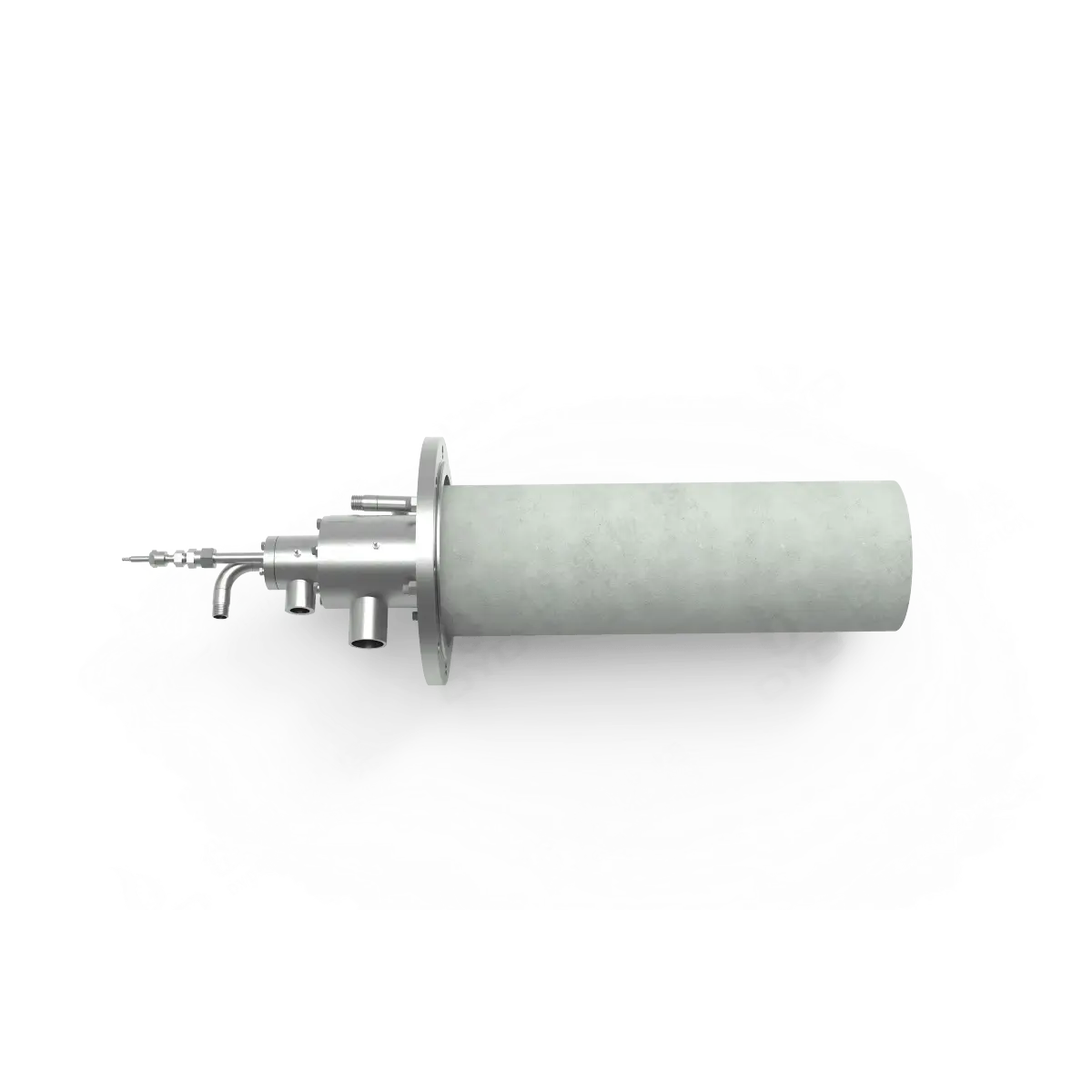
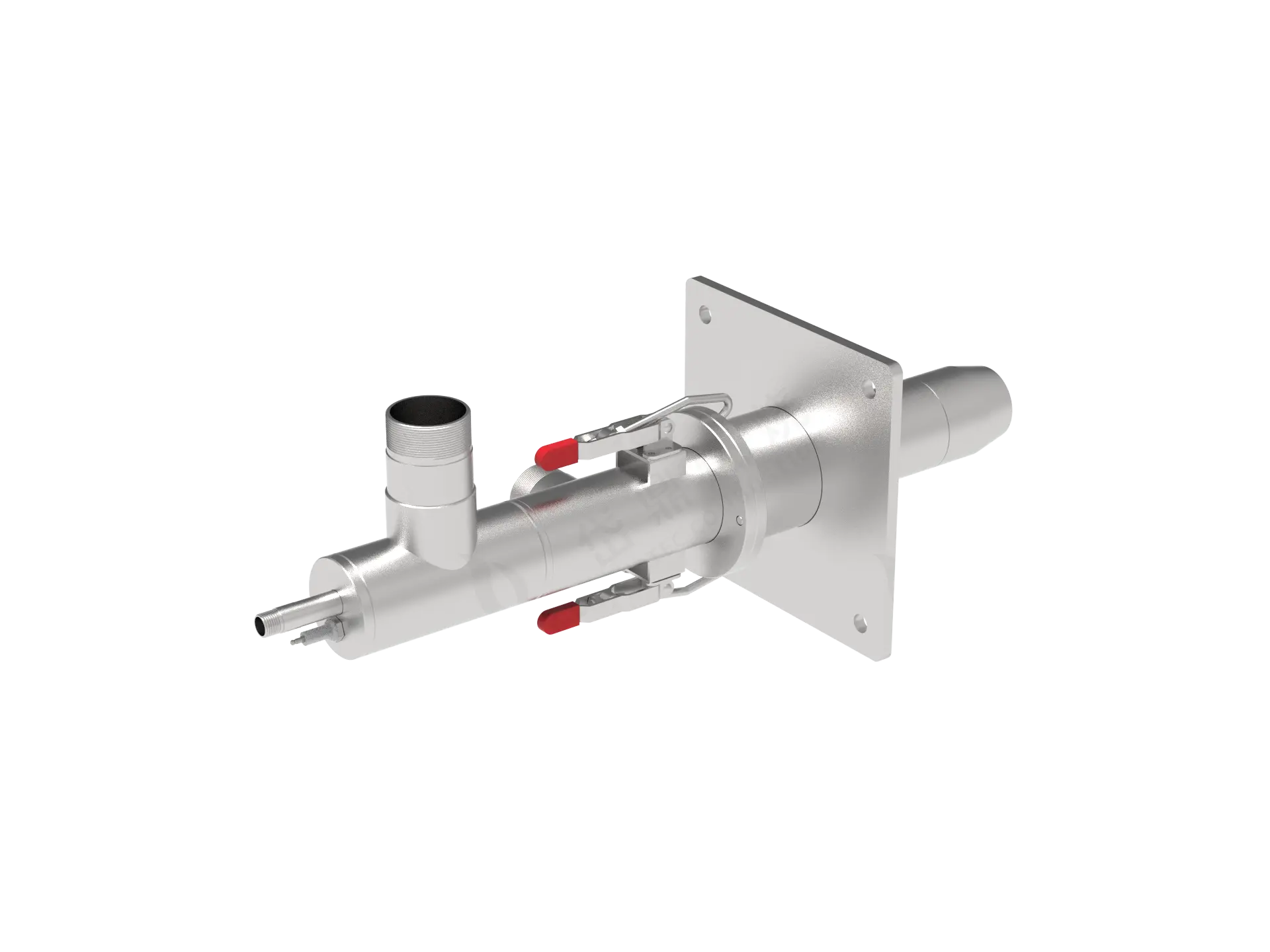
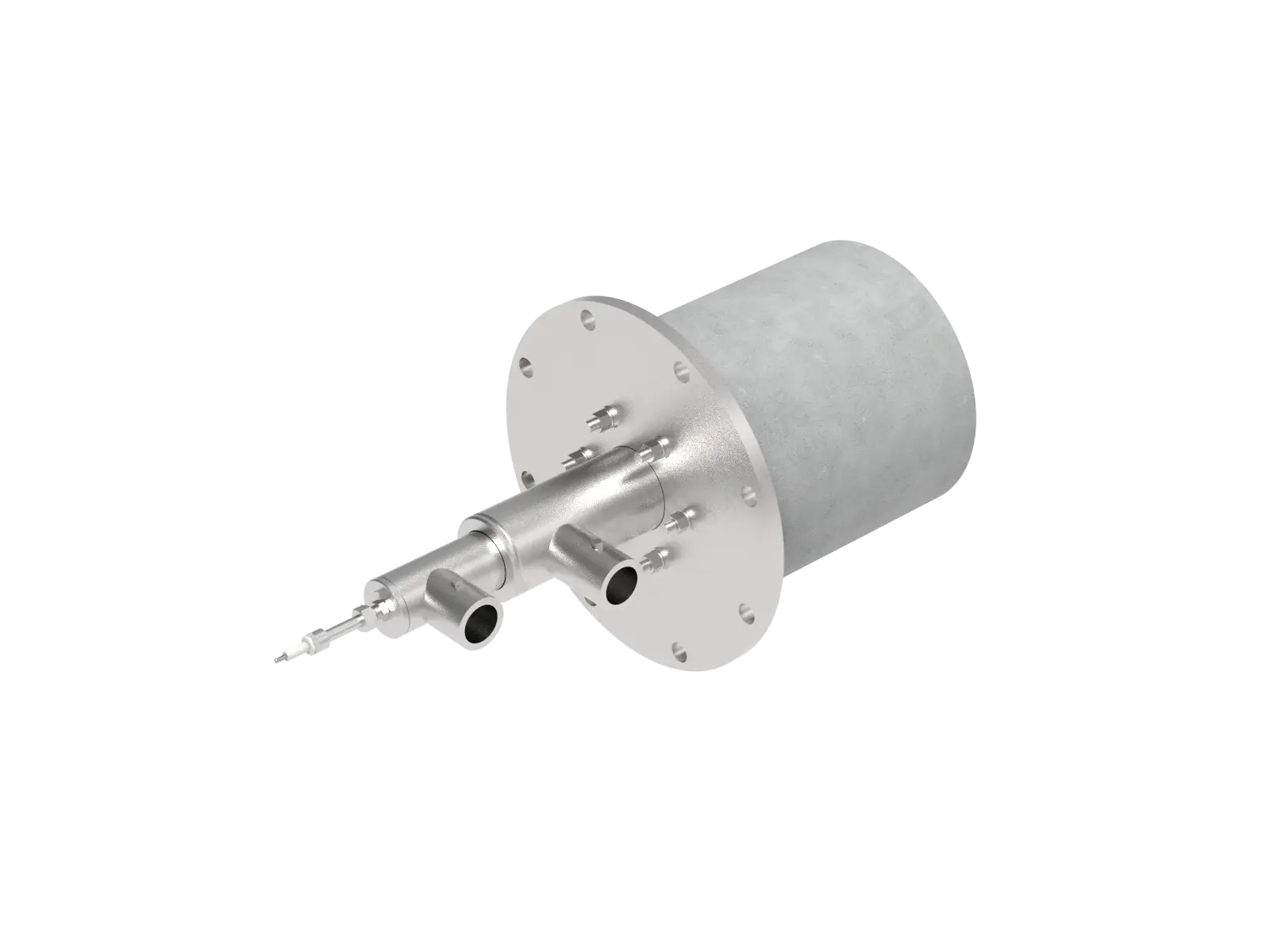
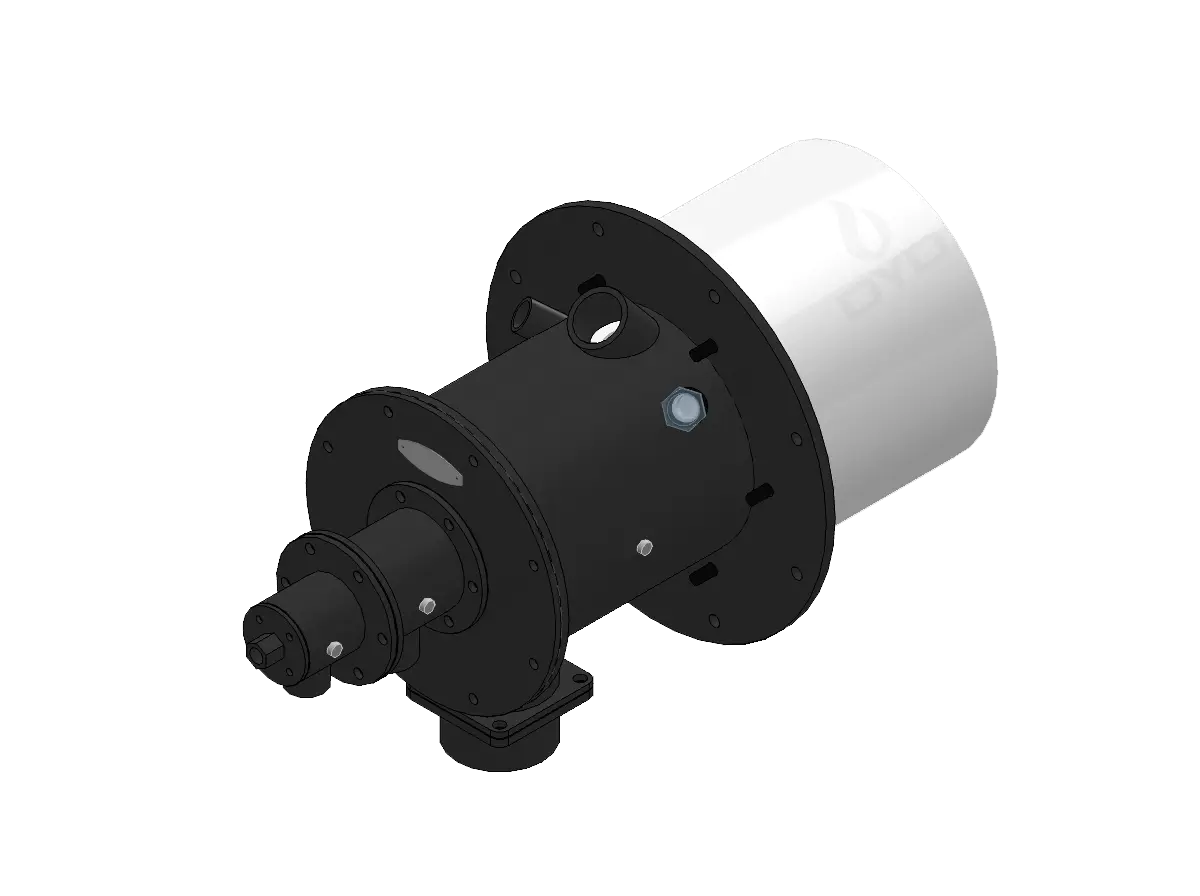
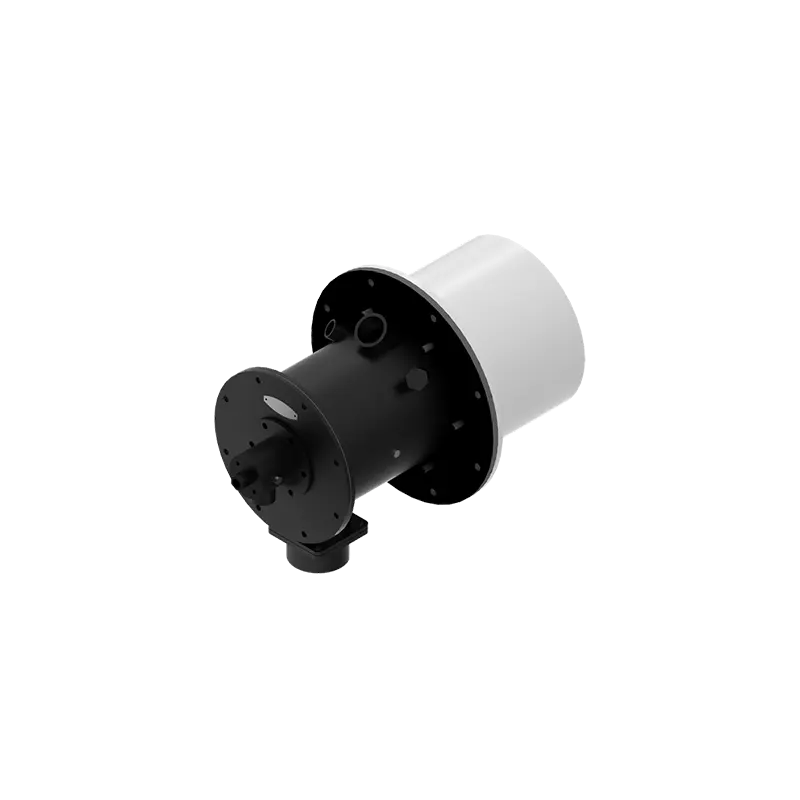
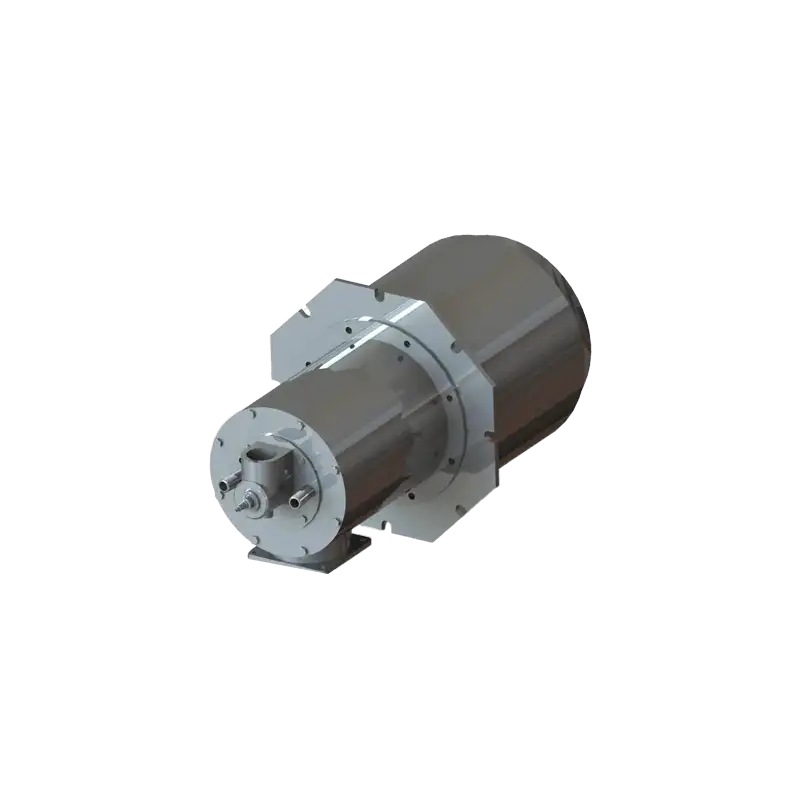
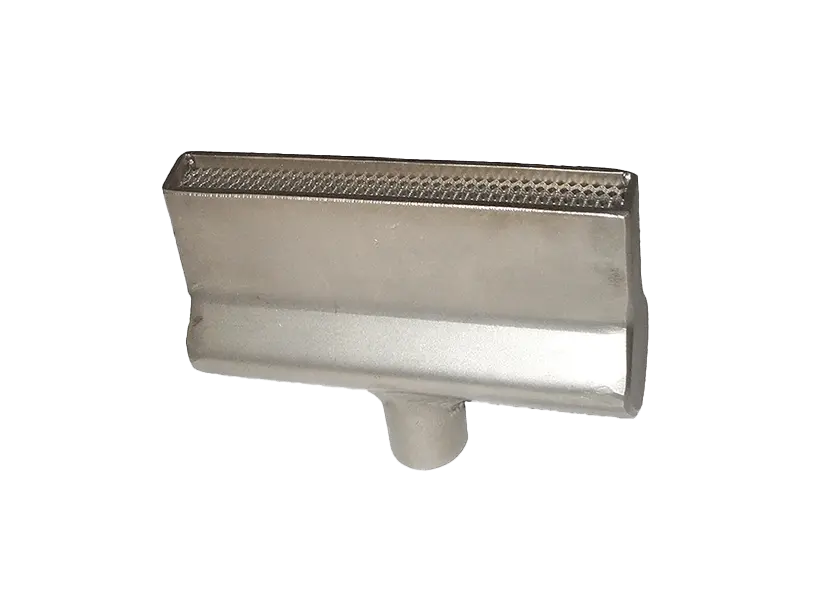
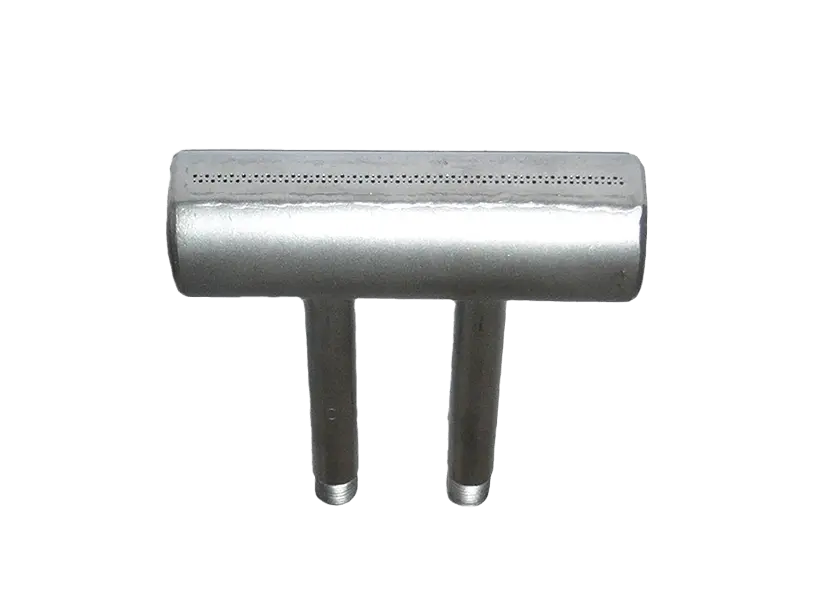
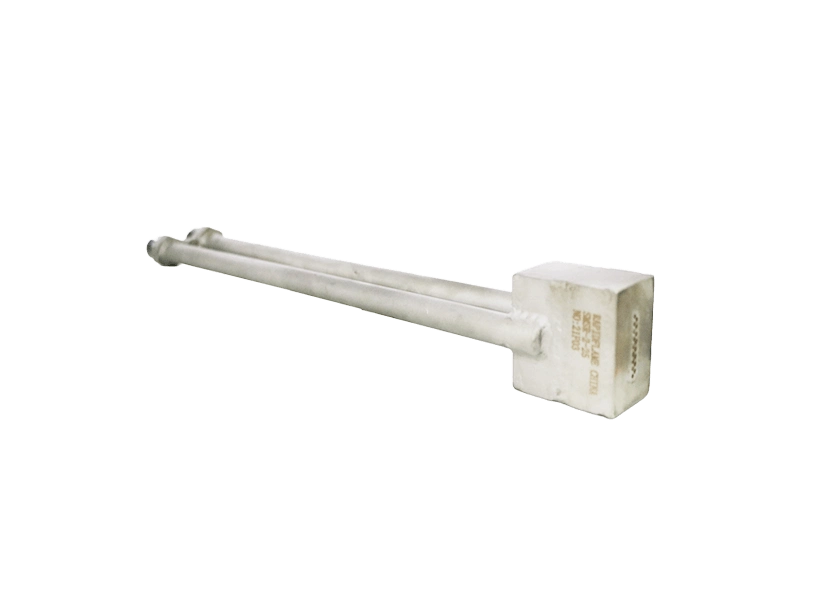
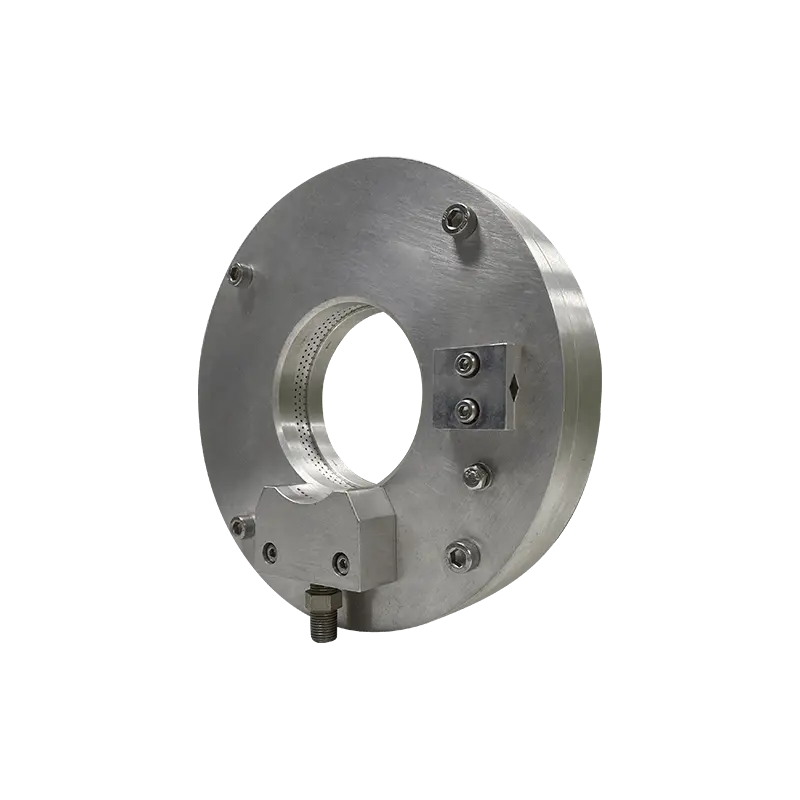
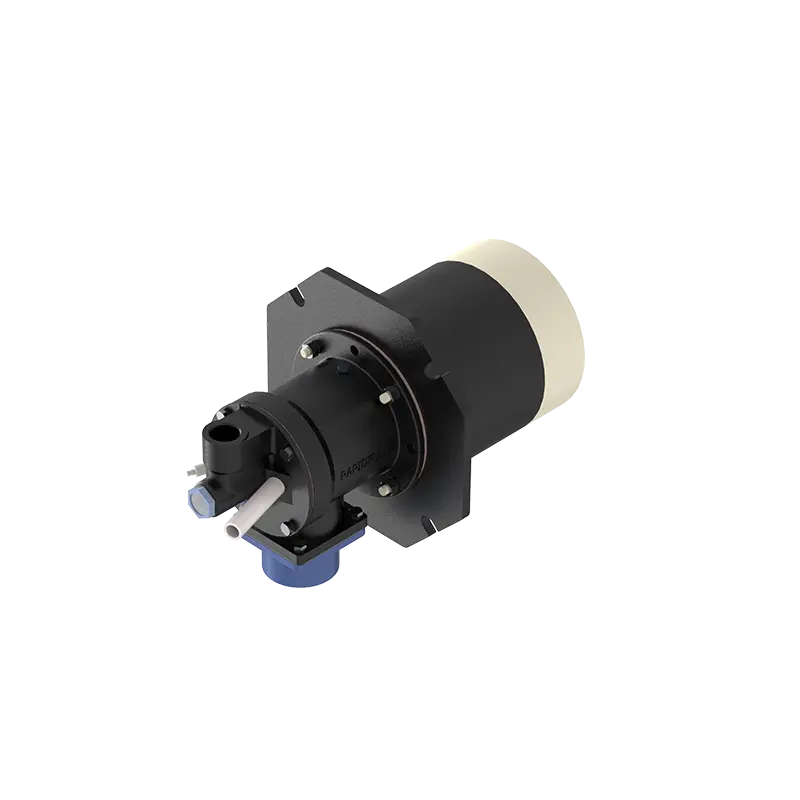
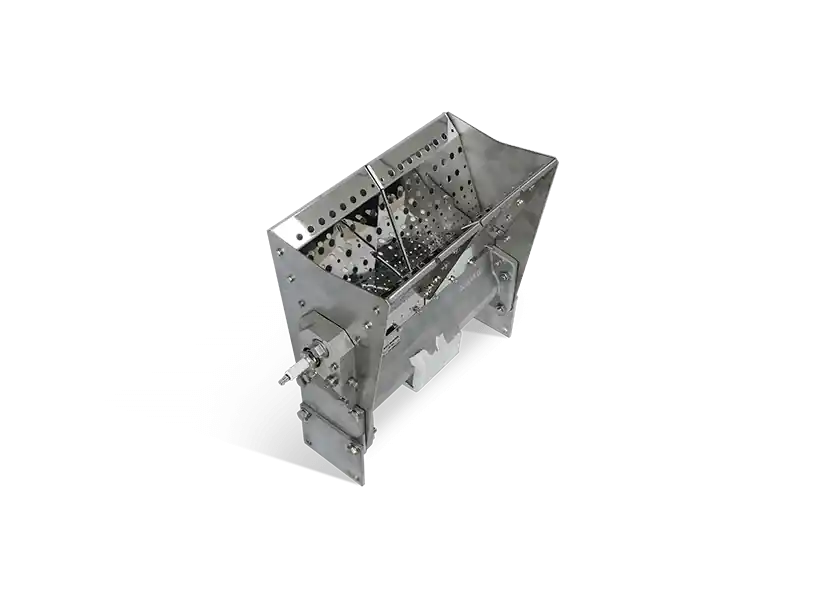
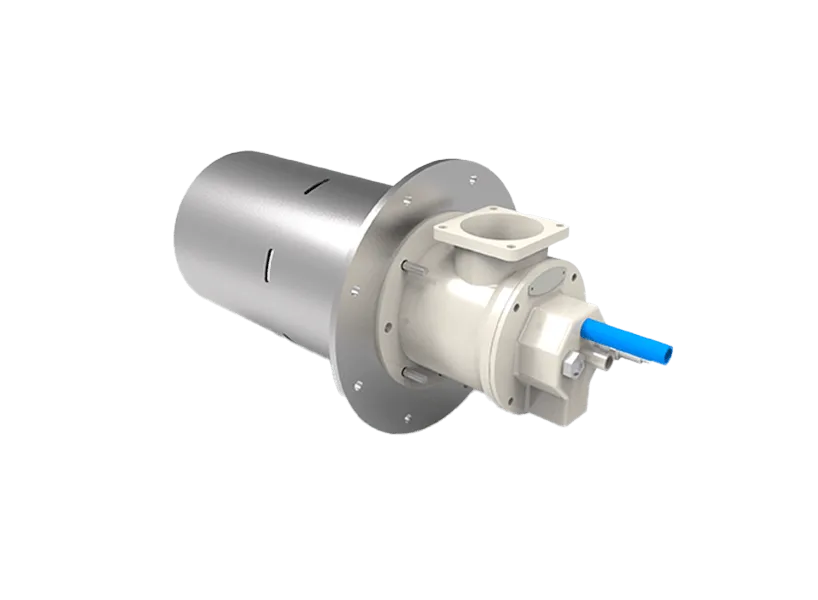
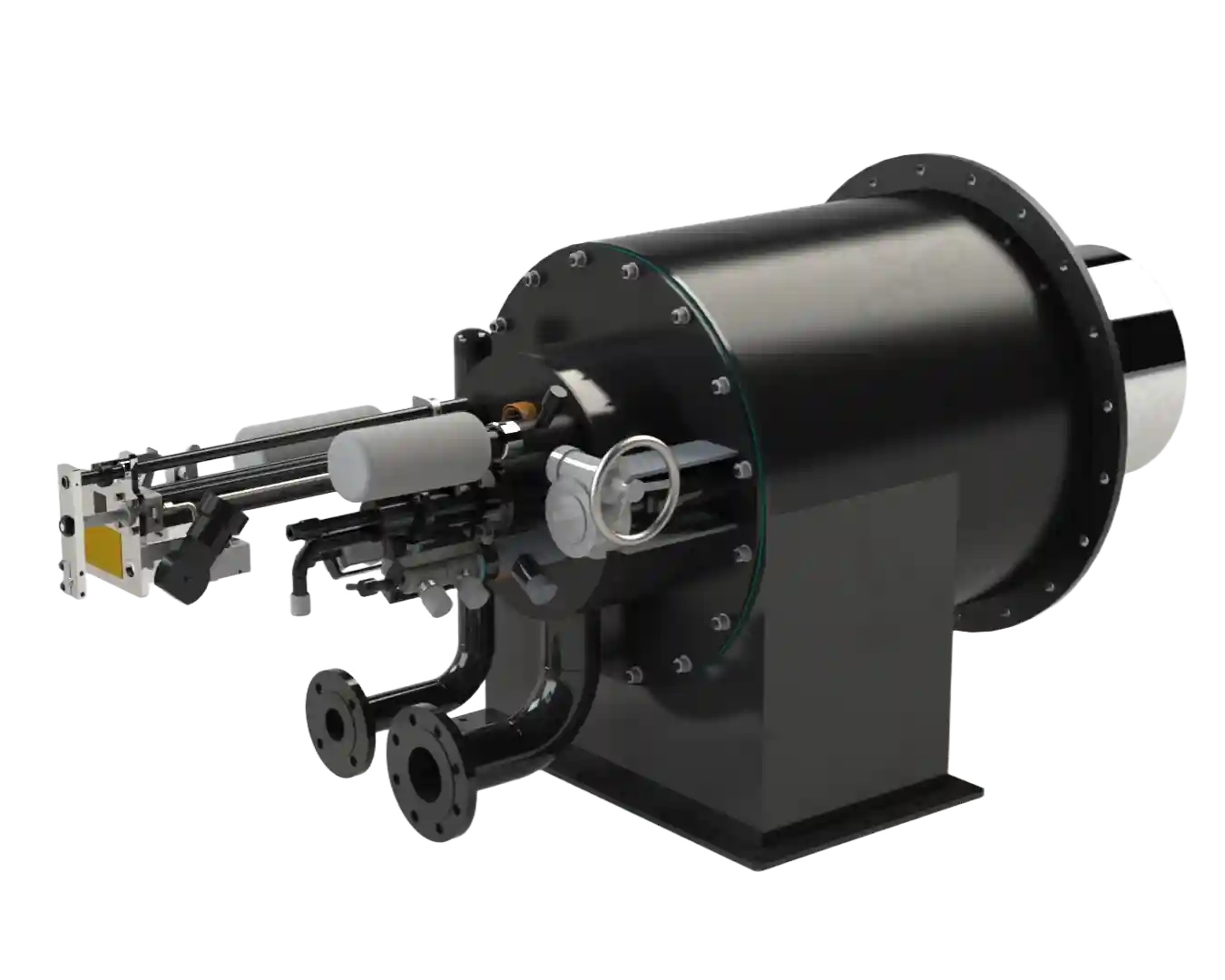
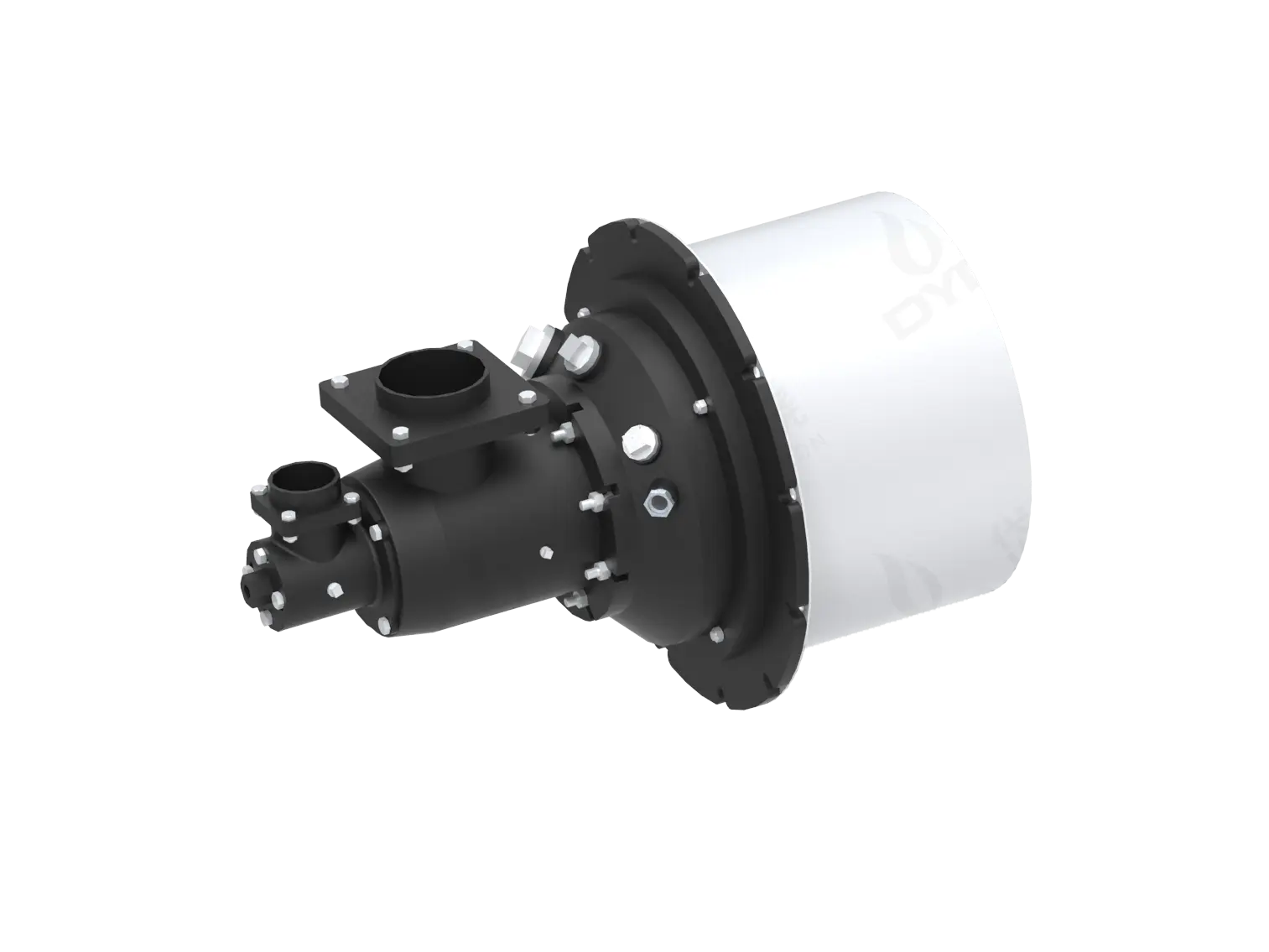
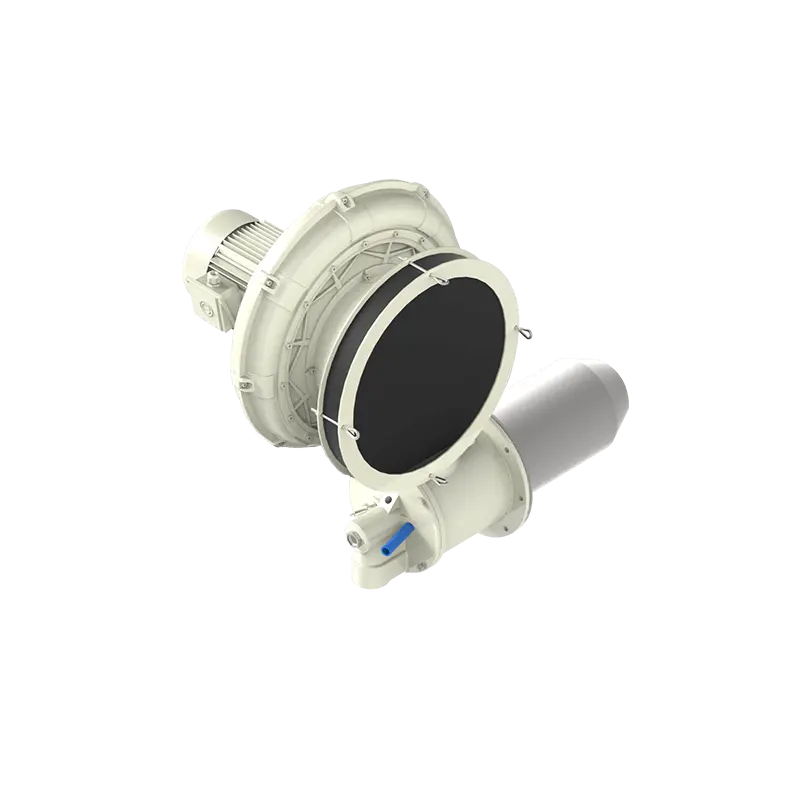
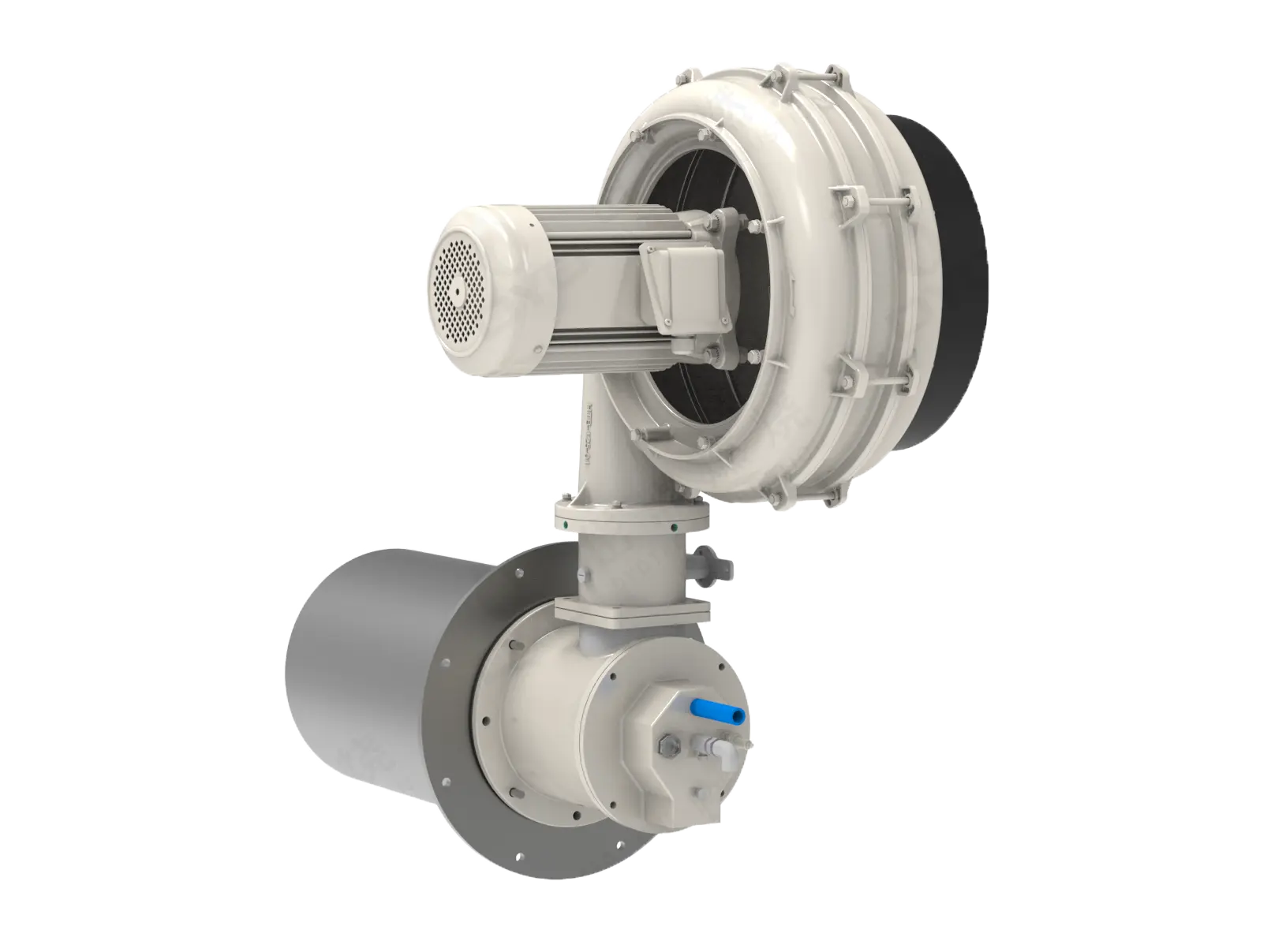
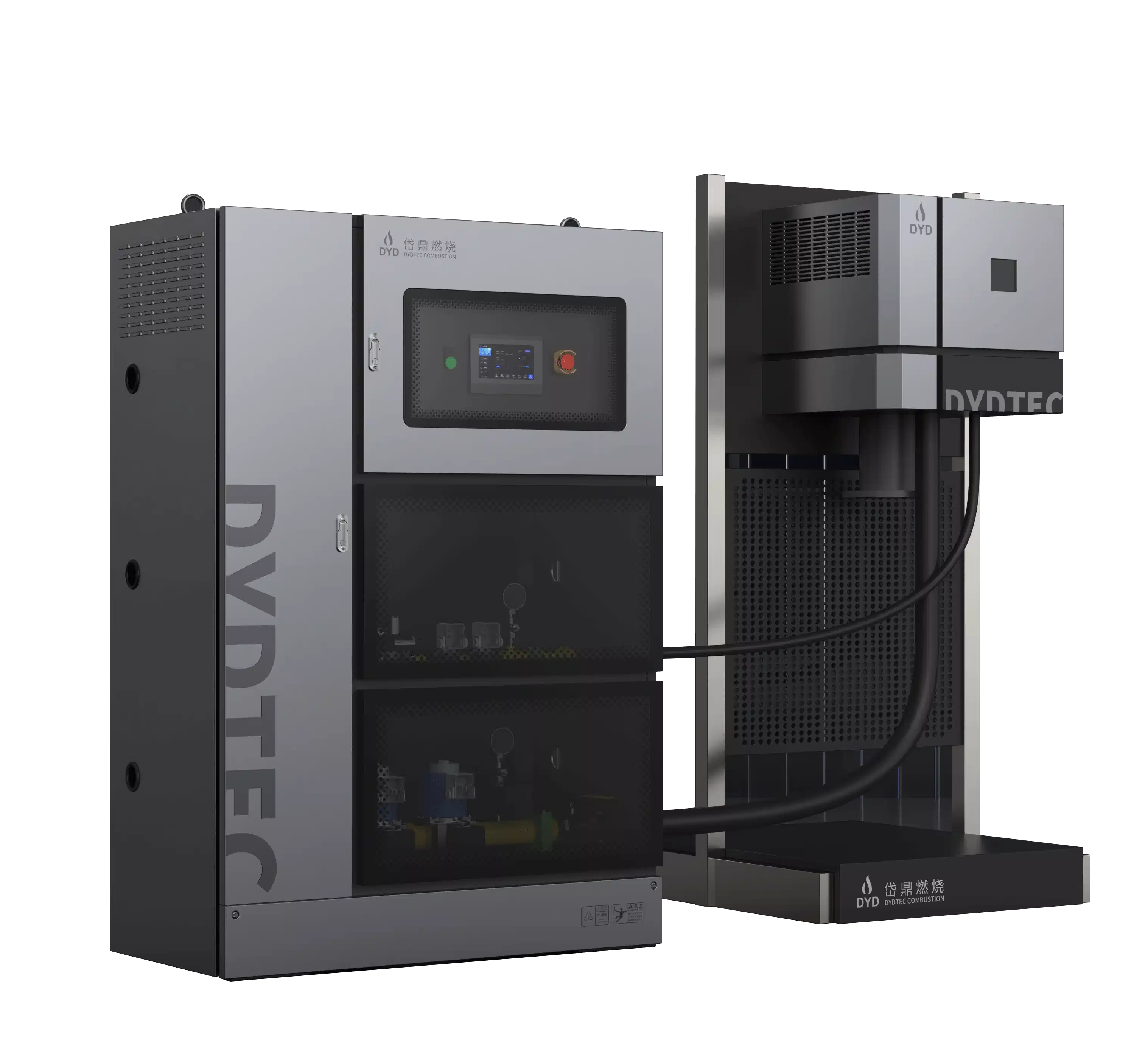
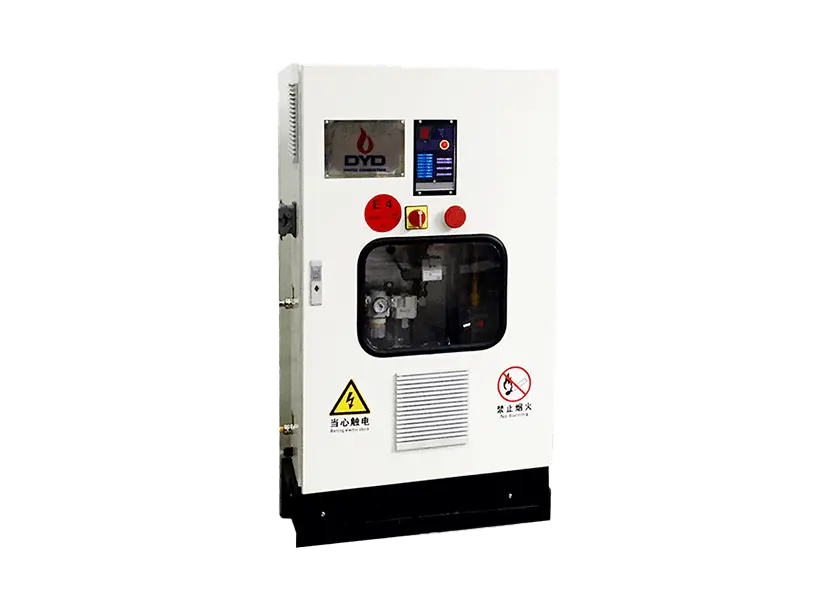
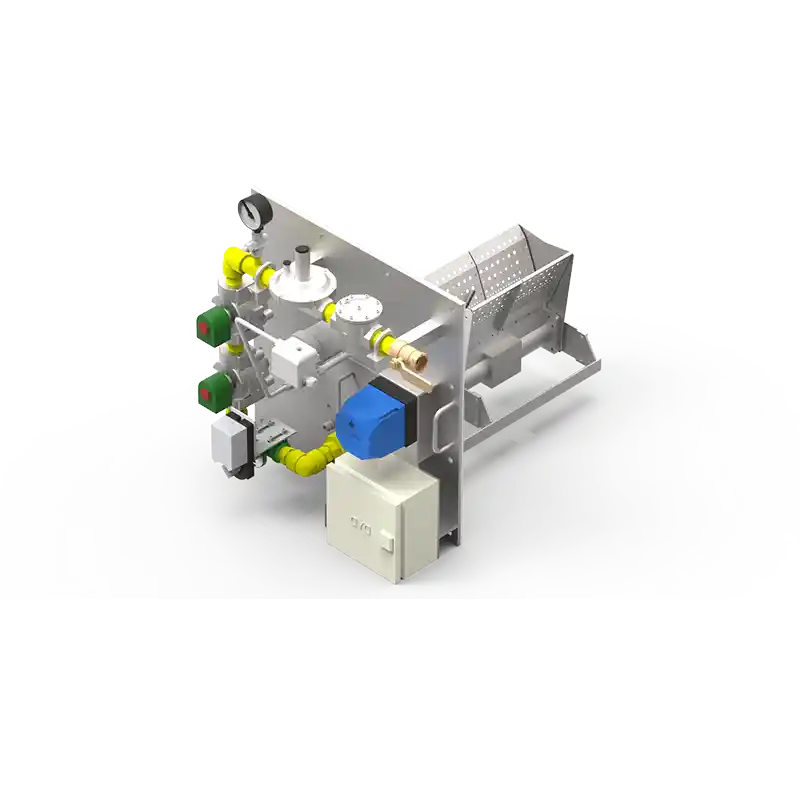
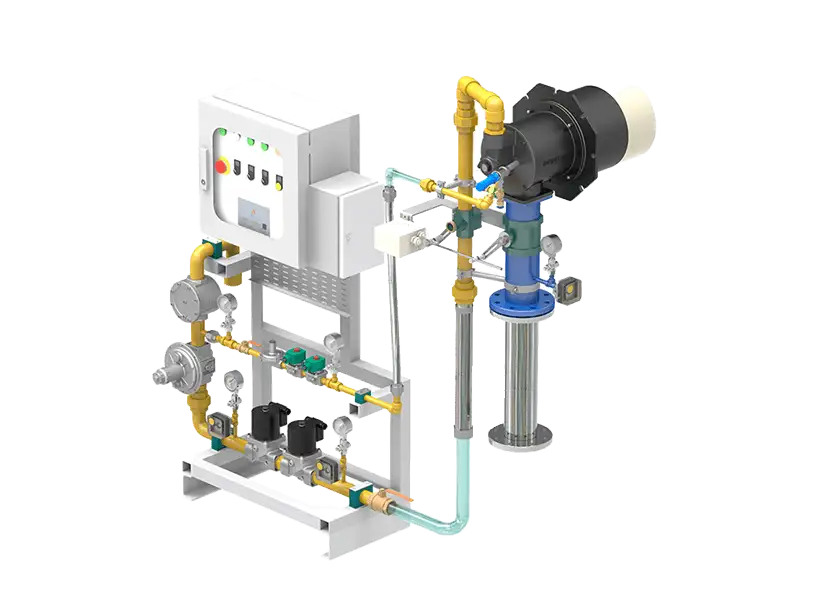
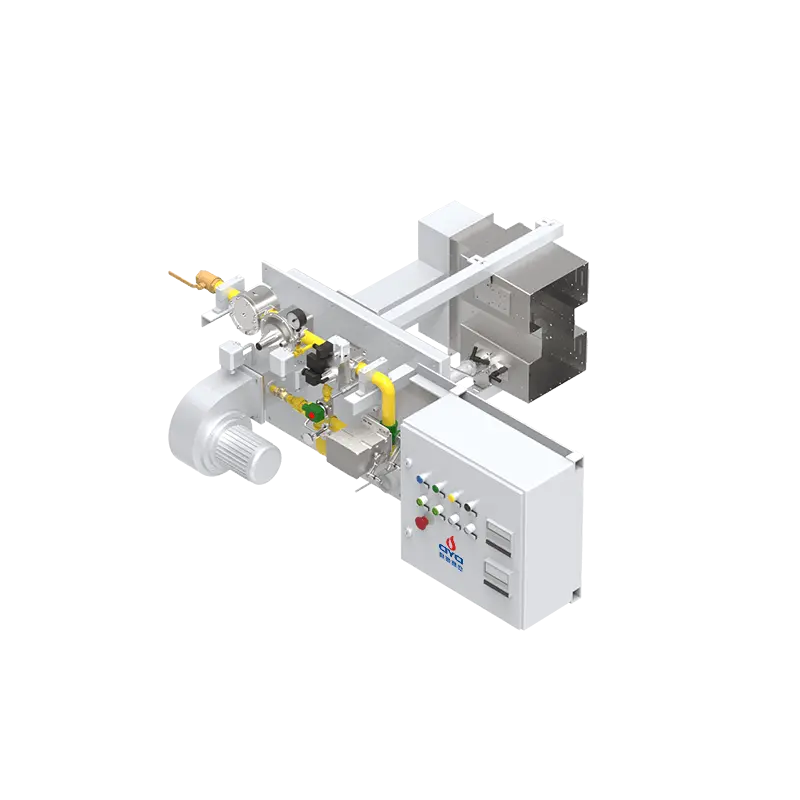
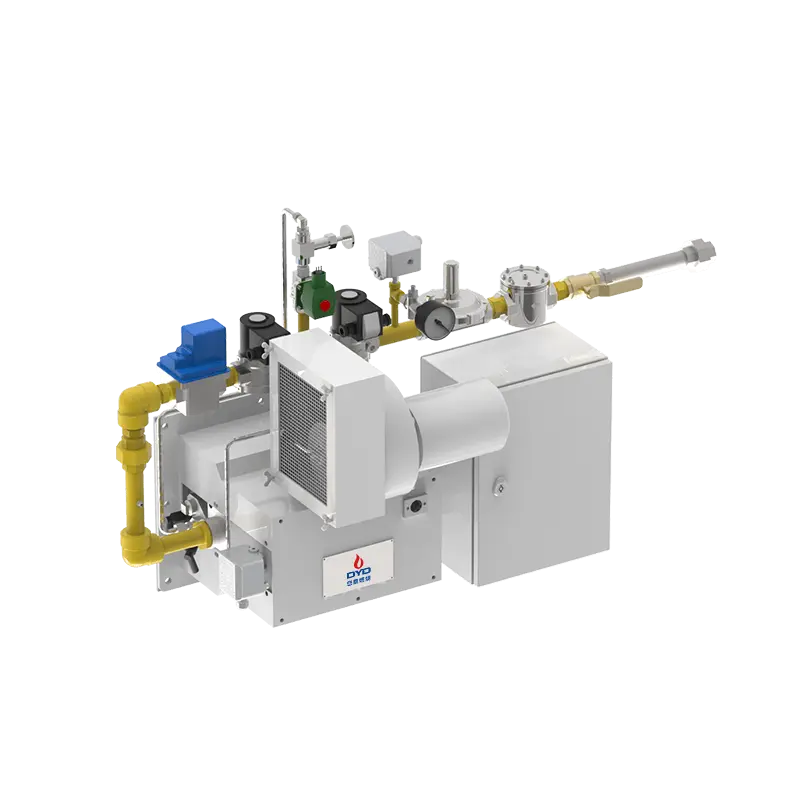
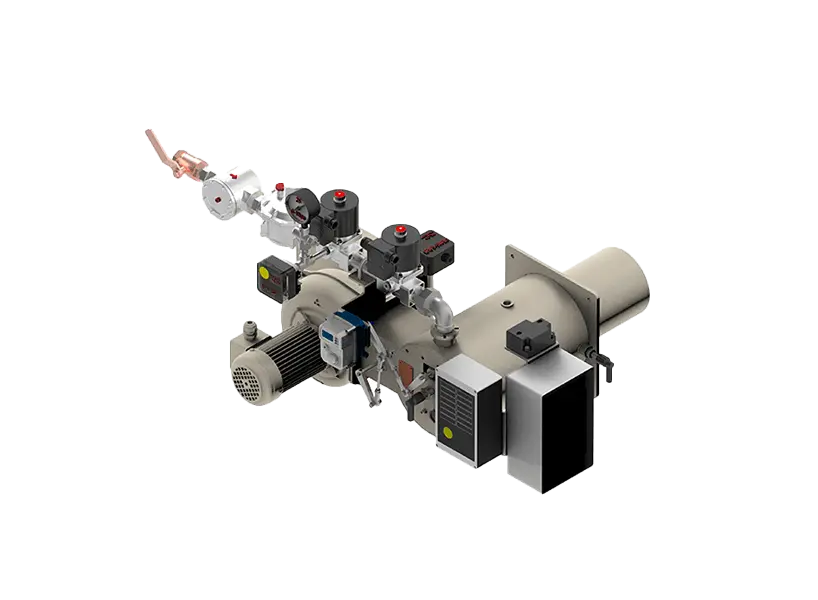
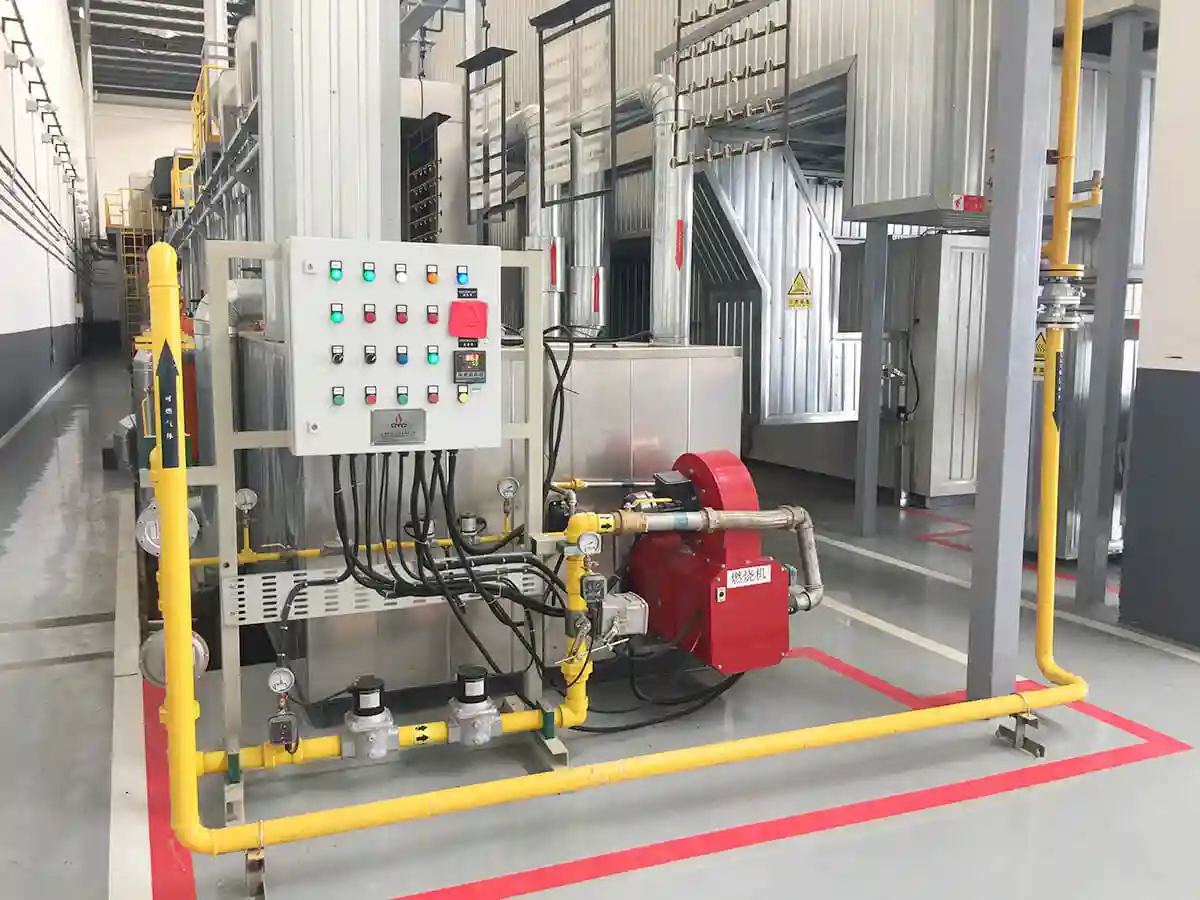
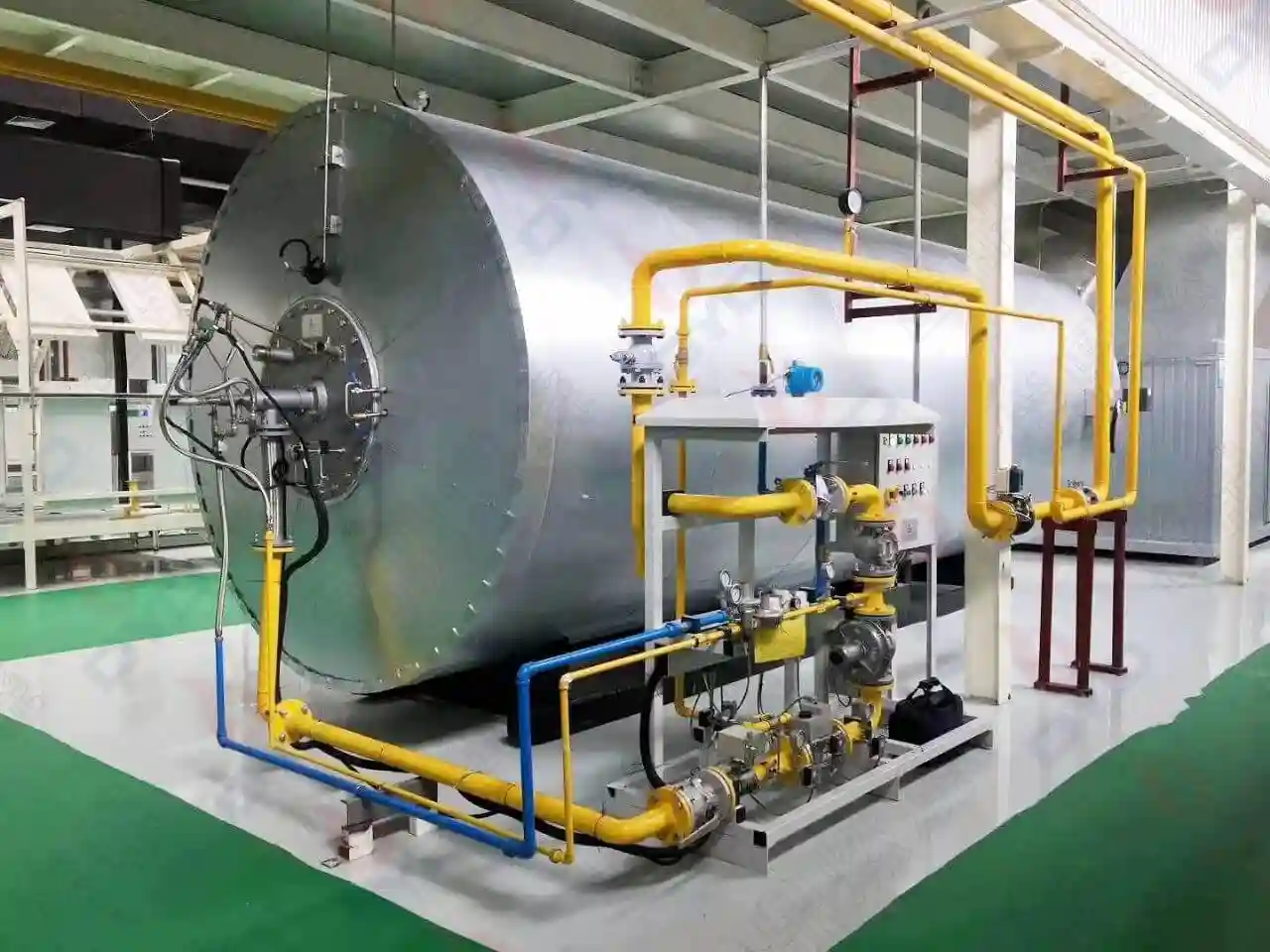
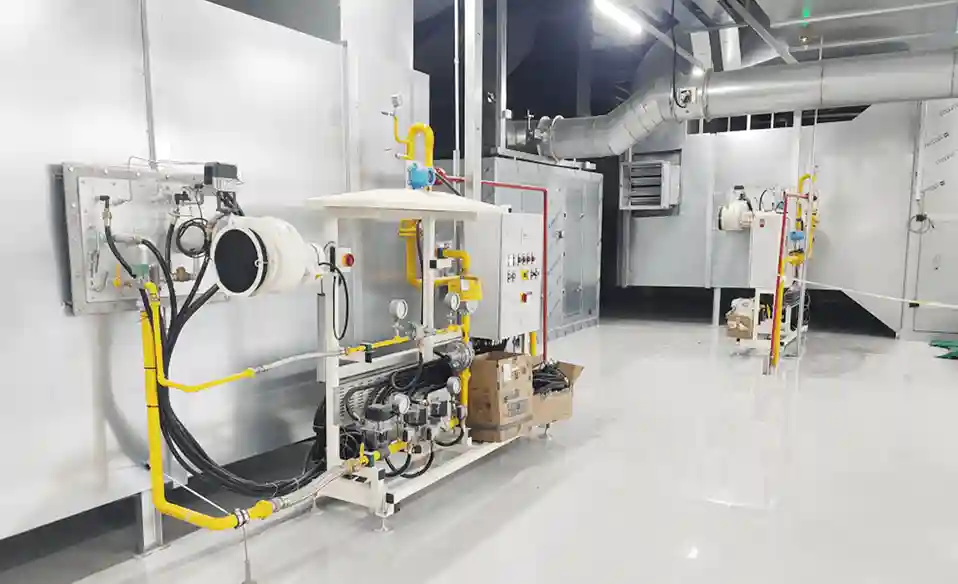
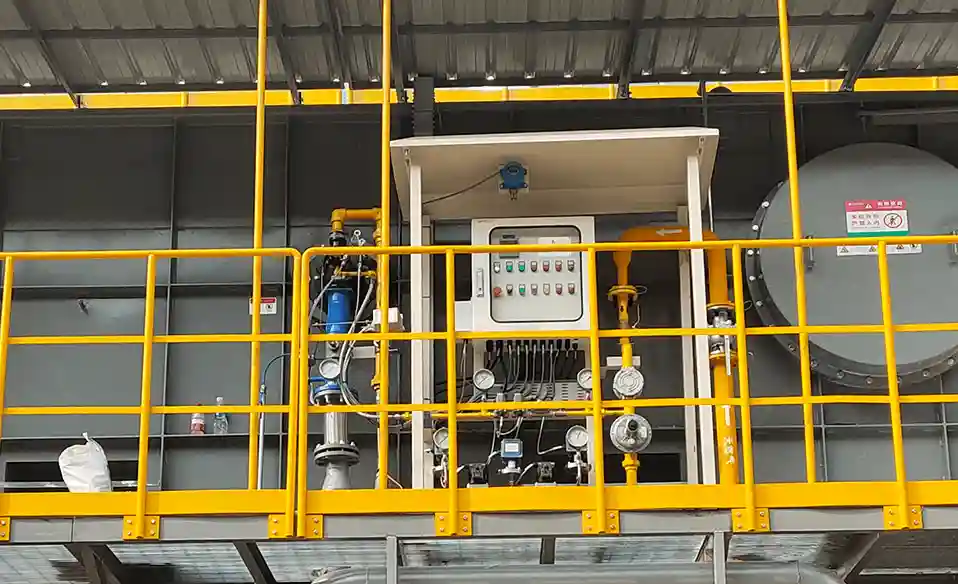
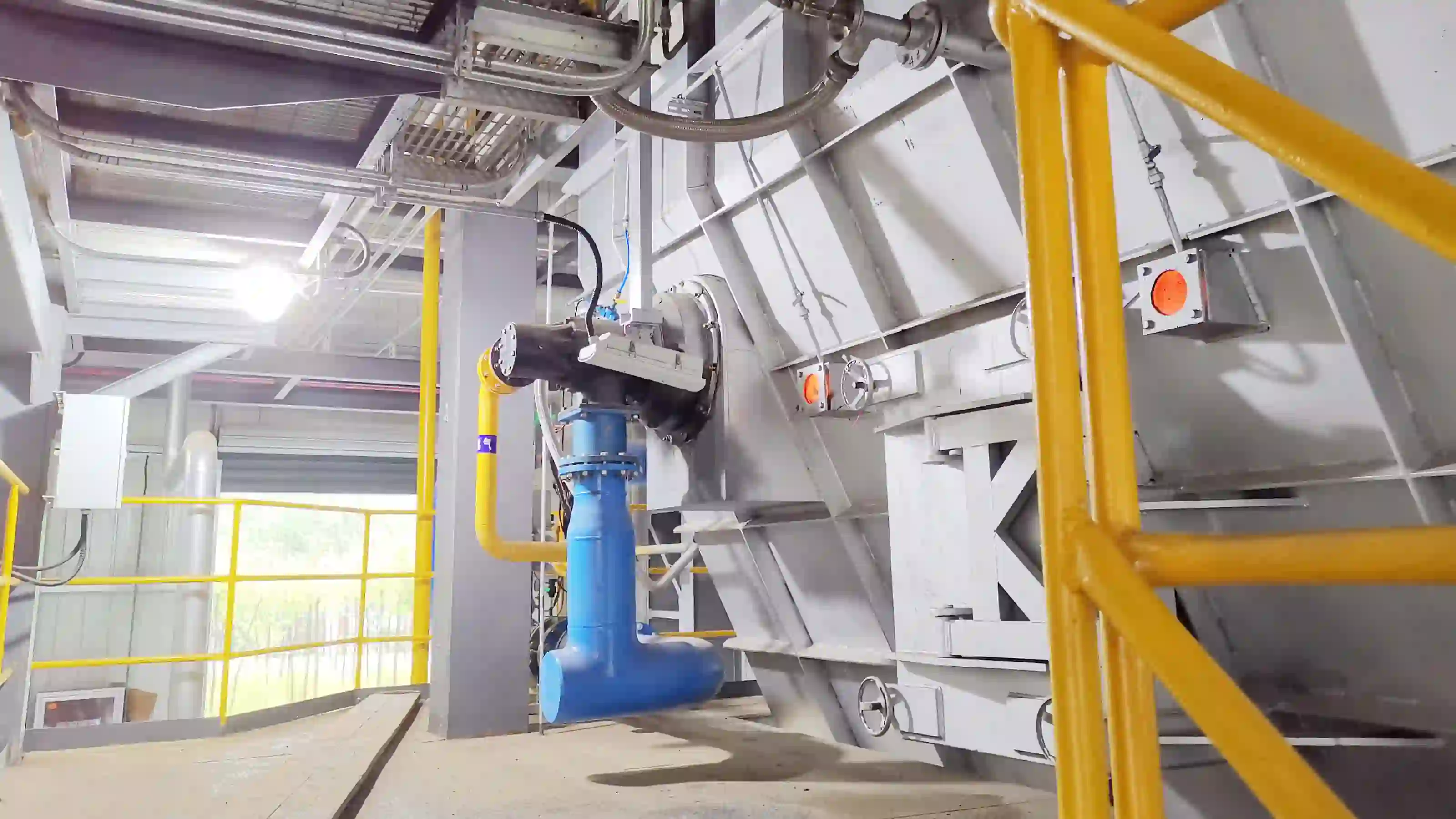
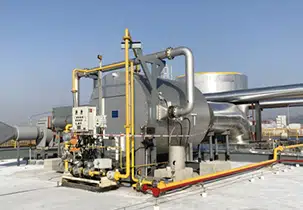
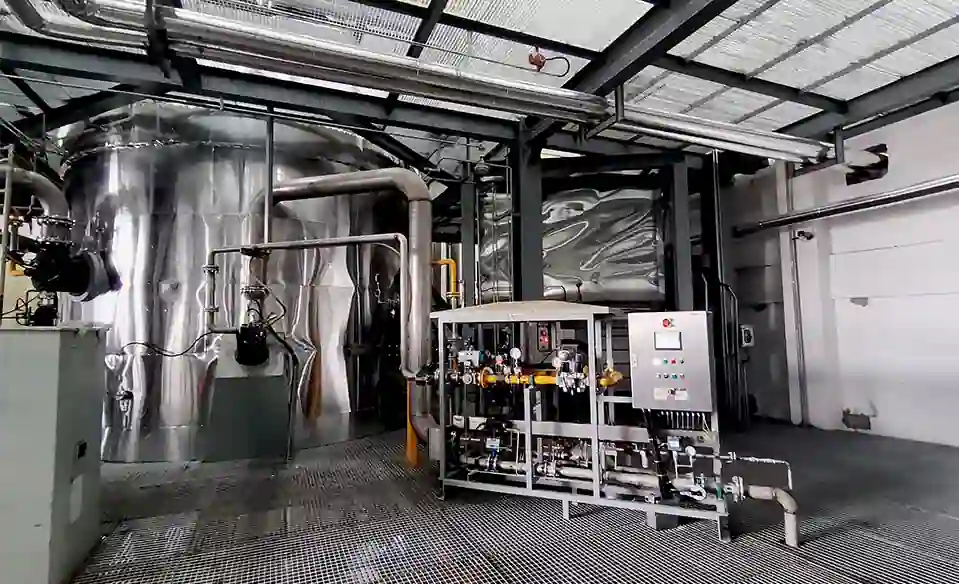
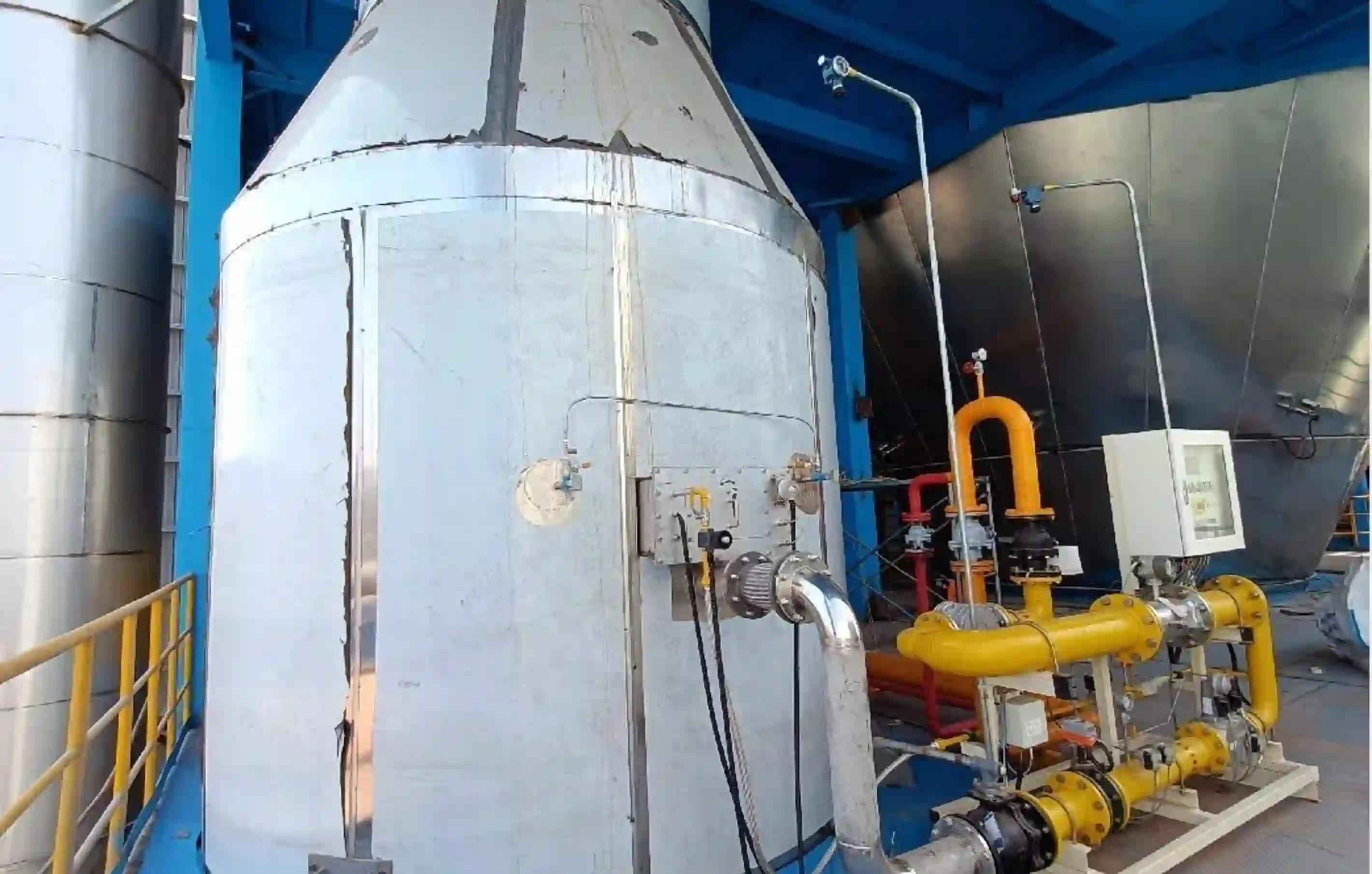
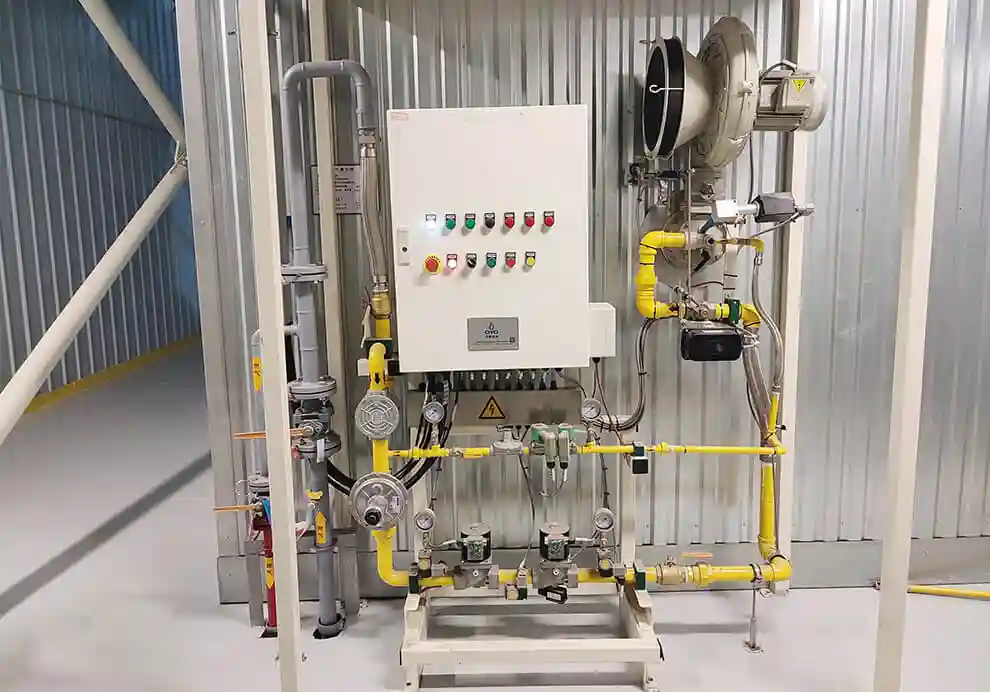
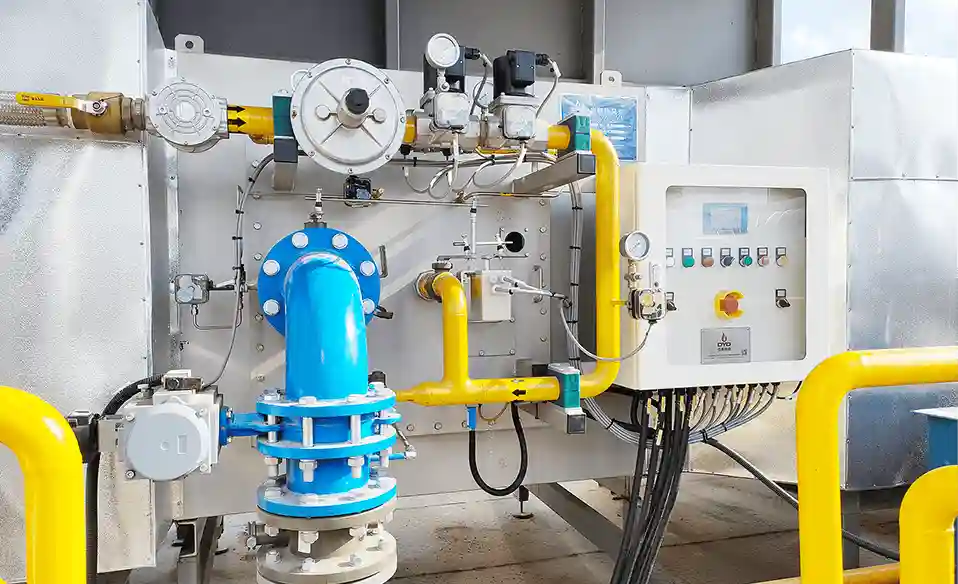
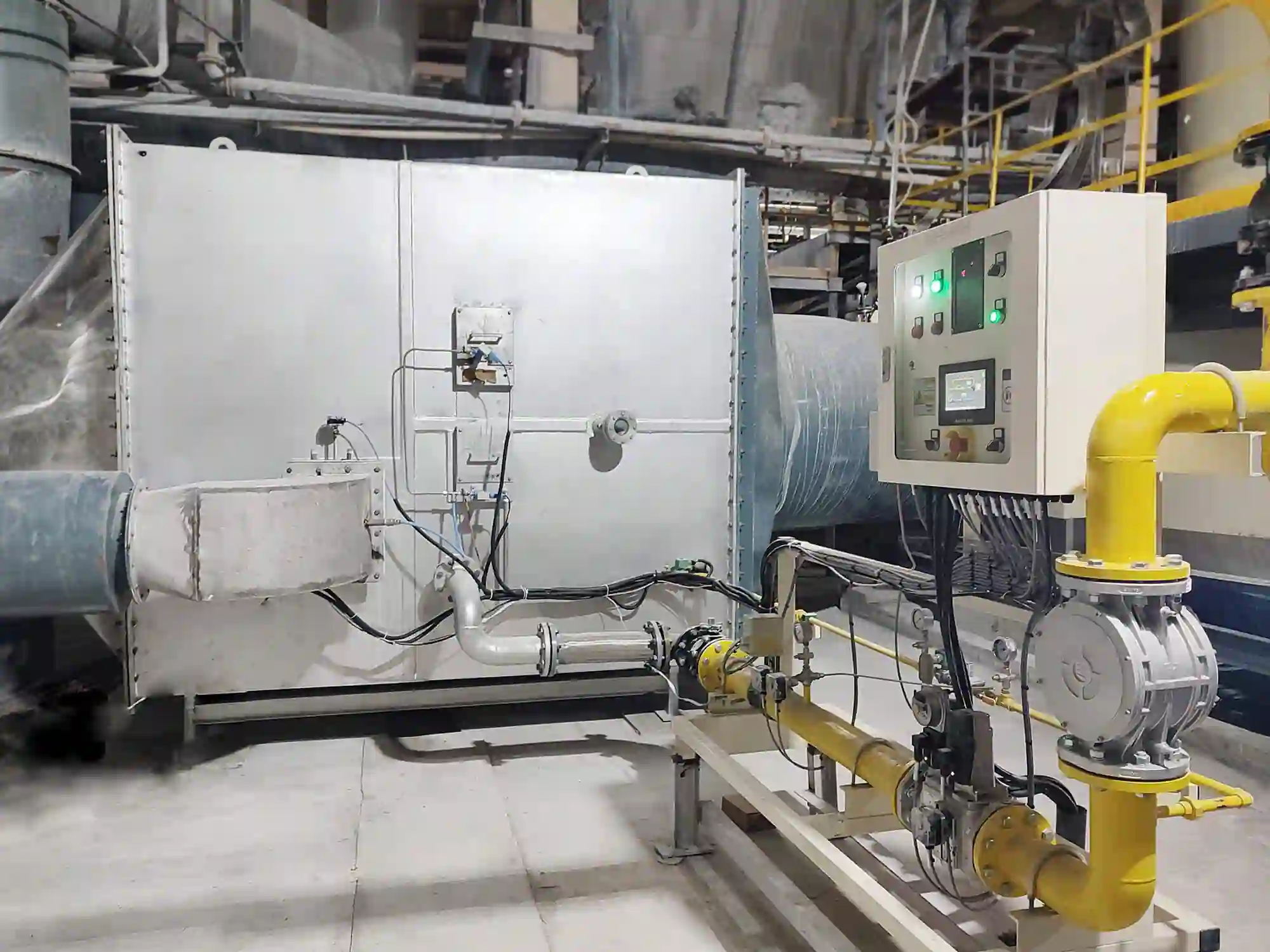
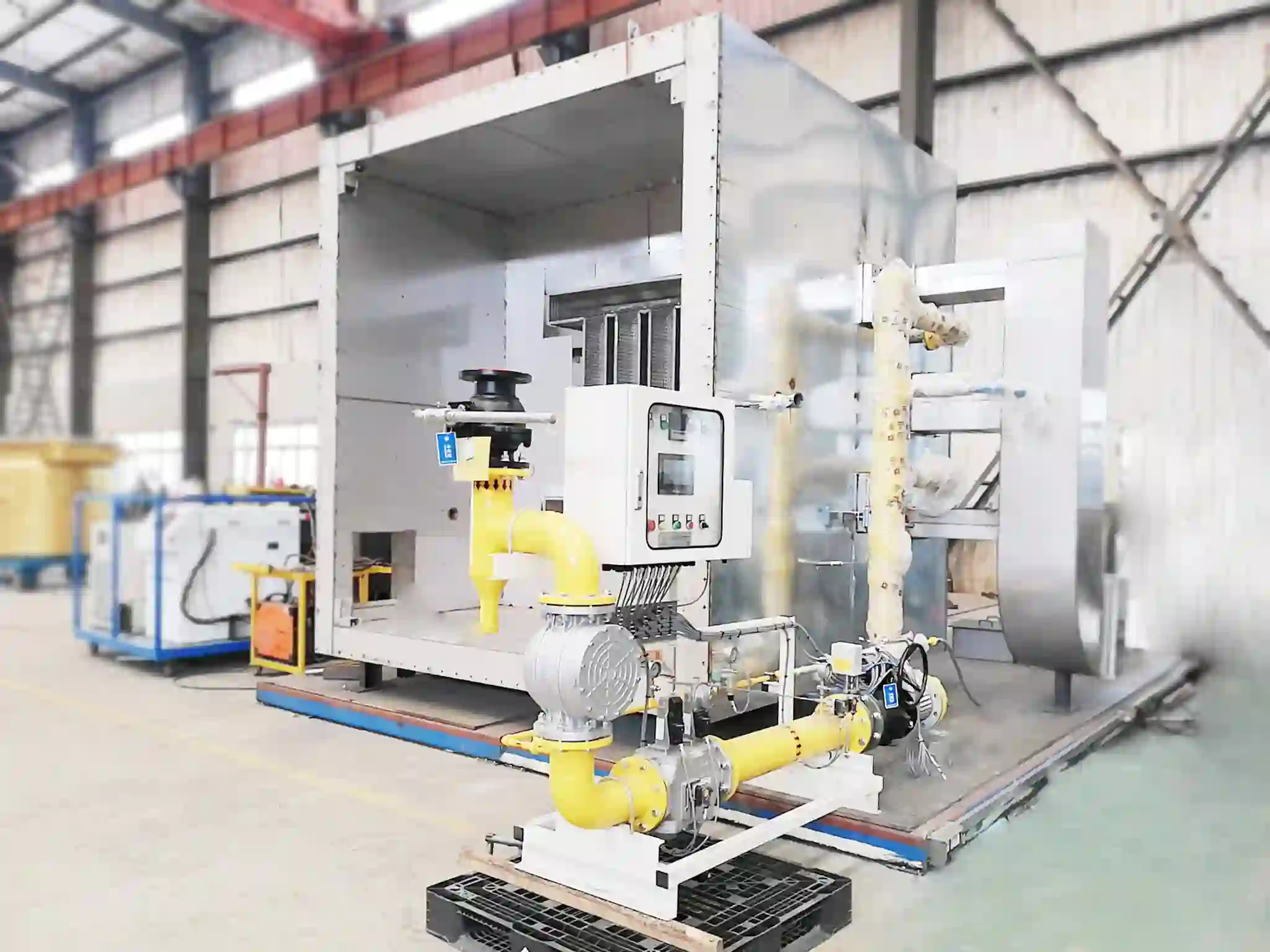
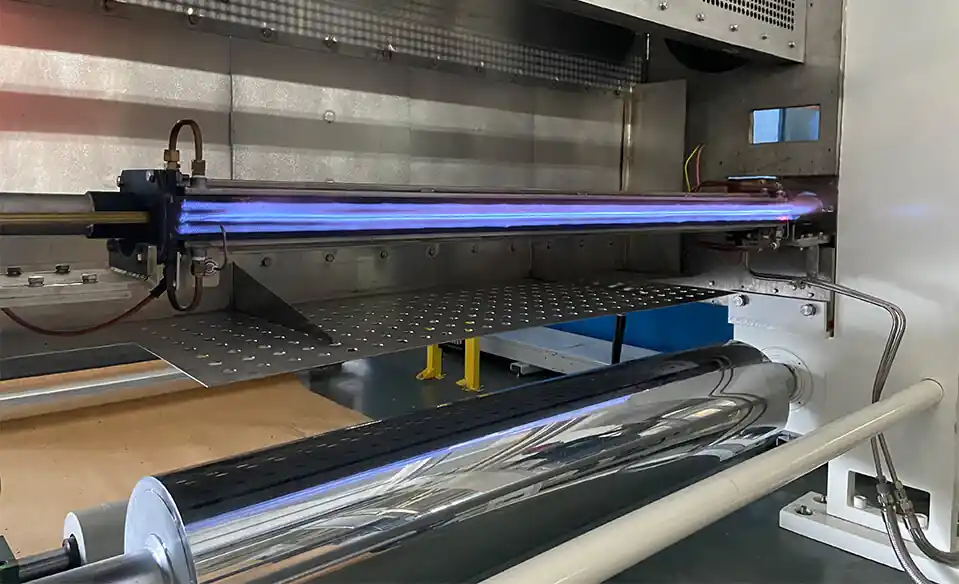
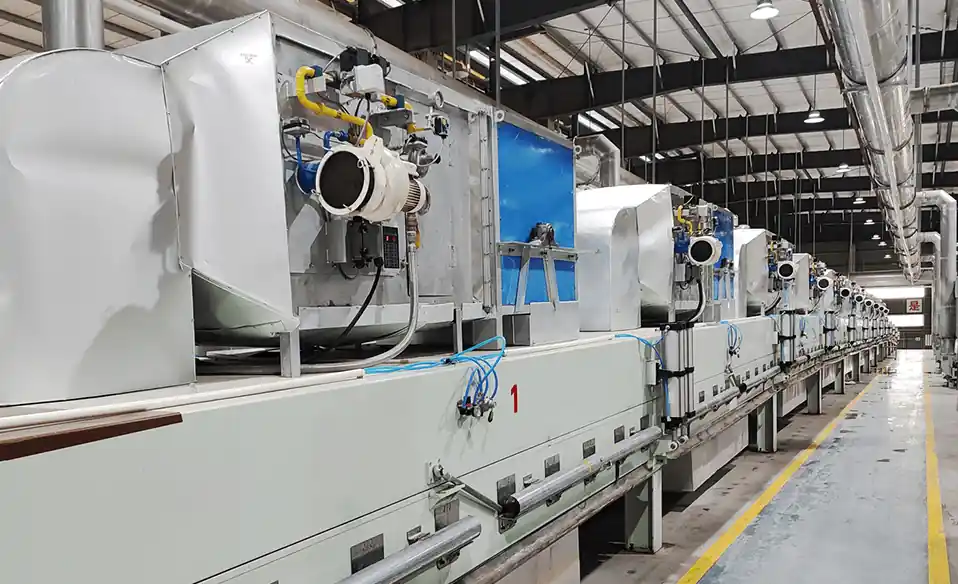
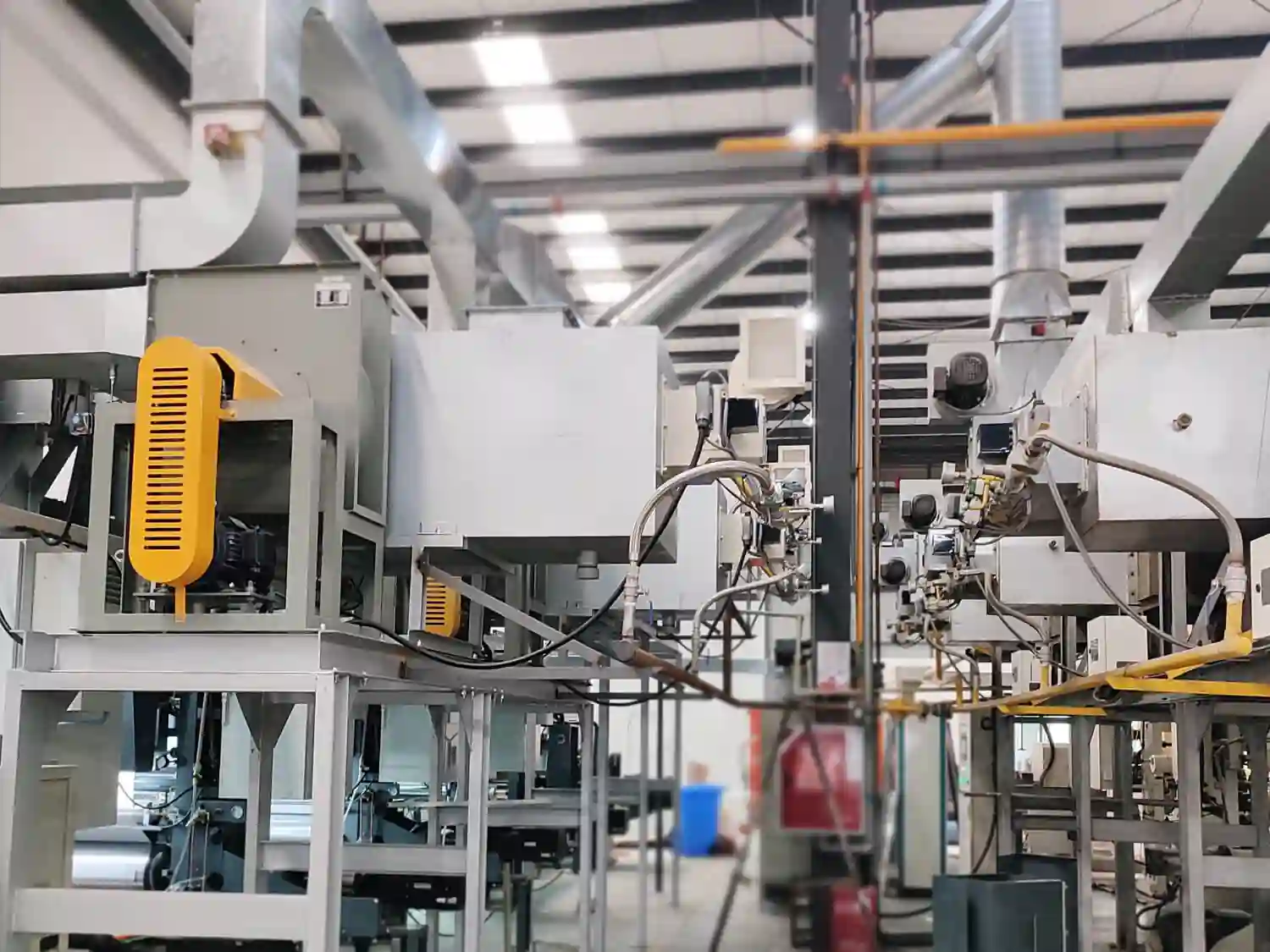
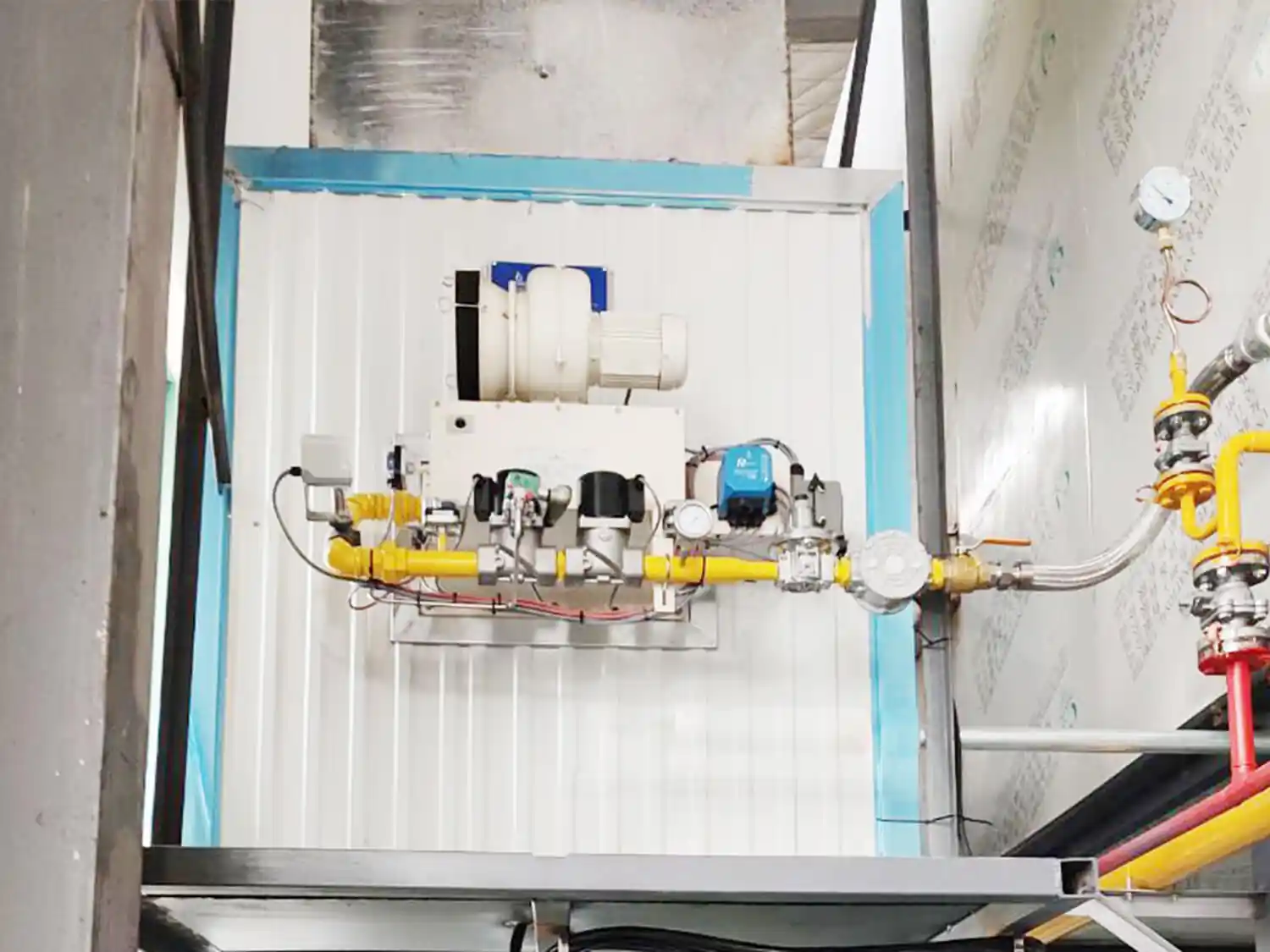
(HRSG Duct Burner)
Working Principle: The high-temperature gas turbine exhaust (approx. 500–600°C) directly enters the HRSG. Heat transfer across the heating surfaces (superheater, evaporator, and economizer) occurs via pure convection. There is no secondary combustion process.
Structural Configuration: Highly streamlined mechanical design with no auxiliary firing equipment.
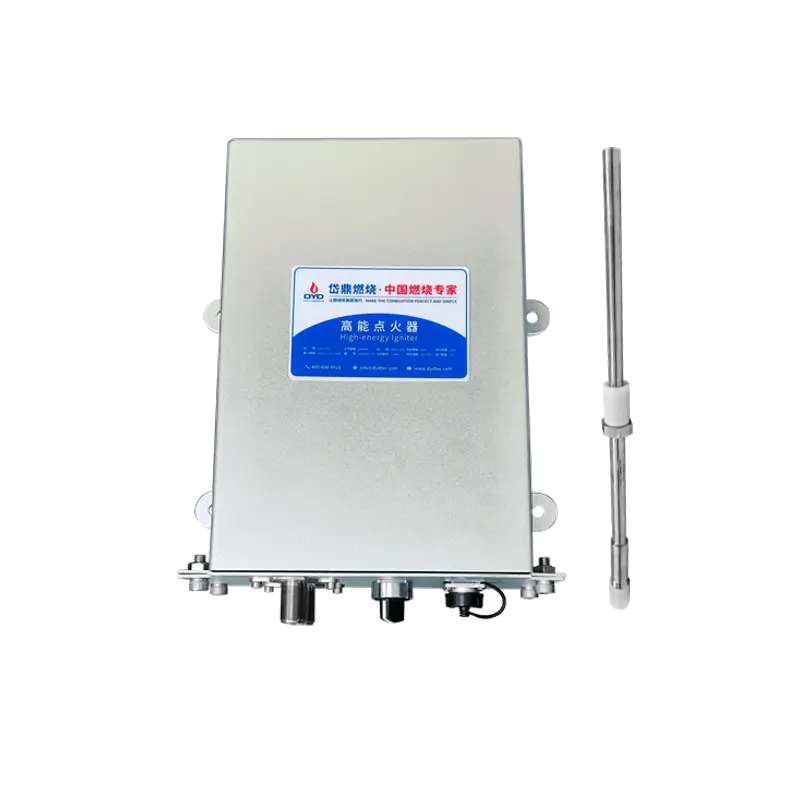
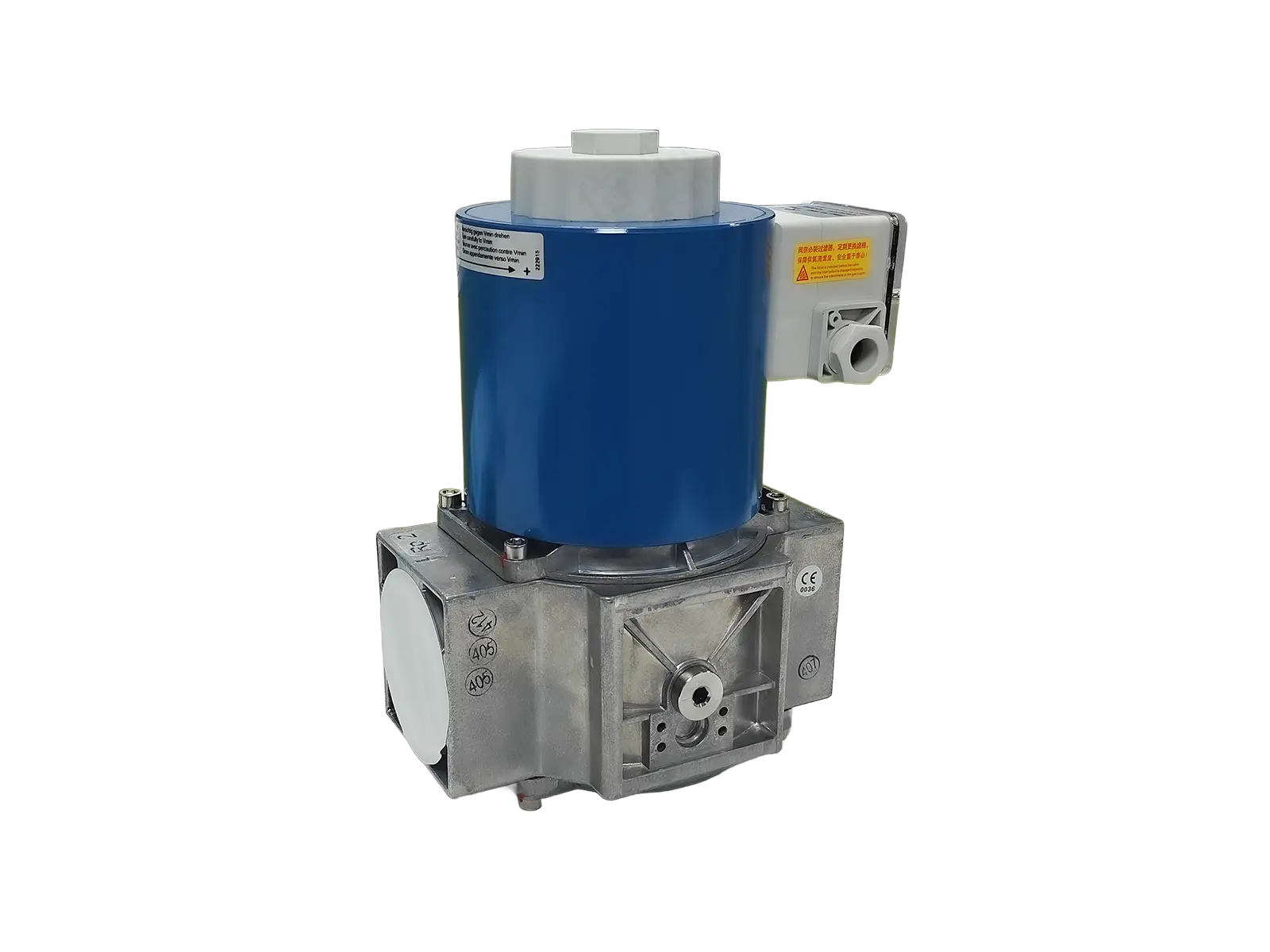
Working Principle: A specialized duct burner is installed in the transition duct between the gas turbine exhaust outlet and the HRSG proper. Utilizing the abundant residual oxygen (approx. 15–16% (O_{2})) in the exhaust gas, supplementary fuel (typically natural gas) is introduced and combusted.
Structural Configuration: The flue gas temperature is elevated significantly (from ~600°C up to 800–1000°C or higher) before interacting with the heat exchanger tube bundles.
| Feature / Dimension | Non-Supplementary-Fired HRSG | Supplementary-Fired HRSG (with Duct Burner) |
|---|---|---|
| Primary Application | Combined Cycle Power Plants (CCPP) optimized for pure power generation (maximum electrical efficiency). | Cogeneration / Combined Heat and Power (CHP) plants with heavy or fluctuating steam demands. |
| Steam Production Capacity | Lower. Fully bounded by the available enthalpy/mass flow of the gas turbine exhaust gas. | Much Higher. Auxiliary thermal energy boosts steam output by 1.5× to 2.5× compared to an unfired unit of the same footprint. |
| Steam Parameter Flexibility | Poor. Steam output is strictly coupled with and follows the gas turbine load profile. | Excellent. Steam generation can be independently modulated via duct burner firing rates, decoupled from GT load. |
| Overall Thermal Efficiency | Maximum Electrical Efficiency (55–60%+ net efficiency in advanced gas-fired combined cycles). | Slightly Lower Electrical Efficiency (due to burning high-grade fuel without expanding it in a turbine), but total fuel utilization is high. |
| Operational Flexibility | Low. The steam cycle is slave to the gas turbine operating cycle. | High. The gas turbine can operate at part-load while the duct burner ramps up to meet peak steam or process demands. |
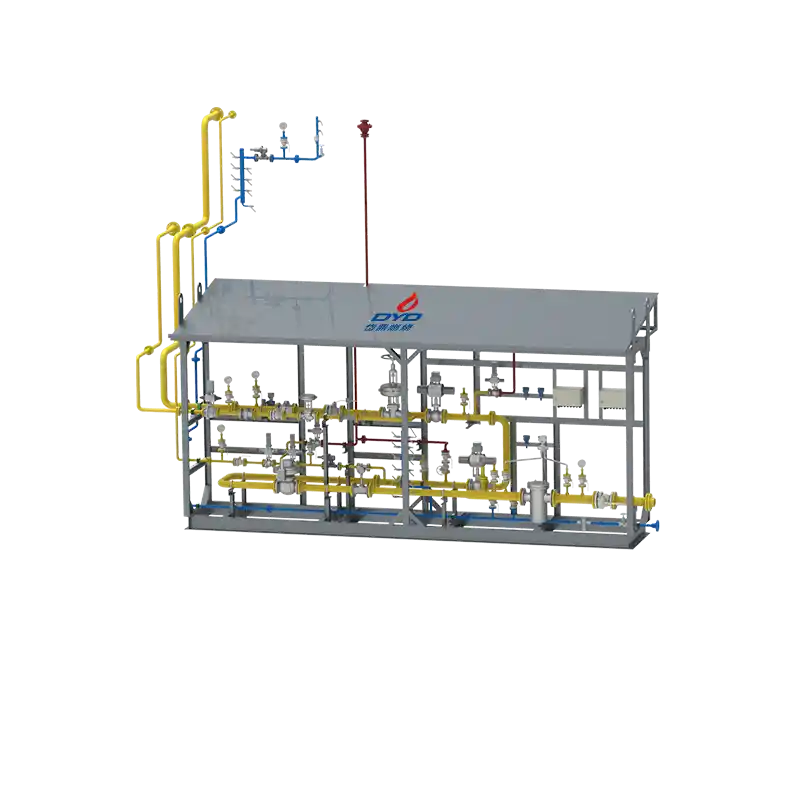
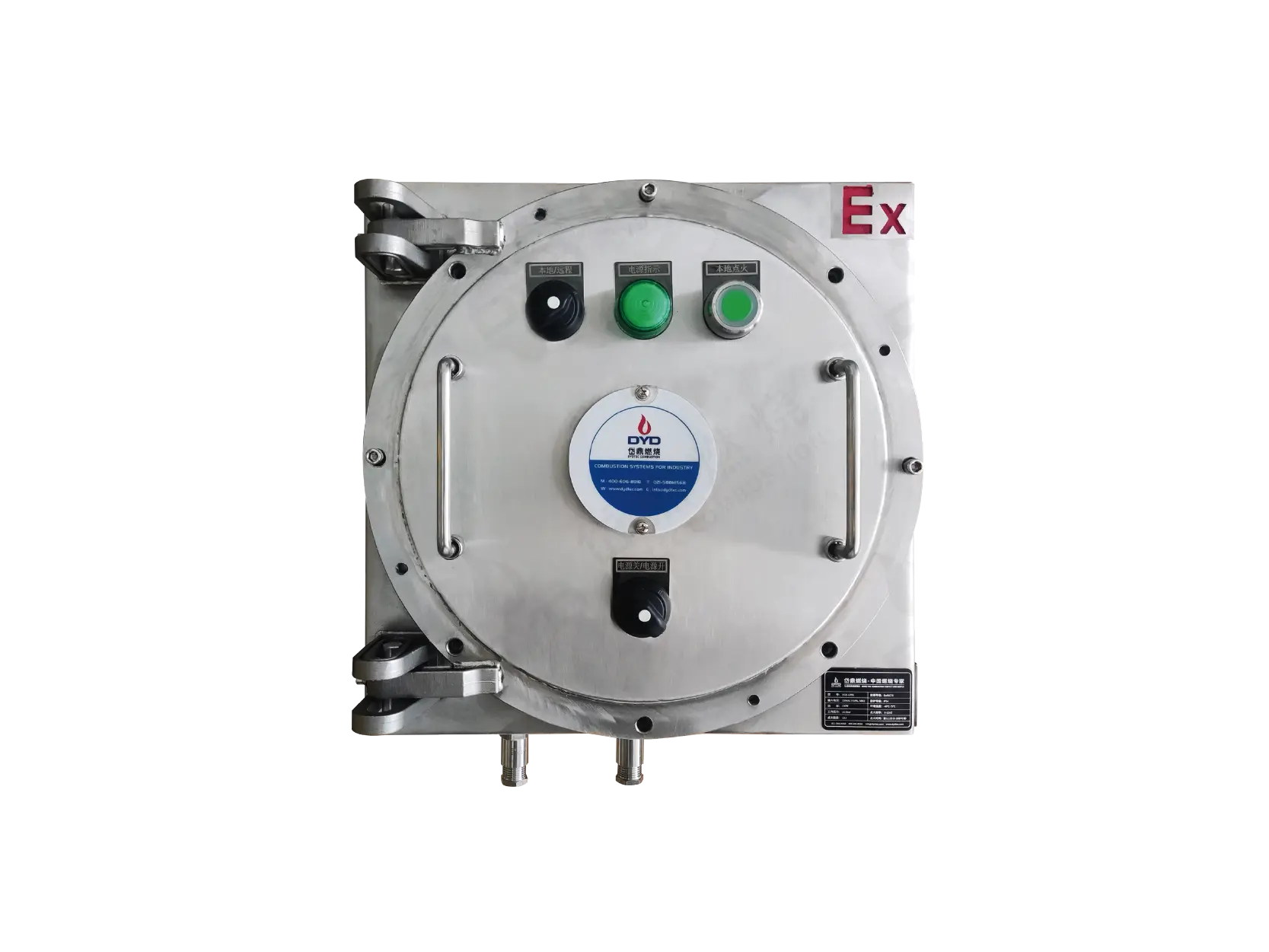
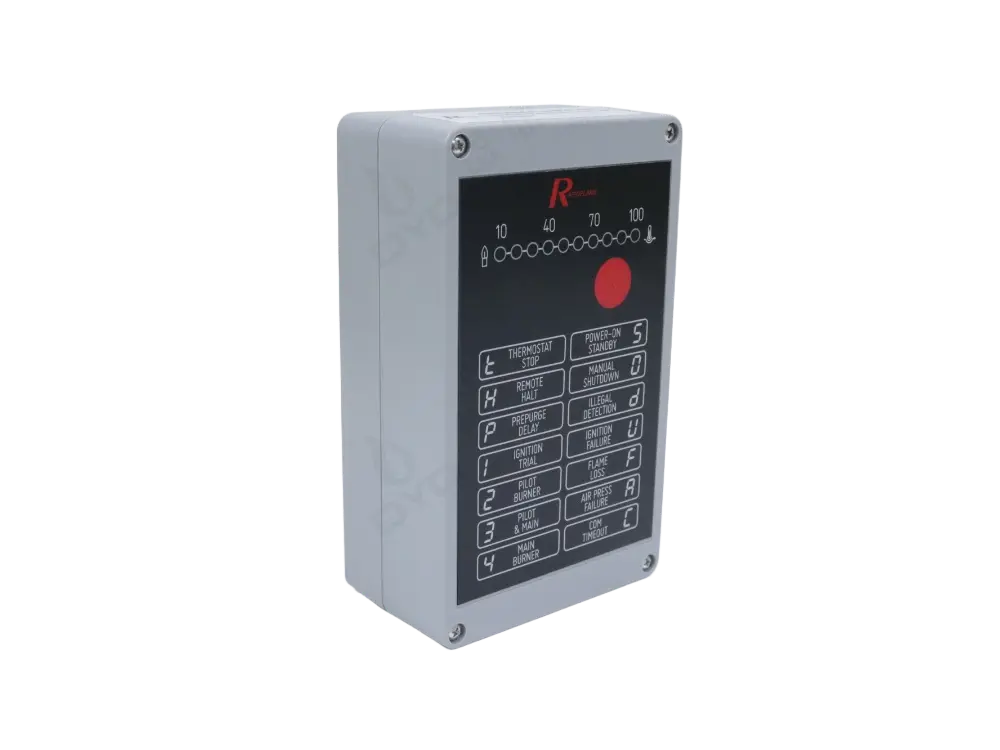
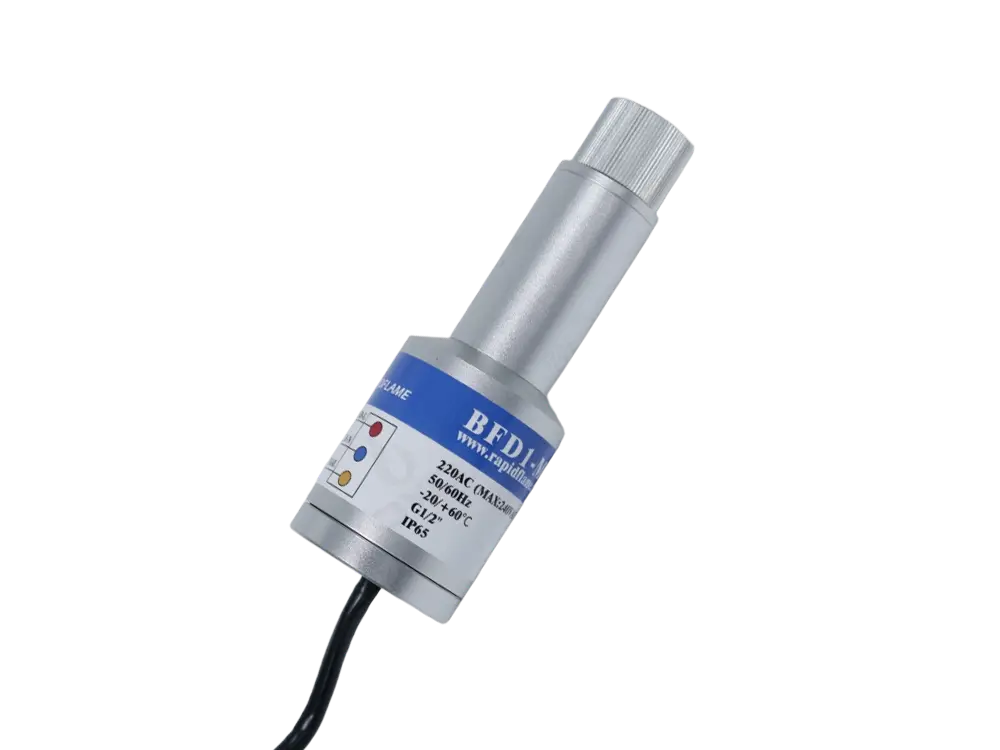
| CAPEX & System Complexity | Low. Reduced mechanical components, simpler instrumentation, and controls. | High. Requires a complete fuel gas skid, burner management system (BMS), and high-alloy heat-resistant materials. |
| Emissions Profile | Minimal. Emission parameters match the low-NOx profile of the upstream gas turbine. | Requires Abatement. Secondary combustion creates additional NOx and CO; often necessitates a Selective Catalytic Reduction (SCR) system. |
| Typical Use Cases | Large-scale utility power blocks (e.g., 9F, 9H class gas turbines), and FPSO power generation. | District heating grids, industrial CHP (pulp & paper, chemical processing), and power grids requiring rapid load-following. |
4. Engineering Selection & Decision Logic
Core Objective: Maximizing net electrical output and power generation efficiency.
Operational Profile: Base-load electricity production where the downstream steam demand is relatively steady and predictable.
Economic Driver: Minimizing Levelized Cost of Electricity (LCOE) for utility-scale power projects.
Core Objective: Maximizing process steam mass flow rate and total thermal energy flexibility.
Operational Profile: Industrial processes requiring variable, high-volume steam inputs where the gas turbine exhaust alone falls short.
Economic Driver: Maximizing total fuel utilization efficiency in a CHP setup, enabling independent control over electricity and thermal power outputs.
Non-Supplementary-Fired: You use only the existing engine exhaust heat to run the vehicle's cabin heater. It is highly efficient because it wastes nothing, but your heat output is limited by how hard you press the gas pedal (engine load).
Supplementary-Fired: You install a secondary booster burner directly inside the exhaust pipe. When you need extreme heating instantly, you ignite this burner. It consumes extra fuel and lowers the engine's net fuel economy slightly, but it delivers massive heat output regardless of the vehicle's speed.
Non-Supplementary-Fired HRSG: Optimized for Power Generation. Simple, reliable, and highly efficient, but inherently constrained in steam production and load flexibility.
Supplementary-Fired HRSG: Optimized for Energy Flexibility. Drastically expands steam generation and decouples the steam cycle from the gas turbine load, at the expense of higher CAPEX, added complexity, and strict emissions management.
Engineering Recommendation: For large-scale utility, condensing combined cycle plants, prioritize non-supplementary-fired designs. For industrial cogeneration, district heating, or projects with massive, dynamic steam demands, the supplementary-fired (duct burner) configuration serves as the more robust and adaptable solution.