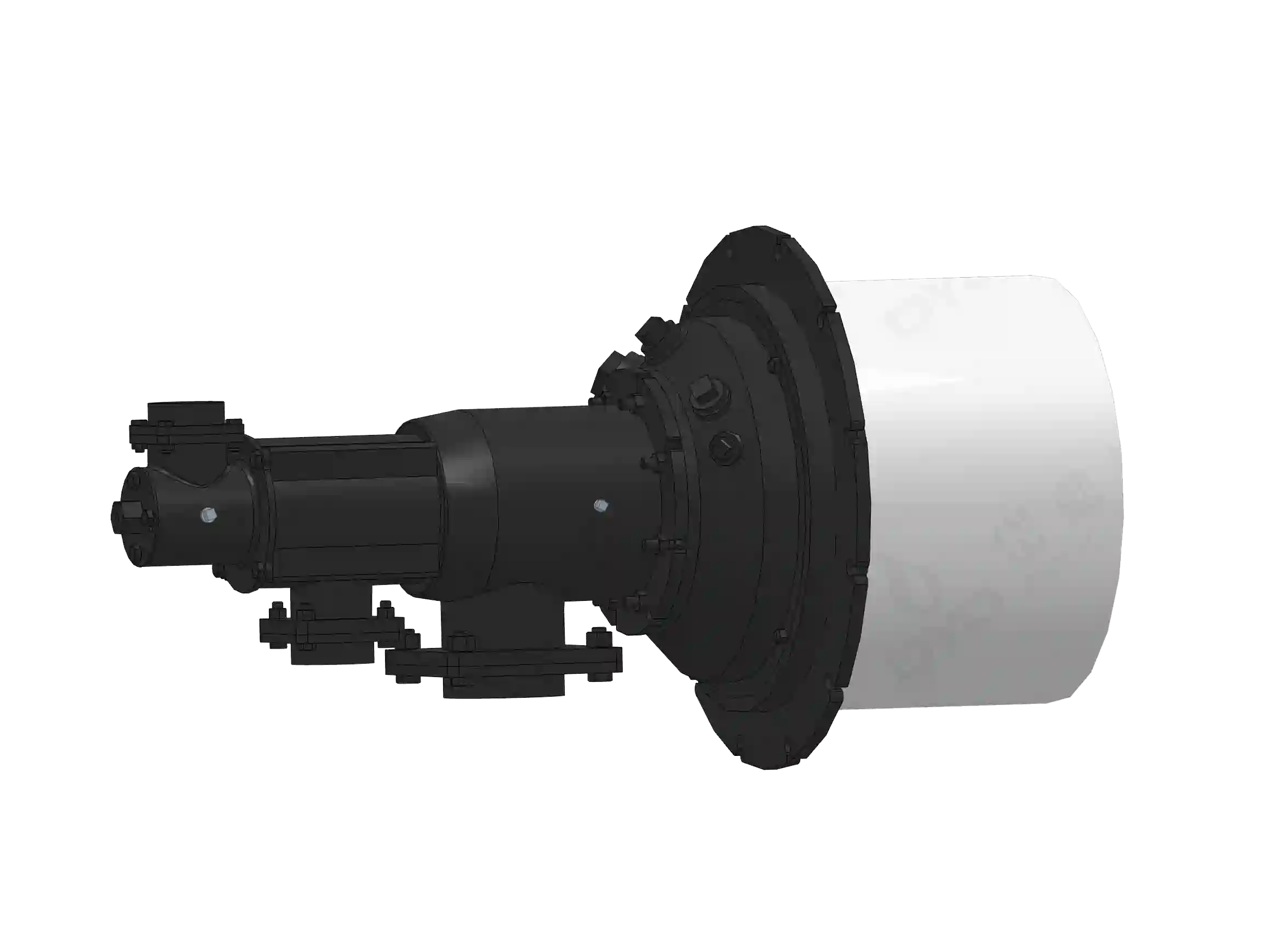
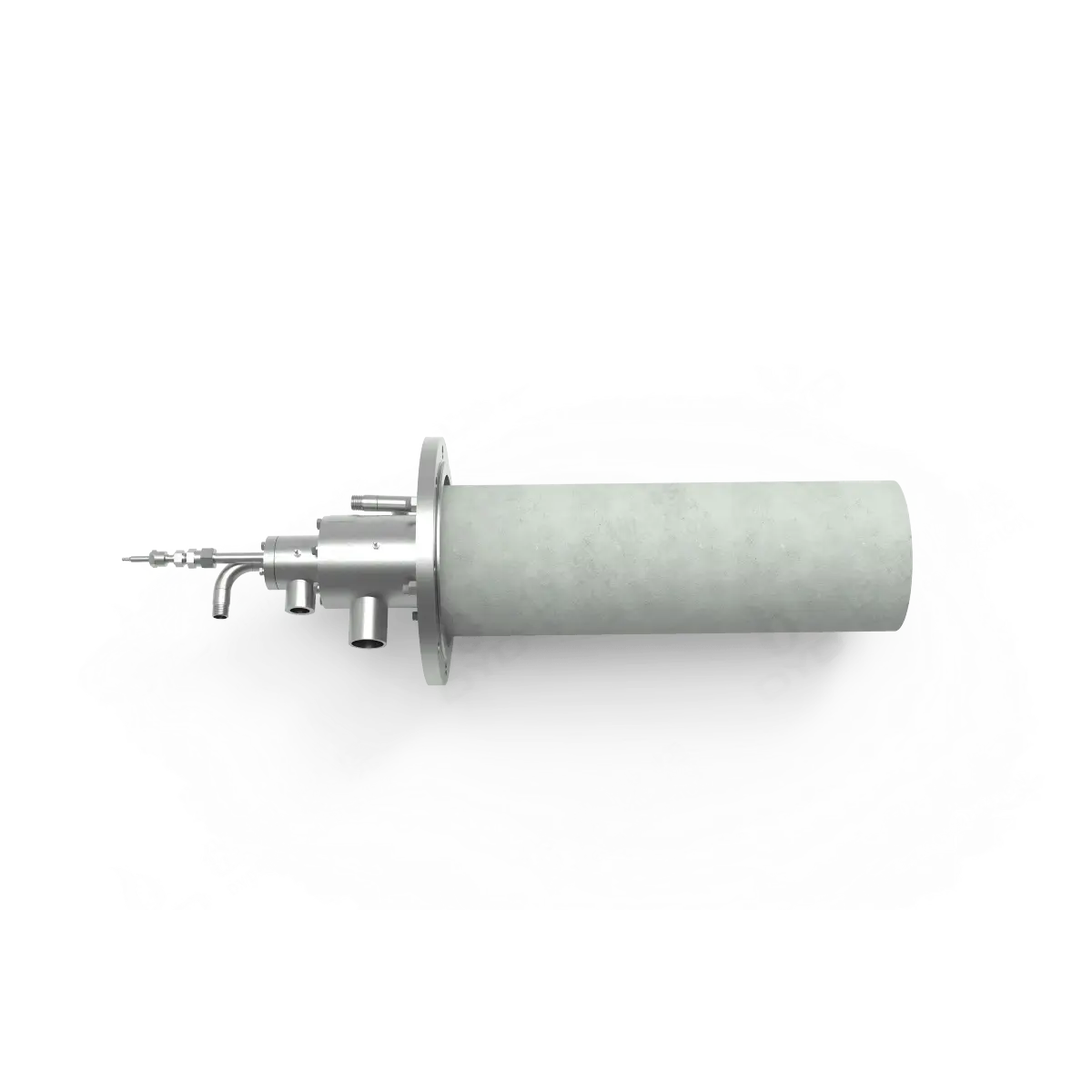
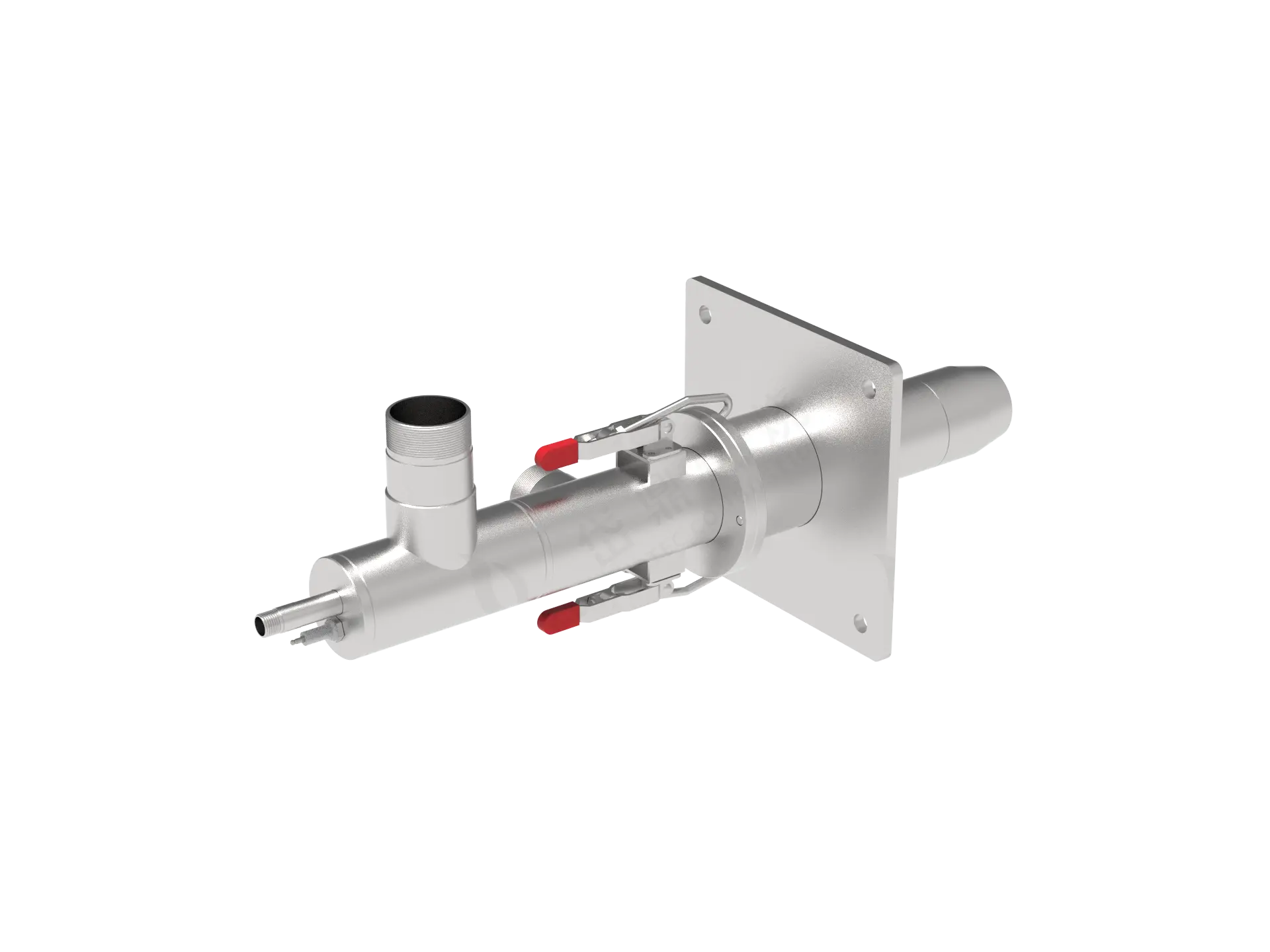
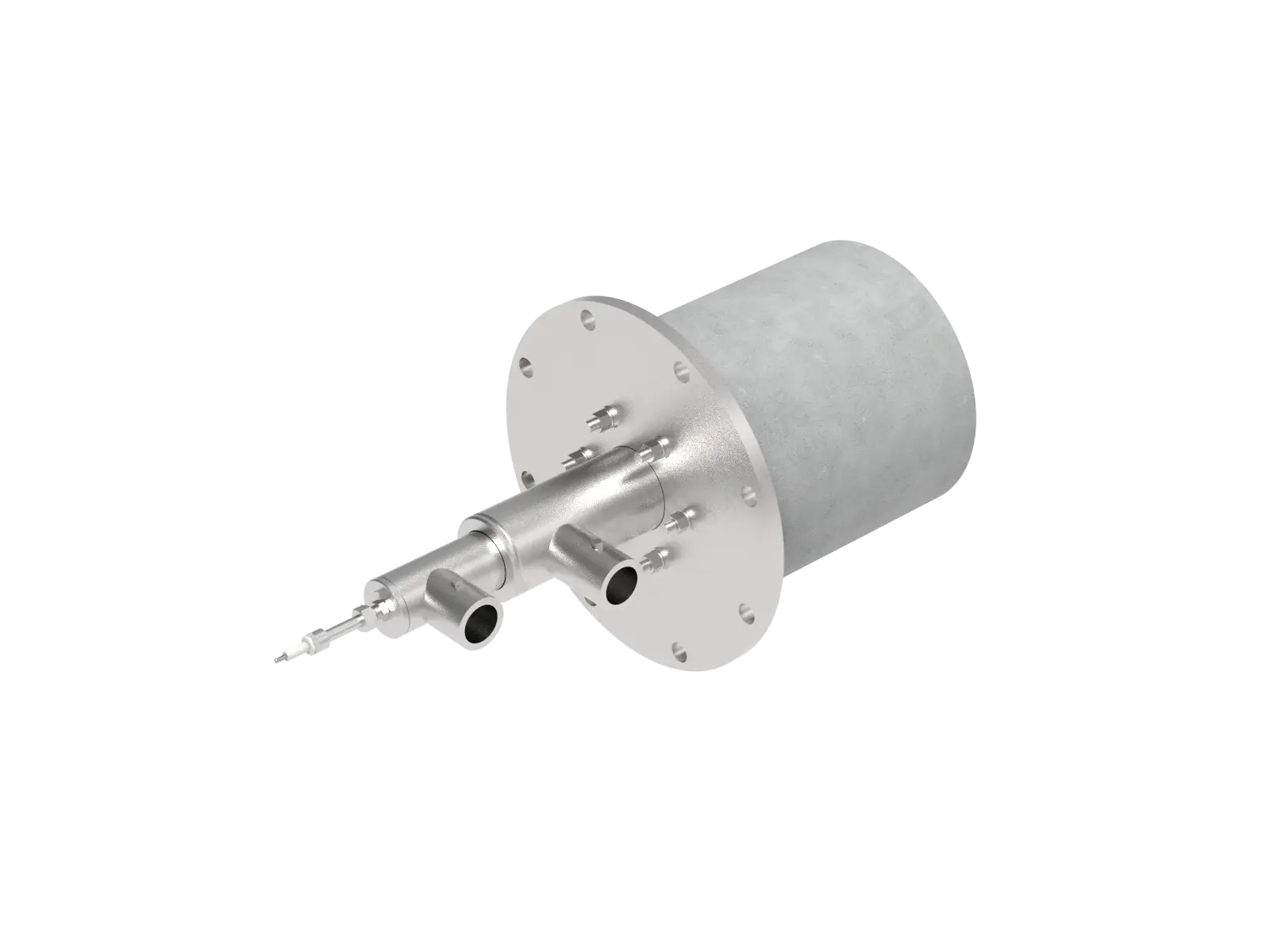
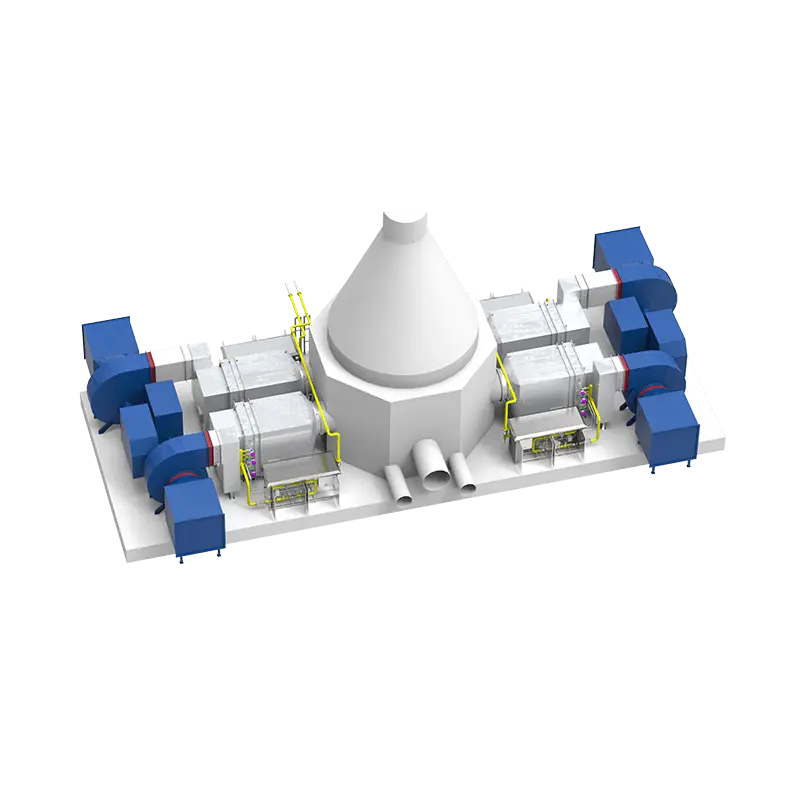
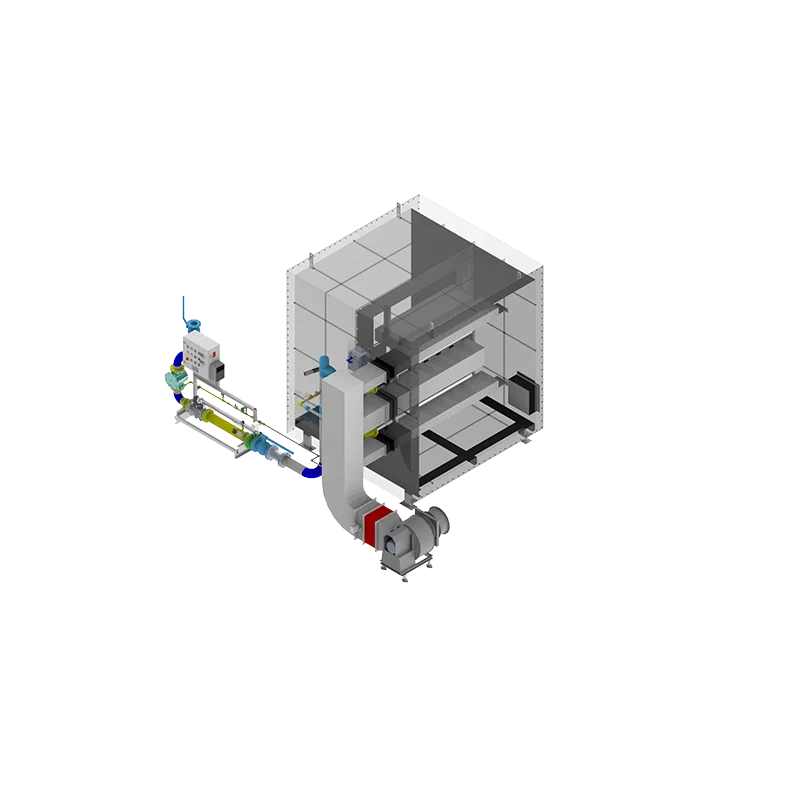
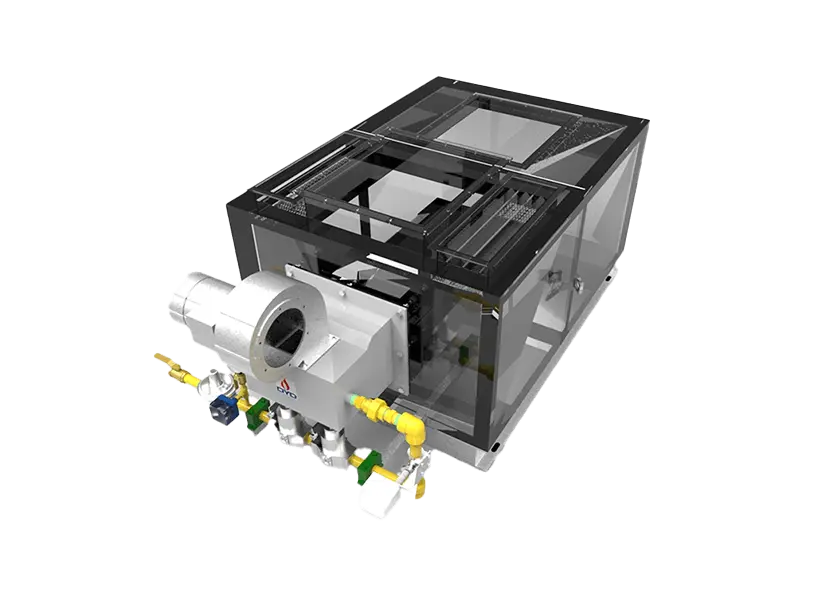
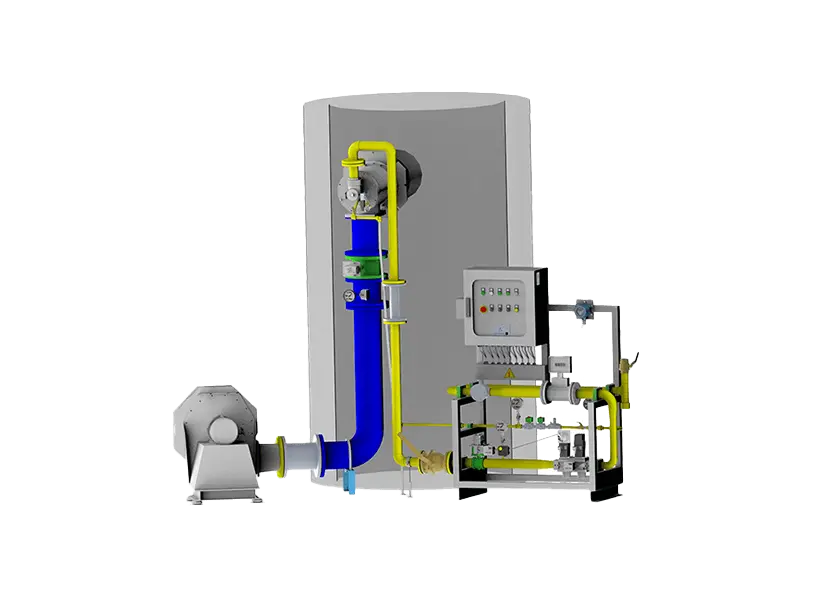
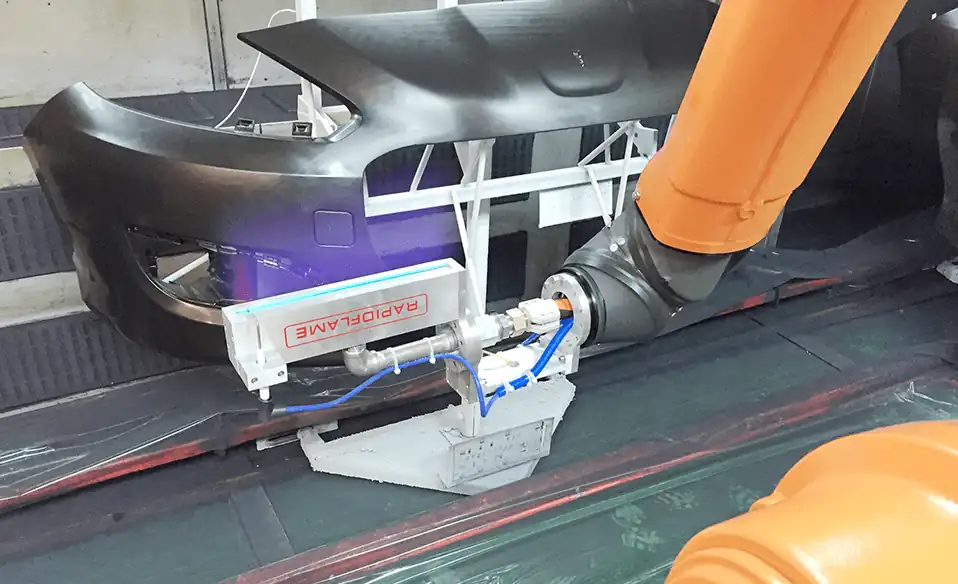
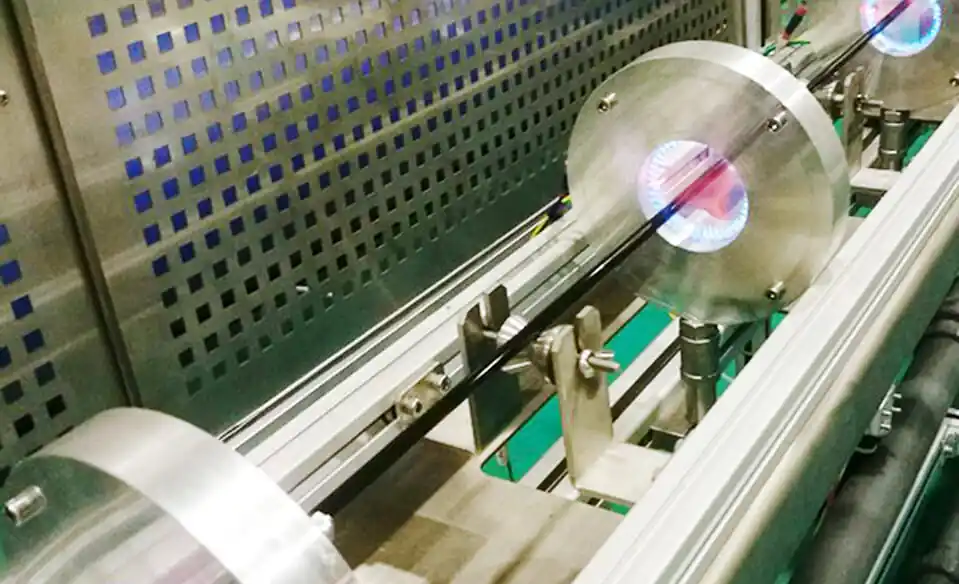
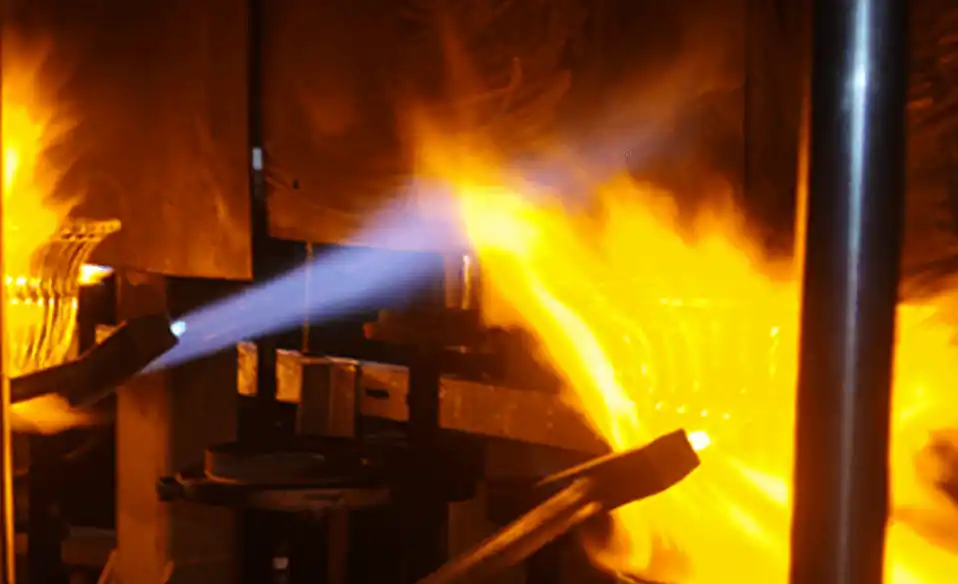
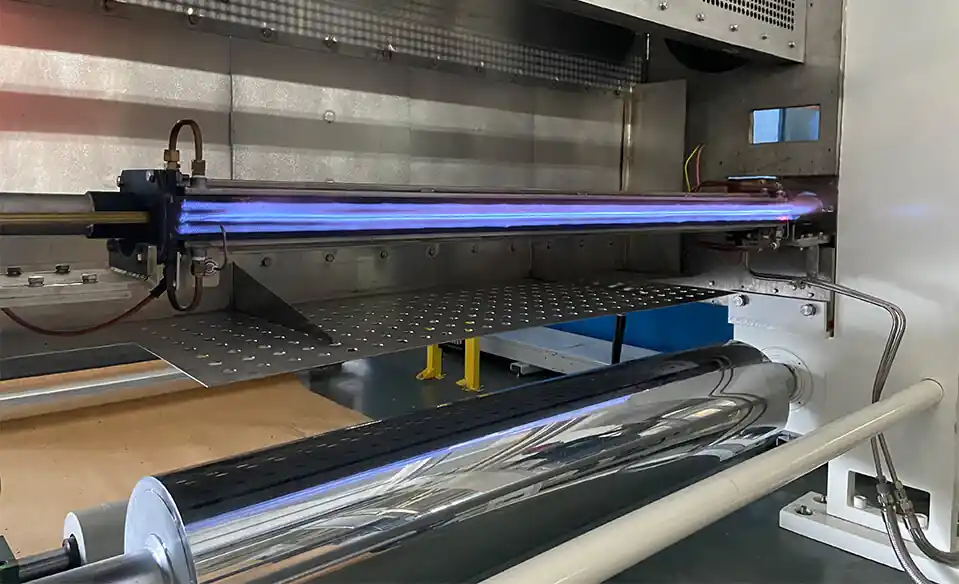
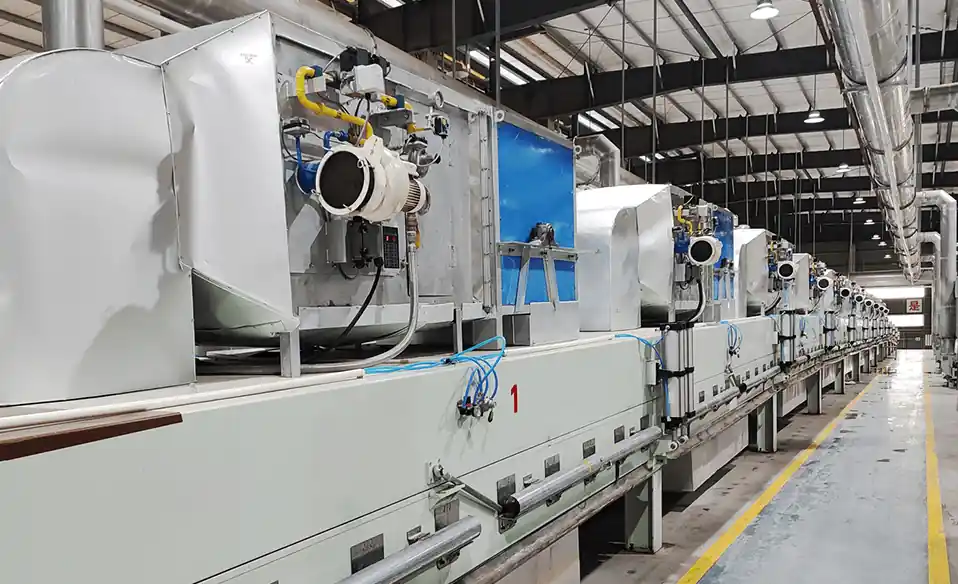
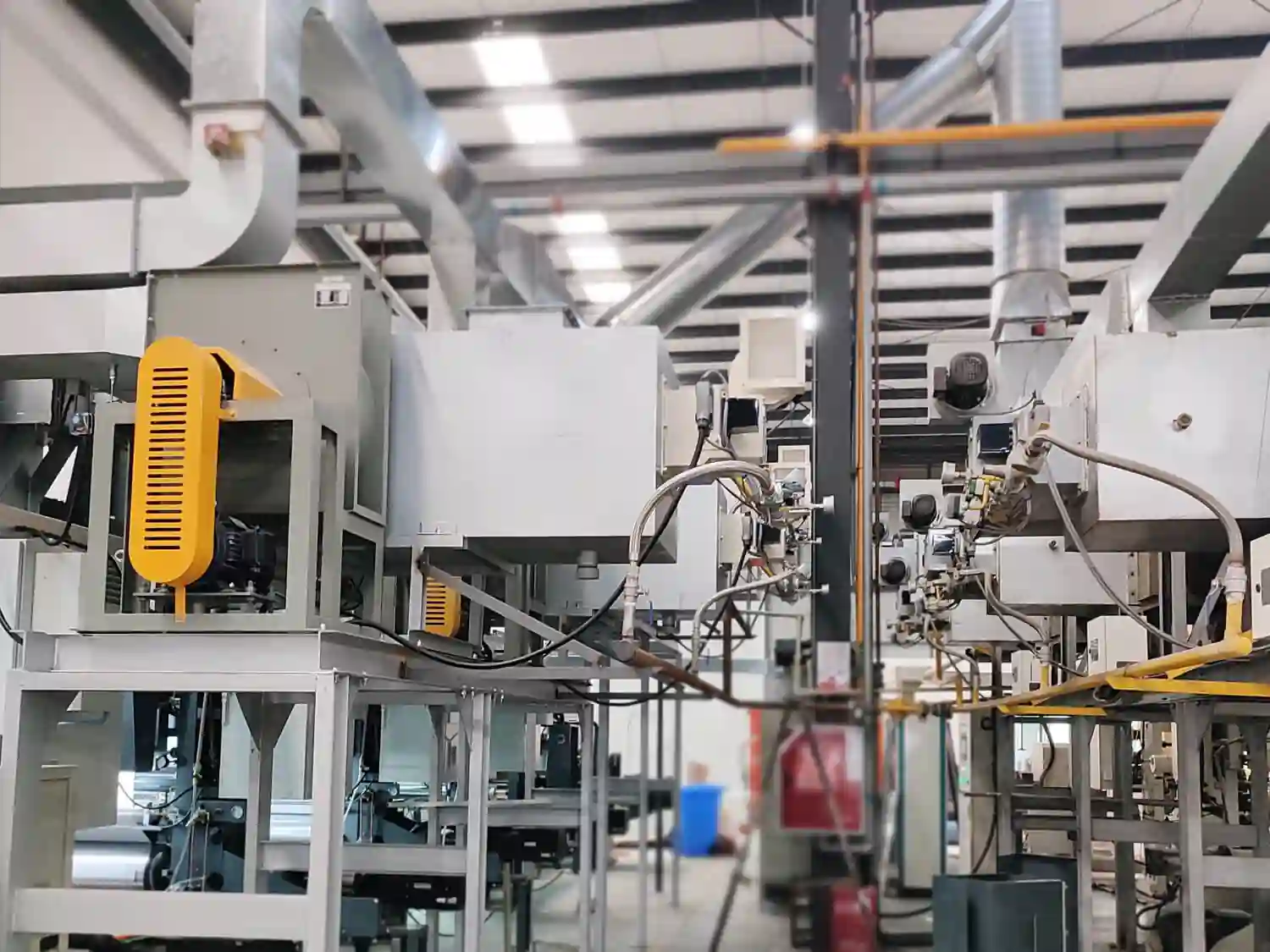
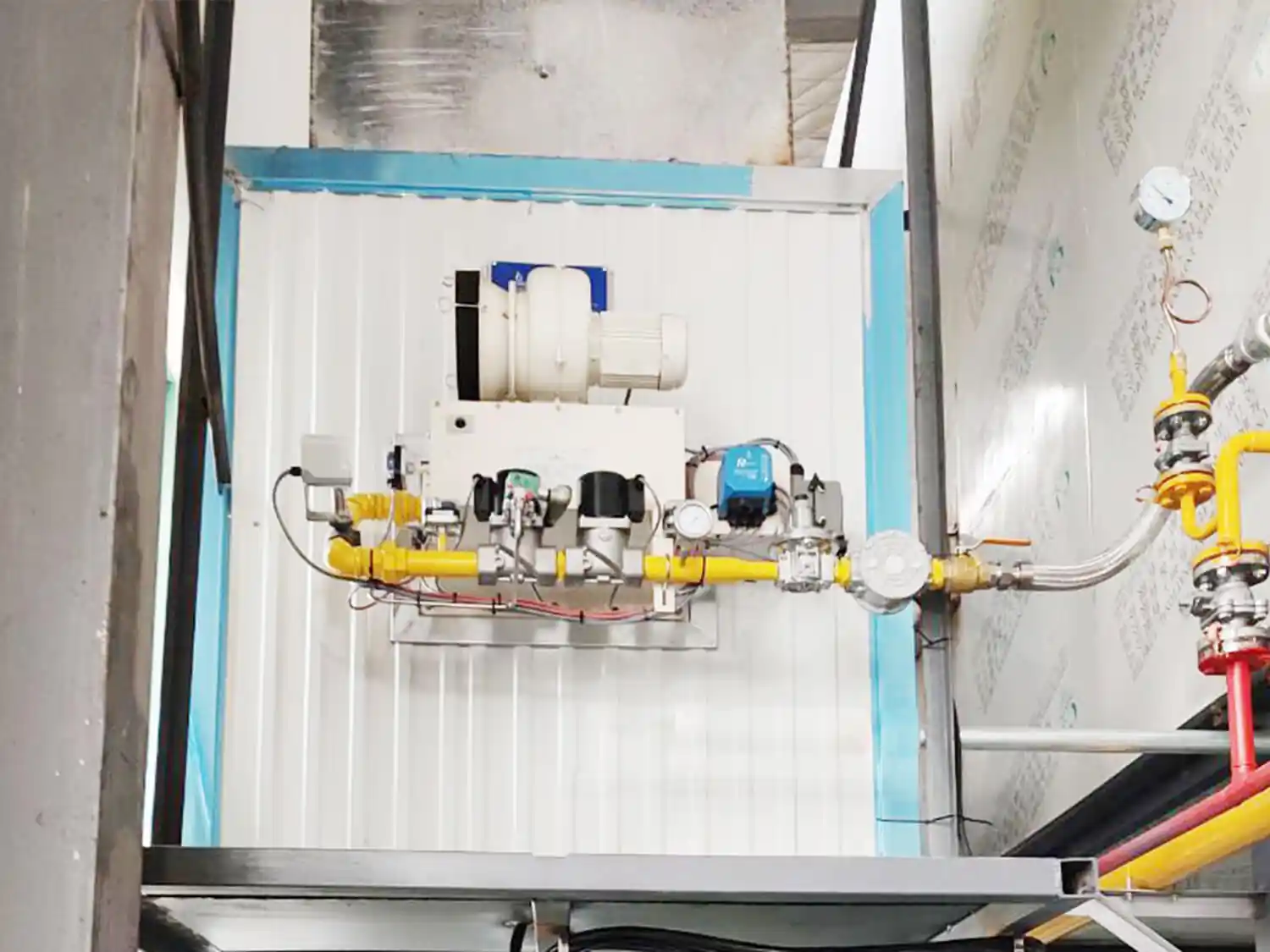
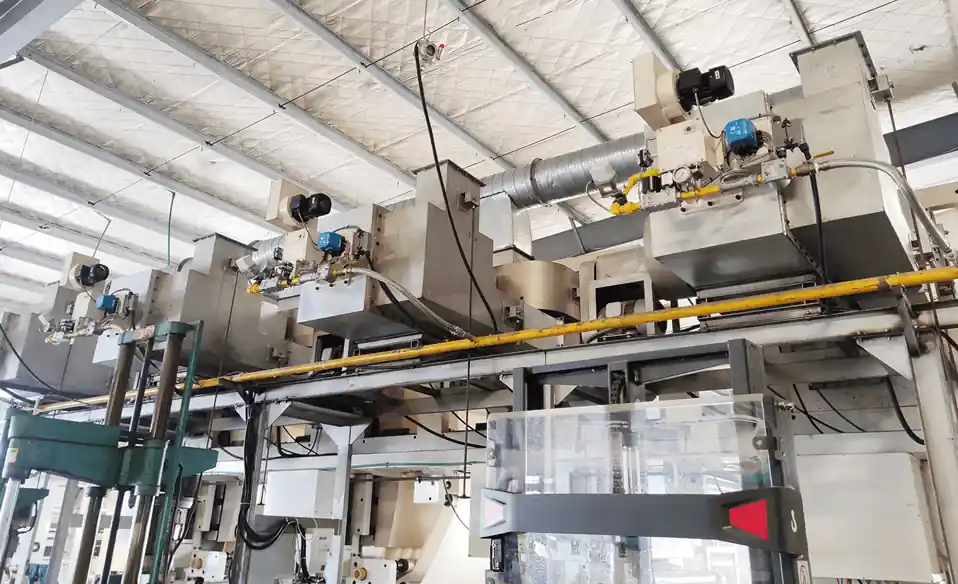
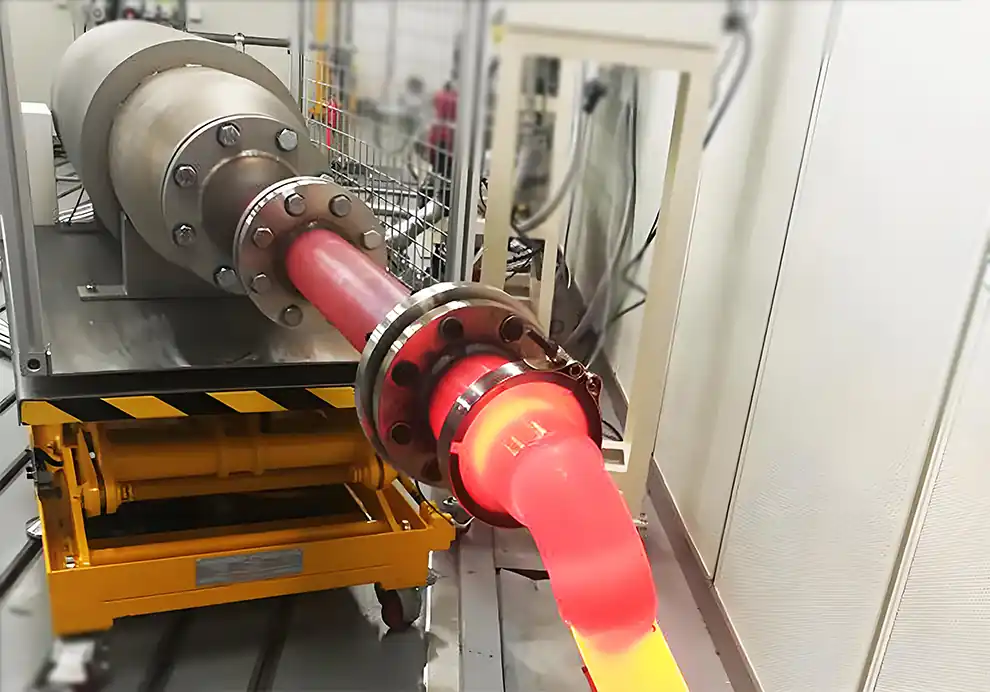
Flame temperature is controlled by managing the combustion conditions that determine how much heat is generated and how that heat is distributed within the flame. In practice, the adiabatic flame temperature—the theoretical maximum achieved with no heat loss—for natural gas burning in air at stoichiometric conditions is approximately 1,950–2,000°C. However, actual flame temperatures in industrial furnaces are typically lower (1,400–1,800°C) due to heat losses to the surroundings and the diluting effect of excess air.
In industrial combustion systems, flame temperature is primarily influenced by:
Air-to-fuel ratio – the single most important variable; moving from stoichiometric to 15% excess air can lower flame temperature by 50–80°C.
Excess air level – directly proportional to cooling effect; each 10% excess air reduces flame temperature by roughly 30–50°C.
Fuel type and heating value – hydrogen and LPG produce higher flame temperatures than natural gas or biogas.
Burner design – mixing intensity, swirl, and flame retention affect the temperature profile.
Combustion air temperature – preheating air from 20°C to 400°C can raise flame temperature by 150–200°C.
Flue gas recirculation (FGR) – recirculating 10–20% of flue gas can reduce peak flame temperature by 100–300°C, significantly cutting thermal NOx.
Oxygen concentration – enriching air with oxygen increases flame temperature dramatically; 100% oxygen combustion can exceed 2,500°C.
Burner firing rate – affects heat release density and residence time.
Furnace operating conditions – backpressure, draft, and surrounding wall temperature influence heat extraction.
Modern industrial burners use intelligent combustion control systems to continuously regulate these variables, ensuring stable combustion, high efficiency, low emissions, and consistent process temperatures.
Flame temperature is the temperature reached during fuel combustion inside the burner flame. It is a measure of the thermal energy released in the reaction zone, where fuel molecules break apart and recombine with oxygen to form CO₂ and H₂O, releasing heat in the process.
It is important to distinguish flame temperature from furnace temperature.
| Flame Temperature | Furnace Temperature |
|---|---|
| Temperature inside the combustion flame | Average temperature inside the furnace or heating chamber |
| Determined mainly by combustion conditions | Determined by heat balance, insulation, heat transfer, and process load |
| Can exceed 1,800–2,000°C for natural gas in ideal conditions | Usually much lower depending on the industrial process |
A burner may produce an extremely hot flame while the furnace itself operates at a much lower controlled temperature. For example, a natural gas flame at 1,800°C may heat a furnace chamber to only 800°C because the heat is continuously absorbed by the product, lost through walls, or carried away by exhaust gases.
The theoretical maximum flame temperature is called the adiabatic flame temperature—the temperature reached if all heat released stays within the combustion products with no heat loss to the surroundings. In reality, adiabatic conditions are never achieved; actual flame temperatures are lower due to radiative and convective heat losses.
Flame temperature affects nearly every aspect of industrial combustion. Proper control helps achieve:
Higher combustion efficiency – a sufficiently high flame temperature ensures complete and rapid combustion.
Stable heat transfer – consistent flame temperature provides predictable radiative and convective heat flux.
Better product quality – uniform heating prevents defects, warping, or inconsistent metallurgical properties.
Lower fuel consumption – optimal temperature means less fuel is wasted overcoming poor heat transfer.
Reduced NOx emissions – controlling peak temperature is essential for thermal NOx management.
Longer equipment life – avoiding excessive temperatures prevents refractory spalling and metal creep.
Excessively high or low flame temperatures can both create operational problems. Too hot, and you risk NOx formation and refractory damage; too cool, and combustion may be incomplete or heating rates may be too slow.
The air-to-fuel ratio has the greatest influence on flame temperature. The highest flame temperature is achieved near the stoichiometric (theoretical) air-fuel ratio, where all fuel burns with no excess oxygen. At this point, there is no extra nitrogen or oxygen to absorb heat, so the maximum temperature is reached.
When insufficient air is supplied:
Combustion becomes incomplete – some fuel remains as CO or unburned hydrocarbons.
Carbon monoxide increases – CO can rise from under 50 ppm to thousands of ppm.
Flame stability decreases – the flame becomes longer, softer, and more prone to lift-off.
Heat release is reduced – not all chemical energy is released; some remains locked in CO.
Soot may form – carbon particles create luminous yellow flames but indicate wasted fuel.
When excessive air is supplied:
Extra nitrogen and oxygen absorb heat – they must be heated from ambient to flame temperature.
Flame temperature decreases – typically by 30–50°C for every 10% excess air added.
Stack losses increase – the heated air exits the furnace carrying away usable heat.
Fuel consumption rises – more fuel is needed to compensate for the cooling effect.
The objective is to maintain the optimum air-fuel ratio with only the necessary amount of excess air—typically 5–15% for natural gas, depending on burner design and load.
Different fuels produce different flame temperatures because of variations in heating value, combustion characteristics, and flame speed. The flame speed affects how quickly the combustion reaction propagates, which influences the temperature profile and residence time.
Examples include:
| Fuel | Relative Flame Temperature* | Key Characteristics |
|---|---|---|
| Natural Gas | High | Methane-rich, clean burning, moderate flame speed |
| LPG (Propane/Butane) | Very High | Higher heating value per volume, faster flame speed |
| Hydrogen | Very High | Extremely fast flame speed, low volumetric energy density |
| Biogas | Moderate | Variable methane content (40–70%), lower heating value |
| Coke Oven Gas | Moderate | Contains hydrogen and CO, low density |
| Blast Furnace Gas | Lower | Very low heating value (3–4 MJ/Nm³), requires large volumes |
*Actual temperatures depend on burner design, air preheating, oxygen concentration, and operating conditions.
Burners should always be designed and tuned for the specific fuel being used. Switching from natural gas to hydrogen, for example, requires burner head modifications because hydrogen has a much faster flame speed and different flame stability characteristics.
Preheating combustion air significantly increases flame temperature. When air is preheated, it enters the burner at a higher starting temperature, so less heat from the combustion reaction is consumed to raise the air to the reaction temperature.
Many industrial furnaces recover waste heat from exhaust gases to preheat incoming combustion air using recuperators or regenerators. For every 100°C increase in combustion air temperature, flame temperature rises by approximately 50–70°C, depending on the fuel and excess air.
Benefits include:
Higher flame temperature – improving radiative heat transfer and heating rates.
Improved combustion efficiency – less fuel is needed to achieve the same flame temperature.
Lower fuel consumption – typically 5–8% fuel saving for every 200°C of air preheat.
Increased furnace productivity – faster heating translates to higher throughput.
However, higher flame temperatures can also increase thermal NOx formation if not properly controlled. For this reason, preheat is often combined with flue gas recirculation or staged combustion to maintain NOx within acceptable limits.
Excess air is essential for complete combustion, but it also cools the flame. Each unit of excess air must be heated from ambient temperature to the exhaust temperature, consuming energy that could have been used for heating the process.
Higher excess air generally results in:
Lower flame temperature – the dilution effect reduces peak temperature.
Lower thermal efficiency – more heat is carried out the stack.
Higher fuel consumption – to maintain process temperature, more fuel must be burned.
Optimizing excess air is one of the most effective ways to improve burner performance. Reducing excess air from 20% to 10% can raise flame temperature by 30–40°C and improve combustion efficiency by 1–1.5%. This is a low-cost, high-impact improvement for most industrial furnaces.
The burner load affects flame characteristics. At high firing rates, the flame is larger, heat release density is higher, and the flame temperature distribution changes. At low firing rates, the flame becomes smaller, and stability becomes more difficult because the fuel and air velocities are lower.
At high firing rates: flame size increases, heat release increases, and flame temperature distribution may become non-uniform if mixing is not optimal.
At low firing rates: flame becomes smaller, stability becomes more difficult, and combustion control becomes increasingly important.
Modern burners maintain stable flame temperatures throughout their modulation range by using advanced retention rings, variable swirl, and precise ratio control that adjusts the air-fuel profile at every firing point.
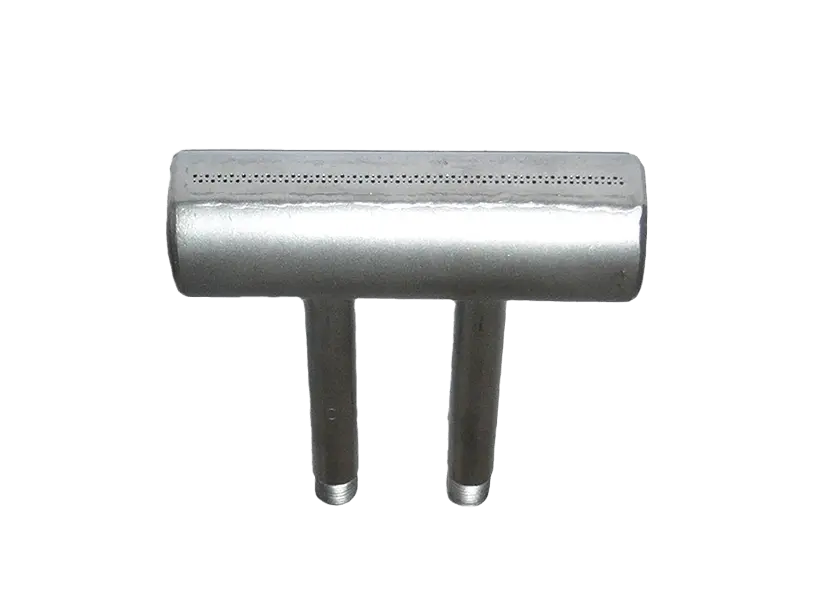
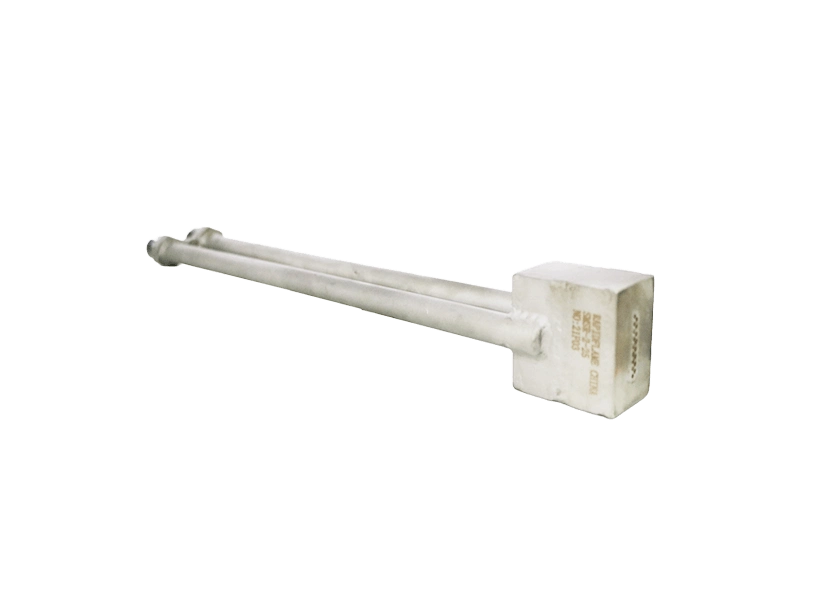
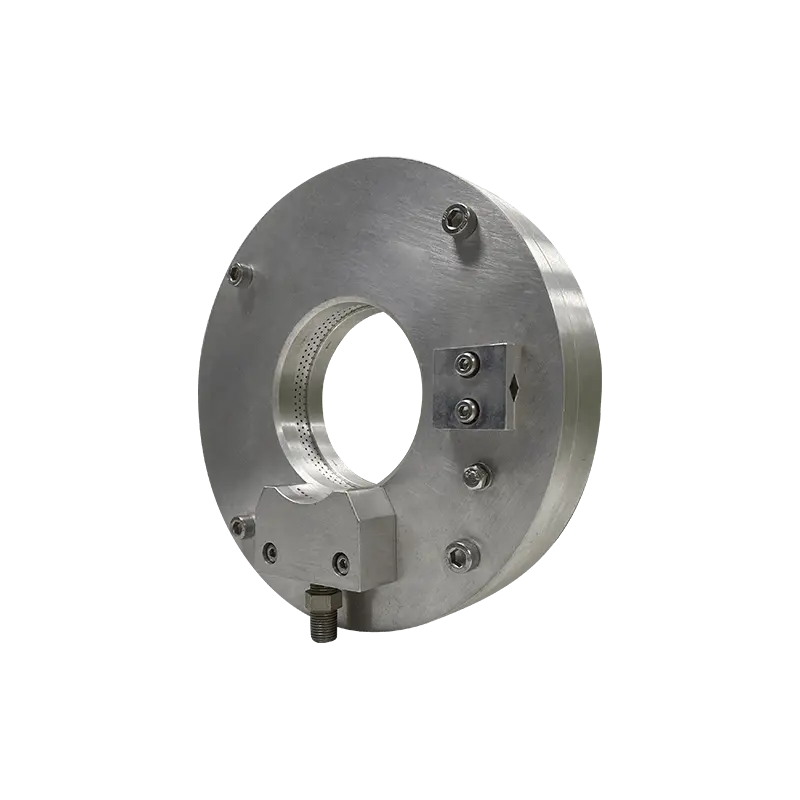
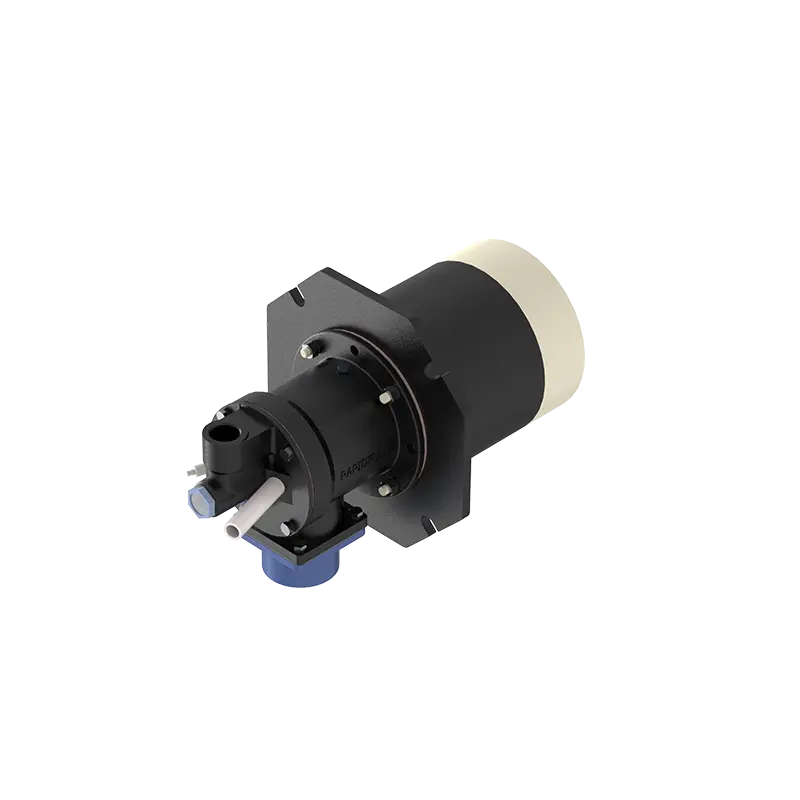
Burner geometry strongly influences flame temperature. The burner head design determines how thoroughly fuel and air mix, how the flame is anchored, and how heat is released spatially.
Important design features include:
Burner head design – the shape and size of the flame ports affect mixing and flame anchoring.
Air swirl generation – swirling the combustion air increases mixing intensity and creates a recirculation zone that stabilises the flame.
Fuel nozzle configuration – the number, size, and angle of fuel jets determine how fuel is distributed within the air stream.
Mixing intensity – turbulent mixing ensures uniform temperature distribution across the flame.
Flame stabilization devices – flame retention rings, bluff bodies, or baffles keep the flame anchored.
Well-designed burners produce uniform combustion, stable flames, controlled flame shape, and improved heat transfer. For example, a burner with strong swirl produces a shorter, more intense flame with higher peak temperatures, which is beneficial for applications requiring high radiative heat transfer.
Many low-NOx burners deliberately reduce flame temperature using flue gas recirculation (FGR). Instead of introducing only fresh combustion air, part of the cooled exhaust gas is mixed back into the combustion process.
FGR reduces flame temperature through two mechanisms:
Dilution: the recirculated flue gas contains CO₂, H₂O, and N₂, which have high heat capacities and absorb heat.
Reduced oxygen concentration: the oxygen partial pressure decreases, slowing the reaction rate and lowering peak temperature.
Benefits include:
Lower peak flame temperature – typically 100–300°C reduction with 10–20% FGR.
Reduced thermal NOx formation – NOx can be cut by 50–80% compared to non-FGR systems.
More uniform heat distribution – the flame becomes broader and less intense.
Stable combustion – FGR can improve low-fire stability in some designs.
Both external and internal FGR are widely used in industrial low-emission burner systems. External FGR uses a separate duct and fan to recirculate flue gas; internal FGR uses the burner's own momentum to entrain exhaust gases from the furnace chamber.
Some industrial applications intentionally increase flame temperature by replacing part or all of the combustion air with oxygen. Enriching the oxidant increases the oxygen concentration above the 21% found in normal air, reducing the amount of nitrogen that must be heated and carried through the system.
Examples include:
Aluminum melting – faster melting and reduced dross formation.
Glass melting – higher temperatures improve glass quality and production rates.
Steel reheating – faster heating and improved productivity.
Hazardous waste incineration – high temperatures ensure complete destruction of organic compounds.
Advantages include:
Higher flame temperature – can exceed 2,500°C with pure oxygen.
Faster heating – reducing cycle times and increasing throughput.
Lower flue gas volume – less nitrogen means smaller exhaust systems and lower fan power.
Higher thermal efficiency – less heat is lost as sensible heat in nitrogen.
However, oxygen enrichment requires specialized burner design and careful temperature management to prevent refractory damage and excessive NOx. The capital cost of oxygen supply (via on-site generation or delivered liquid oxygen) must be weighed against the fuel savings.
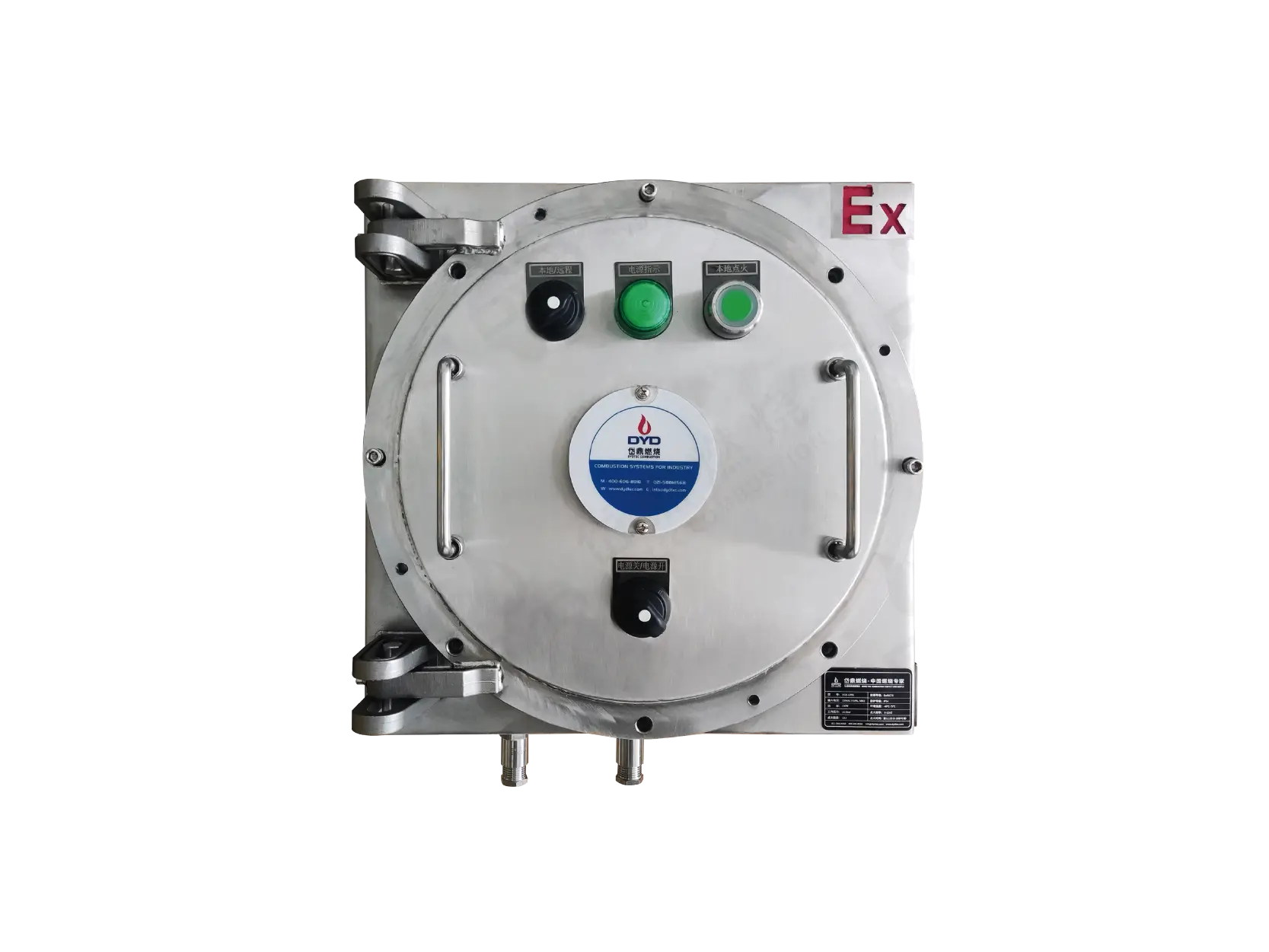
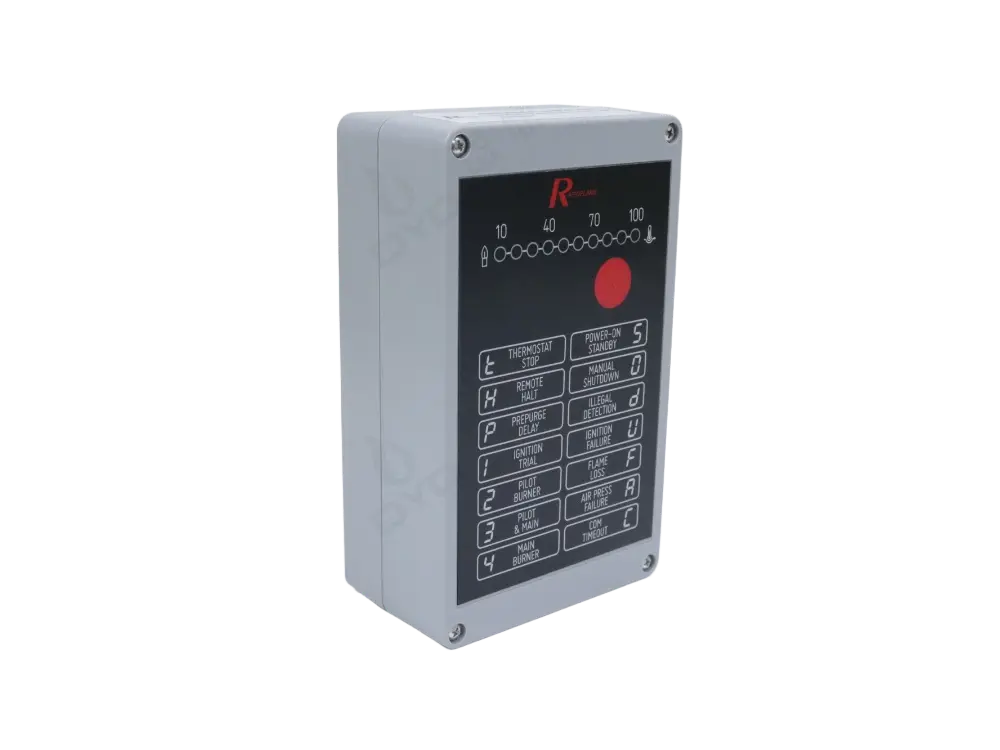
Industrial combustion systems no longer rely on manual adjustments. Instead, they use intelligent control technologies that continuously monitor and adjust combustion parameters.
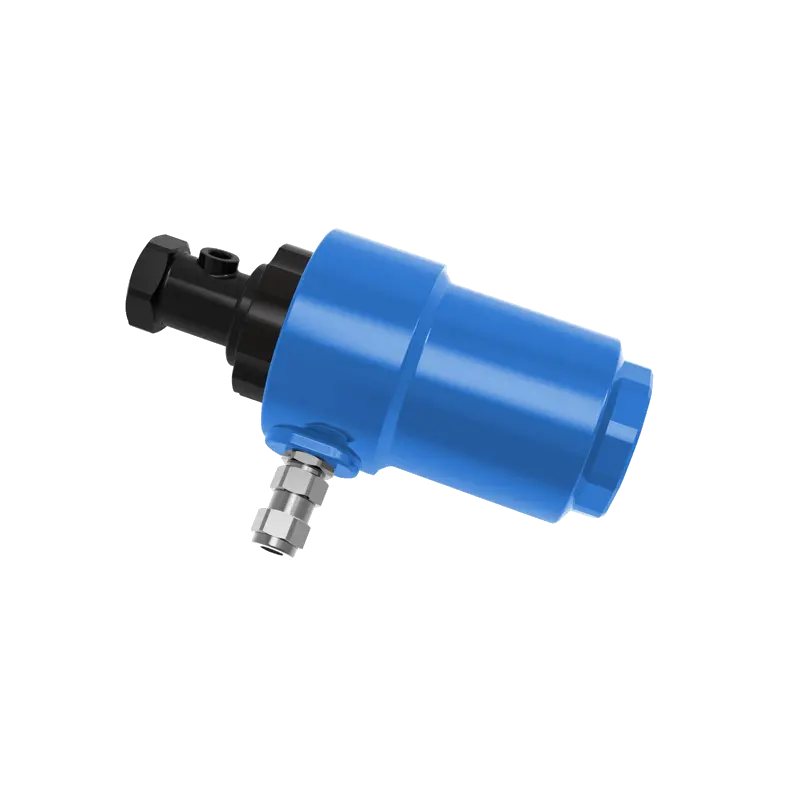
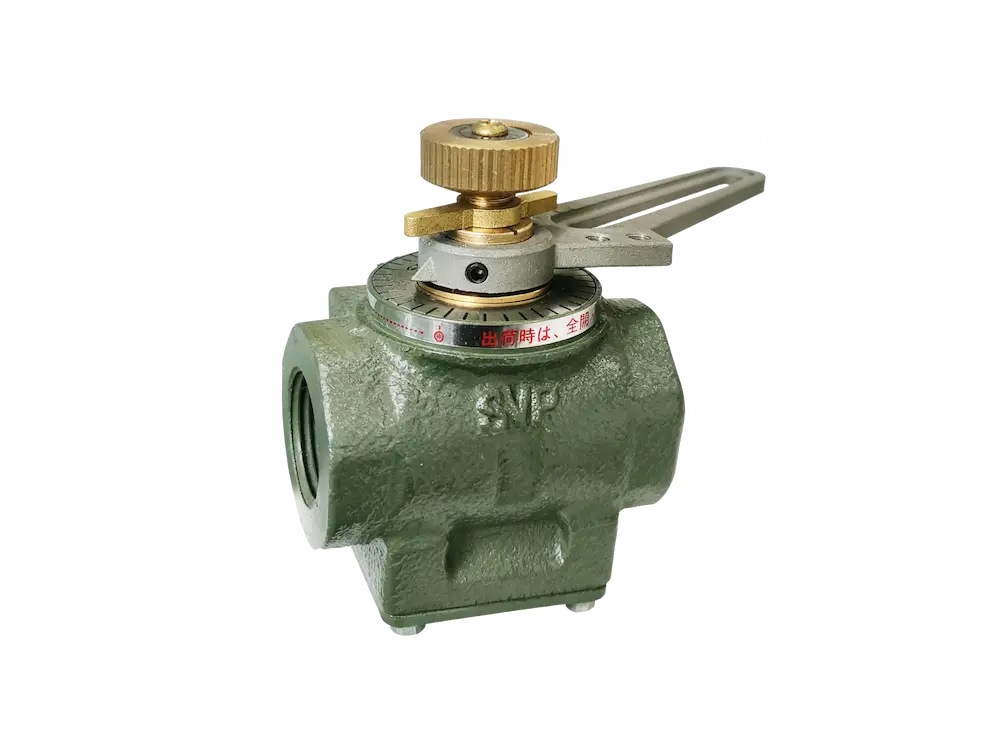
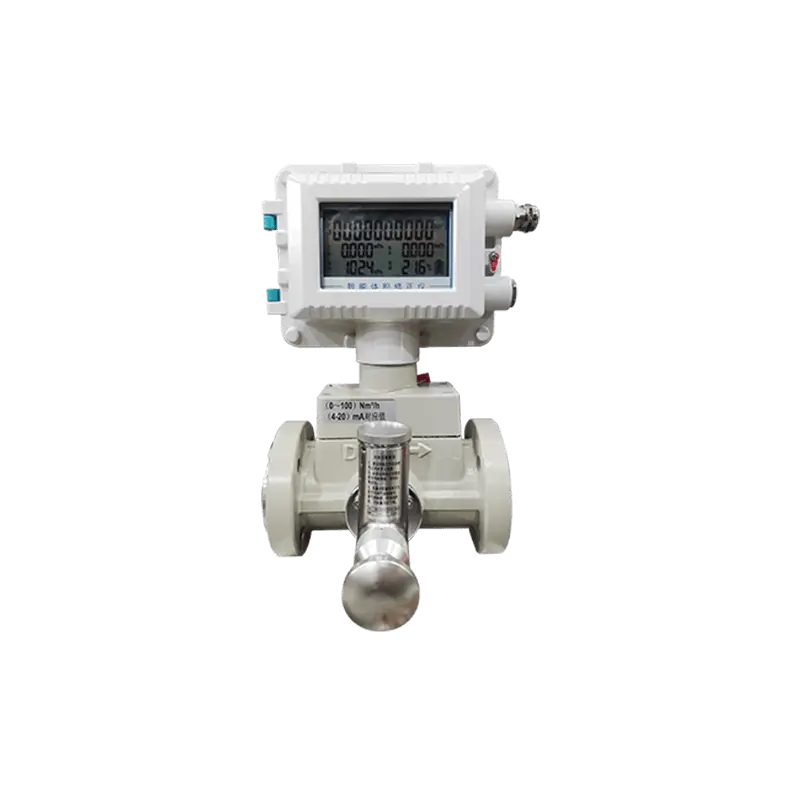
Electronic Air-Fuel Ratio Control – maintains the optimum combustion mixture throughout the firing range by using digital mapping of actuator positions versus firing rate.
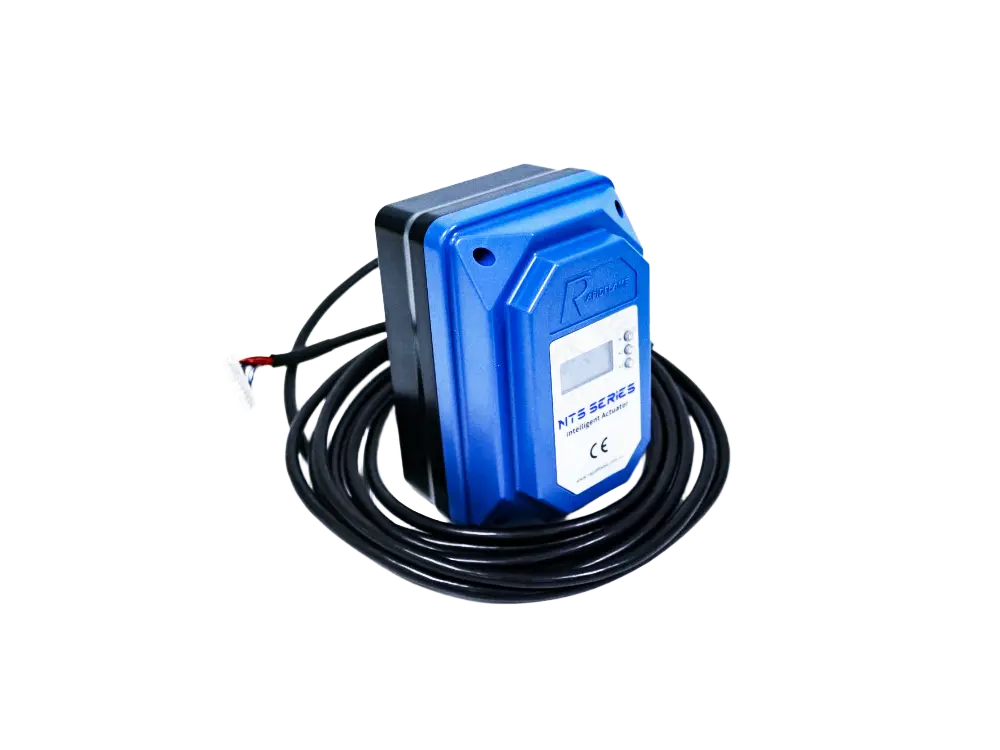
Servo Motors – precisely position gas valves and air dampers with position feedback, ensuring accurate flow control at all loads.
Variable Frequency Drives (VFDs) – adjust combustion air fan speed according to burner load, providing linear airflow control and reducing electrical consumption.
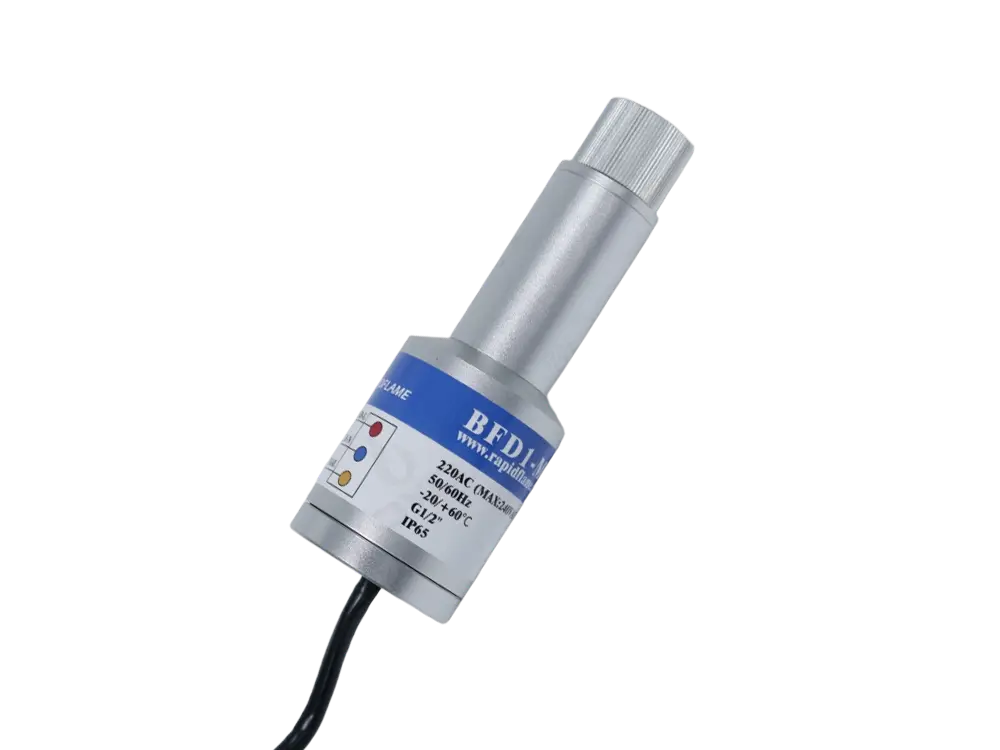
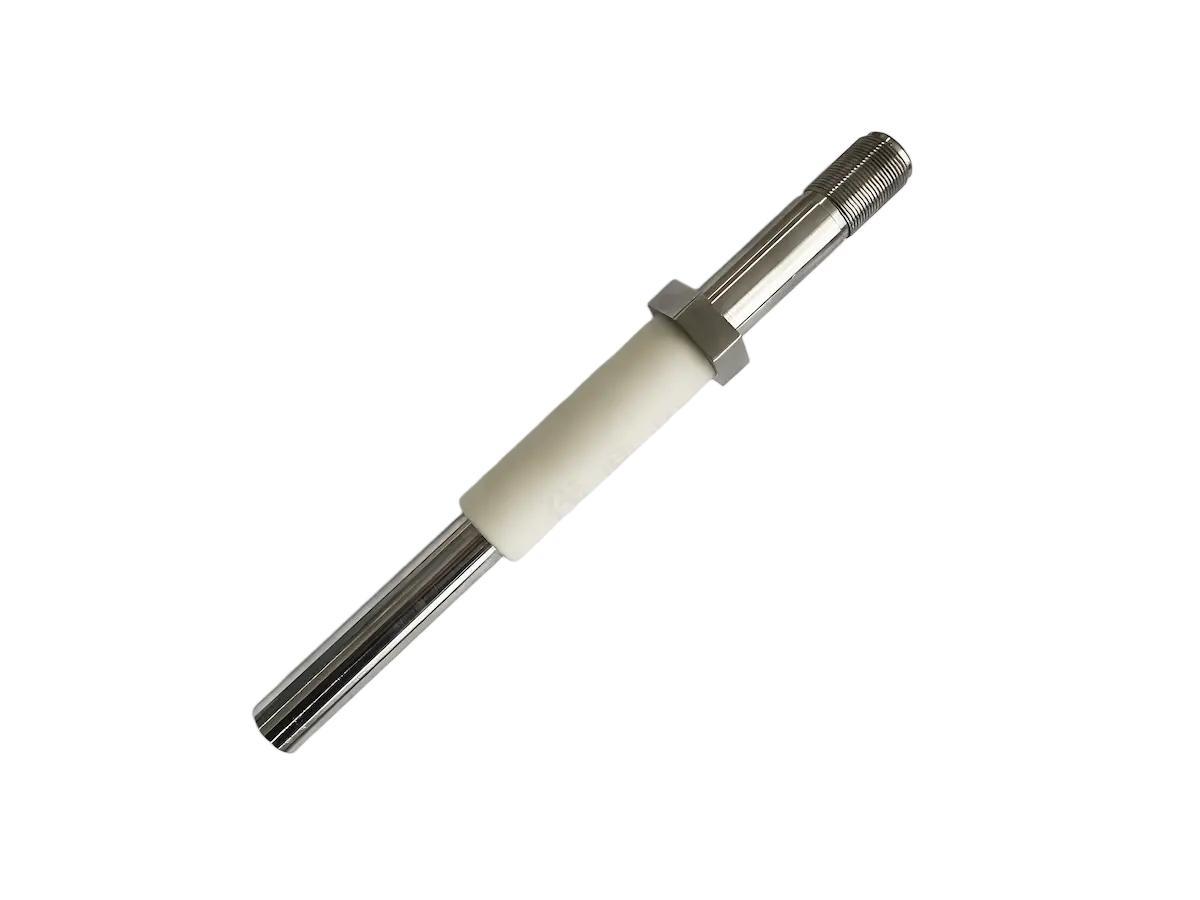
PLC-Based Burner Management Systems – coordinate ignition, flame supervision, load control, and safety interlocks in a single programmable platform.
Oxygen Trim Systems – continuously monitor flue gas oxygen and automatically adjust combustion air, compensating for changes in temperature, humidity, and fuel composition.
These technologies help maintain consistent flame temperature despite changing process conditions, such as load variations, ambient temperature shifts, or fuel supply fluctuations.
Yes. Excessively high flame temperatures may cause:
Increased NOx emissions – thermal NOx formation increases exponentially with temperature; a 100°C rise can double NOx output.
Refractory damage – most refractories have maximum service temperatures (e.g., 1,400–1,650°C for fireclay, 1,800°C for alumina). Exceeding these causes spalling and rapid wear.
Burner overheating – metal components can warp or melt if exposed to temperatures beyond their design limits.
Local hot spots – uneven heating can cause thermal stress and distortion of the furnace structure.
Reduced equipment life – thermal cycling and over-temperature accelerate aging of all furnace components.
Product overheating – the product may melt, oxidise, or suffer surface defects.
The highest possible flame temperature is not always desirable. Instead, industrial burners aim for the optimum flame temperature that balances efficiency, product quality, equipment protection, and environmental performance.
Operators may notice:
Unstable furnace temperature – the temperature fluctuates despite a fixed setpoint.
Higher fuel consumption – fuel bills rise without a corresponding increase in production.
Uneven product heating – parts near the burner are overheated while others are underheated.
Frequent burner cycling – the burner turns on and off more often than expected.
Excessive NOx emissions – flue gas analysis shows high NOx levels.
Carbon monoxide formation – CO appears in the flue gas, indicating incomplete combustion.
Flame pulsation – the flame oscillates or roars, indicating instability.
Refractory wear – cracks, spalling, or discoloration of furnace linings.
Reduced production efficiency – longer cycle times or lower throughput.
These symptoms often indicate that combustion tuning or burner maintenance is required. A periodic flue gas analysis and control system check can identify and correct such issues.
To maintain optimal combustion performance:
Optimize the air-to-fuel ratio – tune the burner at multiple firing points to maintain the target AFR across the entire range.
Minimize unnecessary excess air – set excess air as low as possible while keeping CO below 50 ppm.
Regularly tune the burner – perform combustion tuning at least annually or after any fuel or equipment change.
Maintain burner nozzles and mixing components – clean carbon deposits and inspect for wear.
Monitor flue gas oxygen and carbon monoxide – use portable or continuous analyzers to track performance.
Use electronic combustion controls – upgrade from mechanical linkage systems for better accuracy and repeatability.
Recover waste heat for combustion air preheating where appropriate – use recuperators or regenerators to improve efficiency.
Apply flue gas recirculation when low-NOx operation is required – size the FGR system correctly and maintain the ductwork.
Match burner design to the fuel and furnace application – do not use a generic burner when a specialised design would perform better.
A well-maintained combustion system delivers more stable flame temperatures and greater long-term efficiency. A proactive maintenance programme typically pays for itself through fuel savings within 12–18 months.
No. Although higher flame temperatures can improve heat transfer, excessively high temperatures may increase NOx emissions, damage furnace components, and reduce equipment life. The goal is to achieve the optimum, not the maximum, flame temperature for the specific process. A burner with a very hot flame but poor combustion control will create hot spots and waste energy through radiation to the walls.
Yes. Additional combustion air absorbs heat and lowers the flame temperature while increasing exhaust heat losses. For natural gas, each 10% increase in excess air lowers the adiabatic flame temperature by approximately 30–50°C, depending on the baseline. This cooling effect is one reason why minimizing excess air is so important for efficiency.
FGR mixes cooled combustion products with the incoming combustion mixture. This dilutes oxygen, increases the heat capacity of the mixture, and lowers peak flame temperature, helping reduce thermal NOx. The recirculated gas—containing CO₂, H₂O, and N₂—absorbs heat from the reaction zone without contributing to combustion, effectively spreading the heat release over a larger volume.
Yes. Preheated combustion air raises the initial temperature of the reactants, allowing the flame to reach a higher temperature and improving combustion efficiency. For every 100°C of air preheat, the theoretical flame temperature increases by approximately 50–70°C. However, the actual increase depends on the fuel, excess air, and overall heat balance.
Direct flame temperature measurement is uncommon in most industrial furnaces. Instead, engineers monitor combustion performance using flue gas analyzers, furnace temperature sensors, oxygen analyzers, and burner management systems to infer and control flame conditions. In research or specialised applications, optical pyrometers or thermocouples with protective sheaths may be used, but these are expensive and have limited lifespan in harsh environments. For routine industrial operation, indirect monitoring via flue gas composition is the standard approach.
Flame temperature is one of the most important parameters in industrial combustion. It directly influences combustion efficiency, fuel consumption, emissions, heat transfer, and product quality.
Effective flame temperature control requires balancing multiple variables, including the air-to-fuel ratio, excess air, fuel properties, burner design, combustion air temperature, and advanced combustion control technologies. Rather than simply maximizing flame temperature, the objective is to maintain the optimal temperature for the specific industrial process, ensuring efficient, stable, and environmentally responsible operation.
DYDTEC Combustion is a professional manufacturer of industrial combustion systems and advanced burner solutions. The company specializes in high-efficiency gas burners, low-NOx combustion technology, intelligent burner management systems, and customized heating solutions for industrial furnaces, aluminum melting, heat treatment, drying equipment, RTO systems, and other thermal processing applications. Through advanced burner engineering, precise combustion control, and application-specific system integration, DYDTEC helps furnace manufacturers and industrial users improve energy efficiency, optimize flame performance, reduce emissions, and achieve reliable long-term operation.