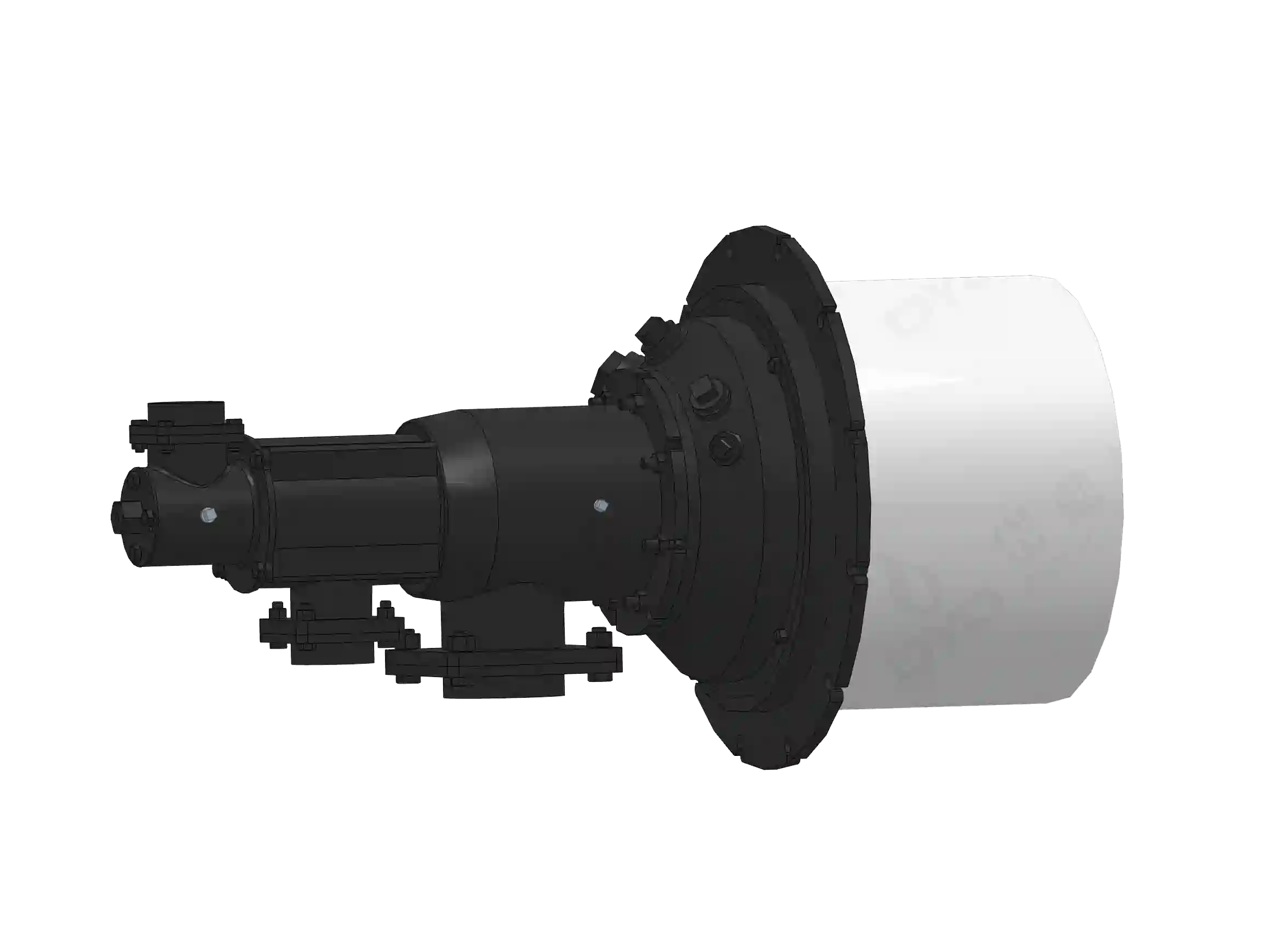
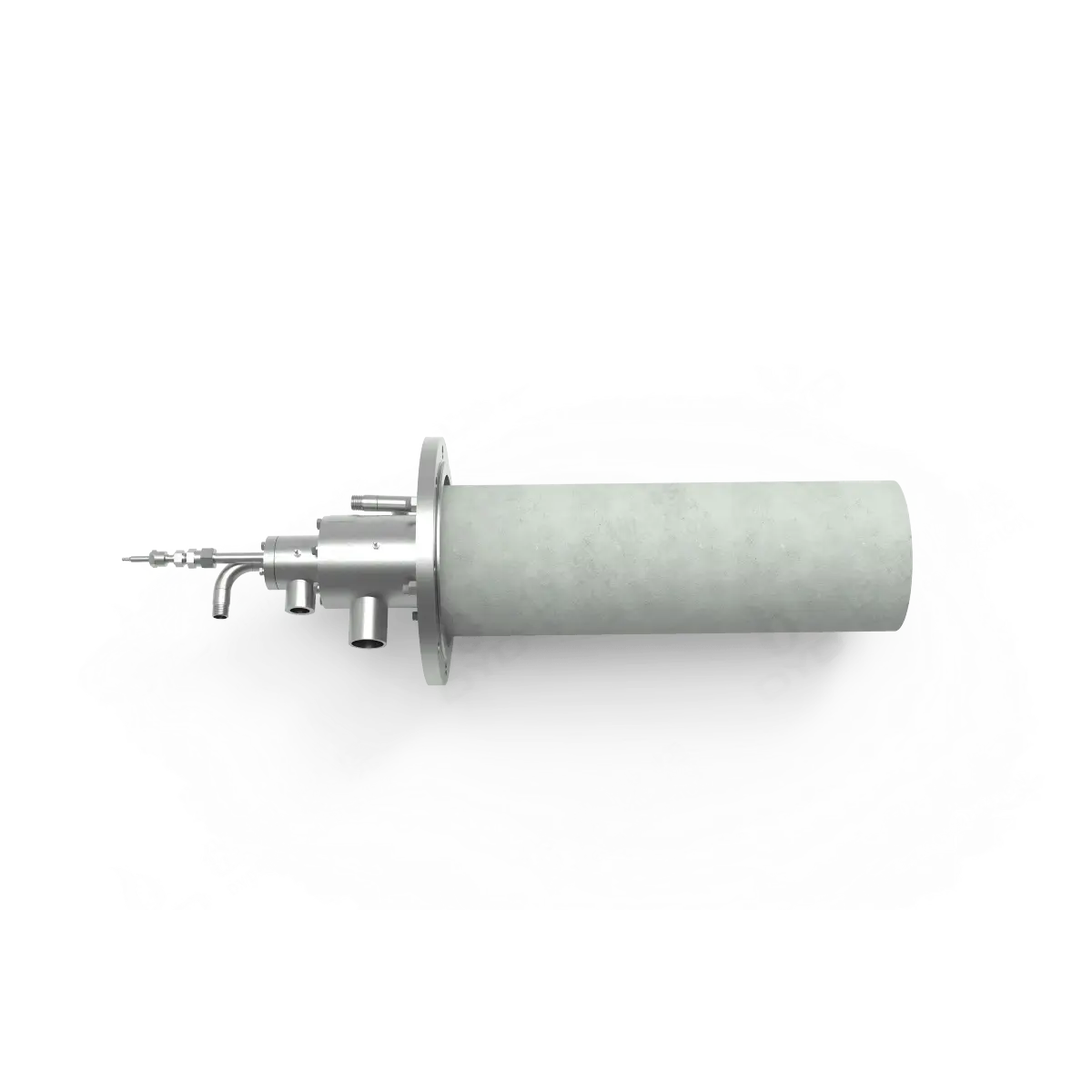
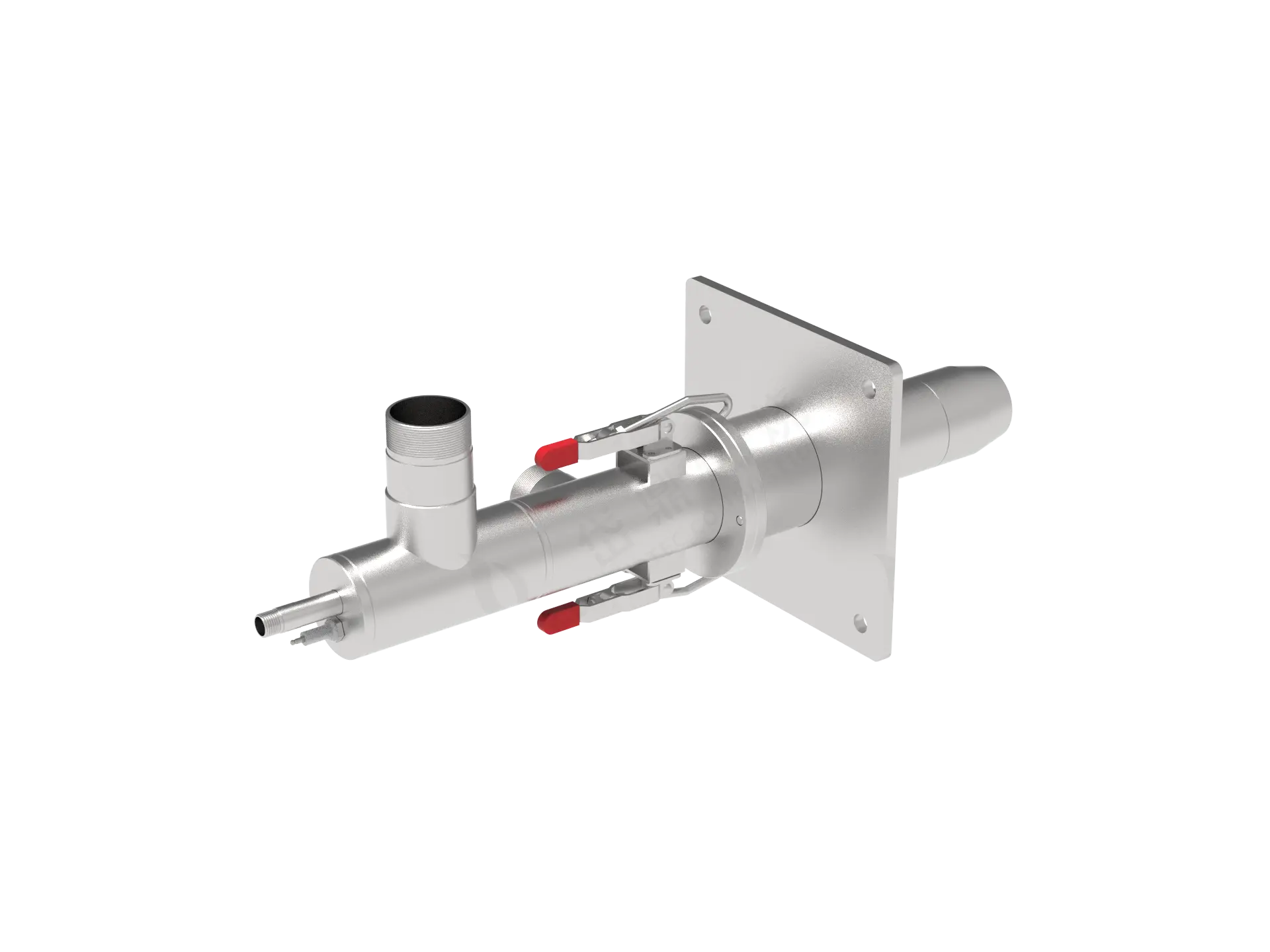
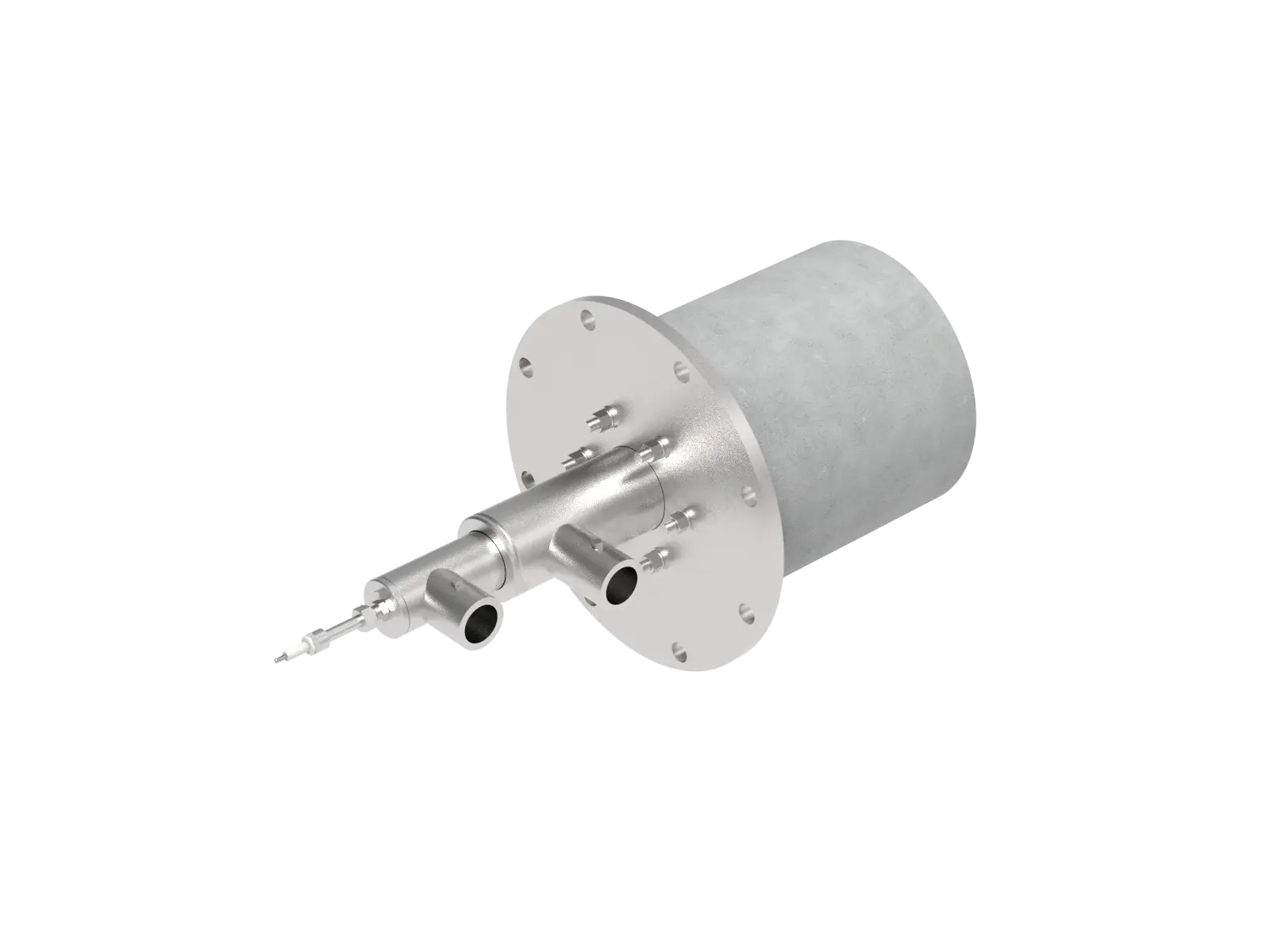
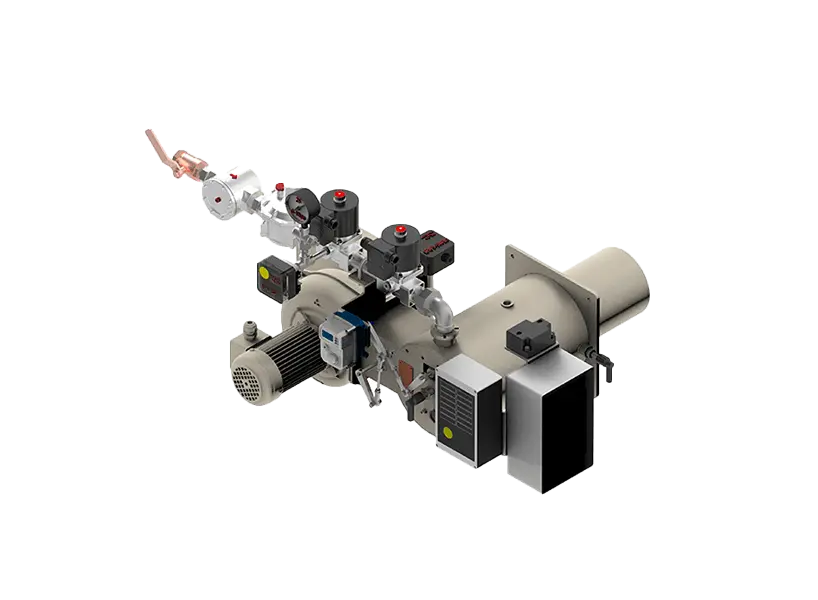
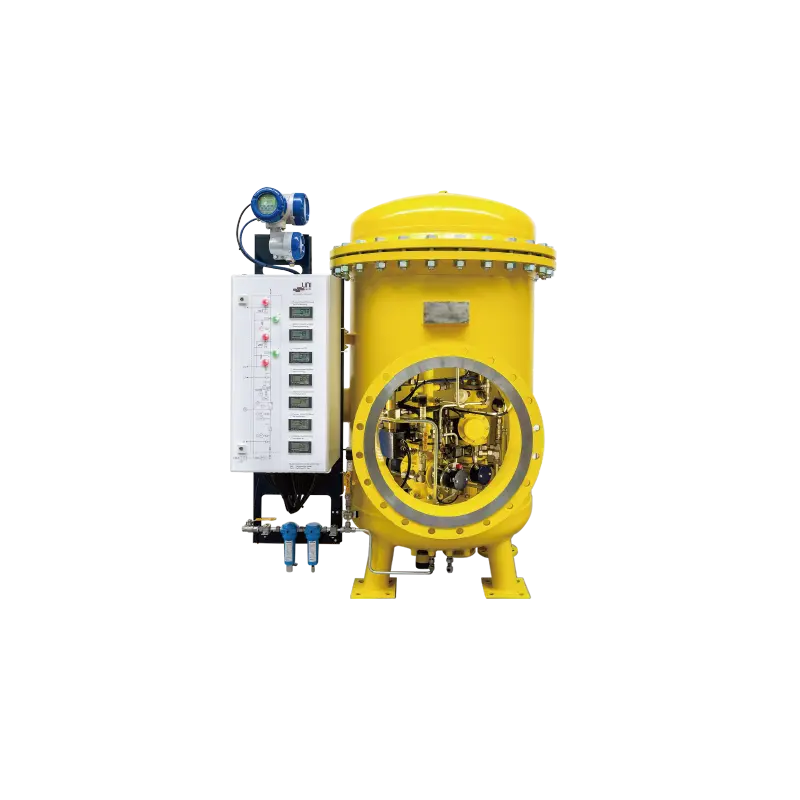
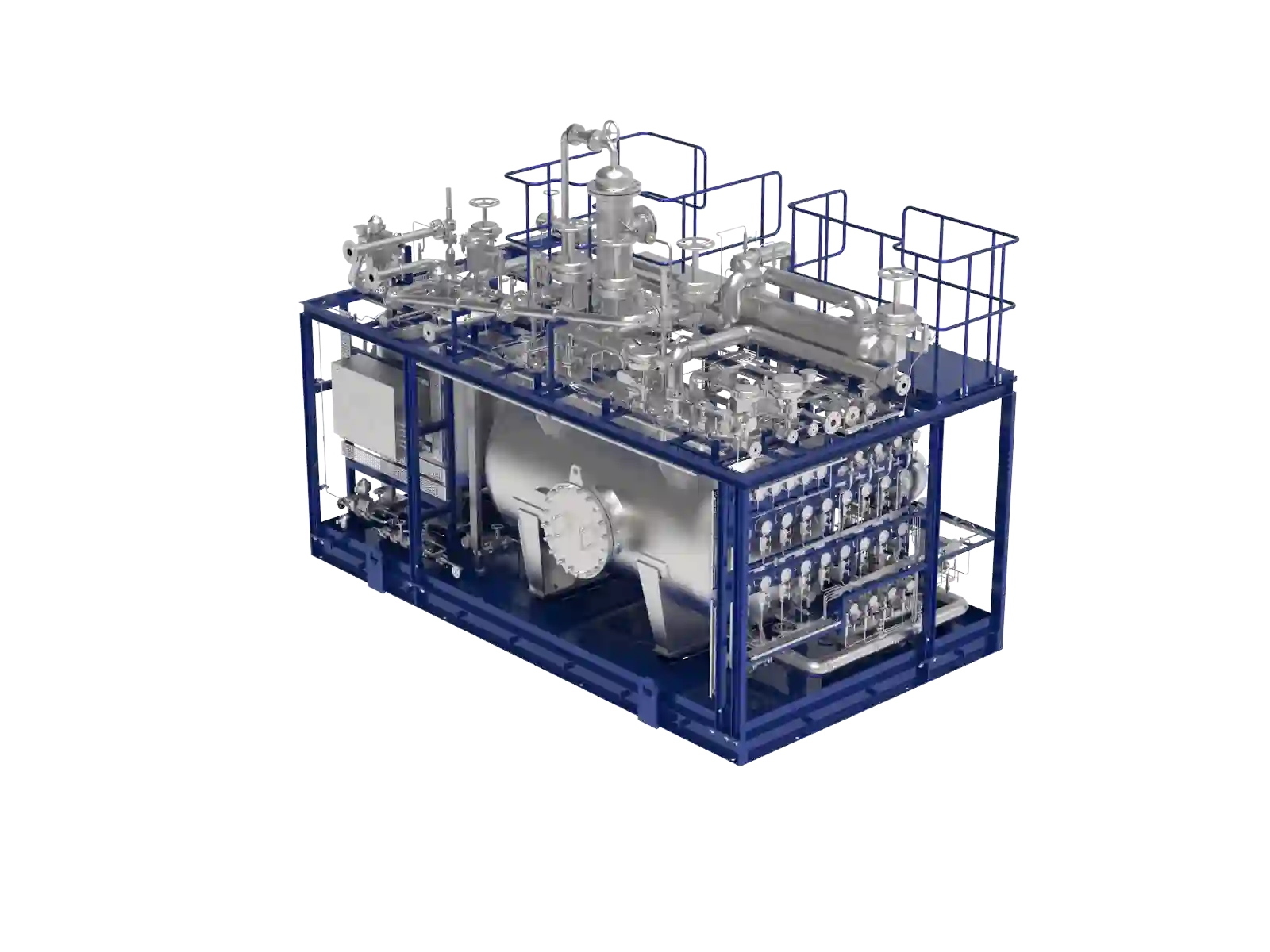
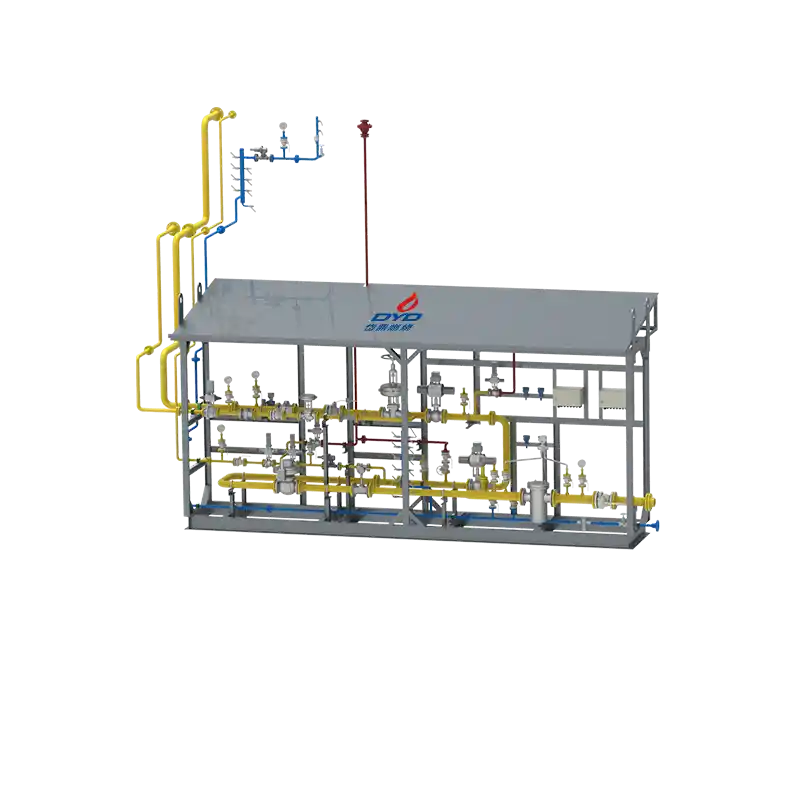
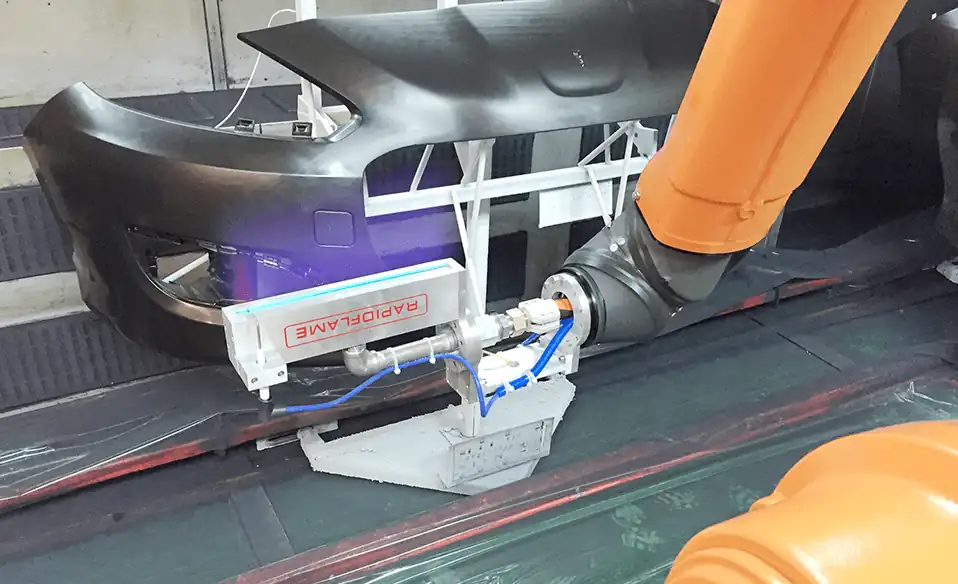
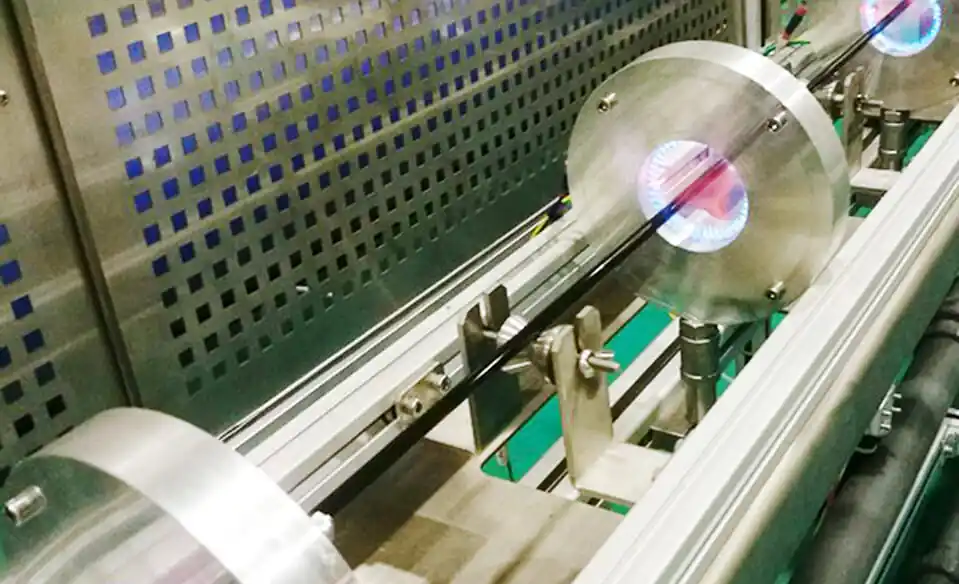
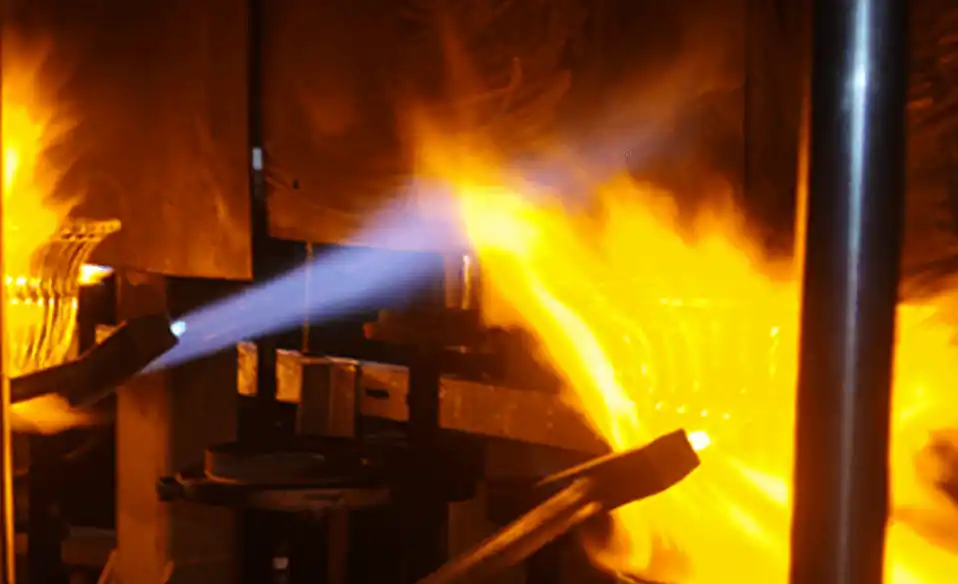
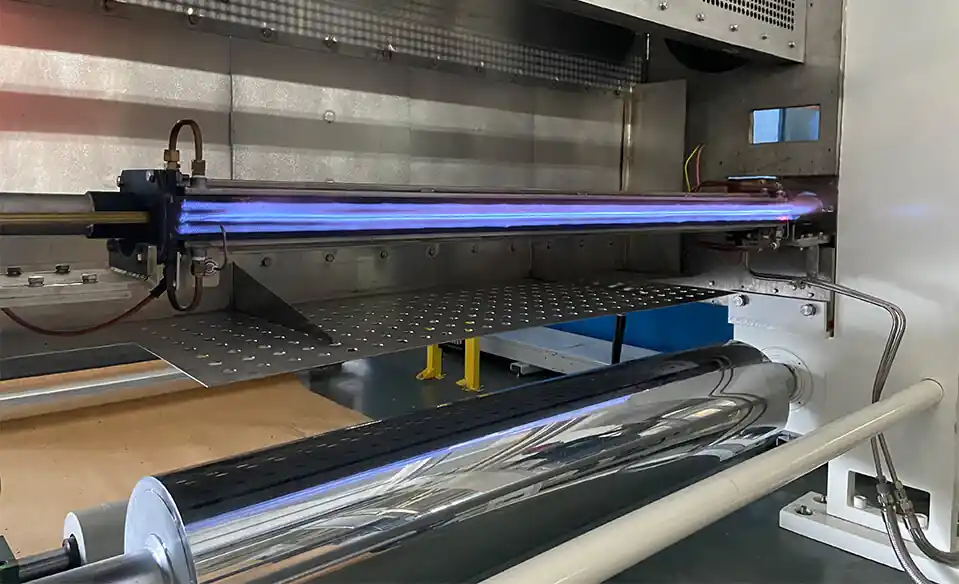
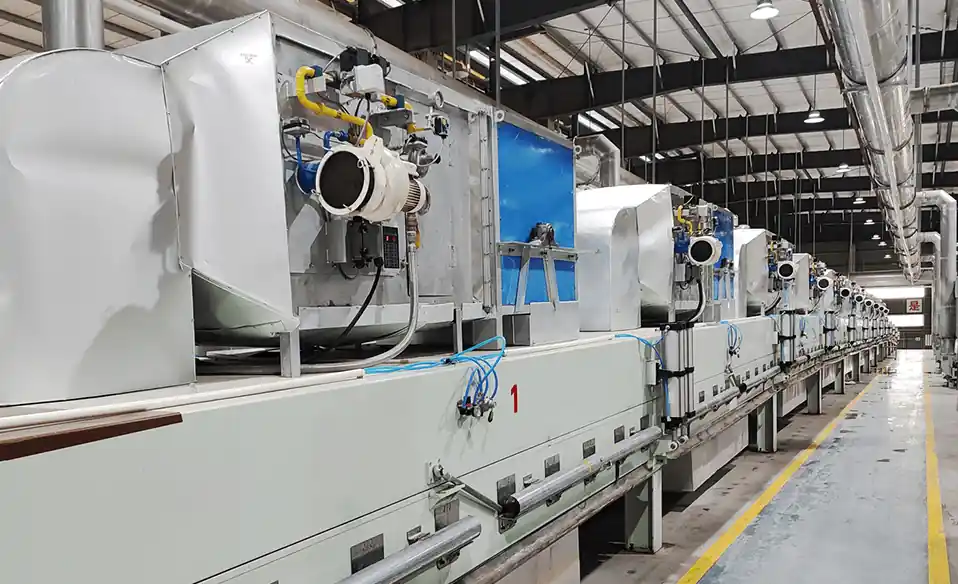
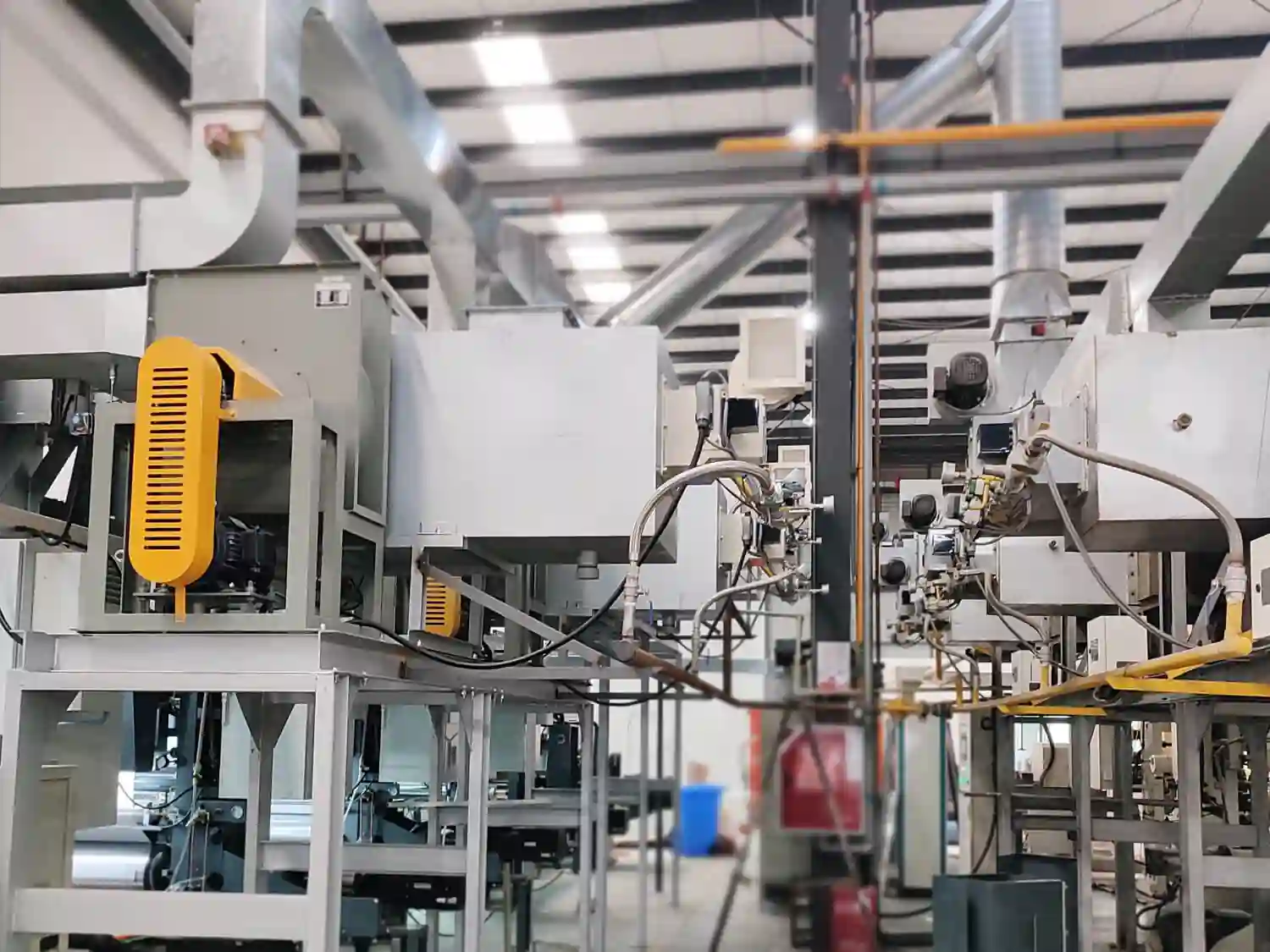
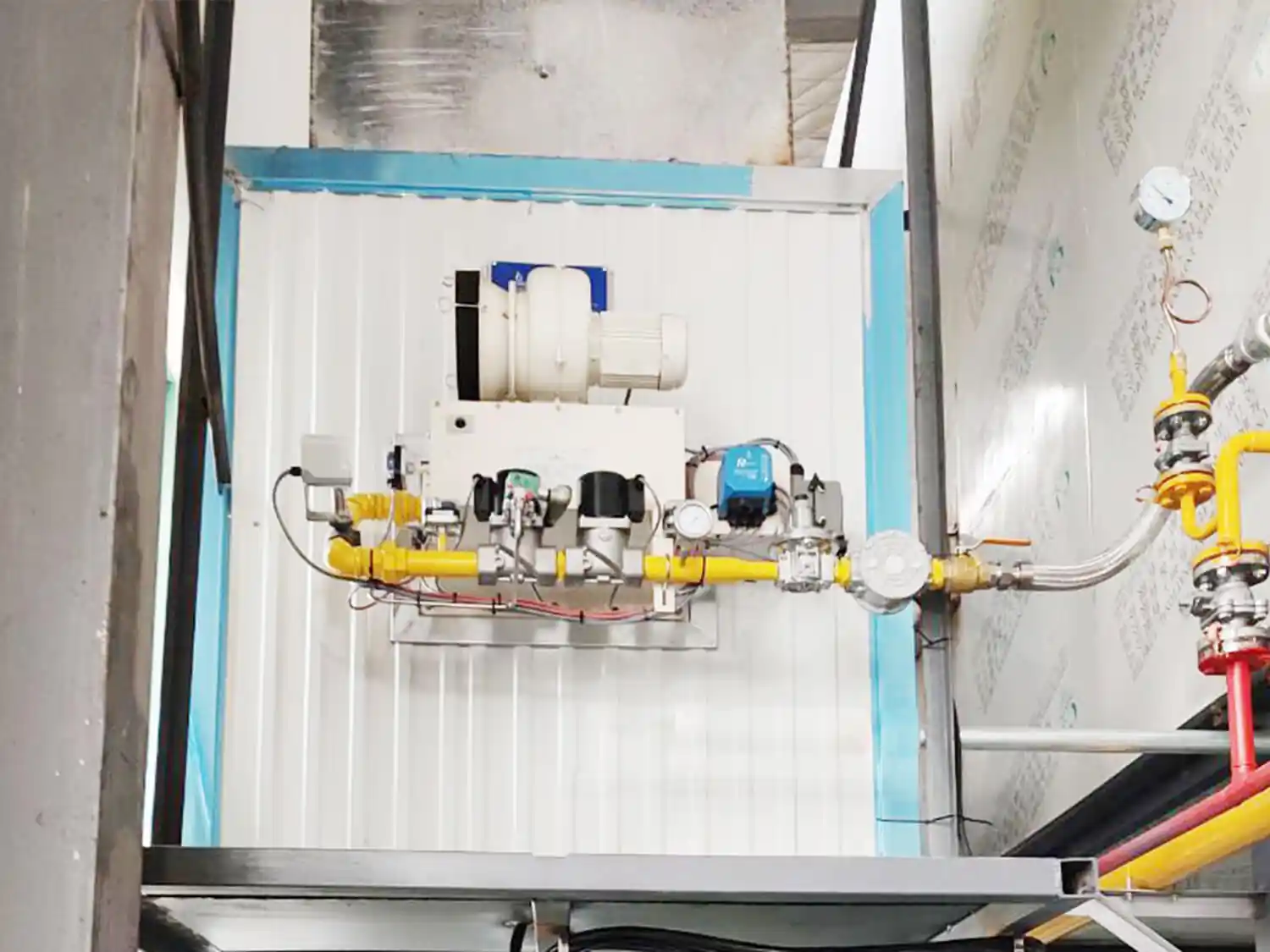
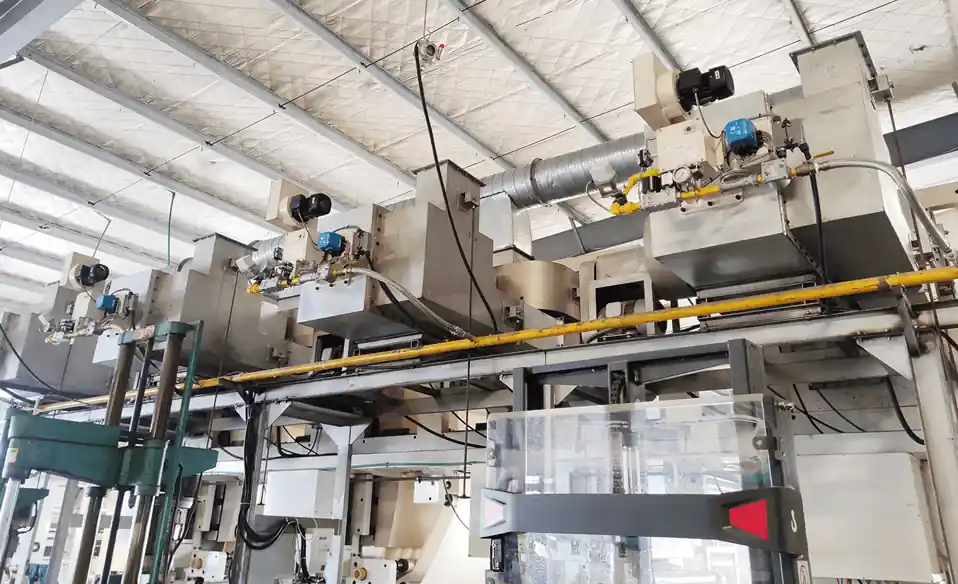
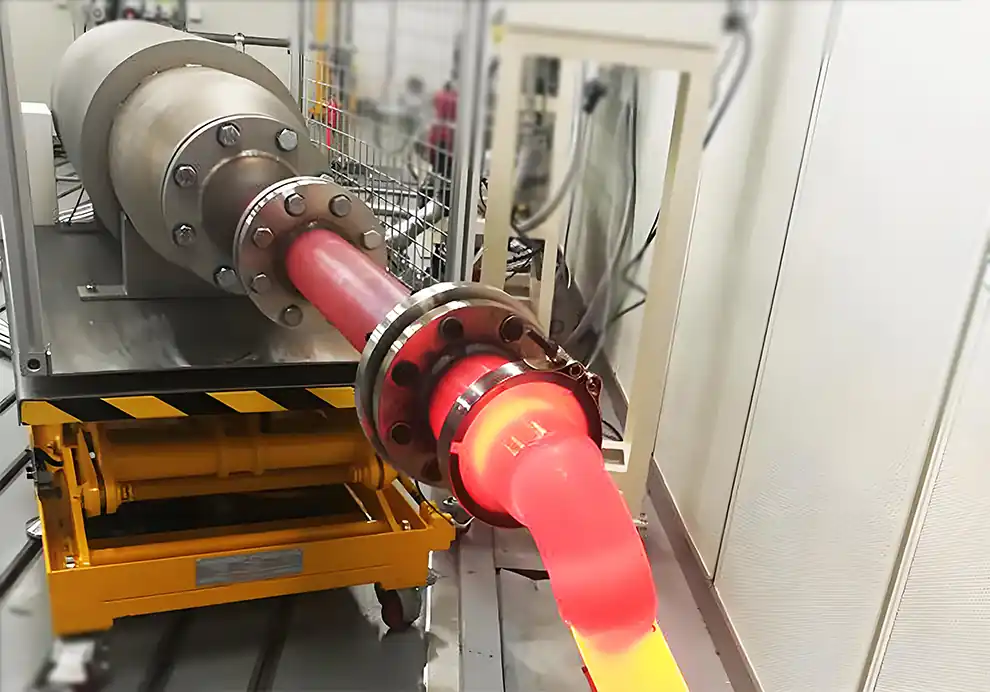
Combustion quality refers to how completely, efficiently, and consistently fuel burns inside a combustion system. High-quality combustion produces a stable flame, maximum heat output, low fuel consumption, and minimal emissions. In quantitative terms, good combustion quality is typically indicated by flue gas oxygen (O₂) between 2–4%, carbon monoxide (CO) below 50 ppm (at 3% O₂), and combustion efficiency above 95% for natural gas systems. Poor quality, by contrast, may show CO exceeding 500 ppm, visible smoke, or O₂ above 6–8%, all of which waste fuel and increase environmental impact.
In industrial burners, combustion quality is affected by multiple interacting factors, including:
Air-to-fuel ratio – the most critical variable; even a 5% deviation can reduce efficiency by 1–2%.
Excess air – essential but must be minimized; each 10% excess air lowers efficiency by roughly 1%.
Fuel quality – variations in heating value or Wobbe Index affect flame stability and air requirements.
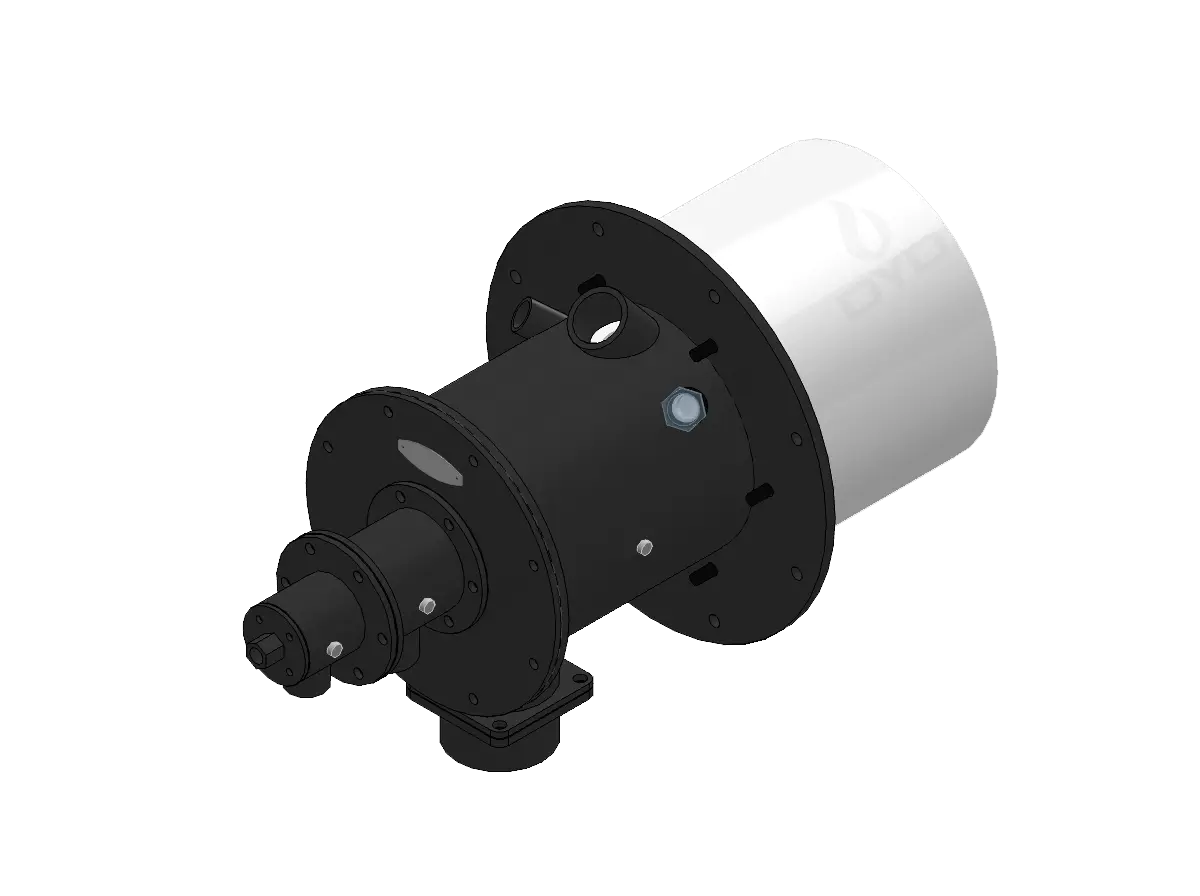
Burner design – determines mixing intensity, flame shape, and stability margin.
Flame stability – lift-off or flashback directly reduces combustion completeness.
Combustion air temperature – preheating can raise flame temperature but may increase NOx.
Furnace pressure – affects flame anchoring and air infiltration.
Burner turndown ratio – wider turndown allows stable combustion at low loads without cycling.
Combustion control system – electronic controls with O₂ trim maintain precision across load changes.
Equipment maintenance – dirty burners and worn components cause drift in AFR and stability.
Optimizing these factors helps improve energy efficiency, reduce emissions, extend equipment life, and maintain consistent production quality.
Combustion quality is more than simply igniting fuel. It is a holistic measure of how well the combustion process converts the chemical energy of fuel into useful heat while maintaining safety, stability, and environmental compliance.
A high-quality combustion process should achieve:
Complete fuel combustion – all carbon converts to CO₂, all hydrogen to H₂O, with no unburned fuel or CO.
Stable flame under all operating conditions – anchored at the burner head across the entire turndown range.
High combustion efficiency – typically above 95% for natural gas, with minimal chemical and sensible heat losses.
Uniform heat distribution – consistent temperature profile within the furnace, avoiding hot or cold spots.
Low carbon monoxide (CO) emissions – typically below 50 ppm (at 3% O₂) for well-tuned burners.
Low soot formation – no visible smoke or carbon deposits on burner or heat exchanger surfaces.
Reliable ignition – consistent start-up without delayed ignition or puffbacks.
Consistent furnace temperature – minimal fluctuation around setpoint, often within ±2–3°C.
Poor combustion quality often leads to increased fuel costs, unstable heating, excessive maintenance, and reduced product quality. For example, a burner operating at 92% combustion efficiency instead of 97% wastes approximately 5% of its fuel input, which for a 1 MW furnace running 8,000 hours per year can amount to over 400,000 kWh of wasted energy annually.
Industrial combustion systems operate in applications where temperature consistency and energy efficiency are critical. Combustion quality directly impacts the bottom line, environmental compliance, and operational reliability.
Poor combustion quality can result in:
Higher fuel consumption – wasted energy due to incomplete combustion and excessive stack losses; a 2–3% efficiency drop can increase annual fuel costs by tens of thousands of dollars.
Temperature fluctuations – unstable flames cause ±10°C or more variations, affecting product quality.
Increased emissions – CO, soot, and unburned hydrocarbons rise; NOx may also spike if temperature control is lost.
Product defects – uneven heating leads to dimensional errors, metallurgical inconsistencies, or surface oxidation.
Burner instability – frequent flame failures and nuisance shutdowns interrupt production.
Equipment damage – soot and carbon deposits insulate heat transfer surfaces, causing overheating; thermal cycling accelerates refractory cracking.
Higher maintenance costs – more frequent cleaning, component replacement, and unscheduled repairs.
Reduced production efficiency – longer cycle times and lower throughput due to poor heat transfer.
Improving combustion quality benefits both operational performance and long-term operating costs. A systematic approach to combustion tuning and control typically yields a return on investment of 3–12 months through fuel savings alone.
The air-to-fuel ratio is the single most important factor affecting combustion quality. It determines whether the fuel has enough oxygen to burn completely, and whether excess oxygen is kept to a minimum.
Insufficient air causes:
Incomplete combustion – some carbon remains as CO rather than CO₂, and some hydrocarbons remain unburned.
High CO emissions – can exceed 1,000 ppm, indicating severe chemical energy loss.
Soot formation – carbon particles form in fuel-rich zones, creating black smoke and deposits.
Carbon deposits – accumulate on burner heads, flame retention rings, and heat exchangers, reducing performance.
Lower combustion efficiency – wasted fuel energy, typically 5–10% loss in severe cases.
Flame instability – the flame becomes long, soft, and prone to lift-off or flicker.
Excessive air causes:
Lower flame temperature – extra nitrogen and oxygen absorb heat, reducing radiative and convective heat transfer.
Higher exhaust heat loss – heated air exits the stack, carrying away usable energy.
Increased fuel consumption – more fuel is needed to compensate for the cooling effect.
Reduced thermal efficiency – each 1% increase in excess air reduces efficiency by 0.1–0.15%.
The objective is to maintain the optimum air-fuel ratio with the minimum safe amount of excess air. For most natural gas burners, this means an AFR of 10.5:1 to 11.5:1 (by volume), corresponding to 5–15% excess air. The exact value depends on burner design and should be verified by flue gas analysis.
Industrial burners intentionally operate with a controlled amount of excess air. This is not a design flaw but a necessity to compensate for imperfect mixing, fuel pressure fluctuations, and load changes.
Proper excess air helps ensure:
Complete combustion – every fuel molecule has access to sufficient oxygen, even in fuel-rich eddies.
Stable flames – a slightly oxidizing atmosphere prevents soot and maintains flame anchoring.
Safe operation – margin against fuel-rich conditions that could cause CO buildup or explosion risks.
However, excessive excess air wastes energy because additional air absorbs heat and exits through the flue gas. For a typical natural gas burner, operating at 20% excess air instead of 10% reduces combustion efficiency by approximately 1–1.5%, which for a medium-sized furnace can mean thousands of dollars in additional fuel costs per year.
Finding the optimal excess air level is essential for high combustion quality. This is typically done by adjusting the air supply while monitoring flue gas O₂ and CO, and setting the O₂ as low as possible while keeping CO below 50 ppm at all firing points.
Fuel properties significantly influence combustion performance. Even when the burner is correctly tuned, changes in fuel composition can alter the stoichiometric air requirement, flame speed, and heat release pattern.
Important characteristics include:
Heating value (LHV and HHV) – determines how much energy is released per unit volume or mass; a 5% drop in LHV requires 5% more fuel flow to maintain the same heat input.
Moisture content – water vapor absorbs heat and lowers flame temperature; high moisture fuels (e.g., wet biogas) reduce efficiency.
Chemical composition – methane, hydrogen, CO, and heavier hydrocarbons all have different flame speeds and oxygen demands.
Pressure stability – fluctuations in supply pressure change fuel flow and can destabilize the AFR.
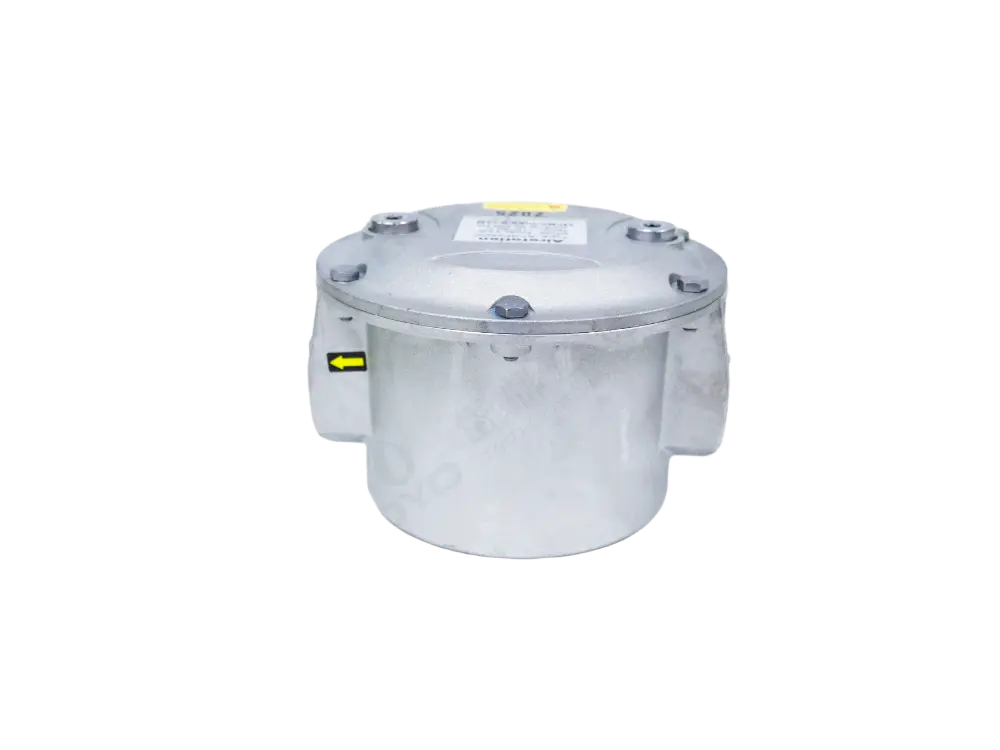
Purity – contaminants like sulfur, dust, or tars can damage burner components and increase emissions.
Wobbe Index (for gaseous fuels) – a combined measure of heating value and specific gravity; variations affect fuel interchangeability and may require control system adjustments.
Changes in fuel quality can alter flame stability, heat release, and emissions. Burners should always be adjusted for the specific fuel being used, and if fuel switching is anticipated (e.g., blending hydrogen or biogas), the burner and control system should be designed to handle the range of expected fuel properties.
A well-designed burner promotes efficient mixing of fuel and air. The burner head geometry determines how the two streams interact, how turbulence is generated, and how the flame is anchored.
Key design features include:
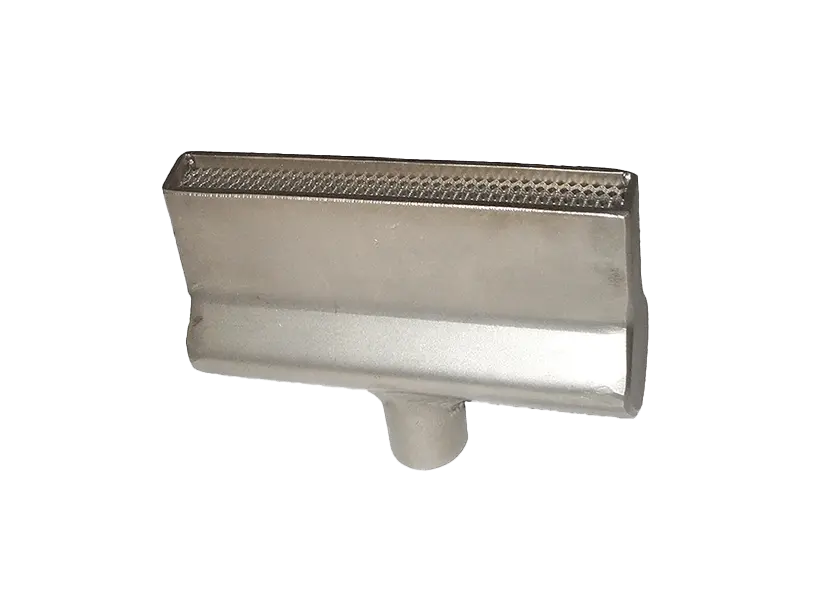
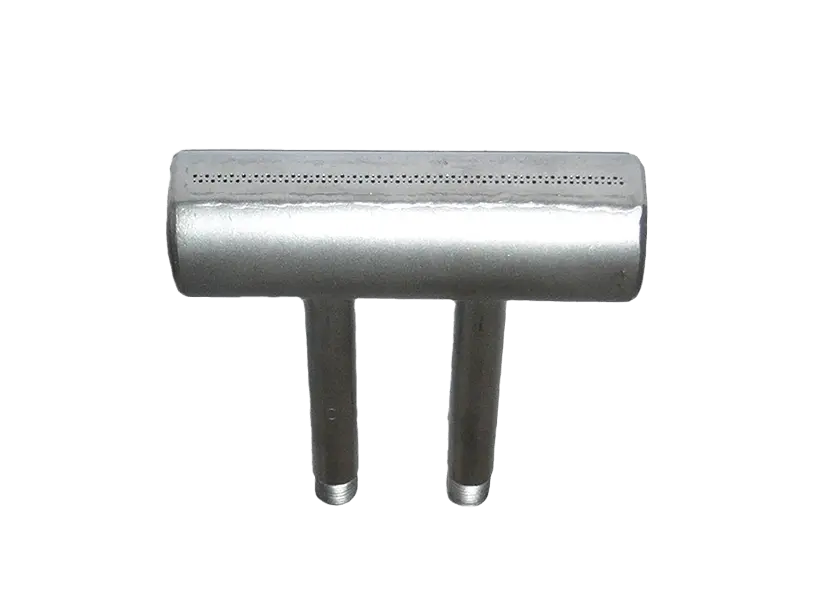
Burner head geometry – the shape of the flame ports, diffuser, and mixing zone.
Fuel nozzle design – number, size, and angle of fuel jets determine the distribution of fuel into the air stream.
Swirl generation – swirl vanes or tangential air entries create recirculation zones that mix fuel and air thoroughly and stabilize the flame.
Flame stabilization – bluff bodies, flame retention rings, or pilot burners keep the flame anchored at low firing rates.
Mixing intensity – high turbulence promotes rapid mixing, shortening the flame and raising peak temperature.
Good burner design produces uniform flames, stable combustion, efficient heat transfer, and lower emissions. Poor burner design may create hot spots, incomplete mixing, or unstable flames that pulse or lift off. For example, a burner with weak swirl may produce a long, lazy flame that impinges on the furnace wall, causing localized overheating and reduced efficiency.
A stable flame is essential for consistent combustion. The flame must remain anchored at the burner head without lifting off, flashing back, or oscillating, across the entire firing range.
Unstable flames may experience:
Flame lift-off – the flame detaches from the burner, floating downstream; this reduces heat transfer and may cause extinction.
Flashback – the flame propagates back into the burner, potentially damaging the mixing chamber and gas train.
Pulsation – the flame oscillates in size and intensity, creating pressure waves and uneven heating.
Blow-off – complete loss of flame, triggering a safety shutdown.
Frequent flame failures – nuisance trips that interrupt production and wear out ignition components.
Flame instability reduces combustion efficiency because combustion becomes incomplete or intermittent. Maintaining flame stability is a primary objective of modern burner design, achieved through proper retention rings, swirl, and fuel-air velocity matching. In operation, stable flame also requires consistent fuel pressure and combustion air flow.
The temperature of incoming combustion air influences combustion quality. Colder air contains more oxygen per unit volume (since density increases with lower temperature) but requires more heat to raise it to combustion temperature.
Preheated combustion air offers several advantages:
Higher flame temperature – raising air temperature from 20°C to 400°C can increase adiabatic flame temperature by 150–200°C.
Improved combustion efficiency – less fuel is needed to achieve the same flame temperature; typically 5–8% fuel saving for 200°C preheat.
Faster heat transfer – higher flame temperature improves radiative heat flux, reducing cycle times.
Lower fuel consumption – direct reduction in fuel input for the same process output.
Many industrial furnaces use recuperators or regenerators to recover waste heat from exhaust gases and preheat combustion air. However, preheating also raises thermal NOx formation, so it is often combined with flue gas recirculation or staged combustion to control emissions. The net benefit depends on the balance between fuel savings and NOx compliance costs.
Furnace pressure affects flame shape and combustion stability. The pressure inside the furnace chamber determines how the combustion gases flow and how the flame interacts with the surroundings.
Improper pressure may cause:
Flame distortion – positive pressure can compress the flame, altering its shape and heat distribution; negative pressure can draw the flame forward.
Air infiltration – negative pressure (draft) can pull cold air through openings, cooling the flame and increasing excess air.
Heat loss – uncontrolled pressure gradients can cause hot gas to leak out, wasting energy.
Combustion instability – pressure fluctuations can disturb the flame anchoring, leading to lift-off or pulsation.
Reduced burner performance – the combustion air fan must overcome furnace backpressure; if pressure is too high, airflow may be insufficient.
Industrial furnaces often use automatic pressure control systems, such as induced-draft fans with variable speed or damper regulation, to maintain a slight negative pressure (typically –0.5 to –1.0 mmH₂O) for safe and stable operation.
Industrial processes rarely operate at full capacity continuously. Load variations are common, and the burner must adapt without sacrificing combustion quality.
Burners with a wide turndown ratio can maintain stable combustion over a broad operating range. For example, a 10:1 turndown burner can reduce firing rate to 10% of maximum while still achieving complete combustion and low emissions.
Benefits include:
Fewer burner starts – continuous modulation avoids frequent cycling and purge losses.
Improved temperature control – stable firing at low loads maintains setpoint with minimal oscillation.
Lower fuel consumption – modulation is more efficient than on-off control; savings of 5–10% are typical.
Better combustion stability – the burner stays within its optimal operating envelope.
Reduced component wear – fewer thermal cycles extend the life of refractory, igniters, and valves.
Poor modulation capability often leads to excessive burner cycling and inconsistent combustion. A burner that cannot turndown far enough will cycle on and off, creating temperature swings and wasting fuel. Therefore, turndown ratio is a key selection criterion for applications with variable heat demand.
Modern combustion systems rely on intelligent automation to maintain high combustion quality under changing conditions. Manual tuning cannot respond to ambient temperature shifts, fuel composition changes, or load variations in real time.
Common technologies include:
Maintains accurate combustion throughout the firing range by using digital mapping of air and fuel actuator positions. Unlike mechanical linkages, electronic controls compensate for wear and hysteresis, ensuring repeatability within ±1–2%.
Provide precise airflow adjustment with position feedback. Servo motors respond quickly to control signals, allowing smooth modulation and accurate air delivery at every firing point.
Automatically regulate combustion fan speed according to burner load. VFDs reduce electrical consumption and improve airflow linearity, avoiding the nonlinearities of damper throttling.
Continuously monitor flue gas oxygen and optimize combustion conditions. These closed-loop systems adjust the air supply to maintain a set O₂ target, compensating for changes in fuel calorific value, ambient temperature, and air density. Typical fuel savings are 1–3%.
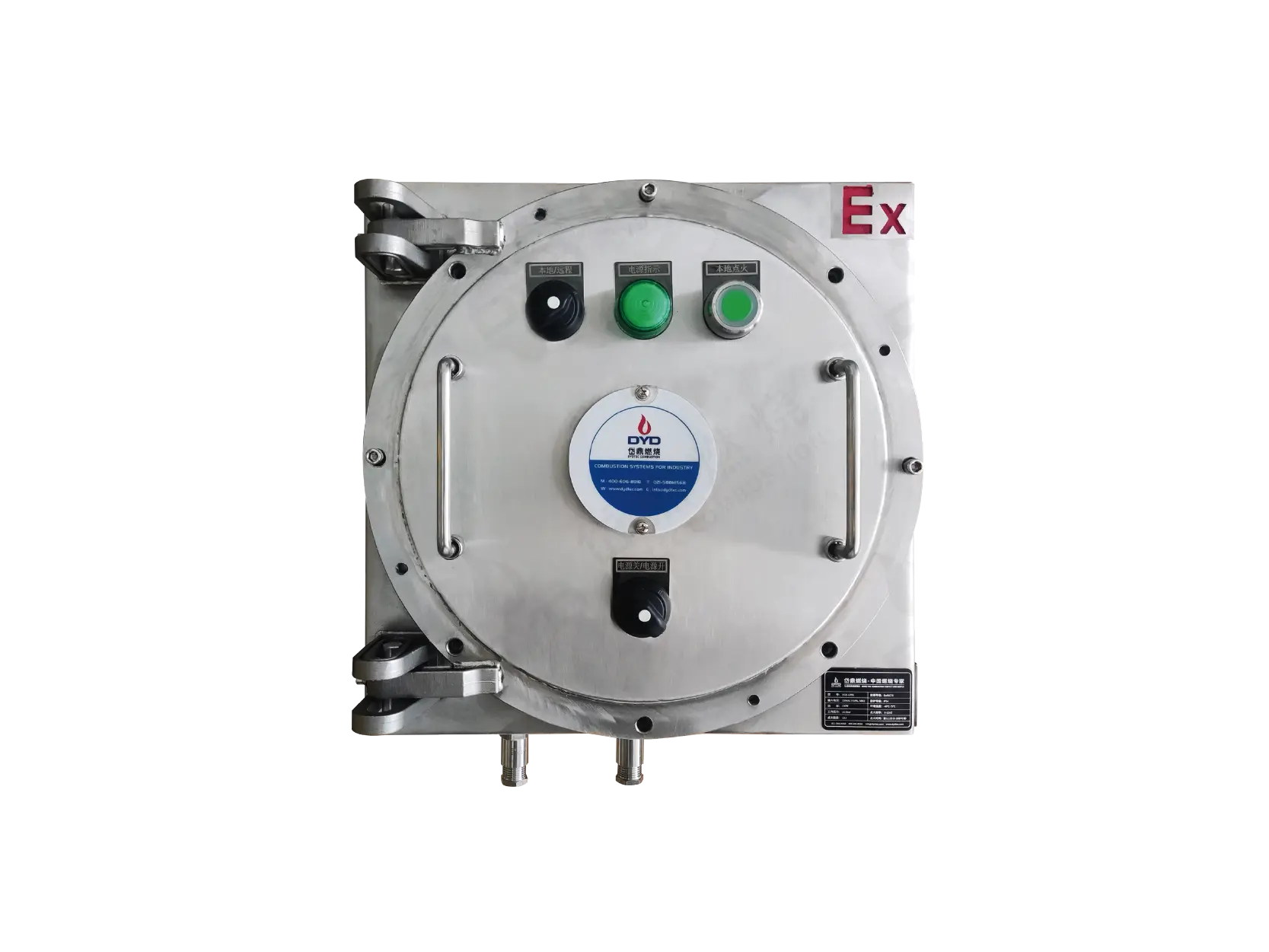
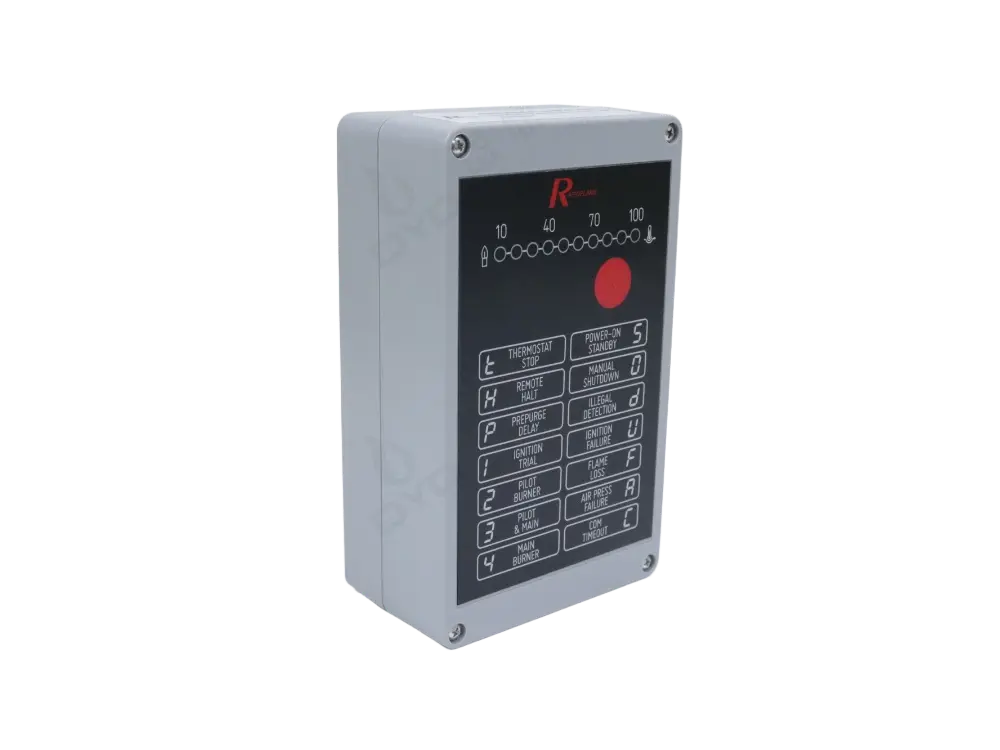
Coordinate ignition, flame supervision, safety interlocks, and operating sequences. The BMS ensures that the burner starts, runs, and shuts down safely while interfacing with the plant's distributed control system.
Advanced control systems significantly improve combustion consistency, reducing the need for manual tuning and enabling remote monitoring and diagnostics.
Even the best burner cannot maintain good combustion quality without regular maintenance. Over time, components wear, dirt accumulates, and settings drift, all of which degrade performance.
Routine inspections should include:
Burner heads – cleaning carbon and dust deposits from flame ports and retention rings.
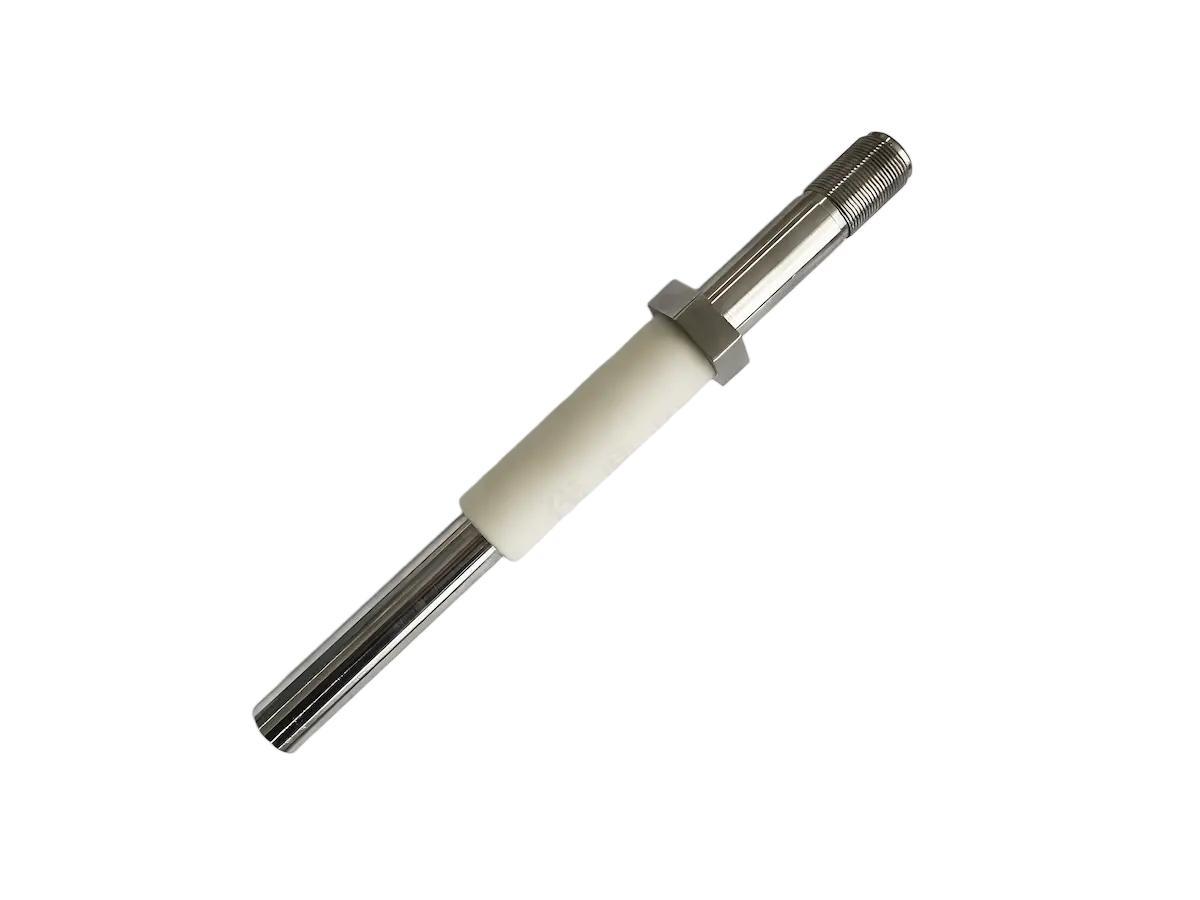
Ignition electrodes – checking for erosion, proper gap, and insulation integrity.
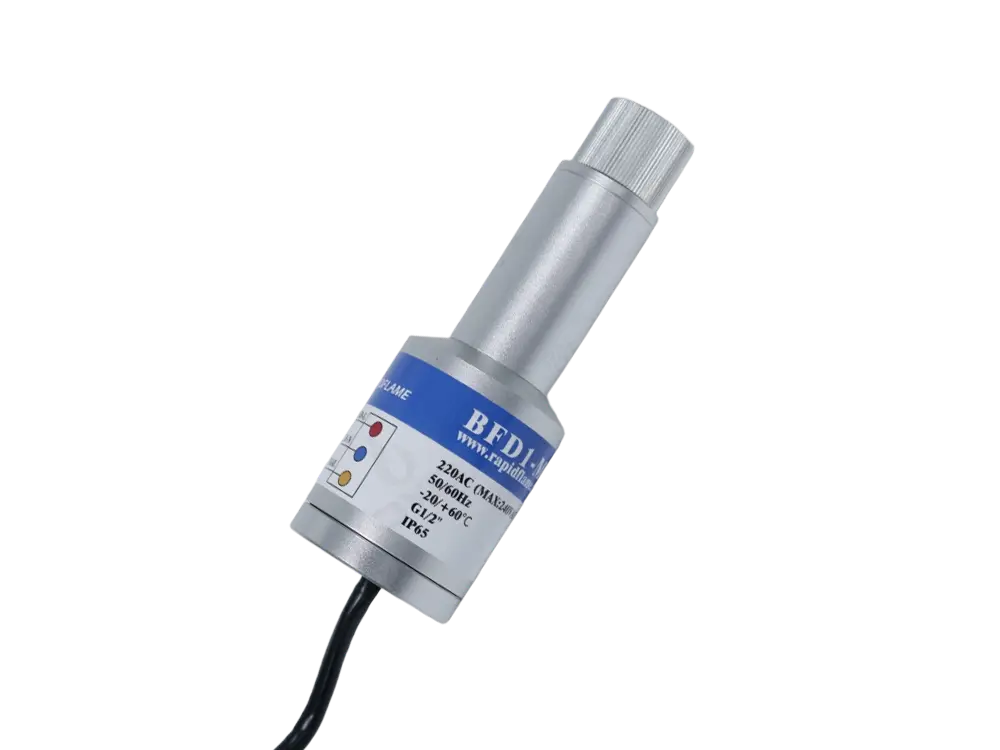
Flame detectors – cleaning optical lenses and verifying sensitivity.
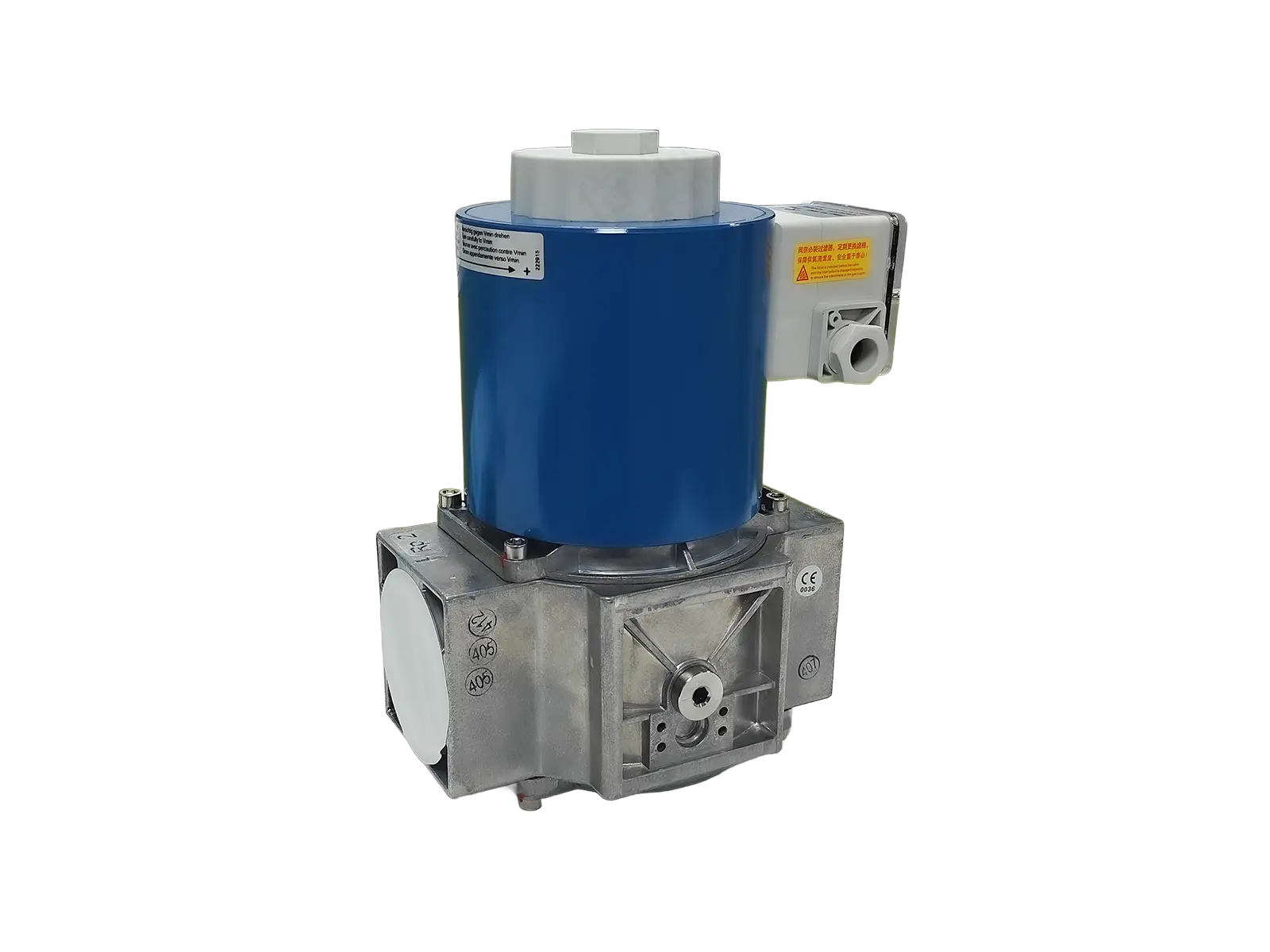
Gas valves – inspecting for leaks, verifying seat tightness, and checking actuator response.
Air dampers – ensuring free movement, correct linkage geometry, and position feedback accuracy.
Combustion fans – checking bearings, belt tension, and filter cleanliness.
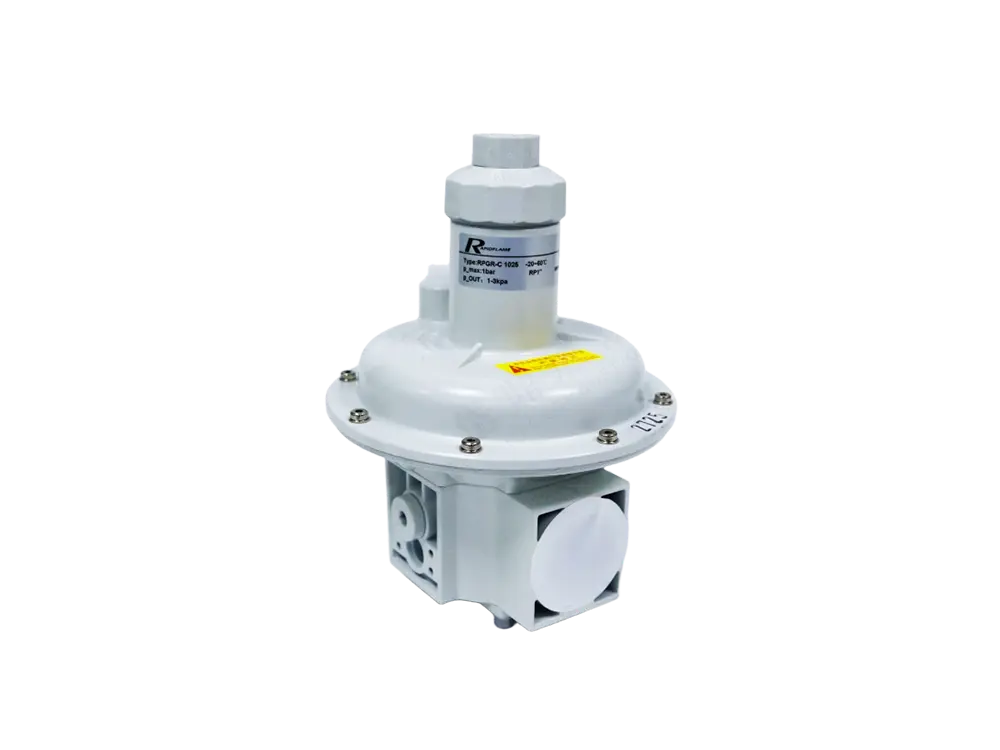
Pressure regulators – verifying outlet pressure stability under varying loads.
Sensors – calibrating O₂ analyzers, pressure transmitters, and temperature thermocouples.
Control actuators – verifying stroke, speed, and repeatability.
Regular maintenance helps prevent combustion drift and unexpected downtime. A well-structured preventive maintenance programme, combined with periodic combustion tuning, ensures that the burner continues to operate at peak efficiency and low emissions throughout its service life.
Engineers typically assess combustion quality using combustion analyzers. These portable or permanently installed instruments sample the flue gas and provide real-time data on key parameters.
Common measurements include:
Oxygen (O₂) – indicates excess air; target 2–4% for natural gas at high fire.
Carbon monoxide (CO) – direct indicator of incomplete combustion; should be below 50 ppm (at 3% O₂).
Carbon dioxide (CO₂) – a byproduct of complete combustion; higher values (10–12%) generally indicate better efficiency.
Flue gas temperature – measured at the stack; higher temperatures mean more sensible heat loss.
Excess air – calculated from O₂; typical range 5–15% for natural gas.
NOx emissions – monitored where environmental limits apply; often below 30 ppm for low-NOx burners.
Stable readings generally indicate well-optimized combustion. Operators and engineers use these data to tune the burner, verify control system performance, and identify early signs of degradation.
Operators should investigate combustion performance if they observe:
Increased gas consumption – fuel bills rise without a corresponding increase in production.
Unstable furnace temperature – the furnace struggles to maintain setpoint, with oscillations exceeding ±5°C.
Yellow or smoky flames – instead of a clean blue flame, the flame appears orange, yellow, or emits smoke.
High CO emissions – combustion analyzer shows CO above 50 ppm (at 3% O₂), indicating incomplete combustion.
Carbon deposits – soot or coke buildup on burner heads, heat exchangers, or furnace walls.
Frequent burner shutdowns – flame failure trips occur more often than expected.
Excessive NOx – flue gas analysis shows NOx levels above permit limits.
Uneven product heating – parts near the burner are overheated while others are underheated.
Increased maintenance frequency – more frequent cleaning, igniter replacement, or valve repairs.
Early detection helps avoid larger operational problems. Regular flue gas analysis and system checks can catch these symptoms before they escalate into production losses or equipment failures.
Industrial facilities can improve combustion quality by:
Optimizing the air-to-fuel ratio – tune the burner at multiple firing points to achieve low CO and moderate O₂.
Minimizing unnecessary excess air – set excess air as low as possible while maintaining flame stability and low CO.
Regularly tuning burners – perform combustion tuning at least annually or after any fuel or equipment change.
Maintaining stable fuel pressure – install high-quality regulators and monitor supply pressure.
Cleaning burner components – remove carbon deposits, dust, and debris from burner heads and flame ports.
Monitoring combustion with flue gas analyzers – use portable or continuous analyzers to track O₂, CO, and efficiency.
Installing oxygen trim systems – closed-loop O₂ control automatically compensates for external changes.
Using electronic combustion controls – upgrade from mechanical linkage systems for better accuracy and repeatability.
Performing scheduled preventive maintenance – follow manufacturer recommendations for inspection and replacement intervals.
Continuous monitoring and proper maintenance are essential for long-term combustion performance. A proactive approach to combustion quality management typically yields fuel savings of 3–8% and significantly reduces unplanned downtime.
The air-to-fuel ratio is generally considered the most critical factor because it directly determines combustion completeness, flame stability, efficiency, and emissions. Even small deviations from the optimum can cause CO formation or excessive heat loss. However, it must be considered together with other factors like burner design and fuel quality.
Yes. Efficient combustion converts more of the fuel's chemical energy into useful heat while minimizing losses due to incomplete combustion and excessive exhaust heat. A 2–3% improvement in combustion efficiency can reduce fuel consumption by the same percentage, which for large industrial furnaces translates to substantial annual savings.
Absolutely. Incomplete combustion increases carbon monoxide, soot, and unburned hydrocarbons, while poor combustion control may also contribute to higher NOx emissions. For example, a burner that is running too rich can produce CO levels over 1,000 ppm, which is both a safety hazard and a regulatory violation. Optimising combustion quality is essential for meeting environmental permits.
Combustion performance should be verified during commissioning, scheduled maintenance (typically annual or bi-annual), after fuel changes, following equipment modifications, or whenever abnormal operating conditions are observed. For critical processes with continuous operation, installing permanent flue gas analyzers with remote monitoring is recommended to detect drift in real time.
Yes. Routine cleaning, inspection, calibration, and component replacement help maintain stable combustion and consistent burner performance throughout the equipment's service life. A burner that is not maintained will gradually lose efficiency, with O₂ and CO drifting from their set points, leading to higher fuel consumption and emissions. Regular maintenance is a low-cost, high-return investment.
Combustion quality is the foundation of efficient industrial heating. It depends on the combined performance of the burner, fuel supply, combustion air system, furnace, and control technology.
Maintaining high combustion quality provides numerous benefits, including:
Lower fuel consumption – reducing operating costs and carbon footprint.
Higher combustion efficiency – maximizing heat output from each unit of fuel.
Stable flame performance – ensuring reliable operation and process consistency.
Consistent furnace temperature – improving product quality and reducing rejects.
Reduced emissions – meeting environmental regulations and protecting worker health.
Improved product quality – uniform heating leads to consistent material properties.
Longer equipment life – less thermal stress and carbon damage extend refractory and component life.
Lower maintenance costs – fewer breakdowns and longer intervals between overhauls.
Modern industrial combustion systems integrate advanced burner design, intelligent air-fuel ratio control, oxygen monitoring, and automated burner management to optimize combustion under changing operating conditions. By understanding and controlling the factors that influence combustion quality, industrial users can achieve safer, cleaner, and more economical thermal processes.
DYDTEC Combustion is a professional manufacturer of industrial combustion systems and high-performance burner solutions. The company specializes in low-NOx gas burners, intelligent combustion control systems, burner management solutions, and customized heating technologies for industrial furnaces, aluminum melting, heat treatment, drying equipment, RTO systems, and other thermal processing applications. By combining advanced burner engineering, precise combustion control, and application-specific system integration, DYDTEC helps furnace manufacturers and industrial users improve combustion quality, reduce fuel consumption, lower emissions, and achieve reliable, energy-efficient industrial heating.