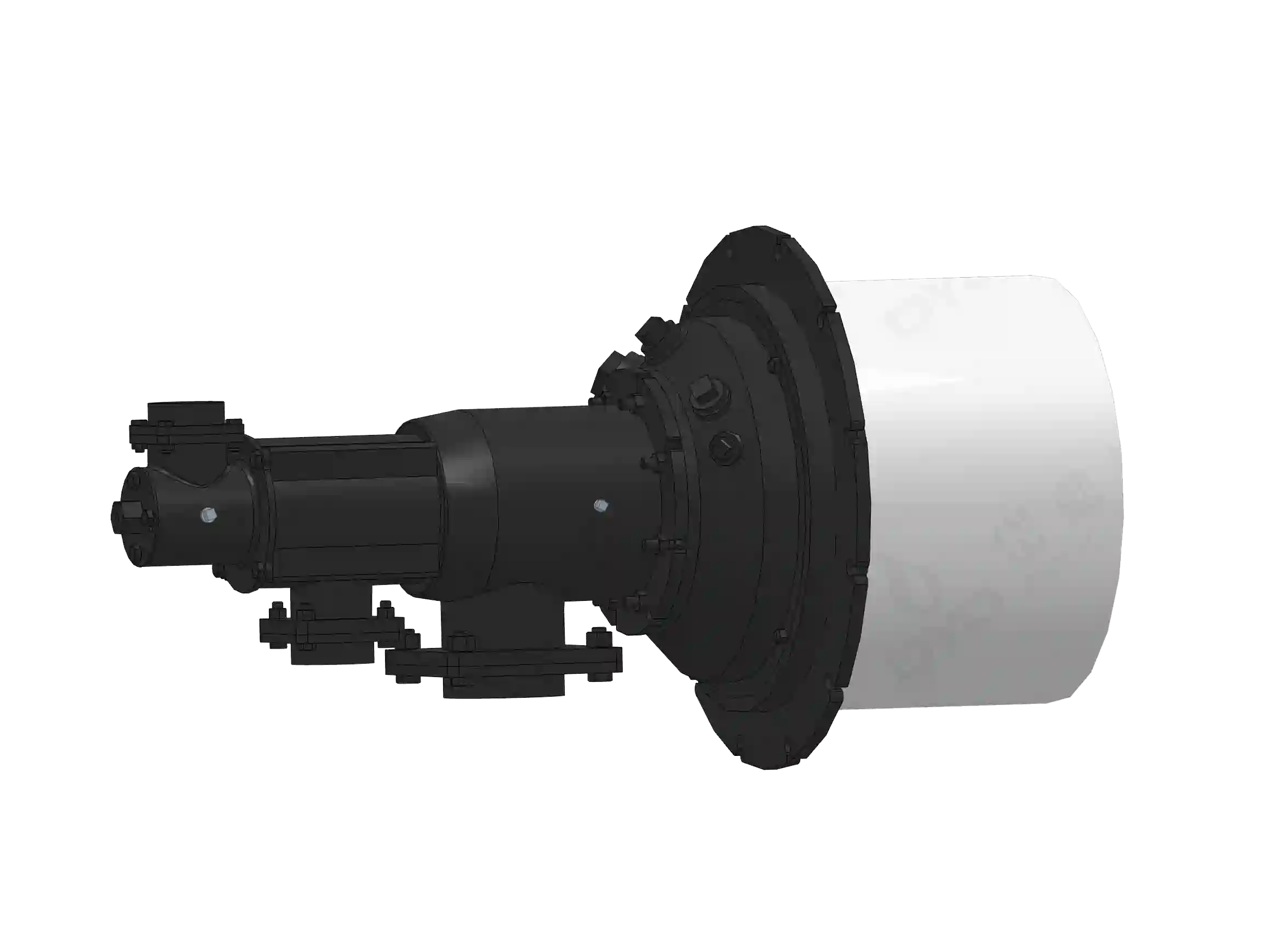
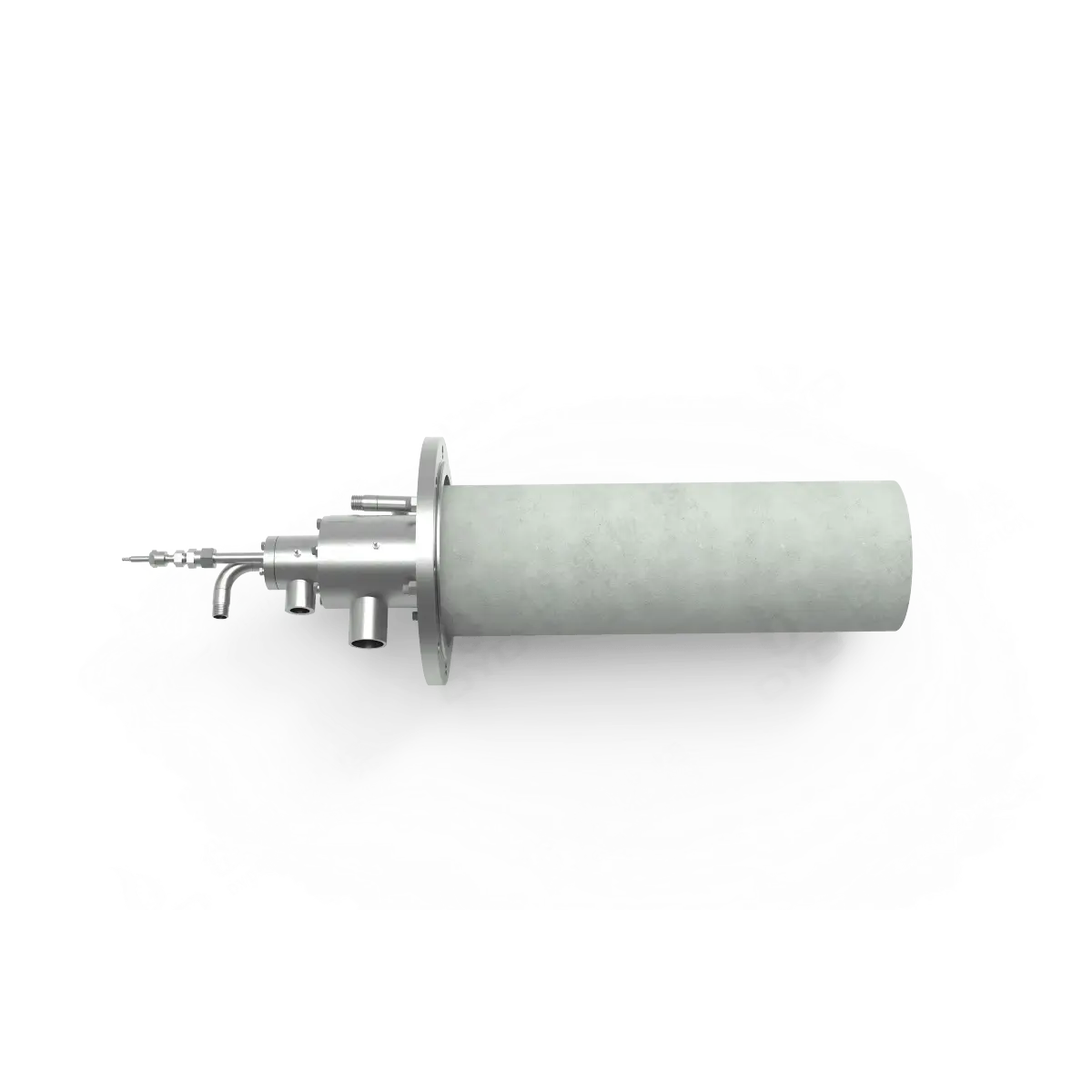
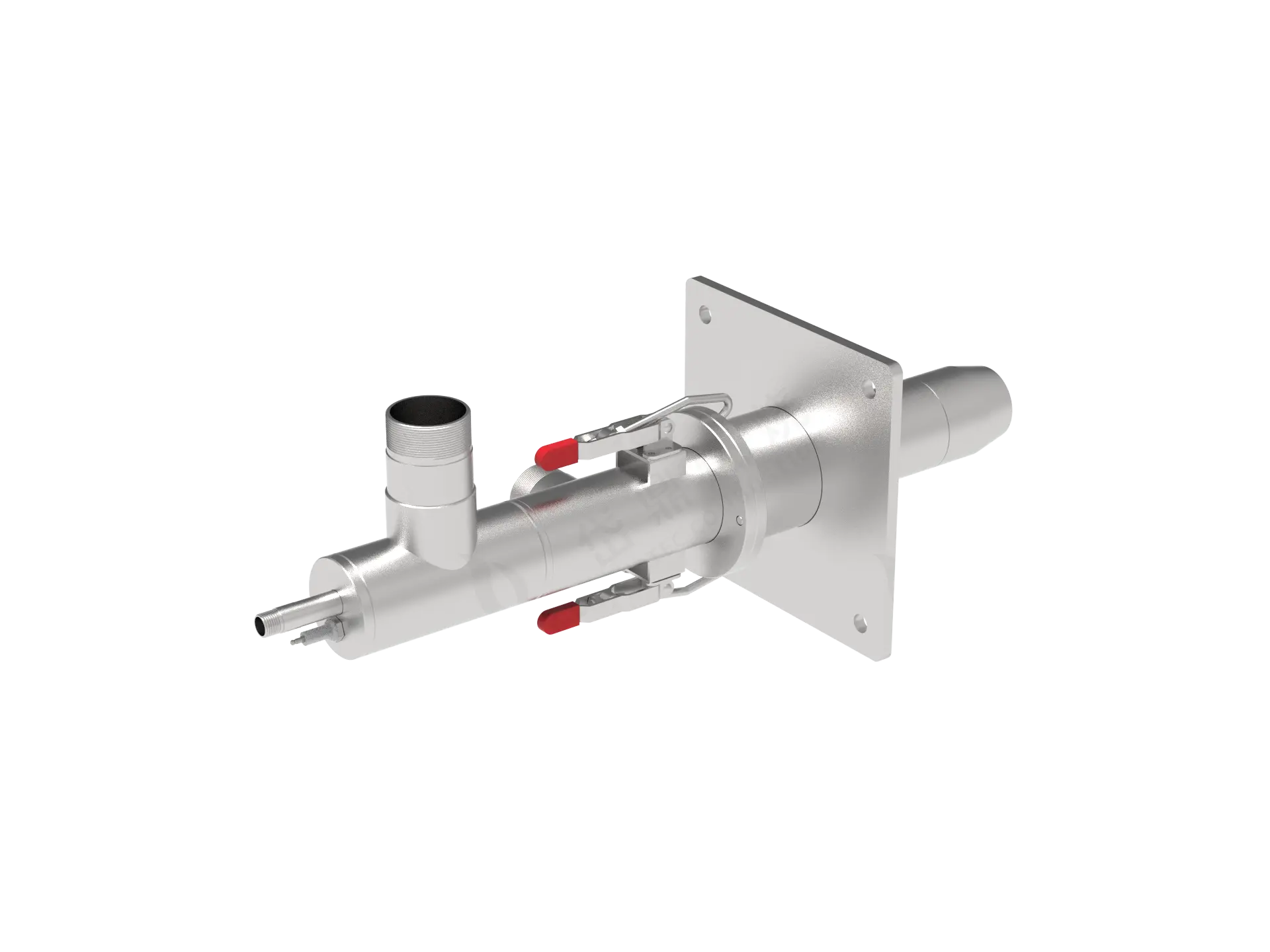
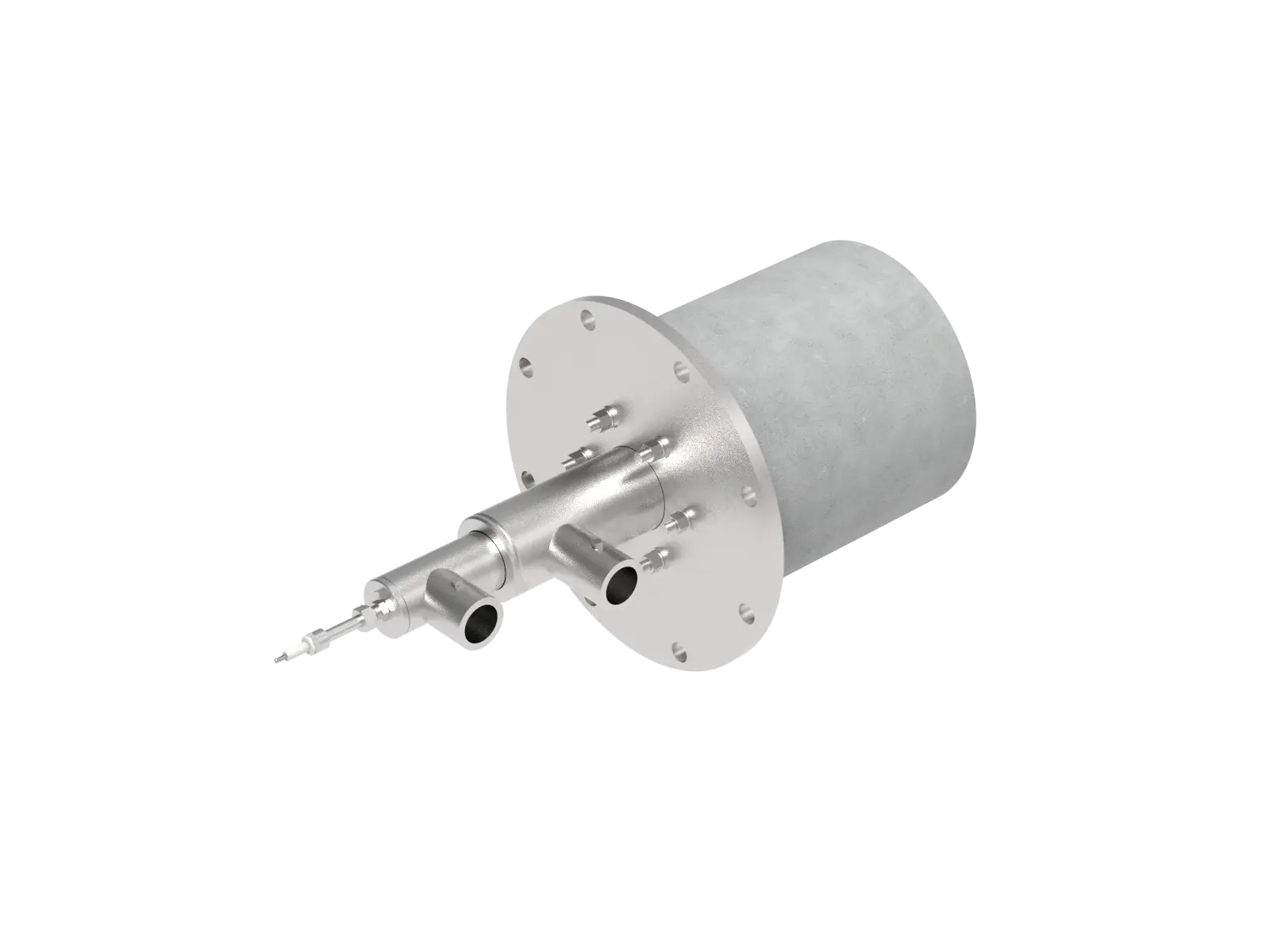
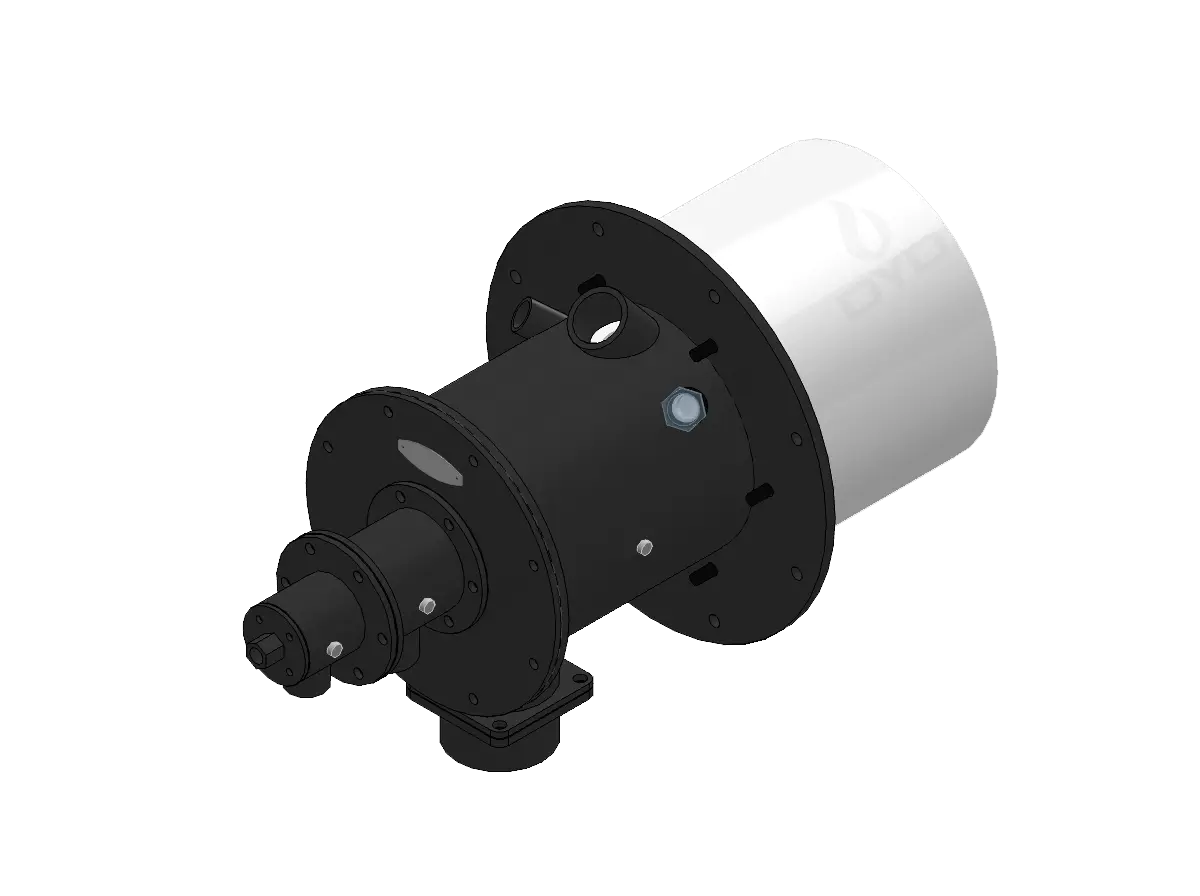
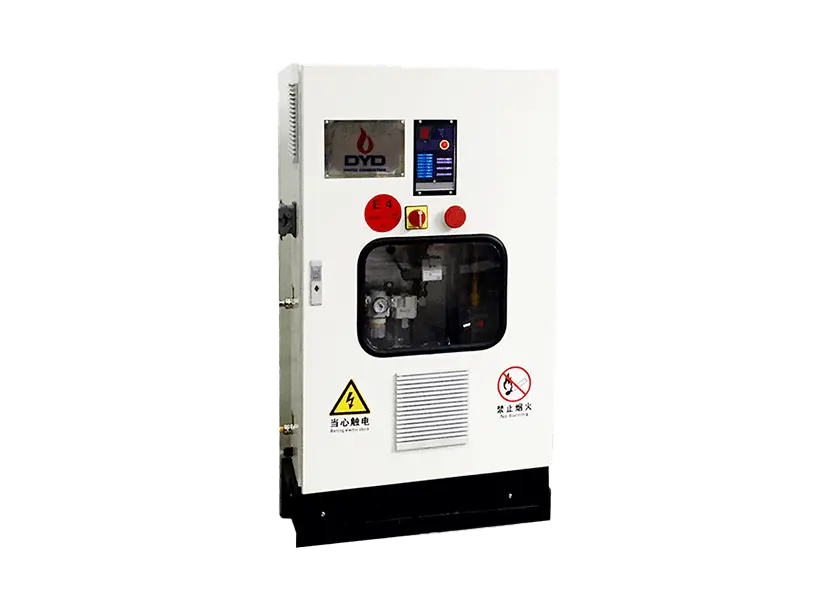
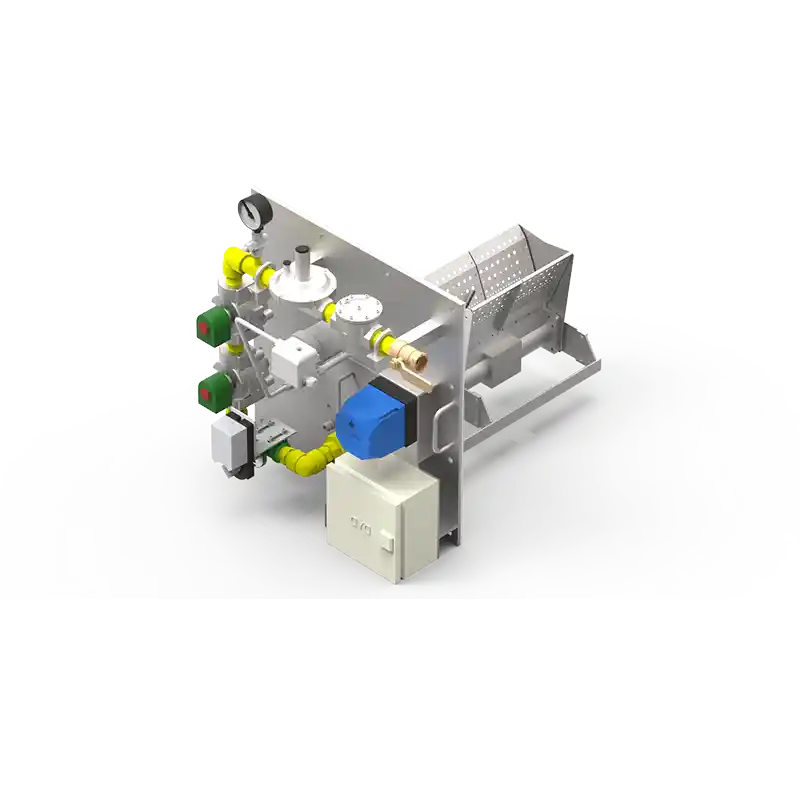
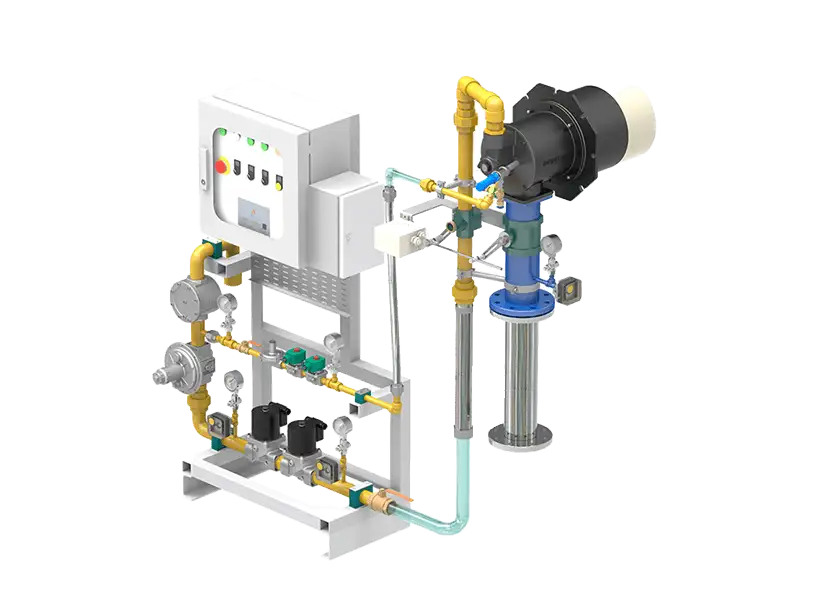
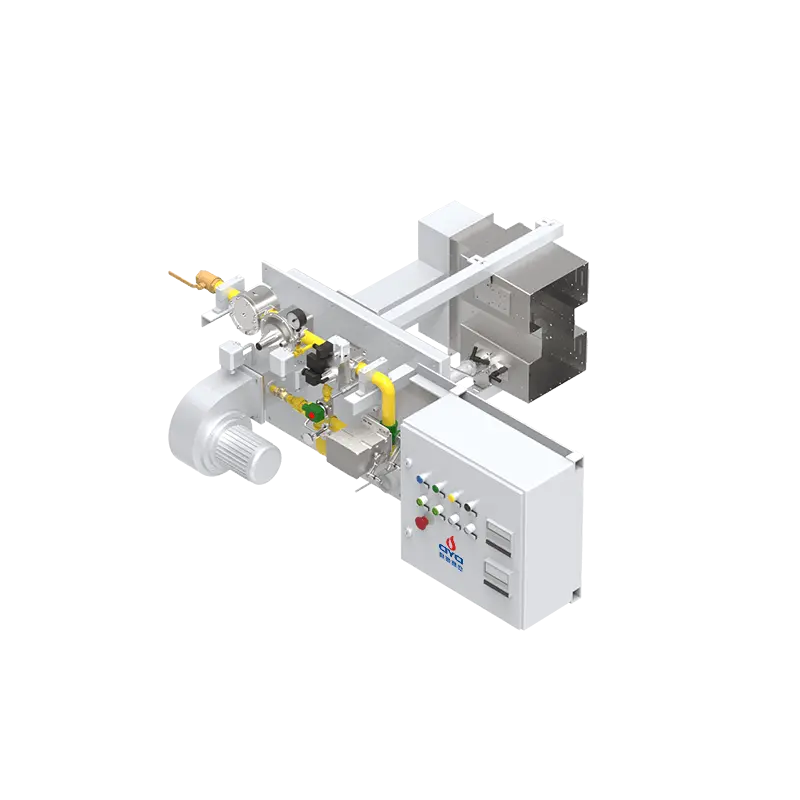
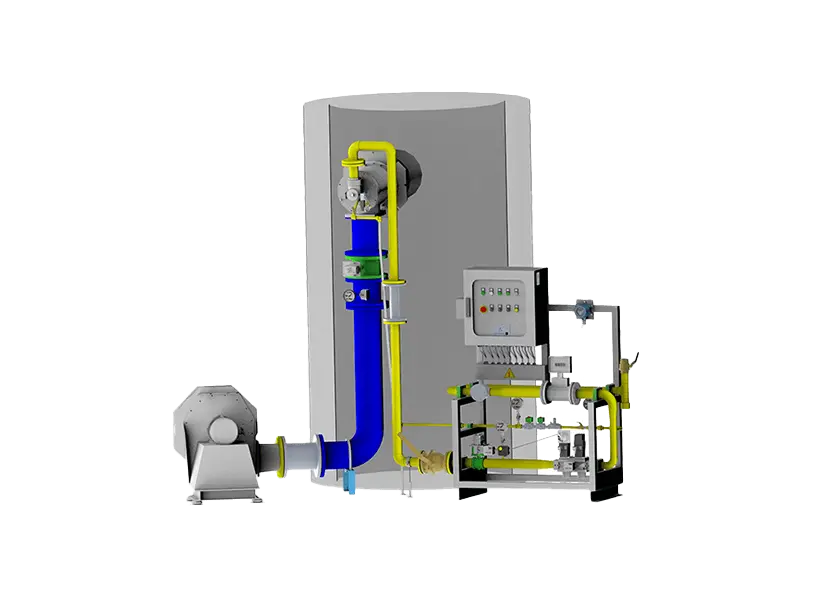
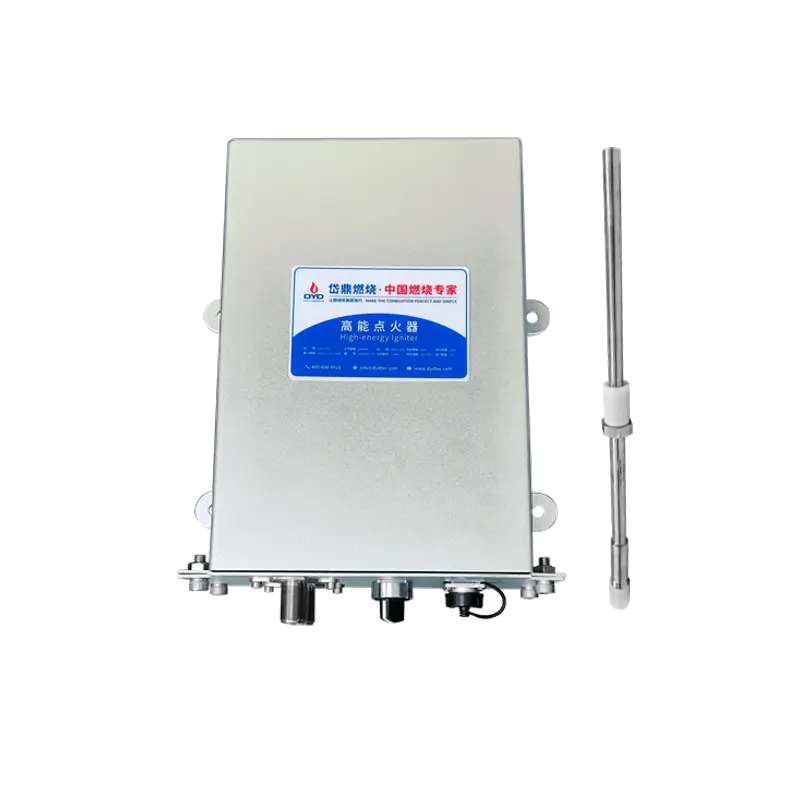
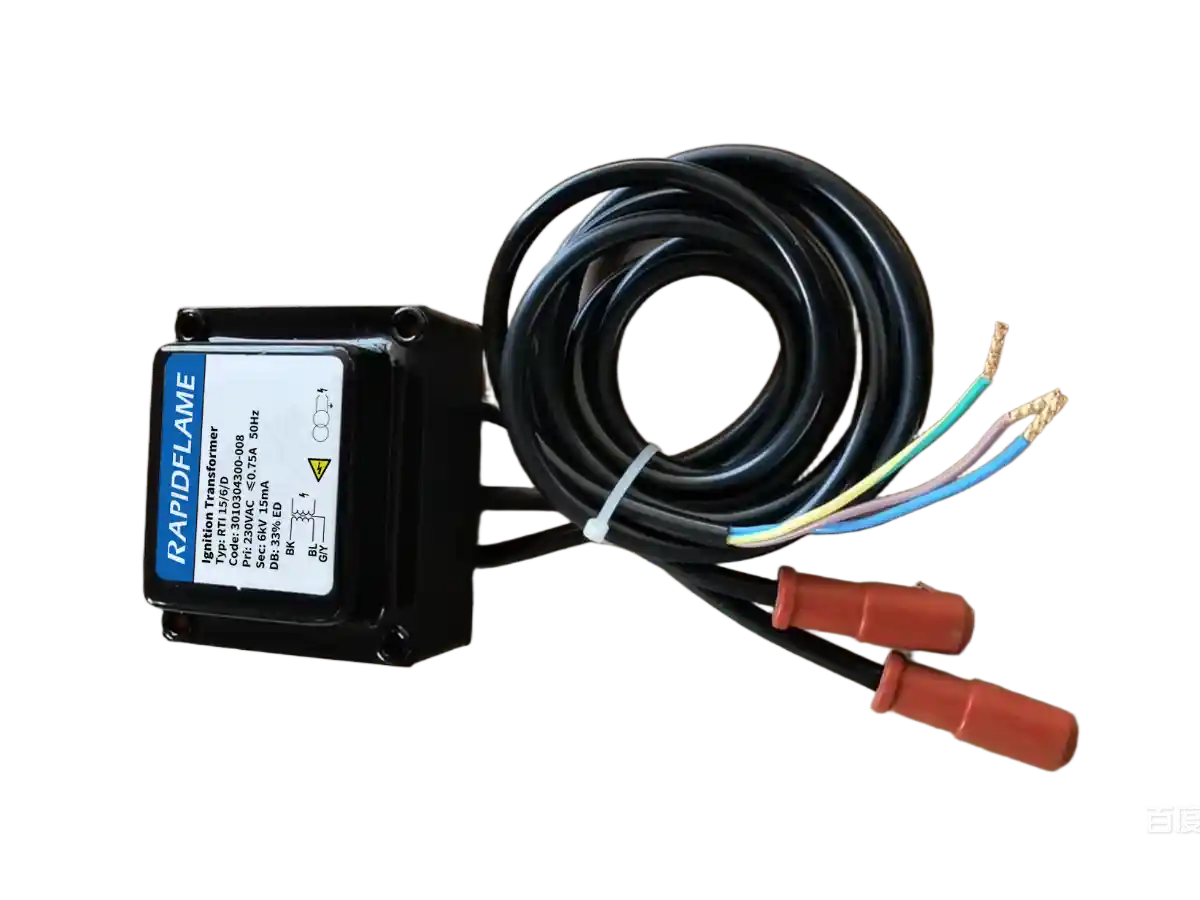
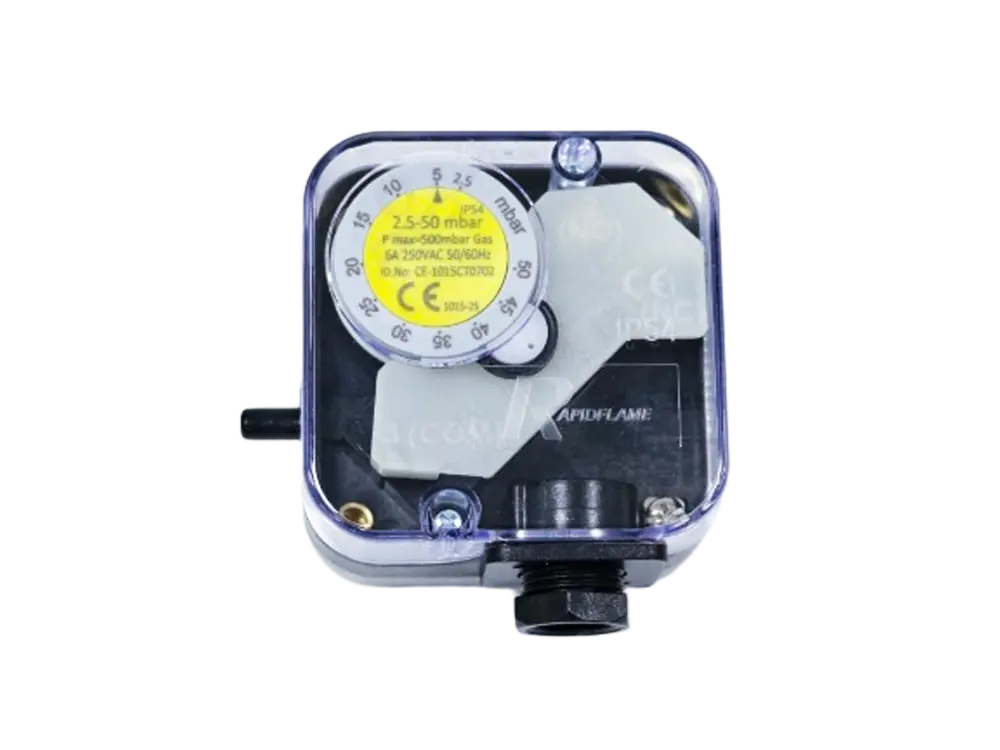
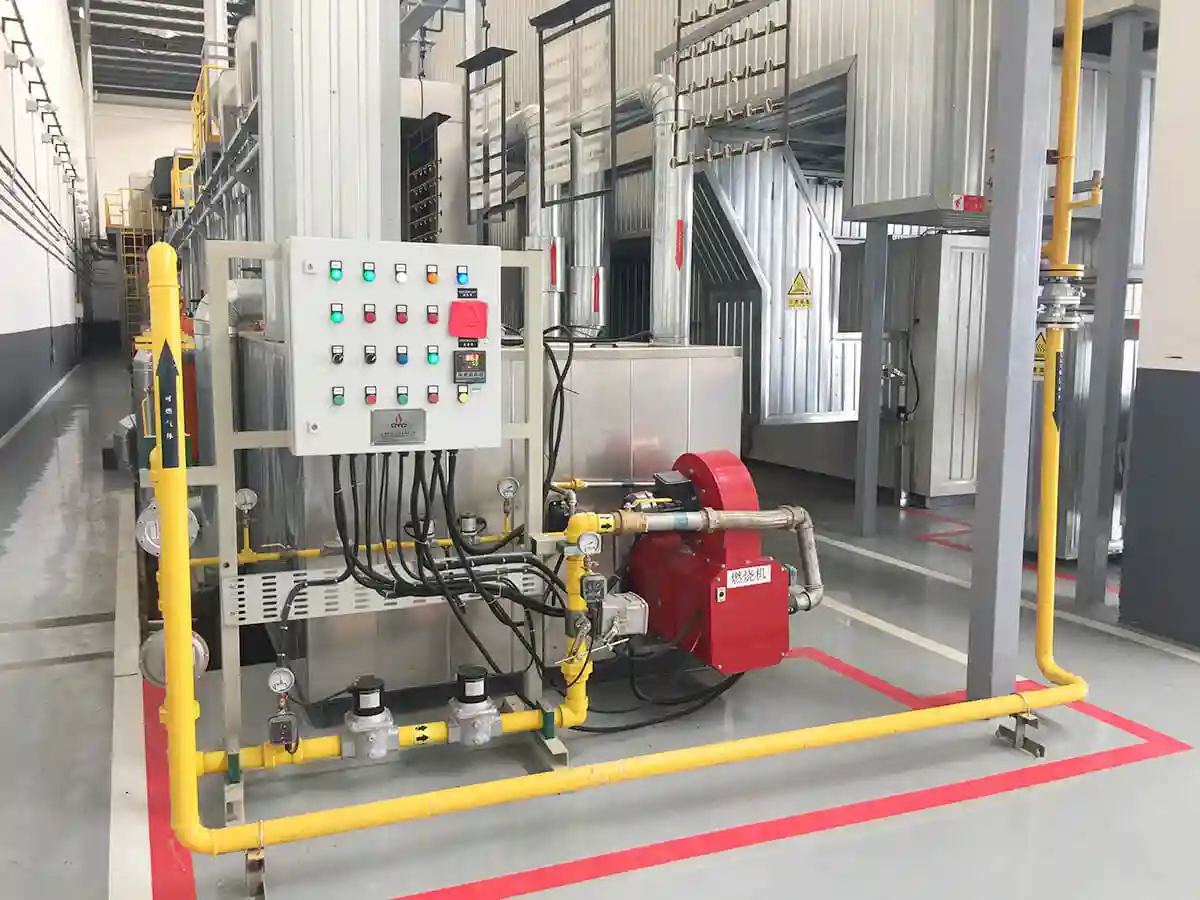
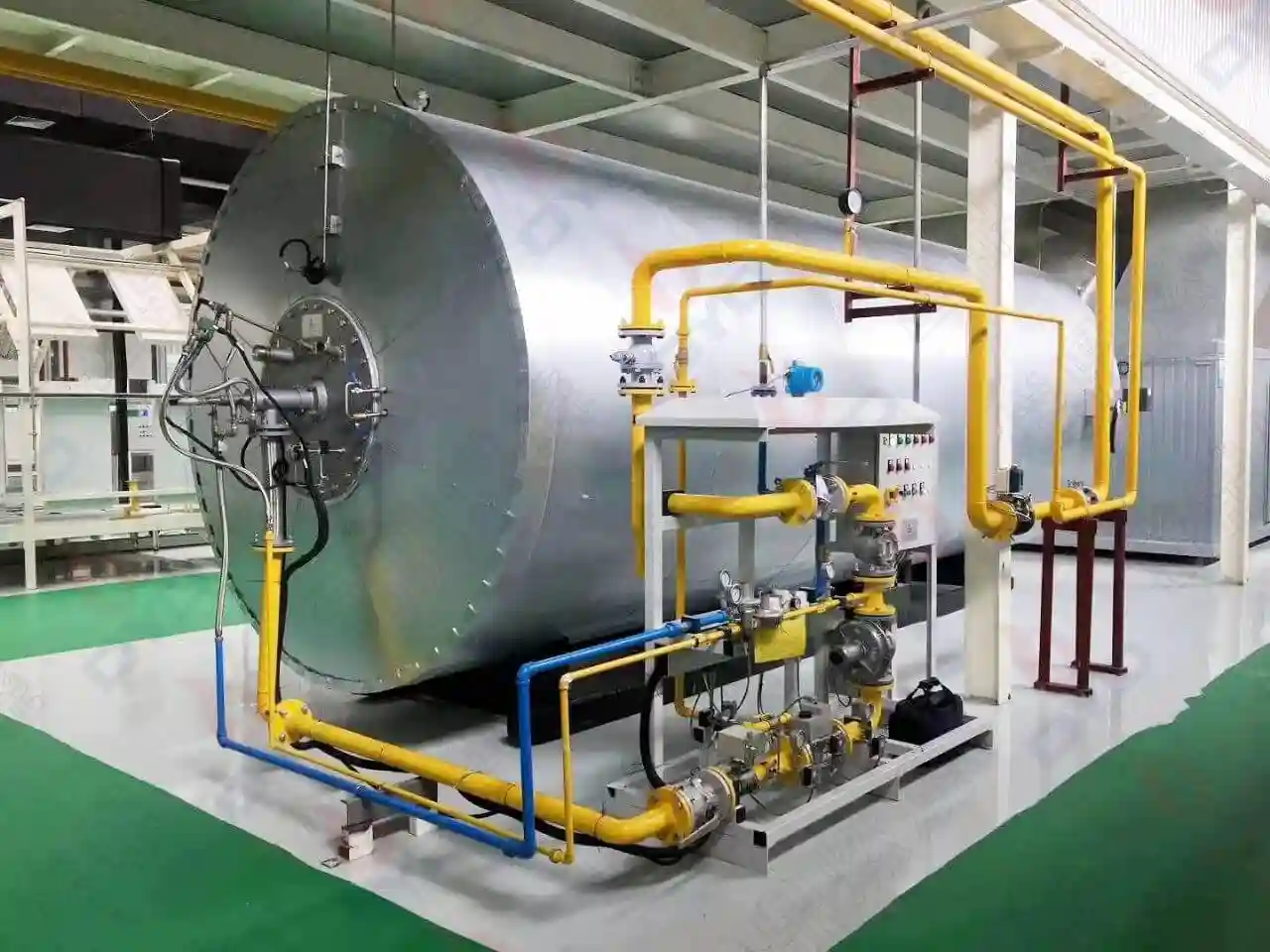
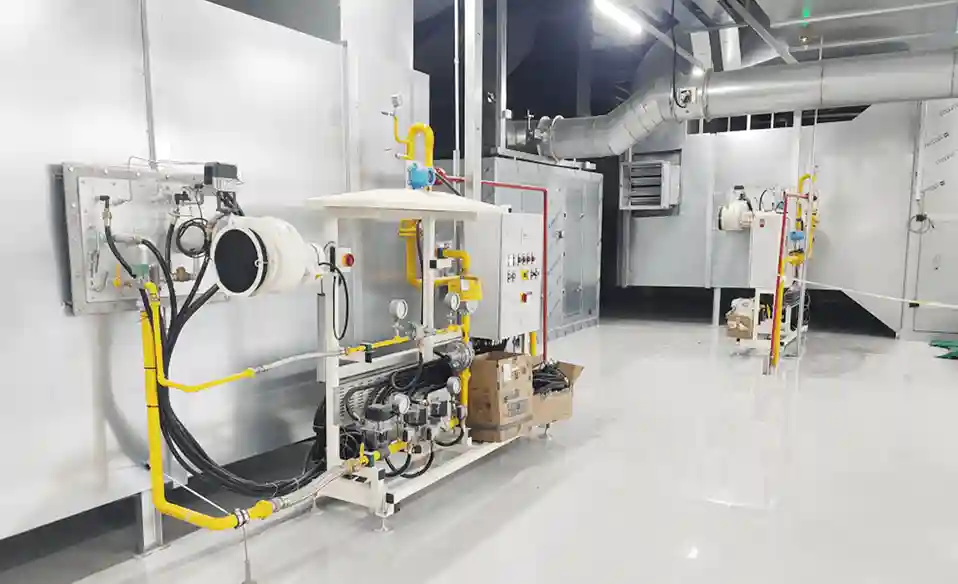
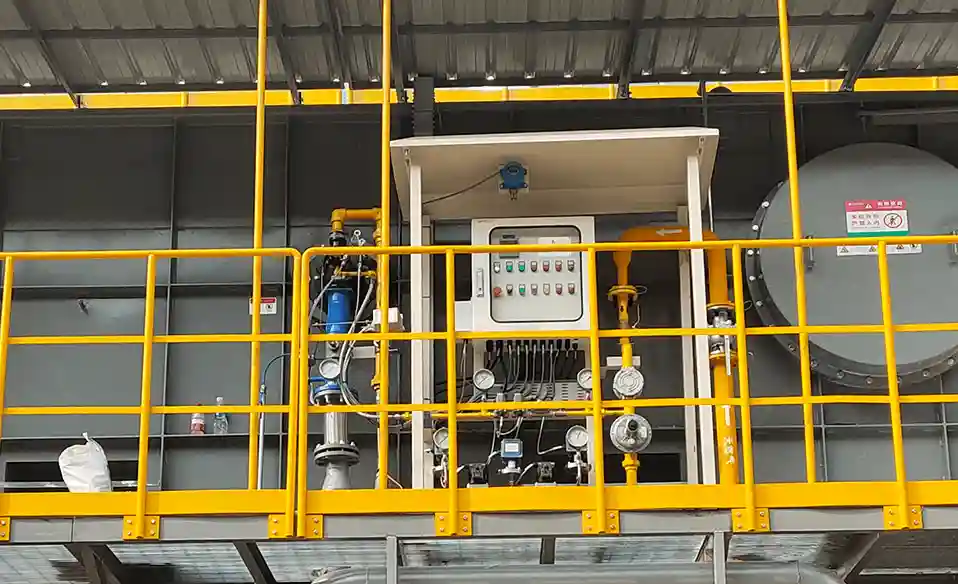
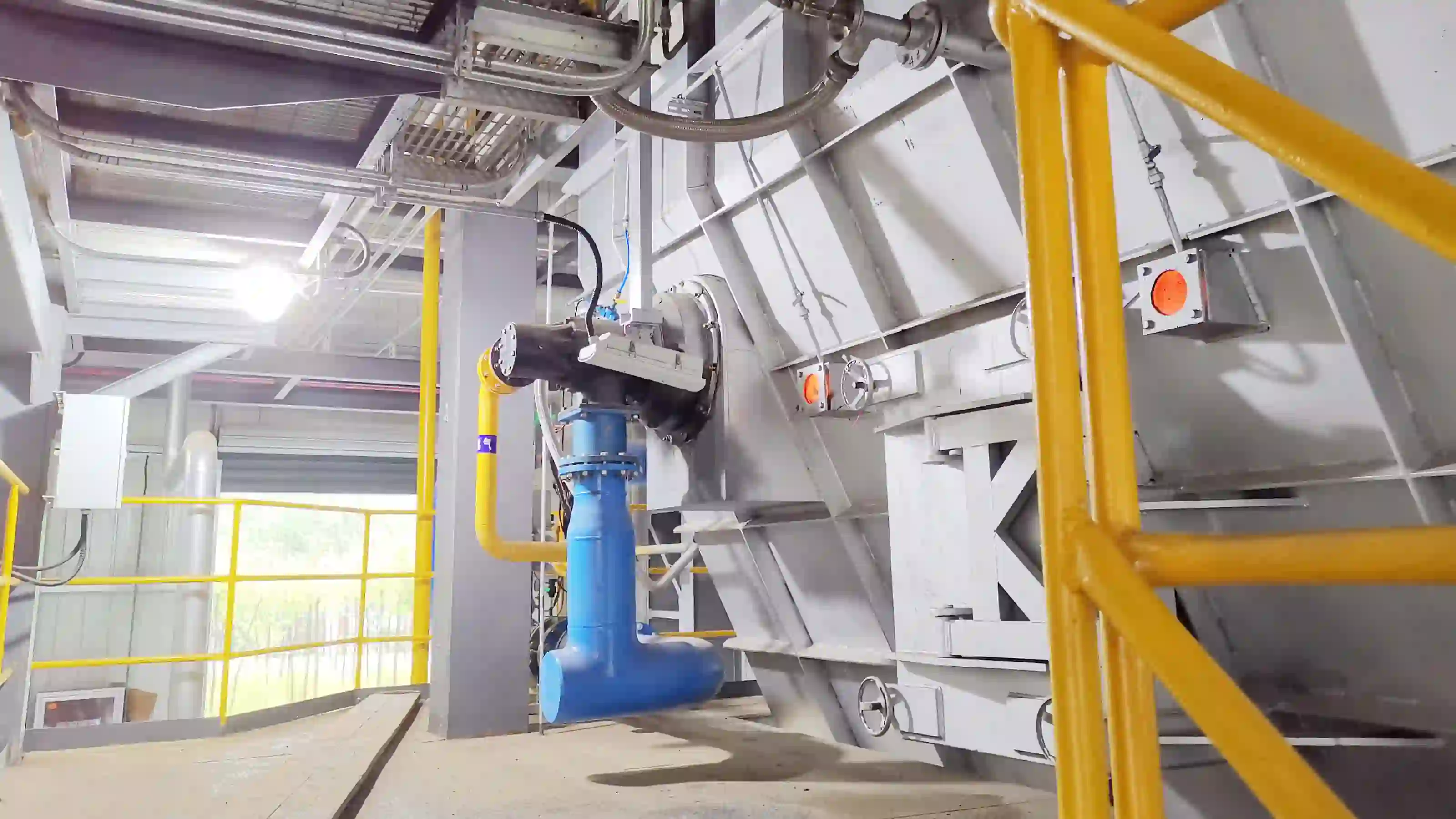
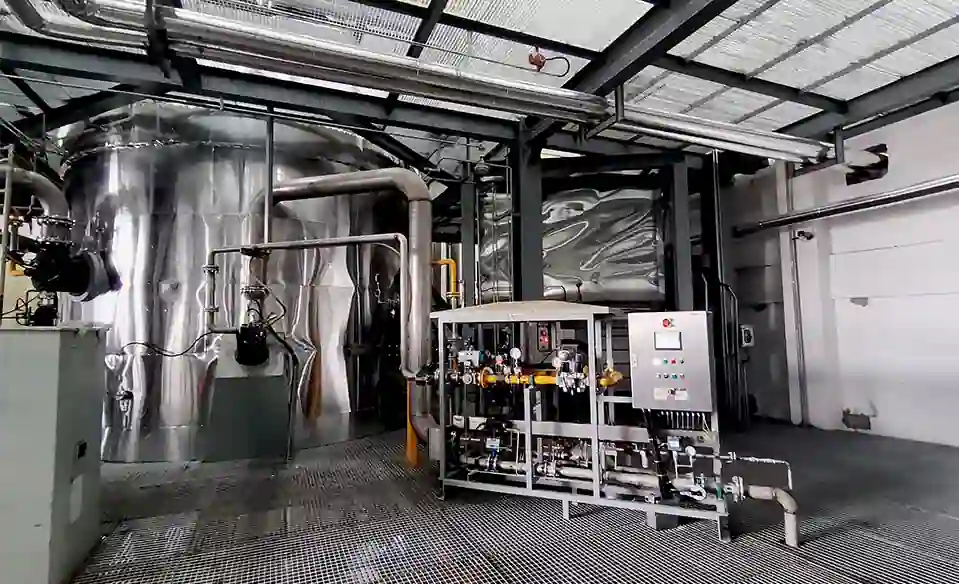
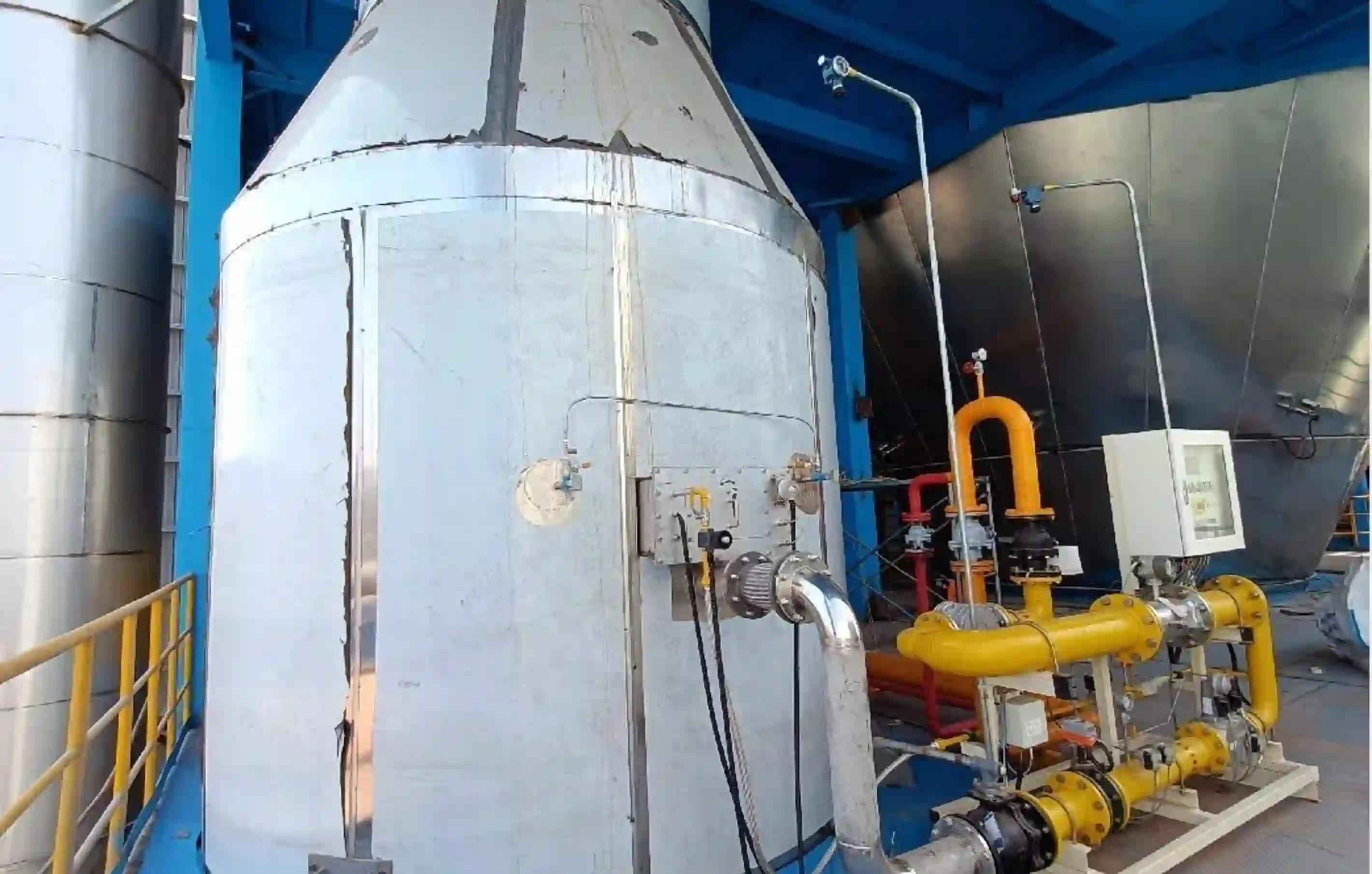
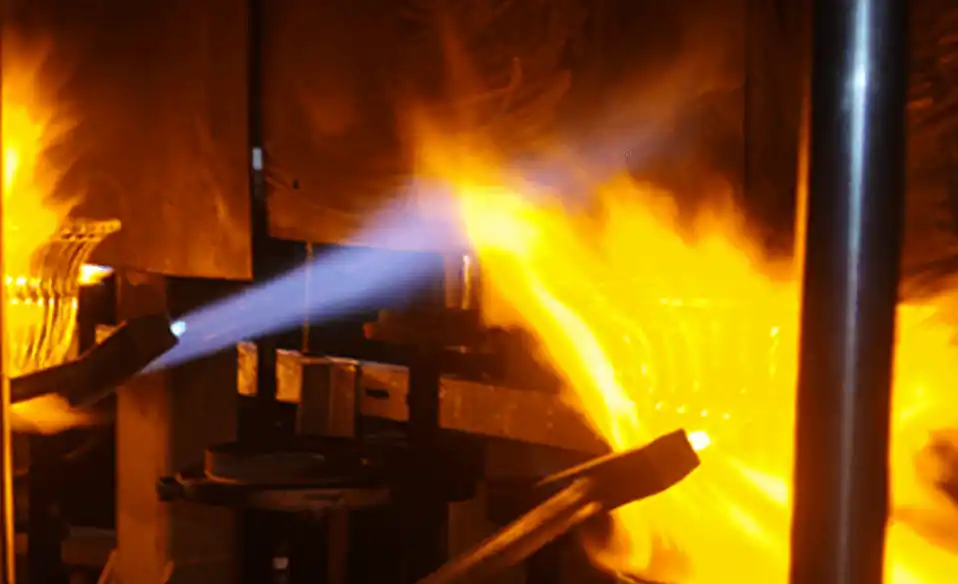
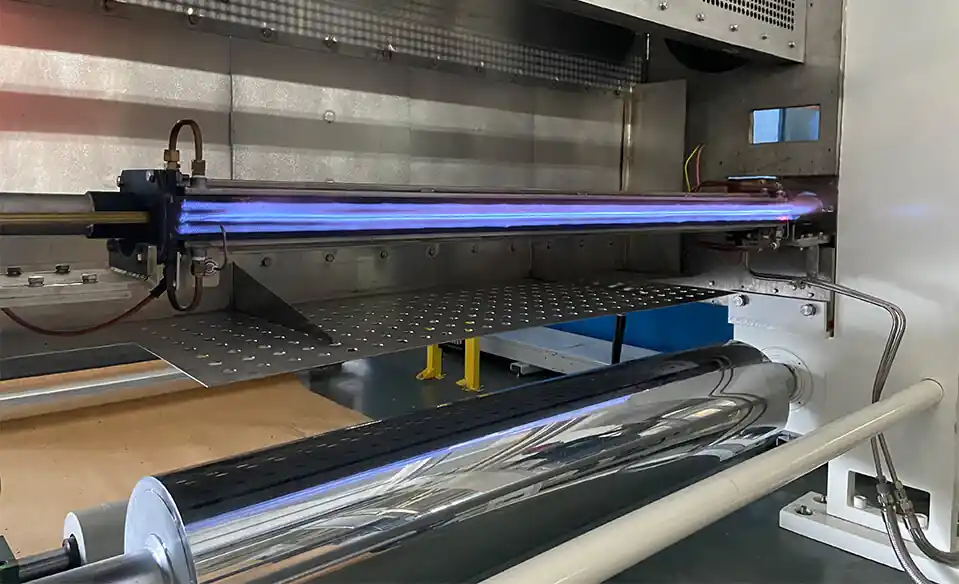
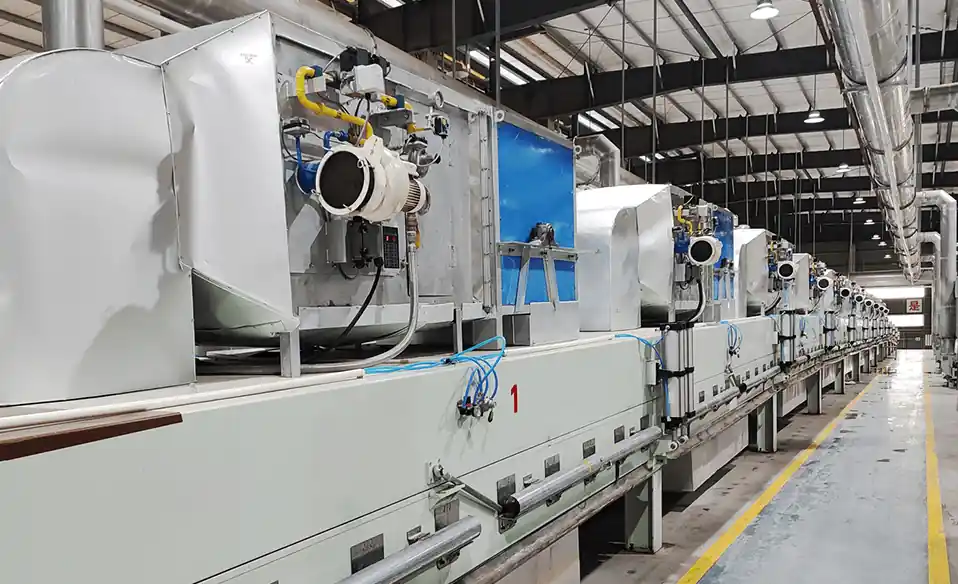
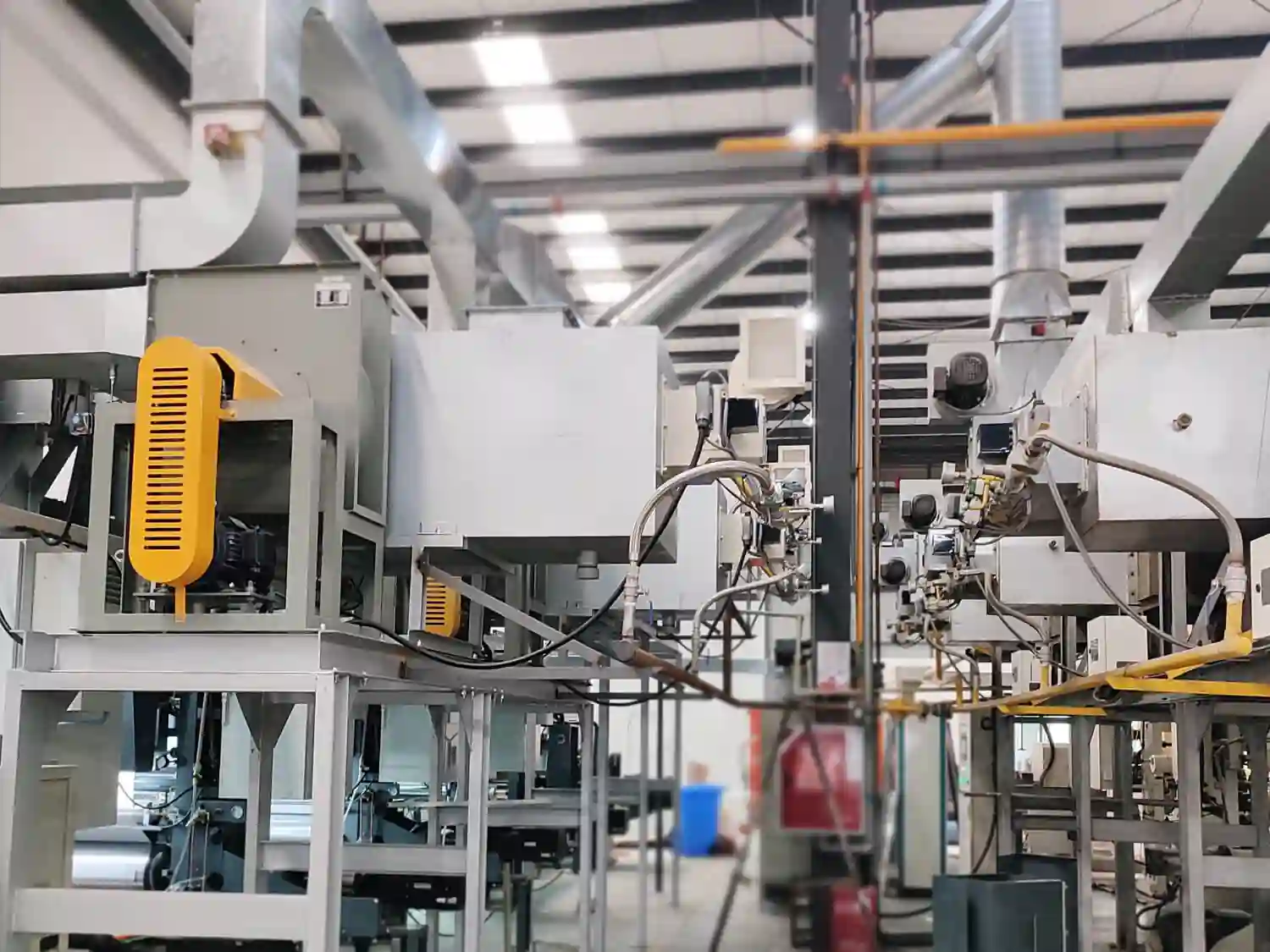
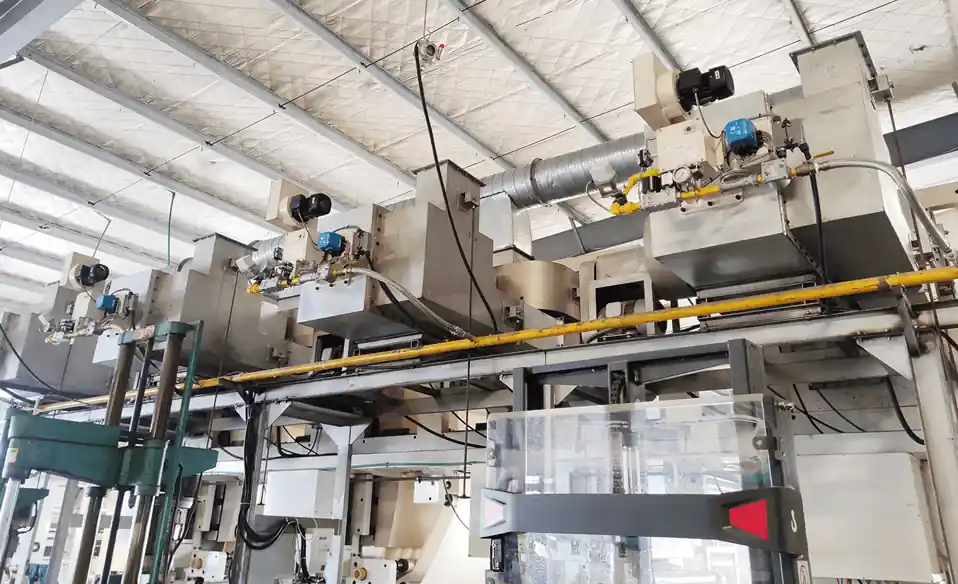
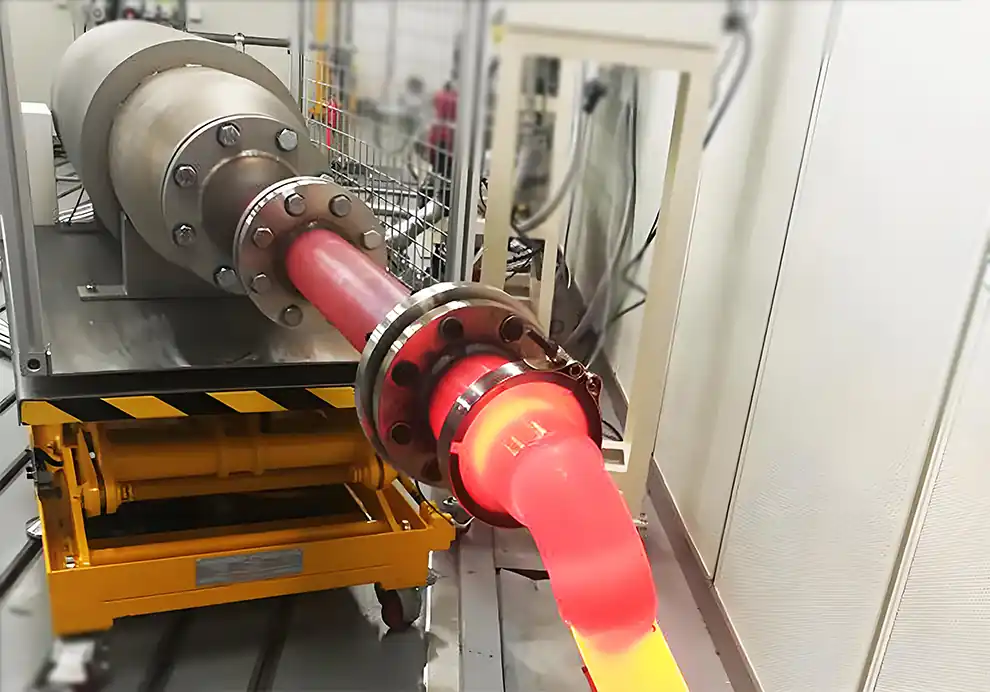
A reliable industrial burner is one that consistently delivers safe ignition, stable combustion, efficient heat output, and long service life under varying operating conditions. Reliability is not a single attribute but a composite of many factors: the burner must start on every demand (typically >99.9% success rate), maintain stable flame without nuisance trips (less than 1 shutdown per 1,000 operating hours), sustain combustion efficiency within 1–2% of its tuned value over months of operation, and require only scheduled maintenance with minimal unscheduled repairs.
Reliability is determined by far more than burner brand or price. It depends on the quality of the burner design, combustion control system, component selection, installation, maintenance, and operating environment. A burner with excellent specifications on paper can still perform unreliably if installed incorrectly, tuned poorly, or operated with unstable fuel supply or dirty air.
The most reliable industrial burners minimize unplanned downtime while maximizing combustion efficiency, process stability, and equipment lifespan. For a 24/7 operation, a 1% improvement in burner availability can translate to hundreds of additional production hours per year, directly impacting throughput and profitability.
For many industrial facilities, the burner is the heart of the heating system. It provides the thermal energy that drives production, whether for melting, heat treatment, drying, or other processes. If the burner fails, production may stop completely, and the financial impact is immediate.
An unreliable burner can lead to:
Production interruptions – unplanned shutdowns disrupt schedules, cause delivery delays, and reduce overall equipment effectiveness (OEE).
Increased fuel consumption – a burner that is not running optimally, with drift in air-fuel ratio or unstable flame, wastes fuel continuously.
Temperature instability – fluctuating heat output affects product quality and can lead to rejects, rework, or scrap.
Product quality problems – inconsistent thermal processing results in dimensional errors, metallurgical defects, or surface imperfections.
Higher maintenance costs – frequent repairs, emergency call-outs, and replacement of worn components increase operating expenses.
Safety risks – unreliable ignition or flame supervision can create explosion hazards or CO exposure.
Unexpected equipment failures – when components fail without warning, lead times for replacement parts can extend downtime significantly.
In industries operating 24/7—such as glass manufacturing, steel reheating, or ceramic production—even a short burner shutdown can result in significant financial losses. A single day of lost production in a large continuous furnace can exceed hundreds of thousands of dollars in lost output and restart costs.
A reliable burner should consistently provide:
Safe and dependable ignition – successful start on every demand, with no delayed ignition or puffback.
Stable combustion across the operating range – flame remains anchored and smooth from low fire to high fire, even during load changes.
Accurate temperature control – maintains setpoint within ±2–3°C, minimizing cycling and overshoot.
Low emissions – CO below 50 ppm and NOx within permit limits under all normal operating conditions.
High combustion efficiency – typically above 95% for natural gas, with minimal drift over time.
Minimal maintenance – scheduled tasks are predictable, and unscheduled repairs are rare.
Long component life – critical parts such as igniters, valves, and flame detectors reach or exceed their expected service life.
Reliable automatic operation – the burner management system handles start, run, and shutdown sequences without operator intervention.
Reliability is measured not only by how well the burner performs when new, but also by how consistently it operates after years of continuous service. A truly reliable burner maintains its performance with minimal performance degradation over time.
Reliability begins with engineering. The burner design must account for the thermal, mechanical, and chemical stresses of industrial combustion, including high temperatures, thermal cycling, and corrosive or dusty environments.
A well-designed burner provides:
Stable flame anchoring – the flame retention ring and swirl geometry ensure the flame stays attached across the entire turndown range, preventing lift-off and flashback.
Efficient fuel-air mixing – good mixing reduces the need for high excess air and minimises CO formation, even at low fire.
Uniform flame distribution – consistent heat release pattern avoids hot spots and cold zones in the furnace.
Proper heat release – the burner is sized and configured to match the furnace heat transfer requirements, whether radiative or convective.
Resistance to thermal stress – materials such as stainless steel, Inconel, or silicon carbide are selected for high-temperature oxidation resistance and creep strength.
Important design features include:
Burner head geometry – determines the flame shape and stability margin; a well-designed head provides a wide stable range.
Fuel nozzle configuration – multiple jets or staged injection improve mixing and reduce NOx.
Swirl generation – swirling the combustion air creates a recirculation zone that stabilises the flame and improves mixing.
Flame stabilization devices – bluff bodies, flame retention rings, or pilot burners anchor the flame at low firing rates.
Durable combustion chamber materials – refractory or metallic liners that withstand thermal shock and oxidation.
Good burner design reduces the likelihood of flame instability and premature component wear. For example, a burner with a robust retention ring can maintain stable combustion even with slight fuel pressure variations, while a poorly designed head may cause flame lift-off at the slightest disturbance.
A burner is only as reliable as its individual components. Each part must be selected for its ability to perform under the specific conditions of the application—temperature, pressure, duty cycle, and environmental factors.
Critical components include:
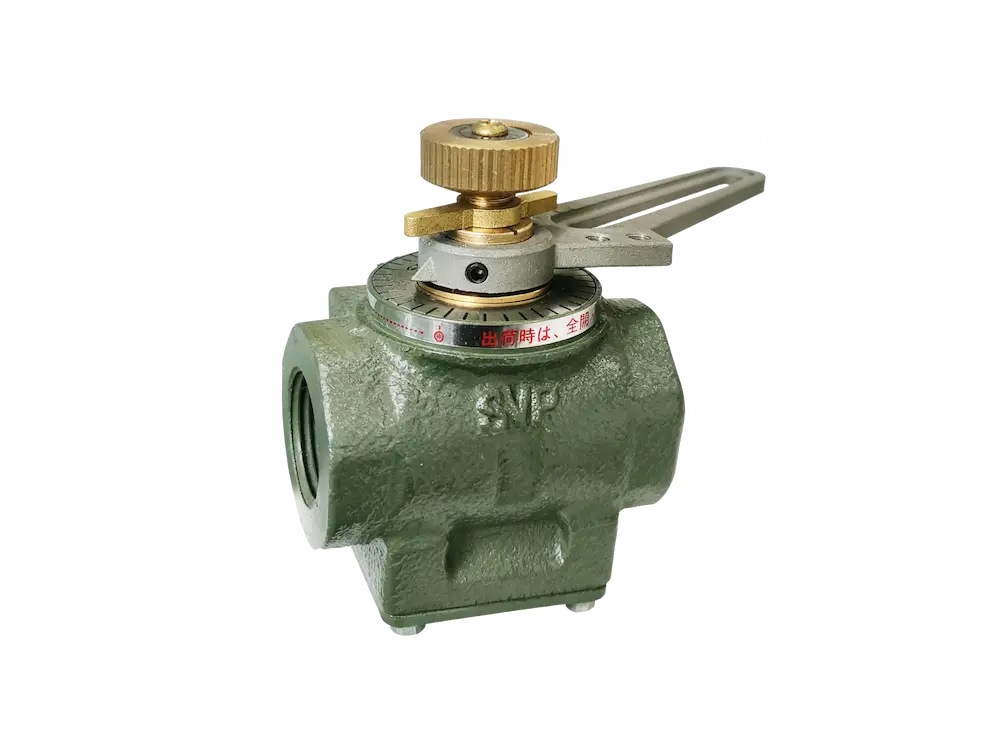
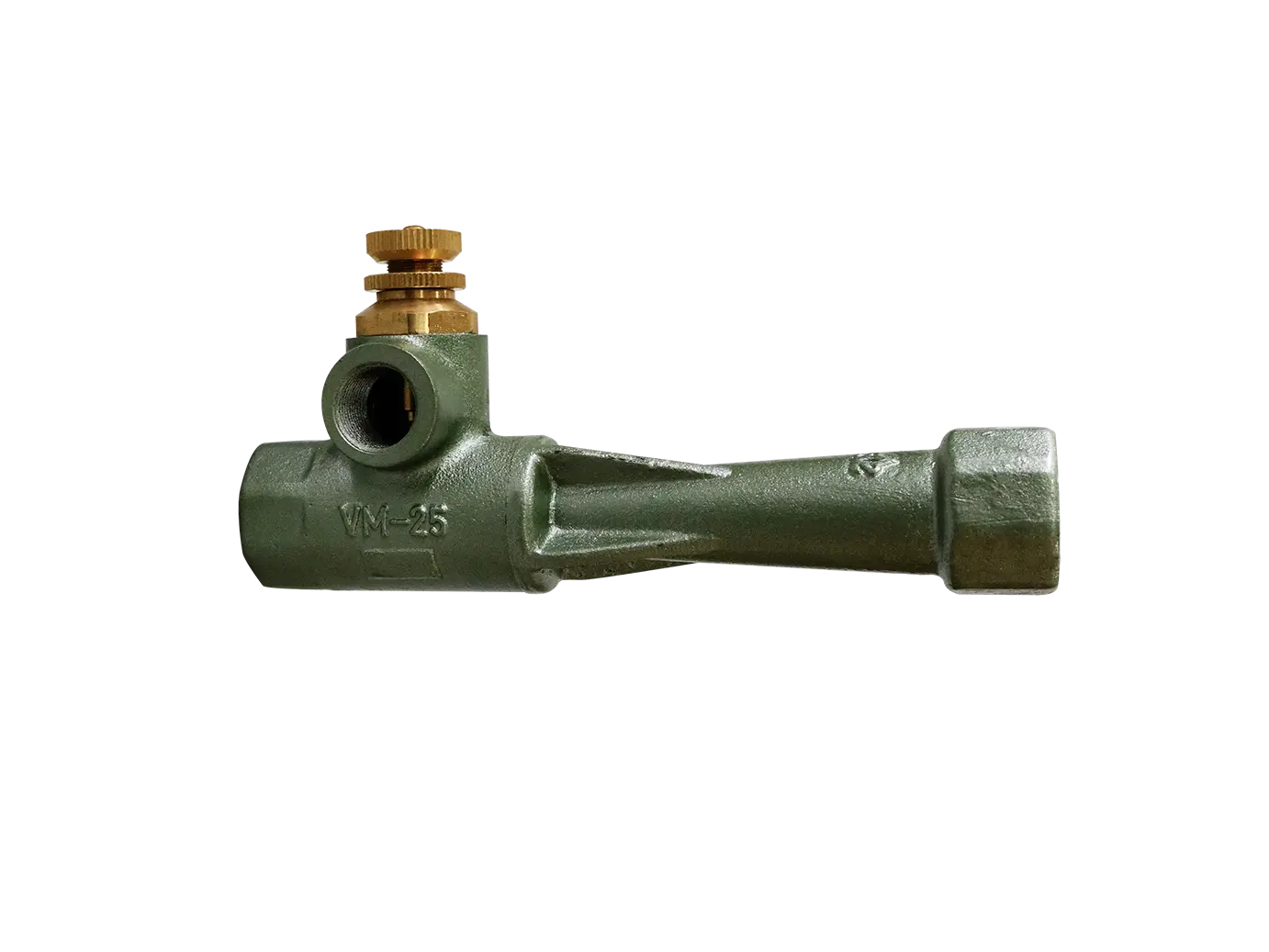
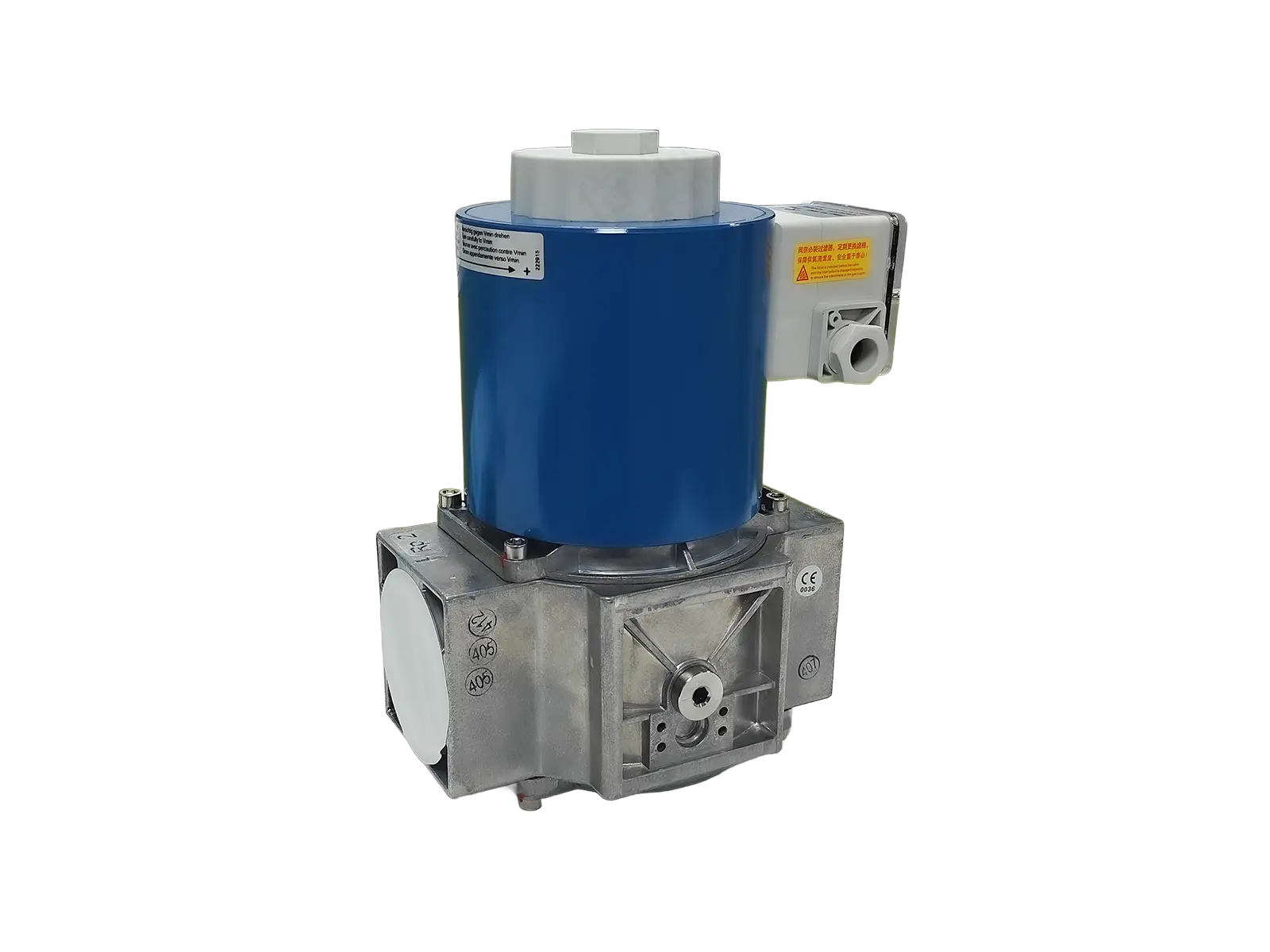
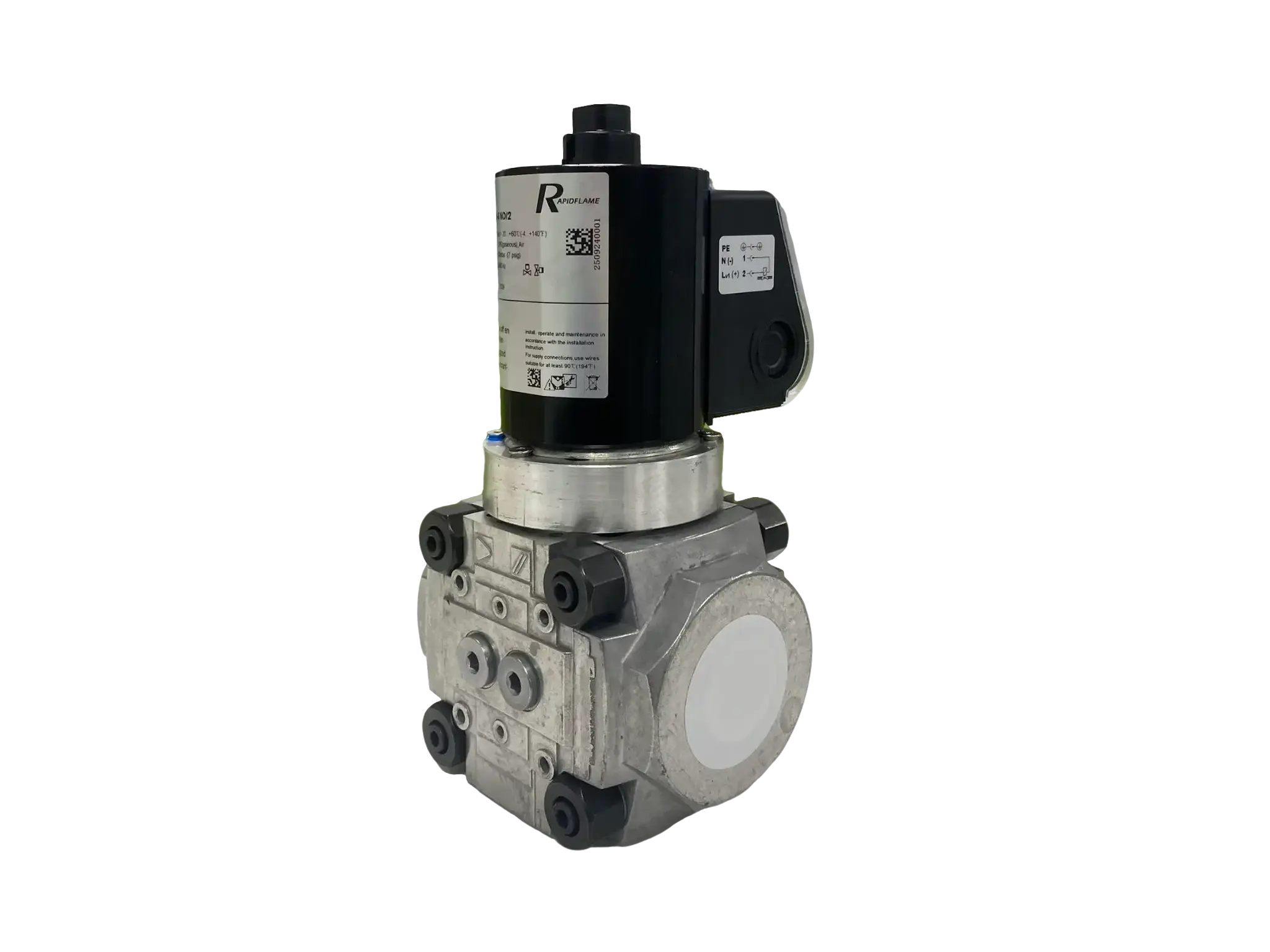
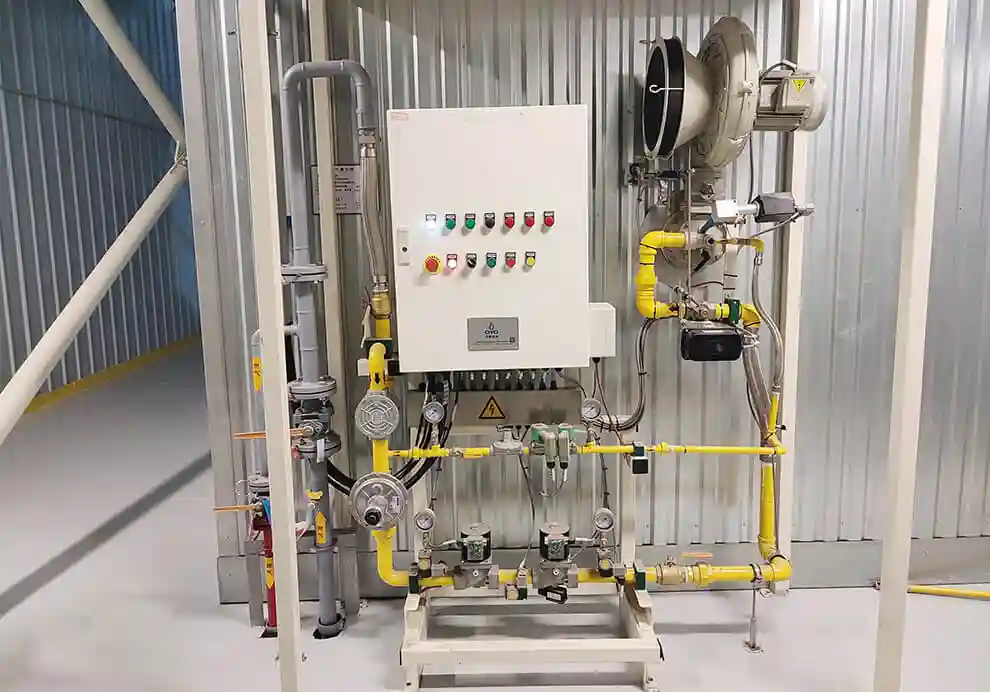
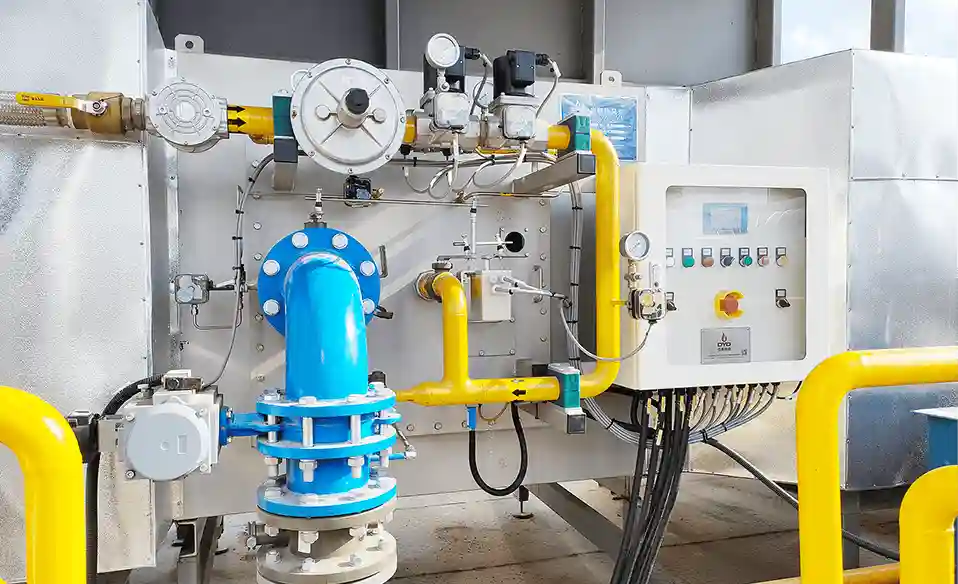
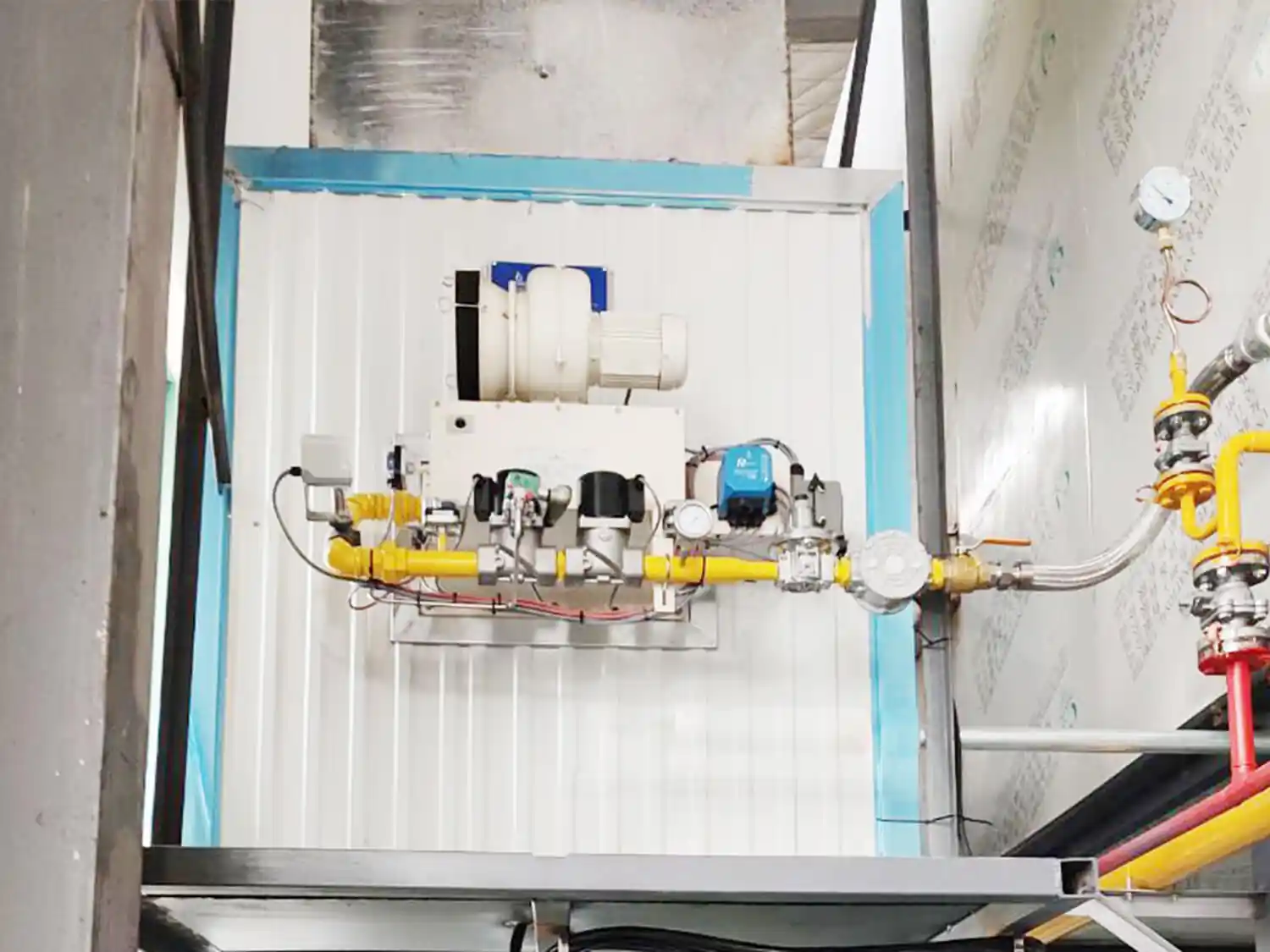
Gas valves – safety shut-off valves (double-block-and-bleed) and modulating control valves with proven cycle life (typically >1 million operations).
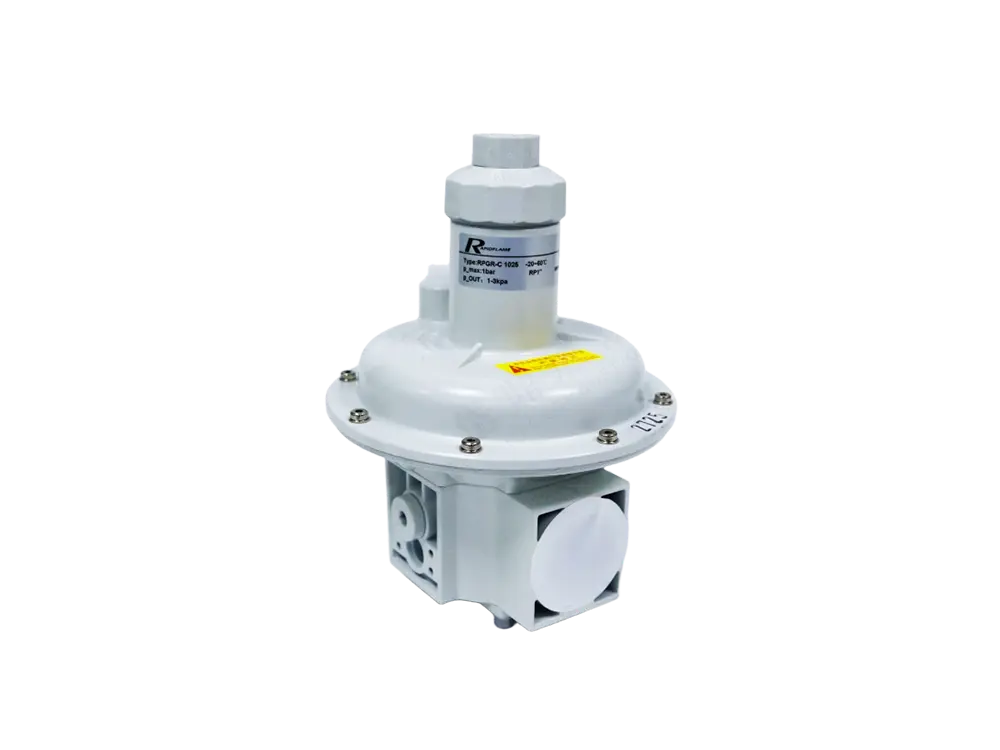
Pressure regulators – maintain stable outlet pressure despite supply fluctuations; need to respond within milliseconds to load changes.
Ignition transformers – provide consistent high-voltage spark energy (typically 4–20 Joules) over thousands of ignition cycles.
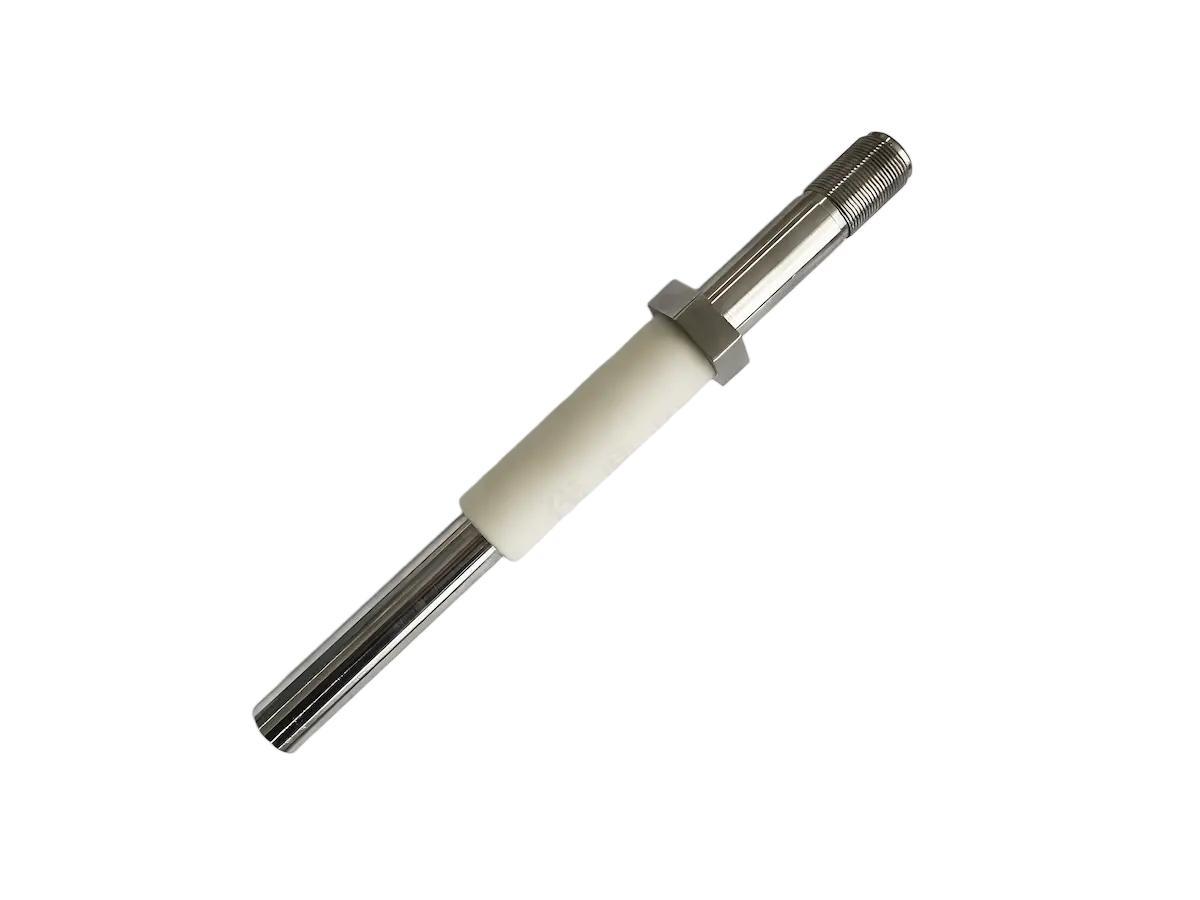
Ignition electrodes – made from high-temperature alloys with erosion-resistant tips; proper gap and insulation prevent misfire.
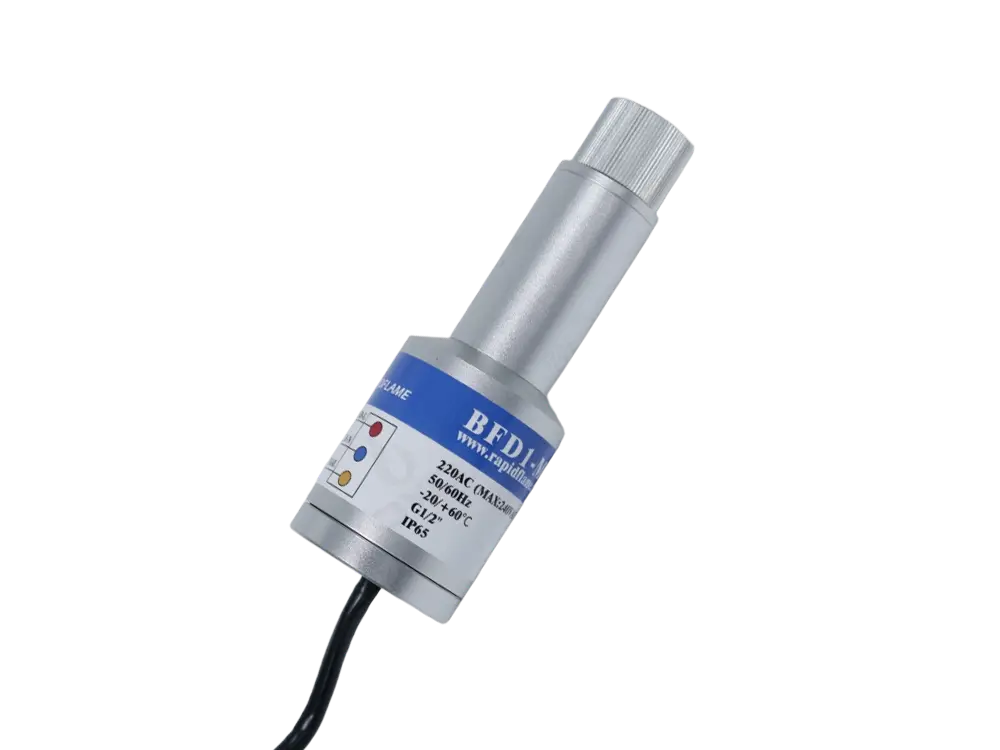
Flame detectors – UV or IR sensors with self-checking circuitry and long service life (typically >5 years).
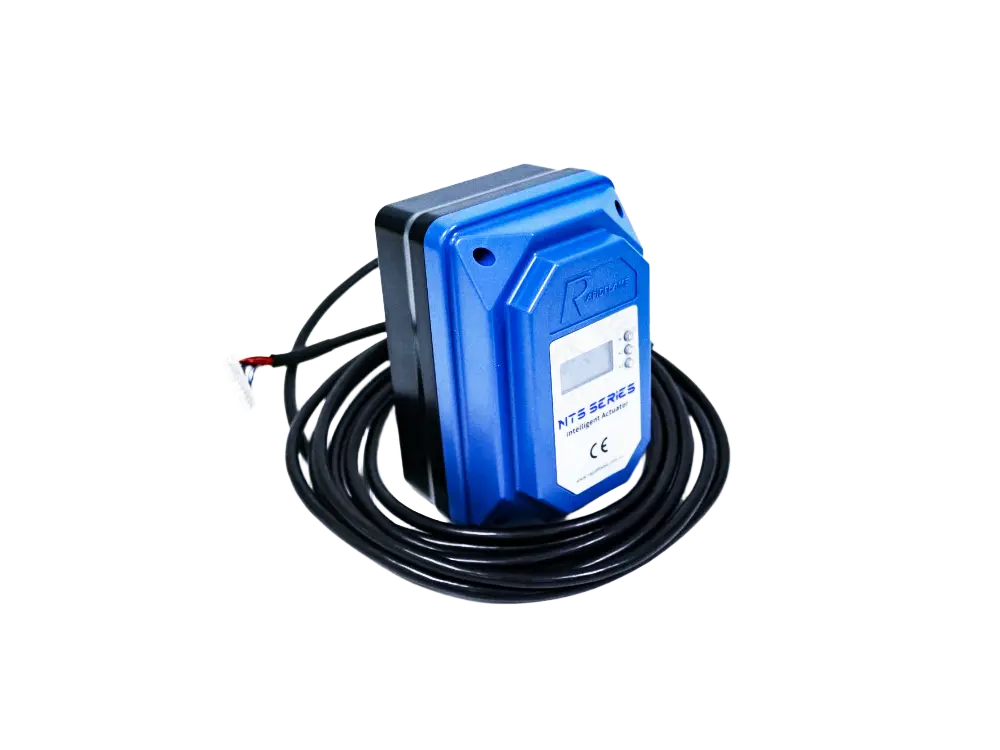
Servo motors – position air dampers and gas valves with repeatable accuracy (<1% hysteresis) and long service life.
Air dampers – precision-machined and corrosion-resistant to maintain airflow linearity.
Combustion fans – industrial-grade centrifugal or axial fans with suitable bearings and motor protection.
PLC controllers – industrial-rated programmable logic controllers with robust I/O and communication protocols.
Safety shutoff valves – redundant valves with leak-tight seats, often with integrated proof-of-closure switches.
Industrial-grade components are designed for long operating life and stable performance under demanding conditions. Choosing components with a proven track record and adequate safety margins is essential for high reliability.
Precise air-fuel ratio control is essential for reliable combustion. The burner must maintain the correct ratio not only at the tuned set point but also as operating conditions change—load variations, ambient temperature shifts, and fuel pressure fluctuations.
Incorrect combustion settings can cause:
Flame instability – the flame may lift off, pulse, or flash back, leading to nuisance trips and uneven heating.
High fuel consumption – off-ratio operation reduces efficiency; a 2% AFR error can cost 1–2% in fuel.
Carbon monoxide formation – fuel-rich conditions produce CO, which is toxic and indicates waste.
Frequent flame failures – the flame detector may lose signal if the flame becomes weak or erratic.
Increased emissions – CO and NOx spikes can violate permits and require corrective tuning.
Modern burners use electronic ratio control to maintain consistent combustion under changing loads. Unlike mechanical linkages, electronic systems store a digital curve of air and fuel actuator positions versus firing rate, and can be calibrated at multiple points to ensure linearity. Cross-limiting logic ensures air leads on increasing load and fuel leads on decreasing load, preventing transient rich or lean conditions.
Every combustion cycle begins with ignition. A dependable ignition system should provide:
Fast ignition – typically within 2–5 seconds of the spark signal, minimising purge losses and ensuring quick start-up.
Consistent spark energy – reliable spark across a range of gas pressures and ambient conditions, with adequate transformer power.
Reliable flame establishment – the pilot or main flame must ignite immediately and be detected within the trial-for-ignition period (typically 3–5 seconds).
Automatic flame verification – the flame detector must confirm ignition before the burner management system opens the main fuel valve.
Poor ignition performance often leads to nuisance shutdowns and increased maintenance. Ignition electrode tips erode over time, and carbon deposits can short the spark path; regular inspection and cleaning are essential. For critical applications, redundant ignition systems or pilot burners with continuous flame are used to improve reliability.
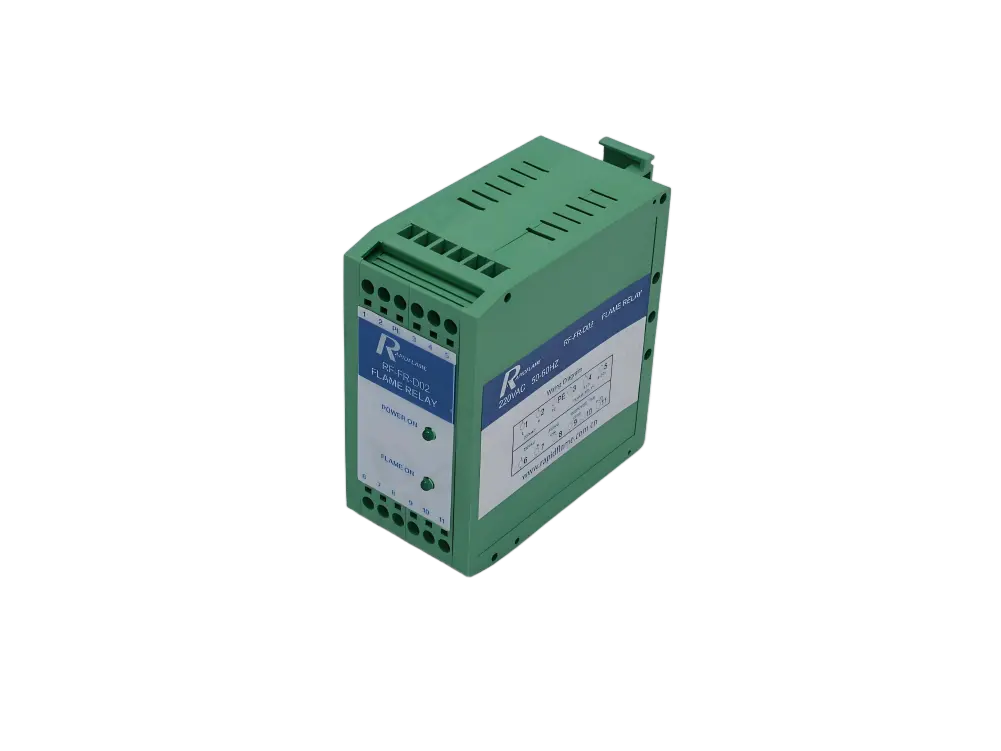
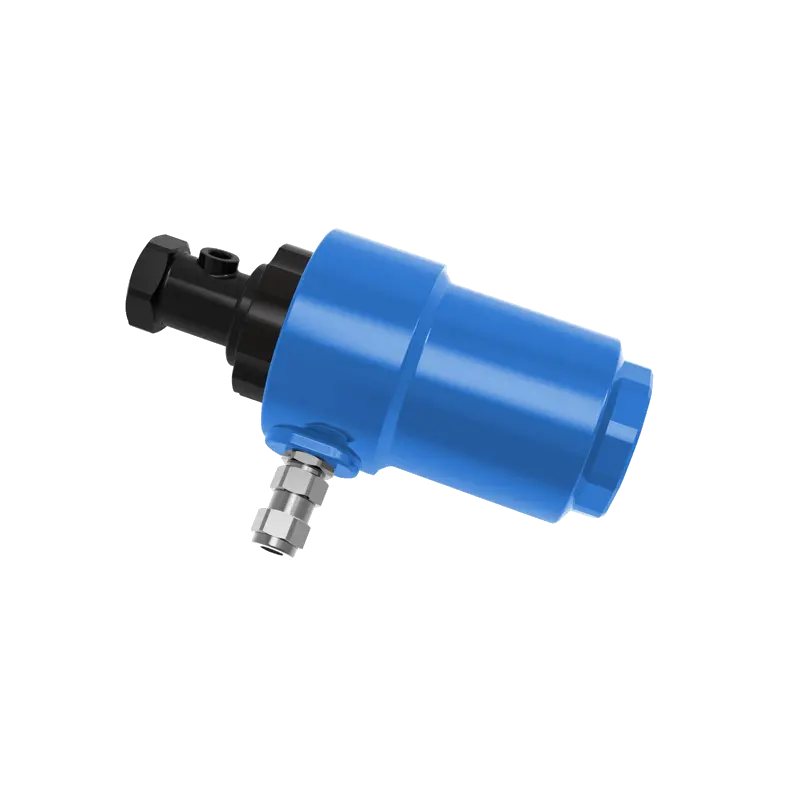
Industrial burners continuously verify flame presence using flame monitoring devices. This is the primary safety function: if the flame is lost, fuel must be shut off immediately (within 1–3 seconds) to prevent explosive gas accumulation.
Common flame detection technologies include:
UV flame detectors – sense ultraviolet radiation emitted by the flame; fast response and immune to hot refractory radiation, but may be affected by dirty lenses or UV-absorbing gases.
UV/IR flame scanners – combine UV and infrared sensing to discriminate flame from background radiation, reducing false trips.
Ionization flame rods – use the conductive property of the flame itself; simple, reliable, and cost-effective, but require direct flame contact and can foul with carbon.
Reliable flame supervision improves safety by ensuring fuel is immediately shut off if flame failure occurs. Modern detectors include self-checking features that periodically test sensor integrity. The detector sensitivity must be set appropriately—too high and it may trip on stray light, too low and it may miss a weak flame. Regular cleaning and functional testing are essential for continued reliability.
Industrial heating loads rarely remain constant. The burner must be able to reduce its firing rate to match partial loads without cycling on and off.
Burners with a wide turndown ratio maintain stable combustion over a broad firing range. For example, a 10:1 turndown burner can operate continuously from 100% down to 10% of maximum capacity.
Benefits include:
Fewer start-stop cycles – reduces thermal stress on refractory, igniters, and valves.
Reduced thermal stress – fewer expansion/contraction cycles extend component life.
Better temperature control – continuous modulation maintains setpoint with minimal oscillation.
Lower component wear – valves and actuators experience fewer full-open/full-close cycles.
Improved process stability – consistent furnace atmosphere and heat transfer.
Less cycling generally means greater long-term reliability. A burner that cycles frequently (e.g., 50 times per day) will wear out igniters, valves, and flame detectors much faster than one that modulates continuously. Therefore, specifying a burner with adequate turndown for the expected load range is a key reliability decision.
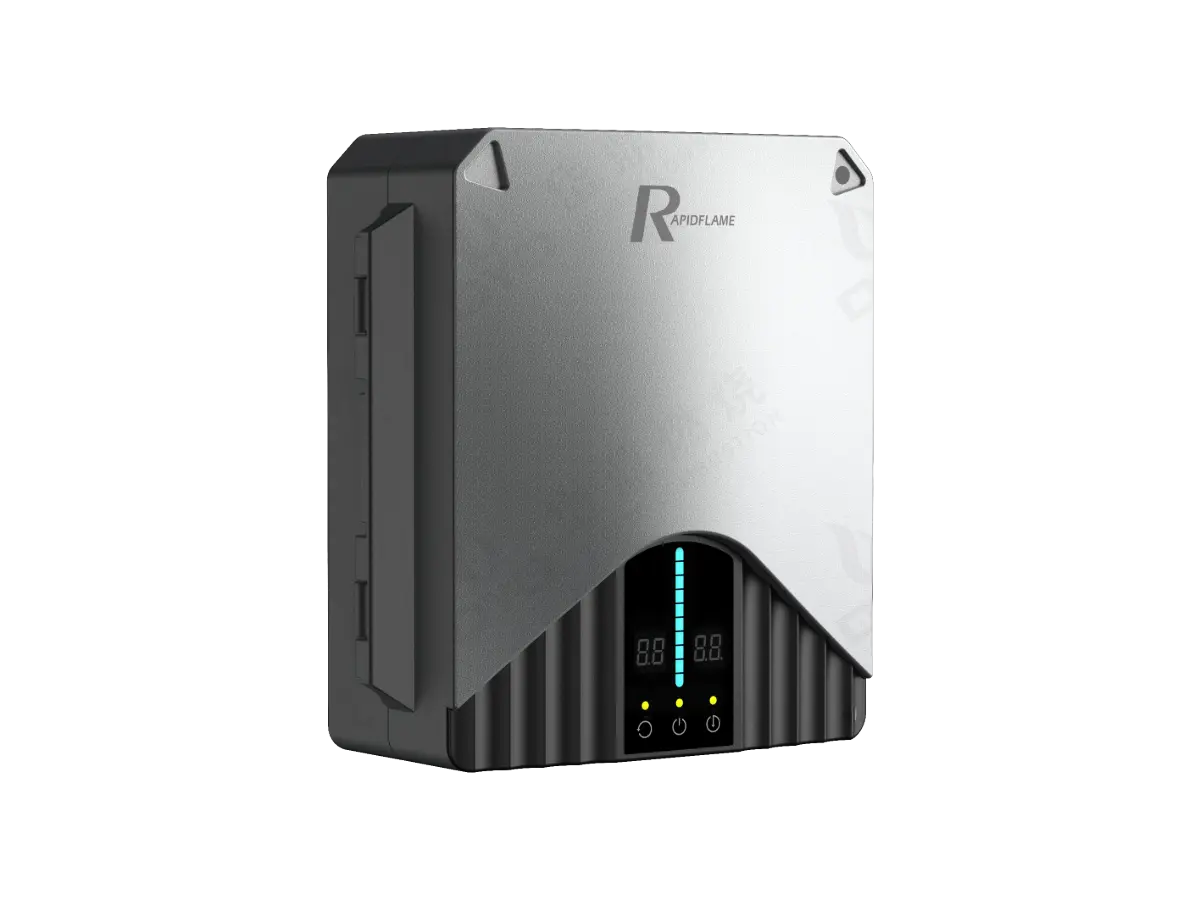
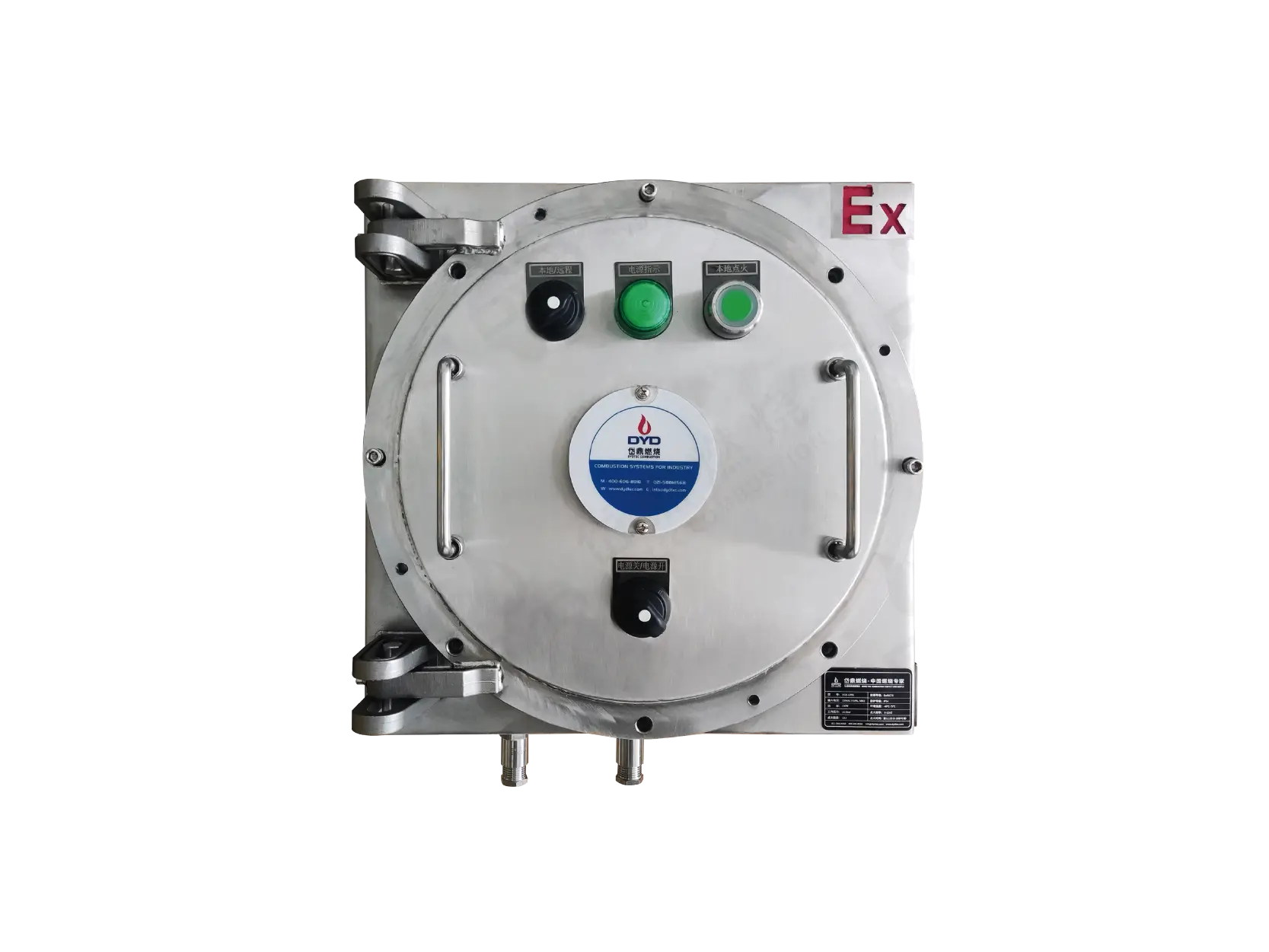
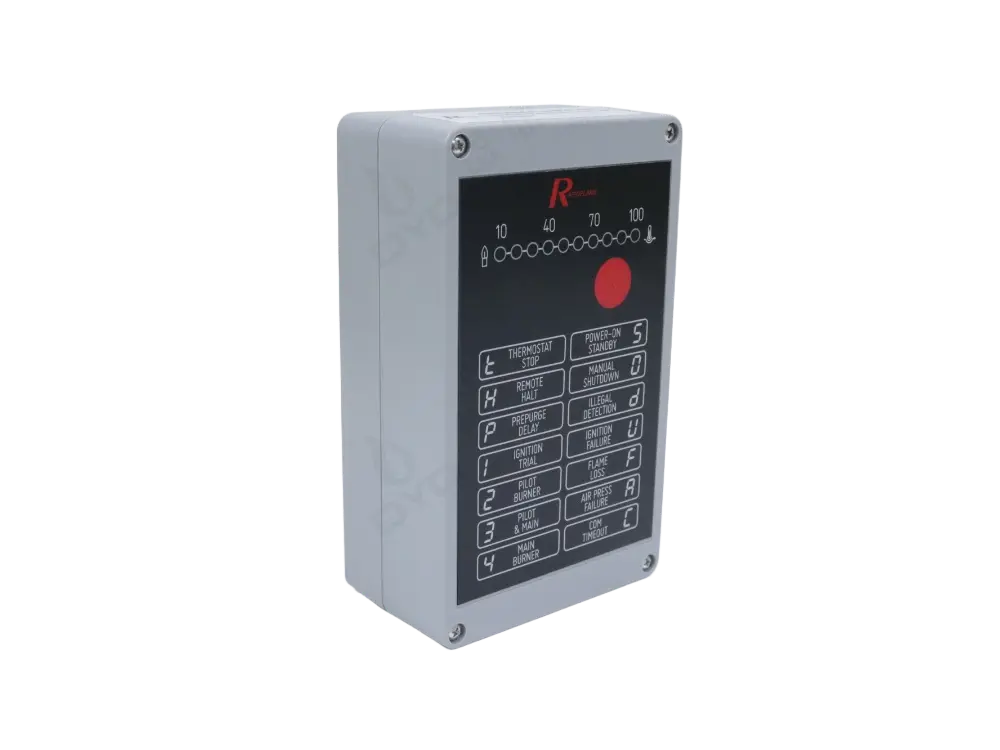
Modern industrial burners rely on burner management systems to coordinate safe operation. The BMS is the brain of the combustion system, executing a predefined start-up, run, and shutdown sequence while monitoring safety interlocks.
A typical BMS controls:
Startup sequence – purge, ignition trial, flame verification, and main flame establishment.
Purging – ensuring the furnace is free of combustible gases before ignition.
Ignition – energising the spark transformer and pilot or main gas valve in the correct timing.
Flame monitoring – continuously checking the flame detector signal and responding to loss of flame.
Safety interlocks – gas pressure low/high, air pressure, furnace over-temperature, emergency stop, and valve proof-of-closure.
Shutdown sequence – controlled closing of fuel valves and safe de-energisation.
Fault diagnostics – logging alarm codes and events for troubleshooting.
Automation minimizes operator error while improving system reliability. A well-programmed BMS with redundant safety circuits ensures that the burner cannot start or run in unsafe conditions. Modern BMS units also offer communication to plant DCS or SCADA systems, allowing remote monitoring and predictive maintenance.
Reliable combustion requires a stable fuel supply. The burner depends on consistent fuel pressure, flow, and quality to maintain the correct air-fuel ratio and flame stability.
Problems such as:
Pressure fluctuations – drops in supply pressure reduce fuel flow, leaning out the mixture and risking flame failure; spikes can increase flow, causing rich combustion and CO.
Contaminated fuel – particulates, condensate, or lubricants can clog gas valves, filters, or burner nozzles.
Moisture – water in gas lines can freeze in cold weather or cause corrosion in valves and regulators.
Air in gas lines – especially in LPG systems, air pockets can cause erratic ignition and combustion.
Inconsistent fuel composition – variations in Wobbe Index change the air requirement, causing the AFR to drift if not compensated.
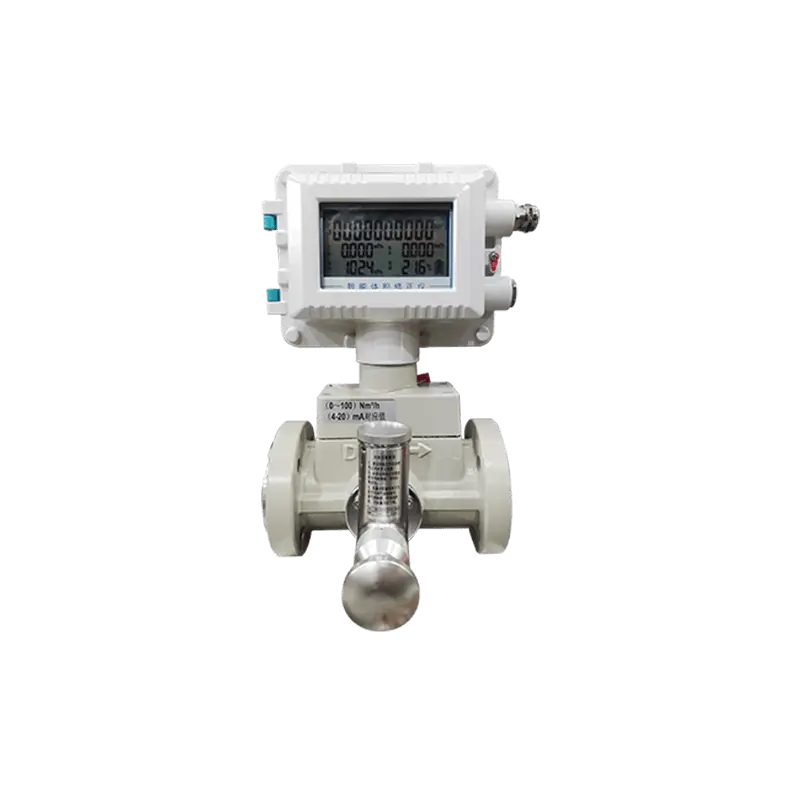
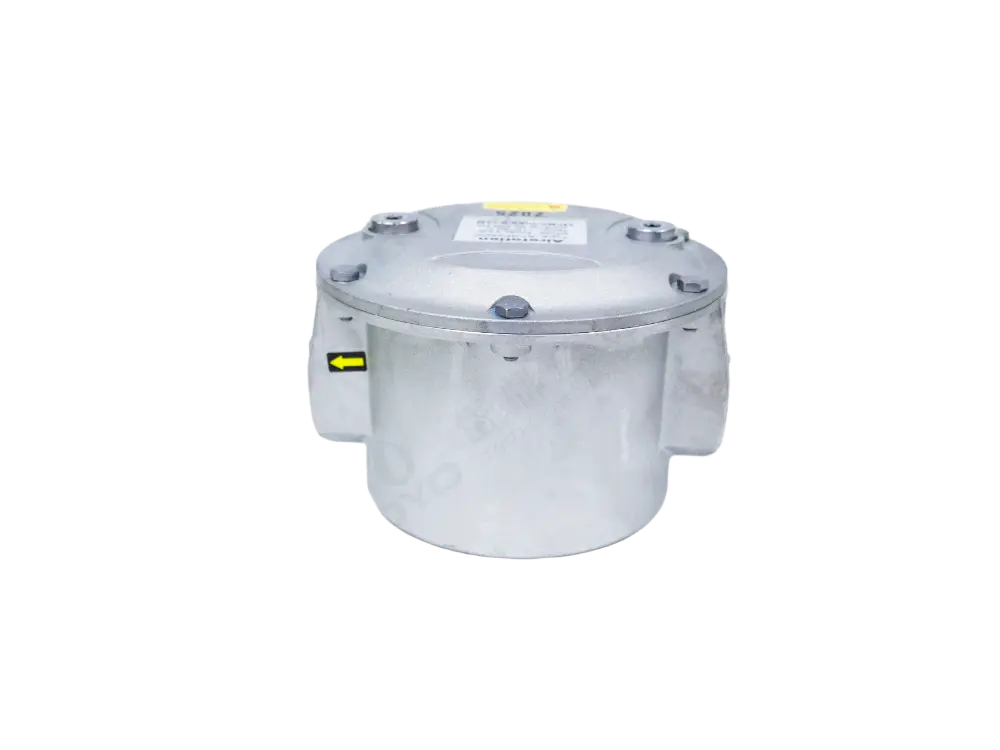
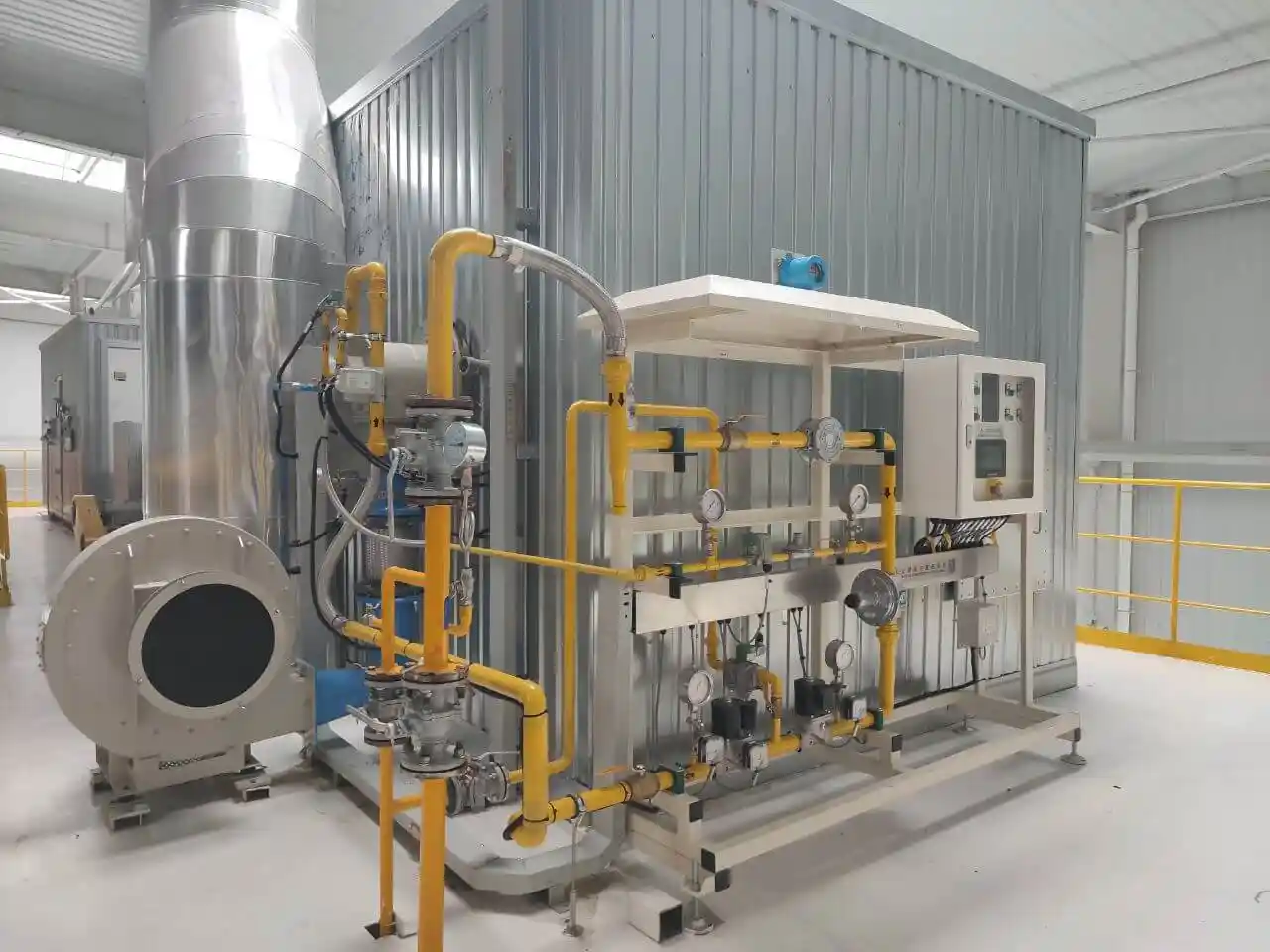
Proper fuel conditioning and pressure regulation are essential. This includes installing filters, driplegs, and separators, using pressure regulators with adequate capacity, and monitoring supply pressure with switches that trip on low or high pressure. For fuels with variable composition (e.g., biogas), an online calorimeter or oxygen trim system may be needed to maintain consistent combustion.
Even a high-quality burner can perform poorly if installed incorrectly. Installation is the critical link between engineering design and field performance, and errors here can lead to persistent problems that are difficult to diagnose.
Installation should ensure:
Correct burner alignment – the burner axis must be accurately positioned relative to the furnace centreline and target zone; misalignment causes uneven heating and flame impingement.
Proper combustion air supply – the air duct must be sized to avoid pressure drops, and the inlet should be free of obstructions and recirculation.
Adequate ventilation – the burner compartment must have sufficient air for cooling and to maintain fan inlet pressure.
Correct gas piping – pipe diameter, support, and layout must minimise pressure drop and allow for thermal expansion.
Proper electrical wiring – correct voltage, phase, and grounding for all motors, actuators, and controls; wiring must be shielded from high-temperature areas.
Accurate control calibration – all sensors and actuators must be calibrated to the burner control system during start-up.
Professional commissioning is critical for long-term reliability. A thorough commissioning process includes checking all safety interlocks, tuning the ratio curve, verifying flame shape, measuring flue gas emissions, and validating the BMS logic. Skipping or rushing commissioning is a frequent cause of premature failures and chronic performance issues.
Reliability depends heavily on routine maintenance. A burner that is not maintained will gradually drift from its tuned condition—carbon builds up, electrodes wear, valves become sticky, and sensors drift—leading to unpredictable failures.
Typical maintenance tasks include:
Cleaning burner heads – removing carbon deposits and dust from flame ports, swirl vanes, and retention rings.
Inspecting ignition electrodes – checking for erosion, proper gap, and insulation integrity; replacing as needed.
Testing flame detectors – cleaning optical surfaces and verifying sensitivity with a simulated flame signal.
Checking gas pressure – verifying regulator outlet pressure and confirming no leakage through shut-off valves.
Verifying valve operation – ensuring modulating valves travel smoothly and safety valves close tightly.
Calibrating actuators – checking position feedback and linearity of servo motors and dampers.
Inspecting combustion fans – checking bearings, belts, and filter cleanliness.
Measuring combustion performance – using a flue gas analyzer to check O₂, CO, and excess air; adjusting if necessary.
Preventive maintenance reduces unexpected failures and extends equipment life. A structured maintenance programme with clear schedules, checklists, and record-keeping is essential. Many facilities adopt condition-based monitoring, where performance data (fuel consumption, O₂, CO, exhaust temperature) are tracked to indicate when maintenance is needed, rather than relying solely on fixed intervals.
Industrial processes often experience variations that the burner must accommodate without compromising reliability. The ability to adapt to changing conditions is a hallmark of a well-engineered burner system.
Typical variations include:
Load changes – production ramp-ups, slowdowns, and batch changes cause heat demand to fluctuate; the burner must modulate smoothly.
Ambient temperature variations – seasonal changes affect air density and thus the mass flow of combustion air; without compensation, AFR drifts.
Fuel quality changes – when multiple fuel sources are used, the burner must adapt to different Wobbe Index values.
Pressure fluctuations – upstream gas supply variations require the regulator to hold stable outlet pressure.
Production schedule changes – idle periods, weekend shutdowns, and cold starts add thermal cycles that the burner must withstand.
Reliable burners maintain stable combustion despite these variations through intelligent control and adaptive combustion management. Features such as oxygen trim, electronic ratio control with temperature compensation, and pressure-compensated gas valves help maintain consistent performance without operator intervention.
Many burner problems originate outside the burner itself. Understanding the root causes helps engineers design more reliable systems and operators take preventive action.
Typical causes include:
Incorrect air-fuel ratio – the most frequent cause; results from poor tuning, control drift, or mechanical wear.
Dirty burner heads – carbon or dust blocks flame ports, altering mixing and stability.
Blocked air passages – dirty filters or damper linkages restrict airflow, leaning out the mixture.
Worn ignition electrodes – eroded tips or cracked insulation prevent reliable spark.
Faulty flame detectors – dirty lenses, aging sensors, or incorrect sensitivity settings cause false trips.
Gas pressure instability – regulator failure or supply problems cause flame fluctuations.
Damaged actuators – wear or backlash in servo motors leads to imprecise air/fuel positioning.
Electrical wiring faults – loose connections, damaged cables, or interference from variable frequency drives.
Poor maintenance practices – infrequent cleaning and inspection allow problems to accumulate.
Improper burner sizing – oversized burners cycle excessively, causing thermal fatigue and component wear.
Understanding these causes helps prevent unnecessary downtime. Implementing a root-cause analysis programme for every failure can identify recurring issues and guide improvements in design, maintenance, or operating procedures.
Industrial users can improve burner reliability by:
Selecting burners designed for the specific application – matching capacity, turndown, fuel type, and emissions requirements to the process.
Using high-quality combustion components – investing in industrial-grade valves, actuators, and sensors with proven track records.
Performing routine combustion tuning – checking and adjusting AFR, O₂, and CO at least annually or after any change.
Maintaining proper air-fuel ratios – using electronic controls with O₂ trim to compensate for external changes.
Monitoring flue gas oxygen and CO – installing continuous analyzers with alerts for drift beyond set limits.
Inspecting ignition and flame detection systems regularly – cleaning electrodes and sensors and checking operation.
Replacing worn components before failure – using predictive indicators such as cycle counts, operating hours, or performance degradation.
Keeping combustion air clean – maintaining filters and ensuring the air intake is free of contaminants.
Following preventive maintenance schedules – adhering to manufacturer recommendations and adjusting based on operating severity.
Training operators in proper burner operation – understanding start-up, shutdown, and troubleshooting procedures reduces human error.
Reliability is achieved through continuous attention to both equipment and operating practices. A proactive approach, where issues are identified and corrected before they cause failures, is far more cost-effective than reactive repairs.
Not necessarily. Reliability depends on engineering quality, component selection, installation, combustion control, and maintenance—not simply purchase price. A moderately priced burner with robust design, good components, and proper commissioning can be more reliable than an expensive burner that is poorly installed or maintained. Value comes from system engineering and support, not just the hardware cost.
With proper maintenance, industrial burners can operate reliably for many years—often 10–20 years or more. Individual components such as ignition electrodes (1–3 years), flame detectors (5–7 years), actuators (5–10 years), and valves (10+ years) may require periodic replacement as part of normal maintenance. The burner body and internal parts can last the life of the furnace if operated within design limits and protected from thermal shock.
Common causes include flame failure (often due to unstable combustion, dirty detector, or AFR drift), ignition problems (electrode wear or gas pressure issues), incorrect air-fuel ratio, unstable gas pressure, faulty sensors, and inadequate maintenance. In many cases, a shutdown is the result of multiple minor issues that have accumulated over time.
Yes. Accurate combustion control improves flame stability, reduces component stress, minimizes cycling, and helps prevent nuisance shutdowns. Burners with electronic ratio control and O₂ trim are generally more reliable than those with mechanical linkages because they maintain stable AFR over time, compensating for wear and environmental changes.
Burner performance should be assessed during commissioning, routine maintenance, combustion tuning, annual inspections, and whenever abnormal operating conditions occur. For critical continuous processes, real-time monitoring of key parameters (O₂, CO, fuel flow, temperature) allows continuous evaluation and early detection of degradation, enabling condition-based maintenance.
Industrial burner reliability is the result of good engineering, intelligent combustion control, quality components, and disciplined maintenance. A reliable burner is not simply one that ignites successfully—it is one that delivers stable, efficient, and safe combustion every day under changing operating conditions.
By optimizing burner design, maintaining precise air-fuel ratio control, using advanced burner management systems, and following preventive maintenance practices, industrial facilities can reduce downtime, improve energy efficiency, extend equipment life, and achieve consistent production performance.
In modern industrial heating systems, reliability is not an optional feature—it is a critical factor in productivity, operating cost, and long-term profitability. A systematic approach to reliability, from design through operation, ensures that the burner remains the steady heart of the thermal process, not a recurring source of disruption.
DYDTEC Combustion is a professional manufacturer of industrial combustion systems and high-performance burner solutions. The company specializes in low-NOx gas burners, intelligent burner management systems, combustion control technologies, and customized heating solutions for industrial furnaces, aluminum melting, heat treatment, drying equipment, RTO systems, and other thermal processing applications. By combining advanced engineering, premium industrial components, and application-specific system integration, DYDTEC helps furnace manufacturers and industrial users achieve reliable combustion, improved energy efficiency, lower emissions, and dependable long-term operation.