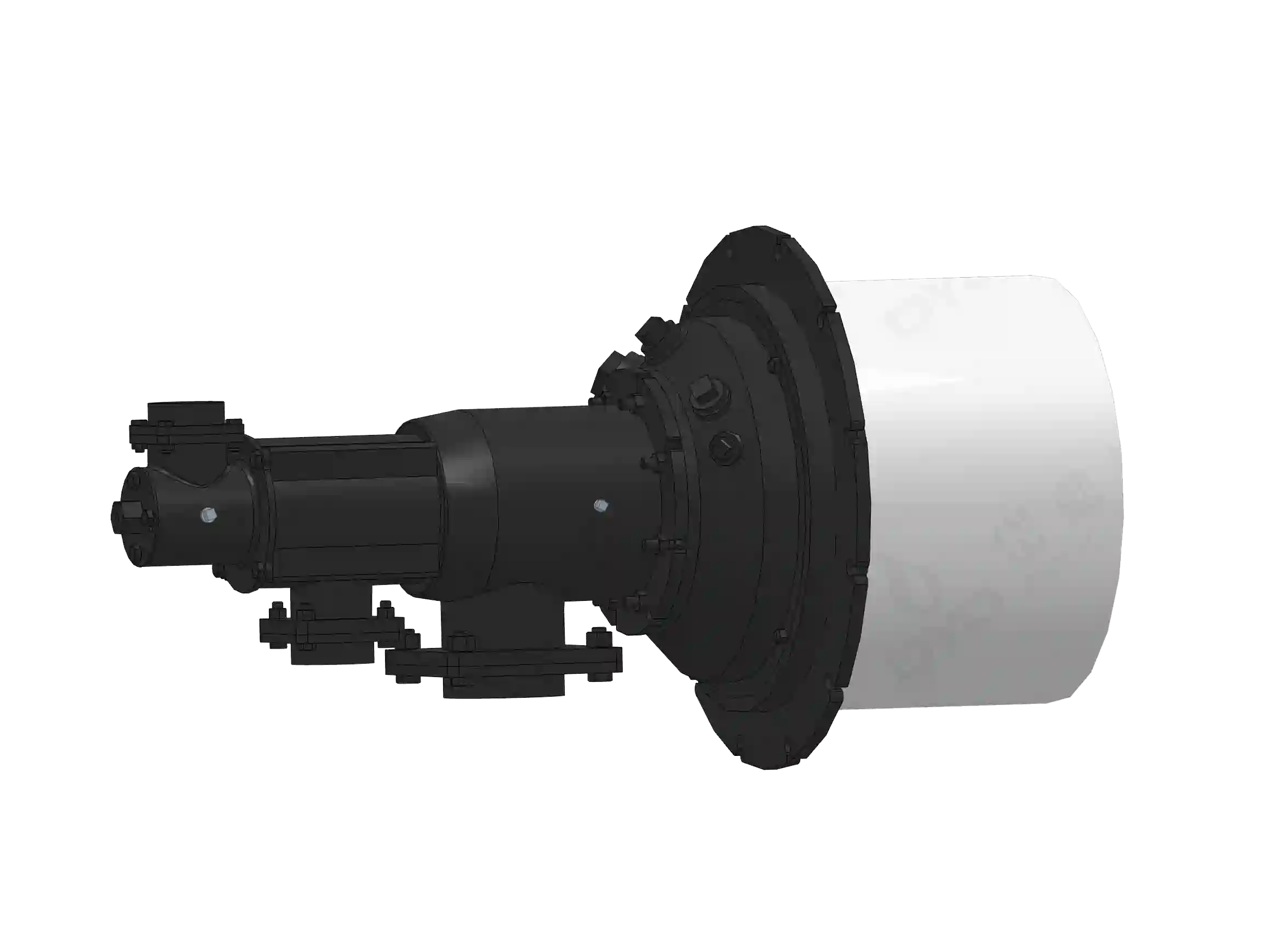
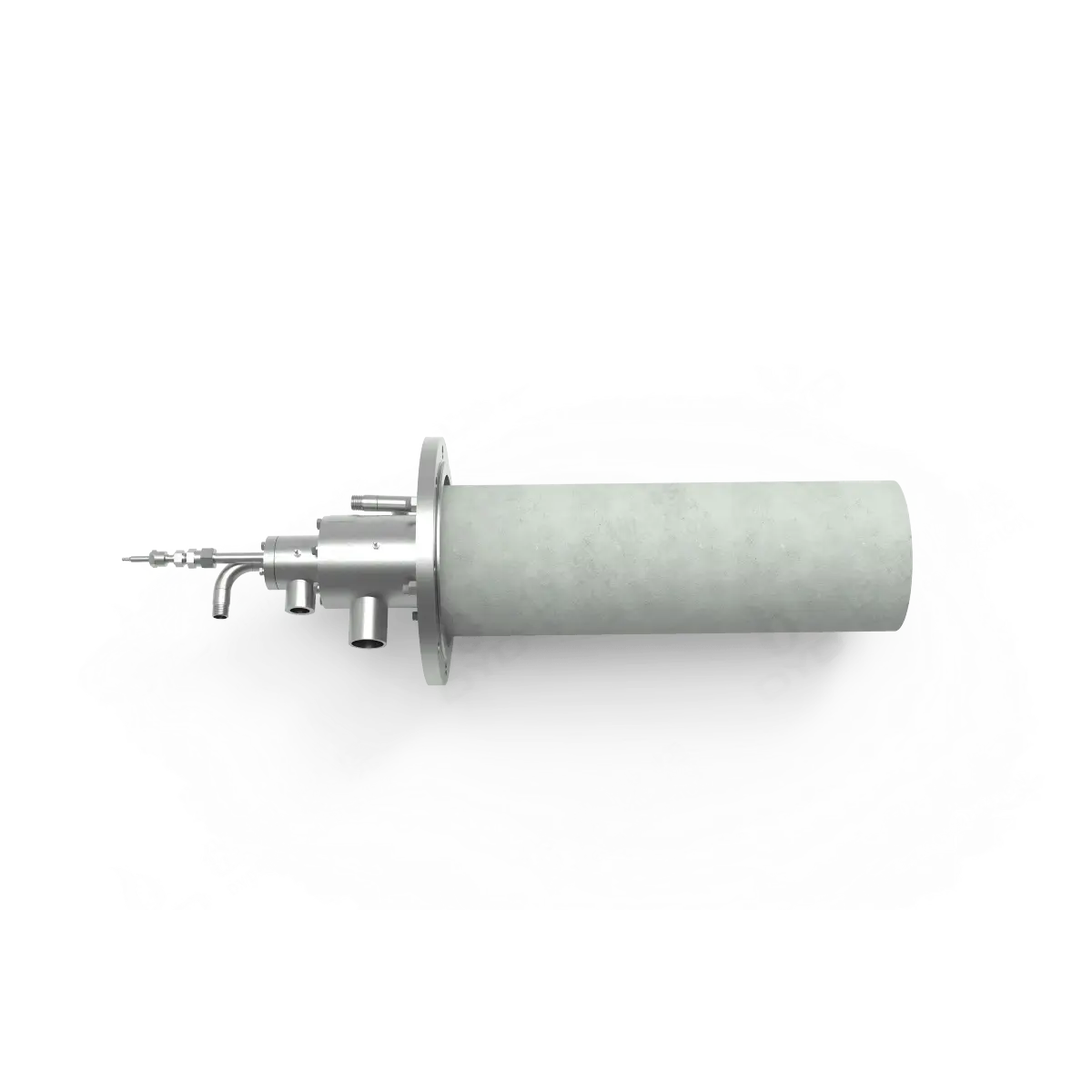
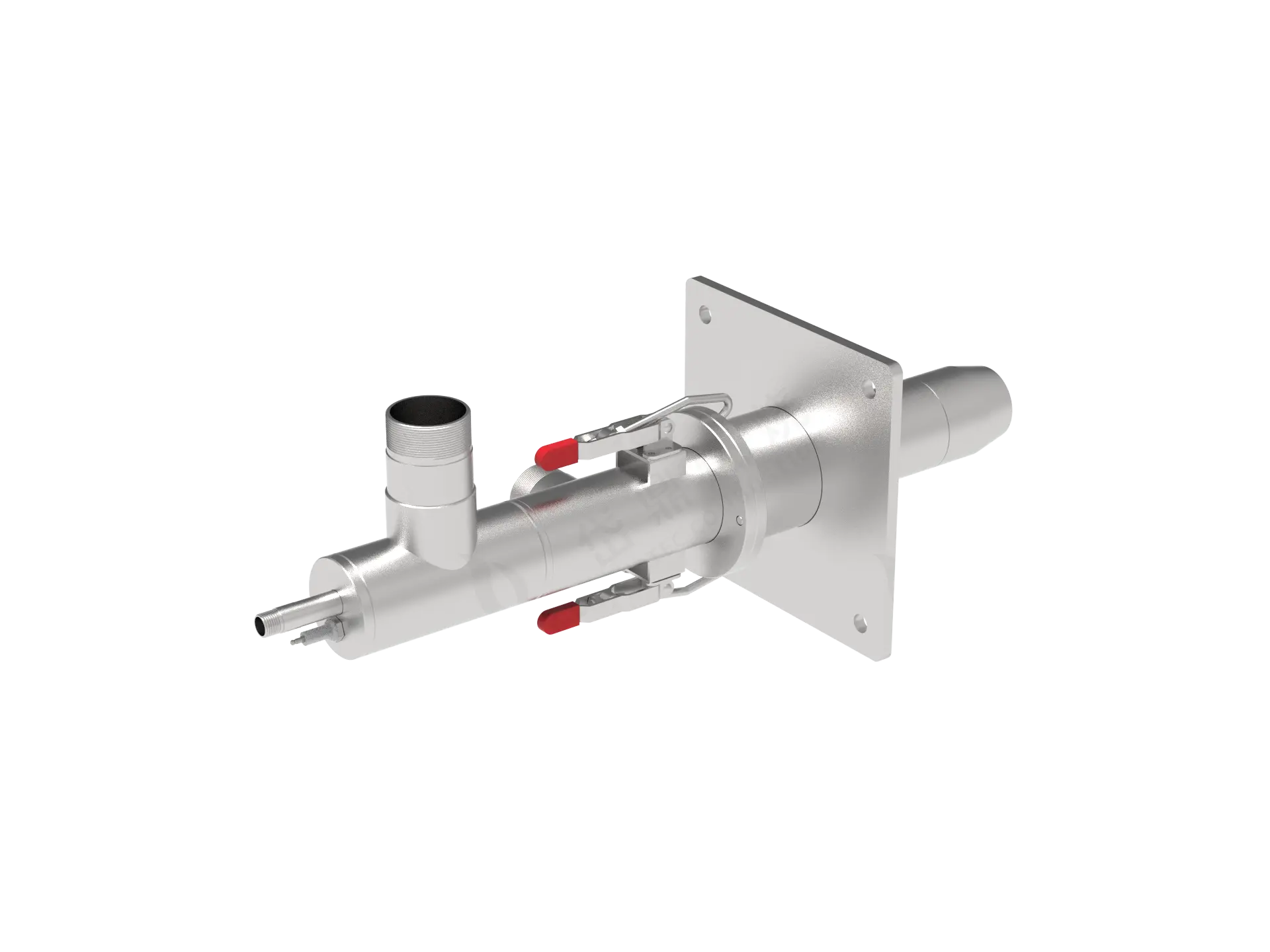
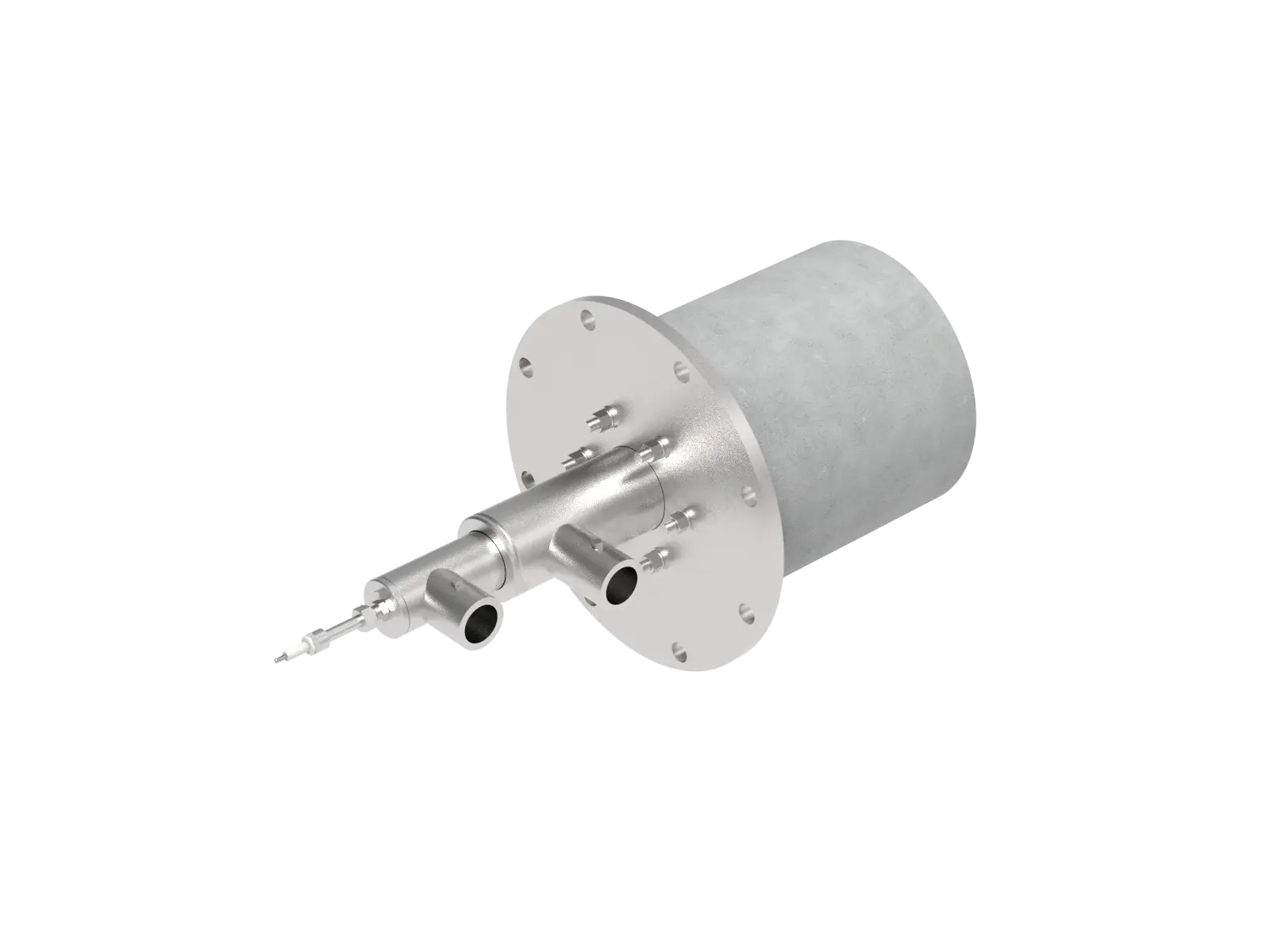
Flame lift-off is a common combustion instability phenomenon that occurs when the flame moves away from the burner nozzle instead of anchoring at the designed combustion position. Instead of attaching firmly to the burner head, the flame base rises and stabilizes at a certain distance downstream. In industrial burners, flame lift-off can reduce combustion stability, increase emissions, cause ignition failures, and even create safety risks if not properly controlled. In severe cases, lift-off can lead to complete flame extinction, resulting in unplanned shutdowns and production losses.
Understanding why flame lift-off occurs is essential for selecting, commissioning, and maintaining industrial combustion systems. The phenomenon is usually related to the interaction between fuel velocity, combustion speed, air-fuel mixing, burner design, and operating conditions. Engineers and operators who understand the root causes of lift-off are better equipped to diagnose problems, adjust operating parameters, and select burners that maintain stable combustion across a wide range of conditions.
For industrial applications such as furnaces, dryers, thermal oxidizers, kilns, and heating systems, preventing flame lift-off is a key factor in achieving reliable and efficient combustion. A stable flame ensures consistent heat transfer, reduces fuel consumption, minimizes pollutant formation, and extends equipment life.
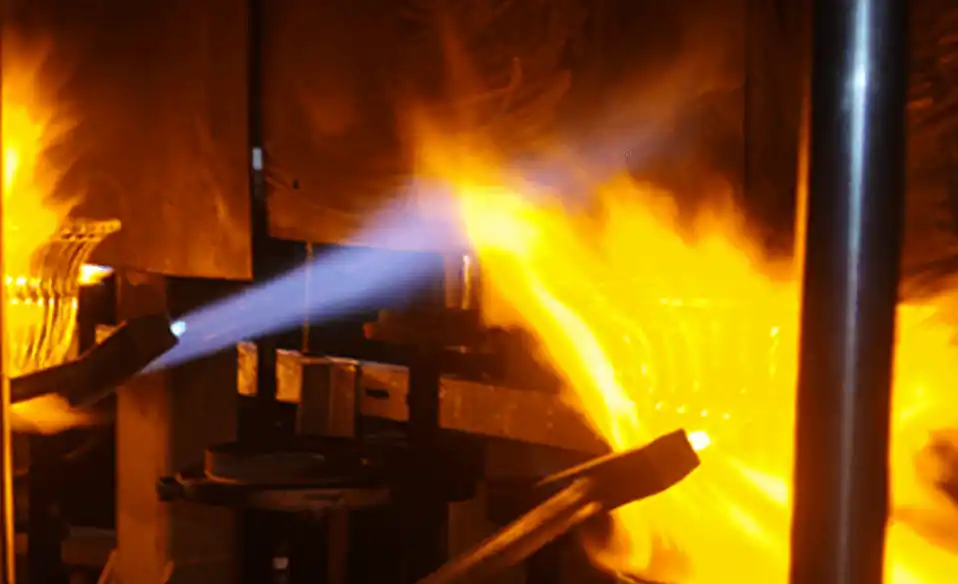
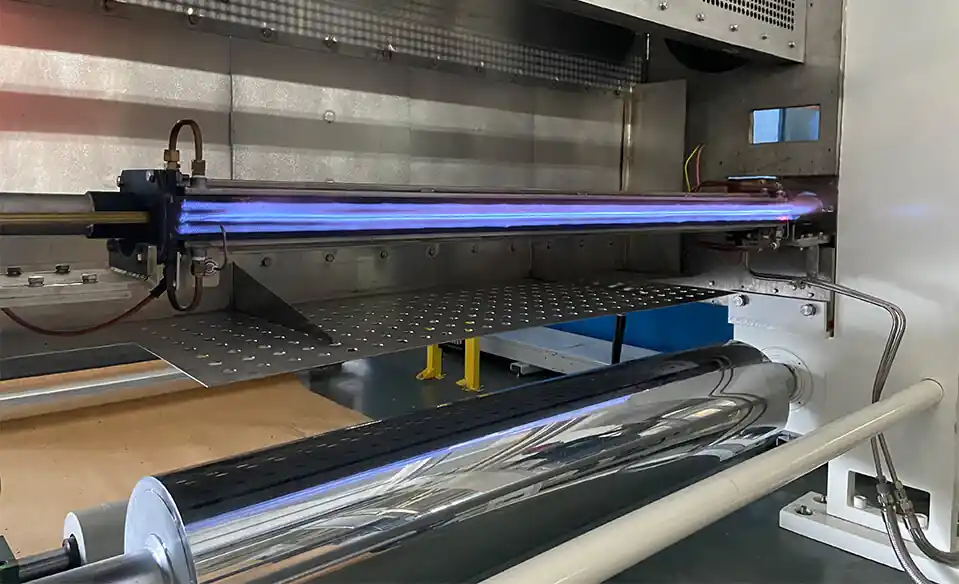
Flame lift-off refers to a condition where the flame base separates from the burner outlet and stabilizes at a certain distance above the burner nozzle. Instead of being anchored at the burner head, the flame rises to a position downstream where local flow velocity and flame propagation speed achieve a new balance. The gap between the burner outlet and the flame base is filled with unburned or partially preheated fuel-air mixture.
Under normal operating conditions, the flame should remain anchored near the burner head. The flame position is determined by the balance between:
The velocity of the fuel-air mixture leaving the burner
The flame propagation speed (also known as flame speed or burning velocity)
The local mixing characteristics near the flame root
The combustion chamber environment, including temperature and pressure
When the flow velocity exceeds the flame propagation speed, the flame cannot remain attached to the burner surface. As a result, the flame moves downstream and becomes lifted. The stability of a flame depends on whether the local flow velocity matches the local flame speed. If the mixture velocity is too high, the flame root is forced downstream. If the velocity is too low or the flame speed is too high, the flame may flash back into the burner—the opposite problem.
A simple explanation:
If the gas mixture moves faster than the flame can burn, the flame is pushed away from the burner.
A lifted flame is not necessarily an extinguished flame—it may still burn stably in a different position—but even stable lift-off changes heat transfer characteristics and emission behavior. In many industrial applications, even a small degree of lift-off can significantly affect temperature uniformity and combustion efficiency.
One of the most common causes of flame lift-off is excessive fuel velocity. The flame stabilization zone depends on the balance between the flow velocity of the combustible mixture and the speed at which the flame can propagate backward through the mixture.
When fuel exits the burner nozzle at a very high speed, the flame front cannot propagate backward fast enough to maintain contact with the burner head. This is essentially a competition between convection (which pushes the flame downstream) and flame propagation (which pulls the flame upstream toward the burner). If convection dominates, the flame is lifted.
This situation can happen when:
The burner gas pressure is higher than the design value—due to incorrect pressure regulator settings or upstream pressure fluctuations
The gas nozzle size is too small—creating an artificially high jet velocity for a given flow rate
The burner operates above its rated capacity—pushing the combustion system beyond its designed velocity limits
The fuel supply system is incorrectly adjusted—causing the burner to receive more fuel than it was designed for
For example, increasing burner firing rate without increasing combustion air and burner capacity may cause the fuel jet velocity to exceed the flame stabilization limit. In many industrial burners, the fuel velocity must stay within a specific range—too low and the flame may flash back, too high and the flame lifts off.
Result:
High fuel velocity → Reduced flame attachment → Flame lift-off
The air-fuel ratio directly affects flame stability. The ratio determines both the chemical composition of the combustible mixture and its flow properties. Both excessive air and insufficient air can contribute to flame lift-off.
Excessive combustion air
Too much air increases the velocity of the gas-air mixture leaving the burner, as the total volumetric flow rate increases with the added air. It may also dilute the fuel concentration near the flame root, making flame anchoring more difficult. Excess air lowers the flame temperature and slows the flame propagation speed, further destabilizing the flame.
Possible symptoms:
Weak flame attachment—the flame may flutter or wander
Longer flame length—as combustion takes more time to complete
Flame oscillation—unstable flame fronts
Increased excess oxygen in flue gas—indicating wasted heat
Insufficient combustion air
Too little air can create incomplete mixing and unstable combustion zones. While insufficient air alone may not directly cause lift-off, it changes the combustion environment and may interact with other factors to produce instability.
Possible results:
Poor flame shape—uneven or erratic flame structure
Carbon monoxide (CO) generation—incomplete combustion products
Flame pulsation—periodic fluctuations in flame intensity
Unstable ignition—difficulty establishing or maintaining combustion
A properly adjusted air-fuel ratio helps maintain the correct balance between flame speed and flow velocity. The optimal ratio varies by fuel type, burner design, and operating load.
Flame stability depends heavily on how quickly fuel and air mix. In many industrial burners, combustion occurs as a diffusion flame—fuel and air are initially separate and must mix before burning. The flame root establishes where the mixing is sufficiently complete to support combustion.
If the mixing process is delayed, the combustible mixture may not form near the burner outlet. Instead, combustion occurs further downstream, causing flame lift-off. The flame is forced to find a location where the mixture ratio is within the flammability limits and the velocity is low enough to allow flame anchoring.
Factors affecting mixing include:
Burner nozzle design—the shape and arrangement of fuel orifices
Swirl intensity—swirl enhances mixing but can also change velocity patterns
Air distribution—whether air is introduced axially, radially, or in stages
Fuel injection pattern—the angle and velocity of fuel jets
Burner head geometry—the shape of the burner exit affects the mixing zone
Modern industrial burners often use specially designed mixing structures, swirlers, or staged combustion technology to improve flame stabilization. These designs create controlled mixing zones near the burner outlet, ensuring that the flame can anchor within the available space.
Different fuels have different flame speeds. Methane, the primary component of natural gas, has a moderate flame speed compared with hydrogen or acetylene. When the flame propagation speed is lower than the mixture velocity, lift-off becomes more likely.
Factors reducing flame speed include:
High excess air—dilution lowers flame temperature and slows reaction rates
Low fuel concentration—too little fuel reduces the heat release per unit volume
Low combustion temperature—lower temperatures slow chemical reaction kinetics
Fuel dilution with inert gases—nitrogen, carbon dioxide, or water vapor in the fuel stream
For example, hydrogen-enriched fuels may have different flame characteristics compared with natural gas, requiring burner designs specifically adapted for stable combustion. Hydrogen flames have higher propagation speeds and different stability limits, which can sometimes reduce lift-off risk but also increase flashback risk.
A burner must be designed to create a stable flame anchoring zone. The anchoring zone is a region near the burner outlet where the flow velocity is low enough, the mixture concentration is within flammability limits, and hot combustion products are recirculated to continuously ignite fresh mixture.
Poor burner design can lead to:
Weak recirculation zones—insufficient hot gas return to the flame root
Insufficient flame stabilization—lack of mechanical or aerodynamic holding features
Excessive outlet velocity—the entire flow field is too fast for flame anchoring
Uneven air distribution—localized high-velocity or lean zones
Important burner design elements include:
Flame Stabilization Structure
Many industrial burners create a low-pressure recirculation zone near the burner head. This zone allows hot combustion products to return and continuously ignite incoming fuel-air mixtures. This is often achieved with bluff bodies, flame holders, or quarls.
Swirl Design
Swirling combustion air improves mixing and creates internal recirculation, helping stabilize the flame. The swirl intensity must be carefully matched to the fuel and firing rate.
Nozzle Configuration
Fuel nozzle diameter, injection angle, and arrangement influence flame position and stability. Multiple small nozzles may distribute fuel more evenly and reduce local high-velocity zones.
The surrounding furnace temperature also affects flame stability. Combustion is a chain reaction that is strongly temperature-dependent—lower temperatures reduce reaction rates and flame speeds.
During cold start-up conditions:
The combustion chamber absorbs more heat—cooler walls extract energy from the flame
Ignition energy requirements increase—more energy is needed to initiate combustion
Flame speed decreases—lower temperatures slow chemical reactions
Flame anchoring becomes more difficult—the balance shifts toward lift-off
This is why some burners operate more unstably during initial ignition compared with steady-state operation. Once the furnace walls and refractory reach operating temperature, the flame has more thermal support and stability improves.
Industrial systems often require:
Pilot burners—a small stable flame to ignite the main burner
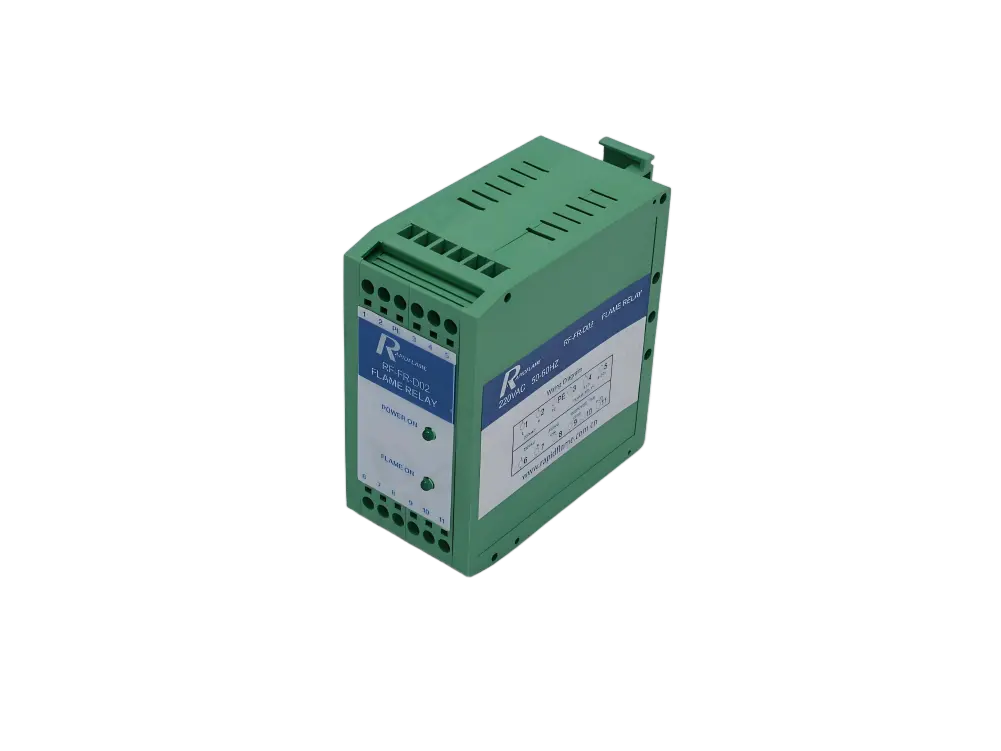
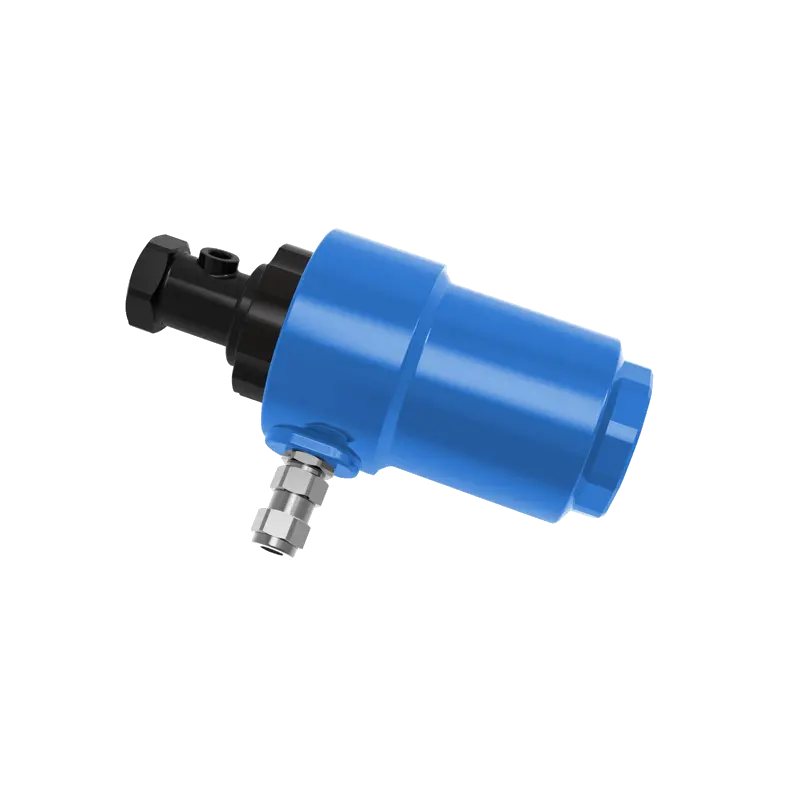
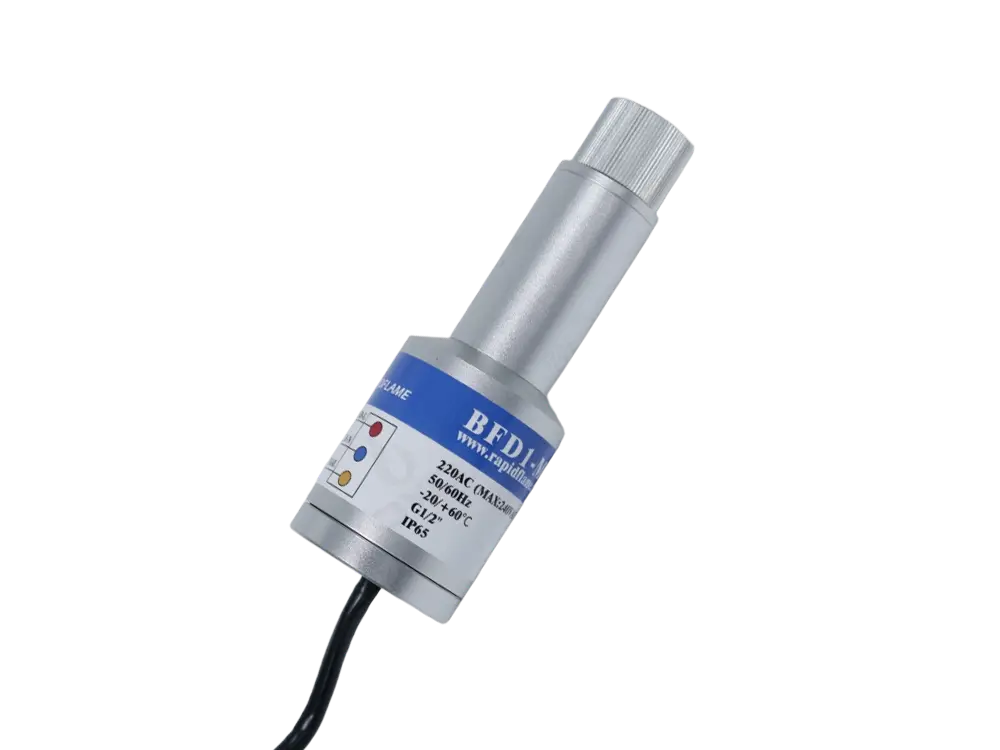
Flame scanners—to confirm flame presence and detect lift-off
Ignition control systems—to manage start-up sequences
Proper start-up sequences—ensuring safe, stable ignition
Industrial burners require precise commissioning. Incorrect adjustment of:
Gas pressure
Air pressure
Damper position
Control parameters
can change the designed combustion conditions. The burner may be perfectly designed, but if the field settings are wrong, the actual operating point may lie outside the stable combustion envelope.
Common commissioning problems include:
Excessive gas pressure—increases mixture velocity beyond the stable limit
Incorrect air damper opening—alters the air-fuel ratio and mixing characteristics
Wrong burner nozzle selection—using an inappropriate nozzle size for the application
Poor combustion tuning—unoptimized control parameters
These issues may cause flame instability even when the burner itself is correctly designed. This is why professional commissioning by experienced engineers is critical.
Flame lift-off is not only a combustion performance issue. It may also affect equipment safety and operating costs.
A lifted flame may move beyond the reliable detection area of the flame scanner, causing the burner management system to shut down. The flame scanner is typically positioned to detect the flame at its normal anchoring position. If the flame lifts off, the scanner may no longer see the flame, triggering a flame failure shutdown even though combustion is still occurring.
Unstable flames often create uneven temperature distribution. When the flame is lifted, the combustion zone shifts and the temperature profile changes. This may result in local high-temperature zones where thermal NOx formation is accelerated, poor combustion control due to the flame being out of its designed position, and increased thermal NOx formation as a result of higher peak temperatures.
A lifted flame may reduce heat transfer efficiency because:
Flame position changes—the heat release zone shifts, potentially away from the optimal heat transfer area
Heat distribution becomes uneven—parts of the furnace may be overheated while others are underheated
Furnace temperature uniformity decreases—affecting product quality and process control
Long-term unstable combustion can cause:
Burner head overheating—due to recirculated hot gases
Refractory damage—from flame impingement on furnace walls
Flame impingement on furnace walls—creating localized overheating and thermal stress
Operators should ensure:
Correct fuel pressure—within the design range specified by the manufacturer
Correct combustion air flow—balanced for the current firing rate
Stable operating load—avoiding rapid load changes where possible
Proper excess air level—high enough to ensure complete combustion but low enough to avoid dilution
Oversizing or undersizing a burner can create instability. A properly selected burner should match:
Required heat output—the maximum and typical firing rates
Furnace dimensions—the combustion space available
Temperature requirements—the intended process temperature range
Fuel characteristics—type and quality of fuel
Reliable industrial burners typically include:
Stable flame anchoring structures—mechanical or aerodynamic features to hold the flame
Optimized fuel-air mixing—ensuring the combustible mixture forms at the right location
Controlled outlet velocity—matching flame speed and flow velocity
Effective recirculation zones—returning hot combustion products to sustain ignition
Burner commissioning should include:
Flame observation—visual inspection of flame shape, color, and position
Oxygen measurement—flue gas analysis to confirm proper air-fuel ratio
CO monitoring—checking for incomplete combustion
Pressure adjustment—setting gas and air pressures to design values
Load testing—verifying stability across the entire firing range
Proper commissioning ensures the burner operates within its designed combustion range.
Flame lift-off and flame flashback are opposite phenomena.
| Phenomenon | Description | Main Cause |
|---|---|---|
| Flame Lift-Off | Flame moves away from burner outlet | Gas velocity is higher than flame speed |
| Flame Flashback | Flame travels back into burner | Flame speed exceeds mixture velocity |
Both indicate combustion instability and require proper burner design and control. Lift-off is more common in high-velocity burners, while flashback is a concern with high-flame-speed fuels such as hydrogen.
The main cause of flame lift-off is excessive flow velocity of the fuel-air mixture compared with the flame propagation speed. Incorrect gas pressure, poor mixing, and improper burner adjustment are common reasons. When the mixture leaves the burner too fast for the flame to propagate back, the flame is forced downstream.
Normally, low gas pressure does not directly cause flame lift-off. However, unstable fuel flow and poor mixing caused by incorrect pressure conditions may contribute to flame instability. Low pressure can cause fluctuating velocities and mixture ratios, which may lead to intermittent lift-off.
Natural gas burners can experience flame lift-off, especially when operating conditions exceed the designed velocity range. Proper nozzle design and flame stabilization technology help prevent this problem. Natural gas has a moderate flame speed, which means lift-off can occur if velocities are too high.
Signs of flame lift-off include:
Flame moving away from the burner nozzle
Longer flame length
Flame vibration or oscillation
Frequent burner shutdowns
Unstable flame scanner signals
Flame stabilization ensures reliable ignition, stable heat output, lower emissions, and safe operation. It is especially important for high-temperature industrial processes requiring continuous heating. A stable flame also improves energy efficiency and extends equipment life.
Flame lift-off occurs when the velocity of the fuel-air mixture exceeds the ability of the flame to remain anchored at the burner outlet. The phenomenon is mainly influenced by fuel velocity, air-fuel ratio, mixing quality, burner design, and operating conditions. Understanding these factors is essential for engineers, operators, and maintenance personnel who work with industrial combustion systems.
For industrial combustion systems, preventing flame lift-off requires a combination of proper burner selection, optimized combustion design, accurate commissioning, and continuous monitoring. A well-designed industrial burner should maintain stable flame anchoring across different operating loads while achieving high combustion efficiency, low emissions, and reliable long-term operation.
DYDTEC Combustion specializes in industrial burner technology, combustion systems, and customized heating solutions. With experience in industrial furnaces, drying equipment, thermal systems, and energy-efficient combustion applications, DYDTEC provides burner solutions designed for stable combustion, optimized efficiency, and reliable operation across various industries. Whether the application involves standard industrial heating or complex combustion requirements, DYDTEC combines engineering expertise with practical experience to deliver solutions that meet the demanding needs of modern industrial production.