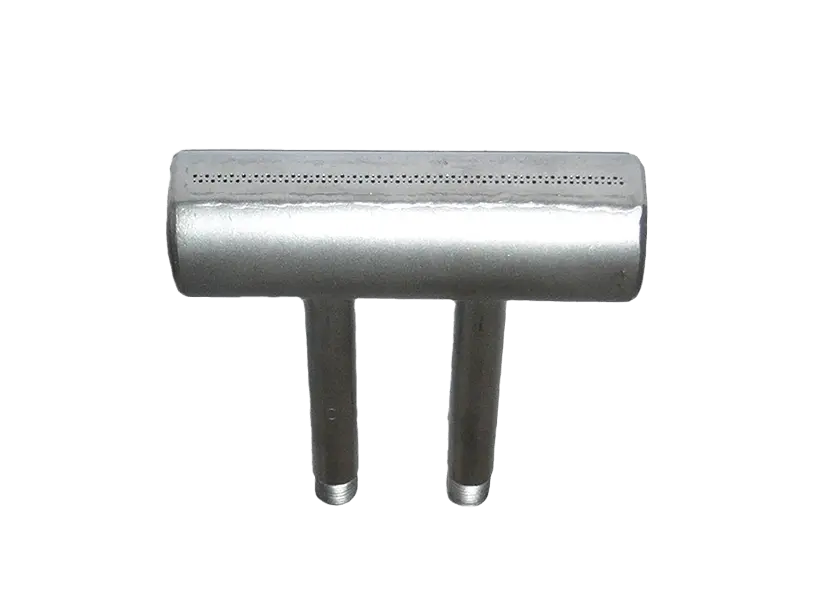
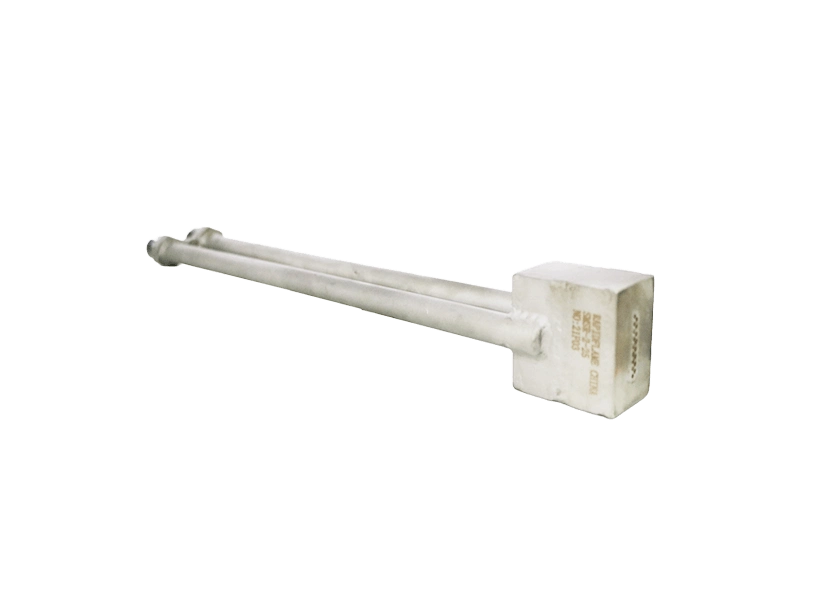
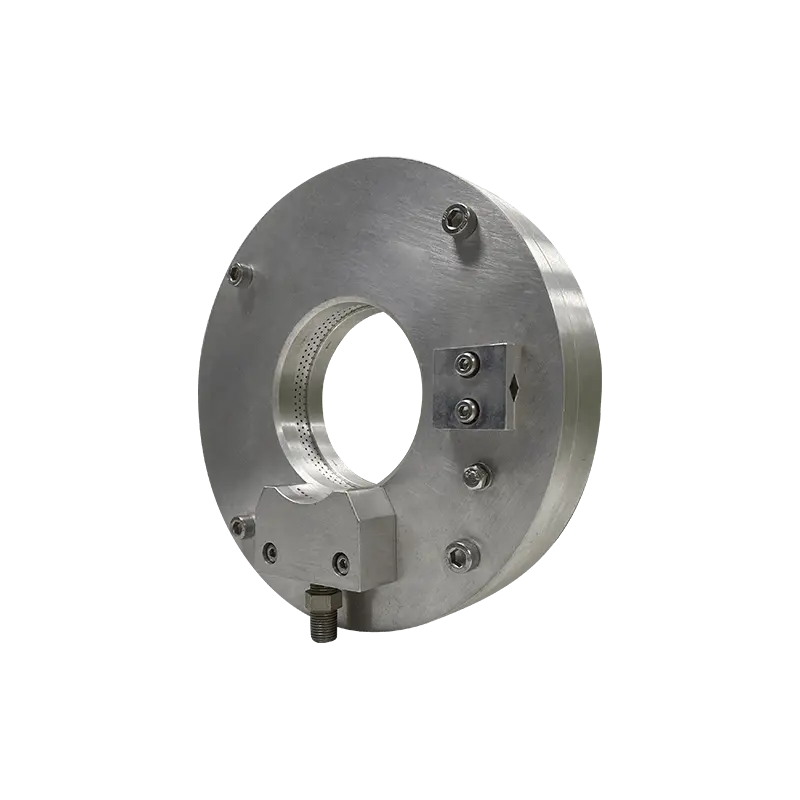
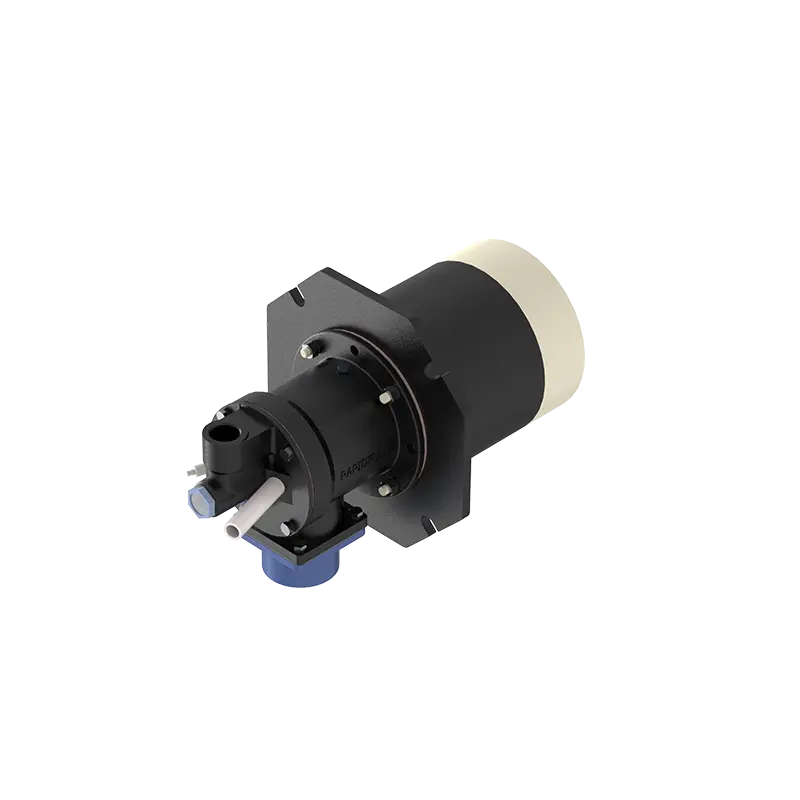
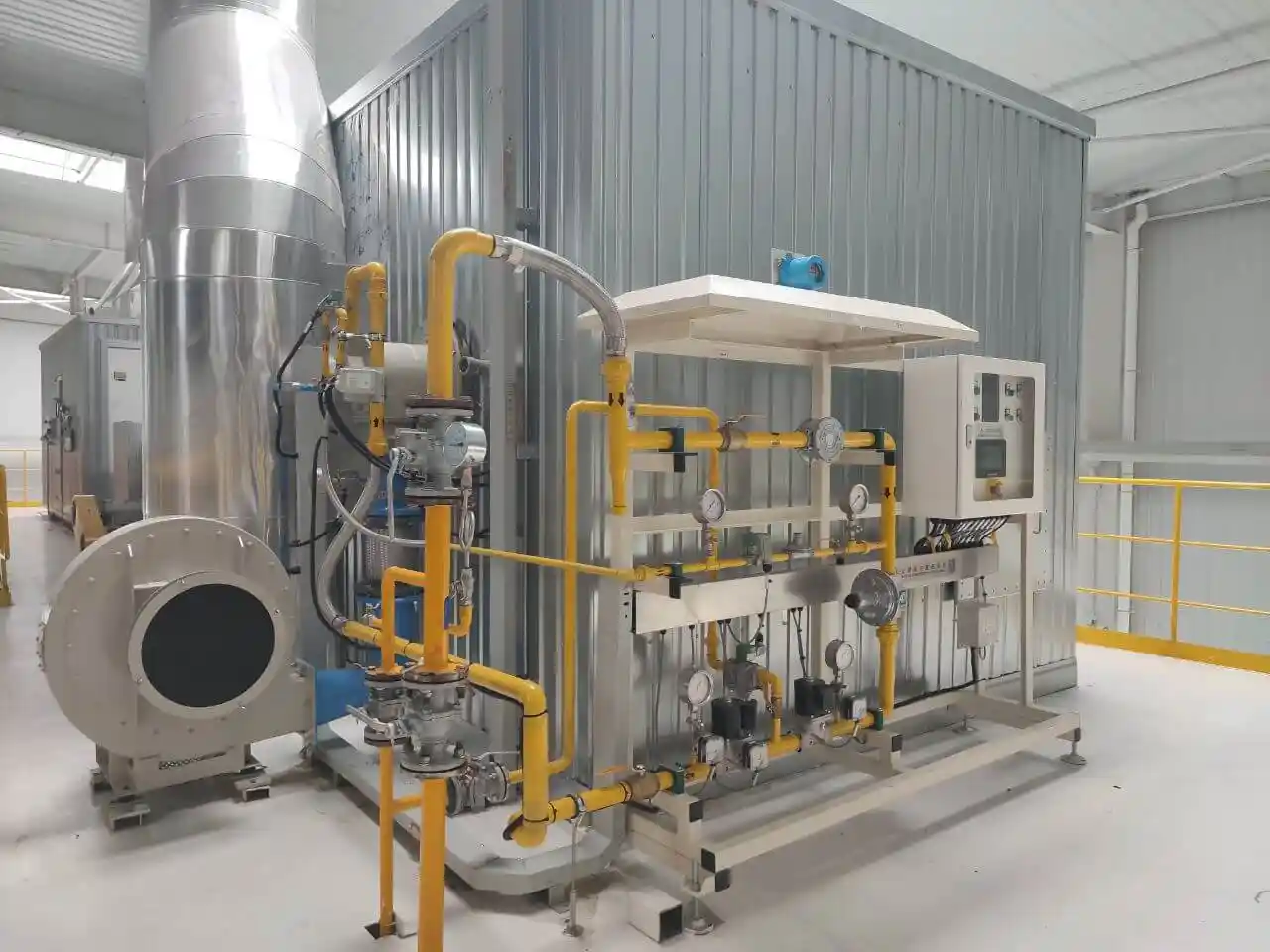
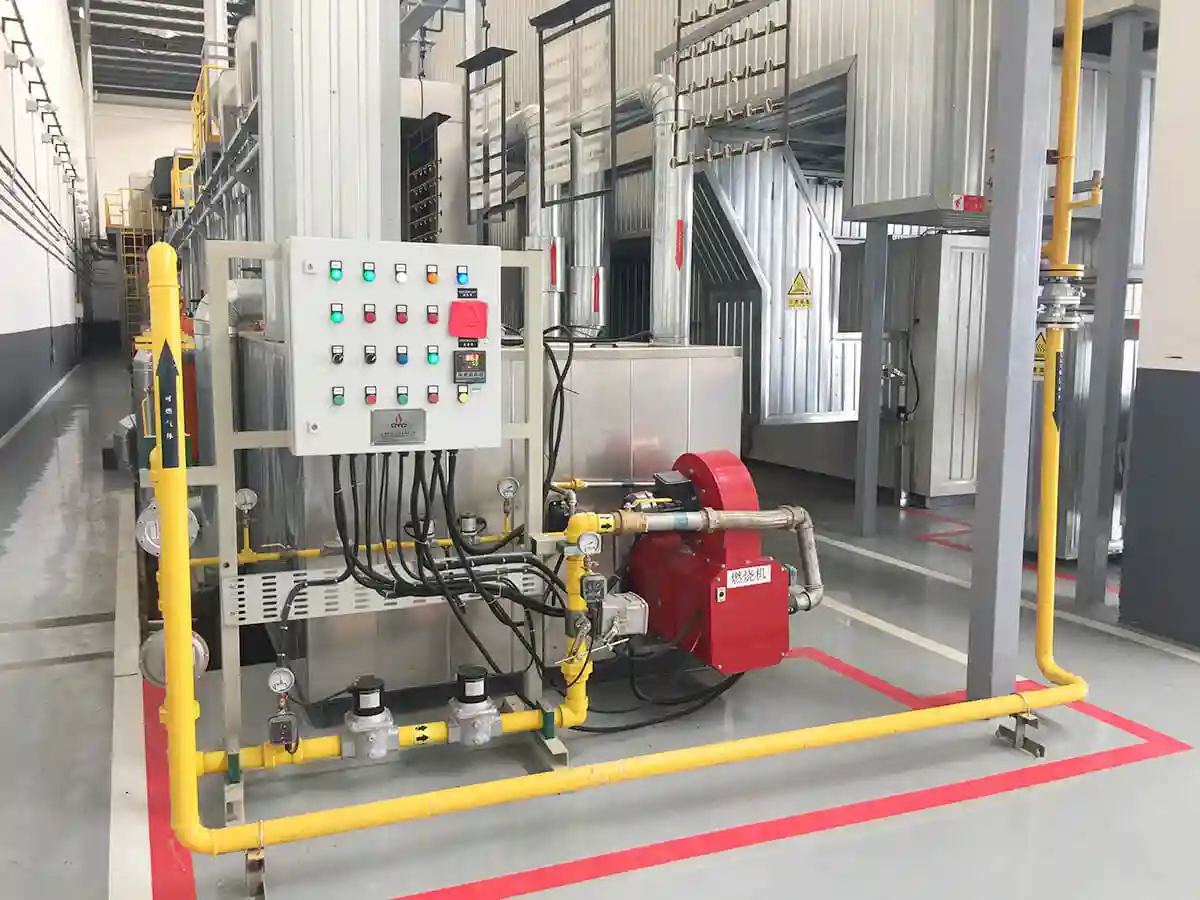
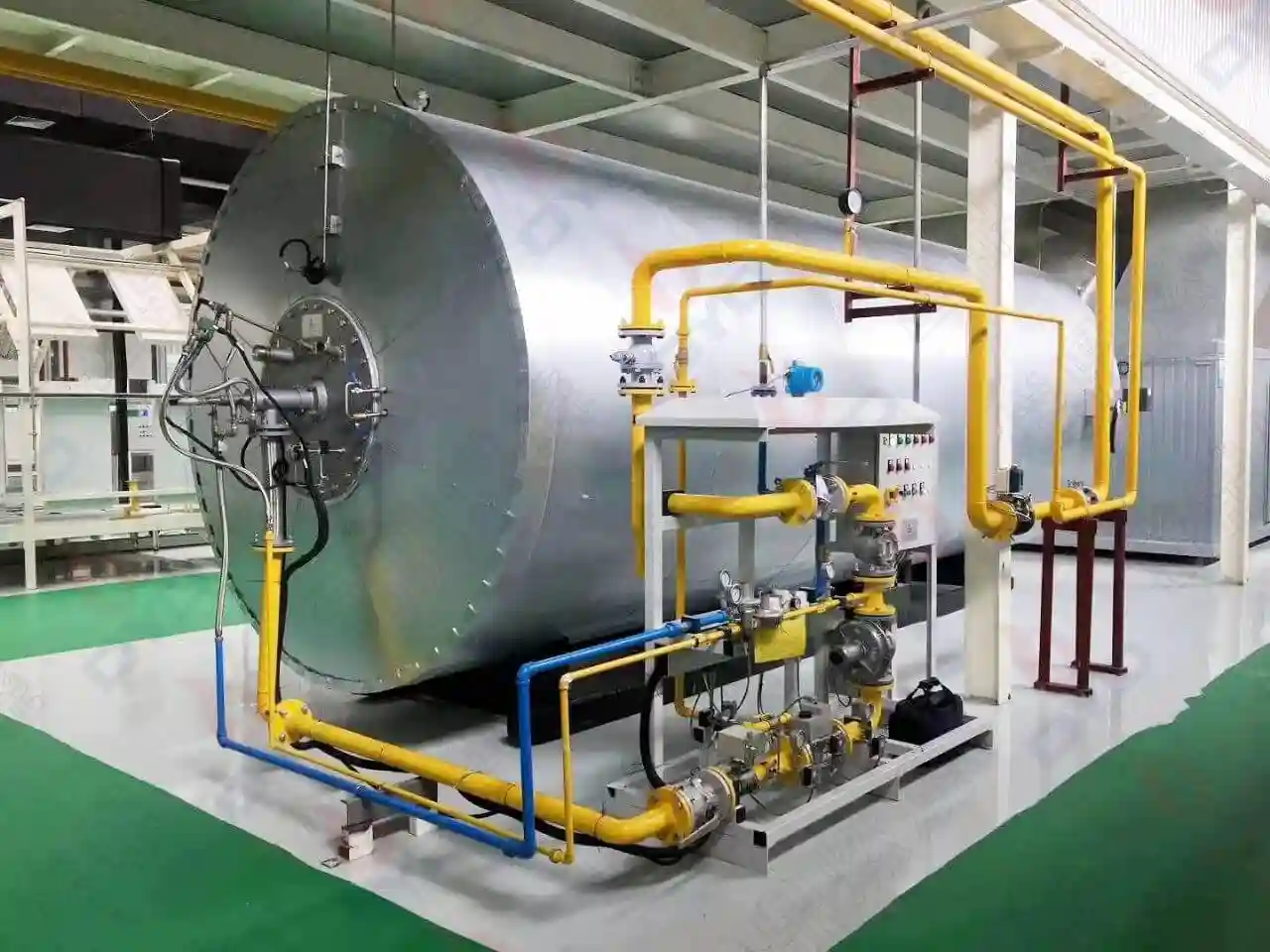
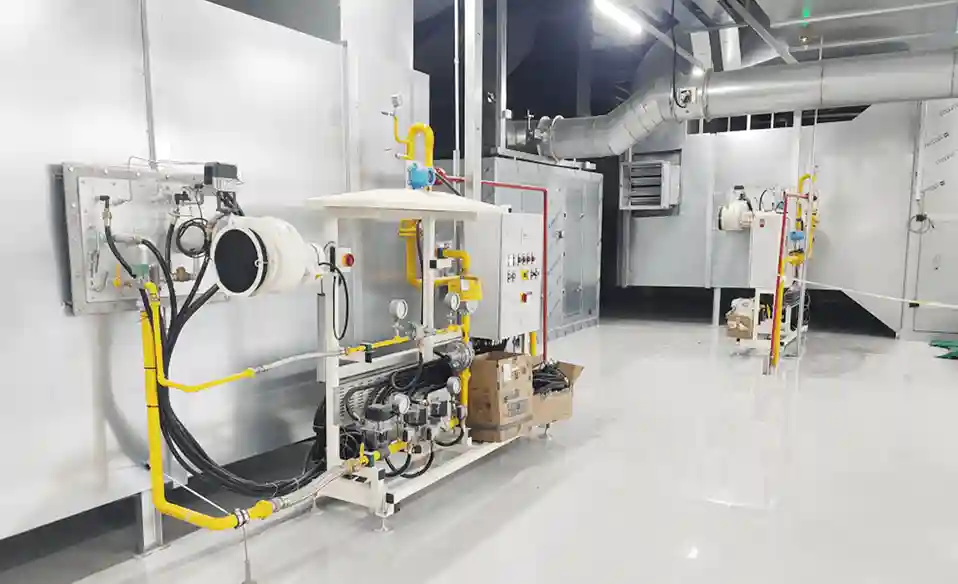
Flame flashback occurs when a flame travels backward from the combustion zone into the burner mixing chamber, fuel nozzle, or premixing section instead of remaining anchored at the burner outlet. It is one of the most important combustion instability problems in industrial burners because it can cause burner damage, abnormal combustion, equipment shutdown, and potential safety hazards. Unlike flame lift-off, which typically results in performance degradation and emissions issues, flashback directly threatens the structural integrity of the burner itself, making it a more serious operational concern.
Unlike flame lift-off, where the flame moves away from the burner outlet, flame flashback happens when the flame propagation speed becomes higher than the velocity of the unburned fuel-air mixture flowing toward the flame front. In this scenario, the flame front overcomes the forward momentum of the incoming mixture and propagates upstream against the flow direction, potentially reaching regions of the burner that were never designed to withstand combustion temperatures.
In simple terms:
When the flame burns faster than the gas mixture moves forward, the flame can move upstream into the burner.
Understanding the causes of flame flashback is essential for designing and operating reliable industrial combustion systems, especially in applications involving premixed burners, hydrogen-containing fuels, high-temperature furnaces, and low-emission combustion technologies. As industries transition toward hydrogen blending and low-NOx combustion strategies, the risk of flashback becomes an increasingly critical design consideration.
Flame flashback is a combustion instability phenomenon in which the flame front moves upstream into areas that are not designed for combustion. Instead of remaining anchored at the burner outlet where heat and flame are intended to be released, the flame propagates backward through the fuel-air mixture, entering the burner interior where mixing elements, flow passages, and seals are vulnerable to thermal damage.
In a normal burner:
Fuel + Air → Mixing → Ignition → Stable Flame at Burner Outlet
During flashback:
Fuel + Air → Flame Travels Backward → Burner Interior Combustion
The flame position depends on the balance between:
Flame propagation speed—the rate at which the combustion wave moves through the unburned mixture
Fuel-air mixture velocity—the bulk flow velocity of the combustible mixture moving toward the flame front
Burner geometry—the physical arrangement of flow passages, contractions, and expansions
Temperature conditions—influencing reaction rates and flame speed
Fuel characteristics—intrinsic properties such as laminar flame speed and flammability limits
When the flame speed exceeds the incoming mixture velocity, the flame can move back toward the burner. The critical condition for flashback is when the local flame speed exceeds the local flow velocity at some point within the burner. In premixed systems, this condition can occur across a broad region because the entire interior volume contains combustible mixture.
The most common cause of flame flashback is insufficient flow velocity through the burner outlet. Every burner has a minimum velocity threshold below which the flame can propagate upstream. This threshold is determined by the fuel properties, burner geometry, and operating temperature.
A flame remains stable when:
Mixture velocity > Flame propagation speed
However, when:
Mixture velocity < Flame propagation speed
the flame can travel upstream. When the flow slows down, the flame front has less opposition to its upstream propagation, and it may cross the boundary between the combustion zone and the burner outlet.
This situation may occur when:
Burner firing rate is too low—reducing flow velocity across the burner exit
Gas supply pressure is insufficient—failing to maintain adequate flow momentum
Air flow is reduced excessively—lowering the total volume flow and velocity
Burner operates below its designed turndown range—operating at the extreme low end of the firing range where velocity is inherently low
For example, during low-load operation, the fuel-air mixture velocity decreases. If the burner design cannot maintain sufficient velocity, the flame may move backward into the burner head. This is why industrial burners are designed with a minimum firing rate specification—operating below this limit is not recommended.
Different fuels have different flame propagation characteristics. The laminar flame speed is a fundamental property of the fuel-air mixture that varies significantly with composition, temperature, and pressure.
Fuels with higher flame speeds have a greater tendency to cause flashback. The flame speed determines how quickly the combustion wave can propagate through the mixture, independent of the flow field.
Factors that increase flame speed include:
Higher oxygen concentration—oxygen-enriched combustion accelerates reaction rates
Higher combustion temperature—higher temperatures increase reaction rates exponentially
Hydrogen enrichment—hydrogen has a much higher flame speed than methane
Improved fuel-air mixing—premixed and highly mixed systems create more uniform, faster-burning mixtures
Hydrogen-containing fuels are especially important because hydrogen burns much faster than natural gas. The laminar flame speed of hydrogen is approximately an order of magnitude higher than that of methane, meaning burner designs suitable for methane may experience significant flashback risks when hydrogen content increases beyond certain thresholds. This is one of the key technical challenges in transitioning industrial burners to hydrogen or hydrogen-blended fuel operation.
Premixed burners are more sensitive to flame flashback than diffusion burners. The fundamental difference lies in where the fuel and air are mixed relative to the combustion zone.
In a premixed burner:
Fuel and air are mixed before ignition—the mixing process is complete before combustion
The entire mixture becomes combustible—all of the mixture flowing through the burner is within the flammability limits
The flame can propagate through the mixture if conditions allow—creating a potential path for flashback
Advantages of premixed combustion:
Lower NOx emissions—uniform mixing and lower peak temperatures reduce thermal NOx formation
Better combustion uniformity—consistent flame characteristics across the burner
Higher efficiency—reduced excess air requirements and improved heat transfer
However, the risk of flashback must be controlled through:
Burner velocity design—ensuring adequate flow velocity at all firing rates
Flame arresting structures—physical barriers that prevent flame propagation upstream
Special stabilizing elements—designed to anchor the flame at the correct position
Accurate air-fuel control—maintaining the mixture ratio within a safe operating window
The air-fuel ratio has a significant influence on flame stability. The flame speed reaches its maximum near the stoichiometric ratio, making flashback most likely when the mixture is near chemically correct proportions.
Excess Fuel (Fuel-Rich Mixture)
A fuel-rich mixture may increase flame speed and create unstable combustion conditions. In fuel-rich conditions, the flame may become less sensitive to velocity changes, but combustion efficiency decreases and the potential for CO formation increases.
Possible results:
Flame movement—the flame root may shift position unpredictably
Higher CO emissions—incomplete combustion products
Flashback risk—especially near the stoichiometric ratio where flame speed peaks
Excess Air (Lean Mixture)
A very lean mixture may also create instability because:
Flame temperature changes—lower temperatures reduce combustion stability
Flame structure becomes weaker—the flame is less robust to flow disturbances
Local combustion zones become unpredictable—the reaction zone may become fragmented
Industrial burners must operate within a controlled combustion window—a range of air-fuel ratios where flame stability, emissions, and efficiency are all acceptable. Operating outside this window increases the risk of both flashback and other combustion instabilities.
Higher temperatures generally increase chemical reaction rates and flame speed. The dependence of flame speed on temperature is exponential through the Arrhenius relationship, meaning that even moderate temperature increases can significantly raise flashback risk.
Flashback risk increases when:
Furnace temperature is extremely high—the flame and burner reach higher operating temperatures
Combustion air is preheated—preheated air increases flame temperature and flame speed
Oxygen concentration increases—oxygen-enriched combustion raises flame temperature and speed
Internal burner components become overheated—hot surfaces can promote early ignition inside the burner
This is particularly important in:
High-temperature kilns—ceramic and refractory applications where furnace temperatures are inherently high
Glass furnaces—sustained high-temperature operation with preheated combustion air
Metal heating systems—high temperature requirements for forging, melting, and heat treatment
Oxygen-enriched combustion applications—higher flame temperatures require careful flashback control
A properly designed burner must prevent the flame from entering areas where combustion should not occur. Flashback prevention starts at the design phase, where the burner geometry is optimized to maintain velocities above the flame speed limit.
Poor burner design may cause:
Insufficient outlet velocity—the burner exit velocity is too low for safe operation
Weak flame stabilization—the flame anchoring mechanism is inadequate
Poor internal flow distribution—uneven velocities create localized low-velocity zones
Excessive residence time of the mixture inside the burner—more time for flame propagation to occur
Important design factors include:
Burner Outlet Velocity
The outlet velocity must be high enough to prevent flame propagation upstream. This requires careful matching of nozzle geometry, fuel flow, and air flow.
Flame Stabilization Structure
A burner needs a controlled stabilization zone to keep the flame at the correct position. This may include bluff bodies, flame holders, swirlers, or specially shaped quarls.
Cooling Design
Burner components exposed to high temperatures require proper cooling to prevent overheating and ignition inside the burner. Air cooling, water cooling, or refractory shielding may be required for high-temperature applications.
Mechanical problems can change combustion conditions. Over time, burner components may accumulate deposits, wear, or sustain damage that alters the flow field and increases flashback risk.
Examples include:
Blocked air passages—restricted air flow reduces mixture velocity and changes the air-fuel ratio
Damaged nozzles—deformed or worn nozzles change flow characteristics
Carbon deposits—accumulated carbon on burner surfaces can cause local flow disruption
Incorrect nozzle replacement—using the wrong part changes the burner's velocity characteristics
Foreign objects inside the burner—debris or materials obstructing flow passages
These issues may reduce mixture velocity and create conditions favorable for flashback. Regular maintenance and inspection are essential for preventing flashback caused by component degradation.
Even a well-designed burner can experience flashback if it is incorrectly adjusted. Commissioning is the process of setting up the burner for the specific site conditions, and it requires both technical knowledge and practical experience.
Common commissioning mistakes include:
Incorrect gas-air ratio settings—operating outside the stable combustion window
Operating below minimum capacity—running the burner below its designed turndown range
Excessive air reduction—creating fuel-rich conditions that may increase flame speed
Wrong control parameters—incorrectly set PID values, limit settings, or safety thresholds
Professional commissioning should verify:
Flame shape—stable, well-anchored flame at all firing rates
Gas pressure—within the designed range for stable flow
Air pressure—correctly balanced with gas pressure
Oxygen level—appropriate excess air for complete combustion
Burner operating range—stable operation across the full firing range
Flame flashback is more dangerous than normal flame instability because combustion occurs inside the burner. The consequences extend beyond performance issues to include equipment damage and safety hazards.
Internal combustion can cause:
Burner head overheating—excessive temperatures beyond design limits
Nozzle deformation—thermal distortion affecting flow characteristics
Mixing tube damage—internal components exposed to flame temperatures
Refractory failure—thermal shock and cracking of refractory materials
If combustion occurs inside a fuel-air mixing section, pressure fluctuations may occur. The confined space and rapid combustion can lead to pressure wave formation that stresses burner components and connected piping.
In severe cases, flashback combined with improper safety controls can create:
Internal pressure spikes—rapid pressure rise within the burner
Equipment damage—structural failure of burner components
Safety hazards—risk to personnel and surrounding equipment
Flashback can lead to:
Unstable heat release—fluctuating thermal output
Poor temperature control—difficulty maintaining setpoint temperatures
Increased emissions—incomplete combustion and thermal NOx
Frequent shutdowns—unscheduled downtime affecting production
The burner should maintain:
Mixture velocity > Flame propagation speed
This can be achieved through:
Proper nozzle sizing—matching the nozzle to the required flow range
Correct gas pressure—ensuring adequate flow momentum
Stable air supply—consistent air delivery across all operating conditions
Industrial burners prevent flashback through:
Optimized burner geometry—flow passages designed for adequate velocity
Controlled mixing zones—ensuring mixture formation at the correct location
Flame stabilization structures—mechanical features that anchor the flame
Internal cooling methods—preventing overheating of burner internals
Automatic combustion control systems help maintain:
Stable fuel flow—consistent fuel delivery across the firing range
Correct air ratio—proper air-fuel balance at all loads
Safe operating conditions—preventing operation outside the stable window
Every burner has a designed operating range. Operating conditions should stay within:
Minimum firing rate—the lowest safe load
Maximum firing rate—the highest designed capacity
Recommended turndown ratio—the safe range of operation
When changing fuels, burner performance must be evaluated. Different fuels have different flame speeds, flammability limits, and stability characteristics.
Examples:
Natural gas → Hydrogen blending—flashback risk increases with hydrogen content
Air combustion → Oxygen-enriched combustion—higher temperatures and flame speeds
Different industrial gases—each fuel requires specific burner design considerations
Fuel changes can significantly affect flame speed and flashback risk, often requiring burner modifications or control system adjustments.
| Feature | Flame Flashback | Flame Lift-Off |
|---|---|---|
| Flame movement | Moves backward into burner | Moves away from burner |
| Main cause | Flame speed exceeds mixture velocity | Mixture velocity exceeds flame speed |
| Typical risk | Burner internal damage | Ignition instability |
| Common in | Premixed burners | High velocity burners |
| Prevention focus | Maintain velocity and control flame speed | Improve stabilization and mixing |
The main cause of flame flashback is that the flame propagation speed becomes higher than the velocity of the fuel-air mixture flowing toward the burner outlet. This imbalance allows the flame front to move upstream into the burner.
Premixed burners contain a combustible fuel-air mixture before ignition. If the mixture velocity is too low or flame speed is too high, the flame can travel backward through the premixed zone. Diffusion burners, where fuel and air are mixed only at the flame front, are generally less susceptible to flashback.
Yes. Hydrogen has a much higher flame speed than natural gas, which increases flashback risk. Burners designed for hydrogen or hydrogen-blended fuels require special combustion control and design considerations, including higher minimum velocities and flame arresting features.
Common indicators include:
Abnormal burner noise—a "popping" or "roaring" sound
Flame instability—irregular flame behavior
Burner overheating—hotter-than-normal burner components
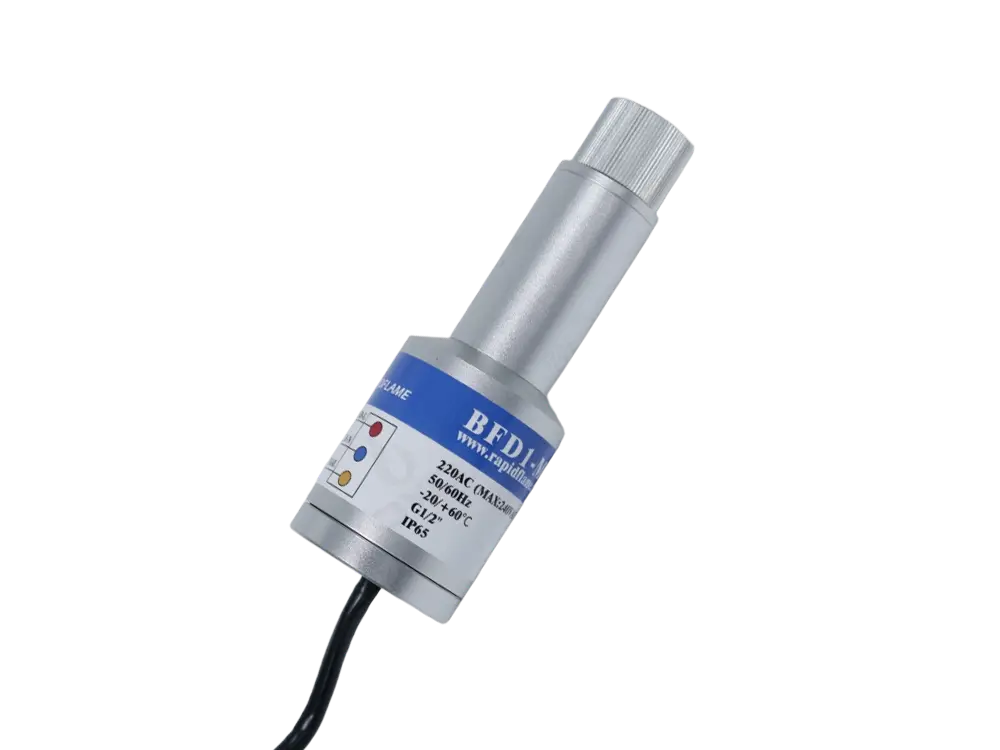
Unexpected flame scanner signals—flame detected in unusual positions
Sudden combustion system shutdown—safety system activation
Generally, flame flashback presents a higher safety risk because combustion occurs inside the burner where components are not designed for continuous flame exposure. Lift-off primarily affects performance and emissions, while flashback directly threatens burner integrity and can lead to equipment failure or explosion.
Flame flashback occurs when the flame propagation speed exceeds the velocity of the fuel-air mixture, causing the flame to travel back into the burner. The phenomenon is mainly influenced by fuel characteristics, burner design, air-fuel ratio, operating conditions, and combustion temperature. Understanding these factors is essential for preventing flashback and ensuring safe, reliable burner operation.
For modern industrial combustion systems, especially low-NOx premixed burners and hydrogen-ready combustion systems, preventing flashback requires careful burner design, accurate control of operating parameters, and professional commissioning. As the industry transitions toward hydrogen and other high-flame-speed fuels, flashback prevention will continue to be a central concern in burner development and application.
A reliable industrial burner must achieve the right balance between flame stabilization, combustion efficiency, emission control, and operational safety. This balance requires not only good design but also proper installation, commissioning, and ongoing maintenance.
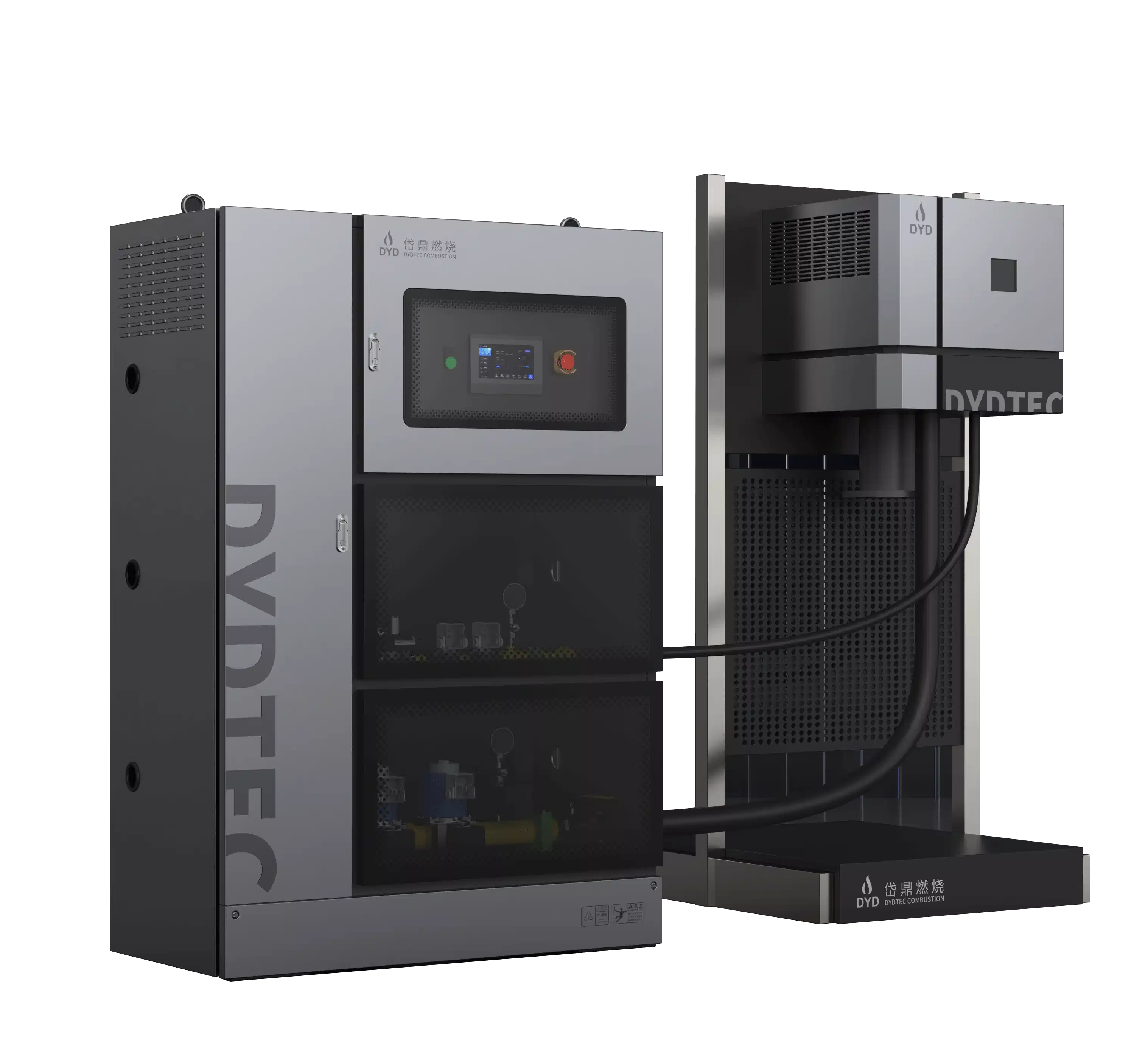
DYDTEC Combustion specializes in industrial burner technology, combustion systems, and customized thermal solutions. The company provides industrial burner solutions for applications including furnaces, drying systems, thermal processing equipment, and energy-efficient heating systems, focusing on stable combustion, optimized performance, and reliable long-term operation. Whether the application involves traditional fuels or emerging hydrogen-based combustion, DYDTEC integrates combustion engineering expertise with practical industry knowledge to deliver burner systems that meet the demanding requirements of modern industrial production.