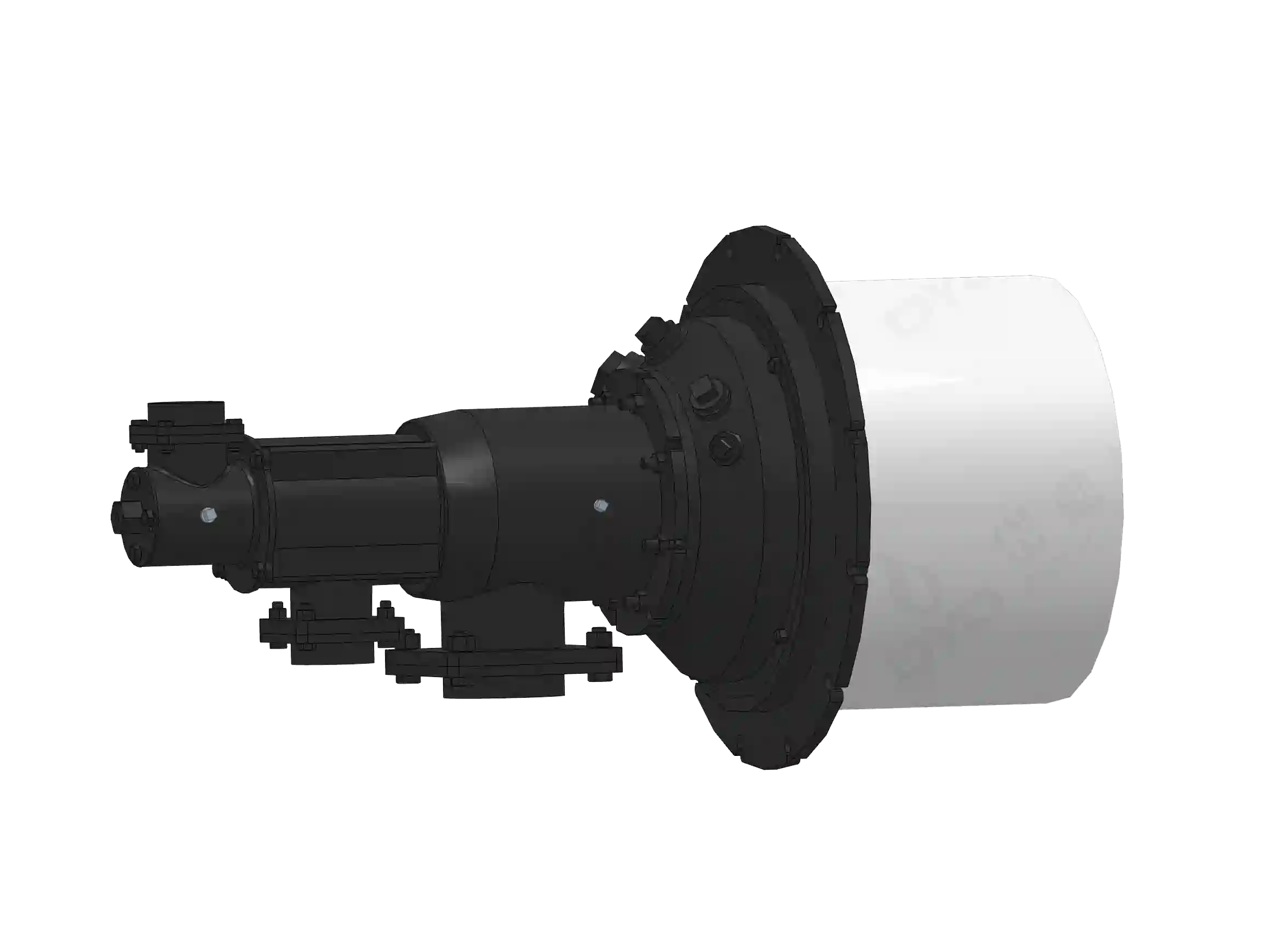
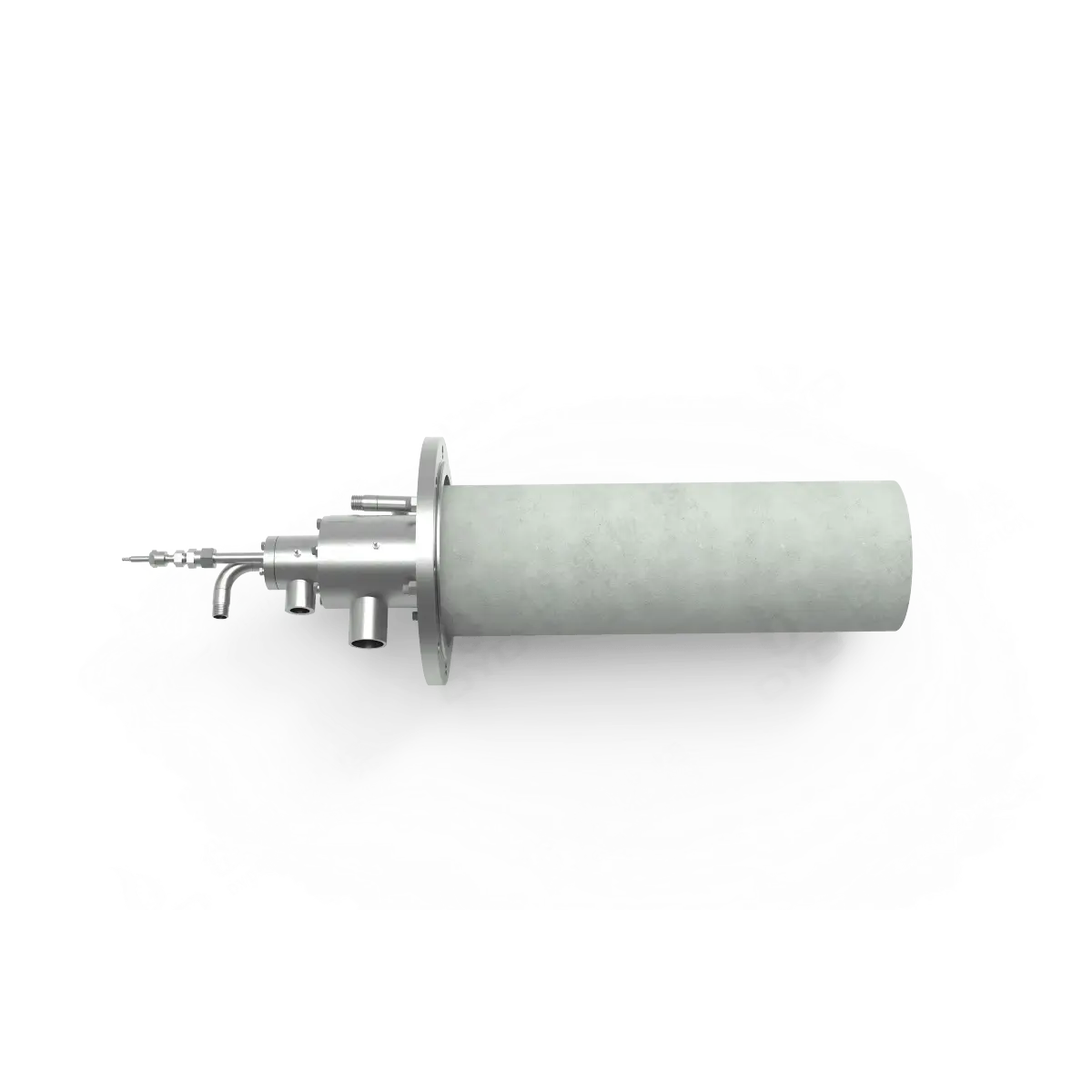
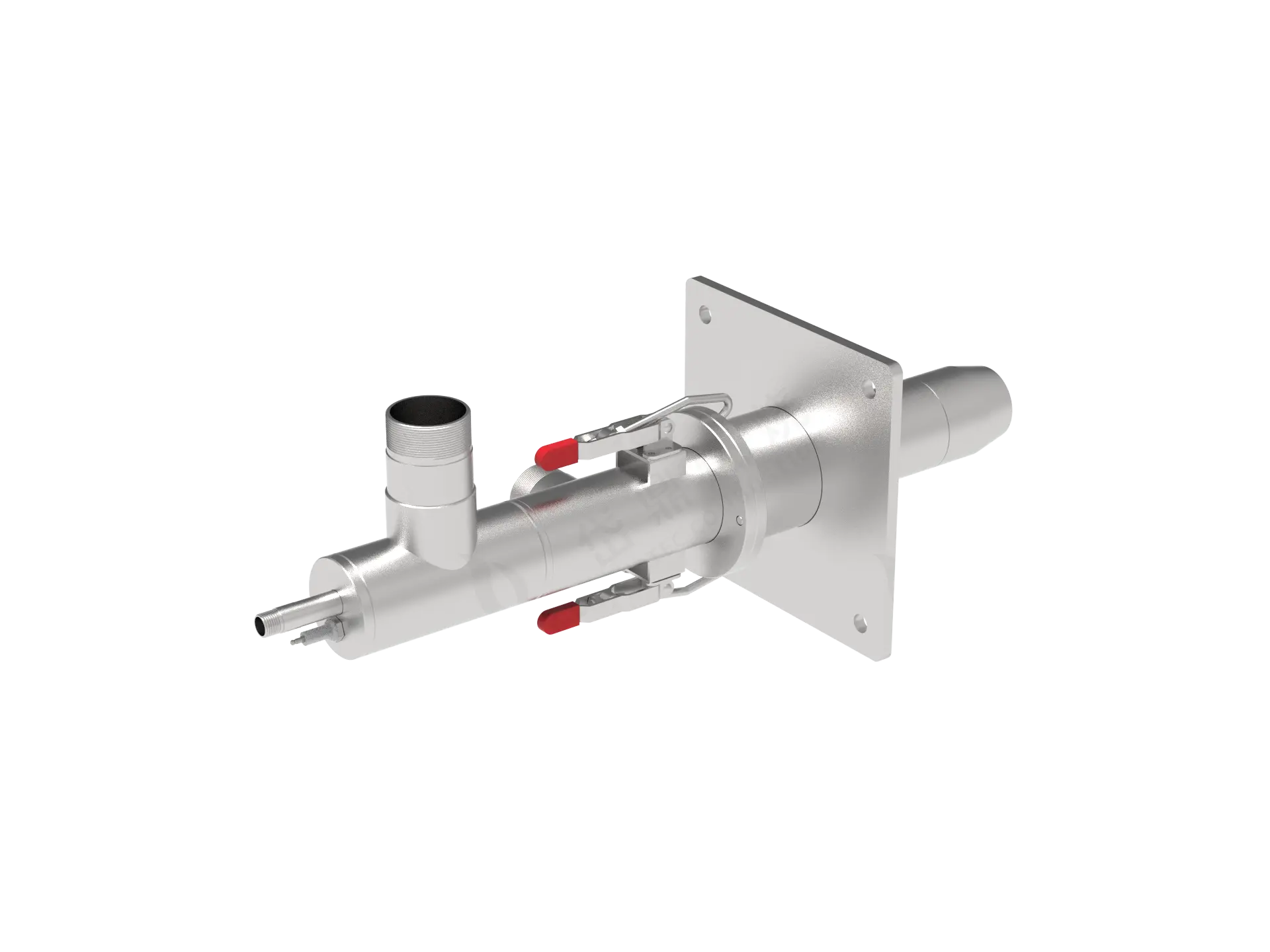
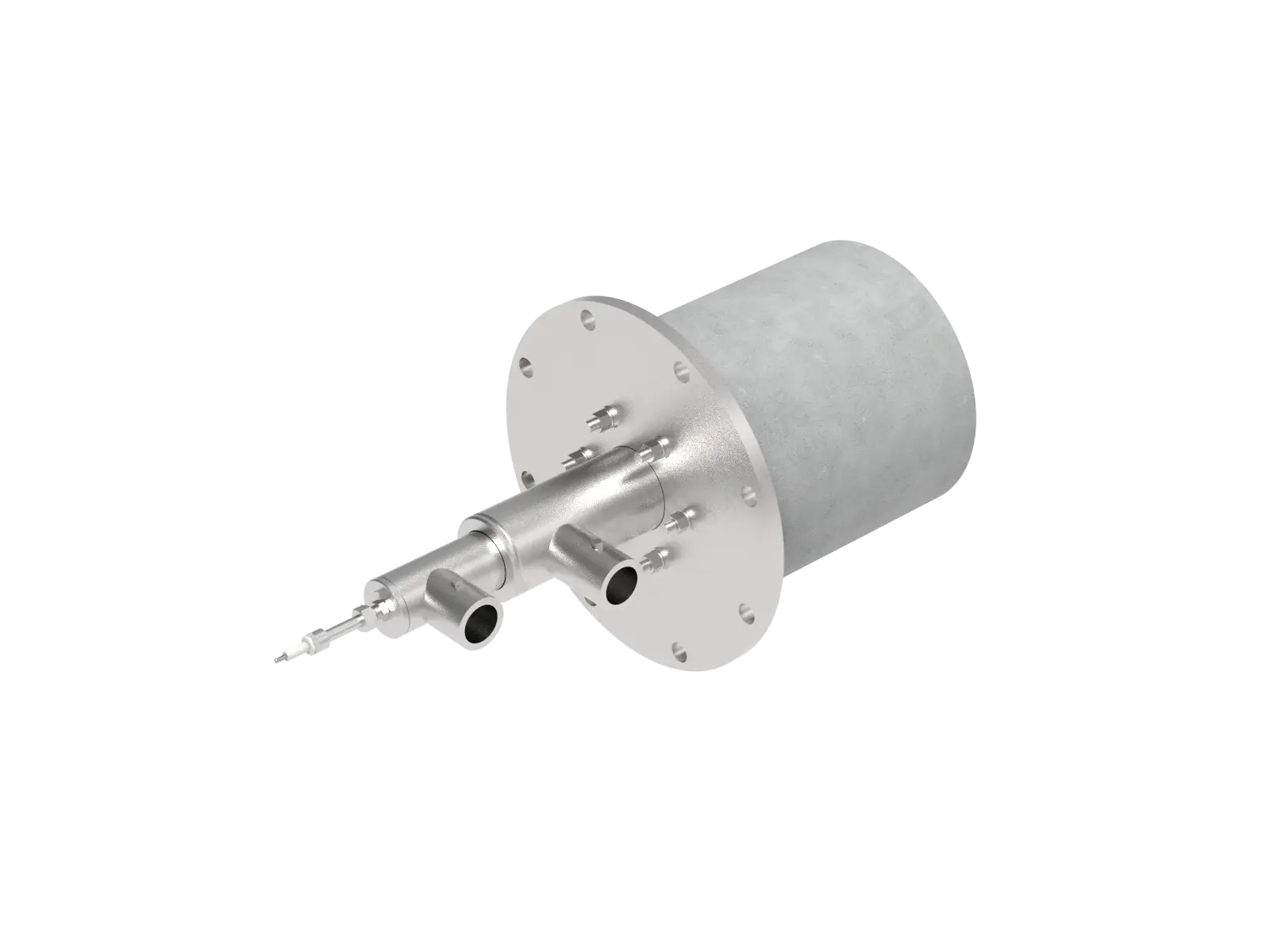
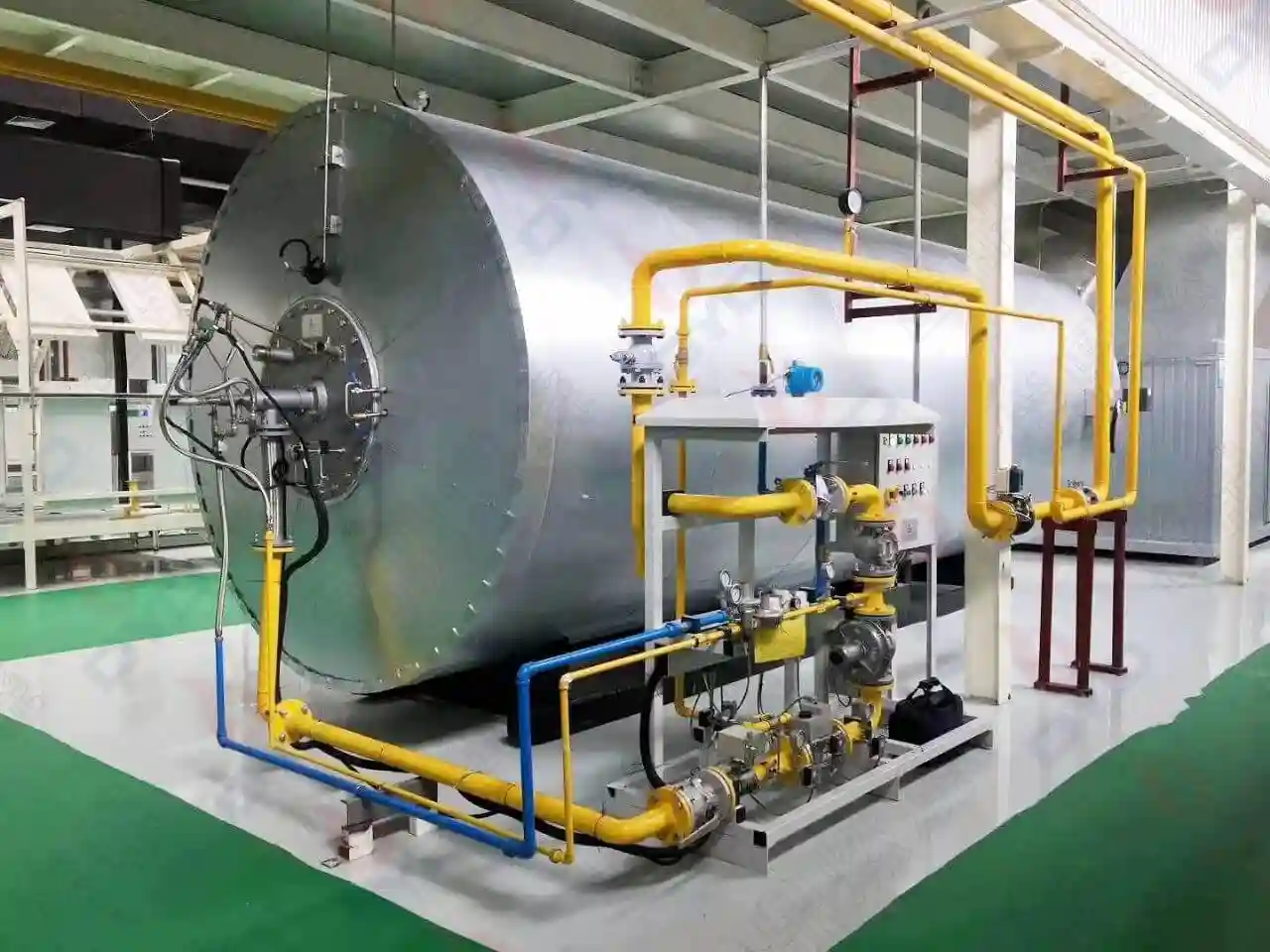
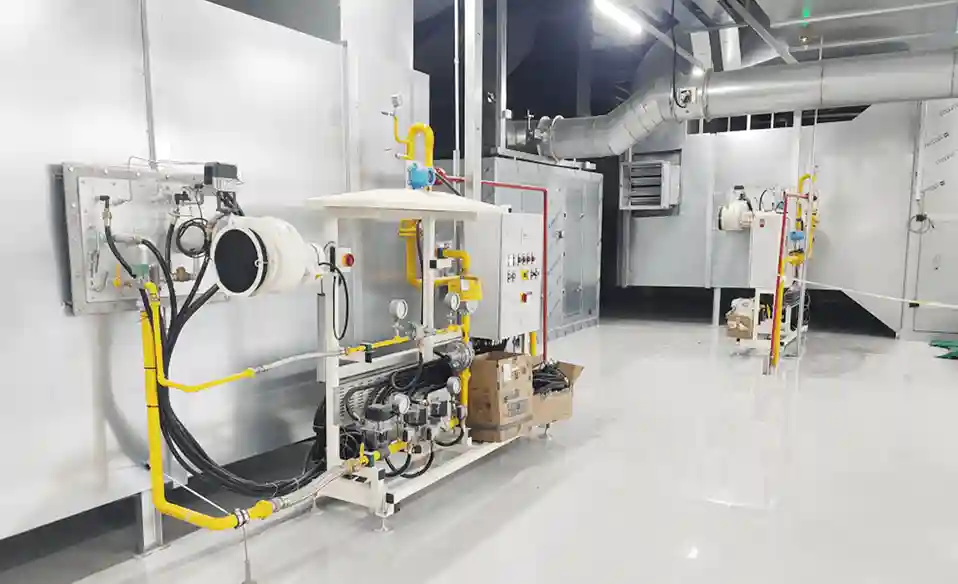
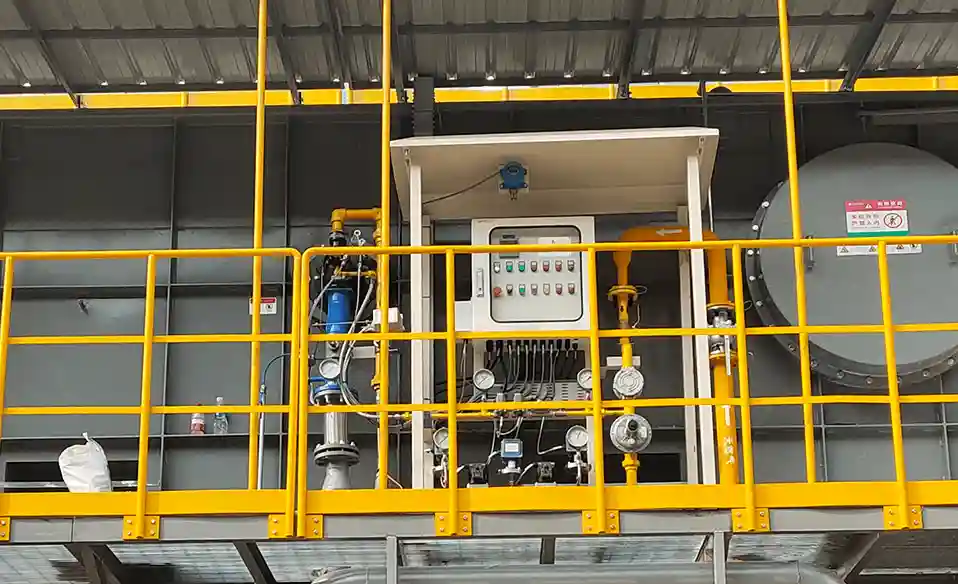
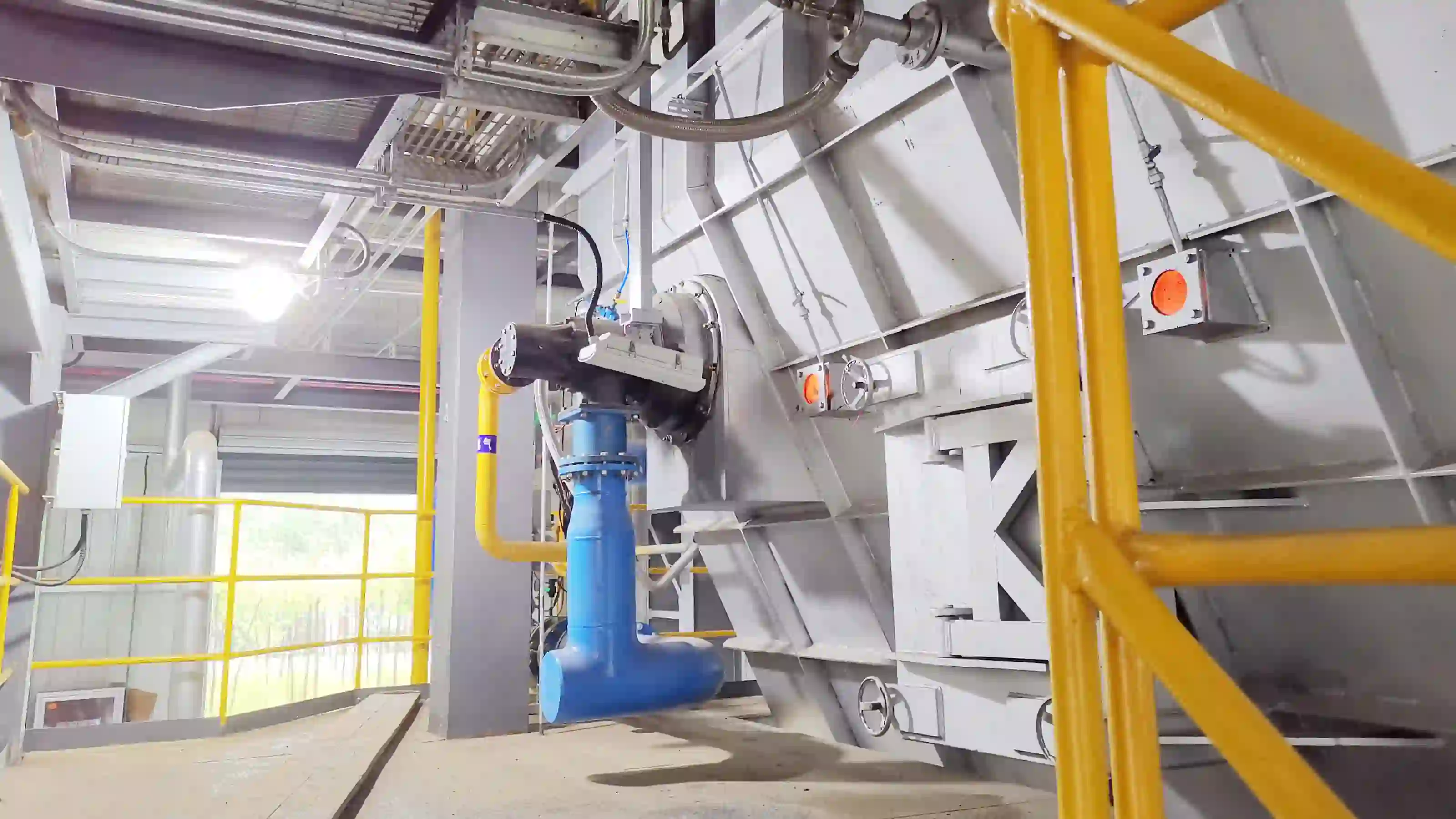
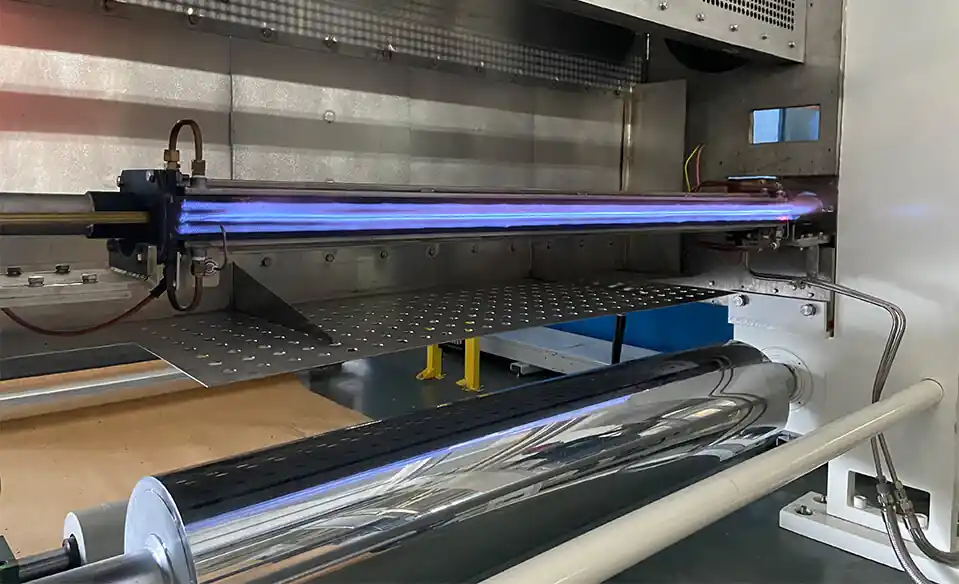
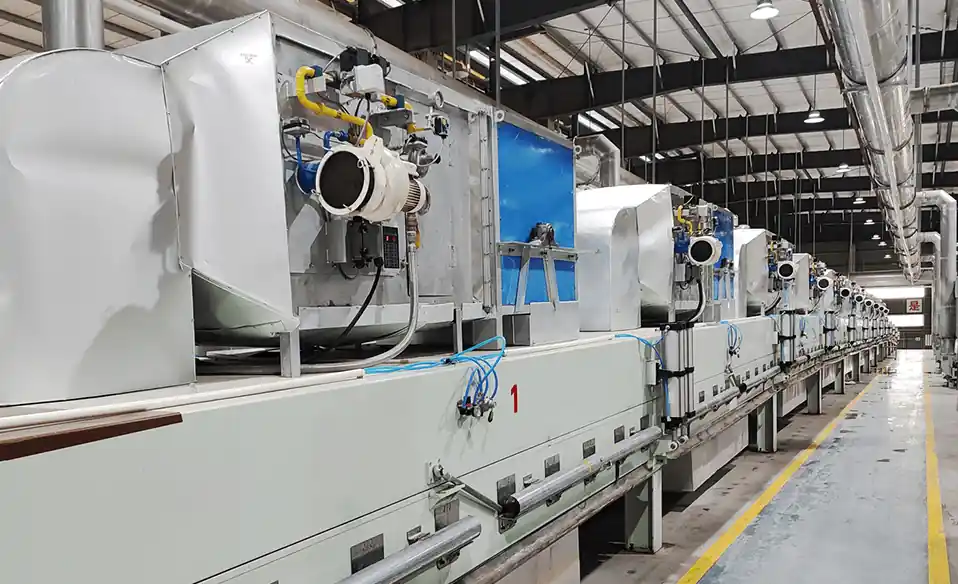
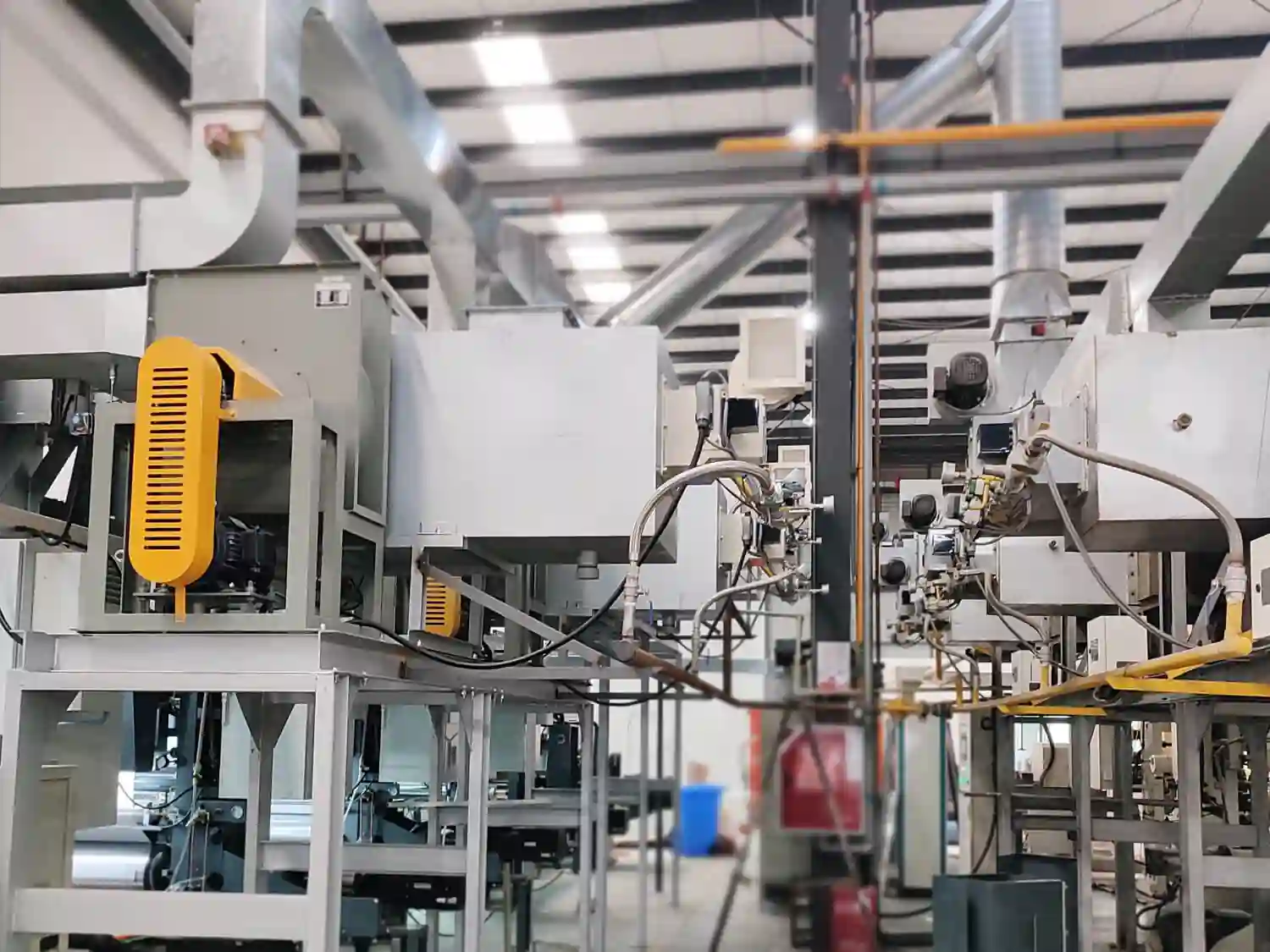
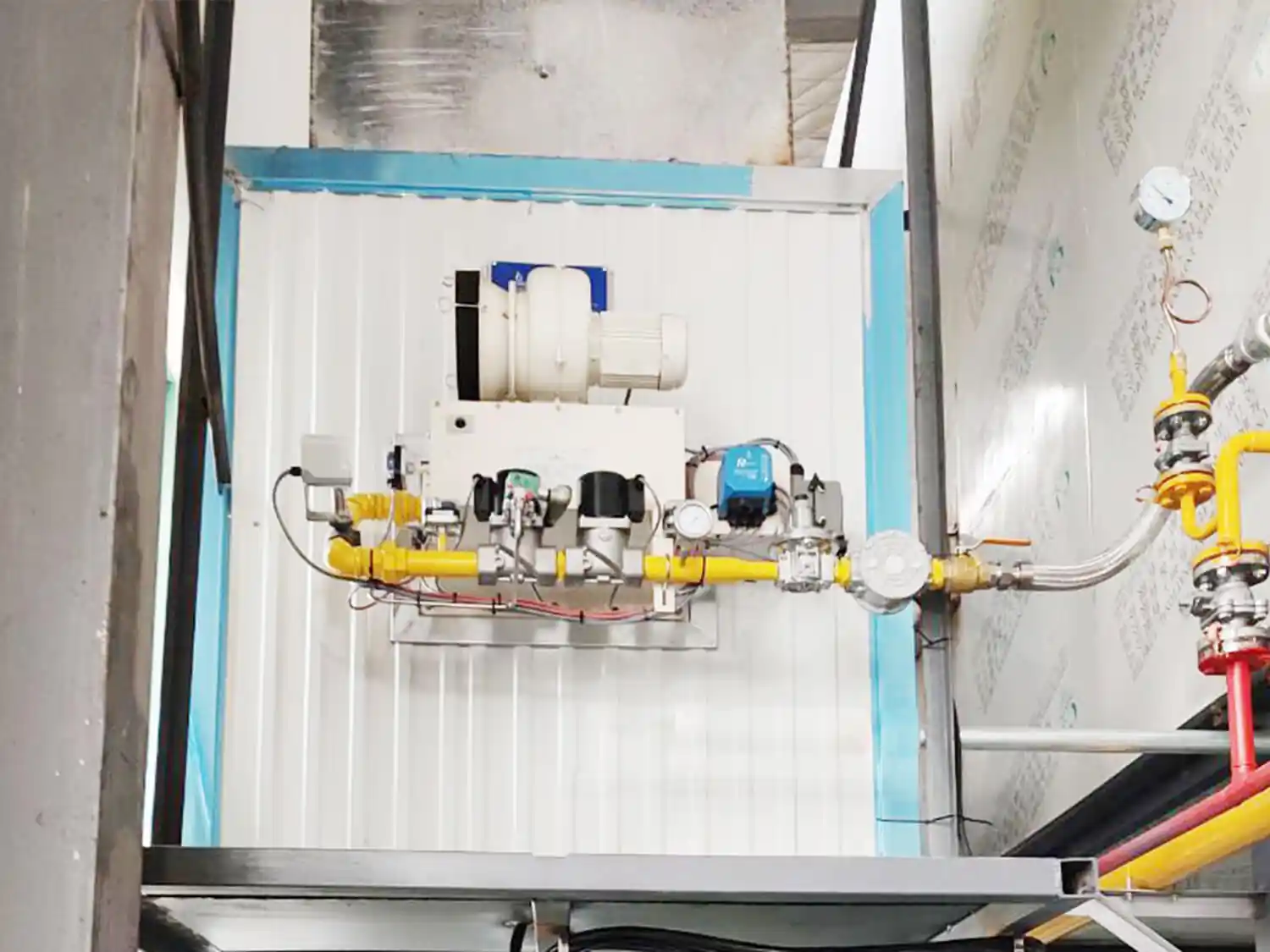
Incomplete combustion occurs when fuel does not burn completely due to insufficient oxygen, poor fuel-air mixing, unstable flame conditions, or improper combustion control. Instead of converting all fuel into carbon dioxide (CO₂) and water vapor (H₂O), incomplete combustion produces partially oxidized products such as carbon monoxide (CO), unburned hydrocarbons (UHC), soot, and other combustion byproducts. These byproducts represent lost chemical energy that could have been converted into useful heat, making incomplete combustion a primary contributor to reduced system efficiency and increased operating costs.
In industrial burners, incomplete combustion can reduce thermal efficiency, increase fuel consumption, raise emissions, and create operational problems for equipment such as furnaces, kilns, dryers, thermal oxidizers, and heating systems. The presence of CO and soot in flue gases is often a clear indicator that combustion conditions are less than ideal. Over time, these issues can lead to fouling of heat transfer surfaces, increased maintenance frequency, and premature equipment aging.
Understanding the causes of incomplete combustion is essential for improving combustion efficiency, energy utilization, and emission performance. For plant operators and engineers, diagnosing the root causes of incomplete combustion is the first step toward optimizing burner operation and achieving sustainable, cost-effective production.
Under ideal combustion conditions, hydrocarbon fuels react completely with oxygen:
Hydrocarbon Fuel + Oxygen → Carbon Dioxide + Water + Heat
For example, when methane burns completely:
CH₄ + 2O₂ → CO₂ + 2H₂O + Heat
This ideal reaction requires the correct amount of oxygen, sufficient mixing, adequate temperature, and enough residence time for the reaction to go to completion.
However, when combustion conditions are not optimized, the reaction may stop before complete oxidation occurs:
Hydrocarbon Fuel + Limited Oxygen → Carbon Monoxide + Water + Unburned Fuel + Heat
The result is incomplete combustion, where the fuel's chemical energy is only partially released. The remaining energy remains locked in CO and unburned hydrocarbons, which are later released as pollutants or as wasted chemical potential.
Common indicators include:
High carbon monoxide (CO) levels—a direct sign that carbon is not fully oxidized
Smoke or soot formation—visible evidence of solid carbon particles
Lower flame temperature—incomplete reactions release less heat
Increased fuel consumption—more fuel is needed to achieve the same heat output
Unstable flame behavior—flickering or fluctuating flames can indicate poor combustion conditions
The most common cause of incomplete combustion is insufficient oxygen supply. Combustion air provides the oxygen needed for the oxidation reaction. When the amount of air is lower than what is required for complete combustion, some fuel molecules cannot fully oxidize, leading to CO formation.
Causes of insufficient air include:
Low combustion air flow—due to fan speed reduction, damper restrictions, or duct blockages
Blocked air passages—dust, debris, or insulation particles obstructing air pathways
Incorrect damper adjustment—manual dampers set too far closed
Fan capacity problems—under-sized fans or worn impellers
Poor burner commissioning—initial settings that do not match actual operating conditions
Typical symptoms:
Increased CO emissions—the main gaseous indicator of air deficiency
Dark flame appearance—flames take on a yellow or orange color rather than a clean blue
Smoke generation—visible soot particles in the exhaust
Reduced heating efficiency—more fuel is required to achieve the same output
Industrial burners usually operate with a controlled amount of excess air to ensure complete combustion. Excess air provides a safety margin to account for variations in fuel composition, air density, and mixing effectiveness. However, the amount of excess air must be carefully optimized—too little leads to incomplete combustion, while too much wastes heat and reduces efficiency.
Even if enough oxygen is available, incomplete combustion can occur if fuel and air are not mixed properly. Combustion is a chemical reaction that requires intimate contact between fuel molecules and oxygen molecules at the molecular level.
Combustion requires:
Fuel + Oxygen + Proper Mixing + Temperature + Time
If mixing is insufficient, regions of the combustion zone may become fuel-rich or oxygen-deficient, creating local zones where incomplete combustion dominates.
Some fuel receives too much air—creating locally lean zones where combustion may be unstable
Some fuel receives too little air—forming fuel-rich zones where CO and soot are produced
Local fuel-rich zones form—even if the overall air-fuel ratio is correct, poor mixing creates pockets that do not burn completely
Factors affecting mixing include:
Burner nozzle design—the shape and arrangement of fuel orifices determines how fuel jets interact with air streams
Air velocity—higher velocities generally improve mixing but can also affect flame stability
Fuel injection pattern—the angle, number, and distribution of fuel jets
Swirl intensity—swirling air improves mixing and recirculation
Burner head structure—the geometry of the burner outlet influences mixing zone development
Modern industrial burners improve mixing through:
Swirling combustion air—creating turbulence that enhances mixing
Staged combustion—introducing air in stages to control mixing and temperature
Optimized fuel injection—arranging nozzles for uniform fuel distribution
Premixing technology—mixing fuel and air before they reach the combustion zone
The air-fuel ratio must remain within an appropriate operating range. The stoichiometric ratio is the chemically correct amount of air required for complete combustion, but in practice, burners operate with either excess air (lean mixture) or excess fuel (rich mixture) depending on the application.
Too Little Air (Fuel-Rich Combustion)
When fuel exceeds available oxygen, the reaction shifts toward incomplete products. Carbon cannot fully oxidize, so CO forms instead of CO₂. In extreme cases, soot particles may form from unburned carbon.
Example of incomplete combustion with insufficient oxygen:
2CH₄ + 3O₂ → 2CO + 4H₂O
Instead of:
CH₄ + 2O₂ → CO₂ + 2H₂O
Excessive Air (Overly Lean Combustion)
Although excess air helps prevent incomplete combustion, excessive air can also reduce combustion quality.
Too much air may:
Lower flame temperature—dilution reduces the heat release density
Slow chemical reactions—lower temperatures reduce reaction rates
Increase heat losses through exhaust gas—more energy is carried away by excess air
Cause flame instability—very lean flames may become weak or lift off
The goal is not maximum air, but optimized excess air control. The optimal excess air level balances complete combustion against heat losses and is typically established during commissioning based on flue gas analysis.
Combustion reactions require sufficient temperature to proceed completely. The rate of chemical reactions, including oxidation of CO to CO₂, is strongly temperature-dependent. When temperatures fall below the threshold needed for complete oxidation, the reaction may stop prematurely.
Low flame temperature can occur due to:
Excessive air dilution—too much air lowers the flame temperature significantly
Cold furnace conditions—during startup or after long idle periods
High moisture content in fuel—moisture absorbs heat during evaporation
Poor burner adjustment—incorrect fuel-air ratio or combustion chamber design
Insufficient heat recirculation—lack of hot gas recirculation to the flame root
When temperature is too low:
Reaction rates decrease—chemical kinetics slow down
CO oxidation slows—the reaction CO + ½O₂ → CO₂ requires sufficient temperature to proceed
Unburned fuel may leave the combustion chamber—hydrocarbons escape without reacting
This is especially important during:
Burner startup—cold furnace walls absorb heat, lowering flame temperature
Low-load operation—reduced firing rates lower the overall heat release
Intermittent heating cycles—temperature drops between cycles
Complete combustion requires enough time for fuel molecules to react with oxygen. Even with correct air-fuel ratio and adequate temperature, if the time spent in the combustion zone is too short, the reaction cannot reach completion.
The three key combustion factors are often called the 3 Ts of combustion:
Temperature—the combustion zone must be hot enough
Time—fuel and oxygen must remain together long enough
Turbulence—fuel and air must mix effectively
If residence time is too short:
Fuel leaves before complete oxidation—unburned fuel exits the combustion chamber
CO levels increase—the CO-to-CO₂ conversion is incomplete
Unburned hydrocarbons remain—fuel molecules escape without reacting
This is especially important in:
High-speed burners—where high velocities reduce residence time
Thermal oxidizers—where VOC destruction relies on sufficient residence time
Industrial drying systems—where flame length and furnace volume determine the available time
Residence time is a function of combustion chamber volume and gas flow velocity. Burners must be matched to furnace geometry to ensure adequate residence time for complete combustion.
A stable flame provides consistent heat release and complete combustion. Problems such as flame lift-off, flame oscillation, flame extinction, and poor flame anchoring can interrupt combustion and create conditions for incomplete combustion.
Unstable flames may cause:
Uneven fuel oxidation—some areas burn completely, others do not
Higher CO emissions—instability leads to inconsistent oxidation
Temperature fluctuations—changes in heat release affect reaction rates
A well-designed burner creates a stable flame zone through:
Proper recirculation—hot products return to anchor the flame
Controlled mixing—ensuring correct mixture at the flame root
Suitable flame velocity—balancing flow and flame speed
Selecting the wrong burner capacity can also cause incomplete combustion.
Oversized Burner
If a burner operates far below its rated capacity, problems arise:
Air-fuel control becomes difficult—the control range may not support very low firing rates
Flame temperature may decrease—reduced heat release lowers temperatures
Combustion stability may worsen—flames become weak and prone to instability
Undersized Burner
If a burner is overloaded:
Mixing becomes insufficient—fuel jets may not interact properly with air
Fuel velocity increases—reducing residence time and flame stability
Flame stability decreases—high velocities may cause lift-off
Proper burner selection should consider:
Required heat output—matching capacity to the expected firing range
Furnace volume—sufficient space for flame development and residence time
Operating temperature—the design temperature range for the process
Heating cycle—continuous or batch operation
Fuel characteristics—properties such as heating value and combustion behavior
Fuel properties directly affect combustion performance. Variations in fuel composition can shift the required air-fuel ratio and alter flame behavior.
Factors include:
Low heating value—more fuel flow required, affecting mixing and velocity
High moisture content—absorbing heat and lowering flame temperature
Fuel composition variation—changes in hydrocarbon ratio or inert gas content
Contaminants—sulfur, chlorine, or particulate matter that can affect combustion
Examples:
Natural Gas—generally provides clean combustion when properly mixed, but variations in methane number or Wobbe index can affect burner performance
Biomass or Industrial Waste Gas—may require special burner designs because of variable composition, higher moisture, and lower combustion stability
In some cases, fuel gas that contains inert gases like nitrogen or carbon dioxide will have lower flame temperatures and may require modifications to the burner or combustion air preheating.
Modern industrial combustion systems rely on accurate control to maintain the correct air-fuel ratio under all operating conditions. Problems may occur when key control elements fail or drift.
Problems may occur when:
Oxygen sensors are inaccurate—leading to incorrect air-fuel ratio signals
Control valves malfunction—fuel or air flow does not follow the control command
Air-fuel ratio controllers are poorly tuned—the control loop does not respond properly
Automation parameters are incorrect—setpoints or limits are not optimized for the process
A proper combustion control system continuously adjusts:
Fuel flow—based on the firing rate demand
Combustion air—to maintain the correct ratio
Furnace pressure—to ensure stable draft conditions
Oxygen concentration—monitoring to verify complete combustion
Incomplete combustion means some fuel energy is lost. When fuel is not fully oxidized, its chemical energy is not released as heat. Instead, it remains in the form of CO, unburned hydrocarbons, or soot, which are discharged with the exhaust gases.
Consequences:
Higher fuel consumption—more fuel must be fired to achieve the same heat output
Increased operating costs—fuel is the largest operating expense for many industrial heating processes
Lower thermal efficiency—a greater proportion of input energy is wasted
CO is one of the main indicators of incomplete combustion. It is a toxic gas and a regulated pollutant in many jurisdictions. High CO emissions may indicate:
Poor mixing—fuel and air are not well mixed at the flame root
Insufficient oxygen—overall air supply is less than required
Low combustion temperature—the flame temperature is too low for complete CO oxidation
Insufficient residence time—the gases leave the combustion zone before the reaction completes
Incomplete oxidation of carbon can create soot particles. Soot is composed of solid carbon particles formed when fuel is exposed to high temperatures in oxygen-deficient zones. These particles have several detrimental effects:
Heat transfer reduction—soot deposits on heat exchanger surfaces reduce heat transfer efficiency
Equipment fouling—soot accumulates on burner components and furnace walls
Increased maintenance requirements—cleaning and removal of deposits adds to operating costs
Long-term incomplete combustion can cause:
Carbon deposits—insulating layers that restrict heat transfer
Burner contamination—clogging of nozzles and air passages
Heat exchanger fouling—reduced heat transfer efficiency and increased exhaust temperatures
Uneven furnace temperatures—localized hot spots or cold zones
Maintain the correct balance between fuel input, combustion air, and excess oxygen level. Regular flue gas analysis, including oxygen and CO measurement, is essential for setting and adjusting the air-fuel ratio. Automated control systems should be calibrated to maintain the target ratio across the firing range.
Use burner technologies such as high-efficiency mixing structures, swirl combustion, staged combustion, and premixed combustion. Proper burner head design and nozzle arrangement can significantly enhance mixing. For existing burners, ensuring that air passages and fuel nozzles are clean and undamaged is critical for maintaining good mixing.
Ensure stable ignition, correct furnace temperature, and adequate heat recirculation. For cold startup conditions, using pilot burners or stepwise load increases can help achieve stable combustion temperature. Monitoring furnace temperature and adjusting firing rates to avoid excessive turndown can prevent temperature-related combustion issues.
Maintenance should include cleaning burner nozzles, checking air passages, inspecting ignition systems, and calibrating control devices. Regular inspection of flame scanner sight paths and pressure sensors is also important. A proactive maintenance program can catch developing issues before they lead to incomplete combustion.
Modern systems can monitor oxygen concentration, CO emissions, flame status, and fuel-air ratio, and automatically optimize burner operation. Advanced control algorithms, such as cascade or adaptive control, can compensate for changes in fuel quality, air density, and process conditions. Integrating combustion control with plant-wide automation systems enables better data collection and performance tracking.
| Feature | Complete Combustion | Incomplete Combustion |
|---|---|---|
| Oxygen supply | Sufficient | Insufficient or poorly distributed |
| Main products | CO₂ + H₂O | CO + soot + unburned fuel |
| Efficiency | Higher | Lower |
| Flame stability | Stable | Often unstable |
| Emissions | Lower pollutants | Higher CO and smoke |
The main cause is an imbalance between fuel and oxygen, usually caused by insufficient combustion air, poor mixing, or incorrect burner adjustment. Other contributing factors include low temperature, short residence time, and fuel quality variations.
No. Excessive air can lower flame temperature and reduce combustion efficiency. The goal is optimized air supply, not maximum air. Proper air control keeps combustion within a window where both CO and excess oxygen are within acceptable limits.
Carbon monoxide forms when carbon in the fuel does not receive enough oxygen or sufficient time and temperature to fully oxidize into carbon dioxide. This occurs in fuel-rich zones, at low temperatures, or when residence time is too short.
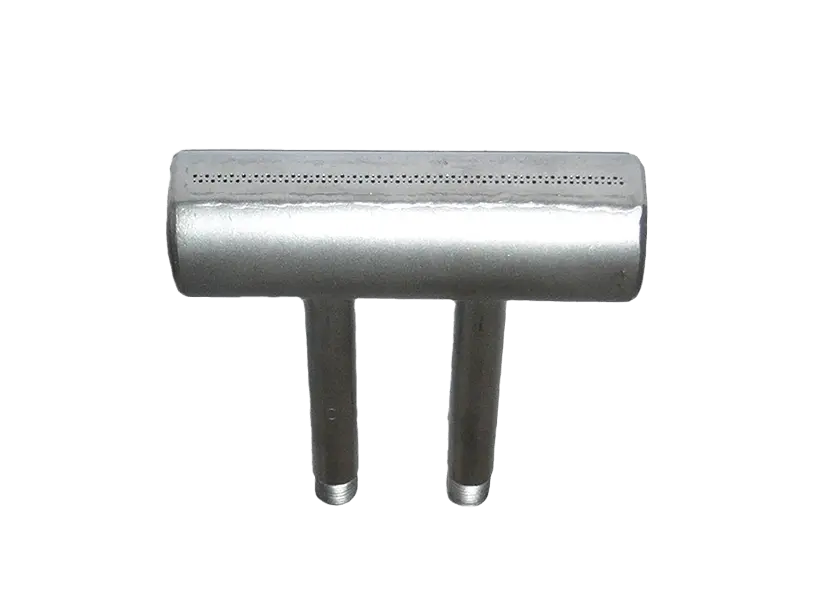
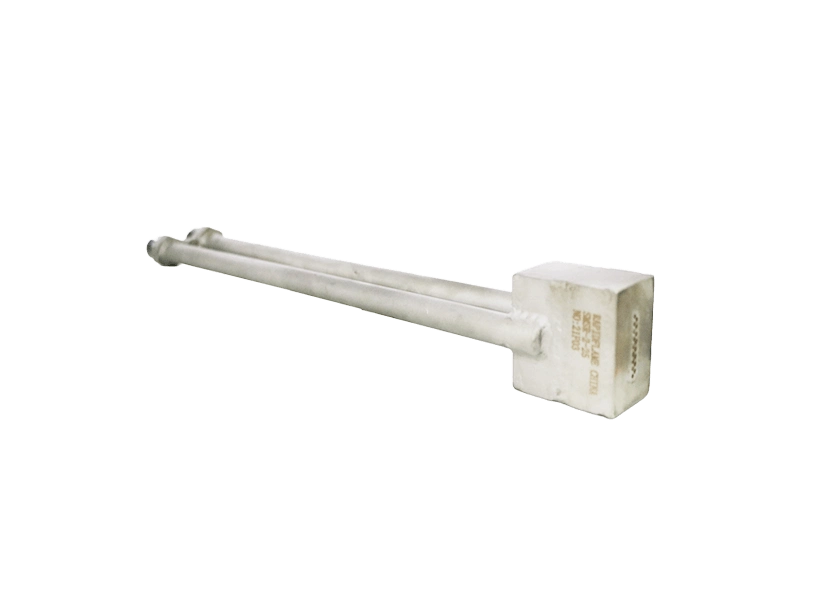
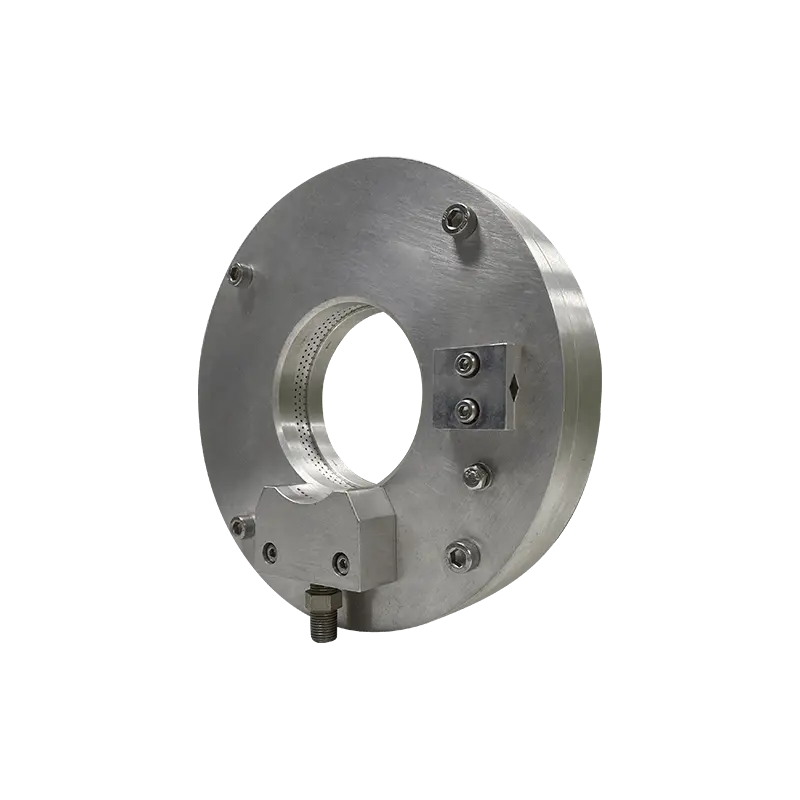
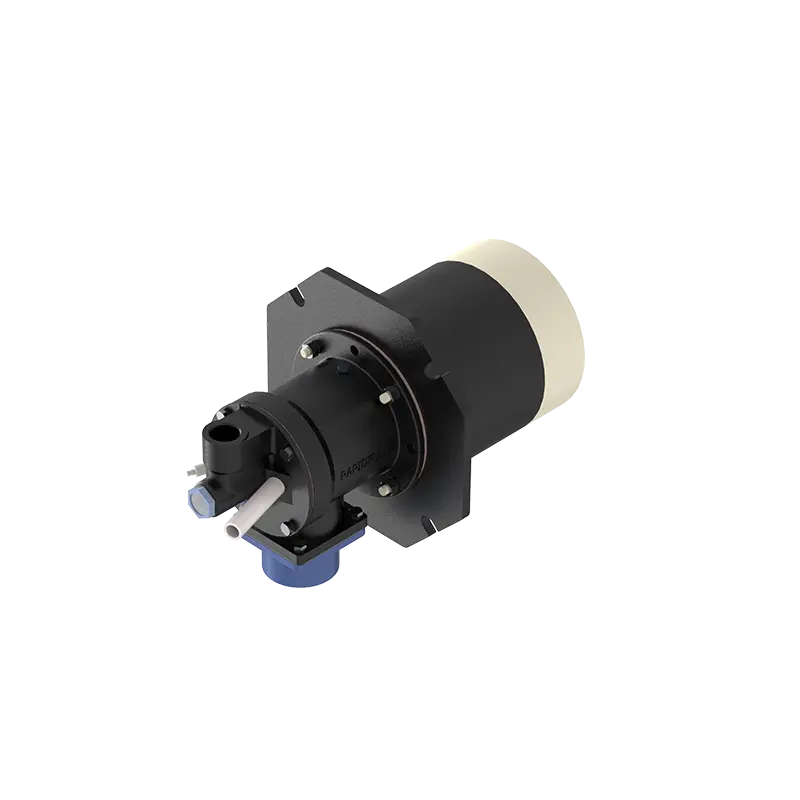
Industrial burners reduce incomplete combustion through optimized burner design, improved fuel-air mixing, accurate combustion control, and proper commissioning. Regular maintenance and monitoring also play a key role in sustaining good combustion performance.
Yes. When fuel is not fully converted into useful heat, more fuel is required to achieve the same heating output, increasing operating costs. The wasted fuel represents both a financial loss and an environmental burden.
Incomplete combustion occurs when fuel cannot fully react with oxygen due to problems with air supply, mixing, temperature, residence time, or combustion control. It results in wasted fuel, higher emissions, and potential equipment damage.
For industrial combustion systems, achieving complete combustion requires a precise balance of the 3 Ts of combustion—temperature, time, and turbulence—combined with proper air-fuel ratio control and reliable burner design. By addressing these factors, operators can improve thermal efficiency, reduce pollutant emissions, and extend equipment life.
A well-designed industrial burner can maximize fuel utilization, reduce emissions, improve thermal efficiency, and provide stable operation across different industrial heating applications. Routine monitoring of exhaust gases, coupled with systematic burner maintenance, forms the foundation for sustained combustion performance.
DYDTEC Combustion specializes in industrial burner technology, combustion systems, and customized thermal solutions. The company provides industrial burner solutions for furnaces, drying equipment, thermal processing systems, and energy-efficient heating applications, focusing on stable combustion, optimized efficiency, low emissions, and reliable long-term operation. Whether the application involves conventional fuels or emerging alternative energy sources, DYDTEC combines combustion engineering expertise with practical industrial experience to deliver systems that meet modern production and environmental requirements.