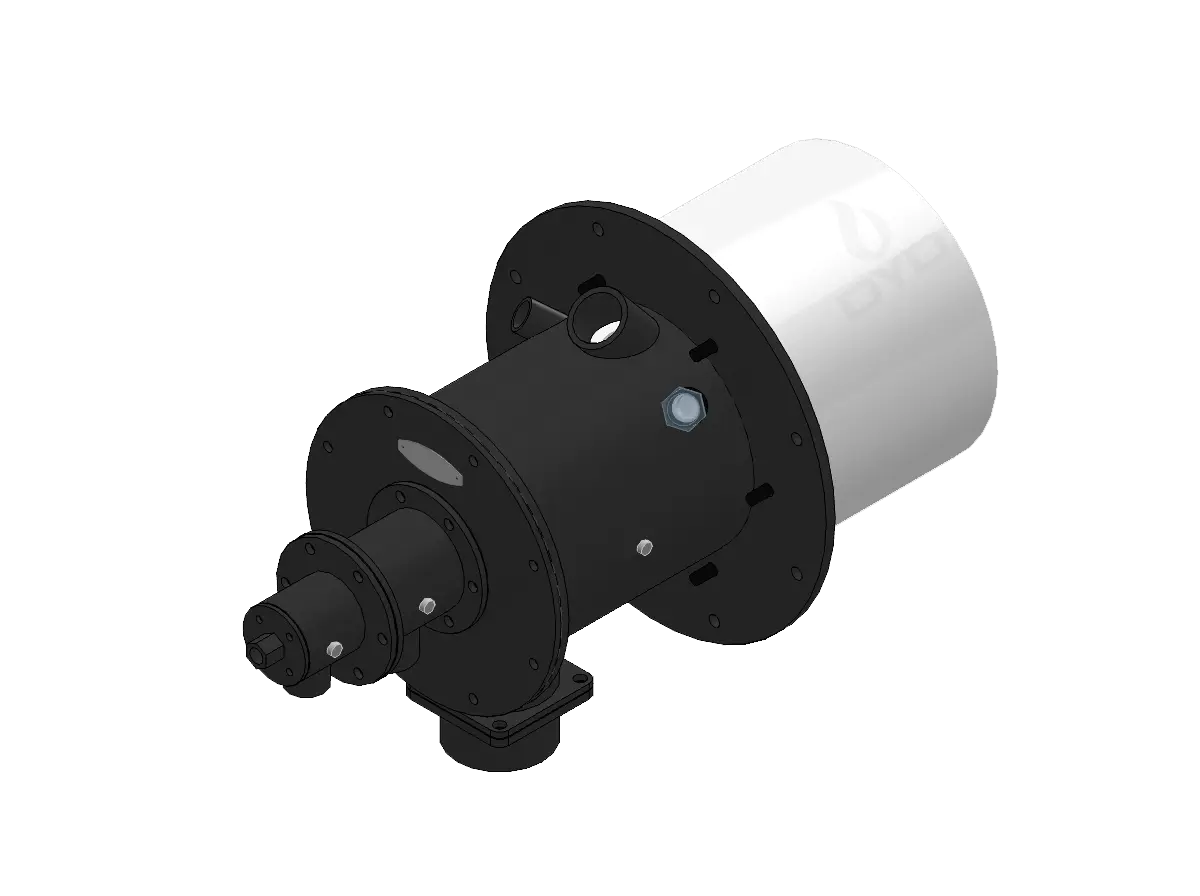
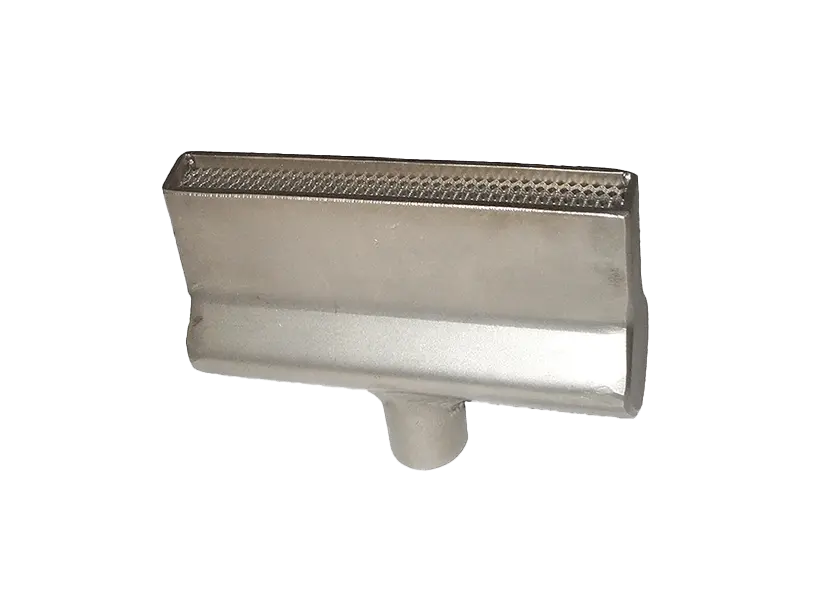
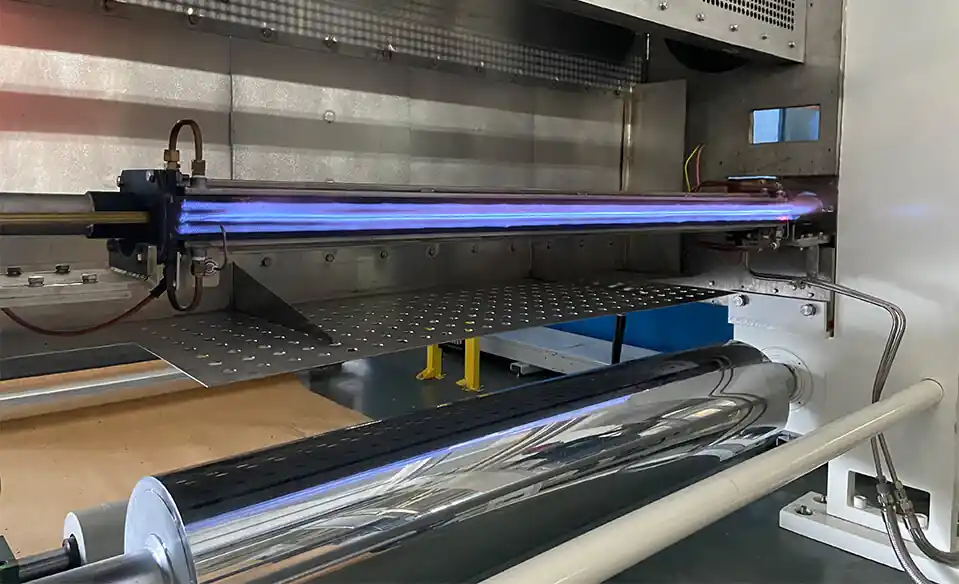
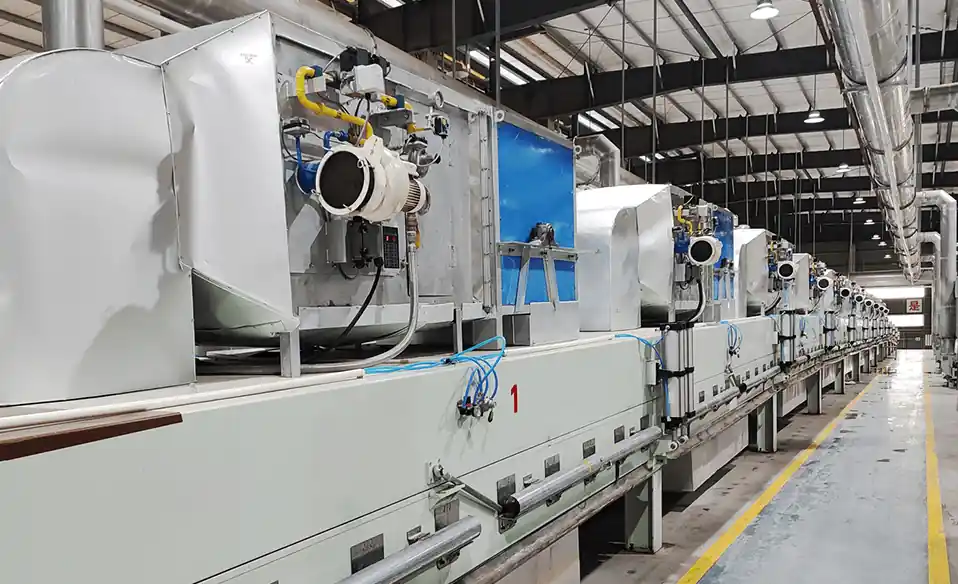
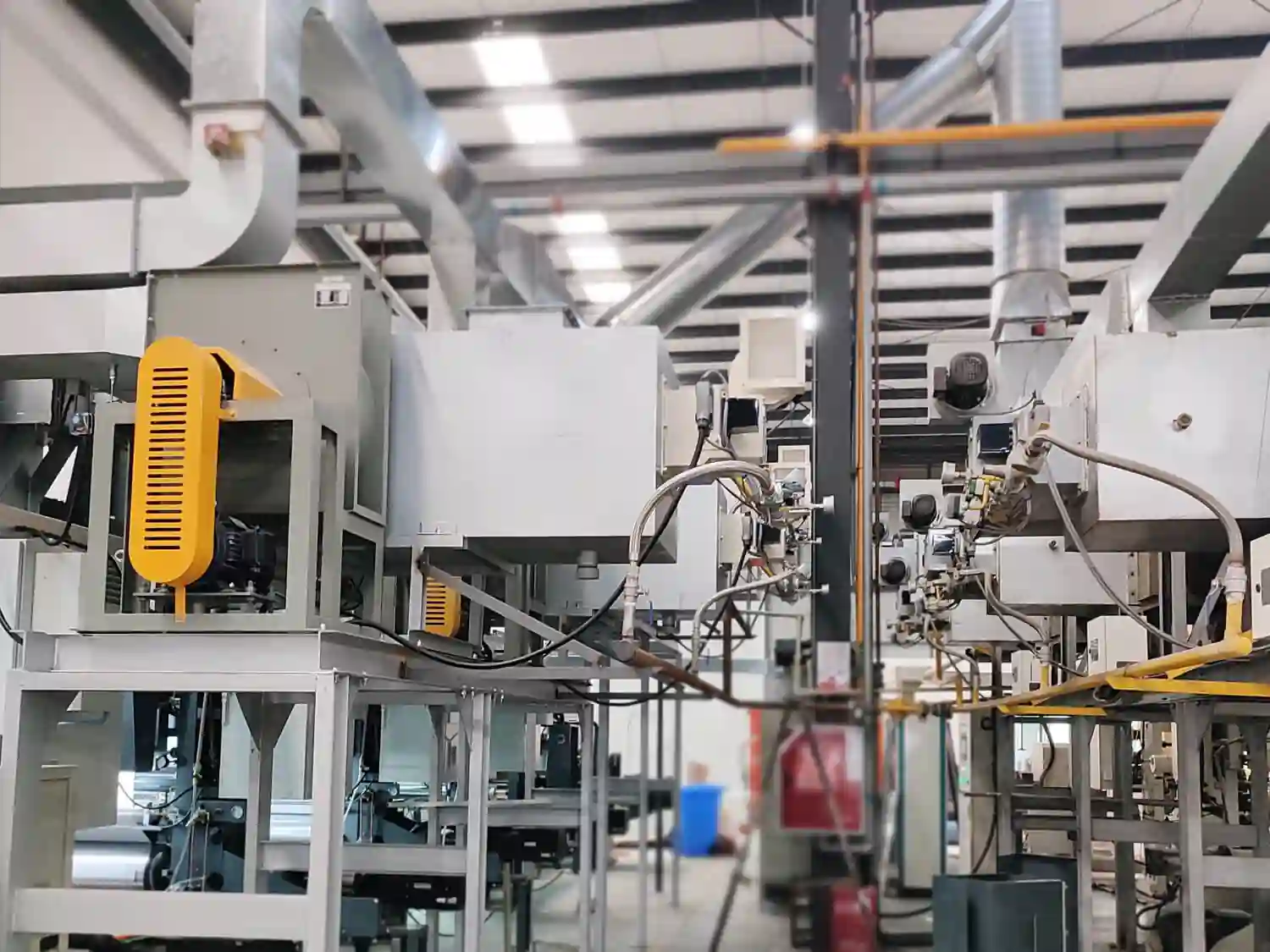
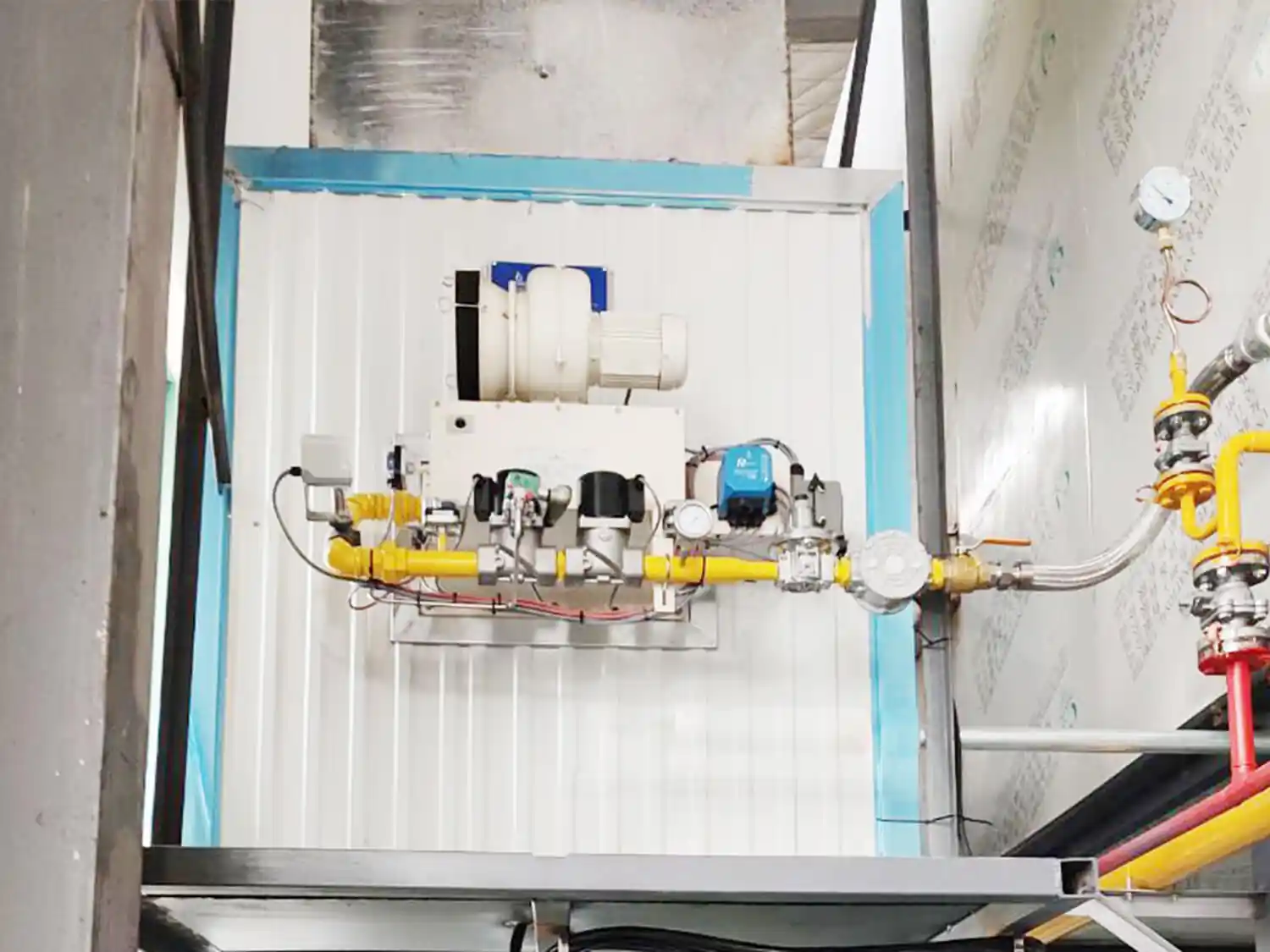
Burner mixing has a direct impact on combustion efficiency, fuel consumption, emissions, and flame stability. In industrial combustion systems, efficient mixing of fuel and combustion air ensures that oxygen is distributed evenly throughout the fuel stream, allowing more complete combustion and better heat release. The quality of mixing determines not only how much of the fuel's chemical energy is converted into useful heat but also how consistently that heat is delivered to the process.
Poor fuel-air mixing can lead to incomplete combustion, higher carbon monoxide (CO) emissions, unstable flames, uneven temperature distribution, and increased operating costs. These effects compound over time—what begins as a minor mixing inefficiency can gradually lead to higher fuel bills, increased maintenance frequency, and reduced product quality. In some cases, poor mixing may also accelerate equipment aging due to localized overheating or soot deposition.
For industrial burners used in furnaces, dryers, kilns, thermal oxidizers, and heating systems, the quality of fuel-air mixing is one of the most important factors determining overall combustion performance. Engineers and operators who understand the relationship between mixing and efficiency are better equipped to select, commission, and maintain combustion systems that deliver consistent, cost-effective performance.
Burner mixing refers to the process of combining fuel and combustion air before and during combustion to create a stable and efficient flame. This process occurs in multiple stages: initially, fuel and air streams interact as they exit the burner; then, in the near-flame region, turbulent mixing brings the reactants into intimate contact; finally, mixing continues within the flame zone as unburned pockets of fuel find oxygen.
The goal of mixing is to achieve:
Uniform fuel distribution—so that no region has excessive fuel concentration
Proper oxygen availability—ensuring sufficient oxygen reaches all fuel molecules
Stable flame formation—creating a flame that remains anchored at the correct position
Complete fuel oxidation—converting all carbon to CO₂ and all hydrogen to H₂O
Controlled temperature distribution—avoiding both hot spots and cold zones
A simplified combustion process:
Fuel + Air → Mixing → Ignition → Stable Flame → Heat Release
The better the mixing process, the more effectively the fuel can react with oxygen. In practical terms, good mixing means that at the molecular level, fuel molecules and oxygen molecules are brought into close proximity so that when ignition occurs, the reaction proceeds rapidly and completely.
Combustion efficiency depends on how completely the chemical energy in fuel is converted into useful heat. When fuel burns completely, all of its chemical energy is released as heat. When combustion is incomplete, some energy remains locked in CO, unburned hydrocarbons, or soot, which are then discharged with the exhaust gases rather than being used for heating.
Good mixing improves efficiency by:
Increasing combustion completeness—ensuring all fuel molecules find oxygen
Reducing unburned fuel losses—minimizing fuel that escapes without burning
Improving flame stability—maintaining consistent combustion conditions
Optimizing heat transfer—creating a flame that efficiently radiates and convects heat
Reducing excess air requirements—operating closer to the ideal air-fuel ratio
Poor mixing creates areas with:
Too much fuel and insufficient oxygen—fuel-rich zones that produce CO and soot
Too much air and insufficient fuel—lean zones where combustion may be unstable
Uneven combustion temperatures—hot spots that increase NOx and cold zones that cause incomplete combustion
These conditions reduce the amount of usable energy extracted from the fuel. The net effect is that more fuel must be fired to achieve the same heating output, increasing operating costs and emissions.
The primary purpose of fuel-air mixing is to ensure that every fuel molecule has sufficient oxygen for combustion. This is a matter of both stoichiometry and distribution—the overall air-fuel ratio must be correct, and the oxygen must be delivered to the right places within the combustion zone.
When mixing is poor:
Fuel-rich zones form—areas where oxygen is insufficient relative to fuel
Oxygen-rich zones form—areas where fuel is insufficient relative to oxygen
Some fuel cannot burn completely—because it never encounters enough oxygen
The result is:
Higher CO emissions—carbon is only partially oxidized
Unburned hydrocarbons—fuel molecules escape without reacting
Lower thermal efficiency—chemical energy is not fully released
For example:
Poor mixing: Fuel + Limited Oxygen → CO + Unburned Fuel + Lower Heat
Good mixing: Fuel + Oxygen → CO₂ + H₂O + Maximum Heat
The difference between these two outcomes can be significant in terms of both fuel consumption and emissions. In poorly mixed systems, CO concentrations in the flue gas may be substantially higher, and the flame temperature will be lower because less heat is released per unit of fuel.
Many industrial burners operate with excess air to ensure complete combustion. Excess air provides a safety margin: if mixing is imperfect, the extra oxygen helps ensure that fuel still finds enough oxygen to burn completely.
However, excessive air creates energy losses because additional air must be heated and discharged through the exhaust system. Every cubic meter of air that passes through the burner and is heated to furnace temperature carries heat out of the system. The larger the excess air volume, the greater this heat loss.
Poor mixing often requires:
More combustion air—to compensate for uneven oxygen distribution
Higher oxygen levels—to ensure complete combustion in fuel-rich zones
Larger exhaust losses—more heated air is discharged
Better mixing allows burners to operate closer to the ideal air-fuel ratio, reducing the amount of excess air needed and minimizing stack losses.
Benefits include:
Lower exhaust temperature—less heat is carried away
Reduced stack losses—more heat stays in the furnace
Improved fuel efficiency—more of the fuel's energy is used productively
In practical terms, a well-mixed burner may operate with less excess air while still maintaining stable, complete combustion. Over the course of a year, this difference can translate into significant fuel savings.
A stable flame requires the correct balance between:
Fuel velocity—the speed at which fuel exits the burner
Air velocity—the speed at which combustion air enters
Flame propagation speed—the rate at which the flame front moves through the mixture
Mixing intensity—how quickly fuel and air combine
When these factors are in balance, the flame anchors at the correct position and releases heat steadily. When they are out of balance, instability results.
Poor mixing may cause:
Flame lift-off—when the mixture velocity exceeds flame speed, the flame moves away from the burner
Flame oscillation—alternating periods of strong and weak combustion
Ignition problems—difficulty establishing or re-establishing the flame
Flame extinction—complete loss of flame
A well-designed burner creates a stable combustion zone where fuel and air combine effectively. This typically involves creating a recirculation zone near the burner outlet where hot combustion products are returned to the flame root, providing continuous ignition energy.
Industrial heating applications often require precise temperature control. Whether the process involves metal heat treatment, glass melting, or material drying, the temperature field within the furnace must be consistent to achieve uniform product quality.
Poor mixing can create:
Local hot spots—areas of excessively high temperature
Cold zones—areas where temperature is too low
Uneven heat distribution—variations in heat flux across the furnace
Consequences:
Reduced product quality—uneven heating leads to inconsistent material properties
Longer heating cycles—cold zones require extended heating times
Increased energy consumption—hot spots waste heat that must be removed
Good mixing produces a more uniform flame, improving:
Furnace temperature consistency—reducing temperature gradients
Heat transfer efficiency—maximizing the useful heat delivered
Process stability—maintaining consistent conditions from cycle to cycle
Fuel-air mixing plays an important role in controlling emissions. The two main combustion-related pollutants—CO and NOx—are both affected by mixing quality.
Carbon Monoxide (CO)
Poor mixing creates oxygen-deficient areas where carbon cannot fully oxidize. This increases CO formation because the reaction sequence from carbon to CO to CO₂ requires sufficient oxygen at each step. If oxygen is lacking, the reaction stops at CO.
Nitrogen Oxides (NOx)
Poorly controlled mixing can create high-temperature zones that promote thermal NOx formation. NOx formation increases exponentially with temperature, so even small areas of excessive temperature can contribute significantly to NOx emissions.
Modern low-NOx burners often use:
Staged fuel injection—introducing fuel in multiple stages to control temperature
Staged air supply—delivering air in stages to control mixing
Internal recirculation—using combustion products to moderate temperature
Controlled mixing rates—balancing speed and completeness of mixing
to balance efficiency and emissions.
The burner head controls how fuel and air interact. It is the primary device for shaping the flow field and creating conditions for effective mixing.
Important design features include:
Fuel nozzle arrangement—the number, spacing, and orientation of fuel orifices
Air distribution channels—how air is directed to interact with fuel
Mixing chamber structure—the geometry of the region where fuel and air combine
Stabilization components—features that help anchor the flame
A well-designed burner head creates predictable and stable mixing. Poor design can result in uneven fuel distribution, uneven air distribution, or flow separation that reduces mixing effectiveness.
Many industrial burners use swirling combustion air to enhance mixing. Swirl is rotational motion imparted to the air stream, which creates turbulence and increases the rate of mixing.
Swirl creates:
Better turbulence—enhancing fuel-air interaction
Faster fuel-air interaction—reducing the time needed for mixing
Internal recirculation zones—returning hot gases to stabilize the flame
Improved flame stabilization—creating conditions that hold the flame in place
However, excessive swirl may also create pressure losses and affect burner performance. The optimal swirl intensity depends on the fuel type, burner size, and furnace geometry.
Different injection methods influence mixing quality.
Diffusion Combustion
Fuel and air mix during combustion. The flame burns where fuel and air meet, and mixing occurs within the flame zone.
Advantages:
High stability—diffusion flames are robust and less sensitive to flow variations
Suitable for high-temperature applications—good for large furnaces and high heat release
Disadvantages:
More difficult emission control—mixing is limited by diffusion rates
Higher NOx potential—can create hot spots
Premixed Combustion
Fuel and air are mixed before ignition. This creates a homogeneous mixture that burns uniformly.
Advantages:
Excellent mixing—uniform fuel-air ratio throughout
Lower NOx potential—more uniform temperature distribution
Disadvantages:
Higher flashback sensitivity—the flame can propagate back into the mixing zone
More complex control—requires precise air-fuel ratio management
Different fuels require different mixing strategies. The physical and chemical properties of the fuel influence how it mixes with air and how it burns.
Factors include:
Density—affects the momentum of fuel jets and their ability to penetrate air streams
Heating value—determines the fuel flow rate needed for a given heat output
Flame speed—affects the stability limits of the flame
Composition—determines the stoichiometric air requirement
For example, hydrogen-containing fuels require special attention because hydrogen mixes and burns differently from natural gas. Its lower density and higher flame speed mean that mixing strategies developed for methane may need adjustment.
Mixing performance changes with firing rate. Burners are typically designed to maintain effective mixing across a specified turndown ratio—the range between minimum and maximum firing rates.
At low load:
Flow velocity decreases—reducing momentum for mixing
Mixing intensity may weaken—turbulence decreases
Flame stability can decrease—the flame may become less robust
At high load:
Flow velocity increases—improving mixing momentum
Pressure drop increases—more energy is required to move air and fuel
Mixing may improve or become excessive—depending on design
A good industrial burner should maintain stable mixing across its turndown range, ensuring consistent performance at all operating loads.
Swirlers rotate combustion air to increase turbulence and improve fuel-air interaction. The swirling motion creates a centrifugal effect that enhances mixing and creates a recirculation zone that helps stabilize the flame.
Applications:
Industrial furnaces—large-scale heating applications
Kilns—high-temperature processing
High-temperature heating systems—where robust mixing is required
Fuel and air are mixed before combustion. The uniform mixture produces a flame with consistent temperature and composition throughout.
Advantages:
Uniform combustion—no fuel-rich or lean zones
Lower emissions—better control of NOx and CO
High efficiency—reduced excess air requirements
Common in:
Low-NOx burners—premixing enables more effective NOx control
Gas turbines—where uniform combustion is critical
Advanced heating systems—high-performance industrial applications
Fuel or air is introduced in multiple stages to control the combustion process.
Benefits:
Controlled flame temperature—staged introduction reduces peak temperatures
Reduced NOx formation—lower peak temperatures reduce thermal NOx
Improved combustion stability—better control over the combustion zone
Some burners use combustion products to recirculate hot gases back into the flame zone. This approach leverages the energy of the combustion products to support the flame.
Benefits:
Flame stabilization—hot gases provide continuous ignition
Temperature control—recirculation moderates flame temperature
NOx reduction—dilution and temperature moderation reduce NOx
Operators may observe:
High CO emissions—an indicator of incomplete combustion
Unstable flame shape—flickering or wandering flames
Excessive fuel consumption—more fuel required for the same output
Uneven furnace temperatures—temperature variations across the furnace
Flame pulsation—alternating periods of strong and weak combustion
Increased soot formation—visible carbon deposits
These symptoms often indicate problems with:
Burner adjustment—incorrect settings for the current operating conditions
Air distribution—uneven or inadequate air supply
Fuel pressure—variations affecting fuel injection
Burner nozzle condition—wear, blockage, or damage
The burner should match:
Fuel type—different fuels require different mixing strategies
Heat requirement—the firing rate range
Furnace geometry—space available for flame development
Operating temperature—design temperature range
Emission requirements—applicable limits for CO and NOx
Automatic control systems can adjust:
Fuel flow—responding to firing rate demands
Combustion air—to maintain the correct ratio
Oxygen level—monitoring to ensure complete combustion
These systems help maintain optimal combustion conditions even when process conditions change.
Regular inspection should include:
Cleaning fuel nozzles—preventing deposits that affect injection
Checking air passages—ensuring unobstructed airflow
Inspecting swirlers—confirming proper operation
Verifying ignition systems—ensuring reliable flame establishment
Proper commissioning ensures:
Correct flame shape—visually and instrumentally verified
Stable combustion—at all expected firing rates
Optimized efficiency—confirmed by flue gas analysis
Lower emissions—within applicable limits
Fuel-air mixing determines how completely fuel burns. Good mixing improves combustion efficiency, reduces emissions, and creates a stable flame. Without effective mixing, even the best burner design cannot deliver optimal performance.
Generally yes, because better mixing improves combustion completeness. However, mixing must be optimized because excessive turbulence or pressure loss can reduce overall system efficiency. The goal is effective mixing, not maximum mixing intensity.
Poor mixing causes incomplete combustion and heat losses. More fuel is required to achieve the same heating output because some of the fuel's chemical energy is not released—it escapes as CO, unburned hydrocarbons, or soot.
Yes. Low-NOx burners rely on carefully controlled fuel-air mixing to reduce peak flame temperatures while maintaining stable combustion. Achieving low NOx requires precise control of the mixing process.
Yes. Uneven mixing can create uneven flame temperatures, affecting processes such as metal heating, drying, glass production, and thermal treatment. Temperature uniformity is essential for consistent product quality.
Burner mixing directly affects combustion efficiency by controlling how effectively fuel and oxygen combine during the combustion process. The quality of mixing determines how much of the fuel's chemical energy is converted into useful heat and how consistently that heat is delivered to the process.
High-quality mixing improves:
Fuel utilization—maximizing the energy extracted from each unit of fuel
Flame stability—maintaining consistent combustion conditions
Heat transfer—ensuring efficient delivery of heat to the process
Temperature uniformity—reducing gradients that affect product quality
Emission performance—controlling both CO and NOx formation
Poor mixing can result in incomplete combustion, higher fuel costs, and unstable operation. Over time, these effects compound, leading to increased maintenance, reduced equipment life, and higher overall operating costs.
For modern industrial combustion systems, achieving the right balance between mixing intensity, flame stability, emissions control, and energy efficiency is essential. A well-designed burner ensures that fuel energy is converted into useful heat with maximum efficiency and reliability. Routine monitoring and maintenance of mixing components help sustain performance over the life of the equipment.
DYDTEC Combustion specializes in industrial burner technology, combustion systems, and customized thermal solutions. The company develops burner solutions for industrial furnaces, drying equipment, thermal processing systems, and energy-efficient heating applications, focusing on optimized fuel-air mixing, stable combustion, low emissions, and reliable operation. Whether the application involves conventional fuels or emerging energy sources, DYDTEC integrates combustion engineering expertise with practical experience to deliver systems that meet the evolving requirements of modern industrial production.