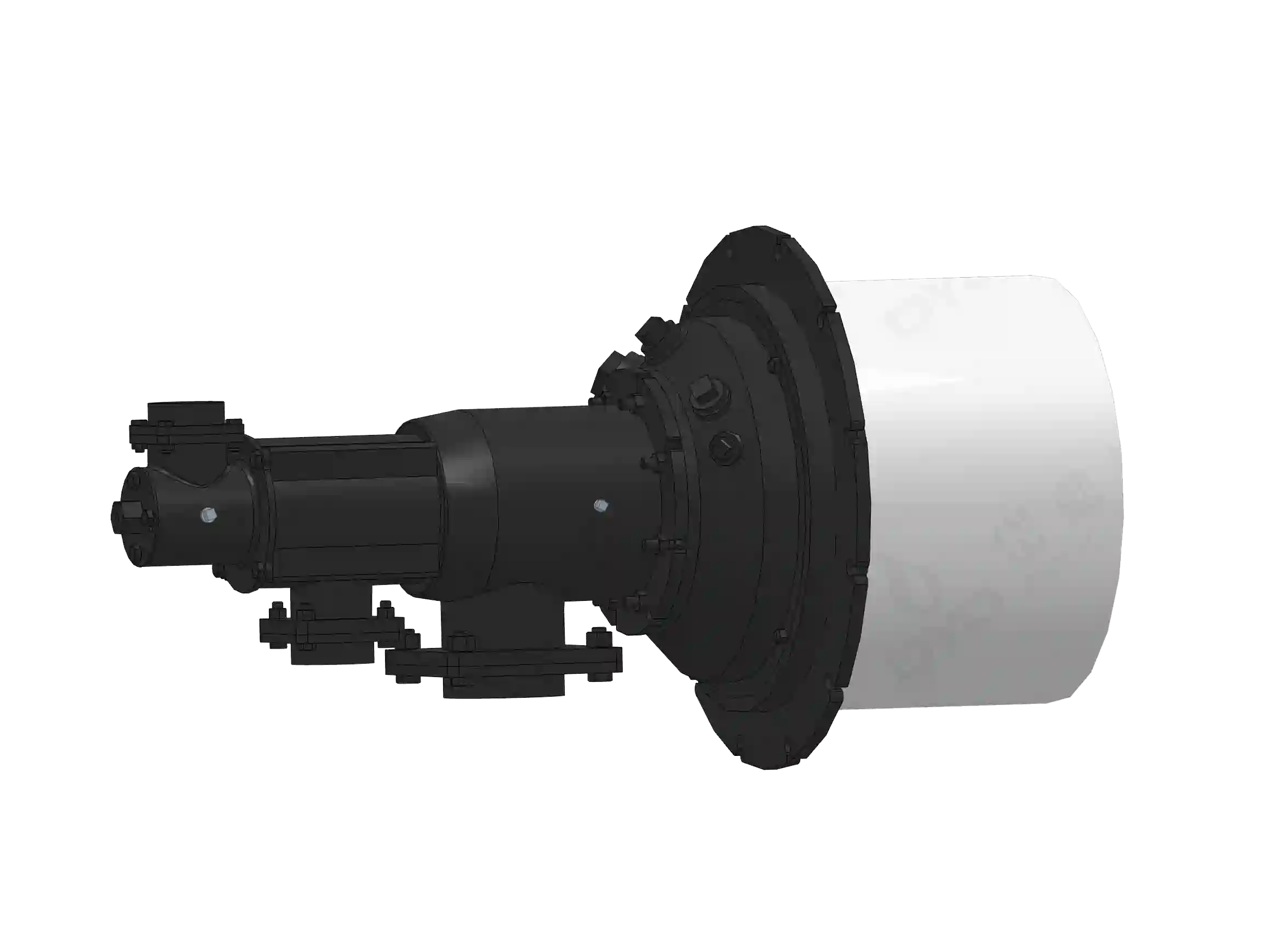
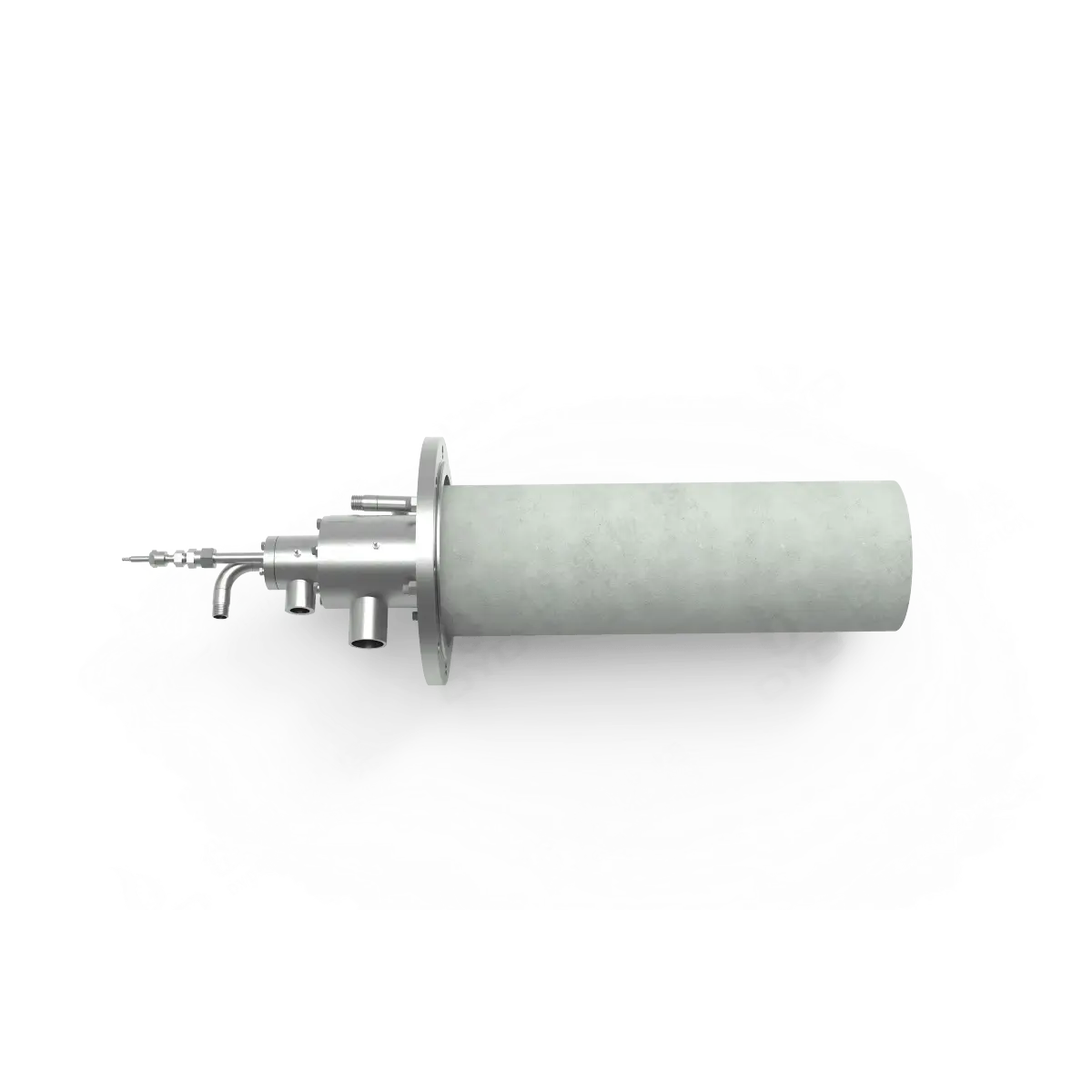
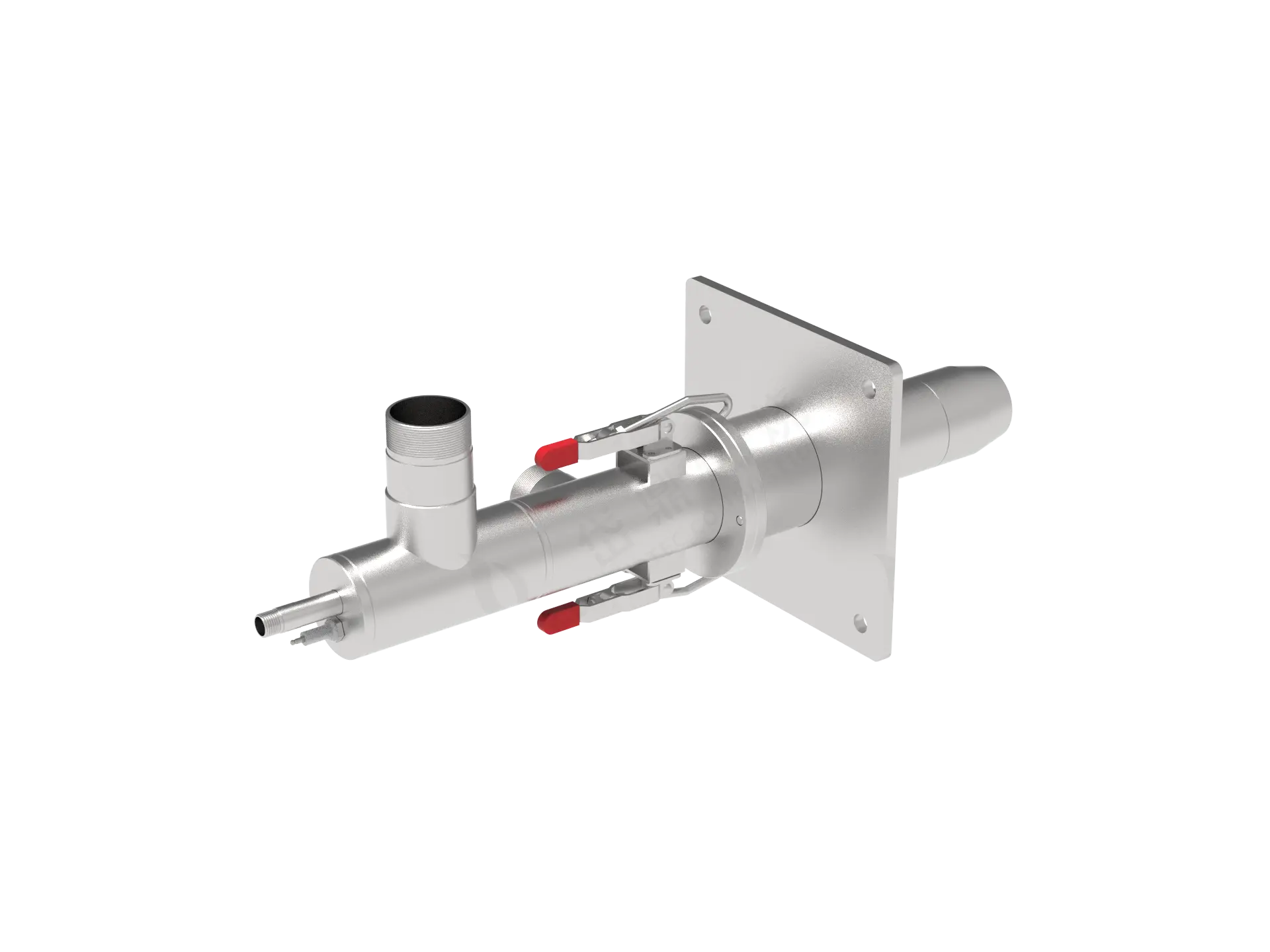
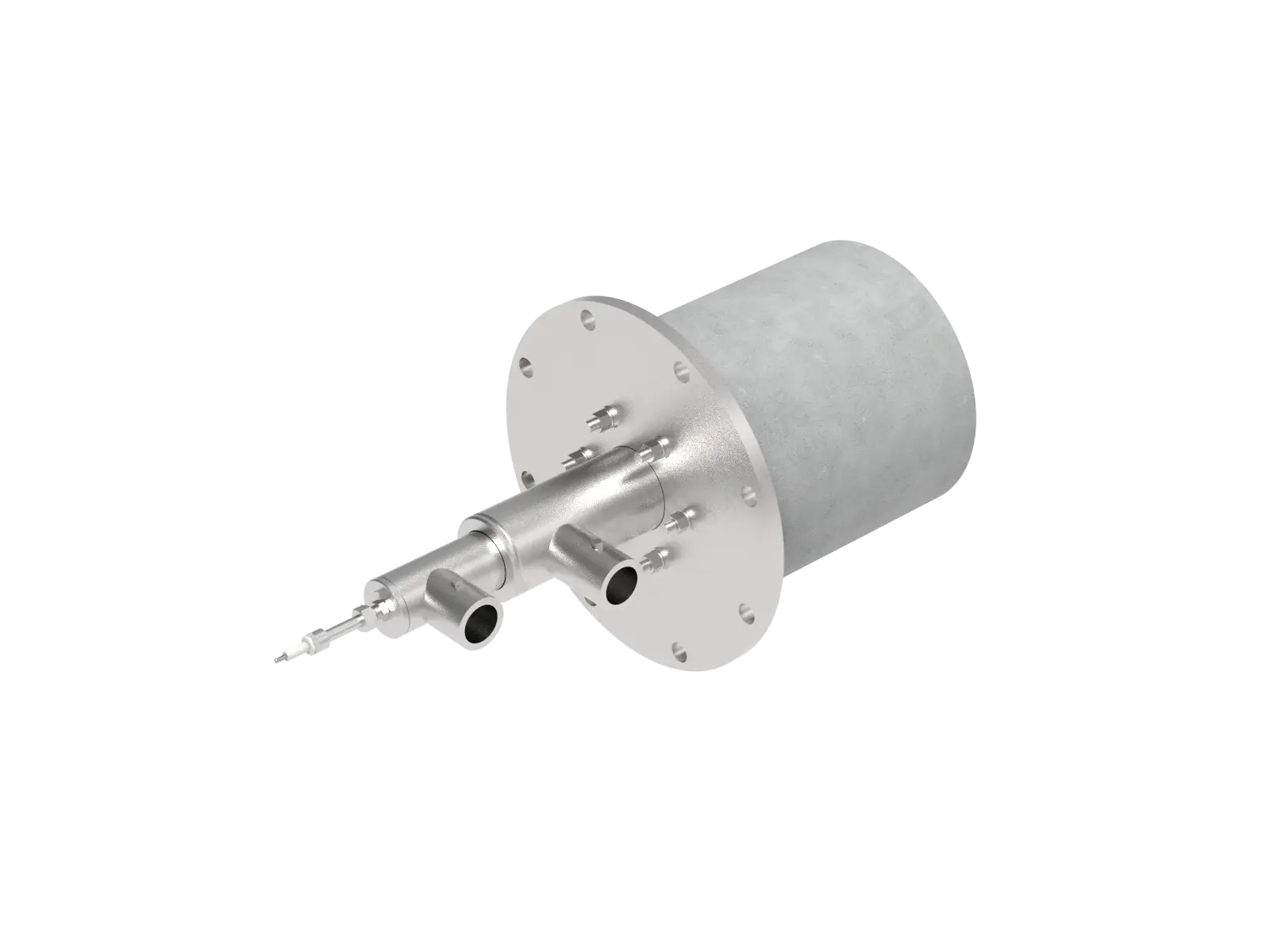
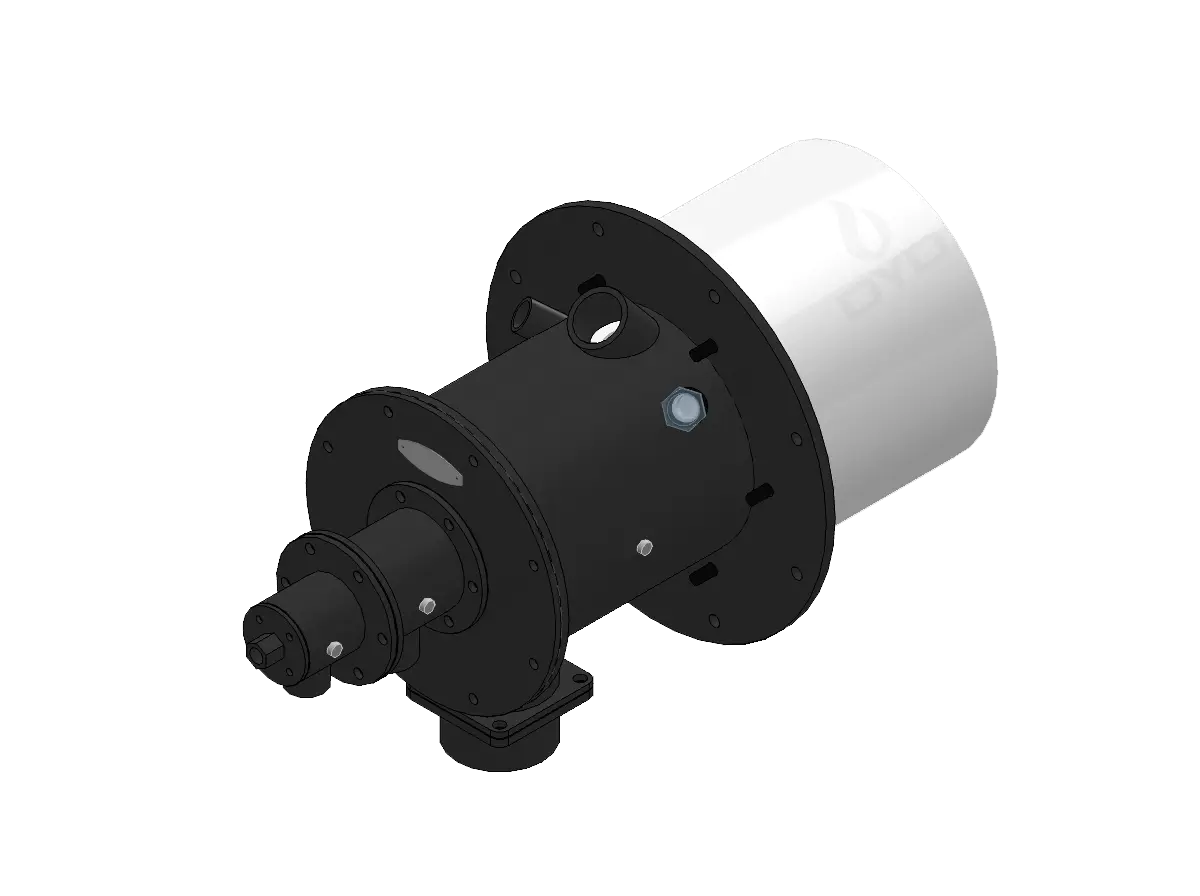
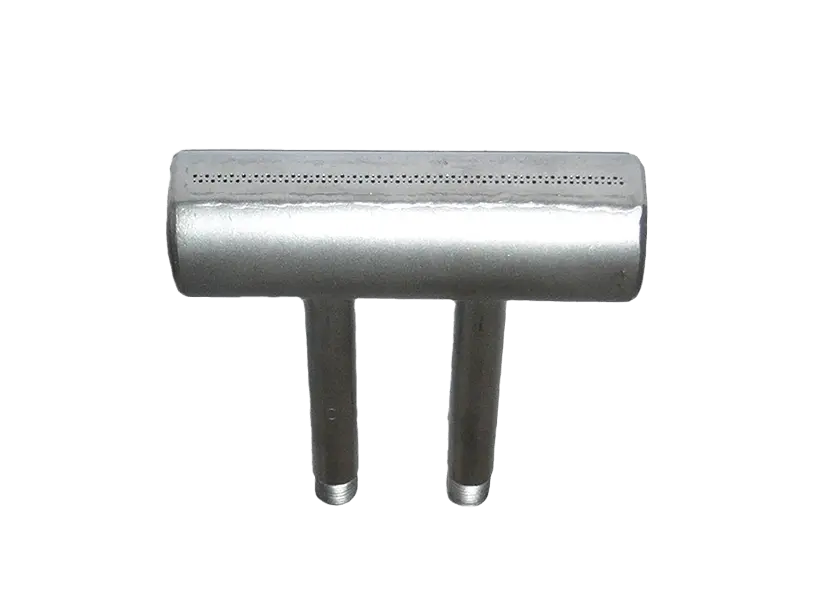
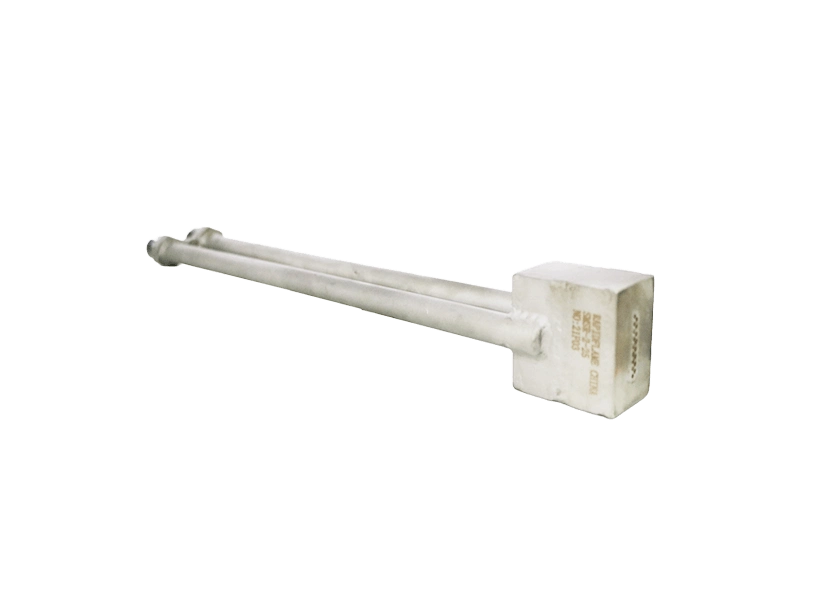
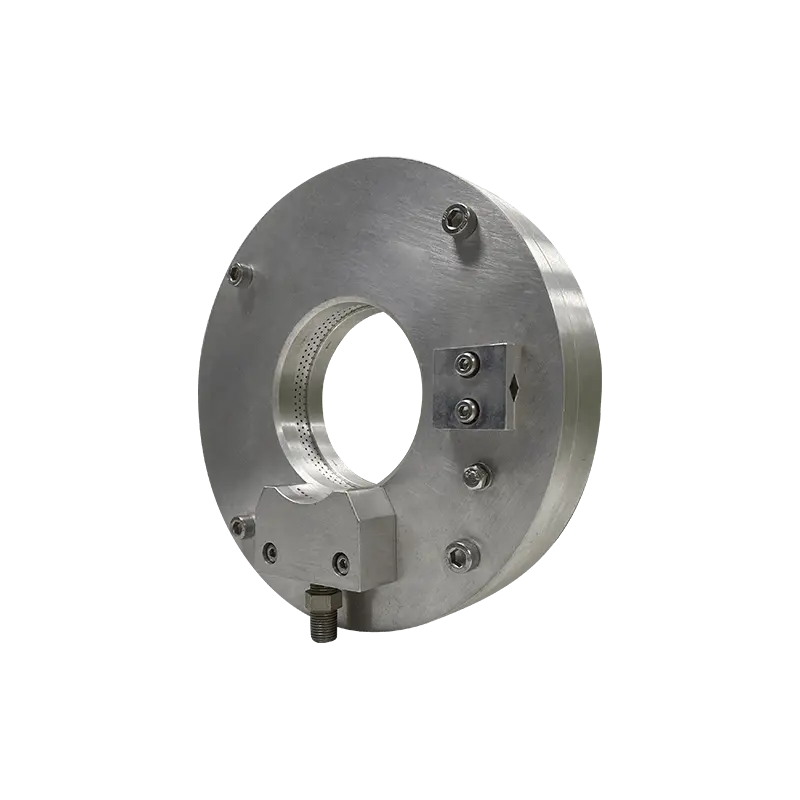
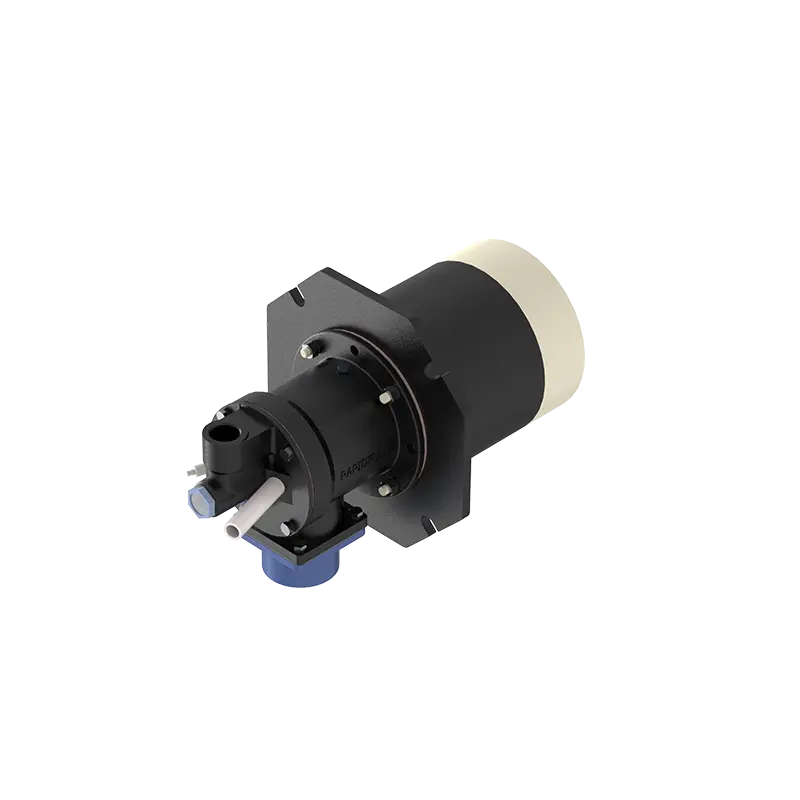
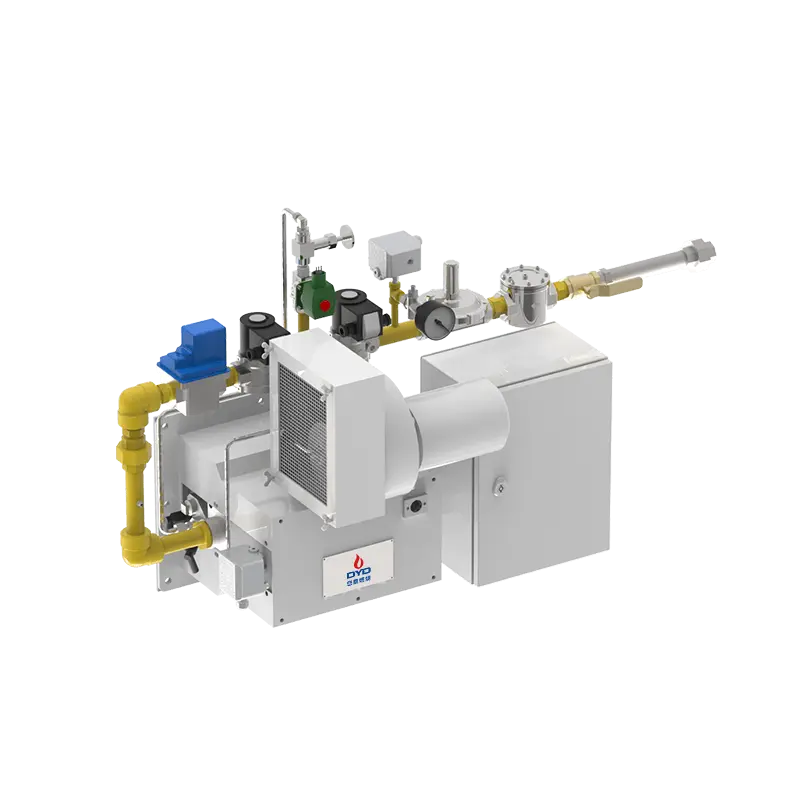
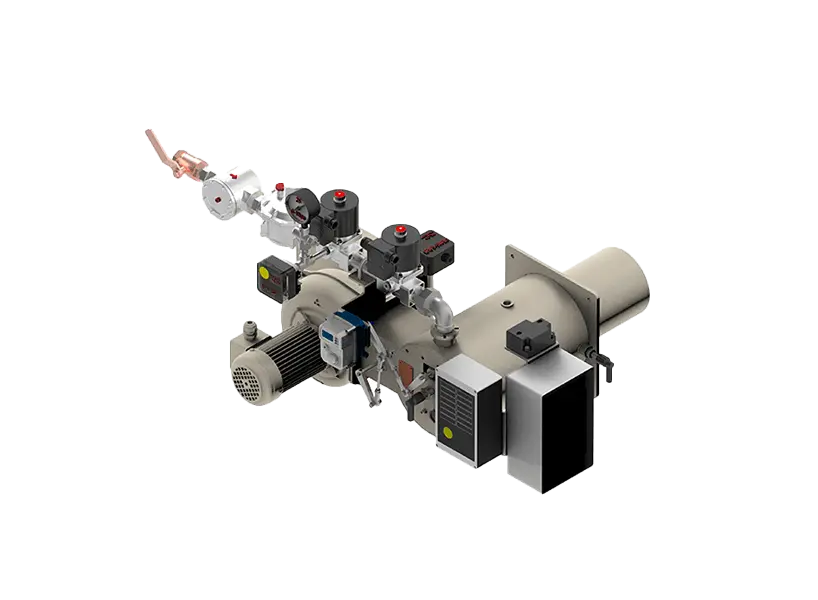
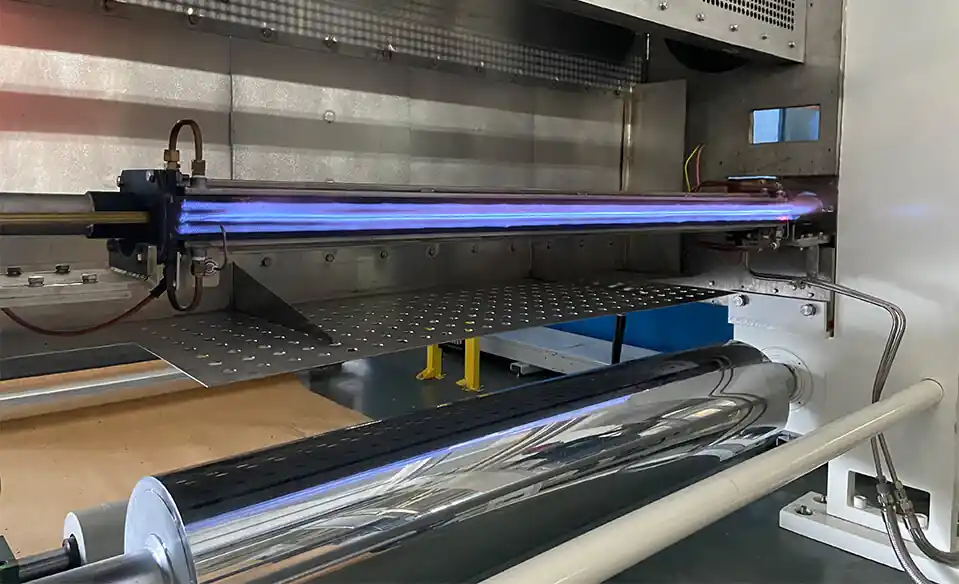
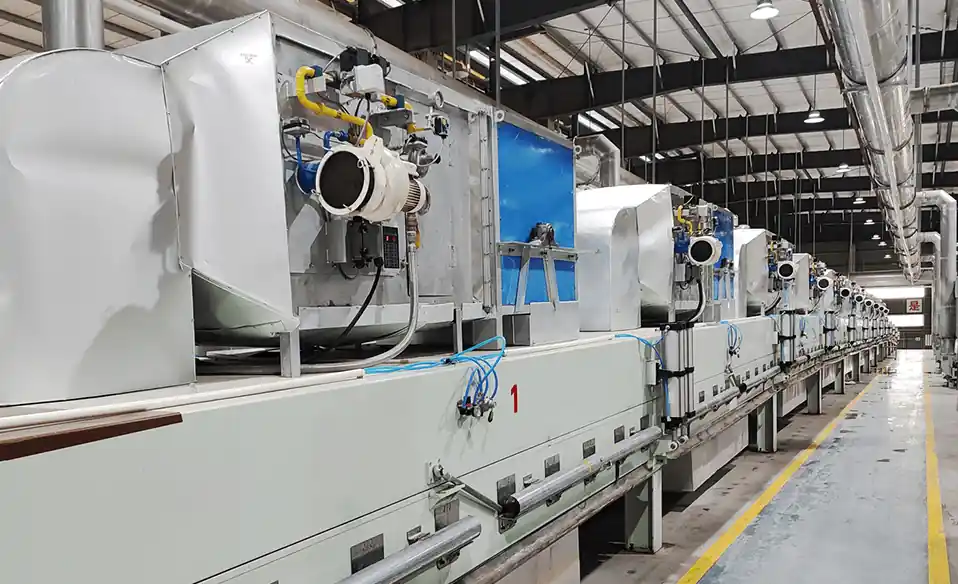
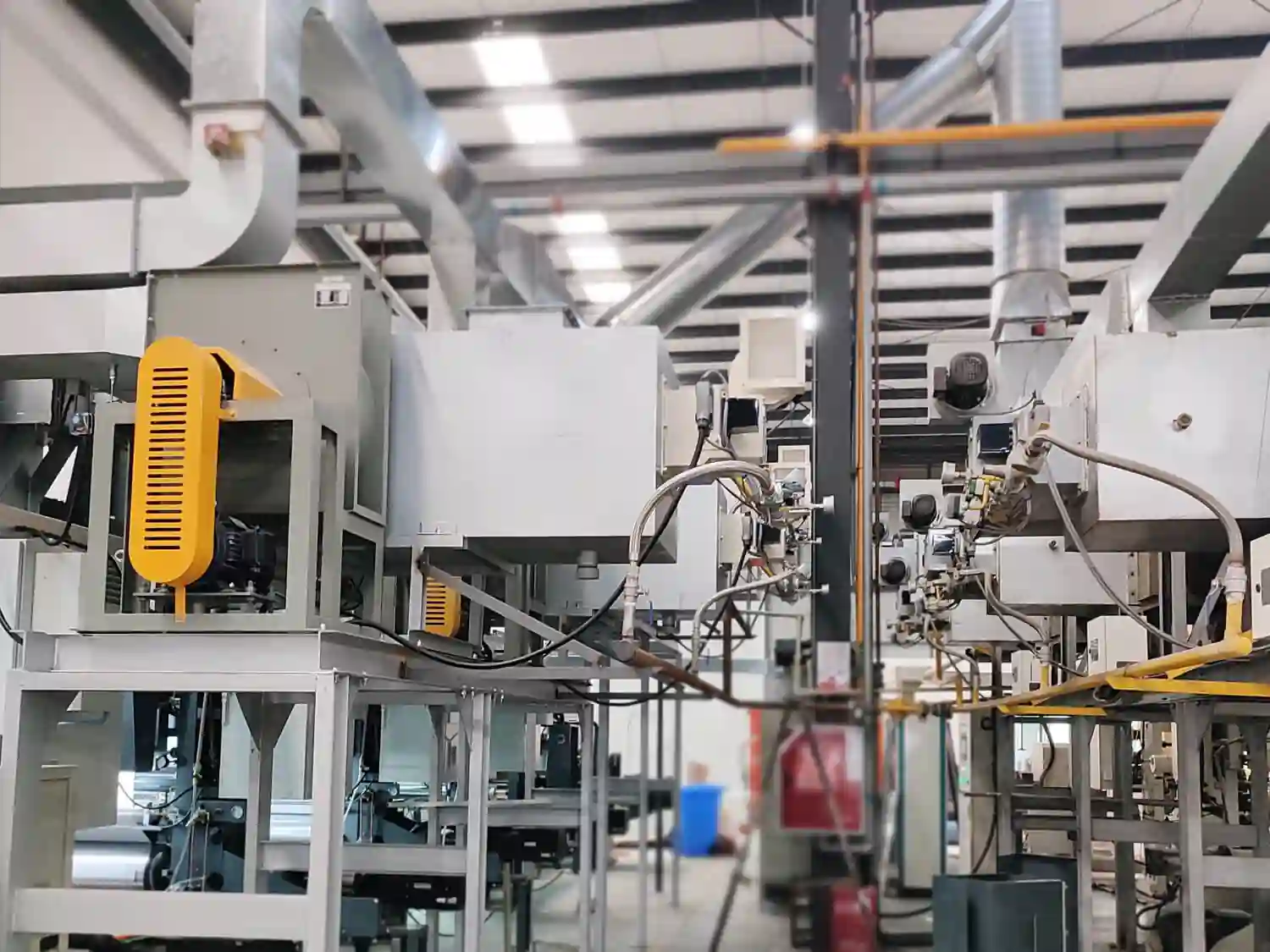
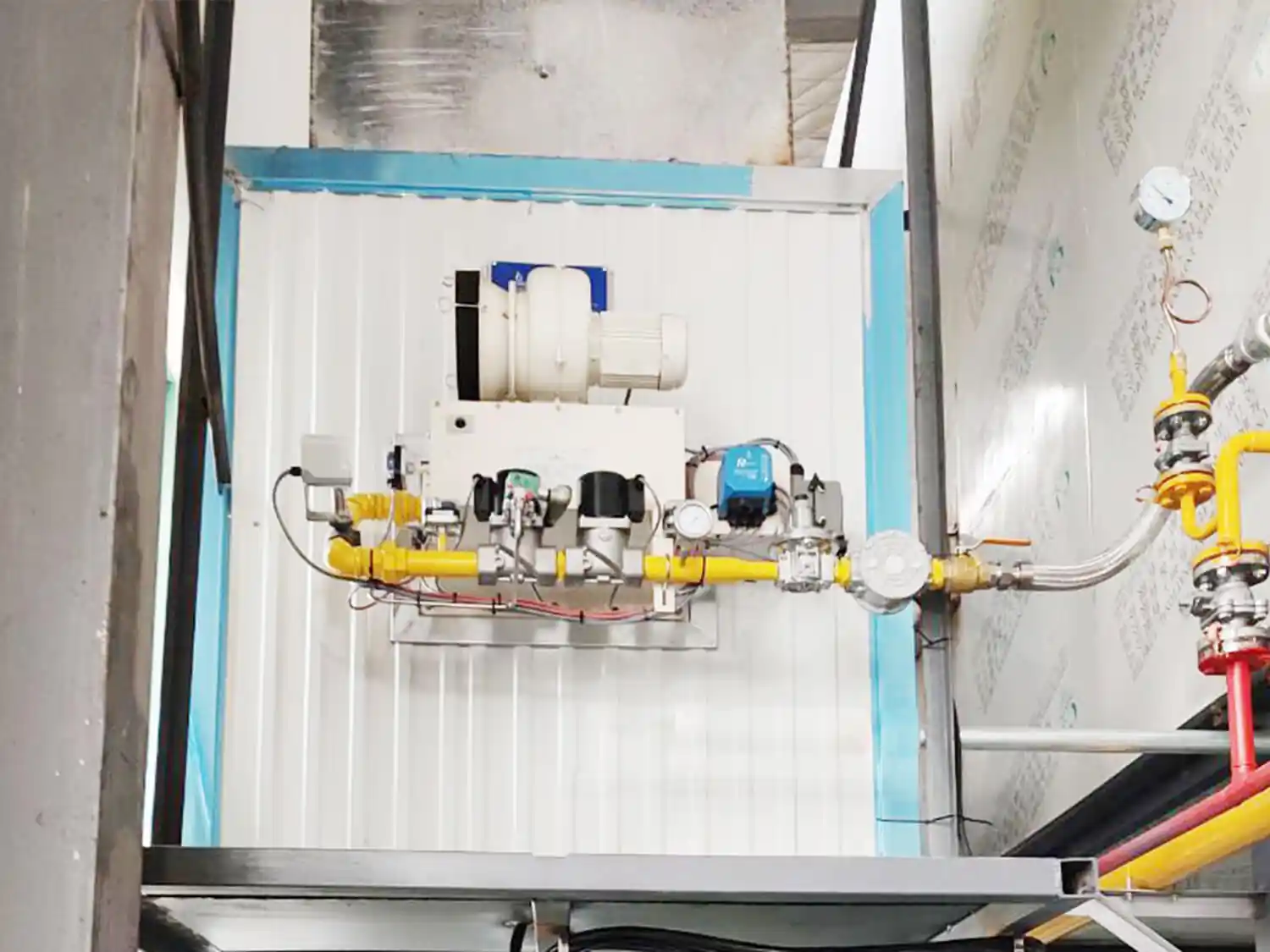
Flame shape is the physical structure and appearance of a flame during combustion, including its length, width, temperature distribution, stability, and heat release pattern. In industrial burners, flame shape is a critical factor that directly affects heat transfer, fuel efficiency, emissions, equipment life, and product quality. It serves as a visual and measurable indicator of how effectively the combustion process is being carried out within a given thermal system.
A properly designed flame should match the requirements of the combustion chamber or industrial process. This alignment ensures that the energy released from the fuel is delivered exactly where and how it is needed for the specific application. An unsuitable flame shape can cause problems such as uneven heating, flame impingement, incomplete combustion, excessive NOx emissions, and reduced equipment performance. These issues not only compromise product quality but also increase operational costs and maintenance burdens over time.
For applications such as industrial furnaces, dryers, kilns, ovens, and thermal processing equipment, selecting and controlling the correct flame shape is essential for achieving efficient and stable operation. Whether the goal is melting, heat-treating, drying, or curing, the flame geometry must be carefully tailored to the unique thermal demands of each process.
Flame shape describes the geometry and behavior of a flame produced by a burner. It is not a single fixed attribute but rather a combination of dynamic physical characteristics that evolve with operating conditions and chamber interactions.
Key characteristics include:
Flame length — the distance from the burner outlet to the end of visible combustion. This dimension determines how far into the chamber the heat is carried before combustion is completed.
Flame diameter — the width and expansion of the flame as it spreads outward from the burner axis. This affects the cross-sectional area over which heat is released.
Flame profile — the overall shape and distribution of heat release, which may be conical, cylindrical, flat, or irregular depending on burner design and flow conditions.
Flame stability — whether the flame remains fixed and consistent at the burner outlet or exhibits oscillation, lift-off, or flashback tendencies that disrupt reliable operation.
Temperature distribution — how heat is stratified and dissipated throughout the flame volume, influencing peak temperatures and the uniformity of thermal exposure to the load.
Different industrial processes require different flame shapes because each application has distinct thermal objectives and spatial constraints.
For example:
A long, narrow flame may be needed for deep furnace penetration, ensuring that heat reaches the far end of a large chamber before being dissipated.
A short, wide flame may be preferred for uniform surface heating, where the goal is to cover a broad area with moderate, even thermal intensity.
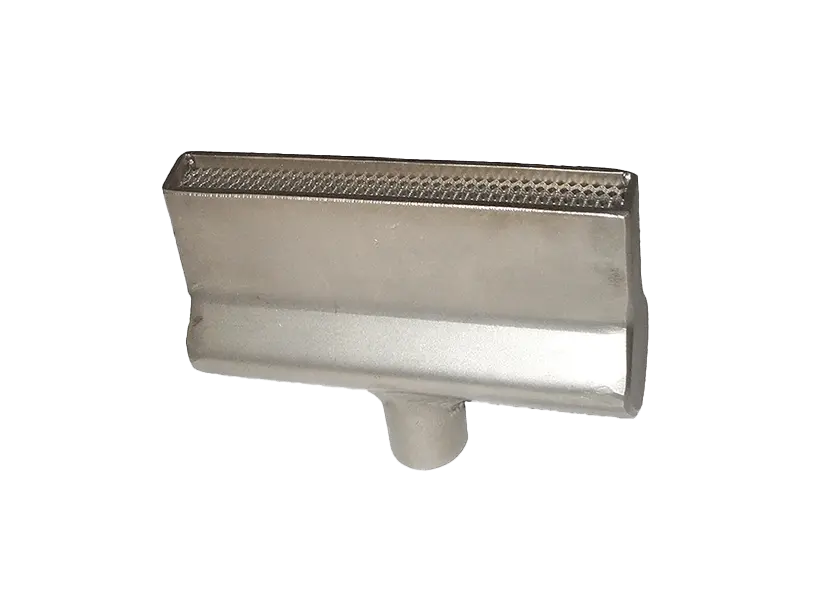
A flat flame may be suitable for radiant heating applications, where the flame serves as a broad-area heat source to transfer energy primarily through thermal radiation to surrounding surfaces.
Flame shape determines how effectively heat is transferred from the burner to the process. It acts as the interface between fuel combustion and the thermal workload, governing the efficiency and quality of every downstream heating operation.
A suitable flame shape helps achieve:
Higher thermal efficiency, ensuring that a greater proportion of the fuel's chemical energy is converted into useful process heat rather than being lost to exhaust or radiation.
More uniform heating, which minimizes thermal gradients across the product or load and improves process consistency.
Lower emissions, by maintaining combustion conditions that limit the formation of pollutants such as nitrogen oxides and carbon monoxide.
Stable combustion, which provides reliable ignition and sustained flame attachment without unwanted fluctuations that can disrupt production.
Longer equipment life, as controlled heat release reduces thermal stress on refractories, tubes, and structural components.
An unsuitable flame shape can result in:
Hot spots that concentrate excessive heat in localized zones, potentially damaging materials or leading to metallurgical defects.
Cold areas where insufficient heating leaves parts of the load under-processed, requiring extended cycle times or rework.
Product defects arising from uneven thermal treatment, such as warping, cracking, or inconsistent material properties.
Refractory damage caused by direct flame contact or sustained high-temperature exposure beyond design limits.
Increased fuel consumption, as poor heat distribution forces operators to raise firing rates to compensate for ineffective energy delivery.
The primary function of an industrial burner is to transfer heat to a process, and the flame shape serves as the primary mechanism for directing that thermal energy throughout the combustion chamber.
The flame controls:
Where heat is released along the axial and radial axes of the furnace.
How quickly heat spreads from the reaction zone to the surrounding gas and load surfaces.
Which areas receive the highest temperature and for what duration during the heating cycle.
A flame that is too concentrated may create local overheating, where intense thermal radiation and convection combine to raise material temperatures beyond acceptable limits. Conversely, a flame that is too dispersed may reduce heat intensity and increase heating time, as the energy is spread too thinly across the chamber volume to achieve rapid thermal response.
For example:
A controlled long flame can provide gradual heating across a large material surface. This allows the thermal energy to be absorbed progressively, reducing the risk of thermal shock while still achieving the target temperature throughout the entire workpiece.
A properly distributed flame helps create uniform hot air temperatures and prevents uneven drying. By spreading the heat across a wide cross-section, the system ensures that moisture is removed consistently from all parts of the product, avoiding over-drying in some areas and under-drying in others.
Flame length is one of the most important flame characteristics because it directly dictates how far into the combustion chamber the active reaction zone extends and where the peak heat release occurs.
Advantages:
Better furnace penetration, allowing thermal energy to be carried deep into large chambers where the load is positioned far from the burner face.
Suitable for large combustion chambers that require distributed heat release to avoid thermal stratification and ensure even gas temperatures over long distances.
Provides distributed heat release, which reduces peak flux on any single surface and helps protect refractory linings from localized over-heating.
Applications:
Large industrial furnaces used for melting, holding, or heat-treating bulk materials.
Rotary kilns where the flame must traverse a long, rotating cylinder to maintain consistent thermal profiles along the material flow path.
High-temperature heating systems that demand sustained thermal input across extended chamber lengths.
Potential problems:
Risk of flame impingement on the opposite wall or on tube bundles, which can lead to mechanical failure and excessive maintenance.
Higher radiation losses if improperly designed, as excessive length may expose more heat to water-cooled or uninsulated surfaces before it can be transferred to the load.
Advantages:
Concentrated heat release within a compact zone, delivering intense thermal energy precisely where it is needed.
Suitable for compact chambers where space constraints limit the available distance between the burner and the target surfaces.
Faster local heating, enabling rapid temperature rise in small or medium-sized equipment that requires quick thermal response.
Applications:
Small furnaces with limited chamber volume that cannot accommodate long flame envelopes.
Direct heating systems where the combustion zone is placed in close proximity to the workpiece.
Potential problems:
Local overheating of surfaces or products directly facing the intense flame core.
Material damage resulting from high thermal gradients or prolonged exposure to peak temperatures.
A stable flame shape ensures that fuel and air remain properly mixed throughout the combustion process, allowing the chemical reaction to proceed to completion under optimal conditions. When the flame geometry is well-maintained, the oxidizer and fuel molecules have sufficient time and turbulence to interact fully before the exhaust gases leave the chamber.
An optimized flame provides:
Complete fuel oxidation, converting nearly all combustible components into carbon dioxide and water vapor rather than intermediate species.
Stable reaction zones where the flame front remains anchored at the burner outlet, preventing erratic movement that disrupts mixing and heat release.
Lower CO emissions, as incomplete combustion is minimized through thorough mixing and sufficient residence time.
Better fuel utilization, extracting the maximum thermal value from each unit of fuel consumed.
Poor flame shape can cause:
Flame instability, characterized by flickering, oscillation, or detachment that makes combustion control unpredictable.
Incomplete combustion, where unburned fuel exits the system as carbon monoxide or soot, wasting energy and creating safety hazards.
Increased carbon monoxide formation, which not only indicates energy loss but also contributes to environmental non-compliance.
Higher energy consumption, as operators must increase fuel supply to achieve the required heat output when the existing flame is ineffective.
Flame temperature distribution has a major impact on nitrogen oxide (NOx) emissions, as the formation of thermal NOx is exponentially sensitive to peak temperatures within the combustion zone.
High-temperature areas inside a flame can increase thermal NOx formation, as nitrogen and oxygen molecules dissociate and recombine at elevated temperatures to form nitrogen oxides. The magnitude of this effect depends on both the maximum temperature reached and the duration for which the gas remains at that temperature.
Burner designs that control flame shape often use advanced aerodynamic strategies to modulate the temperature profile without compromising heat transfer performance. These include:
Staged combustion, which separates the fuel and air introduction into multiple zones to extend the reaction over a larger volume and reduce temperature spikes.
Internal recirculation, which draws cooler furnace gases back into the flame core to dilute the reaction and moderate peak temperatures.
Low-NOx mixing strategies that ensure a well-distributed air-fuel mixture, preventing the formation of locally fuel-rich or fuel-lean regions that lead to hot streaks.
These technologies help:
Reduce peak flame temperature by spreading the heat release over a broader volume.
Spread heat release to avoid intense hot zones where NOx formation accelerates.
Lower NOx emissions to meet stringent environmental regulations while maintaining stable, efficient combustion.
Flame impingement occurs when the flame directly contacts furnace walls, tubes, or products, creating a situation where the intended transfer of heat is replaced by localized, uncontrolled thermal assault on surfaces.
This can cause:
Local overheating of structural materials, leading to loss of strength, distortion, or even melting in extreme cases.
Refractory damage such as spalling, cracking, or chemical attack on the lining materials, significantly shortening their service life.
Uneven product heating when the flame strikes only certain sections of the load, while other areas receive only indirect radiation and convection.
Reduced equipment lifespan due to cumulative thermal stress and accelerated degradation of critical components.
A properly designed flame should maintain the correct distance from surfaces, ensuring that heat is delivered through radiation and convection without any direct physical contact that would concentrate thermal energy on specific points.
The burner structure is the most important factor affecting flame geometry. Every component within the burner assembly plays a role in steering the flow and mixing processes that ultimately define the flame envelope.
Components influencing flame shape include:
Fuel nozzle design, which controls the velocity, direction, and spray angle of the fuel jet as it exits the burner.
Air outlet arrangement, which directs the combustion air into the reaction zone at specific angles and velocities to entrain and mix with the fuel.
Swirl structure, which imparts rotational motion to the air stream, creating recirculation zones that stabilize and shape the flame.
Burner head geometry, including the shape of the flame retention surface and the placement of stabilizing components.
Stabilization system, which uses bluff bodies, steps, or flame holders to anchor the ignition point and maintain flame position.
Different fuels produce different flame characteristics, as their chemical composition, heating value, and combustion kinetics vary significantly.
Examples:
Produces a clean, stable flame with relatively high combustion speed and a clear reaction zone. The flame is typically non-luminous in the visible range unless soot formation occurs, and it responds predictably to changes in air-fuel ratio.
Have higher flame speeds and require specialized burner designs to avoid flashback and ensure stable flame anchoring. These fuels also produce higher flame temperatures, which may affect NOx emissions and material selection.
Often require atomization systems to achieve proper flame formation. The droplet size and distribution significantly influence the evaporation rate and mixing behavior, making the flame shape highly dependent on fuel viscosity, pressure, and nozzle design.
The air-fuel ratio changes flame appearance and behavior by altering the stoichiometry of the reaction. Even small deviations from the optimal mixture can produce noticeable changes in flame geometry.
May create:
Longer flames, as the additional air cools the reaction and extends the time required for complete combustion.
Lower flame temperature, due to the dilution effect of inert nitrogen and unreacted oxygen.
Reduced heat intensity, because a portion of the energy is absorbed by heating the surplus air.
May cause:
Longer luminous flames, where the excess fuel forms soot particles that radiate strongly in the visible spectrum.
Increased CO formation, as the shortage of oxygen prevents complete oxidation.
Soot generation, which can foul heat transfer surfaces and lead to maintenance issues.
Flame shape changes with firing rate, as the velocity and momentum of fuel and air streams vary with throughput.
At higher loads:
Flame length usually increases, as the higher flow rates carry the reaction zone farther downstream before combustion is complete.
Heat release increases, raising both the average and peak temperatures within the chamber.
Flow velocity changes, altering mixing patterns and the aerodynamic forces that stabilize the flame.
At lower loads:
Flame may become shorter, as the reduced flow momentum limits the penetration of the flame into the chamber.
Stability may decrease, as the lower velocities may fail to maintain the necessary recirculation zones for anchoring the flame.
A good burner should maintain acceptable flame characteristics across its operating range, ensuring that process quality and safety are not compromised during turndown or startup conditions.
The combustion chamber strongly influences flame behavior, as the surrounding walls, roof, and floor create boundary conditions that constrain and shape the flowing gases.
Important factors include:
Furnace length, which determines how far the flame can extend before encountering the opposite wall.
Chamber diameter, which provides lateral space for flame expansion and influences recirculation patterns.
Wall temperature, which affects the buoyancy and thermal expansion of gases, altering flow patterns.
Gas flow pattern, which may be influenced by multiple burners, exhaust placement, and natural or forced draft.
Available space, which limits the maximum flame volume that can be accommodated without impingement.
A burner that performs well in one furnace may not produce the same flame shape in another, as the chamber geometry interacts with the momentum and heat release of the flame to reshape its evolution.
Characteristics:
High penetration into the furnace cavity, ensuring that heat is delivered to distant zones.
Distributed heat release over an extended axial distance, minimizing peak thermal loading on any single surface.
Lower local temperature concentration, which helps protect near-burner refractory and reduces the risk of premature failure.
Typical applications:
Large furnaces where the load is positioned at the far end of the chamber.
Rotary kilns that require a sustained thermal profile along the cylinder length.
Industrial heating chambers with high length-to-diameter ratios.
Characteristics:
Compact combustion zone that occupies minimal chamber volume.
High local heat intensity, delivering rapid thermal input to nearby surfaces or loads.
Typical applications:
Small heating chambers with limited axial length.
Direct-fired equipment where the heat source is placed close to the product.
Characteristics:
Wide, shallow heat distribution that spreads thermal energy over a broad surface area.
Surface-focused heating, relying primarily on radiant heat transfer rather than convective penetration.
Typical applications:
Metal processing operations such as strip heating or sheet annealing.
Radiant heating systems where the flame serves as a planar heat source.
Characteristics:
Strong gas movement and vigorous entrainment of furnace gases, creating intense convection currents.
Excellent circulation that homogenizes chamber temperatures and eliminates stratification.
Rapid heat transfer to the load through forced convection, enabling shorter cycle times.
Typical applications:
Industrial ovens that require rapid, uniform heating of complex-shaped products.
Heat treatment equipment where process repeatability depends on consistent thermal profiles.
Engineers adjust flame characteristics through a combination of mechanical design, operational adjustments, and automated control strategies.
Including:
Nozzle configuration adjustments to modify jet velocity, angle, and fuel distribution.
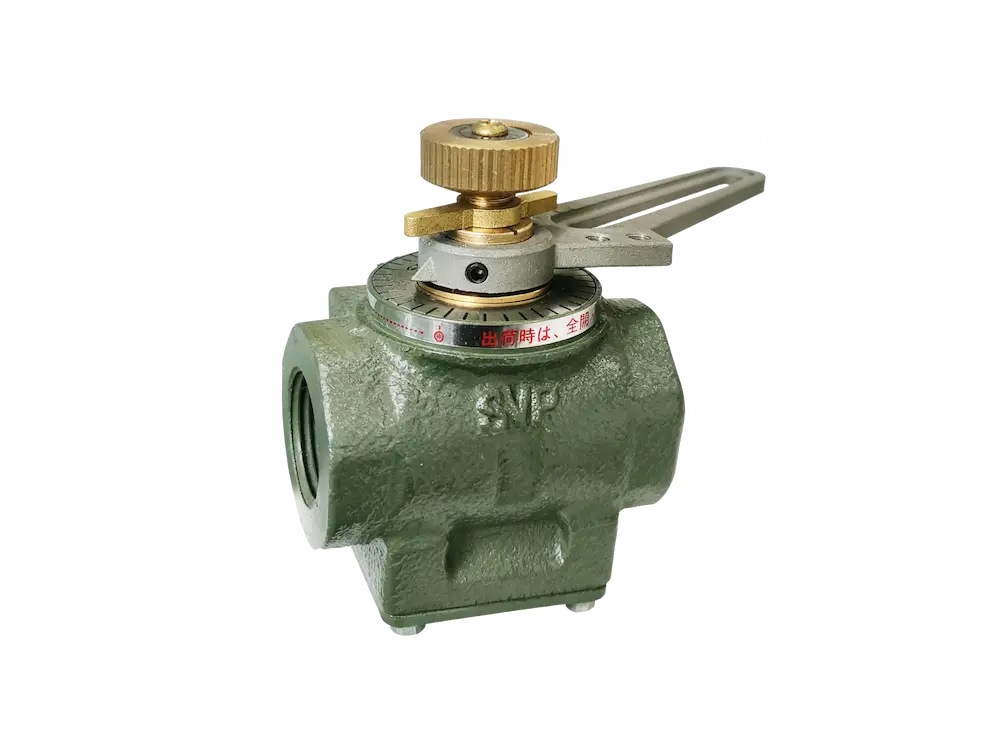
Air distribution settings that control the proportion and direction of primary, secondary, and tertiary air streams.
Swirl intensity tuning to regulate the degree of rotation and recirculation within the flame.
Mixing design refinements that delay or accelerate the blending of fuel and air to achieve the desired reaction rate.
Changing:
Fuel pressure alters the injection momentum, which directly affects flame penetration and mixing.
Air pressure modifies the air velocity, influencing entrainment and the position of the reaction zone.
Air-fuel ratio modifies the stoichiometric condition, shifting flame length, temperature, and luminosity.
These operational levers can modify flame length and intensity within certain bounds, allowing operators to adapt to varying process demands without replacing hardware.
Modern systems monitor:
Oxygen levels in the exhaust to infer the air-fuel ratio and make real-time corrections.
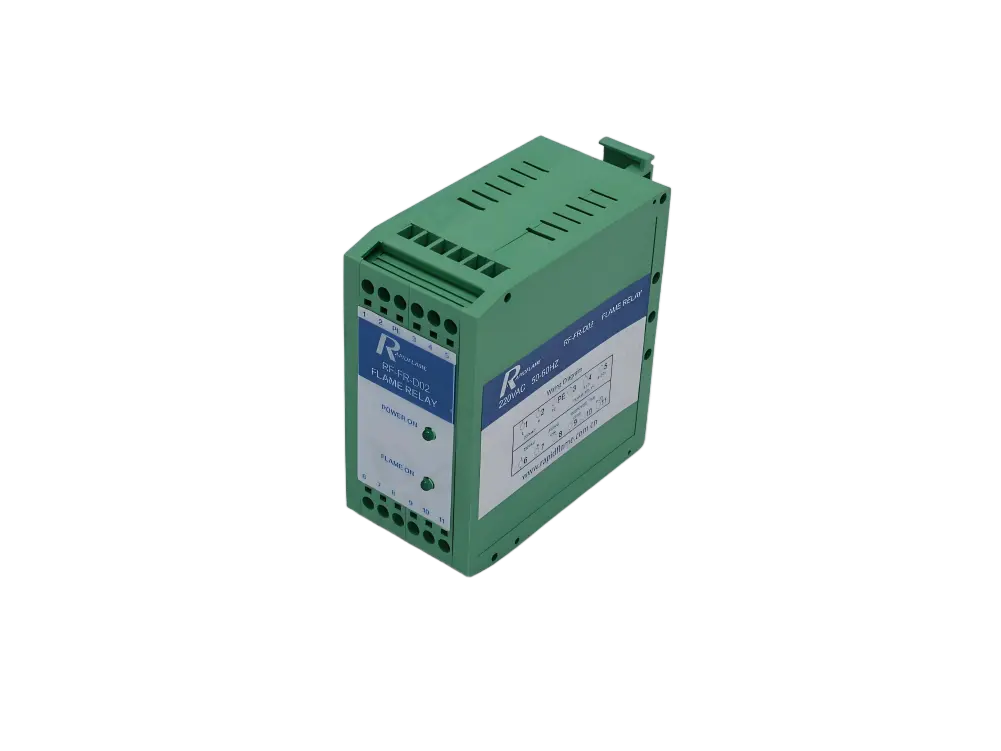
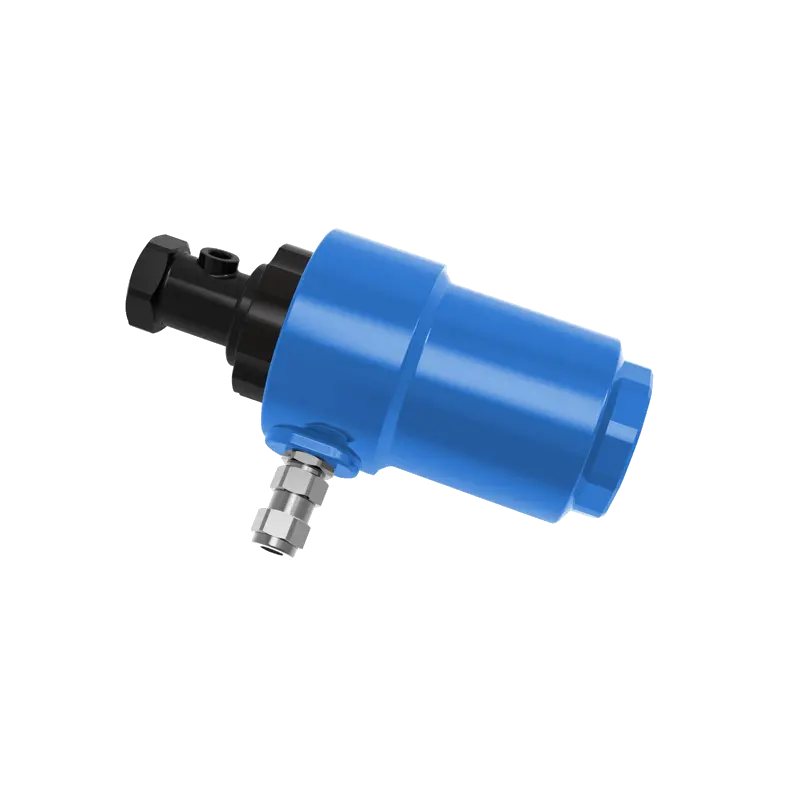
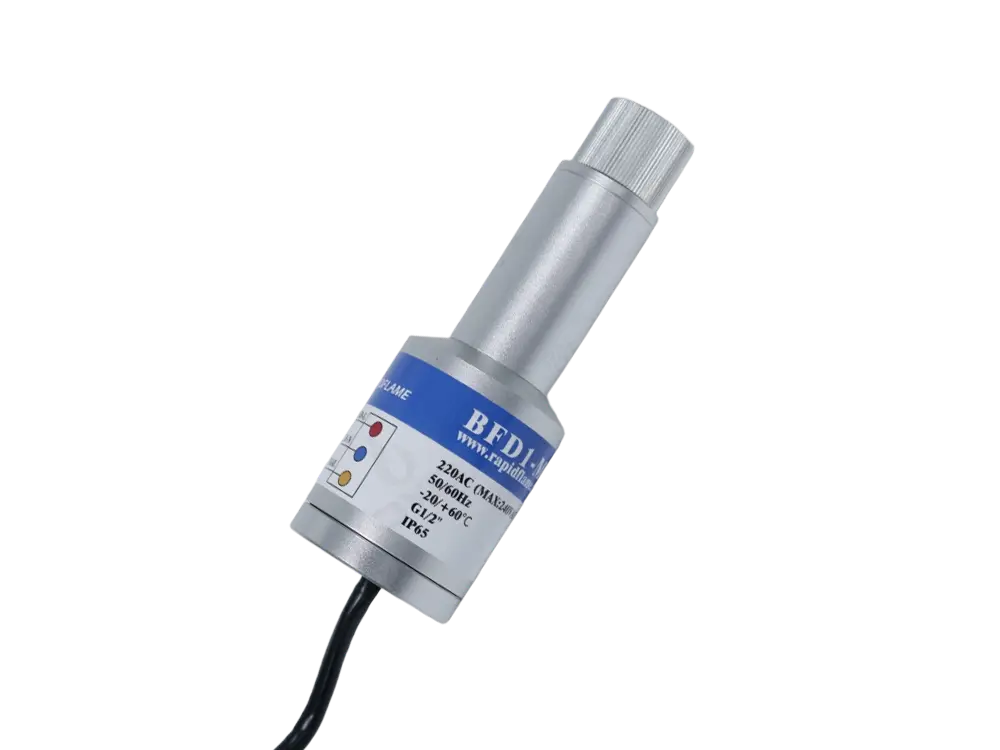
Flame signals from UV or IR sensors to confirm ignition and stability.
Furnace temperature via thermocouples or pyrometers, providing feedback for load-based adjustment.
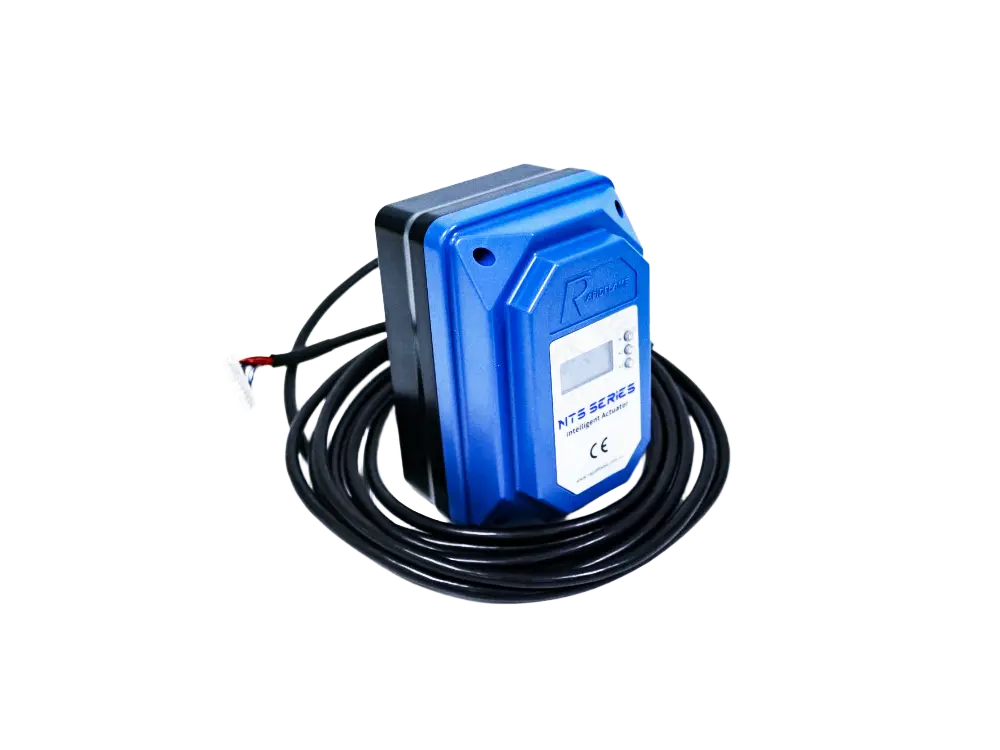
Burner output through modulation valves and variable-speed drives on combustion air fans.
to maintain stable operation. Automated controls can continuously adjust firing rates and air settings to keep the flame shape consistent despite changes in fuel composition, ambient conditions, or process load.
Operators should pay attention to:
Flame touching furnace walls, indicating excessive length or poor alignment.
Uneven temperature distribution observed through thermocouple readings or visual inspection of load color.
Excessive flame vibration or oscillation, which suggests aerodynamic instability or combustion pulsation.
Frequent burner shutdowns due to flame failure detection or safety interlock trips.
Increased fuel consumption relative to normal production throughput, implying poor thermal efficiency.
Higher emissions, particularly CO and NOx, as measured by continuous emission monitoring systems.
These may indicate:
Incorrect burner selection for the specific chamber geometry or thermal requirements.
Poor adjustment of fuel pressure, air flow, or damper positions.
Improper air-fuel ratio leading to either fuel-rich or fuel-lean combustion.
Furnace design mismatch where the chamber dimensions or pressure conditions conflict with the burner's intended operating envelope.
When selecting an industrial burner, engineers must consider the specific thermal demands and spatial constraints of their process, using flame shape as a primary selection criterion.
| Requirement | Preferred Flame Characteristic |
|---|---|
| Deep furnace heating | Long penetrating flame that delivers energy to the far end of the chamber |
| Uniform surface heating | Wide or flat flame that spreads heat evenly over a broad area |
| Compact equipment | Short flame that fits within limited chamber dimensions without wall contact |
| Fast heat transfer | High-velocity flame that promotes strong convection and rapid thermal exchange |
| Low emissions | Stable, controlled flame that avoids peak temperatures and promotes complete mixing |
The correct flame shape should match the thermal process rather than simply maximizing flame temperature. A burner that produces the hottest possible flame may not be the most effective choice if that heat cannot be delivered efficiently to the target material.
Flame shape determines how heat is distributed inside the combustion chamber. It influences all major aspects of burner performance, from thermal efficiency and fuel economy to emission levels and product consistency. The correct flame shape improves efficiency, product quality, and equipment reliability by ensuring that combustion energy is delivered precisely where and how it is needed.
Yes. Adjusting fuel pressure, combustion air, and air-fuel ratio can influence flame length, width, and stability. These operational changes allow operators to compensate for variations in fuel quality, ambient conditions, or process load, although the range of adjustability is ultimately limited by the burner's mechanical design.
No. The best flame shape depends on the application. A flame that is too long may cause wall overheating, damaging refractories and reducing equipment life. Conversely, a flame that is too short may provide insufficient heating coverage, leaving portions of the chamber or load under-heated and requiring extended processing times.
An optimized flame transfers heat more effectively to the load, reducing wasted energy and improving fuel efficiency. When the flame shape is poorly matched to the chamber, a significant portion of the fuel energy may be lost to exhaust gases, wall heat losses, or incomplete combustion, requiring higher fuel input to achieve the same process result.
Low-NOx burners control flame shape through staged combustion, controlled mixing, and internal recirculation to reduce peak flame temperatures while maintaining stable combustion. By delaying the complete mixing of fuel and air or by introducing recirculated flue gas into the reaction zone, these designs spread the heat release over a larger volume, lowering the thermal intensity at any single point and thereby suppressing NOx formation.
Flame shape is a key performance characteristic of industrial burners because it determines how combustion energy is distributed and transferred to the process. It serves as the primary means of adapting the raw energy of combustion to the specific thermal, spatial, and environmental requirements of each application.
A properly designed flame provides:
Efficient heat transfer by matching the release pattern to the chamber geometry and load position.
Stable combustion that supports reliable operation over long production cycles.
Lower emissions through controlled temperature distribution and complete mixing.
Uniform temperature distribution that ensures consistent product quality and reduced reject rates.
Longer equipment life by minimizing thermal stress and preventing direct impingement damage.
The ideal flame shape depends on the specific application, furnace geometry, fuel type, and heating requirements. No single flame geometry is universally optimal; rather, each combustion system must be carefully engineered to achieve the right balance between penetration, spread, intensity, and stability. By optimizing burner design and combustion control, industrial systems can achieve higher efficiency, better process performance, and more reliable operation.
DYDTEC Combustion specializes in industrial burner technology, combustion systems, and customized thermal solutions. The company provides industrial burner solutions for furnaces, drying systems, thermal processing equipment, and energy-efficient heating applications, focusing on optimized flame control, stable combustion, low emissions, and reliable long-term operation. With deep expertise in flame dynamics and combustion engineering, DYDTEC supports its customers in selecting, configuring, and maintaining burner systems that deliver consistent process performance and operational cost savings.