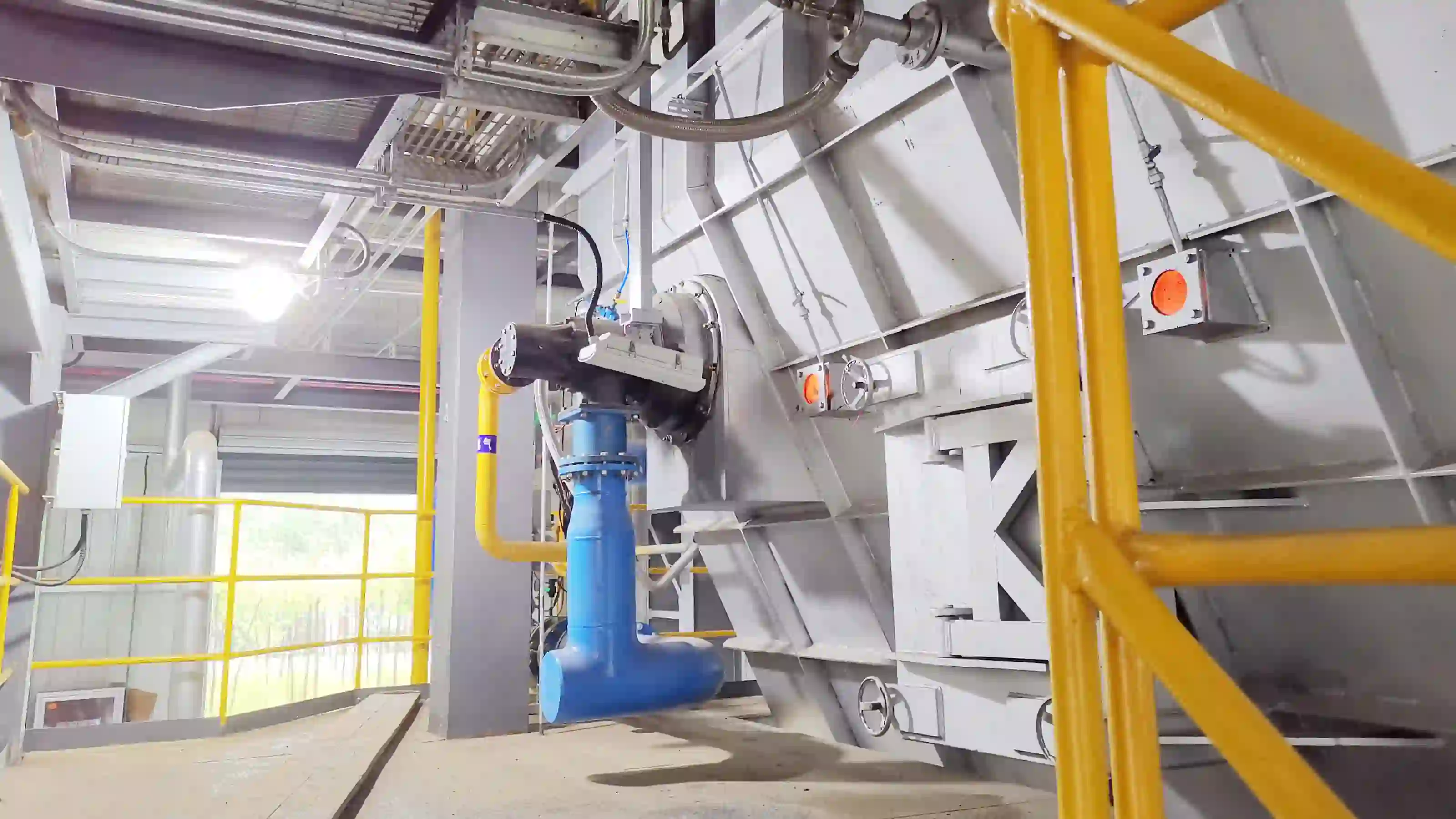
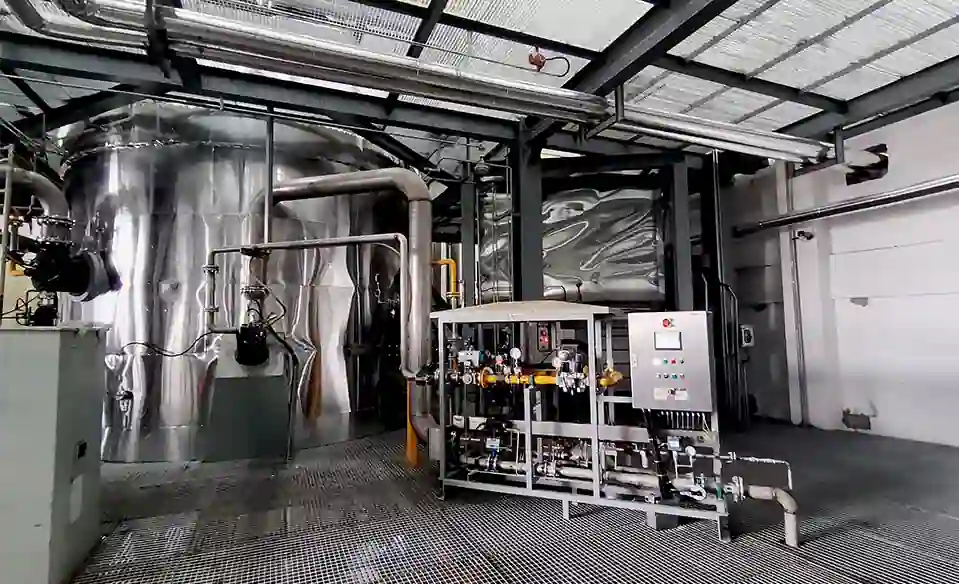
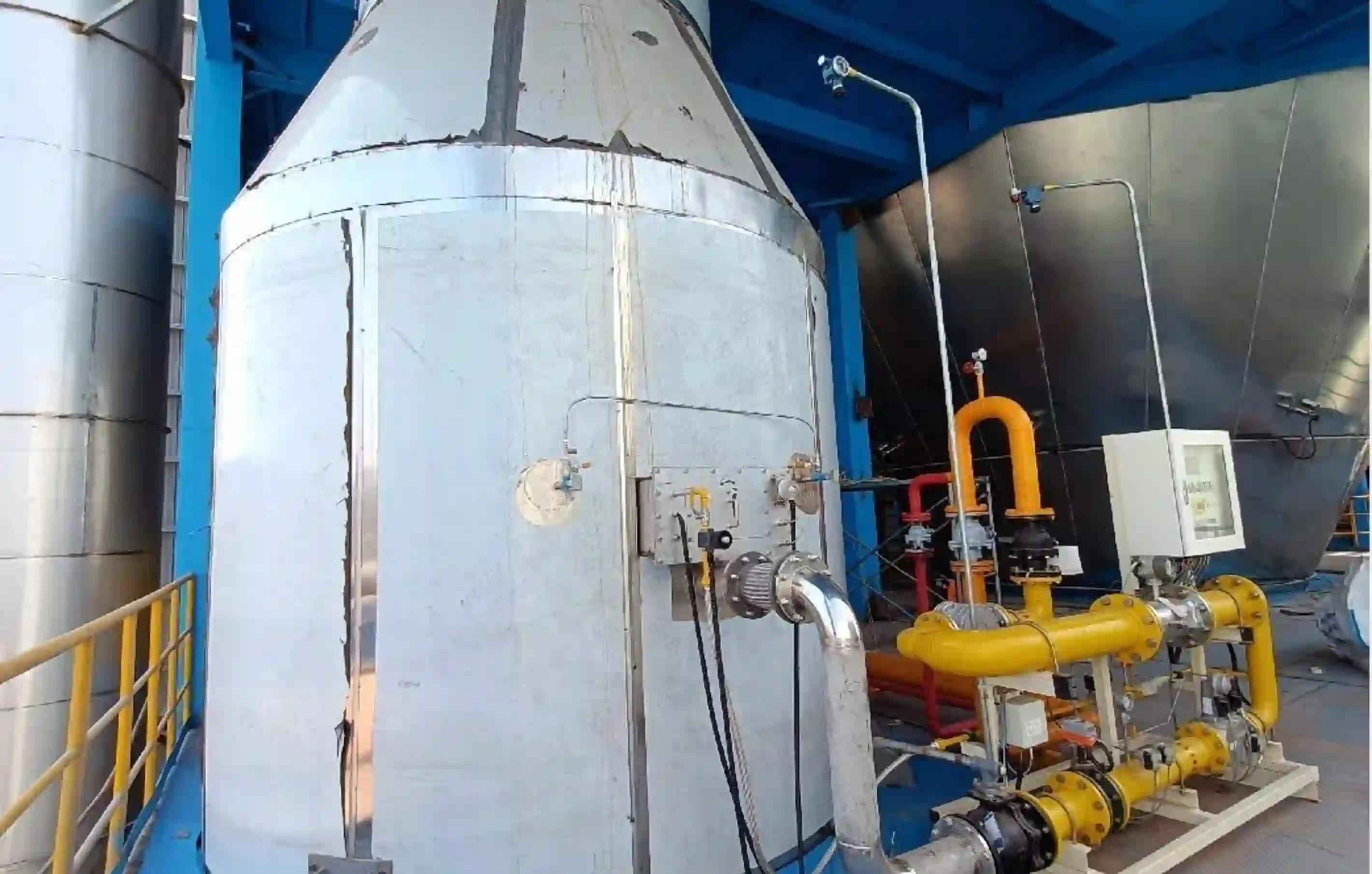
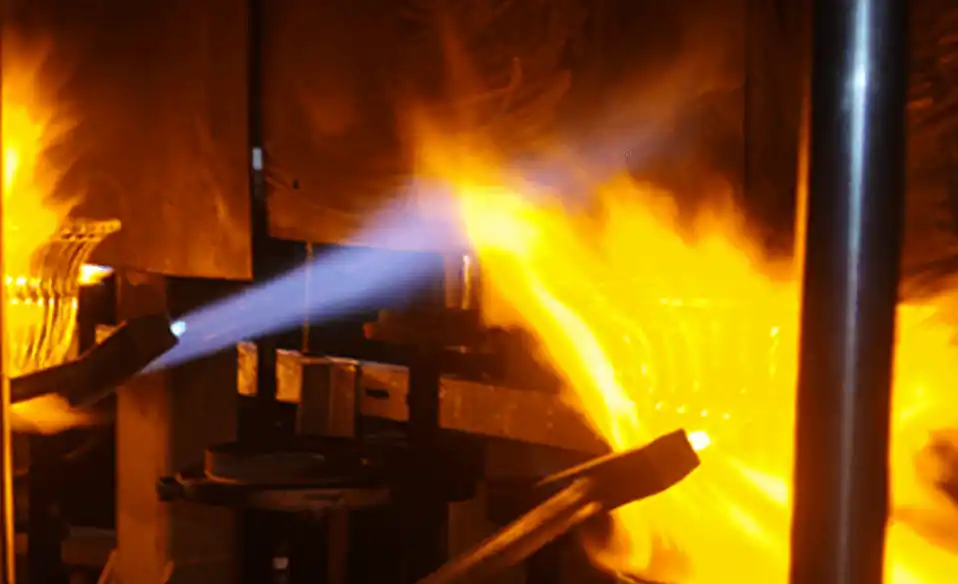
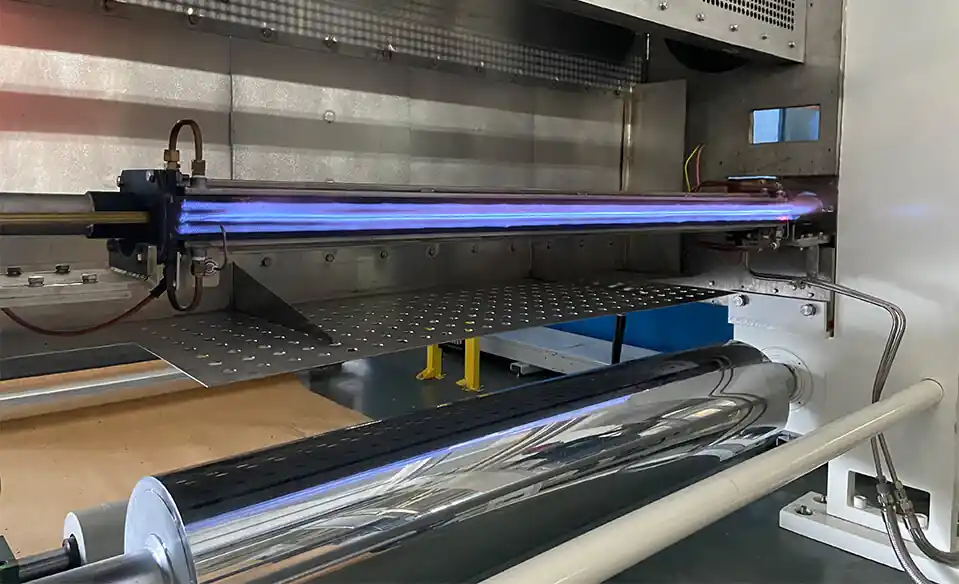
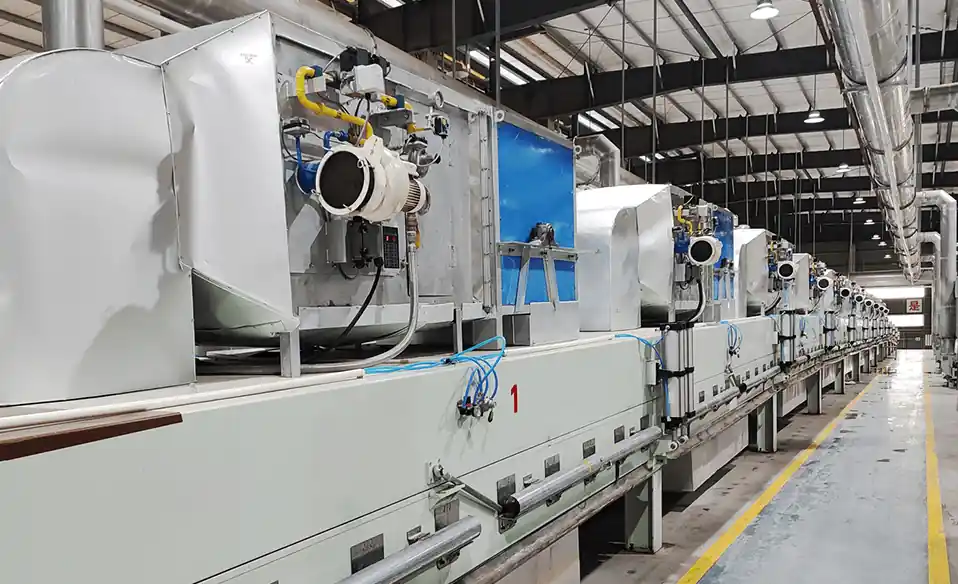
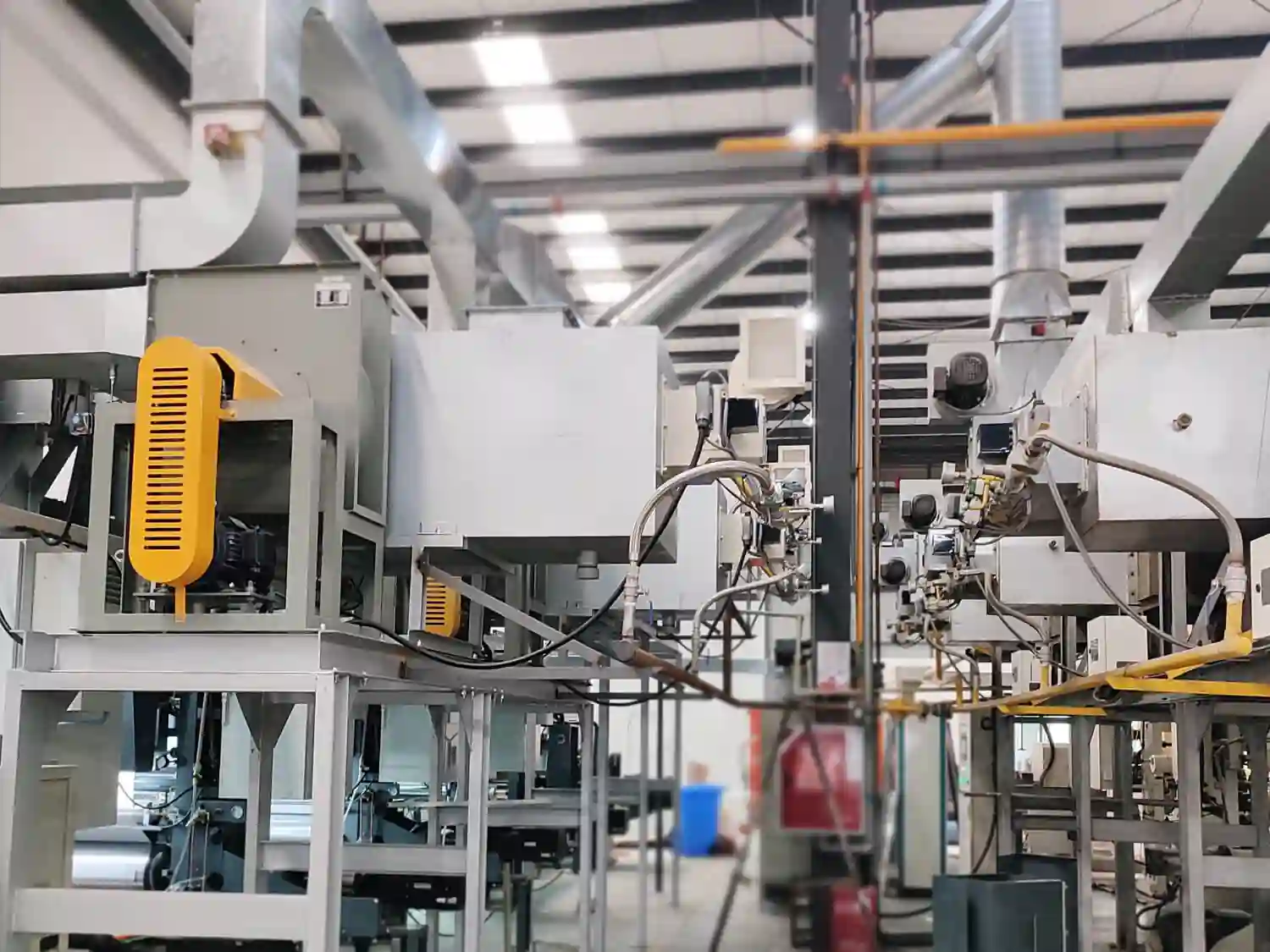
Furnace pressure is a critical operating parameter that directly affects flame stability, combustion efficiency, heat transfer, and equipment safety. In industrial combustion systems, maintaining the correct furnace pressure ensures that combustion gases flow in the intended direction while allowing burners to operate under stable conditions. It represents the dynamic balance between the input of fuel and air and the withdrawal of hot exhaust gases, acting as the "respiratory rhythm" of the entire thermal system.
Furnace pressure influences:
Flame shape and stability, governing whether the reaction zone remains anchored and coherent.
Fuel-air mixing, as pressure gradients determine the momentum and entrainment behavior of the combustion streams.
Exhaust gas movement, controlling the path and velocity of combustion products as they exit the chamber.
Heat transfer efficiency, affecting how much of the released energy stays within the furnace boundaries.
Emissions performance, since pressure uniformity stabilizes the reaction conditions that determine pollutant formation.
Burner reliability, with consistent pressure reducing mechanical stress on fans, dampers, and seals.
Whether operating furnaces, kilns, dryers, thermal oxidizers, or industrial heating systems, proper pressure control is essential for achieving efficient and safe combustion. A well-regulated pressure environment allows the burner to perform as designed, while pressure deviations can cascade into operational issues that compromise both productivity and safety.
Furnace pressure refers to the pressure difference between the inside of the combustion chamber and the surrounding atmosphere. It is the net result of all forces acting on the gas volume within the furnace, including the injection of fresh combustion air, the expansion of heated gases, and the continuous withdrawal of flue products.
It is usually measured as:
Positive pressure — furnace pressure is higher than atmospheric pressure, meaning hot gases tend to push outward through any openings or gaps in the furnace structure.
Negative pressure — furnace pressure is lower than atmospheric pressure, meaning ambient air is drawn inward through leaks or openings, diluting the furnace atmosphere.
Near-neutral pressure — furnace pressure is close to atmospheric pressure, minimizing both outward leakage of combustion gases and inward infiltration of cold air.
In most industrial heating systems, furnace pressure is controlled through the balance between:
Combustion air supply, which adds volume and momentum to the chamber atmosphere.
Fuel input, which introduces additional mass and chemical energy that expands upon combustion.
Exhaust gas removal, which extracts products of combustion to maintain volumetric equilibrium.
Flue damper position, which adjusts the resistance of the exhaust path.
Induced draft (ID) fan operation, which provides active suction to regulate the withdrawal rate.
A stable furnace pressure means that the amount of gas entering and leaving the furnace is properly balanced. When this balance is achieved, the furnace operates as a closed thermal envelope, with controlled flow directions and predictable heat distribution.
The combustion process depends on controlled gas movement. Every aspect of the reaction—from the initial mixing of fuel and oxidizer to the final discharge of products—is influenced by the pressure field that surrounds and contains the flame.
A burner flame is affected by:
Pressure difference across the burner, which determines the driving force that propels fuel and air into the chamber.
Flow velocity, which is directly governed by the pressure gradients established between the burner supply lines and the furnace interior.
Gas circulation inside the furnace, which shapes the recirculation zones that anchor the flame and distribute heat.
Exhaust removal rate, which dictates how quickly combustion products are evacuated and whether fresh oxidizer is efficiently drawn into the reaction zone.
Incorrect furnace pressure can cause:
Flame instability, where the reaction zone oscillates, lifts off, or extinguishes due to fluctuating flow conditions.
Poor heat distribution, as gases move in unintended paths and create thermal imbalances within the chamber.
Increased emissions, resulting from incomplete combustion or disrupted temperature profiles that promote pollutant formation.
Burner operating problems, including ignition failures, mechanical vibrations, and accelerated wear on system components.
Flame stability depends on maintaining the correct relationship between the aerodynamic forces that push the flame forward and the chemical forces that anchor it to the burner. Furnace pressure plays a central role in this equilibrium by influencing the velocity and direction of the reacting flow.
When furnace pressure is too low, the suction effect pulls the combustion gases—and the flame itself—toward the exhaust opening with greater intensity than intended.
Hot gases are pulled rapidly toward the exhaust, reducing their residence time within the heating zone.
Flame may become elongated, as the forward velocity increases and the reaction front stretches axially.
Flame temperature distribution changes, with peak heat release shifting downstream and away from the load.
Heat may leave the furnace too quickly, before it can be effectively transferred to the target material.
Possible results:
Reduced heating efficiency, as thermal energy bypasses the intended absorption surfaces.
Increased exhaust losses, carrying a larger fraction of the fuel's energy out of the stack.
Flame instability, especially when the draft fluctuates and imposes unsteady stretching forces on the reaction zone.
When furnace pressure becomes too high, the expanding combustion products encounter resistance in their path toward the exhaust. The excess volume must find alternative escape routes.
Combustion gases may escape through furnace openings such as doors, access ports, or expansion joints, releasing heat and hazardous components into the workspace.
Flames may be pushed away from the burner, or their propagation may be impeded by the elevated backpressure acting against the supply streams.
Hot gases may damage equipment surfaces, as the outward flow impinges on structural elements not designed for sustained high-temperature exposure.
Possible problems:
Flame disturbance, causing irregular heat release patterns and potential quenching of the reaction.
Heat leakage, which directly reduces thermal efficiency and imposes additional load on the fuel system.
Safety hazards for personnel, resulting from exposure to hot gases, flame roll-out, or combustible atmosphere accumulation.
Increased maintenance requirements, as seals degrade, insulation deteriorates, and mechanical components suffer thermal stress.
The flame inside a furnace is not determined only by burner design. The surrounding pressure environment also affects flame behavior by altering the aerodynamic boundaries within which the combustion jet develops.
Changes in furnace pressure can modify:
Flame length, as higher forward draft stretches the reaction zone, while backpressure compresses it.
Flame direction, with pressure gradients redirecting the jet toward regions of lower resistance.
Flame expansion, as pressure influences the entrainment of surrounding gases and the radial spread of the reaction.
Gas circulation pattern, affecting the recirculation loops that return hot products to the flame root.
For example:
A strong negative pressure may pull the flame toward the exhaust side, creating an asymmetric heat release that leaves the far burner-side zone under-heated. Conversely, excessive positive pressure may push combustion gases toward furnace openings, bulging the flame envelope outward and increasing the risk of impingement on cold surfaces.
A properly controlled pressure profile allows the burner to maintain its designed flame shape, ensuring that the heat release pattern remains aligned with the thermal process requirements regardless of variations in draft or load.
Industrial heating efficiency depends on how effectively heat remains inside the furnace and is transferred to the workload. Incorrect pressure can significantly undermine this efficiency by creating unwanted pathways for energy to leave the chamber.
When the suction is too strong, ambient air is drawn inward through any leakage point, diluting the hot furnace atmosphere.
Cold air infiltrates the furnace, reducing the average temperature of the combustion gases and lowering the radiant heat available to the load.
Exhaust gas volume increases, as the incoming cold air must be heated to furnace temperature before being expelled, consuming additional fuel in the process.
Heat escapes faster, since the higher gas velocity carries thermal energy out of the chamber before it can be transferred to the product.
Effects:
Higher fuel consumption, as the burner must fire at a higher rate to compensate for both dilution and reduced residence time.
Lower furnace temperature, requiring extended production cycles to achieve target process conditions.
Longer heating time, reducing throughput and increasing operational costs per unit of output.
When the chamber pressure exceeds atmospheric pressure, hot gases actively seek to escape through any available opening rather than following the intended exhaust path.
Heat energy is lost, as the escaping gases carry their sensible heat directly into the surroundings without performing useful work.
Furnace surfaces may overheat, particularly around door seals and pipe penetrations, accelerating material degradation.
Working environments may become unsafe, with elevated ambient temperatures and the potential release of toxic or explosive components.
Proper pressure control minimizes unnecessary heat losses by ensuring that both infiltration and exfiltration are held to negligible levels. The furnace then operates as an efficient thermal enclosure, maximizing the fraction of fuel energy delivered to the process.
Burner performance depends on stable flow conditions. The interaction between the fuel jet, the combustion air stream, and the surrounding furnace atmosphere is exquisitely sensitive to pressure variations within the chamber.
Furnace pressure changes can affect:
Flame momentum, as backpressure opposes jet expansion while negative pressure accelerates the forward movement.
Air entrainment, with pressure gradients modifying the shear layers that draw secondary or tertiary air into the flame core.
Recirculation zones, which are established by the balance between injection pressure and furnace backpressure.
Mixing patterns, as pressure fluctuations disrupt the steady fluid dynamic fields that promote uniform concentration gradients.
A sudden pressure change may cause:
Flame vibration, as the flow becomes turbulent or oscillatory due to changing pressure boundary conditions.
Poor mixing, with fuel and air failing to achieve intimate contact before the reaction front passes.
Increased CO emissions, resulting from fuel-rich pockets that lack sufficient oxygen for complete oxidation.
Combustion instability, where the flame alternates between different modes of attachment and lift-off.
This is especially important for:
High-speed burners, where the momentum of the jet is high and the pressure field exerts a significant influence on trajectory and mixing.
Low-NOx burners, which rely on precise staging and recirculation to moderate temperature and suppress pollutant formation.
Premixed combustion systems, where the fuel and air are blended before the flame front, making them sensitive to pressure-induced flashback or blow-off.
Stable pressure helps maintain consistent combustion conditions. When the pressure environment remains within the intended operating window, the burner produces a predictable emission profile that can be managed through design and tuning.
Incorrect pressure can contribute to:
Caused by:
Poor mixing, as pressure disturbances create local pockets where fuel exceeds the available oxygen.
Unstable flame conditions, with the reaction zone fluctuating between regions of excess and deficiency.
Reduced combustion residence time, which is shortened when draft is too high and the gases are swept out before combustion is complete.
Pressure changes can affect:
Flame temperature distribution, with variations in pressure altering the compactness of the flame and the intensity of the heat release zone.
Oxygen concentration, as infiltration through leaks adds excess air that can influence both peak temperature and the formation rate of thermal NOx.
Gas recirculation, with pressure levels determining how effectively cooled products are drawn back into the flame core to dilute the reaction.
Low-NOx burners require precise pressure control because their emission reduction strategies depend on carefully controlled combustion zones. Any drift in furnace pressure shifts the performance of internal recirculation loops and staging mechanisms, often leading to a sharp increase in NOx or CO levels despite unchanged burner settings.
Industrial burners are designed for specific furnace conditions. The entire aerodynamic design—from nozzle geometry to flame stabilization features—is calibrated around an expected pressure environment.
If actual furnace pressure differs significantly from the design condition, burner performance may change dramatically.
Possible effects:
Reduced firing capacity, as high backpressure restricts flow through the burner and lowers the achievable heat release for a given supply pressure.
Incorrect flame length, with pressure deviations altering the axial momentum and the progression of the reaction zone.
Poor temperature uniformity, as the misdirected flame creates hot and cold zones that compromise process quality.
Ignition problems, when pressure conditions interfere with the establishment of the pilot flame or the initial flame propagation.
During burner commissioning, engineers usually check and verify the operating envelope against the design specifications. These checks include:
Furnace pressure, measured at representative points to confirm the overall balance.
Gas pressure at the burner inlet, ensuring it matches the expected supply condition.
Air pressure in the combustion air plenum, confirming that the air supply system delivers the required pressure head.
Flame appearance, visually or spectroscopically, to validate that the reaction has the correct color, shape, and intensity.
Oxygen concentration in the exhaust, confirming that the air-fuel ratio is correct under the established pressure conditions.
The exhaust damper controls how much combustion gas leaves the furnace by varying the flow area and resistance of the flue path. It serves as the primary manual or automatic tuning element for pressure balance.
Incorrect adjustment can cause:
Excessive draft, if the damper is too open, pulling an overly negative pressure.
Pressure fluctuations, if the damper is mechanically unstable or improperly controlled.
Poor combustion stability, as the dynamic relationship between supply and withdrawal is disrupted.
Both supply fans and exhaust fans influence furnace pressure. They provide the active mechanical energy needed to move gases into and out of the chamber.
Problems include:
Incorrect fan speed, delivering either too much or too little flow for the required pressure setpoint.
Fan capacity mismatch, where the fan cannot achieve the necessary pressure differential for the specific furnace volume.
Control system errors, with sensors, actuators, or logic loops failing to maintain the target pressure under varying loads.
Uncontrolled air leakage is one of the most persistent sources of pressure instability. Even small openings can admit or release significant volumes of gas due to the relatively low pressure differentials involved.
Common leakage points:
Furnace doors, especially those opened frequently for loading or inspection.
Inspection openings, such as sight ports and sample access points.
Damaged seals, including gaskets, refractory joints, and sealing plates.
Expansion joints, which accommodate thermal expansion but can develop gaps or tears over time.
Air leakage can create uncontrolled pressure changes, forcing the control system to compensate with dampers or fans and often leading to inefficiency if the leakage is severe.
Burner settings influence furnace pressure through their direct effect on input flow rates and heat release. A burner that is not properly tuned contributes to pressure imbalance.
Air input, if set too high, introduces excess volume that must be exhausted.
Fuel input, if poorly regulated, changes the total mass and expansion rate within the chamber.
Exhaust gas volume, which varies with firing rate and affects the withdrawal required to maintain balance.
Poor commissioning may create unstable pressure conditions, as the relationship between fuel input, air supply, and exhaust capacity is not correctly established for the operating range.
Industrial systems commonly use a combination of mechanical and aerodynamic controls to manage the withdrawal of combustion gases.
Flue dampers, which can be manually positioned or motorized to vary the exhaust cross-section and alter draft intensity.
Exhaust fans, providing active suction to overcome system resistance and maintain the desired negative pressure.
Induced draft systems, which include fan speed modulation and inlet guide vanes to precisely regulate extraction rates.
These components work together to maintain target pressure across the full operating load range.
Modern combustion systems use pressure sensors and controllers to respond rapidly to changing operating conditions.
Sensors measure the differential pressure at strategic points within the furnace, typically near the burner zone or at the exhaust duct. The controller then adjusts:
Fan speed, using variable frequency drives to increase or decrease suction or supply.
Damper position, through actuators that open or close the exhaust path.
Airflow rate, by modulating supply fans or dampers to balance the total volume entering the chamber.
The goal is to maintain stable furnace pressure during changing operating conditions, including load changes, startup, shutdown, and batch transitions.
Good furnace construction reduces uncontrolled air infiltration and exfiltration, providing a predictable baseline for the pressure control system.
Important areas include:
Doors, fitted with robust gaskets and latches that maintain compression under thermal cycling.
Access ports, designed with tight-fitting covers or double-seal arrangements.
Pipe penetrations, sealed with high-temperature packing or bellows that accommodate movement.
Expansion joints, selected and maintained to remain gas-tight throughout their service life.
Typically require carefully controlled pressure to maintain the stable thermal environment necessary for:
Uniform heating, avoiding temperature gradients that cause metallurgical inconsistencies.
Product quality, ensuring that every batch or continuous strand receives identical thermal treatment.
Energy efficiency, minimizing the fuel penalty associated with draft-induced losses.
Pressure affects the movement of heated air through the product bed or suspension. Proper control is essential for:
Hot air circulation, directing the drying medium through the material with the correct velocity.
Moisture removal, ensuring that water vapor is efficiently extracted without condensing in the chamber.
Drying uniformity, preventing over-drying at the inlet and under-drying at the outlet.
Pressure control helps manage the complex interaction between the flame, the rotating bed of material, and the axial flow of combustion gases along the kiln length. It influences:
Gas flow direction, ensuring that combustion products travel from the burner end toward the feed end.
Flame penetration, maintaining the designed trajectory and thermal profile within the rotating refractory shell.
Material heating, delivering consistent temperature input as the charge moves through the inclined cylinder.
Pressure control is critical for both combustion performance and safety in these high-temperature VOC abatement systems.
Stable combustion, maintaining the flame or flameless oxidation zone at the target temperature.
VOC destruction efficiency, ensuring adequate residence time and mixing for complete conversion.
Safe operation, preventing pressure buildup that could rupture vessels or damage the regenerative ceramic media.
The ideal furnace pressure depends on the equipment design. Many industrial furnaces operate near slightly negative pressure to prevent hot gases from escaping into the working environment, while minimizing cold air infiltration. The specific setpoint is determined during system design and commissioning based on burner requirements, chamber geometry, and safety considerations.
Not necessarily. Higher pressure does not automatically improve combustion. Stable and properly controlled pressure is more important than simply increasing pressure. An elevated pressure that fluctuates widely is far less desirable than a moderate pressure that remains steady over time.
Yes. Changes in furnace pressure influence gas flow patterns and can change flame length, direction, and stability. Pressure gradients modify the momentum and entrainment of the combustion jet, directly altering where and how the reaction zone develops.
Slight negative pressure helps prevent combustion gases from leaking out of furnace openings and improves workplace safety. By keeping the chamber slightly below atmospheric pressure, any leakage is directed inward, pulling ambient air into the furnace rather than releasing hot, potentially hazardous gases into the factory environment.
Incorrect pressure increases heat losses, disrupts combustion efficiency, and may require additional fuel to maintain process temperature. Whether through heat leakage under positive pressure or cold air dilution under excessive negative pressure, pressure imbalances force the burner to work harder to achieve the same heating result.
Furnace pressure plays a vital role in controlling combustion behavior, flame stability, heat transfer, and emissions performance. It serves as the fundamental operating condition that determines whether the burner's designed thermal output is delivered effectively to the process or dissipated through losses and disturbances.
The correct furnace pressure allows:
Stable flame operation, ensuring consistent heat release and reliable ignition.
Efficient fuel utilization, maximizing the useful fraction of each energy unit consumed.
Uniform temperature distribution, supporting consistent product quality and predictable processing.
Lower emissions, maintaining combustion conditions that minimize both incomplete products and thermal NOx.
Safer equipment operation, preventing leakage of hot gases and maintaining controlled flow paths.
Too much negative pressure can increase heat losses and disturb combustion, while excessive positive pressure can cause gas leakage and equipment problems. Either extreme imposes operational penalties that reduce profitability and increase maintenance burdens.
For modern industrial combustion systems, maintaining the correct pressure balance between the burner, furnace chamber, and exhaust system is essential for achieving high efficiency, reliable operation, and long equipment life. A well-instrumented pressure control system, combined with proper sealing and careful tuning, enables industrial plants to realize the full potential of their thermal processes while meeting safety and environmental standards.
DYDTEC Combustion specializes in industrial burner technology, combustion systems, and customized thermal solutions. The company provides industrial burner solutions for furnaces, drying equipment, thermal processing systems, and energy-efficient heating applications, focusing on stable combustion, optimized flame control, efficient fuel utilization, low emissions, and reliable long-term operation. With deep expertise in furnace pressure management and combustion aerodynamics, DYDTEC supports customers in designing, commissioning, and retrofitting thermal systems to achieve precise pressure control, consistent process outcomes, and sustainable operational performance.