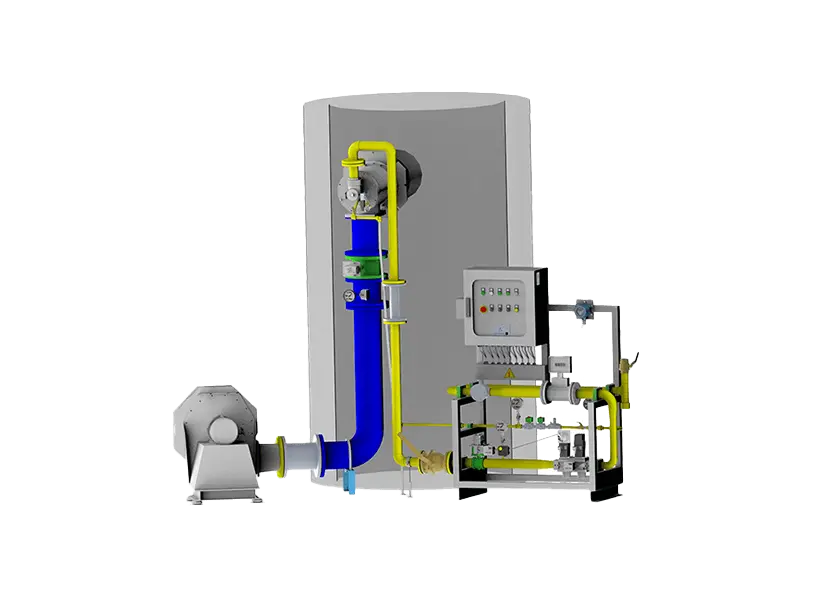
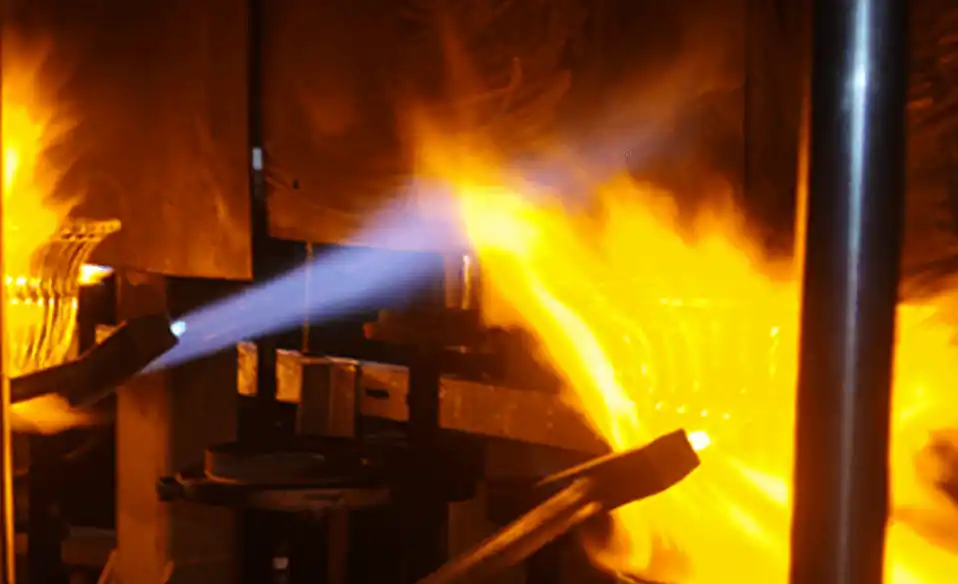
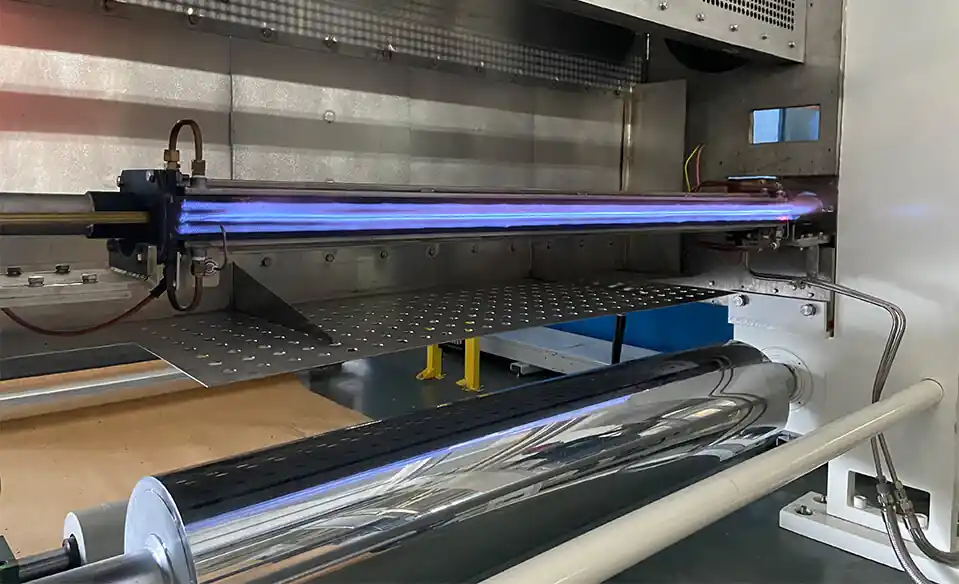
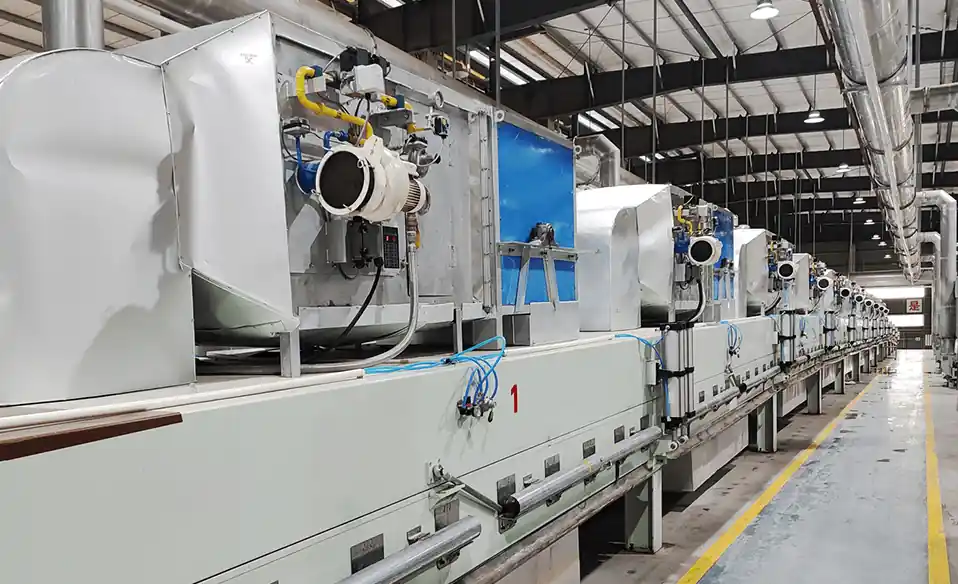
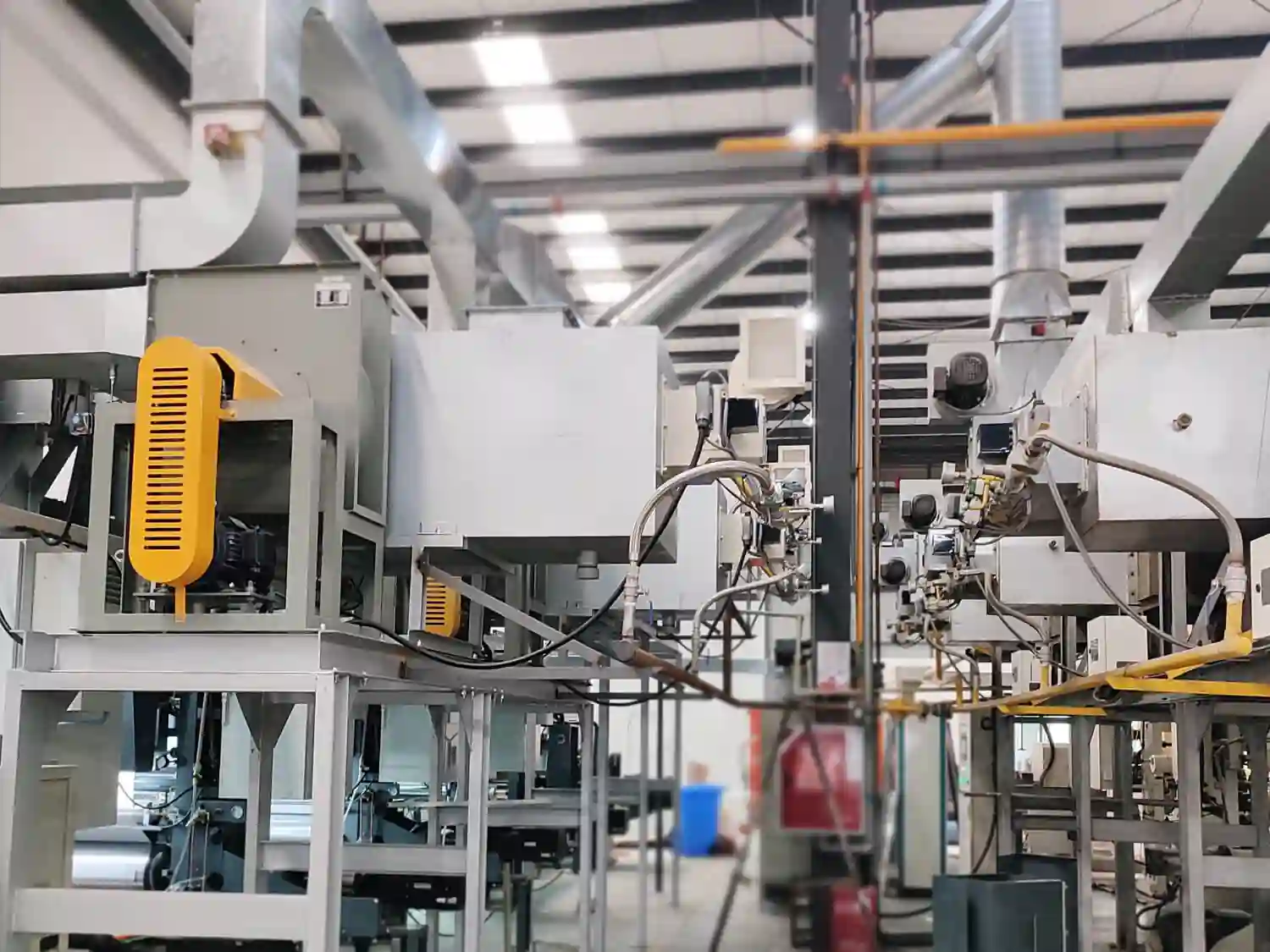
Flame length is one of the most important characteristics of an industrial burner because it determines where and how combustion heat is released inside a furnace. It defines the spatial extent of the reaction zone, governing the placement of thermal energy within the chamber and directly influencing the efficiency and quality of the entire heating process. The correct flame length ensures efficient heat transfer, uniform temperature distribution, stable combustion, and reliable equipment operation—all of which are essential for maintaining consistent production output and minimizing operational costs.
In industrial applications such as furnaces, kilns, dryers, ovens, and thermal processing systems, an incorrect flame length can lead to problems including:
Uneven heating, where portions of the load receive excessive thermal input while others remain under-heated.
Flame impingement, with the flame directly contacting furnace walls, tubes, or product surfaces.
Reduced combustion efficiency, as incomplete oxidation or excessive heat losses waste fuel energy.
Increased emissions, resulting from incomplete combustion or disrupted temperature profiles.
Furnace damage, caused by localized overheating and thermal stress on refractories and structural components.
Poor product quality, arising from inconsistent thermal treatment across different sections of the load.
Selecting and controlling the right flame length is therefore a key part of industrial burner design and combustion optimization. It requires a thorough understanding of both the burner's capabilities and the furnace's thermal requirements.
Flame length is the distance from the burner outlet to the end of the active combustion zone. It represents the region where fuel reacts with oxygen and releases heat, extending from the point of ignition to the location where the chemical reaction is essentially complete and the visible flame terminates.
Flame length is influenced by:
Burner design, which establishes the fundamental aerodynamic and mixing characteristics.
Fuel type, as different fuels have distinct combustion kinetics and flame speeds.
Fuel and air velocity, determining the momentum and trajectory of the reacting streams.
Air-fuel ratio, which affects the stoichiometric balance and reaction intensity.
Burner firing rate, as flow volumes change with load.
Furnace geometry, which provides the physical boundaries and pressure environment for flame development.
Operating pressure, influencing gas density, velocity, and flow patterns.
Different combustion applications require different flame lengths because each process has unique thermal objectives, chamber geometries, and product sensitivities.
For example:
A large industrial furnace may require a long penetrating flame to deliver heat to the far end of the chamber.
A compact heating chamber may require a short flame to fit within limited space without wall contact.
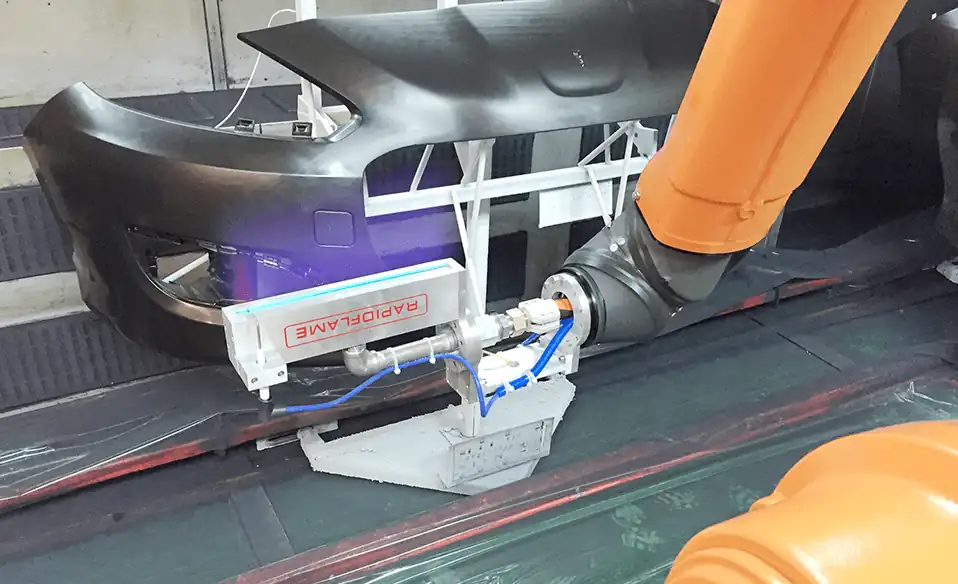
A surface heating process may require a wide, distributed flame to cover a broad area with moderate intensity.
Flame length directly affects the spatial and thermal performance of the combustion system. It determines the fundamental relationship between the burner's heat release and the furnace's absorption characteristics.
Flame length directly affects:
Where heat is released, establishing the primary heating zone within the chamber.
How heat spreads through the furnace, influencing temperature gradients and circulation patterns.
How efficiently fuel energy is used, determining the fraction of heat absorbed by the load versus lost to exhaust or walls.
How evenly products are heated, affecting consistency, quality, and throughput.
A properly matched flame length allows the burner and furnace to work together as a complete thermal system, with the heat release pattern aligned to the geometric and process requirements of the application. When this match is achieved, the furnace operates at peak efficiency with minimal waste and maximum production reliability.
The primary purpose of an industrial burner is to deliver heat to the process. Flame length controls the location of heat release along the axial axis of the chamber, acting as the primary means of directing thermal energy to the intended target area.
A longer flame releases heat over a greater distance, spreading the thermal input along an extended path through the furnace.
Advantages:
Better furnace penetration, ensuring that heat reaches the deep sections of large chambers.
More distributed heat release, reducing the intensity on any single surface and protecting near-burner refractories.
Suitable for large combustion chambers where the load is positioned far from the burner face.
Typical applications:
Steel reheating furnaces that require uniform temperature across long billets or slabs.
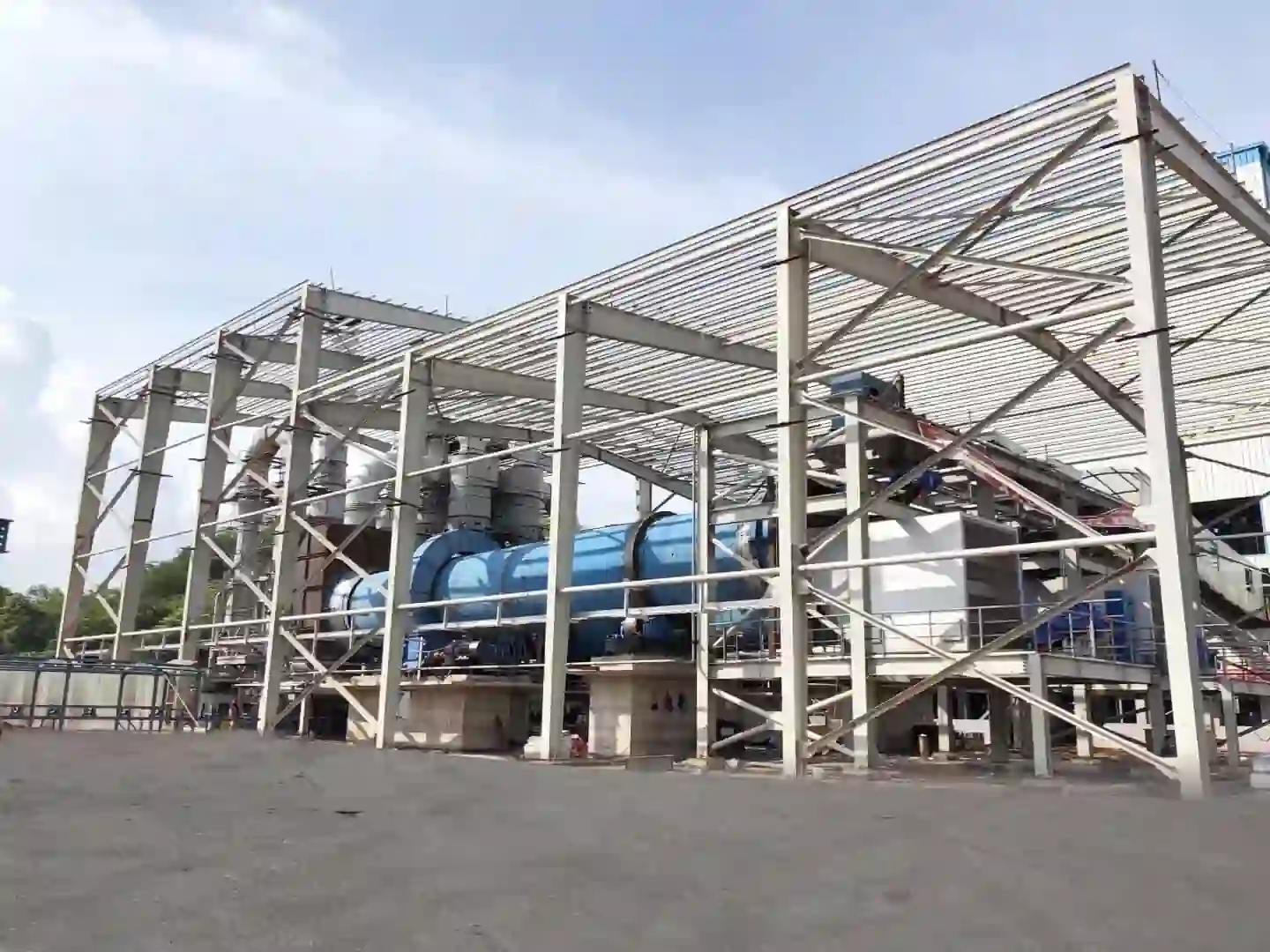
Rotary kilns where the flame must traverse a rotating cylinder to maintain consistent thermal profiles along the material flow.
Large industrial heating equipment with high length-to-diameter ratios.
A shorter flame concentrates heat closer to the burner, delivering intense thermal energy within a compact volume.
Advantages:
Higher local heat intensity, enabling rapid temperature rise in the immediate vicinity of the burner.
Faster heating response, reducing the time required to reach process temperature.
Suitable for compact chambers where space constraints limit the available distance for flame development.
Typical applications:
Small furnaces with limited chamber volume.
Direct-fired ovens where the heat source is placed close to the product.
Local heating systems that target specific zones rather than entire chamber volumes.
Industrial processes often require precise temperature control to achieve consistent material properties, dimensional accuracy, or chemical conversion. The uniformity of the thermal field within the furnace is directly linked to the length of the flame and how that flame interacts with the chamber geometry.
An incorrect flame length can create:
Hot zones, where concentrated heat release raises temperatures above acceptable limits.
Cold zones, where insufficient thermal input leaves areas under-heated.
Uneven product heating, leading to inconsistent treatment and increased reject rates.
For example:
If a flame is too short in a large furnace, most heat remains near the burner, creating a steep temperature gradient along the chamber length. The far end of the furnace receives insufficient heat, and the load positioned there may not reach the required temperature, forcing extended cycle times or requiring additional firing to compensate.
If a flame is too long, heat may reach areas beyond the intended zone, causing the exhaust end of the furnace to become overheated. This can raise flue gas temperatures unnecessarily, reduce heat absorption efficiency, and potentially damage downstream equipment or refractory linings.
The ideal flame length matches the furnace dimensions and heating requirements, ensuring that the temperature profile along the entire chamber length is as uniform as possible for the given application.
Heat transfer occurs through three primary mechanisms: radiation, convection, and conduction. In industrial furnaces, radiation and convection are the dominant modes, and both are influenced by the flame's geometry and position.
Flame length affects all three mechanisms:
Radiation, as the flame's length and luminosity determine the radiant heat flux to the load.
Convection, as gas velocity and circulation patterns influence the convective heat transfer coefficient.
Gas circulation, as the flame length affects the entrainment and mixing of furnace gases.
A properly designed flame improves:
Radiant heat transfer by presenting an appropriately sized and positioned radiant source to the load surface.
Hot gas circulation by creating natural convection loops that carry heat from the flame zone to all parts of the chamber.
Furnace energy utilization by ensuring that the heat released is effectively absorbed by the product rather than escaping with exhaust gases.
An unsuitable flame length may cause:
Excessive exhaust heat loss, as a flame that is too long carries heat past the load and out the stack.
Poor heat absorption, as a flame that is too short fails to distribute energy across the full volume.
Longer heating cycles, as the furnace struggles to achieve uniform temperature with inadequate flame coverage.
Flame stability requires a careful balance between the aerodynamic forces that push the reaction downstream and the chemical and mechanical forces that anchor the flame at the burner. Flame length is both a result of and an indicator of this balance.
Stability requires a balance between:
Fuel velocity, which carries the reactive mixture forward.
Air velocity, which provides momentum and oxidizer delivery.
Flame propagation speed, the rate at which combustion fronts move through the fresh mixture.
Burner stabilization structure, the physical features that create recirculation zones for anchoring the flame.
A flame that is too short may indicate:
Excessive mixing intensity, where fuel and air combine so rapidly that the reaction completes prematurely.
Over-concentrated combustion, with heat released in an overly compact zone that may create high thermal stress.
Local overheating of burner components, as the intense reaction occurs too close to the burner face.
A flame that is too long may indicate:
Slow mixing, where the fuel and air streams fail to combine efficiently.
Excessive fuel momentum, carrying the reaction further downstream than intended.
Poor combustion control, with the reaction zone poorly defined and difficult to regulate.
Stable flame length, consistent within a narrow range during normal operation, helps maintain reliable operation and predictable heat release.
Flame impingement occurs when the flame directly contacts furnace walls, tubes, or products. This condition is one of the most serious operational problems in industrial heating, as it concentrates thermal energy on surfaces not designed for such exposure.
This can cause:
Local overheating of structural materials, leading to reduced strength, warping, or melting.
Refractory damage such as spalling, cracking, or chemical attack, significantly shortening lining life.
Material defects in the product, including surface oxidation, warping, or metallurgical inconsistencies.
Reduced equipment lifespan due to cumulative thermal stress on critical components.
Correct flame length ensures that combustion occurs in the intended space rather than on furnace surfaces. By maintaining the appropriate distance between the flame envelope and the chamber walls, the flame can transfer heat through radiation and convection without any direct physical contact that would concentrate thermal energy on specific points.
The flame must provide enough time and space for complete combustion to occur. The length of the reaction zone directly affects the residence time available for fuel molecules and oxygen to find each other and react before the gases exit the chamber.
If flame length is too short, the mixing and reaction time may be insufficient:
Mixing time may be insufficient for complete molecular-level contact.
Unburned fuel may pass through the reaction zone without reacting.
CO emissions may rise, indicating incomplete oxidation.
If flame length is too long, heat may be lost before it can be transferred to the load:
Heat may leave with exhaust gases, increasing stack losses.
Combustion zone may extend beyond the optimal area, reducing the effectiveness of downstream heat absorption surfaces.
The correct flame length helps achieve:
Complete combustion, converting nearly all fuel energy into usable heat.
Lower fuel consumption, by maximizing the utilization of each energy unit.
Stable heat release, ensuring consistent thermal input to the process.
Flame characteristics influence pollutant formation through their effect on temperature, residence time, and mixing uniformity. Both NOx and CO emissions are sensitive to flame length and the distribution of heat release along the flame axis.
Long, high-temperature flames may create larger high-temperature zones, increasing the volume of gas exposed to conditions conducive to thermal NOx formation. The longer the residence time at peak temperature, the greater the potential for nitrogen and oxygen to combine.
Modern low-NOx burners control flame length through:
Staged combustion, which delays complete mixing to reduce peak temperatures.
Internal recirculation, which draws cooled combustion products back into the flame core.
Controlled fuel-air mixing, which spreads heat release over a larger volume to moderate thermal intensity.
A poorly developed flame may cause incomplete combustion, as the reaction zone is either too short to provide sufficient residence time or too unstable to maintain consistent mixing.
Incomplete combustion results when fuel molecules leave the flame without finding adequate oxygen.
Higher CO emissions indicate that a portion of the fuel's chemical energy is not being released.
Lower efficiency follows, as the unoxidized fuel represents wasted energy.
Maintaining appropriate flame length supports cleaner combustion by providing the optimal balance between residence time, mixing intensity, and temperature distribution.
The burner is the primary factor controlling flame length. Every component of the burner contributes to the aerodynamic and mixing conditions that define the flame's spatial development.
Important design elements include:
Fuel nozzle structure, which controls the injection velocity, direction, and atomization of the fuel stream.
Air outlet design, which shapes the oxidizer flow and its interaction with the fuel jet.
Swirl intensity, which imparts rotational motion to the air stream, affecting mixing and recirculation.
Mixing method, including whether fuel and air are blended premixed or allowed to diffuse.
Flame stabilization system, which uses physical features to anchor the flame and determine its attachment point.
Higher fuel velocity generally increases flame momentum and can produce a longer flame, as the reaction zone is carried further downstream before combustion completes.
However, excessive velocity may cause:
Flame instability, as the flow may exceed the flame speed and cause lift-off.
Flame lift-off, where the flame detaches from the burner face and hovers downstream.
Poor combustion control, as the reaction becomes difficult to anchor and maintain.
The air-fuel ratio affects flame speed and combustion behavior by altering the stoichiometry of the mixture. Even moderate changes in the ratio can produce noticeable shifts in flame length.
May result in:
Lower flame temperature, as the inert nitrogen absorbs heat.
Changed flame shape, with the flame often becoming longer due to dilution.
Different flame length, as the reaction front adjusts to the modified stoichiometry.
May cause:
Longer luminous flames, as excess fuel forms soot particles that radiate strongly.
Increased CO formation, due to insufficient oxygen for complete oxidation.
Soot generation, which can foul heat transfer surfaces and affect product quality.
Flame length changes with firing rate, as flow volumes and velocities vary across the operating range.
At higher load:
Fuel flow increases, adding mass and momentum to the jet.
Air flow increases, providing additional oxidizer and momentum.
Flame momentum increases, driving the reaction further downstream.
Flame length usually increases, as the higher velocities carry the flame further.
At lower load:
Flame becomes shorter, as the reduced flow limits forward penetration.
Stability may decrease, as the lower velocity may not sustain the necessary recirculation.
The furnace environment strongly affects flame behavior by imposing physical boundaries and creating pressure conditions that influence flow development.
Factors include:
Furnace length, determining how far the flame can extend before encountering a wall.
Chamber volume, influencing the gas residence time and circulation patterns.
Wall temperature, affecting the buoyancy and expansion of the combustion gases.
Gas circulation, including natural convection and forced flow from other burners.
Exhaust position, which may pull the flame in a particular direction.
A burner cannot be selected correctly without considering the furnace itself. The interaction between the burner's flame and the chamber geometry is fundamental to achieving the desired thermal performance.
Changing operating parameters provides a range of adjustment for flame length:
Gas pressure affects fuel jet velocity and momentum.
Air pressure influences oxidizer velocity and mixing intensity.
Burner output sets the overall flow rate and energy input.
These adjustments can modify flame length within the range permitted by the burner design.
Engineers adjust geometric features of the burner to achieve the required flame pattern:
Nozzle diameter, with smaller diameters producing higher velocities for the same flow.
Injection angle, controlling the spread and penetration of the fuel jet.
Number of fuel ports, affecting the distribution of fuel within the air stream.
Air distribution, including the split between primary and secondary air.
Flame momentum determines how far combustion gases travel before dissipating their kinetic energy.
Higher momentum provides:
Longer penetration into the furnace.
Stronger circulation and entrainment.
Lower momentum provides:
Shorter flame and reduced axial penetration.
Less aggressive mixing and more gentle heat release.
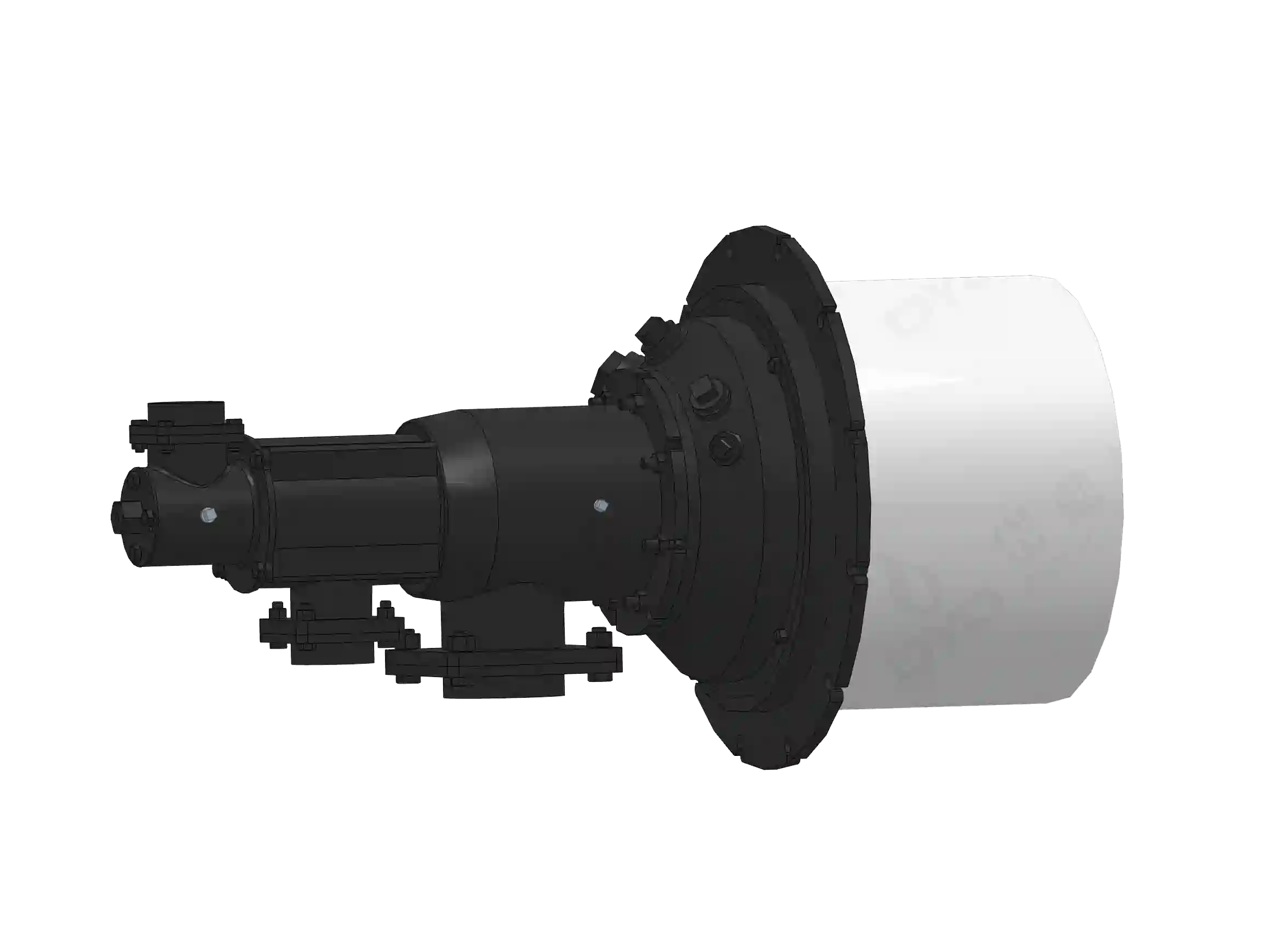
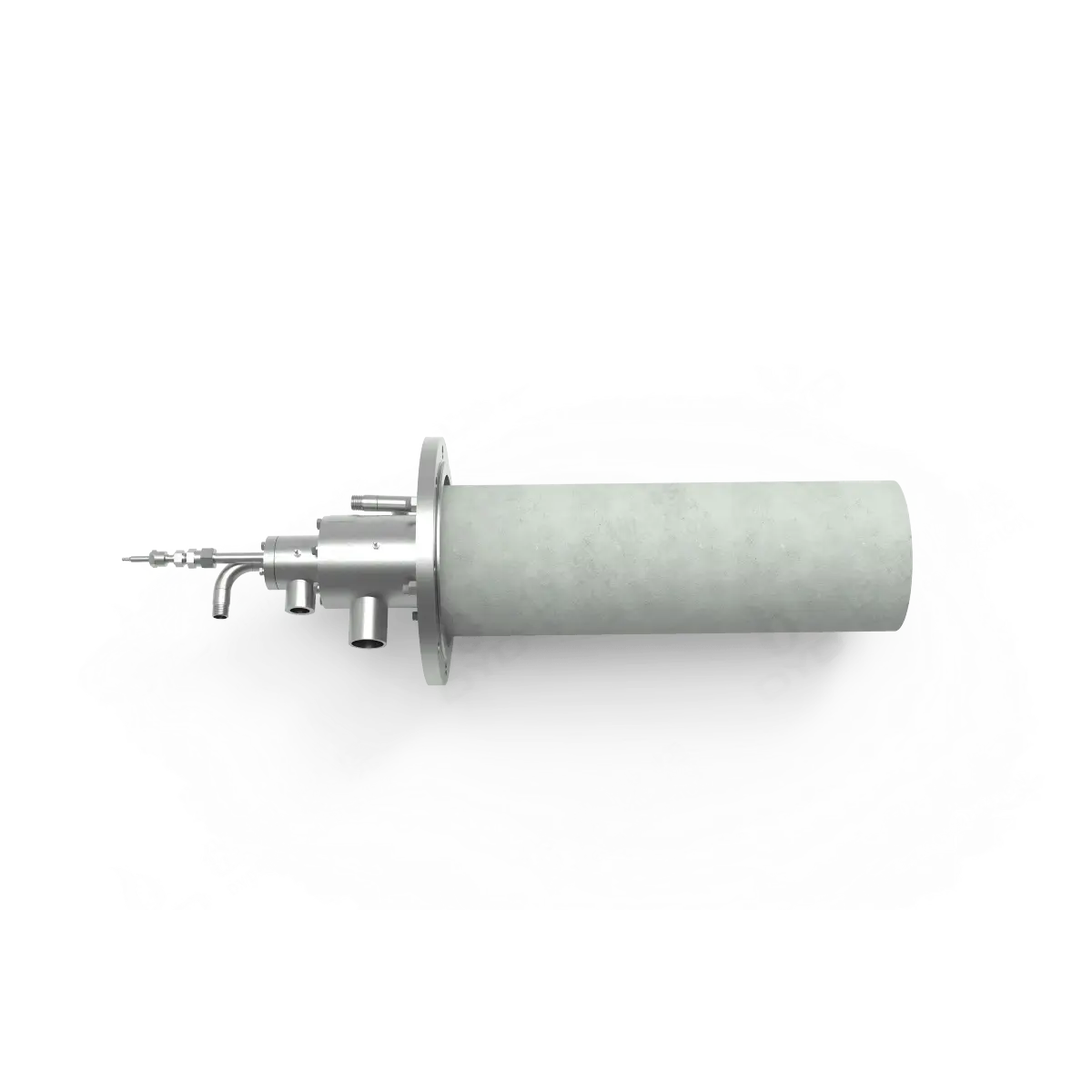
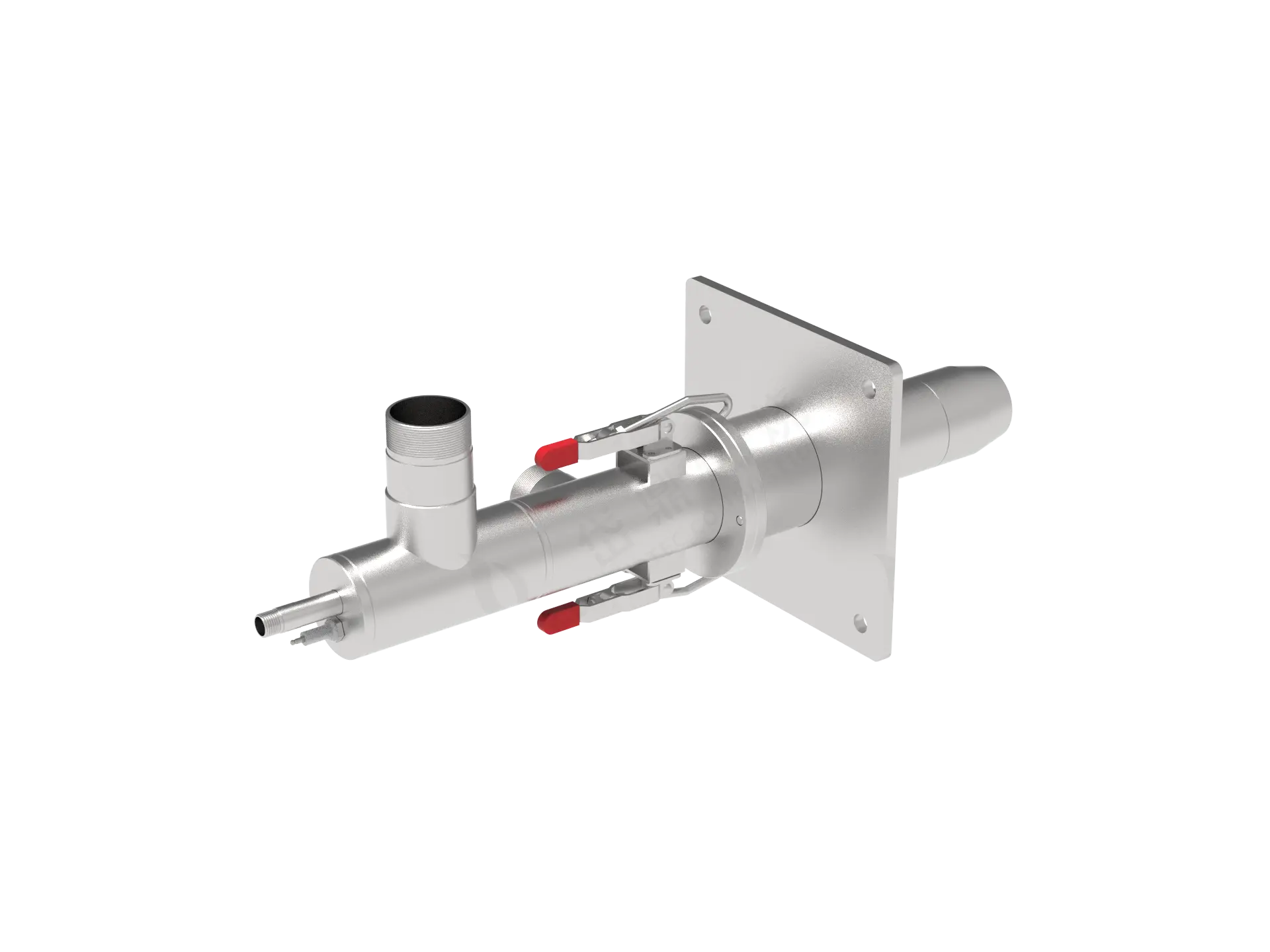
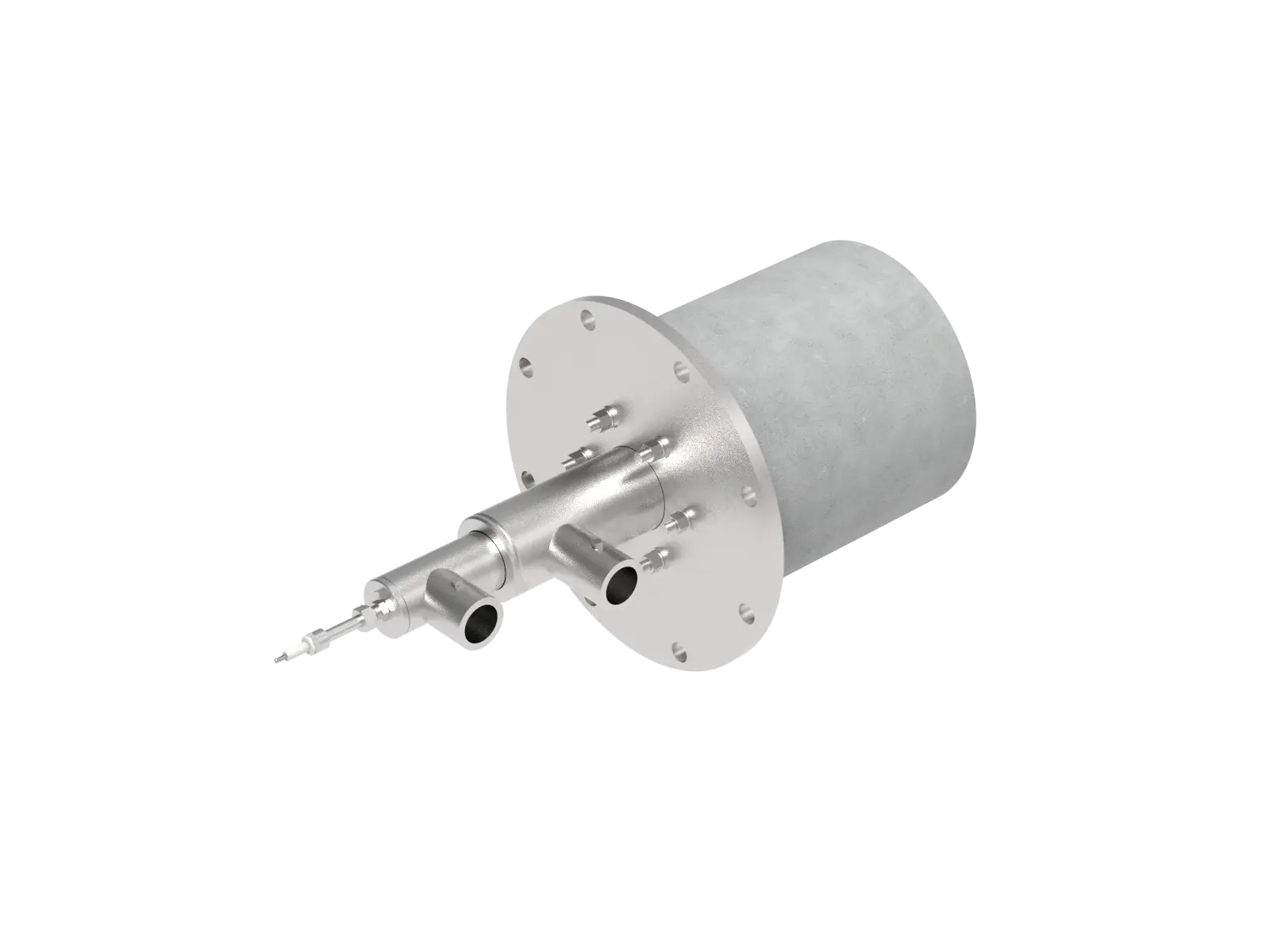
Different burner designs provide different flame characteristics, making selection a critical step in system design.
| Burner Type | Typical Flame Characteristic |
|---|---|
| High-velocity burner | Strong penetration, fast heat transfer with a concentrated jet |
| Low-NOx burner | Controlled flame temperature and length through staged combustion |
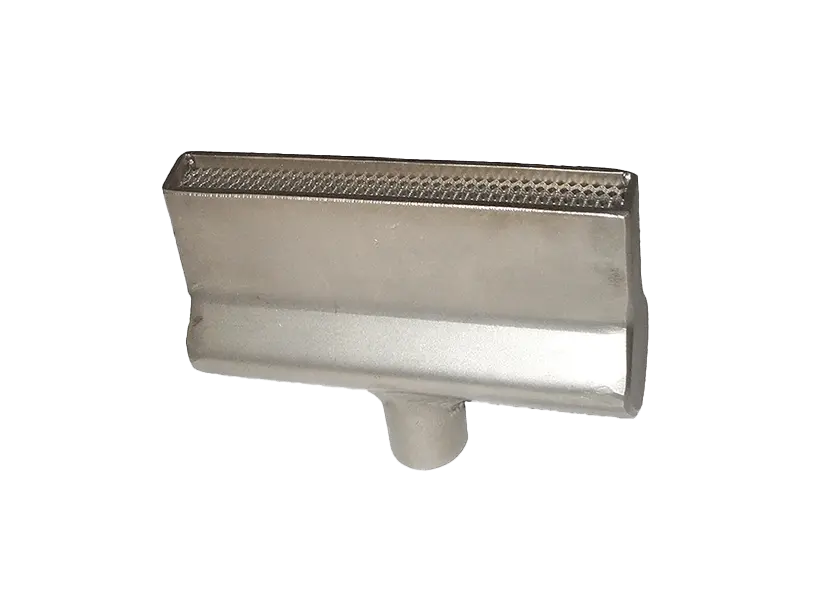
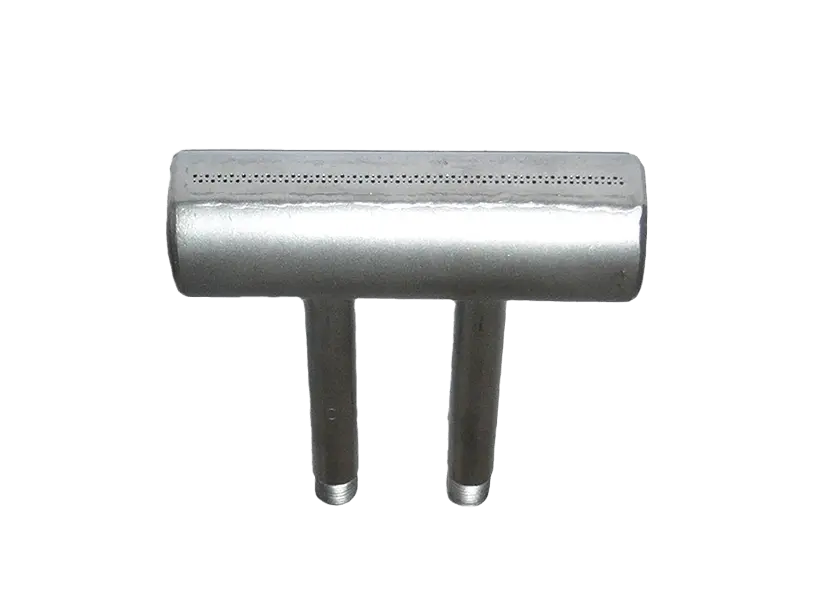
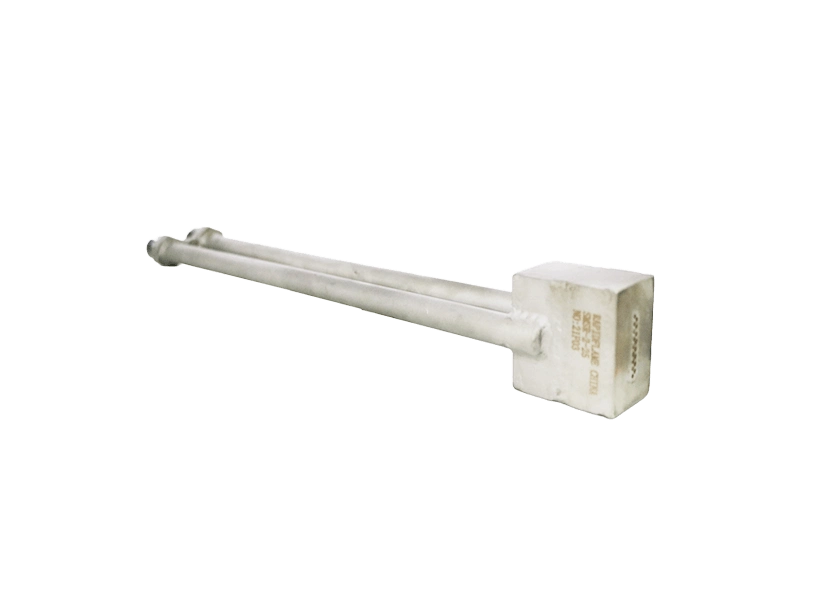
| Linear burner | Wide, uniform heating across a broad surface area |
| Diffusion burner | Stable and adjustable flame with separation of fuel and air mixing |
| Problem | Possible Cause | Solution |
|---|---|---|
| Flame too long | Excessive fuel velocity, poor mixing | Adjust fuel-air ratio, optimize burner tuning |
| Flame too short | Low momentum, excessive mixing | Increase flow velocity, modify nozzle geometry |
| Flame touching wall | Incorrect burner selection for furnace | Recalculate flame length requirement, select appropriate burner |
| Uneven heating | Poor flame distribution or length mismatch | Optimize burner arrangement or adjust settings |
| High CO | Incomplete combustion from wrong length | Improve mixing, increase residence time, adjust tuning |
Flame length is mainly determined by burner design, fuel velocity, combustion air flow, air-fuel ratio, firing rate, and furnace geometry. Each factor contributes to the aerodynamic and chemical conditions that define the extent of the reaction zone.
No. The correct flame length depends on the application. A flame that is too long may damage furnace components through impingement or carry heat out of the chamber, while a flame that is too short may not heat the process effectively, leaving cold zones and reducing throughput.
A properly matched flame length improves heat transfer and combustion completeness, reducing wasted fuel. Incorrect flame length can increase energy consumption by causing either incomplete combustion or excessive heat loss to exhaust gases and walls.
Yes. Flame length can often be adjusted through fuel pressure, air settings, burner tuning, and control parameters. However, major changes that require new nozzle geometry or burner configuration may require a redesign or hardware replacement.
Different processes have different heating requirements. Large furnaces need deeper flame penetration to deliver heat to far sections of the chamber, while compact equipment often requires shorter and more concentrated flames that fit within limited space without wall contact.
Flame length is a critical factor in industrial combustion because it determines where heat is released and how effectively that heat is transferred to the process. It is the primary spatial characteristic that links burner output to furnace performance, governing temperature uniformity, thermal efficiency, emission levels, and equipment reliability.
The correct flame length provides:
Efficient heat distribution across the full chamber volume.
Stable combustion with consistent reaction anchoring.
Lower emissions through balanced temperature and mixing.
Reduced fuel consumption by maximizing heat absorption.
Longer equipment life by preventing impingement and thermal stress.
A successful burner design is not about producing the longest or hottest flame. It is about creating the right flame length for the specific furnace, fuel, and thermal process—one that aligns with the geometric constraints and thermal requirements of the application.
By optimizing flame length, industrial combustion systems can achieve higher efficiency, better temperature control, and more reliable operation, delivering consistent product quality with lower energy costs and reduced environmental impact.
DYDTEC Combustion specializes in industrial burner technology, combustion systems, and customized thermal solutions. The company provides industrial burner solutions for furnaces, drying equipment, thermal processing systems, and energy-efficient heating applications, focusing on optimized flame design, stable combustion, efficient fuel utilization, low emissions, and reliable long-term operation. With extensive experience in flame engineering and combustion optimization, DYDTEC supports its customers in selecting, sizing, and tuning burner systems to achieve the precise flame characteristics required for each unique industrial process.