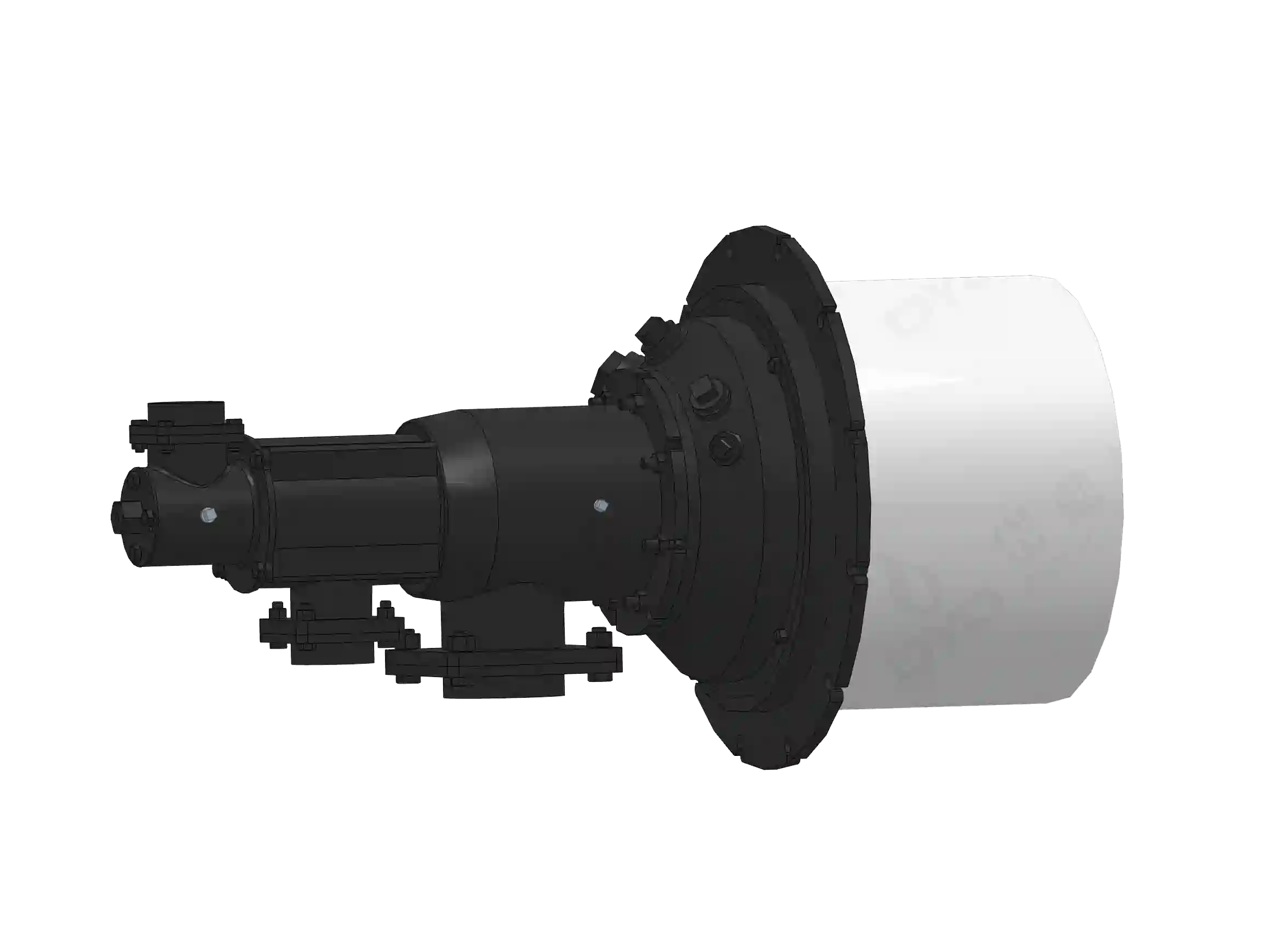
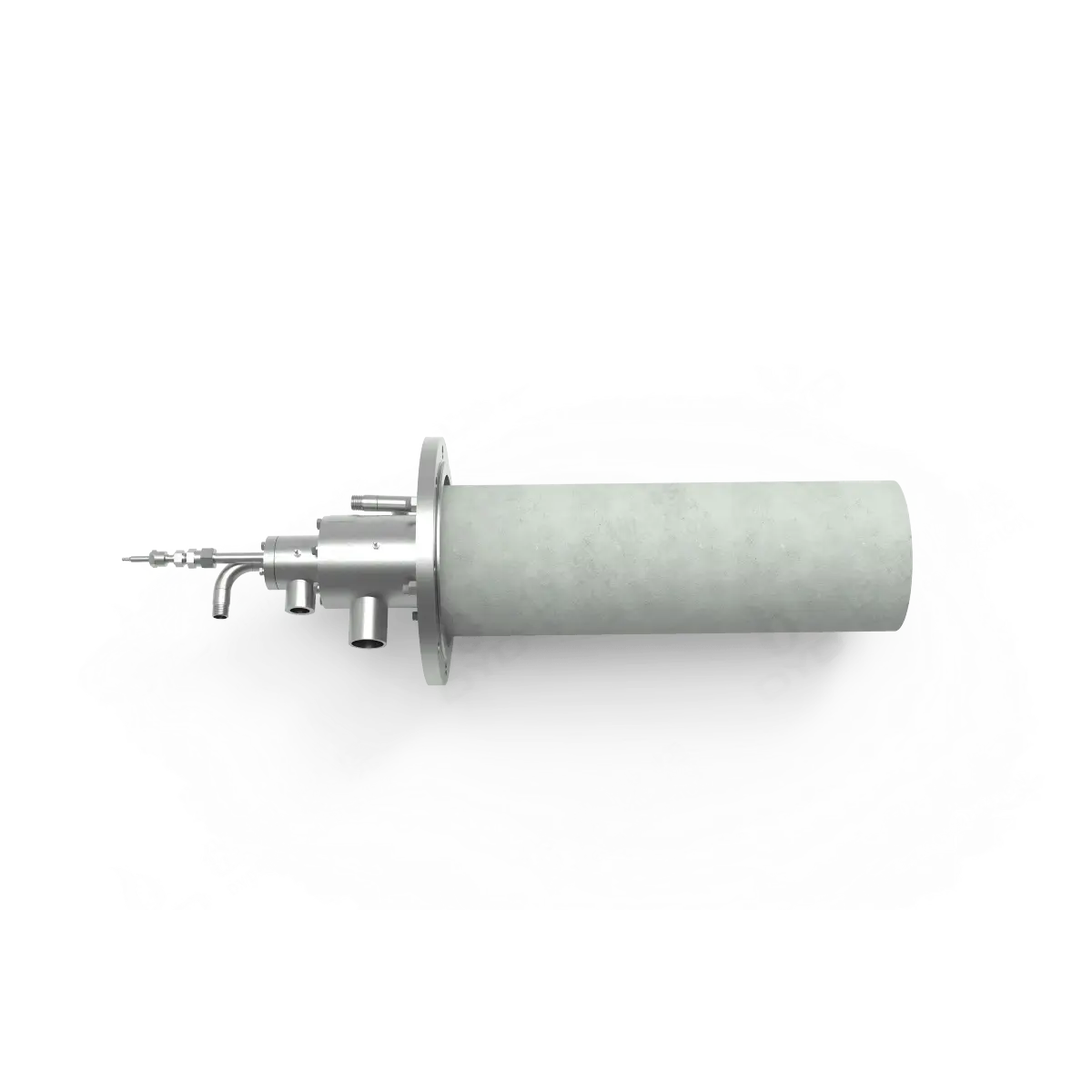
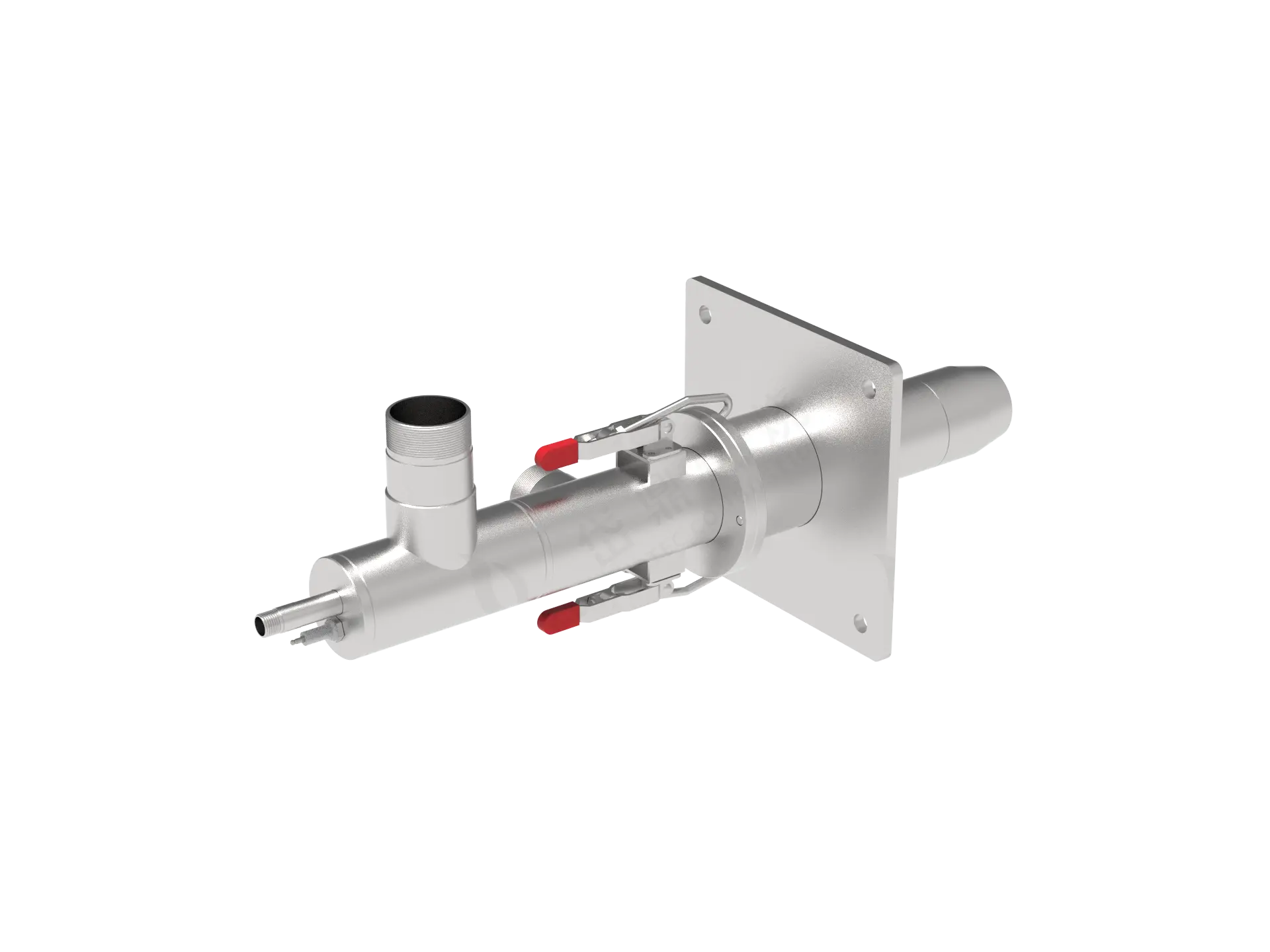
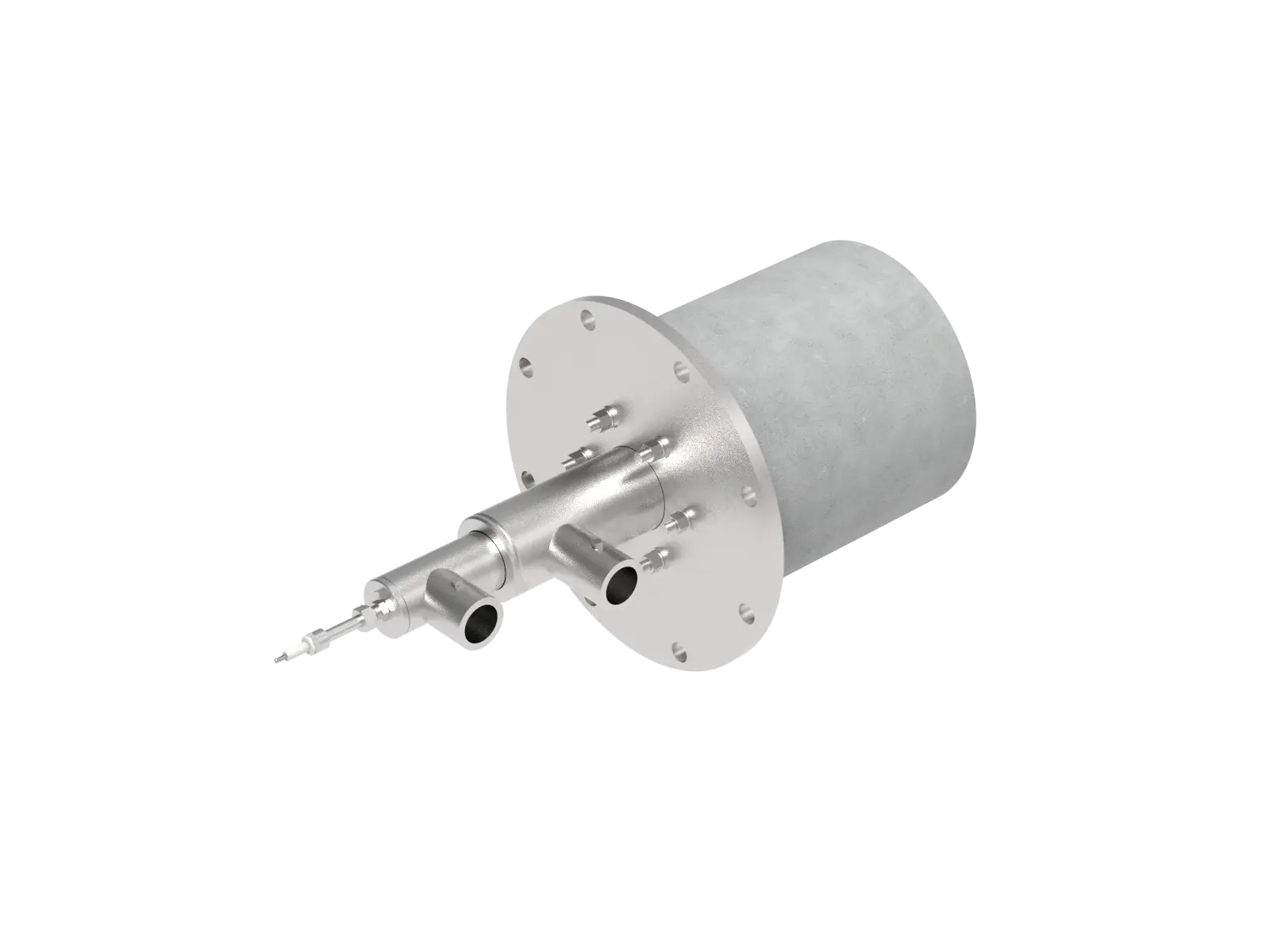
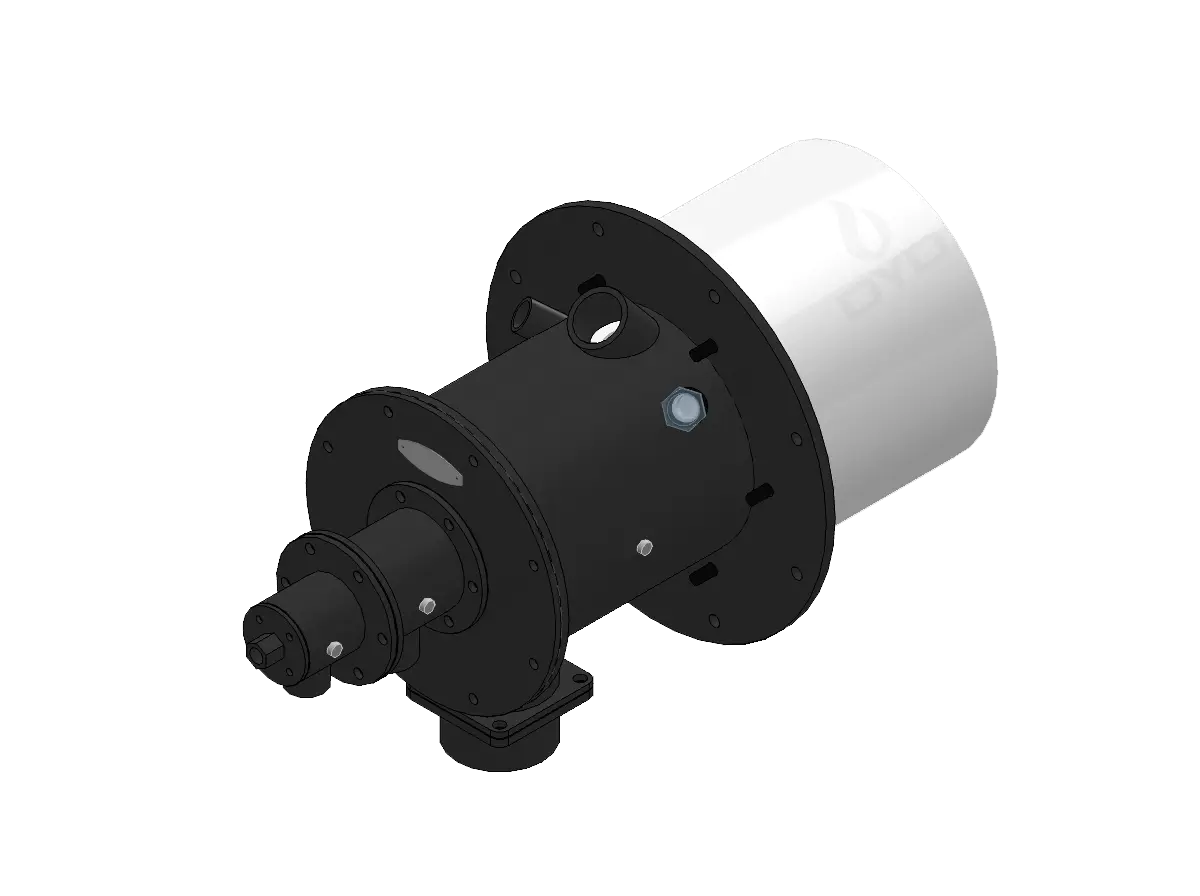
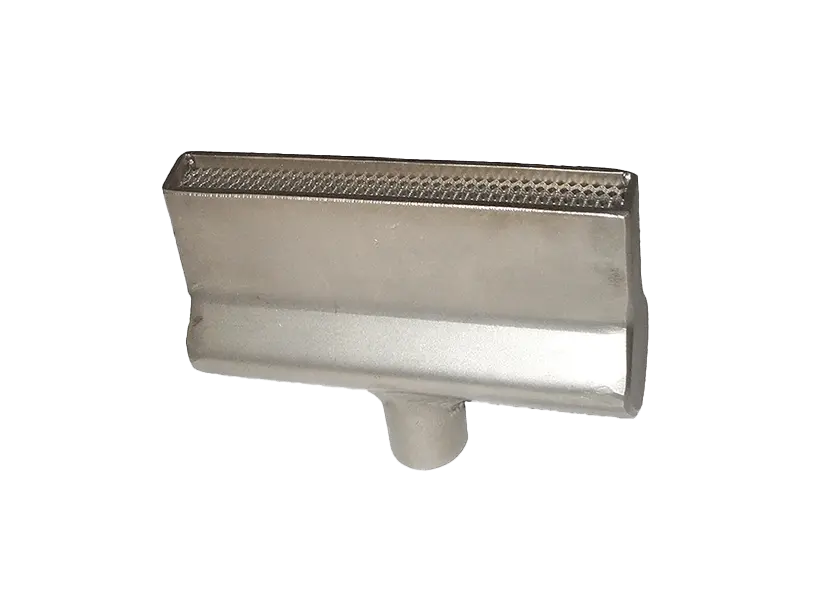
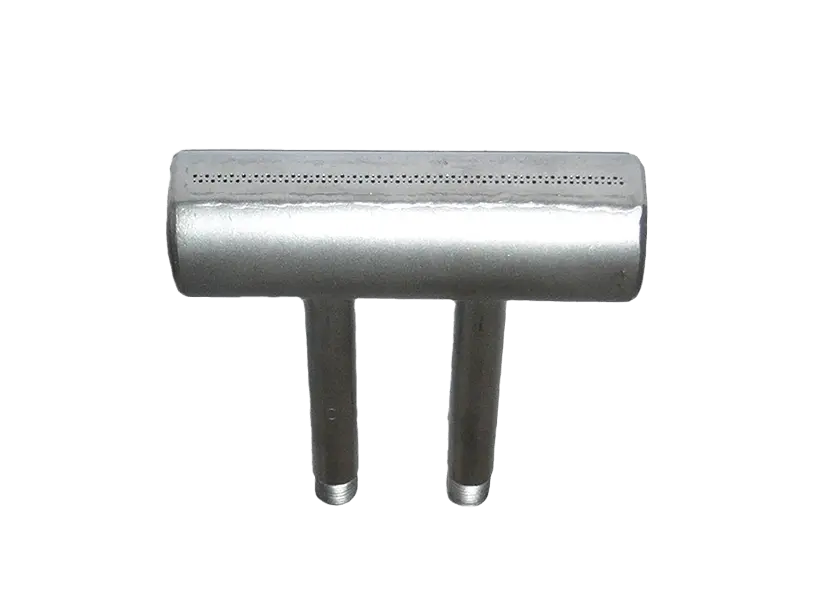
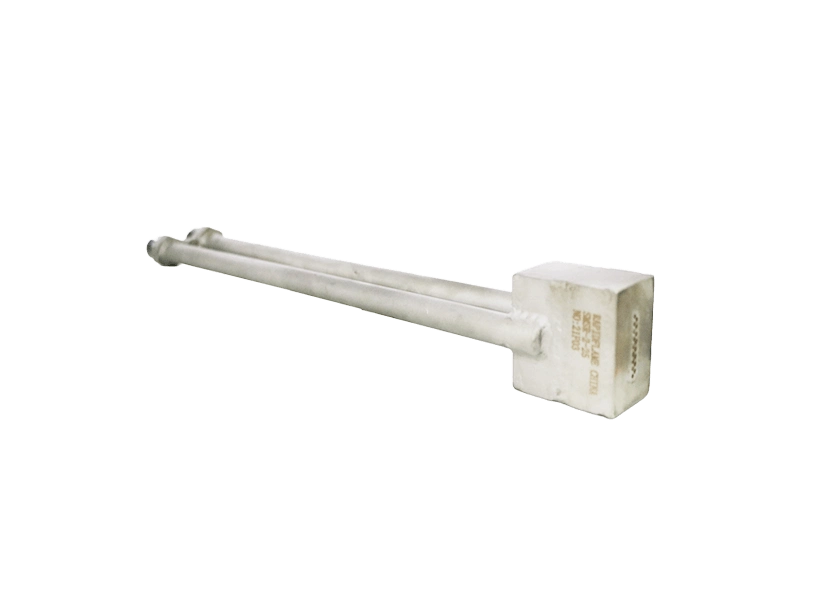
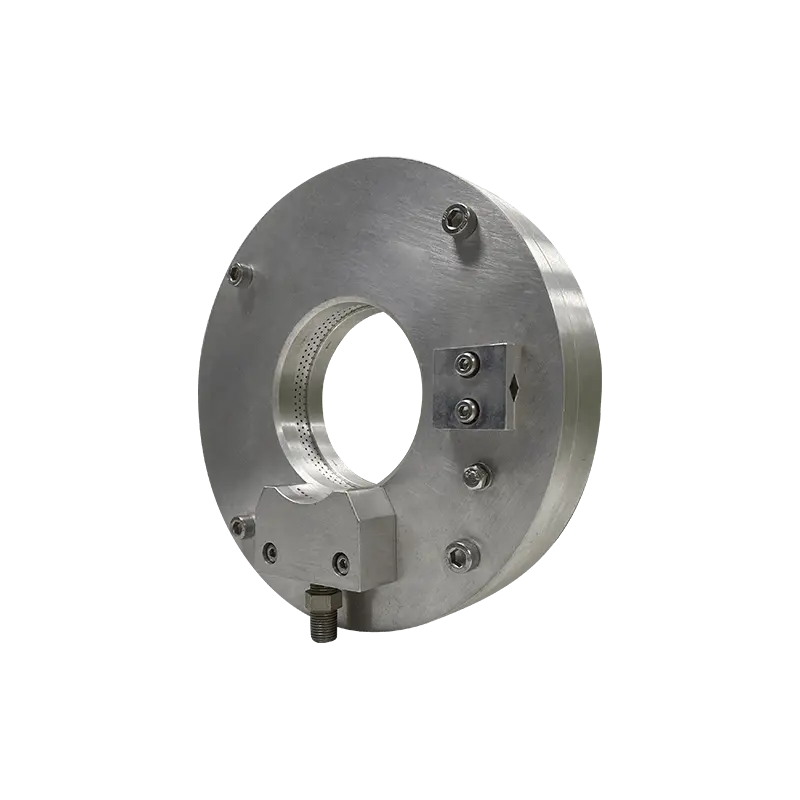
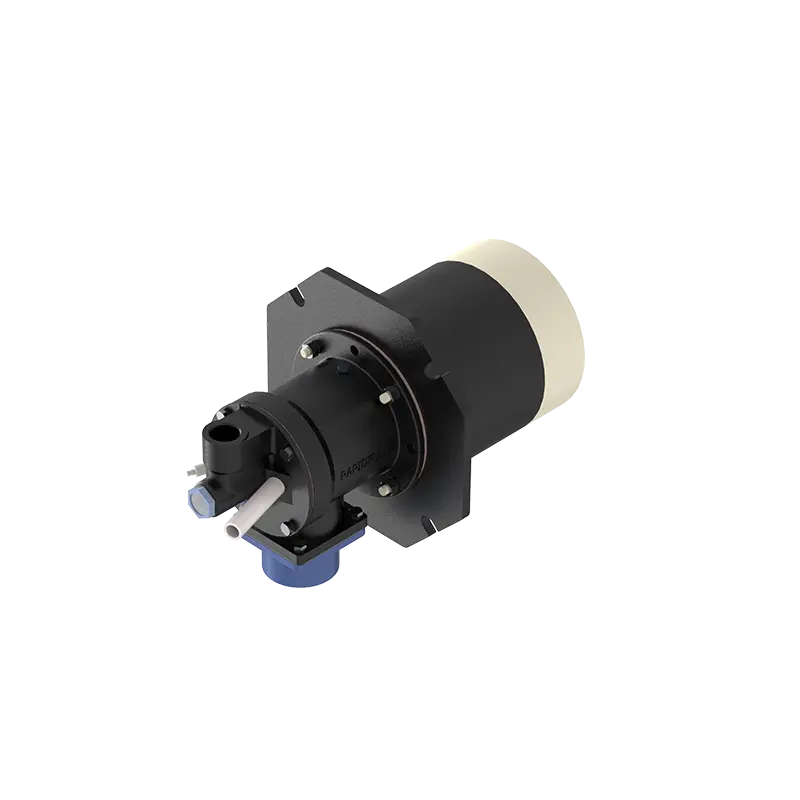
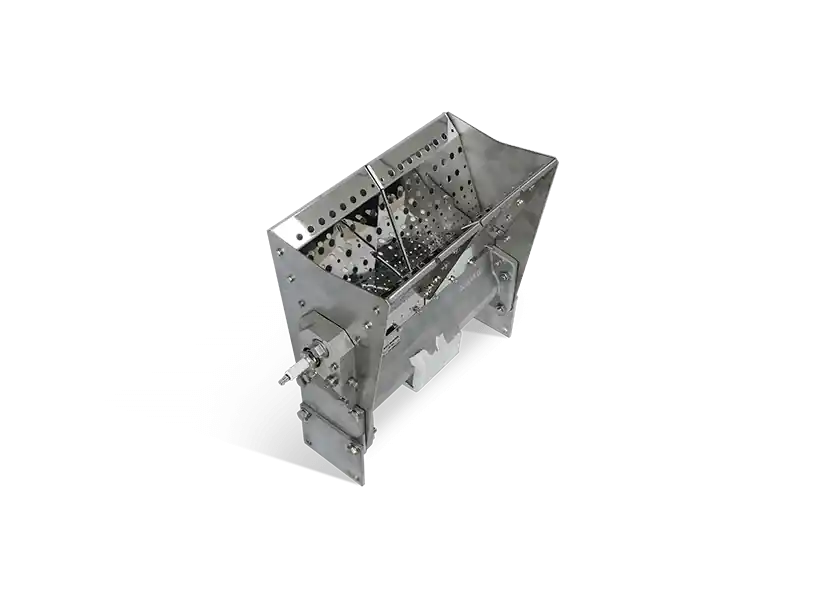
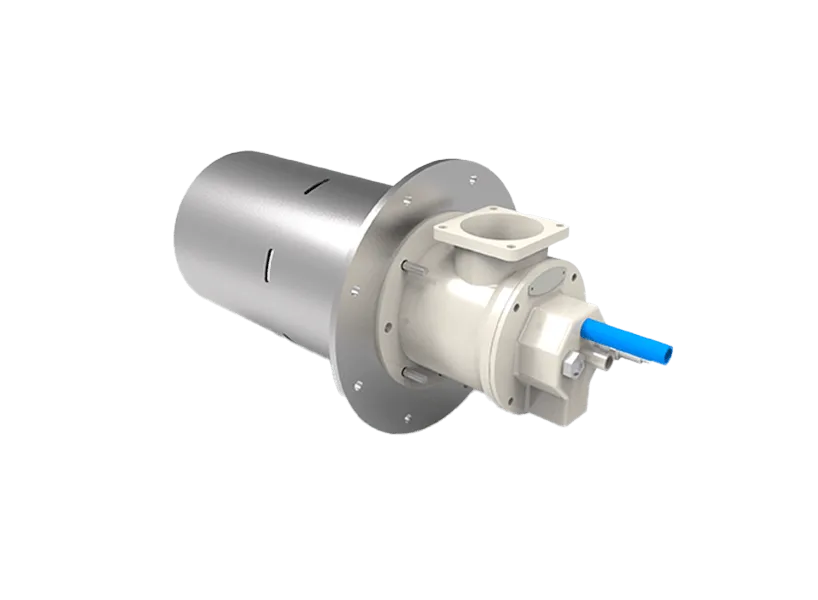
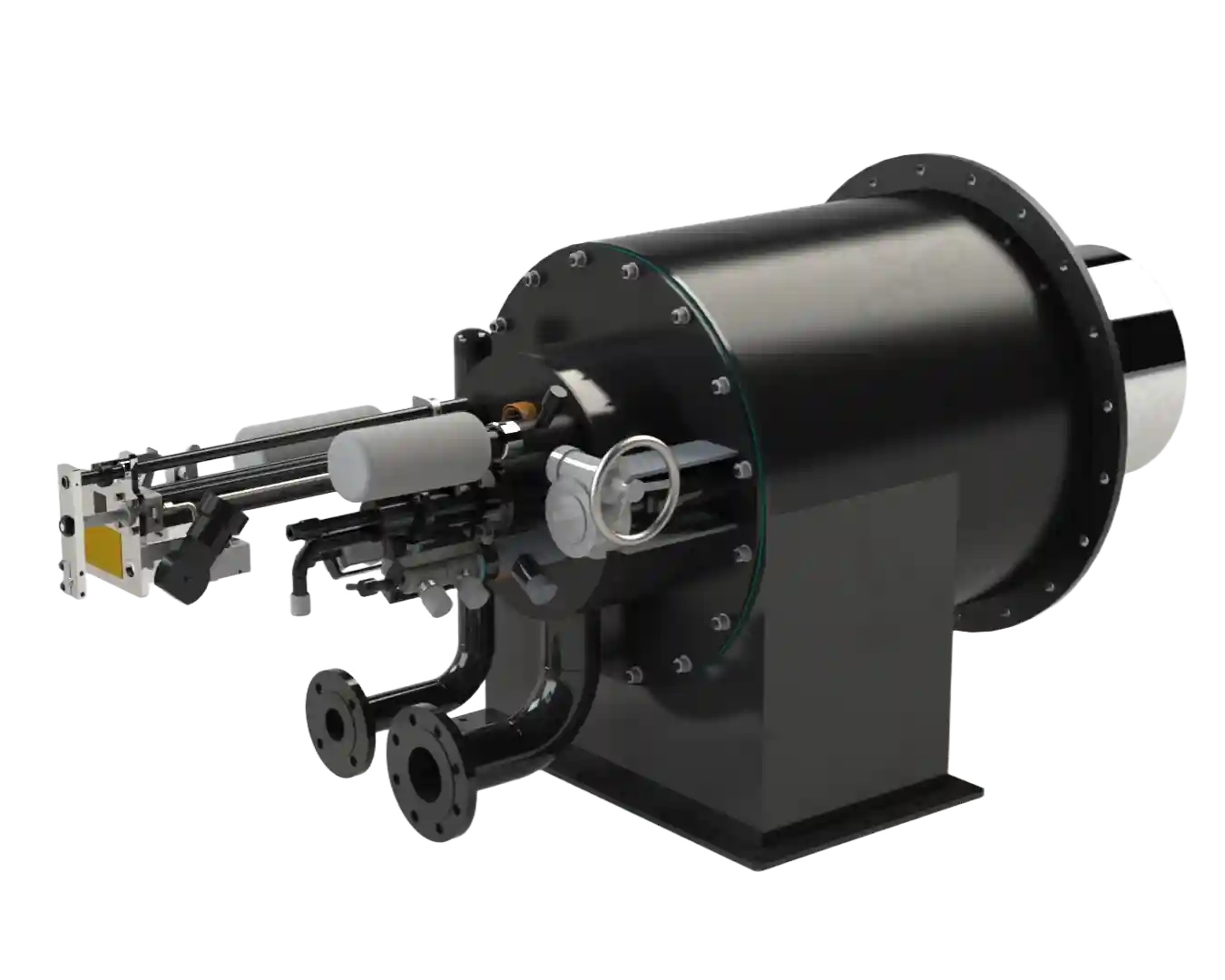
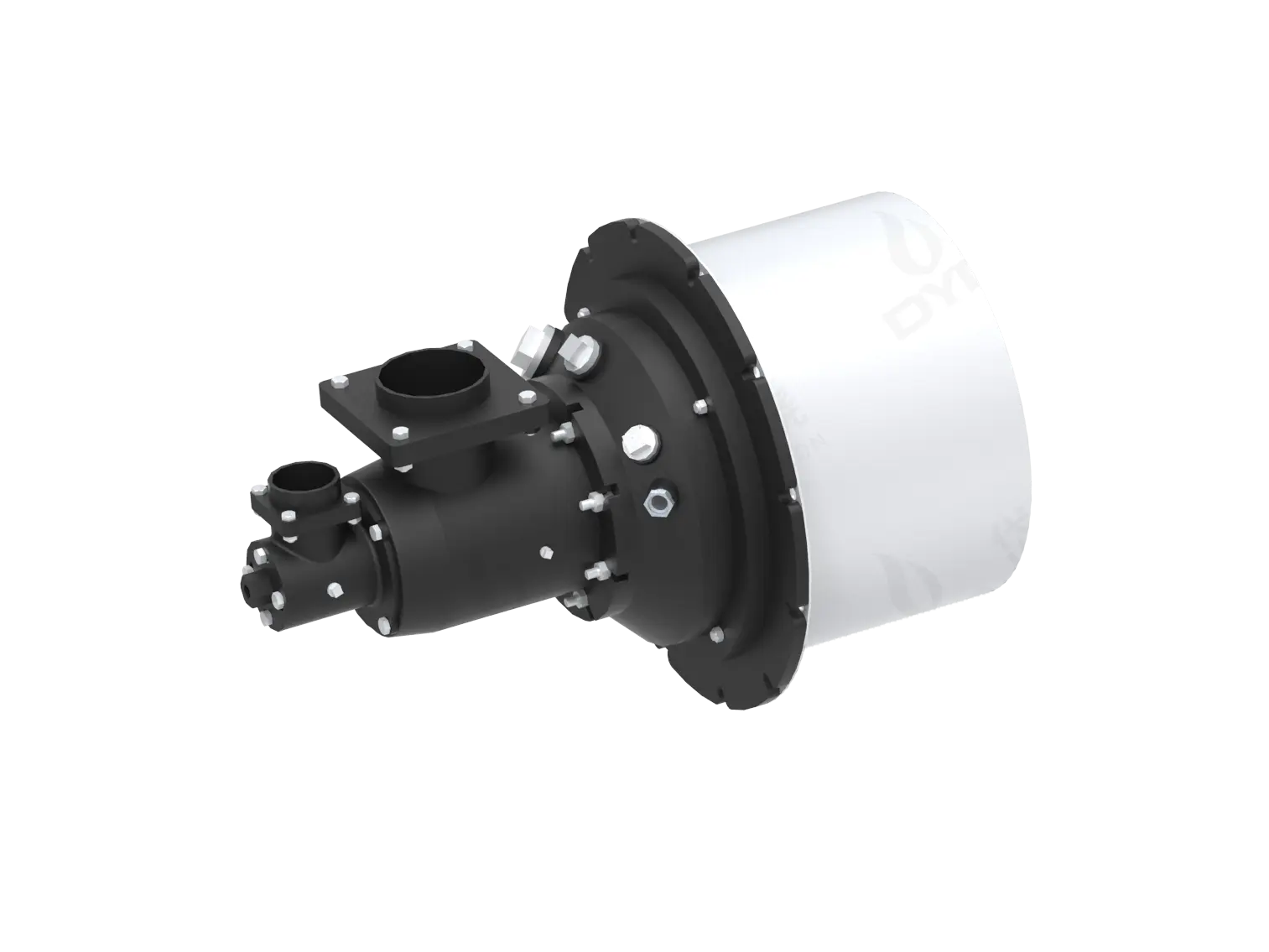
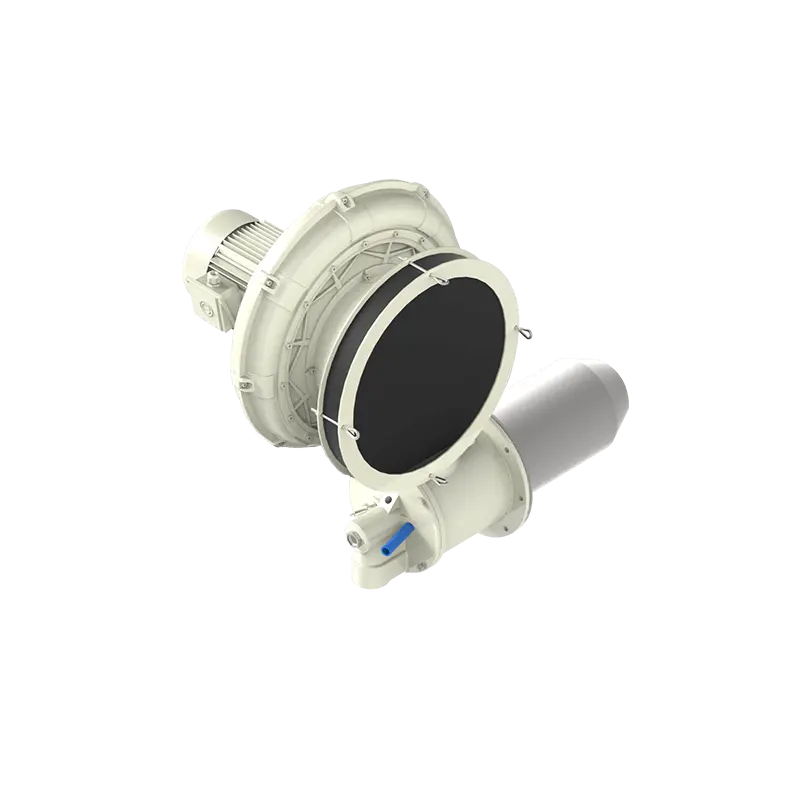
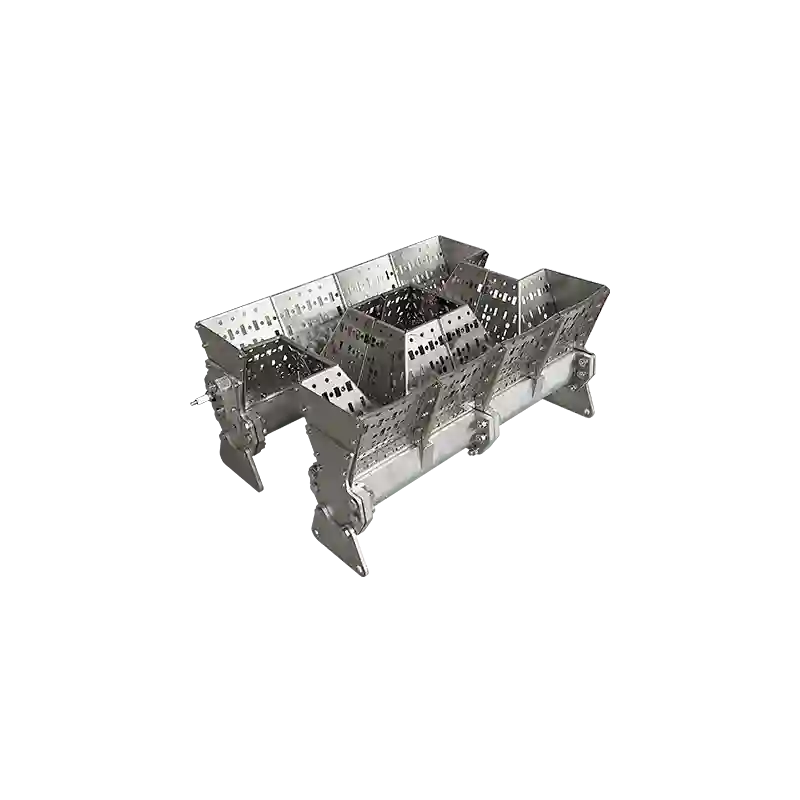
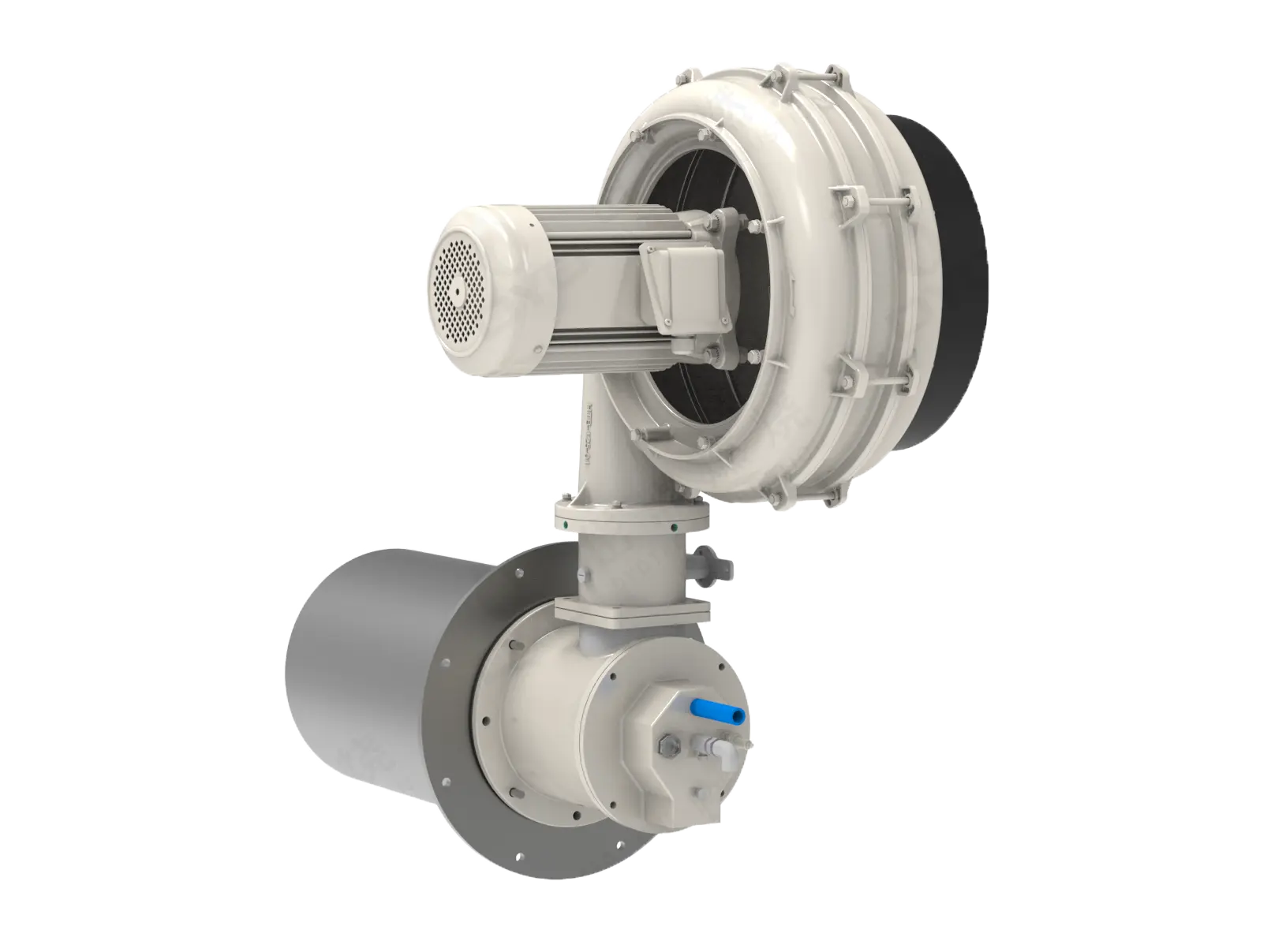
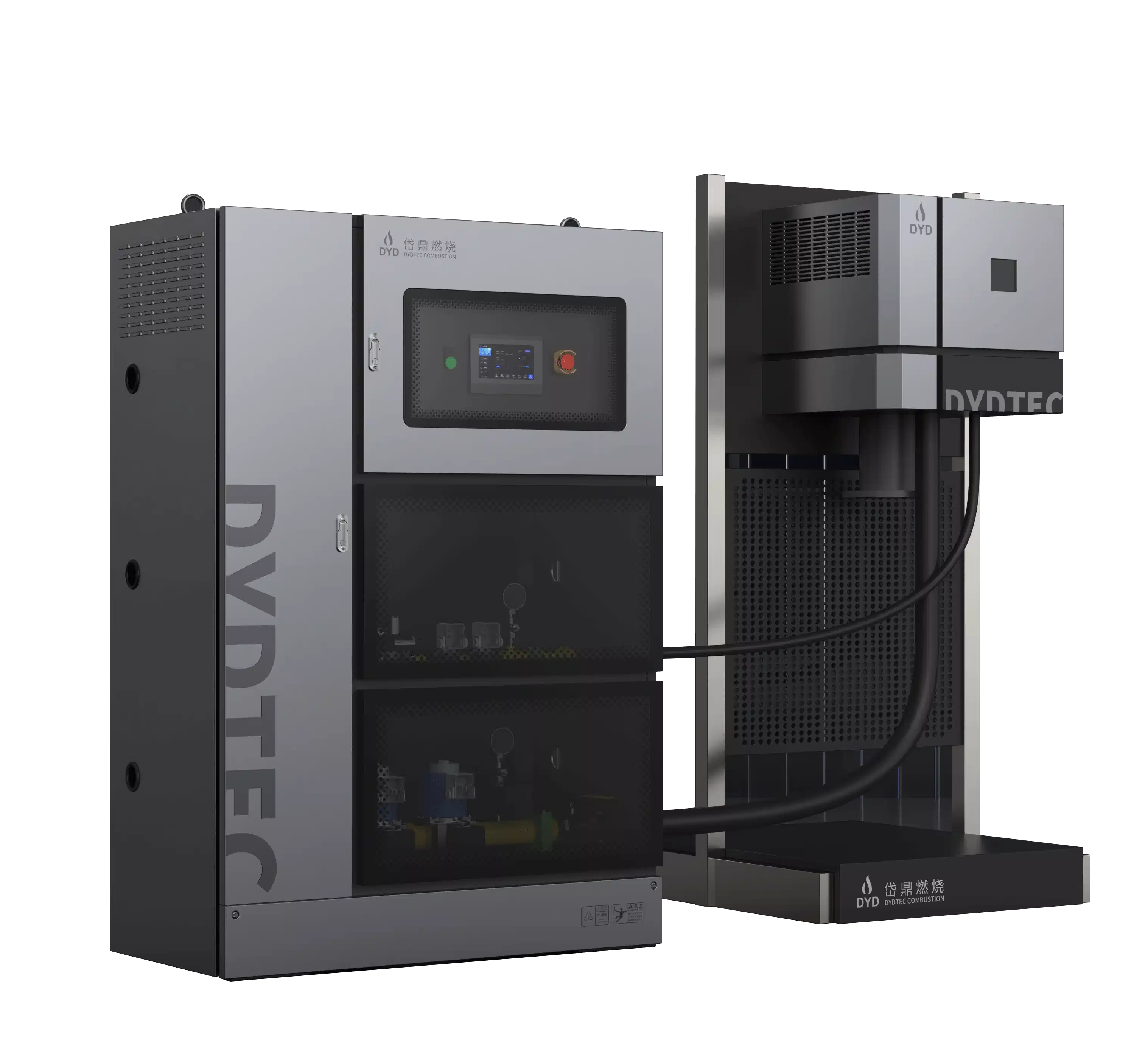
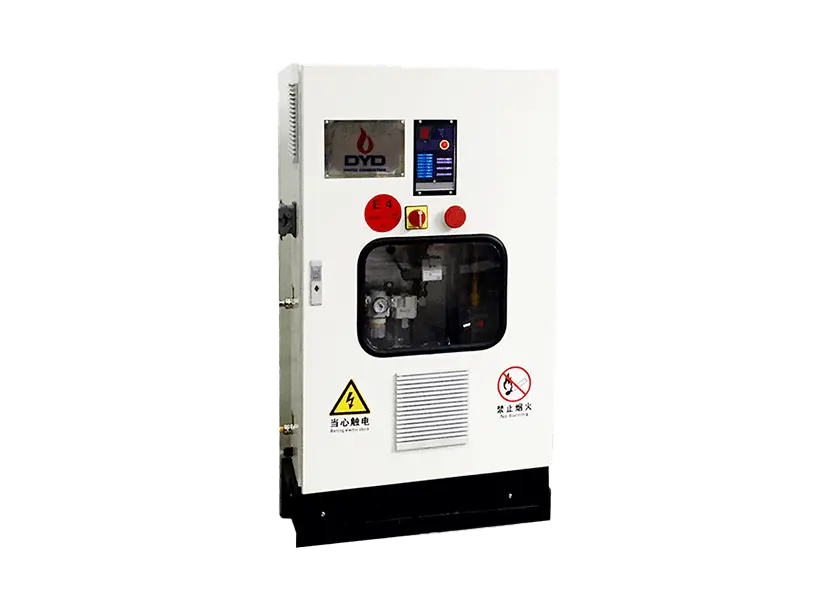
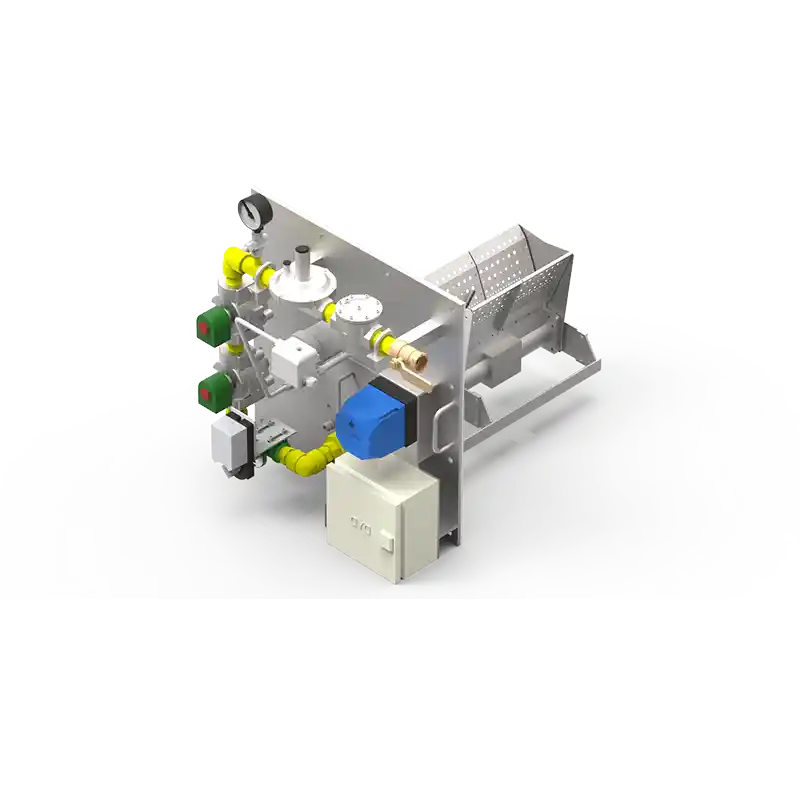
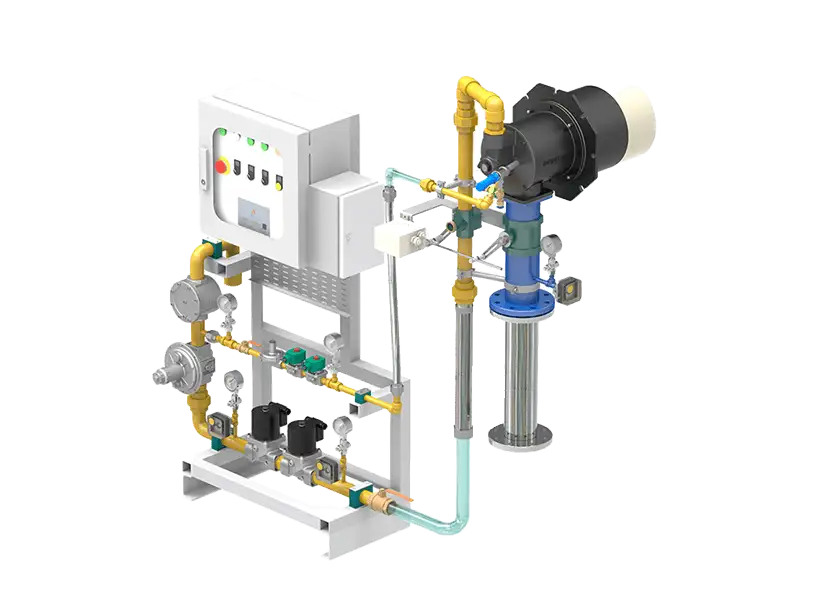
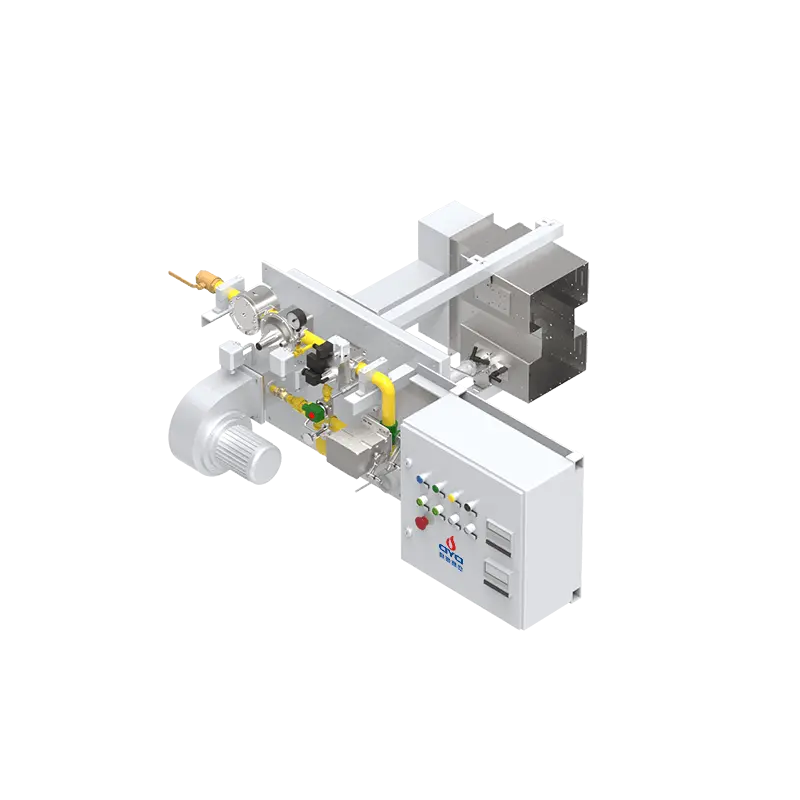
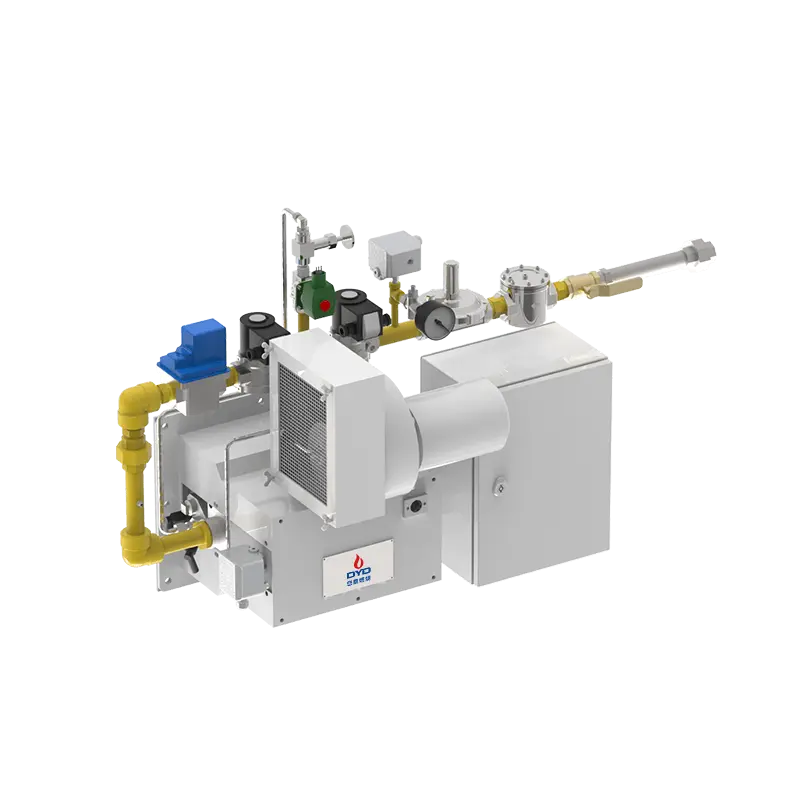
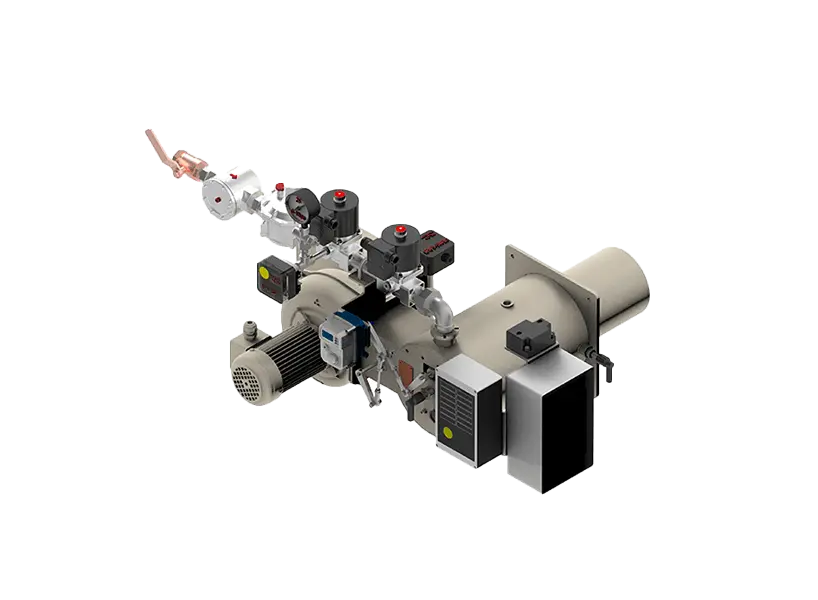
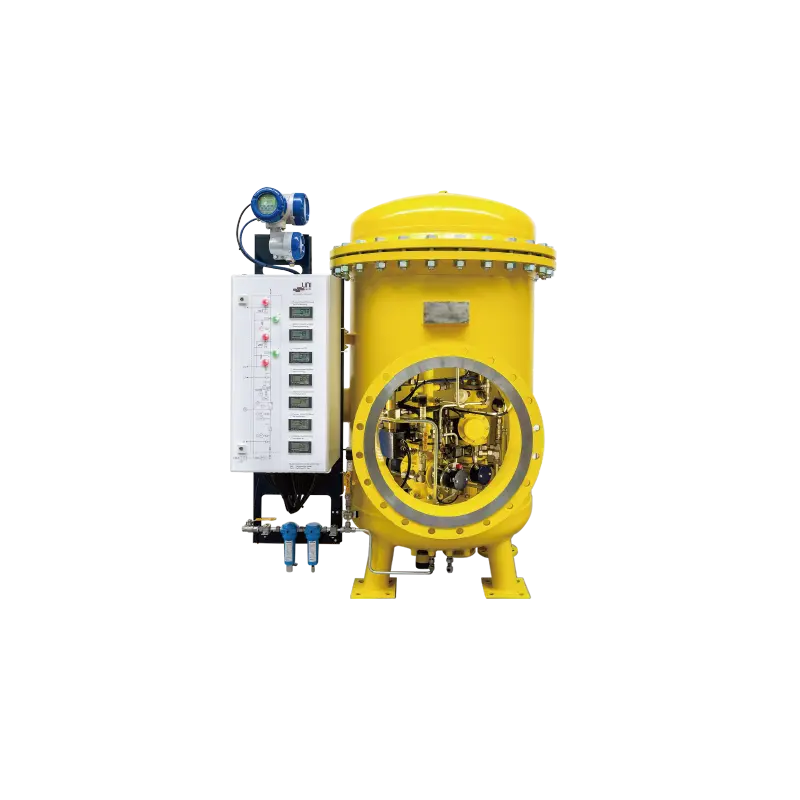
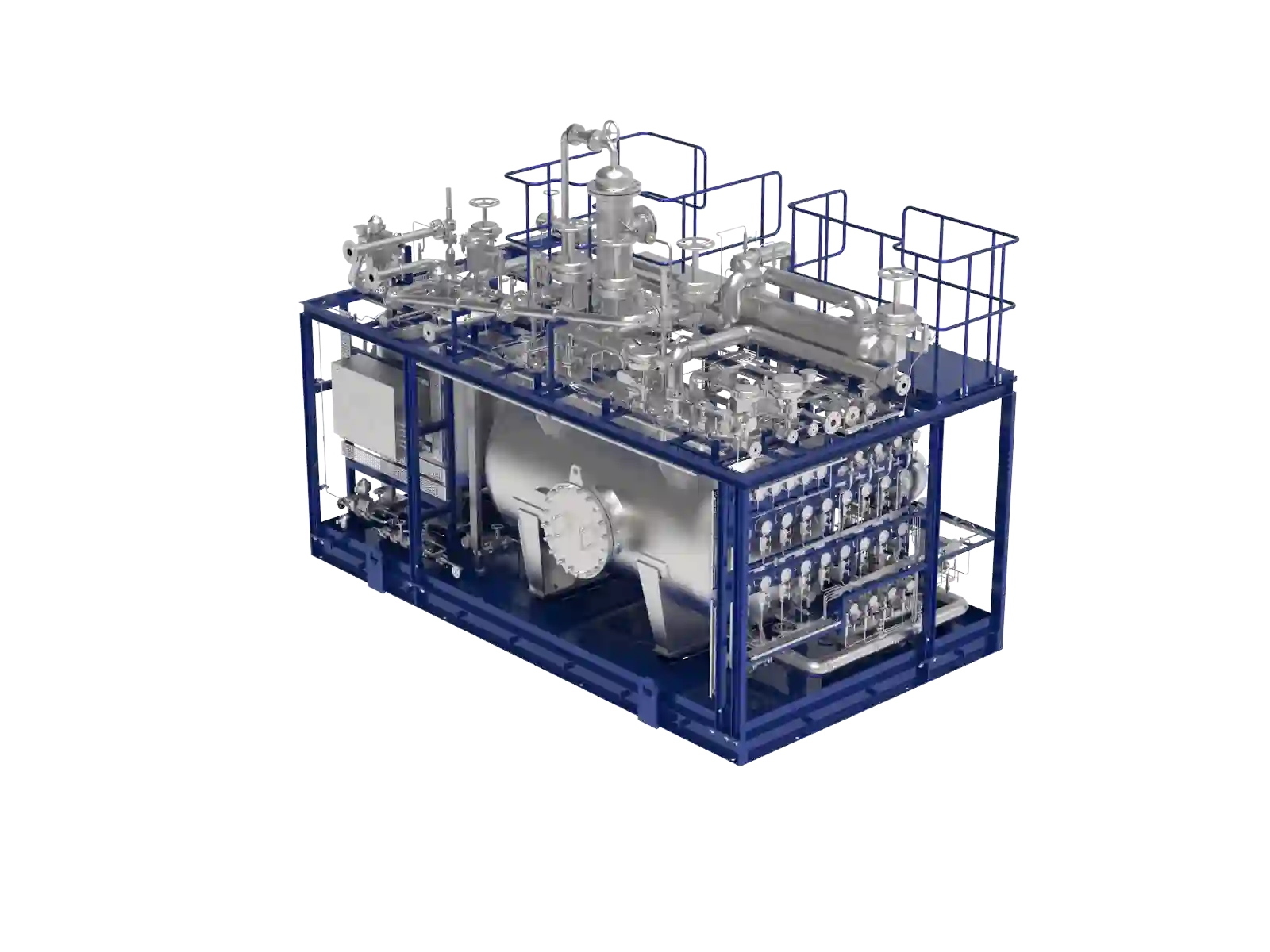
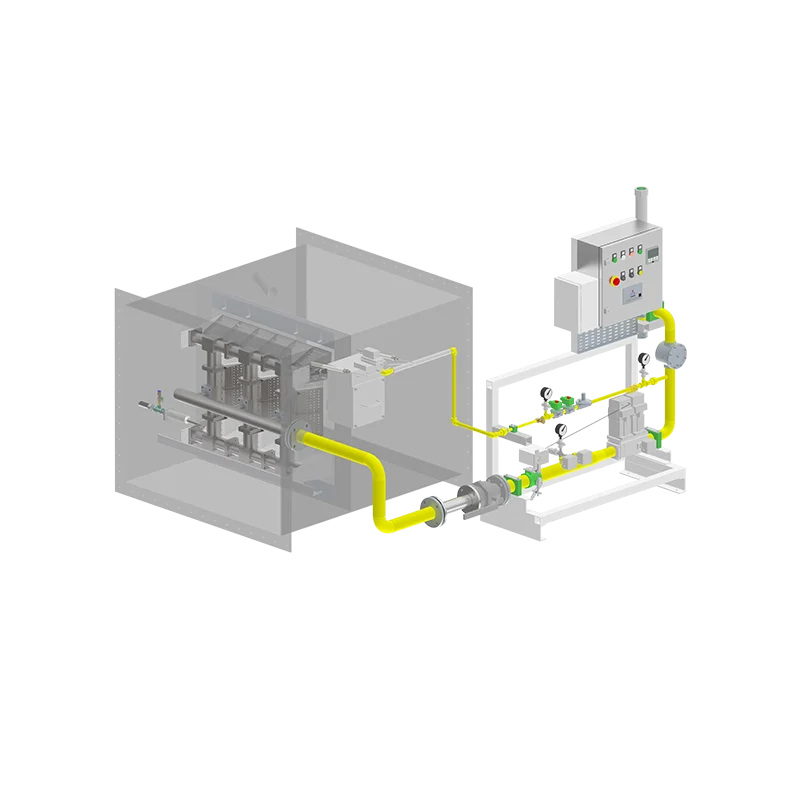
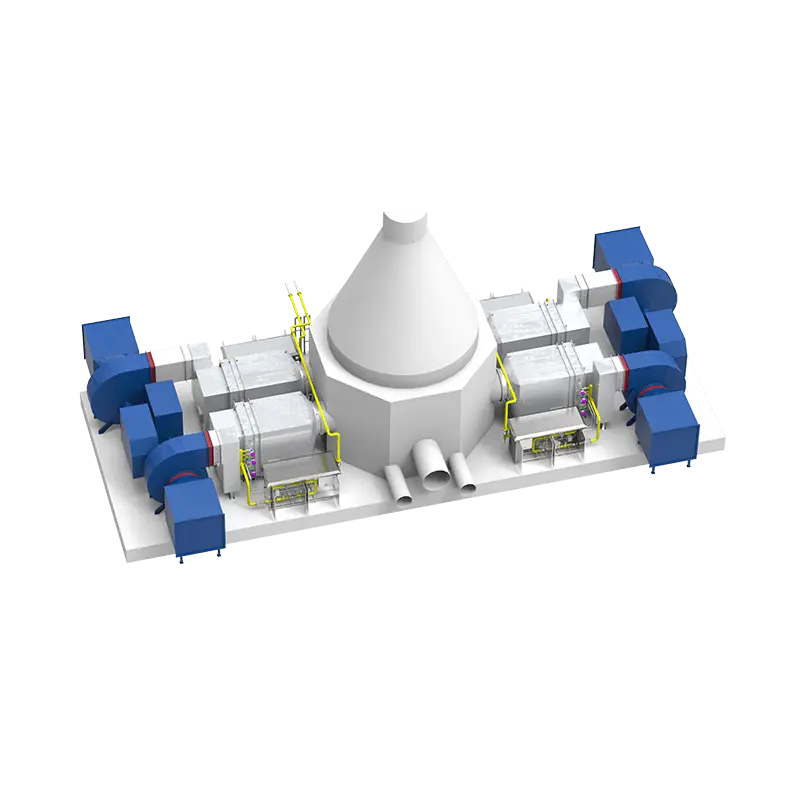
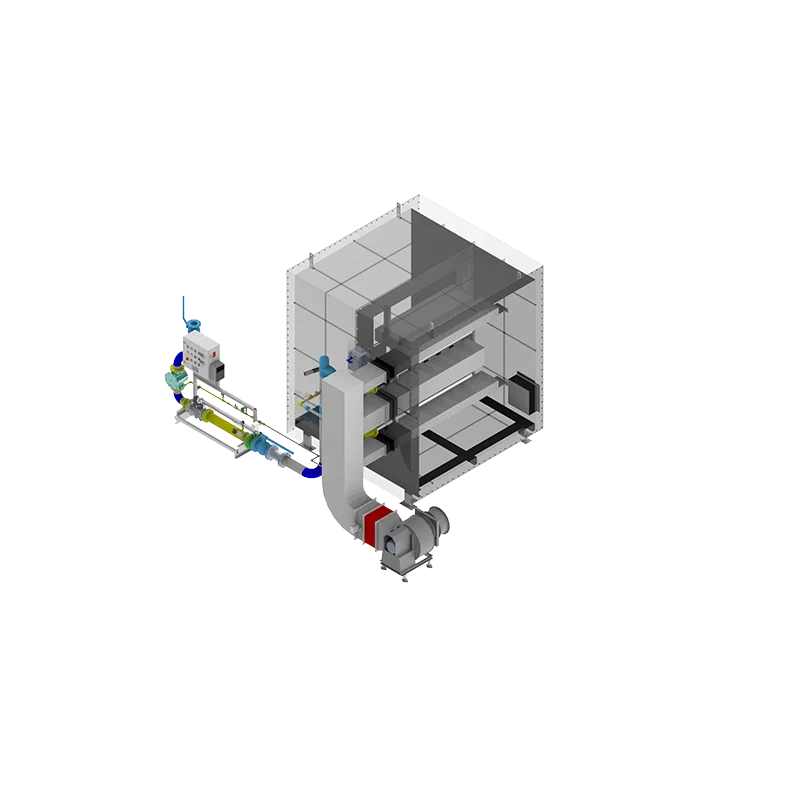
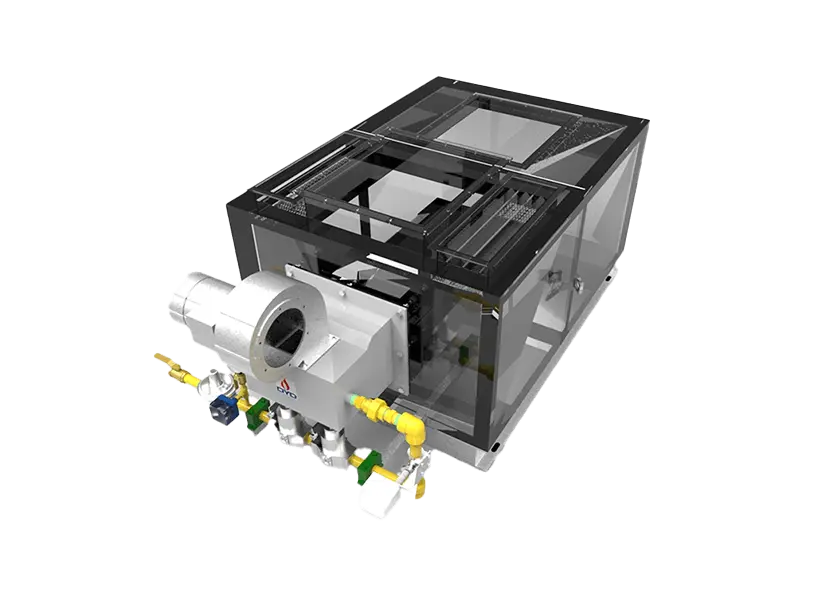
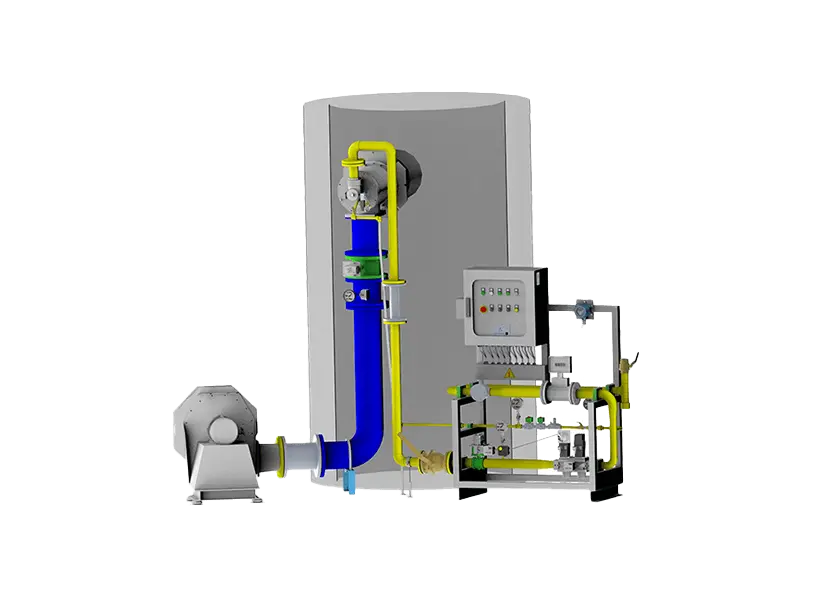
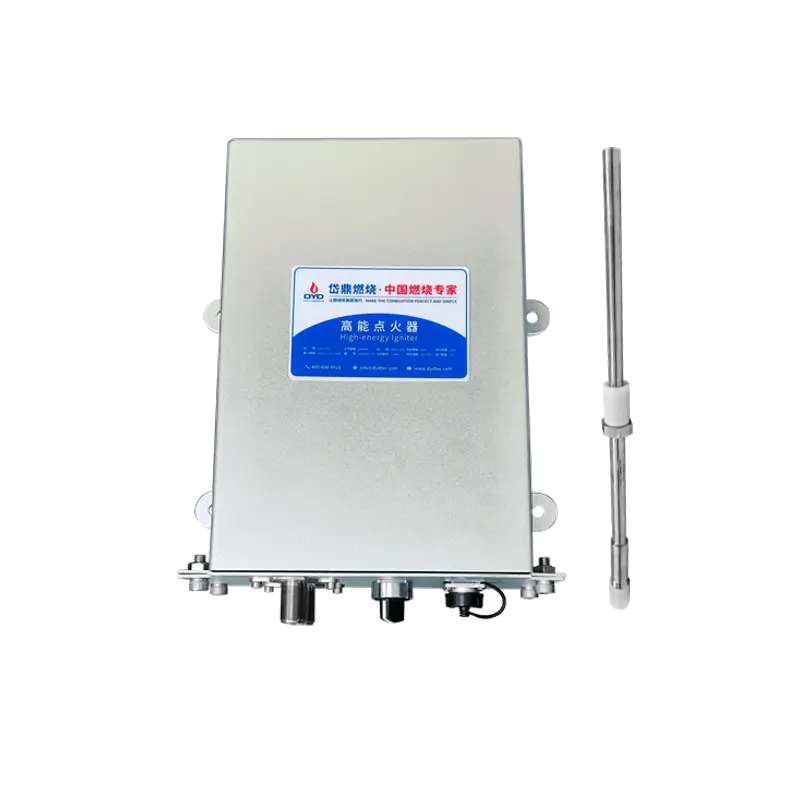
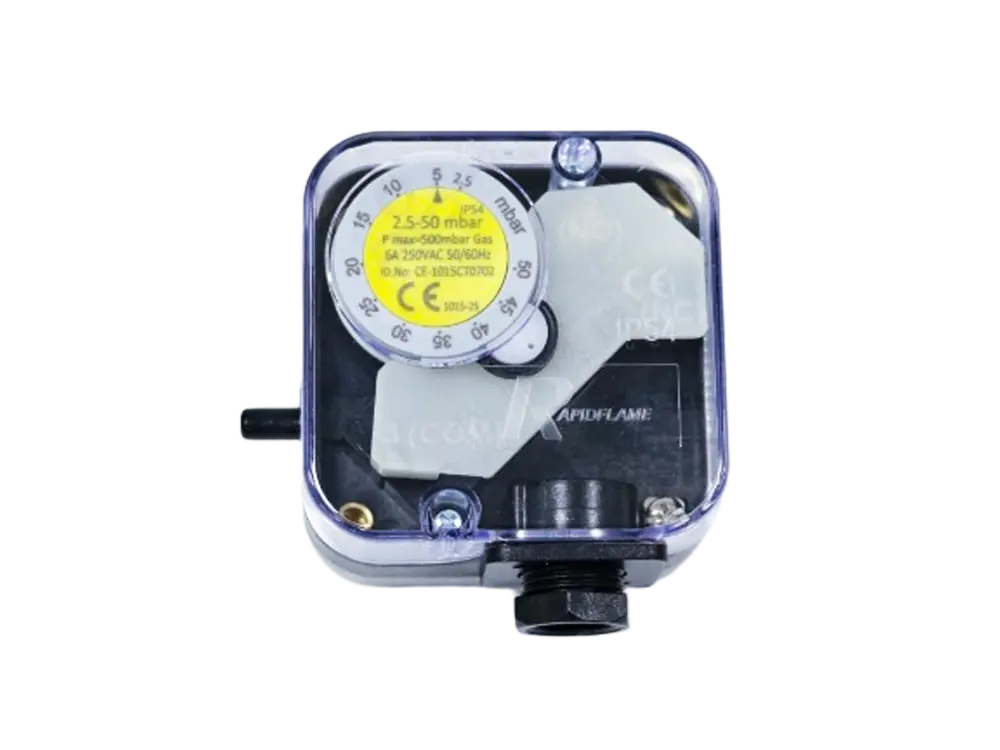
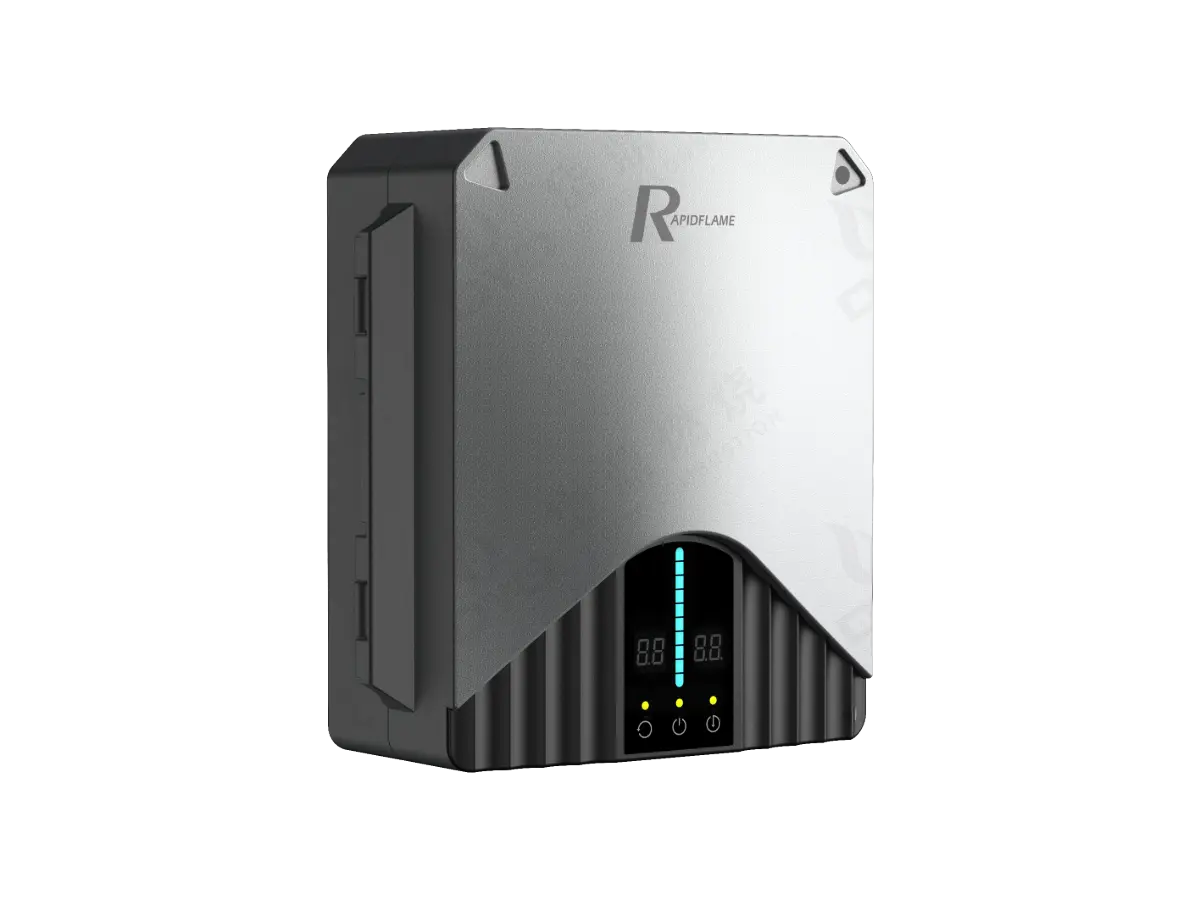
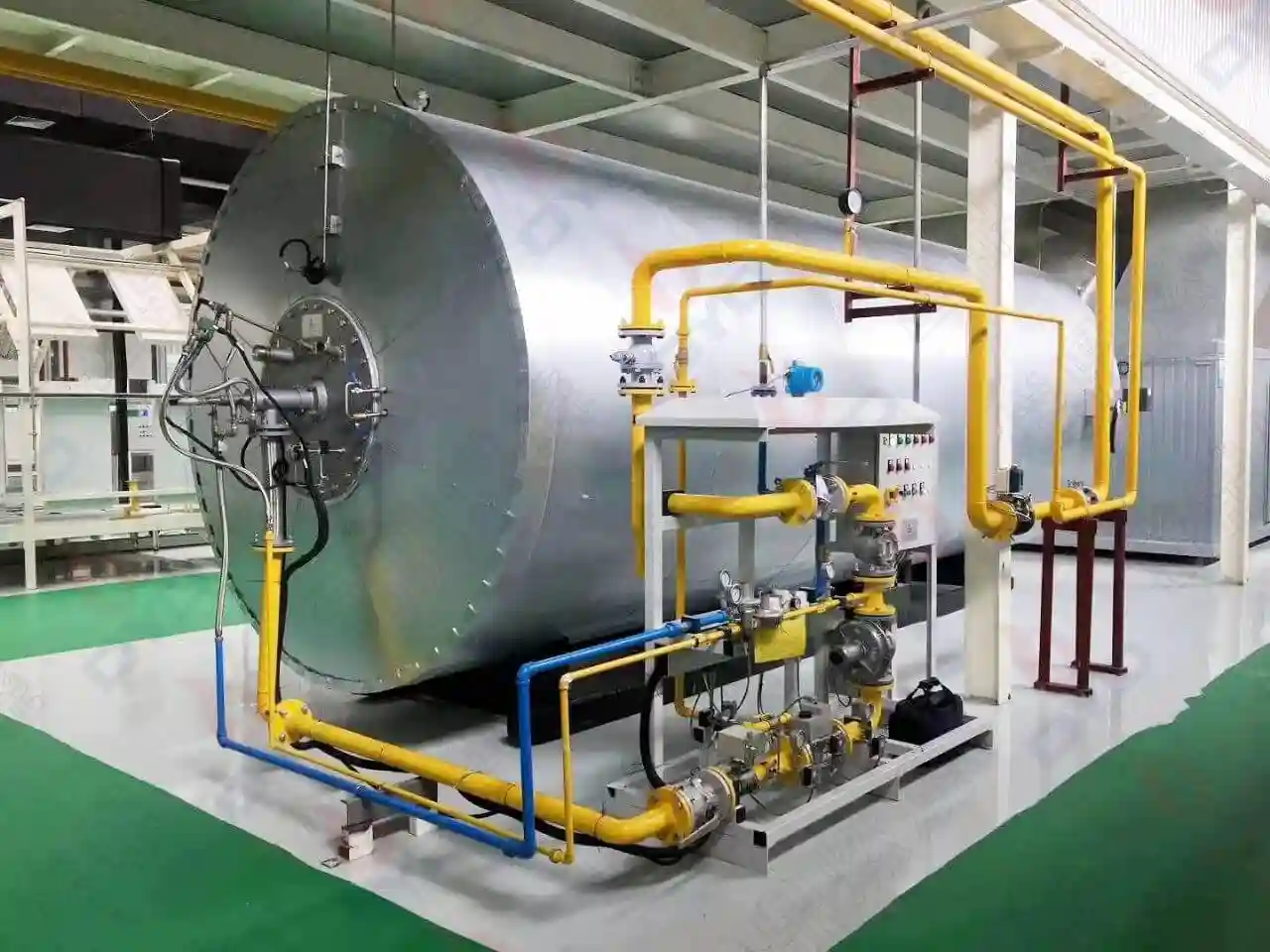
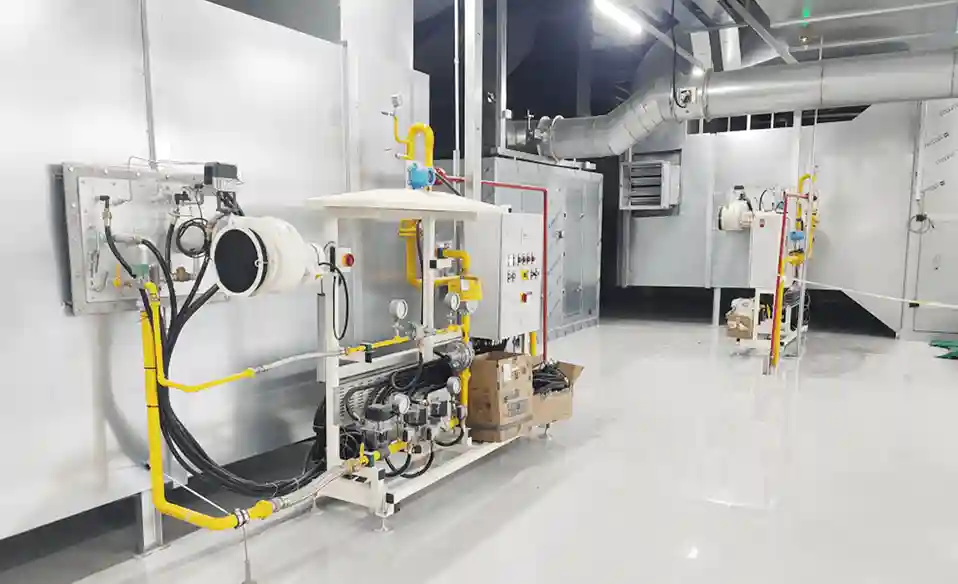
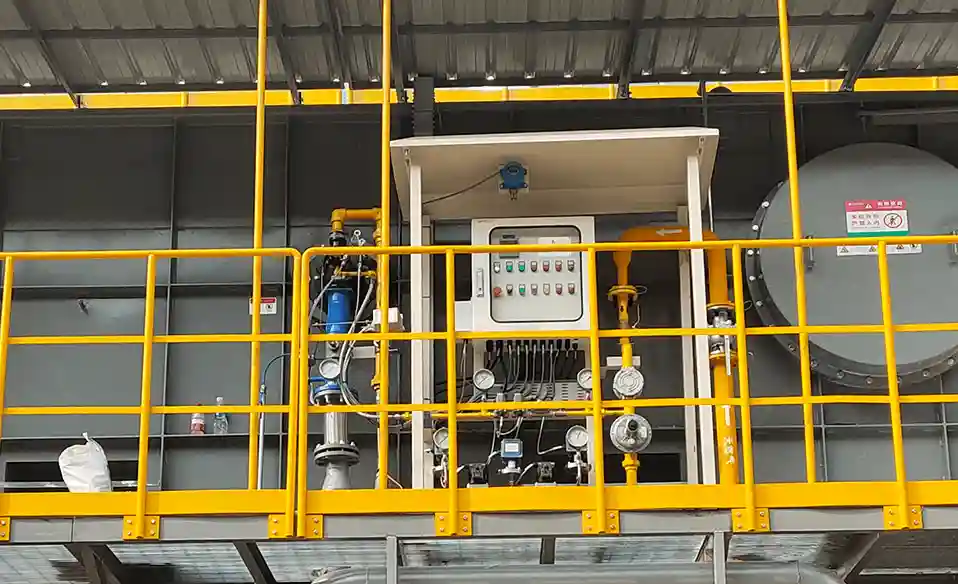
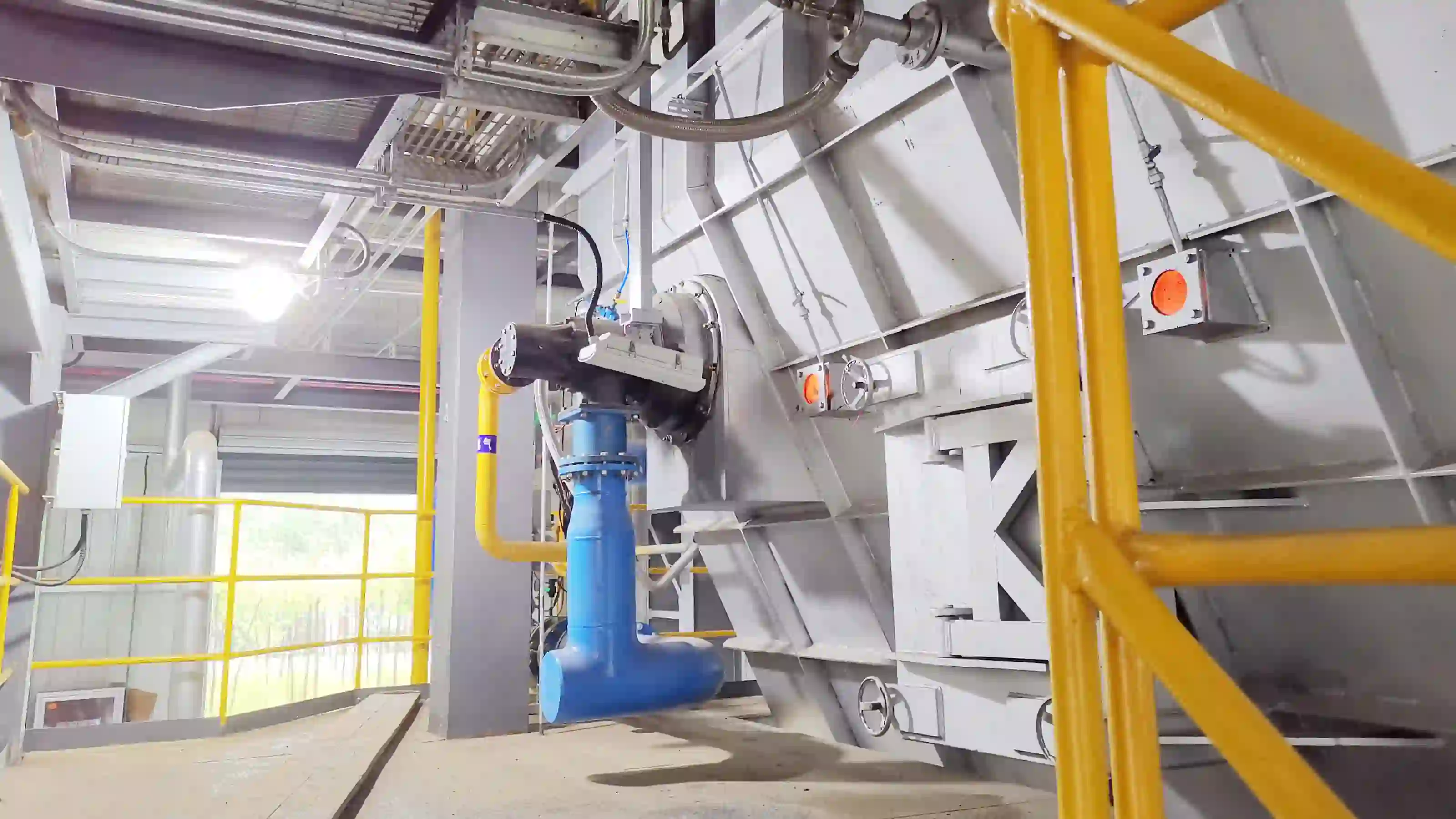
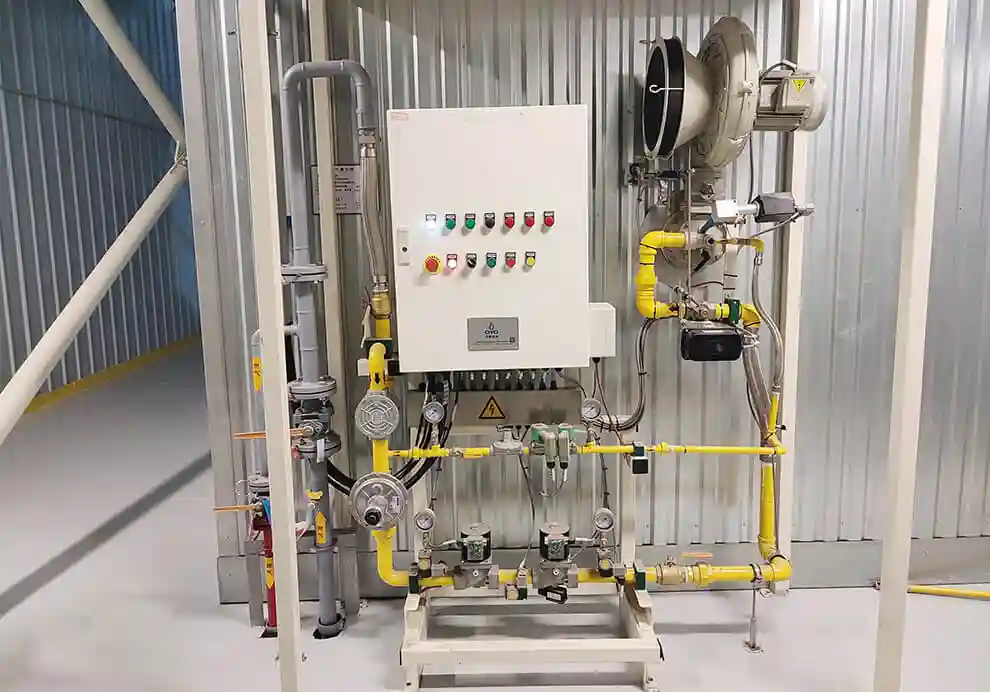
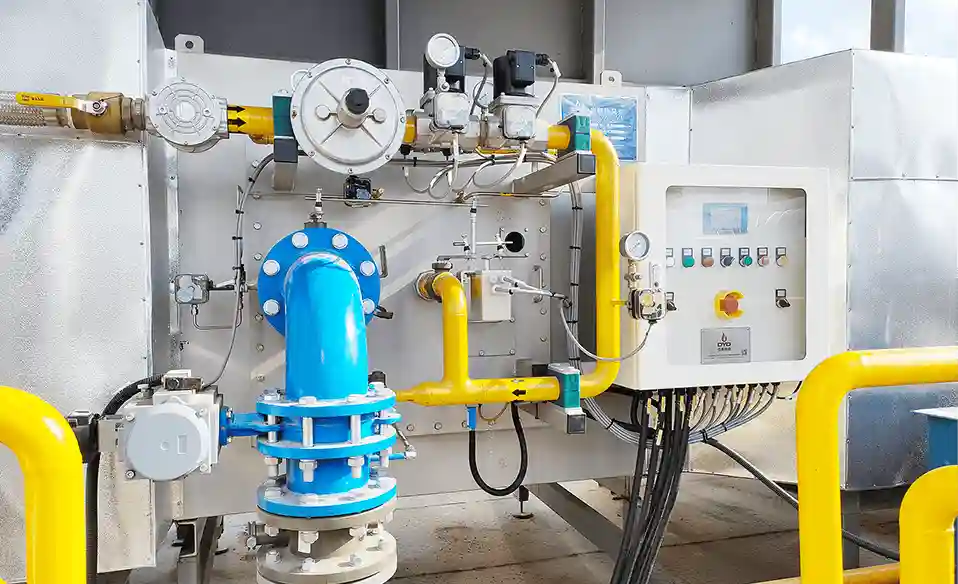
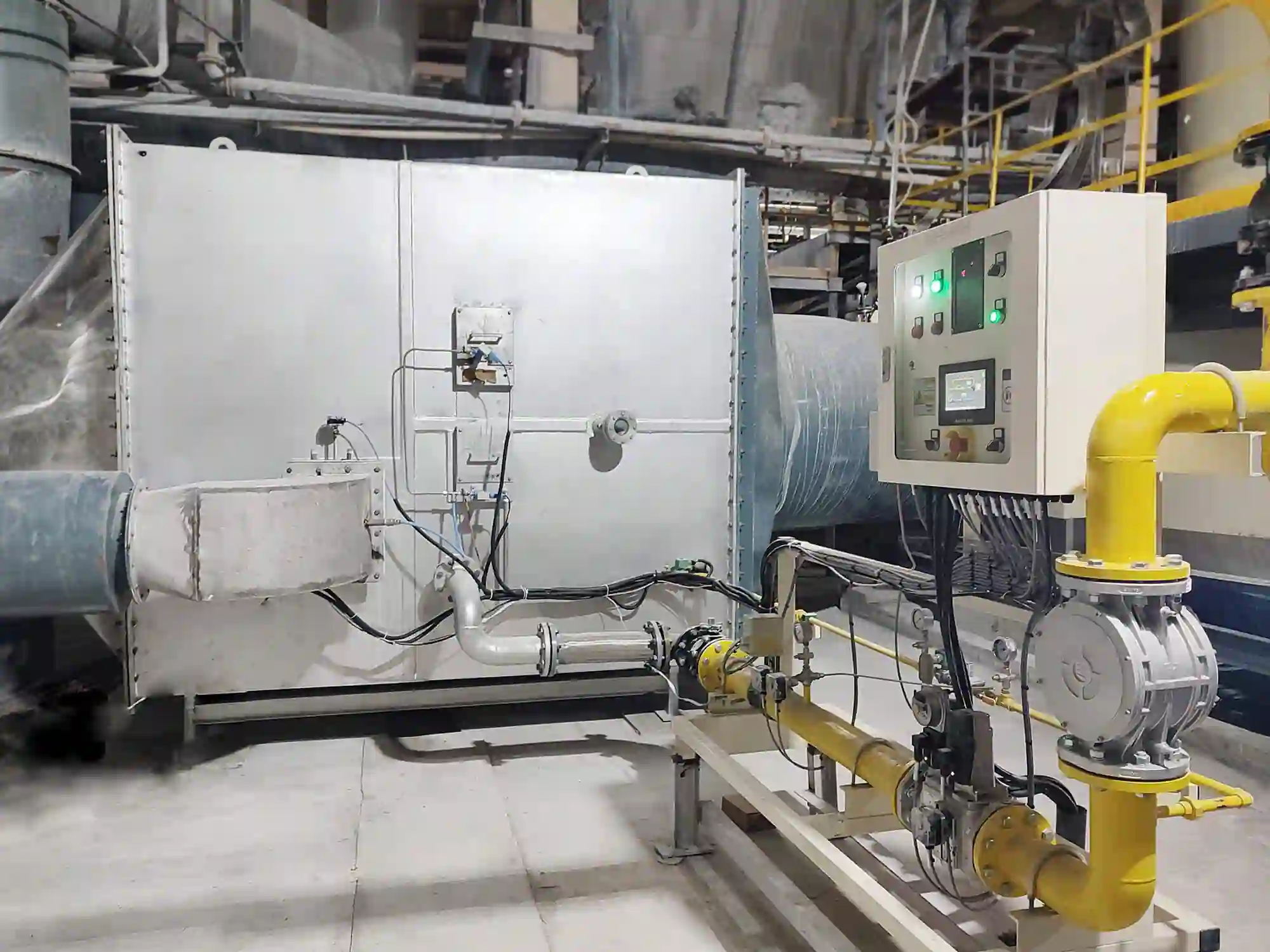
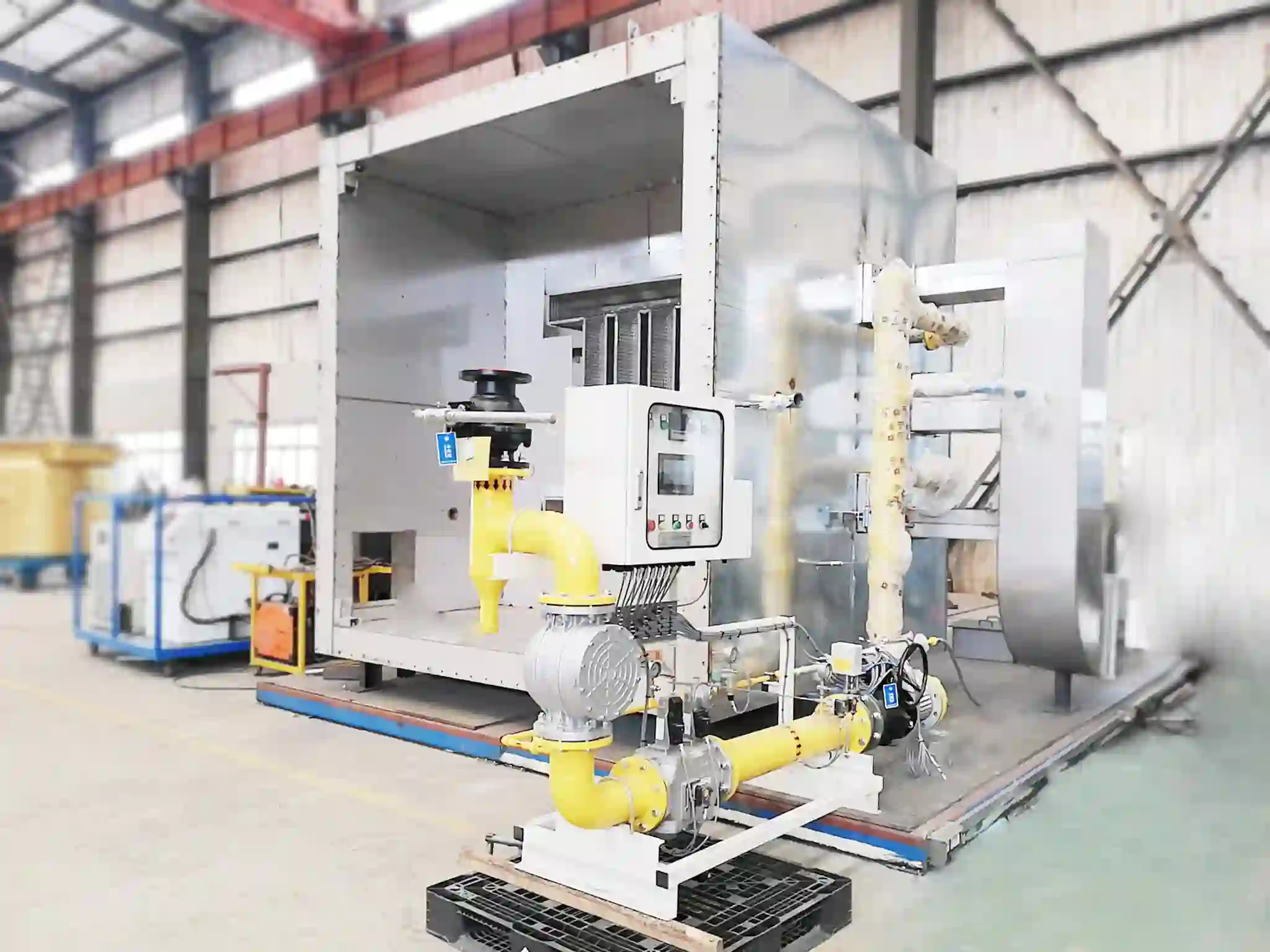
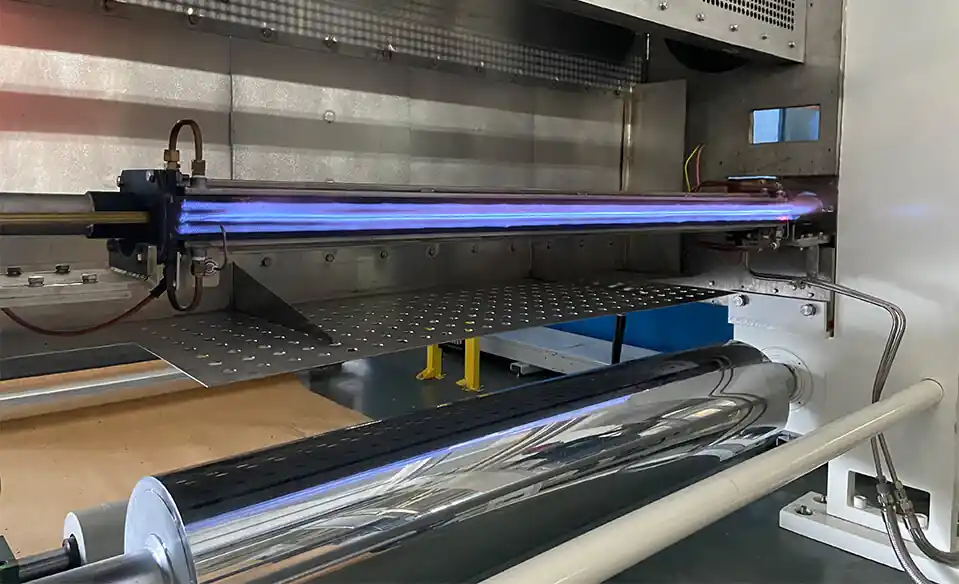
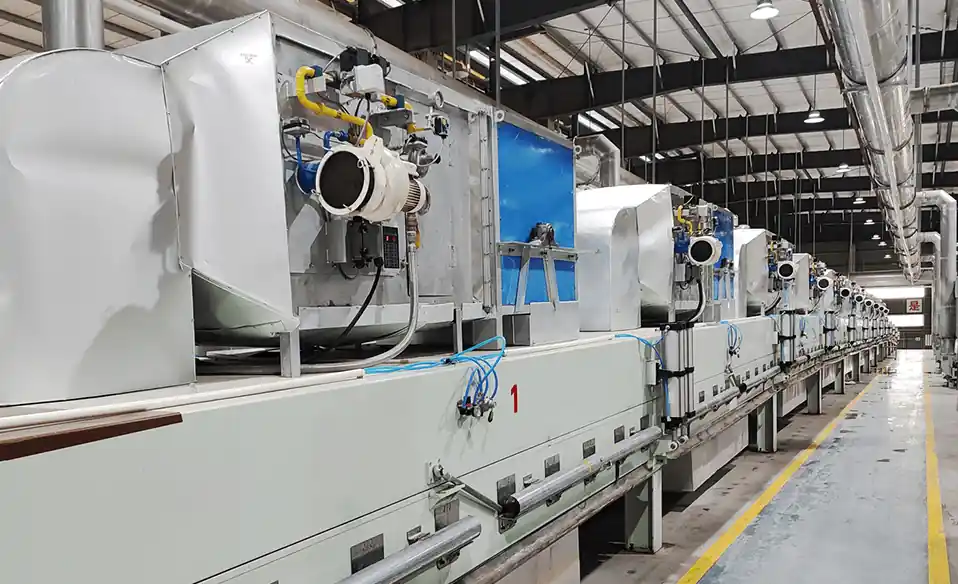
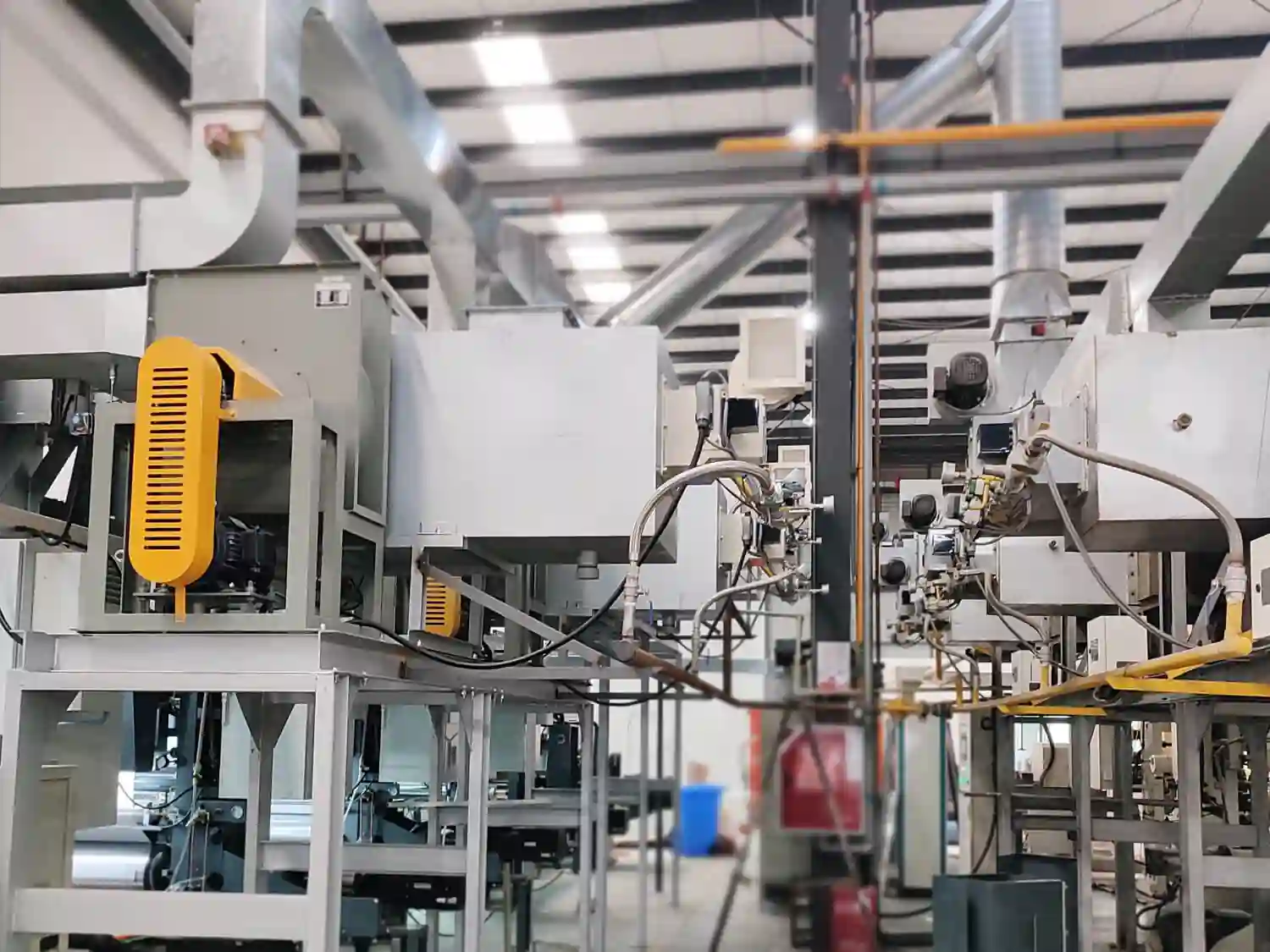
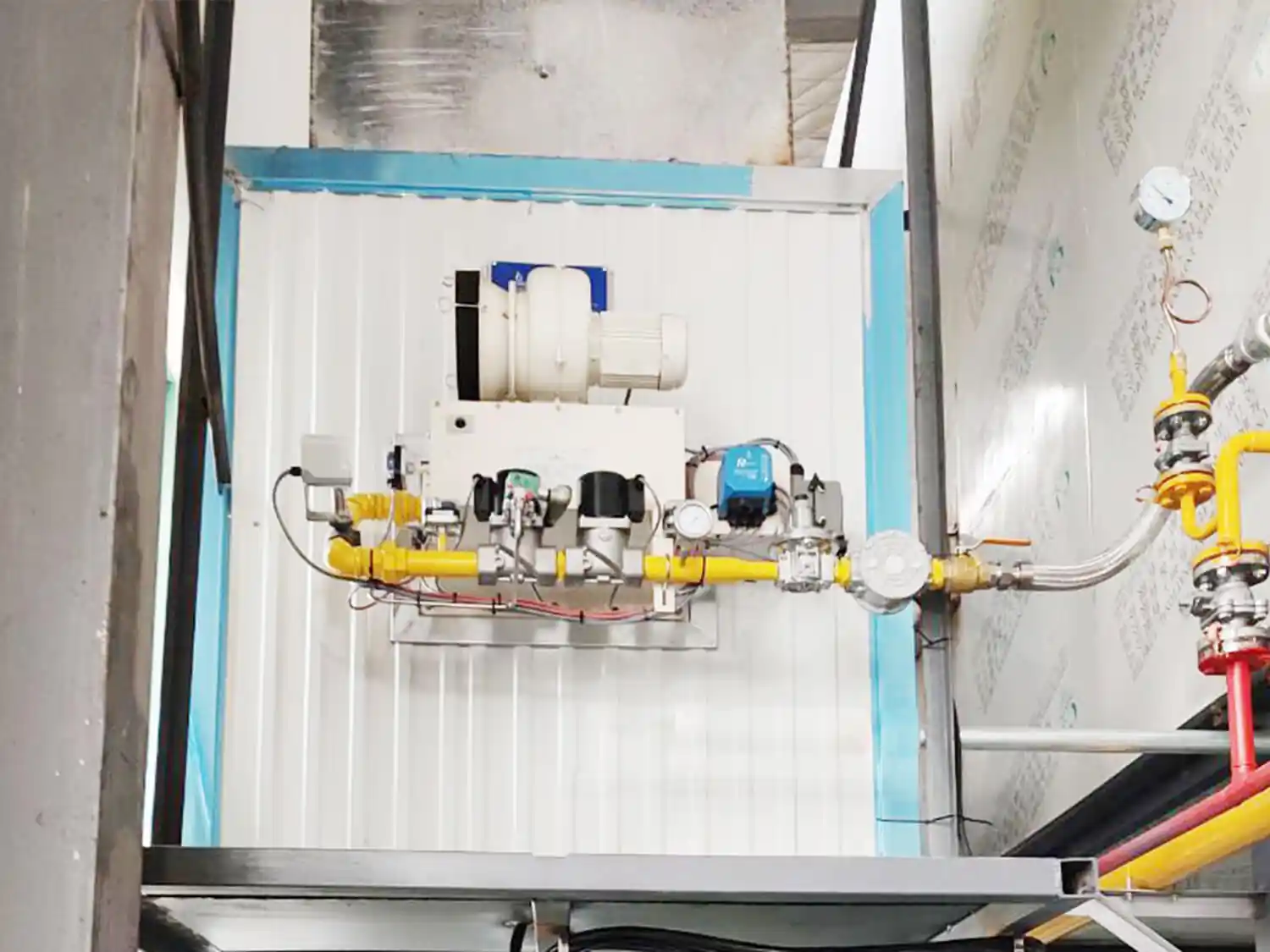
Choosing the right industrial burner is a critical decision that affects energy efficiency, production quality, emissions performance, and equipment reliability. An industrial burner is not simply a device that produces a flame; it is the core component that converts fuel energy into controlled heat for industrial processes. Its selection influences not only the immediate combustion performance but also the long-term operating costs, environmental compliance, and maintenance demands of the entire thermal system.
A suitable burner must match the requirements of the entire thermal system, including:
Heating process, which defines the thermal objective and performance criteria.
Furnace structure, which imposes geometric and aerodynamic constraints.
Fuel type, which determines combustion characteristics and system compatibility.
Required temperature, which sets the thermal intensity and control precision needed.
Heat output, which establishes the capacity and firing range requirements.
Emission regulations, which govern permissible pollutant levels.
Operating conditions, including load variations, ambient conditions, and duty cycles.
An incorrectly selected burner may result in:
Excessive fuel consumption, as poor flame matching reduces heat transfer efficiency.
Unstable combustion, leading to process interruptions and safety risks.
Uneven heating, compromising product quality and increasing reject rates.
Higher emissions, resulting in regulatory non-compliance and potential penalties.
Shorter equipment life, due to thermal stress, impingement, or inadequate materials.
Therefore, industrial burner selection should be based on a systematic evaluation of process requirements rather than only comparing burner specifications. The selection process must consider the burner as one element of an integrated thermal system, with each component influencing the performance of the others.
The main factors include:
Heating application, defining the fundamental thermal objective.
Required heat capacity, determining the burner size and firing range.
Fuel type, dictating combustion characteristics and system design.
Furnace geometry, establishing spatial constraints and flow conditions.
Flame characteristics, governing heat release distribution and transfer.
Emission requirements, setting pollutant limits and abatement needs.
Control system requirements, defining automation level and precision.
Burner reliability and service support, ensuring long-term operational sustainability.
The first step in burner selection is understanding what the burner is heating and how heat needs to be delivered. The application defines the fundamental performance requirements—temperature, uniformity, cycle time, and product quality—that the burner must achieve.
Different applications require different flame characteristics because the thermal demand, furnace geometry, and process sensitivity vary widely across industries.
Requirements:
High-temperature operation, often exceeding 1000°C for many processes.
Stable flame, to maintain consistent thermal conditions over long cycles.
Uniform heat distribution, to achieve consistent material properties.
Suitable burner features:
Strong flame stability, capable of maintaining combustion under varying draft conditions.
Adjustable flame length, to match the furnace dimensions and load placement.
High-temperature resistance, using materials that withstand prolonged exposure to extreme heat.
Applications:
Metal heating, for forging, rolling, and forming operations.
Forging, requiring rapid and uniform heating of billets and ingots.
Heat treatment, where precise temperature control is essential for metallurgical properties.
Requirements:
Large-volume hot air generation, providing the thermal energy to remove moisture.
Temperature uniformity, ensuring consistent drying across the entire product batch.
Efficient heat transfer, to minimize energy consumption and drying time.
Suitable burner features:
Stable combustion, maintaining consistent outlet temperatures despite load changes.
Good air mixing, creating a uniform temperature profile in the drying air stream.
Precise temperature control, to avoid overheating or under-drying.
Applications:
Food drying, where product quality and safety depend on controlled moisture removal.
Chemical material drying, requiring consistent thermal conditions for product consistency.
Battery material drying, with strict temperature tolerances to preserve material properties.
Requirements:
Long operating cycles, often running continuously for days or weeks.
Deep furnace penetration, delivering heat to the far end of the kiln.
Reliable continuous operation, with minimal interruptions for maintenance or adjustment.
Suitable burner features:
High flame momentum, to carry heat along the kiln length.
Long service life, with components designed for extended operation at high temperatures.
Stable adjustment range, maintaining performance across the required firing profile.
Requirements:
Stable high-temperature combustion, typically above 760°C for VOC destruction.
Low emissions, to meet strict environmental standards.
Reliable ignition, ensuring consistent destruction efficiency.
Suitable burner features:
High turndown ratio, to match the variable waste gas flow rates.
Precise temperature control, maintaining the minimum destruction temperature.
Low-NOx combustion capability, to minimize secondary pollutant formation.
Burner capacity determines whether the burner can provide sufficient heat for the process. This is the fundamental sizing parameter that must be matched to the thermal demand of the application.
Important parameters include:
Heat input requirement, the net thermal energy needed for the process.
Furnace heat loss, including radiation, convection, and conduction losses through walls and openings.
Material heating demand, the energy required to raise the product to process temperature.
Operating temperature, the target temperature that must be achieved and maintained.
Heating cycle time, the duration available for reaching and maintaining temperature.
A burner that is too small may cause:
Slow heating, delaying production and reducing throughput.
Failure to reach target temperature, making the process impossible.
Continuous operation at maximum load, reducing efficiency and accelerating wear.
A burner that is too large may cause:
Poor adjustment range, with the burner unable to operate stably at low fire.
Temperature fluctuations, as the large capacity makes precise control difficult.
Lower efficiency, particularly during partial-load operation where oversizing reduces turndown effectiveness.
The goal is to select a burner that operates efficiently within the normal working range, with sufficient reserve capacity for load variations and start-up conditions but without excessive oversizing that compromises turndown performance.
Different fuels have different combustion characteristics, requiring specific burner designs and operational considerations. The fuel type is often fixed by availability, cost, or process requirements, making it a defining constraint in burner selection.
Common industrial burner fuels include:
Natural gas, the most widely used industrial fuel due to its cleanliness and availability.
LPG (liquefied petroleum gas), used where natural gas infrastructure is not available.
Diesel, commonly used in backup or mobile applications.
Heavy oil, used in some industrial processes where cost is a primary consideration.
Industrial waste gases, including by-product gases from chemical or refining processes.
Hydrogen-containing fuels, increasingly used for low-carbon combustion applications.
Advantages:
Clean combustion, with minimal ash, soot, or corrosive by-products.
Easy control, with stable combustion characteristics and predictable behavior.
Low maintenance, with fewer fouling issues than liquid or solid fuels.
Common applications:
Industrial furnaces of all sizes.
Dryers requiring consistent and clean heat input.
Heating systems where reliability and low emissions are priorities.
Require additional system components and careful design:
Atomization system, to break the liquid into fine droplets for vaporization and combustion.
Fuel heating (depending on fuel type), to reduce viscosity to atomizable levels.
Proper combustion air control, to achieve the correct air-fuel ratio for complete combustion.
Applications:
Industrial heating equipment where gas is unavailable or uneconomical.
Existing oil-fired systems being maintained or upgraded.
Require careful consideration of the fuel's unique properties:
Higher flame speed, requiring burner designs that prevent flashback.
Different ignition characteristics, with lower ignition energy requirements but wider flammability ranges.
Flashback prevention, using specialized burner heads and flow velocities to keep the flame anchored.
The flame must match the furnace space and heating requirements. The flame is the interface between the burner and the process, and its geometry directly determines where and how heat is delivered.
Important flame characteristics include:
Flame length, controlling the axial extent of the heat release zone.
Flame diameter, governing the radial spread of the reaction.
Flame momentum, determining the penetration and circulation strength.
Heat release distribution, shaping the temperature profile within the chamber.
Suitable for:
Large combustion chambers where the heat must be distributed over an extended distance.
Deep furnace penetration, reaching the far end of the chamber.
Benefits:
Distributed heat release, reducing peak thermal loading on any single surface.
Better furnace coverage, ensuring that all parts of the load receive thermal input.
Suitable for:
Compact chambers where space is limited.
Localized heating, delivering intense thermal energy to a specific area.
Benefits:
High heat intensity in the near-burner zone.
Fast response to changes in firing rate.
Suitable for:
Surface heating applications where a broad area must be covered.
Continuous processing where uniform heat input across a wide product is required.
A burner cannot be selected independently from the furnace. The furnace geometry defines the environment in which the flame develops, imposing constraints on flame length, momentum, and stability.
Important furnace factors include:
A large furnace usually requires:
Higher flame momentum, to carry heat to the far end of the chamber.
Longer flame penetration, to ensure that heat reaches all sections of the furnace.
A small furnace requires:
Shorter flame, to avoid impingement on walls or products.
More compact combustion, fitting the flame within limited dimensions.
Consider the mechanical arrangement and its effect on combustion:
Wall mounting, the most common configuration, with the flame directed horizontally or at an angle.
Roof mounting, used in some furnace designs for downward firing.
Side firing, where multiple burners are arranged along the furnace length.
Installation position affects:
Flame direction, determining the path of the combustion gases through the chamber.
Heat distribution, influencing the temperature gradients within the furnace.
Gas flow pattern, affecting recirculation and temperature uniformity.
Pressure conditions influence combustion stability and burner performance:
Flame stability is affected by the pressure differential between the burner and the furnace.
Exhaust flow is governed by the pressure balance between the supply and withdrawal systems.
Burner performance is designed for a specific pressure range.
Many industrial furnaces operate under slightly negative pressure to control combustion gases and prevent leakage of hot products into the working environment.
Turndown ratio describes the burner's ability to operate from maximum capacity down to minimum stable output. It is a measure of the burner's flexible operating range and its ability to match variable process demands.
For example, a burner with a 10:1 turndown ratio can operate from full capacity down to approximately 10% of maximum output while maintaining stable combustion and acceptable emissions.
A higher turndown ratio provides:
Better temperature control, with finer adjustments to match process demand.
Lower fuel consumption, by avoiding the inefficiency of cycling on and off.
Greater operating flexibility, accommodating variations in production rate or batch size.
High turndown burners are valuable for processes with changing heat demand, such as batch furnaces, multi-product lines, or systems with significant heat release variations.
A high-quality burner should achieve efficient fuel conversion, extracting the maximum useful energy from each unit of fuel consumed. Efficiency is a direct measure of operating cost and environmental performance.
Key factors include:
Good mixing improves combustion completeness by ensuring that every fuel molecule has access to sufficient oxygen.
Complete combustion results in:
Lower CO emissions, as incomplete oxidation is minimized.
Better efficiency, with all fuel energy released and available for transfer.
A stable flame reduces:
Ignition failures, which waste fuel and time.
Process interruptions, which reduce productivity and increase costs.
Fuel waste, associated with unstable combustion and repeated starts.
The burner should deliver heat where it is needed rather than losing energy through exhaust gases. The flame shape and momentum should be matched to the furnace geometry to maximize radiation and convection to the load.
Environmental regulations increasingly influence burner selection, with stricter limits on NOx, CO, and other pollutants driving the adoption of advanced combustion technologies.
Important emissions include:
NOx, formed through thermal and prompt mechanisms, sensitive to flame temperature and residence time.
CO, indicating incomplete combustion and energy waste.
Unburned hydrocarbons, representing wasted fuel and potential environmental impact.
Low-NOx burner technologies include:
Separates fuel or air introduction to reduce peak flame temperatures and limit thermal NOx formation. The reaction proceeds in multiple zones, with heat release spread over a larger volume.
Uses recycled exhaust gases to reduce oxygen concentration and flame temperature. The inert gases dilute the reaction, moderating peak temperatures while maintaining combustion stability.
Creates uniform fuel-air mixtures for cleaner combustion, with the reaction occurring at consistent stoichiometry throughout the flame zone. This reduces both CO and NOx by eliminating fuel-rich or fuel-lean pockets.
Modern industrial burners often require automatic control systems to achieve the precision, efficiency, and safety demanded by contemporary processes.
Common control methods:
Burner operates at either full output or zero output, cycling between these two states to maintain average temperature.
Suitable for simple applications where temperature tolerance is wide and cycling is acceptable.
Provides high firing mode and low firing mode, offering a two-stage output that reduces cycling frequency.
Better suited to applications with moderate temperature precision requirements.
Continuously adjusts fuel flow, air flow, and heat output in response to process demand. This is the most precise and efficient control method.
Advantages:
Better temperature stability, with smooth, continuous adjustment.
Improved efficiency, avoiding the losses associated with cycling or high-low operation.
Lower emissions, as the burner operates at the optimum air-fuel ratio across the load range.
Industrial burners often operate continuously under harsh conditions, with high temperatures, cycling loads, and variable fuel quality. Long-term reliability depends on robust design and accessible maintenance.
Important factors include:
Component quality, using materials and manufacturing standards suited to the operating environment.
Spare parts availability, ensuring that replacement components can be obtained quickly when needed.
Maintenance requirements, with accessible designs that simplify inspection and service.
Technical support, including application engineering, commissioning, and troubleshooting assistance.
A reliable burner should provide:
Stable operation throughout the required firing range.
Easy inspection, with accessible components and clear maintenance procedures.
Long service intervals, minimizing downtime and maintenance labor.
Heat capacity alone is not enough. The burner must also match the flame characteristics, furnace geometry, and process requirements. A burner with the correct capacity but the wrong flame shape will not perform adequately.
The same burner may perform differently in different furnaces. The furnace geometry, pressure conditions, and installation details all influence combustion behavior.
A cheaper burner may result in higher operating costs, more maintenance, and shorter service life. The total cost of ownership should be considered, not just the purchase price.
Consider potential changes in production expansion, fuel availability, and emission regulations. A burner that meets today's requirements may be inadequate if conditions change in the future.
Before selecting a burner, confirm:
✅ What is the heating application?
✅ What temperature is required?
✅ What fuel is available?
✅ How much heat input is needed?
✅ What flame shape is required?
✅ What is the furnace size?
✅ What are emission requirements?
✅ Is automatic control needed?
✅ What operating range is required?
✅ What maintenance support is available?
The most important factor is matching the burner to the complete heating process, including furnace design, heat requirement, fuel type, and flame characteristics. The burner must be integrated into the entire thermal system, not selected as an isolated component.
Burner size should be determined based on required heat load, furnace heat loss, material heating requirements, and operating conditions. A heat balance calculation that accounts for all energy inputs and losses is the proper method for determining capacity.
Low-NOx burners are important where emission limits apply, but they must also match the process requirements and maintain stable combustion. A low-NOx burner that cannot achieve the required flame shape or firing range is not the best choice, regardless of its emission performance.
Some burners have flexible designs that can accommodate multiple applications, but optimal performance usually requires matching the burner to the specific process. A burner that is adequate for multiple applications may not be optimal for any of them.
Because flame shape determines how heat is distributed inside the furnace. The wrong flame shape can cause uneven heating, energy waste, and equipment damage. The flame shape must match the furnace geometry and the thermal requirements of the process.
Selecting the right industrial burner requires a complete understanding of the combustion process, heating equipment, and production requirements. The selection process must consider the burner as one element of an integrated system, with each decision affecting the overall performance, efficiency, and reliability of the thermal process.
A successful burner selection should balance:
Heat output, matching the capacity to the process demand.
Fuel efficiency, minimizing energy consumption and operating cost.
Flame characteristics, ensuring effective heat transfer and uniform heating.
Emission performance, meeting environmental requirements.
Control flexibility, providing the precision needed for the application.
Long-term reliability, ensuring sustained operation with minimal downtime.
The best industrial burner is not necessarily the most powerful or the most advanced one. It is the burner that creates the right combustion conditions for the specific furnace and application—the one that delivers heat where it is needed, in the manner required, with the efficiency demanded, and for the service life expected.
By carefully evaluating process requirements and combustion parameters, companies can achieve:
Lower energy consumption, reducing operating costs.
Better product quality, with consistent heating and uniform properties.
Reduced emissions, supporting environmental compliance.
More reliable industrial heating performance, maximizing production uptime.
DYDTEC Combustion specializes in industrial burner technology, combustion systems, and customized thermal solutions. The company provides industrial burner solutions for furnaces, drying equipment, thermal processing systems, and energy-efficient heating applications, focusing on optimized burner selection, fuel-air mixing, flame control, low emissions, and reliable long-term operation. With extensive experience in combustion engineering and system integration, DYDTEC supports customers in navigating the complex selection process to identify the burner solution that delivers the best balance of performance, efficiency, and reliability for each unique industrial application.