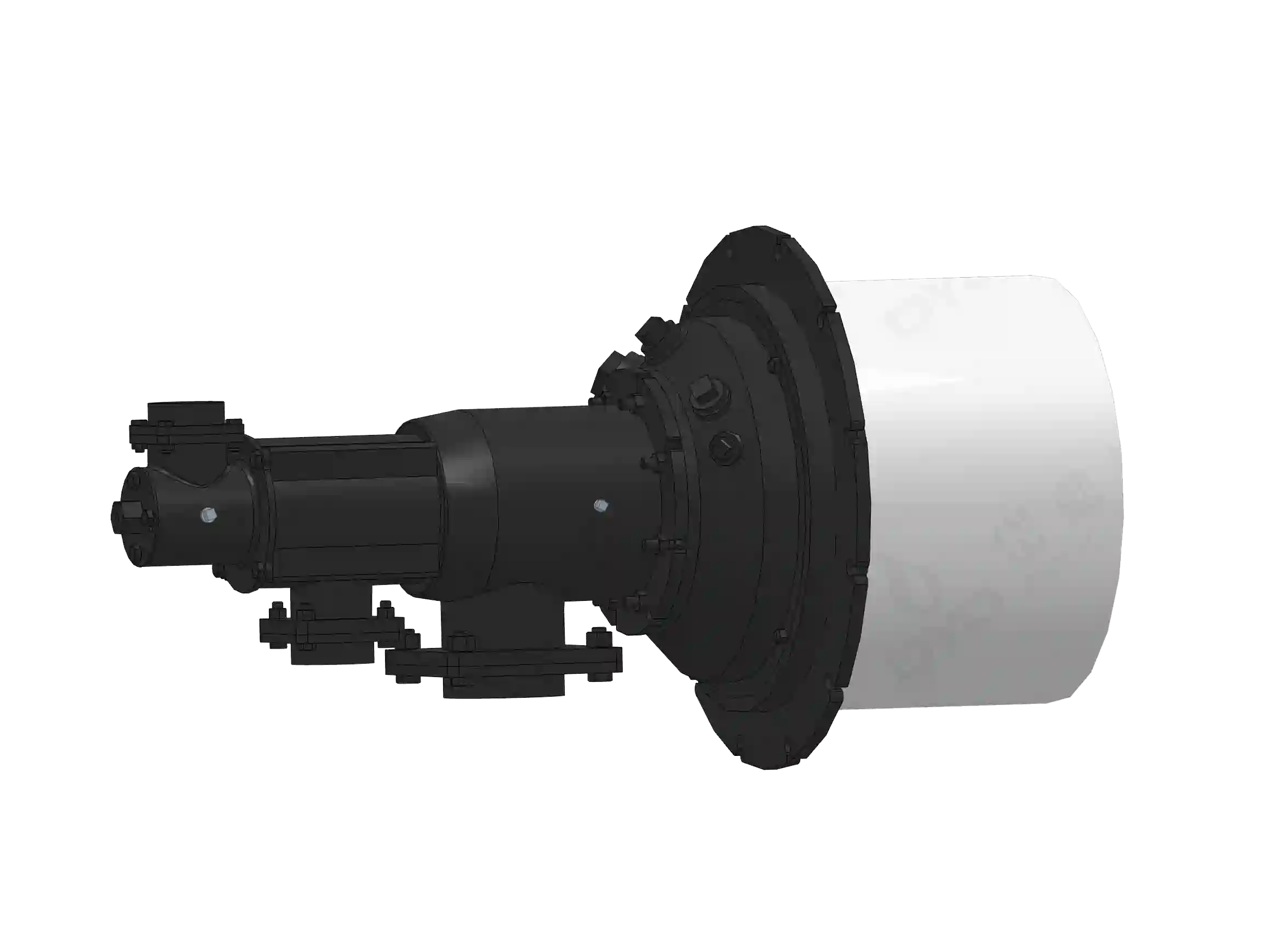
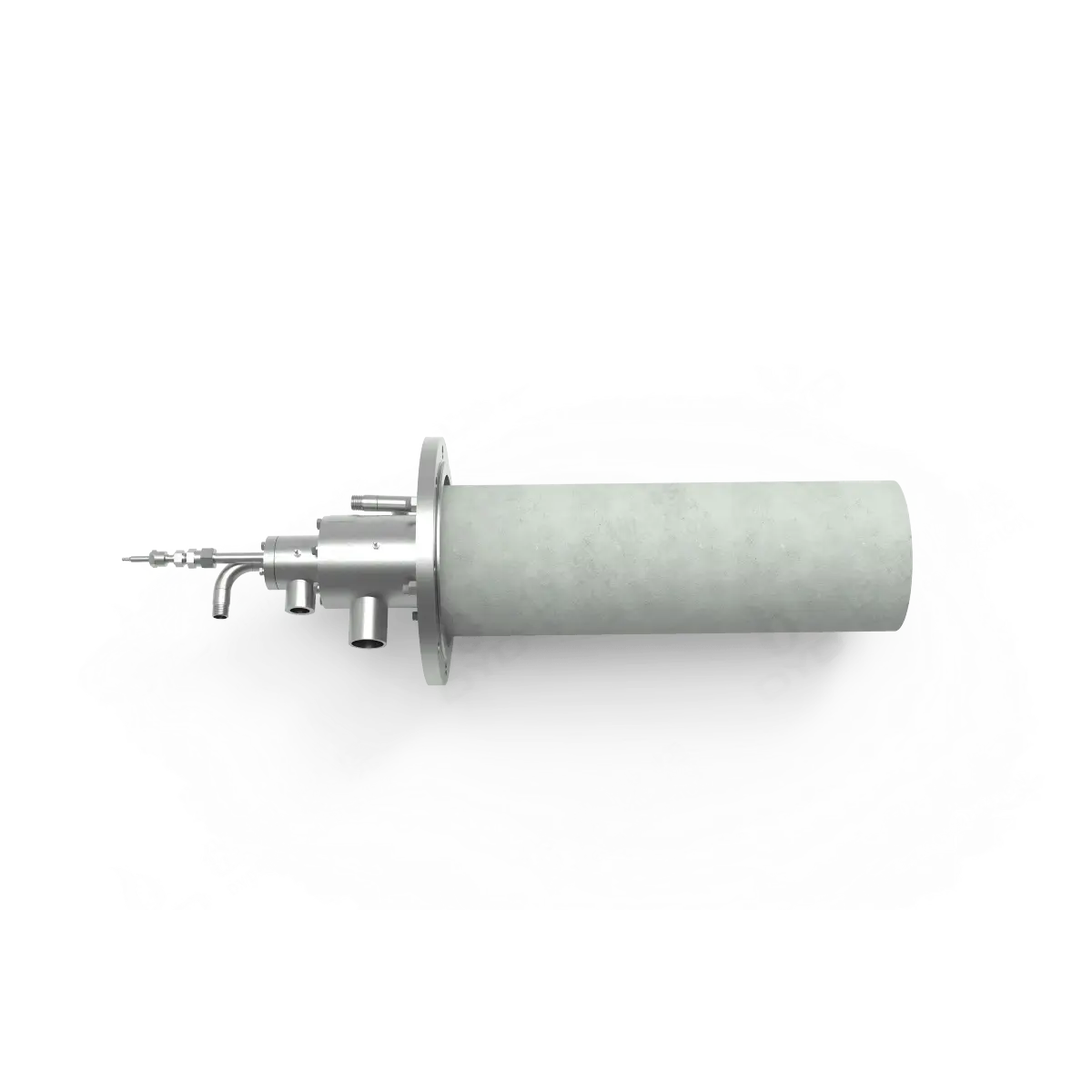
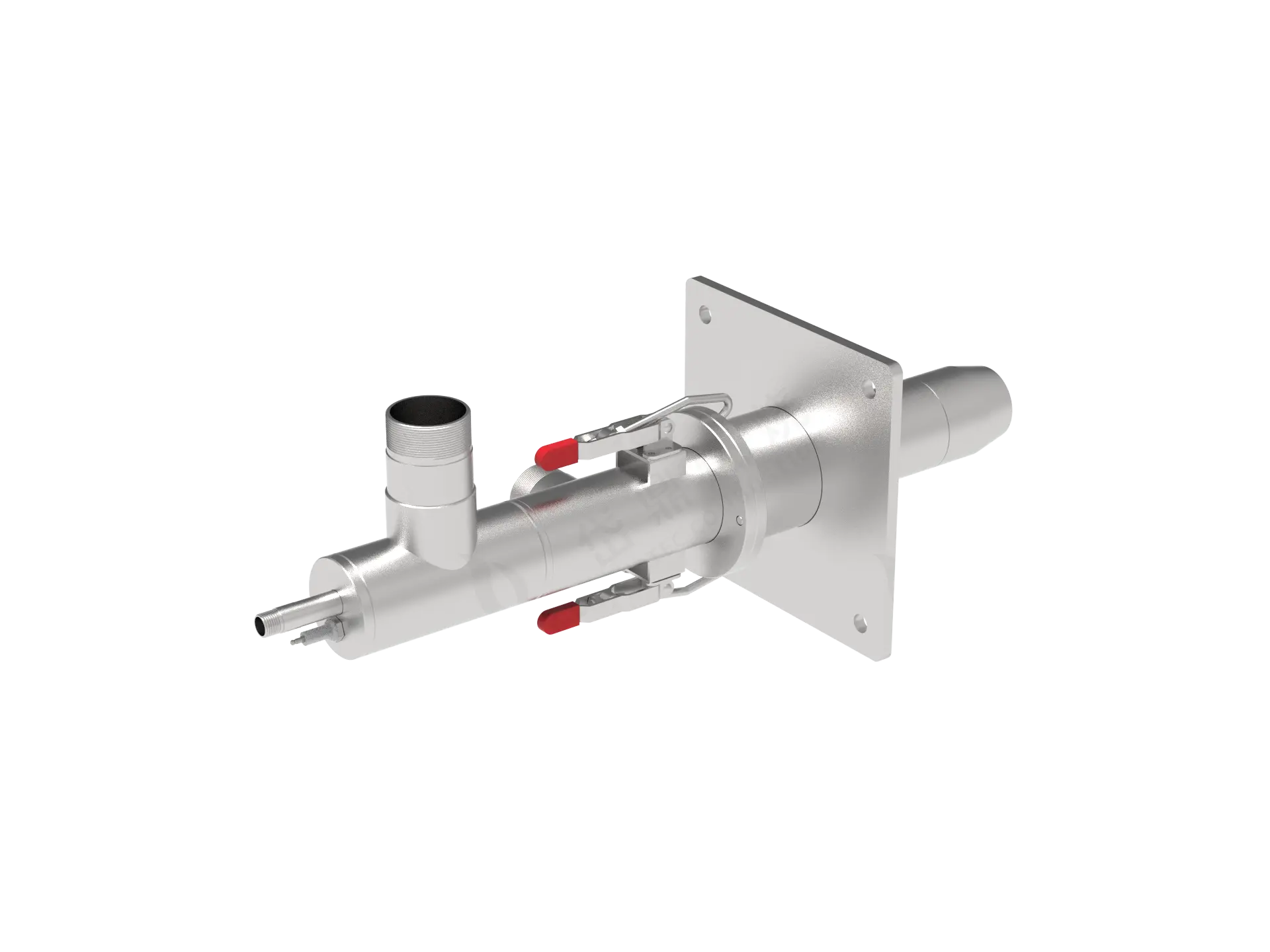
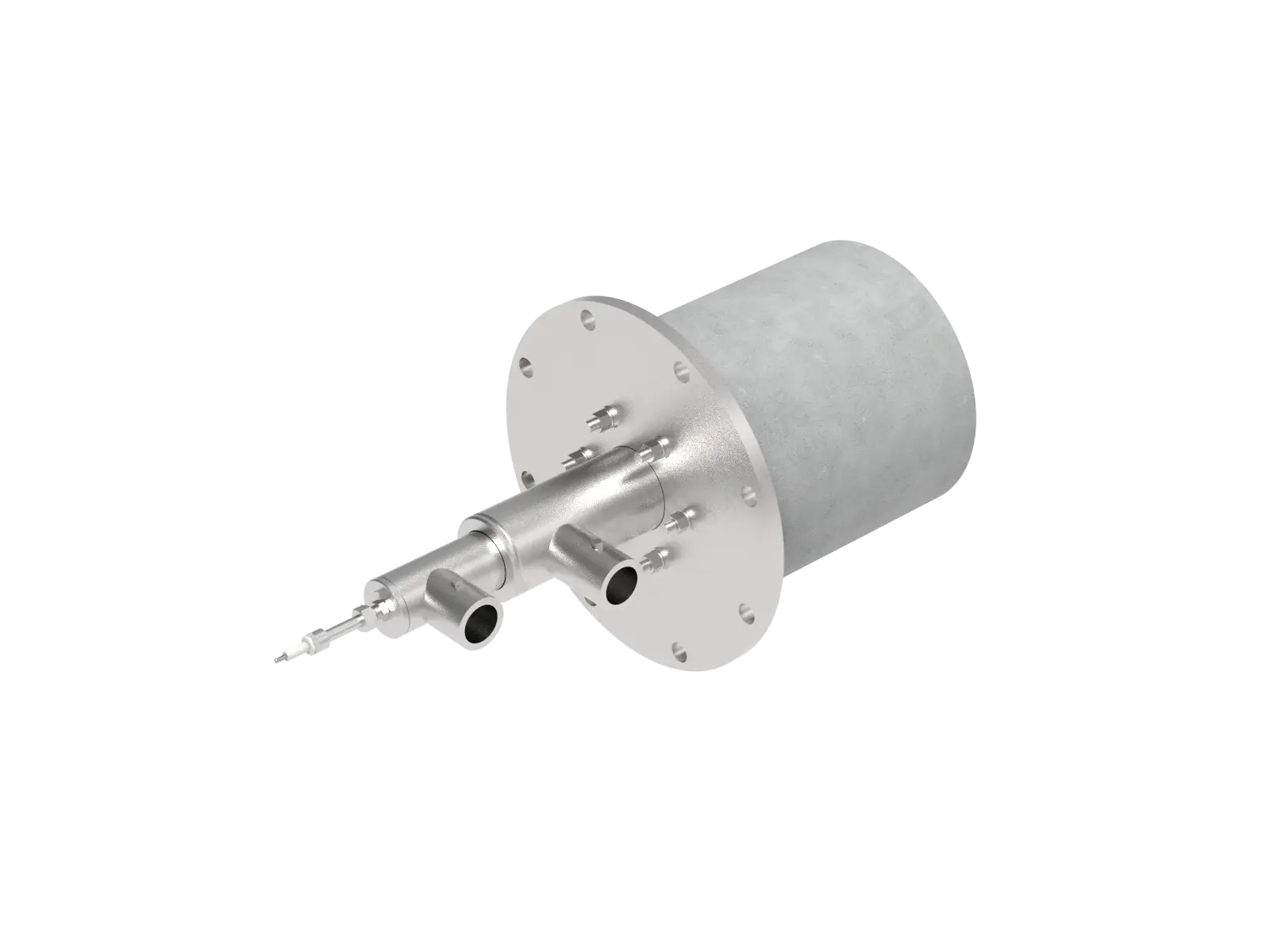
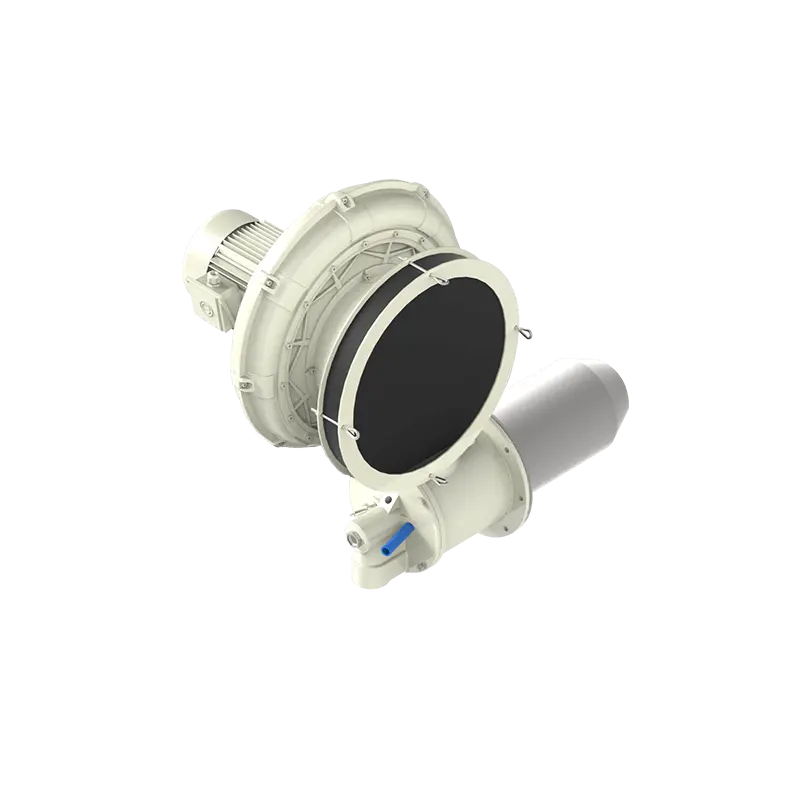
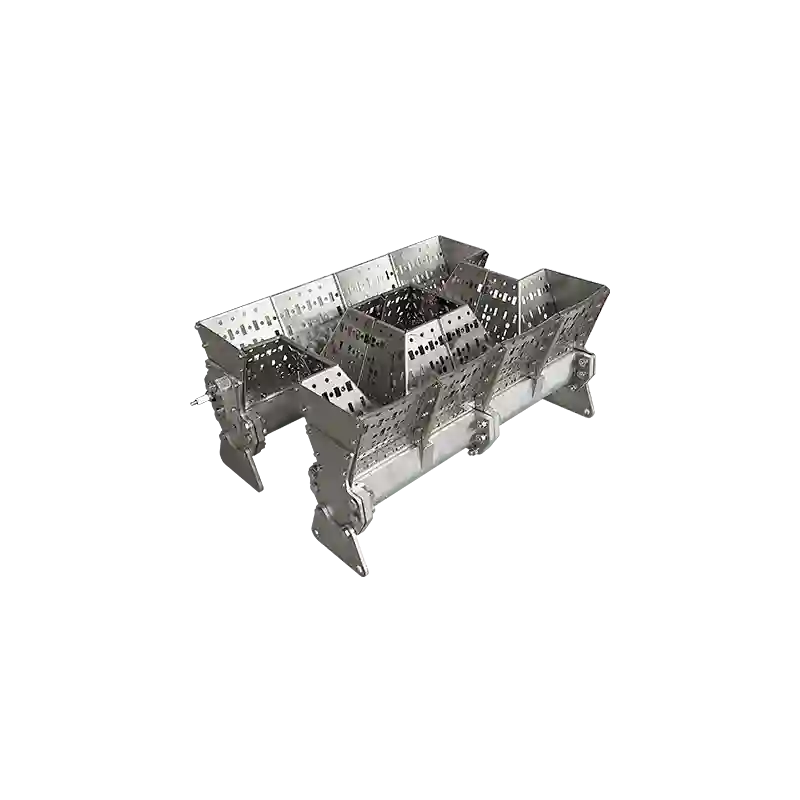
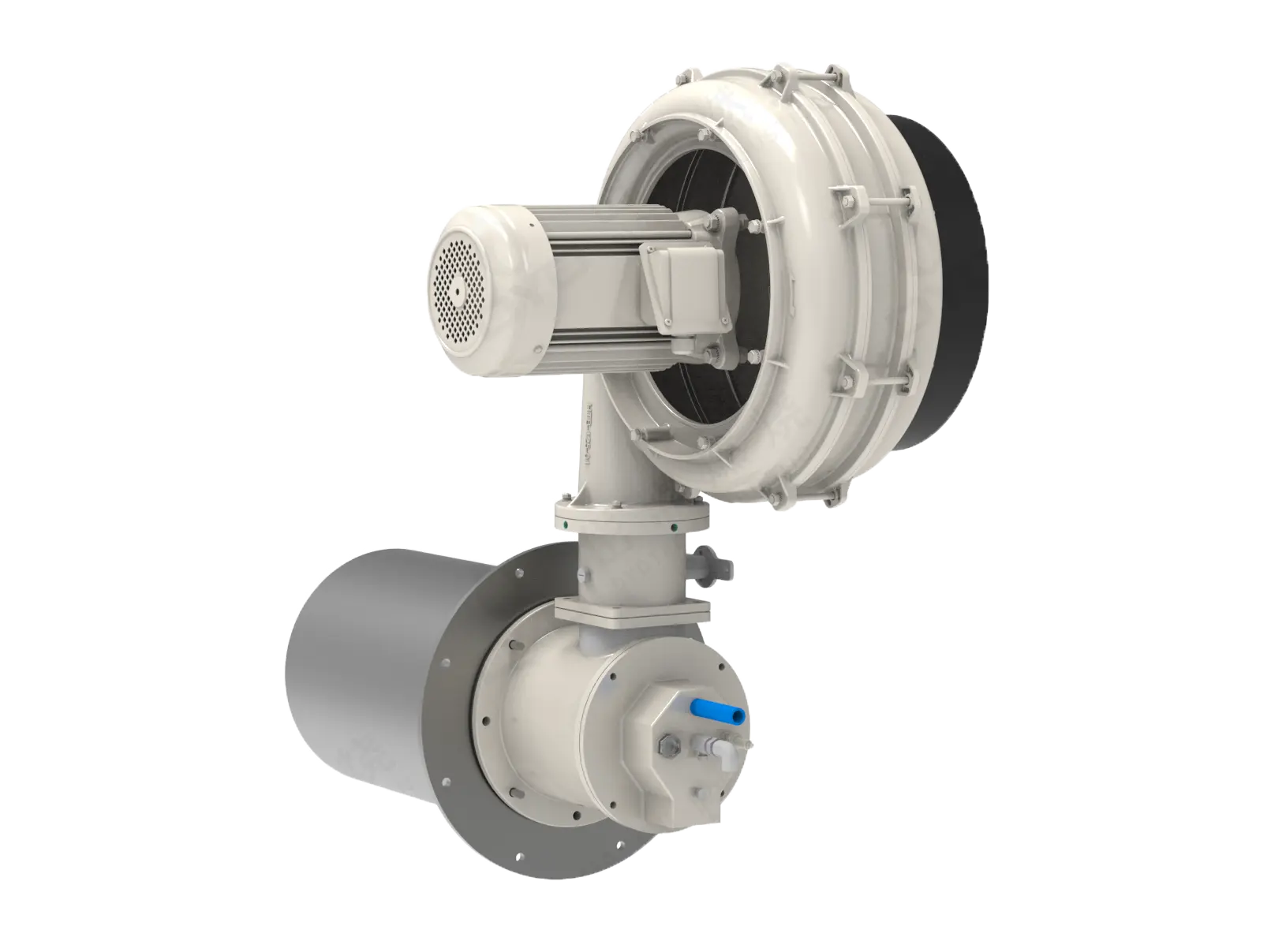
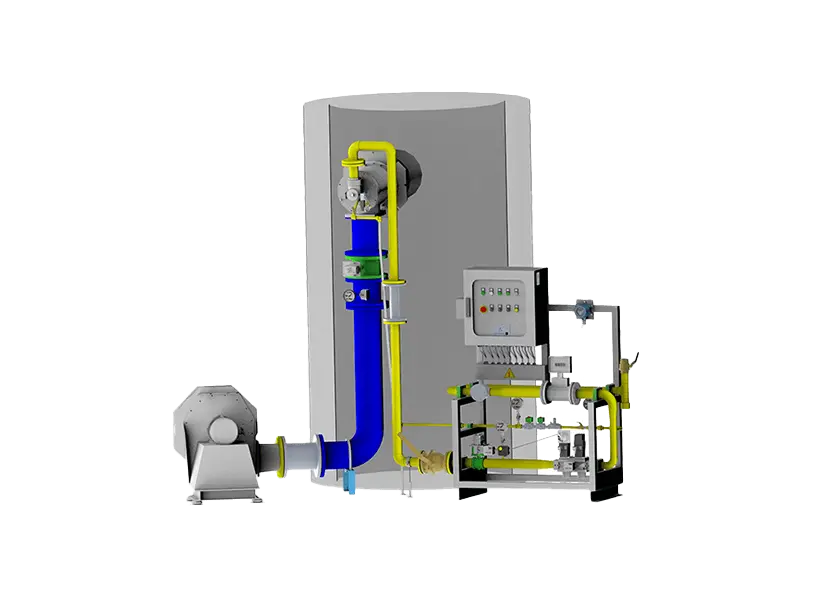
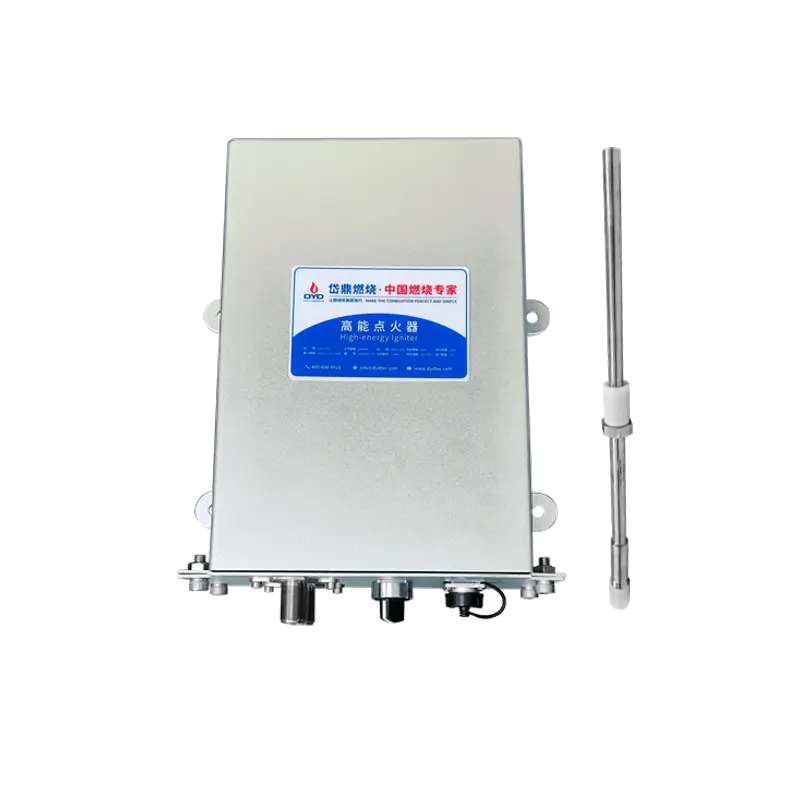
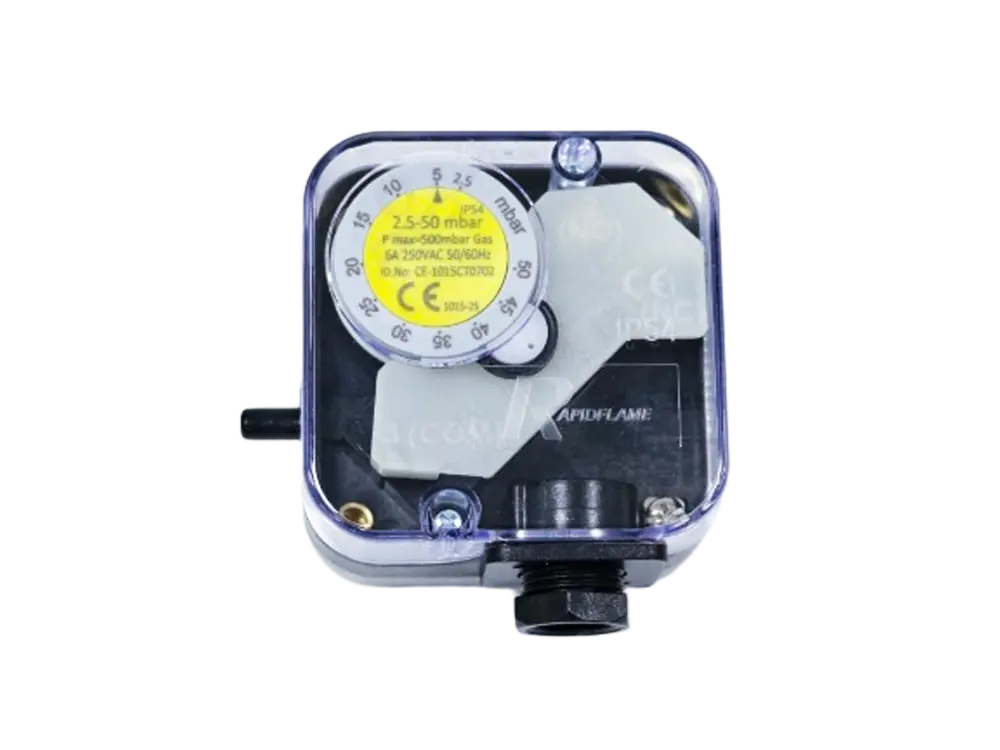
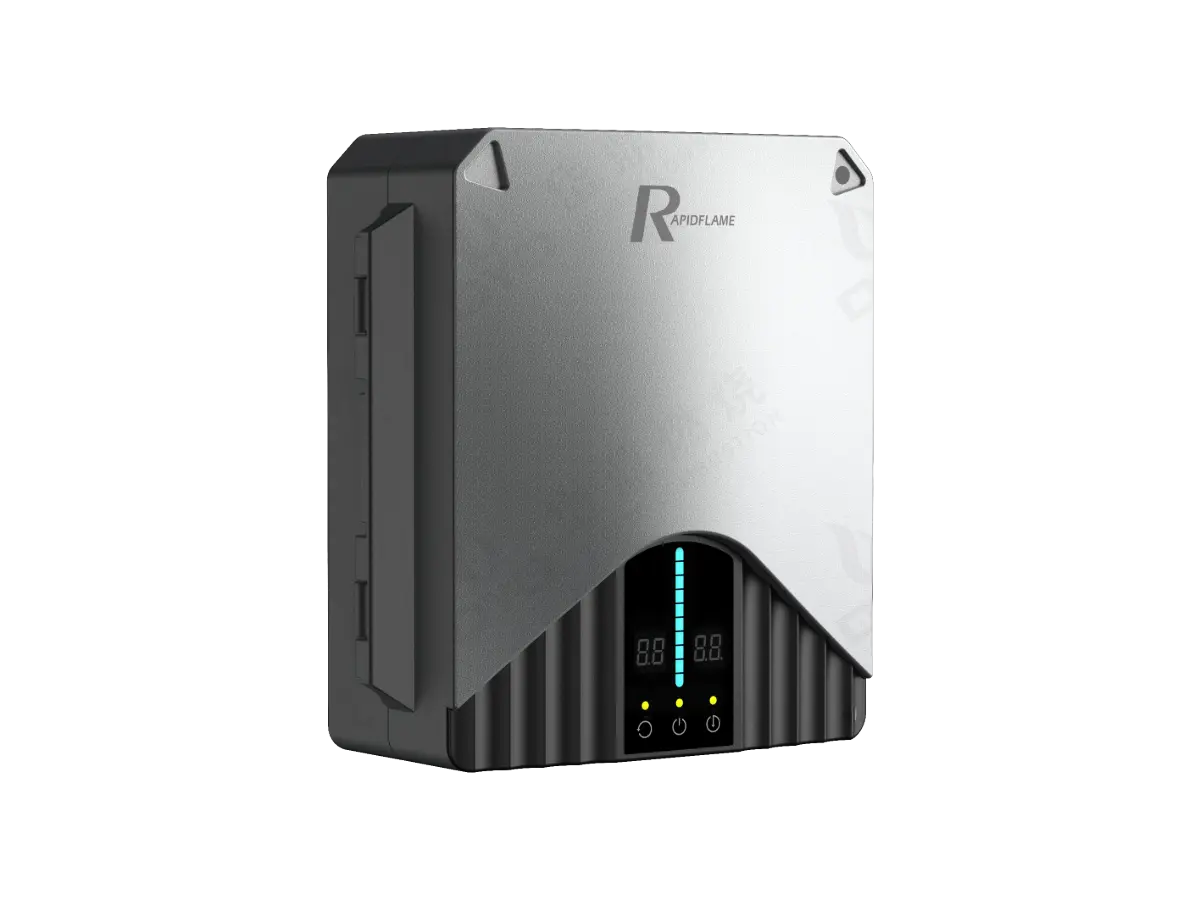
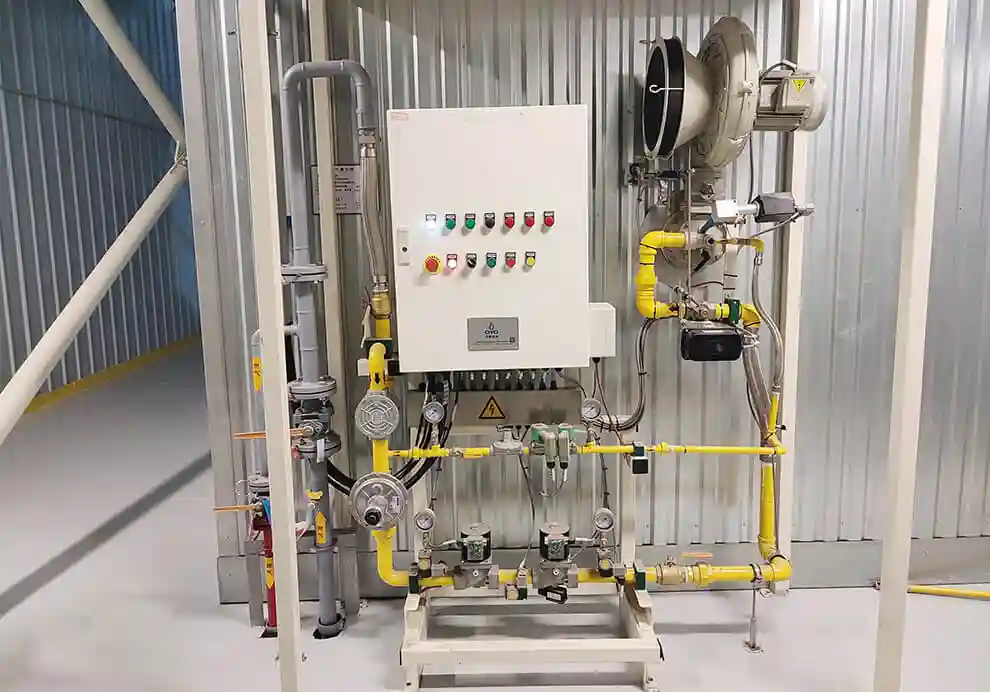
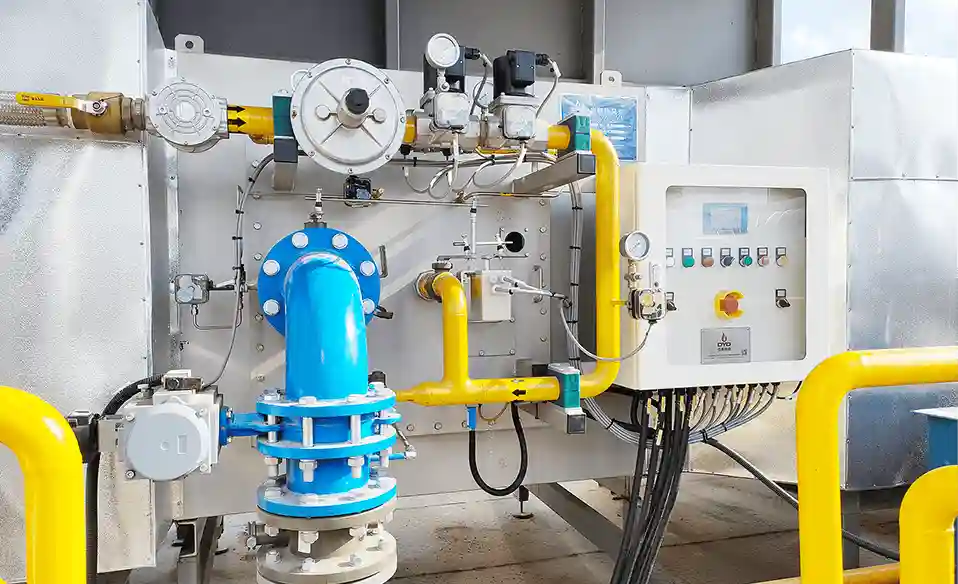
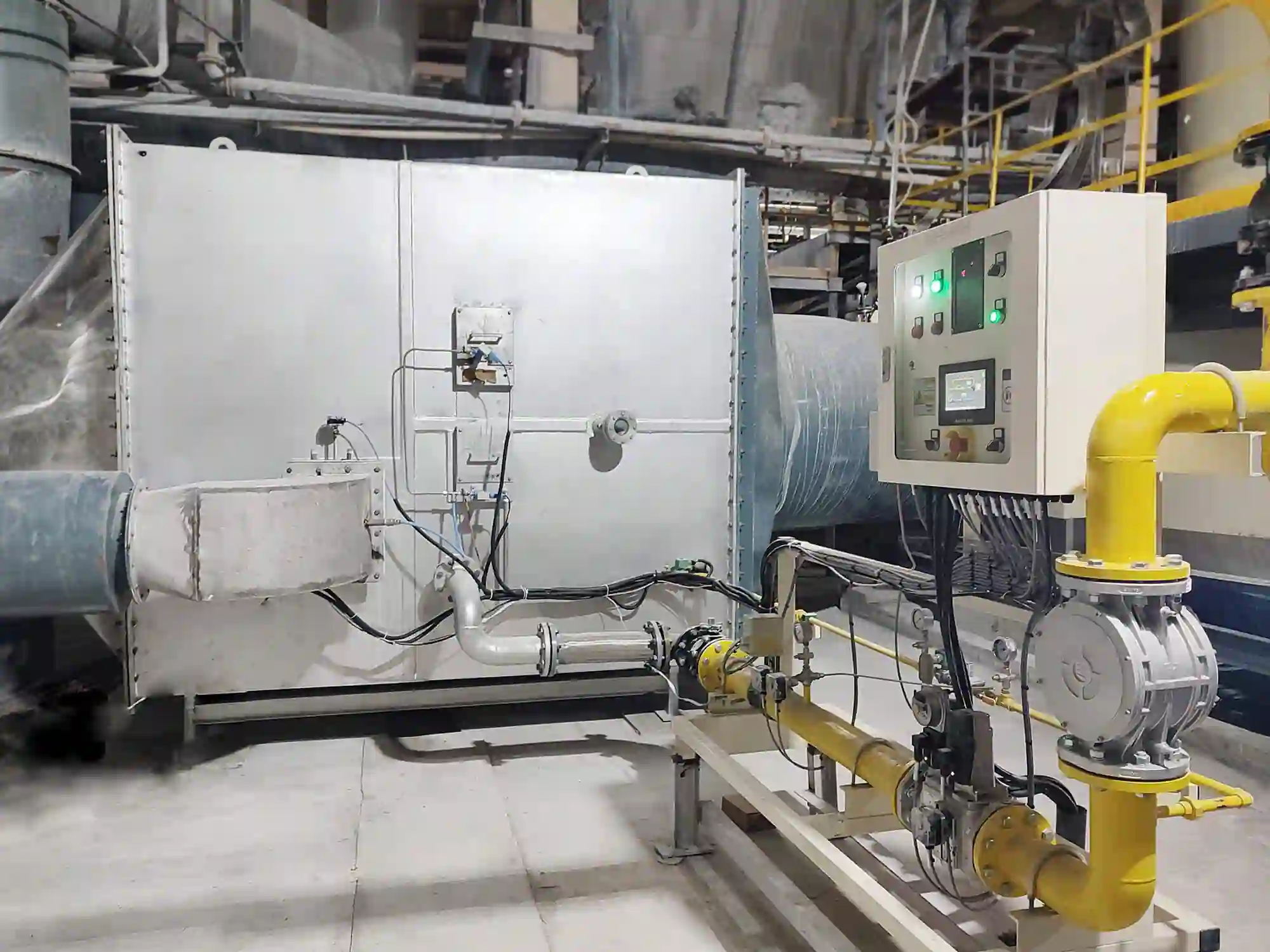
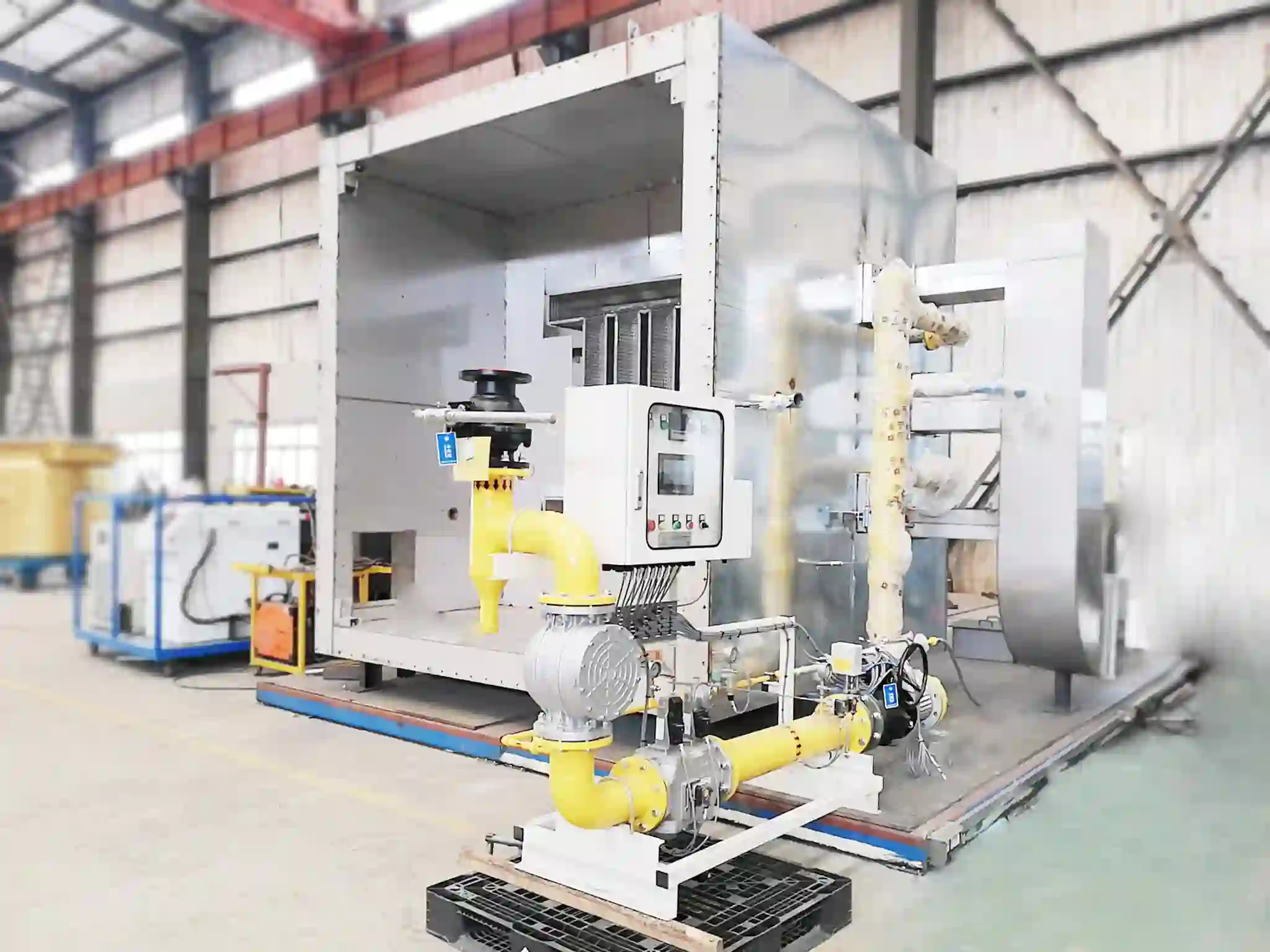
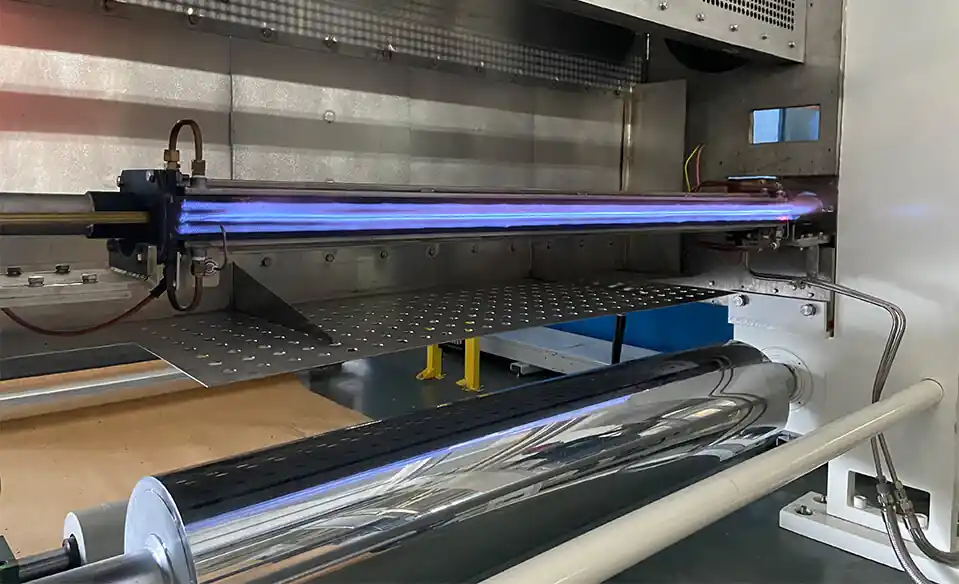
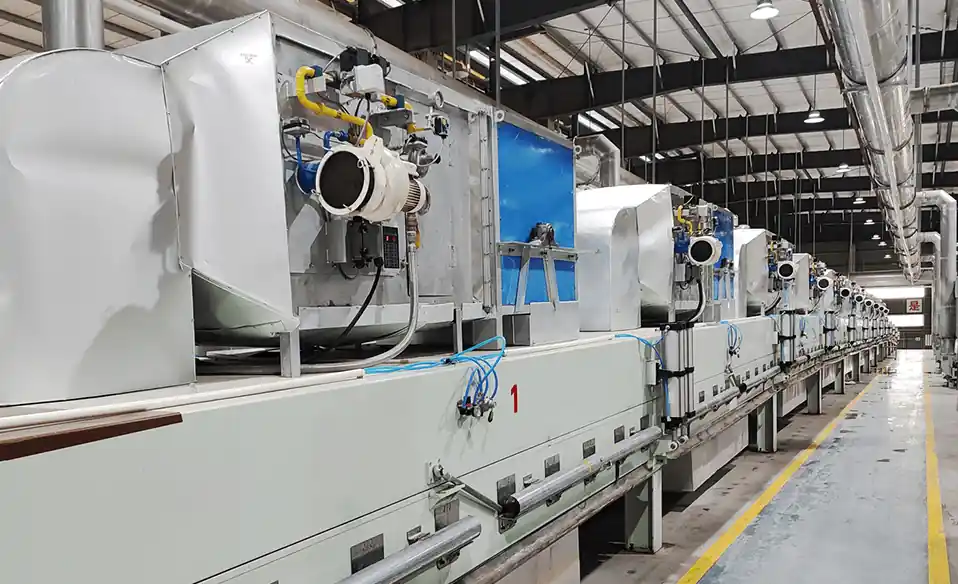
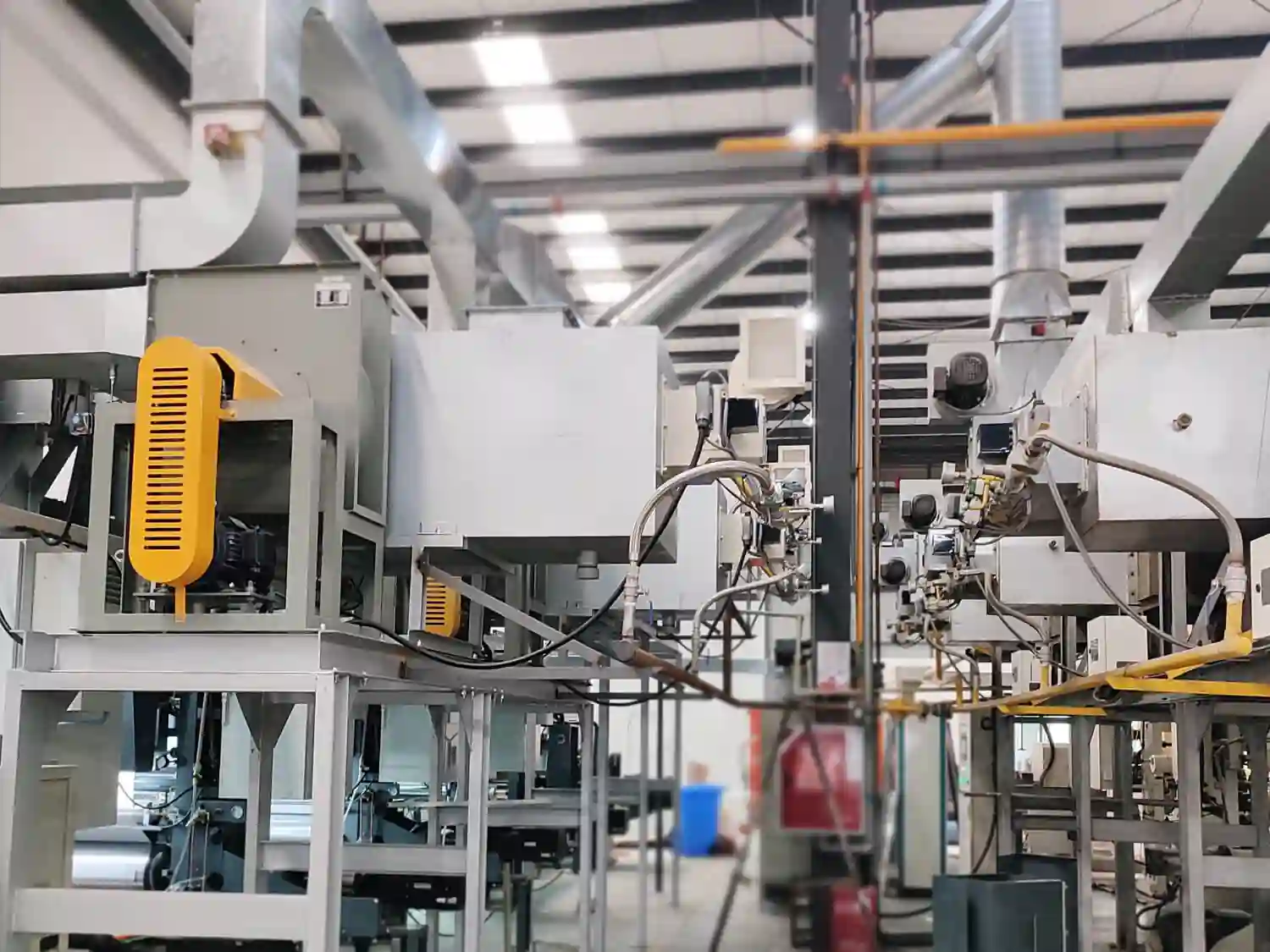
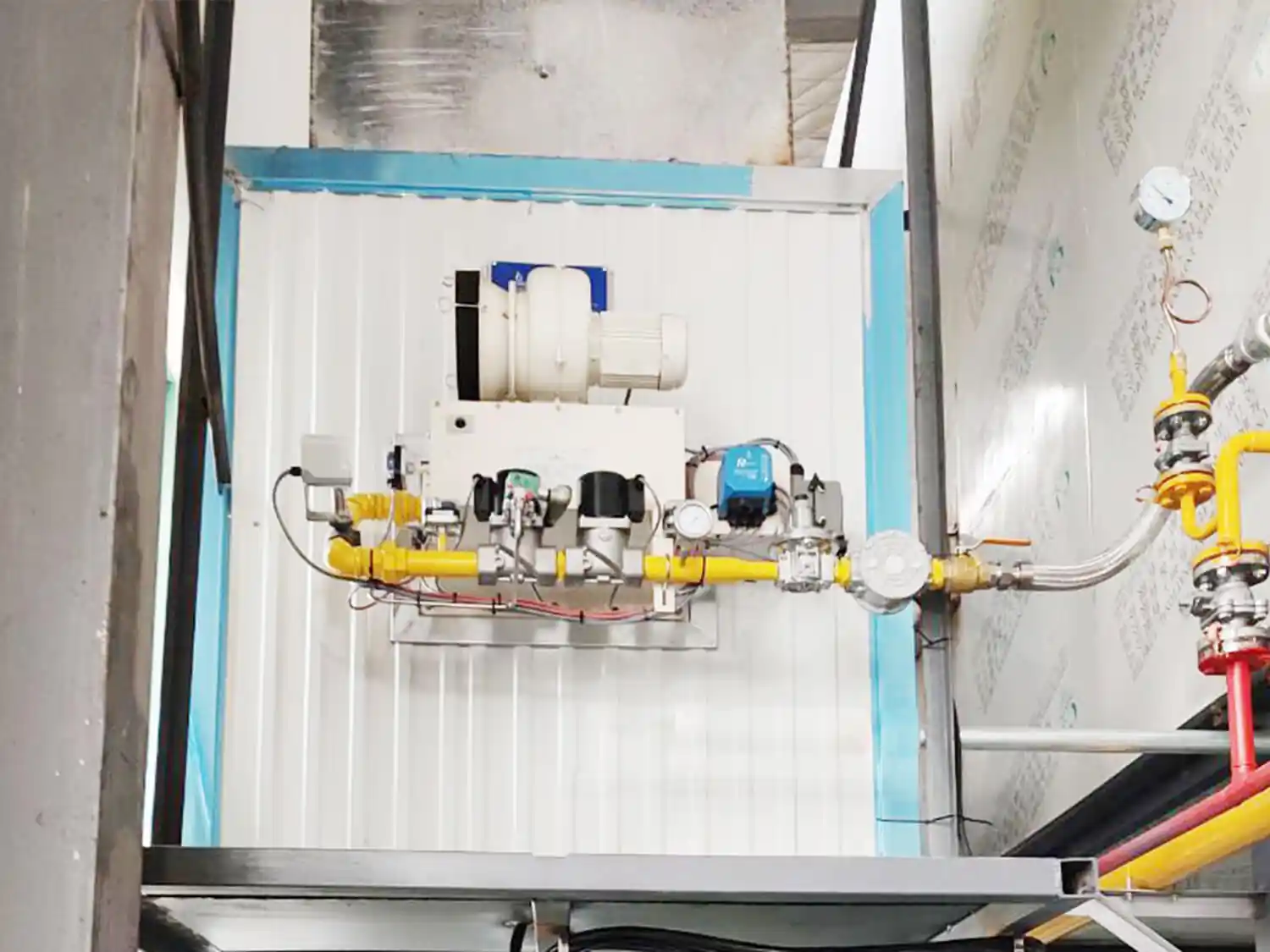
Selecting the right industrial burner requires more than knowing the required heating power. A burner is the core heat source of an industrial thermal system, and its performance depends on how well it matches the furnace structure, production process, fuel characteristics, and operating conditions. The burner does not operate in isolation—it functions as an integral part of a larger thermal system, and its behavior is influenced by every element of that system.
Before choosing an industrial burner, engineers need to collect detailed technical information about:
The heating process, defining the thermal objective and performance criteria.
The furnace or equipment design, establishing the physical constraints and flow environment.
Required heat output, quantifying the energy demand that must be satisfied.
Fuel conditions, determining combustion characteristics and system compatibility.
Combustion requirements, defining flame characteristics and stability needs.
Emission regulations, setting environmental performance targets.
Control and safety systems, specifying automation levels and protection features.
Insufficient information can lead to incorrect burner selection, resulting in:
Unstable combustion, causing process interruptions and safety risks.
Poor temperature uniformity, compromising product quality and consistency.
Higher fuel consumption, increasing operating costs and reducing profitability.
Increased emissions, leading to regulatory non-compliance and potential penalties.
Reduced equipment lifespan, with premature failure of burner components or furnace lining.
A successful burner selection starts with accurate process data. The completeness and quality of the information provided directly determine the suitability of the final selection.
The first information required is the purpose of the heating system. The application defines the fundamental performance requirements—temperature, uniformity, cycle time, and product quality—that the burner must achieve.
Different applications require different burner characteristics because the thermal demand, furnace geometry, and process sensitivity vary widely across industries.
Important questions include:
What material is being heated? The thermal properties of the material—specific heat, thermal conductivity, and temperature sensitivity—directly influence the heat input requirements.
What is the heating process? Whether the burner supports melting, drying, heat treatment, or chemical reaction determines the flame characteristics needed.
What temperature is required? The target temperature sets the thermal intensity and influences material selection for burner components.
Is the process continuous or batch operation? Continuous processes demand sustained operation with consistent output, while batch processes require good turndown and cycling capability.
How important is temperature uniformity? Processes with tight thermal tolerances require burners with precise control and appropriate flame distribution.
Need information about:
Heating temperature, which defines the operating range and material requirements.
Material type, affecting the heat transfer mechanism and heating rate.
Heating cycle, including ramp-up, soak, and cool-down stages.
Required heat distribution, determining flame shape and burner arrangement.
Examples:
Metal heating, for forging, rolling, and forming operations.
Forging, requiring rapid and uniform heating of billets and ingots.
Heat treatment, where precise temperature control is essential for metallurgical properties.
Need information about:
Moisture content, which determines the evaporation load and energy requirement.
Required drying temperature, affecting air flow rate and heat input.
Airflow requirements, influencing burner capacity and air handling.
Drying time, setting the required thermal output for the production rate.
Examples:
Battery materials, with strict moisture limits for performance and safety.
Food products, where quality and safety depend on controlled drying.
Chemical powders, requiring consistent moisture removal for product stability.
Need information about:
Kiln dimensions, determining the flame length and momentum requirements.
Residence time, affecting the heat input profile along the kiln length.
Temperature profile, defining the thermal gradient required for material transformation.
Atmosphere requirements, potentially influencing combustion control and burner materials.
Examples:
Ceramics, requiring precise temperature profiles for proper firing.
Building materials, such as bricks and tiles, with large thermal mass.
Mineral processing, including calcination and sintering operations.
Need information about:
VOC concentration, affecting the auxiliary fuel requirement.
Exhaust flow rate, determining the required thermal capacity.
Operating temperature, setting the minimum destruction temperature.
Destruction efficiency requirements, defining the performance target for the combustion system.
The burner must provide enough heat to meet the process demand. Accurate heat requirement information is the foundation of proper burner sizing.
Required information includes:
Specify the required thermal input in standard units of power:
kW (kilowatts), the SI unit commonly used in Europe and international applications.
MW (megawatts), used for larger industrial burners and systems.
kcal/h (kilocalories per hour), used in some regional applications.
BTU/h (British thermal units per hour), used in North American applications.
Important parameters that define the thermal environment:
Normal operating temperature, the typical temperature maintained during production.
Maximum temperature, the upper limit that the burner and furnace must withstand.
Temperature control accuracy, specifying the allowable deviation from setpoint.
Consider all components of the heat demand:
Material heating requirement, the energy needed to raise the product to process temperature.
Moisture evaporation, the additional energy required for drying applications.
Furnace heat losses, through walls, openings, and exhaust gases.
Production capacity, reflecting the throughput that the burner must support.
Some applications require additional capacity during startup to bring the furnace from ambient conditions to operating temperature within an acceptable time.
Information needed:
Cold start time requirement, specifying the maximum allowable heat-up duration.
Heat-up rate, the rate at which temperature increases during startup.
Maximum startup load, the peak thermal demand during the transient phase.
The burner must match the physical characteristics of the combustion chamber. The furnace geometry defines the environment in which the flame develops, imposing constraints on flame length, momentum, and stability.
Required furnace information includes:
Provide the physical size parameters that define the available space for combustion:
Length, affecting the maximum allowable flame extension and penetration depth.
Width, influencing flame spread and heat distribution.
Height, determining the vertical space available for flame development.
Volume, affecting gas residence time and thermal inertia.
These parameters affect:
Flame length requirement, ensuring the flame fits within the chamber.
Heat distribution, determining whether the burner provides adequate coverage.
Burner arrangement, whether a single burner or multiple burners are needed.
Information required regarding the mounting configuration:
Side wall installation, the most common arrangement with horizontal or angled firing.
Roof installation, used in some furnace designs with downward firing.
End wall installation, firing along the furnace axis.
Number of burners, indicating whether one or multiple burners are used.
Installation position affects:
Flame direction, determining the path of combustion gases through the chamber.
Heat circulation, influencing recirculation patterns and temperature uniformity.
Temperature distribution, affecting thermal gradients within the furnace.
Important information about the furnace structure and its thermal performance:
Refractory type, determining the temperature resistance and heat retention.
Insulation thickness, affecting heat loss and thermal efficiency.
Wall temperature, indicating the external surface condition.
Heat loss conditions, quantifying thermal losses through the structure.
Poor insulation may require higher burner capacity, as more heat must be supplied to compensate for increased losses.
Provide details of the pressure regime within the combustion chamber:
Operating pressure, whether positive, negative, or near-neutral.
Pressure control method, including dampers, fans, and control systems.
Furnace pressure affects flame stability, exhaust flow, and overall burner performance. Many industrial furnaces operate under slightly negative pressure to prevent the escape of hot gases into the working environment.
Fuel characteristics are critical for burner design. The fuel type and properties determine the combustion chemistry, equipment requirements, and operational considerations.
Required fuel information includes:
Identify the specific fuel to be used:
Natural gas, the most common industrial fuel.
LPG (liquefied petroleum gas), used where natural gas is unavailable.
Diesel, commonly used in backup or remote applications.
Heavy oil, used in some industrial processes.
Biogas, from anaerobic digestion or landfill gas recovery.
Industrial waste gas, including by-product gases from chemical or refining processes.
Hydrogen blends, increasingly used for low-carbon combustion.
Especially important for non-standard fuels:
Waste gases, with variable composition and heating value.
Process gases, which may contain contaminants or inert components.
Mixed fuels, with varying proportions of different components.
Required data:
Gas composition, including major and minor species.
Heating value, lower and higher heating values.
Contaminants, including sulfur, chlorides, and particulates.
Provide the pressure conditions available at the burner inlet:
Normal pressure, the typical operating pressure.
Minimum pressure, the lowest pressure during normal operation.
Maximum pressure, the highest pressure the system must handle.
Fuel pressure affects burner capacity, nozzle design, and flame momentum. Variations in pressure must be within the burner's design tolerance.
Consider the supply conditions and future plans:
Current fuel supply, including reliability and quality.
Future fuel changes, such as fuel switching or blending.
Backup fuel requirements, for redundancy or supply interruptions.
Combustion air conditions affect burner performance through their influence on mixing, flame development, and efficiency.
Required information:
Specify the air delivery system:
Natural draft, relying on the chimney effect for air movement.
Forced draft, using a fan to supply combustion air.
Combustion fan supplied, typically integrated with the burner package.
Provide the available air pressure and system capacity:
Available air pressure at the burner inlet.
Fan capacity, including flow rate and pressure characteristics.
Air temperature, affecting density and volumetric flow.
Important for efficiency and combustion conditions:
Air preheat temperature, indicating the incoming air temperature.
Heat recovery system, if preheated air is used.
Preheated air can improve efficiency by recovering waste heat but may require special burner designs to maintain flame stability and control NOx formation.
The burner flame must match the heating process. The flame is the interface between the burner and the furnace, and its characteristics directly determine heat distribution and process performance.
Important flame parameters include:
Need to know the spatial constraints:
Available furnace space, limiting maximum flame extension.
Required penetration depth, ensuring heat reaches the target zone.
Distance to walls or load, preventing impingement.
Requirements may vary by application:
Long flame, for deep chamber penetration.
Short flame, for compact spaces or localized heating.
Flat flame, for broad surface heating.
Wide flame, for uniform heat distribution.
High-velocity flame, for strong circulation and rapid heat transfer.
Consider the thermal requirements:
Uniform heating requirement, when temperature consistency is critical.
Local heating requirement, when specific areas need more heat.
Product sensitivity, when excessive heat can damage the material.
Environmental requirements strongly influence burner selection. Emission limits often dictate the combustion technology that must be applied.
Required information:
Specify the pollutant limits that must be met:
NOx limits, often the most stringent requirement for industrial burners.
CO limits, indicating combustion completeness.
Local regulations, which vary by region and jurisdiction.
Possible requirements based on emission targets:
Low-NOx burner, for moderate NOx reduction.
FGR (flue gas recirculation) system, for deeper NOx reduction.
Staged combustion, for controlled temperature profiles.
Premixed combustion, for uniform air-fuel mixtures.
Consider anticipated changes:
Stricter future regulations, requiring more advanced technology.
Fuel transition plans, such as hydrogen blending or fuel switching.
Adaptive designs that can accommodate future upgrades.
Modern burners often require automatic control to achieve the precision, efficiency, and safety demanded by contemporary processes.
Information needed:
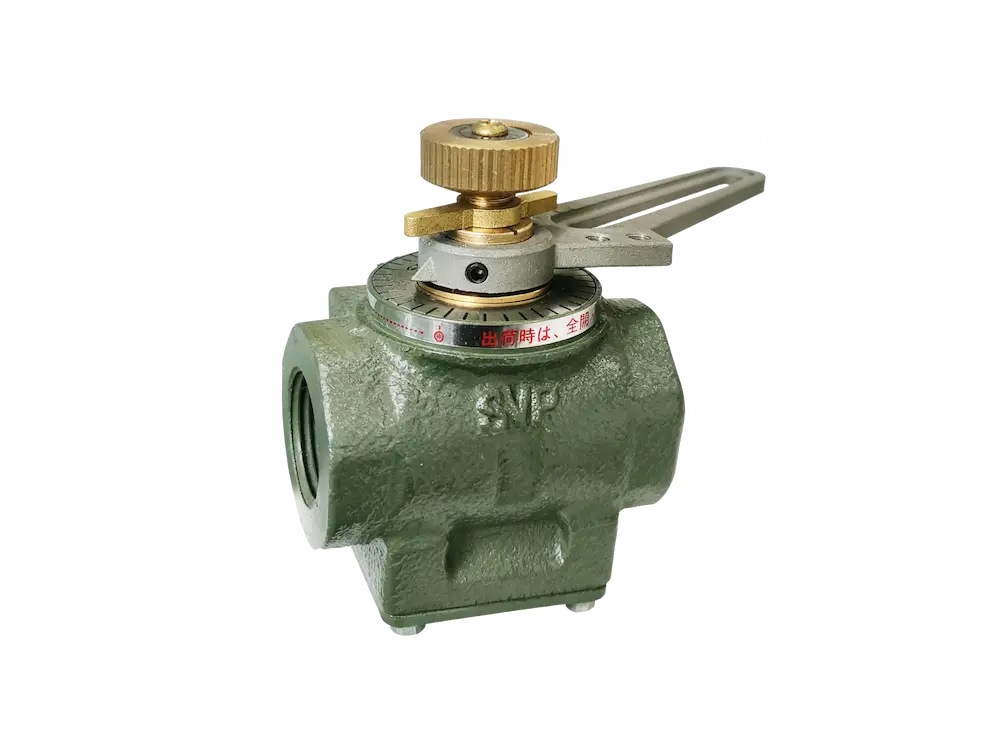
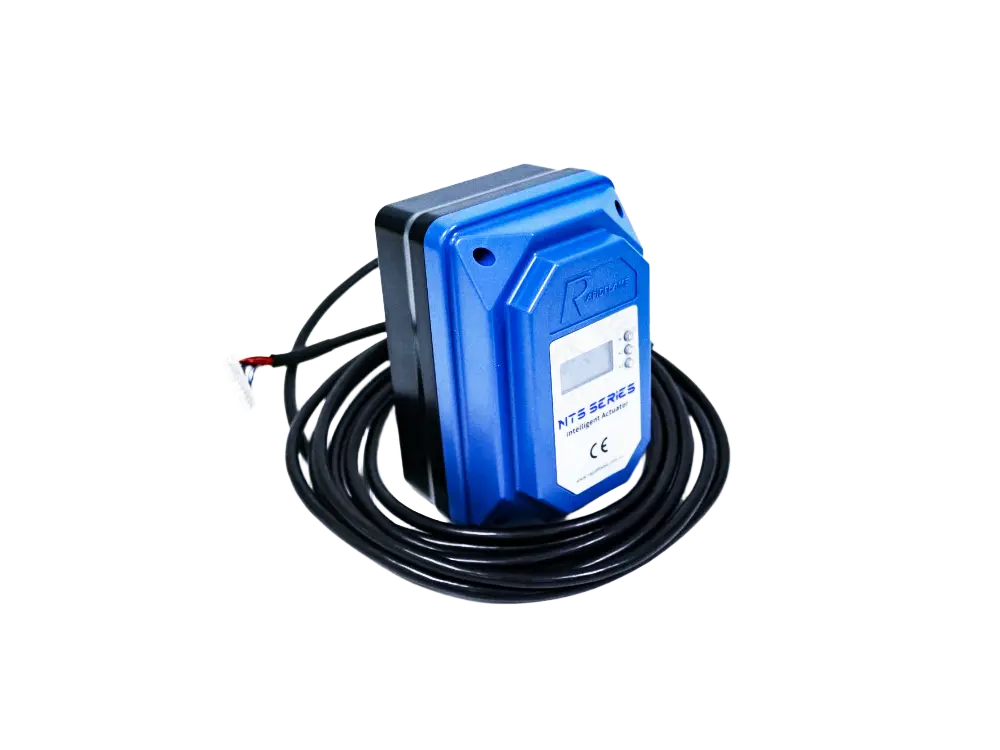
Options for output regulation:
Burner operates at either full output or zero output, cycling to maintain average temperature.
Suitable for simple heating applications where temperature tolerance is wide and cycling is acceptable.
Provides two output levels—high fire and low fire—reducing cycling frequency.
Suitable for moderate temperature control requirements.
Continuously adjusts fuel flow, air flow, and heat output in response to process demand.
Suitable for precise industrial processes requiring tight temperature control. Provides better efficiency and stable temperature control.
Define the integration and communication needs:
PLC integration, for system-level control and monitoring.
Remote monitoring, for off-site supervision and diagnostics.
Communication protocols, specifying the data exchange format.
Industrial burners require reliable safety systems to protect personnel, equipment, and the process.
Information needed:
Options for starting combustion:
Direct spark ignition, for simple and fast startup.
Pilot ignition, for higher reliability and larger burners.
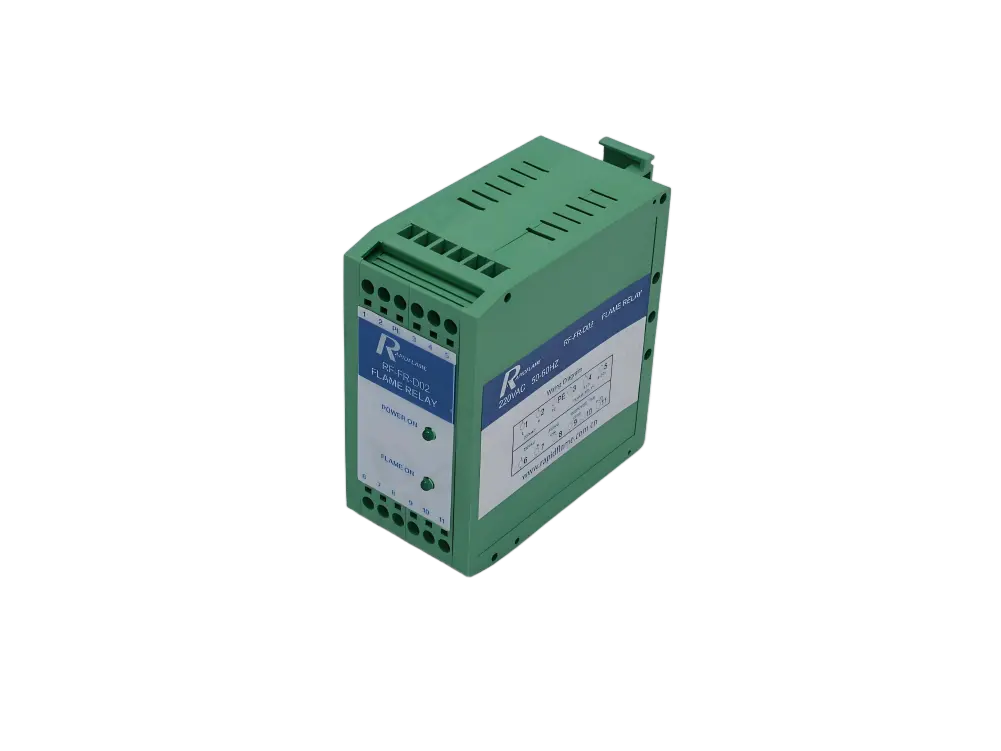
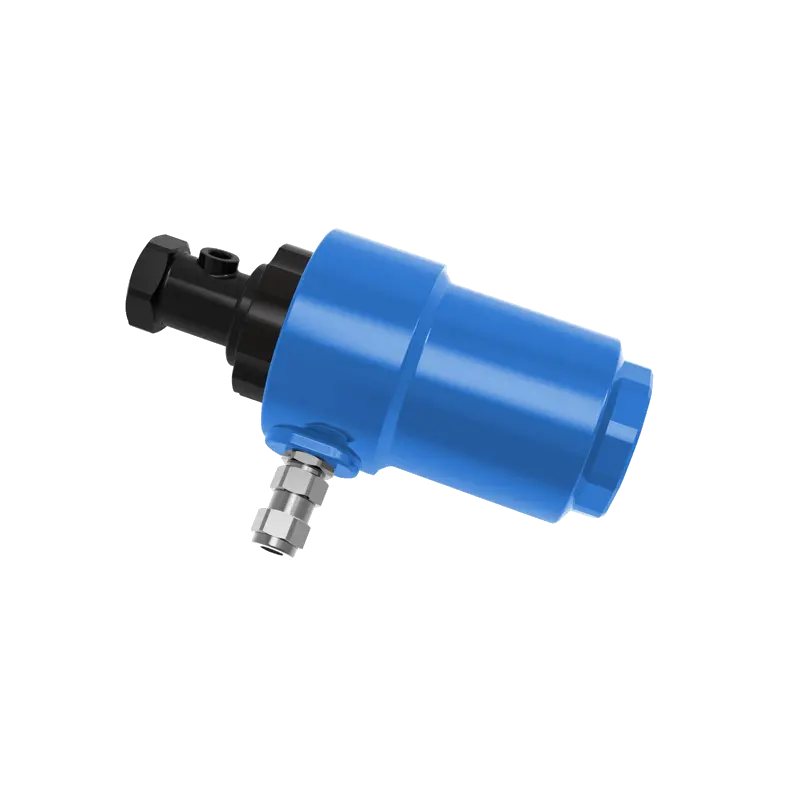
Specify the detection technology:
UV detector, for fast response to combustion radiation.
IR detector, for high-temperature environments.
UV/IR detector, for combined reliability and discrimination.
Ionization detection, for simple and low-cost applications.
Consider applicable requirements:
Local regulations, specifying required safety features.
Industry requirements, such as NFPA, EN, or other standards.
Customer specifications, which may include additional safety provisions.
The burner must work reliably under actual operating conditions, which may differ from ideal design conditions.
Required information:
Provide the operational pattern:
Hours per day, indicating daily runtime.
Days per year, indicating annual operating time.
Continuous or intermittent operation, affecting component selection and maintenance planning.
Consider the surrounding environment:
Ambient temperature, affecting equipment ratings and performance.
Dust, requiring additional filtration or protection.
Humidity, affecting combustion air properties and corrosion risk.
Corrosive gases, requiring special materials or coatings.
Important operational considerations:
Required service interval, defining maintenance frequency.
Spare parts availability, ensuring timely replacement.
Maintenance access, influencing equipment design and installation.
Before contacting a burner manufacturer, prepare the following comprehensive information:
| Category | Required Information |
|---|---|
| Application | Heating process and industry, material being heated, temperature requirements |
| Heat demand | Required capacity (kW/MW/BTU/h), operating temperature, heating load, startup requirements |
| Furnace | Dimensions (length/width/height), structure, insulation, pressure conditions |
| Fuel | Type, composition, heating value, pressure, availability |
| Air system | Supply method, fan pressure, air temperature, preheat conditions |
| Flame | Length, shape, penetration requirement, heat distribution needs |
| Emissions | NOx and CO limits, required technology, future compliance plans |
| Control | Control mode (on-off/high-low/modulating), automation level, communication requirements |
| Safety | Ignition method, flame detection technology, applicable safety standards |
| Operation | Working hours, environmental conditions, maintenance access and frequency |
A burner cannot be selected based only on kW or MW. The flame characteristics and furnace conditions are equally important and must be specified for a complete selection.
A burner that works well in one furnace may perform poorly in another because the chamber dimensions, pressure conditions, and installation details all influence combustion behavior.
Two burners using the same fuel may have completely different performance because of mixing design, flame structure, and control method. The specific burner design must be matched to the application, not just the fuel.
Consider potential changes in production expansion, fuel availability, and emission regulations. A burner that meets today's requirements may be inadequate if conditions change.
The most important information includes the heating application, required heat output, furnace dimensions, fuel conditions, and required flame characteristics. These factors collectively define the burner's operating environment and performance requirements.
No. Furnace temperature is only one parameter. Burner selection also depends on heat load, furnace structure, fuel, and combustion requirements. Temperature alone does not determine the necessary capacity or flame characteristics.
Because furnace geometry determines flame length, flame direction, heat distribution, and installation requirements. The burner must be physically compatible with the chamber and capable of delivering heat to the intended location.
Fuel type, heating value, composition, pressure, and availability are needed to design the correct combustion system. This information determines the burner's fuel handling, mixing, and control requirements.
Yes. Emission limits influence burner design, mixing method, flame temperature control, and combustion technology selection. Low-NOx requirements often require more advanced burner designs that may have different flame characteristics or operating constraints.
The quality of burner selection depends on the completeness and accuracy of the technical information provided. Each piece of information contributes to the engineering decisions that determine whether the burner will deliver the required performance, efficiency, and reliability.
A properly selected industrial burner should match:
The heating process, meeting the thermal objectives of the application.
The furnace structure, fitting within the physical constraints of the chamber.
The fuel characteristics, accommodating the specific fuel properties and supply conditions.
The required flame pattern, delivering heat where and how it is needed.
The emission requirements, meeting environmental regulations.
The control strategy, providing the automation and precision required.
The best burner is not simply the one with the highest output or lowest initial cost. It is the burner that creates the most suitable combustion conditions for the specific industrial application—the one that integrates seamlessly with the furnace and process to deliver consistent, efficient, and reliable thermal performance.
By collecting complete technical information before selection, companies can achieve:
Higher energy efficiency, reducing operating costs.
More stable production, minimizing process interruptions.
Lower emissions, supporting environmental compliance.
Longer equipment life, reducing maintenance and replacement costs.
Better overall thermal performance, improving product quality and production consistency.
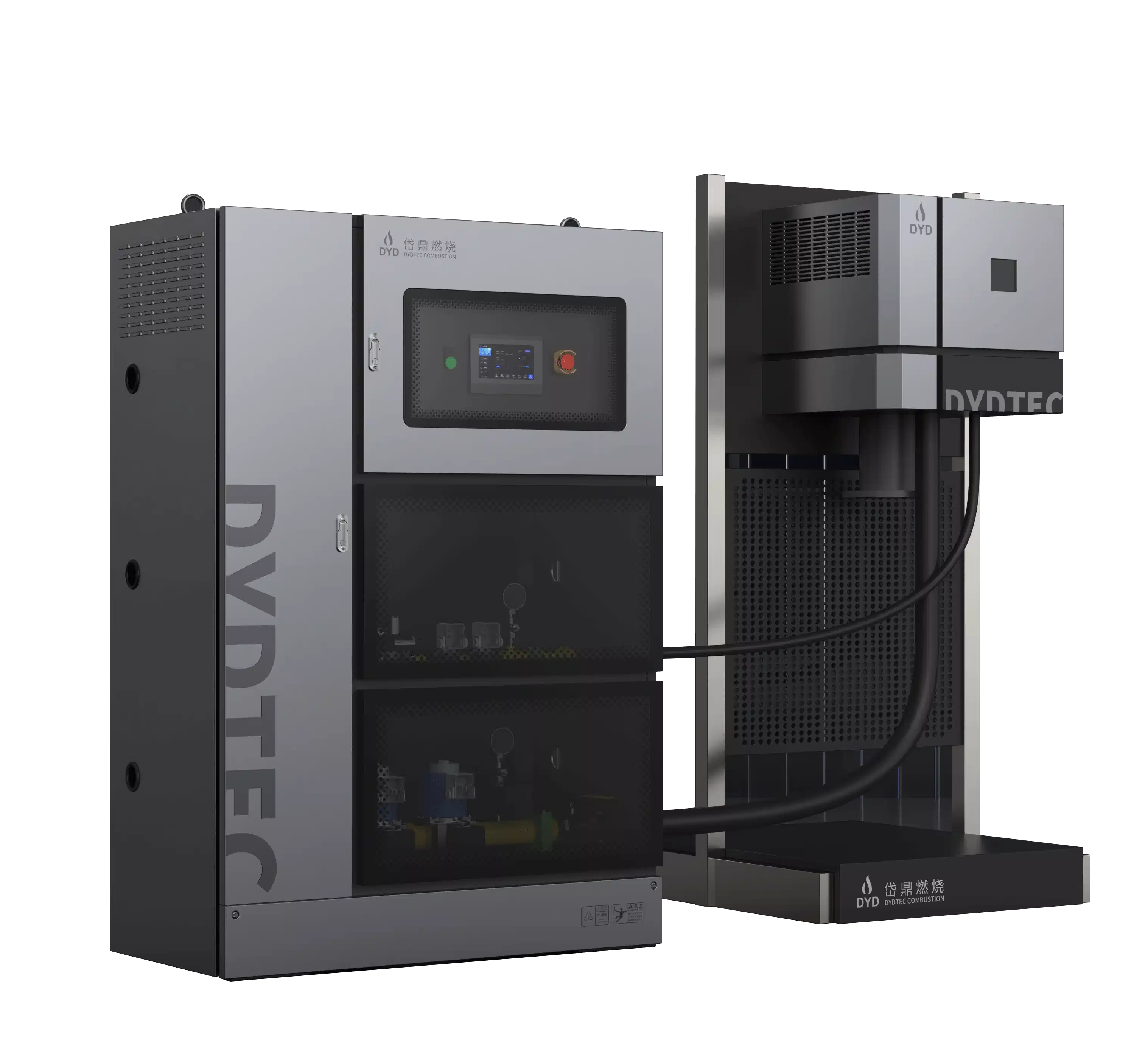
DYDTEC Combustion specializes in industrial burner technology, combustion systems, and customized thermal solutions. The company provides industrial burner solutions for furnaces, drying equipment, thermal processing systems, and energy-efficient heating applications, focusing on application-based burner selection, optimized combustion design, efficient fuel utilization, low emissions, and reliable long-term operation. With extensive experience in system integration and combustion engineering, DYDTEC supports customers throughout the selection process, ensuring that each burner is precisely matched to the application requirements for optimal performance and operational success.