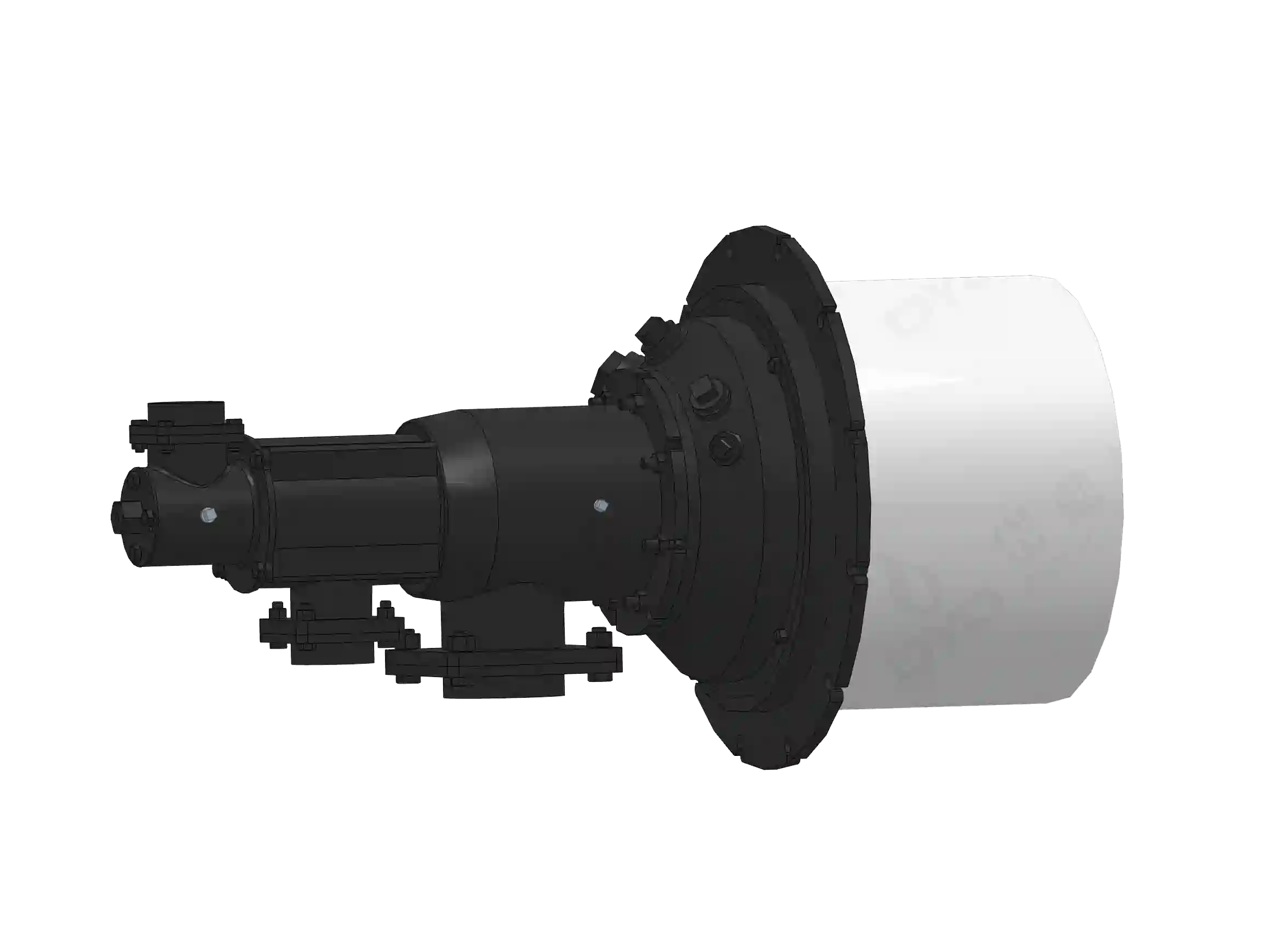
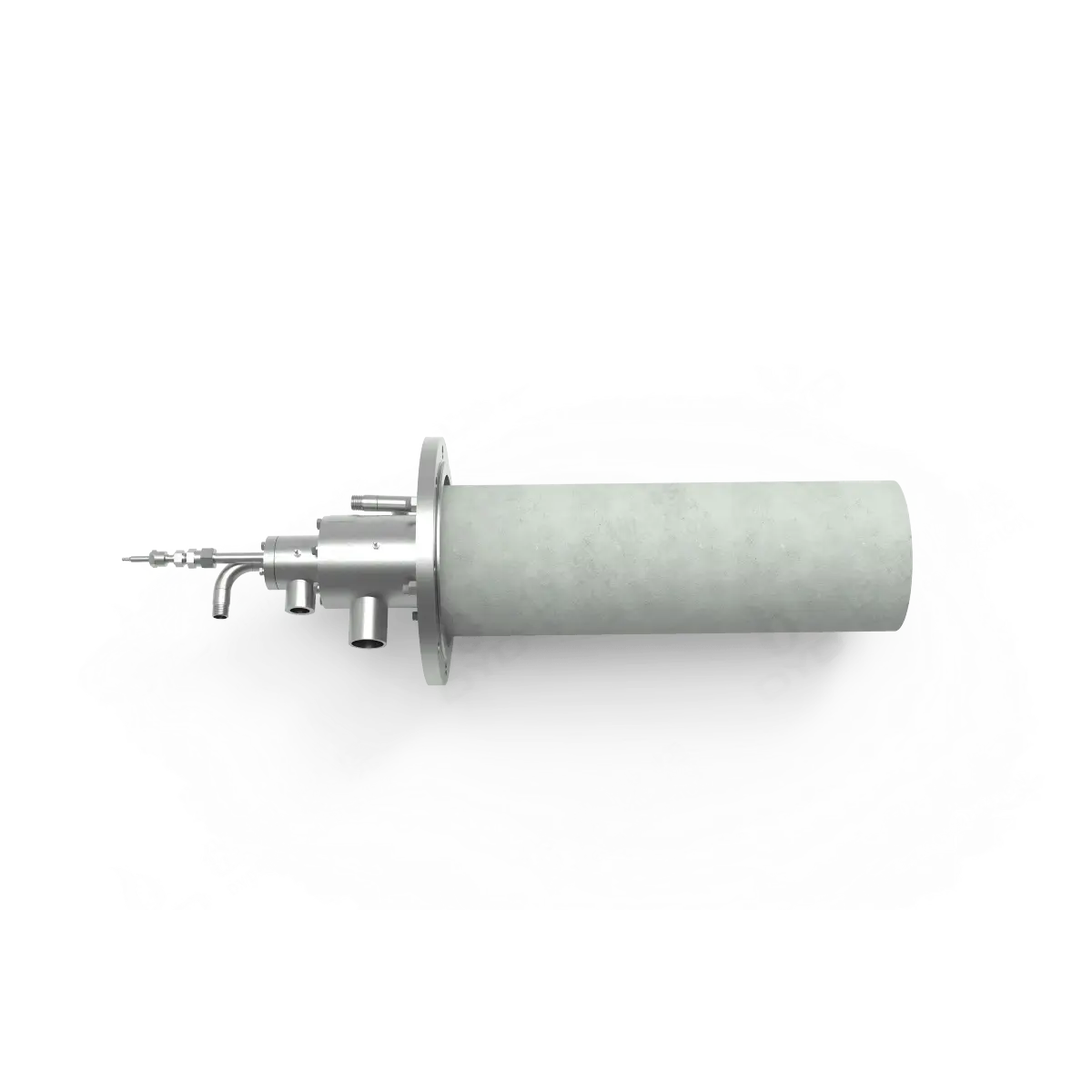
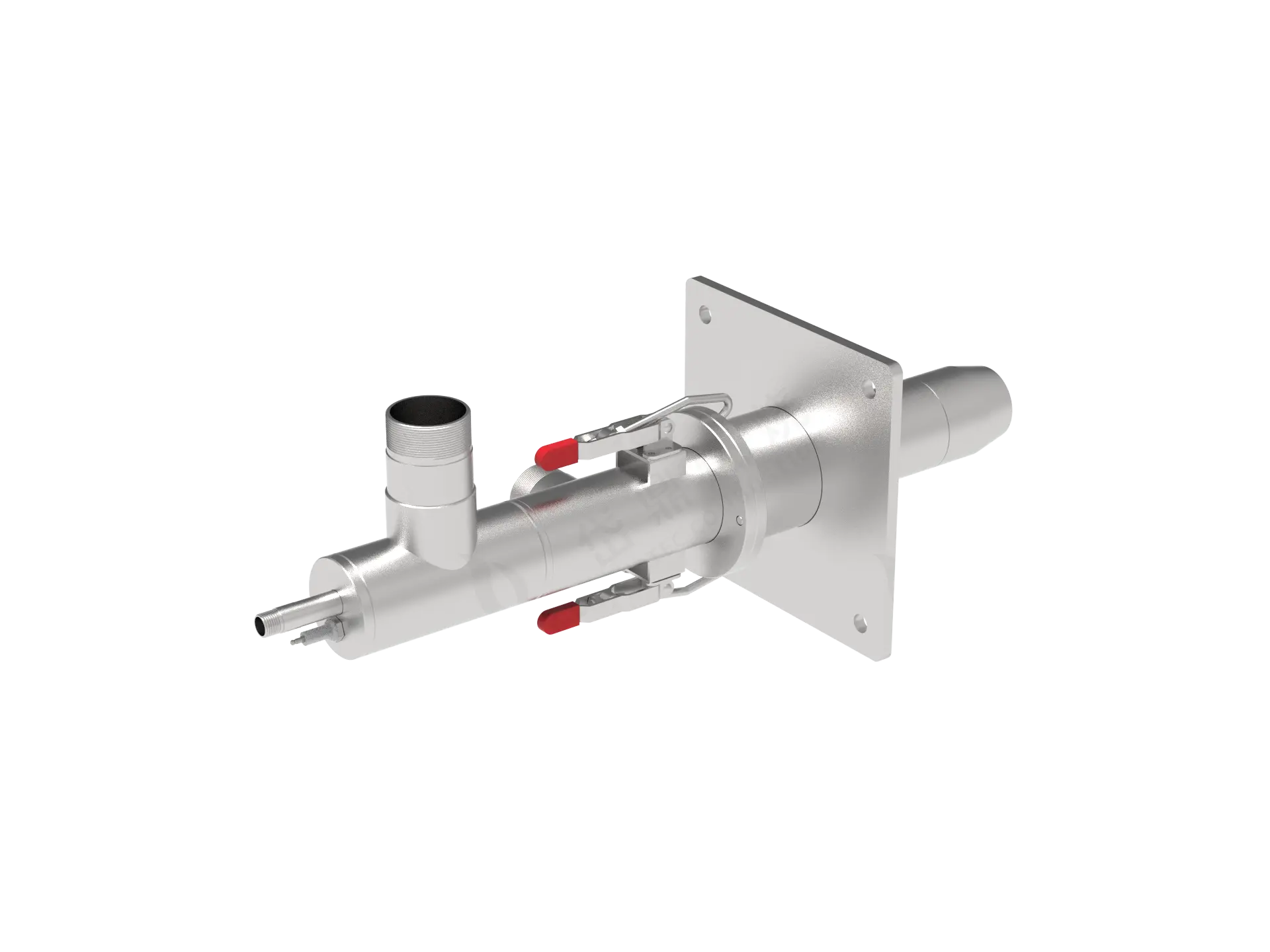
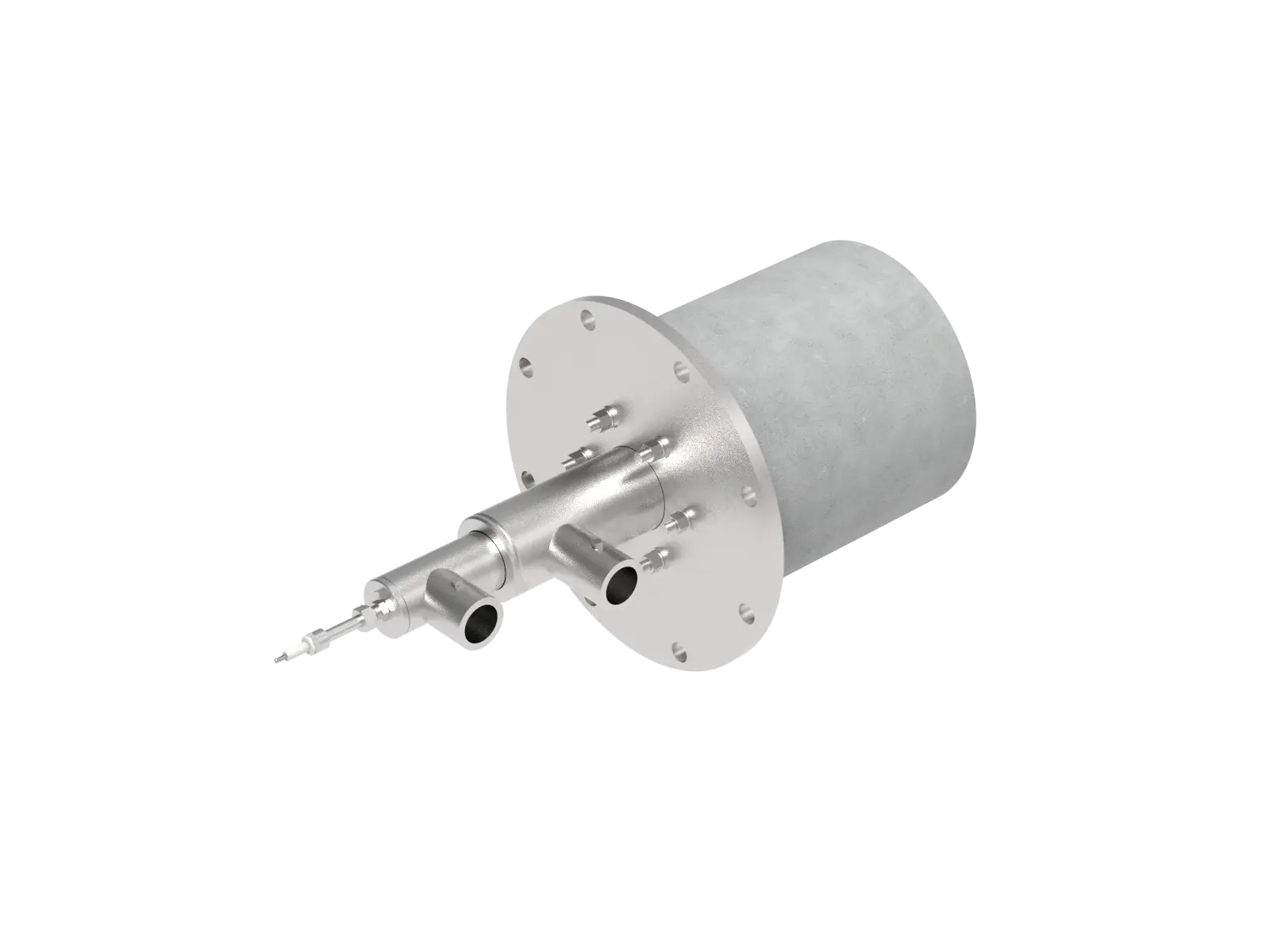
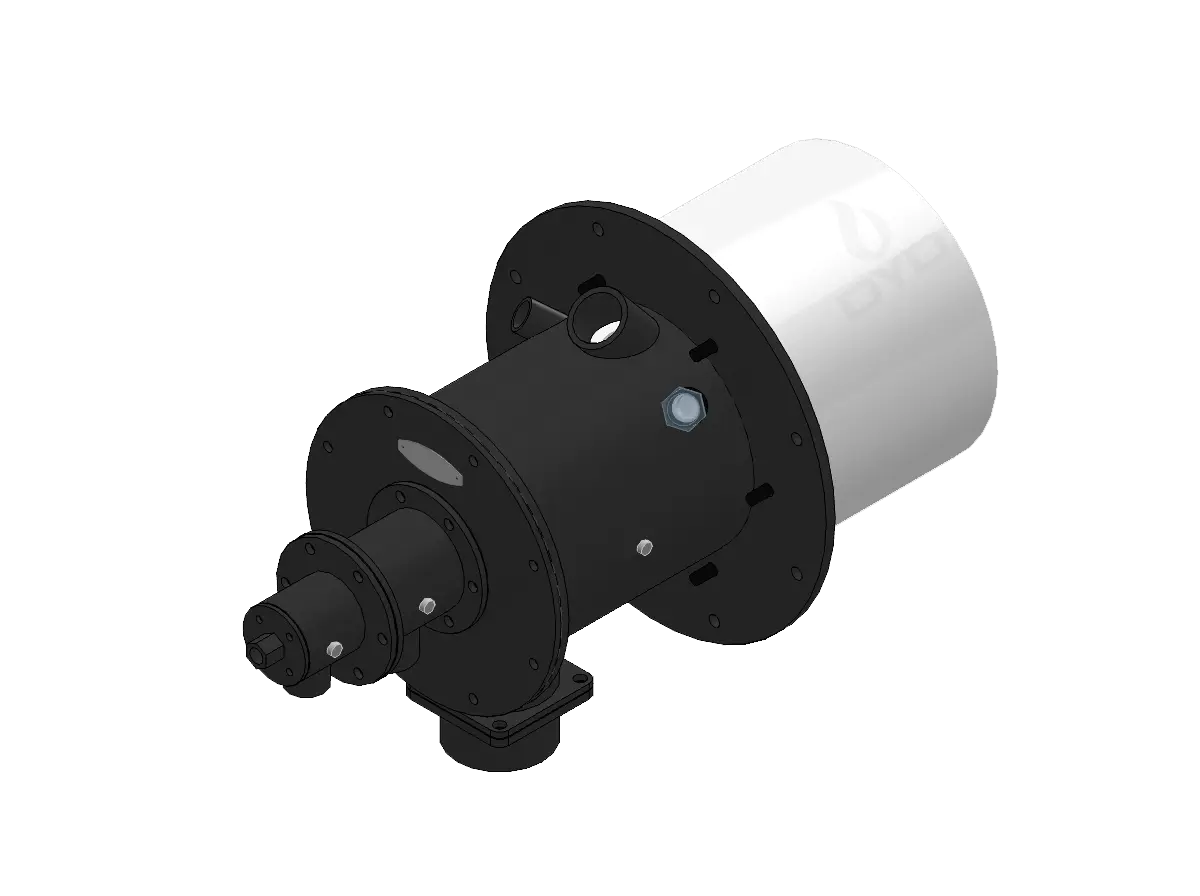
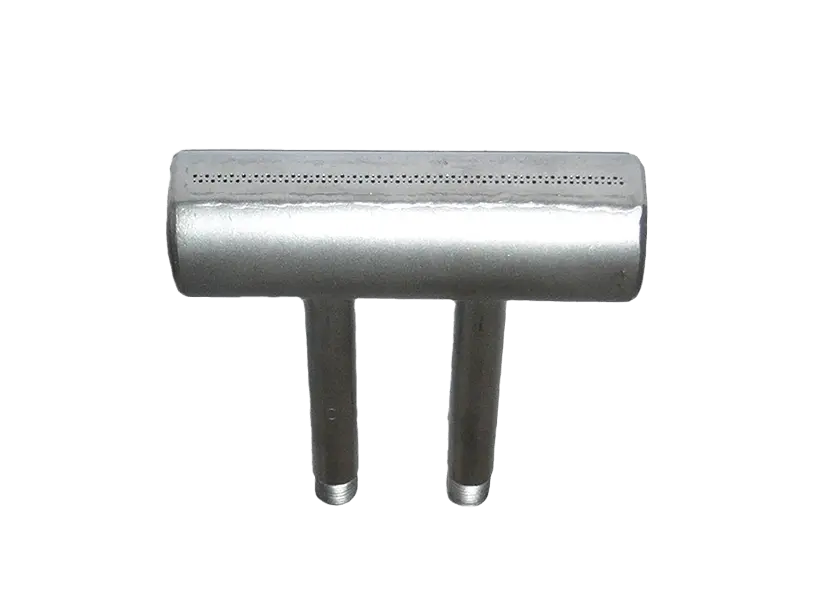
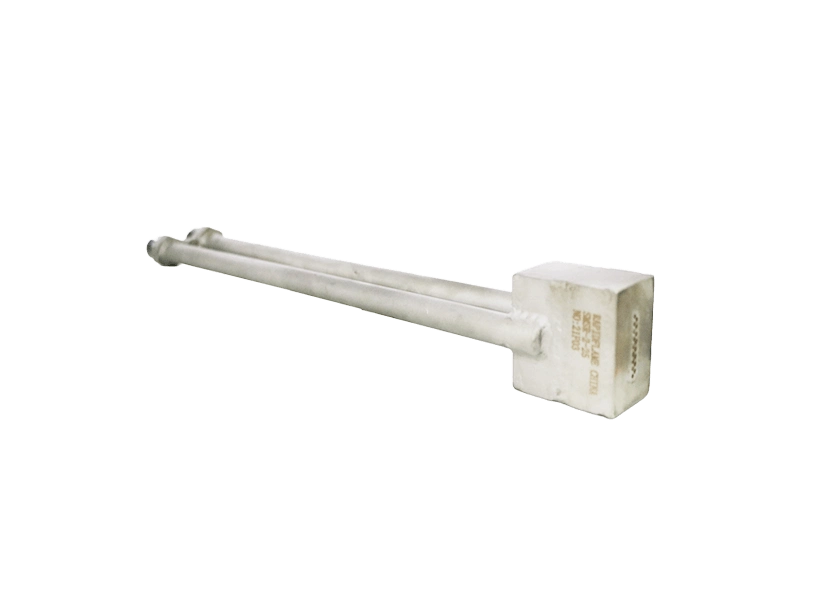
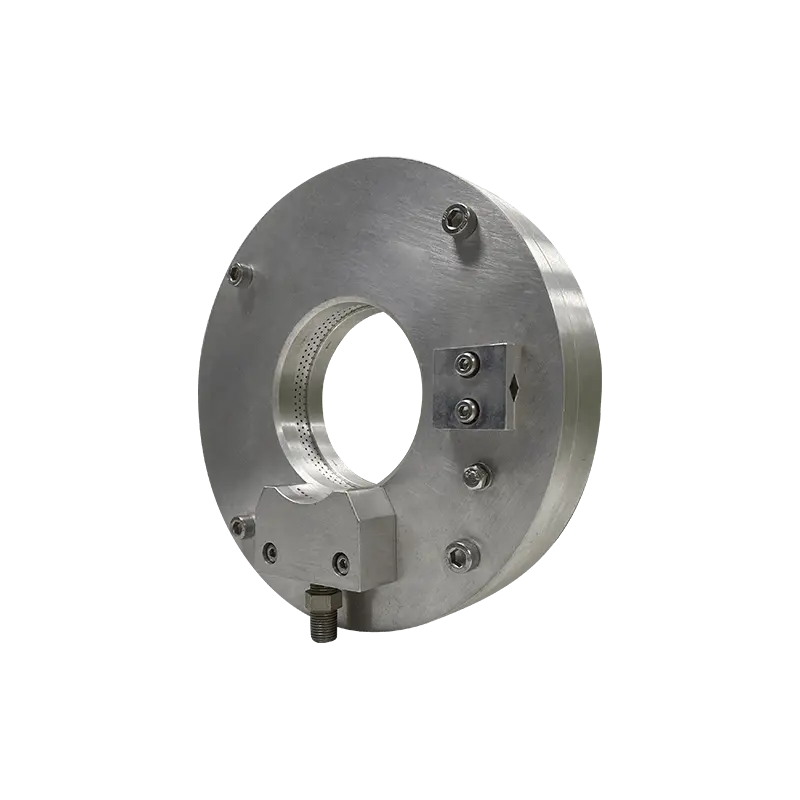
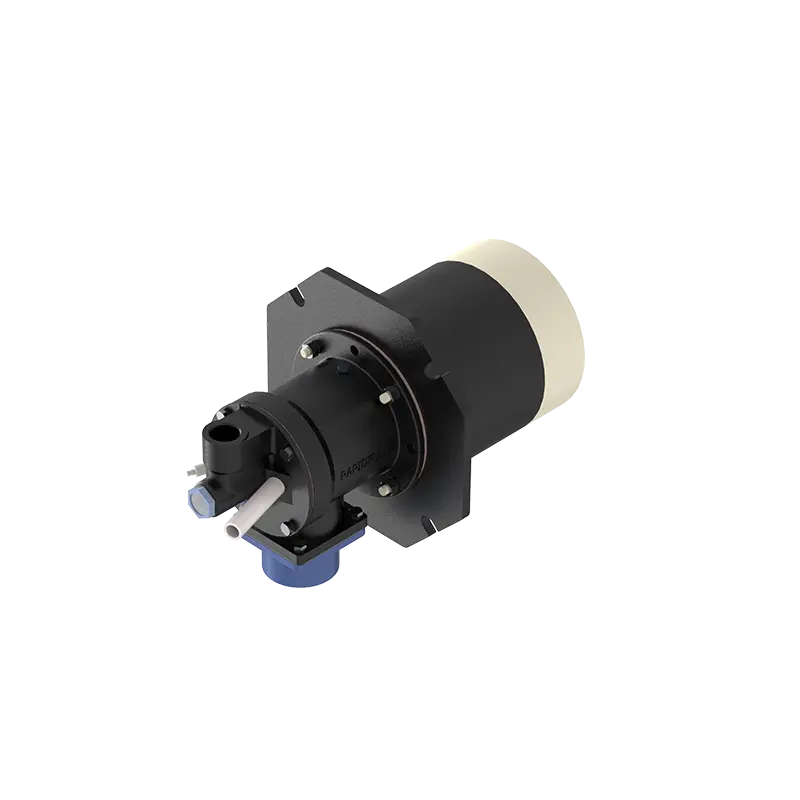
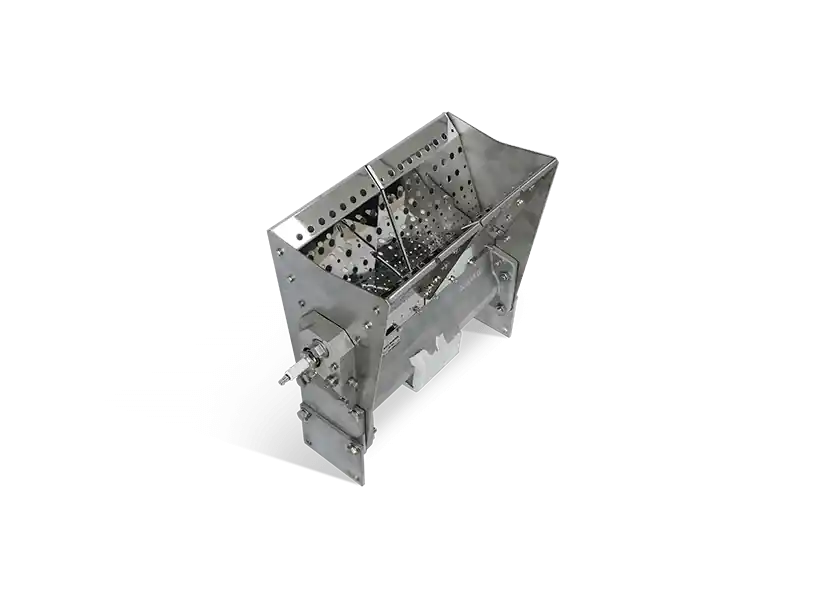
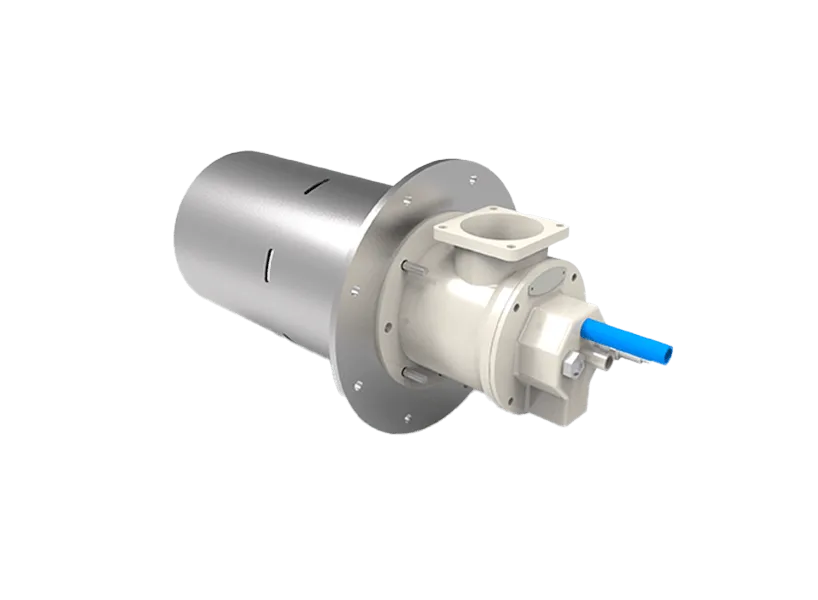
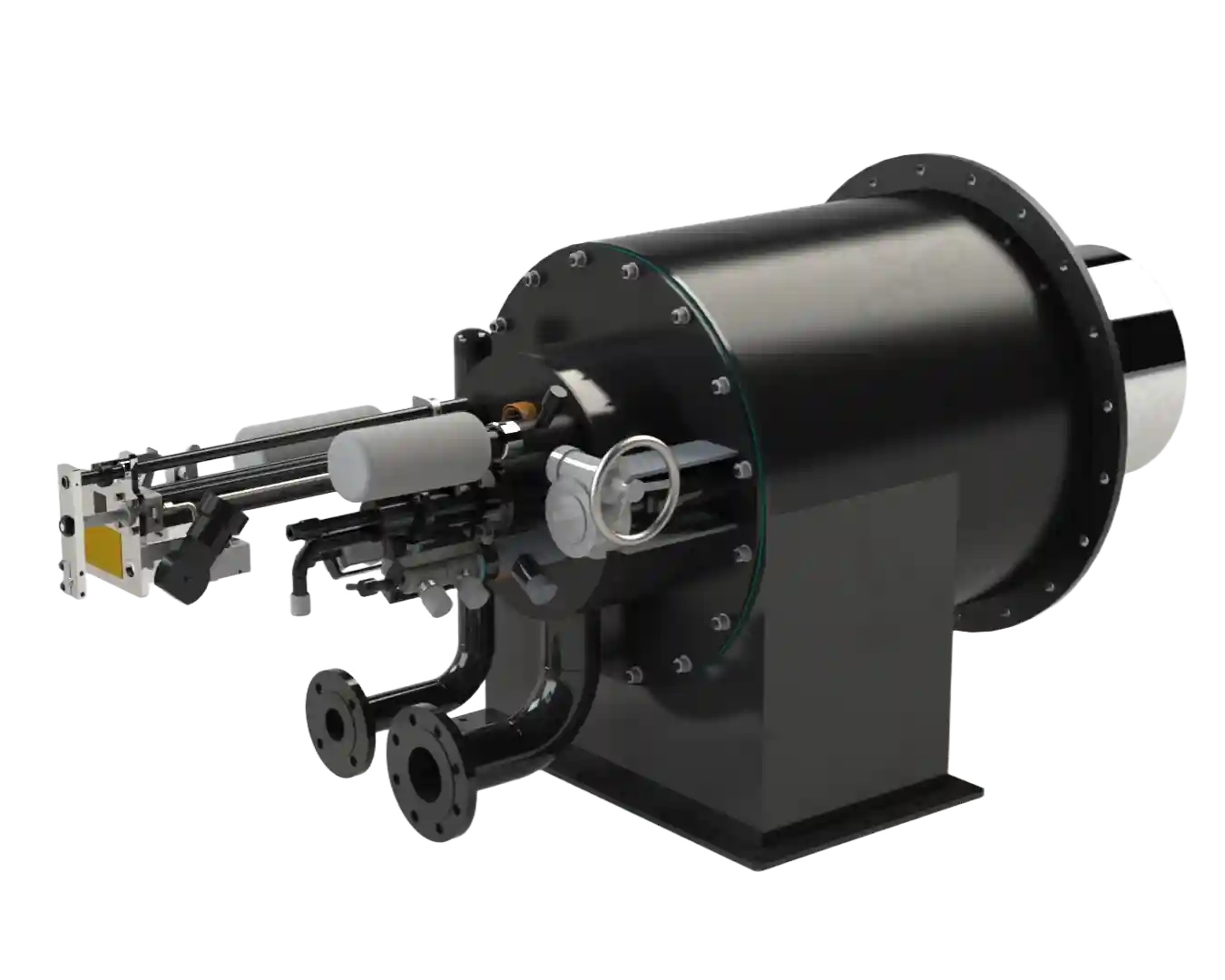
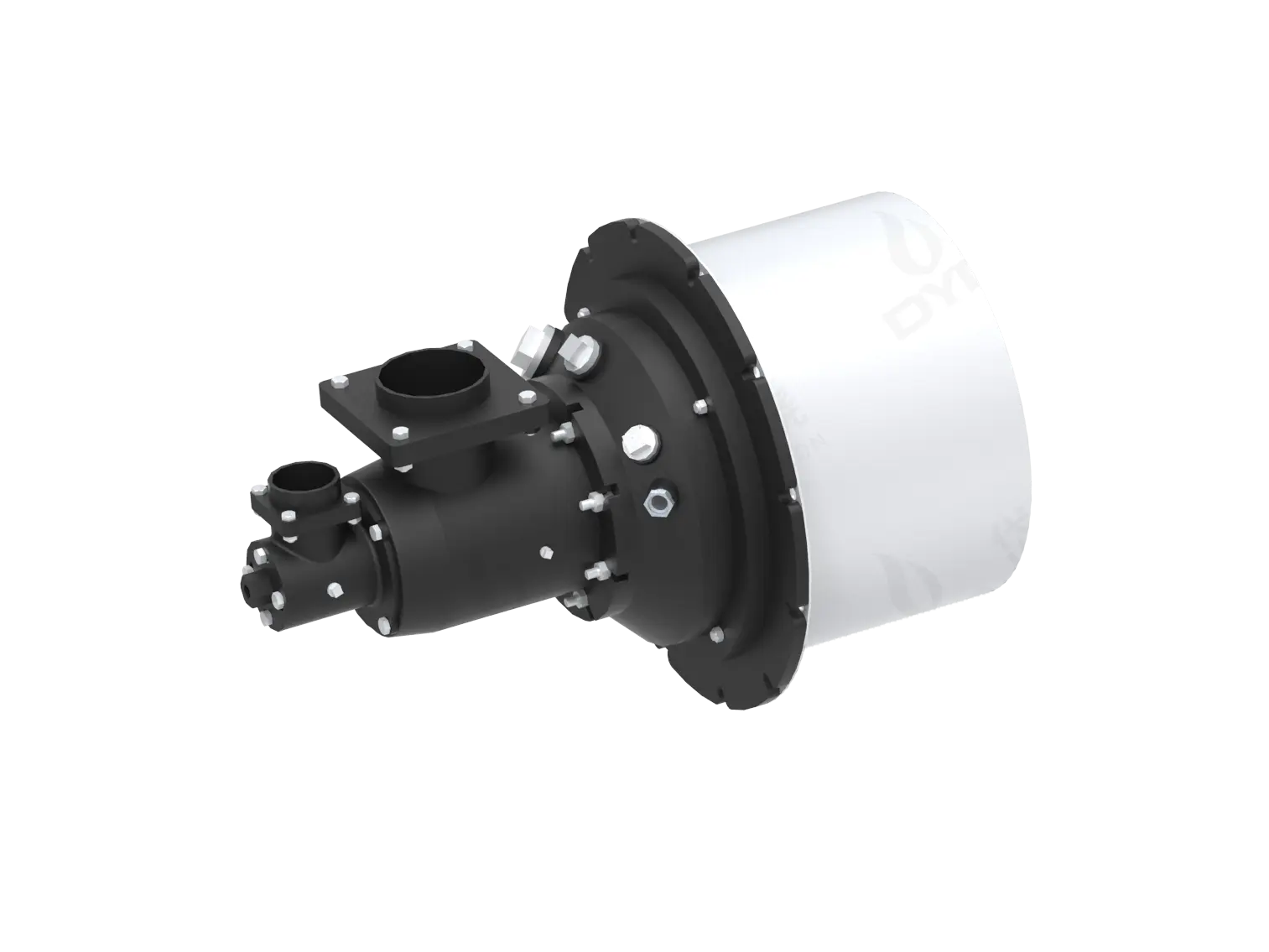
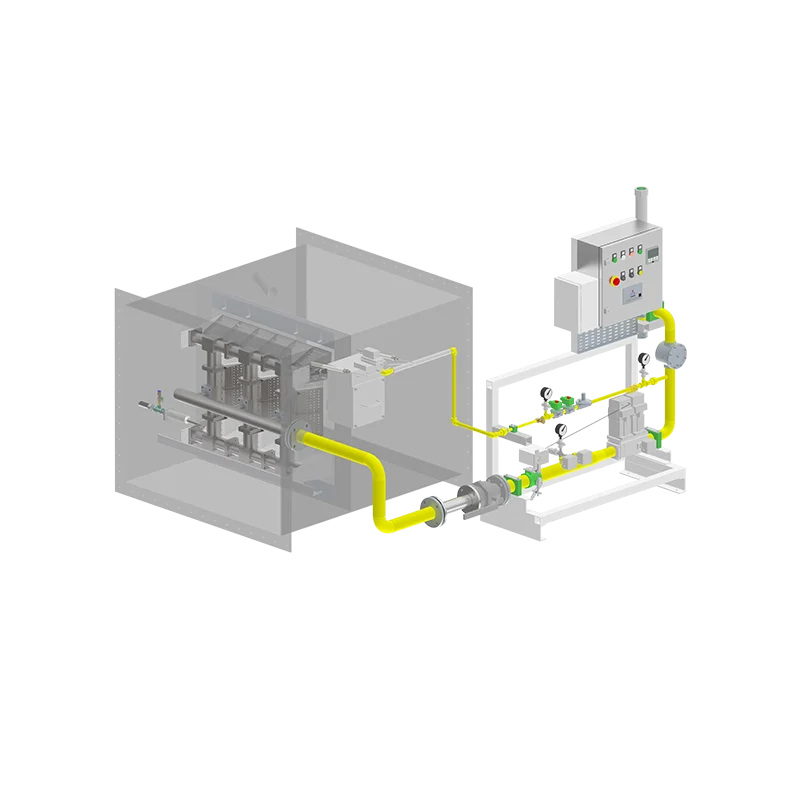
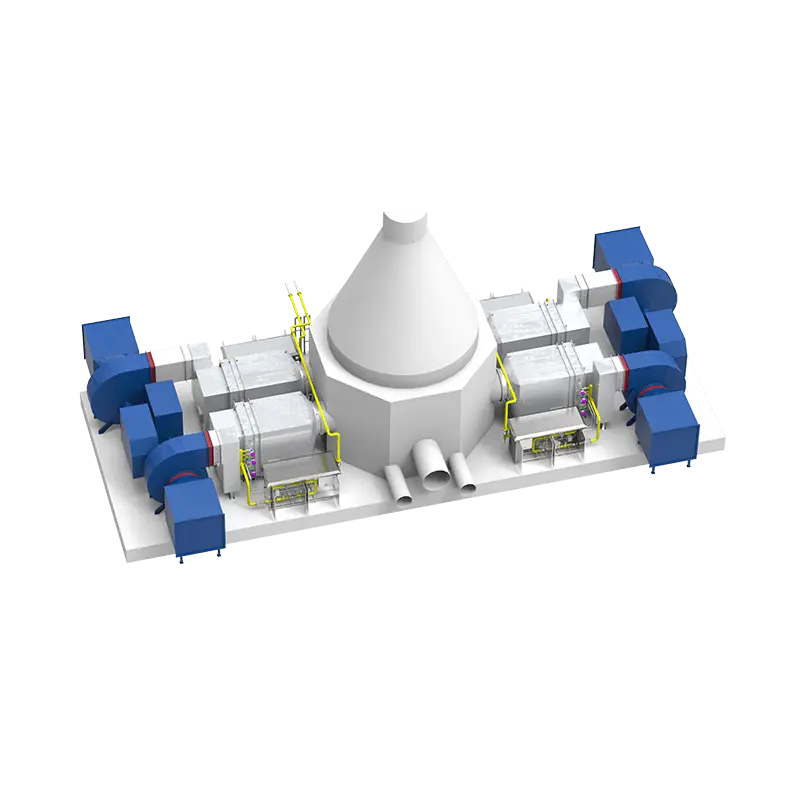
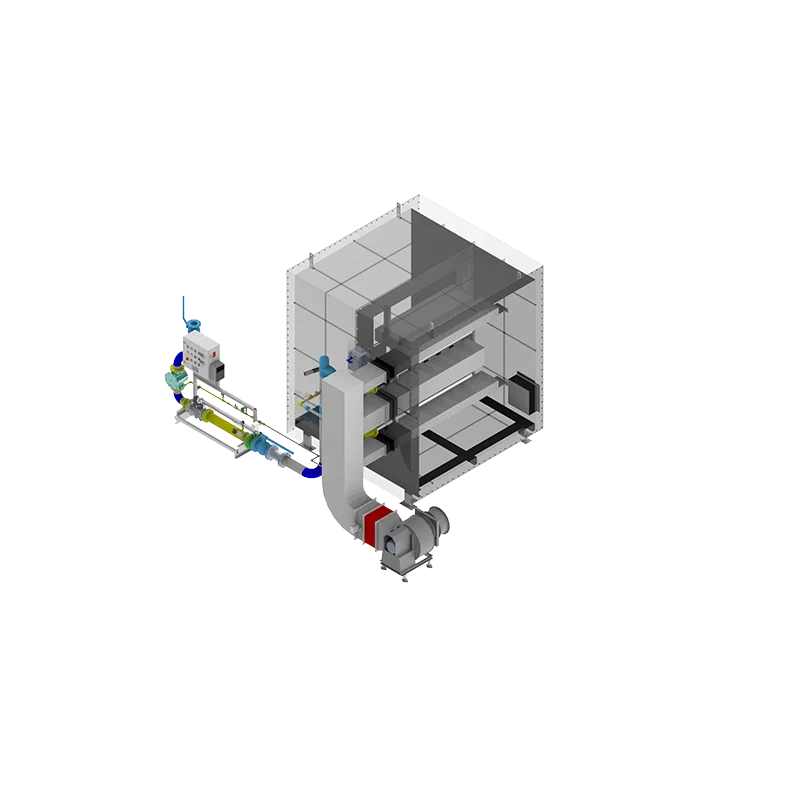
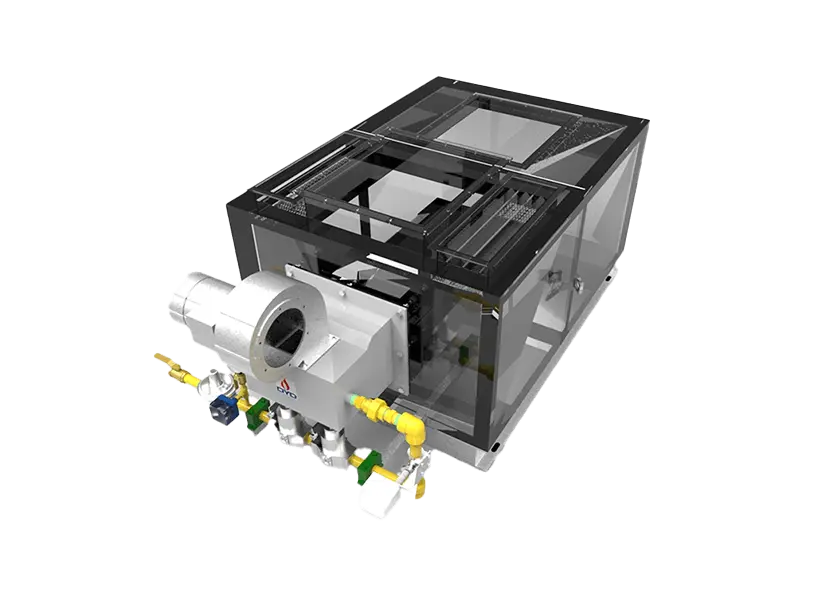
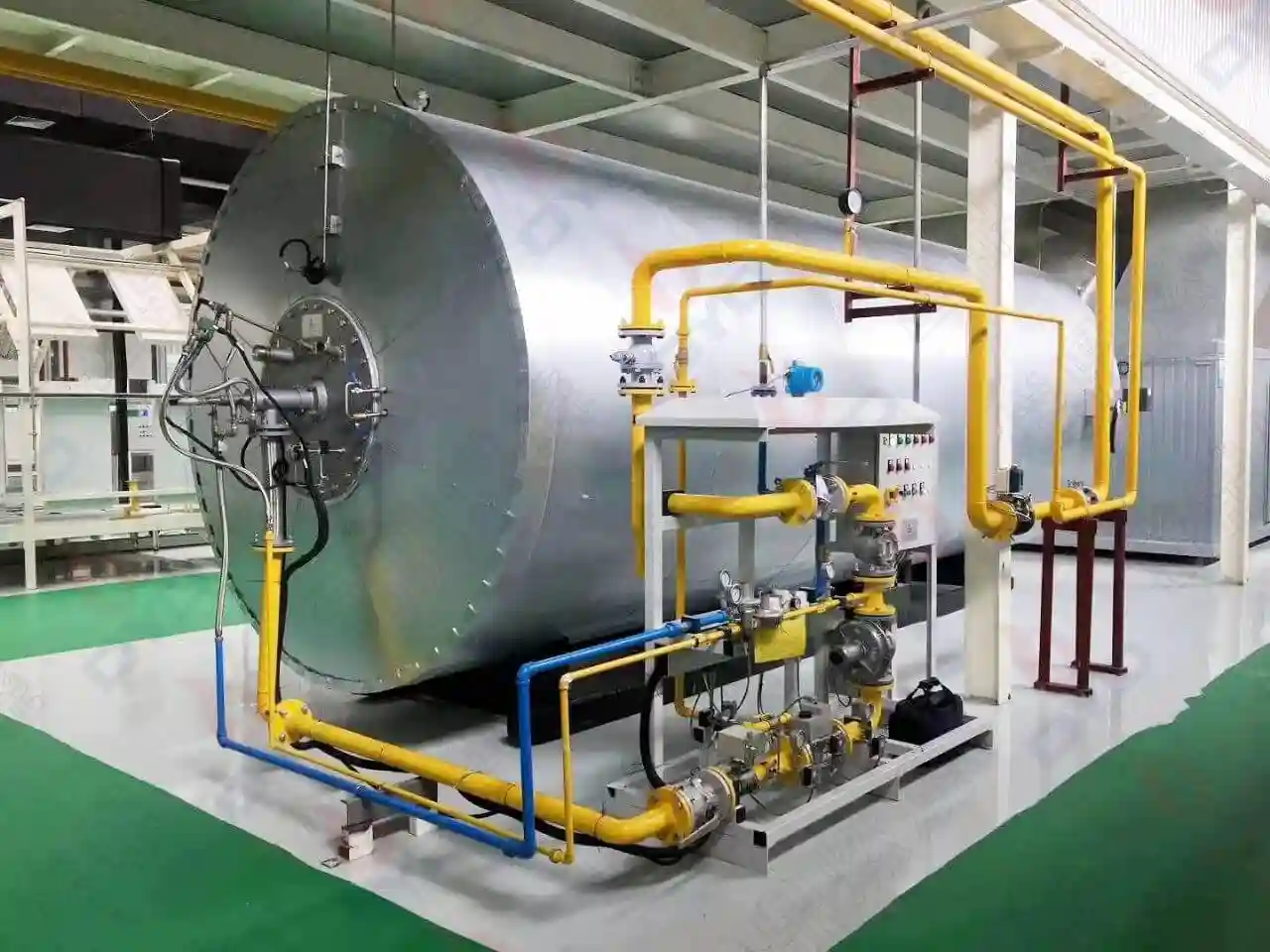
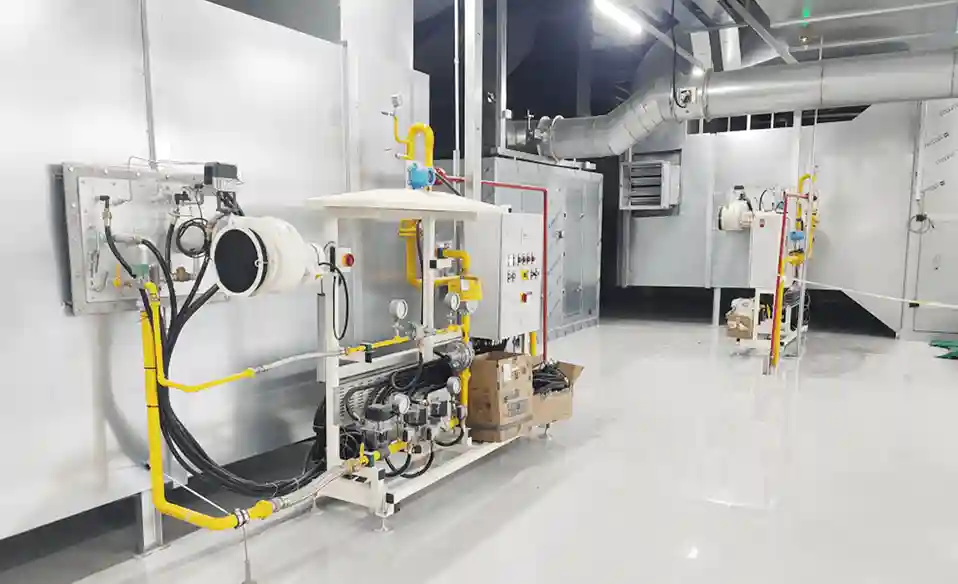
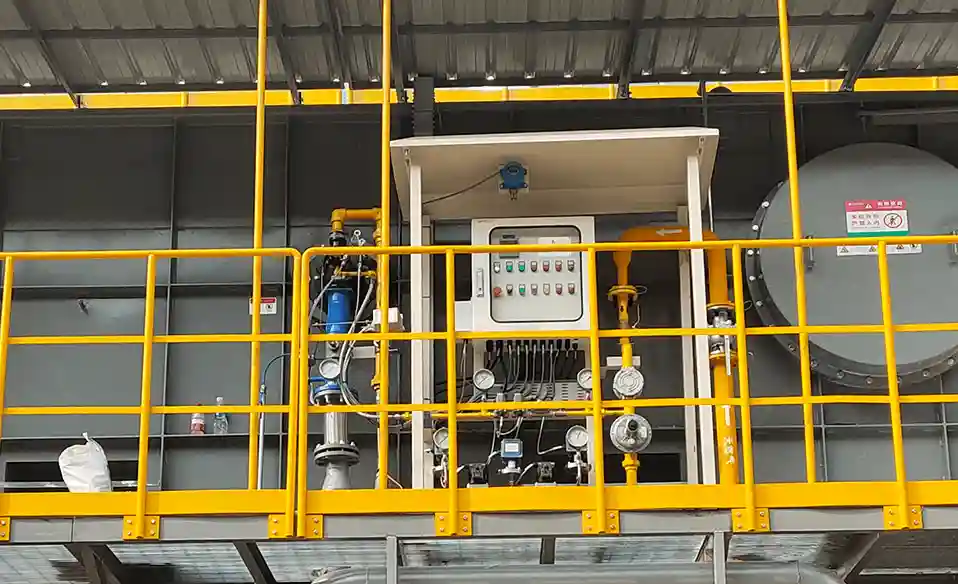
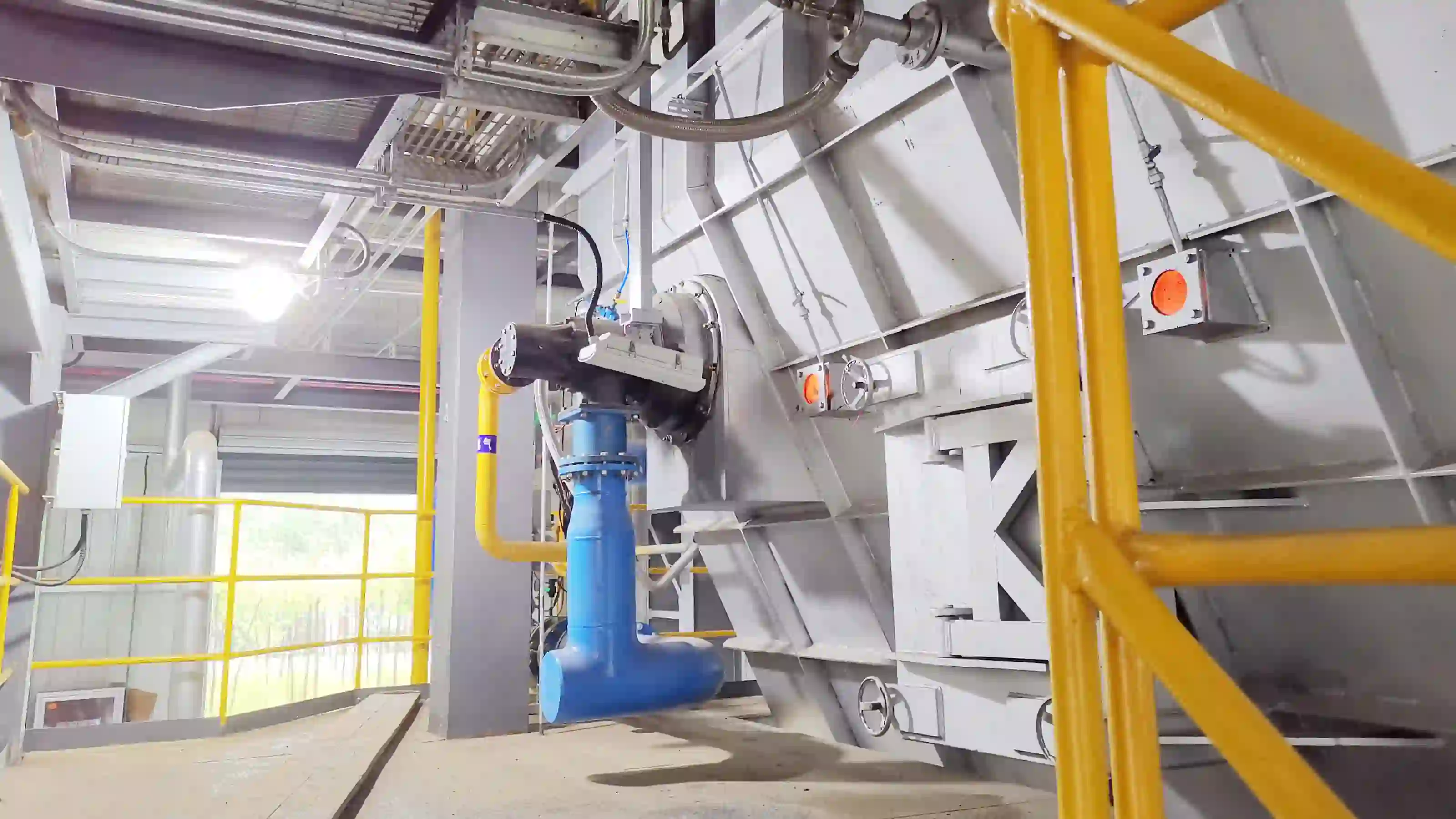
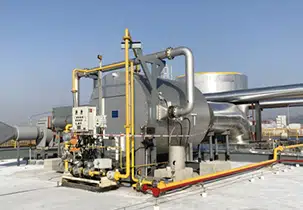
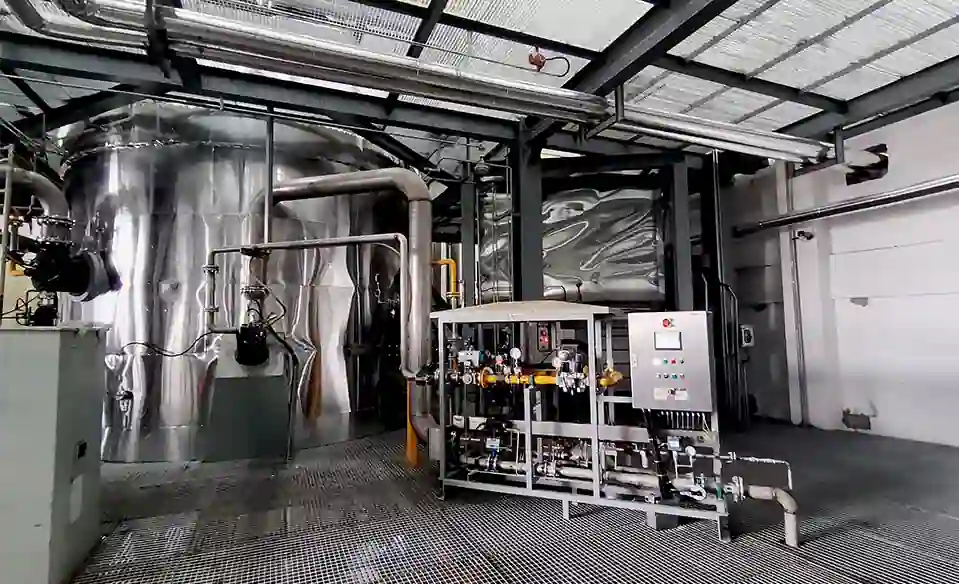
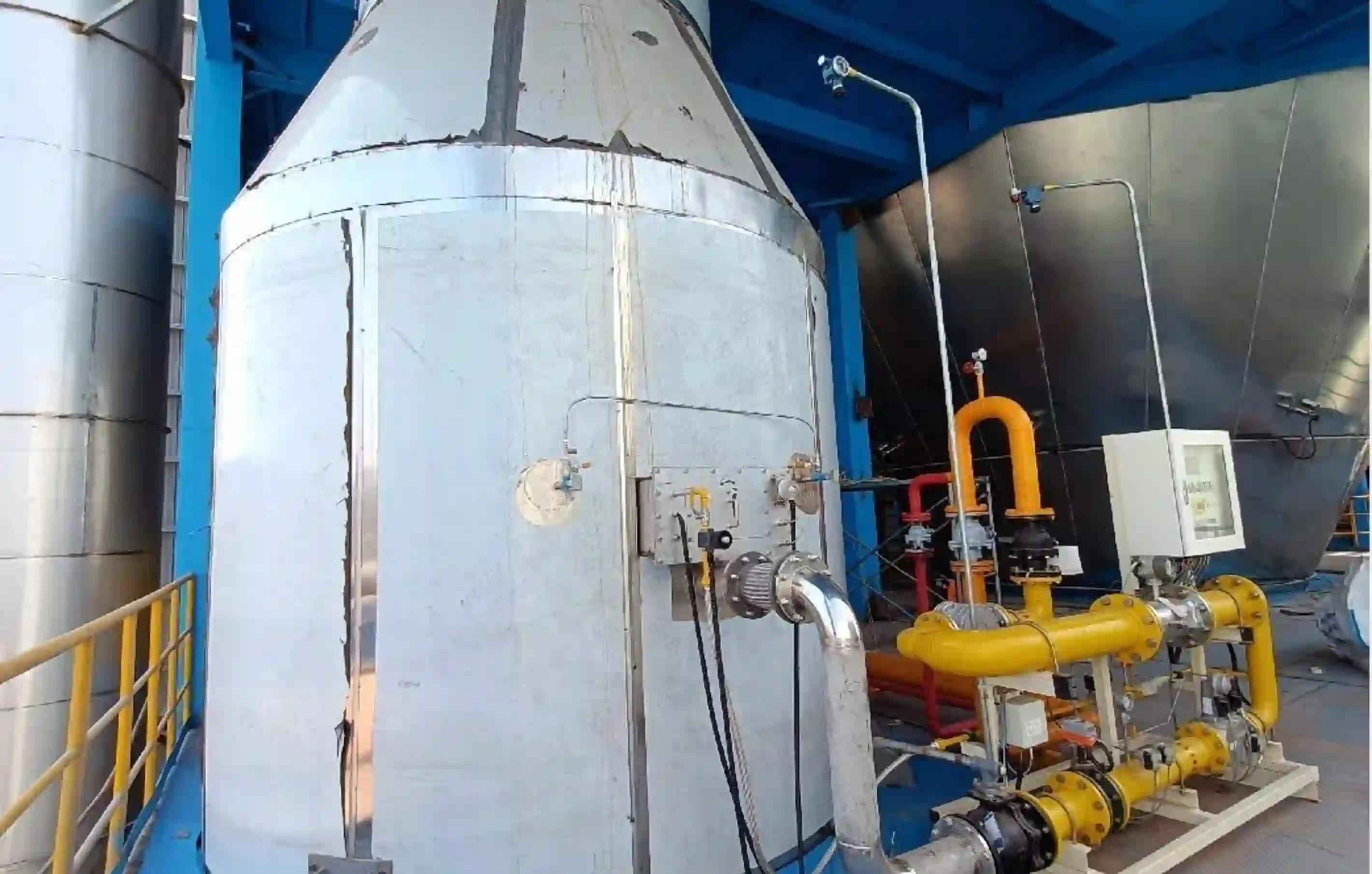
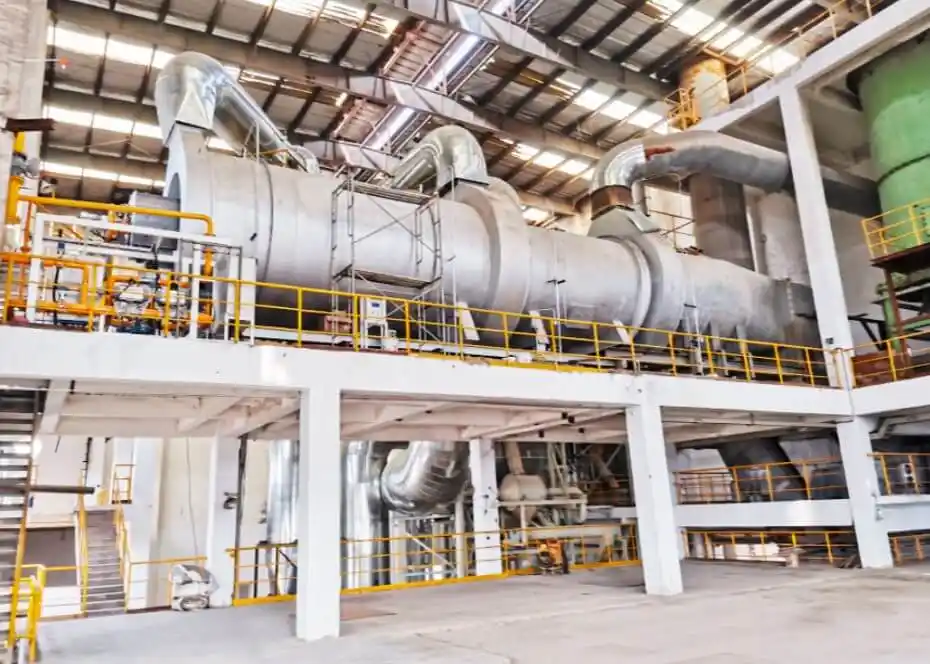
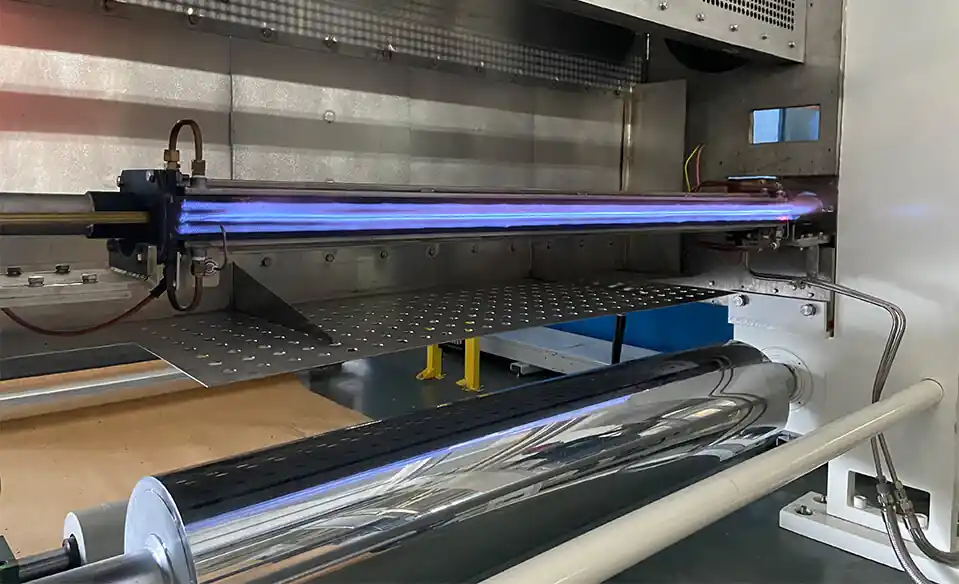
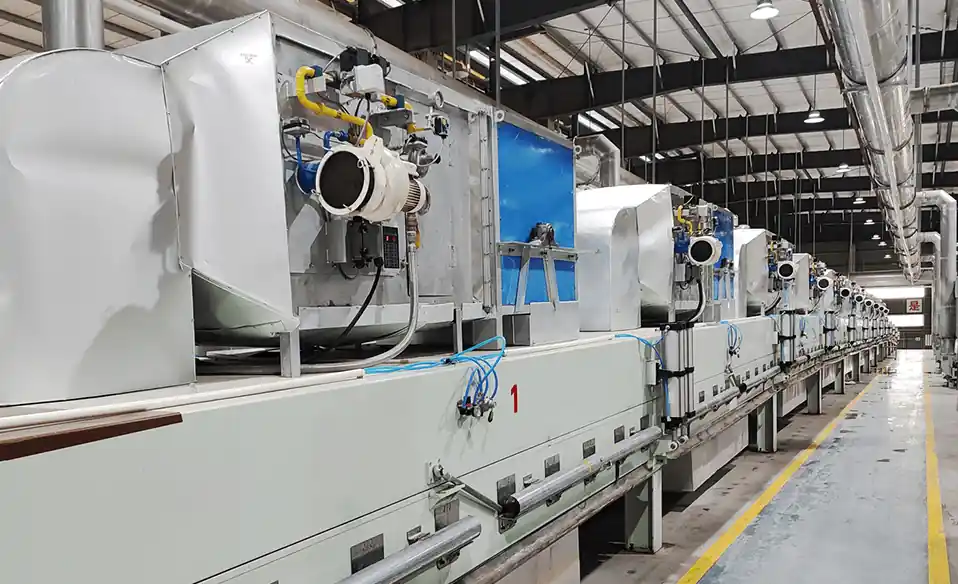
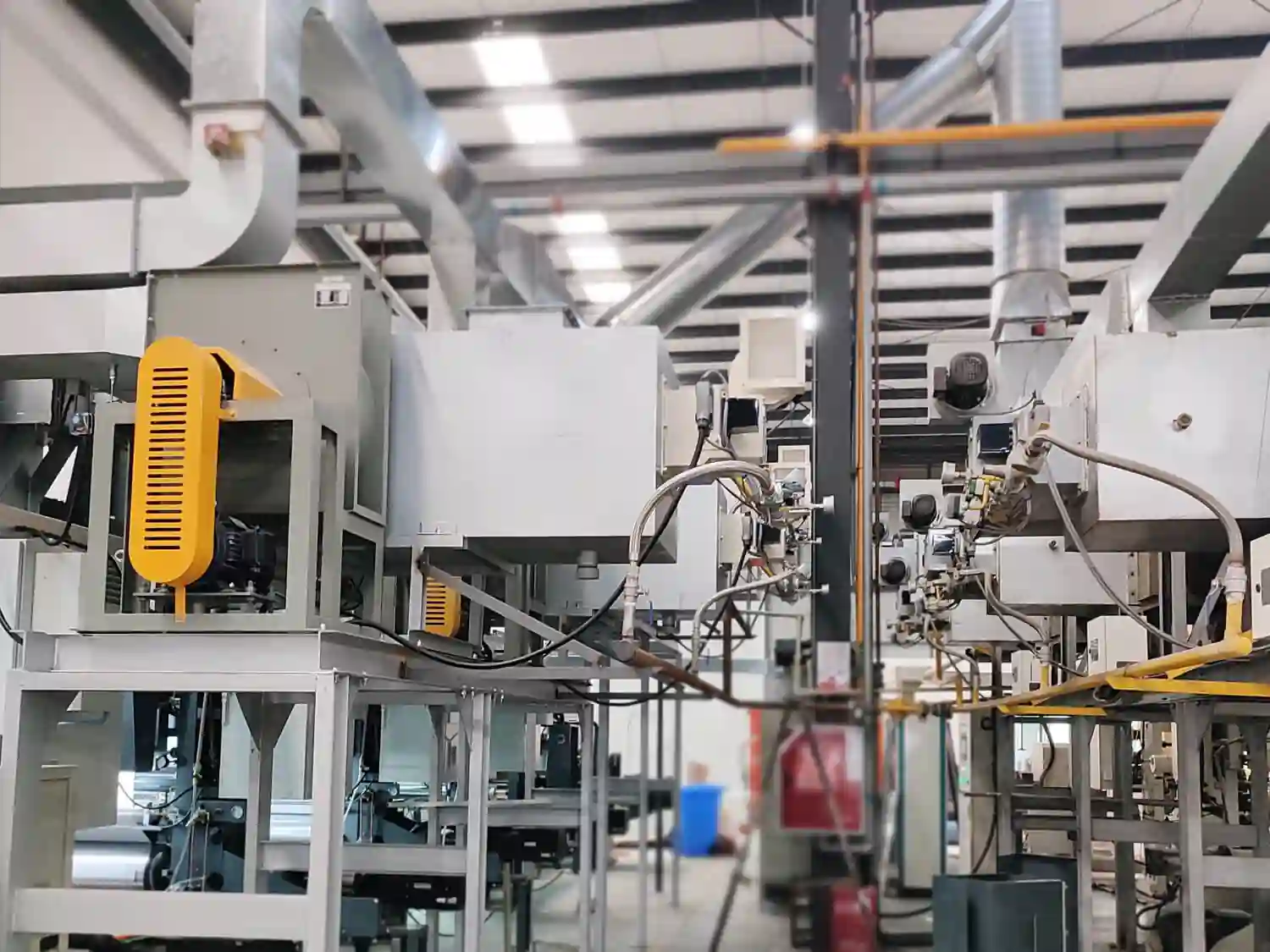
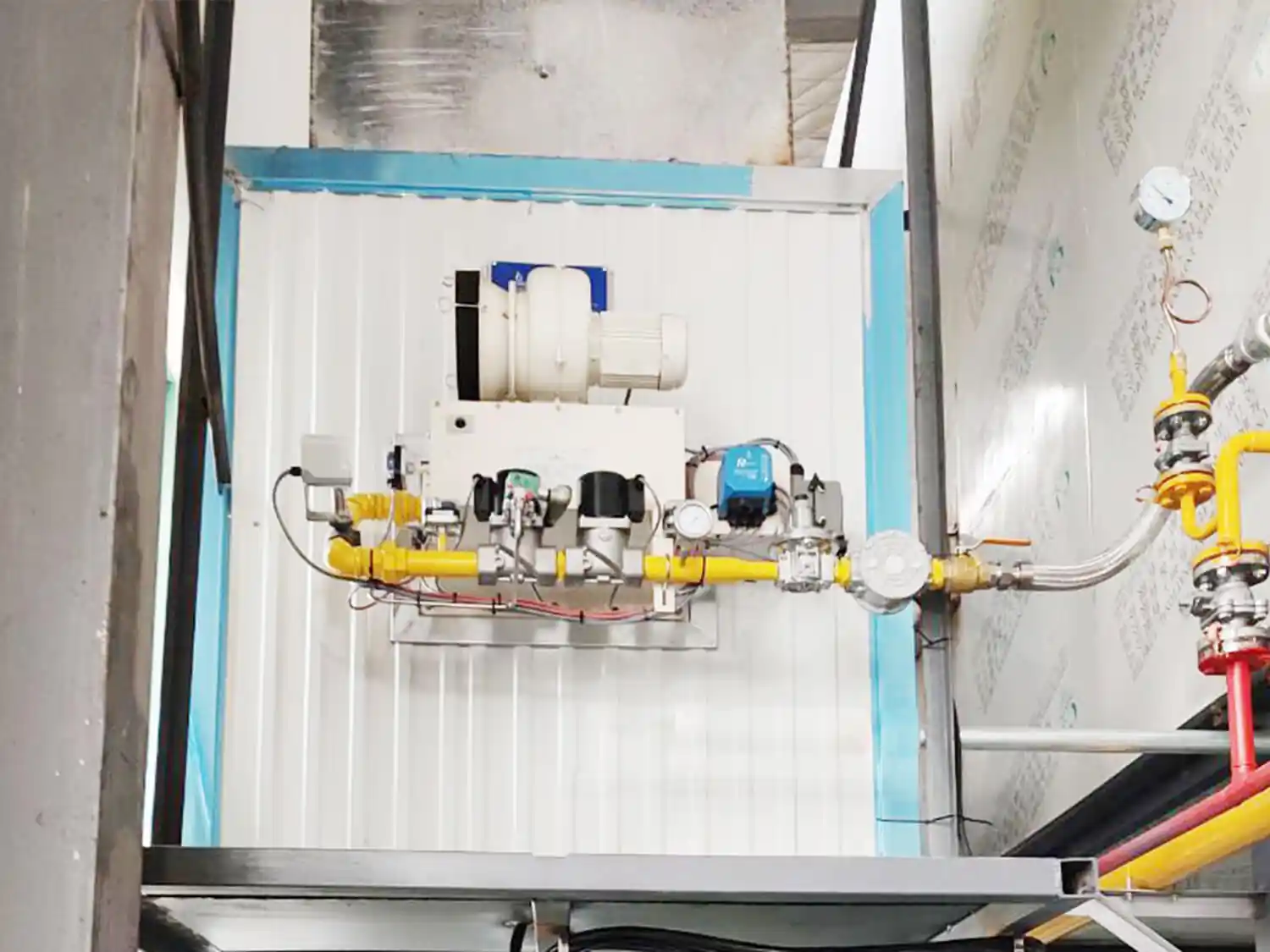
Matching burner capacity to furnace size is one of the most important steps in designing an efficient industrial heating system. A burner is not selected only according to furnace volume or required temperature. The correct match requires balancing heat input, furnace geometry, flame characteristics, heat transfer requirements, and operating conditions. The burner and furnace function as a single integrated thermal system, and the performance of each depends critically on the compatibility of the other.
An improperly matched burner can create problems such as:
Uneven temperature distribution, with hot and cold zones that compromise product quality.
Excessive fuel consumption, as poor heat distribution forces higher firing rates.
Furnace wall overheating, caused by flame impingement or excessive flame intensity.
Poor combustion stability, resulting from adverse pressure or flow interactions.
Increased emissions, from incomplete combustion or disrupted temperature profiles.
Shortened refractory life, due to thermal stress and localized overheating.
A well-matched burner and furnace combination ensures that heat is released in the correct location, at the correct intensity, and at the correct rate. This alignment is the foundation of efficient, reliable, and safe industrial combustion.
Burner-furnace matching means selecting a burner whose heat capacity, flame characteristics, and heat release profile are suitable for the furnace's geometry, temperature requirements, and material heating process.
The burner must be compatible with the furnace in multiple dimensions:
Heat capacity — the burner must supply sufficient thermal energy to meet the process demand, but not so much that it creates excessive local temperatures or forces the burner to operate outside its optimal range.
Flame length — the flame must extend far enough to distribute heat throughout the chamber, but not so far that it impinges on walls or products.
Flame shape — the flame geometry must match the cross-sectional profile of the furnace to ensure uniform heat distribution.
Flame momentum — the velocity and thrust of the combustion gases must provide adequate circulation without creating excessive turbulence or impingement.
Heat release profile — the distribution of heat along the flame axis must align with the thermal requirements of the process.
The goal is:
The burner must provide enough heat without creating excessive local temperature or poor heat distribution.
This balance is achieved when the burner's flame envelope fits comfortably within the furnace chamber, with sufficient clearance from walls and load, and when the heat release pattern matches the thermal demand profile of the process.
The furnace size determines the space available for flame development and heat transfer. A burner flame must fit within the furnace chamber, with adequate clearance to avoid impingement while still delivering heat to all areas that require thermal input.
If the flame is too long relative to the furnace:
It may hit furnace walls, concentrating heat on structural surfaces not designed for such exposure.
Cause local overheating, leading to refractory spalling, warping, or chemical attack.
Damage refractory materials, shortening the service life of the furnace lining.
If the flame is too short relative to the furnace:
Heat may concentrate near the burner, leaving the far zones of the chamber under-heated.
Furnace zones may remain cold, creating thermal gradients that affect product quality.
Heating becomes uneven, with some parts of the load reaching temperature while others remain cold.
The relationship between furnace size and flame characteristics is therefore fundamental to the thermal performance of the entire system.
Furnace volume provides an initial indication of the required heat input, as a larger chamber generally requires more thermal energy to reach and maintain temperature. However, volume alone is not enough to determine burner capacity.
Two furnaces with the same volume may require different burners because of differences in:
Insulation quality, affecting heat loss and thermal inertia.
Product load, including the mass and specific heat of the material being processed.
Operating temperature, with higher temperatures requiring more energy input.
Heating cycle, including ramp rates, soak times, and cooling requirements.
A small furnace with poor insulation and high production load may require more burner capacity than a larger furnace with excellent insulation and low heat demand. The furnace volume is only one variable in a complex heat balance.
The burner capacity should be based on actual heat demand rather than furnace volume alone. The heat load represents the total thermal energy that must be supplied to achieve the process objectives.
The total heat requirement includes:
Energy required to raise the material from its initial temperature to the process temperature.
Affected by:
Material type, with different specific heat capacities.
Weight or mass flow rate, determining the total energy required.
Specific heat, varying with temperature and material composition.
Production rate, setting the energy demand per unit of time.
Energy lost from the furnace through multiple pathways:
Furnace wall losses, through conduction through refractory and insulation.
Door opening losses, through radiation and convection during access.
Exhaust losses, carrying sensible heat out of the system.
Specific thermal conditions that must be met:
Heating speed, determining the required firing rate.
Temperature uniformity, affecting the flame distribution requirements.
Cycle time, setting the duration available for heat transfer.
The burner capacity should cover these requirements without excessive oversizing that would compromise turndown performance.
Flame length is one of the most important matching factors. The axial extent of the flame determines where heat is released along the furnace length, directly influencing temperature distribution and the risk of impingement.
Requires a flame that can penetrate to the far end of the chamber:
Longer flame penetration, to deliver heat to the full extent of the furnace.
Higher flame momentum, to overcome the resistance of the furnace atmosphere.
Suitable for:
Large chambers with high length-to-diameter ratios.
Tunnel furnaces where the load travels through a long heating zone.
Kilns requiring sustained thermal input along the entire length.
Requires a compact flame that fits within limited dimensions:
Compact flame, to avoid wall or product contact.
Controlled heat release, with minimal overshoot beyond the target zone.
A long flame in a short furnace may cause:
Flame impingement on the opposite wall or product.
Refractory damage from concentrated thermal exposure.
Uneven heating, with excessive intensity near the far wall.
The flame must also match the furnace width and height. The radial extent of the flame determines how effectively heat is distributed across the cross-section of the chamber.
A flame that is too large relative to the chamber cross-section may:
Touch furnace walls, causing localized overheating and refractory damage.
Reduce heat transfer efficiency, as the flame interacts with surfaces rather than radiating to the load.
A flame that is too small relative to the chamber may:
Fail to heat the entire chamber, leaving cold zones at the periphery.
Create temperature gradients across the cross-section, affecting product uniformity.
The burner flame envelope should occupy the furnace space effectively without excessive wall interaction, providing adequate coverage of the load while maintaining clearance from structural surfaces.
Flame momentum determines how deeply combustion gases penetrate into the furnace and how effectively they circulate throughout the chamber. Momentum is the mechanical driver of gas flow within the furnace.
High momentum flames provide:
Strong circulation, carrying heat to all parts of the chamber.
Better gas mixing, promoting temperature uniformity.
Improved heat distribution, reducing thermal stratification.
Useful for:
Large furnaces where heat must reach distant zones.
Deep heating chambers with significant axial length.
Low momentum flames may be suitable for:
Small chambers where high penetration is not required.
Sensitive heating processes where gentle heat release is preferred.
Large furnaces often require multiple burners rather than one oversized burner. The use of multiple burners provides design flexibility that cannot be achieved with a single large burner.
Multiple burners can provide:
Better temperature uniformity, by distributing heat sources across the chamber.
Flexible control, with individual burners responding to local temperature conditions.
Reduced thermal stress, as no single burner must carry the entire load.
Factors to consider:
Burner spacing, to avoid flame interaction and ensure uniform coverage.
Flame interaction, to prevent interference that could destabilize combustion.
Heat distribution pattern, to achieve the required temperature profile.
The number of burners and their arrangement should be determined by the furnace geometry, the required temperature uniformity, and the turndown ratio needed for the process.
A basic approach to capacity determination:
Determine the total heat input required for the process:
Product heating load, based on material properties and production rate.
Heat losses, through walls, openings, and exhaust.
Required heating rate, based on cycle time and ramp-up requirements.
The burner capacity should cover:
Normal operating demand, the typical heat input for steady-state production.
Startup requirements, the additional capacity needed to bring the furnace to temperature.
Process fluctuations, accommodating variations in production rate or material properties.
Ensure the burner can operate efficiently across the required firing range:
Maximum load, where maximum capacity is needed.
Typical operating load, where the burner spends most of its operating time.
Minimum load, where turndown capability is required.
A suitable turndown ratio improves flexibility, allowing the burner to match process variations without excessive cycling or low-fire instability.
Frequent burner cycling, with the burner switching on and off to maintain temperature.
Difficult temperature control, with overshoot and oscillation.
High fuel consumption, from reduced efficiency at low fire.
Excessive flame intensity, creating hot spots and thermal stress.
Selecting based only on maximum power rather than actual demand.
Ignoring actual heat demand and overestimating required capacity.
Adding excessive safety margin without considering turndown requirements.
Use correct capacity based on heat load calculation.
Increase turndown ratio to improve low-fire stability.
Optimize control strategy to match the burner's capabilities.
Slow heating, extending cycle times and reducing throughput.
Cannot reach target temperature, making the process impossible.
Continuous maximum firing, accelerating wear and reducing component life.
Underestimating heat losses from the furnace structure.
Ignoring production changes that increase heat demand.
Incomplete heat balance calculation.
Increase burner capacity to match the actual demand.
Improve insulation to reduce heat losses.
Optimize furnace design to improve thermal efficiency.
Hot spots in some areas, with excessive temperatures.
Cold zones in others, with insufficient heating.
Product quality problems, from inconsistent thermal treatment.
Burner selected without considering furnace geometry.
Flame characteristics not matched to chamber dimensions.
Ignoring the relationship between flame shape and heat distribution.
Select proper flame pattern for the specific furnace geometry.
Adjust burner position to improve heat distribution.
Optimize combustion parameters to achieve the desired flame shape.
Important factors:
Hot air temperature, requiring consistent outlet conditions.
Air circulation, to ensure uniform drying across the product.
Moisture removal rate, determining the heat input required for evaporation.
Suitable burner characteristics:
Stable combustion, maintaining consistent outlet temperatures.
Wide adjustment range, accommodating variable drying loads.
Uniform heat release, supporting consistent product moisture content.
Important factors:
High temperature, often exceeding 1000°C.
Heat penetration, to reach the core of thick sections.
Material protection, to avoid oxidation or decarburization.
Suitable burner characteristics:
High flame momentum, for deep chamber penetration.
Precise control, maintaining tight temperature tolerances.
Stable high-temperature operation, with consistent heat release.
Important factors:
Uniform temperature, essential for consistent firing.
Long operating cycle, with sustained operation over extended periods.
Suitable burner characteristics:
Stable flame, maintaining consistent conditions throughout the cycle.
Reliable operation, minimizing interruptions.
Controlled heat distribution, matching the kiln's temperature profile requirements.
Important factors:
Chamber temperature, maintaining the minimum destruction temperature.
VOC destruction efficiency, requiring stable combustion conditions.
Suitable burner characteristics:
High turndown ratio, accommodating variable waste gas flows.
Accurate temperature control, maintaining the setpoint.
Low emissions, to avoid secondary pollutant formation.
Modern industrial burners use advanced technologies that improve the ability to match burner performance to furnace requirements:
Allows optimization of combustion conditions under different loads, maintaining efficiency and emissions performance across the operating range.
Controls heat release by introducing fuel or air in multiple stages, reducing peak temperatures and improving temperature distribution.
Improves furnace circulation and heat transfer by creating strong recirculation patterns that carry heat to all parts of the chamber.
Balances emissions reduction with stable operation, providing a solution that meets environmental requirements without compromising furnace matching.
Before selecting a burner, provide comprehensive information about the furnace, process, and requirements:
✅ Furnace dimensions, including length, width, height, and volume.
✅ Chamber volume, providing an initial sizing reference.
✅ Insulation condition, including type and thickness.
✅ Operating temperature, normal and maximum.
✅ Pressure condition, positive, negative, or near-neutral.
✅ Material type and its thermal properties.
✅ Production capacity and throughput.
✅ Heating cycle, including ramp and soak times.
✅ Temperature uniformity requirements.
✅ Required heat input, based on heat load calculation.
✅ Flame length, matching the furnace depth.
✅ Flame shape, appropriate for the chamber geometry.
✅ Turndown ratio, covering the expected load range.
✅ Emission limits, meeting environmental regulations.
No. Furnace volume is only one factor. Heat load, insulation, production requirements, and operating temperature must also be considered. Volume provides a rough indication but cannot replace a comprehensive heat balance calculation.
An oversized burner may create excessive flame temperature, uneven heating, poor control, and increased fuel consumption. The burner may cycle frequently or operate at low fire where efficiency and stability are compromised.
Not necessarily. Large furnaces often use multiple properly sized burners to achieve better heat distribution and temperature uniformity. The number and capacity of burners should be based on the thermal requirements and geometry of the furnace.
Because the flame must release heat in the correct area. A mismatched flame can cause overheating of the near-burner zone or insufficient heating at the far end. Flame length determines where the thermal energy is released along the furnace axis.
Sometimes, but performance depends on furnace geometry, heat demand, and operating conditions. A burner that performs well in one furnace may be unsuitable for another due to differences in chamber dimensions, pressure, or thermal requirements.
Matching burner capacity to furnace size requires balancing heat input, flame characteristics, and furnace design. The correct burner is not simply the one with the highest capacity; it is the one that delivers the right amount of heat with the right flame pattern to match the specific geometry and thermal requirements of the furnace.
A properly matched burner and furnace combination provides:
Stable combustion, with the flame anchored and consistent across the firing range.
Efficient fuel utilization, minimizing waste and reducing operating costs.
Uniform temperature distribution, supporting consistent product quality.
Lower emissions, maintaining stable combustion conditions.
Longer equipment life, avoiding thermal stress and impingement damage.
For industrial heating systems, burner selection and furnace design must be considered together. The burner creates the flame, but the furnace determines how effectively that flame becomes useful heat. The integration of these two elements is the key to achieving efficient, reliable, and sustainable thermal performance.
DYDTEC Combustion specializes in industrial burner technology, combustion systems, and customized thermal solutions. The company provides industrial burner solutions for furnaces, drying equipment, thermal processing systems, and energy-efficient heating applications, focusing on burner-furnace matching, optimized flame design, efficient combustion control, low emissions, and reliable long-term industrial operation. With deep expertise in combustion system integration and thermal engineering, DYDTEC supports customers in achieving the optimal balance between burner performance and furnace design for improved efficiency, product quality, and operational reliability.