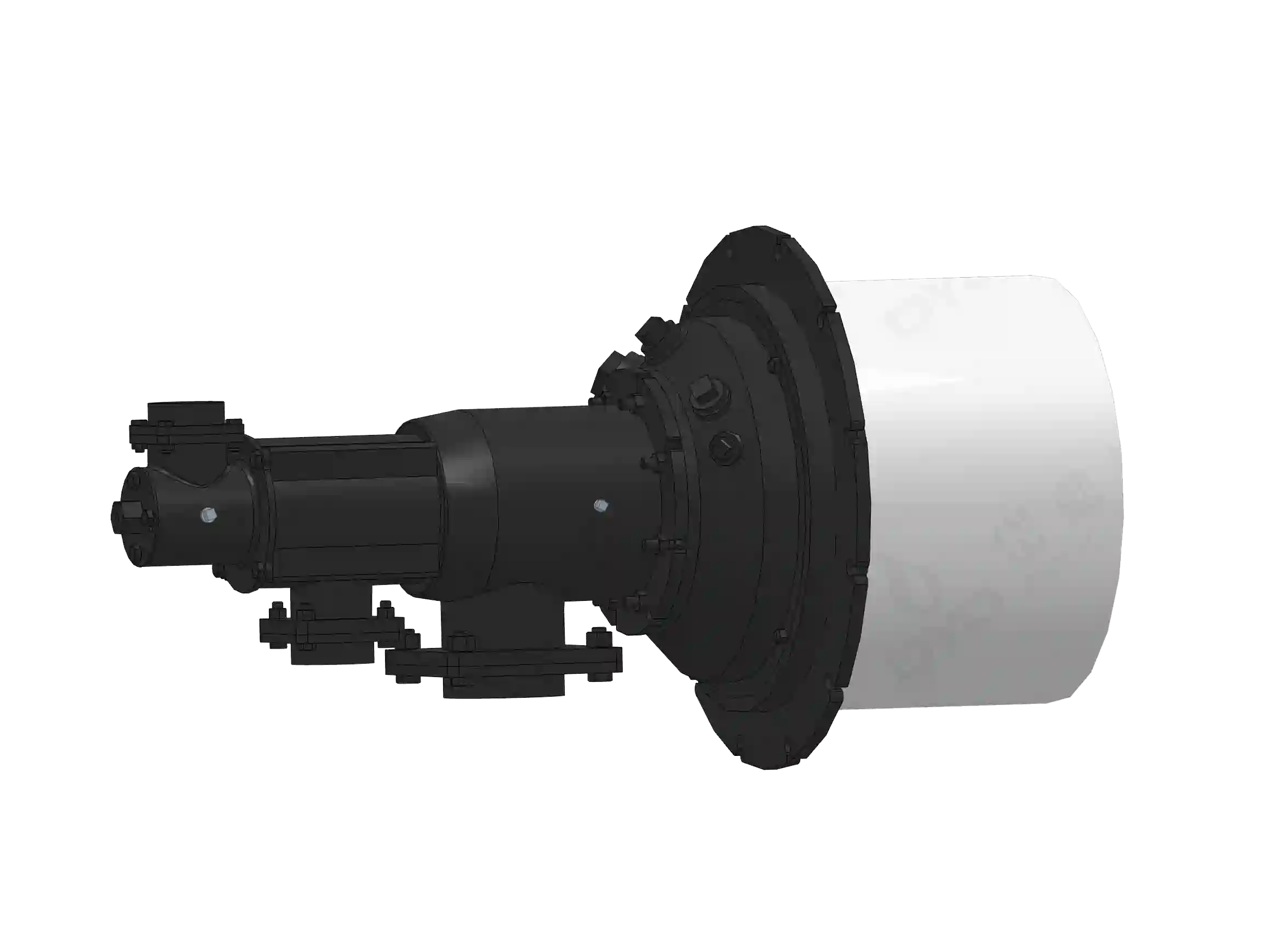
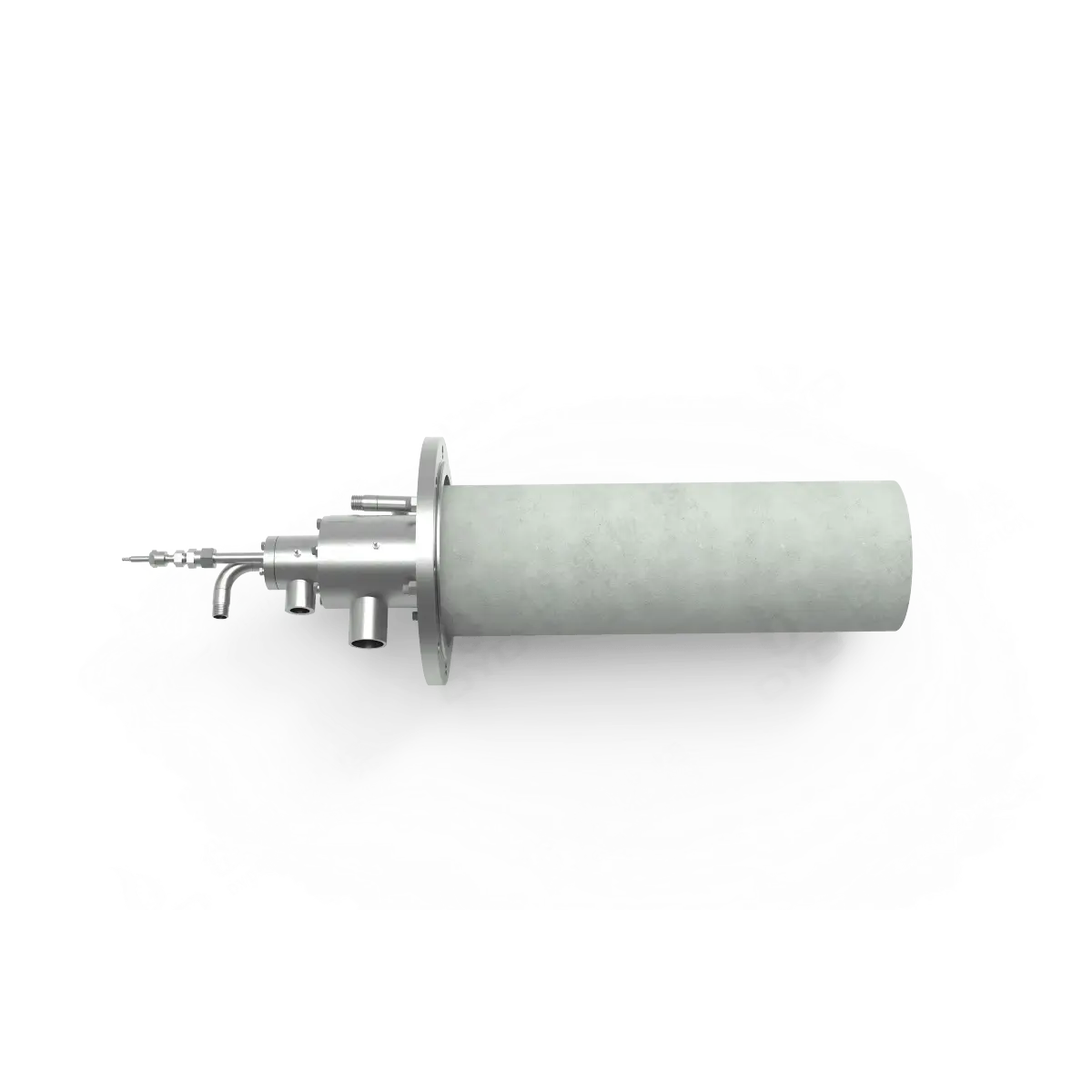
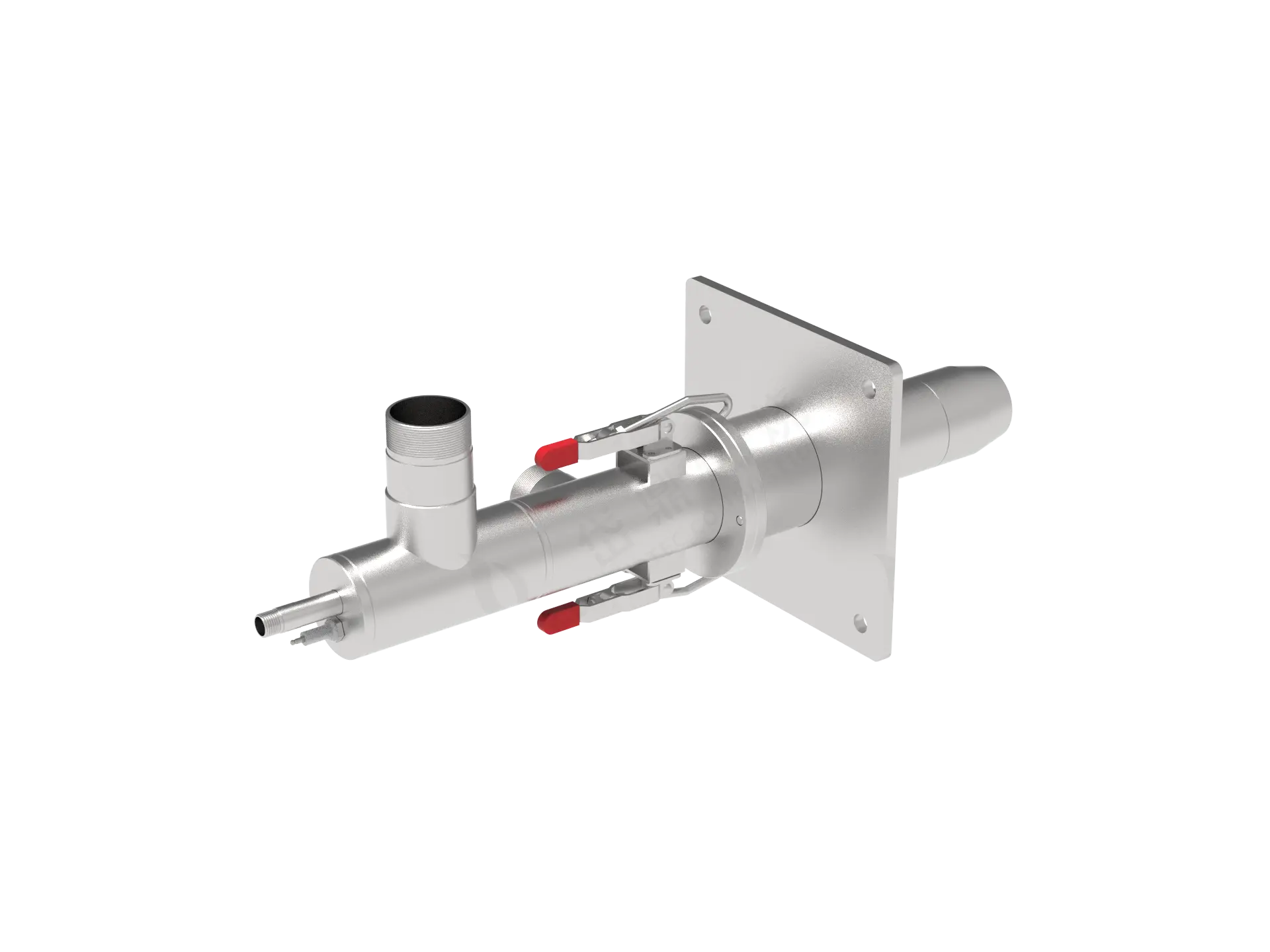
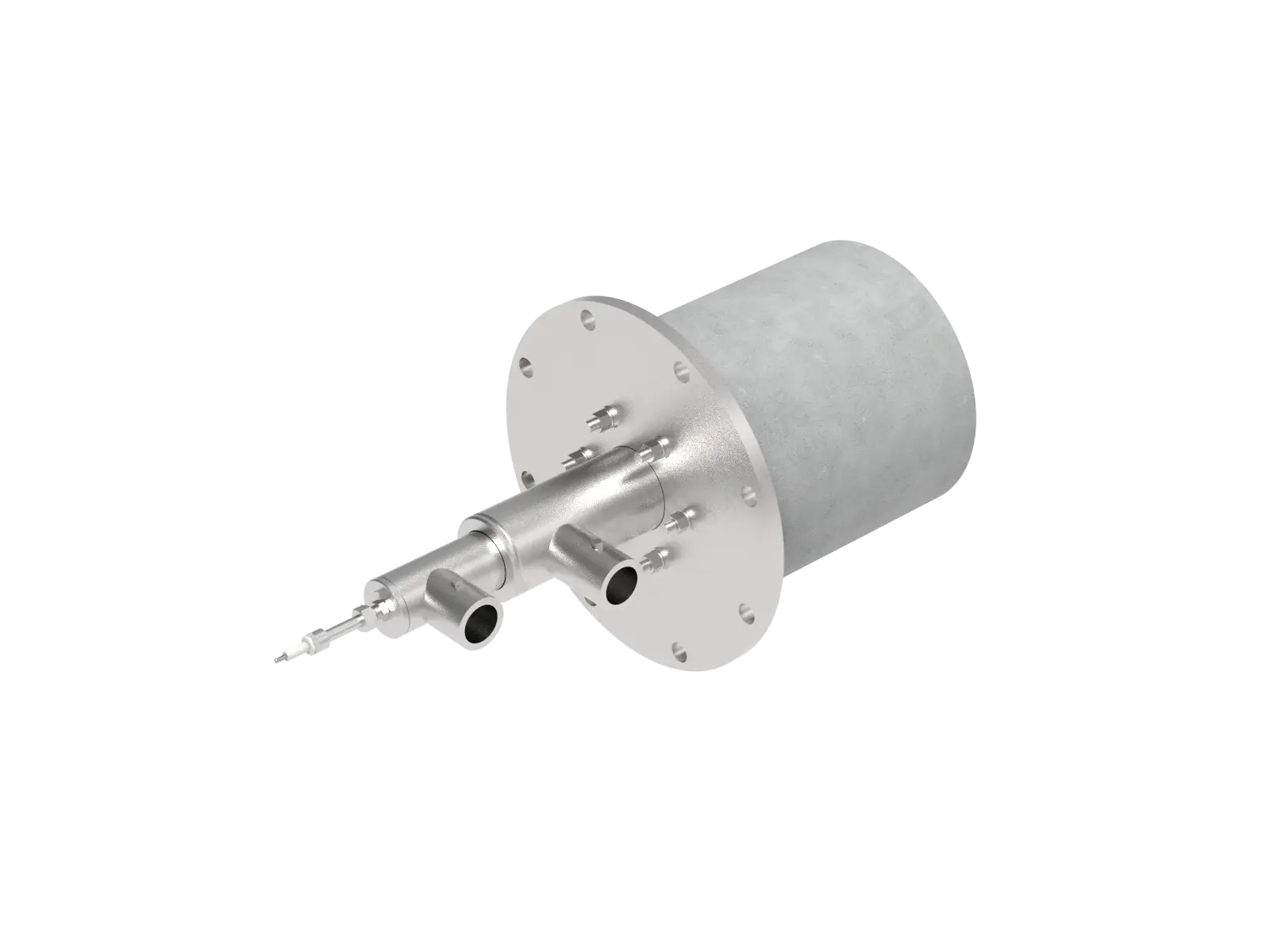
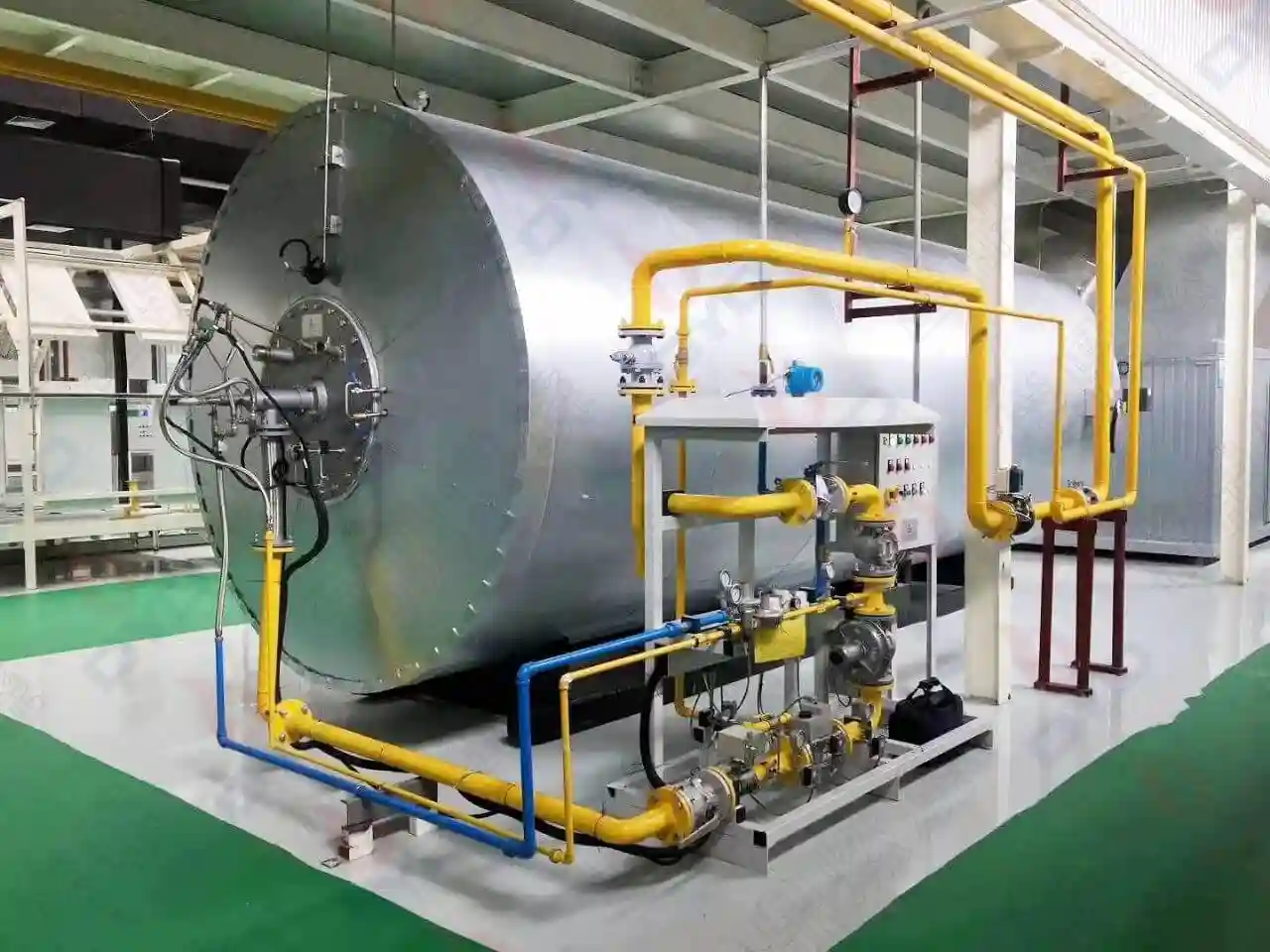
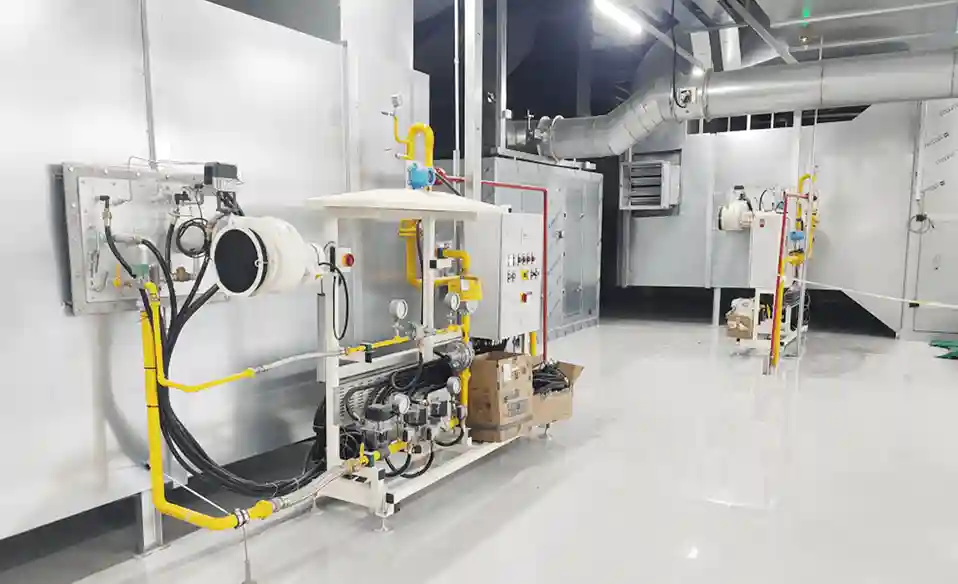
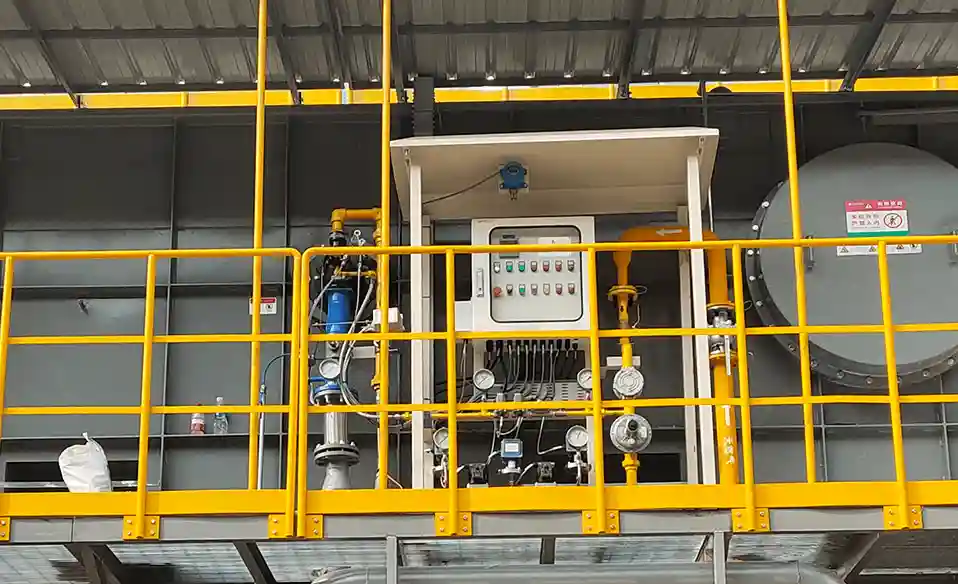
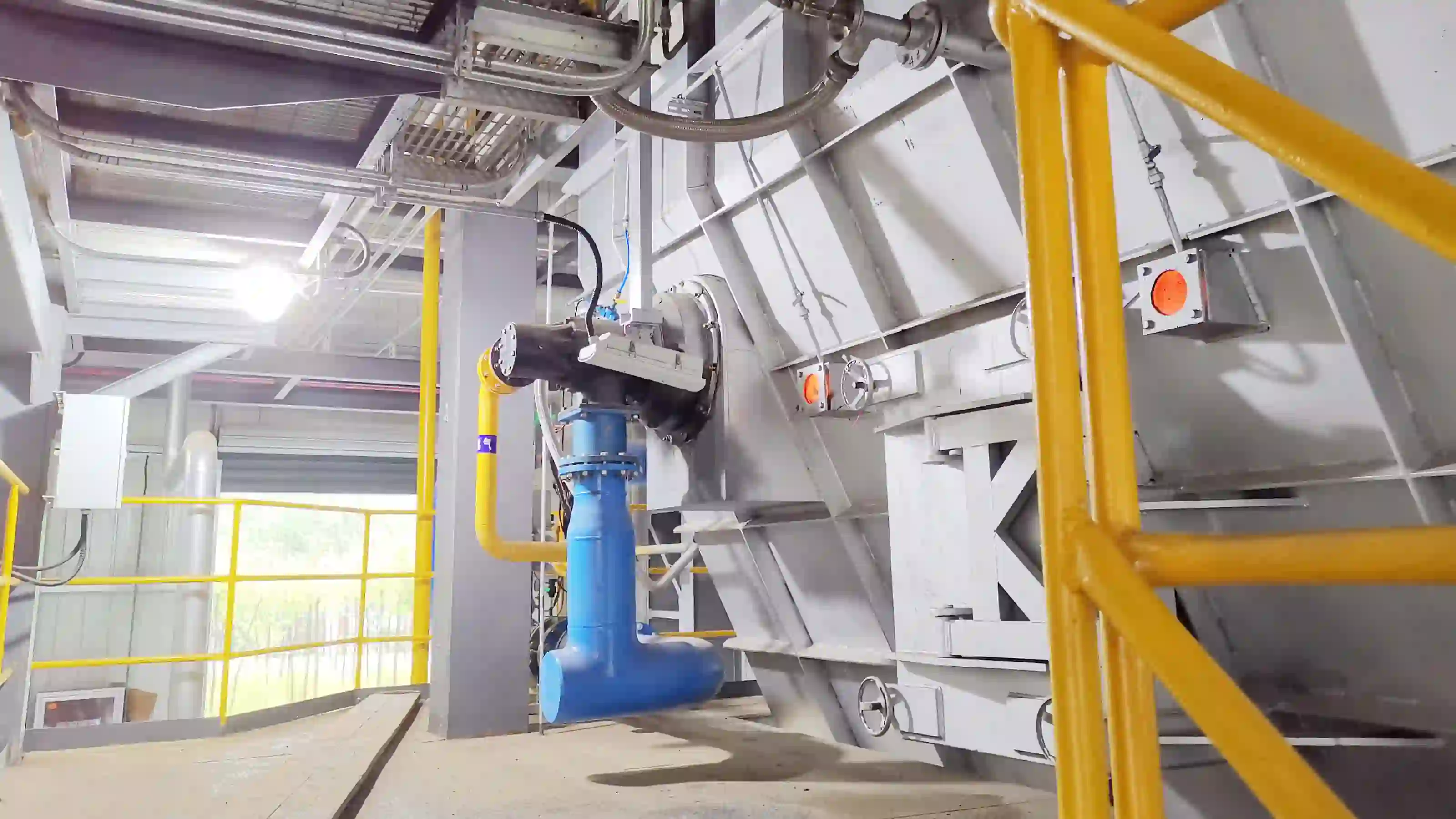
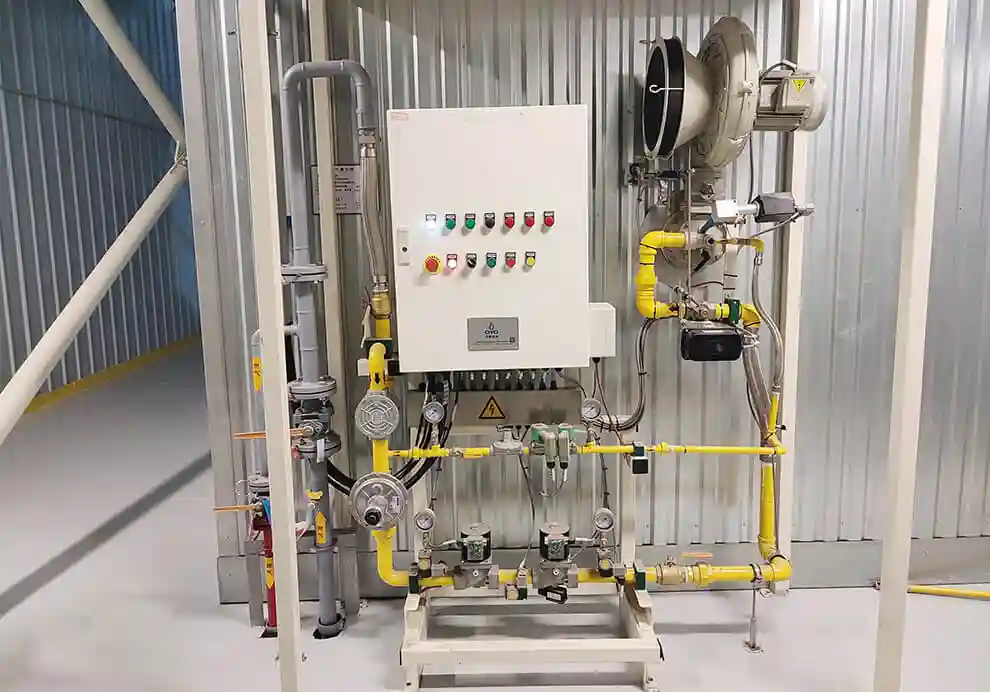
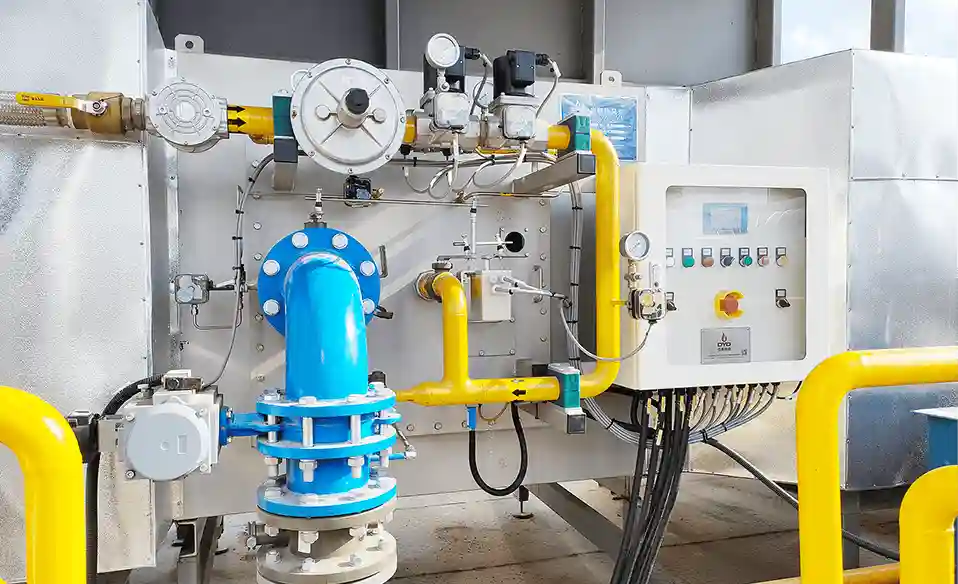
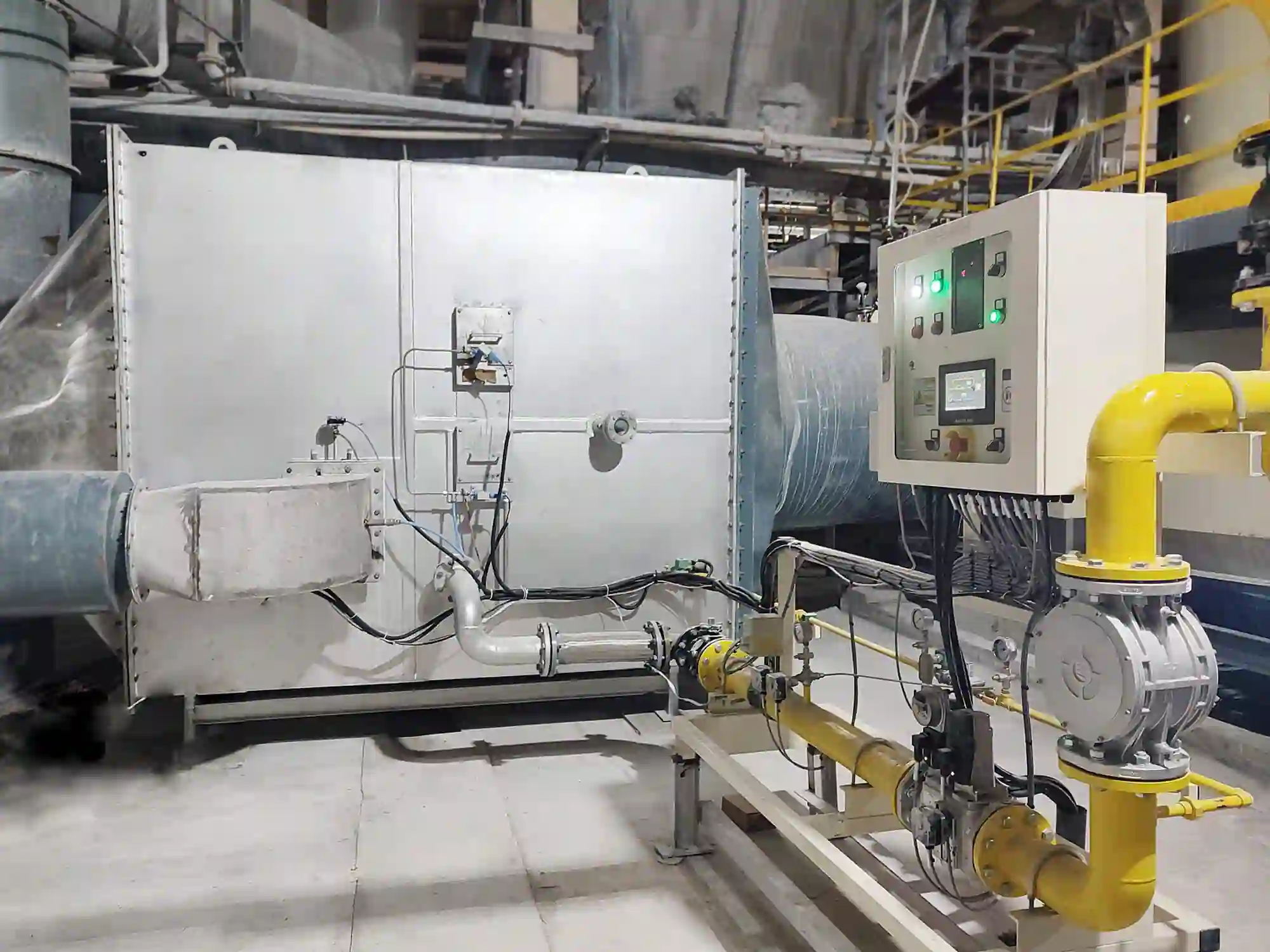
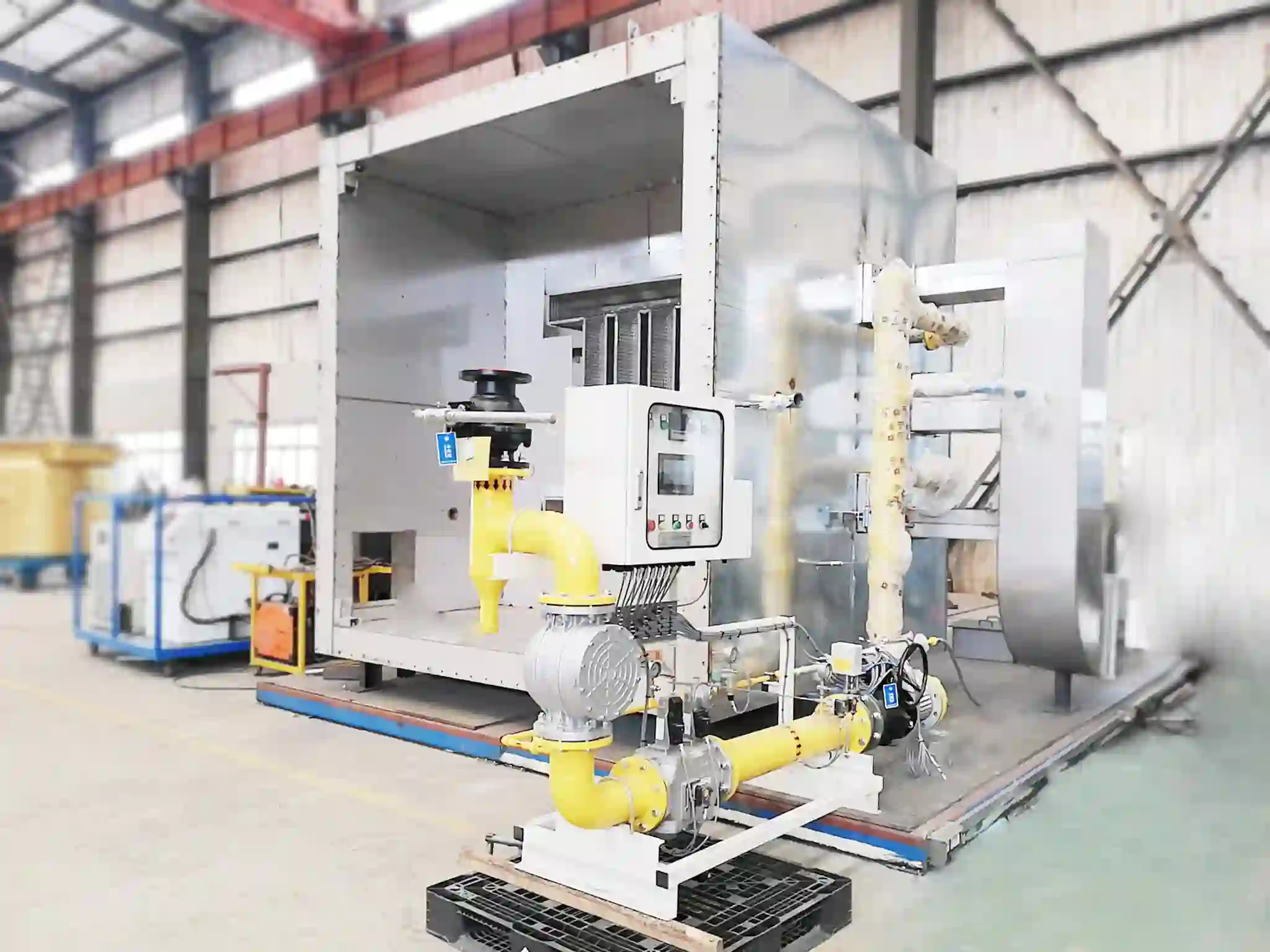
Determining the correct burner capacity is one of the most important steps in designing an efficient industrial heating system. Burner capacity directly affects heating performance, fuel consumption, temperature control, and equipment reliability. It is the single most fundamental parameter that governs whether the combustion system will meet production requirements while operating within its optimal efficiency range.
Many users ask:
"What size burner do I need?"
However, the answer cannot be determined only by furnace size or operating temperature. The required burner capacity depends on multiple factors, including the heating application, material load, furnace dimensions, target temperature, heating time, heat losses, fuel type, and operating conditions. A simplistic approach based on a single parameter will almost always lead to either oversizing or undersizing, both of which carry significant operational penalties.
A correctly sized burner provides enough heat to meet production requirements while maintaining stable and efficient combustion. It operates within its design envelope at the normal firing rate, with sufficient turndown capacity to handle process variations without excessive cycling or low-fire instability.
Burner capacity refers to the maximum amount of heat energy a burner can release during combustion when operating at its rated firing rate. It is the thermal input that the burner delivers to the furnace, expressed as the rate of energy release from the fuel.
It is commonly expressed as:
kW (kilowatts), the SI unit of power.
MW (megawatts), used for larger industrial burners.
kcal/h (kilocalories per hour), used in some regional applications.
BTU/h (British thermal units per hour), used in North American applications.
For example, a burner rated at 1 MW can release approximately 1,000 kW of thermal input when operating at full capacity. This is the chemical energy released from the fuel, not the useful heat that reaches the product.
Burner capacity is different from useful heat delivered to the product because some energy is inevitably lost through:
Exhaust gases, which carry sensible heat out of the stack.
Furnace walls, through conduction and radiation.
Openings and doors, through radiation and convection losses.
Radiation from the furnace surface to the surrounding environment.
The difference between burner capacity and useful heat is accounted for by the thermal efficiency of the system.
A simplified calculation provides a starting point for determining required burner capacity:
Required Burner Capacity = Process Heat Demand ÷ System Efficiency
Where the process heat demand includes all the thermal energy that must be supplied to achieve the process objectives, and system efficiency accounts for the losses that occur between the burner and the product.
Process Heat Demand includes:
Heating the product, raising its temperature to the required level.
Evaporating moisture, where drying is part of the process.
Maintaining furnace temperature against ongoing heat losses.
Compensating for heat losses through the furnace structure and exhaust.
This formula provides a clear framework for capacity determination: the burner must supply enough energy to cover both the useful demand and the unavoidable losses, with the efficiency term representing the fraction of fuel energy that actually contributes to the process.
The required burner capacity depends heavily on what the burner is used for. The application defines the fundamental thermal objectives, the operating conditions, and the performance criteria that the burner must meet.
Examples:
Steel heating, for forging, rolling, or forming.
Forging, requiring rapid and uniform heating of billets.
Heat treatment, where precise temperature control is essential.
Important factors:
Material weight, determining the total energy required.
Heating temperature, setting the thermal intensity.
Heating rate, influencing the required firing capacity.
Furnace cycle time, affecting the average and peak heat demand.
High-temperature furnaces often require higher heat flux, strong flame penetration, and stable high-temperature operation to achieve the required material properties.
Examples:
Battery material drying, with strict moisture limits.
Chemical powder drying, for product stability and handling.
Food drying, where quality and safety depend on controlled moisture removal.
Important factors:
Moisture content, determining the evaporation load.
Air volume, affecting the heat transfer rate.
Drying temperature, setting the thermal conditions.
Material throughput, determining the continuous heat demand.
Drying systems often require burners designed for continuous operation, stable hot air generation, and precise temperature control to maintain consistent product quality.
Examples:
Ceramic kilns, requiring precise firing profiles.
Building material kilns, with large thermal mass.
Mineral processing, including calcination and sintering.
Important factors:
Kiln volume, affecting the thermal inertia.
Residence time, determining the heat input profile.
Temperature profile, defining the thermal gradient.
Kilns usually require long operating life, stable flame distribution, and reliable control over extended operating periods.
Examples:
RTO (Regenerative Thermal Oxidizer) systems.
TO (Thermal Oxidizer) systems for VOC abatement.
Important factors:
Exhaust flow rate, determining the thermal load.
VOC concentration, affecting the auxiliary fuel requirement.
Operating temperature, setting the minimum destruction temperature.
Burner capacity must cover chamber heating, temperature maintenance, and process variations including changes in waste gas flow and VOC loading.
The product heating load is often a major part of the total heat demand. This is the useful energy that must be absorbed by the material to raise it from its initial temperature to the process temperature.
Formula:
Q = m × Cp × ΔT
Where:
Q = required heat energy (kJ or BTU)
m = material mass or mass flow rate (kg/h or lb/h)
Cp = specific heat capacity (kJ/kg·°C or BTU/lb·°F)
ΔT = temperature increase from initial to final (°C or °F)
This calculation provides the net energy required to heat the material. The actual burner capacity must also account for the time available for heating, which determines the rate of energy input required.
Example factors that increase heating demand:
A metal heating furnace requires more energy when material throughput increases, the target temperature rises, or the available heating time decreases. Each of these changes increases the rate at which heat must be delivered.
For drying processes, moisture removal can require significant energy that must be added to the product heating load. Evaporation consumes a substantial amount of energy because the phase change from liquid to vapor requires the latent heat of vaporization.
The burner must provide energy for:
Heating water from the initial temperature to the boiling point.
Changing water into vapor at the boiling point (latent heat).
Removing vapor from the system, which may require additional energy to prevent condensation.
Factors affecting the evaporation load:
Initial moisture content, determining the amount of water to be removed.
Final moisture target, setting the drying endpoint.
Material feed rate, establishing the continuous evaporation demand.
Drying temperature, affecting the vaporization rate and energy requirement.
No furnace is 100% efficient. A significant portion of the burner's heat input is lost through various pathways and must be included in the capacity calculation to ensure sufficient thermal input.
Heat losses occur through:
Affected by:
Insulation quality, with better insulation reducing conduction losses.
Furnace temperature, with higher temperatures increasing radiation and convection losses.
Wall thickness and material, determining the thermal resistance.
Hot exhaust gases carry energy away from the furnace.
Affected by:
Exhaust temperature, with higher temperatures carrying more energy.
Excess air ratio, with more excess air increasing the gas volume and heat loss.
Heat recovery system, which can reduce losses by preheating combustion air.
Heat loss increases with:
Frequent opening, exposing the hot chamber to the cooler environment.
Large openings, providing more area for radiation and convection.
Continuous material loading, which may require active sealing strategies.
Higher temperatures usually require higher burner capacity because the heat loss rate increases with temperature and the product heating demand rises.
Typical relationship:
Higher temperature → higher heat loss → higher required burner input
However, temperature alone does not determine burner size. A small high-temperature furnace may require less total burner capacity than a large low-temperature furnace because the total heat demand depends on the combination of temperature, volume, mass, and losses. Temperature is one factor among many, not the sole determinant.
The required burner capacity depends on how quickly heating must occur. The rate of heating determines the thermal power required to achieve the temperature rise within the available time.
For example, a furnace designed to heat material slowly over several hours requires less burner capacity than a furnace that must achieve the same temperature rise rapidly within minutes. The faster the required heating rate, the higher the burner capacity must be to deliver the same total heat in a shorter time.
Higher production speed usually requires:
Higher burner output, to deliver heat at a faster rate.
Faster heat transfer, requiring appropriate flame and furnace design.
Stronger flame momentum, to enhance convection and circulation.
A burner should not operate only at maximum capacity. The normal operating point should be within an efficient range that allows stable combustion and good temperature control.
Important parameter:
The turndown ratio defines the burner's ability to operate at reduced output while maintaining stable combustion and acceptable emissions.
Example:
A burner with a 10:1 turndown ratio and a maximum capacity of 1,000 kW can operate down to approximately 100 kW. This allows the burner to match the heat demand without cycling on and off.
Advantages of adequate turndown:
Better temperature control, with smooth adjustment to load changes.
Lower fuel consumption, by avoiding the inefficiency of cycling.
Reduced cycling, which reduces wear on valves and other components.
Furnace size affects how heat should be delivered. While capacity is the primary sizing parameter, the flame characteristics must also be compatible with the furnace geometry.
Consider:
Larger furnaces may require:
Higher total heat input to fill the larger volume with hot gases.
Multiple burners to distribute heat evenly.
Better heat distribution to avoid thermal stratification.
The flame must fit inside the chamber without impingement:
If too long, the flame contacts walls, causing overheating and refractory damage.
If too short, there is poor furnace coverage and uneven heating.
Large furnaces often require stronger flame momentum to improve circulation, transfer heat effectively to distant zones, and maintain uniform temperature throughout the chamber.
(Actual selection depends on process conditions and should be based on a complete heat balance calculation.)
| Application | Common Capacity Considerations |
|---|---|
| Small industrial oven | Lower kW range with precise temperature control |
| Drying equipment | Stable continuous heat input, matched to evaporation demand |
| Medium industrial furnace | Higher capacity with flame control for uniform heating |
| Large kiln | Multiple burners or high-output burners with distributed heat release |
| RTO system | Capacity based on chamber heating and variable exhaust conditions |
Furnace cannot reach target temperature, even at maximum firing.
Heating time is too long, extending cycle times and reducing throughput.
Burner runs continuously at maximum load, accelerating wear.
Production capacity is limited by thermal input.
Possible solutions:
Increase burner capacity to match the actual heat demand.
Improve insulation to reduce heat losses.
Optimize heat recovery to capture waste heat.
Frequent on/off cycling, causing temperature swings and component stress.
Poor temperature stability, with overshoot and oscillation.
Excessive flame intensity, creating hot spots and thermal stress.
Higher fuel consumption, from operating outside the efficient range.
Possible solutions:
Select smaller capacity that matches the actual demand.
Use a higher turndown burner to improve low-fire performance.
Improve control strategy to reduce cycling.
To select the correct burner size, provide comprehensive information about the furnace, process, fuel, and requirements:
✅ Furnace dimensions, including length, width, height.
✅ Furnace volume, providing a reference for sizing.
✅ Insulation condition, type and thickness.
✅ Operating temperature, normal and maximum.
✅ Pressure conditions, positive, negative, or near-neutral.
✅ Material type and its thermal properties.
✅ Production capacity, throughput or batch size.
✅ Heating cycle, including ramp and soak times.
✅ Required heating rate, for capacity calculation.
✅ Fuel type, determining combustion characteristics.
✅ Heating value, for flow rate calculations.
✅ Fuel pressure, available at the burner inlet.
✅ Fuel availability, current and future supply.
✅ Required heat input, based on heat load calculation.
✅ Flame length, matching the furnace depth.
✅ Flame shape, appropriate for the chamber geometry.
✅ Turndown ratio, covering the expected load range.
✅ Emission limits, meeting environmental regulations.
Burner capacity is determined by calculating the total heat demand of the process, including material heating, moisture evaporation, furnace losses, and operating requirements. A complete heat balance provides the basis for capacity selection.
No. Furnace size is important for flame matching and heat distribution, but actual heat demand and process conditions—including material load, temperature, and cycle time—are more important for determining capacity.
Not necessarily. An oversized burner may reduce efficiency because it operates outside its optimal range, cycles frequently, or creates excessive flame intensity. The correct capacity, not the largest capacity, provides the best efficiency.
Yes, but excessive oversizing should be avoided. The margin should account for normal process variations, startup conditions, and reasonable future changes without compromising efficiency or control at typical operating loads.
It depends on furnace geometry, heat distribution requirements, and process uniformity. Multiple smaller burners may provide better control and more uniform heating than one very large burner, particularly in furnaces with large cross-sections or complex geometries.
The required burner capacity is determined by the heat demand of the entire thermal system, not by furnace size alone. The calculation must account for product heating, moisture evaporation, heat losses, operating temperature, heating speed, and system efficiency to arrive at a capacity that matches the actual process requirements.
A correct burner capacity selection balances:
Heat load, covering the thermal demand.
Furnace geometry, ensuring the flame fits the chamber.
Flame characteristics, providing effective heat distribution.
Fuel efficiency, minimizing operating costs.
Operating flexibility, with adequate turndown.
Emission requirements, meeting environmental targets.
The ideal burner is one that provides enough heat when needed while maintaining stable combustion across the full operating range—delivering the required thermal input without excessive cycling, low-fire instability, or efficiency penalties.
Proper burner sizing helps industrial users achieve:
Lower energy consumption, reducing operating costs.
More uniform heating, supporting consistent product quality.
Better product quality, with reduced reject rates.
Reduced emissions, supporting environmental compliance.
Longer equipment life, minimizing maintenance and replacement.
DYDTEC Combustion specializes in industrial burner technology, combustion systems, and customized thermal solutions. The company provides industrial burner solutions for furnaces, drying equipment, thermal processing systems, and energy-efficient heating applications, focusing on burner capacity calculation, furnace matching, optimized combustion control, low-emission technology, and reliable industrial operation. With deep expertise in thermal system engineering and heat balance analysis, DYDTEC supports customers in accurately determining burner capacity requirements for a wide range of industrial applications, ensuring each system delivers the right performance, efficiency, and reliability for the specific process.