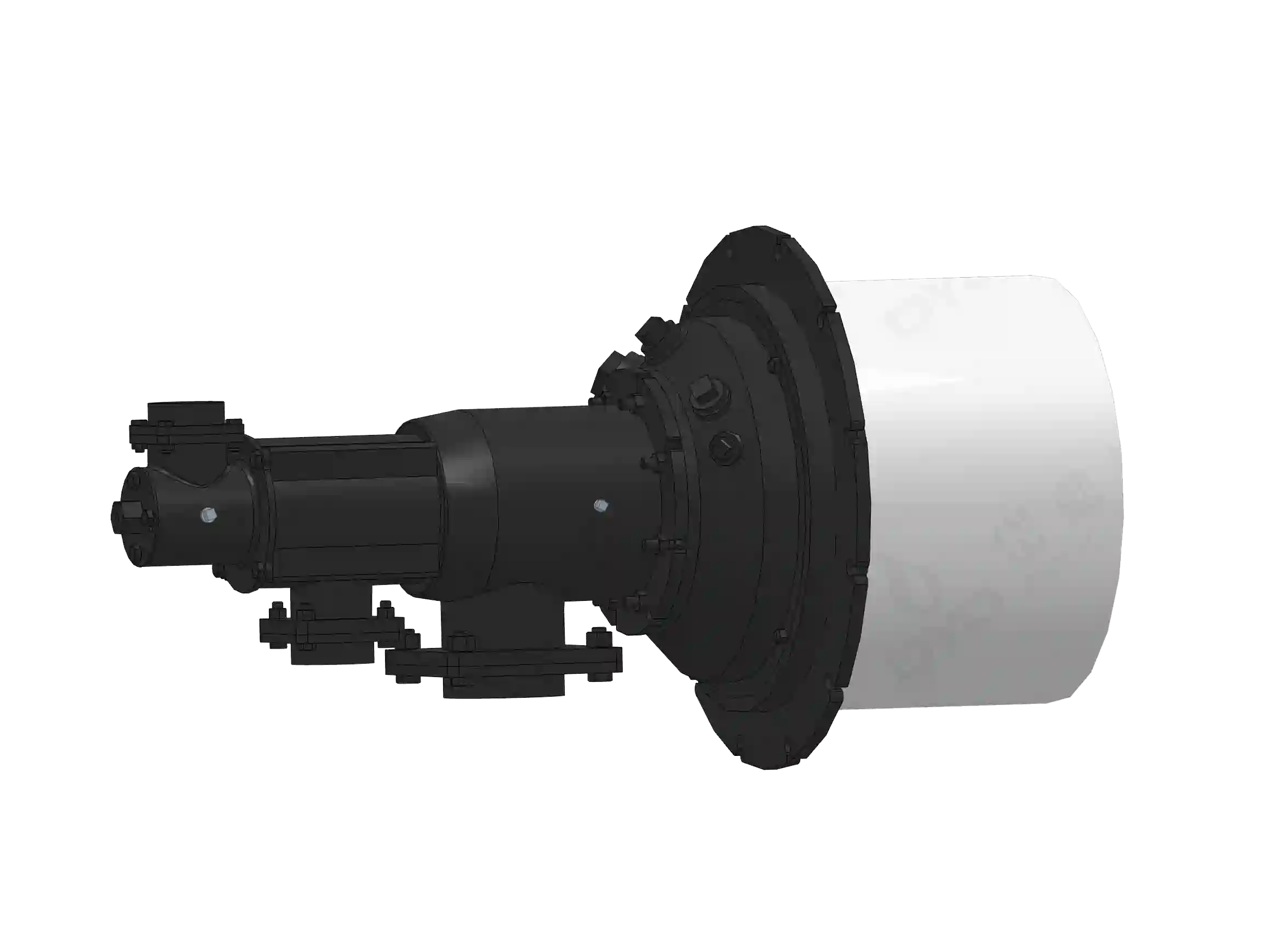
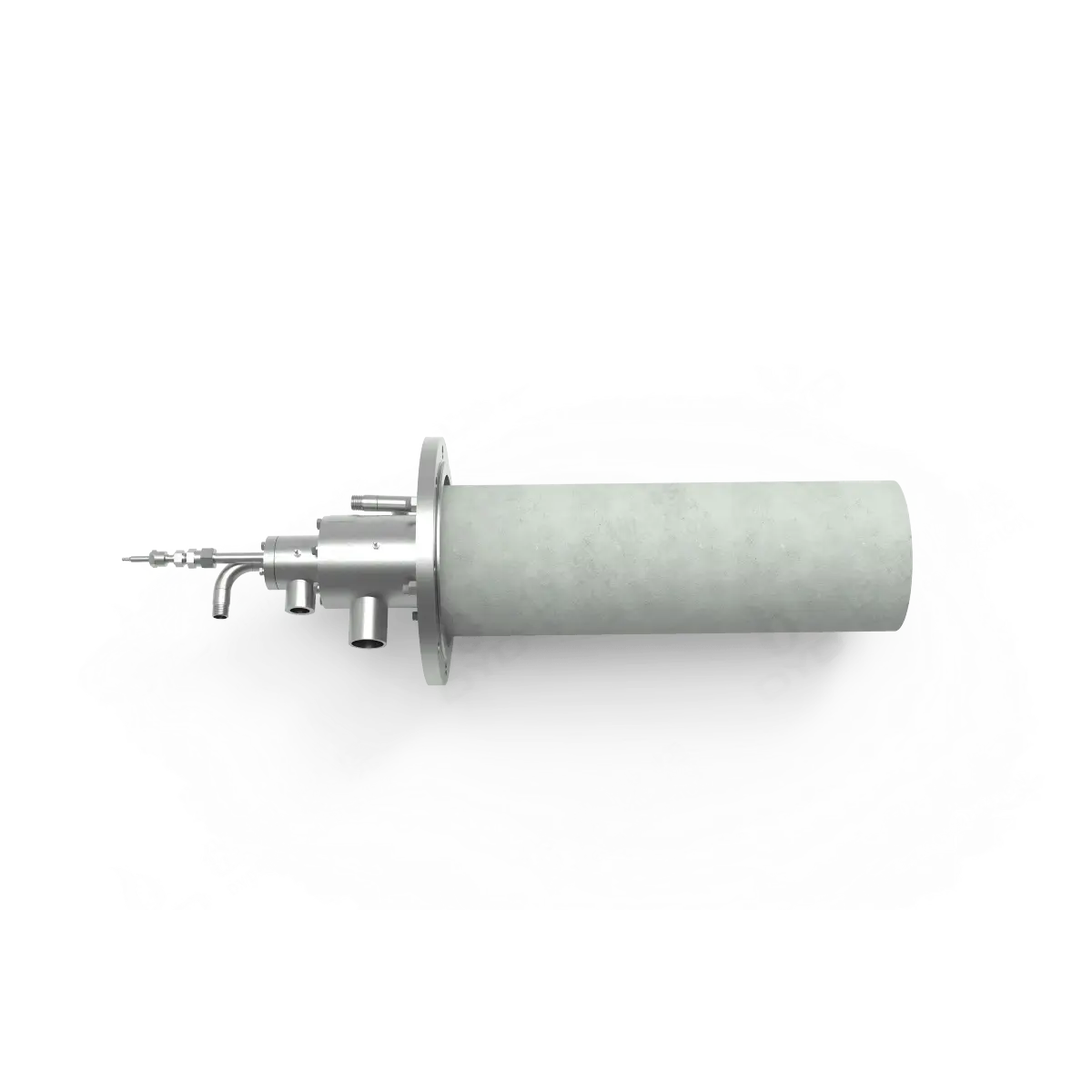
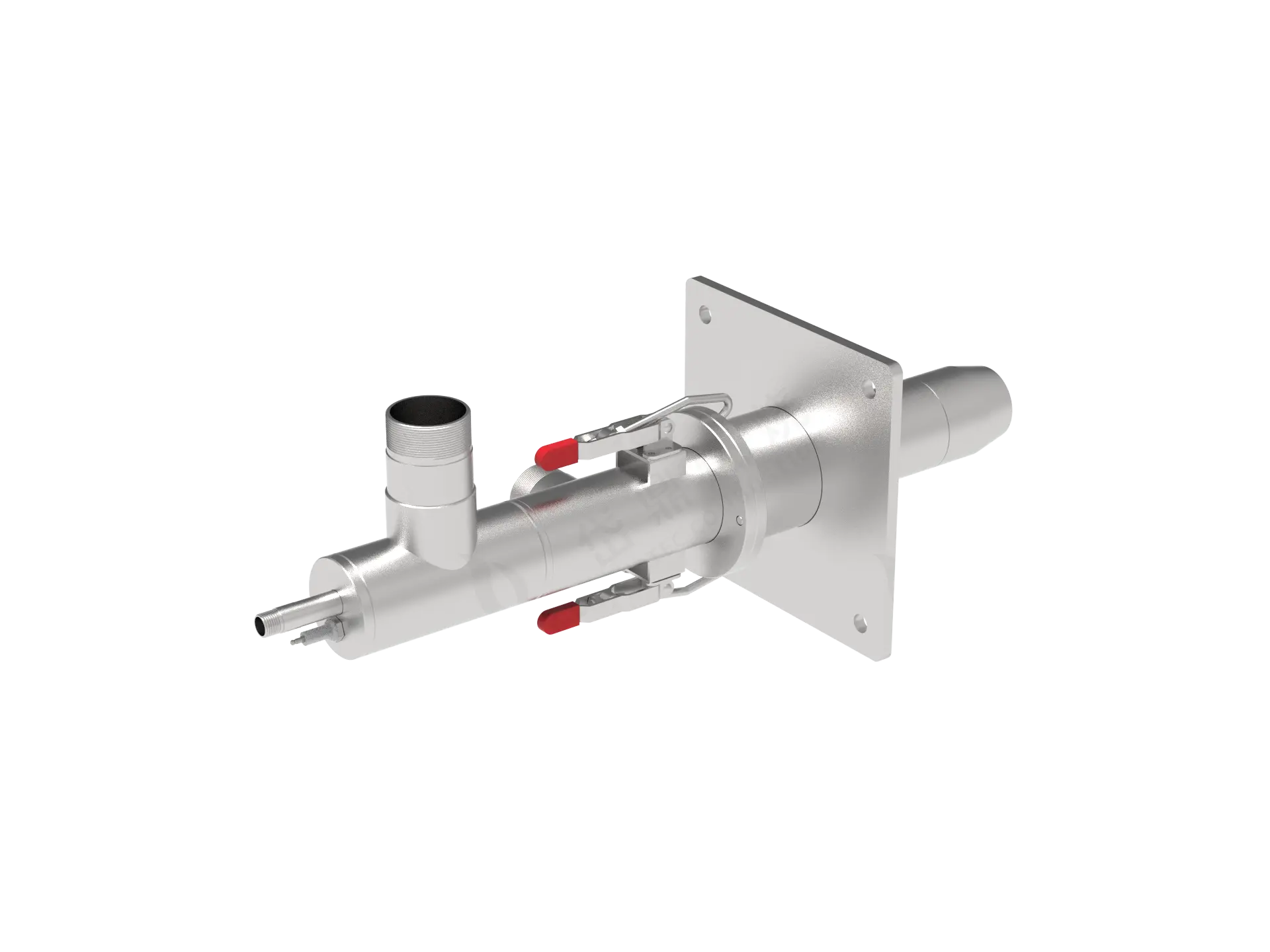
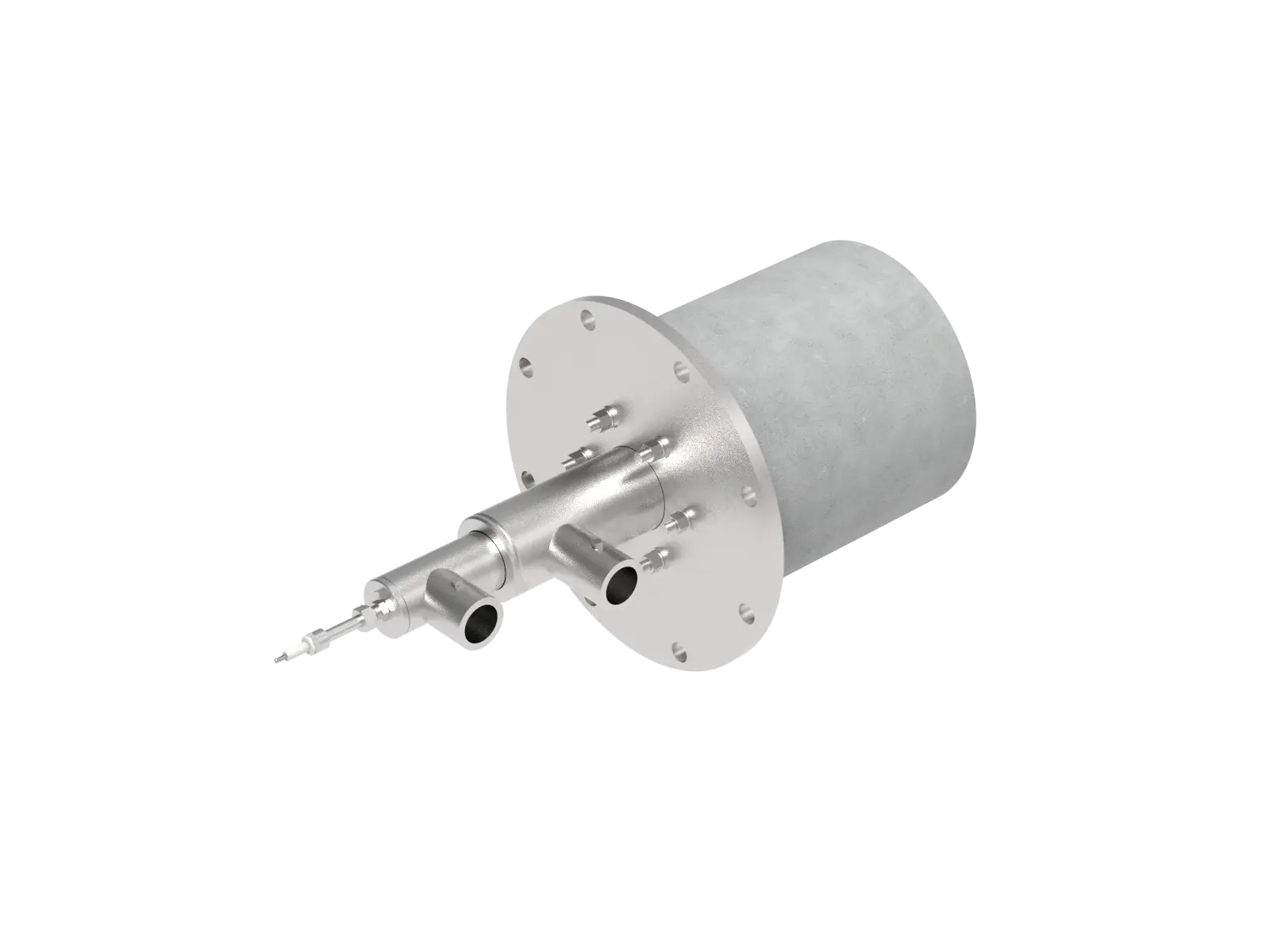
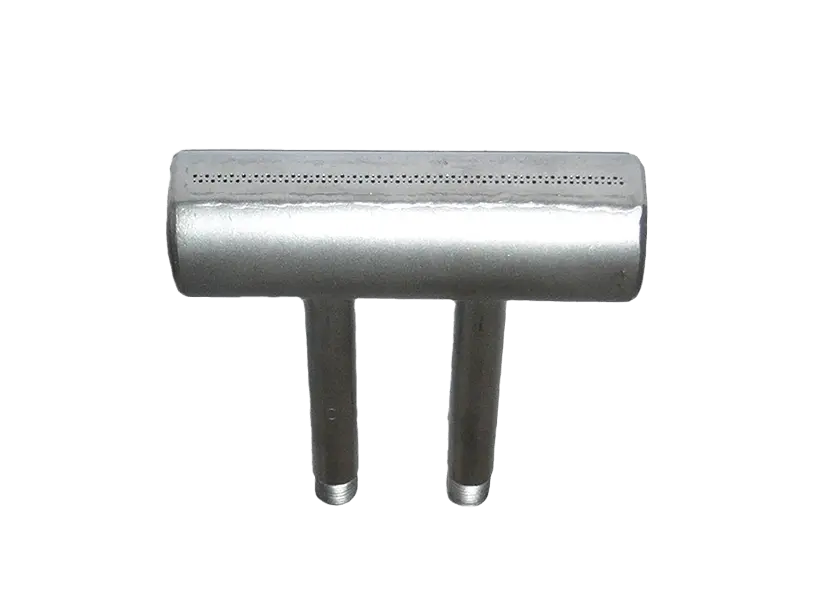
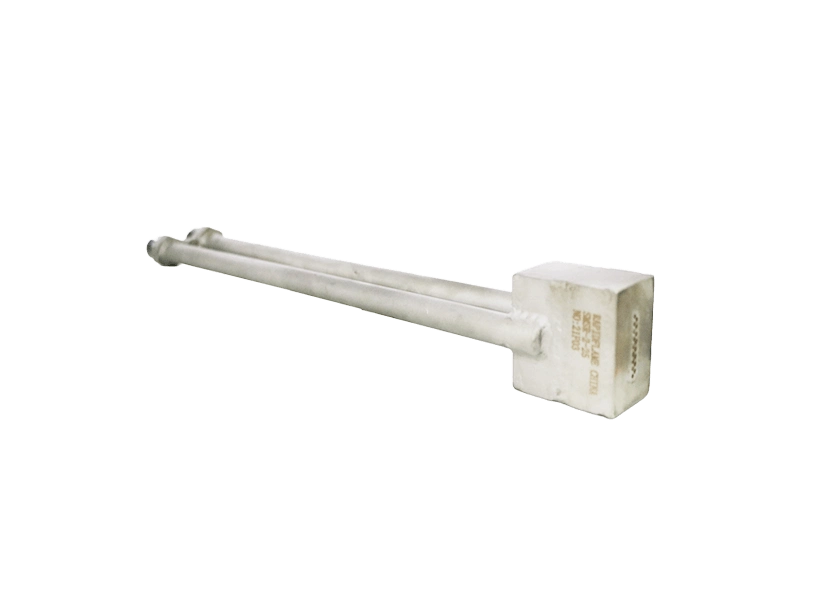
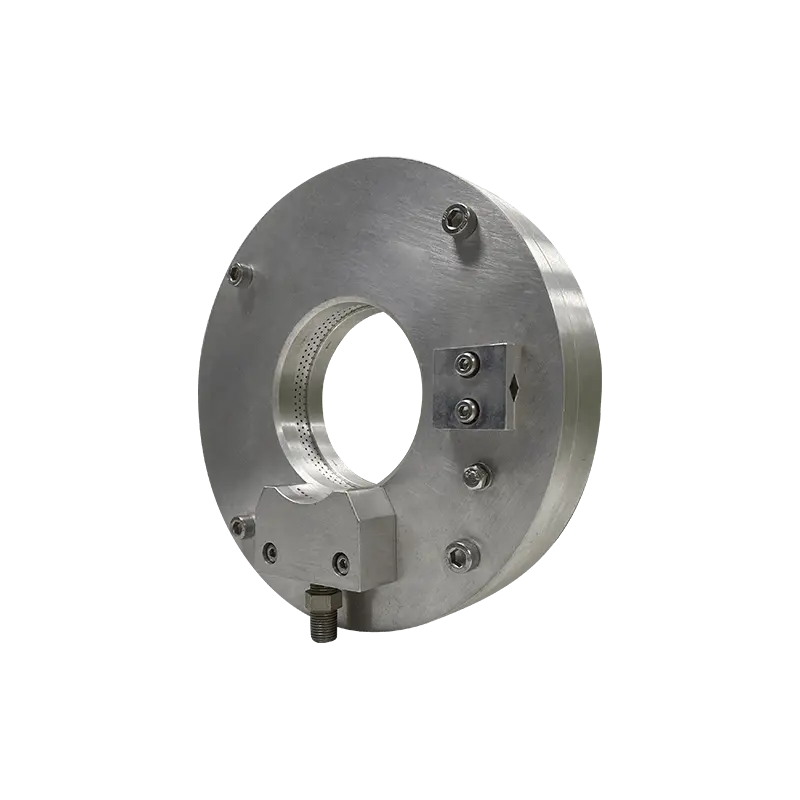
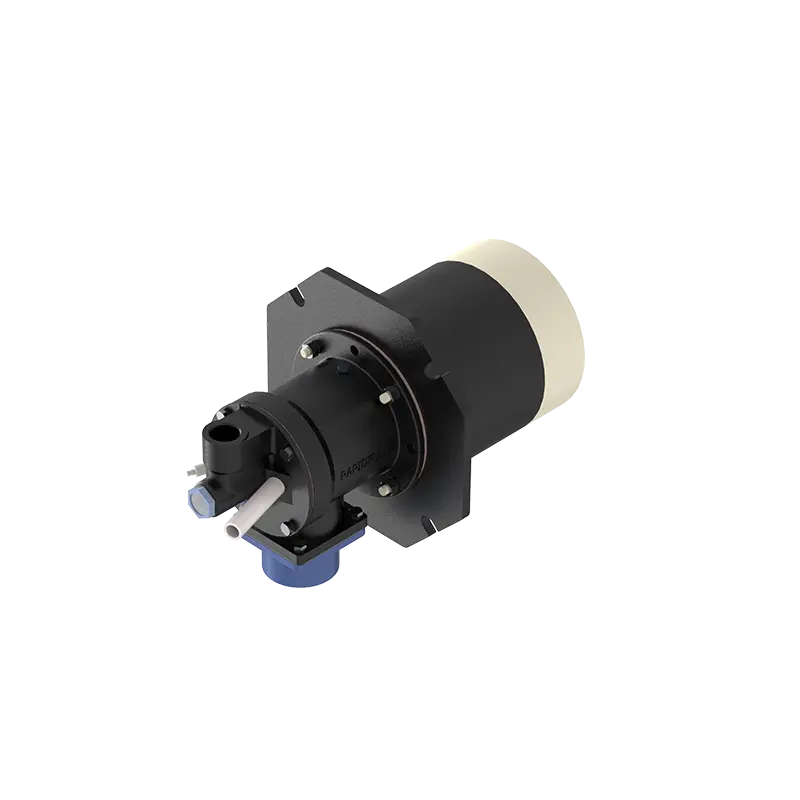
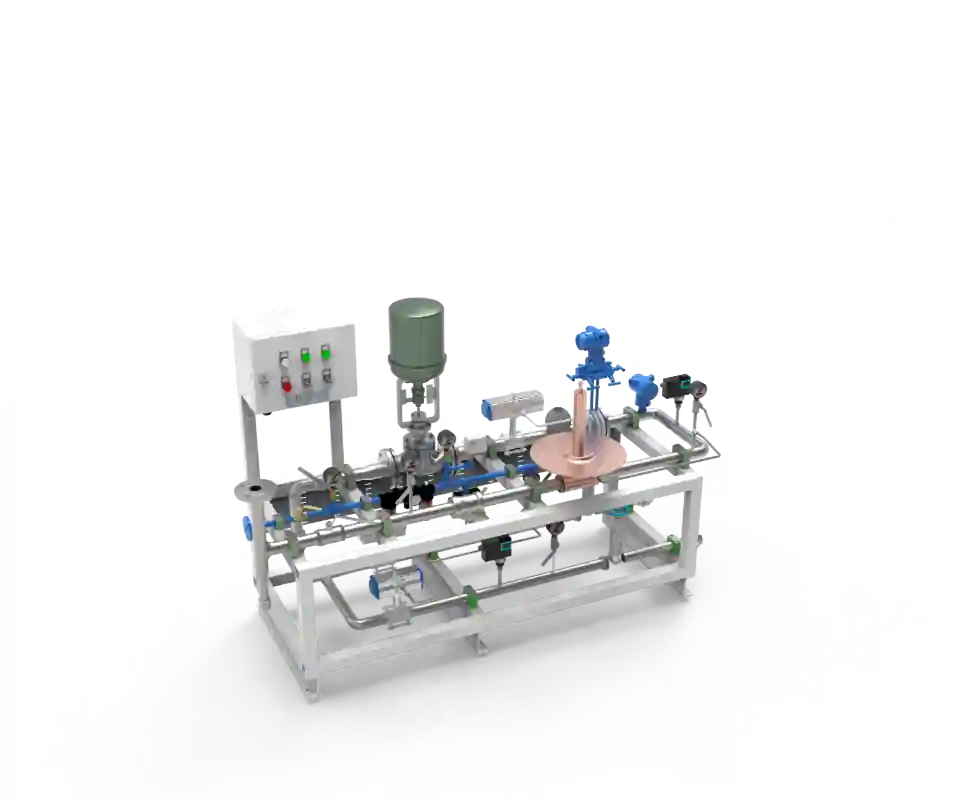
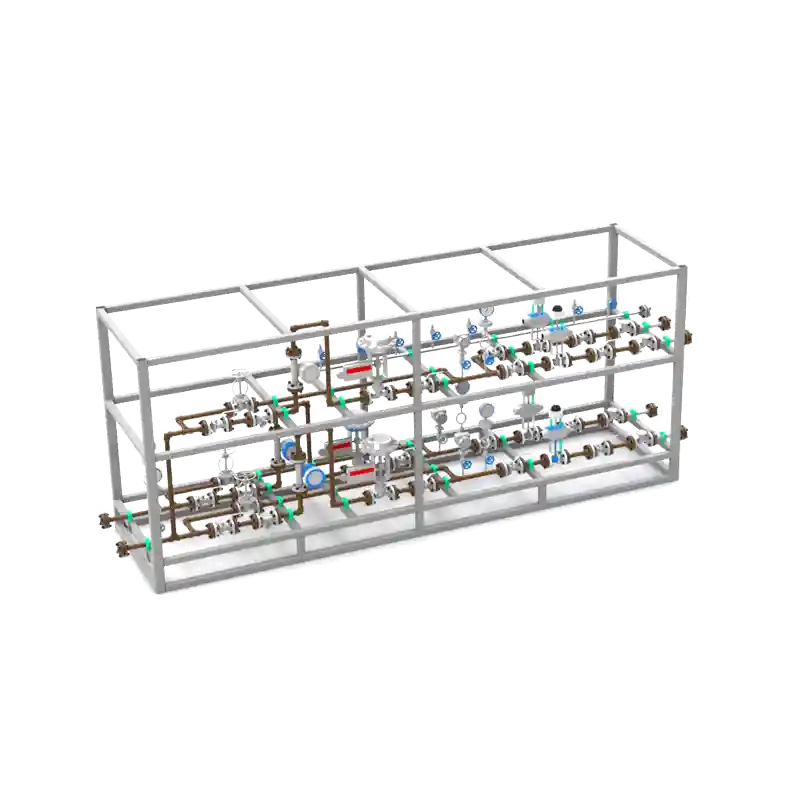
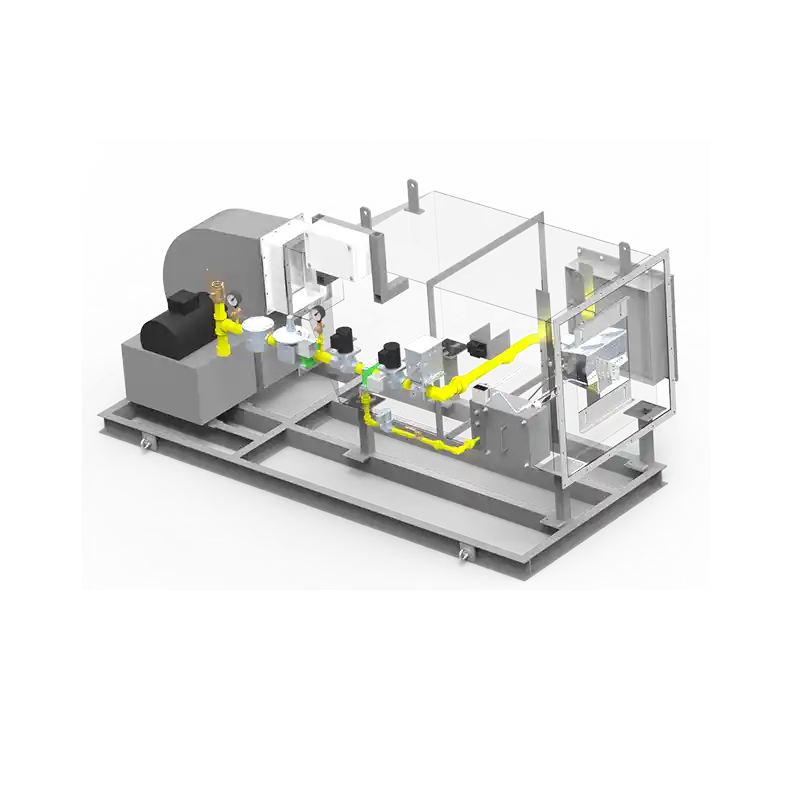
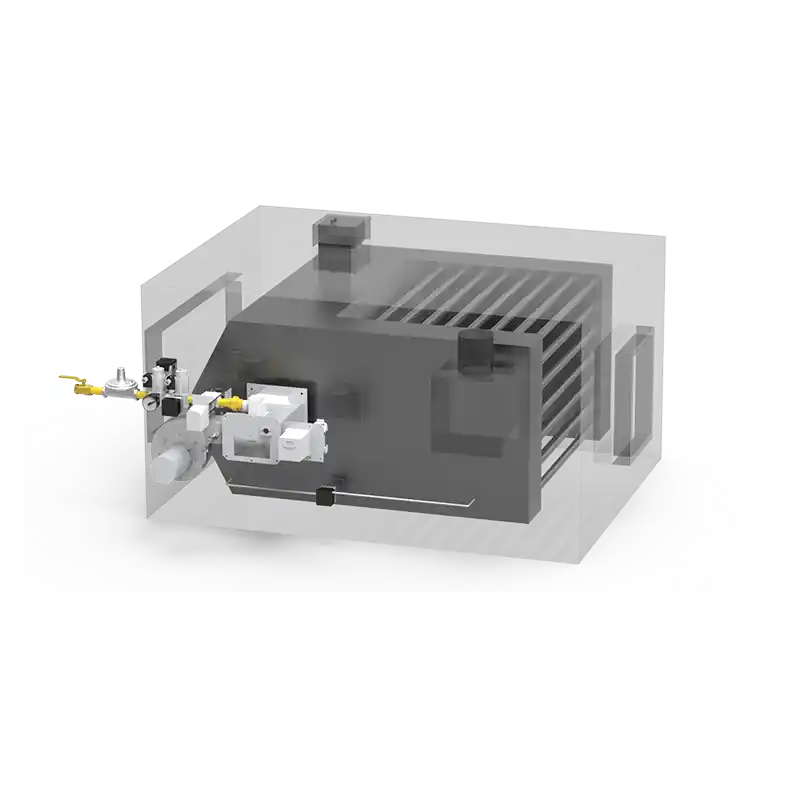
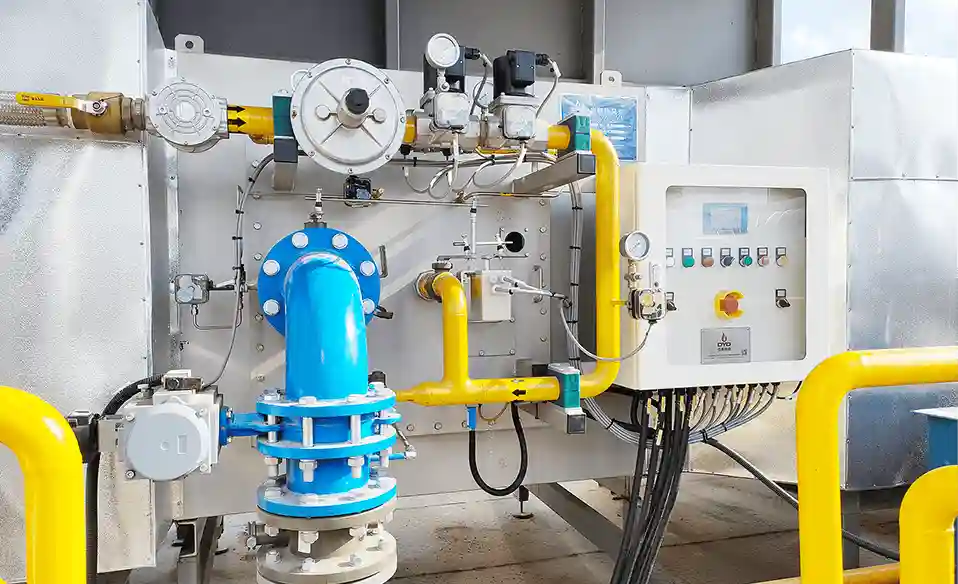
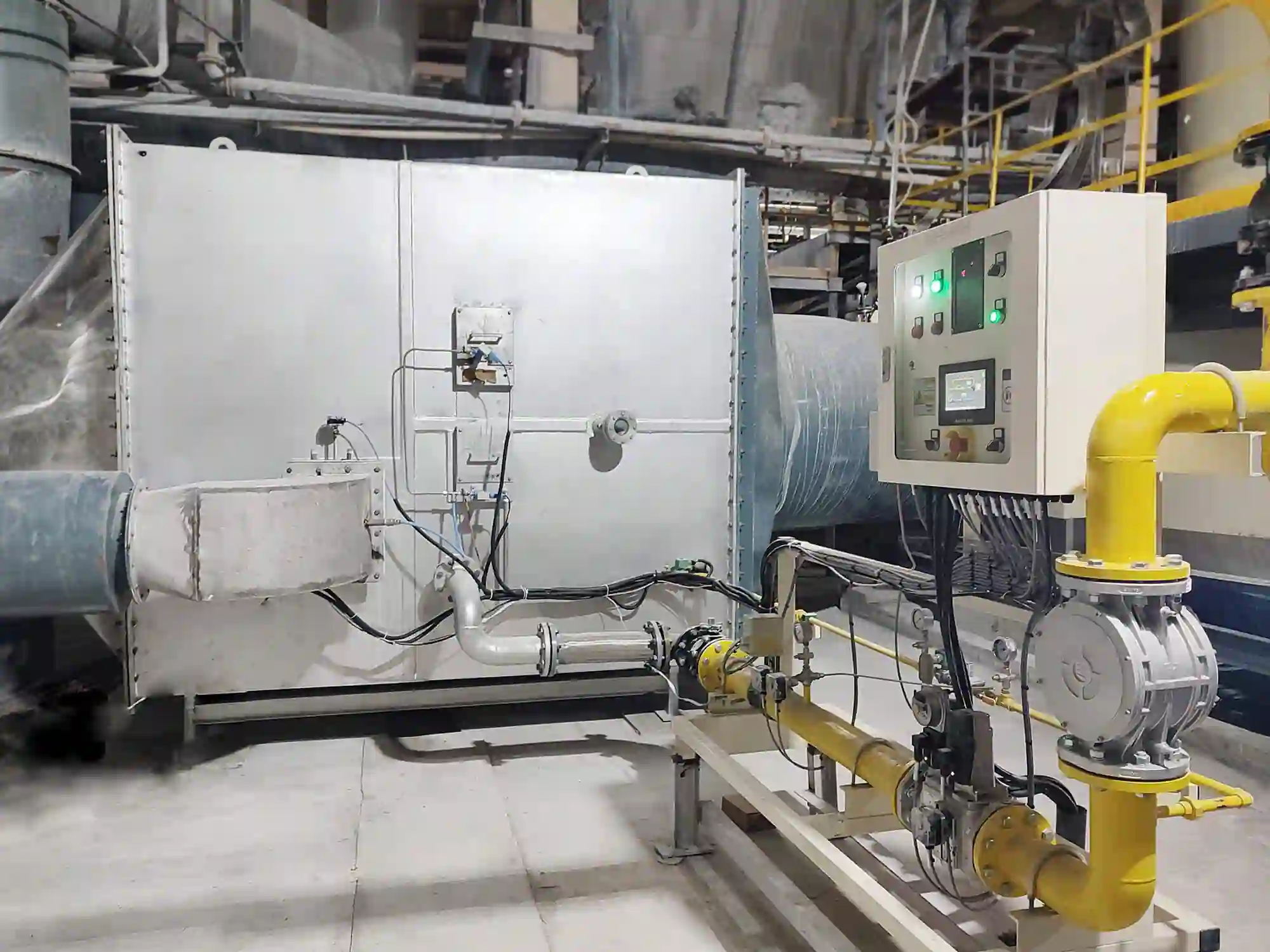
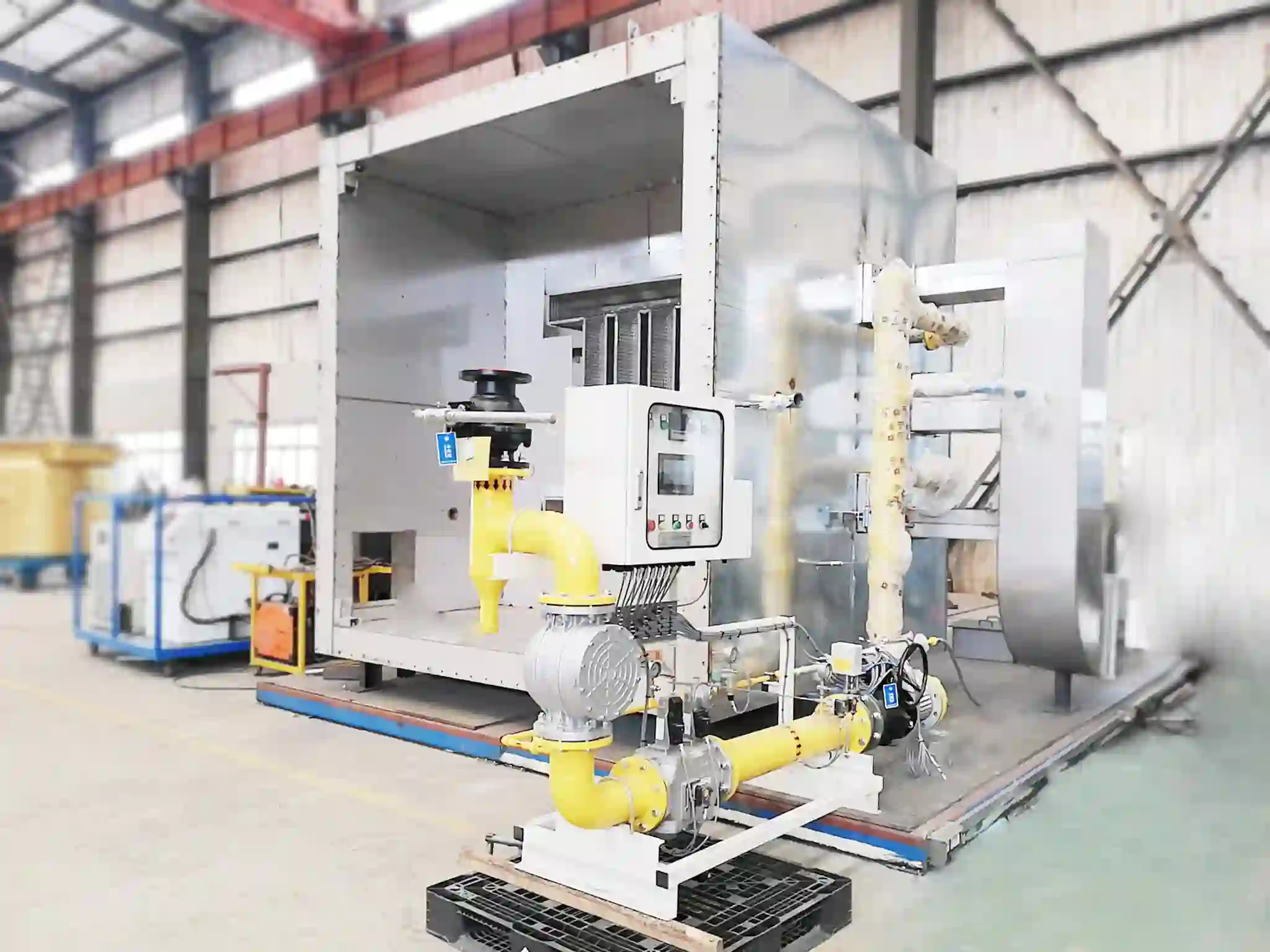
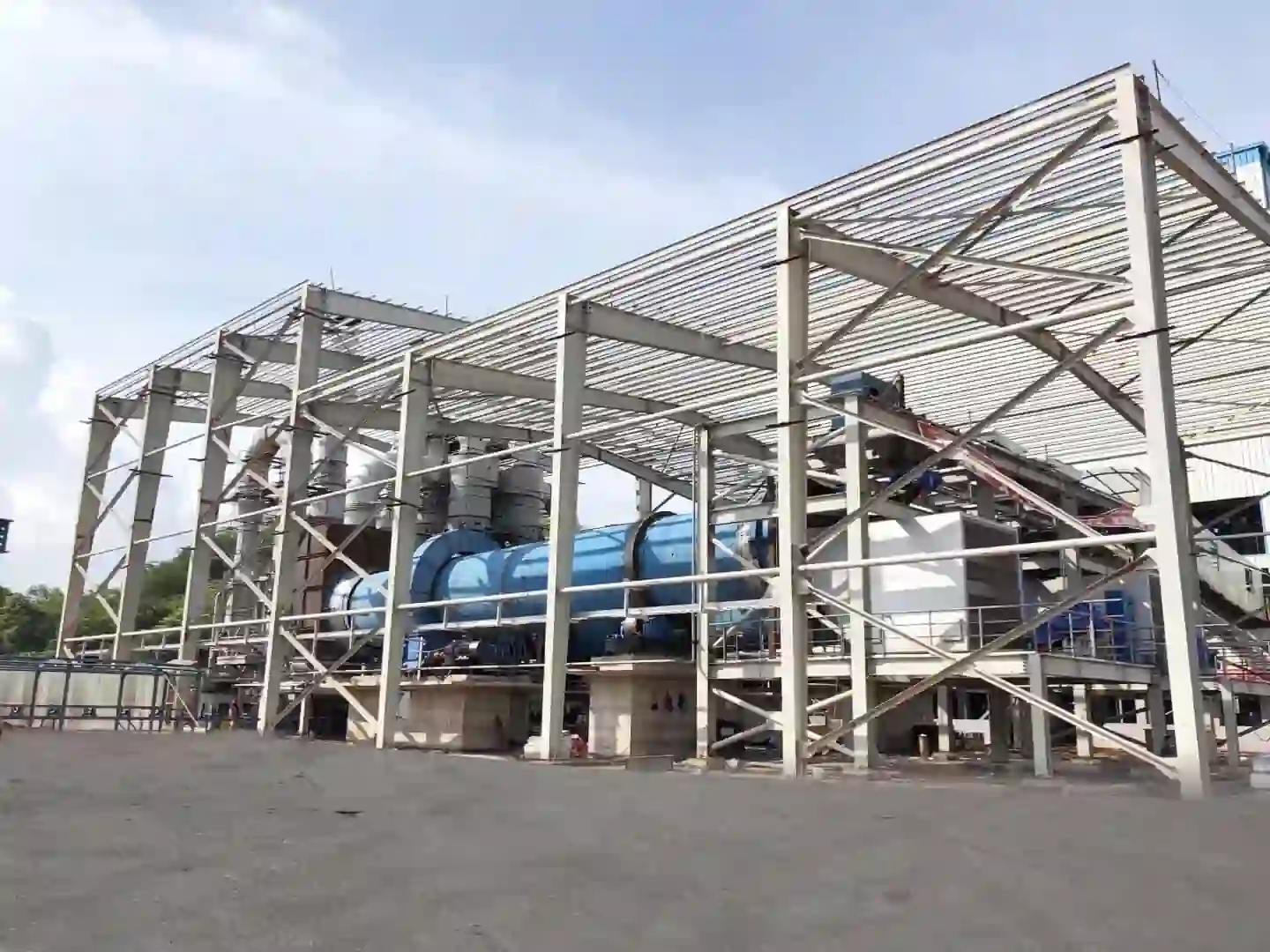
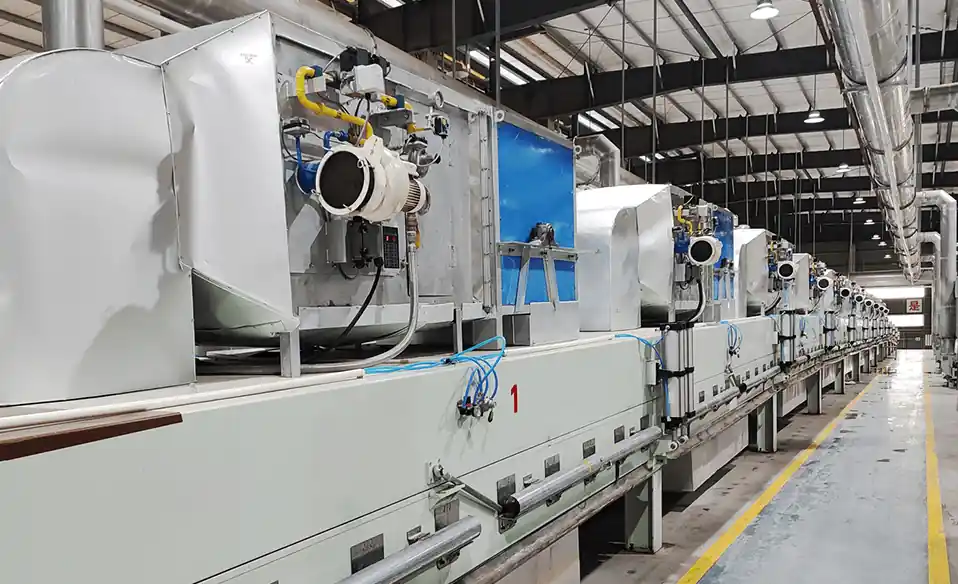
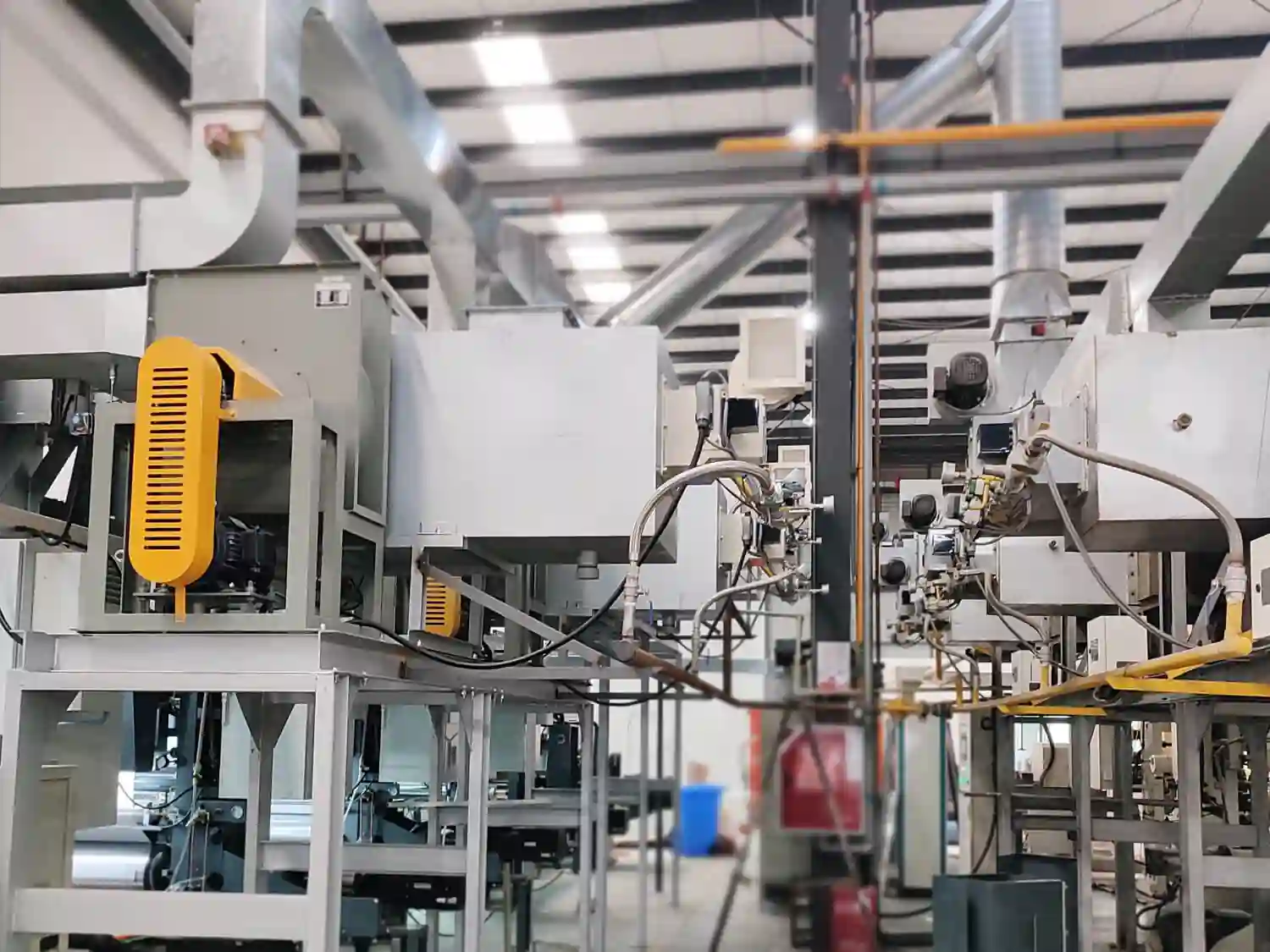
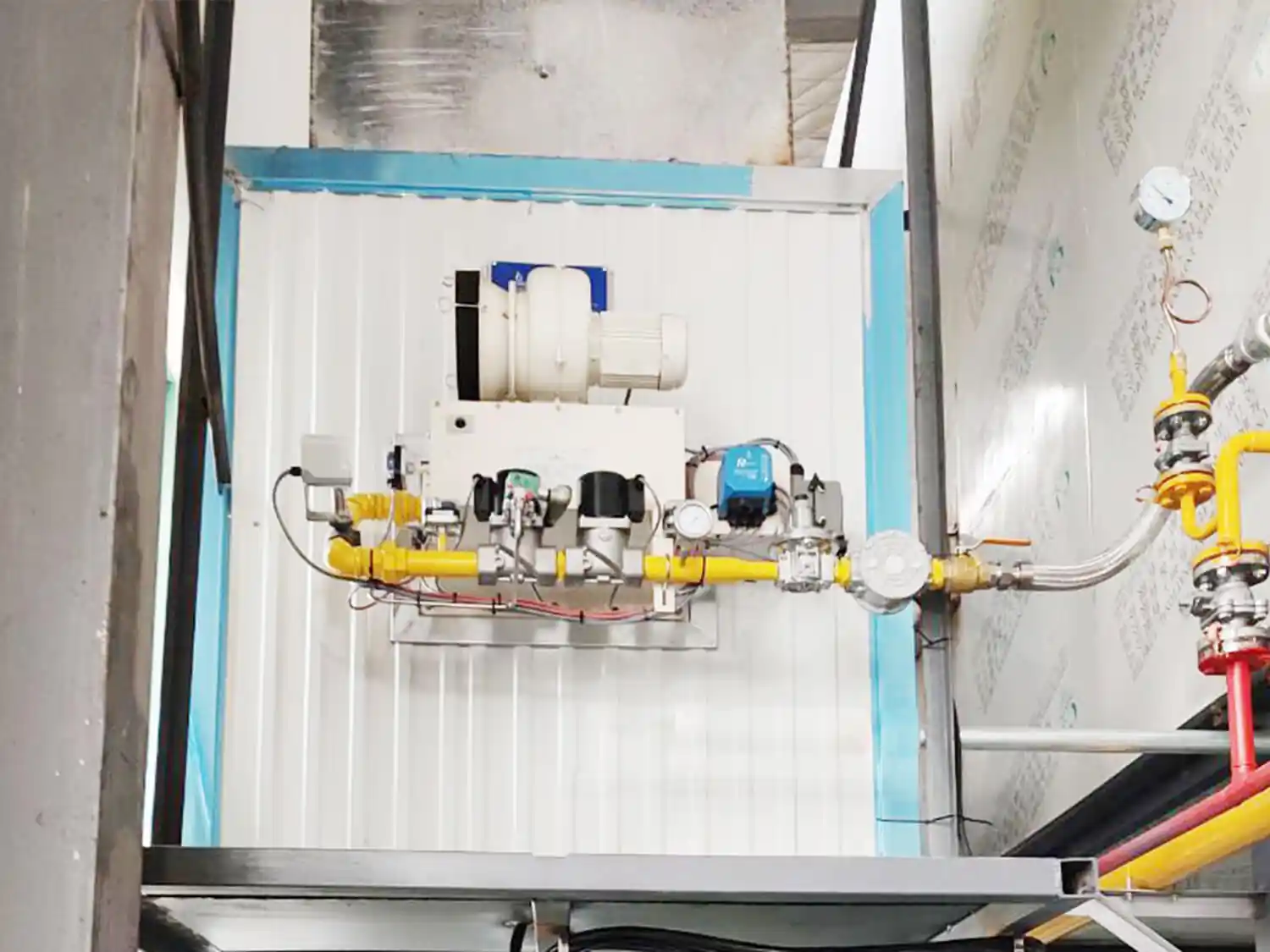
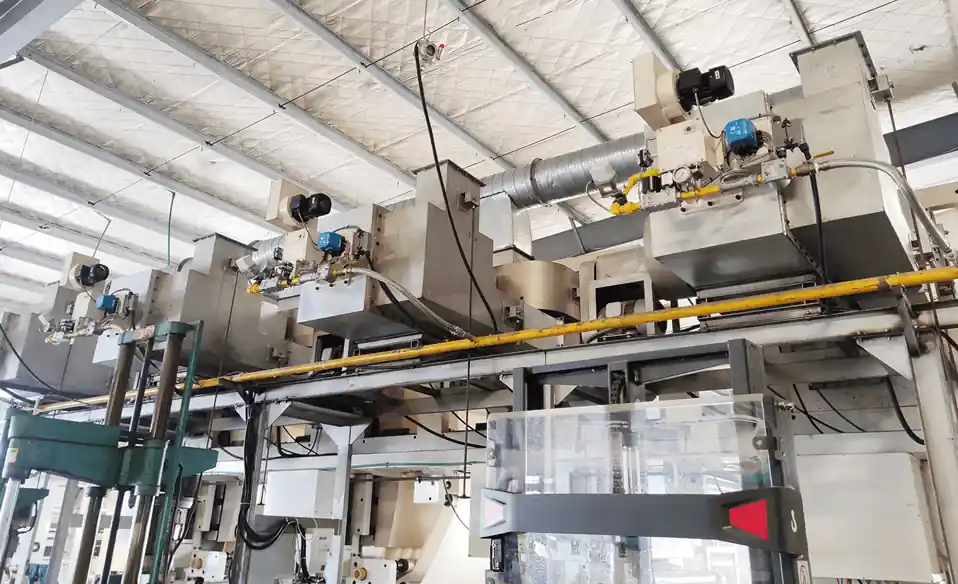
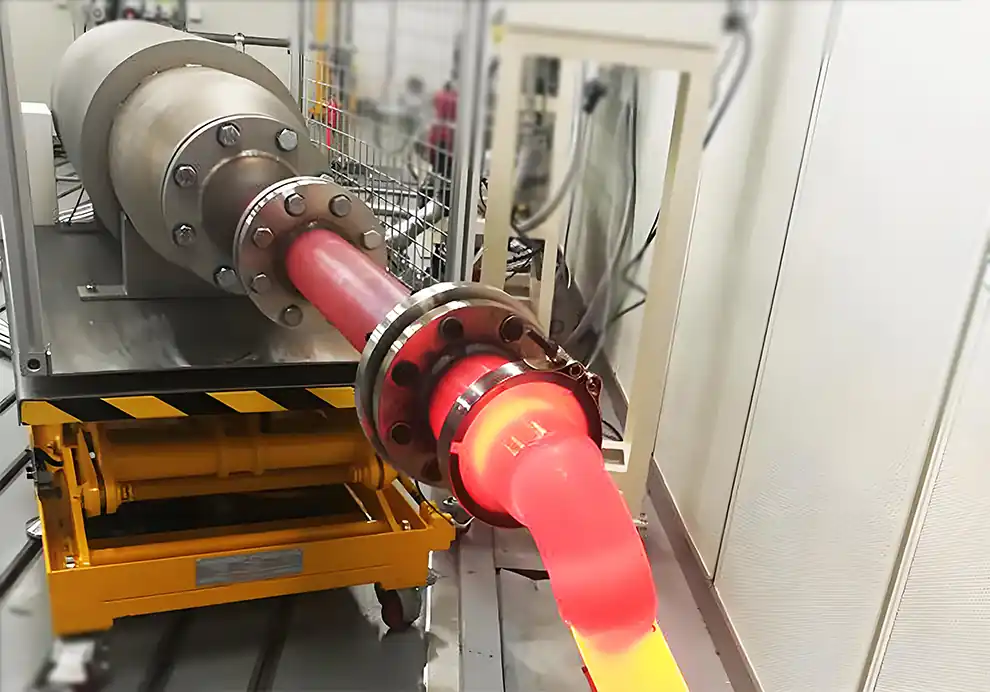
Selecting the correct burner for a kiln is essential for achieving uniform temperature distribution, stable combustion, energy efficiency, and consistent product quality. Unlike general industrial heating equipment, kilns often operate continuously at high temperatures—frequently for days, weeks, or even months without interruption—where even small differences in flame characteristics can significantly affect product performance. The thermal environment inside a kiln is highly demanding, with strict requirements for temperature accuracy, atmosphere control, and long-term reliability.
A properly selected kiln burner must match:
Kiln structure, including dimensions, shape, and refractory configuration.
Firing temperature, both the target and the maximum allowable.
Product characteristics, including thermal sensitivity and material properties.
Heat distribution requirements, defining the temperature profile along the kiln.
Fuel conditions, including type, pressure, and composition.
Emission regulations, setting environmental performance targets.
Production process, including cycle time, throughput, and operational mode.
An unsuitable burner may cause:
Uneven temperature zones, leading to inconsistent product properties.
Over-firing or under-firing, resulting in product defects or incomplete processing.
Increased fuel consumption, raising operating costs.
Product defects, such as warping, cracking, or discoloration.
Refractory damage, from localized overheating or thermal cycling.
Higher emissions, risking regulatory non-compliance.
Therefore, kiln burner selection should focus not only on burner capacity but also on flame behavior inside the kiln. The flame is the primary means of heat delivery, and its interaction with the kiln geometry and product load determines the success of the firing process.
Kilns have unique combustion requirements because they usually require:
Long continuous operation, often running 24/7 for extended campaigns.
Precise temperature control, to achieve the correct material transformation.
Uniform heat distribution, to ensure consistent product quality throughout the kiln.
Stable flame performance, maintaining consistent conditions despite fuel or load variations.
Resistance to harsh environments, including high temperatures, dust, and corrosive gases.
A kiln burner must deliver heat in a controlled way so that the entire firing zone reaches the required temperature profile. Unlike a simple furnace where the load is heated and then removed, a kiln often processes material continuously, with the burner maintaining a steady-state thermal condition that must be sustained over long periods.
The key objective is:
Create the right flame in the right position with the right heat release pattern.
This means the burner must generate a flame that matches the kiln's thermal demand while fitting within the available space, avoiding impingement on walls or product, and providing the necessary temperature uniformity for consistent product quality.
The first step is identifying the kiln process. Different kiln types have distinct geometries, operating modes, and thermal requirements, each demanding specific flame characteristics from the burner.
Applications:
Tiles, requiring uniform firing to achieve consistent color and strength.
Tableware, demanding precise temperature control for glaze quality.
Sanitary ceramics, with complex shapes requiring careful heat distribution.
Technical ceramics, where precise material properties depend on exact firing profiles.
Important requirements:
Uniform temperature distribution across the entire load.
Precise firing control, with repeatable temperature cycles.
Stable combustion, to avoid fluctuations that could damage products.
Suitable burner features:
Adjustable flame shape, to match different load configurations.
Good temperature control, with responsive modulation.
Low emissions, to meet environmental standards.
Applications:
Continuous ceramic production, with products moving through the kiln on cars.
Building materials, such as bricks and roof tiles, in high-volume production.
Important requirements:
Long operating cycles, with kilns running continuously for months.
Stable temperature zones, with different sections maintained at different temperatures.
Reliable operation, with minimal interruptions for maintenance.
Suitable burner features:
High reliability, with components designed for extended service.
Flexible adjustment range, accommodating different product types.
Good flame distribution, ensuring consistent temperature along the tunnel.
Applications:
Cement production, requiring high-temperature calcination.
Lime processing, for quicklime production.
Mineral processing, including ore reduction and calcination.
Chemical processing, for various thermal reactions.
Important requirements:
Deep flame penetration, reaching the material bed at the bottom of the rotating cylinder.
Strong heat transfer, to the tumbling material.
High-temperature stability, maintaining conditions despite feed variations.
Suitable burner features:
High flame momentum, to penetrate the kiln length.
Long flame length, to distribute heat along the kiln.
Adjustable combustion characteristics, to match feed and speed changes.
Applications:
Metal processing, including annealing, tempering, and stress relief.
Industrial materials, such as glass or advanced ceramics.
Important requirements:
Accurate temperature control, within tight tolerances.
Controlled heating rate, to avoid thermal shock.
Suitable burner features:
Stable low-load operation, for precise temperature management.
Precise modulation, enabling smooth adjustment of heat input.
The burner capacity must match the kiln heat demand. Capacity determination follows the same principles as other industrial burners but must account for the specific characteristics of kiln operation, including continuous firing and long thermal cycles.
The required heat input includes:
Energy required to raise product temperature from ambient to firing temperature.
Affected by:
Product weight, determining the total thermal mass.
Material properties, including specific heat and thermal conductivity.
Production rate, establishing the continuous energy demand.
Target temperature, setting the required thermal intensity.
Heat losses occur through multiple pathways and are often significant in kilns due to high operating temperatures.
Losses occur through:
Kiln walls, via conduction through refractory and insulation.
Openings, for product entry and exit.
Exhaust gases, carrying heat out of the system.
Affected by:
Insulation quality, with better insulation reducing losses.
Kiln design, including wall thickness and material selection.
Operating temperature, with higher temperatures increasing loss rates.
Consider additional thermal demands:
Heating speed, determining the rate of temperature rise.
Firing cycle, including ramp-up, soak, and cooling phases.
Temperature profile, defining the thermal gradient along the kiln.
The basic principle:
Burner Capacity = Product Heat Demand + Heat Losses + Operating Margin
The operating margin should cover normal variations in production rate, ambient conditions, and fuel quality without excessive oversizing.
Flame length is one of the most important factors in kiln burner selection. The axial extent of the flame determines where heat is released along the kiln, directly influencing temperature distribution and the risk of impingement.
Suitable for:
Large kiln chambers, where heat must travel a significant distance.
Deep firing zones, requiring penetration to the far end.
Advantages:
Better penetration, delivering heat to the core of the kiln.
Distributed heat release, reducing peak thermal loading.
Applications:
Rotary kilns, where the flame must traverse the length of the cylinder.
Large industrial kilns with high length-to-diameter ratios.
Suitable for:
Compact firing zones, where space is limited.
Sensitive products, requiring gentle heat release.
Advantages:
Concentrated heat, for rapid heating of specific zones.
Fast response, for quick temperature adjustments.
May cause:
Local overheating of the product or refractory at the far end.
Product damage, from excessive temperature exposure.
Refractory wear, from sustained impingement.
May cause:
Insufficient heat penetration, leaving cold zones.
Cold zones, where product fails to reach firing temperature.
Poor temperature uniformity, affecting product consistency.
Flame momentum determines how effectively combustion gases move through the kiln and how thoroughly they circulate within the firing zone. Momentum is the mechanical driver of gas flow and heat distribution.
High flame momentum provides:
Strong gas circulation, carrying heat to all parts of the kiln.
Better heat transfer, through enhanced convection and mixing.
Improved temperature uniformity, reducing thermal stratification.
Important for:
Large kilns, where heat must be distributed over significant distances.
High-temperature processes, where rapid heat transfer is required.
However, excessive momentum may cause:
Product disturbance, by creating strong gas currents that displace or damage materials.
Excessive wear, through erosion of refractory surfaces.
Incorrect heat distribution, concentrating heat in certain zones.
The burner must balance velocity and heat release to achieve the required circulation without creating adverse effects.
Different kiln processes require different burner designs. The choice of burner type should reflect the specific thermal requirements, fuel characteristics, and operational constraints of the kiln.
Characteristics:
High-speed combustion jets, with significant momentum.
Strong furnace circulation, promoting temperature uniformity.
Advantages:
Improved heat transfer, through enhanced convection.
Better temperature uniformity, reducing gradients.
Applications:
Industrial kilns, where uniform heating is critical.
Heat treatment furnaces, requiring consistent temperature.
Characteristics:
Controlled mixing, delaying complete combustion.
Reduced peak flame temperature, limiting thermal NOx formation.
Advantages:
Lower NOx emissions, meeting environmental limits.
Compliance with regulatory requirements.
Applications:
Modern industrial kilns in regulated regions.
Facilities with strict emission limits.
Characteristics:
Operate with different fuels, providing operational flexibility.
Applications:
Plants requiring fuel flexibility, due to supply or cost considerations.
Advantages:
Adaptability to changing fuel availability or pricing.
Continuity of operation during fuel supply interruptions.
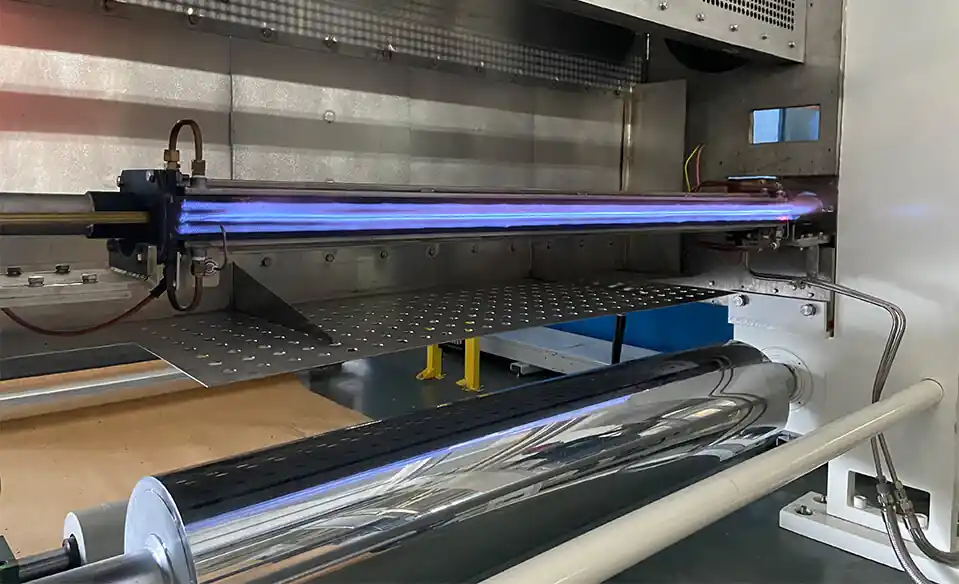
Characteristics:
Long flame distribution across a wide heating zone.
Applications:
Continuous heating systems with broad product widths.
Wide heating zones requiring uniform heat input.
Advantages:
Uniform heat distribution across the product width.
Consistent thermal conditions for continuous processing.
Fuel type strongly affects burner design, combustion behavior, and equipment requirements. The fuel determines the burner's materials, control strategy, and flame characteristics.
Common kiln fuels include:
Natural gas, the most widely used fuel for its cleanliness and controllability.
LPG, used where natural gas is not available.
Diesel, for backup or mobile applications.
Biomass-derived gases, for renewable energy applications.
Hydrogen blends, emerging for low-carbon combustion.
Advantages:
Clean combustion, with minimal ash or soot.
Easy control, with predictable combustion behavior.
Low maintenance, with fewer fouling issues.
Common choice for:
Ceramic kilns, where product purity is important.
Industrial heating, requiring reliable and consistent fuel.
Requires consideration of:
Atomization quality, to produce fine droplets for combustion.
Fuel viscosity, affecting atomization and flow.
Combustion air adjustment, to achieve complete combustion.
Require attention to:
Higher flame speed, requiring burner designs that prevent flashback.
Flashback prevention, through velocity control and burner geometry.
Burner material selection, to withstand the different combustion environment.
Kiln processes often require precise temperature management to achieve the desired material properties. The control system must be capable of maintaining the required temperature profile across the entire firing zone.
Important control factors:
A higher turndown ratio allows better low-load operation, more stable temperature control, and lower fuel consumption by matching the heat input to the actual demand without excessive cycling.
Continuously adjusts:
Fuel flow, to match the heat requirement.
Air flow, to maintain the correct air-fuel ratio.
Heat output, providing smooth and responsive control.
Benefits:
Stable firing temperature, avoiding overshoot and undershoot.
Improved efficiency, by maintaining the optimal air-fuel ratio across the load range.
Large kilns often require multiple burners to achieve the required heat distribution and temperature uniformity. The arrangement of burners is a critical design decision that affects the overall thermal performance of the kiln.
The arrangement affects:
Temperature uniformity, by distributing heat sources throughout the kiln.
Heat circulation, influencing recirculation patterns.
Product quality, through consistent thermal exposure.
Consider:
Burner spacing, to avoid interference and ensure uniform coverage.
Flame interaction, between adjacent burners.
Heating zones, with different burners serving different sections.
Modern kiln burners must meet increasingly strict emission standards. Environmental regulations are becoming more stringent, and kiln operators must select burners that can achieve compliance while maintaining process performance.
Important emissions:
NOx, formed at high temperatures, requiring temperature control.
CO, indicating incomplete combustion.
Unburned hydrocarbons, representing wasted fuel and emissions.
Low-emission technologies include:
Controls oxygen availability during combustion, reducing peak temperatures and limiting NOx formation. Fuel and air are introduced in multiple stages to spread the reaction over a larger volume.
Reduces flame temperature by introducing recycled exhaust gases into the combustion zone, diluting the reactants and moderating the reaction.
Improves fuel-air uniformity, creating a more homogeneous mixture that reduces both CO and NOx by avoiding local hot spots or fuel-rich zones.
Temperature alone does not determine burner selection. The flame must also match the kiln size, product requirements, and heat distribution needs. A burner that achieves the correct temperature but with the wrong flame pattern will not produce the required product quality.
A burner with the wrong flame pattern may create hot spots, cold areas, and uneven firing. The flame shape must be matched to the kiln geometry and the thermal requirements of the process.
Oversized burners may cause poor temperature control, higher fuel consumption, and thermal stress on the kiln structure. The correct capacity should be based on the actual heat demand, not on a worst-case estimate.
Initial cost does not represent lifetime cost. Fuel consumption, maintenance requirements, reliability, and service life all contribute to the total cost of ownership. A higher-quality burner may be more economical over its service life.
Before selecting a burner, collect comprehensive information about the kiln, production, fuel, and requirements:
✅ Kiln type and configuration
✅ Kiln dimensions, including length, width, and height
✅ Firing temperature, normal and maximum
✅ Temperature zones along the kiln
✅ Insulation condition and material
✅ Product type and material properties
✅ Production capacity or throughput
✅ Heating cycle and firing profile
✅ Temperature uniformity requirements
✅ Fuel type and composition
✅ Fuel pressure available at the burner
✅ Heating value of the fuel
✅ Future fuel plans, including potential changes
✅ Required capacity based on heat load
✅ Flame length, matching the kiln geometry
✅ Flame momentum, for proper circulation
✅ Turndown ratio, covering the operating range
✅ Emission requirements and applicable limits
The most important factor is matching the burner flame characteristics with the kiln process, including heat distribution, flame length, and temperature requirements. The burner must deliver heat in a way that is compatible with the kiln geometry and the product's thermal sensitivity.
Not necessarily. The correct burner must match the kiln heat demand and operating conditions. Oversized burners can reduce efficiency and control accuracy, leading to temperature swings and increased fuel consumption.
Because kiln products require uniform heating. Incorrect flame shape can create temperature differences across the load, leading to inconsistent material properties, defects, and reduced product quality.
Rotary kilns typically require burners with high flame momentum, adjustable flame length, and stable high-temperature operation. The flame must penetrate the length of the rotating cylinder and deliver heat to the material bed.
In areas with strict emission regulations, low-NOx burner technology can help reduce emissions while maintaining combustion stability. The choice depends on local regulations and the facility's environmental compliance requirements.
Selecting the correct burner for a kiln requires matching combustion performance with the entire firing process. The burner is not a standalone heat source; it is an integral part of the kiln system, and its performance directly influences product quality, energy efficiency, and operational reliability.
The ideal kiln burner should provide:
Correct heat capacity, meeting the thermal demand without oversizing.
Suitable flame length, fitting within the kiln geometry.
Proper flame momentum, providing adequate circulation.
Uniform heat distribution, ensuring consistent product quality.
Stable combustion, maintaining conditions over long operating periods.
Efficient fuel utilization, minimizing operating costs.
Low emissions, meeting environmental requirements.
A kiln burner is not simply a heat source; it is a precision combustion tool that directly influences production efficiency and product quality. The interaction between the flame and the kiln environment determines the success of the firing process.
By selecting a burner based on kiln design, fuel characteristics, and process requirements, manufacturers can achieve:
More consistent firing results, with reliable product quality.
Lower energy consumption, reducing operating costs.
Reduced emissions, supporting environmental compliance.
Longer equipment life, minimizing maintenance and replacement costs.
DYDTEC Combustion specializes in industrial burner technology, combustion systems, and customized thermal solutions. The company provides industrial burner solutions for kilns, furnaces, drying equipment, and thermal processing systems, focusing on kiln burner selection, flame optimization, fuel efficiency, low-emission combustion technology, and reliable long-term industrial operation. With deep expertise in kiln combustion engineering and thermal system design, DYDTEC supports customers in selecting the optimal burner for each unique kiln application, ensuring consistent product quality, energy efficiency, and operational reliability.