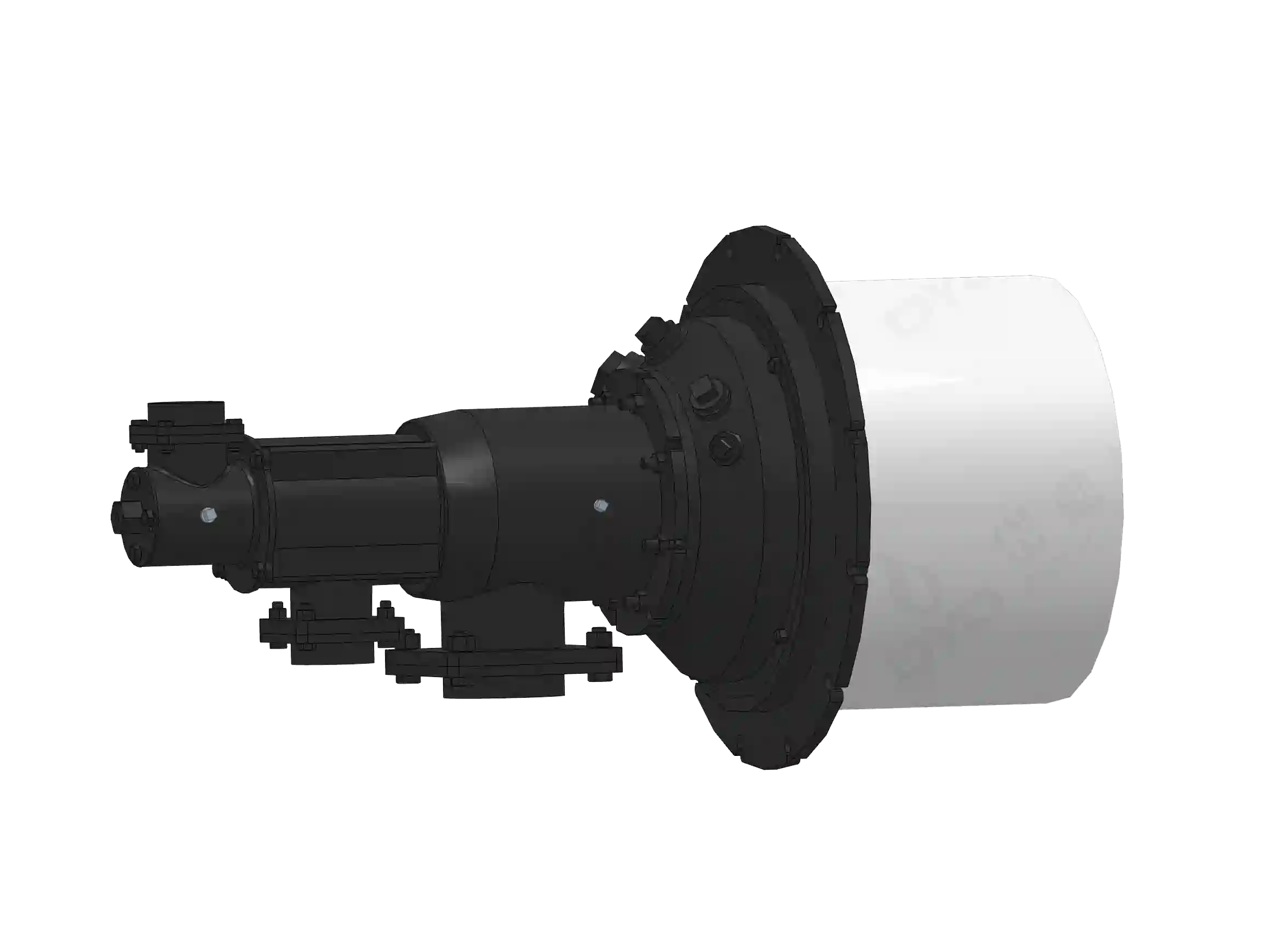
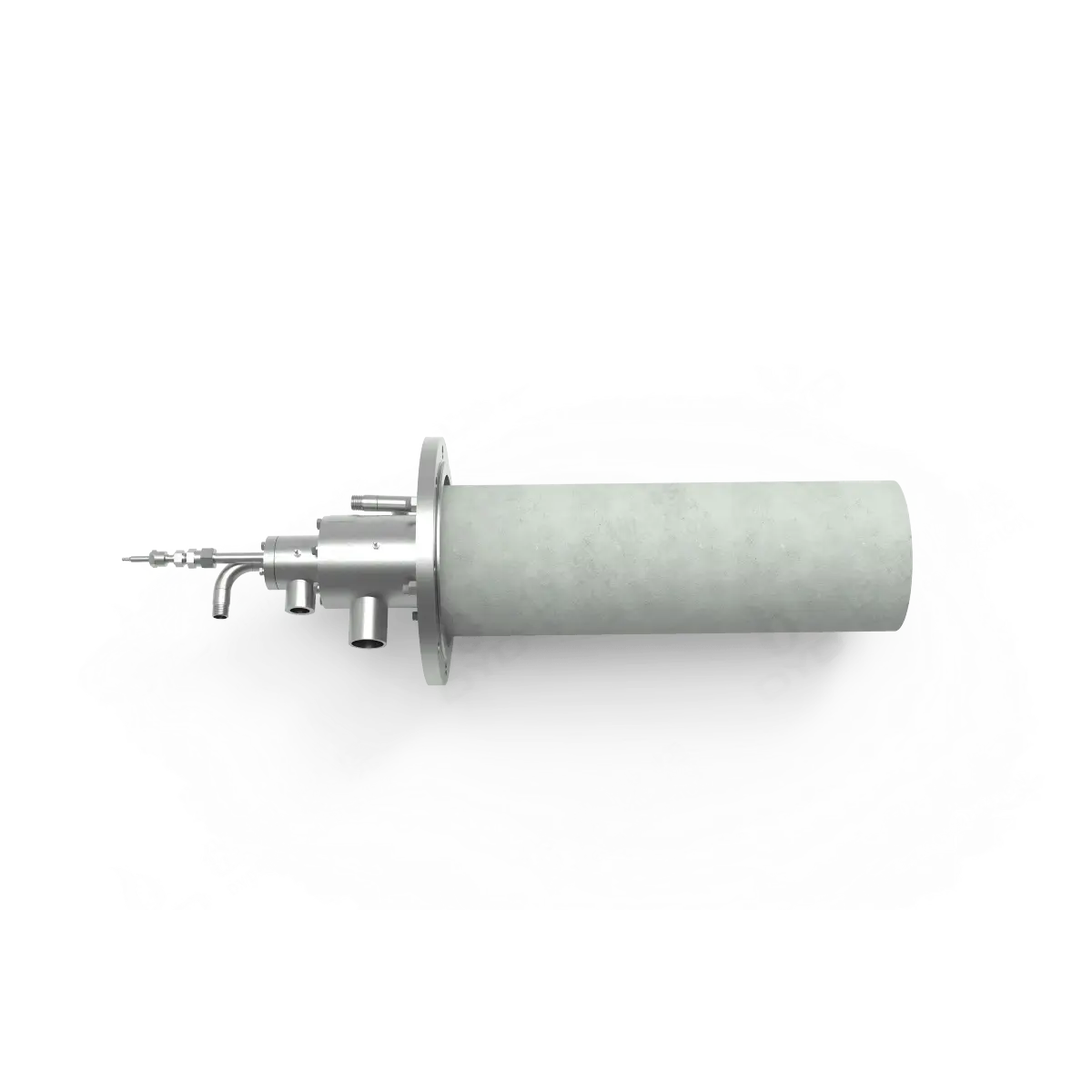
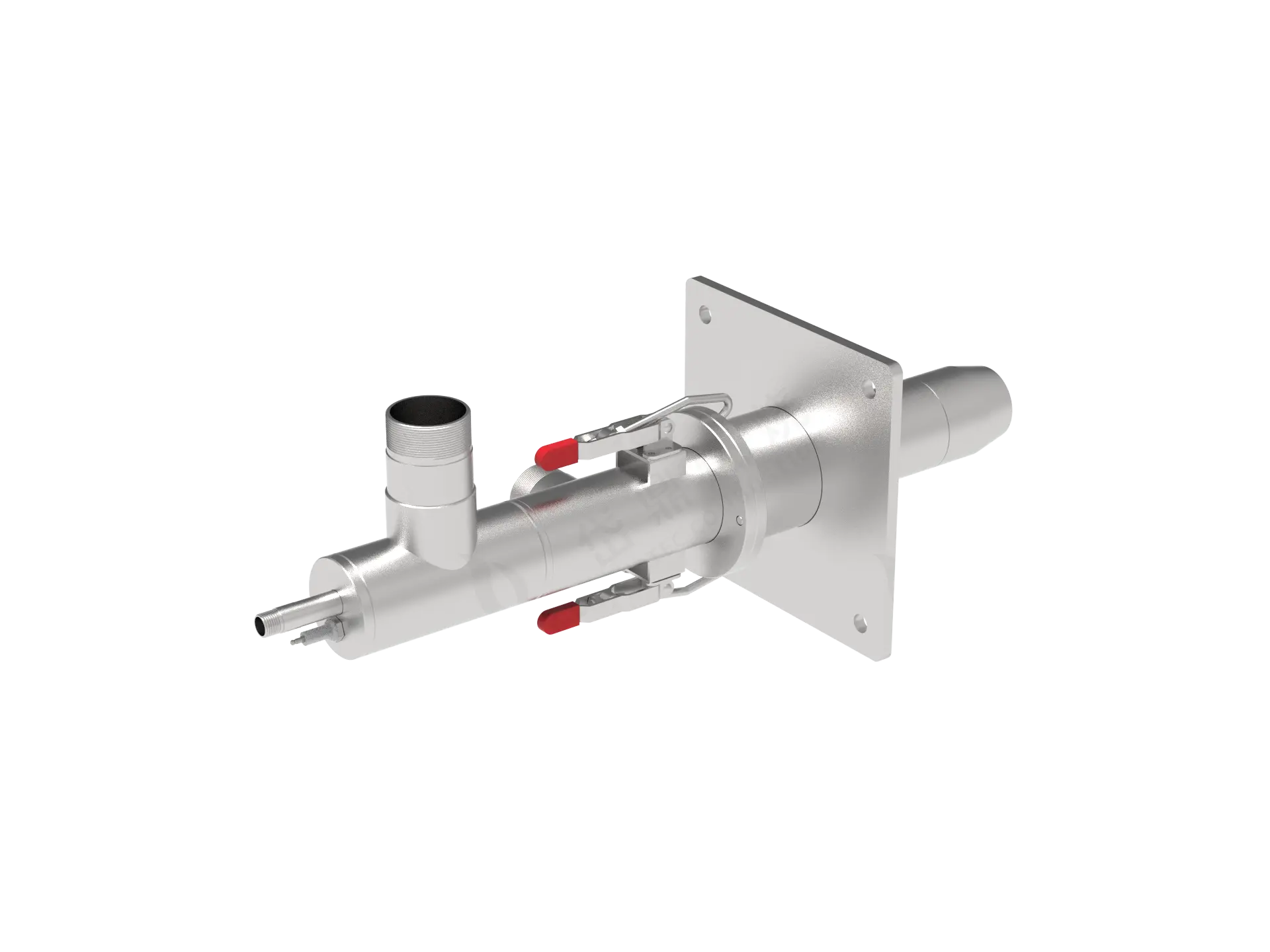
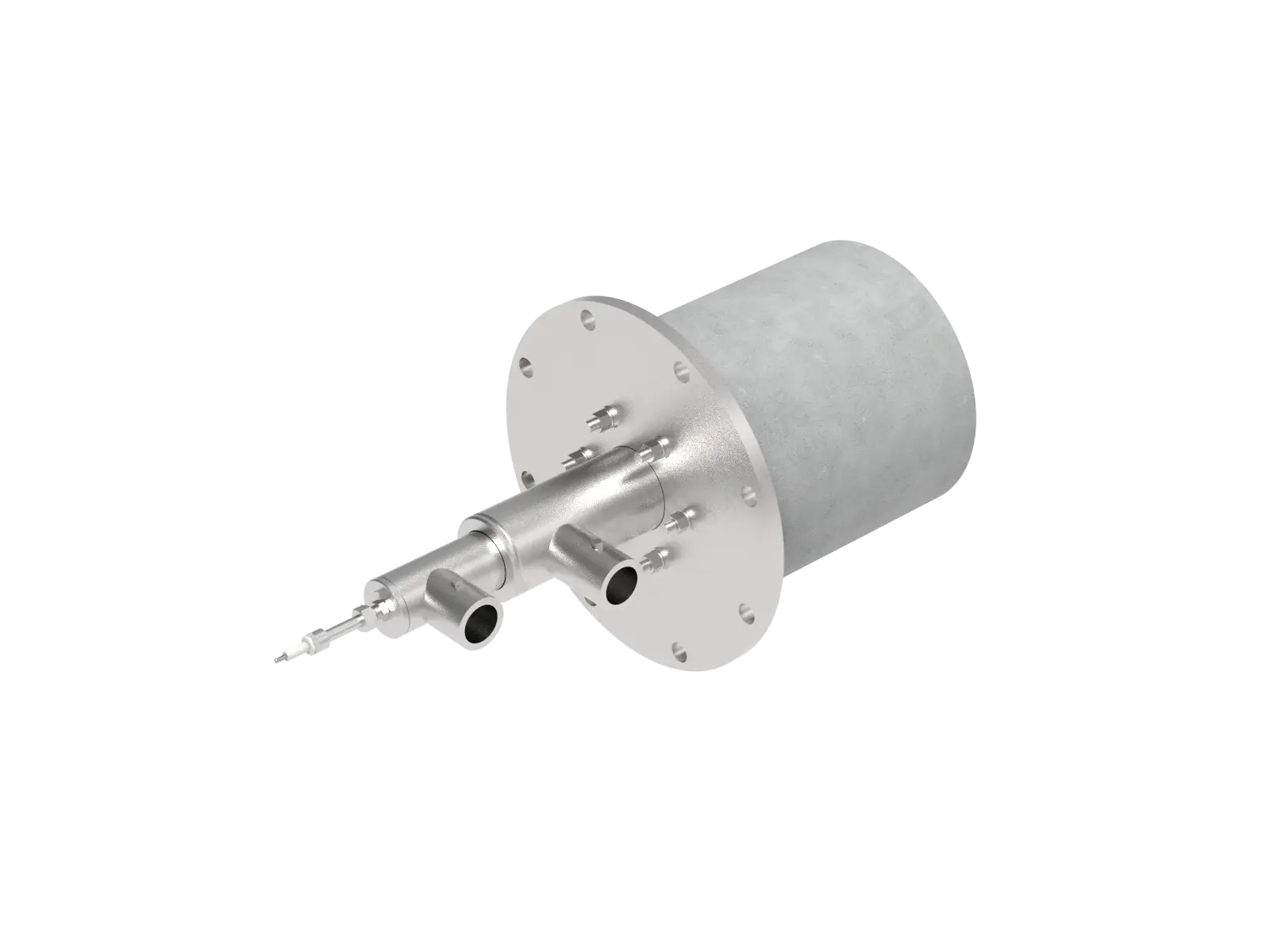
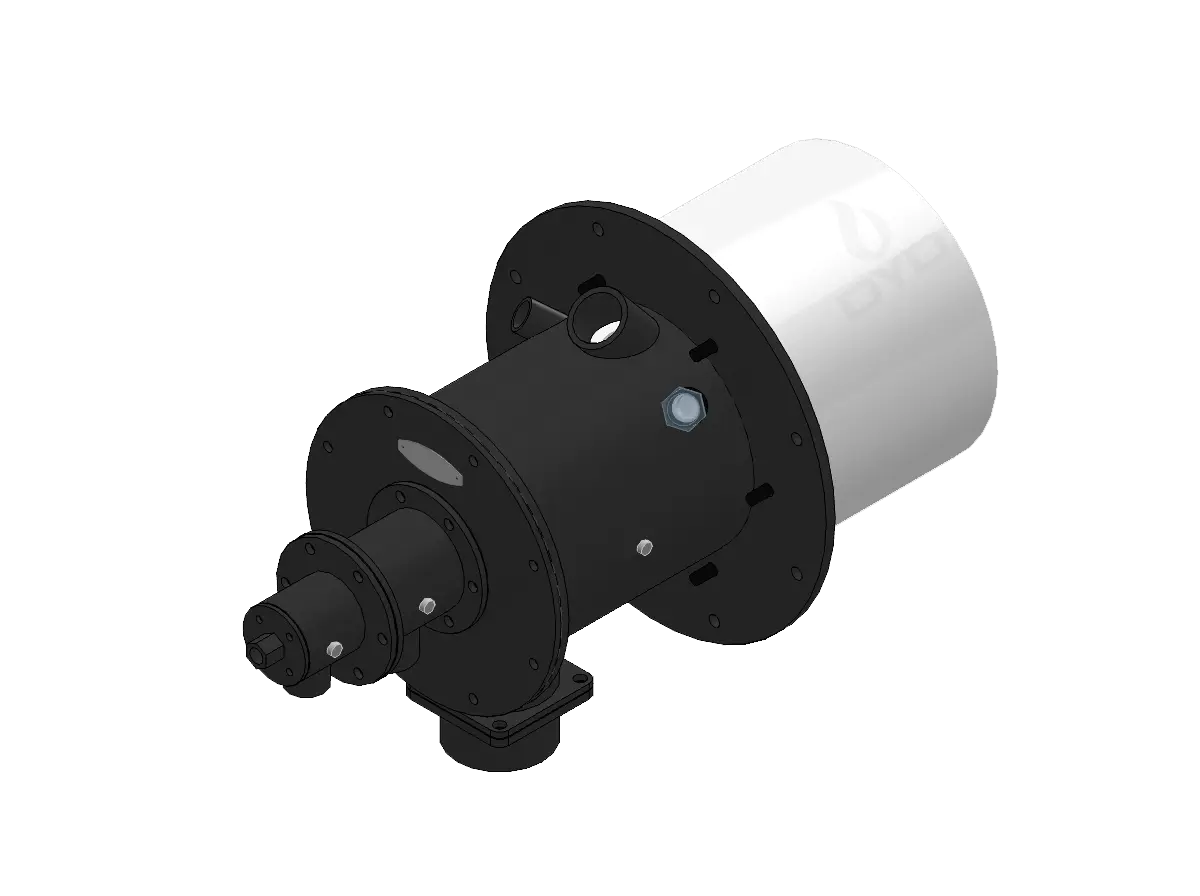
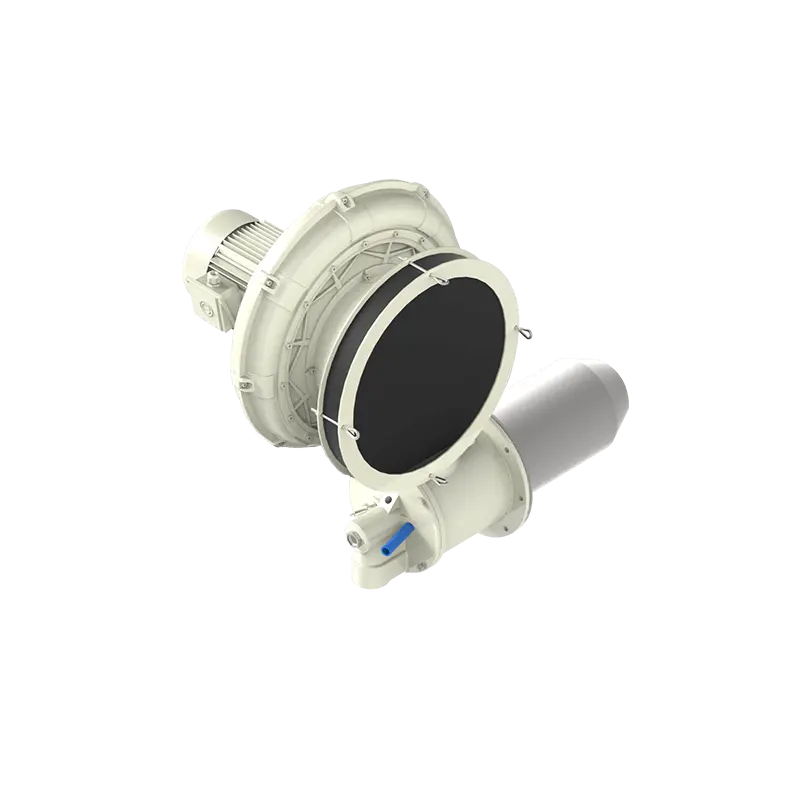
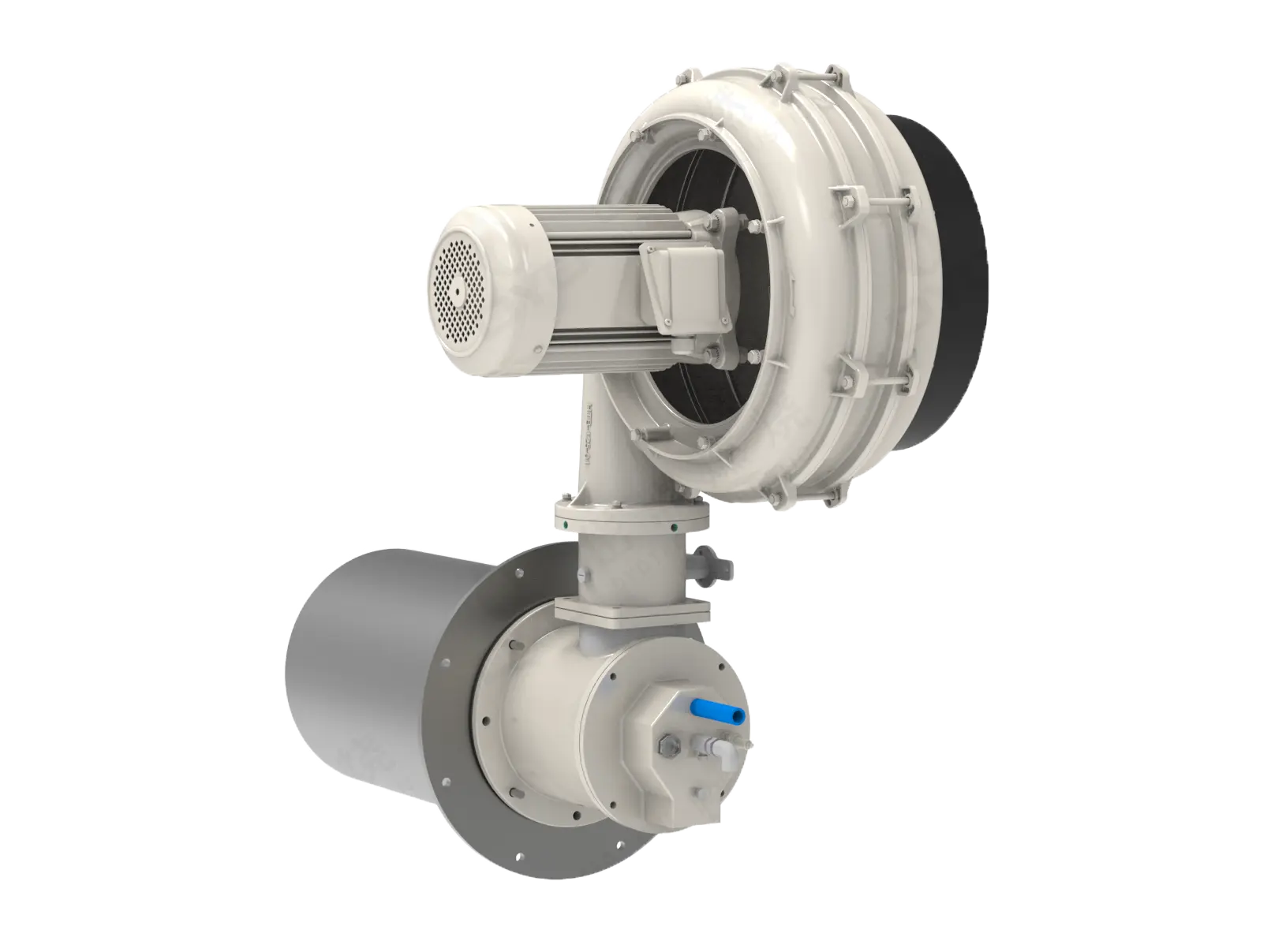
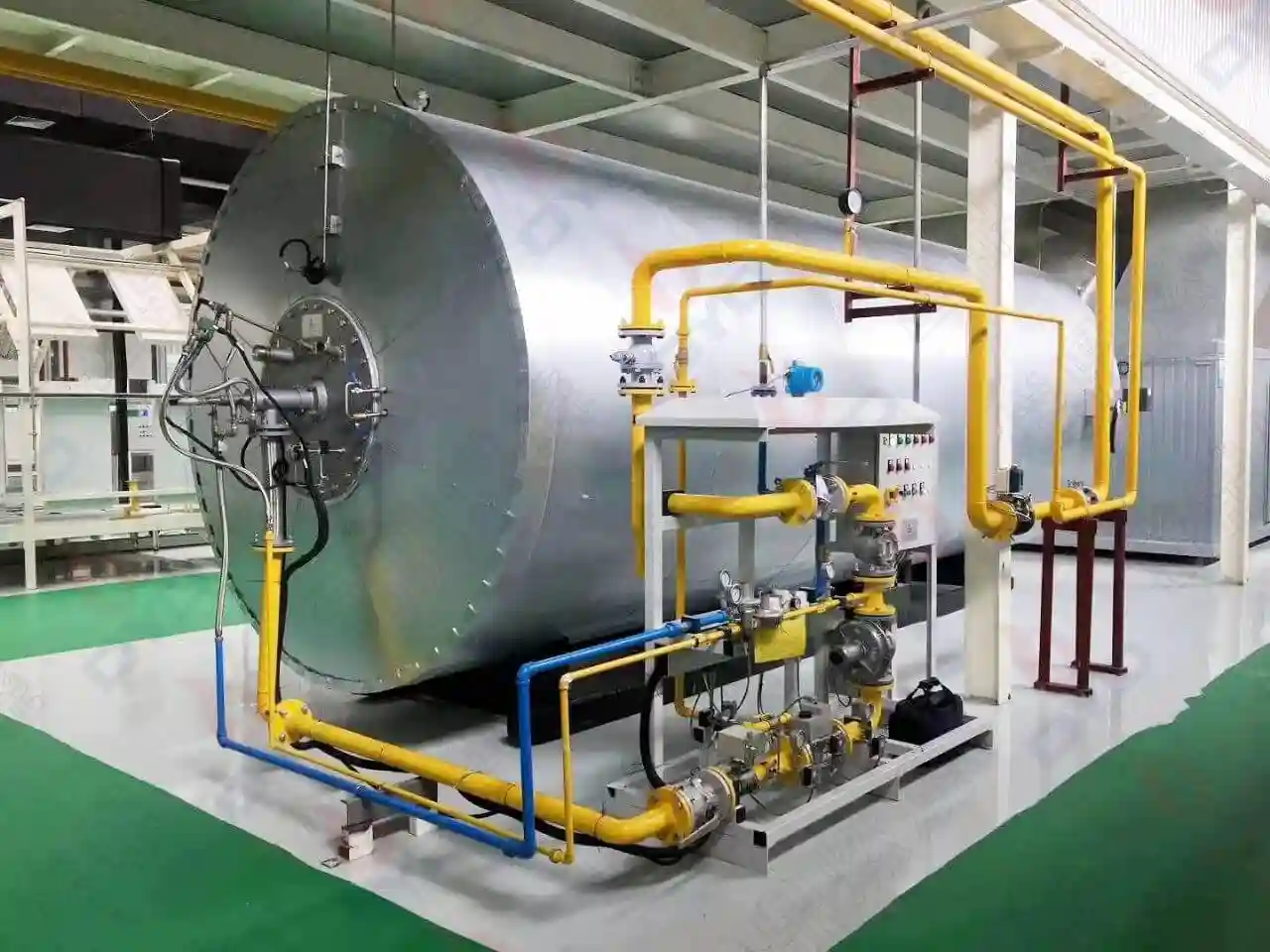
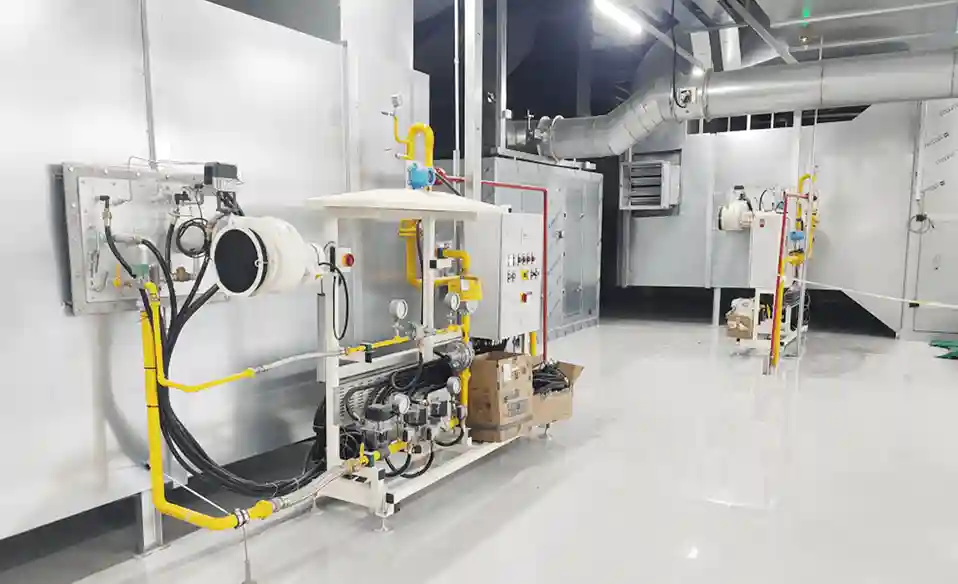
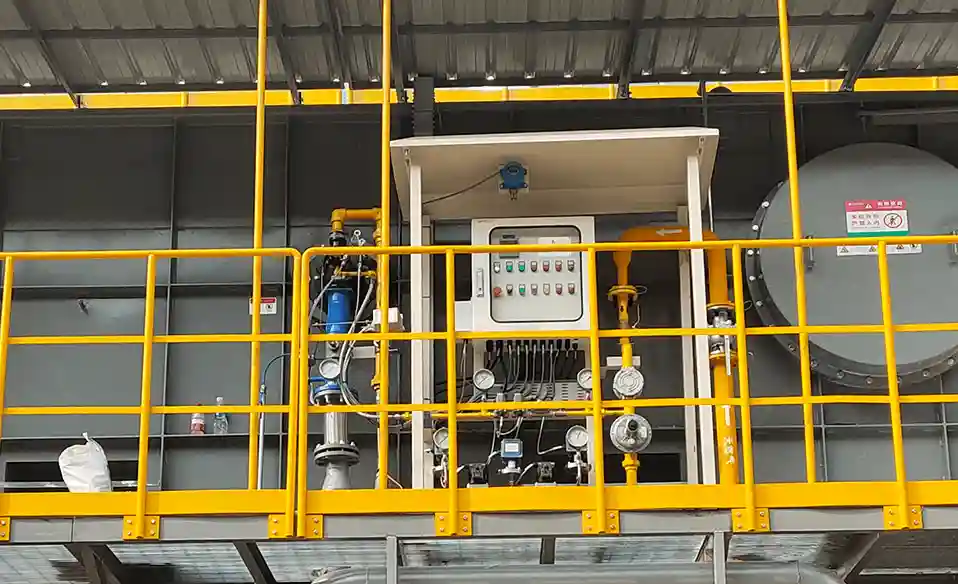
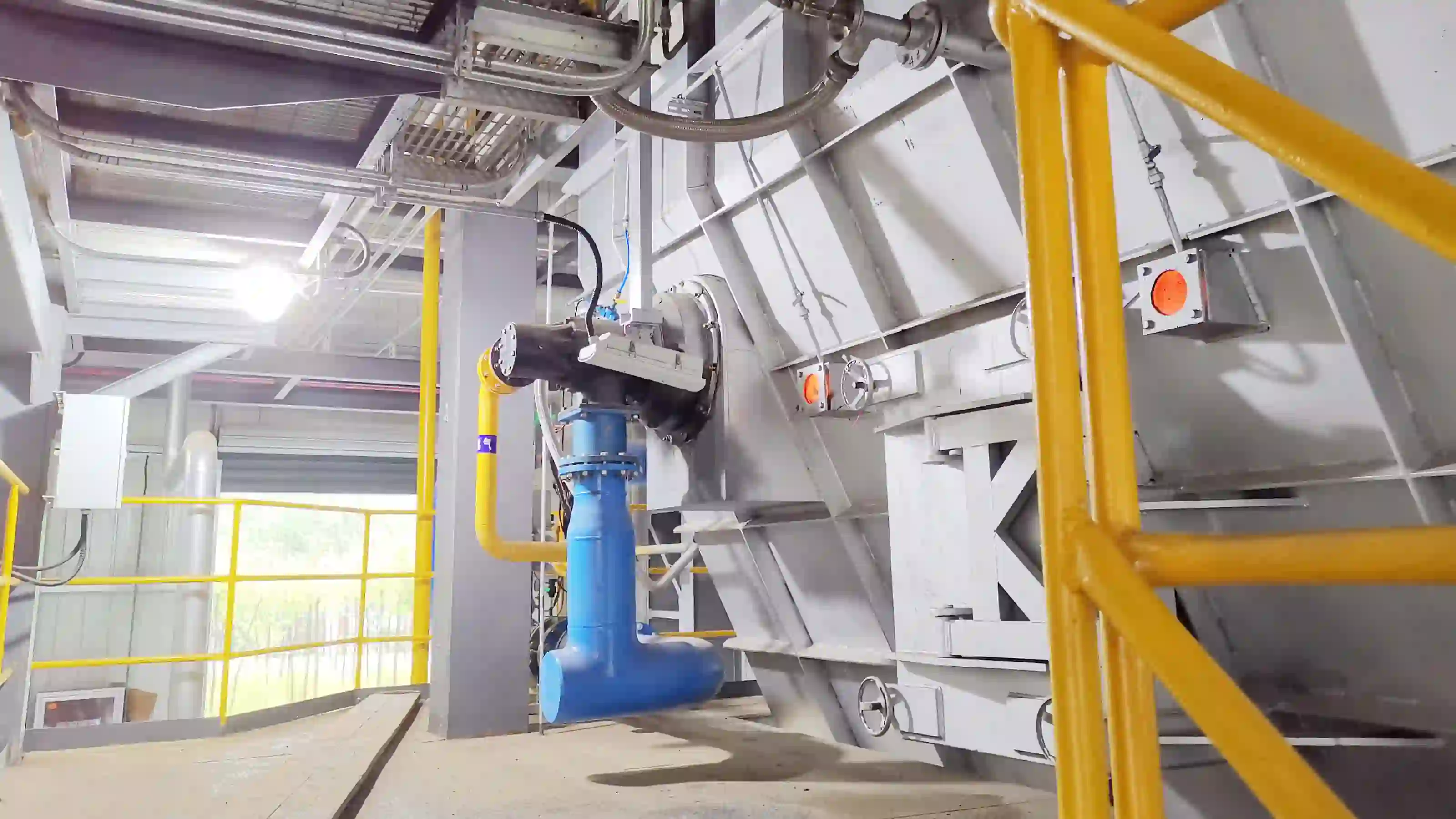
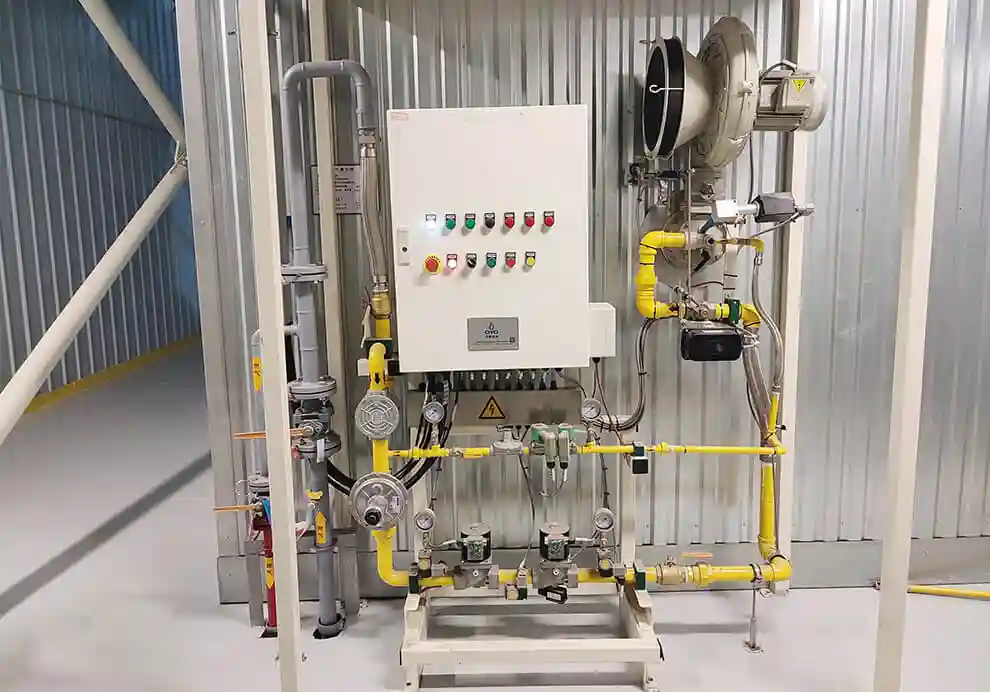
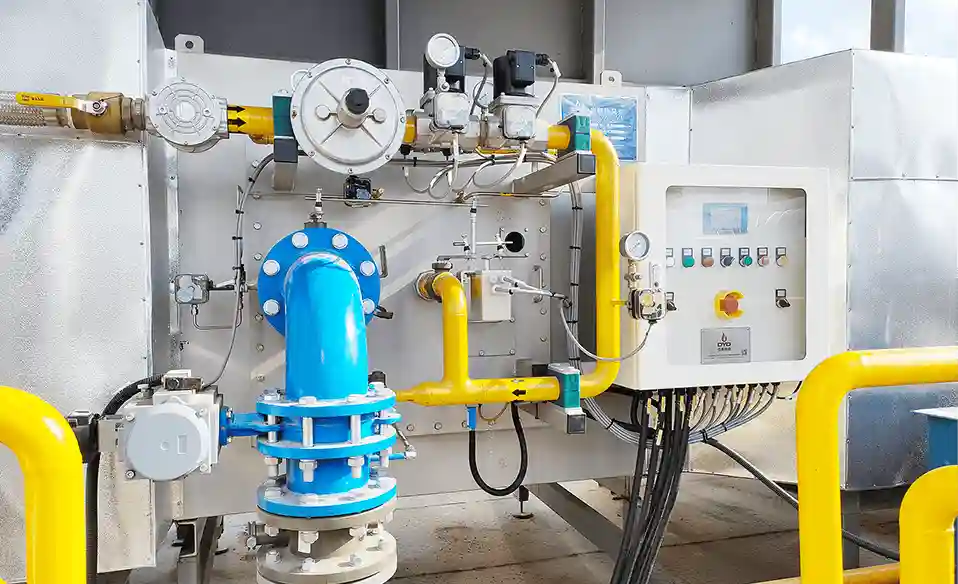
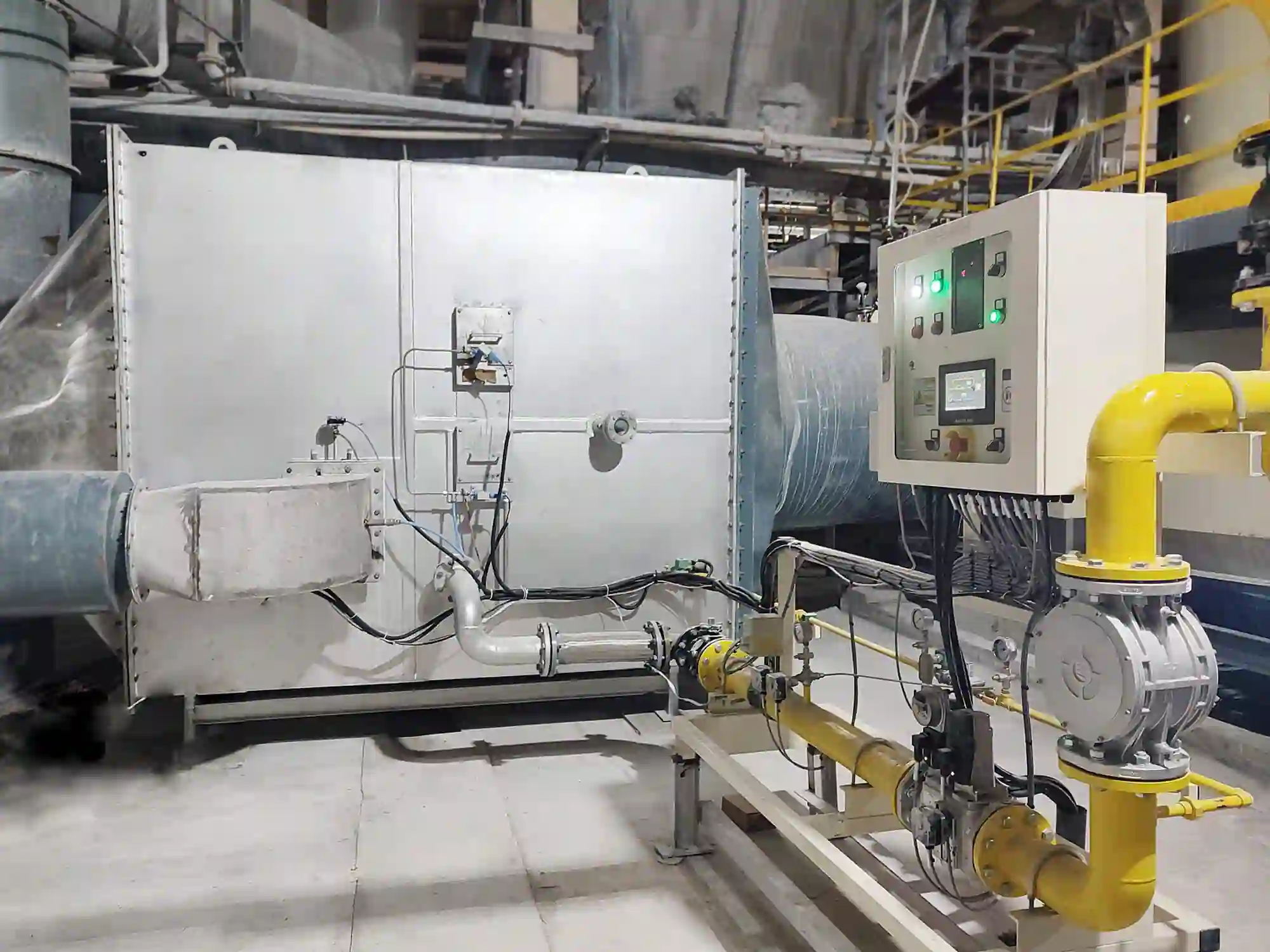
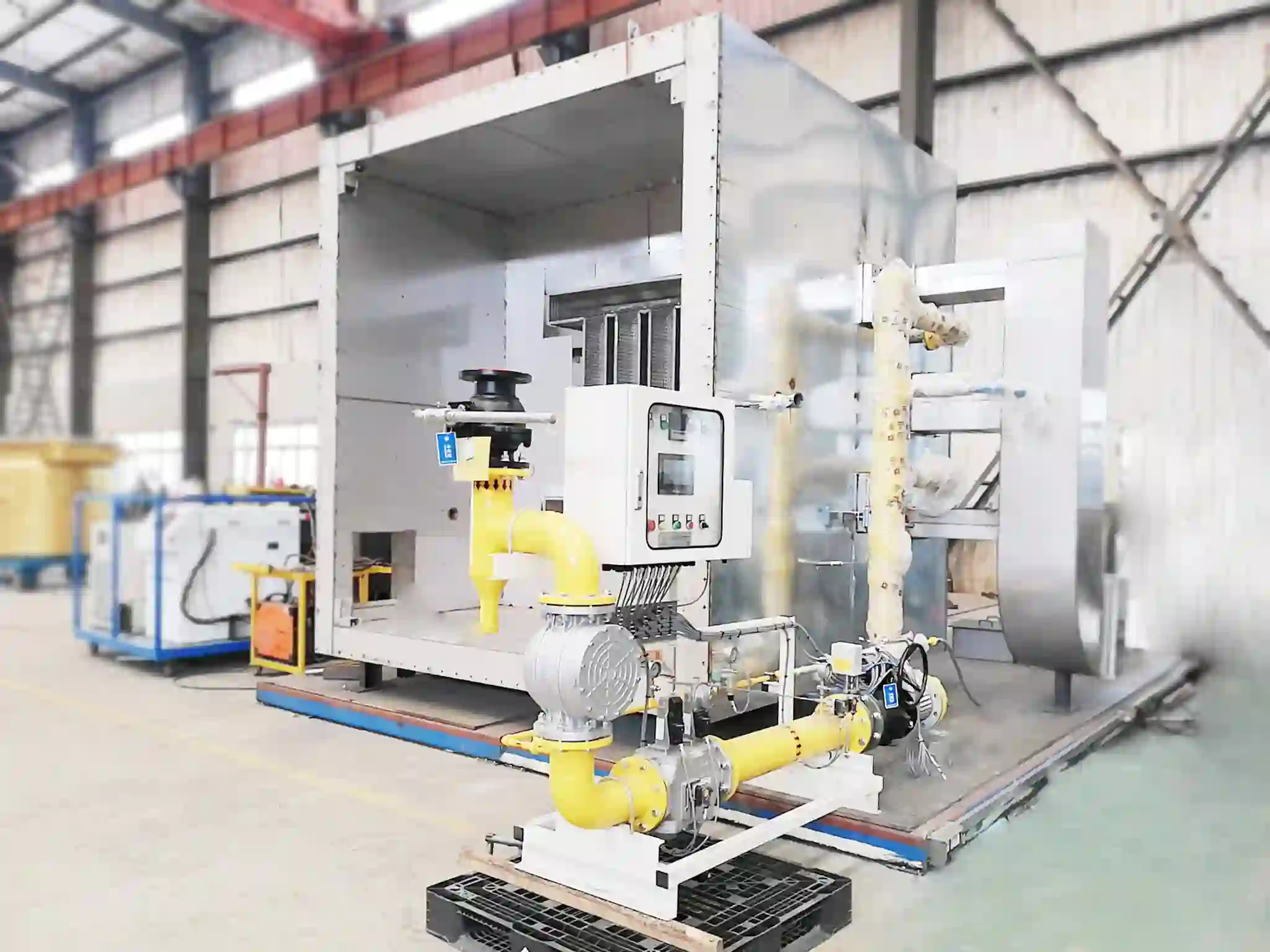
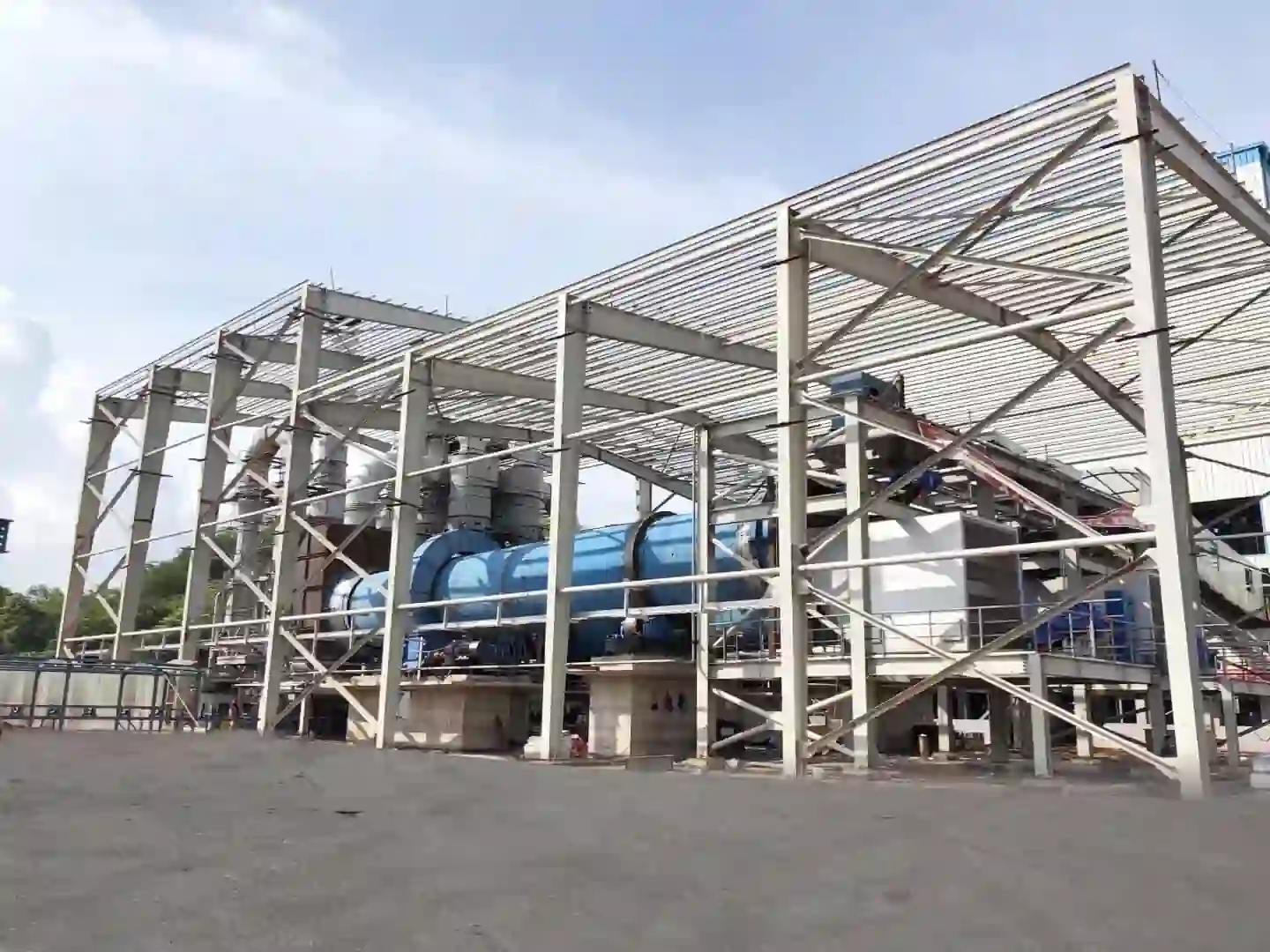
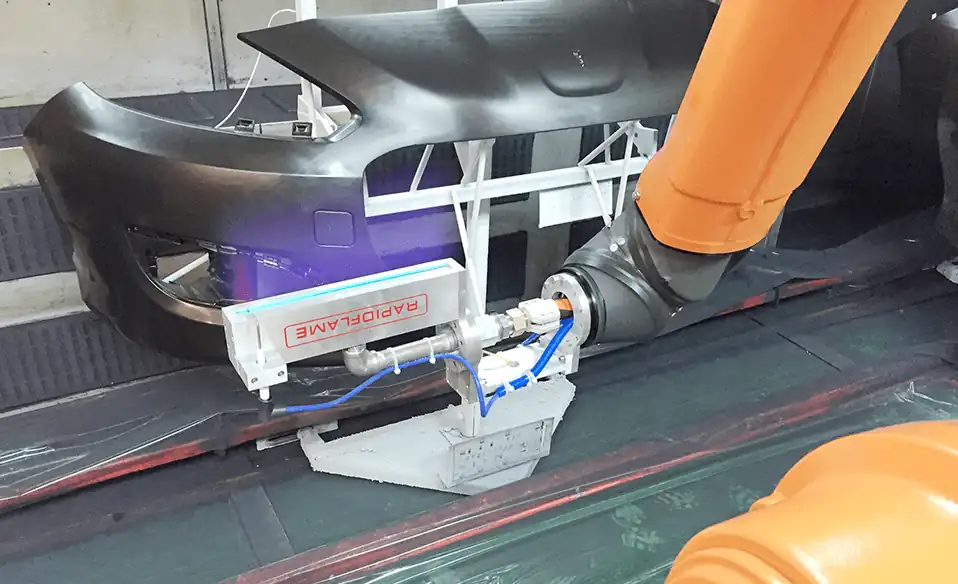
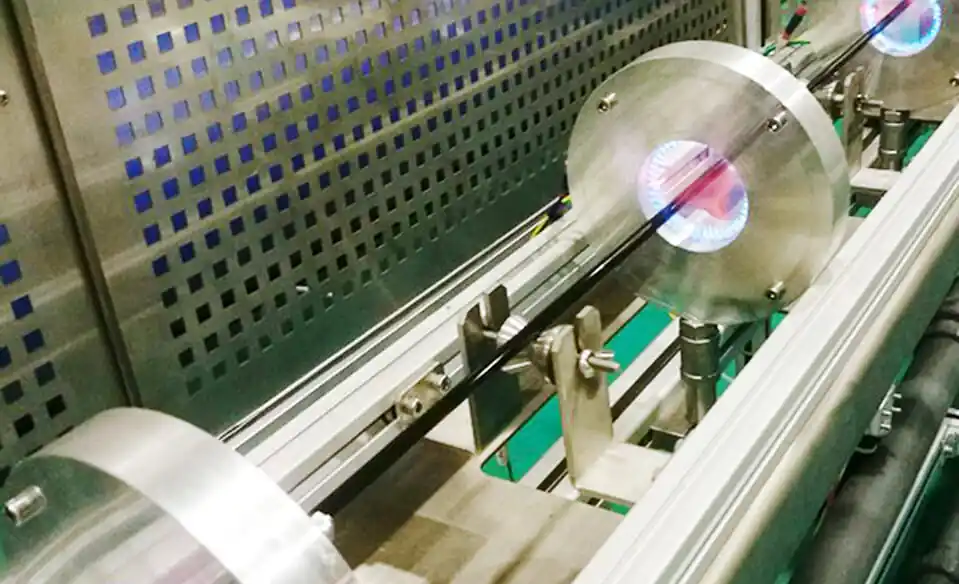
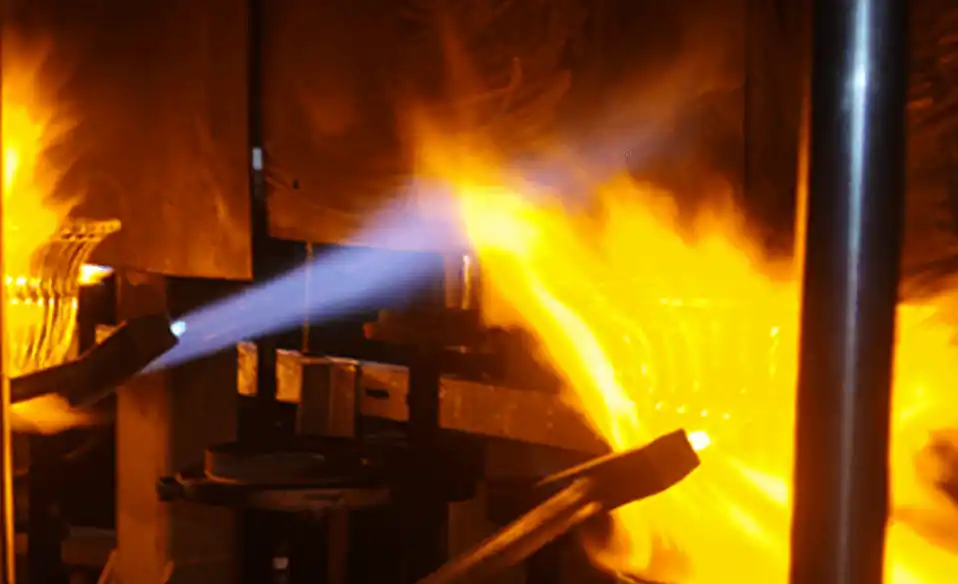
Choosing the right burner for a drying oven is critical for achieving uniform drying, stable temperature control, energy efficiency, and consistent product quality. Unlike general industrial heating applications, drying processes require not only sufficient heat output but also precise control of hot air temperature, airflow distribution, and combustion stability. The burner in a drying system serves as the thermal engine that generates the heated air or gas stream used to remove moisture from the product, and its performance directly affects the drying rate, product quality, and operating cost.
A properly selected drying oven burner must match:
Drying process requirements, including the specific thermal and moisture removal needs of the material.
Oven structure, defining the space available for heat generation and distribution.
Required temperature range, from low-temperature gentle drying to higher-temperature processes.
Air circulation system, which works together with the burner to deliver heat to the product.
Material characteristics, including sensitivity to temperature and combustion products.
Fuel conditions, determining the combustion system design.
Emission requirements, setting environmental compliance targets.
An incorrectly selected burner may cause:
Uneven drying, with some areas over-dried and others under-dried.
Material quality problems, including degradation, discoloration, or loss of functional properties.
Excessive fuel consumption, increasing operating costs.
Temperature fluctuations, affecting drying consistency and product quality.
Increased maintenance requirements, reducing uptime and increasing costs.
The objective of burner selection is not simply to generate heat, but to create stable, clean, and controllable thermal energy for the drying process. The burner must integrate seamlessly with the air handling system to deliver heat precisely where and when it is needed.
Drying ovens usually require a different approach compared with high-temperature furnaces or kilns. While a furnace may focus on achieving extreme temperatures for material transformation, a drying oven prioritizes the efficient and controlled transfer of heat to a moving or stationary product for moisture removal.
The main goal is often:
Generate a large volume of stable hot air at a controlled temperature.
This means the burner is typically not heating a product directly, but rather heating a large flow of air that then transfers heat to the material through convection. The combustion system must be capable of maintaining a consistent outlet temperature despite variations in airflow, incoming air temperature, and process load.
A drying oven burner must provide:
Stable combustion at different loads, accommodating variations in production rate and moisture content.
Accurate temperature control, typically within ±2°C to ±5°C depending on the application.
Efficient heat transfer, to the air stream and then to the product.
Clean combustion gases, especially for direct-fired systems where products contact the heated air.
Reliable continuous operation, as many drying systems run for extended periods.
Many drying systems operate continuously, 24 hours a day, 7 days a week, making fuel efficiency and reliability especially important. Downtime for burner maintenance directly translates to lost production and increased costs.
Before selecting a burner, it is necessary to understand what is being dried. Different materials have different thermal requirements, moisture removal characteristics, and sensitivities to temperature and combustion products.
Examples:
Grain, for storage and preservation.
Seeds, for planting or processing.
Agricultural products, including fruits, vegetables, and herbs.
Important factors:
Drying temperature, which must be low enough to avoid cooking or degrading the product.
Moisture removal rate, determining the required heat input and air flow.
Product sensitivity, with many food products requiring clean, uncontaminated hot air.
Required burner characteristics:
Stable low-temperature operation, typically below 100°C for many food products.
Precise temperature control, to avoid over-drying or scorching.
Clean combustion, with minimal risk of contamination from combustion products.
Examples:
Chemical materials, including catalysts, pigments, and additives.
Mineral powders, such as clays, carbonates, and silicates.
Industrial additives, used in various manufacturing processes.
Important factors:
Material properties, including thermal stability and sensitivity to oxidation.
Moisture content, both initial and final, determining the evaporation load.
Residence time in the dryer, setting the required heat transfer rate.
Required burner characteristics:
Stable hot air supply, maintaining consistent drying conditions.
Good temperature uniformity, to avoid local overheating.
Continuous operation capability, for high-volume production.
Examples:
Cathode materials, such as lithium-based compounds.
Anode materials, including graphite and silicon-based powders.
Powder processing, where residual moisture affects battery performance.
Important factors:
Temperature accuracy, with tight tolerances to preserve material properties.
Clean heating environment, avoiding contamination that could affect battery chemistry.
Process stability, requiring consistent drying conditions batch after batch.
Required burner characteristics:
Precise control, typically within ±2°C.
Low emissions, to avoid introducing contaminants.
Reliable operation, for continuous or semi-continuous production.
Examples:
Automotive coating, where paint drying is critical to finish quality.
Industrial painting lines, for appliances, furniture, and metal products.
Web coating, for films, foils, and other continuous materials.
Important factors:
Exhaust treatment, as VOCs and solvents must be managed.
Temperature uniformity, to ensure consistent paint curing across the product.
Safety requirements, with solvent-laden air requiring careful handling.
Required burner characteristics:
Stable combustion, with precise control of air and fuel.
Fast response, to changes in production speed and coating load.
Integration with ventilation systems, ensuring proper air balance.
The burner capacity must match the drying oven heat demand. Accurate capacity calculation is essential for proper burner sizing.
The total heat requirement includes:
This is often the largest energy requirement in drying systems. Removing water from a product consumes significant energy due to the high latent heat of vaporization.
Energy is needed for:
Heating moisture from the initial temperature to the evaporation temperature.
Evaporating water, requiring the latent heat of vaporization.
Removing vapor from the system, which may require additional energy to prevent condensation.
Affected by:
Initial moisture content, determining the amount of water to be removed.
Final moisture target, setting the drying endpoint.
Material throughput, establishing the continuous evaporation rate.
The burner must provide energy to raise the material temperature from its initial condition to the drying temperature. This is the sensible heat required for the product.
Affected by:
Material weight or mass flow, determining the total thermal mass.
Specific heat of the material, varying with composition and temperature.
Temperature increase from inlet to outlet conditions.
Heat losses occur through multiple pathways in the drying system:
Oven walls, through conduction and radiation.
Doors and access openings, exposing the hot interior to ambient conditions.
Exhaust air, carrying sensible heat out of the system.
Openings for material entry and exit, which may be continuous sources of loss.
Factors include:
Insulation quality, with better insulation reducing wall losses.
Oven size and surface area.
Operating temperature, with higher temperatures increasing losses.
The basic principle:
Burner Capacity = Material Heating + Moisture Evaporation + Heat Losses
This total represents the heat input required at the burner. The actual burner selection should also account for system efficiency and an appropriate operating margin for normal variations.
A drying oven burner must match the oven chamber. The relationship between burner capacity and oven geometry is important for proper heat distribution and temperature uniformity.
Important factors include:
A larger oven generally requires more heat input to fill the volume with hot air at the required temperature. However, volume alone is not enough to determine capacity.
Consider:
Material loading, as the product mass within the oven affects the heat demand.
Air circulation, with well-designed airflow improving heat distribution.
Insulation performance, reducing the heat input required to maintain temperature.
Drying efficiency depends heavily on hot air movement. The burner must be matched to the air handling system to achieve effective heat transfer.
The burner must match:
Air circulation rate, determining the volume of air that must be heated.
Fan capacity, affecting the pressure and flow available for the burner.
Heat exchanger design, for indirect-fired systems where combustion and process air are separated.
The burner should provide stable heat so that all areas of the oven maintain similar temperatures. Temperature stratification or non-uniform airflow can result in inconsistent drying.
Poor matching can create:
Hot zones, where product may be over-dried or damaged.
Cold zones, where product remains wet and under-processed.
Uneven drying, with variable final moisture content across the batch.
Different drying ovens require different burner designs based on the heat transfer method, product sensitivity, and process requirements.
Combustion gases directly enter the drying chamber, mixing with the process air.
Advantages:
High thermal efficiency, as all the heat from combustion is used directly.
Simple structure, with no heat exchanger to maintain or replace.
Fast heat transfer, with immediate thermal response.
Suitable for:
Materials that can tolerate combustion gases, including non-sensitive products.
Applications where product contamination is not a concern.
Limitations:
Combustion products contact the material, which may not be acceptable for sensitive products.
Moisture from combustion (water vapor) adds to the drying load.
Heat is transferred through a heat exchanger, separating the combustion gases from the process air.
Advantages:
Clean hot air, with no combustion products contacting the material.
Better product protection, particularly for sensitive materials.
Suitable for:
Sensitive materials, such as food, pharmaceuticals, and chemicals.
Applications where product purity is critical.
Limitations:
Lower overall efficiency due to heat exchanger losses.
Higher initial cost and ongoing maintenance for the heat exchanger.
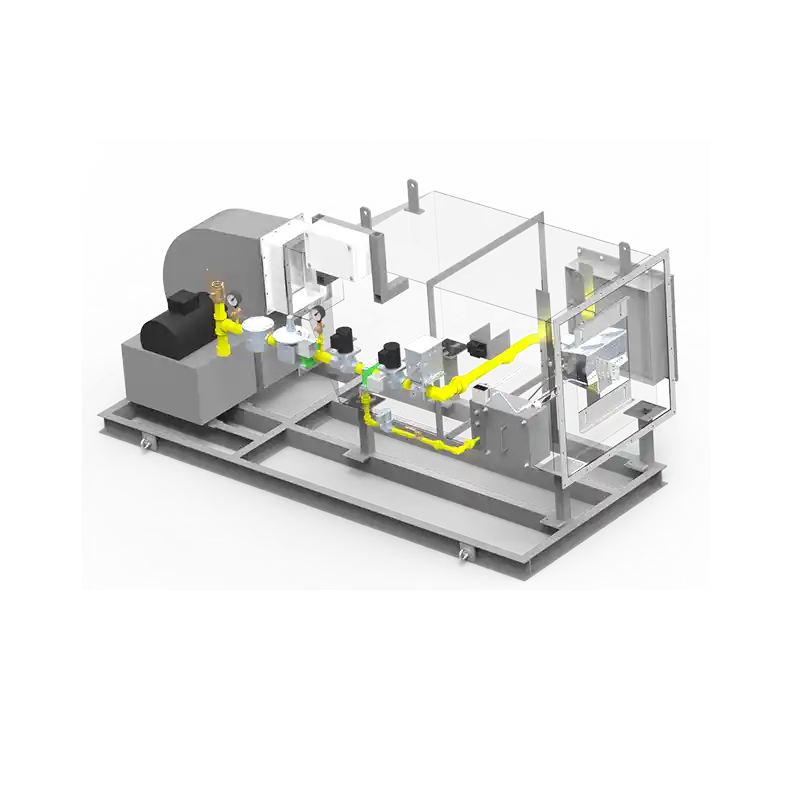
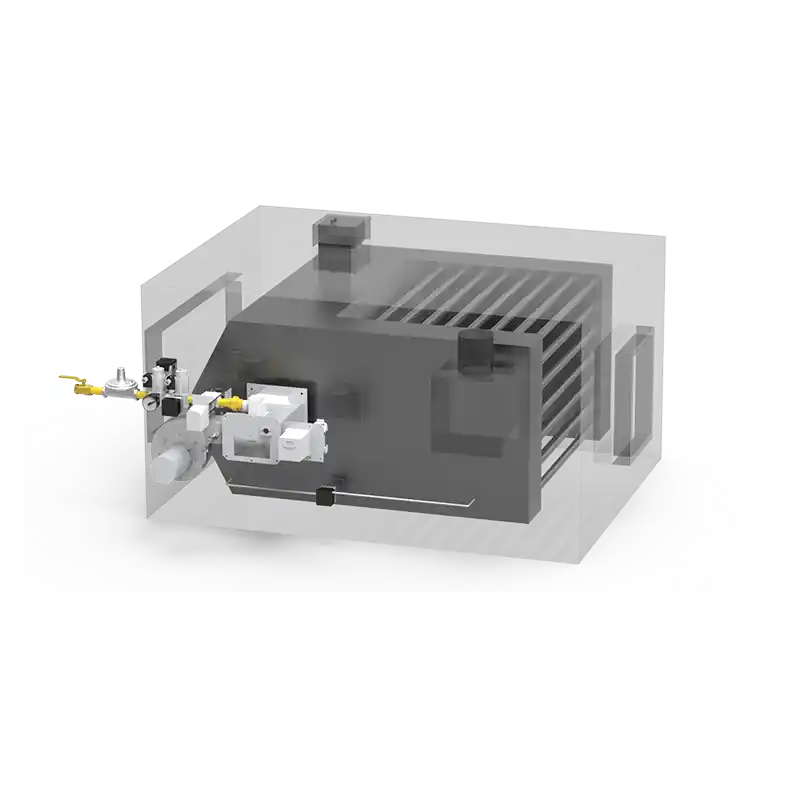
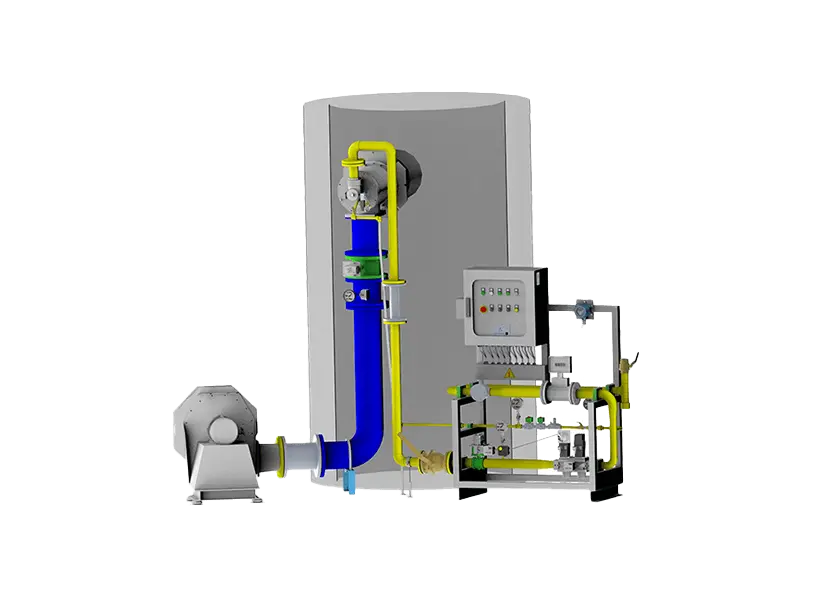
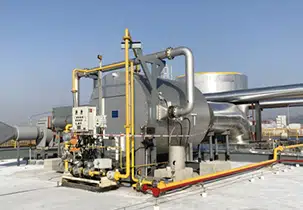
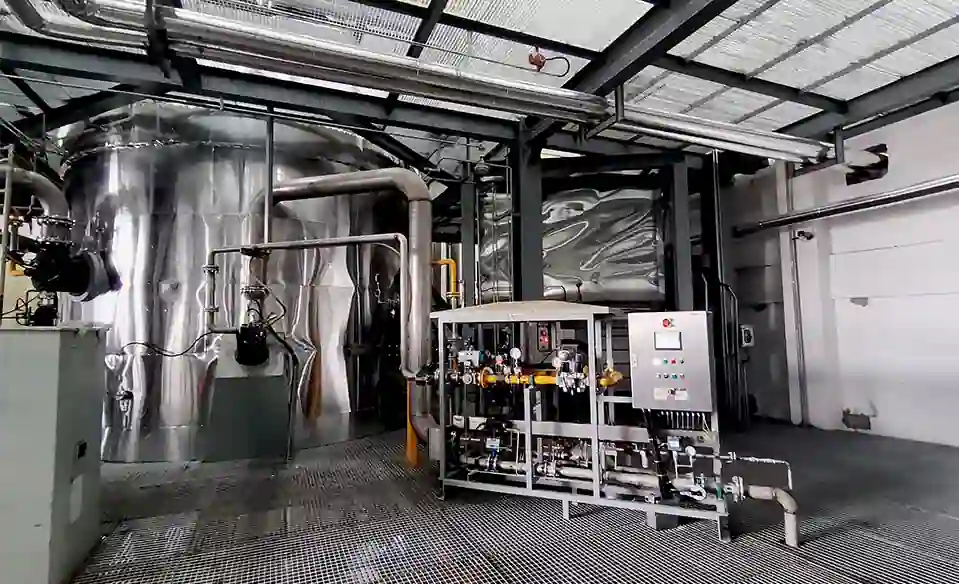
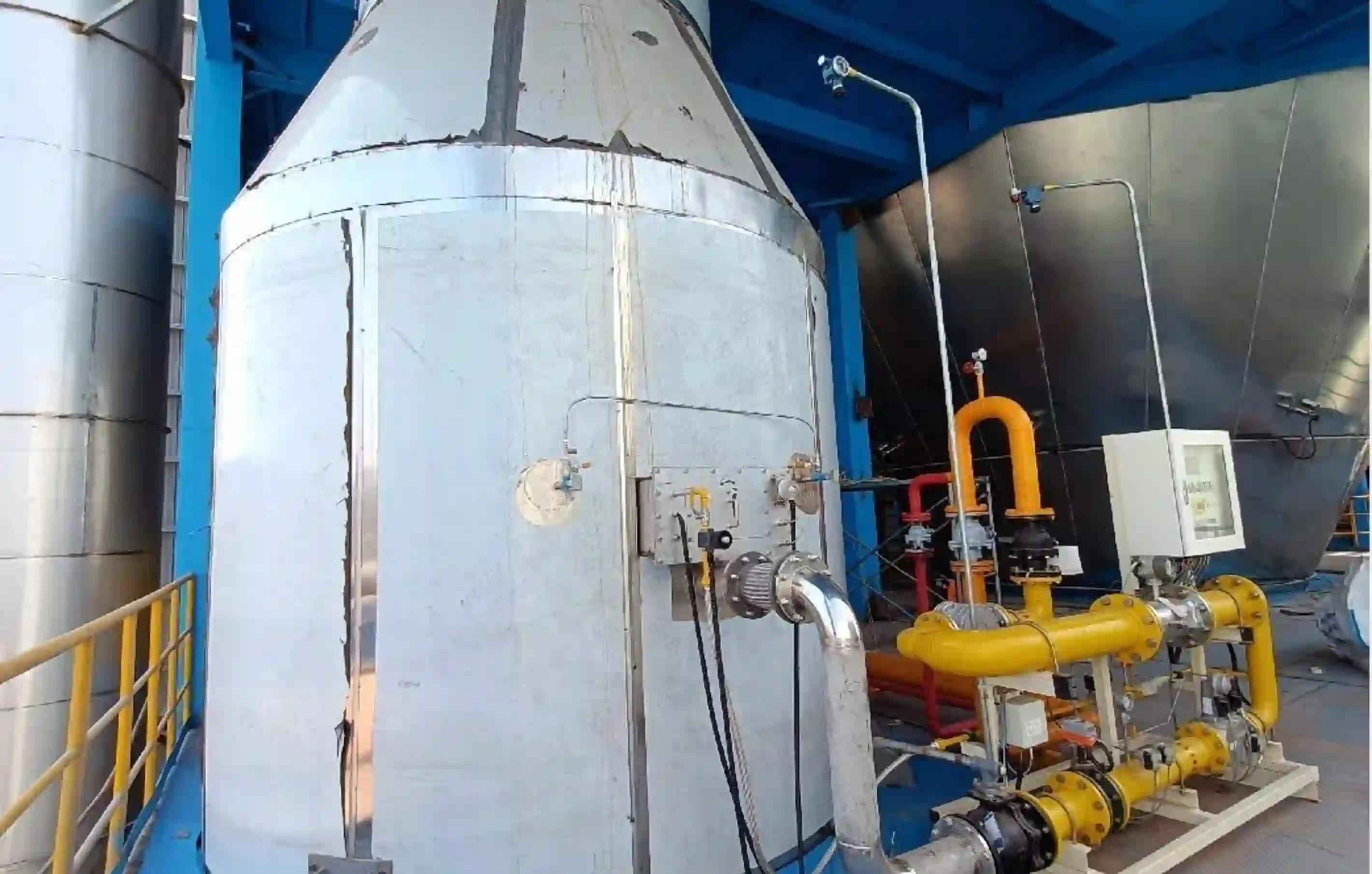
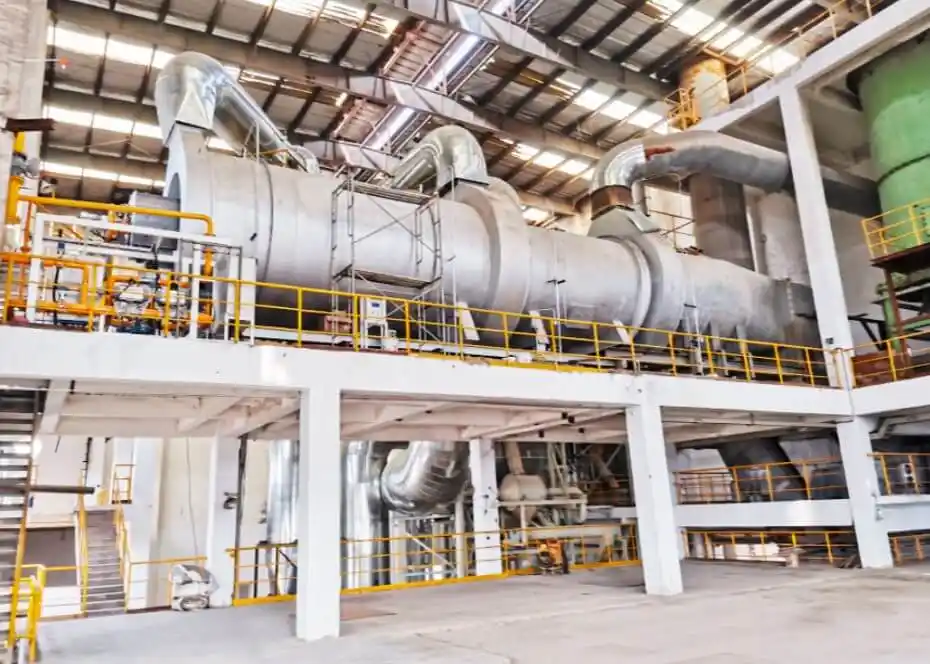
A thermal air furnace combines a burner, combustion chamber, and air heating system into a single packaged unit.
Advantages:
Stable hot air generation, with consistent outlet temperatures.
Easy temperature control, with the system designed for air heating.
Compact design, integrating all components.
Common applications:
Industrial dryers, for bulk materials and powders.
Powder drying systems, requiring large volumes of heated air.
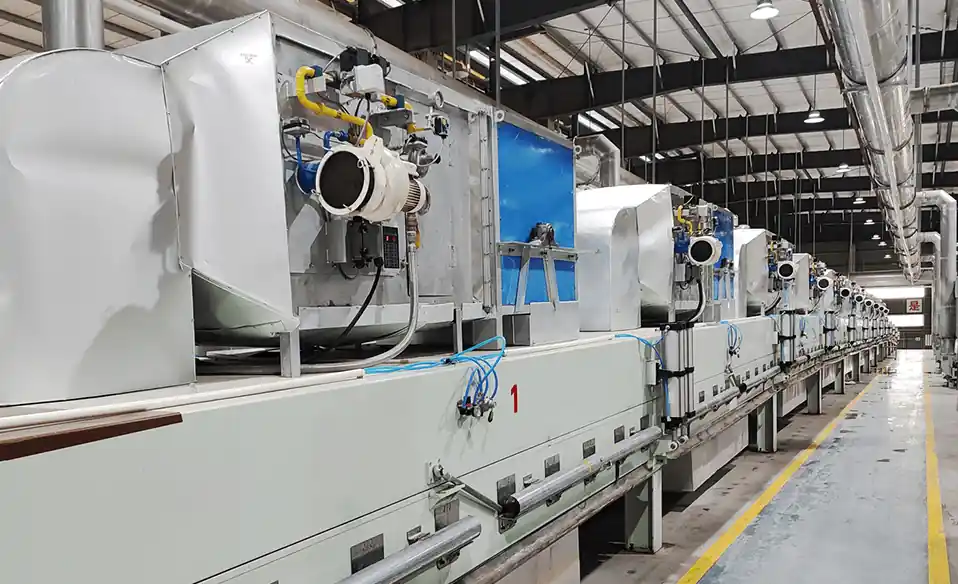
Continuous drying lines, where consistent heat input is essential.
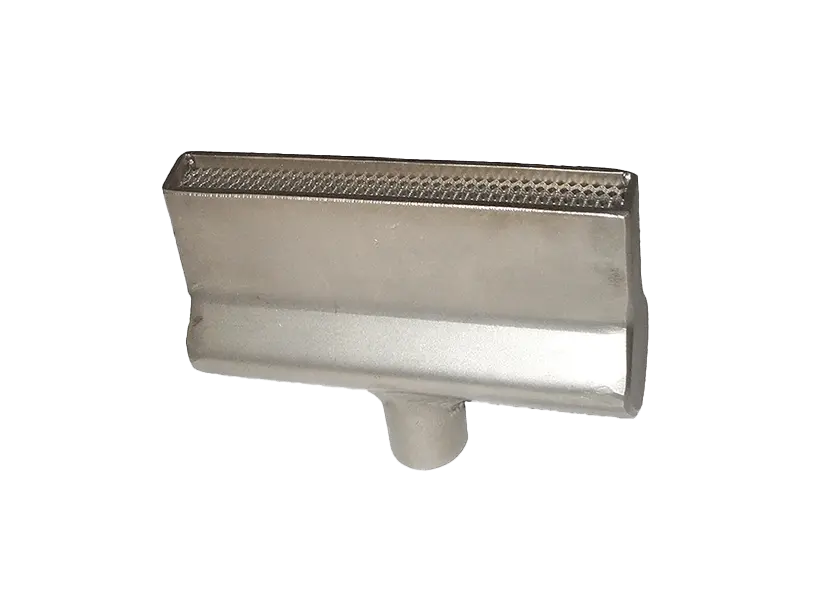
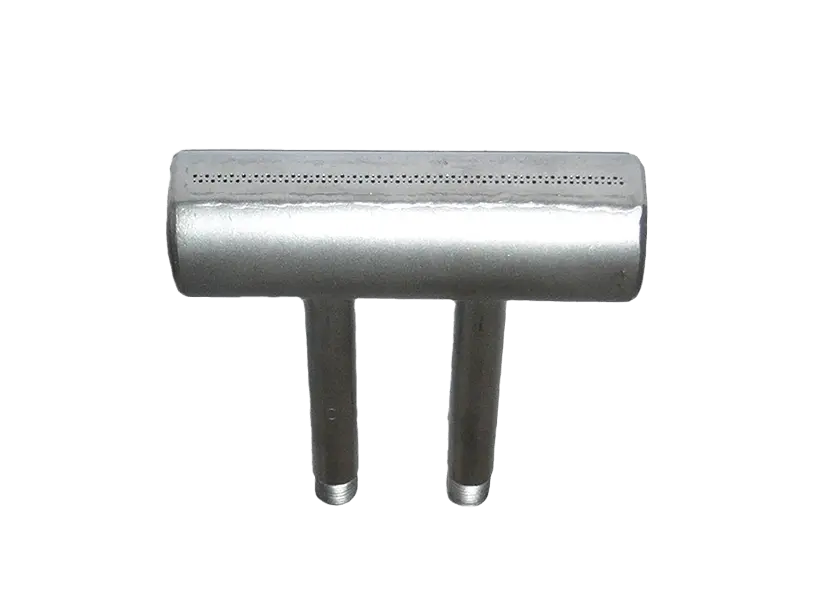
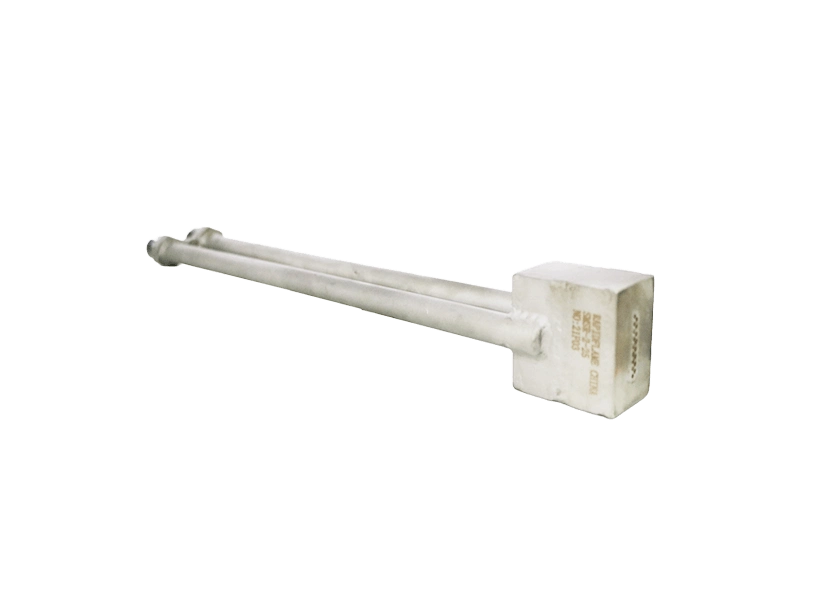
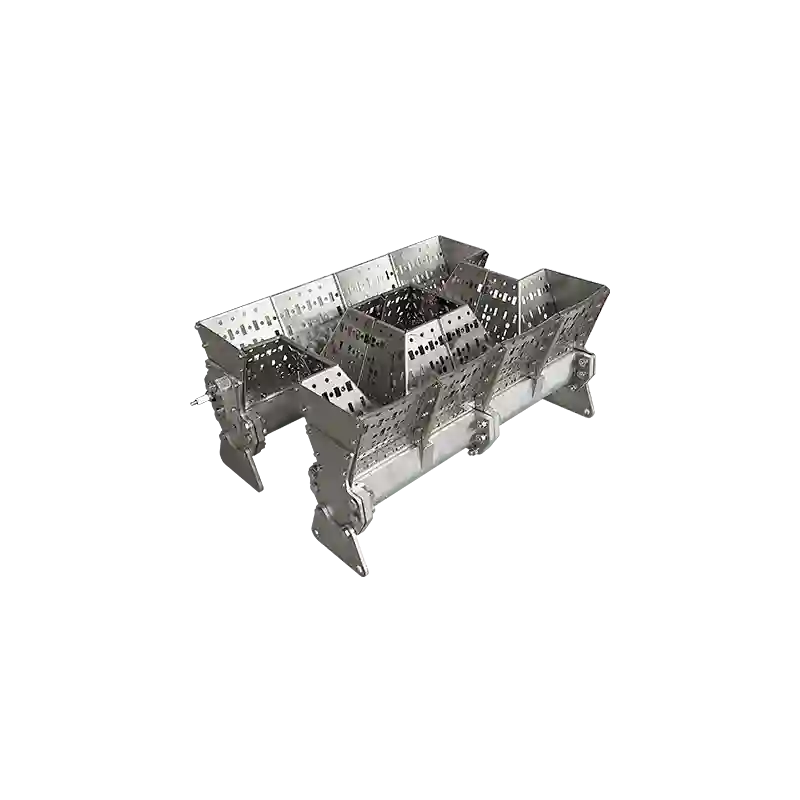
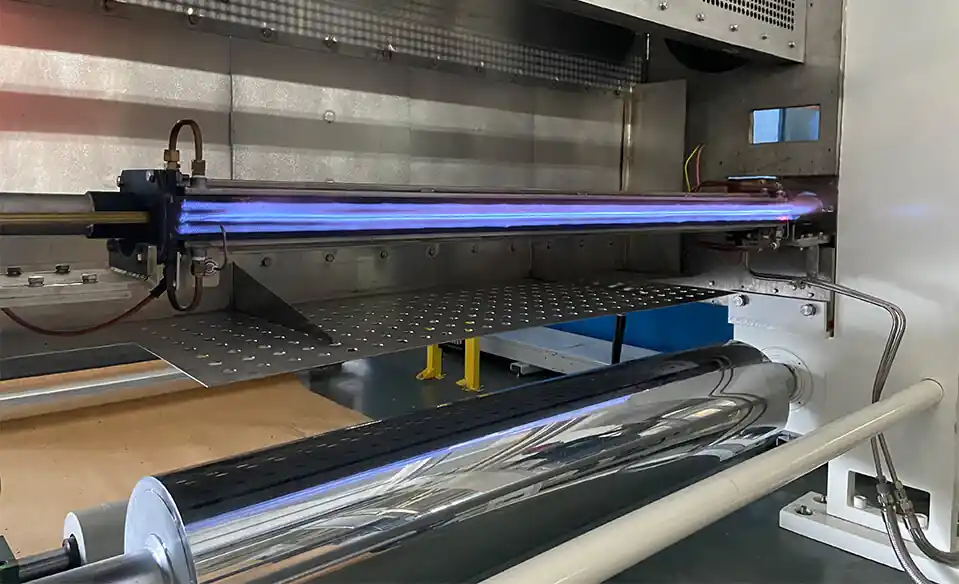
Linear burners provide distributed heating along a long section, typically with multiple flame ports arranged in a line.
Advantages:
Uniform heating across a wide area.
Wide heat distribution, covering the full width of the process.
Suitable for:
Continuous ovens, where product moves along a conveyor.
Web processing, such as paper, textiles, or films.
Industrial coating lines, requiring even heat input across the product width.
Drying processes often require precise temperature management to achieve the desired product quality and consistency. The temperature control system must be matched to the process requirements.
Important factors:
Determine the thermal operating window:
Normal operating temperature, the typical drying temperature.
Maximum temperature, the upper limit that the system must handle.
Required accuracy, the allowable temperature deviation.
Modulating burners provide continuous adjustment of output rather than cycling on and off.
They adjust:
Fuel flow, to match the heat demand.
Air flow, maintaining the correct air-fuel ratio.
Heat output, providing smooth control.
Benefits:
Stable temperature, avoiding overshoot and oscillation.
Lower fuel consumption, by operating at the optimum firing rate.
Better drying quality, with consistent thermal conditions.
A high turndown ratio allows the burner to operate efficiently under changing loads, from startup through production variations.
Benefits:
Better control during startup, with the burner able to operate at low fire.
Stable operation at low demand, without excessive cycling.
Reduced cycling, extending component life and improving reliability.
Common drying oven fuels include natural gas, LPG, diesel, and emerging hydrogen blends. The fuel selection affects the burner design and operating considerations.
Advantages:
Clean combustion, with minimal ash or soot.
Easy control, with predictable combustion behavior.
Low maintenance, with fewer fouling issues.
Widely used in:
Industrial dryers, where reliability and low emissions are priorities.
Hot air generators, providing clean thermal energy.
Consider:
Gas supply pressure, requiring adequate pressure at the burner.
Storage system, for cylinders or bulk tanks.
Fuel availability and logistics.
Require additional system components:
Atomization system, to break the liquid into droplets.
Fuel temperature control, to achieve proper viscosity.
Regular maintenance, for nozzles and filters.
Require attention to:
Flame speed, with hydrogen burning faster than natural gas.
Ignition characteristics, with different ignition energy requirements.
Burner material compatibility, to handle the different combustion environment.
Drying systems increasingly require low-emission combustion to meet environmental regulations. The burner must achieve compliance while maintaining process performance.
Important emissions:
NOx, formed at high temperatures.
CO, indicating incomplete combustion.
Unburned hydrocarbons, representing wasted fuel.
Low-emission technologies include:
Controls flame temperature by separating fuel and air introduction, reducing peak temperatures and limiting NOx formation.
Improves mixing uniformity by blending fuel and air before ignition, reducing both CO and NOx.
Reduces flame temperature and NOx formation by introducing cooled exhaust gases into the combustion zone.
Drying ovens often operate continuously, making safety systems essential. The burner safety system must be designed for the specific risks of the drying process, including the presence of combustible dust or solvent vapors.
Important components include:
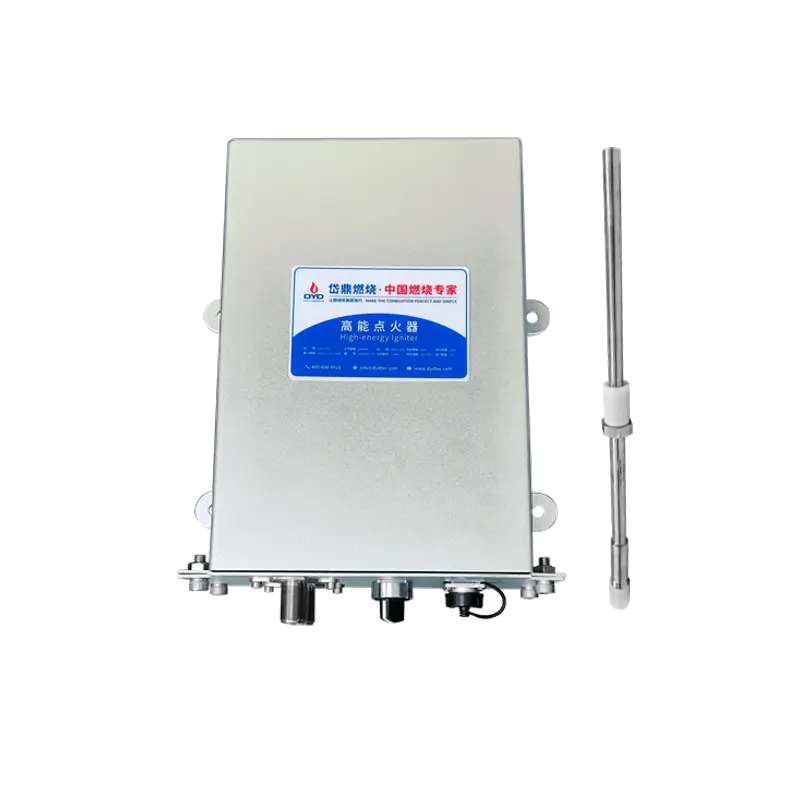
Ensures reliable burner startup, with proven ignition before fuel introduction.
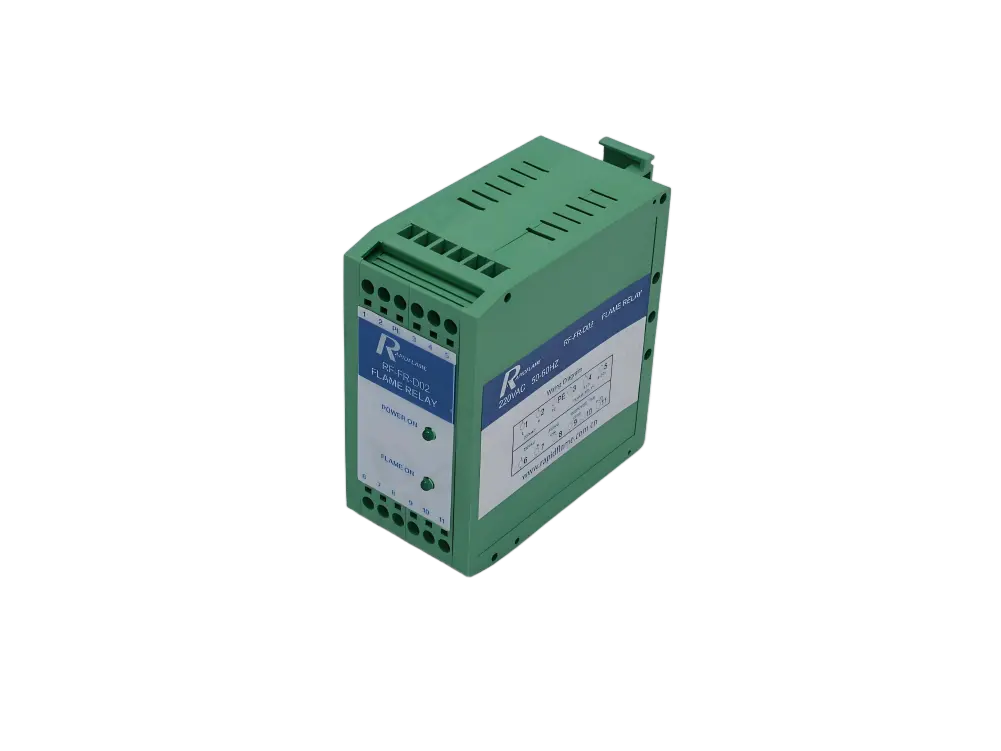
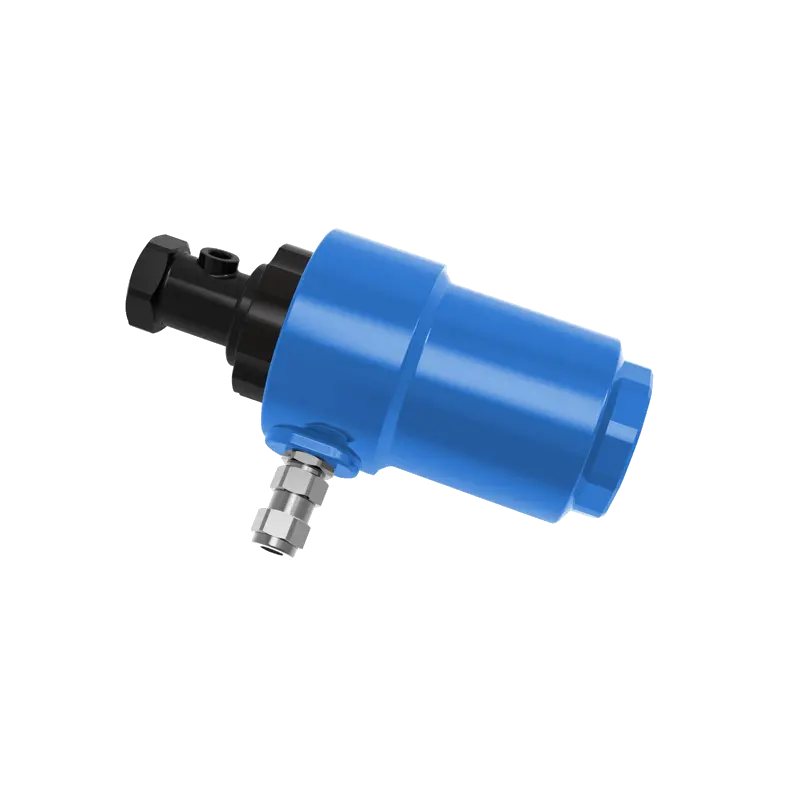
Confirms continuous combustion, shutting off fuel if the flame is lost.
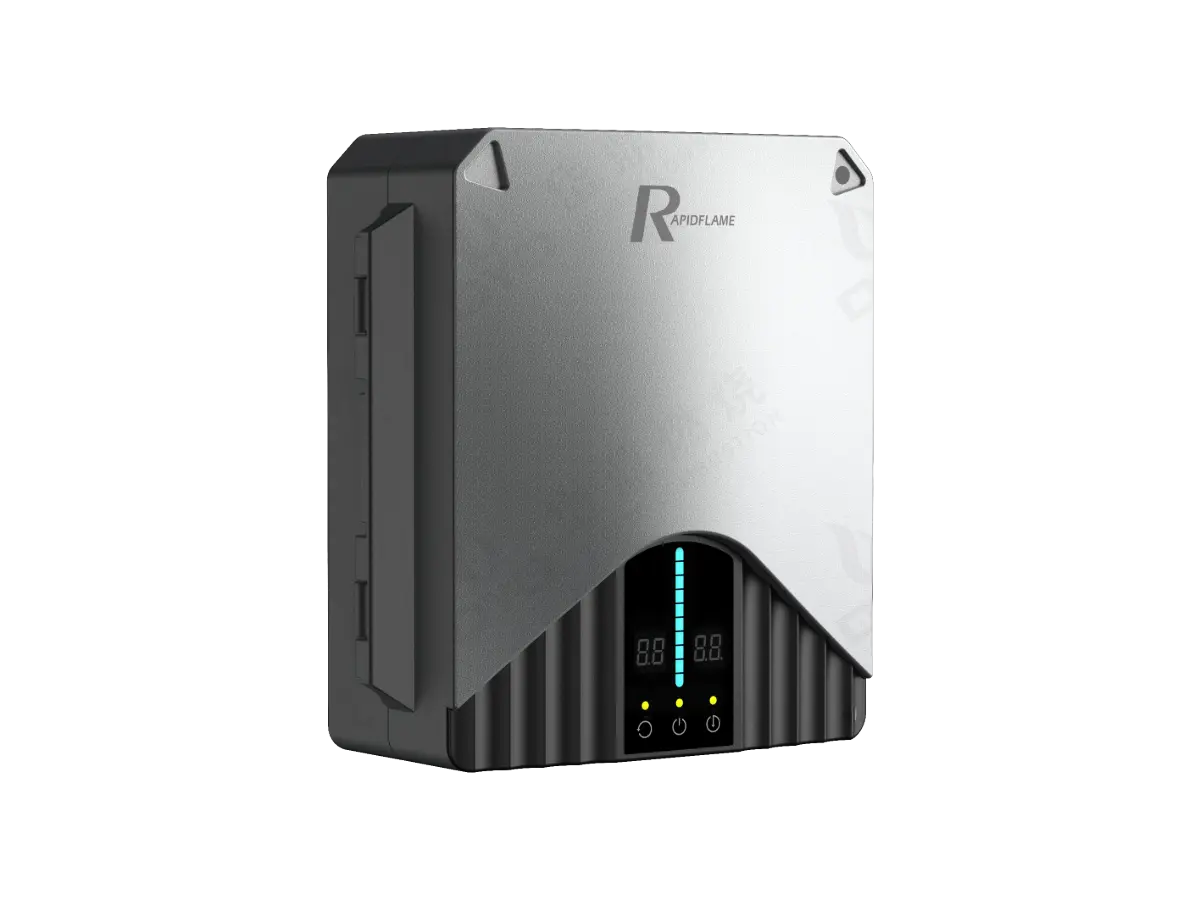
Controls:
Start-up sequence, including purge and ignition.
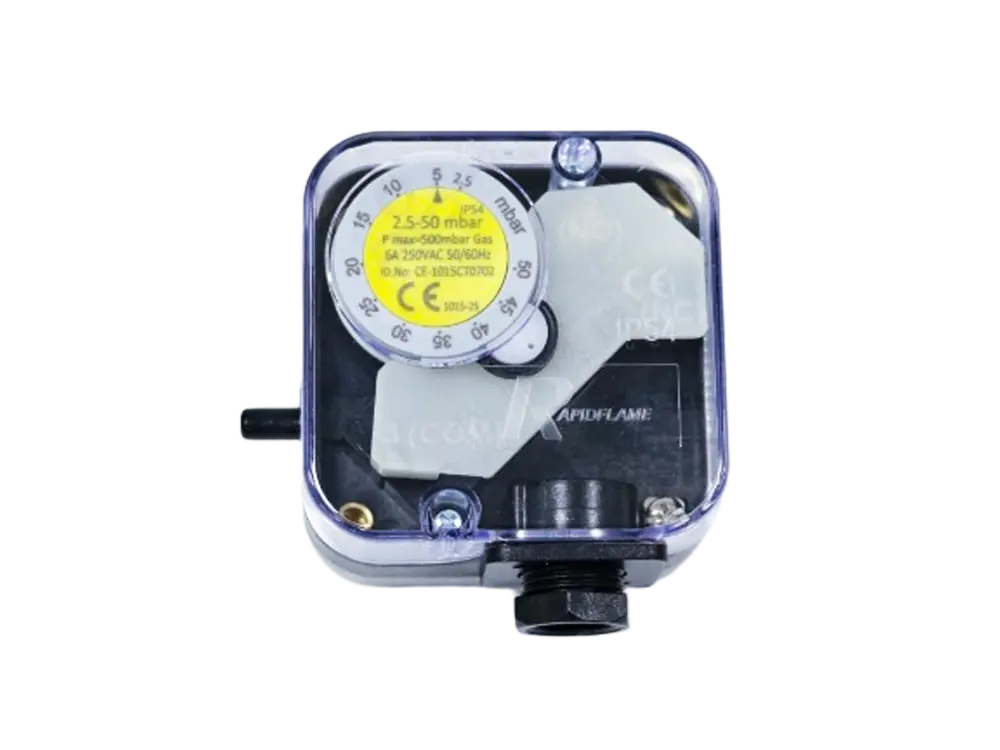
Safety interlocks, such as airflow and pressure verification.
Emergency shutdown, in case of abnormal conditions.
Temperature alone does not determine burner selection. Drying performance depends on moisture removal, airflow, and heat transfer as much as on temperature.
A burner must work together with fans, ducts, and air distribution systems. The burner and air handling system are coupled and must be selected together.
An oversized burner may cause temperature fluctuations, poor efficiency, and difficult control. Oversizing reduces turndown capability and may lead to low-fire instability.
Different materials require different drying temperatures, heating rates, and hot air conditions. The burner selection must account for the specific requirements of the material being dried.
Before selecting a burner, collect comprehensive information:
✅ Material type and thermal properties
✅ Initial and final moisture content
✅ Production capacity or throughput
✅ Required drying temperature
✅ Drying time or residence time
✅ Oven dimensions, including length, width, and height
✅ Air circulation method and fans
✅ Insulation condition and type
✅ Exhaust system and air balance
✅ Fuel type and composition
✅ Fuel pressure available
✅ Heating value
✅ Heat capacity, based on heat load calculation
✅ Burner type, direct or indirect fired
✅ Temperature control method, modulation or on-off
✅ Turndown ratio needed
✅ Emission requirements and applicable limits
The most important factor is matching burner capacity and combustion characteristics with the drying process, airflow system, and material requirements. The burner must deliver heat in a way that is compatible with the drying mechanism and product sensitivity.
It depends on the material. Direct firing provides higher efficiency, as all the combustion heat is used directly, while indirect firing provides cleaner hot air for sensitive products where combustion products cannot contact the material.
Calculate the energy required for moisture evaporation, material heating, oven heat losses, and required operating margin. The total heat input should cover the maximum expected demand with an appropriate allowance for normal variations.
Because excessive or uneven heating can affect product quality, moisture distribution, and production consistency. Precise temperature control ensures that the product reaches the target moisture content without degradation.
Yes. Low-NOx burners can be used in many drying systems when properly matched with the air heating design. The selection must ensure that emission control does not compromise temperature stability or turndown performance.
Selecting the correct burner for a drying oven requires matching combustion technology with the entire drying process. The burner is not just a heat source; it is a key component of the thermal system that determines how effectively energy is transferred to the product.
The ideal drying oven burner should provide:
Stable hot air generation, maintaining consistent outlet conditions.
Accurate temperature control, meeting the product's thermal requirements.
Efficient fuel utilization, minimizing operating costs.
Uniform drying conditions, supporting consistent product quality.
Low emissions, meeting environmental standards.
Reliable long-term operation, with minimal maintenance requirements.
A burner is not simply a heat source for a dryer. It is a key component that determines how effectively thermal energy is transferred into the drying process. The integration of the burner with the air handling system, temperature control, and material handling defines the overall performance of the drying operation.
By considering material characteristics, oven design, fuel conditions, and control requirements, manufacturers can achieve:
Faster drying, increasing production throughput.
Lower energy consumption, reducing operating costs.
Better product quality, with consistent moisture content.
Reduced operating costs, through efficient fuel use.
Improved production reliability, minimizing downtime.
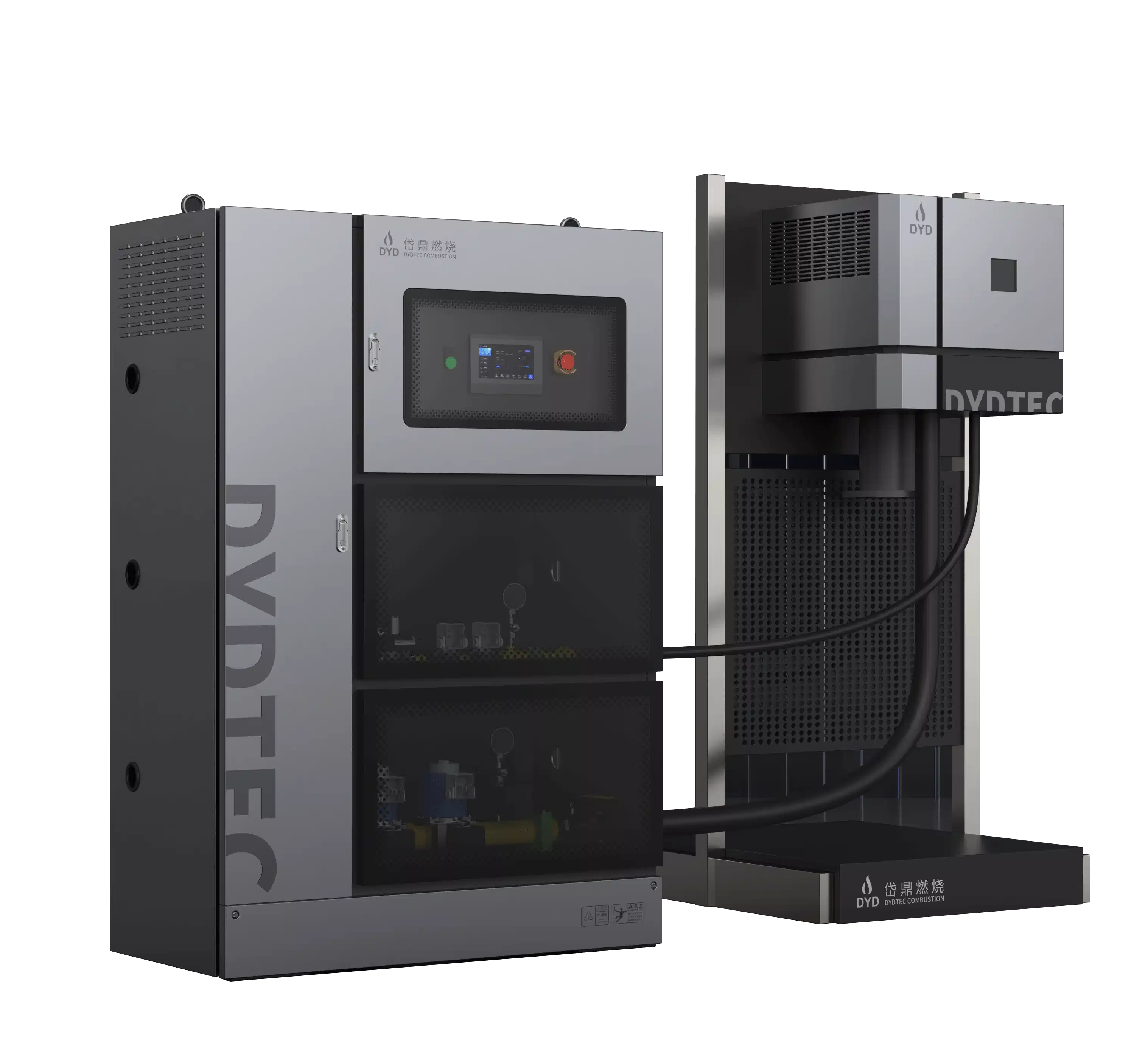
DYDTEC Combustion specializes in industrial burner technology, combustion systems, and customized thermal solutions. The company provides industrial burner solutions for drying equipment, thermal air furnaces, industrial ovens, and process heating systems, focusing on drying burner selection, hot air generation, combustion optimization, low-emission technology, and reliable industrial operation. With deep expertise in drying system thermal engineering and burner integration, DYDTEC supports customers in selecting the optimal burner for each unique drying application, ensuring efficient moisture removal, consistent product quality, and cost-effective operation.