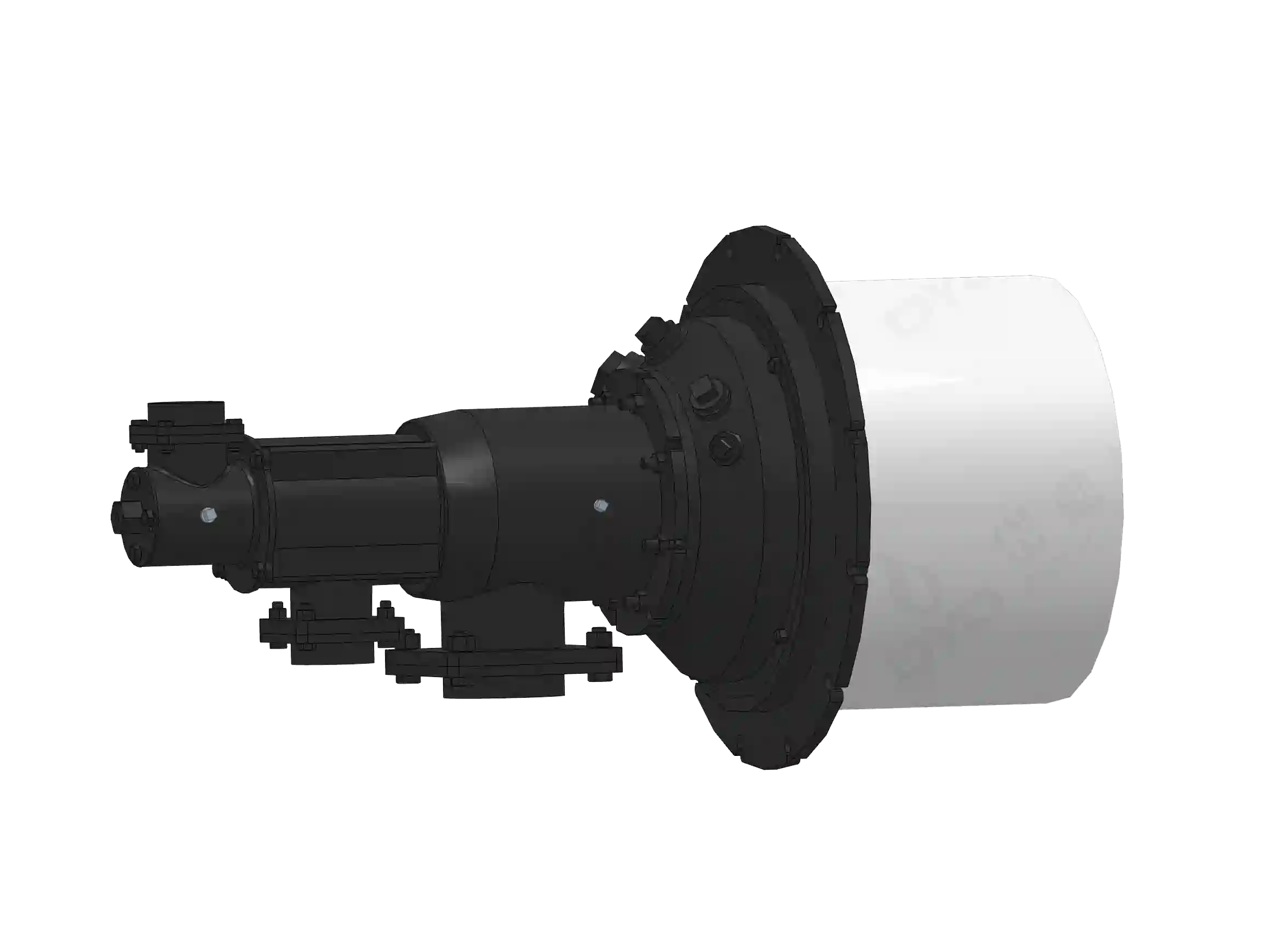
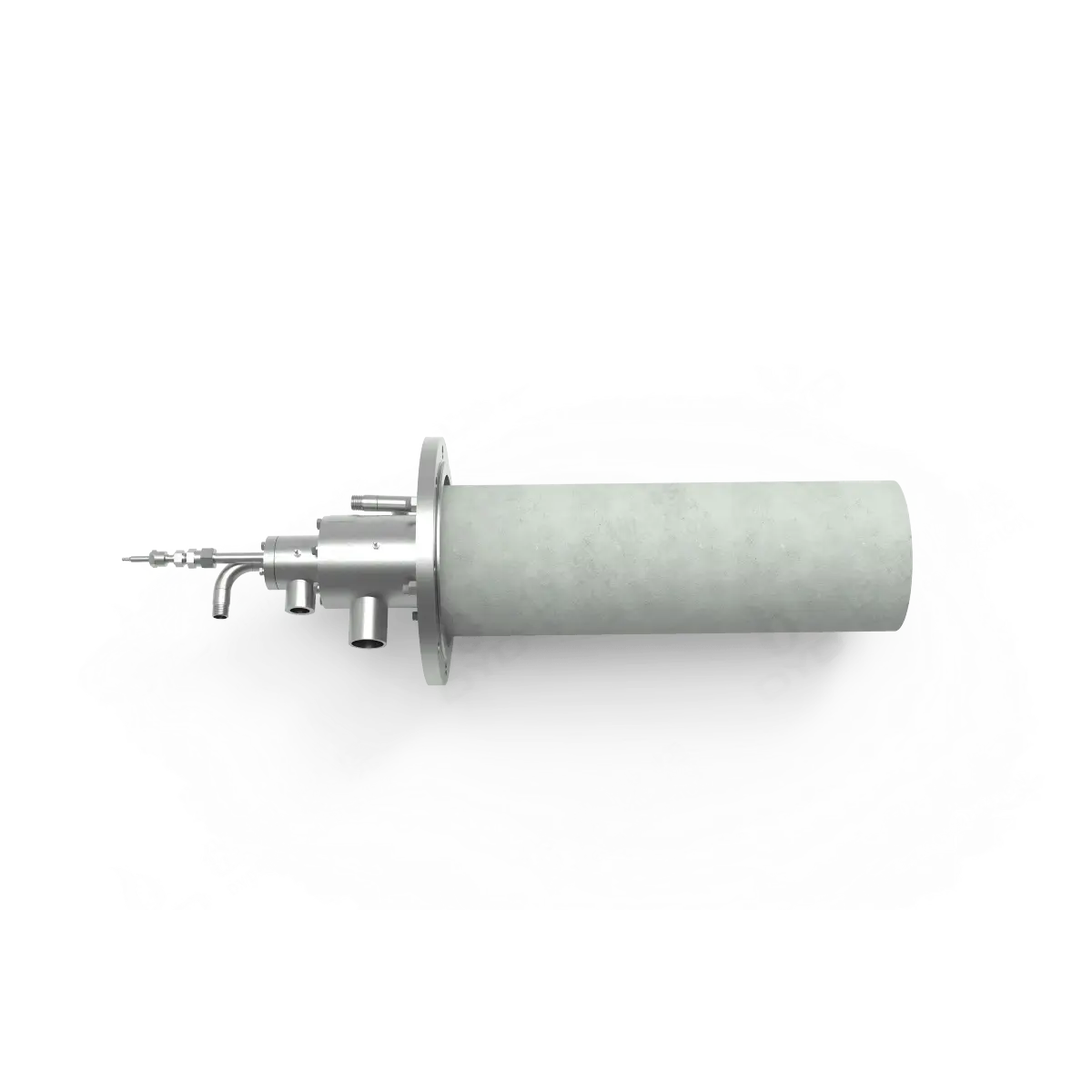
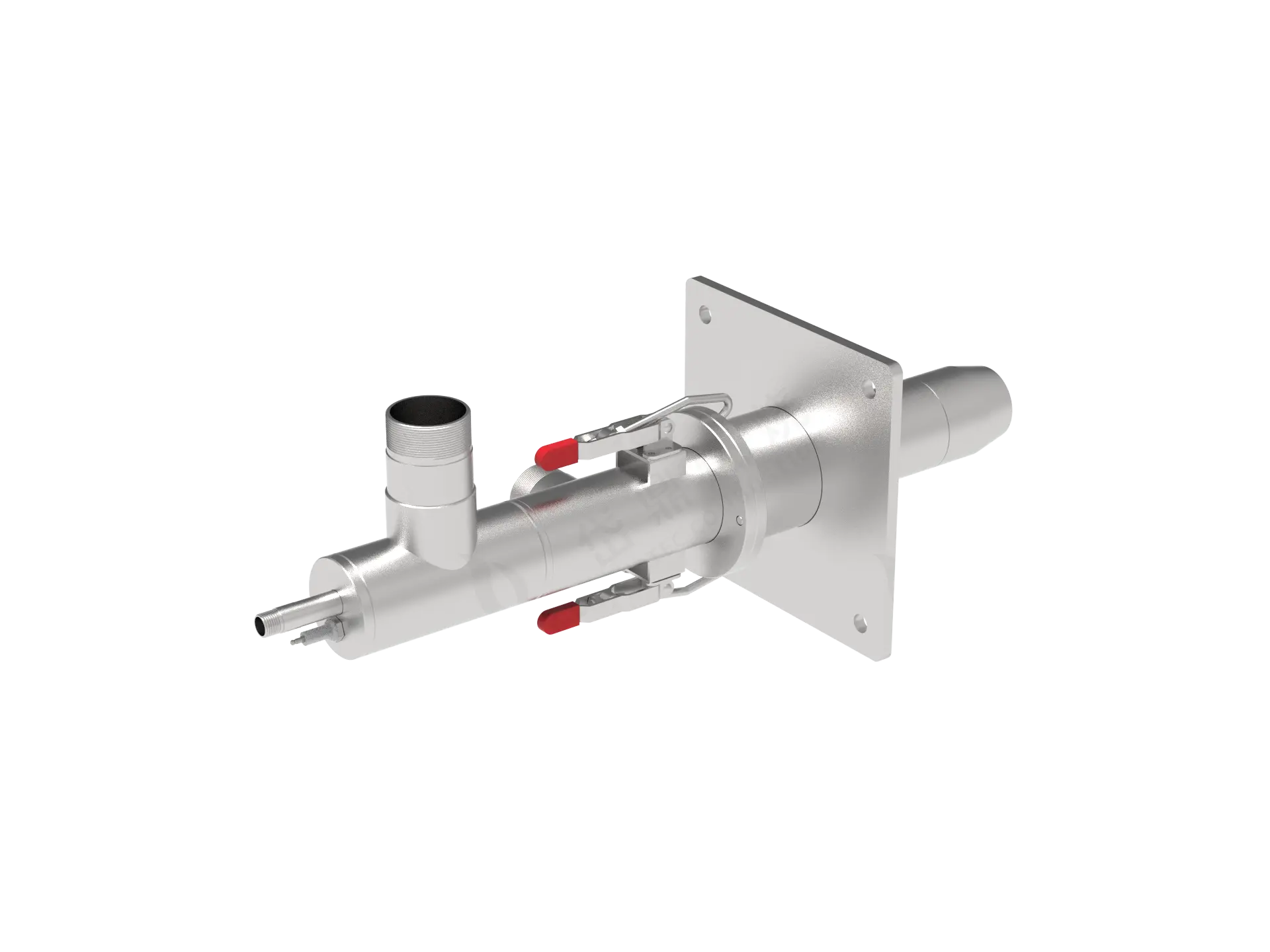
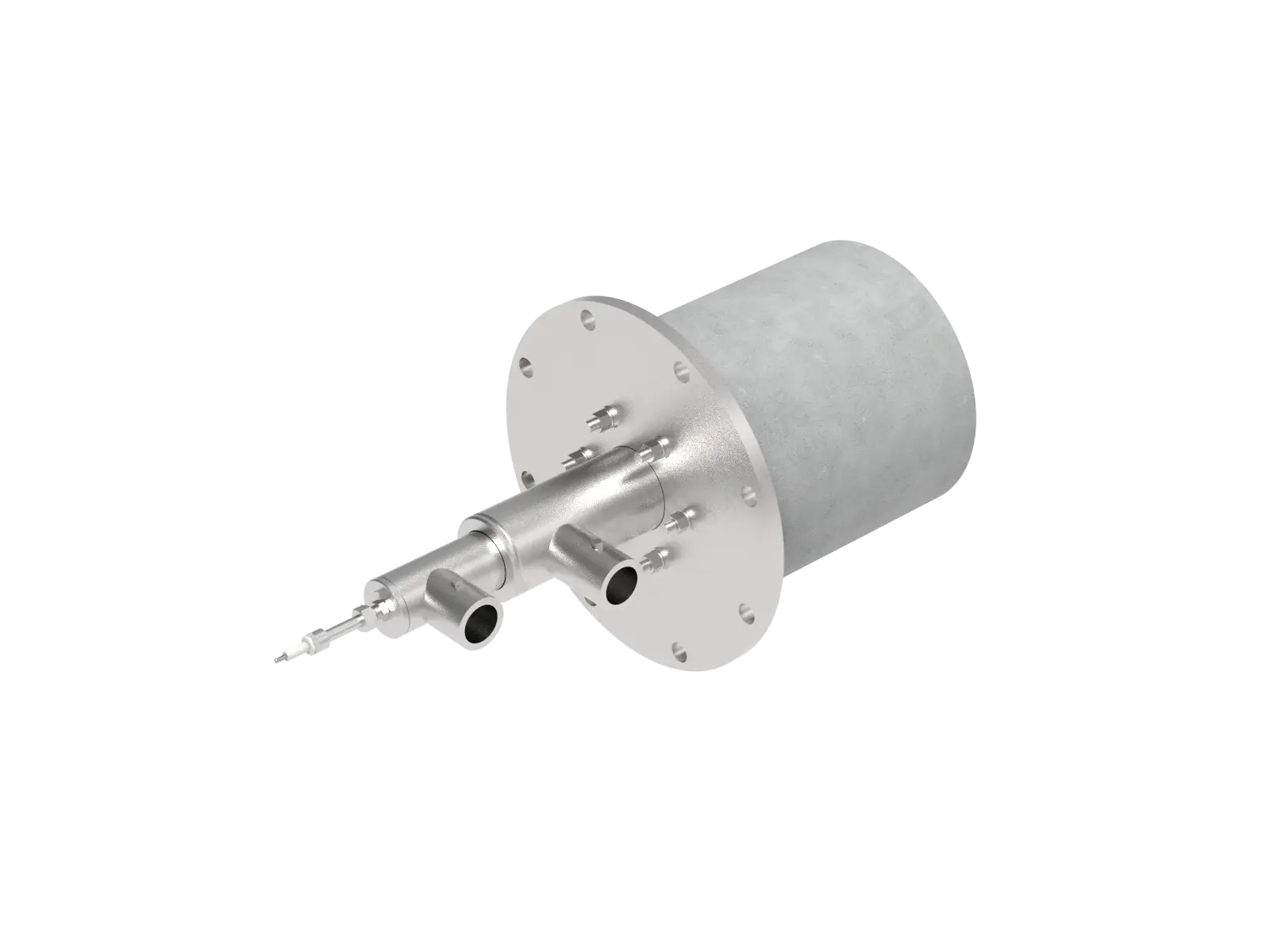
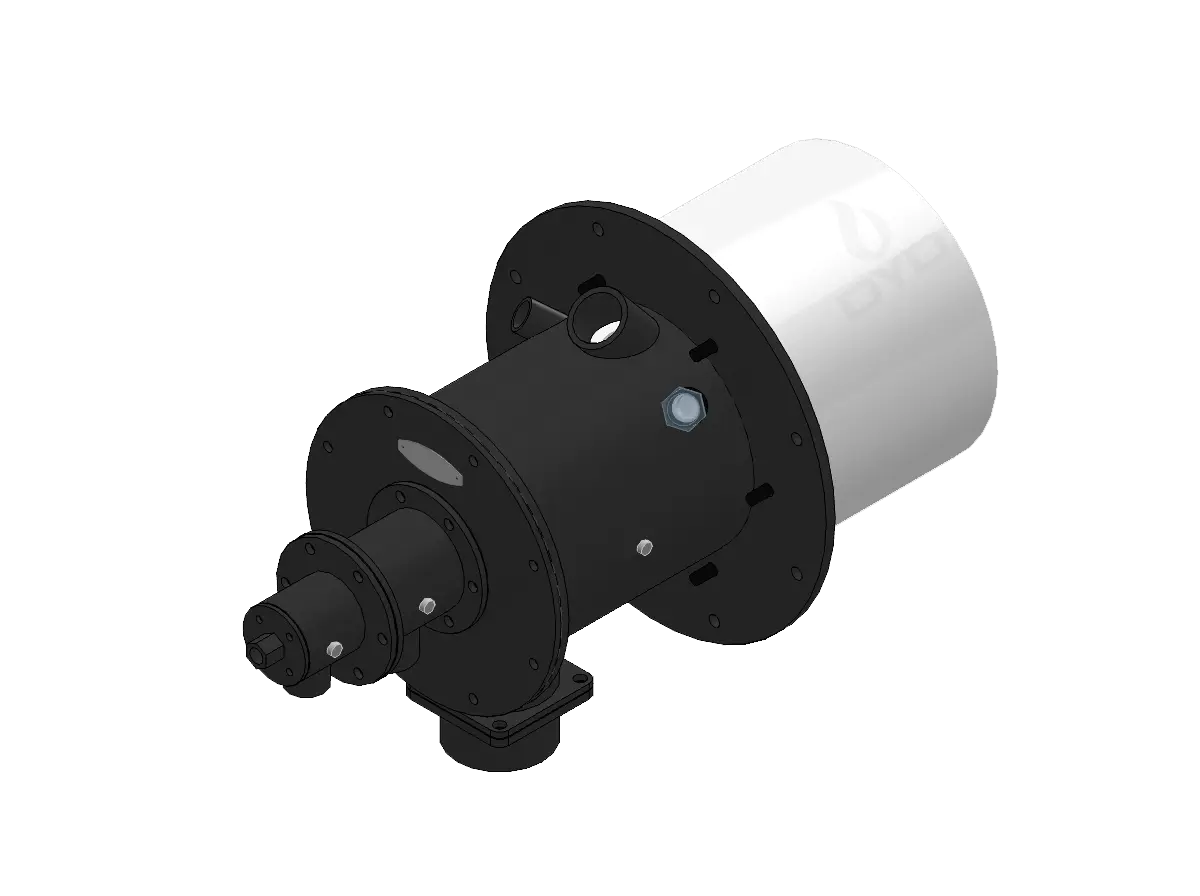
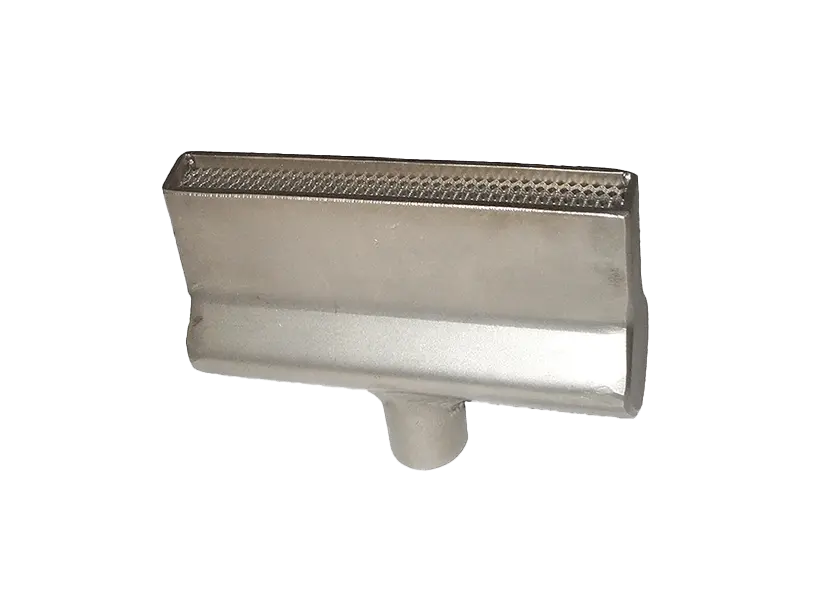
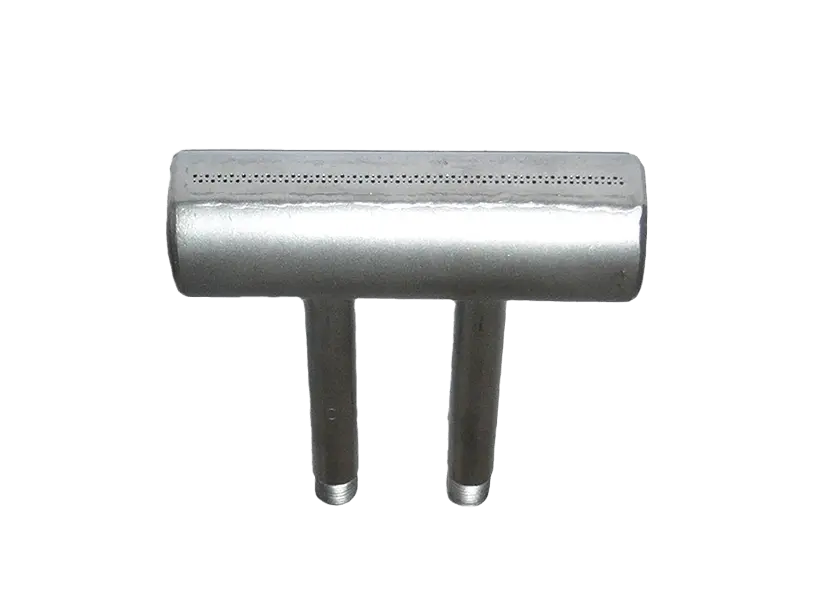
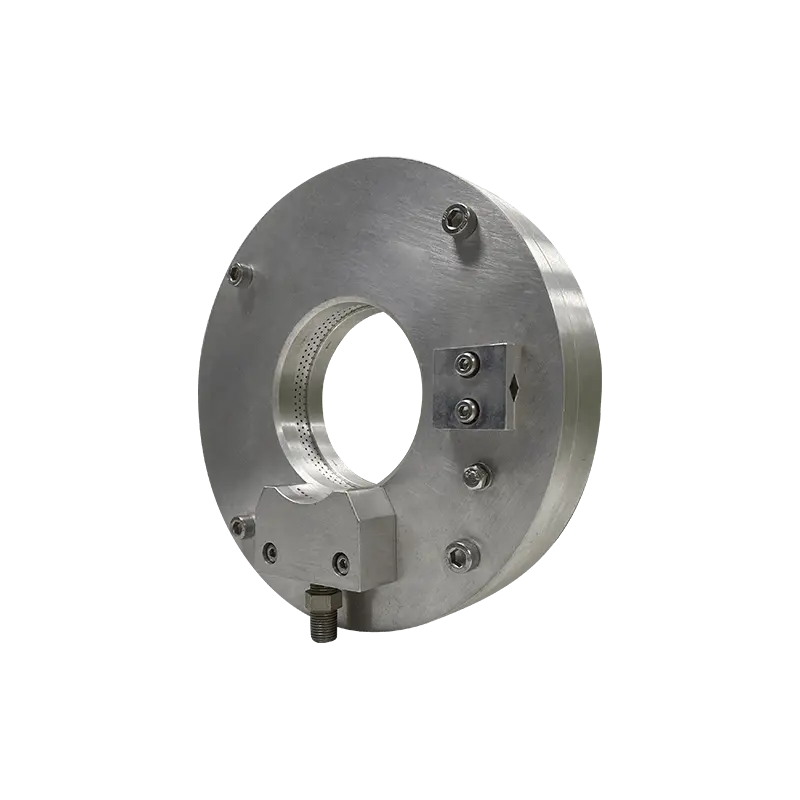
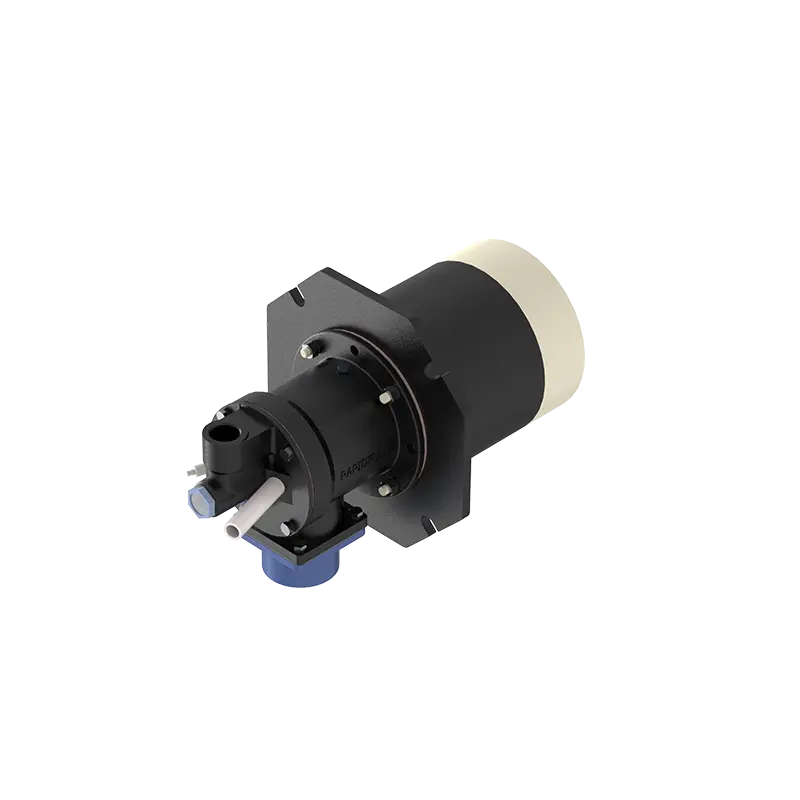
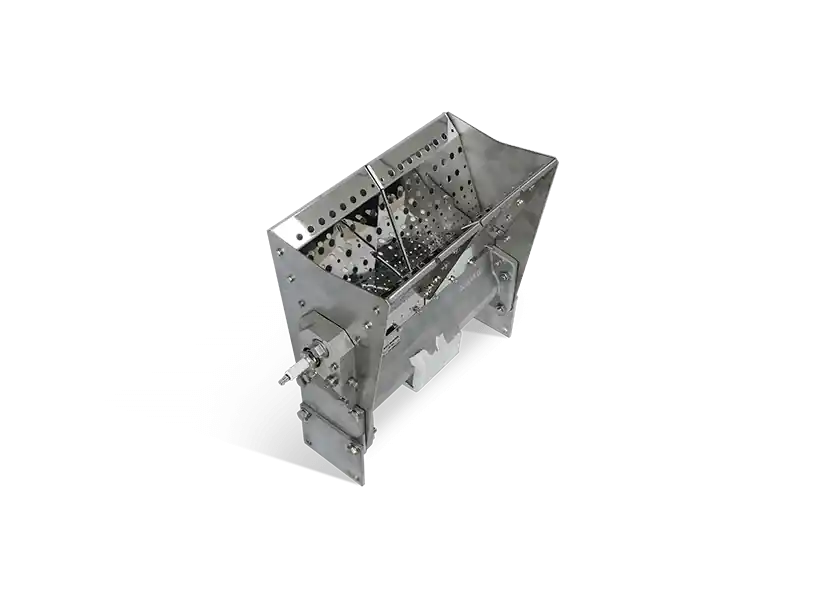
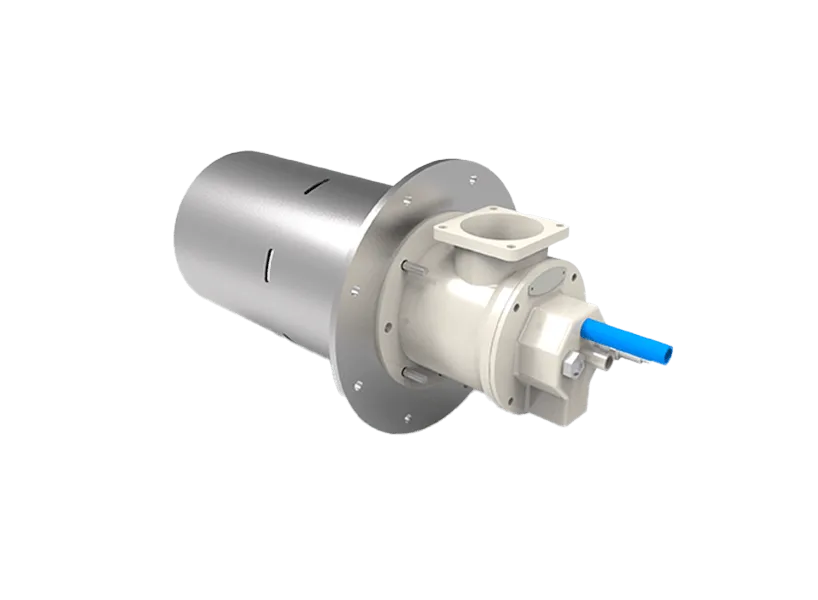
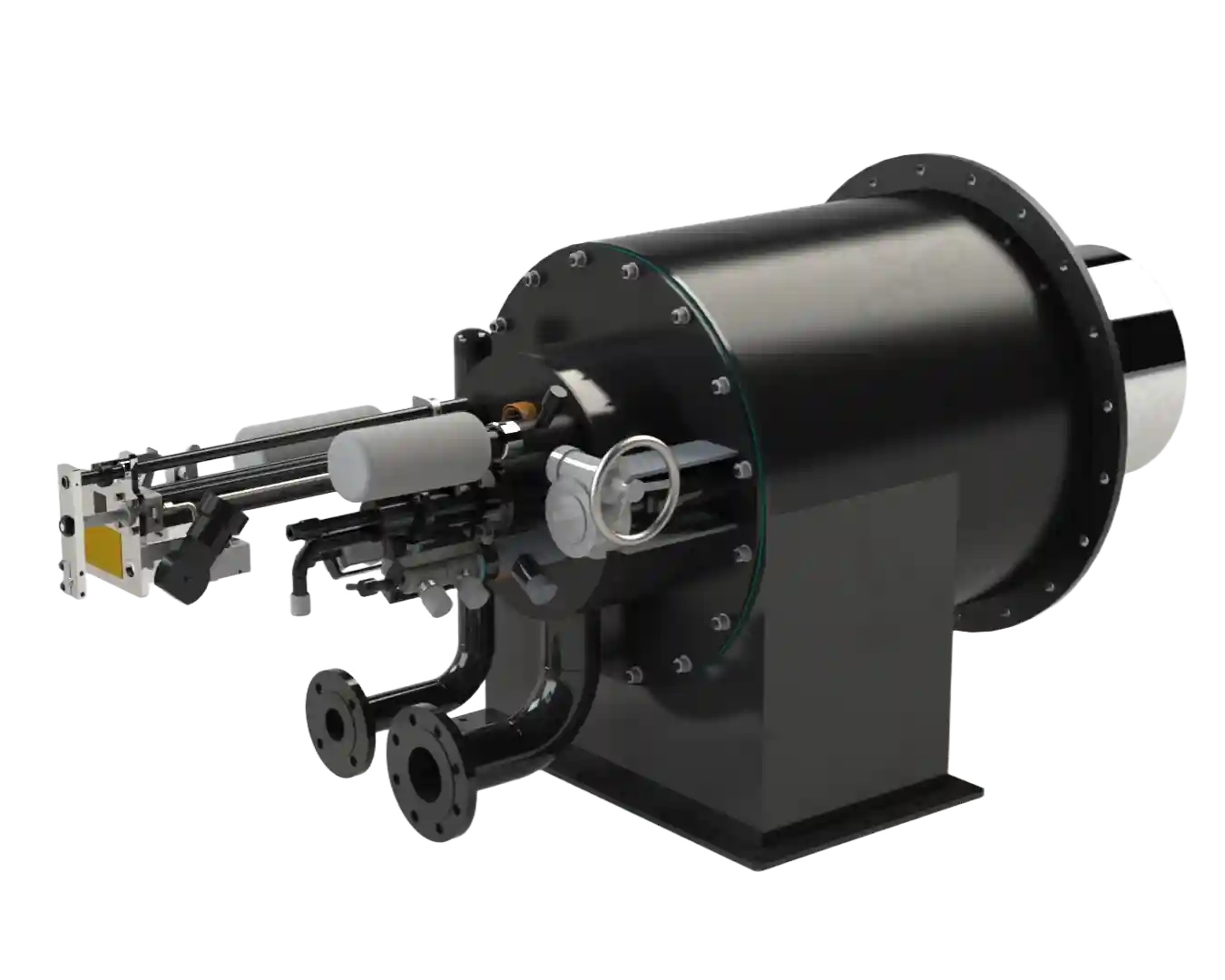
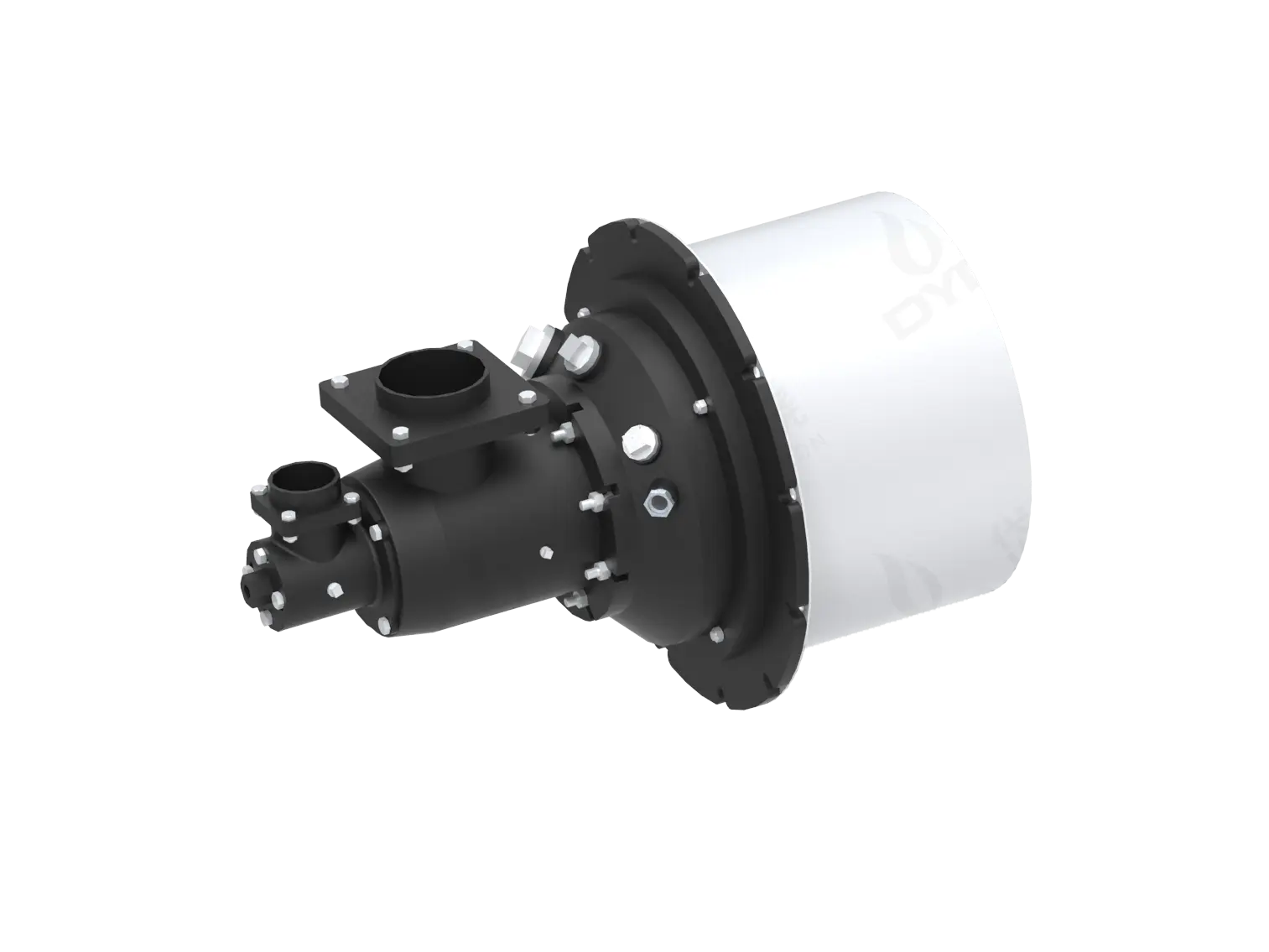
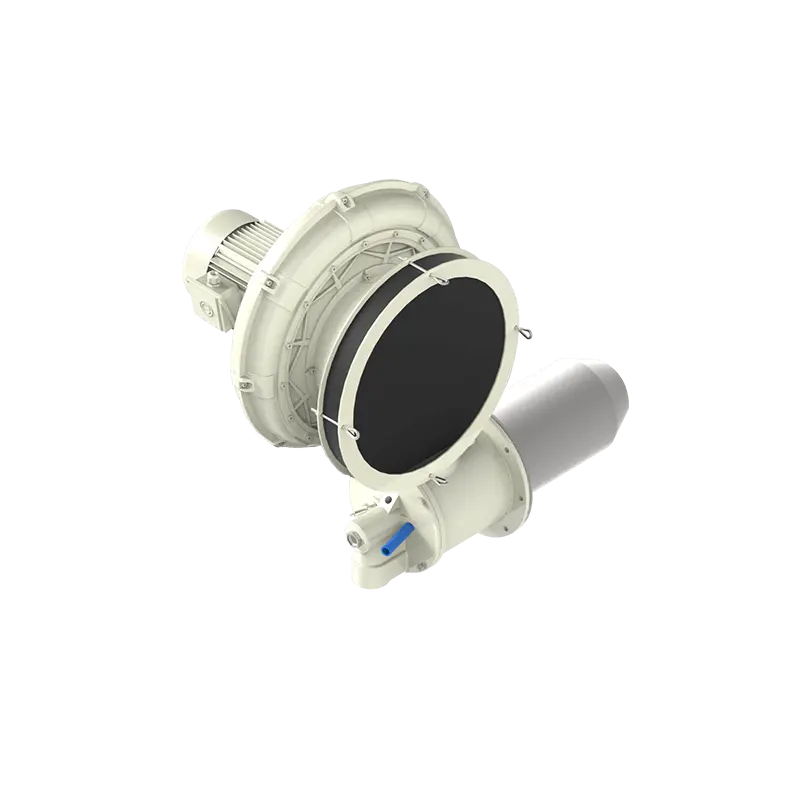
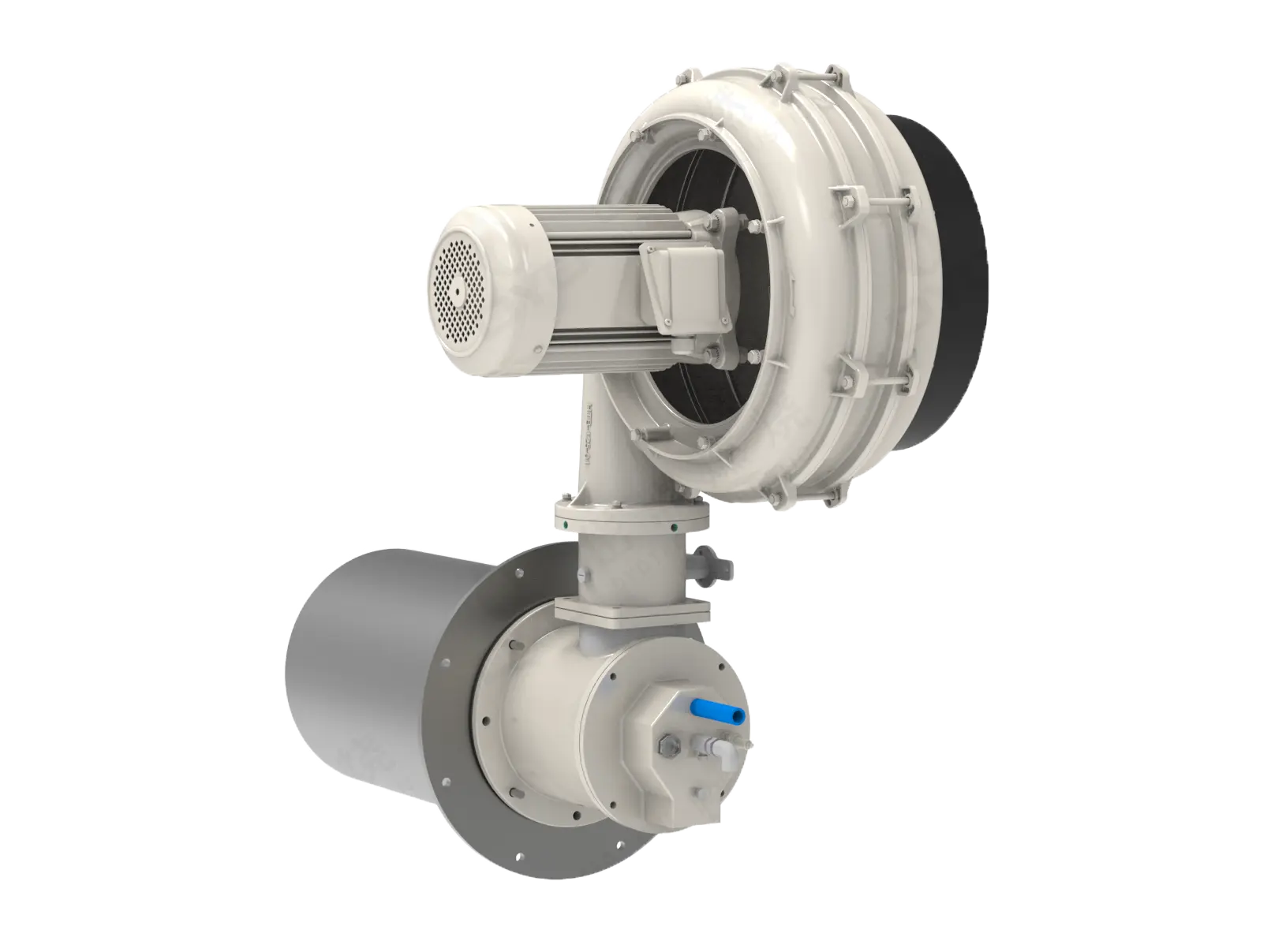
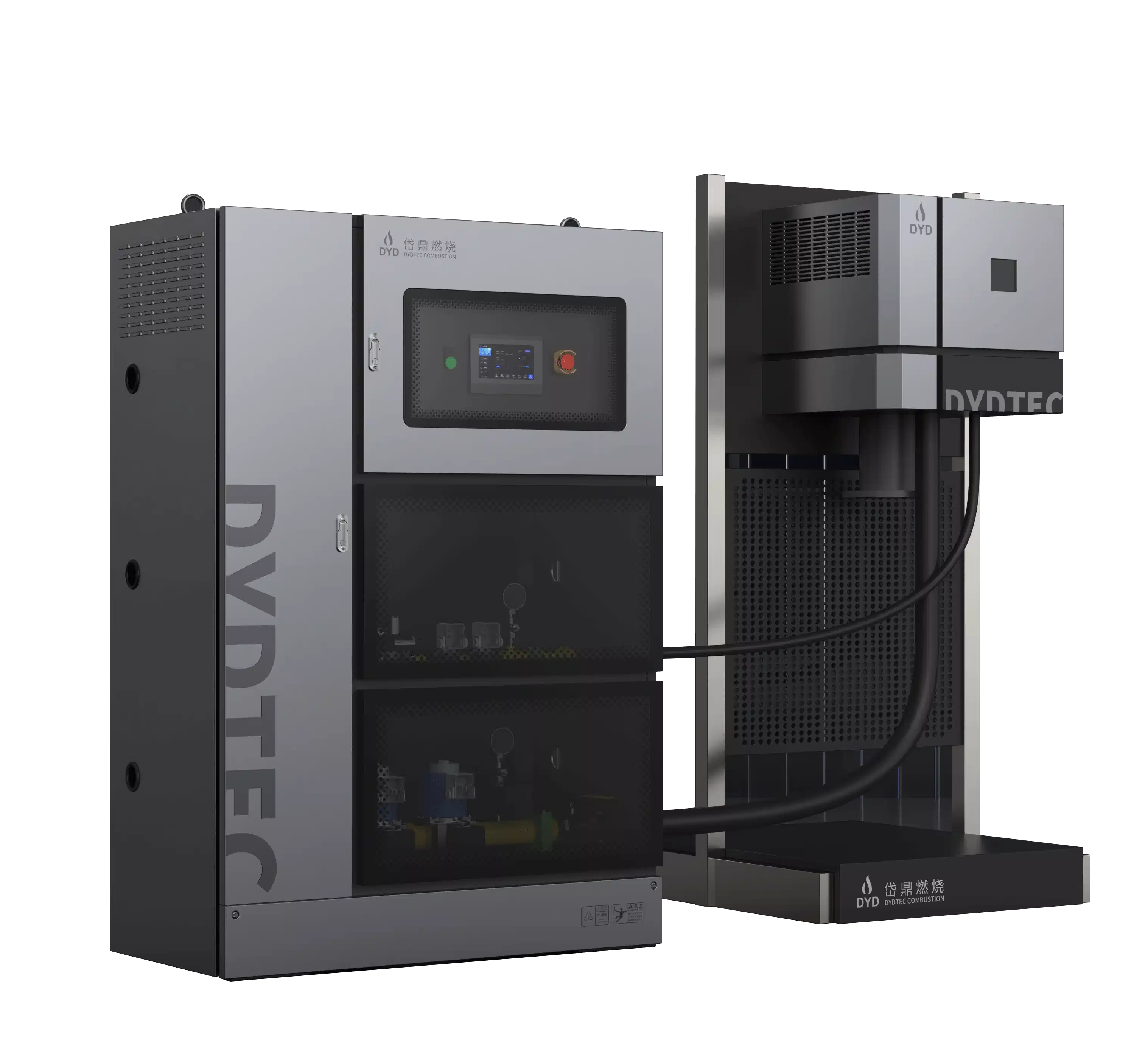
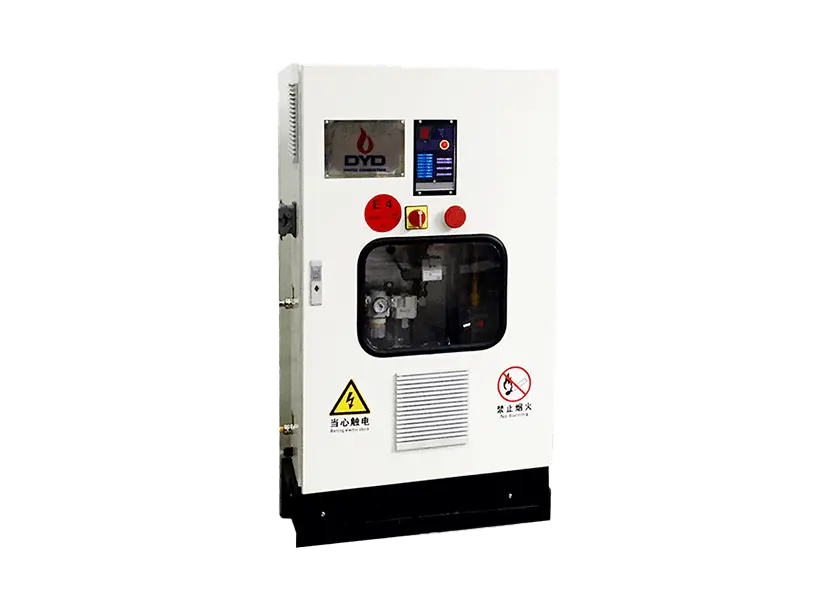
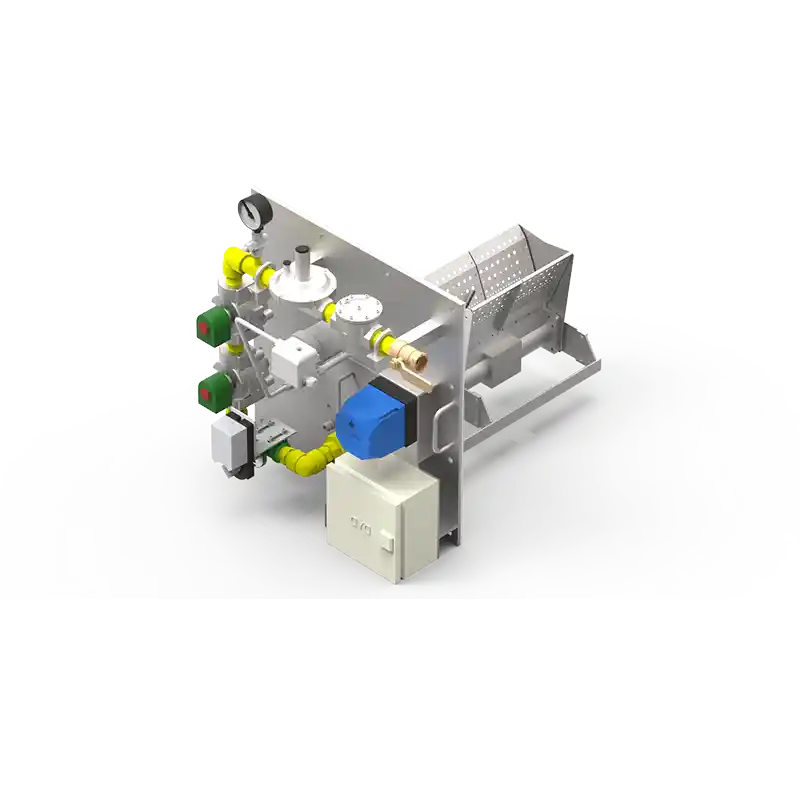
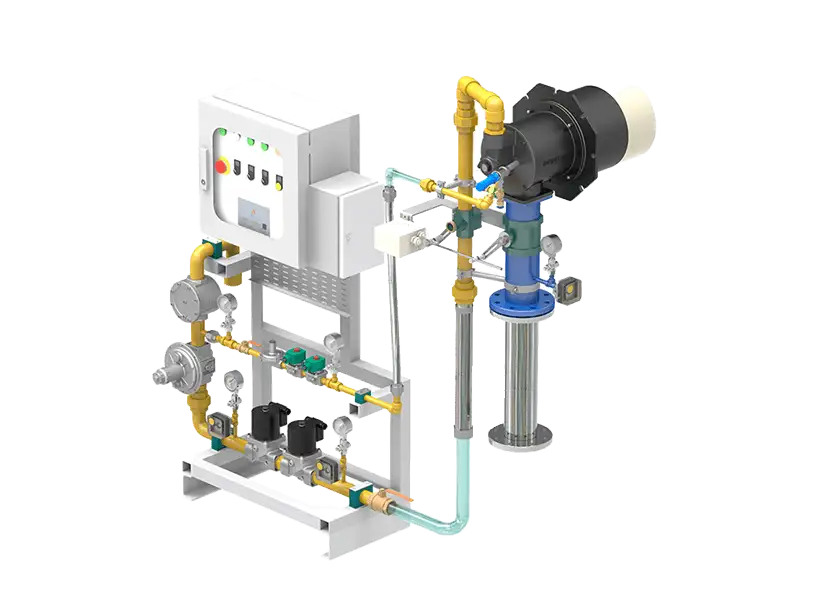
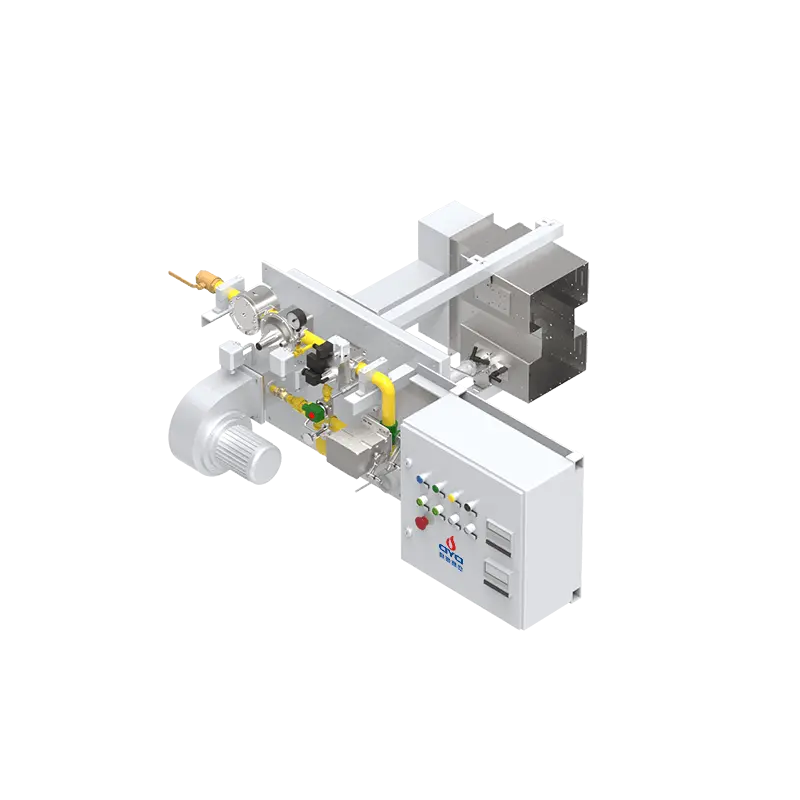
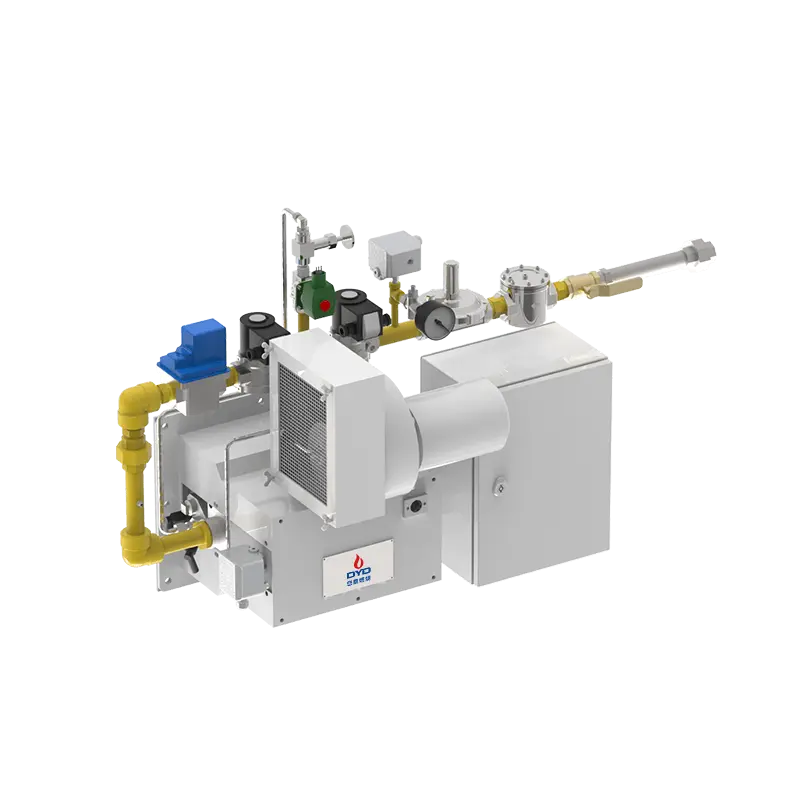
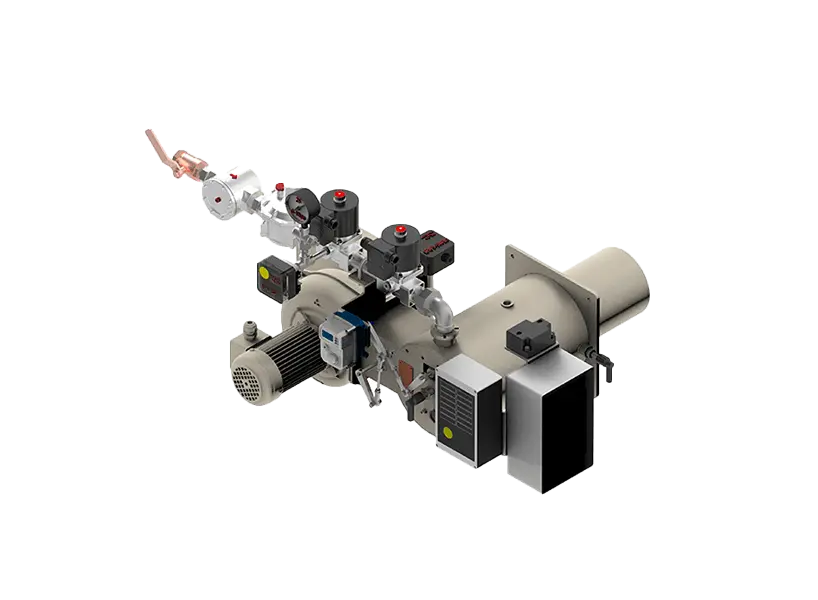
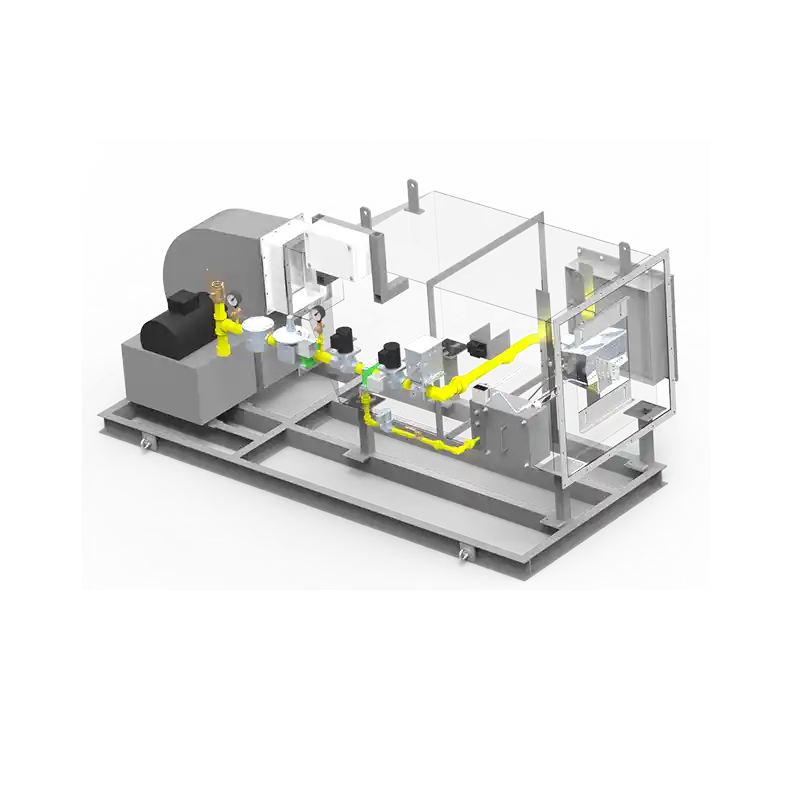
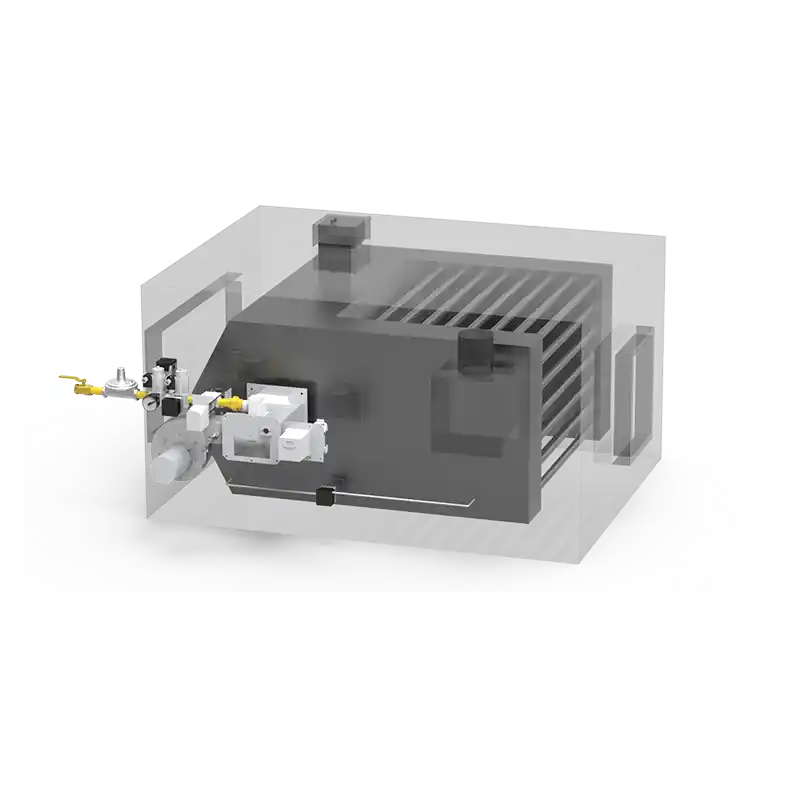
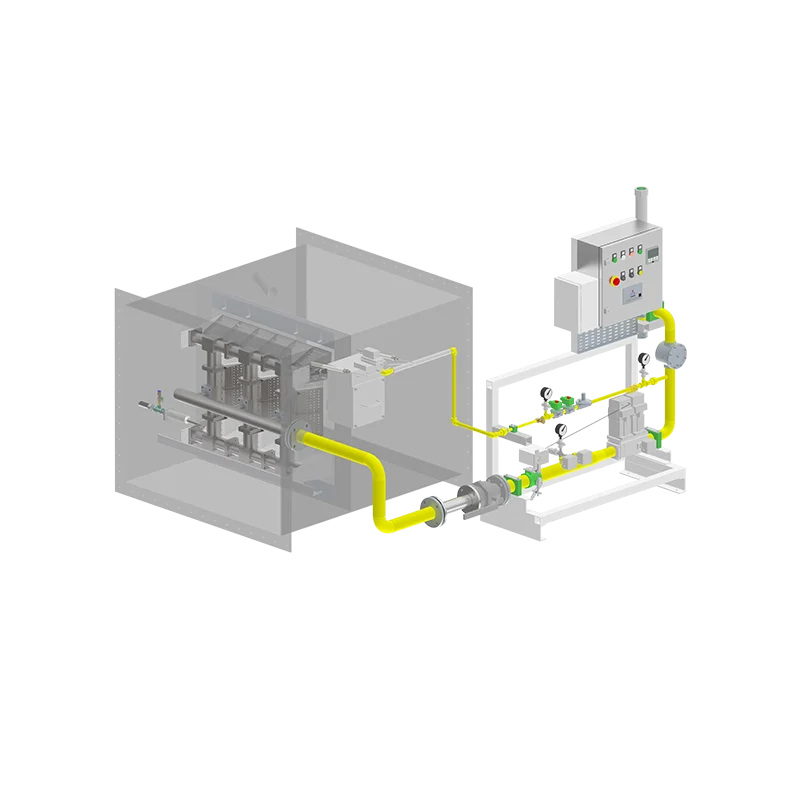
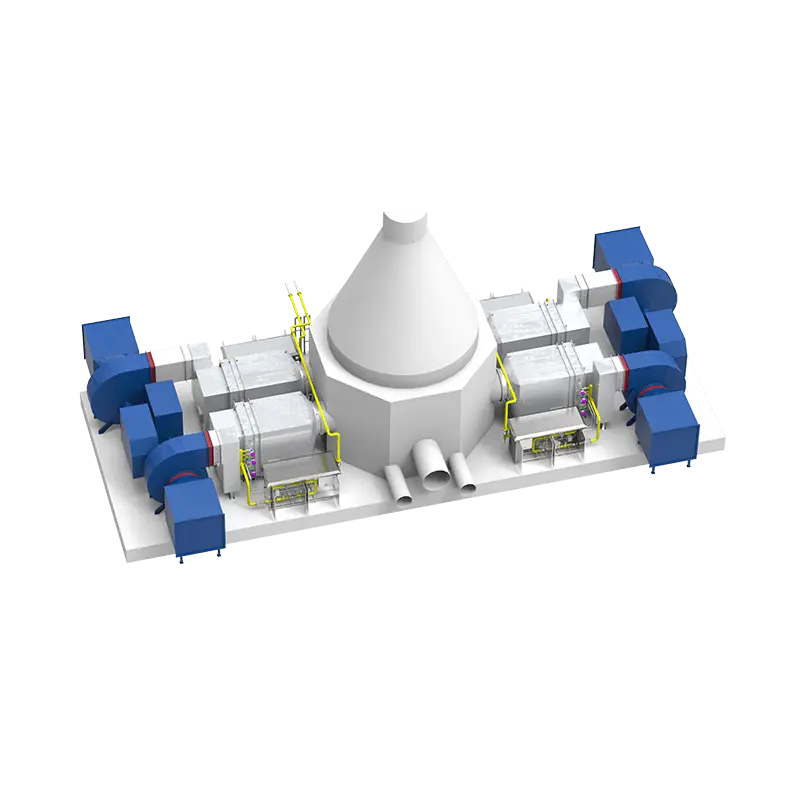
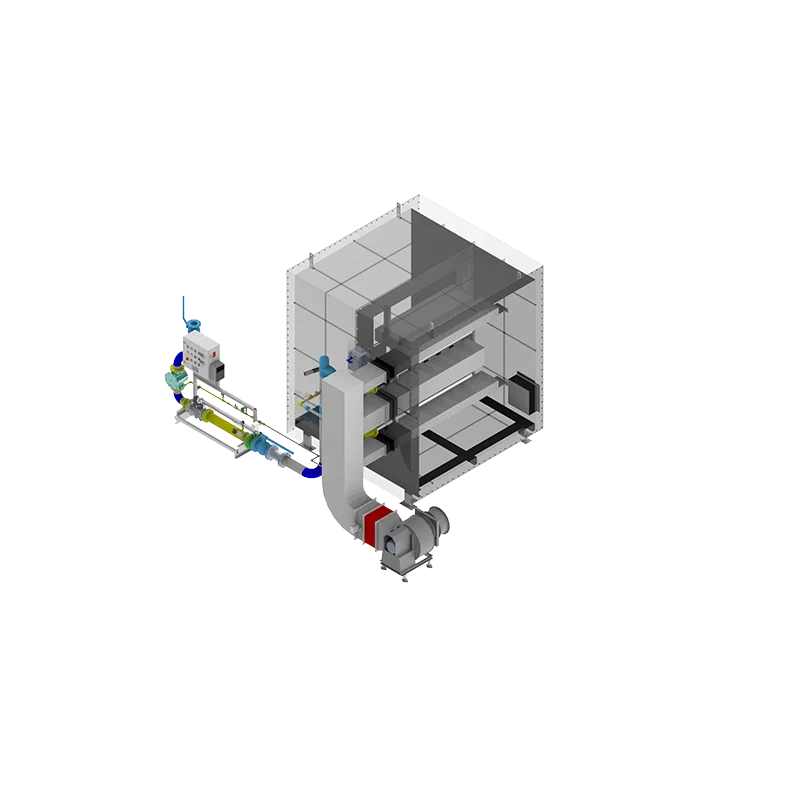
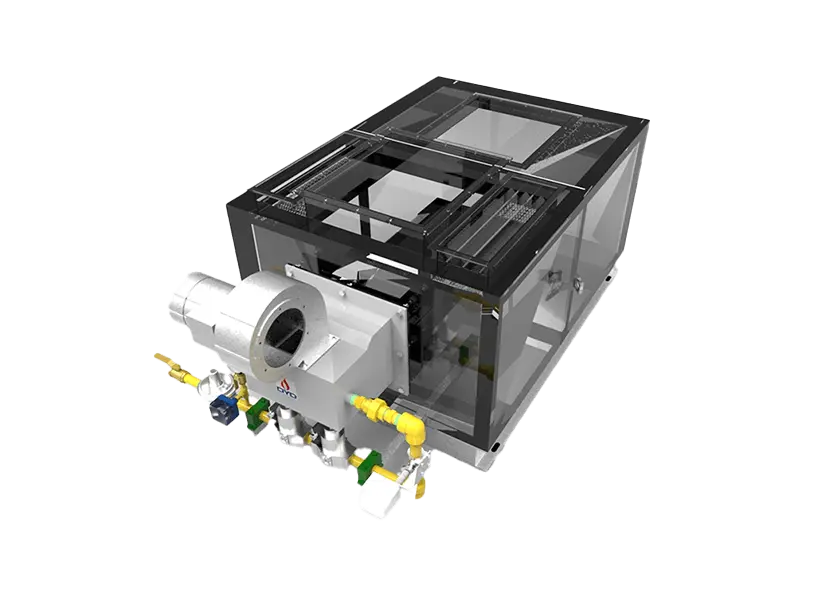
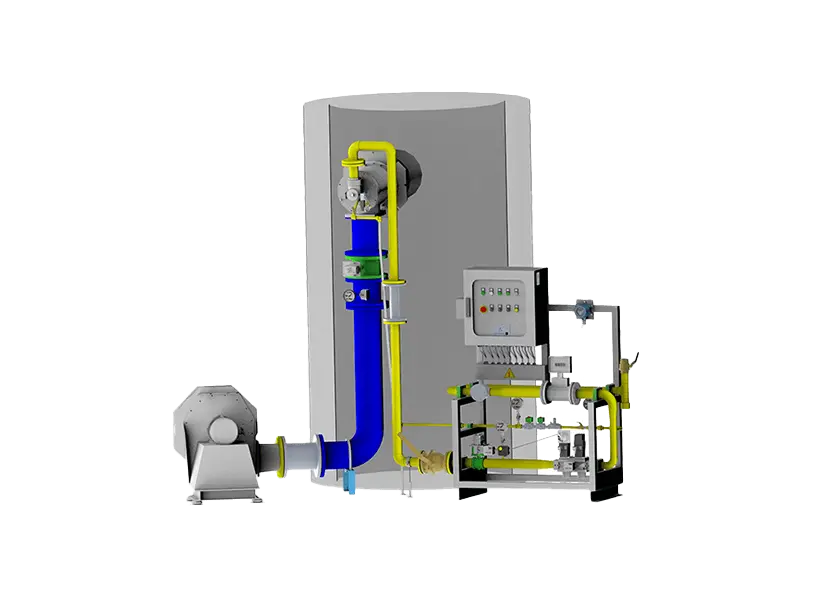
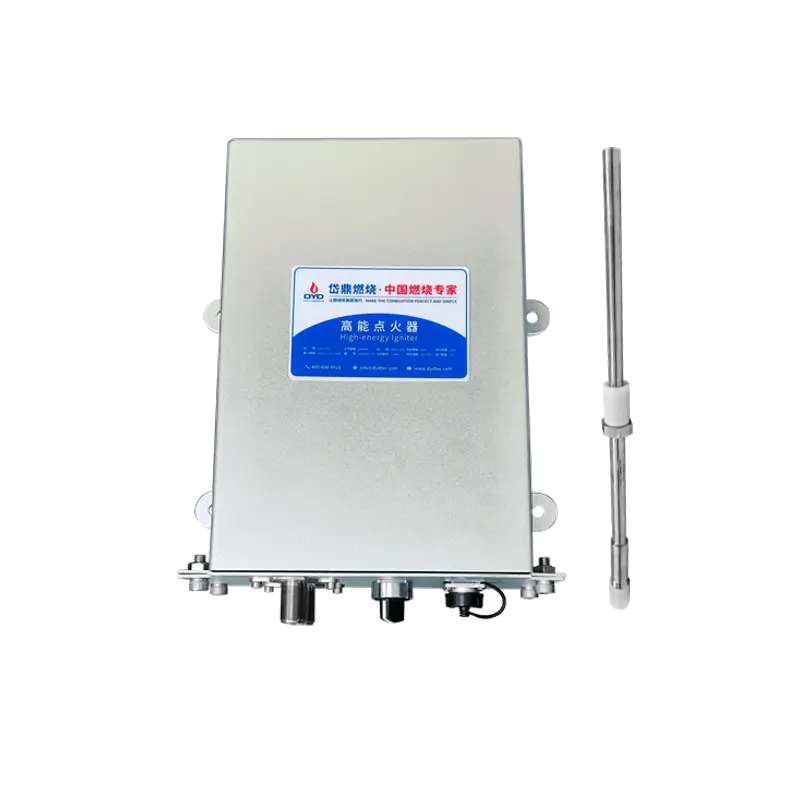
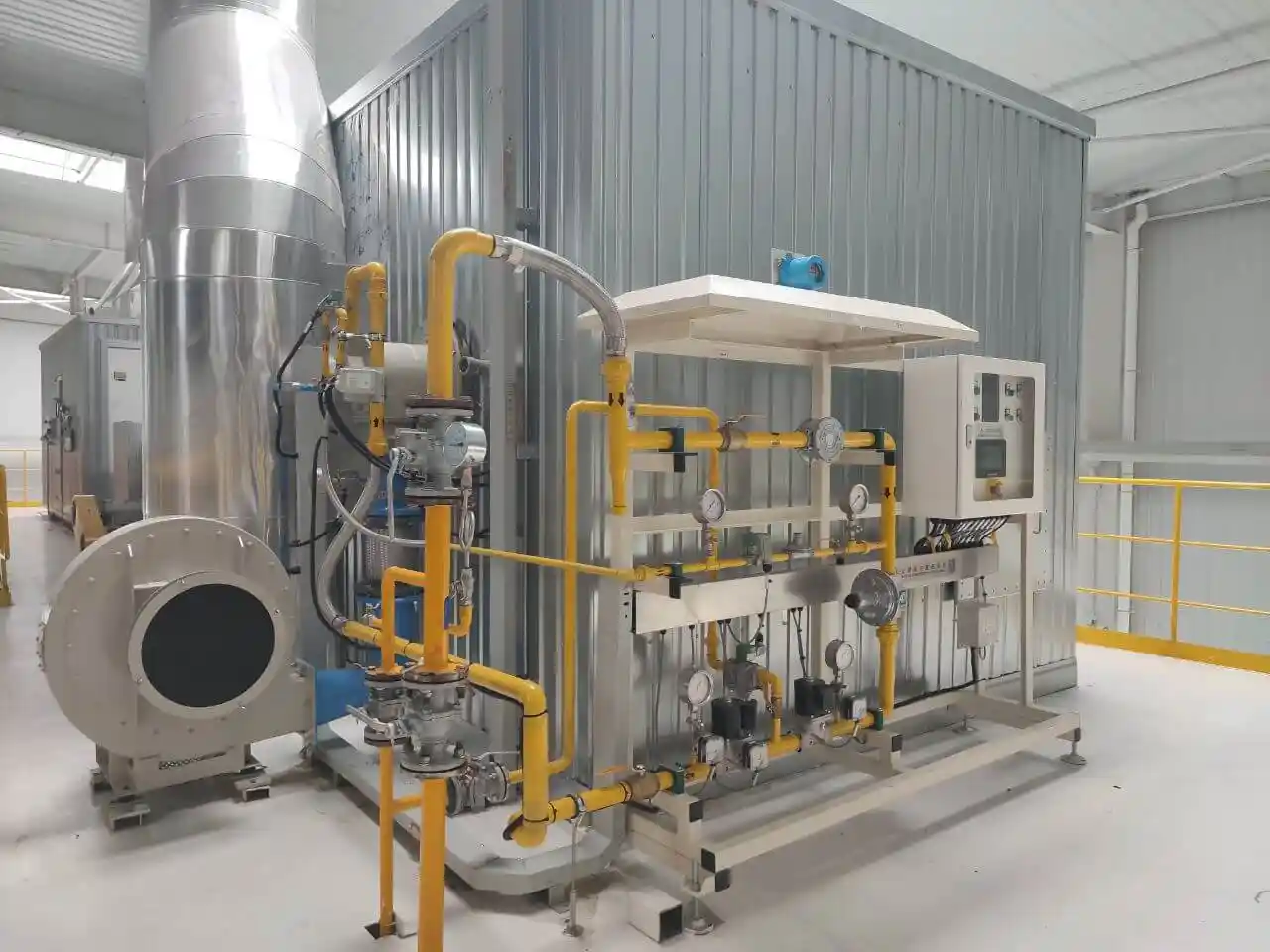
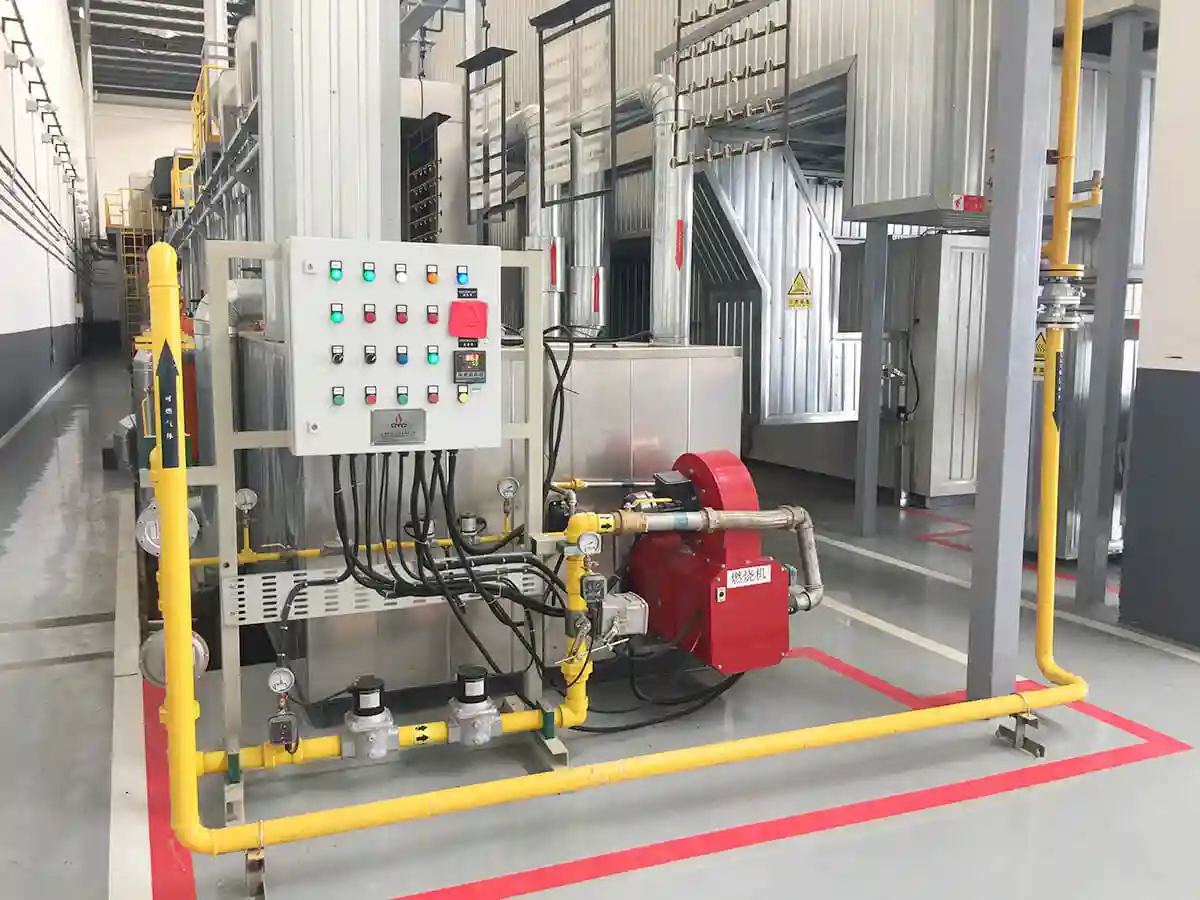
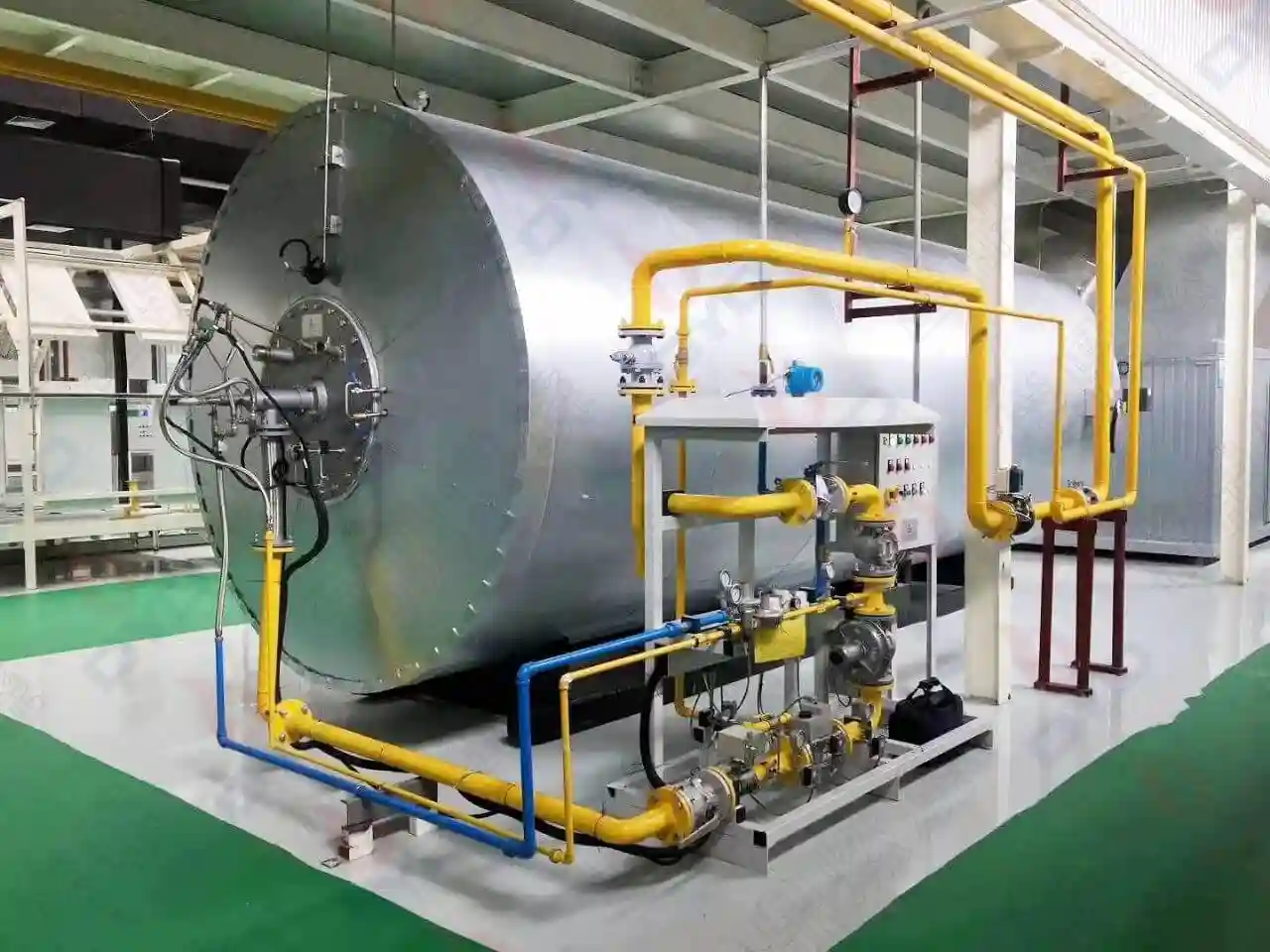
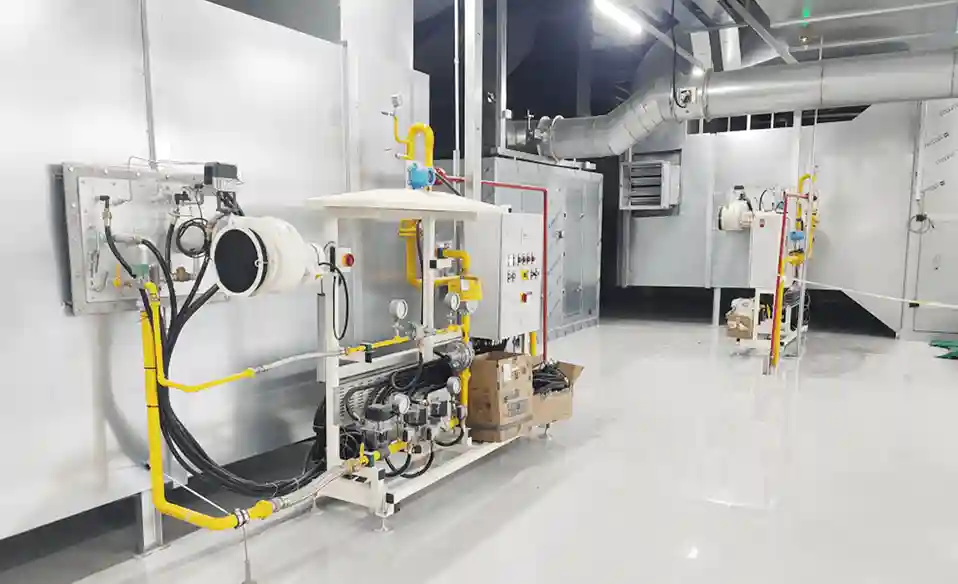
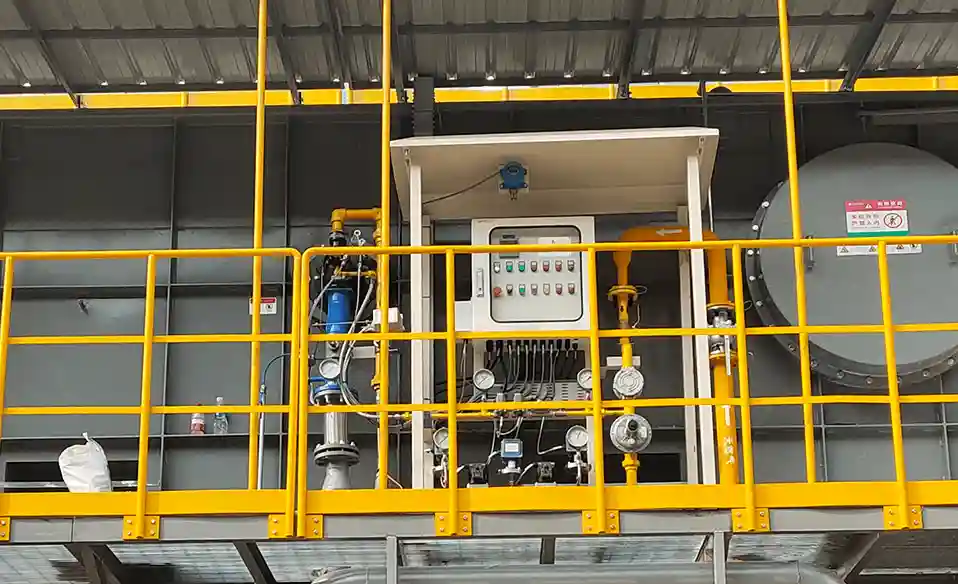
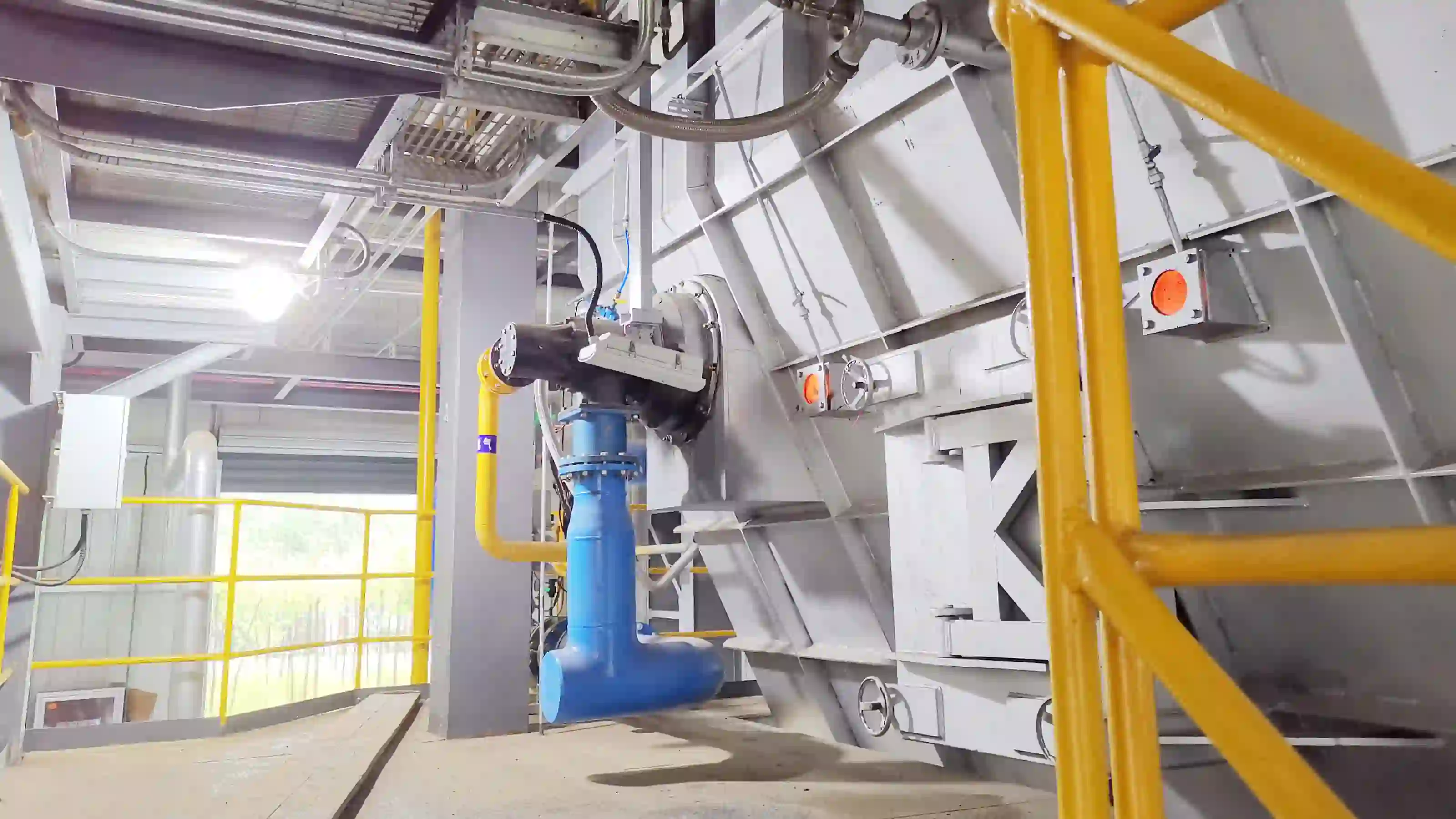
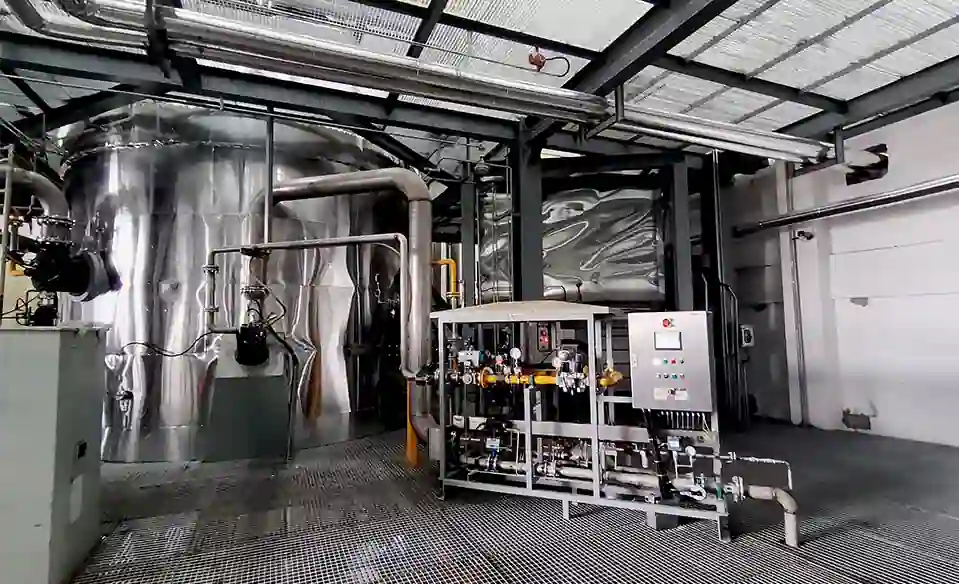
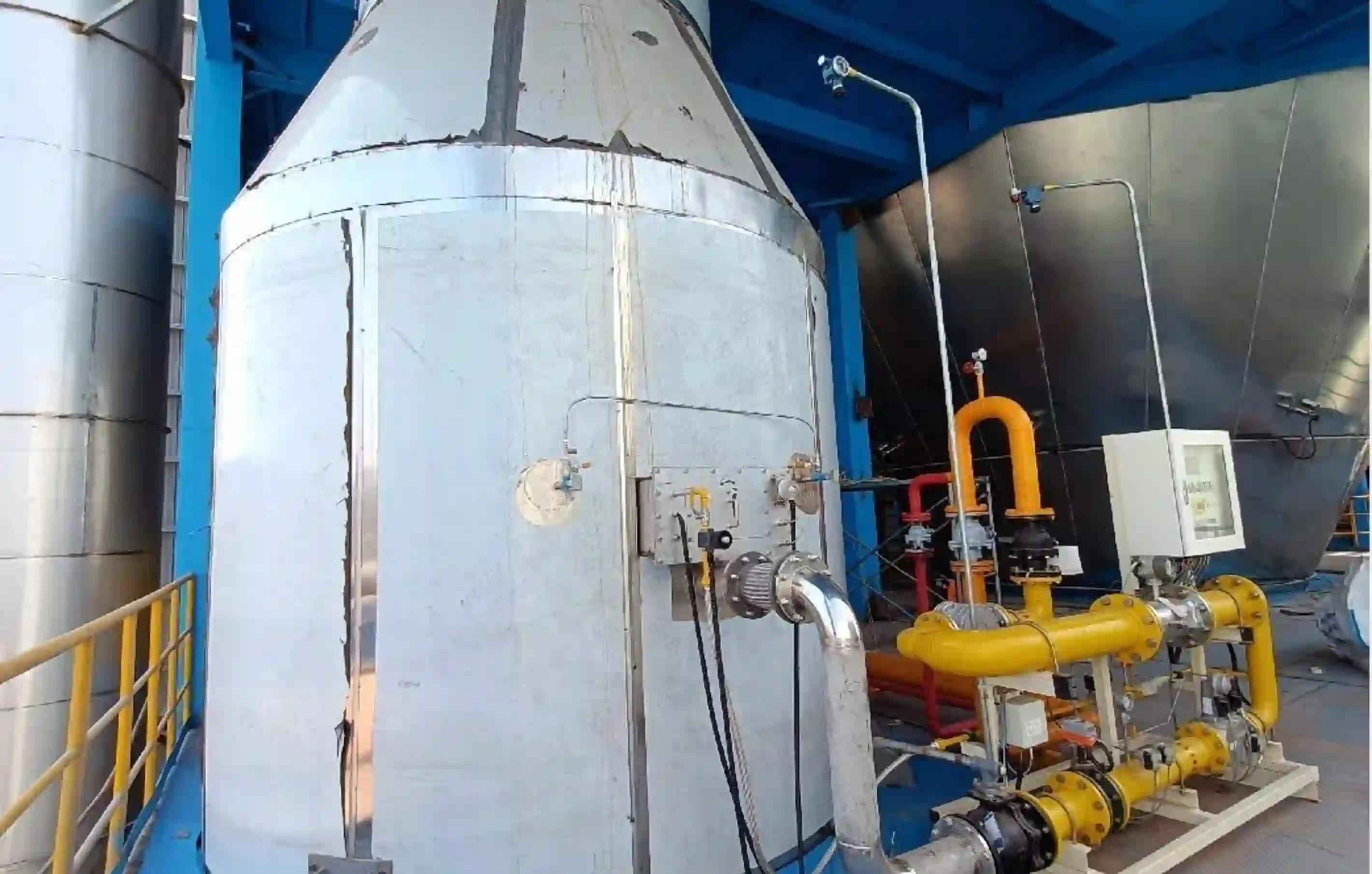
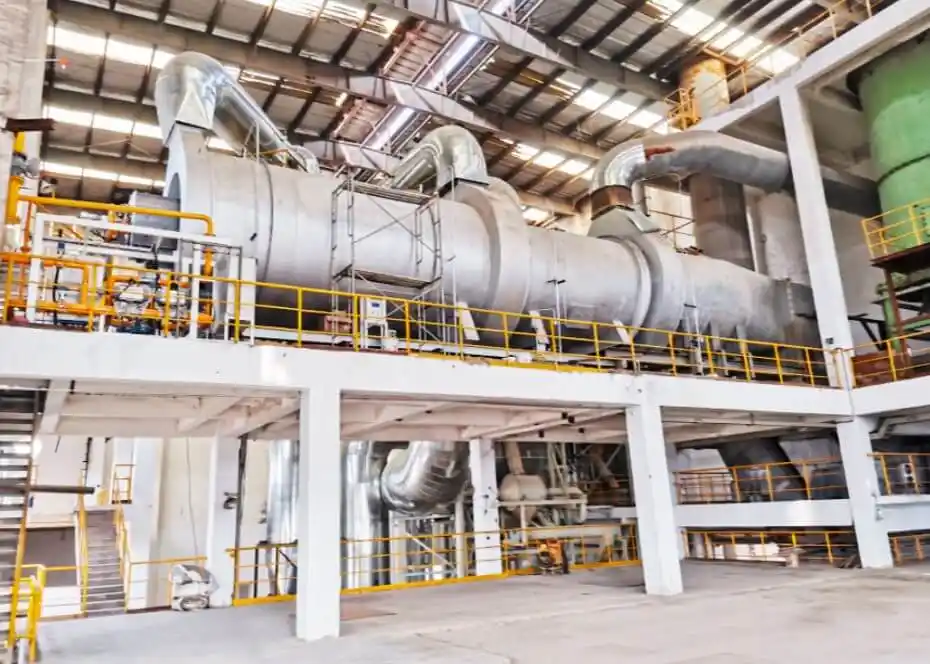
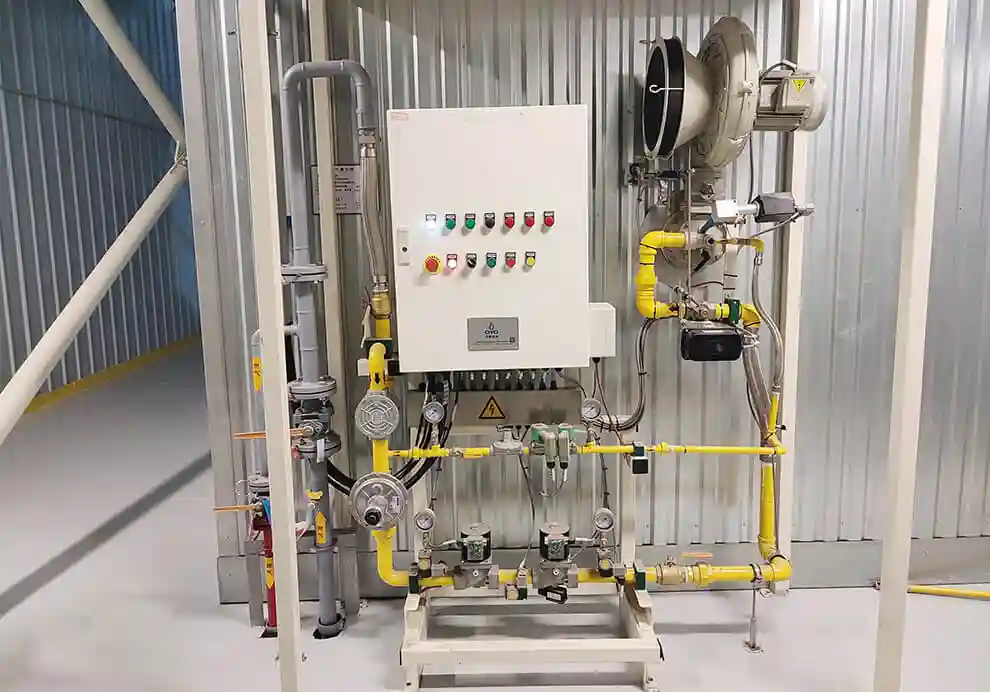
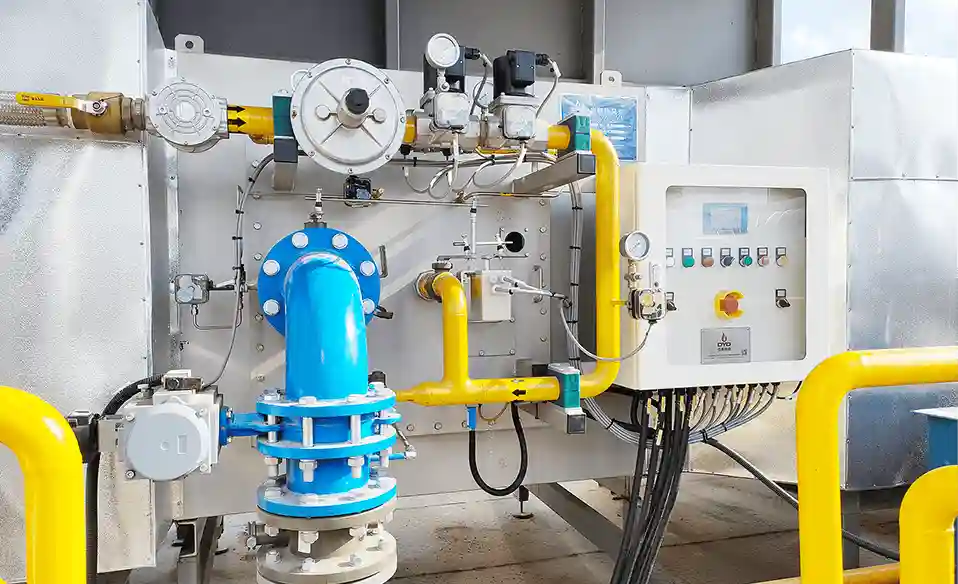
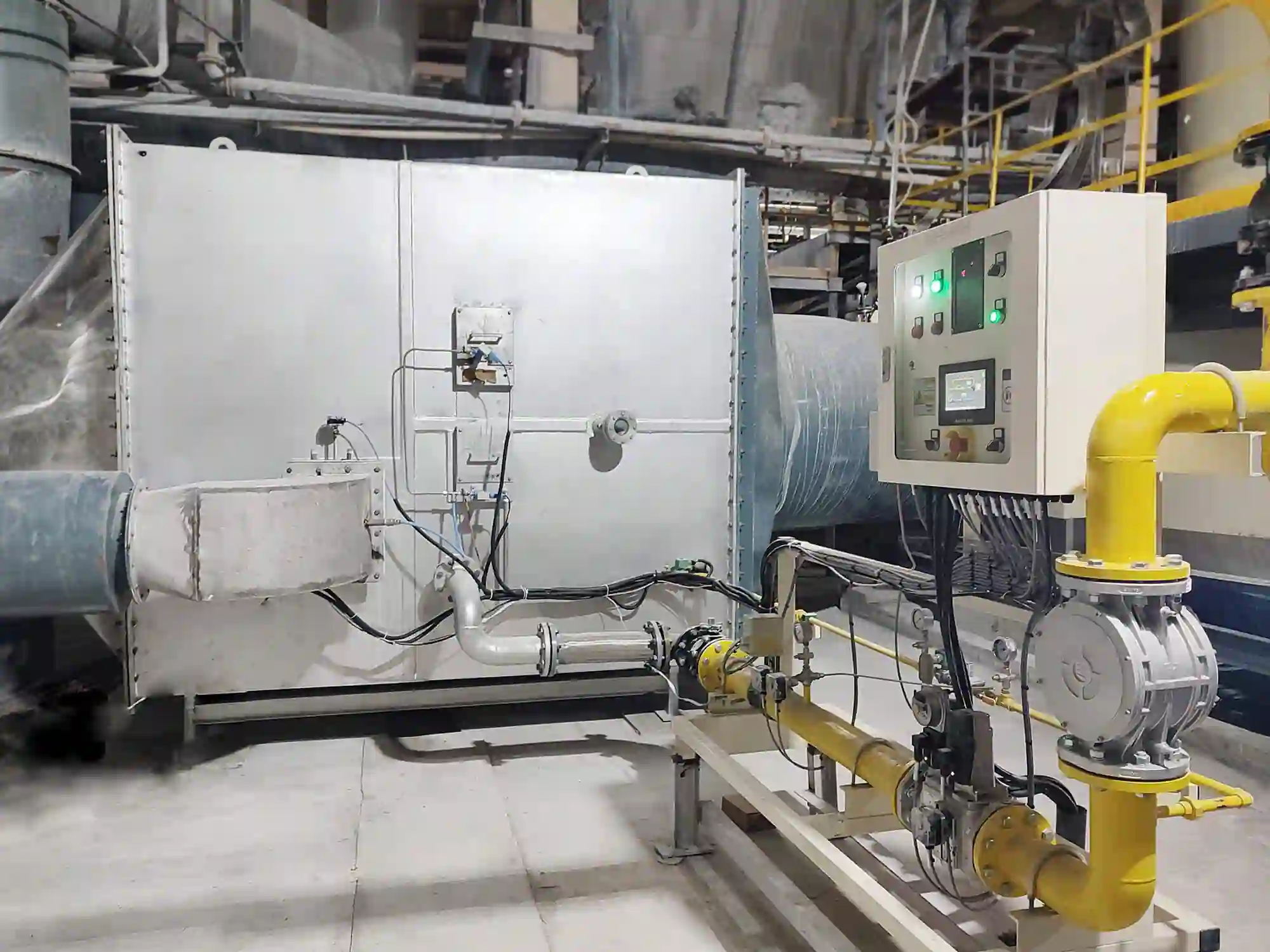
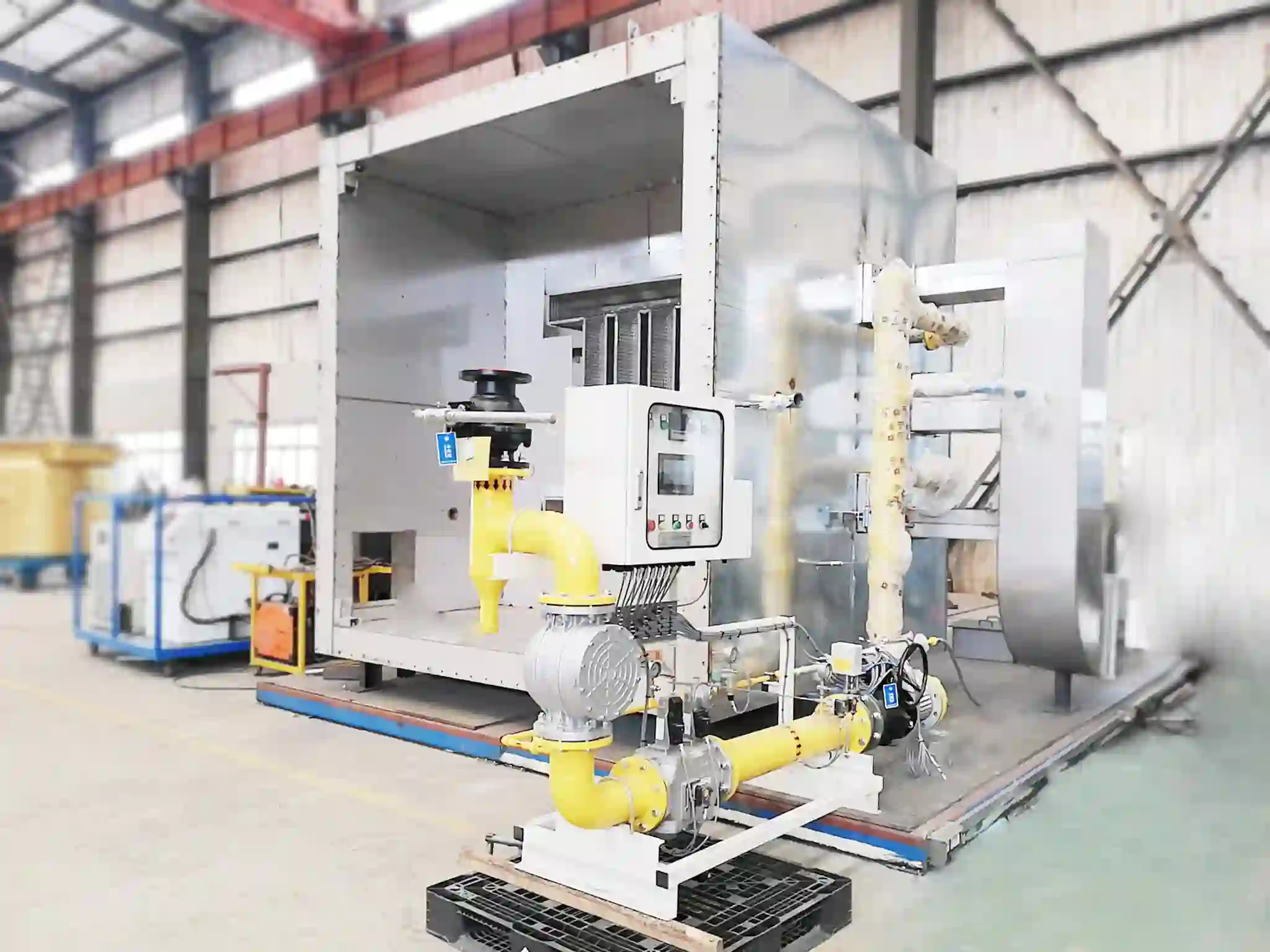
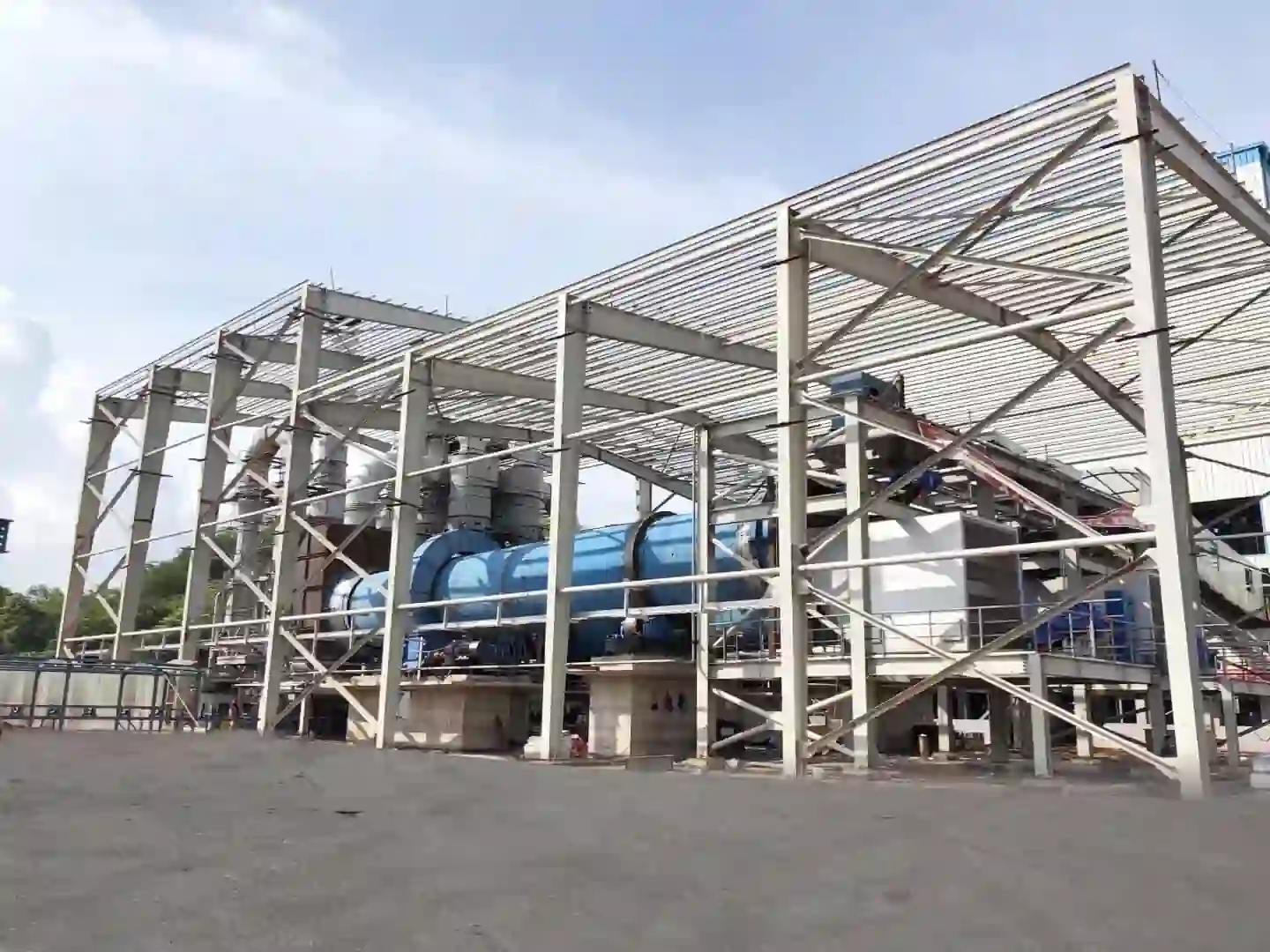
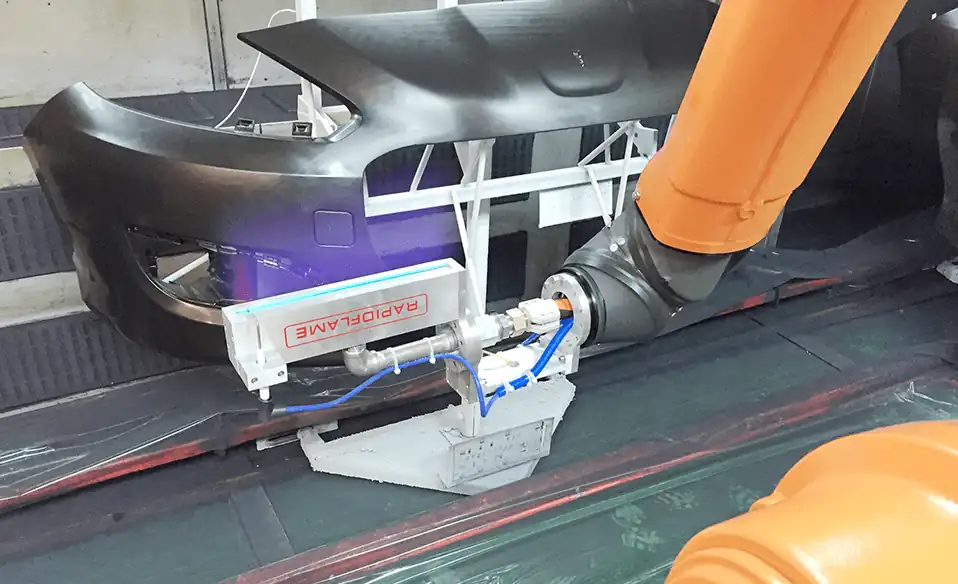
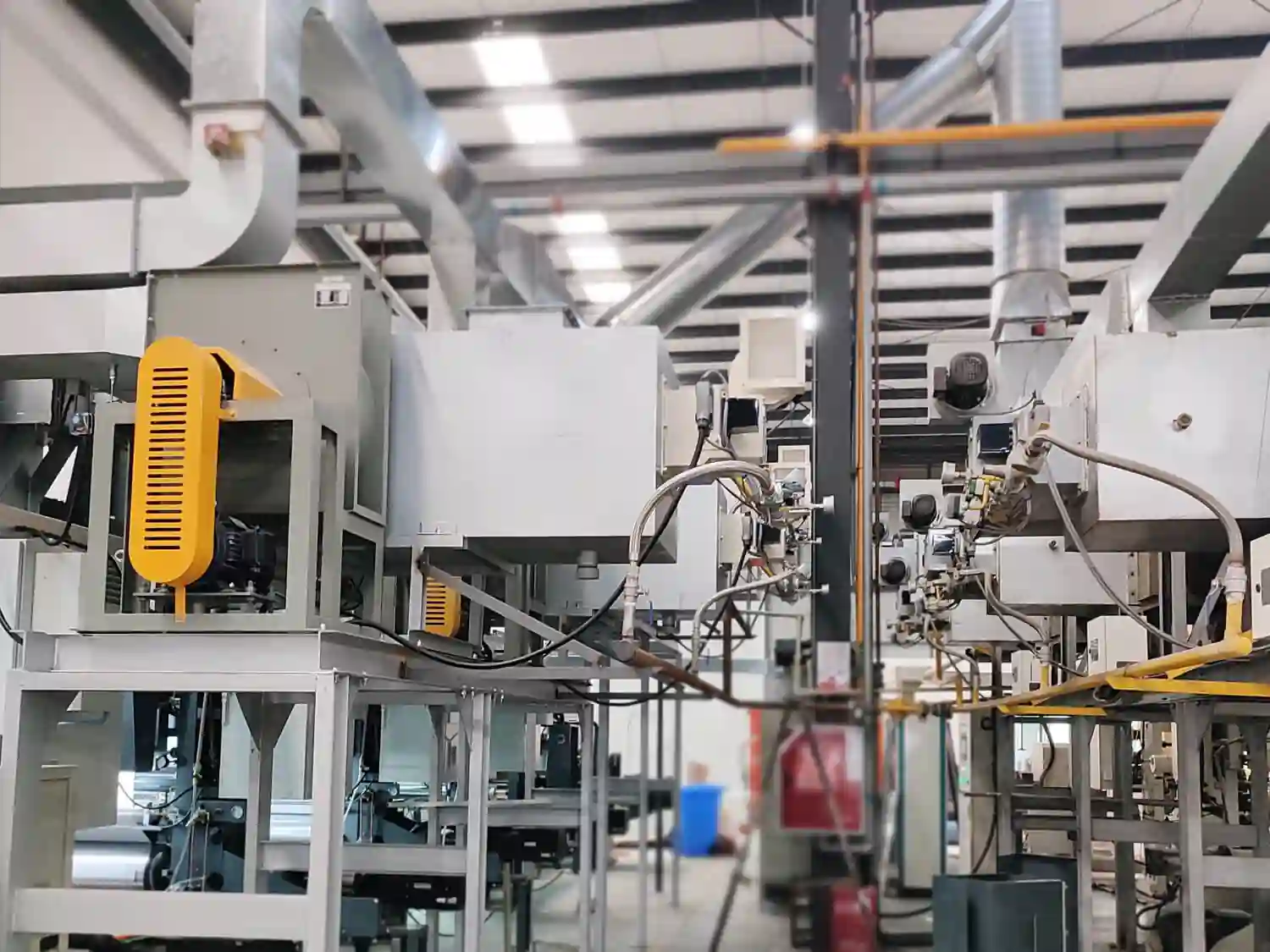
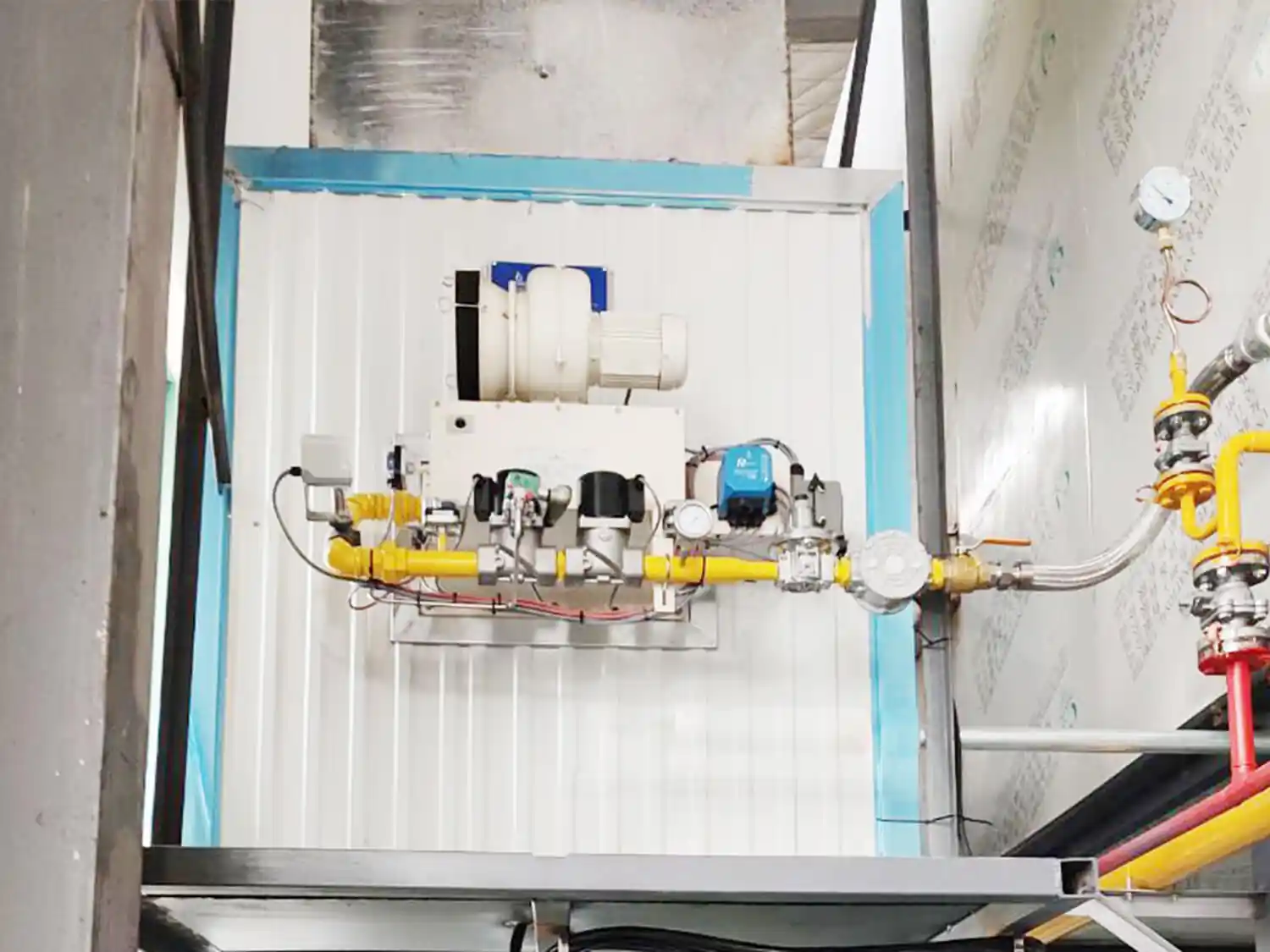
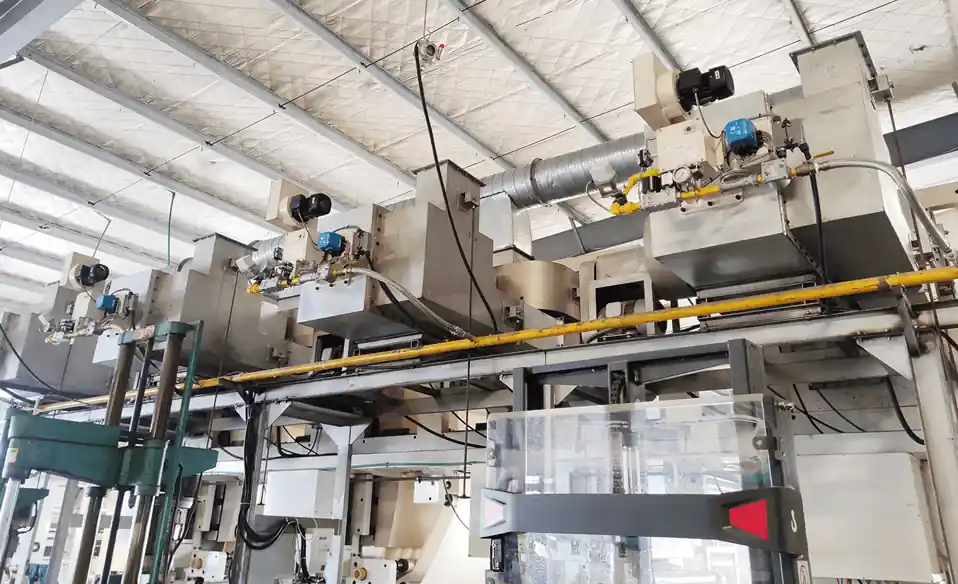
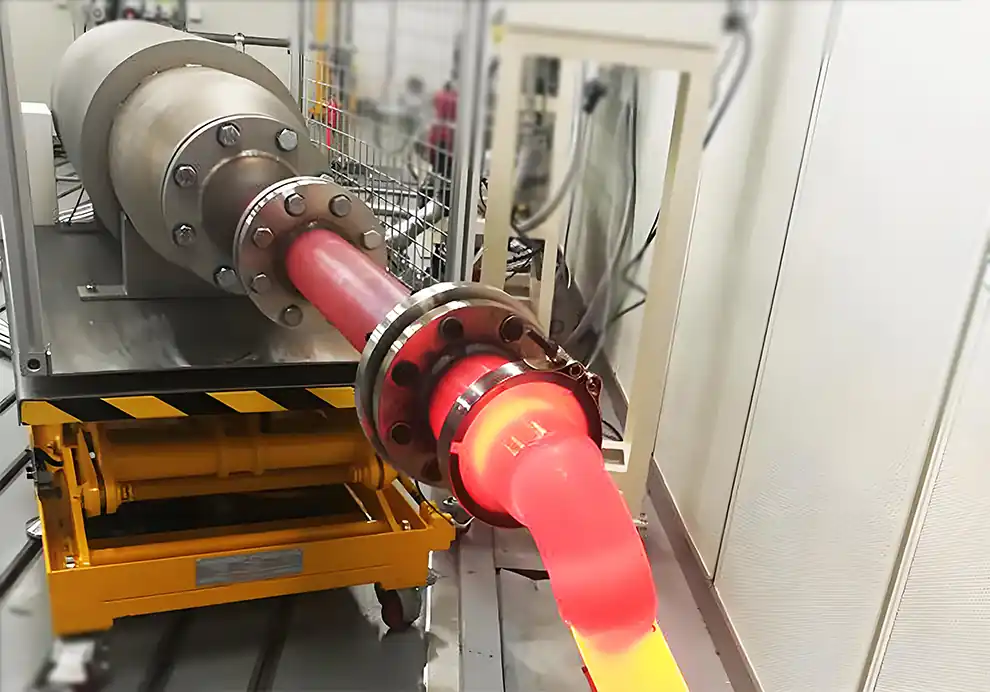
Choosing the correct burner for a hot air generator is essential for achieving efficient heat generation, stable air temperature, low fuel consumption, and reliable continuous operation. A hot air generator is not simply a combustion device; it is an integrated thermal system where the burner, combustion chamber, heat transfer structure, and air circulation system must work together in harmony. Unlike furnaces that heat solid materials or kilns that fire ceramics, a hot air generator's primary purpose is to transfer combustion energy into a flowing air stream, which then delivers that heat to an industrial process.
The right burner selection depends on:
Required hot air temperature, defining the thermal intensity needed.
Air volume, determining the scale of the heating system.
Heating capacity, establishing the burner size requirement.
Heat transfer method, whether direct or indirect.
Fuel type, determining combustion characteristics and system design.
Application requirements, including product sensitivity and process conditions.
Emission limits, setting environmental performance targets.
Operating conditions, including load variations and duty cycles.
An incorrectly selected burner may result in:
Insufficient heating capacity, failing to reach the required air temperature.
Excessive fuel consumption, increasing operating costs.
Unstable temperature control, affecting downstream process quality.
Poor heat distribution, creating temperature gradients in the air stream.
Increased emissions, risking regulatory non-compliance.
Frequent maintenance, reducing uptime and increasing costs.
The goal of hot air generator burner selection is to produce stable, clean, and controllable hot air for industrial processes. The burner must deliver consistent thermal output regardless of variations in airflow, inlet air temperature, or process load.
A hot air generator burner is the combustion source used to heat air for industrial applications. It is the core thermal component of a hot air generator system, which is designed specifically to produce heated air for drying, heating, or processing operations.
The system typically includes:
Burner, which releases thermal energy from fuel.
Combustion chamber, where the flame is contained and stabilized.
Air heating section, where combustion heat is transferred to the process air stream.
Fan system, which moves air through the generator and to the process.
Temperature control system, regulating the outlet air temperature.
The burner converts fuel energy into heat, which is transferred to air through either direct combustion (where combustion gases mix with the process air) or indirect heat exchange (where combustion gases are separated from the process air by a heat exchanger surface). The choice between these methods is one of the most fundamental decisions in hot air generator design.
The burner determines several critical aspects of hot air generator performance, each of which affects the overall efficiency, reliability, and cost of the thermal system.
A properly designed burner ensures effective fuel conversion and heat transfer from the combustion zone to the air stream. Efficiency depends on both the combustion completeness and the effectiveness of the heat transfer arrangement.
Stable combustion helps maintain consistent hot air temperature, which is essential for downstream processes that depend on precise thermal conditions. Temperature fluctuations can affect drying rates, product quality, and process consistency.
The correct burner prevents excess fuel usage, excess exhaust losses, and inefficient operation. A burner that is poorly matched to the air heating system will consume more fuel than necessary to achieve the same air temperature.
A suitable burner reduces flame instability, maintenance frequency, and component damage. Hot air generators often operate continuously, making reliability a key selection criterion.
The first step is understanding the required thermal output. The hot air requirement defines the fundamental performance specification for the burner and must be determined accurately.
Important parameters include:
Define the thermal conditions:
Inlet air temperature, which may vary with ambient conditions.
Outlet air temperature, the target temperature for the process.
Maximum operating temperature, the upper limit the system must handle.
Temperature requirements vary widely by application:
Low-temperature drying, typically below 150°C, for heat-sensitive materials.
Medium-temperature processing, in the 150°C to 350°C range.
High-temperature thermal treatment, above 350°C.
Hot air generators are typically selected based on their airflow capacity:
m³/h (cubic meters per hour), at actual operating conditions.
Nm³/h (normal cubic meters per hour), referenced to standard conditions.
kg/h (kilograms per hour), based on mass flow.
Airflow directly affects burner capacity. Higher airflow requires higher heat input and larger heat transfer capacity to achieve the same temperature rise.
The basic calculation for air heating:
Heat Requirement = Air Flow × Temperature Increase × Air Heat Capacity
This formula provides the net energy required to raise the air temperature. The burner must provide this amount of heat, plus additional energy to compensate for system losses.
Different applications require different burner characteristics. The application determines the thermal requirements, operating mode, and product quality standards that the burner must support.
Applications:
Food drying, where temperature control affects product quality.
Grain drying, requiring large air volumes for bulk processing.
Chemical drying, with precise moisture targets.
Battery material drying, where cleanliness and temperature accuracy are critical.
Requirements:
Stable temperature, avoiding product damage.
Continuous operation, supporting high-volume production.
Uniform hot air distribution across the drying chamber.
Suitable burner characteristics:
Wide turndown ratio, accommodating varying moisture loads.
Precise control, maintaining setpoint temperature.
High combustion stability, ensuring consistent operation.
Applications:
Painting ovens, requiring clean, contaminant-free air.
Coating lines, where consistent heating supports film formation.
Material heating, for preheating or thermal treatment.
Requirements:
Clean heat, avoiding contamination of surfaces.
Accurate temperature control, for consistent coating or heating results.
Suitable burner characteristics:
Low emissions, particularly for enclosed environments.
Stable modulation, for smooth temperature control.
Applications:
Grain, for storage and preservation.
Seeds, maintaining viability.
Biomass, for fuel preparation.
Requirements:
Large air volume, for bulk material processing.
Reliable operation, supporting seasonal demands.
Suitable burner characteristics:
High efficiency, minimizing fuel costs.
Simple maintenance, with straightforward service access.
Requirements:
Stable hot air quality, maintaining consistent processing conditions.
Precise temperature control, supporting product specifications.
Suitable burner characteristics:
Low-emission combustion, meeting environmental requirements.
Uniform heat release, ensuring consistent air temperature.
One of the most important decisions in hot air generator design is whether combustion gases enter the hot air stream or are separated from it.
Combustion products mix directly with heated air. The burner fires into a chamber where the combustion gases blend with the process air stream.
Advantages:
High thermal efficiency, as all combustion heat is transferred to the air.
Simple structure, with no heat exchanger to maintain.
Fast heat transfer, with direct mixing.
Suitable for:
Materials that tolerate combustion gases, including most agricultural and mineral products.
General industrial drying where product contamination is not a concern.
Considerations:
Combustion gas composition, including moisture, CO₂, and trace species.
Product sensitivity, to avoid contamination or quality degradation.
Heat transfers through a heat exchanger, separating the combustion gases from the process air. The burner heats a heat exchanger surface, which then heats the air stream.
Advantages:
Clean hot air, with no combustion products contacting the material.
Better product protection, for sensitive applications.
Suitable for:
Food processing, where contamination is unacceptable.
Pharmaceutical applications, requiring high purity.
Sensitive materials, where combustion products could cause degradation.
Considerations:
Lower heat transfer efficiency, due to heat exchanger losses.
More complex equipment, requiring additional maintenance.
The burner capacity must match the hot air generator size. The capacity calculation must account for the full thermal system, not just the air heating demand.
The total heat requirement includes:
Energy required to increase air temperature from inlet to outlet conditions. This is the primary load in most applications.
If hot air contacts products during processing, additional energy may be required for:
Material temperature increase, from ambient to process temperature.
Moisture evaporation, where drying is involved.
Energy lost from the system through:
Combustion chamber losses, including wall radiation and conduction.
Heat exchanger losses, in indirect systems.
Duct losses, from the hot air delivery system.
The principle:
Burner Capacity = Required Heat Output ÷ Thermal Efficiency
The efficiency term accounts for all system losses between the burner and the delivered hot air.
Hot air generators commonly use a range of fuels, each with specific combustion characteristics and system requirements.
Advantages:
Clean combustion, with minimal ash or soot.
Easy control, with predictable combustion behavior.
Low maintenance, with fewer fouling issues.
Common applications:
Industrial dryers, where reliability and cleanliness are priorities.
Thermal air furnaces, providing clean thermal energy.
Advantages:
High energy density, requiring smaller storage.
Suitable where natural gas is not available.
Consider:
Gas pressure, ensuring adequate supply at the burner.
Storage system, for cylinders or bulk tanks.
Require additional system components:
Atomization system, to break the liquid into droplets.
Fuel handling equipment, including pumps and filters.
Maintenance planning, for nozzles and fuel systems.
Require careful attention to:
Flashback prevention, due to higher flame speed.
Special mixing design, to manage the different combustion kinetics.
Material compatibility, with the high-temperature environment.
Hot air systems often experience changing heat demand due to variations in product load, ambient conditions, or process requirements. The burner control system must be capable of responding to these changes.
Important control features include:
Continuously adjusts fuel flow, combustion air, and heat output to match the thermal demand.
Benefits:
Stable temperature, avoiding overshoot and oscillation.
Reduced fuel consumption, by maintaining the optimum firing rate.
Smooth response to load changes.
A higher turndown ratio allows lower minimum firing rate, better temperature control, and reduced cycling. This is particularly important for systems that operate at partial load for extended periods.
Modern systems may include:
Temperature feedback, using thermocouples or RTDs.
PLC control, for sequence logic and process integration.
Remote monitoring, for off-site supervision and diagnostics.
The burner must match the air supply system. The combustion air fan and the process air fan may be separate or integrated, and their characteristics must be compatible with the burner's requirements.
Important parameters:
Combustion air pressure, providing the correct delivery pressure.
Fan capacity, matching the air volume required for combustion.
Air temperature, which may be preheated for efficiency.
Pressure losses, through the burner and air passages.
Poor matching may cause:
Unstable flame, from incorrect air velocity or pressure.
Incomplete combustion, from insufficient air supply.
Reduced efficiency, from excessive excess air.
Industrial hot air generators increasingly require low-emission combustion to meet environmental regulations. The burner must achieve compliance without compromising temperature stability or turndown performance.
Important emissions:
NOx, formed at high temperatures through thermal and prompt mechanisms.
CO, indicating incomplete combustion.
Unburned hydrocarbons, representing wasted fuel and emissions.
Low-NOx technologies include:
Controls oxygen distribution and reduces peak flame temperature by introducing fuel or air in multiple stages.
Uses exhaust gases to reduce flame temperature and lower NOx formation.
Improves fuel-air mixing, creating a uniform mixture that reduces both CO and NOx.
A good burner design should allow easy inspection, simple maintenance, reliable ignition, and easy replacement of components. Hot air generators are often operated continuously, making serviceability a key consideration.
Important components that require access:
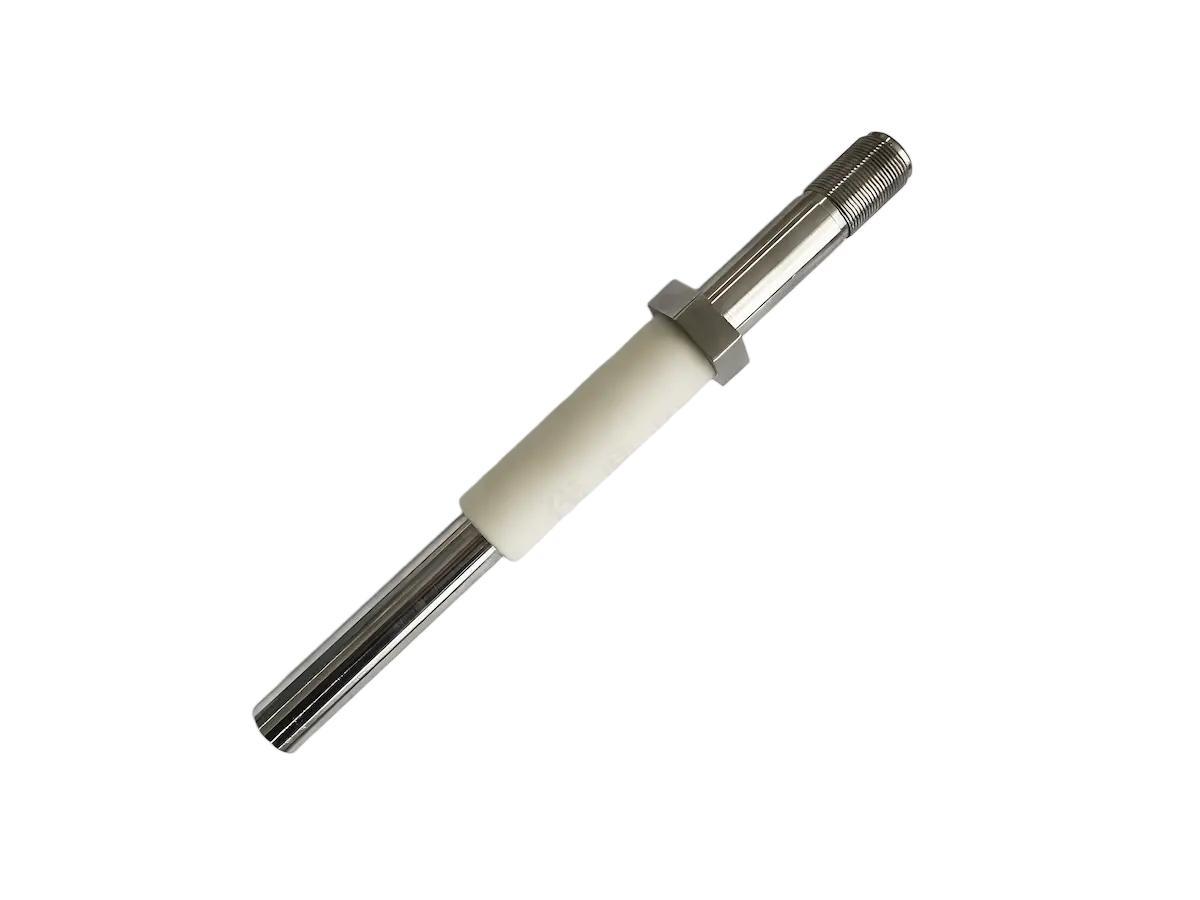
Ignition system, including electrodes and transformers.
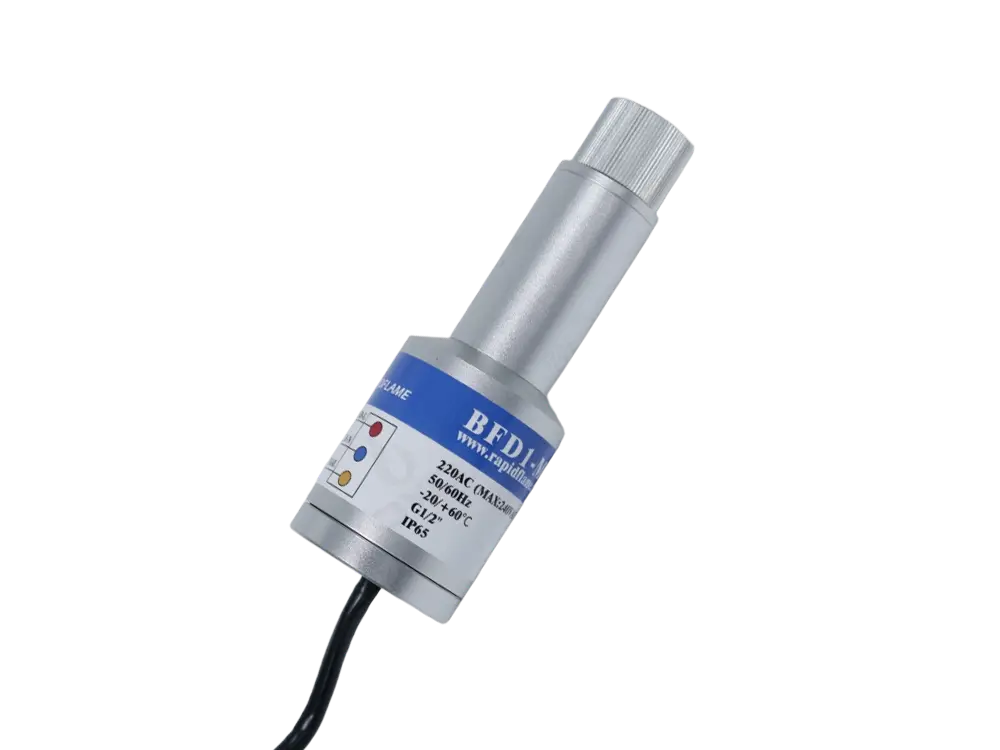
Flame detector, for reliable flame monitoring.
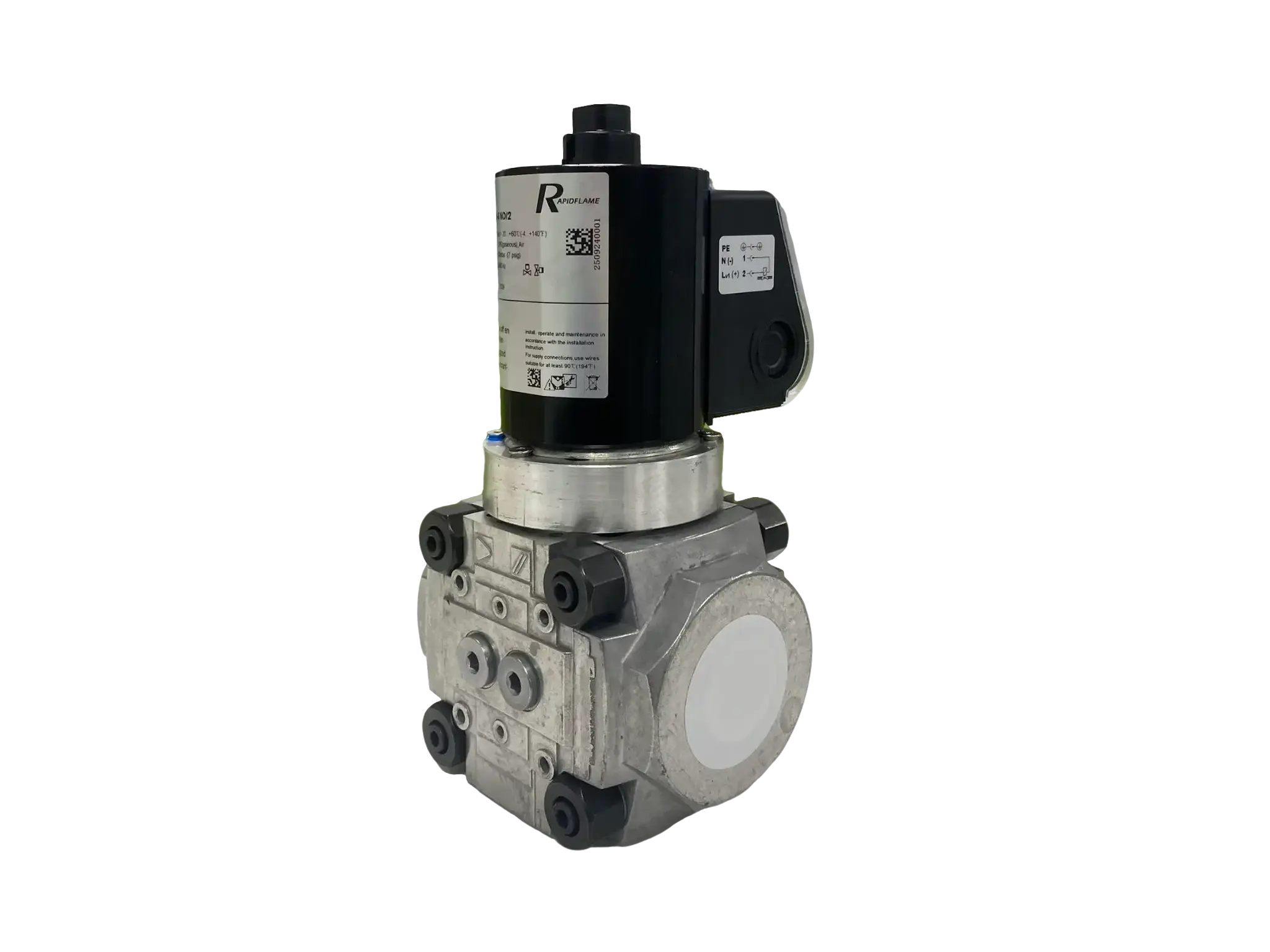
Fuel valves, for safety and control.
Air control system, including dampers and actuators.
The burner must match the air volume, temperature rise, and heat transfer system. Power alone is not sufficient; the burner must be compatible with the specific hot air generator design.
A burner cannot be selected without knowing the required hot air volume and fan capacity. The burner and air handling system are coupled and must be selected together.
An oversized burner may cause temperature fluctuations, poor efficiency, and difficult control. Oversizing reduces turndown capability and may lead to low-fire instability.
Different industries require different hot air qualities. A burner suitable for one application may be unsuitable for another due to differences in product sensitivity, emission requirements, or operating modes.
Before selecting a burner, prepare comprehensive information:
✅ Required air temperature, normal and maximum
✅ Airflow rate, at operating conditions
✅ Heating capacity, based on heat load calculation
✅ Temperature accuracy, allowable deviation from setpoint
✅ Generator structure and configuration
✅ Direct or indirect heating method
✅ Heat exchanger design, for indirect systems
✅ Fan parameters, including flow and pressure
✅ Fuel type and composition
✅ Fuel pressure available at the burner
✅ Heating value of the fuel
✅ Burner capacity, matching the heat demand
✅ Turndown ratio, covering the operating range
✅ Flame characteristics, compatible with the combustion chamber
✅ Emission limits, meeting regulatory requirements
✅ Control method, manual or automatic
The most important factor is matching burner capacity with the required hot air volume and temperature rise. The burner must deliver enough thermal energy to achieve the process conditions while operating within its efficient range.
Not always. The burner must match the combustion chamber, airflow system, and heat transfer design. A burner designed for radiant heating may not be suitable for air heating applications.
Direct-fired systems usually have higher thermal efficiency because there is no heat exchanger loss. However, indirect systems provide cleaner hot air for sensitive applications where combustion products cannot contact the material.
Calculate the energy required to heat the air, account for material heating and system losses, then divide by the thermal efficiency to determine the required fuel input.
Because industrial drying and heating processes often have variable heat demand. A higher turndown ratio improves temperature stability and efficiency by allowing the burner to match the load without excessive cycling.
Selecting the right burner for a hot air generator requires matching combustion performance with air heating requirements. The burner is not just a heat source; it is the foundation of the entire thermal process, determining how effectively fuel energy is converted into usable hot air for the industrial application.
The ideal burner should provide:
Correct heat capacity, matching the air heating demand.
Stable combustion, maintaining consistent conditions.
Efficient fuel utilization, minimizing operating costs.
Accurate temperature control, supporting process quality.
Low emissions, meeting environmental standards.
Reliable operation, with minimal maintenance requirements.
A hot air generator burner is not just a heat source; it is the foundation of the entire thermal process. The integration of the burner with the air handling system, heat transfer surface, and temperature control defines the overall performance of the hot air generation system.
By considering airflow, temperature requirements, fuel conditions, heat transfer design, and control strategy, industrial users can achieve:
More efficient drying, with lower energy consumption.
Lower energy consumption, reducing operating costs.
Better process stability, with consistent air temperature.
Reduced emissions, supporting environmental compliance.
Longer equipment service life, minimizing capital expenditures.
DYDTEC Combustion specializes in industrial burner technology, combustion systems, and customized thermal solutions. The company provides industrial burner solutions for hot air generators, drying systems, thermal air furnaces, and industrial process heating applications, focusing on burner selection, combustion optimization, efficient heat generation, low-emission technology, and reliable long-term operation. With deep expertise in air heating systems and combustion integration, DYDTEC supports customers in selecting the optimal burner for each unique hot air generation application, ensuring efficient thermal performance, consistent process conditions, and cost-effective operation.