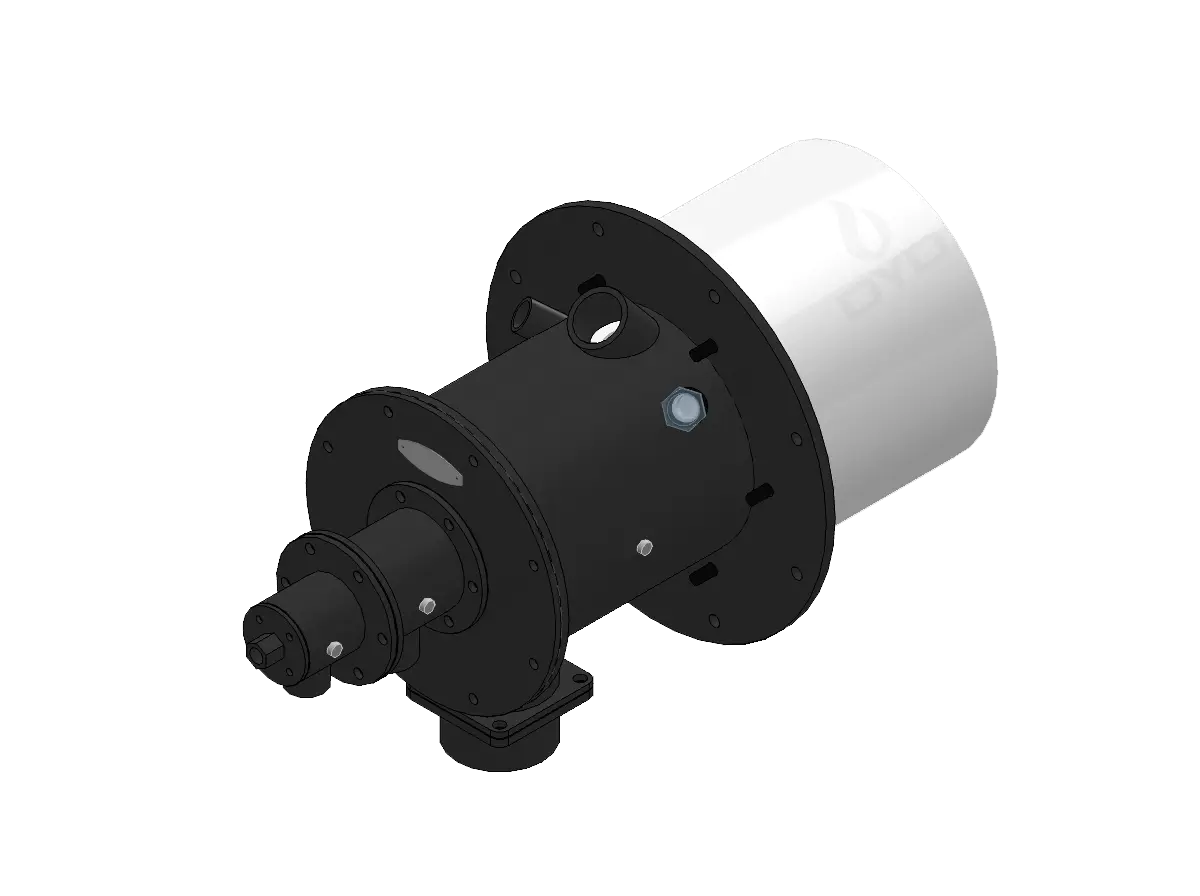
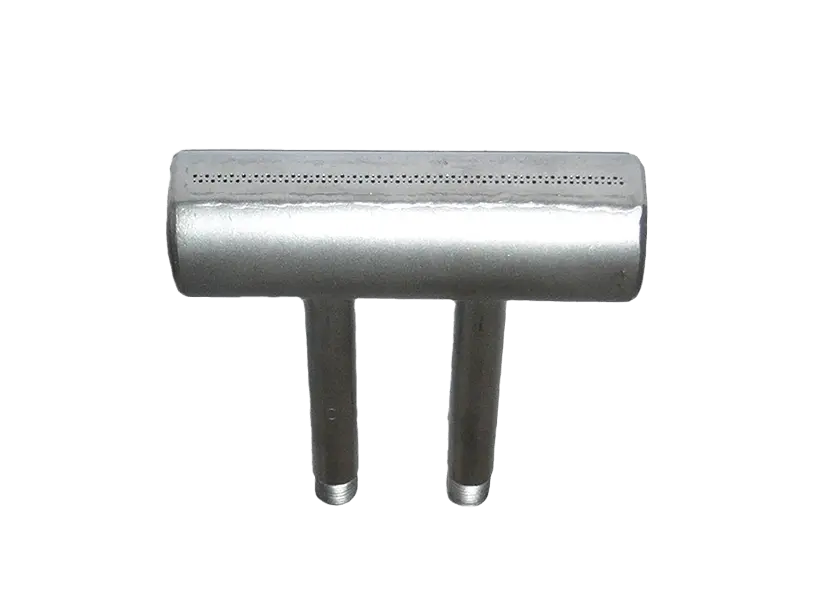
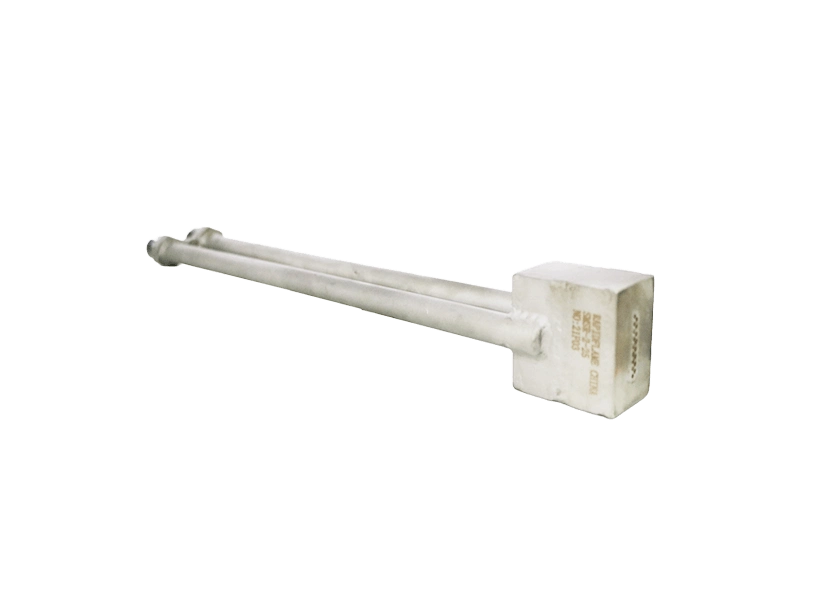
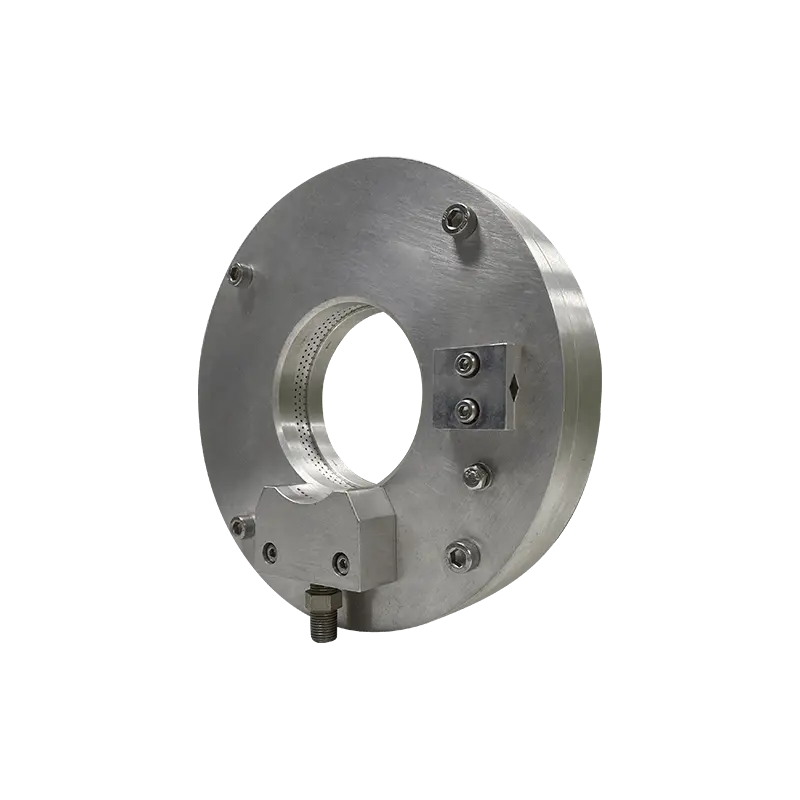
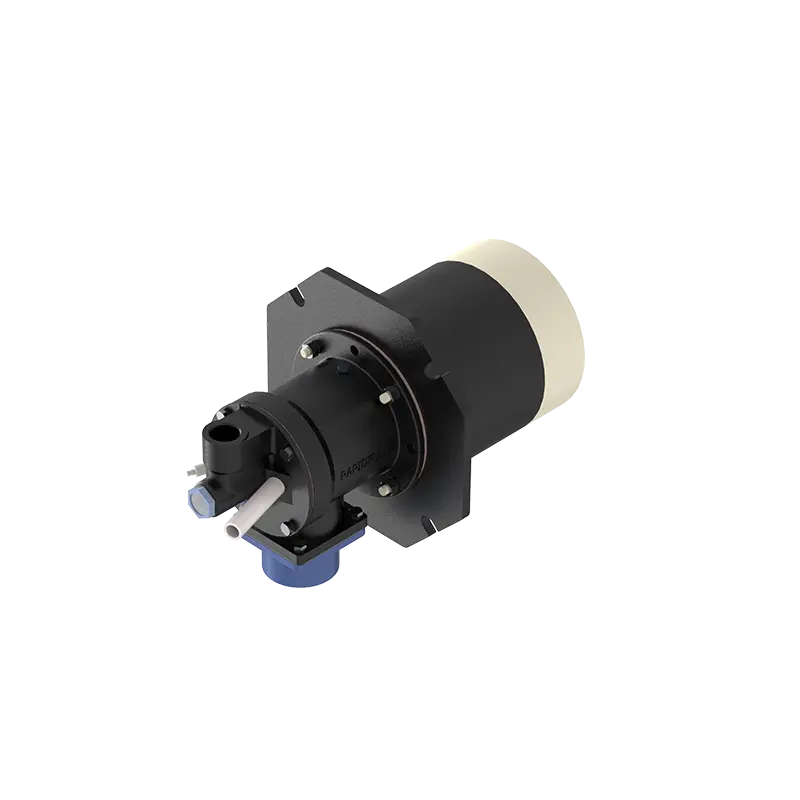
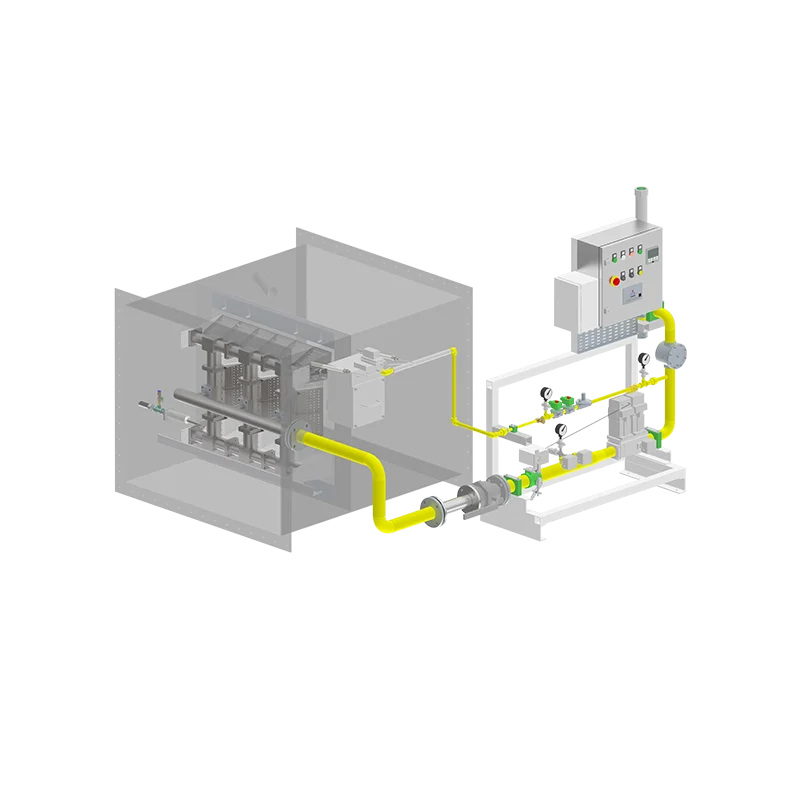
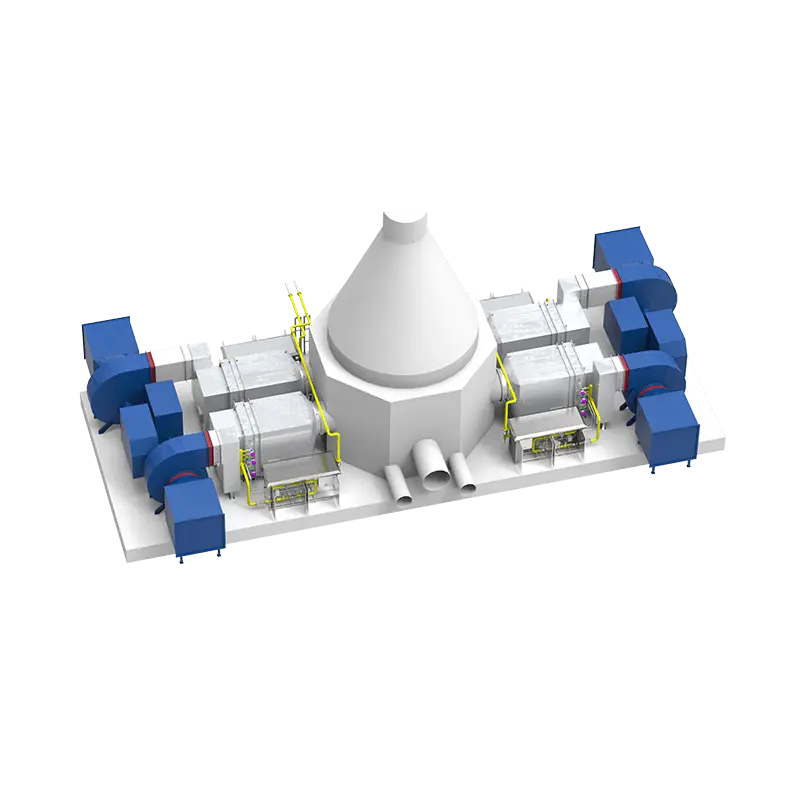
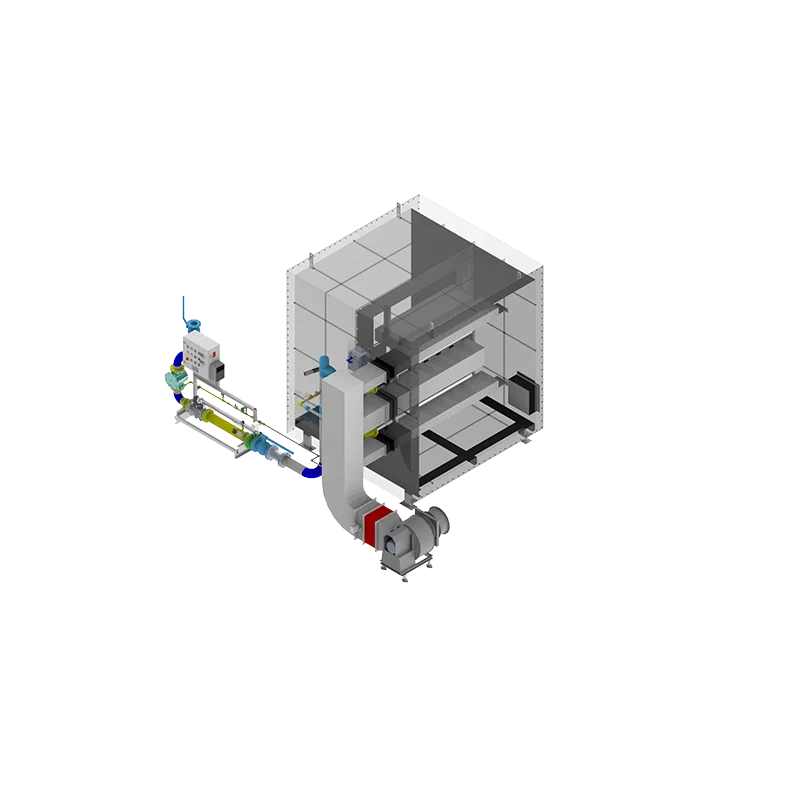
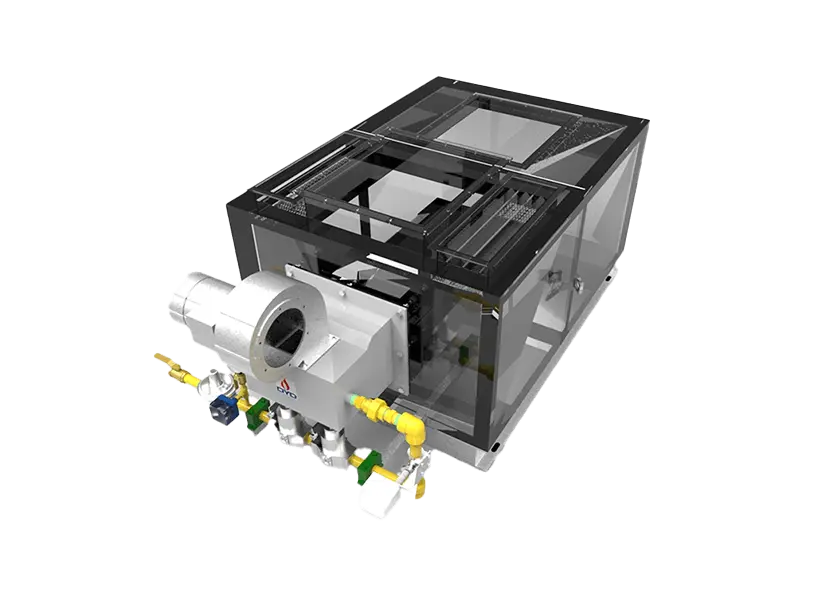
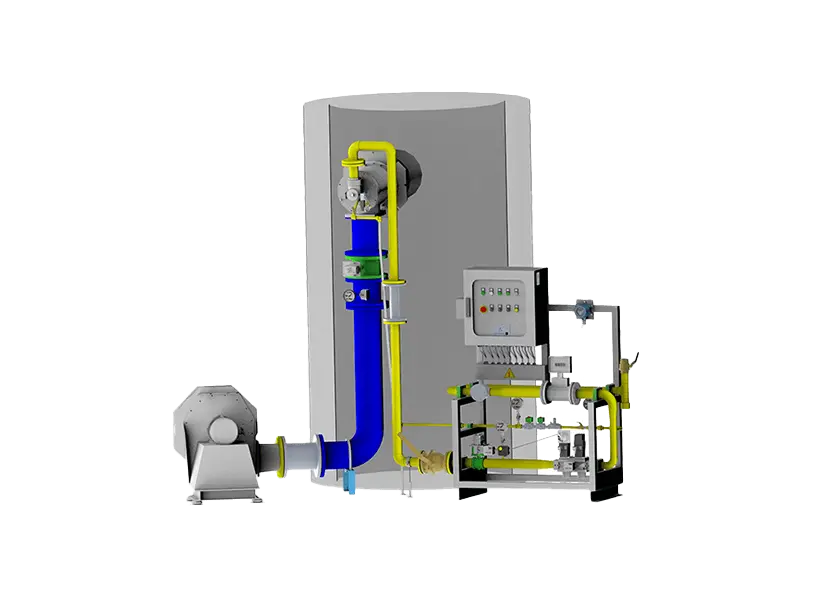
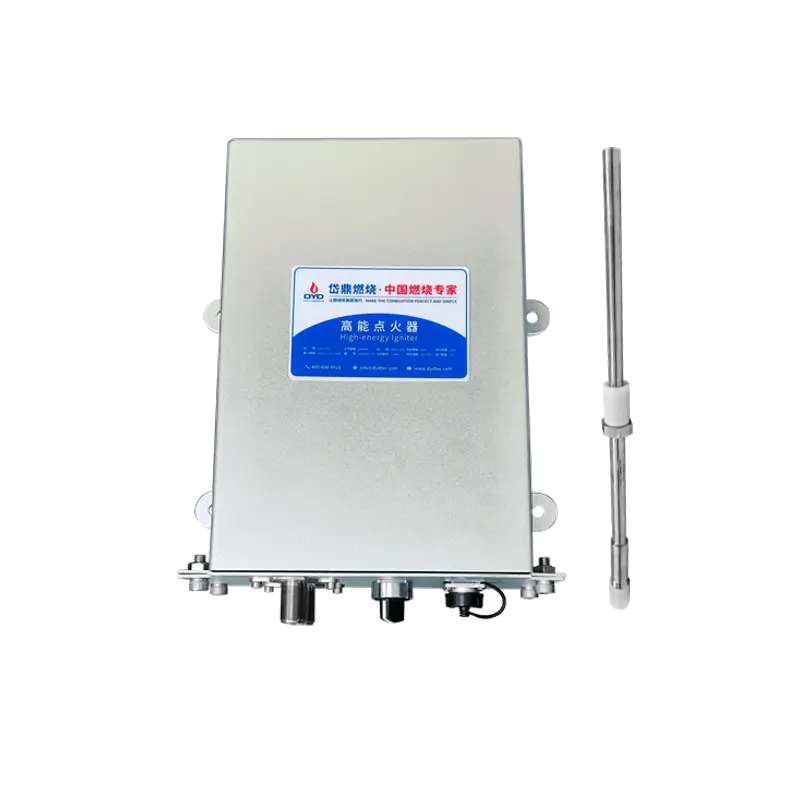
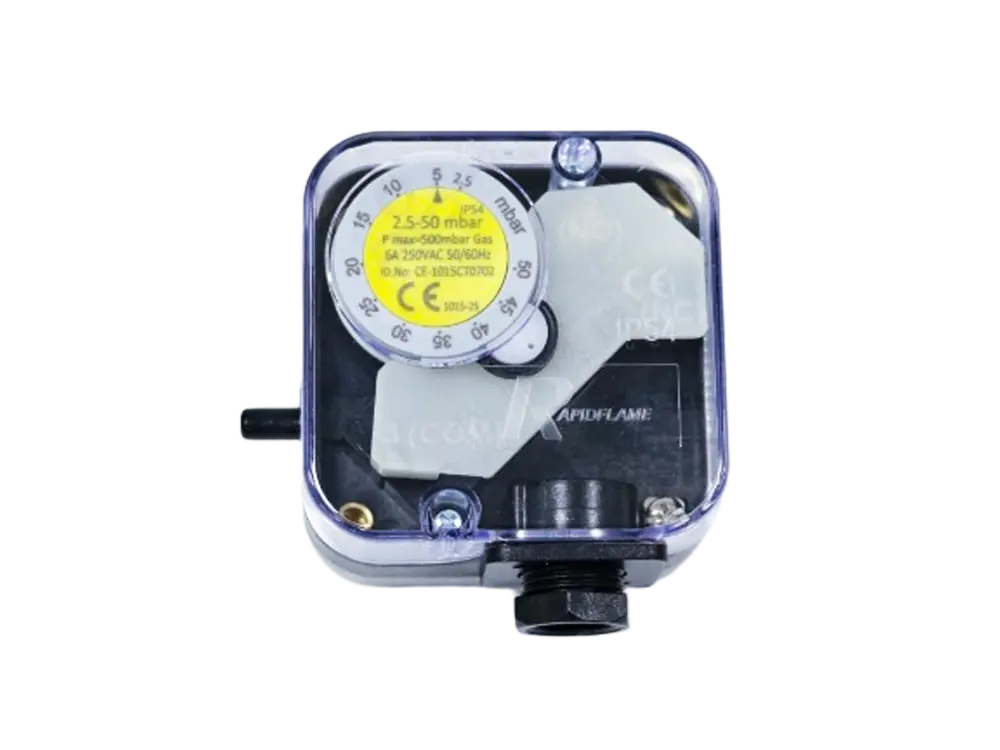
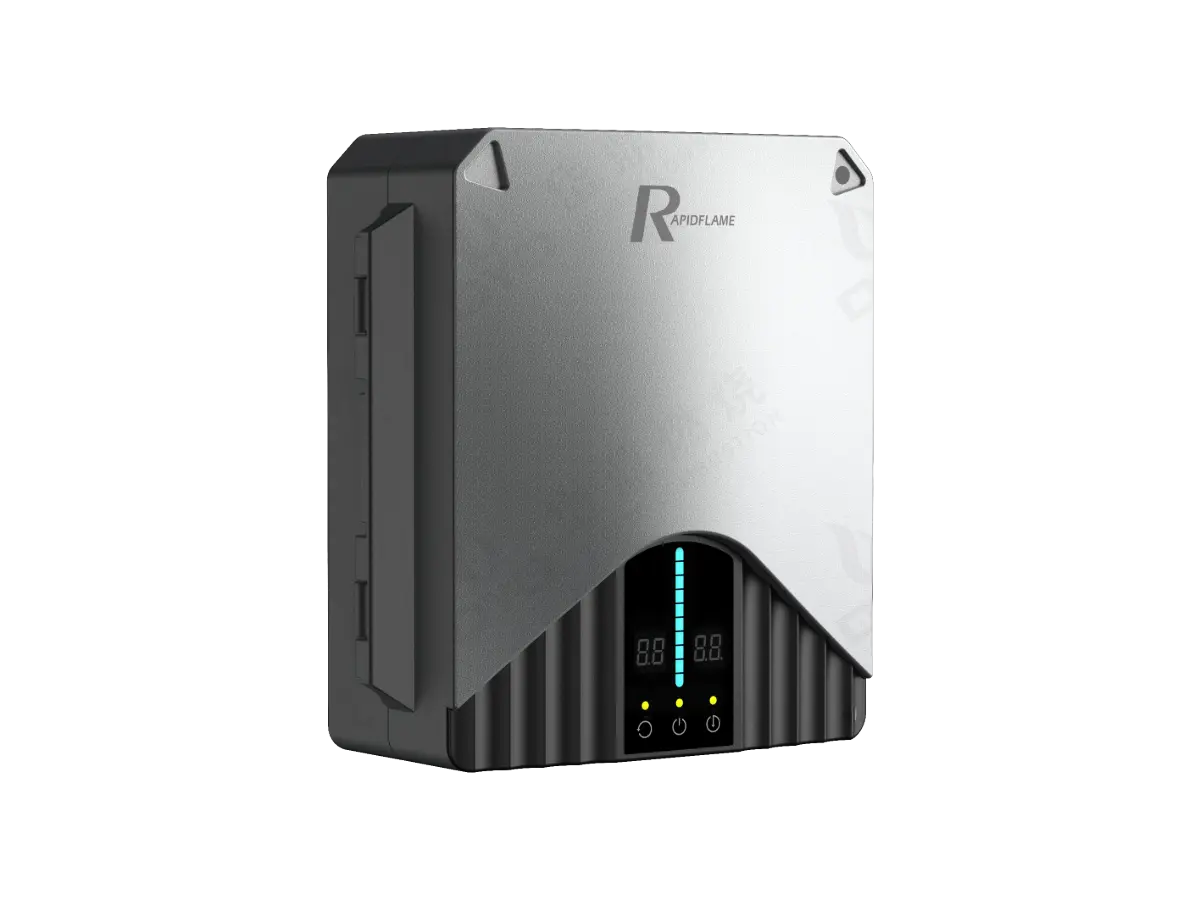
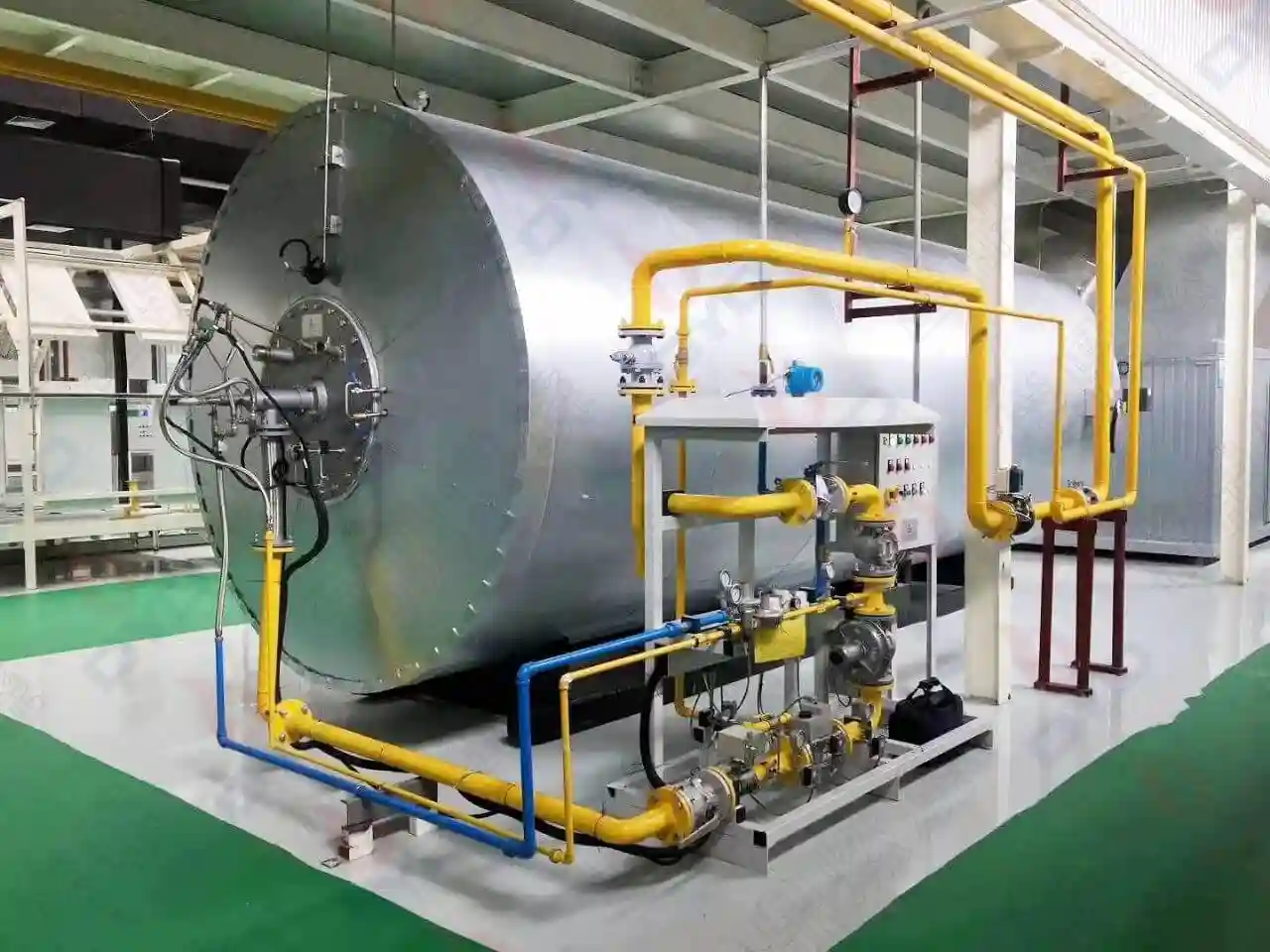
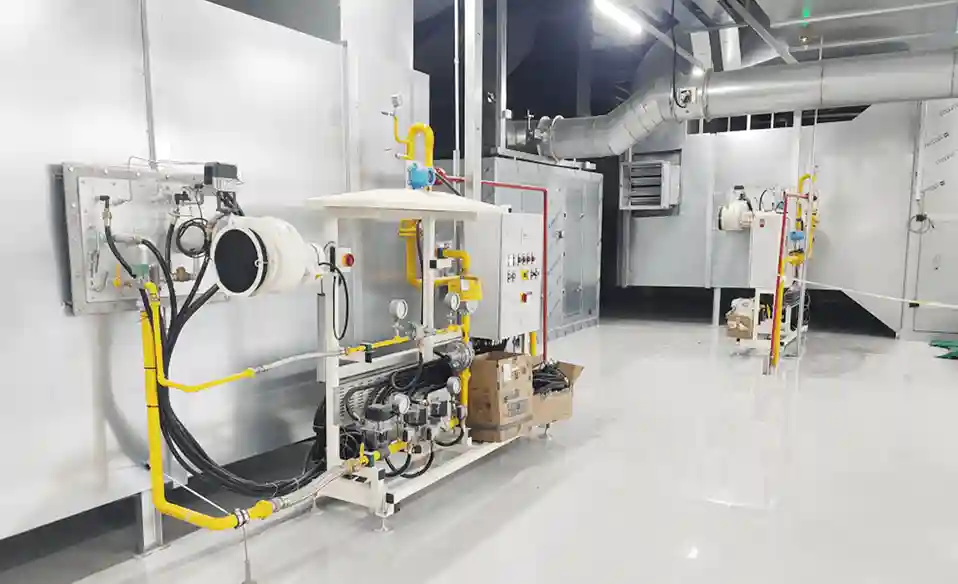
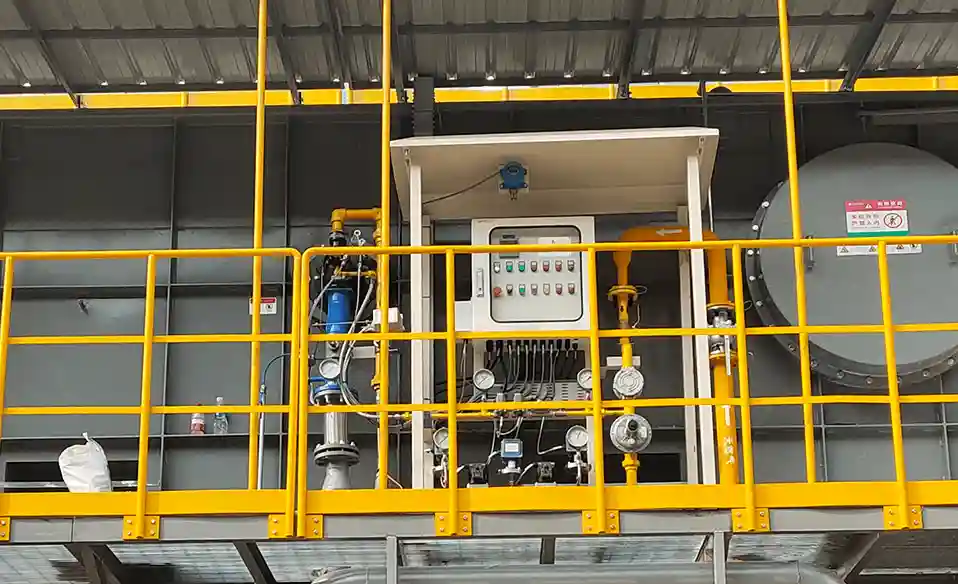
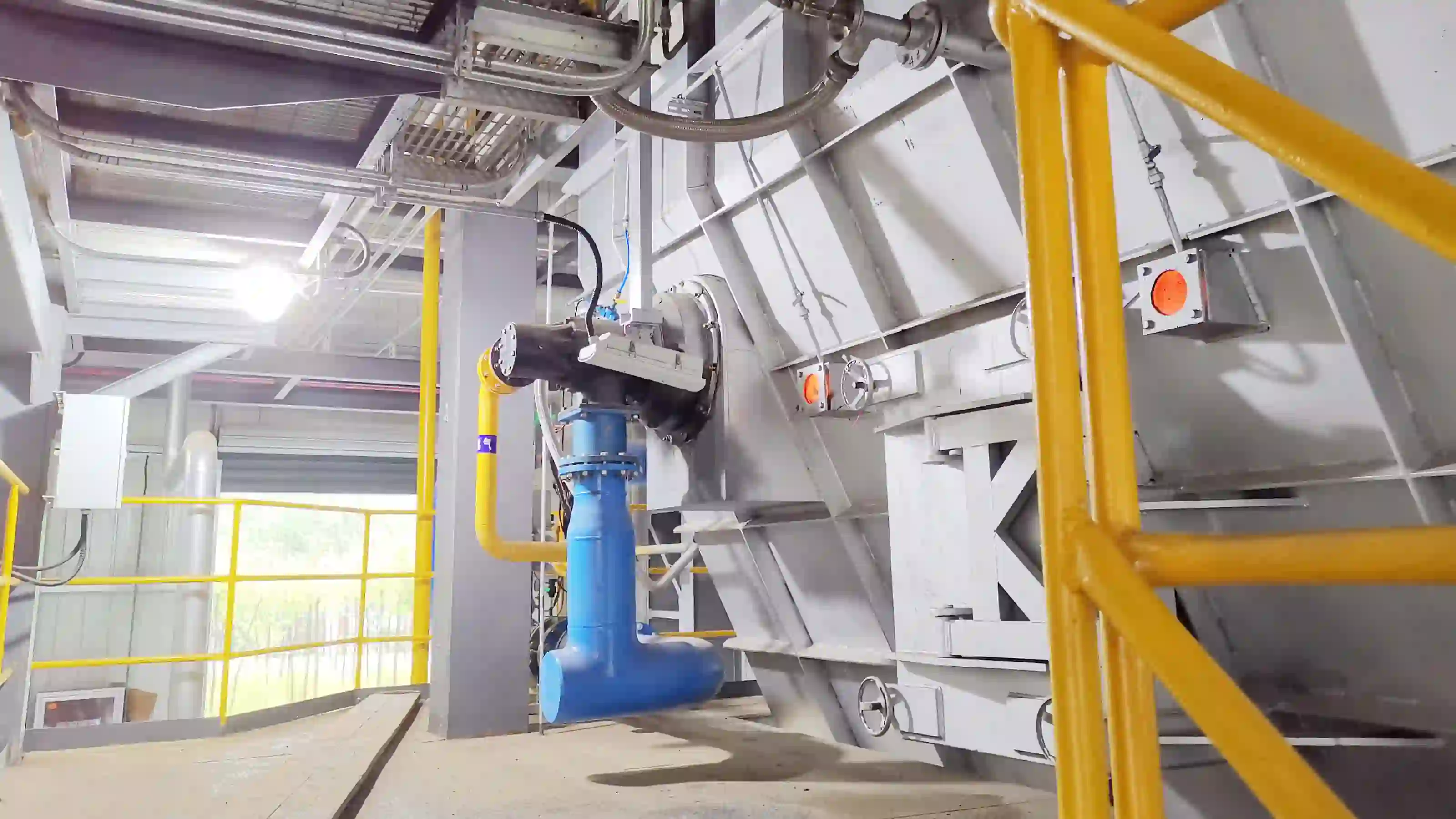
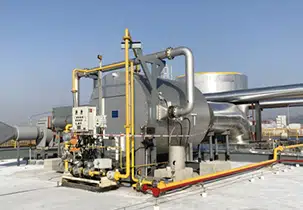
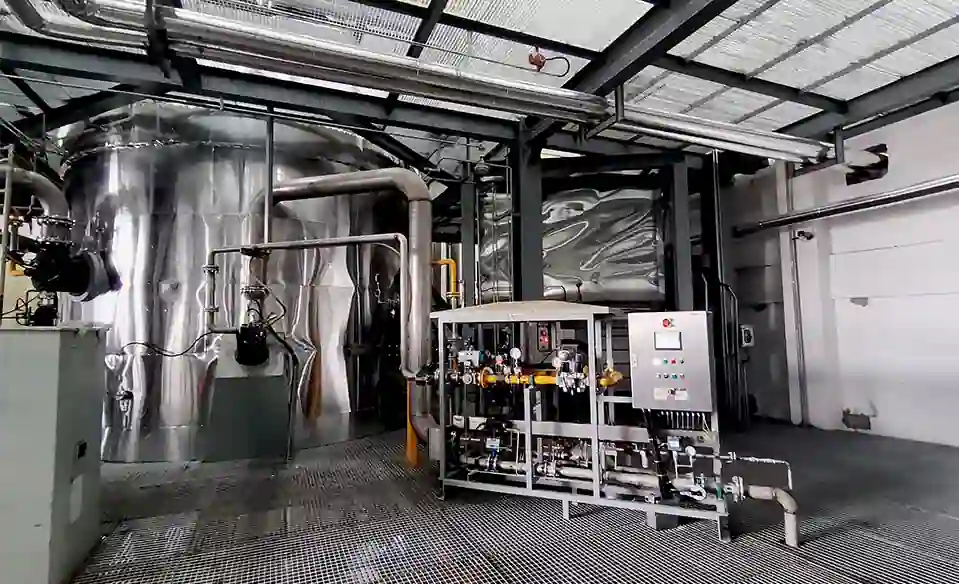
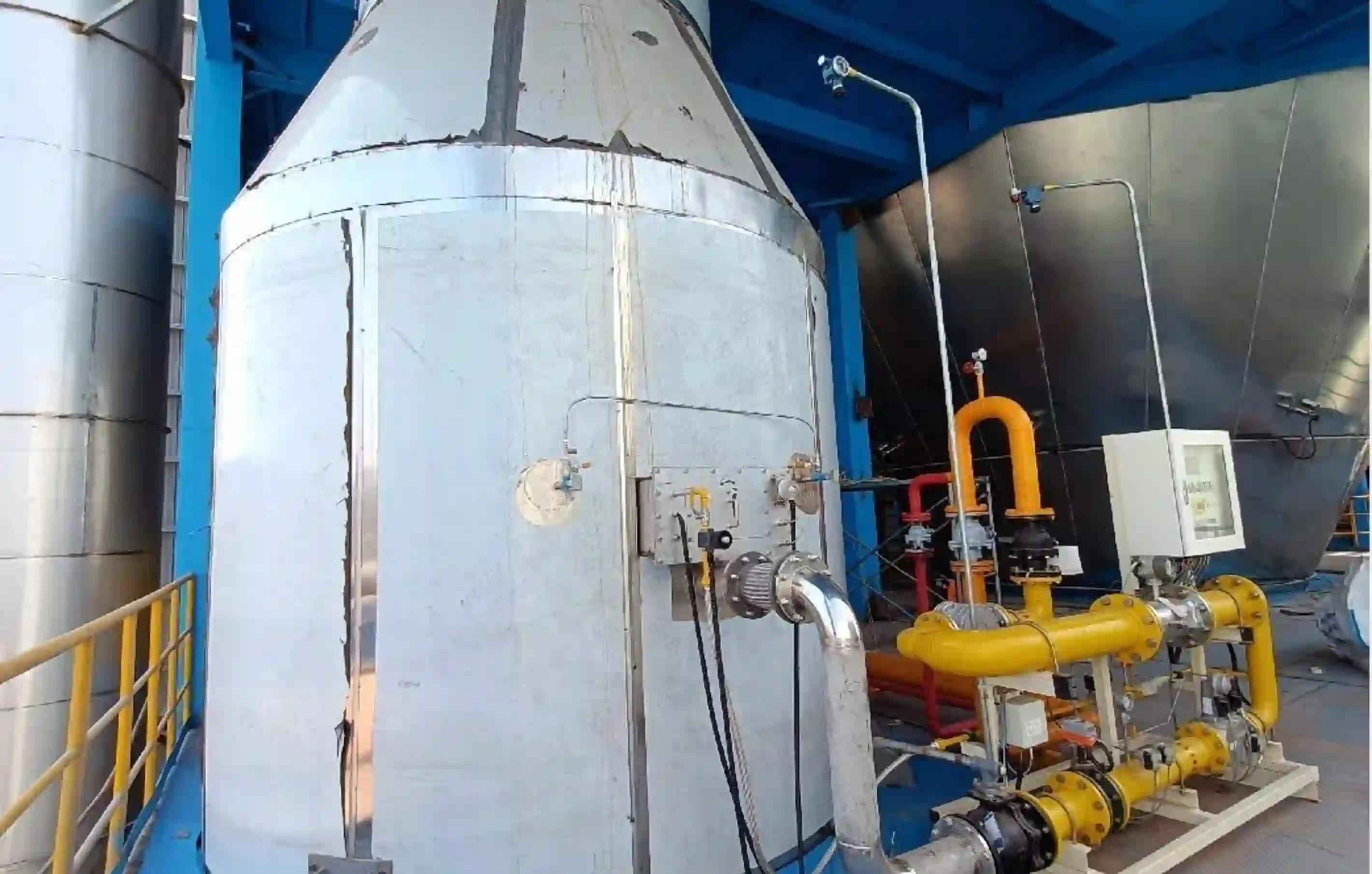
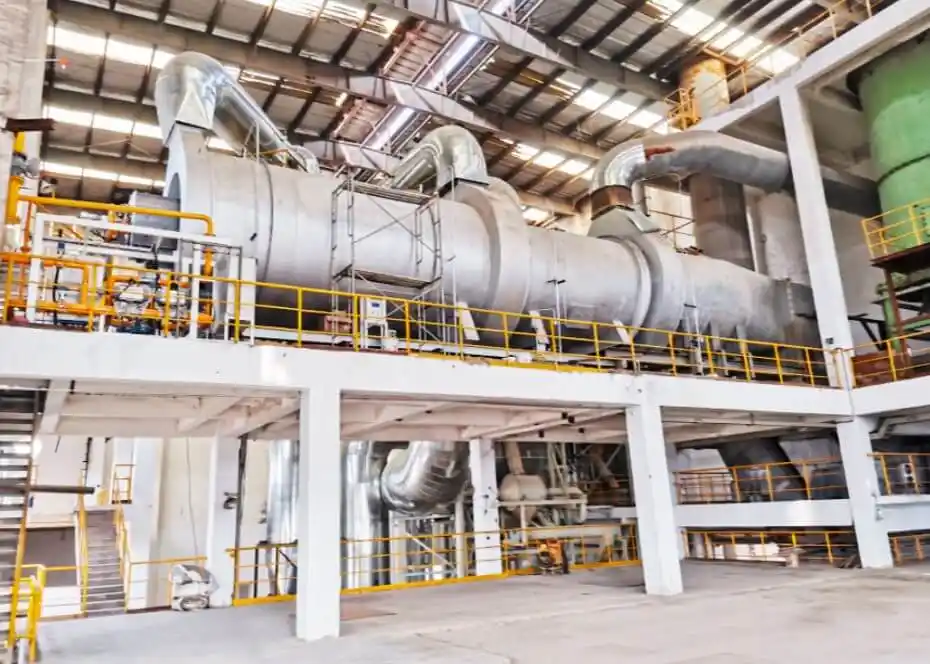
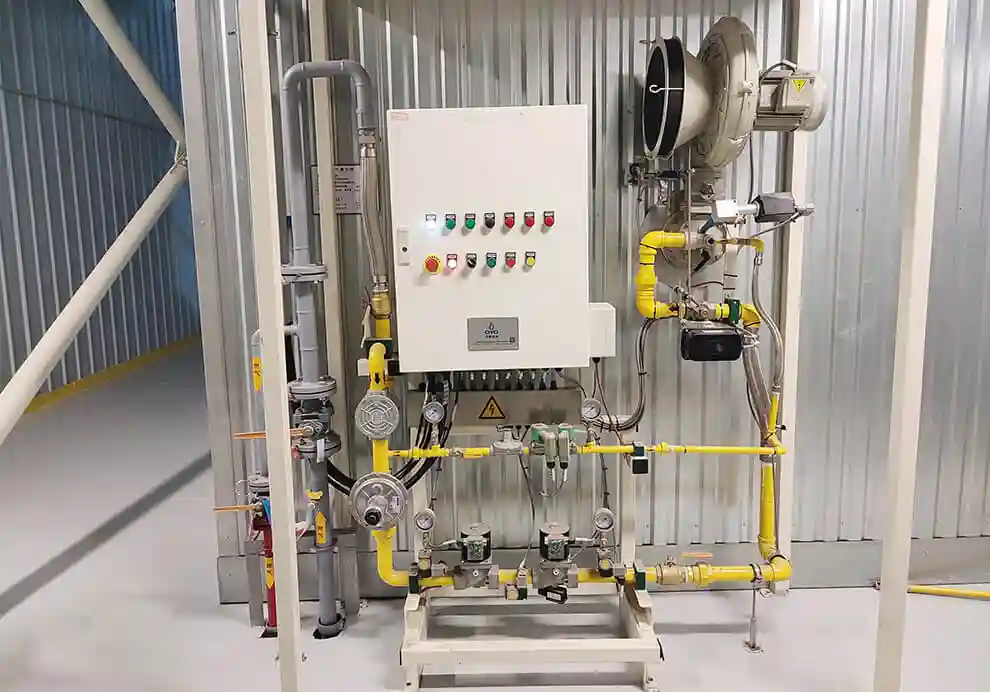
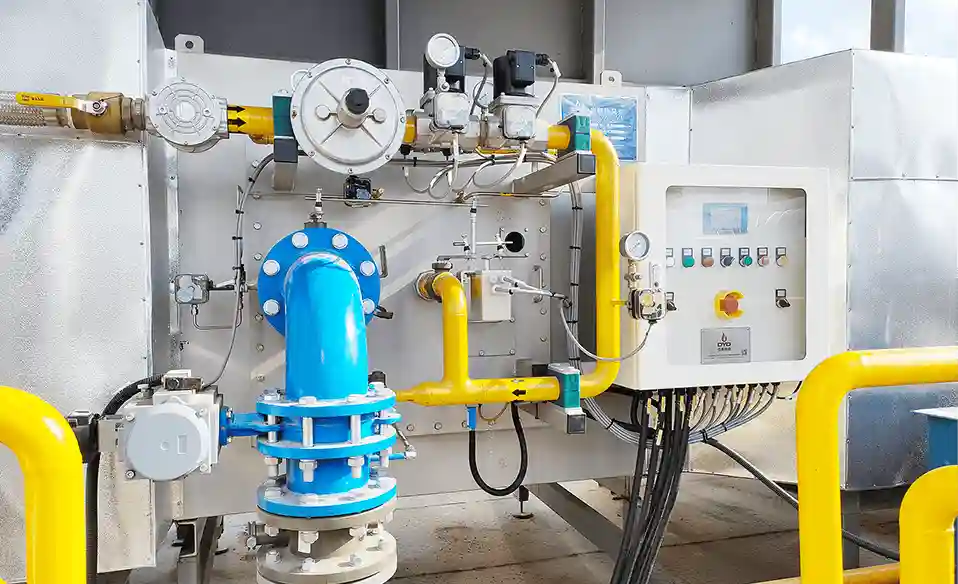
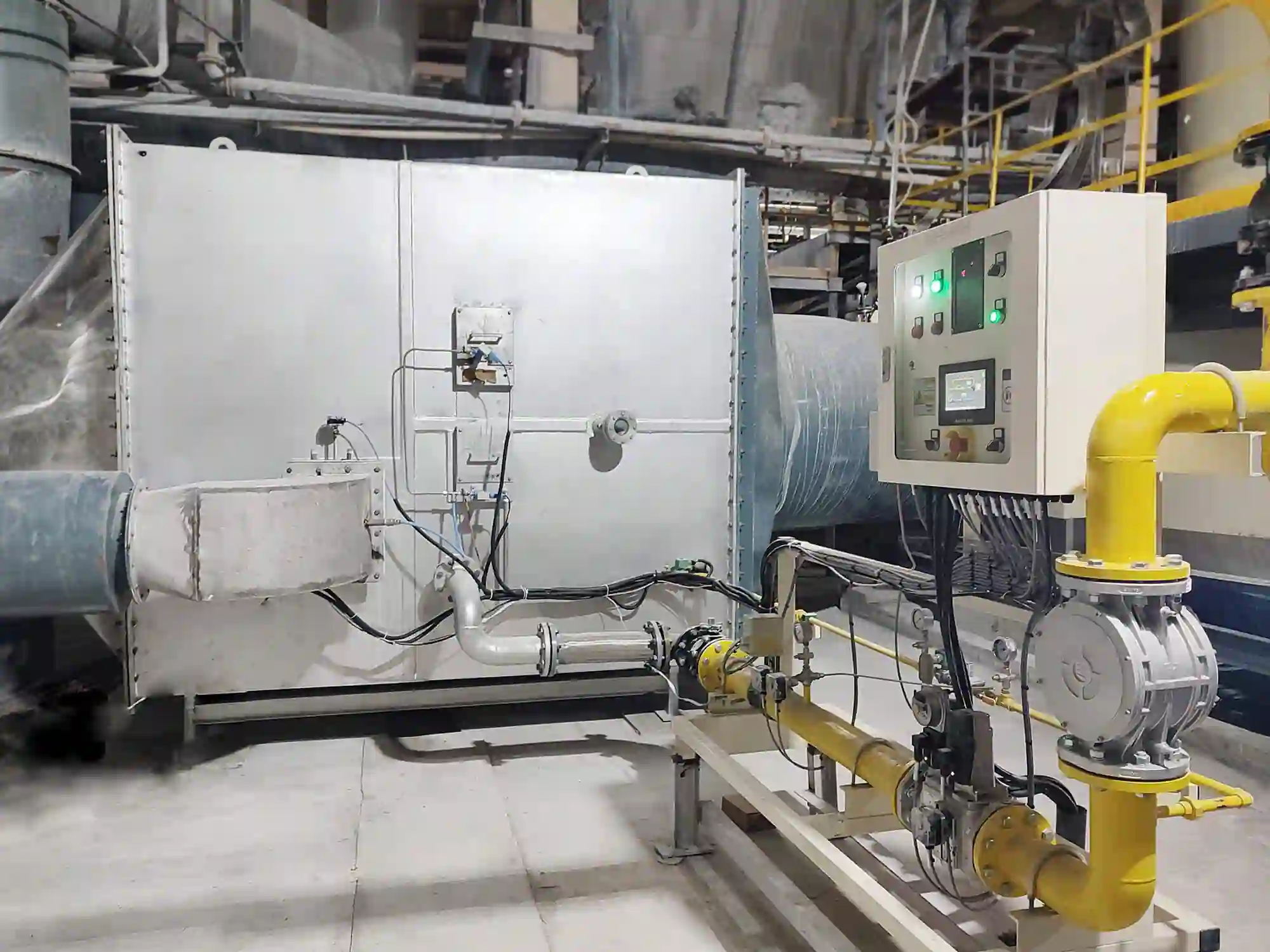
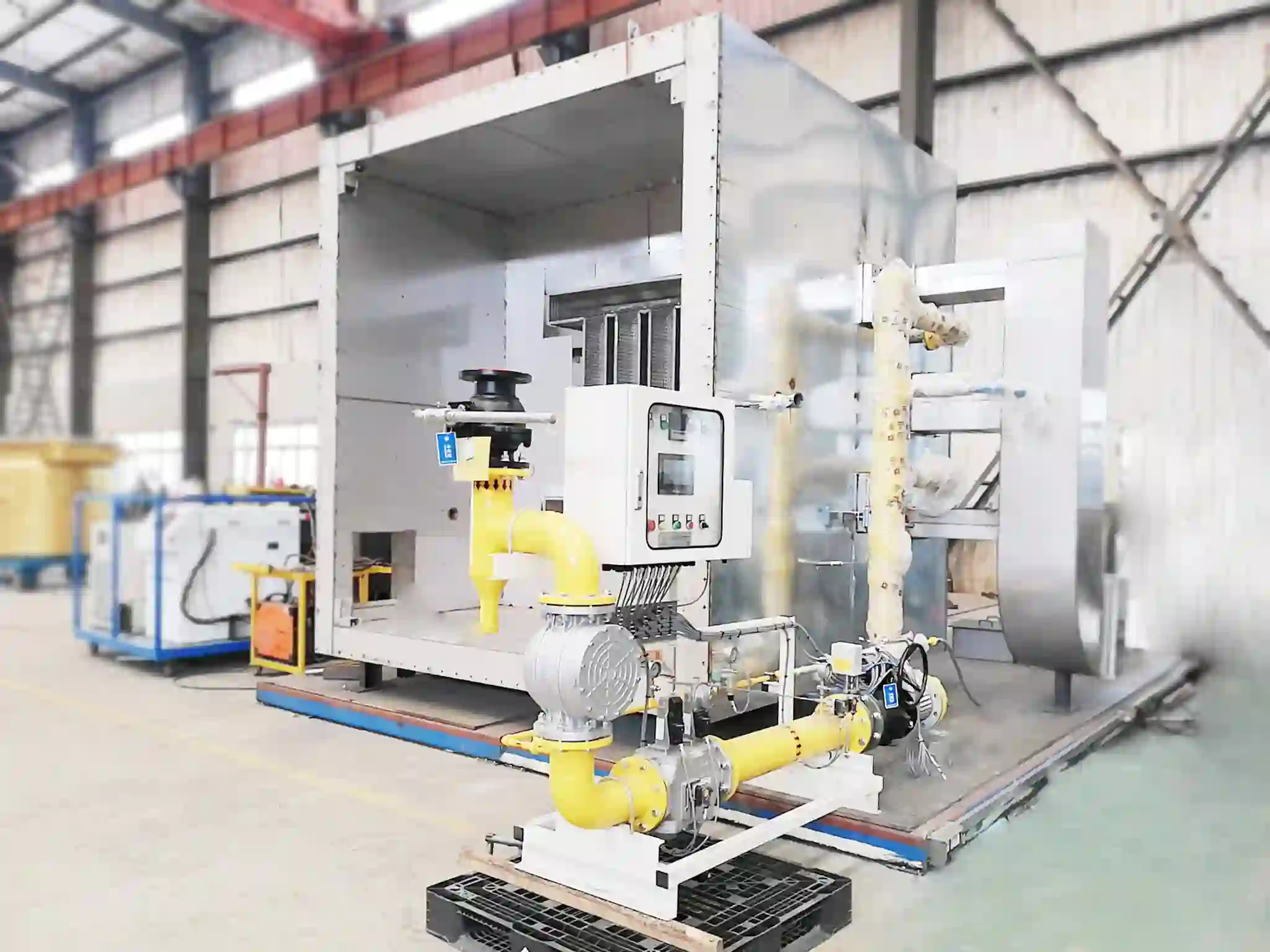
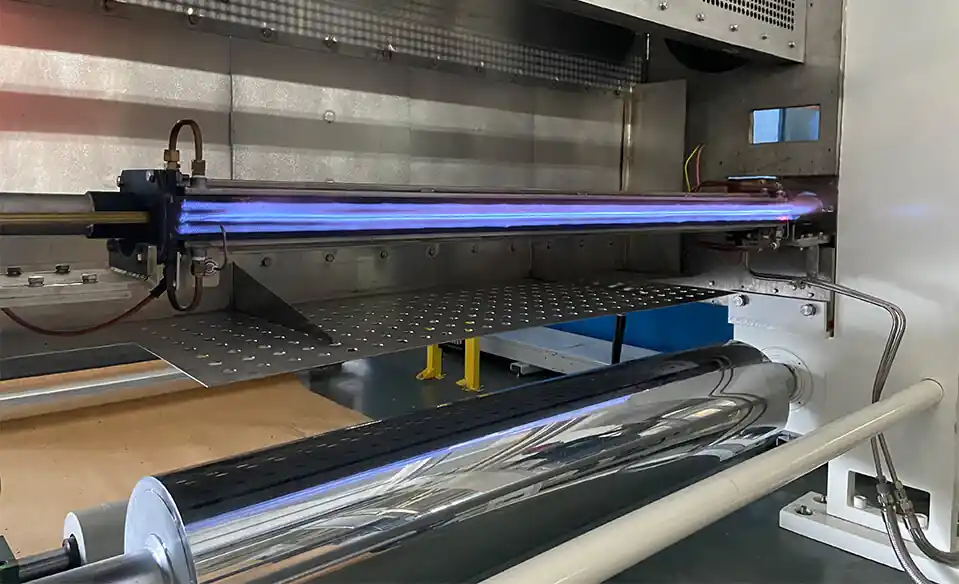
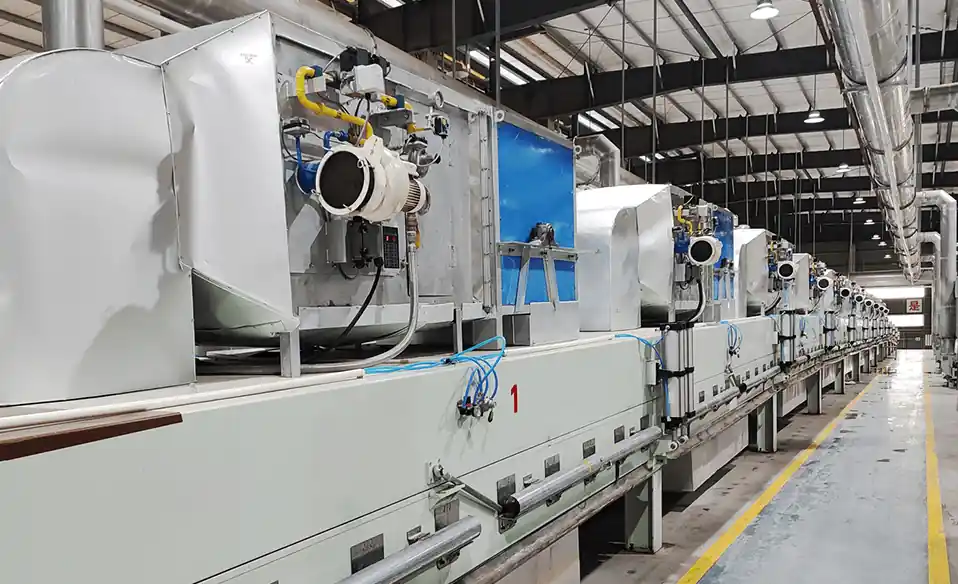
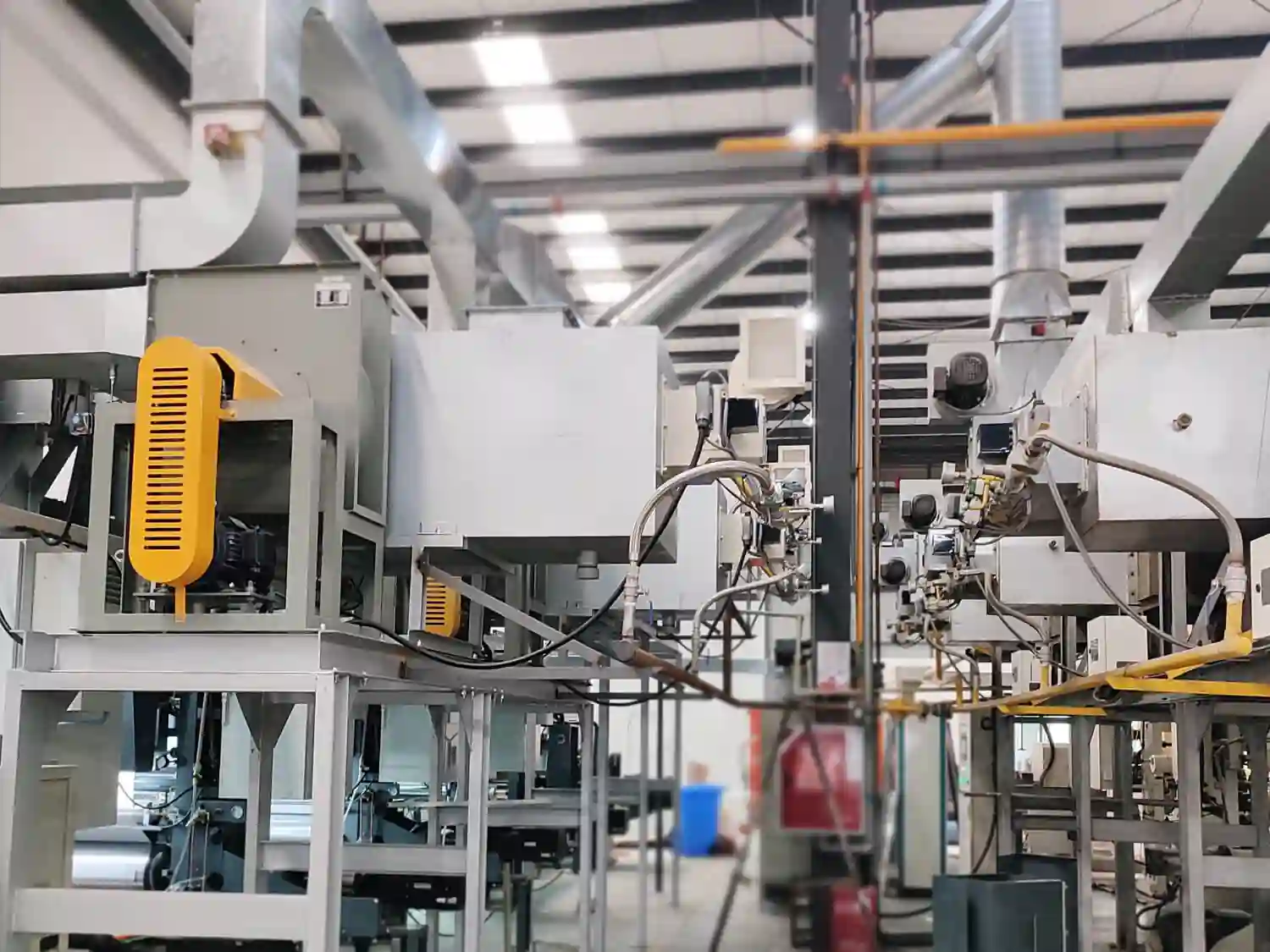
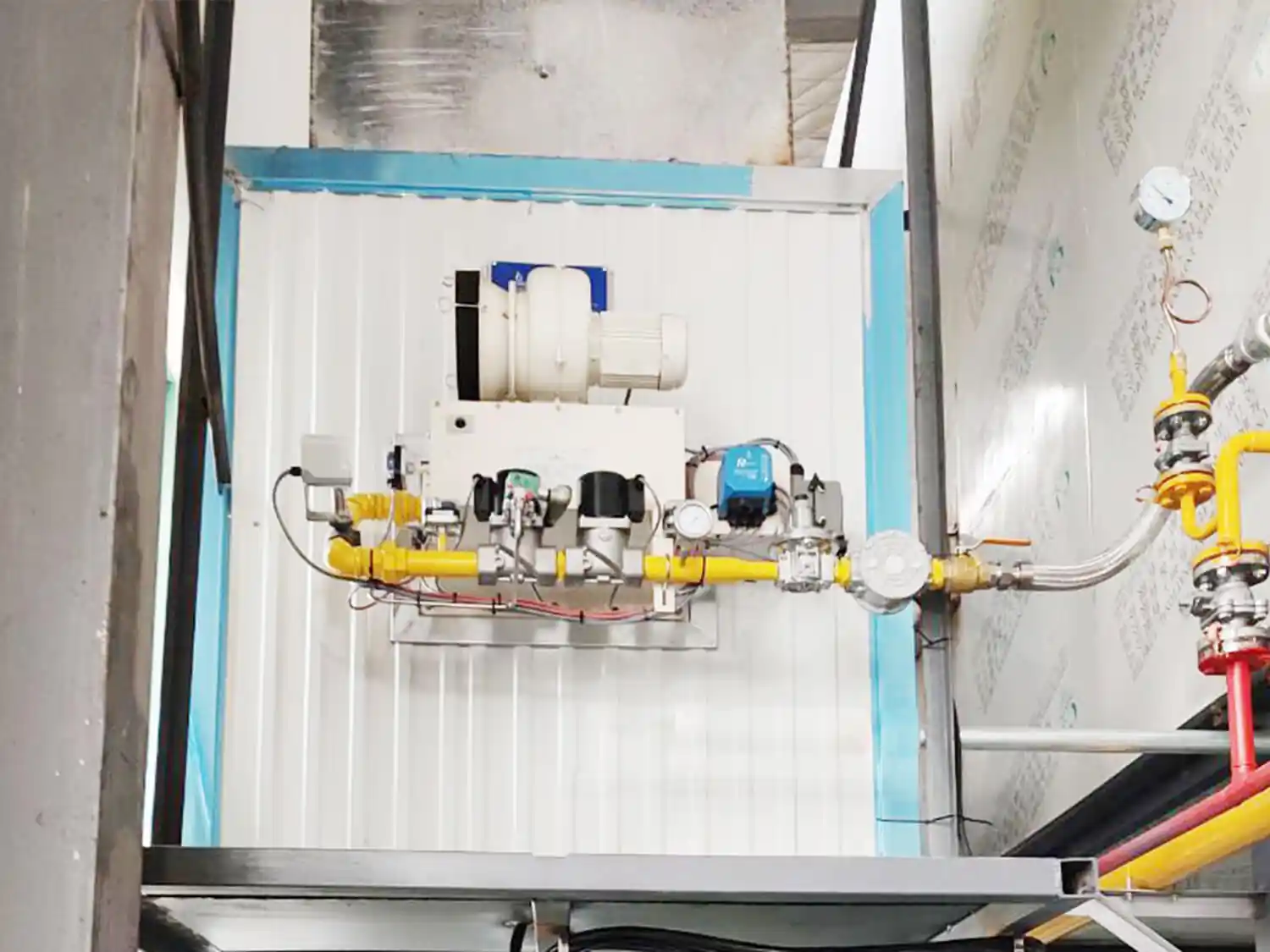
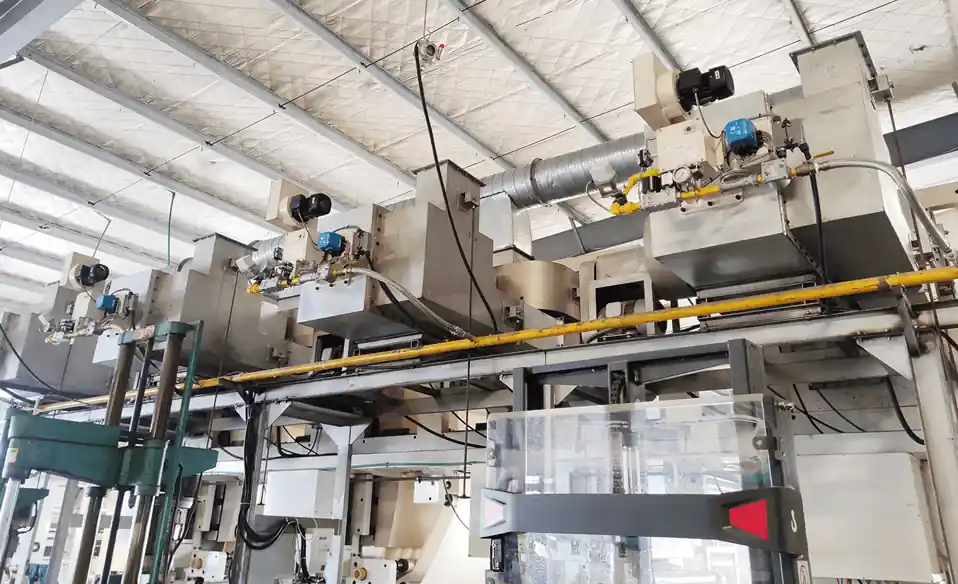
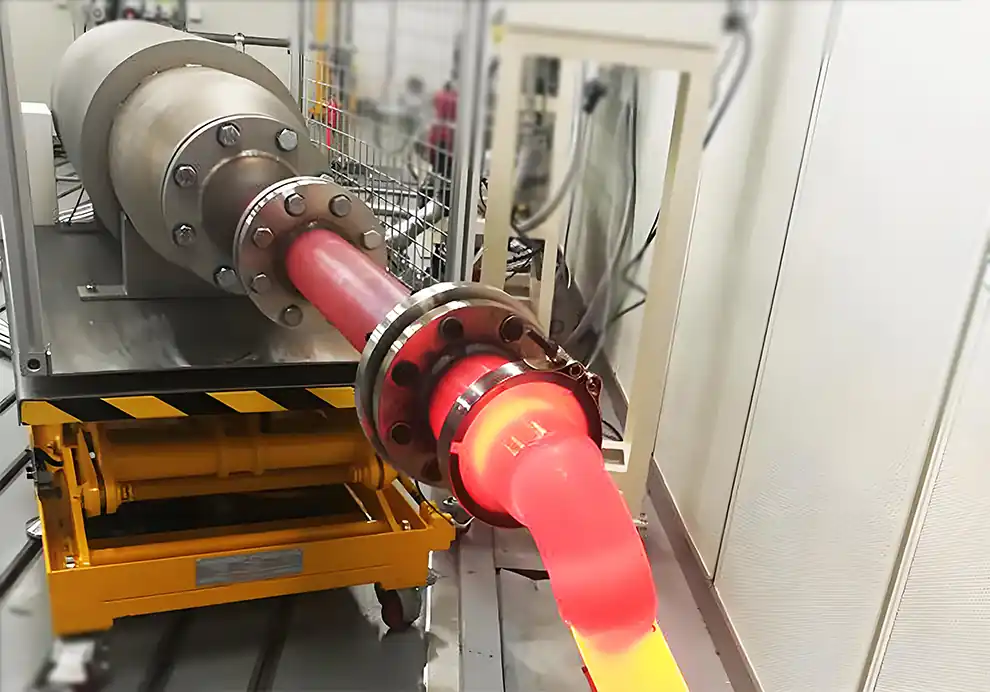
Selecting the right burner for a heat treatment furnace is critical for achieving precise temperature control, uniform heating, stable atmosphere conditions, and consistent material properties. Unlike general industrial heating applications, where the primary objective may be simply to raise temperature or remove moisture, heat treatment processes often require strict control of temperature, heating rate, soaking time, and cooling conditions. The thermal history of the material directly determines its final microstructure and, consequently, its mechanical properties.
A suitable heat treatment furnace burner must provide:
Stable combustion, maintaining consistent thermal conditions over long holding periods.
Accurate heat control, with tight temperature tolerances.
Uniform temperature distribution, avoiding gradients that cause inconsistent properties.
Reliable operation at high temperatures, often exceeding 1000°C.
Low emissions, meeting environmental requirements.
Compatibility with furnace atmosphere requirements, including protective or reactive atmospheres.
An incorrectly selected burner may result in:
Uneven hardness or mechanical properties, due to inconsistent thermal exposure.
Product quality variations, with some parts meeting specifications and others failing.
Excessive oxidation, degrading surface quality and reducing material thickness.
Longer processing cycles, increasing energy consumption and reducing throughput.
Higher energy consumption, from poor efficiency or extended cycle times.
Reduced furnace life, due to thermal stress and localized overheating.
The best burner is not necessarily the highest-capacity burner; it is the burner that creates the most suitable thermal environment for the specific heat treatment process. The goal is to deliver heat in a manner that achieves the required temperature profile with minimal deviation from the desired process parameters.
Heat treatment furnaces require more precise thermal control compared with ordinary heating systems. The quality of the heat treatment depends directly on the ability to achieve and maintain specific temperature conditions throughout the furnace volume and across the entire load.
The burner must support processes such as:
Annealing, which requires slow, uniform heating and controlled cooling to soften materials.
Hardening, demanding rapid heating to transformation temperature followed by quenching.
Tempering, requiring precise temperature maintenance to achieve the desired balance of hardness and toughness.
Normalizing, involving heating above the transformation temperature followed by air cooling.
Carburizing, which requires both controlled heating and precise carbon potential management.
Stress relieving, needing uniform heating to remove residual stresses without altering microstructure.
Solution treatment, requiring high-temperature soaking for alloy homogenization.
These processes often require:
Narrow temperature variation, typically within ±5°C to ±10°C for many critical applications.
Long holding periods, maintaining temperature for hours to ensure complete transformation.
Stable furnace atmosphere, controlling oxygen, carbon, and other reactive species.
Controlled heat transfer, achieving the required heating and cooling rates.
Therefore, burner selection must consider not only heat output but also flame characteristics, combustion control, and the ability to maintain stable conditions throughout the entire heat treatment cycle.
Different heat treatment processes have different burner requirements, reflecting the distinct thermal objectives, temperature profiles, and material responses of each operation.
Purpose:
Reduce material hardness, improving machinability.
Improve ductility, enhancing formability.
Remove internal stress, reducing distortion during subsequent processing.
Requirements:
Uniform heating, to achieve consistent softening across the load.
Slow temperature changes, controlled heating and cooling rates.
Stable long-term operation, as annealing cycles can be lengthy.
Suitable burner characteristics:
Precise modulation, enabling smooth temperature ramps.
Stable low-load operation, maintaining temperature during soak periods.
Uniform heat distribution, avoiding localized over-heating.
Purpose:
Increase material hardness and strength through phase transformation.
Requirements:
Rapid heating, to reach the austenitizing temperature efficiently.
Accurate temperature control, ensuring complete transformation.
Uniform furnace temperature, for consistent hardness.
Suitable burner characteristics:
Fast response, to achieve the required heating rate.
High-temperature stability, with consistent performance at elevated temperatures.
Strong circulation capability, ensuring uniform heat distribution.
Purpose:
Adjust hardness and toughness, achieving the optimal balance for the application.
Requirements:
Precise temperature maintenance, as tempering temperature directly affects final properties.
Stable operation, over extended holding periods.
Suitable burner characteristics:
High turndown ratio, for accurate low-temperature control.
Accurate control, minimizing temperature variation during soaking.
Purpose:
Increase surface carbon content for enhanced wear resistance and fatigue strength.
Requirements:
Controlled furnace atmosphere, maintaining the required carbon potential.
Protection against excessive oxidation, preventing surface degradation.
Suitable burner characteristics:
Stable combustion, ensuring consistent atmosphere conditions.
Precise atmosphere management, integrating with the gas control system.
Reliable flame control, avoiding fluctuations that disrupt atmosphere stability.
Applications:
Steel strips, for high-volume production.
Metal components, such as automotive parts.
Automotive parts, requiring consistent batch-to-batch quality.
Requirements:
Continuous operation, with minimal interruptions for maintenance.
Fast response, to changing production rates and load conditions.
Temperature uniformity, across the full width and length of the product.
Suitable burner characteristics:
High reliability, for long-running continuous operation.
Modulating control, to maintain consistent output.
Low maintenance, reducing downtime and service costs.
The burner capacity must match the heat demand of the furnace. Accurate capacity calculation ensures the burner can meet the thermal requirements without oversizing.
The total heat requirement includes:
Energy required to raise material temperature from ambient to the treatment temperature.
Affected by:
Material type, with different specific heat capacities.
Weight or mass of the load, determining the total thermal mass.
Production rate, establishing the continuous energy demand.
Temperature increase, from initial to process temperature.
Heat losses occur through multiple pathways that must be accounted for in the capacity calculation:
Furnace walls, through conduction through refractory and insulation.
Doors and access openings, during loading and unloading.
Exhaust gases, carrying sensible heat out of the system.
Other openings, including inspection ports and burner mountings.
Affected by:
Insulation quality, with better insulation reducing losses.
Furnace design, including wall thickness and material selection.
Operating temperature, with higher temperatures increasing loss rates.
A faster heating cycle requires higher heat input and stronger heat transfer capability to achieve the required temperature rise within the available time.
The basic principle:
Burner Capacity = Material Heating Demand + Furnace Losses + Process Margin
The process margin should cover normal variations in load, ambient conditions, and fuel quality without excessive oversizing.
Flame behavior strongly influences heat treatment quality. The flame is the means by which heat is released into the furnace, and its characteristics determine how effectively that heat is distributed to the load.
Important flame parameters include:
Flame length, determining the axial extent of heat release.
Flame shape, influencing the spatial distribution of thermal energy.
Flame momentum, affecting gas circulation and mixing.
Heat release distribution, controlling temperature uniformity.
Advantages:
Strong gas circulation, carrying heat to all parts of the furnace.
Improved temperature uniformity, reducing thermal gradients.
Better heat transfer, through enhanced convection.
Suitable for:
Large furnaces, requiring heat distribution over long distances.
Deep heating chambers, where circulation is essential.
Advantages:
Concentrated heat release, delivering intense thermal input in a compact zone.
Fast thermal response, enabling rapid temperature changes.
Suitable for:
Compact furnaces, with limited space for flame development.
Localized heating, where heat must be concentrated in specific areas.
Advantages:
Better furnace penetration, delivering heat to the far end of the chamber.
Distributed heat release, reducing peak thermal loading.
Suitable for:
Large chambers, where heat must travel significant distances.
Long furnace zones, such as in continuous furnaces.
Heat treatment quality depends heavily on temperature consistency. The temperature distribution within the furnace directly influences the microstructure and properties of the treated material.
A suitable burner should minimize:
Hot spots, where excessive temperature causes over-heating.
Cold zones, where insufficient temperature results in under-processing.
Temperature gradients, leading to inconsistent properties.
Important technologies for improving uniformity include:
Creates strong furnace circulation by discharging combustion gases at high velocity.
Benefits:
Better temperature uniformity, reducing stratification.
Faster heat transfer, through enhanced convection.
Large furnaces may use multiple burners to achieve better temperature distribution and independent zone control.
Benefits:
Better temperature distribution, with each burner serving a specific zone.
Independent zone control, enabling different temperatures in different sections.
Improves heat transfer and furnace atmosphere mixing by circulating hot gases through the furnace.
Benefits:
Improved heat transfer, through increased gas velocity.
Enhanced atmosphere mixing, supporting controlled atmosphere processes.
Different burner technologies suit different heat treatment applications. The burner type should be matched to the furnace design, process requirements, and performance objectives.
Characteristics:
High-speed combustion jets, producing strong circulation.
Strong internal circulation, promoting temperature uniformity.
Advantages:
Excellent temperature uniformity, through enhanced mixing.
Efficient heat transfer, via forced convection.
Applications:
Heat treatment furnaces requiring uniform heating.
Metal heating furnaces, where temperature consistency is critical.
Characteristics:
Controlled fuel-air mixing, managing the combustion rate.
Reduced peak flame temperature, limiting thermal NOx formation.
Advantages:
Lower NOx emissions, meeting environmental regulations.
Compliance with environmental regulations, avoiding penalties.
Applications:
Modern heat treatment systems in regulated areas.
Facilities requiring environmental compliance.
Characteristics:
Recover heat from exhaust gases, preheating combustion air.
Advantages:
High thermal efficiency, reducing fuel consumption.
Reduced fuel consumption, lowering operating costs.
Applications:
Large continuous furnaces with high exhaust temperatures.
High-temperature processes with significant waste heat.
Characteristics:
Uniform fuel-air mixing, achieving a homogeneous mixture.
Advantages:
Stable combustion, with consistent flame behavior.
Lower emissions, through complete and uniform combustion.
Applications:
Precision heating applications requiring consistent thermal conditions.
Some heat treatment processes require controlled atmospheres to prevent oxidation, control carbon potential, or achieve specific surface properties. The burner must be compatible with these atmosphere requirements.
Examples of controlled atmospheres:
Nitrogen atmosphere, providing inert protection.
Endothermic gas atmosphere, used for carburizing and carbonitriding.
Reducing atmosphere, removing oxygen from the furnace.
Protective atmosphere, shielding the material from oxidation.
Burner selection must consider:
Combustion gas influence, as combustion products can affect atmosphere composition.
Sealing requirements, to prevent air infiltration or atmosphere leakage.
Oxygen control, maintaining the required oxidizing or reducing conditions.
For atmosphere-sensitive processes, indirect heating or specialized combustion systems may be required to avoid introducing combustion products into the process environment.
Heat treatment requires precise control to achieve the desired material properties. The burner control system must be capable of maintaining the required temperature profile throughout the treatment cycle.
Important features include:
Adjusts fuel flow, air flow, and heat output continuously to match the process demand.
Benefits:
Stable temperature, avoiding overshoot and oscillation.
Better process control, with smooth adjustment.
Allows low firing operation, smooth temperature adjustment, and reduced cycling.
Benefits:
Low firing operation, maintaining temperature during soak periods.
Smooth temperature adjustment, avoiding thermal shock.
Reduced cycling, extending component life.
Large furnaces often require independent temperature zones with individual burner adjustment.
Benefits:
Independent temperature zones, enabling different conditions in different sections.
Individual burner adjustment, fine-tuning temperature distribution.
Common fuels for heat treatment furnaces include natural gas, LPG, diesel, and emerging hydrogen blends. The fuel selection affects burner design and operating characteristics.
Advantages:
Clean combustion, with minimal ash or soot.
Easy control, with predictable combustion behavior.
Low maintenance, with fewer fouling issues.
Common choice for heat treatment furnaces where reliability and cleanliness are priorities.
Require additional engineering for safe and stable operation:
Flashback prevention, due to higher flame speed.
Special mixing design, managing the different combustion kinetics.
Flame stability control, maintaining consistent combustion.
Require additional system components:
Reliable atomization, to break the liquid into droplets.
Fuel conditioning system, including heating and filtration.
Heat treatment furnaces must increasingly meet strict emission standards. Environmental regulations are becoming more stringent, and burner selection must consider both current and future requirements.
Important emissions:
NOx, formed at high temperatures.
CO, indicating incomplete combustion.
CO₂, a greenhouse gas of increasing regulatory concern.
Low-emission technologies include:
Reduces flame temperature by introducing cooled exhaust gases into the combustion zone, lowering NOx formation.
Controls combustion zones by introducing fuel or air in multiple stages, limiting peak temperatures.
Improves mixing quality, creating a uniform mixture that reduces both CO and NOx.
Temperature does not determine burner selection alone. Heating uniformity, material requirements, and atmosphere control are equally important and must be considered.
An oversized burner may cause temperature fluctuations, excessive oxidation, and poor efficiency. The burner should be sized to match the actual heat demand, not a worst-case estimate.
Combustion design must match the treatment process. The burner can affect atmosphere composition, and the atmosphere requirements may dictate burner type or operating conditions.
A lower-cost burner may result in higher fuel consumption, more maintenance, and lower process stability over the equipment's lifetime. Total cost of ownership should be considered.
Before selecting a burner, prepare comprehensive information:
✅ Furnace type and configuration
✅ Furnace dimensions, including length, width, and height
✅ Operating temperature, normal and maximum
✅ Temperature uniformity requirements
✅ Furnace atmosphere, including type and control method
✅ Material type and properties
✅ Production capacity or throughput
✅ Heating cycle, including ramp and soak times
✅ Holding time at temperature
✅ Cooling requirements, including rate and method
✅ Fuel type and composition
✅ Fuel pressure available
✅ Heating value of the fuel
✅ Required capacity, based on heat load calculation
✅ Flame characteristics, matching the furnace geometry
✅ Turndown ratio, covering the operating range
✅ Control method, manual or automatic
✅ Emission requirements and applicable limits
High-velocity industrial burners, low-NOx burners, and regenerative burners are commonly used depending on furnace size, temperature requirements, and energy efficiency goals. The best type depends on the specific application and performance requirements.
Because uneven heating can cause inconsistent material properties, distortion, and product quality problems. Temperature gradients can result in different microstructures and properties within the same batch.
Yes. Low-NOx burners can reduce emissions while maintaining stable combustion when properly designed for the furnace. They are increasingly common in modern heat treatment systems.
The required capacity depends on material load, furnace size, temperature, heating rate, and heat losses. A heat balance calculation should be performed to determine the exact requirement.
Large furnaces often benefit from multiple burners because they provide better temperature zoning and control flexibility. Multiple burners also provide redundancy and can improve temperature uniformity.
The best burner for a heat treatment furnace is the one that delivers precise, stable, and uniform heating for the specific thermal process. The burner must be matched not only to the furnace geometry and heat demand but also to the process requirements, atmosphere conditions, and quality standards.
A successful burner selection should balance:
Heat capacity, meeting the thermal demand.
Flame characteristics, providing the required heat distribution.
Temperature uniformity, ensuring consistent material properties.
Atmosphere requirements, supporting controlled conditions.
Energy efficiency, minimizing operating costs.
Emission performance, meeting environmental regulations.
For heat treatment applications, combustion control is directly linked to product quality. A properly selected burner helps manufacturers achieve:
More consistent material properties, reducing reject rates.
Reduced energy consumption, lowering operating costs.
Better process stability, improving production reliability.
Lower emissions, supporting environmental compliance.
Longer furnace operating life, minimizing capital replacement costs.
DYDTEC Combustion specializes in industrial burner technology, combustion systems, and customized thermal solutions. The company provides industrial burner solutions for heat treatment furnaces, kilns, drying systems, and industrial heating equipment, focusing on precision burner selection, flame optimization, efficient combustion control, low-emission technology, and reliable long-term operation. With deep expertise in heat treatment processes and combustion engineering, DYDTEC supports customers in selecting burners that deliver the precise thermal performance required for consistent material quality, energy efficiency, and operational reliability.