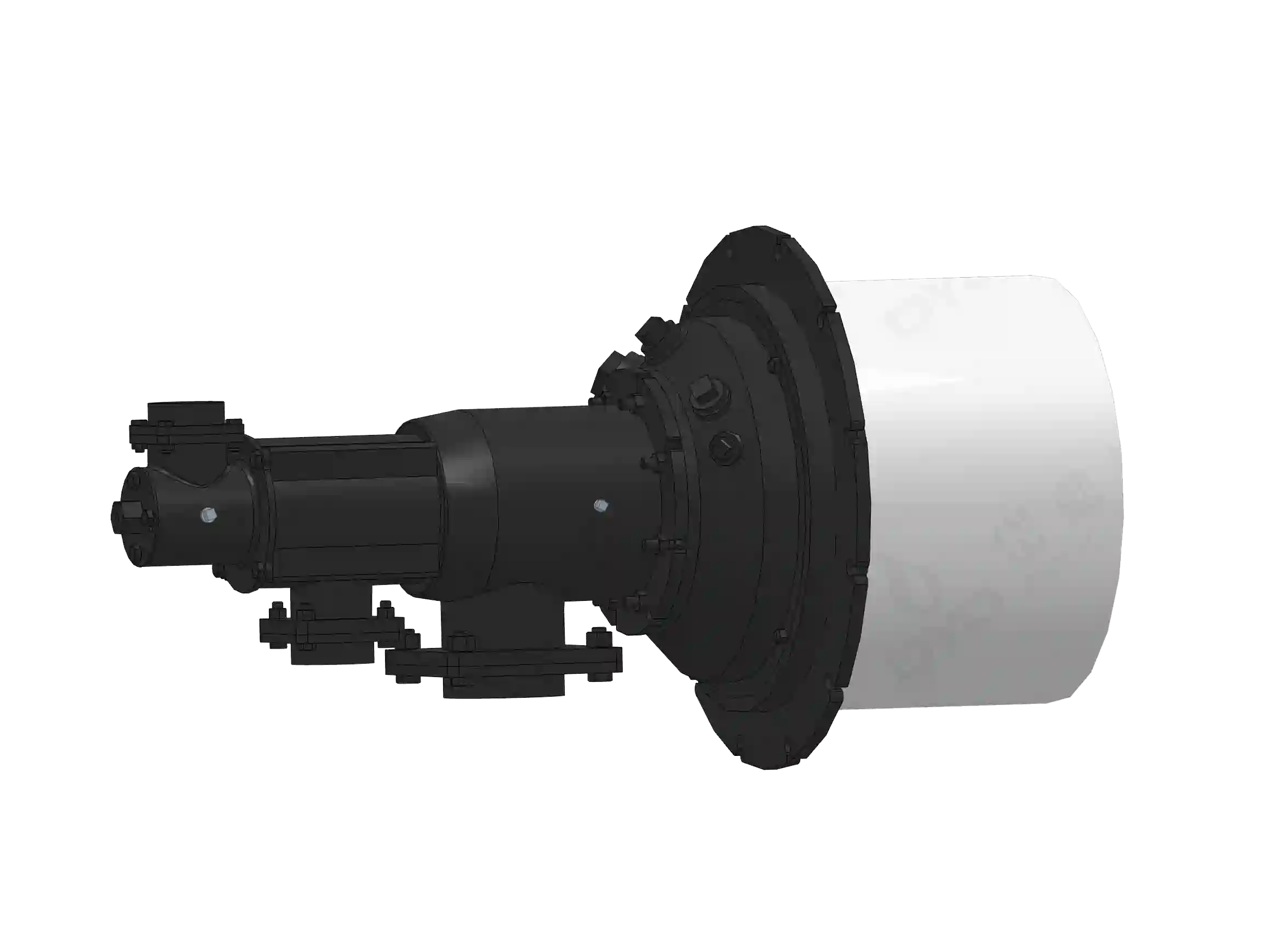
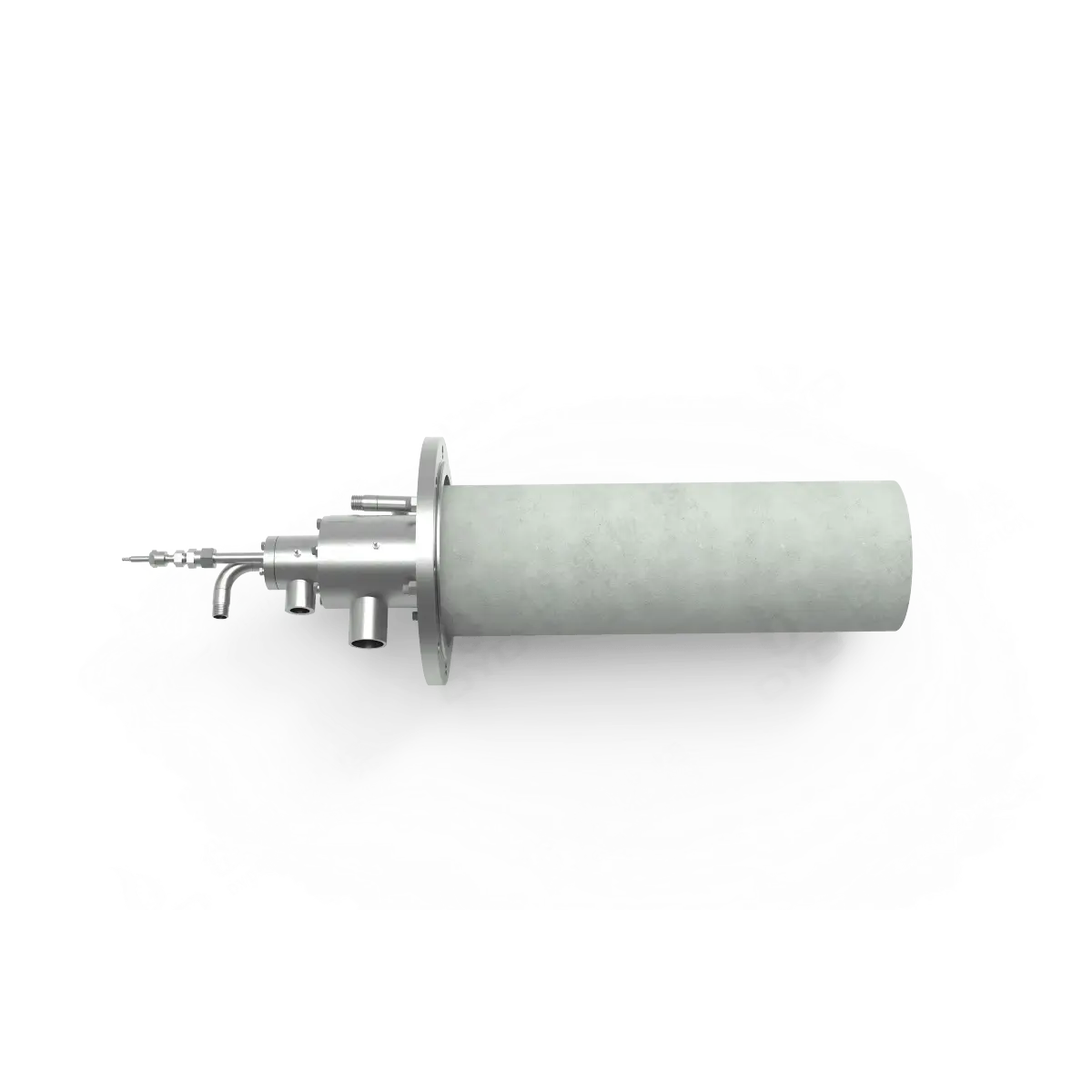
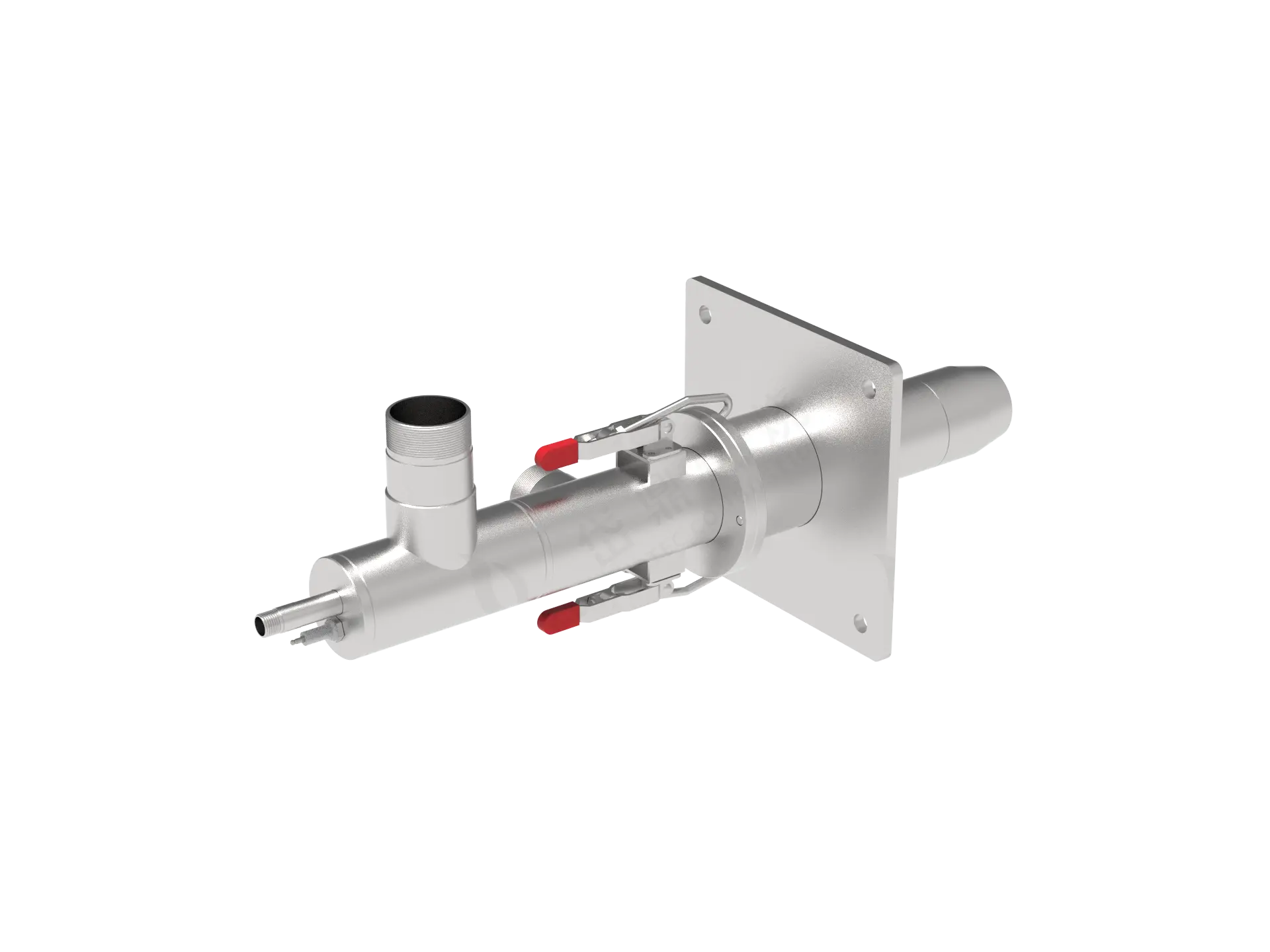
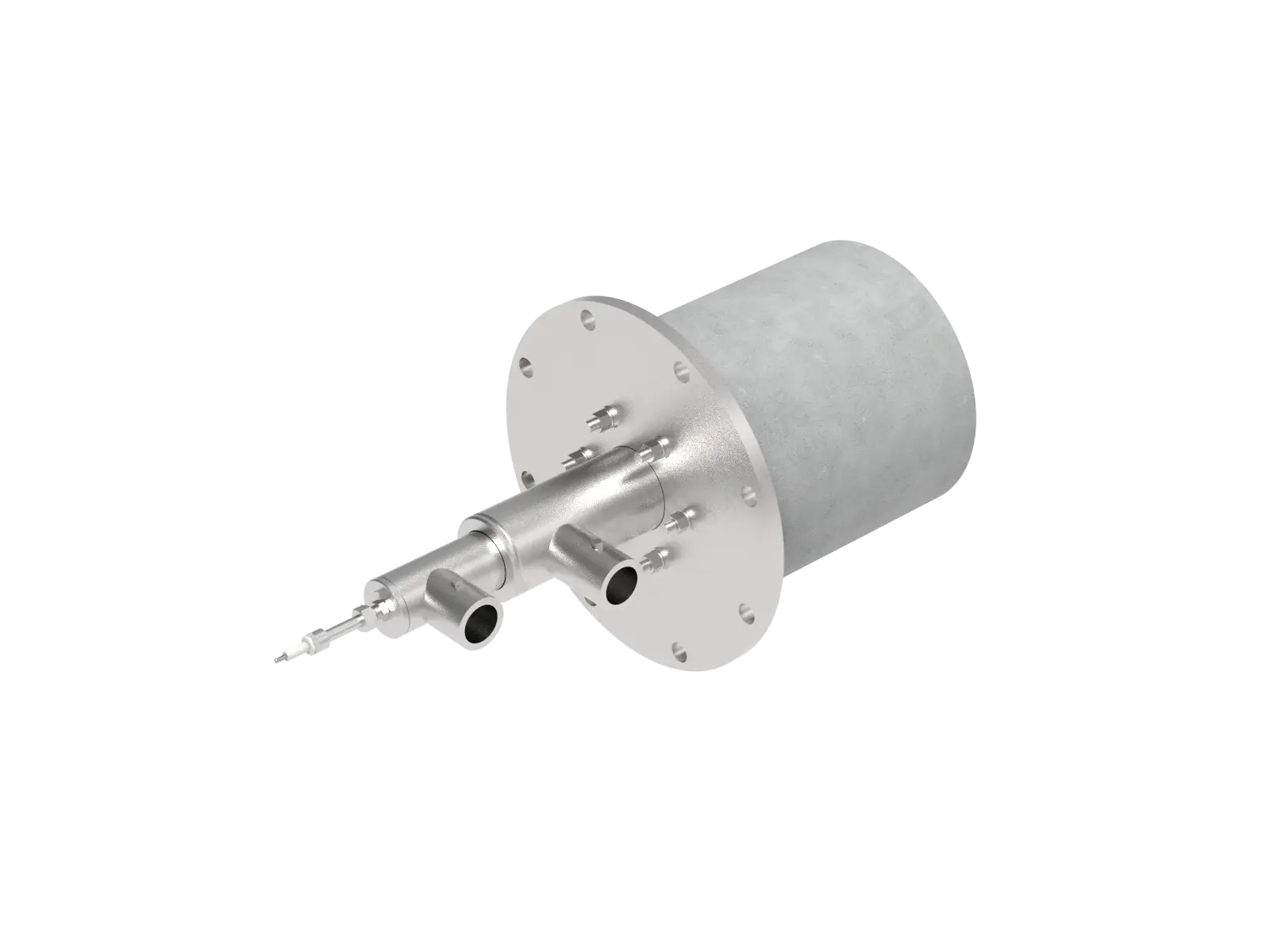
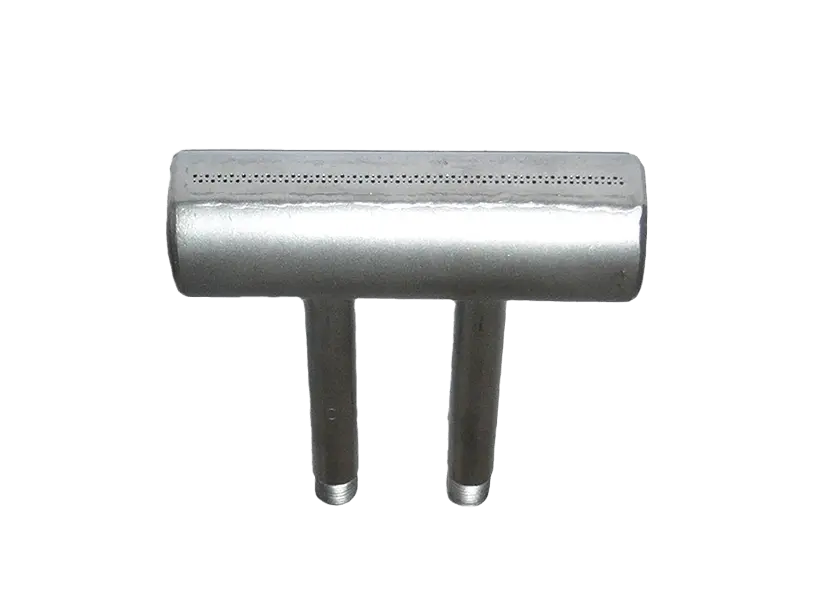
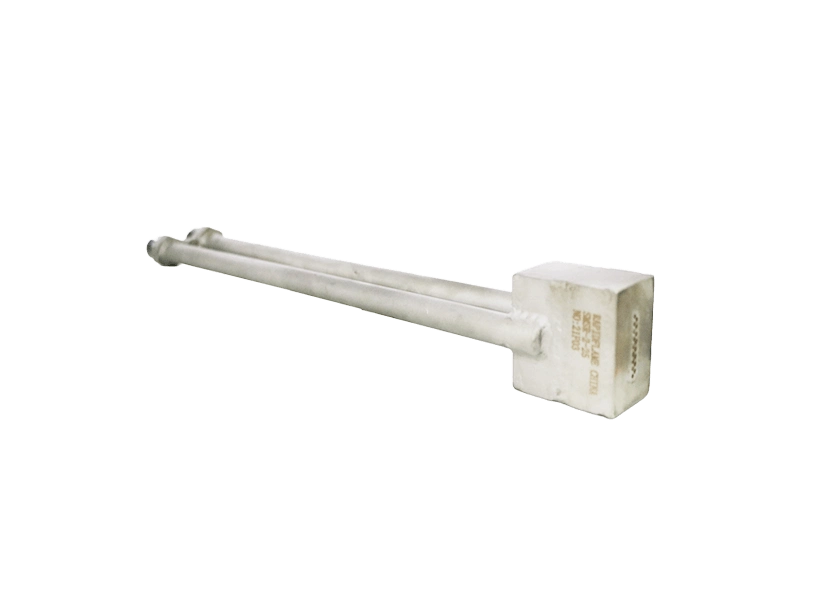
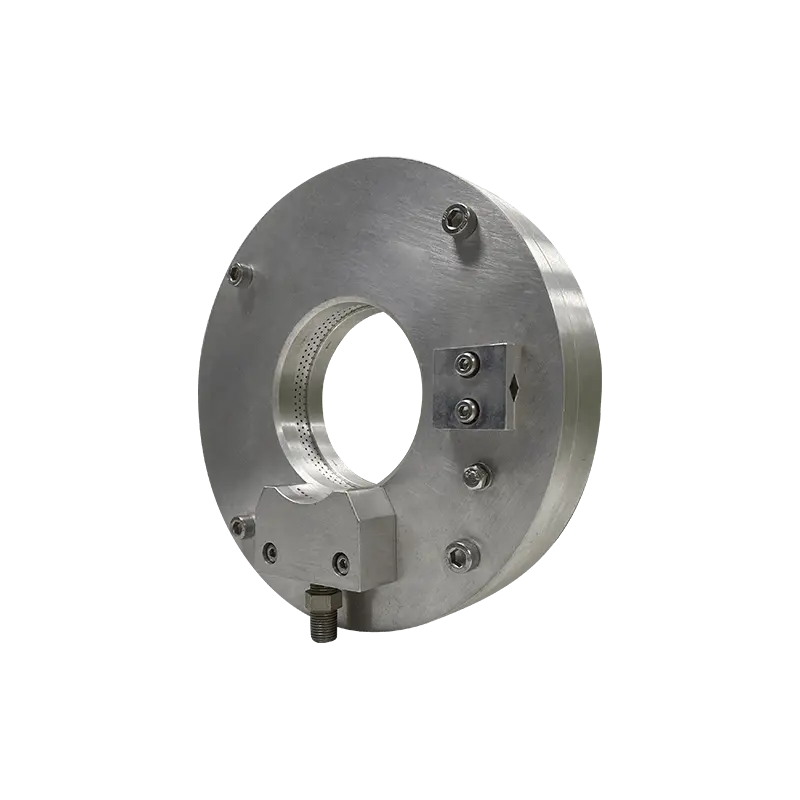
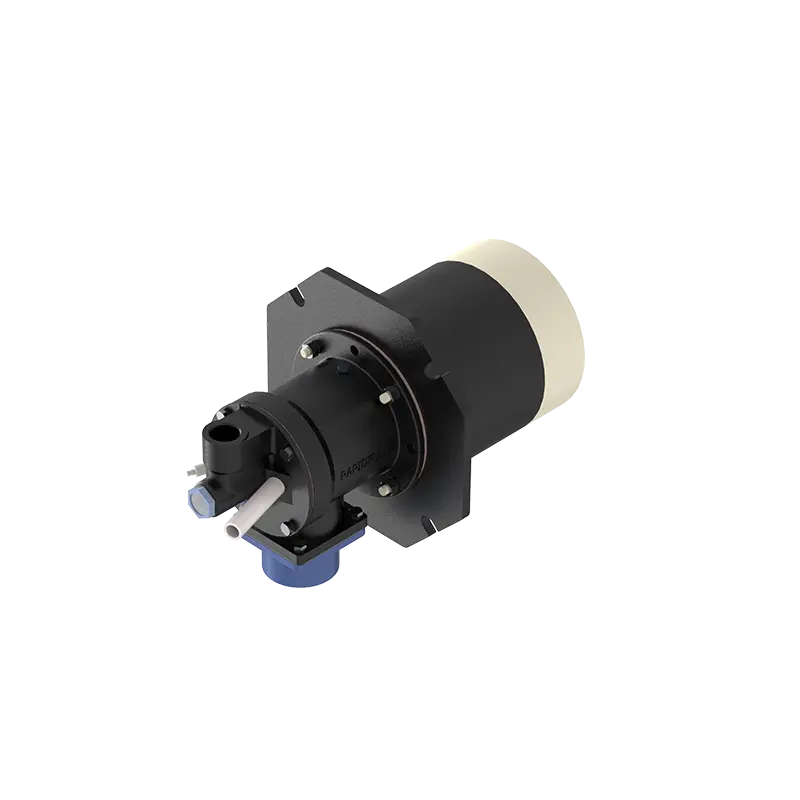
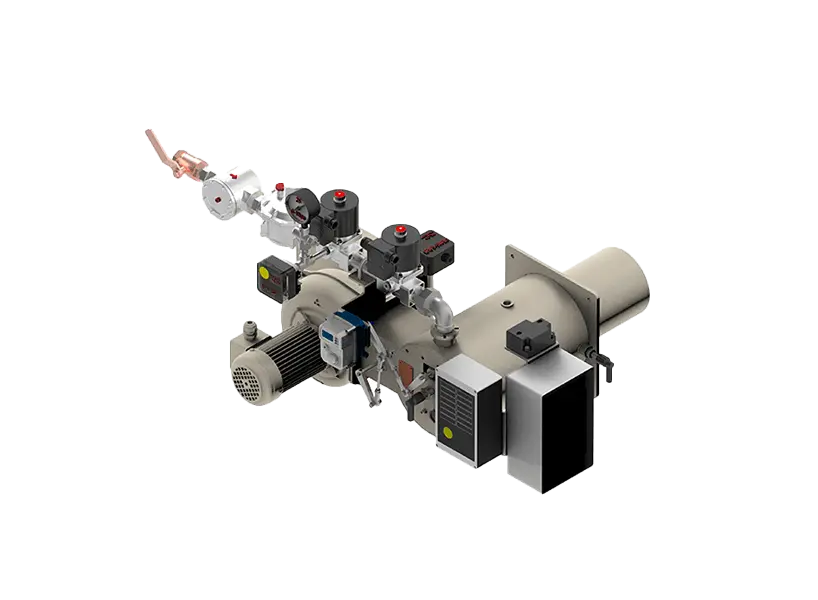
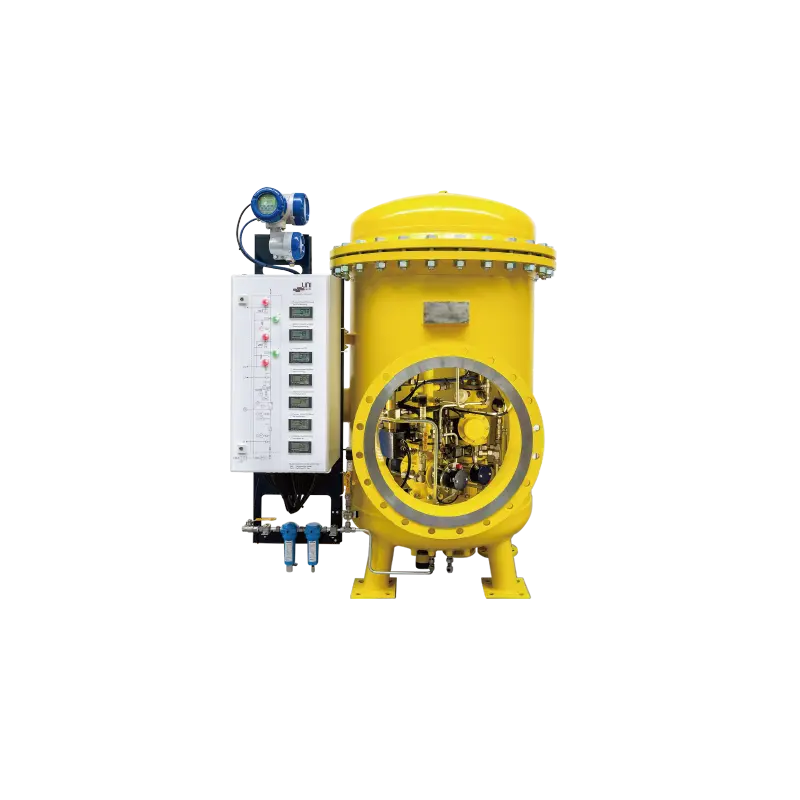
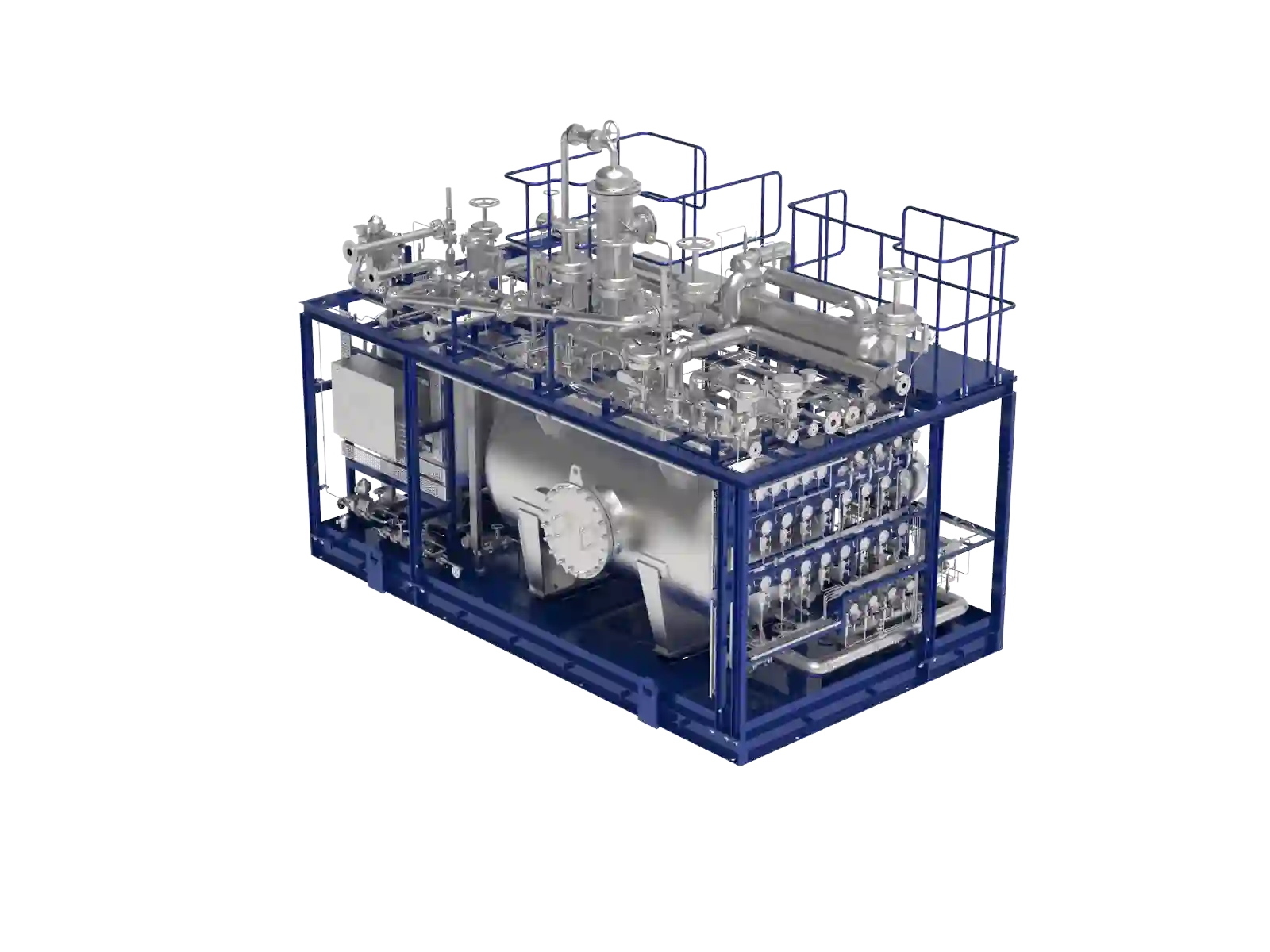
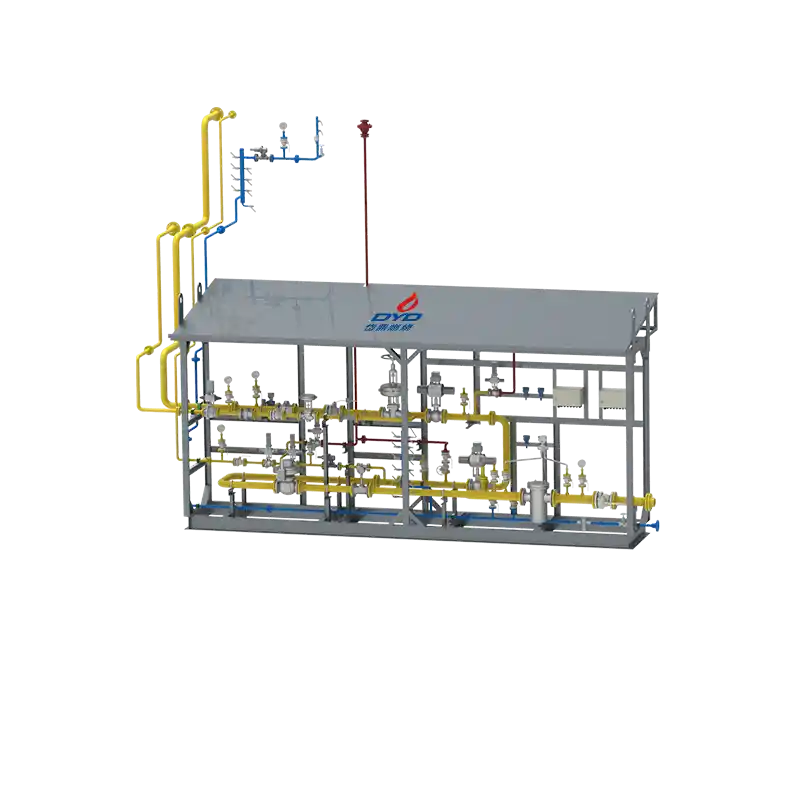
Selecting the right burner for an aluminum melting furnace is critical for improving melting efficiency, reducing metal oxidation loss, controlling emissions, and achieving stable furnace operation. Aluminum melting is different from ordinary heating applications because the burner must transfer heat efficiently into the metal while minimizing excessive turbulence, temperature fluctuations, and oxidation. The thermal and chemical behavior of aluminum—its high latent heat of fusion, relatively low melting point, and high reactivity with oxygen—imposes unique demands on the combustion system that are not present in ferrous melting applications.
A suitable aluminum melting furnace burner must match:
Furnace type and structure, defining the combustion space and heat transfer environment.
Aluminum melting capacity, establishing the throughput requirement.
Required melting rate, setting the thermal intensity.
Heat transfer requirements, determining how energy is delivered to the charge.
Fuel characteristics, influencing combustion system design.
Flame characteristics, governing heat release and distribution.
Emission requirements, meeting environmental standards.
Metal protection requirements, minimizing oxidation and dross formation.
An improperly selected burner may lead to:
Excessive aluminum oxidation and dross formation, reducing metal yield.
Long melting cycles, decreasing productivity.
High fuel consumption, increasing operating costs.
Uneven bath temperature, affecting metal quality and casting properties.
Furnace lining damage, from localized overheating.
Poor metal quality, with inclusions or gas pickup.
The goal of burner selection is not simply to maximize flame temperature, but to achieve efficient heat transfer with controlled combustion conditions that protect the molten metal from excessive oxidation while maximizing melting rate and fuel efficiency.
Aluminum has a relatively low melting temperature compared with steel—approximately 660°C versus over 1500°C—but efficient melting requires careful control of heat transfer. The challenges of aluminum melting arise from the metal's physical and chemical properties.
The main challenges include:
Preventing excessive oxidation, as aluminum readily reacts with oxygen to form aluminum oxide (dross), which represents lost metal and increases operating costs.
Maintaining uniform melt temperature, to ensure consistent casting properties and avoid localized overheating.
Avoiding direct flame impingement on molten metal, which creates turbulence, increases oxidation, and can cause localized superheating.
Reducing energy losses, as aluminum's high thermal conductivity and the furnace's high operating temperatures contribute to significant heat losses.
Achieving fast melting cycles, to maximize productivity while maintaining metal quality.
A good aluminum furnace burner should provide:
High thermal efficiency, minimizing fuel consumption per tonne of metal melted.
Stable flame, maintaining consistent combustion conditions.
Controlled flame momentum, providing adequate circulation without disturbing the melt.
Uniform heat distribution, avoiding hot spots and ensuring consistent bath temperature.
Low emissions, meeting environmental requirements.
The first step is understanding the furnace design. Different furnace types have distinct geometries, operating modes, and heat transfer characteristics, each demanding specific burner features.
Applications:
Aluminum recycling, processing large volumes of scrap.
Large-scale melting operations, producing molten metal for casting.
Characteristics:
Large combustion chamber above the metal bath.
Heat transferred mainly through radiation from the furnace roof and walls, and convection from combustion gases.
The metal bath is heated indirectly, with the flame not directly contacting the melt.
Burner requirements:
High heat release capacity, to melt large charges efficiently.
Strong furnace circulation, to ensure uniform temperature throughout the chamber.
Stable long flame, to distribute heat across the bath surface.
Suitable burner features:
High-momentum flame, for good gas circulation.
Good temperature uniformity, minimizing thermal gradients.
Efficient fuel utilization, reducing operating costs.
Applications:
Aluminum scrap melting, particularly for contaminated or mixed scrap.
Recycling plants, processing diverse feed materials.
Characteristics:
Rotating furnace body, tumbling the charge for uniform heating.
Continuous material movement, enhancing heat transfer and mixing.
Burner requirements:
Strong flame penetration, reaching the charge in the rotating cylinder.
Stable operation under rotation, maintaining combustion despite furnace movement.
Good heat transfer, achieving rapid melting.
Suitable burner features:
Adjustable flame length, to match varying charge conditions.
High-velocity combustion, for effective heat transfer.
Reliable ignition, with consistent startup.
Applications:
Small and medium foundries, producing smaller batches.
Specialty alloys, where batch control is important.
Characteristics:
Metal heated inside a refractory crucible, typically using indirect heating.
Smaller furnace size, with more compact combustion space.
Burner requirements:
Controlled flame, avoiding direct crucible overheating.
Uniform heating, protecting crucible integrity.
Protection of crucible surface, extending crucible life.
Suitable burner features:
Stable low-NOx combustion, for gentle heat release.
Precise temperature control, maintaining accurate bath temperatures.
Applications:
Casting operations, supplying molten metal to casting machines.
Continuous production lines, maintaining a reservoir of molten metal.
Requirements:
Temperature maintenance, keeping metal at the correct casting temperature.
Fast response, to changing metal demand.
Suitable burner features:
High turndown ratio, matching variable demand.
Accurate modulation, for precise temperature control.
Burner capacity must match the aluminum melting load. Accurate capacity calculation is essential for proper burner selection.
The total heat requirement includes:
Energy required to raise aluminum temperature from its initial condition to the melting point.
Affected by:
Aluminum weight, determining the total thermal mass.
Initial temperature, typically ambient.
Specific heat of aluminum, approximately 0.9 kJ/kg·°C.
Additional energy is required for the phase change from solid to liquid. The latent heat of fusion for aluminum is approximately 397 kJ/kg, a significant energy input that must be provided during the melting stage.
Affected by:
Melting quantity, the mass of aluminum to be melted.
Production rate, establishing the continuous melting demand.
Many processes require heating molten aluminum above the melting temperature for casting or alloying.
Affected by:
Casting temperature requirements, typically 700°C to 750°C.
Holding time, the duration the metal must be maintained at temperature.
Losses occur through multiple pathways:
Furnace walls, through conduction and radiation.
Furnace openings, for charging and tapping.
Exhaust gases, carrying sensible heat.
The basic principle:
Burner Capacity = Aluminum Heating Load + Melting Load + Superheating Load + Furnace Losses
Flame design is one of the most important burner selection factors, as the flame characteristics determine how heat is delivered to the furnace and the metal.
The flame should match the furnace chamber to achieve the desired heat distribution.
Advantages:
Better coverage of large furnace spaces.
Distributed heat release, reducing peak thermal loading.
Suitable for:
Large reverberatory furnaces with significant chamber length.
Advantages:
Concentrated heat release, delivering intense thermal input.
Fast response, enabling rapid temperature changes.
Suitable for:
Compact crucible furnaces with limited space.
May cause:
Direct flame contact with molten aluminum, increasing oxidation.
Increased oxidation, from excessive temperature at the melt surface.
Excessive turbulence, disturbing the bath and entraining oxides.
May cause:
Poor furnace coverage, leaving cold zones.
Slow melting, from inadequate heat distribution.
Uneven temperature, with hot and cold zones in the bath.
Flame momentum determines gas circulation and heat transfer within the furnace. Proper momentum is essential for achieving uniform temperatures and efficient melting.
A properly designed flame provides:
Strong internal circulation, carrying heat to all parts of the furnace.
Better heat exchange, through enhanced convection.
Faster melting, with improved heat transfer rates.
However, excessive velocity can:
Disturb molten metal, creating waves and splashing.
Increase oxidation, by exposing fresh metal surfaces to air.
Increase dross formation, with more metal lost to the oxide layer.
The ideal burner balances heat transfer and metal protection, providing sufficient circulation for efficient melting without excessive turbulence at the metal surface.
Aluminum melting burners should maximize heat transfer through all available mechanisms:
Important at high furnace temperatures, particularly in reverberatory furnaces where the flame and hot roof radiate to the bath surface. The burner design influences the temperature and emissivity of the radiating surfaces.
Hot combustion gases transfer heat to furnace surfaces and metal through forced convection. Burners with high momentum create stronger convection and faster heat transfer.
Improves temperature uniformity by distributing heat throughout the chamber. Good circulation prevents stratification and ensures consistent bath temperatures.
Technologies that improve heat transfer include:
High-speed jet burners, for enhanced convection.
Optimized flame circulation, directing heat to the metal.
Regenerative combustion systems, recovering waste heat.
Different aluminum furnace applications require different burner solutions. The technology selection should be based on the furnace type, operating conditions, and performance objectives.
Characteristics:
High-speed combustion jets, producing strong gas circulation.
Strong gas circulation, promoting temperature uniformity.
Advantages:
Faster heat transfer, through enhanced convection.
Better temperature uniformity, reducing thermal gradients.
Applications:
Aluminum melting furnaces, requiring rapid heat input.
Holding furnaces, maintaining consistent temperatures.
Characteristics:
Controlled fuel-air mixing, managing combustion kinetics.
Reduced peak flame temperature, limiting thermal NOx formation.
Advantages:
Lower NOx emissions, meeting environmental standards.
Compliance with environmental standards, avoiding penalties.
Applications:
Modern aluminum plants in regulated areas.
Characteristics:
Recover heat from exhaust gases, preheating combustion air.
Advantages:
High energy efficiency, reducing fuel consumption.
Reduced fuel consumption, lowering operating costs.
Suitable for:
Large continuous melting furnaces with high exhaust temperatures.
Characteristics:
Oxygen-enriched combustion, using pure or high-purity oxygen instead of air.
Advantages:
Higher flame temperature, improving melting rate.
Reduced exhaust gas volume, lowering heat losses.
Increased melting efficiency, with faster cycles.
Applications:
High-efficiency aluminum melting operations.
Scrap recycling, where rapid melting is required.
Considerations:
Oxygen cost, affecting operating economics.
System investment, including oxygen supply infrastructure.
Common aluminum furnace fuels include natural gas, LPG, oxygen-enriched natural gas, and hydrogen-blended fuels. The fuel selection affects burner design, combustion behavior, and operating characteristics.
Advantages:
Clean combustion, with minimal ash or soot.
Easy control, with predictable combustion behavior.
Widely available, with established infrastructure.
Common choice for aluminum melting furnaces where reliability and cleanliness are priorities.
Advantages:
Suitable where natural gas is unavailable.
Consider:
Fuel supply stability, affecting continuity of operation.
Storage requirements, including tanks and vaporizers.
Advantages:
Reduced exhaust heat loss, improving efficiency.
Higher thermal efficiency, with less energy lost to exhaust.
Consider:
Oxygen supply cost, which can be significant.
Equipment complexity, requiring additional infrastructure.
Require careful attention to:
Flashback protection, due to higher flame speed.
Special mixing design, managing combustion kinetics.
Stable flame control, maintaining consistent operation.
Burner selection directly affects aluminum oxidation. Aluminum readily oxidizes at high temperatures, and the combustion conditions significantly influence the rate and extent of oxide formation.
Factors increasing oxidation:
Excessive flame temperature, accelerating the reaction rate.
Excess oxygen, providing more oxidant for the reaction.
Strong turbulence, exposing fresh metal surfaces.
Direct flame impingement, concentrating heat on the melt surface.
A suitable burner should provide:
Controlled air-fuel ratio, minimizing excess oxygen.
Stable flame pattern, avoiding fluctuations.
Proper furnace circulation, distributing heat without turbulence.
Benefits:
Reduced dross formation, improving metal yield.
Improved metal recovery, with less aluminum converted to oxide.
Better product quality, with fewer inclusions.
Aluminum melting requires accurate temperature management to achieve consistent metal quality and casting properties.
Important features:
Adjusts fuel flow, air flow, and heat input continuously to match the thermal demand.
Benefits:
Stable bath temperature, avoiding fluctuations.
Lower fuel consumption, by maintaining the optimum firing rate.
Allows fast heating during melting and stable holding operation at reduced firing.
Benefits:
Fast heating, during the melting phase.
Stable holding operation, maintaining temperature without excessive cycling.
May include:
Temperature feedback, using thermocouples in the bath.
PLC control, for sequence logic and process integration.
Burner management system, ensuring safe operation.
Modern aluminum furnaces increasingly require emission control to meet environmental regulations and sustainability goals.
Important emissions:
NOx, formed at high temperatures.
CO, indicating incomplete combustion.
CO₂, a greenhouse gas of increasing regulatory concern.
Low-emission technologies include:
Reduces peak flame temperature by introducing fuel or air in multiple stages.
Lowers oxygen concentration and flame temperature by introducing cooled exhaust gases.
Can reduce exhaust gas volume and improve efficiency, with potential emission benefits.
Higher capacity does not always mean faster melting. Oversized burners may cause excess oxidation, poor control, and energy waste. The burner capacity should be matched to the actual heat demand, not maximized.
Direct flame impact can increase oxidation and dross generation. The flame must be designed to deliver heat without excessive contact with the melt surface.
The burner must consider melting rate, metal load, and heat transfer requirements. Furnace volume is only one factor in the selection.
Large furnaces may benefit from regenerative burners or heat recovery systems. These technologies can significantly reduce fuel consumption and operating costs.
Before selecting a burner, prepare comprehensive information:
✅ Furnace type, reverberatory, rotary, crucible, or tilting
✅ Furnace dimensions, length, width, and height
✅ Furnace capacity, maximum and typical charge sizes
✅ Insulation condition, type and thickness
✅ Burner installation position, mounting location
✅ Aluminum melting capacity, tonnes per hour or per batch
✅ Melting rate requirement, time to melt a full charge
✅ Operating temperature, normal and maximum
✅ Holding temperature, if applicable
✅ Scrap/material characteristics, including contamination levels
✅ Fuel type and composition
✅ Fuel pressure available
✅ Heating value of the fuel
✅ Heat capacity, based on heat load calculation
✅ Flame length, matching furnace geometry
✅ Flame momentum, balancing heat transfer and metal protection
✅ Turndown ratio, covering the operating range
✅ Emission requirements and applicable limits
High-velocity burners, low-NOx burners, regenerative burners, and oxy-fuel burners are commonly used depending on furnace size, efficiency requirements, and production goals. The best choice depends on the specific application and performance objectives.
Poor flame design can create excessive temperature and turbulence, increasing oxidation and dross formation. Proper flame control reduces metal loss by minimizing oxygen exposure and surface disturbance.
Oxy-fuel burners can improve melting efficiency and reduce exhaust losses, but the economic benefit depends on oxygen cost and furnace operating conditions. A cost-benefit analysis is needed to determine suitability.
The required capacity depends on aluminum batch size, melting rate, furnace losses, target temperature, and operating cycle. A heat balance calculation should be performed for accurate sizing.
Because flame shape determines how heat reaches the furnace and molten metal. Proper flame distribution improves efficiency while reducing oxidation by avoiding direct flame impingement and excessive turbulence.
Selecting the correct burner for an aluminum melting furnace requires balancing melting efficiency, flame characteristics, metal protection, and operating costs. The burner must deliver heat effectively while protecting the metal from excessive oxidation and maintaining consistent bath temperatures.
The ideal aluminum furnace burner should provide:
Correct heat input, matching the thermal demand.
Stable flame performance, maintaining consistent conditions.
Efficient heat transfer, maximizing melting rate.
Controlled oxidation, minimizing metal loss.
Low emissions, meeting environmental requirements.
Reliable operation, with minimal maintenance.
The burner is not only a heat source; it is a key factor influencing melting speed, fuel consumption, metal recovery rate, product quality, and furnace operating life. The interaction between the flame and the molten metal bath determines both the efficiency of the melting process and the quality of the metal produced.
By selecting a burner based on furnace design, aluminum melting requirements, fuel conditions, and combustion technology, manufacturers can achieve:
Faster melting cycles, increasing productivity.
Lower energy consumption, reducing operating costs.
Reduced dross formation, improving metal yield.
Improved production efficiency, with consistent output.
More sustainable operation, with lower emissions and resource consumption.
DYDTEC Combustion specializes in industrial burner technology, combustion systems, and customized thermal solutions. The company provides industrial burner solutions for aluminum melting furnaces, metal heating systems, kilns, drying equipment, and industrial process heating applications, focusing on furnace-specific burner selection, flame optimization, energy-efficient combustion, low-emission technology, and reliable long-term operation. With deep expertise in aluminum melting processes and combustion engineering, DYDTEC supports customers in selecting burners that deliver efficient, reliable, and cost-effective performance while minimizing metal loss and environmental impact.